


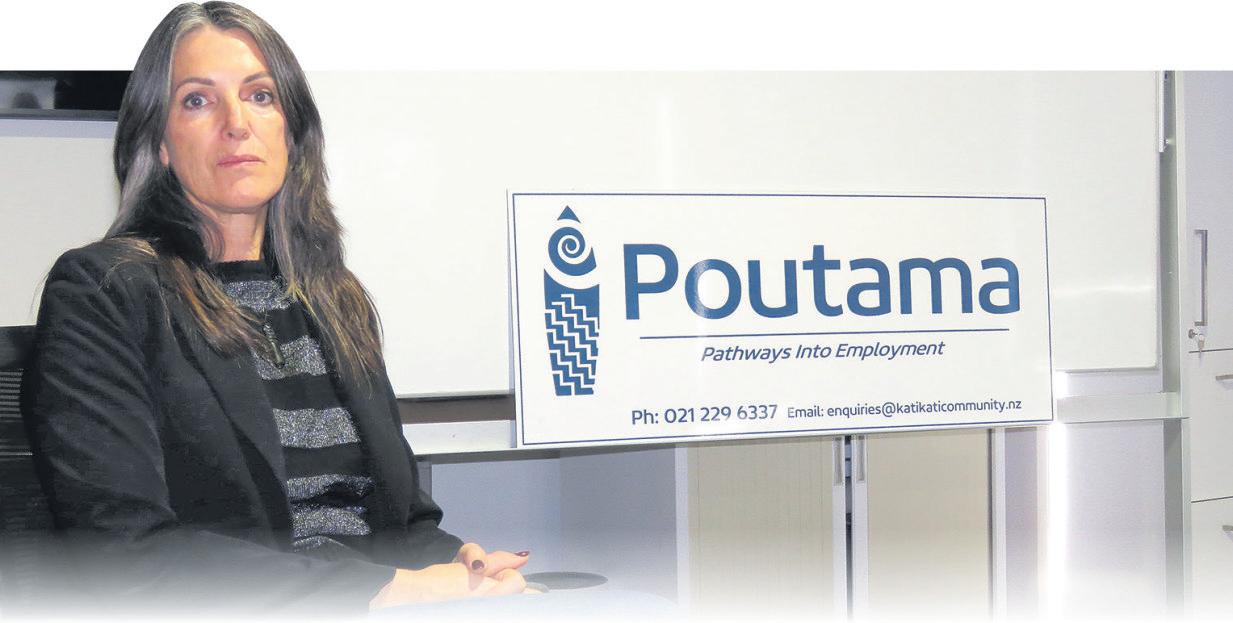
Community advocate John Bothwell, pictured, is on a mission. He’s calling on Katikati to act quickly and support a campaign he’s heading to keep a vital youth programme running locally
The Poutama - Pathway Into Employment programme will end on
June 30 after the Ministry of Social Development decided not to award Katikati Community Centre a new contract.
Since commencing in 2022, Poutama had supported 209 rangatahi (youth) from Katikati, Waihī, Waihī Beach, Ōmokoroa
and surrounding communities
The programme had also helped 158 young people successfully transition into employment, further education, or training
“Losing Poutama would be a significant loss for our community, and we can ’ t let

that happen,”
central government





Barfoot & ompson aihi Beach


Beach rocers
Beach aven

Beachhaven Caravan Park

Flat hite Cafe


G S aihi Beach
iSite aihi

Seaforth Park
Seaside Store
aihi Beach 4 Square
aihi Beach Superette

aihi Town Cats
BP Service Station

oolworths Katikati
E ES - Katikati


atikati 4 Square
atikati Information Centre
Katikati Paper Plus
Katikati Primary School
Katikopy Print

Park Road Dairy


Raine & Horne


Western Bay of Plenty District Council has pared back a proposed rates increase to 5.1% for existing ratepayers.
The revised figure is down from the 8.13% increase consulted on with the community in March, and lower than the 8.64% increase previously signalled in the council’s Long Term Plan.
The reduction comes as part of the council’s Annual Plan 2026/2027 process, which sets priorities, services and budgets for the year ahead
Mayor James Denyer said the lower increase reflected efforts by councillors and staff to ease pressure on households while maintaining core services.
“We know people are doing it tough, and we ’ ve approached this Annual Plan with that front of mind,” he said
“We’ve looked at everything through an affordability lens. People told us the basics matter – things like safe roads, maintenance and keeping our communities running well – and that’s been a big driver in our decisions.”
Community feedback during consultation highlighted concerns about affordability and a preference for focusing on essential services.
Council also faced additional cost pressures during the planning process, including rising fuel prices and the impacts of recent weather events
In response, councillors prioritised short-term affordability while continuing to consider how longer-term costs will be managed.

e Centre - Patuki anawa Library
Bower Real Estate atikati

Caltex Service Station


Fresh Choice Supermarket mokoroa
Omokoroa Superette


A key part of the changes involves how roading projects are funded Council confirmed an additional $5.8 million investment in roads to respond to growth and weather-related pressures, while maintaining service levels such as mowing and general upkeep
streetscape improvements.

mokoroa inimart

Story Ideas:
news@katikatiadvertiserconz

dvertising Enquiries:
Rather than fully funding this through rates, the council will use transport reserves and rates, reducing the immediate impact on households but potentially affecting future increases.
Other measures to lower the rates impact include:
• Using reserves to offset the solid waste targeted rate.
• Deferring how fuel cost increases are funded
• Denyer said the council was operating in a challenging financial environment.
• “We’re operating in the same environment as households and businesses – maintaining tight budgets and balancing rising costs, ” he said

advertise@nzme.co.nz
• Reducing discretionary spending.
• Scaling back community roading projects, eg footpaths/


• “That means making measured choices about where we spend, getting value for money and making sure we ’ re focused on what our communities have told us matters most. ” The council is due to adopt the Annual Plan on June 25.
More than 22,000 pieces of feedback from across the Western Bay are now influencing how the district will grow and change during the next 30-50 years
Western Bay of Plenty District Council said the results from its Community Quest event this year show strong support for the early direction of several long-term planning projects being developed across the district
Between February and April, the Community Quest sought feedback through four free, family-friendly events in Waihī Beach, Katikati, Te Puna and Te Puke, and an online survey open to all residents
More than 1000 people attended the events while 1058 online surveys were completed In total, the engagement generated 22,480 pieces of feedback Council strategic policy and planning programme director Emily Watton said the level of participation showed how much people care about the future of their communities
“More than 2000 people took part across the Western Bay through our events and survey, ” she said.
Strong agreement
“What stood out was how practical and thoughtful the feedback was. People weren ’ t just ticking boxes, they were talking about what they value in their towns, what they want to protect, and how they want their communities to feel in the future ”
Watton said there was strong agreement
across the key topics tested, including housing, transport, infrastructure, community facilities, cultural heritage and the environment
“Across these areas, an average of 75% of responses supported the direction we ’ re heading in, 22% were somewhat supportive, and 3% did not support it
“That tells us we ’ re on the right track overall It’s not about having every detail right yet, but it does show we ’ re reflecting what we ’ ve been hearing from people so far”
The engagement builds on earlier Community Ideas Forums, where residents worked with cuncil to identify the key issues and priorities for their towns before the wider community was asked to respond
Watton said the two stages of engagement were helping shape a clearer picture of what people wanted
“We started by sitting down with people who know their communities really well, and now we ’ ve gone out wider to check in with everyone, ” she said
“Bringing these two pieces together helps make sure we ’ re hearing the full picture ”
The quest also included district-wide questions about council priorities and future investment
Feedback from this part of the engagement would help inform development of the 2027–2037 Long Term Plan, Watton said
“This feedback is really useful as we

look at what we invest in and focus on over the next decade ”
District-wide feedback showed strong support for investigating a new landfill or transfer station closer to home, and focussing on ease of movement for cars, bikes and people through town centres
People also highlighted congestion, road safety and road maintenance as key priorities for the transport network
Council is now moving into the next stage of work: drafting plans for how
Waihī Beach, Katikati, Te Puna and Te Puke will develop These would be shaped by what the community has said, along with technical work and other planning considerations, Watton said
The draft plans will go out for formal public consultation in early 2027
Read the Community Quest feedback summary at: https://tinyurl com/6y7y8982
Watch a wrap-up video of the Community Quest events at: https://tinyurl com/ykm5u58v



A youth employment programme run by Katikati Community Centre will close at the end of this month after not securing a new contract from the Ministry of Social Development
Katikati’s Poutama - Pathway Into Employment programme had run this year at a new base upstairs in the Katikati Christian Centre on Henry Rd
The 10-12 week programme took on cohorts of 10 youth aged 15-24 residing from Waihī to Ōmokoroa to support them into education, training, or work through instinctive mentoring, team building and personalised coaching.
The programme was run by Katikati Community Centre general manager
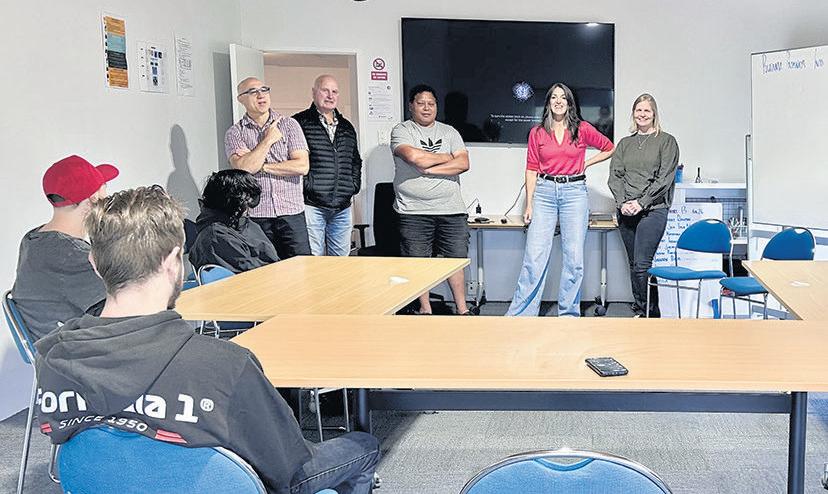
Nicky Austin, tutor Shaun Tata, youth employment coach Sjaan Rounds and chef, kaiawhina (supporter) and kaumatua (respected elder) Piripi Pareana
The centre announced last Friday that Poutama would end June 30 following the ministry’s decision not to award the organisation a new contract to continue delivering the programme beyond the current contract term.
Austin told Katikati News earlier this year she was busy creating a proposal for a new contract with MSD. “But it’s going out to open market; I feel confident but it’s definitely not guaranteed ”
The next contract would have been three years in length with a two-year renewal, which would have kept Poutama running for five years, Austin said in February
“While this is a disappointing outcome for our organisation and community, our



focus remains on celebrating the incredible achievements of the young people, staff and community partners who have contributed to the programme ’ s success over the past four years, ” Austin said.
Since commencing in 2022, Poutama had supported 209 rangatahi (youth) from Katikati, Waihī, Waihī Beach, Ōmokoroa and surrounding communities, Austin said.
“Through education, mentoring, life skills development, work readiness training and supported work experience, the programme has helped 158 young people successfully transition into employment, further education, or training.”


new contract to continue delivering this programme, ” Austin said.
“However, our overwhelming feeling is one of pride – pride in our rangatahi, pride in our staff, and pride in what this community has achieved together over the past four years. ”
Austin said she wanted to acknowledge the exceptional staff who had delivered the programme with passion, professionalism and unwavering belief in the potential of every young person. “Our staff have consistently gone above and beyond for the young people they supported
“Their commitment, empathy, expertise, and willingness to walk alongside rangatahi [youth] through both successes and setbacks has been extraordinary
Centre extends its sincere thanks to the many employers, schools, training providers, community organisations, and supporters who have worked alongside us over the past four years. “In particular, we wish to acknowledge Apata, whose ongoing commitment to providing paid work experience placements for every cohort has given our young participants valuable exposure to the workplace and the confidence that comes from earning their first pay packet.
“We also thank the many local employers who opened their doors to our rangatahi [youth], offering work experience opportunities, employment pathways, mentoring, and encouragement.
“Your willingness to invest in young people has made a lasting difference. Our gratitude also extends to schools, whānau, community organisations and referral agencies that entrusted us with supporting their young people and worked collaboratively to help them succeed.”
Finally, Austin thanked the Ministry of Social Development for the opportunity to deliver the programme during the past four years. “Through this partnership, rangatahi [youth] have been able to access support, training, work experience and pathways into employment and further education.
However, Austin said those numbers only told part of the story “Behind every statistic is a young person who chose to take a chance on themselves, often overcoming significant personal challenges, building confidence, developing new skills, and taking positive steps toward a brighter future.
“Naturally, we are disappointed that we were not successful in securing a
“We are deeply grateful for their contribution and saddened that we will be losing such talented, experienced and dedicated people from our team. ”
Austin said Poutama’s success had been built on strong partnerships throughout the community “The Katikati Community
“Although the programme is coming to an end, the impact of Poutama will continue through the young people whose lives have been changed, the skills they have developed, and the futures they are now building for themselves”
She said the Katikati Community Centre remained committed to supporting the community and would continue to explore opportunities to strengthen outcomes for local youth in the future.
























































The ministry responds
MSD regional commissioner for the Bay of Plenty, Jacob Davies, said the ministry would continue to deliver employment programmes for young people in the Western Bay of Plenty region and remain committed helping them take their next steps toward work “As with all government services, MSD contracts are regularly retendered in line with the All-of-Government Procurement Rules
“We ran a thorough procurement process for He Poutama Rangatahi [HPR] for youth employment programmes throughout New Zealand
“The programme is targeted to support communities working with rangatahi aged 15-24 who are not in employment, education or training ” Davies said the ministry received a large number of responses to the open tender, with many highquality proposals submitted Applications were assessed by an independent regional panel, he said “While unfortunately the Katikati Community Centre Charitable Trust Board was not successful, we are currently in negotiations with preferred providers in the Bay of Plenty region to continue delivering these services
“We acknowledge this is disappointing for the trust A list of successful contracted providers will be made public as contracts are finalised
A Katikati volunteering community leader is seeking urgent local support to keep the town ’ s youth employment programme going after it couldn’t secure a contract for future operation.
John Bothwell is determined to keep the Poutama - Pathway Into Employment programme running after news broke that it would conclude June 30
Poutama – based at upstairs in the Katikati Christian Centre on Henry Rd – would close after the Ministry of Social Development decided not to award Katikati Community Centre a new contract to continue delivering the programme beyond the current contract term
Bothwell, a long-time community advocate and volunteer involved in numerous local initiatives including the weekly community breakfast, food recovery programme and Community Led Development steering group and other projects, has taken up the challenge to help maintain the Poutama programme He said he is passionate about
Merle Cave
“We will be working to transition any existing clients to the new providers as required ” Davies said aside from HPR, the ministry continued to offer a wide range of employment and training services across the Western BOP, including work preparation services and skills for industry programmes “This includes Community Job Coaching, which was a Budget 2025 initiative to deliver coaching for 18-to-24-year-olds to help them transition into long-term employment In the Western Bay of Plenty this service is provided by EmployNZ, who also provide employment placement services,” Davies said
helping youth in Katikati’s community “It is a most unfortunate decision to cease funding a great programme that was making an impact for those involved Our youth are in desperate need of a ‘hand up, not a hand out ’ – and Poutama was doing just that,” Bothwell said 12 months’
He said many in the community did not realise that Poutama looked after its youth for 12 months after the programme to keep encouraging them into workplaces and society
“Things like Poutama you don’t release who vital they for the community until they’re gone – and by then it’s too late ”
He believed the wider community now had the opportunity to step forward to maintain Poutama
“If central government cannot continue funding this programme, then we as a community have a duty of care to help
“Katikati has generous businesses, community organisations and individuals who understand the value of investing in young people,” he said.
He suggested a small to medium-sized business could
offer financial support of say $20 per week or $1000 per annum
“Some of the larger horticultural-based [businesses] and others may be able to provide more financial support and qualify for a 33% tax rebate. Some such as ‘Apata’ are already helping with work experience placements for the students,” Bothwell said.
But with a new intake of youth due to commence July 1 and for staff to have surety around their employment,
Bothwell said: “We have to act quickly, with only a month’s window of opportunity”
He was keen to set up a ‘Friends of Poutama’ group to assist with the fundraising push
to secure Poutama’s future.
“Nicky [Austin] and her team should be focusing on supporting the young people – not trying to raise the necessary emergency funds to keep it operating-we need the community to rally behind it now ” Anyone who would like to support the fundraising effort, contribute financially, share ideas or help the ‘Friends of Poutama’ group can email: john.bothwell@xtra. co.nz or phone 021620441. Alternatively, email: manager@ katikaticommunity.nz
“Our young people deserve every opportunity to succeed,” Bothwell said.
“Losing Poutama would be a significant loss for our community, and we can ’ t let that happen ”
WARNING:This story dealswith suicideandmay be distressing for somepeople
Twelve years after Erica Hume took her own life, her parents are still asking why
Answers to some of their questions have arrived in a 218-page Coroner’s findings released this week and, while it doesn’t bring “closure”, it does set a benchmark for a new beginning, her mother, Carey Hume, told NZME.
“The findings are a reminder of what we lost and what Erica lost because people didn’t do their job
“We loved Erica. She was a young, vibrant student with so much potential and all she needed was someone in Ward 21 to pay attention to her, and actually help her when she realised, no, her safe haven had turned into a horror story, ” Carey said.
The “curious country girl” took her own life at age 21, after she was admitted to the mental health ward at Palmerston North Hospital
She grew up in the Bay of Plenty between Tauranga and a Katikati kiwifruit orchard, before moving to Palmerston North to study
The Humes have in recent years spoken publicly about what happened, not only in their search for answers but to ensure the narrative around their daughter was accurate.
“We knew our daughter,” Carey said.
“She was fully functional, studying, achieving great grades, well presented, had got herself a part-time job
“She didn’t meet the picture of someone supposedly with mental health issues and that was half of the battle,” Carey said of the family’s pleas for help
Death was ‘preventable’
Erica had been admitted to the ward on May 6, 2014
The following day, a nurse ’ s hunch about her fragile state turned out to be true, but a decision to check on her was minutes too late.
Erica was found in her room in the ward alive but unconscious, after she was seen returning from lunch in the dining room.
Resuscitation efforts began immediately by staff and then continued once an emergency team arrived, but Erica remained unconscious.
She was moved to the intensive care unit but her condition deteriorated, and she






died nine days later
Coroner Matthew Bates was critical of hospital management and staff for a series of failures linked to what happened. He said her death was preventable.
Health New Zealand said in a statement to NZME that it accepted the coroner ’ s findings and recommendations and was committed to ensuring it learned from what happened.
The national director of mental health and addiction services, Phil Grady, said HNZ extended its deepest condolences to Erica’s whānau.
“Erica’s death has had a profound and lasting impact on her loved ones, and we acknowledge that this pain continues,” he said.
The self-inflicted harm which led to Erica’s death happened the day after she was admitted. She died in the early hours of the morning on May 16, 2014.
Carey said as macabre as it might sound, the delay was a “gift” because they had time to say their goodbyes, and time to start asking questions.
Erica’s death happened a month after the death of her friend, 30-year-old Shaun Gray, in the same ward, which had a big impact on their “sympathetic and empathetic” daughter, Carey said.
“As horrible as it was, and as traumatic for us and her siblings, we had those 10 days because if she had died straight away, we might never have found out information they [staff] were not telling us. ”
The family didn’t know Erica’s phone had been misplaced on admission and she was unable to call them.
It was a point raised by the coroner He said if Erica had had her mobile phone on May 6 and 7 she would have had a greater opportunity to reach out to her friends or parents for additional support.
A coronial inquest into Gray’s death raised multiple issues about the way the hospital handled his care, NZME reported in 2022.
Coroner Bates said the circumstances around Erica’s death highlighted gaps in resourcing and failures around adhering to adequate policy and procedures in place at the time, but they were not properly followed
He said that had they been, it may have prevented Erica’s death, or at least materially reduced the chances of it occurring.
Coroner Bates said the circumstances around Erica’s death highlighted the



limited nursing resources available to Ward 21 at the time, the absence of a cohesive team nursing approach, and a poorly designed ward that was “ never fit for purpose”.
He acknowledged that a new acute mental health facility at the hospital, Ngā Wai Ngāro, was now operational but said any lessons learned should be applied to the new unit
Grady, on behalf of HNZ, said mental health inpatient services were complex environments that provided care for people who were often highly unwell and in acute distress.
“We recognise there is always more work to do to ensure we provide safe, high-quality care for patients and a safe working environment for staff,” he said Coroner Bates found Erica intended to end her own life, but acknowledged her family’s view that, ultimately, in a more general sense, she did not want to die
He also acknowledged that when she was admitted to Ward 21, she was actively seeking help from mental health services to try to live.
According to evidence heard at the 2022 inquest, in 2014 Erica called her care worker at Palmerston North Mental Health Services and said she was having thoughts about harming herself
The next day, she was admitted to Ward 21 on a voluntary basis. Her care worker filled out a risk assessment form, classifying her as “high risk”.
However, staff at the ward left her admission paperwork for the night shift to complete and no formal assessment of her risk was undertaken while she was in the ward’s care.
Overnight, she was checked every half hour The next day, she briefly left her room for lunch before returning It was just before 1pm when she was found unconscious in her room.
Owen Hume told the inquest his daughter’s mental health journey started years earlier when she was in Year 12 and told a teacher she “ wasn ’ t doing too good”.
She was referred to the school counsellor who took Erica to a doctor who prescribed anti-psychotic medication. Meanwhile, she developed multiple eating disorders.
All of this occurred without her parents ’ knowledge. “I knew something wasn ’ t right but as a mum of a teenage girl, you try to figure things out and not upset them. You nurture them through but it was the beginning of the end in that respect, ” Carey said By the time they found out and the Bay of Plenty District Health Board became involved, it was too late for her to access youth mental health services.
The Humes, from Katikati, tried to get mental health support while Erica was attending Massey University but she was deemed “ not bad enough”.
It was recommended that she access the








university’s counselling services
Massey quickly established that Erica’s situation was too serious for them to deal with and referred her back to Palmerston North Mental Health Services
Coroner Bates found several contributing factors linked to Erica’s death, including her mental state at the time, plus failure by Ward 21 staff to complete a risk assessment form upon Erica’s admission
Ward staff also failed to carry out observations in accordance with MidCentral District Health Board (MCDHB) policy and procedure
The actions which led to her death “demonstrated a degree of premeditation and planning to end her life”, Coroner Bates said in the findings.
“Her intent crystallised after she
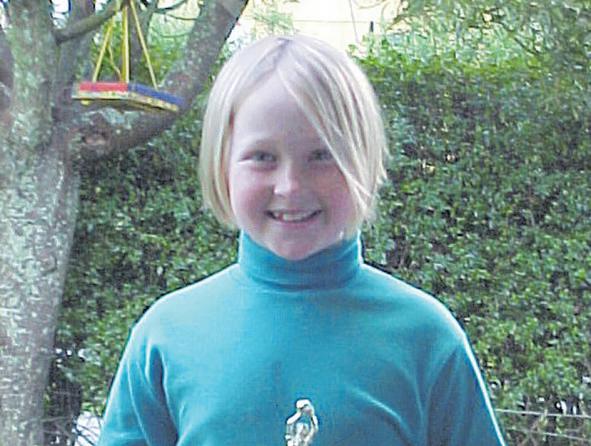
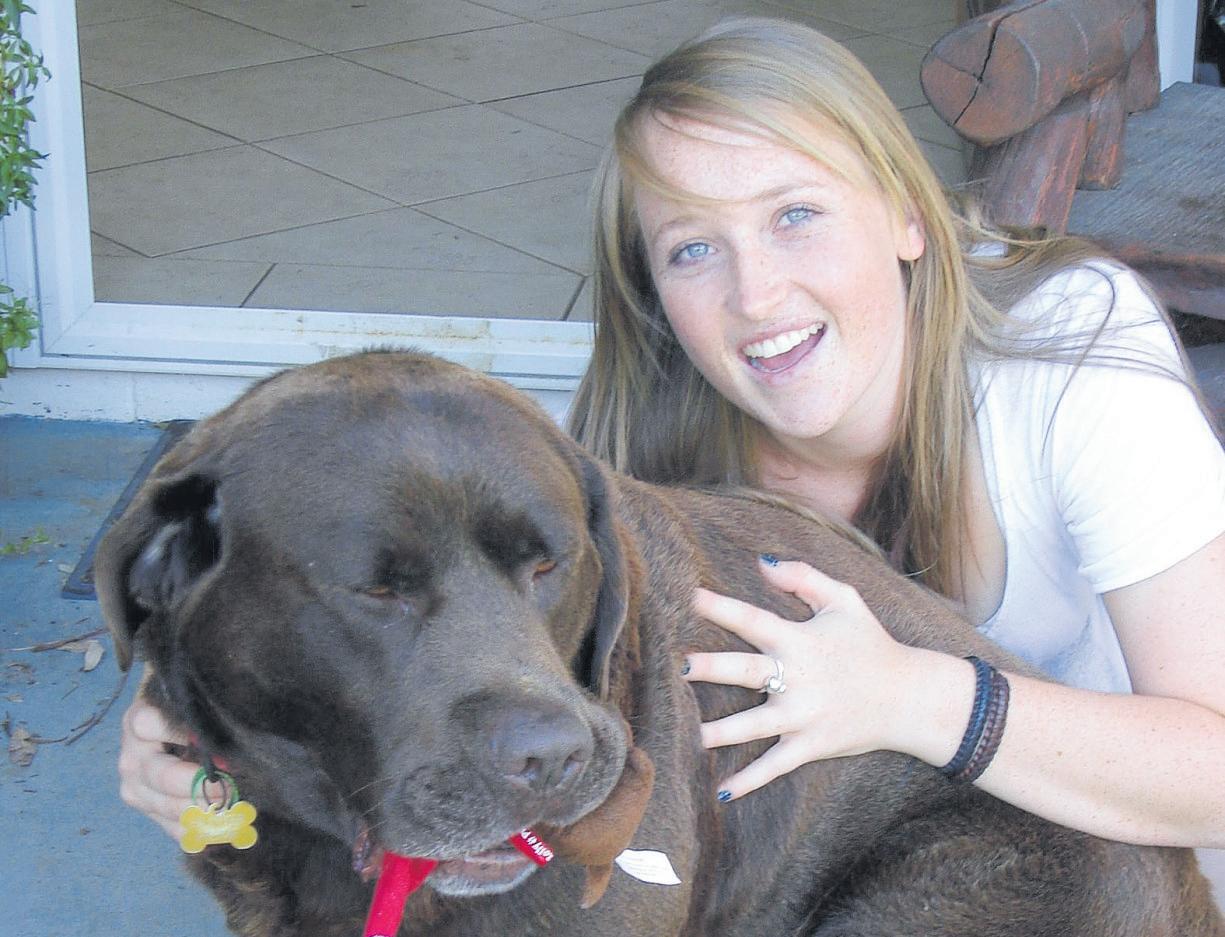
Carey Hume, described her as a “typical Kiwi country girl”, who had the confidence to give things a go.
learned that Mr Gray had ended his life ”
“No one checked on Erica for a critical 55-minute period on the morning of May 7, 2014, during which the nurse allocated to Erica’s care was absent from the open side of Ward 21 ”
Coroner Bates said if a psychiatric assessment had taken place following her admission to the ward, it may have alerted nursing staff to her heightened risk of suicide by the method she chose
However, Coroner Bates accepted it was not always possible for assessment to occur immediately after admission, particularly if it was later in the day or during the evening after the ward psychiatrists had left
‘At
The consultant psychiatrist on Ward 21 intended to assess Erica as soon as possible the day after she was admitted but couldn’t because of high demands on the ward that morning, and the need to prioritise other “overtly” acutely unwell patients, the coroner said
“This highlights the fact that Ward 21 was often operating at or over capacity, with high acuity, and with limited staffing resources, ” he said
Recommendations made by the coroner included that admission documents should be completed at the point of admission and that psychiatric assessment of newly admitted patients should occur as soon as possible
There was also a need for clearer protocols for staff to easily identify observation levels in place for each
have
Western Bay dog tags h turned green – and the annual registration fee has gone up Western Bay of Plenty District Council’s new 2026/2027 registration year is underway – with dog owners able to register kuri (dog) online, or in person at the Barkes Corner office, or at local library and service centres. This year ’ s green tags will replace last year ’ s red tags.

in Te Puke and Katikati, providing dog exercise areas, and installing signage and waste bag dispensers Fees also supported the Animal Services team in responding to complaints, investigating incidents, reuniting lost dogs with their owners, rehoming unclaimed dogs, providing education and advice, and enforcing dog control rules In addition, they help fund community events such as Doggy Day Out and the Wander Dogs walking series

Coroner Bates hoped the conclusion of the inquiry would bring some relief to all those affected by Erica’s death, in particular her family
Carey said it was less a closure than a beginning. “For us, it’s about the hospital management and staff having to start having accountability now
“I say that because our experience over the past 12 years is that no changes last You’re lucky if they last 12 months before they’re either ignored or dropped altogether
“But you ’ ve got to hope there’s change and reports aren ’ t put in the bottom drawer and forgotten about ”
This year the standard registration fee for desexed dogs increased from $110 to $121, while the fee for entire dogs increased from $140 to $154
The fees were reviewed each year as part of council’s Annual Plan process Council general manager regulatory services Alison Curtis said the increased charges will help cover the rising cost of dog control services, while continuing to support responsible dog ownership
“We know many households are feeling cost pressures, and we have worked to keep increases as low as possible, while still reflecting the rising cost of delivering animal services,” she said
Dog registration fees help fund required animal control services across the district, a range of facilities and initiatives that support responsible dog ownership and public safety
This included operating dog shelters
“While we recognise that dog owners have varying levels of demand for these services, registration helps ensure we can continue delivering essential animal management services across the District,” Curtis said.
Dog registration fees are due by July 1. All dogs are legally required to be registered before they are three months of age, and each must be registered at the address where they spend most of their time.
Further information on fees and how they apply to different dogs is available at: www.westernbay.govt. nz/rules-regulations-and-licenses/ animal-services/2026-27-dog-fees-andimpound-costs For queries, phone council’s customer services team on 0800 926 732 or email: info@westernbay.govt.nz
patient, plus the introduction of training audit systems to monitor whether staff were meeting training requirements
Health New Zealand MidCentral said significant progress had already been made in implementing many of the recommendations
Grady said in the 12 years since Erica’s death, significant changes had been made across mental health services, including the move to the new purposebuilt acute mental health unit, which opened in February.
“Our model of care has also evolved Since Erica’s death, we have seen the introduction of a shared electronic patient record across community and inpatient services
“This has strengthened clinical handovers and improved visibility of patient information, supporting more timely and informed decision-making,”
• Lifeline: 0800 543 354 (available 7am to midnight)
• Suicide Crisis Helpline: 0508 828 865 (0508 TAUTOKO (available 24/7)
• Youth services: (06) 3555 906
• Youthline: 0800 376 633
• What’s Up: 0800 942 8787 (11am to11pm)
• Depression helpline: 0800 111 757 (available 24/7)
• Rainbow Youth: (09) 376 4155
• Helpline: 0800 000 053
• Samaritans crisis helpline: 0800 72 66 66 (available 24/7)
• Aoake te Rā- bereaved by suicide service : 0800 000 053 If it is an emergency and you feel like you or someone else is at risk, call 111
Tracy Neal




We have a fully renovated co age available now, so please contact us for more informa on or to book a viewing We look forward to hearing from you























































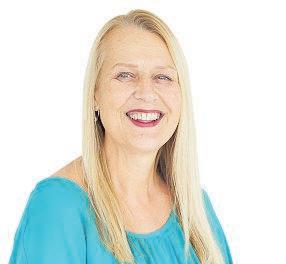


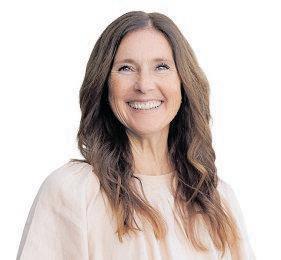











Tara Kehoe of EVES Katikati was proudly named Rookie of the Year at the 2026 EVES Awards, recognising exceptional achievement in her first year in real estate Delivering impressive results and building strong relationships from day one, Tara has already made a significant impact within the EVES network and her local community.