







It was the day something changed for The Hat and me Something for the good So, it was a rare, unexpected, and slightly creepy experience for both of us
Rural and urban in harmony – for the moment
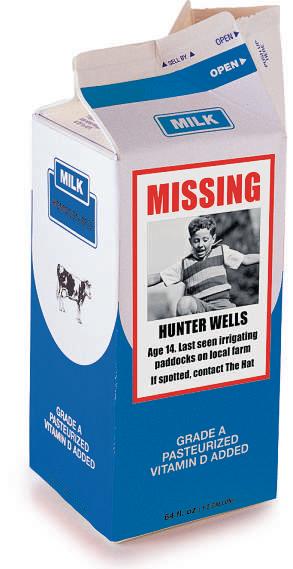
But not before a crisis, when The Hat issued an APB – an allpoints bulletin – for an irresponsible and untrainable wastrel from the city who was AWOL Missing Me!
Actually, The Hat didn’t know what an APB was, because there’s not much call for APBs out in the wop-wops.
On the other hand, I had no idea that AI wasn ’ t artificial intelligence but artificial insemination I also didn’t have many opportunities to drop rural acronyms like DM (dry matter) and B LNZ into a conversation on a city street
The Hat and I existed in different universes, highlighted by different acronyms
Anyhow, The Hat kind of issued an APB when I went missing I wasn ’ t missing I knew exactly where I was.
He had dispatched me in the old Commer flatbed to irrigate a couple of paddocks. It had spider webs in the cab and a First Aid kit with just a bottle opener How would that ever save a man – unle there was a nicely chilled 745ml bottle of Speights sitting beside it?
Editor: editor@coastandcountrynews co nz
Advertising: ads@thesun.co nz
Things started going wrong when he noticed three paddocks resembling the Zuiderzee or the Everglades – a chunk of his bonedry farm now a wetland
nd B+LNZ t corner ss
Because it was so warm, I had taken shelter in the cool of a nearby haybarn and fallen asleep For three hours Even though your nose got clogged with dust, the lucerne was an ideal bed, and there was a gentle zephyr wafting through. Perfect.
The Hat found his empty truck and me missing He might have had an MPD on his hands –“missing presumed drowned”. Anxious, or furious, or a bit of both More furious, because I had that effect on him Suddenly, every Johnny Hayseed was scouring the joint – checking irrigation ditches, culverts, channels, and streams for a body I was 100m away, snoring my nut off.
All the neighbours were called in to help It was an emergency The Hat was delaying calling my folks to tell them I was MIA. Or MPD Heaven forbid
When I awoke, the sun had done a day’s work and was headed to bed over the Southern Alps
And the paddock below resembled Field Days - every conceivable type of farm vehicle: tractors, trucks, dirty Holden station wagons, twohorse floats, dogs, and crazy people hither and thither, all calling my name. Like a crisis roll call with only one name on the roll
“What’s the problem?” I asked There shouldn’t have been any problem
The stare was fixed It was The Hat, and the stare was fixed on me. Was he going to cry or explode? Then he did something inconceivable. He threw those long, sinewy, tanned levers around me and clung on. I could smell lanolin. And fear It seemed like I had come back from the dead, and he was glad about it. For how long, though?

Farmers are at the pointy end of rising fuel costs
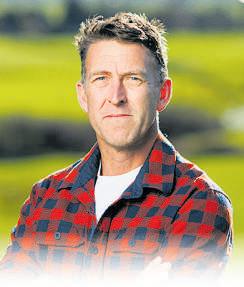
“The buck always stops with us, ” says Waikato Federated Farmers’ president Phil Sherwood “And we can ’ t pass it on ”
He says the recent spike in the cost of diesel and petrol is being passed on by contractors and services associated with the rural sector.
Fertiliser costs have already increased, with spreading charges likely to follow
Phil says stock feed suppliers will act similarly, as will contractors involved in harvesting, re-sowing and planting
“Winter crops are going in now, ” he says “It’s peak time ”
Suppliers are also struggling to give timeframes for on-farm deliveries
He says farmers also obviously face bigger bills for running their on-farm vehicles, such as tractors and quad bikes, along with private cars.
Added to this is “anything that’s imported”, such as minerals used for animal health
“Shipping costs will come through,” says Phil
Phil says farmers also always face rising costs in areas such as staff remuneration
“To get people, you need to pay them good money ”
Another area regularly on the rise for farmers is the cost of repairs and maintenance
Looking ahead to the 2026-27 season, DairyNZ forecasts a slightly lower average payout received.
Key costs are forecasted to come down marginally, reflected in a slightly lower breakeven milk price at $8 31/kgMS The average surplus is forecast to remain above $1, at $1 07/kgMS
“There are a lot of unknowns on the horizon on the global front that have the potential to adversely impact farmers,” says DairyNZ Head of Economics, Mark Storey
Phil says the bigger overall bill is tempered by increased returns to farmers from an increased payout and strong production
This gives farmers “additional margin”
“It’s a great position to have ”
Fonterra suppliers can also look forward to a cash injection through the dairy giant’s divestment of its global consumer business
Phil says farmers should not be in “panicbuying mode” due to the current fuel issue
Some may be able to “trim a little fat” in their costs by looking at feed conversion efficiency and pasture utilisation
“It’s about doing the basics right ”
Driven by strong milk prices, DairyNZ estimates farmers will receive an average payout of $9 92 per kilogram of milksolids (kgMS) for the 2025-26 season
With a forecast breakeven milk price of $8 36/kgMS, this points to an average surplus of around $1.56/kgMS for the season.
Season-to-date milksolids production (June 2025 to January 2026) is running 3 3% ahead of the same period last season, with Waikato showing a modest increase of 1 7%
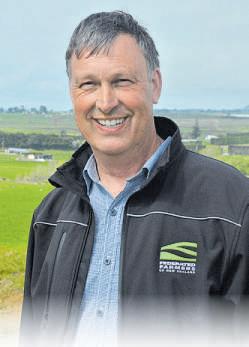
farmers are not feeling “down”
“I’m cautiously optimistic ”
“You have to be realistic about what is happening on the other side of the world,” says Brent “Overall, I think we are in a pretty good space ”
He says the drought of 2020 and Covid were “ a lot more concerning than what is happening now ”
The Ministry for Primary Industries (MPI) says it has been meeting regularly with the primary sector, including business leaders and industry groups in the farming and horticulture sectors, since the Middle East conflict started
“The sectors report that the increase in fuel costs is a challenge for businesses Farmers and growers will face ongoing cost pressures if the volatility continues,” an MPI spokesperson says, “There is enough fertiliser supply to last until spring, although costs are expected to rise the longer the conflict continues
“The bulk of primary sector product continues to reach international markets, but on a case-by-case basis we are helping exporters with certification to redirect product elsewhere if required ”
“Rises in oil prices or shipping costs flow through into fertiliser, transport and on-farm input prices, and this is something to keep a close eye on I’d advise cautious optimism ” Bay of Plenty Federated Farmers’ president Brent Mountfort says farmers are “quite comfortable” with their returns at present, but the conflict in the Middle East could affect trade routes vital to New Zealand dairy exports
On the home front he agreed that rising fuel costs will undoubtedly be passed on to consumers, including farmers.
“Everything in New Zealand relies on diesel.” Brent says technology around electric vehicles is still developing
“It’s not there yet for heavy machinery”
He says urea, a byproduct of oil and widely used by farmers to aid pasture growth, is likely to spike the most
Fencing costs – materials and contractors –have also effectively doubled in recent years
Brent says farmers are price-takers
“We get charged for services we receive and told what prices we are going to receive for our products ” Even with the current fuel issue, he believes











Before Covid-19, with a BA in Business Management majoring in Finance under his belt plus a passion for stocks and shares, Ryan McPherson was seriously considering a career on Wall Street, New York.
During Covid-19, he ran the support blocks on the family’s farms, which led to a completely new direction career-wise for him
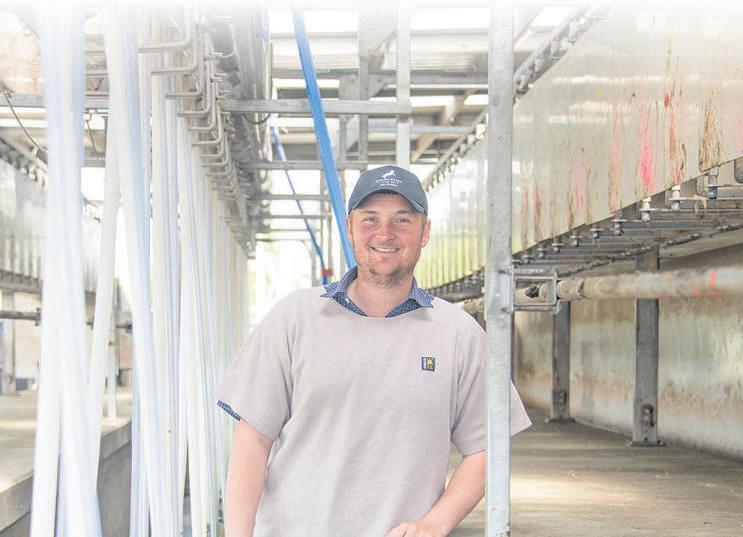
“When things became a bit more normal again, Dad told me about a Spring Sheep Milk Co milking open day that was on and said I should go along and see what it was all about.”


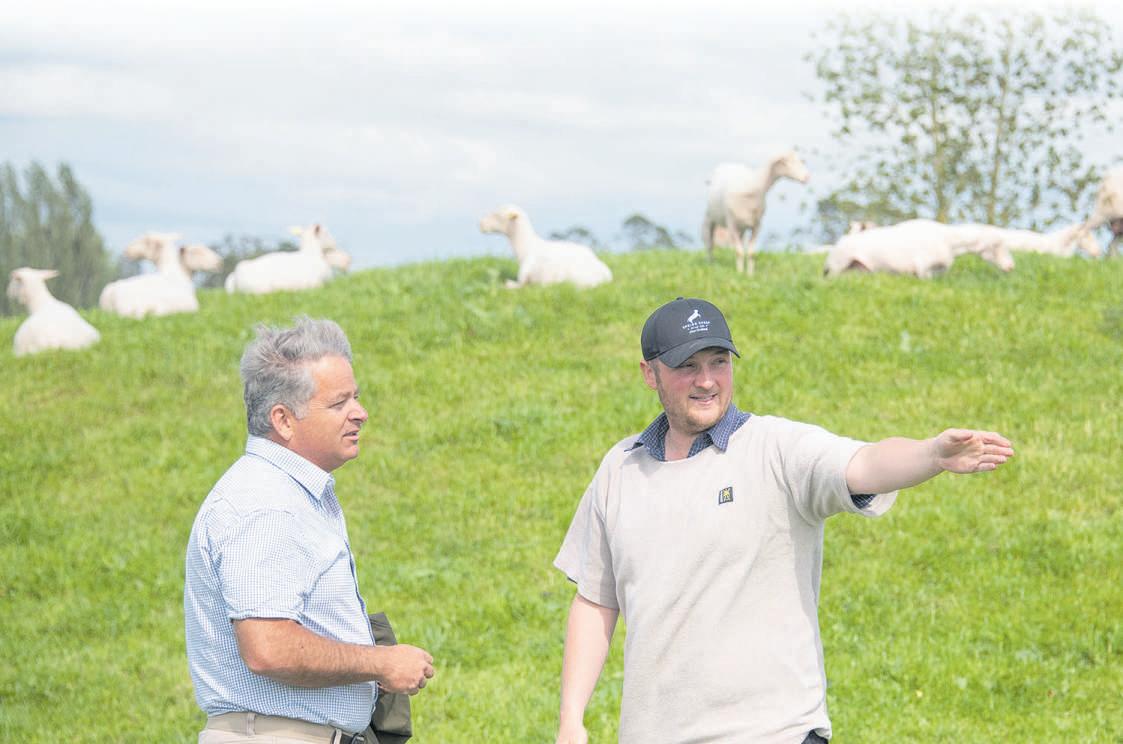
Ryan’s South Waikato family own several farming operations in the Lichfield area under the family business Colewin Farms.
One of two dairy farms is a production system 2 set up with 950 cows and the other is a production system 5 set up with 700 cows. The dairy operations have several support blocks growing maize, grazing heifers and lambs.
Setting up a sheep dairy operation appealed to Ryan, and he says the numbers stacked up.


“We’d been talking about diversifying and considering more sustainable options for our farming business, and I felt that it was something different from the other things we were doing that I could grow into a good business and career ”
In 2020, Spring Sheep Milk’s supply manager (now chief executive), Thomas MacDonald, came out to assess the farm for suitability The farm suited the Spring Sheep business model, and the family business signed a contract with them.
Work started in December 2020 and continued to August 1, 2021, when the first 650 Zealandia sheep arrived.
“We had an old decommissioned 16 ASHB shed already, plus land for the 60-hectare sheep dairy platform and lamb rearing sheds.
“The old dairy shed was gutted and made into a 42 ASHB for sheep, with a rapid exit system. Sheep and lambs especially need fencing with more wires and battens, so we fenced in a central straight race with paddocks running either side for easy access to the dairy shed ”
Two polytunnel lamb rearing sheds were put up for lambing season.
In the first season, Ryan ended up milking on his own, as they were a staff member down, but says it was pretty straightforward and each milking took around an hour
In the 2022 season, they milked 800 sheep, 900 were milked in 2023, 1000 in 2024 and 1200 in 2025, with Ryan as manager and three full-time staff plus part-timers over lambing times. The sheep have a grass-based diet and that is always the priority
for the rather picky Zealandia sheep, which like the best leaf tips.
“Grazer cows follow through behind the sheep and reset the paddocks and help reduce worm burdens in both animals.
“We also have in-shed feeding of a canola meal pellet for extra protein and minerals. We grow around 16 hectares of chicory for the sheep over summer. During winter and early lambing I use seven hectares of maize.”
Last winter, 1500 sheep were wintered, but only 1200 were milked. The flock is sheared twice a year, and Ryan uses Jack Fagan’s gang.
With a 220% lambing rate in the 2024/25 season, most ewes are having twins or triplets. All lambs spend four days with their mum and then five weeks in the rearing shed once trained to use adlib feeders.
“Spring Sheep genetics are protected, so all male lambs are band castrated and given away for free. Many go to “ mow ” lifestyle blocks, some become pets and others are reared for meat. Our females are our replacements, but excess may be reared for meat. ”
Spring Sheep collect and process all milk and supply the genetics for mating.
Zealandia rams are used for mating and farmers can pick their rams.
“Last season, we averaged 62 kg/Ms per ewe, which is towards the higher end of production, and we are on track for this figure in the 2025/26 season. ” Ryan is looking forward to working with Sppring g Sheep p on his flock’s g genetics
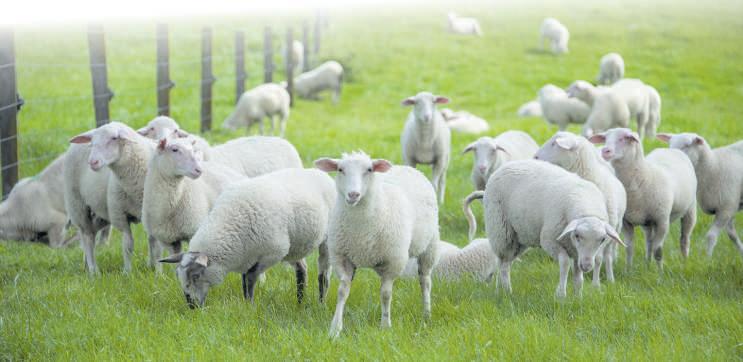
over the next few seasons, with a view to averaging 75 kg/Ms per ewe and milking 1500 sheep
Ryan has put in measures to lower the sheep operation’s carbon footprint. He says sheep are a more sustainable farming option and there is less pugging in the paddocks and less urine volume, reducing leaching issues.
The milking shed has solar panels, which provide power for chilling milk or running the shed in the afternoon. Excess power goes into the grid, and the farm is paid for it. An electric farmbike is effectively reducing fuel consumption.
Lowering the farm’s carbon footprint will be an ongoing project for this s sheep business


















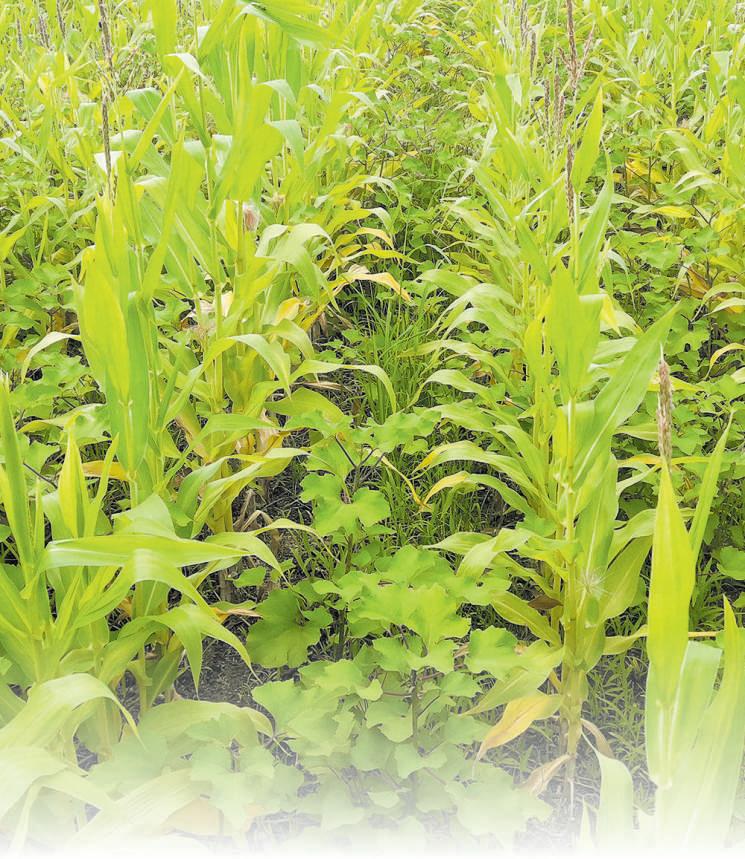
Noogoora bur has earned a reputation as one of the world’s most serious agricultural weeds
Internationally, farmers have had dense stands take over paddocks, choking out crops and reducing yields
Wool producers have had to deal with serious contamination issues, where burs are so embedded that high costs are incurred to salvage the wool Livestock farmers have had to deal with poisoning from the seeds, or lameness and infection where burs lodge into hooves or fleece. While its presence in the Bay of
Plenty is limited to a small number of properties, it’s critical to be vigilant Noogoora bur is usually found on arable land, often in maize paddocks, but can just as easily colonise pastoral land Each plant can produce 10,000 seeds per year and seeds can remain dormant in the soil for many years
The economic and ecological impacts of Noogoora bur can ’ t be understated It grows rapidly, competing with desirable crop plants and reducing returns. It releases chemicals that suppress the growth of other plant species and can even carry fungal diseases capable of infecting horticultural crops It’s bad news for growers, contractors, and the wider economy
Thriving communities and a healthy environment go hand-in-hand That’s why we work with local landowners, offering practical support and technical advice for good land use practices From compliance to conservation, every action helps ensure a bright future for the Bay of Plenty






The good news is, there is a chance of eradicating it from the Bay of Plenty All existing infestations are contained and are actively managed by the Bay of Plenty Regional Council, and we carry out regular surveillance in high-risk areas. We also rely on public reports of suspected plants – early detection is essential, so if you see any plants that look like Noogoora bur, let us know
Whether you ’ re a contractor, grower, or landowner, here are some top tips to stop Noogoora bur in its tracks:
• Know how to identify it. Look for spiky hooked burs and large, grapelike leaves
• Follow the ‘clean on, clean off’ rule. Clean machinery, vehicles, tools, and gear before entering and exiting property
Check your gear thoroughly Even tiny soil clumps can contain seeds Inspect harvesters, trailers, diggers, quad bikes, boots, and clothing
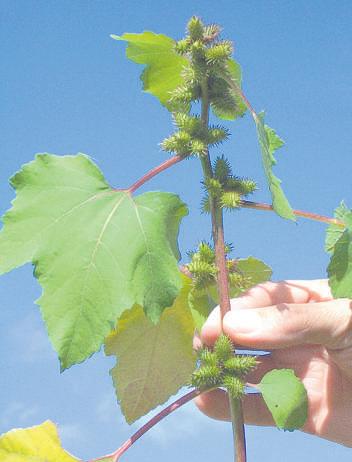
Grape-like leaves with long stems and spiky seed-filled burs that get caught in clothing, boots, tyres and hooves.
Prevention remains our best defence against the environmental and economic damage this weed can cause With seasonal activity rising and machinery moving, bur seeds are ready to hitch a ride Your vigilance could be the difference between eradication and long-term infestation
Think you ’ ve seen Noogoora bur? Don’t remove it yourself Contact the Bay of Plenty Regional Council Biosecurity Team on 0800 884 880
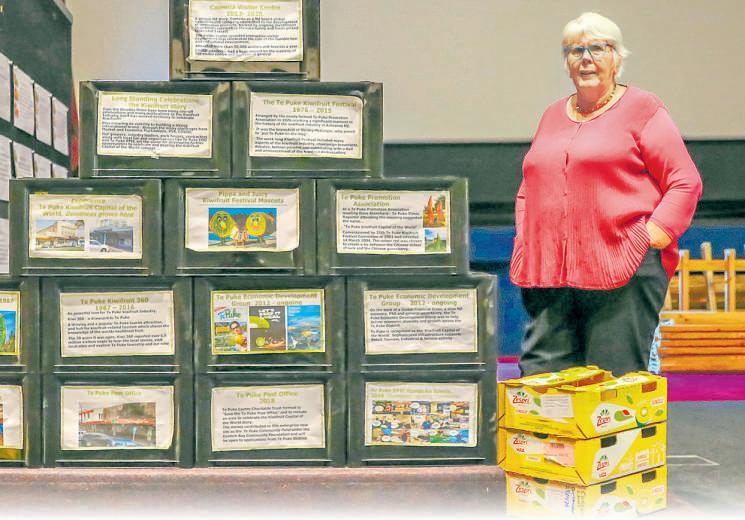
There are “20 balls in the air” set to land at once to create the completed Kiwifruit Capital of the World Te Puke Heritage Visitor Centre
Project leader Sue Matthews said after about six months of leasing the bottom floor of the Capitol Theatre on Te Puke’s main street, the team had made extensive alterations.
The space was set to open in May as an immersive, walk-through celebration of the town ’ s kiwifruit history
The experience would begin in a darkened hallway designed to replicate native bush, complete with digital imagery of tall trees, waterfalls and the sounds of the forest.
Visitors would then move into a section focused on native wildlife, including displays on frogs, bats, kiwi and kākāriki, as well as predators and the community groups working to make areas predator-free.
The story itself
From there, the journey would shift into the kiwifruit story itself, with large digital wall displays showing orchard scenes, pruning, packing and trucks loading fruit for export.
Another space would feature kiwifruit hanging from the ceiling and walls before leading into the former theatre area, which once seated about 200 people and had been completely gutted
Matthews said this space would include a large ship installation showing kiwifruit being loaded for export, with male and female kiwifruit flowers - each about the
size of a person - emerging from the walls, alongside a giant beehive and the growth cycle of the fruit.
Another area would focus on bees and pollination, including artificial pollination methods.
Matthews said the aim was to create a largely visual experience that was accessible to people of all ages and backgrounds, where people could walk through “feeling the vibe”
hrough, feeling vibe
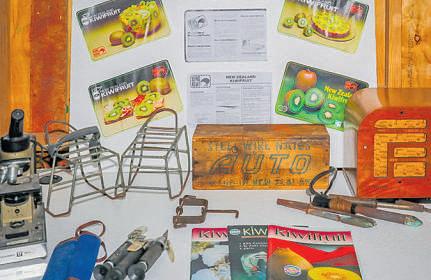

A mini theatre was also under development, which would take visitors through the history of kiwifruit, post-harvest processes and the technology behind the industry
While the heritage hub was still under development, the building had already begun hosting regular community movie screenings, with children’s films shown on the second Sunday of each month and adult movies on the fourth.
A recent screening of Downton Abbey

42 people across two sessions, which Matthews said helped the project break even
Community support has been a major driver of the project, with dozens of volunteers contributing their time and skills
Everybody had been “really positive” and were coming up with “brilliant ideas”, Matthews said
People walking past often called out asking, “What can we do?” or “Can I help you with that?” “It just blows you away, ” Matthews said
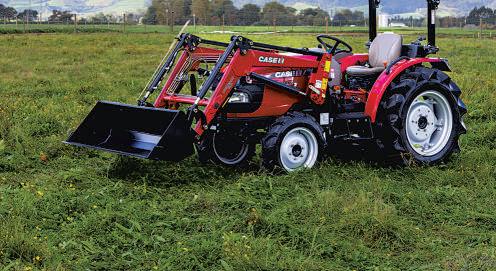
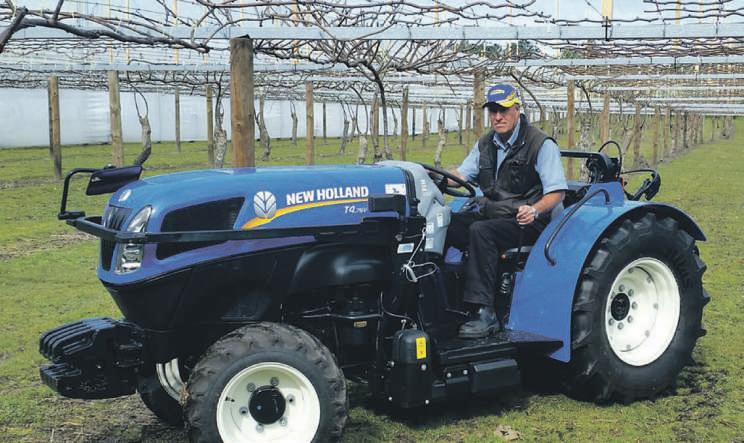
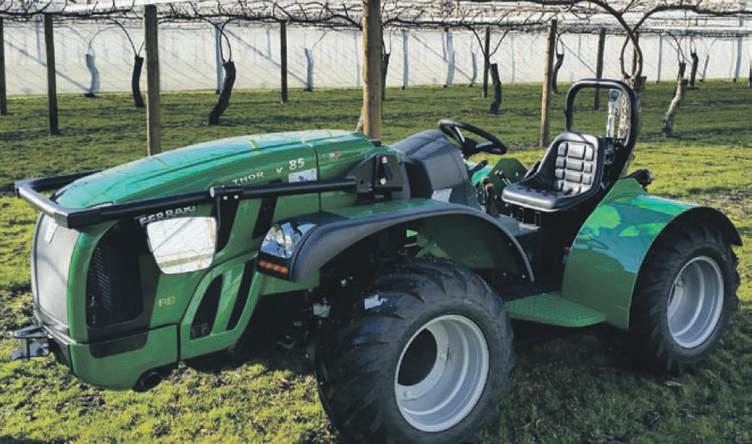
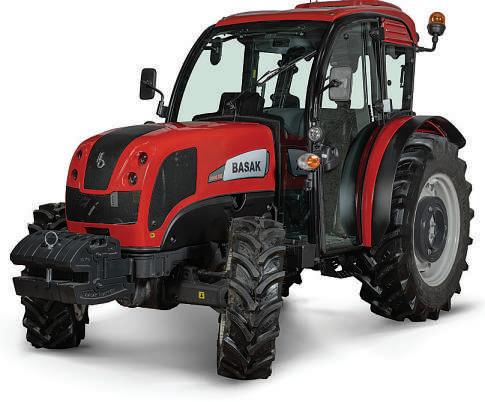
With emission regulations meaning more tractors are incorporating engine technology such as exhaust gas recirculation and ad-blue AGTEK set out to source a tractor that didn’t require these add-ons, featured more mechanical systems rather than electronics, and offered something a little more “bullet proof” To meet the needs of the New Zealand market, the Te Puke-based importer and distributor has launched the Basak orchard range, offered in three versionsthe Kiwifruit Special ROPS, designed specifically for NZ kiwifruit conditions, alongside orchard models, in ROPS and air-conditioned cabin layouts
Established in 1914 European-headquartered Basak, is a part of ASKO Holdings, a group of companies in growth mode, who also own other well-known brands such as Versatile Tractors
Looking at the Basak tractors a little closer, a Tier3 3-cylinder turbocharged Perkins engine offers a punchy 80hp engine with frugal fuel economy complemented by an industry-leading 85 litre fuel tank, meaning less down time for refuelling In turn, this is matched with a mechanical Synchro transmission with 16 forward/8 reverse speeds complemented by 4WD with mechanical rear and limited-slip front diff locks
At the business end of the tractor, a 3000kg, Cat 2, three-point linkage with hook ends is mechanically controlled offered with 50 l/min hydraulic flow with two remotes and a 2-speed independent 540/540E system
The 2080BB “Kiwifruit Special” version while offering a low comfortable seat height for operator’s, is fitted with 20-inch wheel equipment offering greater ground clearance improved traction and a faster road speed
General Manager, Gayne Carroll says, “Our customers were always asking us for a more mechanically focused tractor, that was simple to operate and not stopped by electronic faults We spent time in Europe looking at options and found that Basak addressed that wish-list, but also offered a price position that sits around 20 – 25% below other European competitors, meaning it’s already generating a lot of interest”
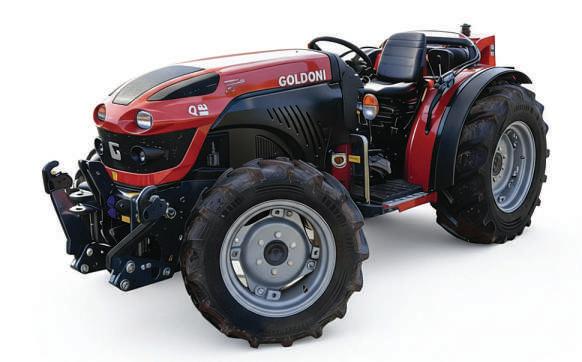
Complementing the Basak launch, the arrival of the all-new Goldoni Q Series offers engineering excellence and an extensive redesign for ease of use and ultimate operator comfort
Featuring the latest Hyundai Doosan 4-cylinder Tier5 engines offering less emissions, higher performance and unparalleled fuel savings other new features include cruise control, telescopic/tilting steering column and a new 24 forward & 12 reverse synchro shuttle, including a creep range offering speeds from 0 46 to 40 kph road speed
The new Super Kiwi Q Series is the first kiwifruit tractor to be able to offer a low seat height, for working under kiwifruit pergolas with mechanical adjustment of suspension in, and still fitted on 20” wheel equipment All kiwifruit models come standard fitted with a full under body belly pan protection
The Q Series is available in a Super Kiwi kiwifruit ROPS version, standard orchard ROPS and narrow, low-profile cab and standard cab options Depending on wheel equipment this can achieve an overall width as narrow as 1250mm
For more information contact AGTEK at info@agtek co nz, or call 07 573 8132
Volunteers have ranged from an 82-yearold helping in the kitchen to seasonal kiwifruit workers carrying furniture up flights of stairs, after donations from local organisations provided key fittings for the space
Matthews said the hub was designed to appeal to both locals and visitors, and to help people better understand the scale and complexity of the industry
What she loved most about the project was that it was for the whole community, from kids through to older generations.

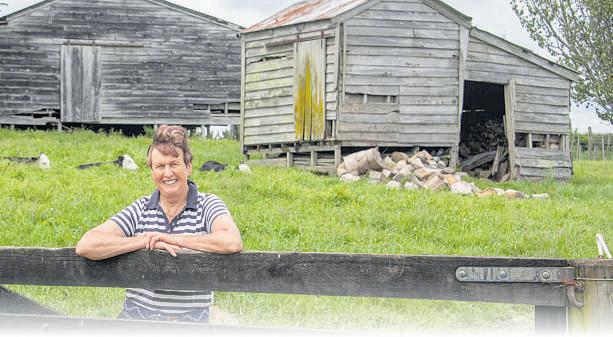
More than a century after Nicoli Fife’s grandparents first stepped on to their newly purchased farm in 1912, Charlton Stud Sporthorses remains one of New Zealand’s most storied breeding operations - a place where tradition, grit, and generational horsemanship continue to shape the sporthorse landscape
The original farm Nicoli’s grandparents bought stretched from the main road in Lichfield all the way up to the hills They cleared all the scrub and made the lower paddocks into dairy and ran drystock on the higher ground
Her parents, Beth and Charlie Fife, met at the inaugural meeting of the Putaruru Pony Club in 1948, and the rest is history They took over the main farm in 1950, bringing up four daughters and one son there

Beth was very much involved in establishing Pony Clubs and Horse Trials throughout New Zealand
“Before they had children, my parents regularly hunted with the Waikato Hunt, and later with the Taupō Hunt. They both rode competitively, and in those days, to get to another town to compete, you had to put your horses on the train.”
By the time Nicoli and her siblings were all competing and hunting, they were able to use the farm’s cattle truck to get to shows.



“In 1967, Charlton Stud Sporthorses was founded by my parents, who were both very knowledgeable horse people and began by breeding ponies They named the stud after the Charlton estate in England, where mum ’ s mother was born.”
Using their Welsh thoroughbred stallion Super Signal, they were breeding good, all-around, sensible ponies that kids could ride.
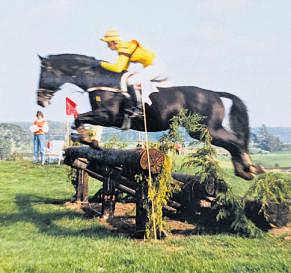
Nicoli was riding at a high level by the late 1970s and was part of the team to contest the World Eventing Championships at Kentucky in 1978, alongside Mark Todd.
“In 1978, we bred Charlton Hahndorf, the only stallion son of the imported Hanoverian stallion Winnebago I trained and then competed with Hahndorf at Intermediate level eventing, Prix St Georges dressage and B grade showjumping ”
The family bred and stood Hahndorf during the 80s and 90s, and many of Hahndorf’s offspring have competed at top levels in all three disciplines, both locally and internationally
In the 1980s, Nicoli and her sister Lynley took horses over to Britain and stayed for three years to compete Nicoli competed at Burghley, but sadly didn’t make it to Badminton The stud stood an imported, proven KWPN CI stallion Oldenburg from Holland in 1990, so they had two very good stallions

“The Hanoverian characteristics bred with New Zealand
thoroughbred characteristics made for a good all-around sport horse with the endurance for eventing. There were a lot of good thoroughbred lines in New Zealand around the 1980s and 1990s ”
At the stud’s peak, there were 80-odd horses on the farm, and mating was natural. There were up to 15 horses in work, and Nicoli trained other people’s horses as well as raising and breaking in the horses she bred.
Nicoli has her own method for training her foals, starting with handling them as babies, then weaning them at 6 months of age, when more time is spent handling them They are then turned out on the hills of the farm to grow and develop “I break my horses in myself at 3 years of age, and then begin their riding education Initial emphasis is on dressage, hacking and showjumping, and eventually cross-country training. The horses are progressively competed through the levels of all three disciplines along the way ” In 1992, Nicoli bred another stallion, Charlton

many top sporthorses.
Javelin by Oldenburg He went on to compete successfully in a grand prix show jumping ridden by Catherine Cameron Javelin was the sire of many successful sporthorses
When Javelin passed away in 2011, the era of AI was well established, and Nicoli was able to follow the international circuits for bloodlines, types and shapes that might complement her mares and then import stallion semen from all over the world.
As the years have passed, Nicoli still has about 25 horses on her stud, mainly grazing other people’s horses, including ex-racehorses from Hong Kong l living i in retirement bliss
She breeds one or two foals a year and still rides She has been an active Federation Equestre Internationale (FEI) judge since 1998 and has judged at three five-star events, Badminton, Adelaide and Kentucky during her career
Nicoli says she has four pieces of advice for breeding and training successful sporthorses
“I firmly believe in feeding mainly grass, silage, hay and plenty of fibre A good farrier means fewer injuries and problems, and I’ve been lucky to use John Pulford for 40-odd years
“A good vet who understands where a horse is at, and lastly, good saddles that fit ”






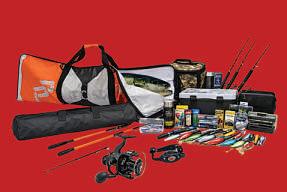
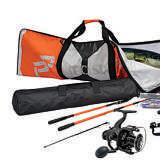
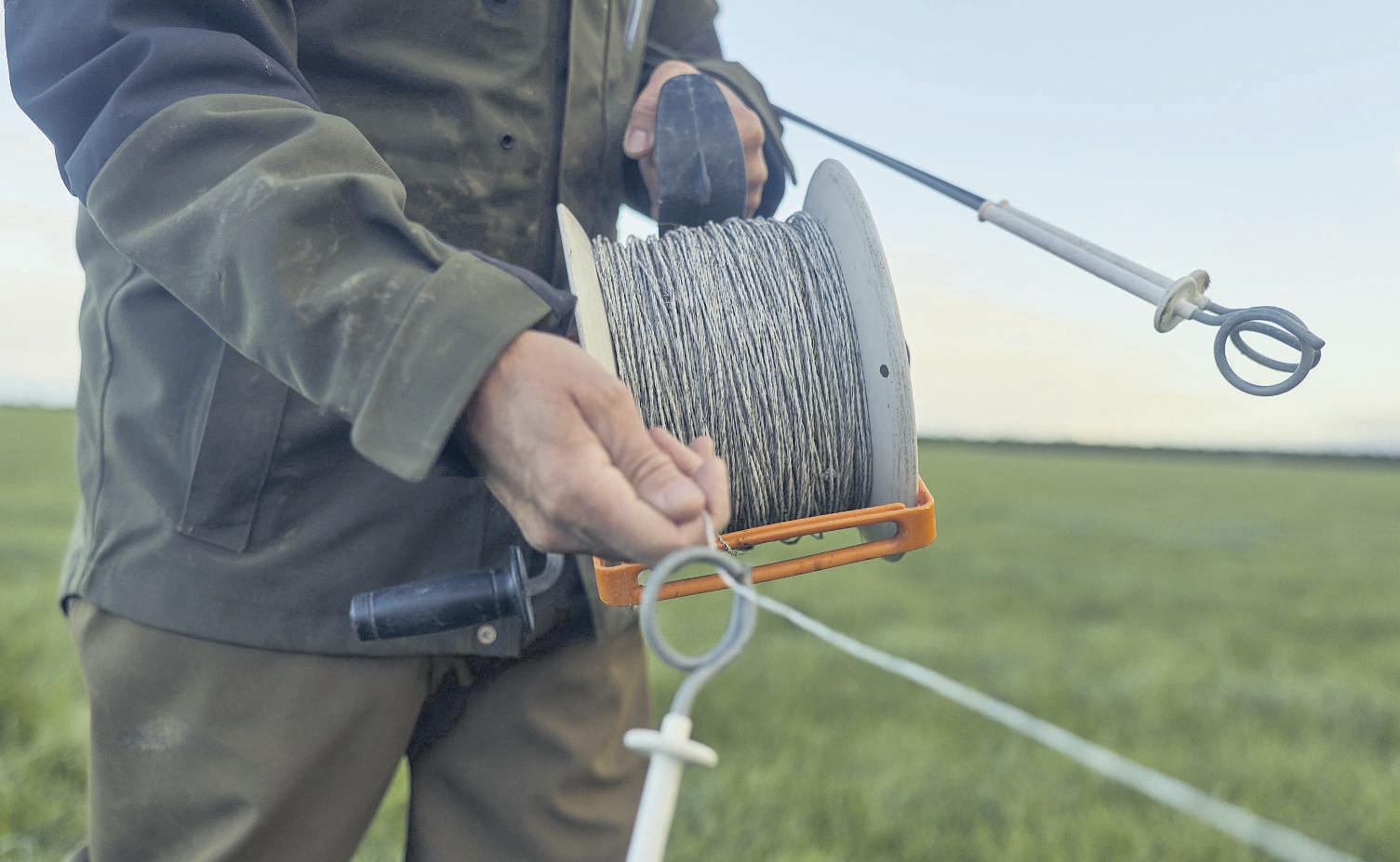
Maximise feed utilisation without pugging up your paddocks so nobody goes hungry during winter. We’ll see you right with hardy gear that lasts. Shop offers in store, online, FarmlandsPRO, or with your rep.


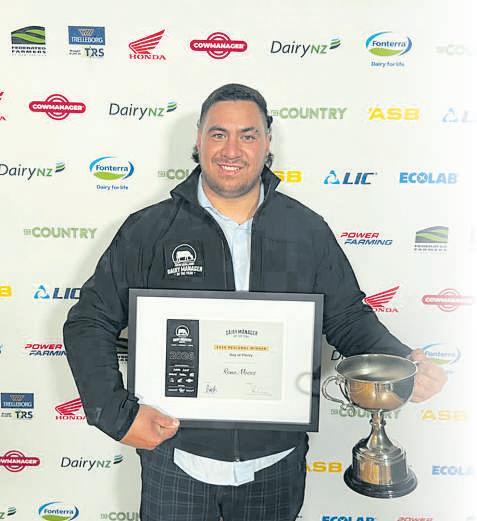



It was third time lucky for the Dairy Manager of the Year at the 2026 Bay of Plenty Dairy Industry Awards.
Reno Moses took the title at the annual awards dinner, held recently in the Awakeri Events Centre near Edgecumbe.
The 28-year-old is a farm manager for Scott and Rebecca O’Brien on Rory and Susan Gordon’s 260ha farm at Galatea, Eastern Bay of Plenty, milking 700 cows in a 50-bale rotary shed This was the third straight year Moses had entered the Dairy

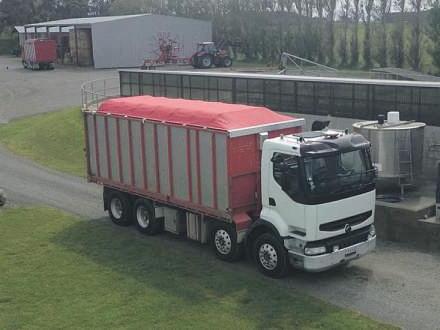
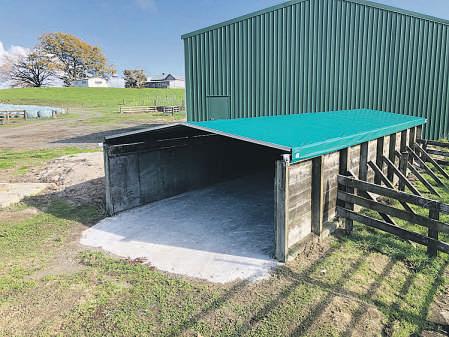
Industry Awards, placing third in the Dairy Manager category in 2024.
Moses said he first entered the awards programme after being encouraged by Scott and Rebecca O’Brien, Share Farmers of the Year at the 2022 Bay of Plenty Dairy Industry Awards
The same year, they received the DairyNZ People and Culture Award at the national finals, while Rebecca O’Brien was also named the Dairy Women’s Network Regional Leader of the Year
Moses said entering the New Zealand Dairy Awards challenged him to look at his role from a whole farm perspective.
“It’s about knowing why we do the things we do,” he said “It motivates you to do better”
Entering the awards also gave him more confidence, with his previous years ’ involvement standing him in good stead.
“I knew what it was all about.”
Moses said it helped that he’s always asking questions of himself in the role.
Judging this year at the regional level was based on a presentation covering aspects including farm records, herd management, targets for body condition scores in the herd, mating results, pasture and feed.
Judging for this year ’ s awards looked at his farm training – Moses has completed Level 5 in Primary ITO Products and Management – and the training for his three staff on the Galatea property
Environmental aspects of his farm practices were also covered during the presentation, focusing on effluent and fertiliser application limits on pasture.
Moses said his presentation was similar to previous years, but more in-depth this time around.
“I gave it everything and thought I did okay,” he said “I certainly didn’t expect to win ”
“I would’ve been happy with a merit award ”
After receiving merit awards for dairy management, pasture and feed management, environmental, people and leadership, Moses said he was confident of a placement.
The win, however, left him totally shocked.
“I’m still shocked now, ” he told Coast & Country News the morning after the awards evening
“Far out, I’m buzzing I’m still gobsmacked ”
Moses grew up in the Murupara area, attending primary school and the bulk of his time at college there before completing his last year at Rotorua Boys’ High School.
He initially wanted to join the Army, but a stint on a local farm through the Gateway work experience programme changed his career path.
“I liked the lifestyle [of farming]. It was a bit of me.
”
His first farm job after leaving school was in his local area on a 140ha property milking 400 cows in a 28-a-side herringbone shed.


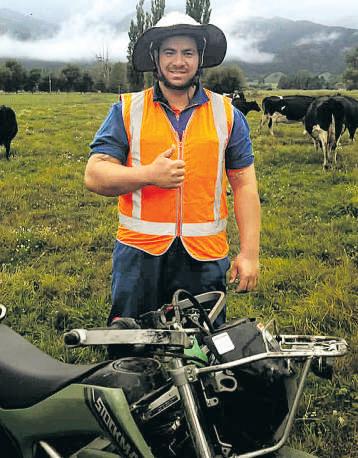
Moses worked there for four years, his first three as a farm assistant, then second in charge (2IC).
He then linked up with the O’Briens on another property at Galatea, a 102ha block milking 250 cows in a 24-a-side herringbone shed
Assistant manager for the first season, Moses progressed to farm manager for his next three seasons there.
He is in his second season in his current role with the O’Briens. Moses’ brother Lorenzo Moses is 2IC on the farm.
Looking ahead, he wants to continue as farm manager for the next 2-3 seasons before venturing into contract milking.
Married with two children, Moses’ family connections with the area go back more than five generations.
He previously played rugby for Galatea, winning the Eastern Bay of Plenty second division title three years on the trot.
In recent years, he has followed his son in rugby and rugby league, while also enjoying his long-time passion for pig hunting.
The national final of the New Zealand Dairy Industry Awards, held in Rotorua in May, will be “all new ” for Moses.
In the lead-up, he planned to go through feedback received from the Bay of Plenty regional judging panel.
“I want to brush up on any areas I need to work on. ”
Moses also plans to talk to Thomas Lundman, who won the 2025 Bay of Plenty Dairy Manager of the Year title and went on to place second in the same category at the national final.
Reflecting on his own win at the regional level, Moses said he believes a good farm manager has good systems in place.
“When you have days off, you know the farm’s running as if you were there.”
He says a lot of this comes down to sound communication between his employer and staff
“It’s about being a leader and role model.”




What an unstable time we live in.
In my January article I suggested global uncertainty would remain a constant theme this year, with the risk of new geopolitical disruptions high I wish that prediction hadn’t proven so accurate.

The current conflict involving America and Israel with Iran, and the resulting 43% jump in oil prices, is already sending shockwaves through global markets and has the potential to significantly impact our economy Diesel is the fuel that keeps the country moving - from tractors on farms to trucks delivering goods to supermarkets Without it, the economy would quickly grind to a halt
harvest
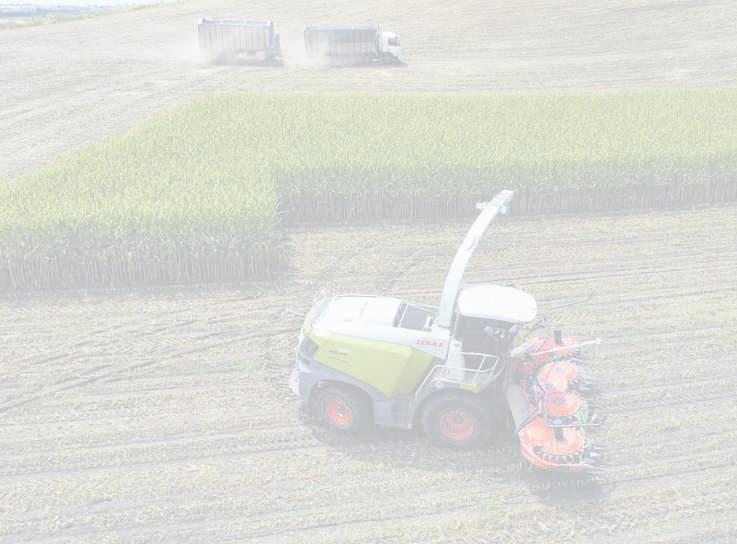
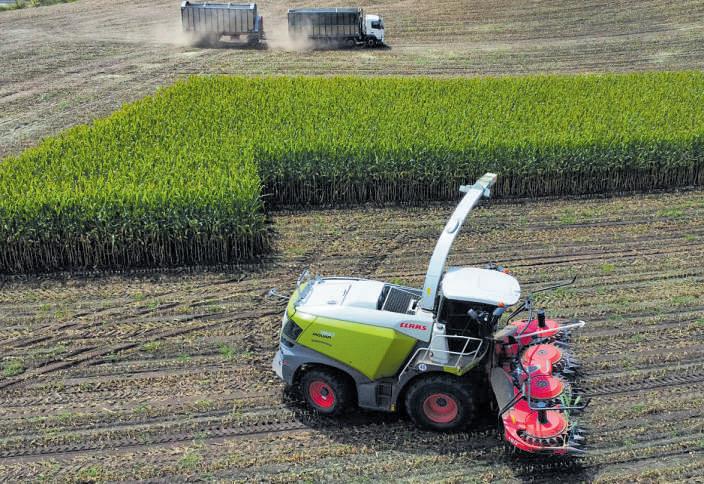
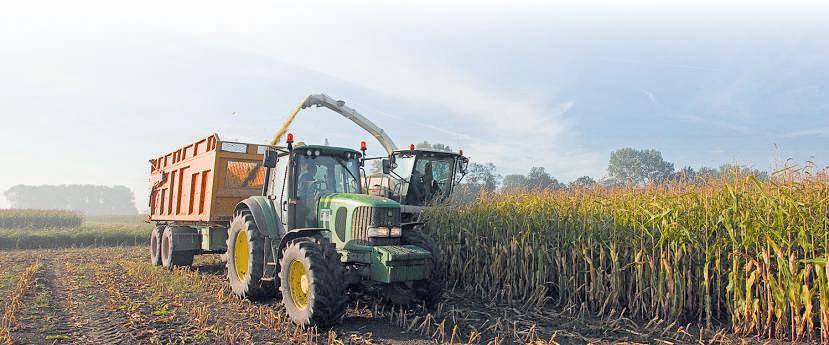
As I write this I am in the middle of the maize silage harvest, and the impact is being felt immediately Running a maize harvester and carting silage the distances we typically travel burns through around 5000 litres of diesel a day When fuel prices move sharply, the numbers get ugly very quickly
Someone has to pay that increased cost Contractors like us will have to pass some of it on, otherwise we simply won ’ t be in business for very long That said, I can ’ t help but feel there are a few out there taking the opportunity to overcompensate with fuel adjustments
A friend of mine who specialises in maritime logistics and consults to global companies and overseas governments tells me New Zealand often follows what happens in Australia Apparently, in parts of Australia, some inland farmers are already struggling to access diesel His concern is that we could face similar challenges here
The Ministry of Business, Innovation and Employment has said fuel stocks
are higher than previously reported, with 48 6 days of diesel either in the country or on ships heading our way That provides some reassurance in the short term But from what I’m hearing, this conflict isn’t likely to be resolved in a hurry If it drags on, supply chains and prices could remain under pressure for some time.
It also raises a bigger question For a country that prides itself on resilience, becoming completely dependent on imported fuel after closing our refineries does leave us looking a little exposed
Looking ahead, I am trying to position myself not just to survive but to adapt to what may come In the short term, farmers are likely to face higher input costs, particularly fertiliser and feed Imported feed such as Palm Kernel
Expeller (PKE) will likely continue to rise in price I’m already hearing of farmers buying up any affordable maize silage they can find I do have a small amount available for those interested, although we are nearing the end of the season
Dr Anna Breman, the new Governor of the Reserve Bank of New Zealand, has warned we may see higher inflation in the coming quarters, with squeezed household incomes and weaker demand The full economic effects of the conflict will take time to unfold Stagflation - persistent high inflation combined with rising unemployment and limited domestic demand - remains a real possibility
None of that is particularly cheerful reading, but as I’ve said before, resilience has to be the focus for New Zealand. Agriculture has always had a knack for adapting when conditions change
On a brighter note, it won ’ t be long before Fonterra plays Santa Claus and distributes billions back to its farmer shareholders It will be interesting to
see what farmers choose to do with the money - spend it, reduce debt or invest in expansion
And for those who enjoy getting off the farm for a while, the deer roar has started




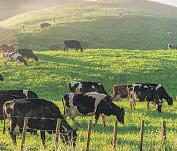
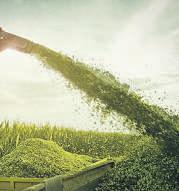
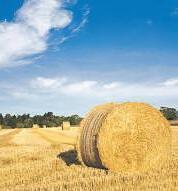
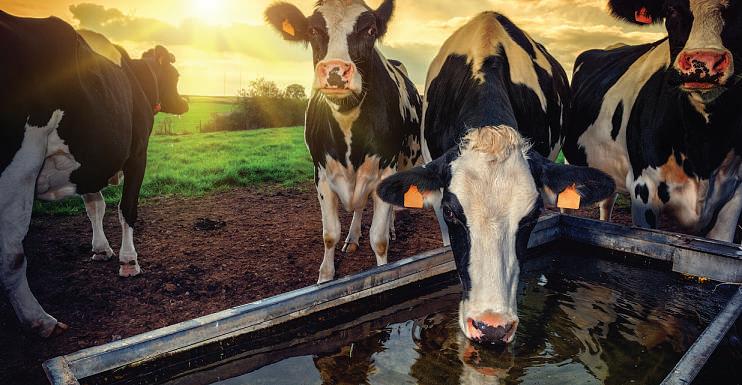


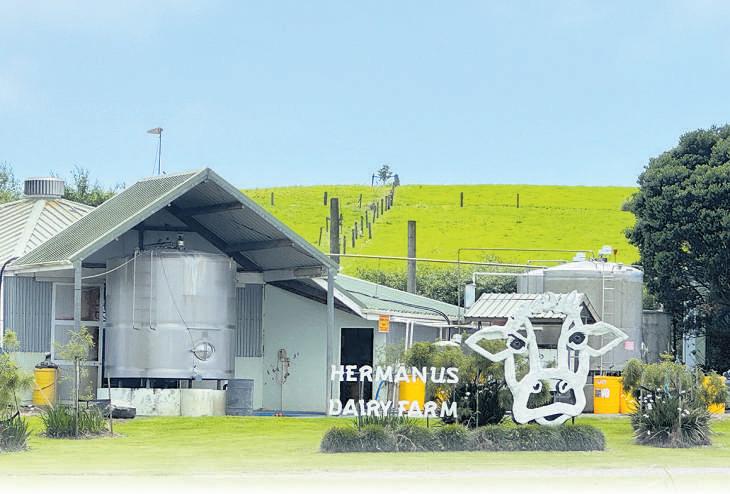
Probiotics can play an important role in managing the typical increase in somatic cell counts (SCC) seen during late lactation. Many farmers have successfully used Probiotic Revolution’s Bovine Boost to help lower SCC levels.
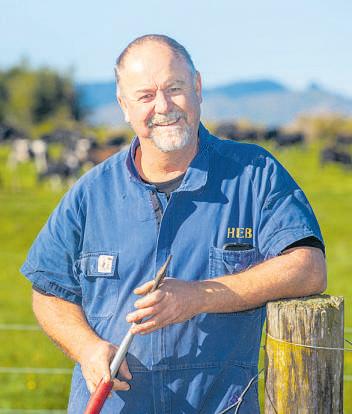
In April 2021, Troy Everson of Hermanus Farms in Northland treated 40 of his highest SCC cows with Bovine Boost. During a late February herd test, these cows averaged 820,000 SCC, which dropped to 420,000 by late April Following this success, Troy began consistently using Probiotic Revolution products for both springers and milking cows Initially, the autumn treatment was simply a trial As Troy explains, “If it works, I’ll put them on the rest of the programme ” Later that year, after a September herd test, another group of 21 cows with SCCs
above 370,000 (averaging 1 25 million) were treated By November 17, their average SCC had reduced to 520,000
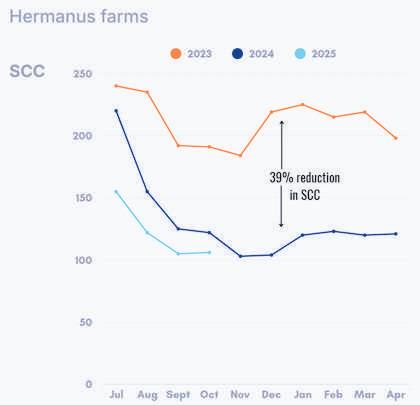
In addition to using probiotics, Troy has implemented other strategies to improve herd health By early March this year, the herd’s average SCC had dropped to just 80,000, meaning Bovine Boost was only needed for treating clinical mastitis cases
He noted, “I didn’t just use these products throughout the season to keep cell counts down, but also to improve feed conversion and maintain summer production A key part of the results comes from preparing springers with SuperStart Lead Feed it minimises calving issues and helps cows produce strongly from the start ”
Troy milks 445 Friesian cows at peak season With inputs of around 5kg of maize per cow for most of the season, production is on track to reach 500kg of milk solids per cow this season
For more information, see Probiotic Revolution’s advert on this page
A mixed response to the 2026 DairyNZ levy vote has come as no surprise to farming leaders.
DairyNZ figures show 47% of eligible farmers cast a vote, with 66 per cent supporting the continuation of the milksolids levy that funds the industrygood body
When weighted by milk production, support rose to 72%.
The levy, currently set at 4.5 cents per kilogram of milksolids, generated $70 million in 2024/25.
For an average farm milking 452 cows, the annual cost sits around $8400 plus GST A portion of the levy - up to 0.8 cents - is channelled to OSPRI to support the national TBfree programme
Waikato Federated Farmers’ Dairy Section chair and Matamata sharemilker Matthew Zonderop says a lack of engagement with DairyNZ has long been an issue.
“If they (farmers) are concerned, they should be voting. Otherwise, it can be taken that they are happy with the status quo, ” he says
He also notes the influence of the top 200 corporate-scale suppliers, who understand the value DairyNZ delivers to large farm operations through research, tools and advisory support.
On a positive note, Matthew believes retaining the levy ensures farmers maintain a strong collective voice with government - particularly important as
the sector navigates regulatory reforms and environmental expectations
DairyNZ chair Tracy Brown says the result provides a clear mandate to continue delivering on farmer priorities.
“Recent feedback has reinforced support for DairyNZ’s science-led approach to improving productivity, strengthening farm systems, and driving sustainability gains across New Zealand’s dairy sector ”
DairyNZ will now proceed with its formal levy application ahead of ministerial approval later this year.as the sector navigates regulatory reforms and environmental expectations
DairyNZ will now proceed with its formal levy application ahead of ministerial approval later this year













With energy a major component of fertiliser production and New Zealand about as far away from production facilities as possible, farmers’ current on-farm nutrient costs will never be cheaper
The price escalation of imported products in the 1970s provides a historic precedent; however, we now also face a possible lack of supply
Around 30% of manufactured fertiliser travels through the Strait of Hormuz, and either directly or indirectly, its closure, temporary or otherwise, could mean some manufactured products may not be readily available.
Annual removal of up to 50kg/ha means there is sufficient to cover any short-term deficit.
Soils naturally contain between 5000 – 14,000kg N/ha within the root zone of pasture plants, and with clover capable of fixing up to 670kg N/ha/year (based on NZ research), the use of synthetic N can be eliminated.

For a small but significant number of farmers here, that will be of little consequence With farming being a competitive industry, they will prosper relative to their neighbours reliant on regular applications of synthetic nitrogen and watersoluble nutrients
Recent soil tests from many farms show more than 1000kg/ha of phosphorus in the top 150mm.
Most intensively farmed
South Island soils contain very large amounts of potassium and require little if any for pasture maintenance. Even in horticulture, where usage is considerably higher, fertiliser inputs can be markedly reduced due to increased root depth.
Only a small proportion of the total soil held nutrients is plant available at any given time.
To ensure sufficient nutrients for maximum pasture and crop production, nutrients utilised by plants must be rapidly replaced. You can either use costly nutrients now or rely on the soil’s reserves, replenishing them later if required There is a group of farmers who are already in that position. They understand that the supply of
nutrients is only one-third of the soil fertility equation. The other two components are physical soil structures and biological activity
The key to growing up to 20 tonnes of dry matter (DM)/ha with no reliance on synthetic nitrogen is stimulating the rapid organic cycle (ROC).
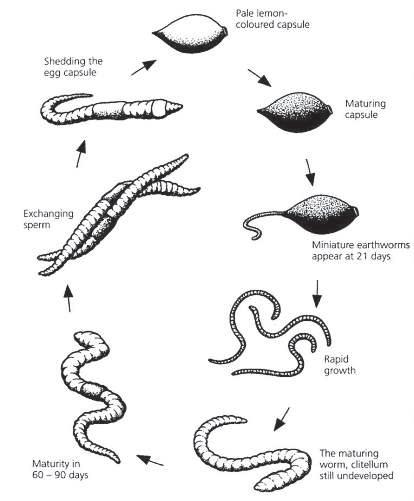
Calcium in the form of agricultural lime is the natural driver of beneficial soil biology, of which the earthworm is the most obvious
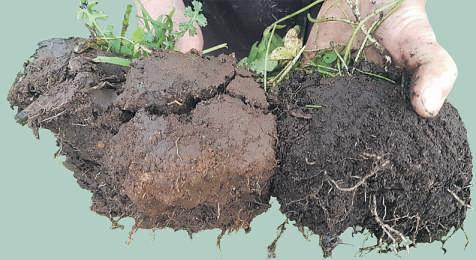
MAF research from the 1960s showed, “numbers increased by 50% in response to 2.5 tonnes of lime/ha and by 90% in response to 5 tonnes/ ha. Low populations are often associated with low calcium levels ” Where earthworms flourish, so do all other beneficial soil dwellers Soils become increasingly friable, reducing damage from feet during wet weather
Deep pugging may require mechanical remediation; however, shallow damage and scuffing can be quickly repaired with little visible sign after the next shower of rain. The effect of plant roots being able to grow deeper into the soil profile means a reduction in the area where pasture renewal is necessary
After a dry summer, soil biology is at a low ebb, and the quickest
Coast & Country News readers will be familiar with regular columnist Emma Rich, however, I wanted to introduce myself as the new owner of Surveying Services
My name is Michael Dewhirst and I am a Licensed Surveyor who has been based in the Bay of Plenty for more than 30 years. I joined Surveying Services in 2020 as a survey manager Since then, I have enjoyed working with a team that focuses on providing full project management services: while we get on with your subdivision, you can get on with the more important things, whether that be your business, family life, or R&R. I recently took over full ownership of Surveying Services, as the previous owners have now retired Having worked for many years for a multi-disciplinary consultancy with offices across New Zealand, I bring an in-depth knowledge of all things surveying and a high level of expertise and professionalism to the company My specialist areas include things such as Limited Titles, Māori Land and natural boundaries, along with all the regular subdivision and survey activities that you expect from Surveying Services
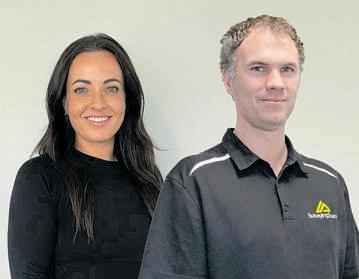
I arrived in Tauranga in 1996 and during my career have worked throughout the Waikato, Bay of Plenty, Hauraki Plains and Coromandel, so I am very familiar with the entire region north of Taupo I am married to Natasha Mitchell, who was previously an editor and journalist for Coast & Country

News, before we started a family We now have two teenage children who are home educated, so her role is teacher, sounding board for me as a business owner, and, like most parents of teens, a social coordinator and taxi driver
We’re proud to have a strong, experienced team at Surveying Services, working across Waikato, Bay of Plenty, Hauraki Plains and the Coromandel.
Based in Whitianga, Emma Rich is our client relationship and marketing manager, bringing over 15 years of experience in building trusted client partnerships and delivering exceptional service. Emma is your first point of contact for all survey and subdivision inquiries, offering clear guidance and a seamless experience from initial enquiry through to project completion. With a deep understanding of the local District Plan and regulatory landscape, Emma ensures clients feel informed, supported, and confident at every stage of their journey
Our subdivision project manager, Nicholas Robinson, is based in Morrinsville and deals with all things subdivision. Nicholas has more than 20 years ’ experience with urban and rural surveying and often comes up with creative solutions for civil design challenges as well He is dedicated to providing excellent client service with attention to detail and accurate data, is full of practical and technical knowledge and works with you to achieve successful outcomes for you, as our client.
Along with a team of local surveyors, Emma, Nicholas and I can assist you with all your subdivision and survey needs If you ’ re keen to learn more, please check out our new website www.surveyingservices.co.nz or give the Surveying Services team a call and find out how we can help you make the
way to restore it is by applying either DoloZest or CalciZest. These products were developed close to thirty years ago by Functional Fertiliser Ltd, and performance is well documented on commercial properties throughout the country For more info, talk to Peter, 027 495 0041 or 0800 843 809.
Recently, a major end-user in the UK specified that they would now prefer to buy products from New Zealand that were grown or raised on reduced nitrogen and phosphate land
We believe this is a start of a new trend that will be here to stay
0800 843 809
www.functionalfertiliser.co.nz
admin@functionalfertiliser.co.nz

A change in career path has proved a winning formula for a farm assistant at Reporoa.
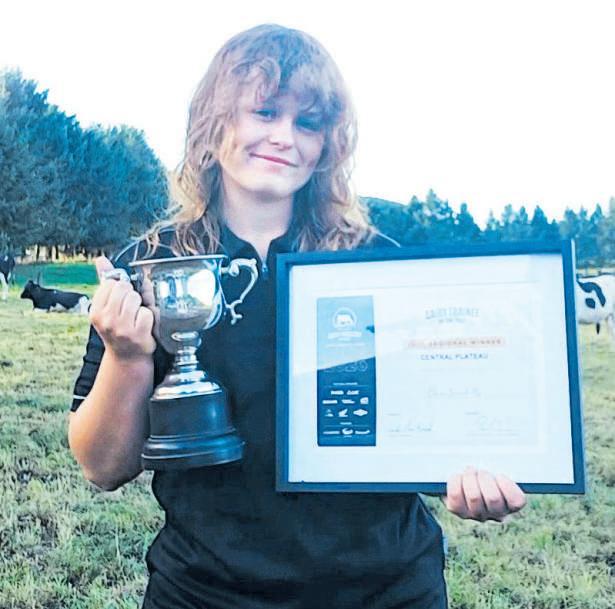
Claire Swindells was named Dairy Trainee of the Year at the Central Plateau Dairy Industry Awards.
The 21-year-old also received the Vetora BOP Farming Knowledge Award at the annual awards dinner held at Te Puia in Rotorua.
Originally from South Auckland, Claire turned to farming after realising a desk
job was not for her
She went through St Joseph’s School in Pukekohe and Pukekohe High School, then went on to study economics at Victoria University in Wellington.
After one semester, however, Claire joined her parents, who retired in Taupō
“I didn’t like studying 40 hours a week and knew that’s what it was going to be like in an office.”
Working in cafes as a teenager, Claire did a stint in the hospitality trade at Taupō before getting her first taste of
farming in 2024.
She served a season on the Pinta dairy unit, owned by Government agency Landcorp
“It was a lot different,” she says of the move from cafes to cows.
“It was cool working with animals It also provided a pathway for me into farming ”
Entry encouraged
At that time, Claire’s Primary ITO (Industry Training Organisation) adviser suggested she enter the Dairy Industry Awards






Specialist
While she was not among the winners in 2024, Claire placed third in the trainee category at last year ’ s Central Plateau Dairy Industry Awards
After a season at Pinta, Claire took on her current role as farm assistant for contract milkers Reece and Alex Pearce on Robin Broderson’s 151ha farm at Reporoa.
The 350-cow operation has split calving and all-rear-round milking in a 25-a-sde herringbone shed.
The owner has another block 15 minutes away, running 300 beef cattle and replacement stock on 200ha, which Claire also helps out on.
As well as supporting the contract milkers in the shed, her other duties as farm assistant include weeding and fencing.
Claire says this placed her in good standing for another crack at the Dairy Industry Awards Preparation included going over grazing equations and milk quality assessment, plus tractor and quad bike pre-start checks, along with fencing
Want
The judging process for the Central Plateau Dairy Industry Awards involved a skills day, with practical exercises covering aspects such as analysing herd testing results and how to select 20 cows for culling.
It also looked at the use of penicillin in cow health, the withholding period required and gauging its effectiveness.
Claire had to fill a knapsack and pretend to spray ragwort. This tested her knowledge of protective clothing, chemical mix and equipment maintenance.
A general knowledge quiz followed, where she was asked


to identify different varieties of weeds and how to complete a “termination knot” (with insulator) on a post when fencing.
At the end of the day, Claire thought her overall performance was “ not bad”.
“I knew there were some things I didn’t get right.”
She was named in the top six contestants to face an interview with judges the following evening
This covered plans for her future in farming, personal shortcomings and how/where improvements can be made, along with questions on milk quality, animal health, pasture management and the environment.
“Overall, I thought I had done better than last year, ” she says “After third and second were announced, I thought maybe I had won it.”
With her parents and employers present at the awards dinner, Claire says she was “stoked” with the win.
She goes on to the national final of the Dairy Industry Awards next month in Rotorua.
Going into this, Claire says she will go over her Primary ITO learning material and the feedback from judges at the regional competition.
She says the Dairy Industry Awards are a great learning experience and she also got to meet other trainees, plus share farmer and farmer manager contestants “I highly recommend it.”
On June 1, Claire is starting a new job as farm assistant on a smaller property at Atiamuri, milking 250 cows once a day in a 36-a-side herringbone shed
She says this will be a mostly sole-charge position, with the farm owners helping out during calving.
“It will be a good pathway to farm management, ” says Claire. Long-term, she hopes to attain a 50/50 sharemilking role on a small dairy farm.
“I’d like to do it all myself ” She also wants to complete her AI (artificial insemination) Tech Certificate and Level 4 and 5 Primary ITO courses, having passed Level 3.
With farming, Claire says she particularly enjoys tractor driving and managing stock health
“I see myself fitting in the industry as a practical, performancefocused farmer who contributes to efficient farm systems ”
Claire is the current vice-chair of Reporoa Young Farmers Club and enjoys camping in her spare time. Steve Edwards




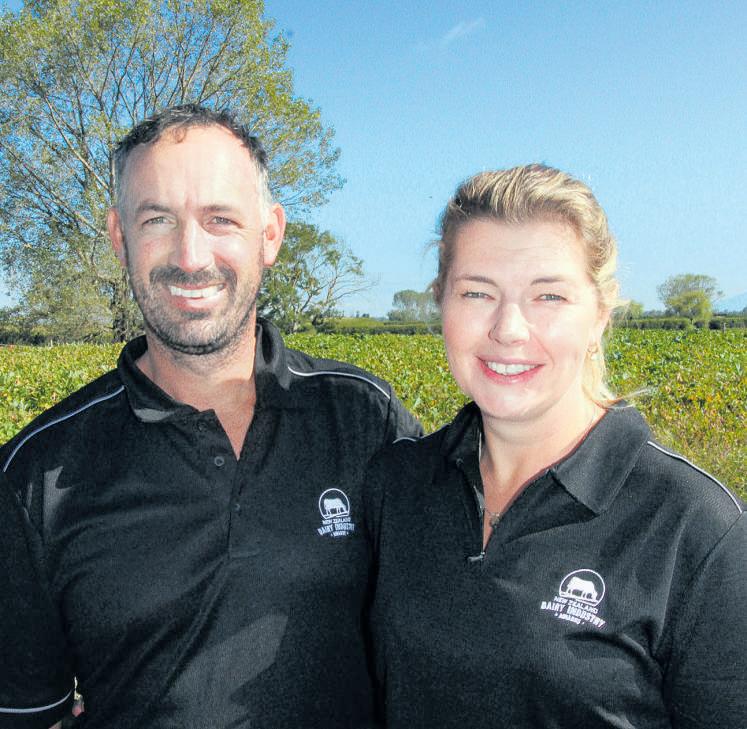
A Matamata couple have gone out from their current farming role on a high note
Glenn and Georgie van Heuven were named Share Farmers of the Year at the recent Waikato Dairy Industry Awards
This is their last season as sharemilkers on a Tower Rd property, with June 1 marking a move to a 50% equity partnership on Horahora Rd, near Karapiro
They first entered the Dairy Industry Awards – winning two merit awards –nine years ago when contract milking on Glenn’s parents ’ farm in Matamata.
After eight seasons sharemilking on the Tower Rd block, they decided it would be good to reflect on their time there.
“We thought about it last winter but only got around to entering on the last night,” says Glenn.
Summer prep
Preparation over summer included collation of farm records and developing a presentation focusing on key areas of their operation – financial planning, staff (including themselves), environmental space, making systems less complicated, herd improvement and the new position on June 1.
These factors were part of a two-hourlong interview with judges at the Waikato final of the Dairy Industry Awards
On-farm aspects were also covered by the judges, including pasture and livestock management, dairy hygiene and health and safety.
Despite having no practice going into the regional final, Glenn and Georgie thought they “did all right” through the process Merit awards were announced first at the awards dinner, held at the Sir Don Rowlands Events Centre in Cambridge.
The van Heuvens claimed the Ecolab Total Farm Hygiene & Innovation Award, Federated Farmers Leadership Award, Honda Farm Safety, Health & Biosecurity Award and Bluegrass Contracting Environmental Sustainability Award
Once third and then second placegetters were announced in the Share Farmer of the Year category, Glenn and Georgie thought the moment might be lost. Winning the grand prize was a “nice surprise”.
“With feedback from the judges on your own journey, just entering is a valuable experience even if you don’t win,” says Georgie
“You challenge yourself,” she says “We highly recommend it.”
They now go on to the national final at Rotorua in May.
Science degree, majoring in Agriculture, with Georgie adding a second major of Property Valuation and Management and a Postgraduate Diploma in Agribusiness
Glenn worked on a Matamata farm for two years before heading overseas for a year, where he drove tractors on an English farm
On his return to New Zealand, he worked for a few months on a Tokoroa farm before taking up a role managing a property near Matamata for a year
He then went contract milking on the 160-hectare family farm for four years, initially milking 360 cows in a 24-a-side herringbone shed
Commercial cropping was gradually removed from the block, with the herd size growing to 500 and the shed was changed to a 54-bale rotary

Preparation for this will be based on feedback from the Waikato judges, plus some “fine tuning of other things”.
In the meantime, they are busy with calving, along with the prospect of the June move
On the 103-hectare Tower Rd property, the van Heuvens milk 405 cows in a 30-aside herringbone shed
Two staff are employed on the farm, which is changing owners on June 1
The 240-hectare Horahora Rd property has 450 cows, milked in a 54-bale rotary shed, plus young stock
Glenn, 37, and Georgie, 36, had been talking to the co-owners for two years about entering into an equity partnership
The Karapiro block is in rolling country, with native planting undertaken on parts featuring hills and wetlands
They will have two staff, one full-time and another part-time, through the Growing Future Farmers programme
In the future, the van Heuvens “plan to grow ” through other potential opportunities with the equity partnership and eventually full farm ownership
From a farming family in Matamata, Glenn attended Hinuera Primary and Matamata College


Georgie hails from Wairarapa, growing up on her parents ’ sheep and beef farm at Masterton, which they sold 15 years ago
She attended Bideford Primary and St Matthew’s Collegiate School for Girls
The pair met at Massey University when studying for a Bachelor of Applied
After university, Georgie worked for an insurance company in Pukekohe for five years, before completing a nine-year stint in banking in Matamata She is now a rural manager at Rabobank
The van Heuvens have three children –Zara (2 in June), Max, 4, and Harry, 6 Georgie is also involved in Meet the Need, a charity organisation that seeks donations of milk, meat, or money from farmers for foodbanks and similar community groups
On the farm, they annually host a Year 10 mathematics class from Matamata College as part of the Secondary School Employer Partnership and have also been involved in the college Gateway (work experience) programme
Steve Edwards

BlackmanSpargoisproudto supportexcellencein NewZealanddairyingthrough sponsorshipofthe NewZealandDairyIndustry AwardsfortheAuckland/ Hauraki,Waikato,BayofPlenty andCentralPlateauregions Weareaspecialistrural lawfirmprovidingpractical andtrustedlegaladviceto farmersandruralbusinesses throughoutNewZealand



In recent columns, we ’ ve talked about polymercoated urea (PCU).
We’ve explained how PCU is more nutrientefficient than conventional urea because its nutrients are gradually released from the granule to closely match plant growth requirements. We’ve also noted that the best PCU coatings are made from ultrathin, biodegradable vegetable oils.
For pastoral farmers, losses to the atmosphere are difficult to avoid because urea is applied to the soil surface.

However, we haven’t said much about how to integrate PCU into your farming practices to get the best results. One effective approach is to apply PCU now with your autumn fertiliser to help build a winter feed wedge.
Autumn is a key time to build feed reserves for winter Soil moisture levels are usually improved by autumn rain, and temperatures are still warm enough to support strong pasture growth. To achieve optimum growth rates at this time of year, a nitrogen application is often made.
For many farmers, urea has traditionally been the default option. However, there are several reasons why switching to PCU can simplify fertiliser management over the coming months.
Urea is highly soluble and prone to volatilisation and leaching. In New Zealand, late autumn, winter, and early spring are the seasons when these losses typically occur, making fertiliser management more time consuming.
One solution has been to use nitrification and urease inhibited urea These products do help slow losses when conditions are dry and temperatures are high But as soon as it rains, nitrifying bacteria get to work and quickly transform the urea into plantavailable nitrate
The problem is that the rate of nitrification is often faster than plant growth rates, which increases the likelihood of nutrient leaching and wastage Heavy rain events only increase these losses
To manage nutrient loss, it’s often suggested that urea be applied in several carefully timed rounds to avoid heavy rain. This becomes increasingly difficult in winter, when rain is frequent, paddocks are muddy, and workloads increase. However, if you use PCU instead of urea, managing nitrogen loss becomes far easier In fact, a single PCU application early in autumn is usually all that’s required. This is possible because of the biodegradable polymer coating.
The polymer coating prevents volatilisation and leaching losses, releasing nutrients from the granule only when triggered by temperatures conducive to plant growth. This results in minimal wastage and removes the need to


continually “ top up ” soil nitrogen levels to maintain growth rates.
Heavy rain events also do not affect the rate of nutrient release from a PCU granule The nutrients remain protected inside the coating and are available to plants over a longer period Research on toptier PCUs like Fertco’s 44 Magnum and N Smart shows that their nutrient release is managed so effectively that a single application can supply sufficient nitrogen to support growth for up to three months
Another advantage of PCU over urea is that its protective coating allows it to be safely blended with other fertilisers This
means you can apply PCU with your autumn fertiliser if it suits your system, saving both time and spreading costs
When you choose PCU over conventional urea, you ’ re not simply substituting one nitrogen product for another You’re reducing the risk of environmental waste and getting more value from your fertiliser budget by ensuring the nutrients you ’ ve paid for are fully utilised
You’ll also spend less on cartage and spreading Overall, you can confidently apply what’s needed to build a winter feed wedge with far fewer hassles around timing and application
Farmers in the thick of harvest are being reminded there are small changes they can make to save on fuel
In the regions farmers, growers and rural contractors are feeling the pain of rising fuel prices
The rising cost of diesel is adding thousands of dollars to the bills of those running trucks, tractors and big machines
such as combine harvesters
Chris Smith, who is the technology manager at the Foundation of Arable Research, says there are small changes that can be made to save on fuel, like using auto-steer, which is like cruise control.
“Manual driving inevitably means overlaps, often five to 10% across a typical day’s work.
continued...


Farmers are getting nervous about the rising cost of fuel and fertiliser with the impact already being felt on farms.
The conflict in the Middle East has pushed up the price of oil, which has been reflected in the price at the pump in New Zealand
While the spot price of urea has jumped since the war began, retail prices in New Zealand have remained stable as the big fertiliser companies assured farmers they had enough product to cover the busy autumn period
Federated Farmers arable c chair David Birkett says for arable farmers, it’s a double whammy as they use a lot of
fertiliser to grow crops and then diesel in their harvesters.
“At the moment we ’ re busy in the middle of harvest, so we ’ re using combine harvesters and a large machine that will use about a thousand litres of fuel a day
“Then there’s trucks and tractors on top of that - so if we see an increase in price of $1 or even 50 cents a litre, that’s $2000 to $4000 extra a day”
David says farmers are already feeling the pinch of rising fuel prices, but were eagerly watching to see what would happen to the price and supply of fertiliser
“ThThe keyword at the moment is uncertainty because we don’t know how
long this is going to go on for, we know there is enough supply in the country for autumn. ”
He says farmers are starting to hear from their fertiliser suppliers, but are nervous about two things: the price and supply
“There have been shortages before, and farmers can use different products; they normally are more expensive, but we have never got to the point where we ’ ve run out of fertiliser
“Farmers should start planning ahead - talk with their fertiliser companies to give them an idea of what demand will be like come spring time.”
Fertiliser company Ballance Agri-Nutrients says it doesn’t know what impact the
escalation would have on price.
Chief executive Kelvin Wickham says the company has already seen significant price increases leading into this conflict, and given this latest escalation and the market’s reaction, it anticipates more.
“Upcoming shipments are mostly subject to pricing at the time of shipment, as a commodity, fertiliser pricing experiences movements similar to the imported oil market.”
He also encourages farmers to plan ahead: “Thinking ahead and creating a plan early will help us make sure we have what they need, when they need it.
“The uncertainty caused by the situation in the Middle East highlights how critical local resilience is for New Zealand. In an increasingly uncertain global environment, secure access to fertiliser matters for farmers and for the wider economy ”
Kelcin says Ballance’s Kapuni gas to urea plant it continued to be active in the gas market.
“We’re becoming more assured about the likelihood of securing longer-term supply Our priority remains very much on maintaining locally manufactured nutrients as part of the nutrient supply mix and preserving future options ”
“Auto steer trims that down dramatically, usually to between one and 3%. This small adjustment in accuracy brings a surprisingly large payoff Straighter passes don’t just look tidier, they reduce throttle variation, lower operator fatigue, and keep machinery working more efficiently”
Chris says fertiliser prices are also increasing, but there’s technology that allows farmers to put fertiliser only where it is needed, which could result in big savings Even a basic guidance system typically knocks 2% to 7% off chemical or fertiliser use.
“The real step change comes from variable rate application, across a set of typical New Zealand paddocks, nitrogen
savings of five to 20% aren ’ t unusual, while phosphate and potash can drop by 10 to 25%.
“Lime is often the standout, with well-mapped paddocks showing reductions of 20 to 50% as oversupplied zones are corrected rather than blanket treated ”
Chris says another thing farmers and growers should keep in mind is that sometimes the biggest tractor doesn’t need to be used.
“There’s very much a tendency when a job needs doing, people jump in the biggest tractor with the most gadgets
“It’s the most comfortable, but just remember the bigger tractors cost more to run - there are usually smaller machines that can do the job just as well and save you money ”



High-quality Ag Lime and Aerial Lime to improve soil health, boost productivity, and support long-term farm performance.
Tailored Fertiliser Products

Soil Testing & Analysis


Cropping Nutrient Solutions
Pasture Renewal Advice
For most of us, that statement would invoke horror and we would detour to the closest mirror...
In this case, you need to look down It’s what’s happening underground that’s quietly deciding everything above it
Avocado root health is a topic we at Trevelyan’s often talk about, but it rarely gets much ‘airtime’ at the family BBQ. So, get comfy (this is a three-minute read) and learn a little more about avocado root health, the threats to it and how declining health presents; it is actually more interesting than you might think!
Avocados are rainforest trees, their
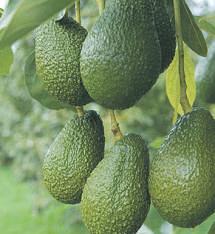
roots are shallow, fragile, and lack root hairs. They are uniquely designed for light, airy, free-draining soils, and do not like compacted soil and prolonged wet periods As the trees age, they become increasingly “top-heavy,” with far less root system relative to the canopy they need to support – do you see the vulnerability? Which brings us to the three key ‘root threats’ avocado growers face; 1) Phytophthora cinnamomi root rot, 2) root drowning, and 3) Verticillium wilt
Each threat is different, yet they can be mistakenly diagnosed, leading to the wrong interventions, lost time, and lost trees
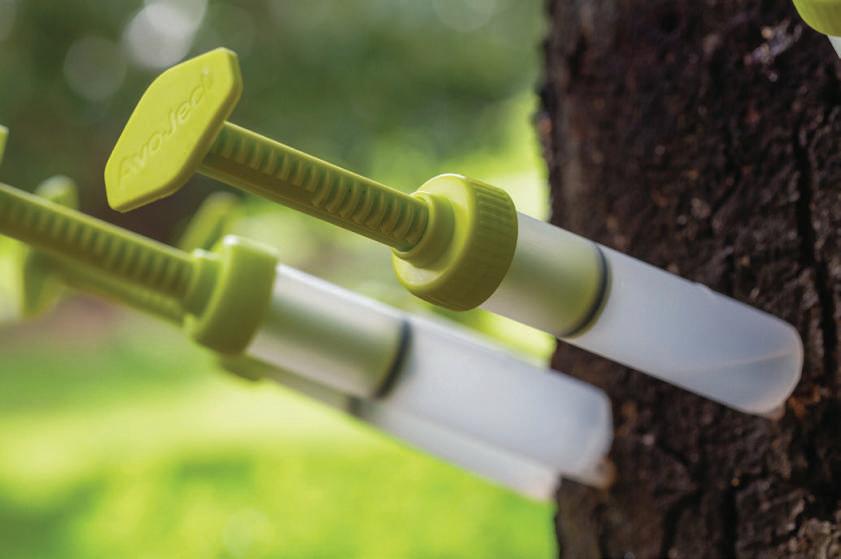

This soil-borne water mould eats away at the root system (think, mould on bread), targeting the young, vulnerable roots first. The tree responds the only way it can: by trying to grow more roots, but these too are attacked.
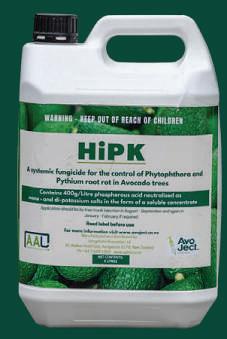


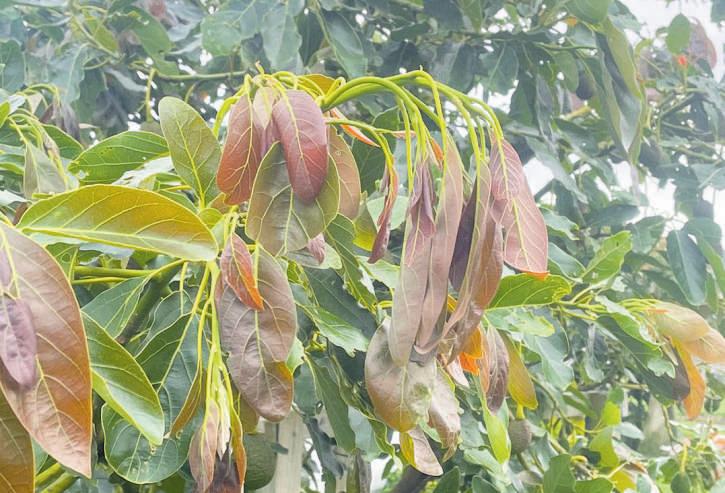
Above ground, the symptoms tell a story of decline: thinning canopies, smaller yellowing leaves, limp foliage, heavy but poorly timed flowering, and crops full of undersized fruit. Control relies on a combination of actions, such as improving soil biology, managing water movement, correcting compaction, applying treatments like phosphonic acid, and increasingly, selecting more tolerant rootstocks to begin with When done well, a turnaround is possible, often taking place within six months.
Roots ‘drown’ when they are starved of oxygen; triggered by extended periods of saturated soil. Not necessarily heavy downpours, but steady, persistent rainfall, the kind that leaves soils waterlogged. The symptoms can look deceptively like root rot, but the timeline is very different. Wilting occurs quickly, followed by a sudden drop of leaves. Trees can be very slow to recover and many never fully do; the best defence is prevention It comes down to making early decisions: selecting orchard sites with free-draining
soils, good orchard drainage design and soil compaction management.
This soil-borne fungus enters through the roots and quickly blocks the tree ’ s internal water transport system. The result is rapid and severe wilting, often affecting limbs or entire sections of the tree: leaves die, turn brown, and remain stubbornly attached to the branch. There is no direct cure. Management is pursued through improving soil health, removing affected branches and in some cases, tree removal and replacement. It is a reminder that not all problems can be solved, just simply ‘managed’ Roots don’t demand attention, and sometimes it can be hard to read their distress signals, but they are constantly responding, to soil, water, disease and management decisions made months or even years earlier
At Trevelyan’s, our Avocado Technical team has proven experience and years of practical know-how; there isn’t much they haven’t seen. Our growers are emailed weekly with pertinent industry, postharvest and technical information, supporting them to make good orchard management decisions from the ‘ roots up’. Couple this with trust, and we have something pretty special with our growers; need to know more? Call one of the team today


Faced with tough seasons and shifting circumstances, Kevin and Wendy Mickleson turned to Avoworks to lease their Bay of Plenty avocado orchard.
The move offered stability while keeping the property in top shape Their experience shows how leasing can be a practical option for orchard owners Kevin and Wendy, along with their business partners (Wendy’s parents), purchased Timon Trust – located in Katikati in the Bay of Plenty - in 2011. Kevin was no stranger to working with his in-laws, having previously spent more than 20 years in business with father-inlaw, Ted, in the Rotorua logging industry.
The idea to move into avocados came from Wendy’s brother, who owned an orchard in Houhora and was involved in large-scale developments in the Far North
“He got us keen on it,” Kevin says “You never want to be an old logger, so we used the cash flow from logging to purchase Timon Trust
The 10-hectare property had 1400 established trees planted in 2002 by the previous owner
“Avocados looked like a sound investment at the time – 10 hectares meant a good return each year ”
However, by 2022, the avocado industry had hit some harder times

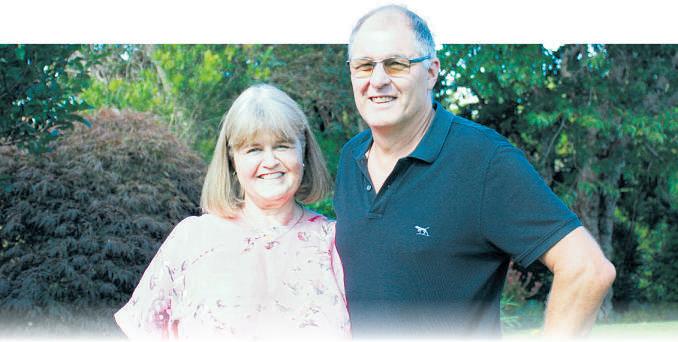
“The market had turned a bit pearshaped We had two bad years with storms and low prices Timon also had a poor crop – at the same time we were in the process of selling the logging business,” Kevin explains, “ so we decided to lease the orchard out ” Kevin admits it was disappointing to reach that point as the orchard was carrying a good crop, but leasing was a quick fix under the circumstances
“The arrangement covers the costs of the property ”
Since selling the logging business in 2022, Kevin has kept busy with a few flyin, fly-out engineering stints at Rio Tinto’s aluminium smelter in Gladstone, Australia and he works part-time for a sheltertrimming business Kevin and Wendy also run another avocado orchard, their own 3 6 ha property purchased in 2024
“We still look after a small forestry block on Timon, but Nathan [Avoworks’ general manager] takes care of the rest now ”
For Kevin and the other shareholders, the end goal is to sell Timon Trust one day, which means keeping the orchard in top condition remains a priority Timon Trust peaked at 900 bins in the 2023–2024 season (around 28 tonnes per hectare)
Kevin is happy with how the orchard is being managed: “Nathan is really good to talk to and very open to what you want ” For owners who want to stay living on the property or retain it without the financial risk, Kevin says leasing is “ a good option.”
Avoworks currently leases a combined 90ha and manages a further combined 160 hectares across Northland, Tapora and the Bay of Plenty For more information, see Avoworks’ advert on this page.
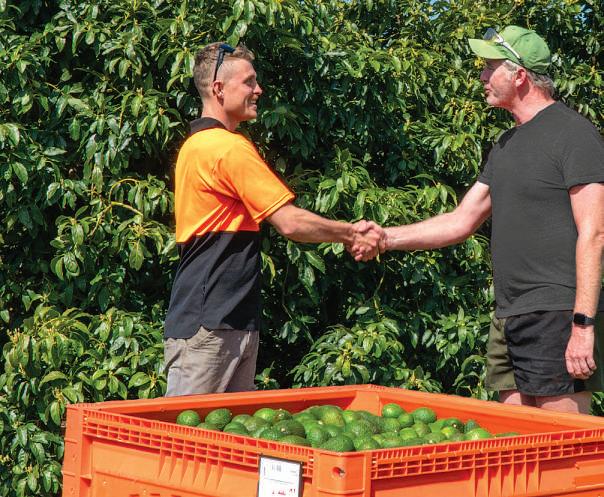


Prune now and your avocado crop will perform later
This was the message from NZ Avocado at a recent field day on John and Mary Bowen’s orchard in Katikati NZ Avocado research manager Phillip West says a variety of topics were covered at the event, including the importance of maintaining pruning and updates on research relating to pest and soil moisture management.
During autumn there is less risk of sunburn on trees, and buds have “committed” to become leaves or flowers when they emerge in spring.
“By waiting until mid-April to start pruning you can maximise the amount of flowers you have in spring,” Phillip says.
“Pruning in late summer/early autumn can shift more buds to be vegetative, reducing flowering and yield.”
Trees that produced heavy fruit the previous season can have depleted resources.
“So, ideally growers want to promote as many flowers as you can get going into the season ahead
“If you get too many you can always prune some off in the spring to achieve a balanced crop-load.”
He says pruning can continue from April to November
“You can chip away at it through winter, so it is all done by spring.”
Also discussed at the field day was a pest research programme.
West says the project aims to investigate the impact of insects present at flowering on avocado fruit set and yield in New Zealand. Some native insects are found in orchards at flowering, and evidence suggest they may damage flowers and reduce fruit set

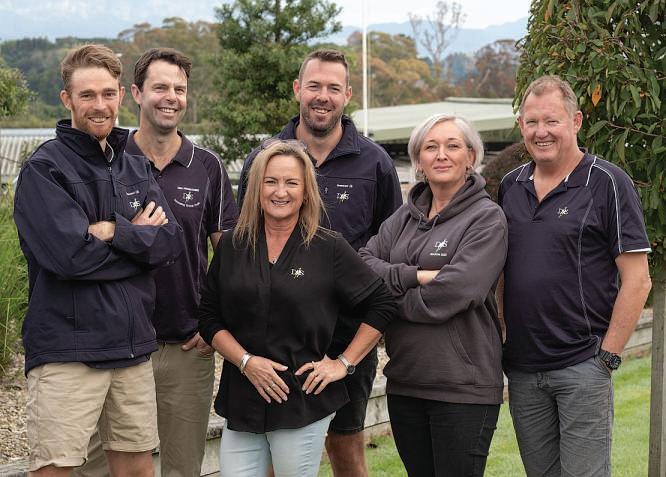


Families, growers and country life enthusiasts are set for a full day of nostalgia when Farming
Like Grandad returns to Te Teko Racepark on Saturday, April 18, from 10am to 4pm
Organisers are inviting the community to bring their creativity – and their scarecrows – celebrating a farming tradition that once kept birds away from freshly planted seeds
With the Easter school holidays approaching, the event promises an ideal project for children spending time with grandparents.
Visitors can also enter the Fun Produce Competition, with judging categories in home baking, garden vegetables, and special kids’ contests including Best Pumpkin Lantern, Best Sand Saucer and Best Potato or Kumara Figure More details are available at waterwheel.nz or on the group ’ s Facebook page
Complementing wagon rides, there will be a much bigger petting area, with sheep, calves, alpacas and other new additions, where families can meet the animals, including the beloved Clydesdales.
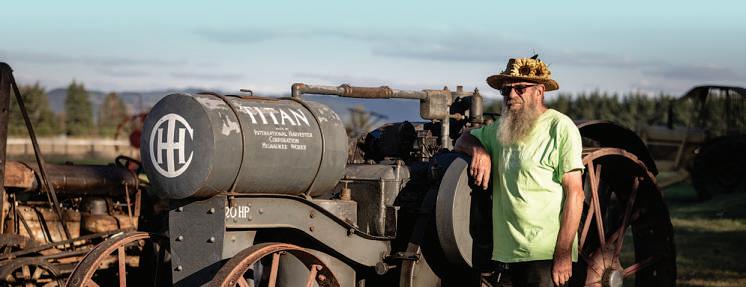
The day aims to recreate the simple joys of rural life before the digital age. Old-fashioned favourites such as sack and wheelbarrow races, and other classic games will feature alongside a vintage rotary dial telephone display, giving younger generations a glimpse of life before mobile screens and touch pads.

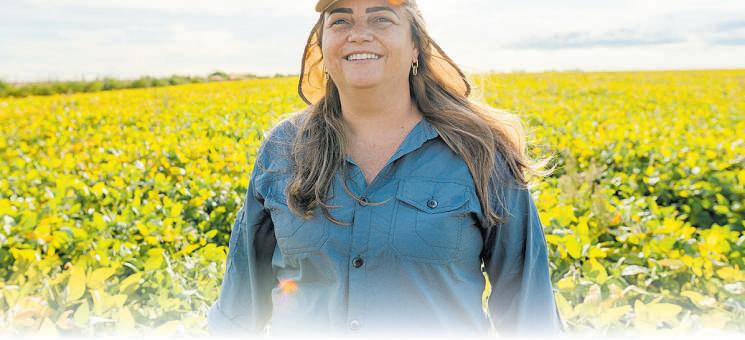



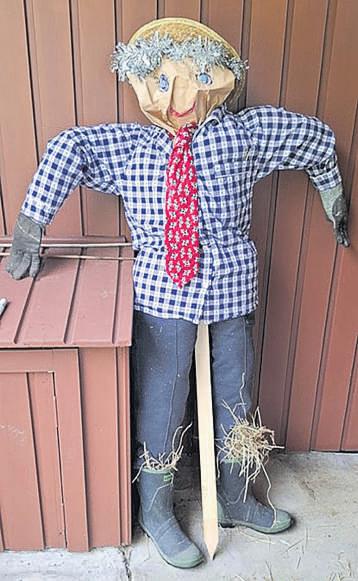
Adding to the authenticity, sheep shearing demonstrations and other hands on farm experiences will take place throughout the day.
Event organisers encourage everyone to “ step back in time, slow down, and enjoy the fun of the past, ” promising a wholesome family outing filled with creativity, community spirit and a celebration of country heritage.
For more information, see Farming Like Grandad’s advert on this page.

A new national award recognising the contribution of women to New Zealand’s rural communities has been launched.
The Rural Woman of the Year award has been established by Federated Farmers and Rural Women New Zealand, with the inaugural winner to be announced at the Primary Industries New Zealand (Pinz) awards in Auckland on June 23
Federated Farmers president Wayne Langford says the award aims to recognise the often unseen leadership and impact of women across the rural sector
“Our rural communities are absolutely overflowing with talented women doing amazing things across the industry in farming, advocacy, grassroots leadership, and within their community
“We want to shine a bright light on the work they’re doing to lead, inspire, connect and strengthen New Zealand’s rural communities and the wider agricultural sector ”
Organisers expect a strong field of nominees from across the country
Rural Women New Zealand board chair Nicole Oliver says the award will provide national recognition for women whose work had made a difference in rural communities
“This award is about celebrating the impact an exceptional rural woman has,

whether that’s in farming, community leadership, advocacy or supporting the primary sector ”
The award is open to women from across the rural economy and is not limited to members of Rural Women New Zealand
“There are more than 400,000 potential nominees out there, and we want to make sure there are absolutely no barriers for a worthy recipient of this award stepping forward and entering,” Nicole says
“Whether you ’ re milking cows in Morrinsville, shearing sheep in Waipukurau, volunteering for a local club in Gore, or working for Fonterra in Auckland’s CBD – this is the award for you.
“If your work has made a difference for our rural communities, the primary sector or New Zealand’s wider success, we want to celebrate you. ”
Brightstar chief executive Paula Cleghorn says the award will sit alongside other categories at the Pinz awards, which aim to recognise excellence across the primary sector
“Half of rural New Zealand’s population is female, so it’s great to be introducing this new award category that specifically recognises their contribution and achievements,” she says


Supplied by Federated Farmers








The Grasshopper 500V is one of the stars of the stable at ZTR Mowers in Tauranga.
Marketing and sales manager Andrew Peacocke says this American brand of ride-on is a cut above the competition.
“If you are looking for a robust frontmount deck mower for home or business use, a Grasshopper 500V could be the machine for you. ”
Available in 42” or 52” cut, it can cater for narrow areas and larger lawns
Andrew says it is perfect for anyone with medium to large areas to mow – lifestyle blocks, farm lawns, schools, marae, campgrounds or commercial contractorsanyone that requires a fast and powerful mower with exceptional reliability
They can turn on the spot and, with an out-front mowing deck, are ideal for working under trees and around obstacles
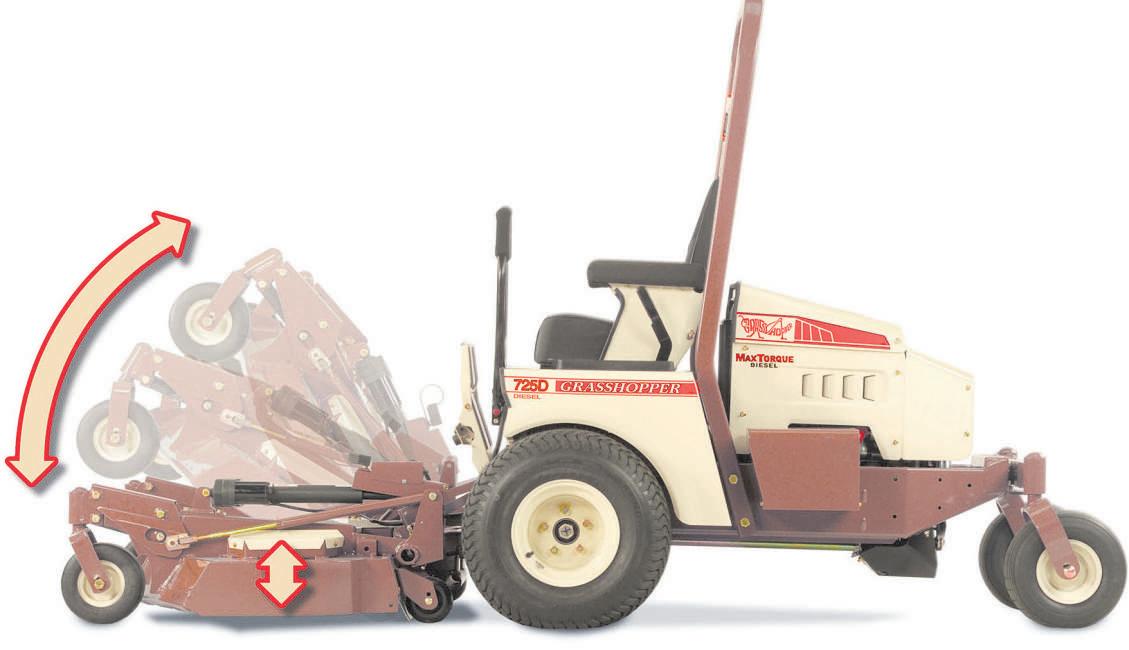
An impressive feature of the 500V is the PowerFold electric deck-lift which is fitted as standard.
Andrew says this gives the operator easy cutting height control and folds up the mowing deck for effortless access underneath for cleaning
and d maainttenaancce
While robust and powerful, Grasshopper mowers are also extremely comfortable, featuring a lush foam seat with arm rests as standard and an iso-mounted footrest which reduces vibration and operator fatigue. The Grasshopper 500V mower is easy
to maintain, with just four regular grease points and quick access to working areas
Along with sales from its Bay of Plenty base, ZTR Mowers offers an exceptional spare parts supply New Zealand-wide. For further information, see ZTR Mowers’ advert on this page
NZ Adventures has confirmed it will run its popular West Coast Tour twice in 2027, offering travellers two opportunities to experience one of the most striking landscape transitions in the South Island.
The five day guided 4WD tour will depart April 17–21 and November 15–19, 2027, giving guests the choice of an autumn or spring adventure
Starting in the alpine resort of Hanmer Springs, the tour highlights the remarkable contrast between the dry eastern high country and the lush, rainsoaked forests of the West Coast. According to NZ Adventures, this east to west transformation is most dramatic on day one, when travellers journey along the famed Rainbow Road, descending from the golden tussock fields of Molesworth into dense beech forests that signal the beginning of the wetter West Coast climate.
Participants will spend two nights in Murchison, a night in Westport, and conclude the tour with two nights in Reefton, allowing time to explore some of the region’s most remote and historic landscapes.
Guests will also visit a small West Coast farm to see a unique, self sufficient power generation system, a feature NZ Adventures describes as “ a rare look at rural innovation in action.”



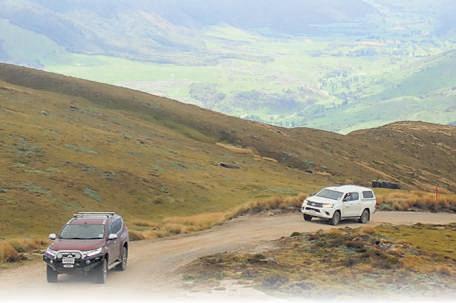
From there, the group explores an old miner’s tunnel, several hidden sluicing sites, and climbs a rugged bush track to Napoleon Hill - once the centre of a thriving gold rush settlement, now a near forgotten relic of 19th century life.
The final leg includes a steep descent into a remote valley featuring “ a couple of spectacular surprises,” followed by a dramatic drive down a riverbed - a signature element of NZ Adventures’ offroad touring style
For more information, please see NZ Adventures’ advert on this page.
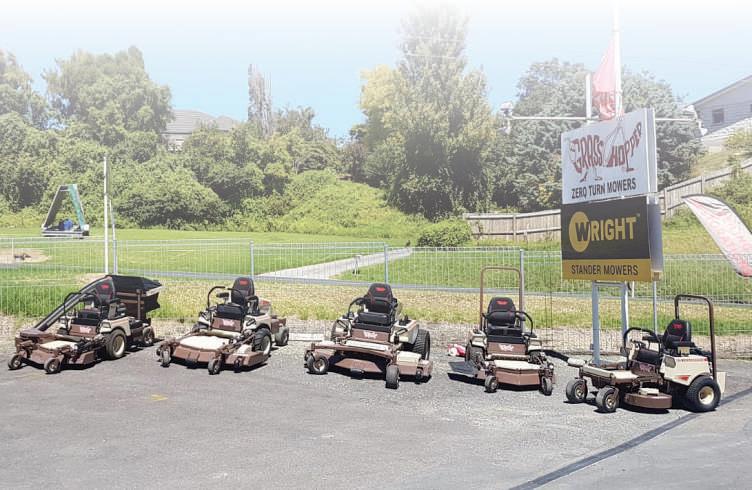

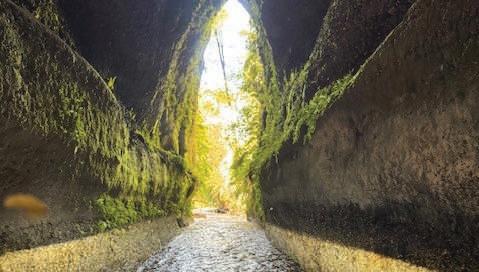


























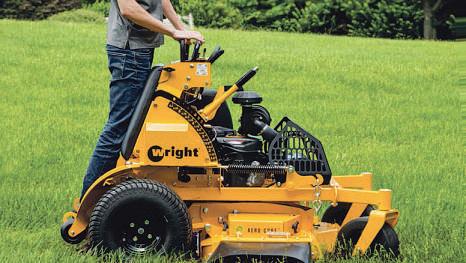
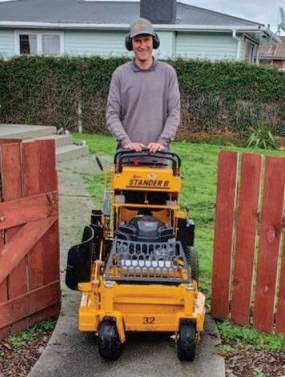
Chondroitin is a naturally occurring compound found in cartilage, and it is often used as a supplement to support joint health, particularly in people with osteoarthritis (OA).
There are five main effects chondroitin has on joints affected by OA:

Reduces Joint Pain: Chondroitin may help decrease the pain associated with osteoarthritis by improving n es Joint ility: Regular plementation as been linked o improved flexibility and range of motion in affected joints, making daily activities easier
Slows
Cartilage reakdown: ondroitin helps t enzymes ade cartilage, potentially slowing the progression of joint damage in osteoarthritis patients
Decreases Inflammation: It has anti-inflammatory properties, which can reduce swelling and tenderness in joints
Supports Cartilage Repair: Chondroitin contributes to the making of new cartilage and helps maintain its structural integrity
While individual responses vary, these benefits make chondroitin an important part of managing osteoarthritis The optimum daily intake of chondroitin sulphate for OA ranges from 800 mg to 1,200 mg Two capsules of my joint supplement have 800 mg A higher dose can be used for more severe OA, giving 1200-1600mg daily Most clinical studies supporting its benefits have used these dosages over extended periods to observe meaningful benefits
I have a client who I started helping four months ago She had severe hand pain from OA After four months, she said that her pain had reduced by 80% I am confident that she will get further relief Small joint OA takes a while to respond I normally advise higher doses for 12 weeks and the addition of solid doses of quality Omega-3 fish oil because of its anti-inflammatory properties The best place to start is a personalised programme that we review every 6 weeks
John Arts (Adv.Dip.Nut.Med) is a nutritional medicine practitioner and founder of Abundant Health Ltd For questions or advice, contact John on 0800 423 559 or email john@abundant.co.nz Join his newsletter at www.abundant.co.nz

A Boeckmann electro-hydraulic tipping trailer ticks all the boxes for buyers
“It’s the last trailer you will ever need,” says Robert Charles, owneroperator with his wife Diana of the sole distributor of the German brand in New Zealand
Based in Katikati and serving across the country, they started with Boeckmann horse floats 15 years ago and have since expanded to also include tipping trailers from the same stable
popular with landscapers and driveway development contractors
“With a push-button electrohydraulic ram and adjustable rear flap, they are great for spreading metal on driveways,” says Robert “The flap moderates the amount of metal released from the trailer ”
The Boeckmann trailers are also ideal car transporters and to carry plant items such as diggers, rollers and bobcats
On the farm, they can be used to carry anything from feed to fertiliser
“They are built to last and can be given a bit of a hard time,” says Robert



Robert says the trailers - which can carry a 2 5 tonne payload - are renowned for their quality, engineering excellence and strength
They have a wide variety of uses, particularly in the commercial sector, and for anyone who needs a trailer with weight-bearing capacity
He says the trailers are particularly
The Katikati company also stocks van trailers, ideal for furniture removal
Robert says their signature horse floats are unsurpassed in terms of safety, quality and towing characteristics
For further details, please see their advert on this page

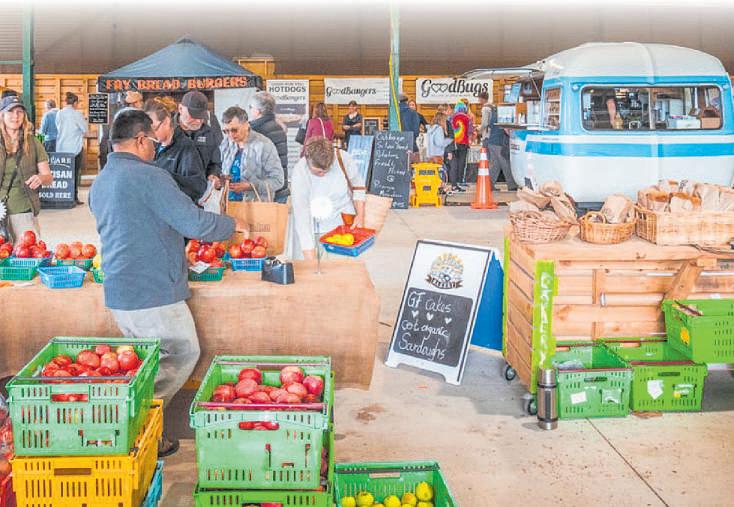
The Hamilton Farmers’ Market has celebrated its 20th anniversary
What started as a fortnightly event with 15 stalls in the Wintec carpark on Collingwood St in 2006 has since evolved into an award-winning, weekly market with up to 50 stalls at The Barn at Claudelands Event Centre
There are still four founding stallholders attending every week: butchery Soggy Bottom Holdings, Monavale Blueberries, The Lettuce Man and Southern Belle Orchard
Besides the locations at The Barn and the Wintec carpark, where the ACC building now stands, the Hamilton Farmers’ Market was also held at Sonning carpark on River Rd from 2008, before moving to Te Rapa Racecourse between 2014 and 2016, and finally to Claudelands.
Jono Walker, of Soggy Bottom, told the Waikato Herald he got involved in the market after seeing a notice about it in the newspaper
“I really believe in farmers’ markets.
“I grew up in the UK where it’s very common to buy your food from the market. It’s so much better, fresher and more cost-effective.
“You can talk to the person you are buying it from [and] ask them how the product is made.
“You can do a big part of your weekly shop there.
“It’s also a good community meeting point. You don’t get people standing around in the supermarket chatting ”
When he joined the market, he had recently moved to New Zealand and had just started his business.
While in Britain, he “fell in love” with pigs, who he said were “ very likeable animals” and useful to “ renovate ” a garden because they dug and turned over soil well.
“Pork and chicken are also the most abused animals
The difference in taste between factory and farmraised meat is huge.
“I immediately
realised there was a niche there.”
Arriving in New Zealand, he started breeding pigs and eventually learned how to be a butcher
He was initially reluctant to start selling at farmers’ markets, because it would take him away from his family’s kayaking and mountainbiking adventures at weekends, but his wife encouraged him to give it a try
And he hasn’t looked back
Walker started with a small vertical freezer in the back of his Land Rover, selling sausages and cured pork products
Nowadays, he has a proper trailer with glass doors showcasing his products, which now also include lamb, beef, pies and curries.
At his first market, he sold products equating to roughly one pig Nowadays, he would sell four times that on a good day
His favourite Hamilton market days had been the first market at The Barn, where he slept on-site the night before to take care of a spit roast that was served in sandwiches and given away to customers.
“That was a cracker About 3000 people came ”
Another memorable market was in 2018, after he appeared on TV’s Country Calendar
“The market was absolutely heaving. I had customers all morning and got about 200 emails from people.”
As he became more interested in “good local food”, Walker also became involved with Farmers’ Markets New Zealand and has
been its chairman for the past seven years
He is proud to say he has visited almost every farmers’ market in the country, apart from three or four in the South Island
He said, in his view, the Hamilton market was in the top 10.
However, his favourite was the Whangārei Growers Market, because it was a “ no frills, just provisioning” market that had a strong focus on fruit and vegetables
“I want it to serve a bigger part of the population and be a genuine alternative to the supermarket.”
Market manager Jen Wilkinson, who joined the team in 2021, echoed Walker’s wish for growth.
During the peak season, the market has between 40 and 50 stallholders and, on average, 2000 people come through the doors on Sundays.
Wilkinson said she’d happily see it grow to 60 stallholders and 3000 visitors, and believed it could.
What made the market special was the people, she said.
“It’s a market family, really, an established community”
Some of the regular customers had been attending since the market began, and some of the businesses were being run by the next generation.
“Seeing stallholders thriving, their success stories, is really rewarding ”
One such success was Kaimai Eggs, which started attending the market as a small operation and had since grown to “quite a successful business”.
While Wilkinson was reluctant to pick
a favourite stallholder, she highlighted Monavale Blueberries.
“I absolutely love [them] It’s the story and their organic practices.
“They are in their third generation now and quite hands-on. Everybody [in the family] contributes.”
In her five years with the market, Wilkinson said there had been a couple of memorable moments
“One highlight was in 2023, when we won the Organic NZ Farmers’ Market of the Year I got to go down to Wellington [to accept the award].
“It was a huge, huge thing for us It’s probably my proudest moment. ”

At 15 years old, while seeking a diesel mechanic apprenticeship in Petone, Wellington, Peter Phillips scored 100% on the aptitude test from the New Zealand Motor Corporation
He was the first person to achieve a perfect score, demonstrating a keen mind for problem solving and an ability to see the bigger picture. He was offered his diesel apprenticeship, and a long career full of innovations and improvements followed. His “day job” as a contract cartage operator and later a logging driver for Kinleith, NZFP, and then Carter Holt Harvey, continued from 1970 to 1997. For the past 28 years, he has been the director of his own company, Aztec Forestry Transport Developments, which has about 90 contract
logging truck drivers
One of Peter’s more recent innovations won the Implementation of Innovative Technologies or Mechanical Solutions Award at the 2025 Central North Island Wood Council Forestry Awards Development
“In mid2024, Peter was attending a Key Supplier Distribution meeting with Manulife Forest Management when the National Health and Safety manager, Glen Coleman, challenged the group to come up with a solution that would eliminate thirdparty trailer lifting i.e., the use of loaders, excavators, and gantries to lift logging trailers on to logging trucks,” says Paul Squire from Aztec Forestry Transport Developments
At the time, there were no alternatives for lifting on highway logging trailers other than Australian designed and


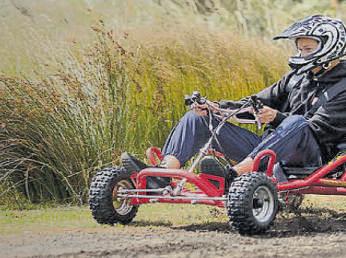
manufactured systems, leaving the log transport industry reliant on a high-risk method that had previously failed.
For Peter, the challenge sparked his engineering instincts, leading him to develop an idea to winch logging trailers on to logging trucks.
“Along with Patchell Engineering from Rotorua, I worked on the project and we both invested substantially in it,” Peter says Peter acknowledges Manulife Forest Management’s strong support of the SafeTLoader project from design through to implementation.
“The unit is capable of functioning as a standard nine axle unit in the forest and can be disconnected from the truck and placed on a skid to allow rear loading.” Peter has incorporated many innovations and safety features into the design, including environmental considerations; the use of Dynamica nylon rope; a “brakeaway system”; wireless remote control; a winch rope quick release system; rotating safety lights independent of the truck’s main power source; and the creation of a standard operating procedure for the trailer loading process.
In the 1970s, Peter worked in Rotorua repowering trucks by installing modern Detroit Diesel engines - his first major experience with the forestry industry.
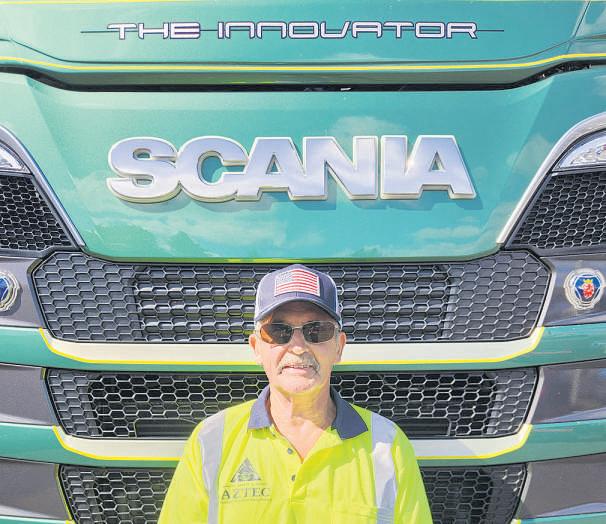
the Detroit engines, then manufacture and fit the parts. ”
As part of the repower process, Peter created a horizontal thermostat housing to replace the traditional vertical design.
This innovation was sent to Detroit Diesel in the United States, where it was used as a pattern for future rebuilds
Peter entered the 1990s with two Foden S108 eightwheelers that he had purchased new and continued contracting for NZFP
metalastic rubberbush system. ”
Not only was this approved by the New Zealand Foden dealer, but engineers also travelled from the United Kingdom to inspect it. Today, all new trucks include Peter Phillips’ radiator crossmember design.
The recent development of the MultiMulti truck came after a client requested that all logs be delivered in 3.1metre lengths, eliminating the need for chainsaw work onsite
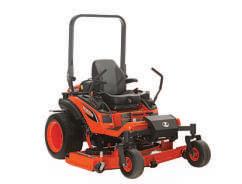
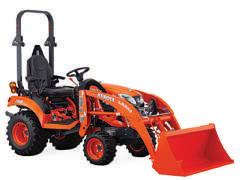






“Companies were seeking greater horsepower as load sizes increased. Detroit Diesel engines could be fitted into trucks such as Kenworth, Mack, International, and Fuso
“It’s very technical, as you have to design new engine mounts, transmission mounts, exhaust systems, cooling systems, and air intake systems to accommodate
During this time, he and Ian Patchell of Patchell Engineering in Rotorua developed the use of Koni shock absorbers in logging trailer suspensions. These shocks improved roll stability by lowering the static roll threshold.
“We always had trouble with Foden radiators failing, so I diagnosed the problem and designed a new, lower radiator cross member and changed the top radiator control mount from a rigid dogbone system to a
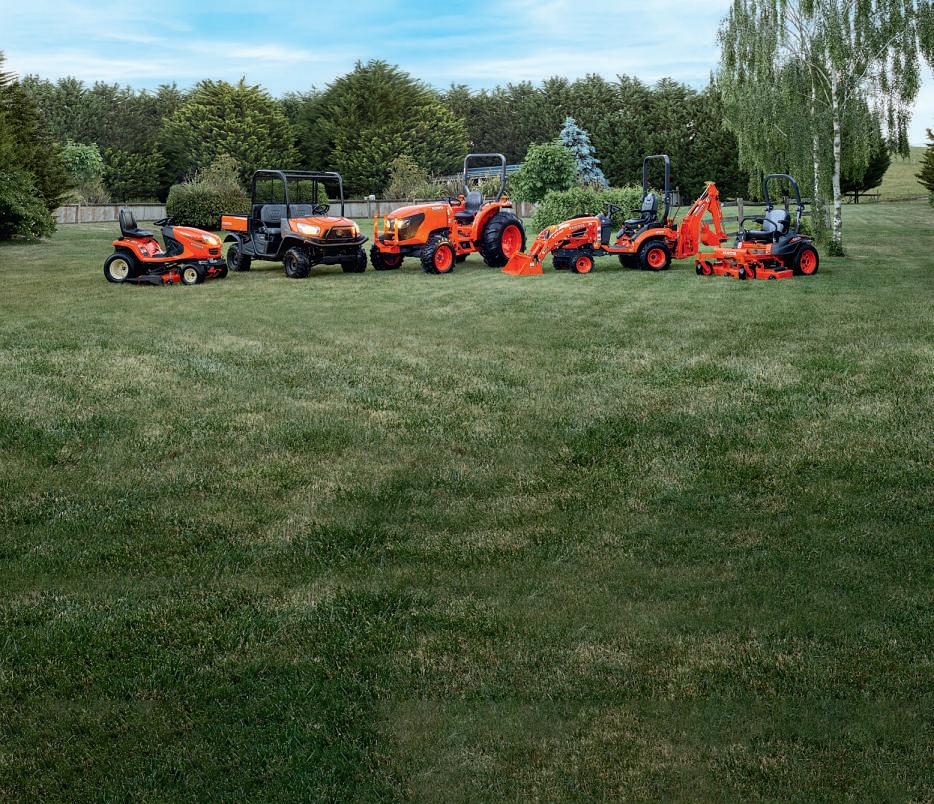
Peter worked with one of Aztec’s owner drivers to modify his truck so it could carry two packets of 3.1metre logs on both the truck and the trailer
This required two additional sets of bolsters on the truck that could slide to accommodate various log lengths. After re-engineering the truck deck, completing certification, and conducting testing, the unit is now fully operational.




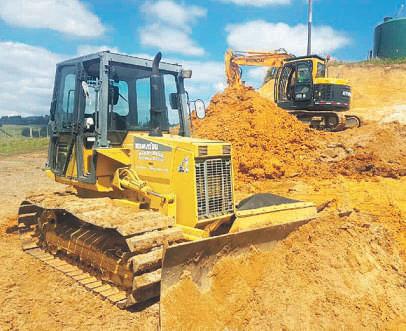










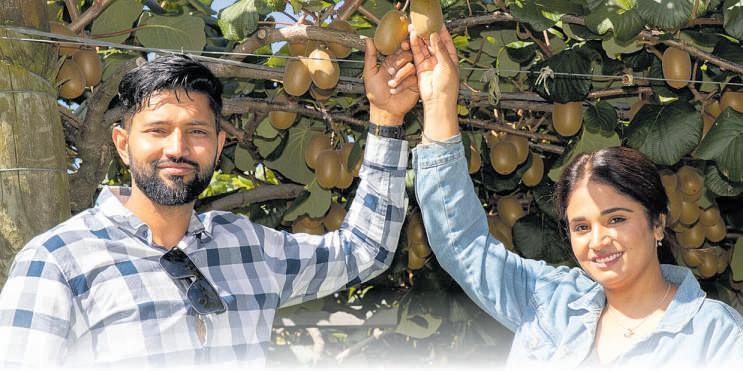
“When the kiwifruit sector wins, the entire Bay of Plenty wins.”
That is according to Tauranga Business Chamber chief executive Matt Cowley as this year ’ s record-breaking kiwifruit harvest begins The kiwifruit season spans March to June It begins with Zespri’s RubyRed variety, followed by its gold and green varieties
New Zealand Kiwifruit Growers Inc’s head of communications and strategic projects, Mike Murphy, says hiring is underway for the 19,000 jobs available in the Bay of Plenty and 24,000 jobs nationwide
Mike says 37% of those hires will be recognised seasonal employees, 17% working holiday visa holders, and the remaining 46% filled by New Zealand citizens and residents
The average pay for orchard tasks during the 2025/26 season is around $25 70 an hour, but rates went up to almost $50 an hour, Mike says An unskilled worker in a packhouse earned an average pay rate of $25 63, while a skilled worker earned $28 54
Kiwifruit is New Zealand’ largest horticultural export, contributing around $3 billion to the regions where it was grown in 2024/25, Mike says Tauranga alone saw a $320 million return last year
More than 220 million trays of kiwifruit were forecast for the industry’s 2026 crop, exceeding last year ’ s count of almost 217 million trays
Matt says kiwifruit is the central pillar of the Bay of Plenty’s economy
“The record harvest is a massive confidence boost for Bay of Plenty businesses ”
EastPack chief executive Hamish Simson says the post-harvest service provider is deep in advertising for recruitment
“We’ve had a really good returnee rate from people who seasonally worked with us before ”
He says EastPack has filled about 4000 seasonal jobs and is progressively bringing on staff in
Last season, EastPack packed about 54 million trays
Hamish says yields look reasonably healthy and weather conditions have been favourable this year
“That’s not to say all our orchards are unaffected There are some that have been affected by slips and landslides But overall, orchards are set up to be pretty resilient ”
He expects packing volumes to drop off around June
But since EastPack can store fruit and pack later, packing will continue until August International trade developments like riffs will not interfere with is year ’ s harvest, he says Hamish says New Zealand has established brands, a great brand reputation, good market access, and a lot of volume to sell, creating a generally ositive scenario
Te Puke-based packhouse
Trevelyan’s employs around 1300 people across its Bay of Plenty operations, its marketing and communications manager
roles support the highest volume of fruit moving through Trevelyan facilities
Seeka chief executive Michael Franks says the packhouse and coolstore employ around 3000 staff There are waitlists for roles in some cases, Michael says Ministry for Social Development regional commissioner Jacob Davies says kiwifruit work is actively promoted as a pathway into employment where people can quickly connect with job opportunities and begin earning income
“If anyone who is looking for work thinks that kiwifruit and the wider horticulture industry might be suitable for them, we absolutely encourage them to come and see us. ”
New growers go for gold
He says orchards reinvest profits for future growth, which flow straight into rural contractors, professional services, and local innovators Pongakawa gold kiwifruit growers
Shaihnaz Kaur and Ajminder Singh bought their orchard in January and are excited for their first kiwifruit harvest The married couple grew up working in kiwifruit orchards Holidays and weekends were spent picking, pruning, grading, packing – “basically everything” Shaihnaz says they expect picking for their orchard to begin at the end of March or the first week of April, then conclude about April 15





Each tray holds about 30 kiwifruit, meaning almost 51 billion pieces of fruit would be harvested
Severe weather across the North Island affected a small number of growers, but would not have a significant impact on this year ’ s production
Sacha Koster says Roles cover the full post-harvest operation, including grading, packing, stacking, quality control, cleaning, forklift driving, laboratory work, and supervisory roles.
The largest number of opportunities are typically in grading and packing, as those

















Climate is key as kiwifruit marketer Zespri plots a path to the future.
The Mount Maunganuibased company ’ s updated sustainability targets include a long-term ambition of being carbon neutral by 2050
“Achieving net zero requires sustained action across our industry and supply chain, and we intend on doing this in stages over time, working collaboratively with our partners, ” Zespri sustainability executive officer

Carolyn Mortland says.
“This includes advocating for the infrastructure and system changes needed to enable low-emissions solutions, and supporting the development and scaling of practical, economically viable options across our value chain.”
Zespri is targeting a 42% reduction in its direct carbon emissions, including from vehicles and buildings, by 2030. At the same time, it aims for a 30% cut in shipping emissions per tray equivalent from New Zealand, based




on a 2022 base year
“We are working with our shipping partners to ensure they are taking action to improve vessel efficiency” This includes vessel upgrades, such as Fresh Carriers delivering two new vessels in 2025 featuring the latest engine-efficiency and container-capability enhancements, with a further two vessels to be delivered in 2028.
Carolyn says shipping is Zespri’s largest single emissions source, and with fruit volumes increasing, this target focuses on finding reductions through efficiency, collaboration and fuel transition.
Another of Zespri’s targets involves reductions through orchard innovation.
Carolyn says this includes testing and demonstrating practical, orchard level emissions reduction and carbon removal techniques to support growers over time.
Climate change is increasingly impacting orchards and supply chains, with more frequent and severe weather events occurring in New Zealand and globally, she says
“These are having a real impact on growers, infrastructure and logistics, and we ’ re seeing these events shape the rules of trade through new regulation and reporting requirements.
“That’s matched by rising





customer expectations for suppliers to set rigorous climate targets, and consumers who want to buy from brands that support the environment.
“It’s critical we ’ re meeting that challenge.
“We are taking action on sustainability now so we can continue to deliver highquality, greattasting Zespri kiwifruit to our markets around the world and maximise value for our growers and shareholders.”
New Zealand Kiwifruit Growers
Incorporated CEO Colin Bond says the aim is to trial practical measures on orchards that might help bring emissions down.
“This work will give both Zespri and the wider industry a better sense of what emissions reduction

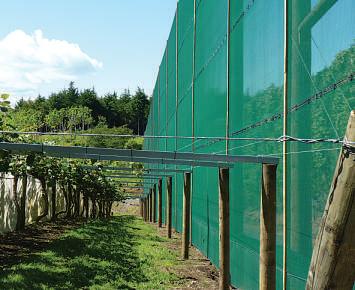




options are realistic and genuinely useful for growers ”
Colin notes that orchard emissions are only a small part of the total supply-chain carbon footprint.
“Still, there will be growers who are passionate about doing everything they can to reduce their environmental impact, and the potential for cost savings will appeal to many others.”
Because this orchard focused work is still in the early “intent” stage, Colin says it is too soon to know exactly what it will mean for growers
But there is a chance some emissions reduction actions could actually help lower orchard
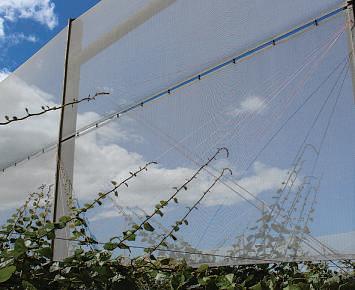





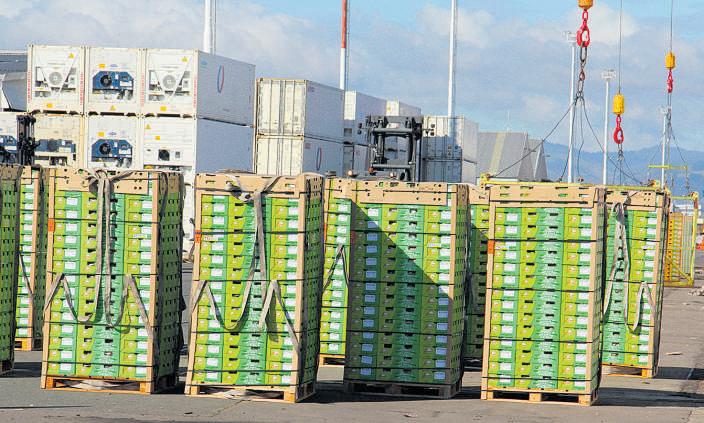
Zespri kiwifruit being loaded on to a ship for export. costs and improve profitability – such as shifting to electric vehicles and machinery, boosting productivity, trying alternative production systems, finetuning orchard inputs, or making better use of data to support decisions
“One of the strengths of New Zealand’s kiwifruit industry has always been how well growers and industry partners work together,” Colin says.
“Whatever comes out of this work will be shaped by that same collective approach – and our shared willingness to keep improving, adapting, and backing each other”
Carolyn says there is also a focus on reducing the environmental impact of Zespri’s packaging, which is critical to maintaining the quality of kiwifruit all
the way to customers and consumers around the world
Zespri is targeting 90% of its packaging to be recycled, reused or composted by 2030, and aims for 30% recycled content in its plastic packaging. It recently launched updated sustainability targets as part of its 2035 strategy
Zespri chief executive Jason Te Brake says the 2035 strategy responds to a rapidly changing global environment and the need to stay ahead of shifting consumer expectations, increasing competition, climate pressures, geopolitical uncertainty and accelerating technological change.
The industry is creating significant value for growers, working off a strong
platform built over many years, and now is the right time to look ahead at how it continues to deliver value over the next 10 years in a more competitive and complex global environment, he says “We’re aiming to be at the forefront of
the global fruit category by championing health and nutrition for our consumers, delivering leading products through a resilient future supply chain, and providing leading value to growers ” Steve Edwards
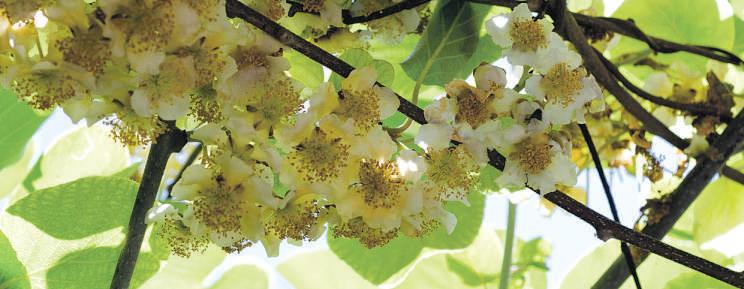

Want to achieve maximum yield from your orchard?
All Terrain Pollination (2017) Ltd use a wet pollen application system for spraying pollen directly onto the flower and developed specifically for the New Zealand Kiwifruit industry to assist growers in achieving maximum results Christopher: 027 945 2993 • Robyn: 027 322 1332 Check out our website for more info


Genesis has begun construction of its 136 MWp solar farm at Edgecumbe in the Bay of Plenty
A sod-turning ceremony last month saw Genesis chief executive Malcolm Johns join local kaumatua to bless and turn the first earth on the 209-hectare site.
The Rangitāiki Hapū Coalition have gifted the name Tihori to the project, the name of a Ngāti Awa chief who lived near Pūtauaki (Mt Edgecumbe).
Also in attendance were Whakatāne District Council
Mayor Nándor Tánczos, members of the landowner Rowland and Brady families, and representatives of Transpower, Genesis’ construction partner Metlen, and networks partner Horizon.
Once complete, the solar farm will generate up to 238 GWh of electricity a year, enough to power about 30,000 households. First generation is expected in mid-2027.
The solar farm will create more than 100 jobs during construction and employ up to four full-time staff when operational. It will draw on a variety of goods and services in the Bay of Plenty region.
Genesis is investing $236m in the project.
Malcolm says the start of construction is an important milestone for Genesis, the Edgecumbe community, and the country
“For New Zealand to reach net zero 2050 the country ’ s energy use must become 60% electric, 95% renewable and available 100% of the time Solar has an important role to play in this transition, and the Tihori Solar Farm is another step in our commitment to build 500 MW of solar capacity throughout New Zealand ”
In 2025, Genesis opened its first solar farm at Lauriston in Canterbury, operated with joint venture partner FRV Australia. Genesis is also developing another site in Canterbury at Leeston, one at Foxton in Manawatū, and one at Rangiriri in Waikato.
“We look forward to working with the community in Edgecumbe and the wider Bay of Plenty region in bringing this solar farm to operation.”
Solar sites
Solar energy from sites such as Tihori also enhances the value of Genesis’ three hydro generation sites and battery storage investments which
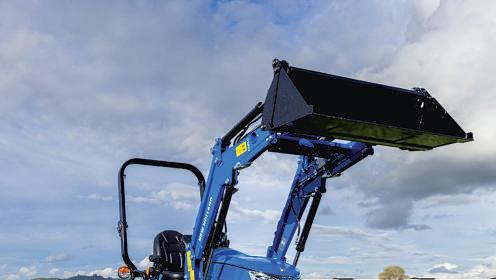
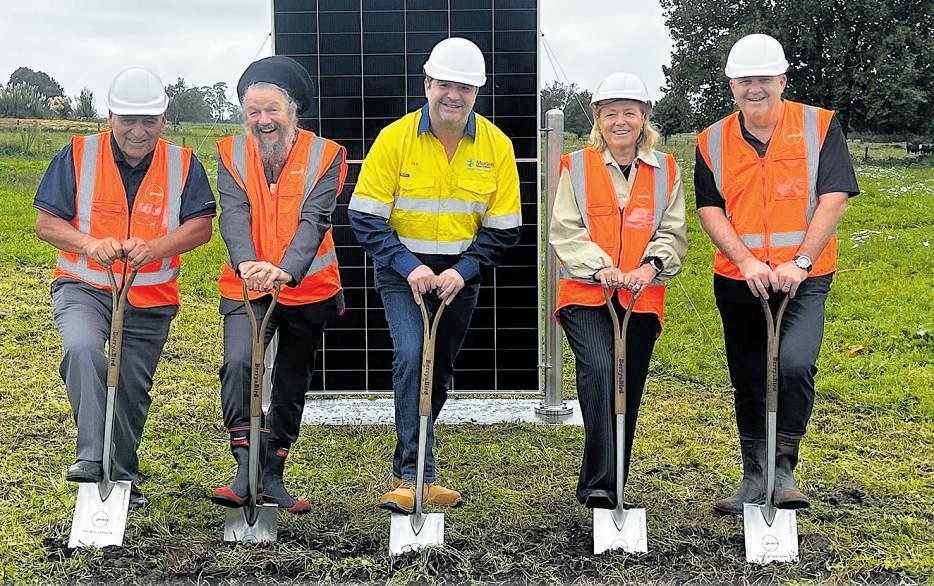
together provide flexible, renewable energy to meet growing demand Solar energy also displaces gas generation, in particular over summer months, in support of New Zealand’s transition to a lowcarbon future Genesis selected global solar farm developer Metlen to carry
out construction of the project, with initial works already under way Horizon Networks, the lines company serving the Eastern Bay of Plenty, will connect the Edgecumbe solar farm to the national grid via a new transmission line to the Edgecumbe Substation.