A Look Back at K-State’s History as a Land-Grant University Experience Manhattan’s Food Scene and More Library Reading Challenge for U.S. 250th Anniversary also in this issue
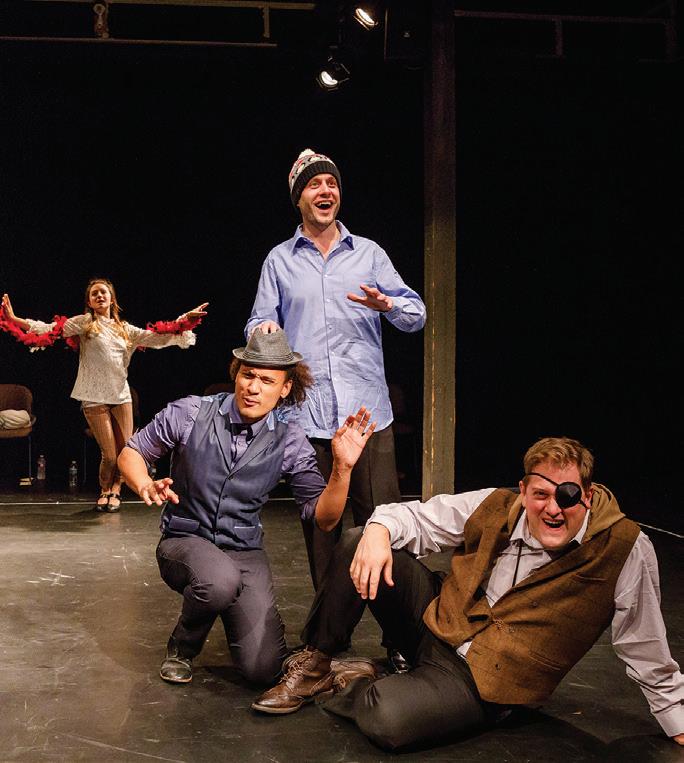
The Second City — Laughing For All The Wrong Reasons
The Second City — Laughing For All The Wrong Reasons
7:30 p.m. Thur., Sept. 24, 2026
7:30 p.m. Thur., Sept. 24, 2026
Meredith Willson’s
The Music Man
Meredith Willson’s The Music Man
7:30 p.m. Tue., Sept. 29, 2026
7:30 p.m. Tue., Sept. 29, 2026
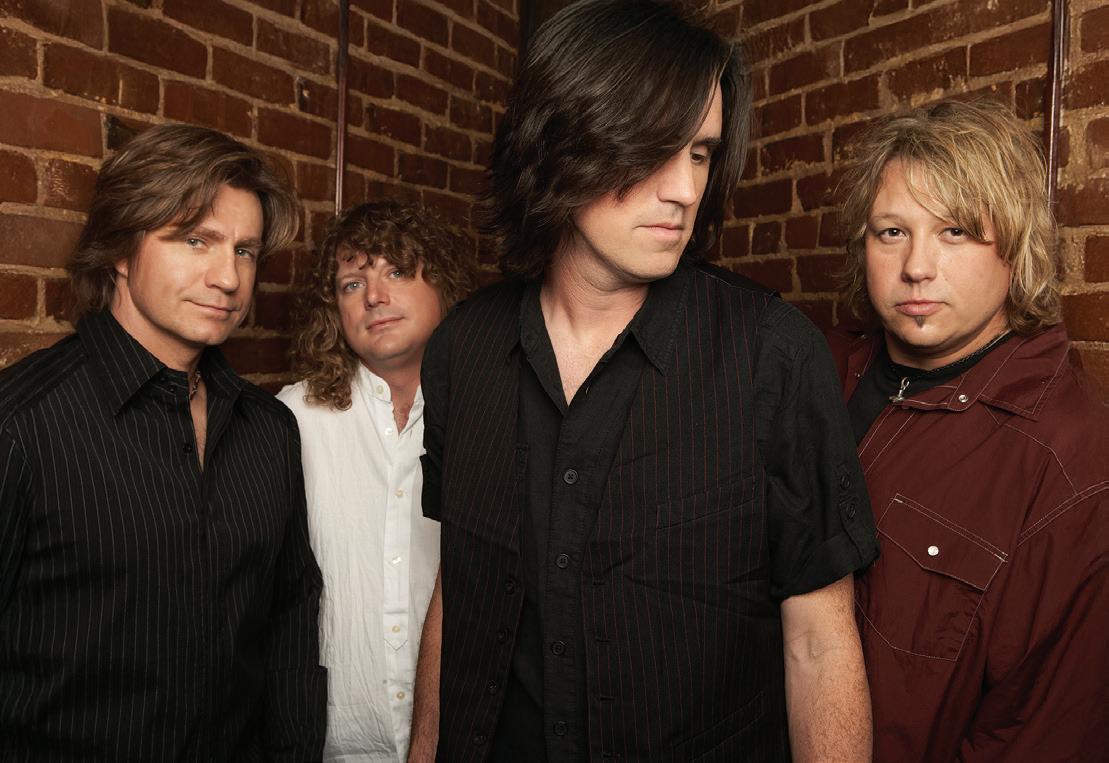
Little Texas
Little Texas
7:30 p.m. Fri., Oct. 2, 2026
7:30 p.m. Fri., Oct. 2, 2026
Actors From The London Stage — Much Ado About Nothing
Actors From The London Stage — Much Ado About Nothing
7:30 p.m. Fri., Oct. 9, 2026
7:30 p.m. Fri., Oct. 9, 2026
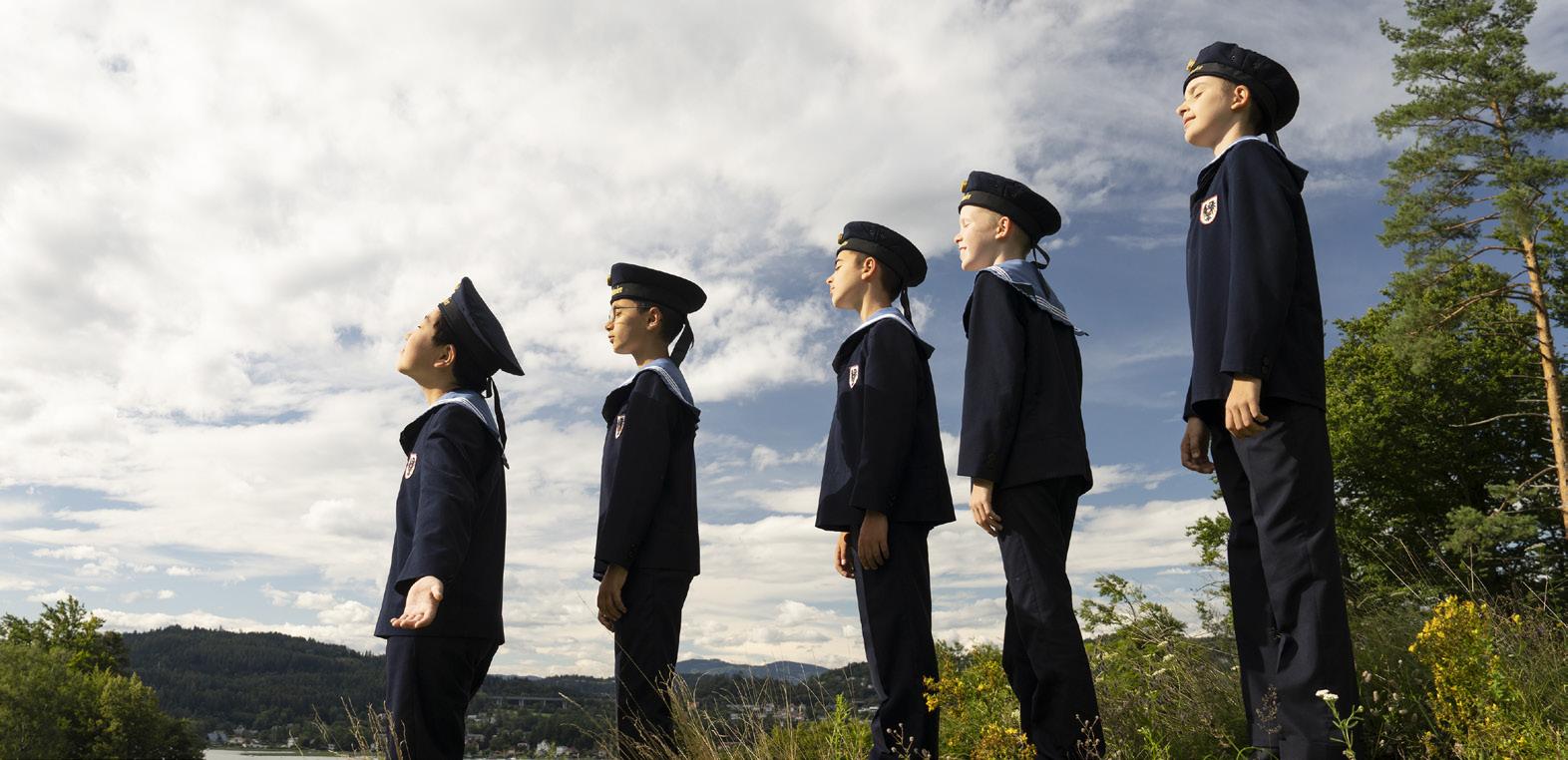
Vienna Boys Choir
Vienna Boys Choir
7:30 p.m. Wed., Oct. 28, 2026 (First United Methodist Church)
7:30 p.m. Wed., Oct. 28, 2026 (First United Methodist Church)
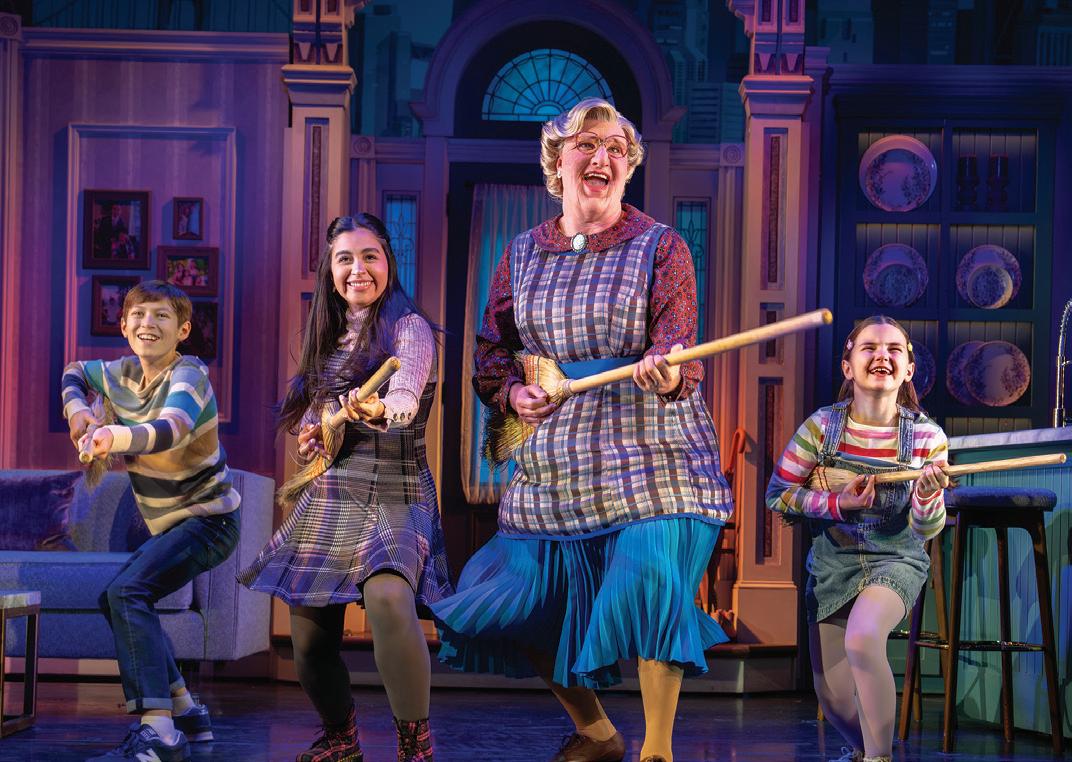
Mrs. Doubtfire
Mrs. Doubtfire
7:30 p.m. Mon., Nov. 9, 2026
7:30 p.m. Mon., Nov. 9, 2026
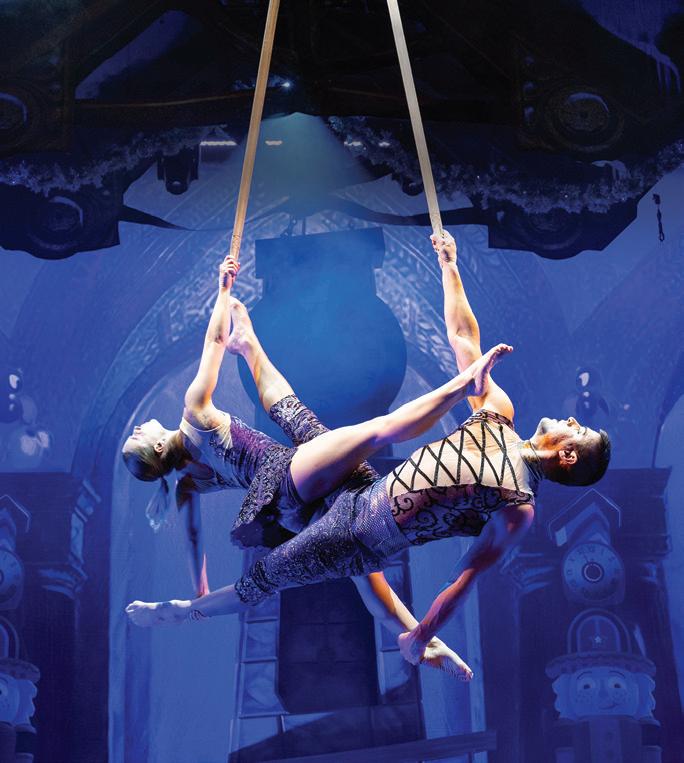
Cirque Dreams — Holidaze
Cirque Dreams — Holidaze
7:30 p.m. Thur., Dec. 3, 2026
7:30 p.m. Thur., Dec. 3, 2026
The Midtown Men Holiday Hits
The Midtown Men Holiday Hits
7:30 p.m. Fri., Dec. 18, 2026
7:30 p.m. Fri., Dec. 18, 2026
Gravity
Gravity
7:30 p.m. Sun., Jan. 31, 2027
7:30 p.m. Sun., Jan. 31, 2027
Classic Albums Live Performs The Eagles: Hotel California
Classic Albums Live Performs The Eagles: Hotel California
7:30 p.m. Fri., Feb. 5, 2027
7:30 p.m. Fri., Feb. 5, 2027
Manhattan Symphony Orchestra with the Thundering ‘Cats
Manhattan Symphony Orchestra with the Thundering ‘Cats
7:30 p.m. Fri., Feb. 12, 2027
7:30 p.m. Fri., Feb. 12, 2027
Delfeayo Marsalis and The Uptown Jazz Orchestra
Delfeayo Marsalis and The Uptown Jazz Orchestra
7:30 p.m. Mon., Feb. 15, 2027
7:30 p.m. Mon., Feb. 15, 2027
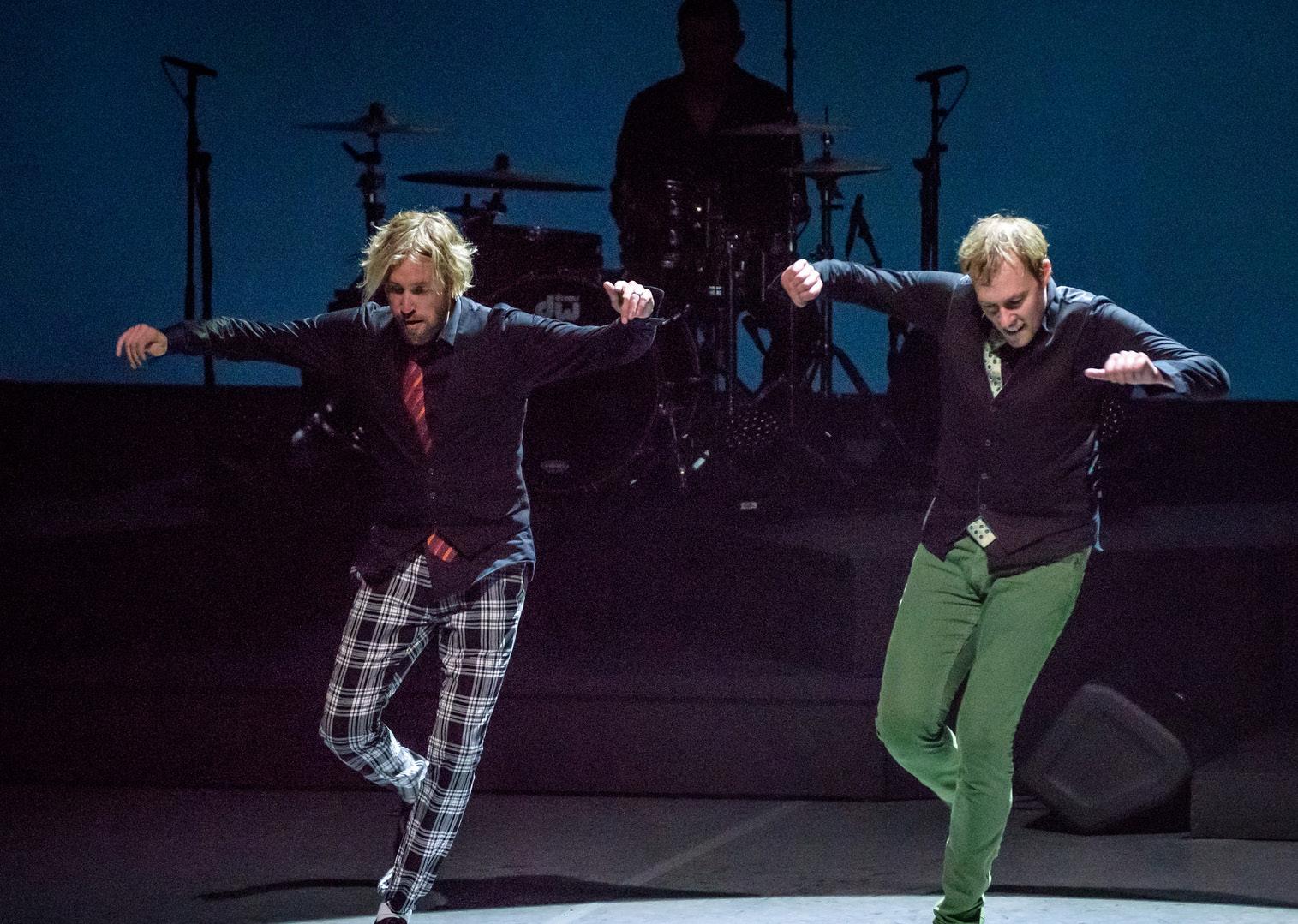
The StepCrew
The StepCrew
7:30 p.m. Sun., Feb. 21, 2027
Shucked
7:30 p.m. Sun., Feb. 21, 2027 Shucked
7:30 p.m. Wed., Feb. 24, 2027
7:30 p.m. Wed., Feb. 24, 2027
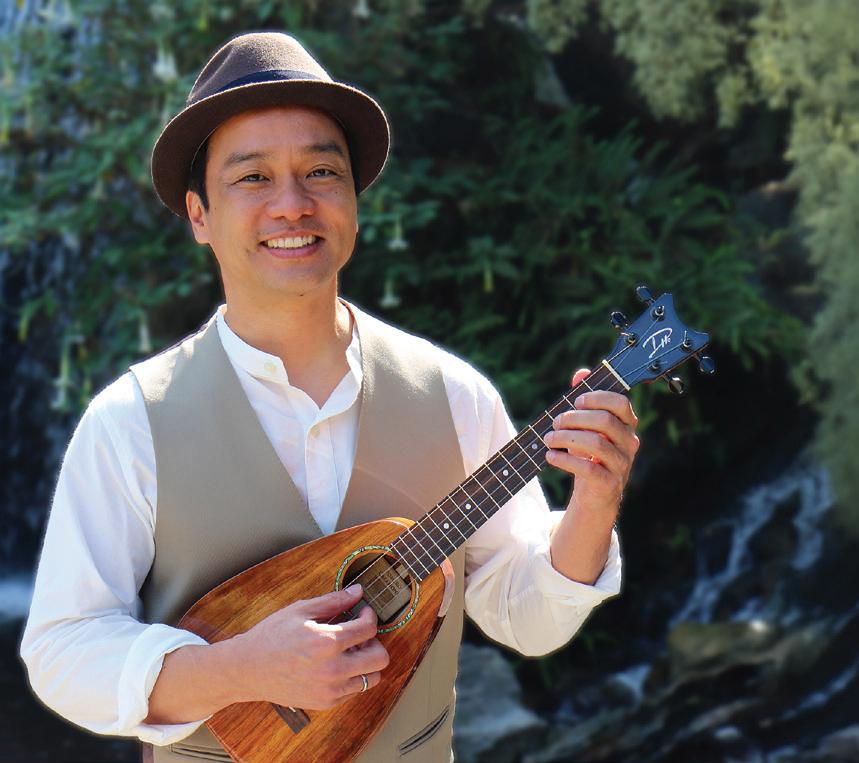
Daniel Ho, Multi-Instrumentalist
Daniel Ho, Multi-Instrumentalist
6:30 and 8:30 p.m. Fri., March 5, 2027 (McCain Loft)
6:30 and 8:30 p.m. Fri., March 5, 2027 (McCain Loft)
Neil Berg’s 50 Years of Country Rock
Neil Berg’s 50 Years of Country Rock
7:30 p.m. Thur., March 11, 2027
7:30 p.m. Thur., March 11, 2027
Treasure Island Reimagined — Jane Hawkins and the Pirate’s Gold
Treasure Island Reimagined — Jane Hawkins and the Pirate’s Gold
7:30 p.m. Tue., April 6, 2027
7:30 p.m. Tue., April 6, 2027
The Sixties Show
The Sixties Show
7:30 p.m. Fri., April 16, 2027
7:30 p.m. Fri., April 16, 2027
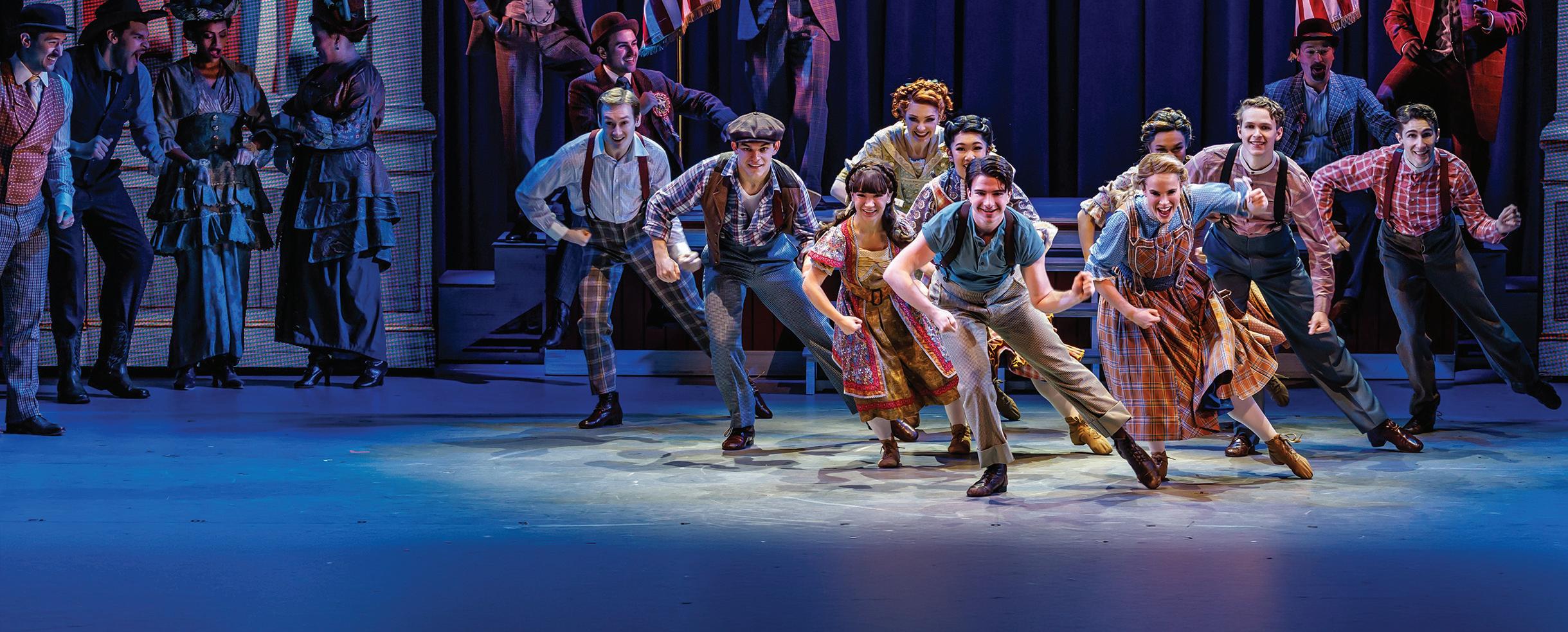
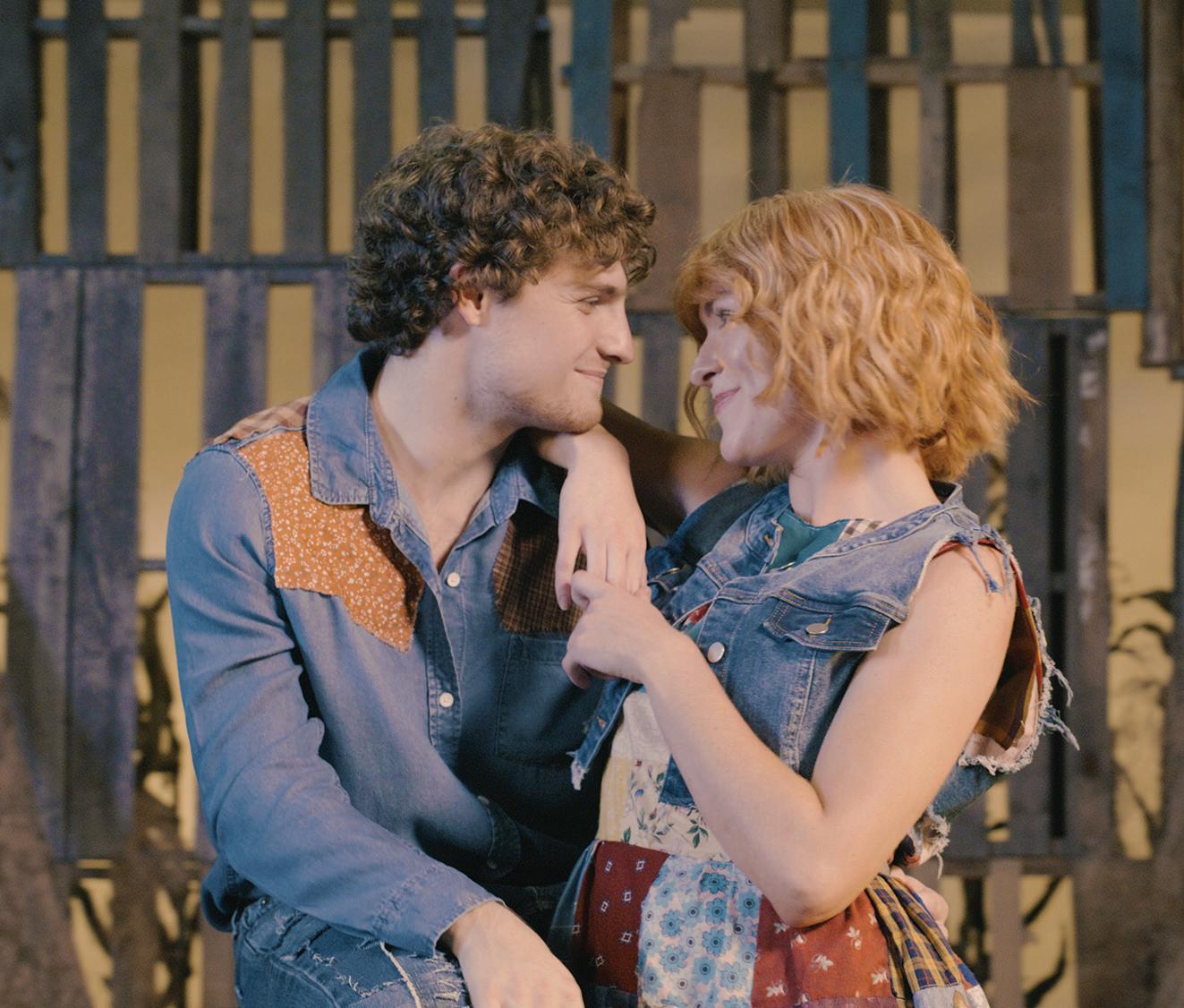
Music Man, Sept. 29
EDITORS
Leslie Clugston Andres
Jean Teller
ART DIRECTOR/DESIGNER
Alex Tatro
ADVERTISING AND MARKETING
Connie Roberts | (785) 832-7236 croberts@sunflowerpub.com
CONTRIBUTING PHOTOGRAPHERS
Nick Krug
K-State Library Special Collections
Manhattan Public Library
David Mayes
CONTRIBUTING WRITERS
Leslie Clugston Andres
Lucas Shivers
Beccy Tanner
Jean Teller
PUBLISHER
Bill Uhler
DIRECTOR
Bob Cucciniello
SUBSCRIPTIONS
$25 (tax included) for a one-year subscription to Manhattan Magazine
Or email comments to manhattanmagazine@sunflowerpub.com
Manhattan Magazine is a publication of Sunflower Publishing, a division of Ogden Publications, Inc. sunflowerpub.com
welcome.
This issue of Manhattan Magazine celebrates the people, places and traditions that shape life in the Little Apple. From Kansas State University’s bold vision for the future to the stories and institutions that preserve the region’s history and culture, these pages reflect a community deeply connected to both heritage and possibility. We explore K-State’s legacy as the nation’s first operational land-grant university, visit the Manhattan Public Library’s Kansas 250 Reading Challenge, and take a closer look at the rhythms that make summer in Manhattan feel distinctly its own.
A Manhattan summer has a character all its own. The pace softens just enough to invite discovery—whether that means an evening concert, a favorite Aggieville patio, a walk through a local museum, or time spent beneath the Flint Hills sky. In this issue, we hope you’ll find both familiar places and new experiences worth exploring. Most of all, we hope these stories remind you why Manhattan continues to be such a vibrant and meaningful place to call home.
Warmly,
Leslie Clugston Andres and Jean Teller Editors
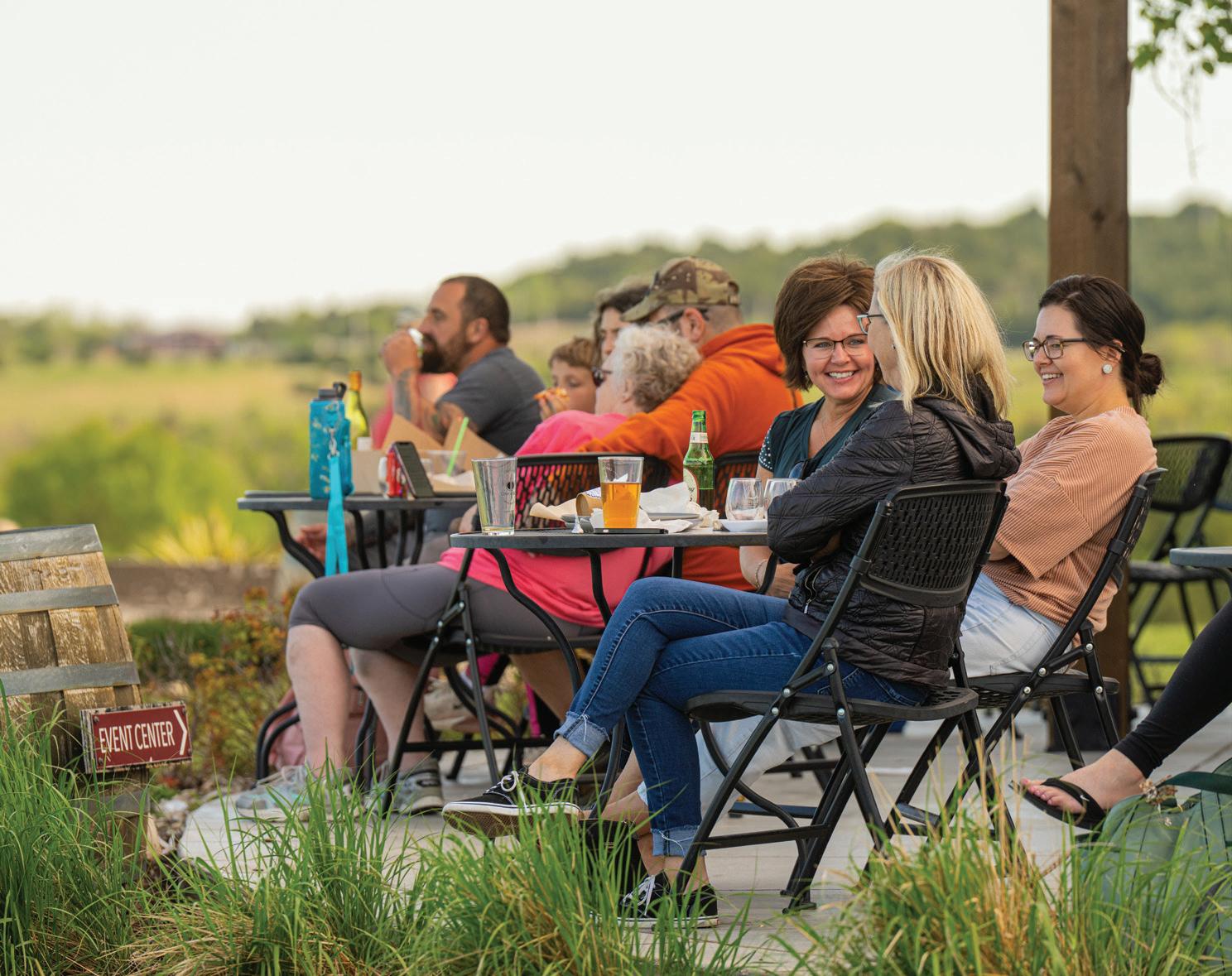
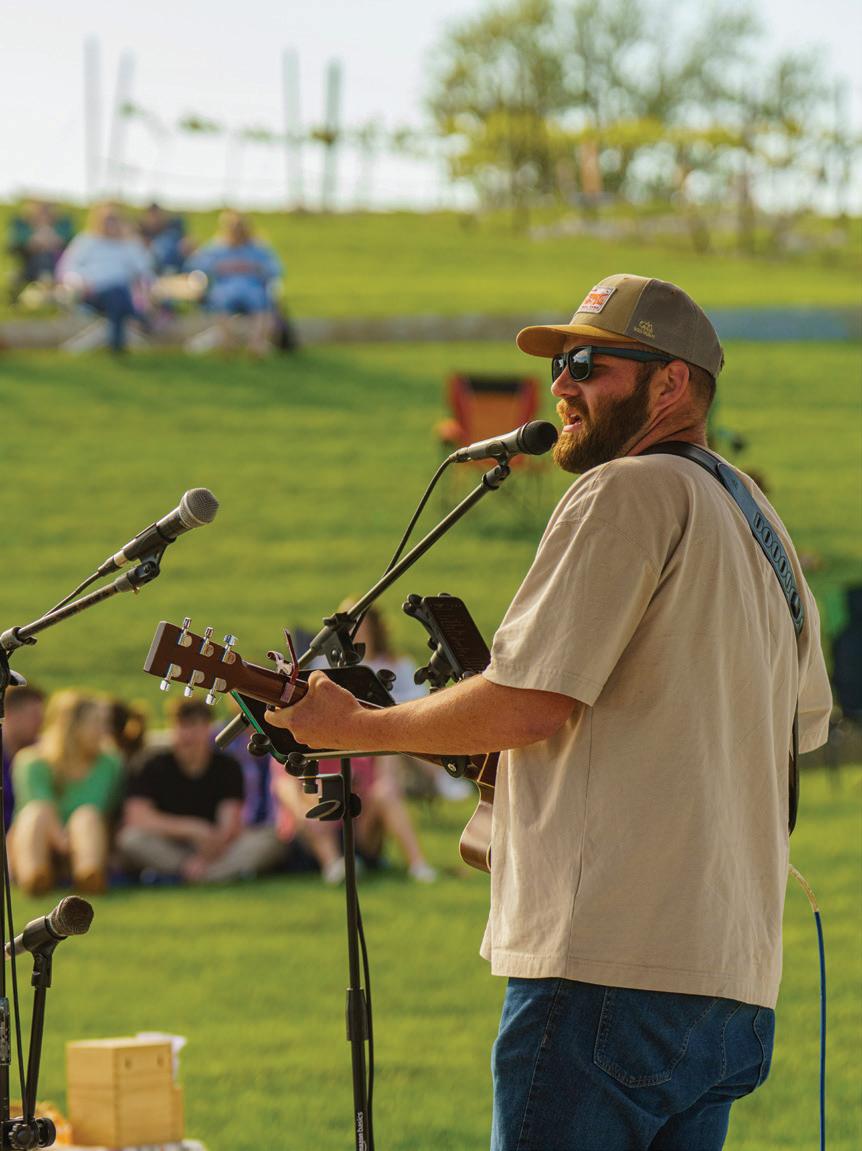
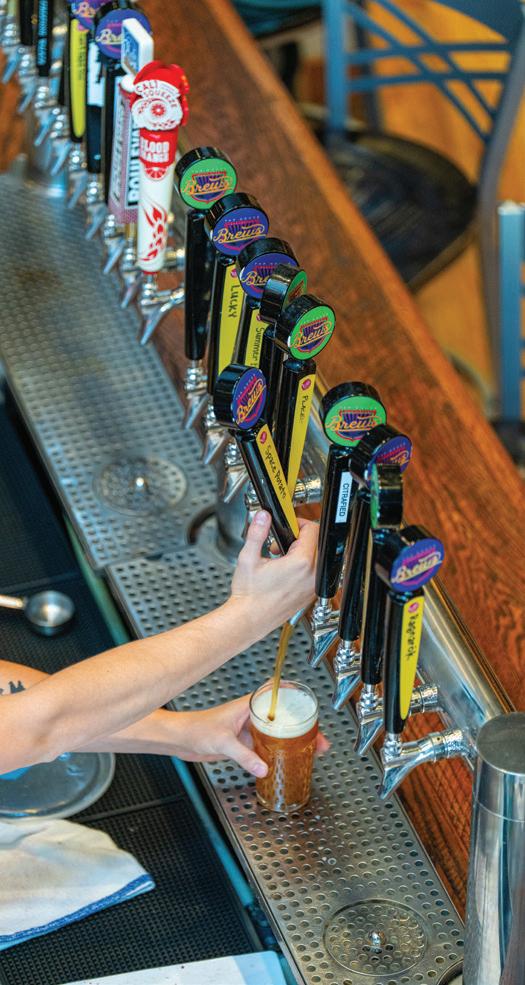
Enjoy outdoor fun at the Liquid Art Winery & Restaurant.
06 163 YEARS OF K-STATE PRIDE
The nation’s first operational land-grant college shapes Kansas.
10 MANHATTAN’S SUMMER RHYTHMS
Experience Manhattan like a local with restaurants, museums, and more open for business.
14 READING KANSAS, ONE STORY AT A TIME
The Manhattan Public Library offers a local, yearlong reading journey with the Kansas 250 Reading Challenge.
18 K-STATE HEADS INTO THE FUTURE
President Richard Linton talks about the Next-Gen K-State strategic plan for the university of tomorrow.
22 SEASONAL EVENTS
Highlights from the upcoming season—concerts, festivals, fireworks, garden strolls and more.
ON THE COVER
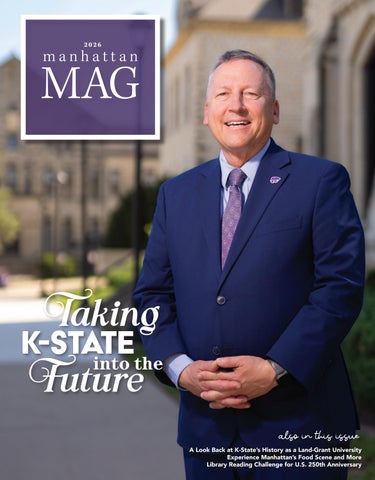
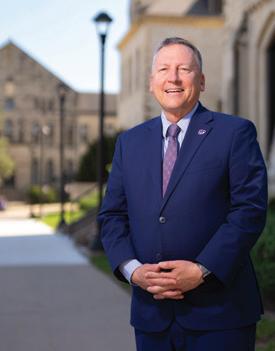
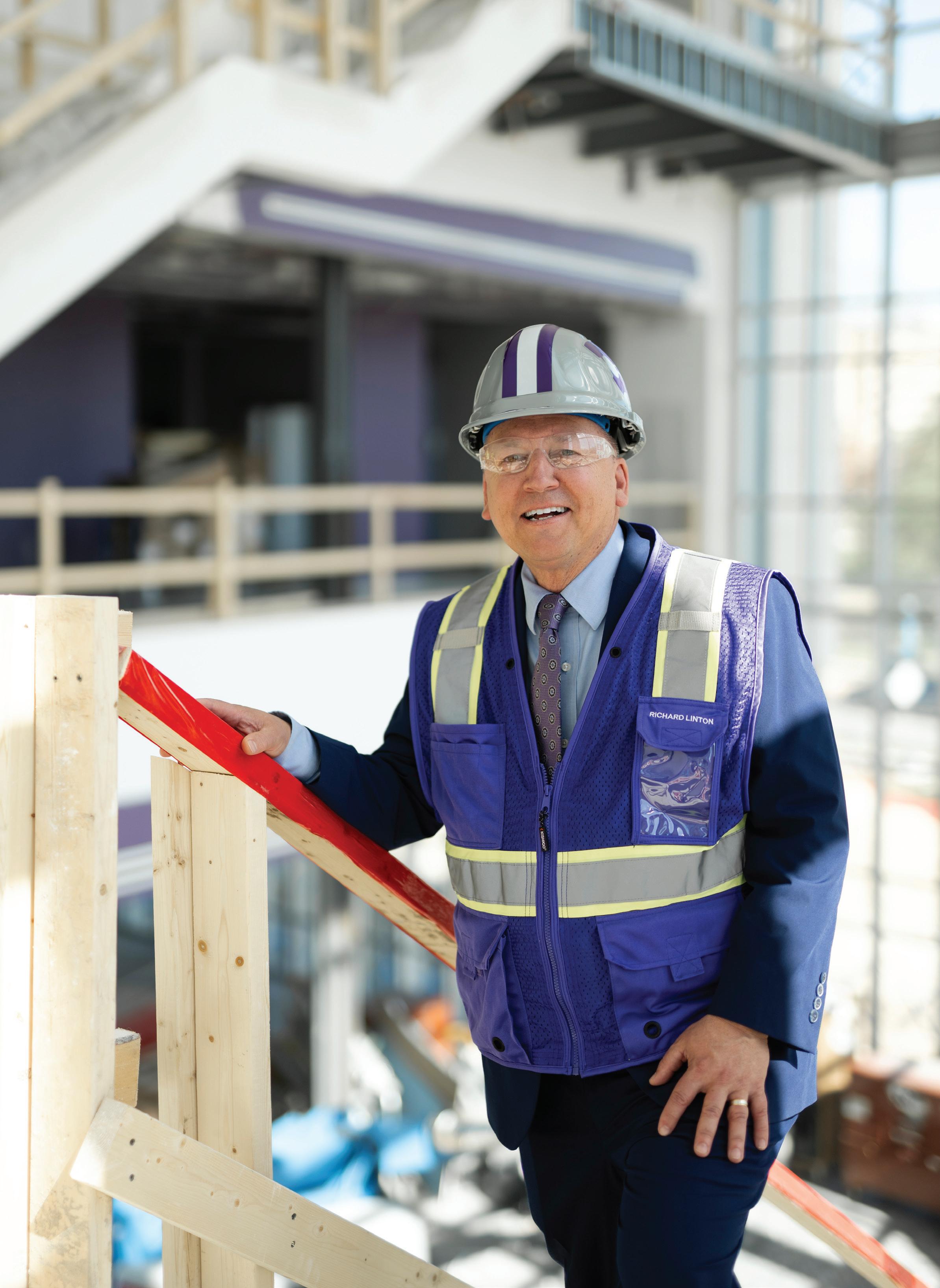
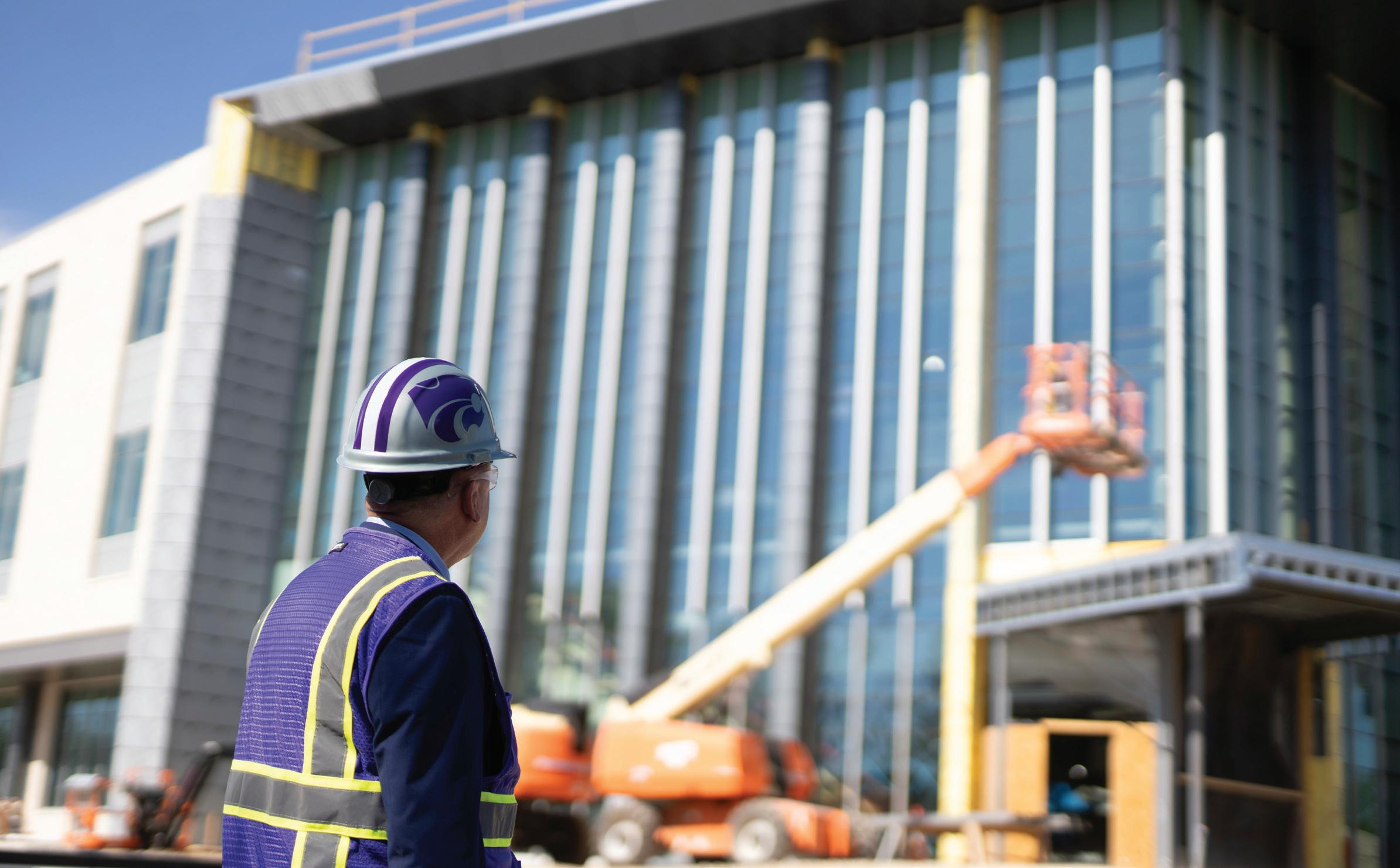
Kansas State University’s 15th president, Dr. Richard Linton, has a long-range plan to update the campus, provide more for students, and take the university into the future.
163 Years of K-State Pride
The nation’s first operational landgrant college shapes Kansas.
ARTICLE BY Beccy Tanner
PHOTOGRAPHY COURTESY Kansas State University Libraries
In the first week of September 1863, Kansans had little to celebrate.
The nation was engaged in a brutal Civil War. Two weeks earlier—on August 21, 1863—William Quantrill and his Confederate Raiders stormed into Lawrence with Quantrill ordering his men to kill “every man big enough to carry a gun.”
As many as 150 men were killed.
A month earlier, the Battle of Gettysburg marked a turning point in the war.
And Manhattan, a frontier town nestled in the Flint Hills, was about to make news.
“Part of this is that the university hints at the idea of being the first (land-grant university in the nation),” says Cliff Hight, professor and department head of the Richard D. and Marjorie J. Morse Department of Archives and Special Collections at Kansas State University. “And if you put the right caveats in place, that’s accurate. Some of our (other) land-grant colleagues would debate on some of the nuance of that.”
And what should be the qualifier?
Kansas State University was the first operational landgrant college established after the passage of the Morrill Act, Hight says.
The Morrill Land-Grant Act was a federal law that provided public land and funds for states to establish colleges. It was signed into law by President Abraham Lincoln in 1862. The idea was to provide working-class American citizens a chance for higher education.
That same year, Lincoln signed the Homestead Act and the Pacific Railway Act, which established the transcontinental railroads and, in turn, helped populate the prairies.
All those laws defined how the American frontier was built.
How K-State Almost Didn’t Happen
But in the beginning, that college in Manhattan almost didn’t happen.
Before there was a land-grant college in Manhattan, there was another institution of higher education: Blue Mont Central College, founded by Methodists in 1858.
By 1861, when Kansas became a state, the college’s officials offered the use of Blue Mont’s three-story stone building and 120 acres for a state university. Kansas governor Charles Robinson vetoed the plan, and there weren’t enough votes to overturn the veto. In 1862, the Kansas Legislature tried again—and failed again.
In February 1863, the grounds and building were accepted by the state legislature to allow for the state’s— and nation’s—first operational land-grant university.
Other contenders for the title of first land-grant university include Michigan State, which Hight says was a state agricultural college operating as a state entity but had not yet been designated as a recipient of federal funds supplied by the Morrill Act. And then there was Iowa State, which was first to accept the Morrill Act’s provisions (1862) but didn’t open until 1869.
In September 1863, 26 men and 26 women enrolled at Kansas State Agricultural College in Manhattan.
In the early years, Hight said, three degrees were offered— ”farmer,” “mechanic,” and “woman,” which included the domestic sciences, human ecology and home economics.
“These courses were offered so that the students could basically know how to run their farms and homes,” Hight says. “They were the practical aspects of how they needed to live their lives and be successful. When you think about the early settlement of Kansas, most of the people coming here, they were primarily going to be agriculturally based because that was the way things were here.”
The first few years, it was difficult getting professors to the Kansas prairie. But in 1867, two men and three women became the first graduates.
At What Cost?
“The idea with the Morrill Act was that they would take federal land in various states, and depending on the number of legislators from those states—including both senators and representatives—each state would
be allotted a certain amount of acreage, and so it was contingent on the numbers of elected individuals,” Hight says.
A state like Kansas in 1863 wouldn’t have had a huge allotment, but a state like New York would have had a significant amount, Hight says.
“They were supposed to start with federal lands that were available within the state boundaries, and then, if the state didn’t have enough, they could then branch out to other states,” he says.
Cornell University, the land-grant university in New York state, obtained its allotment of 500,000 acres in Wisconsin, which provided the university with nearly a $5 million endowment.
The Kansas Agricultural College obtained more than 87,000 acres—taken from the Kanza nation through forced treaties and cessions.
“It was education for white students, not Indians, of course,” says Pauline Sharp, member of the Kaw Nation and chair of the Kanza Heritage Society.
On June 16, 2020, Stephan Bisaha reported for KCUR, the public radio station in Kansas City:
“Cornell University, Massachusetts Institute of Technology, Virginia Polytechnic Institute and 30 other schools owe at least part of their existence to land taken from Kansas’ indigenous people. In the 1800s, the U.S. government gave states that land in the interest of building land-grant universities. Then, the schools would reinvest the money they got from selling the land—which was mostly in the Midwest, including 920,000 acres in Kansas. A recent analysis by High Country News shows that tribes forced off their land were paid less than 2% of what the states raised from selling that same land.”
In 1825, it was estimated that the Kaw Nation considered 20 million acres—nearly two-fifths of what is now Kansas—as their home territory.
But 37 years later, when the entire state of Kansas covered 52.5 million acres, the Kaw had less than 80,000 acres. And, by 1873, the U.S. government forcibly removed them from Kansas into Indian Territory to the south.
It was the Kanza (Kaw) Nation for whom the state of Kansas was named.
In 1873, when the tribe was forced from Kansas, it
had fewer than 500 members. By 1902, fewer than 200 were on the tribal rolls. Today, the Kaw Nation has more than 4,000 members.
“We lost so much after removal,” Sharp said in a June 2024 KMUW public radio interview at Council Grove. “We got down to 187 people at one time. We lost everything. The elders thought they had been sent to Indian Territory to die.”
Since 2020, the university has acknowledged its Native American history through the Chapman Center for Rural Studies’ Kansas Land Treaties Project.
A 2025 Kansas legislative provision allows members of specific tribes, including the Kaw Nation, to qualify for instate tuition at Kansas public institutions.
K-State also offers the “Land-Grant Promise,” which covers tuition for Pell-eligible Kansas residents with a household income of $80,000 or less. This is designed for Kansas residents, but students who meet the residency exception (such as the Indigenous People’s provision) may qualify. In addition, the university provides an Indigenous Alliance Native American Scholarship for eligible first-year and transfer students.
Shaping Kansas Through Education
As the Kansas State Agricultural College evolved at the end of the 19th century and beginning of the 20th, it became a force for home and farm education. The college soon was helping to shape Kansas agriculture, journalism, home economics and science, among other disciplines.
The extension department helped educate not only rural farmers and their wives but also their children. It provided a badly needed social network in remote rural areas of Kansas. Think of the canning and 4-H clubs and the Extension Homemakers Units that met across the state. The extension department also provided hope, especially during the Great Depression, by sending out young saplings that could be planted in dry, sandy soils and teaching farmers how to water and grow their own shelterbelts.
K-State train tours became a thing.
“The idea was, how do we take the research and the work that’s happening on campus and share that with the
residents of the state?” Hight says. “Early on, there were train tours in different parts of the state.
“Sometimes they called it practical education. Other times, they called it agricultural education. (In the 1840s) there was a movement that was started where (educators) were trying to figure out how to do a better job of educating people about agriculture because it was such an agrarian society and economy. It was not so much a classical education where you learn Greek and Latin.”
One hundred and sixty-three years later, K-Staters span the globe, with many famous celebrities among its graduates— such as actors Eric Stonestreet and Kirstie Alley and NFL stars Jordy Nelson and Darren Sproles. Some have had a prominent influence in Washington, D.C., such as President Barack Obama’s White House photographer, Pete Souza; former press secretary Marlin Fitzwater; and consumer advocate and environmental activist Erin Brockovich.
During much of the early to mid-20th century, there was Clementine Paddleford, a food writer who became a national sensation and introduced America to regional cooking.
And, in 1906, K-Stater (USDA Plant Explorer) Dr. David Fairchild was instrumental in importing thousands of Japanese cherry trees to the Tidal Basin in Washington D.C.’s West Potomac Park.
Perhaps it is true: EMAW. The rallying cry for K-Staters— Every Man A Wildcat.
But what about the women?
“(Among) the early women who were fairly well known was Abby Lillian Marlatt, who was an early graduate and went on to join faculty at more than one institution,” Hight says.
And there was Nellie Kedzie Jones, the college’s first woman professor.
Justin Hall is named after Dr. Margaret M. Justin, dean of the Division of Home Economics and College of Human Ecology from 1923 to 1954. Justin Hall now serves as the center for the College of Health and Human Sciences.
“It was fairly unique in having a number of buildings named after women on our campus,” Hight says. “Kedzie Hall, Justin Hall, Van Zile Hall and a number of others (makes that aspect) a component that’s unique to K-State.”
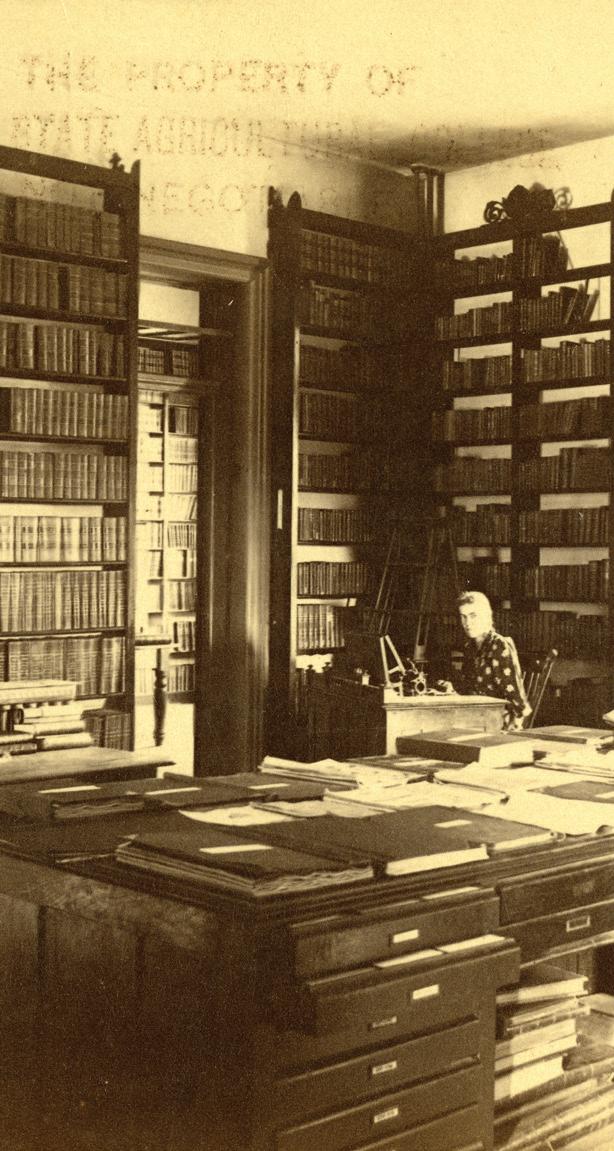
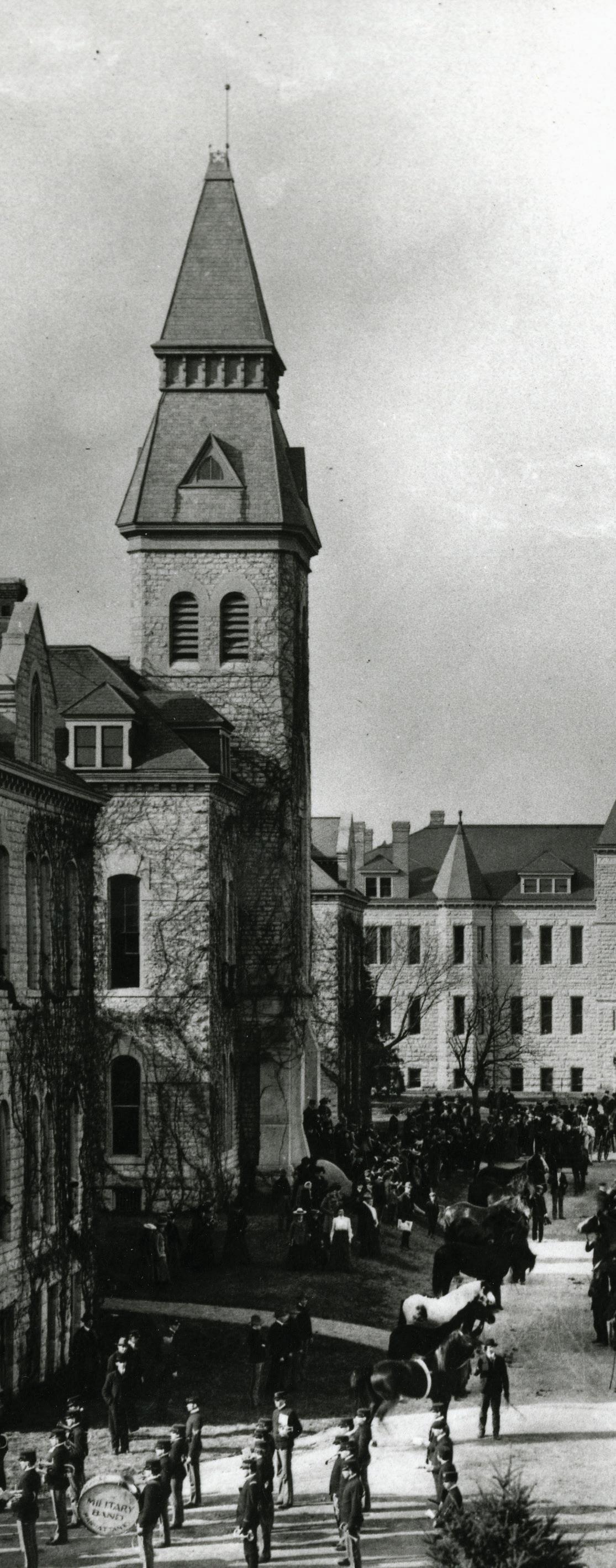
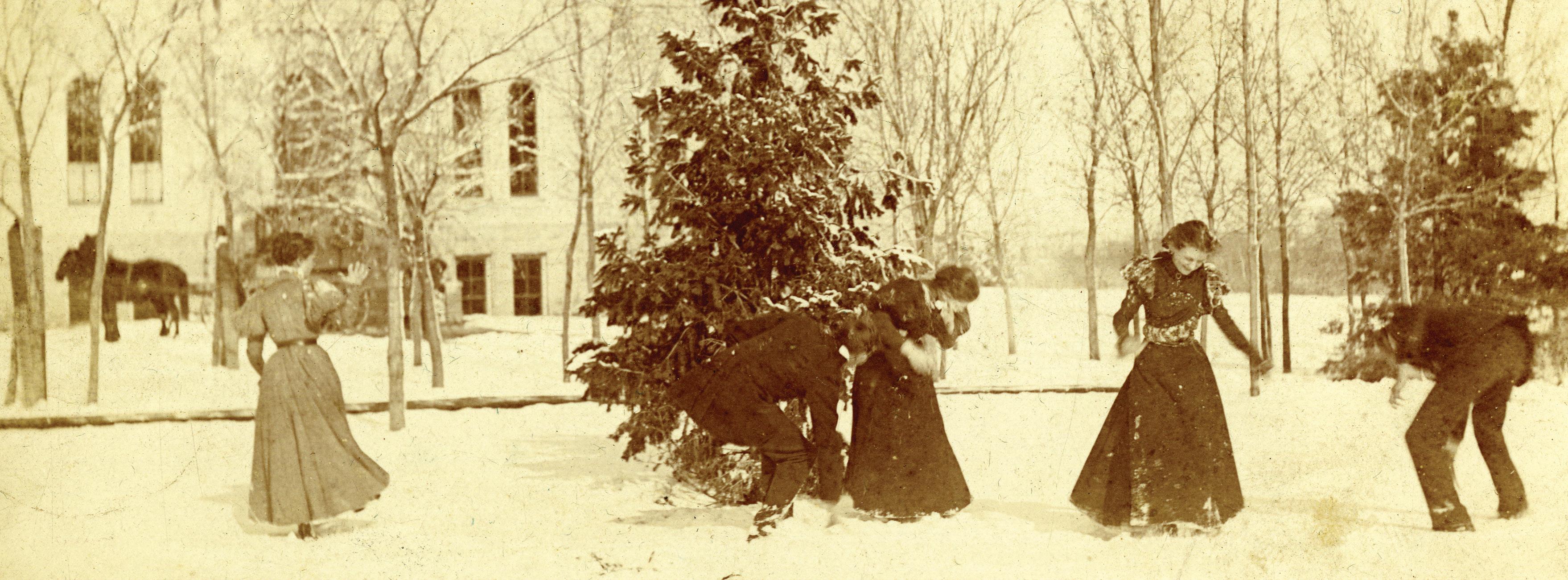
In 1898, students played in the snow in front of present-day Anderson Hall.
ARTICLE B Y Lucas Shivers PHOTOGRAPHY BY David Mayes
Manhattan’s Summer Rhythms
Experience Manhattan like a local with restaurants, museums and more open for business.
Summertime in Manhattan offers novel experiences for locals and visitors to escape the hustle of the traditional school year.
“There’s a seasonal cycle, and we all feel the changes,” says Marcia Rozell, executive director of Visit Manhattan. “This summer there are unique events, especially with the World Cup and America 250.”
The Fédération Internationale de Football Association (FIFA) World Cup 2026™ comes to North America from June 11 to July 19. In Kansas City, six games will be played from June 16 to July 11, creating a regional hub for soccer and sports.
“We’re ready, eager and welcoming for the World Cup,” Rozell says. “For the first USA match on June 12, we’ll have a watch party with Manhattan Parks and Rec. We expect to see an uptick in soccer and sports for kids’ athletics.”
Manhattan may also see a spill-over effect as residents from urban regions may seek to escape the city by enjoying the tallgrass prairie, small town hospitality and one-of-a-kind attractions.
As the nation marks 250 years of independence, the civic-minded will see several America 250 events connected to a year-long effort for honoring the milestone with experiences that capture the spirit of the nation.
“We’re all tied into it with many special acknowledgments to make it feel patriotic this year,” Rozell says. “America 250 brings history, community and adventure together to explore the unique blend of heritage and modern charm.”
From historic sites connected to the Riley County Historical Museum to vibrant local lively events, there’s something for everyone to enjoy—signature features with Flint Hills Festival at Blue Earth Plaza, Third Thursdays downtown, and events at Manhattan Arts Center.
Star Spangled Spectacular Cardboard Boat Regatta
at City Park Pool and Boomtown in Wamego continue to be the July 4 trademark events.
Manhattan Museum Month in May
Multiple museums in Manhattan worked collectively to launch an initiative focused on new learning to kick off summer.
“We’re working together to heighten the experience of being in a museum for the month of May to connect and learn,” says Rozell. “It’s really about finding something unexpected.”
In the past, sites honored an official museum day or week, but they wanted a more inclusive timeline to draw in more patrons.
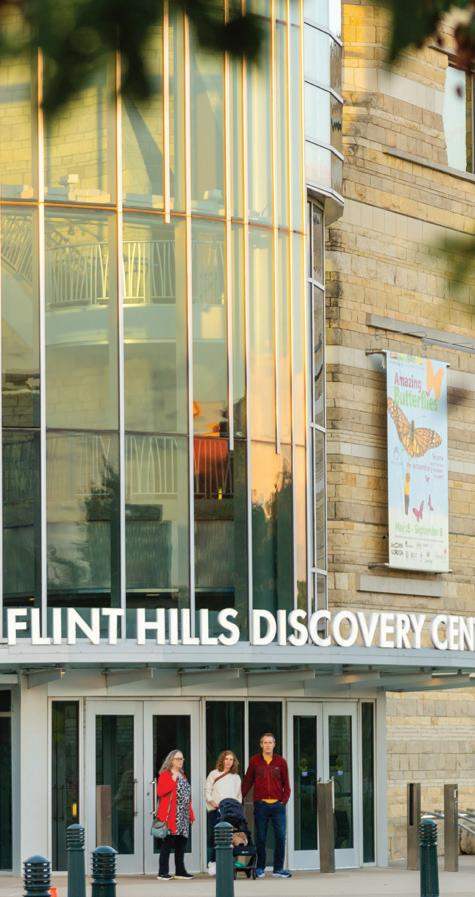
“I reached out to my peers in town and said, ‘hey, we should do something like this too,’” says Stephen Bridenstine, organizer and Flint Hills Discovery Center director. “So, we all got together and decided, ‘why not do a whole month?’”
Too often, people think of Manhattan as a town draped only in K-State purple or military camo.
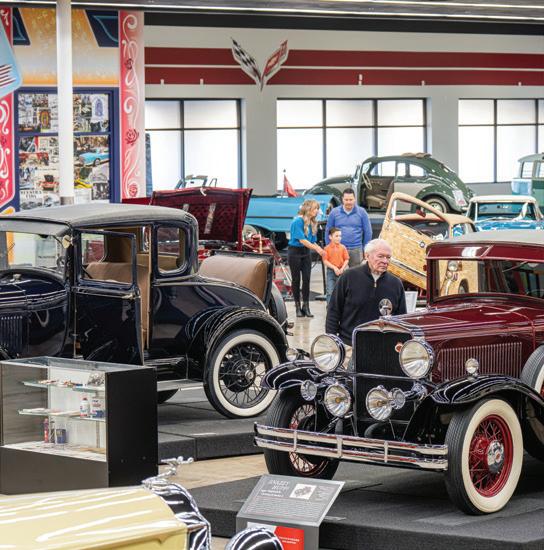
“We are also draped in oil paint, shiny chrome, tiger stripes and immersive light,” Bridenstine says. “Manhattan Museum Month is about recognizing and celebrating these amazingly diverse institutions that make Manhattan a true arts and culture destination. Simply put, there is a museum for everyone in this town!”
Museums are much more than repositories for art, artifacts and archives. They are places to gather, places to connect, places to feel part of something bigger.
“I encourage everyone to get out and explore a new museum in town or go back to your old favorite,” Bridenstine says. “Go be at a museum!”
Cultural Milestone for the Midwest
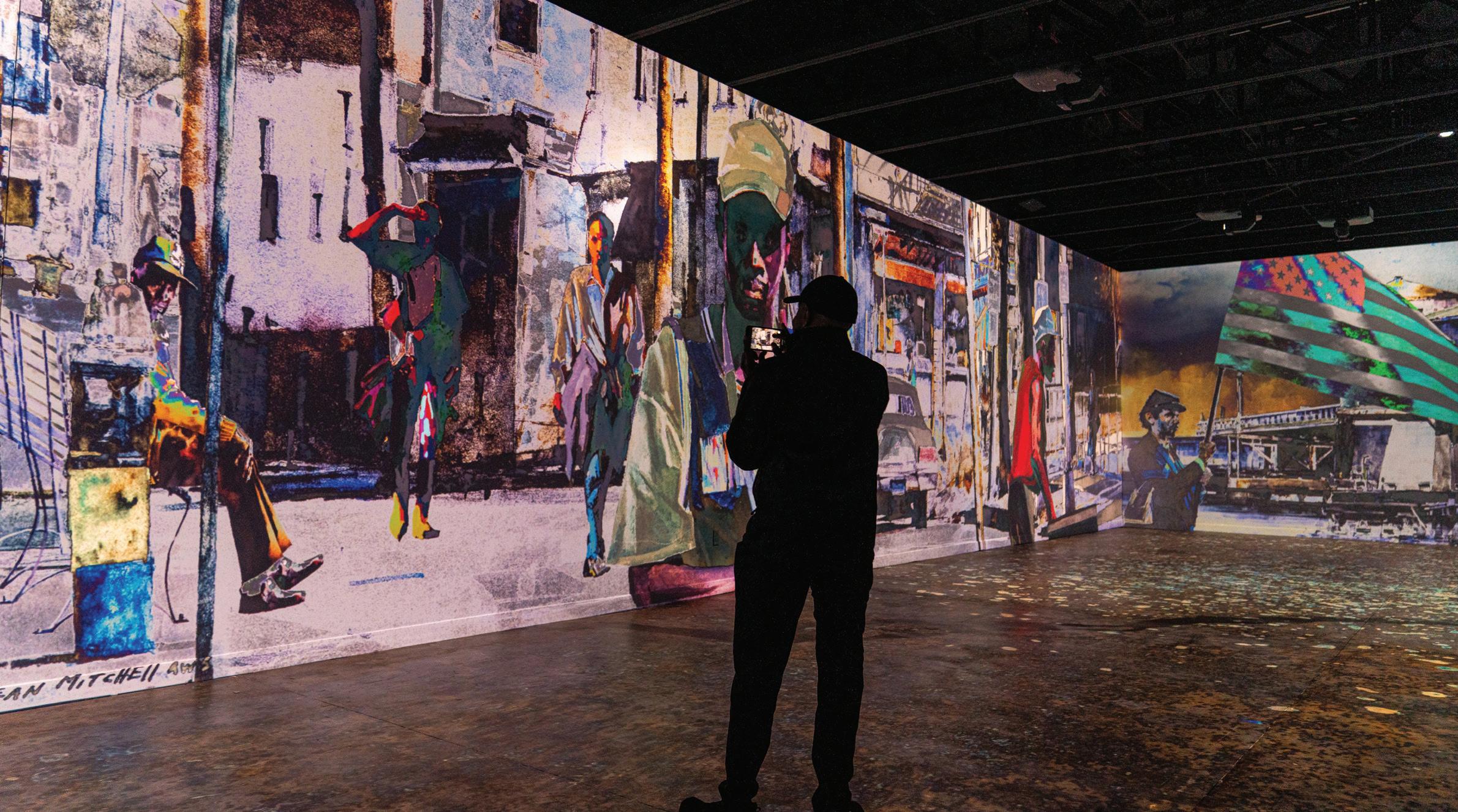
In a first-ever viewing of the work in the U.S., the Museum of Art + Light presents a multisensory
exhibition called Picasso: Art in Motion in the digital immersive gallery from May 2 to November 2.
“It pushes the boundaries of what a museum experience can be, while making world-class culture accessible to communities across the Midwest and beyond,” says Erin Dragotto, executive director.
The exhibition invites visitors to experience Picasso’s evolution in a completely new way through movement, scale, light and vibrant energy that defined his creative life.
“Presented inside the museum’s immersive gallery, Picasso: Art in Motion invites visitors to step inside the artist’s creative universe,” says Dragotto. “The gallery’s state-of-the-art system features 108 Epson projectors, 37,000 linear feet of projection surface, and more than 188 million pixels to transform Picasso’s masterpieces.”
Celebrating the genius of the artist Pablo Picasso, this exhibition captures his unrelenting energy that drove him to constantly reinvent his art through a collection of his works, photographs and videos.
Presented on a monumental scale, the works bring visitors face-to-face with Picasso’s creative gesture. The exhibition unfolds across multiple settings inspired by Picasso’s life and highlights key moments of his defining encounters and friendships, his brightest and darkest periods.
“Bringing Picasso: Art in Motion to Manhattan, Kansas, for its United States debut is a profound moment for our museum and our region,” Dragotto says. “This exhibition embodies our mission to bridge cutting-edge technology with the visual and performing arts.”
“Living like a local has been a trend in travel the last few years. Folks don’t want to do what they can do at home. It’s all about finding the best new experiences with local flavors.”
‒Marcia Rozell, executive director of Visit Manhattan
Live Like a Local Businesses and sites across Manhattan help everyone find an old favorite or encourage discovery in summer months.
“We want to draw people out in the summer when parking maybe isn’t so hard. We have great options that are walkable,” Rozell says. “We hope to expose citizens and guests to play, eat and live like a local.”
For example, dining at the places only found in Manhattan helps find the dishes you can experience nowhere else.
“People travel for a variety of reasons,” Rozell says. “In Manhattan, visitors can enjoy everything from golfing at Colbert to hiking at Konza, among many other activities indoors and out.”
Under the Events tab, on the website at visitmanhattanks.org/events, is a one-stop location promoting everything people are looking for with an interactive and filterable calendar.
For families, the sand beach at Tuttle Creek State Park is a hidden gem along with the classics like Sunset Zoo, Flint Hills Discovery Center, A&H Farm, community pools and dozens of parks.
For students who stick around, K-State offers several athletic camps, FFA and 4-H events along with exhibits at the Beach Museum of Art and local libraries at Manhattan Public and Hale.
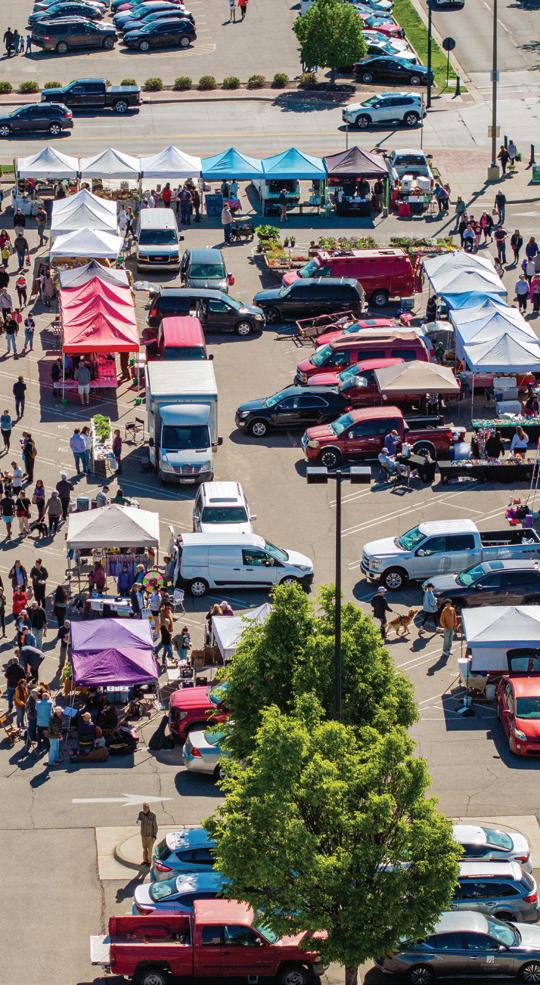
Seniors enjoy the community-building events at Meadowlark Hills Retirement Community, weekly Saturday morning downtown Farmers Market, Liquid Art amphitheater concerts, popular dishes at Aggieville spots or fishing at Pottawamie County State Lake #2.
Summer in Manhattan isn’t an offseason. It’s a different season entirely where the pace softens, and the town settles into an intimate rhythm.
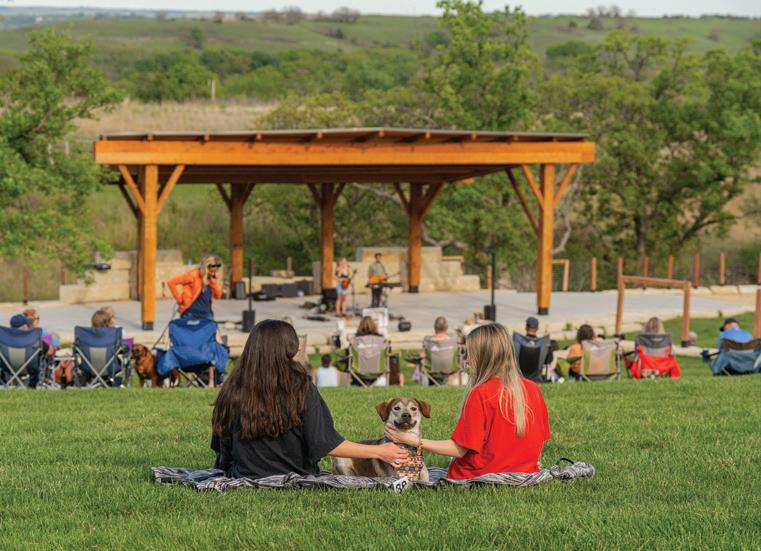
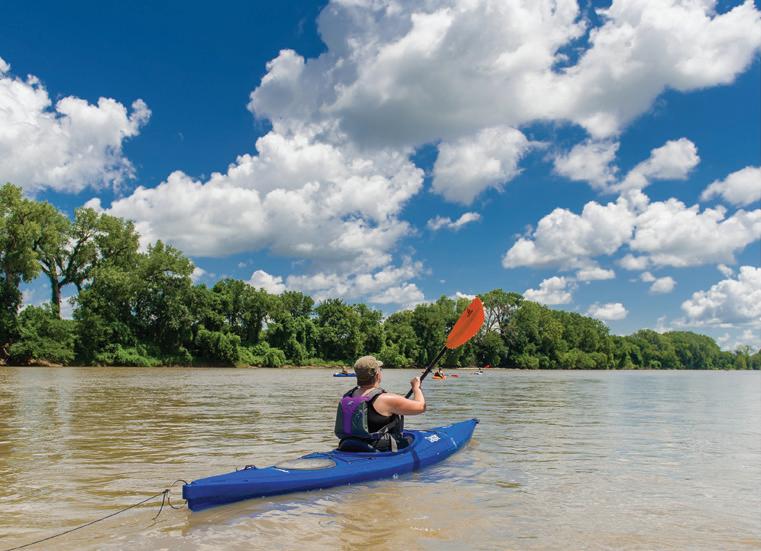
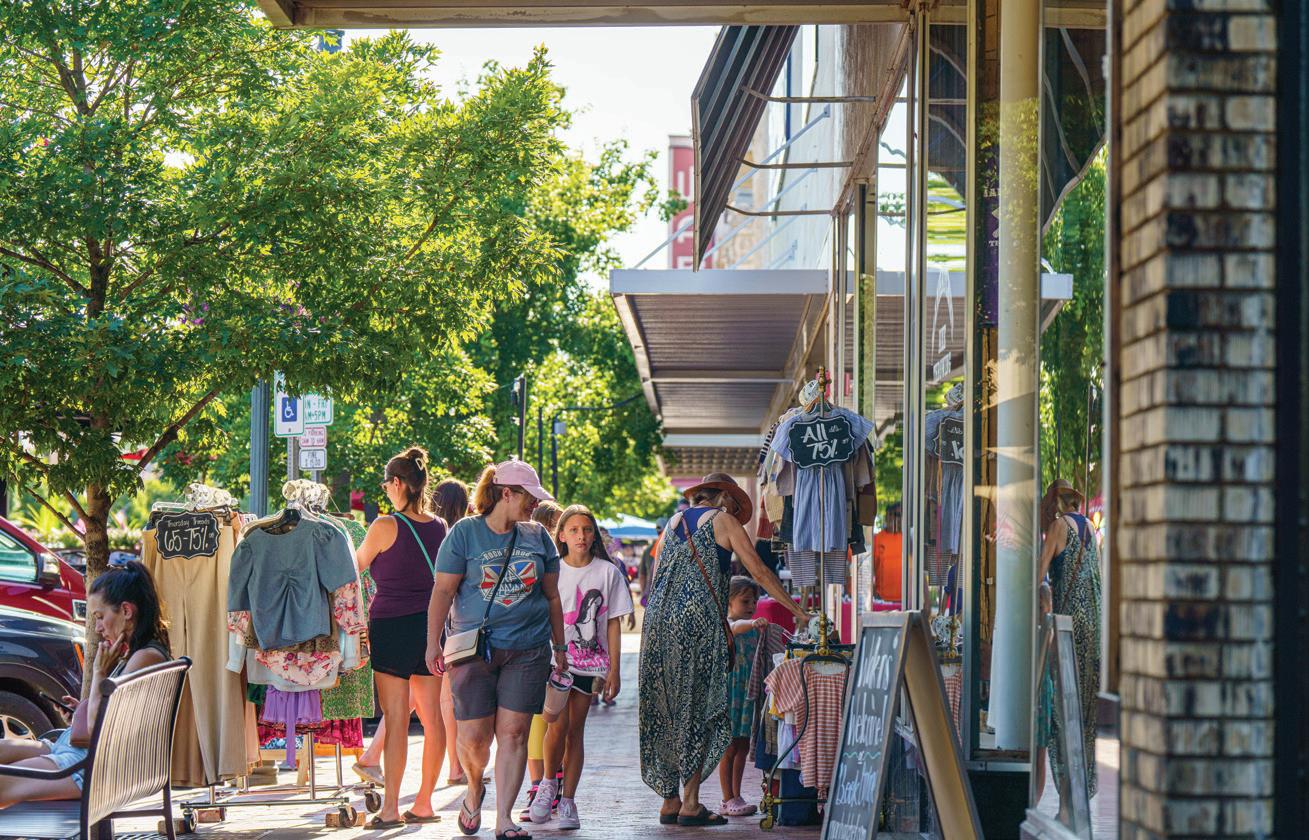
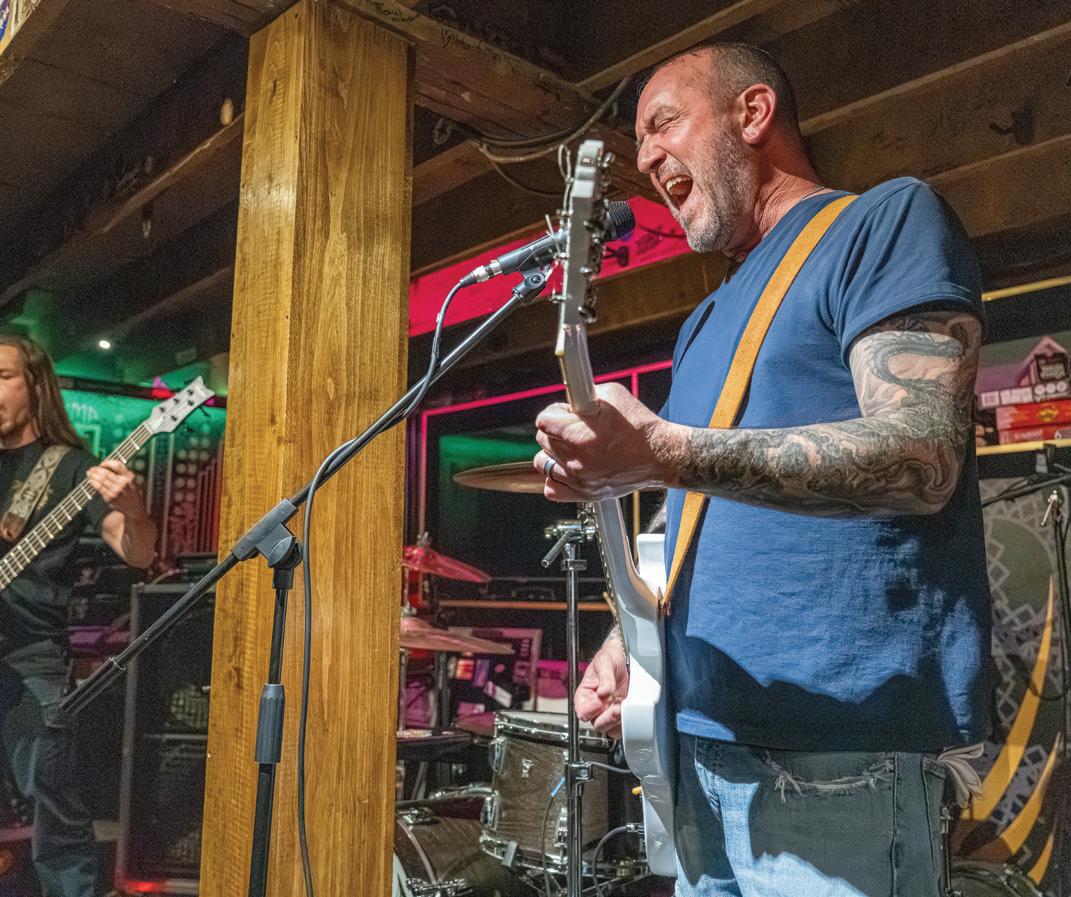
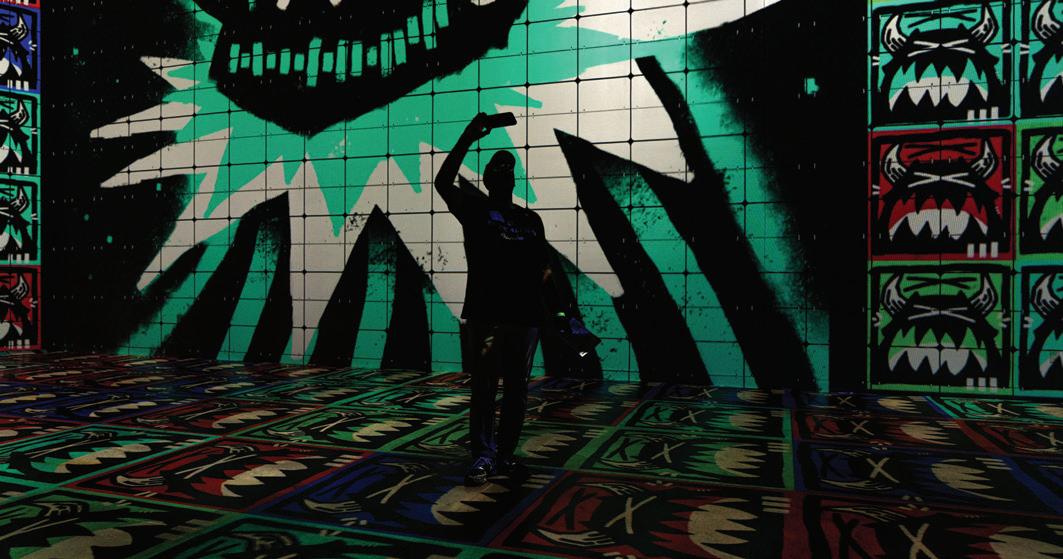
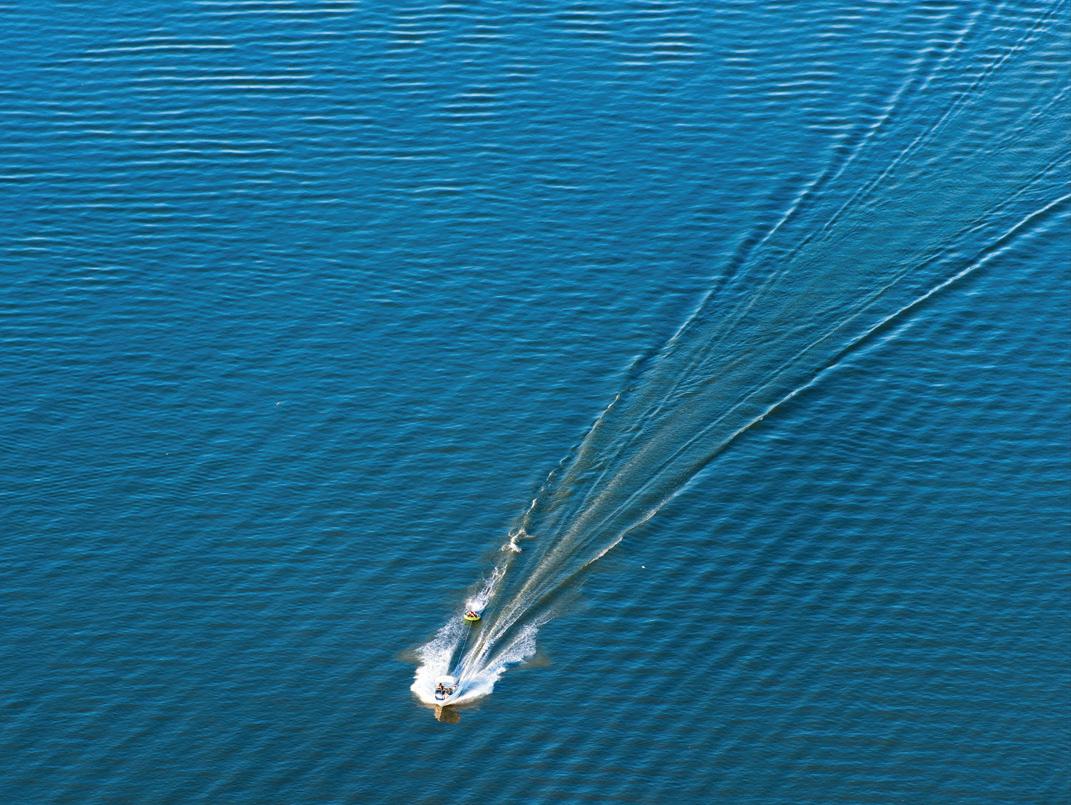
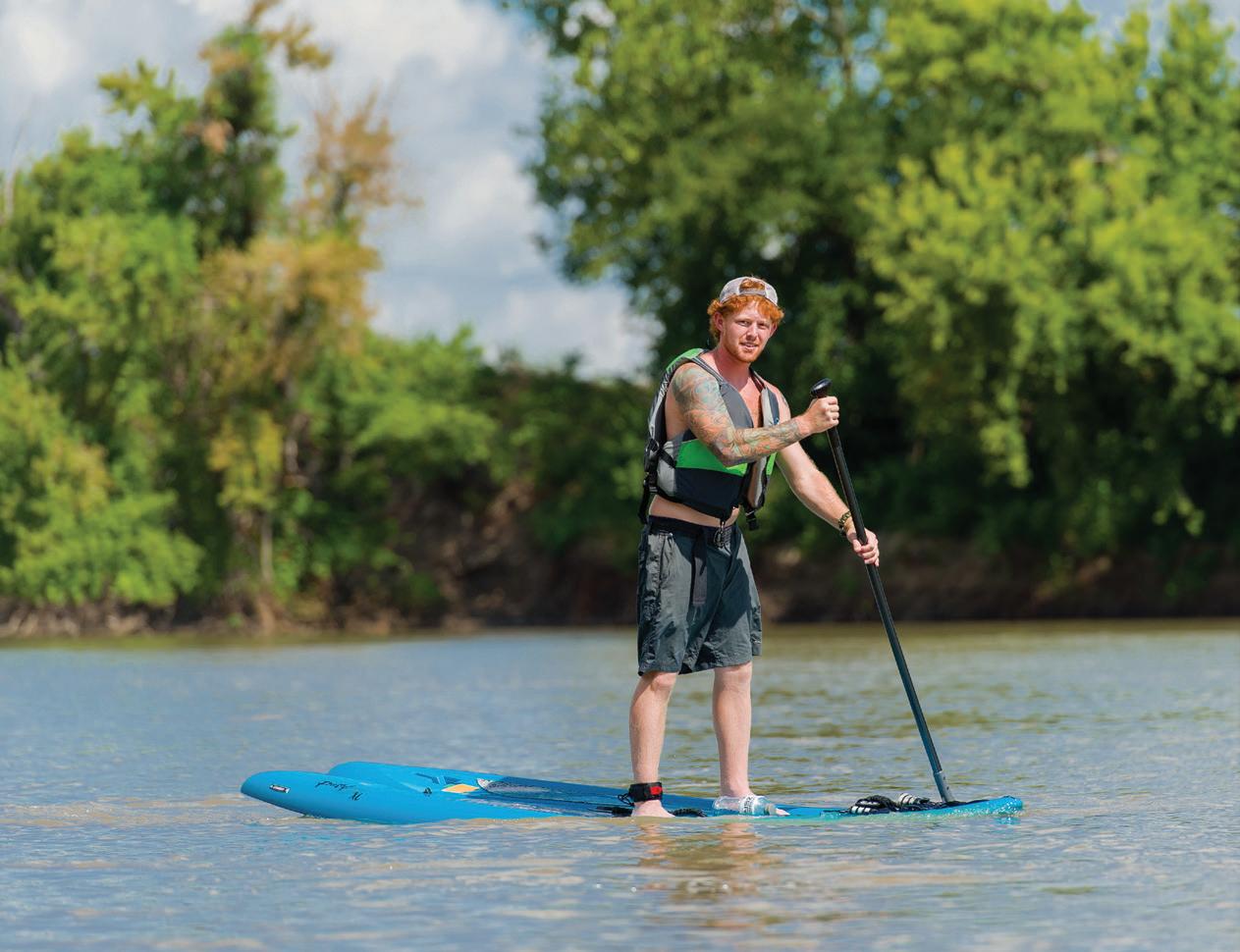
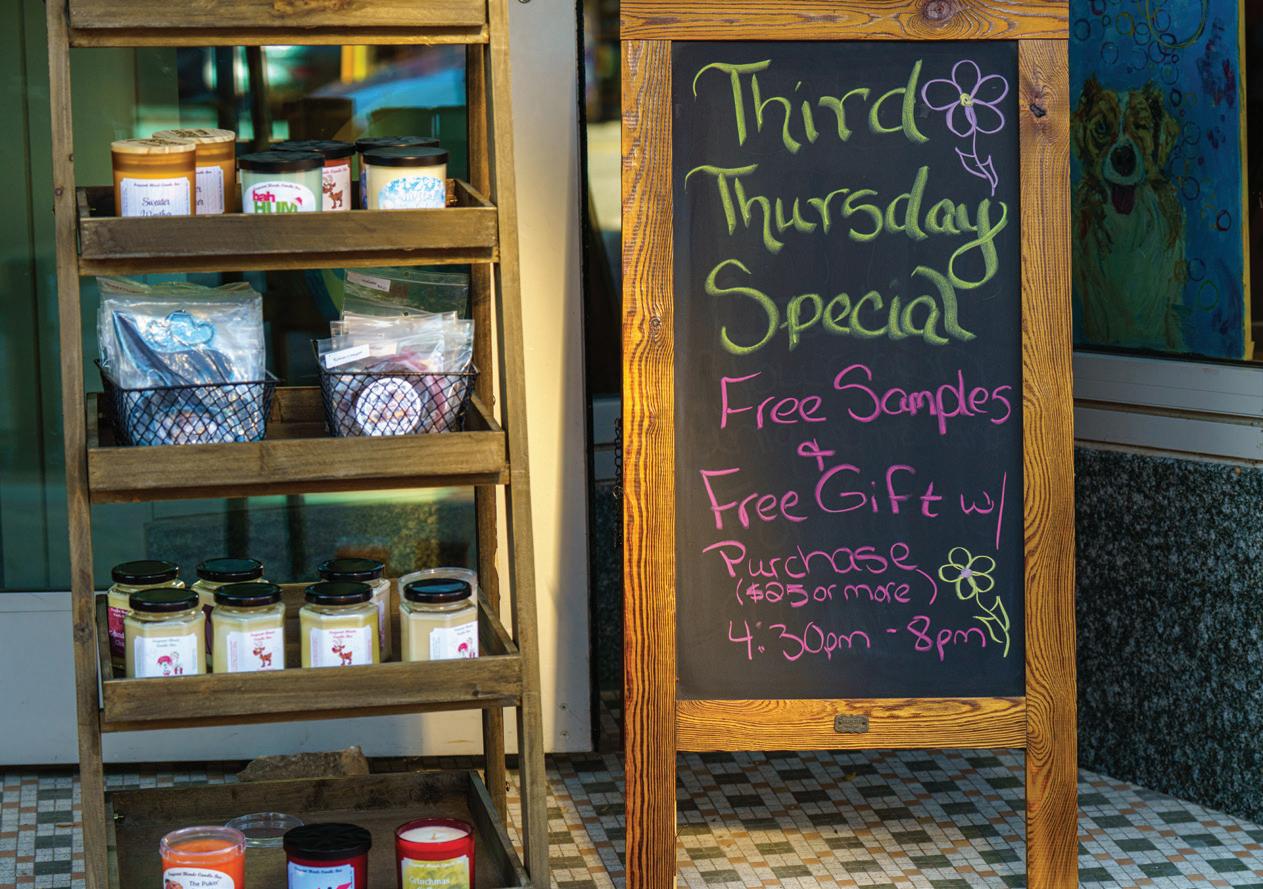
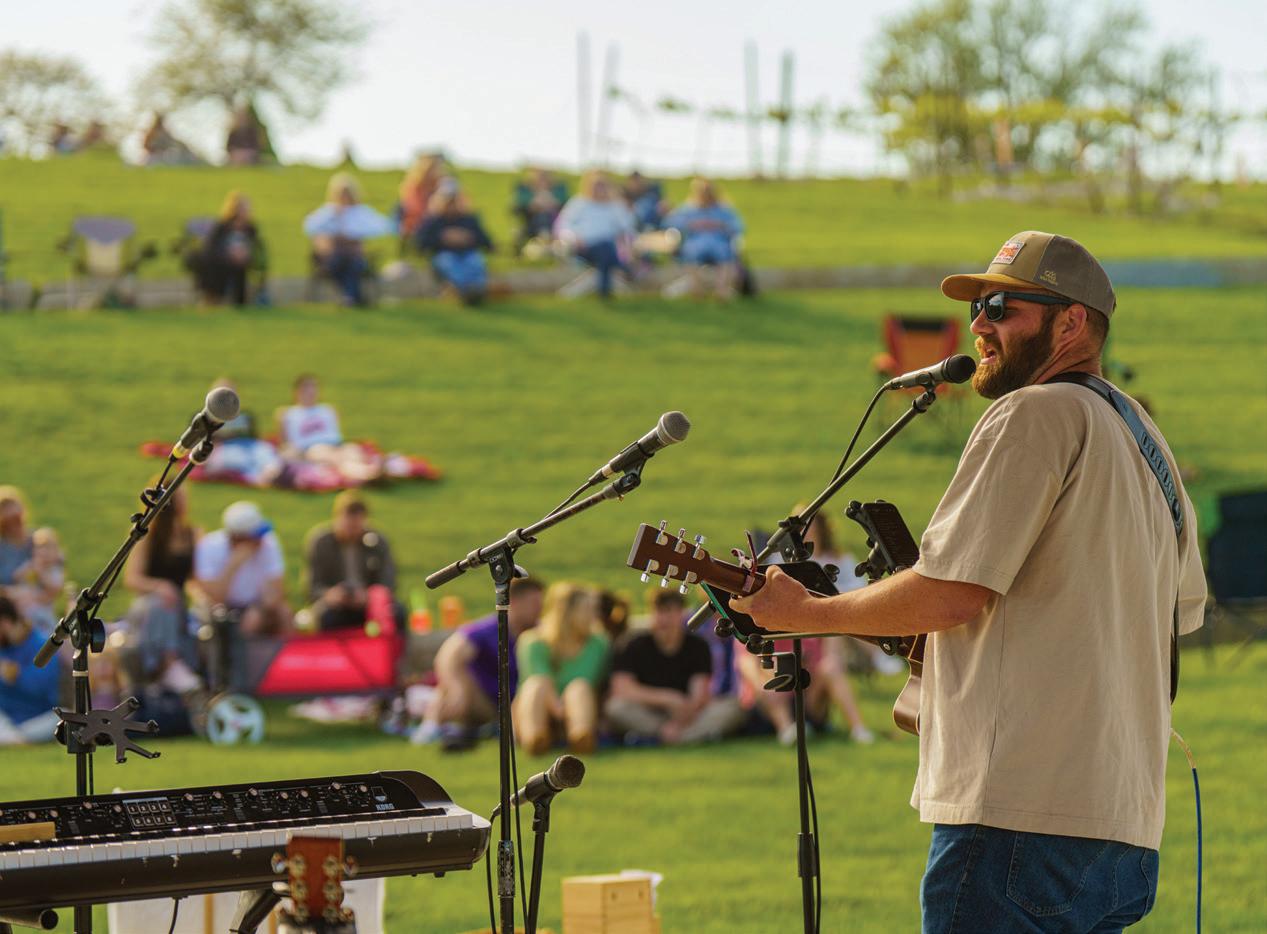
Opposite: An art lover explores an exhibit at the Museum of Art + Light. Below, from top: A paddleboarder travels on the Kansas River, a store board welcomes visitors to a Third Thursday, a musician performs at a Liquid Art amphitheater concert.
ARTICLE BY Leslie Clugston Andres PHOTOGRAPHY COURTESY Manhattan Public Library
Reading Kansas, One Story at a Time
The Manhattan Public Library offers a local, yearlong reading journey with the Kansas 250 Reading Challenge
As the country marks its 250th anniversary this summer, libraries and cultural institutions across Kansas are joining in through Kansas 250, a statewide initiative that invites reflection on history, identity and place.
A central piece of that effort is the Kansas 250 Bookshelf, a yearlong reading program organized by the State Library of Kansas. Each month introduces a new theme, paired with suggested titles that encourage readers to explore Kansas from multiple angles—its landscapes, its people and the events that have shaped it.
The structure is simple: one book a month, one year of reading.
In Manhattan, that framework takes on a distinctly local shape at the Manhattan Public Library, where staff have adapted the program to capture the imaginations and interests of local readers.
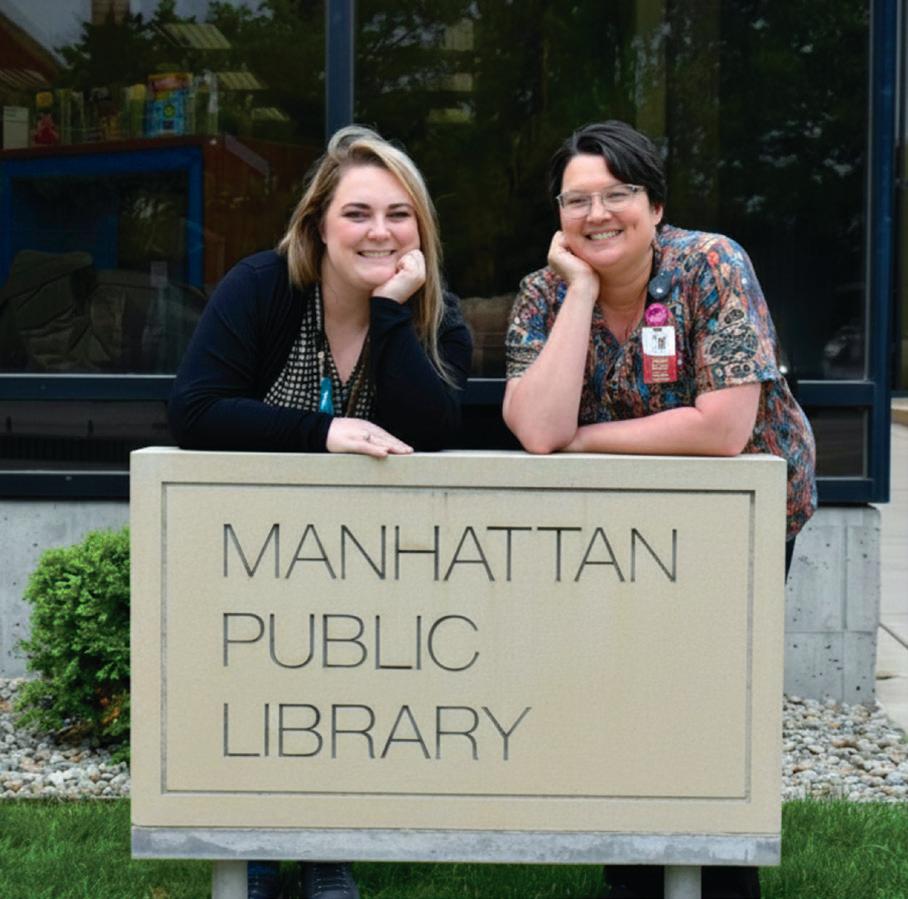
“This is really about helping people connect with Kansas in a deeper way,” says Brea Braun, the library’s public relations manager, who developed the MPL program alongside programming manager Jennifer Bergen. “The state provides the framework, and we provide a vast map that lets Riley County readers choose their own path through Kansas history and culture.”
A Framework—and a Wider Map
The State Library’s reading lists offer a starting point, but Manhattan’s approach builds outward from there.
“The State Library’s list provides a wonderful, focused foundation for the themes of the month,” Braun says. “Our curated list differs primarily in expansiveness and freedom of choice.”
Manhattan Public Library has broadened the monthly themes, adding titles across genres, formats
and age groups. The result is less a prescribed list than a patchwork of possibilities.
“We don’t want readers to feel intimidated by a short list,” Braun says. “By offering a much wider selection, we empower our patrons to find a book that matches their personal reading taste—whether that’s a deep-dive history, a cozy mystery, or a contemporary novel—as long as it fits the Kansas theme.”
Braun and Bergen also focused on creating a challenge that appeals to readers of all ages. “We’ve specifically curated ‘Kansas stories’ for children and young adults. This includes everything from picture books by Kansas illustrators to YA novels set in the Midwest, allowing families to engage with the challenge together,” Braun says.
Their approach has allowed the library to localize the experience.
“We make a conscious effort to weave in titles with a specific connection to the Flint Hills or Manhattan’s history,” Braun says. “This helps turn a statewide celebration into a personal, local experience for our community.”
Defining a “Kansas Story”
The program’s flexibility extends to its central idea: what counts as a Kansas story.
“For this challenge, we define a ‘Kansas story’ as any narrative that broadens a reader’s understanding of our state’s identity,” Braun says.
That definition deliberately moves beyond the familiar shorthand of pioneers and prairie landscapes.
A Kansas story might be rooted in place—a novel set in the Flint Hills or a history of westward migration—but it can also emerge through authorship or theme.
Local writers and illustrators are part of the equation, as are books that engage the state’s legacy, from agriculture to civil rights to the persistence captured in the state’s “Ad Astra” motto.
“By using this wider lens, we help our readers see that Kansas isn’t just a setting on a map, but a vital part of the broader American story,” Braun says.
A Different Kind of Reading Challenge
For many participants, the most noticeable difference isn’t what they’re reading—it’s how long they have to do it.
“One of the most frequent reactions we get—which has been a pleasant surprise for both the staff and the patrons—is a sense of excitement about the year-long format,” Braun says.
Unlike traditional summer reading programs, which tend to compress participation into a few weeks, the Kansas 250 challenge unfolds over the year. Each month brings a new theme, and with it, a reason to return.
“It turns the library into a destination where they can check back in each month to see what’s next,” Braun says.
The pace is intentional. So is the flexibility.
“Whether you start in January or July, the ‘Kansas 250’ is designed to be an open door,” she says.
Reading Without Rewards
Another departure from the typical reading program: there are no prizes.
“It’s a question we get often!” Braun says. “In Manhattan, our readers are very engaged, and they certainly appreciate the incentives that usually come with our shorter programs.”
Even without that external incentive, participation has been steady.
“We’re seeing new readers sign up almost every week,” she says.
Responses gathered through a library survey help explain why. Participants consistently mention internal motivations, such as curiosity, habit and a desire to expand their usual reading. Many describe choosing books outside their usual genres or topics and using the monthly themes as a prompt to explore.
Others emphasize the satisfaction of consistency— reading one book per month, tracking progress, and sharing recommendations with friends.
Several note that the challenge has deepened their understanding of Kansas itself, whether through history, geography or the lived experiences reflected in the books they’ve chosen.
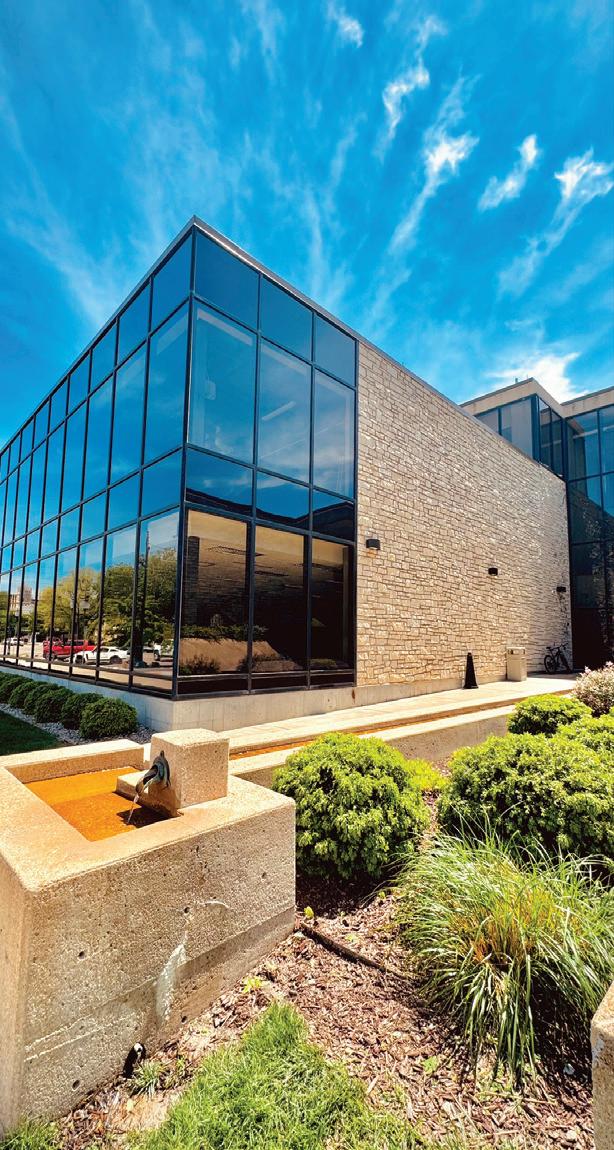
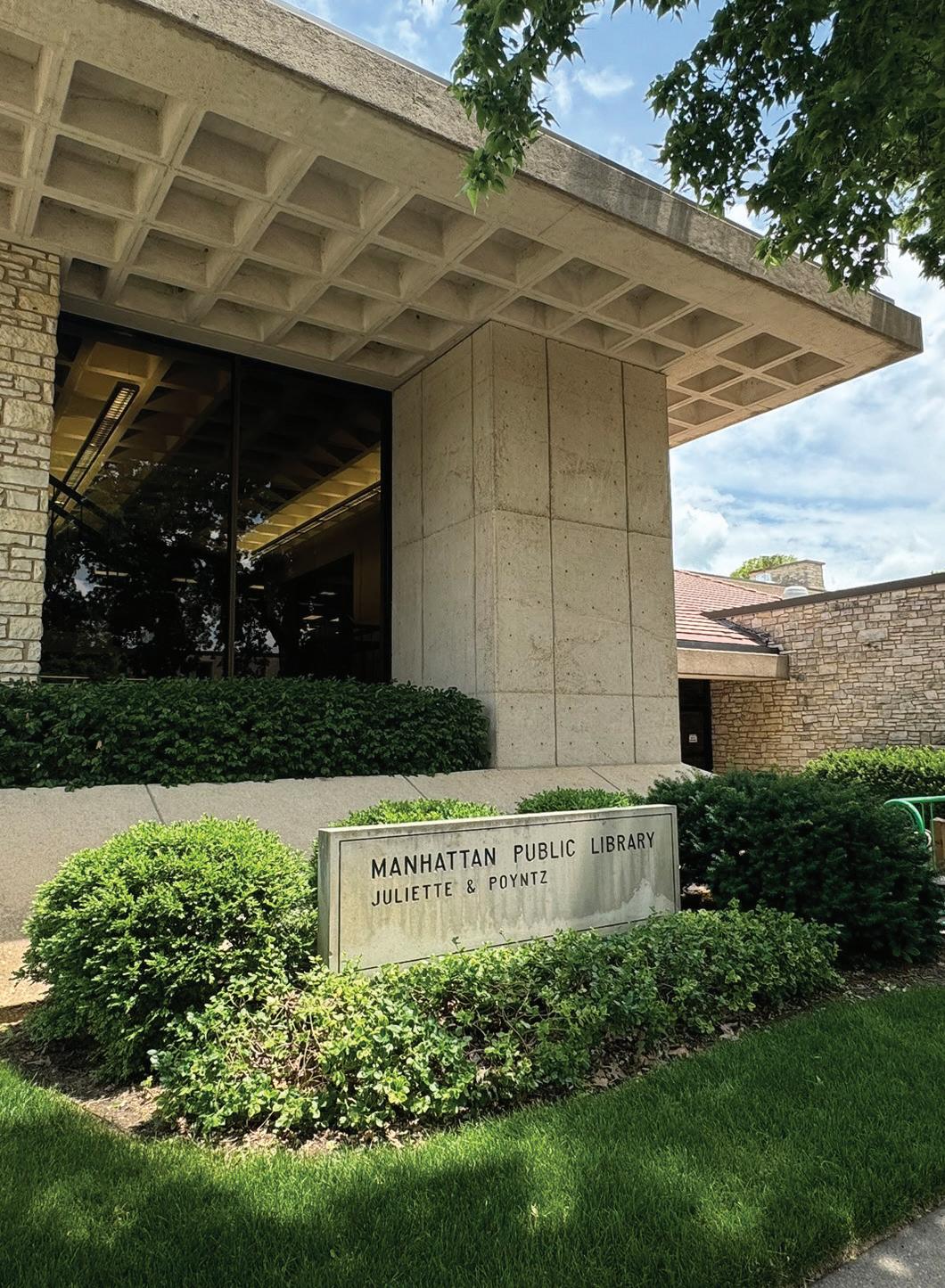
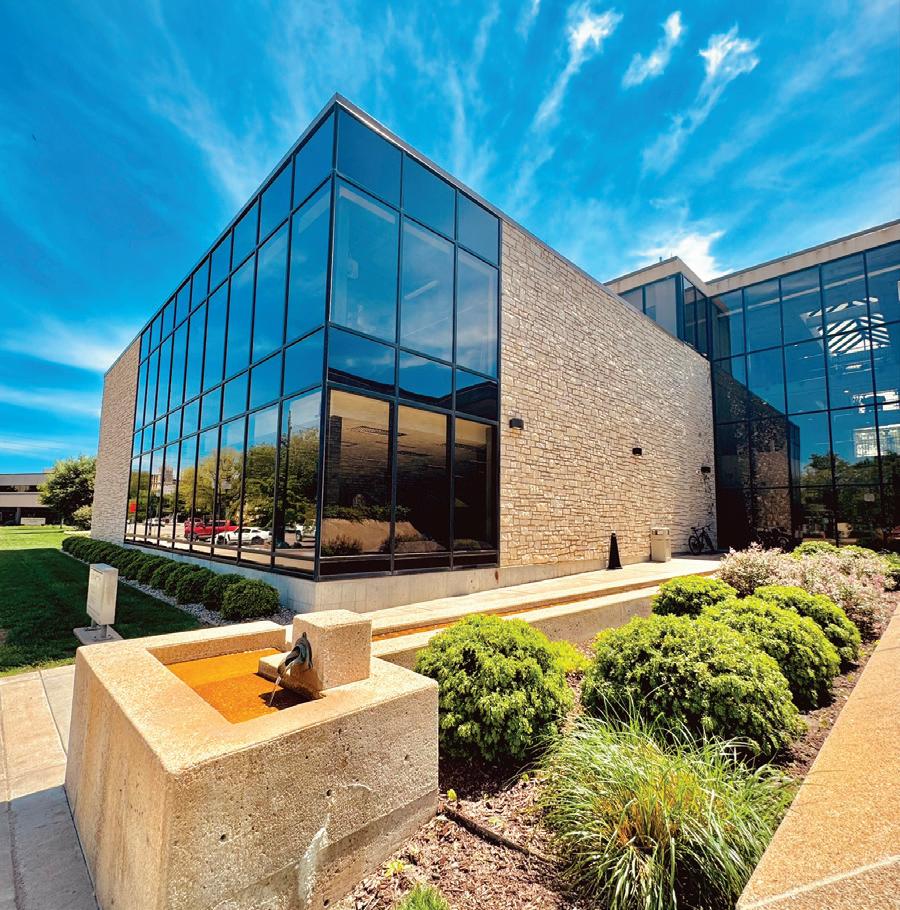
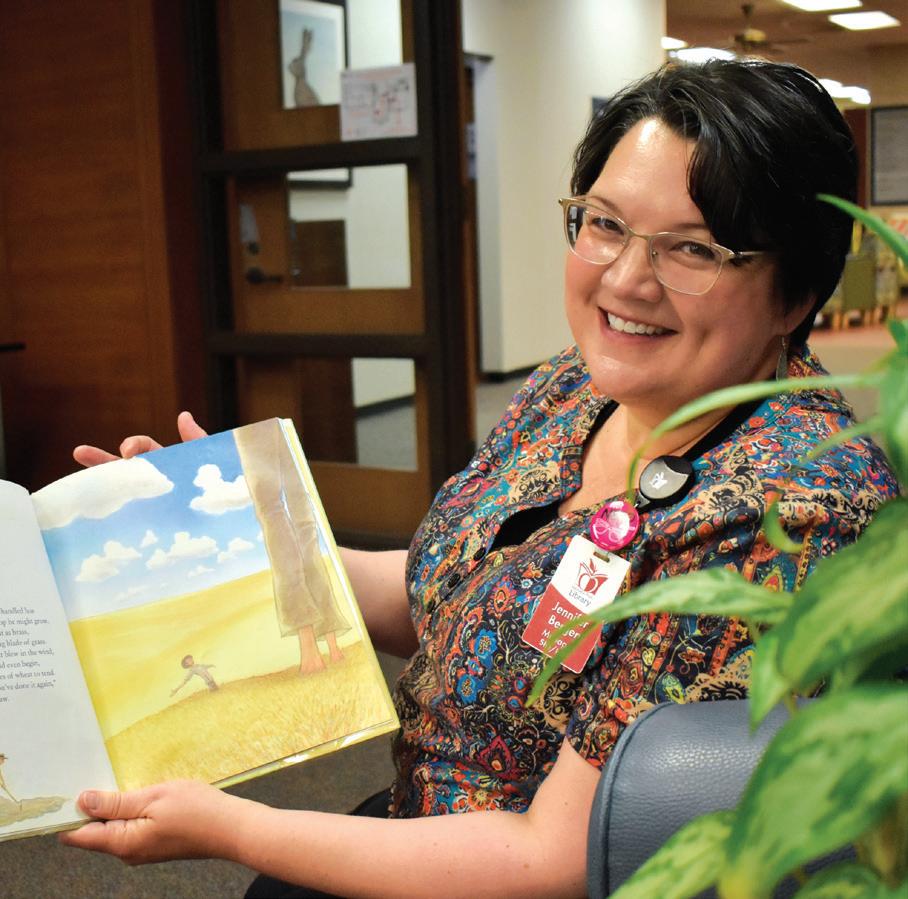
From top: Manhattan Public Library, photo by Brea Braun; Brea Braun and Jennifer Bergen, photo by Cody Wassenberg; Jennifer Bergen, photo by Cody Wassenberg
Behind the scenes, Bergen and Braun are working to enhance the reading challenge experience.
“We are exploring a prize drawing for the end of the year,” Braun says, “and we would welcome any local organizations or businesses that want to partner with us to help reward our community’s readers.”
Making Space for All Readers
For Jennifer Bergen, one of the program’s strengths is its adaptability.
“One thing I appreciate about the reading lists is including picture books and short reads, which allow me to participate even if I don’t have time to commit to a longer book,” she says.
That flexibility broadens the definition of participation. Families can read together. Busy adults can opt for shorter works. Readers who might hesitate to take on a full-length book each month still have a way in.
The program also invites discovery.
Bergen points to a range of titles she has encountered through the program, from poetry by Kansas writers to lesser-known children’s books tied to local history. The lists also aren’t static; they evolve as staff and community members make suggestions.
“If people in the community know of a good book we should add to our lists, they can let me know!” she says.
A Community Practice
For many participants, the challenge has become less about individual reading goals and more about shared experience.
Braun and Bergen describe participants recommending books to friends, discussing monthly themes and paying closer attention to the ways Kansas shows up in literature.
Some are encountering parts of the state’s history for the first time. Others are revisiting familiar stories with a different perspective. For many, the program simply provides a structure—a reason to keep reading, and a way to connect that reading to place.
In Manhattan, that connection is the point.
The Kansas 250 Reading Challenge may have begun as a statewide initiative, but at the Manhattan Public Library, it’s taken on a distinctly local flavor where residents can explore identity, one book at a time, in a community that continues to define what its stories are—and where they can lead.
For more information or to join the Kansas 250 Reading Challenge, visit the Manhattan Public Library at 629 Poyntz Avenue or online at www.mhklibrary.org
What Is Jennifer Bergen Reading?
“I’m currently reading A Kansas Bestiary (a 2013 Kansas Notable Book by Doug Hitt and Jake Vail, with illustrations by Lisa Grossman), which is 60 pages of vignettes about our common wildlife critters.”
Jennifer Bergen’s Recommendations for Young Readers
“I highly recommend picture books like Follow Me Down to Nicodemus Town (by A. LaFaye) and Green City: How One Community Survived a Tornado and Rebuilt for a Sustainable Future (by Allan Drummond); both highlight particular Kansas towns. I love Brad Sneed’s illustrations in Johnny Kaw: A Tall Tale. We were able to get a copy of an older children’s chapter book from the historical museum, Isaac’s Runaway Cow (by Jan McIntosh), about the cow owned by Isaac Goodnow, co-founder of K-State, that would run away and wander around town.”
K-State Heads into the Future
President
Richard Linton talks
about the Next-Gen
K-State
strategic plan for the university of tomorrow.
ARTICLE BY Jean Teller PHOTOGRAPHY BY Nick Krug
While Kansas State University is the nation’s oldest land-grant university, President Richard Linton has his eye firmly on the future. Established in 1863, K-State is in the midst of a major evolution, according to Dr. Linton. “We’re very proud of Kansas State University being the first operational land-grant university,” he says. “We like to think we’ll be the ones being as innovative as we can as we look at what we call the Next-Gen teaching plan.”
The Next-Gen K-State strategic plan aims to shape the land-grant university for today’s needs. “Thinking about the importance of the missions of research, teaching, outreach. We’re the university for the people, that’s what a land-grant university is, which means we serve Kansans first, then we can have a national and global reputation,” Linton says.
The land-grant mission remains central to the Next-Gen plan, he says. “We’re thinking about the changing needs of our stakeholders and trying to look at opportunities to be able to build on the strength we already have here at K-State and think of new opportunities as we move forward.”
Applied Learning
When launching the Next-Gen K-State plan four years ago, Linton and other university officials—along with several hundred employees, students and community members—developed a list of 10 imperatives to be accomplished by 2030. The list starts with increasing enrollment to “30,000 learners across all our campuses and formats.” Other imperatives include improving retention and graduation rates and providing applied learning experiences to prepare students for life after graduation.
Growing research expenditures is another focus, emphasizing problem-based interdisciplinary research with real-world implications. The university
aims to meet—and anticipate—the needs of learners, employers and society while pursuing partnerships at all levels. Additional goals include strengthening K-State’s role across all 105 counties, solving statewide problems, fostering a connected “One K-State” culture, becoming an employer of choice in Kansas and higher education and increasing fundraising efforts and philanthropic giving to $2 billion.
“The No. 1 concept that came out of our strategic planning effort four years ago was applied learning,” Linton says. “Applied learning is an outside-of-theclassroom experience that we will be requiring all our students to have by 2030. It might be study abroad, it might be an internship or leadership in student government, it might be an undergraduate research project or program.”
The strategic planning identified skills that employers look for: time management, financial literacy, communication and the ability to work as part of a team, Linton says.
Research Expansion
Another key element of the Next-Gen plan is research. Linton points to growing nuclear research efforts at the university. “We’re relatively new to build out nuclear energy in a really strong and meaningful way,” he says. “We’re one of the few land-grant universities in the country, especially in the Midwest, that has a nuclear reactor on campus.”
The university recently received $5 million in federal funding to upgrade its reactor and purchase innovative equipment. The state has committed an additional $5 million annually to support additional reactor modifications, improved instrumentation, and the addition of 12 to 15 new faculty in the coming years.
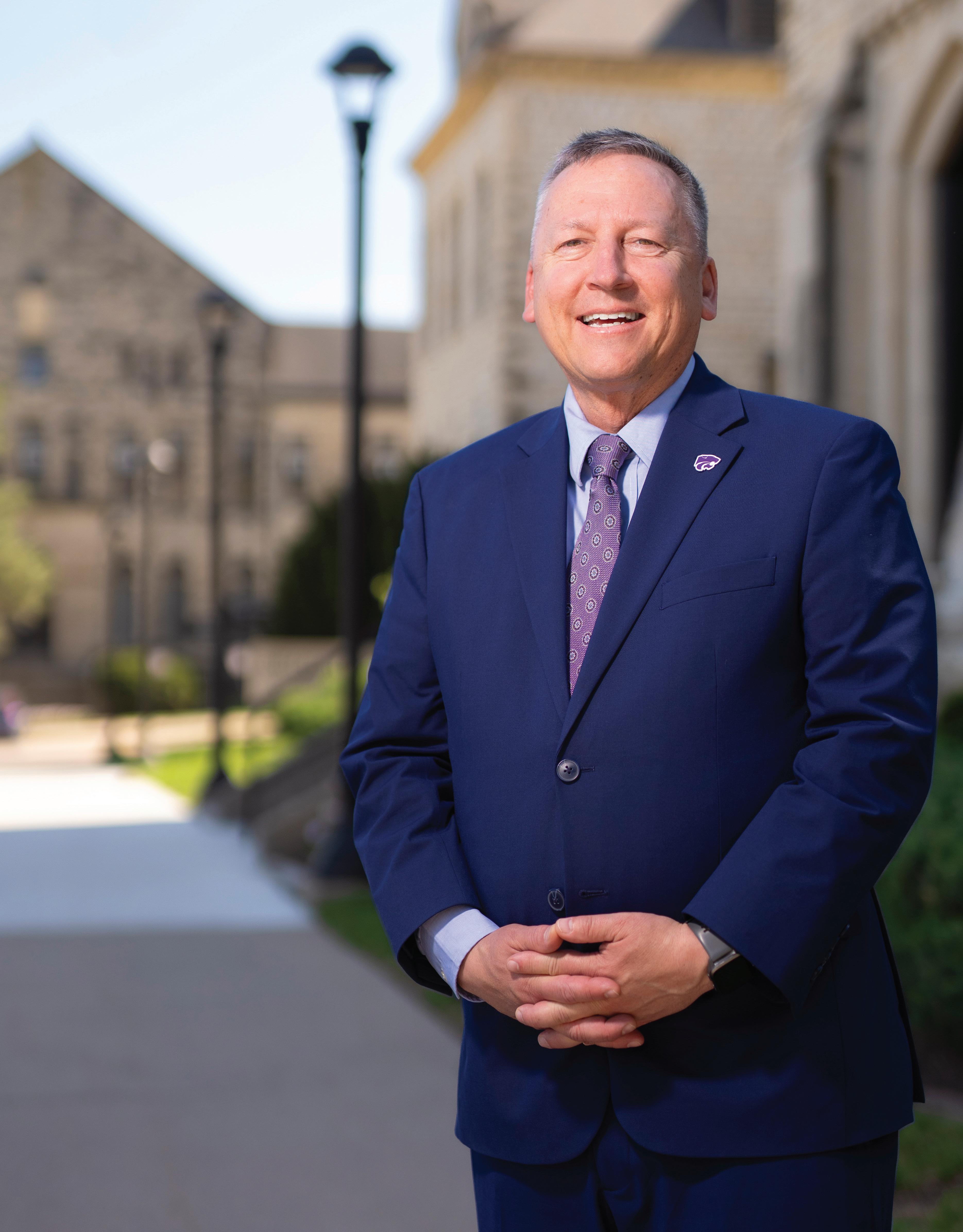
Dr. Richard Linton has a vision of the future at Kansas State University.
Campus Changes
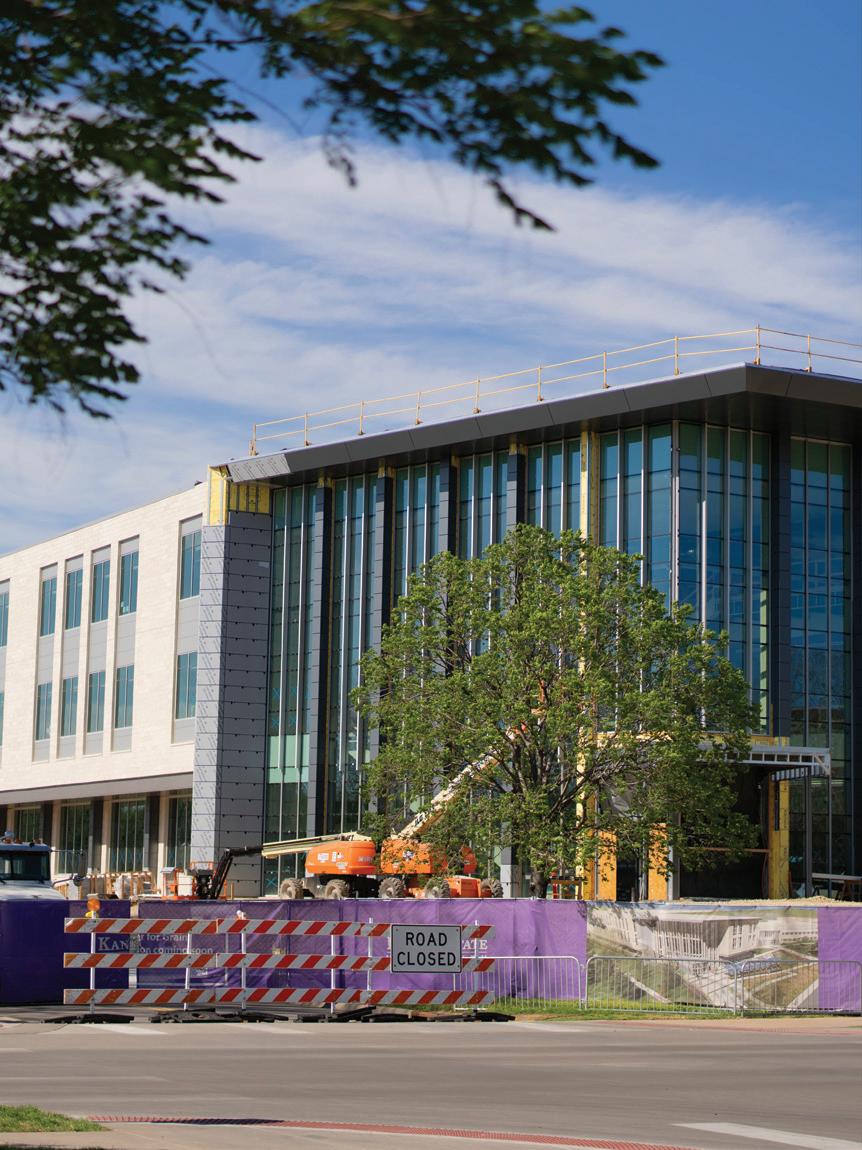
Several building projects are underway as part of the Next-Gen K-State strategic plan’s agricultural innovation initiative. Some older buildings have been razed, while others—including Call Hall and Weber Hall—are being renovated for dairy, food and animal sciences. New construction includes a new competition livestock arena.
“(The arena is) probably the most sophisticated livestock competition arena in the country for a land-grant university,” Linton says. “That’s great for our students to be able to learn in a new and novel environment, plus it’s great for the town/gown relationship and economic development events that will be held in Manhattan.”
Three new buildings are scheduled to open later this summer on the agronomy research farm near Bill Snyder Stadium. A ribbon-cutting ceremony is scheduled September 18 for a new interdisciplinary science building housing animal science, food, dairy and milling science as well as baking and grain science.
A new feedlot and a new dairy facility are also planned.
“It’s a really exciting time for agriculture, which, of course, is the No. 1 economic engine in the state,” Linton says. “Just think what this will do for recruiting and keeping great faculty and students and to be able to better partner with industry. These are all really important elements of what we’re calling a Next-Gen land-grant university.”
Hands-on Leadership
Linton makes it a practice to visit construction sites monthly. “What I’ve mentioned is about a $275 to $280 million investment, and it’s already 100% funded,” he says. Plans call for nearly $800 million in campus investment by 2030.
“We have to think about what we can do for a researcher to make their environment better for the research,” Linton says, “and we need to think about the student, what’s going to create a better learning environment, and what’s going to attract them to campus.” K-State is spending time, effort and money to upgrade dormitories and make dining hall areas better and more welcoming.
A new campus master plan envisions major transformations over the next 15 years, including upgrades to residence halls and dining halls, a new animal diagnostic lab for the College of Veterinary Medicine, modernized classrooms, and a beautification project along Campus Creek.
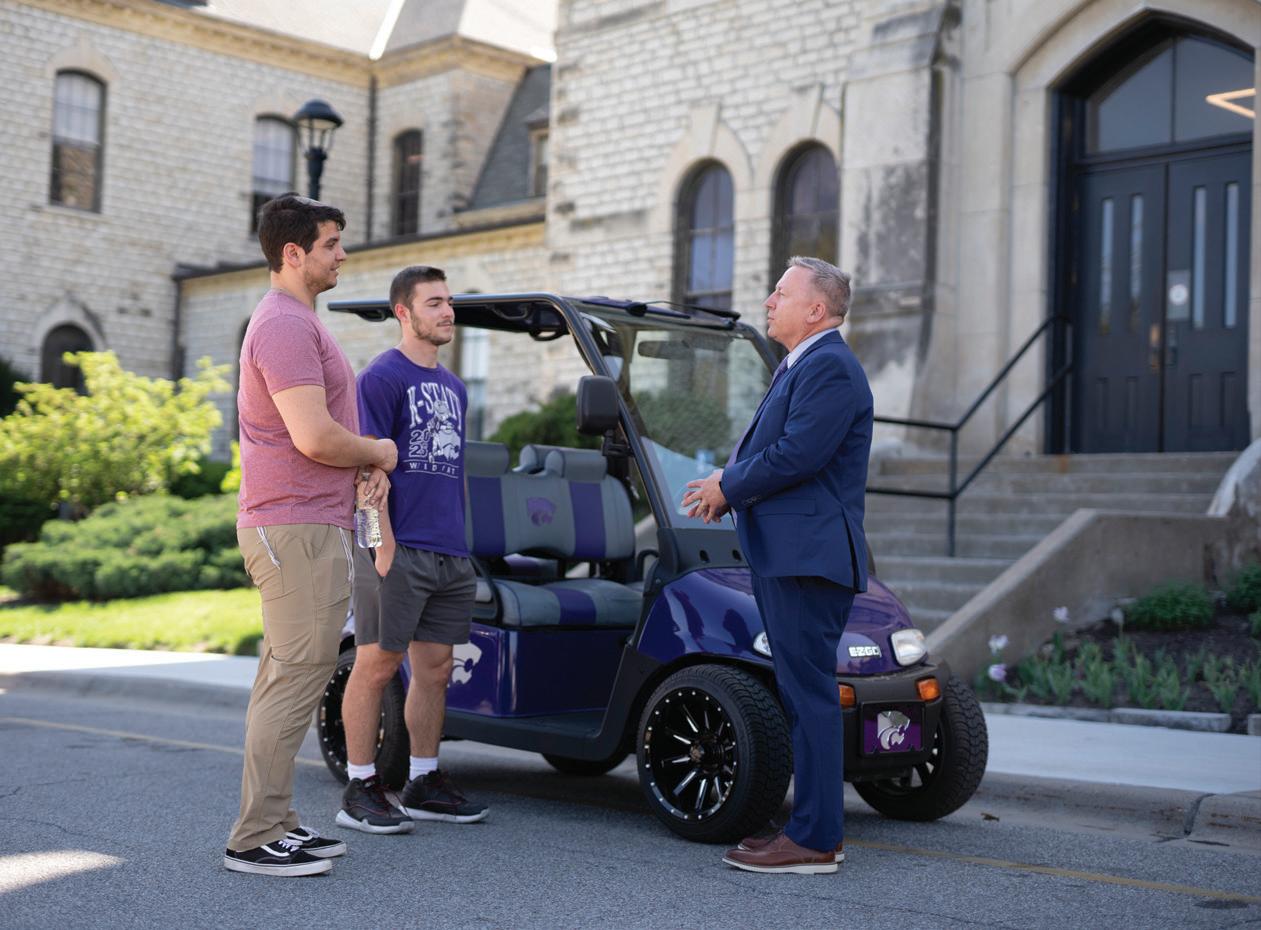
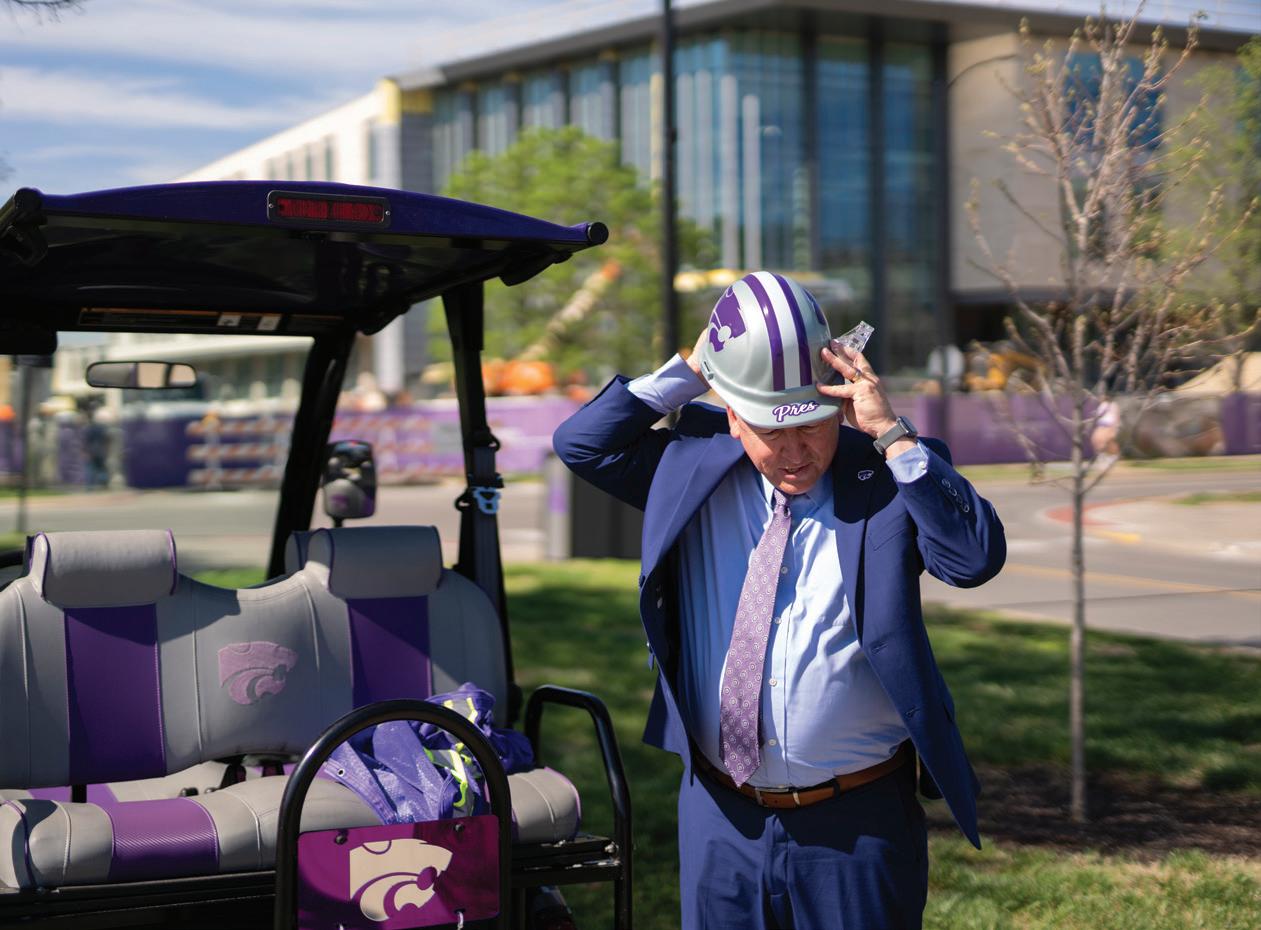
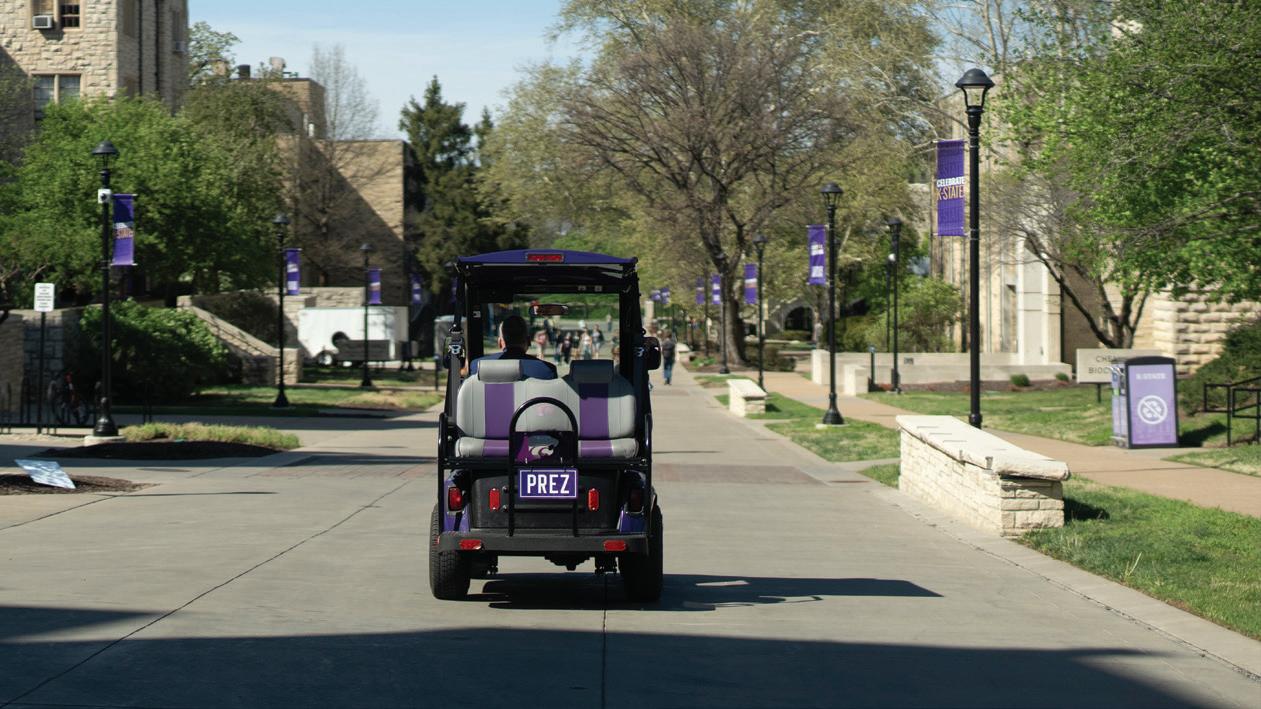
From top: Linton visits with K-State students, dons his hard hat before touring new construction, drives the purple golf cart on campus.
Kansas State University Statistics
250+ undergraduate programs
165+ graduate programs
150+ online programs
$2.3 billion in economic impact in FY 2023 for the State of Kansas
$225 million extramural research funding in 2023
$653.9 million in philanthropic giving toward Next-Gen goal of $2 billion by 2030
#1 in student life in Kansas (Niche 2026)
#1 campus in Kansas (Niche 2026)
96% of graduates employed or continuing education (K-State Career Services 2025)
$2 million raised by students for students (K-State Proud 2025)
#1 best professors in Kansas (Niche 2026)
Top-ranked value in Kansas (Money Magazine, 2024)
Top 10 for happiest students and quality of life (Princeton Review, 2027)
The Future
The results, Linton says, are encouraging.
In addition to bringing in more than $500 million in the last few years, Linton says the university is “up about 2,500 students more today than we were just four years ago. That’s a big accomplishment. We’re retaining about 5% to 10% more students throughout the academic year, and when they graduate, about 97% of these students find a job or go to graduate school, the medical school, or veterinary school within six months of graduation.”
More than 80% of all students receive some form of financial aid.
Linton says those goals—increasing enrollment and pursuing state and federal funding—were set to be accomplished in the first five years of the strategic plan. Looking ahead, priorities include applied learning, public-private partnerships, athletics, branding and competitive compensation.
Branding efforts aim to clarify the university’s message and vision while compensation improvements focusing on faculty, staff and graduate students will help K-State remain competitive with peer institutions.
On and Off Campus
In April, Linton had the “great pleasure” of delivering the 2026 James F. Patterson Land-Grant Lecture at Ohio State University in Columbus, where he shared his vision for what a Next-Gen land-grant university should be.
The lecture series honors James F. Patterson, a former OSU board of trustees member committed to the land-grant mission in this ever-changing world.
According to Ohio State University (engage.osu. edu/patterson-lecture), “the lecture challenges the university and community audience to continue to use their knowledge and resources and work together to solve world issues.”
In addition to his trip to Ohio, Linton is looking forward to the summer in the Flint Hills surrounding Manhattan.
“I try to spend a lot of my time in the Flint Hills in the summer. It’s the only time I have a chance to get out and have a little bit of free time. My family really enjoy hiking and walking the Flint Hills. That might not be as sexy as a festival or something like that, but we just love the natural beauty of this place.” (Turn to page 10 for our article “Summer in Manhattan” for more ideas on what to do in the warmer weather.)
Whether walking campus or hiking in the Flint Hills, President Richard Linton stays grounded and focused on the future of Kansas State University.
2026 EVENTS
JUNE
FIRST SATURDAY OF EACH MONTH
Cars & Coffee
Midwest Dream Car Collection 3007 Anderson Ave.
Free until 11 a.m.
Join in the car-versation each month in the collection’s parking lot. Enjoy coffee and doughnuts while viewing all the cool cars. Show off your favorite ride or stroll through the lot to enjoy the vehicles others drive. Sponsored by Tommy’s Express Car Wash. 9 a.m. to 11 a.m. midwestdreamcarcollection.org/events/ cars-coffee/2026-04-04
UNTIL NOVEMBER 2
Picasso: Art in Motion
The Museum of Art + Light 316 Pierre St.
Adults $30, seniors $25, students $25, children 4 and older $15, children 3 and younger free. Memberships available from $75 to $500
The Museum of Art + Light is proud to present Picasso: Art in Motion, an exhibit showcasing the famous painter, his various artistic outlets—he was also a sculptor, engraver, ceramicist and theatre set designer—and his art evolution. Open 10 a.m. to 5 p.m., Wednesday through Saturday; noon to 5 p.m. Sunday; closed Monday and Tuesday. artlightmuseum.org
THROUGH SEPTEMBER 6
Roar and Explore with Dinosaurs Flint Hills Discovery Center –Temporary Gallery, 315 S. Third St.
Adults $12, seniors/military/students/ educators with ID $10, youth (2 to 17) $7; memberships available Featuring animatronic dinosaurs, the discovery center offers a unique experience. Join in this thrilling prehistoric adventure, which includes hands-on activities like a 3D dinosaur skeleton puzzle and a fossil dig pit. Open 10 a.m. to 5 p.m., Tuesday through Saturday; noon to 5 on Sunday; closed Monday. flinthillsdiscovery.org
JUNE 6
Wine in the Wild Sunset Zoo, 2333 Oak St.
General admission $65, VIP $100
The 19th annual Wine in the Wild offers visitors a chance to stroll through the zoo and its trails, sample wines and light d’oeuvres, enjoy live music and the zoo’s residents. Hosted by the Friends of Sunset Zoo, the event is a fundraiser held rain or shine. All attendees must be 21 and older with a valid ID. A VIP reception will be held from 5:30 p.m. to 7 p.m. when the doors open to general admission ticket-holders. The event ends at 9 p.m. sunsetzoo.com/3668/Wine-in-the-Wild
JUNE 10, RECURRING EVERY WEDNESDAY Knitting Night
The Dusty Bookshelf 700 N. Manhattan Ave.
Free
For all ages and skill levels, Knitting Night provides a time for any fiber artist— knitting, crochet, embroidery, quilting, cross-stitch, watercolor, drawing—to grab their latest project and join the group on the mezzanine. Whether you’re a college student, a young mom, a seasoned crafter, everyone is welcome. 6 p.m. to 8 p.m. visitmanhattan; dustybookshelf.com/nks.org/ event/knitting-night/5196; dustybookshelf.com
JUNE 12, RECURRING EACH FRIDAY
Friday Game Days
Manhattan Public Library 629 Poyntz Ave.
Free
Check out both board games and card games, along with instructions, from the reference desk on the second floor. Participants can play at one of the reserved game-day tables or find another spot in the library. Just remember to use your inside voice, please. Games are for adults, teens or youngsters accompanied by an adult. 9 a.m. to 6 p.m. visitmanhattanks.org/event/friday-gamedays/4687
JUNE 18, JULY 16, AUGUST 20, SEPTEMBER 17
Third Thursdays
Downtown Manhattan
Free
Experience downtown as never before with art, music, and more. Sponsored by Downtown Manhattan Inc., Third Thursdays is the time and place residents and visitors have the opportunity to see and experience a variety of arts: painting, sculpture, photography, live music, theater, dance, oratory and more. 5 p.m. to 8 p.m. downtownmhk.com/third-thursdays
JUNE 24, JULY 29, AUGUST 26, SEPTEMBER 23
Zoo Late Night
Sunset Zoo, 2333 Oak St.
Adults $11, children (3 to 12) $9, infants (2 and youngers) free; memberships available Enjoy the Sunset Zoo in the evening hours to escape the heat. Food and drinks will be available. Late Night hours are 5 p.m. to 8 p.m. Gift shop closes at 7:45 p.m. Regular hours through October 31 are 9:30 a.m. to 5 p.m.; from November 1 to March 13, hours are noon to 5 p.m. The gift shop is open same hours as zoo; Expedition Café is open from April to Mid-August on Saturdays and Sundays, 11 a.m. to 4:30 p.m. sunsetzoo.com
JUNE 25, RECURRING MONTHLY ON LAST THURSDAY After Hours Bingo
A&H Farm, 1374 Collins Lane
$20 admission; $49 VIP admission; annual pass members free
More fun in the barn, as A&H Farm hosts another bingo night with music, drinks and food and all the fun you can handle. General admission includes 2 hours of bingo, 1 charcuterie box and 1 specialty beer. VIP access includes all of the above items plus pet candy to feed the animals, bird feed, unlimited specialty beer, souvenir A&H cup, complimentary water, and a 2nd bingo card. Annual pass members receive 2 hours of bingo; food and drink not included. Additional bingo cards can be purchased for $10. Doors open at 5 p.m., happy hour from 5 to 6 p.m., food served from 5 to 7 p.m., bingo starts at 6.
ahfarm.ticketspice.com/bingo-after-hours
JULY
JULY 1, RECURRING MONTHLY ON THE 1ST
Willow Tree Book Club
The Dusty Bookshelf
700 N. Manhattan Ave.
Free
Hosted by Hippie Circle of Life, the book club offers a loving space for stories that support healing and promote connection with every page. Email hippiecircleoflife@gmail.com for more information. 6 p.m. to 7:30 p.m. visitmanhattanks.org/event/willow-treebook-club/5199
JULY 4
Light to Unite
Nationwide
Free
The National Flag Foundation is calling for all Americans to fly the Stars and Stripes during the day on July 4, and then, after dark, light up buildings, monuments and more in red, white and blue. If you’re flying a flag after dark, make sure it’s illuminated. Celebrate the nation’s 250th anniversary! nationalflagfoundation.org/light-to-unite; https://america250.org
AUGUST
AUGUST 7–8
Rock the Plains 2026
32750 Wabaunsee Road, Alma, KS (I-70 Exit 324)
$149 two-day pass, parking included (price increases after May 22)
For a country music festival that’ll get you boot scootin’, visit Alma for the twoday Rock the Plains 2026. This summer experience for music lovers will be an unforgettable weekend. Friday features Travis Tritt, Ian Munsick, Dylan Marlow, Lincoln Swanzy, Bri Bagwell, Curtis Grimes and DJ Du; Saturday features Flatland Cavalry, Josh Meloy, Mark Chestnut, Austin Williams, Kristen Kelly, Curtis Grimes and DJ Du. From 5 p.m. Friday to 11 p.m. Saturday. rocktheplains.com
SEPTEMBER
SEPTEMBER 2–FEBRUARY 14, 2027
Generation to Generation: Conversing with Kindred Technologies
The Museum of Art + Light
316 Pierre St.
Adults $25, seniors $20, students $20, children 4 and older $15, children 3 and younger free. Memberships available from $75 to $500 Independently, artists Nathaniel Stern and Sasha Stiles created an illuminating exhibition focused on humanity and technology. Visitors will find an immersive fusion of various artwork along with electronics, music, movement and poetry. Open 10 a.m. to 5 p.m., Wednesday through Saturday; noon to 5 p.m., Sunday; closed Monday and Tuesday. artlightmuseum.org
SEPTEMBER 2–FEBRUARY 16, 2027
Polychrome Ritual: Barry Anderson Solo Exhibition
The Museum of Art + Light
316 Pierre St.
Adults $25, seniors $20, students $20, children 4 and older $15, children 3 and younger free. Memberships available from $75 to $500
An extension of an earlier exhibit, The Janus Restraint, which focused on youth identity, Polychrome Ritual focuses on spirituality and ritual tied to identity and the environment. Anderson’s work is also displayed at the Kemper Museum of Contemporary Art. Open 10 a.m. to 5 p.m., Wednesday through Saturday; noon to 5 p.m. Sunday; closed Monday and Tuesday. artlightmuseum.org
SEPTEMBER 19–JANUARY 3, 2027
Sea Monsters Unearthed Flint Hills Discovery Center –Temporary Gallery, 315 S. Third St.
Adults $12, seniors/military/students/ educators with ID $10, youth (2 to 17) $7; memberships available
A new exhibit from the Smithsonian Institution, Sea Monsters Unearthed examines the era when Africa and South America split apart and huge dinosaurs were found in the South Atlantic Ocean. flinthillsdiscovery.org
OCTOBER
OCTOBER 24–25
Boo at the Zoo
Sunset Zoo, 2333 Oak St.
Adults $11, children (3 to 12) $9, infants (2 and youngers) free; memberships available It’s the zoo’s annual family-friendly trickor-trick event with candy, costumes, games and more. Check the website for up-to-date information. Regular hours through October 31 are 9:30 a.m. to 5 p.m.; from November 1 to March 13, hours are noon to 5 p.m. The gift shop is open same hours as zoo; Expedition Café is open from April to Mid-August on Saturdays and Sundays, 11 a.m. to 4:30 p.m. sunsetzoo.com
NOVEMBER
NOVEMBER 27
Manhattan Festival of Lights Blue Earth Plaza, 315 S. Third
Free
Kick off the holiday season with the 14th annual spectacular sponsored by Whoville Inc., a collection of business owners and community leaders who formed a nonprofit to host the Festival of Lights as a way to bring the community together. Create family memories and a special annual tradition; the festivities begin with an aerial drone show; the annual Tree Lighting Ceremony follows. 7 p.m. mhkfestivaloflights.com
NOVEMBER 28–29
Santa’s Luminary Trail
Sunset Zoo, 2333 Oak St.
Adults $11, children (3 to 12) $9, infants (2 and younger) free; memberships available See the zoo in all its holiday finery, then wander the trails, talk to the animals and enjoy warm drinks, treats and photos with Santa. More details to come! Regular hours through October 31 are 9:30 a.m. to 5 p.m.; from November 1 to March 13, hours are noon to 5 p.m. The gift shop is open same hours as zoo; Expedition Café is open from April to Mid-August on Saturdays and Sundays, 11 a.m. to 4:30 p.m.