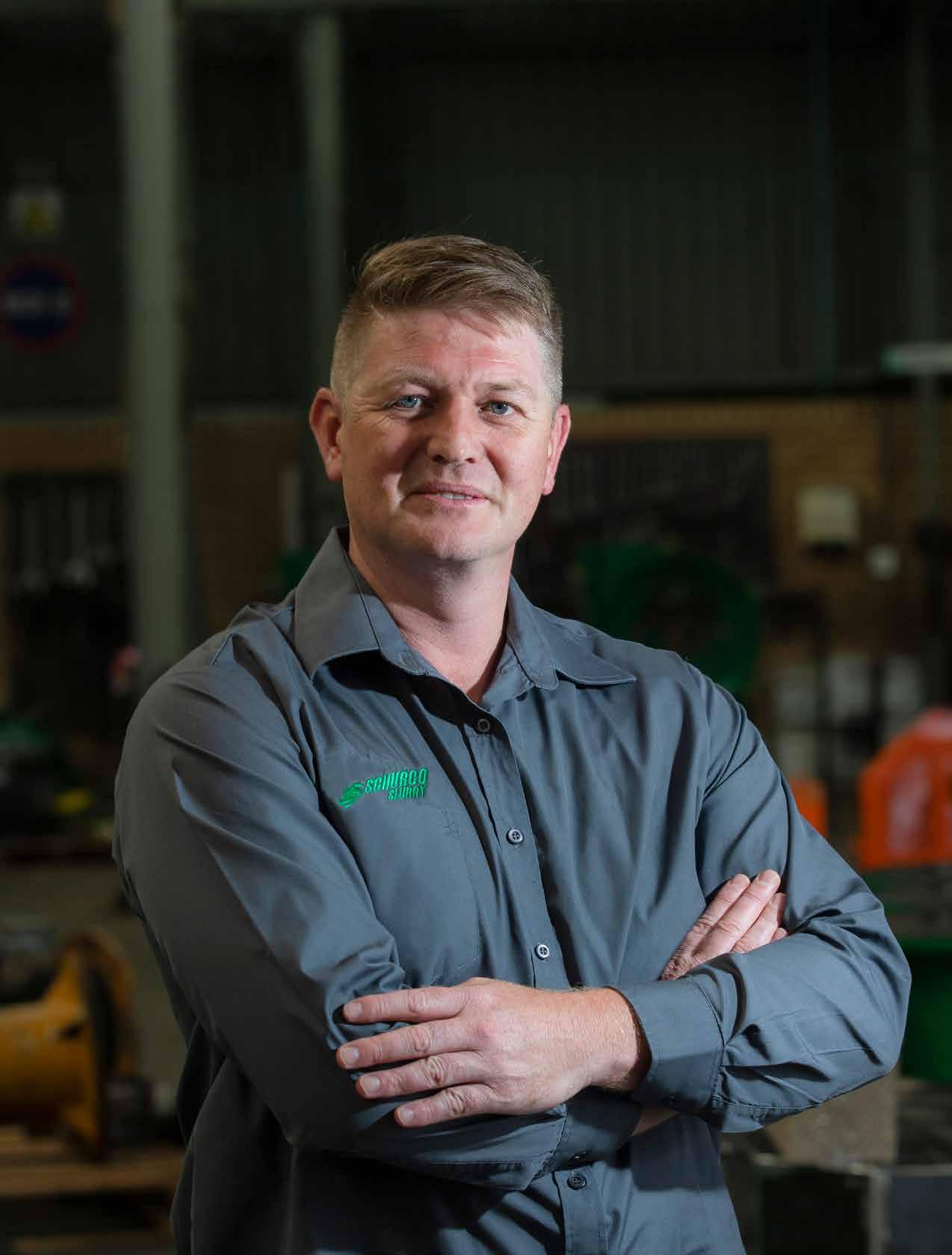
Emile Fourie, CEO at Schurco Slurry

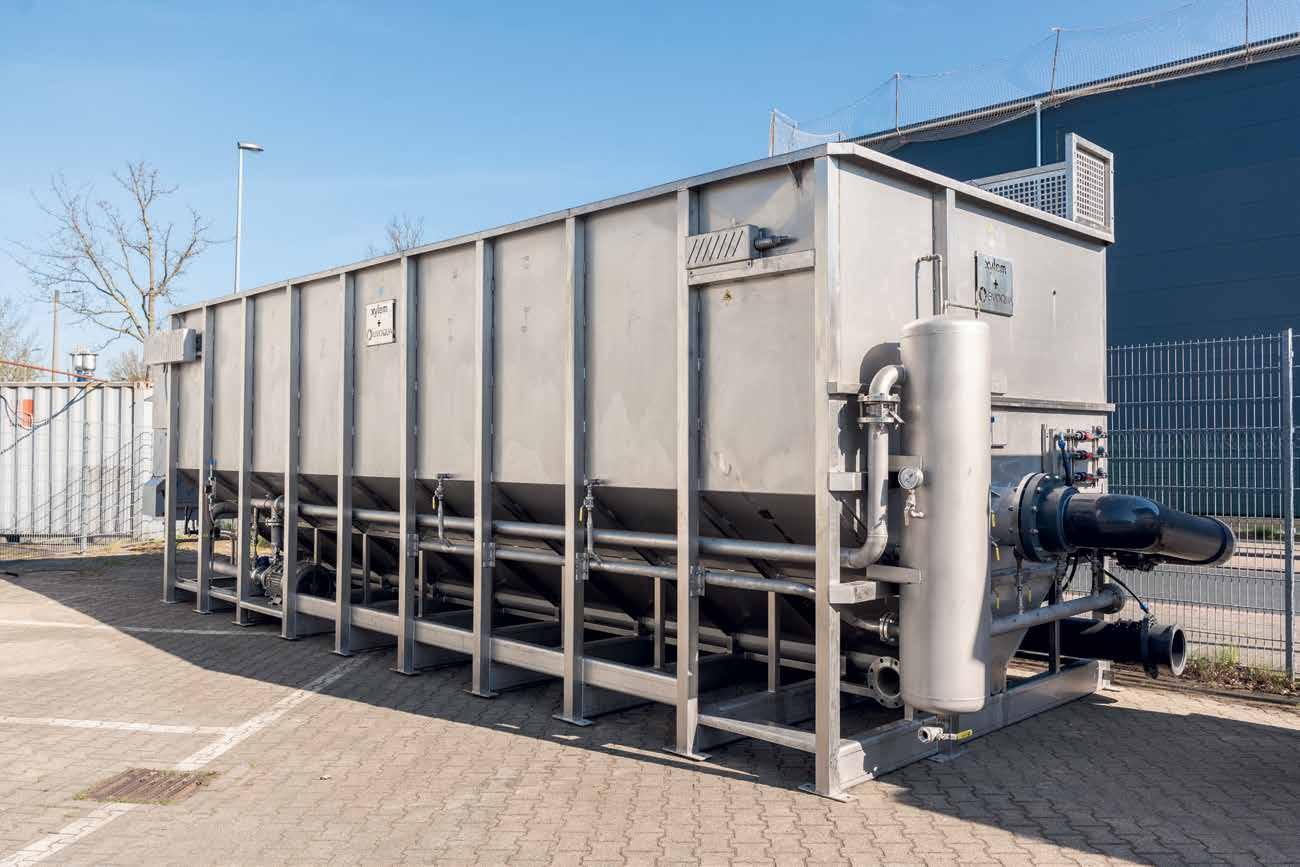
Dissolved Air Flotation (DAF) is a proven, effective physical and chemical process for treating various industrial and municipal processes and wastewater.
Xylem RT Rental DAF systems are designed to efficiently remove Total Suspended Solids (TSS), Biochemical Oxygen Demand (BOD), and Fats, Oils and Greases (FOG) from wastewater streams.
Key Features:
• Rugged, heavy gauge, stainless-steel tank and hydraulics
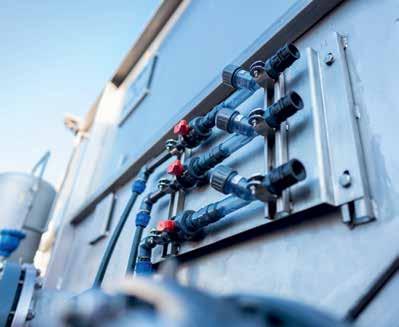
• Integral flocculation tube, equipped with three chemical injection ports
• No plate-packing. No clogging. Increased uptime.
• Automated float hopper, settled solids auger, and RAS pump
• Available with stainless flocculation mixing tanks – for additional process equalization and efficacy
• No need for external pressurized air or compressors
Our DAF systems can serve as pilots to determine permanent specifications, and we offer rapid, on-site deployment through rental or short-term contracts when needed.

24 Projects in Africa
8 Cover Story
Implementing a slurry system is a complex but necessary task. By aligning pump selection with actual duty conditions, mines can maximise productivity and reduce downtime.
12 Finance & Legal
SA’s new Road and Rail Safety Code of Practice imposes strict safety standards on mining, shi ing from policy documentation to enforceable daily operational compliance.
22 Engineering
Developing safe mine infrastructure requires engineers to overcome the challenges created by dolomitic rock, namely sinkhole formation and subsidence.
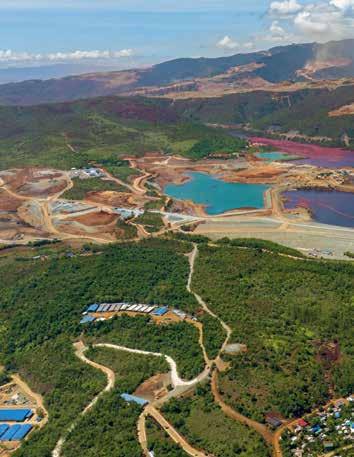
One of the world’s largest and highest-grade undeveloped nickel sulphide deposits forms the cornerstone of Lifezone Metals’ Kabanga Nickel project in northwest Tanzania.
26 Innovation & Technology Technologies such as automation, robotics, drones, AI and machine learning are leading the charge in adoption across Africa’s mining sector, impacting everything from productivity to safety.
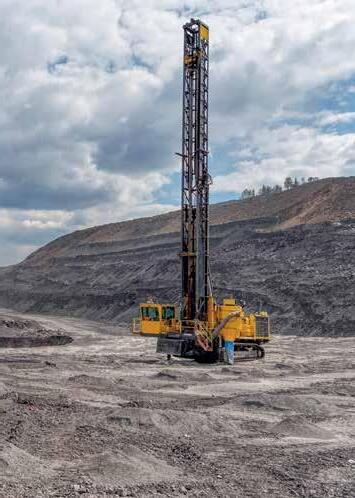
32 Sha -sinking, Drilling & Tunnelling Mines are constantly seeking ways to maximise productivity, enhance safety and reduce costs. Modern, intelligent drill rigs are crucial to improved precision, increased drilling speed, reduced downtime, and worker safety.
35 Precious Metals
Gold and platinum group metals experienced record-breaking performance in 2025. Experts agree this trend is likely to continue in 2026.


36 Water Matters
As climate change incidents increase, mines face the challenges of extreme weather, water scarcity, and damaged infrastructure, leading to rising compliance costs for decarbonisation, and increased competition for water.
26 59.4%: Companies ready for change
24 902 000 tonnes: Nickel concentrate at Kabanga
4 Out of Africa
We are constantly aiming to improve your VUMA experience






Safety, in the context of legislation, geological subsidence and climate change, is high on the industry’s agenda – as is the ongoing shift to digital technologies.
RODNEY WEIDEMANN
afety is a core consideration for the mining sector, which is why the news of the updated Road and Rail Safety Code of Practice (COP) having come into e ect should have a positive impact on the industry. The COP is essentially about how a mine is moving people, materials, waste and more, and also considers how these interface with public roads and transport networks.
While preparations for the new code have been under way for some time, mining houses are now required to adhere to the new standards on a daily basis, rather than simply striving for compliance.
Although the benefits are obvious, it’s worth noting that there remain challenges in translating the requirements into everyday actions, operational choices, and sustainable safety enhancements. However, it is imperative that mines work to overcome these, as we are no longer merely talking about an issue of good practice, but one of actual legal compliance. In other words, mines that are not aligned with the COP will now be breaking the law.
Speaking of safety issues, digital technologies are also playing a huge role in improving these in the mining sector. Africa is rapidly stepping into a new era – one where the accelerating pace of digital transformation is changing the industry.
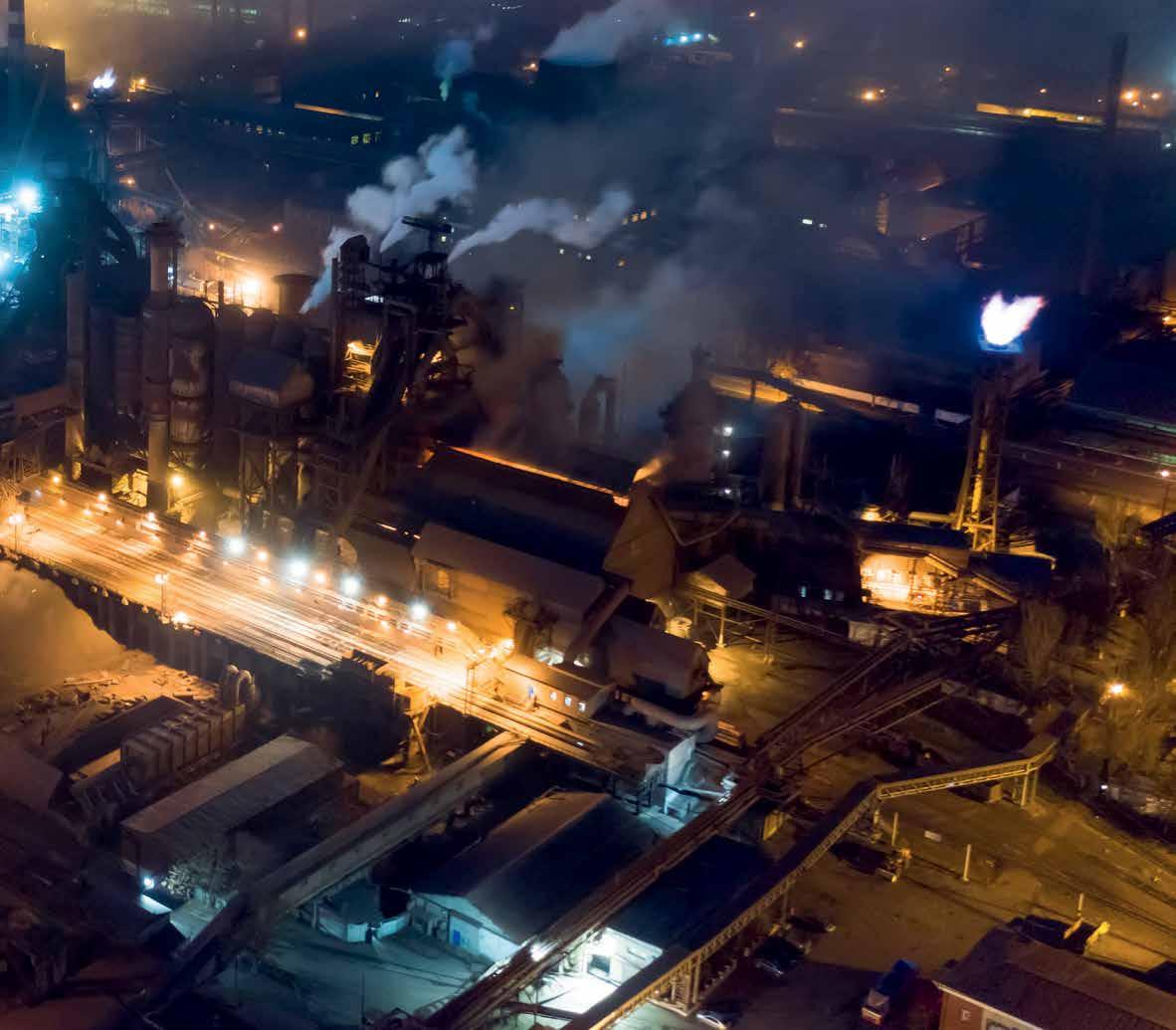
This is leading to the adoption of everything from autonomous vehicles and robotics to artificial intelligence (AI)-powered analytics and drone surveillance.
The shi to digital is not only improving safety, but is also fundamentally altering how minerals are discovered, extracted, and processed. Moreover, these tools also o er the highest immediate impact on productivity, cost e iciency and the ability to make faster, datadriven decisions.



Engineers who design mining infrastructure also need to take safety into consideration, notably by understanding the risks posed by dolomite rock. Due to its solubility, which leads to unstable ground conditions, sinkholes, and subsidence, dolomite rock – even when deep underground – can pose significant, o en catastrophic, challenges to mining infrastructure.
In a similar manner, climate change is placing growing pressure on local mines, as intensifying droughts, erratic rainfall, and rising temperatures add to existing issues like water availability and operational stability.
Climate change presents the mining sector with a convergence of physical, regulatory and market risks, all intensifying simultaneously and directly impacting operations, worker safety and critical infrastructure, such as tailings facilities and haul roads.
It’s not all doom and gloom, however. Across Africa, projects continue to be undertaken that demonstrate the enormous value the continent’s mining sector still has to o er, such as the Kabanga Nickel Mine in Tanzania.
Located in northwest Tanzania’s Kagera Region near the Burundi border, the Kabanga Nickel project is one of the world’s largest and highest-grade undeveloped nickel sulphide deposits. With its high grades, long life, lowcarbon processing technology, and strategic location in the growing critical minerals space, Kabanga represents a cornerstone asset for the future supply of responsibly sourced metals.
It’s also worth noting that precious metals are facing sustained investor interest in 2026. Looking at how global bullion performance in 2025 was historic and record-breaking, with precious metals delivering some of their best annual gains in over four decades, it is unsurprising to learn that 2025’s historic growth across gold, silver and platinum has reinforced investor confidence in physical precious metals as demand accelerates into 2026.
Finally, in our cover story, Schurco Slurry outlines why implementing a slurry system is a complex but necessary task. Among the challenges faced are equipment wear and tear, operational downtime and environmental management. However, by aligning pump selection with actual duty conditions, mines can maximise productivity and reduce downtime.
EDITOR
Rodney Weidemann
Tel: 062 447 7803
Email: rodneyw@samining.co.za
ART DIRECTOR
Shailendra Bhagwandin
Tel: 011 280 5946
Email: bhagwandinsh@arena.africa
ADVERTISING CONSULTANTS
Ilonka Moolman
Tel: 011 280 3120
Email: moolmani@samining.co.za
Tshepo Monyamane
Tel: 011 280 3110
Email: tshepom@samining.co.za
PRODUCTION COORDINATOR
Neesha Klaaste
Tel: 011 280 5063
Email: neeshak@sahomeowner.co.za
DIGITAL EDITOR
Stacey Visser
Email: vissers@businessmediamags.co.za
SUB-EDITOR
Andrea Bryce
BUSINESS MANAGER
Lodewyk van der Walt
Email: lodewykv@picasso.co.za
CONTENT MANAGER
Raina Julies
Email: rainaj@picasso.co.za
GENERAL MANAGER MAGAZINES
Jocelyne Bayer
SWITCHBOARD
Tel: 011 280 3000
SUBSCRIPTIONS
Neesha Klaaste
Tel: 011 280 5063
Email: neeshak@sahomeowner.co.za
PRINTING
CTP Printers, Cape Town



To accelerate Sierra Leone’s mining industry
Ecobank Sierra Leone announced two key transactions that underline the bank’s ability to mobilise African capital in support of mining projects that drive local beneficiation development and growth.
The first transaction announced with Sierra Rutile Limited (SRL) will fund the acquisition and relocation of the Kwale Mineral Sands processing plant from Kenya to Sierra Leone.
The second will allocate funding to Meya Mining that will enable the purchase and installation of advanced diamond processing equipment, mining vehicles, and supporting infrastructure, positioning Meya to scale operations responsibly and e iciently as it transitions into full commercial production.
The agreement, led by Ecobank Sierra Leone with support from Ecobank Ghana, is a landmark in several key respects. First, it locks in Sierra Leone as a primary node in the global titanium feedstock market. It demonstrates the “financial maturation” of the local market, and it o ers a blueprint for “smart” intra-African trade.
With the Meya Mining investment, Ecobank Sierra Leone and Ecobank Ghana have announced a $25-million financing package to drive sustainable growth in Sierra Leone’s diamond sector.
By supporting responsible diamond production, the deal strengthens compliance with international standards such as the Kimberley Process, enhances local employment opportunities, and contributes to national beneficiation initiatives. It demonstrates Ecobank’s role in aligning financial solutions with Sierra Leone’s broader development agenda.
The winners and runners-up of the Mining Elites in Africa 2026 have o icially been revealed in the publication of the same name, recognising the leaders, companies and projects that are making a meaningful impact across the African mining sector.
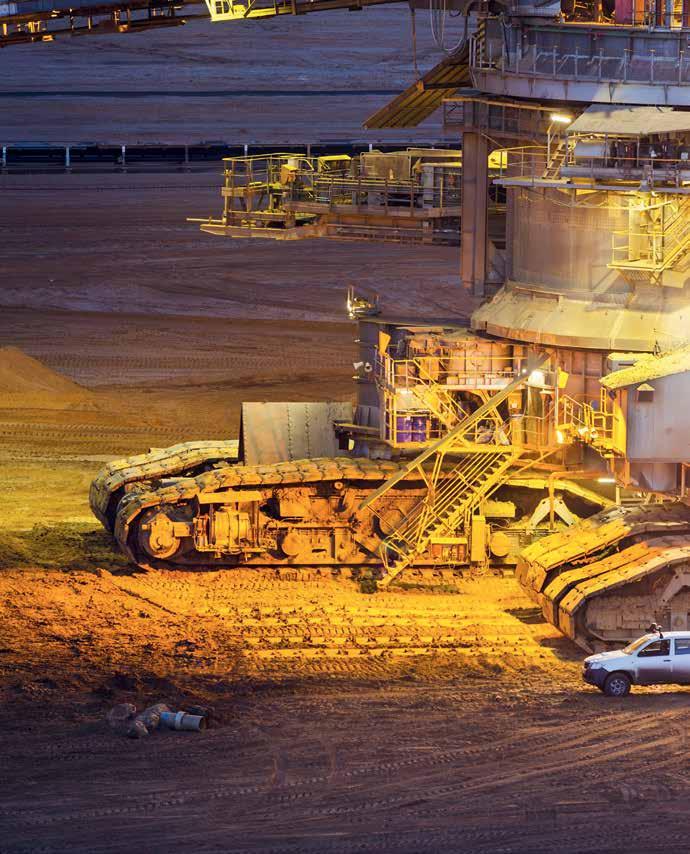
The annual publication highlights individuals and organisations who are not only driving performance and innovation within their own operations, but are also contributing to broader sustainability outcomes. These include positive impacts on host countries, local communities and regional economies.
Selecting the 2026 winners and runners-up was described as a rigorous process, supported by an experienced advisory panel made up of respected industry professionals. Readers can go to the latest edition of the publication to discover this year’s Mining Elites and learn more about the work shaping the future of mining on the continent.
THE MRPA CREATES A STANDING LEGAL FRAMEWORK THAT LETS BOTH INSTITUTIONS DEPLOY CAPITAL FASTER AND AT GREATER SCALE THAN AD HOC, TRANSACTION-BY-TRANSACTION APPROACHES.
The African Export-Import Bank (Afreximbank) and Development Bank of Southern Africa (DBSA) have signed a Master Risk Participation Agreement (MRPA) that will rapidly expand trade finance capacity across Africa, unlock industrialisation opportunities, and strengthen regional value chains.
The MRPA is a strategic partnership between the DBSA and Afreximbank designed to mobilise capital, share risk, and unlock trade and industrial activity across the region. The agreement is a risksharing framework for funded and unfunded participations that supports local capital markets through lines of credit specifically for trade finance to regional banks.
Africa, and the Southern African Development Community region in particular, holds a significant share of critical minerals. The MRPA shi s financing emphasis from purely long-term project finance to trade finance solutions that enable beneficiation, local processing and regional valuechain development, helping the continent capture more value and create sustainable jobs and factories.
Addressing Mining Indaba 2026, DBSA CEO Boitumelo Mosako said: “This partnership with Afreximbank is a decisive step in unlocking Africa’s trade and industrial potential. By expanding access to a ordable, reliable trade finance, we are derisking crossborder transactions, strengthening regional value chains, and enabling African businesses to move from raw extraction to beneficiation.”
Today’s agreement, she said, was about scale, speed and impact – “delivering the finance that will turn resources into sustainable jobs, factories and exports across the continent”.










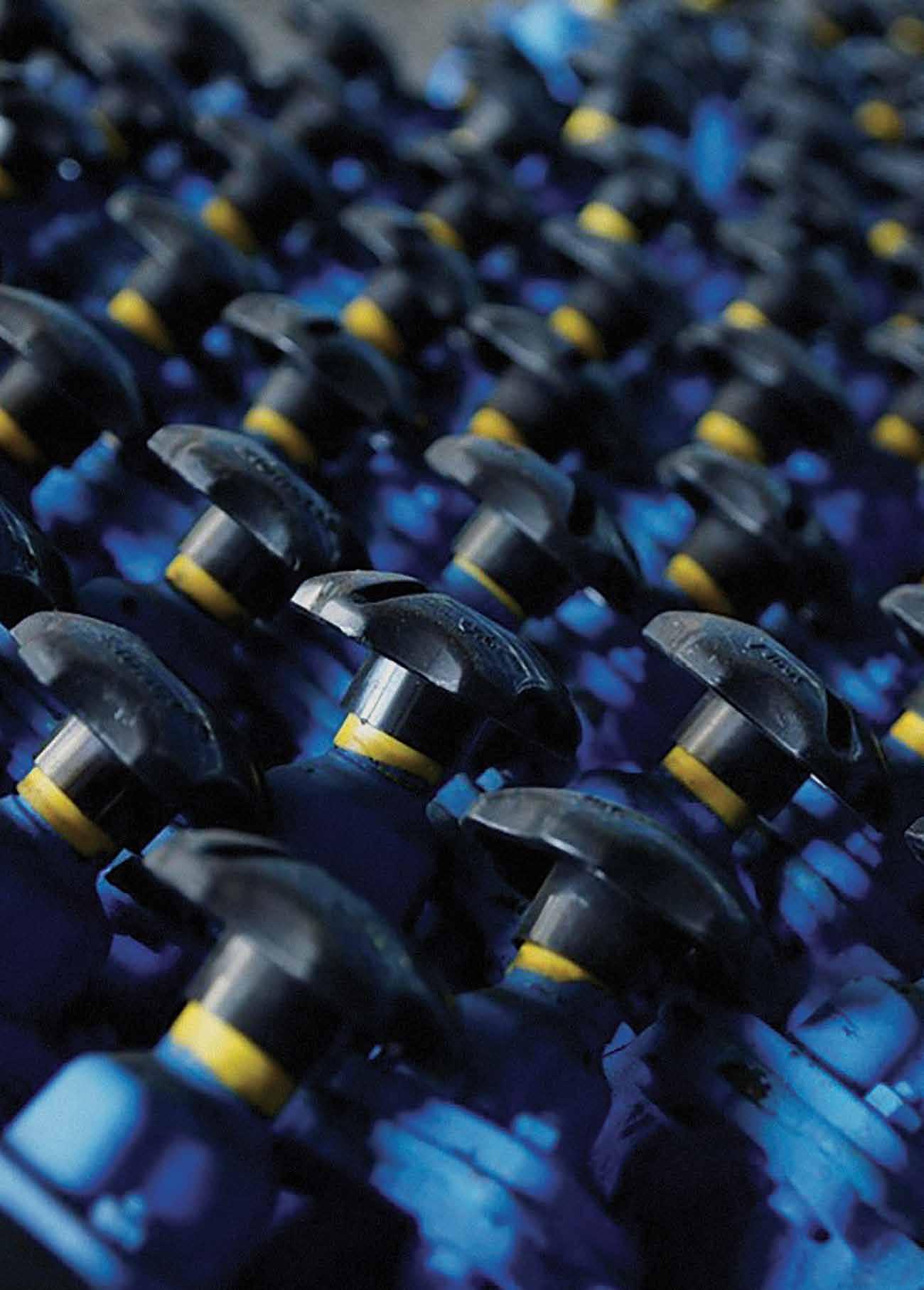
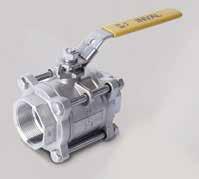
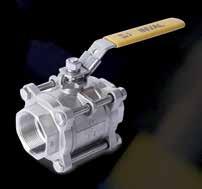
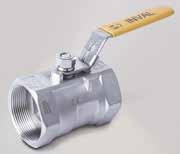
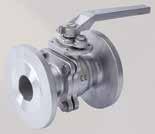
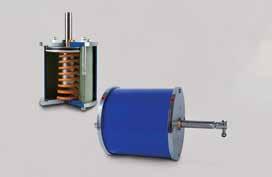
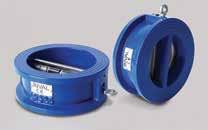
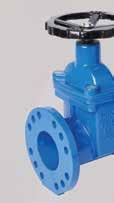
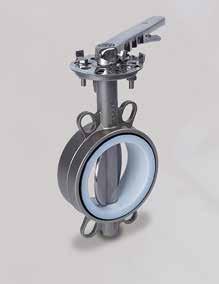
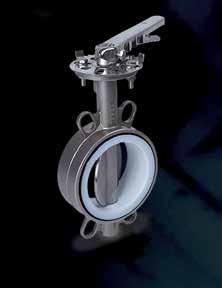
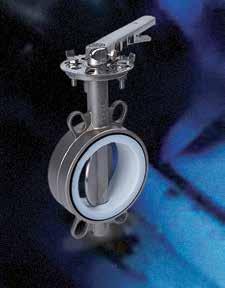
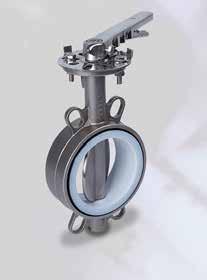
Global businesses rely heavily on Invincible Valves for exceptional products, proven expertise, and as Africa’s largest stockist of Saunders & Insamcor valves, our reputation for reliability and excellence has earned us recognition on the world stage, making Invincible Valves the trusted partner across industries. Driven by technology and innovation, we continue to expand into emerging markets, delivering smarter solutions and building lasting partnerships.
There is only one trusted name in valves – INVINCIBLE VALVES.


















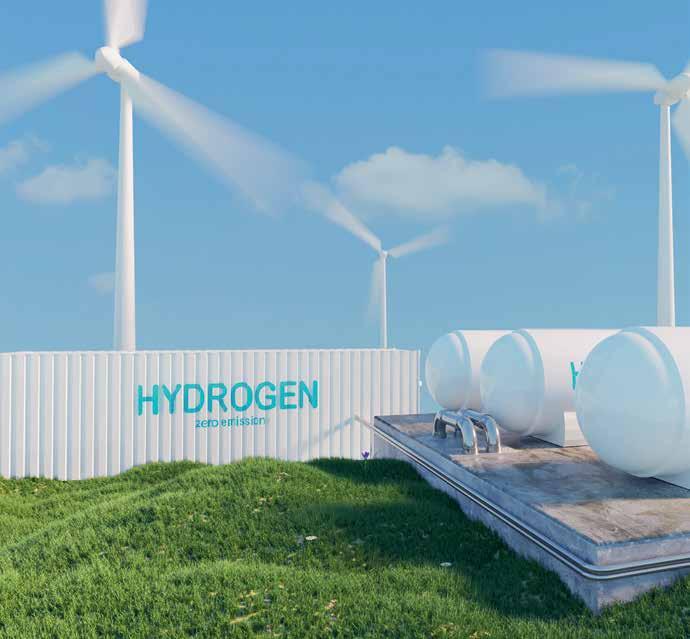
A groundbreaking initiative has been introduced by Infocus International Group following the launch of its innovative “Green Hydrogen, Projects, Economics & Finance” course, which will commence in May.
This course is intended for those seeking a comprehensive explanation of the key factors that will determine the business case for green hydrogen projects. Course content has been developed to provide a clearly explained, business-focused and independent perspective on such projects, combining and integrating both the core technological and economic aspects.
It allows attendees to look beyond the market hype, and examine the realities of green hydrogen production and its competitiveness in the market. It enables you to identify and evaluate the key numbers that are required when building a green hydrogen business model, including your ranges, uncertainties and impacts on potential project returns.
Infocus International Group has announced new dates for its highly regarded Energy Storage virtual workshop, with live sessions scheduled to commence on 6 May and 3 December 2026.
Energy storage stands apart from other energy technologies due to the exceptional breadth and complexity of its addressable markets and revenue streams. The new training course provides a comprehensive analysis of these opportunities, equipping attendees with the frameworks to analyse, understand, and segment the market.
While battery storage is a primary focus, the course also covers a variety of competing storage technologies. It addresses the wide range of challenges energy storage aims to solve –across di erent deployment scales and durations – and tackles the key practical issues surrounding project delivery.
Attendees will conclude the workshop with a clear, strategic understanding of the drivers behind the growth of storage markets, potential limitations to this growth, and critical future trends. For professionals considering investing in or developing an energy storage business case, this course delivers an essential grounding in the core commercial and technical issues.
Course sessions include battery storage; applications and business cases for short-duration and intraday storage; growing opportunities and technologies for long-duration storage; and distributed storage.

The Council for Geoscience (CGS) and BHP have entered into a memorandum of understanding (MoU) that seeks to advance South Africa’s economic development through collaborative geoscientific research and exploration.
The MoU outlines and establishes a framework for impactful collaboration as it pertains to joint exploration initiatives, research projects and publications. Through this collaboration, CGS and BHP will explore opportunities to work together in areas including geoscientific research, data processing, and the modernisation and management of geoscience data.
The agreement has the potential to deliver significant value to the sector by transforming geoscientific data into actionable insights. This will enable more informed decision-making, derisked exploration, improved sustainability outcomes and increased discovery e iciency.
Furthermore, the MoU will enable both parties to contribute important geoscientific data to the Open Subsurface Data Universe (OSDU), traditionally known for its oil and gas data hub, and strengthen its mining and mineral data repository. Once the data is digitised through this partnership, CGS will make the data available to the public.
“The extensive geological data held by CGS is central to this partnership. It creates a rare opportunity to unlock new insights and advance exploration e orts both locally and internationally,” says CGS CEO Mosa Mabuza.
BHP Group exploration o icer Tim O’Connor says: “With the advent of advanced computing, leveraging legacy data stands as one of the largest areas of latent value in the search for new mineral deposits.”













Implementing a slurry system is a complex but necessary task.
By aligning pump selection with actual duty conditions, mines can maximise productivity and reduce downtime.
BY RODNEY WEIDEMANN
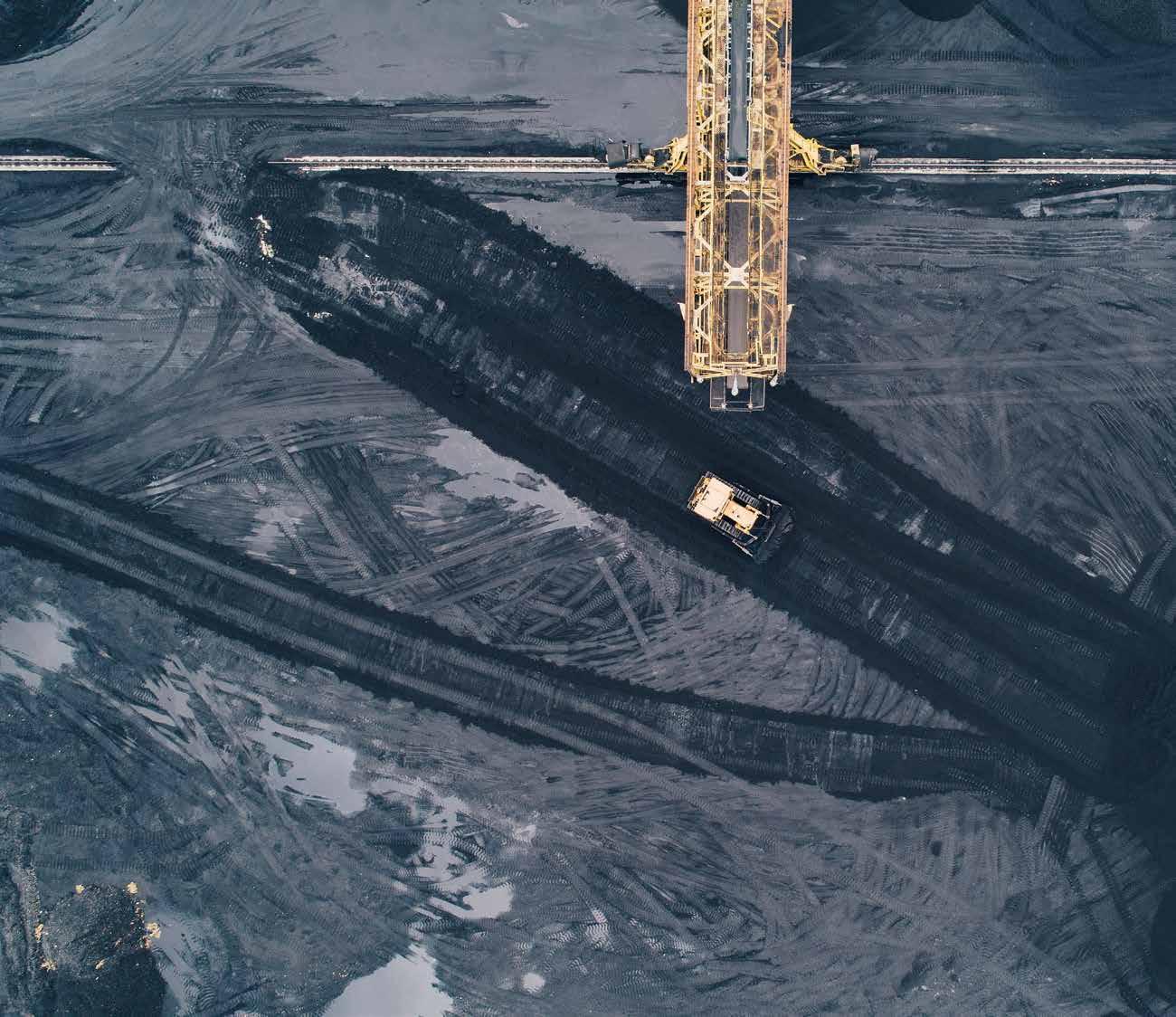
Slurry systems are essential to the mining industry for the e icient and safe transportation of solidliquid mixtures – such as ore, coal, and tailings – throughout processing plants and to storage areas. They enable highvolume movement of abrasive and corrosive materials, which is critical for maximising productivity and reducing downtime.
Implementing a slurry system in the mining sector presents significant challenges, primarily related to equipment wear and tear, operational downtime, rheological complexity, and environmental management. These issues impact overall e iciency, cost-e ectiveness, and safety.
According to Dandre Fourie, external sales representative at Schurco Slurry, every slurry system tells its own story, as particle size distribution, solids concentration, system curves, fluctuating tank levels, and maintenance practices all influence performance.
“Generic specifications rarely reflect real operating conditions. That is why Schurco prioritises site engagement, data analysis, and direct consultation with operators and maintenance teams,” he says.
“By aligning pump selection with actual duty conditions, rather than theoretical data, Schurco ensures equipment operates as close as possible to its best e iciency point (BEP). The result is measurable: reduced wear, lower vibration, improved energy e iciency, and a significant reduction in unplanned downtime. In mining, reliability equals production, and production drives profitability.”
When it comes to these systems, the challenges faced by the mining industry are multifaceted. They include variables such as environmental factors, politics, lower ore grades, and resource constraints influencing market dynamics.
In response, Fourie indicates that Schurco Slurry o ers a comprehensive range of pump solutions designed to tackle these issues head-on. Whether it’s slurry pumps, vertical spindle pumps, or dewatering pumps, the
“ALIGNING PUMP SELECTION WITH ACTUAL DUTY CONDITIONS, RATHER THAN THEORETICAL DATA, ENSURES THAT EQUIPMENT OPERATES AS CLOSE AS POSSIBLE TO ITS BEST EFFICIENCY POINT.”
– DANDRE FOURIE
company’s o erings are meticulously cra ed to meet the rigorous demands of modern mineral processing operations.
“When it comes to mineral processing and mining, the importance of reliable pumps cannot be overstated. Pumps are o en considered to be the ‘heart’ of such operations, which is why e icient and dependable pump solutions, tailored to meet the specific demands of modern mining processes, are so critical,” he says.
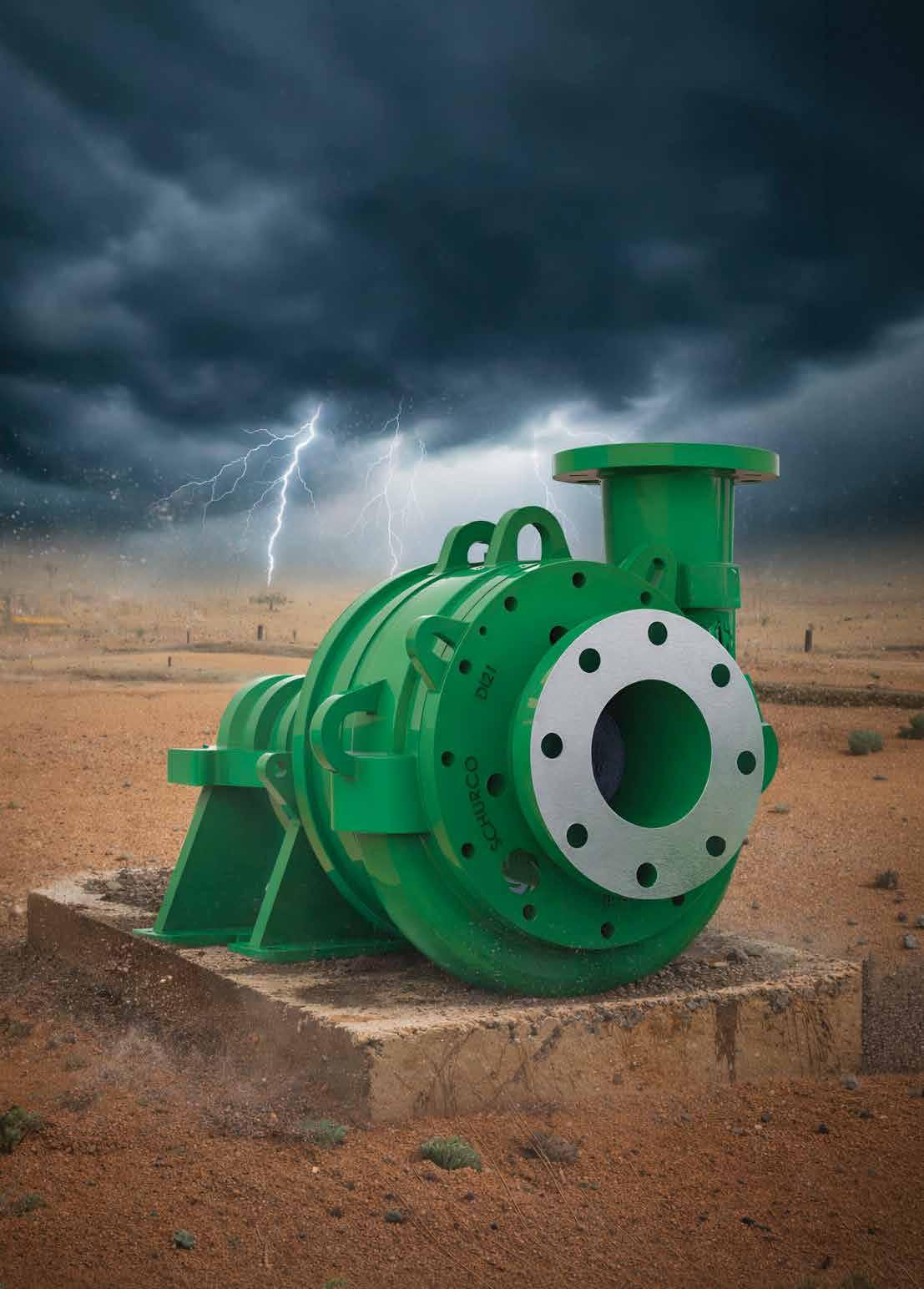
“The introduction of the DW pump range reflects Schurco’s application-driven philosophy. Designed for highly abrasive and high-density slurry environments, the DW range combines structural strength with hydraulic e iciency.”
Some of the key features of this range of pumps include heavy-duty construction, engineered for highpressure conditions; optimised hydraulics to minimise recirculation and internal wear; improved wet-end configuration for extended wear life; simplified maintenance access to reduce downtime; and interchangeable footprint compatibility for seamless retrofits.
“In addition, the DW range provides customers with a practical upgrade path, delivering enhanced durability and performance, without requiring costly system redesigns,” says Fourie.




Of course, even the best mechanical solutions require effective operation, meaning that the people behind the pumps need to be well trained and knowledgeable about these machines.
To this end, he continues, Schurco Slurry offers customised, on-site training for users and artisans, to ensure efficient pump operation, maintenance, and reduced downtime. The training covers technical aspects that include proper selection, installation, and troubleshooting, often using analytical, hands-on methods.
These programmes support long-term, cost-effective operations by training teams on the latest, high-quality, and reliable pumping technologies and specifically for severe abrasive applications, such as those found in mining.
“Schurco recognises that equipment performance is directly linked to operator understanding. Therefore, comprehensive training programmes are implemented for customers, operators, and maintenance teams, covering pump fundamentals, installation best practices, impeller and throat bush adjustments, wear monitoring, and failure analysis.”
This investment in knowledge delivers tangible outcomes, he says. “Many premature failures stem not from product limitations, but from incorrect settings, poor alignment, or operation away from BEP. Proper training extends wear life, improves safety, reduces emergency breakdowns, and lowers total cost of ownership.”
Also, he says, the most challenging installations are often the ones that provide the most valuable lessons.
“Whether addressing cavitation risks, fluctuating feed conditions, extreme abrasiveness, or unexpected wear patterns, Schurco treats each demanding application as an opportunity to refine and improve. Insights gained in the field influence future pump configurations, material selection, and
hydraulic optimisation,” he says.
“This continuous improvement cycle ensures that each project strengthens the next. Moreover, we understand that performance claims carry weight only when supported by data, thus the company also consistently delivers transparency through field application reporting.”
Fourie points out that Schurco conducts detailed field application reports, following trials and installations, which document wear rates, operating parameters, and system behaviour. These reports provide customers with measurable evidence of performance and establish a foundation of technical credibility.
“In an industry where downtime is costly, transparency builds trust, and trust builds long-term partnerships,” he says.
Furthermore, Schurco positions itself not merely as a pump supplier, but as a longterm technical partner.
This is achieved through applicationfocused engineering, ongoing technical support, structured training, and performance monitoring. In this manner, Schurco integrates into its customers’ operational strategy, with the objective of enhancing reliability, maximising uptime, and delivering sustainable cost savings over the lifecycle of the equipment.
“Ultimately, we must remember that in mining, success is not defined by the pump installed, but by the production it enables. Thus, Schurco positions itself not merely as a pump supplier, but as a long-term technical partner that consistently delivers strategic value to its customers.”
He says it achieves this by ensuring a reduced total cost of ownership, by improving pump lifespan and reducing maintenance frequency, and by engineering pumps to maximise plant uptime and profitability, improving operational efficiency. The company also works directly with clients to analyse specific applications
■ Superior solids handling: Designed specifically to handle abrasive solids – ideal for pit dewatering, sump drainage, and tailings management.
■ Rugged reliability: Robust bearing arrangements and conservative operating limits allow pumps to maintain stable performance despite changing, difficult, or unexpected slurry properties.
■ Reduced maintenance and downtime: This is achieved through a design that minimises the need for routine liner adjustments and uses modular wet-end parts.
■ Versatile applications: Suited for varied industries, including mining, quarrying, and industrial flood control.
■ High-wear material construction: Built with wearresistant materials tailored for challenging, corrosive, or highabrasion environments.

and, in some cases, provide tailored solutions, such as upcoming augmented reality models for maintenance.
“Through application-focused engineering, ongoing technical support, structured training, and performance monitoring, Schurco integrates into its customers’ operational strategy.”
The objective is simple, he says: enhance reliability, maximise uptime, and deliver sustainable cost savings over the lifecycle of the equipment.
“After all, when it comes to mining operations, true success is not determined by the pump that has been installed, but rather by the level of production it enables.”






SA’s new Road and Rail Safety Code of Practice imposes strict safety standards on mining, shifting from policy documentation to
BY RODNEY WEIDEMANN
enforceable daily operational compliance.
South Africa’s mining industry has shi ed from preparation to enforcement, following the updated Road and Rail Safety Code of Practice (COP) coming into e ect. Mining houses are now required to adhere to the new standards on a daily basis, rather than simply striving for compliance.
Many operations are realising that meeting the deadline was merely the initial step. The true challenge is in translating the requirements into everyday actions, operational choices, and sustainable safety enhancements.
Louise Woodburn, General Manager: Risk Solutions at KBC Health and Safety, notes that it has become an issue not just of good practice, but of actual legal compliance. In other words, mines that are not aligned with the COP will now be breaking the law.
“The COP is essentially about how a mine is moving people, materials, waste and more, and also considers how these interface with public roads and transport networks,” she says.
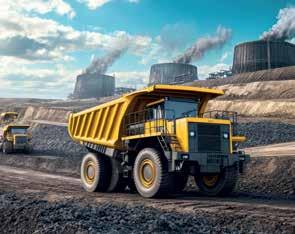
“Any form of transport – trucks, buses, trains etc. – that fall within the mine’s safety
net, are governed by this code, and it falls to the mine to be able to identify and mitigate any risks related to its own infrastructure and vehicles, as well as those of third parties that fall within its purview.”
Tyla Foster, executive for Mine and Occupational Health and Safety at law firm ENS, suggests that the new guideline requires employers to compile their own COP, which addresses the hazards and risks associated with the usage of roads and railway lines used for activities associated with the mine.
“In the assessment of hazards and risks, the employer is required to not only identify the hazards and risks to which sta are exposed during the transportation of employees, minerals and materials, but also to other persons who are not employed at the mine, but who may be directly a ected by the activities at the mine,” she says.
“This guideline seeks to address, among other things, the design and operating specifications, braking systems, operating procedures, maintenance and pre-use inspections, driver competency criteria, and the provision of personal protective equipment for the various
“THE CODE IS ABOUT ENSURING THAT ALL MODES OF TRANSPORTATION ARE APPROPRIATE FOR THE SPECIFIC CIRCUMSTANCES BY OR AT THE MINE, AND ARE USED WITHIN THEIR DESIGNED AND OPERATING SPECIFICATIONS.”
– PIETER COLYN
modes of transportation. This covers the transportation of employees, minerals and materials to and from the mine by road or rail.”
DOCUMENTATION AND COMPETENCIES
Woodburn says the new code is aimed at properly documenting every step, and understanding how these all fit together. Training is a huge component, so developing a transport competency licence is key.
“This would involve understanding what minimum licences are required, along with what skills. It would also mean strengthening daily operational controls and conducting defect management and daily inspections, tightening alcohol and drug programmes, undertaking speed management, seatbelt enforcement, and upgrading contractor management.”
Transport, she says, is a dangerous arena with numerous risks. The COP is about getting everyone to take transport safety as seriously as explosive management or fall-of-ground safety underground. This code should thus go a long way towards improving competencies and compliance.
“It also focuses on hazard identification and risk management, and the e ective design of roads and rail tracks, gradients, intersections and crossings, as well as how these all interact. Also highlighted by the new code is the consideration of vehicle design and its operational specifications. Ultimately, it’s about having a holistic view and understanding how all the aspects integrate properly.”
“THE IDEA WITH THIS CODE IS TO MOVE FROM SIMPLE TICKBOX COMPLIANCE TO WHAT IS AN EFFECTIVE RISK-MANAGEMENT APPROACH – ONE THAT’S ABOUT RISK OWNERSHIP, RATHER THAN TRANSPORT MANAGEMENT.”
– LOUISE WOODBURN

Pieter Colyn, department head for Mine and Occupational Health and Safety at ENS, says the guideline prescribes detailed requirements that must be addressed in the COP.
“The key aspects here include ensuring that all modes of transportation are appropriate for the specific circumstances by or at the mine, and are used within their designed and operating specifications.
“The COP must also contain a detailed table outlining, as a minimum, key aspects such as the maximum design capacity, the maximum design speed, the gross mass, and the minimum and maximum operating dimensions of all modes of transport in use at the mine,” he says.
“All modes of transport must be maintained as per original equipment manufacturer (OEM) specifications. The modes of transport must be subject to inspections and over-inspection and the completion of pre-use checklists to identify components critical for the safe operation of each specific type of mode of transport.”
Colyn points out that braking systems must be adequately and routinely tested for intended functionality, in accordance with brake design specifications as per the OEM, and must be regularly maintained according to OEM specifications and requirements.
He says all modes of transport must be operated by competent authorised persons, as per the specifications of the COP, including the requirement that such
drivers receive health and safety induction and have been declared medically fit.
TRANSLATING REQUIREMENTS INTO ACTION
“The COP must set out the configuration and layout of mineral and material loading points, as well as pick-up or drop-off points of passengers, together with operating procedures regulating the loading of minerals and materials. It must also set out the pick-up or drop-off points for passengers.”
Furthermore, he says, the COP must outline route plans that include dedicated routes for each class of transport and measures to ensure that all train drivers and train assistants have certification of route knowledge. It must also ensure a process of consultation with other stakeholders such as municipalities, the National Road Traffic Regulator, and the Railway Safety Regulator, for purposes of identifying dedicated lanes, time zoning, and level crossings, he says.
Woodburn indicates that fatigue management, driver competence and effective training – such as wet-weather driving – are all crucial, as these all play a role in ensuring drivers will be competent in any conditions they may face.
“Obviously, a large percentage of the infrastructure challenges we face in SA are related to transport and roads. The idea with this code is to move from simple tick-box compliance to what is an effective riskmanagement approach.
“It is about risk ownership, rather than just transport management, and it sets
The implementation of the COP will require significant operational adjustments across the mining industry. The following practical implications warrant particular attention:
■ Record-keeping systems: Mines will be required to maintain detailed registers of all modes of transport, brake test results, maintenance records, and pre-use checklists for periods specified in the COP.
■ Multi-authority liaison: Employers will be required to liaise with multiple authorities, including the National Department of Transport, the Road Traffic Management Corporation, the Railway Safety Regulator, local municipalities, and provincial transport departments, to address road and rail safety where employees, materials, and minerals are transported.
■ Third-party transport providers: The requirements extend to contracted transport providers, requiring mines to ensure that contracted passenger transport vehicles and mineral haulers comply with safety requirements.
a high bar, because mines also need to conduct proper audits on their contractors, to ensure they also meet the relevant standards.”
She says larger mines often have a transport manager who will guide and manage this, “but the smaller ones don’t always have the budget”.
“This is why organisations like KBC exist – to assist players like this in implementing the audits and risk assessments and to deal with all the onerous work required to get something like a COP in place,” she says.
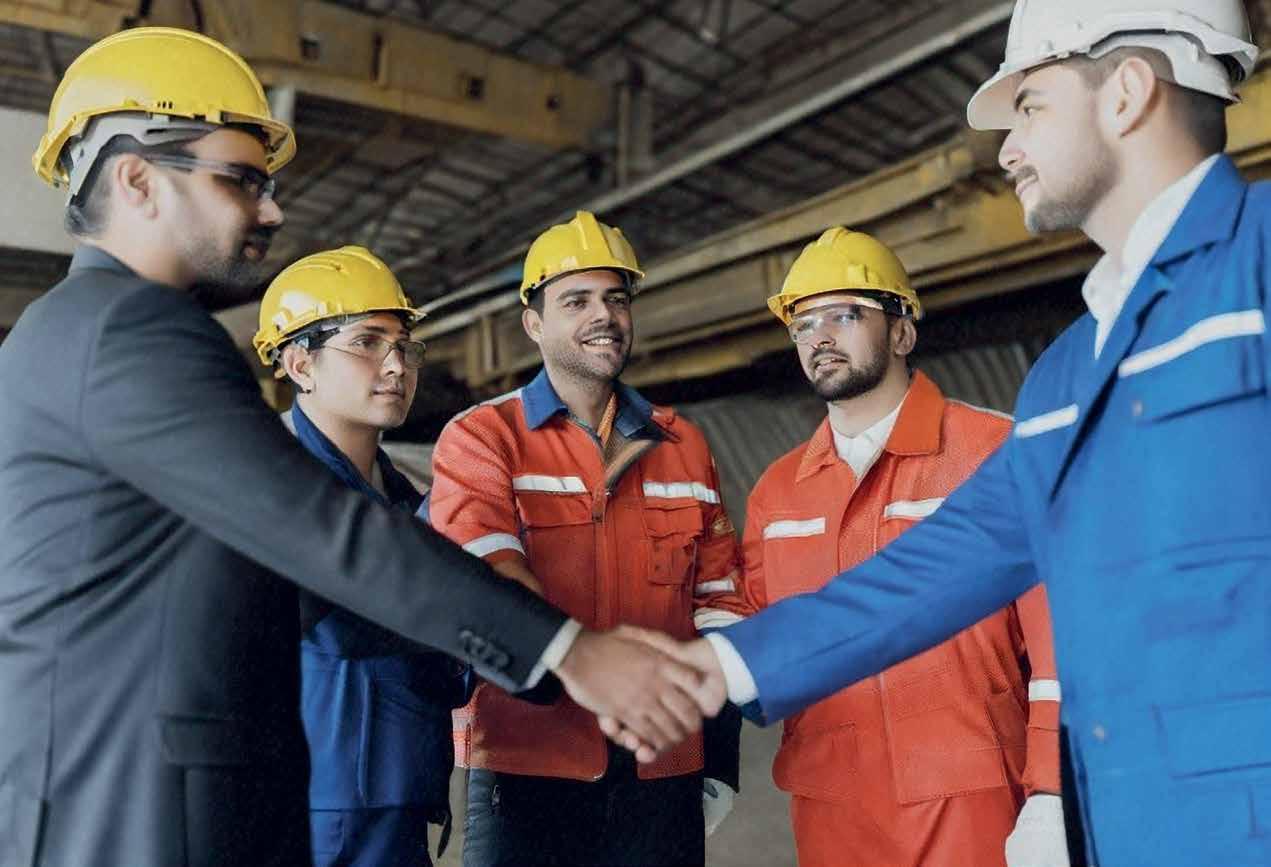



When it comes to labour challenges and dispute resolution, employers are no longer left to navigate complex case law and procedural technicalities alone, thanks to CEO(SA).
In South Africa’s demanding and highly regulated labour environment, employers shoulder responsibilities that extend far beyond running profitable enterprises. Employers are drivers of economic growth, job creation, and social stability, but they operate within a comprehensive and sometimes overly technical labour framework.
In this context, belonging to the Consolidated Employers Organisation CEO(SA) is not just an optional convenience; it is a strategic necessity.
Employers’ organisations are o en narrowly associated with representation at the Commission for Conciliation, Mediation and Arbitration (CCMA), or relevant bargaining council. While professional dispute representation remains a cornerstone of CEO(SA)’s services, it is only one aspect of the organisation’s broader value.
South Africa’s labour legislation, which in recent times has seen various amendments, demands procedural precision and constant compliance. It can be that a single misstep in a disciplinary hearing, retrenchment process,
or employment contract, results in costly disputes and operational disruption.
Through CEO(SA), employers gain access to experienced labour specialists who provide strategic representation at the CCMA and various bargaining councils. Employers are no longer le to navigate complex case law and procedural technicalities alone. Instead, they are supported by professionals who understand negotiation dynamics, evidentiary requirements, and the realities of South African labour jurisprudence.
Yet CEO(SA)’s significance extends well beyond dispute resolution. The organisation is an active participant in collective bargaining at industry level, including being a party to five di erent bargaining councils within the country.
CEO(SA) acutely understands the nuances of collective bargaining at sectoral and national level and, through the various platforms, ensures that employer interests are protected, and are furthermore properly articulated when wages, benefits, and working conditions are negotiated. In an environment where labour relations can be robust and, at times, adversarial, unity among employers is not a luxury, it is leverage.
The organisation also plays a critical role in national policy engagement. Whether addressing national minimum wage adjustments, or the proposed amendments to labour legislation such as the recently
published Labour Law Amendment Bills, the organisation gathers member input, conducts research, and submits informed representations to the Department of Employment and Labour. In so doing, it ensures that policy decisions reflect practical business realities, rather than abstract theory.
Equally important is CEO(SA)’s preventive and educational function. Through training initiatives, case law updates, and regular communication, members are empowered with knowledge of collective agreements, compliance requirements, and CCMA procedures. Prevention is always less costly than cure, and informed employers are far less likely to face avoidable costs and operational inconvenience.
Membership in CEO(SA) further signals professionalism and commitment to lawful labour practices. It demonstrates to employees, trade unions, and regulators alike that the employer takes compliance and fair process seriously, while simultaneously safeguarding business sustainability.
South Africa’s economic resilience depends on stable, compliant, and confident businesses. Employers cannot carry the weight of regulation, negotiation, and dispute resolution in isolation. In today’s climate, membership with CEO(SA) is not merely a prudent business decision – it is essential for longterm stability and success.






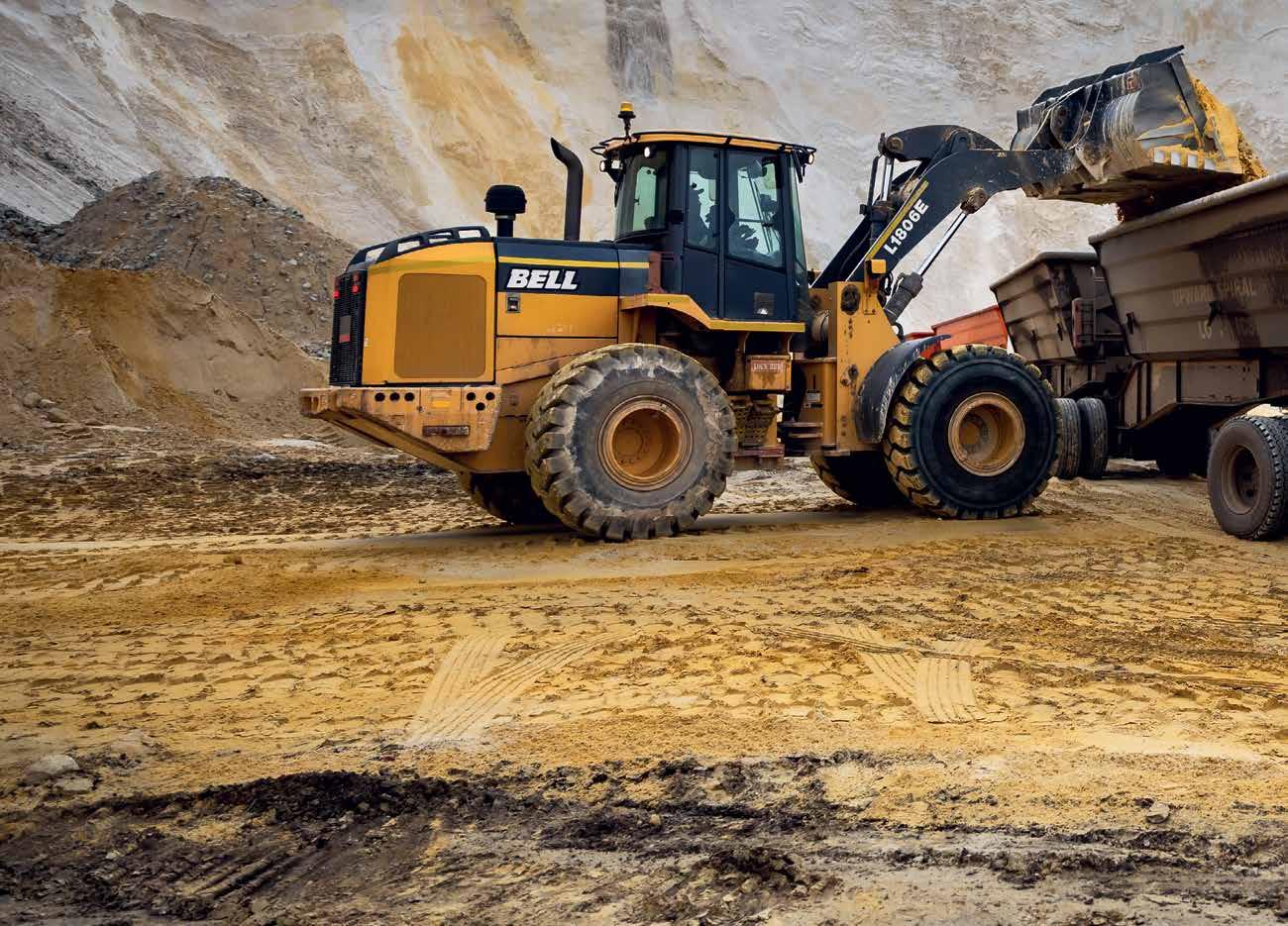
A provider of cutting-edge solutions in mining, waste management, logistics, and construction, Upward Spiral 1471 is celebrating 15 years of driving sustainable growth.
In 2026, Upward Spiral 1471 marks 15 years of continuous operation and of driving sustainable growth through innovation, engineering excellence and responsible resource recovery. This milestone reflects not only resilience, but a rare achievement for a black-owned, privately funded, independently built enterprise in South Africa’s mining and industrial sector.
Since its establishment in 2011 as a provider of technical services, the company has followed a steady path of diversification and growth. Between 2014 and 2017, the business expanded its involvement in larger-scale infrastructurerelated projects, laying the groundwork for broader industrial capability.
As South Africa’s mining sector has increasingly turned its focus towards sustainability, rehabilitation and the reprocessing of historic mine dumps, Upward Spiral 1471 identified an opportunity to apply its engineering capability to responsible
resource recovery. This strategic shi , which began in 2018, marked a defining moment in the company’s growth trajectory.
By 2021, the business had expanded its scope to include mining operations, tailings processing, environmental management, and integrated logistics – culminating in the formal establishment in 2022 of Upward Spiral 1471, a consolidated operating entity capable of supporting complex industrial and mining operations.
The company has continued to strengthen its footprint through the growth of its mining operations, expansion of its logistics fleet and an intensified focus on responsible and sustainable resource recovery.
It has achieved this without institutional backing, without multinational ownership, and without the safety net of public funding. Instead, its expansion has been driven by disciplined reinvestment, technical expertise and an ability to identify opportunity where others saw constraint.
“THE COMPANY’S EXPANSION HAS BEEN DRIVEN BY DISCIPLINED REINVESTMENT, TECHNICAL EXPERTISE AND AN ABILITY TO IDENTIFY OPPORTUNITY WHERE OTHERS SAW CONSTRAINT.”
Upward Spiral 1471’s mining division focuses on the responsible processing of historic mine dumps and tailings, enabling the recovery of residual minerals, while contributing to environmental rehabilitation.
The business operates under the required regulatory framework and holds the necessary mining and processing approvals to conduct compliant recovery operations. Its approach prioritises safety, environmental stewardship and operational e iciency, ensuring that historic mining liabilities are transformed into productive assets.
By combining technical expertise with modern processing methods, the company supports the mining sector’s transition towards sustainable resource use. Most recently during this year, the business has expanded to include an opencast mining operation at Snake Road in Benoni.
Environmental responsibility also forms a critical cornerstone of Upward Spiral 1471’s operating philosophy. To this end, the company delivers environmental services that include waste management and water treatment solutions, through its state-of-the-art
Over the past decade, the organisation has created more than 1 500 jobs, rehabilitated over 120 hectares of degraded land, and treated more than 15 million litres of contaminated water.
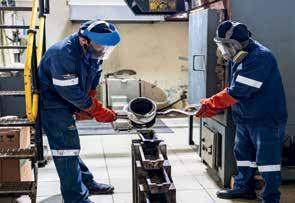
waste management plant, rehabilitation and site remediation.
These innovative solutions – many developed in-house – support both mining and industrial clients seeking to reduce environmental risk, improve compliance and restore affected land. Through licensed operations and carefully managed processes, Upward Spiral 1471 contributes to cleaner operations, reduced environmental impact and long-term land recovery.
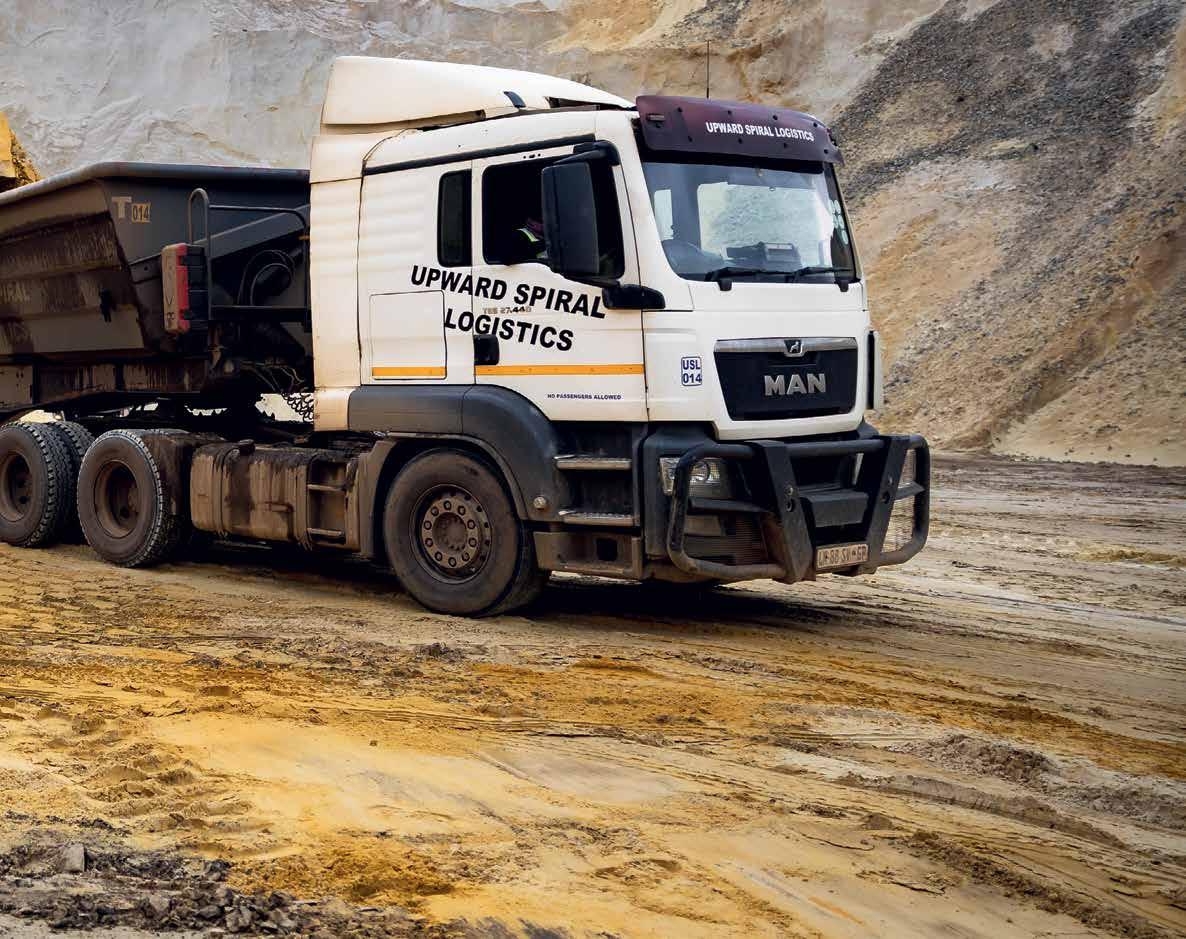
A key differentiator for the business is its fully integrated logistics capability. Upward Spiral 1471 operates a fleet of yellow plant tipper trucks and specialised transport vehicles, enabling the safe and efficient movement of material across mining and industrial sites.
This in-house capacity reduces dependency on third-party providers, improves cost control and enhances operational reliability. The logistics division plays a vital role in supporting mining operations, waste movement and large-scale site developments.
The organisation’s original service offering nonetheless remains an important part of its operational portfolio, with the business continuing to deliver specialised engineering and technical support services
for industrial, commercial and municipal clients. This division provides the technical backbone that supports the company’s broader operations and enables seamless integration across business units.
When it comes to the crucial issues of leadership and governance, Upward Spiral 1471 is led by an experienced executive team with deep expertise across engineering, mining operations, logistics and project management.
The leadership philosophy is grounded in accountability, operational discipline and long-term sustainability. Management places strong emphasis on safety, regulatory compliance and workforce development, recognising that people remain the company’s most valuable asset.
Through hands-on leadership and a culture of continuous improvement, the company maintains high standards of governance while remaining agile and responsive to industry demands.
The business also remains fully committed to sustainability and community development, focusing strongly on operating responsibly and creating shared value for the communities in which it operates. The company actively supports:
■ Local employment and skills development

■ Health and safety training initiatives
■ Environmental rehabilitation projects
■ Community upliftment programmes linked to operational sites
Over the past decade, the organisation has created more than 1 500 jobs, rehabilitated over 120 hectares of degraded land, and treated more than 15-million litres of contaminated water, reducing the risks associated with abandoned mining sites and safeguarding local water sources.
As for the future, the mining and industrial sectors will undoubtedly continue to evolve, and Upward Spiral 1471 will remain focused on innovation, efficiency and sustainable growth. The company’s integrated operating model, after all, positions it to meet the growing demand for responsible resource recovery and compliant industrial operations.
Therefore, as the company celebrates 15 years of progress, its story remains one of persistence and purpose: proof that with vision, discipline and commitment, locally built businesses can not only endure but thrive in one of the country’s most demanding sectors.




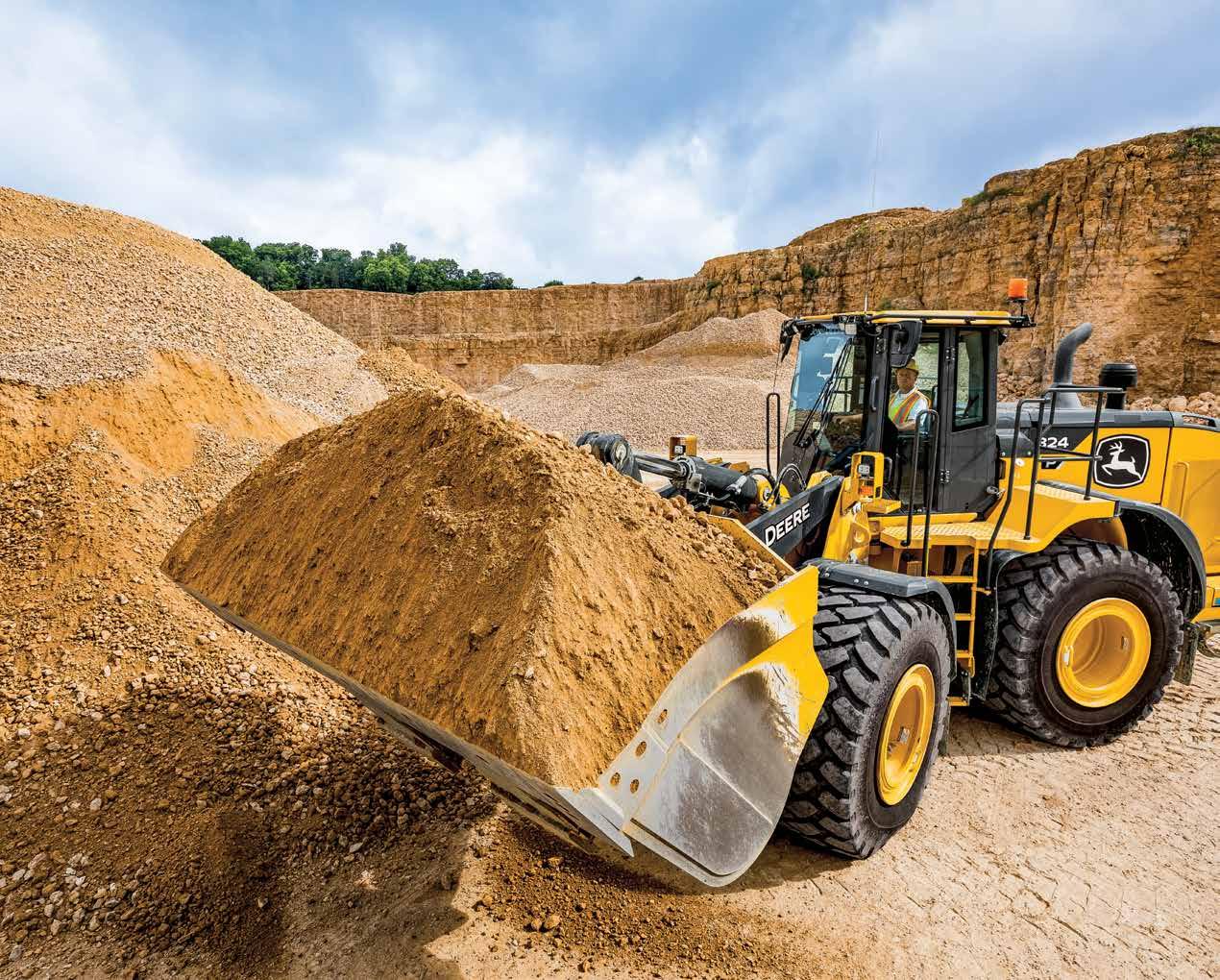
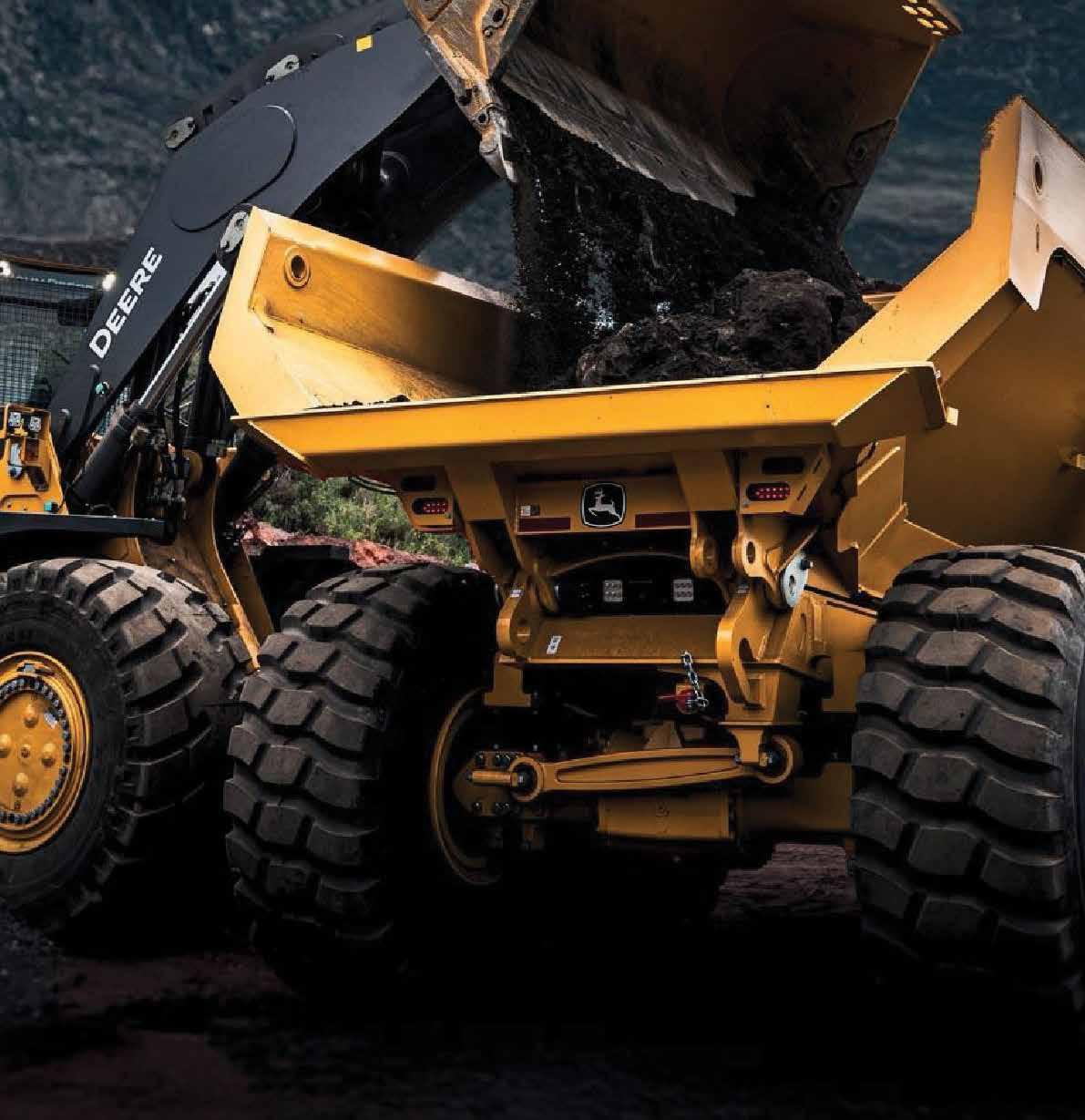
The John Deere 824P-Tier Wheel Loader and 460P-Tier ADT, from Senwes Equipment, form a dependable combination for effi cient material loading and hauling.
When it comes to South African mining sites, performance is measured in output, uptime and reliability. Earthmoving equipment must operate under harsh conditions, over long shi s and in demanding environments – where downtime has real consequences.
In addition, aspects such as durability, ease of operation and dependable local support are essential to keeping production on track.
Locally supported by Senwes Equipment, the John Deere 824P-Tier Wheel Loader and 460P-Tier ADT are widely used in surface mining and
PREDICTABLE HANDLING, GOOD VISIBILITY AND RESPONSIVE CONTROLS SUPPORT OPERATOR PRODUCTIVITY DURING LONG SHIFTS, AND EASY ACCESS SERVICE POINTS HELP REDUCE DOWNTIME DURING ROUTINE MAINTENANCE.
quarry operations, forming a dependable combination for material loading and hauling.
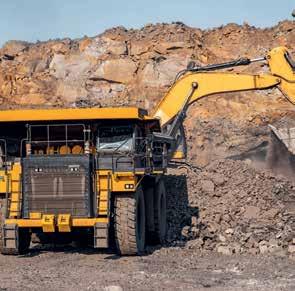
The loading phase is the starting point of the production cycle, and – whether managing stockpiles, feeding crushers or loading haul trucks – the 824P-Tier Wheel Loader is designed for high-volume material handling.
Its PowerTech™ engine delivers smooth, reliable power, while SmartWeigh™ technology provides accurate, on-the-go payload measurement, without interrupting workflow. Predictable handling, good visibility and responsive controls support operator productivity during long shi s, and easyaccess service points help reduce downtime during routine maintenance.
Once material is loaded, e icient hauling becomes critical. The 460P-Tier ADT is built to move large payloads across the uneven terrain and variable haul roads that are typical of South African mining conditions.
Selectable drive modes allow the truck to adapt to changing site conditions, while controlled tipping and stable handling improve safety at dump points. A robust PowerTech™ engine, combined with features such as rollover protection and downhill dump control, gives operators confidence and
consistent hauling performance.
Keeping machines productive requires more than robust design alone. Senwes Equipment’s a er-sales support o ers access to trained technicians, genuine parts and practical maintenance guidance. This local support is especially valuable on remote or high-tra ic sites, where proactive servicing helps reduce unplanned downtime and improve overall safety.
JDLink™ telematics further enhances operational e iciency, by providing realtime insight into machine performance. This allows operators and service teams to plan maintenance more e ectively, identify potential issues early and keep equipment running reliably.
On South African mine sites, results speak for themselves. Equipment that combines durability, productivity and strong local support delivers better value over time. Backed by Senwes Equipment, the John Deere 824P-Tier Wheel Loader and 460P-Tier ADT o er a practical earthmoving and hauling solution, built around the realities of daily mining operations and supported by proven John Deere technologies.























BY DONNÉ NIEMAN, SALES DIRECTOR AT WORKFORCE STAFFING
outh Africa’s national minimum wage increased to R30.23 an hour as of March 2026 – a 5% rise that takes the rate past the R30 mark for the first time. For millions of low-paid workers, the increase o ers modest relief against rising living costs.
However, in an economy with stubbornly high unemployment and weak growth, the adjustment also raises an important question: how do we protect vulnerable workers without putting further pressure on job creation?

The answer lies in understanding the delicate balance between improving livelihoods and sustaining employment in a fragile labour market.

In the bigger picture, the increase is important. While the adjustment is modest, it forms part of a series of annual increases aimed at keeping wages in line with inflation and rising household costs. For low-income workers, even small changes can make a di erence. Higher transport, food and housing costs continue to put pressure on household budgets, and this increase helps prevent wages from falling further behind.
Will it close the gap between earnings and the true cost of living? Probably not. But the intention is clear: to stop the lowest-paid workers from losing ground.
It is also important to understand what the national minimum wage is meant to do. It is not designed to dramatically improve living standards overnight. Its purpose is to set a basic level of protection – a wage floor that helps safeguard vulnerable workers, rather than a complete solution to poverty or income inequality.
Higher wages also have an impact on how businesses operate. For labour-intensive companies working with tight margins, rising wage costs are a major expense. This doesn’t mean employers are against fair pay, but in a weak economy, every increase in costs means tough decisions.
Businesses need to stay competitive, especially those that compete in global markets. To manage higher labour costs, some may invest more in automation, mechanisation or new technology. Others may slow down hiring, restructure their operations, or reduce their reliance on lower-skilled roles.
The risk is not sudden, large-scale job losses, but rather a gradual change in how companies manage their workforce. Over time, this could mean fewer entry-level opportunities for workers trying to enter the formal job market.
South Africa faces a di icult reality. The country has many people looking for work, many of whom are low-skilled. In the past, the availability of a ordable labour had been one of the factors that attracted investment.
As labour costs increase, this advantage becomes less certain. If higher wages are not supported by improvements in productivity, skills and economic growth, businesses may become more cautious about expanding or investing.
This is why minimum wage increases cannot be looked at on their own. Protecting workers is important, but lasting wage growth is only possible if the economy becomes stronger and businesses remain competitive.
One important shi since the introduction of the national minimum wage is predictability. Employers now expect an adjustment each year from 1 March and build this into their budgeting cycles. While the exact percentage may vary, the increase itself is no longer a surprise. For many businesses, it forms part of normal annual planning.
Not all sectors are equally a ected. Industries covered by bargaining councils or sectoral determinations o en operate above the national minimum. The greatest pressure falls on smaller and labour-intensive employers that rely heavily on entry-level workers.
As wage costs rise, workforce flexibility is becoming an essential strategy. Many businesses experience fluctuating demand, with periods of peak activity followed by quieter cycles. Maintaining a full-time workforce through these changes can be di icult, particularly as labour costs increase each year.
Flexible sta ing approaches, including the use of temporary employment services providers, allow employers to scale their workforce in line with operational needs. For workers, this model can also o er an important benefit.
By being deployed across multiple client sites as demand shi s, employees can maintain more consistent employment and income rather than facing intermittent layo s or reduced hours. In a constrained labour market, this type of shared flexibility can support business sustainability while helping workers maintain greater income stability.
The increase to R30.23 an hour is unlikely to be a major turning point on its own. Instead, it continues a gradual and careful approach to raising the minimum wage in line with economic conditions. At its core, the policy is trying to balance two important priorities: helping workers cope with rising living costs, while ensuring businesses remain competitive and able to create jobs.
The impact of the increase will depend on more than the hourly rate. It will be shaped by broader economic growth, investment, productivity improvements and how well businesses are able to adapt. Breaking the R30 level sends a clear message that protecting low-income workers remains important. The challenge now is to make sure this support improves livelihoods, without adding further pressure to an already fragile jobs market.
M&C has successfully demonstrated its ability to design innovative solutions that enhance reliability and prolong the lifespan of customers’ electrical rotating machines.
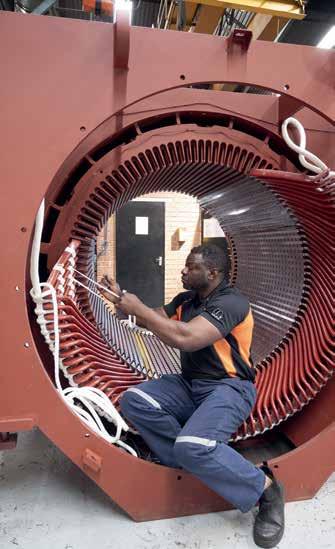
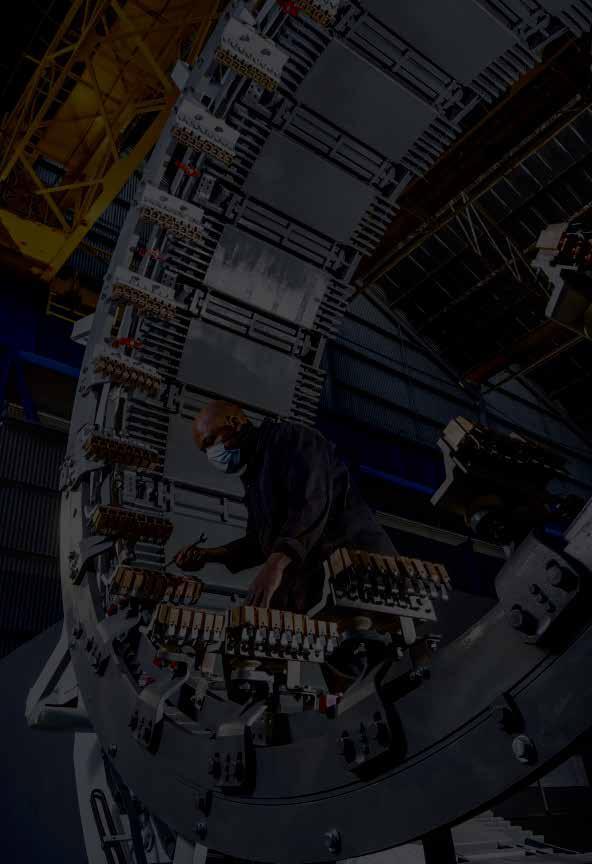
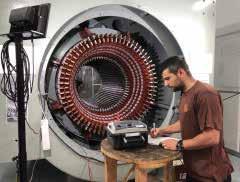
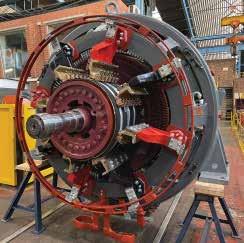
Marthinusen & Coutts (M&C) – a division of ACTOM (Pty) Ltd –has over several years refined the technique and process of treating windings of large alternator stators affected by partial discharge, developing teams and equipment to perform this work on-site, rather than move the equipment to a workshop.
In 2023, following initial inspections and tests of a customer’s alternator, M&C found that the windings showed excessive partial discharge, leading to complete slot-length erosion in several cases and posing a risk of catastrophic damage.
M&C Marketing Executive Mike Chamberlain notes that in 2024, the same customer requested that M&C complete the stator winding rehabilitation works on 17
other identical generators and address any issues they might encounter.
Two factors make this a unique and proprietary M&C process. First, it is a new, original procedure devised by M&C engineers and the technical team, using existing materials, but in a manner that has not – to M&C’s knowledge – been applied previously.
Second, the method has now been successfully applied to over 35 machines and validated, as each stator has completed a full one-minute High Potential Voltage Test at 23kV RMS (root mean square), demonstrating the process’s effectiveness.
M&C has once again successfully demonstrated its ability to design innovative solutions that enhance reliability and prolong the lifespan of customers’ electrical rotating machines under tight time constraints.
Repairs, maintenance and customised manufacture of all electrical and mechanical rotating machines.
ELECTRICAL SERVICES
Medium and low voltage, Ex certified, AC and DC motors, transformers, generators, alternators and ancillary power generation equipment up to 373 MVA.
MECHANICAL SERVICES
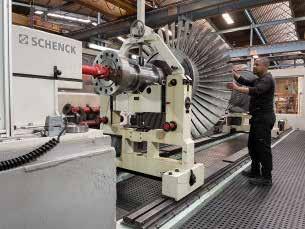
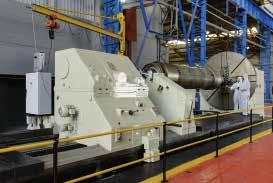
Full range of rotating machinery mechanical services. Machine shop capabilities including dynamic balancing up to 32 tons, large machining up to 40 tons, micro welding and hydraulic presses up to 1000 tons.
24 HOUR ON-SITE SERVICES
Breakdown repairs, removal, re-installation, on-site testing, dynamic balancing, alignment, vibration analysis, root cause analysis, condition monitoring, preventative and predictive maintenance, motor management programmes and maintenance contracts.
CUSTOMISED ELECTRICAL AND MECHANICAL DESIGN
Reliability improvements/enhancements, efficiency improvements, performance upgrades and root cause analyses.



Developing safe mine infrastructure requires engineers to overcome the challenges created by dolomitic rock, namely sinkhole formation and subsidence.
BY RODNEY WEIDEMANN
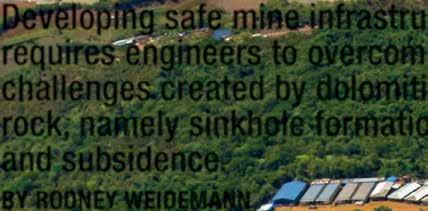

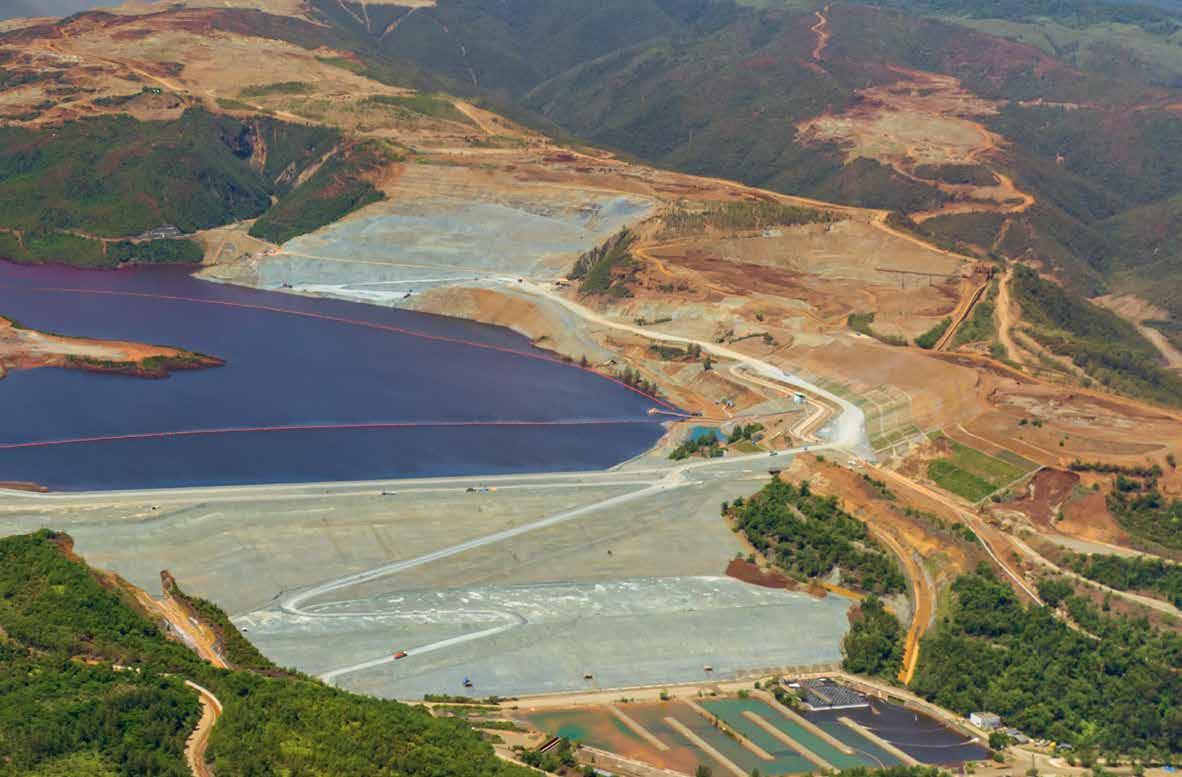
For engineers, dolomite rock can pose significant, o en catastrophic, challenges to mining infrastructure. This is due to its solubility, which leads to unstable ground conditions, sinkholes, and subsidence. This, in turn, can create significant risks such as structural damage to surface buildings, failure of tailings storage facilities (TSFs), and severe disruptions to mining operations.
John Sti , partner and principal engineering geologist at SRK Consulting (South Africa), notes that sinkholes and subsidence in areas underlain by dolomite rock pose considerable risks to infrastructure, requiring that developers carefully assess geological stability before designing any building or civil engineering works.
“Dolomite-related risks have been particularly high in areas of South Africa where mining has taken place – due to the extensive dewatering that typically accompanies mining activities,” he says.
Director: Geotechnical at WSP in Africa Heather Davis says any site that is underlain by dolomite – even if the rock is at depth – faces the possibility of sinkholes or subsidence occurring.
“This is because dolomite rock is soluble,
particularly so when faced with acid rain, which works its way through the rock, dissolving portions and causing cavities and fissures,” she says.
“Sinkholes can appear quickly, and their e ects are generally catastrophic when they occur. Subsidence, on the other hand, is a slower process, but is an issue that remains dangerous if your infrastructure is built in an area where this occurs. In South Africa, the most common regions where subsidence happens are across Gauteng’s East and West Rand, and even as far north as Pretoria, as well as in the Northern Cape.”
SINKHOLE CHALLENGES
Davis says a massive challenge with dolomite is that it can lie far below the surface, and yet still cause problems for infrastructure. In the Northern Cape, for example, the dolomite is around 100m below the surface, yet the region still su ers numerous sinkholes. Sti says the country has lost many lives in accidents over the years that were caused by sinkholes.
“Among the well-known cases includes a tragedy in December 1962 at West Driefontein Mine on Johannesburg’s West Rand, where a three-storey crusher plant
“DOLOMITE ROCK IS SOLUBLE, PARTICULARLY SO WHEN FACED WITH ACID RAIN, WHICH WORKS ITS WAY THROUGH THE ROCK, DISSOLVING PORTIONS AND CAUSING CAVITIES AND FISSURES.” – HEATHER DAVIS
fell into a sinkhole, killing all 29 people in the building. Two years later, a family of five – along with their live-in domestic worker – were killed when a 100m-wide sinkhole swallowed their home in Carletonville.”
In response to these disasters, South Africa introduced stringent regulations and standards to manage the risks associated with infrastructure and development on dolomitic ground, she says. “These include the current South African National Standards (SANS) 1936, which provide guidelines for geotechnical investigations, risk assessment and mitigation measures.”
Davis says SANS1936 is the legislation that covers dolomitic ground, adding that it is imperative that mines comply with this national standard.
“If there are any plans to develop infrastructure anywhere on such ground – even when the dolomite is deep underground – the mine’s site report has to be sent to the Council for Geoscience database, to have it assessed by a specialist in dolomite, to check whether the area is safe for such development.”
Basetsana Mmileng, senior engineering geologist at SRK Consulting (South Africa), agrees. She says when such developments are planned, ensuring the safety of human life and preventing damage to infrastructure must begin with a thorough geotechnical investigation of the area.
“Preventive measures include a dolomite risk management strategy, conducted in accordance with the standards and regulations. This is a proactive way
– JOHN STIFF
“SOUTH AFRICA HAS INTRODUCED STRINGENT REGULATIONS AND STANDARDS TO MANAGE THE RISKS ASSOCIATED WITH INFRASTRUCTURE AND DEVELOPMENT ON DOLOMITIC GROUND, PROVIDING GUIDELINES FOR GEOTECHNICAL INVESTIGATIONS, RISK ASSESSMENT AND MITIGATION MEASURES.”
to mitigate the risk of these incidents occurring and ensure that your land use and infrastructure design is suitable for these conditions,” she says.
“Techniques such as gravity surveys are used to identify anomalies in the subsurface, indicating voids or weak zones. This highlights the importance of integrating findings from geophysical surveys with detailed drilling programmes. Percussion or rotary core drilling is employed to investigate the site in more detail, and to gain a comprehensive understanding of site conditions.”
This approach, she says, allows the investigation team to identify potential hazards early, and to guide the development of tailored solutions.
Davis says such an assessment is a key preventive measure – undertaking a proper assessment of the land, to determine the likelihood of subsidence or sinkholes, and how big these might get, she says, means the mine can put in place measures to deal with the challenges created by dolomitic rock.
“For example, you could use pilings to place your foundations on solid rock, though this involves expensive drilling and is thus a costly exercise. We can also help engineers design for specific levels of subsidence – the kind of e ort that will ensure that should a failure occur, it won’t be catastrophic. This is essentially risk management, where we help to design a foundation that is strengthened in such a way as to span the expected loss of support, which will provide enough protection that a ected buildings can be evacuated in time, should an event occur.”
Another method is to fill cavities
discovered during the investigation with grout and concrete. “However, it can be tough to determine exactly how much space requires filling, simply because cavities in dolomite rock can be interconnected, meaning what begins as filling a single cavity might extend into filling numerous spaces, potentially increasing the overall cost of the exercise significantly.”
Finally, cautions Davis, when it comes to TSFs, the critical issue is to avoid any leakage from these dams, as this could quickly become problematic. “Our advice is always to line the TSF basin with an impermeable lining, to avoid this challenge.”
A TSF is mining infrastructure that is particularly vulnerable in the context of dolomitic ground, because it contains such large volumes of water.
“If you have concentrations of water –either in the pipes delivering tailings product or even in the separation of water in the TSF itself – this can cause problems by leaking into the substrate,” says Hennie Booyens, principal geotechnical engineer at SRK.
“Sinkholes can form directly underneath the tailings dam, leading to structural instability, groundwater contamination or, in severe cases, dam wall failure. For these reasons, we emphasise that the basin of a tailings dam is a critical area for investigation prior to construction.”
This, he points out, further demonstrates why careful site characterisation and risk assessment are vital to ensure the long-term stability of these facilities, adding that the risks extend beyond the TSF itself.
Underground cavities in dolomite o en serve as aquifers. Keeping these cavities filled with water helps maintain stability; removing the water increases the risk of collapse.
“It is also crucial to understand what this failure would mean to surrounding infrastructure. For example, if there’s a ventilation sha system nearby, subsidence in the TSF could cause damage to these facilities as well.”
Expertise is always required from an engineering perspective, if one is to properly mitigate against such eventualities, says Davis. “I [believe] that when doing investigations for TSF protection, the survey must be undertaken by engineering technologists and geo-practitioners who are well versed in assessing and developing on dolomitic land. Experience with dolomite is critical, if such an approach is to succeed,” she says.
Sti agrees, noting that geophysicists facilitate the ground characterisation phase with gravity or resistivity surveys, ensuring a detailed understanding of subsurface conditions.
“However, it must be remembered that the analysis of geophysical data is only as good as the interpretation, hence the importance of expertise in this arena.”
Finally, expertise in groundwater management is also vital to such studies. “A er all, groundwater is a critical factor –not only because it is at risk of pollution, but because groundwater is a key factor in the stability of the ground,” he says.
One of the world’s largest and highest-grade undeveloped nickel sulphide deposits forms the cornerstone of Lifezone Metals’ Kabanga Nickel Project in northwest Tanzania.
BY RODNEY WEIDEMANN
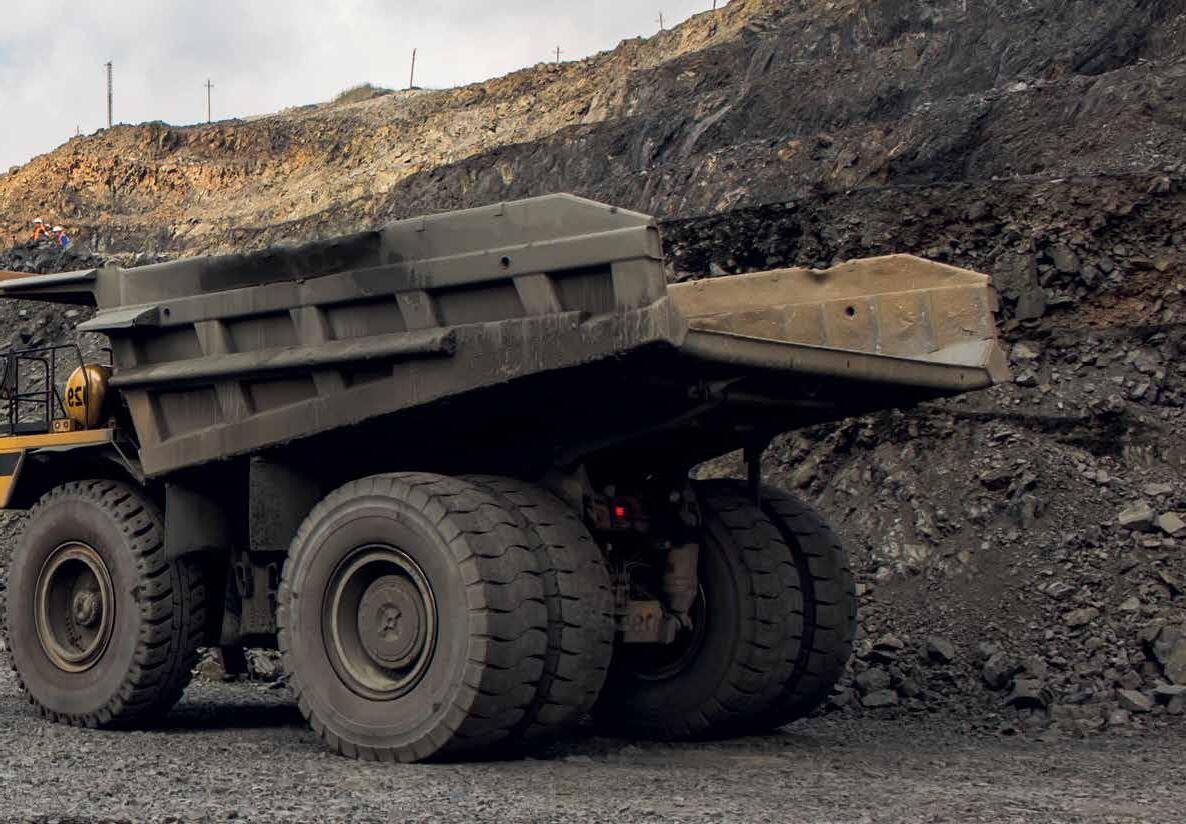
With its high grades, long life, lowcarbon processing technology, and strategic location in the growing critical-minerals space, Kabanga represents a cornerstone asset for the future supply of responsibly sourced metals.
Located in northwest Tanzania’s Kagera Region near the Burundi border, the Kabanga Nickel Project is one of the world’s largest and highest-grade undeveloped nickel sulphide deposits. The deposit lies within the East African Nickel Belt, and contains significant nickel, copper, and cobalt mineralisation.
Initially discovered as far back as the 1970s, with additional major discoveries made in the 1990s and early 2000s, the asset had passed through several ownership structures over time, before being consolidated under Lifezone Metals in 2021.
According to Lifezone Metals CEO Chris Showalter, Kabanga’s operating company, Tembo Nickel Corporation Ltd, is 84% owned by Lifezone and 16% by the Government of Tanzania.
“You could say the stars have aligned for Kabanga, given the major investment on hydro power and rail infrastructure, by our partner, the Tanzanian government, coupled with the completion of our feasibility study, which confirms the technical and economic strength of one of the world’s most significant undeveloped nickel sulphide deposits,” says Showalter.
The company recently filed its Feasibility Study Technical Report Summary, and with this now filed, he says, the Kabanga Project
will transition from exploration into the developmental financing phase.
“The next steps include securing project financing, final permitting and site preparation, building the underground mine and concentrator, and advancing plans for the proposed Kahama Hydromet Refinery,” says Showalter.
He says the recent feasibility study outlined a mine plan for 52.2 million tonnes of ore (100% basis) to be processed over an 18-year lifeof-mine (LoM), with average feed grades near 2% nickel, or approximately 902 000 tonnes of Nickel in concentrate over the LoM.
“Nickel recoveries are expected to exceed 87%, producing around 350 000 tonnes of concentrate per year. Kabanga’s grade and scale make it a potential first quarter cost producer among global nickel operations. Looking ahead, we see strong growth potential – with exploration to target new, high-grade zones – and there is significant opportunity to convert additional resources into mineable reserves,” he says.
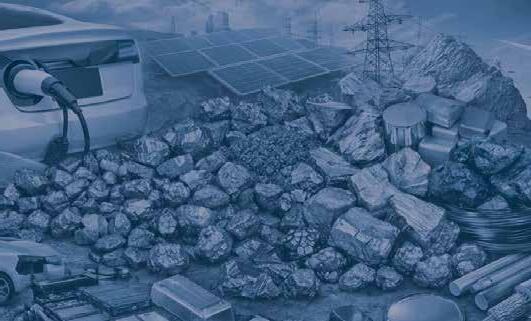
“The rising global demand for lithium-ion batteries is a key market driver for the nickel, copper, and cobalt that will be produced from the project. Lifezone’s ultimate intention is to create a mine-to-metal operation that produces battery-grade nickel, copper and cobalt for international markets,” he says.
The expanding lithium battery market is being driven by electrification and decarbonisation, he says, and is a core enduse market for Kabanga’s nickel production
– one that supports the long-term strategy in respect of the energy transition.
“But it is ultimately about more than just these batteries. Stainless steel – of which nickel is still a critical component – remains the core demand source, as it is a cornerstone of modern living.”
Stainless steel is projected to grow at a compound annual growth rate of 5.2% over the next decade, he says, underscoring its increasing role in global infrastructure. “This is unsurprising, as its durability and resistance to corrosion makes it the preferred choice for appliances, as well as making it the ideal choice for construction materials.”
Showalter considers the Kabanga Nickel Project to be one of the standout mining developments in Africa in recent years, explaining that there are several reasons for this.
Firstly, he suggests that the project is a high-grade, large-scale resource, hosting one of the world’s largest undeveloped high-grade nickel sulphide deposits, with over 46 million tonnes of measured and indicated resources at over 2% nickel, along with significant copper and cobalt.
“The mine will also play a strategic and significant role in the energy transition and nickel market in general. Kabanga is designed to produce nickel, cobalt and copper, diversifying supply of these metals where it is currently very concentrated, while also supporting the growing lithium-ion battery market for electric vehicles and renewable energy storage.
Tanzania is expected to receive an equitable share of the total economic benefits from the Kabanga Nickel Project, through the economic benefit sharing principle. This includes dividends from its 16% free-carried interest, $1.2-billion in royalties, fees, levies and duties, and $2.4bn in corporate income taxes estimated in the Feasibility Study economic model.
Additionally, notes Showalter, a core goal is to have a labour force with a low expat representation, focusing on skills transfer and training. Security will be managed collaboratively and in strict partnership with communities and local government, as well as via training on the Voluntary Principles on Security and Human Rights.
“Our social investment and corporate social responsibility plan at Kabanga has a strong focus on healthcare and education, where we have continued to support healthcare workers, surrounding schools and our communities,” he says.
“OUR FEASIBILITY STUDY CONFIRMS THE TECHNICAL AND ECONOMIC STRENGTH OF ONE OF THE WORLD’S MOST SIGNIFICANT UNDEVELOPED NICKEL SULPHIDE DEPOSITS.”
– CHRIS SHOWALTER
“Thirdly, it stands out for its method of creating responsible, low-carbon production through the use of the company’s Hydromet Technology. This makes it a project that can, over time, deliver metals with an even lower environmental footprint, thereby meeting the ESG expectations of investors and otakers.”
The long LoM and strong economics of the project position the business as a competitive, long-term producer of nickel. To this end, he suggests that the organisational strategy is focused on advancing the project towards production, while securing financing, completing regulatory approvals and preparing key infrastructure.
“We aim to achieve several major milestones in 2026, including finding a clear path to the final investment decision expected this year, with all strategic options under evaluation, including potential asset level change of control.”
The company is therefore actively working with international financial institutions to secure the funding needed for construction, while early-stage development activities are planned to support construction and operations, he says.
“As 2026 progresses, we will continue to progress environmental and social permits, thereby ensuring compliance with Tanzanian regulations and, ultimately, readiness for the construction phase.”
SCAN TO SUBSCRIBE TO THE SA MINING NEWSLETTER




Technologies such as automation, robotics, drones, AI and machine learning are leading the charge in adoption across Africa’s mining sector, impacting everything from productivity to safety.
BY RODNEY WEIDEMANN
Africa’s mining sector is stepping into a new era, driven by the accelerating pace of digital transformation. From autonomous vehicles and robotics to artificial intelligence (AI)-powered analytics and drone surveillance, the adoption of advanced technologies is fundamentally altering how minerals are discovered, extracted, and processed.
While progress is uneven across the continent, there’s no doubt that digital tools are making operations smarter, safer, and more e icient – laying the groundwork for a more competitive and sustainable industry.
According to Johan Coetzee, strategy and consulting lead for resources at Accenture Africa, technologies such as automation, robotics, drones, AI and machine learning (ML) are leading the charge in adoption across Africa.
“These tools o er the highest immediate impact on productivity, operational safety, and cost e iciency. Autonomous systems are being deployed in open-pit operations to minimise human risk, while drones support rapid surveying and terrain analysis, o ering cost-e ective alternatives to traditional methods,” he says.
“AI and ML are transforming exploration and predictive maintenance, enabling companies to optimise resource planning, reduce downtime, and make faster, datadriven decisions. Robotics, particularly in Southern Africa, is now a common sight in operations that are seeking to reduce labour-intensive processes and human exposure to hazardous environments.”
In fact, the most recent BDO report on new technologies indicates that AI is becoming the defining technology for the next decade of mining, with 74% of employees expecting major operational change, and 59.4% of companies ready to adopt it.
The report notes further that the sector is moving from pilots to systematic integration across the value chain, using AI to speed up geological interpretation, improve plant e iciency and optimise or automate equipment.
Productivity gains depend on disciplined execution and integration into core operations. Data readiness, cybersecurity, advanced skills and organisational adoption continue to slow down any wider rollout.
Most digital investments deliver less
THERE ARE SKILLS SHORTAGES IN:
■ DATA SCIENCE
■ SYSTEMS INTEGRATION
■ AUTOMATION
than one third of the expected impact, according to this report. In response, mining companies are shi ing from experimentation to targeted, high-impact use cases and scaling only once return on investment is proven.
Commenting in the BDO report, Rory Horgan, CEO at Sapient Insight, explains that AI is transforming industries by automating hazardous and monotonous tasks, and leveraging data to allow humans to focus on higher cognitive processes.
“Although AI encompasses various technologies, it e ectively enhances human capabilities with advanced digital agents. In mining, AI is integrated across the value chain, from exploration to market forecasting – improving safety, e iciency, and environmental impact,” says Horgan.
He points to examples of companies like Rio Tinto and BHP, which use AI
– JOHAN COETZEE
“AI AND ML ARE TRANSFORMING EXPLORATION AND PREDICTIVE MAINTENANCE, ENABLING COMPANIES TO OPTIMISE RESOURCE PLANNING, REDUCE DOWNTIME, AND MAKE FASTER, DATA-DRIVEN DECISIONS.”
59.4%
Robotics are transforming mining by enhancing safety, e iciency, and sustainability through automation, remote-controlled machinery, and AI- driven data analysis. Key impacts include removing workers from hazardous environments, enabling 24/7 autonomous drilling and hauling, improving precision to reduce waste, and optimising resource extraction while lowering operational costs.
COMPANIES ADOPTING OPERATIONAL CHANGE SCAN TO VIEW THE SA MINING WEBSITE
for autonomous operations, while KoBold Metals employs AI to innovate mineral exploration by mapping underground deposits.
“One very interesting and immediate application of AI in mining is specifically computer-vision, ML and multi-modal sensor networks. These are leading to a slew of smart surveillance technology companies that innovate by upgrading legacy monitoring systems into intelligent ones. These can detect anomalies and predict issues before human operators are able to.”
He suggests that the correct technologies can significantly improve mining safety, particularly by reducing person-vehicle interaction risks. However, Horgan indicates that 89% of respondents from the industry reported a disconnect between corporate and mine site teams regarding innovation and progress.
“This gap can hinder technology adoption, making close communication with on-site sta absolutely essential.”
Coetzee notes that while these technologies are advancing quickly, others are still in the early growth stages. These
include solutions like collision avoidance systems, which are gaining traction across various sites.
These systems are proving to be crucial for preventing accidents in underground and opencast mining environments, particularly where large machinery operates in close quarters.
“Although adoption is still growing, their impact on safety metrics is already noteworthy, particularly as mines invest more in risk mitigation strategies. Augmented reality, virtual reality, 3D modelling, and digital twins are supporting real-time monitoring, remote collaboration, and predictive scenario planning.”
Blockchain, internet of things (IoT), 3D printing, and wearable technology are still in their infancy in the African mining context, he says.
“IoT could transform operational e iciency by interlinking devices and machinery for real-time feedback and automation. However, high upfront costs, underdeveloped infrastructure, and inconsistent power supply continue to constrain uptake.
“Meanwhile, 3D printing and wearables
– although useful for remote part fabrication and monitoring worker health – are not yet broadly integrated, o en hindered by a lack of technical capacity, as well as cost justification at scale.”
Speaking at the Investing in African Mining Indaba, held in Cape Town in early February, Julie Courtnage, Mandela Mining Precinct (MMP) executive director, noted that at the MMP, safety and competitiveness was what drove its research agenda, as set by industry.
“For example, we are currently conducting a trackless mobile machinery digital twin exercise, trialling proximity detection solutions. We also have a digital twin exercise where we are testing ultra lowprofile machinery specifically for deep level mining,” she says.
“Another recent technology we have developed is an automated digital risk assessment tool that saves time by eliminating the time-consuming paperbased systems usually in place, and instead
“AI’S ABILITY TO INTEGRATE VAST AMOUNTS OF DATA, SEND IT IN REAL TIME TO DECISION MAKERS, AND GIVE THEM A COMPOSITE PICTURE OF WHAT IS GOING ON, IS VITAL.”


– JULIE COURTNAGE
delivers real-time digital information on the risks employees are facing.”
Essentially, the data is sent instantly to the control room for assessment, she continues, with the risk assessment decision being taken immediately and provided back to the mine in near real time.
The MMP is also researching a telescopic fall of ground sensor, which removes the person from the rockface and can safely detect whether there is loose rock.
“For me, the role of AI and automation in mining is vital, especially in the ultra-deep mines. Remember that mining is a highly complex series of activities, so AI’s ability to integrate vast amounts of data, send it in real time to decision makers, and give them a composite picture of what is going on, is vital,” says Courtnage.
Accenture’s Coetzee says Southern Africa stands at the forefront of digital mining. The region boasts the most mature adoption of AI
and automation, supported by relatively strong infrastructure, more established mining players, and better access to digital skills.
However, scaling up these innovations across the sector presents serious challenges, as high operational costs, legacy systems, and slow change management o en limit broader implementation.
“Across the continent, infrastructure remains the most significant barrier to full-scale digital adoption. Patchy electricity, limited broadband access, and poor transport connectivity compound the challenge of integrating complex systems into remote and rugged mining environments.
“Alongside this, skills shortages –particularly in data science, systems integration, and automation – further restrict implementation, while geopolitical instability in some regions continues to dissuade investment in long-term transformation.”
Nonetheless, he believes the African mining sector is clearly on a digital trajectory, indicating that while adoption is uneven and barriers remain significant, the progress already made, particularly in Southern Africa, demonstrates the value of a technology-driven future. The potential for smarter, safer, and more responsible mining, he says, is no longer hypothetical; it is increasingly the reality.
“As Africa’s mining industry continues its digital shi , success will hinge on bridging infrastructure gaps, fostering digital skills, and creating regulatory environments that encourage innovation.
“The next decade o ers a pivotal opportunity: those who invest early and strategically in technology will not only gain a competitive advantage, but will also set new benchmarks for safety, sustainability, and e iciency. The transformation is under way – the challenge now is ensuring it reaches every corner of the continent,” says Coetzee.
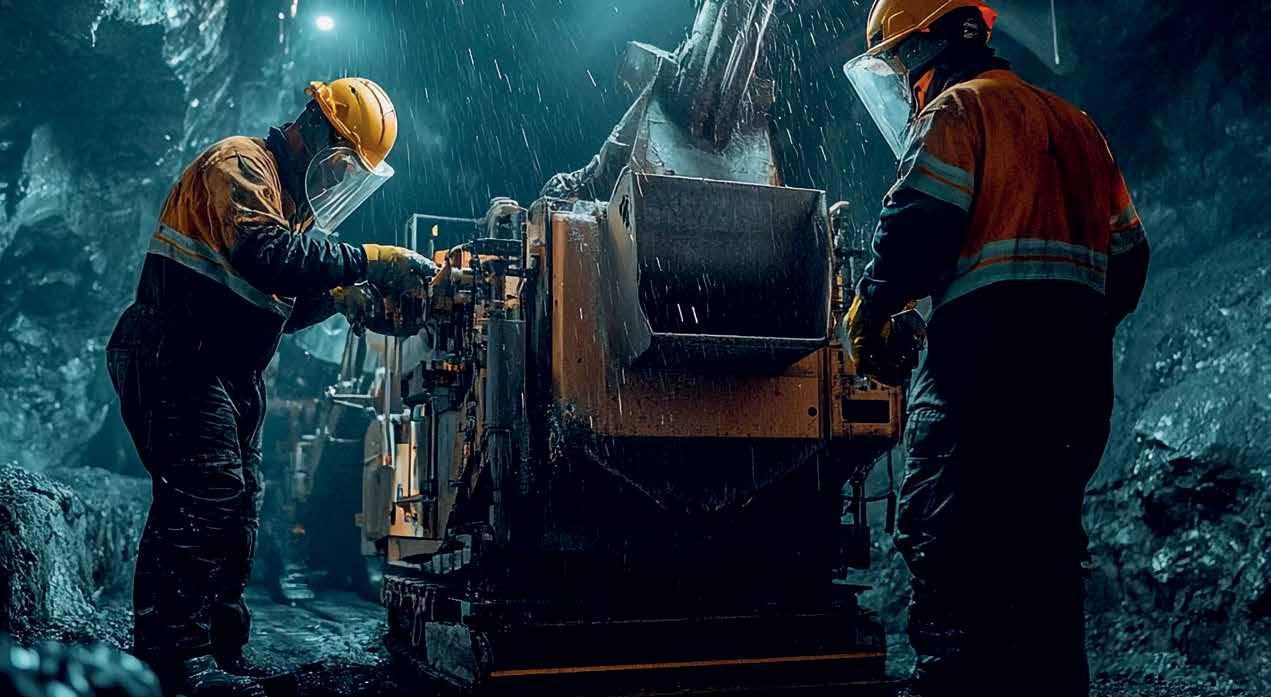








Mineware Consulting’s Syncromine Survey Module introduces new capabilities, while enhancing adaptability in both underground and surface operations.
Mine surveyors operate in environments defined by constraint – ground movement, production advances, and obstructions that can hinder visibility and access. These challenges can lead to ine iciencies and heightened risks. Mineware Consulting is addressing these issues with the introduction of a new resection survey capability within its flagship Syncromine Survey Module.
This new feature allows surveyors to determine their position from unknown points, by sighting known control pegs. By enabling surveyors to set up instruments at various suitable locations, Syncromine enhances adaptability in both underground and surface operations. This flexibility is crucial in maintaining workflow continuity, even when initial setup points are compromised.
Key advantages of the Syncromine Survey Module:
■ Operational flexibility: The ability to calculate positions using up to six known pegs means surveyors can adapt to everchanging conditions without disruption.
■ Improved safety: The resection functionality reduces the need for additional control points in unstable areas, significantly lowering the risks associated with drilling operations and enhancing overall site safety.
■ Real-time decision-making: Syncromine o ers graphical visualisation of resection geometry, allowing surveyors to evaluate the strength of their setup instantly. This feature supports informed decision-making, ensuring data integrity without the necessity for complete resurveying.
■ Enhanced e iciency: By streamlining the surveying process, Syncromine minimises labour time and logistical challenges, leading to improved production outcomes.
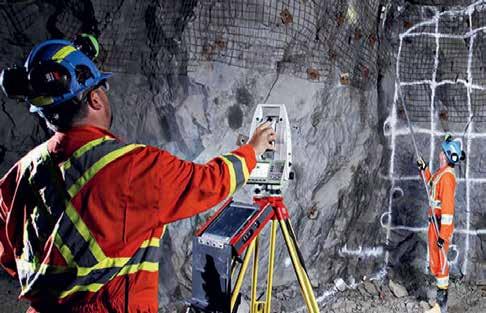
For South African mines, innovation at the survey level translates directly into operational resilience – enabling safer practice, reducing ine iciency, and improving data reliability in complex geological and logistical environments where precision and adaptability are non-negotiable.
To explore the enhanced Syncromine Survey Module, contact Mineware Consulting for a technical discussion.



















Having e ective control over the ventilation and cooling systems in underground mines is a critical, life-saving necessity that directly impacts worker safety, operational e iciency, and legal compliance.
As mines go deeper, they face extreme rock temperatures, high humidity, and increased concentrations of dangerous gases, making proactive environmental control essential. To this end, VUMA So ware has developed a range of solutions that combine to deliver the critical control necessary to ensure employees remain safe.
VUMA-network 5.0 is an interactive network simulation programme developed to assist mine-ventilation engineers and practitioners to plan, design, operate and control the ventilation and cooling systems of underground mines.
The tool o ers a realistic representation of environmental conditions found in underground mines,
PREDICTABLE HANDLING, GOOD EFFICIENT DATA MANAGEMENT IS VITAL TO THE SUCCESS OF ANY MINE VENTILATION AND OCCUPATIONAL HYGIENE DEPARTMENT.


The VUMA ecosystem is designed to assist mine-ventilation engineers and practitioners to plan, design, operate and control the ventilation and cooling systems of mines.
and can be used to simulate, control, and monitor mine ventilation, cooling, and environmental conditions across a variety of mining methods and commodities.
One of its key uses is to design and optimise mine ventilation systems, in order to improve air quality and reduce the risk of mine fires and explosions. In addition, it can be used to monitor mine ventilation systems in real time. This can help to identify problems early on and prevent them from developing into major incidents.
Furthermore, it can be used to assess the impact of mining activities on the environment, thus ensuring that mining operations are conducted in a sustainable manner.
VUMA notes that combining this solution with VUMA-live – which leverages smart sensors with advanced ventilation algorithms to predict and control environmental conditions – allows mines to obtain real-time insights for enhanced safety and optimal performance.
A er all, safety and productivity in underground operations are highly dependent on the environmental conditions in which employees work. VUMA-live allows for realtime risk management and rapid response to any alarm.
The use of real-time ventilation so ware like VUMA-live enables mines to predict environmental conditions downstream of a limited number of strategically placed measuring stations. This is especially ideal for large operations where it is not practical or cost-e ective to install and maintain monitoring instruments to cover all of the
critical and working places.
In fact, this so ware does more than just predict the conditions in workplaces; it also provides a 3D graphical interface to better visualise the results for temperatures, velocities, dust and gas concentrations.
Finally, o ering a safe and user-friendly system to streamline ventilation and occupational hygiene reporting functions, VUMA-hub can be used in both underground and opencast mine operations across various disciplines.
VUMA-hub is the solution that makes the data management and reporting process faster and easier while ensuring workflow processes are followed.
Measured environmental conditions are logged and stored in VUMA-hub. This information is constantly analysed, using specified legal criteria supplied by the mines, along with accepted standards, and will automatically flag unsafe working environments or conditions.
E icient data management is vital to the success of any mine ventilation and occupational hygiene department. Vast amounts of data are gathered by the ventilation department during routine surveys, and the hub allows this to be interrogated and interpreted in ways that are vital to maintaining a competent reporting management system.
Ultimately, the VUMA ecosystem –VUMA-hub, VUMA-live and VUMA-network – integrate in ways that allow ventilation departments to holistically manage their ventilation system using designed, historical, and real-time data to ensure safe and e icient working conditions.
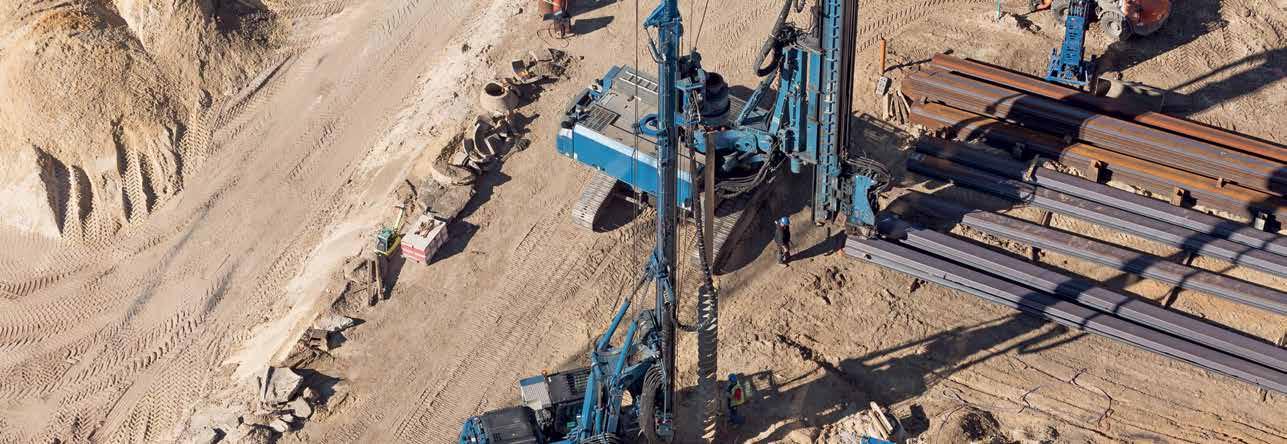









The junior mining industry faces deeply entrenched and multifaceted constraints, and while efforts have been made to provide support on a data and fi nancial level, these are not enough on their own.
BY DR ANDRIES VAN DER LINDE PHD UH, UK, MD AT FIN DEV (PTY) LTD
South Africa’s junior mining industry stands at a pivotal juncture, shaped by both longstanding challenges in terms of struggling legacy exploration and a surge of investment in critical minerals. As traditional mining resources become increasingly depleted and major mining houses consolidate their operations, junior miners are expected to play a more prominent role in exploring and developing new mineral deposits.
This shi is fortunately supported by government initiatives aimed at fostering local entrepreneurship, streamlining regulatory processes, and improving access to capital for smaller operators. To this end the Council for Geoscience plays a pivotal role in supporting the junior mining industry, by providing foundational geological data, reducing exploration risk and facilitating transformation in this sector.
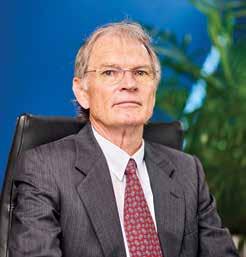
essential for the green transition, among them copper, nickel, graphite, lithium, rare earth elements, gold, antimony and tungsten. The objective of the JMEF is to specifically target junior miners with an interest in these minerals. However, challenges remain, and because of financial constraints and limited capacity, such challenges are more di icult to resolve for members of the junior mining industry. An ine icient regulatory system at the DMRE still results in long delays for prospecting and mining rights, which sometimes leads to stalled development.
They do this by generating and disseminating high-quality, geological, geophysical and geochemical maps and data to serve as a starting point for exploration, thereby reducing the initial cost and risk for small-scale miners. They also get involved in earlystage exploration, drilling and sampling, to verify data to prove the potential of mineral deposits, and by acting as a catalyst for investment.
By serving as a data portal, the Council for Geoscience makes geological data readily available, enabling the junior mining industry to identify potential mining areas. Their mandate is executed in such a manner that they support development imperatives in a way that transformation in the industry is promoted. To provide a comprehensive support base, they also collaborate with other government entities such as the Industrial Development Corporation (IDC) and Mintek, to further assist emerging miners.
In this regard, the government went a step further, with the Department of Mineral Resources and Energy (DMRE) establishing the R400-million Junior Mining Exploration Fund (JMEF). This was increased to a targeted R2-billion – including private sector pledges to support emerging miners. Funds are managed by the IDC, with technical support from the Council for Geoscience, while the DMRE will provide critical oversight.
In addition, the Public Investment Fund established a new R1.35bn fund targeting junior mining projects. The funds in general have as a purpose to stimulate early-stage high risk plans, focused on a specific population demographic, and is dispensed in grants of between R10m and R50m.
Regarding the exploitation of critical minerals, the SA government has approved a strategy to target 21 minerals
The much-vaunted mining cadastre rollout was supposed to have started 25 October 2025, with the first phase being the Western Cape. Once implemented, it could have the potential to make an enormous di erence in eliminating the backlog in prospecting and mining applications, while reducing disputes in overlapping claims. This is vital, as ambiguous and slow-moving policy, combined with illegal mining and community actions, poses high risks to operational continuity.
Infrastructure constraints, created by underinvestment in stateowned logistics and power utilities, inhibits the ability of juniors to operate e ectively, whereas the majors have the means to overcome these challenges by investing in-house.
While the JMEF is welcomed and seen as a positive step, it is not considered to be su icient on its own to overcome the deeply entrenched and multifaceted constraints faced by the junior mining industry. The fund is, in fact, quite small, relative to the high costs of deep-level exploration and the large number of applicants.
Regardless of this capital injection, the level of exploration funding has fallen in South Africa and has been in decline over the past seven years, reaching a low of R738m in 2025, which is 1% of global spend. This is especially disconcerting, considering that South Africa is a global leader when it comes to several minerals such as platinum, gold, diamonds and iron ore.
Looking ahead, the junior mining industry’s future will depend on its ability to embrace innovation, adopt sustainable mining practices, and form strategic partnerships with technology providers and local communities. The growing global demand for critical minerals positions SA’s juniors to capitalise on new markets, provided they can overcome hurdles like infrastructure constraints and regulatory uncertainty.
Ultimately, e ective collaboration between the public and private sectors will be essential to unlock the sector’s full potential and ensure its long-term contribution to economic growth and job creation in the country.
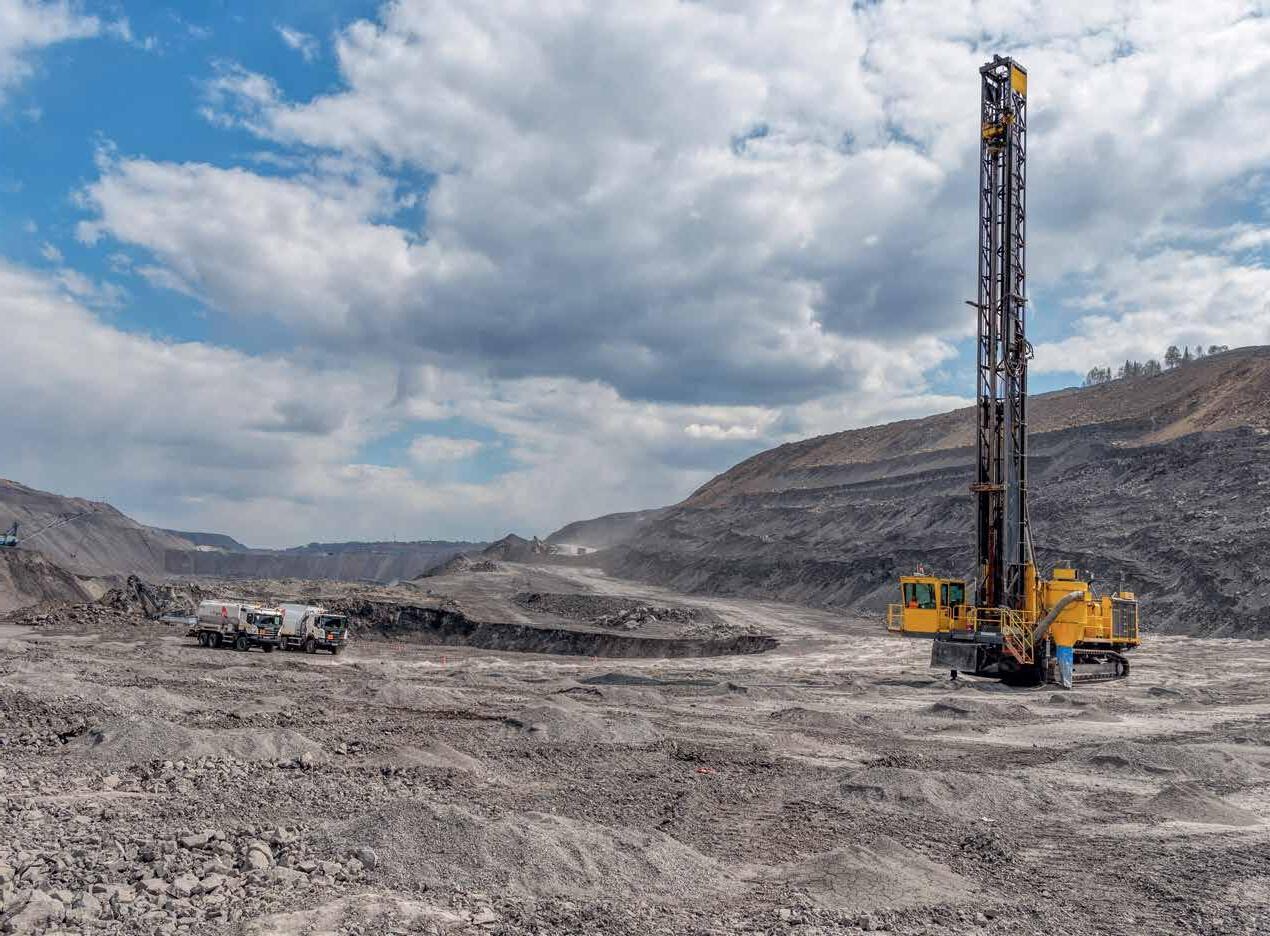










While equipment provider
Epiroc

has launched a nextgeneration surface drill rig, drilling services provider
Rosond
BY RODNEY WEIDEMANN


Mis innovating towards a more sustainable and resilient exploration future.
ines are constantly seeking ways to maximise productivity, enhance operator safety through automation, and ultimately reduce operational costs. For this reason, modern, intelligent, drill rigs are crucial to improved precision, increased drilling speed, reduced downtime, and worker safety.
Epiroc and Rosond have both launched new equipment and innovations in this space, o ering mines the opportunity to achieve all of this.
Epiroc has recently launched what it terms its “new and improved PowerROC T45”. This latest-generation surface drill rig is designed to deliver increased fuel e iciency and high availability. Similar to the other rigs in the PowerROC family, the PowerROC T45 MKII features a modular and straightforward design, created to keep servicing simple.
The new machine is equipped with an Epiroc developed control system, which helps decrease fuel consumption. This is due to the auto engine speed control, which enables automatic optimisation of the engine RPM for all operations.
“The new-generation PowerROC T45 o ers up to 40% lower fuel burn, in comparison to the previous generation,” says Epiroc senior product manager Masanori Kogushi.
“To assist with easy operation, the PowerROC T45 MKII includes an intuitive 12inch display that presents all the necessary data, monitors running status, and o ers the operator additional assistance. Two onetouch lever controls make rod changing and drilling both simple and quick. Furthermore, the system is easy to learn and use.”
Kogushi says the PowerROC T45 MKII has been field-tested with positive results and comes with two di erent engine alternatives – Tier 3/Stage IIIA and Tier 4 Final/Stage 5.
Drilling solutions provider Rosond, meanwhile, is demonstrating that advanced drilling operations and responsible environmental stewardship can go hand in hand.
As part of its ongoing commitment to environmentally responsible operations, Rosond has rolled out 13 (of 25) solarpowered command units in its Northern Cape operations. The Rosond exploration drilling fleet of diamond core and rotary percussion rigs are tele-remotely operated from the command unit, where the operators and assistants sit in a clean, temperaturecontrolled, and well-lit environment – which is now entirely powered by solar energy.
“The new solar-powered command units
replace noisy, diesel-driven generators with a cleaner, quieter alternative,” says Glen McGavigan, CEO of Rosond. “By using solar panels and inverters, supported by a battery backup system, we are ensuring uninterrupted operations while reducing noise pollution and dependence on fossil fuels.”
He adds that when fully rolled out, these machines will reduce the company’s diesel consumption by 64 000 litres per year, which equates to a CO2 emissions reduction of 172t/annum.
The solar-powered system is capable of running all essential daily operations, including lighting and air conditioning even on overcast days, thanks to its battery storage solution.
“In addition to greener energy, the company has introduced enhanced safety features such as built-in cameras to monitor drilling activities. This not only ensures safer working conditions, but also optimises performance and provides vital tools for incident analysis and continuous improvement.
“By combining clean energy solutions with cutting-edge drilling technology and safety enhancements, Rosond is able to play its part in building a more sustainable and resilient exploration future, one drill hole at a time,” he says.
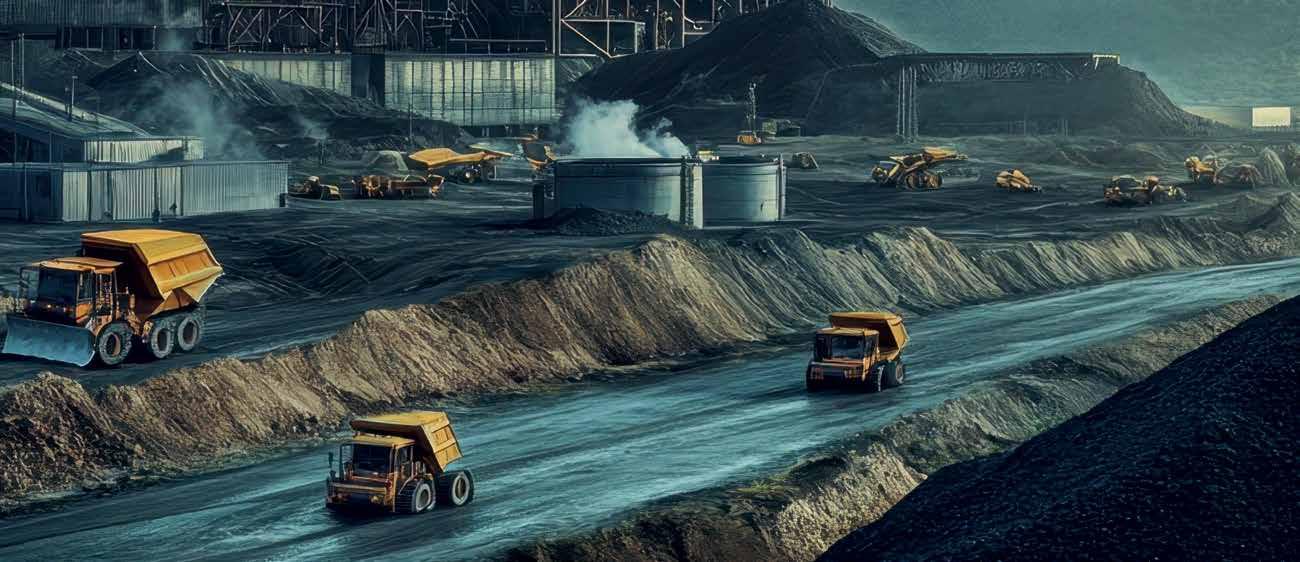


Mining in Africa is already tough, without the less visible risks that challenge uptime, safety and operational certainty across the continent’s mine sites.
BY WARWICK BOUWER, CEO AT JACHRIS
On a working mine site, equipment is pushed to its limits, and every minute of operation is valuable. However, some of the biggest risks aren’t machinery-related; they come from the network of suppliers supporting this equipment.
When hoses, hydraulics, lubrication, fire suppression, fittings, and fuel management are handled by di erent companies, small gaps can form that o en show up during handovers, tight schedules, conflicting priorities, or missed steps. They might not be obvious at first, but over time, they can lead to breakdowns, delays, and safety problems.
Recent safety trends in the industry show why these risks matter. Early data for 2025 reveals a 32% increase in fatalities, rising from 25 to 33 deaths, while injuries fell by 11%, from 1 230 to 1 096.
Although these numbers tell us that mines are having fewer minor injuries, they are experiencing more serious incidents that can quickly get out of hand. Transportation and mining machinery incidents went up by 57%, and general incidents like fires and mechanical failures increased by 60% during the same time. These types of incidents highlight the weak spots created by having separate maintenance providers, and how this can lead to problems in the system.
When it comes to maintenance, these teams are always under pressure. When there are many di erent suppliers, they can end up working in a line, each waiting for the other to finish. Moreover, each team focuses only on its own tasks, which can make maintenance look finished on paper, but in reality, important checks might be missed.
Sometimes, the lubrication team gets skipped because everything seems fine at first glance, but grease levels can drop too low, or the hose team might be delayed, and a small crimp problem turns into an oil spray that catches fire on a hot turbo. Such problems are generally easily avoided, but they still happen at mines that think their maintenance plans are solid. Ultimately, the real issue is not so much a lack of skill as it is a lack of coordination.
When several suppliers are responsible for the same equipment,
it’s hard to know who owns what. If a fire is caused by both a hose failure and system fatigue, we get arguments instead of answers. Mines then struggle to enforce standards and find the real causes of problems, and unreported downtime becomes more common. These delays might not appear in reports, but they hurt productivity and force teams to take a reactive rather than a proactive stance.
Hydraulic hoses and fittings are some of the simplest parts on a machine, but they o en cause the most unexpected stoppages. This is even more of a problem at remote sites, where – for example – a cheaper part might seem like a good deal until you wait hours for a replacement.
When several suppliers are involved, it’s hard to know who checked what or if anyone has taken responsibility for surrounding systems, resulting in problems that o en appear in the areas that are out of sight.
Having one integrated partner helps to close these gaps. When a single team manages the entire maintenance process, access to machines is better organised. In addition, technicians who are trained in multiple areas can handle connected systems as a whole, treating them as a complete system, not just a list of tasks.
This method strengthens accountability, increases transparency, and reduces downtime. Safety improves too, since risks are identified sooner and addressed regularly. Mines that use this model see clearer problem-solving, fewer arguments, and a maintenance schedule that helps production instead of halting it.
The next step is to bring data together. When one partner can see information from fire systems, hoses, lubrication, hydraulics, and fuel management, they can spot patterns and predict problems more accurately. This kind of insight helps with planning and empowers mines to shi from reacting to problems to preventing them.
Of course, mining companies across Africa are looking for more reliable operations, fewer breakdowns, and safer workplaces, but having many di erent suppliers makes these goals harder to achieve.
Working with integrated partners gives mines a clearer, more controlled, and more accountable way to manage maintenance. And in an industry where every hour of uptime matters – and safety must be considered a national non-negotiable – the only way to keep operations rock solid is to rely on one partner who owns the entire ecosystem.




ADVERTISING CONTACT


ARNOLD CRUYWAGEN
SALES PROJECT MANAGER
C: 071 012 5283
T: 021 469 2508
E: ARNOLDC@PICASSO.CO.ZA

PICASSO HEADLINE, a proud division of ARENA HOLDINGS (Pty) Ltd Hill on Empire 16 Empire Road (cnr Hillside Road), Parktown, Johannesburg


June 2026






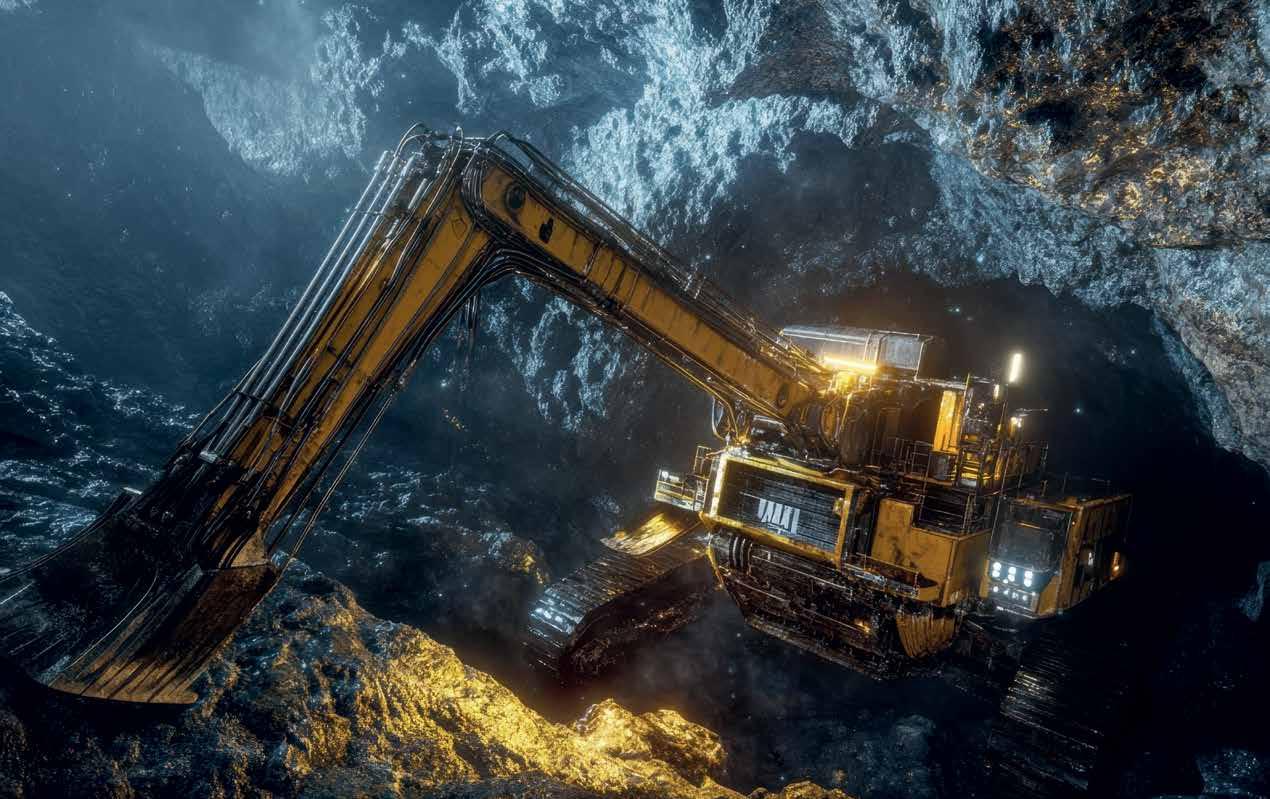



Gold and platinum group metals experienced record-breaking performance in 2025. Experts agree this trend is likely to continue in 2026.
BY RODNEY WEIDEMANN
Global bullion performance in 2025 was historic and record-breaking, with precious metals delivering some of their best annual gains in over four decades, outperforming major equity markets.
According to South African Gold Coin Exchange and Scoin Shop CEO Rael Demby, 2025 delivered historic growth across gold, silver and platinum, reinforcing investor confidence in physical precious metals as demand accelerates into 2026.
“South Africans continue to play a meaningful role in this global investment narrative, with a growing appetite for physical metal ownership,” he says.
“In fact, the latest performance figures released by The Royal Mint point to a sustained shi towards physical precious metals as a store of value rather than shortterm speculation. It is a trend we are seeing reflected very clearly among South African investors.”
He says we are not seeing a short-term spike, but rather a structural shi in investor behaviour. “With demand remaining strong into January and broader participation continuing to grow, precious metals are firmly re-establishing their role as a core component of diversified portfolios in 2026 and beyond,” he says.
Arnold van Graan, head of research for platinum group metals (PGMs) at Nedbank Corporate and Investment Banking, says gold – not to mention PGMs – are both caught in the same “tailwinds”, as investors move away from the US dollar and seek more tangible and stable assets.
“Geopolitically, these are safe investments and there is always significant uptake during periods of uncertainty – and with the way the US is currently upending the global order, the performance of gold should come as no surprise,” he says.
“Moreover, as long as the world remains such an uncertain place, we will see this trend continue, so the expectation is that 2026 will follow a similar pattern to 2025.”
Van Graan notes that with PGMs, the production base is currently constrained, and South African producers – who deliver the majority of global PGMs – are undercapitalised, so production levels are flat and are expected to remain so for some time.
“On the demand side, the general consensus is that it has been bearish over the past three years, mainly driven by battery development for electric vehicles. However, for us to capitalise on this locally, we will require policy certainty and a conducive market to operate in – one where there is less load-shedding and fewer bouts of labour, to name two challenges.
“While we have seen some improvements in this respect, a lot more can still be done to make this a more attractive market for investors,” he says.
When it comes to PGMs, Impala Platinum (Implats) group executive: refining and marketing Sifiso Sibiya says market dynamics point to another period of physical tightness and sustained price support across key PGM markets. Both platinum and palladium are expected to remain in a market deficit during 2026, while rhodium trends towards balance.
“These tight market conditions reflect
HISTORIC HIGHS
Precious metal prices delivered strong gains over the course of 2025:
■ Gold rose by approximately 54%
■ Silver increased by 132%
■ Platinum gained 107%
sustained macroeconomic volatility, persistent geopolitical uncertainty and continued investor appetite for precious metals, all of which amplified flows into physically constrained PGM markets through 2025, and are likely to continue shaping the sector in the coming year,” says Sibiya.
“Elevated lease rates, constrained liquidity and ongoing concerns about US trade policy – particularly potential tari s linked to critical minerals – remain central drivers of market and price behaviour. The launch of platinum and palladium futures on the Guangzhou Futures Exchange also altered trading patterns, adding a new dimension to price discovery.”
They say should investor confidence and demand continue strengthening in 2026, increased flows into PGM exchange-traded funds and physical investment markets will provide further price support while constraining market liquidity. This should further improve the pricing environment for South African producers.
“Ultimately, a firmer price environment would bolster investment prospects, strengthen balance sheets and provide space for producers to advance deferred projects – supporting both operational stability and long-term sector resilience,” says Sibiya.



As climate change incidents increase, mines face the challenges of extreme weather, water scarcity, and damaged infrastructure, leading to rising compliance costs for decarbonisation, and increased competition for water.
BY RODNEY WEIDEMANN
Intensifying droughts, erratic rainfall, and rising temperatures are among the impacts of climate change that are placing growing pressure on local mines. Water availability and operational stability are already challenging issues for mining companies, and as the impacts of climate change increase, the compounded risks of environmental volatility and resource scarcity will demand rapid and urgent attention.
Climate change presents the mining sector with a convergence of physical, regulatory and market risks, all intensifying simultaneously, says Andries Rossouw, Africa energy, utilities and resources leader at PwC.
“Prolonged droughts, extreme rainfall events, rising temperatures and shi ing seasonal patterns directly a ect operations, worker safety and critical infrastructure, such as tailings facilities and haul roads,” he says.
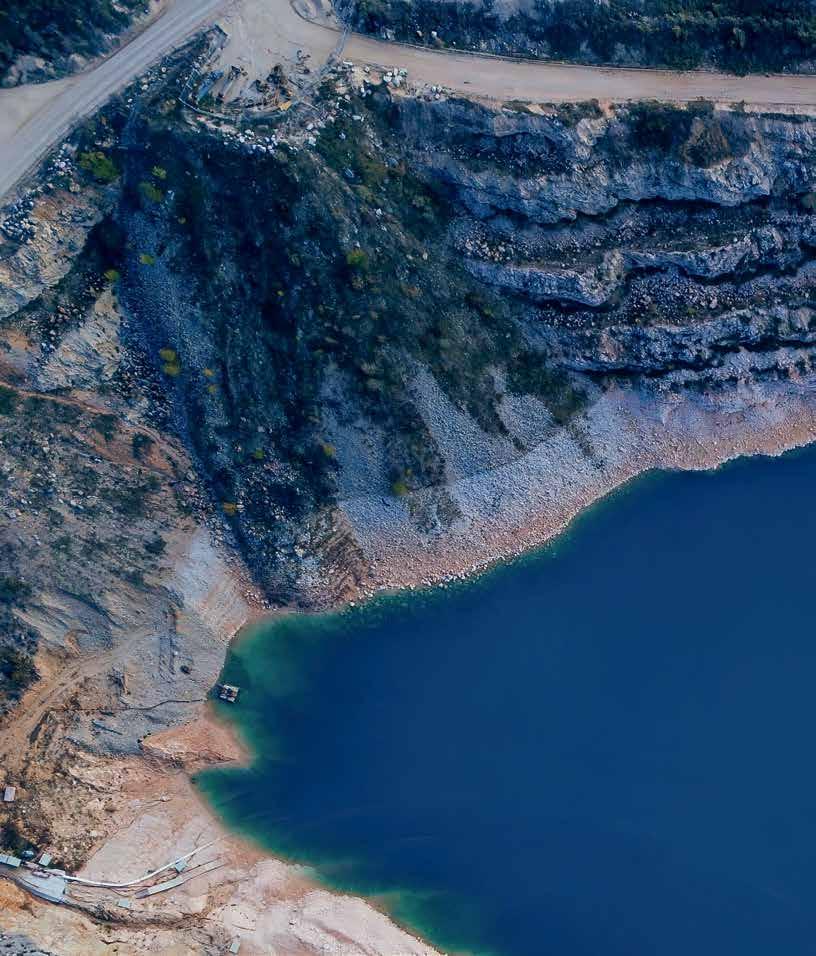
“Then there’s the energy transition paradox: mining must supply the critical minerals the world needs for decarbonisation – copper, lithium, manganese, cobalt, phosphate etc. Simultaneously, it must decarbonise its own energy- and water-intensive processes. This dual mandate is arguably the sector’s defining strategic challenge.”
Simon van Wyk, partner and sustainability leader at Deloitte Africa, says the growing pressure on water availability is a significant risk to mining operations, especially regarding chronic water scarcity. The latter threatens operational continuity, while pollution from acid mine drainage (AMD) and tailings leads to regulatory, social, and financial risks.
“Furthermore, mining requires vast amounts of water for processing, cooling, and dust suppression in a semi-arid country,
“PROLONGED DROUGHTS, EXTREME RAINFALL EVENTS, RISING TEMPERATURES AND SHIFTING SEASONAL PATTERNS DIRECTLY AFFECT OPERATIONS, WORKER SAFETY AND CRITICAL INFRASTRUCTURE.”
ANDRIES ROSSOUW
creating intense competition with local communities,” he says.
“It’s further worth noting that pressure from water scarcity may cause increased operational costs – water treatment, long-term monitoring, and implementing technologies like recycling or desalinisation – as well as social risks. These include the social licence to operate, community concerns regarding water quality (a known issue in SA), and finally hazards relating to environmental conditions – for example, AMD, which threatens soil and water quality.”
Extreme weather events are no longer anomalies, says Chetan Mistry, strategy and marketing manager at Xylem WSS. Rather, they are predictable risks that must be designed for.
“Relying on historical averages is no longer su icient for infrastructure planning. Engineering decisions must now account for peak storm events, extended droughts, and rapid transitions between both,” he says.
“Dewatering systems must be sized and automated for surge capacity, rather than average conditions. Smart pumping and control solutions allow mines to respond dynamically to changing inflows, while industrial treatment plants must be designed
SEVERE WEATHER IMPACTS MORE THAN JUST MINING
In 2024, Tropical Cyclone Megan flooded Australia’s biggest manganese mine and damaged export logistics infrastructure. It put 13% of global manganese supply out of production and resulted in a 77% price increase.
with resilience and redundancy to manage variable flows and water quality.”
By engineering water systems, tailings facilities, pumping networks, and treatment plants for climate extremes, he believes mines can reduce downtime, protect assets, and safeguard workers and surrounding environments. “Building resilience into design decisions is now fundamental to sustainable operations.”
Lullu Krugel, sustainability lead at PwC, says the water crisis adds complexity across several dimensions. Operationally, she says, mines must secure reliable supply while meeting increasingly stringent discharge standards – this already difficult balance is being made even tougher by climate change.
“Socially, competition for water between mines, communities, and agriculture is intensifying. In water-stressed regions, this
RELYING ON HISTORICAL AVERAGES IS NO LONGER SUFFICIENT FOR INFRASTRUCTURE PLANNING. ENGINEERING DECISIONS MUST NOW ACCOUNT FOR PEAK STORM EVENTS, EXTENDED DROUGHTS, AND RAPID TRANSITIONS BETWEEN BOTH.
directly affects a mine’s social licence to operate. Forward-thinking companies are, however, turning this challenge into an opportunity.”
For example in Mpumalanga’s coal belt, mining operations are building water treatment facilities that process millions of litres of contaminated water daily, with purified water supplied to local municipalities. This creates the kind of public-private collaboration the sector needs more of, she says.
From an infrastructure perspective, much of the water management infrastructure across African mining was built before climate variability was a design consideration. Upgrading is capitalintensive, she says, but the cost of failure, environmental liability, production loss, and potential loss of life is far greater.
“Furthermore, the water crisis intersects with the energy crisis. Water is needed to generate electricity; electricity is needed to pump, treat, and distribute water. In South Africa, where both systems are under stress, this creates compounding risk that demands integrated, systems-level thinking.”
So how can mines be more resilient regarding water challenges that are being
In February 2025, Valtera’s Amandelbult PGM mine, a key rhodium supplier, was flooded with damage to surface infrastructure, resulting in an initial 18% increase in rhodium prices.
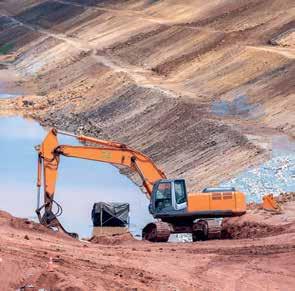
exacerbated by the climate crisis? Van Wyk notes that basic resilience practices require at least a focus on social, economic and environmental systems to help cope.
“Mines need to recalibrate operational response strategies to focus on essential functions and structure, while maintaining the capacity for adaptation, learning and

transformation,” he says. “In practical terms, mines may consider entering into partnerships with organisations that can assist with bridging the gap, such as by importing water from neighbouring areas, although this will likely come at significant cost.”
Where possible, rehabilitating natural wetlands or groundwater resources may prove effective. In more extreme cases, new pipelines may need to be considered from well-established dam schemes, although this also brings additional challenges, including permitting, increased costs, vandalism, security and land-use challenges, he says.
Rossouw says resilience requires mining companies to understand their exposure, adapt their operations and, increasingly, reinvent their business models.
“On understanding exposure, the foundation is a rigorous, scenario-based climate risk assessment that quantifies physical and transition risks in operational and financial terms. PwC’s work across the sector consistently shows that companies with this level of analytical depth make better capital allocation decisions and communicate more credibly with investors and regulators,” he says.
Mistry, meanwhile, feels that resilience comes from combining strong engineering, smart technology, and proactive
management. Mining companies must treat water as a strategic asset rather than simply an operational input, he suggests, and this requires integrated approaches that link dewatering, treatment, reuse, and digital management.
“Investing in flexible, scalable systems allows mines to adapt to both scarcity and excess. Digital monitoring, automation, and predictive maintenance reduce manual intervention and improve decisionmaking. At the same time, water strategies must align with long-term sustainability objectives, regulatory requirements, and community expectations,” he says.
Clearly establishing the requisite resources and understanding what constraints may affect a mine’s ability to react to a climate event is an extremely important first step, says Deloitte’s Van Wyk.
“Mines can start by investing in scenario planning (based on best available science, evidence and information). They should also include climate monitoring infrastructure and early warning systems.”
Additionally, he says, they must establish adaptation response options to reduce identified vulnerabilities, by building adaptive capacity and resilience in the context of actual or anticipated impacts. “The key step is ensuring appropriate planning and implementation of interventions, as these will enable mines to bounce back fast from any unexpected climate impact.”
Xylem’s Chetan Mistry notes that excess water presents risks equal to those posed by scarcity. Poorly managed stormwater can overwhelm facilities, contaminate surrounding environments, and disrupt production. Mines therefore need integrated stormwater and dewatering strategies that include:
■ Designing dewatering systems for peak inflows rather than historical averages.
■ Using high-capacity, rapidly deployable pumps for rapid response.
■ Implementing smart controllers and automation to adjust pumping rates dynamically.
■ Separating clean stormwater from contaminated flows to reduce treatment loads.
■ Treating and reusing excess water through modular industrial treatment solutions.
■ Providing adequate storage and containment capacity.
■ Maintaining high-reliability pumping systems.
■ Developing flexible treatment solutions for variable water quality.
■ Establishing effective drainage, diversion, and emergency response plans.



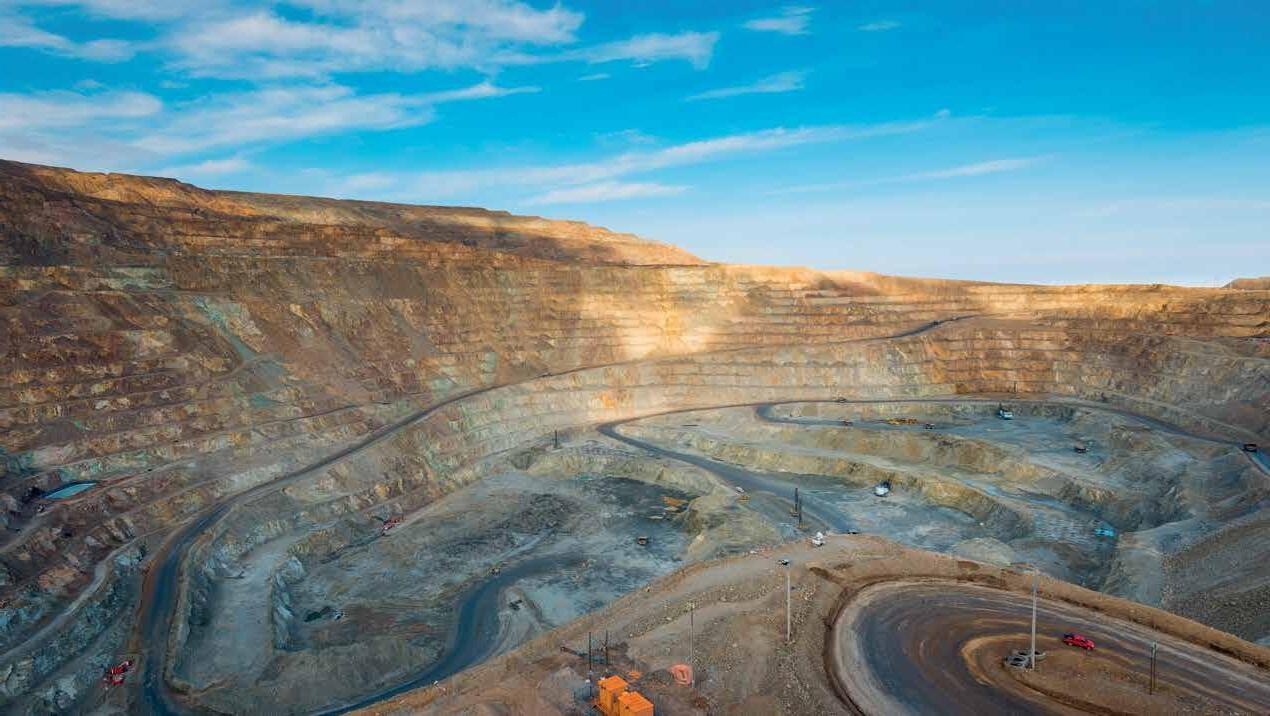














The 2026 edition of the Junior Mining Indaba will open the industry to opportunities related to greenfi eld exploration, new funding mechanisms, and critical minerals.


Currently moving into its second decade, the Junior Indaba remains a popular gathering for smallerscale miners – o ering incisive, informative and frank discussions around the multiple challenges and opportunities relating to exploration and mining in South Africa and elsewhere on the continent.
Taking place on 27 and 28 May at the Houghton Hotel in Johannesburg, the 2026 edition will see discussions framed within the global geopolitical, supply chain and energy shi s that are significantly impacting countries, industries and individual organisations across the globe.
There is little doubt that junior miners will have an increasingly important part to play in South Africa in 2026, as high demand for critical minerals, increased governmentbacked funding, and the restructuring of logistics infrastructure are combining to create significant opportunities within the junior industry.
Some of the best prospects within this sector lie in greenfield exploration for energy or transition metals, as well as in accessing dedicated funding mechanisms for emerging black-owned mining companies.
In fact, junior miners are emerging as key players in locating and producing the critical minerals necessary for the global energy transition, which are expected to see demand quadruple by 2040.
Meanwhile, Transnet is actively opening its rail and port networks to private sector participation, creating opportunities for smaller miners who were previously locked out by logistics bottlenecks. In addition, improved access to coal and mineral export lines is enabling smaller, specialised miners to reach global markets.

Especially important – given the geopolitical challenges the world is currently facing that are driving gold prices to reach record highs – is increased exploration for this metal. There is certainly renewed interest in re-exploring dormant or overlooked smaller gold deposits.
There is also continued demand for industrial minerals, like chrome and andalusite, from the construction and steel industries. The event will highlight how opportunities exist for junior firms that specialise in rehabilitating dormant mines, supported by the growing focus on environmental, social and governance (ESG) compliance.
A sub-event of the larger Investing in African Mining Indaba (held in February), the Junior Indaba 2026 will focus on the specific needs of exploration and early-stage mining companies.
Under the overarching 2026 theme of ‘Stronger Together: Progress Through Partnerships’, its primary goal is to provide a platform for junior miners to connect with the capital and partners needed to move projects from exploration to production.
Key topics that will be under discussion this year include: the demand for critical
metals, the global outlook for commodities, investors’ perspectives on junior mining projects, and ESG considerations, among others.
Most crucially, the Junior Indaba will function as a way to help facilitate direct access to global financiers and investors, to secure funding for exploration and project development; encourage collaboration between juniors, major producers, and governments to share risks and resources; provide insights into global commodity outlooks; o er a forum to discuss policy certainty, licensing systems, and government incentives; and increase the profile of African-based assets through dedicated platforms like the Junior Mining Showcase and the Investment Battlefield pitching sessions.
The Junior Mining Indaba 2026 is a must for any organisation that operates in this space, as well as larger mining companies, financiers and other organisations related to this sector. This year’s event, as is the case since its inception, has been designed to allow delegates to engage in strategic conversations with all the right industry players, discover new opportunities and have the chance to speak on a platform designed to enable it to be heard.
“ESPECIALLY IMPORTANT – GIVEN THE GEOPOLITICAL CHALLENGES THE WORLD IS CURRENTLY FACING THAT ARE DRIVING GOLD PRICES TO REACH RECORD HIGHS – IS INCREASED EXPLORATION FOR THIS METAL.”


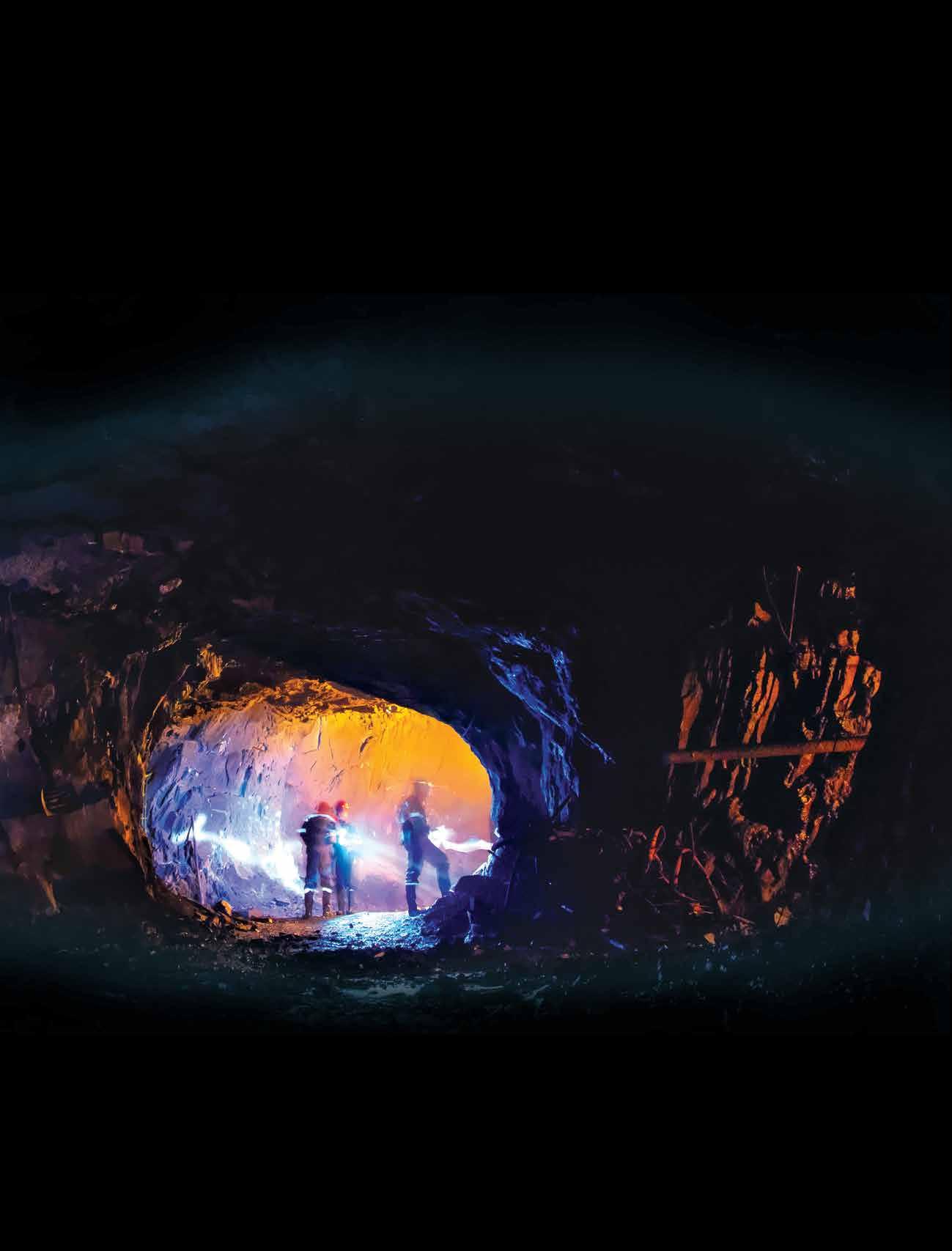
● ADDED VALUE/EXPOSURE TO YOUR BUSINESS VIA ONLINE CONTENT.
● Help build/strengthen your company’s brand.
● DRIVE TRAFFIC TO YOUR COMPANY’S WEBSITE.
● Expand your reach with various packaged o erings suited to your company’s needs, such as bundling your advertising with news/corporate pro les and/or a video online.
SA Mining, South Africa’s oldest mining magazine, has been providing insight into the local, Southern African and African mining space for 125 years.











The launch of Menar Ports and Rail will see the company use its conditional access to national rail networks to transport mineral commodities from pit to port.
Plans to expand Menar’s operations into the logistics sector are moving ahead with the establishment of Menar Ports and Rail (MPR), a train operating company that will deliver integrated transport solutions for mineral exporters.
The company intends to use its conditional access to national rail networks to transport mineral commodities from pit to port, for its own products and other mining operations.
Menar is one of 11 private companies granted access through the Transnet Rail Infrastructure Manager scheme, launched by Transnet to boost the country’s rail capacity and support exports.
Speaking at the recent McCloskey Steel and Ferroalloys Conference, Menar’s chief commercial officer Ruan Nothnagel mentioned that the company was looking to secure billions of rand worth of investments to purchase locomotives and wagons.
Nothnagel said plans were also afoot to
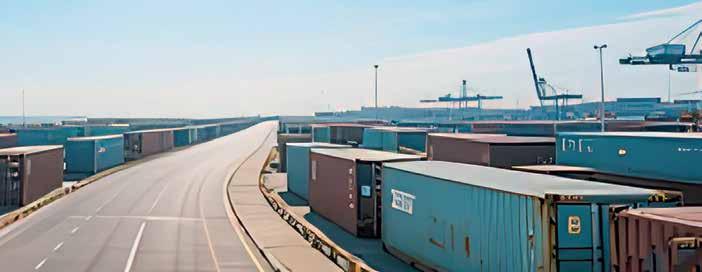
create employment opportunities and train its own locomotive drivers as the business progresses. “We intend to use this as an opportunity to do our part in helping the South African economy to reindustrialise and create sustainable employment,” he says.
A member of the African Rail Industry Association, MPR will offer a range of services from managing strategic sidings to train
loading infrastructure, port-side stockpiling facilities and bulk material handling systems, among others.
MPR will also have access to major export corridors and terminals, including Richards Bay Coal Terminal, Richards Bay Dry Bulk Terminal, Richards Bay Grindrod Terminal, and the Maputo Corridor, enabling access to global markets.
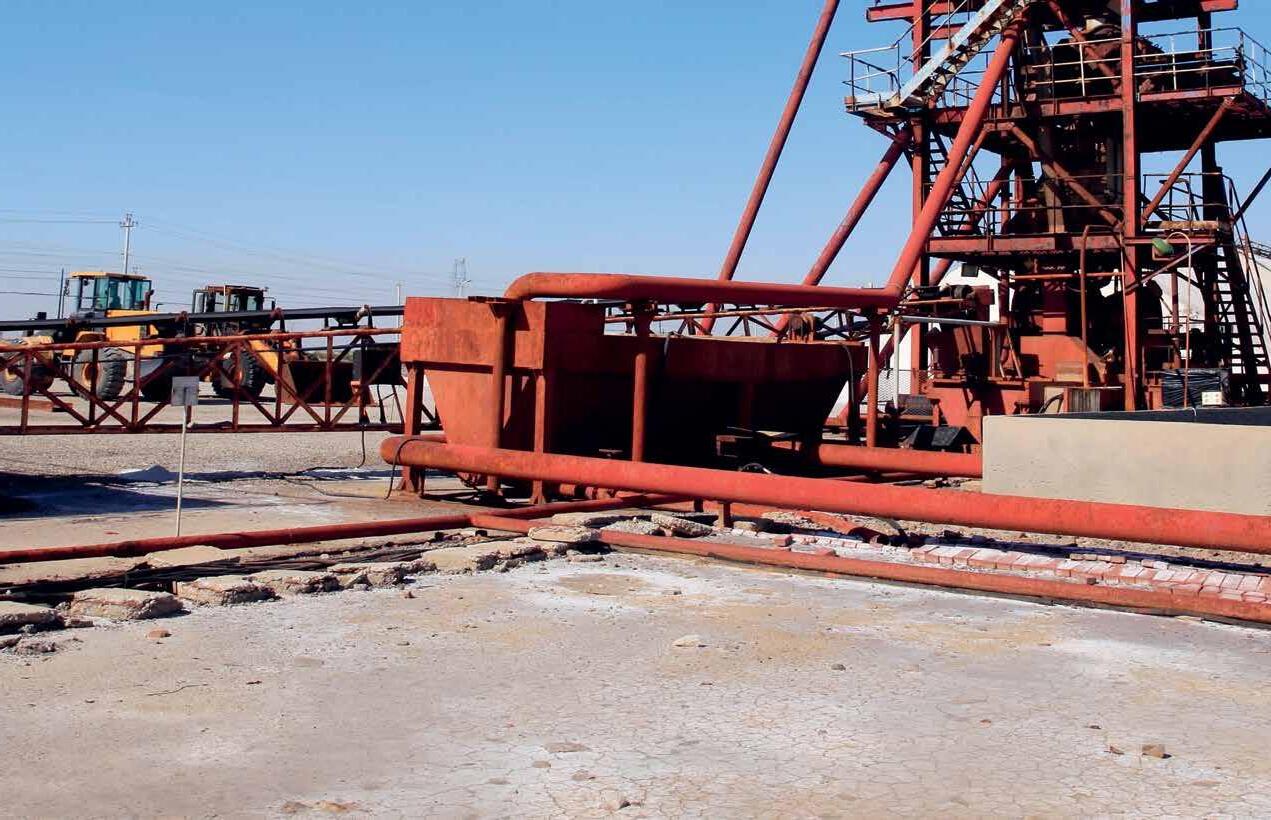


ver the past two-and-a-half years, two Northern Cape mininglinked towns – Daniëlskuil and Tsantsabane (Postmasburg) – have quietly become structured demonstration sites for prevention-led, technology-enabled ecosystem stabilisation, within South Africa’s mining and renewable energy corridors.
During this period, Khulisa Social Solutions has carried out a sustained, systems-based engagement process in both towns, collaborating with municipalities, government departments, the South African Police Service, non-governmental organisations (NGOs), trusts, and mining stakeholders.
The work is based on Khulisa’s Collaborative Implementation Model, which serves as a systems enabler – aligning governance, infrastructure, economic participation, and safeguarding within host communities.
The consolidated findings reveal structural patterns that go beyond individual incidents.
Youth complete training but remain economically unabsorbed.
Industrial transport routes intersect with residential and pedestrian areas.
Infrastructure strain increases the risk of harm.
Economic dependence heightens vulnerability to gender-based violence.
Substance misuse clusters in areas with limited recreational facilities.
Accumulating adverse childhood experiences indicate long-term impacts on workforce readiness, policing, healthcare, and productivity.
These communities are not currently in visible crisis. However, ecosystem diagnostics supported by artificial intelligence (AI)assisted clustering and spatial verification suggest that systemic pressure, if not addressed, could increase over time. For the mining and renewable energy sectors, this is directly tied to environmental, social and governance (ESG) performance, operational continuity, social licence stability, and investor confidence.
AI is employed to analyse large volumes of qualitative dialogue data, identify recurring risk loops, and model the connections between unemployment, infrastructure
“THE COLLABORATIVE IMPLEMENTATION MODEL (CIM) IS A STRUCTURED, BOTTOM-UP FRAMEWORK DESIGNED TO FOSTER SOCIAL COHESION AND SUSTAINABLE COMMUNITY DEVELOPMENT IN SOUTH AFRICA.”
pressure, family instability, and future cost exposure. This technological layer converts lived community experiences into structured, measurable ESG insights, allowing for early intervention rather than reactive mitigation.
Participatory asset mapping further bolsters this systems-enabling approach. By identifying local skills, informal enterprises, institutional anchors, youth networks, and potential linkages to mining and renewable energy value chains, communities are engaged as ecosystems for implementation with existing capacities. This promotes alignment between the potential of host communities and industry opportunities, shi ing the development perspective from deficit management to structured integration.
Khulisa will soon present the consolidated ecosystem findings to stakeholders in Tsantsabane and Daniëlskuil. These presentations will gather municipal leadership, government departments, NGOs, trusts, and mining representatives to coordinate prevention-focused measures with local planning frameworks and ESG commitments.
The Northern Cape engagements are part of Khulisa’s wider ecosystem stabilisation e orts, which are active across Gauteng, North West, the Eastern Cape, Limpopo, and the Northern Cape. In these provinces, Khulisa assists mining and renewable energy stakeholders in establishing prevention frameworks, aligning governance, and deploying technology-enabled monitoring within local communities.



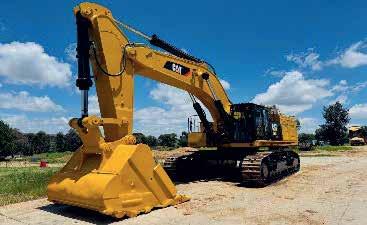


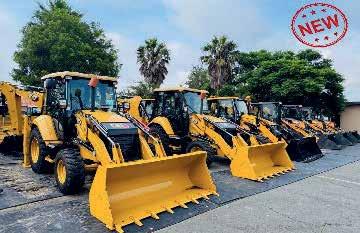


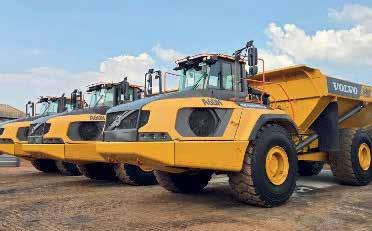


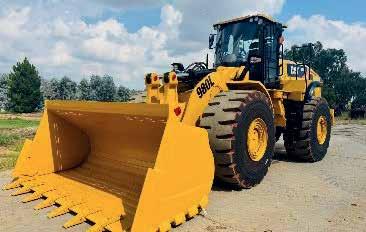

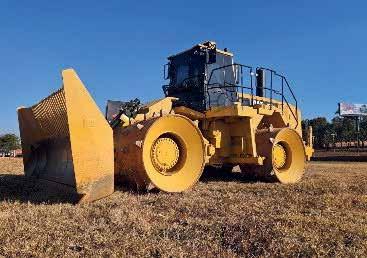


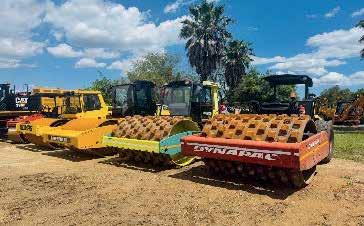












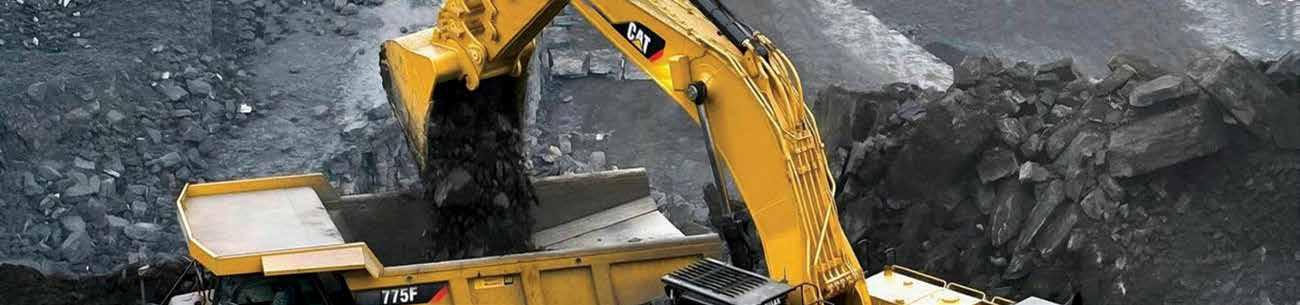

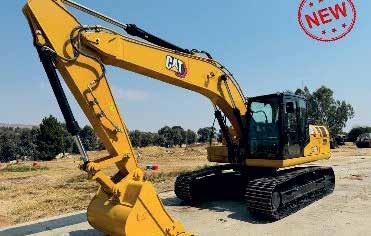


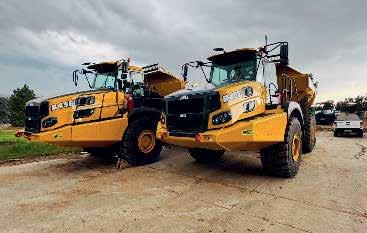


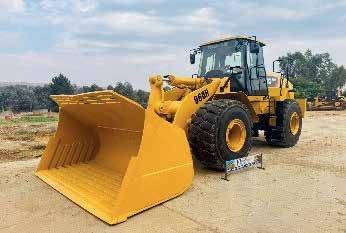


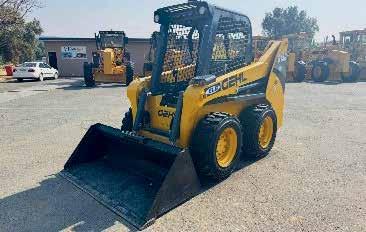


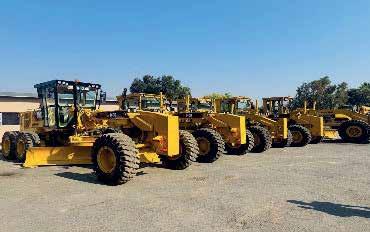



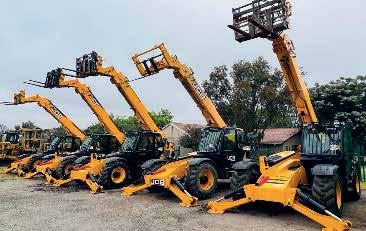


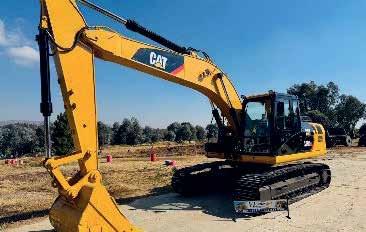


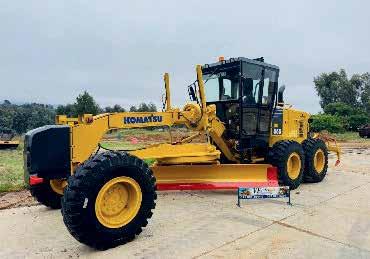

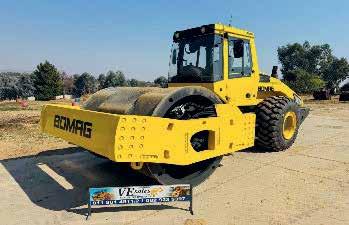


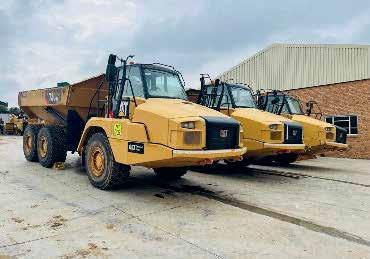





ADVERTISING
Ilonka Moolman 011 280 3120
moolmani@samining.co.za
Tshepo Monyamane 011 280 3110

tshepom@samining.co.za

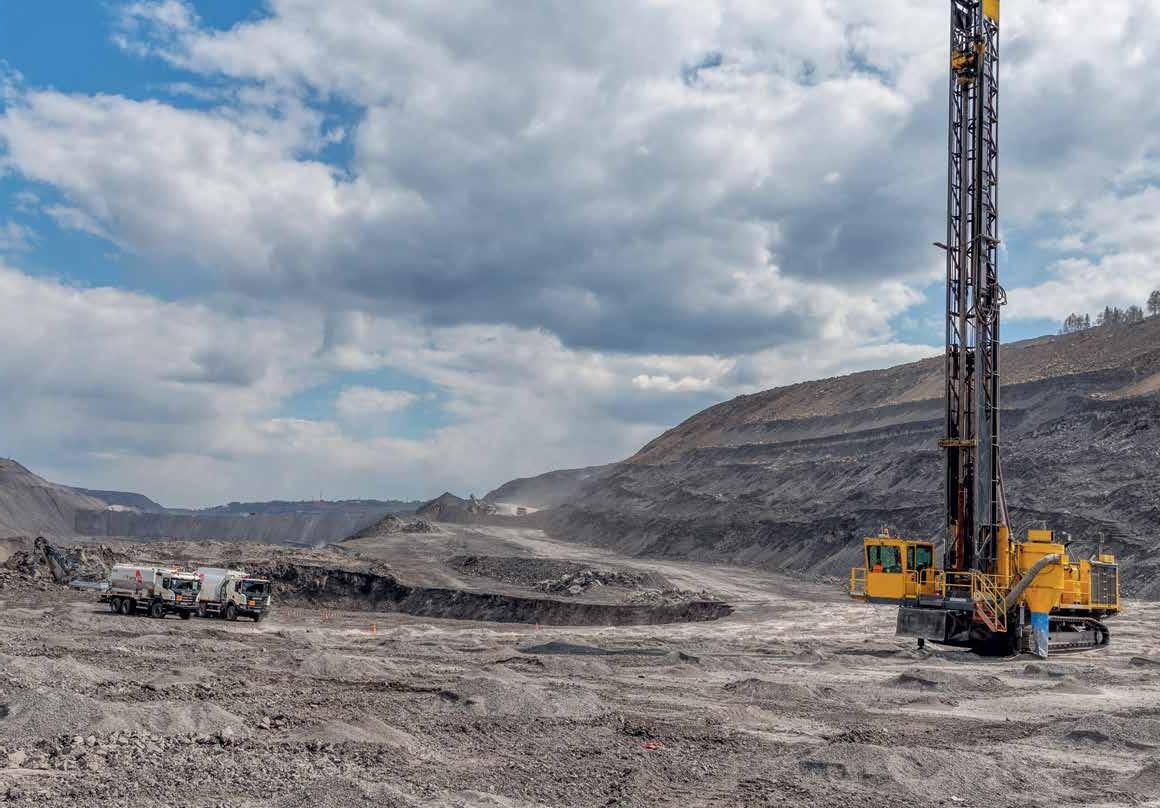









Gary Alfonso speaks to the CEO of Enaex Africa, Francisco Baudrand, about the company’s plans to embrace artificial intelligence, while also looking into incorporating sustainability within the organisation’s strategic objective. https://youtu.be/2U0RMa_6bko
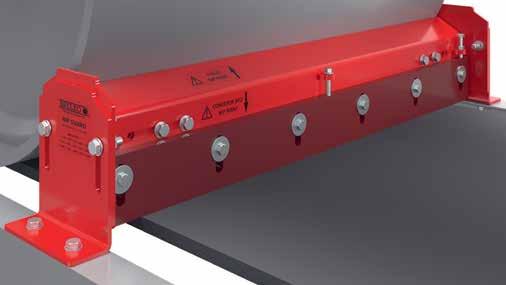
• Easy installation.
• Low maintenance.
• Simple design.
• Operates in all conditions.
• Manufactured according to SABS, CEMA, Australian and PROK mounting standards.
APPLICATIONS
• Nip Guards improve worker safety around head, tail, and drive pulleys and prevents worker exposure to conveyor pulley nip points and pinch point hazards.
• Unique adjustable guard maintains a constant gap between the conveyor belt and guard, even when the conveyor belt is tensioned.
• Robust construction for longer life.
• Can be installed on bi-directional conveyor belts.



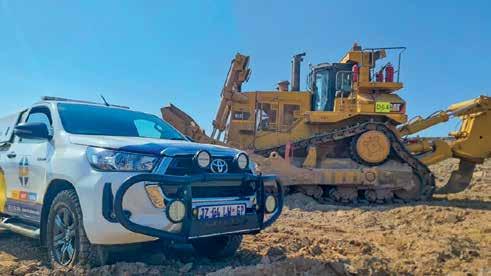



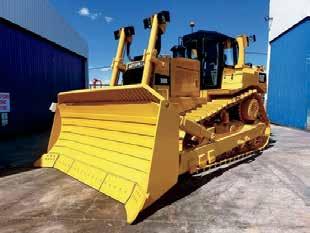
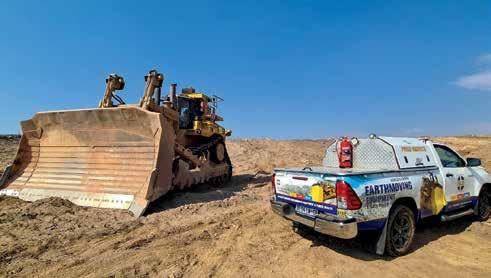



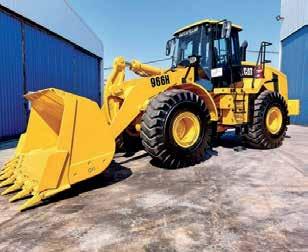
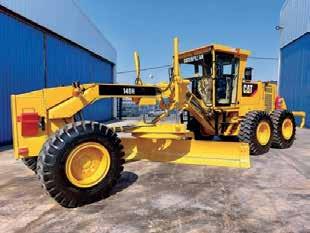
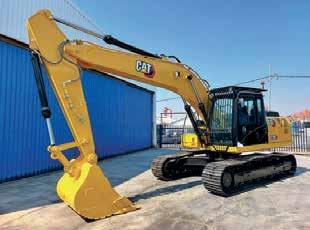
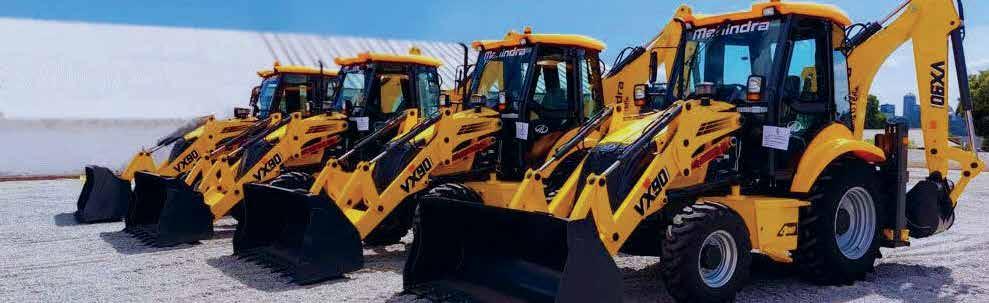
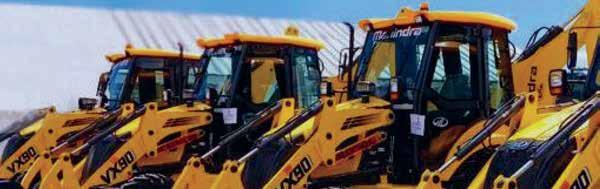
VUMA-live leverages smart sensors with advanced ventilation algorithms to predict and control environmental conditions, enabling real-time risk management.
Safety and productivity in underground operations are highly dependent on the environmental conditions in which employees work. VUMA-live allows for real-time risk management and rapid response to any alarm.
In a large mine, it is not practical or cost-effective to install and maintain monitoring instruments to cover all of the critical and working places. Therefore, the use of real-time ventilation software such as VUMA-live is important to predict environmental conditions downstream of a limited number of strategically placed measuring stations.
Not only can this software predict the conditions in workplaces, it also provides a 3D graphical interface to better visualise the results for temperatures, velocities, dust and gas concentrations, etc.
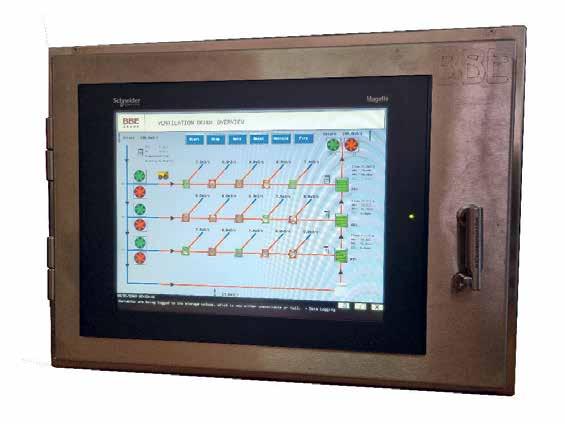

Real-time monitoring

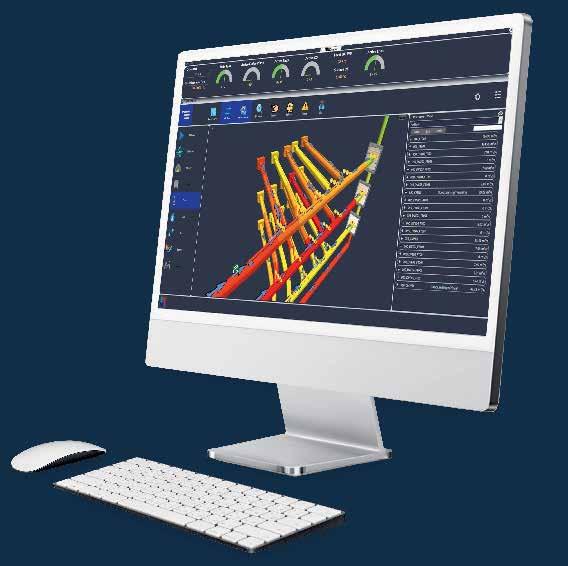
Visualisation of underground conditions
Early warning system
Daily reporting
Forward emergency planning
Risk analysis

Control: On-level VoD control that include duct damper modulation, louvre air flow control, environmental monitoring using conventional instruments or integration of packaged ventilation monitoring stations
Fan control and condition monitoring with pre-configured I/O for temperature, vibration, pressure, and flow.
Safety: Automated failover control from surface to underground locations. Local condition monitoring and control used as safety failover.
Fugitive emissions and gas management integrated with VUMA-live
Efficiency: Virtual Instrument support with Live integration – display environment conditions in areas not friendly to instruments.
Touch HMI’s to display local environmental visuals and control