
Era placed a mirror in SA living rooms
1976 ushered in revolt on air
and screen
By Vus’umuzi Phakathi
Thereisanalmosteerieairof irony inhow the year1976 is associatedwith therevoltof SAyouthand happenstobe the same year television madeitsadvent inthecountry.
Itwasas ifanerahad placed a mirrorin SA’s living rooms and muttered, “look at yourself”
With the Soweto Uprising rose amighty stormof an ebony dust ofSA entertainers; a kindof collectiveblack consciousness thatinhabited the streets and airwaves alike locallyandabroad.
Inthis year, Letta Mbulu and CaiphusSemenya were in theUS workingon the soundtrack of the multiawardwinning dramaseries Roots with Quincy Jones. Hugh Masekela released Colonial Man under the US’s Casablanca Records,and wrote Soweto Blues in responseto theuprising.The song was performed by Miriam Makeba, becominga stapleofherliveperformances.
Gibson Kente had just completed filminghis bannedplay, How Long? and was jailed.Theatre duo Winston Ntshona and John Kani were backfrom theUS and touring SAtownships with SizweBanzi isDead and The Island, which ledto their arrest.
Joe Mafela was establishing himself asa cogent con-
duitfor socialcohesion,not only takingup spaceas a blacktelevisionactorbutalso creatingit forblacknessto haveavoice inthatliving roommirror.
The1970s werean agethat servedas atipping pointof blackyouth rage,and alsoas a precursor towhat was to become thedecade thatwas theplayground ofaplethora of perennial legends of SA entertainment,the1980s.
International acclaim is no newphenomenon toSA artists. Makeba,celebrated as Mama Africa, was one such artist. Having nailed an incisive cameo inthe 1959 antiapartheid film Come Back, Africa,she caughtinternational attention, whichled to performances inVenice, Londonand NewYorkCity, where she settled and launchedherglobalfame.
As aresult of thepolitics in her music, Makeba was not allowedback intothecountry, serving morethan 30 yearsin exile.Makebawent frombagging nineGrammy nominationstoperformingat
President John F Kennedy’s birthdayparty inMadison Square Garden alongside Marilyn Monroe in 1962, to eventually scoring a GrammywinforBestFolkRecordingin1965.
Shewent onfreedomtours aroundAfrica – from Kenya toMozambique, ZambiaandAngolaasthey gainedtheirindependence.It was during thesetours that she wascrowned “Mama Africa”.
Afellow SouthAfrican, onewho Makebahadtrav-
elledwithonaSAtourofthe musical King Kong in 1959, was tobe named theKing of African Jazz. Bra Hugh also found himself lockedout of hiscountry,andmakingNew YorkCityhis base,abanishmentthatlastedfor30years.
In 1968, now Californiabased, Masekela released a smashsingle, Grazing in the Grass, topping US charts for threeweeks, sellingmore than 4mcopies, reaching numberone ontheBillboard Hot 100 chart,ranking it as the 18th biggesthit of the year.
In 1980,Masekela settled in Botswanaas homeuntil his ultimate returnto SA. He releasedfive albumsfrom ’82 to ’87; thedecade was spent in performancesaround the world,the prominentbeing the world tourwith Paul Simonpromoting themassivelysuccessful Graceland. In 1985, Masekelafounded the Botswana International SchoolofMusic,alegacythat livesonbeyondhisdeath.
Masekela andMakeba were friendsfrom the ’50s, got married and divorced in the ’60s, touredtogether and remained friendsuntil Makeba’s death – a remarkablefriendship.
There isa similarkind of formidable friendship worth mention, onethat livesbe-
tweenthe beautifulpower couple,Mbulu andSemenya; the mzukwana JayZandBeyoncéasitwere.
The legendary couple met in ’59, andleft togetherfor LA,already married,in ’65. While in exile their careers experienced exceptional global stardom;in ’76 they tag-teamed onMbulu’s classic album There’sMusic In The Air,andinthesameyear were heard on the Roots soundtrack, both projects havingSemenya onpenand co-production, and Mbulu on vocals.
This combination continued all the way through The Colour Purple (’85),in which Semenyawas nominatedfor anAcademy AwardforBest Original Score, anda feature on Michael Jackson’s Liberian Girl Ladysmith Black Mambazo, foundedby Joseph Shabalala in1960,istheepitome of family and brotherhood.Thegroup hasbeenin existence forover six decades,andthereisn’tamusic-loving ear that the name Ladysmith BlackMambazo hasn’ttouchedthelobethereof. By’86theyhadfeaturedon Paul Simon’s Graceland,
recorded inLondon andperformedin NewYork Cityon Saturday Night Live
Their firstUS releasealbum, Shaka Zulu (’87),wonthe much-coveted Grammy Award,the firstoffive todate, amidst16 nominations,with an additionalone Emmyand oneOscarnomination.
■ continued on page 16
‘For 40 years Sowetan has captured the rhythm of SA entertainment in the lives and times of our stars
On this milestone anniversary, we partner with Netflix to take you down memory lane, to celebrate decades of talent and to showcase future of SA arts.’
Nwabisa Makunga
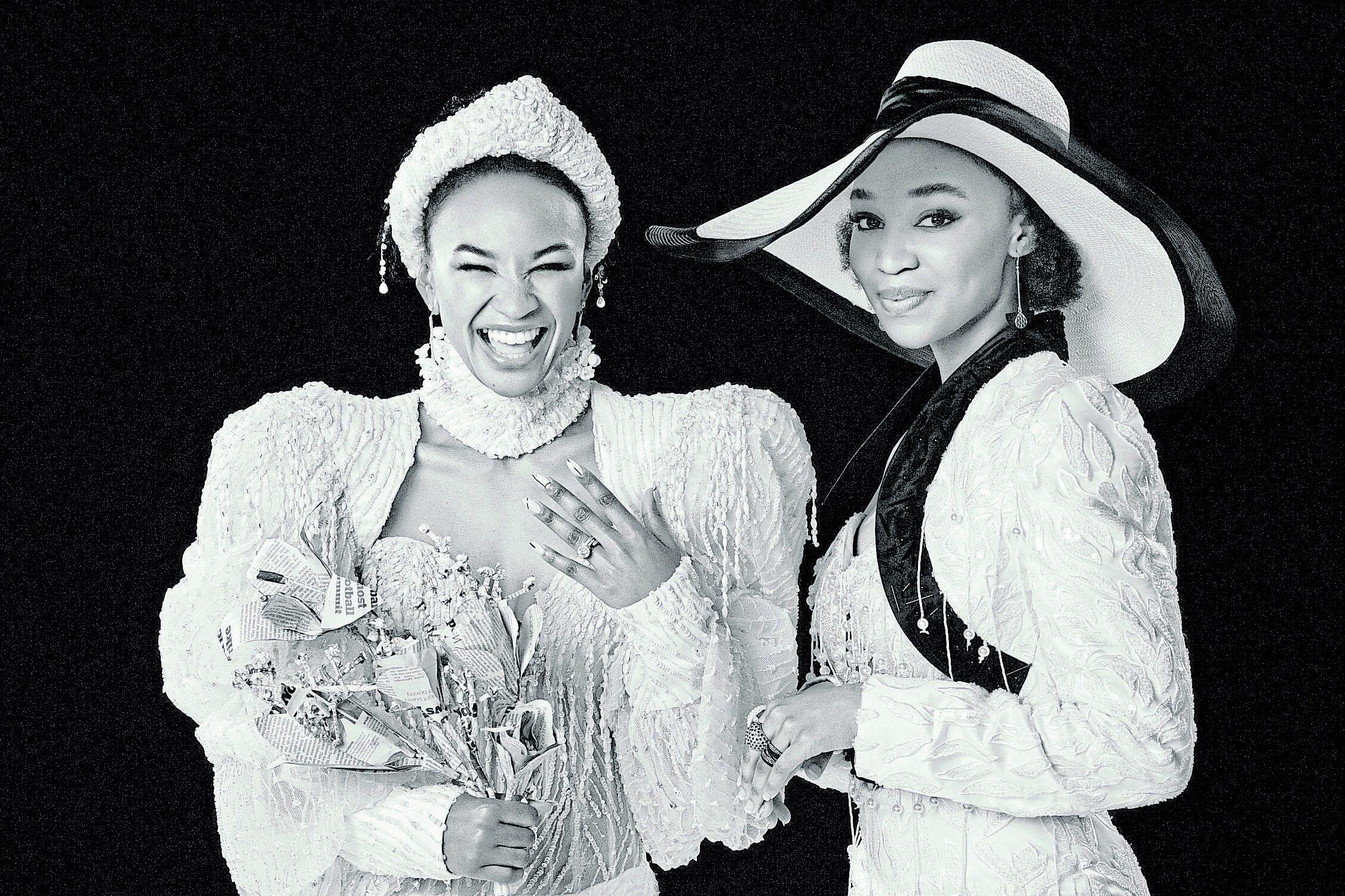
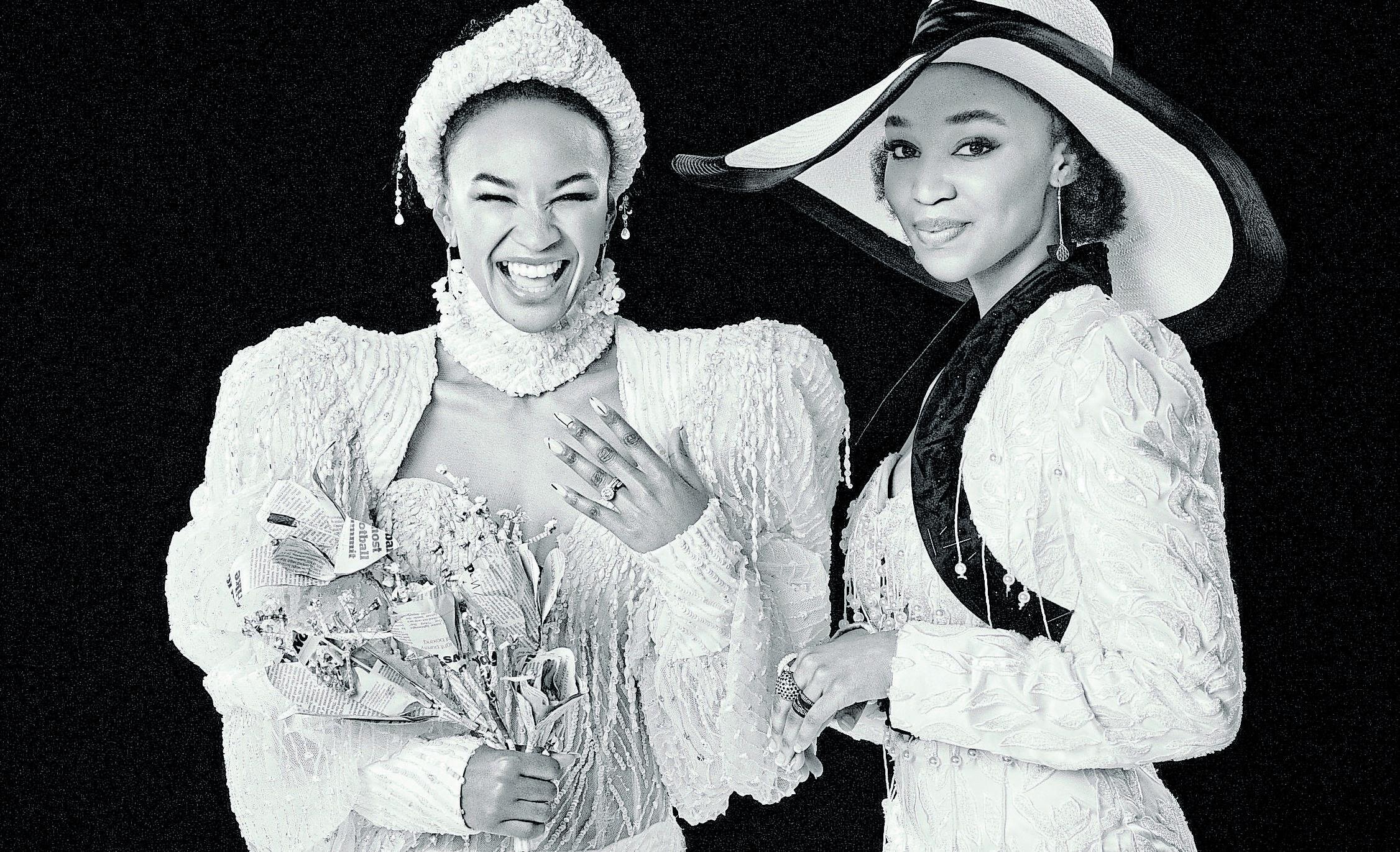
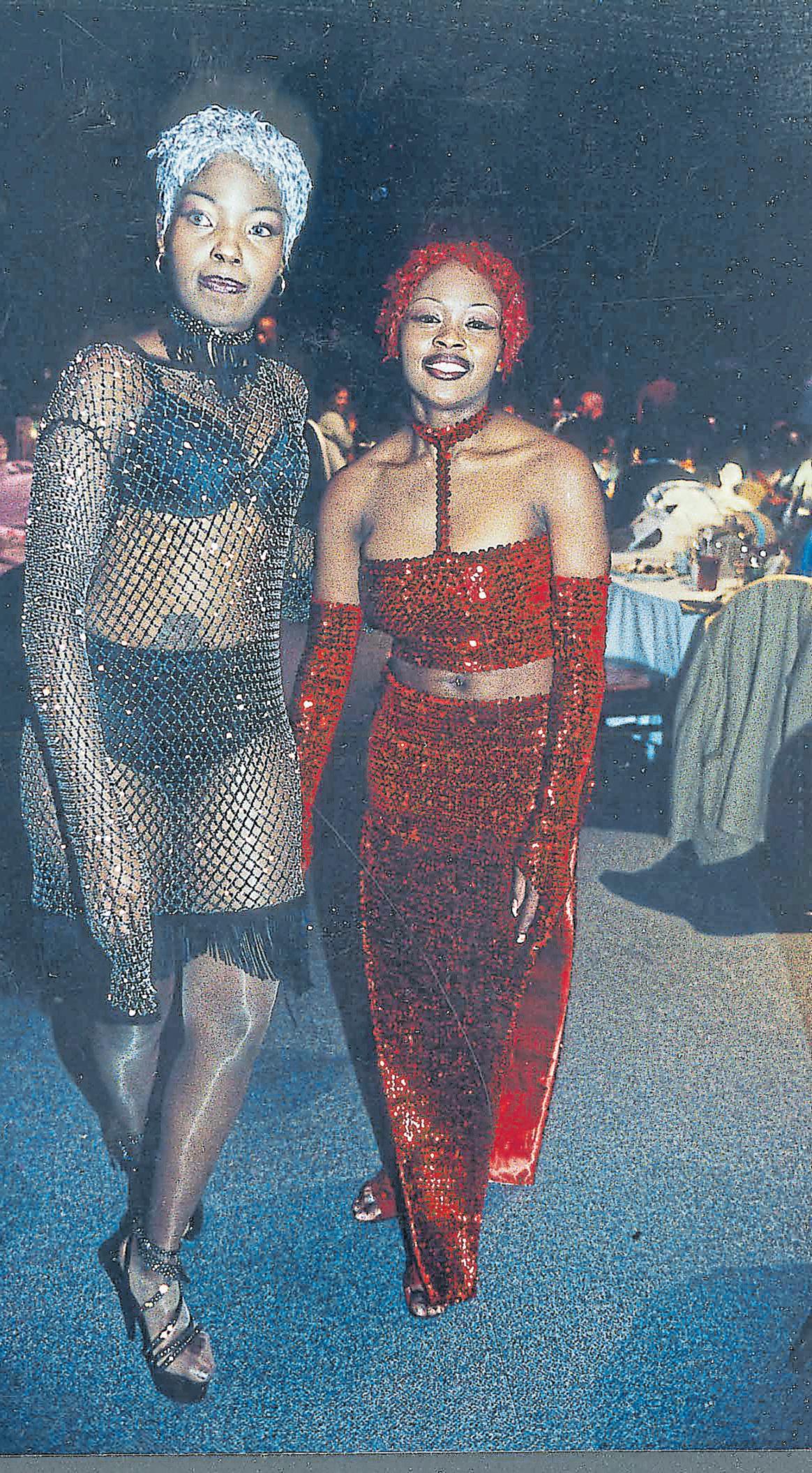
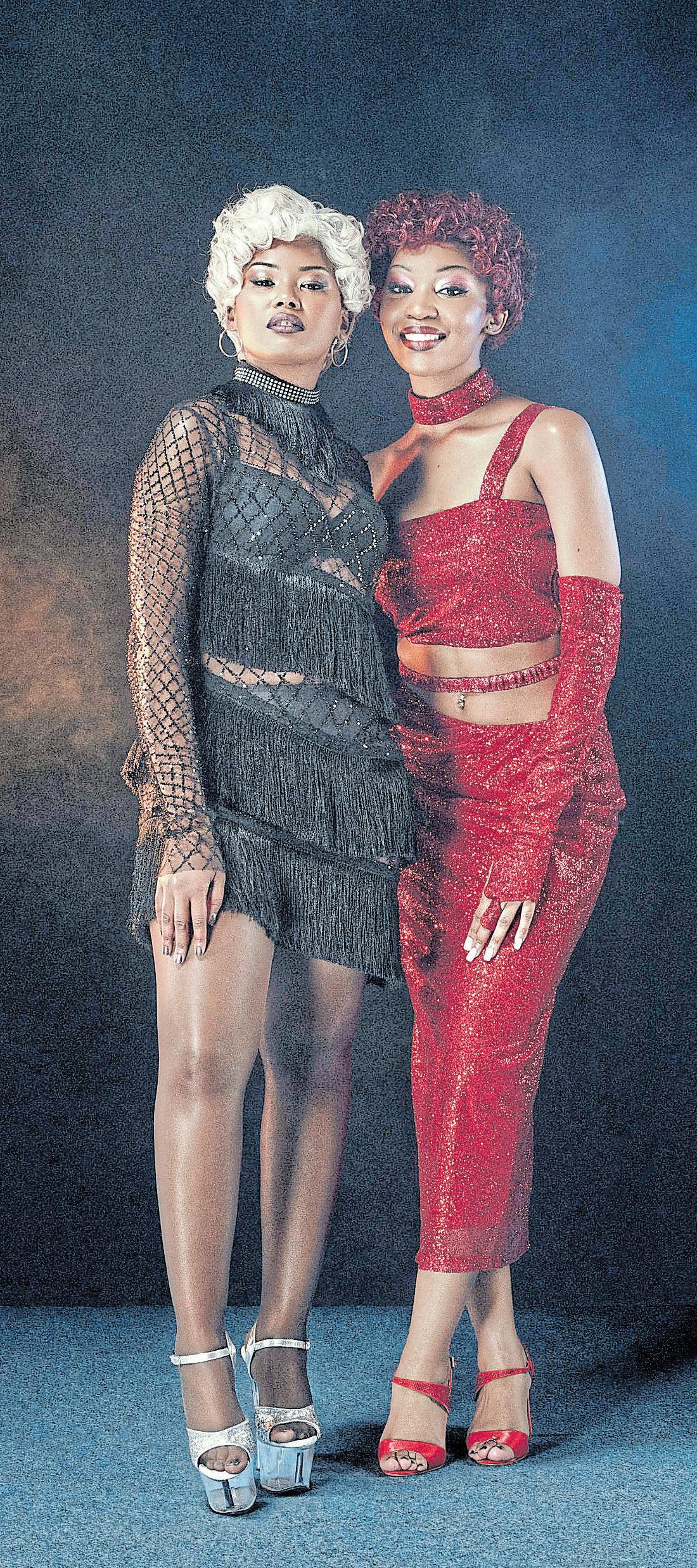
Noxolo Dlamini and Khosi Ngema as Brenda Fassie and Yvonne Chaka Chaka
/SIPHIWE
MHLAMBI
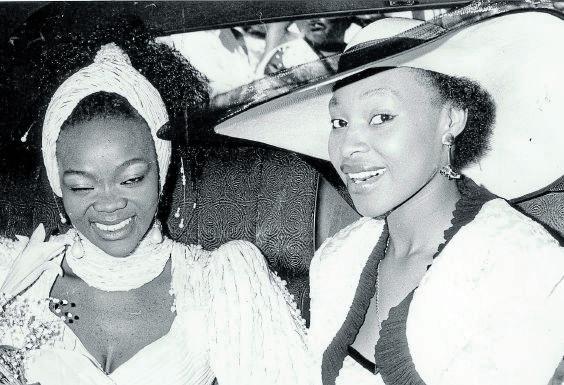
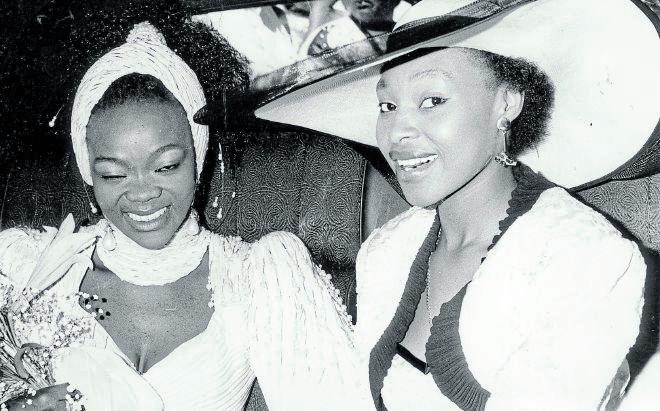
Circa 1989. Singer Brenda Fassie on her way to get married to Nhlanhla Mbambo. Seen here with her bridesmaid Yvonne Chaka Chakabefore the church ceremony. /MBUZENI ZULU
World alive with hope
Dance and song on global stage
In ’88 theymade afeature in a Sesame Street song, appeared in Michael Jackson’s movie Moonwalker ontheendcredits, and sang Mbube during the opening sequenceof theEddie Murphy movie Coming to America.The lattergivesa sense of 360 degrees with Nomzamo Mbatha’sfeature in Coming 2 America
Thereisanothersortoftranscending “local”, of not necessarily “making it” in the US, but resonatingwith thediaspora – SA’s Reggae King, Lucky Dube.
Dube began his career as a mbaqanga artist,releasing his first albumin 1981and peaking at about30,000 copies a record.Itwasn’tuntil1984that hefollowed hisdestined sound, reggaemusic, which startedasanepicfail.
A year later after countless liveperformance hefoundhis sound, wroteand produced, Think About The Children (1985),his secondalbum, whichblessedhimwithaplatinumsales status,elevating him to national and internationalpopularity.
Ndebele artist Esther Mahlangu worked as a resident atthe Botshabeloopenair museum from 1980 and 1991. In 1989she gained international attention ata Europeanart expositiontitled Magiciens de laTerre (MagiciansoftheWorld).
She was commissioned in 1991 by BMW to create an art car, as other BMW Art Car creators had done before (including AndyWarhol, David Hockney andFrank Stella), and through the years went on to become one of the most recognisedartistsintheworld
Ntshona and Kani, working withAthol Fugard,wenton tour in the United States in 1974, with Sizwe Banzi is Dead and The Island. On Broadway, they achievedinternational recognition whenthey were awarded a Tony for their performancesinbothplays.
Ntshona’s later success in NewYorkledtoaseriesoffilm roles in the1980s and 1990s. His mostsubstantial filmrole came in 1989 in A Dry White Season, alongside Hollywood veteranDonaldSutherland.
OnceKanireturnedtoSAin 1977, heworked withBarney Simon and thenew Market Theatre inJohannesburg, the beginningofalongassociation that was fruitful through the ’80s.Thisled totheestablishment of theMarket Theatre Laboratory,by KaniandSimon in 1990, to provide train-
ing to youngaspiring thespiansfrom lessfortunatebackgrounds.
Another SA landmarkthat workedwith Fugardatthe startofhiscareerisKenGampu,oneofthefirstblackSouth Africansto befeatured inHollywood films,working alongsidestarsasEdwardG.RobinsonandBurtLancaster.
Gampu playedlead in Joe Bullet (1973), the first SA film tohave anall-blackcast, toappealtoblack audiences.Itwas bannedby thegovernmenton the basisthat itmay influence theaspirations ofblackSouth Africans.
Thereis yetanother duoin theatre that left an immutable mark–youngperformerswho where touring in Kente’s companyin ’79. Together they workshopped what was to becomeone ofSAs definingtheatreproductions, Woza Albert! Percy Mtwa and Mbongeni Ngema started writingthe play in 1981 and staged it for thefirst timeat TheMarket Theatre two yearslater. The play toured Europeand the USwithgreatsuccess.
The ovation of Woza Albert! aidedin usheringtheprevalenceof Mtwa’s masterpiece, Bopha! andNgema’svanguard,

‘‘ Stars of ’80s displayed great strength of personality
AfricanQueen ofGospel, Rebecca Malope.
Shereleased twoplatinum selling albums Woza Lovey (’88)and ThankYou VeryMuch (’89),whichhad oneortwo gospelsongsthathadbetterreceptionthan therest. Itwasn’t until1992thatshereleasedher first fullgospel album,to becomeone ofthe biggestgospel figuresinAfricanmusic.
Malope has sold at least 10m albums worldwide,making her oneof thebiggest-selling gospelartistsofalltime.
Seeing beyond the present wasthegrand featofmusic virtuoso, Steve Kekana. Havinglost hissightatthe ageof five, Kekana wasin no way hindered.He releasedthe mostalbumsofthe’80sdecade with a catalogueof 22 releases from1980 to1989. Heenjoyed incrediblesuccessinthemusic industrywith over70Golden DiscAwardstodate.
Therewas anothermusician, whowhen experienced their music without the sight of race,one wouldswear the music camefrom aspirit ofa blackman, TheWhiteZulu, Johnny Clegg.
Sarafina!, both initially staged in1987.
Whileour globallegends wereflyingtheSAflaghighin theworld,artistsbackathome helditdown.
Kente, venerated as the Fatherof BlackTheatre inSA, trained an entire generation of blackSA performers,through G.K. Productionsthathe foundedinthe1960s.
In 1963,Kente producedhis first play, Manana, TheJazz Prophet, featuring Semenya andMbulu.Alongtheyearshe wrotemusic forthe likesof Mbulu andMakeba. His legacylivesonnotonlythroughhis timeless productionsbut also theentertainers he impacted; among his students were Ngema, Mtwa, Nomsa Nene, and Brenda Fassie.
One of the most celebrated star students in Kente’s class hasto be,Madonna ofthe Townships,TheBlackMadonna, The Queen of African Pop –BrendaFassie.
Fassie released 24 albums in her lifetime, 10of which are between1983 and1989(six with The Big Dudes), and left the country with recordbreakingclassics.
Weekend Special (’83) achieved multi-platinum status sales in excess of 200,000 copiesasthefastestsellingsingleofthatyear.
Onthe groundwiththe masses was also The Princess of Africa, Yvonne ChakaChaka.Hercareerasasingerstarted in 1984, selling platinum on herdebut album I’m inLove
With aDJ. Shethen released theequally successfulsecond album, Thankyou Mr.DJ, in 1986 andin 1987she released I’m Burning Up
The ’80s launched an array of artists who were deemed royalty,a householdfavourite acrossgenerations beingThe
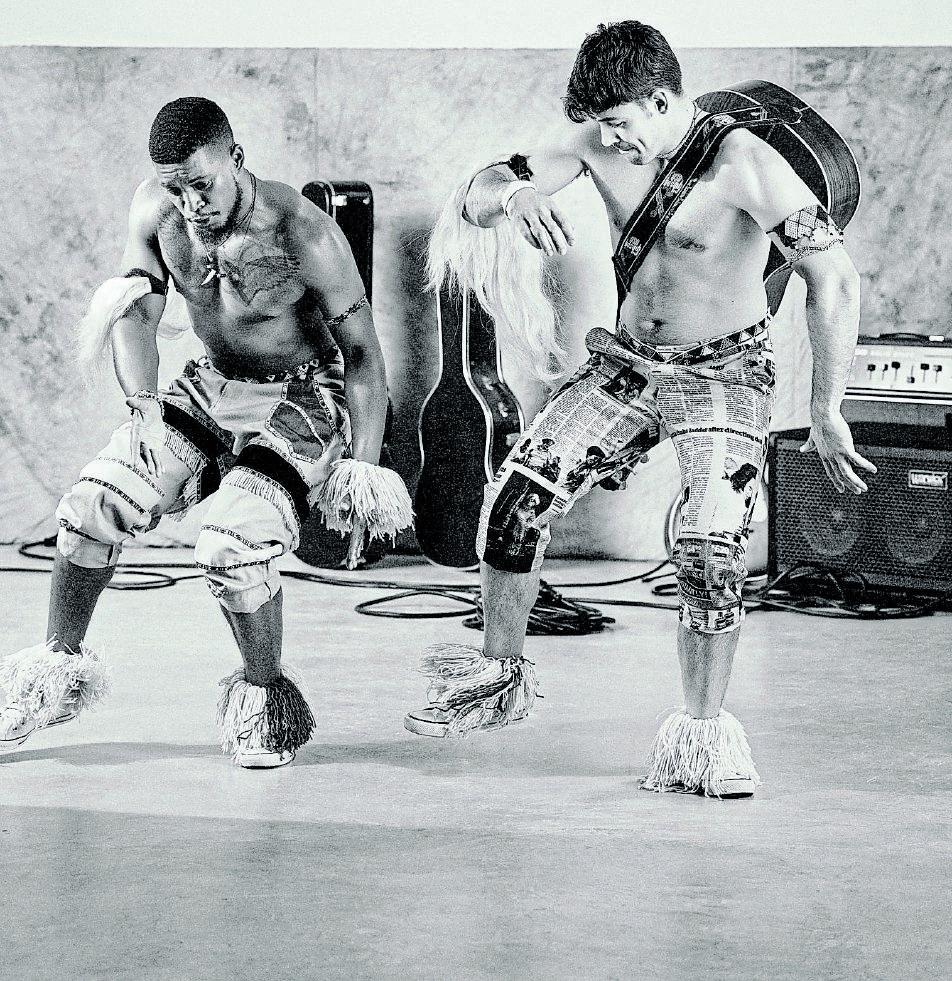
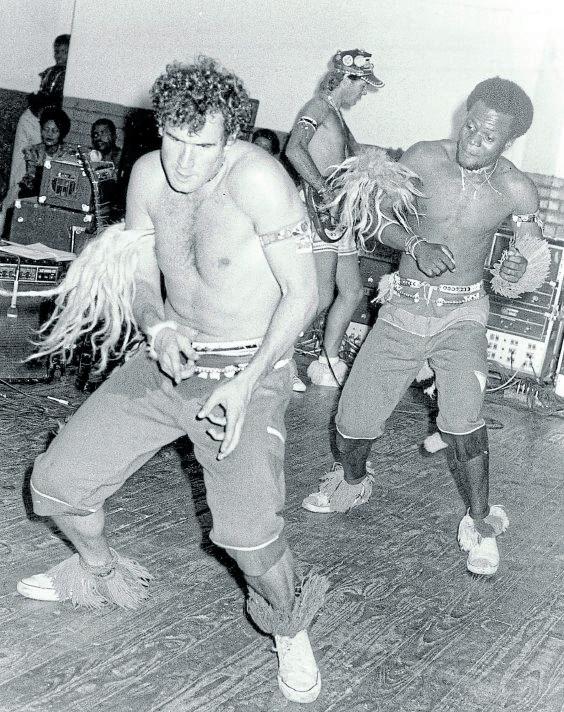
Atage 17Cleggpartnered withSipho Mchunuand formed the band Juluka in 1969, whichgrew toasixmembergroup releasedits first album Universal Men in 1979. Julukaexperienced greatsuccess buteventually disbanded, andClegg started another inter-racialband, Savuka, withmusician and dancerDuduZulu.
The group’s first album, Third World Child,broke internationalsalesrecordsinseveralEuropean countries.The band went on to record several more albums, including Heat, Dust and Dreams, which receivedaGrammynomination.
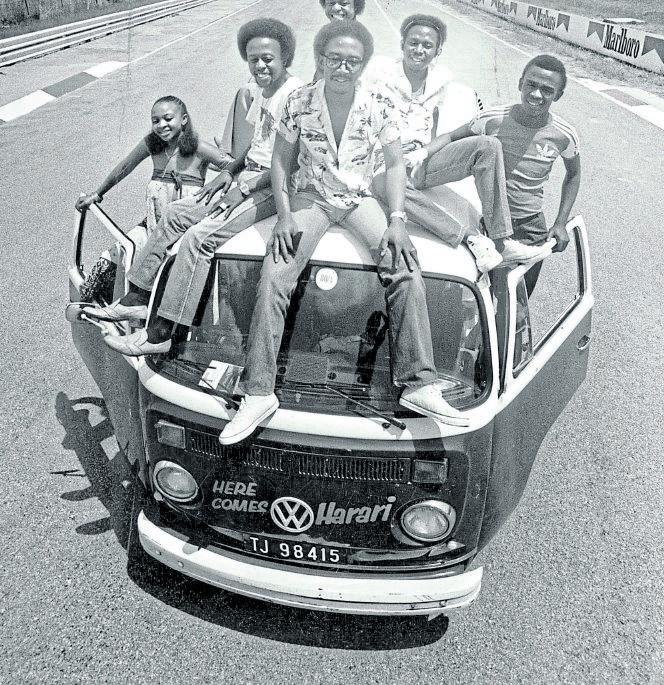
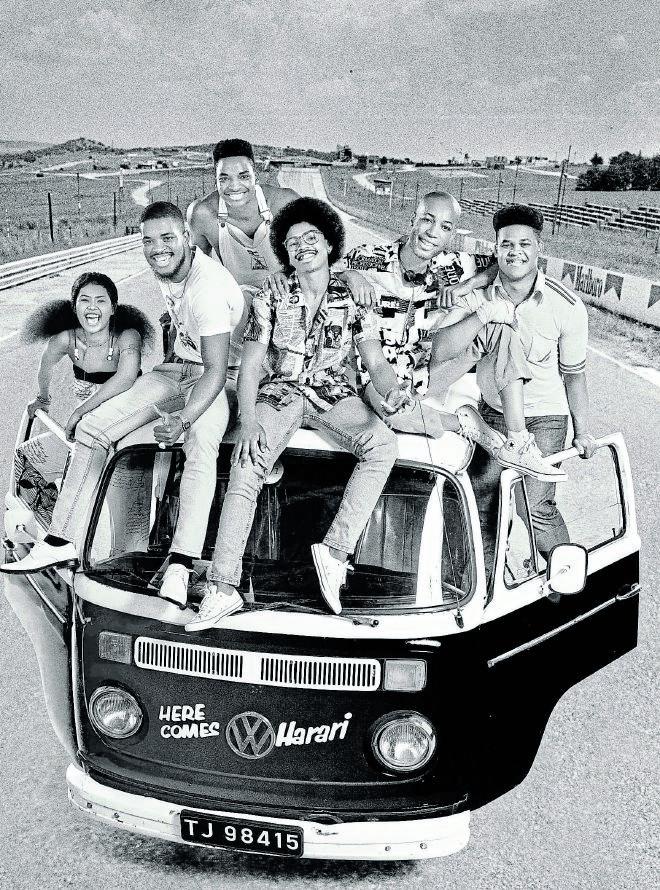
Solo success succeeding the ending of aband, was singer and songwriter Sipho “Hotstix” Mabuse. Mabusewas a memberofHarari,“themiddle name in cool soul”, a stylish andsophisticated bandoriginally known as The Beaters formedinthelate1960s.
Mabusewenton hissolocareer and releasedthe classic, Burn Out inthe early 1980s, which sold over 500,000 copies, andthe giant(Disco Shangaan) hitof thelate 1980s Jive Soweto
Thestars ofthe ’80s displayed agreat strengthof personalityandtemperament.
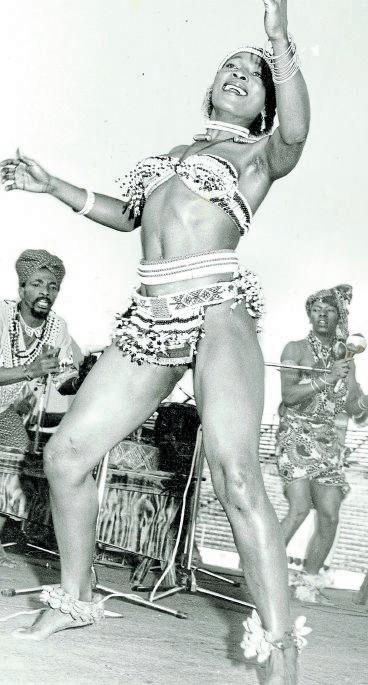
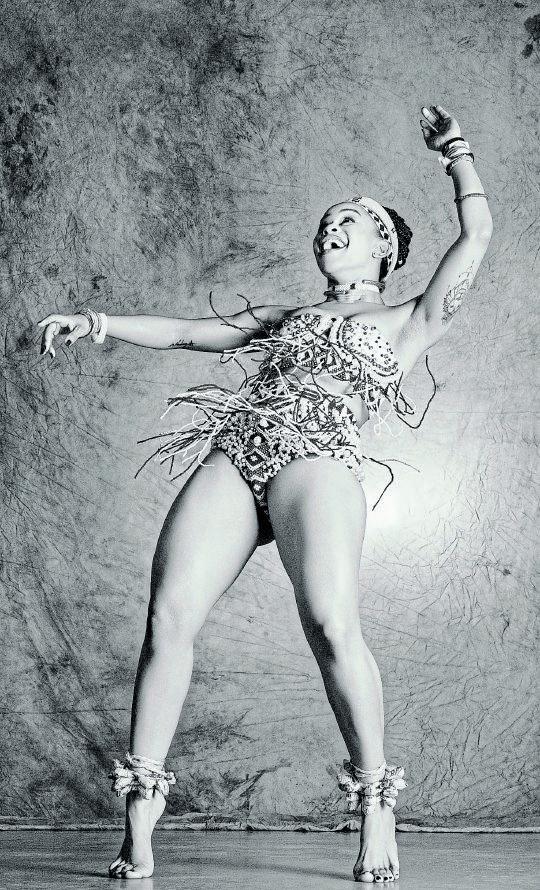
A stout example is Thembi Nyandeni, a dancerfor Ipi Ntombi (1974).With acareer more than 40 years old, Nyandenitravelledthe globeasa dancer and onher return home forged a new era of strong female roles on television,first in Kwakhala Nyonini inthe’80s,to Isibaya. ThatSA livingroommirror went beyondtelevision, butis now on computer monitors, andmobile devices;ours, isto look atall the blackhistory we have thetime tointake, andto ourselves utter, “look atyourself,youhavebeenbeautiful”
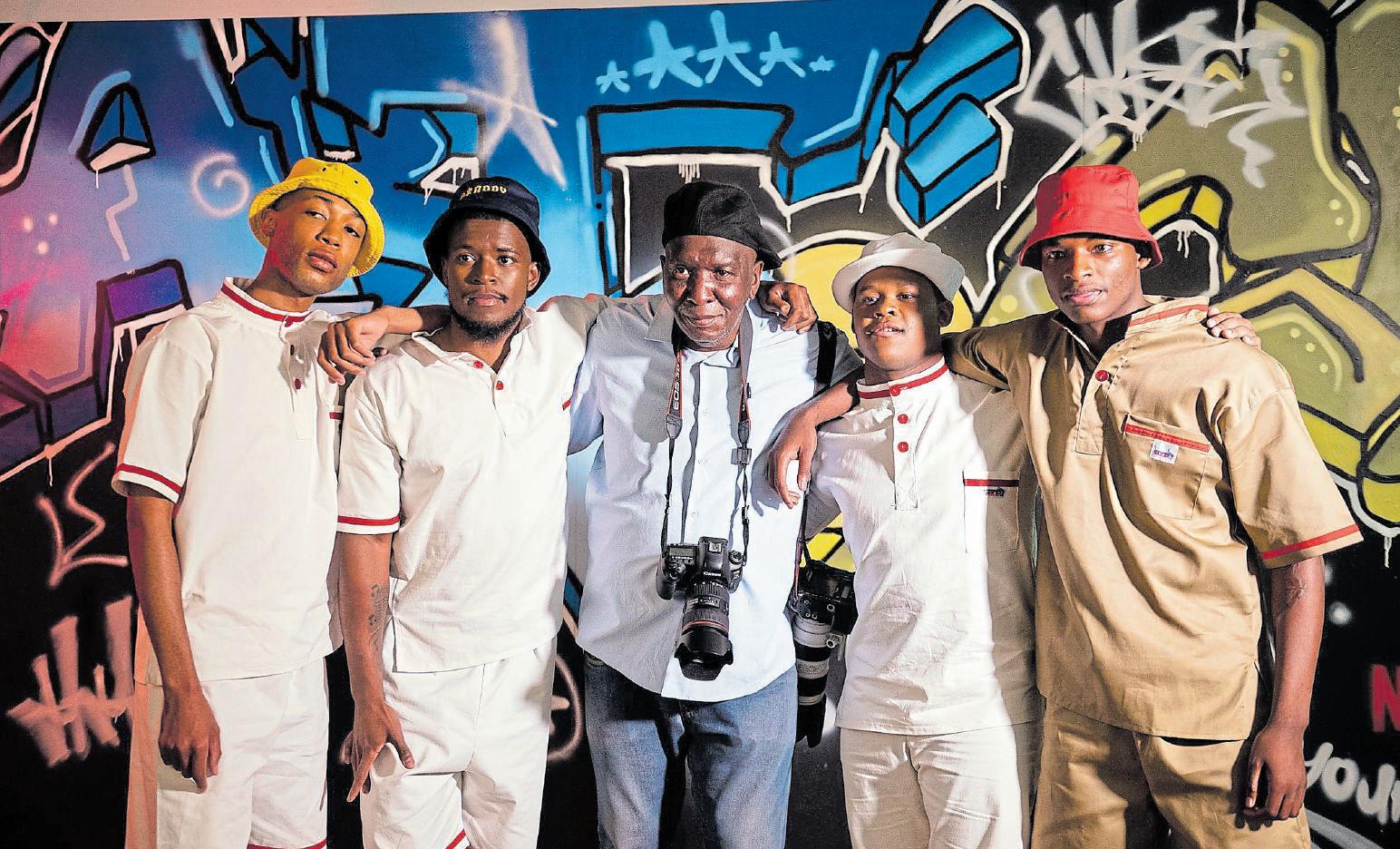
Given Sturrman, Prince Grootboom (JIVA!); Lethabo Bereng (How To Ruin Christmas); Dillon Windwogel,Leroy Siyafa (Blood & Water); Sthandile Nkosi (Unannounced) / SIPHIWE MHLAMBI
Circa 1980s. Sipho Mabuse with Harari at the Kyalami Race track, Johannesburg. / DAVID SADISON. © RAND DAILY MAIL/ARENA HOLDINGS
1980s1980s
By Sam Mathe
The1980swereagoldenageof SApop andanexciting erain sport, TV shows, radio, fashion, theatre andother cultural spaces. In athletics it was the era of threesensational runners whoshared thesame name – Matthews “Loop en Val” Motshwarateu, Matthews Temane,fondly knownasthe “Hammanskraal Express”, andMatthews Batswadi,the first black athleteto receive Springbokcolours.
BruceFordyce ruledthe Everestof long-distancerunning,theComradesMarathon.
But the darling of township folks was Zola Budd, the unassuming but fleet-footed teenager fromBloemfontein whopreferred torunwithout shoes.Shelenthernametothe then sleekand trendyminibus ToyotaHiacetaxithatinspired aBrenda Fassieevergreenhit ofthesamename.
Releasedin1987 asoneof thetracksonherself-titledand fifthstudio album, Zola Budd was a dance-flooranthem and now a popclassic, a befitting tributetoan iconicmodeof transport for the majority of SAcommuters.
Thediminutive singingdynamo arrived inthe City of Goldin1980fromLanga,Cape Town,andafter ashortstintat the Gibson Kenteacademy of actorsinDubeVillage,Soweto, eventually charted her own pathas thequintessentialpop starof ourtimes followingthe release of her debut album Weekend Special in 1983 with fiveexceptionally giftedinstrumentalists namedThe Big Dudes – Sammy Klaas (guitar), Desmond Malotana (keyboards), Fats Mlangeni (drums), David Mabaso (bass) and Dumisani Ngubeni, anotherkeyboardistandfatherof her onlychild, BonganiFassie. Theywereapeerlessact.
As theundisputed queenof pop,Fassiedefinedtheeraand Weekend Special wasaseminal tune thatset the tonefor the mainstreammusicofitstimes.
Famously crowned the Madonna of theTownships in a1991 Timemagazinearticle, it’s anapt title for anartist and social commentatorwho poignantlycaptured thespirit oftownshiplife.
Herfavourite hauntswere Prince’sand Banda’s places in Meadowlands Zone 10. These andother popularspotslike Irene’s inOrlando Eastand Rowena’s inRockville were social spaces wherenew releases werefirst playedand testedfortheirhitpotential.
Chicco Twala recalled how his firstalbum floppedbefore it could bereleased because
A decade rich with talent that re-shaped our world
From hit music on dance floor to sports field, SA stars shone
the patrons at Stadig, a Diepkloofshebeen,didn’tlikeit.
Dubbed the kingof township disco,Twala wasone of the defining voices of the period.Asa producerandsongwriter, he wouldplay a pivotal role inthe revivalof Fassie’s careerintheearly’90s.
Ten years after her premature deathat 39, herclosest rival andfriend YvonneChaka Chaka lamented, “The environment isdead. SouthAfrica isadamnboringplacewithout MaBrrr.”
The Princessof Africawas themaidof honouratFassie’s lavishwedding in1989to Nhlanhla Mbambo, the highflyingsocialite andson ofa Durban tycoon. Whenshe got on the charts in 1985 with her debutsingle, I’m In Love With a DJ, comparisons with Fassie wereinevitableandconfirmed herarrivalin thebigtime.It
‘‘ Concert promoted unity and harmony
wasthe beginningof alongstanding, highlypublicised and much-hyped rivalry on thelocalmusicscene.
Whilethe 1980sproduced magnificentmusical talenton agrandscale, theywerealso exceptional asfashion fundis. Acts like Harari,Umoja, Image,Cheek ToCheek,Brenda FassieandTheBigDudes,and
others too numerous to mention, were thesultans of style. Thepermhairstylewastheinthing butthe queenof popcreatedherowntrademarkimage of loose-beadedbraids known assingles.
“It was about the image,” says SiphoMabuse, erstwhile drummerand leaderofthe Afro-rock super group Harari. “Howyoulooked onstagewas very important.” Silky, bright and colourful designs with pan-African themes, hot leather pants and cowboy boots werepart oftheir trademarkwear.
Hotstix, sonicknamed by Hararifellow memberCondry Ziqubu dueto hisprowess on drums, went soloin 1983 after anacrimonioussplit.
His debut Rise sold an incredible132,000 copiesbutit was Burn Out (1984) that would confirm hisstatus as oneofthebrighteststarsofthe ’80s. Itachieved recordinghistory withan unprecedented 275,000 unitsin sales,ruled thehit paradefor weekson SABCethnicstationsbutmost significantly as acrossover hit it also made animpact on the chartsof whitecommercial stations.
The1980s werealsonotable for festivals.The biggestand grandestofthem allwasConcert In ThePark, organised by 702 and heldon January 12 1985atEllis ParkStadiumin JohannesburgasabenefitmusicalextravaganzawithOperationHunger.
With Mabuseas oneof the headline acts, thefestival was an eclecticline-up thatincludedBrenda andThe BigDudes, Marah Louw,Juluka, Stimela, PetitCheval, FaceToFace, Neville Nash,The Rockets, Umoja, Stimela,Supafrika, Blondie, ViaAfrika, Steve Kekana, Hotline and Paul Ndlovu.
With theincomparable Cocky “Two Bull” Tlhotlhalemaje ascompere, ConcertIn ThePark broughttogether more than100,000 revellers fromvariousbackgrounds.
The historicconcert illustrated thepower ofmusic to promote unityand harmony among peopleon different sidesofthetracks.
PJPowers andJohnny Clegg were among the few white artists whoenvisioned a true non-racial future before it became merepolitical rhetoric.
Through their crossover hits like Woza Friday and Jabulani, they became bridge builders and fearlessrebels whodared togive apartheidthemiddle fingerandfraternisedwiththe otherside.
*Continuedonpage18
Arno Greef (Blood & Water) as Johnny Clegg and Prince Grootboom (JIVA!) as Sipho Mchunu in Juluka. Right, Johnny Clegg and Juluka live on stage. / PHOTOS / SIPHIWE MHLAMBI AND TLADI KHUELE
Memories made of this
Dance styles and protest plays
Mabuse was another rebel who dared to record a song withthe bannedMiriam Makeba. He introduced Paul Simon to Soweto and Stimela members RayChikapa Phiri, Isaac “Mnca” Mtshali and the likes ofBakithi Kumalo,Tony Cedras,Vusi Khumalo,BarneyRachabane andthelate saxophonist MikeMakhalemele forthe Graceland album, a 1986 landmark project that catapulted SA rhythms ontotheinternationalscene.
It’s thanks tothis multiGrammywinner thatLadysmith BlackMambazo, a scathamiya (Zuluacapella) choralensembleestablishedin 1964,isstillaglobalsensation.
Graceland wasreleased at theheight ofapartheidstate repressionand increasingmilitant politicalresistance inthe townships.It wasgreetedwith angerby younganti-apartheid activists who accused Simon and theartists involvedof violatingtheculturalboycott.
In1980 theUnitedNations General Assemblypassed a resolution withmember states to “preventall cultural,academic, sportsand otherexchangeswithSouthAfrica” However,thisdidn’tdiscourage then exiles Hugh MasekelaandMiriamMakeba joining Simon and other artists on the Graceland in Africa tour(1987), a spectacularsuccessinZimbabwe.
Backhome theauthorities banned theirconsciousnessraisingmusic, butthanksto RadioBop–“thestationwitha mind ofits own” – and Moribo Wa Afrika presenter Mogale Mafatshe, theyand fellowexileslikeCaiphusSemenyaand LettaMbulucouldbeheard.
One of thesongs performed atthehistoricconcertattended by over 20,000revellers in Harare,Zimbabwe, wasMasekela’s Bring Him Back Home Calls forthe releaseof Nelson Mandelagrew louderin the ’80s.Twala and Fassie – a dynamicsinger-producerpartnership – wereat theforefront withtheirpopbrandofprotest music. But the censorship regulationsmeant the SABC couldn’t playsongs like We Miss YouMandela and Black President
The release Mandela calls culminated in1988 withthe NelsonMandela70thBirthday Concert at Wembley Stadium, London. The majorityof performers were from the West but SA was fairly represented byartistsofglobalstaturesuch as Jonathan Butler,Jonas Gwangwa, Amampondo as well asMahlathini andthe Mahotella Queens.Mama
Africaand HughMasekela sang Soweto Blues,alamentfor the children of Soweto who died onthat fatefulWednesdayJune161976.
The goggle-boxwas significantin manywaysas asource of entertainment. Itwas the era of Americanshows like The A-Team, TheCosby Show and Knight Rider. The black channelswere anovelty,havingbeenlaunched in1982and greeted by the target audienceswith acombinationof excitement and scepticism. The statebroadcaster couldn’t be trusted to air unbiased information butfor newsreaders andtheactingfraternity,anindustry was growing. Shows werebeingproduced.
JoeMafela wouldemergeas the most successful and popular comic actor of his generation. Having launchedhis careerin the ’60s asa stageand screen actor in skop, skiet en donder films, by the ’80s Mafelawas theface ofentertainment as S’dumo, the star
‘‘ Goggle-box significant in many ways as entertainment
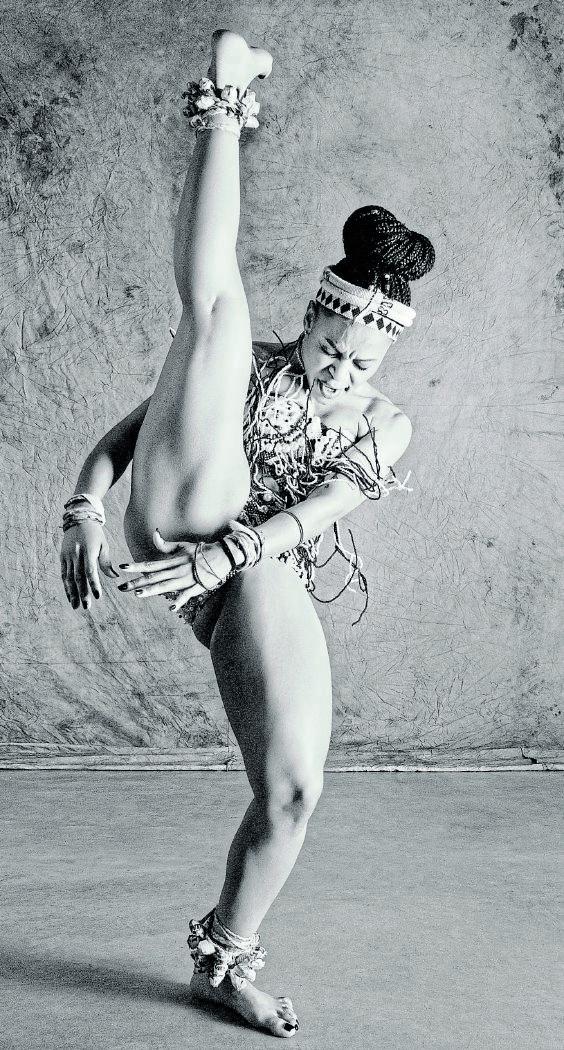
trotting 1974 musical Ipi Tombi before launching a TV career inthe’80s.Herportrayalofthe vainandheadstrongBeautyin Kwakhala Nyonini (1989)isstill a favourite topic among those wholovedthehilariousisiZulu dramaseries.
Umoja – The SpiritofTogetherness wasa musicalthatcelebratedthebeautyanddiversity ofthe country’s dance traditions. Shelaunched itin 2001 with childhood friend and fellowdancer, ToddTwala.One of thelongest-running shows, Umoja became a significant platformtogroomnewtalent.
Dancestyles weretheinthing in the ’80s. The decade started with18-year-old GaRankuwa lad,Godfrey Raseroka, beating32 otherinternationalcontestantsinLondontowalk awaywithfirst prizeat theWorld DiscoDancingChampionship.
There werebreak dancers and ballroom types but the pantsulas werethe mostpopular, especially onthe TV variety show Lapologa. Theyeven hada queen – singer Mercy Pakela of Ayashisa Amateki fame and inspiredthe awardwinning anti-apartheidfilm, Mapantsula (1988).
ShellRoad toFame was a peerless talent show that helpedto unearthsome ofthe finestmusical talentinSA. Oneofthemwasashy18-yearoldfarmgirl fromthethen Eastern Transvaal. Her name wasBatsogile LovederiaMalope.Theyearwas1987andshe walkedawaywithfirstprizeas a solo act for Shine On, a powerful gospelsong writtenby herproducer andmentor, Sizwe Zako. Rebecca Malope, the queenof Africangospel, wasbornonthatday.
LuckyPhilipDubewasborn inthesamepartofthecountry as Malope. Aftera promising startas ambaqanga singer,he followed in thefootsteps of his heroPeterTosh toemergeas the most influential voice of reggaeand atruly globalsuperstar whoperformed ineverycorner ofthe world –Africa’sownkingofreggae.
The Market Theatrewas a vibrant anddefiant spacefor multiracial audiencesand protestplays. In1987, theiconicplayhousebroughtTheBard himself totrumpet against apartheidinjustice. TheMarket’s Othello was the first professional productionwith a black actor.In thisrole John Kanilived upto hisreputation as the nativewho caused all the trouble whenhe provoked half of the white audience to walkout inanger anddisgust afterthe kissingscenebetween Othello (Kani) and Desdemona(JoannaWeinberg). The 1980s.What atime! Whatadecade! Thankyoufor the finemusic andthe fond memories.
Thembi Nyandenibegan her career as a dancer and stage performer inthe globe-
of the cult sitcom, S’gudi S’naysi (1986-1993)and ChickenLickencommercials.
Thembi Nyandeni performing at the Rand Stadium on 1985 / MBUZENI ZULU
Sne Mbatha as Thembi Nyandeni who began her career as a dancer in Ipi Tombi / NEO NTSOMA
Sne Mbatha as Thembi Nyandeni /NEO NTSOMA
‘That wedding is still my best wedding of all time’
By Emmanuel Tjiya
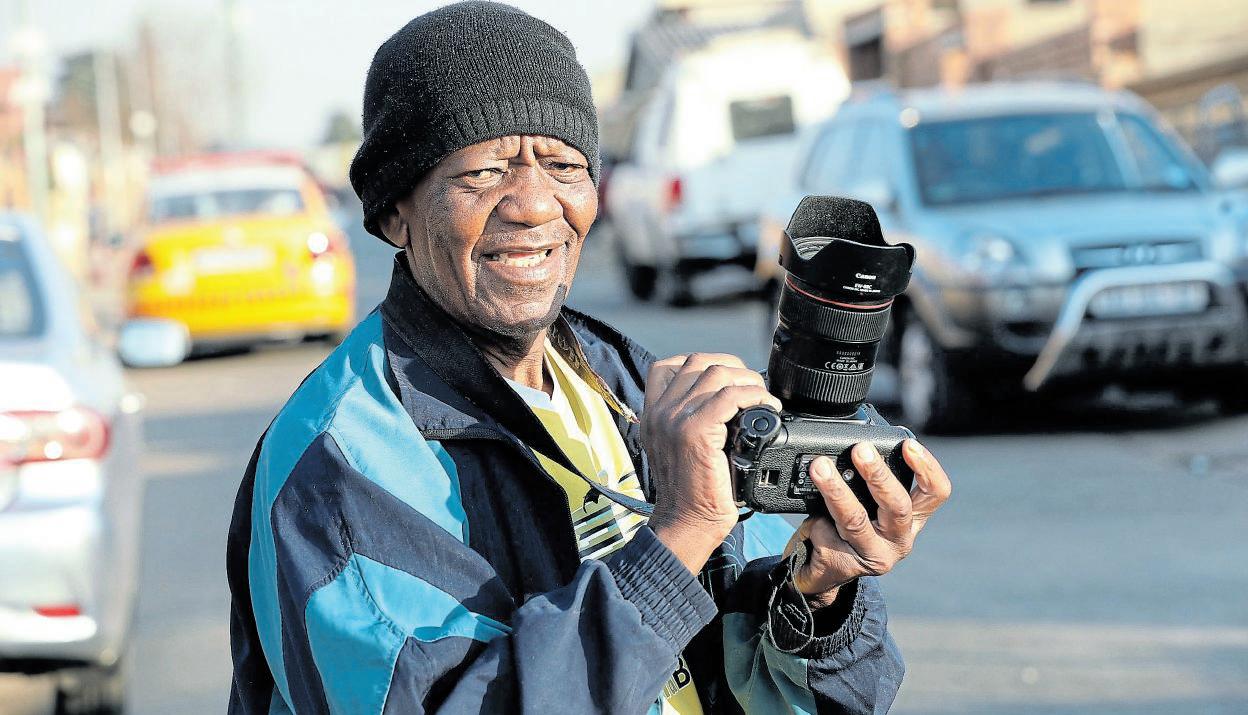
Veteran photojournalistMbuzeni Zulu,dubbed theoriginal paparazzo, remembers capturing Brenda Fassie’s lavish 1989 weddingto Nhlanhla Mbambolikeitwasyesterday.
Zulu describesthe over-thetop soirée that had camera lightsflashing fromphotographersfrom allcornersof Mzansi as the biggest he has everseentodate.
Themoment formspartof Sowetan’s rich archives that have been recreatedas part of a collaborationbetween Sowetan andNetflix thatlaunched onFridayto celebratethepaper’s40thanniversary.
Fellow lensman Siphiwe Mhlambi hasrecreated the image withhis twomuses JIVA! star Noxolo Dlamini and Blood &Water actor Khosi Ngema.
“I used tobe friends with Brendaandhadlearntthatshe was secretly planningthis big wedding.
“So we werein Soweto because I usedto capture social eventsand albumlaunches,” Zulurecalled.
“We then ran into Brenda, who excitedly revealed that shewasengaged. Sheusedto loveme alot. Sheintroduced metoNhlanhla andItookpicturesofthem.
“On Monday, the Sowetan came out with this exclusive thatshewasengaged.”
Nowthat thecatwas outof the bag, Fassie’s big Cape Townweddingwas theoneto watchonthesocialcalendar.
Zuluwas flownbySowetan to Cape Townfor two weeks before the wedding to cover everything. But he found it boringinhis hotelroomand spentmostof thetimeat Fassie’shomeinLanga.
“Yvonne Chaka Chaka was the matron ofhonour. Then Rebecca Malopeand Mercy Pakela were the other bridesmaids. Therewere alsoa
Lensman who displayed Brenda’s lavish wedding
number ofupcoming artistsin attendance and it attracted every artistin SA. Itwas a weddingwith agreatstorm,” Zulusaid.
“That weddinguntil todayis still mybest weddingof all time. Her weddinggown was inspired by thatof Princess Diana and Nhlanhla’ssuit was inspired by Prince Charles’. It wasveryexpensivetoo.
“At Brenda’s housethey were slaughteringabout two sheep aday andshe wasvery opentothecommunity.”
Joining Sowetanin 1984, Zulu was born in Sophiatown, and documented with his lens thehistoryof SA – from politics toentertainment and sports.
Before retiring in 2008 after a hip replacement surgery, someof hisfavourite starsto shoot includedRay Phiri, Sipho “Hotstix” Mabuse,
ThandiKlaasen andAbigail Kubeka.
Zulu’sfocus nowison community building and he hasbeenpart oftheschool governing bodyat Senaoane Secondary Schoolin Soweto since 2015. He was appointed treasurer for three years, beforehemovedtobeingachairperson.
Heisafatheroffivechildren andhisnephewisDJSbu.
“I’mabornartistandevenin schoolIwasgoodinart.Iwasa sculptureartist whenIcame across a camera. I started shooting, mostly social pictures,”Zulusaid.
“I was born tobe a photojournalist; mymom always loved readingnewspapers and that lovestarted there.So eventuallyI startedasa freelanceratCityPress.
“When I joinedSowetan it was vibrantbecause therewas
this second phaseof our uprisingafterJune16.”
● ParttwoofSowetan40xNetflixwilldebutexclusivelyin
TimeOutthisFridayand looksatthe1990sthroughthe lensofNeoNtsomaandthe penofLesleyMofokeng.

Since its publication on the 4th of May 2021, the Green Paper on Marriages has been a subject of vibrant debate and discussions in the public space.
The proposed changes, as contained in the Green Paper, are necessitated by the observation that the current marriage system does not provide equal protection and human dignity for all people who live in South Africa. It falls short of meeting the Constitutional requirements of a public administration that provides services impartially, fairly, equitably and without bias.
The marriage policy review process will culminate in a new, single marriage act and lay a solid foundation for the recognition and protection of all marriages, irrespective of the person’s race, gender, sexual orientation, age or religious and cultural persuasions. In summary, the new marriage policy will establish a transformed legal framework for regulating the solemnisation and administration of marriages in a manner that promotes the values in rights that are entrenched in the Constitution of the Republic.


Veteran photojournalist
Mbuzeni Zulu, dubbed the original paparazzo, captured Brenda Fassie’s lavish 1989 wedding. /VELI NHLAPO
Singer Brenda Fassie got married to Nhlanhla Mbambo in 1989 and she’s seen here with maid of honour Yvonne Chaka Chaka. /MBUZENI ZULU
Designer takes us back in time
Modutle recreates Brenda Fassie style
By Emmanuel Tjiya
Young designer Orapeleng
Modutle was only six months oldwhenBrendaFassiestaged herepic1989 “wedding of the decade”toNhlanhlaMbambo.
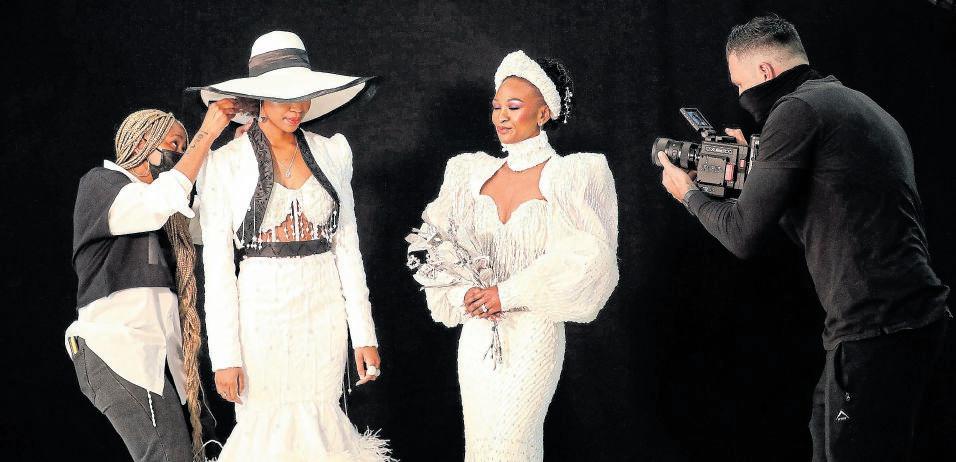
Modutle, who turned 33 at the weekend, has three decades later recreated Fassie’s dreamy gownfor the Sowetan40 xNetflix campaignthatlaunchedonFriday.
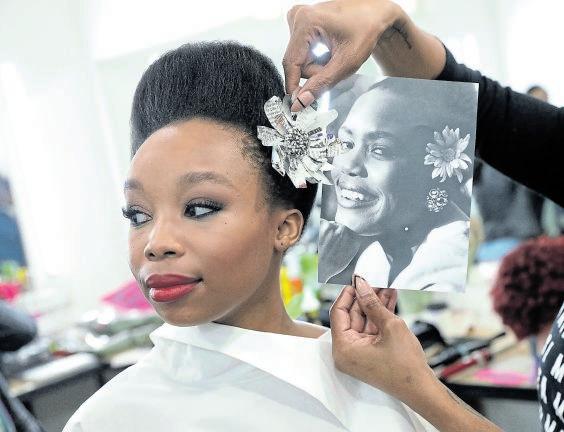
Heisone oftheemerging designers that were tasked with re-imagining the 1980s fashions. SelloMedupe ofScalo gavethe YvonneChaka Chaka-look amodern twist, whileSihle Masangodidthe same forthe ThembiNyandenidancenumber.
“Iwas surprisedwhen Iwas asked,because Idon’t remember thewedding dress,I just heard about it.Then when I didmy researchanddiscoveredthe statementthewed-
dingmade,itwasaprivilegeto be part ofthis project,” Modutlesaid.
A lot of bedding went into theupdated lookthat wasoriginally created by design houseTheBoys. “My brand is very sexyand elegant,so how weinterpreteditwasourfresh takeonbeddingwiththeuseof modernstones likeSwarovski crystals,”saidModutle
“We alsoused hangingtassels which gave it a cultural twist. So if youlook at Zulu and Xhosa brides they usually haveaheadpiece thathastasselsontheforehead.”
Born inthe smalltown of Phutanang, nearKimberly in the NorthernCape, Modutle was raised bya single mother. Hedreamed ofbecomingan actor, untilhis lovefor fashion peakedinhismatricyear.
After highschool hestudied fashion design atTswane UniversityofTechnology.Inhisfinal year, Modutleinterned for StonedCherrieforsixweeks.
Hehititoffwithlabelowner
Nkhensani Nkosiand was hired as a pattern maker. A
year later in 2013, Modutle launched his eponymous fashionlabel operating fromhis brother’sgarage.
Buthis breakcame in2016 after showcasingat Mercedes Benz Fashion Week in Johannesburg, and twodays later Bonang Mathebadonned a piece fromthe collectionon thecoverofGlamAfrica.
The blueand pinknumber, with a bow detail, was styled with adramatic brimhat. Matheba went viral in a video clipwearingthelookandModutlebecamethehottestdesignerintown.
His celebrity clientele includes Boity Thulo, Thuli Phongolo, Minnie Dlamini, Somizi Mhlongoand NomzamoMbatha.
Next,Modutle plansto launchhisready-to-wearline.
● ParttwoofSowetan40xNetflixwilldebutexclusivelyin TimeOutthisFridayand looksatthe1990sthroughthe lensofNeoNtsomaandthe penofLesleyMofokeng.
Brits thrilled by Toya’s Zulu rave
Delazy is taking England by storm
By Patience Bambalele
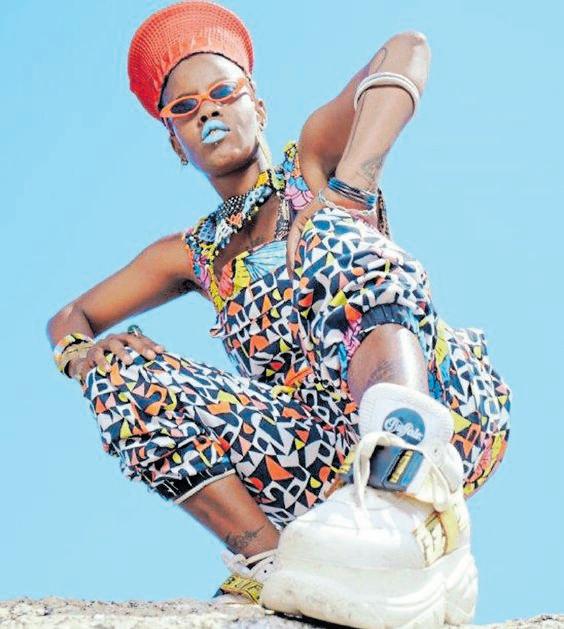
London-based South African artist and dancerToya Delazy is taking Britishaudiences by storm withher 100%Zulu album Afrorave Vol 1.
Thealbum hitthedigital streets worldwideon Friday andreceived airplayonBBC radio.
Her single Resurrection was played inthe slottitled “BBC Introducing Dance”,hosted by JaguarBingham.
Theradio presentersaid:
“Myfacewas purejoywhen this came through on the upload and I knewthat it deserves to be featured in the DanceFloorMoment.
Iam abigfanof Toya’s unapologetic genre crossing sound and herenergy is infectious.You canheardrum, technoandrave.”
After sixyears living in Lon
emerging musician, she is just happy herjourney toglobal stardomhasofficiallybegun.
Speaking toSowetan, the granddaughterof PrinceMangosuthuButhelezi saidsherealised that singingin English was not helping her, which is why shewent backto her roots.
“They call mean emerging artistbecauseI ambubblyunderandthey areexcitedbymy music.
“Theystartedtoplayitonradio.Itissosurrealitmakesme happy.It soundslikea winfor me and the whole SA,” she said.
Her other single, Qhawe, has been nominatedfor BestProduced MusicVideo inthis year’sSAMA27.
“I went to mission school where they usedto shave our heads and test our virginity. Whenyoulook atitnowyou realise that ourskin was alwaysaproblem.
“Some of my friends are still broken,even today. Resurrection isabout re -






Studies







Artist and dancer Toya Delazy. /SUPPLIED
Designer Orapeleng Modutle
Noxolo Dlamini and Khosi Ngema as Brenda and Yvonne. / Veli Nhlapo
TimeOut
You’ve made it
Jacqui Mofokeng: g: queen of original black girl magic
Her reign defined SA’s turning point
By Lesley Mofokeng
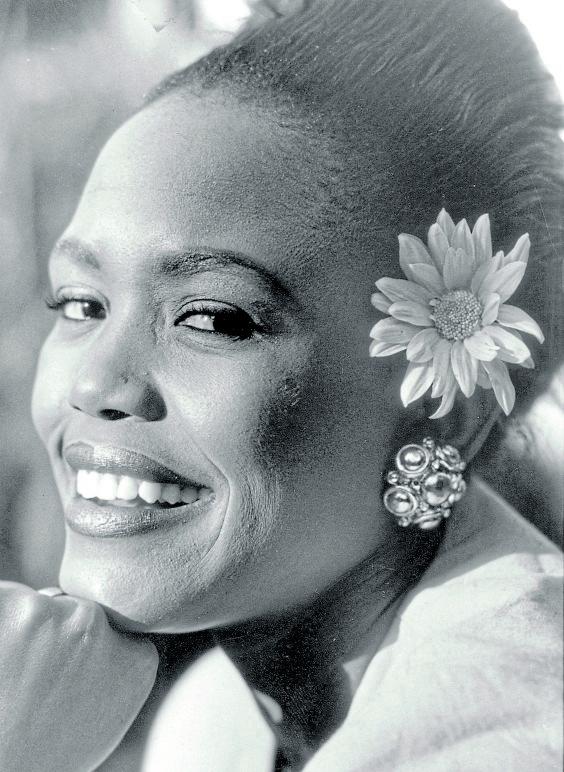
The win by Jacqui Mofokeng in 1993 as the first black Miss SA unleashed a long reign of ebony beauties who snatched the covetedcrown fromthe lily-whitewinners whomade ittheirownterrain.
Thehistory ofbeauty contestsinSA bearsthesame dark pastas thenation’s history. Blackwomen could onlyenter MissAfricaSouth andlaterMissBlackSA,while
MissSAwas thepreserveof thewhitewomen.
Evenwith thecultural boycott of the 1970s, beauty was never justskin deep. It becamea hotpoliticalissue until theearly 1990swhen black contestantswere allowedin.
Nothing could have prepared the then 21-year-old Mofokeng for what was to followher famousvictoryin theSunCitySuperbowl. Nosoonerhadshetakenher victory lap atopa MercedesBenz inside the Superbowl hadthehatestarted.
Callers jammed radio sta-
Sowetan x Netflix

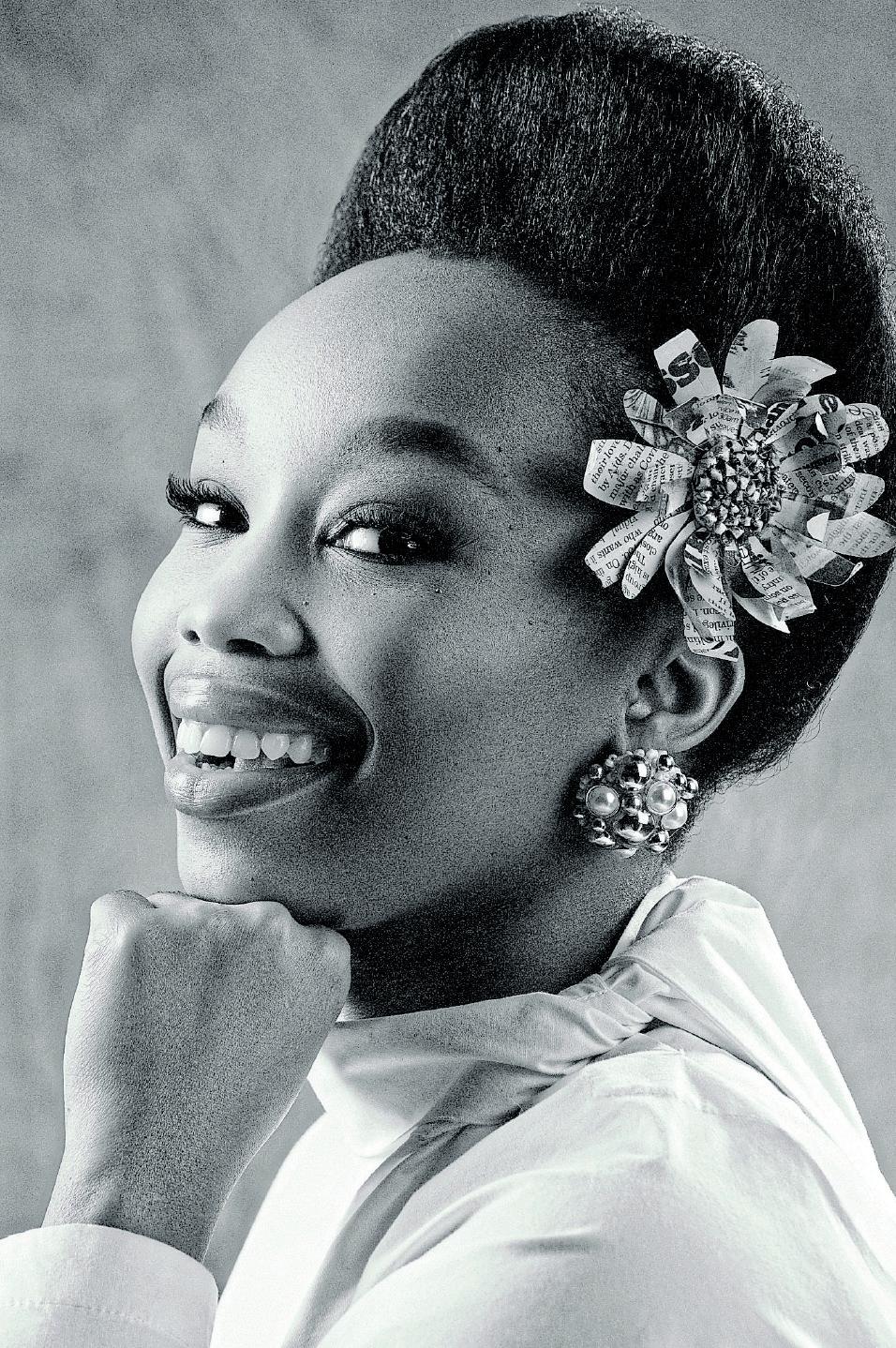
Jacqui
tionscomplaining abouthow unattractive she wasfor a beautyqueen,from thesizeof herlipstoherbackside.
The gears had shifted and forpeoplewhofordecadeshad been served white beauty it became a bitter one to swallow.
Theownership ofthe pageantalso exchangedhands when Sunday Times/Rapport sold theright toDoreen Morris,a TVvisionary personality whoset offto makeitmoreinclusive.
Winners likeBasetsana Makgalemele (now Kumalo), Peggy-Sue Khumaloand Ker-
ishnie Naicker became household namesand carriedso much power atthe height of beautypageants.
Back toMofokeng. Shewas probably the most photographedwoman atthe time, thanks to the publishing muscle ofthe SundayTimes andRapport.
Also, she wasa necessary socialexperiment ofhow nationalcohesion andreconciliationwastobeachieved. It cameat agreat costand pain toher, butthe rewards werebigger.
To this day, Mofokeng’s nameis synonymouswiththe
1990s and theyoung people who are today facing midlife crisis relive their youth through thetimes of Mofokeng.
Toa generation,Mofokeng still representsthe original blackgirlmagic.
Anation findingitselfand itsnew identity,some ofthe firsts thatwere stagedwas the SA Fashion Weekin 1996 under thedirection offormer model LucillaBooyzen, bringing together established fashion houses with newbies from the townships and the suburbs.
This would lay the foundationfor thesuccessof fashiontitans likeDavidTlale, Ephraim Molingoanaand PalesaMokubung.
Miss SA Jacqui Mofokeng was a doyen of black beauty in pageants. /CHRISTINE NESBITT / ARENA HOLDINGS
Candice Modiselle (JIVA!) as
Mofokeng /NEO NTSOMA
By Lesley Mofokeng
Thefreshscentoffreedomstill hung inthe air. Theechoes of the guttural Imilonji KaNtu Choral Society singing uMandela usilethel’ubungcono (Mandelahasmadethingseasy)still reverberatedin manycorners oftheland.
Thenew nationalanthem wasa tonguetwister,especially theAfrikaans part(it stillis formanyothers),asthenationalreconciliationandunityprojectgotofftheground.
The days ofMandela magic and the neon bright rainbow nationcoloursin allitsglory dazzledtheworld.
How wasit that anation just a fewyears earlierwas tearing itself apartfighting themonster called apartheid had reached anegotiated settlement withoutdescending into a full-scale civil war as has beenthecase inmostAfrican transitionstodemocracy?
We dodged the bullet of the third force thatwas linked to politicalmurders andskirmishesthat claimeddozensof lives notoriously in Katlehong andThokoza onthebloodstainedKhumaloStreet.
The country was a darling of theworldand inourinternationaltravels weproudlybrandished our passports as curiouscustoms officialsandlocals asked: ‘Ah, you’re from South Africa? Nelson Mandela,Winnie Mandela,Lucky Dube, MiriamMakeba, Desmond Tutu,Bafana Bafana...’ andflashed awelcomesmile.
Theair wasthickwith promiseas theworldmarvelled at the magicof SA. The glow from the celebrations of the watershed1994 general electionswasthekindnomoneycouldbuy.
Lucky Dube’santhemic Different Colours, One Nation galvaniseda peopleready tobuild fromtheruinsanddevastation ofhate, oppressionandprivilegeforaselectfew.
It wasas if thehorses had boltedfromthe stablesinthe entertainmentfront withthe mushrooming of new bands, newdancestyles,sounds,fashion andindependent musiclabels. Everybody expressed themselves, pushed boundariesand challengedthestatus quo.
The Boom Shaka girls, Lebo Mathosa and Thembi Seete, gyrating wildly to It’s About Time leftmany blushingand set many more teenage hormones raging. They, together with bandmates Theo Nhlengethwa andJunior, claimed their timeand freed young black boys and girls fromtownships, villagesand farms of SA to seize the day and make their presence felt, foritwasabouttime.
Their courtcontroversy when they took the national anthem, added afew thumpingbeats andbreathednew life, resulting in a kwaito-fied version andan outrageensued after theyperformed itat the
Sowetan 40 x Netflix
‘‘ 1994 elections glow the kind money could not buy
Groove
1990s music scene explosion was a marvel that took country by storm
musictocarveasuccessfulactingcareer.
Theflag bearersofthe kwaitomovementoutofSowetowere outin fullforce.
Arthur Mafokate’s Kaffir disrupted the “relatively peaceful transition of the rainbow nation” narrative whenhe broughttothesurfacethelived experiences of blackpeople in the urban centres,villages and farms of SA who were still calledby theabhorrentKword.
It wasa reminderthat the reconciliation everybody preached was nothing but a band-aid whilethe woundfestered underneath. There were forcesofwhitesupremacythat soughtto sabotagethenationbuildingexercise.
Mafokate,whose claimto famewas asMr Sowetoat somepoint,venturedintobusinesswith thelaunchof hislabel 999Music, which became the cradle for the careers of stars likeAbashante, Queen Sesoko,ZomboandLira.
South AfricanMusic Awards (Samas)of 1998in skimpyoutfits and signature wild gyrating.Sacrilege. Theywereaccused of beingdisrespectful of thissacredhymncomposedby Enoch Sontonga born out of a need to pray for Africa as it facedthe challengesofcolonialismandforeigninvasion.
The fieryLebo Mathosa
‘‘ How it started…
with hercolourful contact lenses already showed signs of the“nextbigthing.”
There was excitement, if not obsession,aboutherinthemedia, butin realitythe shy young womanfrom Daveyton onthe EastRand guardedher life. Thembi Seetewas always the sweet dimpledrapper who later in life transitioned from
Mdu Masilelawas another voice fromSoweto thatadded to the burgeoning kwaito repertoire. His wasa different flavour withreleases like Ipompe, TsikiTsiki, YU 4Me and Is Fokol Is Niks While he shied away from controversial lyrics,he ensuredthat theparty scenewas never short ofhits. He worked with Mashamplani, a fourpieceboyband thatalsodeliveredsome memorablehits such as Ratlala and Bangiphethe Kalawa JazmeeRecords, oneofthe biggesthitfactories in the country, also opened theirdoorsandadelugeofmusicianswas unleashed.Bongo Maffin,BoomShaka,Brothers of Peaceand Mafikizolorevived the power of the ’70s super-groups.
The soundwas hipand cool andprovidedablueprintfortoday’s gqom and amapiano bands.
Bangers like Thathisighubu, Makeba, SigiyaNgengoma, Traffic Cop,Manyonyoba, O Kae Molao and Thati Mpahlayakho defined anera. They burstwith energyand put kwaitoand danceon a pathtogreatness.
Thebe is worth a mention with albumssuch as Tempy Life, Top Dawg and The Vibe Continues and hit singles Philly, Ungawa Kum, Bhek’Indaba Zakho
Lebo Mathosa and Thembi Seete of Boom Shaka at the SA Music Awards. The group fired up a generation of youngsters to make their presence felt. / JOE SEFALE
Sowetan x Netflix
that soothed SA’s creative soul
After being inthe doldrumsand strugglingtofind backher groove,Brenda Fassiereloaded andmade one of history’smost memorable comebacks with a wedding song. Vulindlela became anotherlease oflifeafter some darkepisodes inher life. The song went on to break records as the old favouriteresurfaced andremindedallwhoisboss.
MarcAlex, aduo of Rantseli brothersfrom Soweto,was thepersonificationof hip and cool.With their Scurls,striped shirtsanddazzlingsmiles theyinfuseda newenergy intheindustry with their brandof pop music.The song Quick Quick, releasedin 1989,becamea crossoverhit thatcemented their place inthe pop songbookofSA.Theywereplayed with thesame fervouron 5FM asthey wereon Metro FM. Morefun camewith tracks like Boys Be Boys, Treat U Right and the smouldering ballad My Life, My Love, My Everything A CapeTown vocalist named Vicky Sampson belted asong titled My African Dream. It was inspiring, rousingandeasy tosingalongto. In no time the song became an anthemthat wouldgalvanise the causeof the PanAfrican agenda.The songbecamea must-playatgovernment andcorporate functions.
Another independent recording stablethat contributed to theyouth expression was Ghetto Ruff headed bythe charismaticLance Stehr. The Cape Town group Prophetsof theCity wasits biggestattraction andinternationalexport famousfor the hit Excellent BlackPresident,until thelikes ofIshmael, Skeem, Ashaan, Oda MeestaandAmucameonthe scene. Skeem’s Waar Was Jy deserves a national monument asthe songthat paid tributeto localmusic asa throwback to thepast and it gotsobig thatitenteredthe everyday lexicon.Today, Waar wasjy? isa conversationstarter.
Ishmael waseffectively the midwife whoushered inthe year2000 withthecelebratorysong Unity(The NewMillennium) easingour fearsof the Y2Kphenomenon that seemingly threatened to cripple thesystems ofthe world. Thefollowing yearhe gotus twistingour hipsandwaistlines to thefun Roba Letheka andcalmedus downwiththe soothinggospel tune Avulekile Amasango
four,invented theirown township lingo mixed with Setswanaon songslike Inna Di Placa whileHHPventured outas therapper whosings Pantsula in Setswana. In later years came Morafe, famousfor The Whole Thang These efforts gave the industry big names like KB Motsilanyane, Khuli Chana and Towdee Mac whoare still makinggreatmusic.
‘‘ … How it’s going
Bula Music played its part in the gospel scene releasing Lundi Tyamara, Kholeka, SfisoandVeliswa.
Elsewhere, exhausted with the Americantwang that
dominatedlocal hip-hop,the Motswako soundstarted takingroot. Theclarion callwas ‘Gasemo Statesmo’ (This is not the United States) in an attempt to bemore authentic
to the African experience. A group ofyoung menin Mahikeng thought it fashionable torap inSetswana and thatcaughtfire. CrowdedCrew, agroupof
Alongwith theintensity and passion of the 1995 RugbyWorldCupwastherousing soundtrackoftherenditionof Worldin Union by PJPowers and LadysmithBlack Mambazo.It wasthe turnof TKZee in1998 to rallythe nation around Bafana Bafana’s efforts at theFrance soccer WorldCup with Shibobo featuringBennyMcCarthy. With such booming talent in the ’90s, themusicindustry gathered in1995 for the first-ever SAMusic Awards (Sama). The awards didn’t immediately embrace the new kwaito sound.It had been criticisedfor having one-linelyricalcontent.
Thewinners camefrom jazz and whitepop genres. The Sama brand grewexponentially over the years, attracting corporate sponsorship and with the industry buy-in became ared carpet weekend extravaganzaat Sun Cityit was known forbefore the Covid-19 pandemic. WhileattheSuperbowlofthe SunCity, thetour-de-force that is TKZeewould make history, walking away with fourtrophiesinonenight. Theylived fast,partied hard and were enormously talented. Thethree-piece boy bandof TokolloTshabalala, KabeloMabalane andZwai Bala made the coolest kwaito musicthey evennamedit Guzsubgenre.
They weresmart, St.Stithians-educated young men who spoke English through the nose, and Bala was from the prestigious Drakensberg BoysChoir.
Fromtheir firstsingle Palafala, it was clear that the triowascut fromadifferent cloth. Hits like Dlala Mapantsula and We LoveThis Place aresome oftheir finest compositions that show off theirsophistication andfinesse.There wassomething crispy fresh aboutthem. A flavour unknown.They seemedto attractcontroversy atevery turn.Ifit wasn’t rumours of drug abuse,it was a deadlyhigh speedcarchase in Botswanathat claimedthe lifeofaMotswanawoman.
Thegroup expandedwith the introduction of TKZee Family andrecorded someof the most controversial songs, some like Izinja Zam attacking the media and others like Mr & Mrs Fake too provocative as theytook cheap shots atakwaito powercouple,but thedelightfullyriotous Fiasco madeupfor allthetension andawkwardness.
Boom Shaka recreated with Sthandile Nkosi (Unannounced Netflix Show) and Khosi Ngema (Blood & Water) / NEO NTSOMA
Connie, Felicia, VMash among pioneers as SA searched for new heroes
By Lesley Mofokeng
Television was only 18 years old in SA in1994. The newly freedblack audienceswere lookingfornewheroes.Andso the Morokas became woven into thefabric of theSA TV viewing familywhen thefirst episode of Generations was beamedand RebeccaMalope sang Indlela Zimbili at a funeraloftheMorokamatriarch.
Somethingbiggerwasbrewing.A stunnerfromKimberleyvia Lobatse,who waslast seenon theTswanadrama Maitemogelo,was front,back and centre. Itcould have been her perfectly chiselled high cheek bones or svelte figure of abeauty queen,but Connie Masilo hadarrived.
She played therole of KaraboMoroka, thetroubled daughter witha chequered past,yetshewassolovableand kindhearted. Herbattles againstdrugaddictionandterrible choicesin menmade her accessible and resonated with the viewers. Shehad the money andlived inthe lapof luxury, so she remained aspirationalwhilereal.
Today she is known as ConnieFerguson,and asaTV mogul of The Queen and Rockville fame, shehas stayed thecourse andhasbeen astaple oflocal TVfor morethan 30years.
Theformat ofdaytimetalk television was the stuff of BarbaraWalters andOprahWinfrey in the US.A former exile landedbackonourturfandin-
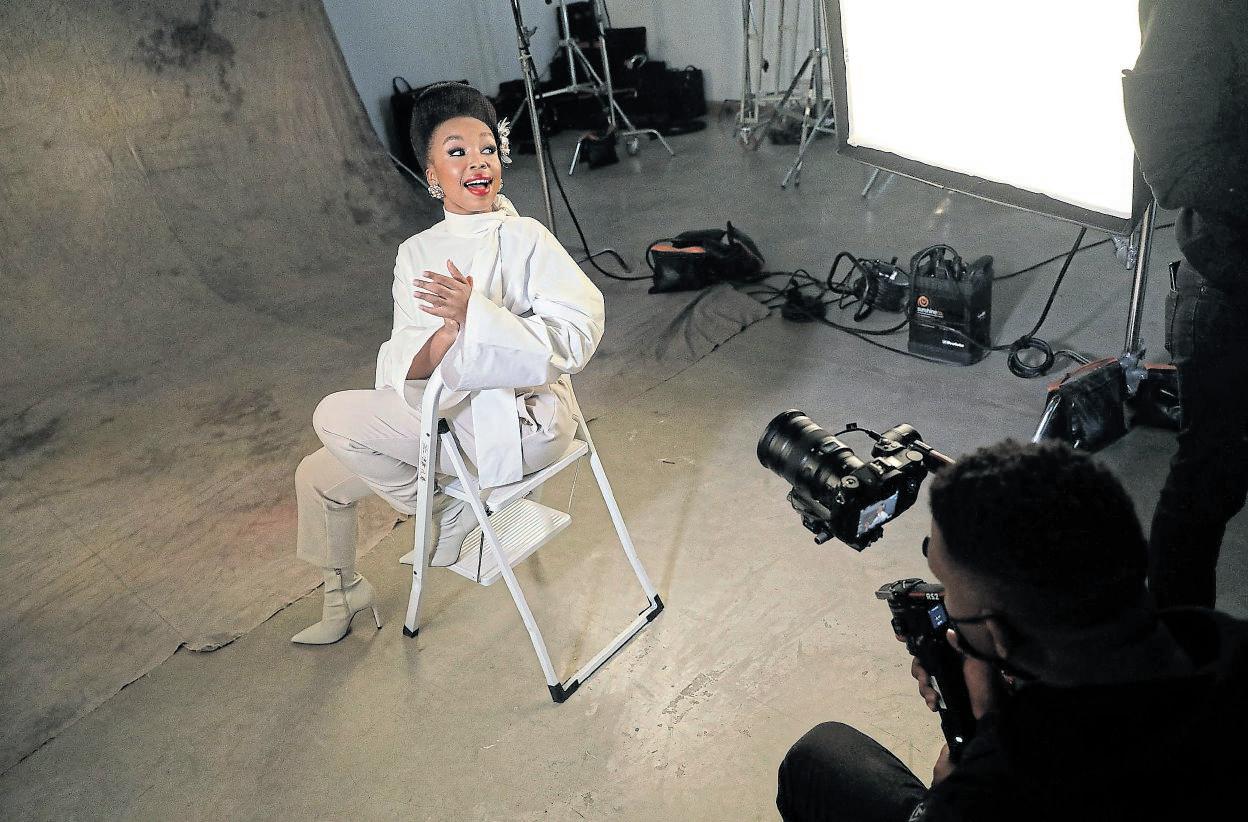
Candice Modiselle (JIVA!) is seen behind the scene, ready to recreate the role of former Miss SA Jacqui Mofokeng. /PHOTOS / VELI NHLAPO
Sowetan 40 x Netflix
Black stars who lit up our TV screens after ’94
troduced a flavour never seen before.She wasimpeccably groomed in Escada and her trustedpixie haircutrivalled Toni Braxton’s. Felicia Mabuza-Suttle seemed topolarisethecountry – whether it wasoverhername,thecontent of The FeliciaShow, orher mannerisms.
She wasahead ofher time and pushed the feminist agenda unashamedly, and that earned heradmiration and disgustinequalmeasure.
Friday evenings werefor appointment viewing for the youthmusic gameshow Jam
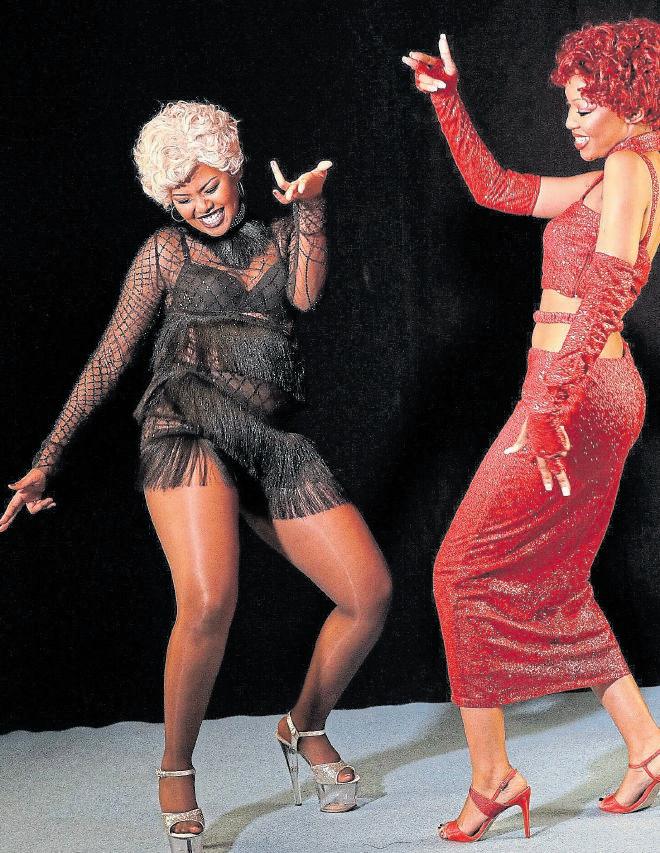
Sthandile Nkosi (Unannounced Netflix Show) and Khosi Ngema (Blood & Water) as Boom Shaka’s Lebo Mathosa and Thembi Seete.
Alley.Iremembermythen70something oldgrandfather yelling thathabangane, thata and Iknew Vinolia Mashego had arrived.My grandfather was a minister of the verkrampte N.G. Kerk but he too could not resist the charismaofV-Mash.
She wasloud, brash,bold and commandedrespect. She andNimrod Nkosi represented the new cool on TV with those baggy jeans and jackets and plastic designs by IneelengKavindama.
Laterinthenight Studio Mix brought musicvideos fromall over the worldand locally to our screens.The hostswere the charmingand smoothradiopersonality Bob Mabena and thelaid-back stunner MelanieSon(nowBala).
Thetwo becamethepersonification of cool as their names shotup thestratosphereof fame, thanks totheir talent, chemistryandlooks.
Zama-Zama izokusetha man became synonymous with veteranactressNomsaNene,who made aTV comebackas the cleavage-flashing, flirty, playful andfun host ofthe game show.
ThetrajectoryofTVproductiontookaturnwiththeriseof lifestylemagazine showsand, mostimportantly, dramasand soapies. Carol Bouwer, the former Generations actresswhose matchmaking show Buzz showed off her presenting skills,ventured outwithher own talkshow called Motswako – The Mix, which launched heras aplayer inthe TVproductionstakes.
Alreadya formidableand glamorous TVpresenter, Basetsana Kumalo and her business partnerPatience Stevens had earnedlegionsof followers and admirerswith a travel and lifestyle show called Top Billing. Kumalotoured the
world, sampled exquisite cuisine inexotic locationsand interviewed Hollywood’s most sought-aftertalents, alltheingredientsfor amust-seeprogramme.
In 1997 MarahLouw and Glen Lewis were mother and son on Muvhango,the new VendasoapieonSABC. ItwasaboutthefamilyinJohannesburg and the one in Venda fighting overthe burial ofitsfatherfigure.
Isidingo was launchedin a mineshaft in1998 andheralded a new era. It became competition for Generations, even though theywere ondifferent timeslots.
Being on SABC3 while Generations was on SABC1 meant thatthe nuancesand howfar thescript wouldbe pushedwould bedifferent.
Hlomla Dandala as Derek Nyathiand BiancaAmato as Philippa deVilliers, theinterracialcouple, wasgroundbreakingforTVaudiencesstill grapplingwiththenewSA.
Set inthe fictional Vulindlela College,the e.tv drama Backstage reflected the
energy, aspirationsand challenges facedby theyoung people in2000. Thecharacters came from diverse backgroundsand pursuedcareers in performanceand entertainment arts.It gavethe industry stars like Katlego Danke, LorciaCooper, RamiChuene andBonnieMbuli.
His father was a comedian par excellence and his mother a revered actress,so Somizi Mhlongo was born to be a star. Hewasgroomed forthestage from an early ageand went on to dazzle international audiences aspart of Sarafina! It wasn’t until the film that the nation noticedthe fresh-faced sonof Mshefaneinthe roleof Fire.Itwas onlythestartof greatthings.
Another Sarafina! alumni is Leleti Khumalo, who played the lead character in the stage and film versionsof the iconic production.
Shebecame thepostergirl forall younggirls whowished to pursuea careerin performance. So many Sarafinas were bornon schooland churchstagesacrossSA.
Candice Modiselle (JIVA!) as former Miss SA Jacqui Mofokeng.
By Emmanuel Tjiya
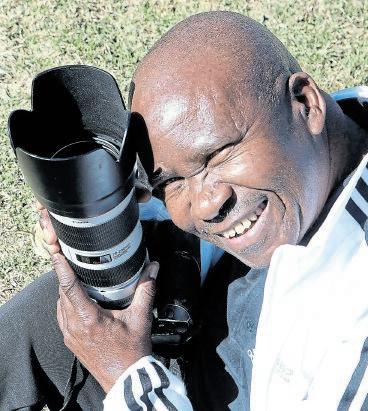
Veteran
photojournalistTladi
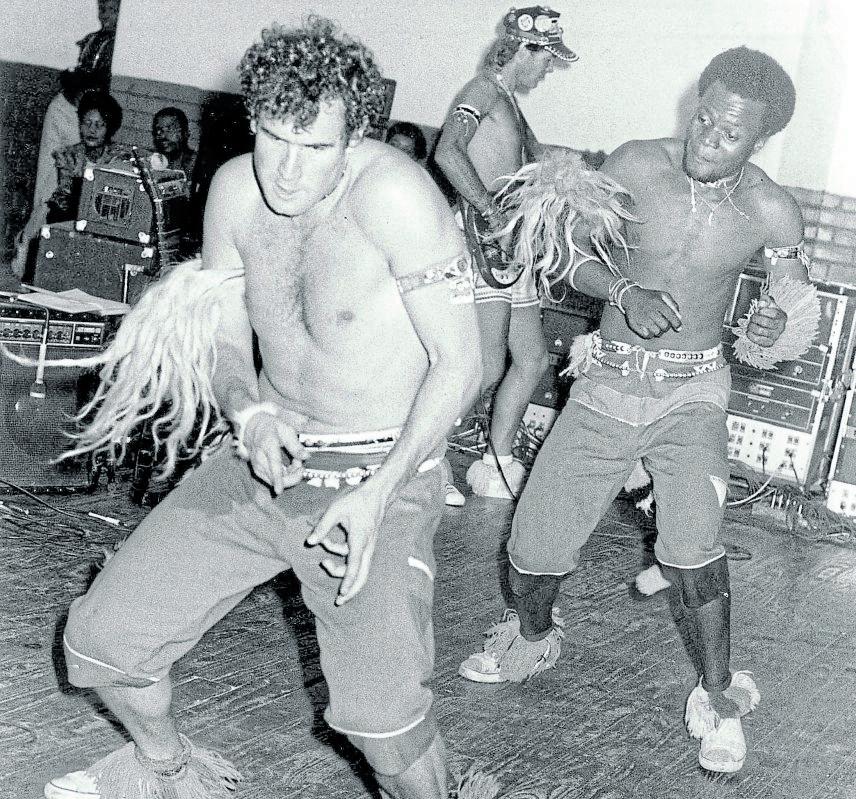
Khuelerecallswhatararefeat it wasto capturemultiracial band Juluka, fronted by JohnnyClegg, duringSA’s apartheidera.
So, when the entertainment desk at Sowetan’ssister publication, TheRand DailyMail, gave Khuele a tip-off in 1984 thatJulukawouldbeperforming atthe JabulaniAmphitheatre in Soweto, he knew he waspartofhistory.
That iconic imageof Clegg and Juluka dancerDudu Zulu nowforms partof therich Arena Holdings archive. As partofacollaborationbetween Sowetanand Netflixhonouring thepaper’s 40thanniversary, fellow lensman Siphiwe Mhlambi has reimagined the moment.
The updated version features Blood &Water star Arno Greeff and Jiva! actor Prince Grootboom slipping into characterasCleggandZulu.
“Every photographerwanted toget apicture ofJohnny Cleggand SiphoMchunuperforming together. It was very rare inthe apartheid erato get a white man in Zulu regalia andactually speakingZulu,” Khuelerecalled.
“I took that picture with that mindsetthat[I hadto]takethe bestpictureof thisman.What I like aboutphotography is that you record the moment andthen thatpicturebecomes part of history. I recorded history andit made mefeel good. I took that picture and I got veryexcitedandproud.”
BorninAlexandratownship in northernJohannesburg, Khueleis aself-taughtphotographer and started taking picturesin highschoolin 1978as away toearn pocketmoney. He moved to taking professional picturesfor Homemakersin1981.
Khuele’s photojournalism
Why Juluka's picture was a special triumph
Sowetan x

Khuele’s lens captured priceless historical moments
career thenkicked intohigh gear whenhe wasa freelancer for The RandDaily Mail in 1982.
In 1983, he was assigned to capture squatters between Katlehong and Vosloorus on theEast Rand.Khueleremembers how the squatters were given a2pm deadline to vacate thearea and hehad arrivedearlyto capturethemoment.
But thepolice arrivedearlier than expected too, forcefully removing and beating the squatters. A journalistfor The Rand DailyMail wasalso badly injured in the process and Khuele took apicture of a whitepolicemanchasinghim.
The nextday thatpicture
made thefront page ofthe paper andlaunched hiscareer. Khuelewasthenhiredpermanently andworked thereuntil thepublication shutitsdoors in1985.
Khuelerelocated toLesotho and workedas chiefphotographerforThe Nation.Hemade areturntoSA ayearlaterto join ZwelakheSisulu’s New Nation but left in 1987. A stint atPacemagazinefollowedand
then CityPress, wherehe workedfor10years.In1993,he documented pictures of Chris Haniafterhewasassassinated athisBoksburghome.
The 63-year-old lensman joined Sunday Worldin 2000 after a five-month stint at Beeld.He leftin2004 andhas beenfreelancingeversince.
“My life right now is upside down.Asa resultofthepandemic, we arenot getting
assignments,”Khuelesaid “Havingworked forallthese great newspapers, mywish is for whoever is incharge to call someofthose guyswhomade these newspapers what they aretoday, likemyself, andjust giveussomefreelancegigs.
“I don’t wantto getpolitical aboutit butthisismy reality.I have no work but I will not stoptakingpictures.Idon’tdespair.”
Recreating Boom Shaka look was a perfect fit for Siyababa
Designer says music duo's vibe resonates with him
By Emmanuel Tjiya
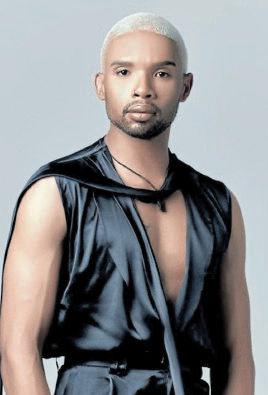
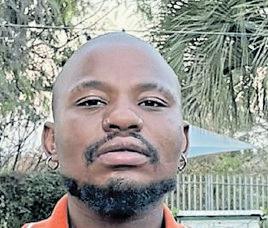
Avant-garde fashiondesigner
Siyababa believes that recreating the Boom Shaka look for Sowetan40xNetflixmayhave come early in his career, but it istheperfectfit.
Born SiyabongaMtshali, his label Siyababa Atelier that launched in 2019 is one of the most promisinglabels to watchinSA.
The 22-year-old is the go-to designerfor stylechameleons suchasRichMnisi,BoityThuloandMoonchildSanelly.
So,when itcame torecreatingLeboMathosaandThembi Seete’sprovocativelooksatthe 1999SA MusicAwards (Samas),only onemancould
betrustedwiththejob.
“It’sa beautifulmomentand it cameearly in mycareer. But itjust madesensefor meto recreatethese twolooks.The vibe of BoomShaka resonates withmebecause mybrandis very daring and out there,” Siyababasaid.
“I hadto re-watchtheir old performances,extract thevibe again andrelive theirmoment to goand design.I watched
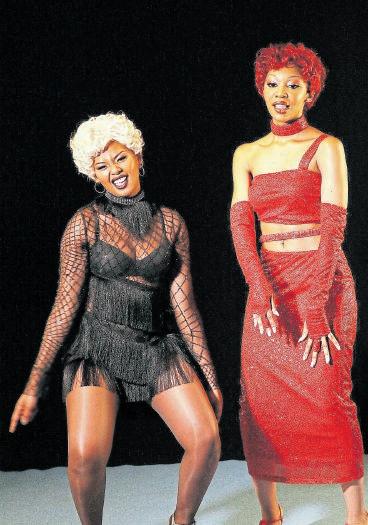
themspeakandtheirattitude.
“Iwanted toembodywho they are andmodernise it. Theywere fashioniconsthen and I thinkthey would be wearingthesedressesnow.”
For the updated looks modelled by risingstars Sthandile Nkosi andKhosi Ngema,the designer optedfor anasymmetrical silhouette to give that modernspin–insteadofdoing acolumnshape.
“I grew upin a household fullof womenandI wasjealous of them. They had the Boom Shakahair andeverything.I alwayswonderedwhy Ican’tdothat,”Siyababasaid.
“Ihave beeninfluencedby women’s fashionfor along time. The first style that I was introducedtowasfrommysisters,auntsand mother.It’s the style that BoomShaka had.
I’m referring tothe box braids, denim, sheer looks, big boots andoversizedjackets.”
Born in the small Esikhawinitownship inRichardsBay, Siyababa knew whenhe was a 15-year-old Grade 9pupil that hewantedto beafashiondesigner. He formedpart of The Movement, asmall groupthat specialised increative consultation, brandmanagement, styling andphotography. They did promotions forclubs and eventsaroundRichardsBay. Hethenstudiedfrom2017at Johannesburg’s LisofFashion School – where Mnisiand ThebeMagugualsostudied. Hisgraduate collectionin 2019 launchedSiyababa Atelier. He describes himself as a “daring,flamboyantandavantgardeconceptualdesigner” Part three of Sowetan40 x Netflixwill debutexclusively inTimeOut onFridayand looksat the2000s throughthe lens ofAustin Malema,paired withwriters LondiweDlomo andKaraboLedwaba.
Sowetan 40 x Netflix Boom Shaka recreated with Sthandile Nkosi and Khosi Ngema behind the scenes in Johannesburg. / VELI NHLAPO
Fashion designer Siyababa. / SUPPLIED
Veteran photojournalist Tladi Khuele. / VELI NHLAPO
Johnny Clegg with Juluka live on stage. TLADI KHUELE/ RAND DAILY MAIL/ARENA HOLDINGS
You’ve made it
Trompies, HHP, Khanyi, Terry and Tsotsi helped put SA on the map
By Londiwe Dlomo
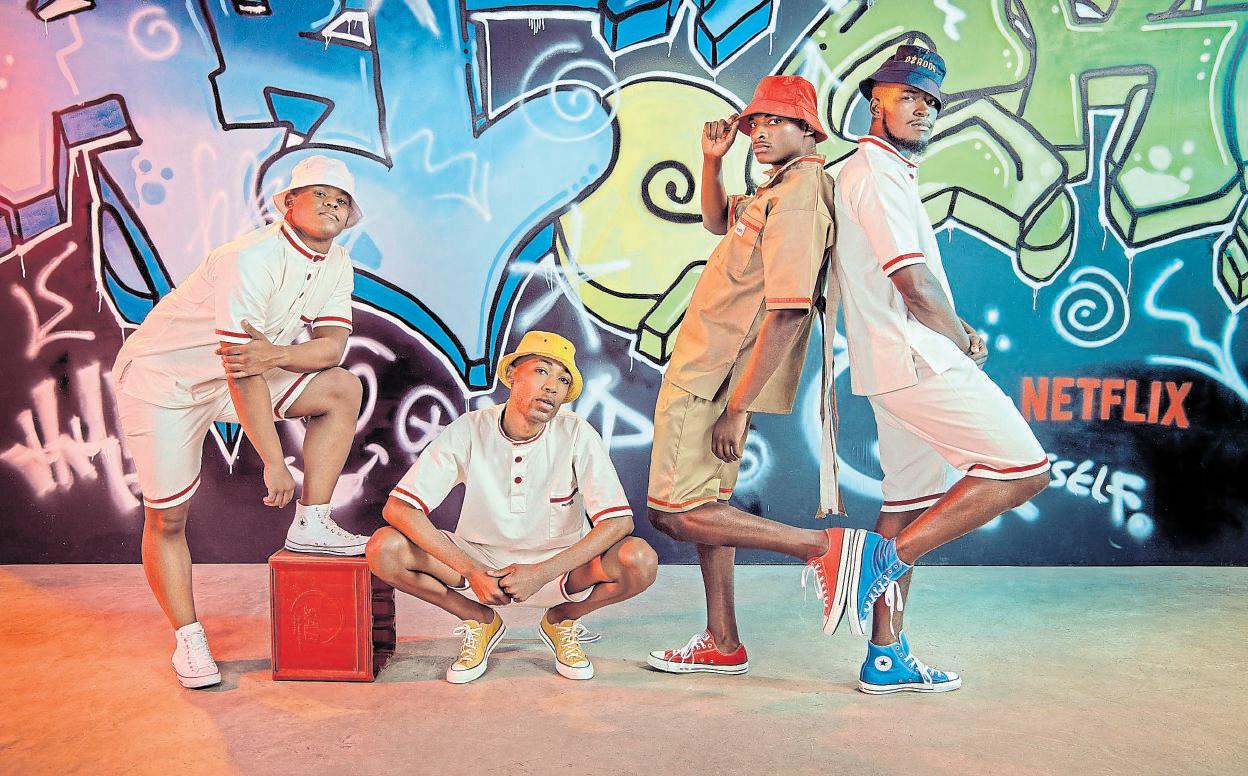
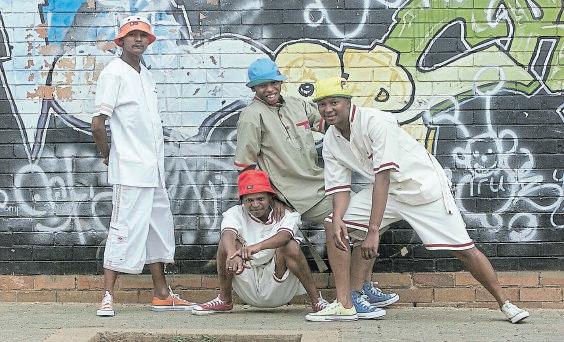
Madibuseng, by Trompies, is oneofthemostdistinctmemories ofthe 2000s.The song’s catchy hook, “sometimes ugreeni, sometimes uoranji”, wasan anthemolderguys wouldoften usetoacknowledge their women troubles. Iconic pop divaLebo Mathosa as thevideo vixen wasa style inspirationfor manywomen, withheroutfitchangesmatching the ispoti(pantsula bucket hat)ofeach oftheTrompies members.
The1990skwaitogroupcontinued tomake groovyhits in the changingmusic scapeof Mzansi. Band memeber Jakarumba’s pantsula dance moves of collapsing his body ontoacrateofcooldrinkscombined with his loose-necked ritualof bobbinghis headto thebeatof thesongwasalso iconic, mimicked bymany a youngster.CanI getatjovitjo? This was theera of abomajaivane(street dancers),dareI saythecrushforschoolgirls.
Thegroup waspart ofmany others whopioneered kwaito, which is arguably the epitome of kasi culture.Back to the fashionof Madibuseng, each member ofthe groupdonned oversized, abstractshirts pairedwith chinosandAll Stars – ofcourse, thetrademark ispoti completed the look.
Another fashion signature for the group was monochrome shortsets with undonebelts completingtheir swag – don’t forget ispoti and AllStars.
Trompies member Eugene Mthethwaexplains thattheir trendy get-upswere notso much fashionstatements but rather a matter of using what they hadat hand. Headds that theoutfits wereaway ofcommunicating totheir fansthat theywererelatable andpartof thecommunity.
“I am happy now that young people who are doing amapiano areacknowledging that there isour genrethat laidthe foundation,” Mthethwa said. “Amapiano andgqom came fromkwaito. Alltheseother genresthat originatefrom townships, theyborrow from kwaito. We have encouraged theyoungpeopledoingamapiano to sample our music because it is the immortalisation ofourmusic.”
Inthe 2000s,kwaitoexperienced freshrejuvenation. Mshoza,annointed TheFirst Lady of Kwaito, took up space with Kortes – an ode to ispoti. Somehow Kortes evolvedtobeing an adjectiveused to describeapetitewoman.
SA’s golden generation left the world green with envy at the talent
Otheryoung kwaitovoices alsoincluded Mzambiyaand Msawawa.The latterarrived onthesceneat10yearsoldand was popular for his contortionist styledance moveof being folded to makea human back pack.
More edgy andcool female vocalists arrived onthe scene to further push the envelope and the girlpower legacy left by BoomShaka. Soothingballads fromLebo “Elle” Tisane (Nobody But You) and Tsakani “TK” Mhinga (How Do You Feel)gaveR&B alocaltwist. KellyKhumalo, withherred beaded harness, demanded our undividedattention. She had many shookwith Itshitshi – was she a virgin? Chomee helditdownonthedancefloor with Jiva Sexy
It’s nosurprise thatevery youngwomanwanted tobea “Y2K babe”. The hottest hair trend wasthe yaki,not forgettingtheclip-onhairextensions and sew-ins. Thanks to dancers from oneof Arthur Mafokate’s risqué music videos, the mnike skirt becameamust-have.Oftenmade of denim fabric, the skirt had a
triangular hemline. Itwas styledwith anasymmetrical top that we quickly dubbed “one-hand”inMzansi. The fashionwas simply ghettofabulous.It wastheera of low-risejeans, loudmonogrammed designer goods, handkerchieftops andcolourful wraparound sunglasses. UyandaMbuli becamethe faceofitall.Themencouldnot getenoughofFUBUaswellas thedenim-to-denimlooks.
Theever sovivacious
KhanyiMbau enteredthepicture and had cameras flashing to her every move. She burst onto our screens succeeding Lindiwe Chibi to portray Doobsie in Muvhango Khabonina Qubeka later becamethethirdactortoplaythe role. Mbau heralded a new generationof“getfamousorgo home”
Before social media influencers ever dreamed of the soft life, Mbau lived it. Her bragging aboutblue cheese,
croissants, sushi and Louis Vuittonmade heracontroversial pop culture figure. Kenny Kunene wouldlater followin herfootsteps byeatingsushi off naked womenand earning themoniker“SushiKing”
Onthe otherhand,Mbau’s taboo anticsscored herthe nickname “Queenof Bling” and withthe helpof author andformer Sowetanentertainmenteditor LesleyMofokeng shediarised it allin her book Bitch, Please!I’m Khanyi Mbau
Mbau isa case studyin redemption and gave Mzansi a glimpse of Hollywood-style fame, which would be an underlyingtheme duringthe decade.Mbauhassincemoved from being that girl in the yellowLamborghini tobeinga celebratedactor,radio/TVpresenter, realityTV starand businessmogul. Sheisnow knownasthe queenofreinvention.
The2000swereatimewhen fame waskicked intothe stratosphere and itwas no longer only about being popu-
Continued to page 15
Trompies’ Eugene Mthethwa, Zynne Sibika, Jairus Nkwe and Mandla Mofokeng. / VELI NHLAPO
Trompies recreated by Lethabo Bereng (How To Ruin Christmas), Leroy Siyafa, Dillon Windvogel (Blood & Water) and Prince Grootboom (JIVA!) /AUSTIN MALEMA
larinthecountry.
“Whose it gonnabe next in line?” go thepop lyrics from Coca-Cola PopStars group 101. The show was one of our first musicrealityTV showsinthe country in 2002after Shell Road To Fame of the 1980s and ’90s. And indeed,who would be next? Whowould take our postapartheid television and our postapartheid sound intercontinental?
The cast of Tsotsi rose to the occasion, winningthe Oscar for best foreign language film in 2006. Leading lady Terry Pheto, who hadnever even watched theOscars, found herselfatthecentreofamedia storm.Attending theOscars alongside co-starPresley Chweneyagae (The River) and director Gavin Hood (X-Men Origins: Wolverine), Pheto oozed eleganceon thered carpet in astrapless red ombre Marianne Fasslergown. Pheto remembers how thewin fired upparents andchildren tosee theartsasaviablecareer.
“The industrywas opening upinthesensethattherewere a lot of international movies being shotin SouthAfrica at the time, itmade the acting space so exciting,” Pheto recalled. “We knewthat the workthat wedo willtravel, that the worldis actually waitingforourstories.”
Televisionwasnowinits30s since itfirst arrivedin SAin 1976. Theprestigious SAFilm andTelevisionAwards(Saftas) launchedin 2006.Aroundthe sametime Backstage concludedand newdailydrama Rhythm City introduced us to
Suffocate Ndlovu(Mduduzi Mabaso),RachelPhakathi(Lucia Mthiyane)and David Genaro(Jamie Bartlett).Sello Maake Ka-Ncube, renowned for the longesttime as Archie Moroka on Generations, was reintroduced to a new age group when Scandal! launched.
Local drama Home Affairs made Nthati Moshesha TV darling. Vatiswa Ndara, BrendaNgxoli andLeratoMvelase weretherealongsideMoshesh. Ngxoliand Mvelaseeven gota nod at theInternational EmmyAwards.
Gaz’lam depicted a modern dayRomeoand Julietlovestory withSifiso (Siyabonga Shibe) and Khethiwe (Mbali Ntuli).ViewerslovedtohateIsraelMatseke-Zulu asGPand MenziNgubaneasJerome. Popeye (KereNyawo) and Spinach (Thulani Didi) captured thespirit ofbrotherhood insoccerdrama Zone 14
Fakeituntilyoumakeitwas thetext foryouth TVdrama Tshisa.The showmadefreshfaced actors Enhle Mbali Mlotshwaand BonganiMa-
sondohousehold names.Manaka Ranaka and James Ngcobo melted hearts in comedy series Stokvel. Chris Brown made a guestappearance on Generations. Senzo (Thami Mngqolo)and Jason(Zolisa Xaluva) werelocking lipsin the show’s firstsame-sexromance.
Afternoons belonged to YoTV with CarlyFields,Sidwell “Psyfo” Ngwenya, Hulisani “CC” Ravele, Selae Thobakgaleand SadeGiliberti.EveryonefromMarkFishto thelate LesegoMotsepespilt their guts ondaytime talk show 3Talk with Noeleen, hostedby NoeleenMaholwanaSangqu. UnflinchingDebora Pattakeptviewers ontheedge oftheirseatswith 3rd Degree
Big-budget Hollywoodfeature films Lordof War (2005) and District 9 (2009) were beingshotinthecountry.
Thelocal filmindustrywas booming withRapulana Seiphemo-led Jerusalema and Leleti Khumalo’s Yesterday, which was nominatedfor an Oscarin2004.
Bonnie Henna lived the Hol-
lywood dream with Drum, Invictus and Catch aFire. The New York Timeswrote that herportrayal ofPrecious Chamusso in Catch aFire “has a grace and freshness reminiscentofAudreyHepburn”
Itwas alsothegolden ageof bom’rapper (local rappers) withthe likesofSkwatta Kamp,Khuli Chana,ProVerb, Amu,H2O,Morafe,TuksSenganga, Tumi and the Volume, Teargas andProkid dominatingairwaves.
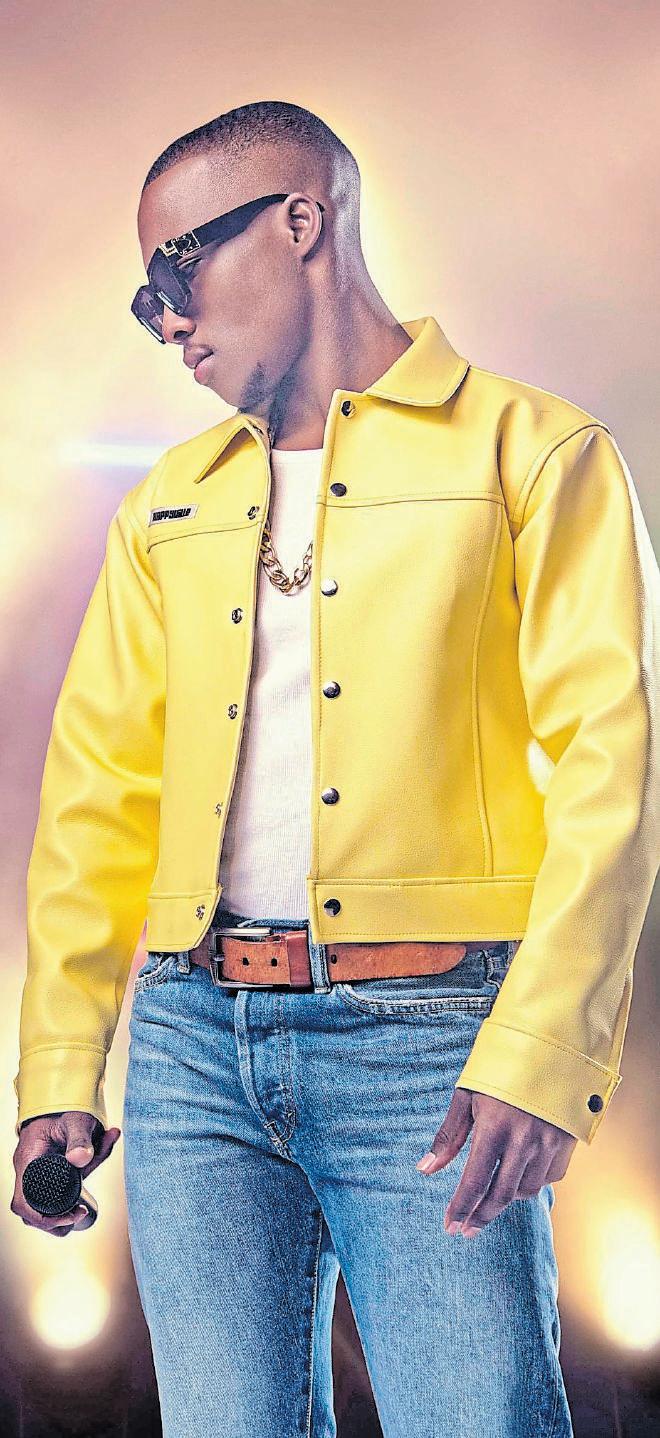
Then there wasone of the custodiansof theMotswako sound,HHP (HipHopPantsula),whotook ittounimaginableheightswithsongssuchas Bosso, Tswaka and Music & Lights. He flewthe Maftown flaghigh,all thewaytobeing crowned thechampion of Strictly Come Dancing. HHPbecamethefirstSouth African to be nominated for a BET Award. He was innovative andexperimental; hewas oneof thefew rapperswho performedwithaliveband.He even hostedthe SAMusic Awards. The world was his oyster.
“He was one of the firsts to blurthelines whenitcameto differentgenres. Hewould fuse indigenous sounds, jazz, soul and R&B, kwaito quite seamlessly andsuccessfully,” his widow Lerato Sengadi said.
Healsohad atalkshow, The Respect Show. American musician Ameriemade a cameo inhis musicvideo for Music & Lights. HHP collaborated with various artists from therest of the African continent.HHP was never afraidto trysomething evenifit wasnotpopular.He was respected andloved by SA. For hisNorth West brethren hesounded like home, forthe restof thecountryandtheworldheilluminatedhishome.
“Ithinkwhereheisnowhe’s looking down andis so proud. He is soproud because he almost openedthe floodgates for evenamapiano,” Sengadi said. “If anything, Jabba was skilled atwriting akwaito beat. … That’show giftedand blessed and legendary he was. ”
‘‘ Long after I’m gone, I want to be remembered for the good job I did with my camera. Being on this project was indescribable, I was excited and shocked by how theyoung stars were happy to be in my presence.
Veli Nhlapo
Veli Nhlapo took original Trompies photo, recreated by Lethabo Bereng (How To Ruin Christmas), Leroy Siyafa, Dillon Windvogel (Blood & Water) and Prince Grootboom (JIVA!) /MPUMELELO MACU
Nkalakatha heralded a new dawn of hope for SA youth
Legends of 2000s were brave to test boundaries, to follow their dreams
By Karabo Ledwaba
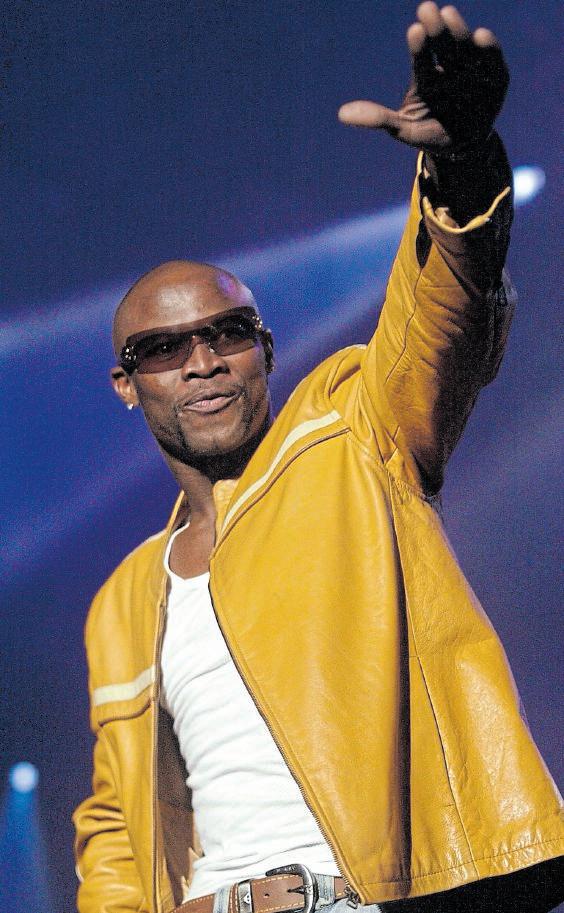
After decades of turmoil duringapartheid andthepolitical violence of the1990s, Y2K flew in solidwith the smash hit Nkalakatha by kwaito superstarMandoza.
We hadsafely made itto a new millennium anda hopefilledyouthwantedtoparty.
The song, which according to award-winningproducer Gabi leRoux wasmade just weeks after the birth of Mandoza’s son Tokollo,was produced while themusician was at his happiest.It became an anthemin allhouseholdsand partiesacross SAand it’s arguably thebiggest crossover song tocome out ofthe country.Withhisdeep,gravelly,distinct voice andsignature sunglasses, Mandoza made sure
we knewthat kwaitowas still theretostay.
“Till today, you goto any bar mitzvah, a wedding or office partyand Nkalakatha will be played.It doesn’t matter your race. Thesong had arock feel thatappealedto peopleand,of course, his voice was loved,” commentedLeRoux.
Nkalakatha was oneofthe first crossoverkwaito songs that was playedon predominantly white radiostations of the timesuch as5FM, making Mandozaoneofthebiggestsuperstars. A quick YouTube search21years laterpullsupa wedding videowhere anold white manis seriouslygetting downtothesong.
Though most ofus know the starbecauseof therecord,he rightfully wanted tobe known forhis bodyofwork thatincluded beinga partof thelegendarygroup Chiskop,which he founded with his childhood friends SibusisoThanjekwayo, Siphiwe “TheGeneral GTZ” SibisiandSizweMotaung.
The 2000sepoch brought musicthatwas hotandmusi-
cians suchas FreshlyGround, Malaika, Mafikizolo,Prokid andZolafound theirfeetand audience.
It was Prokid’s hip-hop song Ungaphel’ Umoya Son that showedusthatdespitethesuccess some in our communities wereenjoyingin thenewSA, themajority ofblackpeople were still facingthe consequences ofbrutal apartheid legacy.
“Ungaphel’ Umoya Son... ey this oneis ‘specially dedicated toyououttheresuffering...Letting you knowthat sisonke’,” Profamouslyrapped.
Zola’s impactalso cannotbe denied. Hismusicdiscography from Umdlwembe and Bhambatha, to beingthe sound behind Oscar-winningmovie Tsotsi,tohisworkontelevision with showssuch as Zola 7 and televisiondrama series Yizo Yizo makes himan arts and cultureiconinhisownright.
The mancould notgo anywherewithout jubilantchildren running after him and throwingupZola7signsinthe air.
It was the likesof these musicians who wanted to be on SA’s hottestyouth station YFMwhereFanaKhaba,popularlyknown asDJKhabzela, boughtusmagicwithhislively personalityand freshcontent totheyouth’shungryear.
Hisrelatability madehim one of themost popular radio DJsofthetime.Hemadeitout of povertyand socould you, was hisstance. Thisnaturally made him afavourite with underdogs, prisoners and taxi drivers.
But the DJshocked the nationwhenheannouncedtohis fans that hewas HIV-positive, making him the first black male celebrity to openly disclose hisstatus. Amonth beforehe died,Khabzelareceivedthe NationBuilder Award in 2004for his contribution todestigmatising HIV/Aids.
Khabzela’sdeath fromAids complicationsbrought asharp
‘‘ Race didn’t matter, the song appealed to people
focus to the failure of the Thabo Mbekiadministration andlate healthministerManto Tshabalala-Msimangin bringingthe treatmentofHIV to the forefront in SA. Despite Khabzela’s privilegeand access to the best medicine, he became one of the 300,000 SouthAfricans thatdiedwithoutantiretroviraltreatment.
Afro-pop star Umanji, who broughtus thehitMoloi, which tackled the controversialtopic ofageism andbeauty politicsinhisvillageofMogoto inZebediela, Limpopo,was anotherstar whodied froman Aids-related illness inthe early 2000s. TheSouth African Music Awards winning star bought usalbums suchas Wantolobela and Ndlala before hisdeathin2008. Abashantestar Zomboalso died in the same year having contracted thedeadly virus. Famous or not,Aids had no mercyforpromisingyouth.
TV showOne, laterknown
asLive Amp,modernisedradiostyleTVshowsthatcontinued showcasingthe newwave of talent.Personalities suchas Andile Ncube and Bonang Mathebe successfully debuted onthesmallscreen.
With kwaito andhouse music dominating the airwaves andTVshowssuchasJamAlley, it was a pleasant surprise to a youngSimphiwe Dana when her musiccaptured the heartofthecountry.
At24, shereleased thetimelessalbum Zandisile, which had hits such as Ndiredi and Ingoma inan erawhere the newSAwasstillfindingitself.
“Zandisile was inspiredby a hopefor abetterand anew day, especially forthe youth. This wasa timeto explore black identity inSA and understandwho wewere ina postcolonial country. Itwas a timeforanewdiscovery,aselfdiscovery,”Danasaid.
Mandoza reshoot played by Zamani Mbatha for JIVA! /AUSTIN MALEMA
Mandoza became Mzansi’s pop icon via breakout hit Nkalakatha. /THEMBINKOSI DWAYISA
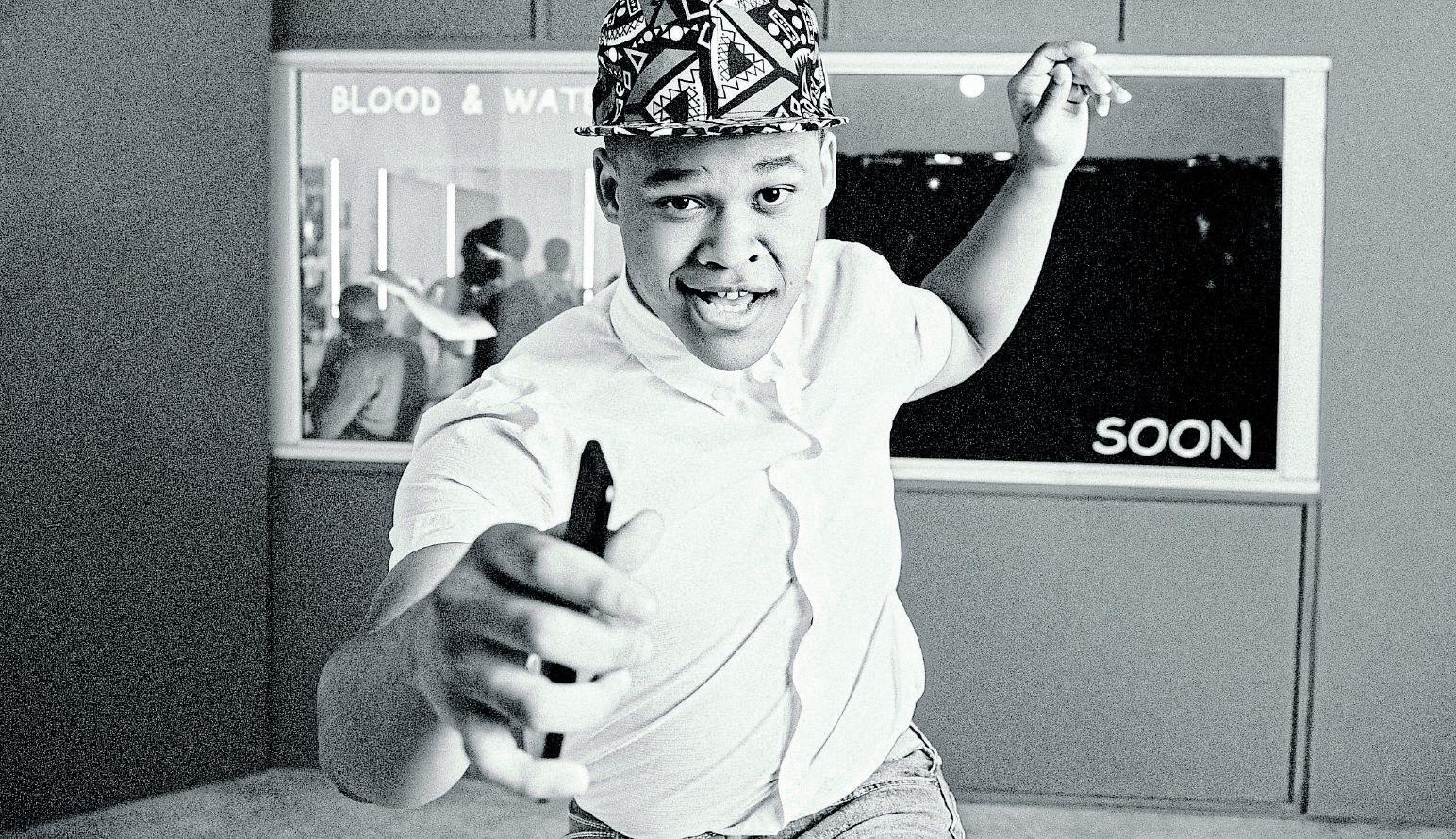
Tira unleashed Durban Finest on the airwaves
It was this beautiful encapsulation in her artof what it meanttobe blackandyoung inSA andherundeniable Xhosa beautythat cemented her asan icon.Her 2005Sama winsas bestnewcomerand bestjazz vocalalbum wasjust thebeginning ofaphenomenalcareerthat hasspanned16 years.
“Iwas indisbelief thatmy musicwassowellembraced.It was a time when kwaito and house music wasso popular so I was astounded at the reception,”shesaid.
Reigning as the “new Miriam Makeba”, Danasays she hasalways lovedthe PataPata star andis honouredthe comparisonispartofherlegacy.
“Being comparedto Miriam Makebawas veryempowering. Igrew up listeningto her musicandthatsoundwasvery familiartome.Thiswasmusic I listenedto in thevillage at initiations and weddings. It mademefeel thatIwasnot out of place.This was the
‘‘ Comparison to Miriam Makeba very
sound that inspired me to writemusic.”
The now 41-year-old musician adds that though she has hadmany highsin hermusic career,such asperformingat theCape TownJazzFestival, TheQueen ElizabethHalland the Apollo, she wants to be rememberedfor heractivism andbeingnamedtheconvener of the AU’sarts and culture festivities.
“I would hope one of the things Iam mostremembered for ismy sense ofjustice and my bid to humanise our experiences through musicand my activism.”
The early 2000s was a special time for jazz music. Judith Sephuma boughtus thecritically acclaimed album A Cry, aSmile, aDance.We alsomet the lovely Zama Jobe with her song Ndawo Yami. Established artists such asSipho Gumede, Sibongile Khumalo,Jabu Khanyile, Vusi Mahlasela, Jonas Gwangwa and Selaelo Selotawere alsostill givingus classic works firmly putting SAjazzatthefrontofthepack.
TheDurban sound,ledby the indefatigableDJ Tira, made itselfknown duringthis explosionofnewtalent.
Tiragarneredattentionwith DJ Soxwhen theyfounded Durban’sFinest, agroupthat wouldset thehousemusic sceneon fire.Tiralater launched Afrotainment,signing a new wave of KwaZulu-
Natal heavyweights DJ Cndo, DJFishermanandBigNuz. Big Nuz andDJ Tira dropped Umlilo justin timeto bowout of2009anda yearlatercleanedupattheSamas.
Housemusicians withajazz flair such asZakes Bantwini dominated thecharts with songssuchas Juju, which was oneof therarehouse songsof the2000sthatallowedavocalist toshare equallyin thefame of well-known producers such as Black Coffee. His spectacular dancemoves inthe iconic videowonthemthebestmusic videoawardattheSamas.
Housevocalists Bucie(Superman), Winnie Khumalo (Live My Life) and Bongi Dube (Go Around) also made big
splashes. Culoede Song, Rhythmic Elements,DJ Cleo, DJGanyani, LuloCafe,DJs Vetkuk vs Mahoota,DJ Sbu, Fistaz Mixwell, DJ Kent and many moreserved upa tasty menuforhousefans.
But itwasn’t justmusicians and actorswhose artwas impressing theworld. Thiswas theerawhere wewereintroduced tothe indomitable DavidTlale.
SAfashion wasafledgling industry but wasclosely intertwinedwith musicandthe African renaissance. Iconic brand LoxionKulca, founded by WandiNzimande and Sechaba Mogale,bought SA streetwear tothe topwith celebrities such as Zola,
Khabzela and TKzee often wearingtheirthreads.
“In theearly 2000s,we were seeing the likes of Loxion Kulca,Stoned Cherrie,Magents. All ofthese peoplewere playingamajor rolejustafter democracy.Before themfashion wasnot anindustry, itwas atrade. Before1994fashion was just knownas dress making,”saidTlale.
Tlale’sdecisiontodropoutof auditing school to pursue his passionhas ledto aphenomenal18-yearcareer.
“I think droppingout was the mostmemorable moment ofmy career.I wasin aclass and I decided Iwanted to be a fashion designer,” recalled highlydecorateddesigner.
DJ Fana ‘Khabzela’ Khaba, was a breath of fresh air on radio. /SIMON MATHEBULA
Dillon Windvogel from Blood & Water as DJ Khabzela.
/AUSTIN MALEMA
You’ve made it
Sowetan x Netflix
Friday July 9 2021
Zozi still breaking barriers in beauty pageant space
‘This is a platform for women, and it should be open to all types of women’
Emmanuel Tjiya
Zozibini Tunzi hasbeen a publicfigure foronlytwo years, butit feelslike two
Hertrajectory tothe topis anemblem ofhow theinternet (lighting fast) and its fave offspring social media (fickle) have madeit easyfor hundreds like her to become superstarsovernight inthe
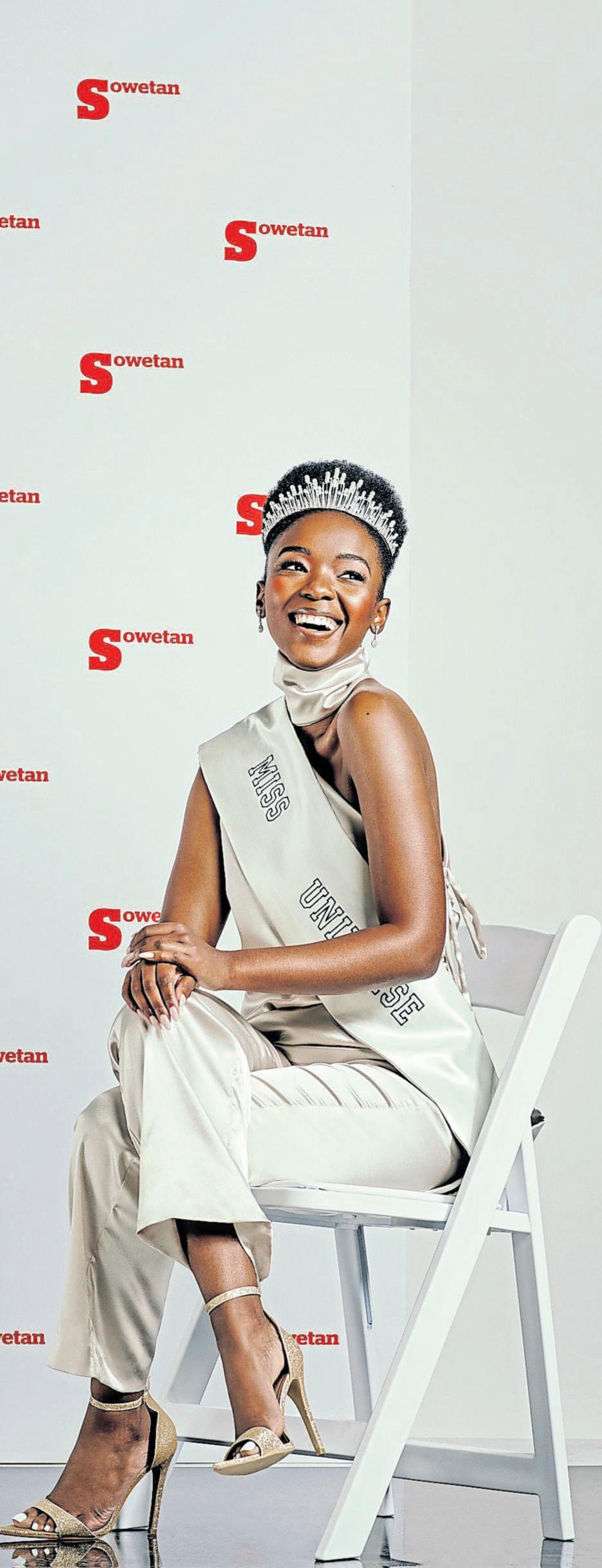
But put some “respek” on her name,Tunzi hasmore thanearned herstripes.She shiftedthe statusquo forglobal beauty standards when she washistoricallycrownedMiss Universe with her natural
Despiteher crowningmomentin December2019happening onthe wakeof the globalpandemic, Tunziremained unshaken and celestial. Inthe end,she became thelongestreigningMissUniversein69years.
Stranded in her New York,US, apartment, Tunzi relied on social media platforms andZoom callsto connect with the universeand spreadher messageof hope.Unsurprisingly, she emerged asa beaconof lightduringthedarkages. Whatis evenmore shockingis howshorther MissSAreign was – a short-livedtwo months.Before long, she was winning theworldoveratMissUniversein Atlanta,Georgia, alsoin theUS, withher roaring speechon representation andfemale empowerment.
I grewup ina world where awoman who looks like me, with my kind of skinand kind ofhair,isn’tconsidered beautiful,”Tunzi,born in Eastern Cape’s village of Sidwadweni, charged atMiss Universe. “Iwant children tolook atme andsee myface,and I want them to see their faces reflected
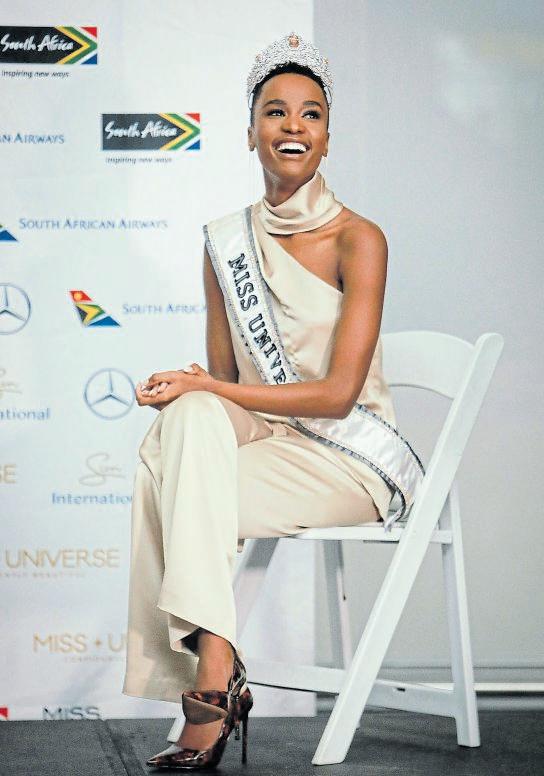
inmine.”
Tunzi has paved the way for her predecessor and Limpopo’s finest, ShudufhadzoMusida, whowastitled MissSAwitha shaved-headandhour-glassfigure. Since 2019, transgender women havebeen eligibleto enter MissSA andthis year, Lehlogonolo Machabamade history by becoming the first trans womanto openlyenter thepageant.
Tunzibelieves morecan stillbe doneto furtheradvancetheparadigm.
“I know thatthere are still some groupsthat are marginalisedin thepageant space.This isa platformfor womenanditshouldbeopento all types of women,” Tunzi says.
“Lookingbacktojust10years ago, I would not have been able to win the pageants that I did.
I’m proud to have been the one atthedoor, eventhoughthere were manythat camebefore meandpavedtheway.
“I’m happyto havecracked the door andopened it for many women whoare going to comeafter me tolive their wildestdreams.”
Tunzi is truly her ancestors’
wildestdreams, andebony beautieslike JacquiMofokeng, Basetsana Kumalo, Peggy-Sue Khumalo, Bokang MontjaneTshabalala andmore, have paved theway bychallenging Westernpageantrystandards.
“Growing up ina small town or village younever imagine that something likethis can happenforyou,I’mhumbledto realise thatI’m livingmy dream,”Tunzienthuses.
“JacquiMofokeng isfirstly an icon. I’d lovetomeether because ifit wasn’tfor herI wouldn’t be where I am today. It’s important to acknowledge themanyothersbeforeme.
“Womenlike herhadto crawl soI could runand fly. Thank youfor beingbrave, especially during a turbulent timeforblackpeopleinSA.”
Tunzi is oneof many Miss SA winners in the 2010s that flew the SA flag high at international level. Demi-Leigh Nel-Peters wonMiss Universe in 2017,while Rolene Strausswas crownedMiss Worldin 2014.Tamaryn Green placed first runner-up at MissUniverse in2018, while Musida is heading to MissWorldlaterthisyear.
Zozibini Tunzi reimagined by Ama Qamata from Blood & Water.
/THEMBA MBUYISA
Former Miss Universe Zozibini Tunzi / SEBABATSO MOSAMO
Sowetan x Netflix
Cassper Nyovest shook up hip hop scene with his #FillUp series

Emmanuel Tjiya forecasts what the future of music and the arts looks like. From Sho Madjozi to Bonang Matheba and Master KG, these are the bright stars that have captured melanin magic
Cassper Nyovest’s#FillUp series ofconcerts atThe Dome, Orlando,FNB,RoyalBafokeng and MosesMabhida stadiums havemade himthe epitomeof “blackchildit’spossible”
After staging thefirst concert in the series in 2015, he earned his other sobriquet “Abuti Fill Up.” By leading by example,Cassper hasshown local artists that they too can fillbigliveeventsasheadliners andnotjusttheirinternational counterparts.
Thesame modelhassince beenadopted bygospelsensationDrTumi andTsongamusicianBennyMayengani.
That brilliant movehas become synonymouswith Cassper’s career;even joining Beyonce,Jay Z,Usher,Ed Sheeran and Chris Martin as the headliners for Global Citizen:Mandela100in2018.
Similarly, Cassperhas emerged asone ofthe biggest hip hopacts in Africa.His anthemic hits Doc Shebeleza, Gusheshe,Tito Mboweni and MamaI MadeIt have yielded collaborations across borders (AnthonyHamilton) anda nomination at BET Awards –losingouttoSjavain2018.
Cassper’s biggest rap rival hasbeen hisnemesisAKA. Their beef – perhaps the biggestsince NotoriousB.I.G. and Tupac’s complexfeud –saw shotsbeing firedin diss tracks Composure (AKA) and Dust 2 Dust (Cassper).
In comparison, AKAhas offeredamorepopandcrossover appeal rappingin Englishin
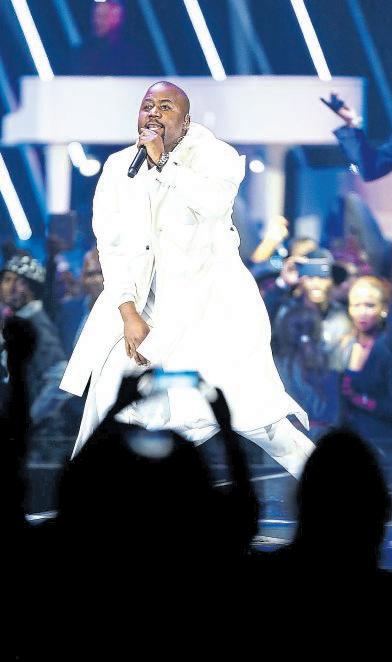
songslike Congratulate, Jealousy, Fela in Versace, The World isYours, Badass and Caiphus Song.TheSupa Megahasoften beencriticised forhis use ofauto-tone.
Then there is Kwesta, hailing fromKatlehong onthe East Rand,and he isa standout ashe brings to thetable a more kasivibe. Histracks Ngud and Spirit – featuring Americanrapper Wale –changedthegame.
Entering the industryat age 15, rapper Nasty C earned the
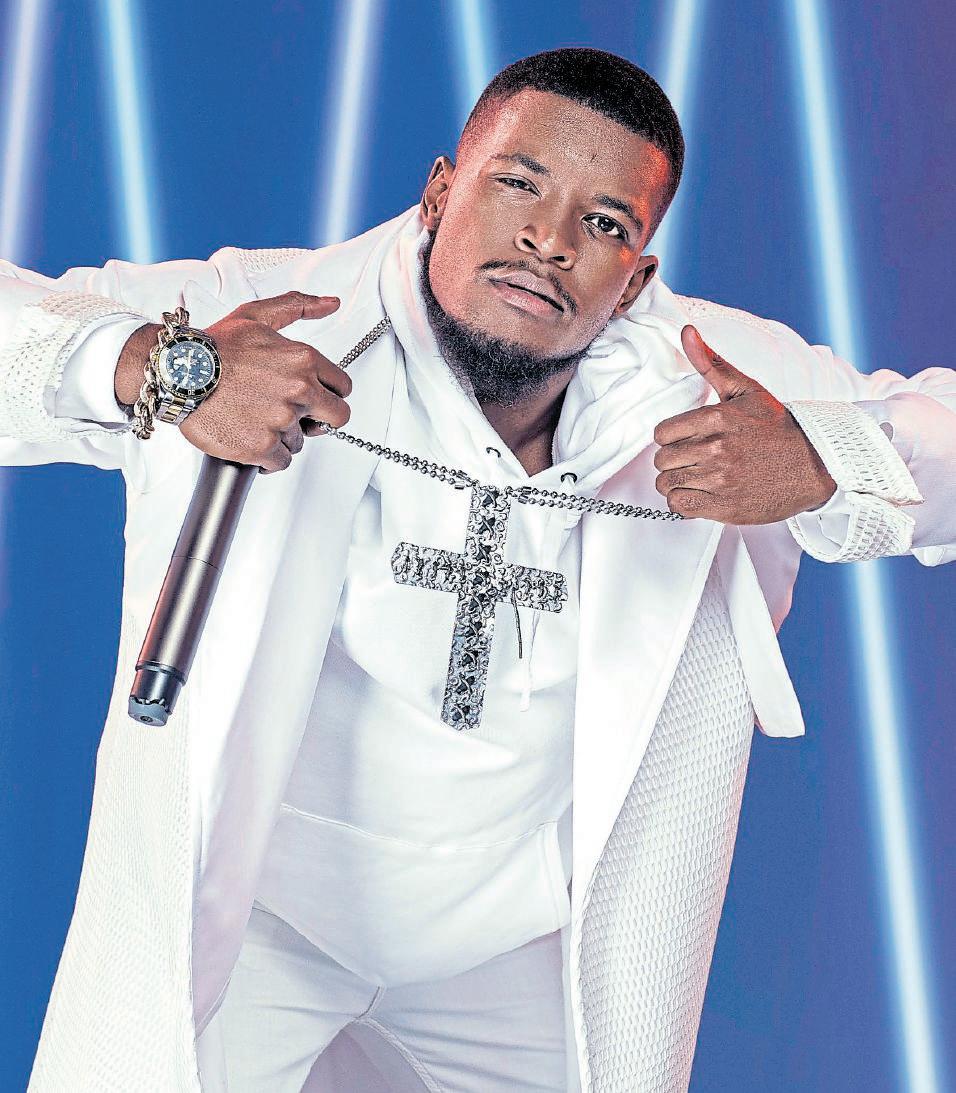
nickname “Coolest kidin Africa” and bolted to stardom after the release of Hell Naw in 2015.Thencamehits Black and White, SMA and They Don’t. It’salsohardtoignorefellow KZN rapper Big Zulu as he towersabovetherest.Heisthe
self-proclaimed king of inkabi (hitman) rap – a clever metaphorfor spittingbarsand rhymewhilepayinghomageto hispastasataxidriver.
Otherlocalrappersthathave madeall theright noiseinclude RikyRick, Emtee,K.O, Zakwe,Duncan, YangaChief, A-Reece, YoungstaCPTand ShaneEagle. Femalerappers BoityThulo,NadiaNakai,Gigi Lamayne,Rouge, Moozlieand Patty Monroeare fightingfor their voicesto be heardin the male-dominatedgenre.
‘Queen B’ has always ruled social media platform
Matheba defines pop culture
In the last 10 years, Bonang Matheba has notonly owned “champagne darling” but she defined TV, radioand social media...popculturewasshook.
Fromhosting Top Billing to Clash ofthe Choirs,Afte rnoon Express and KFC Taste Kitchen, she further cemented her doyenne status after launching her presenting careeron Live Amp inthe2000s. Matheba, pictured, also became the quintessential masterof ceremoniesbyhosting live awards shows – SA Music Awards, Metro FM Music
Awards andDStv Mzansi Viewers’ChoiceAwards Hack, when Trevor Noah dropped out of hosting the 2016 MTVAfrica Music Awards (Mamas)at the11th hour, only Matheba was entrusted tohost withNomzamo MbathaandYemiAlade Matheba’s over-the-top looks during her hosting gigs, often collaborating withUS-based stylist Harrison T.Crite, were simplydivine andoftenstole theshow.
Herradioslot The B* Hive on YFM was a hitearlier in the decade, thenlater The Front Row on Metro FM achieved the same feat.Of course, that wasbefore herdramaticand
abrupt exitthat sawLerato Kganyago replace her.In the mid-2010s, Matheba underwent a ballsyrebrand. Many predicted her downfall,butQueenBnever descendedherthrone. Her Kardashian-esque transformation into realitytelevision launched with Being Bonang in 2016.Together withher sidekick Tebogo “PinkyGirl” Mekgwe, theybrought black girl joy tothe small screen. While Matheba quickly dumped hershow afterthree seasons, anavalanche of celebrities flooded the reality TV space,including Somizi
Mhlongo, Khanyi Mbau, Kelly Khumalo, BoityThulo, Penny PennyandShauwnMkhize

This can becredited to the inception of Mzansi Magic thatchanged the TV landscape in termsof blackrepresentation. Shows like Isibaya, Our Perfect Wedding, Date My Family, Uthando Nesthembu, Rockville, Gomora and The Queen have beengame-changers. AtthepeakofherrealityTV show,Matheba publishedselfhelpbook From A to B in2017–it bombed.When thebook receivedbacklash forgrammaticalerrors andtypos, QueenB
didn’t waste timelicking her wounds.Sheinsteadincreased the volumeon hersocial media content by cleverly launching her setof emojis dubbed “Bmoji”
Matheba even co-produced andstarred indocumentary Public Figure thatexploredthe lives of influencers. The era of the influencers has since birthed socialmedia starslike MihlaliNdamase, TrevorStuurman, Lesego Legobane, Kefilwe Mabote andSarah Langa. Matheba once again rebranded asa businessmogul andended thedecade witha bang whenshe unveiledher signature alcoholicbeverage, House of BNG
Cassper Nyovest Performing during the SAMAs at Sun City in North West. /SIZWE NDINGANE
Cassper Nyovest, reimagined by Prince Grootboom from JIVA! /THEMBA MBUYISA
Sowetan x Netflix
Genre-bending music is the new cool influencing SA’s pop scene
From Black Motion to Sho Madjozi, Mzansi is hooked
Notall superheroeswear capes,and ShoMadjozi shows that somewear a xibelani (traditionalTsongaskirt).
Her kryptonite is the unwavering lyrics thatcelebrate her Tsongaprideandheritage.
By remaining authentically herself, the musician from Shirleyvillage inElimoutside LouisTrichardt inLimpopo has turned the universeinto herplayground.
Thisis ShoMadjozi’s movie, wejusthappen tobe extras in it. Every young girl, their mother andauntie havemimickedherkaleidoscopefashion and rainbowbraids. Thefastpaced xibelani dance choreography to hits Dumi Hi Phone, Huku and John Cena is the workoutwecanallsignupfor.
ShoMadjozi hastakenthis once marginalised culture and repackaged it for anew cool generation. Shangaan disco trailblazer Peta Teanet, Thomas Chaukeand Penny PennywalkedthewalksoSho Madjozicanruntheworld.
“The languageis melodic and even if you are not Tsonga youcansing it.Wearewell representedby ShoMadjozi; shecamewith herownstyle and took what we started further,”PennyPennypraises.
Sho Madjozi leads a new wave of localmusicians both experimental withtheir unique soundsand uncompromisingoftheirbirthright.
KwaZulu-Natal singingduo BlaqDiamond aremodern-
From page 15
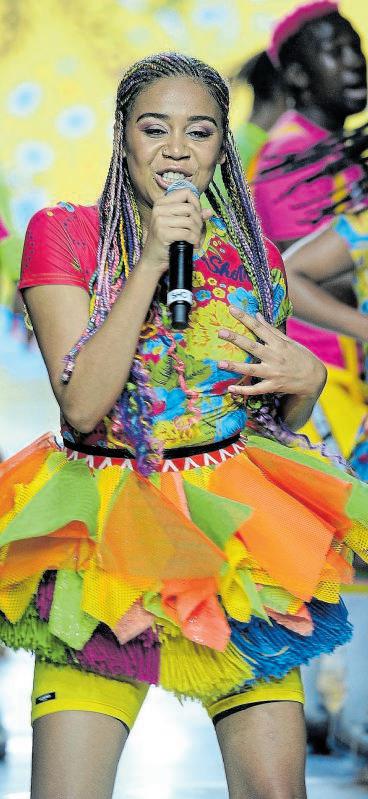
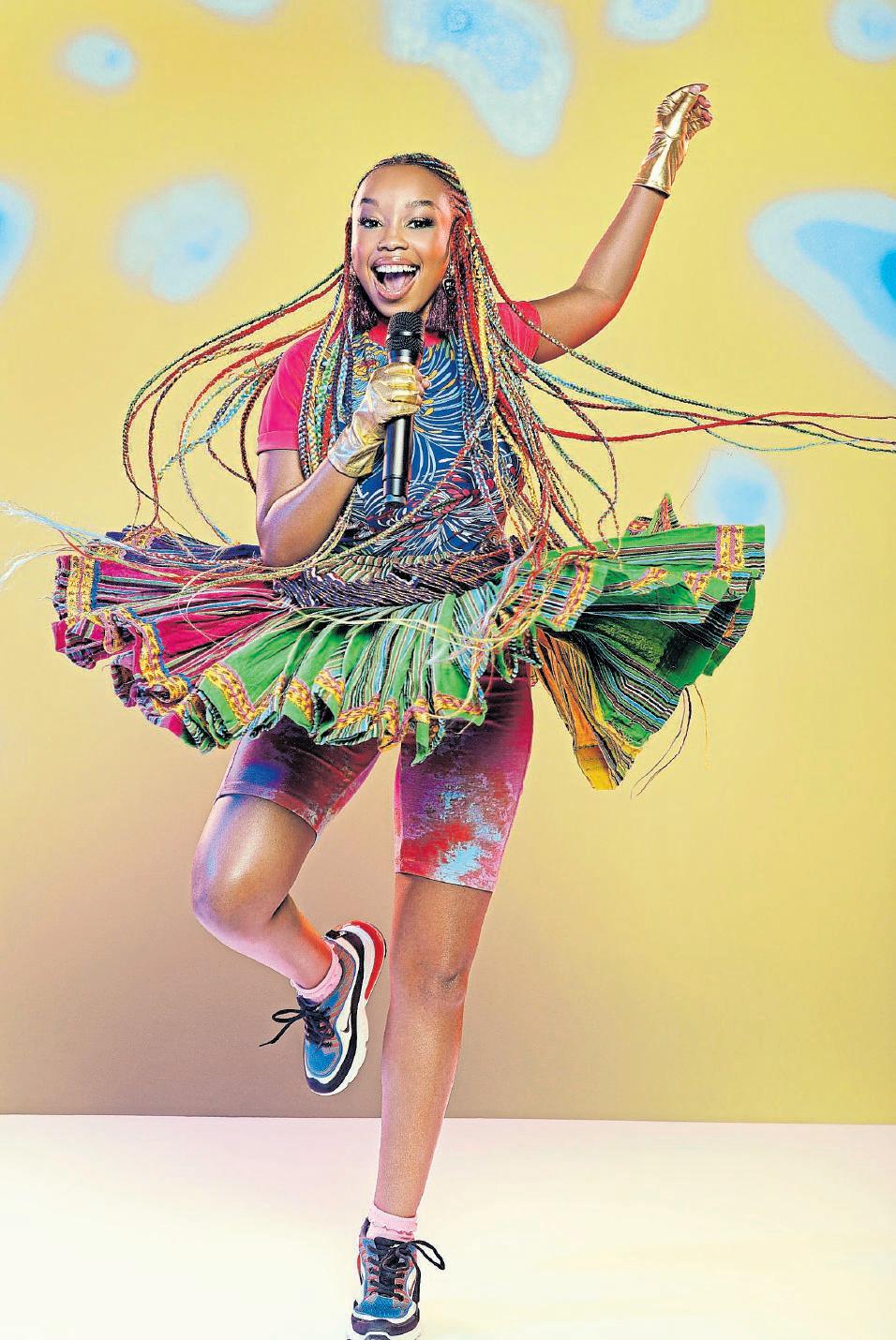
dayrock starswith asound theycoinedmbube(lion),heavily influencedby theirmusical heroJosephShabalala.Mbube is, ofcourse, anod toSolomon Linda’s famous song from the 1930s. Listen to Summer Yo Muthi and Ibhanoyi
Focalistic isgenre-blending, the music style oflocal hip hop andamapiano. Hissonic catchphrase, “asetrap tseke
pina tsa kokasi” brilliantly captures his DNA. The Sepitori(Pretoria lingo)slogan loosely translatesto: “this is nottrap music,it’s songswe listentointhetownship.”
BabesWodumo hasshown why wavy bass beats and earsplitting screamsthat frame gqom getsthe groundshaking andtriggers wildfoot-stomping dancemoves fromlisteners.Nosurprise not even Black Panther couldresist Wololo
Distruction Boyz (Omunye), Faka (Uyang’khumbula) and DladlaMshunqisi(Pakisha)are
other gqom trailblazers. Notforgetting DJLag,andUSmusician will.i.am sampling his song, Ice Drop,withouthis permission. Black Motion’s winning genetic codehas been the technique, beauty andart ofdinaka, thetraditionalPedisong-dancegenre.
Withbangers Matorokisi and Murahu,Makhadzi istaking Limpopo’s popularised “Tsa Manyalo” genre tothe mainstream. FromTikTok to Lock-
downHouse Party,theYanos are allthe rage.Beyoncé can’t get enough ofour girls Moonchild and Busiswa. Alexa, play My Power! But Afropopstill dominates airwaveswith alegion ofhits including Loliwe (Zahara), Nomvula (Nathi Mankayi), Umamam (Sjava) Inde Lendlela (Ami Faku), Mthande (Musa) and As’phelalanga (VusiNova). R&B isexperiencing the biggest local revival since TK with Elaine (You’re The One), Langa Mavuso (Sunday Blues) andAyandaJiya(Go Go Girl).
How Trevor Noah paved way for big gigs for locals
Arrival of streaming services solidifies all dreams are valid
On March30 2015,Mzansi wokeuptothebestnewsever–then novice SAexport Trevor NoahwastoreplaceAmerican latenight TVtitan JonStewartashostofComedyCentral’s Daily Show
International media had a field day asking how relatively unknown Noah,who hadappearedonthe showasacon-
tributor,gotto succeed such a giganticname?
Butback home,Noah’s appointment markeda newday onthehorizonforageneration thathadyearnedfortheHollywooddream.SointrueSAcelebratory style,there wereululationsanddancing Noah putthe spotlighton SA like never before, doors were kicked open and so Mzansioccasionally wokeup to moregreat newsfrom Tinseltowninyearsthatfollowed.
In 2016, itwas Pearl Thusi’s turnwhen shewas castalong-
side PriyankaChopra inseason 2of espionagedrama Quantico Unfortunately, the showwascanned.
But thatnever stopped Thusi,and withthe arrivalof video-on-demand platforms such as Netflixand Showmax, shebecame everycastingdirector’sdreamleadinglady.
Subsequently, in 2018, news broke thatThusi willlead Netflix’s firstoriginal Africanseries Queen Sono. Black Panther the sameyear featured local stars Connie Chiume, AtandwaandJohnKani.
In 2019 ThusoMbedu was chosen as lead starof Amazon Primeshow The Underground Railroad, fresh offdoubleInternational Emmy Award nominations for her careerdefining portrayal in Mzansi MagicTVseries Is’thunzi Nomzamo Mbathagot her big Hollywoodbreak in 2019 when cast in Coming 2 America,thesequeltothe1988Eddie Murphy cult classic.Last year, Beyoncé’s Black isKing featuredNandi Madida,Nyaniso Dzedze,NambithaBen-Mazwi andWarrenMasemola.
Thearrivalofstreamingservicesand demandofAfrican content has solidifiedthat all dreamsarevalid.
Sho Madjozi reimagined by Candice Modiselle from JIVA! / THEMBA MBUYISA
Sho Madjozi burst onto the scene in a kaleidoscope of colour with her Tsonga sound. / VELI NHLAPO
Trevor Noah
Other SA entertainers also wow global audiences
Master KG has ripped the most rewards of Gen Z’s meme culture by using a viral dance challengeto spread youthjoyandcementthepowerofTikTok.
He did it while practicing social distancingas partof Covid-19 regulations from the comfort of hishome, and not even aglobal pandemiccould stophistumultuousrise.
Beforethe Jerusalema dance challenge tookoff, MasterKG was longmaking wavesby putting theBolobedu house soundon themap. LateBojo Mujo hit Summer Rain set the fireburninginsideofhim.
The 25-year-old megastar from Calais,outside Tzaneen in Limpopo,first garneredthe attention of the nation in 2018
when he scoopedthe coveted SABC SummerSong ofthe Year gongwith Skeleton Move It was theyear that memes and viral dance challenges ignited Mzansi. His win upset fellow Bolobedu house maestro KingMonada – a bigger name atthe time – who was poisedtoclinch theprizewith Malwedhe
With hits like Ska Bhora Moreki, Monada hasequally been trailblazing in the genre. He also used the dance challengeculturetogethispieceof the pie – giving the then niche genremodernity, swagand mainstream appeal.Think of the fainting dancecraze triggeredby Malwedhe
Predictably,thatbirthedarivalry between the two. But in an interview inJuly last year with Sowetan, Master KG squashed the beef before calling Monada his “homeboy” Hereferred totheir banteras healthy competition,comparingitto soccergiantsOrlando
Sowetan x Netflix
Master KG leads in viral videos game
PiratesandKaizerChiefs.
“We did music together beforewe bothblewup. IrememberI usedtogo tohis place whenthings werereally toughtomakemusic,”hesaid.
It’s hardto pinpointwhy the Jerusalema DanceChallenge becamethebiggestdancephenomenon sinceThe Macarena. But one thing that stood out withMaster KG isthat he took hisunique Bolobedu soundtotheworld.
Even whenhis peers ridiculed his sound, the world was listening.Therefore collaborationswith BurnaBoy, Akon and David Guetta followed. Even VinDiesel, Janet JacksonandChanceTheRapperarefans.
He made Shazam Global Charthistorybybecomingthe firstAfrican artisttotop it.He bagged many international awards, includingan MTV EuropeMusicAwards.
InAprilhe tooktheGlobal Record ofThe YearAward at
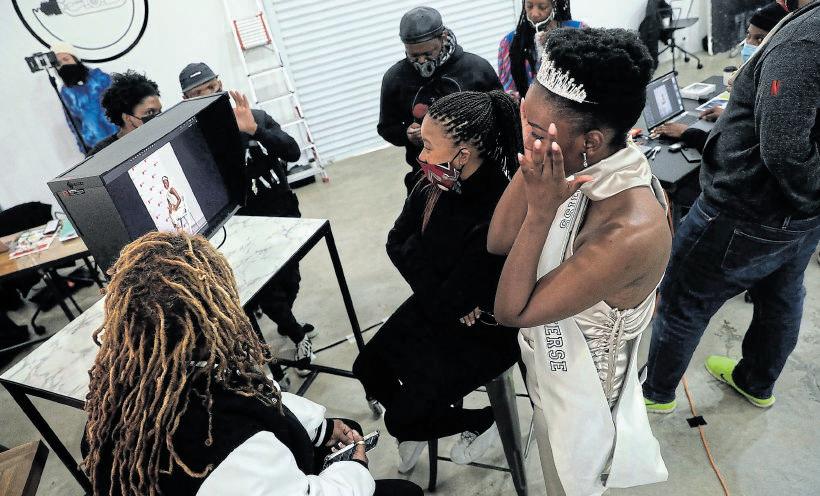
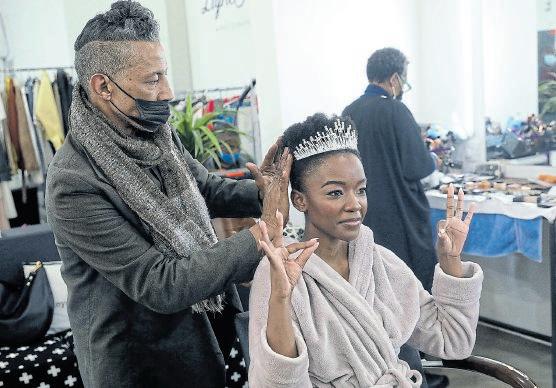
Behind the scenes
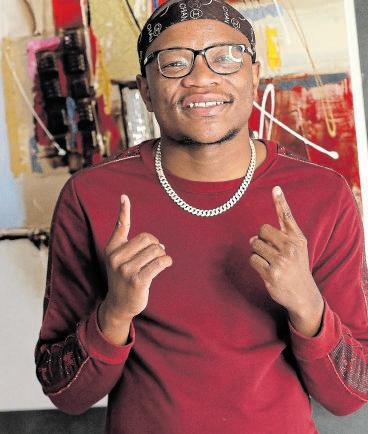
the 2021Global MusicAwards Africa (GMAA)held virtually fromAccra,Ghana, Aside from MasterKG, the internet has alsoyielded some unorthodox mediapersonali-
tiesinthelast10years.Followingthe demiseofthe skhothanescene, RikyRick took cue from Rihanna’s “omelette dress” at the 2015 MetGala. Heproved howhe got his other moniker “King Kotini” when he donned his facelesslook atthe 2018SA MusicAwards. Memersdevouredhimforbreakfast.
YouTuber Lasizwe Dambuza trended hisway to landinga realityTV showon MTVBase.
Vixen Zodwa Wabantu broke the internetby dropping ahotvoshoatthe2018Durban July; whilesocialite Skolopad’syellow dressatthe 2017 Metro FMMusic Awards wasprovocative andgotsocial mediauserstalking.
From MajorLeague DJz’s Slyza Tsotsi to Black Coffee’s We DanceAgain and Uncle Vinny’s quirky signature moves, the dance challenges continue tocapture Mzansi’s vibrantstreetculture.
African luxury fashion makes huge strides
SA designers, artists earn international respect
The future of African luxury fashionis ingood handswith Laduma Ngxokolo,Rich Mnisi, Thebe Magugu and Sindiso Khumalo building scalableempires.
Gone are thedays of homegrownfashion limitedtothe timeless tribal print and streetwear, but the global market hasshown anappetite for Africa’s fast-growingluxury goodseconomy.
Ngxokolo’s knitwearbrand
MaXhosa Africa is the most recognisable brand, thanks to itsdistinct Xhosabeadwork pattern. American costume designerRuth E.Carter –known for herwork in Black Panther – recentlygave Ngxokoloher stampof approvalafter featuring himin the Coming 2 America wardrobepicks.
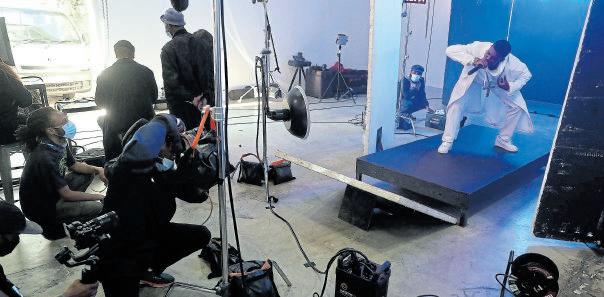
PalesaMokubung alsoreceived the samehonour fresh off her label Mantsho, and scoreda coupofbeing thefirst African designer to partner with Swedishchain store H&M.
Magugu secured another victory after hehistorically became the first African designer to win the prestigious LVMH prize in2019. Insecure stars Issa Raeand legendary Dionne Warwickhave been drapedinhisthreads.
Last year, before the global pandemicupsetherplans,sus-
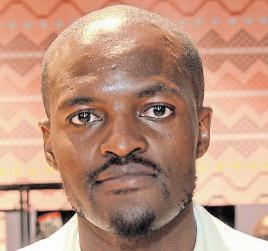
tainabletextile designerKhumalo was afinalist for the covetedLVMHprize.
During her performance at Global Citizen: Mandela 100, Beyoncé donned on stage a creation byfashion duoQuiteria &George – they havesince wenttheirseparateways. Inart,Limpopo-bornNelson Makamo andself-proclaimed visual activistZanele Muholi from Umlazi,Durban in KwaZulu-Natal, are making bank fromtheir basesin Johannesburg.
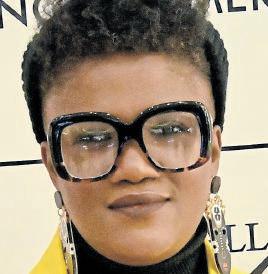
Sowetan 40 x Netflix Cassper Nyovest recreated with Prince Grootboom behind the scenes in Johannesburg. From page 15. /VELI NHLAPO
Sowetan 40 x Netflix former Miss Universe Zozibini Tunzi recreated with actor Ama Qamata behind the scenes in Johannesburg. From page 14 /VELI NHLAPO
Master KG has taken Bolobedu sound to the world. /VELI NHLAPO
Laduma Ngxokolo