How do medical aids determine increases?
•

Tthe scheme will be forced to dip into its reserves which, in turn, erodes its solvency levels. A medical scheme s solvency ratio is the level of reserves or accumulated funds that it needs to hold as a percentage of gross annualised contributions. The solvency ratio is regulated by the Medical Schemes Act which requires that each scheme maintains a minimum solvency ratio of 25%. During 2020, most schemes increased their solvency ratio as a result of less claims during the Covid-19 pandemic. Average solvency levels for open schemes increased from 38.7% in 2020 to 39.6% in 2021 while restricted schemes increased their solvency levels from 52.5% in 2020 to 56.2% in 2021, says the Alexforbes report. Schemes that don t meet the statutory minimum solvency level of 25% are required to submit a business plan to the CMS outlining their strategy to achieve this ratio.
A scheme s failure to maintain the required solvency
shortfall. In this case,
Deciding on the right plan depends on personal needs

exclusions or waiting periods that could apply, which again depends on personal circumstances. He explains that a single, healthy 26-year-old with no children will have very different needs from someone in their mid-fifties with a chronic condition such as blood
pressure or diabetes. For the former, a basic hospital plan might be sufficient, while the latter individual will need a more comprehensive solution. At the same time, a 26-year-old who is planning to start a family or who has children will also have different requirements from their medical aid. White reveals that there are essentially three core components of gap cover, with the most important one typically being hospital expense medical shortfall cover, as this is where most out-of-pocket expenses originate. The other two essential components are co-payments and sub-limits. Once again, he says, it s important to also look at exclusions, limitations and waiting periods imposed by the gap cover provider. Once a medical scheme option has been selected, the ‘holes in your cover can be plugged with an affordable gap cover policy that will supplement the medical aid option you have chosen in terms of these three areas. If your chosen medical aid option includes large co-payments then it s critical for your chosen
gap cover to have substantial co-payment cover, for example. All medical aid schemes and options differ when it comes to these elements, so find a gap policy that fits well to supplement your cover.” There is a range of valueadded extras that gap cover providers may offer, including a casualty benefit to cover the expenses of a visit to the emergency room, counselling benefits and premium waivers.
EXPERT ADVICE The reality is that there is no single solution that will meet everyone s circumstances, lifestyle, life stage, age, budget and other needs, says White. Everyone is different, and to effectively protect your financial future it s essential to get the right fit. Expert advice can go a long way in making sure you have the best medical aid cover you can afford and the services of a broker are included as part of medical schemes, so there are no additional fees for making use of this service. Your broker can also help you to find the most appropriate gap cover to fit your unique individual needs.
level can have devastating consequences. In 2022, Health Squared Medical Scheme abruptly announced it would be ceasing operations and going into voluntary liquidation, leaving 23,000 beneficiaries without medical aid membership. It later emerged that the scheme had never met its 25% solvency ratio. During the Covid-19 pandemic, many schemes imposed lower than normal contribution increases. Those that had levels of reserves in excess of statutory requirements used this excess to subsidise claims. However, as the Alexforbes report points out, this practice is not sustainable in the long term as, over time, the scheme would become underpriced and would eventually need to adjust its pricing with large contribution increases in the future in avoid its solvency levels deteriorating. Another trend observed during the pandemic was the implementation of contribution increases later in the year.
However, the Council for Medical Schemes has announced that schemes will no longer be allowed to defer contribution increases beyond January unless in exceptional circumstances, citing consumer confusion and the fact that it makes it difficult for consumers to compare competitive medical scheme offerings. Regulations require that when a medical scheme increases its contributions, it needs to increase its solvency level by the same proportion. In 2021, more than half of the schemes included in the Alexforbes analysis did not have sufficient contribution income to cover both their claims and non-healthcare expenses in full, with the result that they used
HEALTHCARE INFLATION IS TYPICALLY ABOUT 2% TO 3% HIGHER THAN CONSUMER PRICE INFLATION
Members urged to take advantage of preventative screening cover
The World Health Organisation (WHO) says diagnosing and treating diseases such as cancer earlier improves the chances of survival.
However, diagnosing cancer in late stages condemns many people to unnecessary suffering and early death. The WHO’s findings correlate with that of the Cancer Association of SA which says the top five cancers found in men prostrate, colorectal, lung, non-Hodgkin s lymphoma and melanoma and the top five cancers found in women breast, cervix, colorectal, uterus and non-Hodgkin s lymphoma can all be prevented through early detection and that the earlier they are detected the easier they are to treat.
Recent years, however, have seen a decline in take-up of preventative screenings, wellness checks and health risk assessments. That decline comes at a cost to medical schemes with chronic illnesses and conditions often only diagnosed at a late stage.
Gary Feldman, executive head of Healthcare Consulting at advisory and intermediary services firm NMG Benefits, says several medical schemes
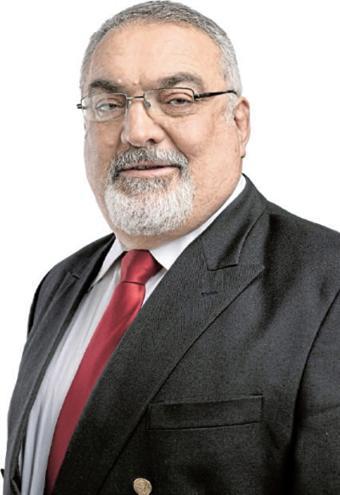
in SA have been looking at the research and doing the maths and, as a result, have expanded their screening benefits, most notably for cancer and heart disease. Feldman advises medical scheme members to take the time to understand the preventative screening benefits their scheme offers its members and to take advantage of them. If you rely on public health, you can get these screenings done at a local clinic or pharmacy. Set a regular date every year to go for all the important screenings so
that you remember to keep on checking the status of your health, he says.
Discovery Health Medical Scheme launched its WELLTH Fund earlier this year with the aim of driving preventative care. The fund provides Discovery Health Medical Scheme members with access to additional screenings and preventative benefits. The fund allows members on all plans to have a once-off access of up to R10,000 per family for an expanded range of screening and preventative health care.
Feldman explains that the original Discovery Vitality Health Checks includes a set of essential health screenings and preventative tests including blood pressure, glucose, cholesterol and body mass index, as well as a nonsmoker declaration. The WELLTH Fund s expanded range of screening and preventative health care has six broader categories including general health, physical health, mental health, women s and men s specific health, children s specific health, as well as medical monitoring devices for condition management.



Members who regularly go for their screenings will detect conditions proactively, instead of reactively, which means that conditions are diagnosed before or in the early stages of development. Later stage development typically means more extensive treatment, resulting in higher costs for the patient as well as the medical aid, says Feldman.
MENTAL HEALTH COVER Medical schemes have also taken note of the higher prevalence of mental health illnesses and many are offering more cover for mental health conditions. Lee Callakoppen, principal officer of Bonitas, reveals that the scheme has seen a 25% increase in the number of mental health hospital admissions, indicating a need for additional support. He says this need is particularly high in the 18 to 44 age group. Mental health conditions are exacerbated by factors such as an increased economic burden and increased psycho-social challenges such as loadshedding. We ve also noted that mental health has been a key driver for absenteeism in corporate groups.