Moststakeholders agreethat the currenthealthcare system, wherethe majorityof thepopulation rely onthe public sector for theprovision of health care, isnot sustainable.The draftNational HealthInsurance Bill, publishedin 2019, proposesa systemofuniversal health care forall South Africans basedon pooled fundstoprovideaccesstoquality and affordablehealth care to all the country’s citizens, irrespective oftheir socioeconomicstatus.
However, ofconcern isthe many unanswered questions thatremain,particularlyabout whether the countrycan afford tofund NationalHealth Insurance (NHI).Other concerns,particularly giventhe recent Covid-19 fundsfiasco, is why thistime willbe different:
can the funds avoid being subjected to fraudand corruption, and does the government have the ability to manage such an enormous undertakinggiven itspoortrack recordofmanagingstate-ownedentities.
Civil societyorganisations are amongthose whohave expressed concerns over the government’slackofclarity.
What isunclear isexactly what NHI wouldcost SA. The government has previously suggestedafigure ofR256bna year, but hasprovided no explanation for how it arrived at thisfigure.
Otherestimations arethatit will cost aboutR700bn a year toadminister. Wherewillthis money come from? The 700,000-odd individualtaxpayers who already pay about two-thirds of all personal incometaxand aheftychunkof VATalreadyhave aheavytax burden.
There has alsobeen little clarity on what exactly the NHI willoffer. Thebill defines “comprehensive healthcare services” as healthcare services
thataremanaged toensurea continuum of health promotion, disease prevention, diagnosis, treatment and management, rehabilitationand palliativecare services across the different levels andsites ofcare withinthe healthsystem inaccordance withtheneedsofusers.
Medical schemes will providewhatitcalls“complementary cover”, defined as thirdpartypayment forpersonal healthcare servicebenefits, not reimbursed by the fund, includingany top-upcoveroffered by medicalschemes or any other privatehealth insurancefund.
Anotherissue isthecontra-
‘‘ It’s unclear exactly what NHI would cost SA
dictory nature ofthe proposed bill. In its currentformat, it is illegal for medicalschemes or health insurance firmsto exist though this contradicts othersectionsofthebill.
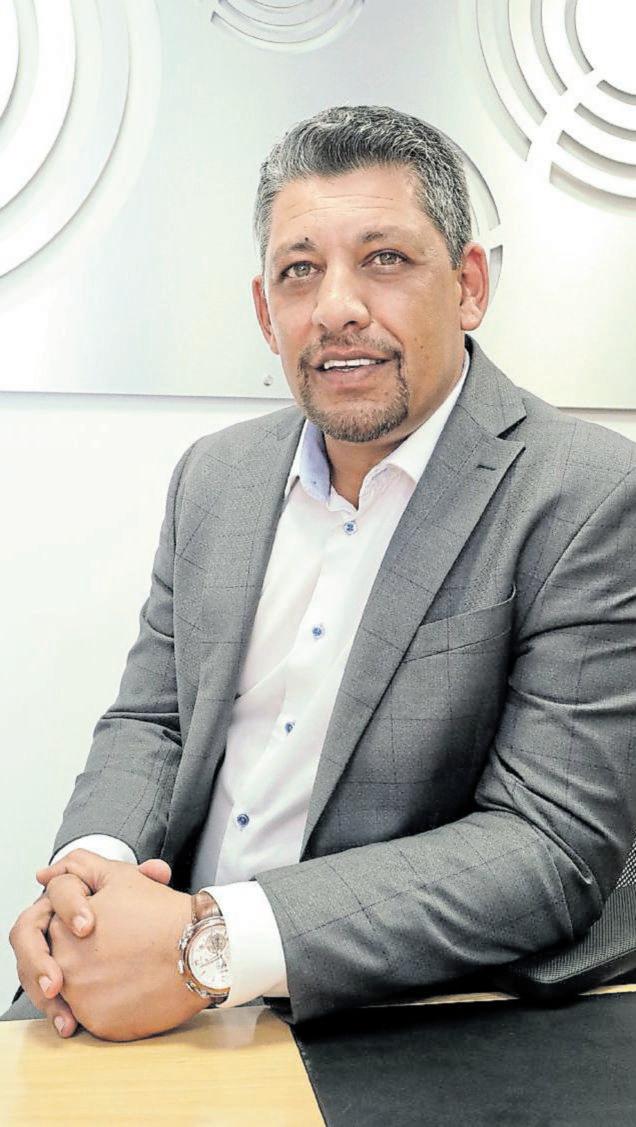
Lee Callakoppen, principal officer atBonitas Medical Fund, saysthe proposedbill is fraught with illegalities and is indirectconflictwiththeMedical SchemesAct andexisting regulations.
“Therightofaccesstohealth care is muchwider than the rightto obtainhealthcare through the publicsector and includes theright topurchase healthcare fromtheprivate sector,ifonecanaffordit.
“The purchasing power of theconsumer isalegitimate means of access to health care and consumersmust havethe right toapply theirpurchasing powerastheydeemfit.
“However, the bill, in its currentform, makesitunlawful for peopleto purchasehealthcare servicesnot coveredby NHI.”
Lee Callakoppen, principal officer at Bonitas Medical Fund, says the proposed bill is fraught with illegalities.
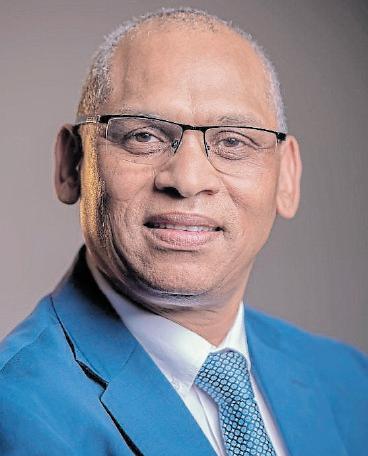
Scheme, says there should not bea debateaboutapublic vsa privatehealthcaresystem.
Instead, SAneeds ahealthcare system that provides everyonewith qualityhealth care and wherethe public and privatesectorscancoexist.
“Thefact thatjust9.5-million people have private healthcarecover outof apotentialpopulationof75-million isa recipefor serioussocietal conflict.”
He advisescaution regardingthe implementationofthe currentproposed NHImodel, saying countries where the principle of universal health coverageworks aretypically more developed economies withalargetax base. “SA is already short of medical practitionersandweneedtobecarefulof triggeringanotherdrain ofpractitioners.”
Hegoesfurther,arguingthat local universitiesshould becapacitatedto producemoredoctors tomeet ourdomestic needs. “Increasing theprivate sector risk pool will help lower private healthcare costs. In turn, a more affordable private sectorwillbenefitmorepeople not currently covered by privatemedicalaid. Inadditionto alleviating pressureon the public health sector, it will re-
sult inprivate medicalscheme cover becoming more affordable,with alarger,healthier riskpool.”
Anageingmembershipbase with a higherdisease burden pushes the priceof medical scheme membershiphigher, making it an unsustainable model.
Asthecost oflivingincreases, placing morepressure on constrained householdbudgets,attracting youngermembersisapriorityforallmedical schemes.
Thoughallcitizensneedbetter access toquality health care, Damian McHugh, executive head ofmarketing at Momentum HealthSolutions, agreesthattheNHI’sproposed singlefundermodel isnotidealandthat thereneedstobe spaceforthepublicandprivate health sectors to work together. “Anyproposed system should not jeopardisethe private sector’s abilityto deliver healthcare services,or threaten the expertise currently availableinSA.”
He argues that until the challenges withinthe public healthcaresector havebeen addressed, itmakes more sense to ensuremore people arecovered byprivatehealthcare insurance, thereby allevi-
atingpressure onthestrugglingpublic healthcaresystem,untilithasmanagedtoresolve the main challenges it currentlyfaces.”
SA’s healthcare spend, as a percentage ofGDP, ishigh for anemerging economy.The challenge is how this spend is allocated. Right now,a higher proportion goesto private health carethan topublic health care. McHughsays the
private health sectorhas built capabilityto reducewaste, fraud and corruption.This capability nowneeds tobe replicatedinthepublicsector.
Atthesame time,costsneed to be betterregulated so that unsustainable ratesare not charged. McHugh agrees that the entire healthcare value chain needs to be reviewed to focus on how to make the sector moreaccessible andaffordabletotheyoungermarket.
“The devilis in thedetail detail which is yet to be unpacked and specified,” says Callakoppen. “Sound corporate governance isof critical importance in preventing the mismanagementofassets,corruption, inefficiency, unethical conductand abuseofthe fund’sresources.”
Hebelievesthe onlywayfor thehealthcaresystemtoevolve is throughinterdependent relationships, and that schemes shouldbe allowedto assistthe NHIadministrativelyandtake oversomeof theriskandburden that wouldlie with the fund in respectof the members of medical schemes. This would ensure that the funds deployed inthe procurement ofhealthcare servicesarenot exploited through duplication ofservicesandfunctions.
Health care ‘on cusp’ of change
SA’shealthcare industryisa complexone,withapublicsectorthat provideshealth careto about 80% of the population but accounts forless than half the total healthcare spending, and aprivate sectorthat provides health careto about 20% ofthe populationbutaccounts for abouthalf thehealthcare spending.
Oneofthe keyinsightsfrom PwC’s SAHealthcare Reimagined report published earlierthis monthis thatthe Covid-19pandemichasrapidly transformed the outlook of healthcare organisations in termsof theirpreparedness andresilience.
The report says the healthcareindustryis onthe “cusp of transformation”, notonly because of theproposed implementation of the National Health Insurance (NHI) Act,
Continued on P24
Alan Fritz is the acting principal officer of Medshield Medical Scheme. /SUPPLIED
but also because the pandemic led to positivechanges, creatingopportunitiesforlong-term reform.
The studyaimed tounderstand the biggestrisks, threats and opportunitiesfacing healthcare organisations in both theprivate andpublic sectorsinSA.Itsurveyed31Csuite leaders in healthcare organisations, includingrepresentativesfrom thepharmaceutical industry, hospital groups, medicalinsurance funders andmedical schemes, thegovernment andthepublic sector, the diagnostics sector, academia and medical device organisations.
Other keyinsights revealed by the report are that NHI will revolutionise SA’s healthcare landscape andcreate opportunitiesfor public-privatecollab-
‘‘
SPECIAL REPORT: MEDICAL COVER OPTIONS
orationand innovation.Allthe respondents surveyed support theintentofNHIandthemodel of universal health coverage, while halffelt thatNHI will achieve or partially achieve its objectiveofimproving healthaccess. Alittle overhalf of allrespondents saidthey had started to engage with the department ofhealth andare developingsometypeofstrategyforNHI.
It also found that the future ofhealth careis brighterthan ever, withinnovation and technical disruption progressinginleapsandbounds.
The report also found that cybersecurity iscritical forall organisations andis becoming anincreasedthreatasdatavolumes increase. Of concern is that only 21%of respondents felt totally securefrom cyberattacks. However,87% ofrespondents inthe privatesector believe their current data protection regulations and policies are sufficient to protect theirpatients andsensitiveinformation.
Cybersecurity critical for all organisations
For many organisations in the sector, environmental,social and governance(ESG) initiatives and measurements are stillatan immaturelevel,with 29% of organisations saying theyarenotfocusedonESG. Continued from
Filling in the cover gap
Medical insurance products are gaining traction
Theincreasing costof livingis having aknock-on effecton medical aid membership. Ratherthan cancellingall medical aid cover, some membersare downgradingtomore affordable plansor turningto medical insurance policies offeringa varietyofday-to-day healthcarebenefits.
Withthe aimof makingprivate health caremore accessible, Dis-Chem has launched a suiteof healthinsuranceofferings. Theseinclude healthinsurance, accidentand gapcover,administeredbyKaeloRisk and underwritten by Centriq InsuranceCompanyLtd.
“Primary healthcare has gained widespreadrecognition asbeing the ‘front door’ of the healthcaresystem,” says RuiMorais, CFOatDis-Chem, adding thatpharmacies are ideally positionedas afunda-
mental entry point to the primaryhealthcareecosystem. Dis-Chem’sCore planisa standard primaryhealthcare insuranceoption thatprovides coverfor abroad spectrumof health needs.A morecomprehensiveoption, Plusplan,also includes unlimited access to doctorsand virtualconsultations, specialist visits and chronicmedication for27conditions.Accidental coveris available asstand-alone cover orasadditionalcover. Medical insuranceproducts
differfrom amedicalscheme, says Morais. This means they don’tofferthesamebenefitsas amedicalscheme,norarethey asubstituteforsuchascheme.
“Given that medical scheme membership is outof reach from anaffordability perspectivefor many, medical insuranceproducts,such astheoptions launchedby Dis-Chem, areagoodalternative.”
Dis-Chemhas introduced a gap coveroption tomembers of anymedicalaid tocovermedicalcoverpaymentshortfalls.
A differentiator ofits product is thatpremiums are priced according toage, and on a perperson basis,rather than afixedcostperfamilyunit,ensuring premiumsare moreaffordable, transparent, and easy tounderstand,saysMorais.
Gap cover provides cover for medical expenseshortfalls, copayments, sublimits and other bills.
It playsan importantrole in payingoutforshortfallsincoverwhen specialistscharge over themedical aidrates for certainprocedures, wherecopaymentsare requiredorcertainthresholds arereached,or whereshortfalls occurfor surgery orhospitalisation allofwhich areareaswhere medicalcostscanmountup
SPECIAL REPORT: MEDICAL COVER OPTIONS
The battle to retain loyalty
Amid rising costs, members are feeling rather short-changed
Medical schemes face a tough balancing act, onethat requires remainingaffordable to members amid the rising cost of living,while alsoensuring theycan meetthehealthcare costsofmembers.
Healthcare inflation is typically 3%to 4%above consumer price inflation. Thesecosts are driven bya numberof issues, including newtechnologies andtreatments,agrowingburden ofdisease, evenmore younger medical scheme members, and private sector specialists charging higher pricesfortheirservices.
A shortage of doctors, specialists andnurses isadding to the rising cost of health care.
Accordingto healthminister Dr Joe Phaahla,SA’s doctorto-patientratio isdeteriorating fromoneto1,266in2019toone in3,198in2022.
‘‘ The doctor to patient ratio is falling sharply
Addingto thechallengeof risingcosts,one ofthebiggest challenges facing the medical insurance industry is a widening gapbetween whatcustomers expectfrom theirmedical schemeand whatthey perceivethey arereceiving,according to the latest SA Customer Satisfaction Index (SA-csi), an independent national benchmark of customer satisfaction for the medical insuranceindustry.
“In the highly competitive medical insuranceindustry, perceived value is one of the mostimportant driversof overall satisfaction,” says Abigail Boikhutso, CEOat Consulta, thefirm responsiblefor compilingtheSA-csiindex.
This consistently increasing gap has resultedin lower customer expectations. Lower expectations, says Boikhutso, should not be misinterpreted as a positiveoutcome, because adeclinein thismetricisfrequentlyassociated withdrops inallothermetrics.
An underlying theme throughout theindex isthat medical scheme members feel
theyare payingtoomuch fora benefitoptionor aplanthatis not effectivelytailored totheir specific needs. This perception,says Boikhutso,ismainly the resultof medicalscheme members not understanding the specificscope ofcover outlined intheir respectivebenefitorplan.
The other keytakeouts from theSA-csi indexare thatthe majorityof schemeshaveconsistently recorded arise in complaints overa five-yearperiod.Thisnegativetrendisfurther compounded by inconsistent complainthandling onan industrylevel.Themostprevalent complaints, says Boikhutso, relateto slowpayouts, declined benefits, ortotal nonpayment.
As most schemes have not managed to improveon perceivedqualityvalueorsatisfactionoverthe pastfiveyears, there is a gradual erosion of customerloyalty,withmanyof the majorplayers inthe industry recording all-time customerloyaltylows.