
















































































































The tough choice for demanding applications. When strength, impact resistance, weatherability and reliability matter, professionals choose Impex Polycarbonate. Available in both Clear and Opal, Impex Polycarbonate offers exceptional durability, outstanding optical performance and fabrication versatility, making it the preferred solution for signage, architectural glazing, industrial applications, machine guarding, transportation and security installations.
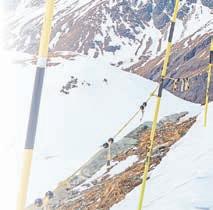
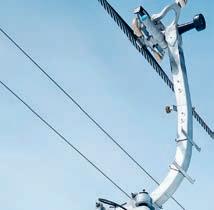

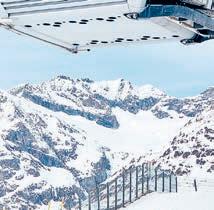


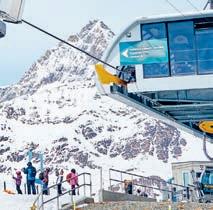


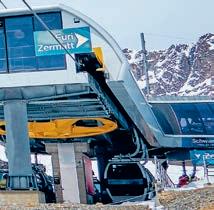

• Exceptional Impact Resistance – 250 times greater impact resistance than glass. 17 times stronger than acrylic.
• Lightweight Yet Strong – half the weight of glass for easier handling, transportation and installation.
• Outstanding Optical Clarity – provides excellent light transmission whilst maintain the strength required for demanding environments.
• Weather Resistant – engineered to withstand harsh weather conditions
• Wide Temperature Performance – performs effectively across a broad temperature range, maintain strength and dimensional stability.
• Easy Fabrication – Can be cut, drilled, routed, and thermoformed using conventional workshop equipment.


ONE MATERIAL. ENDLESS POSSIBILITIES DESIGNED FOR A WIDE RANGE OF APPLICATIONS
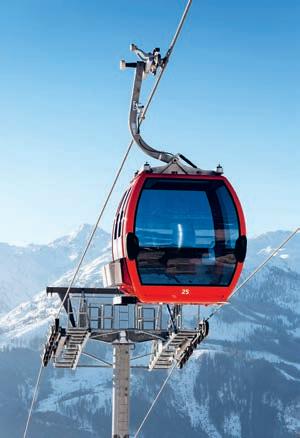



From architectural projects and industrial installations to premium signage and safety applications. Impex Polycarbonate provides the perfect balance of strength, clarity, and fabrication flexibility. When failure is not an option, choose a material engineered to withstand the toughest conditions whilst maintaining exceptional visual performance.
Starting from R1 176 ex vat per sheet*
Available from 1mm -10mm in clear and 2mm to 5mm in opal
Available through Eco Signage Supplies Nationwide

Contact Details: onlinesales@ecos.co.za 0861 100 123
https://ecosignagesupplies.co.za/


PUBLISHED BY
Picasso Headline,
A proud division of Arena Holdings (Pty) Ltd, Hill on Empire, 16 Empire Road (cnr Hillside Road), Parktown, Johannesburg, 2193 PO Box 12500, Mill Street, Cape Town, 8010 www.businessmediamags.co.za
EDITORIAL
Editor: Rodney Weidemann
Content Manager: Raina Julies rainaj@picasso.co.za
Contributors: Anthony Sharpe, Lisa Witepski
Copy Editor: Brenda Bryden
Content Co-ordinator: Vanessa Payne
Digital Editor: Stacey Visser vissers@businessmediamags.co.za
Head of Design: Jayne Macé-Ferguson
Senior Designer: Mfundo Archie Ndzo
Cover Images: tcareob72/123rf.com, dpreezg/123rf.com, soleilc1/123rf.com, 169964135/123rf.com
Project Manager: Arnold Cruywagen arnold@picasso.co.za | +21 469 2508
Sales: Tshepo Monyamane, Ilonka Moolman, Noël van Breda
Production Editor: Shamiela Brenner
Advertising Co-ordinator: Johan Labuschagne
Subscriptions and Distribution: Fatima Dramat fatimad@picasso.co.za
Printer: CTP Printers, Cape Town
MANAGEMENT
Management Accountant: Deidre Musha
Business Manager: Lodewyk van der Walt General Manager, Magazines: Jocelyne Bayer
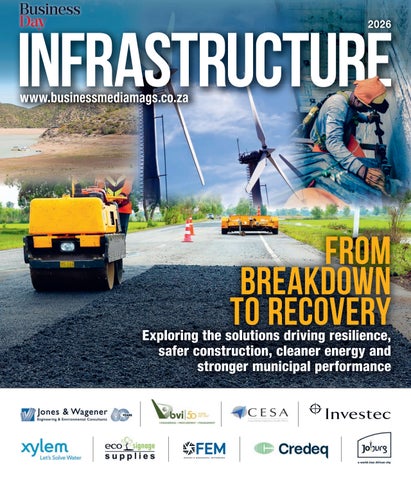
South Africa faces mounting infrastructure challenges, and the search for solutions has never been more urgent. Municipal maintenance crises – manifesting in potholes, load shedding and water shortages – have become part of daily life, largely due to inconsistent governance and weak accountability. Over time, standards have eroded, inef ciencies have entrenched themselves and corruption has taken root. Chronic water shortages now pose a slow-onset disaster, requiring urgent, co-ordinated action to avoid scenarios such as Cape Town’s “Day Zero”. Effective planning, management and citizen engagement at the municipal level are essential.
Roads also demand immediate attention. Freight and commuters alike are impacted by neglected streets, many in need of full rehabilitation, resurfacing, drainage upgrades and structural repairs – patches alone no longer suf ce. Meanwhile, climate change and a deepening fossil fuel crisis underscore the urgent role renewable energy – solar and wind – must play in South Africa’s future.
In this issue, we explore solutions – from infrastructure nancing and the adaptation of global best practices to public-private partnerships expanding connectivity in underserved communities. We also examine the construction sector’s urgent safety and compliance challenges, from weak regulation and poor supervision to the use of inexperienced contractors, and we discuss how the industry can rebuild trust and resilience.
Rodney Weidemann, Editor
Urgent intervention is required to mitigate the effect of poorly maintained roads on the freight industry – and to prevent further damage.
Between the impact of climate change and the growing fossil fuel crisis, the need for reliable renewable solar and wind power has never been greater.
A new strategic nancial instrument, designed to raise long-term capital for large-scale public projects, marks an important milestone in the evolution of public sector infrastructure nancing.
When it comes to critical construction standards and technologies, global best practices can be adopted – provided these are tweaked to suit local conditions.
Rolling out connectivity, especially in underserved areas, can be best solved by government and private sector partnerships.
Avoiding another “Day Zero” water crisis requires better enforcement and implementation of laws around nonrevenue water reduction, water quality compliance and public-private partnerships.
Looking at recent tragedies in the construction industry, why they occurred, and what can be done to prevent such disasters from reoccurring.
Most citizens are resigned to dealing with potholes, load shedding and water shedding, but why have we reached this point, and can the trend be reversed?


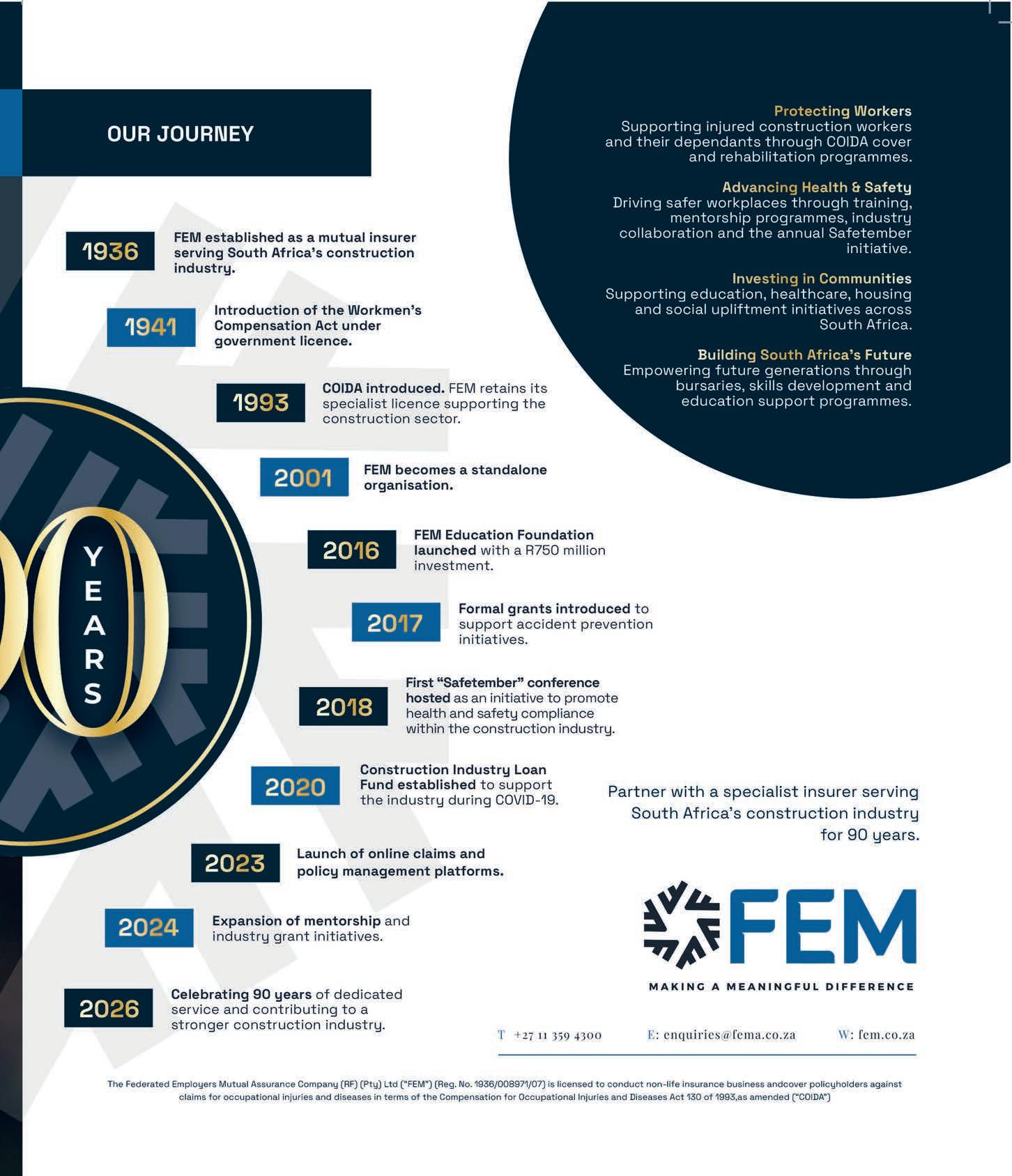
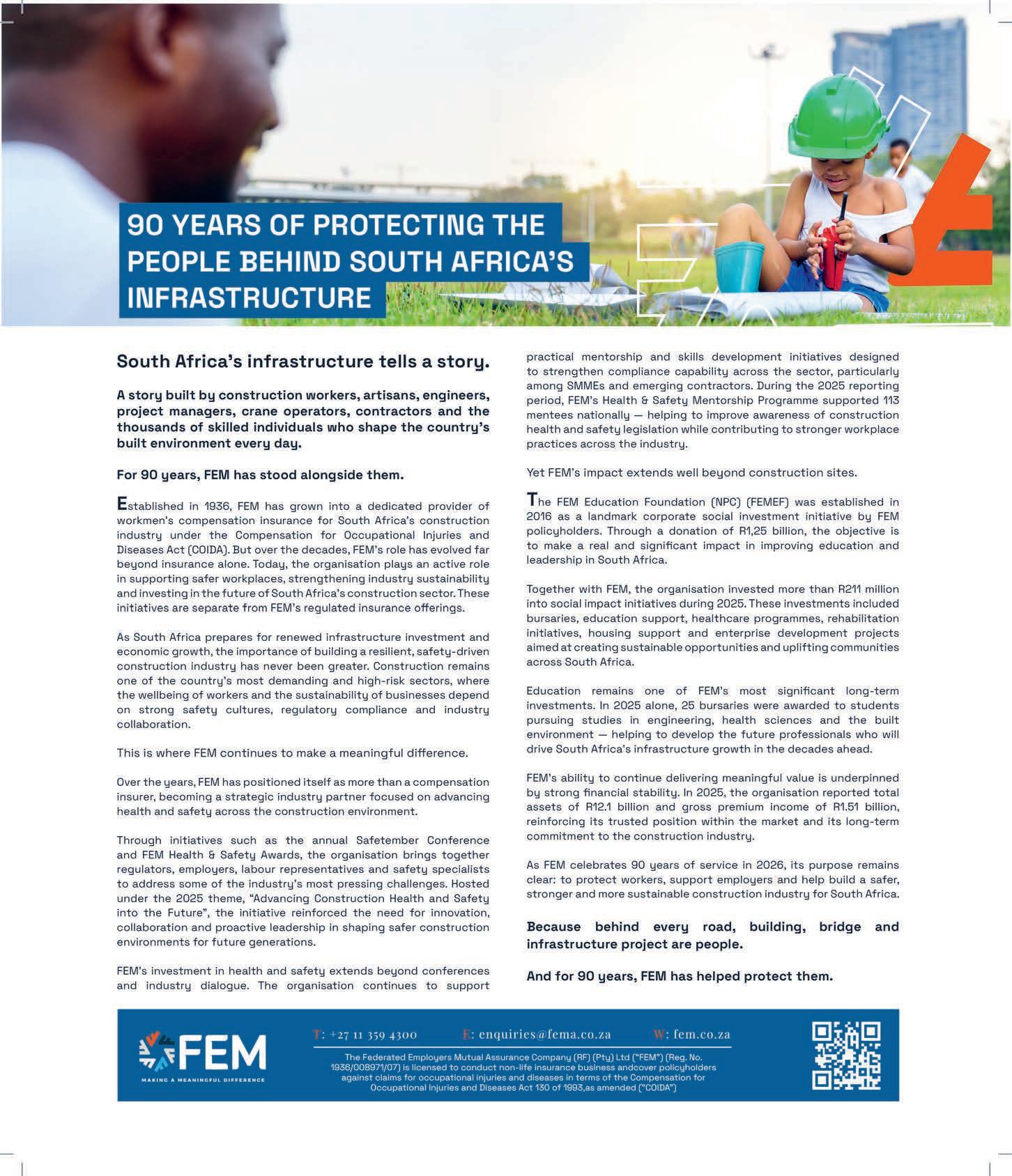
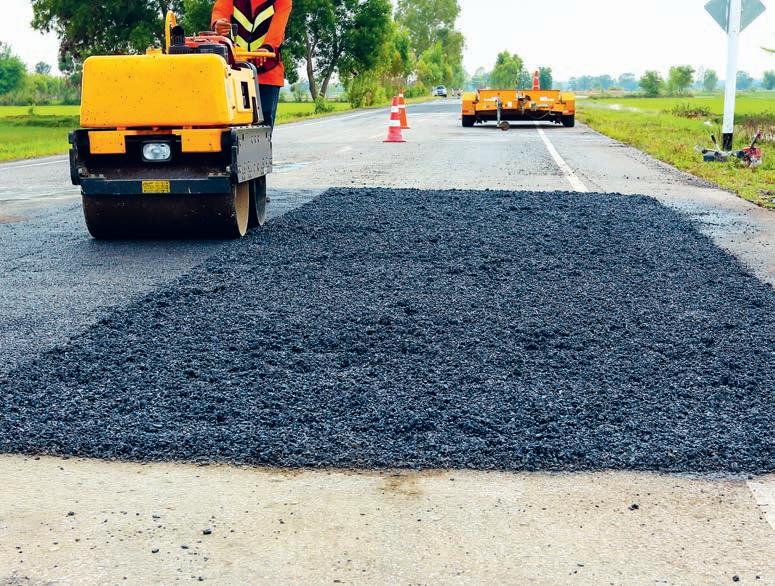






Urgent intervention is required to mitigate the effect of poorly maintained roads on the freight industry – and prevent further damage.
By ANTHONY SHARPE
South Africa’s road infrastructure is an uneven bag, with off-ramps from largely well-maintained national roads leading to poorly maintained municipal ones. This situation is exacerbated by the thousands of freight trucks criss-crossing our country every month, ferrying goods that really should be moving on rail.
Gavin Kelly, CEO of the Road Freight Association (RFA), says the real de cit on non-SANRAL provincial roads is years of under-maintenance on roads that are now carrying freight volumes far beyond what they were built for. “A lot of these roads are sixty to seventy years old, designed in a very different era, for different traf c, different vehicle masses (freight and passenger), axle passes (number of vehicles on the road network), and a very different economy. In many places, we are well past the point of simple patching. Those roads need proper rehabilitation, resurfacing, drainage work, shoulder repairs and, in some cases, full reconstruction.”
Kelly says that for freight movers, that translates into straight-up cost. “Tyres and suspensions take strain, wheel alignment goes out, brake components and couplings wear faster, and the vehicle spends more time in the workshop than on the road earning revenue. We have already seen tyre costs rise sharply (more than forty per cent in 2024) and, when the road condition cuts the working life of those tyres, the cost per kilometre rises very quickly.”
According to David Logan of the South African Freight & Logistics Association, road freight currently dominates the land freight payload at approximately 82.9 per cent, while rail lingers at 17.1 per cent.
Then there are slower trip times, higher fuel burn, congestion and missed delivery windows, says Kelly. “Thus, the operator carries a higher cost, the customer carries a higher transport bill and, in the end, the consumer pays more. That is why the state of the provincial road network has become a direct economic issue.”
Fixing these roads is the short-term solution. The long-term one is obviously moving more freight onto the rail network. David Logan, executive of cer of the recently formed South African Freight & Logistics Association, says freight forwarders will shift meaningful volume to rail when it offers them service and comparative costs they can plan around with con dence.
“THE
OBJECTIVE SHOULD BE TO MAKE THE ROAD PORTION SHORTER, MORE EFFICIENT AND BETTER MANAGED, SO THAT THE TOTAL CORRIDOR PERFORMS BETTER FOR CARGO OWNERS AND FOR COMMUNITIES LIVING ALONG THOSE ROUTES.”
– DAVID LOGAN
“The key measures are schedule reliability, predictable transit times, dependable wagon and slot availability, acceptable terminal dwell times, secure handling of cargo, and a smooth handover between road and rail at both ends of the journey,” says Logan. “Our members can accommodate a rail leg that is slightly longer in elapsed time when the service is consistent, and the cargo arrives when promised. The real barrier is uncertainty because that drives inventory carrying costs, which can increase the total ‘cost to serve’ by fteen to twenty per cent due to the need for excess safety stock.”
Last year saw the conditional allocation of open access slots by Transnet for private players to use the rail network. Logan says this is an important step, but physical readiness remains uneven. “While the market has welcomed the move, we are contending with a national rail maintenance backlog estimated at over thirty billion rand. Some corridors and terminals have the basic ingredients to support greater rail use, while other areas still face constraints around sidings, loading equipment, inland handling capacity, and the quality of rst- and last-mile connections.”
In practical terms, continues Logan, that means the local road leg will continue to matter even when more rail capacity becomes available. “The objective should be to make the road portion shorter, more ef cient and better managed, so that the total corridor performs better for cargo owners and for communities living along those routes.”
Follow: Gavin Kelly www.linkedin.com/in/gavin-kelly-88839b54 David Logan www.linkedin.com/in/david-andrew-logan-82884155

THE CITY OF JOHANNESBURG is redefining urban service delivery through innovation, digital transformation and people-centred governance
The City of Johannesburg is advancing its vision of becoming a truly connected smart city by focusing on its strategic priorities: nancial sustainability, safety, bylaw enforcement, accelerated service delivery, the digital economy and strategic partnerships.
Central to this vision is the launch of the Central Service Delivery (CSD) app, a transformative digital platform designed to modernise how the city engages with its residents. The CSD app represents a bold step towards seamless, transparent and ef cient service delivery, placing essential municipal services directly in the hands of citizens.
The CSD app consolidates all municipal service delivery interactions into a single, easy-to-use platform, simplifying how residents report issues, track requests and receive updates. By centralising communication, the city eliminates inef ciencies caused by fragmented systems and improves accessibility for all communities.
Key features in the rst phase rollout include:
• Real-time noti cations on service interruptions and disruptions.
• Easy reporting of infrastructure issues, such as potholes and faulty traf c lights.

• Digital logging and management of service requests, including billing queries, Pikitup waste collection, MetroBus complaints and traf c nes.
• Geolocation-based ward councillor contact details to support civic engagement.
• Important municipal updates and city news delivered in real-time. This uni ed approach empowers residents to play an active role in improving service delivery while enhancing transparency and accountability.
Behind the CSD app is a major systems upgrade: the migration from the legacy SAP CRM (customer relationship management) platform to ServiceNow Customer Service Management (CSM). This advanced solution enables automated routing, real-time case tracking and performance monitoring, signi cantly reducing response times and improving issue resolution. By embracing digital ef ciency, the city strengthens nancial sustainability, optimises resources and ensures service delivery challenges are addressed quickly and effectively.
enforcement and crime prevention objectives by enabling better co-ordination and communication, contributing to safer and more responsive communities.
Aligned with South Africa’s fourth industrial revolution agenda, the CSD app positions Johannesburg as a leader in digital governance and innovation. It enables data-driven decision-making, improves digital inclusion and creates opportunities for collaboration with the private sector, civil society and community stakeholders. These partnerships are key to co-creating solutions that enhance urban living and advance economic resilience.

The rollout of the Central Service Delivery app marks a milestone in Johannesburg’s transformation journey. It sets a benchmark for future digital initiatives and offers a scalable model that other municipalities can emulate.
Above all, it demonstrates the city’s commitment to service excellence, accountability and citizen-centric governance. Johannesburg is not just growing; it’s getting smarter.
The CSD app strengthens trust between residents and the municipality by ensuring that service requests are visible, traceable and actively managed. Citizens can monitor progress and receive updates, reinforcing con dence that their voices are heard. The platform also supports safety, bylaw


For more information:
www.linkedin.com/company/city-of-johannesburg www.joburg.org.za
The impact of climate change, coupled with a growing fossil fuel crisis, demonstrates the need for renewable solar and wind power to play a big role in our energy future, writes RODNEY WEIDEMANN
Between climate change challenges and the current fossil fuel crisis – driven by the closure of the Strait of Hormuz – green energy has never been more popular. South Africa, of course, has a wealth of sun and wind that can be leveraged in large farms to generate energy, leaving little doubt that wind and solar capacity will play a key role in the country’s future energy mix.
Ulrich Terblanche, senior energy analyst at GreenCape, points to the organisation’s own Market Intelligence Report 2025 in highlighting that the South African renewable energy market continues to attract investment, with many developers focusing on the private sector to secure higher returns through power purchase agreements (PPAs) with private off-takers. These agreements are facilitated either through on-site installations, such as large-scale embedded generation, or via wheeling on the Eskom network.
“The report states that the total large-scale renewable energy market size, in terms of installed capacity in 2024, was 15GW of renewable energy projects connected or under construction. It is estimated that the South African energy market will incorporate 32GW of renewable energy by 2030,” he says.
“The estimated market size in the 2025 report accounts for the announcement in 2024 of preferred bidders in the public programmes, the large number of new renewable plants in an advanced stage of development for private off-takers and the grid-constrained environment, and thus presents the remaining available investment opportunities for new investors.”
Dr Thabo Hlalele, energy centre head at the Council for Scienti c and Industrial Research (CSIR), says the planned Q3 2026 launch of South Africa’s Wholesale Electricity Market fundamentally changes the nancial model for solar photovoltaic (PV) and wind. The market reform moves away from the single-buyer model, where every buyer sells to Eskom, to a multimarket model, where electricity is traded with others, not only with Eskom.

“In the old model, participants needed a twenty-year contract with Eskom; the new market model allows market participants to build solar PV and wind and sell energy directly in the market, instead of waiting to sign contracts with Eskom. This will improve the speed of adding these technologies, since there is no need to wait for government bid windows or to sign a twenty-year contract with Eskom,” he states.
“Adding more solar PV and wind, which are relatively cheaper at higher deployment rates, will ultimately lower the cost of electricity. For large-scale solar PV, the Northern Cape is the most suitable area, with very high solar resource levels of approximately six to seven-and-a-half peak sun hours per day, making it ideal for utility-scale plants that maximise energy yield.
“The Western Cape, particularly coastal areas, has moderate solar resource levels of around ve to six hours daily, and supports hybrid solar-wind systems, although durability considerations are important due to coastal

“ADDING MORE SOLAR PV AND WIND, WHICH ARE RELATIVELY CHEAPER AT HIGHER DEPLOYMENT RATES, WILL ULTIMATELY LOWER THE COST OF ELECTRICITY.”
– DR THABO HLALELE
conditions. The Eastern Cape receives about four-and-a-half to ve-and-a-half hours per day, making it suitable for distributed PV systems and grid-support applications.”
Dr Hlalele adds that there are also many favourable areas for large-scale onshore wind development, including the south-western and southern coastal regions, particularly parts of the Western Cape, Eastern Cape and Northern Cape.
“These areas experience strong and consistent winds, due to coastal weather systems, resulting in higher energy yields and lower project risk. South Africa’s offshore wind resource is also considered excellent along much of the coastline, with higher and more stable wind speeds than onshore sites, although this remains largely undeveloped.
“Ultimately, South Africa is blessed with an abundant onshore wind resource that meets the current need cost-effectively, though a current lack of an offshore wind policy framework, as well as grid-infrastructure constraints, supply chain immaturity and technical challenges presented by local ocean conditions may impede its rollout,” he concludes.
Follow: Ulrich Terblanche www.linkedin.com/in/ulrich-terblanche-01813344
Dr Thabo Hlalele www.linkedin.com/in/thabo-hlalele-3b9342226



South Africa’s electricity system is at a de ning moment. After more than a decade of load shedding, underinvestment and policy paralysis, the country has taken its boldest step yet towards rebuilding its energy architecture with the launch of the Independent Transmission Programme (ITP).
While generation has dominated the national energy debate, the reality is simple: renewable power cannot ow without expanded transmission capacity.
The ITP arrives amid an evolving energy landscape in South Africa. Eskom’s deteriorating nances rendered its vertically integrated monopoly unsustainable, and the utility could no longer fund or deliver the system expansion required to meet demand or support the transition to cleaner energy.
This opened the door to private participation. The Renewable Energy Independent Power Producer Procurement Programme (REIPPPP) proved that competition could deliver faster, cheaper and more reliable investment.
Private developers built wind and solar plants at globally competitive tariffs, while licensing reforms removed size caps on private generation, enabling direct procurement and wheeling across the grid.
THE
South Africa is consequently moving, organically, from a single-buyer system to a dynamic multibuyer, multiseller market. Energy sector reforms necessitated the creation of the National Transmission Company South Africa (NTCSA), to separate transmission from Eskom’s generation activities, enable independent grid operation, unlock investment in transmission infrastructure, and support the transition to a competitive electricity market.
BUKIWE PANTSHI, head of infrastructure at Investec Corporate & Investment Banking, explains how the Independent Transmission Programme could power a new industrial era
The government also launched the ITP to attract private capital and expertise into transmission.
South Africa requires more than 14 000km of new transmission lines over the next decade.
Phase one of the ITP entails 1 164km of priority 400kV corridors to unlock renewable capacity and stabilise the grid.
Amendments to the Electricity Regulation Act permit private participation in transmission, and interest from the private sector has been strong. Cabinet has also af rmed the ITP as a agship programme, and a clear procurement pipeline is emerging. However, reforms alone will not guarantee success. Transmission projects face land acquisition, environmental approvals and wayleave negotiations that have historically delayed delivery. The government has acknowledged this and committed to fast-tracked, centralised permitting processes.

components, construction and maintenance.
Transmission projects are also geographically dispersed, creating opportunities for small, medium and micro enterprises in rural areas across construction, access works and operations. A sustained rollout also enables structured skills development and reduced reliance on imported expertise.
Executed effectively, the ITP is not just an engineering solution to grid constraints, but a national development lever, supporting job creation, energy security and long-term industrial competitiveness.
For full regulatory disclosures, please visit CIB Disclaimer
Another challenge is limited local supply-chain capacity for transmission manufacturing and engineering, procurement, and construction services.
The ITP offers a unique opportunity to align grid expansion with localisation and industrialisation. Each kilometre of new line requires steel towers, conductors, insulators, transformers, civil works and logistics.
With thousands of kilometres planned over a multiyear horizon, the ITP can provide predictable demand that supports local manufacturing, supplier development and investment in skills.
This certainty creates the conditions for expanding domestic capacity across steel fabrication, balance-of-plant


For more information: www.linkedin.com/in/bukiwe-pantshi-84039a20 https://www.investec.com/ox9unu
A
new strategic financial instrument, designed to raise long-term capital for large-scale public projects, has been launched. RODNEY WEIDEMANN
unpacks the Infrastructure and Development Finance Bond
In late 2025, South Africa’s National Treasury launched its rst-ever sovereign Infrastructure and Development Finance Bond (IDFB), marking a strategic shift toward market-based nancing to bridge the country’s massive infrastructure gaps.
The new bond is designed to support high-priority, vetted projects under the recon gured Budget Facility for Infrastructure (BFI), which now runs quarterly bid windows to accelerate infrastructure delivery.
Jarendra Reddy, a partner and capital projects and infrastructure leader at PwC, notes that the introduction of the IDFB marks an important milestone in the evolution of public sector infrastructure nancing. “This milestone signals a strategic transition from treating infrastructure expenditure as a recurrent cost to recognising it as a long-term capital investment,” he explains.
“This approach aligns South Africa with global practices, where sovereign bonds are leveraged to raise substantial funding for essential infrastructure projects and programmes. Moreover, the bond addresses more than just a funding gap; it sends a credible demand signal to the construction industry that has struggled with uncertainty and inconsistent deal ow for over a decade.”
Johan Greyling, infrastructure leader at Deloitte, adds that the construction industry has remained in contraction for nearly a decade, with nine consecutive years of decline.
“A dedicated funding stream for critical and strategic infrastructure – particularly in the transport, energy, water and social sectors – arising from the IDFB could help reverse this trend, by enabling a steady pipeline of major projects and unlocking medium-term opportunities for the sector,” he says.
“Although the infrastructure bonds effectively increase the level of government borrowing,
the combination of private sector nance and involvement will speed up the infrastructure backlog and create growth that will stimulate the economy. Increased ef ciency in the public investment management and improvements in appraisals could further enhance its impact on the economy.”
Reddy indicates that the bond supports the creation of a more predictable and expanded pipeline of infrastructure work, which is an important factor for local construction businesses when making investment, hiring and training decisions.
“By front-loading capital availability through the bond market, government can move projects from planning to procurement more rapidly, reducing the stop-start cycles that have historically undermined the construction sector.”
Asked about potential challenges arising from the launch of the new bond, Greyling suggests that by design, infrastructure bonds increase government borrowing, which could place additional pressure on scal sustainability if not carefully managed.
“However, as long as the projects identi ed and approved under the BFI have high economic impact, which will, in return, increase the tax base, the launching of more of these bonds could be unrestricted.”
The projects selected through the Budget Facility for Infrastructure process are large and of strategic national importance with high economic impact, which, in return, will boost investment and service delivery.
Source: Deloitte
Even with more funding available, continues Reddy, it is always prudent to make smart decisions about which projects to invest in, and the order in which to build them.
“Beyond project selection, a persistent challenge has been the capacity to convert allocated budgets into delivered infrastructure. Historically, underspending on infrastructure budgets has been a recurring concern, not only due to a lack of funding, but also due to gaps in institutional capacity for planning, procurement and project management. The bond addresses the nancing constraint, but equal attention must be given to further strengthen the state in its implementation role,” he says.
By addressing long-standing structural bottlenecks, adds Greyling, infrastructure investment can raise the country’s growth trajectory. “Public infrastructure projects, including those that are bond nanced, are designed to catalyse this growth by injecting demand, creating employment and expanding the economy’s productive capacity, which, in turn, can attract further private investment.”
Reddy notes that the success of this bond will be measured not in issuance volumes, but in delivery outcomes: roads built, water systems restored, energy capacity connected and communities served.
“If South Africa executes with discipline and transparency, this instrument has the potential to do more than fund projects; it will restore con dence in the state’s capacity to deliver and unlock further pools of capital domestically and internationally,” he states.
“THIS MILESTONE SIGNALS A STRATEGIC TRANSITION FROM TREATING INFRASTRUCTURE EXPENDITURE AS A RECURRENT COST TO RECOGNISING IT AS A LONG-TERM CAPITAL INVESTMENT.”
– JARENDA REDDY
Follow: Jarendra Reddy www.linkedin.com/in/jarendra-reddy-19567a66 Johan Greyling www.linkedin.com/in/johan-greyling-42718a1a
South Africa’s path to economic growth depends heavily on its ability to deliver and maintain quality infrastructure, and engineers are vital for building and maintaining infrastructure systems, writes
CHRIS CAMPBELL, CEO of Consulting Engineers South
Africa
From reliable water systems and transport networks to energy security and urban development, infrastructure remains one of the country’s key economic drivers, and consulting engineers are at the heart of making it all happen.
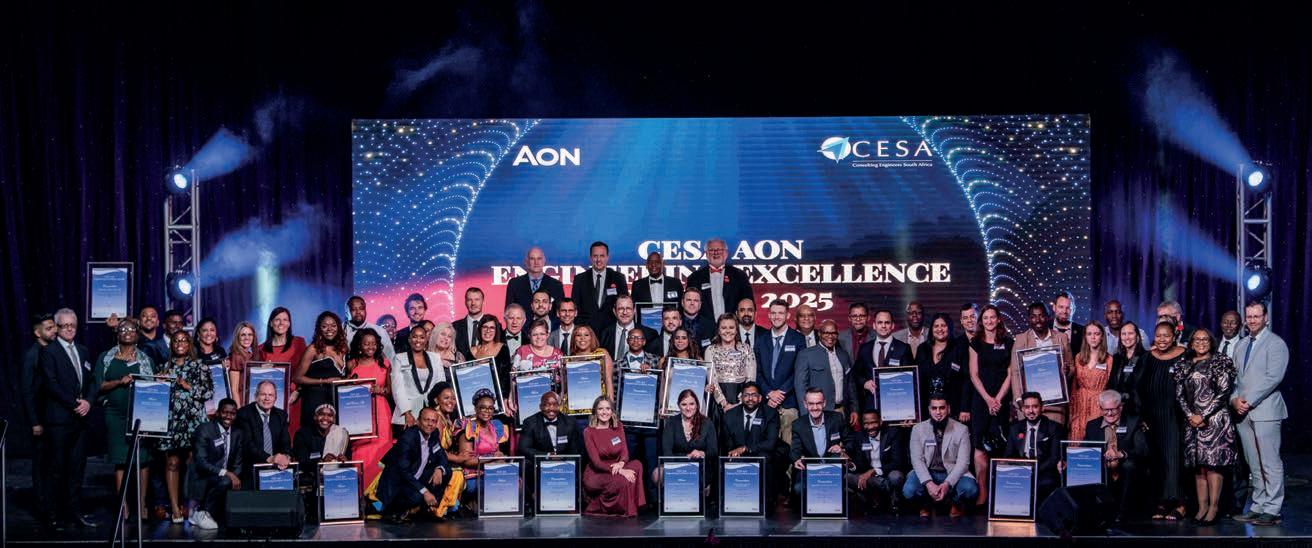
The spotlight on engineering excellence in infrastructure delivery will shine again at the CESA Aon Engineering Excellence Awards 2026, set for 20 August 2026 at Vodacom World, Midrand. These awards don’t just celebrate standout achievements in consulting engineering. They also underscore the vital role engineers play in shaping South Africa’s economic future through innovation, technical skill, and sustainable infrastructure solutions.
There is a deep link between infrastructure development and economic growth. Without reliable infrastructure, economies can’t function properly, investment stalls, and communities bear the brunt.
Consulting engineers provide the technical leadership needed to design, build and maintain infrastructure that supports economic activity,
boosts service delivery, and improves quality of life.
Infrastructure is more than just construction. It lays the groundwork for economic participation, job creation, investor con dence and long-term development.
South Africa faces growing infrastructure challenges, and tackling these demands highly skilled engineers who can craft resilient, ef cient and forward-thinking solutions.
Under the theme, “Engineering in Excellence”, the projects honoured at the CESA Aon Engineering Excellence Awards showcase how the consulting engineering sector rises to these challenges with creativity and technical brilliance. These projects show, in concrete terms, how engineering expertise drives national development.

As the country continues to prioritise infrastructure investment as a key to economic recovery and growth, consulting engineers will remain essential in building the systems and networks that support businesses, communities and future generations.
Chris Campbell
For over 20 years, Aon South Africa has proudly been the platinum title sponsor of the awards, re ecting its deep commitment to the consulting engineering sector and to celebrating the technical excellence behind South Africa’s progress.
The CESA Aon Engineering Excellence Awards aren’t just about celebrating engineering feats; they re ect the profession’s ongoing role in South Africa’s development and prosperity.
To book a table or inquire about sponsorship opportunities for South Africa’s premier engineering awards, email bonolo@cesa.co.za


For more information: www.linkedin.com/company/ consulting-engineers-south-africa www.cesa.co.za

The
infrastructure, albeit invisible, behind some of the country’s assets depends on multifaceted implementation and management by skilled professionals to ensure it performs and endures. By JABULILE MSIZA PrEng, Chairman of Jones and Wagener and Vice President of the Consulting Engineers South Africa
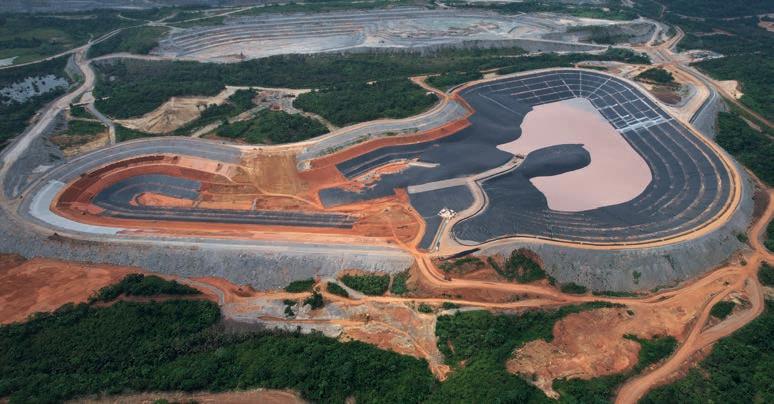
Not all infrastructure is visible. Some of South Africa’s most important assets sit behind mine boundaries, municipal fences and industrial sites: tailings storage facilities, waste disposal facilities, ash facilities, coal discard facilities, pipelines, groundwater systems and rehabilitated landforms. They may not attract the daily attention given to roads, water supply or electricity, but their proper design, operation and monitoring are essential to protect communities, water resources and the environment.
This is where geotechnical, tailings, waste and environmental engineering meet. Although each discipline has its own specialist focus, they share a common responsibility: managing ground, water and waste-related risks over the long term. A land ll is not a dumping ground. A tailings facility is not simply a storage facility. These are infrastructure that will be around for decades, some inde nitely, and are affected by rainfall, seepage, settlement, erosion, chemical change, operational practice and climate variability. Their performance depends on decisions made from site selection and investigation through to design,
construction, operation, monitoring, closure and post-closure care.
This matters because South Africa is trying to advance a circular economy, improve environmental compliance and sustain responsible mining. These ambitions will not be achieved through policy alone. They require competent technical implementation: informative geotechnical investigations, appropriate designs, stormwater and leachate or ef uent management, stability assessments, environmental monitoring, construction quality assurance and clear trigger-action-response plans based on a tailor-made monitoring programme.
Monitoring is particularly important. Data from instruments, inspections, laboratory tests and groundwater sampling can provide early warning, but only when interpreted by skilled professionals who understand the facility, its history and its operating environment. Technology can improve visibility; judgement turns visibility into action.
The skills issue is therefore not abstract. South Africa needs engineers, scientists,
technicians, operators and regulators who are comfortable working across disciplines. A geotechnical engineer must understand environmental consequences. An environmental scientist must understand how water moves through soil and waste. Tailings and waste specialists must understand operational realities. All must understand governance, communities and closure requirements.
This kind of expertise cannot be created overnight. It is built through mentorship, site exposure, professional registration, construction supervision, audits, peer review and learning from facilities across their full life cycle. Young professionals need more than design-of ce experience; they need to see how designs behave in the eld, how monitoring data changes over seasons, and how seemingly small operational changes can become long-term risks.
The country’s future will depend not only on what we build above ground, but on how responsibly we manage what lies beneath, beside and after it.
For more information: Follow: Jabulile Msiza www.linkedin.com/in/ jabulile-msiza-17997556 www.jonesandwagener.com
When it comes to critical construction standards and technologies, global best practices can be adopted – provided these are tweaked to suit local conditions, writes RODNEY WEIDEMANN
South Africa’s construction industry can gain multiple bene ts from adopting global best-practice frameworks around aspects such as the adoption of digital technologies (BIM, drones), green building standards and standardised procurement systems.
Some of the bene ts include improved ef ciency, reduced costs and enhanced sustainability. Implementing such practices will also help overcome local bottlenecks like sluggish, nondigitised processes, high project risks and inef cient infrastructure spending.

However, cautions Roelof van den Berg, CEO of the Gap Infrastructure Corporation (GIC), while international guidelines like the recently released Best Practice Guideline for Carbon Smart Construction Site by the Hong Kong Construction Association (HKCA) are effective, they do not always translate well into local realities.
“This is because South Africa’s industry is simply too different in too many respects to apply them wholesale without making considerable adjustments,” he says.
Samantha Reyneke, construction and dispute resolution lawyer and director at NSDV Law, agrees, noting that South Africa’s construction sector operates under very different pressures to Hong Kong’s: constrained scus, procurement rules shaped by transformation imperatives, persistent load shedding and supply chains that stretch across vast distances.
“This context matters enormously when you’re evaluating whether an international framework is genuinely useful or aspirational.
South Africa already has a well-established legal scaffolding for construction that most major projects use,” she says.
Carbon obligations need to be expressly drafted into contract conditions, should be tied to practical completion milestones, and must be capable of being audited by the engineer or employer’s agent.
Source: NSDV Law
“Any carbon guideline that doesn’t engage with those structures is, in practice, unenforceable – and anything unenforceable doesn’t make it onto a live project in any meaningful way. It becomes another aspirational document gathering dust in a compliance folder.”
machinery, hybrid engines and low-carbon steel remain limited in South Africa, so import guidelines should encourage phased implementation and promote local equivalents wherever possible.
“We must also be aware that measures effective in Hong Kong’s subtropical climate cannot be applied directly to South Africa’s varied conditions, meaning that guidelines must therefore allow for exibility, with options tailored to climate and terrain,” he says.
“Finally, unlike Hong Kong, South Africa has long transport distances and variable fuel costs, so here, the guidelines must account for logistics, with strategies to optimise deliveries, minimise idle time and build contingencies for energy and fuel supply.”
Reyneke suggests that South African infrastructure projects also don’t sit next to their supply chains. A roads project in the Northern Cape or a dam in KwaZulu-Natal may be moving materials, fuel and plant across hundreds of kilometres.

Samantha Reyneke
Van den Berg adds that to make such guidelines work in our country, ve key alterations must rst be made.
“Firstly, we must mould guidelines to t our established legal frameworks, so instead of direct adoption, the guideline could serve as a template, with each measure mapped against national and provincial legislation.
“Addressing cost discrepancies is also key, as some carbon-smart measures are signi cantly more expensive in South Africa, so guidelines should therefore adopt a tiered approach to help overcome this.” Thirdly, he says, we must understand that electric
“That transport component is a major driver of both project cost and carbon footprint, and it’s often underweighted in frameworks designed for more densely serviced construction environments,” she explains.
“Diesel dependency compounds this. With a national grid that remains unreliable, most large construction sites still run diesel-powered plant and generators as a baseline assumption, not a contingency. Any carbon framework that doesn’t reckon seriously with that reality – and with the cost and emissions pro le it creates – is working from the wrong baseline.”
Ultimately, explains van den Berg, international frameworks such as the HKCA’s guideline are valuable benchmarks, but their real worth lies in how they are adapted.
“South Africa already has the policy foundation for a low-carbon future. The task now is for the construction industry to bring these policies to life through practical action on sites across the country,” he concludes.
Follow: Roelof van den Berg www.linkedin.com/in/roelof-van-den-berg Samantha Reyneke www.linkedin.com/in/samantha-reyneke
Rolling out connectivity, especially in underserved areas, may best be solved by government partnering with the private sector, writes
RODNEY WEIDEMANN
Digital infrastructure projects, such as bre, data centres and 5G, generally face a massive funding gap, something that can be closed through a public-private partnership (PPP), which will also add technical expertise into the mix and help accelerate project delivery. Furthermore, by shifting risks to the private sector and fostering greater levels of innovation, these partnerships help improve service delivery and close the digital divide.
Sasha Booth-Beharilal, chairperson of the Internet Service Providers Association (ISPA), says government should certainly consider PPPs, but only if these are speci cally designed to promote competition, rather than entrench monopolies.
“As we know, government has faced signi cant challenges in delivering digital infrastructure; in contrast, the private sector has demonstrated the ability to deploy infrastructure more rapidly and ef ciently,” she explains.
“Therefore, PPPs can make sense as long as they are structured to foster competitive markets rather than concentrate control in the hands of a few players. The aim should be to unlock infrastructure deployment while ensuring open access, enabling multiple service providers to compete on the same network. Any approach that grants exclusive rights to a single operator will risk repeating past mistakes and undermining long-term digital inclusion.”
Mark Walker, director and founder of technology consultancy T4i, notes that to succeed, government must ensure and enable a positive environment that encourages private participation.
“This would certainly include recognition of the commercial imperatives that drive private organisations. Regulation and licencing should also not be restrictive, while nancial incentives, including tax breaks, subsidies and state-funded
skills development schemes, should be at the forefront of any partnership arrangements,” he says.
Talking to the pros and cons of PPPs, Walker adds that among the bene ts is that government gets to leverage private-sector expertise in areas like technology, engineering, and project management to deliver technology effectively and ef ciently at a competitive market rate.
“On the downside, the cost for private companies to deploy must be commercially attractive, especially since rural connectivity is typically the most expensive and dif cult to build and maintain. For government, meanwhile, transparency and accountability must be built into any engagement framework underpinning a PPP,” he says.
Speaking about how the pro t motive – the driving factor behind private-sector investments – may impact such partnerships, the ISPA suggests that pro t is not really the issue.
“PPPs should be mutually bene cial, and one of the perks for the private sector is income. The issue is the risk of unregulated market power arising in monopolistic/ oligopolistic environments,” notes Booth-Beharilal.
“To ensure pro tability aligns with both competitive dynamics and broader social objectives, PPPs should further mandate open-access infrastructure, enabling multiple ISPs to operate on shared networks: prohibit exclusive wholesale or retail rights, preventing market dominance by a single provider; and provide performance-based incentives, linked to measurable outcomes such as coverage, quality, and affordability.”
Walker adds that what works is a layered architecture of incentives, governance and accountability that makes

“THE AIM SHOULD BE TO UNLOCK INFRASTRUCTURE DEPLOYMENT WHILE ENSURING OPEN ACCESS, ENABLING MULTIPLE SERVICE PROVIDERS TO COMPETE ON THE SAME NETWORK.” – SASHA BOOTH-BEHARILAL
social outcomes and private returns mutually reinforcing, rather than competing.
“This requires effort spent by both parties to de ne the rural connectivity requirement narrowly, and should be led by government to ensure maximum transparency and accountability in the public space.”
There are numerous successful PPP examples we can learn from, he continues, including India’s Aadhaar Digital Identity Initiative, Estonia’s TigerLeap Programme for eGovernment and the Rwandan 4G Wholesale Network.
“These stand out as successful because the public sector de ned the goal rst and had a clear social objective before it invited private partners in. Private rms competed to serve that objective, rather than de ning it themselves, and the public sector also retained the infrastructure layer, meaning they maintained leverage over pricing, access and long-term direction.
“The lesson is that private pro t and public outcomes must be structurally aligned, and long-term political commitment is needed to hold the framework stable,” he concludes.

Dissolved air flotation delivers flexible contaminant removal and lowers water treatment costs for more industries, writes CHETAN MISTRY, strategy and marketing manager, Xylem
Treating water to remove contaminants is strategically important. Organisations, from mining and agriculture to chemical and food and beverage producers, feel the pressure of water resource stress. They want a direct hand in producing clean water to reliably feed operations, create sustainability through reuse and support compliance and environmental responsibilities.
Those industries want to tackle particularly stubborn contaminants while having exible options with friendly investment and operational costs. More of them are using dissolved air otation (DAF) as part of their treatment strategy to address those requirements.
Whether through renting or owning, companies are adopting DAF for various reasons. Mines use DAF to focus on speci c parts of their treatment cycle, such as recycling ore processing water or producing more concentrated slurry from tailings. Food and beverage producers use DAF to capture grease and organic contaminants. Manufacturers that rely heavily on chemicals, such as paint makers and pharmaceuticals, use DAF to remove suspended solids, oils and particulate-associated contaminants from their water streams.
Treatment systems such as sedimentation and membranes are effective, but including DAF as a pretreatment step signi cantly improves overall outcomes because it captures contaminants that frustrate other treatment methods, such as fat, oil and grease, total suspended solids
and particulate-associated biochemical oxygen demand.
Customers using DAF to complement their other treatment systems also see substantial improvements in asset longevity and maintenance reduction. However, even sites that primarily use DAF are impressed by its ability to remove many different contaminants.
DAF’s air-saturated recycle water generates microscopic bubbles that attach to suspended particles and oat them to the surface for removal. While there are other otation treatment systems, DAF is typically more exible, effective and affordable when applied in suitable pretreatment and polishing applications.
There are four reasons why DAF has become more prevalent.
1. Removing smaller particles: DAF attaches microbubbles to destabilised ne particles and colloids (following appropriate coagulation and occulation). This technique works effectively on sediments, lighter-than-water oaters, and emulsi ed particles. In suitable applications, DAF can be a cost-friendly alternative to ne ltration or membranes in suitable suspended solids removal applications, requiring less energy and maintenance.
2. Compact and scalable: ltration and clari cation systems typically require large footprints and permanent setups, which are complex to install and scale. Modern DAF systems are compact, and some DAF solutions are available as temporary rentals, keeping site usage and costs exible.
3. Versatile applications: sedimentation and membrane systems have signi cant footprint requirements, capital investment costs and installation complexities. DAF systems enable more industries
to add water treatment capabilities (permanently or temporarily) while keeping processes exible and avoiding budget shocks.
4. Reducesd costs: modern DAF systems are energy-ef cient, reducing electricity consumption. The compact and hardy designs also signi cantly extend maintenance intervals and lower breakdown issues. DAF can reduce overall chemical demand in many applications, another cost-saving.
DAF is not mutually exclusive and can support other contaminant-removal systems in primary or secondary treatment processes. Companies use DAF’s exibility to create unique treatment systems, backed by consultation with DAF partners to get the best results.
Dissolved air otation’s exibility and modularity provide more choice and, in many cases, lower operational expenditure when used as part of an integrated treatment strategy.
Many of Xylem’s customers use DAF systems to give them more options and reduce pressure on their other decontamination processes. Others use DAF to test smaller-scale decontamination or focus on speci c processes. DAF has opened the bene ts of water treatment, including environmental compliance and recycling, to many more industries.


For more information: www.linkedin.com/in/chetanmistry1 www.xylem.com/en-za/




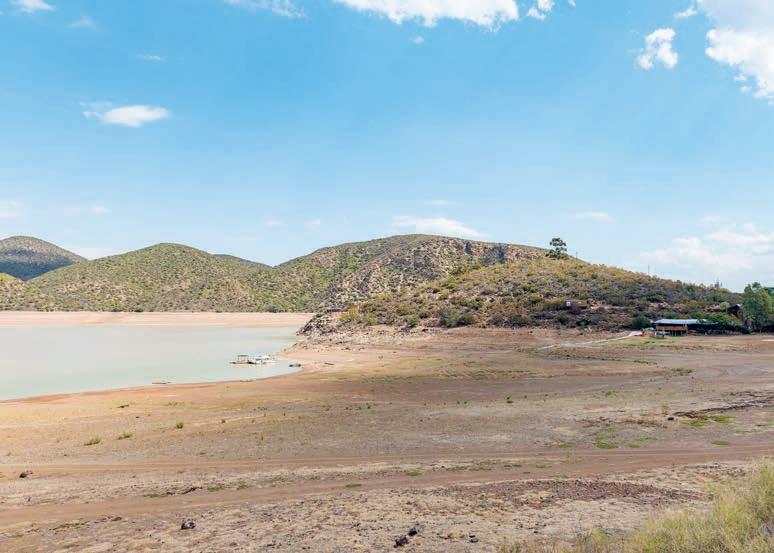
Cape
Town
narrowly avoided “Day Zero” in 2018. However, as a water-scarce country, it is only a matter of time before another city, or the entire nation, faces this challenge again, writes RODNEY WEIDEMANN
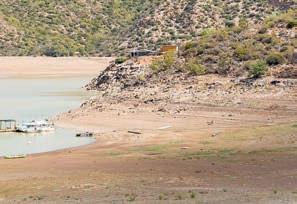
Most people can remember Cape Town’s serious water crisis in 2018. This appears to have just been the beginning, with some suggesting South Africa faces a high risk of future day-zero scenarios. Inland cities like Johannesburg and Pretoria, along with coastal cities like Cape Town, are under immediate pressure due to ageing infrastructure, severe drought and rising demand.
While not always a total system shutdown, chronic water shortages are becoming a persistent “slow-onset disaster”, requiring serious action if they are to be avoided.

Mike Muller, visiting adjunct professor at Wits School of Governance and advisor to Strategic Water Partners Network (SWPN), says events like Cape Town’s multiyear drought will occur again.
“It is thus crucial that the local governments responsible for water supply services in each municipal area plan, implement and manage their infrastructure and their citizen’s water use more effectively,” he says.
“It will require them to have competent management and use their available funds effectively to maintain local water security. Meanwhile, national government, civil society and business organisations like SWPN can
help oversee their performance and support them to do their jobs properly.”
Chetan Mistry, strategy and marketing manager at Xylem – WSS (Africa, Middle East, Türkiye, India) notes that there is strong legislation, which lays the groundwork for avoiding water crises and shortages.
In 2024, the state passed the South African National Water Resources Infrastructure Agency SOC Limited Bill, giving signi cant scope for managing national water resource infrastructure.
public education campaigns, and smoothing pathways to enable public-private partnerships,” Mistry adds.
Professor Muller says municipalities must ensure that water use is monitored, billed and paid for, maintain existing infrastructure, and plan to meet growing demands. “An important role for business and civil society is to monitor and support these activities. The role of provincial governments, meanwhile, is primarily to ensure municipalities are working effectively and ef ciently, including in their water services functions,” he adds.
“National government is responsible for monitoring, managing and protecting the country’s water resources. It is also responsible for ensuring future needs are planned for and investments, such as the Lesotho Highlands water project and Kwazulu-Natal’s Umkhomazi water project, are made in time. The new national water resource infrastructure agency, currently being established, will take responsibility for the building and operation of these large projects.”

“The latest amendments to the National Water Act add more tools to manage water. The Department of Water and Sanitation’s revised compulsory national water and sanitation services norms and standards, and its Blue Drop and Green Drop reports, provide means and information to secure water,” he explains.
“Ultimately, policy is not the issue. Enforcement and implementation are, particularly on local levels. There needs to be more action, especially around nonrevenue water reduction, water quality compliance,
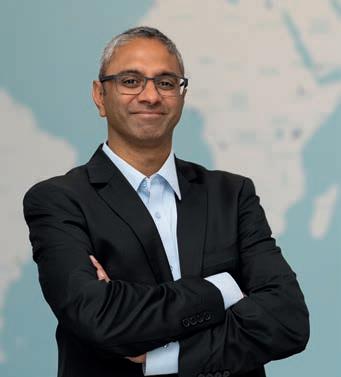
Chetan Mistry
Mistry says acquiring water elsewhere remains an option, but it is not sustainable for two reasons. “Firstly, water scarcity and thus costs, will increase everywhere, especially as climate change becomes more aggressive, so we need more self-suf cient and resilient water systems.
“Secondly, while schemes like the Lesotho Highlands Water project are successful, they still don’t solve our water issues. Gauteng gets the bulk of that water, yet problems like leaks and poor planning still cause water shortages.
“Therefore, water security cannot rely on supply alone. We need to expand our mindsets and strategies by embracing recycling and ef cient water use, reducing pollution, increasing enforcement of water protection, reduce our above-average per capita water usage and invest in the skills and partnerships for better infrastructure management. We cannot drill or buy our way out of our water challenges. Nonetheless, the solutions are there, and we have many accessible opportunities to start making a difference,” he concludes.
Follow: Professor Mike Muller www.linkedin.com/in/mike-muller-07941710 Chetan Mistry www.linkedin.com/in/chetanmistry1

Infrastructure funding is available, but uncertainty is stalling Africa’s project pipeline, writes HELGAARD MÜLLER, CEO of Credeq Africa
As African economies continue to prioritise infrastructure-led growth, a clear constraint is emerging: it is not a lack of capital that is holding projects back, but uncertainty around execution.
Despite a signi cant pipeline of investment, many projects struggle to move from planning to implementation. Over $360-billion has been committed to infrastructure projects in Africa under the Programme for Infrastructure Development in Africa.
RISK NEEDS TO BE MITIGATED
Investor appetite for infrastructure remains strong, but con dence is often undermined by poorly de ned risk.
The capital is there. What slows projects down is uncertainty, whether a contractor can

deliver, whether payments will be made, and whether risks are properly understood and managed across the life cycle of a project.
This gap between funding availability and project execution is becoming one of the most signi cant constraints on infrastructure delivery across the continent. This is where projects begin to slow. While funding mechanisms continue to evolve, many projects reach advanced stages of planning without fully resolving the risks that ultimately determine whether they can be delivered.
Infrastructure projects don’t fail because there’s no funding. They stall because risk isn’t clearly de ned, allocated or mitigated in a way that gives all parties con dence to proceed.
As a result, risk mitigation is increasingly becoming a central enabler of infrastructure development, rather than a secondary consideration. Projects that bring clarity to how uncertainty is understood and managed are far more likely to move forward into implementation.
The reality is that con dence is built through clarity. When funders, developers and contractors have a shared understanding of risk, projects move forward. Without that, even well-funded projects can stall.
Operating in Africa requires a highly localised and collaborative approach. The continent’s diversity means that risk cannot be assessed through a single lens, and success depends on understanding the nuances of each market.
Africa is not a one-size- ts-all environment. You cannot apply a single model across different regions. You need to work closely with local partners, understand their realities and build solutions that re ect the speci c context of each project.
This need for contextual understanding is particularly important in complex or cross-border projects, where technical,
legal and nancial risks intersect and require careful co-ordination between multiple stakeholders.
Beyond risk considerations, the broader infrastructure landscape across Africa is evolving rapidly. Growth in renewable energy is enabling the expansion of data centres, which, in turn, is improving access to information, education and digital services across the continent.
We are seeing a strong link between energy development and digital infrastructure. As access to electricity improves, it unlocks opportunities for data, connectivity and broader economic participation.
In South Africa, key areas of focus include logistics, regional trade corridors and the urgent need for investment in water infrastructure, which is becoming increasingly critical to long-term sustainability.
Ultimately, reducing uncertainty is the single most important factor in unlocking infrastructure development across Africa.
If Africa is serious about accelerating infrastructure delivery, the focus has to shift from raising capital to reducing uncertainty. That’s where projects succeed or fail.

For more information: Follow: Helgaard Muller www.linkedin.com/in/helgaard-müller-b7bb3046




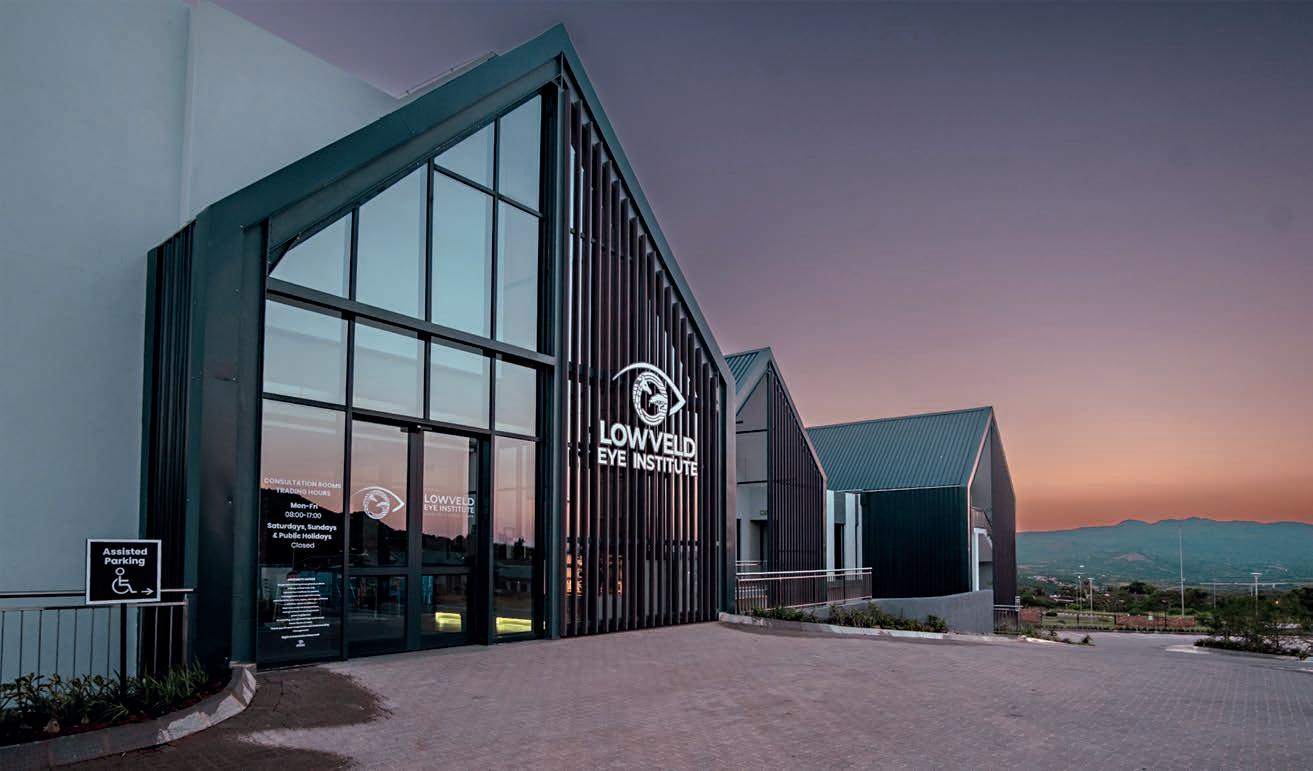
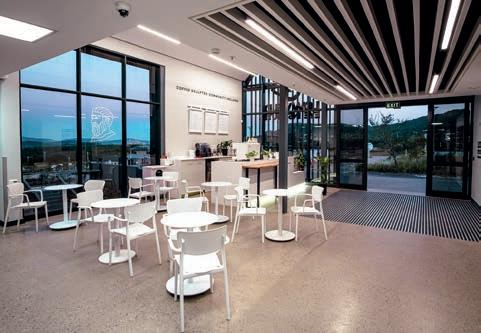
The design of the Lowveld Eye Institute in Mbombela, Mpumalanga, by BOOGERTMAN + PARTNERS re-envisions the experience of healthcare through spatial clarity, light and connection to landscape
The Lowveld Eye Institute in Mbombela, Mpumalanga, led by healthcare business management specialists Xpedient Medical, was developed to bring together several local ophthalmologists’ consulting suites under one roof. Establishing a consolidated hub for specialised ocular care in the region allows the individual consultants to better ful l their mission of “rejuvenating sight” in the community they serve.
While the centre needed to function as a high-tech clinical environment with advanced medical equipment, the doctors were clear that it needed to provide a warm, welcoming, patient-centred environment.
With this in mind, the clinic was designed to incorporate natural light, strong visual connections with its surroundings and resonate with the local setting and context, harnessing proximity to nature to improve the healing environment.
The site is located on an elevated section of a new mixed-use precinct on the eastern edge of the Mbombela CBD, near recent retail and commercial developments. With very little in
the way of signi cant architectural precedent or existing urban fabric to provide stylistic cues, Boogertman + Partners took inspiration from the surrounding expansive Lowveld grassland and horizon views. The site overlooks a valley on one side and a golf course on the other.
Mpumalanga – which means “Place of the Rising Sun” – prompted a symbolic and conceptual theme related to light and vision, further resonating with the clinic’s brand identity, which incorporates a sunrise in a graphic representation of an eye.
The site’s position and its steep slope made it impossible for the building to achieve ideal solar orientation. These restrictions, however, prompted spatial solutions that became central to the architectural concept. For example, the unorthodox orientation had the advantage of maximising views, which the design sought to frame and invite into the heart of the building.
The architectural language balances a contemporary industrial/residential character with a sense of lightness and re nement. The building is broken up into three parallel pitched volumes connected by recessed at-roofed sections, establishing a rhythmic sequence reminiscent of parallel barn
structures, an impression reinforced by the use of sheet-metal roo ng. This articulation breaks down the building mass, allowing it to sit comfortably in its context while maintaining a strong visual identity.
Setbacks, screens and overhangs are used to manage light and heat. Fenestration is minimised in thermally exposed areas. Strategic massing also mitigates heat gain, creating a double-skin facade in key areas, often used for the placement of services. The vertical emphasis of the facade screening was inspired by the distinctive linear patterns of light and shadow of the

surrounding grasslands, giving it additional local resonance.
The main pitched volume establishes a prominent and easily recognisable entrance, immediately orienting visitors and ushering them on their patient journey.
The architects describe the core organisational principle as a “gradient of intimacy”, which guides patients from the open, public arrival spaces through a series of semi-public spaces and then through to the clinical and private spaces. This intuitive progression enhances the patient experience, providing them with a constant sense of reassurance that is fundamental to a stress-free experience.
By cutting into the slope, a semi-basement condition was created, enabling the ef cient separation of clinical, surgical and public functions.
The upper ground oor acts as the primary interface for patients and is intended for consulting and diagnostics. The lower ground oor houses the clinical spaces – in other words, the surgical and theatre complex, with two major theatres equipped with advanced sof t-mounted Zeiss microscopes. Specialised wards have a treatment area with 10 recliners for same-day procedures and a day ward with 10 modern beds for patients requiring longer recovery.
The building’s upper levels are dedicated to essential support functions and technical
infrastructure that enables the hospital’s ef cient operation. The loft level accommodates administrative services, storage areas and key vertical circulation hubs, ensuring that back-of-house activities are separate from clinical environments yet closely connected.
The use of tactile natural materials, such as stone and timber, provides a warm, welcoming sensory experience. Clean lines and minimalist forms create a sense of precision and visual calm.
Importantly, the building is designed so that corridors always open onto a view, never a dead end. This means that visual connections with the natural surroundings are maintained throughout the buildings, subtly reinforcing the institute’s focus on vision and perception. Patients never feel enclosed or claustrophobic, and the views and visibility aid with orientation and way nding.
Together with the clear and structured sequencing of spaces, this sense of openness reinforces clarity and reduces stress for patients navigating the facility, especially those with limited vision.
The project was delivered through a fully digital work ow, with 100 per cent cloud-based co-ordination enabling seamless collaboration across disciplines and locations. By migrating project data from traditional on-premises silos to a uni ed Common Data Environment (CDE) hosted on Autodesk Forma, all consultants and contractors were integrated within a shared digital environment, supporting real-time information exchange and ef cient decision-making throughout the process. Client engagement and co-ordination were conducted via online platforms, while model-driven technical resolution aligned
with ISO 19650 information management principles, allowing challenges to be addressed proactively and with precision. This transition to a CDE facilitated a “single source of truth”, ensuring the complex technical requirements of the surgical theatres and specialised ocular equipment were co-ordinated with precision before a single brick was laid. Together, these approaches position the project as both architecturally and operationally forward-thinking.
The Lowveld Eye Institute demonstrates how architecture can meaningfully contribute to both healing and operational excellence. The interplay of natural light, framed views and a carefully structured spatial sequence creates a calm, comforting and reassuring environment for patients, while supporting the demands of advanced medical practice. Through thoughtful design and a human-centred vision, Lowveld Eye Institute has positioned itself as a forward-looking model for specialised healthcare environments.
SCAN THIS QR CODE TO GO TO THE BOOGERTMAN + PARTNERS WEBSITE

For more information: www.linkedin.com/company/ boogertman-partners-architects www.boogertmanandpartners.com






Recent tragedies in the construction industry occurred due to weaknesses in the system.
It is imperative that breaches in the law are enforced and punished, writes RODNEY WEIDEMANN
South Africa has experienced a series of fatal construction tragedies between May 2024 and March 2026, primarily in George, Durban and Johannesburg. These incidents – marked by structural failures, collapsed buildings and worker entrapment – have resulted in over 50 deaths, highlighting a deepening crisis in construction safety.
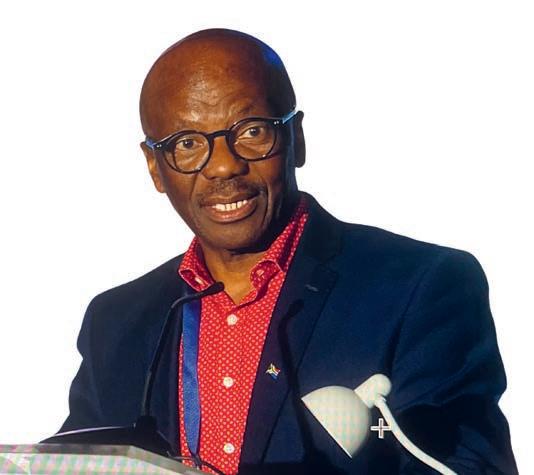
Musa Shangase, president of the Construction Alliance South Africa (CASA), says the recent collapses in these South African cities were most likely the result of a combination of failures.
“These likely include weak enforcement of building regulations, poor site supervision, nonadherence to or inadequate safety standards and the use of unquali ed and inexperienced contractors.
“It may also have been the result of impunity on the part of some developers, who believe they may be above reproach and ignore the regulations, procedures and processes in place when planning and eventually commencing with construction. In several cases, construction proceeded without approved plans or oversight, pointing to systemic regulatory breakdowns,” he says.
Sharon Shunmugam, president of the South African Council for the Project and Construction Management Professions (SACPCMP), notes that, as the regulator mandated to promote the professionalisation of the project and construction management professions, it is deeply concerned that our built environment is subjected to persistent
Tragedies often reveal not just technical failures, but also cultural and organisational weaknesses such as failures of ethics and leadership, a lack of worker empowerment, which reduces whistleblowing attempts, and poor emergency readiness.
Source: Construction Alliance South Africa
recovery to proactive prevention, helping safeguard both workers and communities.
breaches of occupational health and safety standards, and the absence of competent supervision and unsafe construction practices.
“Particularly alarming is the repeated disregard for, and in some instances deliberate concealment of, known warning signs and structural risks, allowing unsafe conditions to persist until catastrophic failure occurs,” says Shunmugam.

“These failures demand decisive regulatory enforcement and professional accountability, applied consistently and without fear or favour, to protect lives and restore public con dence in the construction sector.”
Shangase agrees that to prevent future construction tragedies in South Africa, the most effective strategies are strict enforcement of building standards and stronger accountability on the part of the entire project teams.
“It’s worth noting that the construction industry has evolved signi cantly after major disasters, with stronger safety regulations, advanced risk analysis and resilient design practices that have reduced the likelihood of catastrophic failures.”
These changes, continues Shangase, have shifted the sector from reactive
The main challenge remains the lack of, or weakness in, compliance monitoring by the relevant authorities and regulators.
“Safety rules and methods have nonetheless improved signi cantly after major construction tragedies, with the country currently revising its Construction Regulations (2024 draft, replacing 2014 rules) to modernise compliance.
“However, gaps remain, and further improvements require stronger enforcement, digital monitoring and a culture of accountability. These reforms, along with global lessons from incidents, such as Rana Plaza and Hyatt Regency, have pushed the industry toward stricter accountability and modernised safety practices.”
Shunmugam suggests that, given the number and complexity of factors contributing to construction collapses and disasters, the prevention of such incidents must be approached as a systemic and co-ordinated intervention across the entire project life cycle, rather than through isolated or reactive measures.
“Ultimately, sustainable safety improvements will not be achieved through rule changes alone. They require a culture of compliance, ethical professional practice and enforcement without fear or favour.”
“This must be supported by regulators who are empowered and willing to act decisively in the interest of public safety – an outcome the SACPCMP remains committed to advancing within its statutory mandate,” she concludes.
www.linkedin.com/in/musa-shangase-9b535a20
www.linkedin.com/in/sharon-shunmugam-24029b37

SIMON NORTON, director of the International Zinc Association Africa Desk, explains why zinc is South Africa’s ultimate infrastructure shield
As South Africa embarks on an infrastructure build programme, a silent scal predator threatens these ambitions: thermodynamic instability, speci cally the natural tendency of steel to return to its original state as iron ore.
Global corrosion studies reveal that the direct cost of metallic corrosion hovers around three to four per cent of a nation’s gross domestic product. For South Africa, this translates into an astonishing annual macroeconomic loss exceeding R250-billion. We are, literally, watching our national balance sheet rust away. If the steel structures underpinning our infrastructure are to survive aggressive marine, industrial and mining environments, we must reevaluate the engineering role of re ned zinc.
Unprotected steel exposed to oxygen and moisture degrades rapidly. The engineering solution lies in shielding it through the precise deployment of high-purity re ned zinc.
Zinc provides a dual mechanism of protection: barrier protection and galvanic (sacri cial) protection. When steel is coated with zinc, the zinc acts as a physical shield. However, if that shield is scratched, the underlying metallurgy activates a brilliant defence mechanism. Zinc has a more negative electrochemical potential than iron, so it acts as a sacri cial anode. It corrodes preferentially, sacri cing its own mass to keep the structural steel pristine.
Engineers leverage this electrochemical defence through two primary technologies.
1. Hot-dip galvanising (HDG)
• Process: cleaned, pickled and uxed steel components are submerged in a bath of molten re ned zinc at approximately 450°C.
• Metallurgy: this is not a super cial coat. The zinc reacts with the steel alloy, creating a

series of metallurgically bonded iron-zinc alloy layers harder than the base steel itself, topped by a pure zinc outer layer.
• Best used for: structural beams, electrical transmission towers, concrete rebar, pipes and modular components before site assembly. It offers maintenance-free lifespans often exceeding 30 to 50 years, depending on the location.
2. Zinc-rich paint systems
• Process: high-purity zinc dust or akes are suspended in organic (epoxy/polyurethane) or inorganic (silicate) binders and applied via spray or brush.
• Metallurgy: to provide true galvanic protection, the dried paint lm must contain an exceptionally high concentration of zinc – typically 80 to 85 per cent by weight. This ensures the zinc particles are in direct electrical contact with each other and the steel substrate. It also offers barrier protection against the external environment.
• Best used for: recoating existing steel structures, large eld welds, marine steel, ships and large-scale structures that cannot t into a galvanising kettle.
To optimise our national infrastructure spend, public and private sectors must transition from reactive maintenance to intelligent, zinc-forward asset design. Here are four disruptive proposals to shift our national paradigm:
1. The “duplex” standard for the Transnet corridor. Our rail lines and ports endure destructive combinations of high humidity, salt spray, and industrial pollution. We should mandate a duplex system – hot-dip galvanising immediately followed by a topcoat of epoxy and polyurethane paint – on all critical coastal rail infrastructure. The synergy of a duplex system yields a lifetime that is 1.5 to 2.5 times the sum of the individual coatings. By investing 20 per cent more on the initial coating system, we eliminate eld maintenance for approximately 50 years.
2. Mandatory galvanised rebar in municipal water infrastructure. South Africa’s wastewater treatment plants and coastal water reservoirs are failing due to concrete spalling, where internal steel rebar rusts,
expands and cracks the surrounding concrete from within. Mandating zinc galvanised rebar in public concrete works would stop this structural decay.
3. Solar assets and the “zinc guarantee”. As billions of rands ow into solar farms, nancial institutions are locking in 20- to 25-year power purchase agreements. However, photovoltaic panel mounting structures are frequently speci ed with poorly performing, thin electroplated bolts and painted coatings to cut costs. Institutional funders should introduce a “zinc guarantee” policy: lower capital interest rates for solar projects using HDG mounting structures or zinc-rich organic primers and hot-dip galvanised bolts, thus lowering asset risk pro les and ensuring green energy farms continue to supply power.
4. Establishing a domestic “zinc-value” policy circle. South Africa possesses vast mineral wealth, but has historically offshored raw materials while importing re ned, high-value components. By formalising a clear industrial policy that links local zinc re ning, steel manufacturing and infrastructure procurement, a circular economic moat is created, stabilising domestic demand for re ned zinc, uplifting downstream specialised paint manufacturers, and exporting corrosion-resilient structural steel across the African Continental Free Trade Area.
Let us design for permanence. By treating zinc as the foundational pillar of engineering strategy, we can lock out corrosion, secure our national assets, and save hundreds of billions of rands.

For more information: www.linkedin.com/company/ international-zinc-association-south-africa www.facebook.com/InternationalZincAssociation AfricaDesk + 27 82 831 2924 zinc@iafrica.com www.zinc.org






Potholes, load shedding and water shedding are common features of life in South Africa. LISA WITEPSKI finds out why we have reached this point, and if it is possible to reverse the trend
In April, the DA’s Johannesburg mayoral candidate, Helen Zille, made headlines when she went swimming in a pothole to demonstrate the extent of road degradation in Gauteng. Not that she had to; residents are already well aware of the infrastructure shortcomings in their cities, including frequent water shortages.

They’re not alone. Experts say that several factors have contributed to the infrastructure maintenance crisis that’s evident throughout South Africa, starting with inconsistent governance and accountability, according to Alastair Herbertson at Ninety One. The result is a gradual erosion of standards, allowing inef ciencies and corruption to become entrenched.
Moeketsi Mpotu of Botala Oracle Group believes this is exacerbated by poor revenue collection in many municipalities, coupled with a nonpayment culture, a lack of critical and relevant skills and weak procurement controls.
Musa Jack, municipal capacity development principal at Anglo American, adds that most municipalities do not have the necessary systems and instruments like updated asset registers, asset mapping, condition assessments and maintenance plans.
Given the complexity and multifaceted nature of the problem, it’s clear that there is no simple solution.
Some challenges can be addressed directly. For example, says Mpotu, weak revenue
collection due to criminality and the sabotage of critical infrastructure should be tackled head-on. The skills shortage, meanwhile, could be alleviated by the strategic realignment of core artisan skills from organisations like Eskom, and deployed to local and district municipalities.
Bongani Mthombeni of Atana suggests streamlining procurement models through more independent mechanisms, such as programme management unit structures or framework agreements, to enable faster and more transparent delivery.
growth demands facing municipalities. In addition, it is not always used optimally, as re ected in the ongoing infrastructure service disruptions experienced across many areas.
“To improve ef ciency, there should be a stronger focus on compulsory technical audits led by the Auditor-General. These audits should assess the full life cycle of both capital and operational infrastructure projects, and ensure alignment with municipal infrastructure master plans,” notes Ntuli.
Meyer says it may help to restructure the MIG, entrenching ring-fenced, performance-linked funding. “Allocations must be conditional on demonstrated delivery capacity and transparent reporting. In some cases, it may be more effective to centralise project management at a provincial or national level for complex infrastructure, while municipalities focus on operations and maintenance.”

Niel Meyer, who serves on Rise Mzansi’s Water Committee, proposes embedding real-time monitoring and data transparency into infrastructure systems. “For example, water networks can be equipped with ow meters and pressure sensors, waste systems with GPS-tracked vehicles and electricity grids with smart metering.”
Attempts to address inef ciencies have been made through instruments like the Municipal Infrastructure Grant (MIG). However, says Atana’s Bonga Ntuli, this remains insuf cient to address existing backlogs and meet the
Public-private partnerships also have the potential to make a difference, as the success of the Gautrain shows. Nonetheless, Mongezi Dlala of Bowmans warns that this is not a silver bullet: the public-private partnership process is lengthy. Understandably, the feasibility study, tender process, and bid evaluations for a 10-, 20- or more-year contract are rigorous and can take years.


Jack reports that several initiatives are in place to address the situation. “For a start, government has developed a Professionalisation Framework for Local Government that is aimed at recruiting and retaining competent and quali ed people, promoting accountability and improving performance. Additionally, a review of the Local Government Fiscal Framework is underway, aimed at amending how municipalities are funded and how they raise revenue,” he concludes.
Follow: Alastair Herberson www.linkedin.com/in/alastair-herbertson
Moeketsi Mpotu www.linkedin.com/in/moeketsi-mpotu-4746486b
Musa Jack www.linkedin.com/in/musa-jack-010a0439

Mongezi Dladla www.linkedin.com/in/mongezi-dladla-990346146
Bongani Mthombeni www.linkedin.com/in/bongani-mthombeni-4961a45b
Bonga Ntuli www.linkedin.com/in/bonga-ntuli-meng-511ab428





















South Africa is a water-scarce country where water-resource management, planning of water projects and maintenance is constantly needed. BVi CONSULTING ENGINEERS offers water engineering expertise and cost-effective solutions. Article written by Gert Meiring
Water engineering is a specialised branch of civil engineering focused on managing, controlling and treating water.
It involves designing systems for taking water from sources, such as rivers and aquifers, treatment of water for clean and safe water supply for human consumption, treatment of wastewater to protect and prevent pollution of the natural water sources, and other specialist elds, such as storm water management and ood control, which ensure public safety and protection of man-made infrastructure.

Water engineering is one of humanity’s oldest engineering disciplines. Early societies built basic irrigation networks, dug wells and developed basic sanitation systems to survive. Over millennia, water engineering has evolved from basic gravity-fed water systems and
aqueducts into complex, modern systems encompassing hydropower, advanced ltration, modern irrigation and large-scale ood control dams.
Between 4000 and 2000BC, civilisations in Mesopotamia and Egypt harnessed the Tigris, Euphrates and Nile rivers, engineering basic canals and the shadoof to irrigate crops.
Around 800BC, Persian engineers carved extensive underground tunnel systems into mountain aquifers to create the Persian Qanats. This tapped deep water sources and channelled them via gravity across arid deserts without evaporation losses.
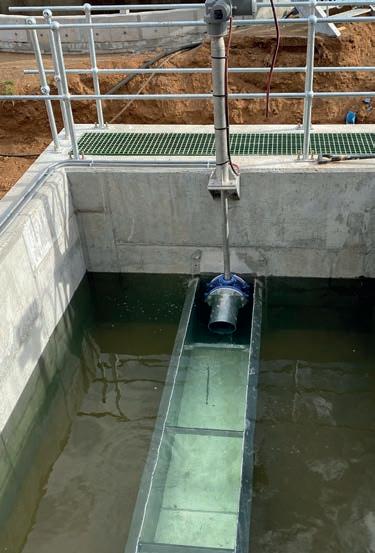

The Romans where the rst to bring us aqueducts. Using precise gravity drops, they supplied millions of litres of fresh water to public baths, fountains and homes over vast distances.
Early societies relied on taste to assess if water was safe for drinking purposes. A Greek physician, Hippocrates, invented a cloth lter to produce cleaner drinking water, while the Egyptians used alum as coagulant for particle removal when treating water.
Medieval Islamic engineers in cities like Granada, moved water uphill from the Daro River and created drinking fountains requiring no pumps.
During the 19 th and 20 th centuries, the occurrence of waterborne diseases

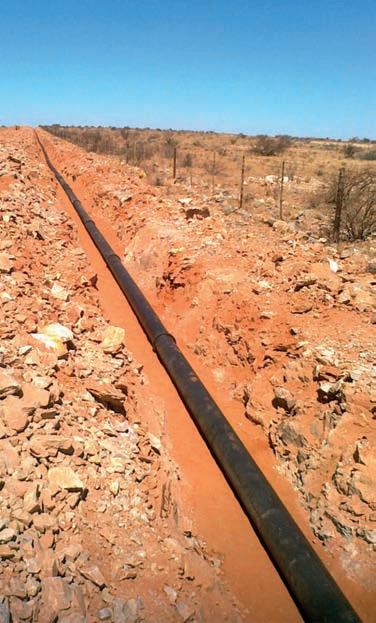
prompted the development of modern water treatment techniques, incorporating sand ltration, chlorination and centralised wastewater treatment plants.
Modern water engineers balance of ce work and eld work and use mathematical modelling to simulate rainfall, storm water runoff, subsurface water ow and complex piping systems.
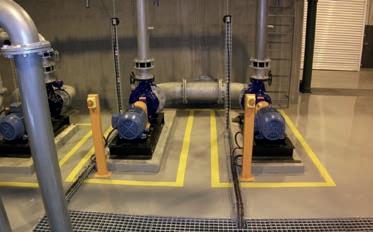
Water engineers draft plans for bulk water systems, water distribution pipelines for cities, sewers and water and wastewater treatment plants.
• Our consulting engineers offer specialist knowledge to aid in using and protecting this invaluable resource.
• We are fully committed to government’s goal to provide access to suf cient, clean water to all citizens as de ned by the Constitution.
• The company has developed extensive experience in the provision of professional services in the water industry, from sourcing surface water or groundwater to puri cation, distribution and storage of water and the provision of sanitation facilities.
• We understand that providing safe, secure and reliable water for domestic, industrial and agricultural use is one of the biggest challenges in the current and future African environment.
• Our Water Service Group provides innovative engineering services for multidisciplinary water-related projects for rural and urban developments.
• The company employs a team of competent, motivated and experienced water engineers and technologists capable of undertaking any water project, large or small.
• We also provide services over the full life cycle of a project from concept, through to planning, feasibility studies, development frameworks, detail designs, contract administration and construction monitoring.
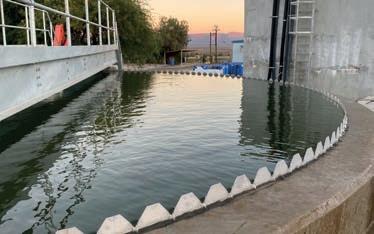
• The company boasts a proud record of providing timeous and cost-effective solutions as per its client’s needs. Depending on its clients’ needs, BVi Consulting Engineers can provide any level of service from advice or design reviews all the way to complete engineering, procurement and construction management services.

For more information:
www.linkedin.com/company/ bvi-consulting-engineers www.bvi.co.za