










































The vision, leadership and enterprises creating a more inclusive economy for all South Africans







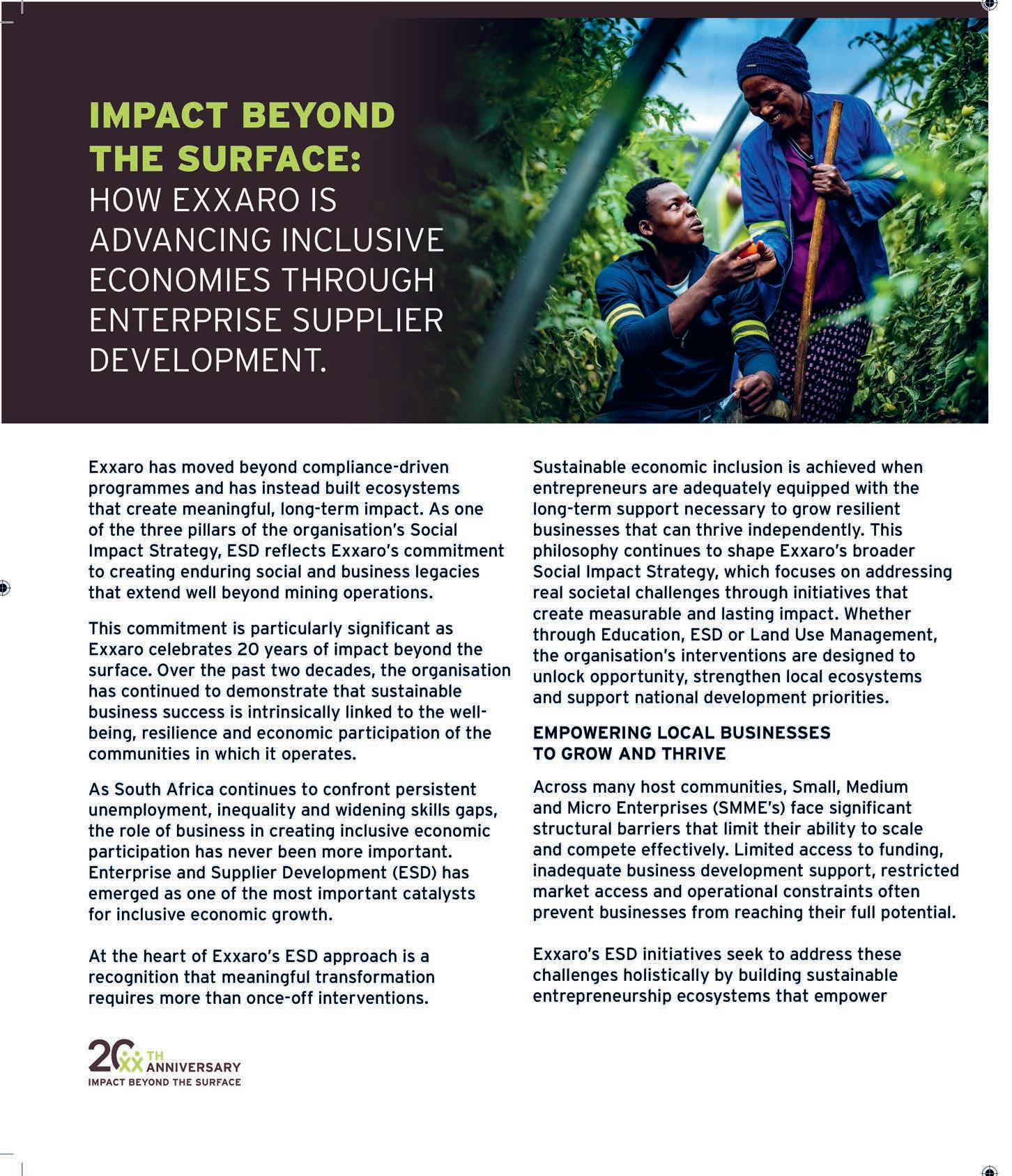
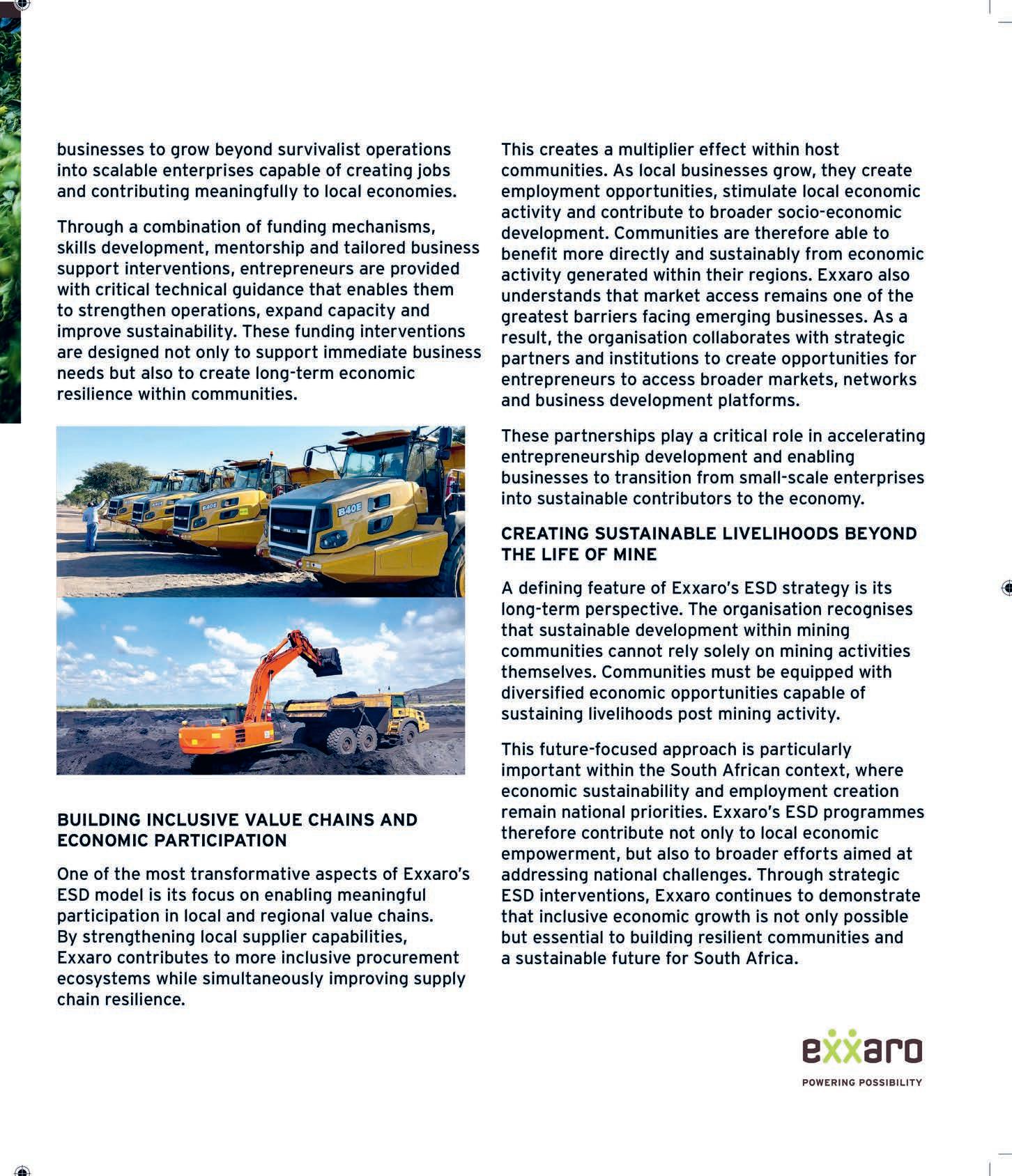
Exxaro Resources Limited is a South Africa-based, diversified minerals resources champion and one of the largest blackempowered businesses in the country, listed on the Johannesburg Stock Exchange since 2006. Headquartered in Centurion, Gauteng, we have operations in South Africa, with business interests extending to Europe and Australia. Our primary assets include coal, manganese, a growing energy solutions division, and investments in iron ore and zinc. As part of our diversification strategy, we are aiming to bring in more critical minerals into our portfolio.
At Exxaro, we prioritise sustainability, innovation, and social impact, aiming to empower communities while fostering diversity, inclusion, and a culture of continuous learning among our workforce.

Visit www.exxaro.com to learn more about our business.


Stellenbosch Business School (SBS) is one of the few institutions on the African continent to hold triple accreditation from AACSB, EQUIS and AMBA. The institution is committed to developing responsible leaders who create meaningful societal impact. Founded in 1964 with just 14 MBA students, the school has grown into a globally recognised institution of excellence, with an alumni network of more than 35 000 professionals in leadership roles worldwide.
Located on a scenic hilltop campus in Bellville, between Cape Town and Stellenbosch, the school offers a distinctive blend of academic excellence and accessibility. As part of Stellenbosch University, it combines rigorous research with a strong focus on ethical leadership, sustainability and social impact, while actively embracing diversity, transformation and social engagement.
Programmes include a flexible, triple-accredited MBA with specialised streams, career-focused postgraduate diplomas and MPhil degrees in areas such as development finance, coaching, futures studies and leadership.
What sets SBS apart is its distinctly African perspective on global business, preparing leaders not just to succeed in complex environments, but to create meaningful change within them.
To learn more, visit: www.stellenboschbusiness.ac.za or contact via email: info@stellenboschbusiness.ac.za
The Hope Factory is a Nonprofit Company dedicated to accelerating economic transformation in South Africa by enabling the growth of black-owned small businesses and expanding employment opportunities. Through targeted Socio Economic and Skills Development programmes, it equips unemployed individuals – particularly youth and women-with practical capabilities to secure jobs or establish sustainable enterprises. Its structured approach integrates training, mentorship, coaching, and access to industry expertise, delivered in collaboration with corporate partners and volunteer professionals to foster lasting economic participation in underserved communities.
SAICA Enterprise Development (SAICA ED) plays a critical role in strengthening the Micro, Small, and Medium Enterprise sector through impactful Enterprise and Supplier Development programmes. By leveraging the expertise of the Chartered Accountancy Profession, SAICA ED enhances Financial Excellence and the long-term sustainability of small businesses. Its tailored support-including financial training, compliance readiness, accounting assistance, and business coaching-empowers entrepreneurs to improve financial management, unlock funding opportunities, and scale effectively. In doing so, SAICA ED drives stronger business performance, job creation, and inclusive economic growth across South Africa.
Both entities belong to the South African Institute of Chartered Accountants (SAICA).
Partner with us to expand opportunity, strengthen small businesses, and drive meaningful economic inclusion.





PUBLISHED BY
Picasso Headline, A proud division of Arena Holdings (Pty) Ltd, Hill on Empire, 16 Empire Road (cnr Hillside Road), Parktown, Johannesburg, 2193 PO Box 12500, Mill Street, Cape Town, 8010 www.businessmediamags.co.za
EDITORIAL
Editor: Ryland Fisher
Content Manager: Raina Julies rainaj@picasso.co.za
Contributors: Tersia Booyzen, Mwangi Githahu, Matthew Hirsch, Itumeleng Mogaki, Busani Moyo, Thando Pato, Sis’ Mantoa Selepe
Copy Editor: Brenda Bryden
Content Co-ordinator: Natasha Maneveldt
Digital Editor: Stacey Visser vissers@businessmediamags.co.za
DESIGN
Head of Design: Jayne Macé-Ferguson
Senior Designer: Mfundo Archie Ndzo
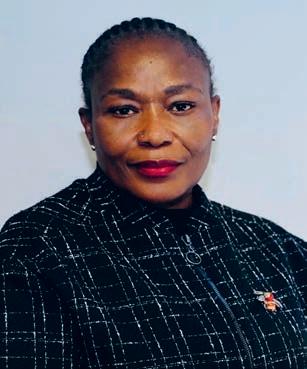
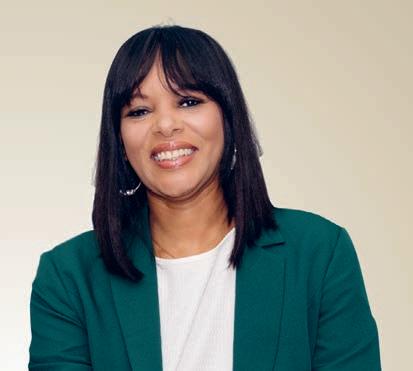
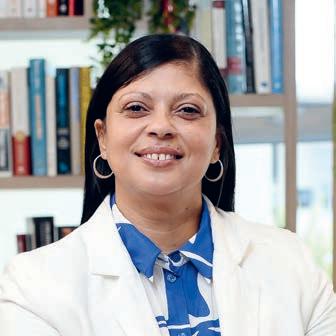
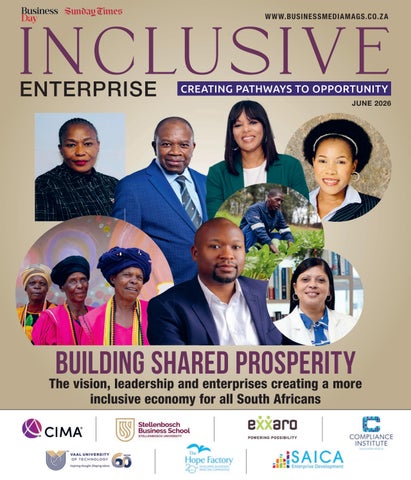
On the cover: Lindsey Joseph, Dr Titus Mathe, Monde Ndlovu, Sis’ Mantoa Selepe, Pulane Thobejane, Arlene-Lynn Volmink
SALES
Project Manager: Jerome van der Merwe
Sales: Frank Simons Franks@picasso.co.za
Tel: +27 82 366 3125
PRODUCTION
Production Editor: Shamiela Brenner
Advertising Co-ordinator: Johan Labuschagne
Subscriptions and Distribution: Fatima Dramat fatimad@picasso.co.za
Printer: CTP Printers, Cape Town
MANAGEMENT
Management Accountant: Deidre Musha
Business Manager: Lodewyk van der Walt
General Manager, Magazines: Jocelyne Bayer
It is only people who do not want others –those who might look and sound different – to succeed that would oppose growing an economy based on inclusivity.
Inclusivity, by its very nature, means that everyone should bene t from the economy and that the economy will grow in this manner. The more money is spread around, the more money there will be for more people to spend, which always has a positive impact on the economy. The more money is kept in the hands of the few at the expense of the majority, the more room there is for resentment, which could negatively impact the economy.
One can look at the actions of Dan Price, the owner of a credit card processing company in Seattle, who decided in April 2015 to drastically increase the minimum wage for all the workers in his rm. That led to increased productivity and loyalty among his employees. Yes, some critics called him a socialist, but that would always be expected.
Five women entrepreneurs scaling businesses across ntech, agriculture, digital manufacturing and education.
FUTURE SKILLS
South African organisations are expanding youth training and mentorship programmes to address unemployment.
INNOVATION ECOSYSTEMS
Closing the gap between innovation and industry.
INFORMAL
SDG 8 and 5 overlook informal women traders, leaving grassroots economies excluded from structural transformation.
South African leaders are driving inclusive, ethical workplaces.

In this publication, Inclusive Enterprise, we look for stories about companies and people actively trying to make a difference to transform our economically unequal society. We look for those companies trying to make a signi cant dent in our unemployment gures and that value the bene ts of bringing the best out of our diverse society. We want to tell the world about them so others can learn lessons, which we hope they will emulate.
We celebrate successful women and youth entrepreneurs, we look at what some companies are doing to prepare young people for the workplace and beyond, we look at how businesses can access capital (an Achilles heel for many), and we look at how government and the private sector are collaborating to make our economy more inclusive, among others.
Enjoy the read.
Ryland Fisher Editor
20
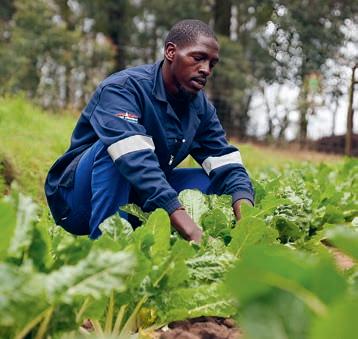
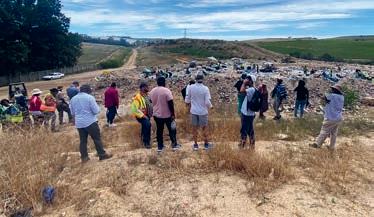
A Cape Town project diverts organic waste into Langa food systems, creating jobs and compost value.
Promoting a culture of collaboration, equity and cultural understanding.
25
Creating jobs, strengthening communities and building long-term economic resillience.
26
Civil society organisations continue to do good work, despite funding challenges.
28
Cape Flats to the JSE: A new book shows that BEE can succeed in South Africa, if implemented properly.
How opening the rail network to private operators can reshape competitiveness, logistics performance and national growth. By
CHENGEDZAI MAFINI , professor of supply chain management and the executive dean of the Faculty of Management Sciences at Vaal University of Technology, and JOHN MALULEKE , a transport economist and consultant with over 50 years of experience in the rail sector
In 2025, the South African government liberalised the rail sector by opening access to private operators. This decision represents one of the most strategically signi cant economic reforms made in the country since the dawn of democracy in 1994. The government’s realisation that the monolithic rail regime, dominated by Transnet and in place since the apartheid era, was creating severe supply chain bottlenecks that were slowing the national economy served as an important trigger. Some of the challenges experienced include infrastructure deterioration, operational inef ciencies and chronic logistical disruptions, all of which signal the rail system’s underperformance. Liberalisation of the freight rail supply chain is therefore a deliberate interventionist strategy by government to restore business and investor con dence, thereby boosting the country’s industrial competitiveness and enhancing long-term growth.
Rail liberalisation brings enormous bene ts to the business community by enhancing the country’s production planning, storage and export loading. Additionally, the in ux of private investment reduces the country’s reliance on government funding to build trains and expand the rail system. It is likely to further lead to competitive pricing, ef ciency, innovation, reduced risk and potentially lower logistics costs. Companies such as AR&TS
Rail, Grindrod Rail and Traxtion Sheltam, if given full access to operate, bring technical expertise, capital investment capability and international best-practice knowledge. Apart from signalling industry’s con dence in the reforms, the entry of such companies also increases the prospect of higher performance expectations across the rail sector.
To ensure success, the rail reforms should be implemented meticulously. Rail traf c management and signalling infrastructure is currently in a dilapidated state and should be urgently rehabilitated to ensure uninterrupted rail locomotion.
The recent establishment of the Transport Economic Regulator (TER) is a critical and commendable attempt to ensure a fair, transparent and competitive rail market in South Africa. However, the government must urgently empower this body to deliver its mandate by ensuring it is capacitated and fully operational. Among other things, the TER should be tasked with facilitating smart partnerships between the public and private sectors. Such partnerships can then be vehicles for accelerating the repair of outdated infrastructure. There is also a need for policy stability, as sudden changes can prompt investors to ee.

Currently, over 80 per cent of cargo in South Africa is transported by road. Moving such freight from roads to the rail system will likely reduce the number of heavy trucks on major highways, lowering congestion, extending infrastructure lifespan and reducing accident frequencies. Since a large portion of the freight rail system in South Africa operates on electric power, it results in signi cantly greater energy ef ciency than the road system. Moreover, liberalisation increases opportunities for local rail equipment manufacturing. Local rail equipment suppliers, such as Alstom, Galison, Gibela, Surtees and others, may bene t from increased demand for locomotives, wagons, parts and maintenance solutions. Such local sourcing promotes homegrown industrialisation, skills development and localisation of the rail supply chain.
All new players in the rail sector must be given equal opportunities to compete. Rail should also be seamlessly integrated with ports, roads and air transport through modern intermodal systems. The success of the rail sector cannot be achieved without an adequate, competent workforce. To upskill the rail sector workforce, the government needs to utilise its extensive network of higher education institutions and available technical experts by harnessing their capabilities and directing them to this national cause.
Ultimately, the immediate challenge is to deliver a disciplined, credible and business-aligned implementation to ensure these rail reforms become one of the country’s de ning economic success stories.

For more information: www.vut.ac.za
Advancing women in the logistics sector is one of five key shifts the sector needs to reform, write CHENGEDZAI MAFINI , professor of supply chain management and the executive dean of the Faculty of Management Sciences at Vaal University of Technology, and LEBOGANG LETSOALO , a supply chain expert and a Transnet board member
The South African government and industry’s current efforts, directed towards rail-sector reforms, port concessions, expansion and maintenance of the road network, and the promotion of private-sector participation, demonstrate a renewed commitment to turning around the country’s logistics systems. While these efforts are commendable, one structural weakness remains unaddressed. Women continue to be under-represented in and excluded from meaningful involvement in South Africa’s transport and logistics sector. This exclusion should be addressed if South Africa is to show the expected gravitas in addressing its logistics challenges and unlocking economic growth.
Women represent about 28 per cent of the workforce in South Africa’s transport and logistics sector. In road freight, women account for just over four per cent of commercial truck drivers, in an industry that faces long-lasting skills shortages.
The numbers are even lower for executive roles, with reports from professional bodies CILTSA and SAPICS indicating that women hold fewer than one in four senior leadership positions. These gures suggest that women’s participation in the transport and logistics sector falls signi cantly short of parity, re ecting long-standing gender gaps. The reality is that a lack of drive or skill does not necessarily hold women back from achieving their goals. Instead, numerous existential barriers consistently lter them out of the sector, resulting in the current disparities.
First, logistics is a capital-intensive sector. It is characterised by steep entry barriers, including substantial working capital requirements for
trucking, warehousing, specialised equipment, insurance and fuel, all of which are necessary to maintain seamless operations. In an economy characterised by unequal asset ownership, women entrepreneurs often start with fewer assets to pledge as collateral and face more demanding, restrictive nancing conditions.
Second, regulation remains a major constraint. Licensing, permits, safety standards and specialised certi cations are essential, but costly and complex. For instance, the requirements for various mandatory licences and permits (for example, CIPC registration, SARS tax clearance and compensation for occupational injuries or disease, operator’s licences, roadworthy certi cates and cross-border permits) can be a compliance nightmare for logistics start-ups. Without targeted support, these compliance requirements can emerge as unintended barriers rather than protective measures. Additionally, the sector’s skills pathways are skewed. In most cases, women are disproportionately funnelled into administrative and support positions, while roles that carry higher remuneration and authority remain male-dominated.
For logistics reforms to translate into economic growth, ve key shifts are required.
First, it is essential to incorporate gender into current and future transport and logistics policies. Such policies should include clear targets and transparent reporting. The current situation, where it is treated as an optional social add-on, is untenable.

Second, South Africa requires a specialised funding instrument for women in the transport and logistics sector. This facility can be utilised to reduce nancing risk and help womenowned businesses grow beyond the survival stage.
Third, training must be closely aligned with job roles, incorporating mentorship and practical, hands-on operational experience, rather than ending with certi cations alone.
Fourth, basic workplace conditions in logistics rms should be improved. This includes a strict zero-tolerance stance on harassment and the provision of safe, hygienic facilities and secure rest areas. Inclusion begins with respect and dignity for all groups.
Finally, the higher education sector, through colleges and universities, should take an active role as pipeline partners. This is achievable by supporting gender-speci c student forums, eliciting the expertise of successful women professionals and businesspeople to serve as role models in lecture rooms, and linking female students in engineering, logistics and supply chain to meaningful industry placements.
Workplace culture remains a signi cant factor in uencing women’s participation in the logistics sector. Safety concerns, inadequate facilities, harassment risks and closed professional networks continue to deter women’s involvement and progression. Policy commitments become ineffective wherever daily working conditions quietly discriminate against women.
For more information: www.vut.ac.za
TARIRO MUTIZWA , FCMA, CGMA, vice president – Africa of The Chartered Institute of Management Accountants, writes that workforce readiness can no longer sit on the margins of strategy
In 2024, OpenAI’s Sam Altman made headlines by predicting the emergence of a one-person, billion-dollar company powered by AI. Recently, the International Labour Organization’s World of Work Series: Employment and Social Trends 2026 highlighted that technological change, including AI, is rede ning tasks and skill requirements across labour markets, with most roles expected to be augmented rather than fully replaced. Rather than a simple narrative of “AI taking jobs,” this moment marks a deeper transformation in how work is organised, how careers evolve and how expertise is built, including within nance.
shortages as the biggest barrier to adopting new technologies.
The future of nance will depend not only on the quality of its systems, but also on how effectively organisations develop and deploy talent alongside them.

For nance professionals, this transformation is visible. Traditionally, early-career roles relied on routine, but essential tasks, such as reconciling accounts, processing invoices and supporting month-end close, are now being reshaped by AI. As these tasks shift, the experience ladder is shortening. The classic pyramid of large entry-level teams is beginning to evolve into a more diamond-shaped structure, with fewer routine roles and growing demand for judgement, business partnering and applied power skills.
This shift in team structures and capability requirements places new demands on leadership. For nance leaders, adopting AI is not just a technology decision; it is a people decision. Organisations can invest heavily in platforms and tools, but without professionals with the con dence, judgement and capability to use them well, those investments will fall short. The Chartered Institute of Management Accountants’ (CIMA) Future-ready Finance: Technology, Productivity, and Skills Survey underlines this challenge, with half of respondents identifying skills and talent
AI is not simply changing the tools nance teams use. It is reshaping how teams are structured, how work ows, and how people grow into more senior roles. If organisations want a workforce that can thrive alongside intelligent systems, nance leaders will need to make three connected shifts: operational, human and strategic.
1. The automation shift – building AI-operator capability.
As automation gathers pace, nance professionals will need the con dence and capability to work effectively with AI and data-driven systems. That includes:
• Embedding AI, data and automation skills into nance roles.
• Building literacy in AI tools, data quality and analytics.
• Validating outputs and working effectively with technical specialists. These capabilities will help nance teams engage with AI as informed operators who understand both its value and its limitations.
2. The human shift – developing supervisors and controllers of the human–machine collaboration.
As AI takes on a greater share of operational work, the human contribution will shift further towards judgement, oversight and collaboration. Finance teams will need stronger capability in:
• Data governance, integration oversight and risk control.
• Critical analysis, sense-making and cross-functional collaboration.
• Stakeholder communication, ethical judgement and negotiation.
In practice, this positions nance professionals as stewards of human-machine collaboration, helping to safeguard accuracy, trust and the responsible AI use.
3. The mindset shift – becoming AI-enabled strategists.
AI is changing not only how work gets done, but how organisations think about value, performance and decision-making. Finance leaders therefore need to help their teams treat AI not as a novelty, but as a strategic enabler. That means:
• Knowing which insights matter most to strategy and performance.
• Leading change while applying sound commercial and compliance judgement.
• Building trust through strong governance and a single source of truth.
Taken together, these shifts point to a broader rethinking of workforce readiness. They call for stronger early-career pathways, hybrid skill sets that combine technical, digital and human capabilities, and a commitment to lifelong learning. If nance teams are to thrive in an AI-driven workplace, workforce readiness can no longer sit on the margins of strategy. The future strength of the profession will ultimately depend on how quickly we evolve our talent alongside our technology.

Tariro Mutizwa www.linkedin.com/in/ tariro-mutizwa-fcma-mba-mst-cantab-9477b05b
They left stable careers, bet on problems others ignored and built companies rooted in purpose. THANDO PATO speaks to fi ve South African women entrepreneurs, who built companies across fintech, agriculture, digital manufacturing and education, about grit, vision and growth
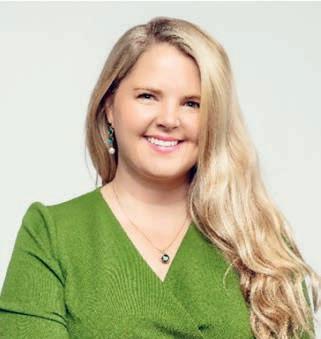
Claire Blanckenberg, founder and CEO of Reel Gardening, did not set out to build a social enterprise when she launched the business at 16. “Reel started from frustration rather than elegance. As a 16 year old trying to plant a small patch to sell vegetables to my parents for pocket money, I kept wasting seeds, buying inputs in quantities I didn’t need, and getting the basics wrong. Out of that messiness came the rst simple strips of paper with seeds and nutrients at the right depth and distance apart.”

Simplicity is a core principle of Reel, and Blanckenberg’s innovation: a strip of biodegradable seed tape and a gardening tool kit for various vegetables and herbs, has made her an international sensation. “The elegance comes from that discipline solving only the problems that genuinely stop people from growing food, and letting nature do the rest,” she says.
Through Reel, Blackenberg aims to tackle food security, education and sustainability through one ecosystem instead of three separate initiatives.
“The same seed tape that makes growing food easier also becomes a teaching tool in schools and a lever for water-saving, composting and soil-health practices,” she says.
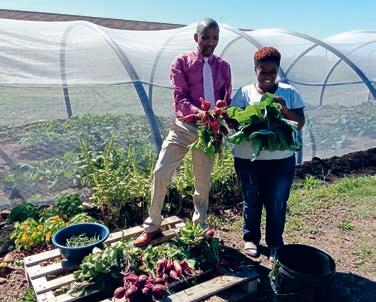




Reel now sells its products online and contributes part of the proceeds to support school and community gardens.
“Training teachers, women and youth in organic gardening and entrepreneurship turns each garden into a small education and sustainability hub, so impact, learning and revenue reinforce one another instead of competing,” says Blanckenberg.
“In hindsight, youth was my unfair advantage,’ she says, “but only because I was willing to pair it with a lot of persistence and humility.”
“THE SAME SEED TAPE THAT MAKES GROWING FOOD EASIER ALSO BECOMES A TEACHING TOOL IN SCHOOLS AND A LEVER FOR WATER-SAVING, COMPOSTING AND SOIL-HEALTH PRACTICES.”
Follow: Claire Blanckenberg www.linkedin.com/in/claire-reid-blanckenberg-03a1732a
Arlene Steyl, CEO of Dire Wolf and co-founder of WeThinkCode and BiB, spent seven years at Rand Merchant Bank before she left to pursue entrepreneurship. Her big idea: a free coding school, for anyone, even those without matric. Steyl says that during her time in corporate, she noticed that business leaders knew they needed tech talent, but had no idea where to nd it.
“I was engaging with a lot of business leaders who knew they needed tech talent in their teams, but didn’t know where to nd them. I loved my career at RMB, but had a drive to build something that could outlast me.”

Her observation gave birth to WeThinkCode, the free peer-to-peer coding school she co-founded and built through corporate sponsorship. “The model looked

Thalia Pillay and Carla Wilby, co-founders of Orca, a real-time fraud intelligence platform built to tackle the complexity of the African market, started their journey as engineering students at the University of Cape Town in 2015. “Carla started an edutech venture with some of our mutual friends during that time, and I remember feeling really inspired by her. Looking back now, it feels quite full circle that we’re building Orca together,” says Pillay. After graduation, both worked in ntech and banking and kept running into the same wall. African payments systems are fast-moving and fragmented, with transactions owing across mobile money,
unconventional, but the problem we were solving was painfully familiar to corporates. The pitch was never to support a charity, but rather that we were helping build their talent pipeline, training people who would solve problems through technology. The timing was right, and the need was dire. Corporations were willing to take a chance on us because we were offering a solution to their challenges.”
Nearly 1 000 people, who went through the programme, are now employed. Steyl left WeThinkCode in 2020, and during lockdown, she built BiB, an arti cial intelligence (AI)-powered audio library of African books narrated in South African voices because, as she puts it, “the stories existed, but the audio and the voices did not.”
She has since launched Dire Wolf, a business risk and advisory rm, and chairs Click Learning, a nongovernmental

organisation tackling early childhood literacy and maths. The thread connecting it all? “The problems sit in different sectors, but they have the same underlying shape. They are about access, quality and helping people get closer to the things that compound over a lifetime,” she says.
bank transfers, cards and digital wallets simultaneously, yet most fraud detection treats each channel in isolation.
“We kept trying to patch problems with tools that weren’t designed for our environment, and at some point, it stopped feeling like a gap you could ignore and started feeling like something we had to try to solve properly,” explains Pillay.
Leaving stable careers was daunting. However, they kept returning to the same question: if not us, then who? They also wanted to build a company whose culture re ected their values. “Start-ups are typically male-dominated. We wanted to build diverse and inclusive teams, which wasn’t something either of us had been part of before,” says Wilby.
Today, Orca operates across multiple African countries. The platform is designed not just to detect fraud after it occurs, but also to prevent it in real-time, using a shared intelligence layer across banks, ntechs, telcos and regulators. Pillay and Wilby are clear about what comes next: expanding into mobile- rst economies
Arlene Steyl www.linkedin.com/in/arlene-steyl

beyond Africa, where digital payments are growing rapidly, but fraud systems have not kept pace.
“When we started Orca, there was a perception that, as two engineers, we might not have the ‘diverse’ skill set needed compared to traditional sales or business-heavy founding teams. We get energised by different parts of the business, so it’s been a real strength – we naturally divide and conquer, and in doing so we’ve both grown into broader skill sets while building the company together,” says Wilby.
Follow: Thalia Pillay www.linkedin.com/in/thalia-pillay-193aa1101 Carla Wilby www.linkedin.com/in/carla-wilby
Dr Cherise Dunn, co-founder of award-winning digital manufacturing enterprise South Africa Makes, says her path to business began the day after her 21st birthday, when she had surgery to remove life-threatening tumours from her cervical spine. The dependence on medical technology, the role of supportive devices in restoring dignity, never left her. “I don’t think I ever had a clear plan to become an entrepreneur. I was always drawn to several worlds at once: science, health innovation, education, technology, manufacturing and social impact. Entrepreneurship gave me a way to bring those worlds into the same room.”
Doctoral training in medical biochemistry and a stint at Harvard’s TH Chan School of Public Health shifted her focus from scienti c discovery to systems: how innovations move from research into policy, procurement, and eventually into people’s lives.
“That’s what drew me to digital and intelligent manufacturing, and increasingly to AI. These tools allow us to move from one-size- ts-all solutions towards products that can be designed, customised, tested and produced closer to the people who need them. Through South Africa Makes, I later found myself working on medical devices and orthoses like those that had supported my own recovery. That full-circle moment was deeply meaningful. Technology isn’t abstract. When it’s applied well, it changes lives.”
“ADDITIVE MANUFACTURING SHOULDN’T BE TREATED AS A NOVELTY. IT CAN BE A GENUINE PART OF PUBLIC HEALTH PREPAREDNESS AND INDUSTRIAL RESILIENCE.”
– DR CHERISE DUNN

“THE HARDEST PART IN THE BEGINNING WAS CONVINCING PEOPLE TO BELIEVE IN SOMETHING BEFORE THE ROADMAP WAS CLEAR.”
– DR CHERISE DUNN
South Africa Makes was built on the conviction that African countries should not only import advanced technologies, but also produce their own. “We should be building local capability, training people, forming partnerships and creating solutions that respond to our own health systems and communities.
“The hardest part in the beginning was convincing people to believe in something before the roadmap was clear. Many people had heard of 3D printing as a novelty, but not as part of a broader intelligent manufacturing system that could support healthcare, education and local production. We had to educate the market, build trust, stretch limited resources and keep going while the ecosystem was still maturing,” she explains.
Follow: Dr Cherise Dunn www.linkedin.com/in/dr-cherise-dunn
COVID-19 helped build the business. When global supply chains buckled and basic testing swabs became unavailable, the company demonstrated that high-quality 3D-printed components could be manufactured locally, quickly and ef ciently.
“Additive manufacturing shouldn’t be treated as a novelty. It can be a genuine part of public health preparedness and industrial resilience,” Dr Dunn says.
As a BRICS Young Innovator nalist, G20 Start-up20 participant, and TEDx Cape Town Women speaker, she has since taken that argument around the world. As the rst person from her rural KwaZulu-Natal family to earn a PhD, she understands exactly why African innovators need to be in rooms shaping the future of medicine, not adopting it after the fact.
The Hope Factory Group and SAICA Enterprise Development are focused on advancing economic transformation in South Africa and being a trusted Enterprise and Supplier Development, Skills Development and SocioEconomic Development. writes TANDO FAKU , Group Marketing Manager, The Hope Factory and SAICA Enterprise Development
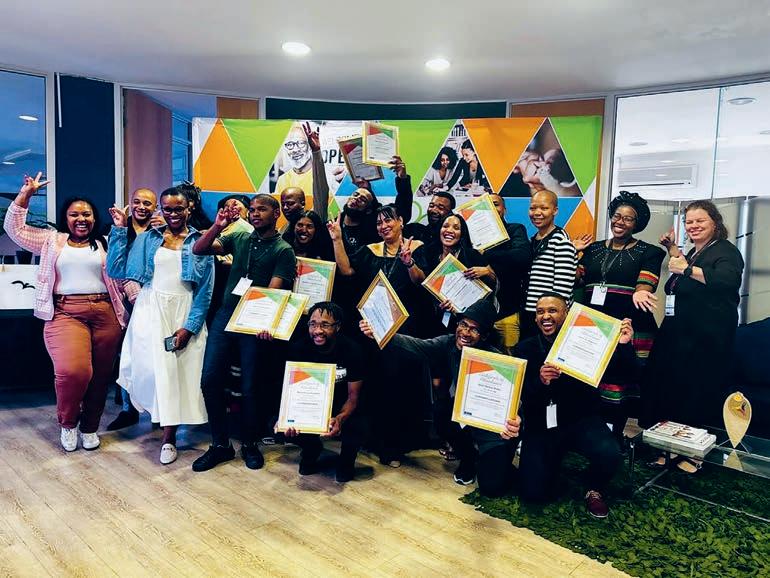
The Hope Factory Group’s vision is to play an active role in economic transformation by advancing the sustainable growth of entrepreneurial black-owned businesses (as per the B-BBEE Codes of Good Practice), which, in turn, will create employment opportunities.
The Hope Factory (THF) and SAICA Enterprise Development (SAICA ED) are entities belonging to the South African Institute of Chartered Accountants (SAICA),
with a strong transformation and developmental focus on strengthening Micro Small and Medium Enterprises (MSMEs) and localised economic development.
The Hope Factory’s mission is to deliver Socio-Economic and Skills Development programmes that mobilise economic activity for unemployed black South African citizens. THF’s key intent is to equip individuals and communities (with a strong focus on women and youth) to nd employment or start their own small businesses.

The Hope Factory delivers structured socioeconomic development (SED) and skills development programmes designed to:
• Equip individuals with practical skills for employment.
• Support the creation and growth of small businesses.
• Provide coaching, mentorship and access to industry expertise.
•Mobilise economic activity within underserved communities.
These interventions are driven through corporate partnerships, volunteer coaches and industry experts to ensure practical, outcome-based support. In 2025, The Hope Factory had:
• 156 individuals and start-ups supported through SED and skills development initiatives.
• 11 projects implemented nationwide.
• 75 youth-owned businesses empowered.
• 122 women-owned businesses supported.
• 35 volunteer coaches.
•5 industry experts and facilitators who participate in the programmes.
•2 small and medium accounting practices involved in programme delivery.
By aligning your organisation’s SED and skills development initiatives with our proven programmes, you can directly empower youth and women, stimulate entrepreneurship and contribute to economic growth in South Africa. We invite corporate South Africa to collaborate with us in creating lasting change, so we can unlock opportunities, transform lives and build thriving communities.
Get in touch to create lasting impact:
Jolandi Peterson 041 484 7400 enquiries@thehopefactory.co.za
The Hope Factory | LinkedIn
SAICA ED strengthens the MSME ecosystem by leveraging the profession’s expertise to promote nancial excellence in these businesses. Through tailored, sector-speci c support, SAICA ED helps entrepreneurs improve nancial management and compliance, enabling stronger business performance and long-term sustainability.
The mission of SAICA Enterprise Development is to deliver strategic enterprise and supplier development programmes and customised projects that grow and transform South Africa’s entrepreneurial sector.
ENTERPRISE AND SUPPLIER DEVELOPMENT WITH MEASURABLE IMPACT
SAICA ED delivers bespoke, structured and impactful enterprise and supplier development (ESD) programmes designed to strengthen the Financial Excellence and sustainability of MSMEs through:
• Financial boot camps and coaching.
• Back-of ce accounting support.
• Compliance readiness for access to funding.
• Practical business development and nancial management skills development.
Through these offerings, SAICA ED achieved signi cant impact in 2025, which included:
• 390 MSMEs supported through ESD initiatives.
• 19 projects implemented nationwide.
• 118 youth-owned businesses
• were empowered.
• 225 women-owned businesses supported.
• 32 volunteer coaches, 24 industry experts
• 47 small and medium accounting practices involved in programme delivery. These outcomes contributed to job creation, improved business performance (both in revenue and pro t) and increased economic
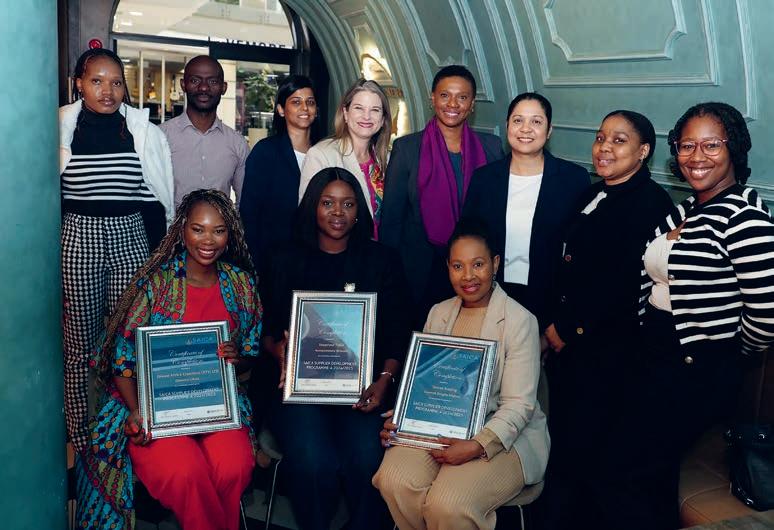
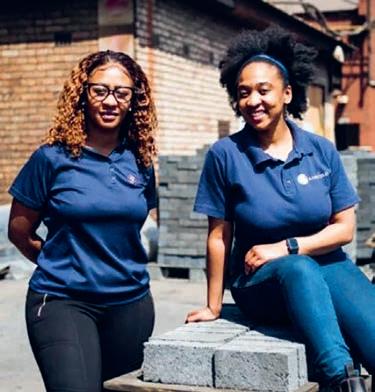
participation across South Africa. SAICA ED’s structured interventions ensure small businesses are nancially and operationally sound and prepared for sustainable growth.
By partnering with SAICA ED, corporate South Africa can con dently implement impact-driven ESD strategies and programmes while contributing to the inclusive growth and the development of more small businesses in South Africa.
Get in touch to create lasting impact:
Darren Ryder 041 484 7400 enquiries@saicaed.co.za
SAICA ED | LinkedIn





For more information: www.thehopefactory.co.za
SAICA Enterprise Development
South African organisations are expanding youth training and mentorship programmes to address unemployment, but funding, scale and job placement gaps remain key constraints.
By ITUMELENG MOGAKI
Youth unemployment in South Africa remains one of the country’s most pressing socioeconomic challenges, driven largely by a mismatch between education outcomes and workplace requirements. As a result, organisations across sectors are stepping in to provide structured training, mentorship and work experience to improve employability and create alternative pathways into the economy.
Against this backdrop, a mix of corporate, nonpro t and education-focused organisations are showing how targeted interventions can help young people move from learning to earning.
The Shoprite Group continues to play one of the largest private-sector roles in youth skills development, particularly through structured entry-level retail training.
Head of group talent solutions at Shoprite Holdings, Lindsey Joseph, says the group’s programmes are designed to close the gap between education and workplace readiness by focusing on practical skills, customer service and operational training. Through the group’s in-house Retail Readiness Programme (RRP), youth are trained up to NQF Level 4, equipping them with job-ready competencies for the retail sector.
Since inception, Joseph says, more than 40 000 young people have completed the RRP, signi cantly improving their chances of employment. “In addition, Shoprite’s participation in the YES initiative has created over sixteen thousand work opportunities, providing twelve months of structured workplace exposure across retail operations.”
Joseph adds: “However, the scale of unemployment remains a major challenge. With South Africa’s youth unemployment rate estimated at fty-eight per cent, the demand for training far exceeds available placements.
Not all programme participants can be absorbed into permanent employment, creating pressure on transition pathways.”
Despite this, the group reports strong outcomes, with many bene ciaries moving into retail jobs, entrepreneurship or further study. “Our bursary programme also supports scarce skills development, with high absorption rates into employment after graduation. The model’s strength lies in real-world retail immersion, ensuring immediate workplace relevance,” concludes Joseph.
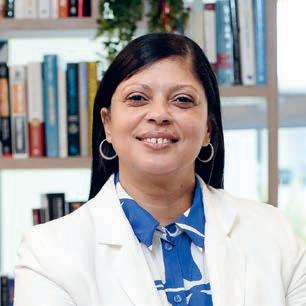
learnerships or permanent employment, while others pursue entrepreneurship,” Luthuli says. The organisation also supported 515 entrepreneurs through its JET programme, with 68 per cent female-owned businesses, 49 per cent start-ups, and 81 per cent sole proprietors, re ecting strong early-stage entrepreneurial demand.
“The most signi cant impact is con dence-building and clarity of direction. Youth move from uncertainty to structured pathways into work or business, supported by mentorship and real workplace exposure,” says Luthuli.
Saritha Wolff, co-ordinator of Honeybadger Camps, says the organisation’s programme focuses on vulnerable teenagers, building foundational life skills such as rst aid, mechanics, nancial planning and leadership development.
ORT SA Cape focuses on addressing one of South Africa’s biggest barriers to employment, lack of experience among young job seekers aged 18–29.
According to Sanele Luthuli, YES programme co-ordinator at ORT SA Cape, the organisation’s 12-month work experience programme placed 494 unemployed youth in 2025 across 160 partner schools and workplaces, including early childhood development centres and small businesses. Participants gain hands-on experience while developing communication, teamwork and problem-solving skills.




A key challenge for the organisation is the mismatch between demand and absorption capacity, as well as broader structural barriers such as transport costs, uneven education levels and limited digital access. Despite this, the outcomes remain strong. “Many ORT SA Cape participants move into internships,

A major challenge is funding and safety, with past disruptions including community violence that forced relocation of camps. Limited infrastructure also restricts long-term expansion. “Despite this, participants show strong employability outcomes,” says Wolff, adding that employers often prefer Honeybadger graduates due to their problem-solving ability, discipline and practical exposure.
The organisation also facilitates learnerships in technical and artisan elds. “Beyond employment, the most visible impact is behavioural change, with many participants avoiding gangs and drugs and instead pursuing education, skills development or self-employment opportunities within their communities,” concludes Wolff.
These programmes show that practical training, workplace exposure and mentorship can improve youth employability and open alternative income pathways. However, the scale of unemployment in South Africa continues to outpace available opportunities, making placement and long-term absorption a persistent challenge.
Follow: Lindsey Joseph www.linkedin.com/in/lindsey-joseph-732a377b
Sanele Luthuli www.linkedin.com/in/sanele-luthuli-514270282
Sarita Wolff www.linkedin.com/in/saritha-wolff-changing-the-overberg-youth

South Africa is working to close the gap between innovation and industry by strengthening funding, partnerships and support for commercialisation, writes ITUMELENG MOGAKI
South Africa (SA) has no shortage of ideas, research and innovation. The real challenge is turning those ideas into viable businesses, scalable technologies and products that can compete in the market. Too often, promising innovations stall before reaching commercialisation, trapped in what the sector calls the “innovation gap” – the dif cult space between research and real-world application.
Innovation is increasingly recognised as a key driver of economic competitiveness, industrialisation and job creation. Yet South Africa continues to underperform in converting research and development into scalable commercial industries, particularly when compared with leading innovation economies.
To help bridge this divide, government established the Technology Innovation Agency (TIA) in 2008 under the Department of Science and Innovation. More than a funding institution, TIA was created to strengthen the country’s innovation ecosystem by helping researchers, entrepreneurs and start-ups move ideas from concept to commercial success.
Over the years, the agency has evolved into a broader innovation support platform, providing funding, technical support, infrastructure access and industry partnerships across the innovation value chain. Its approach is designed to guide innovators through every stage of development – from proof-of-concept and prototype testing to market entry and investment readiness.
TIA’s funding model operates as a connected pipeline rather than isolated funding streams. Early-stage support through the
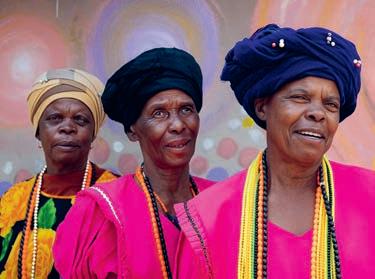
Seed Fund helps innovators test concepts and validate ideas. Pre-commercialisation funding assists with product development, pilot projects and regulatory processes, while later-stage support focuses on scaling businesses, attracting investors and entering competitive markets.
CEO Dr Titus Mathe says the strength of the model lies in its continuity. “The TIA does not only provide funding, but also connects innovators to partners, expertise and infrastructure that help reduce both technical and business risks.”
Dr Mathe says that as projects grow, TIA’s pre-commercialisation support assists with pilot testing, product development and regulatory requirements. “At the nal stage, commercialisation support helps innovators nd customers, secure licensing deals and attract investors,” he says.
Beyond funding, TIA also provides access to technical facilities, industry partnerships, business support and non nancial support. “TIA’s current strategy, TIA 2.0, focuses on better co-ordination across the innovation system. It works more closely with development nance institutions and partners to ensure innovations are supported from early stages through to growth and industrialisation,” Dr Mathe says.
Innovation support increasingly extends beyond traditional grants and investment models. As SA looks to strengthen pathways between research, innovation and industry, attention is also shifting toward funding approaches that can better support early-stage and high-tech ventures often overlooked by conventional nance.
One example is Aséli Impact Capital, launched by the Anglo American Foundation, Savant and Krutham as a permanent, nonpro t funding vehicle. Designed to tackle SA’s “missing middle”, the initiative supports promising small, medium and micro
ABOUT Aséli Capital

enterprises that often fall outside conventional funding structures by offering nancing better suited to their growth journeys and long-term development needs.
The model re ects broader efforts to bridge funding gaps that prevent promising ideas from progressing into scalable enterprises. Increasingly, innovation ecosystems are seeking ways to fund projects that translate research outputs into commercial ideas while providing the seed capital needed to commercialise innovative products.
Michael Mapstone, CEO of Anglo American Foundation, says innovation nance needs to evolve beyond purely pro t-driven approaches.
“Too many promising businesses and technologies remain trapped in the ‘missing middle’, where they are too developed for grants, but not yet ready for traditional nance.
“We need funding structures that recognise broader value creation by integrating social and environmental outcomes alongside commercial success. The goal is to help unlock capital differently and support innovators as they build sustainable enterprises,” Mapstone says.
As SA strengthens its innovation ecosystem, bridging the gap between ideas and industry may depend as much on improving funding models as on advancing technology. Ultimately, turning ideas into industries will require systems that help promising innovations move beyond potential and into the market, where they can deliver meaningful impact.
Follow: Dr Titus Mathe www.linkedin.com/in/dr-zwanani-titus-mathe-a748b638
Michael Mapstone www.linkedin.com/in/michaelmapstone
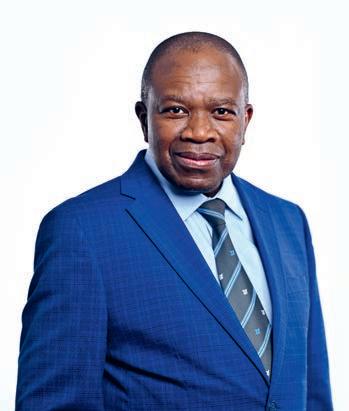
Sustainable Development Goals 8 and 5 overlook informal women traders, leaving grassroots survival economies excluded from structural transformation goals in practice, writes SIS’ MANTOA SELEPE, director of AbafaziPhambili
The Sustainable Development Goals (SDGs) were adopted in 2015 as a global framework for economic growth and empowerment. In an ideal world, these would produce meaningful results. However, within the South African context, these goals operate in silos and are disconnected from the economic realities faced by marginalised women at grassroots level. While SDG 8 promotes decent work and economic growth, and SDG 5 seeks gender equality by promoting high-level corporate and political representation for women, both tend to overlook the daily struggles of women in the informal economy.
South Africa faces a high unemployment rate of 31.4 per cent as at the end of 2025. The informal sector is now the country’s second-largest job provider, accounting for 21.4 per cent of all employment. Notably, 45.2 per cent of workers in this sector are women without a matric quali cation, according to Statistics SA’s Q4 2025 report.
SDG 5 THEORY VERSUS PRACTICE
Formalisation of the informal sector is promoted as progress. While good in theory, it can, in practice, punish survival entrepreneurship and impose administrative and nancial burdens on informal traders. These administrative processes are complex even for educated entrepreneurs, let alone grassroots women in informal trade who lack resources, literacy and digital access. Therefore, formalisation without education, training and support becomes a form of economic exclusion and punishment; exactly against what SDG 5 aims to address.
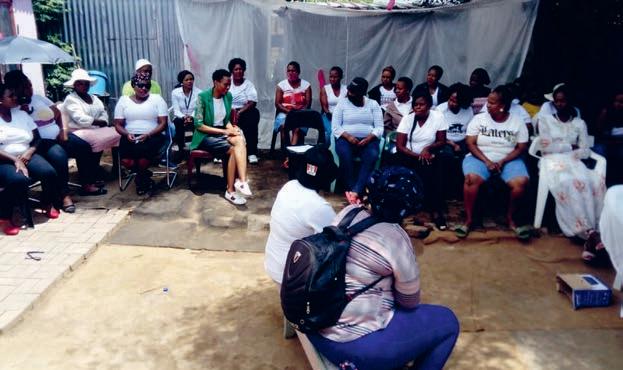
For instance, at AbafaziPhambili, women operate purely in cash with less than R500 in start-up capital because nancial institutions don’t lend them start-up capital due to a lack of registration documents. For some women earning R300–R500 a day selling food at taxi ranks, or handmade clothing and beadwork from home, formalisation is not
empowerment, but an added burden pushing them into extreme poverty.
The lack of institutional support from local municipalities, which enforce compliance regulations such as permits, site rentals and health certi cates, and criminalise informal trade rather than supporting it, perpetuates economic exclusion. Municipal compliance fees, even if they are as low as R50, can cripple their income, forcing a choice between compliance and feeding their families. Furthermore, when goods are impounded due to bylaw breaches, recovery costs can deplete their limited capital, trapping them in cycles of poverty rather than fostering economic empowerment.
The push towards structural transformation is not purely about inclusion, but about widening the tax net. In my view, this could be a way for Brenton Woods Institution, which extended a loan of about R80-billion to South Africa in 2020, to ensure debt recovery through increased formal taxation. The United Nations (UN) and International Monetary Fund (IMF), become the public face of what appears to be empowerment, while the hidden agenda may be to secure loan repayments.
It is important to note that when SDG 8 was rst introduced in 2015, its focus was on decent work and economic growth. The idea of structural transformation was not yet prominent in the SDG framework, but began to emerge later as the IMF and UN agencies linked it to formalisation and economic reform, particularly in developing economies. In practice, this agenda ignores the lived realities of grassroots women who depend on informal trading for survival.

True inclusion requires adapting systems to the realities of women at the bottom of the socioeconomic hierarchy, not forcing them into structures that were never designed for them. If South Africa is serious about inclusive growth, it must rede ne what “decent work” means to include informal economy as real work deserving protection, not criminalisation. Decent work for informal traders, or a woman who wakes at 4am to sell food at a taxi rank or clothing on the pavements, means safe workspaces with lighting, proper stalls that allow them to trade even in bad weather and fair access to markets. Real transformation must begin by supporting the informal economy, not dismantling it.
Follow: Sis’ Mantoa Selepe www.linkedin.com/in/mantoa-selepe-81913088
Rankings and Triple Crown accreditation affirm the global excellence, credibility and career impact of STELLENBOSCH BUSINESS SCHOOL

In an increasingly competitive and fast-evolving global business landscape, students and professionals are becoming more discerning about where they study – for good reason. Quality, credibility and international recognition inform not only the learning experience, but also long-term career mobility.
Stellenbosch Business School places these priorities at the heart of how it measures its impact and ensures excellence. Rankings and accreditations go beyond badges of honour; they provide independent assurance of quality, relevance and global competitiveness.
Much like how an MBA quali cation shifts how graduates think and act, these validations shift how the Business School continues to grow, innovate and contribute to society.
Every year, business schools around the world are evaluated by external organisations that measure reputation, quality and perceived value. These rankings re ect a long-standing commitment to excellence.
One of the most noteworthy recent results comes from the Eduniversal Awards, where Stellenbosch Business School was ranked:
•1st in South Africa.
•2nd in Africa.
Based on the prestigious Deans’ Vote, this recognition re ects the trust and respect of academic peers worldwide.
With more than 30 years of expertise, Eduniversal is a trusted global ranking body known for its transparency, data-driven
methodology and innovation. Recognition at this level sends a clear message: Stellenbosch Business School consistently delivers meaningful, relevant and impactful business education.
While rankings are not the only measure of quality, they signi cantly enhance a business school’s credibility. High rankings strengthen global visibility, attract top-tier students, faculty and open doors to collaborative opportunities with leading universities and institutions.
They also highlight excellence across programmes, from MBA quality and research outputs to executive education.
In addition to rankings, business schools worldwide also undergo international accreditation to ensure quality.
Triple Crown accreditation: a rare global achievement
Only one per cent of business schools worldwide hold the prestigious Triple Crown accreditation, and Stellenbosch Business School is proudly one of them. These accreditations include:
•EQUIS (EFMD Quality Improvement System).
•AMBA (Association of MBAs).
•AACSB (Association to Advance Collegiate Schools of Business).
Earning all three is an exceptional milestone; maintaining them across cycles demonstrates consistency, institutional strength and a commitment to continuous improvement.
EQUIS: ensuring whole-school excellence. Stellenbosch Business School received EQUIS accreditation in 2000, one of only a few African schools holding this accreditation. The school is recognised for strong governance, research,
internationalisation and societal impact. EQUIS evaluates the entire institution, from partnerships and strategy to ethics and sustainability.
AMBA: recognising MBA quality and global relevance. Stellenbosch Business School was one of the rst South African schools to earn AMBA accreditation in 2002. Its MBA programme is benchmarked against international standards of curriculum quality, innovation and academic rigour.
AACSB: a symbol of continuous improvement. With fewer than ve per cent of business programmes globally achieving this accreditation, AACSB con rms a deep commitment to high-quality teaching, impactful research and strategic innovation.
Accreditation provides clarity and con dence.
•For students, it guarantees international standards and enhances employability.
•For alumni, it elevates the lifelong value of their degree in a competitive global market.
•For partners, it ensures collaboration with an institution rooted in quality and ethical governance.
The result is:
•Stronger employability.
•Global career mobility.
•Wider international recognition.
•Access to extensive global networks.
•Assurance that programmes remain relevant to industry needs.

Accreditation reinforces a culture of excellence and fosters an environment that shapes responsible, future-ready leaders.
Just as the MBA equips graduates to think systemically and lead ethically, rankings and accreditations ensure Stellenbosch Business School remains a place where global standards meet African relevance. They af rm that quality education extends beyond knowledge to responsibility and societal impact and prepares graduates for a rapidly evolving world.
HIGH RANKINGS
GLOBAL
ATTRACT TOP-TIER
FACULTY AND OPEN DOORS TO COLLABORATIVE OPPORTUNITIES WITH LEADING UNIVERSITIES AND INSTITUTIONS.
TAKE
Whether you aspire to leadership, sharpening your strategic perspective or elevating your career on a global stage, Stellenbosch Business School’s internationally accredited programmes offer a transformative path.
VISIT WEBSITE
SCAN TO GO TO THE STELLENBOSCH BUSINESS SCHOOL WEBSITE

your journey at a school recognised as one of the best in Africa and the world. Learn more at www.stellenboschbusiness.ac.za or contact info@stellenboschbusiness.ac.za

Collaborative leadership isn’t a luxury; it’s a visionary imperative for equitable, thriving workplaces that propel South Africa’s renaissance, writes BUSANI MOYO
South Africa’s leadership transition is being actively shaped by practitioners who are rede ning how organisations build trust, drive performance and deliver impact in a rapidly transforming society.
South Africa’s workplaces are at a crossroads, where the legacy of the past and demands of post-1994 transformation compel a reimagining of leadership. Outdated top-down hierarchies are increasingly obsolete. In their place rises collaborative leadership, a purpose-driven paradigm uniting diverse stakeholders around common visions. By integrating diversity, ethical accountability and psychological safety, this model cultivates inclusive environments that supercharge performance, advance societal equity, restore human dignity and position South African enterprises for global relevance.
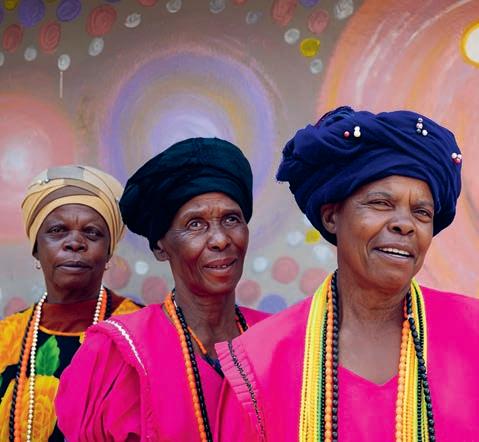
Exemplifying this evolution are two in uential leaders: Pulane Thobejane, council chairperson of the Social Housing Regulatory Authority (SHRA), and Monde Ndlovu, managing director of the Black Management Forum (BMF). “Collaborative leadership means bringing together diverse stakeholders around a shared purpose while recognising the value and humanity of every individual,” Thobejane says. In the complex social housing sector, her approach bridges government, communities and private-sector players to achieve sustainable impact. Ndlovu shares that purpose-driven leadership “means leaders are clear about the cause they stand for. It’s the management of purpose.” Moving beyond authority alone, both leaders emphasise unlocking human potential. Thobejane does this through empathy and emotional intelligence, and Ndlovu by igniting employees’ intrinsic motivation. Their approaches build trust, empower teams and foster resilient organisational cultures.


Tackling South Africa’s entrenched inequalities requires deliberate and sustained









diversity initiatives. Thobejane frames transformation not as an abstract policy, but as a vital instrument for social justice. “Diversity must go beyond representation into meaningful opportunities, equitable service delivery and sustainable community development,” she says. At the BMF, Ndlovu’s approach to intentional inclusion is evident. As the only man in a management team dominated by women, he says there is a deliberate commitment to creating space for women to lead. “There’s intentionality in giving space for women, especially African women, to run departments and express themselves,” he notes.
Collectively, they emphasise South Africa’s diverse perspectives, af rming that diversity is a strategic advantage and a superpower for global competitiveness.
The Black Management Forum ABOUT The Social Housing Regulatory Authority
ideas freely, resulting in “improved trust, stronger collaboration and more constructive outcomes”. Ndlovu rejects micromanagement, saying: “I give space for management to be themselves, execute roles to their best abilities and engage me freely – with trust, not shadowing.”
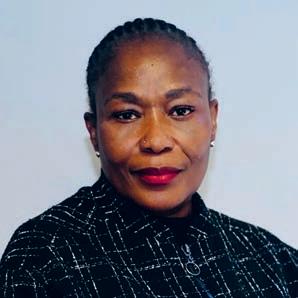
Thobejane believes integrity is reinforced through strong governance systems, transparent reporting, consequence management and continuous stakeholder engagement. At SHRA, this approach ensures the responsible stewardship of public resources and a focus on citizens’ real needs.
Ndlovu echoes this ethos: “The BMF is a higher calling – we practise what we preach publicly about leader behaviour.”
Accountability is central in both organisations, supported by open communication, regular management updates and rigorous board oversight, ensuring power remains rmly aligned with purpose.


Thobejane fosters a culture of respectful, transparent engagement where individuals can contribute






Despite progress, both leaders acknowledge persistent barriers to transformation. Thobejane points to the “gap between organisational values and lived experiences”, which often drives workplace con ict and exclusion.
Ndlovu highlights a failure to fully recognise South Africa’s ongoing transformation journey, where collaboration is sometimes replaced by cut-throat competition.
Their perspectives converge on the need for personal renewal in leadership. Thobejane urges leaders to “embrace purpose-driven leadership grounded in integrity, compassion, ethical governance and Batho Pele Principles – place people rst for trusted, stable institutions”. Ndlovu encourages leaders to undertake self-transformation: “Be at peace with the country and yourself, embrace South Africa’s uniqueness daily to drive societal and workplace change – or be overwhelmed by challenges.”
Together, SHRA’s public-sector innovation and the BMF’s advocacy present a compelling blueprint for modern leadership. Collaborative leadership is not a luxury; it is a strategic imperative for building equitable, high-performing organisations that advance South Africa’s ongoing renewal.
Follow: Monde Ndlovu www.linkedin.com/in/monde-lot-ndlovu-mba-pd-sa-ctdsa-80500b162 Pulane Thobejane www.linkedin.com/posts/social-housing-regulatory-authority recap-chairperson-closing-reflections-at-activity-7367106524927782913-9186


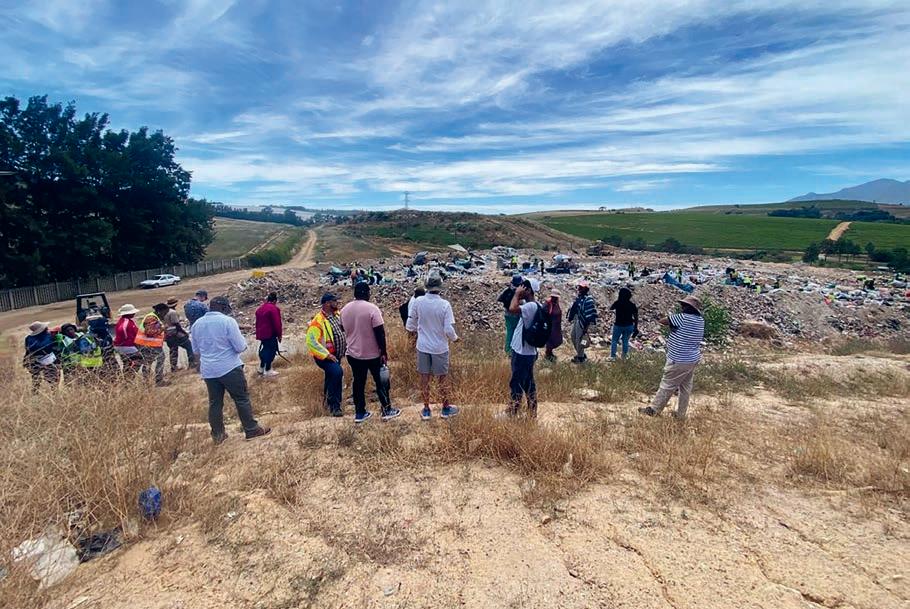
Since January, at least 15 tonnes of residential organic waste have been diverted from distant composting facilities back into a Cape Town township’s local food system.
The project, funded by AfriFOODLinks and implemented by Waste-ED in partnership with SA Urban Food & Farming Trust (SAUFFT) and Ranyaka, focuses on residential organic waste and one of Langa’s most complex waste streams: informal meat trader organic waste. The Langa Waste Forum was established in November 2025 as part of the initiative.
At the historic Smiley Market in Langa, where sheep-head traders operate daily, waste such as brains, meat offcuts and ash has long been dif cult to manage. The project has introduced a dedicated waste depot and collection system, alongside local composting, using a BiobiN in-vessel system.
Beyond waste diversion, the initiative is building a local circular economy model in which waste is converted into a resource that supports job creation, small-business development, soil regeneration and food production.
Candice Mostert, founder and director of Waste-ED, says collaboration with communities has been central. “Through this model, we’re able to target businesses and communities that don’t necessarily have the funds, and connect the two,” she says. “That balance has been really important.”
She says the work initially began by responding directly to community needs rather than a formal business model. “It was more about working with communities and understanding what those needs were.”
Over time, this approach revealed a broader demand for consulting support across the sector, including infrastructure, education, resource use and policy development.
“That’s been really valuable because we now have both city of cials and community members, waste users and waste generators coming together,” she says of The Langa Waste Forum. She adds that long-term funding and government support will be critical to scaling such forums.
“We trialled an in-vessel system, and it’s been a real game-changer because it’s a completely closed system,” she says.
“WE PUT FOOD WASTE INSIDE THE BIOBIN, MIX IT WITH WOOD SHAVINGS, AND THEN CIRCULATE AIR THROUGH THE MATERIAL IN A PATENTED PROCESS. THAT CREATES AN AEROBIC ON-SITE IN-VESSEL COMPOSTING SYSTEM.” – BRIAN KÜSEL
a year later. It offers a system for diverting organic waste from land ll and converting it into compost.
“We put food waste inside the BiobiN, mix it with wood shavings, and then circulate air through the material in a patented process,” Küsel explains. “That creates an aerobic on-site in-vessel composting system.”
He says the company partners with registered composters, placing BiobiN units at food and organic waste generators for roughly a month and a half’s worth of waste capacity before collection. The lled units are then transported to composting sites, emptied into windrows and returned to clients for reuse.

However, she notes that behavioural change and sustained funding remain key challenges. “Buy-in is a big one, especially in communities that are just in survival mode. That’s one of the biggest challenges we face. You need passionate people within the community, and without them, it’s almost impossible,” she says.
Brian Küsel, director of BiobiN South Africa, says the technology used in the project was developed in Australia and is now deployed in several countries, including Japan, China and India.
BiobiN technology was introduced to South Africa in 2017 and began rolling out locally
BiobiN says organic waste represents one of the largest components of municipal waste streams. When diverted from land ll, it reduces pressure on already constrained urban disposal systems. “In the past, people didn’t fully understand the role of the BiobiN. Now they see it as valuable raw material for the composting sites,” explains Küsel.
He adds that the Langa project demonstrates a scalable model. “What Candice has done at Langa is a solution that should be rolled out across many cities.
“There’s no reason why community gardens can’t be established across the Cape Flats and other urban areas. It supports local livelihoods, creates employment and produces food. It’s a very practical solution.” However, he notes that municipal support remains limited, despite growing land ll pressures.
“There’s a simple workable solution, and if municipalities got behind it, we could scale it signi cantly,” he says.
Follow: Candice Mostert www.linkedin.com/in/candice-mostert-66643b65
Brian Küsel www.linkedin.com/in/brian-kusel-522503aa
SHERMA MALAN , chief executive officer of the Compliance Institute
Southern Africa, writes that young people must be prepared for an economy that demands skilled, adaptable and forward-thinking compliance professionals, but they need opportunity and guidance
South Africa’s future workforce will not be built by educational institutions alone. It will be built in the space where education, professional standards, workplace exposure and mentorship meet. This is especially true in professions such as compliance, where technical knowledge matters, but so do judgement, ethics, con dence, business understanding and the ability to apply rules in complex real-world environments.
The urgency is clear. South Africa’s of cial unemployment rate rose to 32.7 per cent in the rst quarter of 2026, while youth unemployment for those aged 15 to 34 is more than 10 percentage points above that. At the same time, access to higher education remains constrained. For the 2026 academic year, government projected around 235 000 rst-year university spaces, a signi cant number, but not enough to absorb every qualifying learner. Behind these gures are many young South Africans who are capable, willing and ambitious, but who remain locked out of opportunity because they cannot access the rst step. This is where employers, professional bodies and experienced professionals must play a more deliberate role.
Too often, entry-level roles are no longer truly entry-level. Job advertisements for junior positions frequently require previous experience, but we need to ask a simple question: where is that experience supposed to come from? If every employer waits for someone else to develop young talent rst, the pipeline will remain thin. We cannot demand experienced professionals tomorrow if we are unwilling to develop inexperienced talent today.
This is not only a social obligation; it is a business obligation.
Organisations need skilled compliance professionals who can help them navigate regulation, protect integrity, support good governance and build trust. However, that capability does not appear by accident. It must be developed through learnerships, internships, graduate placements, junior appointments, structured supervision and meaningful workplace exposure.
who hold professional designations. This kind of guidance helps new entrants build con dence, understand professional expectations and develop the practical judgement that cannot be gained from theory alone.
In compliance, competence cannot be assumed. Professionals need technical knowledge, practical judgement, an understanding of the business and continuous education to remain effective. Compliance teams also need suf cient resources and access to the organisation if they are expected to provide meaningful assurance. Employers therefore have a direct role in ensuring that compliance functions are properly skilled, properly supported and future-ready.
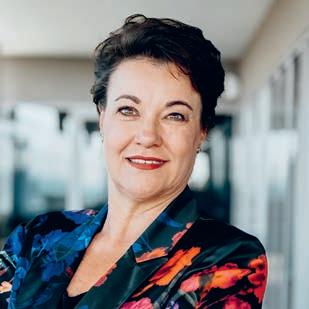
The economy of tomorrow will demand professionals who can learn continuously, interpret complexity, act ethically and adapt quickly. Young people must be prepared for that economy, but they cannot prepare alone. They need access, guidance and opportunity.
As the recognised professional body for compliance in Southern Africa, the Compliance Institute Southern Africa (CISA) has a responsibility to support both current and future compliance professionals. Professional bodies play an important role in setting standards, creating communities of practice, supporting continuous professional development and helping to bridge the gap between academic learning and workplace readiness.
This is also why CISA has a Student Member category: to expose students to the compliance profession, its standards and its professional community while they are still studying. Early exposure helps young people understand not only what a profession does, but also what it values and how they may build a future within it.
Mentorship is another critical part of workforce readiness. Through CISA’s mentorship programme, young and early-career compliance professionals can access guidance from experienced compliance of cers, often CISA members
South Africa cannot afford to waste talent because young people lack the experience they were never given the chance to gain. The next generation of compliance professionals will not emerge simply because we need them. They will emerge because employers, educators, professional bodies and today’s professionals choose to open the door.
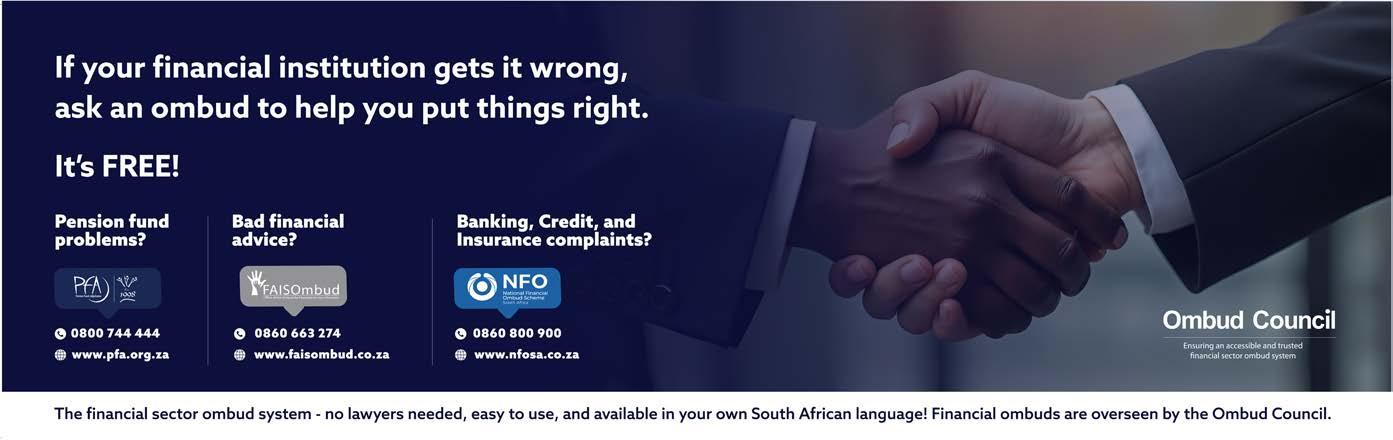
instruments (Ombud Council Rules). Through its regulatory powers, it safeguards the independence of ombud schemes and promotes access to timely, fair and accessible redress for nancial customers who feel unfairly treated by nancial institutions.
An effective nancial system depends not only on sound regulation, but also on fair, independent mechanisms that resolve disputes when things go wrong. The Ombud Council provides oversight of South Africa’s nancial ombud system, helping ensure consumers have access to impartial dispute resolution while reinforcing con dence in the nancial sector.
The Ombud Council is established by the Financial Sector Regulation Act, 2017, with a mandate to assist in ensuring nancial customers have access to and are able to use affordable, effective, independent and fair alternative dispute resolution processes for complaints about nancial institutions.
The Council oversees key statutory and recognised ombud schemes.
Statutory ombud schemes:
•Ombud for Financial Services Providers (FAIS Ombud).

•Pension Funds Adjudicator.
Recognised industry ombud schemes:
• National Financial Ombud Scheme (NFO) –an amalgamation of four previous schemes for banking, credit, life and non-life insurance (since March 2024).
• JSE Ombud Scheme.
The Ombud Council monitors scheme performance, recognises industry schemes, and promotes co-operation and co-ordination between schemes to reduce jurisdictional overlaps and gaps. The Council has a full suite of regulatory, supervisory and enforcement powers over ombuds and ombud schemes, including the power to make binding regulatory
By ensuring that complaints are resolved impartially and ef ciently, the Council supports trust in nancial institutions. Its work underpins efforts to make nancial services more inclusive, particularly for vulnerable populations, contributing to greater economic participation and social stability. The Council’s role extends to monitoring complaint trends, reporting systemic risks and misconduct and supporting regulatory responses that strengthen the integrity of the nancial sector. It also promotes public awareness and nancial literacy, empowering nancial customers to understand and exercise their rights to dispute resolution through the ombud system.
www.ombudcouncil.org.za
How do we promote a culture in South Africa where collaboration, equity and cultural understanding strengthen teams, businesses and communities? MWANGI GITHAHU finds out
Promoting a culture of collaboration, equity and cultural understanding in South Africa requires moving beyond isolated interventions and addressing the systemic conditions that shape behaviour, opportunity and exclusion.
Several organisations are focused on fostering such a culture, often integrating the philosophy of Ubuntu to strengthen teams, businesses and communities.
One such organisation, Khulisa Social Solutions, works with communities and organisations to foster social cohesion, rebuild trust and strengthen relationships in areas strained by inequality and violence. Founder and managing director, Dr Lesley Ann van Selm says promoting a culture of collaboration, equity and cultural understanding requires moving beyond isolated interventions and addressing the systemic conditions that shape behaviour, opportunities and exclusion.
“At Khulisa, we have learnt over nearly three decades that communities do not fail because of a lack of programmes; they struggle because systems are fragmented.
“Government, nongovernmental organisations, corporates and community structures often operate in silos, resulting in duplication, gaps in service delivery and inef cient use of resources.”
She adds that there must be a shift from programme-based thinking to ecosystem-based implementation. She explains that this means understanding communities as “interconnected systems, where challenges such as gender-based violence, substance abuse, unemployment and school dysfunction are symptoms of deeper systemic issues that require co-ordinated responses”.
Dr van Selm says: “It is not enough to bring stakeholders together; collaboration must be guided by evidence, aligned with veri ed community needs and supported by clear
roles, referral pathways and accountability mechanisms. When these elements are in place, collaboration becomes a functioning system that enables equity and inclusion to take root.”
From a corporate perspective, audit partner at Forvis Mazars in South Africa, Susan Truter, highlights the importance of embedding diversity, equity and inclusion into everyday business practices. “When combined with explicit support for psychological safety, wellbeing and ethical conduct, these elements enhance leadership credibility and signal genuine commitment to inclusion.”

called Conscious LeadHERS. It focuses on bringing women together to help solve real-world challenges and develop nation-builders through the lens of human empowerment, responsibility and sustainability.
Transformation strategist Carmen Murray says: “The work is not to change minds, but to change the mechanics of power, promotion and in uence within your organisation. It begins by changing how you appoint leaders, seeing them as community architects rather than just managers.”
Murray says lived experiences, not policies, shape culture, and meaningful change starts with developing self-aware individuals and intentionally connecting them.
Truter says Forvis Mazars’ employee value proposition (EPV), Grow, Belong, Impact, is a clear anchor for this work. “It commits us to developing people, creating a workplace where everyone can contribute and feel part of the rm, and connecting our work to meaningful outcomes for clients and communities.”
She explains that they bring the EVP to life by creating intentional opportunities for employees to connect across service lines, levels and backgrounds, and by embedding inclusion into everyday leadership expectations.

Another organisation doing meaningful and exciting work in the diversity and inclusion space is Carmen Murray Communications, which helps organisations “decode culture, anticipate change and act with precision in a rapidly evolving world”.
As part of this objective, they have an initiative, created two years ago,
Co-founder and owner of bioCURE Noleen Samuels says it is possible to promote a culture in South Africa where collaboration, equity and cultural understanding strengthen teams, businesses and communities.
“We’ve made progress, but we are honest that we are still a work in progress. Over seventeen years, we’ve built a business that has sustained itself, with long-term client relationships and a team where people have grown within the organisation. We’ve introduced more structure, improved collaboration across teams and created clearer systems to support fairness and consistency.”
Samuels says building a diverse and uni ed culture in South Africa comes with real challenges. “Many employees are navigating personal, economic and social pressures outside of work, and that impacts how people show up, and because of that, culture cannot be left to chance.”


Follow: Dr Lesley Ann van Selm www.linkedin.com/in/lesleyannvanselm
Susan Truter www.linkedin.com/in/susan-truter-a73b3125
Carmen Murray www.linkedin.com/in/carmen-murray-pgdip-she-her-787b2323
Noleen Samuels www.linkedin.com/in/noleen-samuels-a53a9734






In South Africa’s economy, many businesses are failing because they remain invisible in the spaces where growth decisions are made. While they operate, deliver and serve real markets, they are often absent from the media platforms, institutional conversations and strategic networks that shape opportunity. In that absence, potential remains unrealised. This is the challenge Brandscapers Africa was built to address.
Founded in 2022 by entrepreneur and communications strategist Emmanuel Bonoko, Brandscapers Africa is a strategic communications and brand positioning agency focused on transforming how businesses are seen, understood and engaged within the market.
The agency’s work is centred on a simple but powerful objective: ensuring businesses are not only operationally strong, but also visibly and strategically positioned to compete.
Over a short time, Brandscapers Africa has supported more than 1 000 small and medium enterprises (SMEs) through branding, media placements, website development, campaign execution and integrated communication strategies.
These interventions are designed not simply to improve how businesses appear, but to fundamentally shift how they are perceived in the market and how effectively they can convert visibility into opportunity.
Emmanuel Bonoko, founder and managing director of Brandscapers Africa, says: “We are in the business of ensuring the market understands their value and responds to it.”
That distinction sits at the heart of the agency’s approach. Many businesses struggle with positioning. They are not clearly articulated, not consistently visible and not present in the ecosystems where decisions about partnerships, procurement, investment and growth are made. Brandscapers Africa works to close that gap by translating business reality into structured communication that external audiences can understand and trust.
The process begins with understanding the business itself, its structure, its offering, its audience and its ambition. From there, the focus shifts to building a coherent narrative and communication system that ensures the business is visible in the right environments and positioned with clarity and intent. The outcome is not cosmetic. It is commercial. Businesses experience stronger recognition in their markets, faster credibility building, improved access to key stakeholders, and, in many cases, the unlocking of commercial opportunities that were previously inaccessible.
As the agency has grown, so too has its reach across sectors. Brandscapers Africa now operates across enterprise development, corporate communications, agriculture, education, innovation and institutional stakeholder engagement.
Its client and partner ecosystem includes organisations such as Anglo American, Bidvest, ENS, Coca-Cola Beverages South Africa, Sasol, Absa, and Rand Water, among others.
These relationships re ect an increasing demand from both corporate and development institutions for communication that is structured,
strategic and capable of delivering measurable impact in complex environments.
For the agency, visibility is not treated as an aesthetic exercise, but as a form of business infrastructure.
“Visibility is not decoration; it is leverage,” says Pearl Ngiba, head of strategy at Brandscapers Africa. “When a business is positioned correctly, it is understood faster, trusted sooner and engaged more seriously.”
This principle de nes the agency’s work with clients across different stages of growth, with the focus remaining on ensuring communication translates into clarity, and clarity translates into opportunity. This means moving businesses from being overlooked or misunderstood to being clearly positioned, easily recognised and commercially competitive within their respective markets. Brandscapers Africa’s role is not to replace business fundamentals, but to ensure strong businesses are not constrained by poor visibility or weak positioning.
In a competitive economy, being good is not enough if no one can clearly see or understand what you offer.
Brandscapers Africa exists to change that reality by ensuring businesses are not only built, but seen, understood and remembered in the spaces where it matters most.
Because in today’s market, visibility is not an advantage; it is the starting point for growth.



Inclusive enterprise models are creating jobs, strengthening communities and building long-term economic resilience across South Africa, writes TERSIA BOOYZEN
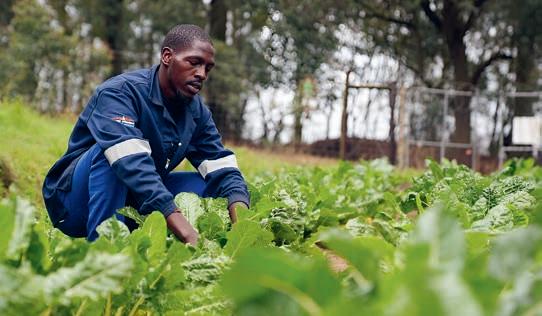
Across South Africa, a new generation of development models is proving that inclusive enterprise can deliver social impact and economic resilience. From corporate supply chains to community food gardens and long-standing nonpro ts, these initiatives share a common thread: creating pathways for people to participate in the economy with dignity.
The Shoprite Group’s food garden programme is an example of community-driven food security. Over the past decade, the retailer has supported more than 300 community food gardens, which produced over 106 000kg of fresh produce in 2025 alone. These gardens do more than feed households; they equip communities with practical farming skills and create income-earning opportunities through the sale of surplus produce.
Through its Act For Change programme, Shoprite prioritises projects that build long-term resilience rather than short-term relief. The retailer’s approach to inclusive enterprise extends well beyond gardens. Market access, it argues, is the most powerful driver of sustainability for small suppliers, and the numbers back this up.
Today, 23 per cent of Shoprite’s South African growers are small, medium and micro enterprises (SMMEs), contributing over R1.4-billion in fresh produce annually. The company’s enterprise and supplier development initiatives are delivering
measurable growth: SMMEs in its programme generated R46.8-million in sales in the nancial year 2025, more than double the previous year. Through Shoprite Next Capital, the retailer invested over R11-million in 87 small businesses, while 120 suppliers received working capital support via CredX. These interventions help small enterprises scale, formalise and create jobs – demonstrating how corporate value chains can become engines of inclusive growth.
Food & Trees for Africa (FTFA) has spent decades proving that food security and environmental restoration can go together. Led by executive director Chris Wild and head of programmes Robyn Hills, the organisation works at the intersection of climate resilience, community development, and education.
FTFA’s programmes – including Food Gardens for Africa, I Am a Farmer and EduPlant – help schools, households and small-scale farmers establish sustainable food gardens rooted in permaculture and agroecology. These gardens strengthen nutrition, build local skills and create long-term food sovereignty.
Its greening initiatives have planted more than 4.2 million trees, sequestering over 1.5 million tonnes of carbon. Trees for Homes, Trees for All and Bamboo for All cool urban spaces, stabilise soil, improve air quality and enhance biodiversity. Several programmes operate under the Veri ed Carbon Standard, enabling communities to bene t from global carbon markets.
Education is central to FTFA’s model. Teachers, learners and emerging farmers receive hands-on mentorship that builds environmental literacy and practical agricultural skills. Women bene t from leadership and enterprise development programmes that strengthen household resilience and unlock new income streams.
Despite challenges, FTFA’s community-driven approach continues to inspire replication across the country. With stronger government support, its model could scale even further.
For 40 years, Siyabonga Africa has focused on practical empowerment in communities where unemployment and inequality remain entrenched. Its training programmes – from computer literacy and welding to baking, fashion design, carpentry, poultry and small-scale farming – have equipped more than 6 400 people with marketable skills.
“We look for people who put their hands up instead of their hands out, and we aim to nurture an entrepreneur’s spirit that does have an impact for years,” says Nathan Dell, chairman of Siyabonga Africa. The organisation has helped launch or support over 200 small businesses, including more than 300 community bakeries and numerous poultry projects. These ventures have created nearly 2 000 jobs, strengthening township economies and improving food security.
Siyabonga Africa also tackles youth unemployment through work-readiness training and job placements, contributing to over 581 jobs. Beyond livelihoods, it operates Gauteng’s largest food bank, distributing thousands of meals and essentials each year. Its community programmes – including transitional housing and support for parolees and recovering substance users – have reached more than 9 800 people.
Backed by partners such as AECI, Clover Mama Afrika and UNICEF – Siyabonga Africa remains a powerful example of inclusive enterprise in action.
PRIORITISES PROJECTS THAT BUILD LONG-TERM RESILIENCE RATHER THAN SHORT-TERM RELIEF.
Civil society organisations continue to do good work, despite funding challenges, writes
As South Africa focuses on driving inclusive growth and shared prosperity through a mix of structural reforms and targeted economic support systems, the nonpro t sector is often celebrated as the engine room of social change.
One of the organisations at the forefront of this drive is Inyathelo: The South African Institute for Advancement. Founded in 2002, Inyathelo is a Cape Town-based nonpro t organisation (NPO) that strengthens civil society and higher education through capacity-building, training and resources for nancial sustainability.
Acting Inyathelo executive director Feryal Domingo says it does this by promoting an integrated approach to governance, leadership and fundraising. She says the organisation supports South African nonpro t, philanthropic, social justice and advancement sector projects.
One of the ways Inyathelo has made a tangible impact, Domingo adds, is by shifting South African NPOs from a “charity mindset” to an “advancement mindset”. This involves “helping NPOs become more professional and nancially resilient”.
The process has not been without its challenges. “We have reached a critical reality where the servants of society are often pouring from an empty cup. For an organisation to be sustainable, its people must be resilient. This year, we chose to prioritise the servant, not just the service,” Domingo says.
Inyathelo has also been raising a critical alarm about the sustainability of South Africa’s healthcare nonpro t sector and the importance of prioritising the wellbeing of the NPO sector as a whole. Not only is it
concerned about the devastating impact of continued international funding withdrawals, in particular USAID, but also the deteriorating mental wellbeing of the workforce providing these essential services.
Domingo says there is a need for urgent intervention from local philanthropists and the private sector to bridge this funding cliff. If not, the gains made in public health over the last two decades could be reversed.
Another organisation tackling critical social challenges is Save Our Schools Nonpro t Organisation (SOSNPO), which focuses on water, sanitation and hygiene (WASH). Chairman Rene Frank explains that their approach often begins with schools or high-traf c community spaces such as clinics. By replacing unsafe pit toilets with hygienic facilities, the organisation addresses both health risks and social dignity.
“No learner, especially no girl, has to risk their safety or miss school because of her natural cycle. In every school we reach, dignity is our promise: no learner should ever have to choose between their body and their education,” says Frank.
SOSNPO emphasises community involvement in the design and construction of infrastructure, fostering ownership and sustainability. This model also creates local jobs and equips residents to maintain facilities after construction. “Collaboration is essential: government, NPOs and the private sector must work together.”
In addition to social services, governance and accountability are critical to South Africa’s development. The Institute of

IN EVERY SCHOOL WE REACH, DIGNITY IS OUR PROMISE: NO LEARNER SHOULD EVER HAVE TO CHOOSE BETWEEN THEIR BODY AND THEIR EDUCATION.”
– RENE FRANK
Internal Auditors South Africa plays a key role in promoting integrity across sectors.
CEO Arlene-Lynn Volmink explains that internal auditing has evolved from a compliance-focused function to a strategic advisory role supporting organisational performance.
Despite this evolution, internal auditors often face misunderstanding and resistance from leadership. More concerning are safety risks: many auditors, especially in the public sector, report fear of retaliation when exposing fraud or unethical practices. Nearly half say they would not feel safe doing so.
“In many cases, this leaves many internal auditors ghting a perception challenge and a misunderstanding of the internal audit role among executive management and other stakeholders.”
Volmink advocates for stronger legal protection and greater institutional support. She suggests embedding internal audit functions more rmly into legislation and strengthening frameworks such as King V, the latest corporate governance code, released in October 2025. Formal recognition and enforcement, she argues, would enhance accountability and protect professionals carrying out this critical work.
Follow: Feryal Domingo www.linkedin.com/in/feryal-domingo-98994a137 Rene Frank www.linkedin.com/in/rene-frank-1b1a86207 Arlene-Lynn Volmink www.linkedin.com/in/arlene-lynn-volmink
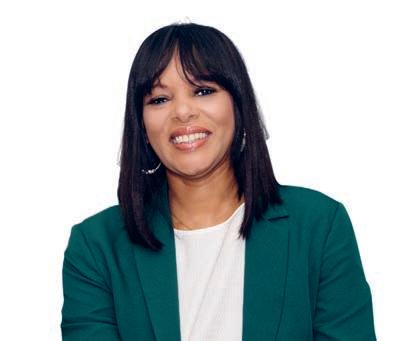

Why South Africa must invest earlier to prepare the youth for a changing world. By THE LEARNING
In January 2026, South Africa celebrated a record-breaking 88 per cent matric pass rate, the highest in the country’s history. It was a moment of national pride. Yet within months, many of those same young people would join the nearly 45 per cent of youth who are not in employment, education or training. The celebration fades quickly when the pathway ahead does not exist.
Many young people leave school with a matric quali cation but without the skills or experience to navigate what comes next. This is the pathway gap – a structural disconnect between education and opportunity that becomes visible in the labour market, but begins much earlier in a child’s learning journey.
In South Africa, nearly one in three learners who start school do not make it to matric. Those who do often leave without the practical experience, foundational skills or networks needed to transition into further study or work. Employers, meanwhile, report a mismatch. Too few candidates demonstrate the capabilities required for entry-level roles, regardless of quali cations.
According to the Progress in International Reading Literacy Study (PIRLS), 8 in 10 children in South Africa cannot read for meaning. For learners in under-resourced quintile 1–3 schools, this early disadvantage compounds over time. By the time it appears in unemployment statistics, the gap has already been a decade in the making.
Take Siphesihle, who grew up in Orange Farm, one of Gauteng’s most under-resourced communities. With limited access to formal employment, she entered an after-school programme as a facilitator. Through structured training and mentorship, she built the skills and con dence to establish her own early childhood development centre.
Today, she is creating learning opportunities for children while generating employment in her community. Her story is not an exception. It is a pattern.

Fund, nearly 20 000 young people have been employed as tutors, facilitators and coaches within ASPs. They receive training across more than 150 skills areas, building technical and professional capabilities while contributing directly to improved learning outcomes.
ASPs are not just an education intervention. They are a socioeconomic strategy that addresses both the skills de cit in classrooms and the experience de cit in the labour market.
South Africa cannot afford to treat the pathway gap as inevitable. It is a structural challenge with a scalable solution, but only if we invest with intention. We are calling on government, business and the private sector to act together:
Hands-on robotics experience at an after-school programme.
At The Learning Trust, we work at the intersection of education, youth employment and organisational development. With a national footprint across South Africa’s under-resourced communities, we partner with government, civil society and the private sector to build after-school infrastructure that improves outcomes for learners and creates pathways for young people entering the workforce.
After-school programmes (ASPs) are among the most effective and most overlooked levers in South Africa’s education and employment landscape. These structured, community-based spaces reinforce literacy and numeracy, build social and emotional skills and keep learners engaged beyond the classroom.
When learners receive consistent, quality support early, they are more likely to stay in school, progress through grades and arrive at the matric threshold with the foundations needed to make meaningful choices about their next steps.
Critically, ASPs also create economic participation. Through public employment programmes such as the Social Employment
Government must formally recognise ASPs as a core component of education and youth development, supported by sustained, dedicated funding and a national policy framework.
For business, the case is immediate. Partnering with organisations that have the community’s trust and the track record to deliver impact is not a philanthropic gesture. It is a strategic investment in the future workforce upon which South Africa’s economy depends.
Closing the pathway gap is not optional. It is a business imperative.
VISIT WEBSITE
SCAN THIS QR CODE TO GO TO THE LEARNING TRUST WEBSITE

For more information: www.thelearningtrust.org charlene@thelearningtrust.org Contact: 078 401 9540
A new book shows that black economic empowerment can succeed in South Africa, if implemented properly, writes RYLAND FISHER
In a world that is rapidly moving in a right-wing direction, and where diversity, inclusion and equity are being questioned in the United States of America, and black economic empowerment (BEE) is being challenged in South Africa, the book Cape Flats to the JSE: Black Excellence and the Story of Brimstone, written by Phakamisa Ndzamela, comes as a breath of fresh air.
The book comes at just the right time, when BEE and broad-based black economic empowerment (BBBEE) are under re in South Africa, mainly because of the harm done to a legitimate economic restitution project by politically connected individuals and corrupt businessmen who have used the need for economic transformation in South Africa to feather their own nests and accrue billions of rands.
In Cape Flats to the JSE, Ndzamela argues that Brimstone Investment Company is an example of a well-run BEE company committed to priorities beyond pro t-making, including uplifting those most in need in the community, maintaining strong corporate governance and ensuring skills transfer to younger generations.
In the book, he traces Brimstone’s journey and highlights the key lessons it has learned along the way.
The Cape Town launch of the book at The Book Lounge in Roeland Street was attended by founding members, staff and some of Brimstone Investment Company’s original shareholders. While the company did not formally endorse the book, it acknowledged it as Ndzamela’s work and raised no objections to its publication.
Founders Fred Robertson and Mustaq Brey re ected on their beginnings – Robertson as a teacher-turned-insurance salesman, and Brey as a chartered accountant – and on building signi cant shareholder value over more than 30 years. They credited the company’s longevity as the longest-surviving listed BEE

rm on the JSE to tenacity, discipline and hard work, arguing that properly implemented black economic empowerment can succeed.
Brimstone’s rst major investment was a stake in Oceana Fishing Company, funded through R3-million raised from community shareholders on the Cape Flats. The company listed on the JSE in 1998, with the listing hosted at the Good Hope Centre rather than traditional corporate venues, enabling people from disadvantaged backgrounds to participate in the stock market for the rst time.
Original shareholder Makkie Isaacs recalled how Robertson and Brey approached him in Athlone to secure support, leaving with a bag of cash. He said his involvement opened unexpected opportunities, including board
Follow: Phakamisa Ndzamela www.linkedin.com/in/phakamisa-ndzamela-64856613 @phakie101 www.facebook.com/phakamisa.ndzamela
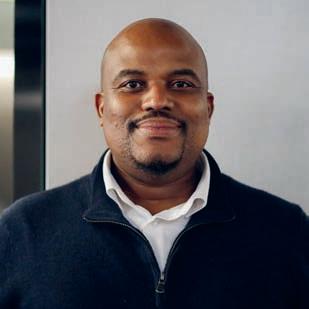
Phakamisa Ndzamela is an award-winning former business journalist for Thomson Reuters, E-News Africa, Moneyweb, Business Day, Financial Mail and Financial Times of London. He holds an honours degree in journalism from the University of the Witwatersrand and a master’s in history from Stellenbosch University. He is also the author of Native Merchants: The Building of the Black Business Class in South Africa and Black Pioneers.
In 1997, the Nelson Mandela Family Trust invested around R300 000, buying 240 000 Brimstone shares at R1.24 per share. The trust is still a shareholder of Brimstone.
participation and learning to invest in the stock market, and that he remains a shareholder.
Ndzamela says the book began as a master’s thesis at Stellenbosch University.
“When I approached Brimstone to assist with research, I had no idea that it would develop into a book.”
He adds that while Brimstone’s story is distinctive, it is not the only successful example of black economic empowerment in South Africa, noting that “these are stories waiting to be told”.
In conclusion, Ndzamela writes that it is ultimately for readers to judge Brimstone’s success or failure, noting that the company has endured for decades while many BBBEE peers have not. “The Brimstone story is a South African story well worth telling.”