
Navigating the medical cover minefield
• Members
and
Cwrites Lynette Dicey

Health is your greatest asset: plan accordingly
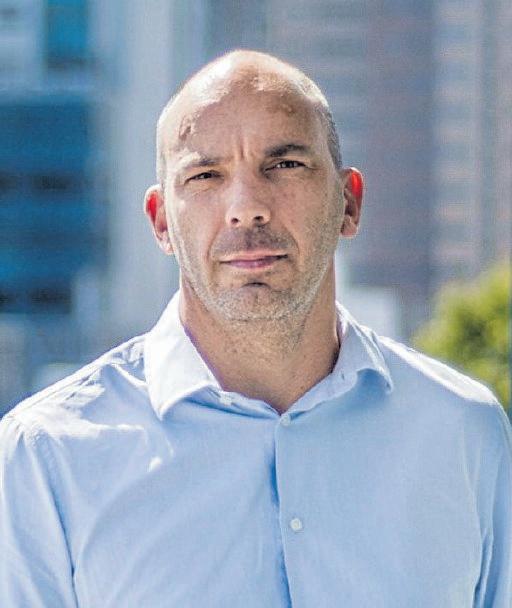
For many people, medical scheme membership is a grudge monthly payment. Although some young people choose to delay becoming a member of a medical aid, Alan Fritz, acting principal officer of Medshield
MOST SCHEMES ALLOW YOU TO CHANGE THE BENEFIT OPTION ONCE A YEAR USUALLY IN JANUARY IF YOU DECIDE YOU NEED MORE COVER


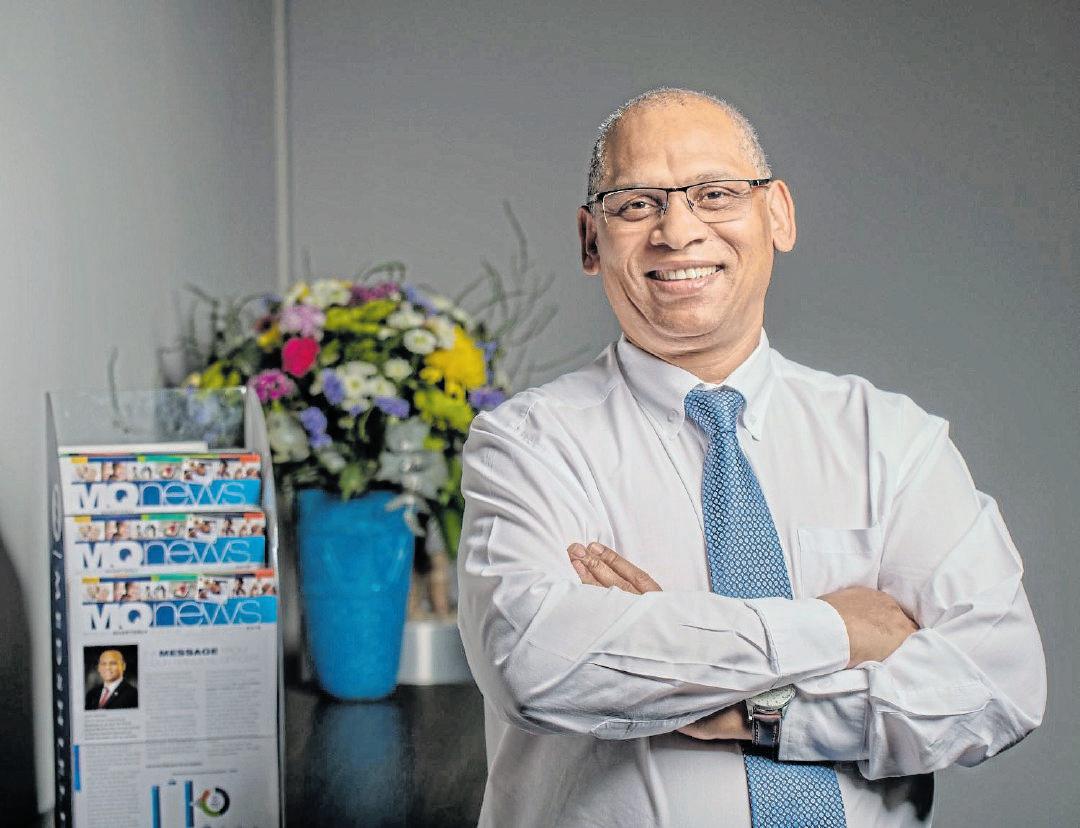
replace medical aid. It s important to understand the benefit brochure of whatever you buy as, unfortunately, healthcare products are complex, he cautions. When choosing what cover to buy, balance your expected healthcare needs with affordability. Most medical schemes allow you to change the benefit option once a year usually in January if you decide you need more cover. When you apply to a scheme for membership, be prepared to answer some complex questions, including what cover you have previously had, your reason for changing schemes and information on medical conditions, which can affect whether you get any underwriting or contribution penalties imposed for only joining later in life. Conceding that navigating the fine print can be complicated, he says members need to educate themselves regarding their rights and entitlements. Benefits can change yearly so it s difficult knowing what you are covered for and what you are not covered for, particularly for unanticipated health events such as surgery. It s a good idea to stay abreast of what benefits are offered by your scheme. He suggests working through a broker for advice. It doesn t cost any more to use a broker as their commission is built into the premium. A good broker is likely to be more familiar with any changes and the issues that tend to come up regularly and should help navigate those changes for you. They can also deal with service complaints and benefit queries.
Tony Singleton augment
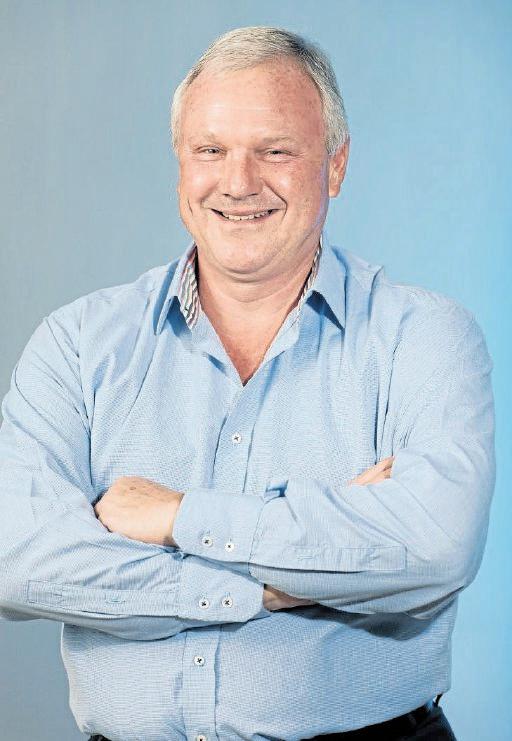
Barry Childs healthcare products are complex.







































































Think carefully before changing medical aids
It s that time of year again when consumers have the
to change their
although as
Dawn Ridler points
it s not always that easy to simply switch
As disenchanted as you might be with your
do your homework before switching schemes, she says. Moving medical aids is not easy. Unless you have resigned from a company medical aid, if you want to change medical aids rather than plans within the same medical aid then you are likely to get a threemonth general exclusion for anything including prescribed minimum benefits, and a 12-month condition specific exclusion. For anyone with a chronic condition and requiring chemotherapy or dialysis, for example, this can be financially devastating. You have to be very disenchanted with your current medical aid to want to change says Ridler. Her advice to existing medical aid members is to investigate what hospitals are on the list of your scheme s network options and read the small print. “Choosing the network option can save you hundreds of rands a month without compromising on the quality of the care. One of the biggest gripes members have with their medical scheme providers is high annual increases and what appears to be declining benefits. Although the Council for
ONE OF THE BIGGEST GRIPES MEMBERS HAVE WITH THEIR MEDICAL SCHEME PROVIDERS IS HIGH ANNUAL INCREASES
Medical Schemes (CMS) recommended medical aids to cap their increases at 5.7%, Ridler says this is unenforceable, and therefore likely to be ignored. The majority of schemes have announced higher increases for 2023 while some have chosen to freeze their price increases for the first quarter. Ridler warns members not to be hoodwinked by so-called price freezes. Those three months will be built into the increase next year. For example, one of the schemes delayed their increase to April next year but has not yet published what this might be. Disconnecting the increase with the window of opportunity between October to mid-November to change medical aids makes it difficult for members to make comparisons. Her biggest issueis the size of the increases which she claims medical schemes blame on high medical inflation. For the past decade medical aid inflation has been running at 3%-4% above inflation and has become the norm. This needs investigation. Factors quoted as affecting the above average increase include an aging
population, the cost of cuttingedge medicines which, ironically, are often unavailable on medical aids anyway, or capped at a fraction of the cost general inflation, wage inflation and the exchange rate.”
Part of the problem is that members, feeling ripped off, make sure they get value for money, especially in the higher and more comprehensive plans.
She advises reading carefully through the benefits on offer.
Every year there is a superficial burnishing of benefits, so the plans look shiny and new, but over time there has been a significant erosion of benefits at each plan level. This has opened the door for gap cover which will cover the difference left by the erosion of those benefits.
One way medical aids erode their benefits is by having co-payments and lowering the limits on certain procedures or treatments and excluding some altogether.
While out of pocket hospital expenses and co-payments can be covered with gap cover, she recommends also taking out dread disease cover a component of life cover that will pay out a lump sum on diagnosis of a severe illness.
Not all companies are created equal when it comes to this kind of cover, she says, so it s a good idea to use an independent financial advisor, get a number of quotes and read the small print. Encouragingly, dread disease cover stays in place even if medical schemes fall away as a result of the implementation of NHI.

Increases on cards for 2023
• Most schemes have upped fees for next year, while some have announced price freeze for Q1
At the end of July, the Council for Medial Schemes (CMS), the regulator for medical schemes, published a recommendation that medical aid contribution increases for 2023 should be limited to 5.7%, in line with the South African Reserve Bank s average inflation rate for next year. It also recommended that schemes in a strong financial position should implement increases lower than the recommendation. The CMS justified this advisory, pointing out that in an economic environment characterised by rising inflation and interest rates, most scheme members would not be able to afford above-inflation contribution increases. Over the past decade, medical scheme contribution increases have outpaced inflation by about 4%, driven primarily by the high rate of healthcare inflation. Most schemes announced lower than usual contribution increases for 2021 and 2022 but as medical aid claims, including hospitalisations, begin to escalate, higher medical aid contributions are once again becoming the norm. Most schemes have announced higher increases than that recommended by the CMS. Some schemes, including Bonitas, Momentum Medical
Scheme and Discovery, have also announced price freezes on their increases for the first quarter of 2023.
Bonitas has announced an increase of 5.9%. Lee
Callakoppen, principal officer of Bonitas, says: “Our average increase for the year would have been 5.9% well below the current inflation rate of 7.6%. The three-month price freeze effectively means an increase of 4.8% over the 12 months. We have also shared exactly what members can expect to pay from April 1 2023, so that they can make informed decisions.”
The scheme s successful hospital-at-home initiative is being extended to include a programme for re-admissions, screening and diseases prevention, an alternative to stepdown facilities and kidney dialysis at home. Other changes
introduced by Bonitas include unlimited benefits for PMB cancers on all options. In addition, the savings component has been increased by up to 9.4%, depending on the plan, and amended rules allow members to use their savings as they deem fit.
Medshield Medical Scheme announced a weighted average contribution increase of 6.7% and an average 5.5% increase on specified benefits across all its scheme options in 2023. The scheme has reduced and removed co-payments on specific procedures, and introduced unlimited GP consultations for emergencies and selected conditions once members have exhausted their day-to-day or savings allocation. It has also increased benefits and made a number of enhancements to its plans. Earlier this year it launched a new hospital plan, MediSwift. The scheme has been embracing technology to provide members with convenient access to


Damian McHugh accessible
Affordability, sustainability a balancing act

Medical aid schemes going under is nothing new and happens now and again, explains financial adviser Dawn Ridler. The medical aid field is a mature market, and because it s so difficult to swap medical aids, the only way new entrants can build their client base is to break into the corporate market with cheap prices and waiving waiting periods. Unfortunately, in almost all cases, she says, medical aids that tank have a solvency issue. This is an industry where critical mass is essential if you want to lower the risk. If you can t diversify your members,
allowing young and healthy members to effectively subsidise the older and less healthy ones, then it doesn t take much to destabilise the medical aid.
Good administration of the medical aids is key to their success, she says, adding that this is what Discovery has got right: administering numerous closed schemes in addition to their own open scheme.
The potential for fraud in the medical aid space is high, from members overclaiming to medical professionals submitting inflated or fraudulent claims, or collusion between the two she says.
Although the CMS has been trying to get other medical aids to take on Heath Squared clients without the waiting periods, they have met with little success. For clients with chronic conditions this is life-threatening
Ridler says this refusal could be in breach of the Medical Schemes Act, and the matter could well end up in court.
Her advice to anybody looking for a medical scheme either for themselves or their employees is to select a company that has been around for a long time and has good
reserves and solvency ratios.
Agreeing that the case of Health Squared was a debacle, Barry Childs, joint CEO of Insight Actuaries and Consultants, says that members of medical schemes put faith in the board of trustees to govern and manage the scheme properly in accordance with the obligations placed on trustees and, failing that, has faith in the regulator to intervene if the scheme is not being run according to appropriate standards.
Unfortunately, in the case of Health Squared, neither faith was borne out as interventions were far too late. Fortunately, most of the time trustees and even the regulator step in early enough to protect members and prevent disaster when a scheme is running into financial trouble,” says Childs. Medical scheme members should be active participants in the governance of their scheme, taking part in trustee elections and paying attention to management information and financial security, he says.
Generally speaking, a scheme with reserves at or above the required regulatory minimum 25% of total contributions and some stability in that reserve ratio with no wild fluctuations on the solvency ratio or a steady trend of decline of the solvency ratio,
are sufficiently secure.
Childs adds that medical scheme failure does not happen overnight, so keeping an eye on a scheme s financial health is important. Promoting sustainability in the healthcare industry is key, says Bonitas principal officer Lee Callakoppen, adding that the scheme has high solvency ratios, strong reserves and a high claims paying ability. Not only is Bonitas financially sound with more than R7.4bn in reserves, but over the past 36 months we have signed up 190,000 new members. This figure is significantly higher than the size of most schemes in the industry. Even better for sustainability is that the average age of its new members is about 15 years younger than the current membership. This, says Callakoppen, reinforces the fact that the scheme is succeeding in attracting a younger, healthier profile, which is coveted across the industry.
NHI still a ‘threat to industry’, expert warns
One of the biggest threats to the medical scheme industry is government s proposed National Health Insurance (NHI), an industry expert warns. Earlier iterations of the proposed NHI bill stated that once National Health Insurance has been fully implemented medical schemes may only offer complementary cover to services not reimbursable by the fund The ruling party keeps pulling NHI off the back burner
ratio of just 2.15%.



Lee Callakoppen new members.