
Alex
Alex
We are the Southern Environmental Law Center, one of the nation’s most powerful defenders of the environment, rooted right here in the South. As lawyers, policy and issue experts, and community advocates and partners, we take on the toughest challenges to protect our air, water, land, wildlife and the people who live here. Together, we can solve the most complex environmental challenges right here in Virginia.


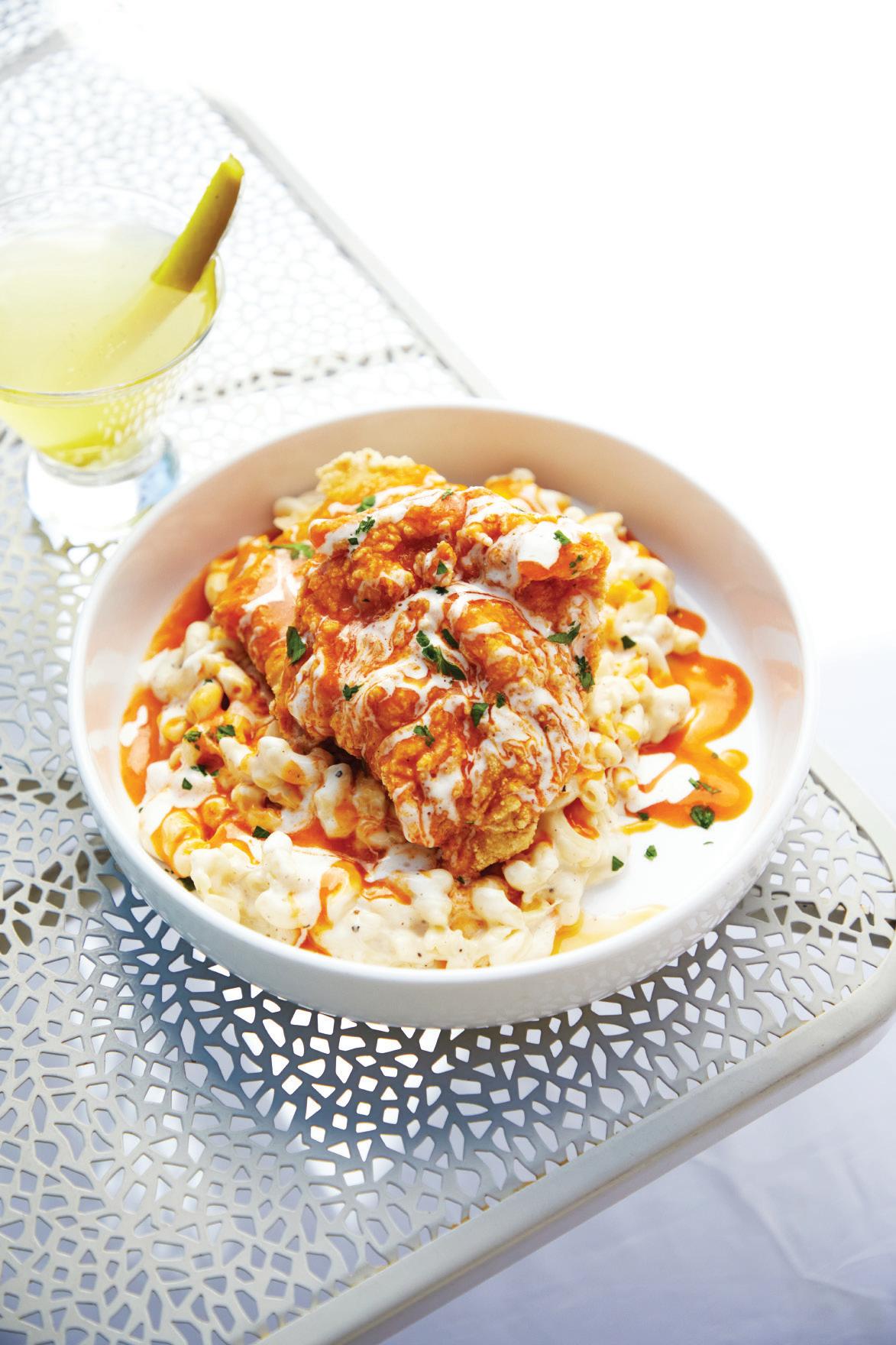
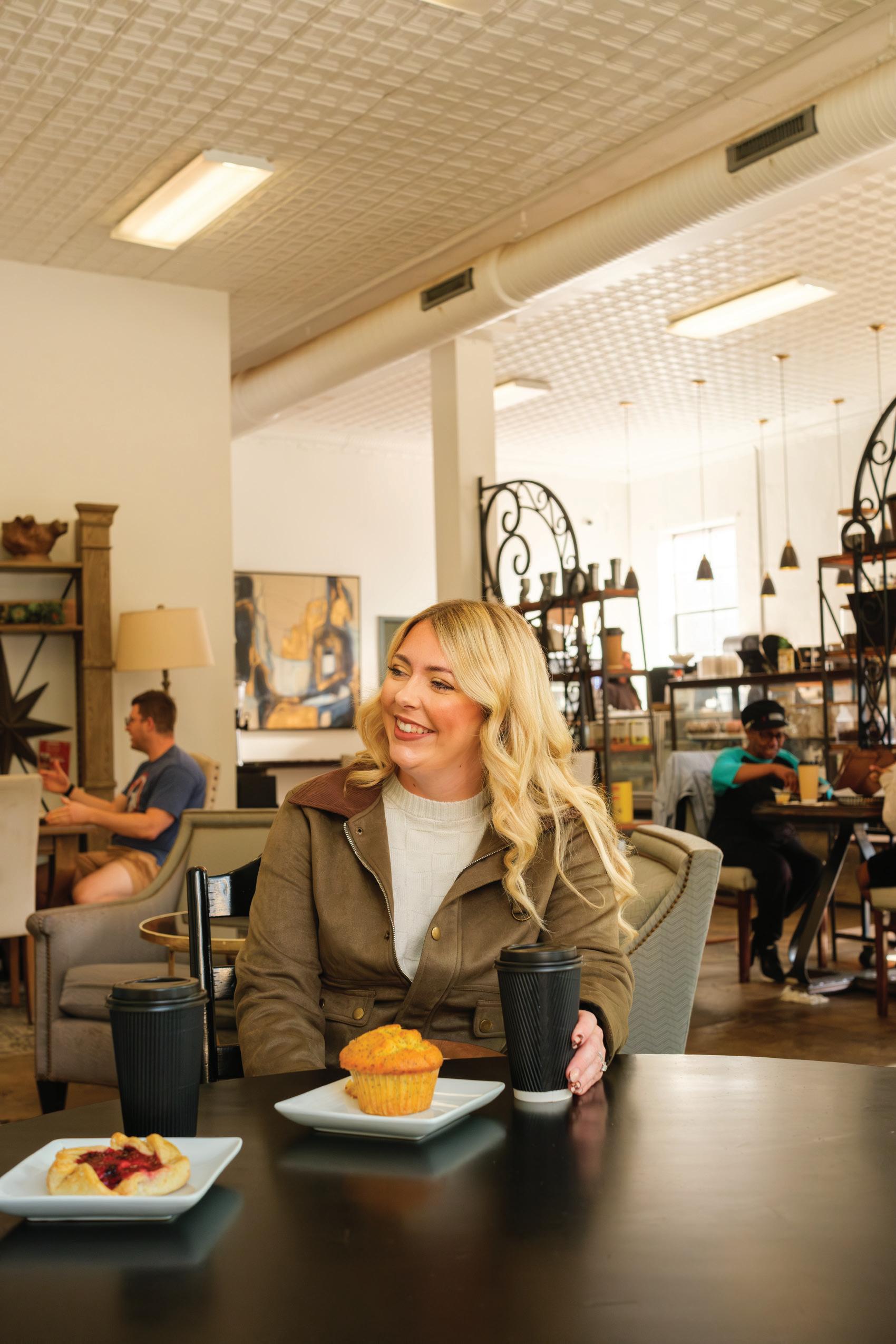
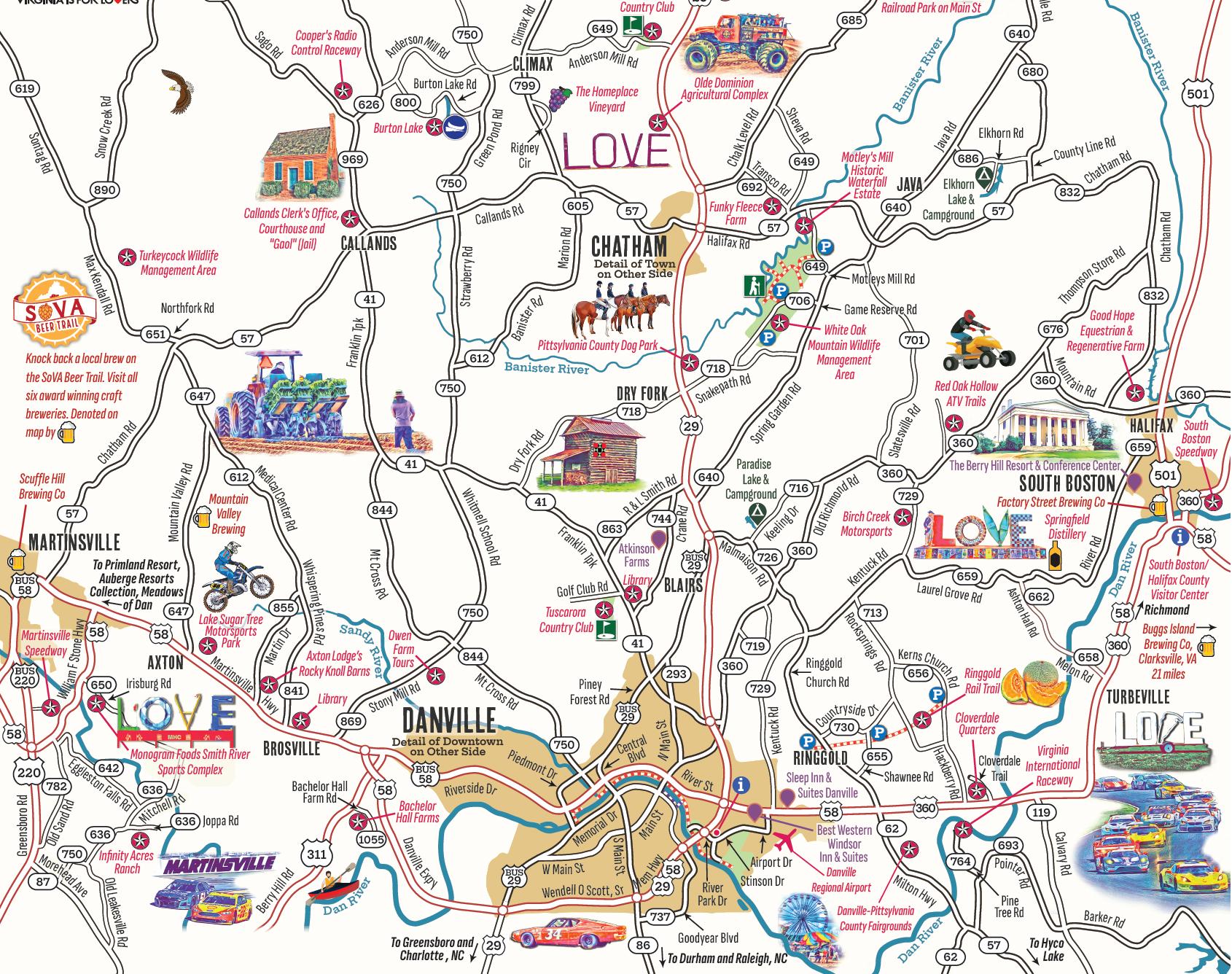
In SoSi� we specialize in vibrant experiences� unique delights� and warm� Southern hospitality. Nestled in Danville and Pittsylvania County� you will discover a charming destination� home to historic museums� award-winning trails� scenic downtowns� art galleries� farmers markets, and more. Savor fresh flavors at King Cropp Kitchen� wander through SoSi�s River District� or sip a new brew at Links Coffee House Cafe. No matter the occasion� SoSi sets the stage for lasting memories.
See for yourself at VisitSoSi.com.
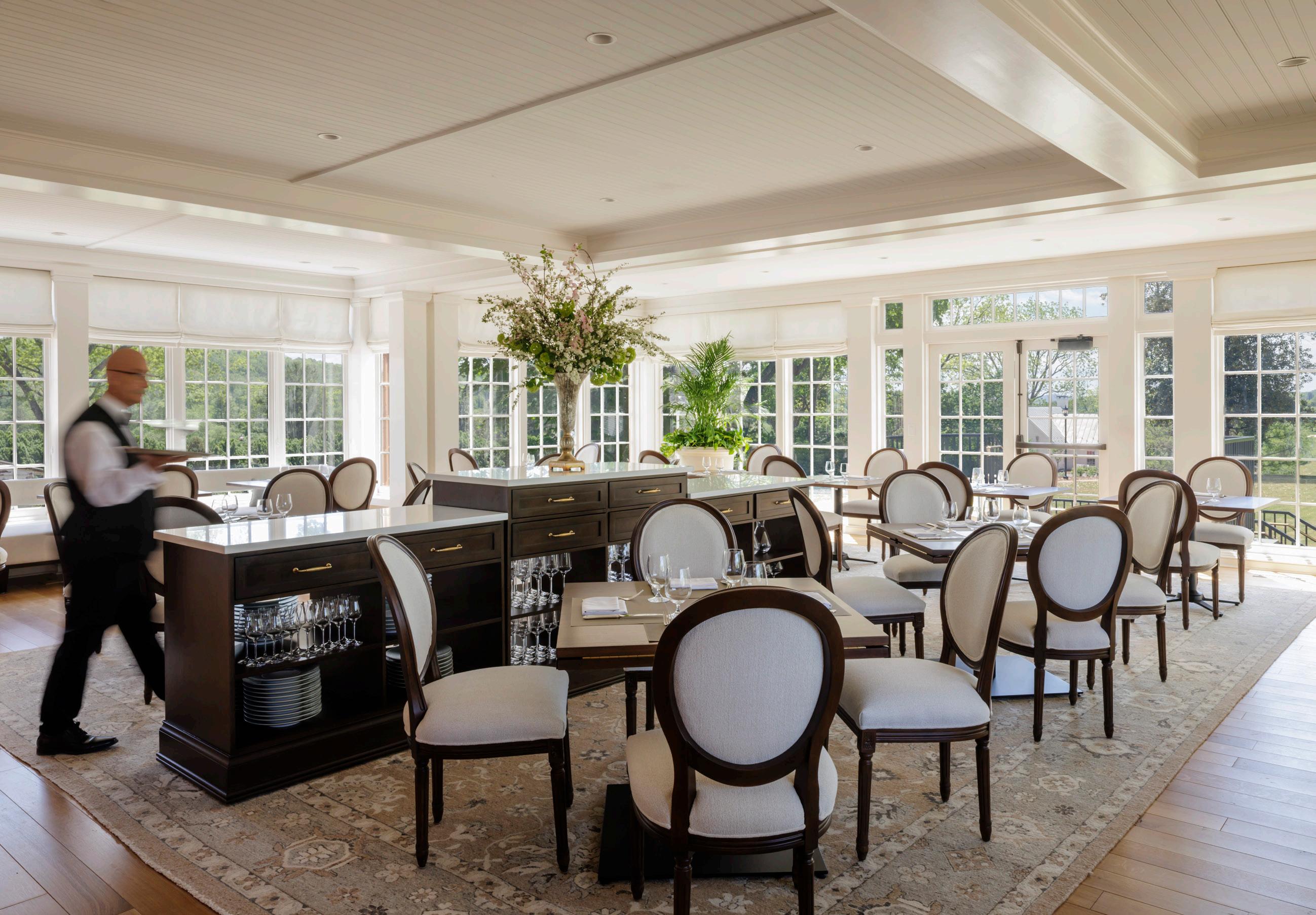
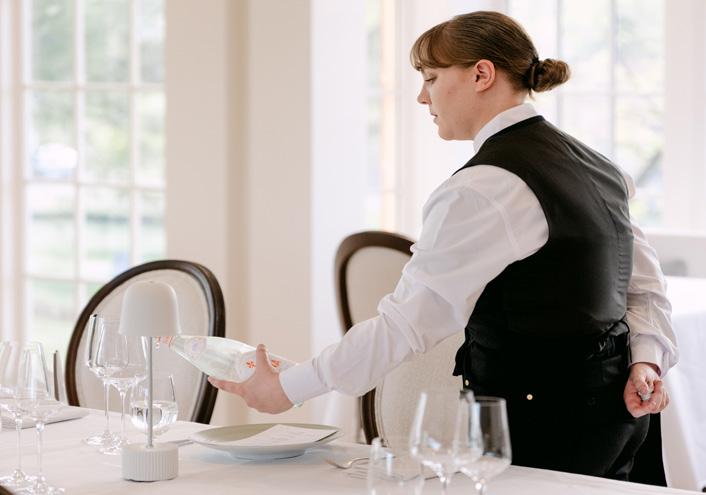
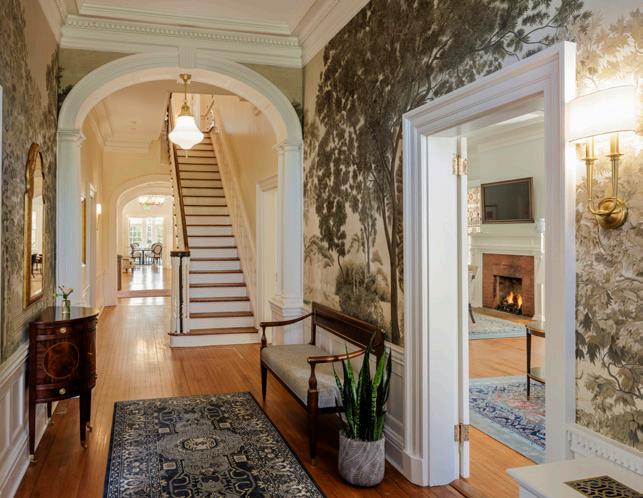
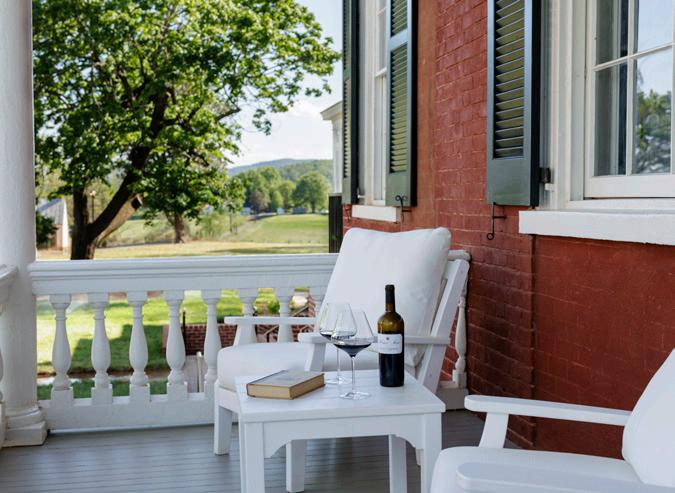
Step into Birdwood Mansion, where history blends with natural beauty and refined luxury. Recently restored to its former glory, this landmark invites guests to discover The Dining Room, a new chef-curated restaurant that is now taking reservations.
|
|
PRESIDENT BLAKE DEMASO blake@albemarlemagazine.com
EDITOR
ROBERT VICCELLIO robert@albemarlemagazine.com
SENIOR ACCOUNT MANAGERS LEAH WOODY leah@albemarlemagazine.com
KATIE HARTWELL katie@albemarlemagazine.com
BUCK BRICE buck@albemarlemagazine.com
SENIOR DESIGNER
REBECCA CENCEWIZKI rebecca@albemarlemagazine.com
CONTENT COORDINATOR AMANDA LIVERETTE
ONLINE DIRECTOR CRAIG SNODGRASS
CONTRIBUTING WRITERS & PHOTOGRAPHERS
Jen Fariello Rob Garland Lathan Goumas Molly Marie Myles Mellor Derrick Waller
SUBSCRIPTIONS & CIRCULATION
albemarlemagazine.com/subscription-services business@albemarlemagazine.com 434-817-2755
ADVERTISING
blake@albemarlemagazine.com
COMMENTS & STORY IDEAS robert@albemarlemagazine.com www.albemarlemagazine.com
albemarlemagazine
albemarlemagazine 977 Seminole Trail PMB 294 Charlottesville, VA 22901
Albemarle magazine is published bimonthly by DeMaso Publishing, LLC, Copyright ©2026.
Subscription rates for the USA: 6 issues $18.00 Canada and all other countries: 6 issues $38.00 (US)

PROVIDING TOP-QUALITY PAINTING SERVICES AND SHOP FINISHES SINCE 2007
PAINT STORE • PAINT WORKSHOP • PAINTING SERVICES

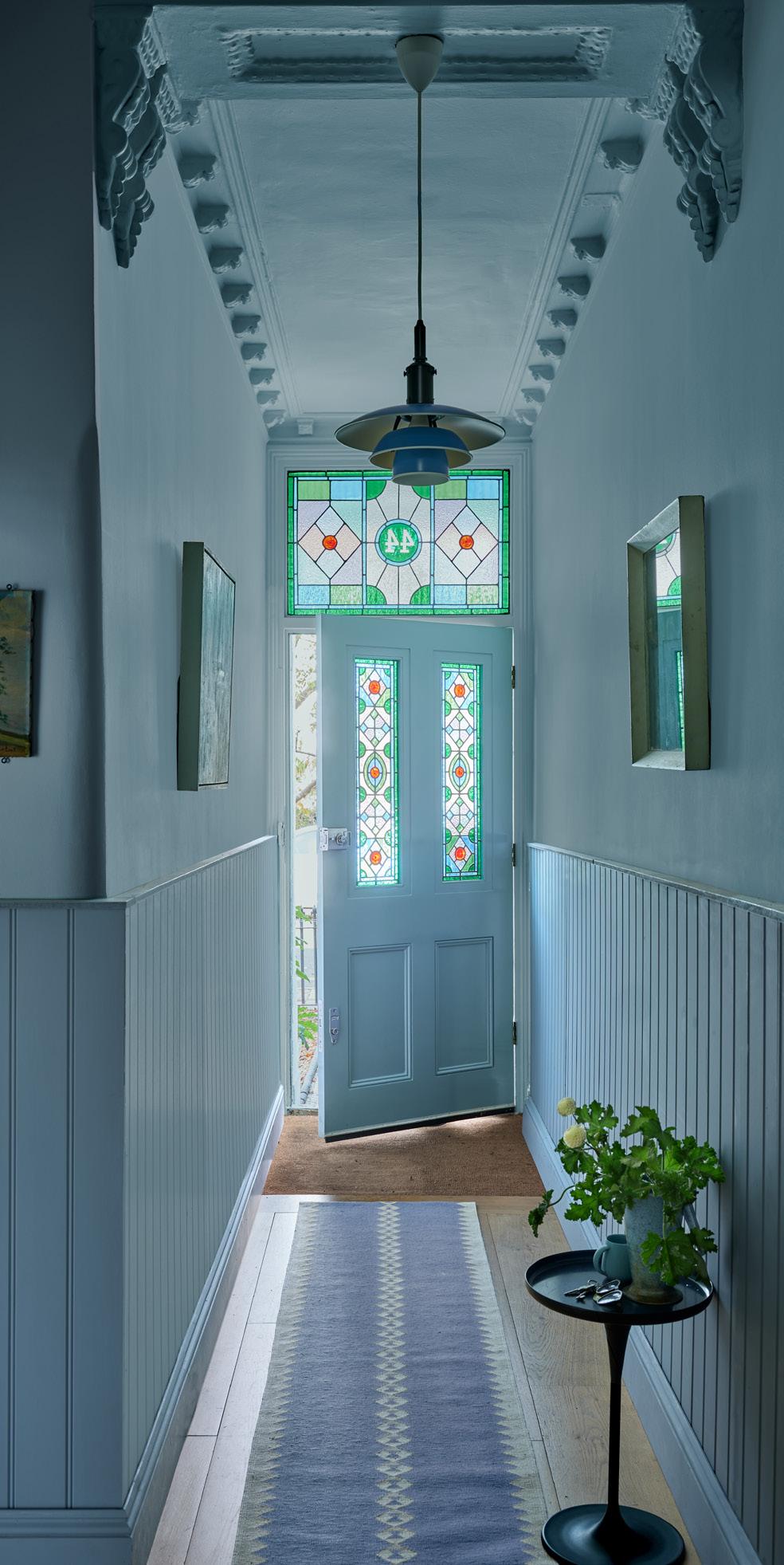
ANNOUNCING PROUD NEW PARTNERSHIP WITH FARROW AND BALL

Why does summer seem to fly by as we age? Research from UVA and beyond explores how memory, attention, and novelty shape our sense of time—and how to make the season feel longer.
Destinations across Virginia and just beyond offer distinct takes on a summer weekend escape, from river trails and mountain towns to waterfront resorts and city stays.
Virginia State Parks’ yurts offer an accessible, affordable entry into glamping, combining the simplicity of camping with the comfort of real beds across a wide range of landscapes statewide.
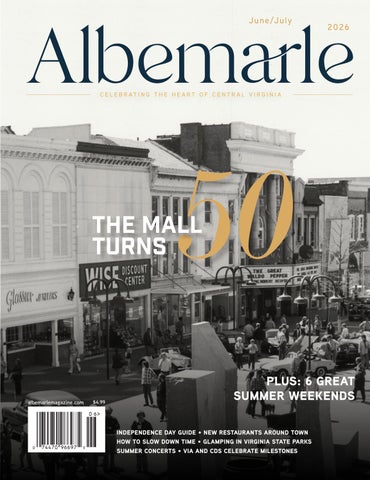
At 50, Charlottesville’s Downtown Mall stands as a rare success story in urban design, tracing its evolution from struggling Main Street to a vibrant public gathering place shaped by vision, controversy, and decades of change.
A guide to July 4, exploring the Declaration at UVA, restaurants opening around town, and new principal.
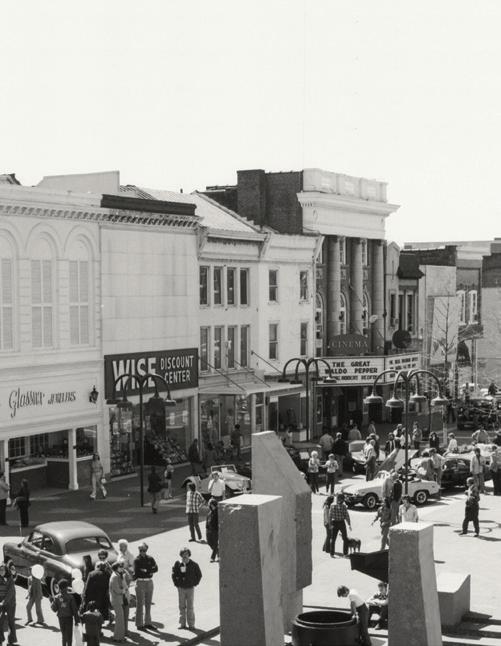
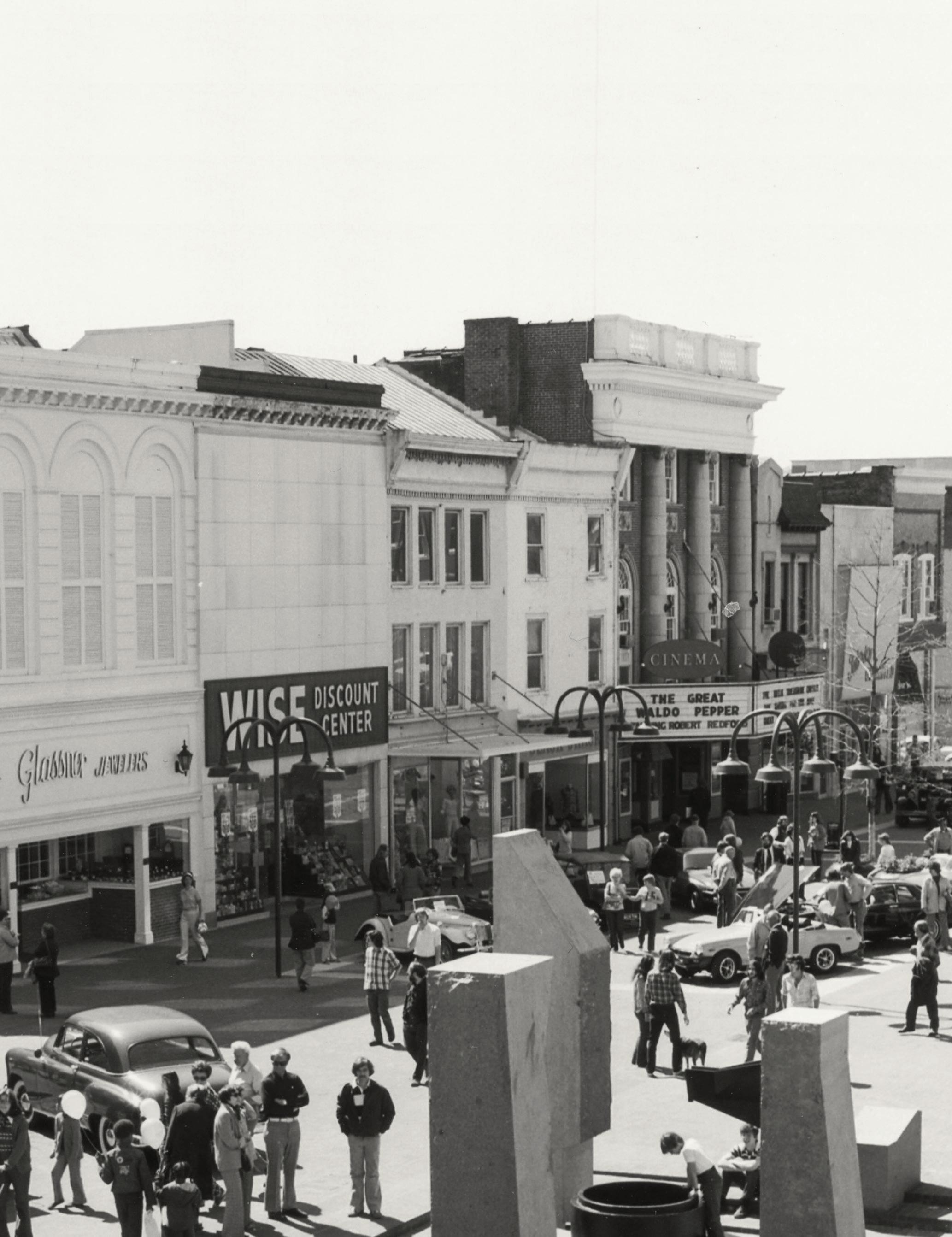
An Ed Roseberry photo captures pedestrians strolling among a car show on the newly converted Downtown Mall.
Upcoming exhibitions at McGuffey Arts Center, Virginia Museum of Fine Arts, The Gallery at Folly Farm, Les Yeux Du Monde, and Second Street Gallery—plus, dog sculptures for a good cause.
Test your skills with the Cardinal Home Center crossword.

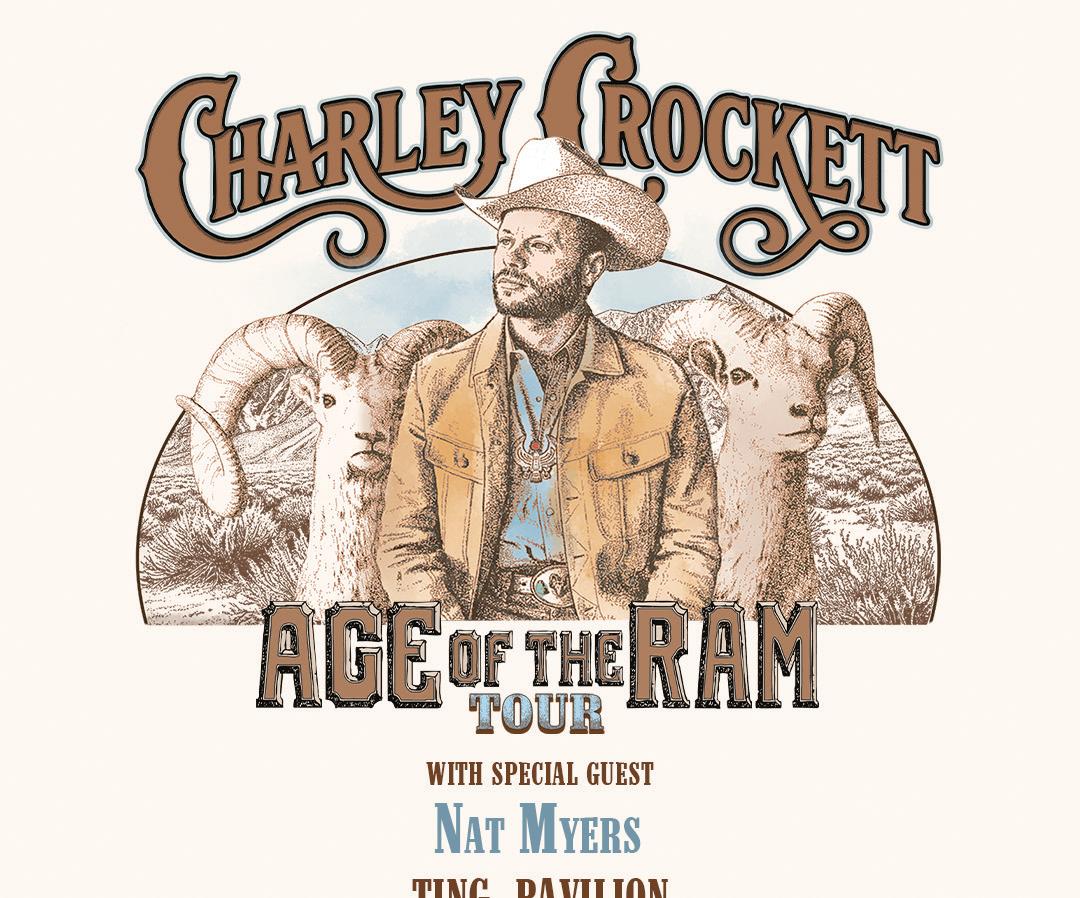
Alison Krauss and Union Station at the Ting Amphitheater to provide a highlight of summer concert season.
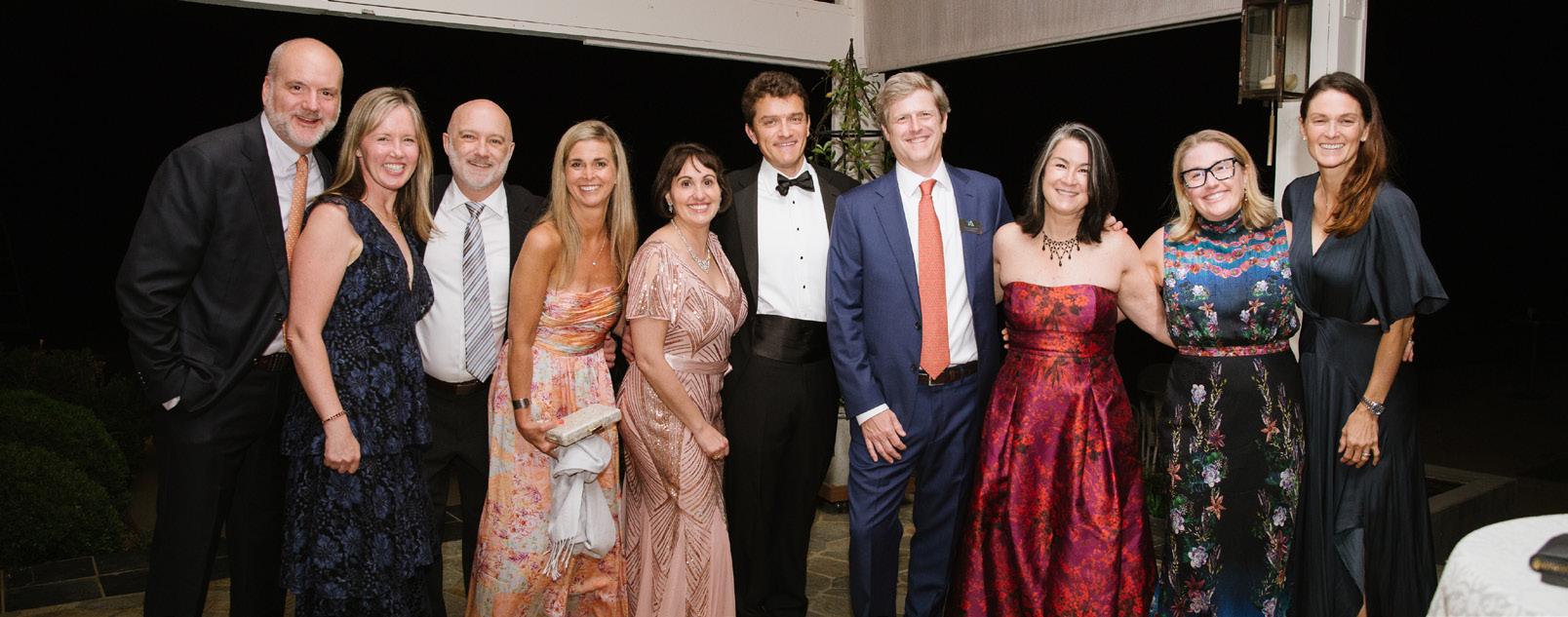
The Women's Initiative's Girls' Day Out, VIA Centers for Neurodevelopment celebrates 30 years, and Charlottesville Day School rings in its 20th anniversary.






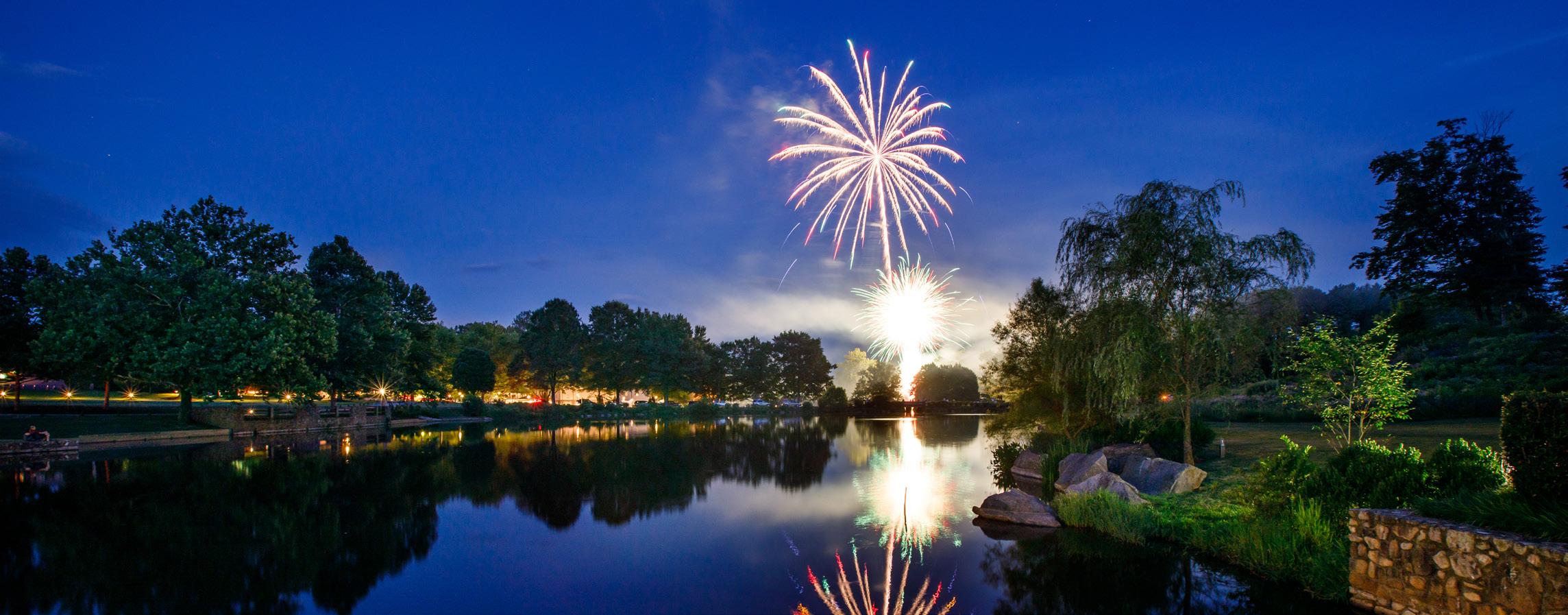
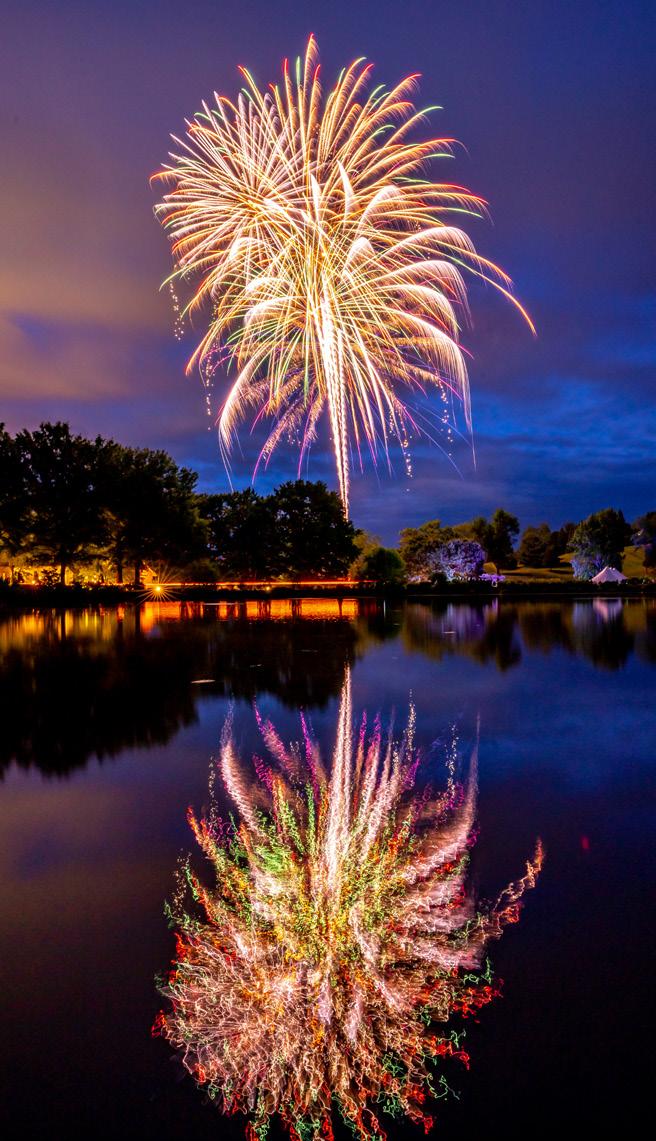
This year’s Fourth of July carries added significance: 2026 marks the 250th anniversary of the Declaration of Independence. Across Charlottesville and Albemarle County, events range from historic-site observances to parades and large-scale fireworks, with a variety of patriotic activities scheduled throughout the day.
At Thomas Jefferson’s Monticello, the morning program starts at 9 a.m. and includes a naturalization ceremony for new citizens, a reading of the Declaration of Independence, and remarks from this
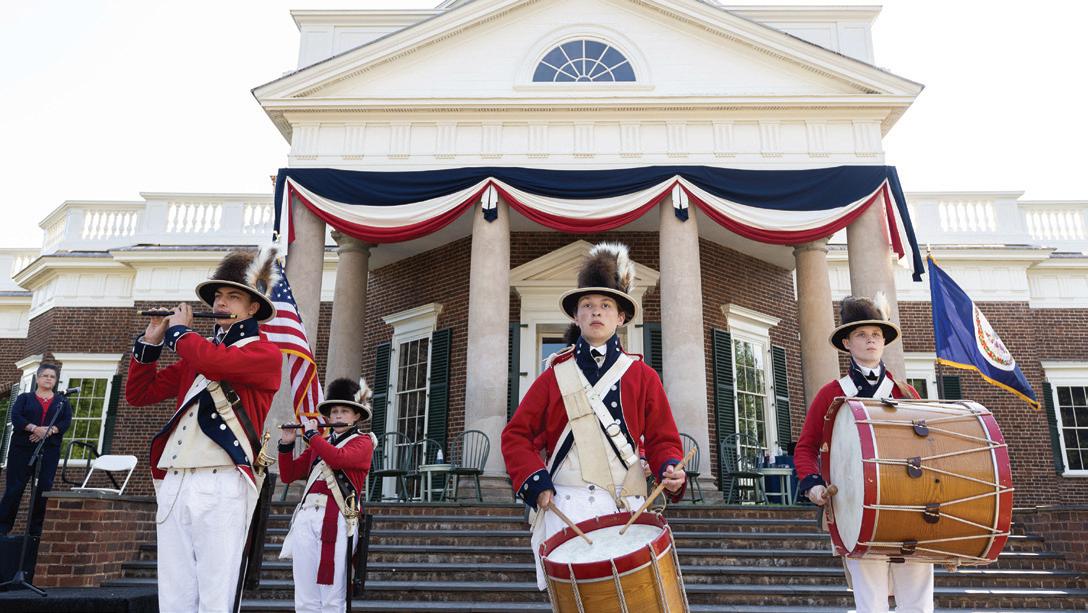
year’s featured speaker, Virginia Governor Abigail Spanberger. The event is free but requires advance tickets.
At Boar's Head Resort, the Fourth of July celebration runs from late afternoon into the evening, featuring food vendors, drinks, and a live band, followed by fireworks at dusk. The event is ticketed and typically sells out in advance.
At Carter Mountain Orchard, the celebration runs from 5:30 to 9:30 p.m., with front-row views of the C’ville Spectacular fireworks display launched from the mountaintop. The evening includes live music, food trucks, plus cider, wine, apple cider donuts, peaches, and ice cream available throughout the event. The display will be visible around the area, though on-site attendance requires advance tickets.
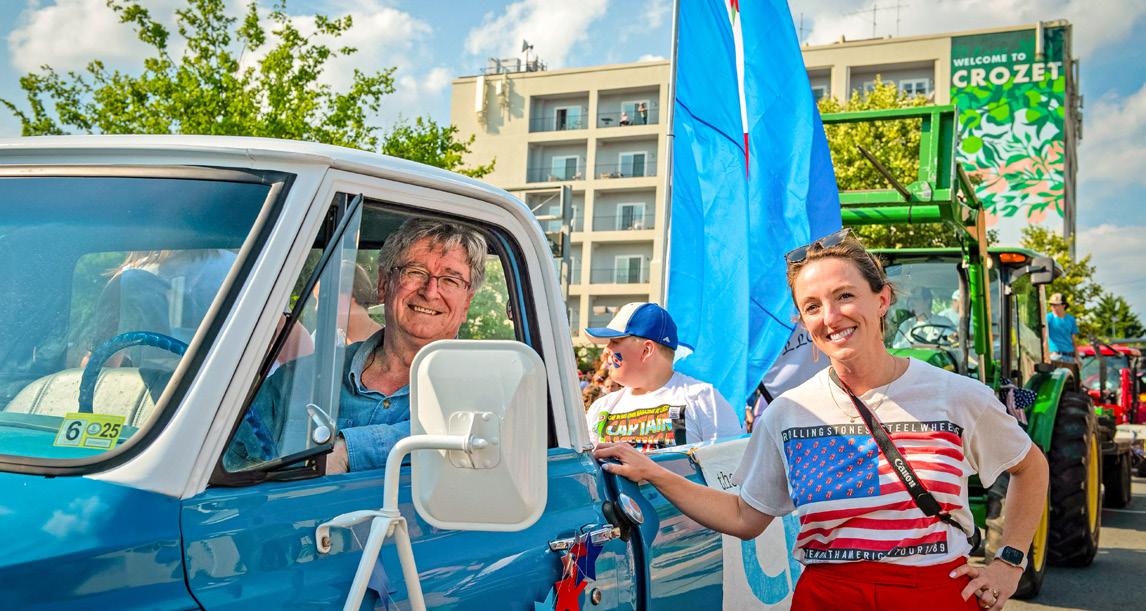
The Crozet Independence Day Celebration begins at 5 p.m. with a parade along Crozet Avenue led by the Crozet Volunteer Fire Department, followed by festivities at King Family Vineyards starting at 6 p.m. Live music, children’s activities, food trucks, and local beer and wine round out the evening, with fireworks scheduled for approximately 9:30 p.m.
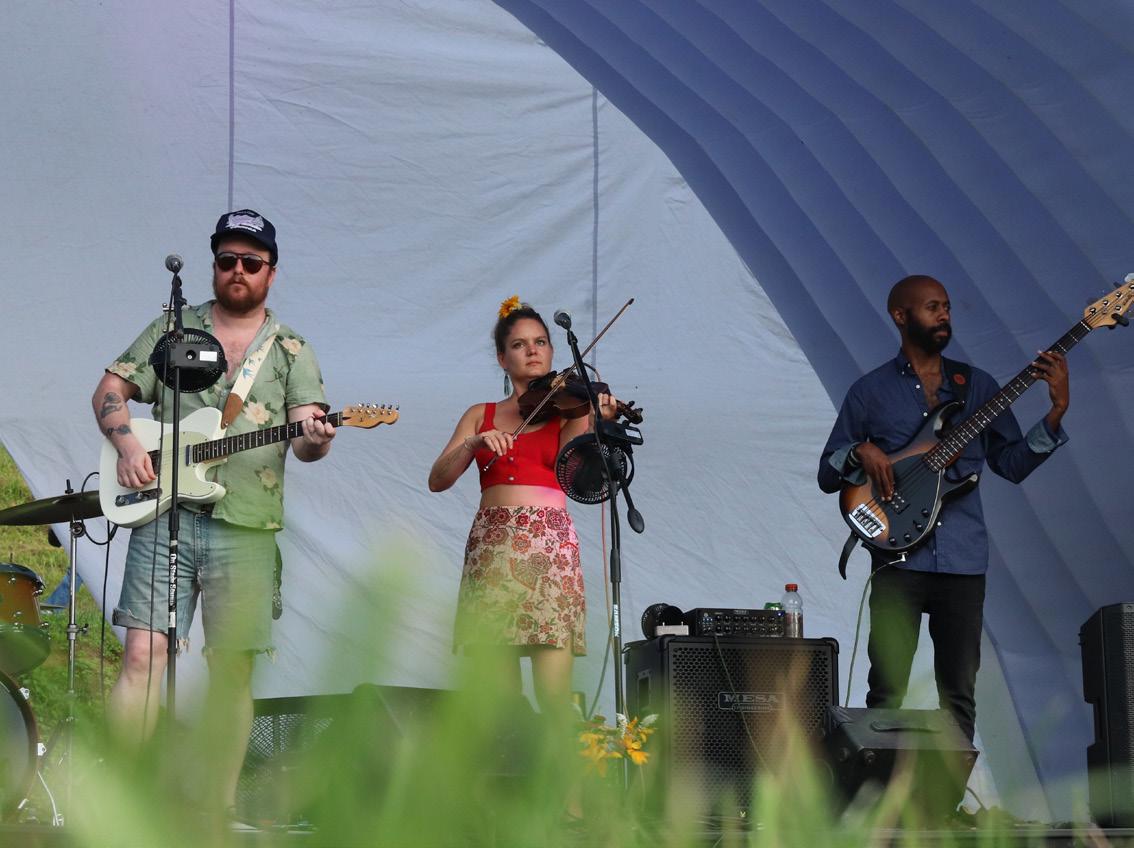
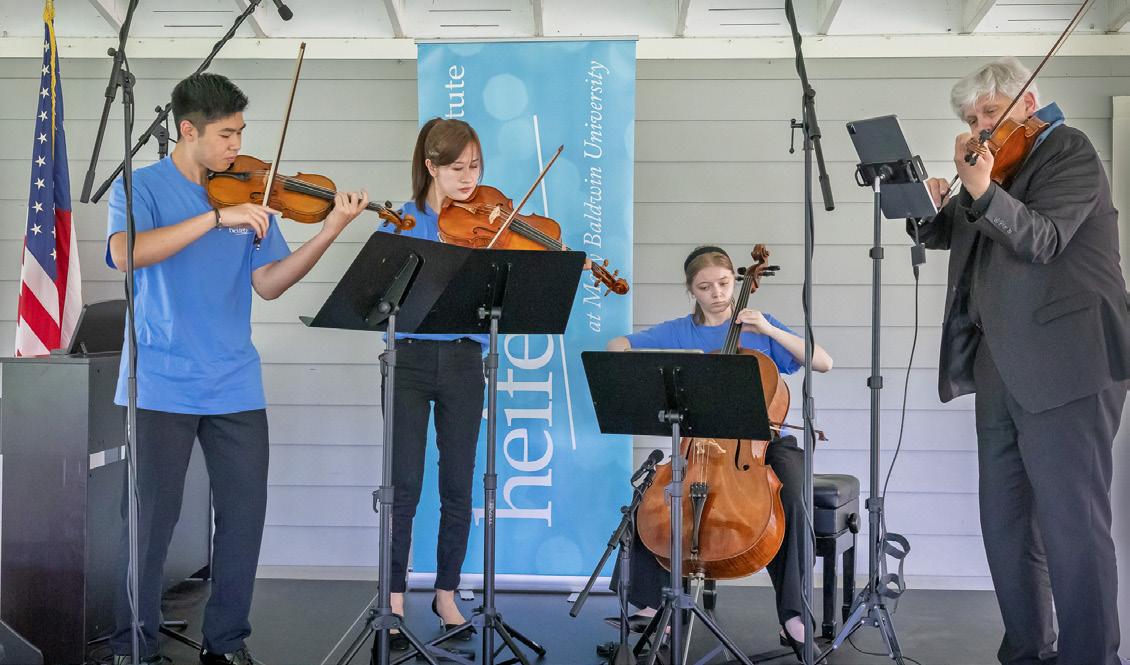
Scottsville holds a morning parade along Main Street, followed by music, food, and games throughout the day. Fireworks take place in the evening over the James River, with viewing areas along the riverfront and nearby streets.
At James Monroe's Highland—the home of a Revolutionary War veteran— programming runs throughout the day, including historical interpretation, live music, and family activities. Visitors can tour the grounds and bring picnics; discounted general admission tickets available.

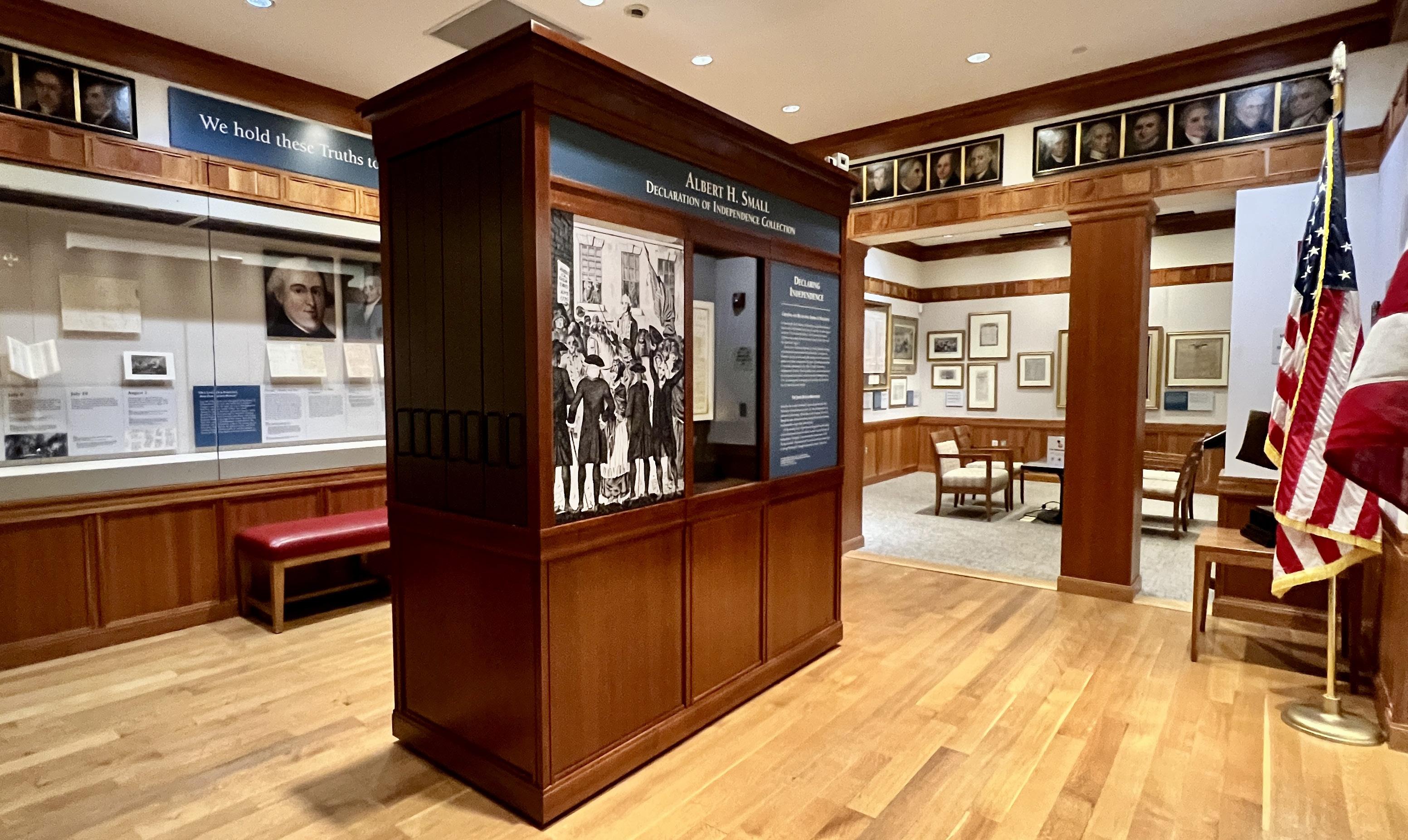
This summer, as the nation marks the 250th anniversary of independence, there's no need to travel to Philadelphia or Washington to engage with the Declaration's story. One of the best ways to learn more about the nation’s founding document is right here in Charlottesville. At the Albert and Shirley Small Special Collections Library at the University of Virginia, a permanent exhibition offers an expansive look at how the Declaration was written, printed, and understood across generations.
Declaring Independence: Creating and Re-creating America’s Document draws from the Albert H. Small Declaration of Independence Collection, widely considered the world’s most comprehensive assembly of materials related to the Declaration and its signers. The exhibition moves beyond the familiar narrative of July 4, 1776, tracing how the text moved outward—from the drafting work of Thomas Jefferson and his collaborators to its rapid printing, distribution, and reinterpretation over time. At its center is a rare John Dunlap broadside, one of the first printings produced immediately after Congress adopted the
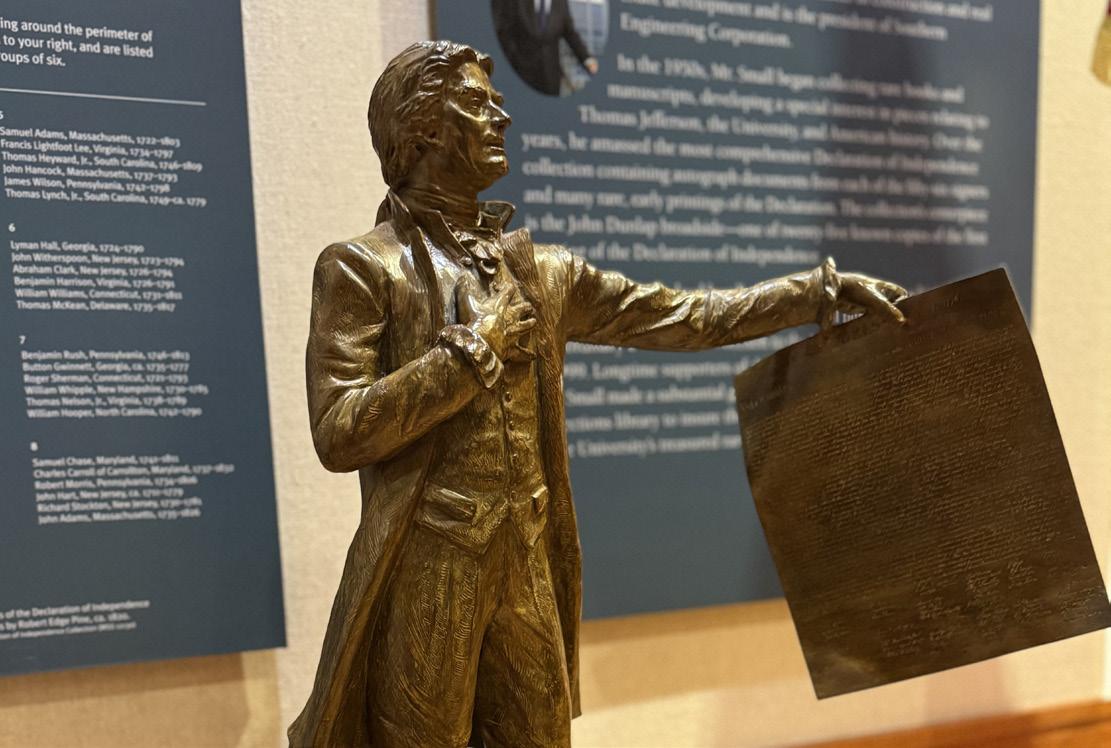
Declaration. From there, the story expands through newspaper printings, correspondence among the signers, and early 19thcentury facsimiles that helped transform the document into a national symbol. Letters underscore the personal risks taken by those who signed, while later materials reveal how the Declaration’s language has been invoked by groups ranging from abolitionists to labor organizers.
The exhibition is free and open to the public during regular hours. In a moment tailor-made for reflecting on the country’s founding ideals, it offers a clear, grounded way to spend time with the document itself—up close, and with a fuller sense of how it spread first through the colonies, and later around the world.

Charlottesville’s dining scene has been active over the past year and a half, with a steady run of locally owned restaurants opening across Belmont, downtown, and Route 29.
Among the notable spring openings is Aster, a downtown restaurant focused on seasonal Virginia ingredients. Executive chef Drew Dunston, a central Virginia native who spent years working in kitchens in Austin, Nashville, and Chicago, has returned with a menu featuring regional sourcing, including seafood, beef, and local cheeses.
The Enemy, located in York Place on the Downtown Mall, is a fine-dining offshoot of Cumbre Bakery, the Argentine café founded by Augusto Rodriguez Araoz and Juan Brandan. After opening their original East Jefferson Street location in 2023 and expanding to Dairy Market in 2025, the partners have shifted toward a full menu, built around their beloved empanadas.
In Belmont, several 2025 openings have reinforced the neighborhood’s reputation as a top dining destination. Ciaccia, which was named Best New Restaurant by The Charlottesville 29, focuses on Roman-style pizza and Florentine sandwiches, with breads made in-house.
Nearby, The Jervey offers a menu developed by the Shanesy brothers of Belle and Ciaccia. It draws on French and American influences, with dishes including Parker House rolls, fried Virginia oysters, à la carte steaks, and several potato preparations. Noble Argentinian Steakhouse, also in Belmont, adds another variation, drawing on the traditions of Argentine asado, with an emphasis on wood-fired cooking and beef.
Mint Kitchen, located in Kathy’s Shopping Center in the Belmont area, operates as a takeout-only business focused on South Indian and Sri Lankan dishes, including dosas, idli, and kottu roti. Roux St. Cafe, in the Woodbrook Shopping Center on Route 29, serves up Cajun and Creole staples like spicy gumbo, cheesy étouffée, jambalaya, shrimp and grits, and beignets.
Kafe Mont Bleu, now open at Dairy Market, is a Haitian-inspired café from roaster Gardy Jean Gilles, serving French-style pastries, crêpes, and specialty coffee drinks. On the Corner, Nash & Smashed features a menu built around hot chicken and burgers.
The new Virginia Guesthouse Hotel in the University of Virginia’s Ivy Corridor has also introduced three food-and-drink venues: Poplar, The Perch, and The Counter Café. Looking ahead, Peter Chang is planning a return to his old location at Barracks Road with a revamped concept.



New principals have been named for Western Albemarle High School and Agnor Elementary School, with both appointments effective July 1. Patricia Demitry will lead Western Albemarle, while Catrina Sims has been promoted to principal at Agnor.
Demitry returns to Albemarle County Public Schools after serving as principal of William Monroe Middle School in Greene County since 2023. She previously worked within the division as an assistant principal at Monticello High School and as an administrative intern at Western Albemarle. Her background includes teaching Advanced Placement English and leading initiatives focused on student voice. She holds a doctorate in educational leadership from Liberty University.
At Agnor Elementary, Sims steps into the role after serving as assistant principal. With two decades in education—including work as a teacher, instructional coach, and Title I specialist—she brings deep familiarity with the school community. A graduate of James Madison University, she has been recognized for her work in behavioral support and school culture.
MCGUFFEY ART CENTER
201 2nd St. NW, Charlottesville 434-295-7973 • mcguffeyartcenter.com
RUSSELL HART: UNTOLD STORIES
VARIOUS ARTISTS: COME TO LIFE
BRIDGET ATWELL: DRAWING BOUNDARIES
CHRISSY BENNINGER: THINGS I DON’T TALK ABOUT
At McGuffey Art Center, June’s exhibitions unfold as a set of distinct but quietly connected explorations of memory, material, and lived experience. In the Sarah B. Smith Gallery, Russell Hart’s Untold Stories brings together three bodies of work that move between documentation and interpretation. Immigrant Story: Ghosts of Ellis Island draws on Hart’s study of the abandoned hospital complex, where thousands of immigrants were once held for evaluation. In Coffers: The Pathos of Things, personal objects—carefully stored and often unseen—take on emotional weight through the containers that hold them. A third series, Taking Shapes, translates photographic source material into graphite drawings that blur the line between representation and abstraction.
On the first floor, Come To Life marks the culmination of a year-long residency for the six artists in McGuffey’s 2025–26 Incubator Program: Devan Burgess, Sidney Hale, Yary Corbin, Julie Stavitski, Winslow Loves You!, and Jaron White. Working in shared studio space, the group has developed individual practices that have resulted in work that feels both personal and newly grounded.
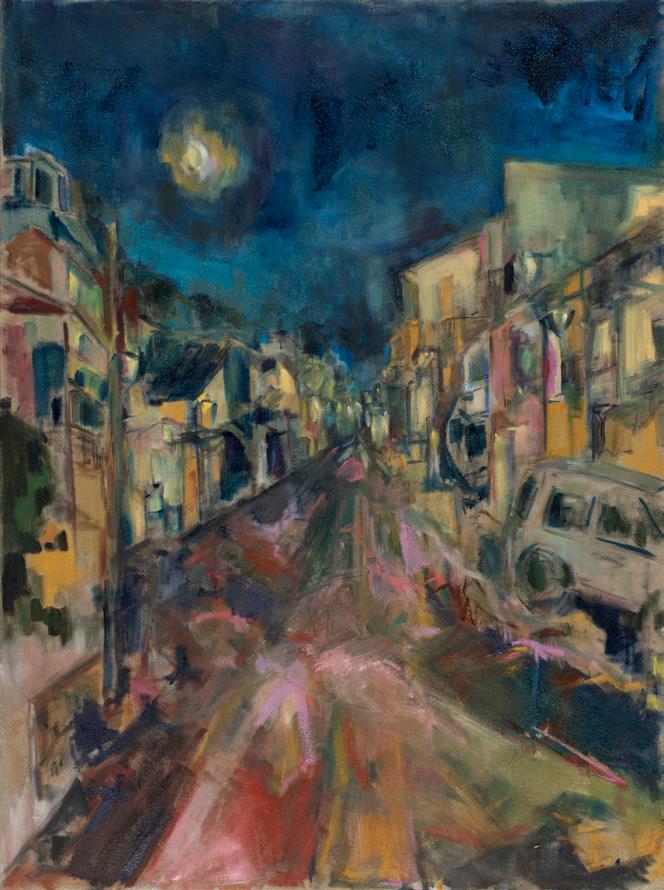
Upstairs, Bridget Atwell’s Drawing Boundaries explores the tension between structure and freedom through softly rendered interiors, cityscapes, and landscapes that hover between observation and imagination.
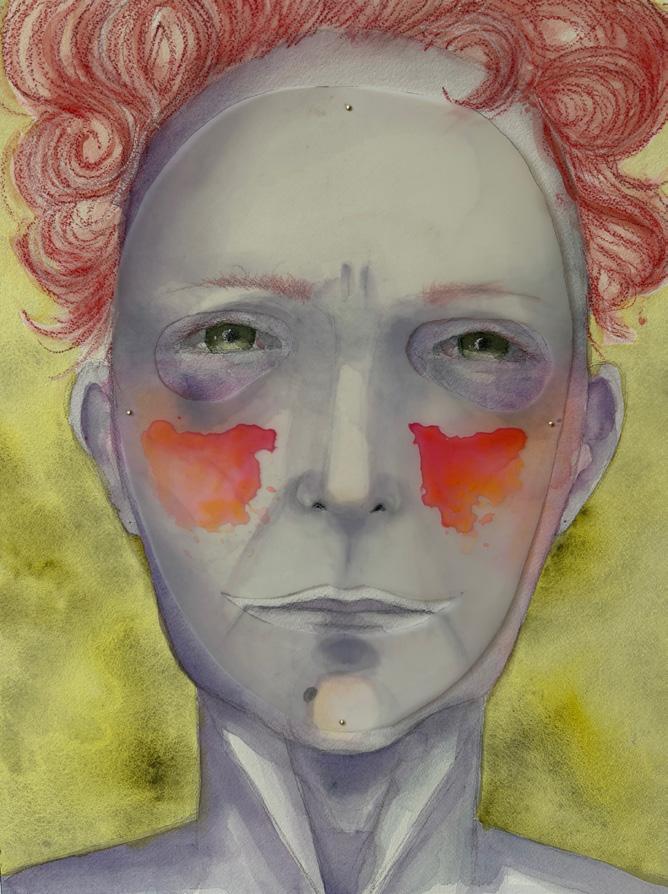
In the Second Floor South Gallery, Chrissy Benninger’s Things I Don’t Talk About uses watercolor to trace the often-invisible realities of chronic illness. The medium’s tendency to bleed and resist control becomes central to the work, which functions less as narrative than as a shifting record of lived experience.


200 N Arthur Ashe Boulevard, Richmond 804-340-1400 • vmfa.museum
Through August 23
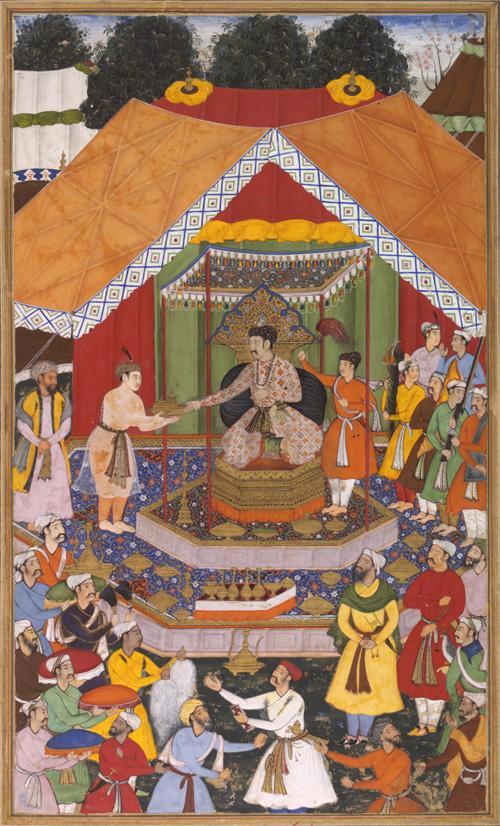
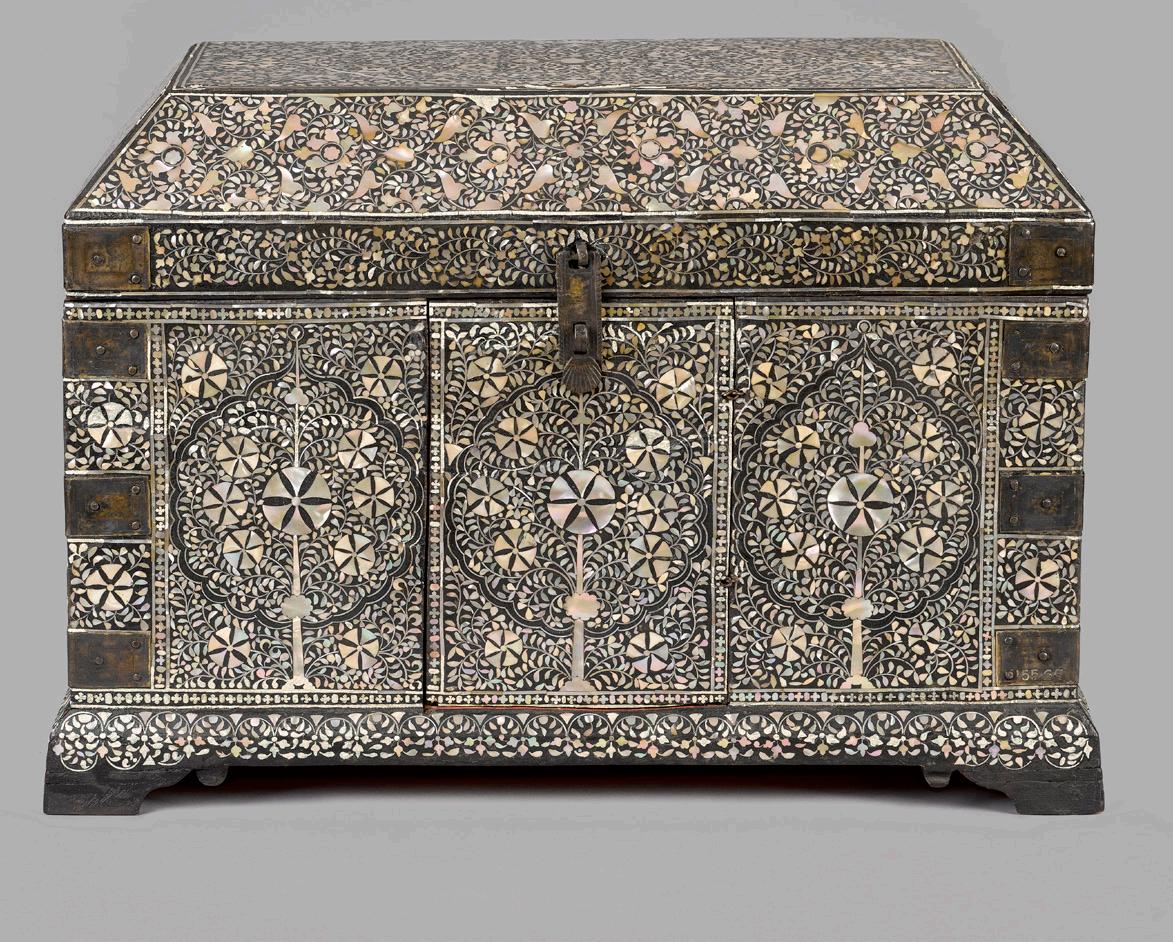
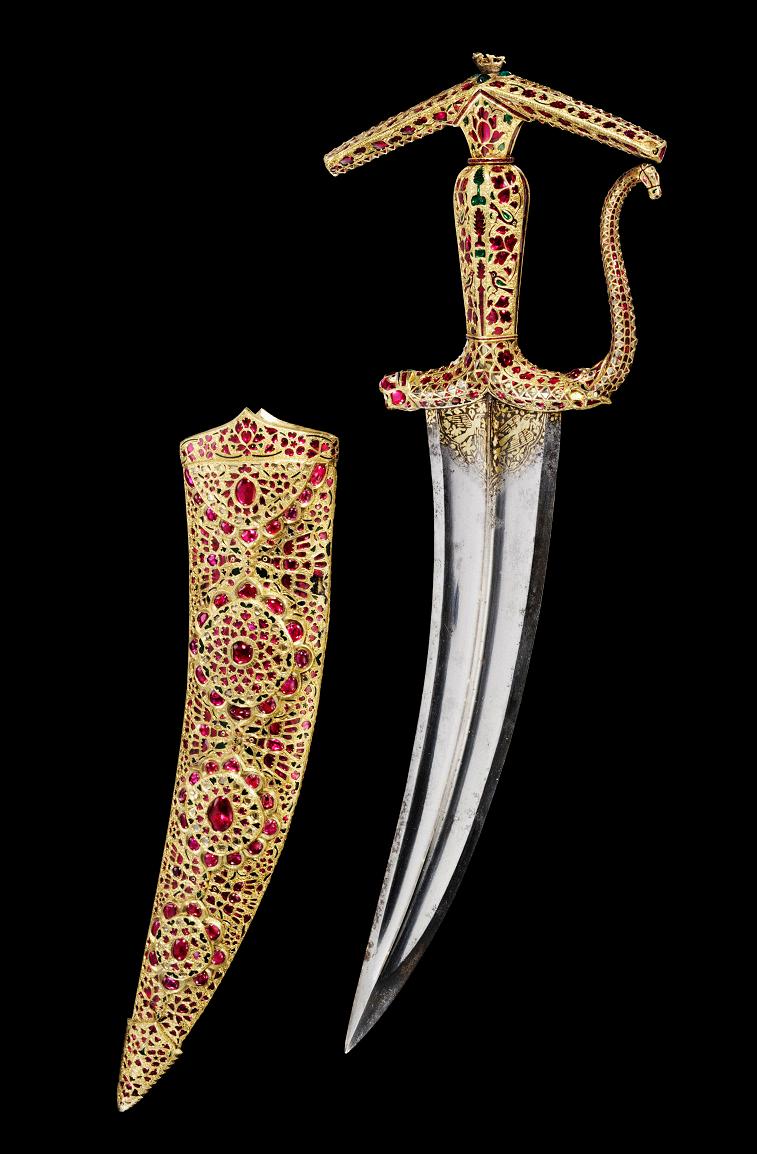
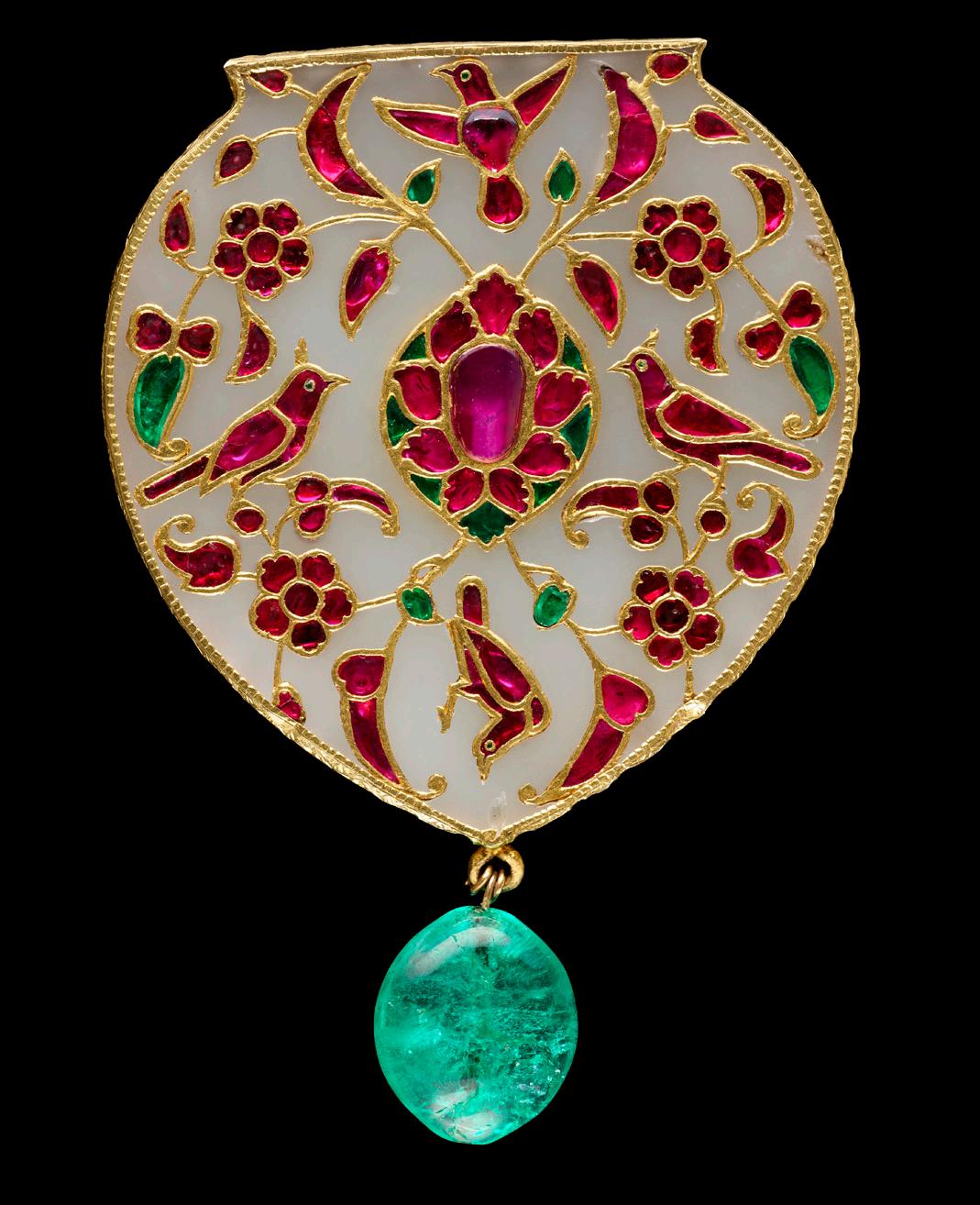
India’s Great Mughals: Art, Power, and Opulence brings the splendor of a global empire into focus, tracing a period when art and authority were inseparable. On view at the Virginia Museum of Fine Arts through the summer, the exhibition gathers roughly 200 objects spanning painting, textiles, manuscripts, metalwork, and jeweled decorative arts.
The show centers on the Mughal Empire’s “golden age,” from the late 16th to mid-17th centuries, under three defining rulers: Akbar, Jahangir, and Shah Jahan. Their courts ranked among the most sophisticated in the world, where imperial workshops produced intricately detailed manuscripts, naturalistic studies, and objects of extraordinary craftsmanship. Under Akbar, artistic traditions from Persia, India, and beyond converged. Jahangir refined that synthesis, with a particular focus on observation and portraiture. Shah Jahan, best known for commissioning the Taj Mahal, extended the empire’s aesthetic of symmetry, luxury, and controlled grandeur.
Across the galleries, that legacy is tangible in the precision of miniature paintings, the richness of textiles, and the intricate detailing of jeweled objects and ceremonial arms. Organized by the Victoria and Albert Museum, the exhibition emphasizes the range and refinement of Mughal craftsmanship, offering a close look at how materials, technique, and design conveyed both beauty and authority.
1620
THE GALLERY AT FOLLY FARM
837 Half Mile Branch Road, Crozet 610-368-6927 · susannawgold.com
Throughout the summer
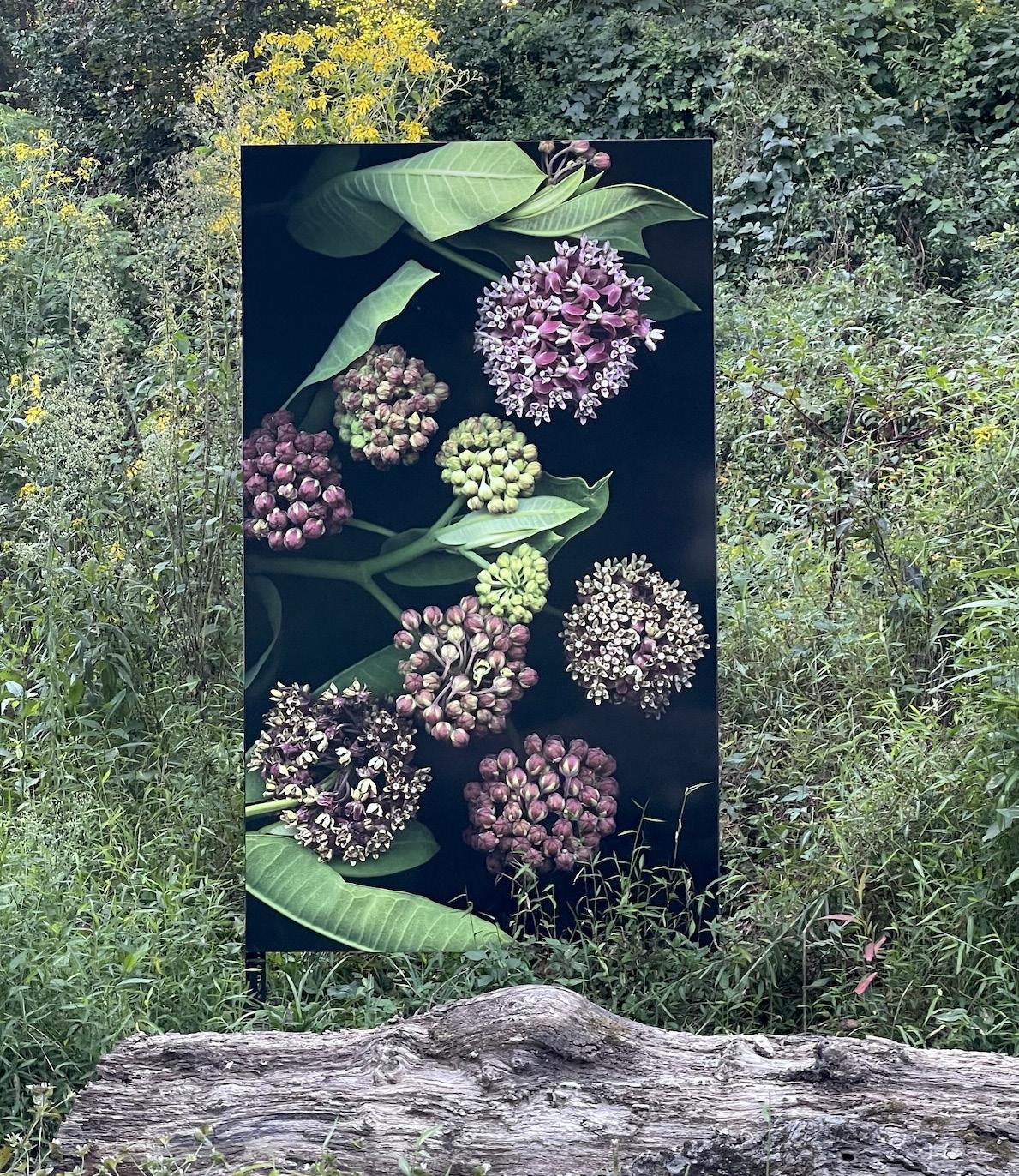
The Gallery at Folly Farm opens its summer season with Botanicals: Intimate Portraits, a solo exhibition of large-scale photographs by Laurie Tennent, presented by Susanna W. Gold Art Advisory. Installed both indoors and across the surrounding landscape, the show pairs 13 framed works with an outdoor presentation of nine monumental images.
Tennent, a Michigan-based botanical photographer, renders blooms, branches, and leaves in luminous detail against deep black grounds, creating images that read as both photograph and object. Printed on aluminum, the works emphasize structure—veins, cells, and repeating patterns—revealing a level of complexity often missed at a glance.
The Gallery at Folly Farm is open by appointment or chance; visitors are encouraged to contact Susanna Gold at susanna@susannawgold.com or visit the gallery’s website to plan a visit.



LES YEUX DU MONDE
841 Wolf Trap Road, Charlottesville 434-882-2622 · lydmgallery.com
SUSAN MCALISTER: ON THE WAY Through July 12
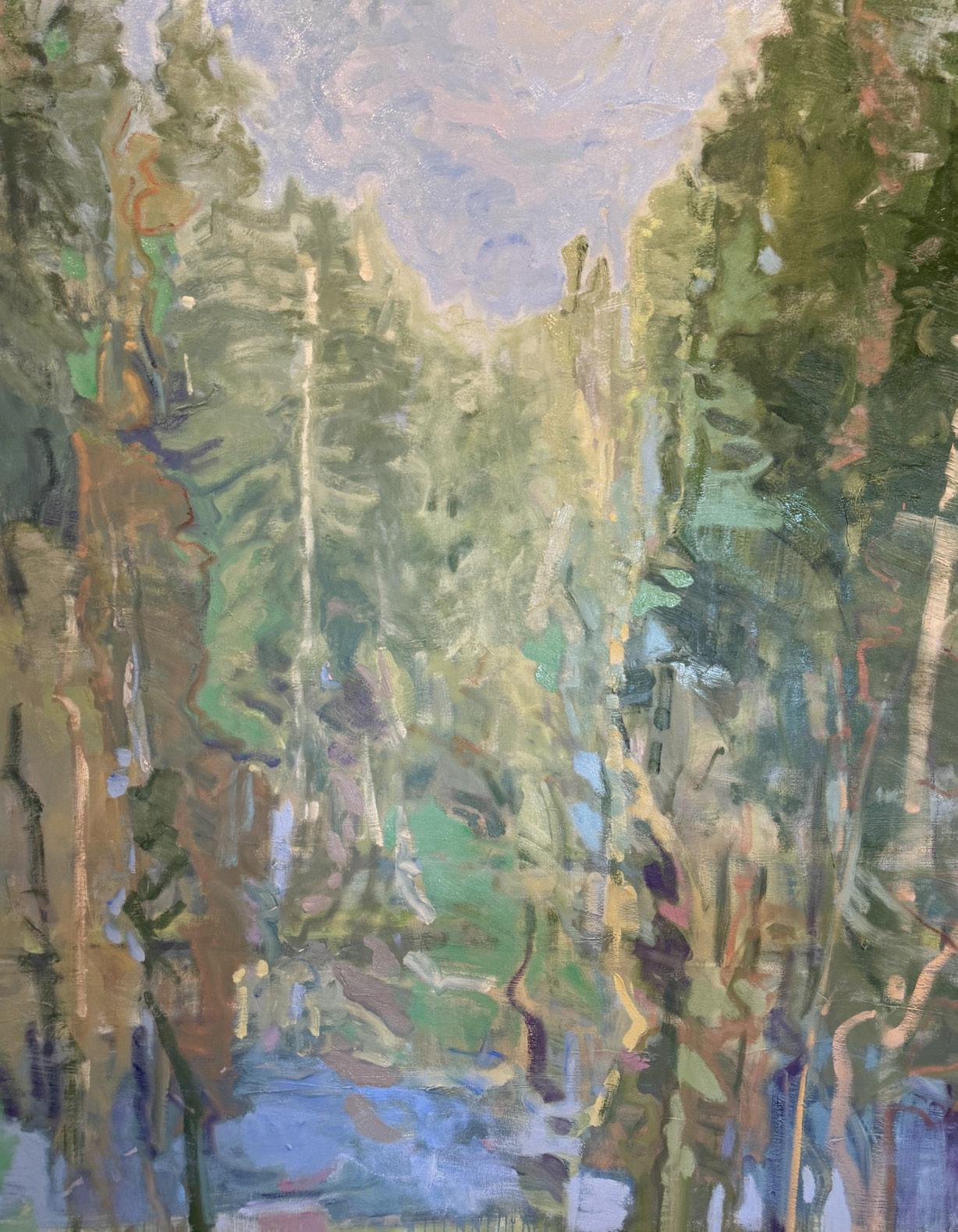
On the Way, a solo exhibition of new work by longtime gallery artist Susan McAlister, reflects a sustained engagement with land and place, tracing the interplay of past, present, and future. “My work is rooted in a love of land,” McAlister writes, emphasizing both the hallowed nature of place and the importance of land ethic. Her practice begins outdoors, where she journals, sketches, and gathers ephemera. These encounters inform a materially driven studio process: charcoal from forest fires becomes pigment, embedding environmental memory into the surface.
Working in layers of paint, ink, and graphite, McAlister constructs and disrupts each composition in turn. The resulting works translate fleeting sensation into tactile form, suggesting both fragility and resilience. In On the Way, each piece becomes a point of convergence—where memory, material, and landscape meet, and where the future remains unresolved.


OAKENCROFT FARM & WINERY
1455 Oakencroft Circle, Charlottesville 434-234-7066 • oakencroftfarm.com
Through June 12
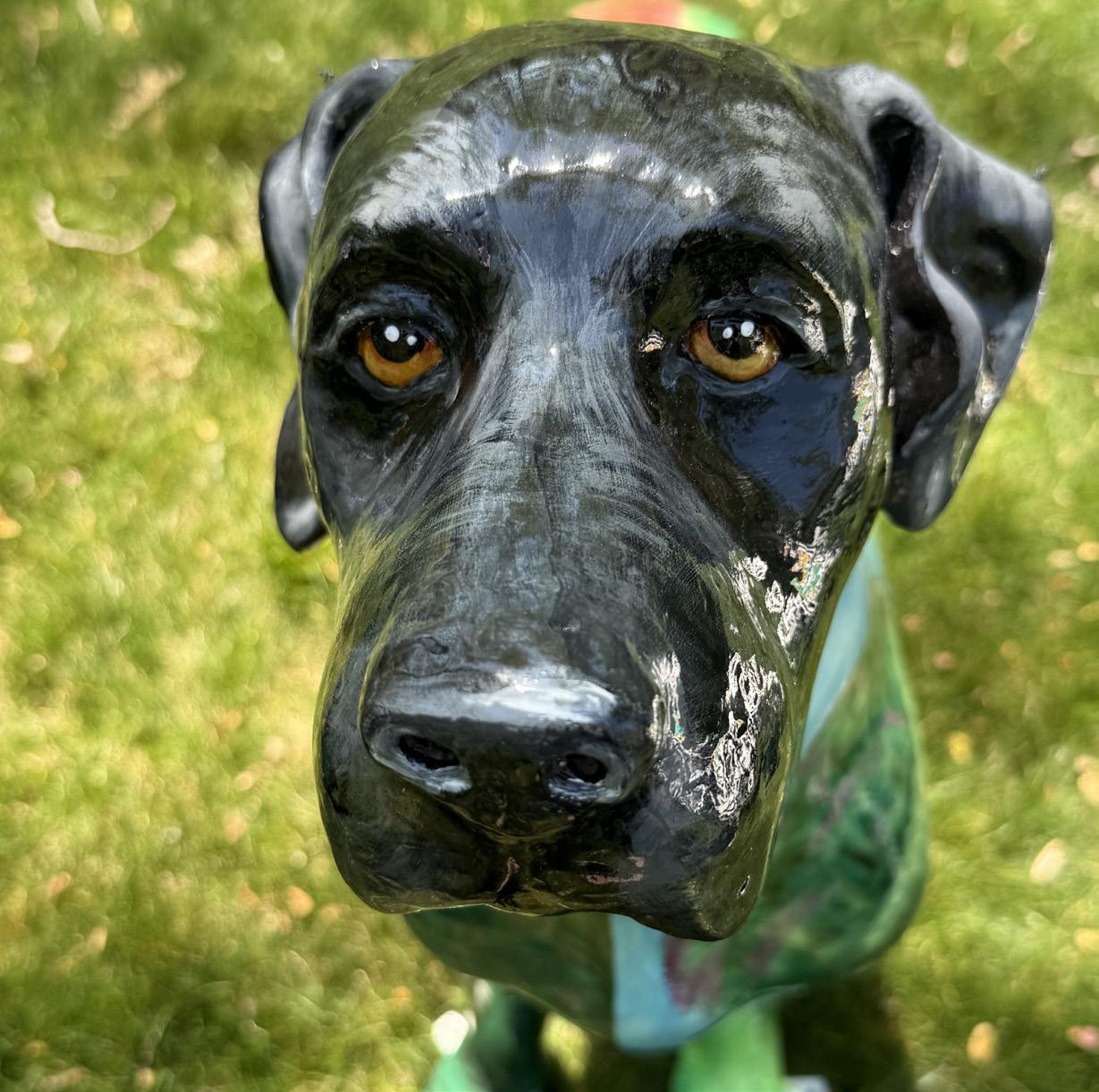
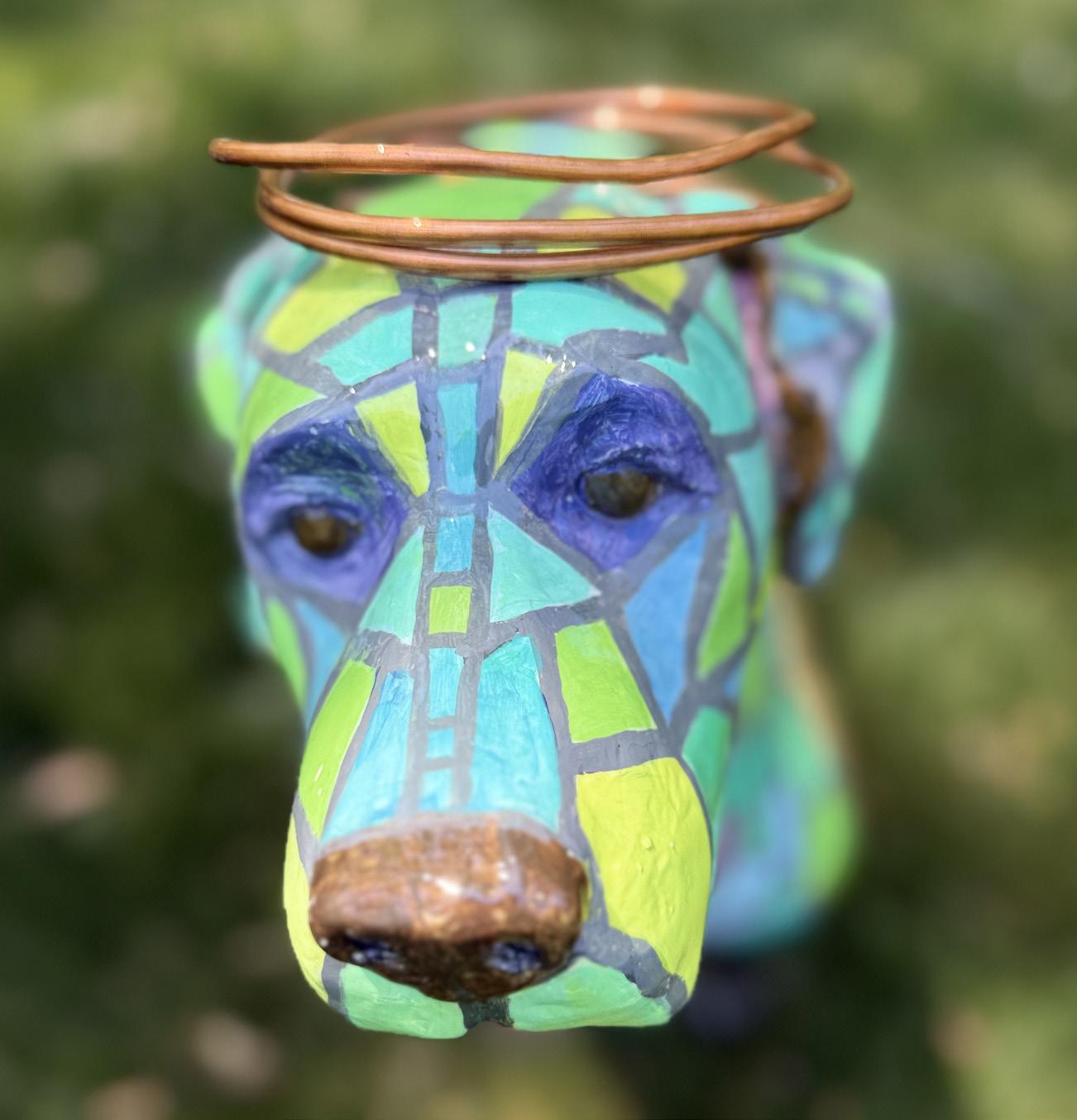
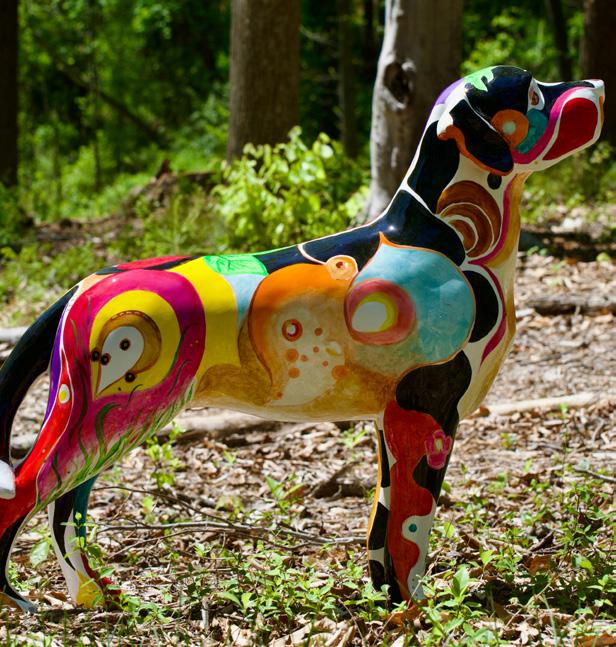
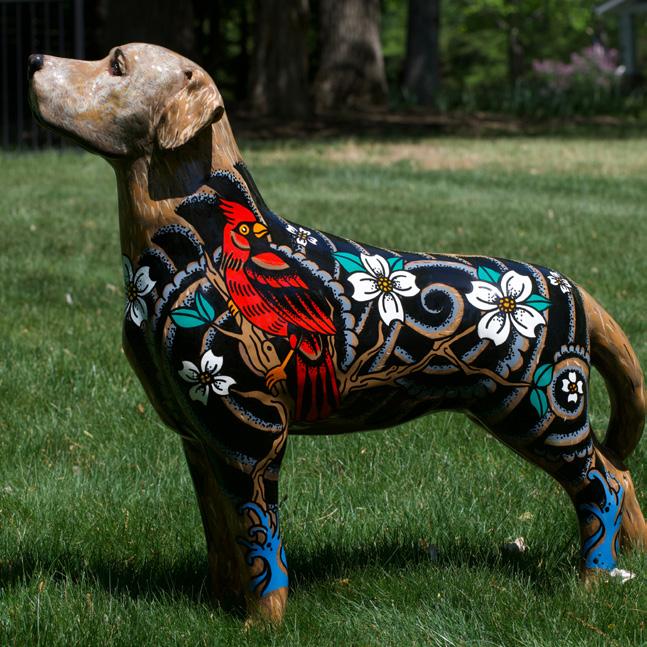
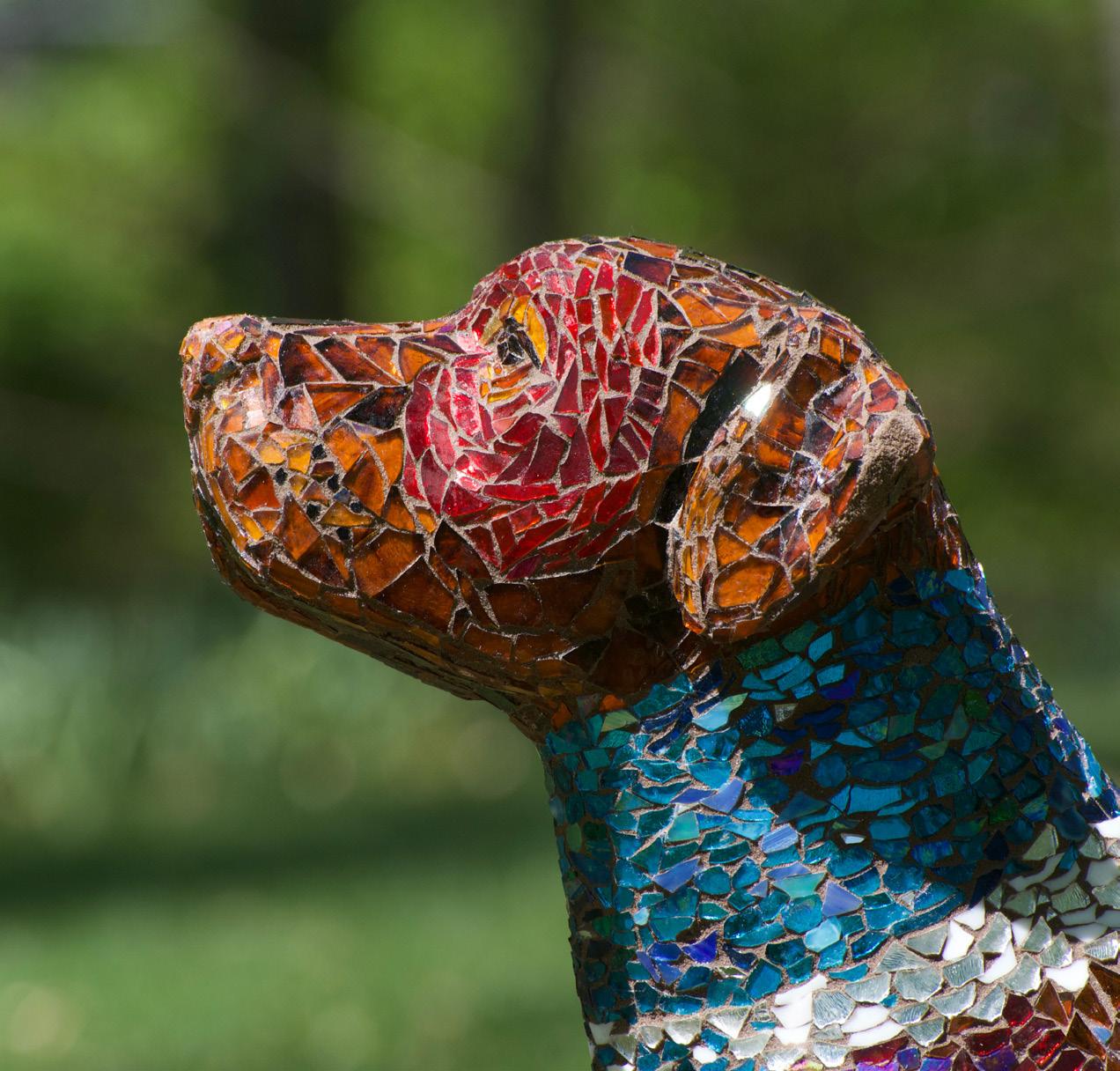
Art Unleashed begins as a traveling exhibition at Oakencroft Farm & Winery, where 20 hand-painted dog sculptures will be on view through mid-June. Created by invited artists and supported by sponsors and community partners, the sculptures will move to locations across Albemarle County and select Virginia cities beginning in July, extending the exhibition into public spaces and building momentum through early fall. The project culminates on October 24 with an auction at the CODE Building on Charlottesville’s Downtown Mall.
Proceeds from the auction will support Service Dogs of Virginia, which trains and places highly skilled service dogs with individuals at no cost to the client, and its $6.6 million capital campaign for a new training facility. “The Art Unleashed event has been a wonderful combination of creativity and compassion,” says Peggy Law, Founder and Executive Director of Service Dogs of Virginia. “It is a true celebration of public art, building awareness of our life-changing mission while promoting our urgent need for a new home where we can place more dogs with more Virginians challenged by disabilities.”
SECOND STREET GALLERY
115 Second Street SE, Charlottesville 434-977-7284 • secondstreetgallery.com
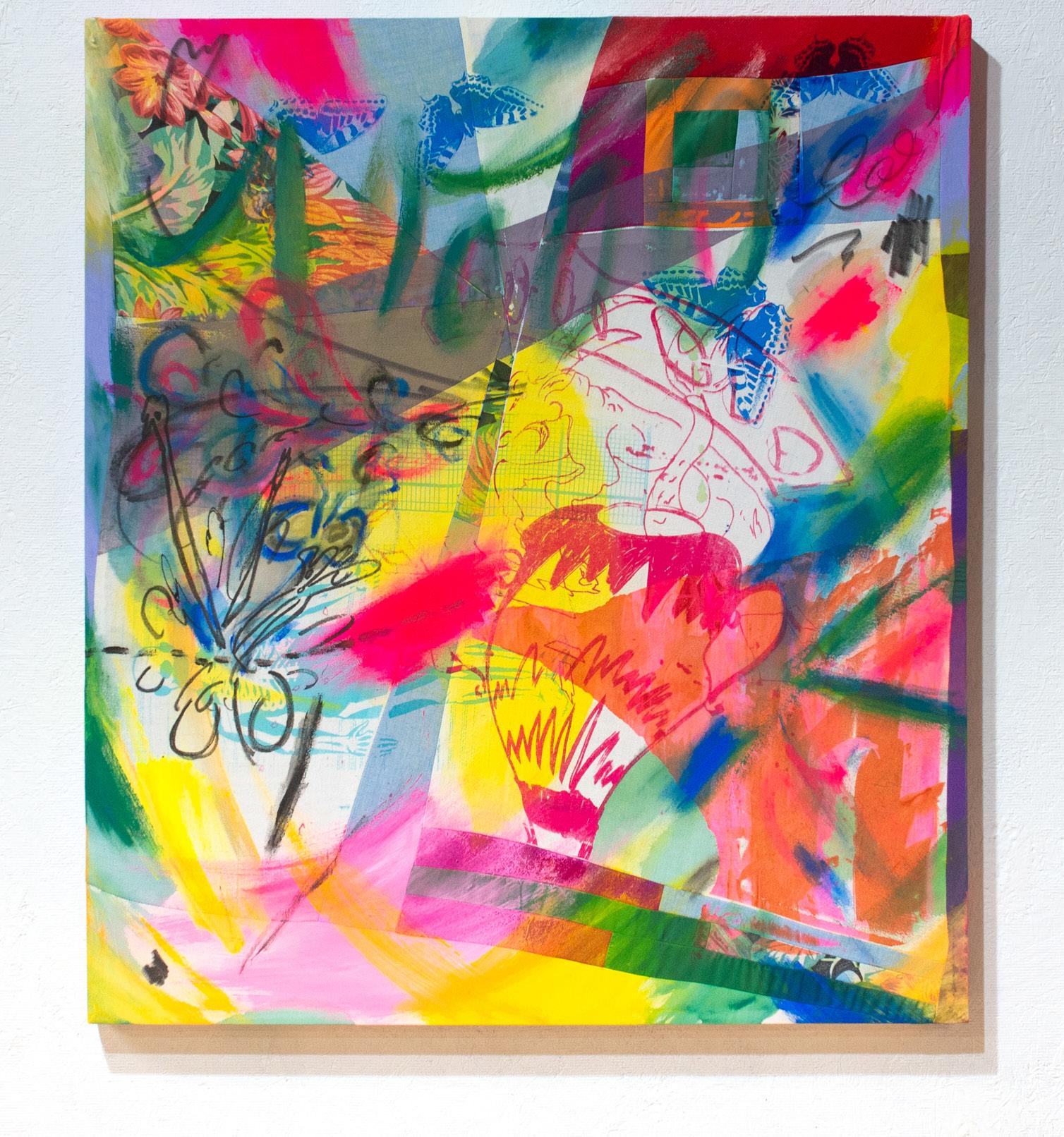
FRANCHELL MACK BROWN: AWW
SOOKIE SOOKIE NOW
Through July 17
Aww Sookie Sookie Now, an exhibition of new works exploring materiality and meditative elements by Richmond, Virginia-based artist Franchell Mack Brown, is on view in the Second Street Gallery’s Main Gallery. Drawing inspiration from her own life and healing journey, the multimedia artist combines disparate materials into evocative objects and compositions using practices drawn from fashion and jewelry design alongside the industrial process of welding. The resulting works function as cathartic artifacts, prompting joy, balance, and peace through movement, color, and texture.
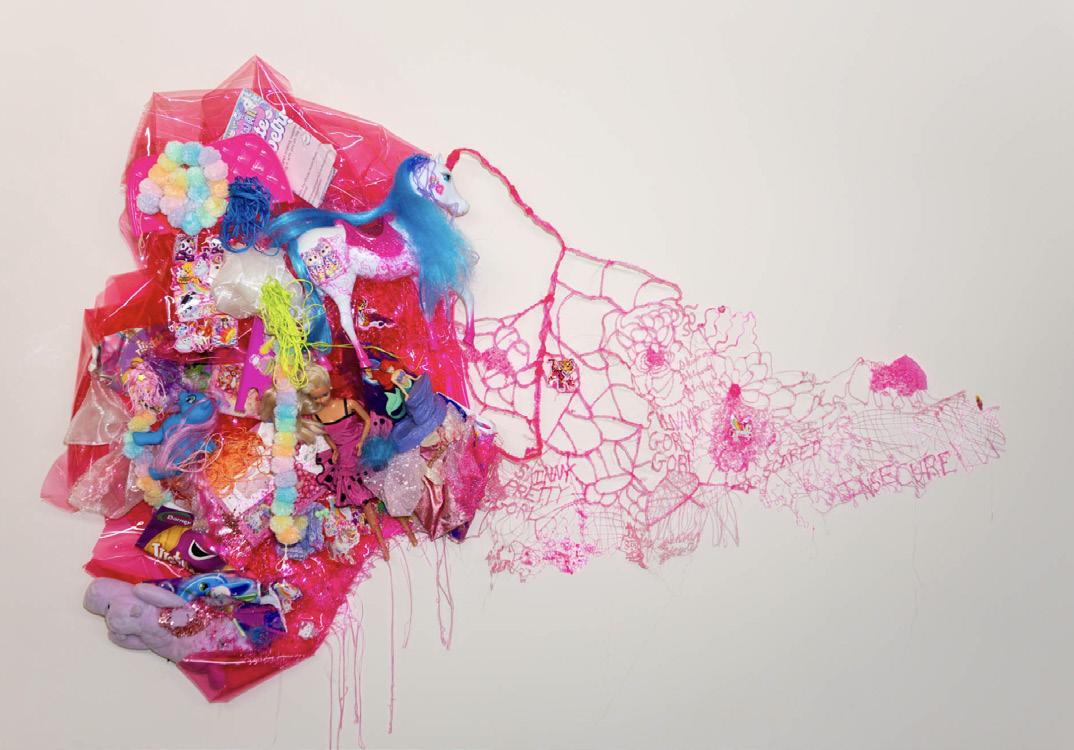
HOT PINK
Through July 17
HOT PINK, a group exhibition produced in collaboration with the Richmond-based artist group Kaleido Art Collective, is on view in the Dové Gallery. Through a combination of visual art, performance, and multimedia works, HOT PINK explores themes of Queer identity, resistance, and resilience. The show is curated through an open call, inviting Queer artists from diverse backgrounds and perspectives to contribute work that challenges societal norms, embraces unapologetic queerness, and affirms the power of self-expression. Artists featured in the exhibition include Pia Bakala, Emily Burkhead, Elliot Cushey, Carmen DeCristo, David Handforth, Ambrose Hernandez Godoy, Jake Lahah, Alexandra McGowan, MECOO, Cody Norton, Arden Shostak, Sam Skrimpz, Marisa Stratton, and Winslow Loves You!


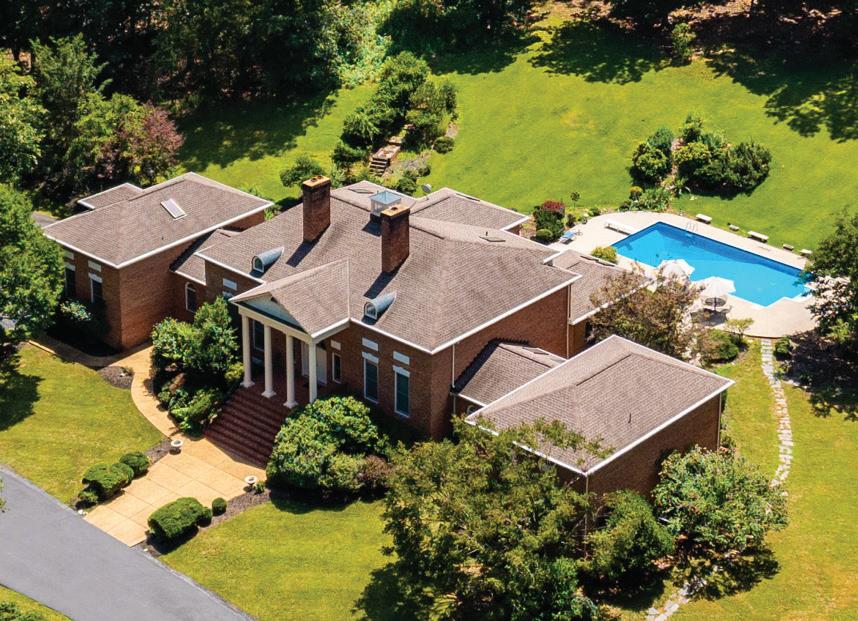
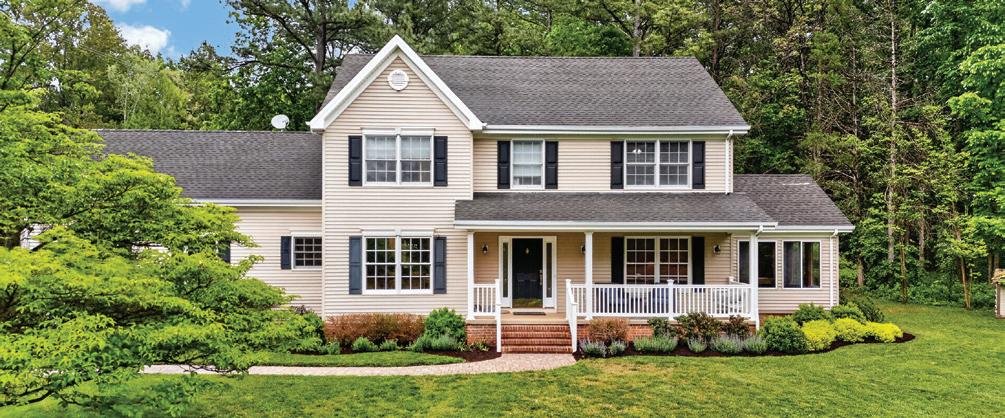
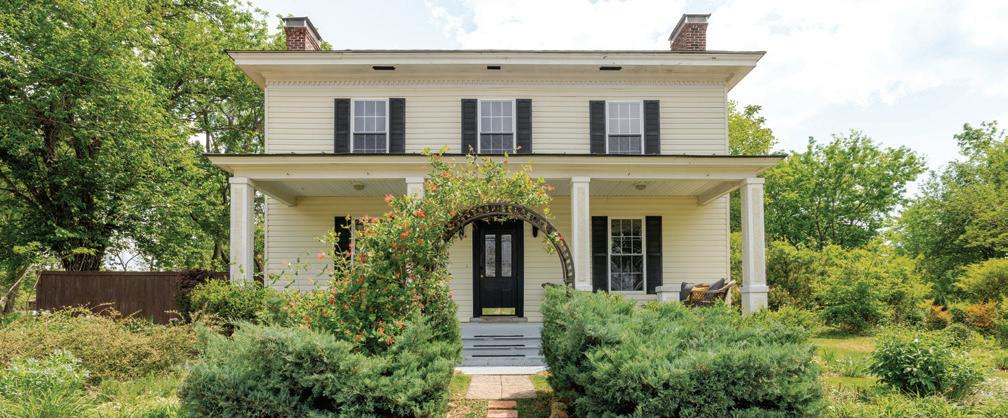
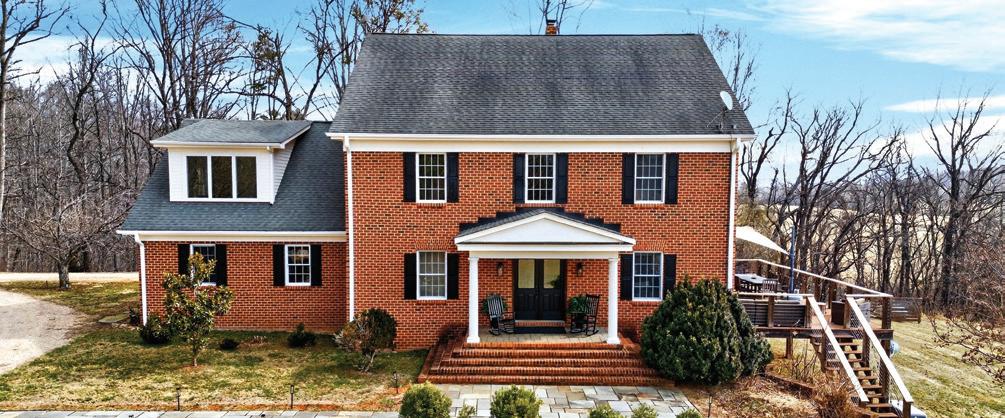
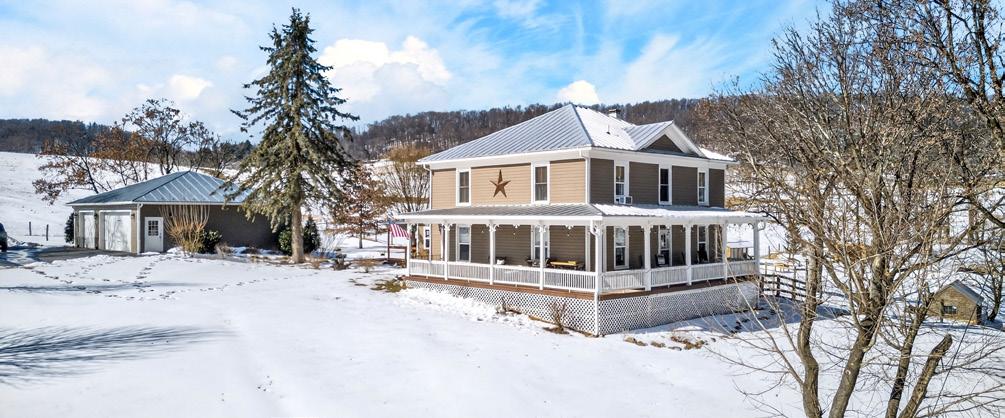
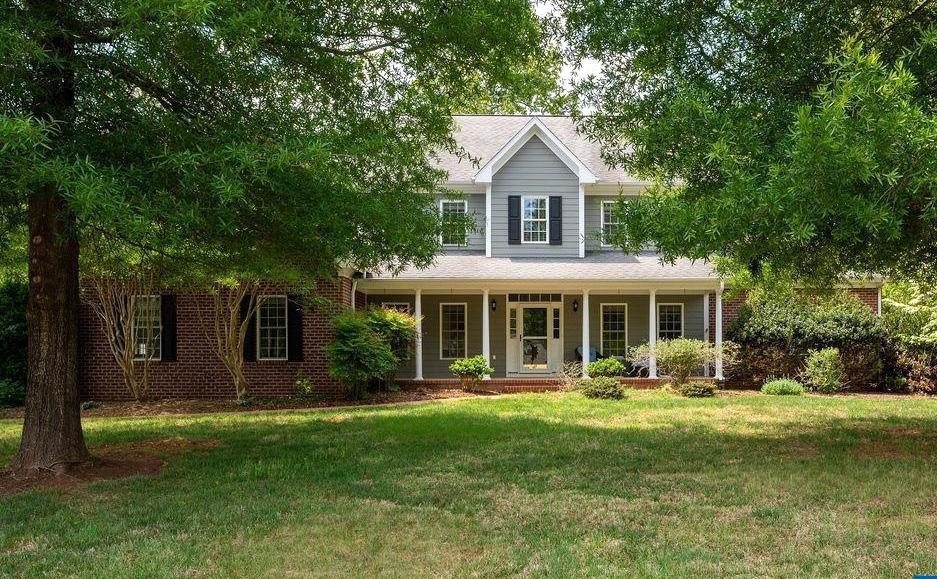
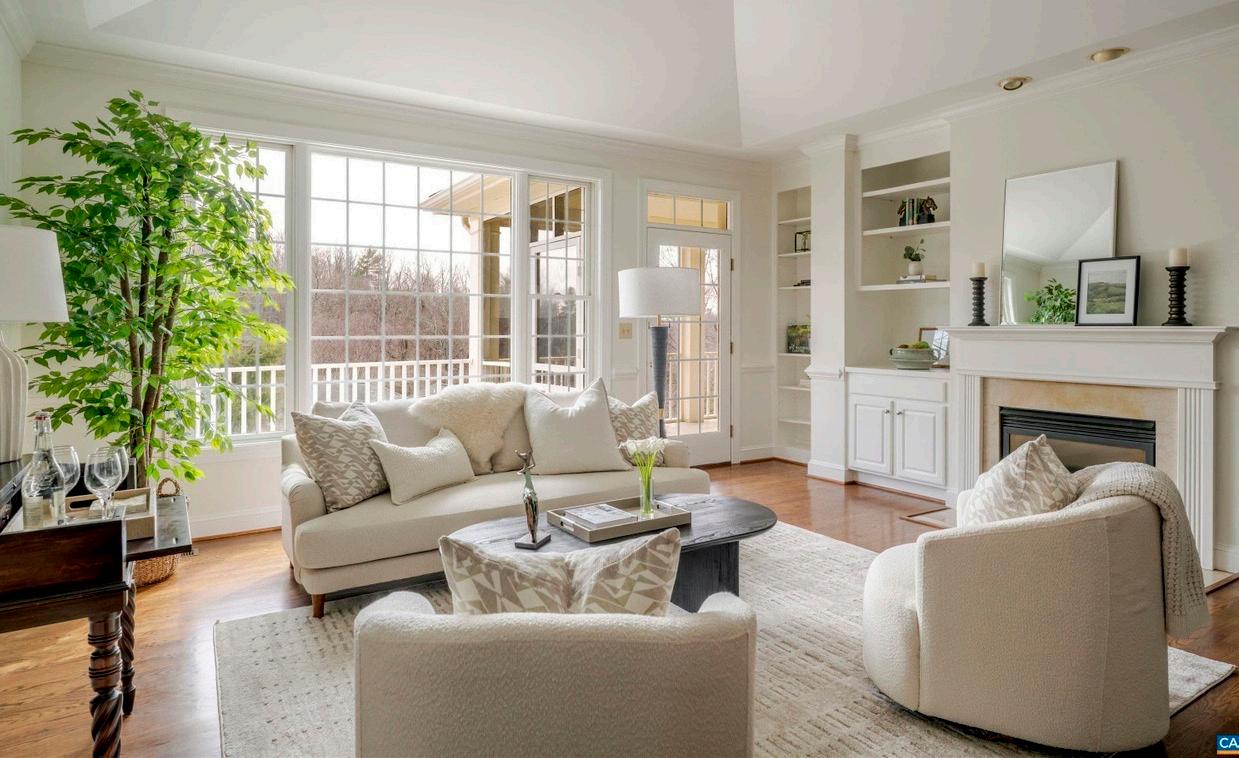
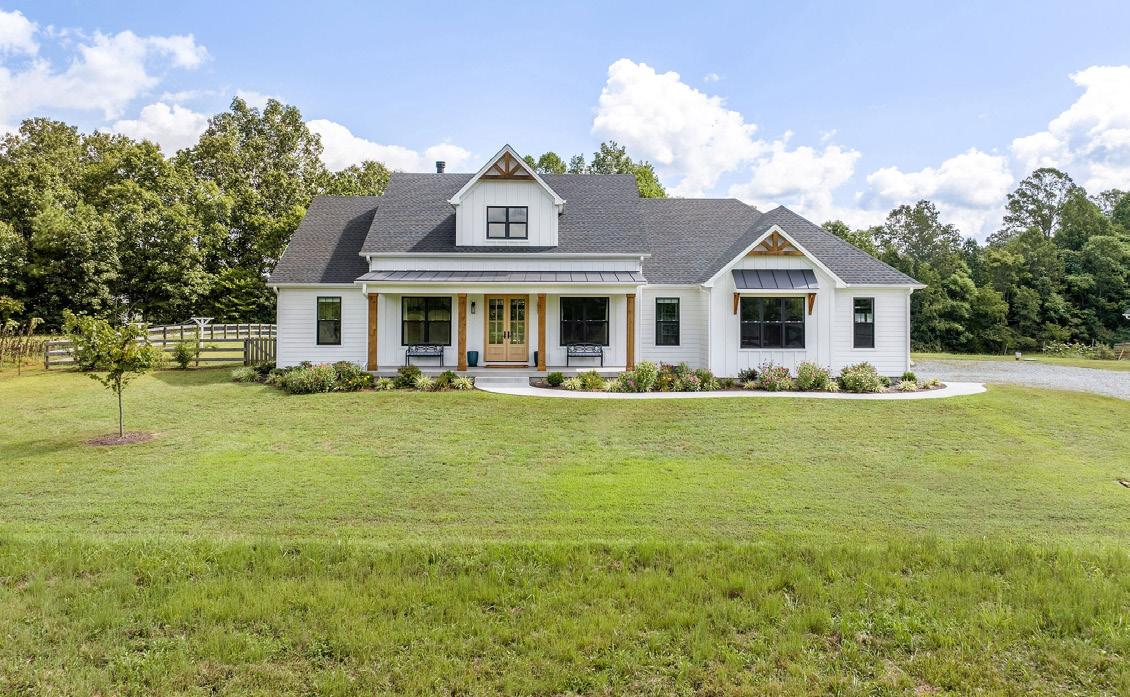
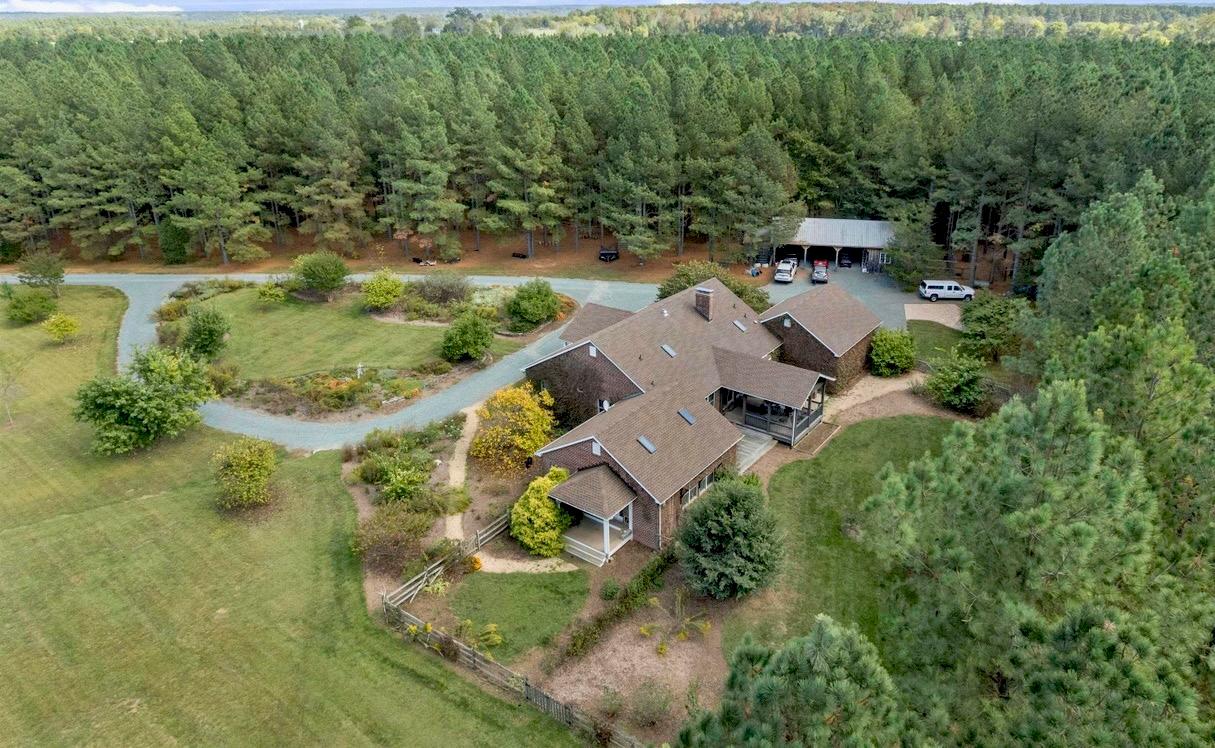
$2,650,000
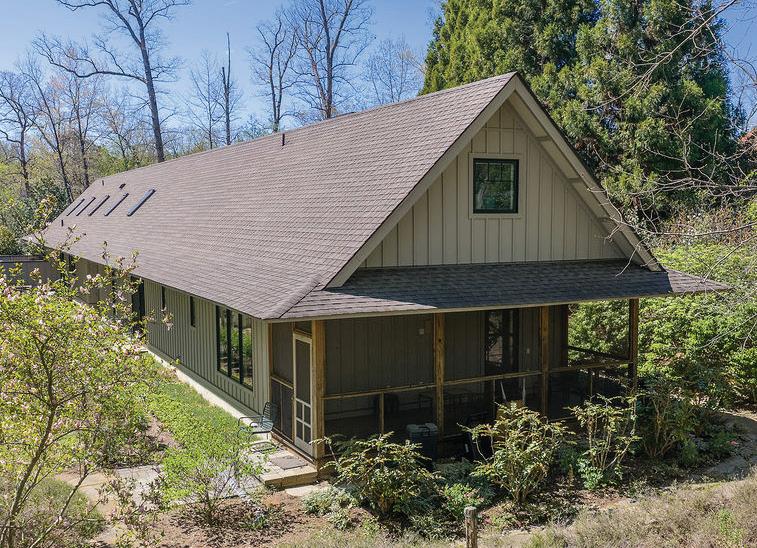
$1,995,000
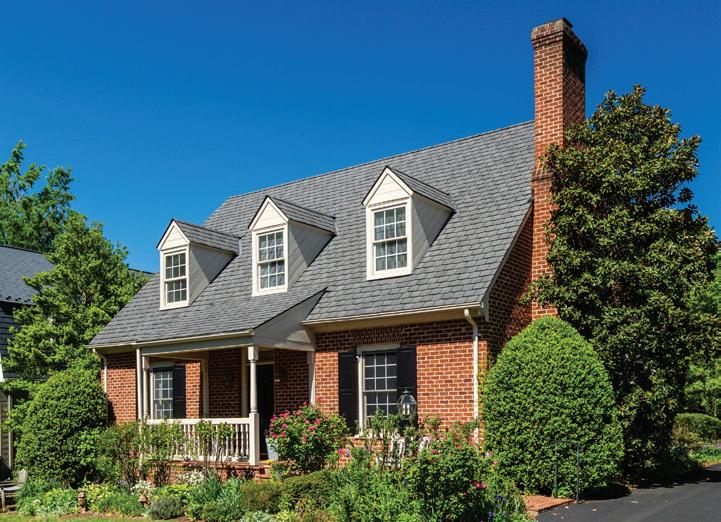
$1,500,000
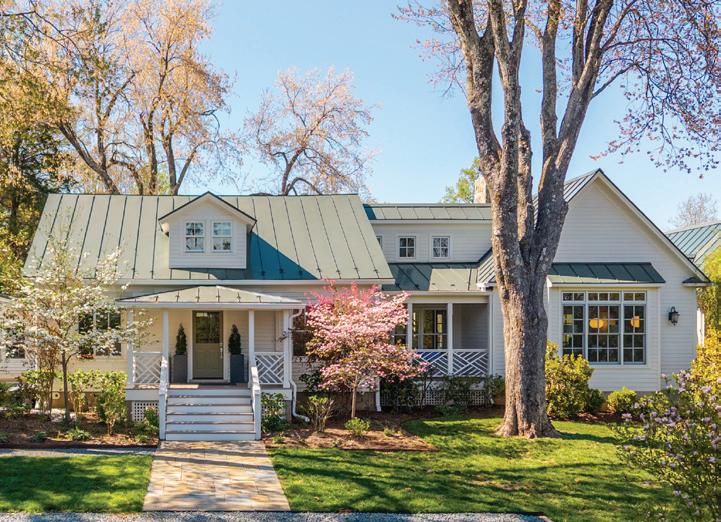
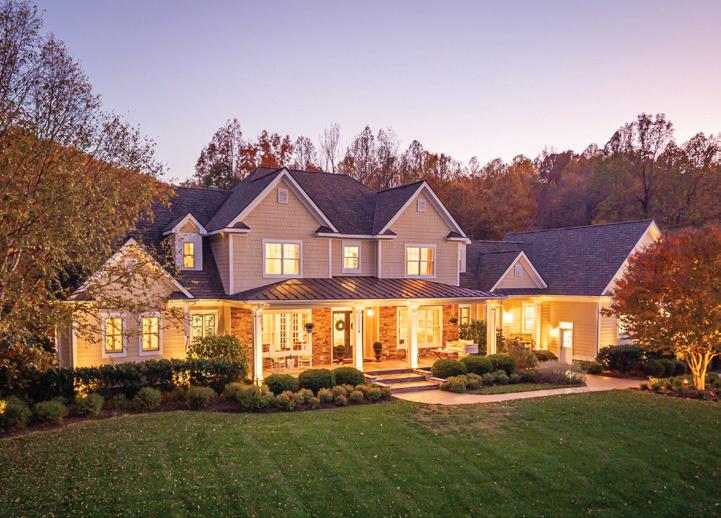
$2,575,000
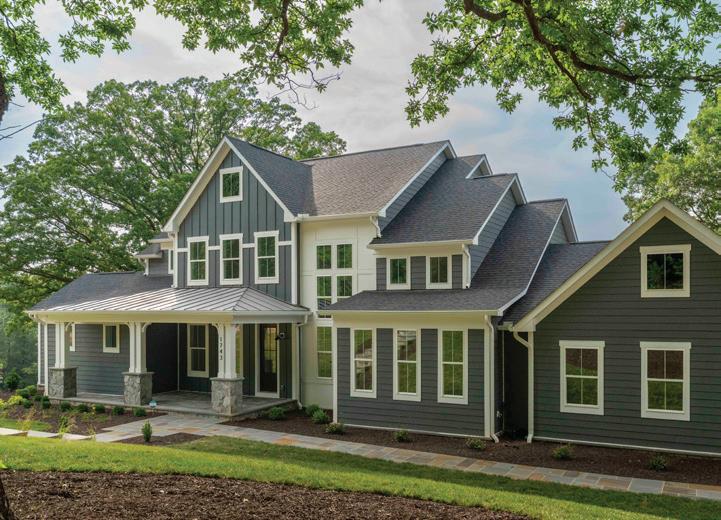
$1,860,000
$1,100,000

Jim Faulconer
434.981.0076
jfaulconer@mcleanfaulconer.com
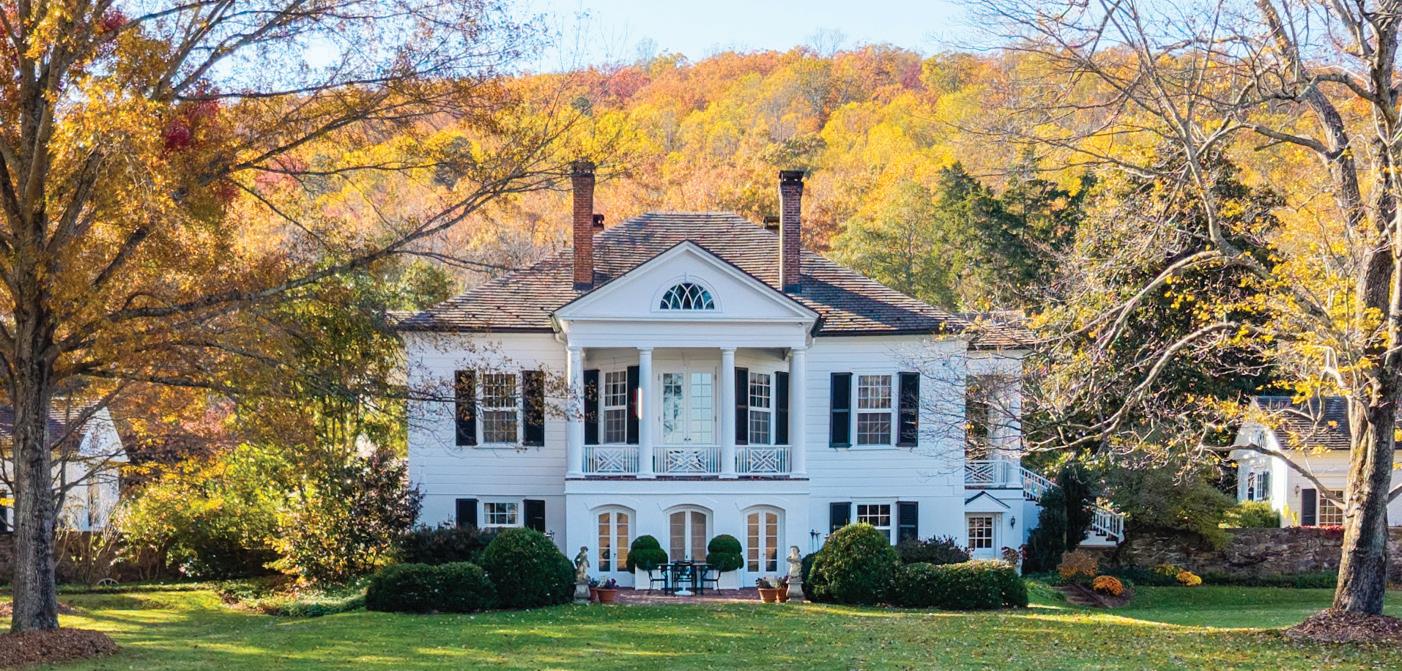
$12,500,000 | MLS 576150 | Charlottesville Court Nexsen, 646.660.0700
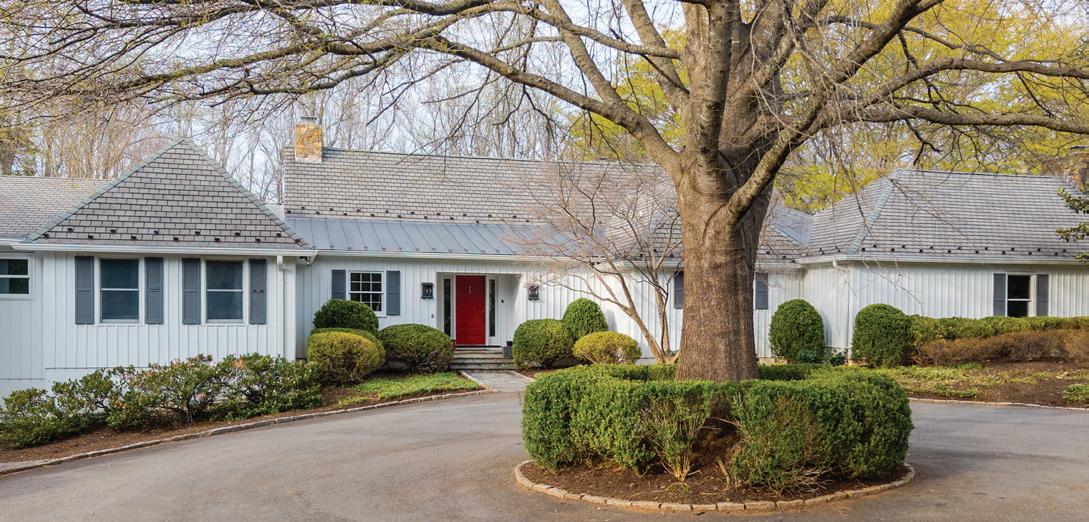
$3,595,000 | MLS 675628 | Charlottesville
Jim & Will Faulconer, 434.981.0076
Court Nexsen
646.660.0700
court@mcleanfaulconer.com
$2,395,000 | MLS 676425 | Nellysford
Mark Mascotte, 434.825.8610 & Court Nexsen, 646.660.0700
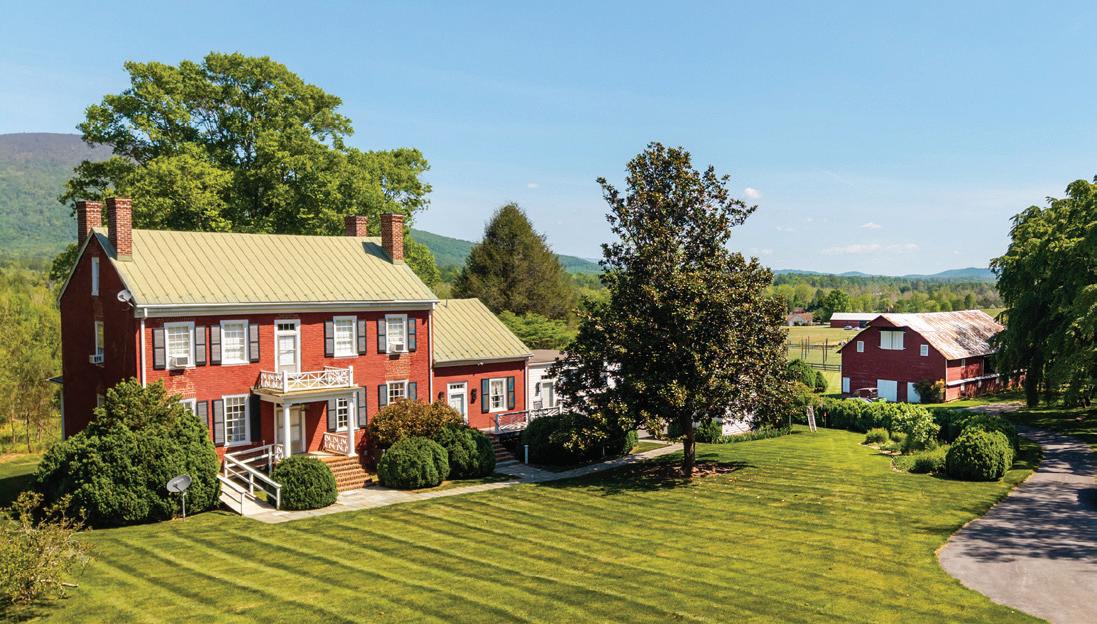
Glenthorne Farm (c.1809) is a Federal-style masterpiece on 181 acres in the Rockfish Valley. Original heart pine floors, 10ft+ ceilings, and refined proportions meet modern upgrades and fiber-optic internet. Sweeping Blue Ridge views frame lush fields, Glenthorne Stream, and South Fork Rockfish River frontage. Marked trails, proximity to Wintergreen Resort, and a private cottage complete the offering. Perfectly positioned for viticulture, equestrian pursuits, or events—a Virginia farmhouse legacy awaiting its next chapter.
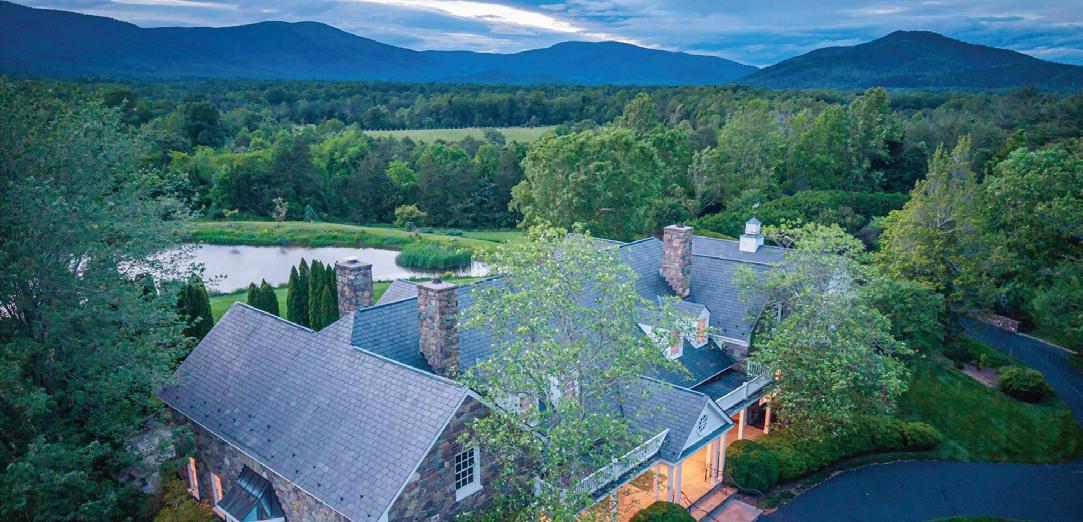
$8,800,000 | MLS 665249 | Crozet
$4,200,000 | MLS 674329 Jim & Will Faulconer, 434.981.0076
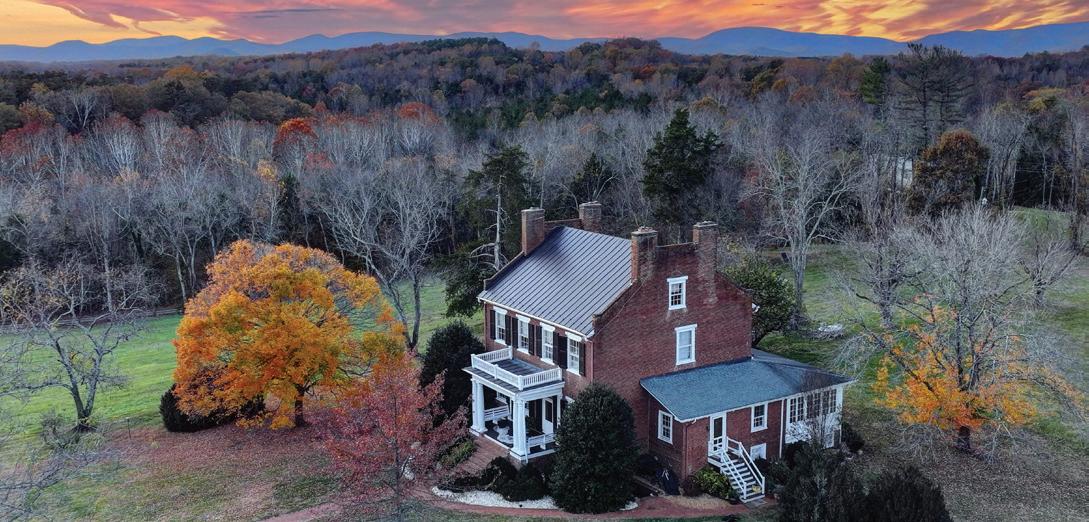
$3,275,000 | MLS 671230 | Charlottesville Charlotte Dammann, 434.981.1250

The science behind time’s acceleration, and why childhood summers seemed to last forever


By August, the refrain feels inevitable. Someone says it at a backyard cookout or while watching the evening light fade at the end of days already growing shorter: “I can’t believe summer’s almost over.”
When we were children, summers rarely felt that way. The season seemed almost endless as the months moved at a slower pace. A week at camp felt like a long adventure. Even ordinary days of riding bicycles, watching a late afternoon thunderstorm roll in, or catching fireflies in the backyard unfolded slowly. Those memories are shaped by nostalgia, which smooths over the less memorable stretches. What remains are the vivid moments that make childhood summers feel longer in retrospect.
Adulthood changes that perception. Summer arrives, accelerates, and disappears. Memorial Day becomes the Fourth of July almost overnight, and by the time many people feel they have settled into the season, back-to-school preparations are in full swing.
As psychologist and BBC columnist Claudia Hammond has put it, “The sensation that time speeds up as you get older is one of the biggest mysteries of the experience of time.” Psychologists and neuroscientists have long studied why time seems to speed up with each passing year, linking it to how the brain processes memory, attention, novelty, and routine.
One of the earliest attempts to explain the phenomenon came from French philosopher Paul Janet in 1877. Janet proposed that people experience time proportionally. For a 5-yearold, a single year represents a significant portion of their life.
For a 50-year-old, the same span occupies a much smaller percentage. Often described as “log time,” this idea suggests our sense of duration shrinks logarithmically as life accumulates, with the effect most noticeable when looking back over longer periods of time.
Modern research has expanded well beyond that simple mathematical explanation, but studies continue to confirm the broader pattern. In a frequently cited 2005 study, psychologists Marc Wittmann and Sandra Lenhoff at Ludwig Maximilian University of Munich surveyed hundreds of participants ranging in age from teenagers to people in their 90s. When reflecting on their lives, participants older than 40 felt that time moved slowly in childhood but then accelerated steadily through their teenage years into early adulthood.
At the University of Virginia, several faculty members are exploring the ways that memory and cognition shape how humans experience time. Their work helps explain why childhood summers felt so long—and why adult life can sometimes seem to move at startling speed.
Jamie Jirout, an associate professor in UVA’s School of Education and Human Development, studies curiosity, learning, and attention. Her work points to one of the most persuasive
explanations for why summers seemed longer during childhood— children simply perceive the world differently.
“When we are young, there is so much changing in what we know about the world, and the experiences we are having are so new, we don’t know what to expect,” Jirout explained in a recent UVA Today Q&A. “We don’t know what to ignore and thus pay closer attention to more details.”
This pattern is often described as the memory-novelty effect, in which unfamiliar events generate stronger and more durable memories than routine ones. As psychologist Marc Wittmann describes in his book Felt Time, “Everything seems new in childhood: the first ride on a pony, the first trip to the circus— everything is a first. So that causes us to store the memory as something special.”
Adult life, by contrast, often depends on efficiency and repetition. Familiar routines require less cognitive effort as the brain learns what to filter out. “We tend to have a lot of routines and habits in our daily lives,” Jirout says. “When we’re on autopilot, time can feel like it passes quickly.”
A related dynamic, called the hedonic treadmill, is the tendency to adapt quickly to positive or negative experiences so that what initially feels vivid or novel gradually becomes familiar as we return to a baseline level of emotion. That idea may help explain

why even busy stretches of adulthood can feel strangely difficult to remember in retrospect. Days filled with meetings, errands, commuting, and repeated routines may occupy enormous amounts of calendar time while leaving relatively few distinctive memories behind.
Summer presents its own version of this problem. Although the season is associated with leisure and recreation, many adults experience summer in remarkably repetitive ways—the same vacation destinations, the same weekend schedules, the same familiar routines dressed in warmer weather. Enjoyable moments also tend to pull attention away from the passage of time itself. Psychologist Mihaly Csikszentmihalyi describes this immersive state as “flow,” in which people become so absorbed in an activity that awareness of time temporarily recedes.
Memory, however, works differently. When people look back on a period, the brain reconstructs it based on how many distinct moments it can retrieve. A summer that includes new places, conversations, and small departures from routine may feel fuller in retrospect, even if individual days seemed to move quickly. By contrast, stretches of time that felt busy but repetitive often compress, leaving relatively little to hold onto.
Per Sederberg, a professor of psychology at UVA and director of the University’s Cognitive Science Program, studies how memories are formed, organized, and retrieved. His work focuses in part on temporal context, which is the brain’s ability to connect experiences to moments in time. That process turns out to be
associate professor in UVA’s Department of Psychology, studies the neural mechanisms involved in memory formation using EEG and fMRI imaging. Her research examines how certain events become durable memories while others fade quickly. Her work reinforces a broader conclusion emerging across the science of time perception, indicating that attention strongly influences memory, and memory strongly influences the feeling of time. Events that command sustained attention tend to be encoded more deeply. Situations processed casually or automatically often leave behind weaker traces. That relationship may help explain why mindfulness practices are frequently associated with slowing the subjective experience of life. Paying deliberate attention to sensory details—the sound of cicadas at dusk, the smell of rain on pavement, or the colors of a summer sunset— effectively increases the richness of those moments as they are encoded.
Another line of thinking suggests that aging itself may alter time perception at a neurological level. Adrian Bejan, an engineering professor at Duke University, has argued that aging brains process fewer mental “frames” per second than younger brains, making time feel more compressed. As neural networks carrying visual information grow larger and more complex over time, electrical signals take slightly longer to travel, reducing the number of distinct “mental images” the brain processes in a given span. Because the mind tracks time through changes in these images rather than by any internal clock, fewer images per


different route to work, playing a new game or sport. These can add meaningful variety to our days and help life feel more spacious and memorable.”
There is perhaps something reassuring in that idea.
Childhood summers may not have felt endless simply because children had more free time. They may have felt longer because children approached the world with a different level of attention and curiosity. Experiences were less familiar, more detailed, and less filtered by routine.
Adults can’t fully re-create that perspective, but they may be able to recover pieces of it. The moments people remember most clearly are often the ones in which they were fully engaged with the world around them rather than moving through it automatically.
By the time September arrives, the season will still feel like it has raced by. Summer probably always will. But the memories that remain from it—the vivid ones that seem to hold more time inside them—are often created in moments when attention overcomes routine and the familiar world feels new again.
• Try something new every week. It does not have to be major—a different hiking trail, restaurant, recipe, or small day trip is enough to interrupt routine.
• Change familiar patterns. Take a different route home, move dinner outside, visit a nearby town you normally pass through, or spend part of a weekend somewhere unfamiliar.
• Protect a few unstructured hours. Childhood summers often felt expansive because they were not scheduled minute by minute. Leave room for spontaneity.
• Put the phone away. Constant digital distraction can flatten experiences into a blur. Paying fuller attention creates stronger memories.
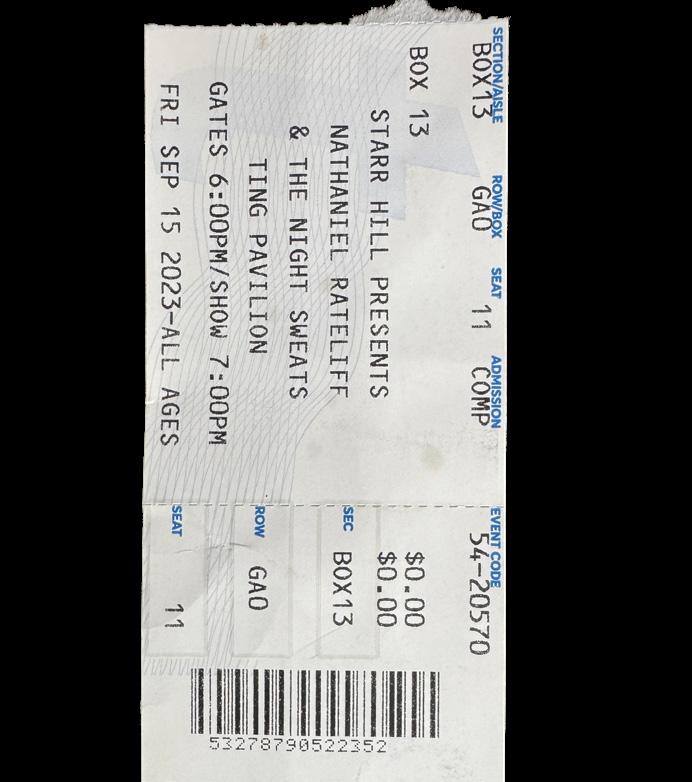
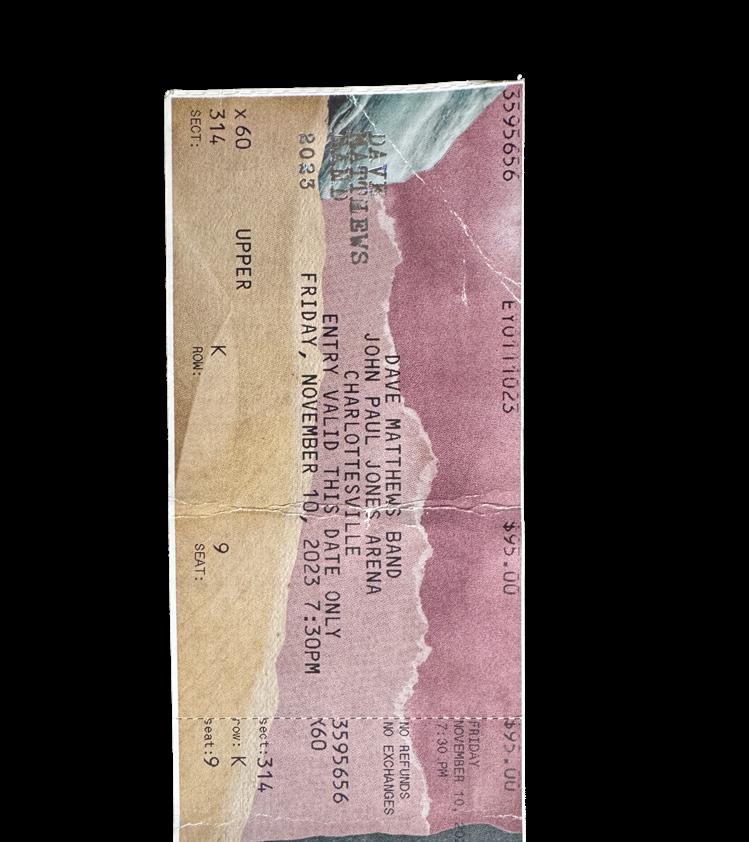
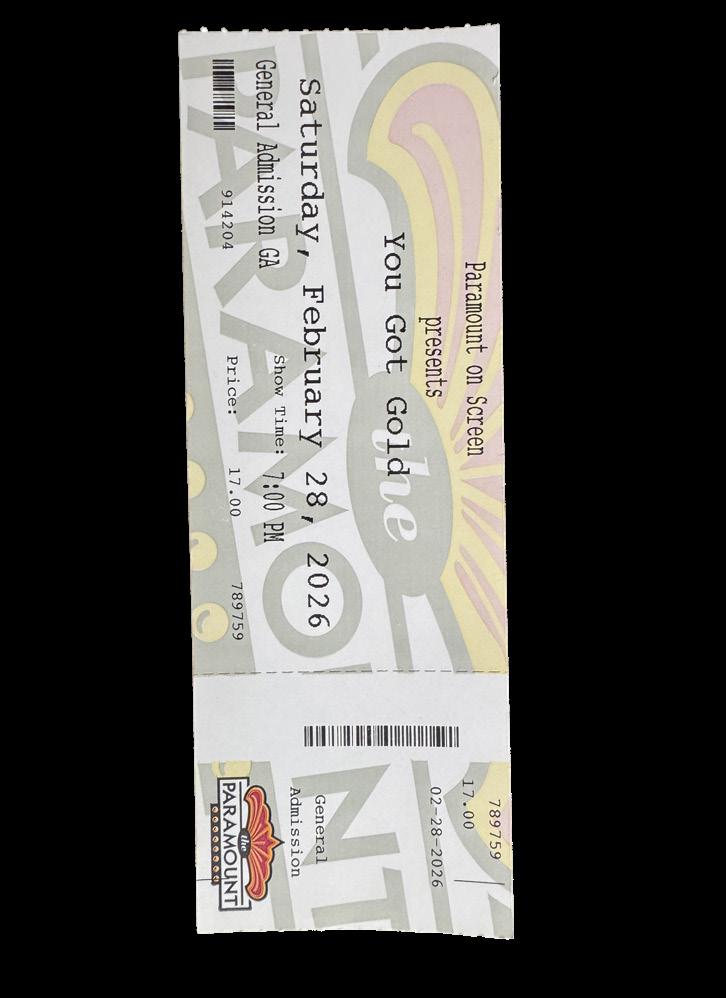
• Create “memory markers.” A concert ticket, handwritten note, printed photograph, or pressed flower from a hike can help anchor experiences more vividly in retrospect.
• Spend time outside at transitional moments. Sunrise, twilight, and summer storms tend to
feel more memorable because they naturally command attention.
• Learn something while traveling. Experiences tend to become more memorable when they combine familiarity with a degree of surprise and discovery.
• Pay attention to sensory details. The smell of sunscreen, cicadas at dusk, warm pavement after rain, or light through trees at sunset all help create richer memories.
• Do one thing that makes you slightly uncomfortable. Novelty and uncertainty force the brain to pay closer attention and often create the strongest memories.
• Keep a short summer journal. Even a few sentences at the end of the day can reinforce memory


As summer begins, the question often isn’t whether to get away, but what kind of weekend you’re after. In Virginia—and just beyond—six destinations offer six different answers: a river-and-trails town in the state’s far southwest, a Chesapeake waterfront escape, a classic beach resort, a walkable Valley city, a grand Richmond hotel, and a High Country retreat. Each makes a compelling case for a memorable summer weekend, whether that means packing the schedule or leaving just enough room to let the days unfold naturally.
A Southwest Virginia town is a summer base camp for Clinch River paddling, ATV trails, forest hikes, and Appalachian hospitality.
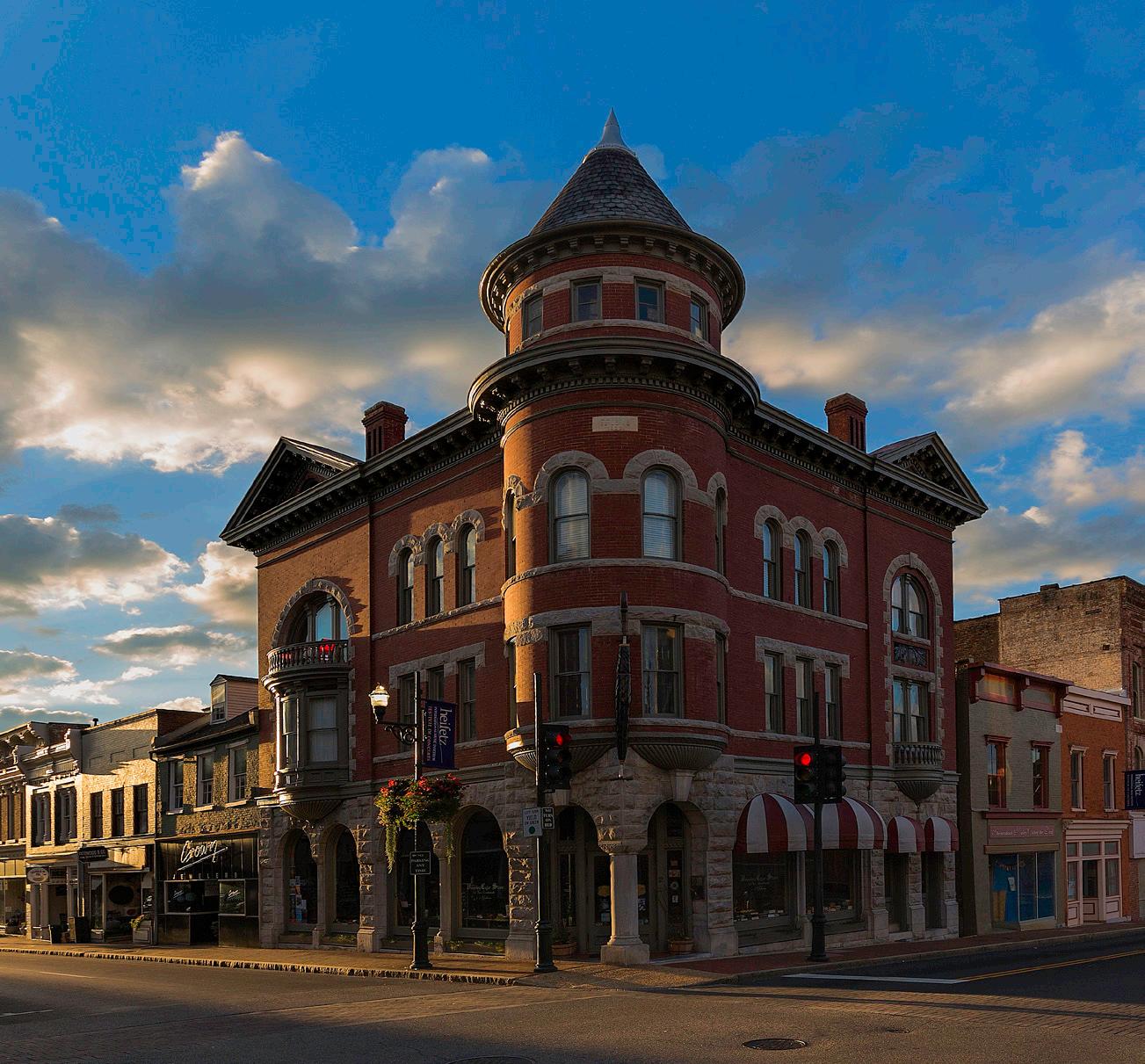
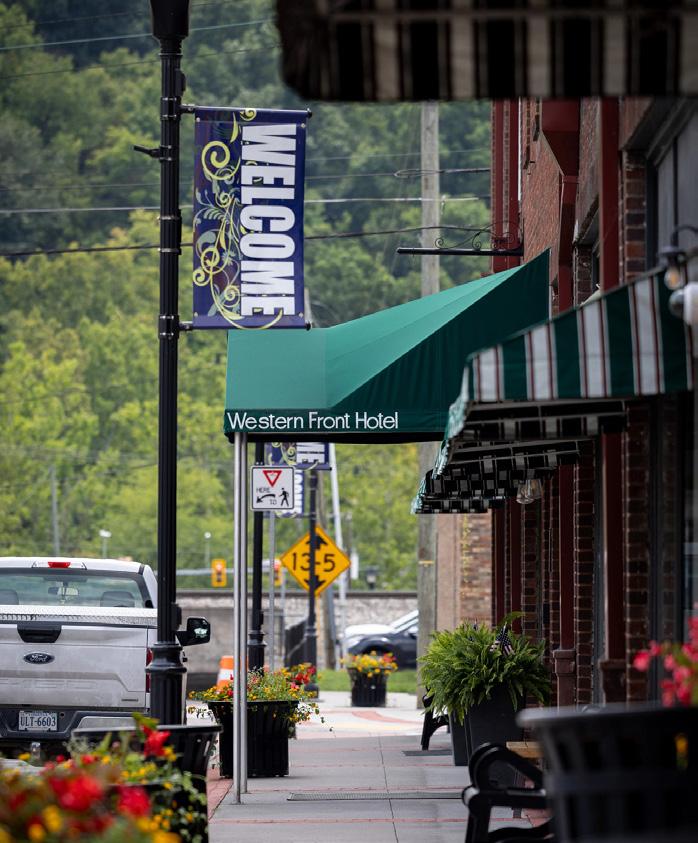
Tucked into the Heart of Appalachia in the small coal-country town of St. Paul, the Western Front Hotel is one of Virginia’s most distinctive boutique properties. The building’s story begins in 1921, when a group of local investors formed the St. Paul Realty Company and constructed the Willis Building—a handsome multi-story commercial block at the corner of Russell Street and Fourth Avenue. For decades it housed businesses, small apartments, and a beloved hardware store, serving as the communal heart of the town.
The building was rechristened the Western Front Hotel and opened to the public in February 2018 after a meticulous historic renovation that leveraged both state and federal historic tax credits. The hotel’s name honors the segment of town near the railroad tracks that was once known as “the Western Front.”
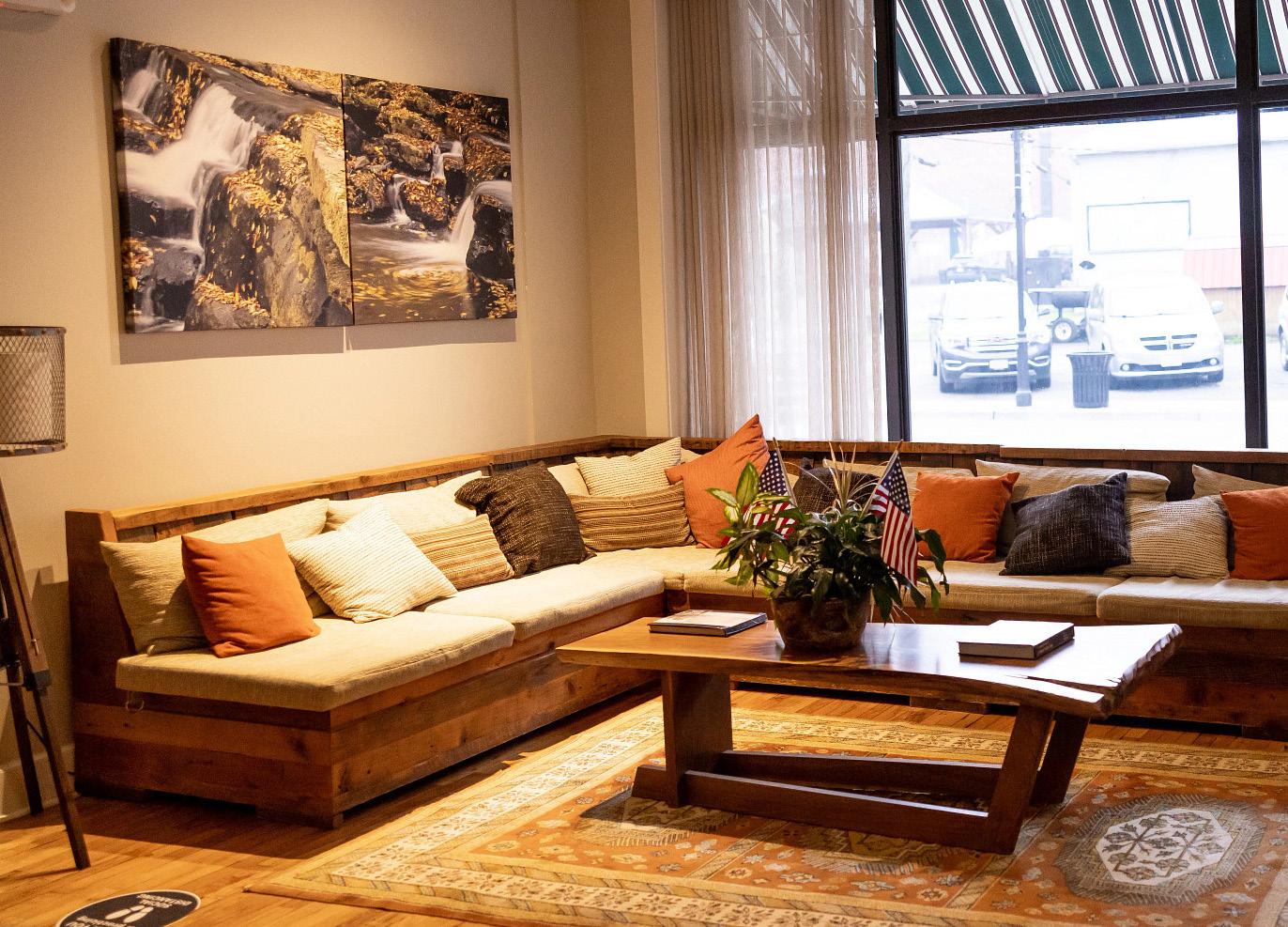
The original character of the building has been preserved, and touches like reclaimed wood headboards, nightstands fashioned from old doors, hammer-tin ceilings, and retro refrigerators sit alongside plush bedding and modern showers. The result is 30 rooms, a gift shop, two outdoor dining terraces, and indoor and outdoor game and entertainment spaces.
BEST FOR: Families, outdoor adventurers
VIBE: Rugged, relaxed
PACK: Trail shoes and River Shoes
DON’T MISS: Clinch River, Spearhead Trails
DINE: Puerto Nuevo at the Western Front Hotel
DISTANCE FROM DOWNTOWN MALL: 275 miles

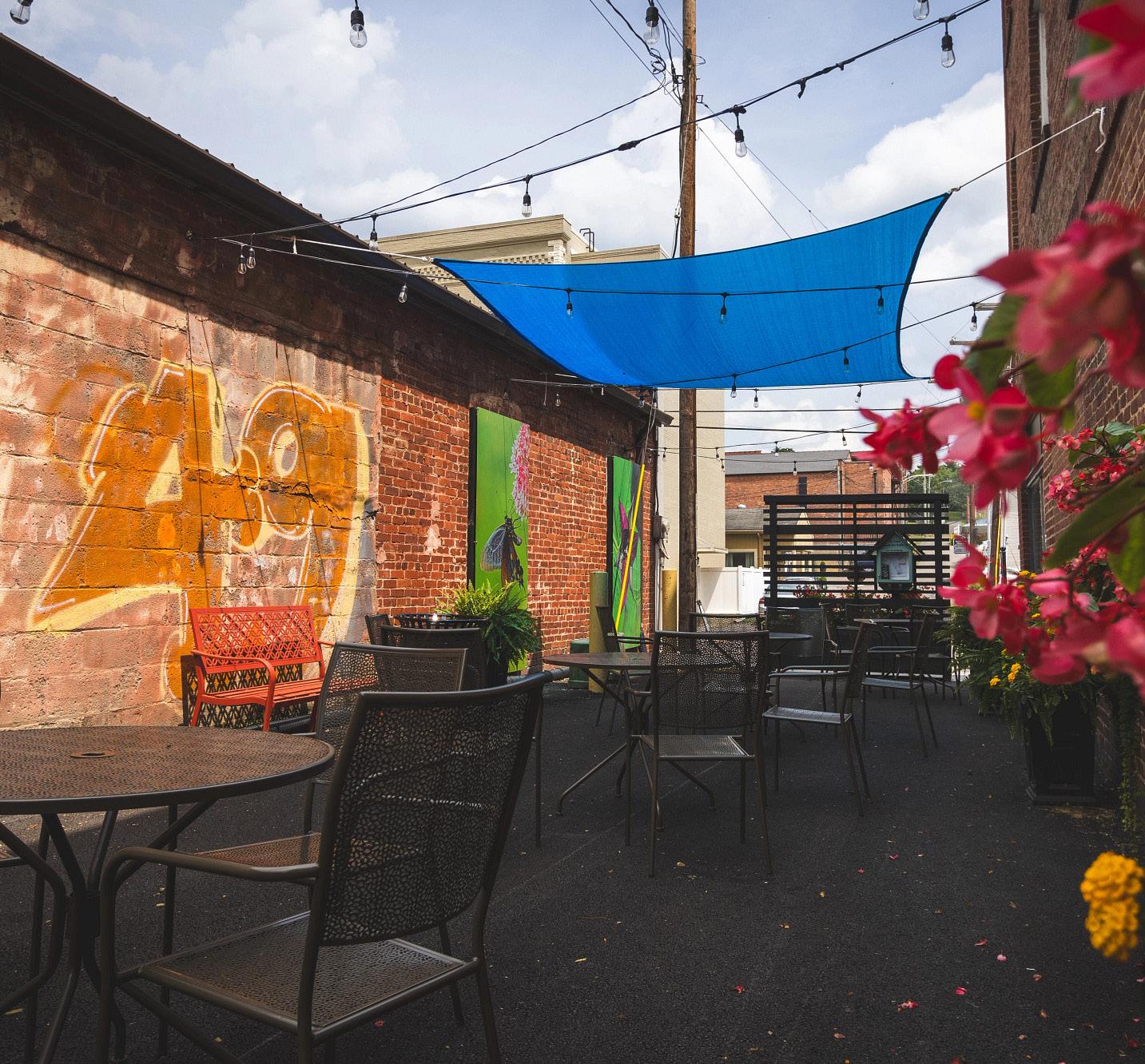
From St. Paul, riders can tap straight into the Mountain View arm of the broader Spearhead Trails system, which links hundreds of miles of all-terrain vehicle and utility terrain vehicle routes across multiple trail networks in Southwest Virginia. You’ll need a Spearhead permit before you ride, with short-term and annual options that cover the entire multi-county system, not just Mountain View. Even if you don’t own a machine, Western Front is an authorized Polaris ATV Rental Center that can help with permits, basic instruction, and suggested loops, so it’s easy to arrive in town, gear up, and spend the day exploring an extensive trail network built for motorized adventure.
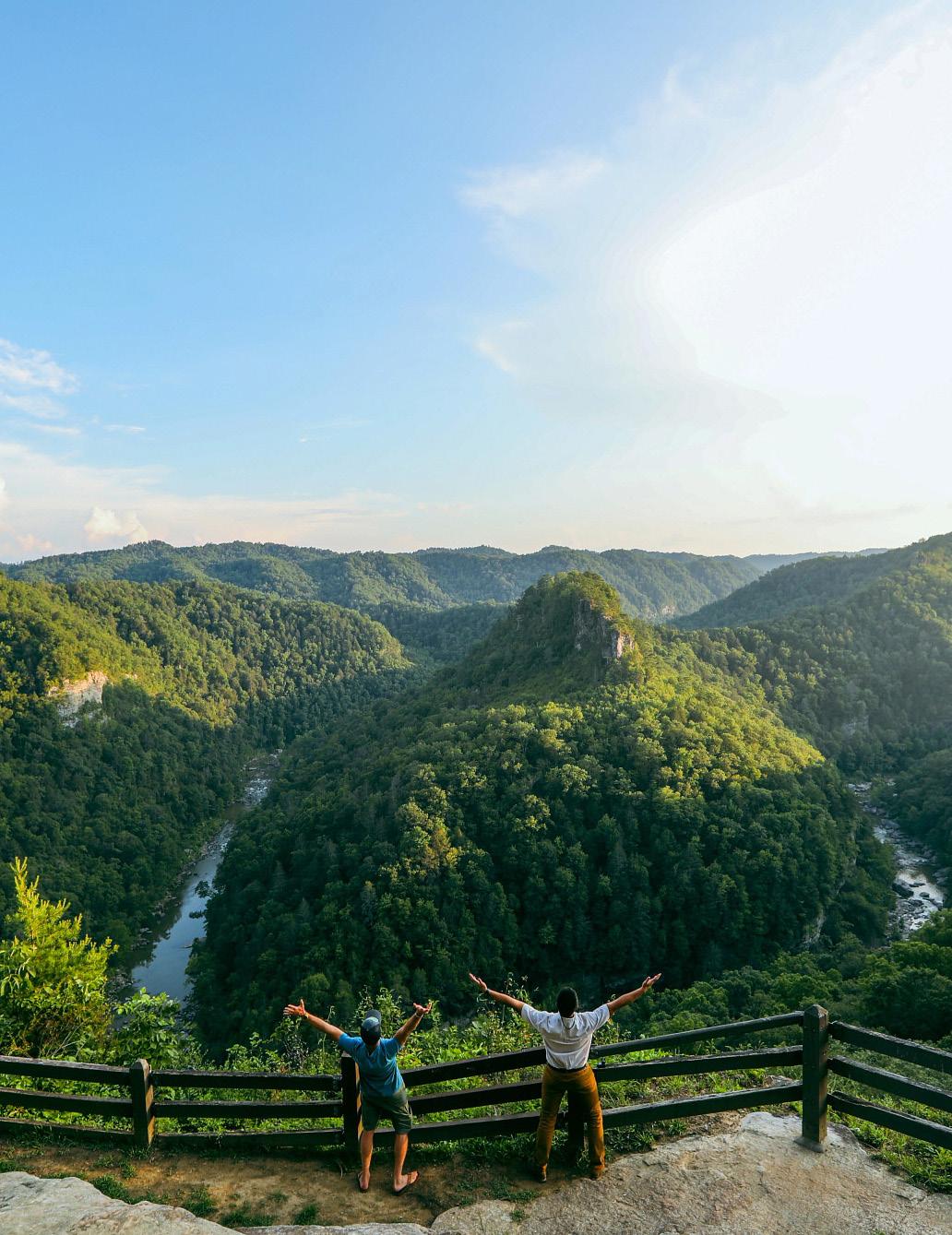
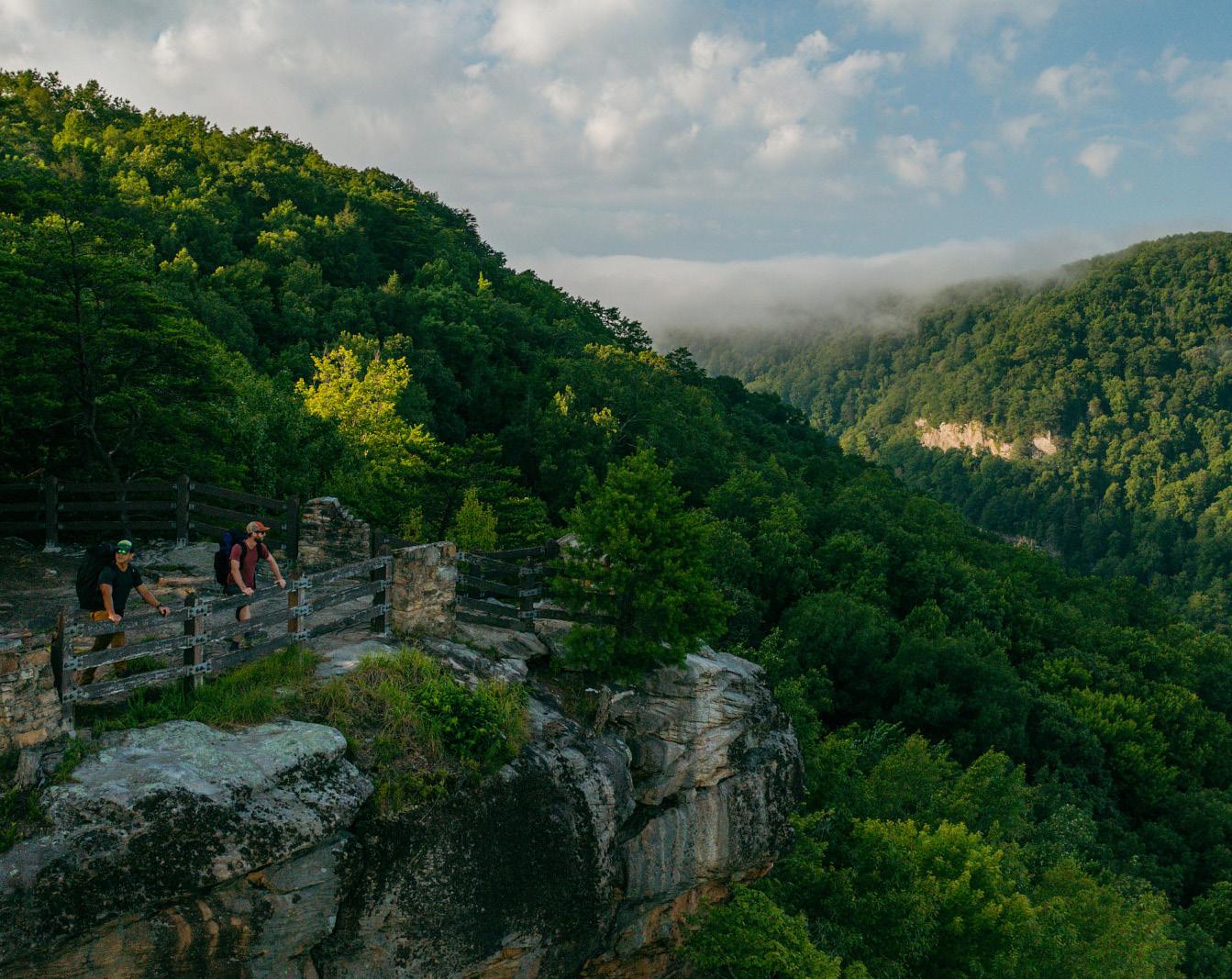
About 45 minutes from St. Paul, Breaks Interstate Park spans 4,500 acres along the Virginia-Kentucky border and is often called the “Grand Canyon of the South.” Carved by the Russell Fork River, the five-mile gorge plunges as deep as 1,650 feet and anchors one of the East’s most dramatic mountain landscapes. The park features more than a dozen hiking trails, including the 3.6-mile Breaks Interstate Loop, which passes cliffside overlooks, rock scrambles, hidden springs, and a narrow mini-canyon. Visitors can also enjoy whitewater rafting, zip-line tours, boat rentals on Laurel Lake, and a seasonal waterpark.
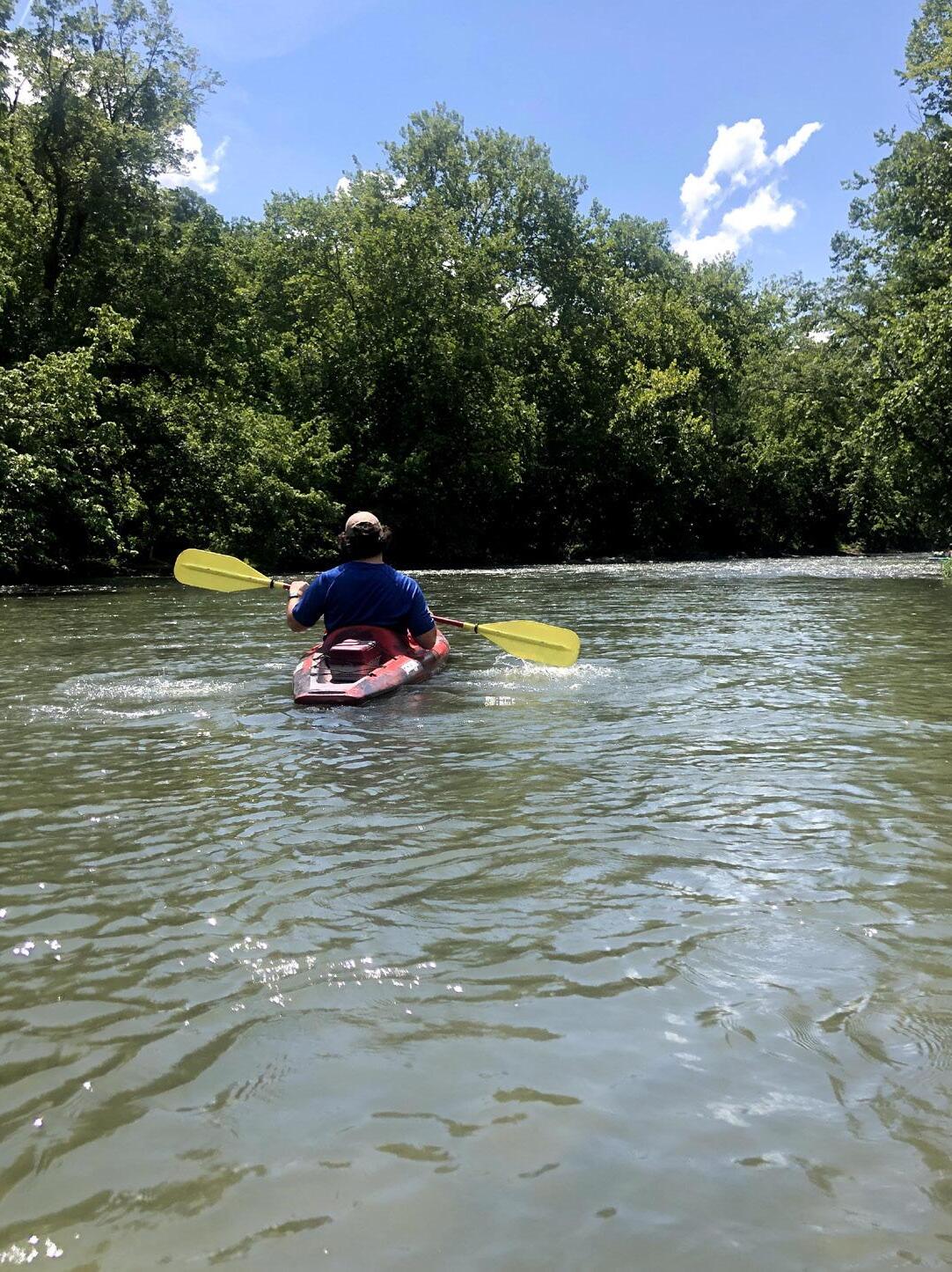
Among the most biologically diverse rivers in North America, the Clinch River flows through the heart of town, offering opportunities for kayaking, canoeing, tubing, paddleboarding, fishing, swimming, and wildlife watching. Winding through the Great Appalachian Valley, the river is home to one of the nation’s richest concentrations of rare freshwater species. Clinch Life Outfitters provides rentals, guided trips, and shuttle service for exploring the river.
At a storied waterfront resort on Virginia’s Northern Neck, the Chesapeake sets the rhythm for a summer weekend of oysters, boats, and unhurried days.
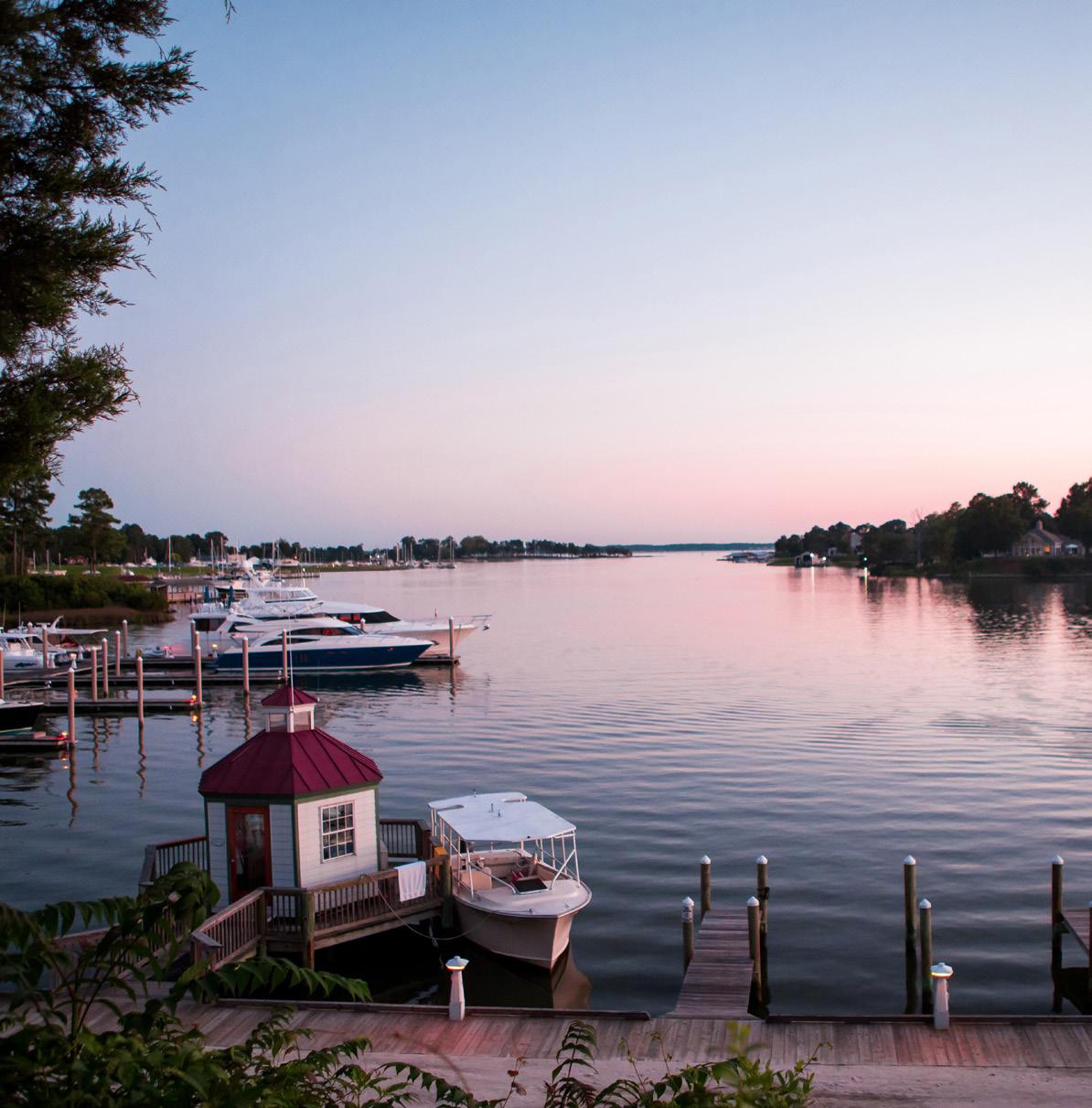
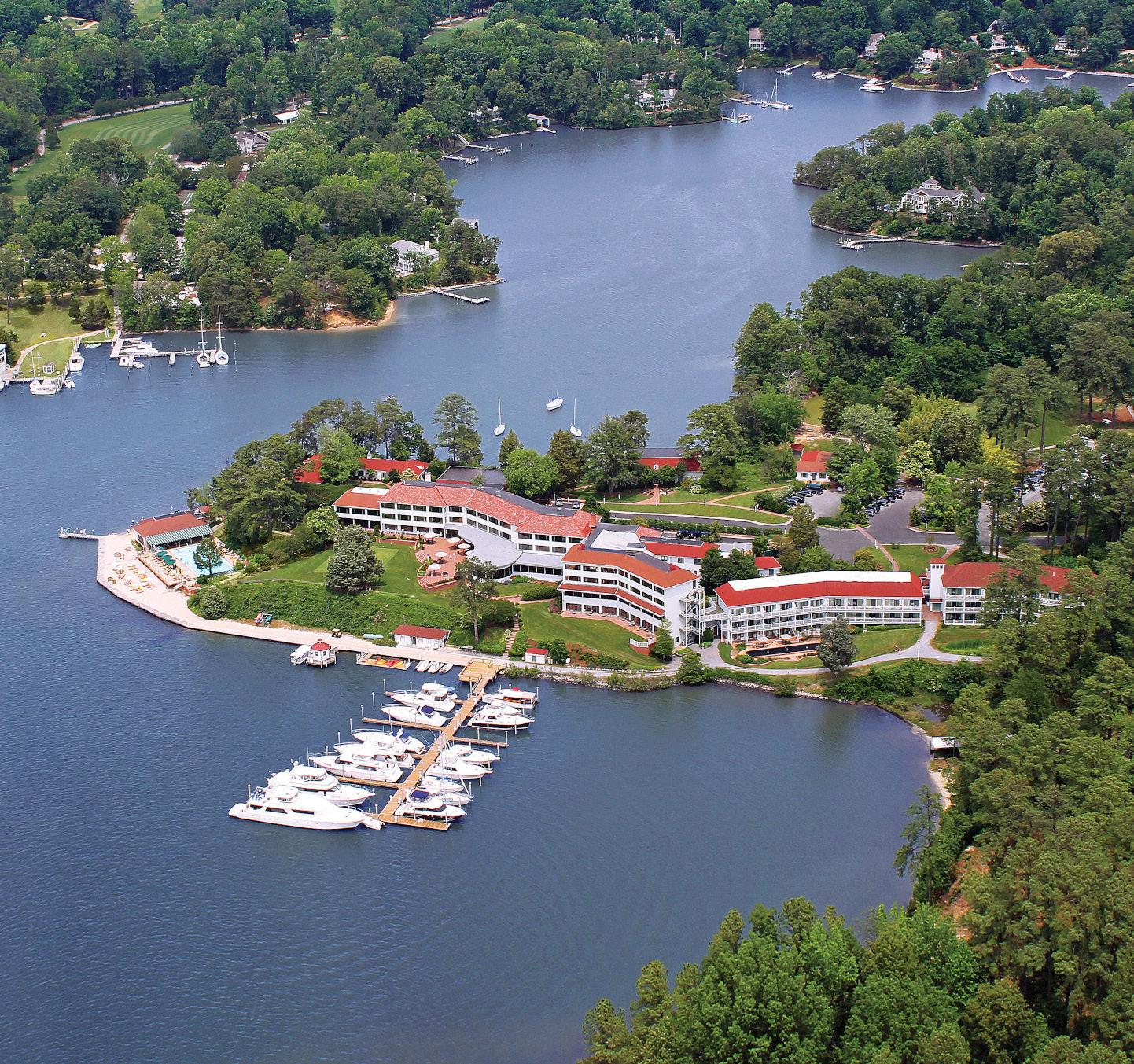
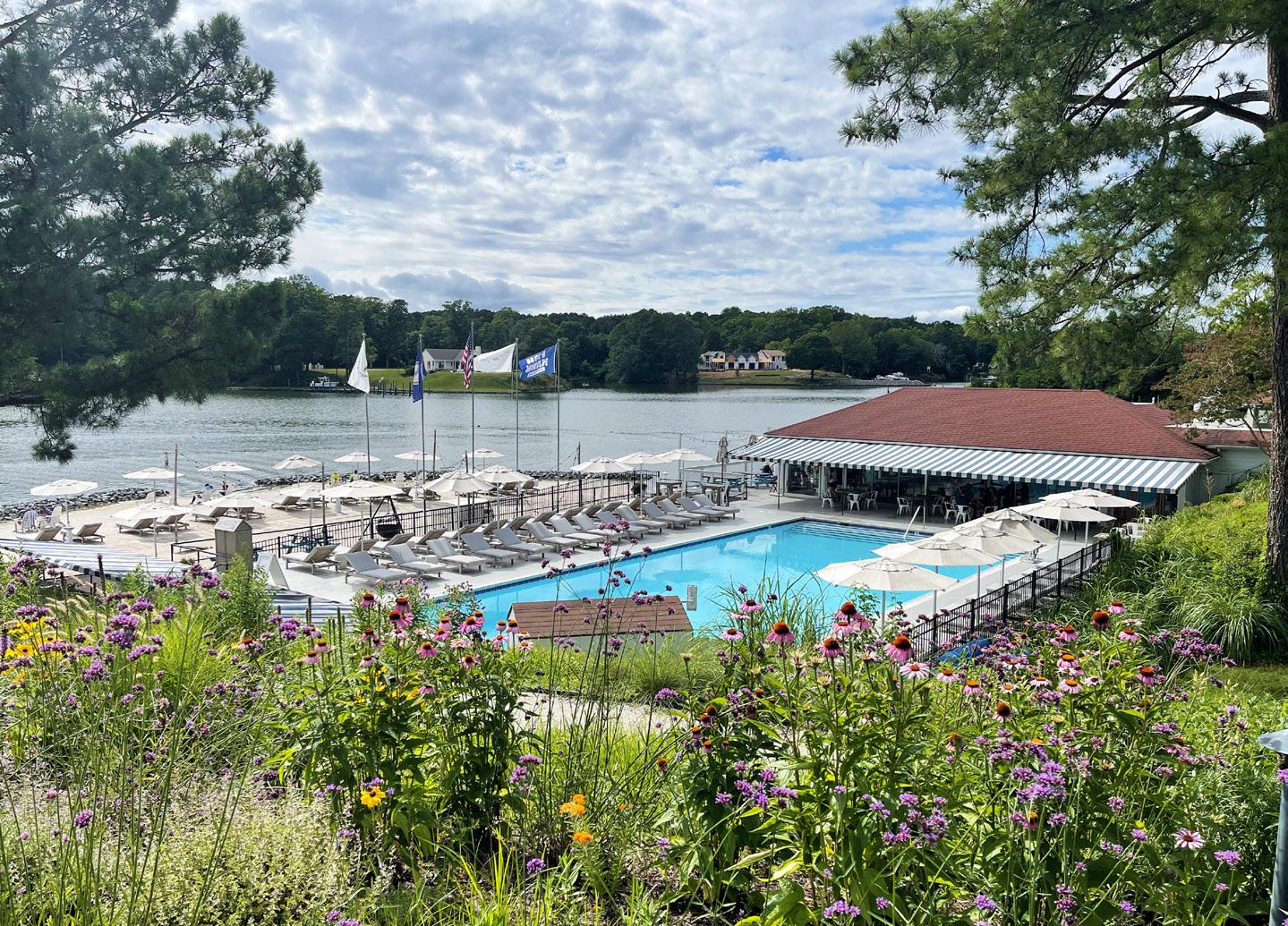
Arrive just before dusk, and Carter’s Creek does most of the work: silver light on the water, sailboats easing toward the marina, the Chesapeake slowing the day down.
Set along a gentle bend where Carter’s Creek widens toward the Rappahannock River, the Tides Inn has long served as both destination and gateway to Virginia’s Northern Neck. Originally opened in 1947 by oil executive Gordon Slaughter, the resort helped define the region as a refined coastal retreat decades before it became widely discovered. Over time, presidents, diplomats, and generations of Virginia families have checked into its waterfront rooms and clapboard cottages, drawn by a setting that feels at once expansive and quietly personal.
Recent renovations have preserved that mid-century sensibility—low-slung buildings, broad views, an easy connection to the water—while introducing a more contemporary expression of luxury. The renovation keeps the focus on the creek, the boats, and the unhurried pace of the Northern Neck. Here, the Chesapeake shapes everything, influencing the food and the experiences that unfold throughout relaxed days. You can happily embrace the slower pace, knowing oysters, boat rides, historic churches, and small-town wandering are all close at hand.
BEST FOR: Couples, relaxed family getaways, Chesapeake explorers
VIBE: Coastal, unhurried, quietly refined
PACK: Linen layers, boat shoes, a light sweater for breezy evenings
DON’T MISS: Sunset on Carter’s Creek, a self-guided boat cruise
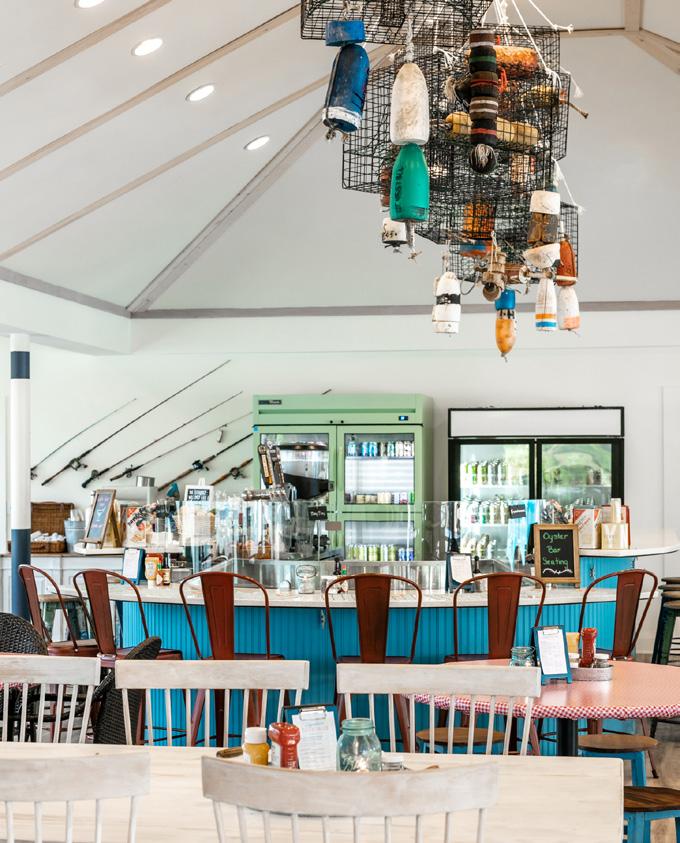
DINE: Salt & Meadow at Tides Inn
DISTANCE FROM DOWNTOWN MALL: 140 miles
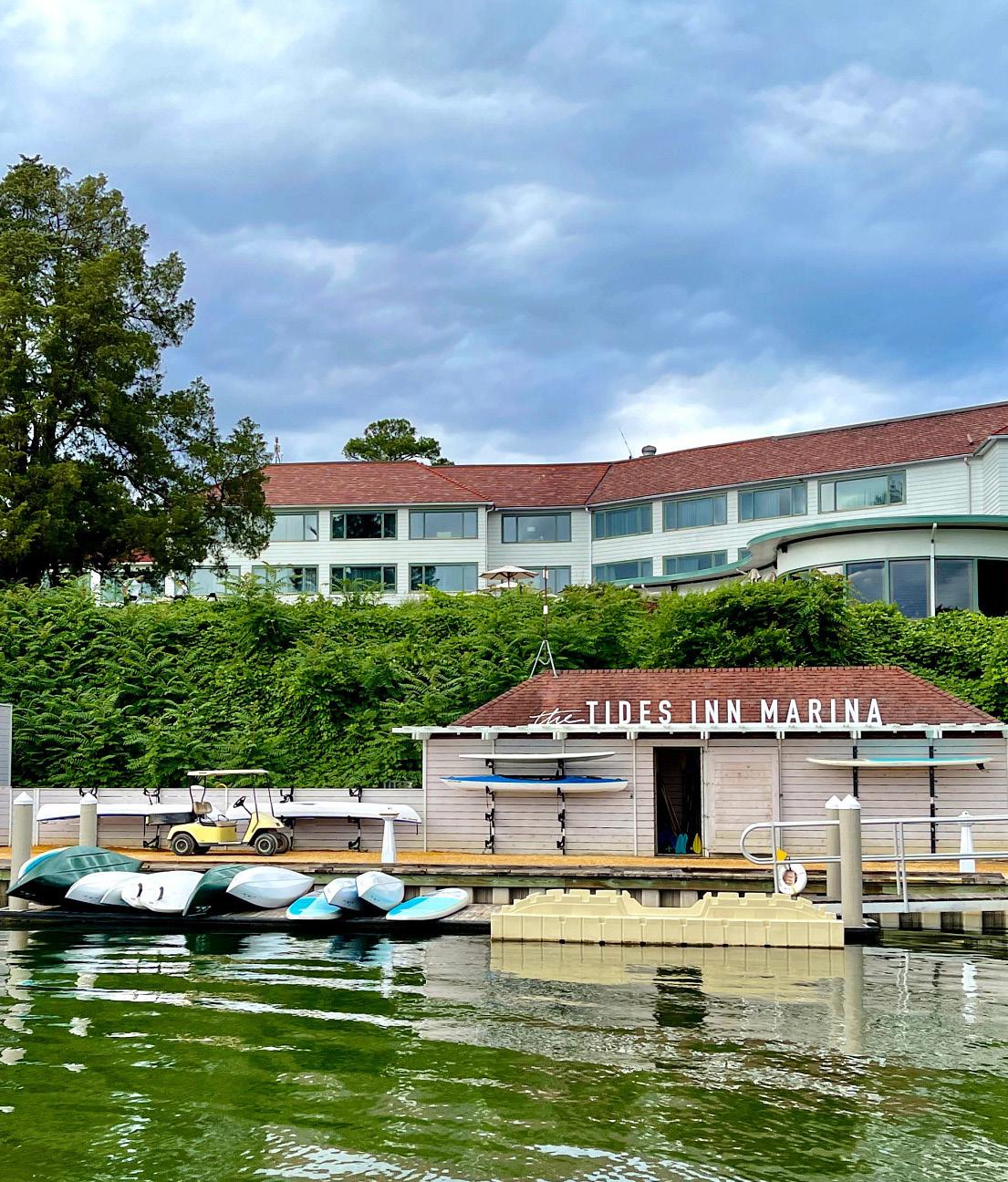
The water is the center of everything here, and it’s readily accessible. Guests can launch kayaks directly from the resort or rent a small electric Duffy boat for a self-captained cruise along Carter’s Creek, where ospreys nest on channel markers and herons move quietly along the shoreline. The creek flows into the Rappahannock River roughly 12 miles from the Chesapeake Bay, creating calm, protected waters well-suited for a leisurely boating trip. For those looking to go farther, chartered fishing and sightseeing trips offer a deeper look at the working and recreational life of the Bay.
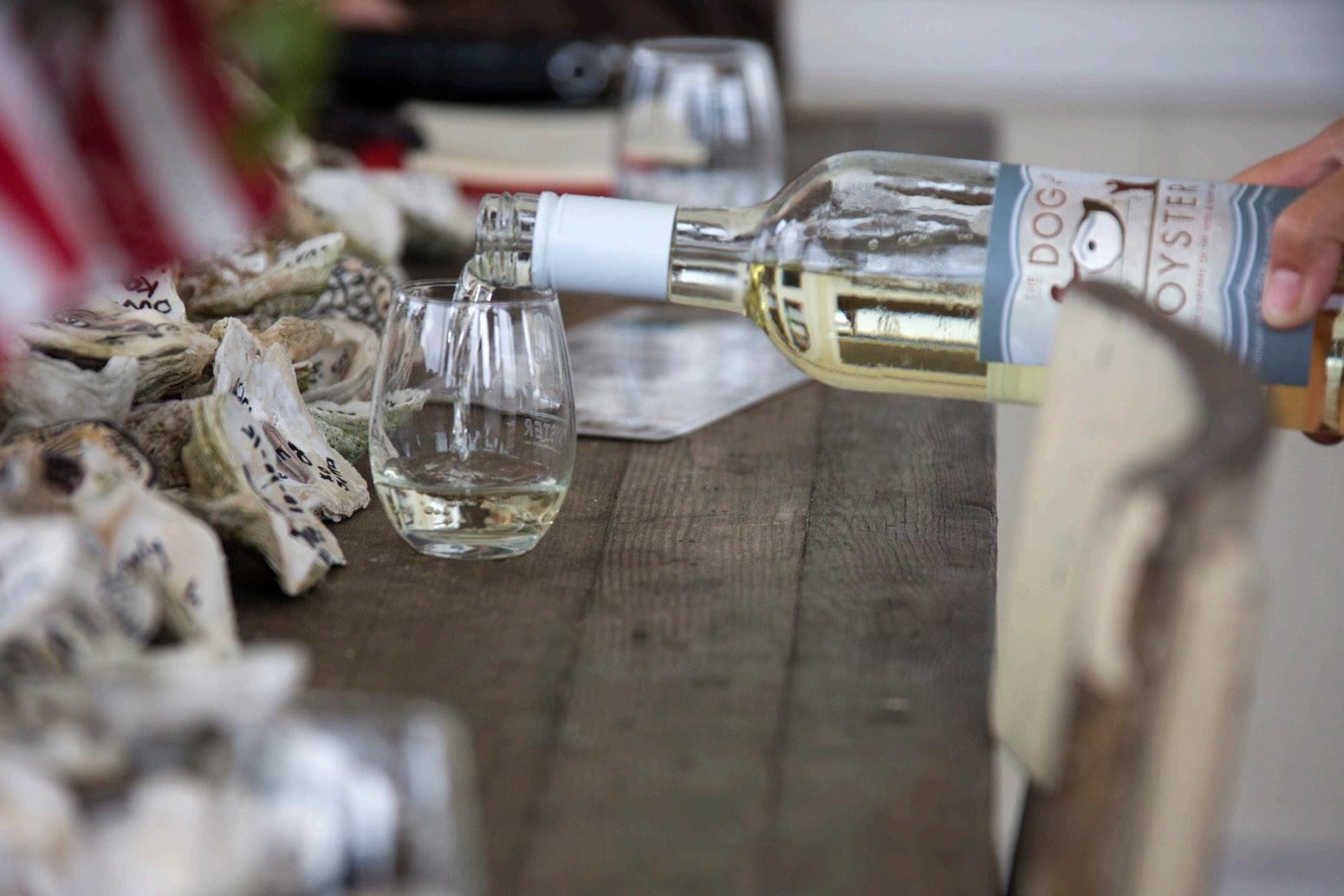
Save time for Irvington itself, a small riverside town with boutiques, galleries, wine, coffee, and easy wandering near Carter’s Creek. Browse curated apparel and homewares at Dear Neighbor, stop into Red Fish Gallery for local art and gifts, or build the afternoon around The Local, The Vine, 77 Social, The Dog and Oyster, and other relaxed town stops. Seasonal farmers markets feature local produce, flowers, and handmade goods.
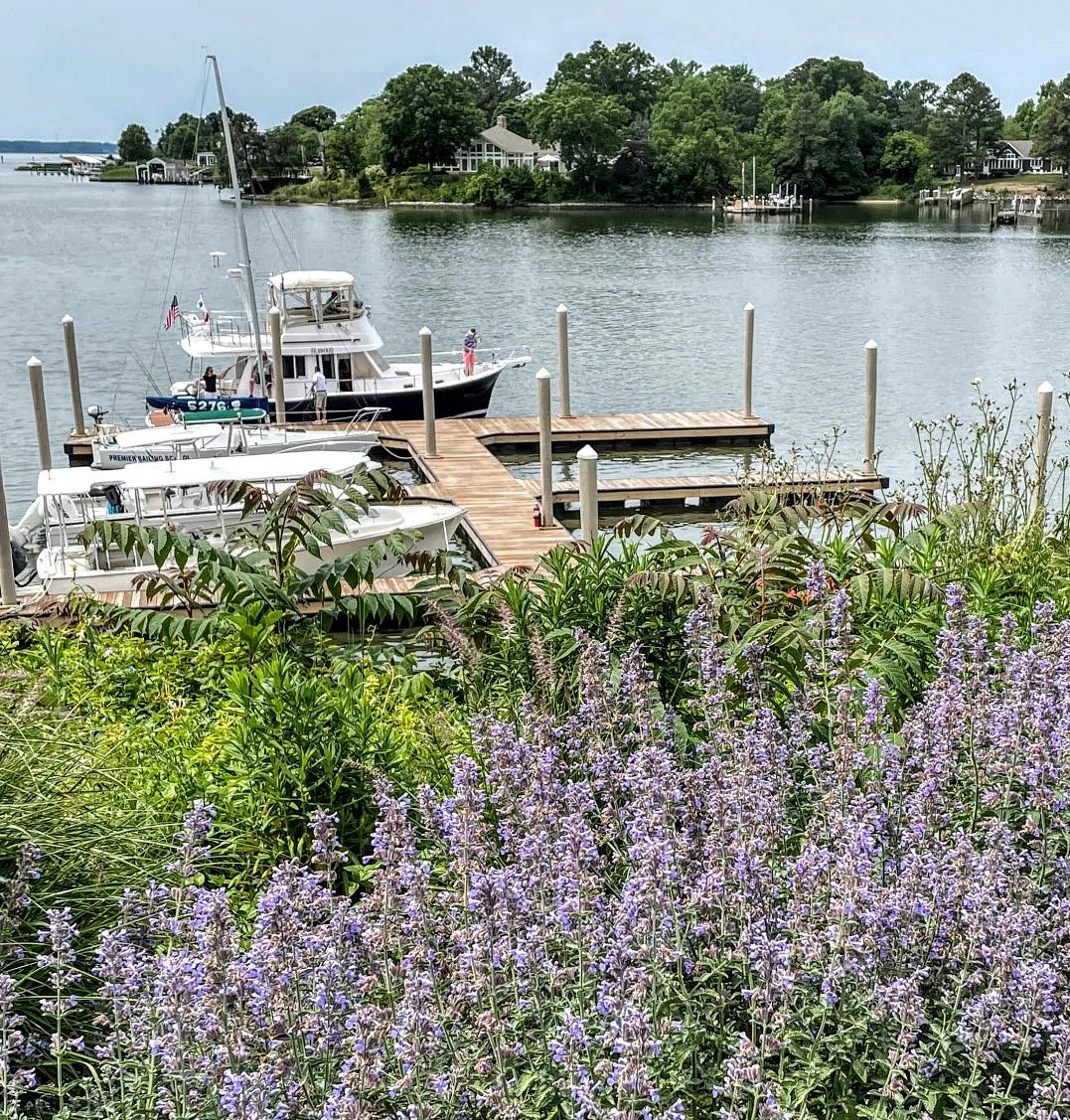
Irvington’s scale makes its history feel close at hand. At the Steamboat Era Museum, exhibits trace how steamboat travel reshaped commerce and daily life across the Chesapeake, connecting small coastal communities long before highways arrived. A short drive away, the Historic Christ Church & Museum—dating to 1735—stands as one of the finest examples of colonial church architecture in the country, its brickwork and proportions remarkably intact. At the Inn, the Tides of History series offers a more intimate lens, with weekly talks that connect maritime culture, regional ecology, and local storytelling.
A restored Roaring Twenties icon brings beach-club glamour, oceanfront energy, and a layered coastal history to a quintessential Virginia Beach weekend.
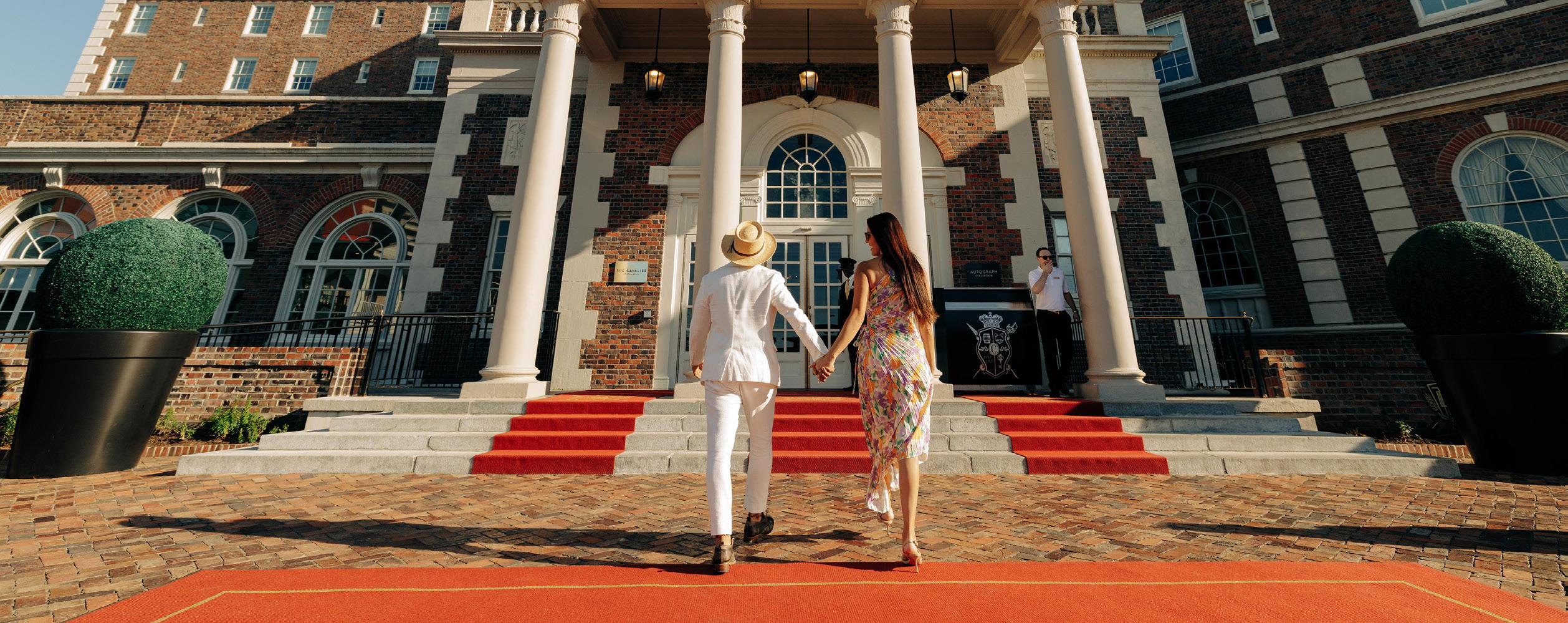
Before Virginia Beach became the resort city we know now, the Cavalier set an early standard. Opened in 1927, the redbrick hotel on the hill introduced a more formal, more ambitious vision of seaside hospitality—one that still shapes the experience today.
Set above the shoreline with sweeping views of the Atlantic, the Historic Cavalier Hotel and Beach Club quickly became one of the East Coast’s defining seaside retreats, drawing presidents, entertainers, and generations of summer guests. Its Beach Club, added in 1929, helped cement that reputation, transforming the property into both a social hub and an entertainment destination during the height of the bigband era.
The Cavalier’s modern version of the Beach Club offers direct access to the Atlantic alongside pools, dining, and a bar, while the hotel’s spa and indoor spaces provide a quieter counterpoint. The on-site Tarnished Truth Distilling Company offers tastings and is the first craft distillery located inside a U.S. hotel. The Cavalier’s Hunt Room, with its dark wood interiors and historic atmosphere, remains one of the state’s most memorable places for a cocktail, fitting naturally within a hotel listed on the National Register of Historic Places.
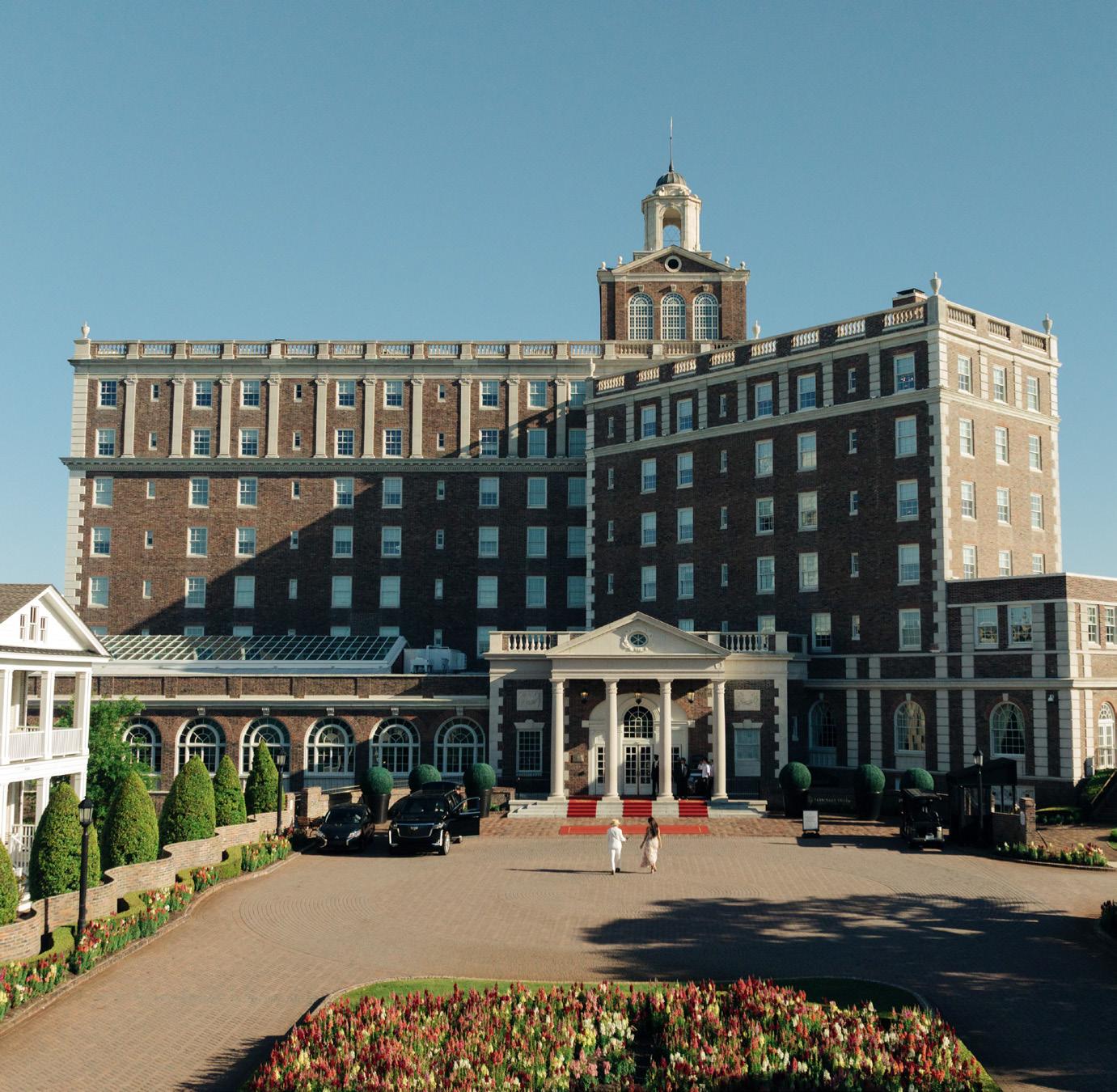
BEST FOR: Couples or families
VIBE: Classical, coastal elegance
PACK: Swimsuit, resort wear, sandals, a jacket for dinner, sunscreen
DON’T MISS: Sunrise on the Boardwalk, Get Lost shave ice in the Vibe District
DINE: The Hunt Room or Steinhilber’s DISTANCE FROM DOWNTOWN MALL: 179 miles


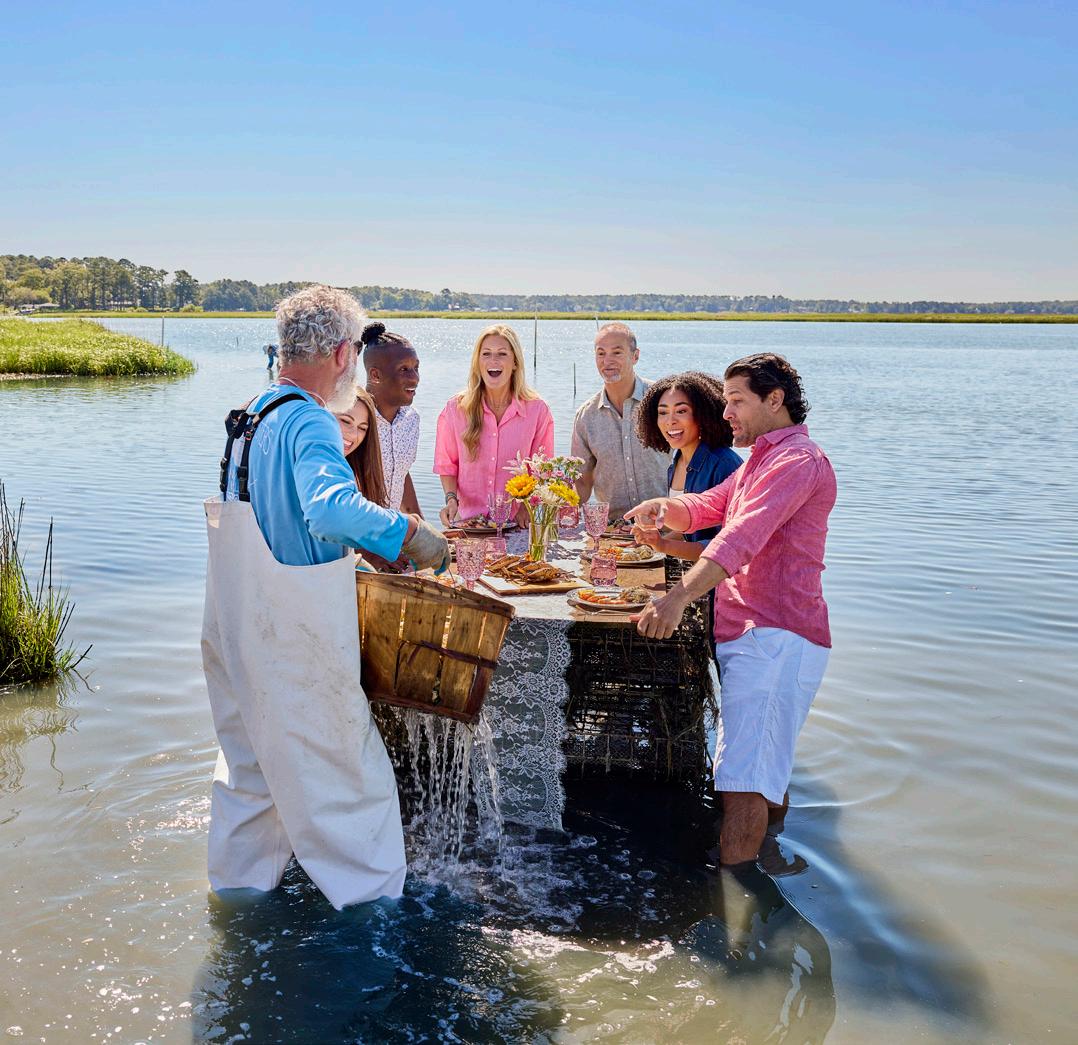
For one of Virginia Beach’s most memorable summer outings, book a tour with Pleasure House Oysters, where boat trips along the Lynnhaven River offer a behind-the-scenes look at oyster farming on the Chesapeake. Led by oyster farmer Capt. Chris Ludford, the tours range from tastings and hands-on harvesting experiences to the memorable Chef’s Table Tour, where guests enjoy freshly harvested Lynnhaven oysters while standing knee-deep in waders at a table set up in the river. Captain’s tip: Bring your own bottle of wine to enjoy during the trip.
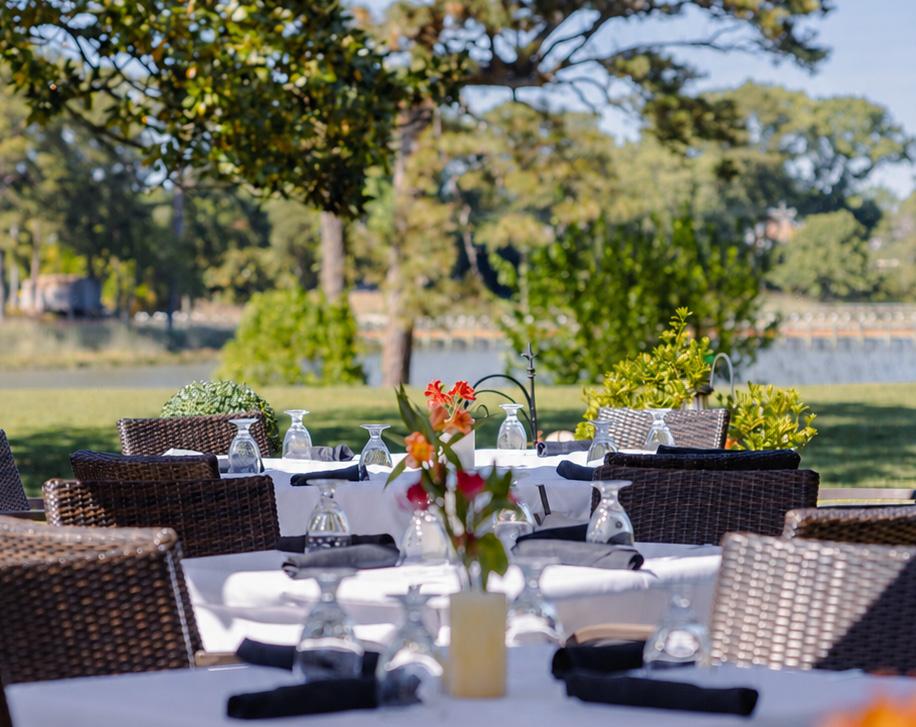
Founded in 1939 at the site of an old country club on the Lynnhaven River, Steinhilber’s Thalia Acres Inn is one of Virginia Beach’s oldest and most beloved dining institutions. Still family-run, the restaurant feels like a hidden retreat, surrounded by lush greenery and featuring a menu built around its signature fantail fried shrimp, steaks, and classic seafood dishes. The expansive patio, with fire pits and river views, is widely considered one of the best outdoor dining spots in Virginia. Steiny’s, as locals call it, offers a distinctly “old Virginia Beach” experience away from the oceanfront crowds.
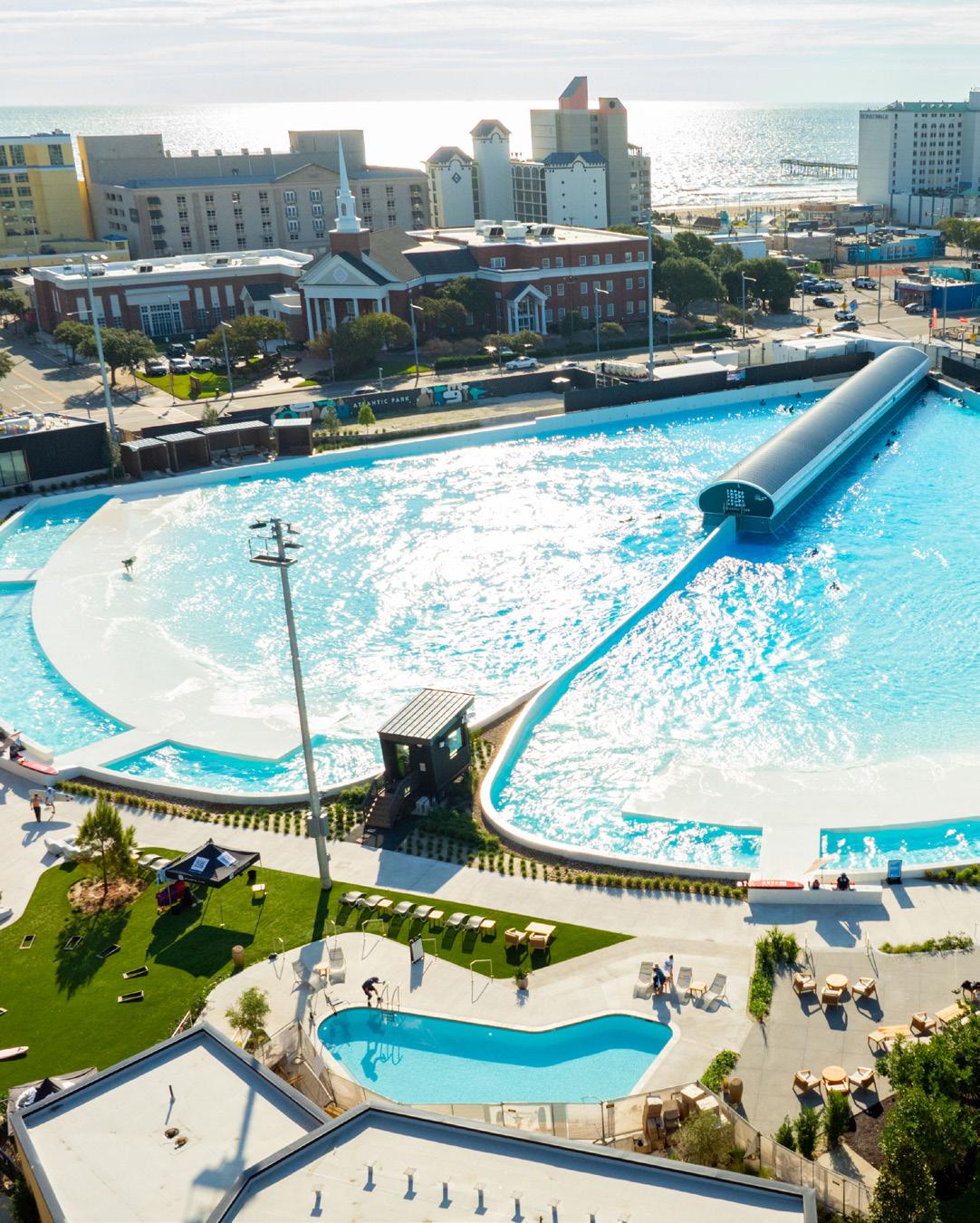
A public-private partnership backed in part by Virginia Beach native and musician Pharrell Williams, Atlantic Park has added a new dimension to the oceanfront. Atlantic Park Surf is North America’s first Wavegarden Cove surf lagoon, generating up to 1,000 waves per hour across a range of skill levels. Nearby, The Dome, which opened in 2025, features a flexible indoor-outdoor concert venue that hosts major touring acts and local events. Together with the ViBe Creative District, Atlantic Park has made the 19th Street corridor feel newly active, with surf, music, murals, studios, restaurants, and markets clustered near the oceanfront.
A historic downtown hotel serves as a starting point for Shenandoah Valley weekends filled with theater and music, rail journeys, and one of Virginia’s most walkable small cities.
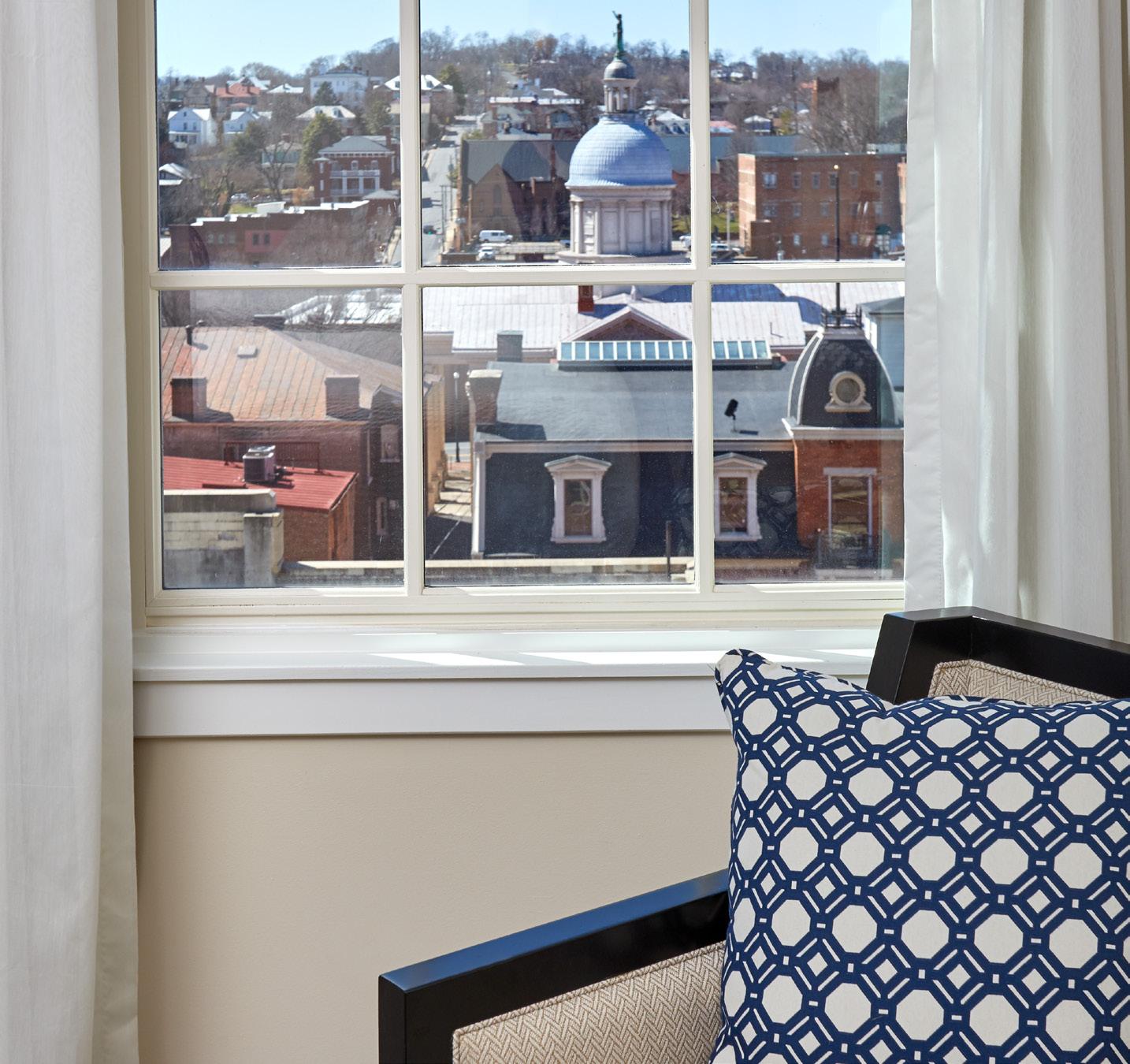
Staunton is a town best experienced on foot, and Hotel 24 South sits squarely in the middle of it. Step outside, and within a short walk you’re at the theater, a dinner table, or a stretch of historic street where alfresco dining highlights summer weekends.
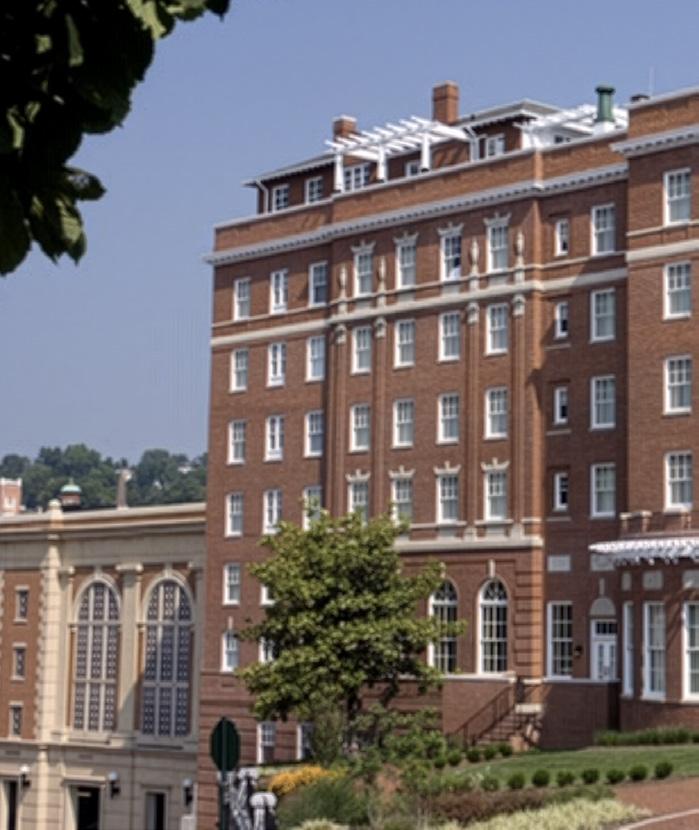
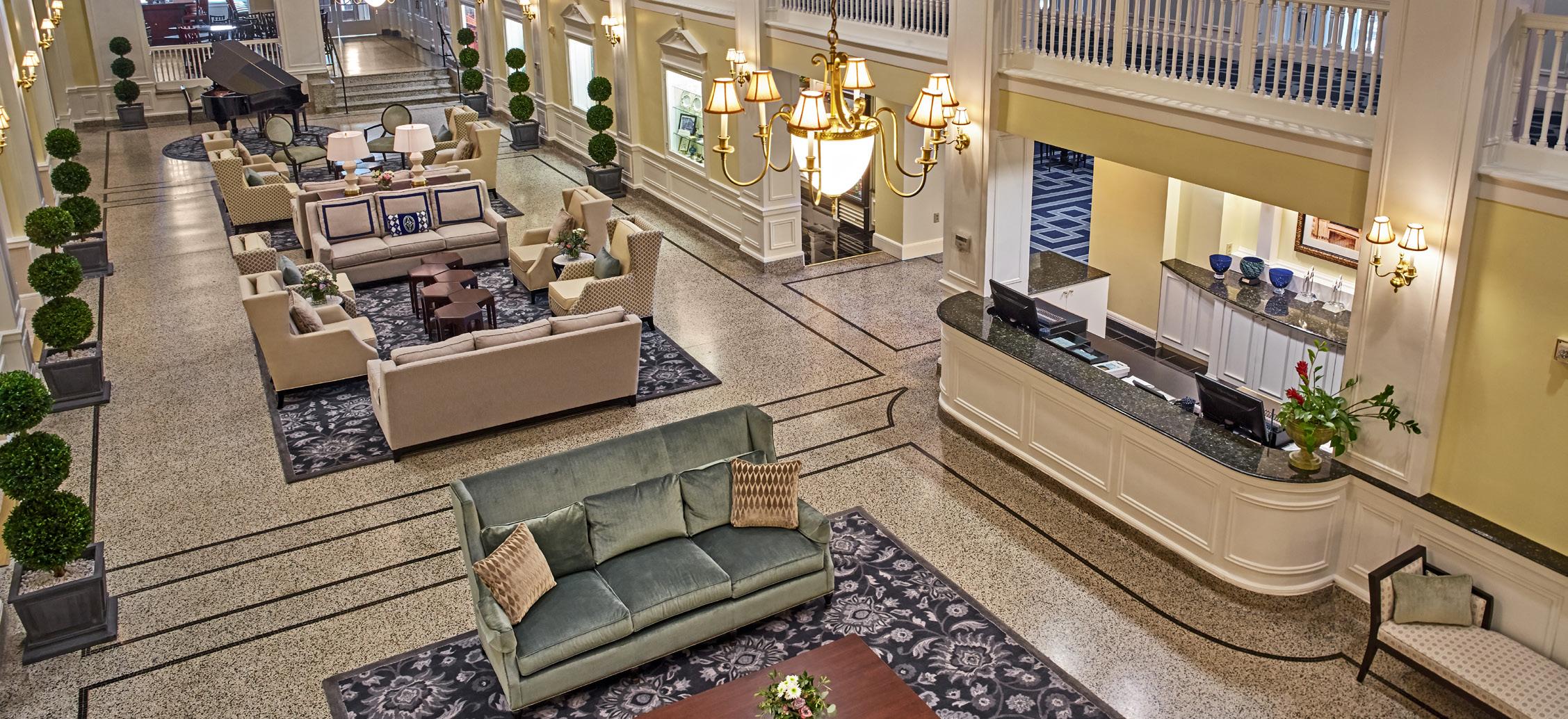
Opened in 1924 and designed by the New York firm H.L. Stevens & Company, the Georgian Revival hotel was built to signal a new era for Staunton, providing a modern destination in the age of rail travel. It quickly became the region’s gathering place, from formal events in its ballrooms to everyday life in its lobby. A rare Wurlitzer organ, still operational today, hints at the building’s early ambition and character.
BEST FOR: Theater and music lovers, Shenandoah explorers
VIBE: Historic, walkable, arts-driven
PACK: Comfortable shoes, light jacket, something for the theater
DON’T MISS: Staunton Music Festival, Virginia Scenic Railway
DINE: Zynodoa
DISTANCE FROM DOWNTOWN MALL: 45 miles
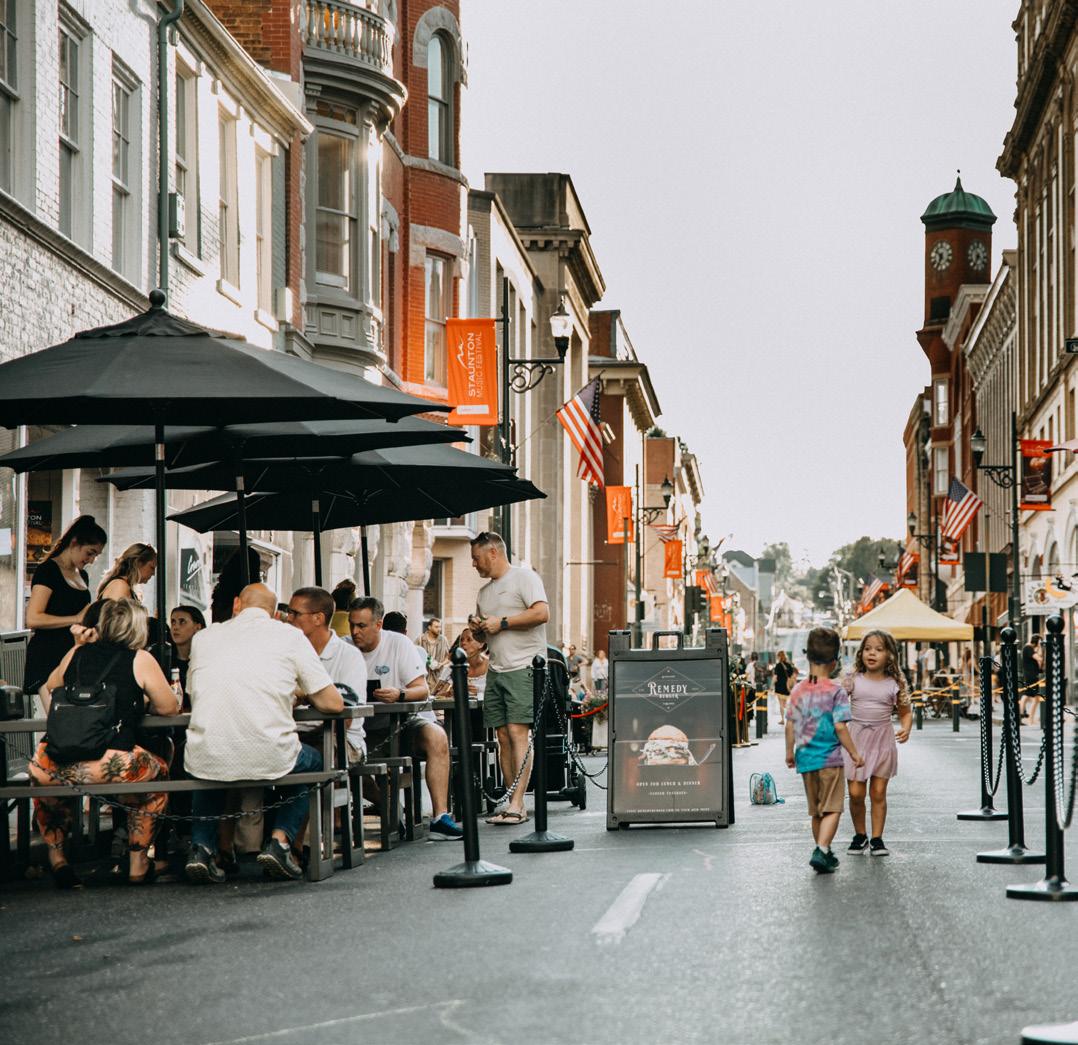
On summer weekends, Staunton’s Shop & Dine Out Downtown closes Beverley Street to traffic from Friday at 4 p.m. through Monday morning, turning the historic core into a lively, walkable scene. Restaurants including Zynodoa, BLU Point Seafood, and Shenandoah Pizza & Tap House spill into the street alongside independent shops and galleries.
Zynodoa is a popular standout for locals, with renowned chef Laura Fonner—formerly of Duner’s and Beer Run— bringing a farm-to-table approach rooted in local ingredients and Chesapeake seafood.
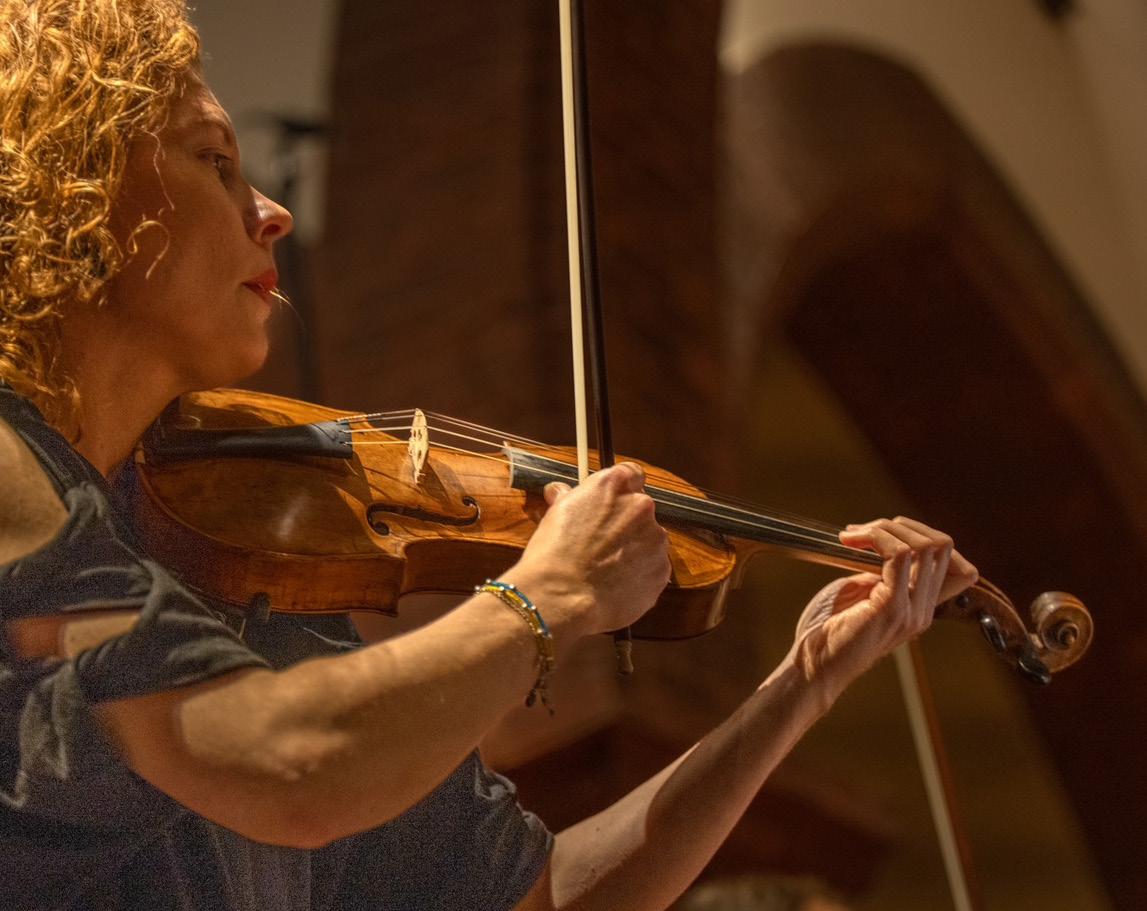
A mainstay of Staunton's cultural life is The American Shakespeare Center and its Blackfriars Playhouse, a 300-seat re-creation of Shakespeare’s indoor theater where productions use intimate staging and performance practices inspired by the Elizabethan and Jacobean stage. In August, the Staunton Music Festival brings nearly 100 acclaimed classical-andcontemporary musicians to town for roughly 30 events, ranging from free daytime programs to ticketed evening concerts, Nightcap performances, lectures, and pop-ups in historic downtown venues.
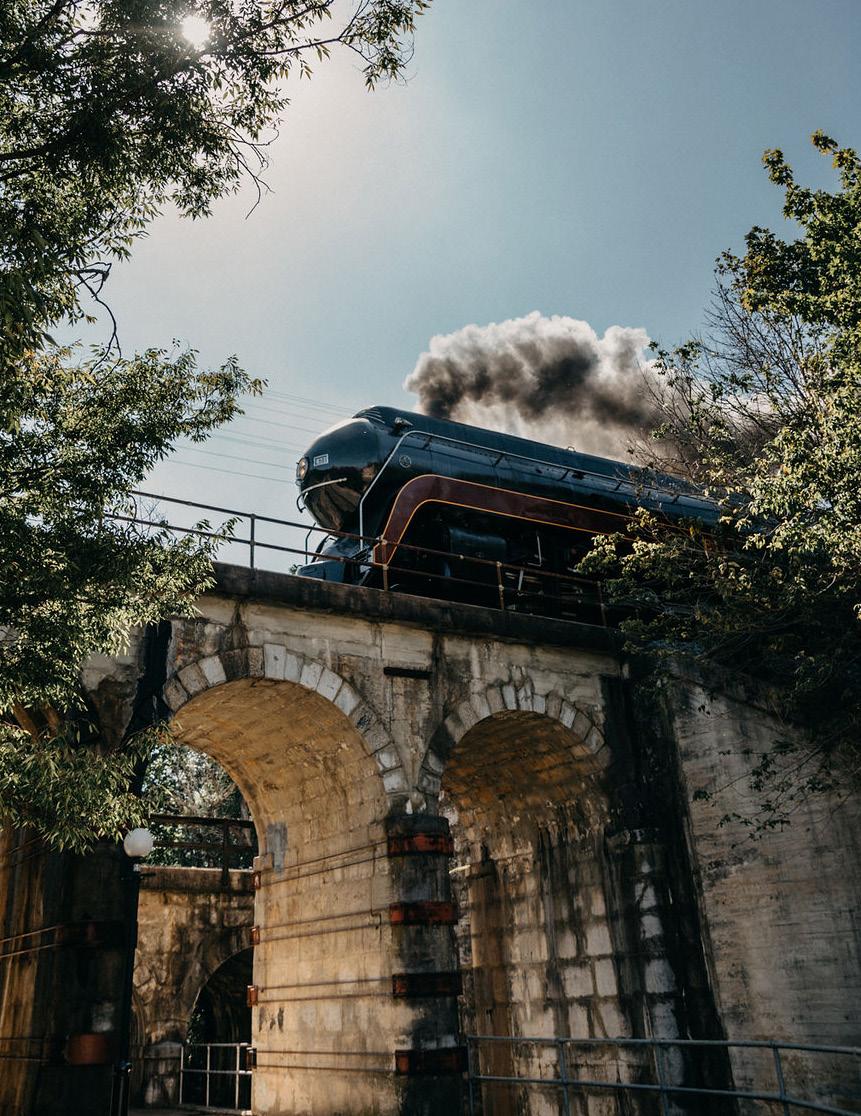
Departing from downtown Staunton, the Virginia Scenic Railway’s Summer of Steam brings Norfolk & Western Class J No. 611, one of Virginia’s great rail icons, back to the mainline for a limited run. Built in Roanoke in 1950, the bullet-nosed locomotive is the last surviving member of its class, celebrated for both its power and its streamlined beauty. Climb aboard for a route that heads east toward the Blue Ridge, climbing from Shenandoah Valley fields into the foothills before passing through the nearly mile-long Blue Ridge Tunnel and over Afton Mountain.
Richmond’s landmark hotel provides an elegant base for access to museums, river walks, and Carytown shopping.
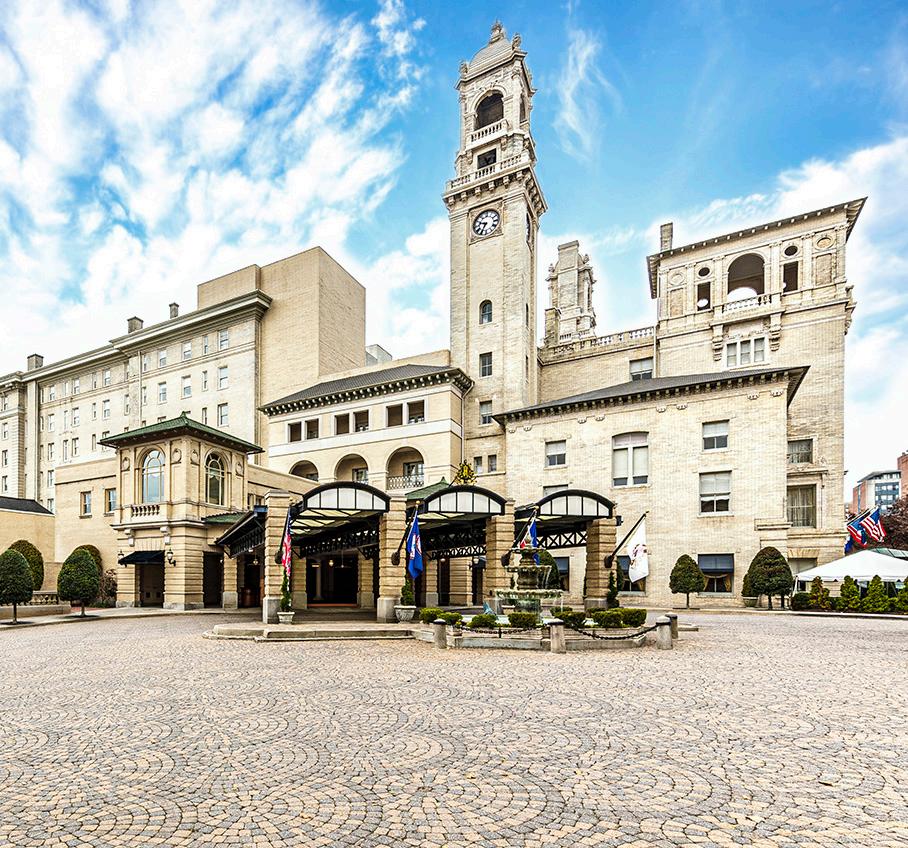
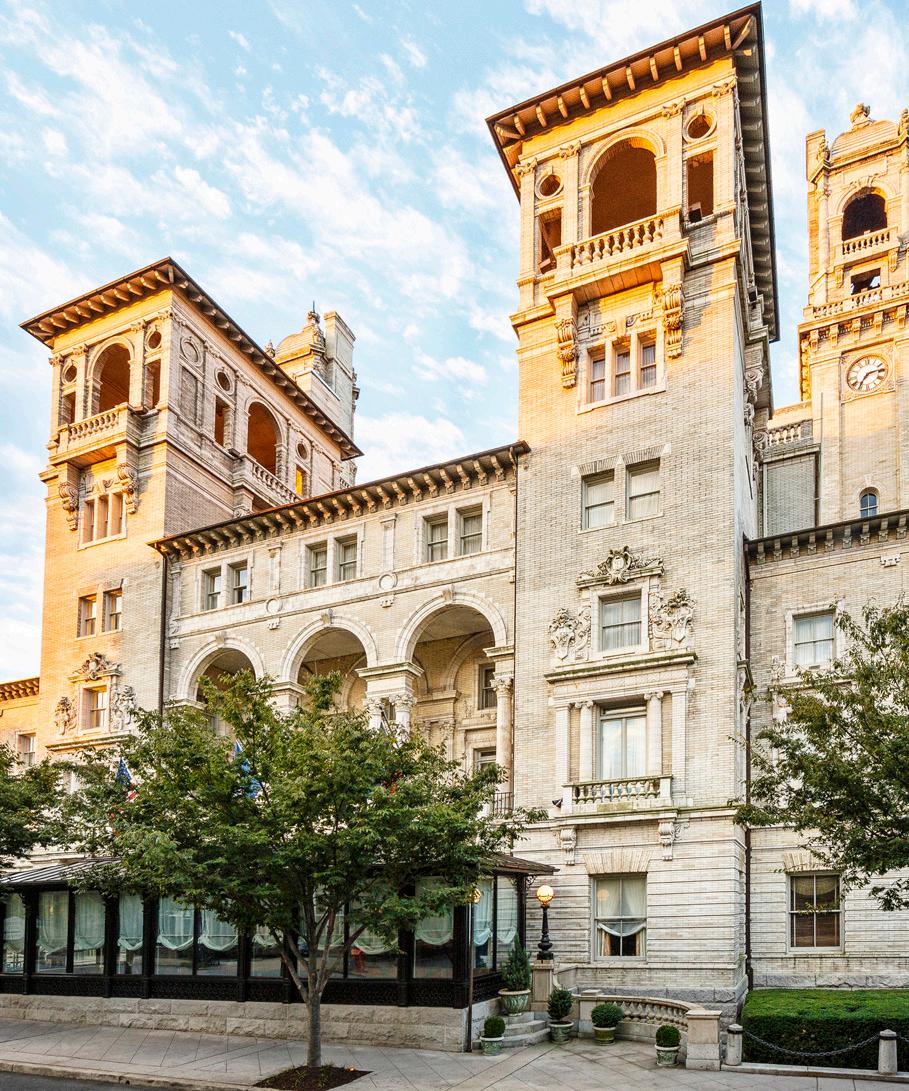
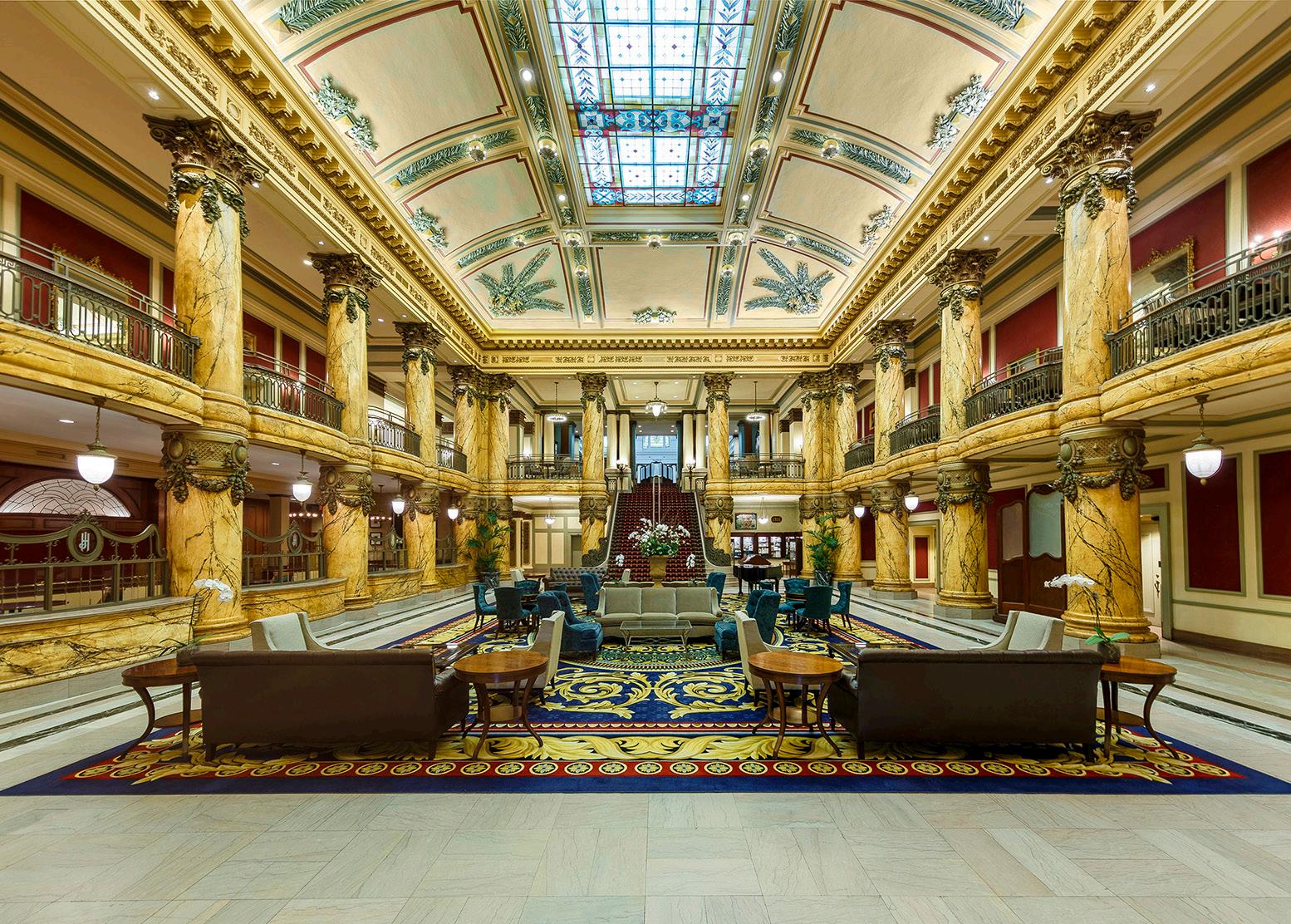
Opened in 1895, The Jefferson Hotel is Richmond’s best-known historic hotel— centrally located, architecturally significant, and closely tied to the city’s history.
Built by tobacco magnate Lewis Ginter and designed by Carrère and Hastings, the New York firm behind some of the country’s most prominent Beaux-Arts landmarks, the hotel was conceived on a grand scale, with marble columns, a soaring rotunda, and a dramatic central staircase that still define the building today.
Early guests left behind souvenir alligators from Florida trips, which were kept in the marble pools of the Palm Court, a quirky tradition that lasted into the mid-20th century. A fire in 1901 led to a major reconstruction that added the Grand Staircase, rotunda columns, and ballroom that define the hotel today. Over time, its guest list has ranged from U.S. presidents to cultural figures including F. Scott Fitzgerald, Charlie Chaplin, and Elvis Presley.
At the Jefferson, afternoon tea, Sunday brunch, dinner at Lemaire, or an evening drink at TJ’s Bar & Lounge all fit naturally into the weekend.
BEST FOR: Culture seekers, shoppers
VIBE: Elegant, urban
PACK: Comfortable walking shoes, dinner clothes, light layers for the river
DON’T MISS: VMFA, Canal Walk, Carytown
DINE: Lemaire
DISTANCE FROM DOWNTOWN MALL: 70 miles
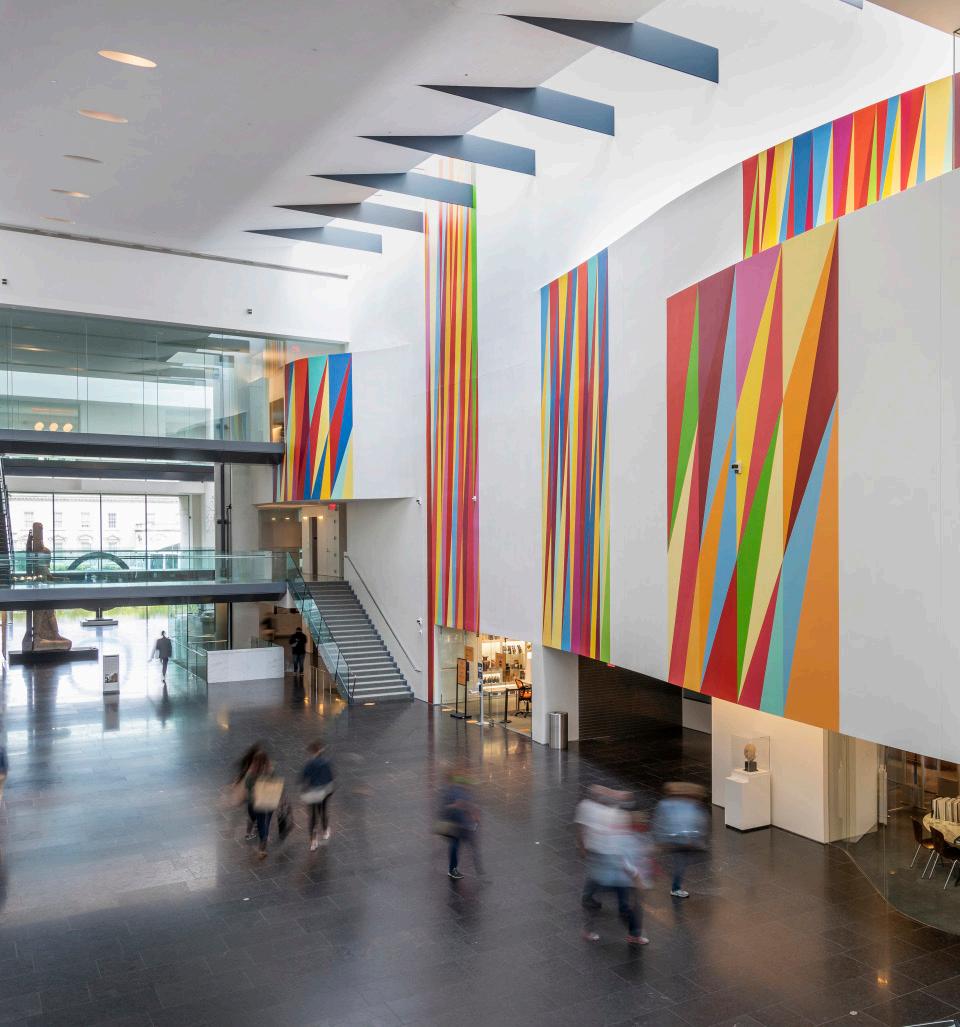
The Virginia Museum of Fine Arts anchors Richmond’s cultural scene, with free admission, major collections, and enough scale to shape an entire afternoon. Richmond’s museum landscape is particularly strong for a city its size. In addition to the VMFA, the Virginia Museum of History & Culture and the Science Museum of Virginia offer depth across art, history, and science. The Black History Museum & Cultural Center of Virginia and the American Civil War Museum add context to the city’s broader story.
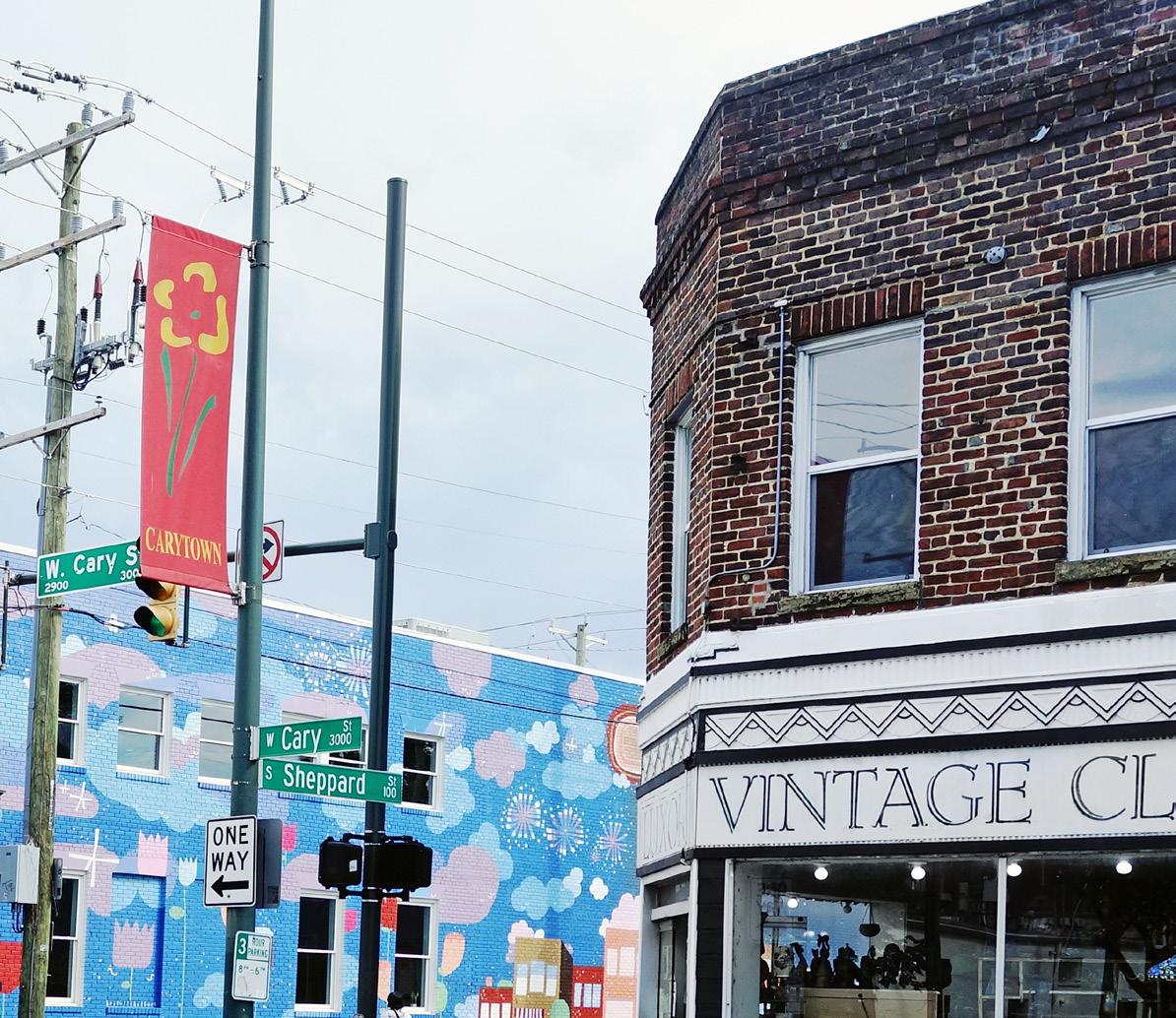
Carytown is nine blocks of more than 230 shops, restaurants, and boutiques that have resisted the pull of retail chains for the better part of a century. The street took shape in the late 1930s around a small strip mall and the Byrd Theatre, a 1928 movie palace with a crystal chandelier and hand-painted murals that still screens films today. After suburban malls pulled shoppers away in the 1950s and '60s, local merchants organized to save it themselves, keeping the district free of historic preservation rules so owners could run their storefronts however they liked. That hands-off character holds today in a mix that includes vintage clothing, independent bookshops, wine merchants, spice shops, and record stores.
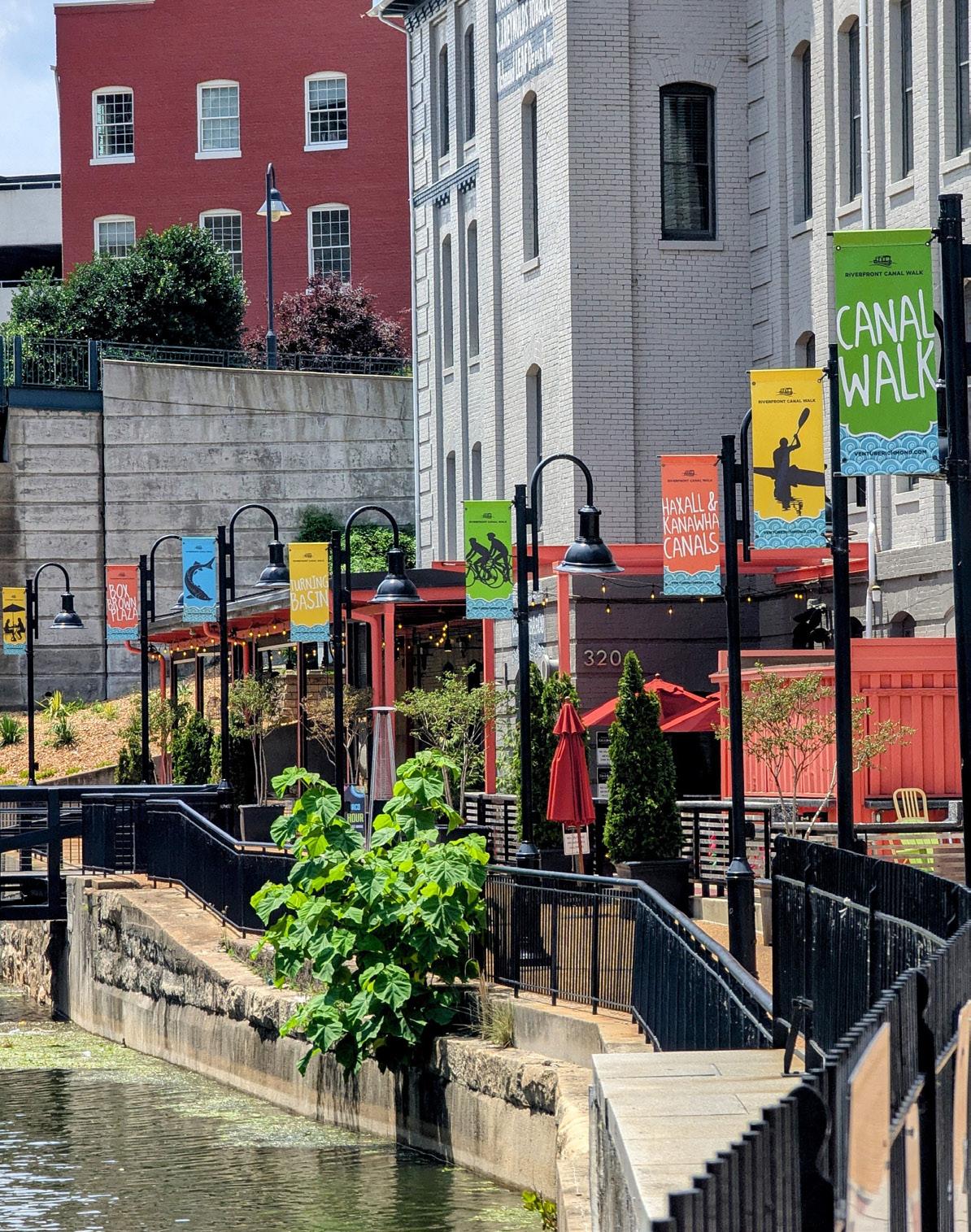
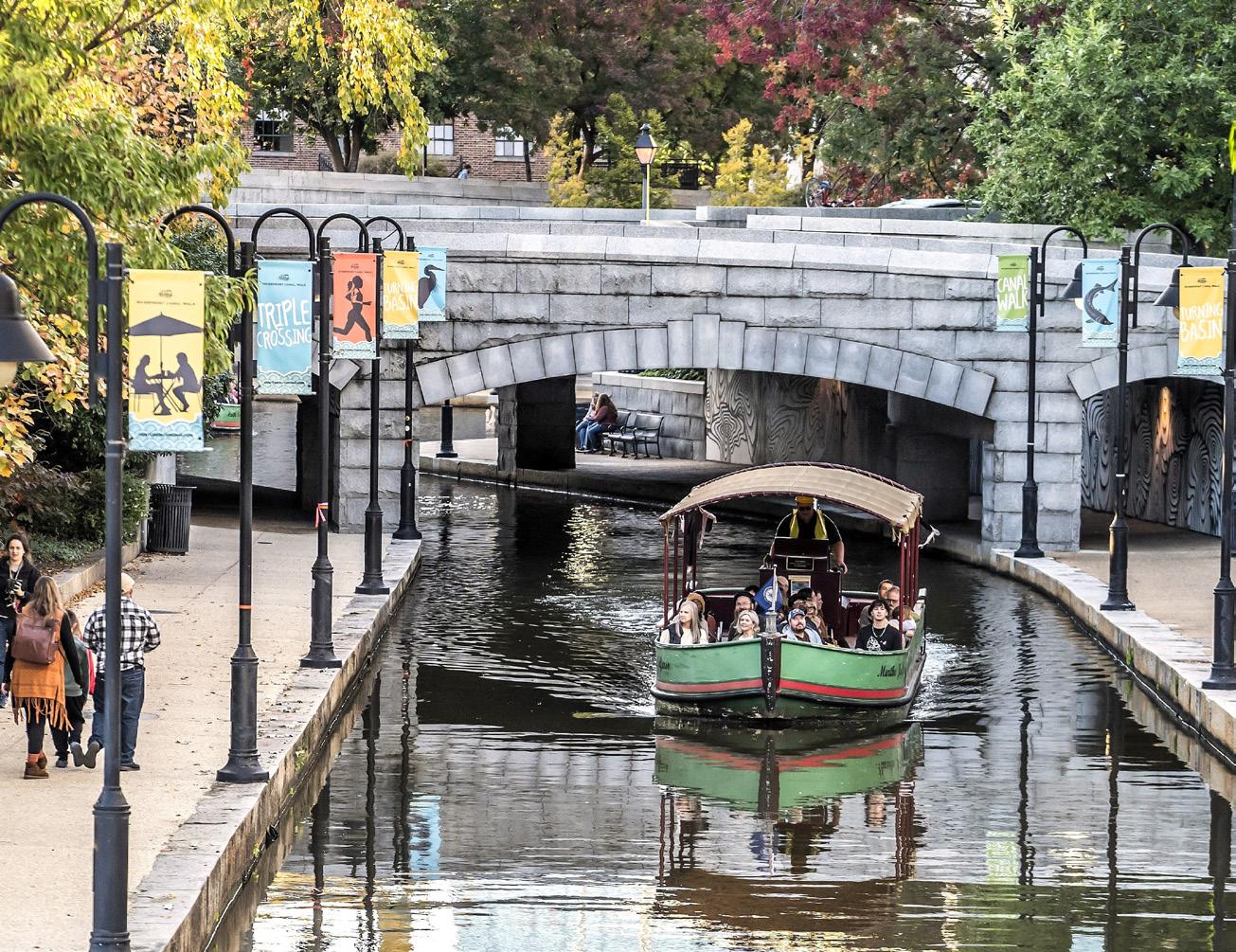
Richmond’s defining feature runs just beyond its streets. At the fall line, the James River drops 105 feet through downtown, creating one of the only urban stretches of Class IV whitewater in the country. The 1.25-mile Canal Walk offers an entry point, linking the river to Brown’s Island and across a pedestrian bridge to Belle Isle. From there, the James River Park System opens into a network of trails, rocks, and rapids that feel far removed from the city.
A lakefront resort in Blowing Rock provides a hub for a High Country weekend of parkway drives, mountain views, wineries, and walkable small towns.
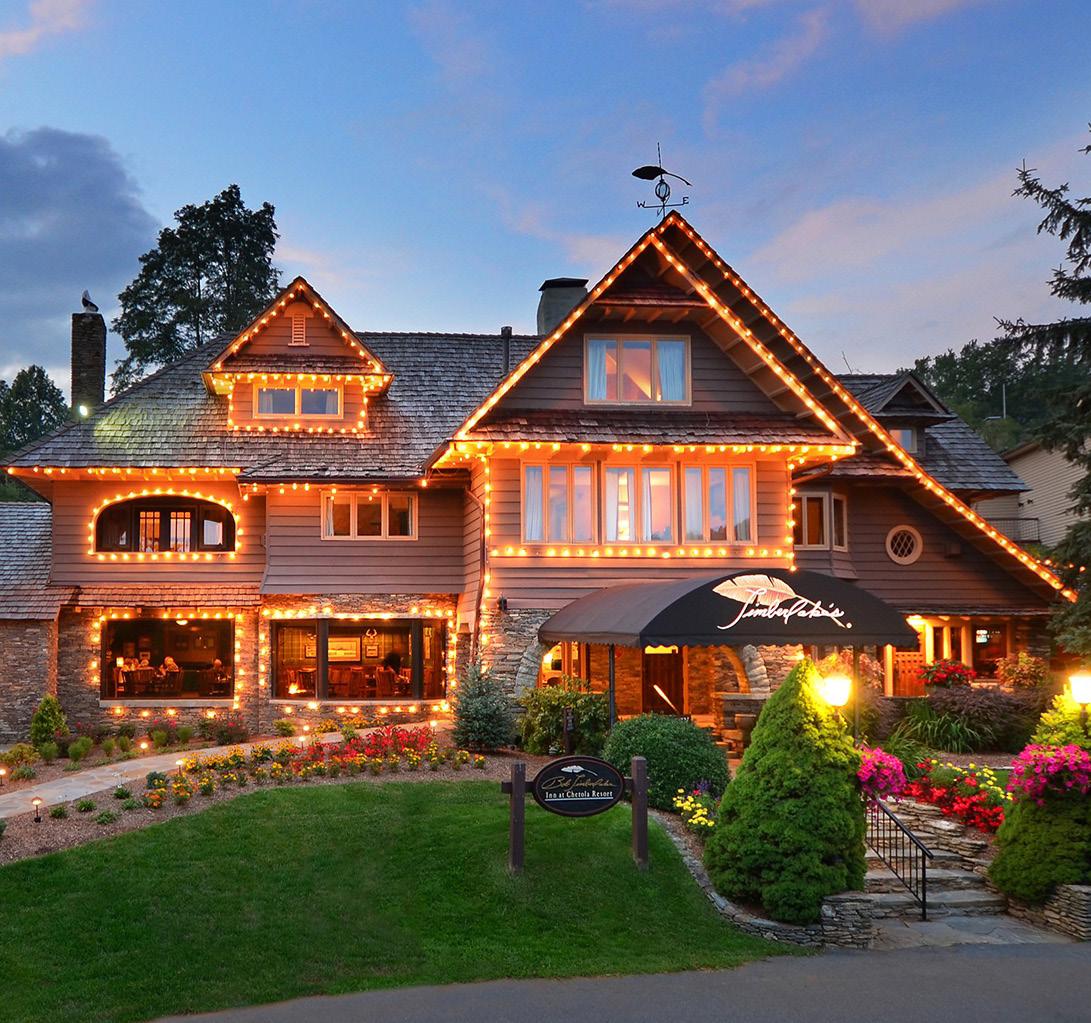
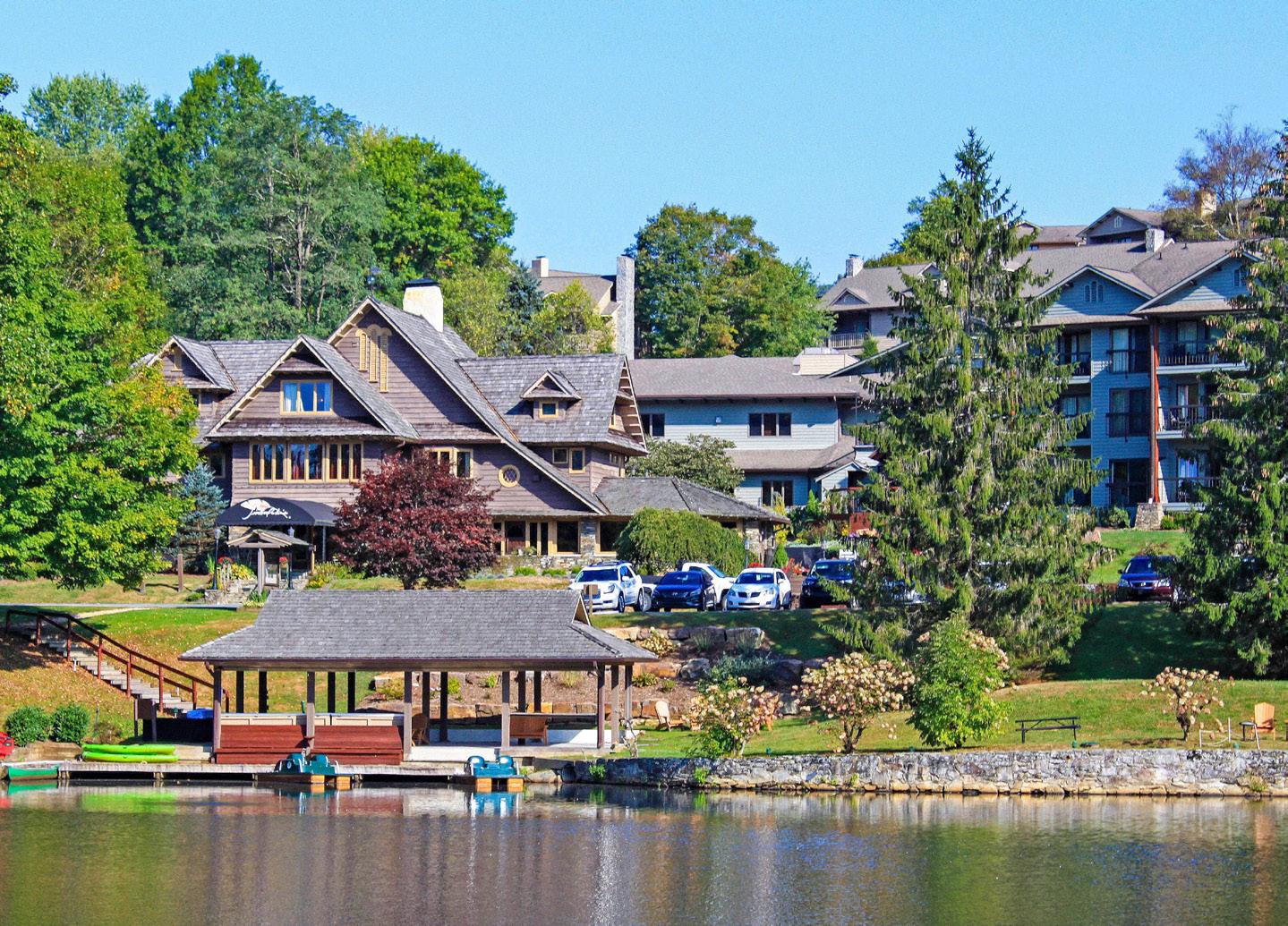
Chetola Resort sits just outside downtown Blowing Rock, with a lakefront setting and convenient access to the Blue Ridge Parkway, Grandfather Mountain, and the wineries and towns of Boone and Banner Elk.
Chetola’s history runs deeper than a typical resort. The land began as a mid-19thcentury estate known as Silverlake, later becoming a boarding house and summer retreat. In 1892, William Stringfellow renamed it “Chetola,” Cherokee for “Haven of Rest,” and expanded it as a mountain health escape. In the 1920s, Coca-Cola bottling magnate J. Luther Snyder added riding trails, a bowling alley, and a more social dimension to the estate.
Chetola still maintains the character of an old mountain retreat, but the experience is relaxed, comfortable, and easygoing.
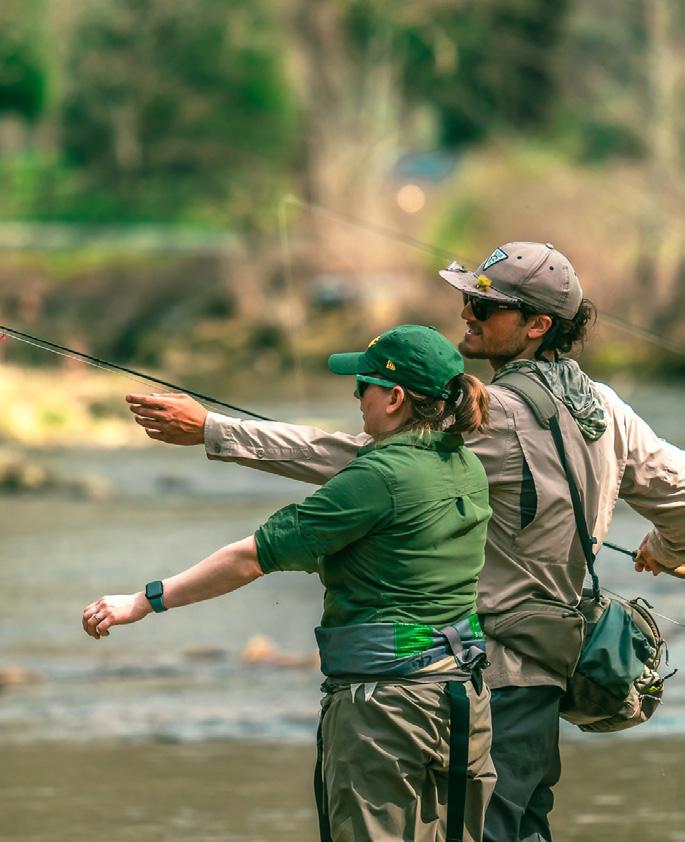
The Bob Timberlake Inn, opened in 2004 inside the historic Manor House, includes eight rooms furnished with the North Carolina artist’s Arts and Crafts-inspired furniture. The resort also includes a spa, lake activities, Orvis-endorsed fly fishing, racquet courts, and Timberlake’s Restaurant and Pub in the original manor house. It’s a place where you can stay put for part of the weekend and still feel like you’ve done enough.
BEST FOR: Families, wine travelers, outdoor-minded travelers
VIBE: Scenic nature, relaxed
PACK: Layers, walking shoes, fishing rod
DON’T MISS: Grandfather Mountain, Blue Ridge Parkway, Blowing Rock
DINE: Timberlake’s Restaurant and Pub
DISTANCE FROM DOWNTOWN MALL: 222 miles
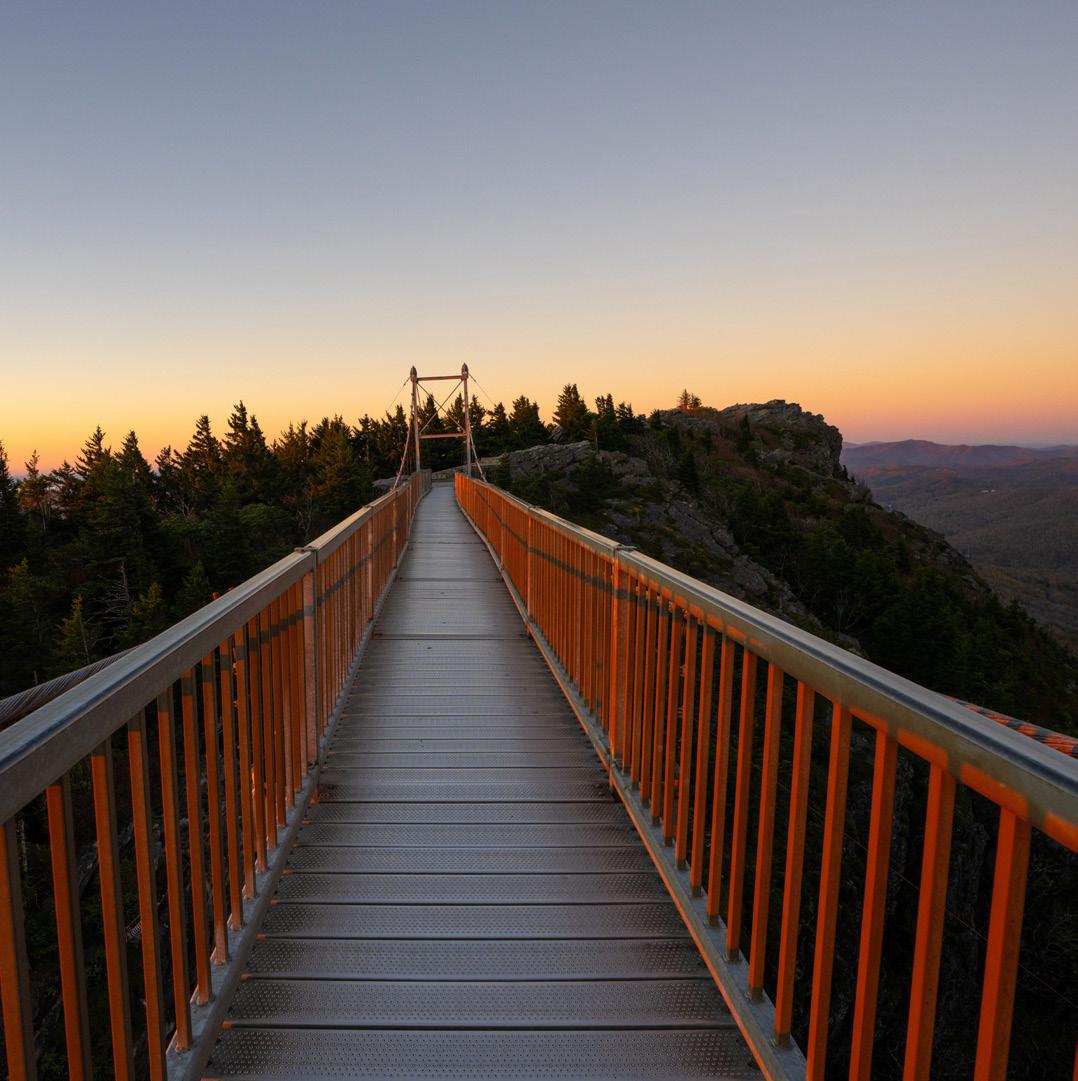
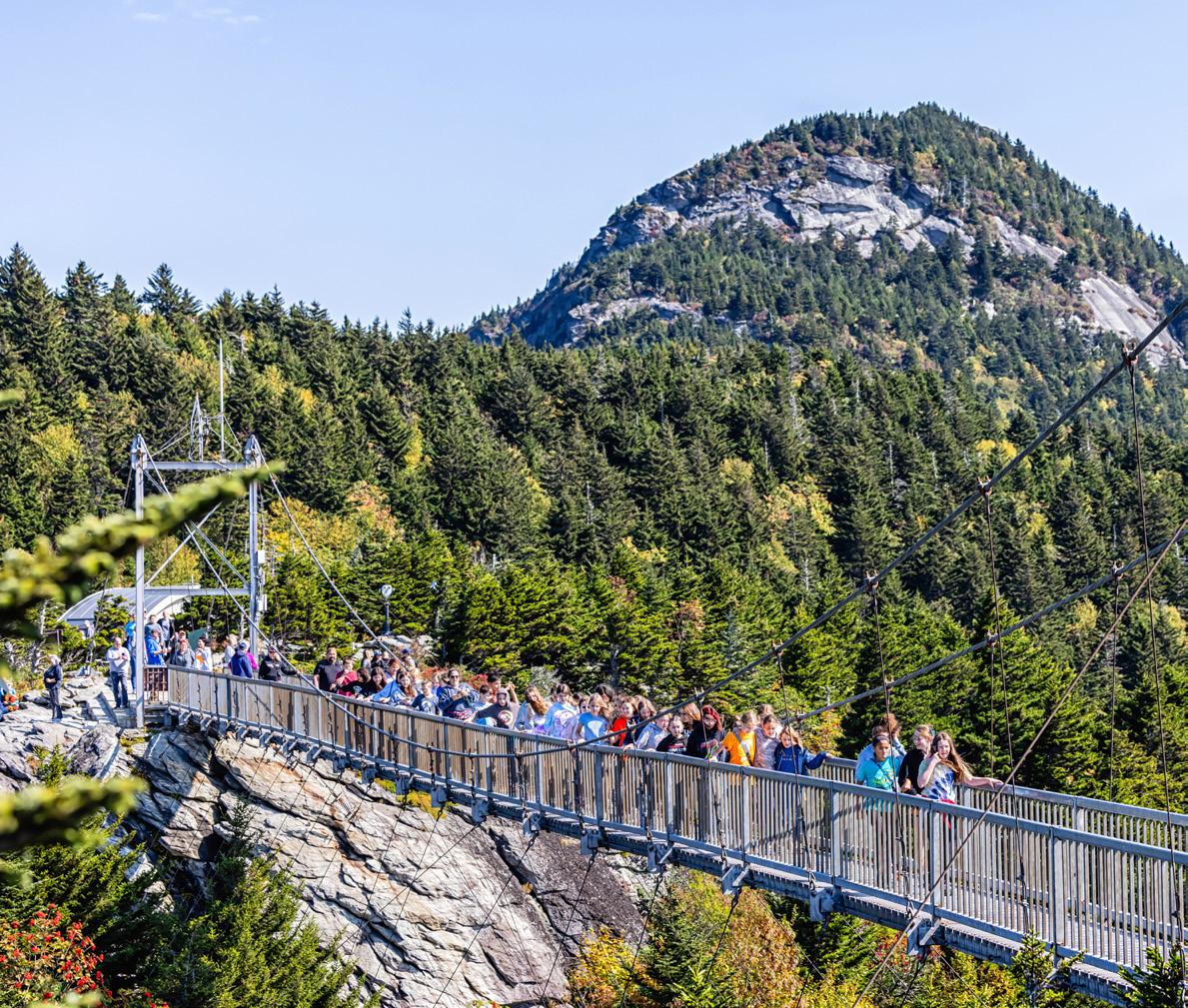
In the High Country, many weekends naturally begin on the Blue Ridge Parkway. From Blowing Rock, the route toward Grandfather Mountain links overlooks, short trails, and the Linn Cove Viaduct, a 1,234-foot bridge engineered to curve around Grandfather Mountain without disturbing the landscape. Plan to start early and make stops as you go. At Grandfather Mountain, the Mile High Swinging Bridge spans an 80-foot chasm at more than 5,000 feet in elevation, delivering long views across the Blue Ridge that shift quickly with weather and light.
The region works best as a sequence of small stops. Blowing Rock is the easiest entry point, with a compact downtown of restaurants, cafés, galleries, and shops. Banner Elk adds a slightly more curated feel, with galleries such as Carlton Gallery, while Boone brings a younger energy with breweries, live music, and a more active evening scene. A loose winery loop between the towns ties the afternoon together. Linville Falls Winery, Grandfather Vineyard & Winery, and Banner Elk Winery & Villa provide mountain views with tasting rooms and live music.
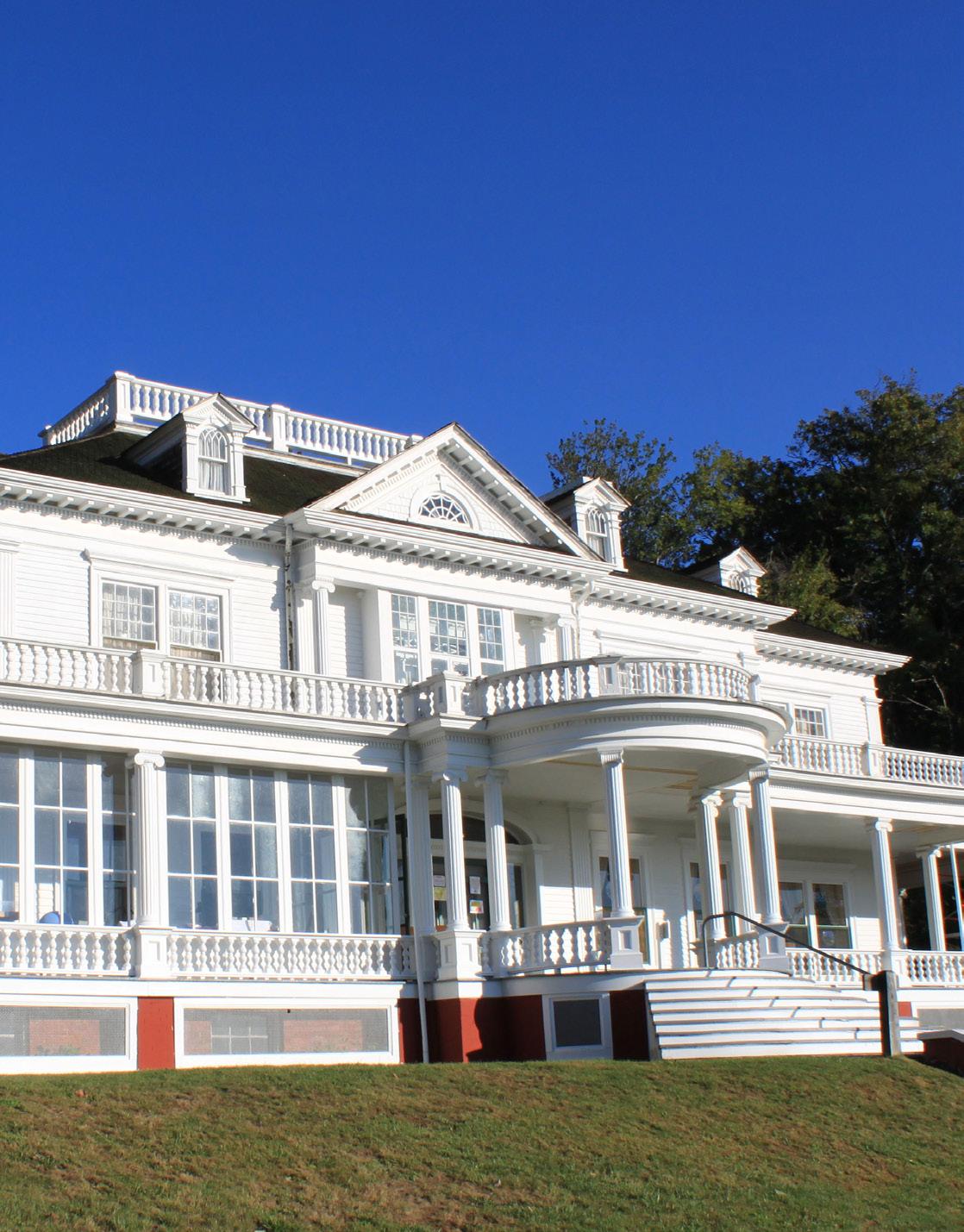
Just off the Parkway, Moses H. Cone Memorial Park offers 3,500 acres of preserved estate land centered on the 1901 Flat Top Manor. Twenty-five miles of carriage roads make it one of the most flexible outdoor stops in the region—easy walking, longer hikes, or horseback riding through fields and forests. Inside the manor, the Southern Highland Craft Guild adds a regional craft element that doubles as a shopping stop. Back at Chetola Resort, the lake, trails, and fly-fishing program provide another way to spend part of the day without leaving the property.


For many, camping conjures images of tents, sleeping bags, and a stubborn air mattress that never quite stays inflated. But across Virginia, a growing number of outdoor enthusiasts are discovering a softer side of camping out—one that blends campfires and stargazing with real beds, wooden decks, and just enough comfort to make the outdoors feel inviting rather than intimidating.
That shift has helped fuel the rise of glamping, one of the travel industry’s fastest-growing outdoor trends. More travelers are seeking outdoor experiences that still offer comfort and convenience, and Virginia State Parks provide one of the Commonwealth’s most accessible ways in.
At the center of that movement is the yurt. Originally used by nomadic cultures in Central Asia for thousands of
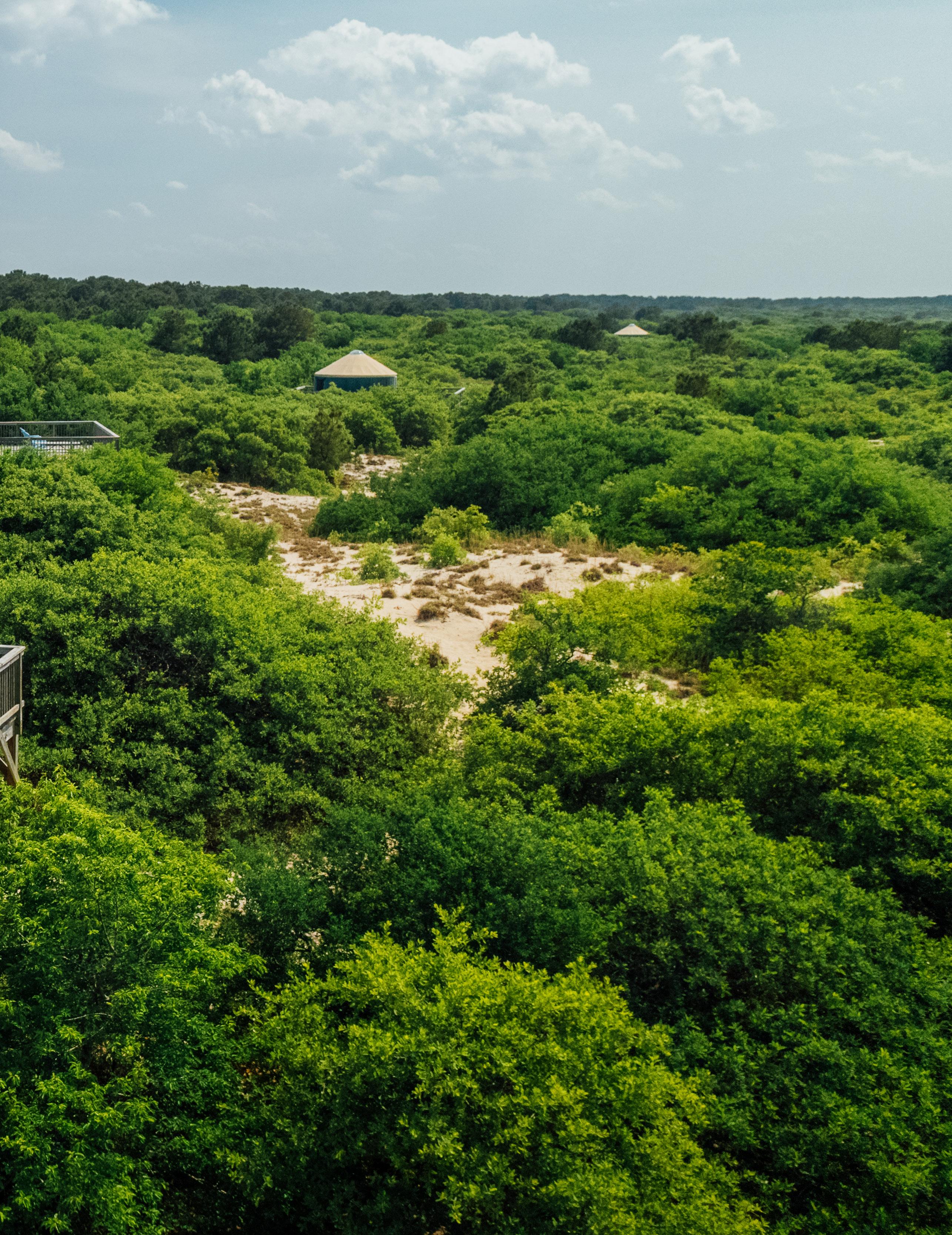
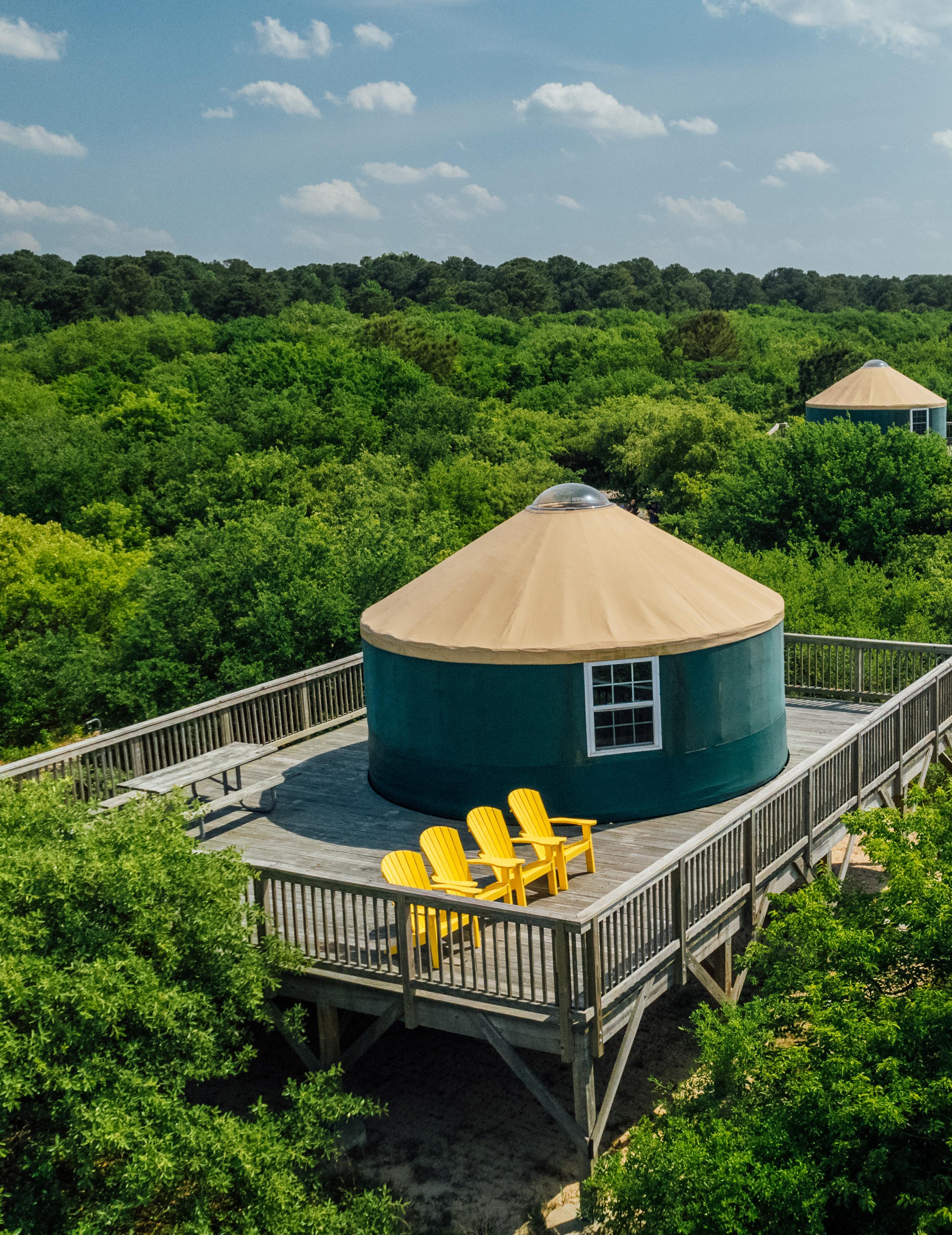
years, yurts have found an unlikely second life in Virginia State Parks, where they’ve become one of the state’s most popular alternatives to traditional camping. Somewhere between a tent and a cabin, these circular canvas shelters create a way to be in nature without fully roughing it.
Virginia State Parks now offer 47 yurts at 14 parks across the state, from the beaches of the Eastern Shore to the mountains of Southwest Virginia.
Some sit tucked into wooded corners of campgrounds, offering more privacy than a traditional campsite while keeping guests close to trails, lakes, and beaches. Instead of wrestling with tent poles after dark, visitors arrive to find a ready-made outdoor retreat.
And unlike luxury glamping resorts that can cost hundreds— or thousands—per night, Virginia’s yurts remain surprisingly
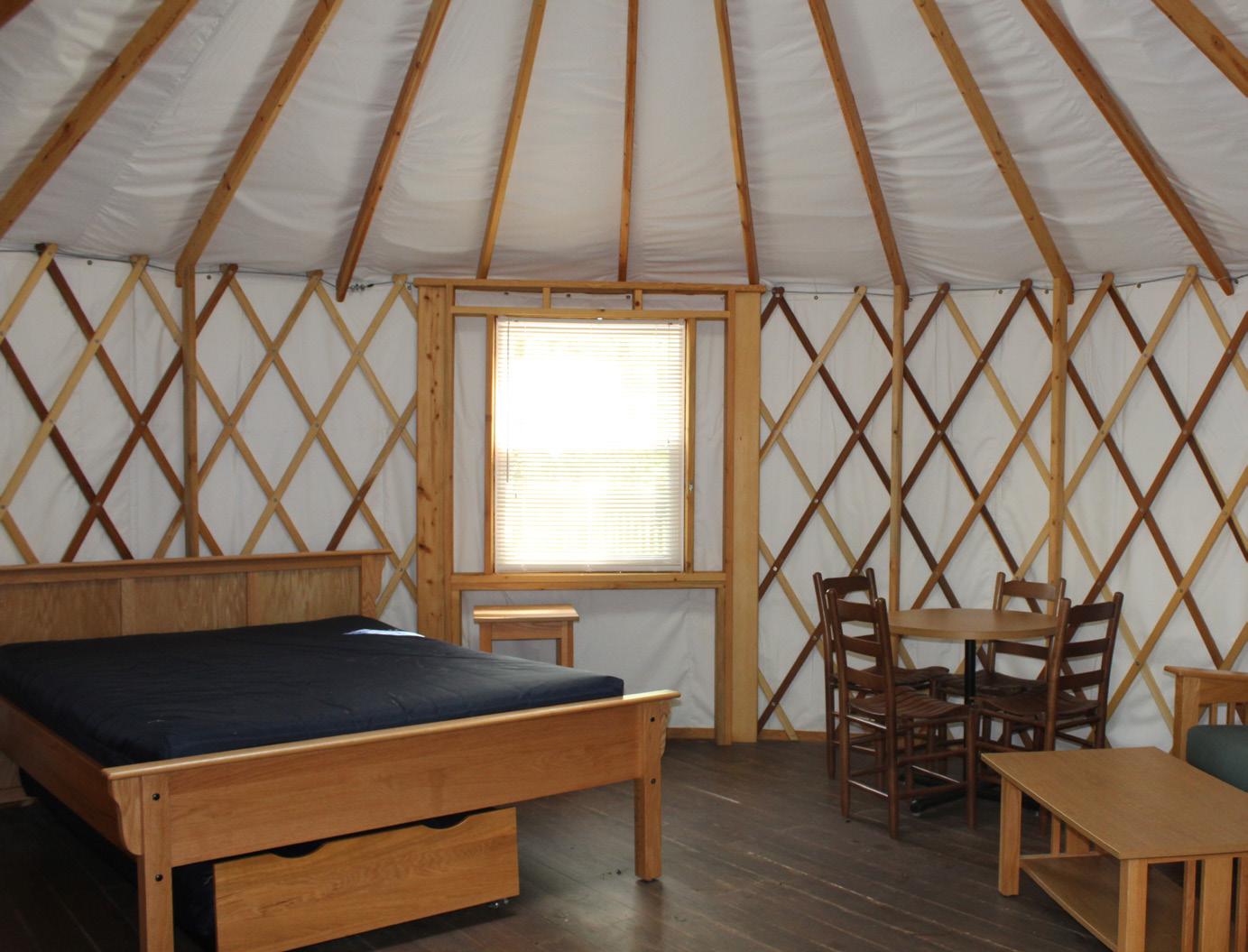
Most yurts include beds and furniture, but guests still need to bring linens, sleeping bags, blankets, towels, flashlights, and toiletries.
Bring Layers
Because most yurts do not have climate control, temperatures can fluctuate dramatically—especially in spring and fall. Extra blankets and warm clothes are essential.
Plan Your Meals
Cooking is not allowed inside the yurts, but each site includes a fire ring and usually a grill or cooking grate. A cooler and simple camp-friendly meals go a long way.
Arrive Before Sunset
Without electricity, setting up after dark can be challenging. Virginia State Parks recommends arriving early enough to settle in during daylight.
Don’t Bring Firewood or Pets
To prevent the spread of invasive insects, guests are encouraged to buy or collect firewood locally within the park system. Pets are not permitted in yurts.
Embrace the Disconnect
Bring a book, enjoy the campfire, look at the stars, and lean into the slower pace.
accessible. Standard yurts currently rent for about $80 per night for Virginia residents, making them one of the most affordable ways to experience the growing glamping trend.
The experience varies by park. At Kiptopeke State Park on the Eastern Shore, the original Virginia State Park yurt overlooks the Chesapeake Bay from a bluff above the water. Opened in 1998, it became the park system’s first yurt. The deluxe yurt remains unique because it includes electricity and climate control—an uncommon feature in Virginia’s yurt network.
There, guests might spend the day birdwatching, biking, or exploring the shoreline, then return to sunsets visible from the yurt’s oversized deck. On cool evenings, the Chesapeake Bay Bridge-Tunnel flickers in the distance, with a campfire crackling nearby.
At First Landing State Park, yurts sit within a coastal landscape of cypress swamps, maritime forests, and Chesapeake Bay beaches just minutes from Virginia Beach’s oceanfront. At Grayson Highlands State Park, visitors can combine a yurt stay with hikes through the park’s open grassy balds and a backdrop of stunning mountain peaks more than 5,000 feet in elevation.
Lakefront escapes at Lake Anna State Park, mountain scenery at Hungry Mother State Park, and wooded retreats near Richmond at Pocahontas State Park round out the mix of experiences.
The yurts themselves are intentionally simple, offering a chance to disconnect from screens and reconnect with the outdoors. Most do not include electricity, heating, or air conditioning, though many parks provide nearby water spigots and campground bathhouses.
Inside, sunlight filters softly through the canvas walls and clear dome overhead. Many yurts allow guests to open the top dome or screened windows for airflow and nighttime stargazing. The effect can feel surprisingly cozy—part cabin retreat, part safari tent, part summer camp nostalgia.
It broadens access to camping for people who might otherwise avoid it. Travelers without gear, families with small children, older adults, or first-time campers find yurts less intimidating than traditional tent camping. They preserve the pleasures of camping without many of the usual barriers that keep people from trying it.
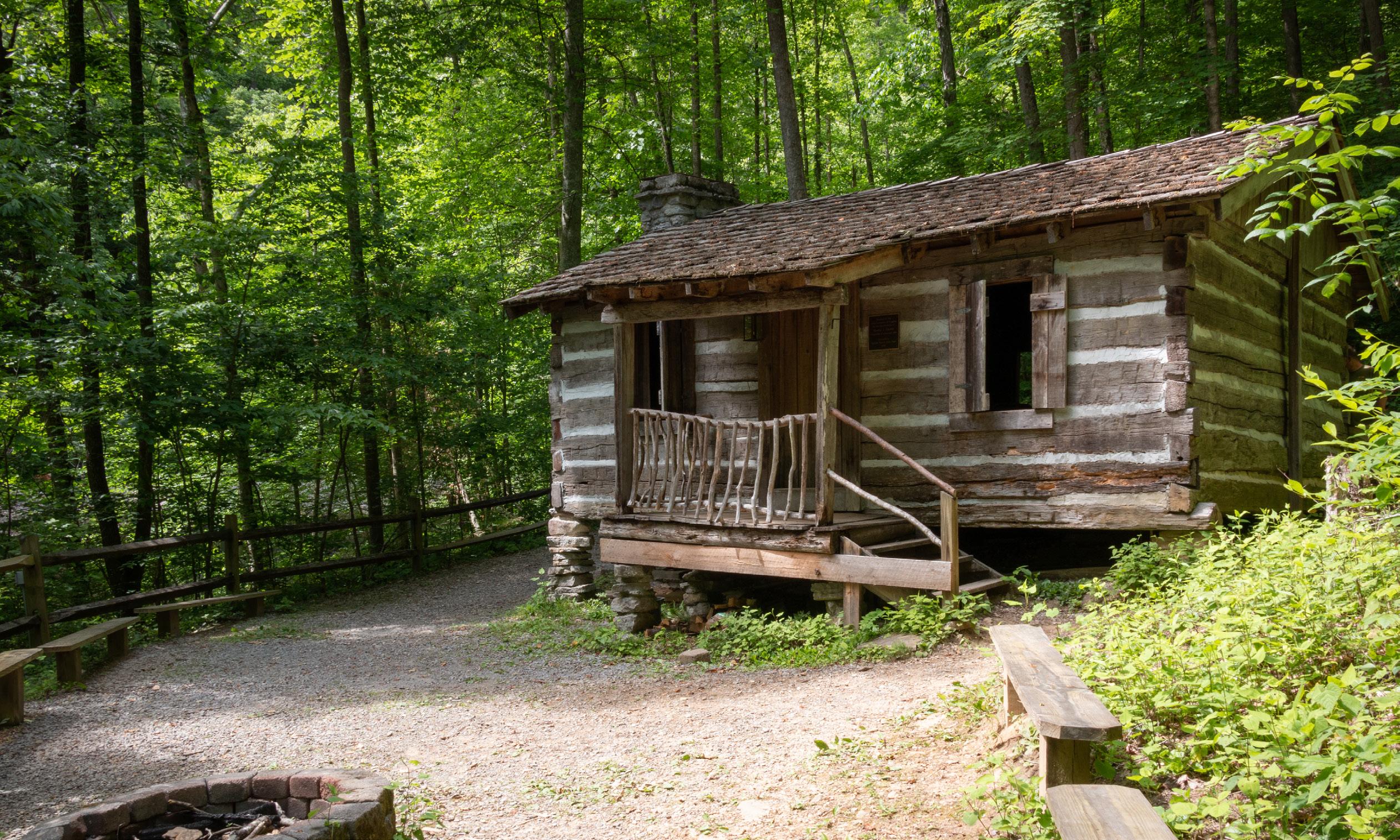
And while the accommodations are rustic, the parks themselves provide a wide range of activities. Depending on the destination, guests can hike, swim, kayak, or paddleboard, or simply spend an afternoon reading in a rocking chair beneath the trees.
For larger groups, some travelers pair multiple yurts for family reunions or friend getaways. Others use them as a gateway into camping before eventually moving on to tents or backcountry camping.
Virginia State Parks has steadily expanded its yurt offerings in recent years as demand has grown. Today, yurts are available at Chippokes, Claytor Lake, Fairy Stone, First Landing, Grayson Highlands, Hungry Mother, Kiptopeke, Lake Anna, Machicomoco, Natural Tunnel, Occoneechee, Pocahontas, Powhatan, and Shenandoah River state parks.
For Virginians looking for a getaway that blends comfort with outdoor adventure, the modern yurt occupies a sweet spot between wilderness and convenience, providing enough comfort to feel inviting while still preserving camping’s essentials.
Reservations can be made up to 11 months in advance, and popular weekends, particularly during peak foliage season and the summer months, often book quickly.
Yurts may be one of the most popular options in Virginia State Parks, but they are far from the only one. Virginia State Parks offers nearly 300 climatecontrolled cabins throughout the Commonwealth, ranging from rustic Civilian Conservation Corps-era cabins to larger modern vacation homes with full kitchens and fireplaces.
For bigger gatherings, many parks also feature fiveand six-bedroom family lodges ideal for reunions, retreats, or group getaways. Parks including Shenandoah River State Park, Natural Tunnel State Park, and Lake Anna State Park offer larger lodge-style accommodations with fireplaces, decks, and expansive natural settings.
More traditional camping options include RV sites, primitive campsites, bunkhouses, camping cabins, and even unique overnight stays such as Poplar Hill Cottage at the Southwest Virginia Museum.
For more information, visit: virginiastateparks.gov
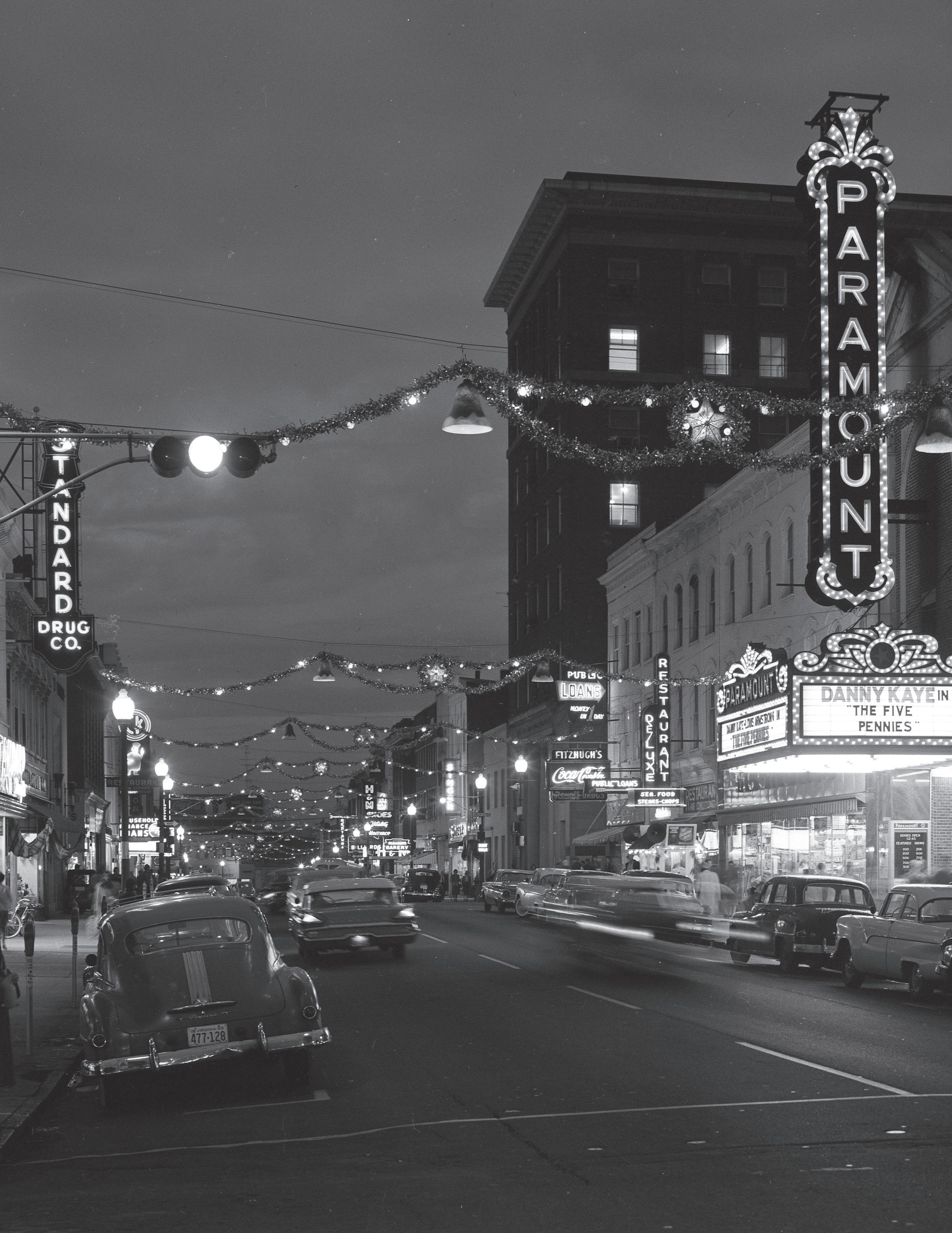
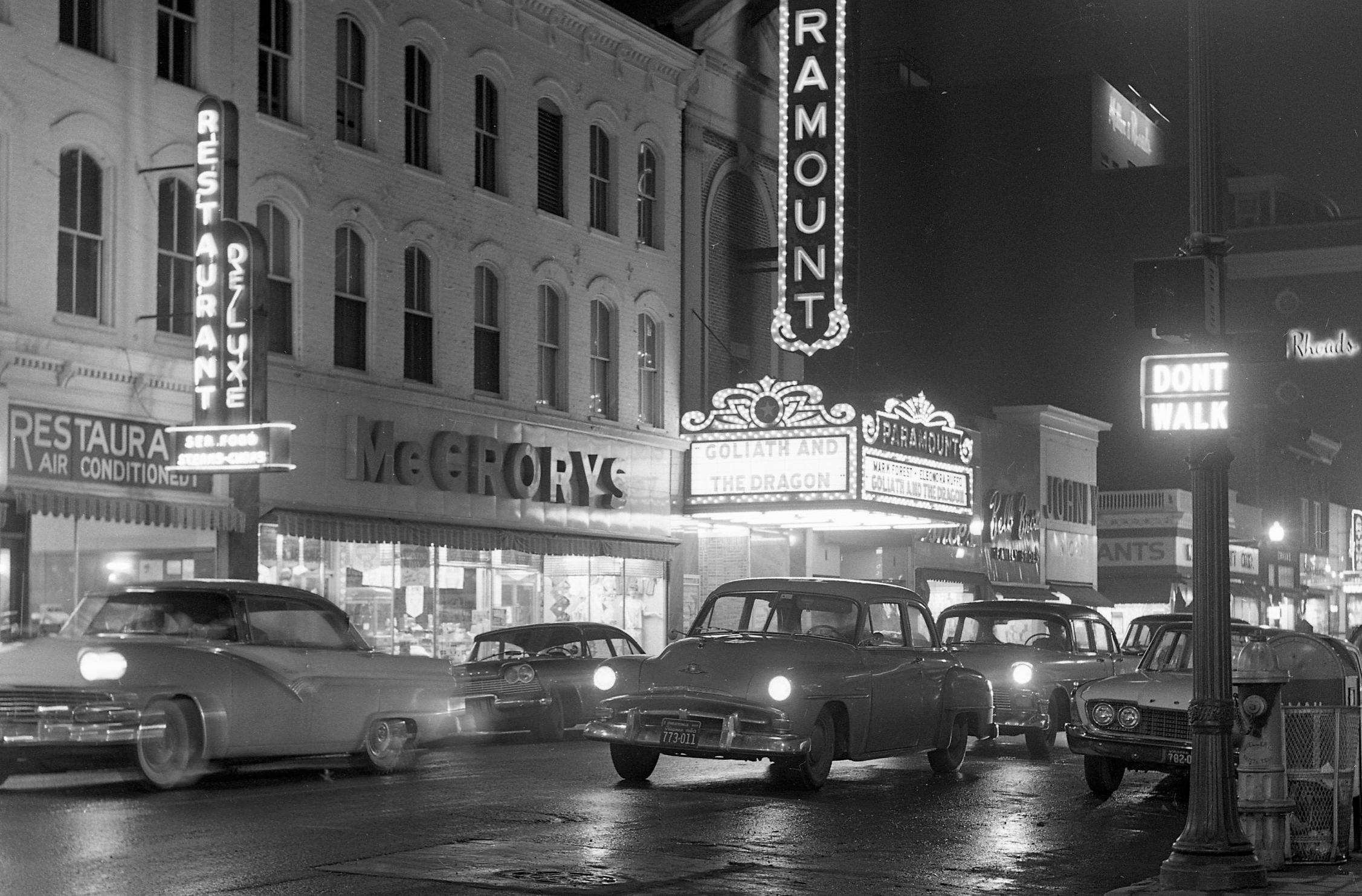
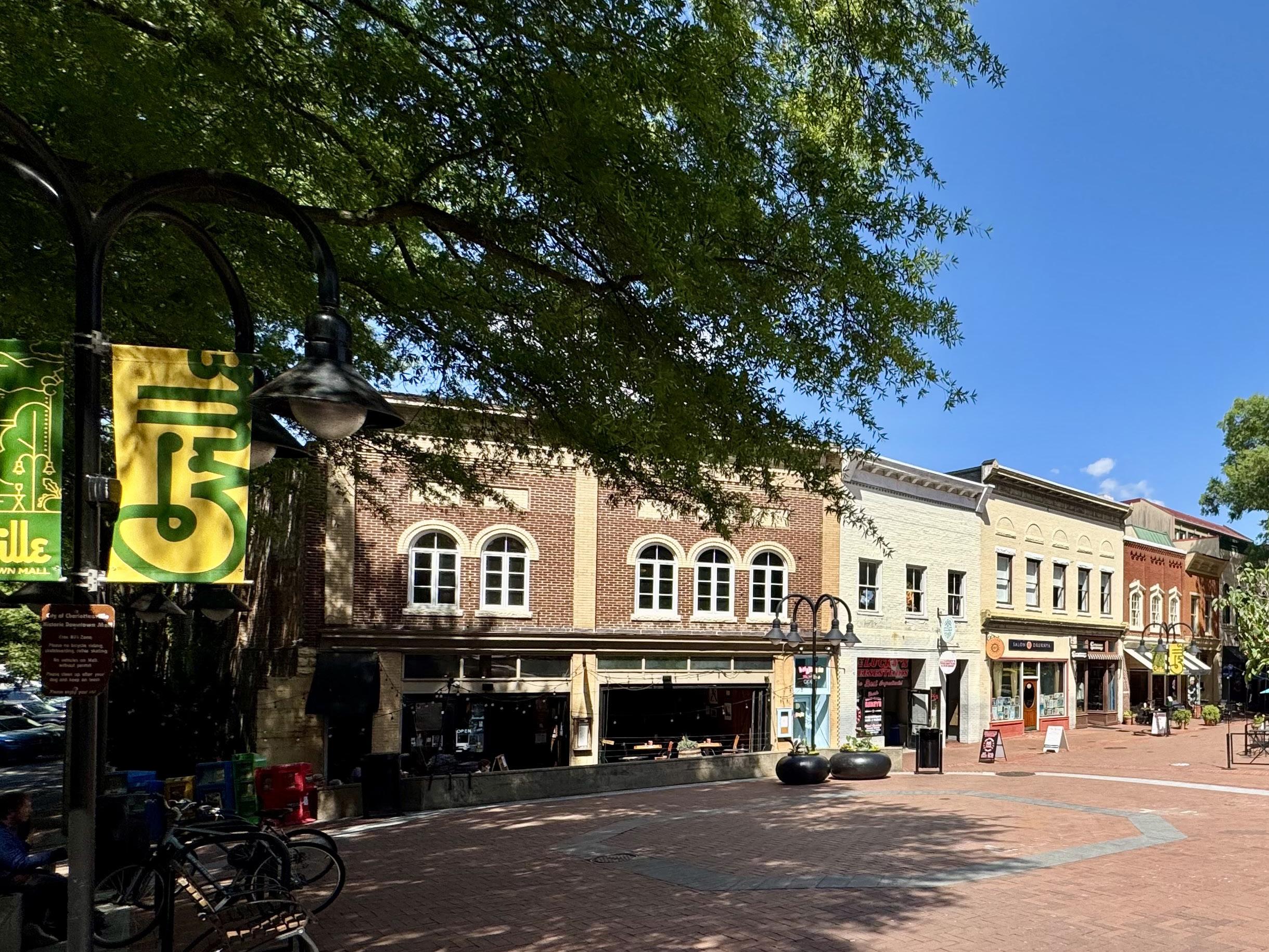
A rainy night on East Main Street, circa 1960. In August 1973, a massive fire destroyed McCrory’s department store pictured here and four neighboring businesses. The destruction cleared the way for the development of Central Place and helped accelerate plans for the Downtown Mall.
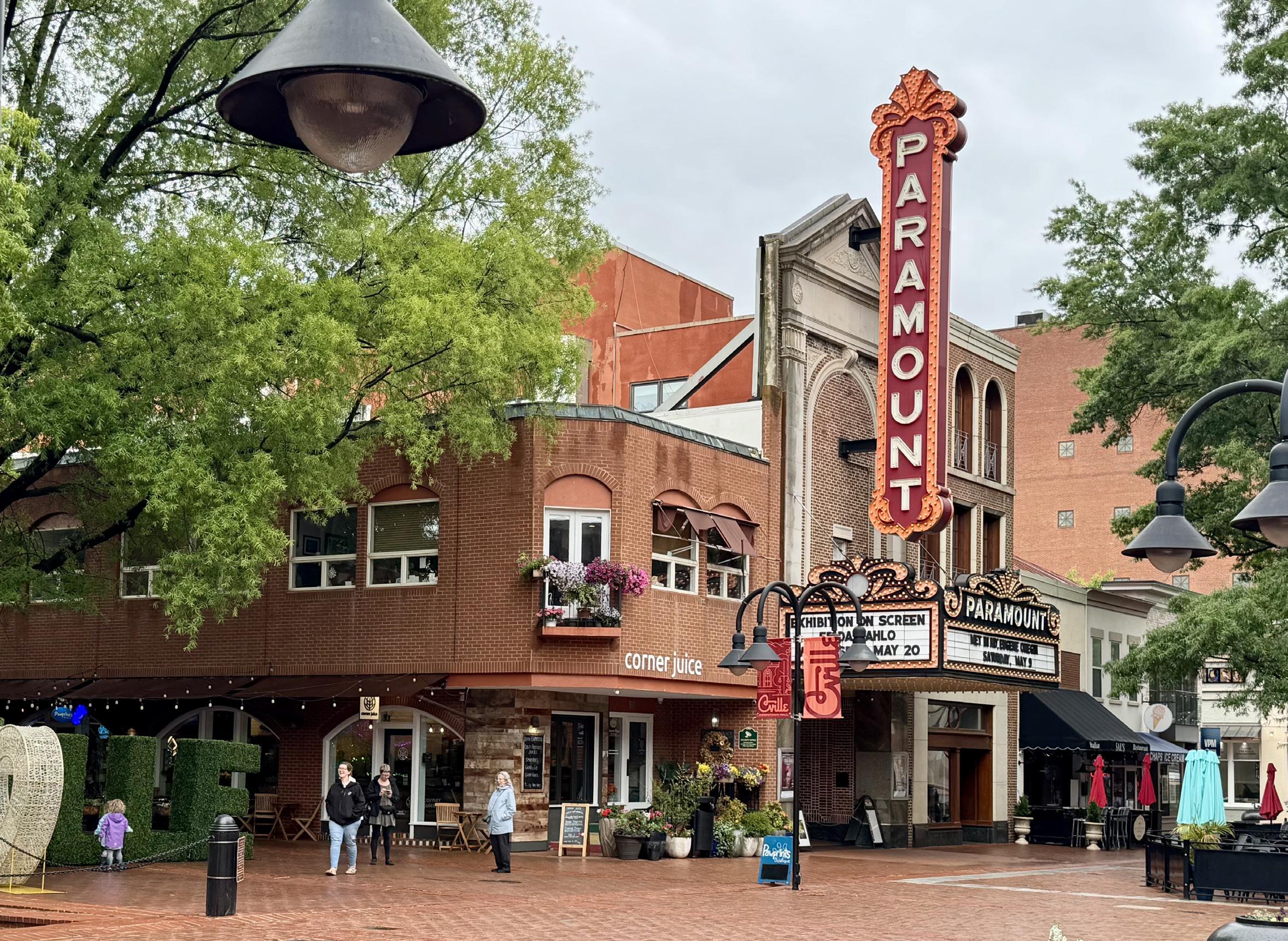
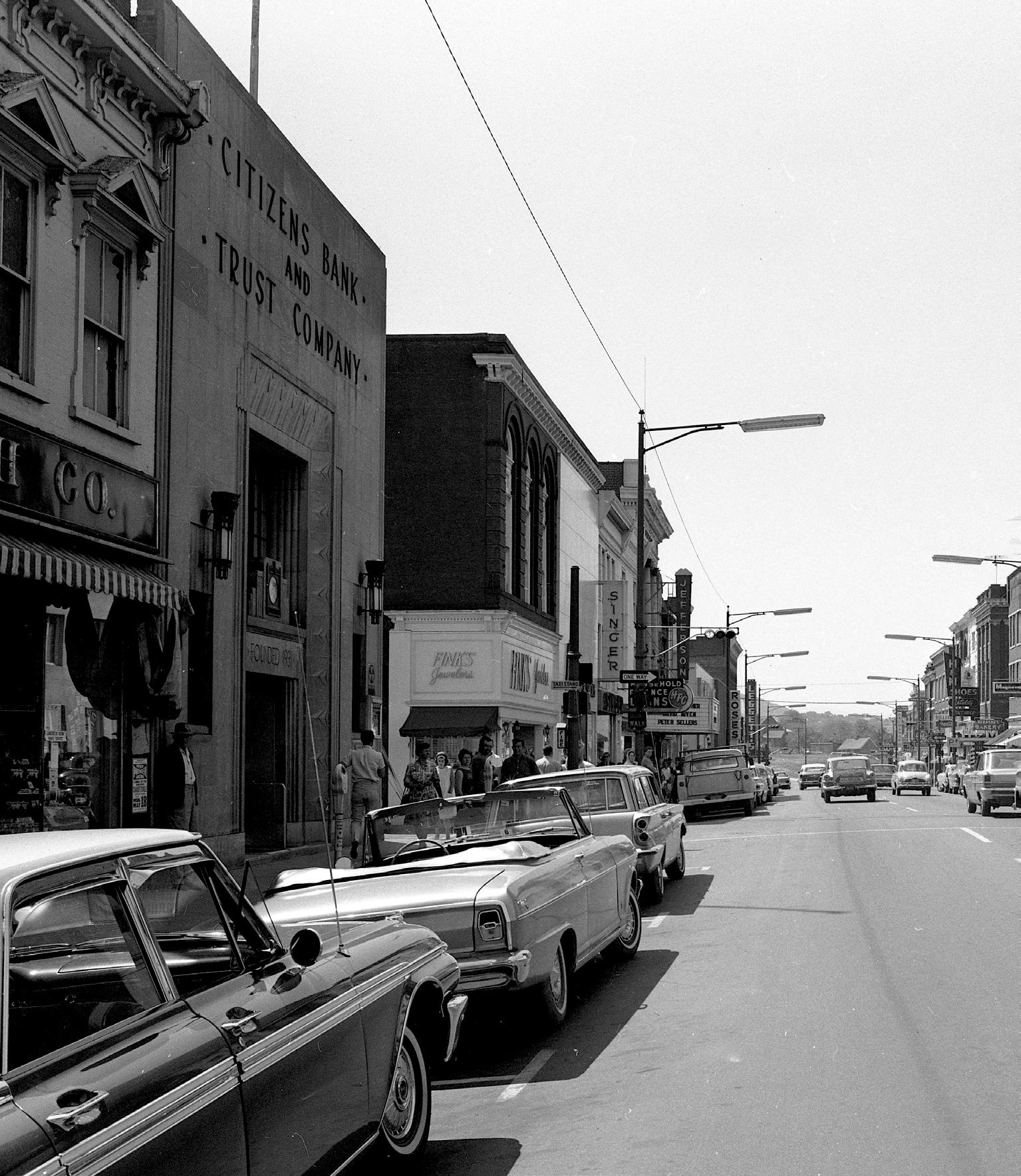
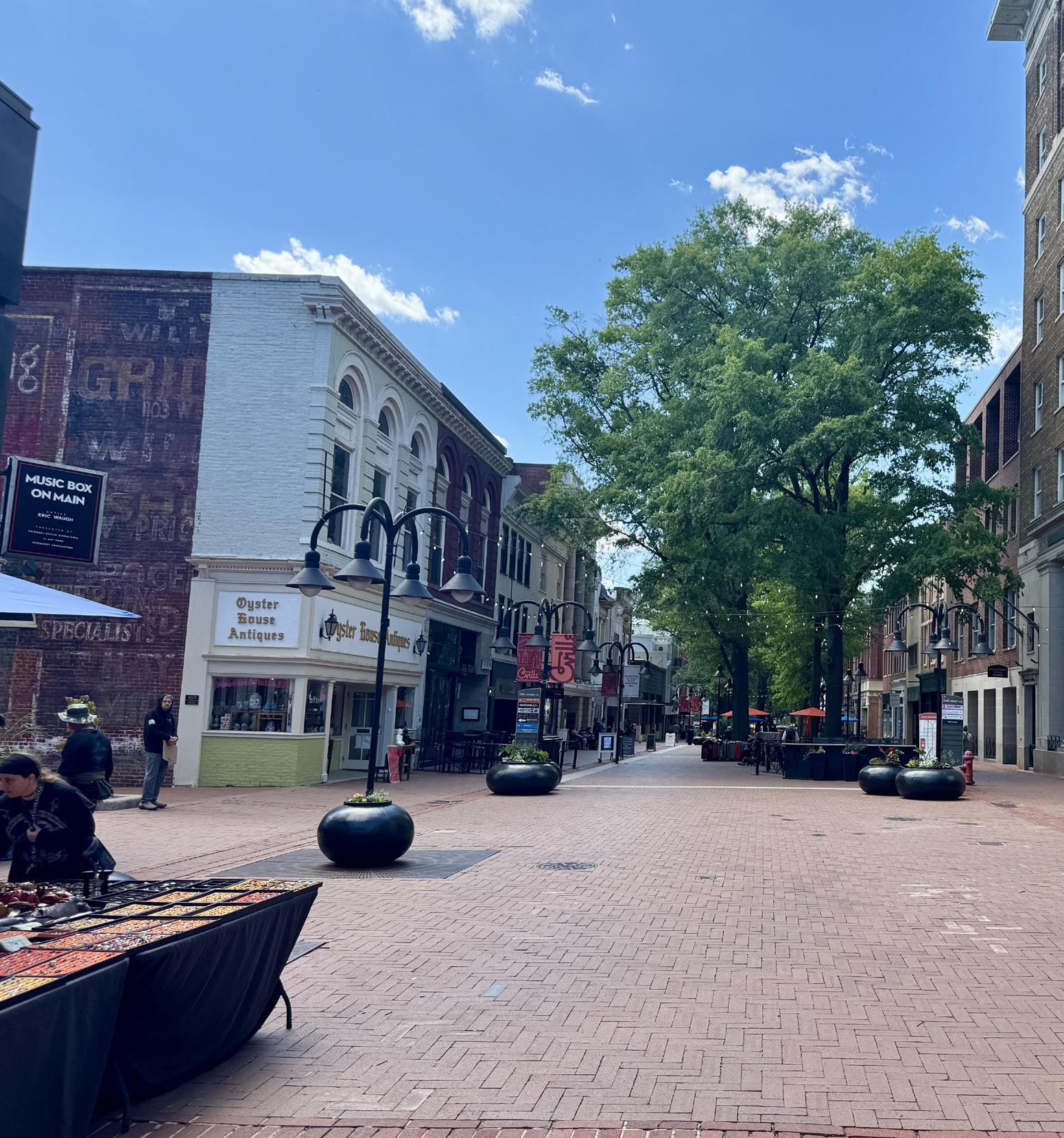
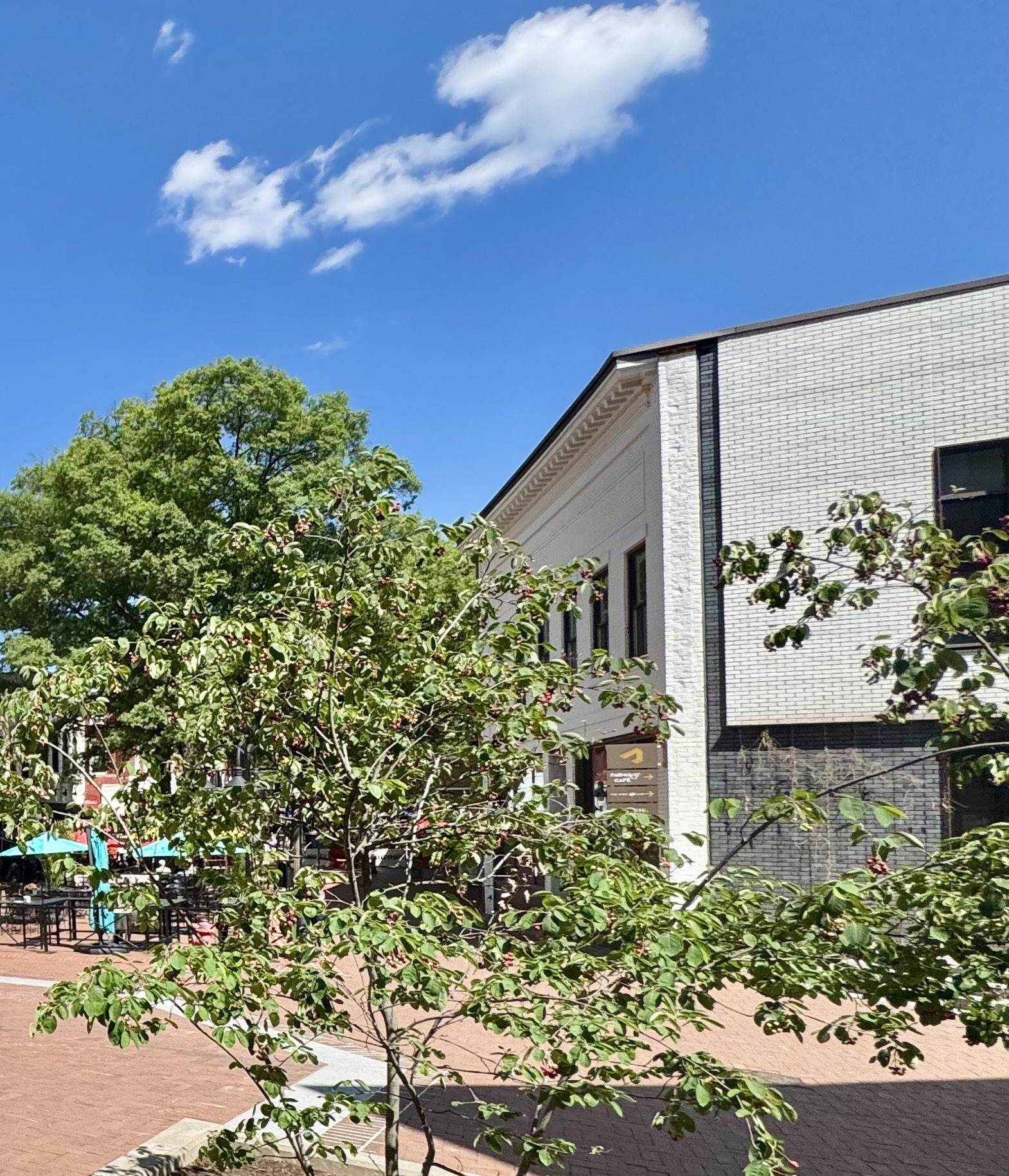
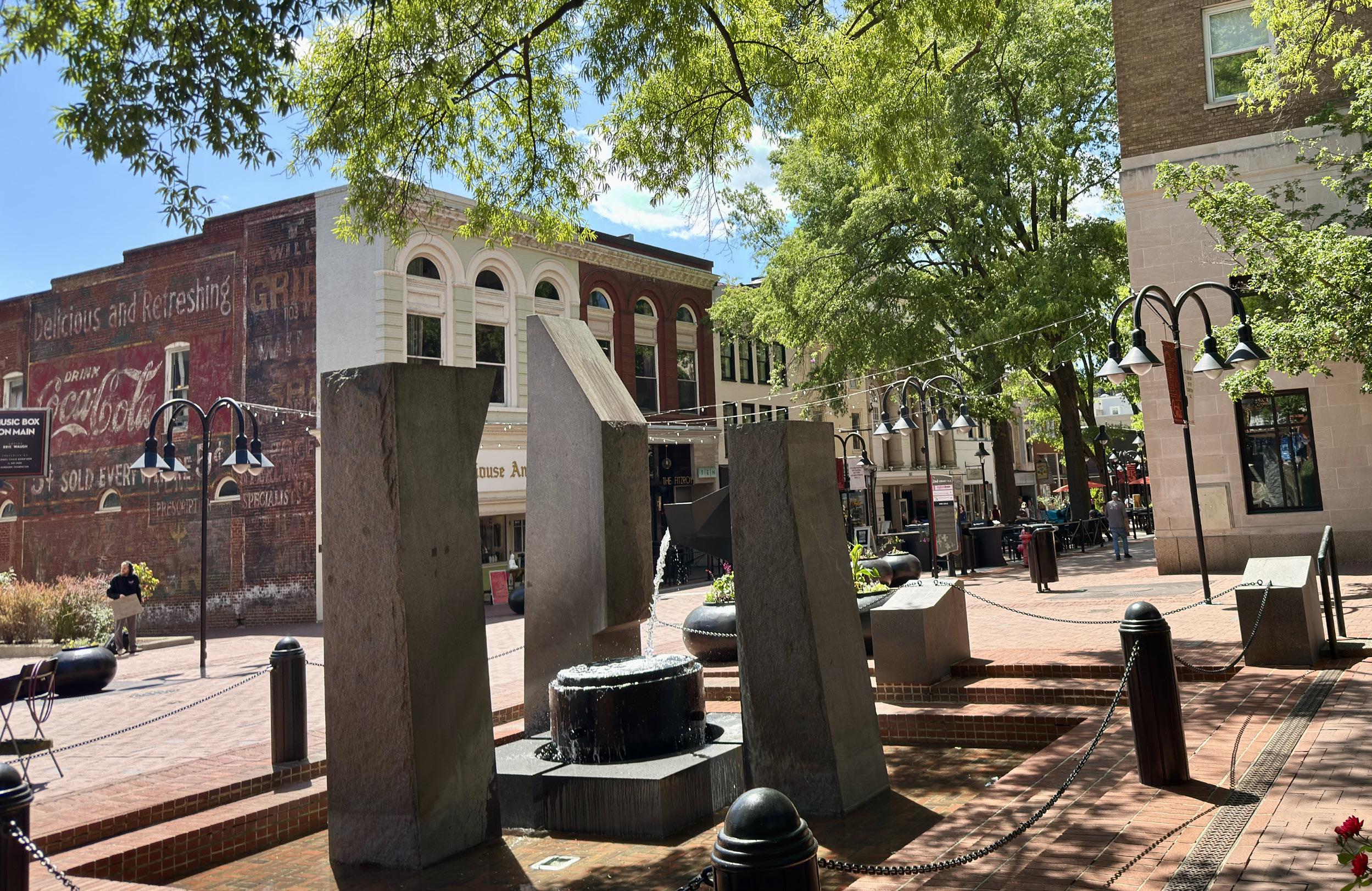
On most summer evenings, Charlottesville’s Downtown Mall hums with life: Diners linger at outdoor tables, street musicians play for passersby, and families stroll beneath the willow oaks planted during the Mall’s original construction.
Fifty years after opening on July 3, 1976, the Downtown Mall remains one of the most successful pedestrian malls in the United States—and the sole pedestrian-only section of a Main Street in Virginia.
During the 1950s and 1960s, downtown Charlottesville was struggling. Suburban shopping centers, including Barracks Road, began drawing shoppers away from Main Street, leaving vacant storefronts and dwindling foot traffic. “We could see for ourselves downtown Charlottesville was dying,” former mayor Charles Barbour recalled.
At the same time, the city grappled with the consequences of urban renewal. In 1964, Vinegar Hill—a predominantly Black neighborhood adjacent to what would become the eastern end of the Mall—was demolished after being labeled “blighted,” displacing more than 500 residents. Its destruction remains one of the defining and most painful chapters in Charlottesville’s modern history.
Against that backdrop, city leaders embraced a bold idea: Close eight blocks of Main Street to cars and rebuild downtown around pedestrians.
In 1974, after years of debate, Charlottesville City Council approved the plan in a East Main Street looking west,
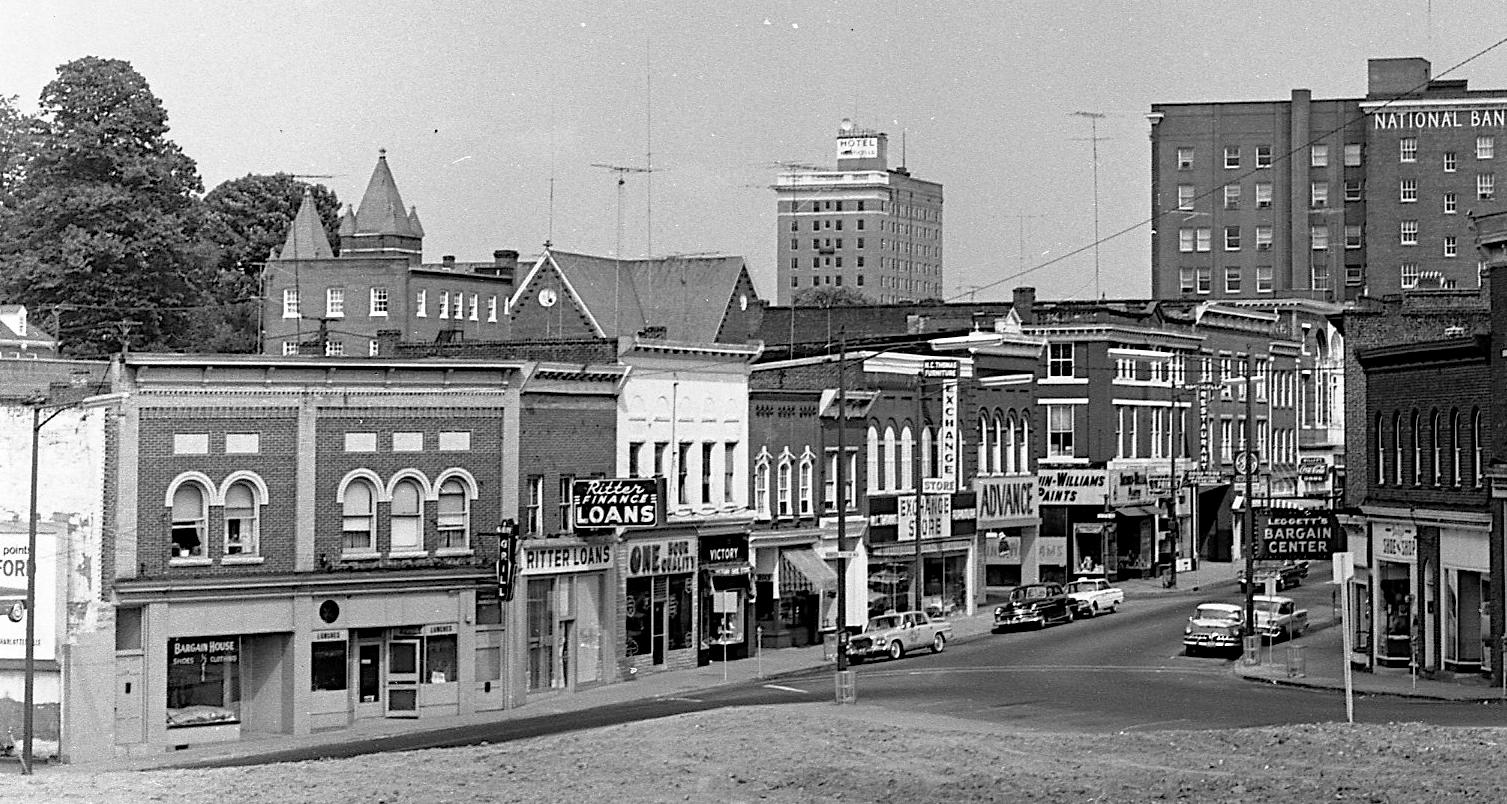
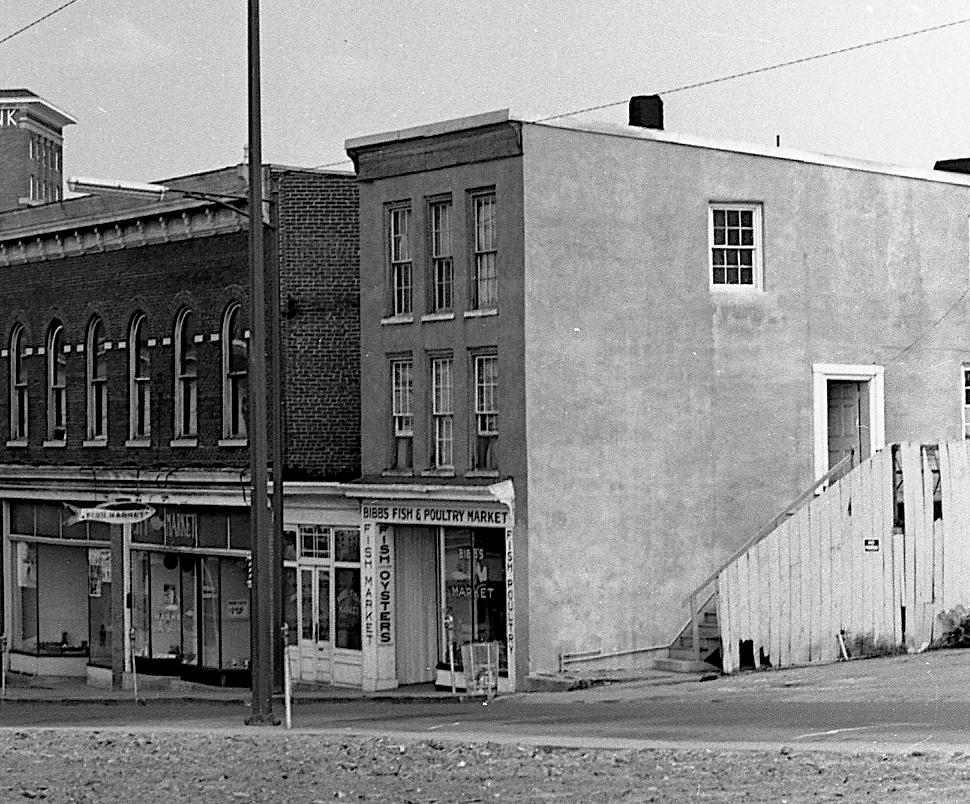
West Main Street looking east, photographed from the freshly cleared rubble of Vinegar Hill, circa 1964. Before it was razed, the 20acre Vinegar Hill neighborhood had been one of Charlottesville’s most vibrant Black communities with more than 30 Black-owned businesses, 158 families, churches, and fraternal organizations.
contentious 2-0 vote, with three members abstaining because of conflict-of-interest concerns. The city then hired internationally known landscape architect Lawrence Halprin to lead the redesign. His previous work included San Francisco’s Ghirardelli Square and Minneapolis’ Nicollet Mall.
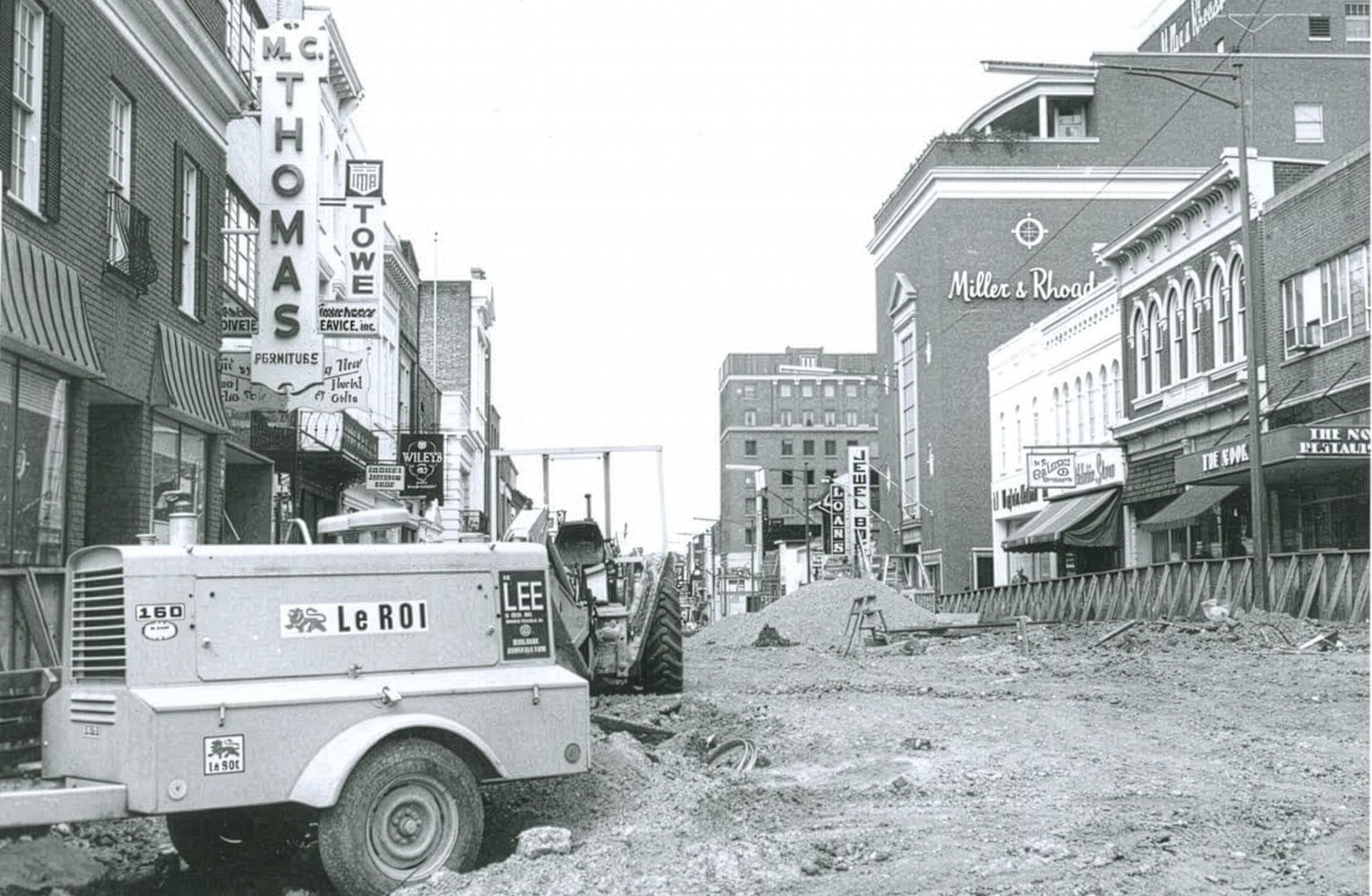
Halprin’s design transformed the street into a public gathering space. Asphalt gave way to red brick laid in a herringbone pattern. Willow oaks were planted to create a shaded canopy that would mature over time. Fountains, seating areas, and lighting encouraged people to enjoy the street rather than simply pass through.
One of the central figures in the Mall’s longterm success was longtime Charlottesville planning director Satyendra Huja, who died in 2025 at age 83. Although much of the conceptual work for the Mall preceded his arrival, Huja became one of its most important advocates and stewards, helping shepherd the project through skepticism from business owners and overseeing its evolution over decades.
Huja later served on Charlottesville City Council and became the first Indian Sikh mayor of an American city when he was appointed mayor in 2012. But for many residents, his lasting legacy remains tied to the physical shape of Charlottesville itself. In addition to his role in the Downtown Mall, Huja championed streetscape improvements, sidewalks, bike lanes, tree planting, and riverfront greenways throughout the city. Historian Coy Barefoot later described West Main Street before Huja’s involvement as a “wasteland” dominated by vacant auto dealerships and aging gas stations.
University of Virginia landscape architecture professor Elizabeth Meyer credited Huja
Under construction, 1975–1976
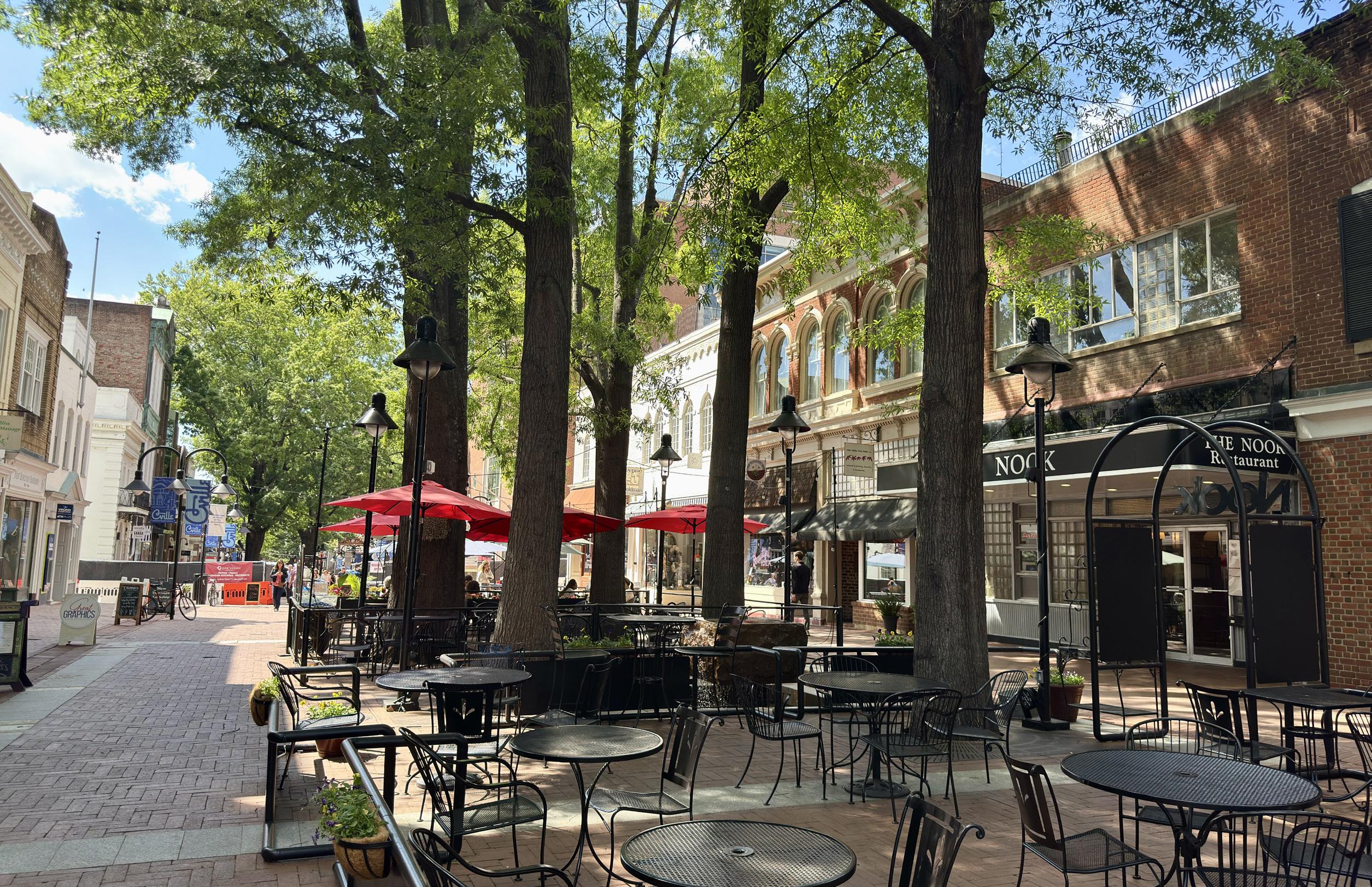
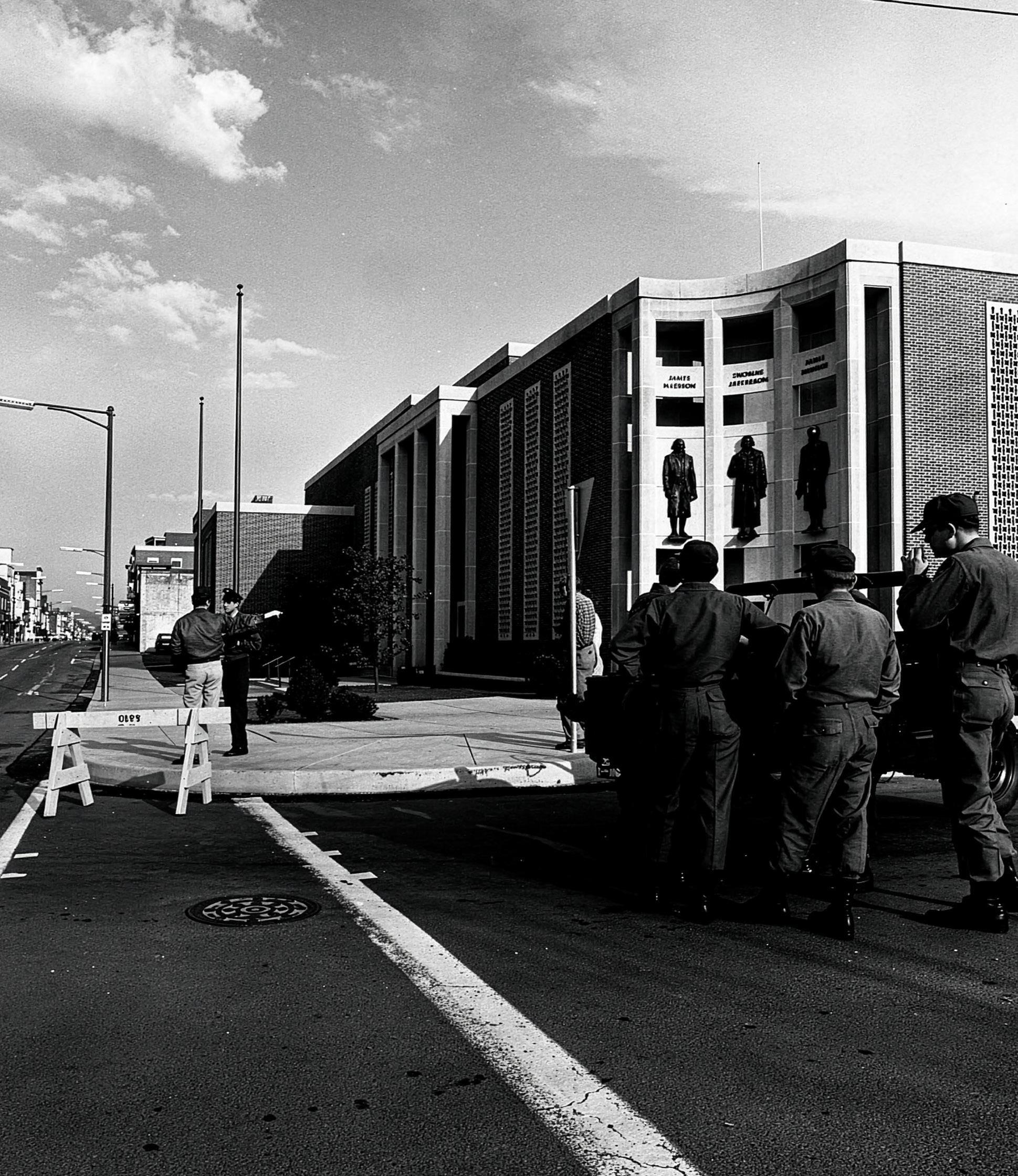
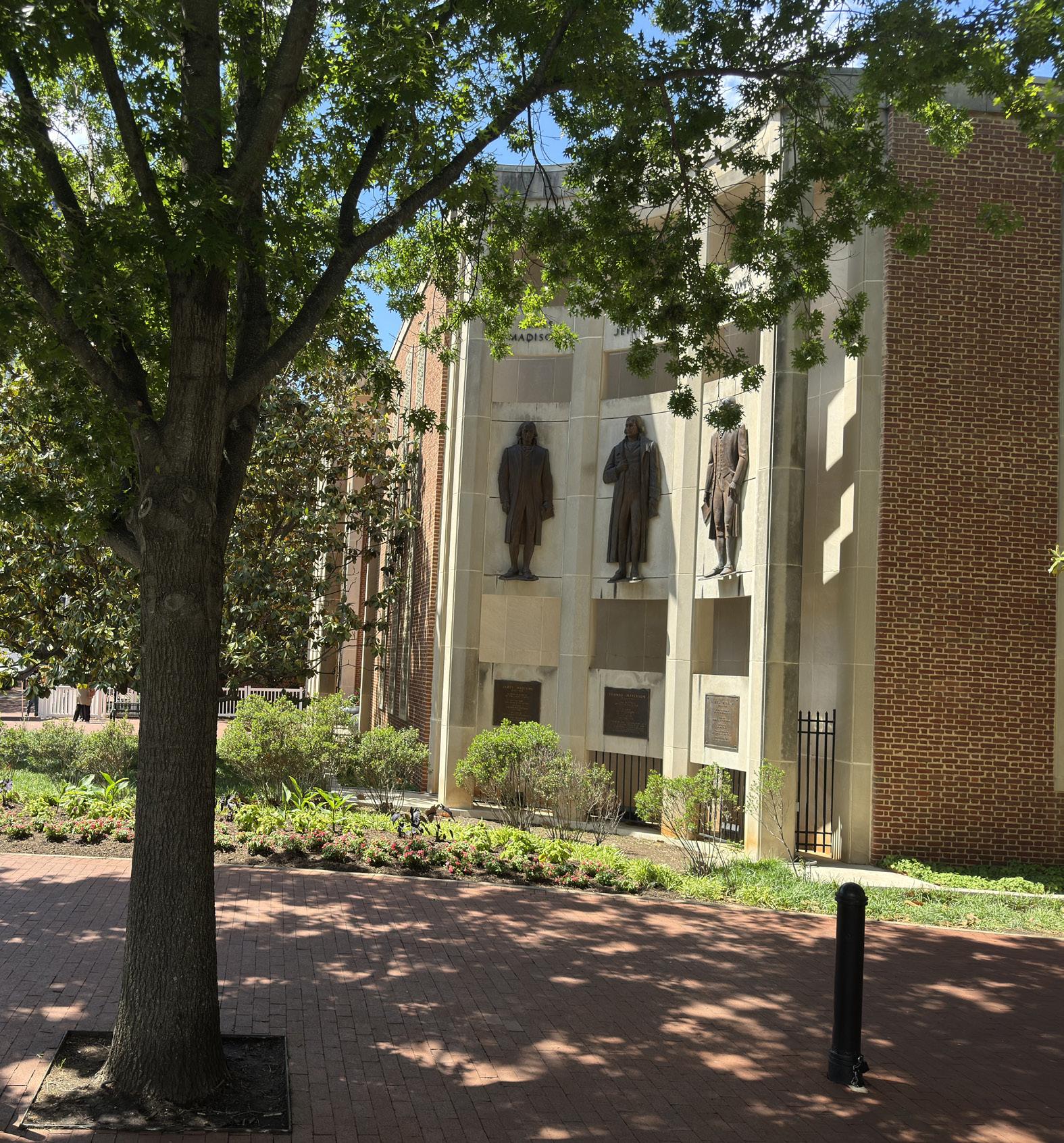
with helping the Mall endure long after it opened. “The success of a design project, particularly a public space, requires someone who curates it and cares for it and advocates for it,” Meyer told The Daily Progress. “The fact that Satyendra was a city planner has a lot to do with why the Mall endured.”
Its early years, however, were uneven. For more than a decade, many residents remember the Mall as nearly empty after business hours. Retail vacancies persisted, and simply removing cars did not immediately create street life.
Entertainment venues and cultural programming gradually became the Mall’s lifeblood, reshaping it into what it is today.
In 1980, The Muse opened as the Mall’s first sidewalk café. Miller’s soon became a music venue, and Fridays After Five launched in 1988, helping establish downtown as a regional destination on summer evenings. By the 1990s, Halprin’s willow oaks had matured enough to create the shaded canopy that defines the Mall today.
The Paramount Theater, which opened in 1931, closed in 1974 and sat dark for decades before reopening in 2004 after an $18 million restoration. The Jefferson Theater, whose roots date to 1912, reopened in 2009 after its own renovation. Together, the venues helped anchor downtown as a center for live music, film, and performance.
By the early 2000s, the Downtown Mall had firmly established itself as Charlottesville’s cultural and entertainment center. But new challenges followed. In 2009, the city completed a major renovation to address aging infrastructure, including brickwork, lighting, and water
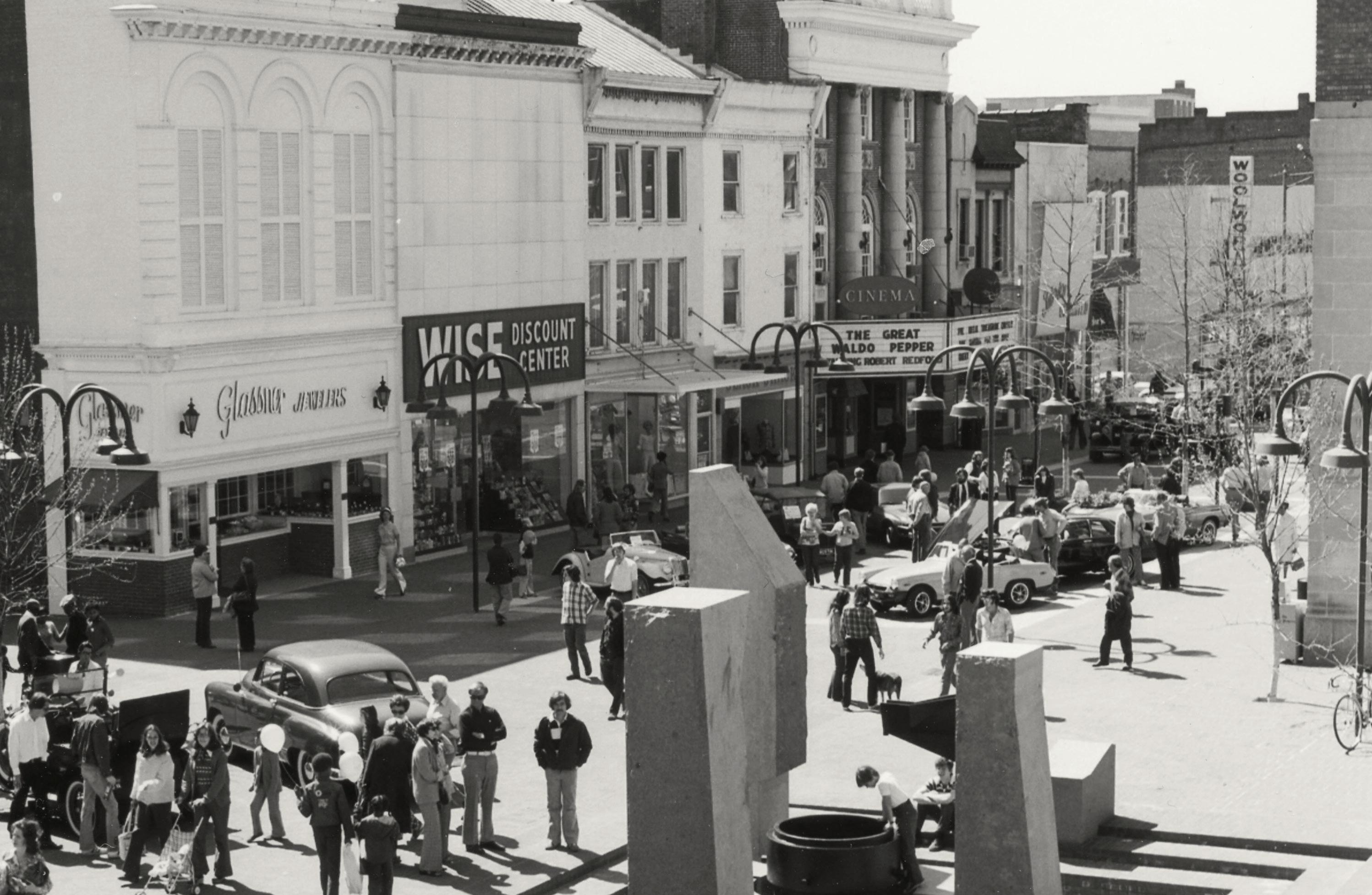
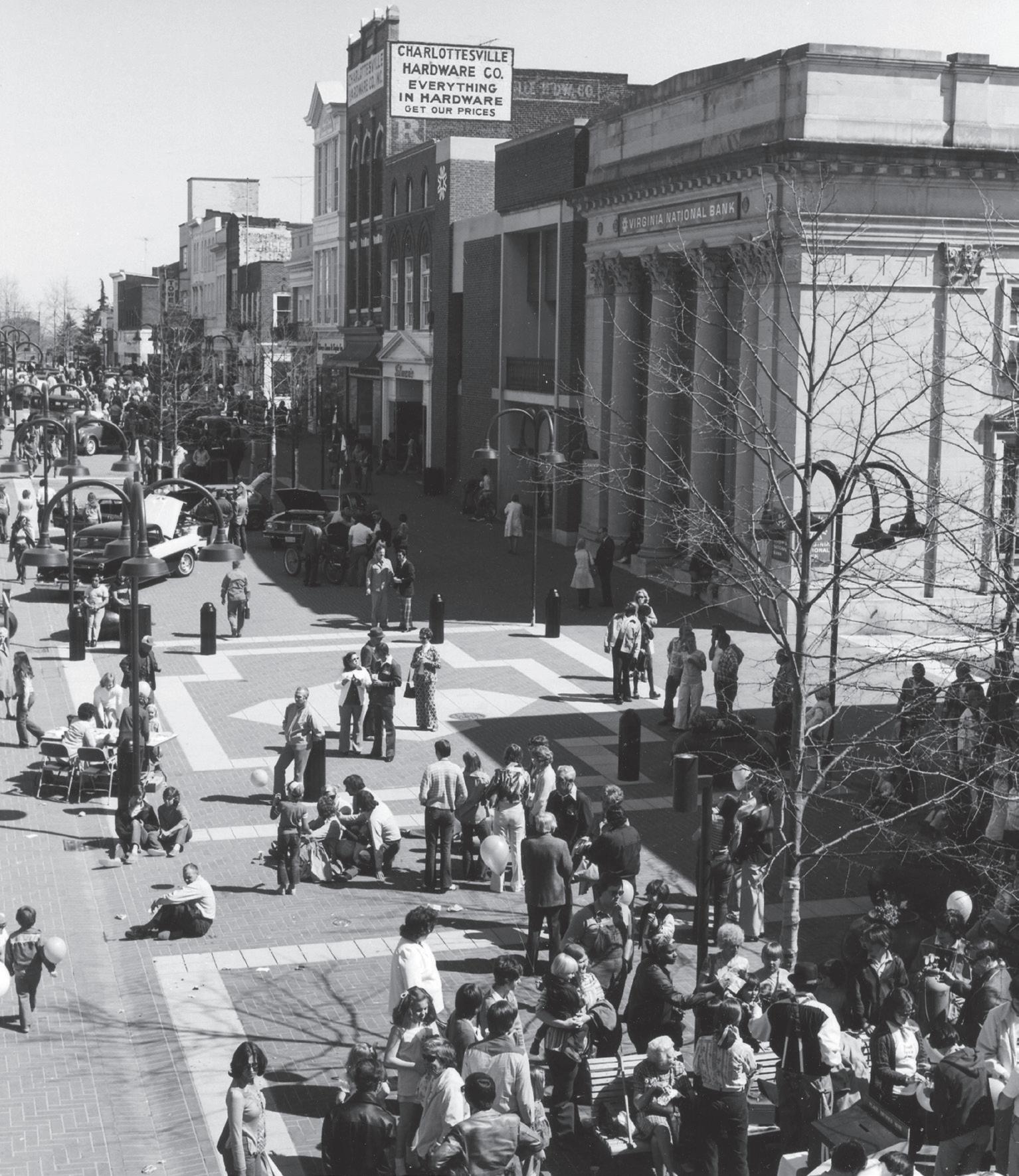
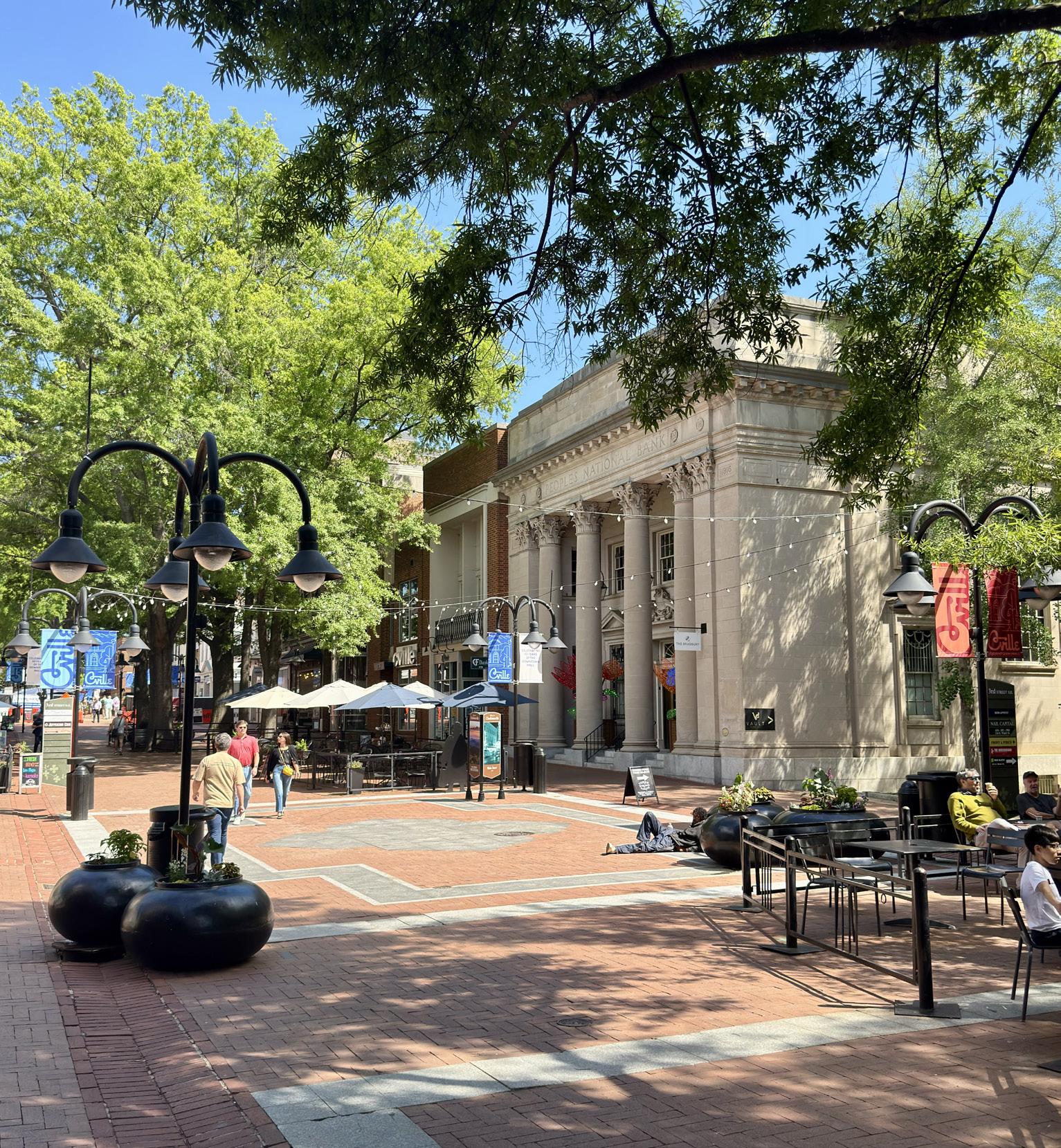
Charlottesville’s brand-new Downtown Mall, looking west, circa 1976, with freshly laid herringbone brick beneath Lawrence Halprin’s signature arc streetlamps and young willow oaks.
features. The project coincided with the national recession, creating difficulties for some downtown businesses.
The violence of August 2017 unfolded only steps from the Mall, leaving lasting emotional and economic effects on downtown Charlottesville and beyond. Then came COVID-19, which accelerated changes already reshaping retail districts nationwide. Although foot traffic on the Downtown Mall has steadily recovered, drawing about 2.8 million visitors in 2025, it remains below the more than 3.4 million visits recorded in 2017.
For all the challenges facing downtown’s future—public safety, homelessness, affordability, infrastructure, and changing shopping habits—the Downtown Mall still serves a purpose many cities struggle to create. It remains a place where people gather in public. Fifty years after the first brick was laid, that may be its greatest accomplishment.
Charlottesville will celebrate the Downtown Mall’s 50th anniversary on July 3, 2026. The daylong event will include historical tours, exhibitions, live music, public art displays, and a lantern parade stretching the length of the Mall. Highlights will include guided history walks, a free birthday celebration at Central Place, Fridays After Five at Ting Pavilion, and a large-scale light show projected onto the CODE Building. In addition, local artists will host lantern-making workshops in the weeks preceding the event.
downtowncville.com/50th-anniversary

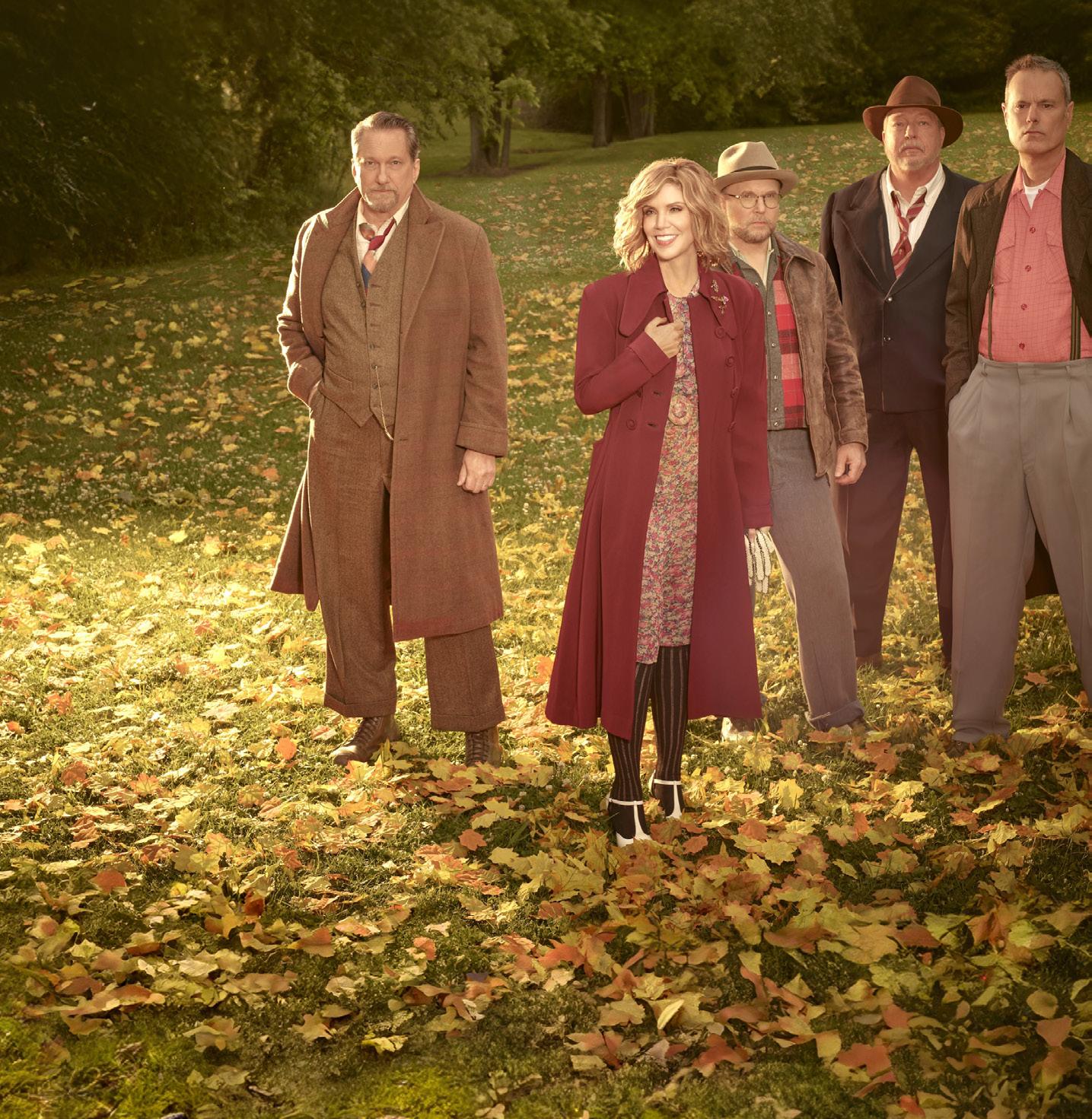
With 27 Grammy Awards to her name, Alison Krauss ranks among the most honored artists in music history, trailing only Beyoncé, Quincy Jones, and conductor Georg Solti in total wins. Krauss began studying classical violin as a child before gravitating toward bluegrass, where her fiddle playing and singing ability quickly drew national attention. She first recorded with Union Station on her 1987 debut album Too Late to Cry, followed by the Grammywinning I’ve Got That Old Feeling, a breakthrough release that helped spark renewed interest in American roots music in the early 1990s.
Over the decades, Alison Krauss & Union Station have become one of the defining acts in bluegrass and roots music, blending traditional instrumentation with elements of country, folk, rock, and pop. Krauss also played a central role in the early 21st-century resurgence of bluegrass music through projects such as the soundtrack to O Brother, Where Art Thou?.
In 2025, Alison Krauss & Union Station released Arcadia, their first studio album since 2011’s Paper Airplane. The band will perform at Ting Pavilion on July 18 as part of the Arcadia 2026 Tour.
PRO RE NATA
434-823-4878 • prnbrewery.com
6135 Rockfish Gap Turnpike, Crozet
JUNE 12: Lost in the Supermarket (Clash tribute) with Cake Fight
JUNE 13: Creedence Clearwater Recital (CCR tribute)
JUNE 19: Drew Pace with Matt Potting
JUNE 20: Travis Reigh
JUNE 27: Gone Country
JULY 10: Zoso – The Ultimate Led Zeppelin Experience
JULY 11: Brisk (’90s – ’00s alt rock)
JULY 17: Earth to Mars – The Bruno Mars Experience
JULY 18: Cherry Red – Rolling Stones Tribute
JULY 23: Supernova – A Tribute to Oasis
JULY 31: Shotguns N Roses (GNR tribute)
AUG 1: Abrams Bridge (Springsteen tribute)
THE SOUTHERN CAFÉ & MUSIC HALL
434-977-5590 • thesoutherncville.com
103 South 1st Street, Charlottesville
JUNE 10: Tristen
JUNE 12: Barstool Rodeo – Widespread Panic Tribute
JUNE 13: Theocles & The Muses
JUNE 17: Sam Morrow
JUNE 19: Caleb Caudle & The Sweet Critters
JUNE 21: Kaleta & Super Yamba Band
JUNE 24: Babe Haven
JUNE 25: Chuck Ragan
JULY 16: Shawn Mullins
JULY 18: The Grateful Allman Band Experience
JULY 23: Coey Redd
JULY 24: Chris Acker & The Growing Boys
RIVANNA ROOTS CONCERT SERIES
PRESENTED BY THE FRONT PORCH AND RIVANNA RIVER COMPANY
434-218-2052 • rivannarivercompany.com
1520 East High Street, Charlottesville
JUNE 13: Terri Allard Band
JUNE 13: The Oversteppers
JULY 11: The Jacob Jolliff Band
JULY 25: DJ Williams Band
AUG 8: Corey Harris Band
THE BATESVILLE MARKET
434-823-2001 • batesvillemarket.com
6624 Plank Road, Batesville
JUNE 11: Second Sunday Bluegrass Jam
JUNE 20: Ian Gilliam & The Fire Kings
JUNE 21: An Lar Traditional Irish Band
JUNE 28: Jazz Matinee with GootGenuG
JULY 11: Don’t Look Up
JULY 12: Second Sunday Bluegrass Jam
JULY 19: An Lar Traditional Irish Band
JULY 24: The Inclinators
JULY 25: The Pollocks
THE PARAMOUNT THEATER
434-979-1333 • theparamount.net
215 East Main Street, Charlottesville
JUNE 11: Elmo’s Got the Moves
JUNE 26–28: Charlottesville Opera presents Cinderella
JUNE 20: National Theatre Live in HD - The Playboy of the Western World
JUNE 17 & 19: Charlottesville Opera presents The Barber of Seville
JULY 21: Lyle Lovett
JULY 23: National Theatre Live in HD - The Playboy of the Western World
TING PAVILION
434-245-4910 • tingpavilion.com
700 E Main Street, Charlottesville
JUNE 12: Fridays After Five – Mariana Bell
JUNE 19: Fridays After Five – Ebony Groove
JUNE 20: The String Cheese Incident
JUNE 26: Fridays After Five – James Tamelcoff
JULY 18: Alison Krauss & Union Station featuring Jerry Douglas
JULY 26: Jason Isbell and the 400 Unit
THE JEFFERSON THEATER
800-594-TIXX • 434-245-4980
JUNE 16: Evan Honer
JUNE 19: Kolby Cooper
JUNE 26: Josiah and The Bonnevilles
JUNE 27: Spafford
THE FOUNDRY AT BASIC CITY BEER
540-943-1010 • thefoundrysound.com
1010 East Main Street, Waynesboro
JUNE 19: The Warped Band
JUNE 20: Leroy Burks & The Voodoo Whiskey Band
AMERICAN SHAKESPEARE CENTER
877-682-4236 • americanshakespearecenter.com 10 South Market Street, Staunton
THROUGH AUG. 8: As You Like It
JUNE 25 – AUG 9: Our Town
THE CHARLOTTESVILLE BAND
434-295-9850 • cvilleband.org 1119 5th St SW, Charlottesville

Summer Season Series at MLK
Rivanna Winds at Piedmont
JULY 11: America’s 250th Birthday Celebration
Concert at Ting Pavilion
JULY 28: Summer Season Series at MLK Performing Arts Center
FOUR COUNTY PLAYERS
540-832-5355 • fourcp.org
Barboursville Community Playhouse 5256 Governor Barbour Street, Barboursville
JULY 17 – AUG. 1: Shakespeare at the RuinsMuch Ado About Nothing
ALLIANZ AMPHITHEATER AT RIVERFRONT
Allianzamp@livenation.com • allianzamphitheater.com 350 Tredegar St., Richmond
JUNE 10: Khalid
JUNE 17: Chicago
JULY 7: Lindsey Stirling
JULY 12: The Strokes
JULY 23: Bob Dylan (with Lucinda Williams)
JULY 26: O.A.R. (with Gavin DeGraw and Lisa Loeb)
JULY 30: DJ Tape B x Levity
JULY 31: Djo
AUG. 1: The Black Keys




Keep in touch with Albemarle magazine and our loyal advertisers via Instagram, Facebook, and by visiting albemarlemagazine.com CROSSWORD
by Cardinal Home Center albemarlemagazine.com/crossword
CARDINAL HOME CENTER HAS YOU COVERED.
Learn more about the services, premium brands, and products Cardinal Home Center offers at their stores in Madison, Charlottesville, and Crozet. Their dedicated staff provides expert advice for your next project, helping you pick out the right paint, hardware, lumber, cabinets, and more. The expansive showrooms also offer an array of electrical, plumbing, tools, and more for homeowners, DIYers, or contractors alike. cardinalhomecenter.com
Albemarle magazine frequently features ideas for buying, building, renovating, repurposing and redecorating the indoor and outdoor spaces that define our lives, and the resources to bring those ideas to fruition. FIRST HOME, SECOND HOME, VACATION
Albemarle magazine invites you to meet our Who’s Who of Realtors®, an exclusive listing of CAAR members on our website (albemarlemagazine.com/whos-who) dedicated to connecting potential buyers and sellers and building relationships in our community.
by Myles Mellor















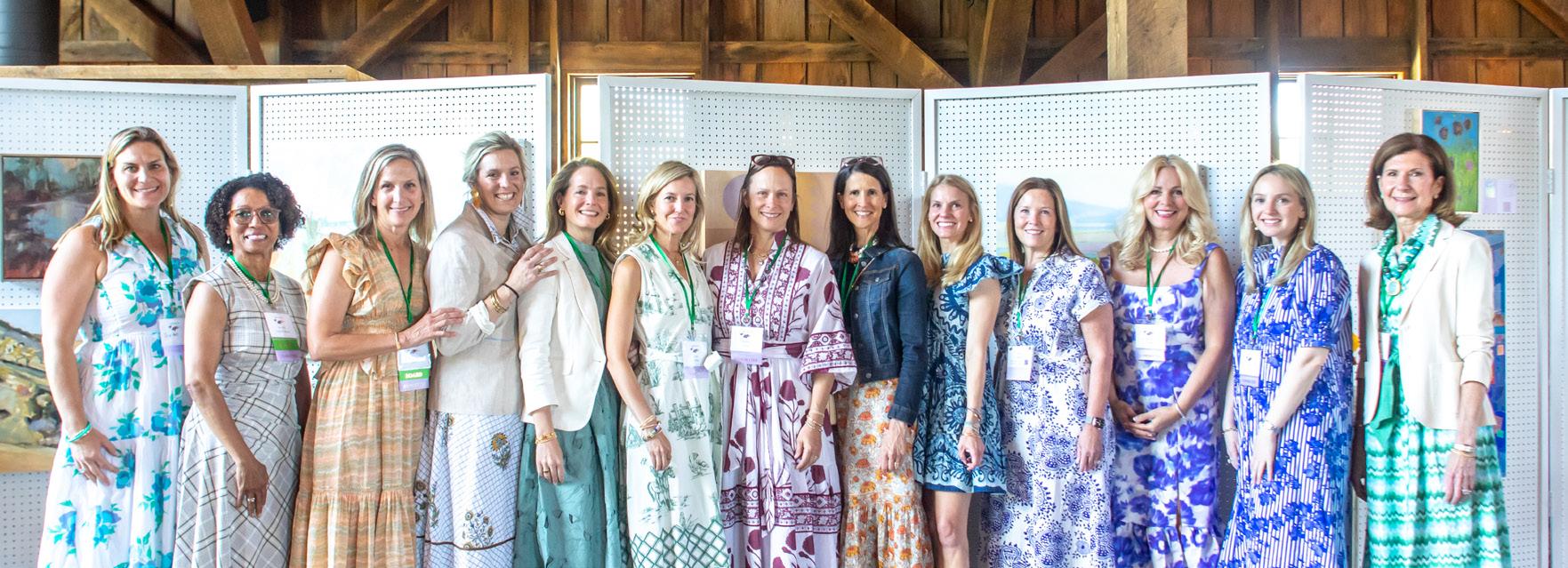
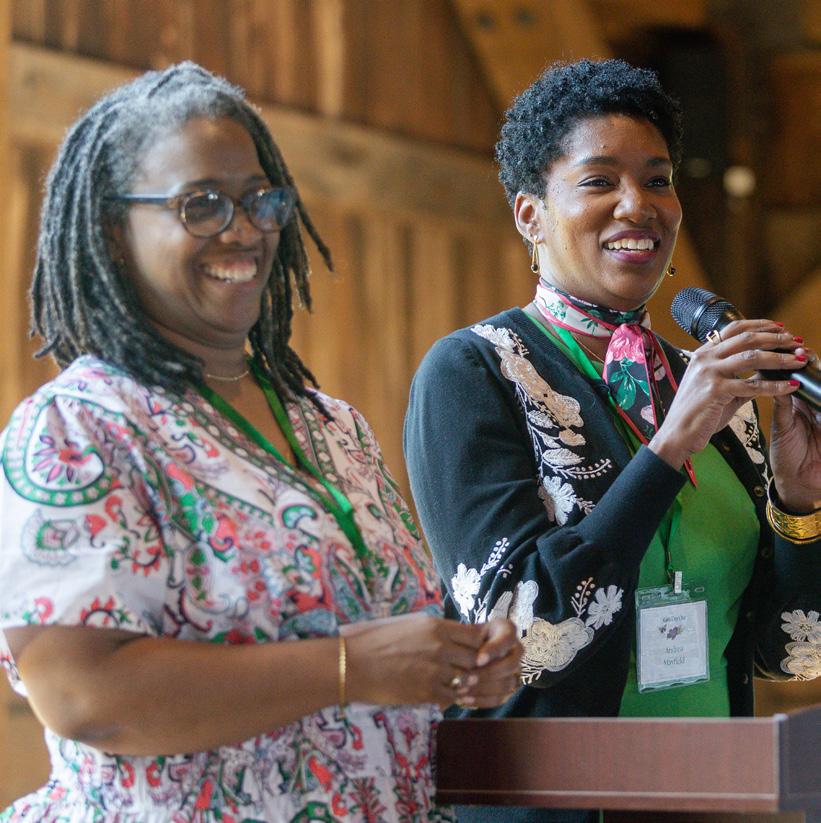
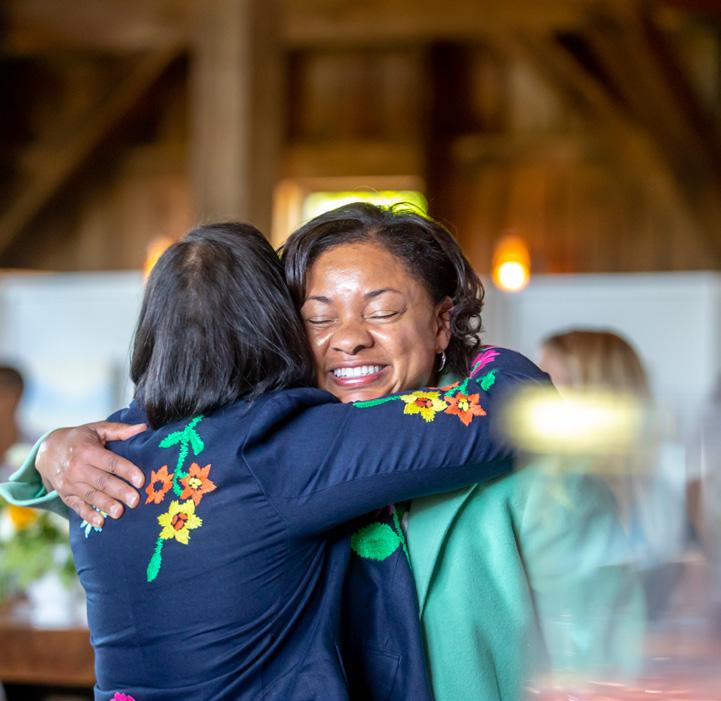
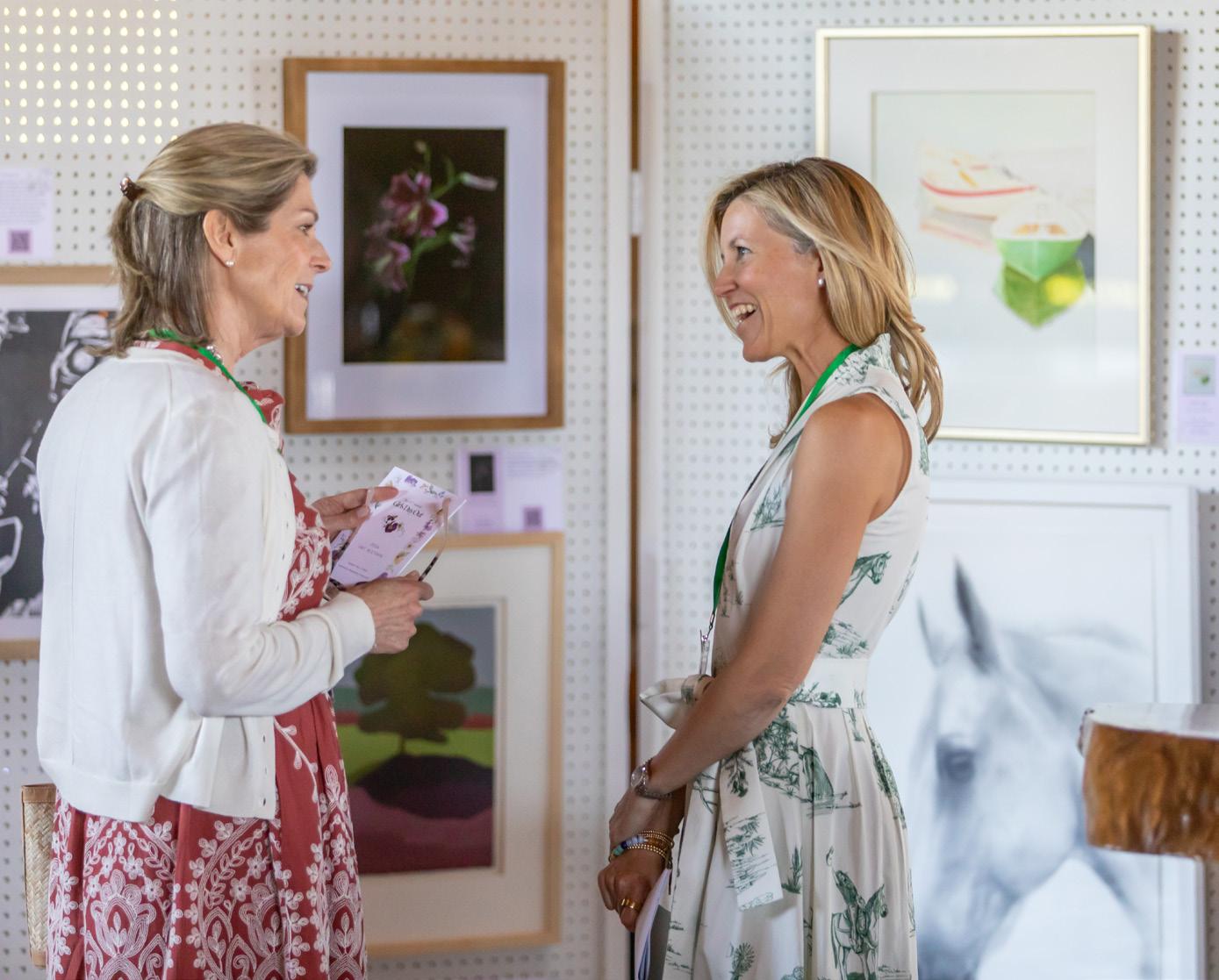
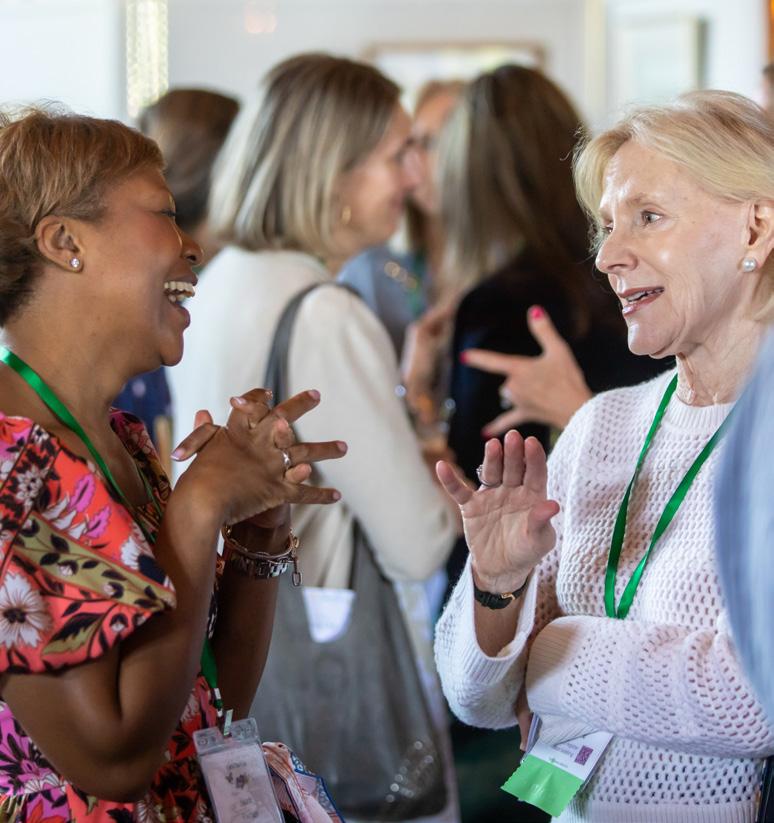
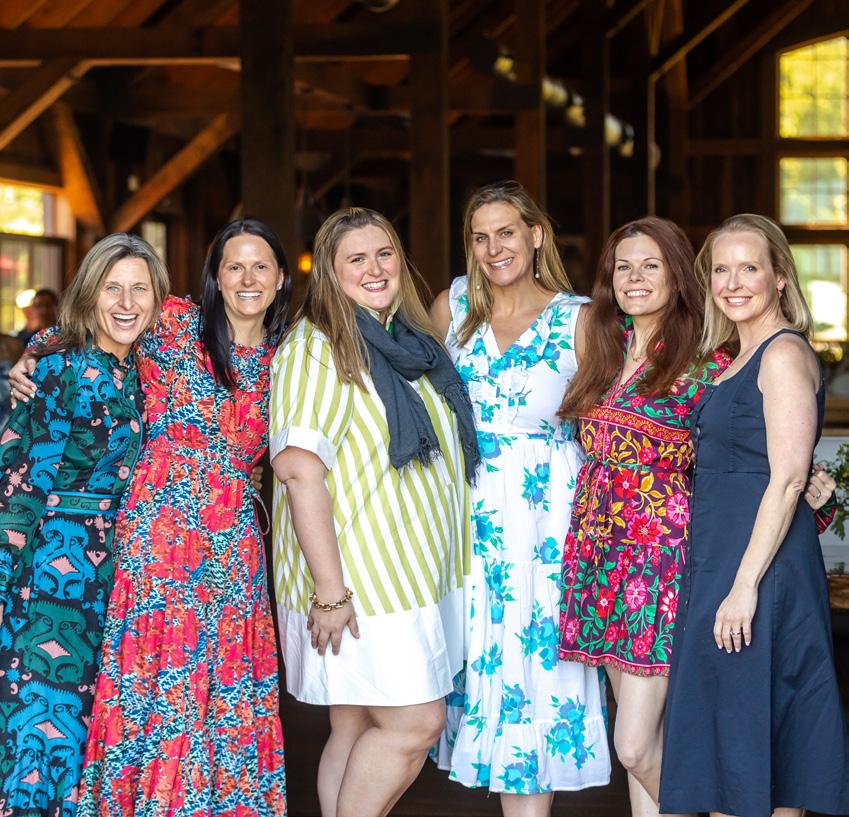
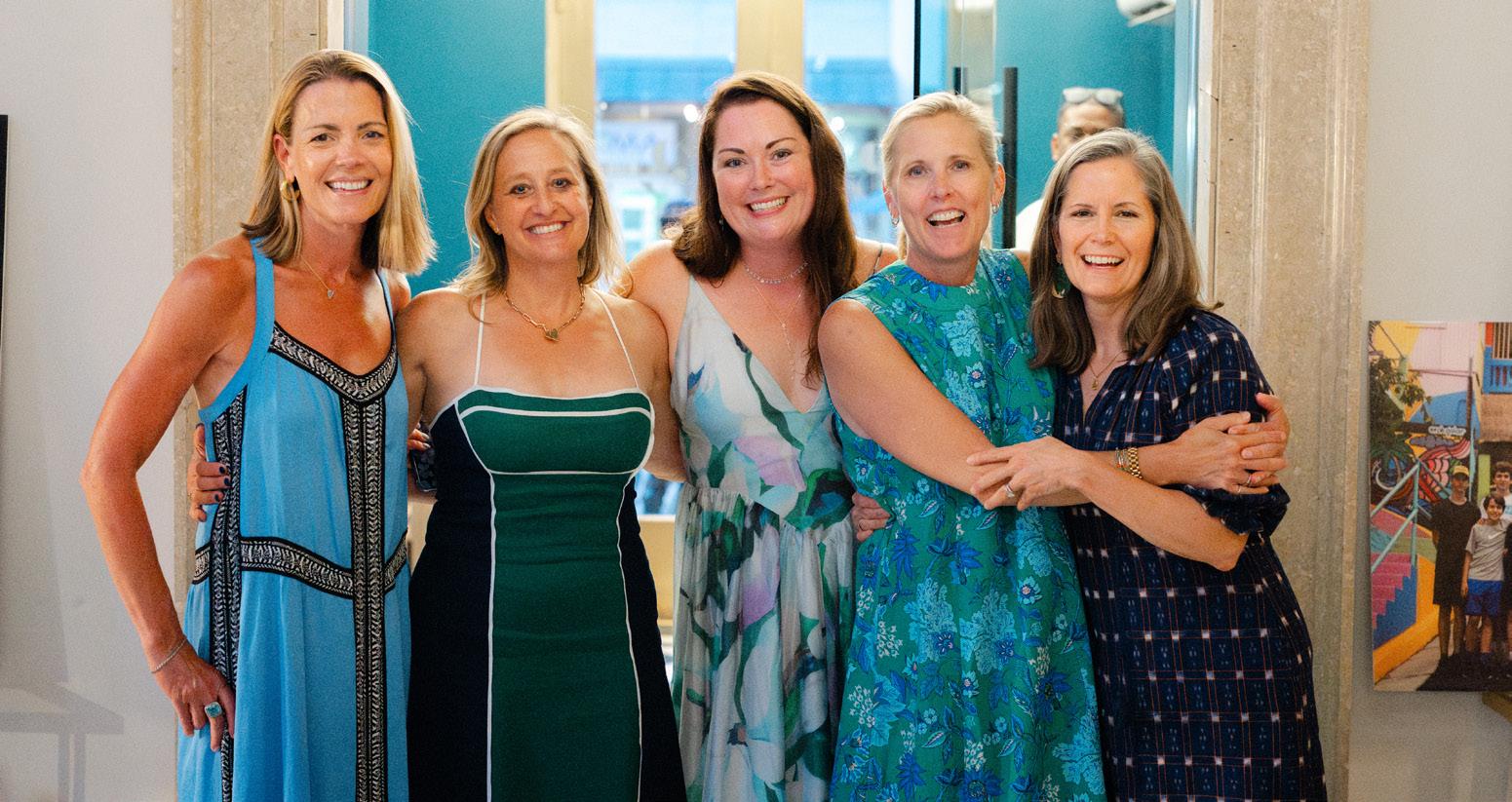
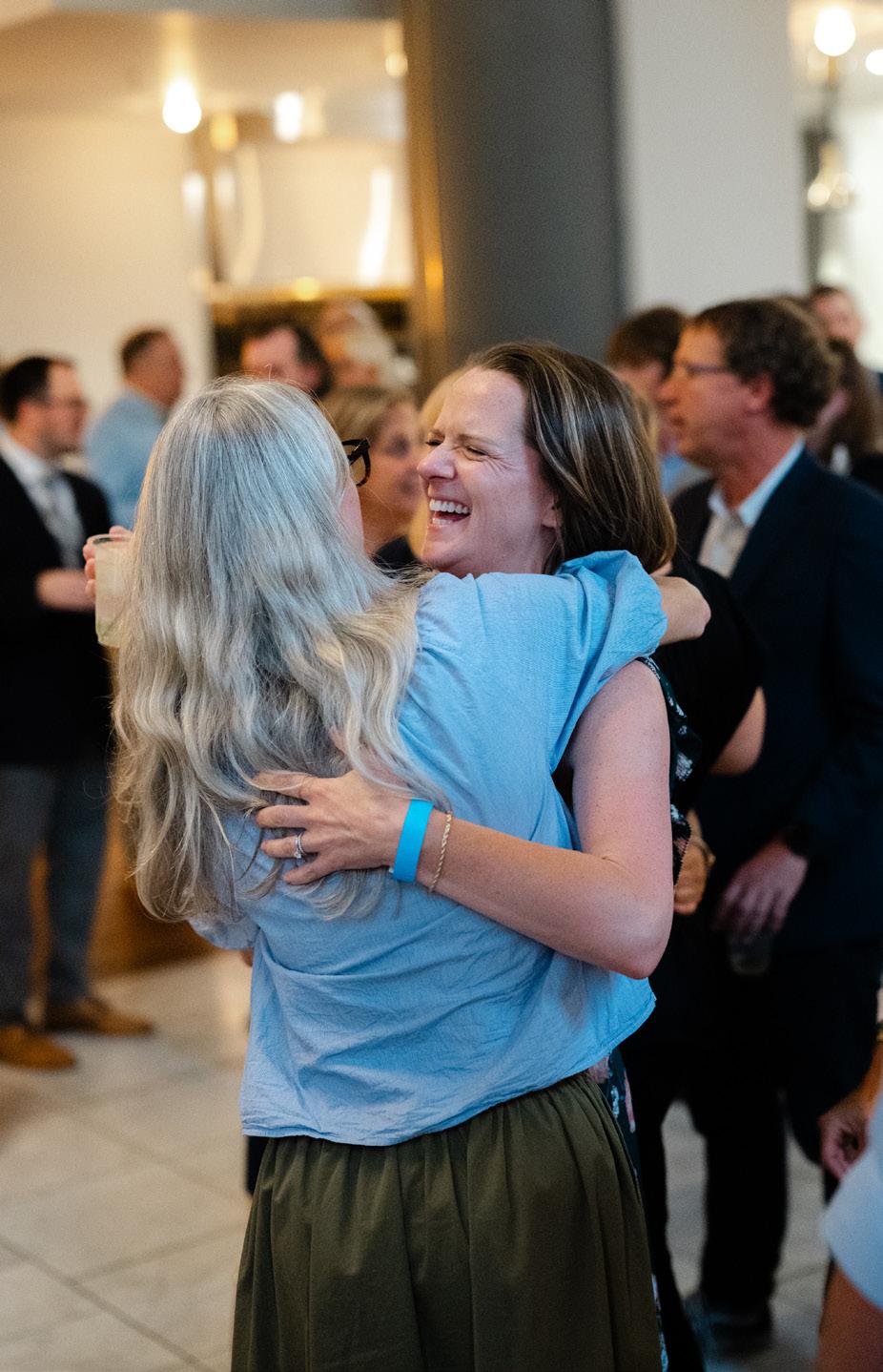
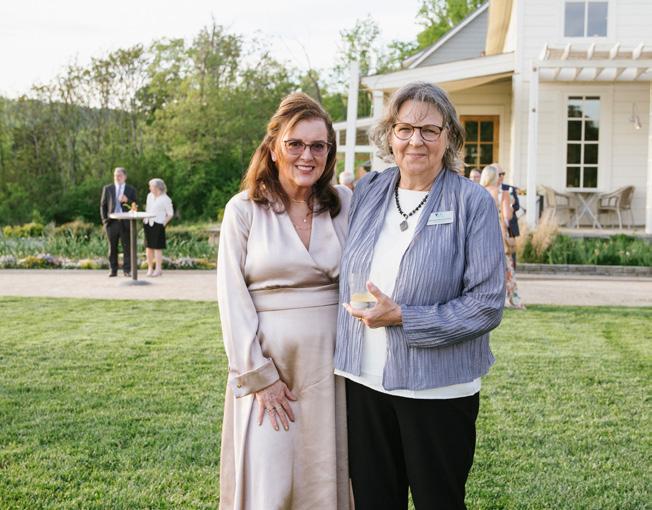
The Women’s Initiative welcomed guests to Southwest Mountains Vineyards for the 15th Annual Girls’ Day Out, a celebration of art, connection, and community in support of compassionate mental health care.
1. Members of the 15th Annual Girls’ Day Out Committee (from left to right): Erin Hall, Beverly Colwell Adams, Kristin Cory, Cate West Zahl, Kacie Snellings, Katie Galvin, Barkley Laing, Anne Jones, Christy Craddock, Keryn Mathas, Michelle Castner, Elizabeth Mellen, and Scheline Crutchfield
2. Michelle Packer
3. Lisa Keeler and Katie Galvin
4. Interim Co-Executive Directors Shelly Wood and Andrea Mayfield
5. Nicole Fischer Wesley and Louise McNamee
6. Kristin Streed, Liz Raney, Sydney Robertson, Erin Hall, Shannon Thomas, and Andrea Hubbell
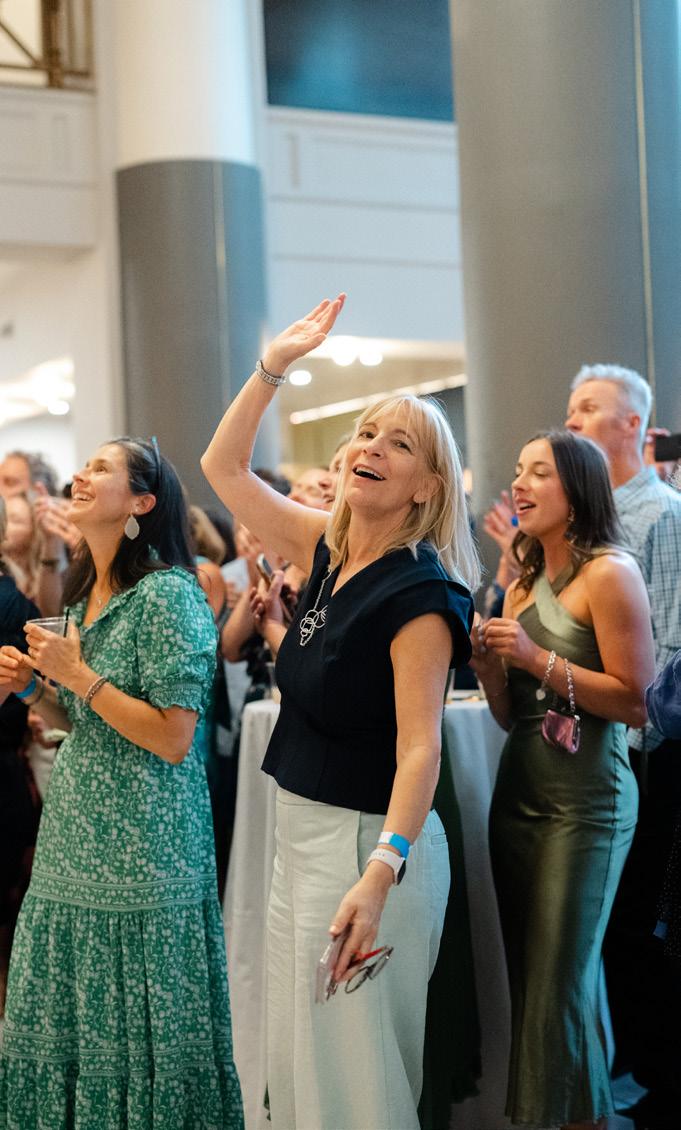
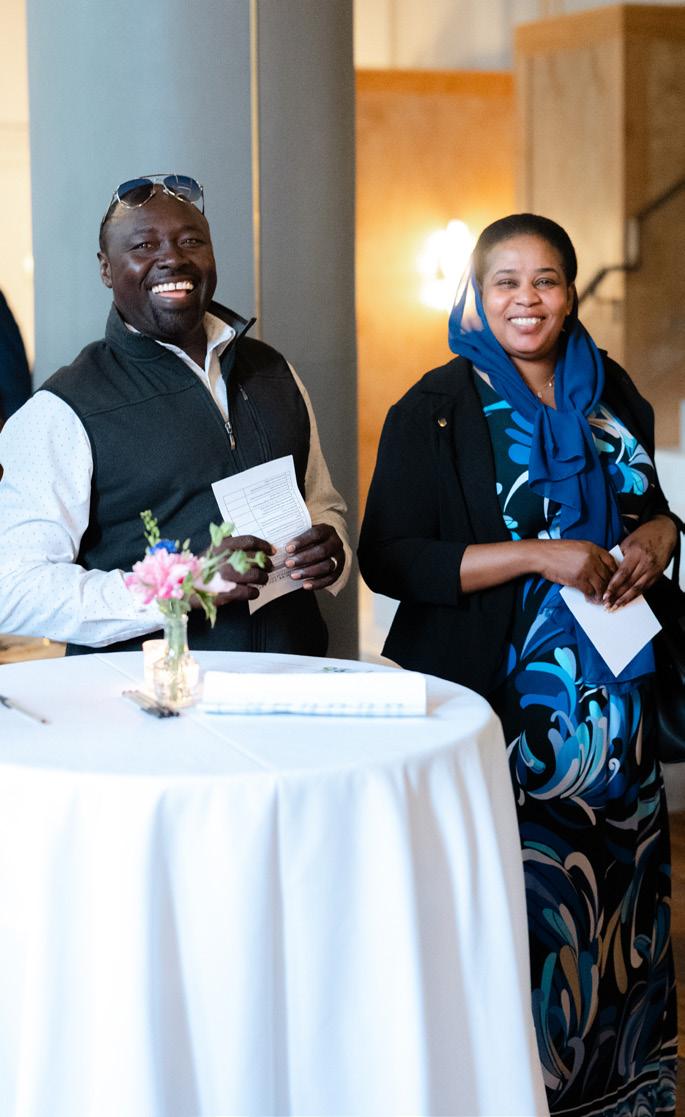
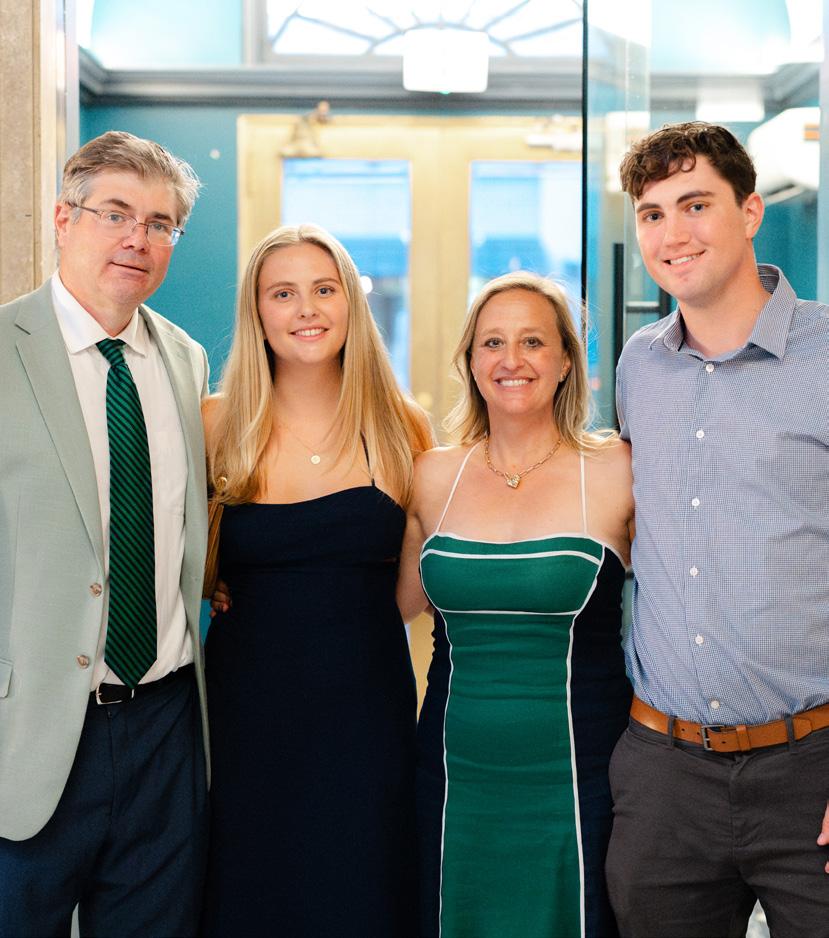
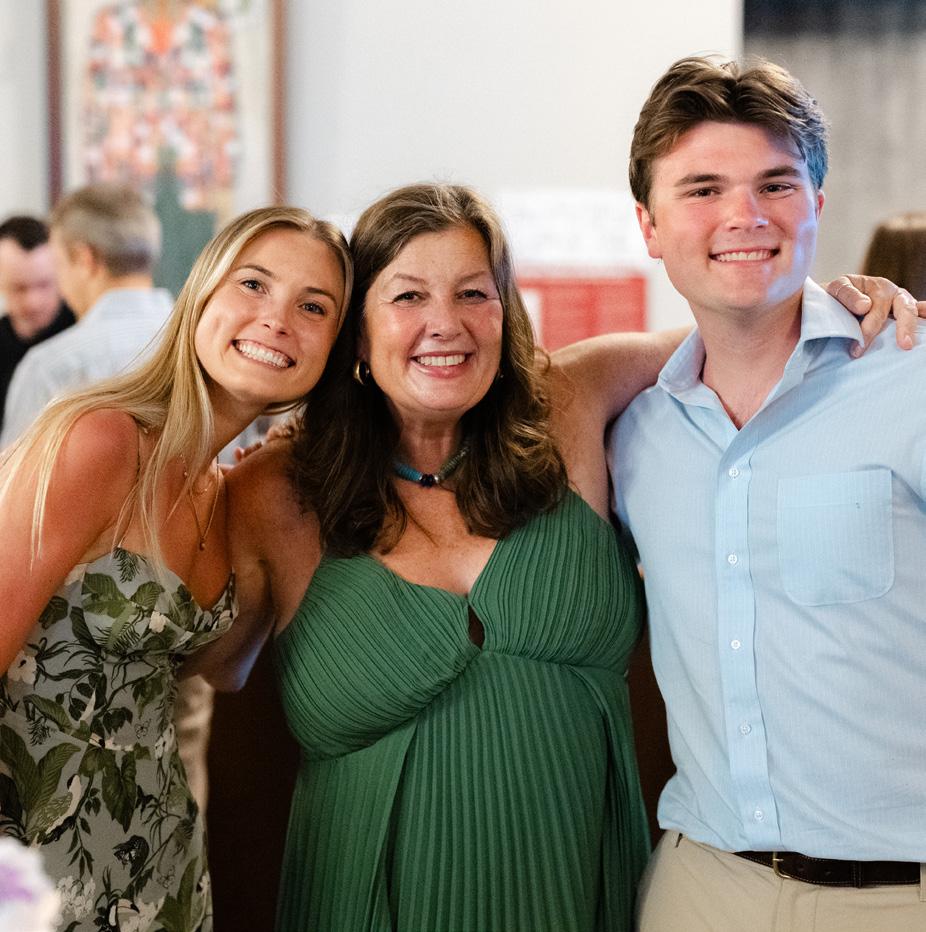
The Bradbury hosted the 20-year anniversary celebration of Charlottesville Day School. CDS is an independent preschool–8th grade school focused on strong academics, creativity, and whole-child development in a small, joyful community.
1. Tori Goodloe, Angela Kelly, and Ella Reed
2. Abdullah and Mawahib Mohamed
3. Sarah Wise, Stacey Bruns, Mira Williams, Candace Grierson, and Shana Clarke
4. School founders Dave (left) and Stacey Bruns (2nd from right) with their children and CDS alumni, Jane and Jack Bruns
5. Savannah Grierson, Karin Reed, and Brody Grierson
6. Leo Cafferillo, Hasler Yancey, and Mark Kramer
7. Margaret Williams and Kira Cayo-Cotter
Photography by Jen Fariello 4 2 5
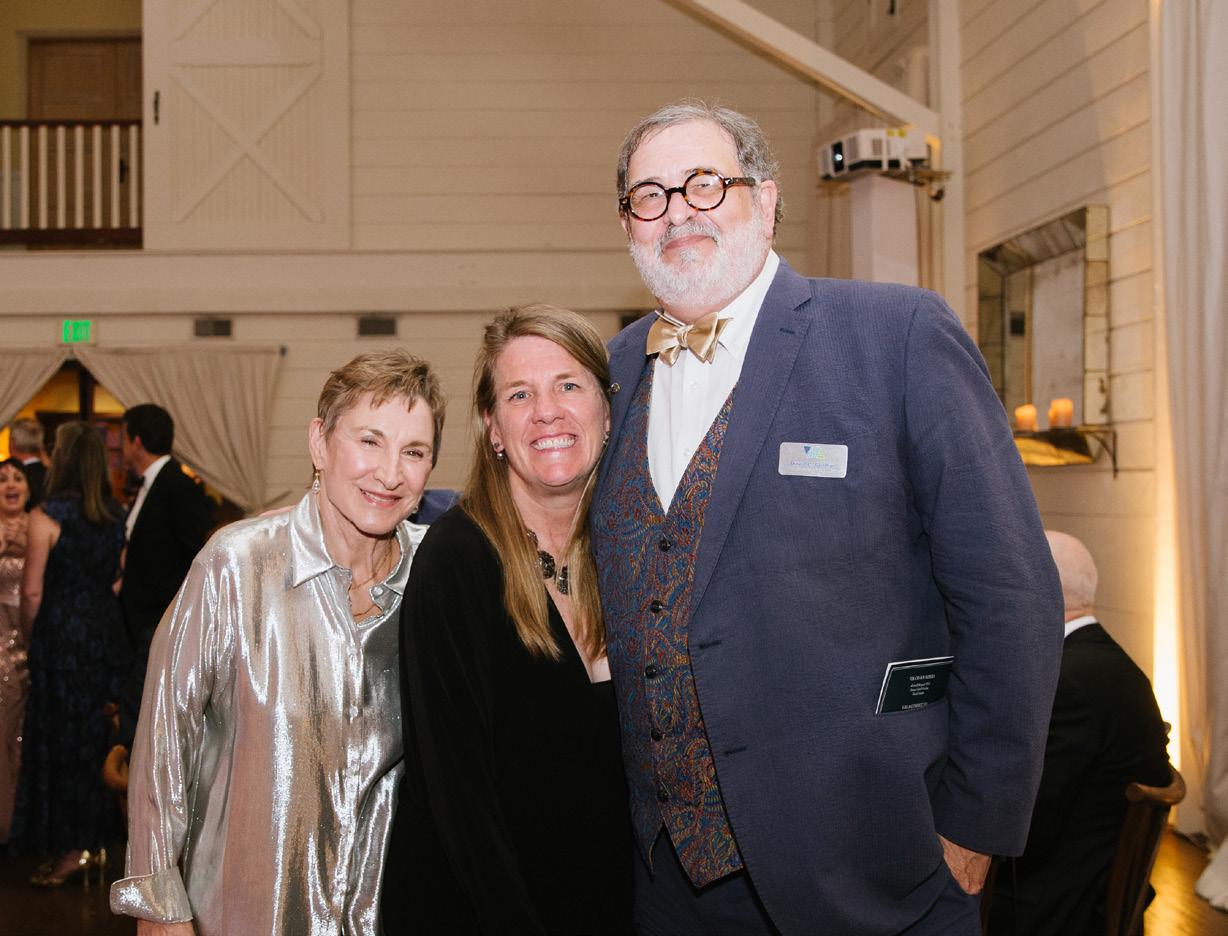
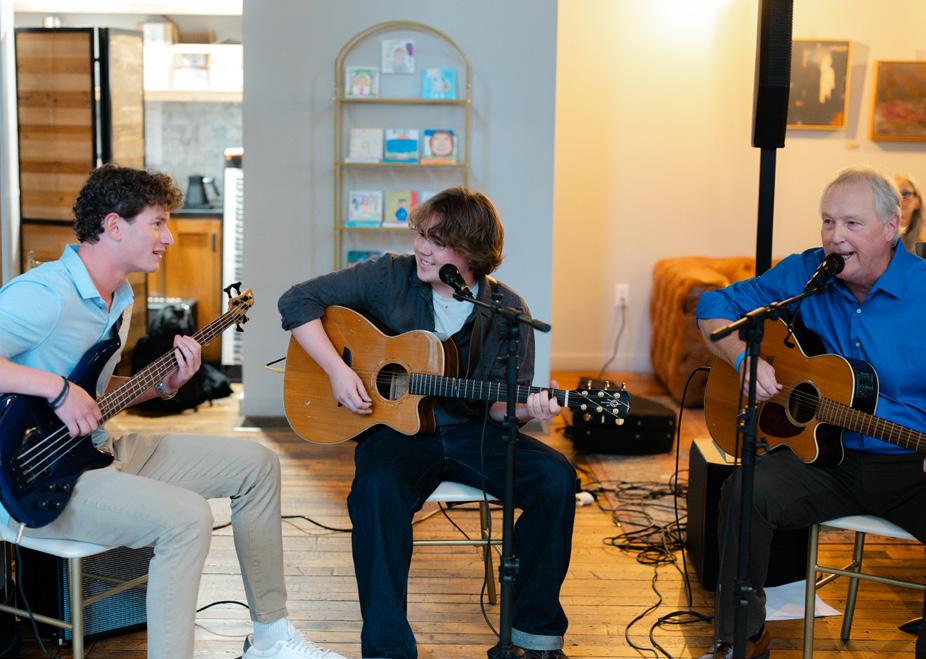
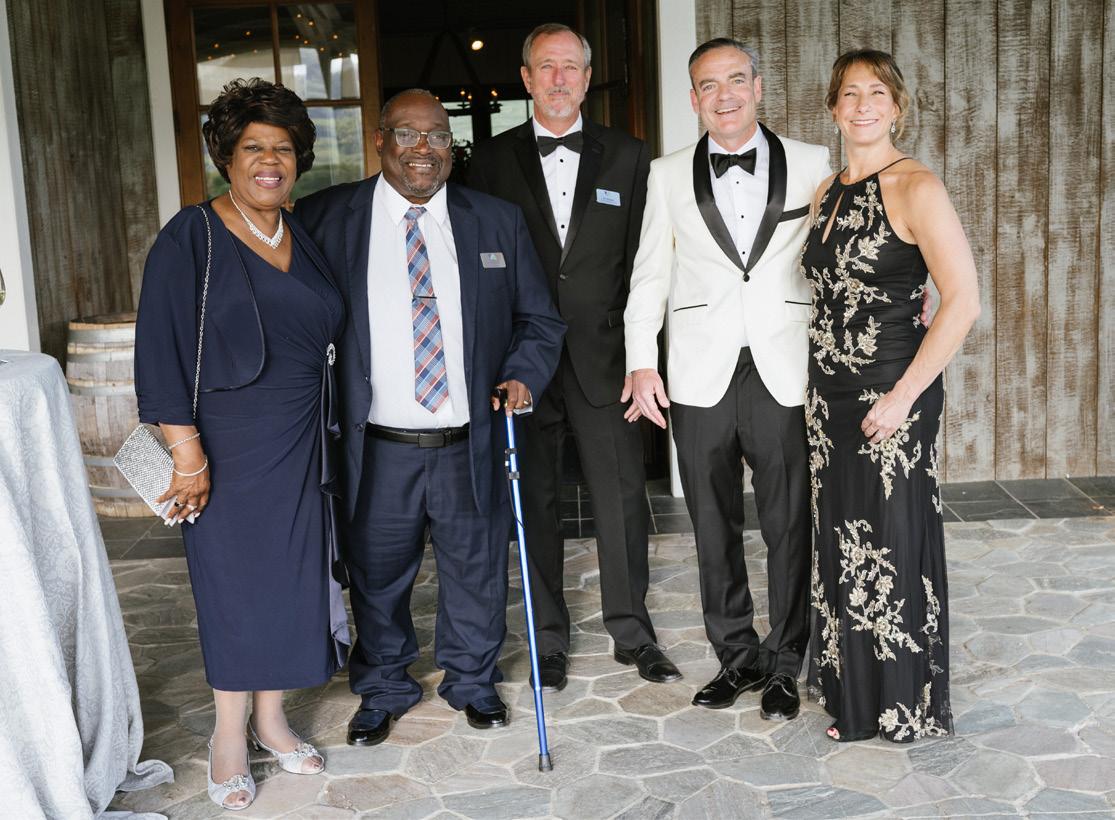
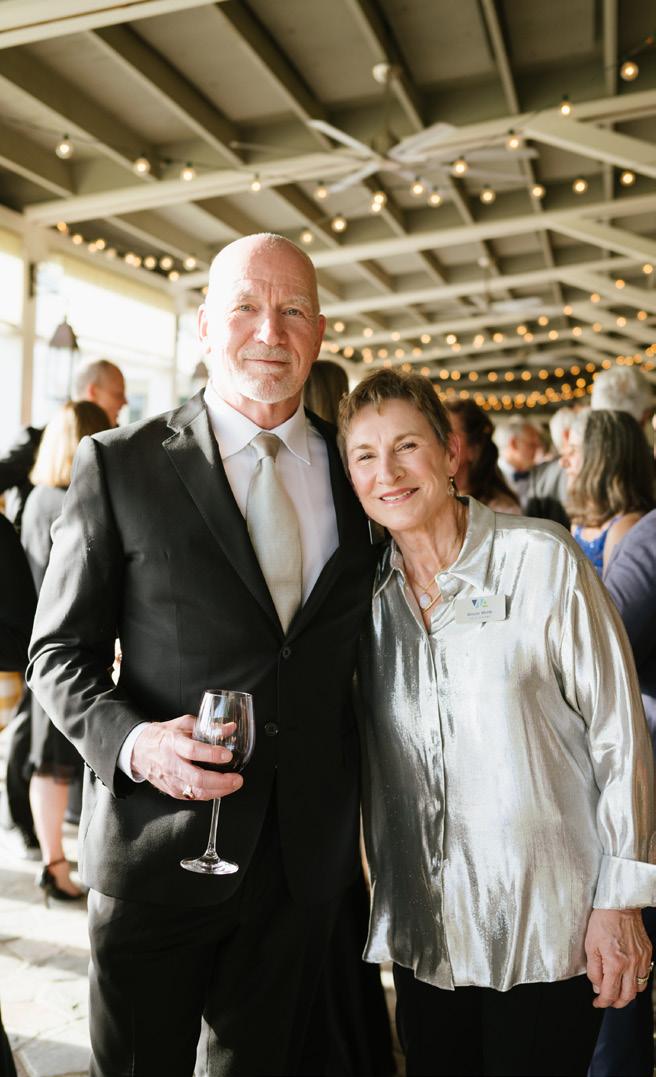
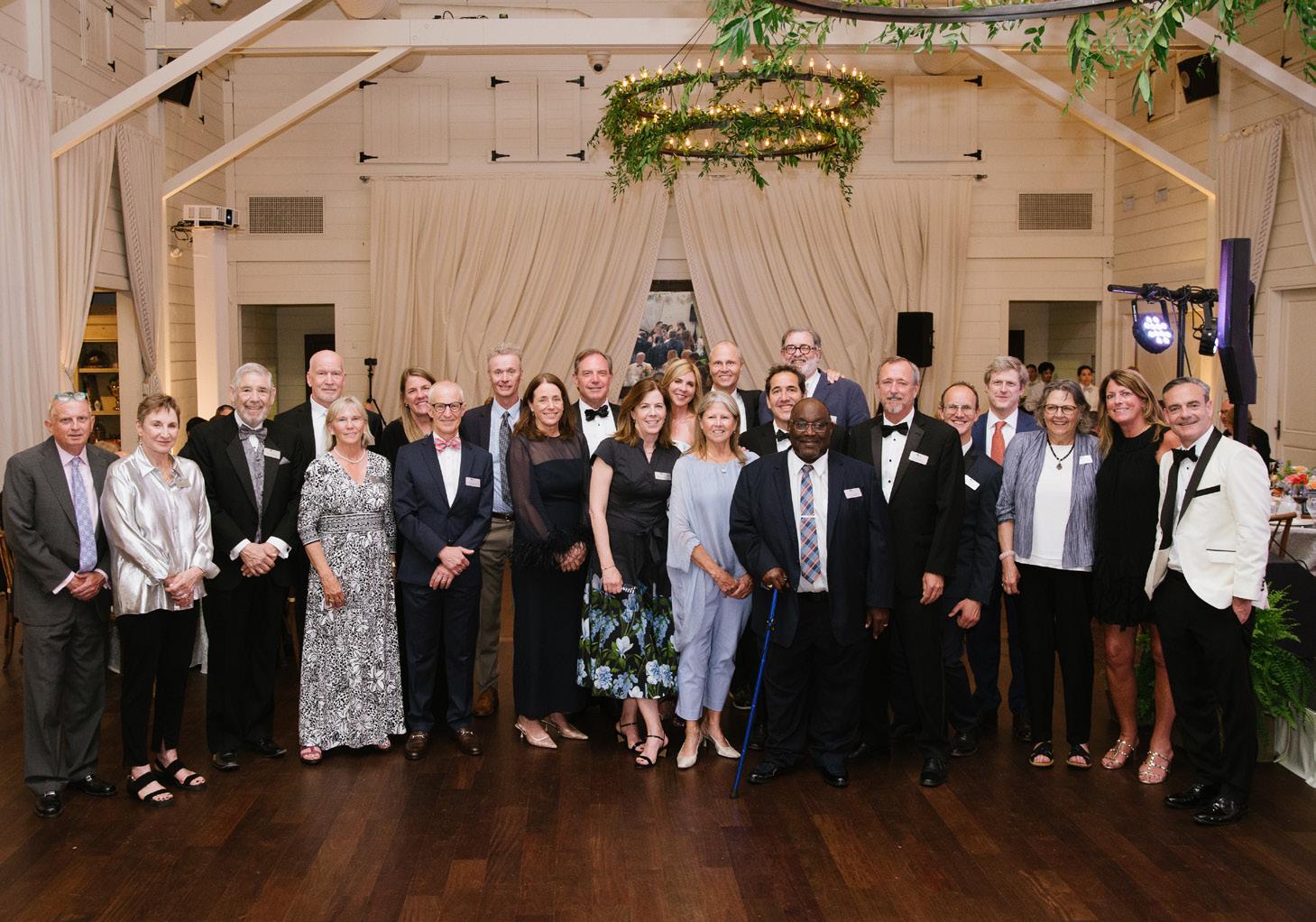
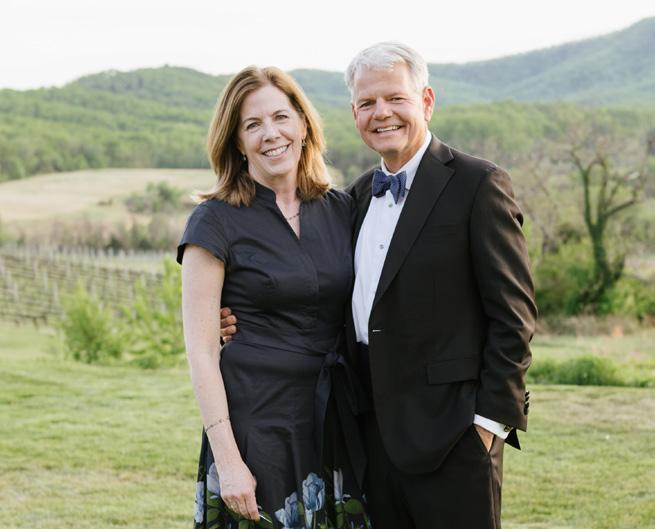
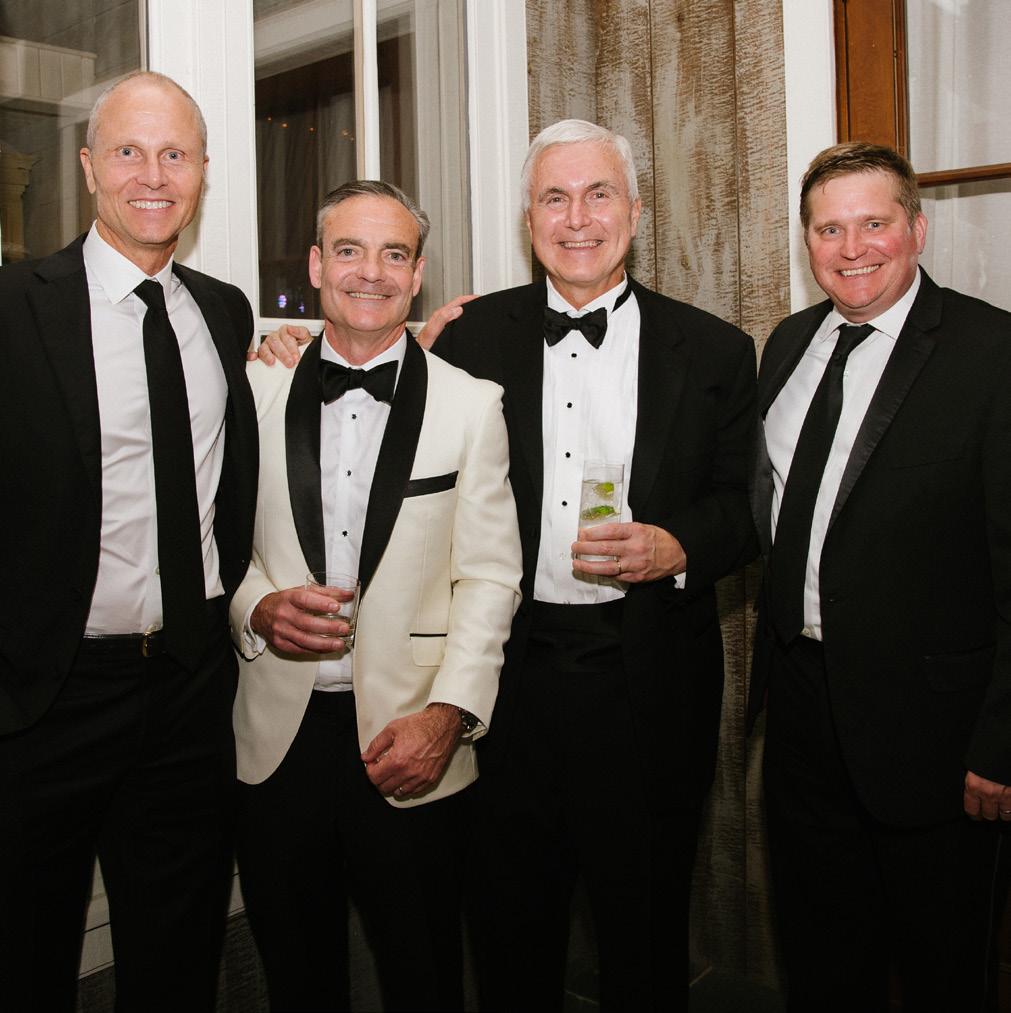
At Pippin Hill Farm & Vineyards, VIA Centers for Neurodevelopment celebrated its first three decades. VIA empowers people to embrace the strengths and meet the challenges related to autism and neurodevelopmental disabilities by providing compassionate, evidence-based services throughout their lives.
1. Christine Brown, VIA Treasurer Caruso Brown, Chief Administrative Officer Ed Gillaspie, President and CEO Ethan Long, and Alisa Bahl
2. VIA cofounders Bernie and Alison Webb
3. Past and present members of the VIA Board of Directors
4. Alison Webb, Erika Viccellio, and VIA cofounder David Cattell-Gordon
5. Angela Behrend and VIA cofounder Donna Cattell-Gordon
6. VIA Board Vice-Chair Kelley MacDougall and Mike Pausic
7. Alex Moore, Ethan Long, Bob Armour, and Warren Buford

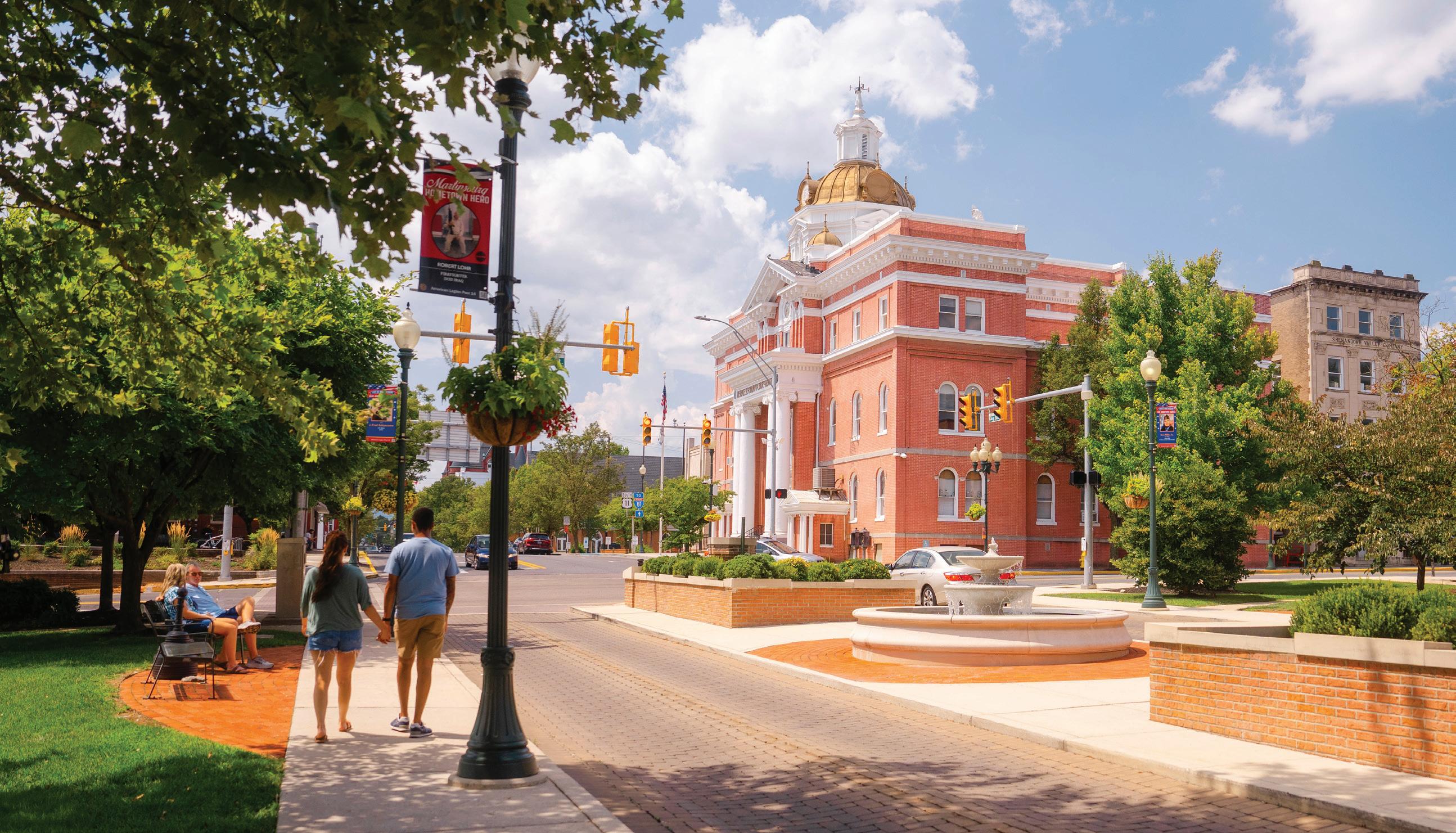
Time together becomes more precious everyday. Stroll our historic downtown or explore country roads full of lovingly preserved manors. Try a wine flight, a beer flight, or a spirits flight prior to enjoying a delicious meal. Take in an outdoor concert or a live performance at our historic theater. All just a short drive away in Berkeley County, West Virginia.