Trans. Suffolk Nat. Soc. 60 (2024)
A Butterfly Survey of Holywells Park, Ipswich, TM1743
This 2024 study included an exploratory visit to decide on a route and then 16 subsequent visits. The weather conditions were only included if relevant to sightings and although the route was followed on each visit it was not walked as a transect as all butterflies identified were recorded, irrespective of distance.
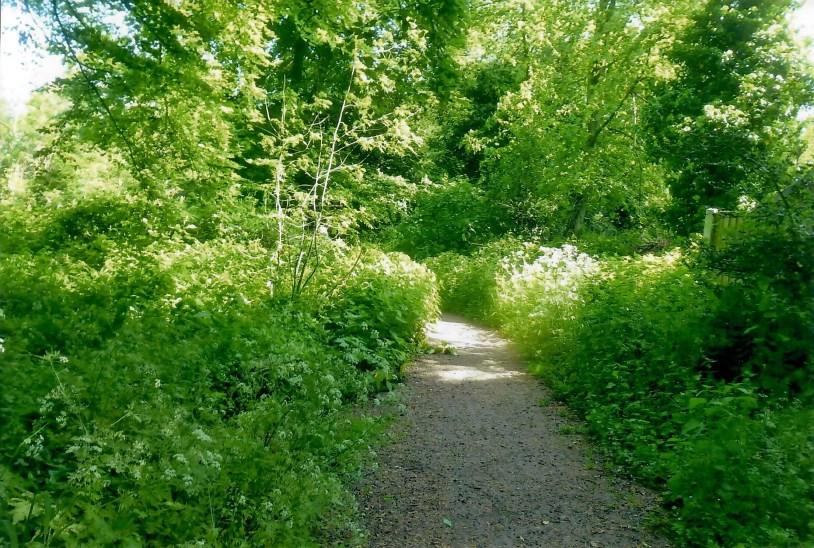
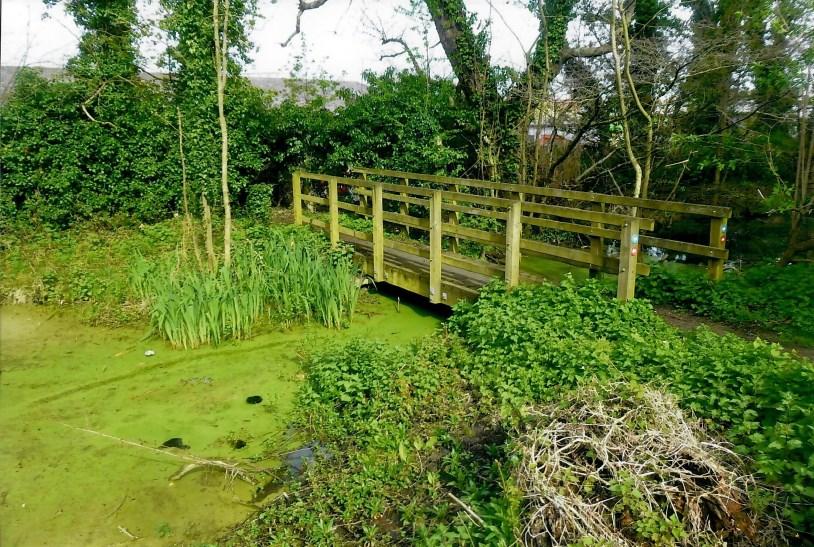
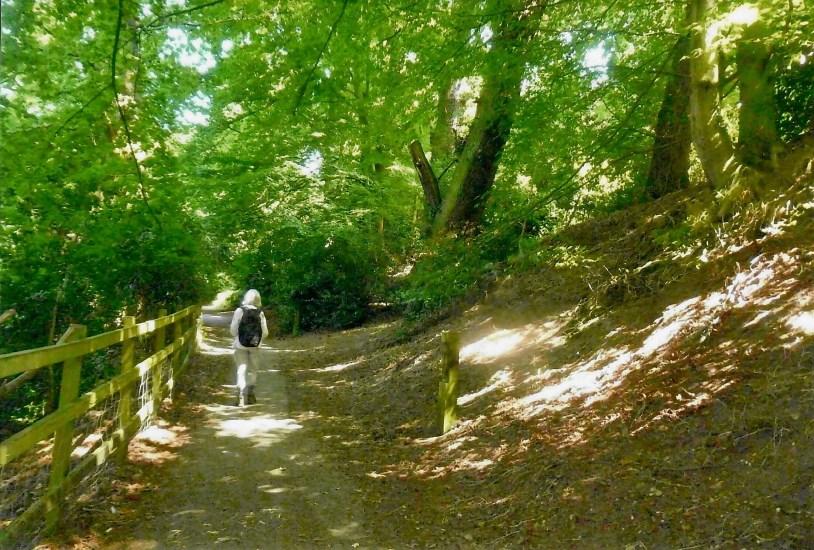
14.3: The route began at the entrance in Cliff Lane, just around the corner from Holywells Road. The Canal Path was followed with three diversions, first to a meadow and two further right turns leading out to a much larger open space, which was only recorded along its edges. At the end of the Canal Path a right turn was made along a hard surface path then right towards what is marked on an old map as Pond 4. This pond was followed to a bridge separating it from Pond 3 and then on to a flight of steps, a garden, flower beds below the Stable Block and finally the Bluebell Walk leading out to the top of Bishop’s Hill. The route took about an hour to complete.
On this route planning no butterflies were seen but birds included Wren, Dunnock, a drumming Great-spotted Woodpecker, a single Lesser Black-backed Gull, two pairs of Canada geese, a pair of Mandarin ducks and a distant flock of 21 Woodpigeons. Even at this early month there was an abundance of Brambles, Holly, Ivy, Stinging Nettles and water.
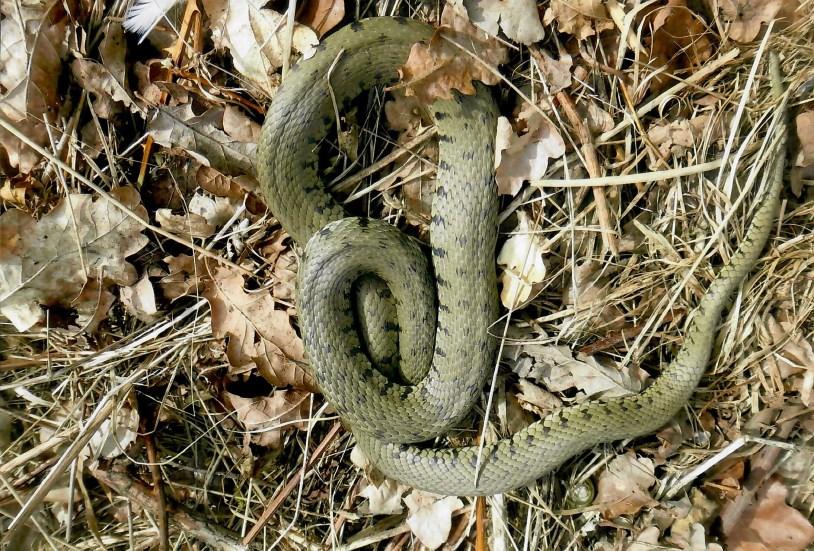
6.4: A hazy sun was accompanied by a breeze and along the Canal Path Red Deadnettle, Dandelions and ‘Pussy Willow’ were noted as early nectar sources. In the meadow, marked on the map as ‘Old Orchard’, Ladies’ Smock, a larval food plant for both Orange Tip and Green-veined White butterflies, was recorded and a few Cowslips. Chiffchaff, Magpies and Woodpigeons were present and under one mat a Grass Snake was coiled up then quickly slid away. Muntjac slots were seen on the path and the butterflies recorded here were male Brimstone, Small White and Peacock. A second male Brimstone was seen at the start of the hard surface path and later a Stock Dove was heard calling. Both Dandelions and Red Deadnettles had penetrated the more formal flower beds in the garden.
Total of 4:2 male Brimstone, 1 Small White, 1 peacock.
13.4: Hedge garlic, a larval food plant for both Green-veined White and Orange Tip, was abundant along the Canal Path and Bugle was also flowering. In the meadow two
Small White, one Green-veined White, one Peacock and one Speckled Wood were seen and a male Orange Tip along the Canal Path. A male Brimstone was again recorded at the start of the hard surface path and at Pond 4 both Carrion Crow and Stock Dove were seen. At the top of the steps Green-veined White and Comma were seen and the final butterfly was a male Orange Tip along the Bluebell Walk.
Total of 10: 1 Brimstone, 2 Small White, 2 Green-veined White, 2 Orange Tip, 1 Peacock, 1 Comma, 1 Speckled Wood.
2.5.24: Hedge Garlic, Stinging Nettles and Ivy dominated the early part of the route, the last mentioned having climbed to the top of several small trees. Another Grass Snake was uncovered under a mat, this one with the identifying yellow neck ring visible. A Bank Vole was under another mat and in the meadow, Germander Speedwell was added to the nectar sources. A male Brimstone, a male Orange Tip and two Holly Blues were present and at least two Moorhen nests were located along the Canal Path plus the welcome sight of a mother and two young children feeding Mallard at pond 6. Yellow Flag Iris and Water Mint were additional nectar sources with a third Holly Blue nearby and a fourth along the hard surface path. Here a Speckled Wood appeared to be drinking moisture from wet grass and opposite someone asleep on a bench a male Brimstone was feeding from a dandelion. At the bridge between ponds 4 and 3 further Holly Blue and male Brimstone appeared and the garden, in sunshine, had flowering ornamental Knapweed, Forget-me-Not and Wallflowers, but no butterflies. On the Bluebell Walk small buddleias on the left and a larger one to the right promised future nectar and a Holly Blue was close to Holly, its earlier larval food plant. Two male Brimstones near the exit gate produced an unlikely conversation between a large ‘punk’ dressed man and his equally large dog. One male Orange Tip flew past and a Muntjac ran off into deep shade. Total of 13: 5 Brimstone, 2 Orange Tip, 5 Holly Blue, 1 Speckled Wood.
20.5: This was memorable for a total of 17 Holly Blues, five in the meadow, seven along the canal path, two by the bridge between the two ponds, one near the Stable Block and two along the Bluebell Walk. A large animal ran off in the meadow, but the long grasses prevented identification. Some areas of grass had been flattened and Ox-
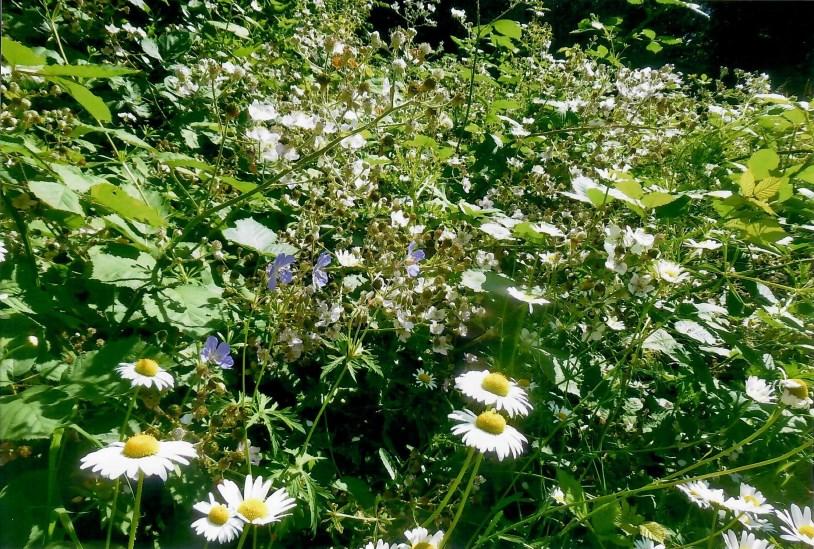
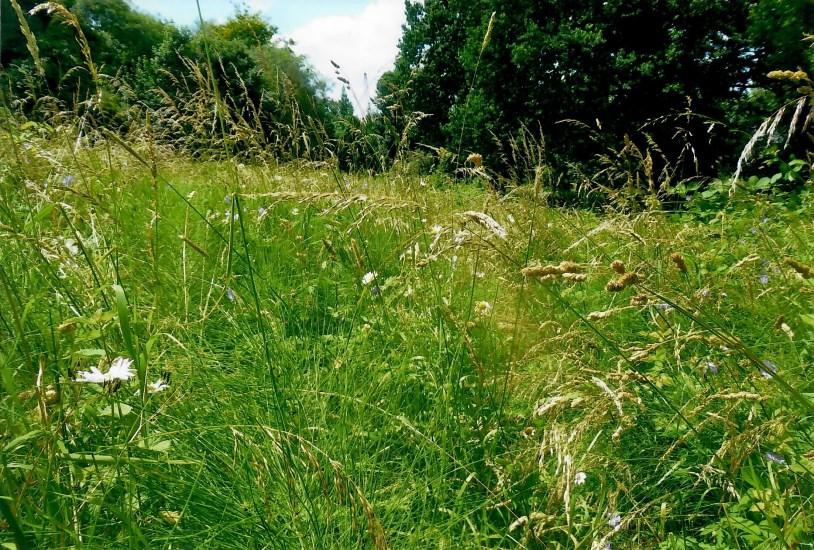
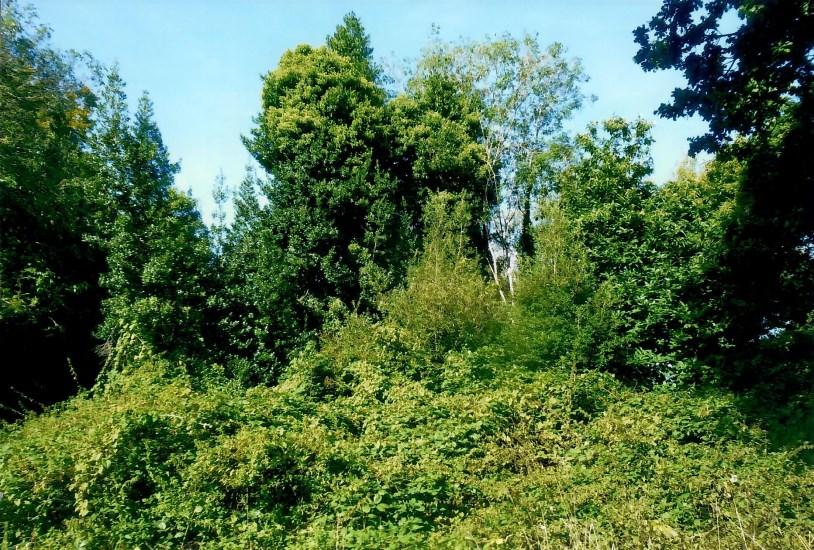
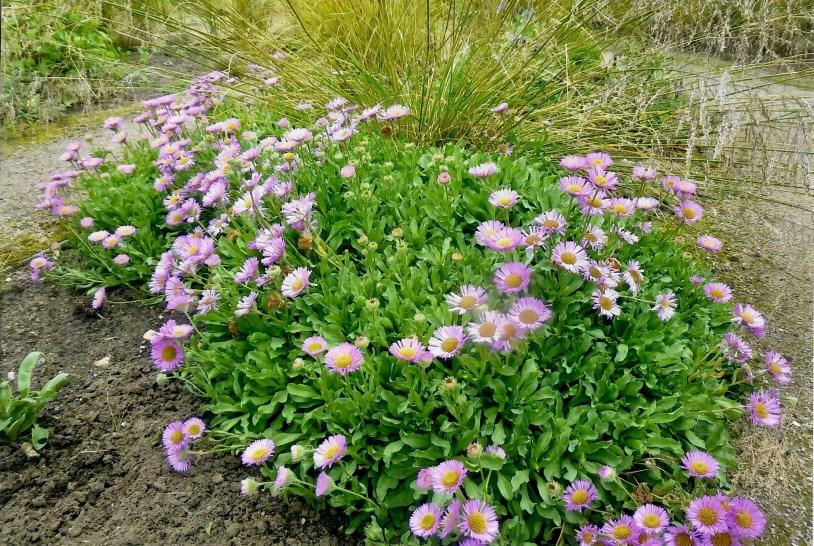
eye Daisies were now flowering. Two Buzzards flew over and tall Sowthistles were prominent along the Canal Path. A school group of about forty pupils were walking along the hard surface path and those in front saw a flying Red Admiral. A single male Brimstone and later a Green-veined White flying along the Bluebell Walk were the only addition. In the garden, Erigeron was flowering in several separate beds and below the Stable Block two good nectar sources were seen, namely Scabious and ‘Bowles’ Mauve’ Wallflower.
Total of 20:1 Brimstone, 1 Green-veined White, 17 Holly blue, 1 Red Admiral.
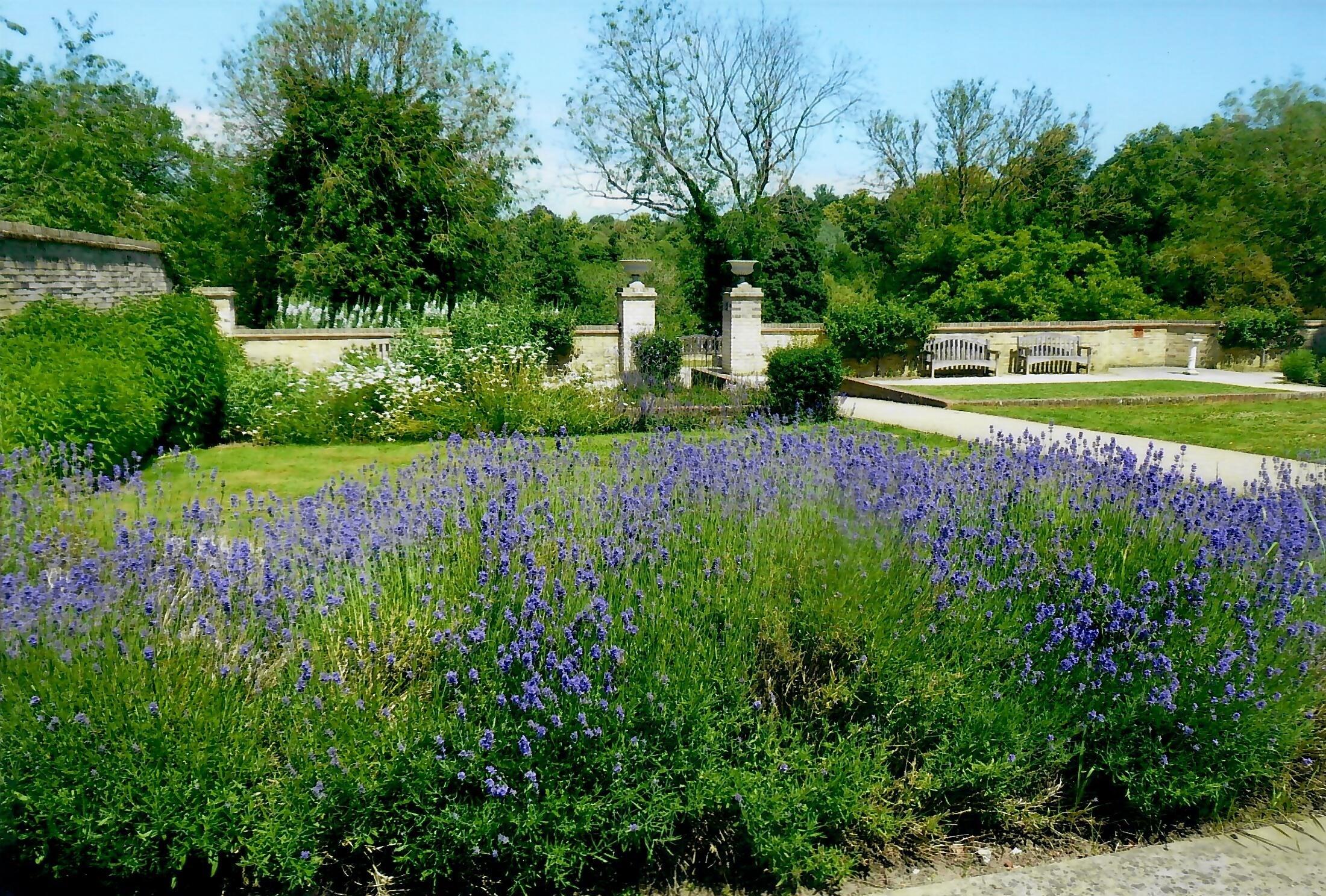
7.6: Just nine butterflies were seen, on a day of cloud, wind and intermittent sunshine. A Speckled Wood was just inside the entrance gate and the rest were Holly Blues, six of which were recorded in the meadow. Much of the bramble was in flower but surprisingly no butterflies were visiting this good nectar source. A Buzzard flew off as I entered the meadow and the other two Holly Blues were along the Canal Path, which had Poplar blossom carpeting some parts of the route. By the bridge between the two ponds several damselflies were seen: four Azure, two Large Red and one Willow Emerald. Several Lavender beds were flowering below the Stable Block.
Total of 9: 8 Holly Blue, 1 Speckled Wood.
24.6: Some time was spent examining tall sunlit Oaks for Purple Hairstreak butterflies but with no success. Oaks are the larval food plant for this species and no result came from examining clumps of Elm, the White-letter Hairstreak’s larval food plant. Red Clover and Marsh Bird’s-foot-Trefoil were added to the meadow’s nectar sources. Single Red Admiral and Comma plus two Holly Blues were in the meadow and along the Canal Path, Himalayan Balsam was flowering. This is not a native plant and though it attracts many insects, it can spread quickly by ‘exploding’ its seeds, which can travel some distance, especially along waterways. Once established, it can shade out native plants. One Holly Blue was seen along the Canal path and many Azure damselflies on Pond 6. A Little Egret was also close by. Good management was noted near the flight of steps by leaving an area of longer grasses and Verbena bonariensis was added to the nearby flower beds plus Ox-eye Daisy. The first two butterflies were recorded in the garden, both Meadow Browns, and as I was taking a photo of Erigeron, a Small Copper landed beside me. Again, not one butterfly was seen nectaring on Bramble flowers.
Total of 8: 1 Small Copper, 3 Holly Blue, 1 Red Admiral, 1 Comma, 2 Meadow Brown.
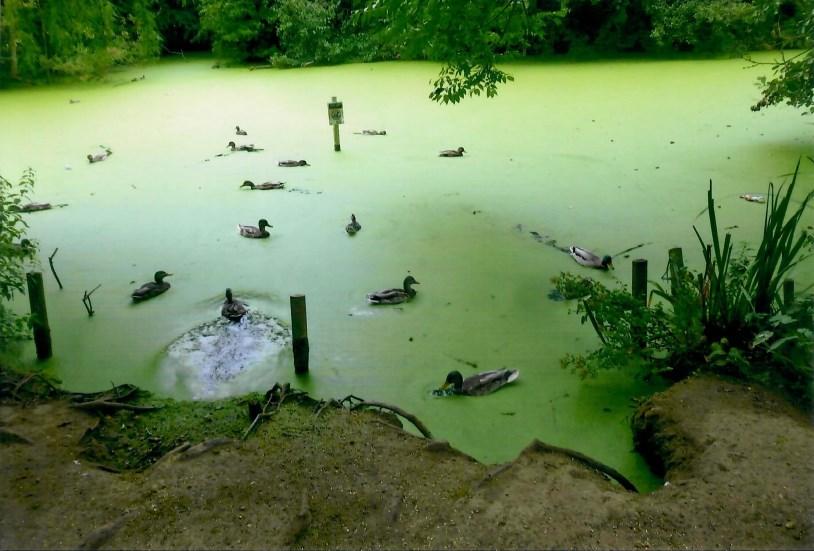
4.7: On a sunny day with a noticeable wind, Hawkweed was prominent along the Canal Path but most of the Bramble flowers were over. A Holly Blue was close to Ivy and in the meadow the Stinging Nettles and long tendrils of Bramble were crossing the path. There was an abundance of Marsh Bird’s-foot Trefoil and Meadow Cranesbill and both Red Clover and Purple Loosestrife offered additional nectar sources. Butterflies seen here were two Holly Blues, again around Ivy which is the earlier larval food plant, four Commas, two male Brimstones, one Meadow Brown and one Small Skipper. A Little Egret was again on pond 6 and along the Canal Path a further male Brimstone, one Meadow Brown and a Red Admiral were seen, the last mentioned on Stinging Nettles, its larval food plant. It was noted that the last pond along the Canal Path was now dried up. The path leading to Pond 4 had tall flowering thistles and Knapweed and again a grey heron was fishing on the far side of Pond 4, presumably by movement, not sight, as the pond was covered with green algae. Both the garden and flower beds below the Stable Block had a wide range of nectar sources with the addition of White Clover but again no butterflies were seen. Some cutting back was noted along the Bluebell Walk but Stinging Nettle beds had been left and Ragwort was flowering, an important summer nectar source.
Total of 14:1 Small Skipper, 3 Brimstone, 3 Holly Blue, 1 Red Admiral, 4 Commas, 2 Meadow Browns.
10.7: This was a cloudy day with gusts of wind and occasional sun. Once again, no Purple Hairstreaks were seen Secateurs had to be used to get through to the meadow where four Commas were seen with three spiralling together. The meadow also produced three ‘firsts for the site in 2024: Essex Skipper, Large White and Ringlet. A Meadow Brown was also recorded here. Also, in the meadow a bed of flowering Marjoram was seen, one of the best summer nectar sources. A Muntjac was barking from the far side of the meadow and a small Grass Snake was on top of one piece of matting in sunlight. A high-flying Hobby went over and three little Egrets were on pond 6. Three Buddleias were now flowering along the canal Path but not in sunshine. White Clover was now flowering along both sides of the hard surface path and two
Swifts flew over the Bluebell Path where one Meadow Brown was seen.
Total of 9: I Essex Skipper, 1 Large White, 4 Commas, 2 Meadow browns, 1 Ringlet.
19.7: I deliberately went later on this sunny date but again found no Purple Hairstreaks. Ragwort was now flowering in the meadow where I recorded one Large White, four Meadow Browns and one Ringlet. The Canal Path had three further Meadow Browns, two Ringlets, and the first Gatekeeper, with three further along. Three Speckled Woods were spiralling together and a further one was seen along the Bluebell Walk.
This should have been the height of butterfly activity and consequently was very disappointing.
Total of 19: 1 Large White, 4 Speckled Wood, 4 Gatekeeper, 7 Meadow Brown, 3 Ringlet.
29.7: This visit led to the highest butterfly total so far. Against a background of loud hammering noises from the nearby industrial units I found Tufted Vetch in the meadow, where eight butterfly species were recorded: singe Essex Skipper, Greenveined White, Holly Blue, Peacock, Speckled Wood and Gatekeeper plus five Meadow Browns and two Ringlets. A female Common Darter dragonfly was hunting and along the canal path Water Mint and Knapweed were abundant and the largest Buddleia had nectaring Large White and male Brimstone. The rest of this path, plus the two short lanes leading to a larger meadow, produced two Speckled Wood, a Holly Blue ‘mud puddling’, one Small Skipper, one Small White, one Meadow Brown and two Ringlets. The first blackberries and wild raspberries were sampled and my wife AnneMarie wandered off the route to search a large path of hawkweed and found a
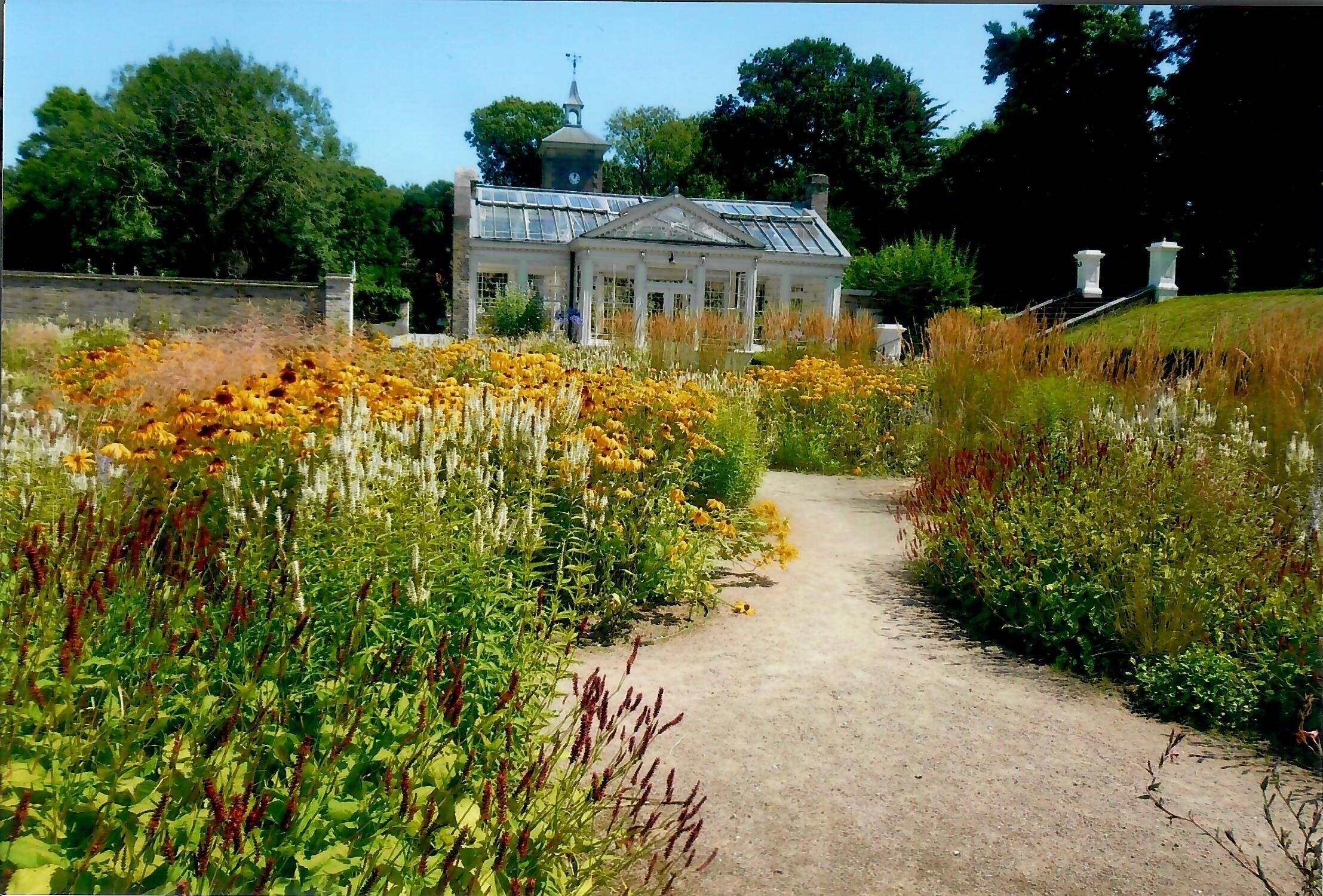
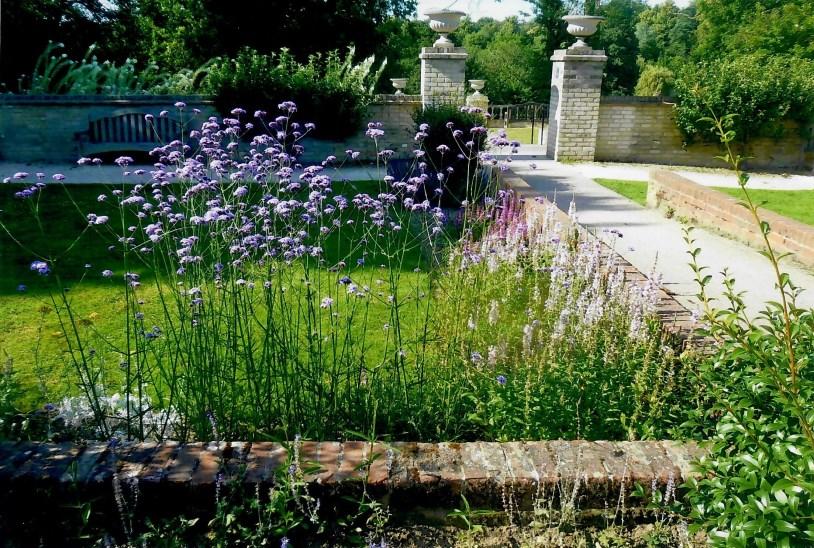
A view from part of the garden towards the Orangery.
Pantaloon bee, with another also on Hawkweed below the Stable Block. A Meadow Brown was close to Scabious in this area and the largest Buddleia along the Bluebell Walk had nectaring Large White and Red Admiral. Here also were two Speckled Woods, one Meadow Brown and one Comma.
Total of 30: 1 Small Skipper, 1 Essex Skipper, 1 Brimstone, 2 Large White, 1 Small White, 1 Green-veined White, 2 Holly Blue, 1 Red Admiral, 1 Peacock, 1 Comma, 5 Speckled Wood, 1 Gatekeeper, 8 Meadow Brown, 4 Ringlet.
It was good to see a notice celebrating the park’s twenty-fifth anniversary of Green Flag awards.
8.8: This was a very hot day with scarcely any breeze. The long meadow grasses were flattened in many places and a large limb had been torn off a nearby Ash. Single Large White, Gatekeeper, Comma and Speckled Wood were recorded with three Common Darters overhead. Along the Canal path single Gatekeeper and Meadow Brown were added plus three Speckled Woods. At the edge of the larger meadow a long heap of cut grass had been left as an extra habitat. Two Speckled Woods along the Bluebell Walk completed the sightings.
Total of 11:1 Large White, 1 Comma, 6 Speckled Wood, 2 Gatekeeper, 1 Meadow Brown.
19.8: The meadow still had plenty of Knapweed flowering with a single Green-veined White and Holly Blue plus three Speckled Woods. A further Speckled Wood was seen along the Canal Path and Golden Rod, a good nectar source, was flowering on the path towards Pond 4, where thirteen Mallard were seen. The largest Buddleia on the Bluebell Walk had a single nectaring Green-veined White.
Total of 7: 2 Green-veined White, 1 Holly Blue, 4 Speckled Wood.
29.8: A Holly Blue was seen just inside the entrance gate and a second in the meadow where on its far side the first open Ivy umbels had attracted a Red Admiral. A second was nectaring on a surviving clump of Bramble flowers. Pond 6 produced a fishing Grey Heron and just one Speckled Wood along the rest of the Canal Path. A Large White was nectaring on Verbena bonariensis below the Stable Block and a Holly Blue was close to sunlit Ivy, its later larval food plant. A Large White was feeding on Buddleia along the Blubell Walk plus sighting of single Holly Blue and Speckled Wood.
Total of 10: 2 Large White, 4 Holly Blue, 2 red Admiral, 2 Speckled Wood.
2.9: The weather forecast for sunny spells in the East didn’t materialise until the final part of the walk. The only butterflies seen were distant and unidentified ‘whites’ but by sitting on one of the garden seats and later examining a yellow form of Rudbeckia I managed to count fifteen white butterflies, seven large White and eight Small White. Nectaring was also noted on Plumbago and Verbena bonariensis.
Total of 15: 7 Large White, 8 Small White.
14.9: The pattern for this visit was set just inside the entrance gate with a Red Admiral feeding on Ivy umbels. A Small White was also seen. The meadow had three tall and sunlit trees garlanded with Ivy and six feeding Red Admirals were seen feeding. Also in the meadow were two Large Whites, two Small Whites, two Commas and a single Speckled Wood. Small White and another Red Admiral on Ivy were added along the canal Path. At the end of this path a couple asked what I was looking for and I explained about Red Admirals and Ivy but couldn’t find one. However, they did see two spiralling Speckled Woods. Unfortunately, both the garden and flower beds below the Stable Block were closed for a wedding reception but right at the end of the route a tall sunlit tree was full of feeding insects, including four red Admirals plus a Speckled Wood on the ground.
Total of 24: 2 Large White, 4 Small White, 12 Red Admiral, 2 Comma, 4 Speckled Wood.
3.10: This was an additional visit to compensate for the closed areas last time. Three Magpies and a Jay were close to the entrance gate and a Red Admiral feeding on Ivy. David Dowding and his Wildlife rangers were just finishing after cutting back along the path and one glade plus part of the meadow but leaving enough for wildlife. A Buzzard flew over and, in the meadow, both Comma and Red Admiral were nectaring on Ivy plus a single Large White and three Speckled Woods. Again, good environmental policy was noted with just half of the path towards Pond 4 cut back and tall seeding plants left for the birds. Another Red Admiral and Small White were recorded but once again the garden, now with flowering Golden Rod and Sedum spectabile, was a great disappointment. It was a continuing puzzle throughout the study, being sunlit for much of the day and with the addition of early nectar sources and a few Buddleias would easily be transformed into a Butterfly Garden. To balance this disappointment an Ivy-covered wall close to the Stable Block was in full sunshine and we counted three feeding Red Admirals and a fourth on nearby Verbena bonariensis.
Total of 13: 1 Large White, 1 Small White, 7 Red Admiral, 1 Comma, 3 Speckled Wood. That completed the study, but it is worth adding one unexpected element. Despite the park’s abundance of water not one Rat was seen.
List of species seen in order of total number; 43 Holly Blue, 31 Speckled Wood, 25 Red Admiral, 22 Meadow Brown, 17 Large White, 17 Small White, 15 Comma, 13 Brimstone, 8 Ringlet, 7 Gatekeeper, 6 Green-veined White, 4 Orange Tip, 3 Peacock, 2 Small Skipper, 2 Essex Skipper, 1 Small Copper. This produced a total of 216 butterfly sightings, averaging 13.5 seen per visit.
Comment: This park wasn’t particularly familiar to me and the decision to do the 2024 survey here came after a successful sighting on an Otter on 26 January. The garden area was, as already mentioned, very disappointing, and the last eight species on the above list totalled just thirty-three records. The Ringlet was particularly low, given its preference for damper habitats. I wondered if I had chosen the right route but then consulted my own 2024 records: just one Small Tortoiseshell, Painted Lady at just three sites, and only fourteen garden species despite having well over fifty nectar sources and regularly deadheading several Buddleias of different varieties. There was also the complete absence of that spectacular visitor, the Hummingbird Hawk moth. The only exceptions to the Holywells study were first brood Holly Blue, Speckled Wood and the late appearance of Red Admirals nectaring on Ivy. By consulting others, I found no-one had considered it to be a good, even normal, butterfly year. Official confirmation came from the results of Butterfly Conservation’s ‘Big Butterfly Count, the national survey having only about half its normal number of sightings in 2024 with lowest ever totals for Small Tortoiseshell and Common Blue, neither of which were seen on the survey. The initial reasons given were a cold and wet Spring, followed by the coolest Summer for nine years. No doubt a more detailed analysis will be forthcoming once more data analysis has been carried out.
Richard Stewart ‘Valezina’, 112, Westerfield Road, Ipswich, Suffolk. IP4 2 XW