
The Olympian on the mindset that helps her find the winning edge






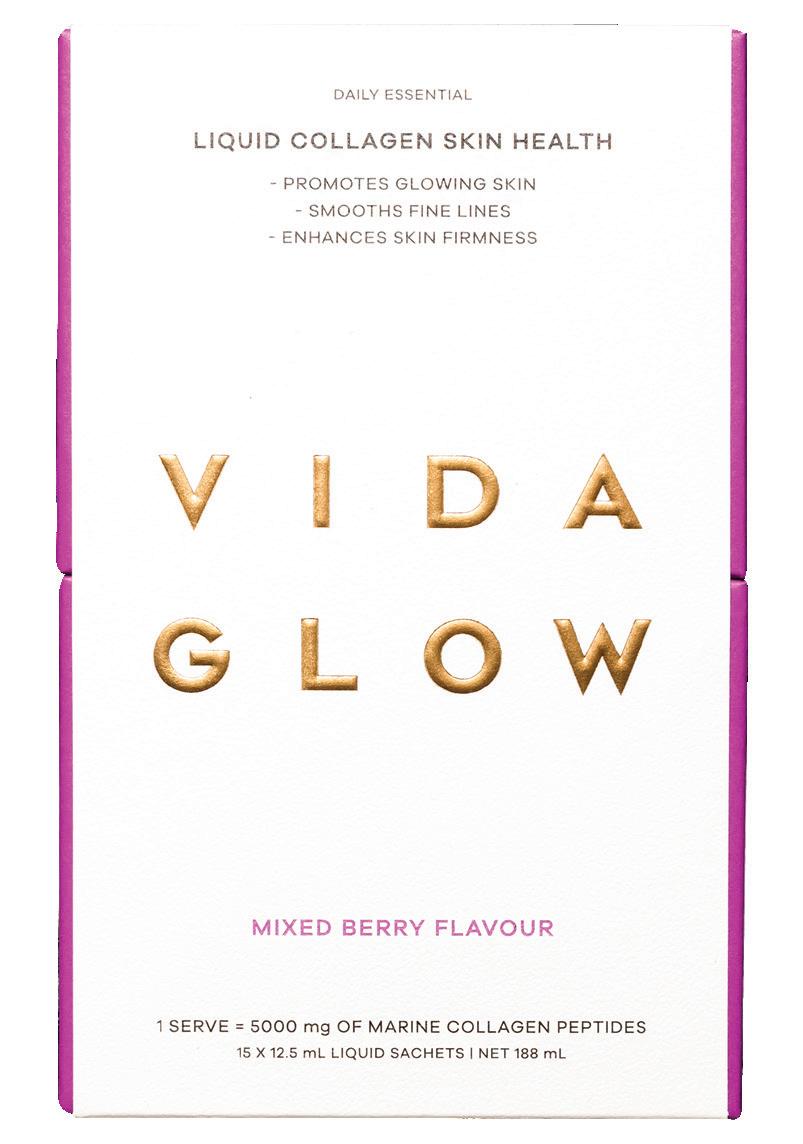
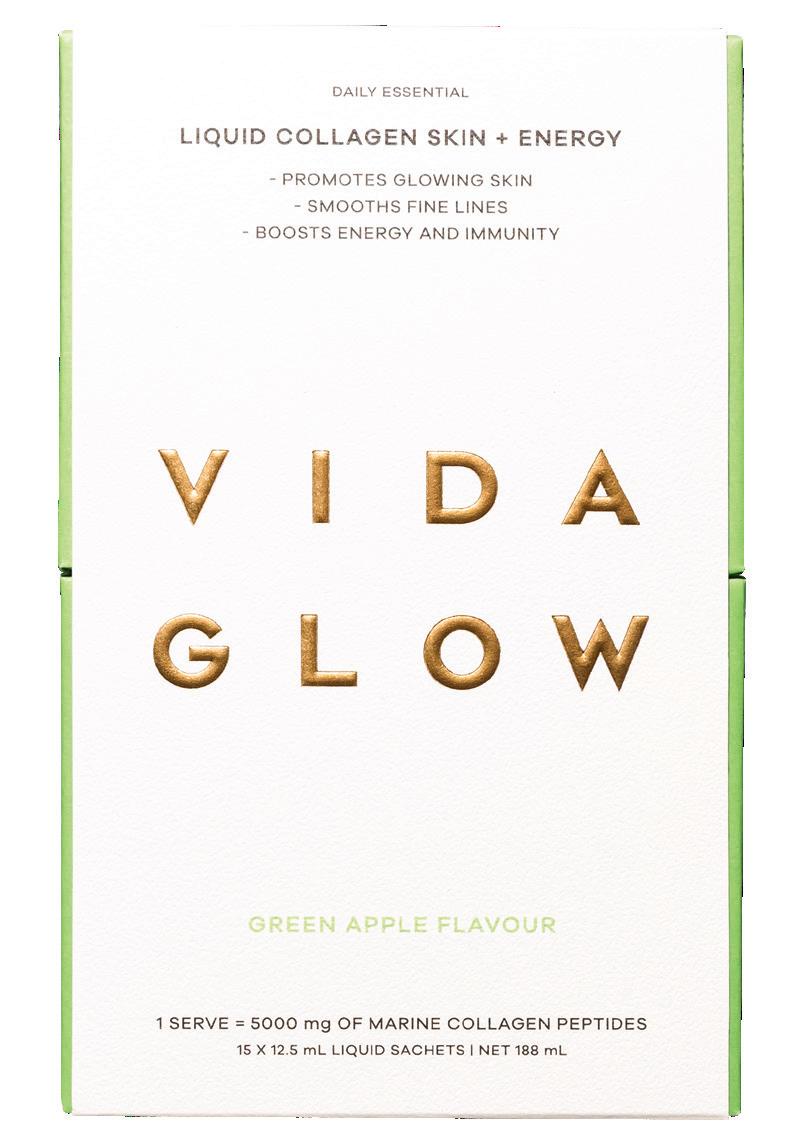






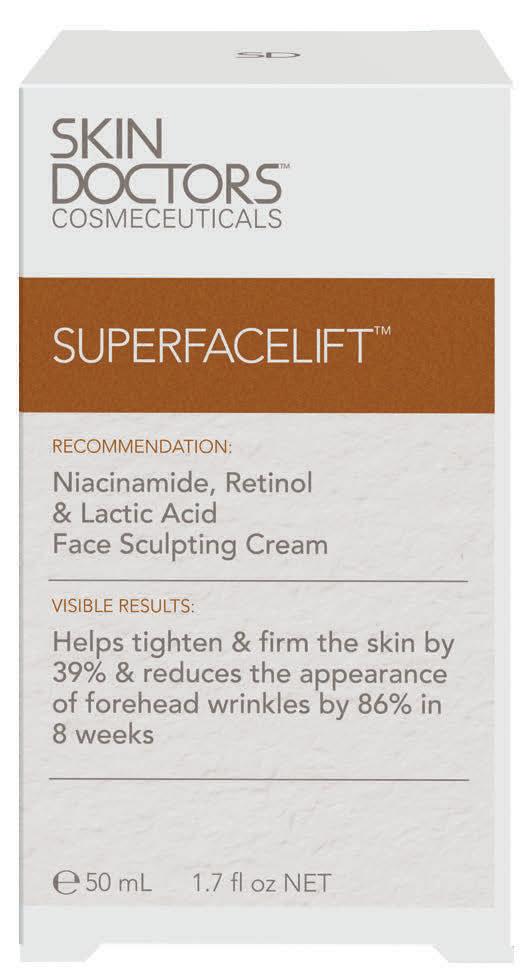
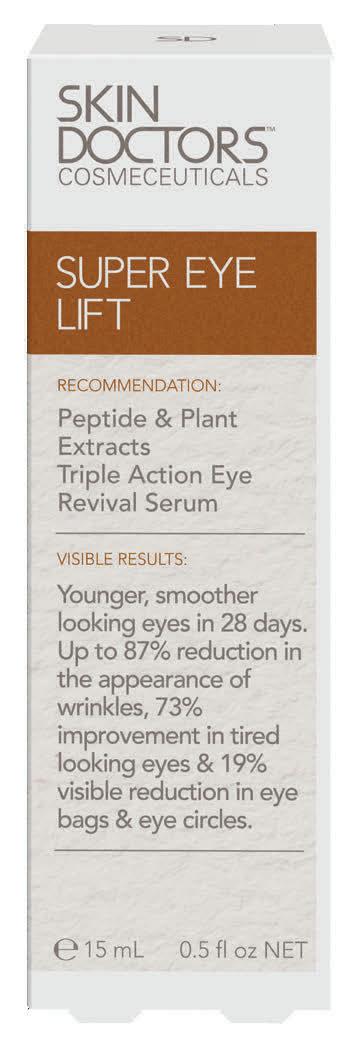


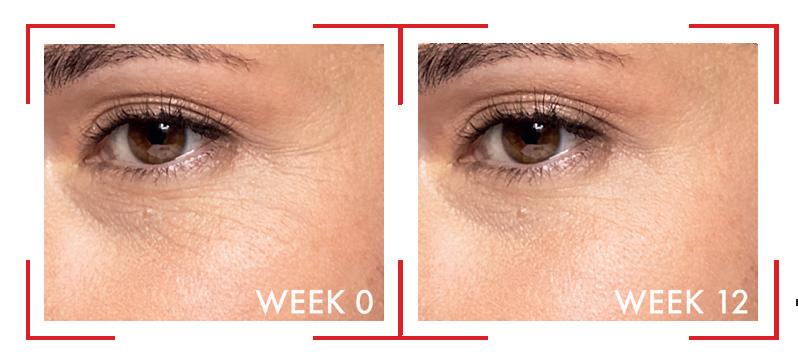
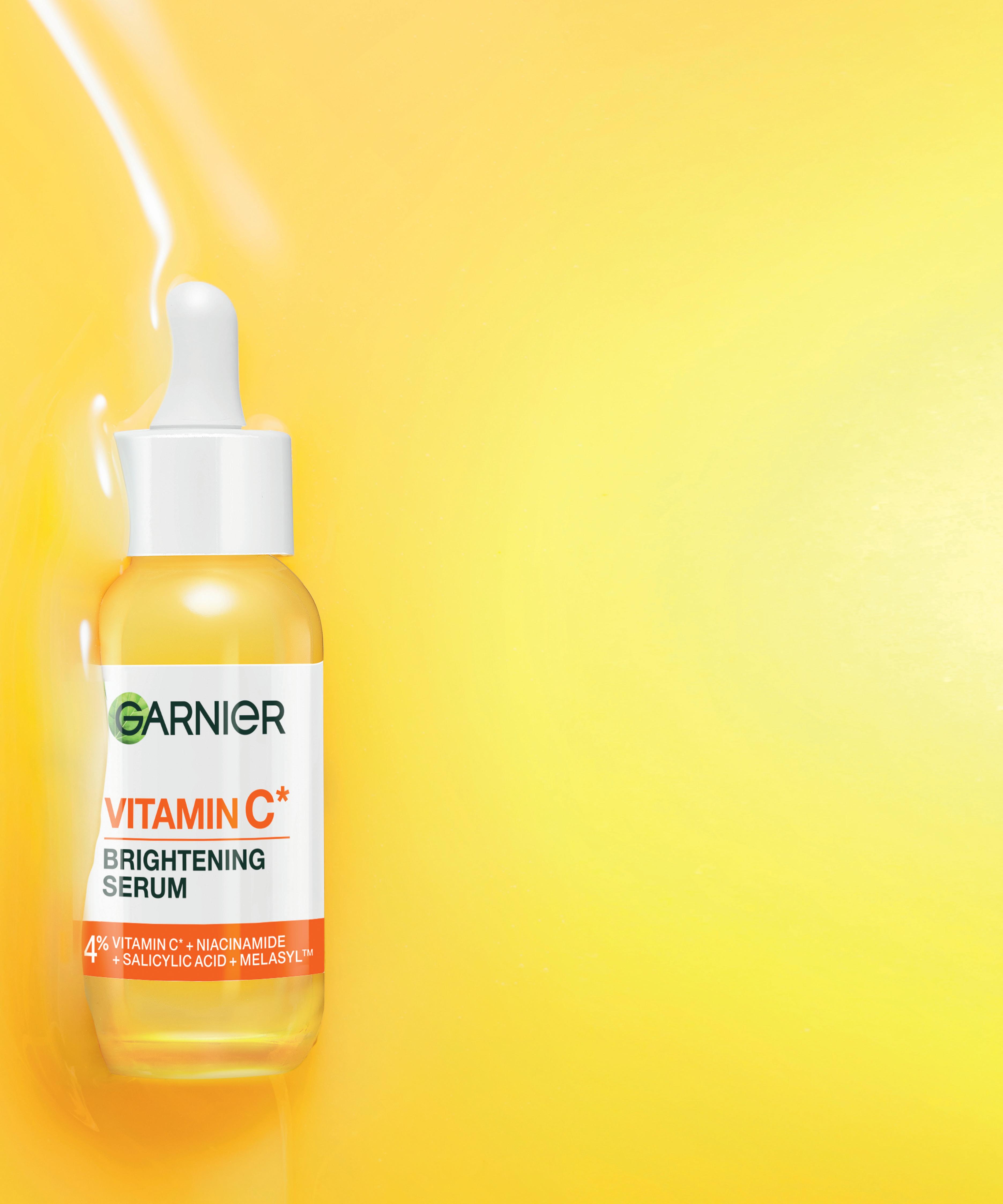
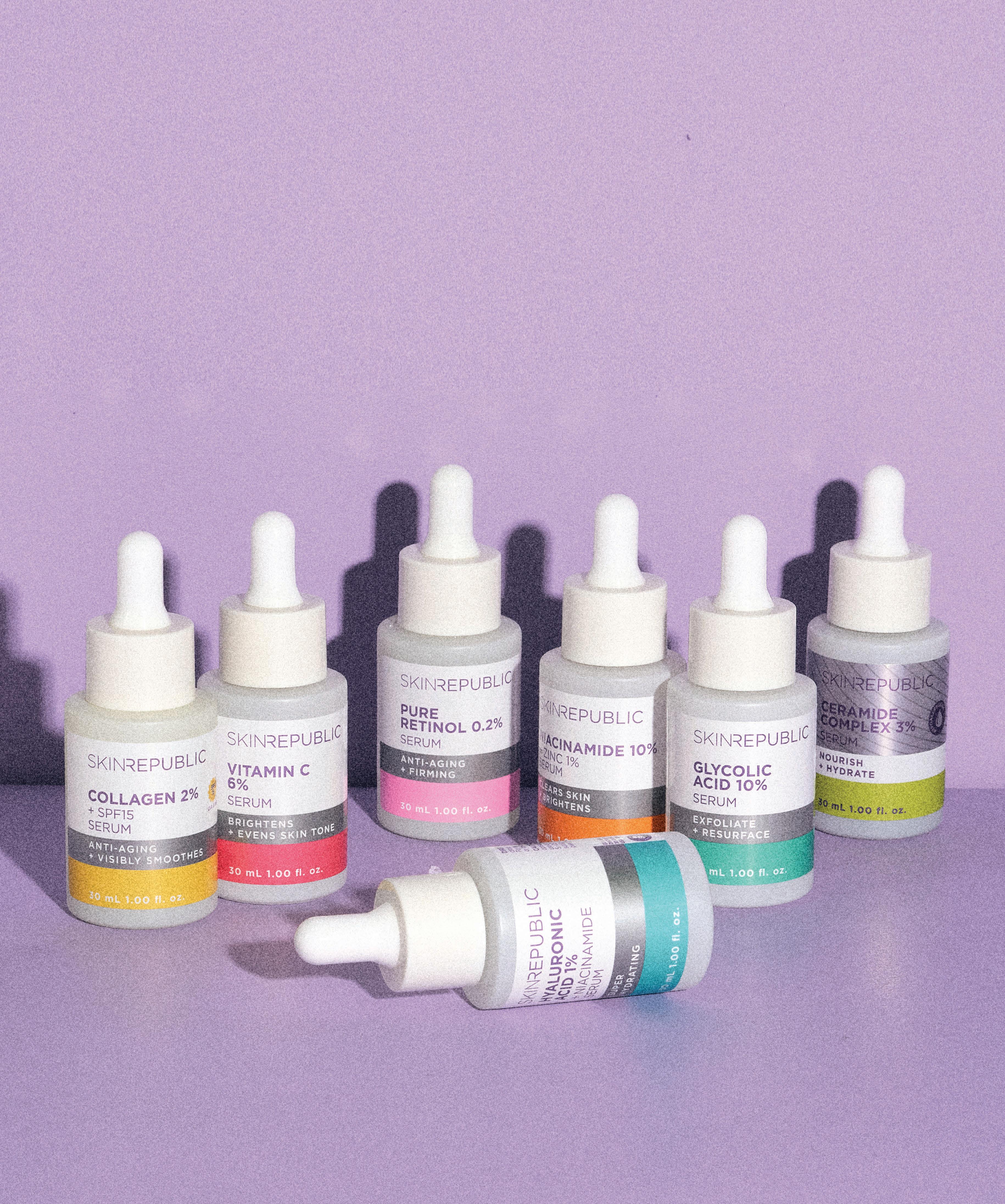
Helps tighten & firm the appearance of the skin by 39% & reduces the appearance of forehead wrinkles by 86% in 8 weeks


The Olympian on the mindset that helps her find the winning edge

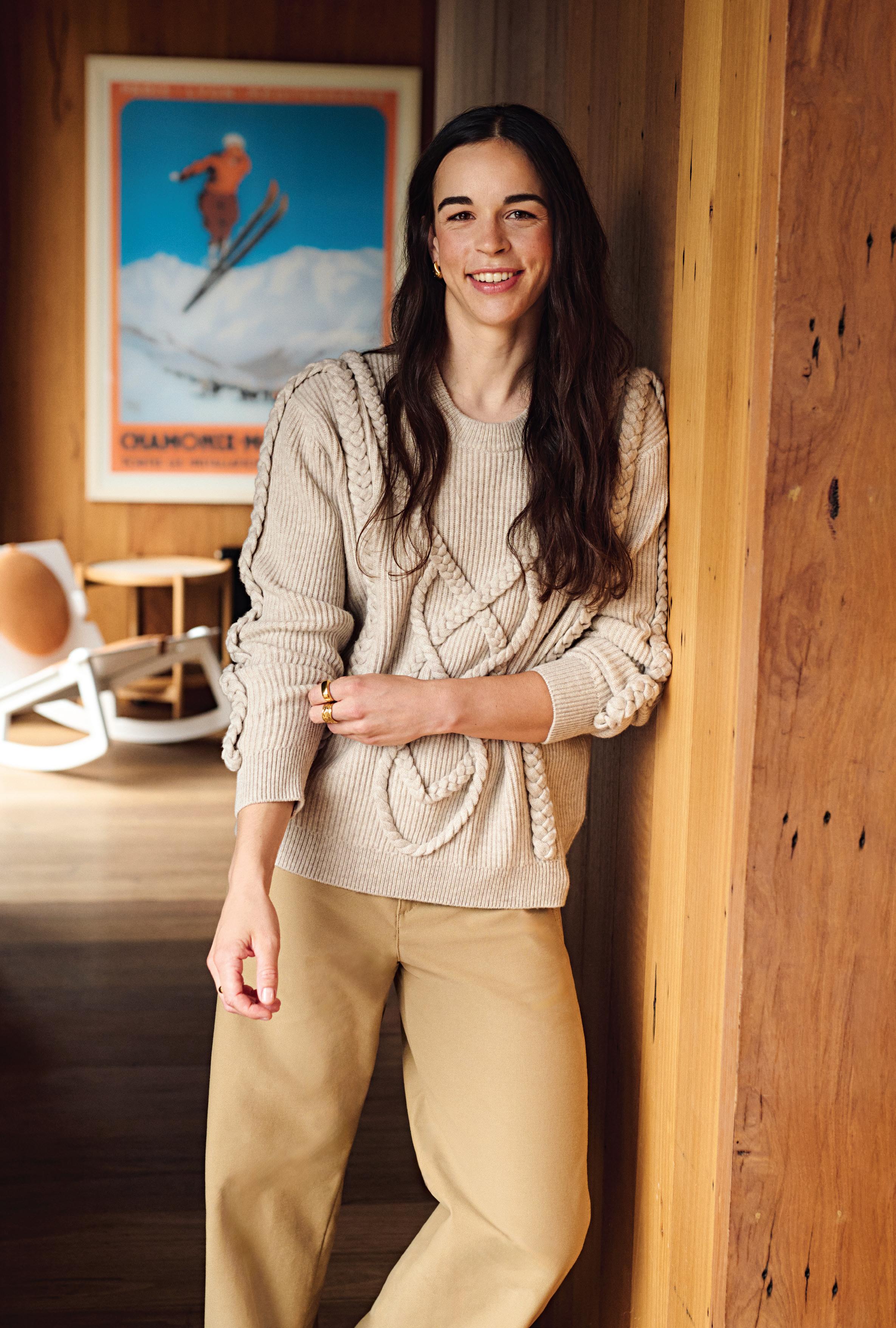
It’s no surprise that Jakara Anthony is equally at home on a sur oard as she is on skis.
After all, she grew up along Victoria’s Surf Coast and loves nothing more than chasing the sun and waves.
But it’s on skis that she has found her greatest success.
Earlier this year, Jakara claimed the title of Australia’s most successful winter Olympian after she added a second gold medal to her tally in Italy this year.
“Surfing’s more for fun,” Jakara says.
“Skiing is also enjoyable, but it’s a lot more challenging and consists of harder days because of what I’m trying to achieve in the sport. It’s not quite so relaxing.”
We speak to drivers of real change, from human rights activist Khadija Gbla to ovarian cancer researcher Dr Amy Wilson, and discover how Natalie Bassingthwaighte is embracing imperfection while finding in life and love.


We also tap into the whimsy trend, from “ lettuce ” to hyperfeminine touches, along with our guide to recreating the Bronte beauty ” look.
Plus, all our regular health and lifestyle features, too.
Stay well and enjoy!
From the team at The House of Wellness
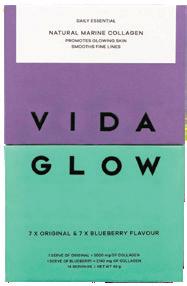
Glow 4pks valued at $260 each


We are loving Bold and beautiful picks to lift your day
it yours
to capture soft, feminine whimsy

up some witchy magic
from Natalie Bassingthwaighte
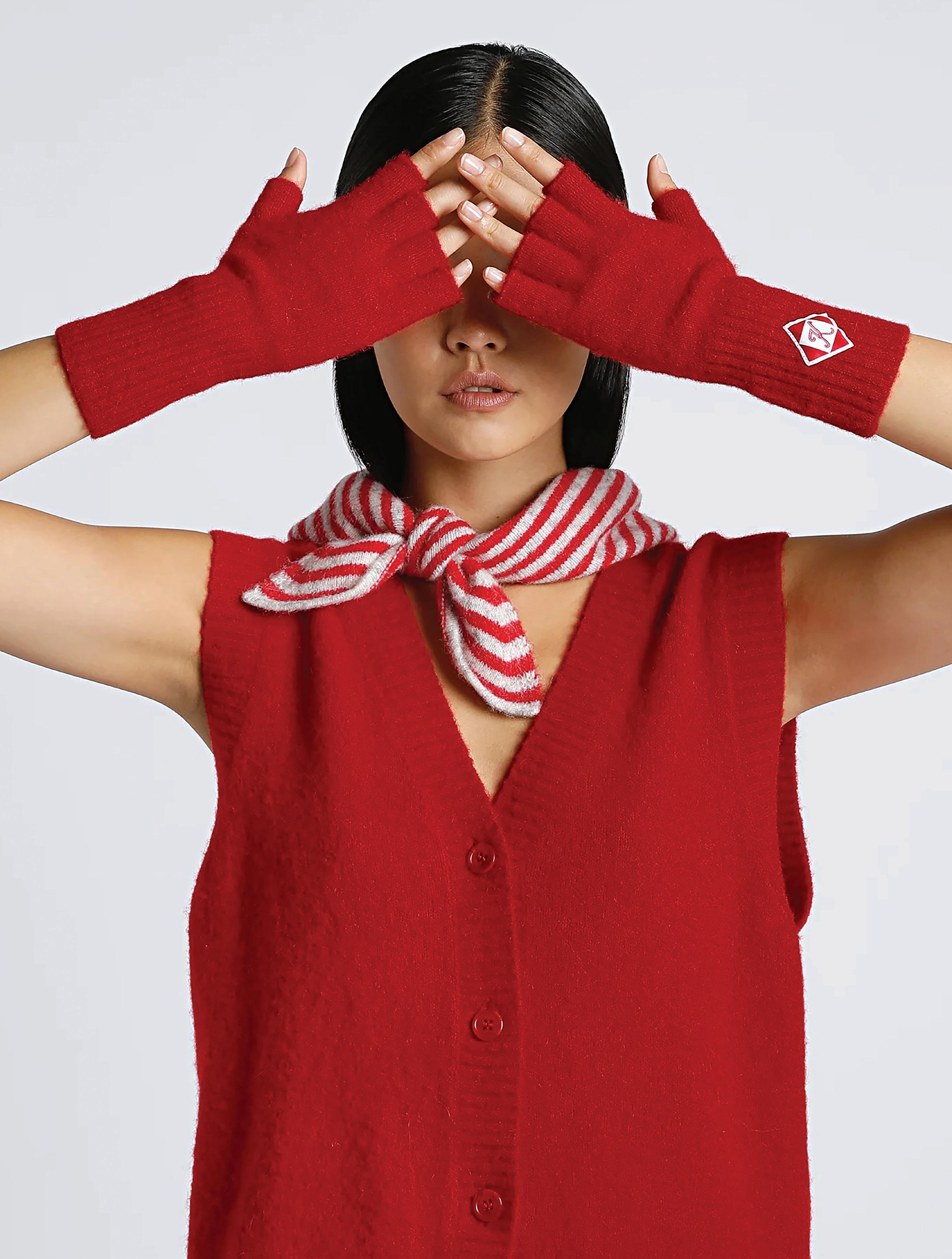

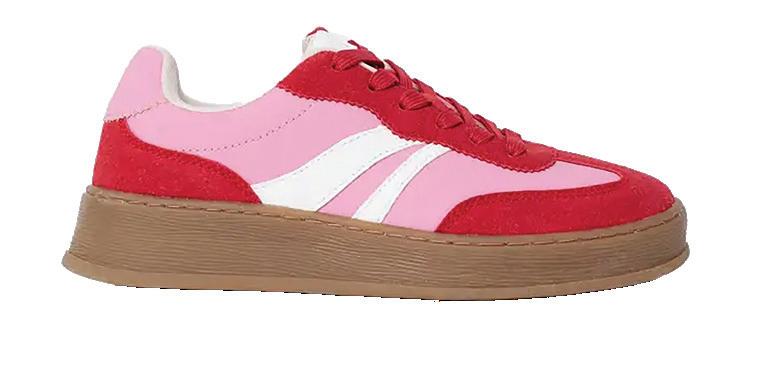
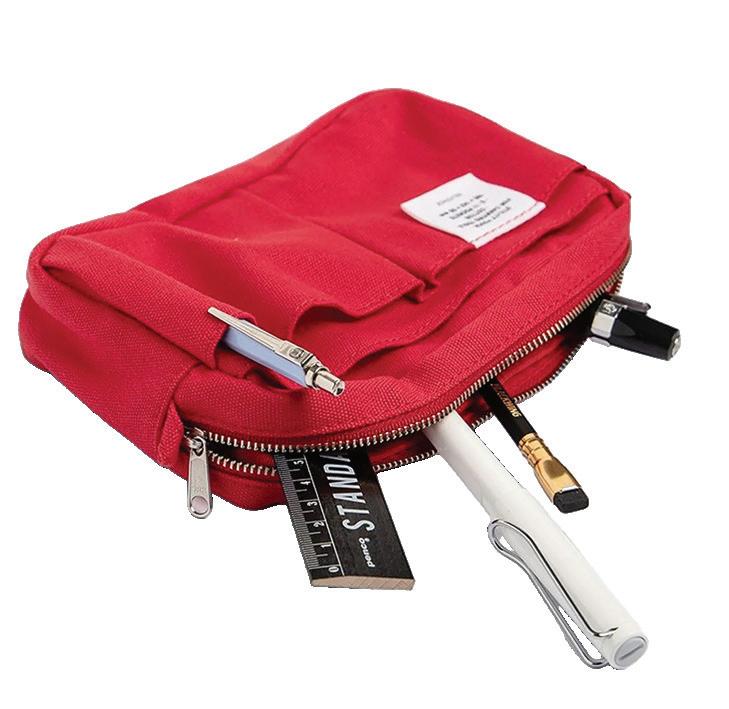
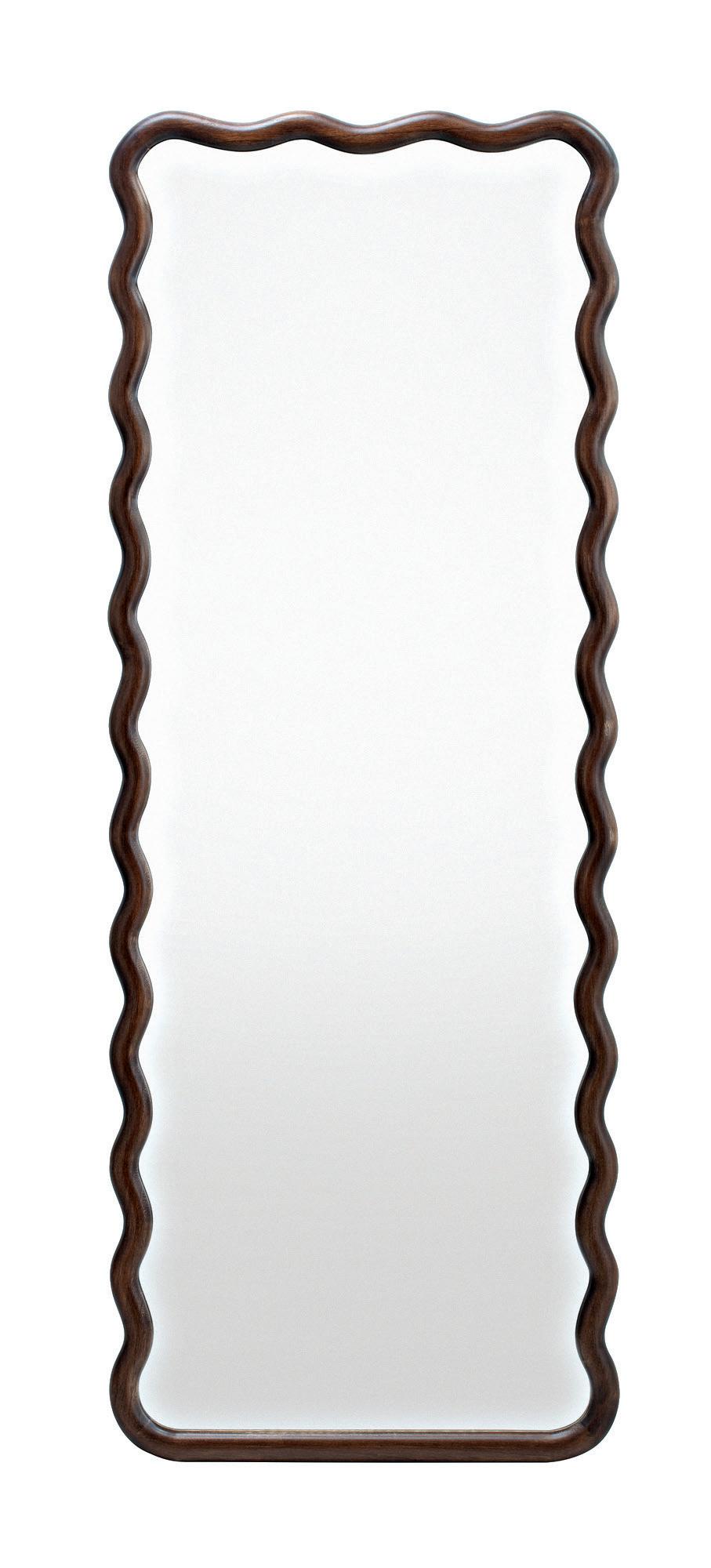
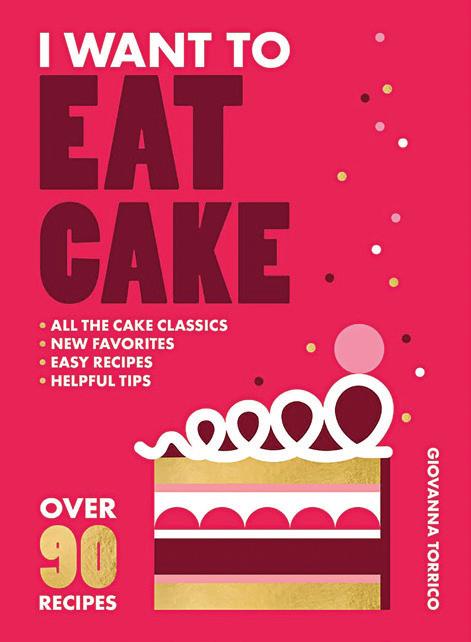
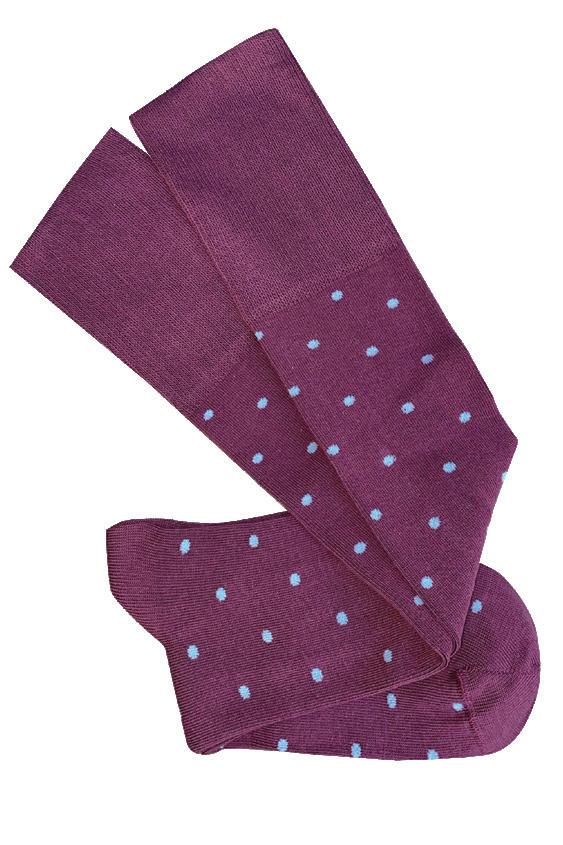
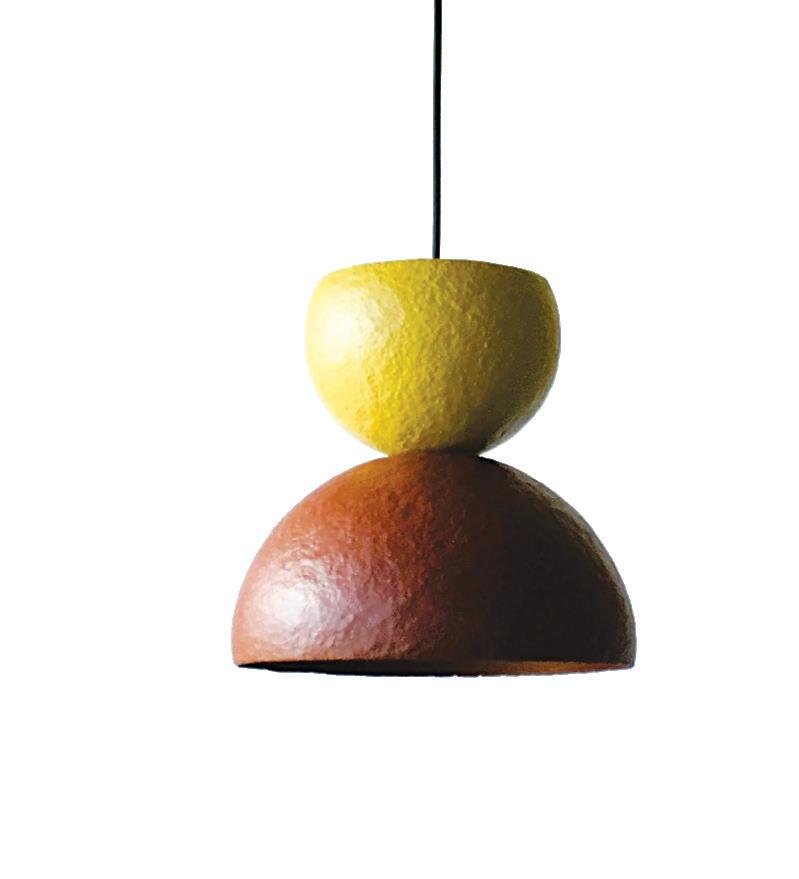
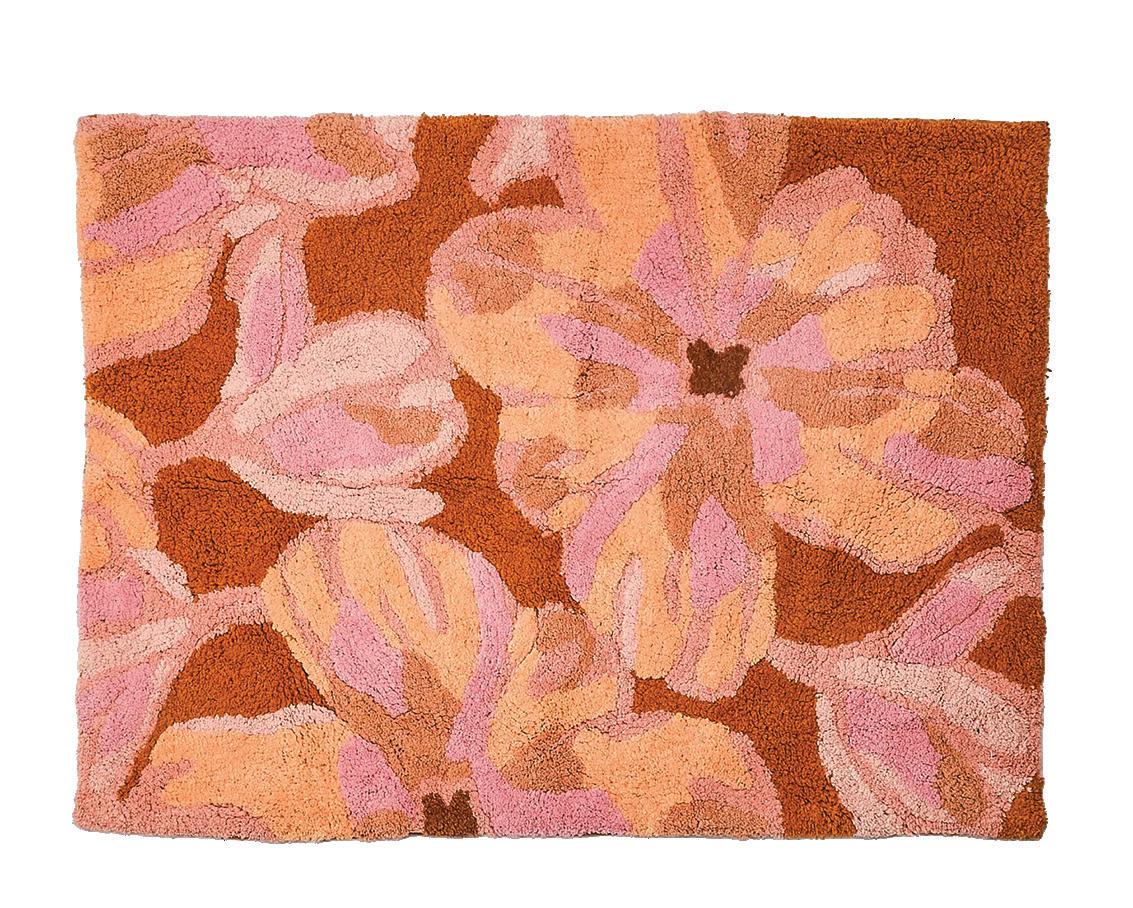
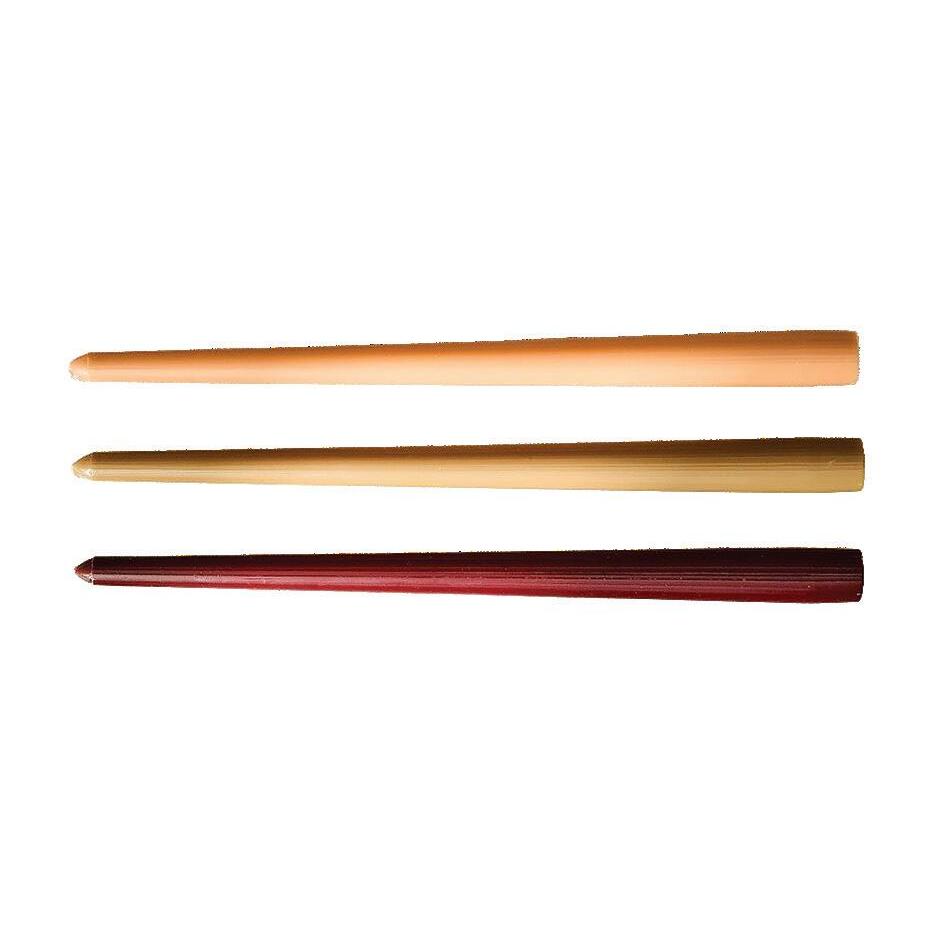
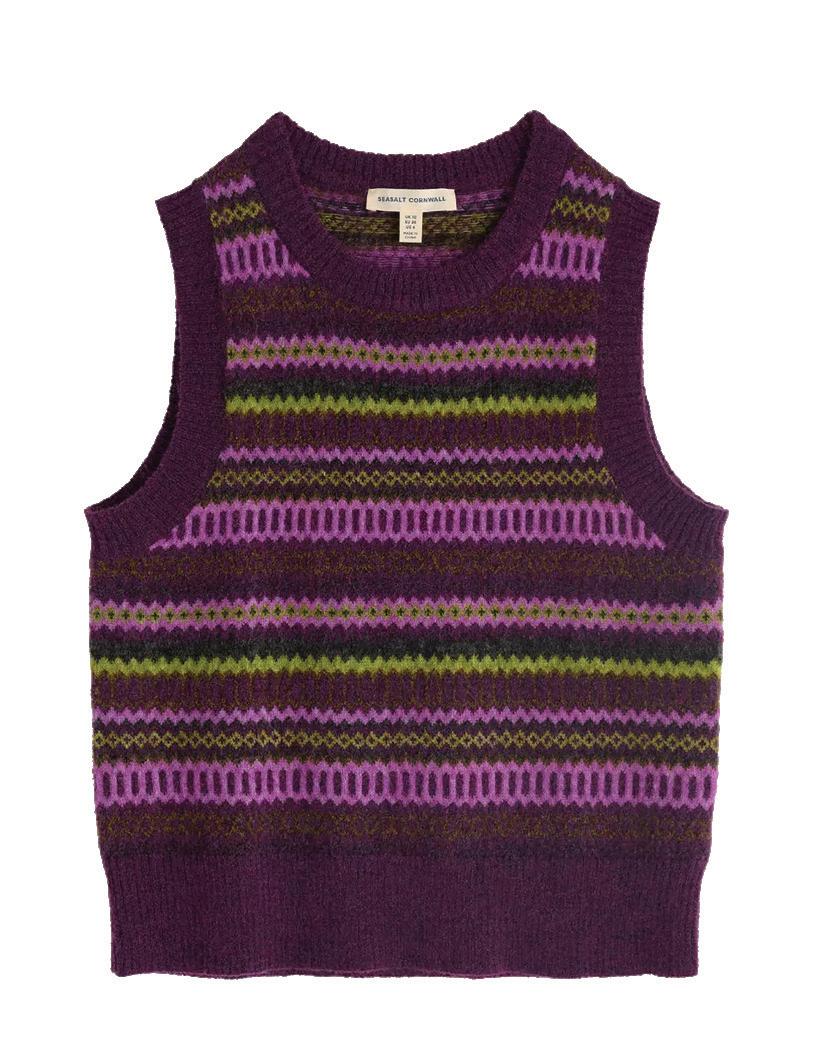
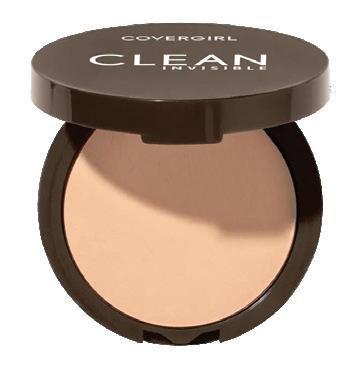
CLOCKWISE FROM TOP RIGHT Hourglass pendant light No.2, $520, greenhouseinteriors.com.au; Trek pet rope lead, $49.99, kikki-k.com; Signature wax glossy candles, from $39 (set of six), westelm.com.au; Dutch Floral bath mat, $89, bonnieandneil.com.au; Covergirl Clean Invisible Pressed Powder, $16.99; Word Search book, $20, journeyofsomething.com; Seasalt Cornwall Annik vest, $165, lateseptember.com.au; Tightology Dotty socks, $29, obus.com.au; I Want to Eat Cake by Giovanna Torrico, $24.99, hardiegrant.com; Delfonics inner carry bag, $59.99, milligram.com; Sakura Sable sneakers, $89.99, numberoneshoes.com.au; Pufftech parka, $99.90, uniqlo.com/au; Ebba Wavy mirror, $249, templeandwebster.com.au





Hair with movement and texture — think soft, weightless layers — is having a moment.
“Layering, when done well, allows the curl to spring and breathe,” says Scott Sloan, owner of Sloans of Lane Cove salon and the 2025 ANZ Hair Industry Awards business director of the year.
“The right cut makes an enormous difference.”
After a bit more edge?
A wavy fringe can add body and texture — just be aware of the upkeep.
Explore the latest trends


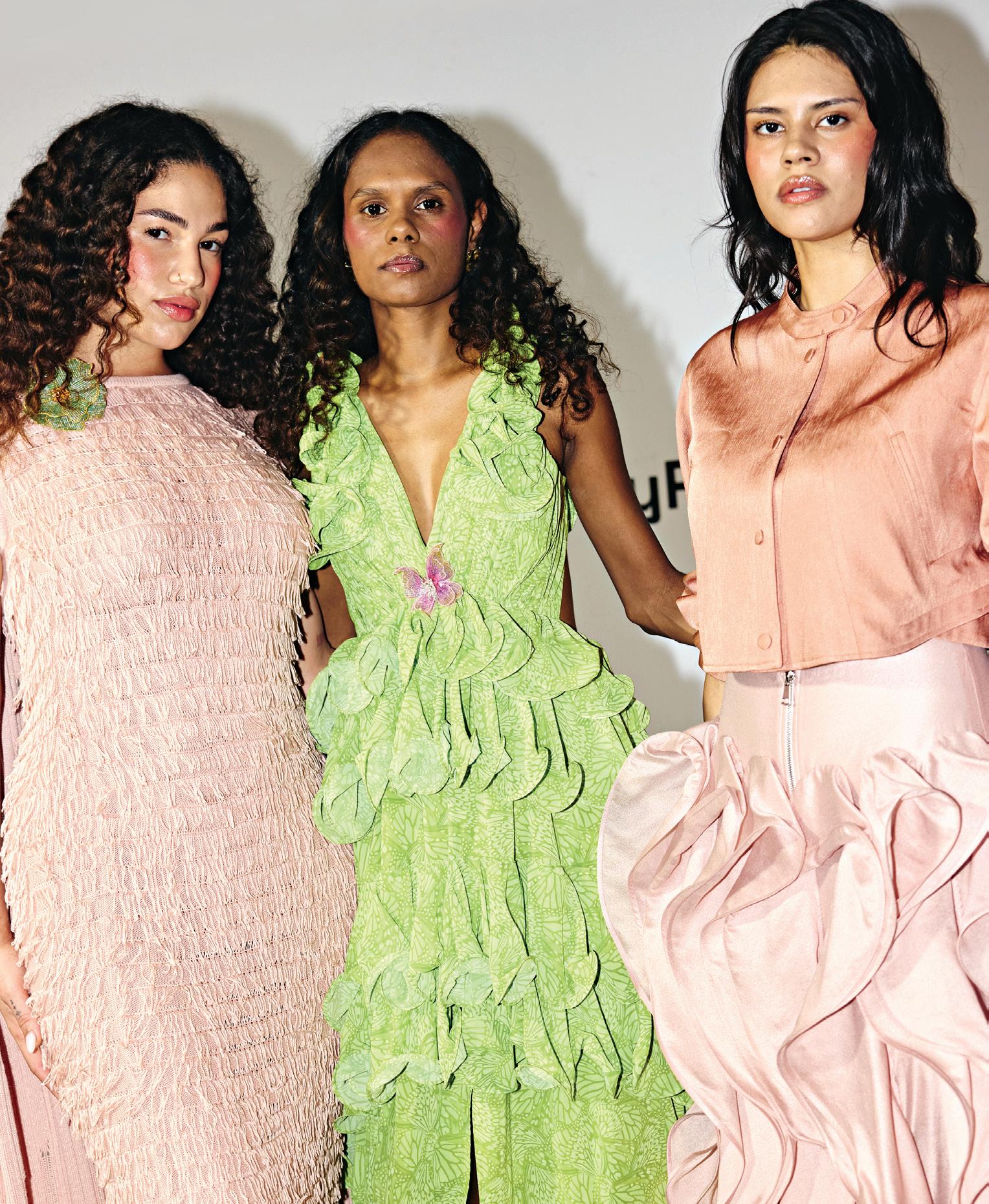
For the ultimate finish, pair your beauty look with an equally soft and ethereal ensemble. A quick hack for those lacking outfit inspiration is to consider something within the pastel colour palette. Not only is it a fun deviation from neutrals, it plays into the overarching soft aesthetic.
Romantic, ethereal makeup leans into hyperfeminine touches, such as rosy lips and cheeks, akin to classic bridal beauty. “For me, beauty from the Romantic era is less about specific products and more about softness, colour and placement,” says make-up artist Pearlin McCarthy, the 2025 ANZ Beauty Industry Awards bridal/formal makeup artist of the year. “Bridal beauty has always leaned into this space because it photographs so beautifully and, more importantly, looks timeless.” Pearlin notes that a growing trend in both bridal and romantic looks is doeeyed make-up. “The eyes look larger, brighter and more open while still looking delicate and feminine,” she says.

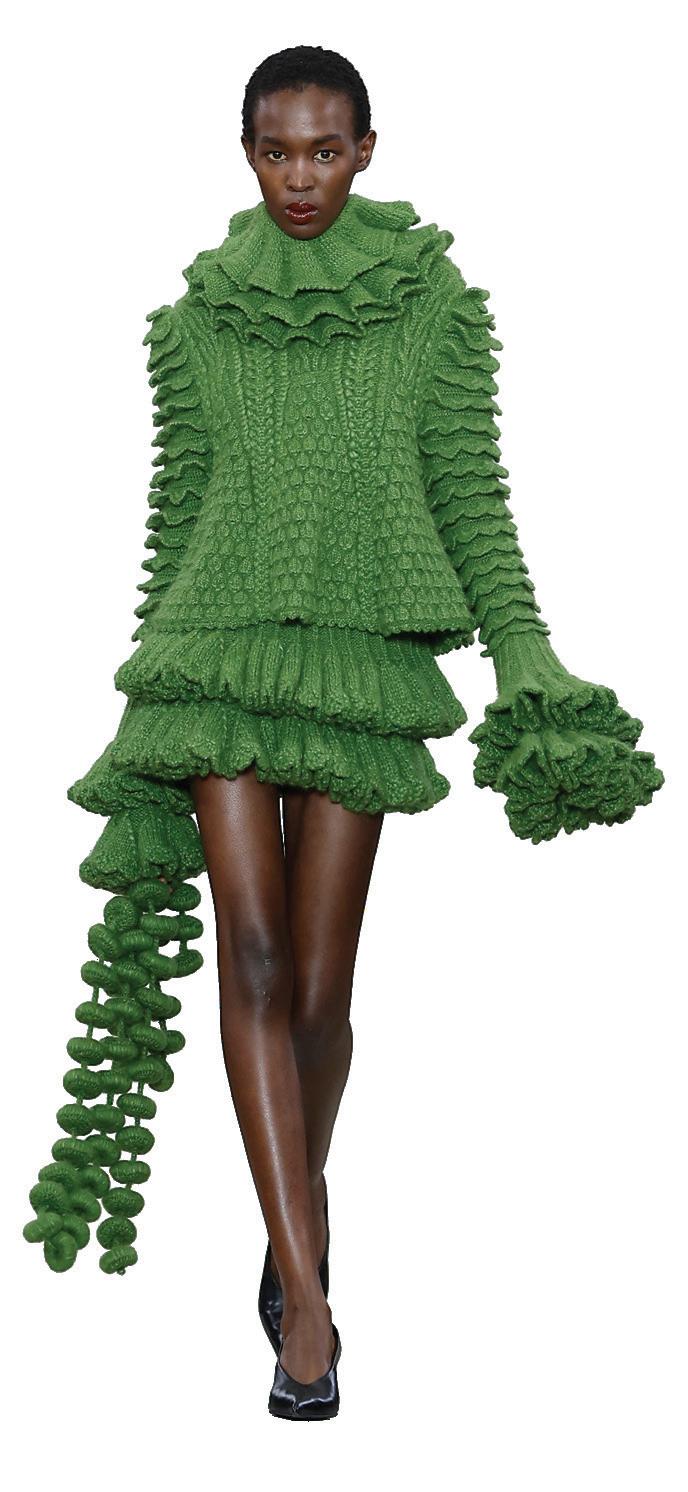
I love the softness and femininity that comes with whimsical, romantic styling.
To give the trend a modern edge, we styled Ruby with a neon-strapped Maison Close bra under her sheer Zara shirt.






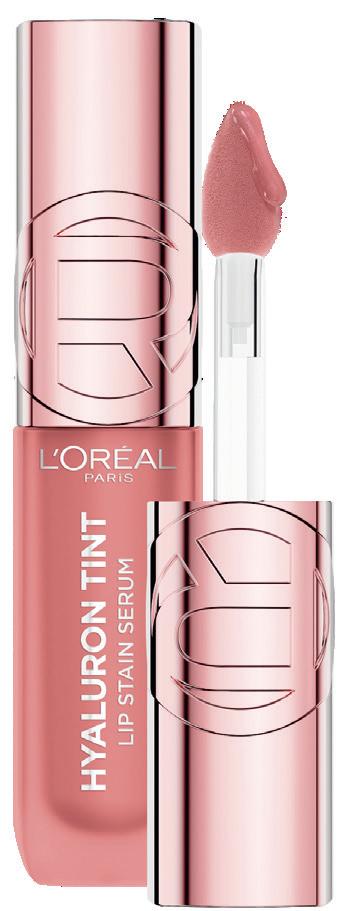
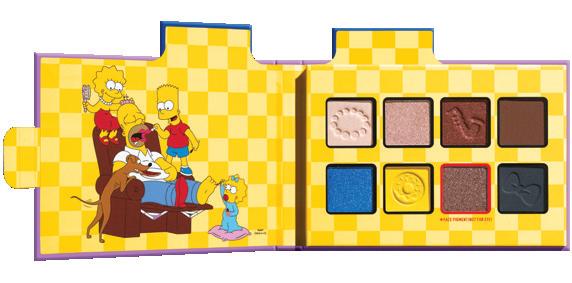

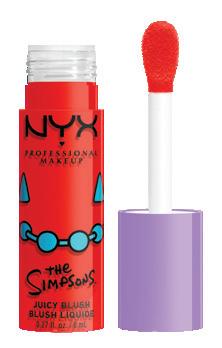
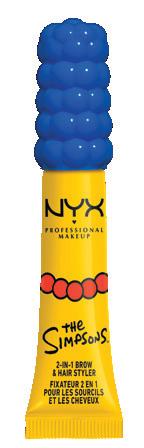






After years of filtered sameness, individuality is making a comeback — and challenging how we define beauty
or the better part of a decade, beauty felt … well, repetitive.
Scroll through social media and you’d see the same contoured cheekbones, pillowy lips and carefully curated “effortless” aesthetic. It even earned a name: “iPhone face” — a look so uniform it felt almost templated. But now, something is changing.
Looking different is desirable again.
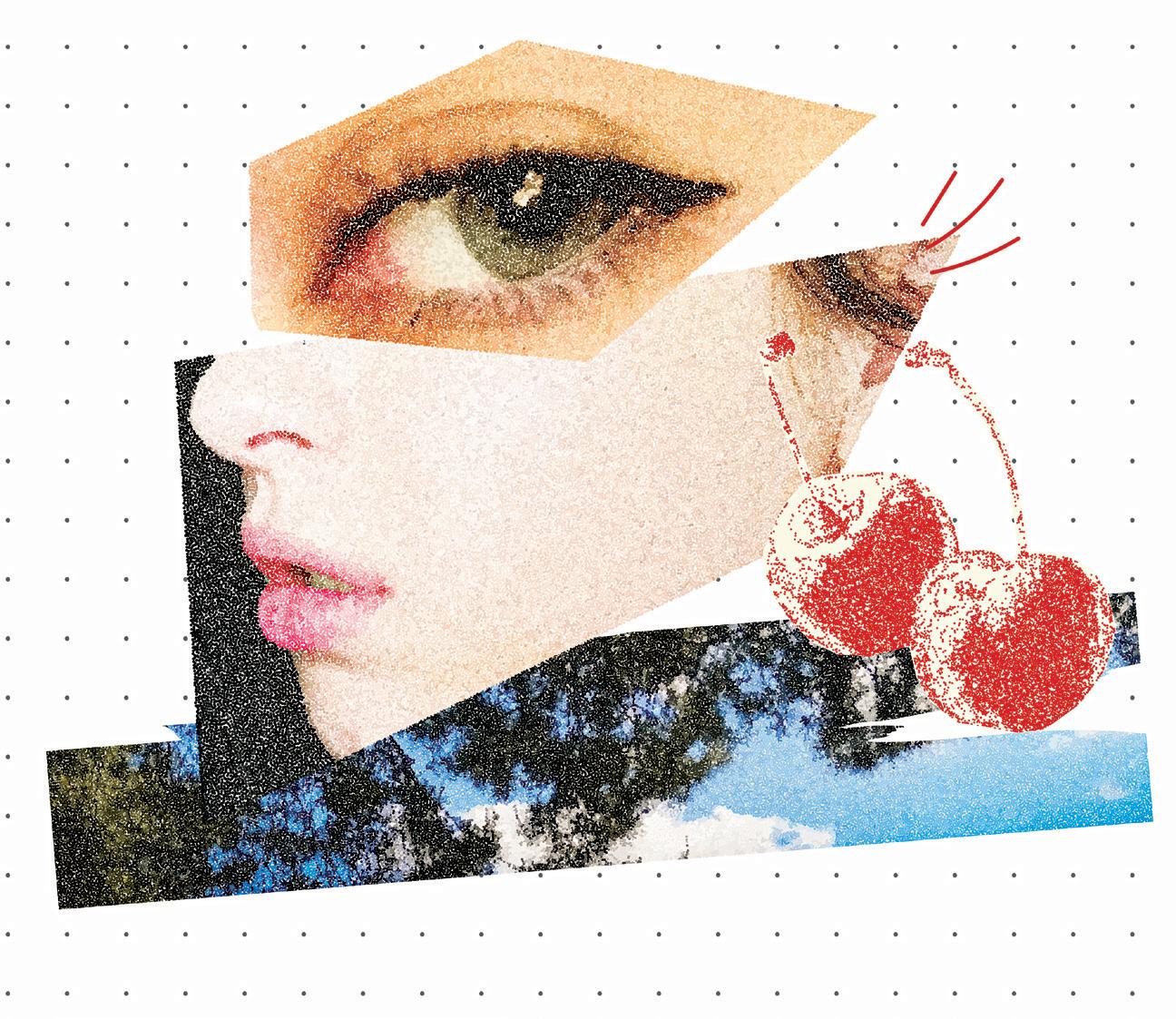
While beauty standards persist, a shift towards individuality is easing pressure — particularly among young people — to fit a mould.
The “Instagram face” era is giving way to “rawer, less curated self-presentation”, according to psychologist Emily Hanlon.
“There is encouraging evidence that younger generations are developing
a more critical relationship with filtered and heavily edited content,” Emily says. The change has been building for some time.
“Where the mid-2010s gave us a fairly rigid template of what beauty was supposed to look like, we are now seeing beauty celebrated across a much wider range of bodies, features, skin tones and expressions of identity,” Emily says.
“When young people can look around and see themselves reflected in the images they consume, the message they receive is that they are acceptable as they are,” Emily says.
“Our self-concept is built … through social comparison, and when the comparison pool is culturally and ethnically diverse, the psychological outcome tends to be far healthier.”
Australian Psychological Society chief executive Dr Zena Burgess says perceptions of beauty are complex, shaped by a mix of cultural, individual and social influences.
“These so-called ‘beauty standards’ can influence a person’s self-esteem, self-concept and mental wellbeing,” Dr Burgess says. She adds that how we interpret these standards shapes not only how we see others, but how we see ourselves.
Butterfly Foundation head of prevention Helen Bird says beauty standards haven’t disappeared — they’ve simply evolved.
“Even if the beauty ideal is shifting … the message being heard is still the same: that your value is tied to how you look,” Helen says.
Helen says breaking this cycle requires a reframing.
“It’s important we help shift the focus away from seeing our bodies as something to be viewed and evaluated,” she says. This needs to be replaced with greater appreciation “for what our body enables us to do” and recognising its “unique strengths and qualities, which have nothing to do with appearance”. Emily says while “looking unique” might be trending, the real win isn’t in swapping one aesthetic for another.
“It’s in loosening the grip of any single standard altogether,” she says.
And while social media can promote individuality, it can also reinforce insecurity. “Butterfly’s BodyKind Youth Survey revealed that over half of young people aged 12 to 18 believe social media makes them feel dissatisfied with their body,” Helen says.

BEAUTY EDITOR Charlotte Brundrett forecasts

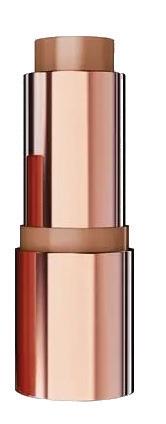

Long before blush blindness (the era of heavy-handed cheeks), blush was often subtle, with the focus on sculpting, carving and contouring our faces. Now it looks like we will be setting aside blush once more as contouring and bronzing make a comeback. “I’m loving the idea of dialling it back on blush,” make-up artist Stephanie Piazza says. “Blush won’t completely disappear, but expect softer, more natural placement that enhances the structure of the face rather than being the focal point.” It’s not just make-up embracing sharper finishes, with hairstylist and Haven Hair owner Clare Hannon predicting a rise in personalised cuts that lift and shape the face. “It’s about targeted layers and subtle highlights that give a truly individualised look to the hair while refining your overall appearance,” Clare says.
Spotted at Milan and Paris fashion weeks, the low ponytail deserves its newfound appreciation. Chic and simple, the hairstyle also doubles as a protective style that helps to reduce breakage.
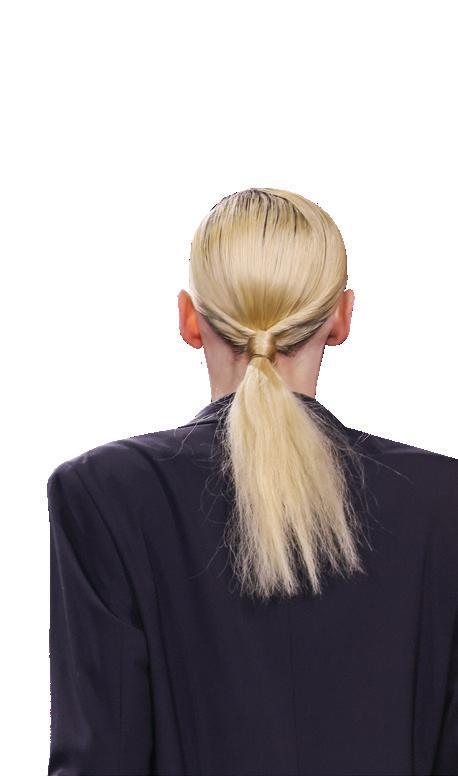

Individuality rules. The push for personalised looks is taking over. It’s all about celebrating your features with styles to suit you perfectly
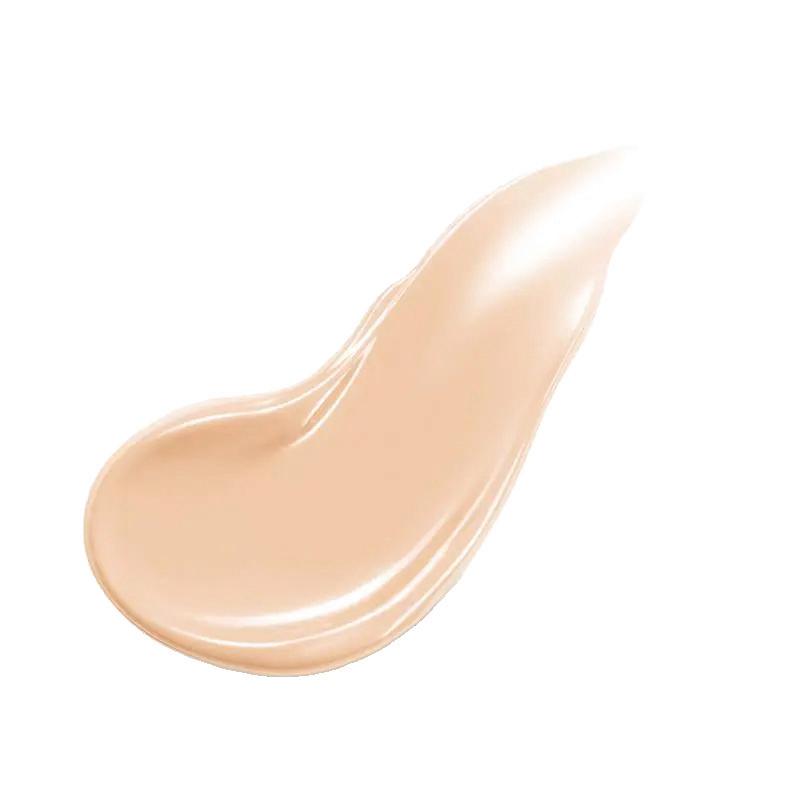
Flyaways don’t stand a chance — this brush is the perfect partner for our national hairstyle (per TikTok): the humble middlepart slickback. My Beauty Slick Back Brush, $16.99
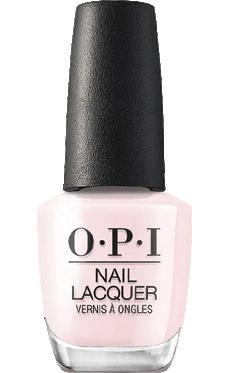
The nail-polish gods have done it: blended two of OPI’s bestselling shades to create the most perfect pale, milky-pink polish. OPI Nail Lacquer OPI’m A Bubble Bunny, $18.99
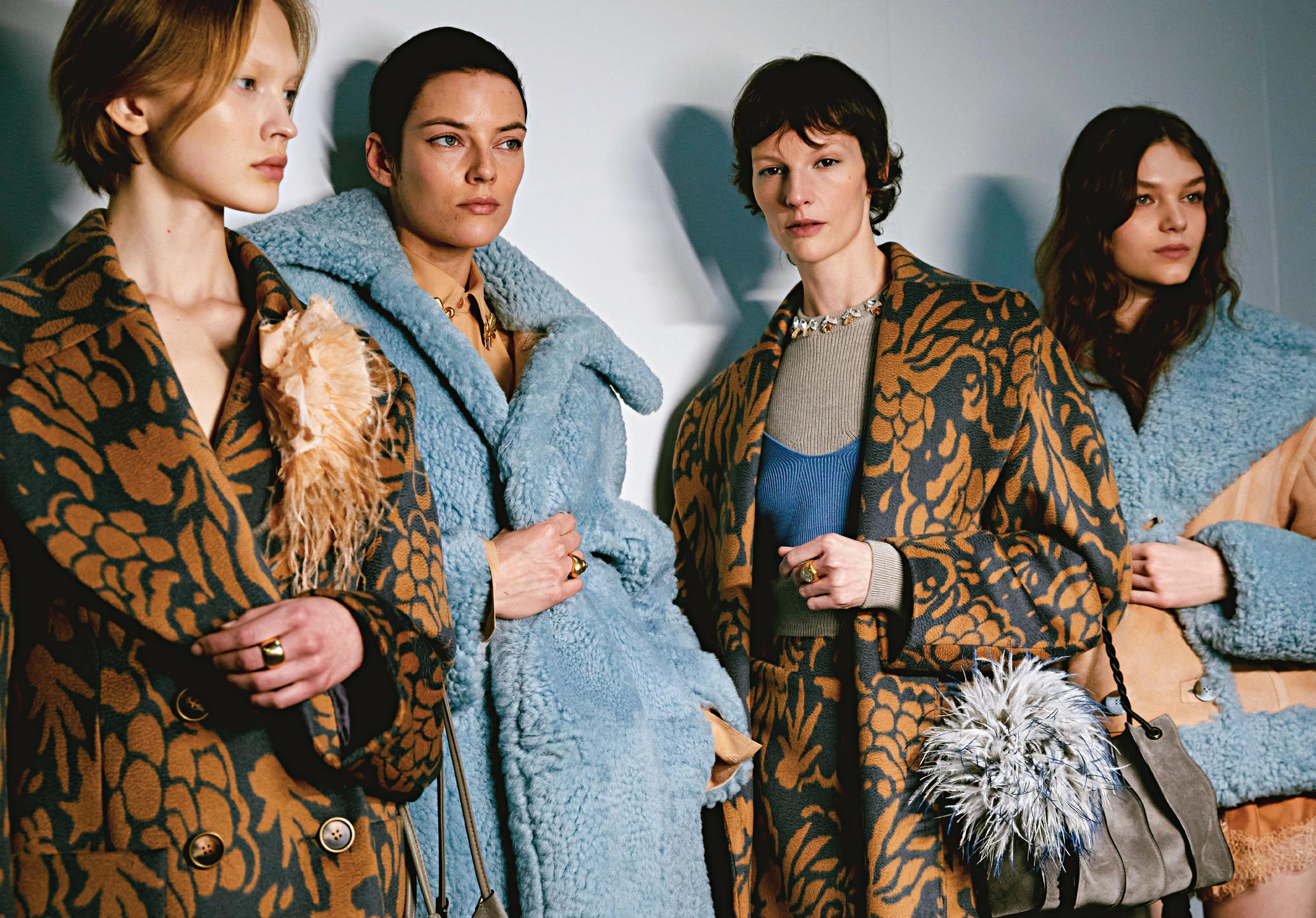
At New York Fashion Week, the high-glam beauty and rich colour palette of the 1970s were a common theme — think Martin Scorsese’s cult classic Casino Could “casinocore” be the next viral beauty moment?
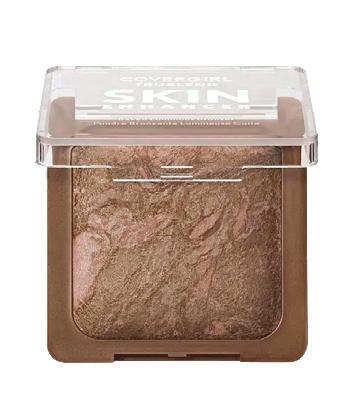

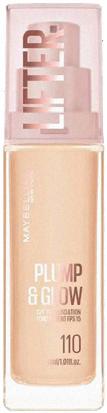
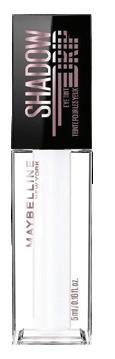
Glowy finishes just won’t let up, and their latest iteration is about perfecting the “glow from within”, mimicking a sheen effect. The trend extends to chromatic make-up, pearlescent nails and reflective, shiny hair.


This season, it’s all about rugging up to enhance your look without compromising comfort. Finish the look with a red tint on lips and cheeks for a natural, snow-kissed flush. Maybelline Cloudtopia Blush, $21.99
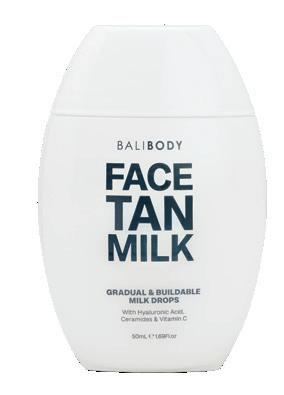

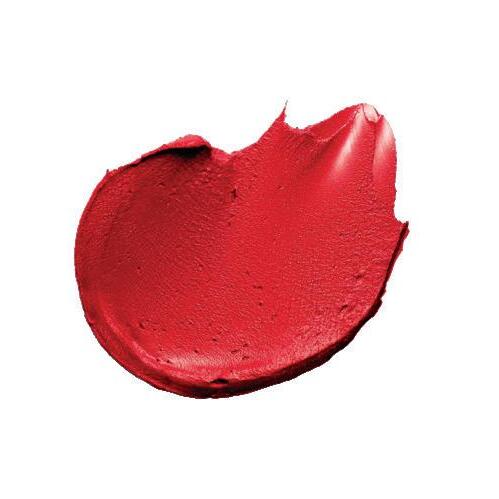

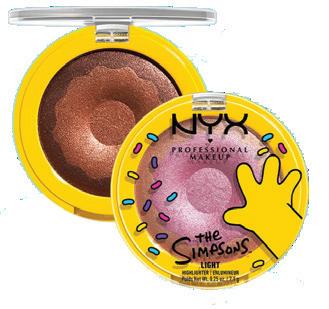
It doesn’t get more nostalgic than baked make-up, and with its velvety, luminous finish, its resurgence is a no-brainer.
TruBlend Skin Enhancer Baked Luminous Bronzer in Toasted Butterscotch, $20.99
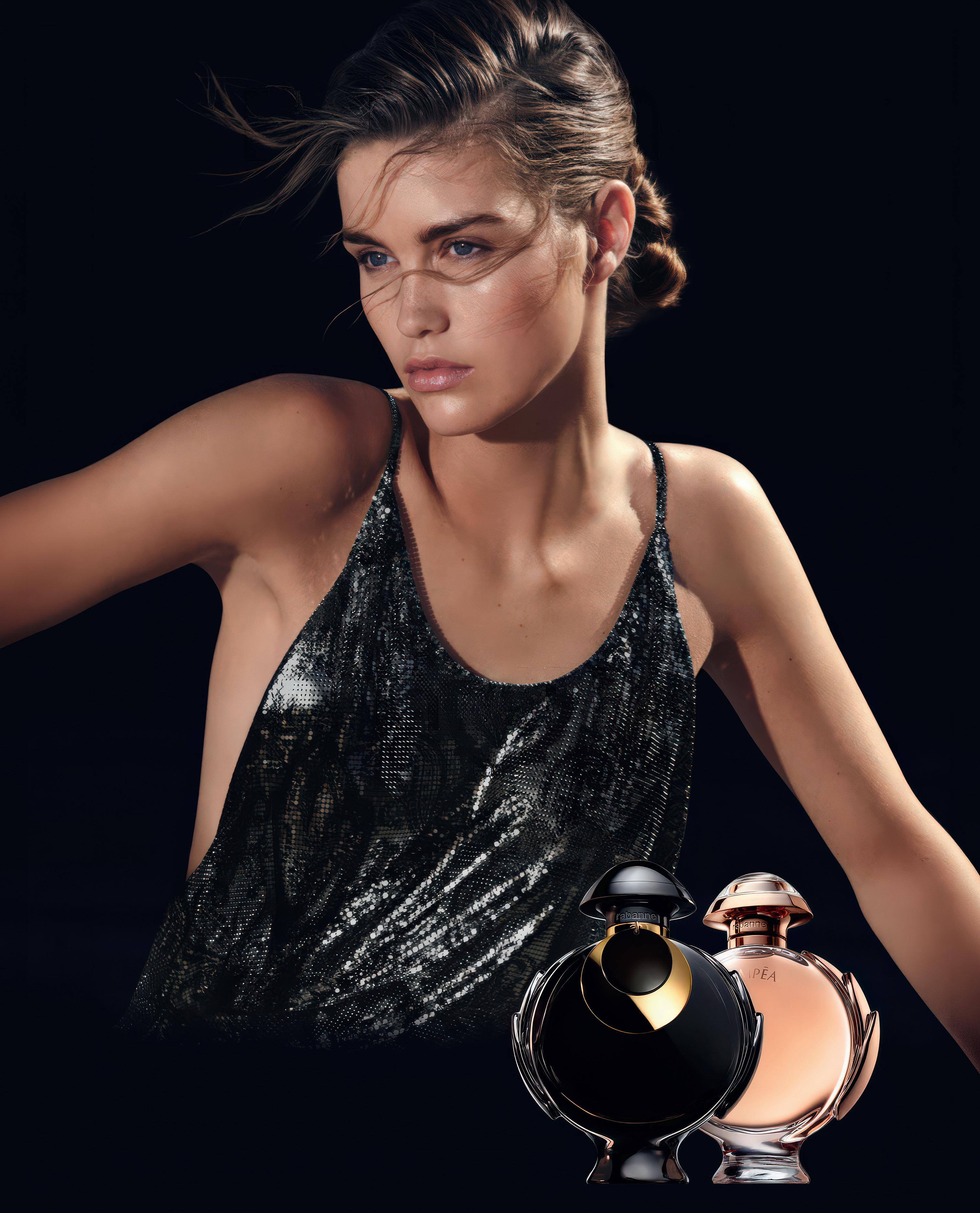
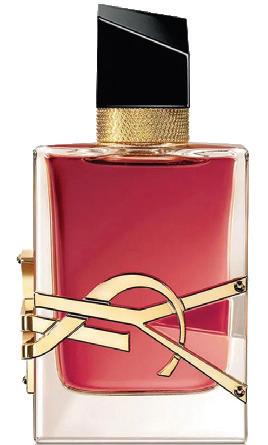
Fragrance has taken a decidedly fruity turn, with a new release from YSL already a crowd favourite. Yves Saint Laurent



It’s the French skincare brand with cult status — now it’s your turn to discover its enduring, specialised range
French skincare has a devoted following for a reason.
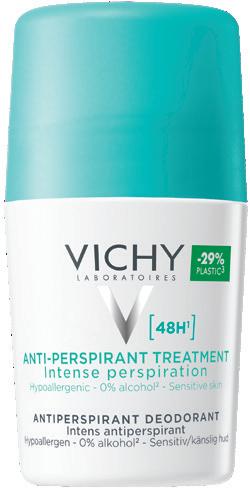
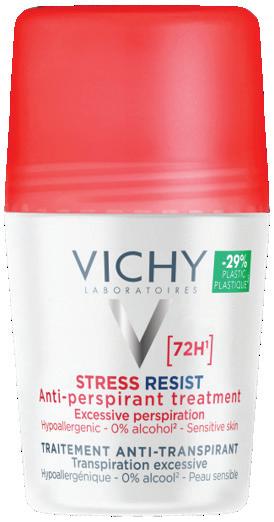
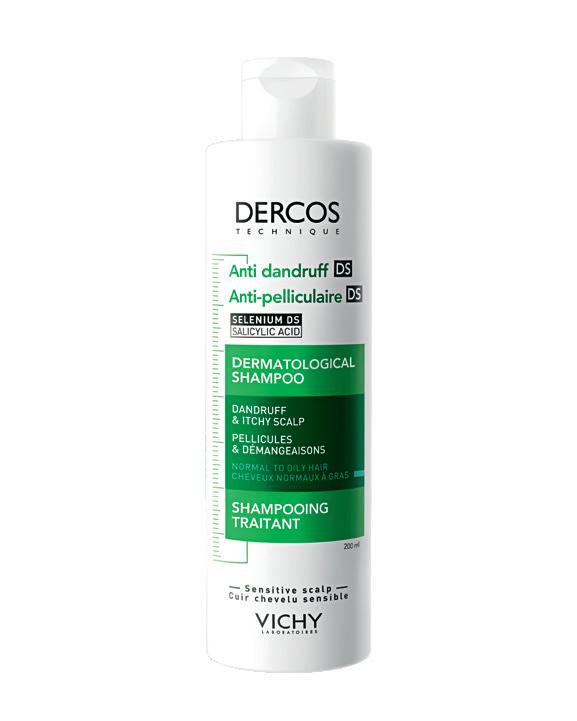
Now Australians can indulge in one of France’s bestselling brands, with Vichy Laboratoires skincare and deodorants available at Chemist Warehouse.
This reputation is driven by the brand’s extensive ranges, which are developed for sensitive and specialised scalp and skin types.






The iconic brand was founded in 1931 by Dr Prosper Haller after he discovered the therapeutic properties of Vichy volcanic water — an ingredient that remains at the heart of the brand’s formulas today.
Recommended by 80,000 dermatologists worldwide, Vichy is considered a global leader in haircare, skincare and deodorants.
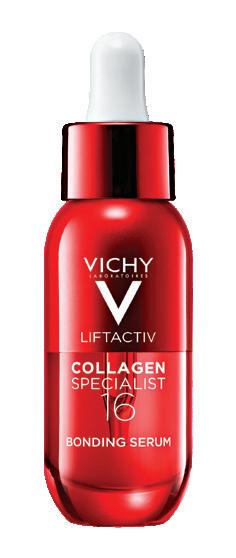
Among its standouts in skincare is the new Liftactiv Collagen Specialist 16 Bonding Serum, which features co-bonding technology designed to visibly correct 16 ageing signs.2
In clinical studies, 84 per cent of users reported visibly reduced wrinkles.3
The new Liftactiv Collagen Specialist 16 range also features the Day Cream, Night Cream and Eye Care Cream.
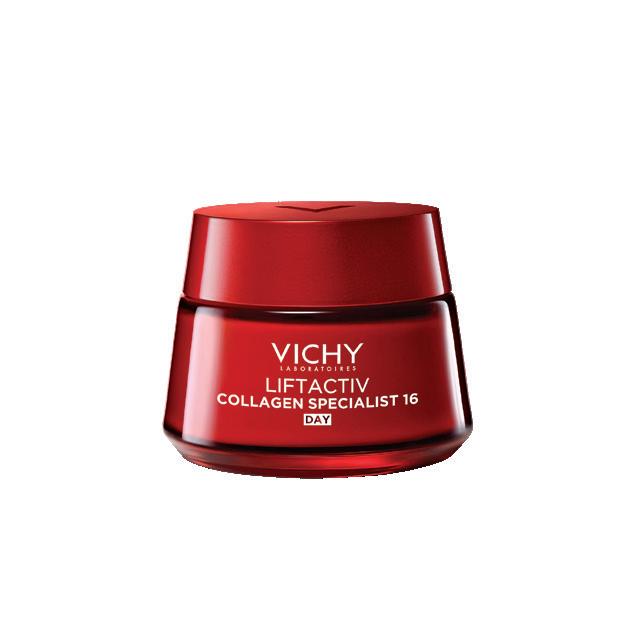
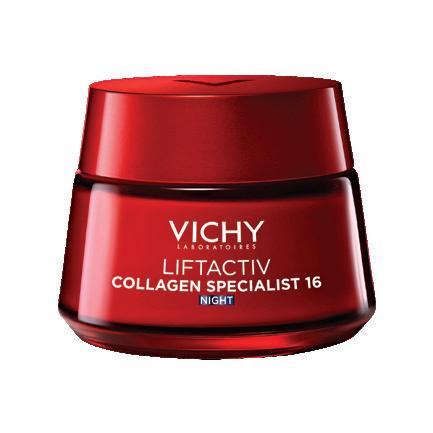
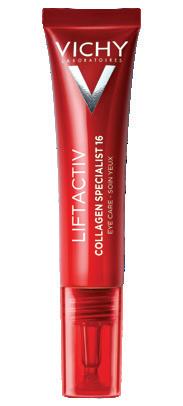
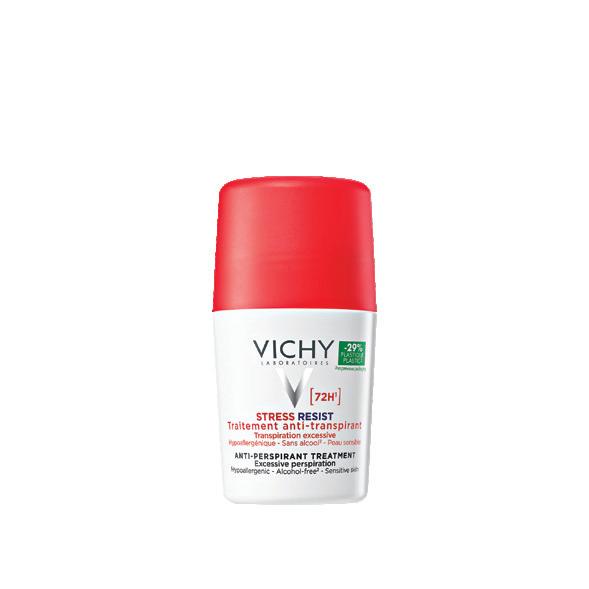
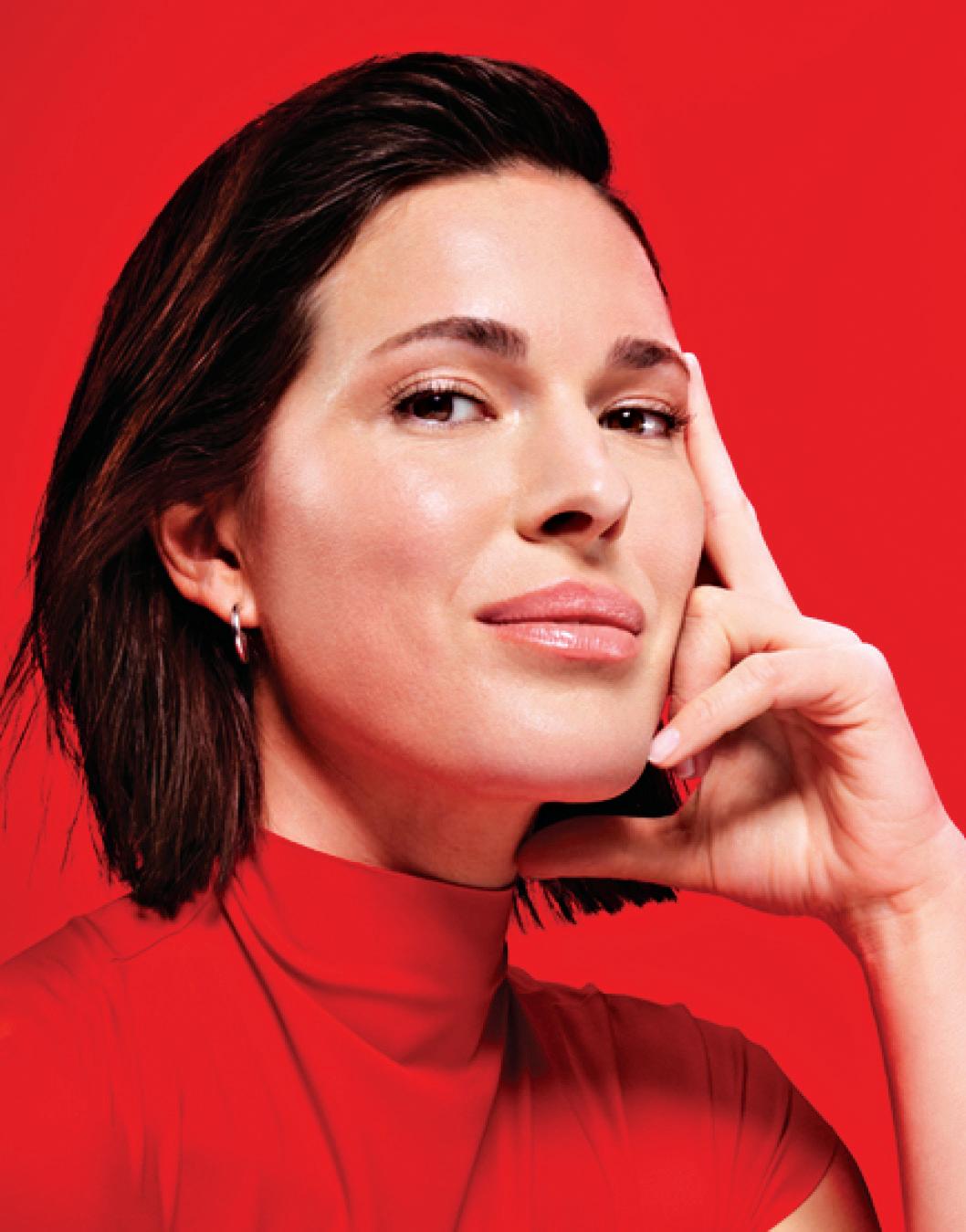
Formulated with targeted actives, the range is designed to address the appearance of wrinkles and fine lines and to support visible firmness, skin texture and softness.
Dermatologist
Dr Leona Yip says many of the women she sees are looking for well-researched ways to support their skin.
“Skin reflects a mix of internal factors like hormonal changes and ageing, and external influences such as sun exposure, environment and lifestyle,” Dr Yip says.
“A consistent routine using well-formulated skincare can help support the appearance of skin quality, including firmness and smoothness.”
Vichy’s commitment to skin health extends beyond facial care into a gentle deodorant range, bringing a touch of French expertise to your daily routine. Almost a century on, dermatological science continues to drive Vichy’s philosophy: “Health is vital. Start with your skin.” This article is brought to you by Vichy Laboratoires.
Get the outcome right before the cape goes on — by understanding exactly what to ask for
Spending hours at the salon only to leave disappointed is an experience many can relate to. Yet the reason why is rarely unpacked. Sometimes the blame falls on the client for having unrealistic expectations, or the stylist for not meeting the brief.
More often, however, it comes down to miscommunication; specifically, failing to use the correct terminology at the consultation.
According to Her Salons founder Faye Redfern, confusion tends to arise when a client asks for hair that doesn’t line up with their visual references (for example, asking for a milk-chocolate gloss with a blunt cut, but sharing images of ashy brunette hair with long layers). “The best way to avoid any room for confusion is to find visual references that embody everything you want to achieve for your hair,” Faye says.
What to consider
“Shapes are becoming more refined,” Faye says. “Think longer layers so density is preserved, while there’s a shift away from shags and wolf cuts.” Instead, Faye says, it’s all about understated movement, internal shaping, clean perimeters, and intentional faceframing layers and fringes that enhance the face.
What to ask for
If your hair is fine and prone to limpness, consider long, blended layers that promote volume and body. For thicker hair types, ask for targeted layering to help reduce excess bulk.
Pro tip
Less is more with layering, especially if you’re trying to preserve length, so be sure to ask your stylist for targeted layers that blend for a seamless grow-out.
What to consider
With so many techniques available, lightening services can feel overwhelming. “Lightening has evolved, but the focus continues to be natural results that prioritise hair health,” Faye says. “With rising demand for buttery blonde, clients are ditching stark, high-lift shades in favour of something softer.”
What to ask for
According to celebrity hairstylist Davey Matthew, balayage is the ideal lightening technique if you want a natural-looking, low-maintenance finish, especially if you pair it with a generous root stretch.
For a subtle, sunkissed effect, opt for babylights.
For a more dramatic lift, ask for three-quarter head foils.
Pro tip
Reduce bleach damage by asking your colourist to lift your hair with a low-volume developer and a bonding agent.
What to consider
Like any dramatic hairstyle, there’s a lot that can go wrong (and right) with crops and bobs. For this reason, it’s important to seek a trusted stylist with a track record for shorter cuts. “Short hair will always have a special place in my heart,” Faye says. “Without the safety blanket of length, it brings focus back to the face in a really beautiful, intentional way.”
What to ask for Finer hair types benefit from the added fullness that comes with blunt, cropped styles. For denser hair types, ask for short, face-framing layers to avoid looking boofy while keeping the cut manageable and flattering. Pro tip
Consider your face shape and hair type to determine what kind of short style will best suit your features.
Colour theory plays a role in determining what will flatter you best and why certain hair shades can wash people out. To work out what suits you best, clarify your skin undertone and overall colouring (that is, the “season” you belong to).



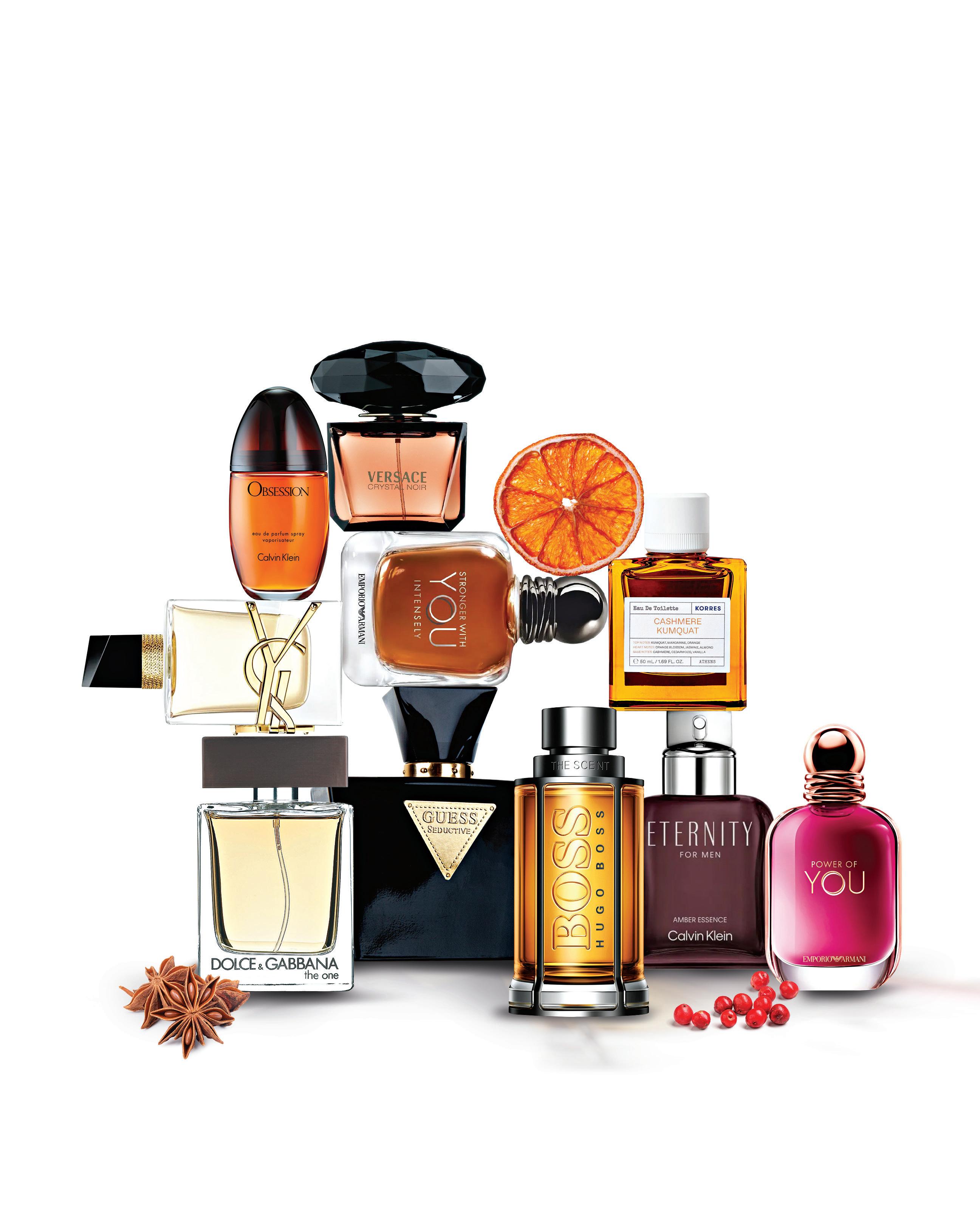
Warm, rich and sensual, these fragrances add a layer of comfort and quiet sophistication to the colder months
VANILLA THE NEW EAU DE PARFUM

Step into the season with rich tones and stand-out style
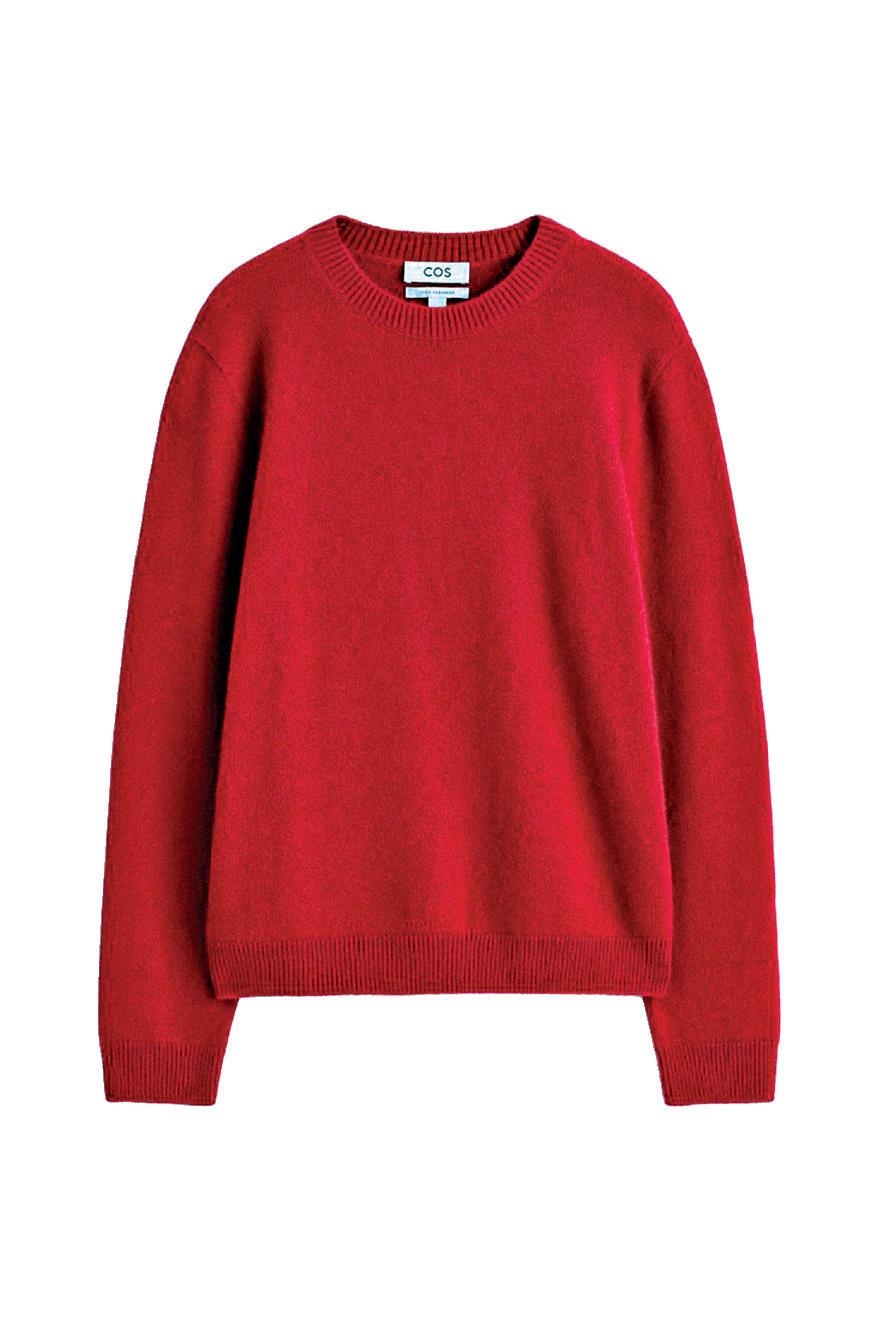
Knitwear is a true staple. Bold colours take centre stage this year, with red leading the way. Cashmere crew-neck jumper, $320, cos.com/en-au
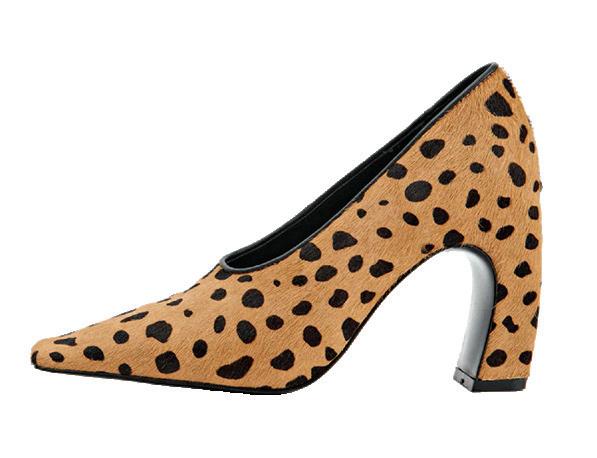
Footwear is an easy place to introduce print and push things a little further. Leopard print is still holding strong as we settle into the cooler months. Nomi heels, $259.95, aliasmae.com.au
1
9

2
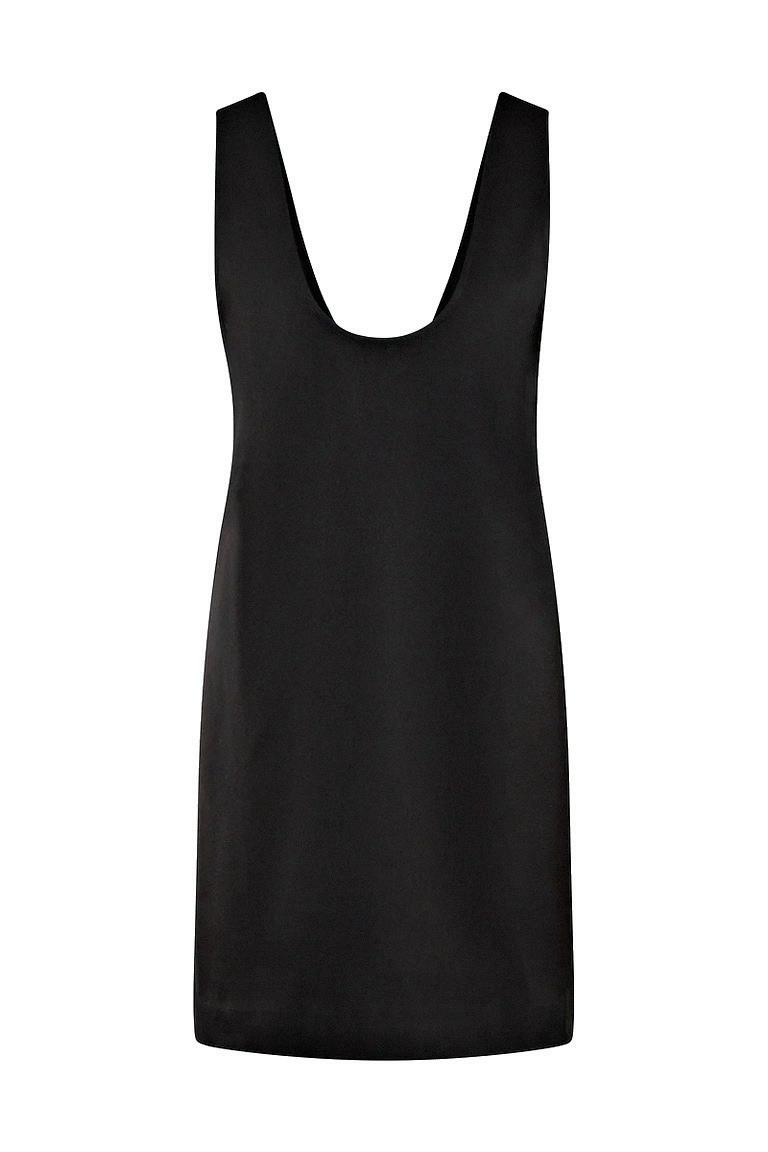
The little black dress is more than just a one-season piece. Style it back with outerwear or even layer over pants or jeans. It’s the kind of piece that
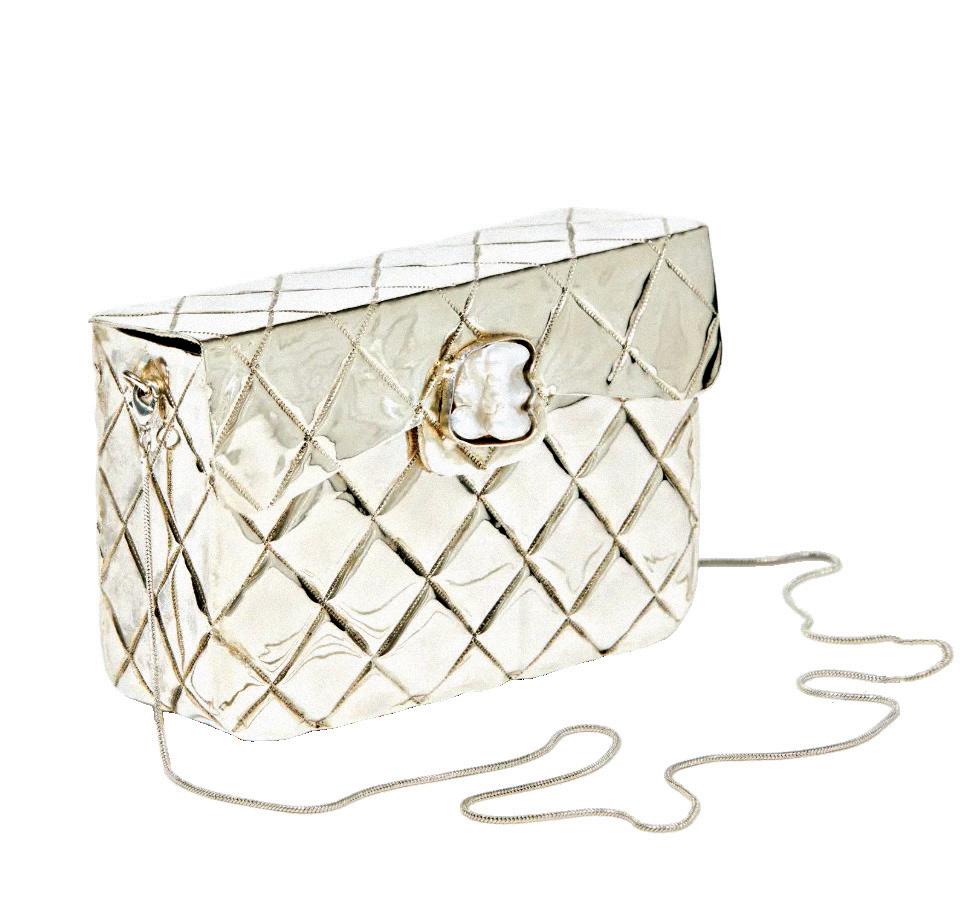
In a season defined by layers, a statement bag adds contrast and interest, lifting a classic look beyond the expected. Our Longing metal bag, $350, theholdlabel.com
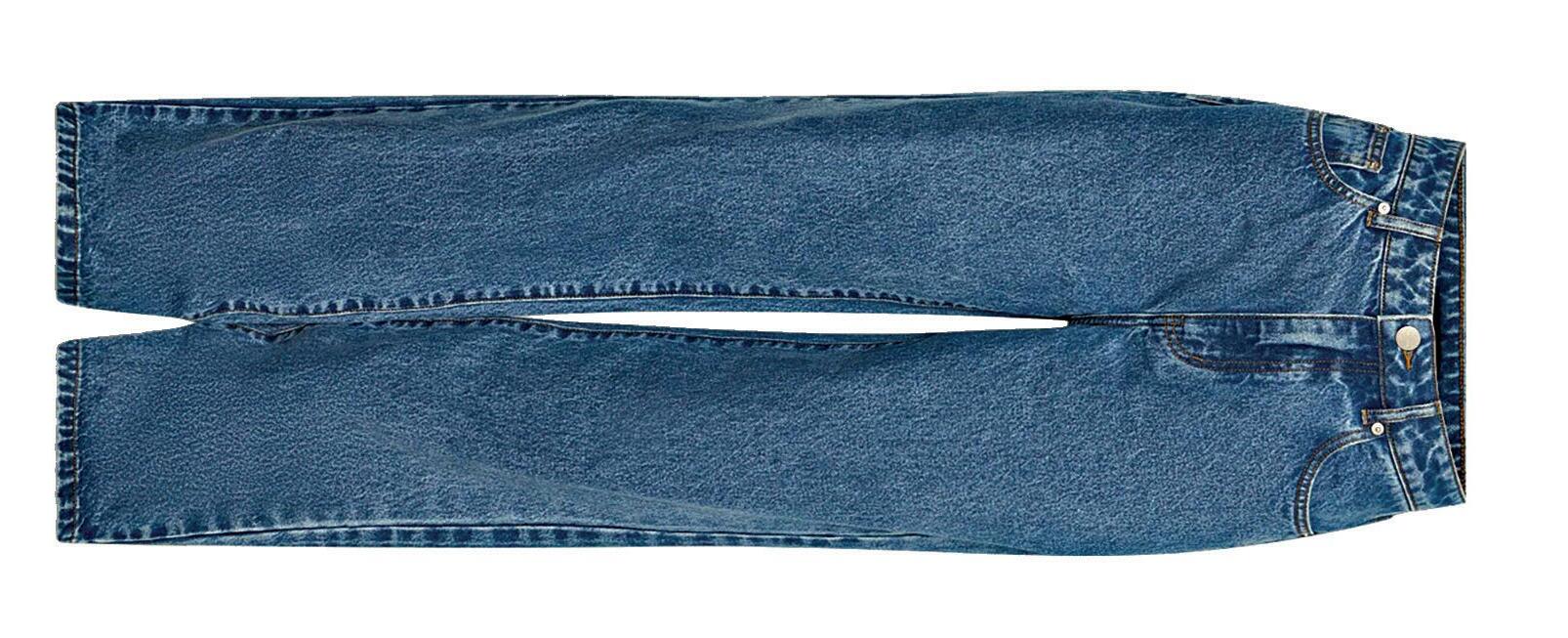
Jeans are a hard-working piece in any wardrobe. Easy and adaptable, this pair will work back with most pieces in this edit. Ariana jeans, $119.95, decjuba.com.au
8

A cosy footwear option is non-negotiable, helping set the tone for winter dressing. Cloudy shoes, $149.95, stevemadden.com.au
7
6
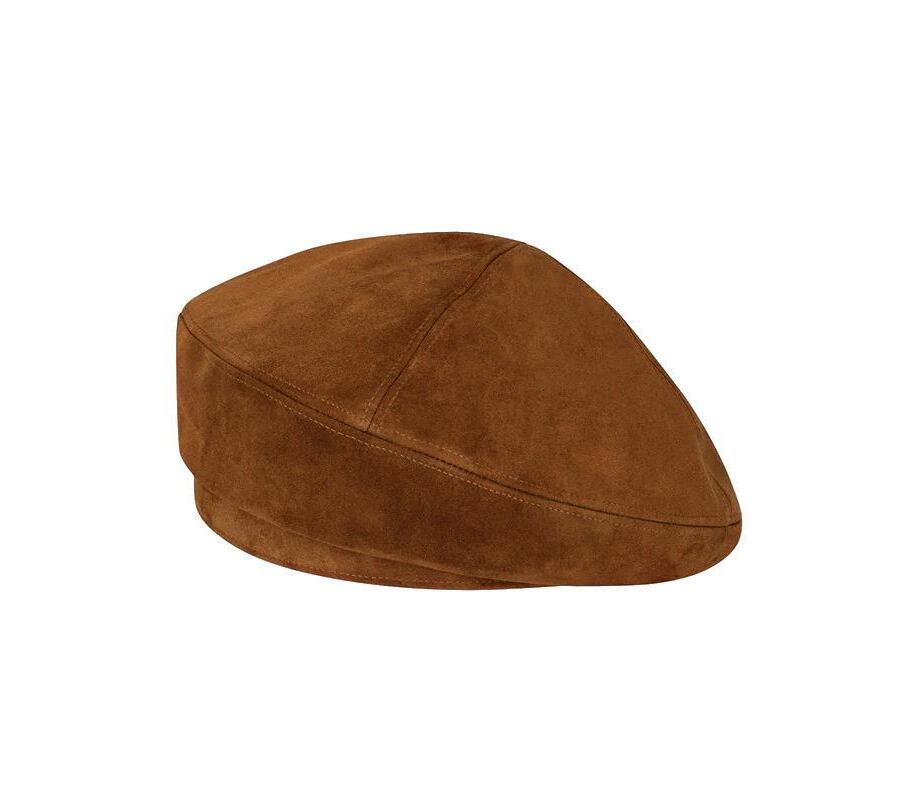
beyond the beanie. and dial up the print, texture and colour. Priya beret, $179, lackofcolor.com.au
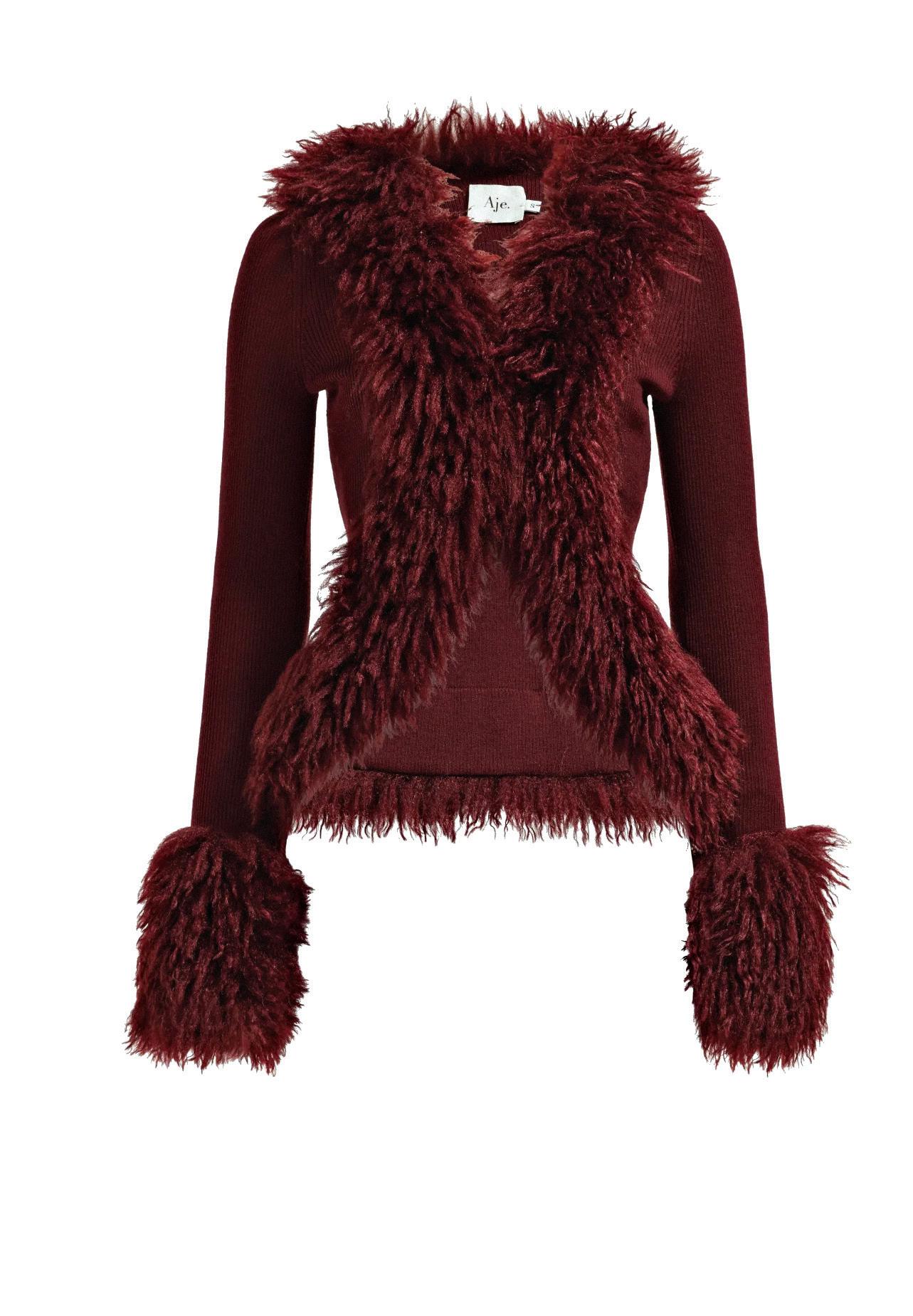
Cardigans are shifting towards sculpted, hourglass silhouettes. Think elevated, playful and, dare we say, a little bit sexy. Province cardigan, $249, ajeworld.com.au
4
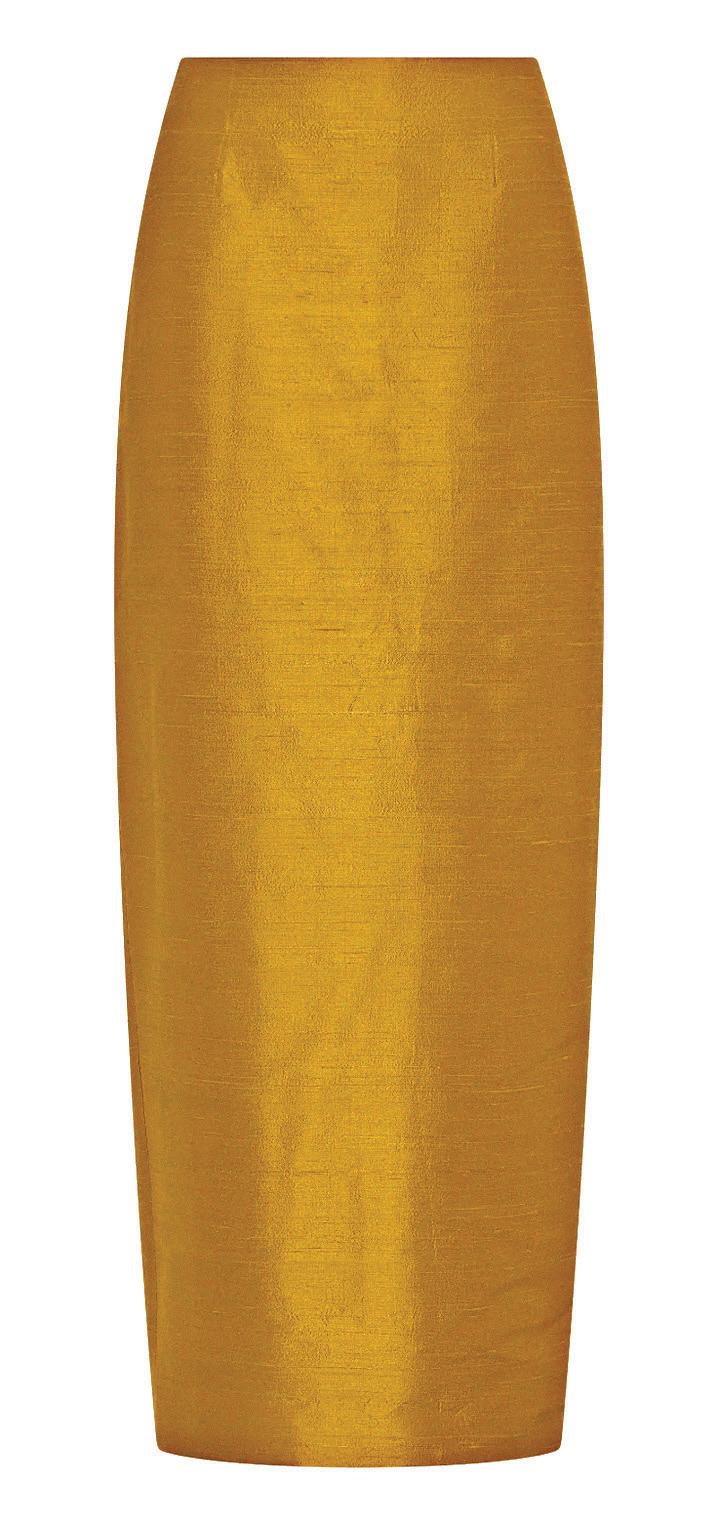
Embrace the opportunity to add a dash of fun and colour to break up the grey days. Veda skirt, $269, romythebrand.com
5
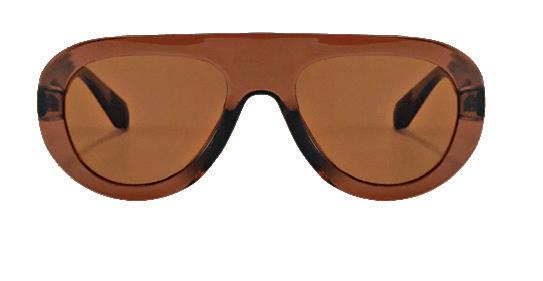
exaggerated frames, the bigger the better, styled with warm layers. RC Roadtrip sunglasses, $95, rhodincollection.com

Mixing textures, prints and layers creates an easy, elevated look
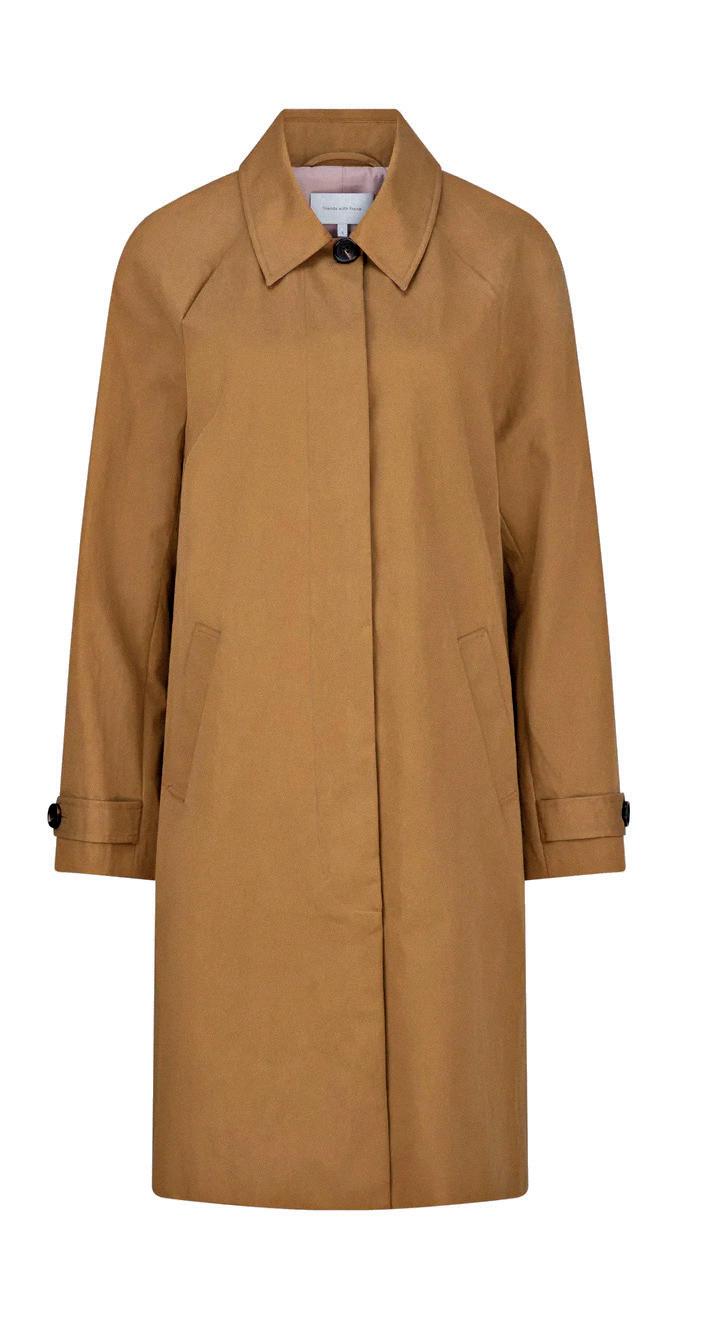

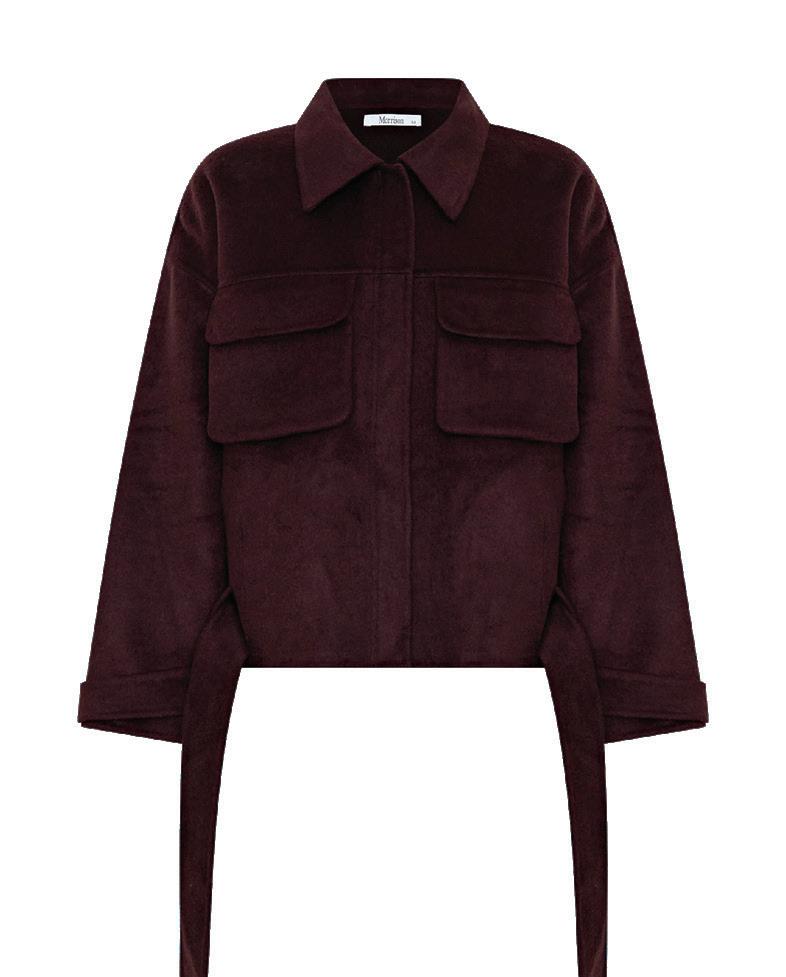
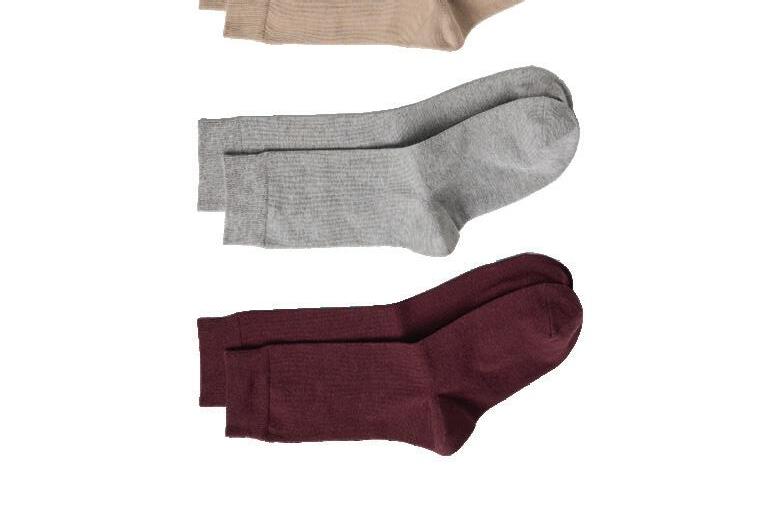
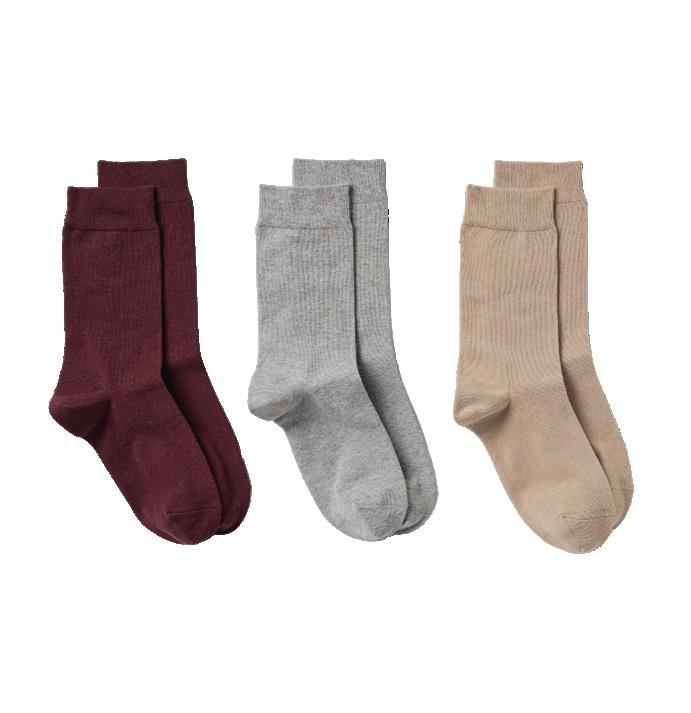

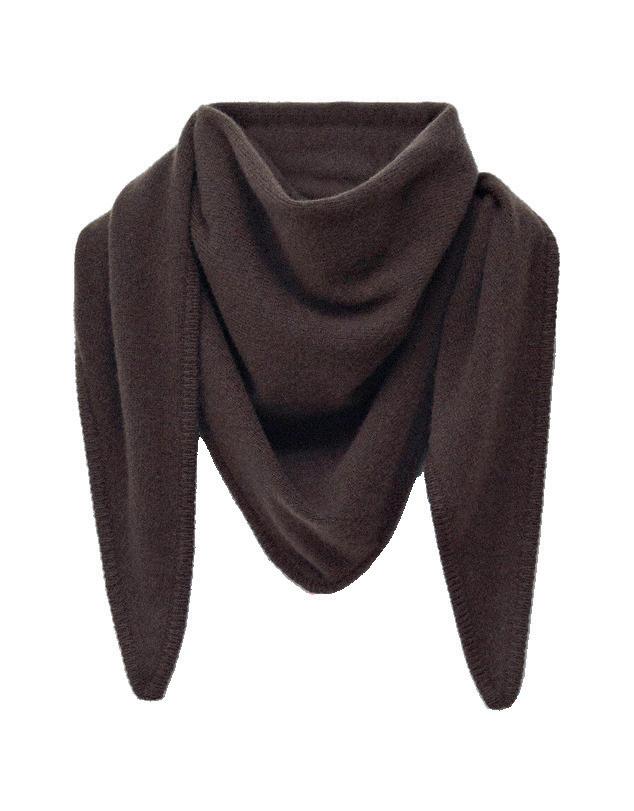
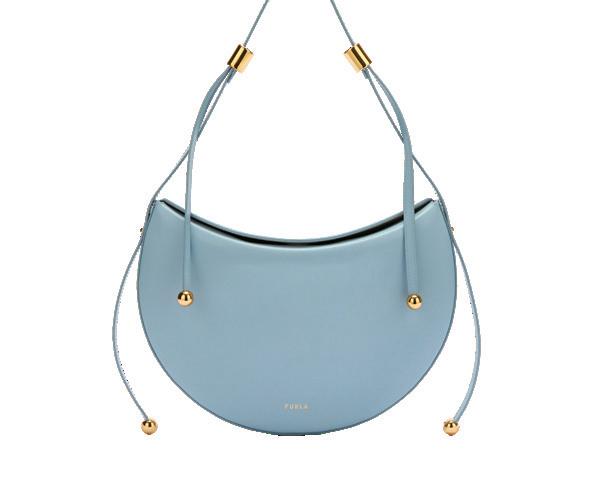
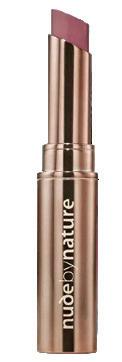


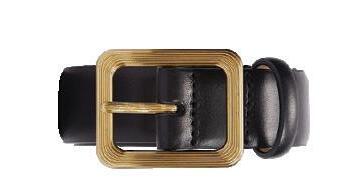
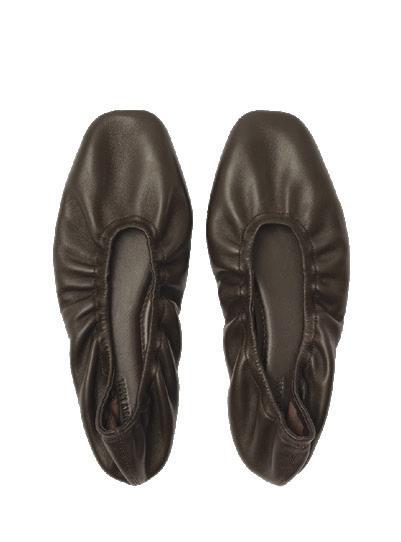
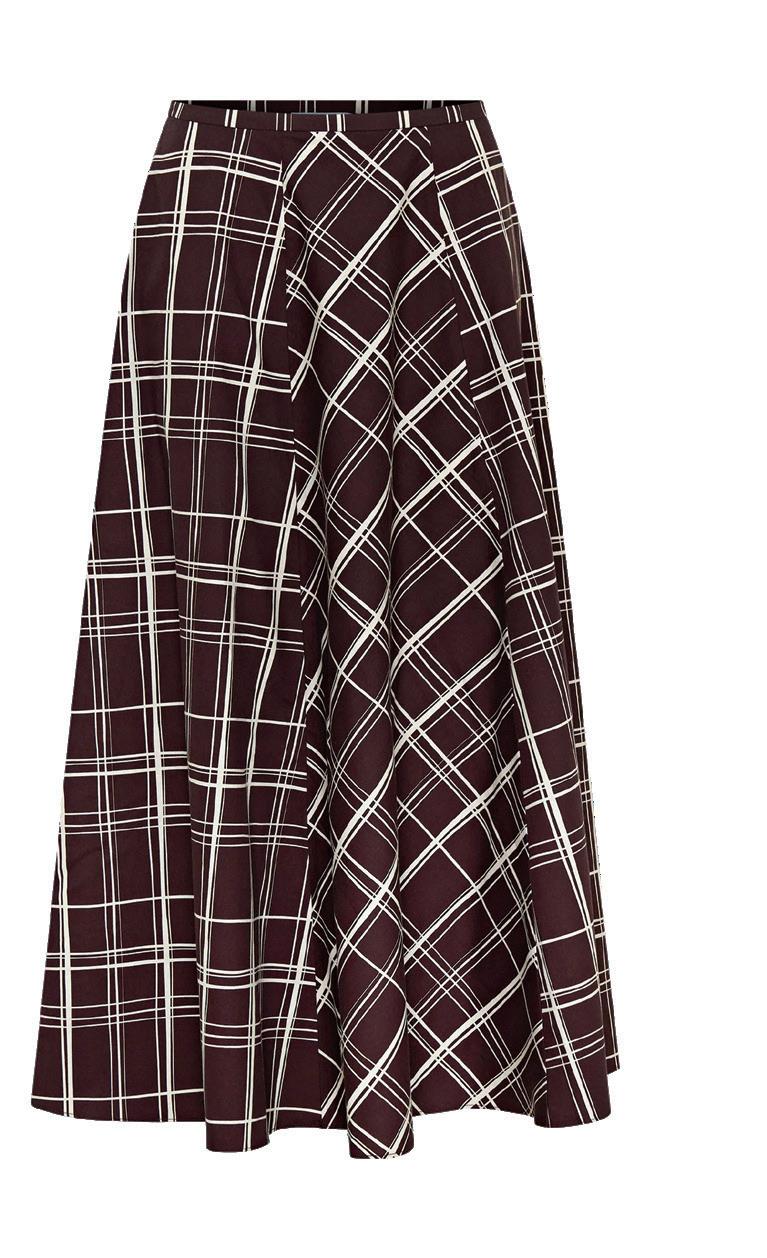
FROM TOP RIGHT
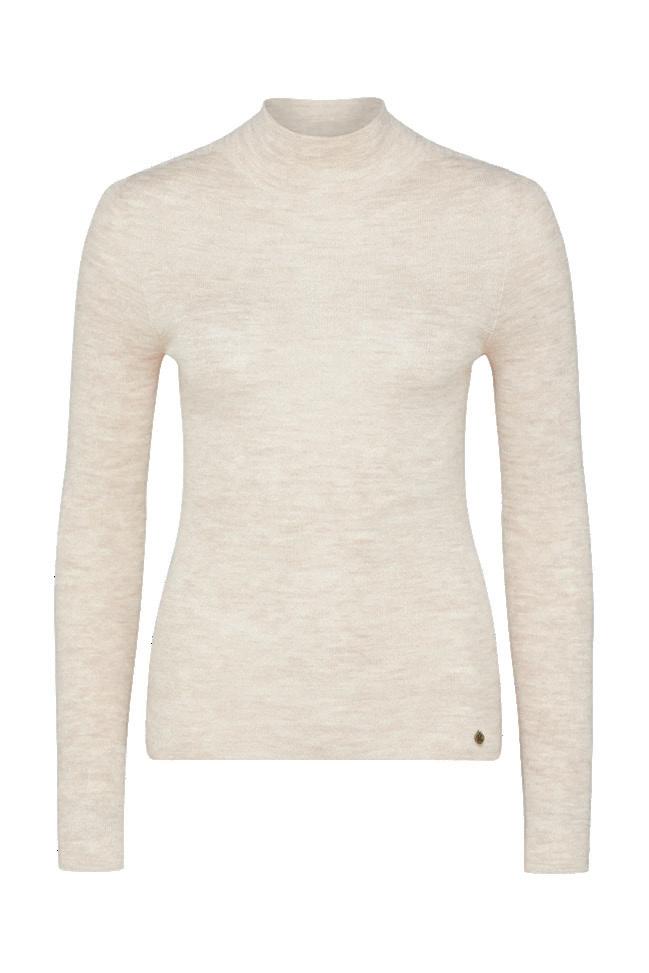
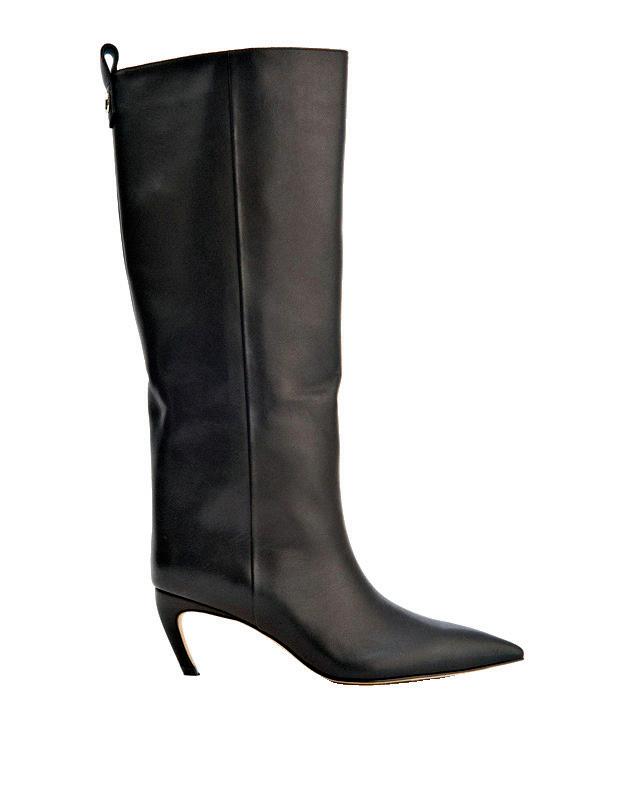
Wool triangle scarf, $115, theiconic.com.au; Wales jacket, $499, morrisonshop.com; Nude By Nature Creamy Matte Lipstick 05 Riberry, $20.99; Moonstone shoulder bag, $589, furla.com/au/en; Superfine merino turtleneck, $199, cablemelbourne.com; Nadia boots, $399.95, aliasmae.com.au; Francis skirt, $399, morrisonshop.com; Marion ballet flats, $140, assemblylabel.com; Imogen belt, $99.95, countryroad.com.au; Rabanne Lady Million Fabulous Intense 80ml EDP, $139.99; Marlow tote, $349, rehstudios.com; Calla double hoops, $119, francesca.com.au; Socks 3pk, $14.90, uniqlo.com/au/en; The Lou coat, $599, friendswithfrank.com
Your daily cleanser can make a di erence to winter skin hydration
When your skin starts feeling dry in winter, your thoughts may turn to moisturiser.
We tend to layer it on, wait for results and then wonder why that tight, uncomfortable feeling keeps coming back.
Here’s the part nobody talks about — if your cleanser is stripping your skin of natural oils, your moisturiser may not be enough to keep dryness at bay.

Think of cleansing as preparing a canvas before painting.
Cold air, indoor heating and frequent hot showers — the ones that feel so good on a freezing morning — can quietly sabotage your skin barrier over time. Add the wrong face and body cleanser to the mix and your skin may feel even drier and tighter than ever. The good news? Switching to a gentle, hydrating cleanser is the simplest fix you can make.
Without the right prep, nothing applied afterwards can perform at its best.
Cleansing removes the daily accumulation of dirt, sweat, sebum, dead skin cells and environmental pollutants that sit on your skin’s surface.
But here’s the catch — not every cleanser is equally gentle. Some formulas can remove more than just the grime, leaving your skin’s natural oils depleted.
In winter, colder, drier air can already reduce your skin’s natural oils and this may compromise the skin barrier, leaving your skin feeling dry, reactive, itchy and more vulnerable to irritation.
Overcleansing and using a cleanser unsuited to your skin are common causes of winter dryness.
But the fix isn’t to wash less — it’s to wash smarter.

MooGoo Natural Milk
Wash, a creamy, hydrating cleanser for dry skin, takes a gentle approach. Rather than relying on a single concentrated detergent, it blends five natural coconut and glucose-derived cleansers. It’s a lower-irritation formula that removes impurities without stripping your skin’s natural oils. Formulated with hydrolysed milk protein to support the skin’s natural proteins, along with a range of natural emollients, it cleanses and conditions at the same time.
It is pH balanced around the skin’s natural levels to help support the barrier and reduce a tight feeling after washing.
Free from sulphates, parabens, synthetic preservatives and phenoxyethanol, it is suitable for sensitive skin, the face and the whole family. The result? Skin that comes out of the shower feeling clean but not stripped, ready to absorb whatever you apply next. In winter, your moisturiser deserves a better base to work from — start with the right cleanser! This article is brought to you by MooGoo.

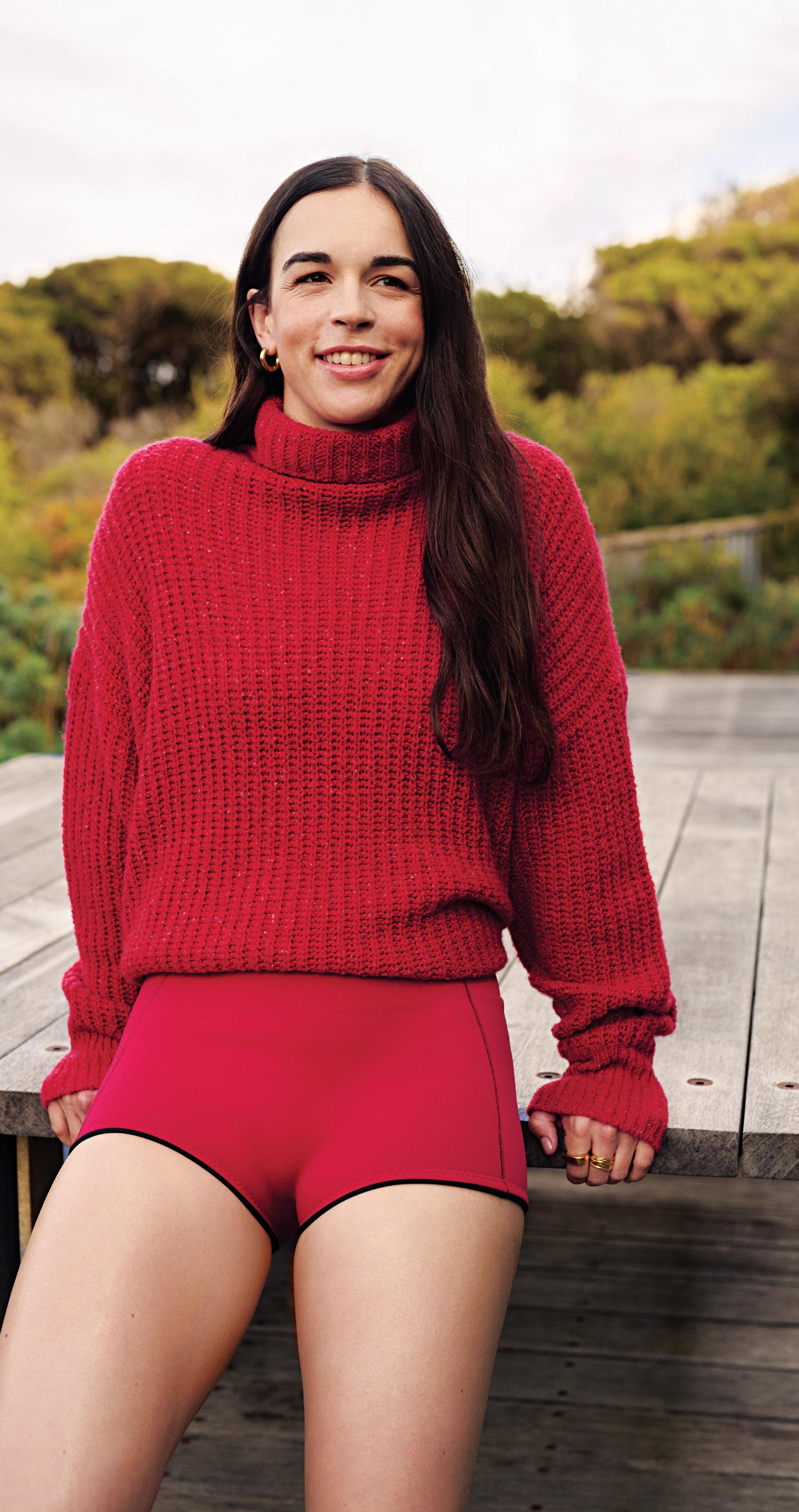
Australian skier Jakara Anthony is as down to earth as she is a true champion

You’d think that Australia’s most successful winter Olympian, freestyle skier Jakara Anthony, would prefer the snow over hot summer weather any day.
But when asked to choose between the two, she surprisingly picks summer. “Just because I’ve been deprived of it for so long,” she says with a laugh.
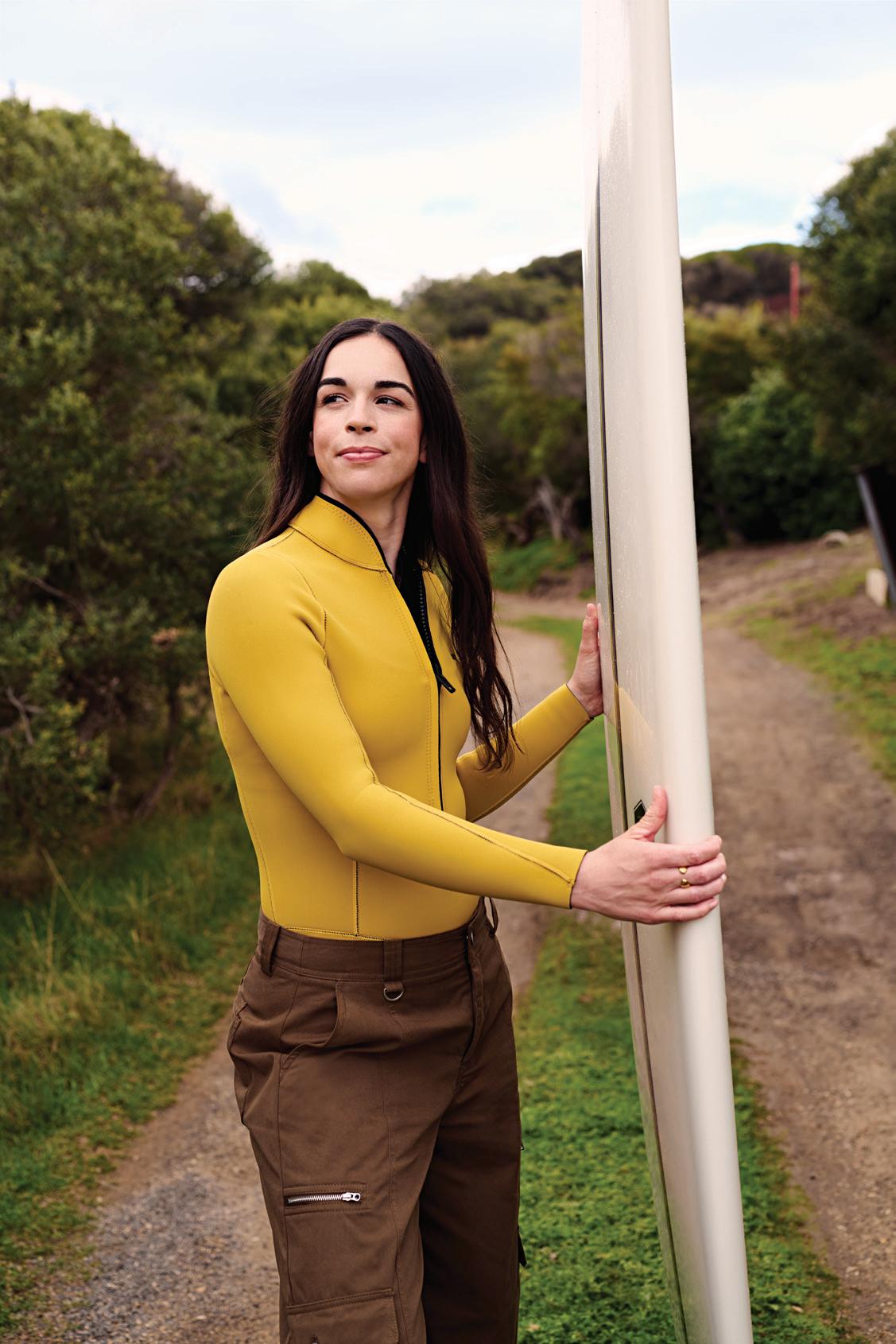
While other winter athletes are following the snow, Jakara prefers soaking up the sun, whether on holidays, at her Barwon Heads home in Victoria or indulging in another favourite sport — surfing.
“I don’t surf anywhere near as well as ski, but I always love getting out when I’m here,” she reveals.
“Surfing’s more for fun. Skiing is also enjoyable, but it’s a lot more challenging and consists of harder days because of what I’m trying to achieve in the sport. It’s not quite so relaxing.”
Jakara made history in Italy this year, becoming the first Aussie to win two winter gold medals. But it was not all smooth sailing.
Having won her first gold, in the freestyle skiing women’s moguls at Beijing in 2022, Jakara was favourite again this year. But when the finals came around, things didn’t go to plan.
“I had just one little slip up and, yeah, that was all over,” she recalls of finishing in 8th place. “It was really heartbreaking for me and my team, who had put in as much effort as I had.”
She then had just three days until the dual moguls event — which she won. She credits the victory to the support she received from her team, family and friends, as well as her mindset.
“It’s something I’ve worked on for many, many years now,” she says, about improving her mindset to better deal with losses or mistakes on the slopes.
“You have to put in the work over time so that it becomes your default thinking pattern when you get in those tough competition situations.”
At age four, Jakara was already on skis at Victoria’s Mt Buller.
The mountain has always been like home for the Anthony family, with her parents first meeting there aged in their 20s.
“My mum was working in the ticket office and Dad was a taxi driver when they met at the legendary Kooroora Hotel, a Mt Buller institution,” Jakara says.
“When we were in primary school they decided it would be fun to revisit that seasonal worker lifestyle and move to Mt Buller.
“(My brother and I) went to school up there, Mum and Dad worked and we skied together as much as we could. It is still something we love to do together.”
By her teens, Jakara was skiing full time, had a scholarship with the Australian Institute of Sport and competed at PyeongChang, South Korea, in 2018, aged 19.
Now 27, she not only has those two gold medals, but also 26 FIS Freestyle Ski World Cup moguls wins and a reputation as one of the best in the business.
Despite this, her idea of success is less about competition results and more about mastering the sport.
“There are so many different parts to mogul skiing, and I’m a perfectionist, so like trying to achieve that even though I know I’m never going to get absolutely perfect,” Jakara explains.
“When you are away 300 days a year, just being able to relax at home can be really amazing."
In 2024, Jakara suffered a season-ending collarbone injury.
Where some athletes might ease back after an injury, Jakara came out firing the following year, with a win at a World Cup event in Finland.
Injuries are never ideal, but Jakara found the positives in having more time in the gym and at home.
“The collarbone injury was a real bummer, especially missing that whole competition season,” she says.
“I did get to have a summer at home, my first one in 15 years ... (and) got to address some things in the gym that don’t usually have time for. also got to experience an Aussie summer of sport (and) learn from a lot of athletes, which was really cool.”
Training and competing takes up most of her energy, so Jakara tries to balance it out with what she calls “normal things”.
“I’ll speak to my friends and family about what’s going on with them, and I love doing things like puzzles or Lego, too. Recently while
competing, built a Lego aquarium over a few days. These things help me remember that there’s more to life than skiing and competing.”
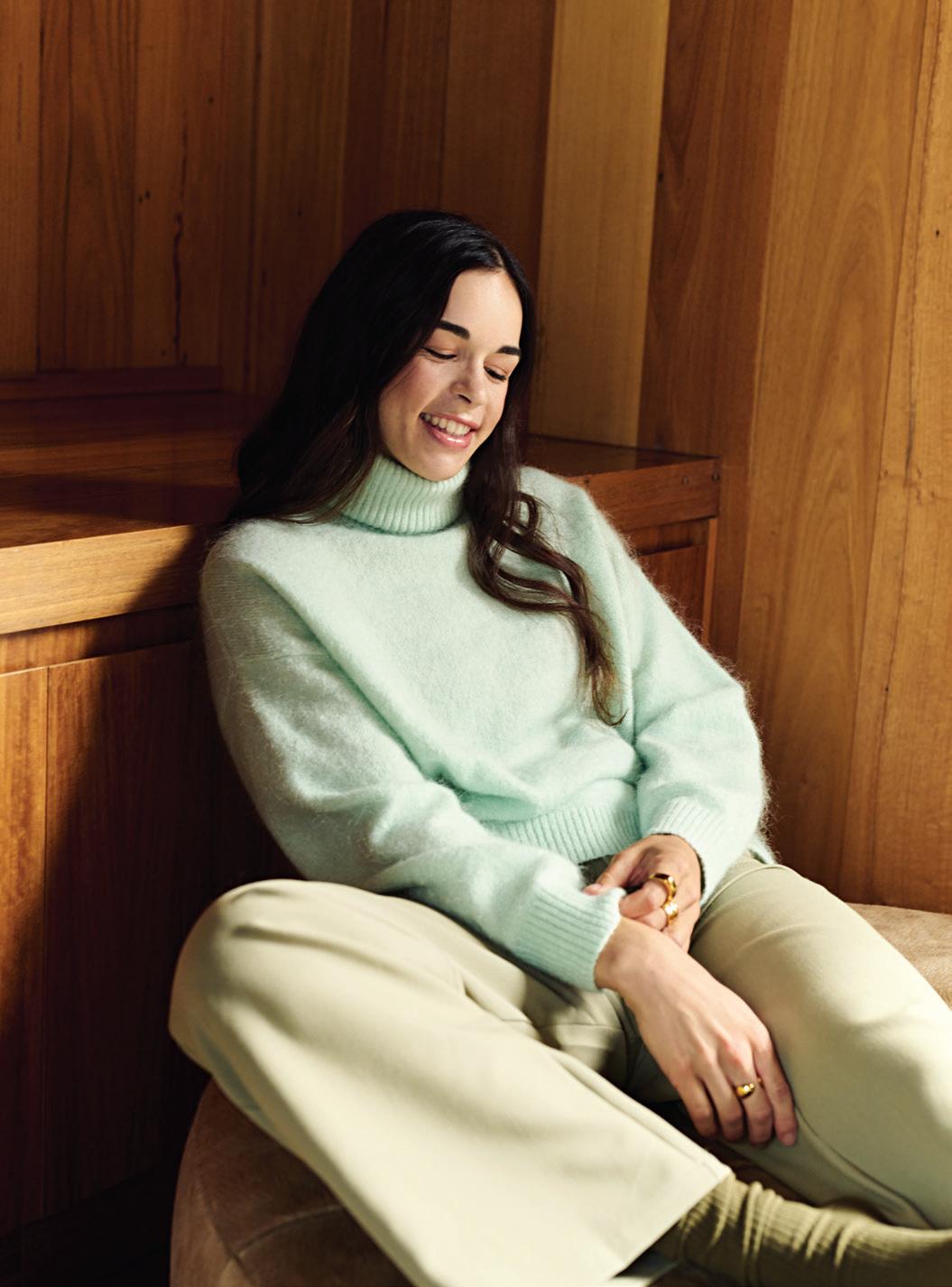
During the precious time she has in Australia, days are spent simply relaxing at home.
“I love the outdoors and the freedom to go for a bike ride, play tennis or go for runs and walks,” Jakara says.
“I also love to just spend time with my friends and family — that can be going to watch the Geelong Cats play footy, going for a coffee or just hanging around at home.
“When you are away 300 days a year, just being able to relax at home can be really amazing.”
While big goals lie ahead for 2030, Jakara is currently focused on next year’s FIS Freestyle Ski World Championships.
“I’ve never actually won a World Championship, so that would be pretty cool,” she says.
“There’s still so much I want to achieve in this sport, and I think I’m still capable of it.
“So this could shape up to be a pretty exciting time.”









Whether they’re launching businesses, leading teams or shaping the conversation in their fields, these changemakers are doing things their own way — driven by purpose, determination and a willingness to give things a go

THERE’S NO SCRIPT WHEN KHADIJA GBLA SPEAKS, ONLY LIVED EXPERIENCE.
“I DON’T WRITE MY SPEECHES, I SPEAK FROM MY HEART,” KHADIJA SAYS.
The Adelaide human rights activist was born in Sierra Leone, spent much of their childhood in refugee camps and is a survivor of female genital mutilation (FGM).
Khadija has become one of Australia’s most prominent voices speaking out against the practice.
“I chose to speak up,” Khadija says. “Nothing is an excuse for the mutilation of children, nothing will ever justify such an act and I’m never backing down.”
Their viral TEDx talk about FGM says it all.
“It wasn’t about me, it was about little Khadija, the little child who screamed and cried so that it would stop, so somebody would protect them,” they explain.
“I am now big Khadija looking out for other little Khadijas all over the world. I want to make sure their stories and voices are heard.”
UNICEF estimates there are about 230 million FGM survivors globally.
FGM is happening in Australia, too, Khadija says, although the numbers are unclear due to insufficient reporting.
Real change needs all of us, she says. “When one of us raises our voice, we raise it for all of those that can’t.”
Just over a decade ago, best friends Steph Claire Smith and Laura Henshaw launched Keep it Cleaner (KIC), with a focus on wellness and nutrition.
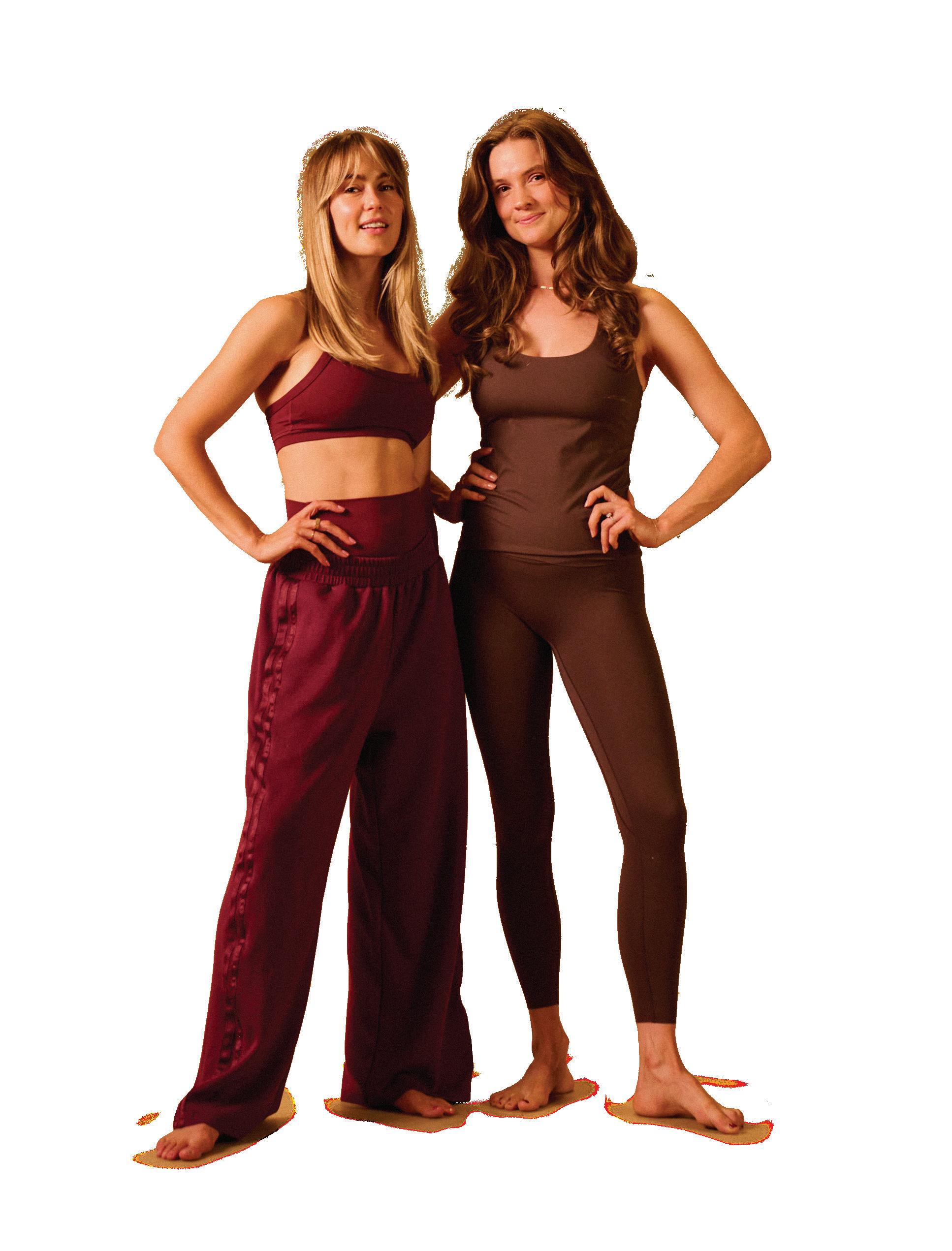
Since then, KIC has evolved into a multichannel business that includes a podcast, food line, wellness app, book and studio, with further expansion of their retail arm to come.
“We’ve always had big dreams for KIC but where we are as a business and a community today is beyond what we ever imagined,”
Laura says.
In April, the duo opened KICStudio in Melbourne, their first physical wellness location.
On top of their career demands, the co-founders are working mothers, which can carry a lot of pressure.
and stop forcing women to justify their choices, whether that’s in business, at home or anywhere in between,” Laura says.
As for advice, Laura and Steph emphasise trusting your instinct.
“Trust your gut and just go for it. You do not need to have everything figured out from day one,” Laura says. Steph adds: “If someone ever says you can’t do it, use that as fuel to show yourself, and them, just how much you’re capable of.”
Dr Amy Wilson has always been driven by a simple question: What happens when cells stop following the rules?
That curiosity led her to research ovarian cancer. Now, as a senior research advisor at the Ovarian Cancer Research Foundation, she supports scientists across Australia, helping shape research, strategy and advocacy to drive real-world impact.
“Ovarian cancer is incredibly complex and quite hard to treat, so it’s an area where I really wanted to make a difference,” Dr Wilson says.
Ultimately, her vision is not just extending lives, but improving them.
“I want ovarian cancer to be a treatable disease that you can manage, that you can treat effectively without that fear of it coming back.”
She is passionate about making science more accessible, sharing engaging content on social media.
She is also part of the Superstars of STEM program to inspire the next generation, particularly young girls who may not yet see a place for themselves in science, technology, engineering and maths.
“You need to be able to see yourself


SAM KERR ISN’T JUST ONE OF THE WORLD’S BEST STRIKERS, SHE HAS HELPED BRING WOMEN’S SPORT FIRMLY INTO THE SPOTLIGHT.
From Perth to the global stage, Sam has broken records, captained the Matildas and delivered under pressure. Her speed, aerial prowess and iconic on-field celebrations have fuelled the popularity of soccer in Australia. Off the field, her openness and resilience resonate deeply. Through injuries, scrutiny and leadership, she’s remained grounded and authentic. For young athletes, especially girls, she is a powerful example of how you can be elite, expressive and authentic.

Jacinda Ardern knows how to trailblaze, becoming the world’s youngest female head of government at the time of her election as New Zealand’s 40th prime minister, aged 37, and only the second to give birth while in office.
After leading her country between 2017 and 2023, Jacinda is now based in Australia and has set her sights on inspiring people to not only embrace leadership, but to actively pursue it.
The 45-year-old first explored this through her 2025 memoir, A Different Kind of Power, and now she’s adapted the book to inspire younger readers. What If You Could was tailored with Jacinda’s 14-year-old self in mind, and she says that if it convinces one young person that they can make a difference in this world, then the book was worth creating.
“This is a book intended for young readers, all about my journey to become the prime minister of New Zealand in spite of all my self-doubt. If you’ve got a young person in your life who has a dream that perhaps they don’t think they can reach, I hope this book makes a difference for them, too,” Jacinda says.
DERMATOLOGIST RECOMMENDED SKINCARE BRAND IN AUSTRALIA*

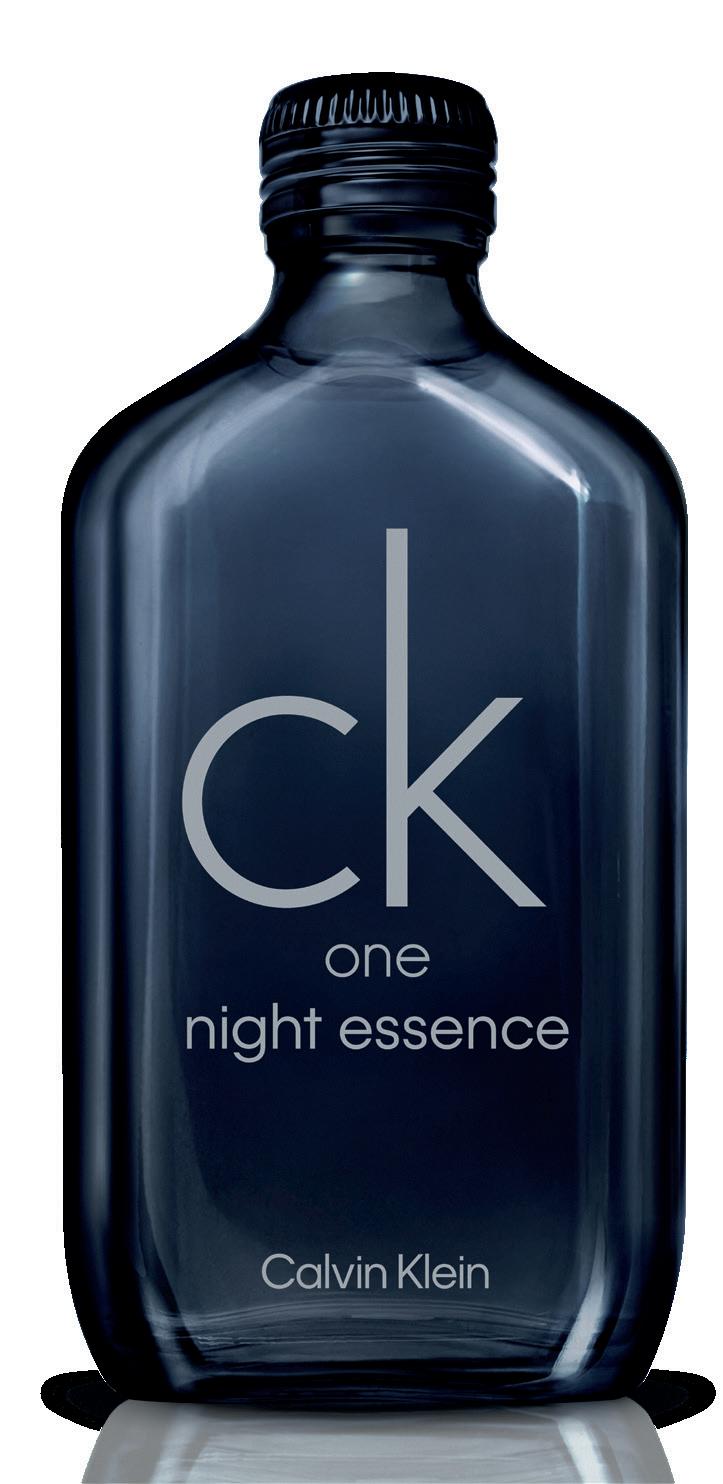

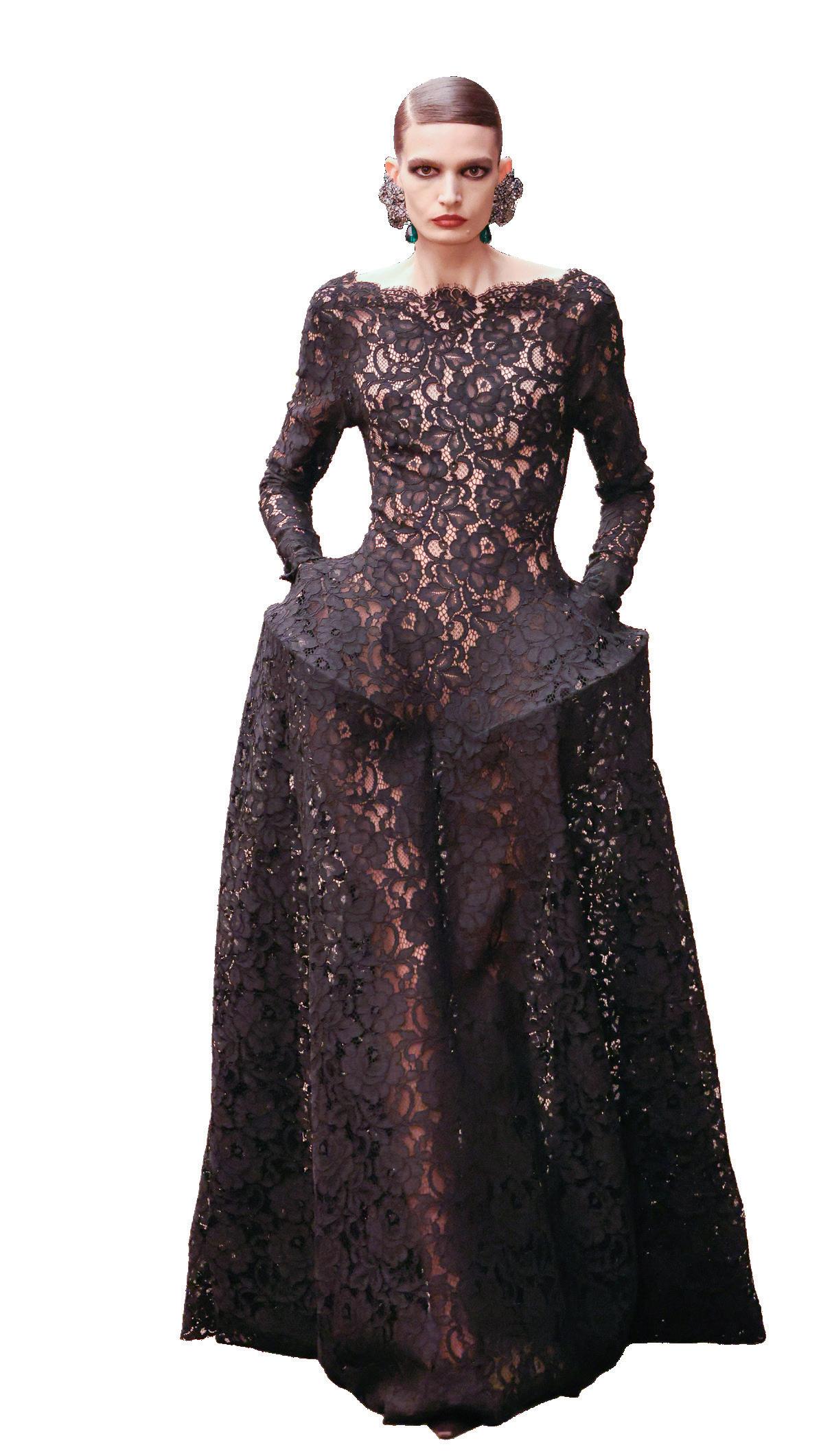
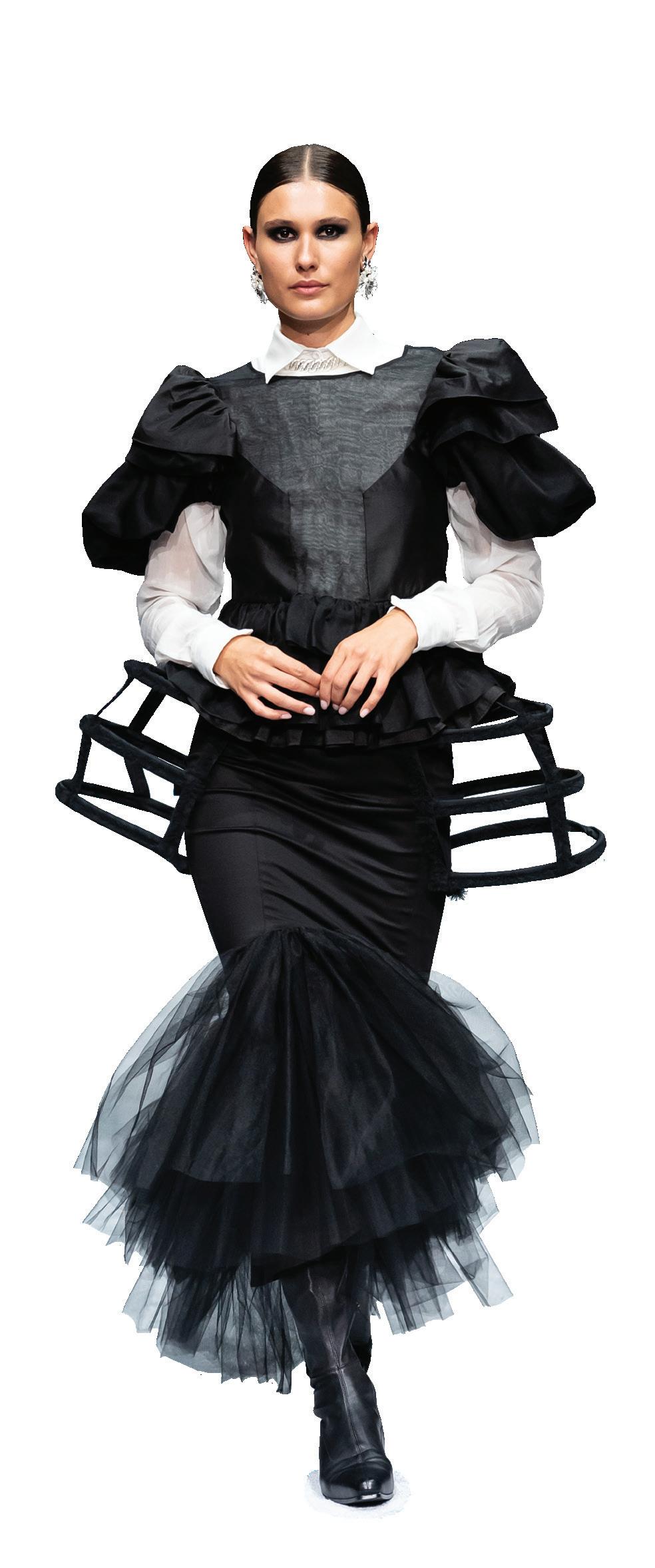
Fuelled by nostalgia, all things witchy are trending again — this time with a softer, more empowering edge
If you’re old enough to have lived through the ’90s, chances are you’ll recall the last time all things witchy cast their spell.
Bu y, Sabrina and Charmed dominated the small screen, while films such as Practical Magic, Hocus Pocus, The Craft and the Harry Potter franchise conjured a cultural obsession.
The influence was so powerful it spilled into beauty and fashion, ushering in goth-inspired looks that were the antithesis of the “clean girl” aesthetic.
Fast forward to now and we’re witnessing another witchy renaissance, with Practical Magic 2 about to arrive (27 years after the original) and a new Harry Potter TV series set for a Christmas release.
Embracing your mystical side doesn’t have to be complicated.
Dubbed “witchcore” and “whimsigoth” on TikTok, the aesthetic blends romantic, ethereal fashion with grungy, gothic touches.
Think flowy midi skirts and oversized knitwear, paired with
corsets and sheer tops to avoid giving o a matronly vibe.
Fans of the aesthetic are even turning to real and fictional characters for some added witchy inspiration, such as singer Stevie Nicks and Sarah Michelle Gellar as Bu y.

If you’re after the ultimate witchcore accessory, look no further than a familiar favourite: the humble black choker.
Kristin Cavallari, star of the early 2000s reality TV hit Laguna Beach, was synonymous with the look and revived it on the red carpet at the show’s reunion premiere in March.
Deeper lip shades, particularly brown and berry tones, are another witchcore trend making a comeback, adding a gothic intensity to any look.
This year’s witch-themed horror comedy, Forbidden Fruits, has further pushed gothic makeup back into the spotlight.
From dramatic hair to grungy smoky eyes and pops of colour
It would be remiss to overlook the darker history attached to witchcraft, much of it rooted in religious superstition and centuries-old witch trials.
In short, people were tried, punished and even executed for allegedly practising magic.
However, many of these accusations were baseless, driven by ulterior motives such as settling scores, seizing land and enforcing social control.

And in a familiar misogynistic pattern, the people who faced these accusations were disproportionately women.
For this reason, leaning into the aesthetic carries a feminist undercurrent that has only gained momentum over time.
So if you’re after a look that’s both on trend and prowomen’s empowerment, reach for that deep plum lippy.
with astrology and inner-work spirituality, it was only a matter of time before spells and witchcraft found their way on to social media.
From TikTok tarot readings to online spellcasting, alternative forms of spirituality are striking a chord with many.
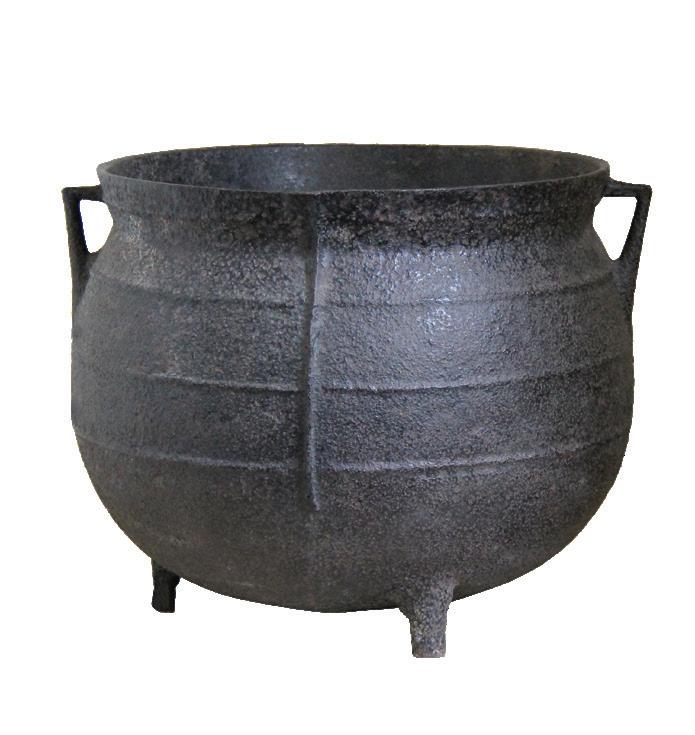
Psychic medium and selfproclaimed witch Michelle Cook says modern witchcraft isn’t all cauldrons, potions and broomsticks, but is instead grounded in positive energy, intention and manifestation.
She works with clients on spells and manifestation and
SHOULD YOU HIRE A WITCH ONLINE?
For a time, people were hiring witches and buying spells online through marketplaces like Etsy.
While it may be tempting to purchase a spell promising perfect weather on your wedding day, online spells are unreliable at best.
“If you’re going to hire someone online, do your homework first or even learn spells yourself,” Michelle says. Etsy has since cracked down on the sale of spells and witchcraft services.
However, Michelle says it’s still a good place to source complementary items such as sage, herbs and other supplies.
teaches what she says are surprisingly accessible practices.
“I teach people how to do spell work, how to be under the moon and to call in the gods and the goddesses,” Michelle explains.
“These practices help people ground themselves, heal and manifest the best type of life they can.”


YOUR’VE GOT
YOUR’VE GOT YOU’VE GOT
From PMS to menopause the Swisse women’s health range has been tailored to support your needs throughout every stage of life, or cycle.
From PMS to menopause the Swisse women’s health range has been tailored to support your needs throughout every stage of life, or cycle.

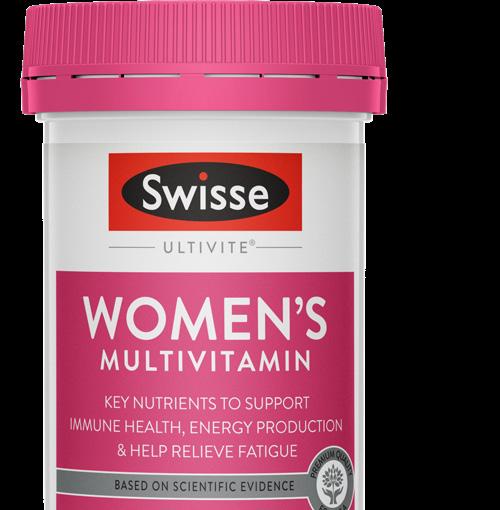
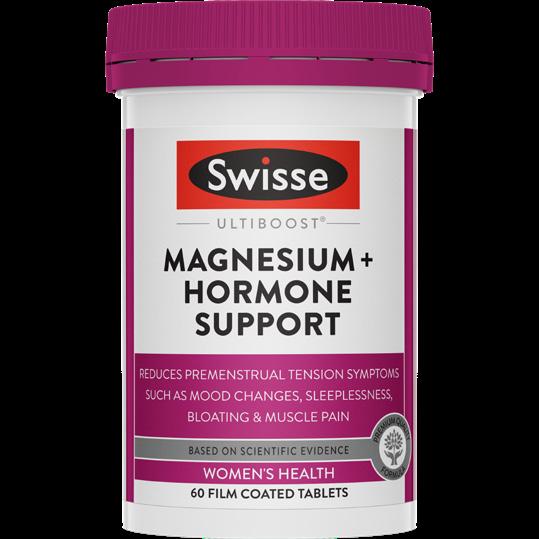
PRODUCT SWISSE ULTIBOOST MAGNESIUM + HORMONE SUPPORT
SWISSE ULTIBOOST MAGNESIUM + HORMONE SUPPORT
SCIENCE BACKED SUPPORT FOR Premenstrual tension, bloating & mood swings
SCIENCE BACKED SUPPORT FOR Premenstrual tension, bloating & mood swings
TAILORED SPECIFICALLY
TAILORED SPECIFICALLY
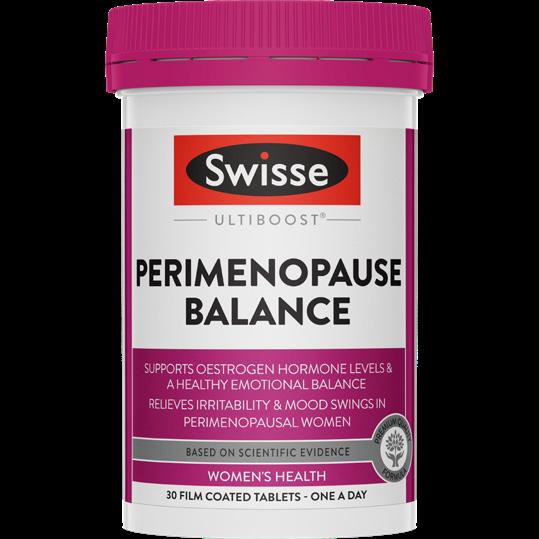
SWISSE ULTIBOOST PERIMENOPAUSE BALANCE
ULTIBOOST PERIMENOPAUSE BALANCE
Cognitive function & fighting brain fog
With magnesium glycinate for muscle relaxation and vitex to help relieve irritability and mood changes associated with premenstrual tension
With magnesium glycinate for muscle relaxation and vitex to help relieve irritability and mood changes associated with premenstrual tension
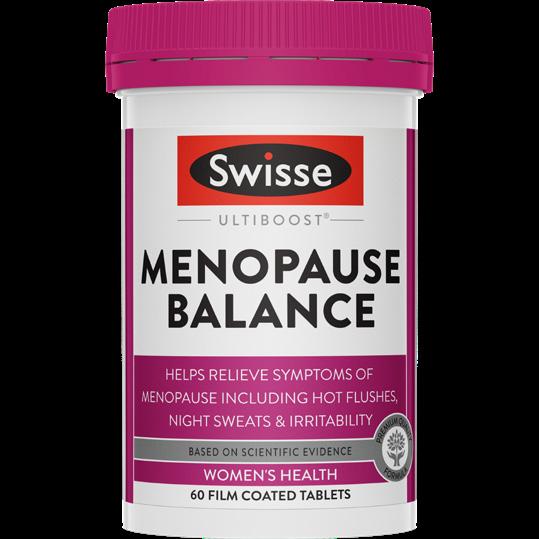
SWISSE ULTIBOOST MENOPAUSE BALANCE
ULTIBOOST MENOPAUSE BALANCE
Hot flushes & help relieving night sweats
Cognitive function & fighting brain fog Hot flushes & help relieving night sweats
To support oestrogen levels and relieve irritability with KSM-66 ashwagandha and damiana traditionally used in western herbal medicine to support healthy sexual function
To support oestrogen levels and relieve irritability with KSM-66 ashwagandha and damiana traditionally used in western herbal medicine to support healthy sexual function
With calcium and vitamin d to support bone strength and black cohosh to help relieve hot flushes and sweats associated with menopause
Always read the label and follow the directions for use.
With calcium and vitamin d to support bone strength and black cohosh to help relieve hot flushes and sweats associated with menopause AC-010991

Currently playing the lead role in musical Waitress has seen her return to storytelling.
“I first saw it in New York and belly laughed with pure joy, but also shed a tear. It was so human, messy and beautiful. I left thinking,
‘That’s one of the best shows I’ve ever seen in my life’. The show has brought me so much joy and healing — because storytelling is healing.”
Through it all, she’s come to view life through a new lens.
“Life can be hard and messy but also beautiful. Change is not something to be afraid of, because we are all constantly evolving and changing. Life is what you make it. It can be exquisitely beautiful and imperfectly perfect.”
She doesn’t pretend to have mastered the art of remaining steady.
“It’s really hard for me to stay grounded. Thankfully I have the most amazing support network. My fiance is extraordinary, my kids are amazing, my ex is great, my friends are great. Another way I ground myself are my tools — I’ve got tapping, box breathing, meditation and affirmations. Staying level is hard to do on your own, but if you have those tools ready, then it helps get you through some tricky moments.”
Looking ahead, she’s focused on evolving creatively and personally.
“I want to keep doing what I’m doing, keep learning and growing with challenging projects. Pip and I have bought some land, so building a home is really important to us — and travelling the world with the kids, exploring different places, scenes and cultures.”



What is friction-maxxing?

Putting in a little extra e ort could make the things you do more rewarding
WORDS Pip Jarvis
Dinner can be delivered in 20 minutes, essays drafted in seconds and a new outfit in your hands by 5pm.
It’s safe to say we are in the era of instant gratification — however, the tide may be starting to turn on convenience culture.
And there’s a word for this trend: friction-maxxing.
“Friction refers to a degree of difficulty in our lives, where we need to exert effort, attention or some other resource to get the desired outcome,” psychologist Carly Dober says.
Friction-maxxing, then, is about putting in a little more effort, which often leads to a better outcome and a greater sense of reward.
It’s cooking a meal instead of ordering in, searching your memory rather than Google, or wrapping a present instead of using a gift bag.
While modern conveniences allow us to claw back precious pockets of time in our busy lives, there can be a trade-off in how we experience a sense of reward.
“Working a little for what we want allows us to have a slower release of dopamine, which is the pursuit-of-reward chemical, and keeps many of our skills sharp,” Carly says.
This is why, she explains, the satisfaction you feel when you achieve something through effort outweighs — and outlasts — that of taking the easy route.
Mindset coach Dr Marny Lishman says humans gravitate towards the easier or more pleasurable paths in life. However, there’s something to be said for stepping off Easy Street.
“It’s often in the more challenging moments that we experience the greatest growth,” Dr Lishman says.
“We not only strengthen our psychological muscle, but also deepen our wisdom and understanding of ourselves and the world.”
Could our pursuit of immediate reward be creating a less empathetic society? Carly thinks so.
“The ‘me-centred’ focus on instant gratification can diminish empathy, as individuals become too focused on their own needs and instant rewards,” she says.
She adds the pursuit of immediate reward can also lead to poorer long-term decision-making and reduced self-control.
It seems we are also becoming less equipped to deal with life’s challenges.
Dr Lishman explains confidence is built from past successes, and knowing you have navigated a similar challenge can help create resilience.
Give it a go
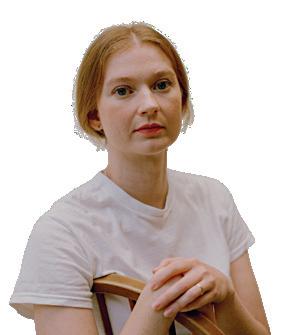
For author Bri Lee, friction-maxxing meant writing her new novel by hand.
“I initially started writing Seed with a keyboard,” Bri says. However, she switched when she realised her typing speed was hampering her creativity.
“I wasn’t able to achieve deeper, more nuanced and original thoughts when the words were coming out so quickly and almost so cheaply,” she explains.
“For me, frictionmaxxing is intrinsically connected to trying to get back to a mode of life that prioritises quality over quantity.”
• Cook meals instead of getting takeaway
• Make coffee by hand instead of with a pod machine
• Handwrite notes or letters instead of texting
• Walk or cycle instead of driving
• Mend items instead of replacing them
• Read a book instead of scrolling
• Do your own grocery shopping instead of delivery
• Wrap a present instead of using a gift bag
It’s one of therapy’s greatest achievements — but also one of its trickiest moments. Here are seven signs it’s time to break up with your counsellor
Knowing when to end therapy can feel as confusing as knowing when to start it.
You’ve built a relationship with someone who’s helped you navigate some of life’s toughest moments — so, how do you know when it’s time to say goodbye?
The good news is that ending therapy is often a sign of success, not failure.
“Therapeutic relationships are, by their nature, temporary and come to an end,” Australian Psychological Society chief executive Dr Zena Burgess says.
“Sometimes this is because therapy has reached its natural conclusion and a client feels their therapeutic goals have been met.”
1You’ve achieved your therapy goals
“A clear sign might be that the initial presenting issues have been resolved and goals set for treatment have been achieved,” Sydney-based psychologist Jocelyn Brewer says.
“That might be because the source of distress has been contained or removed — for example, getting a new position without a narcissistic boss — or you’ve done the required work to navigate with healthier boundaries.”
2You’re handling new challenges independently
“A positive therapeutic relationship is one where you and your psychologist work together to establish your treatment goals, you’re able to provide regular feedback on how you feel your sessions are going and you feel genuine warmth and empathy from your psychologist.”
4Your therapist raises it with you
“Hopefully, the therapist themselves will discuss this with you if they feel you’ve resolved the presenting issue and if there are no other things waiting in the wings to help you with,” Jocelyn says.

“It’s not uncommon to observe that as a client addresses one concern, additional issues may arise, reflecting the ongoing progress and development in their growth,” Jocelyn reveals.
When new challenges feel like part of normal life rather than crises, you’re in a good place, she says.
3You feel genuine progress in your sessions
“There’s a strong research base indicating that a positive therapeutic relationship with your psychologist can play a very important role in how effective your sessions are,” Dr Burgess says.
“If not, then indicating you feel that the issue has been resolved and asking if they feel you have the skills to prevent any relapse or other potential challenges might be handy.”
5Sessions feel like maintenance
If you’re struggling to think of what to talk about, or therapy feels more like checking in than active treatment, you might be ready, the experts say.
6Using your tools automatically You may catch yourself applying coping strategies without prompting.
“Keep applying the techniques and perhaps put some self-care time aside to review the skills
and strategies, reflect on your situation and journal through things,” Jocelyn advises.
“I teach clients to reflect on each session and provide session rating scales to help them ensure they are getting the support they need, so you might like to continue with those kinds of skills and open yourself to gently returning if needed.”
7Feeling emotionally stable You might find you’re handling triggers, maintaining healthy habits and bouncing back from setbacks without needing weekly support.
“Regardless of the reason for therapy concluding, a smooth transition is important to ensure continued growth,” Dr Burgess says.
“Reflect on the progress made during therapy and try to anticipate future challenges and discuss how techniques learnt during therapy can be applied to real-world challenges after therapy ends.”
CLUES YOU ARE NOT QUITE READY TO LEAVE
The core issue remains unresolved
“The presenting issue not being resolved, contained or managed is a clear sign to continue,” Jocelyn says.
A good therapist “would most likely be tuned into their clients and work at a pace and depth that didn’t create too much overwhelm”, she says.
You’re avoiding rather than graduating
“I’d encourage everyone to be as open as possible with their therapist … so we can adjust (the pace) to your needs,” Jocelyn adds. If therapy feels uncomfortable because you’re hitting difficult truths, that’s often when the real work happens.
You’re in the midst of major change Navigating a new job, relationship changes, grief — if you’re in transition, it might not be the time to remove support, the experts say.
“Ending therapy can be a complex process and people may experience grief, anger or even confusion,” Dr Burgess explains.
“Ideally, the process of ending therapy should be planned, collaborative, provide time for processing and enable continuity of care.”


Friends had bought me an oyster farm experience, about an hour’s drive from Sydney. There we were, in our waterproof overalls, sipping wine and shucking fresh oysters, thinking how great life was.
About halfway through the day, started to feel a bit off. As the day progressed, I got worse — much worse. By midnight, I was at the emergency department. Assuming a bad oyster was the culprit, the doctor gave me pain relief and sent me home.
A few days later, still not feeling better, I went to see my GP, who told me to head back to emergency.
I knew something was wrong when I was given what called the ‘honeymoon suite’ (an enclosed private room) and the emergency department head was assigned to me.
‘In February 2024, I headed out on what was meant to be a fun-filled Saturday ’
Turns out, it wasn’t a bad oyster — had a blockage in an organ that had turned septic.
All of a sudden, a surgeon (and a surprisingly large entourage) burst into the room, explaining my infection was lifethreatening.
But the blockage couldn’t be removed until they had the sepsis under control.
Bags of antibiotics and fluid coursed through my veins.
The sepsis had caused my heart rate to drop to a dangerously low level.
Looking back, my first thoughts were a panic about work. didn’t have time to be sick. Cancelling would not only let people down but lose precious revenue.
worried about my dog, the washing left in the machine and the weekend away had booked.
At a time when arguably all of my focus should have gone into getting better, I also worried about money.
I had a team, a mortgage and bills.
On the night of my 36th birthday, as I watched the lights from the P!nk concert just down the road from my hospital bed, my thoughts changed.
I started to reflect on how grateful I was for the very solid financial shelter had built. What I had in place: Emergency savings: a decent chunk of savings stashed in my offset account.
Income protection insurance: in case needed to take time off for surgery and recovery.
Will and power of attorney: I got a morbid sense of comfort knowing had already appointed a power of attorney, medical guardian and executor of my estate (who had a list of my assets and account numbers).
Life insurance: If the worst happened, I had enough life insurance to clear my mortgage and, as per my will, distribute assets to the people I love. I’d included
Jessica’s experience is personal in nature and readers should seek professional medical, financial or legal advice for their own circumstances.
instructions on things such as organ donation. My friends and family were already across my very specific instructions for the cheapest casket, fanciest champagne and a DJ to play nostalgic bangers everyone must dance to. Yes, these really were the things my brain buzzed with as worry and panic (and sepsis) fought to take hold of my body.
Spoiler alert — did survive, albeit minus an organ and a rather large amount of my savings. I also gained a pretty serious oyster aversion. I was lucky on many levels. And, not for the first time, glad had planned for stormy weather.
My life has been far from smooth sailing, and as much as hope you don’t have to navigate any choppy waters, being prepared can make all the difference — just in case.



Feeling the sni es coming on? These tips can help reduce the severity of common cold symptoms
Arunny nose, sneezing and a scratchy throat are often the first signs a common cold has arrived.
While they’re rarely serious, they can put a real dampener on your week.
Colds are more common during the cooler months, partly because we tend to spend more time indoors in close proximity to others, making it easier for viruses to spread.
The good news? Supporting your immune system is something you can work on every day, and it starts with giving your body the right nutrients.
When it comes to immune system health, three nutrients deserve a special mention.
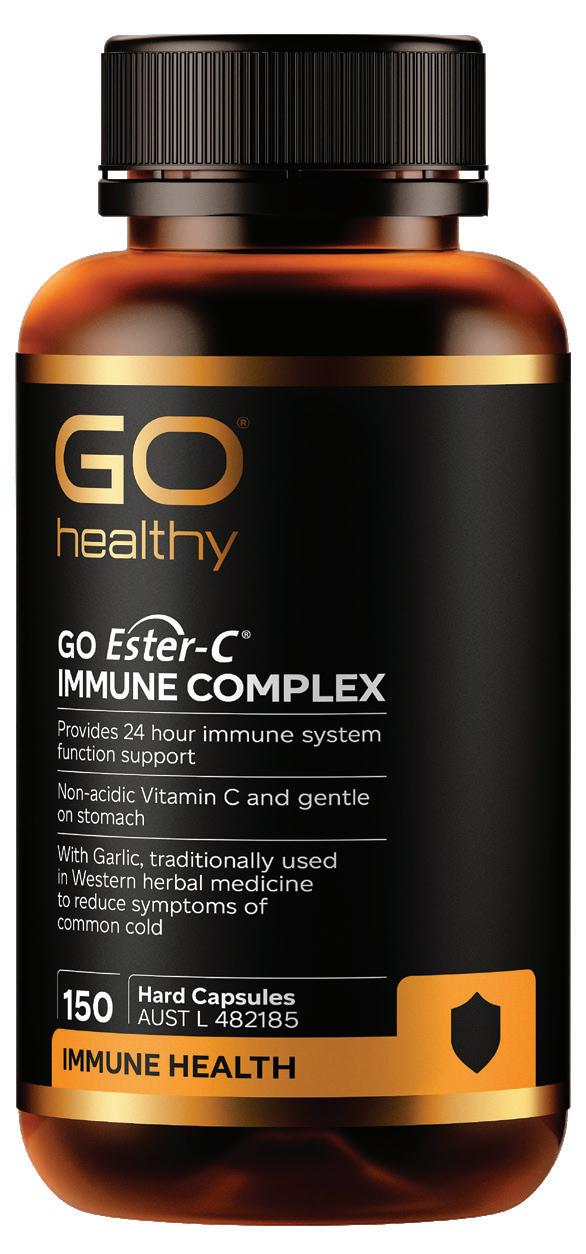
Vitamin C is an essential nutrient and an antioxidant that can help reduce free radical damage to body cells.
It plays an important role in maintaining immune system health and can help decrease the duration and severity of common cold symptoms. Vitamin D is important for maintaining healthy immune system function. However, during winter, when sun exposure can
be inadequate, many of us may not get enough.
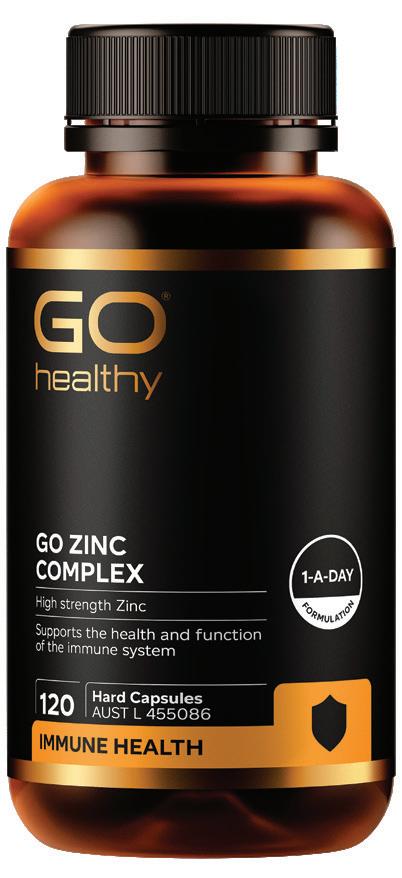
Zinc is another essential mineral that supports immune system health, helping your body’s natural defences function.
A few everyday habits can also help keep your immune system in good shape.


Prioritise sleep. It’s important your body gets quality rest to help support immune system health.
Stay active, even when the weather makes it tempting to stay under the covers.
Focus on a balanced diet rich in fruits, vegetables and whole foods, which provide a foundation of essential vitamins and minerals.
When dietary intake may be inadequate, a supplement may help.
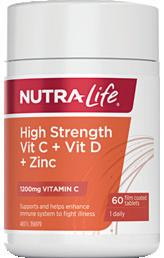
Nutra-Life High Strength
Vit C + Vit D + Zinc combines 1200mg of vitamin C with vitamin D and zinc in a convenient one-a-day dose. This high-strength, three-in-one formula can help enhance immune system function and decrease the duration and severity of common cold symptoms so you can get on with your winter. Available as easy-toswallow tablets or natural orange-flavoured chewable tablets, which contain glucose and fructose, it’s a simple way to support immune system health during the cooler months. This article is brought to you by Nutra-Life.

If symptoms persist, talk to your health care professional. Supplements can only be of assistance if dietary intake is inadequate. Adults only. Not to be used in children under two years of age without medical advice. Chewables contain glucose and fructose.
As the cooler months settle in, it’s time to nurture ourselves with simple rituals, uplifting routines and nourishing recipes, such as Sarah Pound’s delicious lentil and vegie soup on page 83
For a happier, healthier you
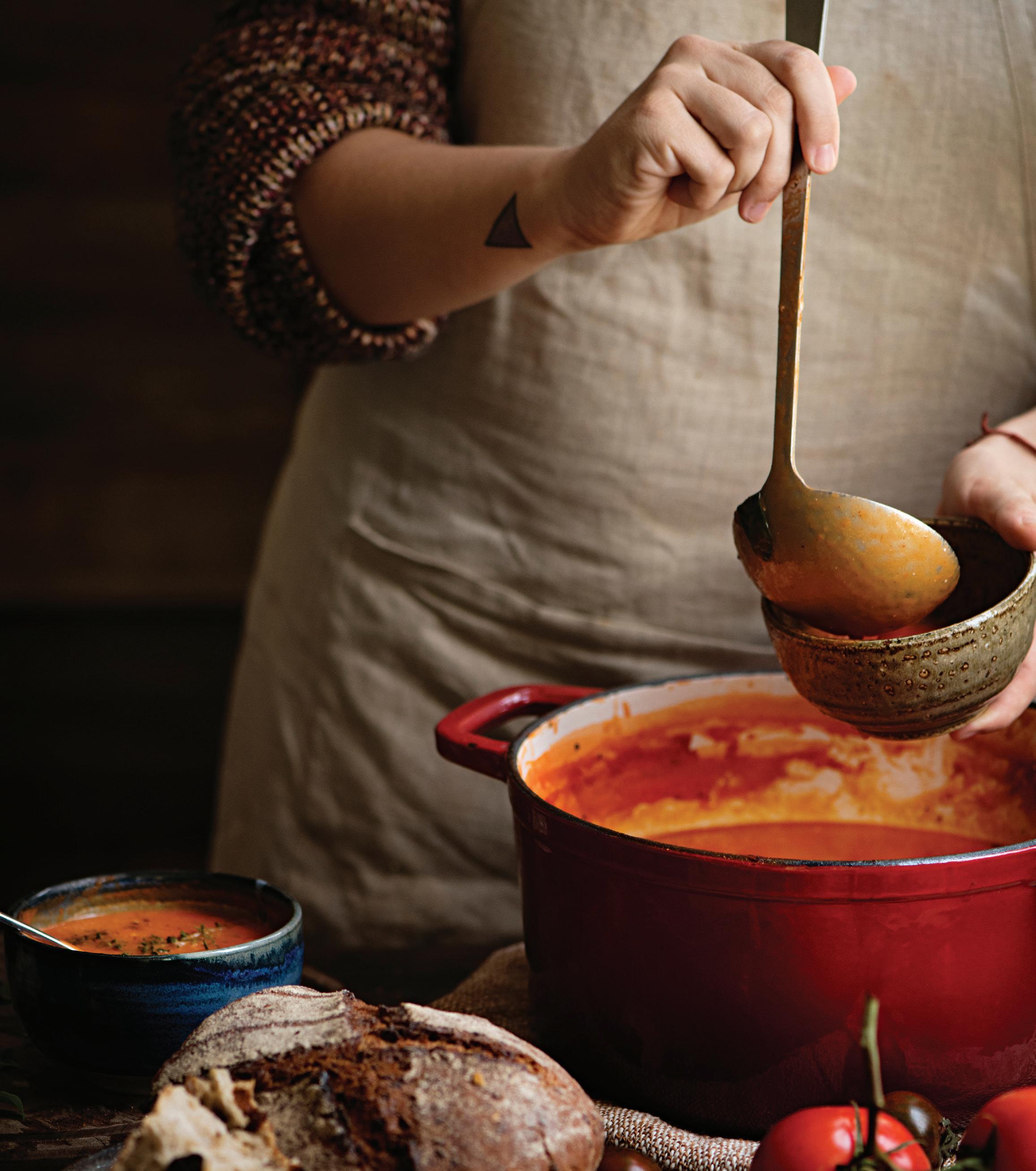

When it’s chilly, it’s easy to crave richer foods such as roasts, curries, stews and desserts.
Small lifestyle changes as the cold sets in can have a big impact on digestive health
Our gut could be one of the most underappreciated parts of our body. It houses trillions of microbes (our gut microbiome) and plays a key role in our immune system, mental health and cardiovascular health, and may influence cancer risk and even our sleep.
During winter, our gut health can face challenges because of changes in our daily habits.
We tend to stay indoors more, exercise less and eat for comfort. All this can upset our gut microbiome, explains Deakin University
Food and Mood Centre research fellow Dr Amelia McGuinness.
“It’s not winter directly that can change our gut health — it’s the way we live,” Dr McGuinness says.
“Heartier foods and moving less can influence our digestion, the diversity of microbes in our gut and our gut health.
“Because the gut and brain are closely connected, what we eat and how we look after our gut can also influence how we feel.”
So, how can we look after our gut health this season?
There’s nothing wrong with enjoying comfort food — as long as we balance it with fibre-rich fruits, vegetables and legumes, says Perth-based food scientist and dietitian Dr Shy Vishnumohan.
“You don’t need to cut out food, or detox. The biggest gut health shift in winter isn’t necessarily what we add in; it’s the fibre we accidentally leave out,”
Dr Vishnumohan says.
“When ultra-processed convenience foods start taking the
When it’s cold outside, Netflix on the couch is way more appealing than going for a walk or to the gym. But being inactive can slow our gut motility — how well the digestive system moves and functions.
Assoc Prof Wright notes that gut motility can decrease in winter, when people are often less motivated to stay active.
“This can affect our bowel function and cause constipation, bloating and discomfort,” Assoc Prof Wright says. So, what is a good movement goal to aim for? Think moderate exercise on most days.
Assoc Prof Wright says it doesn’t have to be high-intensity exercise — a 30-minute walk on most days can help support gut motility. Yoga and pilates, which you can do in your own home, and riding an exercise bike are also gut-healthy, winter-friendly exercise options.
place of beans, wholegrains, fruits and vegetables, we can end up eating less of the fibre that our gut microbes rely on.
“The overall pattern, rather than any one ingredient alone, is often the bigger issue for gut health.
“Even eating one gut-friendly meal a day, like lentil soup, a bean stew or oats with yoghurt, can be a great place to start.”
Associate Professor Emily Wright, a gastroenterologist at St Vincent’s Private Hospital and the University of Melbourne, adds that too many ultra-processed foods and large amounts of animal protein may increase the amount of pro-inflammatory bacteria in the gut, which can have a negative impact on our health.
She says a good starting point for gut health is the Mediterranean diet, which is varied, rich in fibre, low in ultra-processed foods and prioritises plant foods.
If you’re serving heartier meals, load them with different vegetables.
Dr Vishnumohan says the greater the variety of plant foods you eat across the week, including fruits and vegetables, the more diverse your gut microbiome is likely to be.
“There is absolutely nothing wrong with using frozen vegetables and berries,” she says.
“They’re picked and snap-frozen at their peak, retain their nutritional
value and can sometimes be a better option than fresh produce that has been stored for longer.”
Beans, wholegrain cereals, lentils, nuts and seeds also contain different fibres that are broken down by gut bacteria and used to produce chemicals to help keep our body functioning.
Again, canned beans and legumes are packed with nutritional value.
“Our gut bacteria eat the fibre we eat and so our gut microbiome loves a high-fibre diet with lots of plant foods,” Assoc Prof Wright says.
“This produces chemicals that can reduce inflammation in our body or support our nervous system and hormones. It’s like having a little factory in our gut.”
Assoc Prof Wright also suggests people monitor their alcohol intake.
It’s fine to enjoy the occasional nice glass of red with dinner, but remember that alcohol can be toxic to the liver, brain, pancreas and gut, she says.
“Some people’s drinking patterns can change seasonally and too much alcohol changes the gut’s bacterial composition and function,” Assoc Prof Wright says.
“Alcohol is also an irritant to the gut and can cause symptoms like bloating and diarrhoea, so just be aware of how much you’re drinking.”
Dr Vishnumohan suggests these gut-friendly swaps:
Savoury snacks → roasted chickpeas, fava beans or edamame
Chips or crackers → wholegrain crackers with hummus
Sweet biscuits → Greek yoghurt with berries
Processed snack bar → apple with nut butter
Plain toast → wholegrain or sourdough toast with ricotta, avocado or peanut butter

he urge to eat things that aren’t food can be difficult to resist.
Known as pica, the condition is more common in children but it can affect adults, too.
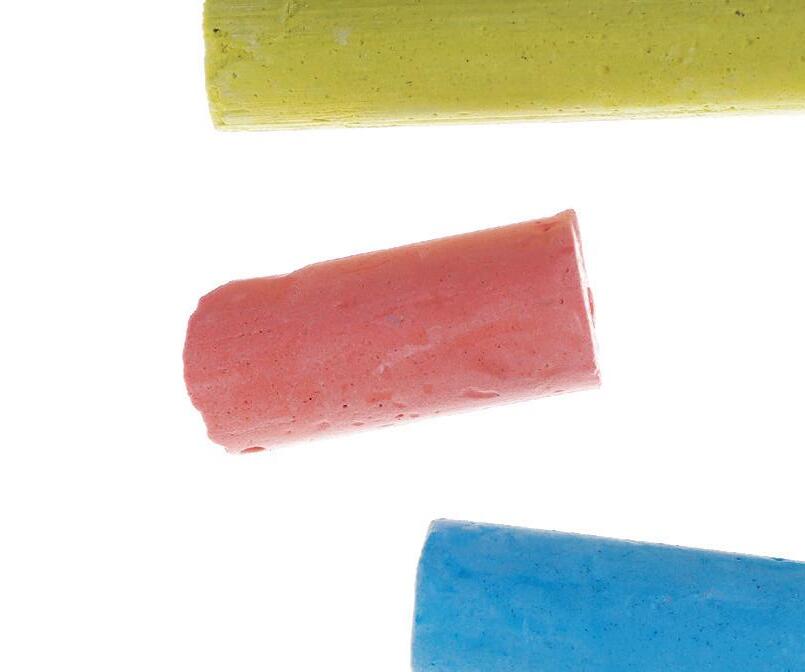
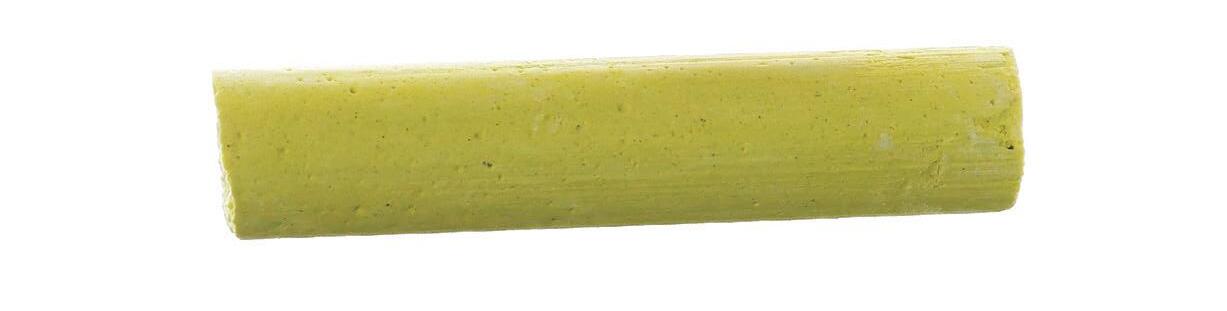
Pica is the persistent eating of non-nutritive substances, such as clay, soil, chalk, plaster or paper, for at least one month, according to Butterfly Foundation head of clinical and support services Natalie Spicer.
“It is a recognised eating disorder characterised by the persistent consumption of substances that are not food and have no nutritional value,” Natalie explains.
What’s behind it?
Eating chalk, clay or dirt might sound unusual, but for some adults it can be a compulsion
“Socially, it can be isolating because a lot of people don’t understand it and can be quick to judge. It can create anxiety, secrecy and a harsh inner critic. It can really impact someone’s self-worth, self-esteem and relationships,” Taash says.
The causes are often complex and unique to each person.
“One of the strongest links is with nutrient deficiencies, particularly iron deficiency and sometimes zinc deficiency,” Natalie says.

“For example, compulsive ice eating is commonly associated with irondeficiency anaemia.”
Pica is also reported more frequently in pregnancy; it may relate to nutritional needs, hormonal changes or cultural influences.
“In some cases, pica is associated with developmental conditions, sensory seeking behaviours or mental health difficulties, including stress or trauma,” Natalie says.
Where to go for help
“The first step is to always seek medical support, such as a GP, to check if there are any dietary or nutritional issues,” Sahra says.
health consequences depending on what is eaten, including intestinal blockages, damage to teeth or the digestive tract, infections or parasites from soil, and exposure to harmful chemicals or toxins, such as from ingesting flakes of historic lead-based paint. Research has also linked pica to problems including malnutrition, anaemia, mercury poisoning and liver and kidney damage.
Sahra O’Doherty says pica can also have a profound impact on self-esteem.
“It can involve a sense of shame. They might not want to be around other people when they’re exhibiting this behaviour; they might want to hide it,” Sahra says.
Melbourne psychologist Taash Balakas agrees the impact goes far beyond physical health.
Then, a psychologist or occupational therapist can assess the need for sensory or psychological support.
Taash says managing pica is possible, with treatment working best when there’s a team approach by medical professionals.
“When appropriate, we can work on safer alternatives, coping strategies and reducing the behaviour without shaming the person. Shame doesn’t fix anything; understanding does,” Taash says.
Compassion is key if you’re worried about someone you love.
“Start with a gentle conversation,” she suggests.
“The goal isn’t to tell them to just stop, the goal is to understand why it’s happening in the first place.”
For free and confidential support for eating disorders, call the Butterfly National Helpline on 1800 334 673 or visit butterfly.org.au
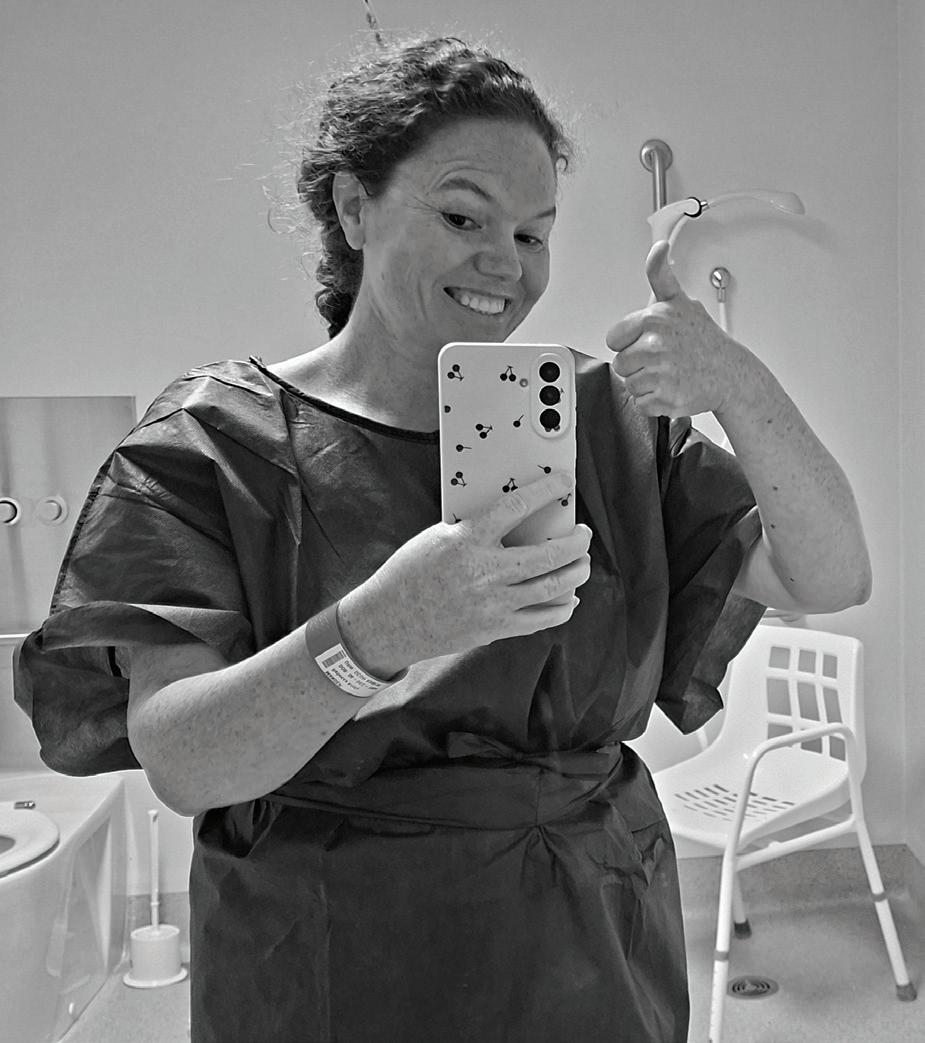
Rebecca Castano-Mander hadn’t had a bowel movement for almost a week and was increasingly concerned something was wrong.
Though she was only 30 and a bowel screening test had come back negative, she pushed for answers. A new GP referred her for a colonoscopy.
Newly married at the time, the diagnosis came as a complete shock. She had bowel cancer.
“I didn’t know how to process it,” Rebecca says. “I felt like this massive grenade had just gone off in my life.”
She had struggled with bowel issues for much of her life — frequent constipation, bloating and, at one point, a twisted
Experiences such as Rebecca’s are becoming increasingly common in Australia, observes GP Dr Kushal Porwal.
“In recent years, doctors across Australia have noticed a quiet but unmistakable shift,” Dr Porwal says.
“Cancers we once associated with people in their 60s and 70s are now appearing in patients in their 20s, 30s and 40s.
“It’s not a sudden spike, but a steady trend that’s been building year after year.”
Early-onset cancers — those diagnosed in people aged 20 to 49 — have been on the rise since 2000. According to Cancer Australia, early-onset cancer cases increased from 12,752 in 2000 to an estimated 18,600 in 2025.
bowel. But because she was young, her symptoms were often chalked up to irritable bowel syndrome or “lazy” bowel.
While Rebecca’s 25mm tumour had not spread to her lymph nodes and was able to be removed by surgery, it returned just 12 months later.
“After the first tumour grew back, I was told it was unlikely to be a one-off situation,” Rebecca, who is now a mum of two, says.
“My cancers grow back probably every 12 months, so I am now on a screening program. Every six months I have a colonoscopy and they remove the tumours. That is the only way I can try to stop them growing and spreading to other parts of my body.”
Cancer Council Australia Public Health Committee chairwoman Anita Dessaix says there’s no single explanation.
“Lifestyle-related risk factors appear to be playing a significant role, particularly rising rates of overweight and obesity, sedentary behaviour and alcohol use,” Anita says.
“We’ve seen substantial changes in diet and daily activity patterns over the last decades, which are known to influence cancer risk.”
While Anita says more research is needed, studies are starting to point to a mix of environmental and lifestyle factors.
processed foods had a 45 per cent higher risk of early pre-cancerous bowel growths compared to those with the lowest intake.
Dr Porwal says increased screening among younger Australians is also a factor.
“Cancers that might have gone unnoticed until later in life are now being picked up earlier,” he says.
Scientists are also exploring new lines of research, including environmental factors and changes to the gut microbiome.
A healthy, well-rounded lifestyle is the best way to lower your chance of developing early-onset cancer, Anita says.
This includes maintaining a healthy weight, engaging in regular physical activity, consuming a balanced diet rich in whole foods, limiting alcohol intake, avoiding smoking, practising sun smart behaviours and taking part in free national screening programs for breast, cervical and bowel cancer, where eligible.
That’s a rise of around 46 per cent and represents about 11 per cent of all new cancer cases diagnosed.
While cancers including bowel, thyroid, breast, prostate, endometrial, kidney, pancreas and multiple myelomas have been rising in those under 50 in many parts of the world, Australia has among the highest incidence.
We have one of the world’s highest rates of early-onset bowel cancer. According to Bowel Cancer Australia, bowel cancer rates are two to three times higher among Australians born in the 1990s than those born in the 1950s.
A US review of earlyonset gastrointestinal cancers, including bowel and pancreatic cancers, published in 2025, linked obesity, sedentary lifestyles, smoking, alcohol use and diets high in sugary drinks and ultra-processed foods to increased risk.
In a separate US study of almost 30,000 women aged under 50, those with the highest intake of ultra-
“Younger Australians have had lifelong exposure to things previous generations encountered only later in life, if at all — including endocrine-disrupting chemicals in plastics and cosmetics, air pollution, pesticides and high UV exposure,” Dr Porwal says.
“These exposures accumulate over decades and may influence cancer risk earlier than expected.”
“Early detection can significantly improve outcomes,” Anita says. She urges young people to take warning signs seriously and see a health professional if you experience symptoms such as changes in bowel habits, unexplained weight loss, lumps, ongoing pain, persistent cough, changes in skin lesions or unusual bleeding.
While Rebecca doesn’t have a clear prognosis, she remains vigilant and follows a strict diet guided by a nutritionist.
“It’s challenging because I’m on such a close monitoring program; it’s not something we can set and forget for years,” she says.
“Every six months this rears its head and we explain to the kids, ‘Mummy’s going to be in hospital for X amount of days or nights’. Every time I go in, they get a bit scared and nervous, while my husband is making sure I’m OK, they’re OK, and still trying to work.”
You’re exhausted but still browsing social media feeds — welcome to bedtime procrastination
Why do we do it?
Psychologist Ellen Jackson says it’s not really about sleep or procrastination, but what sleep represents: a form of avoidance.
“Usually what we’re avoiding is not the thing or the task, it’s how the task makes us feel,” Ellen says.
“When it comes to putting off going to bed, it’s often explained by ‘I don’t want to have to go to bed just yet — I want to be able to sit and keep scrolling’.


“Or ‘I just want a bit more time to myself; don’t want tomorrow to come because I don’t want to have to deal with work or traffic or obligations or responsibilities’.”
Sleep psychologist Dr Frank Cahill sees it all the time, especially in people who are neurodivergent, and busy women juggling work, kids and everything in between.
“The person I’d see would be somebody who runs a really busy life,” Dr Cahill says. “The day does not belong to them, so there can be a tendency then to put bed off.
“People who engage in bedtime procrastination usually engage in negotiation. (They say): ‘I’ll just get this one thing done, then I’ll go to bed.’ But then the list can just keep on going.”

Then there’s the phone factor, arguably the biggest sleep saboteur of all.
“It’s a really human thing (to be on phones), because they are designed to capture our attention,” Ellen says.
Dr Cahill agrees, saying social media algorithms create an endless dopamine loop that keeps us hooked — and awake.
Ellen says the catch is that you are borrowing time and energy from tomorrow.
“You’ve still got to deal with everything you had to deal with, but now you’re tired as well,” she says.
That’s where the cycle can spiral. Less sleep can lead to worse mood, lower motivation and more procrastination the next night, Ellen says.
A recent analysis of studies by Chinese researchers noted bedtime procrastination was common among university students, and the procrastinators tended to report higher levels of stress, anxiety and depression.
How do we reset?
It’s not about being more disciplined, it’s about being kinder to yourself, Ellen says.
“By talking to ourselves like a friend and having some self-compassion, we are more likely to stop and actually act on it,” she says.
“It helps to break that negative spiral.
“We should all be a little kinder to ourselves and say,
‘That’s OK, it’s just part of being human’.”
Set a wind-down alarm
“It can be really helpful to set an alarm on your phone to start winding down in the evening,” Dr Cahill says.
Practise good sleep hygiene
“It doesn’t have to be perfect. Just maintain reasonably good sleep hygiene, such as a regular bedtime and no phones in bed,” Dr Cahill suggests.
Slow down
“Plan your day. Don’t pack too much in, be realistic and learn to say no,” Dr Cahill recommends. Less overwhelm equals less late-night catch-up.
Morning routine
Dr Cahill says waking at the same time each day can be more important than a consistent bedtime, as it sets your circadian rhythm, or body clock, helping regulate when you feel alert and sleepy.
Abroken heart is always a risk when you fall in love, but sex itself shouldn’t hurt.
Yet for many Australians, pain during sex, also known as dyspareunia, is a reality.
About 20 per cent of women and 2 per cent of men experience pain during sex, notes a report published in The Australian and New Zealand Journal of Public Health in 2003. It can occur for many reasons. Here are some common causes and management strategies that may help.
Painful sex is common but that doesn’t mean you need to su er in silence
This is when the pelvic floor muscles around the vagina tighten involuntarily, making penetrative sex very painful for women.
An article published in the Australian Journal of General Practice in 2024 reports vaginismus is a leading cause of painful sex for women.
“This type of pain tends to occur during penetration and goes away after sex,” sexual health expert Dr Sara Whitburn says. Management Retraining the body’s response through pelvic floor physiotherapy, relaxation techniques and gradual desensitisation is often the focus of treatment.
The chronic condition is often described as burning, stinging, itching or pain in the vulva, says Dr Whitburn, chairwoman of the Sexual and Reproductive Health Special Interest Group at the Royal Australian College of General Practitioners.
It typically lasts for at least three months.
“Often the pain is neuropathic pain, meaning it relates to the nerves of and around the vulva,”
Dr Whitburn says.
“Sometimes this may have occurred because of a painful sexual episode.”
Other possible triggers include skin conditions, ulcerative conditions
such as thrush, vaginal discharge that causes irritation, allergies, hormonal changes and vaginal infections.
Management
Dr Whitburn says discussing vulval pain can be challenging because “we often don’t have sex education that teaches people how to have these conversations”.
But learning the correct terminology can help, as can getting support from a sexual therapist or psychologist and having open communication with your partner.
“It can help to bring a partner into the discussion so couples can

When sex is painful, discussing your needs can feel vulnerable, but it’s key to building trust, says Psychotherapy and Counselling Federation of Australia psychotherapist and relationship counsellor Melissa Ferrari.
“The starting point is compassion for yourself and your partner,” Melissa says.
“Pain or difficulty with intimacy isn’t a failure; it’s something to understand together, not avoid.”
She suggests choosing a moment outside the bedroom to talk openly. You could say, for example:
“I want us to feel close and connected and I think it would help to talk about what’s been difficult for me.”
Melissa says to shift the focus from performance to understanding, which could involve exploring other ways to connect, easing expectations around intercourse or seeking professional support together.
Dr Whitburn says embarrassment shouldn’t prevent people from seeking help.
“Look for doctors or nurses whose websites mention an interest in men’s or women’s sexual health,” she advises.


‘Why

Staring down the barrel of major surgery and a long recovery, Dilvin Yasa found a unique way to get a handle on her health
Iwoke up petrified on the morning of my double mastectomy and reconstruction, a terror so overwhelming that none of the usual comforts — friendly voices, favourite songs, TV shows — could cut through the noise. As paced the hallway like a caged tiger, it suddenly appeared: a long-buried memory about the science of tree hugging and how the simple act of throwing your arms around a paperbark or elm could reduce stress and anxiety, as well as elevate feelings of wellbeing. Could it work? didn’t even bother to Google before called out to my husband, ‘Grab your jacket — we’re going to the park to hug trees’.
He didn’t argue. Some 10 months later, I’ll happily out myself as a passionate tree-hugging regular. So stunned was by the effect on me that morning (after 20 minutes, my heart rate dropped and calmed right down), that continued the practice throughout my recovery and beyond.
Sure, tree hugging might look odd, but the healing power of being among trees is being increasingly recognised by researchers around the globe. The

Japanese have a term for immersing yourself in a forest: ‘shinrin-yoku’ (forest bathing).
A study published in the journal Forests in 2022 shows forest visits can reduce stress and lifestylerelated diseases and are linked to mental and physical health (perfect for those facing surgery and a long recovery).
A study published in the Journal of Cardiology in 2012 found spending time in a forest can lower blood pressure.
Meanwhile, a review published in the International Journal of Environmental Research
and Public Health in 2021 found spending time in forests can improve depression and anxiety.
While there’s no one true way to hug trees, Dr Stone Kraushaar, a clinical psychologist known as The Hug Doctor, suggests hugging (people or trees) for at least 21 seconds to encourage the release of oxytocin, the hormone linked to wellbeing and calm.
Now that I’ve conditioned my body to head to a green space any time I’m sad, stressed or overwhelmed, I can’t help but wonder how did my body know what it needed that day?
It’s the question I put to doctor of psychology and author Dr Marny Lishman, who asserts that most of us intuitively sense what our body and mind truly need to be well.
‘Yet the noise of everyday life and the constant pace of modern living often pulls us away from that inner knowing,’ Dr Lishman says. Our desire to immerse ourselves in greenery makes sense.
‘Humans have lived in nature far longer than they’ve lived in built-up environments, so there’s an intuitive connection and belonging with nature that flows through all of us,’ she says.
‘It’s why we feel so relaxed, recharged and rejuvenated in blue and green spaces.’
I understand tree hugging isn’t for everyone, so what else can we do to enjoy nature’s benefits?
Dr Lishman says any green tweaks are a solid start, from adding more pot plants to your home to reading under a tree.
‘Getting out of the city to hike in the bush or camp under the stars is even better,’ she says. ‘Getting in touch with something bigger than ourselves is spiritually good for us.’
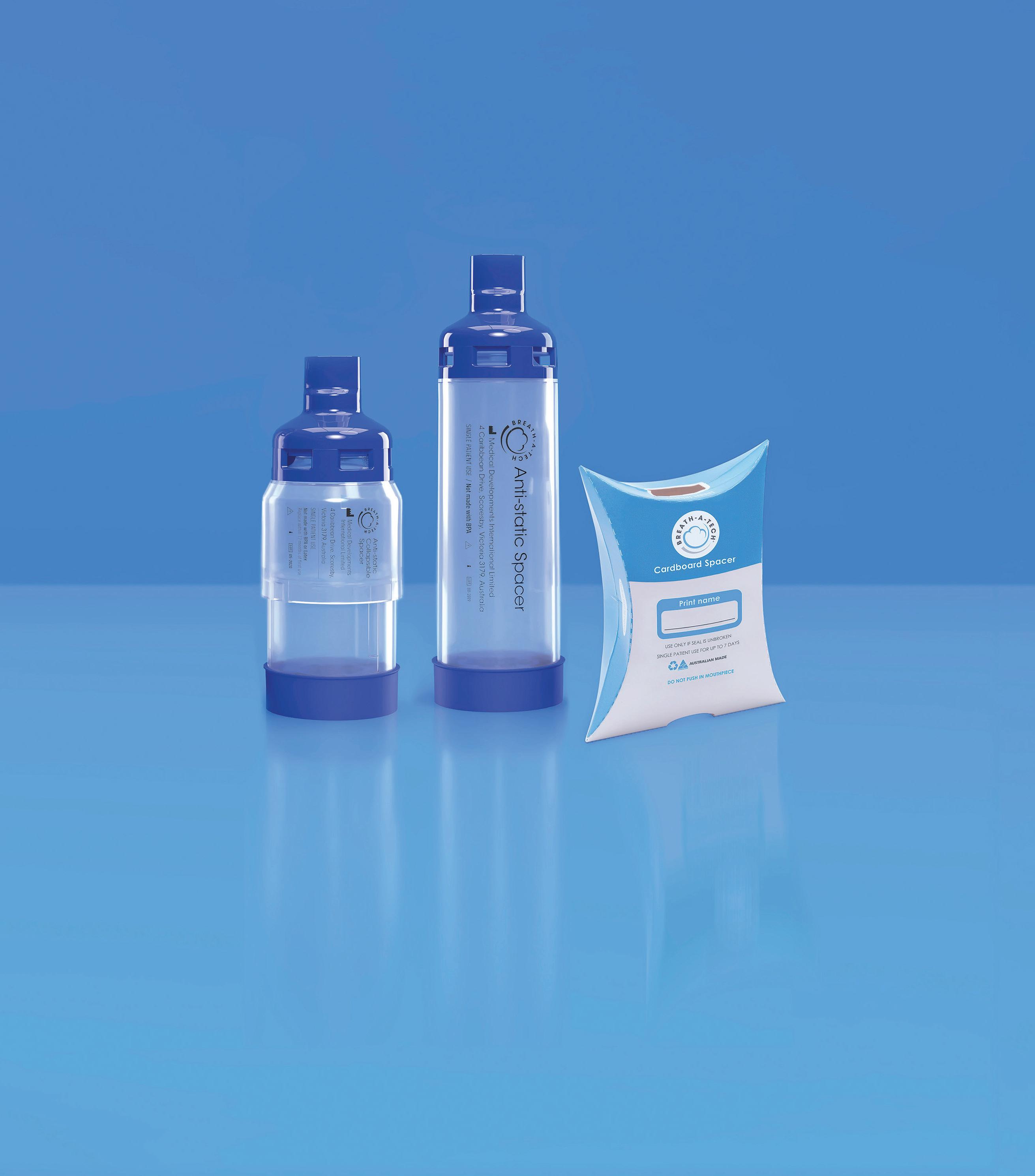

The season brings cosy jumpers, warm drinks and, unfortunately, that often persistent cough that seems to make its rounds each year
Found yourself standing in the aisle comparing cough mixtures?
Coughs are common in the colder months. While most are mild, some deserve a closer look.
A cough is a protective reflex. Your body uses it to clear irritants, mucus or germs from your airways. It’s like your lungs’ way of vacuuming and removing anything that shouldn’t be there. That sudden cough when cold air hits your throat? That’s your respiratory system doing what it’s designed to do. Broadly, coughs fall into two categories. Dry coughs (non-productive) are coughs where no mucus is produced. They’re often tickly, irritating and persistent. Wet coughs (productive or chesty) produce mucus or phlegm. You may feel chest tightness or congestion. Understanding your type of cough helps guide management.
For many people, a cough is part of a viral cold or flu. These coughs are often accompanied by a sore throat, runny nose, fatigue or mild fever and typically settle within seven to 10 days. Other common causes of coughs include:
Post-nasal drip
Mucus trickling down the back of the throat can trigger a ‘tickle’ cough. Cough-variant asthma
A dry cough may be the only symptom of this type of asthma. Common triggers include exercise and cold air.
Gastro-oesophageal reflux disease (GORD)
Stomach acid flows back into the oesophagus. A persistent cough can be a symptom.
Irritants
Smoke, dust, strong fragrances and dry winter air can all irritate the airways.
• Warm fluids such as water, soups and herbal teas can help soothe the throat and thin mucus
• A humidifier can help reduce irritation caused by dry indoor air
• Breathing steam during a warm shower may help loosen mucus in chesty coughs, making it easier to clear
• Adequate rest can help your body fight infection
• For adults and children over 12 months of age, one to two teaspoons of honey before bed can soothe throat irritation. It can be taken on its own or mixed into a warm drink
• Avoid smoking and second-hand smoke, which can irritate airways and prolong coughing
• When considering cough medicine, always ask your pharmacist for advice
While most coughs resolve on their own, seek medical advice if you experience:
• A cough lasting more than two weeks without improvement
• Chest pain, shortness of breath or coughing up blood
• A new or changed cough in someone who smokes, vapes or is immunocompromised
• Recurrent productive cough in a child, particularly at night
• Swallowing or feeding difficulties, such as vomiting or pain These symptoms may indicate a condition requiring investigation.
Cough and cold medicines are not recommended for children under six. For children aged six to 11, these medicines should only be used on the advice of a doctor, pharmacist or nurse practitioner. Instead, care should focus on warm fluids, supervised steam inhalation and avoiding cold, dry air. Honey (for children over 12 months) can also provide relief.
You can reduce your risk of winter coughs by:
• Staying up to date with flu and Covid-19 vaccinations
• Washing hands regularly
• Keeping frequently touched surfaces clean
• Wearing a face mask in crowded areas
• Avoiding close contact with people who are coughing or sneezing
A winter cough can be frustrating, but in most cases it’s a sign your body is doing its job. Understanding the cause and choosing the right management can make all the difference. And remember, your local pharmacy team is always here to help.
Working out is moving on, with a new wave of combo classes and sports dialling up the fun
WORDS Elissa Doherty
Tired of the same old gym routine?
It might be time to tackle the latest fitness challenge: the mash-up.
From fusion sports like pickleball, to mixing tennis classes with pilates or even bungeecord-assisted dance classes, there’s no end to the clever new combos cropping up around Australia.
Even wineries and breweries are jumping on the trend, boosting endorphins by giving happy hour a wellness twist. Think yoga in the vines and group runs that end with a pint.
Physiotherapist Michael Dermansky, of MD Health, says pilates and strength training are the ultimate duo for longevity, which is why his Brisbane and Melbourne studios combine both.
Cardio tennis and pilates are an unlikely pairing, rolled into one music-filled class.
Tennis coach and pilates instructor Melanie Mason has created the new mashup sessions for time-poor mums — and they’ve proven such a hit that she’s planning to launch retreats.
“Pilates is highly beneficial for tennis players. It helps to rectify muscle imbalances, build deep, stabilising muscles and improve overall flexibility,” Geelong-based Melanie says.
The class also scores points for its social vibe, with the chance for chats and laughs between hits.
Prefer pilates with a party vibe? The Jungle Body might be more your tempo. Its high-energy signature Konga class blends dance, boxing, cardio and sculpting in a nightclub-style workout that ends with mat exercises.
Studios are also infusing traditional pilates with elements including barre, HIIT (high-intensity interval training), yoga and weights, while Strong Pilates uses a new generation of reformer machines that incorporate rowing and cycling.
Michael says that while strength training maintains muscle mass and bone density, pilates provides the necessary foundation for heavy lifting by building core stability and posture.
When it comes to fusion favourites, padel and pickleball lead the charge.
Pickleball combines tennis, badminton and table tennis on a smaller court, using a paddle and a perforated plastic ball.
Padel is a cross between tennis, squash and badminton, played in doubles on a court surrounded by glass walls and mesh fences.
But they aren’t the only hybrid sports on the block.
Squalleyball — volleyball on a squash court — is a beloved game in the outback NSW town of Cobar.
But why stick to the ground when you can fly?
Strap yourself into a harness and channel your inner Superman while trying bungee dance.
In these classes, a cord attached to the ceiling provides support and resistance as you flip, fly, twist and twirl through a choreographed routine.
For those who enjoy a cheeky tipple (in moderation, of course), a string of wineries in South Australia, including Varney Wines and Golding Wines, host yoga in the vines, while sound healing sessions are on the menu at Balgownie Estate in Victoria.
Pubs and bars are also tapping into the desire for social connection and wellness. Pub-based run clubs are hitting their stride nationwide, from Bobbie Peels in Melbourne and Blackman’s Brewery in regional Victoria to Brisbane’s Range Brewing. Others are rolling out pilates and yoga mats on rooftops, decks and in beer gardens.
University of Queensland behavioural epidemiologist Dr Gregore Iven Mielke says he has mixed feelings about this trend.
“On the positive side, this reflects a wider shift toward social, lifestyle-integrated wellness,” he says.
“If a winery or pub becomes a space where people meet for a run, yoga class or a social movement activity, that can help lower the barriers to being active.
“On the other hand … industries that traditionally promote less healthy behaviours like alcohol may also see this as an opportunity to attach themselves to a ‘healthy lifestyle’ image.”
Overall, Dr Mielke believes the rise of hybrid fitness options is making exercise more fun and accessible.
“We know that about one in three Australian adults do not meet physical activity recommendations,”
Dr Mielke says.
“In my view, these classes provide another option of something that can be enjoyable, varied, socially engaging and easier to fit into a busy routine for many.”
The national physical activity guidelines recommend adults are regularly active throughout the week, including aerobic activity and muscle-strengthening exercises.
Dr Mielke’s top tip?
“The best exercise or combination is the one a person enjoys and will continue doing,” he says.


GENERAL PRACTITIONER Dr Sally Cockburn talks
So,
your doctor says you have a fatty liver.
“Who, me? I hardly drink,” you protest. But it’s not
just about
alcohol. And it’s
not just about your liver
— fatty liver can be a sign of other serious health issues
Here’s a new acronym for you: MAFLD or metabolic dysfunction-associated fatty liver disease.
It was coined in 2020 to describe fat deposits in the liver linked to metabolic problems.
The new definition means a diagnosis of MAFLD can be made even if other factors, such as alcohol consumption or hepatitis C, are also present.
It was hoped this new name would reduce stigma by clearly recognising the disease’s metabolic origins, making people feel more comfortable addressing it.
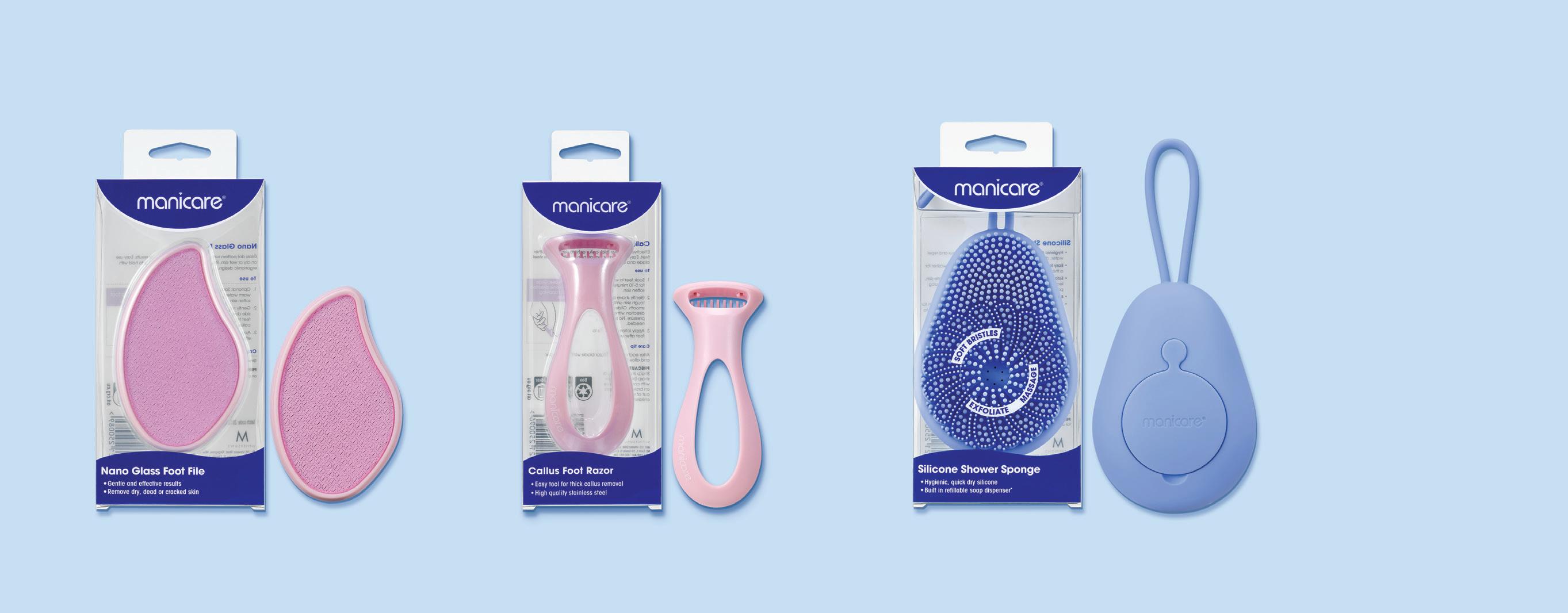
What is MAFLD?
Simply put, it’s when the body doesn’t process carbohydrates properly, causing fat to build up in the liver.
If not treated adequately, up to one in five people with MAFLD will go on to develop liver fibrosis (scarring) and possibly even cirrhosis and liver cancer. But more people with MAFLD will die from cardiovascular disease than from liver disease.
The key takeaway is that fatty liver is a “canary in the coal mine” — not just for liver damage, but for increased cardiovascular risk, including heart attack and stroke. Early identification and intervention are important.
gets MAFLD?
It is thought that one in four Australians have MAFLD, with the main risk factors being type 2 diabetes and obesity.
But MAFLD may predate a diagnosis of type 2 diabetes by up to 10 years and not everyone with MAFLD is obese.
High blood pressure and high cholesterol are also risk factors. Women are also at higher risk after menopause, when declining estrogen levels remove a key protective effect.
How is MAFLD assessed?
Fatty liver is diagnosed with an upper abdominal ultrasound. Your doctor may also order blood tests to check your liver function and cholesterol and glucose levels to assess your cardiovascular risk. These tests can help identify areas to address because, remember, MAFLD is not just a liver problem — it is also an indicator of heart attack and stroke risk. Possible local liver damage can be assessed using a questionnaire called FIB-4. Your doctor combines your liver function results, age and platelet count to estimate
your risk of liver fibrosis (scarring). The results help determine whether further tests or specialist referral are needed, or if lifestyle changes can be used to manage cardiovascular risk before repeating the test.
How is MAFLD treated?
Uncomplicated MAFLD is treated by addressing the underlying issues, checking for diabetes (or prediabetes) and assessing and managing blood pressure, cholesterol and, of course, weight. Even losing 5 to 10 per cent of your body weight when you’re overweight may be enough to reverse liver damage. Taking your doctor’s lifestyle changes advice seriously is important and might be enough to reverse MAFLD and reduce the associated risk factors. However, if medication is recommended please consider it wisely.
So, MAFLD is not just another acronym added to our medical lexicon; it’s a useful addition allowing targeted assessment of your health risk, and providing incentive to address those risks. Talk to your GP.







For parents looking for an extra-rich moisturising option, Mustela’s Stelatopia+ Lipid-Replenishing Cream is designed to help support skin hydration and comfort. Applied twice daily — before dressing in the morning and before bedtime — it can help support the skin’s moisture barrier and leave skin feeling soft and comfortable.

Make the simple act of moisturising a daily ritual that can help keep skin soft, hydrated and comfortable — especially when the cooler months arrive
We all want our little ones to feel soft and snug in their own skin.
But when patches of dry skin appear, it can be a sign their delicate skin barrier needs a little extra love.
As the temperature drops and the heater goes on, a baby’s skin can quickly become parched and in need of extra nourishment.
Because infant skin is thinner than adult skin, it can lose moisture more rapidly — leading to those tell-tale winter dry patches.
However, with simple adjustments to your daily routine, you can help keep your little one soft, comfortable — and happy as a baby!
1Watch the water temperature
Water that is too hot can strip the skin of its natural moisture.
A safe and comfortable bath temperature for babies is 37C to 38C. Always test the water with your wrist or elbow before settling your baby in.
2Pat dry post-bath
Rubbing a towel against sensitive, dry-feeling skin can cause unnecessary friction and irritation. Instead, gently pat your baby dry with a soft cotton towel, paying attention to skin folds and creases. This is also the ideal time to apply a replenishing moisturiser — a nurturing ritual that can foster connection and calm.
3
Think cotton
Winter fashions for babies are adorable, but scratchy wool against the skin can worsen discomfort. Choose a soft, breathable fabric such as cotton for the base layer to help minimise irritation while still keeping baby warm and cosy.
4Hydrate the air
Indoor heating can reduce the moisture content of the air, which can draw moisture from baby’s skin.
If you’re running the heater regularly, consider placing a humidifier in the rooms where you spend the most time.
Managing a comfortable level of humidity indoors can make a difference to skin comfort during the cooler months.
Ninety-nine per cent of the ingredients in the certified organic cream are of natural origin and include prebiotic BioEcolia, sunflower oil distillate and a triple lipid complex of shea butter, avocado oil and sunflower oil. Fragrance-free and dermatologist-tested, it’s suitable from newborn through to the whole family. The Mustela Stelatopia range offers a complete routine for very dry or moisture-sensitive skin. This article is brought to you by Mustela.


There’s a natural shift that happens in winter. We start craving warmth, comfort and slower, heartier meals — the kind that feel soothing and satisfying
Winter is the
season when our bodies need a little more support.
With colder weather and seasonal changes, what we eat can play a role in supporting our health.
This is where comfort food can really work in our favour. When it’s built on whole, nourishing ingredients, it can do two things: satisfy those cosy cravings while also delivering the nutrients our bodies are asking for.
This lentil and vegie soup is a perfect example. Garlic and ginger add warmth, depth of flavour and naturally occurring plant compounds, while a base of vegetables such as carrot, celery and zucchini provides a variety of vitamins and antioxidants.
Red lentils add plant-based protein and fibre, helping make the dish hearty and satisfying, and leafy greens such as kale round it out with an extra boost of nutrients.
It’s the kind of meal that feels like comfort, but also quietly takes care of you — exactly what winter eating should be.
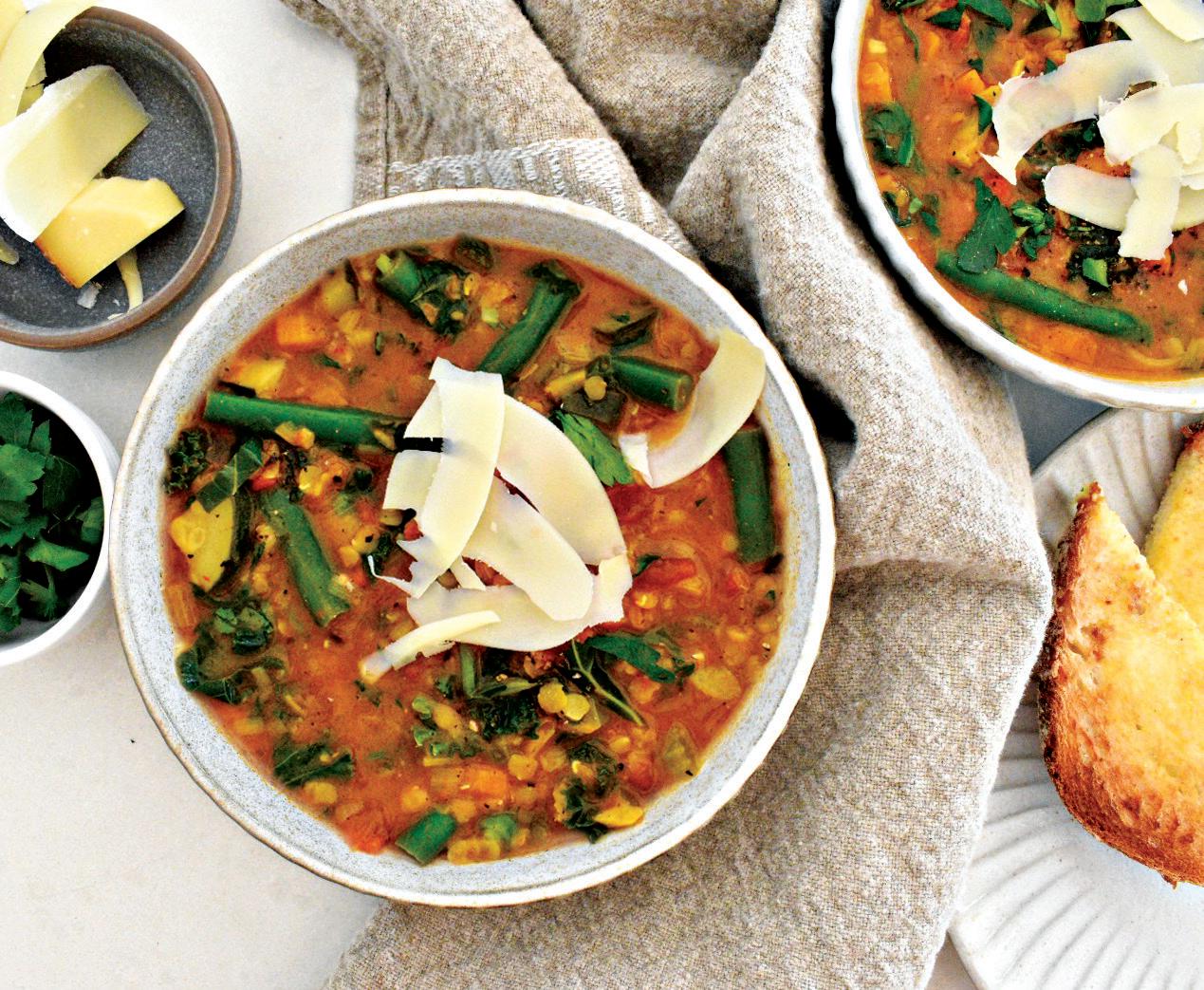
SERVES 4-6
• 2 tbsp extra virgin olive oil
• 1 tbsp butter
• 1 leek, finely sliced
• 5 garlic cloves, crushed
• 2 tsp freshly grated ginger
• 2 carrots, diced
• 2 celery sticks, diced
• 1 zucchini, diced
• 2 tsp curry powder
• 1 tbsp tomato paste
• 400g tin diced tomatoes
• 1 cup red lentils, rinsed
• 1 litre vegetable stock
• 2 cups chopped kale
• handful green beans, washed, trimmed and cut into thirds
• 1-2 tbsp tamari or soy sauce
• cracked black pepper
TO SERVE
• fresh parsley, chopped
• freshly shaved parmesan
Heat the olive oil and butter in a large pot over medium heat.
Add the leek, garlic and ginger and cook for 3-4 minutes until soft and fragrant.
Stir through the carrot, celery and zucchini. Cook for another 5 minutes, letting everything soften slightly.
Add the curry powder and tomato paste, stirring for 1-2 minutes to coat the vegetables and deepen the flavour.
Pour in the tinned tomatoes, lentils and vegetable stock.
Bring to the boil, then reduce to a gentle simmer and cook for 20-25 minutes or until the lentils are soft and the soup has thickened. Stir through the kale, beans, tamari or soy sauce and cracked pepper.
Cook for a further 5 minutes until the kale is wilted.
Ladle into bowls and finish with plenty of fresh parsley and shaved parmesan.
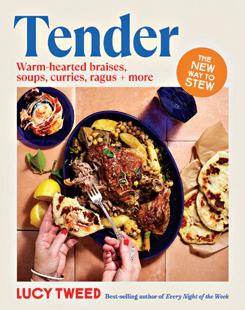
Images and
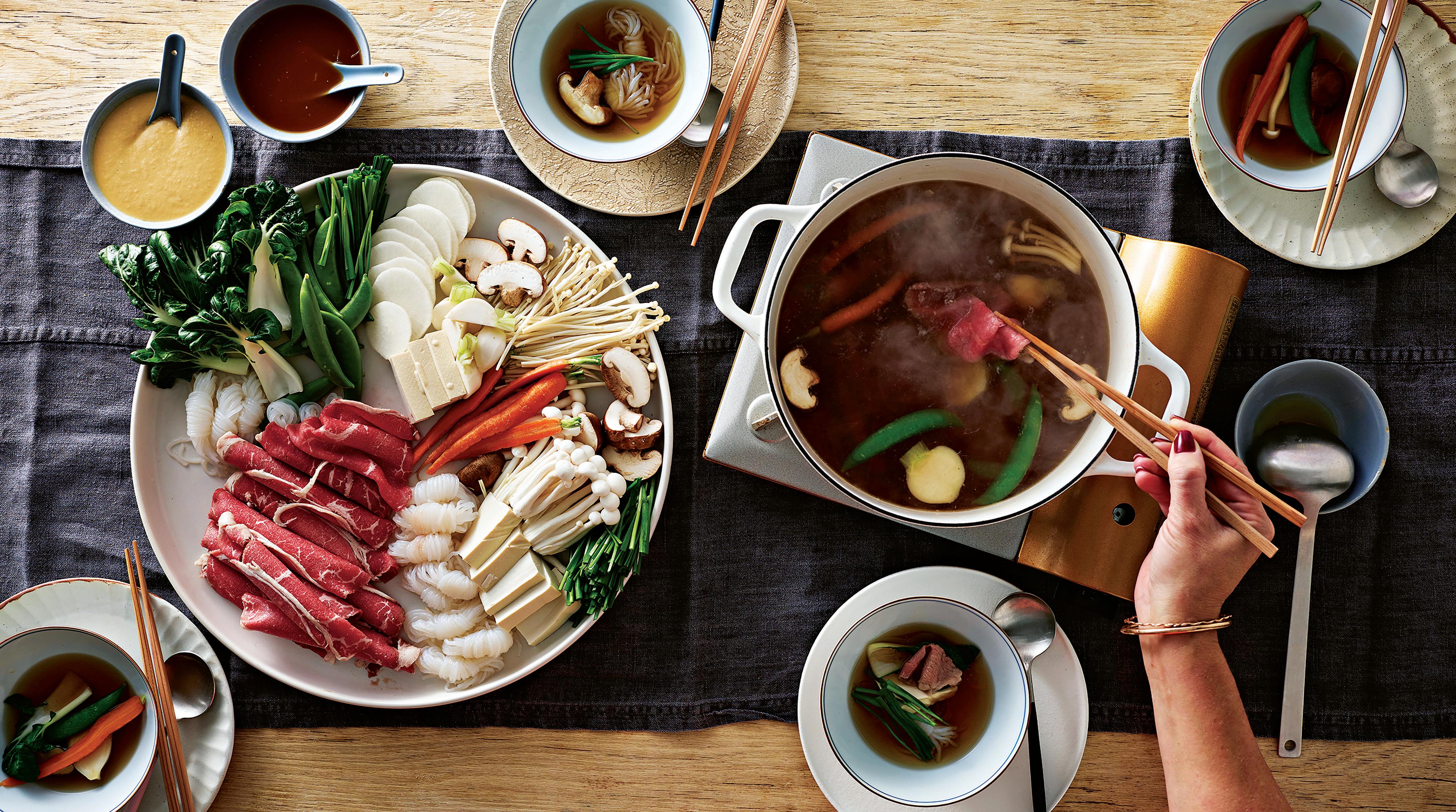
For cookbook author Lucy Tweed, hot pots and stews bring people together, leaving them warmer and more connected
The magic of a stew or hot pot occurs at the very beginning. A quiet pondering, a yearning and then, as you source and gather the ingredients, your intention hardens. The first aromas bite into the kitchen atmosphere, making a statement. As the stew or hot pot simmers, time seems to slow. There’s no rush, no urgency — just the gentle, rhythmic process of coaxing flavour from every ingredient.
The kitchen is calm. There is a soft hum that can change to the tempo of what and who you are serving. When it’s time to eat, the table is abundant. Not just with food, but with presence — a sense that here, in this moment, there is plenty for everyone. Conversations flow. Plates are passed, shared and refilled. And something deeper begins to happen. It’s more than just dinner; it’s a gathering of hearts, a kind of togetherness that
leaves everyone a little warmer and a little more connected. It feeds the soul.
Stewing, braising or souping is the adoration of anything cooked in liquid, using time and tenderness to transform it. It’s an elevation of ingredients and an appreciation of culture. As you move across continents, the slight shifts in stewing traditions are fascinating, but one thing remains consistent: gentleness.
Shabu shabu SERVES 4
• 3 litres (12 cups) dashi
• 150ml soy sauce
• 4 tbsp mirin
• 250-300g very thinly sliced wagyu sirloin (see hint below)
• 100g enoki mushrooms
• 100g shimeji mushrooms
• 12 shiitake mushrooms, stems trimmed
• 8 baby carrots, halved if thick
• 8 baby turnips, halved if thick
• 300g silken tofu, cut into cubes
• 150g knotted yam noodles or similar, soaked or blanched as per packet instructions
• 4 spring onions, finely sliced diagonally, to serve
• chilli oil, to serve (optional)
Sesame dipping sauce
• 100g tahini
• 60g white (shiro) miso
• 50ml rice wine vinegar
• 125ml (½ cup) dashi
• 2 tsp finely grated ginger
Citrus-soy dipping sauce
• 1 tbsp lemon juice (from 1 lemon)
• 100ml soy sauce
• 100ml dashi
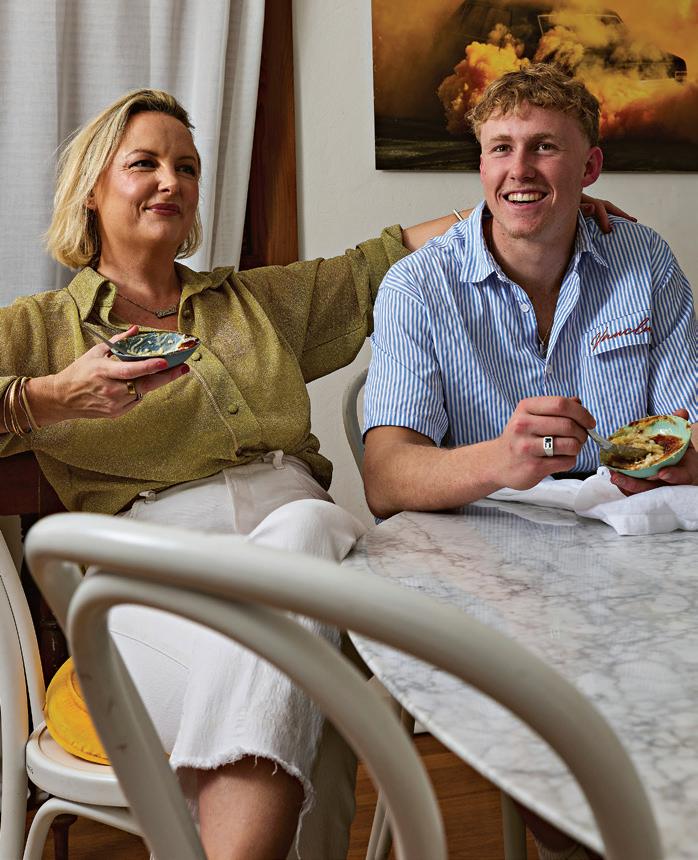
• 1 tsp each finely grated daikon and fresh ginger
Combine the sesame dipping sauce ingredients in a small bowl and whisk until smooth. Set aside. Stir together all the ingredients for the citrus-soy dipping sauce in a second bowl. Taste and adjust the amount of lemon if needed. In a large pot or donabe (Japanese-style clay pot), combine the dashi, soy sauce and mirin. Bring to a gentle simmer and place in the centre of the table over a portable gas burner or induction hob.
Set out the wagyu, vegetables, tofu and noodles on platters. Arrange the spring onion and chilli oil on the side. Each person dips a slice of wagyu into the simmering broth — it will cook in seconds. The vegetables, noodles and tofu can be added and fished out when warmed through. Dip cooked items into your preferred sauce and eat immediately.
You can buy wagyu sirloin from a butcher or find it in packets at Asian grocers, frozen, shaved and rolled, ready to dunk.








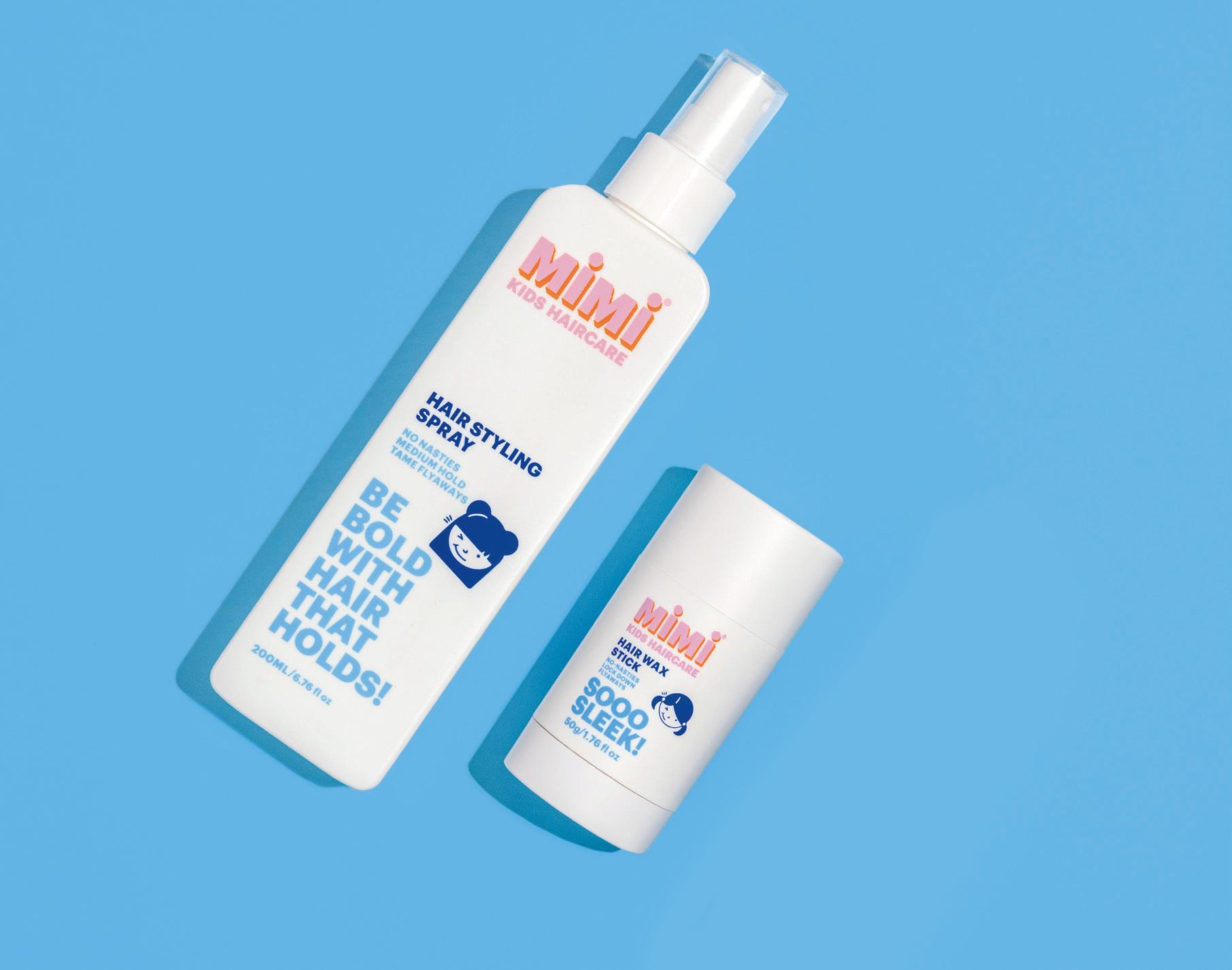

As travellers look beyond day spas and detoxes, Indigenous-led experiences are redefining the reset through connection to Country and living knowledge
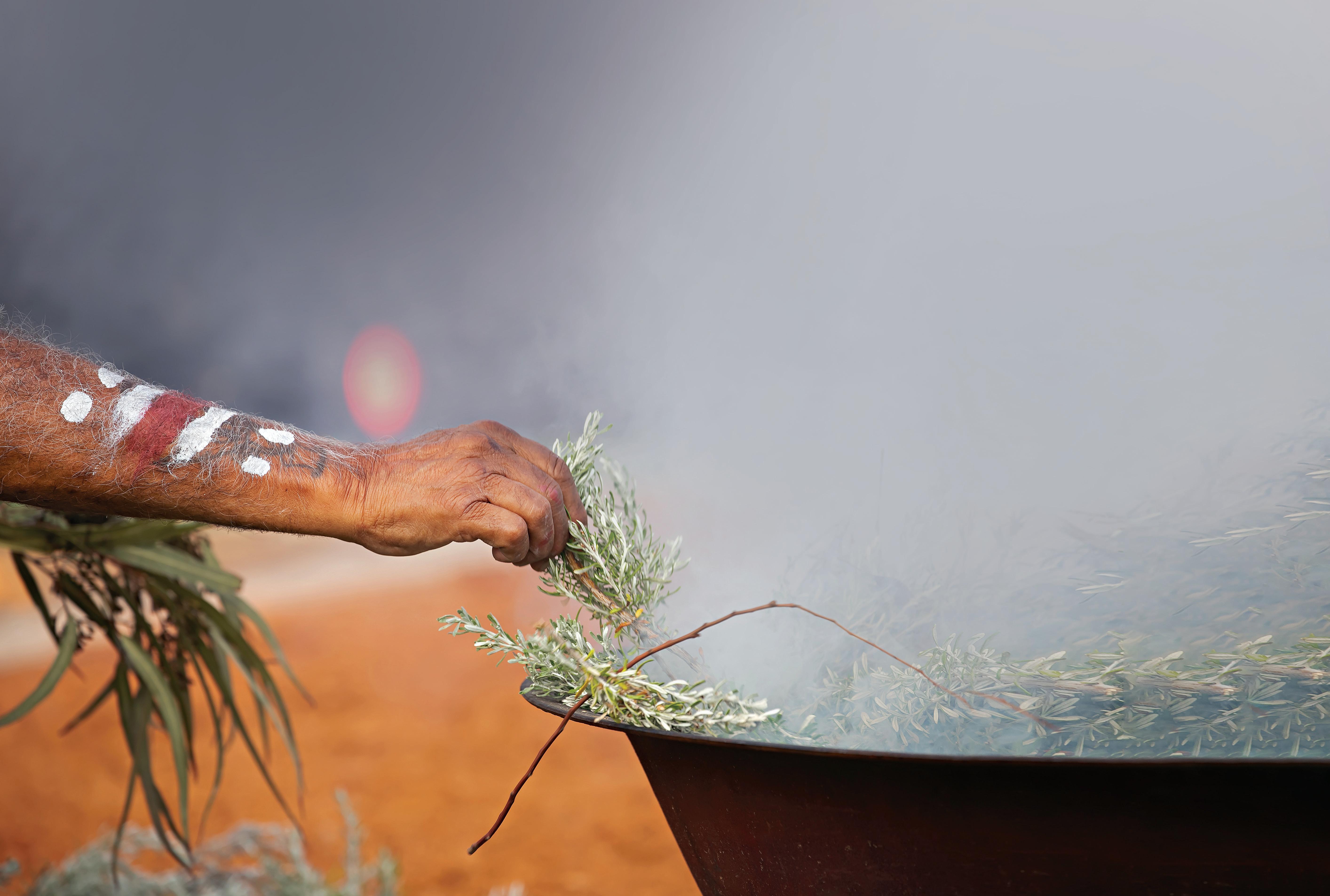
WORDS Elissa Doherty
You could call Australia’s First Nations people our original wellness experts, having honed their healing skills over 65,000 years.
And increasingly, wellness travellers looking beyond day spas and detoxes for a reset are turning to ancient wisdom.
The Global Wellness Institute says a growing desire for “ancestral knowledge” is reshaping wellness tourism, as travellers pursue experiences that “cultivate a deep relationship with the earth and its people”.
“Forest bathing with Indigenous leaders, farm-to-table retreats celebrating ancestral food systems, and workshops based on Indigenous Traditional Ecological Knowledge are taking off,” the institute wrote in a trend report last year.
In Australia, First Nations tours and retreats have never been more popular, hitting a record high in 2023-24.
Immersive, Indigenous-led wellness experiences are sprouting in every corner, from learning about bush medicine and seasonal
eating to Aboriginal meditation with a yidaki (type of didgeridoo), native botanic facials and guided yarning circles.
Tourism Australia’s Discover Aboriginal Experiences (DAE) executive officer Nicole Mitchell says today’s travellers are increasingly looking for a “connection to the land, the people, the place”.
“Wellness to these travellers is more than just spas,” Nicole says.
“It’s about a more engaging experience on a mental, physical and spiritual level.
“Indigenous people see their identity as connected to their Country, the landscape, to Mother Earth, so every experience you do has a wellness side to it.
You’re understanding the land that you’re on.”
Nicole says smoking ceremonies, for example, are cleansing rituals that “feel like a weight’s been lifted off your shoulders”.
All DAE tours are guided by Aboriginal people, and she says a rigorous selection process applies to ensure authentic, respectful experiences.
The Daintree region is a pocket of tropical beauty, but Juan Walker’s tours deliver more than just Instagram moments. They reveal a living pharmacy.
The Eastern Kuku Yalanji man says “people’s minds are blown” by the treasure trove of plants and insects with medicinal properties that can be turned into potions — knowledge passed down by his ancestors for generations.
Like the zesty green tree ants that are traditionally used to ease colds and sore throats. Or sea lettuce traditionally used as a bandage for minor cuts and sunburn.
“We like people to take home that if you do have a mishap, there’s normally a medicine close by,” the Walkabout Cultural Adventures owner says.
Juan has mixed up green ant drinks for his family by blending the insects, nests and larvae with water.
“It’s a big dose of vitamin C and it just tastes like a lemon drink,” he says.
He is passionate about sharing his knowledge so it doesn’t disappear.
“It gives visitors a bit more respect and appreciation for the natural environment, but also for First Nations peoples’ connection to the land and our history,” he says.
Botanic gardens also reveal fascinating insights into bush medicine and native tucker. First Nations learning officer Lachlan Moore (below), a Dharruuk and Yidindji man, shares favourites from his tours at Royal Botanic Garden Sydney.
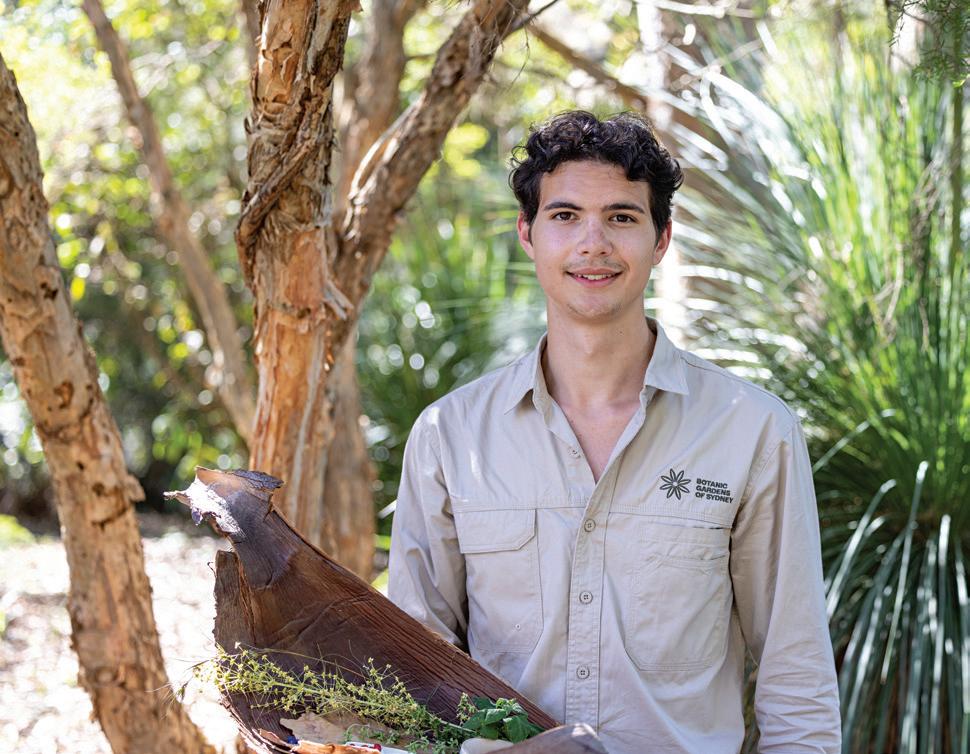
LEMON MYRTLE
This popular cooking ingredient has been traditionally chewed and ground into a poultice for wounds, infections and skin conditions.
SANDPAPER FIG
The leaves have been traditionally used for cleaning wounds.
ANISEED MYRTLE
The leaves have been traditionally used for colds, digestive issues, stress and stomach cramps.
BRACKEN FERN
Sap from bracken fern stems has been traditionally used to reduce pain and swelling from insect bites.
TEA TREE
The leaves have been traditionally used for cuts.
“A lot of the ingredients used in today’s pharmaceutical products have their roots in native species,” Lachlan says.

On a windswept back beach on Victoria’s Mornington Peninsula, the haunting drone of Lionel Lauch’s yidaki drifts across the group on the sand.
Eyes close and shoulders drop as the meditation begins.
The ancient instrument, a type of didgeridoo, is reaching new ears through Aboriginal sound healing sessions, and Lionel never quite knows how people will react.
“It can be profoundly moving,” the Gunditjmara Kirrae WurrungBundjalung man says.
“People cry all the time. You feel the vibrations through your whole body and it helps release negative energies. Many people tell me they feel lighter afterwards.”
Lionel weaves traditional storytelling and deep listening into his practice, to help visitors tune out the stress of daily life and connect with Country.
He runs the yidaki-led meditation as part of guided walks with his organisation, Living Culture, and says interest has “exploded”. He’s even lulled bathers into a state of
restoration at the popular Peninsula Hot Springs.
For Lionel, it’s a spiritual practice that proved a personal lifeline during difficult times and he now wants to help others.
“We’re all getting sick today because we’re stuck on our phones, computers, in buildings … we need to reconnect with Mother Earth,” he says. “When we close our eyes, our other senses are heightened, we hear and smell better.
“The bush is one of the most fragrant places on earth and when you take time to take a deep breath, you’ll smell the melaleucas, the eucalyptus, the medicines and oils all around us.”
On the cultural walks he calls “hobbles”, he encourages visitors to slow down and awaken their senses — to “see” and not just “look”, by paying attention to sounds, scents, textures and colours that too often go unnoticed.
“A lot of people go walking in beautiful places but they are just looking,” he says. “I teach people to become part of their surroundings.”
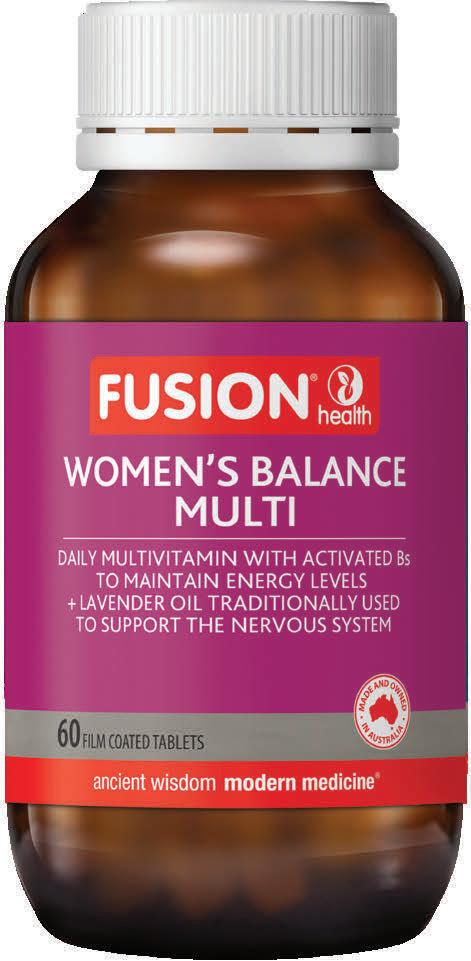
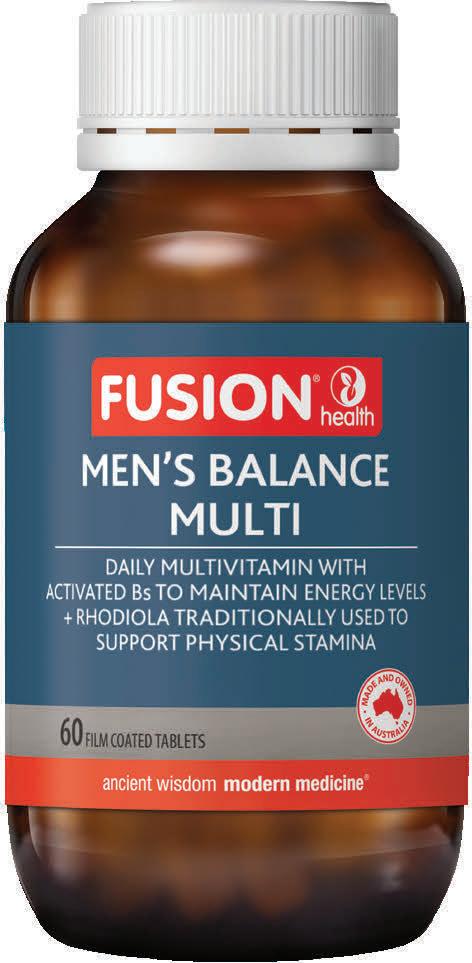





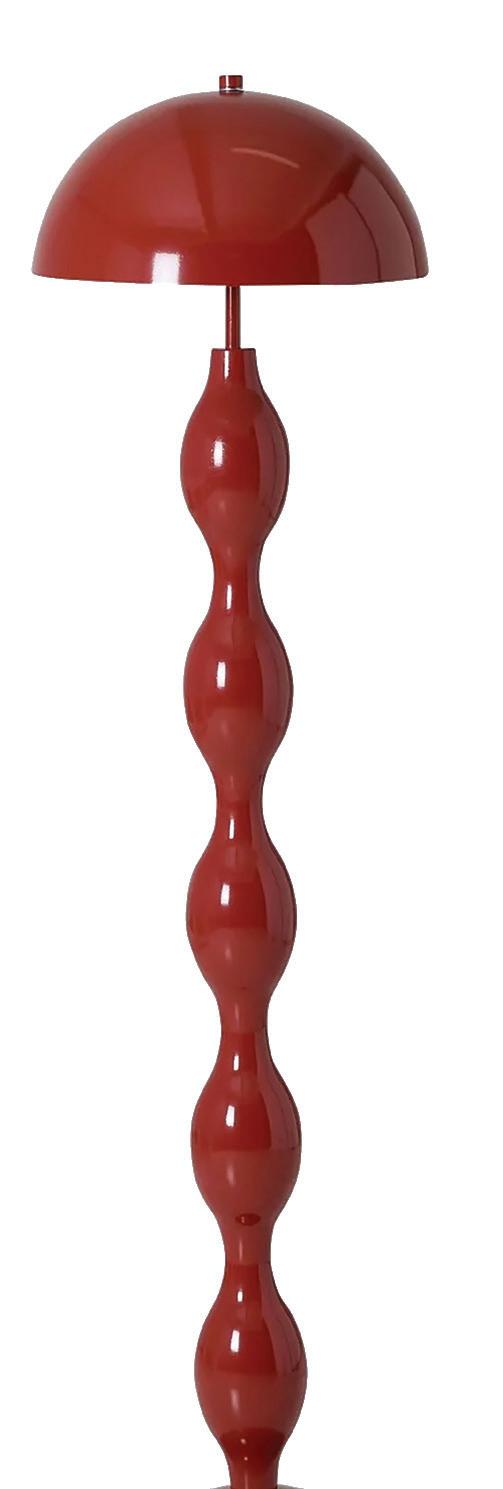
Winter is a time for settling in and switching o
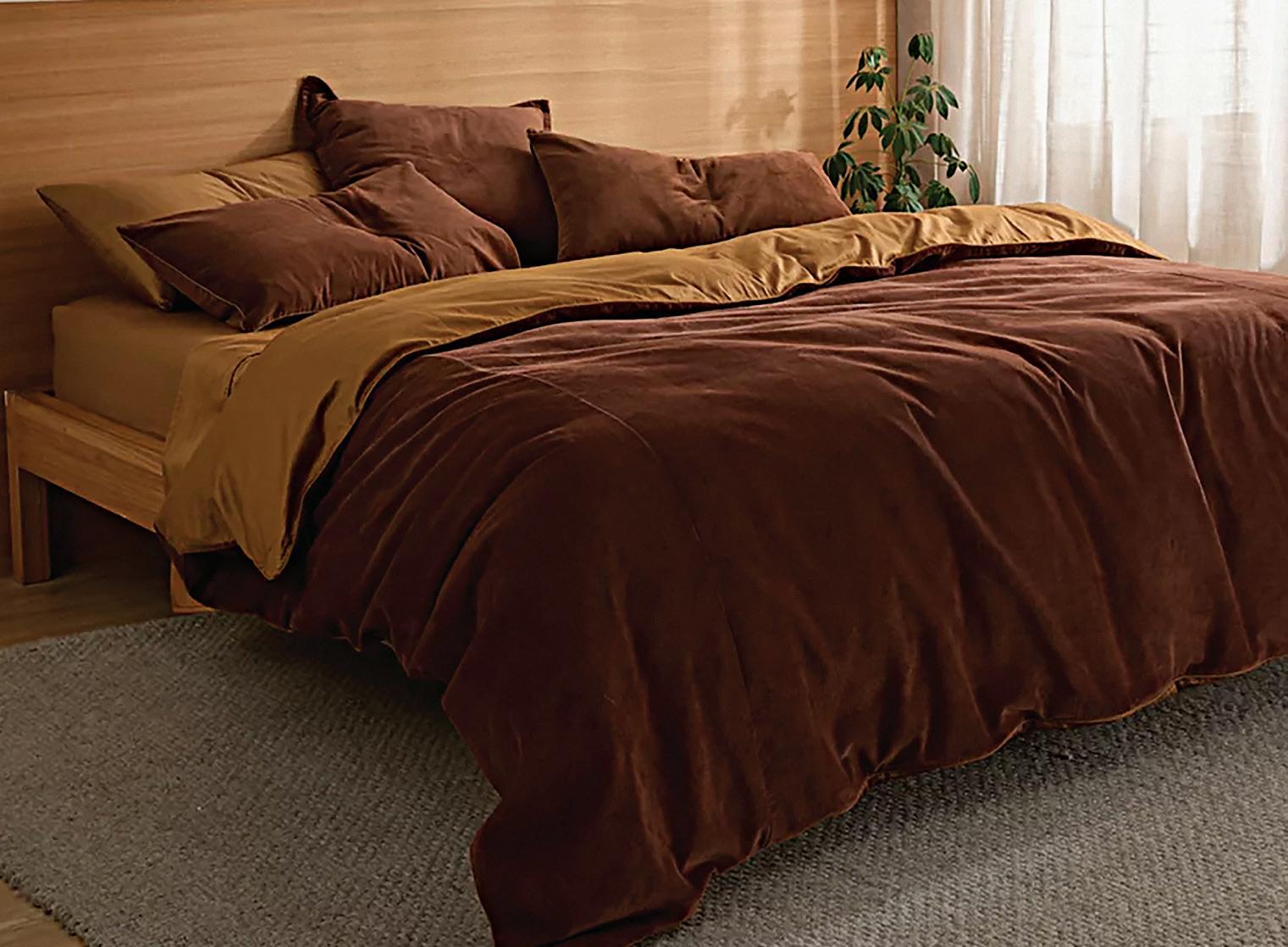
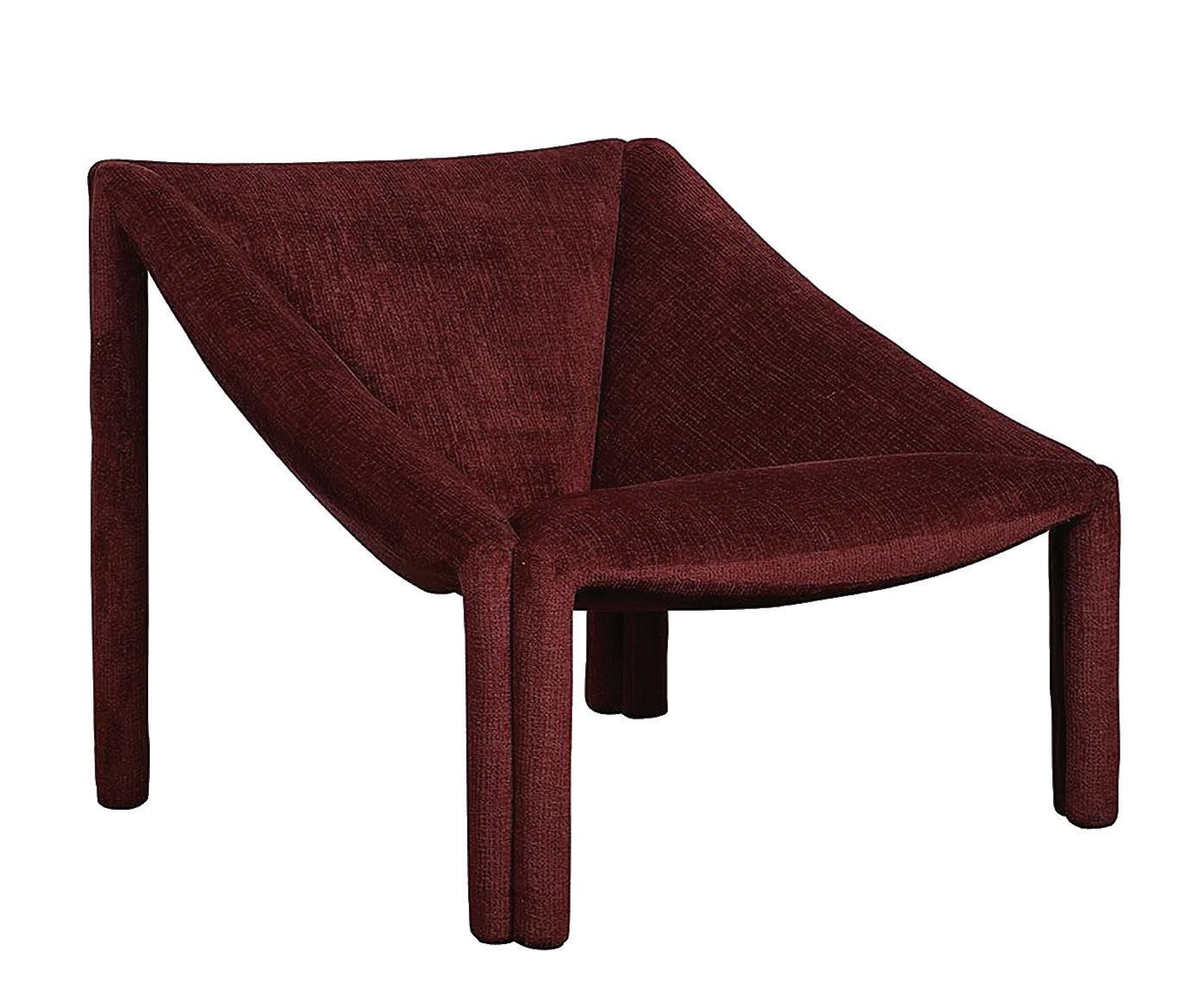
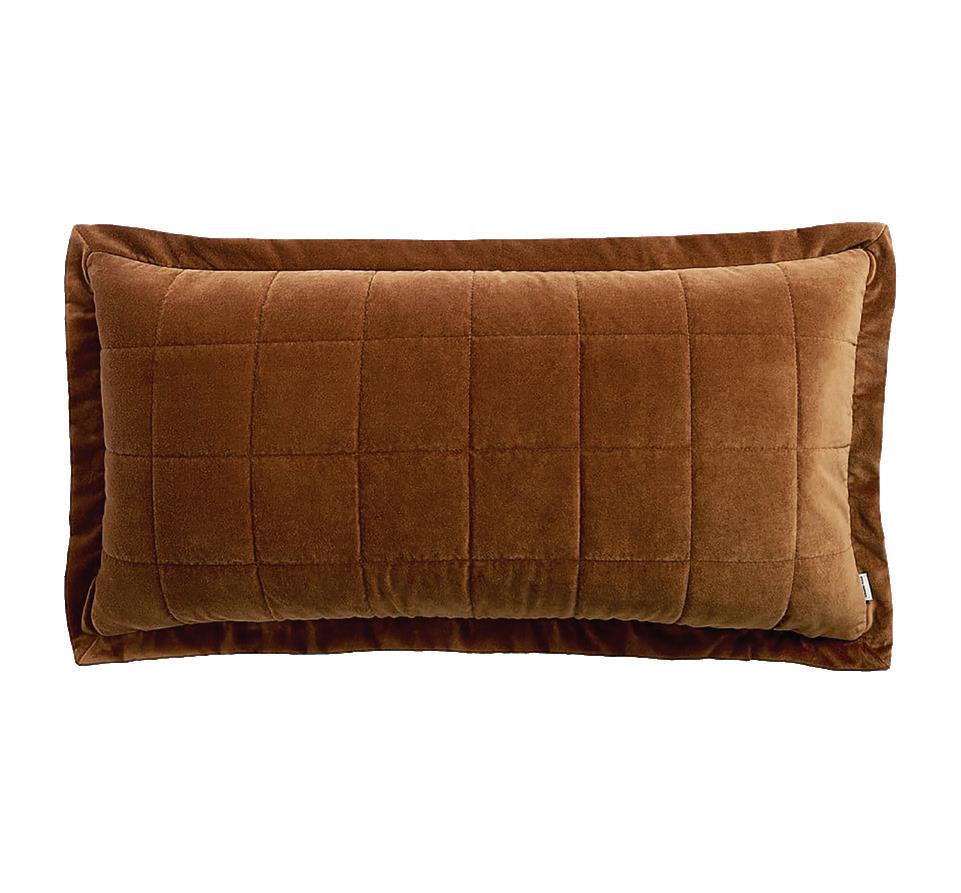
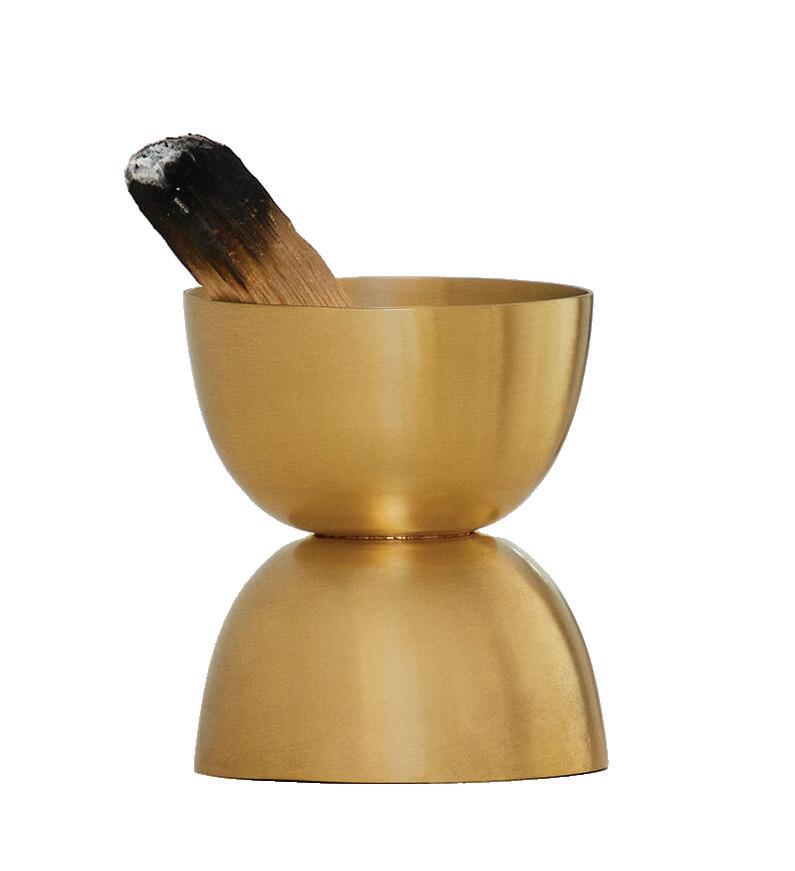

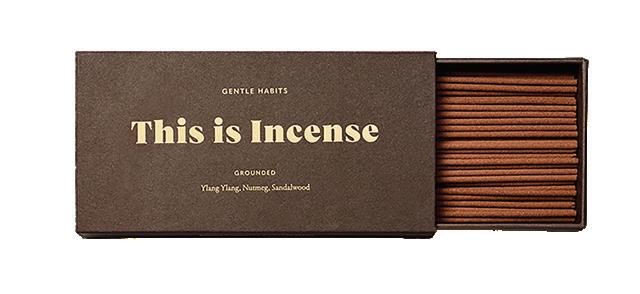
Darcy corduroy quilt cover, from $160, and pillowcases (set of two), from $60, sheetsociety.com; Studio acrylic box gallery frame, $95, norsu.com.au; Skin Control Wrinkle Reset Under Eye Patches, $13.99; Lupe terracotta round rug, from $299, missamara.com.au; J’ai Soif carafe by Georgia Ezra, $65, hardiegrant.com; This is Incense box of 60 sticks, $45, gentlehabits.com.au; Essence burner, $75, lightly.com.au; Celeste trinket tray, $79.95, and Elm cushion, $129, countryroad.com.au; Parlour chair, $1100, fentonandfenton.com.au; Koa floor lamp, $349, earlysettler.com.au
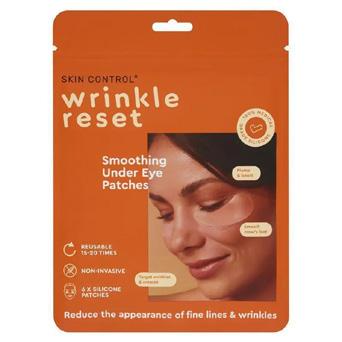


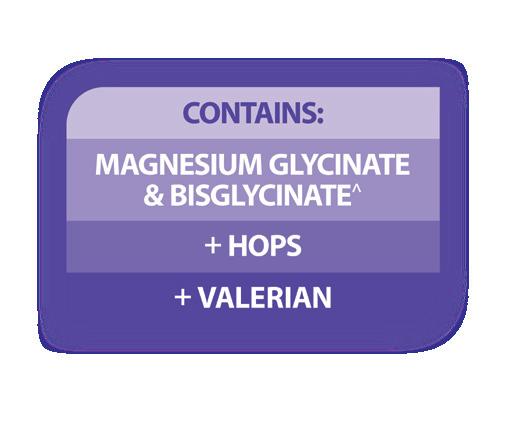


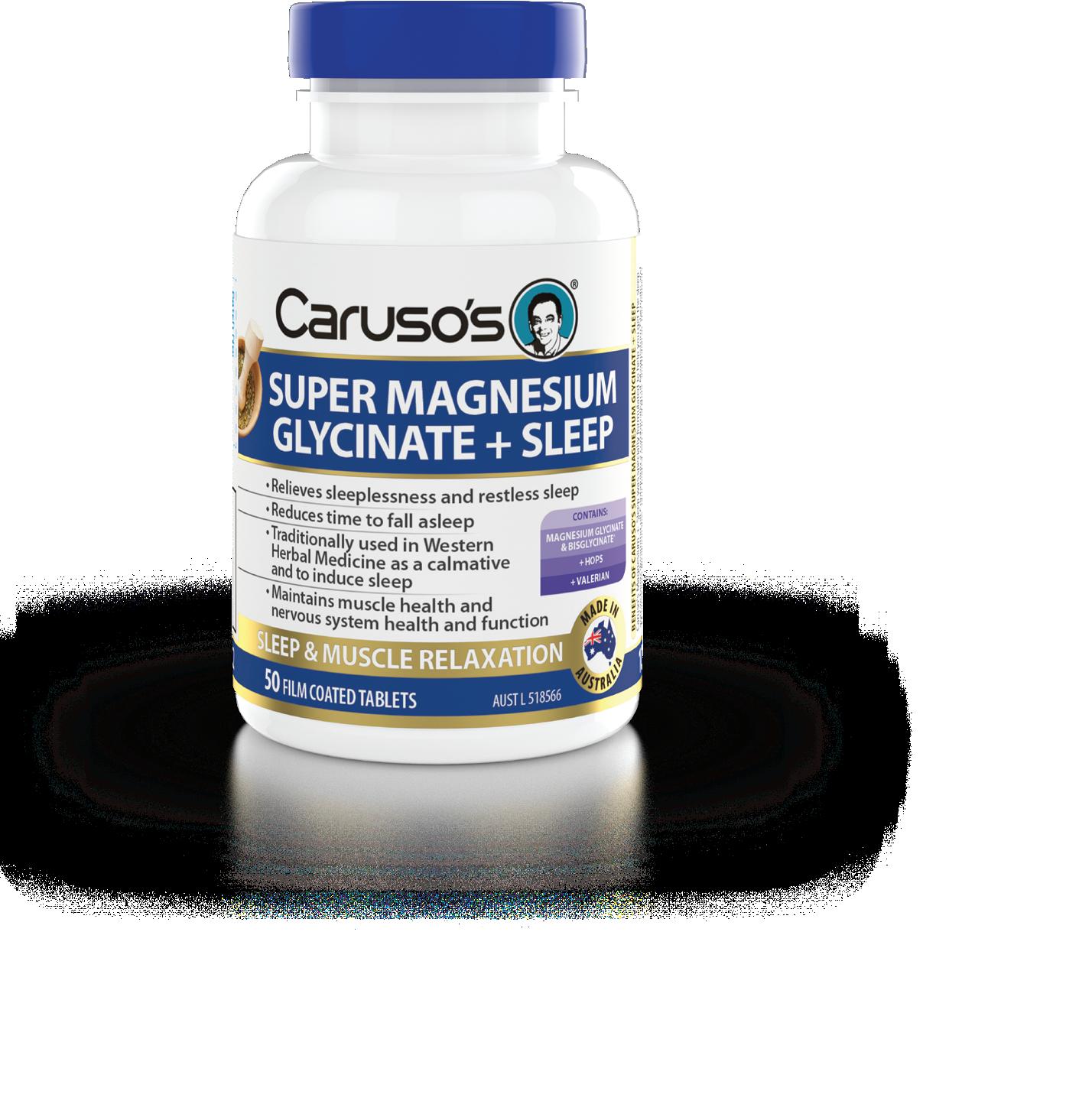





MELBOURNE WINTER
MASTERPIECES: CARTIER, Vic, until October 4
This year’s NGV Melbourne Winter Masterpieces exhibition features almost 400 jewels and gems from fine jewellery house Cartier, including exquisite pieces commissioned, owned and worn by royalty and Hollywood stars. ngv.vic.gov.au
ADELAIDE, SA, July 1-19
Be dazzled by this annual event that lights up Adelaide with art, music and tech, bringing landmarks, laneways and the Adelaide Botanic Garden to life with free and ticketed events. illuminateadelaide.com
Pop on a bright lippy to raise money and awareness for women’s mental health. The Liptember fundraising campaign encourages people to be bold with their lipstick choices throughout September to spark conversations about the mental health issues affecting one in two Australian women. Chemist Warehouse is a premier partner of the campaign, which raises funds to aid women’s mental health programs, support services, research and initiatives supported by Women’s Mental Health Australia. liptember.com.au
GARMA FESTIVAL, NT, July 31-August 3
Australia’s largest Indigenous gathering is a four-day celebration of Yolngu life and culture, held in northeast Arnhem Land. Hosted by the Yothu Yindi Foundation, Garma showcases art, song, dance and storytelling. yyf.com.au
DARWIN FESTIVAL, NT, August 5-23
Immerse yourself in all things arts, including music, comedy, circus, cabaret and dance, as local and international artists converge on Darwin to inspire, delight, share and connect. Expect balmy nights, twinkling lights and a vibrant program. darwinfestival.org.au
BEAKER STREET FESTIVAL, Tas, August 6-17
Expect the unexpected at this celebration of science, art and culture in Hobart. It features dozens of events, including the Australian premiere of Vast, which transforms a theatre into a 360-degree universe of sound where more than 120 recorded voices and 80 instrumentalists break apart into “sonic particles”. beakerstreet.com.au
FIRE FESTIVAL, NSW, August 7-16
A 10-day program showcases local artists, producers and musicians. Fire, light and warmth are woven through dining and wine events, artistic workshops, live music and film screenings. orange360.com.au
NSW, August 9
Put more fun in your run for the 56th City2Surf. Conquer Heartbreak Hill or raise funds for charity — or both — on the iconic 14km course from Sydney’s CBD to Bondi Beach. city2surf.com.au
BIRDSVILLE RACES, Qld, September 4-5
Thousands of racegoers head to the legendary remote town for two days of fun at the “Melbourne Cup of the Outback”, which includes 13 races, Fashions on the Field and entertainment. birdsvilleraces.com
FESTIVAL, Q ld, September 4-26
Rooftops, streets and parks are just some of the spaces transformed into stages for the city-wide festival, which features theatre, dance, circus, music performances and the Riverfire fireworks. brisbanefestival.com.au

WITH journalist and debut author Georgie Tunny
Why did you decide to write a novel?
I’ve always wanted to be an author. I remember ‘writing for fun’ when I was in primary school and I’m sure that love of storytelling paved the way to my eventual career in journalism.
What’s it about?
It’s inspired by working in newsrooms for the past decade — the highs and the lows, the gloss and the warts. I’ve always been fascinated with female friendships (and) I wanted to investigate how that shifts when pitted against each other in a highstakes setting.
Your writing process?
I need background noise, typically a TV show I’ve watched a million times before. During the editing process I curated music playlists for each of my three main characters based on what suited each of them to get myself ‘in their minds’.
Writing 101 advice?
Get it on the page — the hardest part is starting.
Over to You by Georgie Tunny, published by Allen & Unwin, RRP $34.99
It’s the perfect time of year to curl up with a good read. Try these page-turners
The Bookshop of Buried Pasts SARAH CLUTTON (ALLEN & UNWIN)
RRP $34.99
Nestled in the Southern Highlands of NSW, an atmospheric bookshop serves as the heart of this evocative mystery. When beloved owner Phyllida passes away, she leaves her granddaughter, Lottie, a cryptic quest. It’s a journey that takes Lottie from rural Australia to a tiny village in England. Sarah expertly explores family secrets and the weight of the unknown. It’s a tale of love, loss and how the past can define our present.
Start at the End EMMA GREY (ATLANTIC BOOKS)
RRP $34.99
With its emotional, sliding doors-style storyline, this beautifully written novel about loss, grief, love and hope is destined for the big screen. Fraser and Audrey are soulmates with a love story for the ages, until one tragic moment. The reader is kept guessing as the characters diverge on to different paths. Can they ever find love again and how do their futures unfold?
Emma’s exploration of perspective — how every ending is the beginning of something — equals a love story with all the feels.

The Cursed Road LAURA McCLUSKEY (HARPERCOLLINS)
RRP $34.99
This gripping detective thriller is set in the eerie Scottish Highlands. When a young woman’s body is found on a remote stretch of road with a name carved into her arm linking her to a cold case, detectives Georgina Lennox and Richard Stewart are put on the job. The line between the hunter and hunted is blurred as the detectives begin their investigations at a nearby exclusive deer hunting retreat, only to uncover ancient feuds, generational curses and more people missing.
The Marriage Trap VICTORIA PURMAN (HQ) RRP $32.99
Set in 1960s and ’70s Adelaide, this is a vivid — and at times confronting — portrait of post-war womanhood. It unfolds through three perspectives: devout Catholic matriarch Olive Langley, her fourth daughter, Cathy, and her unexpected “change-of-life” baby, Evelyn. When Cathy falls pregnant at 20, midway through her teaching degree, the family must navigate an unplanned pregnancy, early marriage and the church’s hold over women’s autonomy — against the backdrop of the women’s liberation movement.

From musk sticks to miso, Australian podcasters Emily Naismith and Ben Birchall serve up fun food stories about a specific ingredient, with listeners able to vote on who is most interesting. Other “big” issues include whether frozen veg is depressing or underrated and if “curly” parsley deserves the shade it gets.
When is a pancake not a pancake and is your cinnamon fake? Co-hosts Cynthia Graber and Nicola Twilley present food with a side of surprising science and hidden history. They introduce listeners to new ways of thinking about and understanding the world of food, interview experts and visit labs, fields and archaeological digs.

The history of mac ’n’ cheese and dining at Downton Abbey are just two of the eclectic topics covered by culinary historian Linda Pelaccio. From ancient times to modern delis, Linda explores the origins and evolution of dishes through interviews with historians and food experts.
1Chionophobia is the fear of what?
2Who was appointed head coach of NRL team Melbourne Storm in 2003, and still is?
3True or false? Does every human have a unique tongue print?
4Who is Elsa’s sister in the 2013 animated Disney film Frozen?
5Vatican City, the headquarters of the Roman Catholic Church, is surrounded by which Italian city?
6Which creature has the largest eyes in the animal kingdom?
7What all-girl band released a cover version of Simon & Garfunkel’s A Hazy Shade of Winter (1966), which peaked at No.2 on the Billboard Hot 100 in 1987 for the girls?

Co-hosts Dakota Middleby and Bianca Innes created this podcast after being diagnosed with breast cancer in their 20s. Their natural chemistry drives raw, unfiltered conversations, blending laughter, tears and lived experience.
Expect candid chats, bold thoughts and honesty, creating a space where listeners feel seen, understood and less alone through treatment and beyond.

Via a super-cute virtual pet, Finch builds good habits and life routines by making self-care feel rewarding and fun. Check on yourself and follow your emotional state with the mood tracker. The goal tracker sets aims and celebrates your wins, and quick quizzes help understand your mental health.

The mindfulness and meditation app aims to create life-changing habits to support mental health and find a healthier, happier you. Use guided meditations, anxiety management, relaxation exercises and more to improve your mood, manage stress and sleep better.

This customisable mood diary and happiness tracker makes self-reflection easy — log your mood and activities in seconds; no long entries required. Add notes, track habits and uncover patterns over time, with insights that help you understand what boosts your mood and build better routines.
8What is the main function of platelets in the human body?
9In what country is the world’s largest ski resort, with 600km of slopes?
10Who was the recipient of the 1921 Nobel Prize in physics?
11What is the capital city of the US state California?
12For which VFL/AFL teams did premiership coach Alastair Clarkson play with from 1987 until 1997?
13Which US president posthumously awarded Elvis Presley the Presidential Medal of Freedom in 2018?
14The International 500 (I-500) in Michigan, US, is the longest single-day race in the world for what vehicles?
15What fruit is the primary/base ingredient in guacamole?
“Most people get nine months to prepare for parenthood. It’s taken us years to be able to finally hold our daughter, Eve.
Infertility is a secret club nobody wants to join, says my wife, Sharnelle.
When you are in the thick of tests, questions and so many disappointments, it’s easy to feel alone and helpless. But many people face the same struggle. For me, the hardest part was watching Sharnelle go through so much to become a mother. She’s been poked and prodded, faced hormone injections, egg collections, transfers and scans.
It was at a scan that we learnt our first baby — conceived on the third of our 10 rounds of IVF — no longer had a heartbeat.
Nothing prepares you for that terrible silence. Or to then see your wife in hospital totally distraught. In those moments, you can’t really do anything. You have no control whatsoever. That loss also made us more hesitant to celebrate too soon when Sharnelle learnt she was pregnant with our daughter.
Conceived naturally — after Sharnelle was diagnosed and treated
Nicholas Koutrigaros shares how he held on to hope through years of infertility heartbreak before finally welcoming daughter Eve with his wife, ABC journalist Sharnelle Vella, in March
laparoscopically for endometriosis — we were stunned when those two little lines appeared on the pregnancy test. We kept the pregnancy to ourselves for longer, scared to get too excited again. You can’t help but think: It’s happened once, will it happen again?
Thankfully, while we were in the worst of this journey, I found a group of trusted people to talk to. I’d bounce ideas and stories off them. It felt better to be talking than to keep it bottled up. It also helped me to take control where I could.
The guys play such a small part in the process. We just hand over our sperm to the clinic and walk out. The other 99.9 per cent of the work is done by the woman.
It’s hard to just sit back and watch, so I decided to do everything could to keep my body healthy to produce the best possible result from my end as well.
I did research that suggested lowering body fat can boost testosterone, which may help with sperm count and motility.
So I spoke to a dietitian and saw a personal trainer.
As we embarked on IVF, cut out alcohol and refined
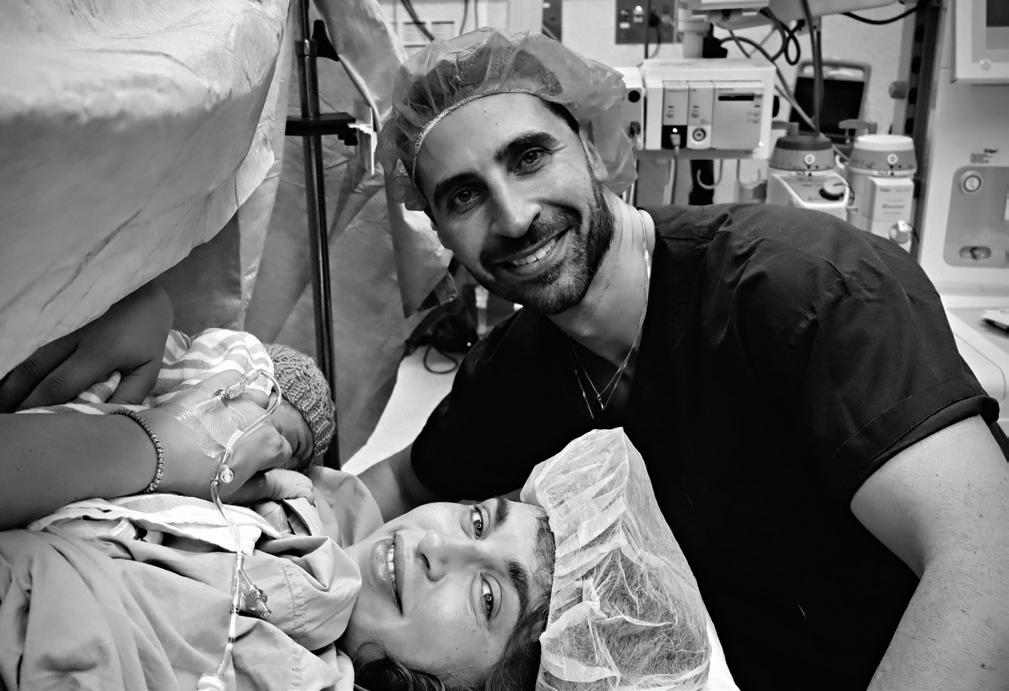
sugars and only ate whole foods for 12 weeks.
I was training five days a week in the gym, weightlifting, cycling at least once a week and then doing two forms of cardio per week as well.
Two years later, am not as strict — I’ve introduced a dessert here and there and the occasional drink of alcohol — but I’ve maintained this same frame of mind.
Sharn thinks it’s helped me to have something else to focus on. get a little bit anxious. I am someone who likes to overthink things. So, for me, going to the gym was good for my mental health as well, not just my physical health.
While I have entered fatherhood a little older than would have liked, I feel primed for the job. Whether it’s pacing the hallway late at night getting Eve to sleep or one day coaching her basketball team — as have dreamed of doing since before she was born — I am ready for any challenge she throws at me.”