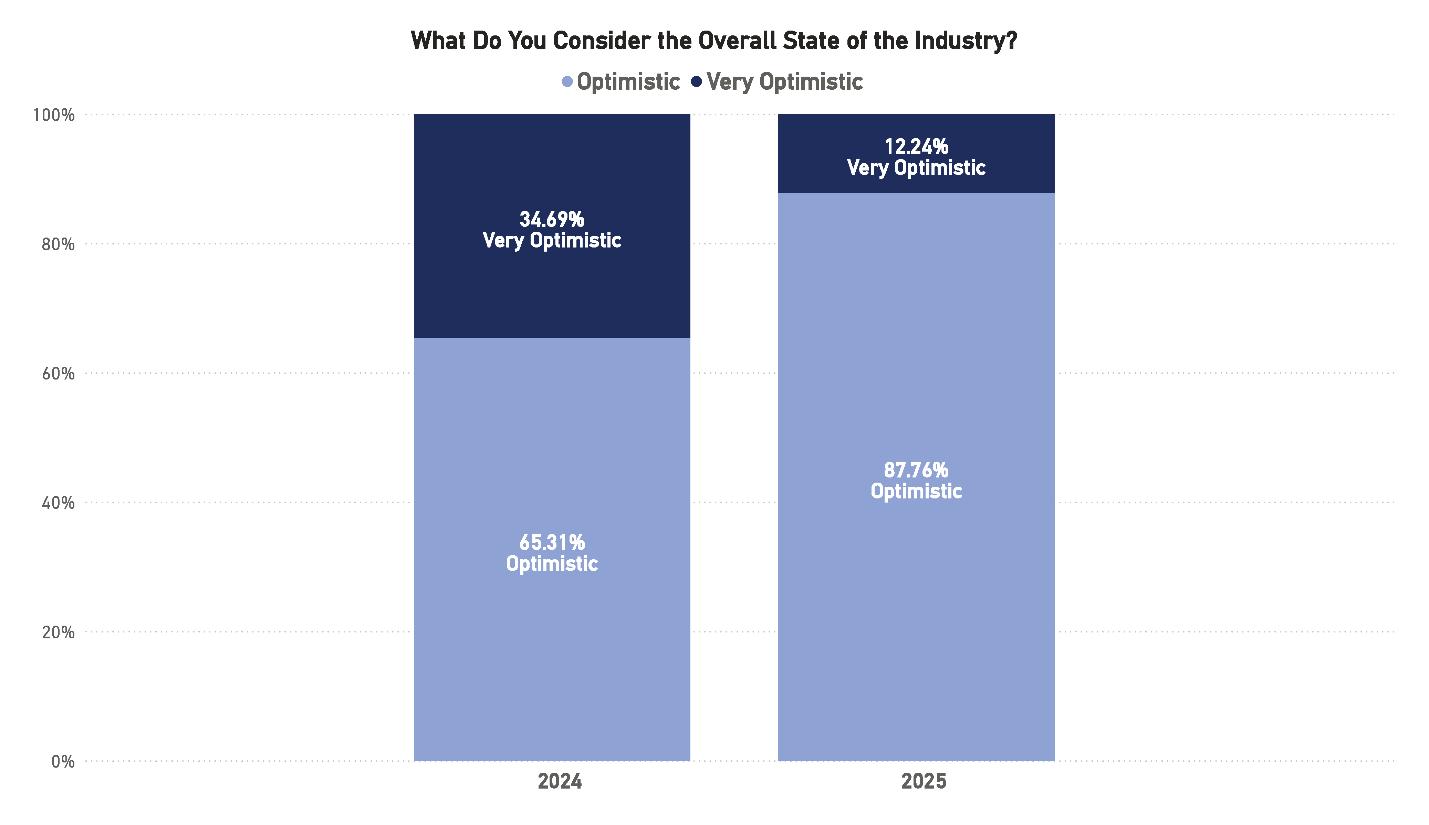
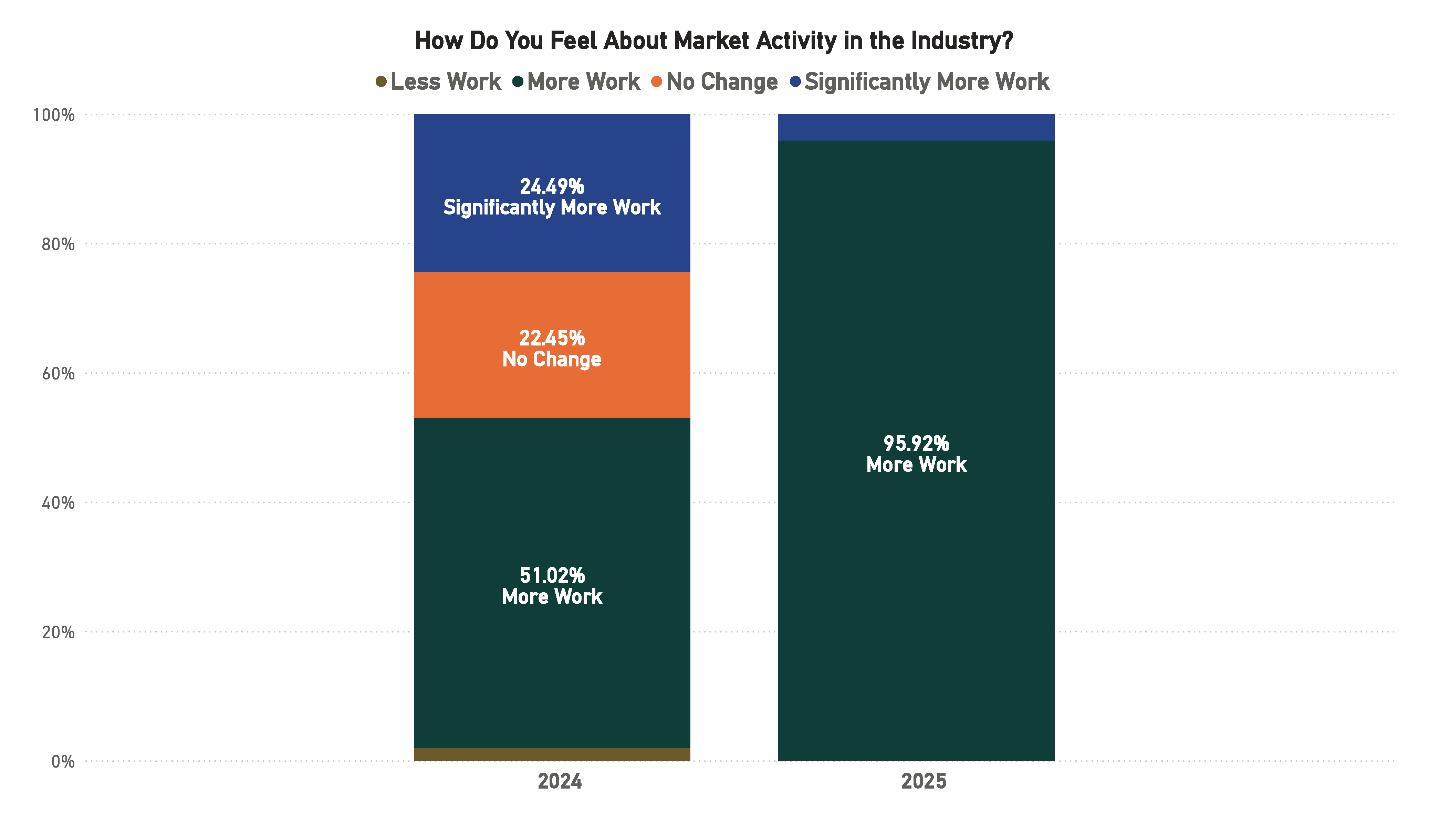
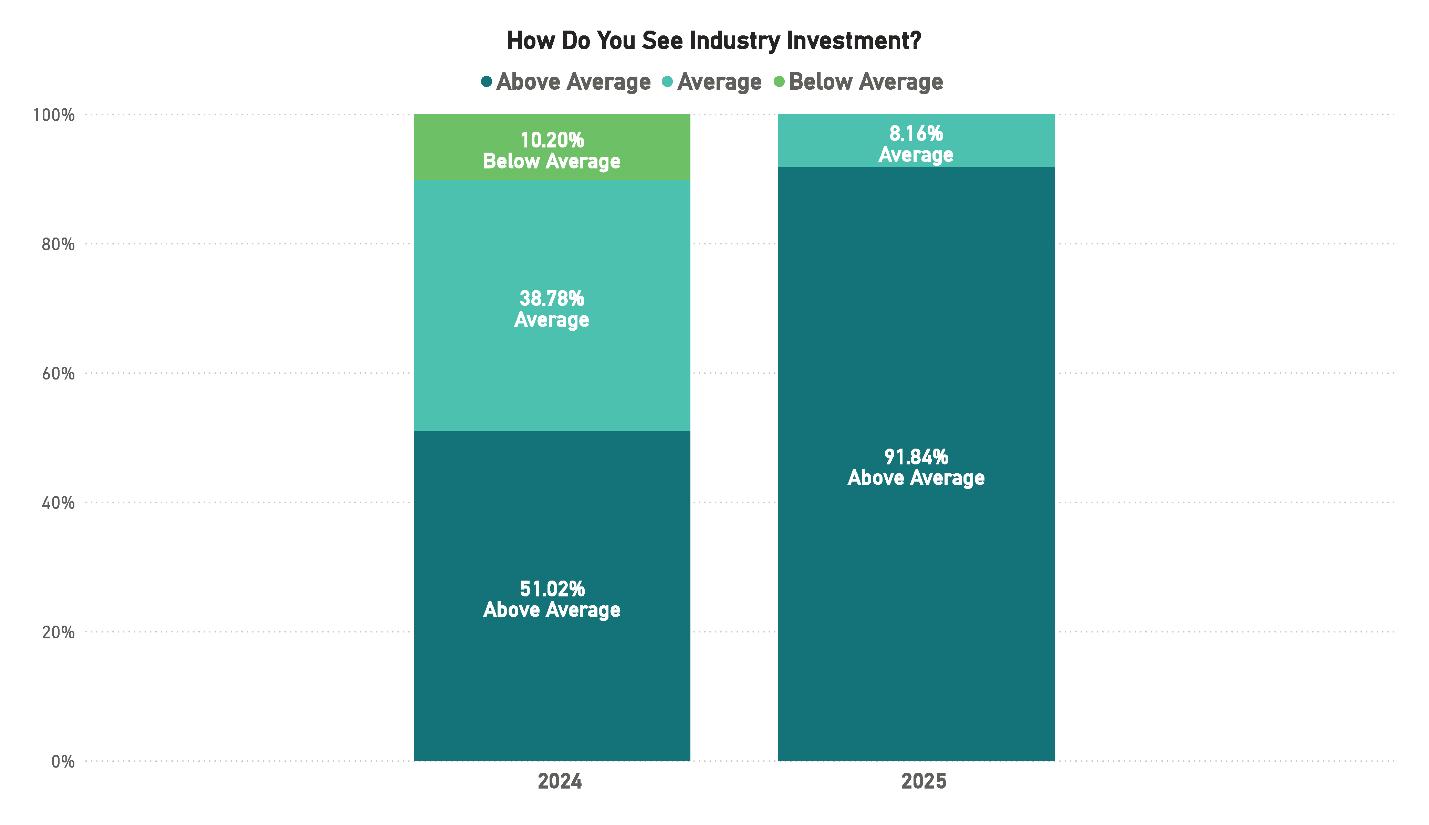
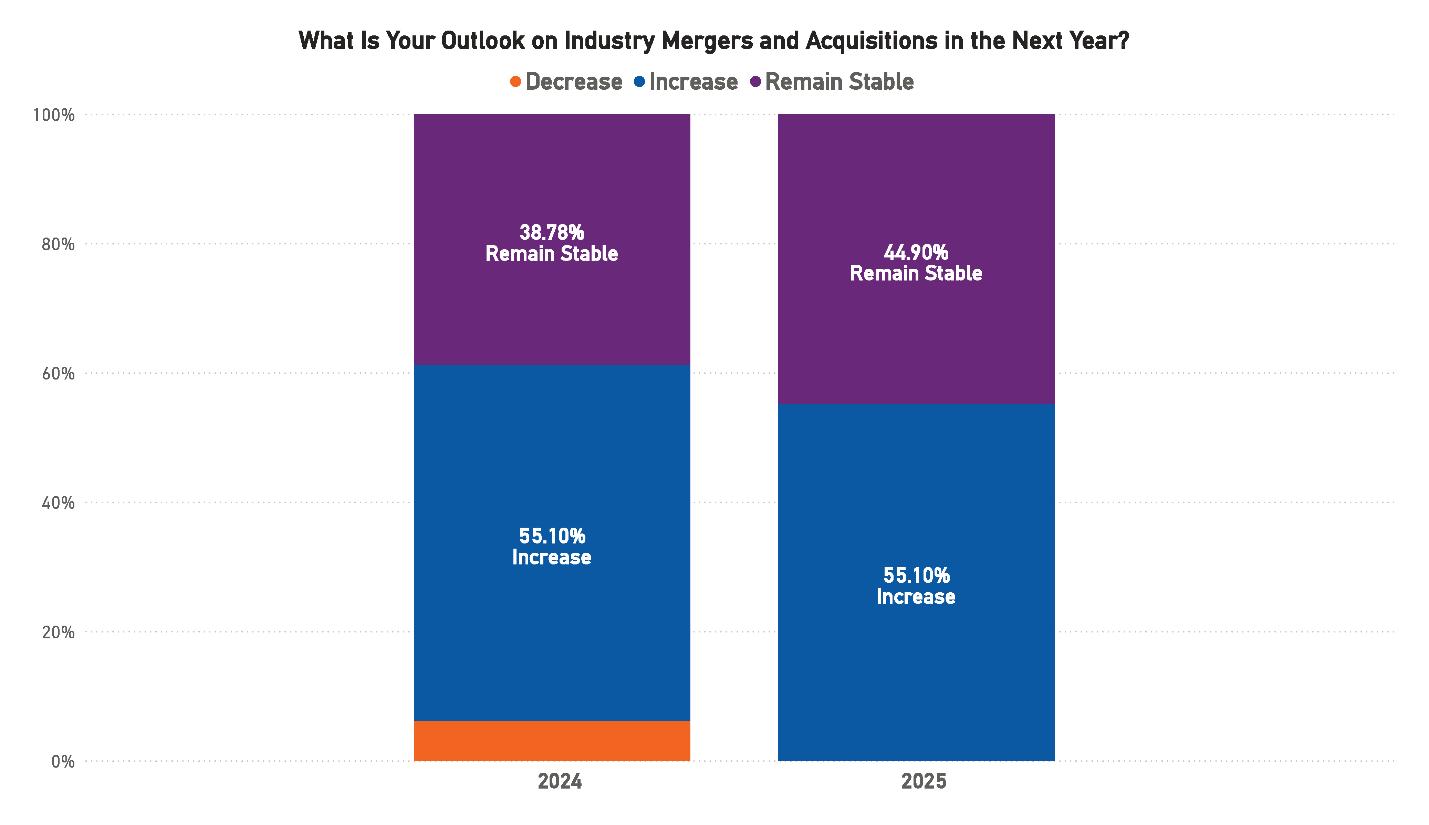
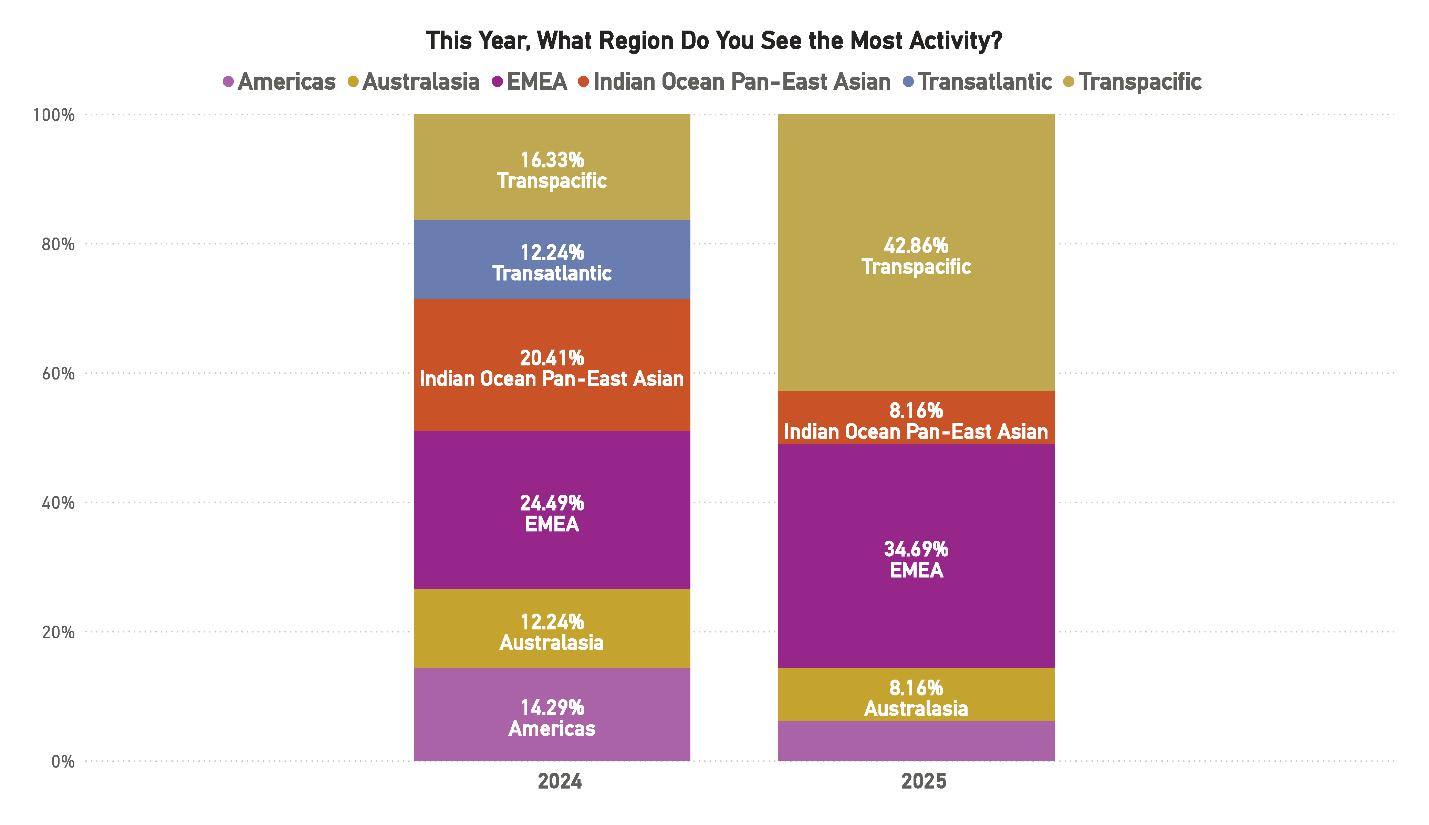
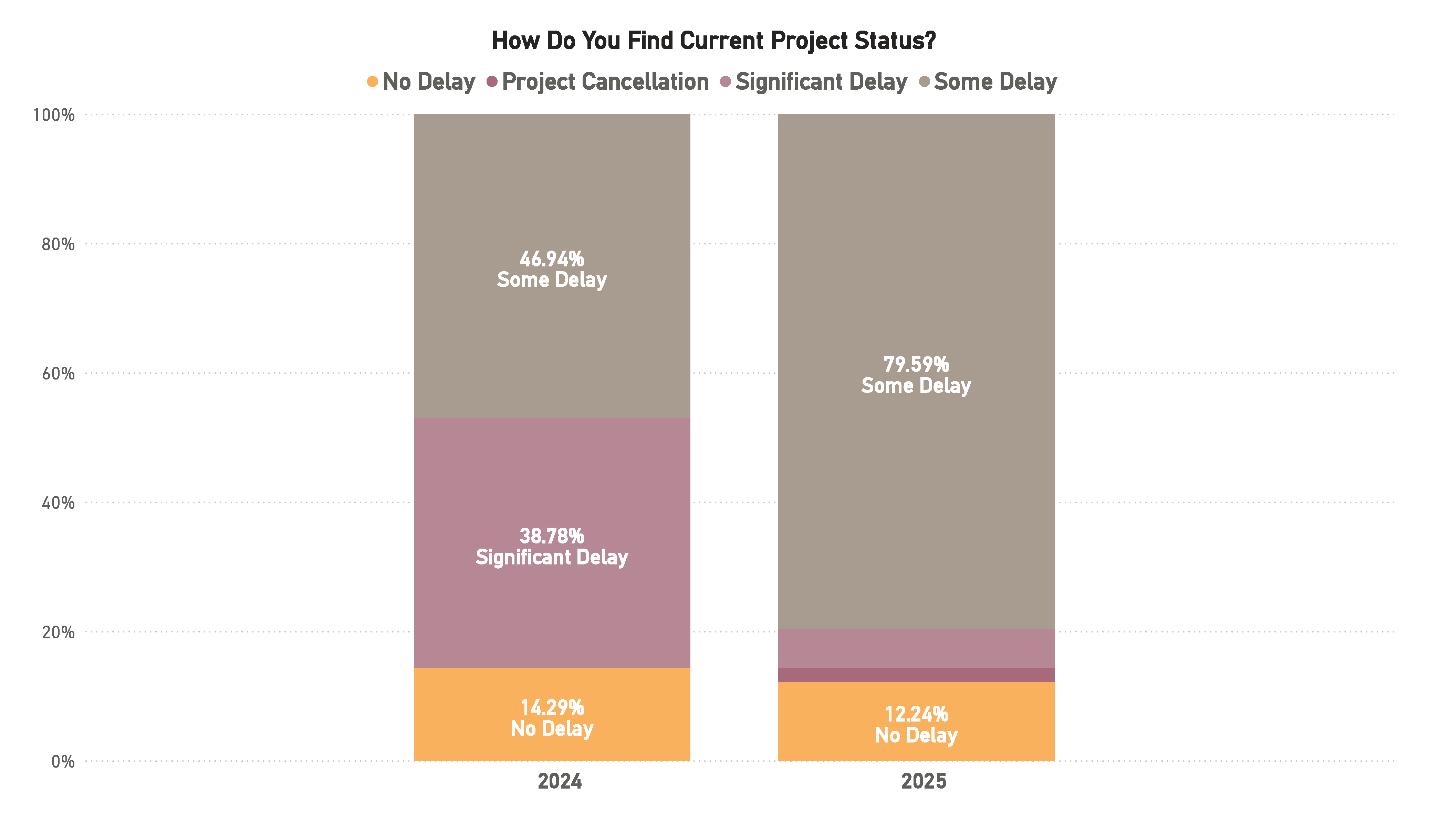
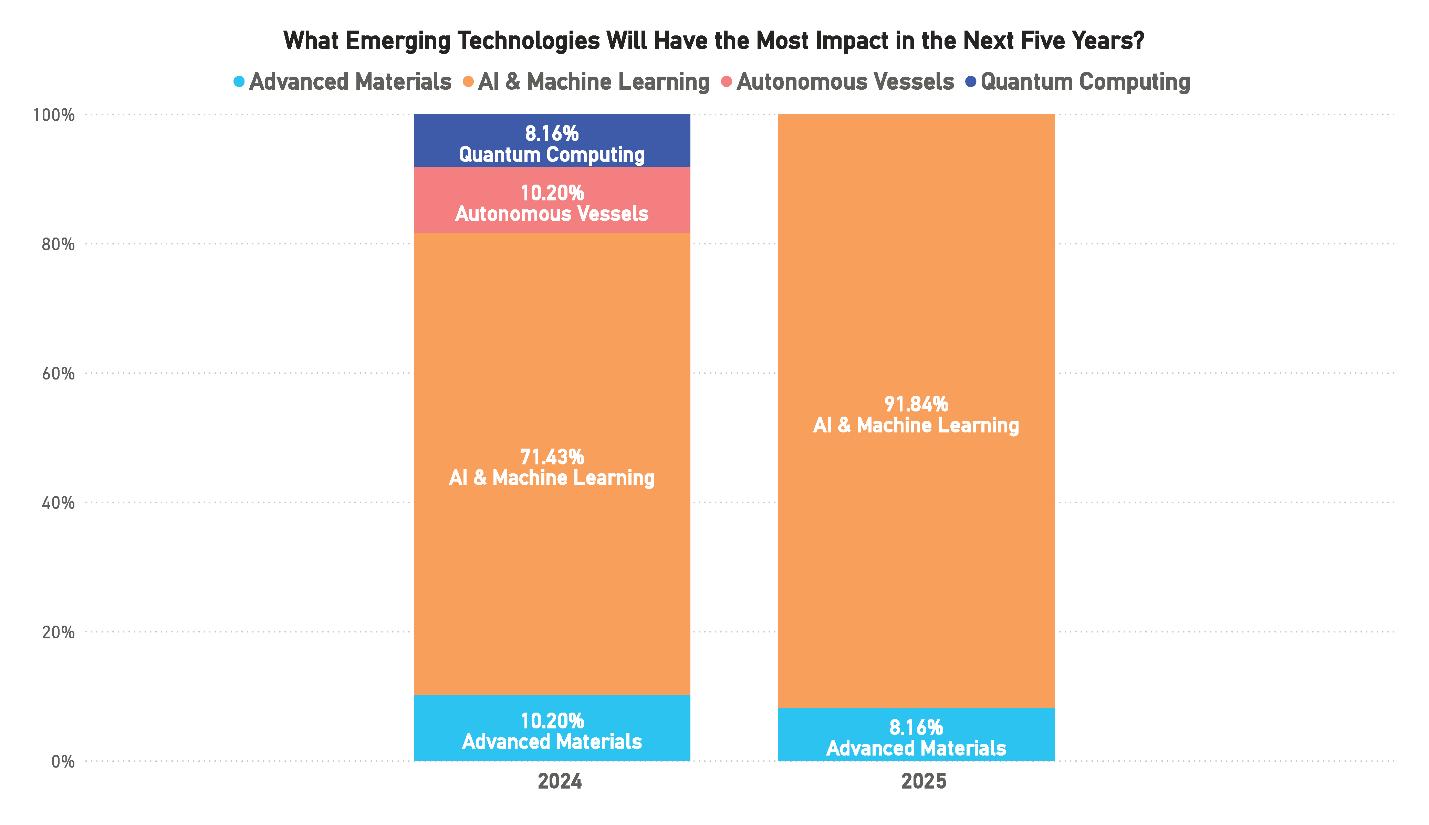
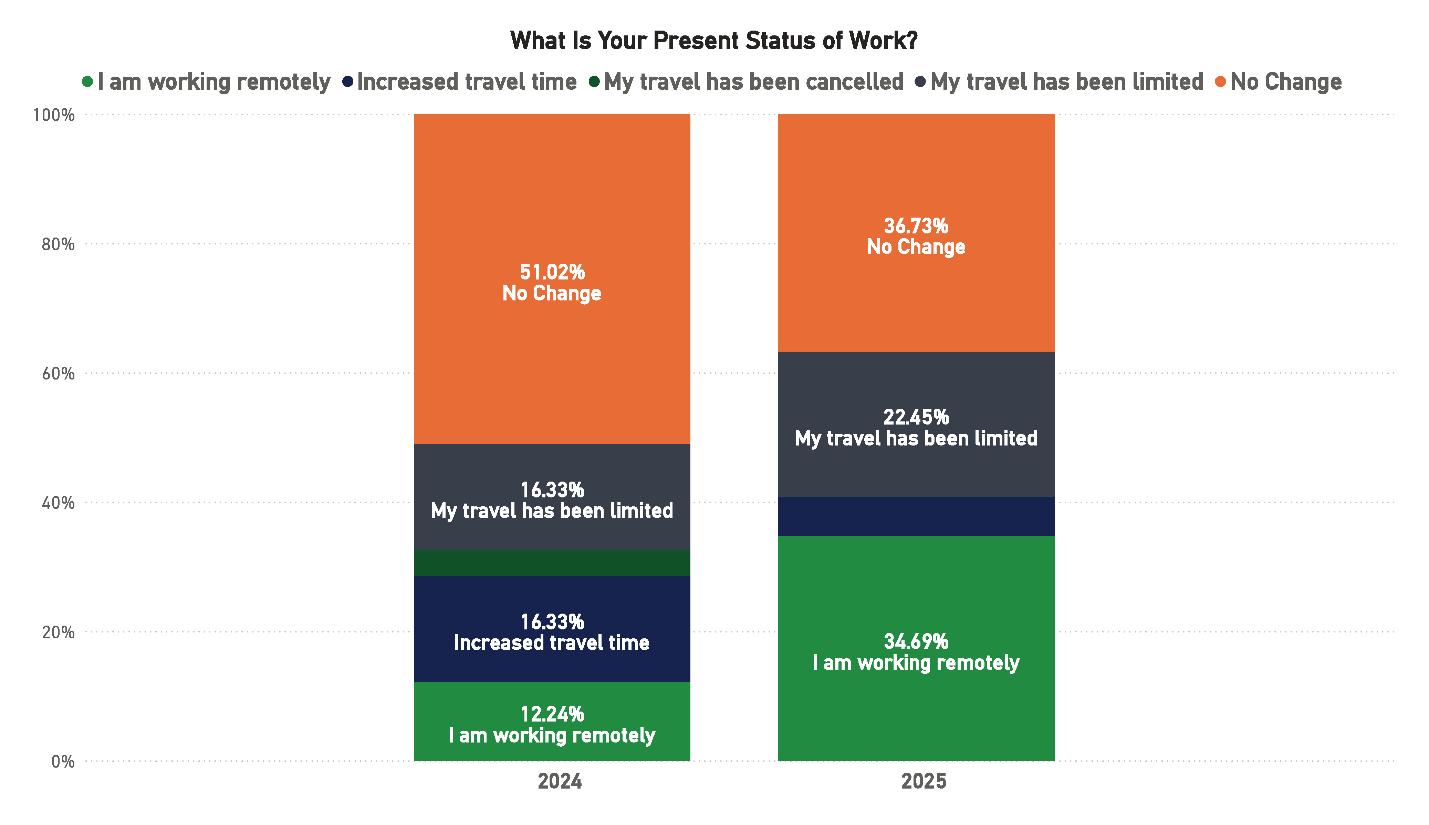
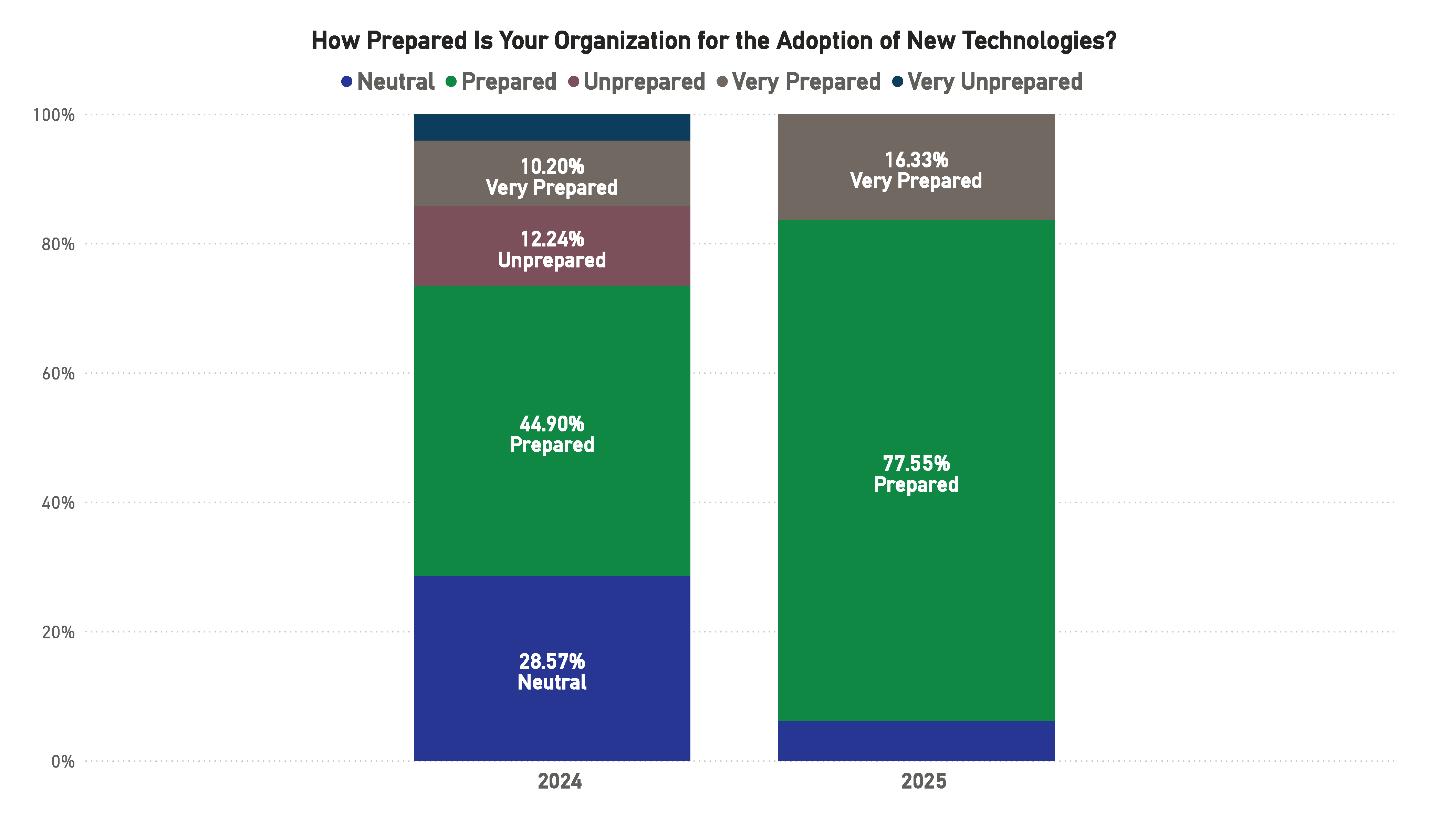
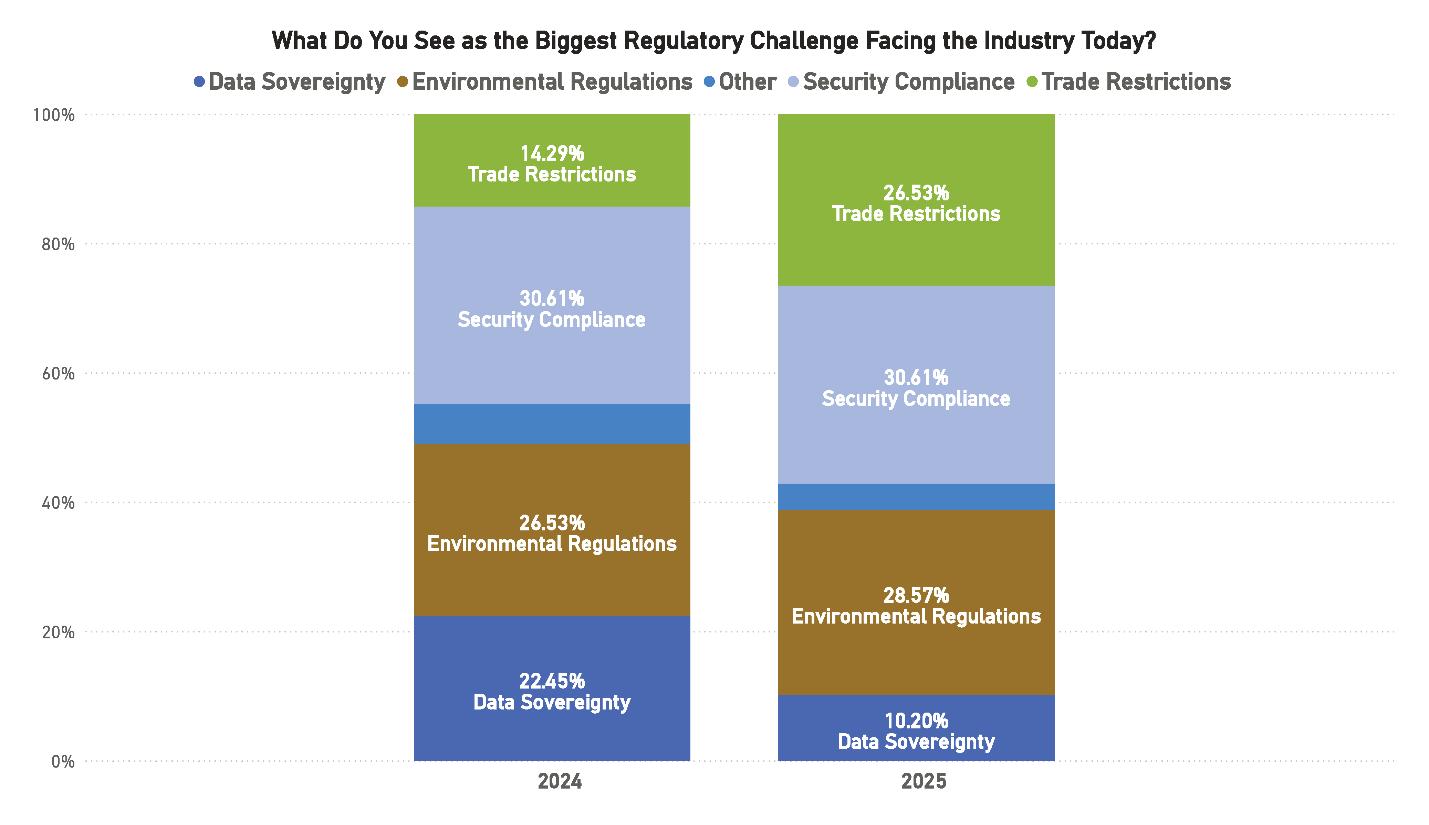
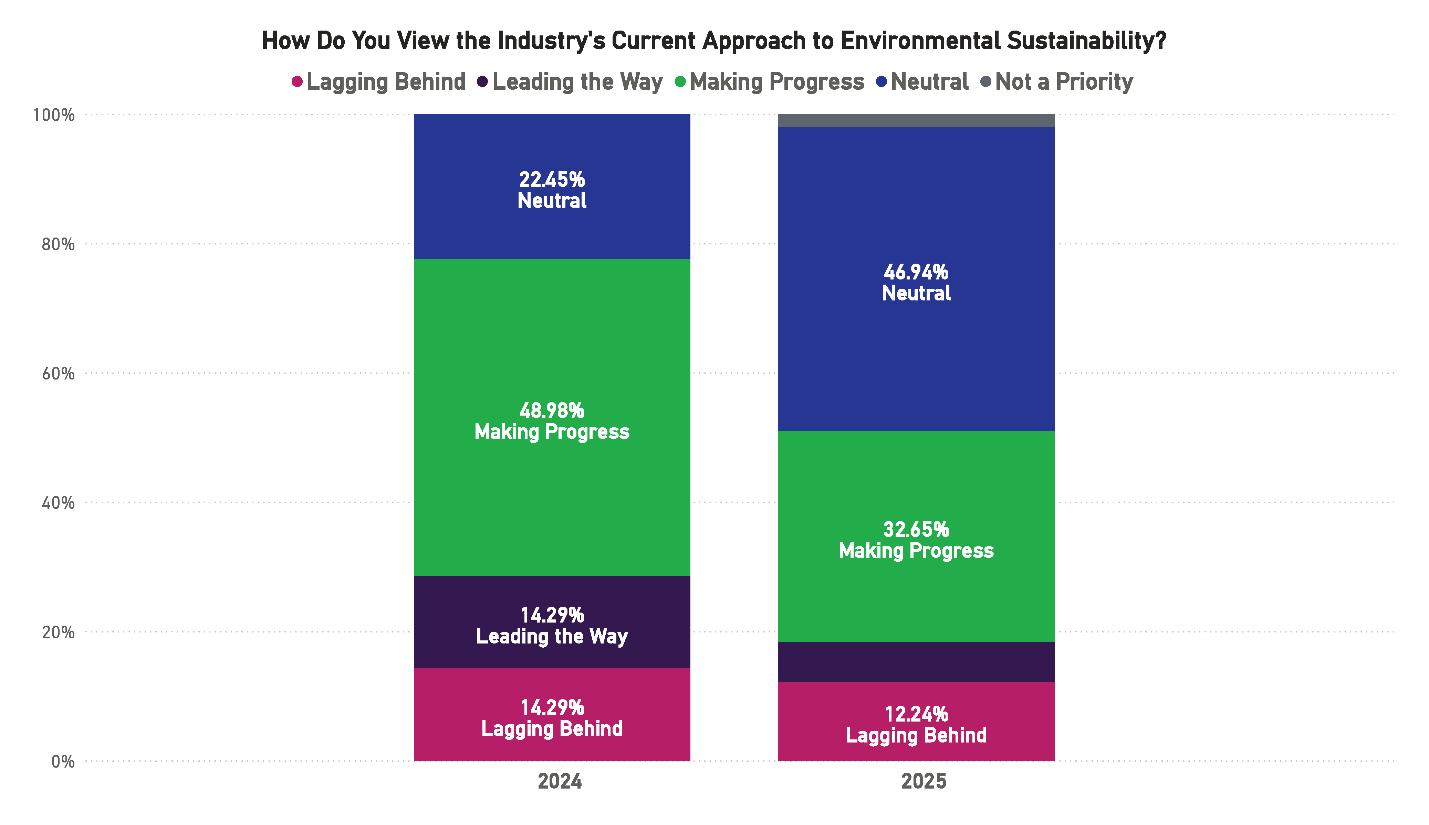
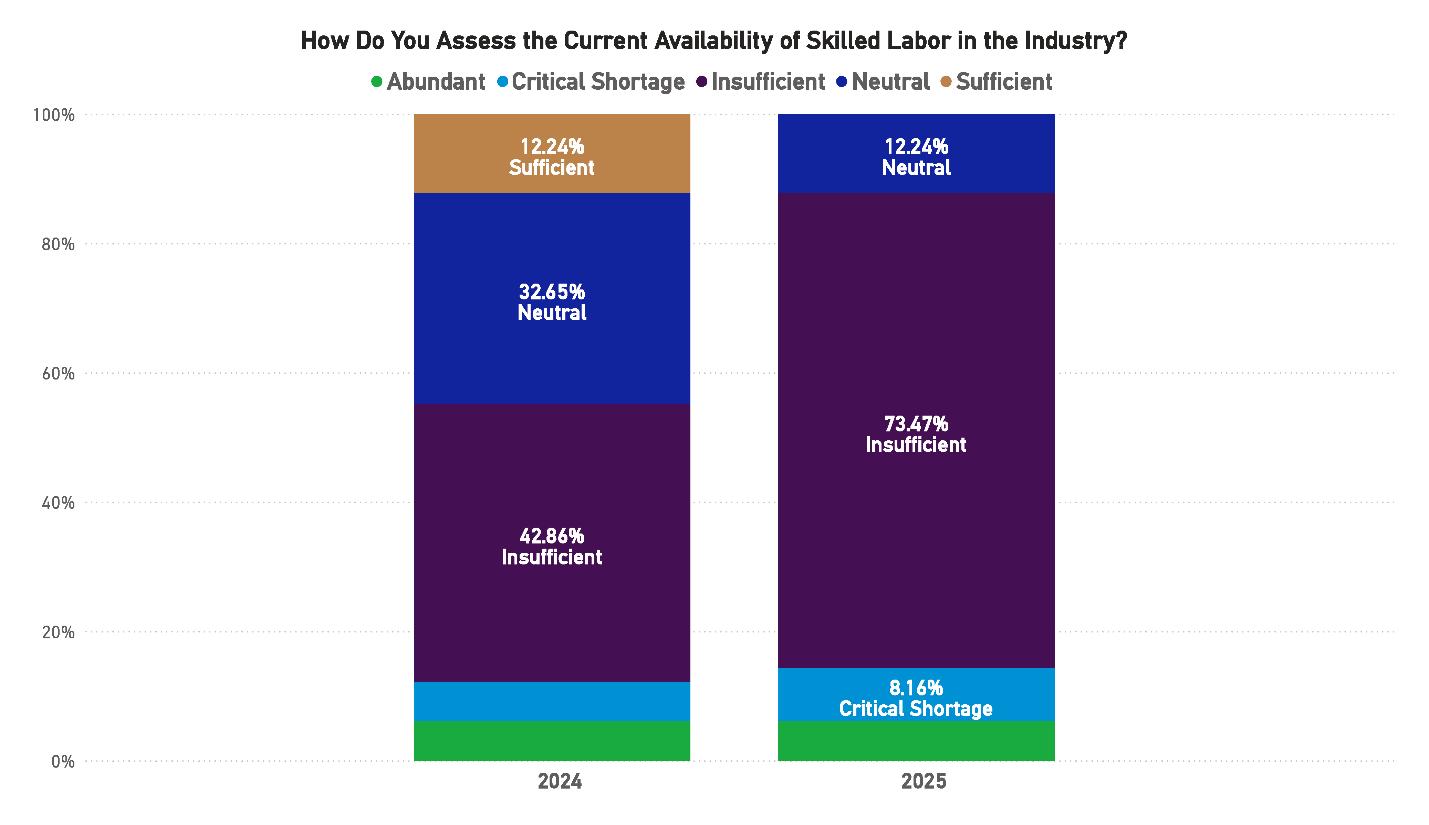
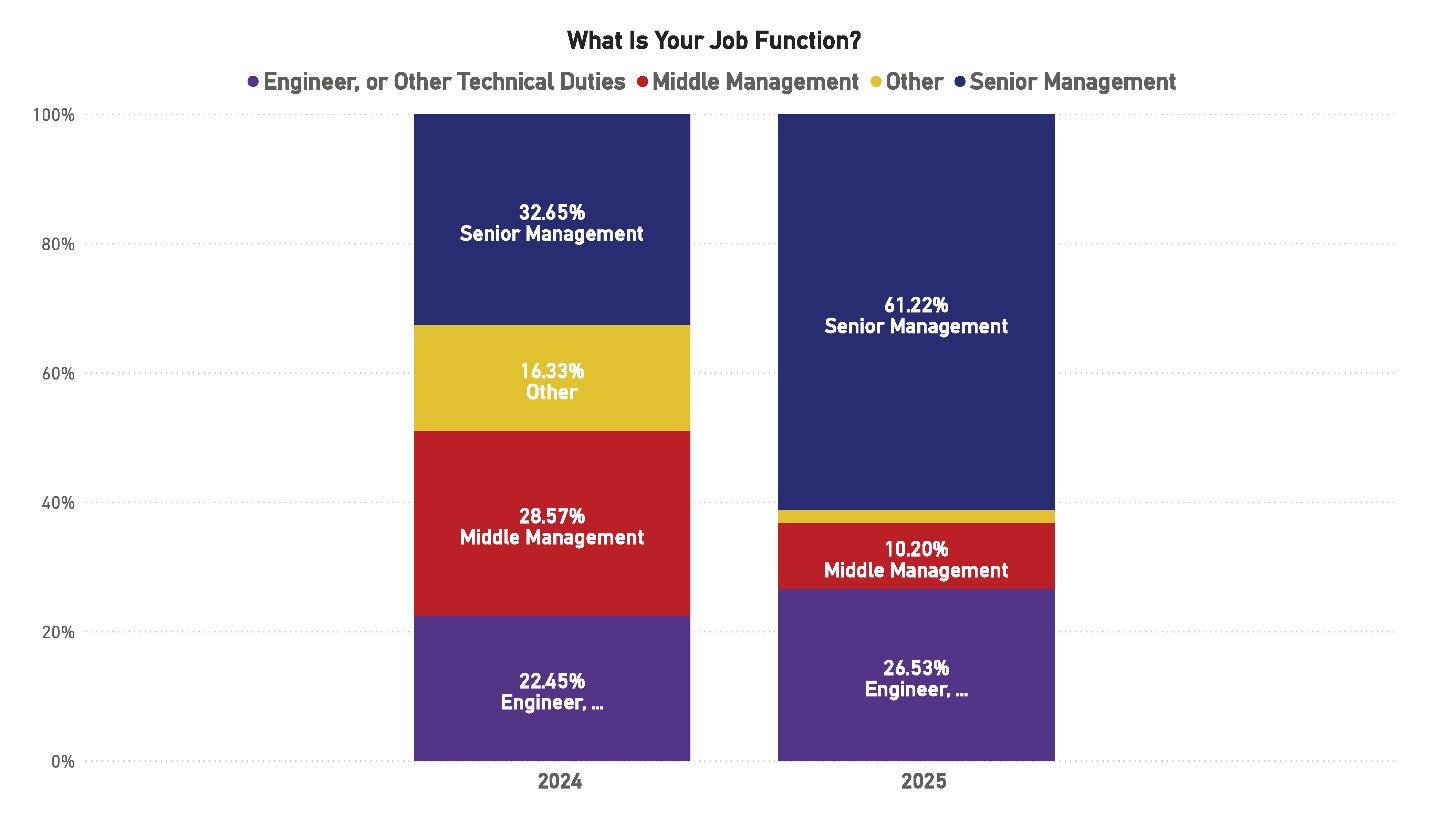
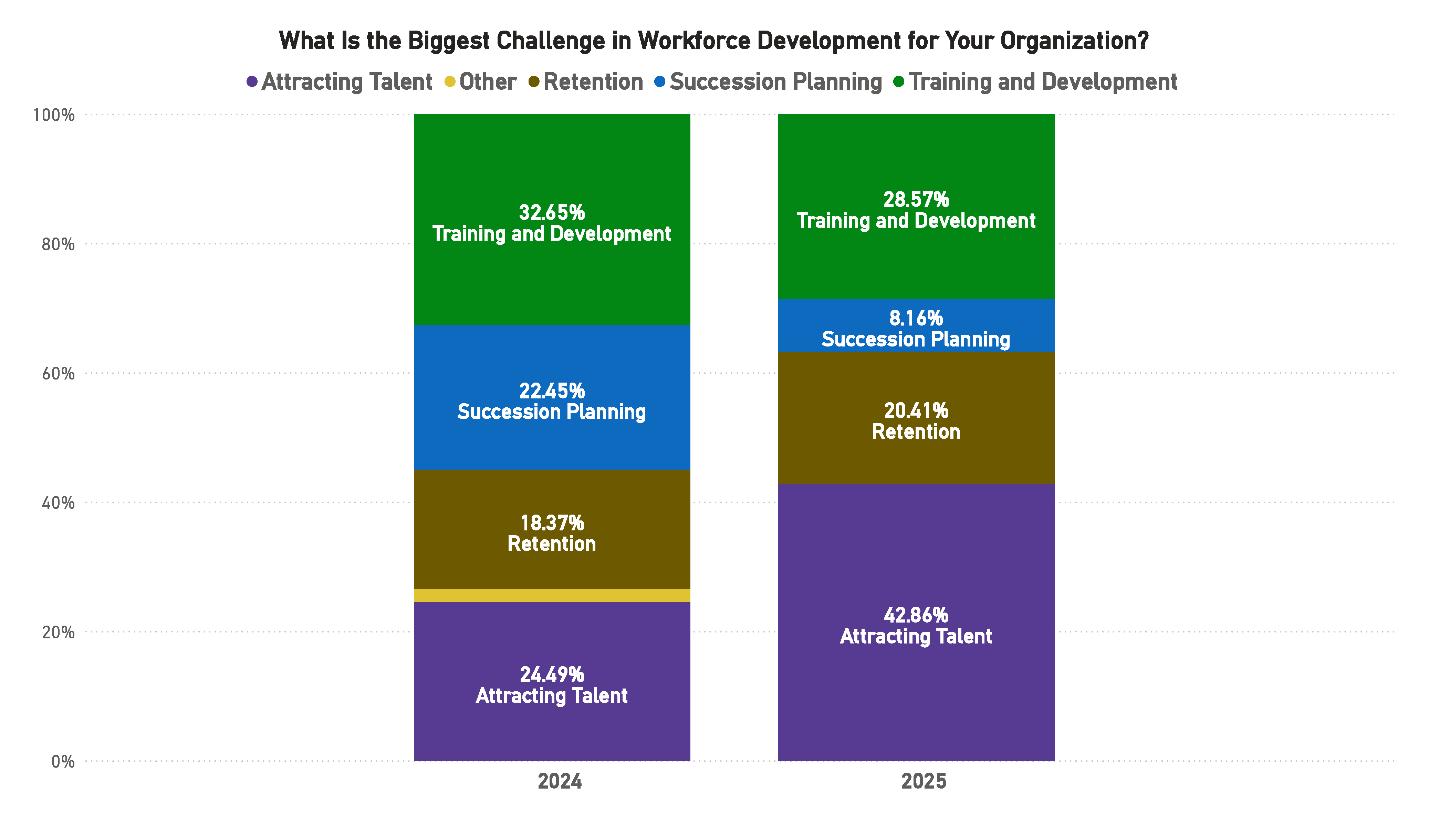
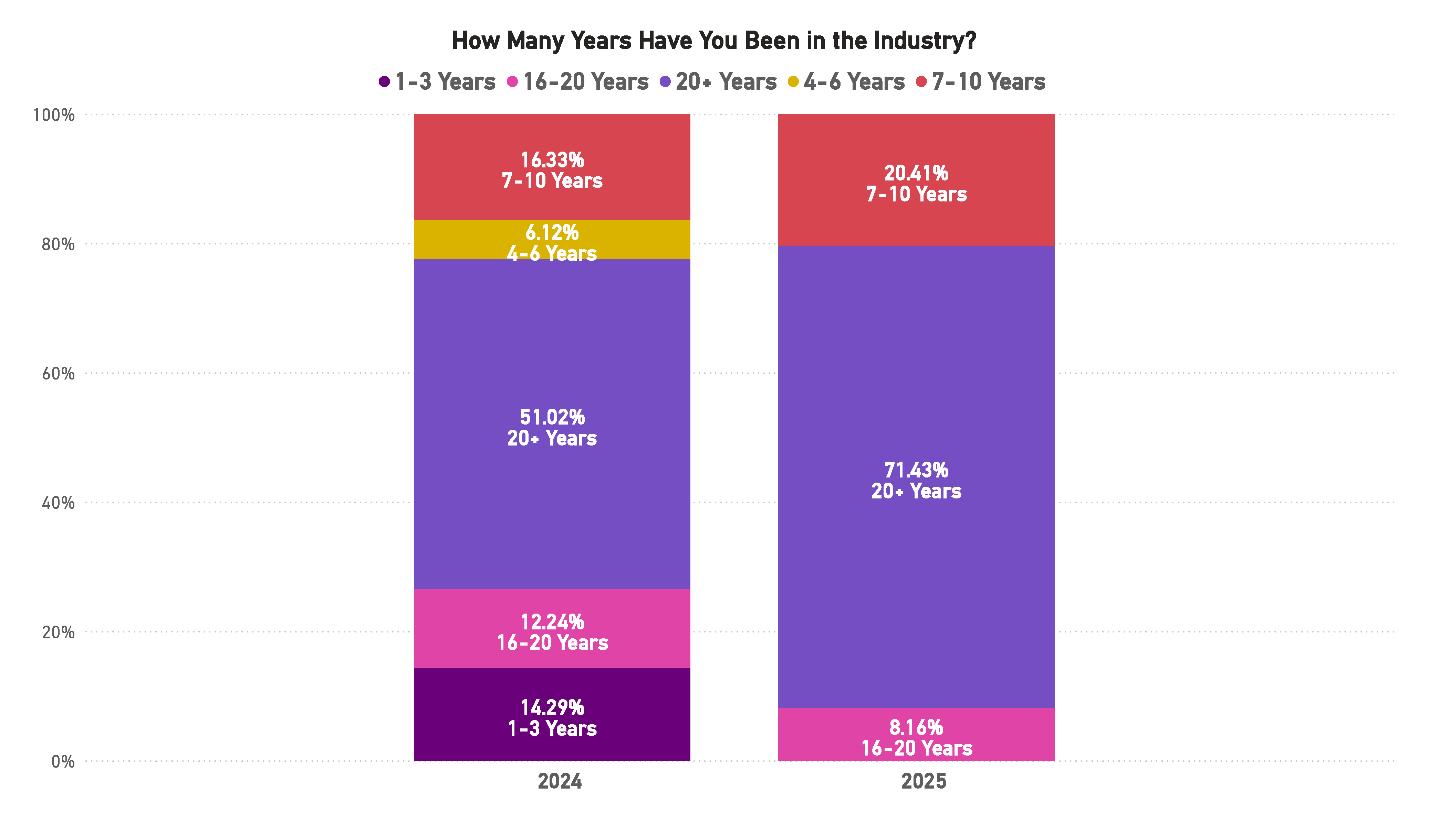
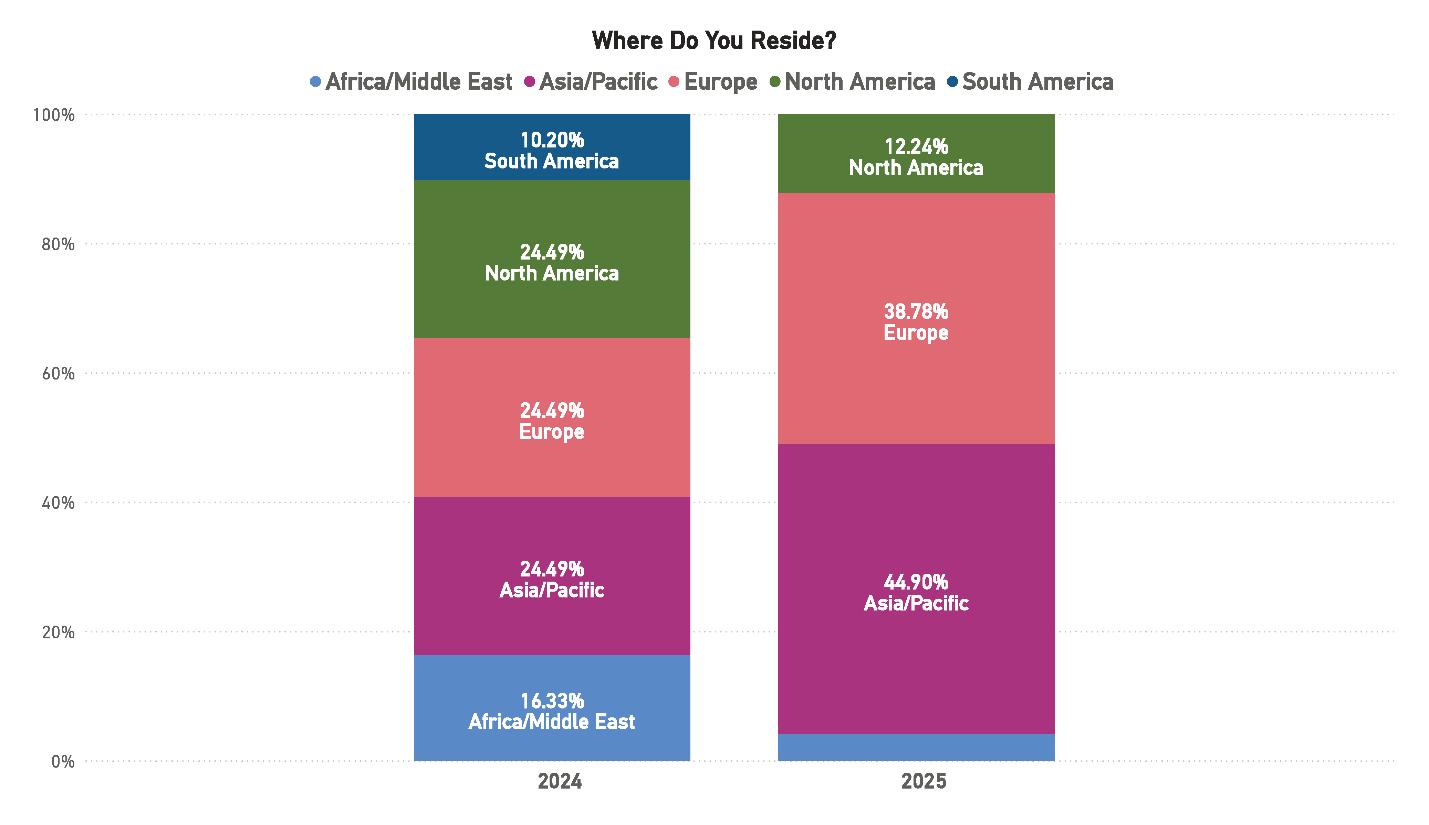
INDUSTRY SENTIMENT SIGNALS A SECTOR AT FULL THROTTLE — AND AT ITS LIMITS
Measuring Industry Capacity Limits.
From the Submarine cable Industry
72
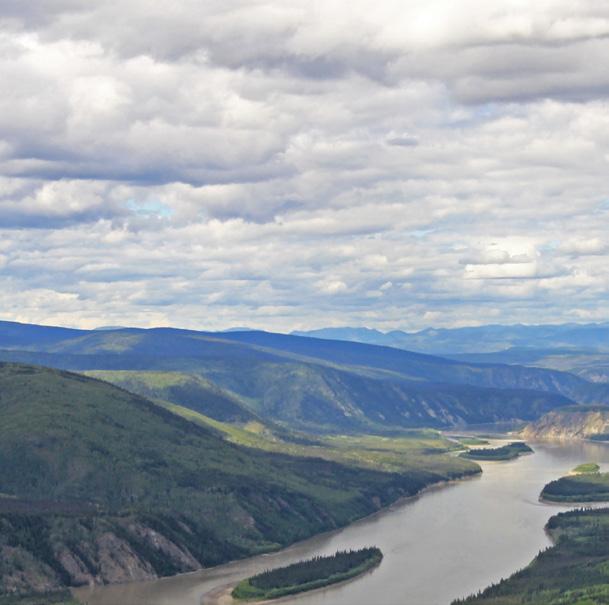
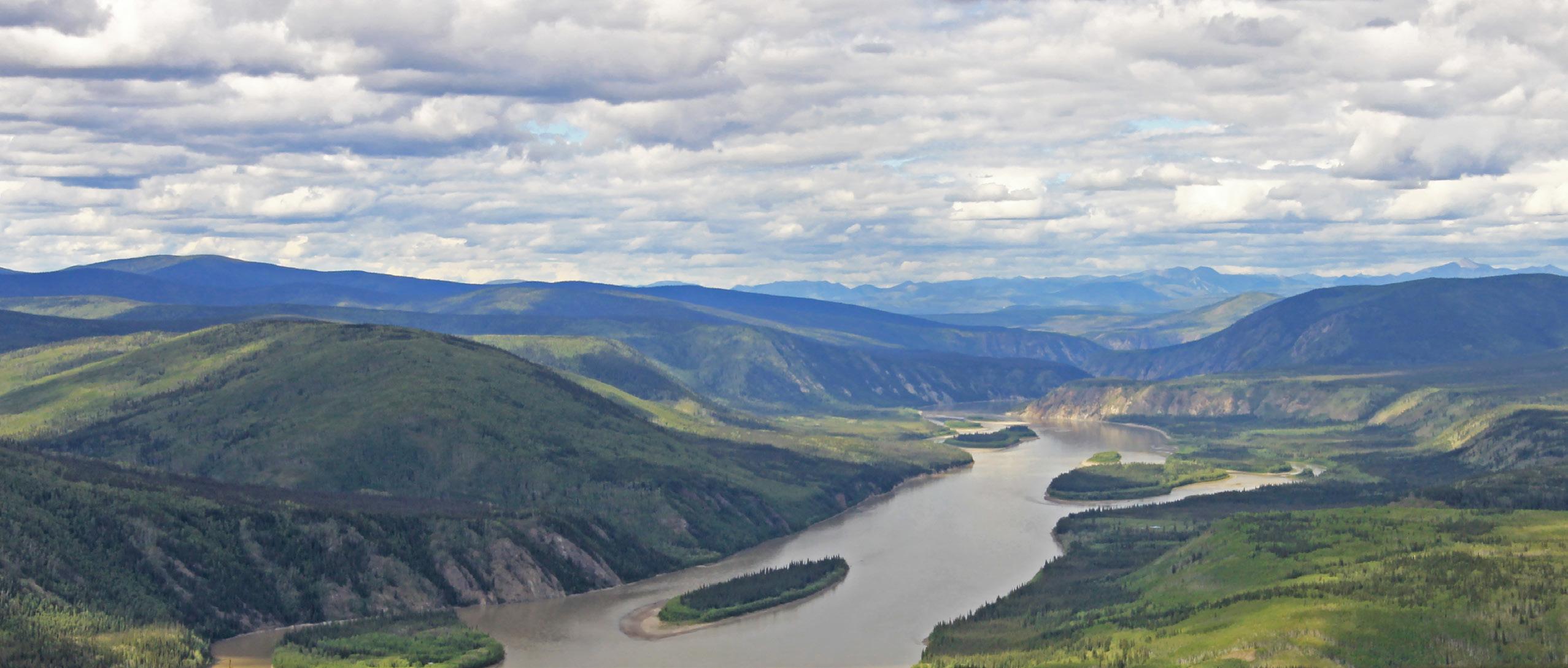
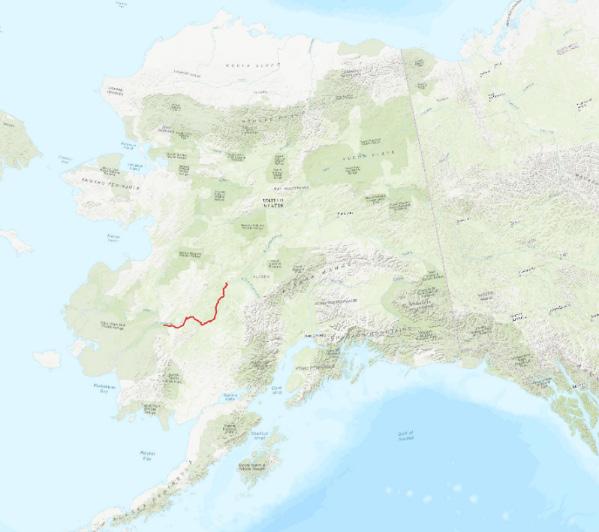
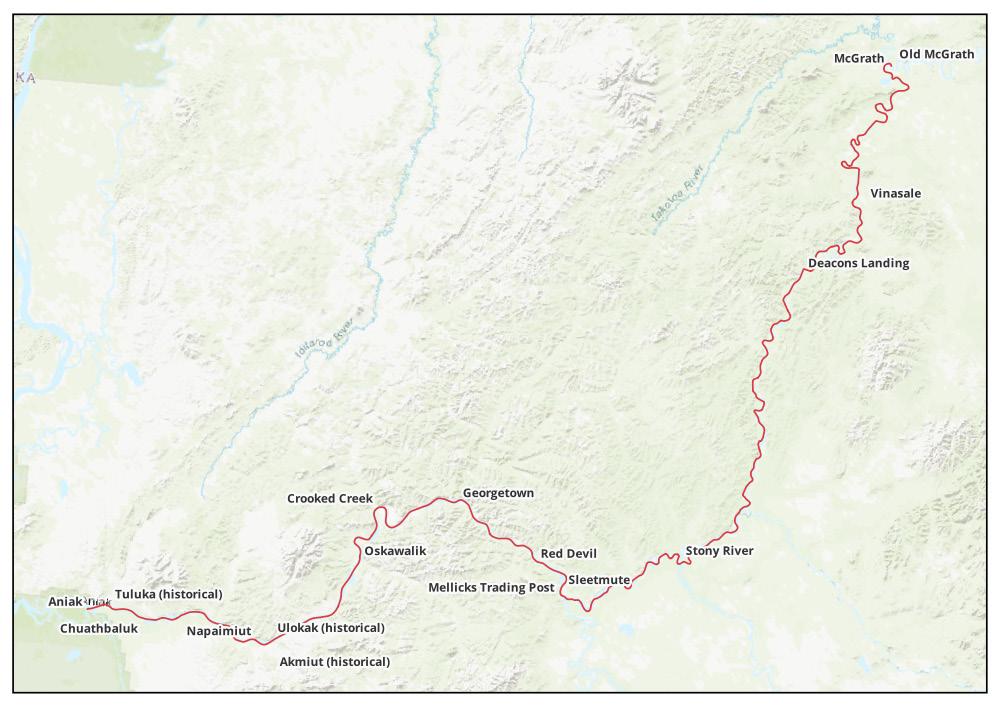
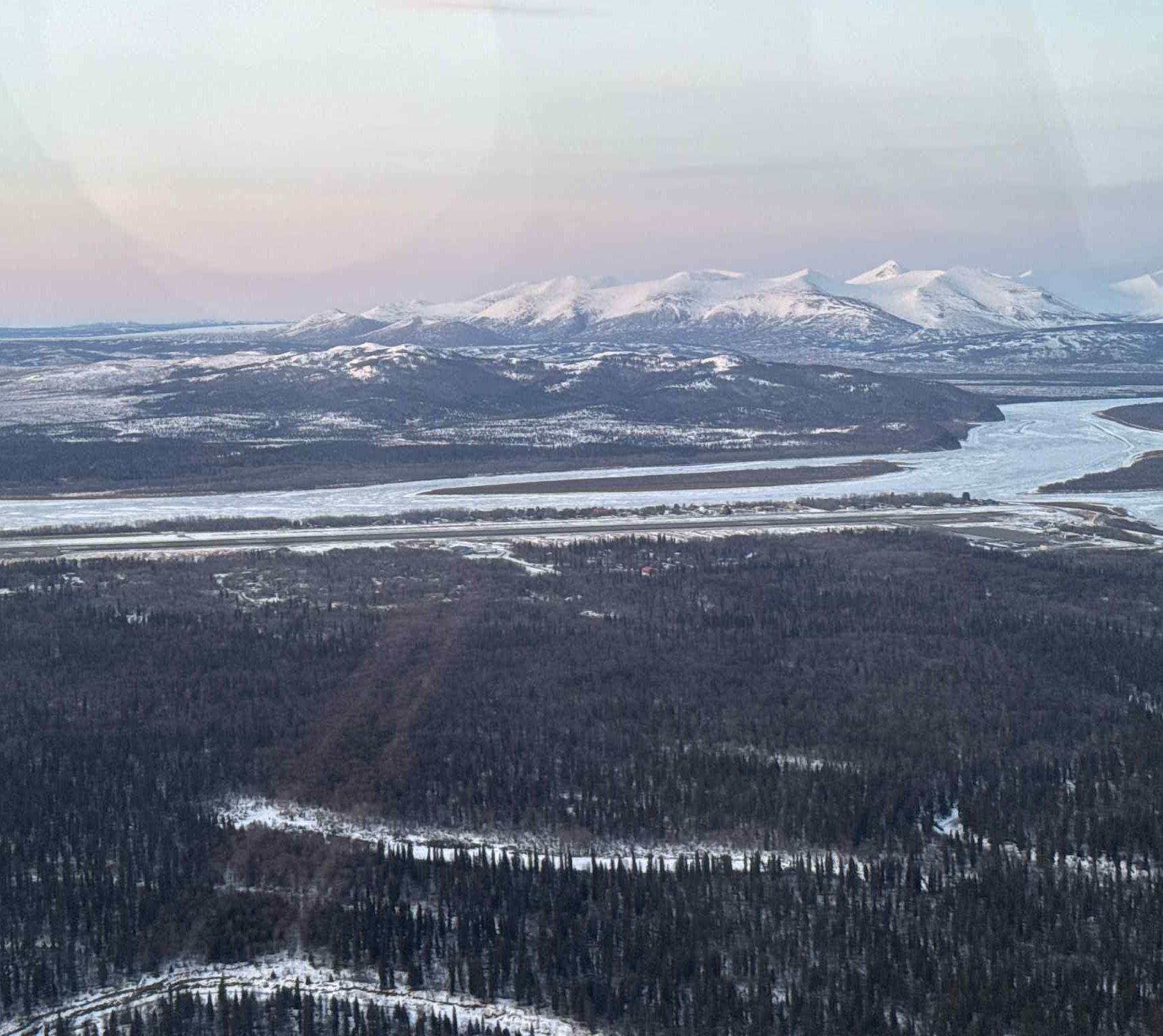
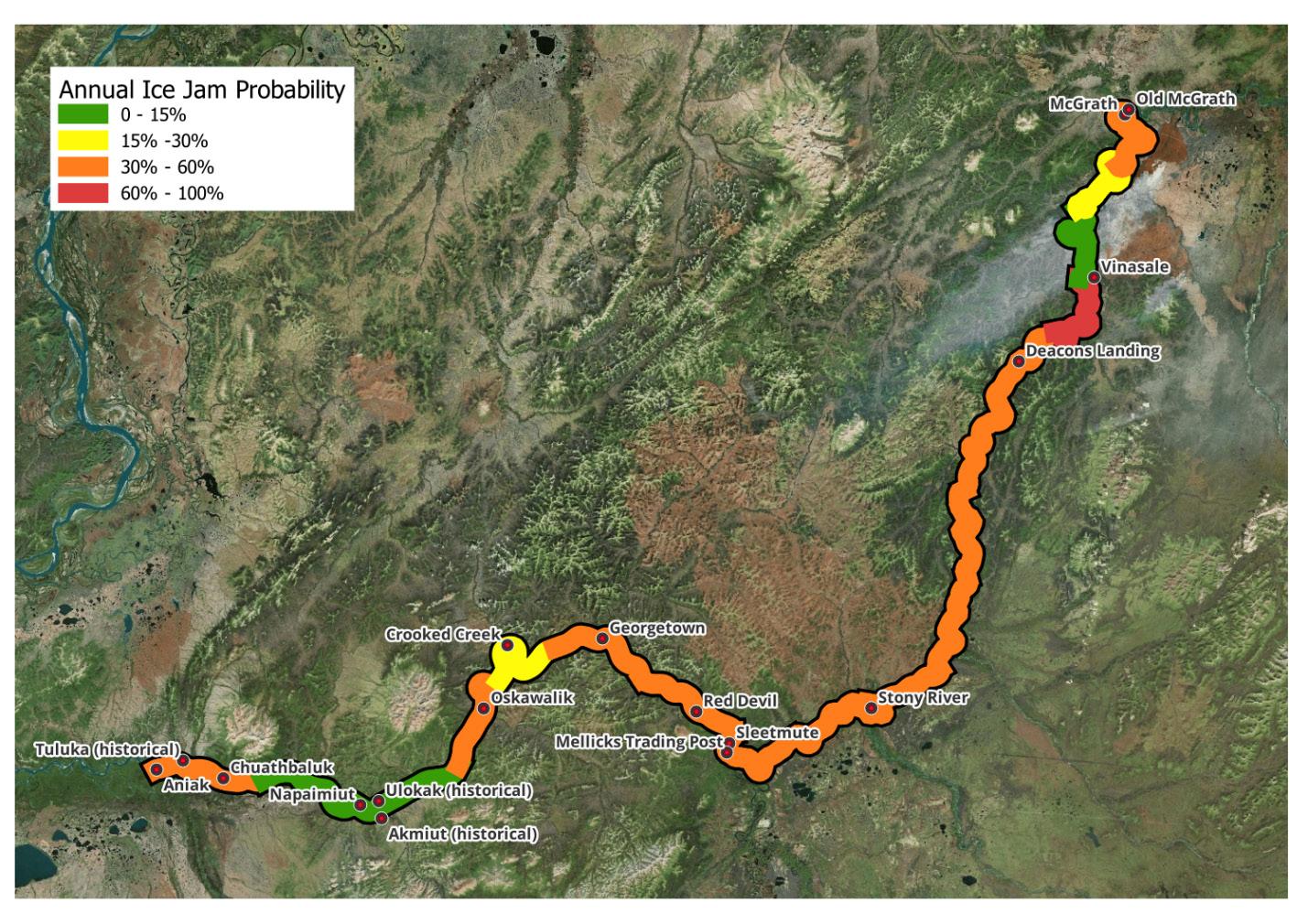
EXTENDING BROADBAND THROUGH ARCTIC RIVERS: THE KUSKOKWIM RIVER FIBER FEASIBILITY STUDY
Arctic river fiber broadband feasibility study.
by Mark Ayers, Dave Tucker, John Siegle, Zach Huff
58
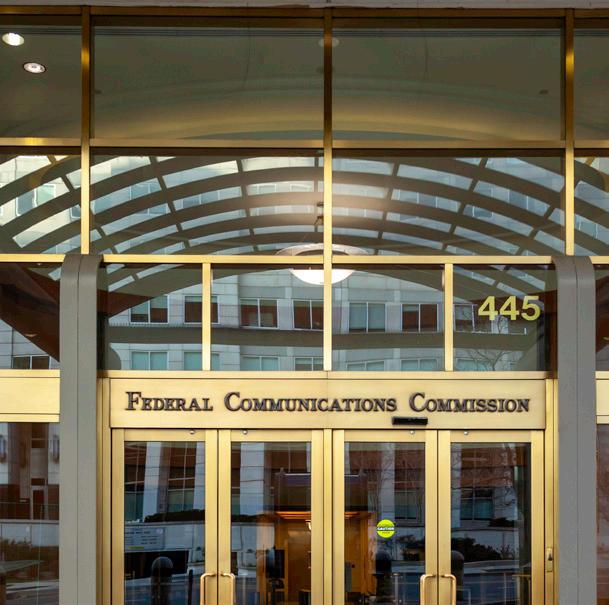
FCC TAKES STEPS TO MODERNIZE ITS SUBMARINE CABLE LICENSING RULES
FCC modernizes submarine cable licensing rules.
by Ulises R. Pin, Thomas J. Garrity, III
78
RISK ALLOCATION FOR SUBMARINE CABLES IN HIGH WAR-RISK AREAS
War-risk contracting for submarine cable projects by Mike Conradi, David Ossack, Lola Stirling
64
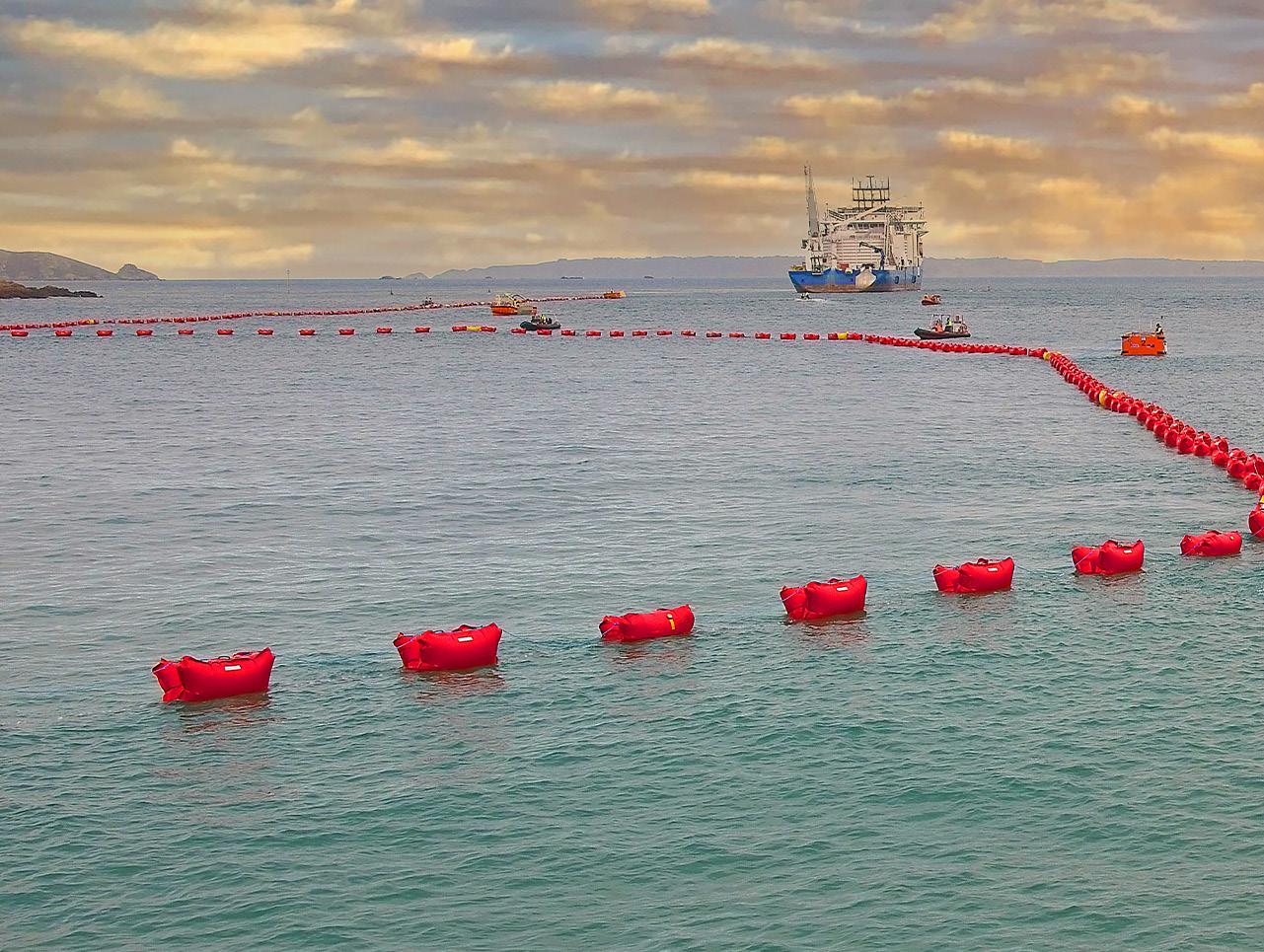
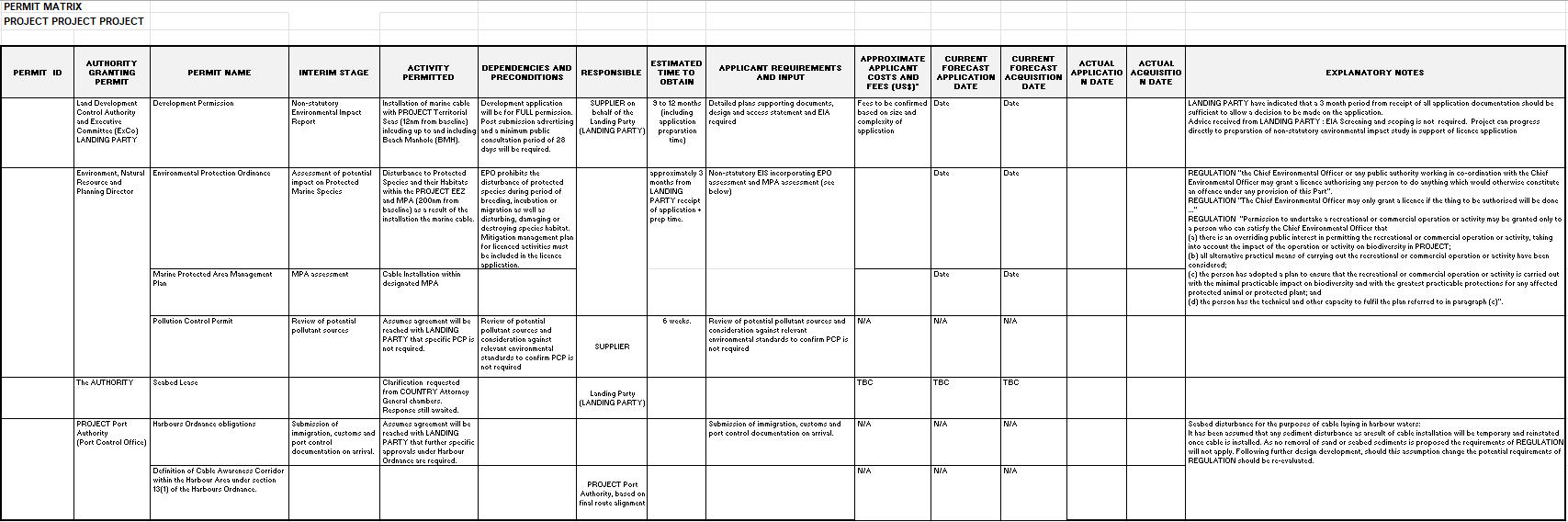
PERMIT FEASIBILITY STUDIES AS RISK MANAGEMENT TOOLS
Permit feasibility studies reduce project risk.
by Denise Toombs
82
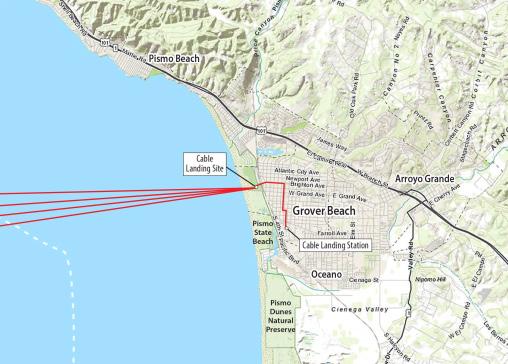
RESILIENCE BY DESIGN: RETHINKING SUBSEA CABLE LANDING STRATEGY IN THE AI ERA
AI reshapes submarine cable landing strategy by Joel Ogren
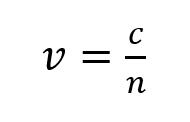
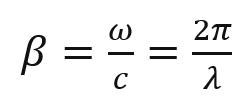
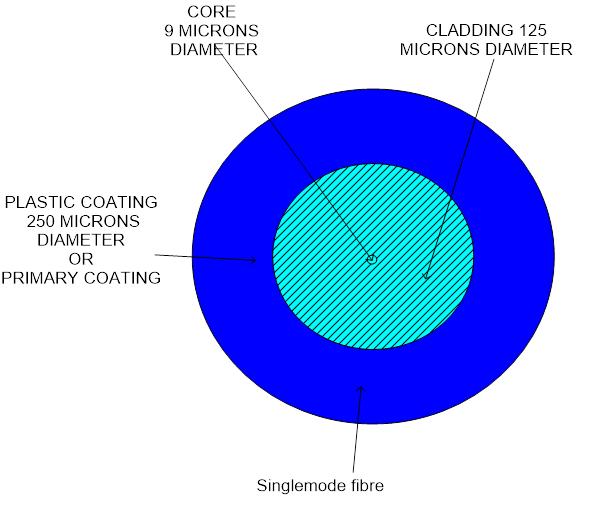
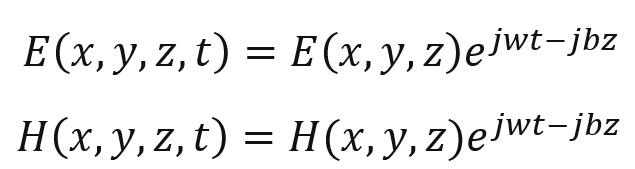
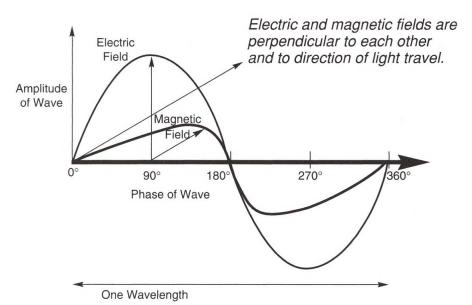
FROM MAXWELL’S EQUATIONS TO SUBSEA FIBRE
OPTICAL FIBRES
WAVEGUIDES PART 1 Maxwell’s equations underpin optical fiber communications. by Anna Bridget Sheehan and Derek Cassidy
SUBSEA CABLES AND INTERNATIONAL SANCTIONS IN 2026
Sanctions reshape subsea cable business risks by Laurence Ridgway, Chris Caulfield, Stuart Blythe, Paul Luther
11 QUESTIONS WITH RYAN WOPSCHALL
Talking submarine cable industry with International Cable Protection Committee’s general manager
INSIDE SUBTEL FORUM:
25 Years of Submarine Cable Intelligence
In 2026, SubTel Forum marks 25 years as the leading independent intelligence platform serving the global submarine cable industry. Over a quarter century, SubTel Forum has evolved from a specialist publication into the industry’s most trusted source for data, analysis, mapping, and editorial insight. SubTelForum.com now stands as the central reference point for operators, suppliers, investors, governments, and advisors shaping global connectivity.
What follows is a guide to SubTel Forum’s most important products and resources for 2026.
IN DEPTH INDUSTRY PUBLICATIONS
At the core of SubTel Forum are its flagship publications, which define how the industry understands itself.
Submarine Telecoms Industry Report (Annual)
The industry’s benchmark analytical report. Each edition delivers rigorous assessment of market
structure, ownership trends, capacity growth, investment drivers, and forward outlooks. It remains essential reading for executives and policymakers navigating an increasingly strategic infrastructure sector.
Submarine Cable Almanac (Biannual)
A data driven reference providing detailed system level coverage of global submarine cable networks. Each biannual edition includes maps and structured data on routes, capacity, ownership, status, and technical attributes. It is one of the most frequently cited resources in the industry.
Cableship Codex (Biannual, Launching 2026)
New in 2026, Cableship Codex is a biannual intelligence product focused exclusively on the global cable ship fleet. It delivers authoritative coverage of vessels, ownership, technical capability, utilization trends, and market dynamics. For the first time, the industry gains a structured, recurring reference
dedicated to the assets that build and maintain global subsea infrastructure.
CABLE MAPS AND VISUALIZATION TOOLS
Online SubTel Cable Map
An interactive digital platform mapping more than 600 submarine cable systems worldwide. It supports research, planning, and analysis through an intuitive interface designed for professionals.
Printed Submarine Cable Map
The definitive physical reference of global submarine fiber infrastructure. Updated and reprinted multiple times each year for distribution at key industry conferences, it reflects the latest system developments and is widely displayed in offices, boardrooms, and event venues across the global subsea sector.
SubTelForum.com Directory
The SubTel Forum Directory is the industry’s most comprehensive free listing of vetted submarine cable companies, service providers, and specialists. Designed for speed and clarity, it enables practical commercial discovery and strengthens community connectivity across the ecosystem.
NEWS AND DAILY INTELLIGENCE
News Now RSS Feed
The daily pulse of the submarine cable industry. News Now curates global coverage spanning projects, outages, regulation, technology, and geopolitics. It is a core tool for staying informed in a fast moving sector.
SubTel Forum App
The SubTel Forum App continues to mature in 2026 as a primary mobile access point. It integrates news, editorial content, data driven insights, and alerts into a streamlined experience built for real time awareness and professional use.
EDITORIAL KNOWLEDGE HUB
Must Reads and Q&As
A curated collection of long form articles, interviews, and expert discussions exploring the technical, commercial, historical, and strategic dimensions
of submarine communications.
Magazine Archive
Spanning more than 25 years, the Submarine Telecoms Forum Magazine Archive offers an unmatched historical record of the industry’s evolution. It serves as a living institutional memory for researchers, analysts, and practitioners.
Authors Index
The Authors Index enables readers to locate articles by contributor and follow the work of leading industry voices, reinforcing SubTel Forum’s role as the platform of record for submarine cable thought leadership.
Bespoke and Special Reports
SubTel Forum produces tailored reports addressing specific market needs, including Global Outlook analyses, data center and OTT studies, offshore energy connectivity, regional systems assessments, unrepeatered systems reviews, and comprehensive cable datasets covering more than 550 systems.
After 25 years, SubTelForum.com remains the industry’s most complete and trusted intelligence platform. Built on continuity, independence, and execution discipline, it continues to support those designing, financing, building, and operating the infrastructure that connects the world.
EXORDIUM
Welcome to Issue 147 of SubTel Forum, our Finance and Legal edition, featuring a preview of ICPC Plenary 26.
To say we had a difficult winter is an understatement. Snowstorms arrived more frequently than in recent years, though the season also brought an upside: more skiing than we have enjoyed in quite some time. Our industry is experiencing a similar season of contrasts.
Subsea infrastructure is being tested in ways few expected months ago. The closure of the Straits of Hormuz and continuing uncertainty in the Red Sea highlight how vulnerable global connectivity can be to geopolitical events far beyond the cable route survey.
Where these developments ultimately lead remains uncertain. What is clear is that the environment surrounding submarine cable deployment, protection, and repair is evolving rapidly.
INSIDE ISSUE 147: INFRASTRUCTURE, RISK, AND THE FUTURE OF SUBSEA CONNECTIVITY
Last issue we introduced a refreshed SubTel Forum design with cleaner typography, improved layout, and stronger digital discoverability.
In this edition, contributors examine forces shaping the submarine cable industry—from technology and regulation to geopolitics and infrastructure design. Topics include permit feasibility studies to reduce project risk, industry sentiment showing a sector near full capacity, AI’s impact on cable landing strategy, legal perspectives on cable protection, sanctions risk and FCC licensing reforms, contracting
in war-risk regions, the physics of optical fiber, an Arctic river fiber feasibility study for remote Alaskan broadband, and a preview of the ICPC Plenary in Athens focused on protecting global connectivity.
CABLE MAP – SUBMARINE NETWORKS EMEA 2026
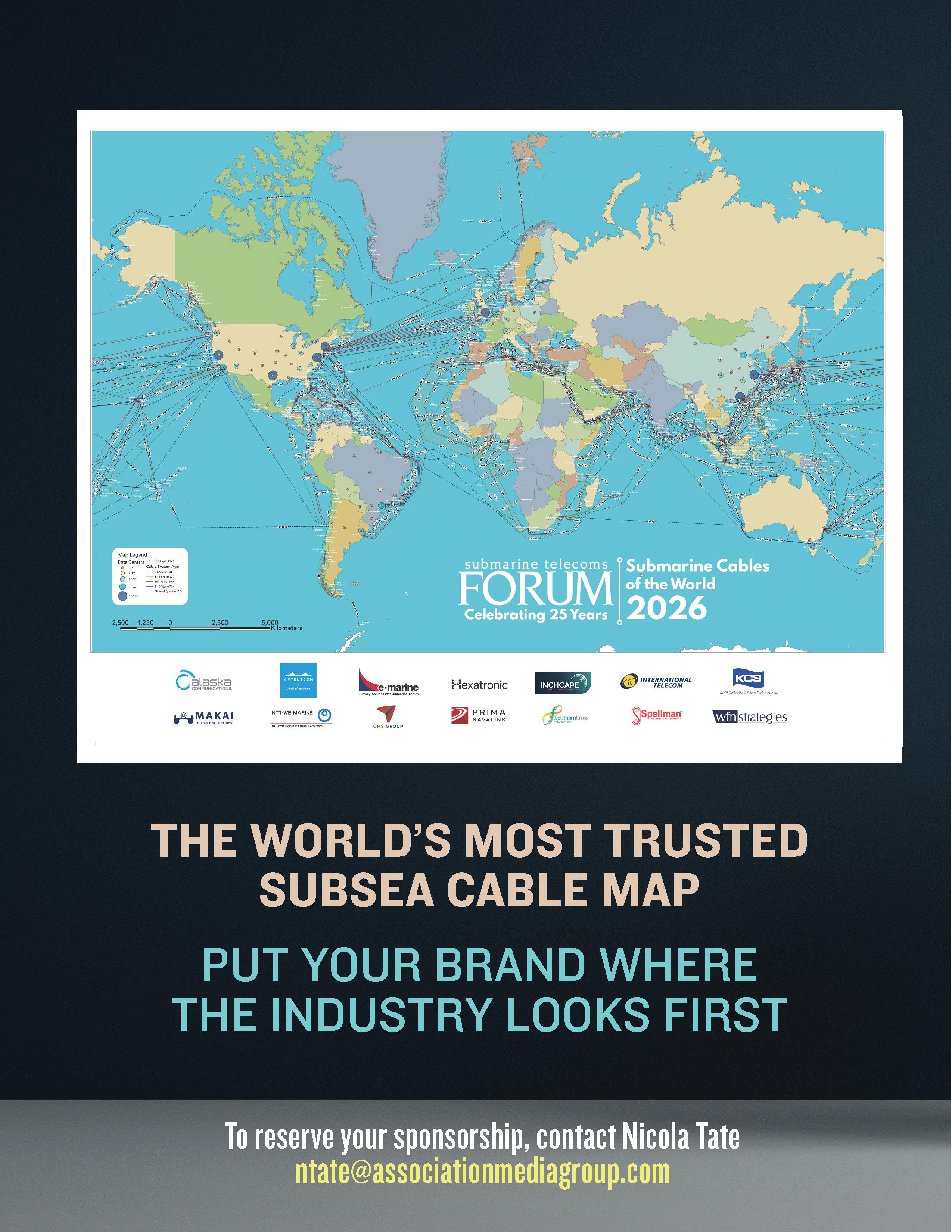
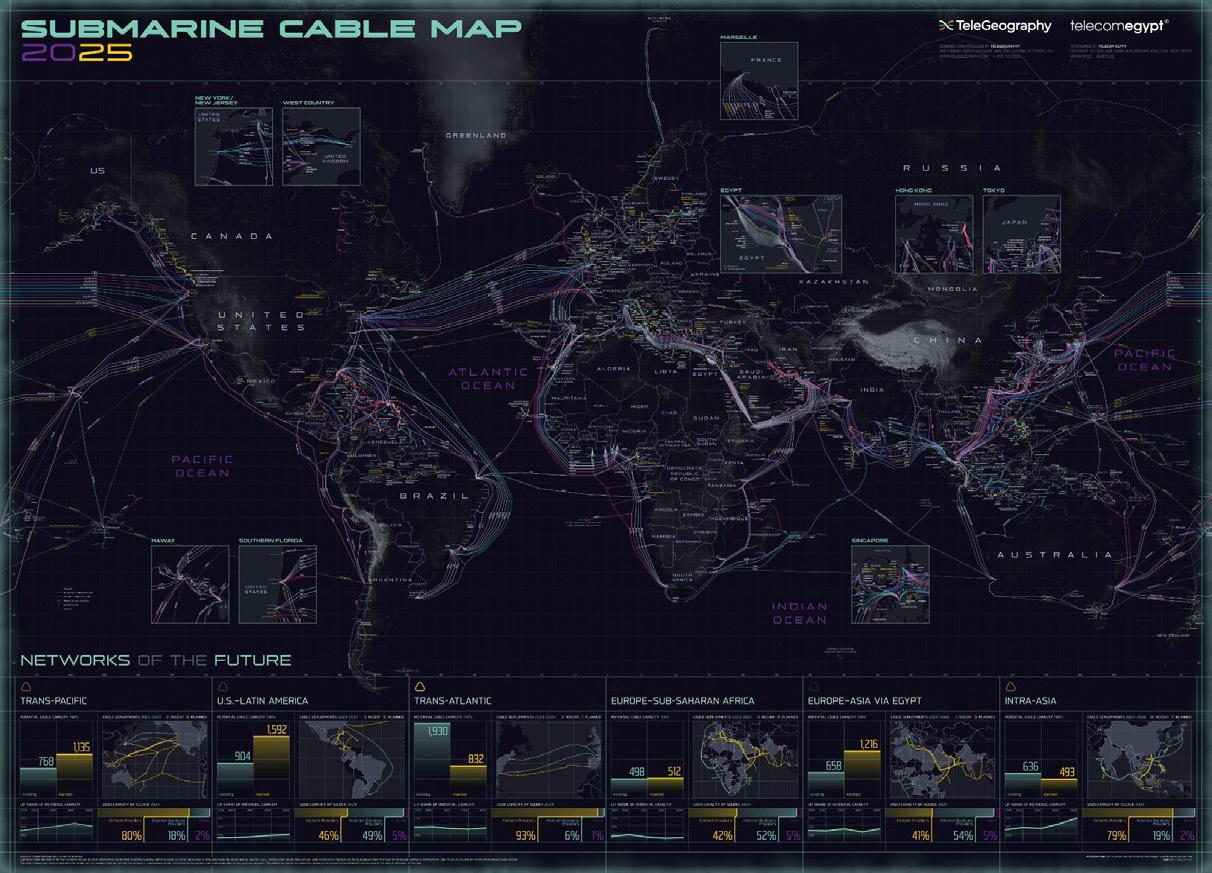
As the industry gathers in London for Submarine Networks EMEA 2026, SubTel Forum will again publish the latest global Submarine Cable Map, a widely used visual reference in the subsea community.
Distributed to attendees and decision-makers, the map places your brand directly in the hands of operators, suppliers, investors, and policymakers.
Advertising opportunities remain open for this issue. Contact Nicola Tate to reserve space.
CABLESHIP CODEX – ISSUE 1, MAY 2026
This May, SubTel Forum launches Issue 1 of the Cableship Codex, a new reference publication focused on the global fleet that builds, installs, and maintains submarine cable infrastructure.
The Codex will provide insights into vessels, capabilities, and operational trends across the subsea industry. Advertising space is available for the inaugural May release. Contact Nicola Tate to reserve space.
CABLE MAP – SUBMARINE NETWORKS WORLD 2026
SubTel Forum will also produce an updated Submarine Cables of the World wall map for Submarine Networks World in Singapore this September.
The map remains one of the industry’s most recognized visual references, appearing in offices and project spaces across the global subsea community. Advertising opportunities are available for the September edition.
Click here to secure your spot.
Thank You
Our thanks go to our authors and to this issue’s advertisers: ACS, Assured Communications, APTelecom, Fígoli Consulting, and WFN Strategies.
And do not miss our perennial reader favorite, Where in the World Are All Those Pesky Cableships?
Good reading, and Slava Ukraini.
Wayne Nielsen is the founder and publisher of Submarine Telecoms Forum, one of the industry’s most trusted intelligence platforms, reaching more than 150,000 readers in 115 countries. He is also Managing Director of WFN Strategies, with over 35 years of global submarine cable experience spanning commercial, governmental, and offshore energy systems.
| +1 703 798 4630
Vice President
Kristian Nielsen | knielsen@subtelforum.com | +1 703 861 3647
Contributions from SubTel Forum editorial staff and industry experts including Camila Paulino, Iago Bojczuk, Nicole Starosielski, Ana Carolina Haddad, Eduardo Grizendi, Andrés Fígoli, Kieran Clark, Jorge Lozano, John Maguire, Wayne Nielsen, Kristian Nielsen, Phillip Pilgrim, and Nicola Tate
Feature Writers
Mark Ayers, Derek Cassidy, Mike Conradi, Thomas J. Garrity, III, Zach Huff, David Ossack, Joel Ogren, Ulises R. Pin, Anna Bridget Sheehan, John Siegle, Lola Stirling, Dave Tucker, and Denise Toombs
NEXT ISSUE
May 2026 – Global Capacity featuring PTC DC ‘26
Authors Index subtelforum.com/authors-index Industry Directory directory.subtelforum.com
Wayne Nielsen, Margaret Nielsen, Kristian Nielsen and Kacy Nielsen Corporate information: subtelforum.com/corporate-information SUBMISSIONS
Contributions are welcomed and should be submitted to: pressroom@subtelforum.com
PUBLISHING AND LIABILITY NOTICE
Submarine Telecoms Forum magazine is published bimonthly by Submarine Telecoms Forum, Inc. It is an independent commercial publication serving as a freely accessible forum for professionals engaged in submarine cable systems and global digital infrastructure. No part of this publication may be reproduced or transmitted in any form, in whole or in part, without prior written permission from the publisher.
While every effort is made to ensure accuracy, the publisher accepts no liability for errors or omissions in editorial or advertising content, or for any consequences arising therefrom. The editor reserves the right to edit all submitted material.
MAPPING THE WORLD’S SUBMARINE CABLE INFRASTRUCTURE
by Kieran Clark
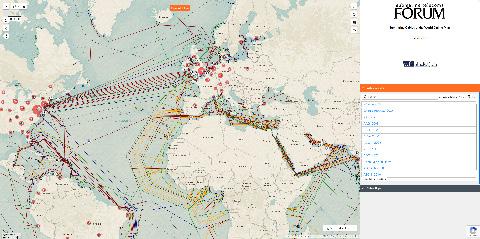
The SubTel Cable Map—powered by Esri’s ArcGIS platform—offers an interactive and detailed way to explore the global network of submarine cables.
This indispensable resource provides information on over 440 existing and planned systems, more than 50 cable ships, and upwards of 1,100 landing points. Connected directly to the SubTel Forum Submarine Cable Database and integrated with our News Now Feed, the map enables real-time tracking of industry activity and cable-specific news coverage.
Submarine cables serve as the foundation of global digital infrastructure, carrying more than 99% of international data traffic. These systems enable the seamless connectivity the world depends on—from personal communication to enterprise operations. Without them, modern, high-speed global communication simply wouldn’t be feasible.
Our analysts continually update the map using verified data from the Submarine Cable Almanac and valuable input from industry contributors. This ensures a timely and accurate picture of the subsea cable landscape, spotlighting the latest deployments and developments. As we approach the end of the year, map updates may slow during the holiday season, but our commitment to delivering reliable insights remains unchanged.
We’re proud to feature WFN Strategies as the current sponsors of the SubTel Cable Map. Additional sponsorship opportunities are available—offering high-visibility placement for your logo and a direct link to your organization. It’s a great way to align your brand with global connectivity and the future of the submarine cable industry.
We invite you to explore the SubTel Cable Map and gain a deeper understanding of the vital role submarine cable systems play in our interconnected world. As always, if you are a point of contact for a system or company that requires updates, please email kclark@subtelforum.com
We hope the SubTel Cable Map proves to be a valuable resource for you, offering insight into the continually evolving submarine cable industry. Dive into the intricate network that powers our global communications today. Happy exploring!
Kieran Clark is Senior Analyst at Submarine Telecoms Forum, Inc. He joined in 2013 as a Broadcast Technician supporting live event streaming, bringing over eight years of production experience. Promoted to Analyst in 2014, he now leads research and maintenance for the SubTel Forum Submarine Cable Database and Online Map, with analysis featured across most SubTel Forum publications.
JANUARY 18, 2026
NEW SYSTEMS:
• APX-East
• Artemis
• AUG East
• Barracuda
• Basulta
• JAKO
• Kardesa
• Kivaliq-Baffin Cable
• MViSTA
• PASELA
• SING
• Synapse
UPDATED SYSTEMS:
• Fastnet
• SMAP
• Tabua
• TAM-1
FINANCE & LEGAL: A SNAPSHOT OF WHERE WE ARE AND WHERE WE ARE HEADED ANALYTICS
by SubTel Forum Staff
The year 2025 has stood out as one of the most transformative for the global submarine cable industry.
LEGAL & REGULATORY MATTERS YEAR IN REVIEW
The intersection between law, technology, and geopolitics has never been more visible. The sector faces an era of unprecedented regulatory complexity. These developments underline an urgent need for coordinated governance that balances investment incentives, sustainability, and resilience in a globally interconnected ecosystem.
Market Sustainability
The sustainability of the submarine cable market is increasingly linked to its structural diversity — both in infrastructure ownership and operational models. In 2025, several developments highlighted how market concentration can directly affect resilience, competition, and innovation within the global connectivity ecosystem.
In April 2025, six European competition authorities issued a joint statement (European National Competition Authorities, 2025) warning that a reduced number of infrastructure providers can undermine resilience, service quality and innovation. Also, during this year the UK Parliament’s Joint Committee on the National Security Strategy heard evidence (Steventon-Barnes, 2025) that nearly 75% of potential UK–US transatlantic capacity is concentrated in just two cables, with both landings at a single point. Even though this news was repeated without the proper clarifications from its authors (e.g. use of alternative routes), it created the valid mass media concern as to whether such clustering would pose strategic risks. Indeed, route and landing diversity remains a key element of resilience, and market concentration can create vulnerabilities in contingency planning, such as when older cables fail or are decommissioned.
These dynamics extend beyond wholesale telecom markets to cable laying and maintenance services.
In response, many countries have undertaken information-gathering initiatives to better understand subsea activity, while collaboration among competition authorities is emerging as a way to support robust and fair market conditions. (A&O Shearman, 2025)
Now, the current trends in antitrust agencies’ enforcement efforts rely on perfect coordination among several of them for carrying out unannounced antitrust inspections (dawn raids) in many states at the premises of any company, and the power to require companies and individuals to produce documents and information held even in foreign nations.
Security: Evidence
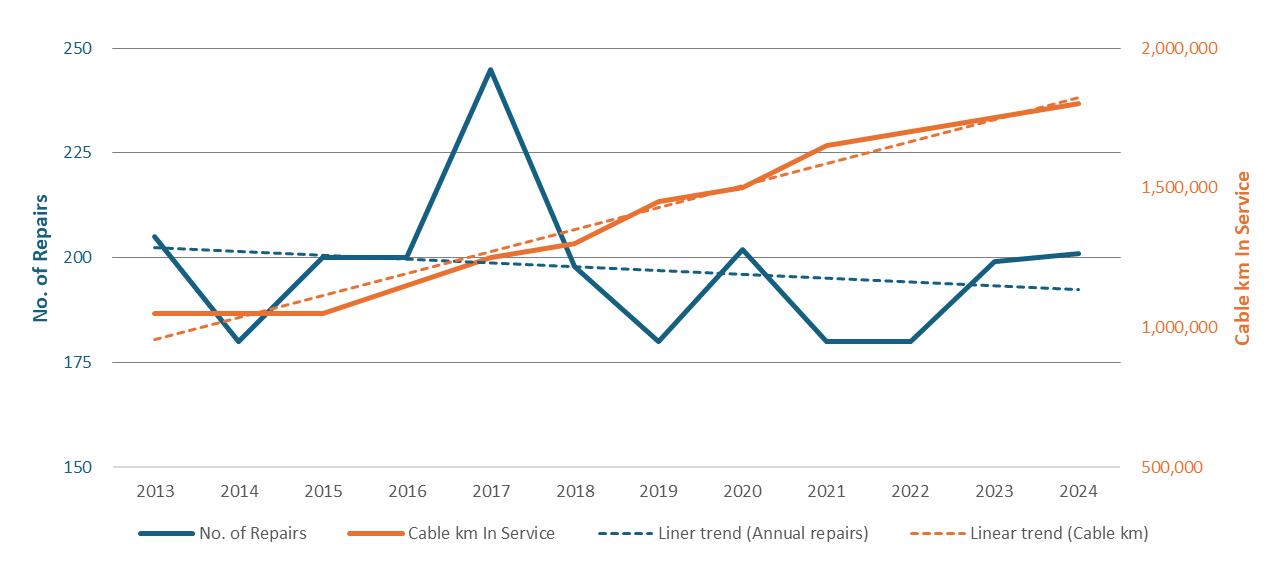
As it does every year, the International Cable Protection Committee (ICPC) has published its statistics (Palmer-Felgate, 2025)about cable repairs stating that the total number for 2024 was kept under 210 (4 incidents per week). And not surprisingly, in +80% of cases the causes of cable damage continue to be the result of human activity such as fishing and anchoring (86%), while the remainder is distributed among causes such as system failure, abrasion or geological activity (e.g. earthquakes).
The recently established Brazilian Submarine Cable Protection Committee (Comitê Brasileiro de Proteção de Cabos Submarinos or CBPC) reported that, among the 16 submarine systems currently landing in Brazil, six cable damage incidents occurred in the last two years, with an average repair cost of USD 1.5 million. In a prudent move, its members decided to restrict the publication of further details, leaving disclosure to each individual cable owner. This approach seeks to avoid media or social media speculation, which often spreads inconclusive or misleading statements about such incidents.
Resilience matters
In partnership with the ICPC, the International Telecommunication Union (ITU) launched in the International Advisory Body on Submarine Cable Resilience in November of last year, its aim being to
promote dialogue and collaboration on potential ways and means for improving the resilience of telecommunication submarine cables. Its 42 members comprise representatives from governments, industry and international organisations that often have no voice in industry events.
This Advisory Body held its first International Submarine Cable Resilience Summit in Nigeria in February 2025, culminating in the Abuja Declaration, (International Advisory Body on Submarine Cable Resilience, 2025) with a clear commitment to advancing policy discussions and capacity-building efforts to help countries develop and implement best practices for cable resilience.
Furthermore, during May 2025, the Advisory Body established 3 working groups comprising more than 160 members to focus on key areas that are critical to strengthening global submarine cable resilience (“Timely Deployment & Repair”; “Risk Identification, Monitoring & Mitigation”; and “Fostering Connectivity & Geographic Diversity”). Each working group is tasked with producing an action-oriented report by early 2026 that will surely re-shape the agenda in the UN ecosystem, including the International Maritime Organization (IMO), the International Seabed Authority (ISA) and others, placing the submarine cable resilience topic where it is most needed.
Other similar regional initiatives are underway. The UN Office on Drugs and Crime (UNODC) continues its efforts in the Indian Ocean region to improve the regulatory framework (e.g. Maldives, Sri Lanka). Moreover, with 50 cable disruptions per year occurring in the Asia-Pacific and Indian Ocean regions, many governments are actively working to update the 2019 “ASEAN Guidelines Asean Guidelines for Strengthening Resilience and Repair of Submarine Cables”.
Similarly, in South America, Mercosur adopted a Recommendation (Mercosur, 2025) on submarine cable security and resilience in July 2025. While it signals political awareness, the text is too generic to produce tangible results without concrete follow-up.
National Regulatory Developments
Regarding national governments, in May 2025 Argentina enacted a new maritime navigation regime (MARITIME, RIVER AND LAKE NAVIGATION REGIME, 2025) prohibiting anchoring and fishing in cable zones. Yet the maximum fine for damaging a cable amounts to roughly USD 1,580 — negligible compared to repair costs in those latitudes (USD1.52 millions). Local statistics indicate that no cable damage has been reported in Argentinean waters due to human activities, making the measure less relevant domestically. This stands in contrast to other jurisdictions where such incidents are more frequent, and where fines should be updated to serve as an effective deterrent.
Elsewhere, following on its 2021 National Maritime Security Strategy, Oman created an enforceable, new legal framework (Telecommunications Regulatory Authority – Oman, 2025) with clear rules for cable laying and maintenance activities. Similarly, Somalia introduced new legislation, with an obligation (National Communications Authority (Federal Republic of Somalia), 2025) to report any cable failure within two hours from its occurrence.
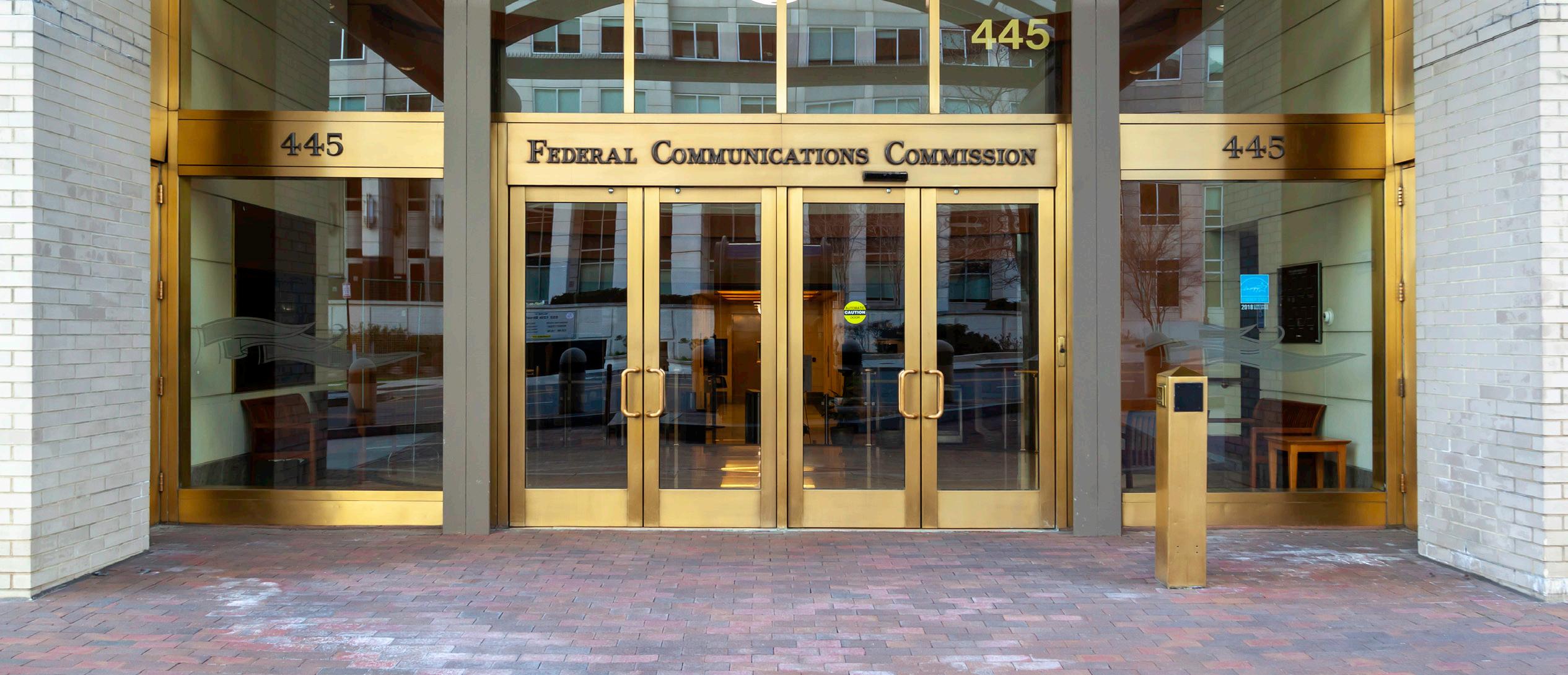
Furthermore, in August 2025, the Federal Communications Commission (FCC) in the United States adopted new rules (Federal Communications Commission (FCC), 2025) aimed at strengthening existing policies to protect submarine cables from so-called “foreign adversaries.” The new framework also introduces additional reporting requirements on the commercialization of capacity and all use of existing seabed infrastructure.
Sustainability and International Treaties
In July 2025, the International Court of Justice (ICJ) issued a landmark advisory opinion (Belgian Institute for Postal Services and Telecommunications (BIPT), 2025) confirming that states have binding international obligations to curb greenhouse gas emissions — and can be held liable for environmental harm caused by companies under their jurisdiction. The opinion follows a similar 2024 ruling by
the International Tribunal for the Law of the Sea (ITLOS), which classified anthropogenic emissions as marine pollution.
For the submarine cable sector, this introduces a new layer of risk and responsibility. Environmental licensing for cable landing permits or even for crossing Exclusive Economic Zones (EEZs) may increasingly require carbon footprint assessments and mitigation plans, influencing project financing and insurance.
The entry into force of the BBNJ Treaty by early 2026 could mean that additional obligations are imposed, such as the requirement to conduct environmental impact assessments for cables in new marine-protected areas.
Moreover, in April 2025 the International Maritime Organization approved the “Net-Zero Framework”, a proposal aimed at reducing global greenhouse gas emissions from international shipping by or around 2050. It is expected to be adopted in October 2025 and come into effect from 2027.
data whenever a new submarine cable is installed, thereby supporting national maritime spatial planning, enhancing the sustainable use of natural resources, and maximising the potential of SMART Cables.
Finally, during the International Seabed Authority (ISA) Council meeting of July of this year, negotiations continued regarding exploitation regulations. Singapore took the lead on submarine cable protection provisions by proposing some improvements to the consolidated text (International Telecommunication Union, 2025) that are yet to be approved. However, coordination between mining and cable activities remains limited, leaving cable owners responsible for properly notifying other stakeholders of their intentions.
“International courts are redefining environmental responsibility at sea — and submarine cable projects may soon face stricter carbon, data-sharing, and environmental compliance requirements.”
In June 2025, the Intergovernmental Oceanographic Commission (IOC) of UNESCO approved a recommendation (UNESCO Intergovernmental Oceanographic Commission / The Ocean Decad, 2025) urging Member States to collaborate with industry, research and other data infrastructure stakeholders to standardise ocean data-sharing practices. This is to be done through the establishment of national data-sharing policies, regulations, and permissions for all ocean-related activities conducted within their territorial waters and Exclusive Economic Zones.
Such objectives can be achieved by including mandatory data-sharing provisions into licensing and permitting requirements for operations in waters within their jurisdictions, including cable installation permits. This missing piece in the regulatory puzzle could enable countries to obtain valuable survey
Contractual developments
Landing cable agreements as stand-alone business models have gradually become a growing trend in the industry. Although many countries lack specific legislation to govern them, these arrangements have often been permitted or tolerated without major opposition.
This model provides an attractive way of monetizing the use of a cable landing station, no longer restricting it exclusively to the subsea system owned by the cable station’s operator. In some cases, it is not even necessary for the interested party to hold co-ownership of the submarine infrastructure or to be a direct user of the system. Ultimately, this is a new contractual scheme that is gaining ground in the market. However, it can only be viable in jurisdictions where a prior legal opinion from a local law firm provides all parties with assurance that the arrangement is sound from a legal and regulatory perspective.
A key issue in such contracts is the limitation of liability regarding works on the wet plant. The landing party may be required to provide and maintain its
cable station in efficient working order, but should not assume risks related to EHS (environmental, health, and safety), intellectual property rights, or regulatory permits associated with the installation of the wet plant, even if it has taken ownership of the local portion of the system to comply with regulatory requirements. These risks are shared appropriately — not as partners, since the parties are not partners, but under a subcontracting framework, where the principal contractor retains the primary obligation and cannot allocate its risks to an entity that lacks clear control over seabed operations during the installation or subsequent operation of the system once activated.
Looking Ahead
The legal and regulatory landscape of submarine cables in 2025 reveals both progress and fragmentation. While some national authorities have taken decisive steps, their actions often lack the cohesion needed for a unified global framework. The growing intersection between legal frameworks and market dynamics reveals that existing laws have not yet adapted to the realities of today’s interconnected and privately operated submarine cable networks — underscoring the need for modernized international instruments and closer inter-governmental coordination.
The global submarine cable industry in 2025 has been marked by a wave of strategic consolidation, state intervention, regulatory reform, and financing milestones that underscore the sector’s importance to global communications. Following several years of heightened geopolitical focus on undersea infrastructure, governments and private investors alike are moving more aggressively to secure, expand, and control cable networks.
Europe continues to strengthen its regulatory and security frameworks, investing in resilience measures and prioritizing trusted vendors in response to repeated disruptions and geopolitical uncertainty. In parallel, national governments such as India and Malaysia have adopted reforms to lower costs and streamline cable deployment, reflecting a growing recognition of subsea systems as critical economic infrastructure.
“Subsea cables have moved to the center of global strategy, as governments, investors, and operators race to secure the infrastructure powering the world’s connectivity.”
On the corporate front, major transactions such as private equity investments in subsea operators, strategic fleet expansions, and the restructuring of debt for regional players demonstrate ongoing investor confidence in the long-term fundamentals of global connectivity. Notable acquisitions and partnerships signal an industry realignment, where ownership structures and financing strategies are evolving to meet rising demand and heightened security expectations.
For the private sector, these developments signal a shift from reactive compliance to proactive legal strategy — anticipating regulatory changes and embedding sustainability and resilience into business models. As we move toward 2026, the challenge for policymakers and industry alike is to translate growing awareness into coherent, enforceable, and future-proof governance mechanisms that ensure the world’s digital arteries remain both resilient and sustainable.
Recent Mergers, Acquisitions, and Industry Activities
The year also saw multiple state-backed initiatives, including Japan’s moves to strengthen national ship capacity, West Africa’s call for global cooperation on cable protection, and several large financing packages for operators expanding their global fleets. Together, these developments highlight how the submarine cable sector is no longer a quiet corner of telecom infrastructure but a strategic focus point for both governments and global capital markets.
In summary, 2025 has reinforced the dual narrative of opportunity and vulnerability in subsea cables:
THE SUBSEA INDUSTRY’S BENCHMARK REPORT
The 2025/2026
INDUSTRY REPORT
TRUSTED DATA. CLEAR ANALYSIS. REAL INTELLIGENCE.
• Global system coverage—active, planned, future
• Capacity forecasts and regional build trends
• Supply chain, investment, and geopolitical insights
• Verified datasets based on real industry research
• Essential for strategic planning
ANALYTICS
demand for bandwidth is driving sustained investment, while geopolitical and security pressures are reshaping ownership, financing, and regulation. The following key events illustrate this evolving landscape.
1. E-Marine Expands Gulf Operations with New Port Hub - E-Marine opened a new operations hub in Oman to support faster repairs across the Arabian Gulf, Red Sea, and Indian Ocean regions. The expansion reflects growing demand for rapid-response maintenance. https://subtelforum.com/e-marine-gulf-operations-expansion-2025/
2. EU Advances Cable Security FrameworkThe European Commission introduced new measures to reduce reliance on high-risk vendors, strengthen resilience, and accelerate repair permitting across the continent. This builds on 2024’s action plan and reflects heightened concern following Baltic Sea cable disruptions. https://subtelforum.com/eu-advances-cable-security-framework-2025/
3. Hengtong Marine Secures $400 Million Bond for Expansion - China’s Hengtong Marine issued $400 million in bonds to fund new subsea systems and fleet upgrades, highlighting Beijing-linked firms’ continued push despite geopolitical headwinds. https://subtelforum.com/hengtong-marine-expansion-bond-2025/
4. Huawei Marine Rebrands and Pursues Regional Partnerships - Huawei’s subsea arm rebranded and launched new regional partnerships to maintain market presence amid global restrictions, signaling adaptation to tightened geopolitical scrutiny. https://subtelforum.com/huawei-marine-rebrand-partnerships-2025/
5. India Extends Duty Exemptions on Cable-Laying Vessels - India renewed its exemption on customs duties for subsea cable-laying ships, reducing operational costs for system deployment. The move is intended to accelerate nation-
al connectivity and attract foreign-led projects. https://subtelforum.com/india-extends-duty-exemptions-cable-vessels-2025/
6. Italy Finalizes TIM Sparkle Sale to KKR and Government Stakeholders - After prolonged negotiations, Italy and private equity firm KKR finalized control of Telecom Italia’s Sparkle submarine cable division. The deal ensures partial public ownership while granting KKR operational leadership, underlining Sparkle’s strategic importance. https://subtelforum.com/italy-finalizes-tim-sparkle-sale-2025/
7. Japan Moves to Expand National Cable-Laying Fleet - Japan committed to subsidizing NEC’s acquisition of dedicated cable-laying vessels, reducing reliance on foreign-chartered ships. The move positions NEC as a more competitive player and strengthens Japan’s strategic control over subsea infrastructure. https://subtelforum.com/japan-nec-cable-laying-fleet-expansion-2025/
8. Malaysia Permanently Waives Restrictions on Foreign Repair Ships - Malaysia confirmed the permanent removal of restrictions on foreign-flagged vessels repairing submarine cables in its waters. The reform opens the market to global operators and enhances resilience for regional networks. https://subtelforum.com/malaysia-permanently-waives-rules-repair-ships-2025/
9. Nigeria Calls for Global Cable Protection Alliance - Nigeria announced an initiative to spearhead international collaboration on undersea cable protection, citing repeated outages across West Africa. The plan includes coordination with international telecom bodies and legal reviews of maritime infrastructure protections. https://subtelforum.com/nigeria-calls-global-cable-protection-2025/
10. Nokia Completes Sale of Majority Stake in ASN to French State - Nokia finalized the transfer of majority ownership in Alcatel
Submarine Networks to the French government, while retaining a minority share and board representation. This ensures state oversight of a strategic infrastructure asset. https://subtelforum.com/nokia-sells-majoritystake-asn-french-state-2025/
11. Nokia’s $2.3 Billion Acquisition of Infinera Advances - Nokia advanced its acquisition of optical networking firm Infinera, a $2.3 billion deal designed to consolidate its position in high-capacity optical systems for subsea and terrestrial networks. https://subtelforum.com/nokia-infinera-acquisition-2025/
12. OMS Group Secures $292 Million Expansion Loan - OMS Group signed a syndicated loan agreement valued at nearly $300 million to fund global fleet expansion and new subsea projects. The financing underscores investor appetite for infrastructure operators. https://subtelforum.com/oms-group-securesexpansion-loan-2025/
13. Orange Marine Adds New Repair Vessel to Mediterranean Fleet - Orange Marine expanded its fleet with a new vessel dedicated to Mediterranean and Atlantic repair operations, reinforcing Europe’s capacity for faster cable maintenance. https://subtelforum.com/orange-marine-new-repair-vessel-2025/
14. Prysmian Acquires Regional Fiber Assets to Bolster Subsea Business - Prysmian Group acquired regional fiber holdings to expand its submarine business footprint, aiming to integrate supply chains and strengthen its global leadership in cable manufacturing. https://subtelforum.com/prysmian-acquires-fiber-assets-2025/
15. RTI JGA Asset Assignment Finalized in Singapore Court - The Japan-Guam-Australia cable operator RTI JGA transferred assets to receivers following debt restructuring proceedings, ensuring operational continuity of the North and South systems despite financial challenges.
16. SEACOM Restructures Debt to Support Expansion - SEACOM completed a debt restructuring package, providing financial stability for continued expansion of African connectivity projects. The deal highlights ongoing capital challenges for regional operators. https://subtelforum.com/seacom-debt-restructuring-2025/
17. Singtel Explores Partial Stake Sale in Submarine Unit - Singtel announced plans to explore a partial divestment of its subsea cable unit, aiming to unlock value while maintaining operational control. The move follows regional peers pursuing strategic partnerships. https://subtelforum.com/singtel-exploressubmarine-unit-stake-sale-2025/
18. Sparkle Launches Resilience Investment Program - Following its sale, Sparkle unveiled a new investment plan focusing on resilience and route diversity, signaling ongoing public-private support for strengthening Mediterranean and transcontinental connectivity. https://subtelforum.com/sparkle-resilience-investment-program-2025/
19. U.S. FCC Settles América Móvil Compliance Probes - The FCC resolved investigations into América Móvil’s submarine cable operations, levying penalties and mandating compliance upgrades to strengthen oversight of U.S.-linked infrastructure. https://subtelforum.com/fcc-settles-america-movil-cable-probes-2025/
WIRING THE “LUNGS OF THE PLANET”: SUBFLUVIAL FIBRE-OPTIC NETWORK RESILIENCE IN THE BRAZILIAN AMAZON SUSTAINABLE SUBSEA
By Camila Paulino, Iago Bojczuk, Nicole Starosielski, Ana Carolina Haddad,
In 2026, the Sustainable Subsea Networks (SSN) team is launching a new research partnership with Brazil’s National Research and Education Network (RNP).
Building on our previous research on the carbon footprint of the global fiber-optic subsea network, the SSN–RNP partnership will now bring critical perspectives on sustainable connectivity to a new empirical frontier: the Amazon Basin. This area is home to the world’s largest river system and is undergoing a massive deployment of subfluvial infrastructure that will bridge connectivity gaps for millions.
The collaboration expands research on the climate impacts of subsea cables beyond the ocean by studying the “infovias” and the Norte Conectado Program as a real-world laboratory for logistics, maintenance, and resilience in complex environments. It builds on our comparative life-cycle assessment of trans-Atlantic and trans-Pacific subsea cables, which identified marine installation and maintenance vessels as a primary source of emissions. Our previous work also demonstrated that increasing cable capacities significantly reduces carbon intensity per unit of data, yet translating these findings to a river basin context introduces additional variables. What sustainability gains can be achieved by extending this model to riverine systems? More importantly, what is at stake in these environments, and how can we best mitigate any potential environmental effects?
These are some of the questions we aim to address as the SSN-RNP partnership kicks off. Our team will collaborate with local RNP partners to generate evidence and practical recommendations. Our focus will be phased, beginning with generating data-driven insights to improve operational efficiency by measuring and mitigating maintenance-related emissions. Additionally, we will explore the social aspect of this infrastructure as a catalyst for digital inclusion, researching how more resilient connectivity could be leveraged to create meaningful opportunities for underserved riverine communities.
In this month’s Sustainable Subsea column, we unpack how a shared commitment to producing knowledge for the greater good sparked this partnership. We also explain why the Amazon Basin provides a uniquely demanding real-world setting for examining the sustainability of subfluvial fiber-optic infrastructure. In doing so, we highlight how
CONNECTIVITY IN THE AMAZON
Across the vastness of the Amazon, internet connectivity is constrained not only by economic conditions but also by unique material and environmental factors. Spanning nearly the same area as continental Europe, the Legal Amazon is a territory defined by major rivers and equatorial forests. It is characterized by persistent heat and intense rainfall. Boats remain the primary means of moving people and goods.
This hydrographic configuration creates a dispersed pattern of human settlement along waterways. This makes deploying terrestrial broadband a significant challenge. In such a low-density region, building, maintaining, and operating fixed networks at scale requires overcoming continuous logistical and environmental obstacles. In the portion of the Amazon region under Brazil’s jurisdiction, power reached the basin’s more remote areas only with the expansion of national electrification programs in the early 2000s.
Even today, high operational costs and low population density make it difficult to justify a traditional return on investment for digital infrastructure. Consequently, the region requires innovative connectivity models that work with, rather than against, its unique riverine geography.
Digital exclusion only compounds existing vulnerabilities in the Amazon. Traditional communities often face simultaneous constraints on physical accessibility (limited transport infrastructure, for example) and limited access to reliable, stable electricity— conditions that can make connectivity fragile even when “coverage” exists.
Recent official statistics nonetheless suggest rapid
CABLES AND
Eduardo Grizendi, and Jorge Lozano
quantitative progress: figures from the Continuous National Household Sample Survey (PNAD), conducted by the Brazilian Institute of Geography and Statistics (IBGE), indicate rural internet access rising to 84.8% by 2024, and the North Region (Brazil) reaching 81% connectivity among people aged 10+.
However, this expansion remains marked by a deep qualitative gap. Using the ITU/Cetic.br “meaningful connectivity” framework, only 11% of households in the North fall into the best connectivity tier, while 44% remain in the worst. This reinforces a pattern of “smartphone-first” inclusion (with computers in only ~13% of rural households) and persistent affordability barriers (Cetic.br, 2024)
Historically, the most flexible and economically viable solutions therefore prevailed: terrestrial radio communication— often reliant on tall towers rising above the forest canopy—and satellite links as an alternative pathway for voice and broadband over long distances. This includes Brazil’s Geostationary Defense and Strategic Communications Satellite (SGDC-1). In the Brazilian Amazon, satellites have long been a practical response to distance and difficult terrain, particularly for reaching rural schools and other hardto-serve communities where terrestrial infrastructure is limited or costly (Bojczuk 2025). Today, that legacy is being revived as low-latency low-Earth orbit (LEO) systems expand.
This is also a question of population distribution itself. Much of the country’s sparsely populated areas exist in the north and west, generally within the
Amazon River basin. This influences investment decisions and helps to explain why long-haul routes in the region are relatively recent and limited in number. This level of infrastructure development directly affects network coverage, including Brazil’s National Research and Education Network (RNP).
Haddad,
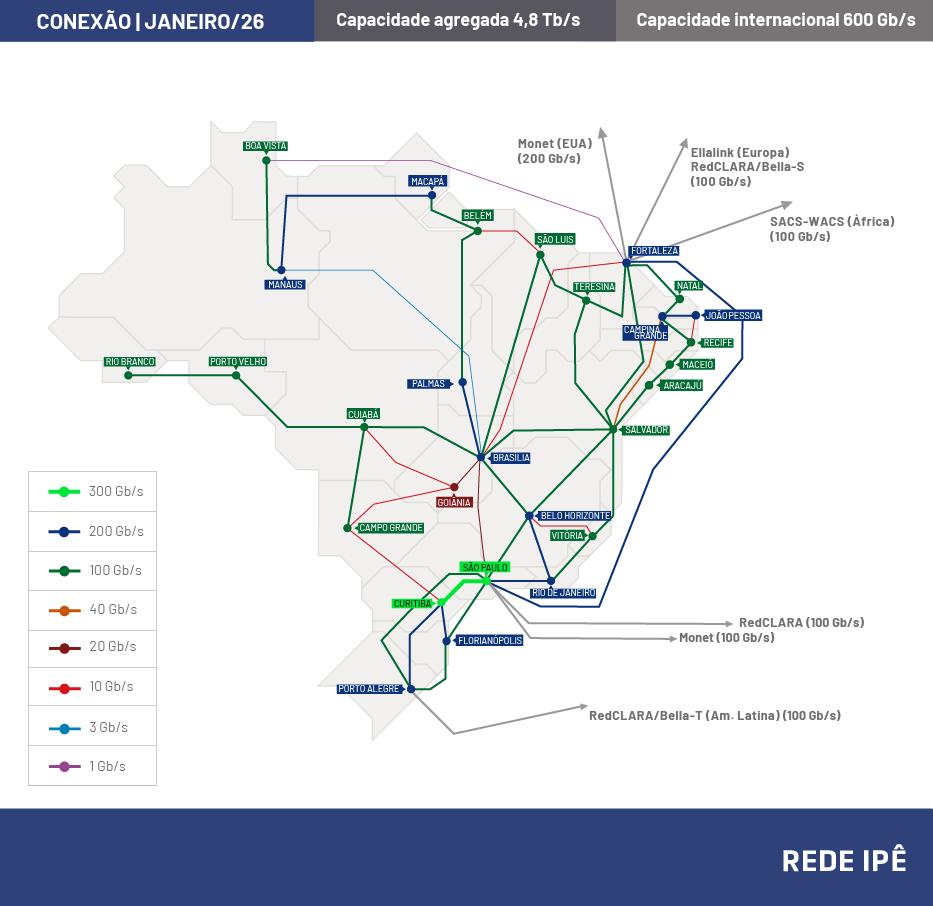
Figure 1. Connection speeds. Brazil’s first internet network evolved from telephone lines to ultra-high-capacity fiber-optic connections, from 64 Kb/s to over 100 Gb/s. Evolution of the Ipê Network. Source: RNP.
RNP’S PILOT PROJECT: THE INFOVIAS
Now, a subfluvial fibre backbone, as part of the Norte Conectado Program, has entered the mix. The goal has shifted from basic access to balancing quality, affordability, maintenance, and resilience in riverine and forested environments.
Created in 1989 by Brazil’s National Council for Scientific and Technological Development (CNPq), RNP, the Brazilian NREN (National Research and Education Network), operates the “Rede Ipê,” which has a nationwide presence and international connections. RNP subsequently helped extend internet access across Brazil’s telecommunications networks in the 1990s. At the same time, RNP serves as an implementing/ operator entity in federal programs, usually pilot and experimental projects (testbeds) that combine infrastructure, public policy, and market design. It operates under the supervision of the Ministry of Science, Technology, and Innovation (MCTI) and with interministerial funding from the Ministry of Education (MEC) and the Ministry of Communications (MCom).
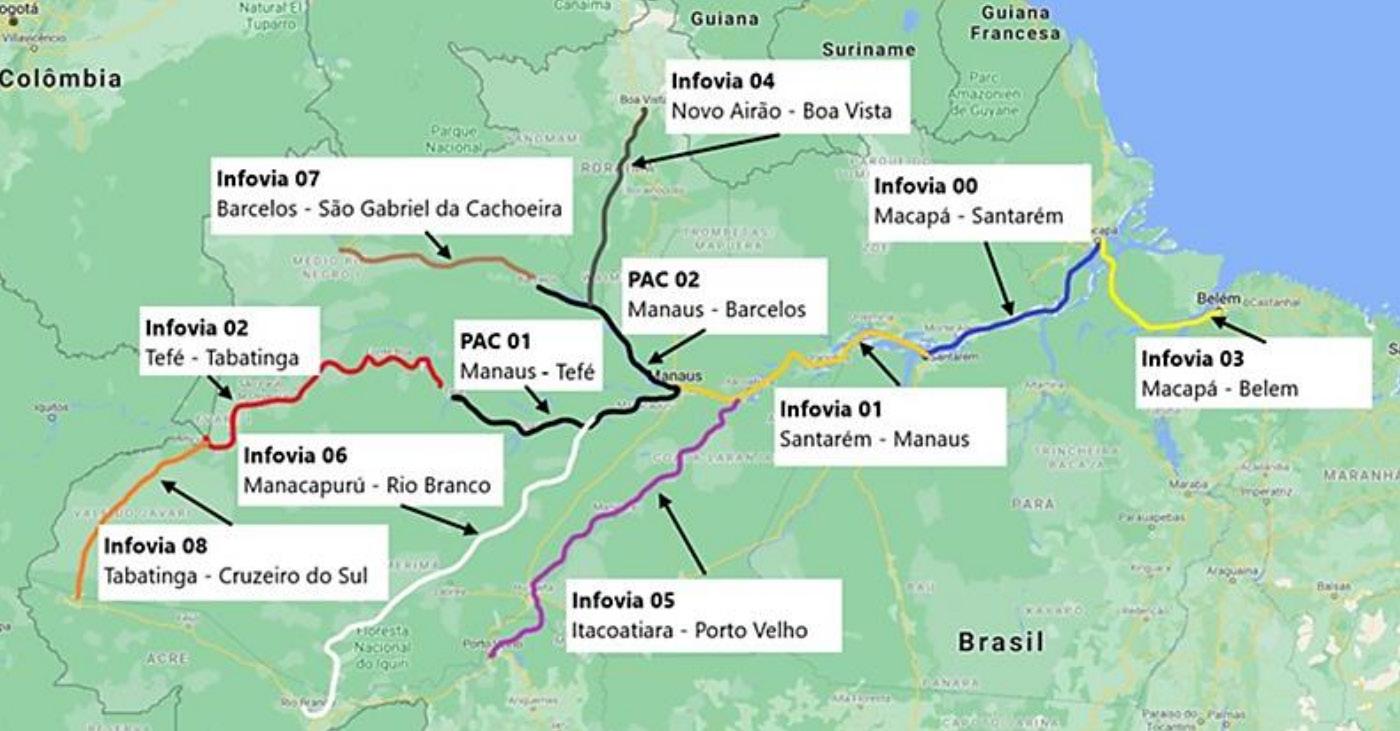
Figure 2. Infovías of the Norte Conectado Program. The map illustrates the eight Infovias of the Norte Conectado Program, which will be integrated into the three routes launched by the Army under the Amazônia Conectada Program. Source: Annual Report of the Telecommunications Secretariat. Ministry of Science, Technology and Innovation, 2021.
RNP has long been concerned with fiber connectivity to the North. RNP was the first to propose the use of subfluvial cables on the Amazon River, and was involved in the first project, joint with the Brazilian Army, to provide connectivity to the cities through the Amazonas River, in the “Amazônia Conectada”Amazon Connected Program (PAC), choosing Tefé because of the presence of the Mamirauá Institute for Sustainable Development.
After this first experience with the Amazônia Conectada, MCom launched, in September 2020,
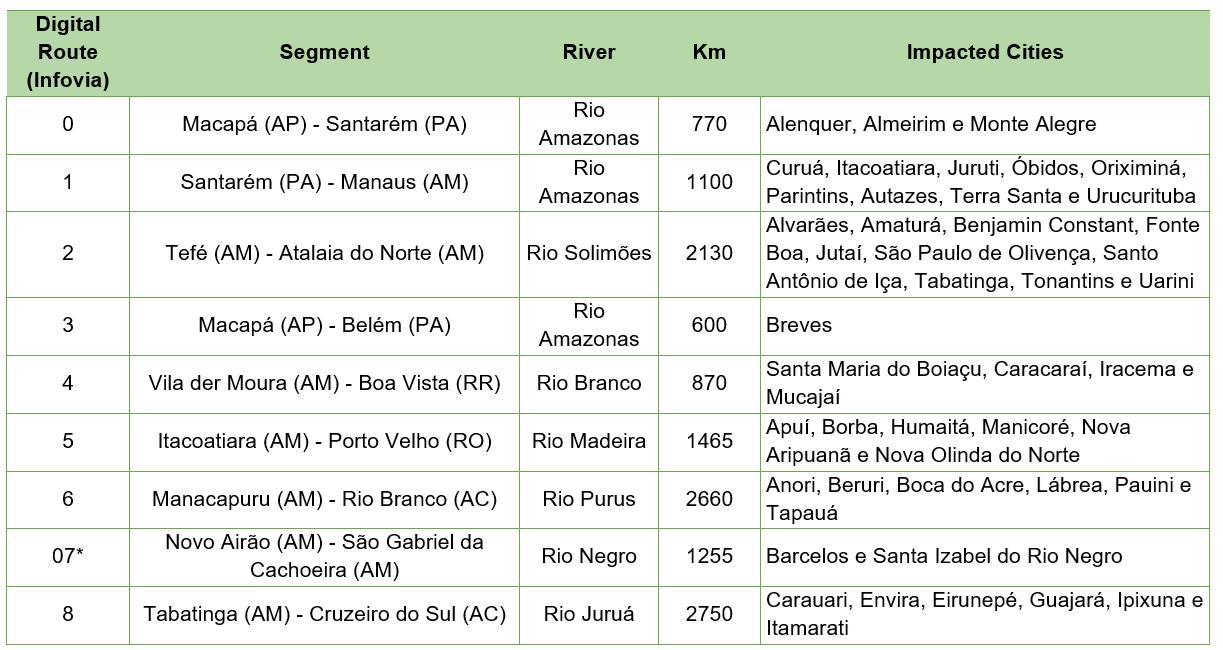
the Norte Conectado Program. seeking to provide subfluvial fiber-optic cables to expand high-capacity transport (up to 100 Gbps), meeting pent-up demand for communications, strengthening security and redundancy, expanding digital inclusion, and enabling regional integration with countries across the Pan-Amazon. Integrated into the Amazônia Integrada Sustentável Program (PAIS) and led by the Ministry of Communications, the program envisions 12,000 km of networks, eight Infovias, and service to 59 cities, with the expectation of benefiting around 10 million people and supporting public policies by connecting schools, universities, hospitals, public agencies, and riverside communities (including institutions such as the National Institute of Amazonian Research (INPA), the Brazilian Agricultural Research Corporation (Embrapa) Amapá, and the Chico Mendes Institute for Biodiversity Conservation (ICMBio).
The program’s design draws on the experience of Amazônia Conectada, which was led within the auspices of the Brazilian Army, including coalition-building efforts and the expansion of the scope to multi-
ple rivers across the Amazon basin.
RNP executed the Norte Conectado Program pilot project, Infovia 00 (Macapá–Alenquer, via Almeirim, Monte Alegre, and Santarém). The pilot included conducting Enhanced Route Studies (ERA), procuring and installing the cable, and qualifying companies interested in forming a Neutral Operator consortium, an open and non-discriminatory model that enables the operation, maintenance, and commercialization of capacity (in whole or in portions) to the private sector, while preserving services intended for public policies. The project’s design is also presented as an environmental and logistical innovation, as it uses riverbeds to reduce impacts typical of terrestrial deployments, and as a replicable basis for the other infovias.
The funding for Infovias relies on several instruments. For example, Brazil’s 5G auction (2021) mobilized more than R$ 46 billion (about US$ 9 billion), of which around R$ 7 billion (about US$ 1.3 billion) was allocated to public broadband investments for schools, in addition to obligations agreed with
Anatel, Brazil’s independent regulatory agency for telecommunications. Infovia 01 (Santarém–Manaus) uses the remaining balance from the 700 MHz band migration and was implemented by the Digitalization Administrative Entity (EAD), with oversight from the Deployment Group for the Redistribution and Digitalization Process (GIRED), chaired by an Anatel Board Member. Infovias 02–06 and 08 are associated with 5G-related resources and obligations, as well as with the role of the Administrative Entity for the 3.5 GHz Band (EAF). In practice, this hybrid arrangement enables new approaches to funding backhaul routes, leading to greater redundancy and infrastructure sharing.
Additionally, RNP has developed an innovative model for sharing optical infrastructure with telecommunications companies that wish to use these infovias. Initially proposed and approved by MCom for use in the Infovia 00, is being used in the other Infovias as they are completed.
In this model, RNP proposes, through an open bidding process for each Infovia, the formation of an open consortium with operators and regional and local ISPs, so that they, together, operate and maintain the infovia as a Neutral Operator, each one of the consortium members having the right to commercially exploit a pair of optical fibers, of the optical cable deployed, for 15 years and, at the same time, the consortium thus formed assumes the operation and maintenance of that Infovia.
Table 1. Digital Routes of the Norte Conectado Program. The length of the infovias and the localities impacted by the Norte Conectado Program. (*) Amazon Connected Program (PAC) – implemented by the Brazilian Army. Source: Ministry of Communications.
This consortium architecture is also explicitly framed by RNP as a sustainability strategy, not only in economic terms by
keeping long-term operations viable in a high-cost, low-density region, but also in environmental terms.
As Eduardo Grizendi, Director of Engineering and Operations at RNP, writes, “When we implemented Infovia 00 in Santarém, as a pilot, with infrastructure sharing in a neutral operator model, we paved the way for a collaborative consortium that unites the State, operators, and regional providers. This format strengthens the sustainability of the networks, democratizes the use of the infrastructure, and guarantees long-term connectivity. It is a project designed to last and promote development.”
This emphasis matters because, in the Amazon, resilience is inseparable from the logistical realities of keeping systems running
over time. Within this context, factors such as vessels, repairs, and institutional responsibility ultimately shape the long-run footprint of connectivity.
IMPLEMENTATION STAGES OF AN INFOVIA
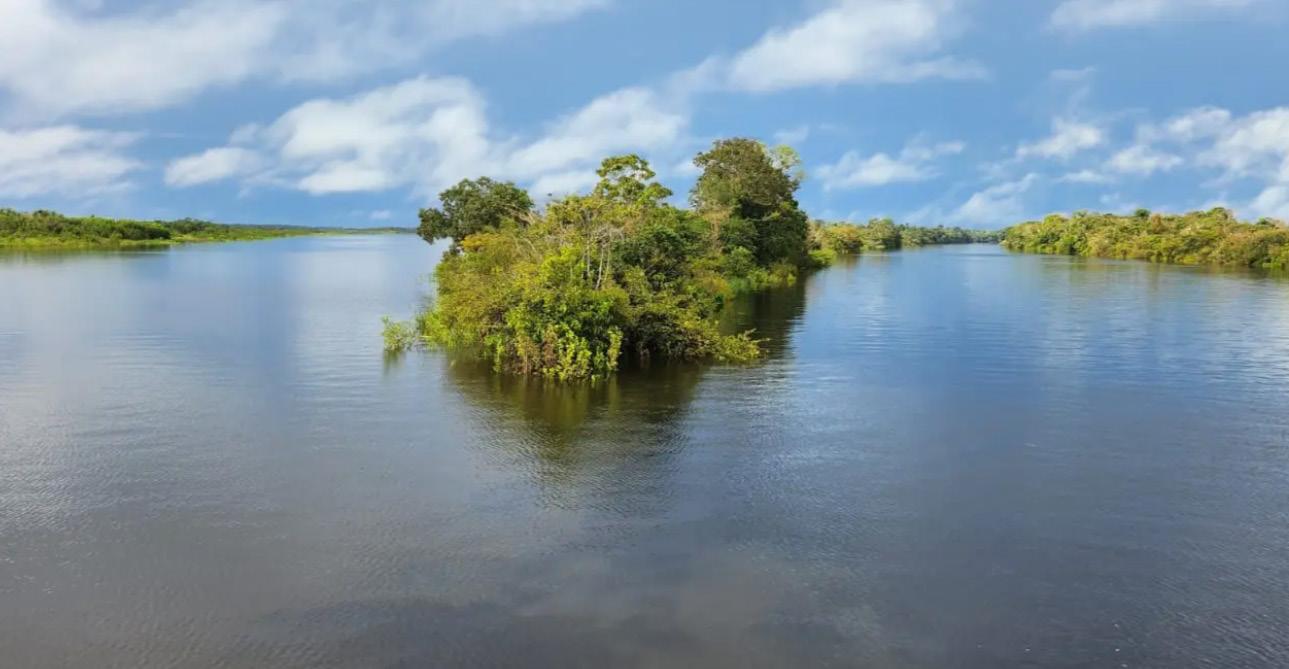
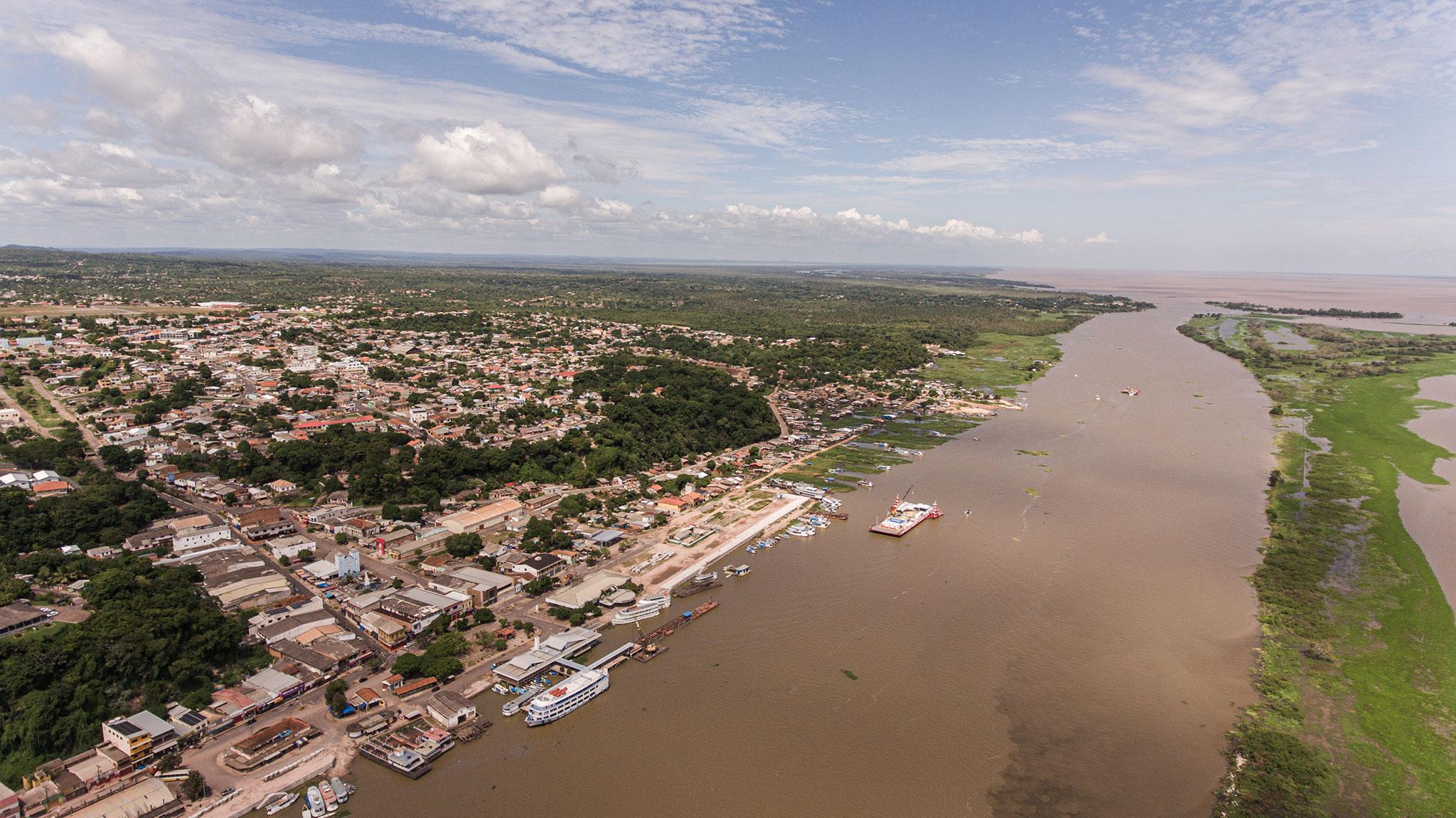
Where freshwater meets the advancing saline wedge, the interaction generates the pororoca—a high-energy solitonic tidal-bore wave capable of destabilising the riverbed and reworking sediments. Here, the Amazon’s subfluvial infrastructure cannot be assessed against traditional ocean engineering standards, especially because under these conditions, the river mouth is constantly changing. Because of
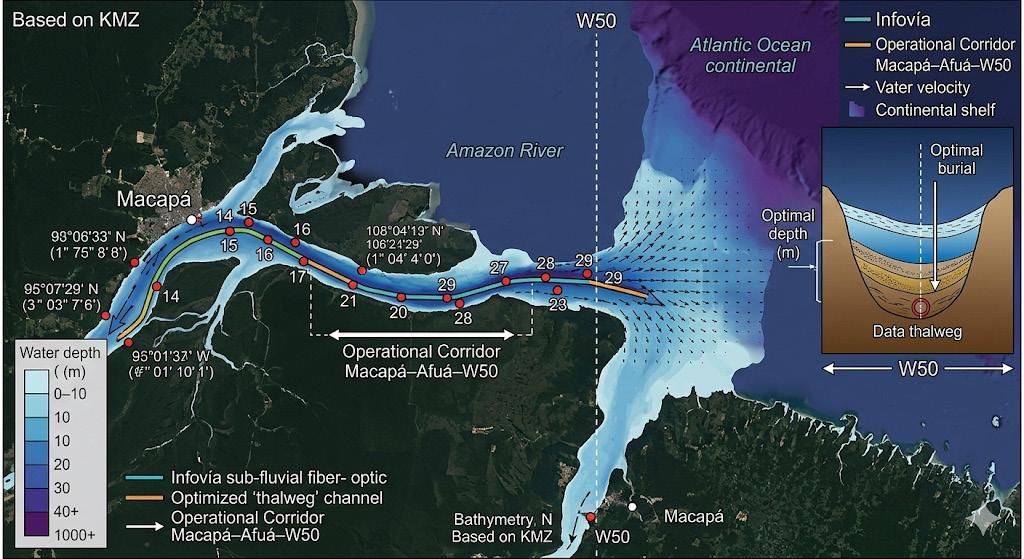
Figure 3. Interconnection Alternative Submarine Cable Subfluvial Cable via Macapá–Afuá–W50.
Figure 4. Watch the video with all the steps here! Source: EAF YouTube Channel.
Figure 5. Hydrographic surveys involve an assessment conducted by a vessel equipped with advanced instruments to map the riverbed and substrate, assess risks, and define the best route and cable-surfacing points for connection to terrestrial infrastructure. Source: EAF, 2023; Image: Ministry of Communications.
the powerful pororoca tidal wave and shifting deep channels, you cannot set a single, permanent route. Therefore, in operational terms, an exit through Belém is hydrodynamically unfeasible, shifting the viable corridor to the Macapá–Afuá–W50 axis, where its thalweg is geologically more stable and allows a seamless transition to the deep ocean.
An infovia is built in sequential stages, beginning with feasibility studies and riverbed-mapping expeditions to define the best route and anticipate local challenges. Next, the Entidade Administradora de
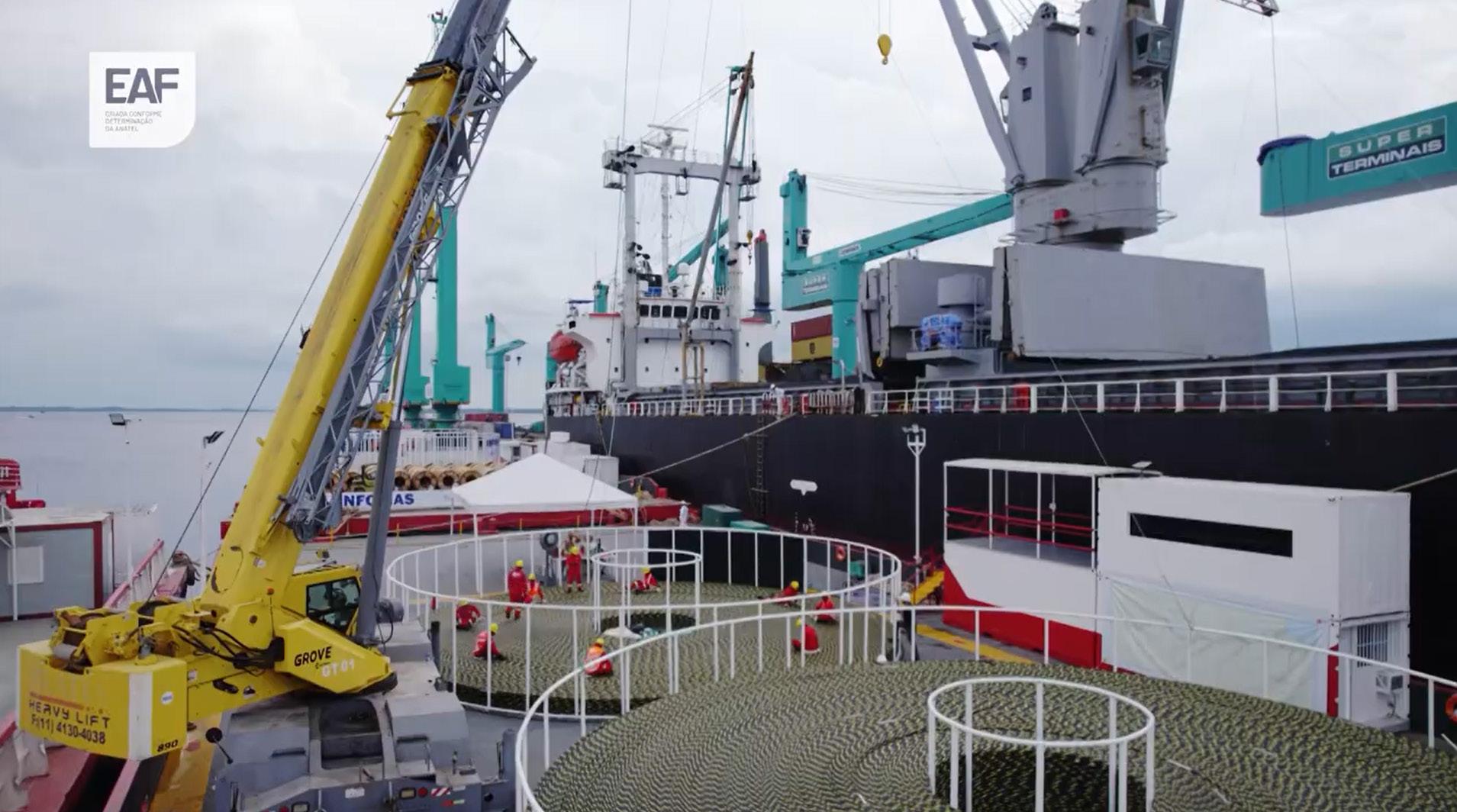
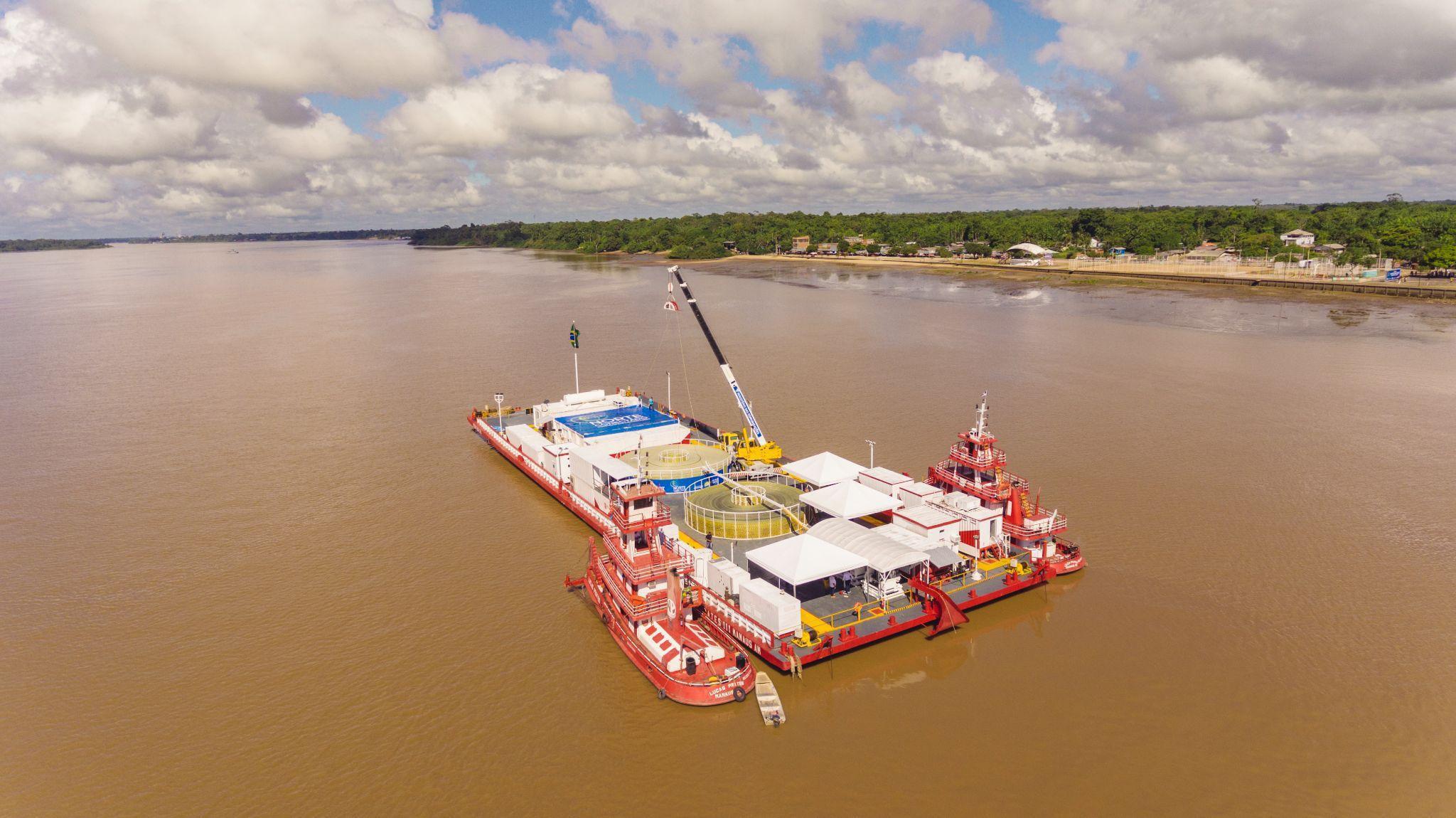
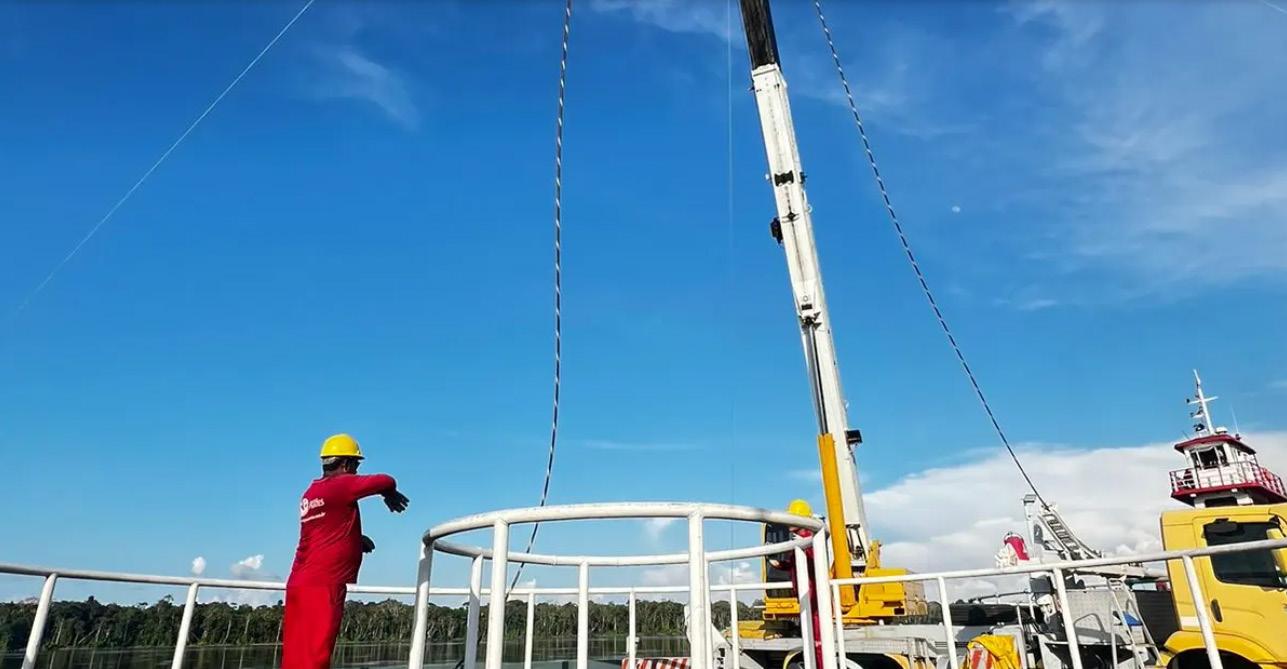
Faixa (EAF) oversees supplier procurement and the purchase of cables (with technical inspection), carries out the transfer of the cable from the ship to large reels on the deployment platforms, and, after environmental licensing is cleared, begins the underwater deployment, slowly paying out the cable from a barge with the support of buoys, divers, and smaller vessels until it is laid on the bed of the Amazon River.
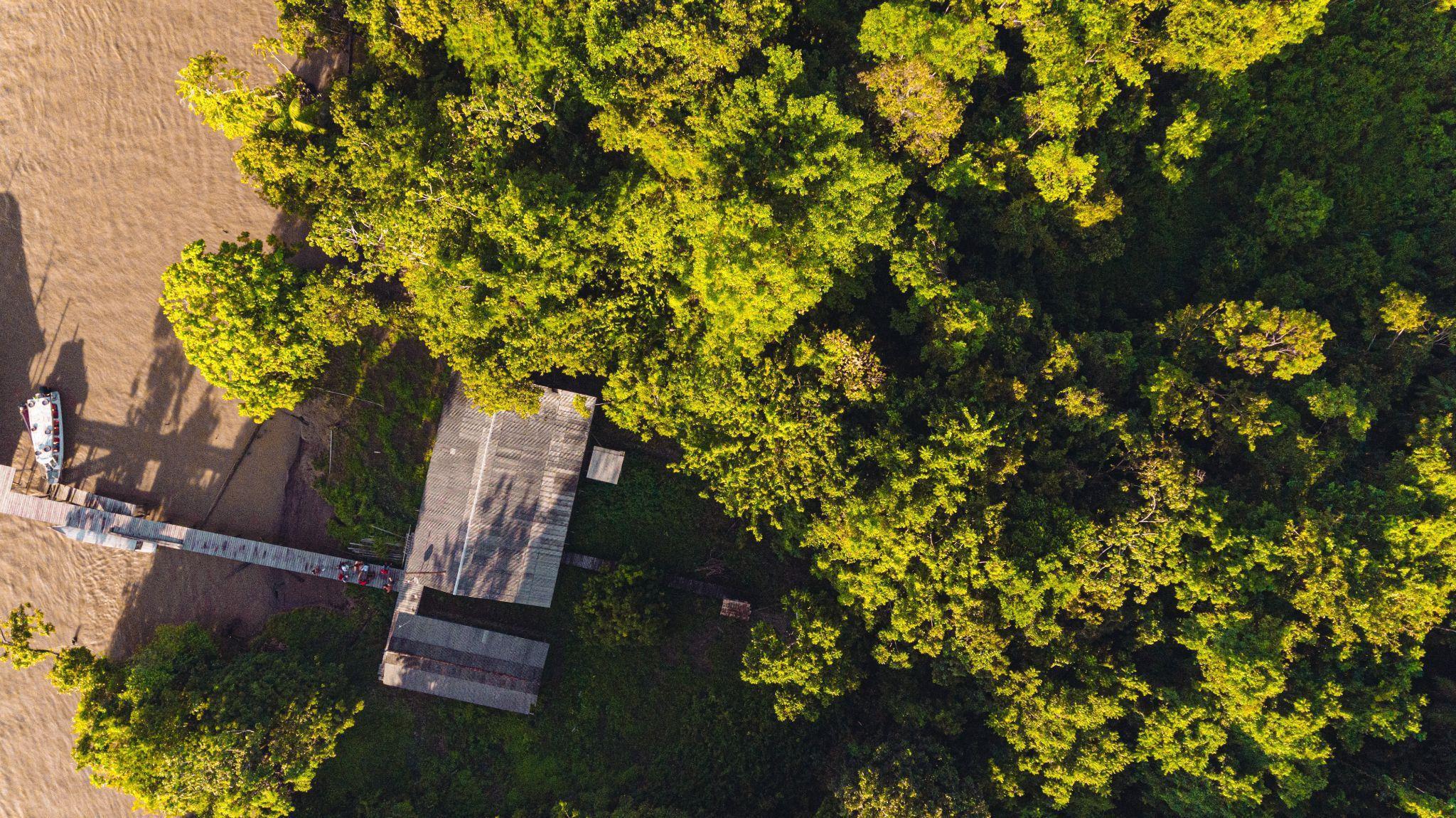
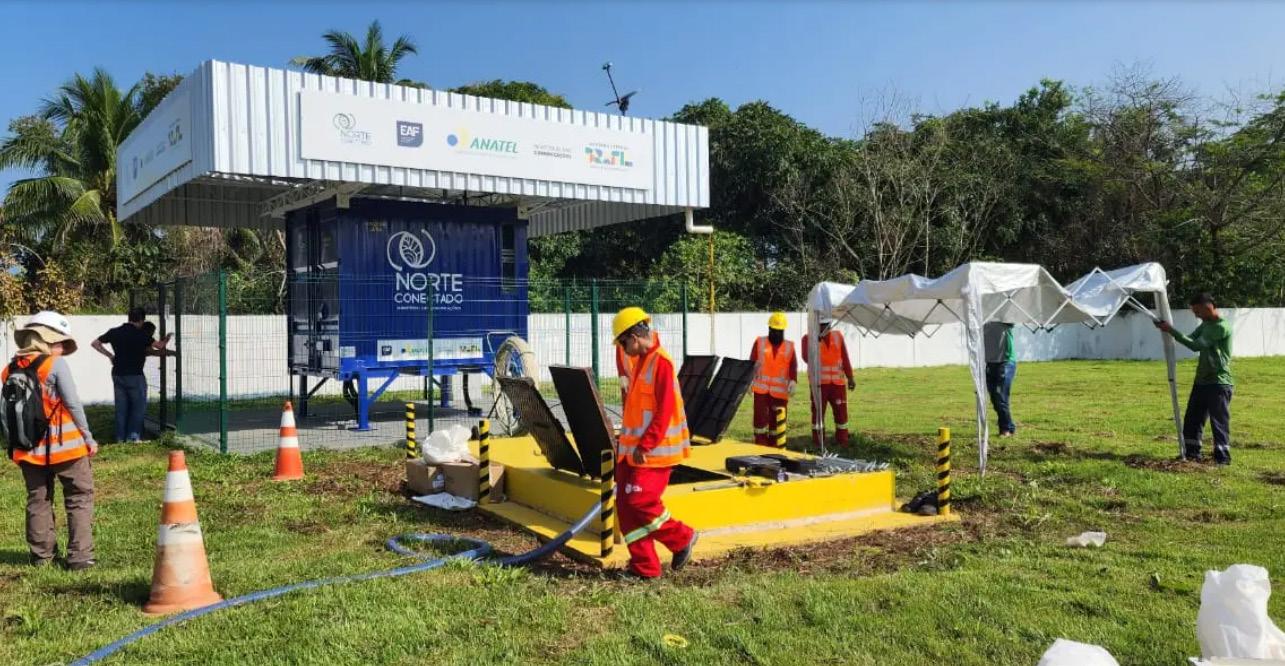
Finally, the cable laid in the river is connected to the city through terrestrial infrastructure (an anchoring box and conduits leading to the High-Availability Mobile Center (CMAD), which houses the transmission systems and optical terminations), making it possible to “light” the fiber and integrate the network into metropolitan networks to connect service points such as schools, hospitals, and public agencies.
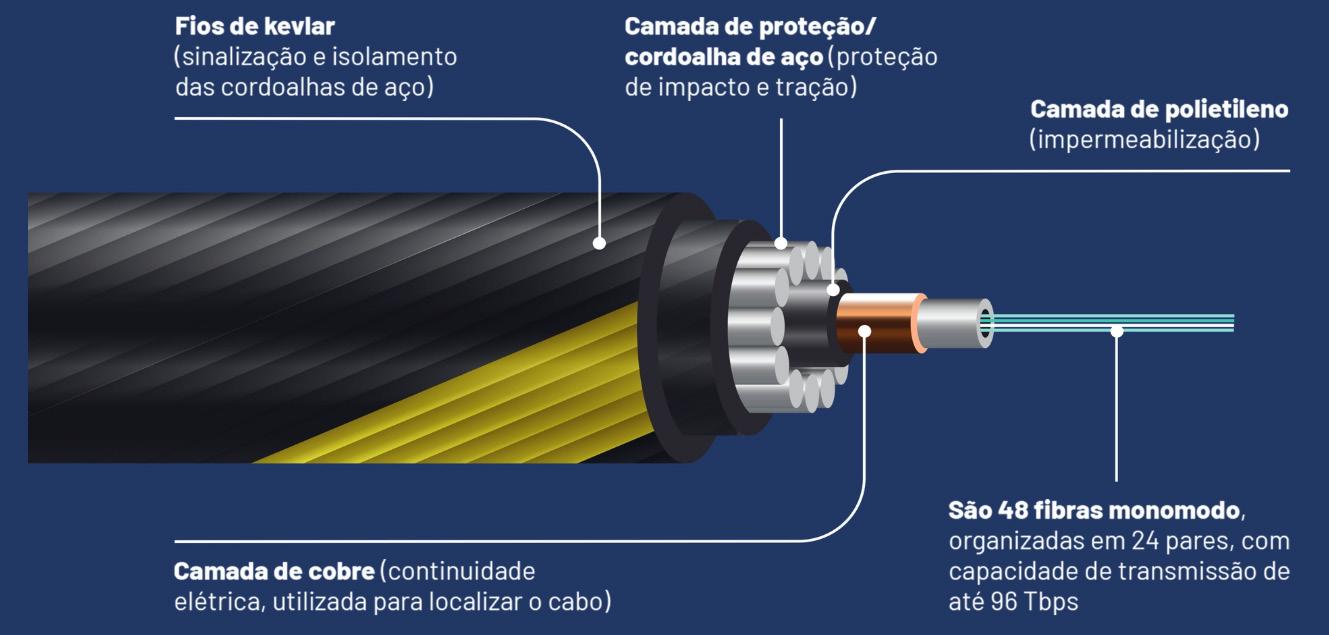
Figure 6. The infovias’ fiber-optic cable, composed of five protective layers (polypropylene for marking and handling; a steel wire rope for armoring and tensile strength of up to 17 tons; polyethene for waterproofing; copper for electrical continuity and locating; and a metal tube containing 48 fibers), enables transmission of up to 96 Tbps. Source: EAF, 2024.
FEASIBILITY STUDIES
The Route Feasibility Study is carried out before all other stages. A vessel equipped with high-precision technologies travels along the rivers where the cable will be installed to map the riverbed, the substrate, and other natural characteristics along the prospective cable route. The goal is to understand the rivers’ behavior and determine the most suitable positioning of the cable on the bottom.
CABLE PROCUREMENT AND MANUFACTURING
Cable procurement involves technical and administrative procedures. Supplier selection considers criteria such as the manufacturer’s capacity, product quality, the warran-
ties offered, and the completion of multiple tests, from manufacturing through the cable-lighting stage.
LICENSING AND AUTHORIZATIONS
The operation seeks to implement the project with the lowest possible risk of socio-environmental impacts. To that end, detailed studies are prepared and submitted to environmental authorities, which are responsible for issuing opinions on the docu-
mentation, licensing, and authorizations required for the deployment of the infovias.
RECEIPT OF EQUIPMENT AND MATERIALS
The transfer operation aims to remove the cables from the transport vessel, hired by the manufacturer, and transfer them to the deployment platforms. This is a delicate stage, carried out continuously: 24 hours a day, 7 days a week.
TERRESTRIAL INFRASTRUCTURE (IPA, CMAD, AND EXTERNAL CABINET)
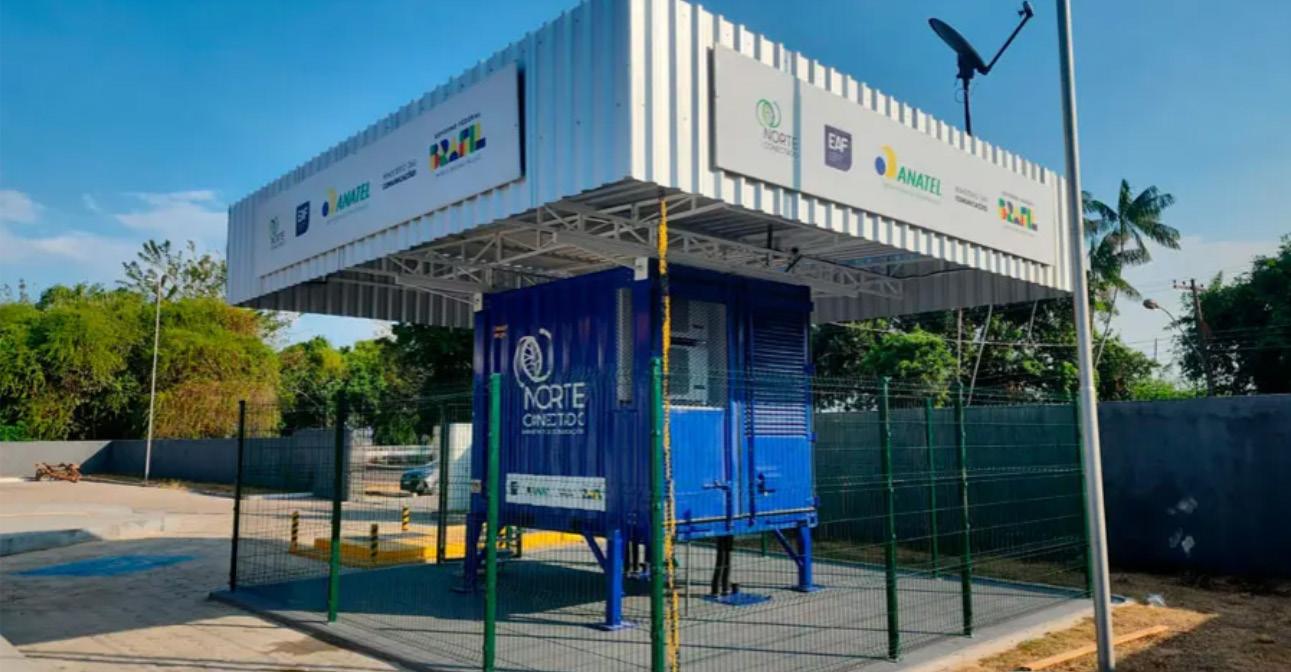
The Passage and Anchoring Infrastructure (IPA), the High-Availability Mobile Center (CMAD), and the External Cabinet make up the project’s terrestrial infrastructure. The CMAD houses the equipment needed to light the fiber-optic cable, which runs along the riverbed, reaches the shore, and is secured in an Anchoring Box. From that box, a terrestrial cable is installed into the CMAD, where the systems that amplify and distribute the signal to the metropolitan network are located. Associated with the CMADs, the cabinet located outside the equipment room is essential for maintenance and future expansion of connections in the served cities: it houses a mirrored Optical Distribution Frame (ODF/ DIO) and the terminations for the external network. This device restricts access to the fibers brought by the subfluvial cable into the CMADs and separates the metropolitan network from the subfluvial network.
METROPOLITAN NETWORK INFRASTRUCTURE
Figure 7. During the transfer, the cable is moved from the transport vessel to the deployment vessel without being lifted by crane. It is unwound from the original reel and simultaneously rewound onto a new reel on the Brazilian vessel, with controlled handling to minimize the risk of damage or breakage. Source: EAF, 2023.
The metropolitan network infrastructure consists of the interconnection between the terrestrial infrastructure and the cables that will carry data signals to all served access points within the city.
Figure 6. Image Source: Ministry of Communications.
Figure 8. The Infovia’s terrestrial facilities are intended to connect the underwater cable to the served cities. They comprise the Passage and Anchoring Infrastructure (IPA), which includes the anchoring box, underground conduits, a High-Availability Mobile Center (CMAD), and an external cabinet. The CMAD is a container that houses the Optical Transmission System (STO) and, because it contains sensitive equipment, requires specialized transport and positioning at the operating site. Source: EAF, 2024; Image: EAF, 2023.
TERRESTRIAL AND UNDERWATER INSTALLATIONS
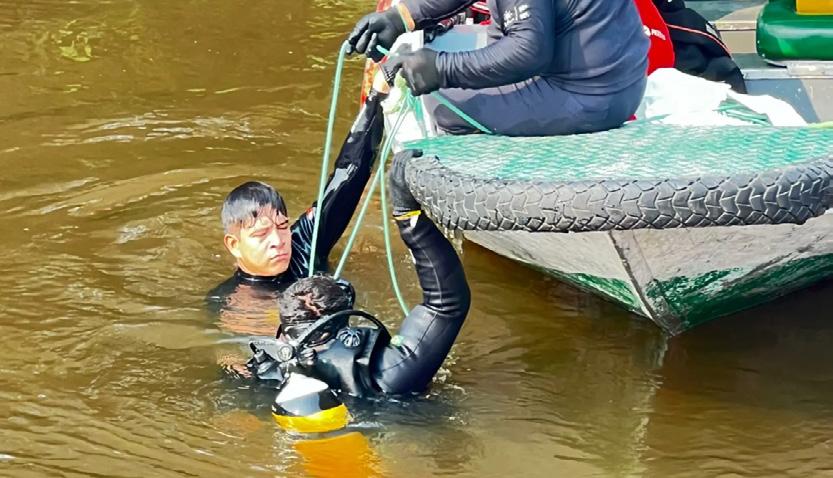
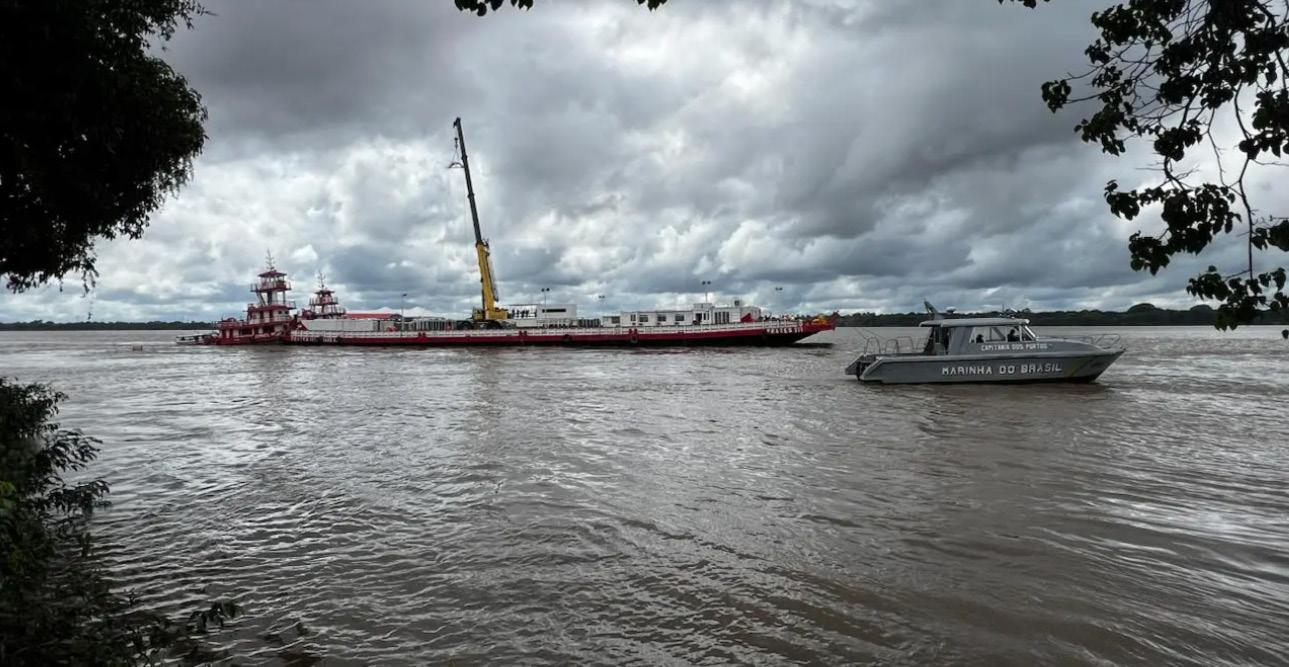
The cable is gradually paid out from the barge with the support of buoys, divers, and small vessels. Sudden movements can damage the cable and delay the operation. It is the divers’ responsibility to settle the cable on the riverbed. Upon reaching the Anchoring Box, the cable passes through a conduit and is positioned in the box for connection to the CMAD.
10. Divers inspect the infrastructure in the Rio Negro, in the state of Amazonas, and the guide responsible for ensuring that the subfluvial cable does not form knots during deployment. Source: EAF, 2024.
Every step is essential before activating the network. Here, project success relies on precise route mapping, secured permissions, optimal cable installation, and fully operational landing and equipment. Only then can the fiber be tested and connected to the metropolitan network for user delivery. Consequently, the project depends on a diverse set of stakeholders, community considerations, and longterm sustainability.
CONNECTING WITH LOW IMPACT AND OPERATIONAL SUSTAINABILITY IN THE AMAZON INFOVIAS
Subfluvial cables have emerged as a technically and territorially consistent alternative for bringing broadband telecommunications to areas with little or no fixed infrastructure, where river systems enable the application of well-established submarine technologies.
The region is not entirely “new” to this repertoire: subfluvial cables have been used in the Amazon since the late nineteenth
Figure 9. Image Source: Ministry of Communications.
Figure
century, when a cable ran from the Atlantic Ocean into the interior, following the Amazon River and enabling Manaus’s international telegraphic connection. The long interval since this solution was last reassessed may have reduced familiarity with that technical legacy.
From a carbon emission perspective, however, cable infrastructure, including when it deploys “sub-
marine” solutions, may have a low impact, but nothing has no impact. A recent Life Cycle Assessment (LCA) study of subsea telecommunications cables, “The climate impacts of subsea telecommunications cables: A comparative study of trans-Atlantic and trans-Pacific systems,” by SSN researchers Kaihui Song (UC Berkeley), Anne Pasek (Trent University), and Nicole Starosielski (UC Berkeley) shows that a substantial share of emissions is concentrated in marine installation and operations: roughly half occurs during the installation phase, and 50–60% is associated with fuel oil consumption by vessels.
Building on that finding, the same study also suggests that end-of-life strategies, such as material recovery and recycling, can yield net climate benefits by reducing the need for virgin material extraction, but these gains depend on specialized infrastructure and effective recycling rates.
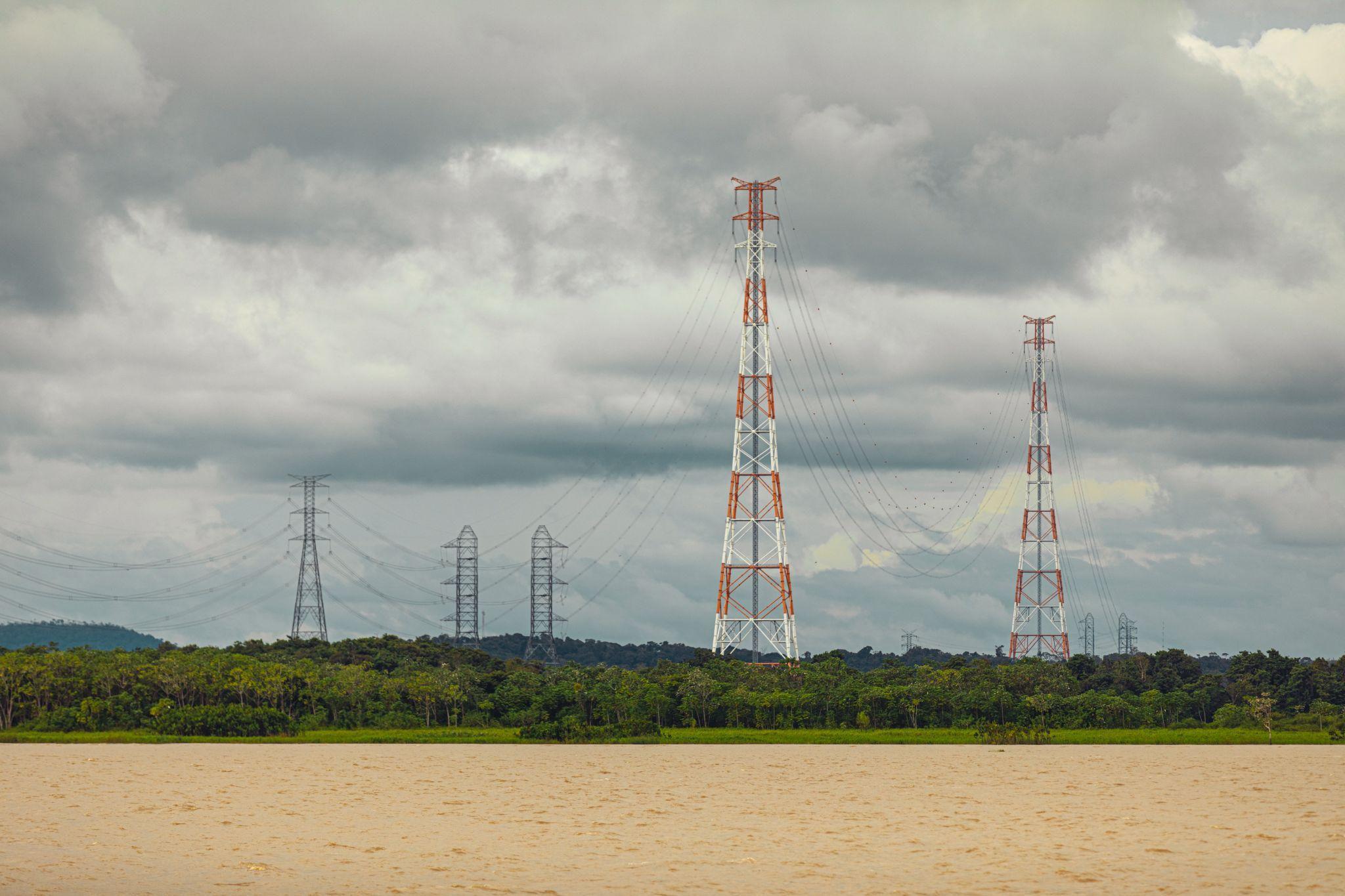
Figure 12. Jurupari crossing: The most recent crossing, in 2012 at Jurupari, Pará state, is notable for a 2.13 km span between two 290-meter-tall transmission towers, only marginally shorter than the Eiffel Tower in Paris. As this stretch of the Amazon River is navigable by ocean-going vessels, the minimum clearance above the high-water level is 72 m. Source: Grizendi, 2016.
Read through a fluvial lens, this reinforces that the Infovias should also be treated as a problem of operational sustainability, in which vessels, maintenance, and end-oflife management become central to the project’s technical and institutional design.
Operationally, rivers pose challenges distinct from those found in ocean environments. Fluvial systems are more variable, with dynamic changes in channel course, depth, and flow. In addition, the heavy load of solid material they transport can damage cables.
Even so, when comparing environmental impacts, a fiber-optic route running along the riverbed tends to cause less harm than
Figure 11. Installation in Caracaraí, Roraima. Source: EAF, 2024.
opening roads that fragment tropical forest and generate significant environmental externalities, an especially relevant consideration in a basin experiencing growing climate imbalance, with emissions exceeding its absorption capacity.
With all of these complex factors in mind, the researchers of SSN and RNP have come together to assess how to bring network resilience to an area of Brazil that has long been on the margins of telecommunications, while also foregrounding sustainability.
WORKS CITED
Bojczuk, Iago. 2025. “Satellite Promises: An Open-Source Investigation and Footprint Analysis of SGDC-1’s Quest in Delivering Broadband to Public Rural Schools in Brazil.” Convergence: The International Journal of Research into New Media Technologies 0 (0). https://doi. org/10.1177/13548565251353426
Brasil. Ministério das Comunicações 2026. Norte Conectado. Available at: https://www.gov.br/mcom/pt-br/acesso-a-informacao/acoes-e-programas/programas-projetos-acoes-obras-e-atividades/norte-conectado
Cetic.br. 2025 Pesquisa sobre o uso das tecnologias de informação e comunicação nos domicílios brasileiros: TIC Domicílios 2024. São Paulo: Comitê Gestor da Internet no Brasil. PDF. Available at: https://cetic. br/media/docs/publicacoes/2/20250512120132/tic_domicilios_2024_ livro_eletronico.pdf
Eduardo Grizendi, “Um modelo para conectar a Amazônia por fibra óptica pelos rios”, Jornal O Globo, 10/08/2022, https://oglobo.globo.com/ opiniao/artigos/coluna/2022/08/um-modelo-para-conectar-a-amazonia-por-fibra-optica-pelos-rios.ghtml
Entidade Administradora de Faixa (EAF). EAF conclui o lançamento do cabo subaquático da Infovia 04. Nossa Jornada (Infovias). Available at: https://eaf.org.br/jornada/eaf-conclui-o-lancamento-do-cabo-subaquatico-da-infovia-04
Entidade Administradora de Faixa (EAF). Etapas da implemen-
das infovias. Nossa Jornada (Infovias). Available at: https:// eaf.org.br/jornada/implementacao-das-infovias-da-eaf-passa-por-uma-serie-de-etapas-ate-serem-concluidas
Entidade Administradora de Faixa (EAF). 2023. Instalações terrestres da Infovia 03 são concluídas. Nossa Jornada. Available at: https:// eaf.org.br/nossa-jornada/instalacoes-terrestres-da-infovia-03-saoconcluidas
Entidade Administradora de Faixa (EAF). 2023. O transbordo dos cabos. Nossa Jornada. 2023. Available at: https://eaf.org.br/nossa-jornada/transbordo-dos-cabos-um-lento-delicado-e-fundamental-trabalho-na-implementacao-das-infovias
Entidade Administradora de Faixa (EAF). 2023. EAF conclui estudos hidrográficos das infovias 02, 03 e 04. Nossa Jornada. Available at: https://eaf.org.br/nossa-jornada/af-conclui-estudos-hidrograficos-dasinfovias-02-03-e-04
Entidade Administradora de Faixa (EAF). 2024. EAF inicia lançamento do cabo subaquático da Infovia 03. Nossa Jornada.Available at: https://eaf.org.br/nossa-jornada/eaf-inicia-lancamento-do-cabo-subaquatico-da-infovia-03que-liga-belem-pa-a-macapa-ap
Faria, Bruno. 2026. Infovia 02 e o Norte Conectado: conectando o interior do Amazonas à era digital. DatacenterDynamics (Brasil). Available at: https://www.datacenterdynamics.com/br/an%C3%A1lises/ infovia-02-e-o-norte-conectado-conectando-o-interior-do-amazonas%C3%A0-era-digital/
Grizendi, E. ; Stanton, M.A., 2013, “Use of subfluvial optical cable in a region without land-based infrastructure - a project to deploy optical cable in the Amazon region”. UbuntuNet-Connect 2013, Kigale, Rwanda. https://africarxiv.ubuntunet.net/server/api/core/bitstreams/1dfc18f249f7-4256-aa19-534f0521e812/content
Grizendi, Eduardo Cezar, and Michael Anthony Stanton. 2016. “The Use of Subfluvial Optical Cables for Broadband Digital Inclusion in Amazonia.” Paper presented at the Sixth Conference of Information Technology Directors (TICAL 2016): Gestión de las TICs para la Investigación y la Colaboración, Buenos Aires, Argentina, September 13–15. https://dspace.redclara.net/bitstream/10786/1100/1/The%20use%20 of%20subfluvial%20optical%20cables%20for%20broadband%20digital%20inclusion%20in%20Amazonia.pdf
Ministério da Ciência, Tecnologia e Inovação (2021). Relatório Anual da Setel 2021. Ministério da Ciência, Tecnologia e Inovação, Secretaria de
tação
Figura 13. Image Source: EAF, 2024.
ASK THE EXPERT
Question for the author(s)? Click here!
Telecomunicações.
Rede Nacional de Ensino e Pesquisa (RNP). Norte Conectado. Available at: https://www.rnp.br/
Rede Nacional de Ensino e Pesquisa (RNP), Termo de Referência - Processo de Qualificação e Seleção de Pessoas Jurídicas interessadas em integrar o Consórcio Aberto do Operador Neutro para Operação Neutra da Infovia 03 – Belém – Macapá - Programa Amazônia Integrada Sustentável (PAIS) - Norte Conectado - ADC/14126/2025, Available at:
Soares, Ítalo Nogueira, and Graziela Donário de Azevedo. 2023. Caminhos para a conectividade digital da Amazônia brasileira. Policy Brief. São Paulo: FGV. Available at: https://eaesp.fgv.br/sites/eaesp.fgv. br/files/u1087/fgvces_-_policy_brief_conectividade.pdf
Song, Kaihui and Pasek, Anne. The climate impacts of subsea telecommunications cables: A comparative study of trans-Atlantic and trans-Pacific systems. Available at: http://dx.doi.org/10.2139/ssrn.5420251
Camila Paulino is a master’s student in Public Health and Development at NOVA University Lisbon. Her research uses satellite data to study climate resilience and global health, focusing on adaptation in Africa and Latin America. She holds a bachelor’s degree in Public Health from the University of São Paulo, Brazil.
Iago Bojczuk is a Research Associate at the Berkeley Center for New Media at the University of California, Berkeley. His work focuses on digital infrastructures and sustainability, science and technology policy, and governance of complex systems. He previously pursued a PhD at Cambridge and holds an MSc from MIT.
Nicole Starosielski is Professor of Film and Media at the University of California, Berkeley. She researches media, communications technology, and the environment. Author of The Undersea Network, she leads the SubOptic Foundation’s Sustainable Subsea Networks initiative and directs the Global Digital Infrastructure certificate at UC Berkeley.
Ana Carolina Haddad is a PhD researcher at Iscte – University Institute of Lisbon. Her work examines submarine cables as critical infrastructure and the power dynamics among major technology firms across Latin America, Europe, and Africa, with focus on the social, economic, and governance dimensions of cable ecosystems.
Eduardo Cezar Grizendi is Engineering and Operations Director at Brazil’s National Research and Education Network (RNP). An electronic engineer with graduate degrees in telecommunications and business, he previously taught innovation and business at Inatel and authored an innovation manual for Brazilian ICT companies.
Jorge O. García Lozano has nearly five decades in telecommunications, including 35 years with submarine and subfluvial cable systems. He has designed over 17,500 km of fiber networks and pioneered bathymetry-based survey methods. His current research develops “Living Survey” tools using NASA-supported spatial data platforms.
TRACING PATTERNS IN GLOBAL CABLE-SHIP ACTIVITY
by Kieran Clark
At the end of 2025, the global cable-ship fleet appeared to settle into a clearer operational rhythm.
Maintenance corridors lit up more consistently, factory hubs fed recognizable deployment tracks, and vessel behavior aligned more often with places where cable work normally happens.
The opening months of 2026 tell a different story. Vessels continue to move across the same major basins that define the subsea network—crossing long corridors, slowing near infrastructure, and pausing along routes that have hosted cable work for decades. Yet those movements are less clearly tied to identifiable operational contexts. Ships remain present across familiar cable regions, but what they are actually doing is often harder to determine.
January and February therefore present a different analytical picture than the clearer patterns seen at the end of last year.
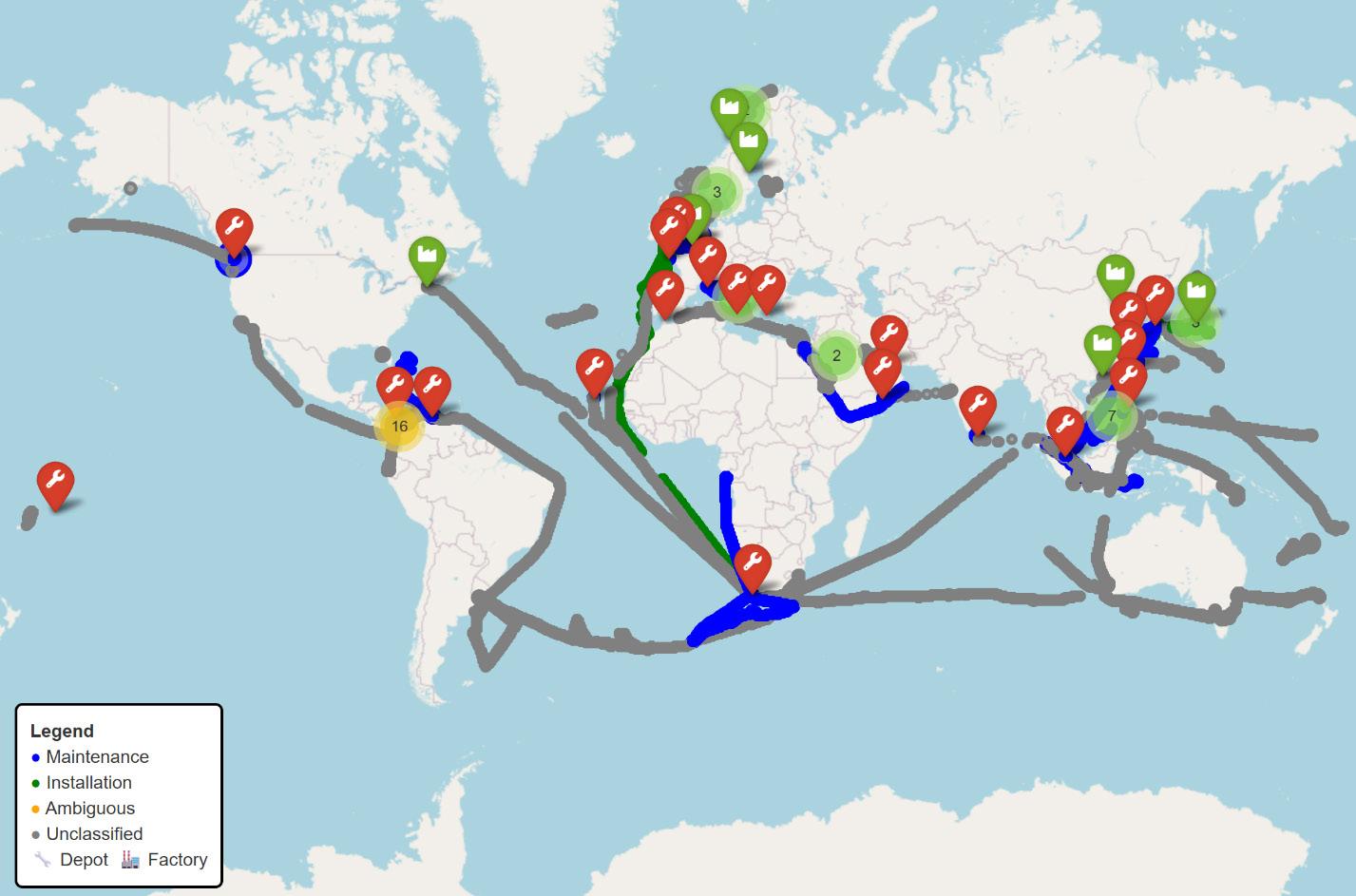
Looking at AIS-derived idle behavior during the opening months of 2026, the fleet appears more geographically dispersed and less tightly anchored to infrastructure. Maintenance signals remain visible along established repair corridors, and factory hubs
still appear as staging points. But a larger share of vessel pauses occur in locations where surrounding infrastructure provides fewer clues, leaving a fleet whose movements appear active yet harder to classify.
FLEET ACTIVITY AT A GLOBAL SCALE
Viewed at a global scale, the vessel activity map for January and February shows a fleet that remains widely distributed across the world’s main cable basins but exhibits fewer tightly clustered operational centers than in the previous period. Idle points still align broadly with major subsea corridors, yet they are more loosely scattered along those routes rather than concentrating around a smaller number of well-defined infrastructure hubs.
Across the North Atlantic, maintenance-linked behavior continues to trace the familiar transoceanic pathways connecting North America with Western Europe. These waters contain some of the densest cable infrastructure on the planet, and vessels still slow and linger along these routes in ways that suggest ongoing repair readiness. However, the pattern appears more dispersed than before. Instead of large clusters near depots and repair bases, idle points stretch along the corridor itself, suggesting vessels pausing briefly before continuing on rather than remaining anchored to specific operational hotspots.
A similar dynamic appears across parts of the Mediterranean and adjacent waters. Vessels move through known infrastructure zones and
Figure 1: Vessel Activity Map (Jan–Feb 2026)
pause intermittently along established cable routes, but the pauses tend to be shorter and more geographically spread out than those associated with sustained maintenance campaigns.
East and Southeast Asia once again emerge as the most active regions on the map. The dense infrastructure networks surrounding Japan, Korea, and the South China Sea naturally attract vessel activity, and the fleet’s presence reflects that reality. However, the character of the activity differs somewhat from the more clearly defined installation corridors that appeared in previous datasets. Instead of long, continuous sequences of installation-linked pauses extending outward from factories, the early-year map shows shorter clusters of activity around existing infrastructure combined with intermittent pauses along nearby routes.
tion-linked signals appear only sporadically across the global fleet.
Elsewhere, the Indian Ocean and parts of the Pacific show a wider scattering of idle behavior. Some of these pauses occur near known cable paths, but many appear farther from identifiable infrastructure. Rather than forming large, dense idle zones, activity breaks into smaller pockets across broader stretches of ocean.
Taken together, the global map suggests a fleet that remains busy but whose movements are less strongly anchored to clearly identifiable phases of installation or repair. Ships still traverse the major corridors that structure the global subsea network, but the pauses along those routes appear more temporary and less concentrated than those seen during periods of sustained operational activity.
THE CHANGING ACTIVITY MIX
The activity breakdown reinforces the impression that the fleet’s behavior during this period is more difficult to categorize.
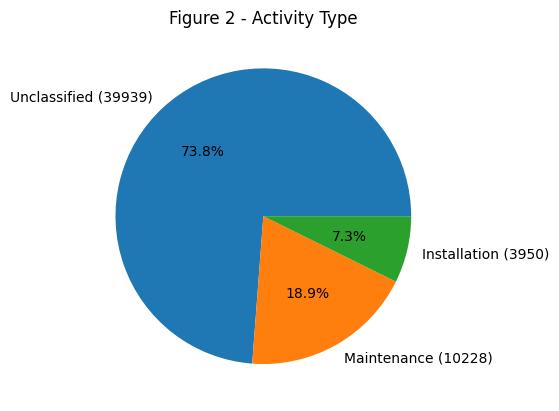
Unclassified idle behavior dominates the dataset, accounting for roughly three-quarters of all observed idle points. Maintenance activity represents a much smaller share of the total, while installa-
This distribution marks a notable shift from the patterns observed during the final months of 2025, when maintenance and installation signals together accounted for the majority of idle behavior. In the early months of 2026, by contrast, the majority of vessel pauses occur in locations where the surrounding infrastructure and movement patterns provide fewer clear clues about operational intent.
Part of this shift likely reflects the inherent limitations of AIS-based interpretation. Idle behavior is classified using proximity to known cable depots and factories combined with repeat movement patterns. When vessels pause far from those facilities or do not exhibit repeated behavior along recognizable corridors, classification becomes more difficult.
That dynamic appears to be more prominent in the early-year dataset. Many vessels slow or pause along routes that are clearly associated with subsea infrastructure but do not remain in those locations long enough—or close enough to facilities—to produce a strong maintenance or installation signal. Others appear to idle briefly while transiting between regions.
Maintenance activity still forms the largest identifiable category within the classified portion of the dataset. Where those signals do appear, they tend
Figure 2: Activity Type (Jan–Feb 2026)
to follow the expected patterns: vessels pausing near infrastructure before repositioning along established routes. Installation signals, however, are relatively limited and often tied to shorter sequences of activity near known factory hubs.
The result is a dataset in which the fleet’s movements remain visible but its operational context is less immediately apparent.
INFRASTRUCTURE CONTEXT
Breaking the dataset down by proximity to infrastructure helps clarify how vessels interact with the operational framework of the cable network.
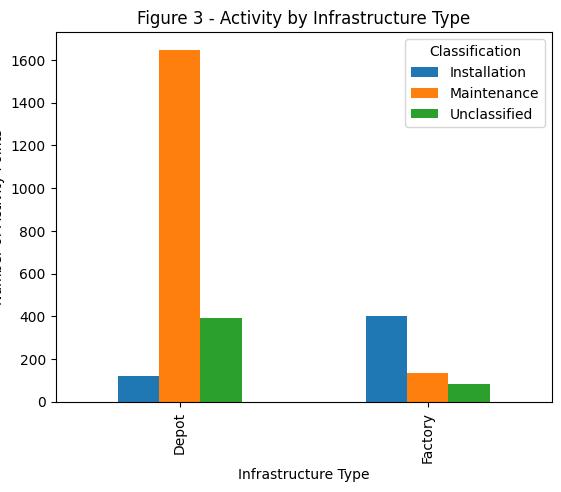
Depots continue to serve as the dominant anchor points for identifiable vessel activity. Maintenance-linked idle behavior appears far more frequently near depots than near factories, reinforcing the idea that repair readiness remains the baseline operational mode for much of the global fleet.
Ships pause near these facilities for a variety of reasons: crew changes, equipment preparation, standby assignments, or mobilization before deployment.
Figure 3: Activity by Infrastructure Type (Jan–Feb 2026)
These stops often generate clusters of maintenance-linked idle points before vessels move outward along nearby cable routes.
Factory-linked activity, while smaller in volume, reveals a different pattern. When vessels idle near factories, the classification data shows a greater share of installation-linked signals relative to maintenance. This reflects the role factories play as staging points for cable loading and deployment.
However, the overall volume of factory-linked idle behavior remains modest compared with depot-linked activity. This suggests that while installation work continues, it does not dominate the fleet’s operational footprint during this particular period.
Another notable feature of the infrastructure breakdown is the presence of a significant number of unclassified idle points even near facilities. This indicates that not every vessel pause near a depot or factory corresponds to a clearly identifiable operational phase. Some may represent short transits, staging movements, or operational pauses that fall outside the classification thresholds used in the analysis.
Even so, the infrastructure relationship remains visible. Depots anchor maintenance readiness, while factories serve as occasional launch points for installation activity.
FACILITY ANCHORS IN FLEET BEHAVIOR
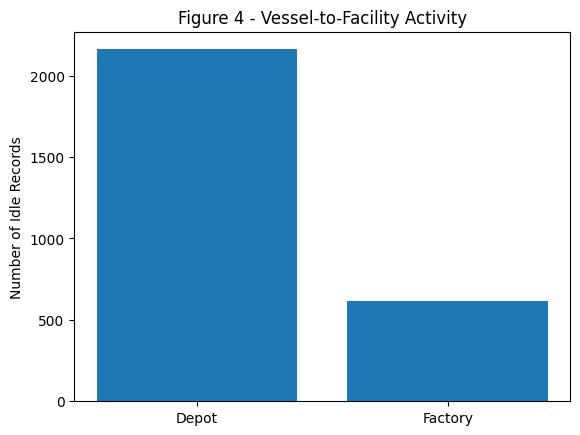
Looking directly at vessel proximity to infrastructure highlights the imbalance between depot and factory interactions.
During January and February, vessels were several times more likely to idle near depots than near factories. This reinforces the idea that maintenance readiness forms the underlying rhythm of fleet activity even during periods when installation campaigns are less prominent.
Depots act as operational anchors. Ships return to them repeatedly throughout their deployment cycles—for provisioning, repairs, crew rotations, and assignment coordination. These returns generate
ASK THE EXPERT
Question for the author(s)? Click here!
a steady background of idle activity around depot facilities.
Factories play a different role. Rather than serving as frequent return points, they function as staging locations tied to specific installation campaigns. Vessels approach factories to load cable, prepare for deployment, and then depart along the routes where installation work will take place.
Because installation activity tends to occur in distinct phases rather than continuously, the resulting factory-linked idle behavior appears less frequently in the dataset.
This asymmetry between depot and factory activity reflects the underlying structure of the cable fleet itself. Maintenance readiness must exist at all times to respond to faults across the global network. Installation work, by contrast, follows project cycles that rise and fall depending on build schedules and infrastructure expansion.
A FLEET IN TRANSITION
Compared with the more structured patterns observed at the end of 2025, the January–February
dataset presents a fleet whose movements are less tightly tied to clearly identifiable operational phases.
Maintenance and installation activity remain visible across the global network, but they account for a smaller share of overall idle behavior. A larger portion of vessel pauses occur in locations where operational intent cannot be easily inferred from AIS data alone.
This does not necessarily indicate reduced activity. Instead, it suggests a fleet operating in a more transitional state—moving between assignments, repositioning across basins, or carrying out work that produces subtler movement signals.
AIS data will always have limits. Remote regions, sparse infrastructure, and overlapping offshore industries complicate interpretation. But patterns still emerge.
In early 2026, those patterns point to a fleet that remains globally active yet less dominated by sustained installation campaigns or concentrated repair operations, reflecting the quieter operational intervals that often occur between major deployment cycles.
Kieran Clark is Senior Analyst at Submarine Telecoms Forum, Inc. He joined in 2013 as a Broadcast Technician supporting live event streaming, bringing over eight years of production experience. Promoted to Analyst in 2014, he now leads research and maintenance for the SubTel Forum Submarine Cable Database and Online Map, with analysis featured across most SubTel Forum publications.
BENEATH THE WAVES: LEGAL AND FINANCIAL ISSUES IN CABLE PROTECTION, MAINTENANCE AND REPAIR
by John Maguire
As we count down to the International Cable Protection Committee’s (ICPC’s) annual plenary in Athens next month1 , and having regard for the focus of this issue of Subtel Forum, this brief article takes a look, from a generalist’s point of view, at the key legal and financial issues around the ICPCs’ realm—keeping half an eye, as it seems one currently must, on possible implications or applications of artificial intelligence for it all.
A GENERALIST’S PERSPECTIVE IN THE AGE OF ARTIFICIAL INTELLIGENCE
The global internet may seem intangible to many of us, but it exists on an enormous, global physical infrastructure running silently along the seabed, invisible to most. Submarine fibre-optic cables carry more than 99% of international data traffic2, linking continents and enabling the world’s digital economy.
For those working in the sector—operators, marine contractors and equipment manufacturers—the resilience of this infrastructure depends on three key operational pillars:
• Protection;
• Maintenance; and
• Repair.
The industry, however, faces an increasingly complex risk environment. Legal fragmentation, rising geopolitical tensions, increasing military activity, insurance pressures—and surging bandwidth demand driven by factors including growth in artificial intelligence—are reshaping the way cable systems are designed, financed and operated.
Coming to any appreciation of these dynamics requires looking beyond the cables themselves to the broader legal, operational, and financial ecosystem surrounding them.
THE PHYSICAL BACKBONE OF THE DIGITAL ECONOMY
Modern submarine cable systems are highly engineered structures. A typical cable contains multiple (and ever-growing numbers of) optical fibres surrounded by protective layers of steel wire, insulation, and conductors that supply power to optical repeaters along the route. They are simultaneously feats of both marvellous optoelectronic miniaturization and massive civil and marine engineering endeavour, perhaps up to tens of thousands of kilometres in length. The repeaters that support systems of more than a couple of hundred kilometres, usually spaced 50-100 kilometres apart, boost optical signals across thousands of kilometres of ocean floor.
For all this sophistication, submarine cables remain physically quite vulnerable. How are we to secure and protect such massive, well-hidden facilities?
It is absolutely the case that most cable faults occur in relatively shallow coastal zones where cables intersect with maritime activity. Fishing gear and ship anchors remain the dominant cause of cable damage globally3 .
It is also the case, although many not unreasonably seek to downplay these risks, that even in the deepest waters submarine cables remain vulnerable—to potential malicious activity. While there is little evidence, if any, of malicious activity having been the cause of previous cable issues, we would be well advised to heed the warning that forms part of every (legal) financial investment offer: “Past performance is not indicative of future results”4 Or to recall Joseph Heller’s words in Catch 22: “Just because you’re paranoid doesn’t mean they aren’t after you”.
1 https://www.iscpc.org/events/2026-plenary-meeting/, in case you missed it.
In Figure 1 we see the clear, strong trend for increasing reliability of submarine cables evidenced by the number of repairs required falling even as the length of in-service cables grows. This reality, however, fails to speak to a core challenge for the industry: the critical infrastructure supporting global digital connectivity remains exposed.
• Cable landings
• Maintenance operations
• Emergency repairs
A single transoceanic cable route may cross dozens of jurisdictions, each with its own regulatory procedures and timelines. While this regulatory diversity reflects national sovereignty, it can create significant operational challenges, particularly when urgent repairs are required.
1 After https://www.submarinenetworks.com/en/nv/insights/statistics-on-subsea-cable-faultand-repair based on figures from global cable repair data analysis from ICPC and SubOptic in 2025.
THE LEGAL LANDSCAPE: GLOBAL INFRASTRUCTURE, LOCAL RULES
The international legal regime governing submarine cables originates largely from the United Nations Convention on the Law of the Sea (UNCLOS)5, which guarantees freedom to lay cables on the high seas and continental shelf while obliging states to protect existing systems and penalize intentional damage. In theory, these provisions establish a stable legal framework for global cable deployment.
In practice, however, cable operators must navigate a patchwork of national regulations affecting activities such as:
• Marine surveys
• Environmental approvals
EVERYDAY RISK: ANCHORS, TRAWLERS AND MARITIME ACTIVITY
Owing to the nature of mass and perhaps also social media, public attention often focuses on geopolitical or malicious threats to subsea infrastructure. While these threats may be real—absence of evidence is, after all, not evidence of absence—as we’ve shown above, most cable faults continue arise from routine maritime activity3
Anchoring vessels and bottom-trawling fishing gear can easily damage cables in shallow water. Even heavily armoured cables may fail if subjected to sufficient force.
To reduce this risk, the industry employs an array of protective measures:
• Cable Burial: Specialized ploughs or remotely operated vehicles bury cables beneath the seabed where possible.
protection is used in areas with significant risky fishing activity.
• Cable protection zones: Some coastal states designate areas where, to protect submarine infrastructure, anchoring or trawling is restricted.
• Stakeholder engagement: Cable operators routinely work with fishing communities, maritime authorities, and hydrographic offices to ensure cable routes are properly charted and understood.
These measures significantly reduce risk but cannot eliminate it entirely. Maritime environments are dynamic and the possibility of accidental cable damage remains a persistent operational issue.
REPAIR OPERATIONS: RESTORING CONNECTIVITY AT SEA
When a submarine cable fault occurs, restoring connectivity becomes a highly specialized maritime operation. The process typically involves:
A structural challenge for the industry is the limited number of specialized cable repair ships operating worldwide. Each vessel typically serves a large geographic zone, often under regional maintenance agreements. When multiple faults occur simultaneously owing, e.g., to storms, seismic events, or other large disruptions, constraints in repair capacity can increase delays and, consequently, both direct and indirect costs.
LEGAL BARRIERS TO RAPID REPAIR
Even when repair vessels are available, legal processes can sometimes slow the restoration of service. In certain jurisdictions, repair work requires prior government approval. This may involve:
“Submarine cables may lie unseen on the ocean floor, but they underpin the global digital economy—making their protection, rapid repair, and legal accessibility critical to maintaining connectivity in an increasingly interconnected world.”
1. Locating the fault using optical diagnostics
2. Mobilizing a cable repair vessel
3. Retrieving the damaged cable from the seabed
4. Splicing in a replacement segment
5. Re-laying and burying the repaired cable
Direct repair costs can vary widely, depending on distance, weather conditions, and vessel mobilization requirements. The range of between US$1 million and US$3 million per incident is often cited6. The broader economic impact of outages can, however, be far greater, especially in regions with limited redundancy. One estimate puts the indirect costs of repair can range from US$1.5 to US$24 million, per repair7
• Maritime permits
• Environmental reviews
• Security clearances
• Port access authorizations
In addition, national regulations such as cabotage laws can affect which vessels are permitted to operate within territorial waters. For operators and contractors, these legal complexities introduce uncertainty into what is otherwise a time-critical operation. Improving the legal pathways for rapid repair authorization remains an important issue for the global cable industry.
POLITICS, GEOPOLITICS AND STRATEGIC INFRASTRUCTURE
In recent years, with their growing importance, submarine cables have moved from being a widely unrecognized component of the telecommunications industry, to being widely seen as a critical element of global and national infrastructure.
Governments around the world increasingly view cable systems as strategically important assets supporting:
This recognition has led to far greater scrutiny of cable ownership structures, equipment suppliers, and security in respect of both landing stations, which is relatively straightforward, and the cables themselves, which is anything but.
As recently as the first of this month (March 2026) Vietnam, a rapidly growing, rapidly developing country of more than 100 million people, saw its first Artificial Intelligence Law enter force8. For this writer, one of the interesting aspects of this forward-looking legislation is how it centrally it places Vietnam’s digital infrastructure, including its data centers and submarine cables, each as part of the artificial intelligence ecosystem, at the heart of the country’s economy. A good, early, industry-focused analysis of the law can be found at this link9. It should give other legislators pause for thought.
Artificial intelligence is also reshaping the submarine cable industry in two important ways.
AI as a Demand Multiplier
Training and deploying large AI models requires massive data movement between global data centres. As a result, hyperscale technology companies are investing heavily in new cable systems connecting their international infrastructure.
These investments are accelerating global bandwidth growth and changing the ownership structure of the industry. Large technology companies are massively direct investors and owners of submarine cable systems, rather than simply purchasers of capacity as they have been historically.
“Once hidden beneath the waves, submarine cables are now recognized as strategic infrastructure—powering financial systems, cloud computing, AI development, and national digital sovereignty.”
AI as an Operational Tool
AI technologies are also being applied to cable operations. Machine learning models can analyze large datasets from maritime tracking systems, satellite imagery, and network telemetry. Potential applications include:
• Identifying vessels operating near cable routes and deciding whether interdiction is required
Meanwhile, analysts have raised concerns about the potential vulnerability of subsea infrastructure during geopolitical tensions. These concerns are prompting governments to consider new policies related to cable protection and resilience. For industry participants, geopolitical risk is now a factor in route planning, insurance pricing, and project financing.
ARTIFICIAL INTELLIGENCE AND THE SUBMARINE CABLE INDUSTRY
• Predicting cable faults from signal degradation patterns
• Modelling seabed hazards during route planning
• Optimizing network traffic across cable systems
These tools improve situational awareness and operational efficiency, but they notably do not remove the physical constraints of subsea infrastructure nor, per se, mitigate certain risks. Ships must still reach the fault location, in weather conditions that permit repairs, and with prior legal approvals having been
without. Protecting it is not just a technical challenge: It is an economic and geopolitical imperative.
FINANCIAL PRESSURES IN A CRITICAL INFRASTRUCTURE SECTOR
Submarine cable systems require significant capital investment. Building a new transoceanic system can cost hundreds of millions of dollars, depending on route length and technical complexity. These investments are influenced by several financial factors:
• Long-term capacity demand
• Construction and installation costs
• Insurance coverage and premiums
• Geopolitical risk exposure
Insurance markets have become increasingly sensitive to infrastructure risk, particularly in regions with heightened geopolitical tension. In response, operators are placing greater emphasis on network resilience, including route diversity and redundant capacity. These measures increase upfront investment but can significantly reduce the economic impact of cable outages.
A SYSTEM UNDER GROWING PRESSURE
Submarine cables remain one of the most essential yet least visible components of the global digital infrastructure. Their protection, maintenance, and repair require coordination between telecom operators, marine contractors, governments, insurers, and technology companies.
Artificial intelligence is increasing both the importance of cable networks and the tools available to manage them. But the fundamental challenges facing the industry remain rooted in physical infrastructure, maritime law, and international cooperation. As global connectivity continues to expand, and as AI-driven data flows grow, ensuring the resilience of submarine cables is certain to remain one of the most important tasks facing governments and the digital infrastructure sector.
Beneath the ocean’s surface lies a network that we have learned the modern world cannot function
John Maguire is Director, EMEA at APTelecom with 30 years of telecommunications experience across global markets. He has sold security and network control software, built regional federation fibre networks, and established interconnect and wholesale structures in emerging markets. His career spans OEM and service providers, fixed and mobile domains, and roles in general management, sales, operations, and business development. He is Dublin-based and has worked worldwide.
11 QUESTIONS WITH RYAN WOPSCHALL: TALKING SUBMARINE CABLE INDUSTRY WITH INTERNATIONAL
A cornerstone event for the ICPC, its annual Plenary attracts global attendance and has always provided valuable opportunities to exchange ideas on the planning, installation, operation, protection, and maintenance of cables, to learn from colleagues facing similar challenges, and to get up to date with environmental and legal aspects of submarine cables.
This annual event provides tremendous benefits for ICPC Members, presenters, and exhibitors. The Plenary agenda includes presentations, break-out sessions, invited guest speakers, networking opportunities and much more.
About the ICPC: ICPC is a non-commercial, non-profit international community of interest comprising more than 240 member organizations from 70 countries who are active in the critical activities of building, operating, and maintaining submarine telecommunications and power cable infrastructure. ICPC Member organizations represent over 98% of the world’s submarine telecommunications cable infrastructure, and an increasing number of international submarine power cables.
With ICPC Plenary 2026 approaching in Athens, Greece from April 14th through 16th, we sat down with Ryan Wopschall, ICPC General Manager, to discuss this year’s priorities, emerging trends, and how the ICPC continues to strengthen the resilience of the world’s digital backbone.
1. What is the core mission of ICPC Plenary 2026, and why is this gathering essential to global cable security?
Well, the ICPC’s mission is just that, to be the world’s leading organization promoting submarine cable protection and resilience, and this mission underpins a lot of our activities and events. For the 2026 Plenary, it was important to choose a theme that drew both on current industry conditions but also
related to our mission. As a result, this year’s theme: “Collaboration to Protect Global Connectivity,” was selected. As simple a theme as it may be, it draws on our experience over the last several years where our industry is seeing even greater collaboration and interest in submarine cables, particularly from governments, regulators, as well as new industry entrants (be it new cable owners or service providers within the supply chain). So a key question is how the industry takes steps into the future while more and more entities are keenly aware of and more involved in our industry. One such step to address this is that the ICPC will specifically have a governance panel discussion during our 2026 Plenary to showcase the interest and perspective of governments with submarine cable infrastructure and its protection. Furthermore, we find the most valuable insights specifically from case studies or lessons learned. Our Plenary will highlight such presentations with a focus on how collaboration is imperative to all phases in the submarine cable lifecycle. While the ICPC stays at the forefront of pressing risks faced by the industry, we also find it is our members who are at the forefront as well, and there is plenty to learn from their experiences. The 2026 Plenary is the venue for sharing such insights, experiences, and information.
2. How does ICPC Plenary 2026 translate discussion into real world policy and operational impact?
The ICPC aims to draw on real world, practical experiences and discussions. Through engaging cross-sectional participation from within our industry, including that of governments and regulators, we aim to tackle the most pressing real world issues such as cable security policy, cable sensing applications, cabotage, fishing, seabed mining, hydrographic charting of infrastructure, as well as a growing subset of governmental and non-governmental discussions or forums on cable infrastructure security and resilience. The ICPC is seeing a growth in our Government Observer membership category, and more governments are attending our Plenary each year. As a result, the Plenary, both in its content but also in its open forum discussions,
INTERNATIONAL CABLE PROTECTION COMMITTEE’S GENERAL MANAGER
provides a valuable platform for driving alignment and practical next steps and outcomes throughout industry sectors. True to our Plenary theme, the industry’s momentum is towards more collaboration, perhaps more than it ever has been, and the more people can come together to talk about what the issues really are, the most productive it is to find solutions in the future. We have seen a tremendous growth in our Plenary attendance, and growth in ICPC membership in general, over the last six years, which adds to the collaborative and productive landscape of this event.
3. Which technical and operational priorities are receiving the greatest attention this year?
A foundation of the ICPC continues to be our Recommendations. We are going to be publishing an outside plant security Recommendation that covers security considerations from the beach manhole to the cable station. Our Recommendations are just that, recommendations, and are intended to outline considerations that can be measured against project needs. As these may vary geographically and based on a project risk profile, we aim to provide a framework to analyze security considerations, including the land-based portions of a project, which are equally important from a security standpoint. Cable routing and landing sites will always be important to our industry and topics like re-use of existing landing sites, development of greenfield landing sites,
Ryan Wopschall is the General Manager of the International Cable Protection Committee (ICPC), the leading international submarine cable authority providing leadership and guidance on issues related to submarine cable security and reliability. Ryan has spent the last 19 years working in the submarine cable industry, having worked on over 30 projects at various stages in their planning and implementation lifecycle, and has conducted business in over 20 countries. He is also the Founder and Principal of Wopschall Consulting, LLC, a forward-thinking consulting firm, and Sealink Networks, Inc., a digital infrastructure company.
recovery of cables to open up available seabed, as well as the design of new and diverse routes are all hallmark elements of cable security and resilience. These often bring along regulatory or policy discussions, which is why ICPC engagement with governments is so important. Cable sensing is also an area of continued growth and importance for the ICPC, particularly to provide guidance on use cases, technology and the interaction between industry and governments who may have shared but different interests in sensing technologies. And of course, marine maintenance is at the forefront of the ICPC. Marine maintenance is getting a lot of attention in the broader industry right now. For the ICPC, addressing this or any other topic is a matter of balance between providing leadership and guidance, but also letting the commercial and competitive market define their market sector.
That is a reason we publish “Recommendations” as such, and avoid being too prescriptive, particularly on a global scale. The industry has a role in defining itself through commercial, for-profit business strategies and decision-making and marine maintenance is no different.
over our three-day event. Furthermore, our annual Plenary is further augmented by the continued worked that the ICPC does as a trade organization, which includes a tremendous amount of representation and liaison efforts with organizations such as the ISA, IHO, UN, Nato, a multitude of governments, security forums, regional cable protection committees, and academic institutions, etc. From this role, we look to provide leadership and guidance across the industry, much like we have since the founding of the ICPC almost 70 years ago.
5. How is ICPC strengthening global participation and inclusion across its membership?
“Protecting submarine cables requires constant balance—between industry leadership and commercial realities, global standards and regional needs, and the shared responsibility of governments, operators, and the wider maritime community.”
4. Why does ICPC Plenary remain central in an increasingly crowded industry calendar?
The ICPC was founded in 1958, and its members represent over 98% of all international submarine fiber optic cable operators globally. Our 245 member companies are from over 70 countries, and also include power cable companies, marine survey companies, permitting and consulting firms, government observers, and other industry service providers. As opposed to other industry events, we do not hold a conference. Our Plenary is a member meeting and is not a platform for marketing or sales meetings. As a result, the content of the Plenary is driven by its participants which heavily relies on our delegates who have the technical, operational, and real world experience backing up the discussions
The ICPC has seen tremendous membership growth over the last six years. We have recently redefined our Government Observer membership category in response to increased government interest in the ICPC. Additionally, our Associate Member category has included companies throughout the supply chain or who participate in the industry and who are not cable owners or operators. More recently with the growth of cable sensing, autonomous survey vessels, remote system monitoring, and asset protection, we have seen growth in new industry disciplines, which has also increased our membership and the topics we look to address at our Plenary.
Additionally, with cable security and resilience being contemplated by governments, non-governmental organizations, academics, and other entities, our Plenary addresses these topics through a subset of our agenda.
But being a global organization, we look to promote a geographic diversity including in underrepresented regions. We are thrilled at the 2024 Executive Committee election of a representative of WIOCC (Douglas Njenga), adding valuable insight and contribution from an African operator perspective. We also liaise closely with regional CPCs including NA-
SCA, OSCA, ESCA, DKCPC, ASKALSI and groups that are newly forming in Africa and Brazil.
6. How is ICPC Plenary 2026 advancing environmental stewardship and responsible deployment?
The ICPC’s vision is of a global network of reliable and resilient submarine cables that coexist with the marine environment. The marine environment has been a cornerstone of the ICPC, led by our Marine Scientific Advisory, Dr. Michael Clare, through which we promote scientific research addressing how cables exist in the marine environment. This, along with permitting challenges, and sustainable practices throughout a cable’s lifecycle, are topics that the ICPC Plenary have always addressed in our abstract presentations. As marine environmental protection and permitting challenges have generally increased globally, navigating these challenges for the deployment of new cable systems and the maintenance of existing ones has been paramount. And this is often where case studies from our member companies have been such valuable contributions to our Plenary content each year.
Sensing Working Group, the development of our soon-to-be-published Recommendation on outside plant security, and our continued education on the distinction between physical infrastructure security and cyber security. The ICPC is sought out as the leading authority on these topics, in which we in turn rely on the expertise of our Advisers, our Executive Committee, and most importantly our member companies.
8. What differentiates ICPC Plenary 2026 from other global industry conferences?
“The ICPC’s vision is a global network of submarine cables that is both resilient and environmentally responsible—where scientific research, operational experience, and international cooperation guide how critical digital infrastructure coexists with the marine environment.”
7. How is ICPC addressing monitoring, security, and long term network resilience?
Several years ago, the ICPC published our Best Practices for Governments, which is intended to assist governments in developing laws, policies and practices to foster the development and protection of submarine cables – the infrastructure of the internet. This document has now been widely used and referenced by governments and organizations around the world, and is considered the leading framework for cable security and resilience. The ICPC has furthered this effort by direct engagement with governments, forums discussing security and resilience, and providing further guidance to the industry through venues such as our Cable
Cable protection includes technical, scientific, regulatory, permitting, policy and operational topics. I think people often only view the ICPC through the lens of marine maintenance, or now through a policy lens. But most of our Recommendations are technical in nature, and a lot of our Plenary presentations are also technical from a cable protection perspective. Where we differ, however, is that most of our Plenary content is not speculation or commentary on the industry or the direction of the industry. We rely on concrete, objective experience-based insights from our members that help pave the way for our future activities and areas of focus as an organization. Additionally, the ICPC is non-commercial in nature. We do not allow commercial discussions at our Plenary, and it is not a forum for commercial meetings. It truly is a forum for the exchange of technical, regulatory, and scientific information.
9. How is ICPC responding to accelerating digital growth and rising geopolitical risk?
There is no denying the geopolitical landscape in today’s world and the intersection that has with submarine cable infrastructure, especially when global events directly impact submarine cables. Having said that, the ICPC is a global organization with members from around the world. Our stance is to
have a clear and balanced view from an industry and cable protection standpoint. Geopolitics creates a lot of buzz, particularly with media, but our approach has been a fact-based approach rather than that of hypothetical or sensationalized reactions. We have found a solid approach in educating media, governments, and other entities on the primary and statistically prevalent risks to submarine cables, and the prudent methodologies for protecting cables, and on the role governments can take to do so. Additionally, we have acted as a venue for our member companies to engage with governments on the criticality of cable protection. We have found that as the industry grows, so does the number of people watching our industry, and the best method of responding to this accelerated growth is through active engagement, education and leadership.
10. What are the most significant challenges facing ICPC Plenary 2026 today?
The ICPC has seen tremendous growth in the number of members and non-members who want to speak at our Plenaries and managing the selection of relevant and informative presentation speakers and topics is a workload unto itself. Additionally, with the growth of our membership, we have seen growth in our Plenary attendance, which has added a further logistical lift than in years previous. These are, of course, all positive problems to have and I believe are directly related to the great work the ICPC is and continues to carry out. This also has to be balanced on a geographic basis. We rotate the Plenary throughout the world to ensure a diversity of geographic representation, which has always been important. But post-COVID we have seen a surge in hotel and venue costs. Our work siting venues starts over a year in advance of each Plenary to ensure the event is a success each year. And so far, at least from member feedback, we continue to outdo ourselves. So that’s a positive, albeit also challenging, trend to keep up.
11. What is ICPC’s long term vision beyond 2026?
The industry and the global landscape we operate in are always guiding factors in the work the ICPC
does. However, looking into the future, we see growth in our Government Observer membership category, we see more direct engagement from governments or governmental organizations, and we see the continued broadening of cross sector dialogue around cable protection. The formation of the ICPC/ITU International Advisory Body for Submarine Cable Resilience is an excellent example of the types of engagement and broadening forum for submarine cable dialogue across operators and governments aimed at improving cable resilience, reducing damage risks and ensuring timely deployment of repair vessels.
We see continued and further environmental scrutiny over marine uses, particularly through a lens of sustainability, where evidence based and peer reviewed research will continue to be of high importance. And we see the need to be a leading voice in these expanding subsets of our industry. True to our Plenary theme centered around collaboration, we continue to grow in our outreach and industry representation activities, promoting collaborative discussion on industry topics across all of our strategic objectives. Looking into the future, we see more opportunities for direct engagement as the world’s leading organization promoting submarine cable protection and resilience.
2026 ICPC Plenary Agenda Athens, Greece
14–16 April 2026
Theme: Collaboration to Protect Global Connectivity
Day One
Tuesday, 14 April 2026
1:00 PM
Guest Speaker and Observer Registration in the Exhibition Area
Open Session Commences – Welcome to External Speakers
• Keynote Speaker
• Technical Presentations
• Exhibitor Spotlights
Afternoon Coffee Break and Networking
• Continued Presentations
5:30 PM – Close of Day One
Day Two
Wednesday, 15 April 2026
8:55 AM
Open Session Commences – Welcome to External Speakers
• Keynote Speaker
• Technical Presentations
Morning Coffee Break and Working Group Breakout Sessions
• Presentations
• Announcement of the ICPC ESCA NextGen Innovation Catalyst Award Winner
Onsite Lunch
Afternoon Session
• Presentation from the ICPC International Cable Law Adviser
• Presentation from the ICPC Marine Scientific Adviser
• Global Report of Cable Repair Commencement Times
Afternoon Coffee Break and Working Group Breakout Sessions
• Governance Panel
5:00 PM – Close of Day Two
Day Three
Thursday, 16 April 2026
8:55 AM
Open Session Commences – Welcome to External Speakers
• Liaison with Other Organisations and Seabed Users
• Presentations
Group Photo
Morning Coffee Break and Working Group Breakout Sessions
• Presentations
Onsite Lunch
• Presentations
Afternoon Coffee Break
• ICPC Members Only Wrap Up Meeting Closure
INDUSTRY SENTIMENT SIGNALS A SECTOR AT FULL THROTTLE — AND AT ITS LIMITS
From the Submarine Cable industry
For more than three decades, the submarine cable industry has moved in cycles — periods of rapid expansion followed by consolidation, pauses driven by capital discipline, and resets forced by technology transitions.
What distinguishes the current cycle is not simply its scale, but its persistence. The data from SubTel Forum’s Industry Sentiment Surveys across 2023, 2024, and 2025 point to a sector that is no longer accelerating into growth, but operating inside it continuously.
The 2025 results confirm what many industry leaders already feel in practice. The submarine fiber ecosystem is running hot. Demand is high. Investment is strong. Project pipelines are full. At the same time, constraints are becoming structural rather than temporary. Skilled labor shortages are acute. Project
delays are widespread, though largely manageable. Sustainability progress is uneven. Regulatory complexity is no longer episodic; it is embedded.
This is not an industry losing momentum. It is an industry approaching operational saturation — and beginning to confront the realities that come with maturity.
What follows is not simply a review of survey charts. It is an interpretation of what the sentiment data tells us about where the submarine cable sector stands today, how it has changed since 2023, and what those changes imply for 2026 and beyond.
FROM BASELINE TO BAROMETER: THREE YEARS OF COMPARABLE DATA
The inaugural Industry Sentiment Survey conducted in 2023 provided a baseline snapshot of confidence levels, workload expectations, and perceived challenges within the submarine cable market. At the time, optimism was present but measured. Respondents saw opportunity ahead, yet remained cautious in the face of inflation, supply chain uncertainty, and uneven regional recovery.
In 2024, the survey was refined and standardized, allowing for consistent year-over-year comparison. The industry had clearly shifted into a higher-gear build cycle, with rising activity and growing confidence. By 2025, the data matured into a reliable barometer — not just of mood,
Figure 1: Overall State of the Industry
but of operational reality.
Taken together, the three years form a short but powerful longitudinal dataset. They reveal an industry that has moved from post-expansion recalibration into sustained, system-wide execution.
CONFIDENCE REMAINS ABSOLUTE — BUT LESS EXUBERANT
One of the most striking outcomes of the 2025 survey is that 100 percent of respondents remain positive about the state of the industry. That alone would suggest unambiguous strength.
Yet the composition of that optimism has changed.
The proportion of respondents describing themselves as very optimistic declined sharply from 2024, while those selecting optimistic increased substantially. This is not a loss of confidence. It is a recalibration. After several consecutive years of intense build activity, sentiment has matured. Expectations are no longer inflated by novelty or recovery dynamics. They are grounded in lived experience.
In plain terms, industry leaders remain convinced of the sector’s long-term trajectory. They are simply more realistic about the friction involved in delivering it.
This shift matters. Mature optimism is more durable than exuberance. It suggests that confidence is now rooted in fundamentals — traffic demand, geopolitical relevance, hyperscale commitment — rather than
short-term market enthusiasm.
MARKET ACTIVITY HAS CROSSED A THRESHOLD
If optimism has moderated, workload has not.
Nearly all respondents in 2025 reported having more work than the previous year. Neutral responses effectively disappeared. Negative responses vanished entirely. The industry has crossed a threshold into near-universal workload expansion.
This is not confined to a single segment. It reflects simultaneous activity across hyperscale systems, regional connectivity projects, redundancy builds, and network upgrades. The submarine cable sector is no longer sequencing demand; it is stacking it.
The implication is clear. The industry is operating close to full capacity. When nearly every respondent reports increased activity, elasticity becomes limited. Schedules tighten. Resources strain. Small disruptions propagate quickly.
From a Global Outlook perspective, this is both an endorsement and a warning. Demand is not the problem. Execution bandwidth is.
INVESTMENT CONFIDENCE HAS BECOME OVERWHELMING
Investment sentiment mirrors workload intensity. In 2025, over 90 percent of respondents rated industry investment levels as above average. Responses indicating below-average investment disappeared
Figure 2: Industry Market Activity
Figure 3: Industry Investment
entirely.
Capital is not hesitating. Funding is flowing into new systems, technology upgrades, data center integration, and long-term infrastructure plays. The submarine cable sector has firmly established itself as core digital infrastructure — not peripheral connectivity.
What is notable is not simply the volume of investment, but its confidence. Respondents are not describing speculative capital. They are describing committed, strategic investment aligned with long-term network demand.
This matters for 2026. Capital confidence underwrites multi-year planning. It sustains vendor pipelines. It supports innovation adoption. It also raises expectations for delivery — expectations that may collide with labor and regulatory realities.
NOT ANTICIPATED
Mergers and acquisitions no longer generate excitement or anxiety in sentiment responses. They generate expectation.
Across both 2024 and 2025, a majority of respondents anticipate increased M&A activity, while the remainder expect stability. None expect decline. Consolidation is no longer viewed as cyclical disruption. It is seen as part of the industry’s normal operating environment.
This reflects a sector that has matured structurally. Scale matters. Vertical integration matters. Balance sheet strength matters. Smaller players increasingly operate within ecosystems dominated by large operators, investors, and vendors.
From a strategic standpoint, this normalization of consolidation suggests fewer surprises ahead — but also fewer independent paths. The Global Outlook implication is a market where partnerships, alliances, and acquisitions will shape competitive dynamics more than greenfield entrants.
GEOGRAPHY IS REBALANCING — NOT ROTATING
The regional distribution of activity in 2025 reveals a meaningful shift, but not a wholesale rotation.
Figure 4: Industry Mergers & Acquisitions
Figure 5: Region Activity
Figure 6: Project Status
The Transpacific region surged to the forefront, reflecting continued hyperscale investment in Asia–U.S. connectivity and resilience. EMEA activity also increased, maintaining its role as a dense and diverse build environment. Other regions declined in relative share, not due to inactivity, but because growth elsewhere outpaced them.
This is an important distinction. The industry is not abandoning regions. It is prioritizing corridors with the highest traffic growth, geopolitical relevance, and redundancy requirements.
The Global Outlook takeaway is a more polarized map. Capital and capacity are concentrating along strategic routes. Peripheral markets may still see investment, but increasingly through targeted, policy-driven, or development-funded initiatives rather than pure commercial expansion.
DELAYS ARE WIDESPREAD — BUT NOT CATASTROPHIC
Project delays increased significantly in 2025. Nearly four out of five respondents reported some level of delay. Yet reports of significant delay declined.
This tells a nuanced story. Projects are slipping, but not failing. Timelines are stretching, but execution remains viable. Delays are becoming normalized rather than exceptional.
The causes are familiar. Vessel availability. Supply
What has changed is industry adaptation. Delays are increasingly absorbed into planning assumptions. Contingencies are built earlier. Stakeholders are less reactive, more resigned.
From a Global Outlook perspective, this normalization carries risk. When delay becomes expected, schedule discipline can erode. At the same time, it reflects an industry that has learned to operate under constraint rather than waiting for ideal conditions.
REMOTE WORK HAS BECOME STRUCTURAL
The shift toward remote and hybrid work accelerated again in 2025. More than a third of respondents now report working remotely, while “no change” responses continue to decline.
This is not a pandemic aftershock. It is a structural adjustment. Global project footprints, distributed teams, and digital collaboration tools have permanently altered how submarine cable work is organized.
Travel has not disappeared, but it has stabilized. The industry appears to be optimizing mobility rather than maximizing it.
The implication for 2026 is subtle but important. Talent pools are no longer geographically bound in the same way. This offers partial relief to labor shortages — but only if organi-
Figure 7: Work Status
Figure 8: Emerging Technologies
zations adapt recruitment and management models accordingly.
AI HAS MOVED FROM BUZZWORD TO CONSENSUS
No result in the 2025 survey is more decisive than the response to emerging technologies.
Artificial intelligence and machine learning now dominate industry expectations for future impact. Other technologies — autonomous vessels, advanced materials, quantum applications — faded in relative importance.
This does not mean they are irrelevant. It means AI is perceived as immediate, applicable, and transformative now.
Respondents see AI not as an abstract innovation, but as a tool for predictive maintenance, route optimization, fault analytics, net-
work management, and operational efficiency.
Crucially, preparedness has risen alongside expectation. A strong majority of respondents now consider their organizations prepared for technological adoption. The industry is no longer talking about readiness. It is implementing.
For the Global Outlook, this signals a coming productivity shift. Technology will not eliminate constraints, but it may determine which organizations navigate them best.
SUSTAINABILITY MOMENTUM HAS STALLED — OR BECOME INVISIBLE
Environmental sentiment presents a more ambiguous picture.
While extreme views remain stable, neutrality surged in 2025. Fewer respondents feel confident that the industry is clearly progressing on sustainability, yet few believe it is falling behind.
This suggests not regression, but opacity. Efforts may be underway, but their impact is not widely visible or measurable.
As regulatory and investor scrutiny increases, this lack of clarity could become problematic. Sustainability
Figure 9: Technology Preparedness
Figure 10: Sustainability Approach
Figure 11: Regulatory Challenges
cannot remain an internal checkbox. It must become demonstrable.
The Global Outlook implication is that sustainability will shift from narrative to requirement. Organizations that cannot quantify progress may find themselves exposed — reputationally, commercially, or regulatorily.
REGULATION IS BECOMING MORE GEOPOLITICAL
Security compliance remains the dominant regulatory concern, but trade restrictions rose sharply in 2025. Environmental regulation also increased in prominence, while data sovereignty declined.
This reflects an industry adapting to data localization norms while confronting a more fragmented geopolitical environment. Cross-border projects now face layered com-
plexity — export controls, supplier scrutiny, national security reviews.
The regulatory burden is not decreasing. It is shifting.
For 2026 and beyond, regulatory navigation will be a core competency, not a legal afterthought. Those who underestimate this will pay in delay, cost, or exclusion.
THE LABOR CRISIS IS NOW STRUCTURAL
No finding is more concerning — or more consistent — than skilled labor availability.
In 2025, nearly three-quarters of respondents describe labor availability as insufficient. A growing share now labels it a critical shortage. Positive assessments have vanished.
This is not cyclical. It is structural. An aging workforce. Limited entry pipelines. Competition from adjacent sectors. Sustained workload pressure.
Workforce challenges have followed predictably. Attracting new talent has overtaken training and succession planning as the dominant concern. The industry needs people before it can worry about grooming them.
From a Global Outlook standpoint, this is the single greatest risk to sustained growth. Capital and demand mean little without execution capacity.
Figure 12: Skilled Labor Availability
Figure 13: Workforce Challenges
Figure 14: Job Function
EXPERIENCE IS CONCENTRATED — AND THAT IS A RISK
The respondent profile itself tells a story. Senior management participation increased sharply. Respondents with over 20 years of experience now dominate.
This brings depth of insight — but also highlights a looming generational gap. Mid-career and early-career representation remains limited.
THE GLOBAL OUTLOOK: GROWTH WITH FRICTION
The submarine cable industry enters 2026 strong, confident, and indispensable. It is also constrained, stretched, and increasingly complex.
This is what maturity looks like.
The sentiment data does not point to decline. It points to a sector that must now invest as deliberately in people, process, and governance as it has in steel, glass, and fiber.
The next phase will not be defined by how fast the industry can grow — but by how well it can sustain growth under pressure.
Those who recognize this will lead. Those who do not will struggle, regardless of demand.
Source: SubTel Forum Industry Sentiment Survey 2023–2025
The industry is rich in expertise, but thin in succession.
Without deliberate action, institutional knowledge will age out faster than it is replaced. That is not a future risk. It is an approaching one.
Figure 16: Residency
Figure 15: Years in Industry
FCC TAKES STEPS TO MODERNIZE ITS SUBMARINE CABLE LICENSING RULES FOR THE FIRST TIME SINCE THE TURN OF THE CENTURY
Ulises R. Pin and Thomas J. Garrity, III
On August 13, 2025, the Federal Communications Commission (“FCC” or “Commission”) released a Report and Order (“R&O”) and Further Notice of Proposed Rulemaking (“FNPRM”) that, in its own words, sought to modernize submarine cable licensing, adopt uniform national-security definitions aligned with the Department of Commerce, and streamline application processing.
The Commission’s goals with the R&O and FNPRM are to expand reporting to improve visibility into capacity and equipment on cables with U.S. landings, while also removing and streamlining regulatory “red tape” for trusted network owners and operators.
As noted by the Commission in the R&O, well over 95% of international communications traffic crosses under our oceans --indeed some experts estimate the number closer to 99%. These sys-
tems are critical to the functioning of national, international and the global economy. It is estimated that more than $10 trillion worth of financial transactions every day transit submarine cables. Thus, it is safe to say that these fiber-optic highways form the backbone of the international communications and financial network, and the demand for more connectivity continues to grow. Given the importance of these cables to the systems that all of us rely on daily, changes to the regulatory paradigm in the United States, which serves as one of the preeminent anchor locations for these cable, have a direct impact. This impact affects everyone— from the average person that is unaware of these cables existence to the hyper-scalers clamoring to deploy cables in record numbers.
At the outset, it is important to note that the Commission takes the stance that the new rules set forth in the R&O will facilitate faster and more efficient submarine cable deployment, while also protecting the security, integrity, and resilience of this critical infrastructure by targeting foreign adversary threats in line with the current Administration’s Amer-
ica First Investment Policy. The FNPRM proposes to build upon these twin goals by introducing licensing obligations for owners and operators of submarine line terminal equipment (“SLTE”) and expanding certifications and conditions aimed at mitigating national security risks while also accelerating trusted infrastructure buildout of U.S.-owned and operated networks. These interests --speed and safety-- are often in tension.
KEY CHANGES IN THE REPORT AND ORDER
Below we seek to summarize the key changes to the Commission’s submarine cable rules that have impacts on industry operations, deployment and the investment into new systems. Understanding the current state-of-play is important for industry players and investors alike.
1) Modernized Submarine Cable Rules
• Updating the definition of “cable system” to include SLTE and associated components up to the terrestrial terminations and transponders, clarifying the end-to-end scope of
a “submarine cable system.”
• Codified that a cable landing license is required for cables connecting U.S. points when any portion of the system is beyond U.S. territorial waters (12 nautical miles).
• Licensing thresholds retained/streamlined: the 25year license term remains; entities controlling a cable landing station must be licensees, while entities that solely own—but do not control—a U.S. cable landing station are no longer required to be licensees; the requirement remains that an entity with at least a 5% interest using U.S. points must be a licensee.
• Delegated authority and process: the Commission adopts an informal written process for withholding, revoking, or terminating licenses; delegates authority to the Office of International Affairs (“OIA”) to deny applications and revoke or terminate licenses consistent with due process; and clarifies that denials do not require State Department approval, although grants and revocations do, consistent with Executive Order 10530.
• Insolvency/no-longer-existing licensees: establishes a process to revoke licenses where licensees are insolvent or defunct; failure to respond to a one-time information collection triggers revocation steps and Federal Register notice; provides criteria for reinstatement.
• Modernizing license application content: applicants must provide detailed technical and location informa-
tion (including route position lists, GIS maps, and precise landing station, SLTE, Power Feed Equipment, and Network Operations Center locations), with confidentiality protections and authority to share with the Executive Branch (“Team Telecom”) without pre-notification under § 0.442(d).
• Third-party foreign adversary service provider disclosures: applicants must disclose use of entities owned or controlled by, or subject to, a foreign adversary; on the Commission’s Covered List; or accessing the system from a foreign adversary country, with mechanisms to update unknown statuses.
• Cyber/physical security certifications: applicants and licensees must certify creation, implementation, and updates to cybersecurity and physical security plans with senior officer sign-off, confidentiality protections, timelines for new and existing licensees, and two-year recordkeeping; applicants and licensees are responsible for third-party acts or omissions within their control.
2) “Foreign Adversary” Definitions
• The Commission adopts definitions that incorporate Department of Commerce rules for “foreign adversary,” including the identified entities under 15 CFR § 791.4(a) (China, Cuba, Iran, North Korea, Russia, and Venezuela), “foreign adversary country,” and the standard “owned by, controlled by, or subject to the jurisdiction or direction
of a foreign adversary,” which includes enumerated prongs and a 10% “dominant minority” threshold.
• These definitions are used to set presumptive disqualifying conditions for licensing and to support prohibitions on IRU/ capacity leases that would enable foreign adversary-related entities to install, own, or manage SLTE on U.S.-landing cables absent Commission authorization.
3) Licensing Updates
• Presumptive disqualifying conditions preclude grants to applicants that (1) are owned by, controlled by, or subject to the jurisdiction or direction of a foreign adversary; (2) are on the Covered List; or (3) have had prior FCC denials or revocations on national security or law enforcement grounds, including affiliates and subsidiaries; these presumptions may be rebutted by clear and convincing evidence, and the Commission retains referral discretion.
• Character disqualification presumption with a 20-year lookback for specified conduct, including material Cable Act violations, national-security-related Communications Act/rule violations, material false statements or fraud, adjudicated false statements before other agencies, and material failure to comply with license terms (including mitigation agreements), all subject to qualifiers and a clear-and-convincing rebuttal standard.
• Presumption of denial where an applicant seeks to land a
new cable or add a landing in a foreign adversary country, subject to rebuttal by clear and convincing evidence.
• Amendment to § 1.767(b) to state that cable landing licenses shall be granted or revoked after obtaining the approval of the Secretary of State; denials do not require State approval.
• Delegation to the Commission’s Office of International Affairs to deny, revoke, or terminate licenses and to implement case-by-case procedures consistent with due process.
• Routine condition prohibiting IRU/capacity lease arrangements conferring SLTE installation, ownership, or management rights at U.S. landings to foreign adversary-tied entities, with waiver only upon a clear-and-convincing showing that the public interest is served and national security risks are mitigated or outweighed.
pacity Holder Reports from licensees and common carriers for both domestic and international cables, including expanded data elements such as available/equipped, planned, and design capacity, fiber/spectrum holdings, and SLTE ownership/control, with authority to share data on a confidential basis with federal partners without pre-notification under § 0.442(d).
5) Compliance and Enforcement
• The Commission will use an informal written process for revocation or termination and provide notice and an opportunity to cure where required
R&O were thus effective by the end of November 2025; however, certain of the obligations will require a further Public Notice to be issued by OIA before coming into effect.
PRINCIPAL PROPOSALS IN THE FURTHER NOTICE OF PROPOSED RULEMAKING
1) SLTE Licensing Framework
• The FNPRM proposes to require any entity that owns or operates SLTE to become a licensee, implementing a blanket license for SLTE owners/operators with exclusions for entities that trigger foreign adversary or character presumptions, and to impose tailored routine conditions and a targeted “SLTE Foreign Adversary Annual Report” for certain SLTE owners/operators.
“The FCC’s modernization of submarine cable rules reflects a new reality: safeguarding the infrastructure that carries nearly all global communications now requires balancing faster deployment with stronger national security oversight.”
2) Expanded Certifications and Conditions
• Proposed new certifications and routine conditions include:
4) New Reporting Requirements
• Foreign Adversary Annual Report: current licensees that meet presumptive disqualifying criteria or whose cable lands in a foreign adversary country must submit an annual report with detailed information about the licensee, ownership, and operations, with an initial filing within six months of the effective date and an associated $1,445 fee.
• Capacity Holder Reports: the Commission eliminates the legacy Cable Operator Report and requires annual Ca-
by the Administrative Procedure Act § 558(c), and may pursue enforcement including forfeitures and license revocation or termination for failure to comply with information collections or certifications.
• A license automatically terminates if service does not commence within three years of grant absent waiver.
6) Effective Dates and Filings
• The item was adopted August 7, 2025, and released August 13, 2025. Publication was issued in the Federal register on October 27, 2025. Many of the rules contained in the
• (a) certification regarding the use of equipment produced by entities owned or controlled by, or subject to the jurisdiction or direction of, a foreign adversary;
• (b) prohibitions on foreign adversary or Covered List entities as third-party service providers and on entities accessing systems from foreign adversary countries;
• (c) prohibitions on IRU/capacity leases with Covered List entities; and
• (d) notifications of address/coordinate changes, non-renewal or retirement
events, changes in foreign adversary ownership, changes to the foreign adversary country list, and Covered List updates, as well as express consent to share information with federal partners without § 0.442(d) pre-notification.
• The FNPRM proposes presumptively exempting certain applications from Executive Branch referral if a set of standards is met, including that the applicant is a recurring filer in good standing, has no character violations, maintains enhanced cybersecurity and physical security programs, does not use logic-bearing components from foreign adversaries, has no sub-5% foreign adversary ownership, adheres to expanded IRU/ capacity prohibitions, avoids interconnection with foreign adversary cables, does not use repair ships operated by foreign adversaries (subject to certain exemptions), and meets senior official criteria, among other standards.
WHAT INDUSTRY SHOULD EXPECT
Industry participants and investors should keep in mind the following points. Note that many of the changes in the R&O will serve to increase compliance and operational costs. However, if the proposals in the FNPRM come to pass there could be significant cost savings for qualified frequent filers that meet the exclusion requirements for referral to the Executive Branch.
• At the urging of the indus-
try, the Commission has preserved the 25-year license term, ensuring that the companies and investors that seek to deploy submarine cable systems have certainty that the subject of their investment has a sufficient runway to realize a return.
• End-to-end system scope: SLTE is squarely within the regulated “submarine cable system,” expanding the information the FCC expects in applications and reports and clarifying compliance boundaries.
• Tightened eligibility and conditions: Foreign adversary-based presumptions and IRU/SLTE management prohibitions will materially constrain arrangements that could grant foreign adversary entities operational control or sensitive access at U.S. landings absent a compelling, evidence-based waiver.
• Expanded disclosures: Applicants must map and certify sensitive locations and third-party functions across landing, SLTE, PFE, and NOC/ SOC footprints and maintain cyber/physical risk management programs with executive accountability.
• New recurring filings: Licensees and common carriers will report capacity (domestic and international) with expanded data elements, and certain licensees will submit Foreign Adversary Annual Reports with an associated fee.
• FNPRM trajectory: If adopted, SLTE owners/operators would be brought into the licensing regime under a
blanket construct with targeted conditions and annual reporting, coupled with broader certifications and potential referral streamlining if rigorous standards are met.
Ulises R. Pin leads the Telecommunications, Media, and Technology practice at Morgan, Lewis & Bockius LLP and co leads the firm’s Data Center Strategic Initiative. He advises US and international communications and technology companies, private equity firms, and investors on corporate, regulatory, and cross border matters, including CFIUS approvals. He has represented clients on nearly every major international submarine cable system connecting to the United States over the past 25 years.
Thomas J. Garrity III is a senior associate in the firm’s Telecommunications, Media, and Technology practice. He represents technology and communications clients before the FCC and state regulators on licensing, compliance, and rulemakings. He also advises on cross border transactions, CFIUS matters, and regulatory and commercial issues related to submarine cable systems operating in the United States.
• 180+ projects for 90+ clients across every ocean
• Vendor-neutral advice from feasibility through operations
• ISO 9001, 14001, 27001 & 45001 certified
• Trusted by commercial, government, and offshore energy clients
PERMIT FEASIBILITY STUDIES AS RISK MANAGEMENT TOOLS
By Denise Toombs
Permit-related project risk is widely acknowledged and feared in the industry, but one of the best tools to de-risk critical permitting uncertainty early in the project is often bypassed, sometimes to get “an early start” on permitting.
One of the most effective means of reducing and managing permitting risk is to conduct a Permit Feasibility Study (PFS), which can range in complexity and robustness to suit the project and stage of development. “PFS” may be used interchangeably for constraints and fatal flaw analyses, permit roadmaps, permit studies,
and other terms, but this article uses the term ”PFS” broadly to encompass analyses that aim to identify and de-risk permitting risk for subsea cable projects.
If, in the end, the project just needs a permit tracking matrix and plan of work (POW) to get the permitting process off the ground, what is the value of investing the cost and time in a PFS?
This article reviews value added from PFSs, depending on anticipated project risk variables, some recommended best practices and gives examples of “Hall of Fame or Shame” from real-world PFSs.
PFS EVOLUTION FROM PERMIT CHAPTER IN A DESKTOP STUDY
Twenty or thirty years ago information about regulatory and permit requirements for a system were typically found in a standard chapter in the desktop study (DTS). These chapters were often fairly boilerplate, and may still be.1 Over the years anecdotal information suggests there has been general dissatisfaction with the permit-related information in a DTS, giving rise to the emergence of stand-alone PFSs to go 1 A DTS is prepared under a non-disclosure agreement (NDA) in most cases and remains propriety; therefore it is not possible to review a cross section of them without breaching NDAs or more nefarious means of accessing them.
Figure 1 Common Format of a Permit Matrix
beyond regulatory summaries and identify potential risks.
What changed? Many things, some or a combination of the following: significant delays related to permitting and subsequent retrospectives and lessons learned; continued demand for new systems in new places; changing regulatory requirements; more entrants in the industry; and results-focused teams seeking process improvements.
One thing is clear: the main prod-
uct of a DTS permit or regulatory chapter was the permit matrix, which for all the detailed information it contains is not sufficient to manage permit-related risk. A more detailed and forward-thinking tool was needed.
MANAGING PERMIT-RELATED PROJECT RISK
I asked colleagues in the industry what their motivation is to conduct a PFS. The responses were consistent in viewing a PFS as integral to managing project risk, frequently before selecting a landing site or cable route. Examples of objectives for conducting a PFS:
• As an element of overall proj-
ect due diligence, including management or funding institution acceptance
• Identify fatal flaws in a landing and/or cable route
• Support site/route selection
• De-risk permitting
• Establish critical path processes
• Budget for permit, lease, specialist study requirements and costs
• Develop a strategy for managing sensitive environments and stakeholders
In short, the value of a PFS is an upfront investment that can save time and money in the long run –during planning, installation and operation – by avoiding costly delays and surprises.
Typical Elements of a PFS
Because the term “PFS” as applied in this article covers a broad range of studies and assessments, some or all of the following may be included in the deliverable:
• One or more targeted landing locations, conceptual marine route and other features that define the scope of the study
• Alternative landings for a comparative
Figure 2 Example of Designated Protected Area Relevant to Permit Risk
assessment
• Maps of potential environmental constraints such as sensitive habitat and marine protected areas (See Figure 2)
• Land and marine uses that could be significant constraints that need to be navigated, for example, commercial fishing activity, energy development and recreational uses
• Regulatory regime of the study area and requirements applicable to subsea cable installation and operation, and identification of rules that are favorable or unfavorable to development
• Expected approvals required, duration, supporting study requirements and significant fees
• Special interest groups and
stakeholders that may influence or impede the approval process
• Meetings or contact with permitting authorities and documented meeting notes
• Site visit and meetings with other stakeholders, such as fishing interests, local community or economic development groups
• Preliminary permit list and POW Greatest Value Early in the Project
A PFS is most valuable in the early phase of project development.
At very early stages the study may
be a high-level screening exercise to identify routing constraints (Figure 3) because the project is still conceptual, and also can be completed quickly and at lower cost.
Once a preferred landing has been identified, a PFS can be more robust, and yield a more detailed permit list, expected scope of supporting studies required (e.g., biological study, marine archaeological survey), permit strategy and schedule.
If the PFS is conducted later in the project, for example after the Supply contract is in force, some of the higher value outputs of a PFS – due diligence, fatal flaws – may be difficult to act on because the project team has mobilized. Once a team is invested in a landing, route, or installation method, findings from the PFS
Table 1 Key Considerations for PFS Scope
Figure 3 PFS Output as Early Stage Screening Tool
run the risk of becoming unwelcome news and disregarded, reducing the value of conducting a PFS at all. However, PFS findings still provide the foundation for de-risking and managing the permit process.
PFS Scoped for Success
When scoping a PFS, the essential first step is to determine what output is needed for the project at the stage the PFS is being conducted.
• What does the project team need to know to advance the project?
• What is important?
• How will success be measured?
Source: California State Lands Commission 2020
Figure 5 Existing Cable “Hubs” as Candidate for Lean PFS
Table 1 outlines what to consider when designing a scope for a PFS. Clear definition of what is expected from a PFS in the tender process will yield better bids and outcomes.
Essential PFS Results
The ultimate assessment of the value of a PFS is whether it answers the questions and provides the information the project team needs to make sound decisions for project execution. The project
Figure 4 Define the Study Area
team’s needs will vary with the stage of the project and unique internal requirements, so does the PFS satisfy the scope established for it?
At a minimum a PFS should deliver:
• Findings – A synthesis of the information collected and present the “So What?” of the assessment. Are there any fatal flaws or “showstoppers” identified? What are they and can they be mitigated?
• Data gaps and key assumptions – Identify information that could not be collected, reasons for data gaps, and how the gaps can be closed in subsequent actions.
• Site visit and meeting summary(ies) – If a site visit and/ or agency meetings are conducted, documentation of activity, contacts, concerns raised and other important findings.
• Preliminary permit matrix –Matrix of permits, approvals and required consultations necessary to install and operate a cable, including estimated durations and predecessor approvals.
• Preliminary schedule – Initial POW for permits to establish a working schedule that can be updated as the project progresses.
• Salient information gathered – Maps, tables, summaries and references of the information obtained that are relevant to the scope of the PFS.
THE GOLDILOCKS PFS
A PFS that is “just right” for a given project needs to be scoped according to what the project team needs. The following subsections outline suggestions to consider in the PFS scope for your project that is fit-for-purpose.
Lean PFS
The following are good candidates for a PFS that is lean and focused:
• Cables landing at a pre-existing cable “hub” or landing site
• Use of a spare borepipe or installed cable stub
• Installation within a designated cable corridor
For these types of new cables, a lower cost and simpler evaluation may be sufficient to meet project
Figure 6 Site Visit With Cross-Disciplinary Project Team
decision-making needs because they can access and apply readily available information, and the planned site poses fewer unknowns:
• Previous permit list(s), if they are relatively recent (5 years or less)
• Environmental documentation prepared for the earlier projects
• Publicly available studies at or near the project location that are applicable to the project
Robust PFS
The following are good candidates for a more robust PFS:
• New country entry where the regulatory regime is unfamiliar
• Untested landing area or region
• Technically challenging or unconventional landing
• Landing or cable route within or near a marine protected area or other environmentally sensitive area
• Known or anticipated territorial disputed areas, and/or changes in government regimes.
In these instances more in-depth review is warranted to conduct an appropriate level of due diligence to reduce the risk of initiating a project in uncharted permitting waters. Despite adding cost and time to a PFS, a project team would benefit from gathering firsthand data to validate information obtained from web searches, dated regulatory or environmental documents and remote mapping. Site visits and meetings with permitting agencies, stakeholders or fishing interests may be worth the investment.
If time and scheduling allow, the gold standard would be an integrated approach with a site visit conducted jointly with the shoreend/marine team and permitting representative. This approach allows for some real-time adjustments and decisions while the team is together onsite.
HALLS OF SHAME AND FAME
This article would not be complete without sharing some hits and misses. Some sanitized war stories from the front lines follow.
Hall of Shame
In general, industry respondents offered some examples of PFS output with little value to the project:
• Fails to identi-
fy critical permitting requirements
• Overlooks significant environmental concerns
• Does not flag influential special interest group(s)
• Too vague or lacks specific, actionable information
• Does not communicate expected risk, which is a function of consequence and likelihood, focusing only on consequence
• Lacks in-country expertise and experience, which may result from over reliance on desktop information in lieu of in-country experience
Specific (anonymous) examples:
Irrelevant Environmental Sensitivities – One draft PFS I reviewed provided a detailed description of a gorilla sanctuary, which would have been a worthy protected area to include in the report if it had been anywhere near the coast or planned project study area.
Confusing PFS Findings with an Impact Analysis – One PFS expounded on the (conceptual) project’s impacts and required mitigations before the site was actually selected.
Omission of Key Stakeholders –
A village elder critical to local acceptance was not identified, and this omission slipped through the cracks all the way to the installation. A project can strictly follow the regulatory requirements, but local voices matter even if they are not on the list of “required consultations.” The affected community may not be aware of or even acknowledge a regulatory process. But they can still stop a project in its tracks.
Hall of Fame
Respondents shared examples of PFS output worthy of a gold star:
• Clearly outlines the required permits and provides realistic timelines
• Identifies potential risks and mitigation strategies, including seasonal restrictions that impact route survey and installation planning
• Flags special interest groups that should be engaged early in the planning phase
• Includes georeferenced information that can be integrated into route planning
• Identifies commercial fishing information calibrated with real-world experience with fisheries unions and associations
Specific (anonymous) examples:
Old-School Phone Calls Still Have Value – A single phone call to the local agency contact explained the agency’s interpretation and application of a coastal regulation, refuting previous assumptions about the regulation of interest and resulting in the immediate removal of the landing site under review.
Permitting Authority Has the Last Word – After analyzing lengthy regulations and guidance documents, the PFS team attended an interagency meeting to obtain clarification on aspects of the guidance that seemed vague. At the conclusion of the meeting it was abundantly clear there was no realistic path to securing a permit with a term beyond five years. The project viewed this as a fatal flaw and determined routes and landings in this area were not viable, turning attention elsewhere.
Information Sharing Is Meaningful To Resource Authorities – For one island nation, compliance with ordinances and directives was important, but shared information and best practices were of greater value to the local authority, which had limited access to industry expertise. By listening to a range of stakeholders during site visit meetings, the team was better able to plan for meaningful studies. Some of the data collection was supported or even conducted by local stakeholders, improving the quality and acceptance of the project’s baseline and impact reports.
SUMMARY
A project is in a better position to de-risk permitting roadblocks and avoid unpleasant surprises with a well-tailored PFS approach:
• Assess the project team’s objectives and tailor scope that is fit-for-purpose to the unique needs of the project
• Initiate a PFS before the Supply contract is in force and/or a site selected
• As with any project, there is no substitute for effective communication within the team working on the PFS: preparer, Supplier, Purchaser
A final recommendation: there is an intense desire to obtain permitting information better, faster, cheaper. There is also an abundance of useful publicly available information on the web, driving teams to tap into this and generate reports quickly. Project teams may opt to use AI-generated content in PFSs (and other reports) to reduce time and costs, which is a reasonable application of available tools as long as the material is reviewed by an experi-
enced reviewer who understands the PFS objectives before the reports goes out the door. AI-driven assessments are incomplete without real-world experience to ground truth the findings.
Denise Toombs is Principal of Toombs Marine Consultancy LLC and a globally recognized expert in environmental permitting for subsea cables and marine infrastructure. She works with engineering, legal, and construction teams to secure multi agency approvals, reduce project risk, and streamline delivery. She has contributed to policy working groups, including the ICPC Biodiversity Beyond National Jurisdiction initiative.
EXTENDING BROADBAND THROUGH ARCTIC RIVERS: THE KUSKOKWIM RIVER FIBER FEASIBILITY STUDY
By Mark Ayers, Dave Tucker, John Siegle, and Zach Huff
Providing rural users with access to high-speed broadband connectivity is a priority for federal, state and local government organizations.
RURAL BROADBAND IN ALASKA
Fiber-optic connectivity continues to be the gold standard for broadband access. Extending fiber-optic cables across long distances is expensive and logistically challenging and Alaska in particular continues to have very remote areas with limited access to broadband in many within many communities. The Kuskokwim River serves as a transportation route and subsistence fishing resource for communities along its shore. The communities of Aniak, Chuathbaluk and McGrath are home to over 900 residents, all of which currently have no reliable, high-speed terrestrial broadband connectivity. Placement of a fiber cable within the flowing waters of the river represents a potential opportunity to quickly and cost efficiently delivery broadband to communities situated along the river’s edge.
In December 2024 Ayers Telecom Consulting, LLC, in collaboration with Meridian Management Inc and ABR, Inc were awarded a United States Department of Agriculture Broadband Technical Assistance grant to study the feasibility of placing a fiber-optic cable in the flowing waters of the Kuskokwim River. The study was envisioned with the goal of exploring available means, methods and technologies to determine whether construction of a fiber-optic cable for use in the Kuskokwim River is operationally realistic. Construction and operation of fiber-optic cables within arctic rivers is an active topic of discussion within the Alaska telecommunications community and few concrete facts exists demonstrating its long-term feasibility. If feasible, operation of a river-based cable might improve the economic, logistical and administrative challenges associated with delivery of high-speed broadband to rural communities. The benefits of placing a cable within the river corridor must be weighed against unproven operational history and technical risks present in arctic river environments. Recent events on Alas-
ka’s north slope have increased awareness and concern related to cable installation in ice locked areas. Risk and concern exists in relation to ice scouring, applicability of construction and logistics methods, repairability and achievable system availability. The funded study route spans a total of 449 km and includes the communities of Aniak, Chuathbaluk and McGrath, Alaska.
The awarded project scope includes technical evaluation of transmission systems, facilities, cable systems, installation methods, instrumentation and system reliability. In addition to those technical elements, the project also evaluates the impacts on fish habitat and summarizes the permitting and environmental burden. The project is scheduled for completion in January of 2027.
KUSKOKWIM RIVER FEASIBILITY STUDY
The study was developed with a two-part mission. The primary objective of the project is to produce objective recommendations which inform future decisions about whether a fiber-optic cable placed in the Kuskokwim River is feasible. Secondarily, the project
provides reusable and extensible guidance related to the design and study of fiber placement in other arctic river systems. These objectives are captured through the development of a feasibility study package. In addition to the study deliverables, community outreach and engagement play a significant role in the project.
The installation of a fiber optic cable in the Kuskokwim River appears to be tentatively feasible for the portion of the river that lies south of the community of Stony River. Stony River lies approximately halfway between the two endpoint communities of Aniak and McGrath, Alaska. This tentative feasibility is contingent on the completion of follow-on experimental validation work to be performed prior to construction. The installation of a fiber
optic cable between Aniak and Stony River, Alaska should follow a phased, multi-year approach. The study team found a number of results that are important considerations for both this project and other arctic river projects.
• Construction of a cable between Stony River and Mcgrath is not cost effective or technically viable due to high construction cost and risk and low availability performance.
• The Kuskokwim River is home to all five species of Pacific salmon along with other important fish and mammal species. Construction of a fiber system should account for and incorporate spawning seasons and habitat impacts into the schedule and plan.
• The fiber cable should be
placed in the river thalweg and laid on the river bottom using a barge-based reel system. Fiber construction using other methods such as water jet or plow is cost prohibitive and not feasible.
• Experimental validation of ice jam, ice scour, and cable armor effectiveness is recommended prior to any long-term cable installation. Permanent cable installation plans should incorporate experimental validation of the desktop study findings with the potential result that, following experimental data collection, construction could be determined to not be feasible.
SUBMARINE SYSTEMS ARE ADAPTED TO RIVER-BASED TRANSMISSION
The telecommunications system design consists of the facilities, power systems, transmission equipment and instrumentation required to provide broadband connectivity within each served community. The design developed as part of this study utilizes modern, high-throughput transmission equipment along with a standard rural telecommunications shelter design to achieve carrier-class
Figure 1. Kuskokwim River fiber-optic cable feasibility study route and communities passed
service availability. The design mirrors the architecture and technical solutions used in proven festoon-style submarine builds. The network design proposed was developed in conjunction with long-haul fiber-optic transmission equipment industry leader
Tbps using 12 fiber optic strands. The design does not make use of active wet-plant repeaters, all power amplification and signal regeneration occurs on-shore. The topology utilizes a daisy-chain design due to the fiber strands all being collapsed within a single
Ciena. The system design utilizes repeater equipment in Aniak, Chuathbaluk and Stony River in order to provide the required optical transmission system power budget. Each served community houses a standalone cable landing shelter facility with generator and battery backup. These shelters house the transmission equipment and local fiber distribution equipment for community broadband. The transmission system design provides an estimated maximum throughput of 400
BROADBAND INFRASTRUCTURE IMPACT ON FISH HABITAT
The Kuskokwim River is a critical habitat for many species of fish and aquatic organisms in Alaska. This habitat, along with reliance of local communities on subsistence harvest of fish, increases the importance of fish habitat impact analysis. The project area is home to all five Pacific salmon
species as well as Dolly Varden, sheefish and whitefish. The variety of aquatic life species present reinforces the importance of fully evaluating whether the construction and operation of a fiber-optic cable project has the potential to impact the animal habitat in the project area.
Historic mining activity, particularly around the community of Red Devil, in conjunction with increasing water temperatures has increased concern regarding sediment transport of previously frozen metal analytes. Dislodgement or unsettling of latent sediments could lead to sediment transport and contamination. This is considered when planning shore landings and directional drilling activities as part of the project plan. Installation methods should avoid or minimize the use of plows and water jets to avoid injury to fish and aquatic organisms latent in the river bed. In addition to the consideration of installation methods, the selection of installation timing is important to minimize fish habitat impact. Construction activities disturbing the water column or riverbed substrate during peak spawning and high flow seasons should examine the impact of those activities and provide mitigations if needed.
Deployment of cable instrumentation to monitor cable strain using BOTDR (Brilluion Optical Time Domain Reflectometry) methods could lead to the availability of distributed riverbed temperature profiles which may be of particular use to fisheries scientists, hydrologists and other researchers.
INCLUDING LOCAL VOICES THROUGH COMMUNITY OUTREACH
cable.
Figure 2. Kuskokwim River from the air
Engaging with local community members and stakeholders is a fundamental element of successful broadband deployment projects in Alaska. The study includes a number of community outreach activities and deliverables that establish best practices for interaction with rural communities and tribal organizations.
Social media, utilizing personal community relationships, and contacting local governmental organizations were all used to identify key stakeholders for the proejct. The stakeholder process identified a clear pattern that resulted in successful engagement. Village councils and local governments in Aniak, Chuathbaluk and McGrath as well as the Kuskokwim Corporation, MTNT, Ltd, Calista and Doyon, Limited were all identified as key stakeholders with a variety of interests. Interests include governance and representation, tribal advocacy, and environmental stewardship to economic development and educational growth within the communities.
A project website is available for review by the public. The website includes the project scope, deliverables, and expectations as well as serving as a long-term repository for study findings and content. The project website is located at http://kuskokwimfiber.com. Comments, questions and feedback can be sent to the project email address at info@ kuskokwimfiber.com.
WATERWAY PERMITTING DIFFERS FROM TERRESTRIAL FIBER
The permitting and administrative approval requirements for placement of a river-laid cable installation within the Kuskokwim River
in Alaska are extensive and span federal, state and local jurisdictions. Fiber cable placement in arctic river environments requires the engagement of a knowledgeable specialist with waterway permitting experience. Although similar in form to the permitting requirement for terrestrial cables, waterway cables have distinct and unique requirements that must be met to obtain administrative approval. Regulations include the standard National Environmental Policy Act (NEPA) and National Historic Preservation Act (NHPA) permitting requirements but also extend to the Clean Water, Marine Mammals Protection, and Endangered Species Acts. Additional State of Alaska regulations invoke requirements from the Alaska Department of Fish and Game and Department of Natural Resources for approval.
SEASONAL ICE JAMS IN THE KUSKOKWIM RIVER ARE EVERYWHERE
The successful construction and operation of a fiber-optic cable in the Kuskokwim River relies on the identification and management of risk factors. The study team focused significant energy on the identification and definition of the factors that represented the biggest risk to operational success.
Input from the study construction team provided valuable information which influenced the selection of the recommended fiber cable path, the deepest channel thalweg. This placement selection balances the construction difficulty, cost and fish habitat constraints. The thalweg route, for the purposes of the desktop analysis, is determined through the examination of Marine Exchange vessel transit data between Aniak
and McGrath, Alaska. These route tracks are centroid averaged to determine the most likely thalweg channel.
The identified thalweg route is used to perform a self-burial assessment and develop an ice jam risk model. The route is analyzed using GIS methods along 25 km reaches. thalweg route used in the analysis is determined through GIS analysis of Marine Exchange vessel track data. Academic research and analysis suggests that ice jamming events on the river are primarily caused seasonally by the interrelated factors of island / sand bar presence and river constriction. A linear regression model was built and trained using historic ice jam data from the Cold Region Research and Engineering Lab (CRREL). This model generated an annual probability of ice jam prediction for each river reach. The probability of at least one ice jam within the river corridor in a given year is estimated to be approximately 99.98%. The expected number of jams that occur across all 18 reaches is 6.5. For any given reach, the average probability of a jam is 36%. These statistical measures suggest that it is all but certain that a cable placed in the river will be subject to ice jams annually.
Each ice jam that occurs within the river corridor creates a chance for a scouring event. These scouring events, if significant enough to defeat the cable armor, then result in cable breakage. This sequence of events is modeled in the reliability analysis to estimate the lifecycle availability and reliability of a cable system.
CABLE INSTALLATION METHODS AND LOGISTICS REQUIRE CAREFUL PLANNING
Determination of project feasibility can be distilled into two primary components, constructability and operation. The team approached the Kuskokwim River feasibility study with the goal of identifying a cost effective, safe and bal-
point to establish the feasibility of construction. Terrestrial construction is considered the superior method of middle-mile fiber deployment but its expense and administrative challenges cause the river-based approach to be considered in many cases.
Generally accepted riverine installation methods are used in
anced approach to construct a fiber cable within the river corridor. The method of deployment chosen was selected by comparing the cost of constructing an in-river cable with traditional terrestrial overland construction and permitting methods. This relative comparison method allows the study to establish constructability against a well-known and understood benchmark as opposed to using an arbitrary reference
conjunction with submarine techniques adapted for longitudinal river installation. Construction emphasis is placed on reliability and environmental and habitat protection. Installation recommendations are established on a reachby-reach basis are incorporate changing bathymetry, river bank conditions, and community proximity. Installation is recommended using a controlled direct-lay
with armored cable. Mechanical burial techniques such as water jet or plows are not feasible due to their cost and installation complexity. Increases in cost would drive the installation to match or exceed overland installation methods. Shore approach is designed using horizontal directional drilling equipment capable of a reach of 250 feet beyond the high-water mark on the shore side and reaching into the river thalweg on the river side.
Installation is recommended using a shallow-draft river barge similar to those frequently used for shipping and transport on the Kuskokwim River. Landing craft vessels are also recommended for efficiency and safety during installation. Bowhead Transport has a barge in current operation barge with the capability to accommodate the materials and equipment required for the project. This barge is 121 feet x 35 feet with 600 tons of capacity and routinely transits the river during open water months. The construction plan provides material staging at three locations; Aniak, Chuathbaluk and Stony River, which are coincident with the location of the transmission equipment and shelters.
Figure 3. Kuskokwim River ice jam linear regression probability model results
MEASURING CABLE STRAIN TO PROACTIVELY DETECT FAILURES
Successful telecommunications operations rely on proactive monitoring capabilities and rapid-deployment failure resolution methods. To this end, the study reviewed the applicability of BOTDR (Brilluion Optical Time Domain Reflectometry) equipment for installation between communities in order to facilitate the identification of physical cable strain. The presence of observed cable strain is correlated to failure causing physical phenomena in the river such as ice, boulders, trees, etc. Experimental validation of strain measurement to cable failure correlation is part of future, yet unfunded study efforts. BOTDR equipment, through the measurement process, also collects temperature data. Although this data does not possess the precision to predict ice jam formation, it may be of use to fisheries and habitat scientists.
FAILURE AND REPAIR MODELING OF RIVER CABLES PREDICT BELOW TARGET PERFORMANCE
System availability is often used as a figure of merit when evaluating the performance of telecommunications systems. Modern broadband connectivity is expected to be error-free and uninterrupted across all applications and user types. Large-scale deployments that involve significant capital investments and operational complexity frequently use predictive availability and reliability models to estimate performance. These models provide investors and operators with confidence that the system can meet operational expectations. To that
end, an analysis was performed as part of this study to estimate the availability and reliability performance under the risk and operational constraints identified.
For the purposes of the analysis, a target lifecycle availability of 99.8% was established for the system. This target was used to establish unavailability allocations for transmission equipment, facilities and the cable itself. Using the ice jam model, seasonal ice formation and break-up periods and repairability assumptions a system model was created. This model produced mean time between failures ranging from 5-10 years and mean downtimes of 30-40 days. On an average basis, this achieved availabilities ranged from 99.3% to 98.5% depending on how far the community was upriver from Aniak.
A method for repairing the cable under river ice has been developed that requires experimental validation. This method is used in the repair model.
David Tucker, PMP is a lifelong Alaskan with 20 years of experience in construction, contracting, and project management. His experience in telecom project management and implementation span both urban and remote Alaska environments. He has participated in the construction of long-haul fiber systems throughout Alaska.
Zach Huff, an environmental specialist, holds a civil engineering degree and has 15 years of industry experience. Prior to transitioning to a role in the environmental regulatory field, Zach held a variety of engineering positions. He now specializes in conducting environmental permitting analysis for projects undergoing review under the National Environmental Policy Act.
Mark Ayers, PE is a licensed professional engineer currently working as a telecommunications consultant. He holds degrees in Mathematics and Electrical Engineering and is the author of “Telecommunications System Reliability Engineering, Theory and Practice”. Mark has over 20 years of experience designing, constructing and operating telecommunications systems serving rural and remote regions.
John Siegle has studied aquatic ecosystems in Alaska since 2000, developing expertise in baseline fish and habitat surveys, water quality, project management, and NEPA technical writing. A former Peace Corps Volunteer in Gabon, Africa, John has dedicated his career to supporting remote communities. He leads subsistence fishing monitoring and fish community surveys in Alaskan villages throughout the North Slope of Alaska.
RISK ALLOCATION FOR SUBMARINE CABLES IN HIGH WAR-RISK AREAS
By Mike Conradi, David Ossack and Lola Stirling
Submarine cables are the primary infrastructure enabling international connectivity.
They carry the vast majority of global data traffic and form the physical layer that supports Hyperscaler networks, data centre growth and the increasing bandwidth demands driven by AI workloads. Current investment cycles reflect this strategic importance, with new longhaul systems being planned and built at scale to add capacity, reduce latency and diversify away from congested corridors. Many of these new builds target smaller or alternative routes to reduce exposure to interference risks, although in practice many viable corridors remain geographically narrow and constrained
At the same time, geopolitical instability is affecting cable deployment and maintenance with greater frequency. Several conflict zones now overlap directly with established submarine cable paths, creating operational hazards for cablelaying vessels, maintenance and survey teams. Intentional and collateral damage to infrastructure has become more common in recent years,
and the technical capabilities of state and nonstate actors mean that cables, landing stations and associated vessels can be targeted despite longstanding protections under international law. In parallel, practical barriers such as cabotage rules, port access limitations and vesselflagging rules continue to delay both repairs and cable laying operations. These constraints are particularly acute in regions where all feasible links are concentrated in a single maritime channel, creating structural single points of failure.
In this environment, the commercial question becomes unavoidable: if war risk disrupts the works, who bears the resulting cost, and how can contracts be structured so that projects remain viable? Traditional approaches, centred on “force majeure” language or on termination rights, are not usually suitable or sufficient to address the financial and logistical complexity of modern conflict. This article examines the operational pressures and the contractual mechanisms that can allocate risks associated with war between contracting parties and maintain project progress in unstable conditions.
OPERATIONAL CHALLENGES
Modern submarine cable projects are multi year undertakings involving complex engineering, specialist vessels and tight marine windows. War risk introduces layers of unpredictability that amplify cost, delay and safety concerns.
• Safety and risk to life
Cable ships, survey vessels and marine personnel may be exposed to active conflict, drone activity, mines, unexploded ordinance (UXO), piracy or naval escalation. Crew safety can become an immediate operational obstruction, requiring vessels to divert, abort missions or stand by (perhaps for extended periods of time) in safer waters.
• Damage to vessels and infrastructure
War risk areas increase susceptibility to intentional or collateral damage. Cable ships are slow-moving and cannot manoeuvre quickly, making them vulnerable. Shore infrastructure may also be subject to attack or to state interference, exposing landing stations and terrestrial segments to additional risk.
• Insurance and operational restrictions
War risk insurance is a prerequisite for marine operations, yet it may become unavailable, prohibitively expensive or conditional on security escorts. Without cover, vessels cannot enter designated high-risk waters. Insurers may exclude certain regions altogether or impose premiums that render operations commercially impossible.
• Vessel availability and cabotage constraints
Specialist cable ships are limited in number. In some jurisdictions, cabotage rules restrict which vessels may operate in territorial waters, making it difficult to source suitable ships – especially during periods of heightened risk. This creates scheduling pressure and potential months-long delays.
• Route feasibility and marine hazards
Conflict may make a planned route unsafe, requiring detours or avoidance of narrow corridors. Many strategic chokepoints host dense clusters of cables and limited seabed real estate, leaving few viable alternatives. Rerouting can require additional seabed surveys, new burial depths or revised protection measures, all of which add to costs.
• Impact on investment and project certainty
War risk makes investors in potential cable development wary. Rising insurance costs, unpredictable transit restrictions and the possibility of forced suspension undermine the financial
modelling of large-scale digital infrastructure. Uncertainty slows development and deployment of new routes essential for cloud expansion, Hyperscaler growth and AI compute capacity.
• Service continuity and single points of failure
Many regions rely on a low number of critical submarine cable paths. Damage or delay in these areas can disrupt connectivity for entire countries. This increases the strategic importance of delivering new cables while also heightening the consequences of delay.
In summary, war risk creates operational instability that directly affects cost allocation, schedule reliability and project viability. This is especially so for cable laying operations but it can affect maintenance too, especially if there is a cable cut or repair needed. Legal mechanisms in submarine cable construction contracts must therefore translate these operational realities
into structured and predictable contractual outcomes.
LEGAL CHALLENGES AND SOLUTIONS: STRUCTURING CONTRACTS TO GOVERN WAR-RISK
The legal challenge in high warrisk submarine cable projects is to allocate risk in a way that reflects the operational realities of working in volatile regions. Customers and suppliers both need certainty about what happens if and when conflict, sanctions or changes in insurance conditions interrupt the works or threaten the safety of carrying out contractual obligations. Standard contractual tools typically offer only partial solutions. Force majeure mechanism may specify that a supplier is not in breach but offer no guidance on costs of delay, programme recovery or continuity. A contractual right to terminate may bring a clear end to contractual obligations and risk exposure but it will bring the project to a halt and this is not necessarily
a desirable solution for parties that have already committed to a project. What parties increasingly require is a forwardlooking set of mechanisms that allow them to manage disruption associated with the risk of war, keep the project on track where possible and allocate financial consequences clearly.
• Suspension mechanism
For this reason, we are seeing counterparts introduce comprehensive suspension mechanisms. A well drafted suspension clause gives the flexibility that force majeure provisions typically lack. It allows suppliers to pause only the activities genuinely prevented by warrelated events, while allowing unaffected work to continue. This matters where conflict impacts a discrete part of the project, and not necessarily the entire system (eg if only one specific branch of a broader cable development is impacted). Suspension gives both parties the space to assess whether the interruption is likely to be short or prolonged, whether a vessel can safely return to the area, whether insurance will respond or needs to be replaced, and whether a lawful or safe route remains available. Most importantly, it avoids the contract being silent at the moment parties most need clarity.
sation costs can be significant, and parties must be clear about who bears those costs and in what circumstances. Customers might generally accept responsibility only for unavoidable costs directly caused by the external risk event. Suppliers would then continue to absorb costs that fall within their operational control. Duration also matters. Suspension should be temporary, subject to regular review, and followed by prompt resumption once the trigger is removed or resolved.
• Resumption mechanism
Alongside suspension, we recommend building a clear mechanism for variation and resumption. Suspension tells the parties when to stop. Variation tells them how to restart. Once a risk event
able cost increases will be recognised and gives suppliers the assurance that legitimate losses will not be dismissed simply because the risk event has passed. It also reduces the risk of a supplier walking away because the original plan is no longer feasible. Instead, parties move to a revised and realistic plan that preserves as much of the project as possible.
• Insurance
“Effective war-risk clauses in submarine cable contracts are not about stopping projects—they are about creating structured mechanisms that allow work to pause, adapt, and resume when conflict or instability disrupts operations.”
Suspension needs to be carefully controlled. It should apply only where performance is genuinely prevented, not simply more difficult or commercially unattractive. Suppliers should be required to show evidence of the trigger and the steps taken to mitigate cost. This is essential because war risk often leads to significant financial consequences. Standby charges, demobilisation and remobili-
ends, the programme almost always needs to be updated. Vessels may no longer be available, weather windows may have shifted, and new surveys or route assessments may need to be conducted. If contracts do not provide a structured way to adjust timelines and costs, projects become vulnerable to disagreement just when cooperation is most important. Embedding a variation process that is automatically triggered by suspension allows both parties to revisit the programme, understand the impact and agree adjustments based on evidence rather than negotiation pressure. It gives customers the confidence that only justified and unavoid-
Insurance is a further critical area during a cable lay operation and interacts closely with suspension and resumption of works. Cable ships cannot operate without appropriate war risk cover, and availability of insurance can change quickly in conflict zones. Contracts should clearly allocate responsibility for obtaining insurance and state how the parties will deal with premium increases or restrictions on cover. Suppliers need clarity on when they can seek relief if insurance becomes unavailable or uneconomic. Customers need protection against suppliers shifting routine or preexisting risks back onto them. The contract should therefore require evidence that the position has changed since project commencement and insurance has genuinely become unavailable or that costs have increased beyond accepted parameters before relief is granted. This should avoid disputes and ensure that costs of insurance are only passed on to the customer or suspension only triggered where the risk has materially worsened.
• Routing flexibility
Routing flexibility is another important tool for planning ahead. Conflict can make a planned seabed corridor unsafe at short
notice. To help govern this risk, parties should include contractual rights to adjust up to a defined portion of the route where necessary. This allows operators to avoid affected areas without having to renegotiate the contract or re-route entirely. The cost and time consequences of partial re-routing should be addressed so that neither side faces unexpected exposure.
• Force majeure
Force majeure provisions still have a role to play. Generally speaking there is no overarching “force majeure” right under English law, so the parties are left to deal with situation through contractual mechanisms. These should ideally protect suppliers where performance truly becomes impossible rather than unsafe or commercially difficult. However, because they typically do not address cost or continuity, they should apply only where suspension and variation cannot offer a workable practical solution.
• Termination
Termination is the final safeguard. It should be available where illegality, prolonged conflict or persistent impossibility makes continuation unrealistic. Customers may also need the option to terminate for convenience where geopolitical conditions deteriorate materially. These termination rights should be seen as managing the outer boundary of exposure rather than the primary way of pro-actively managing war risk.
• Framework of protections
Together, this package of contractual tools allow parties to prepare for realistic scenarios and maintain momentum even when risks materialise. Suspension provides the first response to disruption.
Variation and resumption allow projects to adapt and continue. Insurance and routing provisions help operators navigate volatile conditions. Force majeure and termination remain safety nets but should not be relied on as the foundational mechanisms. When drafted accurately and comprehensively, this contractual framework gives customers and suppliers the confidence that they can manage operational challenges, invest in projects, allocate costs and risks clearly between counterparts and keep essential connectivity projects moving forward in a rapidly changing world.
CONCLUSION
Warrisk is no longer a peripheral consideration in submarine cable projects. Our team regularly encounters these issues in practice. We have advised on transactions in highrisk environments where warrisk, sanctions exposure and routing challenges are central to deal structuring. Projects are best placed to progress and succeed when risk allocation is explicit, evidencebased and capable of adapting to realtime operational change. With the right contractual tools in place, parties can proceed even where geopolitical conditions are uncertain.
Mike Conradi is a Partner at DLA Piper LLP, co-chairing its international telecoms practice and leading digital infrastructure. Ranked among the world’s top telecoms lawyers, he has advised on more than 100 submarine cable projects over 25 years and regularly delivers legal masterclasses at SubOptic events.
David Ossack is a Senior Associate in the Intellectual Property and Technology Group at DLA Piper. He has a broad practice and is involved in all aspects of IT and outsourcing transactions. An area of particular interest is advising clients in relation to development projects for international submarine cables and the unique legal, compliance and geo-political risks associated with those projects.
Lola Stirling is a trainee solicitor in DLA Piper’s London office, working in the Intellectual Property and Technology team. She has experience in supporting clients on international projects involving complex risk and infrastructure issues.
RESILIENCE BY DESIGN: RETHINKING SUBSEA
CABLE LANDING STRATEGY IN THE AI ERA
By Joel Ogren
Subsea cables carry more than data. They carry economic participation, national security interests, and the expectations of a world that no longer tolerates disruption.
As artificial intelligence, distributed cloud services, and edge workloads expand, the global subsea network is entering a new phase defined less by raw capacity and more by resilience, geography, and disciplined infrastructure design.
The industry has long focused on fiber pair counts, spectral efficiency, and record breaking system lengths. Those metrics remain important, but the more urgent conversation now centers on where cables land, how those landing points integrate into broader digital ecosystems, and how infrastructure is designed to withstand geopolitical tension, physical risk, and rapidly evolving compute patterns. Subsea systems are no longer simply telecommunications assets. They are foundational components of national digital strategy.
FROM CAPACITY EXPANSION TO INFRASTRUCTURE ASSURANCE
For decades, subsea cable development followed predictable patterns. Consortium ownership structures spread capital risk, landings clustered in established coastal hubs, and capacity growth tracked broadband adoption and enterprise globalization. The objective was scale and reach, and the model largely succeeded.
However, scale alone does not guarantee resilience. Geographic clustering created concentration risk that was often tolerated during periods of relative stability. In an era of increasing geopolitical friction and economic interdependence, those concentration patterns are being reexamined.
Artificial intelligence workloads further complicate the picture. AI training environments demand enormous throughput, while
distributed inference deployments require low latency proximity to users and applications. Hyperscale platforms now depend on tightly integrated subsea routes, terrestrial fiber corridors, and data center infrastructure. Disruption in any one layer reverberates across the system.
Resilience therefore must be engineered intentionally. High assurance communications require physical diversity, redundant inland fiber routes, diversified power feeds, and landing sites capable of long term expansion. The shift is subtle but important. The question is no longer only
Source: TeleGeography Submarine Cable Map, 2025
how much bandwidth can be deployed, but how that bandwidth can be sustained under stress.
CABLE LANDING STATIONS AS STRATEGIC INFRASTRUCTURE
The cable landing station has traditionally been treated as a secure interface between marine and terrestrial networks. Today it functions as a strategic asset whose location influences latency, backhaul economics, regional compute viability, and sovereign exposure.
Clusters of landings in a small number of coastal corridors may simplify operations in the short term, but they introduce systemic vulnerability. A fault, natural disaster, or security incident in a highly concentrated region can create cascading downstream effects across financial systems, cloud platforms, and enterprise networks. Geographic diversification distributes that risk while creating opportunities for regional development.
Landing geography is shaped by more than marine route efficiency. It is influenced by permitting frameworks, environmental regulations, utility coordination, shoreline access rights, and in many cases indigenous governance structures. In several jurisdictions, coastal development intersects with fisheries management, maritime law, national security review processes, and foreign investment screening regimes. These layers introduce complexity that must be navigated early and deliberately.
Successful landing development increasingly depends on structured coordination across federal, state, local, and tribal author-
ities. Early engagement reduces friction later in the lifecycle and aligns infrastructure development with regional priorities. When alignment is achieved, landing infrastructure can anchor broader digital ecosystems that extend inland through terrestrial fiber corridors and interconnection facilities. In this context, a landing station becomes a catalyst for regional connectivity rather than an isolated technical endpoint.
REGULATORY AND GOVERNANCE CONSIDERATIONS
As subsea infrastructure assumes greater strategic importance, regulatory scrutiny is intensifying. Cable route approvals, landing licenses, and foreign ownership reviews now sit within broader national security and supply chain conversations. Governments are assessing how infrastructure concentration, foreign participation, and route exposure intersect with sovereign resilience.
Cross border systems must navigate multiple regulatory regimes, each with distinct environmental standards, data governance considerations, and telecommunications licensing requirements. Delays in one jurisdiction can affect entire system timelines. Coordination between cable owners, host governments, and international bodies is therefore becoming more critical.
ICPC and other industry forums play a key role in facilitating dialogue around cable protection, repair protocols, and cross border cooperation. As cable systems expand into new regions, clarity around governance expectations and standardized best practices will influence both deployment speed and operational continuity.
The regulatory dimension does not replace engineering rigor. It complements it. Infrastructure that is technically sound but misaligned with governance realities risks delays, cost overruns, or long term operational constraints.
POWER, TERRESTRIAL INTEGRATION, AND INFRASTRUCTURE DISCIPLINE
Subsea infrastructure does not exist in isolation. Its value depends on integration with terrestrial networks and reliable power sources. As AI and high performance computing workloads grow, power availability and grid coordination are becoming central to landing strategy.
Historically, landing stations consumed modest power compared to hyperscale data centers. Hybrid infrastructure models are changing that dynamic. Facilities that combine subsea termination, interconnection, and moderate scale compute capacity require scalable power commitments and resilient distribution design.
In some regions, grid constraints or long interconnection timelines influence siting decisions as much as marine route planning. Utility engagement must occur early in the project lifecycle. Diversified feeds and backup generation strategies become critical where landing facilities also support inference or edge compute environments.
Terrestrial backhaul discipline is equally important. A landing station with a single inland fiber path introduces unnecessary vulnerability. Multiple geographically separated routes reduce exposure to construction accidents, environmental events, or targeted disruption. Designing inland
diversity in parallel with marine route diversity strengthens overall system assurance.
HYBRID INFRASTRUCTURE AND DISTRIBUTED AI
Artificial intelligence is often framed around mega scale training campuses exceeding 100 megawatts. Those environments will remain essential for foundational model development. Yet efficiency gains and evolving deployment strategies are accelerating distributed inference architectures.
Inference workloads typically require lower rack densities and more modest power profiles. As enterprises deploy AI applications regionally, latency and interconnection proximity become decisive factors. This shift elevates the importance of landing locations that can support both international bandwidth access and scalable terrestrial interconnection.
Hybrid cable landing stations that integrate subsea connectivity, inland fiber aggregation, and 5 to 20 megawatt class compute capacity provide a practical response. These facilities can support inference processing, GPU as a service offerings, content distribution, and regional cloud nodes without replicating hyperscale training campuses.
geography directly shapes infrastructure flexibility and long term viability.
DESIGNING FOR PHYSICAL AND GEOPOLITICAL RISK
Recent events in strategic maritime corridors have reinforced the vulnerability of subsea infrastructure. Anchor drags, fishing activity, and suspected sabotage have heightened awareness of route security. Engineering responses include deeper burial, enhanced armoring, and more deliberate route planning to avoid high risk zones.
routing to inland interconnection and operational protocols.
COMMUNITY ENGAGEMENT, ECOSYSTEMS, AND LONG TERM VALUE
Subsea cables connect continents, but their local impact depends on integration with surrounding communities. In many coastal regions, indigenous governments and local authorities hold jurisdiction over shoreline access and maritime zones. Engagement must extend beyond regulatory compliance to long term partnership.
When landing projects incorporate workforce development, local contracting opportunities, and terrestrial connectivity expansion, they can stimulate sustained regional growth. Telemedicine, remote education, digital entrepreneurship, and enterprise cloud adoption expand when high capacity fiber becomes locally accessible.
“Submarine cable resilience is no longer just about what lies on the seabed—it depends equally on diversified routes, inland interconnection, hybrid landing infrastructure, and cooperation across the global digital ecosystem.”
pacity can prolong outages even when marine engineering is robust. The global fleet of specialized cable repair vessels is finite, and restoration timelines depend on weather, permitting, and vessel availability.
Beyond immediate construction impacts, landing infrastructure can attract interconnection partners, regional cloud providers, satellite operators, and data center developers. Over time, these clusters create technology ecosystems that extend well beyond the shoreline facility itself.
Such models also create economic diversification for landing operators. Rather than relying exclusively on long term capacity leases, hybrid facilities can cultivate interconnection density, enterprise colocation, and regional cloud partnerships. In a distributed AI environment, landing
Proactive coordination among operators, shared maintenance agreements, and scenario planning improve response readiness. Physical diversity across both marine and terrestrial segments remains the most reliable method of reducing single point exposure.
Resilience therefore must be considered end to end, from seabed
Digital inclusion is not automatic. It requires deliberate coordination between landing operators, regional ISPs, economic development agencies, and community leadership. When executed thoughtfully, landing infrastructure can serve as a bridge between global networks and local opportunity.
LOOKING TOWARD ICPC
PLENARY 2026
As the industry convenes at ICPC Plenary 2026, resilience, diversification, and governance coordination will remain central themes. The subsea sector operates across jurisdictions and maritime domains, making international cooperation essential.
Questions facing the industry include how to balance route diversification with environmental stewardship, how to accelerate hybrid landing development without compromising regulatory compliance, and how to strengthen repair readiness as system complexity increases.
AI driven traffic growth will continue to shape investment patterns, but distributed workloads may alter landing economics and interconnection density requirements. Collaboration among operators,
regulators, utilities, and community stakeholders will determine how effectively the sector adapts.
Subsea cables remain the silent arteries of the digital economy. Their strategic significance continues to grow as digital infrastructure underpins economic stability, national security, and innovation. Building the next generation of systems requires more than incremental capacity. It requires deliberate, coordinated, and resilient design.
Resilience by design is no longer optional. It is foundational.
Joel Ogren founded Assured Communications in 2013 and brings more than 38 years of experience in information and communications technology. He has supported multiple US federal agencies, led the Center for National and Nuclear Leadership Command Capabilities, and advised on disaster planning and continuity communications. His career includes senior roles at Ocean Networks, GoTo Networks, the University of Hawai'i, and Johns Hopkins APL. He holds an MS from the US Naval Postgraduate School.
GLOBAL SUBSEA INFRASTRUCTURE EXPERTISE
Mission-critical connectivity across land, sea, and sky. FROM
Subsea cable system development
CLS planning and delivery
Terrestrial backhaul solutions
Satellite ground entry infrastructure
FROM MAXWELL’S EQUATIONS TO SUBSEA FIBRE OPTICS: OPTICAL FIBRES AS WAVEGUIDES PART 1: FROM MAXWELL’S EQUATIONS TO THE DEVELOPMENT OF THE WAVEGUIDE-THE BEGINNING
By Anna Bridget Sheehan and Derek Cassidy
ABSTRACT
This paper traces the evolution of optical waveguides, from the foundational laws established by Newton, Huygens, and Maxwell to today’s cutting-edge submarine cable technologies. It examines the progression of fibre optic science through key milestones, including Dense Wavelength Division Multiplexing (DWDM) and specialty fibres, while exploring emerging frontiers such as spatial division multiplexing, hollow-core, and multicore fibres. It is presented in three parts.
INTRODUCTION
Light is composed of a spectrum of colours and propagates in vacuum at approximately 300,000,000m/s. It emerged from centuries of inquiry by natural philosophers and physicists who sought to understand the fundamental nature of light, among them Isaac Newton and Christiaan Huygens. Yet Ole Rømer is widely credited with the first quantitative demonstration that light travels at a finite speed [1]. His measure-
ment was not exact by modern standards, yet it marked a decisive intellectual shift: light was no longer assumed instantaneous, but measurable. Subsequent refinements by later investigators gradually converged on the value now recognised as the speed of light in vacuum. Today it stands not merely as a measured quantity, but as a defining constant of nature — fixed, foundational, and woven into the structure of modern physics, much like Planck’s constant.
This paper examines how light became the primary medium for global data transmission. As we know light travels at a speed of 299,792,458m/s or 300,000km/s to round to nearest easiest km [2] as can be seen in equation 1, where is equal to 1 or a vacuum.
This can be extrapolated to the following equation:
This is the value introduced early in scientific education — 300,000 km/s in convenient approximation — or, for our imperial cousins, approximately 186,000 miles per second. Though often rounded for simplicity, its exactness underpins modern physics [3].
Yet within an optical waveguide the situation changes. The velocity of light is no longer simply , but is determined by the refractive index of the transmitting medium:
For standard G.652D optical fibre, the refractive index of the core is approximately 1.467 [4]. Substituting this value yields:
Thus, within the fibre core, light propagates at roughly sixty-eight percent of its vacuum velocity.
What appears numerically modest becomes structurally decisive: this reduction governs the latency of every signal transmitted through the global fibre network.
To understand how light assumed its present role, it is necessary to return briefly to the seventeenth century and to the intellectual divergence between Isaac Newton and Christiaan Huygens. Through his investigations into optics and the nature of the spectrum — a term he himself coined — Newton advanced a corpuscular (particle) theory of light, proposing that it consisted of particles emitted by luminous bodies and travelling in straight lines [5]. This account was formalised in Opticks, where he detailed his prism experiments and demonstrated that white light could be decomposed into its constituent colours, thereby establishing the physical reality of the optical spectrum [7]. Huygens, however, offered a fundamentally different interpretation. In Traité de la Lumière (1690), he argued that light propagated not as particles, but as a wave disturbance transmitted through a medium [7]. With this, two competing frameworks for understanding light were set in opposition: one particulate, the other wave based. Modern physics recognises that neither account was entirely complete. Light exhibits both particle-like and wave-like behaviour — a duality now formalised in quantum theory [8,9]. Yet the Newton–Huygens debate was not a historical curiosity; it was the beginning of a conceptual tension that would shape the development of optics for centuries.
With the recognition that light exhibits both wave-like and parti-
cle-like behaviour, the conceptual landscape of optics was irreversibly altered. The refinement of wave theory that followed was shaped not only by experimental inquiry but by mathematical innovation, much of it associated with Ireland’s formidable nineteenth-century scholarly tradition [10]. William Rowan Hamilton’s development of quaternions [11] introduced a new algebraic language for describing rotation and spatial transformation — abstractions that would later prove indispensable in physics and engineering alike. William Thomson (Lord Kelvin) [12,13], George Stokes [14,15], and John Tyndall [16] each advanced the study of wave motion, electromagnetism, and the interaction of light with matter. Their contributions were not isolated achievements but part of a broader intellectual current that strengthened the mathematical treatment of physical phenomena. Hamilton’s quaternions, once regarded as esoteric, now underpin computational modelling and spatial dynamics, with applications extending from satellite navigation to space exploration and digital communications [17]. In parallel, George Boole — though English by birth — developed Boolean algebra while serving as Professor of Mathematics at University College Cork [18–20]. His binary logical framework became the architecture upon which modern computation rests; the language of ones and zeros that governs contemporary communication systems is a direct inheritance of that work. Amid this remarkable period of mathematical expansion stood James Clerk Maxwell, whose unification of electricity and magnetism transformed light from a subject of philosophical
debate into a phenomenon governed by field equations.
Maxwell’s formulation of electromagnetic theory provided the decisive mathematical framework within which light could be understood as a propagating wave. His work did not stand in isolation. Oliver Heaviside, among others, reformulated and extended Maxwell’s original expressions, rendering them into the compact vector form familiar today and clarifying their implications for wave propagation, wavelength, and frequency. What had once been philosophical speculation was now expressed in field equations. Yet theory alone does not complete the picture. Experimental inquiry continued in parallel. John Tyndall’s demonstrations of total internal reflection — notably his experiments guiding light through a stream of water — offered an early physical illustration of light confined within a medium, an idea that would later become foundational to optical waveguides.
From Maxwell’s equations emerges the expression for the velocity of an electromagnetic wave in vacuum:
This relation does not merely approximate the measured speed of light; it reveals it as a consequence of the electric permittivity and magnetic permeability of free space. In vacuum, the equation yields , the fundamental constant already established experimentally. When propagation occurs within a material medium, the velocity must be considered in re-
lation to its refractive index . For the purposes of this paper, and for standard G.652D optical fibre, [4]. Incorporating this into the expression gives:
Equation (6) therefore describes the propagation velocity of an electromagnetic wave within the fibre core. The structure of the expression remains unchanged; what differs is the medium through which the field propagates. The reduction in velocity is not incidental but arises from the interaction between the electromagnetic field and the dielectric material itself. Maxwell’s formulation thus provides both the vacuum constant and the means of determining signal velocity within optical fibre — linking theoretical field equations directly to the infrastructure of modern communication networks.
To further characterise the wave nature of light, we consider the relation:
Here, denotes the angular frequency (radians per second), the wavelength, and the phase constant (radians per metre). This expression connects temporal oscillation with spatial period-
icity, formalising the sinusoidal structure of the electromagnetic wave. Frequency, wavelength, and phase are not independent descriptors but interrelated measures of the same propagating field.
With the velocity in a medium established and the phase behaviour defined, the framework is now in place to examine how light evolves from theoretical wave solution to practical transmission medium.
FROM ELECTROMAGNETIC WAVES TO WAVEGUIDES
Having established the governing relations for electromagnetic propagation within a dielectric medium, attention now turns to the physical structure that confines and directs that propagation: the optical waveguide. For the purposes of this discussion, the reference specification remains ITU-T G.652D, the most widely deployed single-mode optical fibre in terrestrial networks. While G.652D is also present in certain submarine systems, long-haul subsea applications increasingly favour G.654 fibre, typically manufactured with a pure silica core to reduce attenuation over extended distances [21–23].
Figure 1 illustrates the structure of a standard single-mode fibre. The core diameter is approximately 9 µm, surrounded by 125 µm cladding, with an overall coated diameter of 250 µm. This geometry has become the canonical form of single-mode
fibre and serves as the dimensional foundation from which specialised variants — including subsea, sensing, and smart cable designs — are derived.
The concept of the waveguide, however, predates optical fibre. Its origins lie in the development of microwave and radio transmission, where metallic waveguides were engineered to direct electromagnetic energy along controlled paths. These structures constrained field distributions and supported specific propagation modes, enabling isolation of electric and magnetic field orientations and reducing interference between signals of identical frequency [25]. The underlying principle — confinement of electromagnetic energy within defined boundaries — would later find its most refined expression in the optical fibre. Modern coherent communication systems continue to exploit related principles of phase and polarisation control [26], though now at optical frequencies and on a vastly different physical scale.
Speed of light in vacuum
Speed of light in Silica Glass
Figure 1: Representation of speed of light in a medium compared to vacuum [24].
Figure 2: An artistic representation of an optical singlemode fibre [24].
Radio-frequency waveguides, whether rectangular or circular in cross-section, were typically engineered as hollow metallic structures. Their geometry was chosen to optimise mode propagation and minimise loss. Unlike optical fibre — which confines light within a solid silica core — classical microwave waveguides rely on an air-filled interior bounded by conductive walls [27,28]. The preference for hollow structures in radio systems arises from electromagnetic considerations.
composition. The electric and magnetic field components are treated separately, yielding modal expressions of the form [31]:
These relations, derived directly from Maxwell’s equations, describe fields varying sinusoidally in time and space while propagating along the longitudinal axis of the guide. From them, direction, phase constant, and propagation velocity may be determined for both rectangular and cylindrical geometries.
Propagation through air closely approximates free-space velocity, while the conducting walls introduce distributed inductance and the interior region contributes effective capacitance. Together, these properties define the characteristic impedance of the guide — commonly 50 Ω for rectangular and circular hollow waveguides [29]. By comparison, solid coaxial transmission lines are typically designed with a characteristic impedance of 75 Ω [30]. In each case, the geometry governs the electromagnetic behaviour. Wave propagation in such structures is commonly described through longitudinal–transverse field de-
The same mathematical structure applies, in principle, to optical fibre. The difference lies not in the governing equations, but in the medium. In silica-based fibre, the wave is confined within a solid dielectric core composed primarily of silicon dioxide (SiO₂), often doped with germanium dioxide (GeO₂) to adjust refractive index and control guidance. Silica, though mechanically robust and optically transparent, is not chemically inert.
Prolonged exposure to
water or water vapour can lead to hydroxyl formation within the glass network, producing attenuation effects and, under certain conditions, structural degradation [32–34]. In vacuum-sealed or high-reliability systems, such reactions are of practical concern. Thus, from hollow metallic guides to solid dielectric fibres, the governing mathematics remains continuous, even as the materials and engineering constraints evolve.
With equation (8) established, the mathematical structure of the wavefront — and in particular its phase behaviour — becomes explicit. Phase is not a secondary attribute; in high-capacity transmission systems operating at 100 Gb/s and above, it is central to modulation, coherence, and signal integrity. The ability to describe and control the phase component of the electromagnetic field is therefore fundamental to modern optical communication. While G.652D fibre remains the most widely deployed standard, alternative specifications such as G.654 and G.657, along with specialised pure silica variants, have been developed to address particular performance requirements
Figure 4: The magnetic, electrical phases of an electromagnetic wave.
Figure 5: Coherent Ethernet traffic speeds as standardised by IEEE [37].
[35]. Each adheres to the same governing electromagnetic principles, yet differences in material composition, refractive index profile, and attenuation characteristics yield distinct operational advantages. The physics remains constant; the engineering evolves. The acceleration of internet usage — driven by streaming media, cloud computing, video conferencing, and data-intensive services — has placed sustained pressure on network capacity. Broadband is no longer a convenience but an expectation, and bandwidth demand continues to expand accordingly. In response, the IEEE has, since the early 2000s, actively developed successive Ethernet standards to support increasing data rates and transmission efficiency [36].
The progression illustrated in Figure 5 reflects not merely technological ambition, but necessity: as content and connectivity scale, so too must the physical systems that carry them.
The demand for ever-increasing transmission speed emerged most visibly with the rise of Web 2.0, which marked the transition from a static internet to one defined by interaction, streaming media, and user-generated content [38]. The parallel expansion of social media platforms and cloud-based services accelerated broadband consumption and reshaped expectations of connectivity [39]. Yet the purpose of this discussion is not to examine social media or broadband markets in themselves. Rather, these developments serve as context. The focus here remains on the underlying physics: the role of Maxwell’s equations and their enduring influence on optical fibre systems and submarine cable
technology. The modern appetite for bandwidth is visible; the electromagnetic principles that make it possible are less so — but no less fundamental.
REFERENCES
[1] Van Helden, A., “Roemer’s speed of light”, Journal for the History of Astronomy, 1983.
[2] Einarsson, G., “Principles of Lightwave Communications”, Wiley, 1996.
[3] Mackintosh, I., W., “A Theory of Fields”, New Generation Publishing, 2015.
[4] Zhang, Q., Yao, S., Luo, J., “Comparison of Ultra-Low-Loss G.652B fiber and G.652D fiber sensing links with second-order RAMAN forward pumping”, 12th International Conference om Advanced Infocomm Technology, 2020.
[5] Newton, I., “Opticks: or a Treatise of the Reflections, Refractions, Inflections and Colours of Light. The Second Edition, with Additions”, W and J Inny’s, 1718.
[6] Darrigol, O., “A History of Optics from Greek Antiquity to the Nineteenth Century”, Oxford University Press, 2016.
[7] Huygens, C., “Traité de la Lumiére”, Gauthier-Villars ET Cie, 1690.
[8] Aspect, A., “From Huygens’ waves to Einstein’s photons: Weird light”, Comptes Rendus Physique, 2017.
[9] Spring, K., Davidson, M., “Back to Light: Particle or Wave?”, National High Magnetic Field Lab, 2017.
[10] Houston, K., “Creators of Mathematics: The Irish Connection”, UCD Press, 2000.
[12] Flood, R., McCartney, M., Whitaker, A., “Kelin and Ireland” IOP Publishing, Vol. 158, 2007.
[13] Thompson, S., P., “The life of Lord Kelvin”, Chelsea Publishing Company, 1976.
[14] Cornu, A., “The Theory of light and its influence on modern physics”, The Royal Society Academy of Science, The Cambridge Philosophical Society, Lecture, 1899.
[15] Lamor, J., “Memoir and Scientific Correspondence of the late George Gabriael Stokes, University Press, 1907.
[16] Baldwin, M., “Tyndall and Stokes: Correspondence, Referee Reports, and the Physical Sciences in Victorian Britian-The age of naturalism: John Tyndal and his contemporaries”, University Pittsburgh Press, 2014.
[17] “The Philosophical Magazine; A journal of theoretical, experimental and applied physics”, London Tayor & Francis, Vol. 25, 1845.
[18] Boole, G. “An investigation of the laws of thought”, Walton and Maberly, 1854.
[19] Nahin, P., J., “The Logician and the Engineer: How George Boole and Claude Shan-
non Created the Information Age”, Princeton University Press, 2012.
[20] Boole, G., “The Mathematical Analysis of Logic”, MacMillan, Barclay, & MacMillan, 1847, Guttenberg Press Reprint, 2011.
[21] Knight, J., C., Birks, T., A., Atkin, D., M., Russel, P., “Pure silica singlemode fibre with hexagonal photonic crystal cladding”, OSA-OFC, PD3-1, 1996.
[23] Cassidy, D., “Land section Esat-2 details, design, construction and specifications” BT Library, 2003.
[24] Cassidy, D., “Communication optics”, BT Library, 2014.
[25] Marcuvitz, N., “Waveguide Handbook”, McGraw Hill, 1951.
[26] Taylor, M. et al., “Coherent detection method using DSP for demodulation of signal and subsequent equalization of propagation impairments,” IEEE Photon. Technol. Lett., Vol. 16, No. 2, 2004.
[27] Jenkins, R., Perrett, B., et al,” Hollow optical waveguide devises and systems”, SPIE, Vol. 7113, 2008.
[28] Cóté, O., “Why hollow-core fibre is the next big leap in optical connectivity”, EXFO Application Note, 2026.
[29] Southworth, G., “Principals and applications of waveguides transmission”, The Bell System Technical Journal, Vol. 29, 1950.
[30] Gnauck, A., Tkach, R., Chraplyvy, A., Li, T., “High-Capacity Optical Transmission Systems”. Journal of Lightwave Technology, Vol 26, No. 9, 2008.
[31] Agrawal, G., “Optical Waveguides (OPT568), Institute of Optics, University of Rochester library, 2008.
[32] Miya, T., Hosaka, T., An ultra-low loss singlemode fibre at 1.55µm” Electron, Letters, Vol. 15, 1979.
[33] Izawa, Kobayashi, Sudo, Nakahara, “Fabrication of a completely OH-Free VAD fibre”, Electron, Letters, Vol. 16, No 18, 1980.
[34] Kim, B., Han, S., Paek, U., Han, W.,” Diffusion of OH in optical fibre preform by oxy-hydrogen burner”, Journal of Non-Crystalline Solids, Vol. 349, 2004.
[38] O’Reilly, T., “What is WEB 2.0, Design Patterns and Business Models for the Next Generation of Software”, O’Reilly Publishing, 2005.
[39] “Digital Economy and Society Index
(DESI) 2022”, Digital Infrastructures, European Union, 2023.
Derek Cassidy is an optical engineering and submarine cable specialist with more than 30 years in telecommunications. A Chartered Engineer, he is pursuing a PhD at University College Dublin focused on optical engineering and submarine cable technology. He serves on multiple IEEE and industry standards groups and is technical lead for the Valentia Transatlantic Cable Foundation.
Anna Bridget Sheehan is a BSc Physics (Honours) candidate at University College Cork with experience in network engineering and computational physics. A Microsoft Certified Specialist, she has worked on Vodafone Ireland’s GSM network and conducted research at Tyndall National Institute using AI and machine learning to study signal to noise limits in high speed networks. She also serves as a Physics Tutor at UCC.
SUBSEA CABLES AND INTERNATIONAL SANCTIONS IN 2026: LESSONS FOR BUSINESSES NAVIGATING A ‘NEW WORLD ORDER’
By Laurence Ridgway, Chris Caulfield, Stuart Blythe, and Paul Luther
“It seems that every day we’re reminded that we live in an era of great power rivalry, that the rulesbased order is fading, that the strong can do what they can, and the weak must suffer what they must”.1
Mark Carney’s recent speech at the 2026 World Economic Forum made headlines across the world.
Quoting the Greek historian Thucydides’ observation on the brutal reality faced by those caught between the ancient superpowers of Athens and Sparta, the Canadian Prime Minister warned of the end of the so-called ‘Rules Based International Order’ and return to a world divided into spheres of influence between great powers.
But what will this new “era of great power rivalry” look like in a world that is incomparably more interconnected than at any time in history (let alone the ancient world of Athens and Sparta)? Interconnectivity is now literally hardwired into modern life across the planet
through a growing global network of subsea cables, and control of this network will be increasingly important to the world’s ‘great powers’. Commentators and policy-makers have warned that subsea cables are especially vulnerable to state-sponsored sabotage by geo-political rivals. However, although this is a threat that needs to be taken seriously, the mutual global disruption caused by physically carving up these vital arteries of communications and data likely (or at least hopefully) makes this an action of last resort. Instead, would-be ‘great powers’ may well turn to international sanctions as a way to flex their influence in this space, and businesses involved in the laying and operating of subsea cables need to be prepared.
INTERNATIONAL SANCTIONS ARE NOW A MAJOR RISK TO SUBSEA CABLE OPERATIONS
For most companies operating in the subsea cable sector, the threat of international sanctions will likely be a fairly new addition to the risk registers that are periodically passed around the boardroom table. This is understandable: until
recently, the imposition of international sanctions was a policy tool, primarily emanating from the UN Security Council, that targeted either international terrorists and their associates, or secretive and despotic dictatorships such as North Korea.
In the last four years, this has changed completely. And those involved in the roll-out and operation of subsea cables now need to pay careful attention to the risks arising from international sanctions and how to manage those risks.
So, what has changed to make international sanctions a key issue for those contracting in the subsea cable space?
First, the escalating imposition of international sanctions against Russia since 2022 has shown the willingness of the world’s most advanced economies to wage economic war against their adversaries, including other globally integrated economies; and what is more, Western governments have invested in building entire departments of civil servants dedicated to the development, imposition and enforcement of international sanctions. Before 2022,
it was unimaginable that sanctions impacting almost all economic sectors would be brought to bear against one of the world’s major economies (Russia was a G8 member until 2014). The risk of international sanctions is now a very real one to all businesses engaged in trans-national projects.
Second, the world has entered an era of increasing national economic protectionism. The threat of trade tariffs has become an instrument of choice for the current U.S. administration when it comes to confrontations with China (and more recently with the European Union in the context of Greenland). And – especially following the ‘investment’ within Western governments in sanctions policy-making since 2022 – sanctions will likely become an increasingly potent weapon in the policy toolkit.
Third, there are a growing number of flashpoints across the globe that could ignite an international sanctions response, including areas critical to subsea cable infrastructure. Traditional ‘hot spots’, such as the Taiwan Strait and the Red Sea, very much remain ‘hot’. Conflict has erupted again in the Gulf region. Every week, there seems to be another news article about the clandestine activities of Russian vessels in the Baltic Sea and Atlantic Ocean. The U.S. Navy continues to seize rogue oil tankers linked to Venezuela and, given the policy of the Trump administration to “reassert and enforce the Monroe Doctrine” (the ‘Donroe Doctrine’),2 strategic locations in the Western Hemisphere such the Panama Isthmus
region could suddenly become the centre of the next geopolitical storm.
COMPANIES NEED TO UNDERSTAND HOW INTERNATIONAL SANCTIONS COULD APPLY TO THE SUBSEA CABLE SECTOR
Despite the increasing relevance of international sanctions, there is often a lot of confusion about what exactly they are, and how they can impact inherently cross-border business such as the laying and operating of subsea cables.
First, when we talk about ‘international sanctions’, we are usually not talking about a single set of ‘internationally agreed’ sanctions. International sanctions are imposed by nation states. Even when sanctions are mandated by the UN Security Council, they must be implemented at the national level (albeit UN member states are obliged by their UN-membership to incorporate such sanctions into their domestic law). Beyond UN sanctions, international allies may choose to coordinate their international sanctions measures; but there is rarely any obligation on them to do so, and even close allies may diverge on international sanctions.
As an example, in early 2022, the U.S. imposed economic sanctions on Rostelecom, the Russian state-owned national telecommunications provider. In contrast, neither the EU nor the UK has imposed any sanctions directly targeting Rostelecom (although many EU and UK sanctions are potentially applicable to business dealings with Rostelecom). This divergence is not surprising given
the geographical proximity and telecommunications infrastructure that continues to link Europe and Russia. For instance, the ‘BCS North’ subsea cable runs under the Gulf of Finland, connecting Finland (landing at Helsinki and Kotka) and Russia (landing at Logi, Leningrad Region): this cable is operated by Arelion (formerly TeliaSonera) of Sweden.3 Similarly, following Russia’s invasion of Ukraine, the UK’s BT Group (formerly British Telecom) was one of the few major UK corporations that did not boycott Russia; BT reportedly considered walking away from its pre-existing agreements with Rosetelecom, but refrained from taking this action because it would have severed communication connections between ordinary UK and Russian callers.4
This means that businesses operating in the subsea cable space will often need advice on multiple, sometimes contradictory, national sanctions programmes in order to comply with ‘international sanctions’.
Another point of confusion that sometimes arises when talking about ‘international sanctions’ is the type of restrictions being referred to. It is common to hear people talk about an entity or an individual being “sanctioned”; which is often used as shorthand to say that the person has been placed on a given country’s asset freeze list – i.e., the list of asset freeze targets maintained by, for instance, the UK’s Office of Financial Sanctions Implementation (OFSI), the EU’s Directorate-General for Financial Stability, Financial Services and Capital Markets
Union (DG-FISMA) or the U.S.’s Office of Foreign Assets Control (OFAC). But such ‘designation’ is just one type of sanctions measure. For businesses operating in the subsea cable space, there is a wide range of potential sanctions measures that could impact on their operations.
Designation of a commercial partner or a counterparty – i.e., where said partner or counterparty is placed on an asset freeze list – certainly is a significant risk for any business operating in the subsea cable space. This will normally mean that it is illegal (under the laws of the country/ countries that have placed the entity on their asset freeze list) both (i) to receive money, goods or services from the targeted entity and (ii) to provide that entity with money, goods or services. Furthermore, any money or other resources belonging to the targeted entity must be ‘frozen’ by whoever holds them (within the jurisdiction of the country imposing the sanctions). This can be particularly problematic where – as is often the case in subsea cable projects – it is necessary to work as part of a consortium; if a consortium member was placed under asset freeze sanctions, the other members obliged to comply with the laws of the sanctioning country would essentially be unable to continue to do business with the sanctioned entity.
include some form of ‘ownership and control’ test, which means that the asset freeze restrictions will also apply to doing business with any entity owned or controlled by a designated entity or individual. For instance, when a conglomerate ‘top-co’ is designated, the ‘freeze’ could apply to all companies within the group.
The application of such ‘ownership and control’ tests remains a contentious subject. For example, in a 2023 judgment,5 the UK’s Court of Appeal controversially commented that (in theory) since Vladimir Putin is a “designated” individual (subject to UK asset freeze sanctions) – and given that the president of the Russian Federation is “at the apex of a command economy” and could,
national banks, which are usually highly risk averse where sanctions are concerned, will adopt a robust compliance approach which could result in significant delays to payment processing even when the payer/payee may not strictly be subject to asset freeze sanctions.
“For the submarine cable industry, international sanctions have rapidly evolved from a distant policy tool into a real operational risk.”
When assessing the risk of asset freeze sanctions being imposed on a key partner or supplier to a project, businesses need to be mindful of both the legal ownership structure, and ultimate control, of those entities. This is because the international sanctions regimes of most countries
if he wished to, exercise control over almost any business within Russia – virtually all Russian entities could be treated subject to the UK’s asset freeze sanctions. The UK Government (and subsequent court judgments) quickly sought to row back from this position.6 But companies operating in the subsea cable space should be mindful of the risk of a broad application of such tests, especially when dealing with – for instance – state-owned entities as partners or counterparties. And it is not just the interpretation of national enforcement agencies that should be of concern: often inter-
5 Mints v National Bank Trust and Another [2023] EWCA Civ 1132 [233]
6 UK Government’s ‘Ownership and Control: Public Officials and Control guidance’; e.g., Litasco v Der Mond Oil [2023] EWHC 2866 (Comm)
As well as the risk of direct or indirect application of asset freeze sanctions, those operating within the subsea cable space must also be mindful of the potential impact of other economic sanctions, namely so-called ‘sectoral sanctions’ (i.e., sanctions that target a particular sector of an economy of a target country/foreign regime). There is a wide range of measures that could be imposed as part of a package of sectoral sanctions including, for example, import/export bans, restrictions on access to capital markets, etc. Sectoral sanctions, even where not directly targeting a specific partner or counterparty, could cause significant disruption to subsea cable projects by limiting that entity’s ability to participate – financially and operationally – in a project.
And, of course, the risk from international sanctions is not only attached to project partners or counterparties. State agencies, and their managers, are often targeted by international sanctions. Issues of ‘ownership and control’ can be particularly challenging in situations where a subsea cable operator needs to engage with an agency of a foreign state (for example, to obtain a local permit), but senior members of that foreign state’s government are targeted with asset freeze sanctions. This rarely means there will be a blanket ban on engaging
with that foreign state’s agencies. For example, the UK government has clarified that the UK’s sanctions measures targeting public officials are not intended to prohibit “routine transactions with public bodies”.7 However, a careful analysis of the flow of funds will usually be required on a case-by-case basis, and companies must be ready to show that they conducted sufficient due diligence in these situations.
The risk of international sanctions – of any type – impacting a subsea cable project is made even greater by the ‘extra-territorial’ effect of certain sanctions. While most countries seek to impose their sanctions regimes only within their jurisdiction, some U.S. sanctions purport to have extra-territorial effect –i.e., to apply even to persons otherwise not within U.S. federal jurisdiction where there is any U.S. nexus. And more recently, even the European Union – officially opposed to the use of extra-territorial sanctions8 – is reported to be considering the imposition of sanctions on non-European entities whose business is at odds with EU foreign policy in its 20th package of Russia-related sanctions.9
tice for those operating in the subsea cable space. In early 2021, a Chinese subsea cable provider – HMN Technologies Co Ltd (HMN) – was understood to be on the brink of starting work on the Singapore to France ‘South East Asia–Middle East–Western Europe 6’ cable (SeaMeWe-6). The project reportedly had committed funding from would-be U.S. and European consortium members, including Microsoft Corporation and Orange SA, as well as major Chinese state-owned telecommunications providers. It has been reported that U.S. diplomats began intimating to businesses involved in the project that the U.S. government was prepared to place sanctions on HMN, which would effectively make it unlaw-
is a possibility. It is striking that Meta’s planned 31,000-mile global subsea cable (named “Project Waterworth”) appears to avoid the current and potential geopolitical hotspots mentioned earlier in this article.11
However, the realities of geography and the ever-increasing demand for global connectivity (not to mention economic efficiencies), mean that – realistically – it is not going to be possible for subsea cable operators to avoid entirely working with entities, or in locations, where there is an increased sanctions risk. How then can operators and others manage the very real risks posed by the ever-present possibility of international sanctions?
“In a fragmented sanctions landscape, companies may need to navigate multiple — and sometimes contradictory — national regimes to keep projects moving.”
THERE ARE ACTIONS THAT SUBSEA CABLE COMPANIES SHOULD TAKE NOW TO TACKLE THESE RISKS
RECENT HISTORY PROVIDES AN OMINOUS PRECEDENT FOR THE SUBSEA CABLE INDUSTRY
There is a clear precedent that shows how sanctions risks can affect business decisions in prac-
7 UK Government’s ‘Ownership and Control: Public Officials and Control guidance’
ful under U.S. law for consortium members to do business with HMN.10 In December 2021, the U.S. government (at that time led by President Biden) imposed targeted export restrictions on HMN. The project consortium promptly dropped its plans to work with HMN and instead partnered with SubCom, a U.S. cable provider.
Is the HMN saga a model for the future: essentially, the ‘Balkanisation’ of subsea cable infrastructure, where the threat of international sanctions – and even the risk of such sanctions – leads providers and operators to partner only with those perceived to be safe from sanctions within the jurisdictions they operate in? This 10 https://www.reuters.com/investigates/special-report/us-china-tech-cables
A lot can be done to address the risk of disruption from international sanctions at the contracting stage. If businesses want to be able to terminate certain contractual commitments in the event of sanctions disruption, they need to consider carefully what the ‘trigger events’ should be: for instance, where an activity is made illegal under relevant international sanctions, or just more costly; where sanctions are imposed within specific jurisdictions, or where sanctions have been imposed with purported extra-territorial effect? Pre-payments or bespoke arrangements (such as an insurance product covering financial loss to the non-designated party) may be appropriate under certain circum11 https://www.bbc.co.uk/news/articles/ckgrgz8271go
stances to alleviate risk in some scenarios given that sanctions, especially asset freezes, will often have immediate effect upon imposition.
Another step that businesses can take is to think carefully about the nationality (and location) of staff working on projects, or making decisions, that could trigger sanctions consequences within certain jurisdictions; and to staff their projects accordingly.
But the most effective tool to derisk critical contracts is likely to be keeping (confidential) lines of communication open with relevant government authorities. In reality, most governments recognise that communication and connectivity are the global ‘fifth utility’ and do not want to punish ordinary citizens living under hostile regimes through a blunt application of sanctions. National authorities have often issued general licences to permit otherwise prohibited transactions related to telecommunications. Specific examples include, for example, U.S. general licence No. 23A (in the context of U.S. sanctions against the Houthi leadership of Yemen) and UK general licence No. 2022/1875276 (in the context of UK asset freeze sanctions that affect certain Russian telecommunications providers due to their ownership by UK-designated persons). Ensuring that policy makers – and government decision-makers – are aware of the potential impact of sanctions on vital subsea cable operations is therefore critical. Even in the case of U.S. economic sanctions targeting HMN, it is notable that, if reports of ‘behind the scenes’ diplomatic activity are correct, the objective of U.S. policymakers was to use the threat of sanctions
to force HMN out of the subsea project; not to impose sanctions to derail the project altogether.12
A FUTURE ON THE FRONT LINE OF THE ‘NEW WORLD ORDER’
To return to Prime Minister Carney’s recent speech at Davos, subsea cables are, increasingly, the primary enabler of the “dense web of connections across trade, investment, culture” that Mr Carney sees as a counterbalance to the growing threat of great power rivalries.13 But this also makes them a vulnerable target as would-be ‘great powers’ compete for greater global influence, which puts those operating in the subsea cable space on the front line of an emerging new world order. In this context, international sanctions are set to become increasingly relevant to the subsea cable sector. And, as we have explained in this article, it is more important than ever to have a clear understanding of how international sanctions work, how they can impact on business, and how to manage the risks.
Laurence Ridgway specializes in international arbitration, commercial litigation, and UK/EU sanctions advice. He has represented clients in UNCITRAL, ICSID, ICC, and LCIA arbitrations and before the English High Court and Court of Appeal. He also advises on sanc-
tions compliance, export controls, due diligence, licensing, internal policies, and voluntary disclosures.
Stuart Blythe is a corporate partner advising technology, media, and telecom clients on complex transactions. Dual qualified in New York and English law, he has over 20 years’ experience in subsea cable investments, construction, and operations. He frequently speaks at industry conferences and is a trustee of the SubOptic UK Foundation.
Chris Caulfield is Partner-in-Charge of Baker Botts’ London office. He advises clients on economic sanctions and export controls, including investigations by national authorities. A member of the firm’s Litigation practice, he also handles high-value disputes in English courts, arbitration, and expert determination proceedings.
Paul Luther focuses on trade compliance and enforcement defense. His practice covers U.S. export controls, economic sanctions, antiboycott regulations, the FCPA, CFIUS reviews, and customs matters. He advises global companies on regulated exports and international transactions across sectors including telecommunications, defense, technology, energy, and pharmaceuticals.
GEOPOLITICAL UPDATE (JANUARY – 9 MARCH 2026)
by Kristian Nielsen
The first months of 2026 reinforced a trend that has been building for several years: submarine cable infrastructure is increasingly treated as strategic national infrastructure rather than neutral communications assets.
Governments across Europe, North America, and the Indo-Pacific have accelerated efforts to regulate, secure, and sometimes politicize undersea connectivity. At the same time, a series of incidents involving damaged cables—particularly in the Baltic Sea—have heightened concerns about sabotage, hybrid warfare, and maritime safety.
Between January and early March 2026, geopolitical developments affecting submarine cables largely fell into three categories. First, governments introduced new regulatory frameworks and funding programs aimed at improving cable resilience and security. Second, several suspicious cable disruptions—especially in northern Europe—reinforced fears that undersea infrastructure could become a target in geopolitical confrontation. Third, strategic competition continued to shape cable investment decisions, with governments and hyperscale technology companies increasingly prioritizing “trusted” infrastructure ecosystems.
Taken together, these developments demonstrate that submarine cables are now firmly embedded within global geopolitical dynamics. The first quarter of 2026 suggests that the subsea cable industry will increasingly operate in an environment where security, diplomacy, and infrastructure planning are tightly interconnected.
EUROPE: BALTIC SEA INCIDENTS AND THE RISE OF CABLE SECURITY POLICY
Europe has emerged as the most visible geopolitical flashpoint for submarine cable security in early 2026. A series of incidents in the Baltic Sea prompted renewed attention from governments, NATO, and regulators.
The most prominent case occurred at the start of the year when damage was reported on the BCS East subsea cable linking Latvia and Lithuania on January 2, 2026. The cable operator confirmed the disruption while authorities launched investigations into whether the incident was accidental or intentional (Butler, 2026). Although connectivity impacts were limited due to redundancy in regional networks, the event contributed to growing concern over the security of critical maritime infrastructure.
At roughly the same time, Finnish authorities seized a cargo vessel suspected of dragging its anchor across a telecommunications cable between Helsinki and Tallinn. Investigators noted that the ship’s anchor had been lowered for several hours in the area where the cable was damaged, prompting a criminal investigation into interference with telecommunications infrastructure (Associated Press, 2026).
These incidents occurred against the backdrop of a broader pattern of infrastructure disruptions across the Baltic region in recent years. Analysts note that multiple power cables, gas pipelines, and telecom links have been damaged since Russia’s full-scale invasion of Ukraine in 2022, raising fears that hybrid tactics may be targeting undersea infrastructure (Jones, 2026).
The Baltic states and Nordic countries responded by increasing maritime monitoring and surveillance of underwater infrastructure. Finland, for example, announced plans to establish a new surveillance center dedicated to monitoring submarine cables and other critical infrastructure in the Gulf of Finland (Blackburn, 2026). NATO has also increased its maritime presence in the region, deploying patrol vessels, drones, and aircraft to monitor suspicious maritime activity.
Beyond operational responses, the European Union has moved to strengthen policy frameworks around submarine cable protection. In February 2026, the European Commission introduced a new Cable Security Toolbox, accompanied by €347 million in funding for strategic submarine cable projects and
resilience initiatives (European Commission, 2026). The program aims to strengthen monitoring capabilities, improve emergency repair response, and support the development of new cable routes considered strategically important for European connectivity.
The European Commission emphasized that submarine cables carry approximately 99 percent of intercontinental internet traffic, making them critical infrastructure for the continent’s economy and security (European Commission, 2026).
The EU program also includes funding for enhanced cable repair capabilities and projects designed to diversify connectivity routes across the region. This marks one of the most significant public investments in submarine cable resilience ever undertaken by the European Union.
Taken together, the Baltic incidents and the EU’s policy response reflect a broader shift in how governments view submarine cable infrastructure: as a strategic asset requiring active protection rather than passive regulation.
These debates reflect concerns about the strategic role of cable networks in global communications. Submarine cables carry the overwhelming majority of international internet traffic and form the backbone of global digital commerce. Any disruption—whether accidental or intentional—could have cascading impacts on financial markets, cloud infrastructure, and international communications.
American hyperscale technology companies continue to play an increasingly central role in global cable development. Firms such as Google, Meta, Amazon, and Microsoft now finance or operate a growing share of new subsea systems, reshaping the traditional consortium model that historically dominated cable construction.
“Submarine cables have shifted from overlooked infrastructure to strategic assets, prompting governments across Europe, North America, and the Indo-Pacific to invest in protection, route diversity, and trusted digital connectivity.”
The shift toward hyperscale ownership has geopolitical implications as well. Governments increasingly view cable investments by trusted technology companies as a means of strengthening national digital sovereignty while reducing exposure to strategic competitors.
NORTH AMERICA: STRATEGIC INFRASTRUCTURE AND POLICY MOMENTUM
In the United States, early 2026 saw continued policy momentum around submarine cable security and strategic infrastructure protection.
While major new legislation has not yet been enacted, policymakers have increasingly framed undersea cables as critical national infrastructure. Discussions within Congress and regulatory agencies have emphasized the need to reduce reliance on foreign vendors, strengthen oversight of landing stations, and improve coordination between government agencies responsible for maritime security and telecommunications regulation.
At the same time, U.S. policymakers continue to explore ways to support international cable development through diplomatic and financial tools. Discussions have included proposals for new cables connecting North America directly to Africa and additional Arctic routes linking North America and Europe.
Although these projects remain in early planning stages, they reflect the broader recognition that submarine cables are now central to geopolitical competition in digital infrastructure.
INDO-PACIFIC: STRATEGIC COMPETITION AND TRUSTED INFRASTRUCTURE
Geopolitical competition over submarine cable infrastructure remains particularly intense in the Indo-Pacific region.
FAULT LINES
In recent years, several countries—including the United States, Australia, and Japan—have invested heavily in submarine cable projects designed to provide alternatives to infrastructure funded by China’s Digital Silk Road initiative. That trend continued into early 2026.
Pacific island nations have become an important focal point for these efforts. Submarine cable connectivity in the region is critical for economic development, yet the relatively small size of many island markets makes cable construction financially challenging without government support.
As a result, cable projects in the Pacific increasingly involve direct government financing or public-private partnerships. These projects often serve both development and strategic objectives, strengthening connectivity while reinforcing geopolitical relationships.
have demonstrated the vulnerability of global internet infrastructure to regional conflicts and maritime instability. Several major subsea systems linking Europe, Asia, and Africa pass through narrow corridors in the region, making them potential points of systemic risk.
Although no major new disruptions were reported during the early months of 2026, the legacy of earlier incidents continues to influence cable planning decisions. Operators and governments are increasingly exploring alternative routing strategies designed to reduce dependence on chokepoints such as the Suez corridor.
“Submarine cable infrastructure is expanding rapidly just as geopolitical competition intensifies, placing the industry at the center of both global connectivity and strategic security.”
Regional governments are also expanding maritime surveillance capabilities to monitor submarine cable infrastructure. Several Indo-Pacific states are exploring the establishment of protection zones around key cable landing points and strengthening coordination between telecom operators and naval forces responsible for maritime security.
At the same time, the region continues to experience occasional cable disruptions caused by fishing activity, anchoring, and natural hazards. While most of these incidents remain accidental, the broader geopolitical context has heightened sensitivity around potential sabotage or interference with critical infrastructure.
MIDDLE EAST AND AFRICA: CHOKEPOINTS AND RESILIENCE
The Middle East and Red Sea region remain another area of concern for submarine cable resilience.
In recent years, disruptions to cables in the Red Sea
These strategies include both new subsea routes and terrestrial alternatives linking the Mediterranean with the Gulf region. Projects such as Blue-Raman and other hybrid terrestrial-subsea systems illustrate the growing emphasis on route diversity as a resilience strategy.
Africa also continues to see rapid expansion of submarine cable capacity. Systems such as 2Africa—one of the largest subsea cable projects ever constructed—are expected to significantly expand connectivity across the continent. However, the presence of competing geopolitical interests in African telecommunications markets has occasionally complicated vendor selection and project financing decisions.
INDUSTRY TRENDS: CONSOLIDATION AND INFRASTRUCTURE EXPANSION
Alongside geopolitical developments, the first months of 2026 also saw several industry milestones that could shape the submarine cable market.
One example is the continued expansion of high-capacity power and telecommunications cable systems in Europe. Projects such as the Tyrrhenian Link in Italy set new installation records in early 2026,
ASK THE EXPERT
Question for the author(s)? Click here!
demonstrating the growing scale and technical capabilities of modern subsea cable projects (Maritime News, 2026).
The cable manufacturing sector has also experienced consolidation and strategic acquisitions, reflecting the increasing importance of subsea infrastructure in global energy and telecommunications systems.
These developments highlight a broader trend: submarine cable infrastructure is expanding rapidly at the same time that geopolitical scrutiny is intensifying. The result is an industry operating at the intersection of technological innovation and international politics.
CONCLUSION: SUBSEA INFRASTRUCTURE IN A STRATEGIC ERA
The events of early 2026 illustrate a fundamental shift in how submarine cables are perceived by governments and policymakers.
Incidents in the Baltic Sea have demonstrated how even relatively minor disruptions can trigger geopolitical concern and rapid policy responses. Meanwhile, new European funding programs and regulatory initiatives signal that governments are increasingly willing to invest in cable protection and resilience.
At the same time, strategic competition continues to shape cable development decisions around the world. Governments and technology companies alike are placing greater emphasis on trusted infrastructure ecosystems, route diversity, and redundancy.
For the submarine cable industry, these trends suggest that geopolitical considerations will play an increasingly prominent role in future planning and operations. Operators may need to navigate not only technical and commercial challenges but also regulatory requirements, security concerns, and diplomatic dynamics.
Submarine cables have long formed the hidden backbone of global connectivity. In 2026, however,
they are becoming far more visible—both as critical infrastructure and as strategic assets in an increasingly complex geopolitical landscape.
REFERENCES
1. Associated Press. (2026). Authorities investigating damage to undersea telecom cable in Gulf of Finland.
2. Blackburn, G. (2026). Finland steps up undersea monitoring after cable damage incidents. Euronews.
3. Butler, G. (2026). BCS East subsea cable connecting Latvia and Lithuania damaged. Data Center Dynamics.
4. European Commission. (2026). Commission increases submarine cable security with €347 million investment and new toolbox.
5. Jones, B. D. (2026). Seabed zero: Baltic sabotage and the global risks to undersea infrastructure. Bulletin of the Atomic Scientists.
6. Maritime News. (2026). Subsea cable milestones in January 2026.
Kristian Nielsen is based in the main WFN Strategies office in Ashburn, Virginia USA. He has more than 18 years’ experience and knowledge in submarine cable systems, including Arctic and offshore Oil & Gas submarine fiber systems. As Chief Revenue Officer, he supports the Projects and Technical Directors, and reviews subcontracts and monitors the prime contractor, suppliers, and is astute with Change Order process and management. He is responsible for contract administration, as well as supports financial monitoring. He possesses Client Representative experience in submarine cable load-out, installation and landing stations, extensive project logistics and engineering support, extensive background in administrative and commercial support and is an expert in due diligence.
CHOKEPOINTS: WHY ANTICIPATION AND PREPAREDNESS MATTER LEGAL & REGULATORY MATTERS
by Andrés Fígoli
Despite their strategic importance, many telecommunication submarine cable routes converge into narrow maritime passages or landing zones known as chokepoints.
When multiple cables are concentrated in the same geographic corridor or landing site, the risk of simultaneous disruption increases dramatically.
And what is worse, if two or more cables fail in such areas, the ability to reroute international traffic is drastically reduced. This is not a hypothetical concern: multiple incidents in recent years have disrupted connectivity across entire regions, and in all cases, the impact was amplified because the cables were in such cluster zones — often due to decisions that could have been avoided with more rigorous planning.
In a global economy where uninterrupted connectivity underpins essential services, financial stability and national security, chokepoints represent some of the most critical structural vulnerabilities in today’s digital infrastructure. What is striking is that many of these same cluster zones have existed since the early decades of modern submarine cable deployment, and yet planning and diversification efforts have not kept pace with increasing traffic demands.
In the context of submarine cables, chokepoints are geographic locations where several cable systems converge into the same narrow route or landfall area. This concentration can occur in two main ways:
• Along the route — for example, when cables pass through straits, canals, channels between islands, or shallow continental shelf zones.
• At landing sites — when multiple systems land in the same cable station or within a short stretch of coastline.
In these situations, the failure of one subsea cable system can rapidly escalate into a multi-cable outage if the same hazard affects more than one cable — whether the danger arises from a fishing trawler, an anchor drop, or a seafloor landslide. A chokepoint effectively transforms what could have been a local failure into a regional connectivity emergency.
“Submarine cable chokepoints turn localized hazards into regional connectivity crises—yet many persist not because they are unavoidable, but because planning has failed to keep pace with the scale of global data dependence.”
This article examines what chokepoints are, why they form, the risks they pose, and what governments, regulators and industry stakeholders must do to anticipate, reduce, and mitigate these risks. As global data flows become more concentrated and interdependent, proactive planning and transparent back-up strategies are no longer optional — they are essential. Reacting only after failure has occurred is not resilience; it is vulnerability exposed.
WHAT ARE CHOKEPOINTS?
Current statistics published by the International Cable Protection Committee (ICPC) show that only around 2% of cable damaging events occur on the High Seas, where routes are distant from human activity. The overwhelming majority of incidents occur in coastal and near-shore waters, where the seabed is busy, shallow, and subject to multiple competing uses. These are precisely the areas where chokepoints form — and where the consequences of failure are most severe.
WHY DO CHOKEPOINTS FORM?
Chokepoints are rarely accidental. They arise from a combination of strategic, economic, operational, and political drivers—including:
• Seabed geology and topography. Certain marine areas are avoided due to seismic instability, rocky bottoms, strong currents, or steep slopes — concentrating routes in safer corridors.
• Proximity to major data hubs (data centres, PoPs and cable landing stations). Landing near existing terrestrial connectivity reduces latency and infrastructure costs.
• Cost optimization. Shorter marine routes mean less cable to manufacture and install, reducing project costs.
• Reuse of established cable landing stations. Operators often choose locations where permits, power, fibre backhaul, and station facilities already exist — avoiding expensive, slow, and uncertain new permitting processes.
• Interactions with maritime industries. Areas with regulated fishing zones or maritime traffic corridors may push cable planners toward the same “safe” areas.
• Absence of maritime spatial planning. In many countries, cable landing decisions are made project-by-project without national coordination. This leads to increasing cable clustering over time and unintentionally locks the country into long-term vulnerability.
zones. In some cases, an entire region has only one feasible maritime corridor, making concentration inevitable.
A similar situation occurs when governments promote a specific coastal area as a digital or landing hub. Even if initially well-planned, long-term investment momentum can turn such zones into chokepoints as more submarine cable systems are added in the future.
• Newly Formed or Emerging Chokepoints
These chokepoints are not dictated by geography, but by industry behaviour. They may form generally when a new data centre cluster emerges and several cable projects land in the zone, even using the same cable landing stations.
In these cases, the chokepoint was not strategically planned—it emerged organically. A cable developer may initially select a landing site to avoid clustering, only to find that subsequent investors adopt the same route or beach, unintentionally creating concentration.
“Not all submarine cable chokepoints are created by geography—many are the unintended result of industry clustering and the absence of longterm maritime spatial planning.”
To understand whether chokepoints can be mitigated, it is useful to distinguish between:
TYPES OF CHOKEPOINTS
Submarine cable chokepoints can be grouped into two broad categories — with an additional sub-classification that helps determine what can and cannot be mitigated:
• Known and Predictable Chokepoints
These chokepoints have long been recognized due to geography and maritime realities. They include narrow, high-traffic corridors such as the Red Sea / Suez Canal corridor, the Strait of Malacca, the Strait of Luzon, the Panama Canal (Pacific Ocean region), among others.
In such locations, multiple cables converge simply because there are limited safe seabed routes that avoid steep slopes, coral structures, or seismic fault
• Chokepoints That Cannot Be Avoided
These occur when physical geography limits routing choices. Examples include islands where only one seabed corridor is viable, bays where only a very narrow landing area has stable seabed conditions, and coastal regions protected by coral reefs or steep underwater slopes. In extreme cases, governments may even authorize reef resection or seabed modification to create landing corridors—typically under strict environmental obligations.
In these situations, there is no realistic “Plan B”. The regulatory pragmatic focus must instead be on strong protection measures to minimize the occurrence of any cable damage, and emergency plans combined with reasonable cable repair vessels mo-
LEGAL & REGULATORY MATTERS
bilization times.
• Chokepoints That Can Be Avoided
These occur in countries with long stretches of suitable coastline and multiple feasible marine routes— yet clustering still develops due to poor planning. In such cases, chokepoints result not from geography, but from a lack of long-term maritime spatial planning.
Here, the chokepoint is avoidable, and governments have strong justification to intervene — by guiding route diversification, promoting new landing points, or making permits contingent on geographic dispersion.
INDUSTRY RESPONSIBILITY
For years, major global companies — including hyperscalers and traditional telecom carriers — have continued to design systems that carry enormous volumes of data through well-known chokepoints. The logic behind these decisions is straightforward: shorter routes reduce cost, deployment is faster, and alternative paths are often perceived as too long or too expensive. Yet this cost-driven rationale has led, repeatedly, to predictable and avoidable failures.
when its risks are widely acknowledged and repeatedly demonstrated. It is the equivalent of placing all your eggs in the same basket and continuing to do so even after the basket’s contents have already broken more than once.
The result is that ignoring chokepoint concentration is no longer defensible. Continuing to design systems that route large portions of regional or international traffic through the same narrow maritime passage contradicts the basic principles of network resilience, redundancy, and risk diversification.
“Submarine cable chokepoint failures are no longer unforeseeable accidents—they are the predictable result of routing vast volumes of global data through the same narrow corridors.”
Increasingly, this exposes operators to legal and commercial consequences as well. Customers— including carriers, ISPs, banks, government agencies, corporate clients, and cloud service users—have mostly accepted chokepoint failures as force majeure events. The assumption was always that these failures were unpredictable and unavoidable. That is no longer the case. These risks are known, documented, recurrent, and, to some extent, avoidable as noted in the previous chapter.
The multi-cable outages in the Red Sea in March 2024 and again in September 2025, along with earlier incidents in the same area, are not exceptional events. They illustrate a structural vulnerability that has existed for decades: when numerous submarine cables converge in narrow corridors, the risk of simultaneous outages increases dramatically.
This is not theoretical. The evidence is visible across every set of industry statistics, maritime incident reports, and media analyses covering connectivity disruptions over the past twenty years. Still, the industry’s response has remained mostly reactive. Cable clustering continues almost unchanged, even
When a risk is foreseeable and reasonable mitigation options exist, the legal foundation for calling an incident force majeure becomes weaker. Customers now have grounds to argue that a disruption was not unavoidable, but rather the consequence of cable owners choosing not to diversify routes or implement adequate back-up plans.
This is even more pronounced when the affected capacity is routed through the exact same chokepoint used by other alternative subsea systems, exposing both primary and backup services to the same vulnerability. In other disastrous incidents, back-up capacity exists but without equivalent service quality, resulting in degraded latency and performance that contradict public claims that service has been “fully restored”.
For these reasons, customers entering into longterm capacity agreements, particularly IRUs lasting
from 15 to 25 years, should request full technical and contractual transparency. This includes knowing the exact deployment location of the submarine cable that will carry customer traffic, whether the route crosses a high-risk area, the backup system that will be used and whether the backup route offers equivalent service level quality.
Other required measures include adopting a mesh topology (or similar redundant architecture) instead of a simple point-to-point connection. This allows traffic to be rerouted instantly if a single cable segment fails (e.g., a “ring” or multiple redundant cables).
The era of purchasing capacity without knowledge of the underlying cable has ended. It is now necessary to specify both the provider’s submarine cable system and the alternative routes, and to require guarantees of service quality for both.
REGULATORY RESPONSIBILITY
lowing:
• Demonstrated route diversity, redundancy or looped routes
• Back-up services that do not depend on other systems crossing the same chokepoint
• Reduced mobilization time for cable repair vessels
• Guaranteed sufficient supply of spare cable for repairs
• Mandatory reporting of any failure occurring in or near the identified chokepoint zones
“Submarine cable resilience cannot rely on industry decisions alone—governments have a duty to ensure that new systems avoid known chokepoints and do not replicate vulnerabilities that threaten national connectivity.”
Responsibility does not lie solely with cable owners. Telecom watchdogs also play a decisive role. Yet in many countries, regulatory oversight focuses almost exclusively on landing permits and on attracting new submarine cable or data centre investments—without examining the broader systemic risks. In fact, a subsea cable may be installed safely on national shores for decades, while its greatest vulnerability lies thousands of kilometres away, in a chokepoint located in foreign or international waters with recurrent cable failures.
Telecom regulators in every country where a cable system lands not only have a legitimate interest in understanding these risks—they have a duty to prevent foreseeable service disruptions affecting their economic and social stability. This means that new landing permits for subsea systems that will transit known chokepoints should require some of the fol-
If a cable landing permit applicant in their jurisdiction cannot demonstrate in advance that the proposed system avoids chronic exposure to chokepoint clustering—or lacks credible back-up capacity— regulators should be prepared to deny the permit or make it contingent on specific route adjustments.
While it is true that many governments do not presently have access to complete, accurate, or timely data about cable clustering or unpublished outage incidents, it is also true that they should require it. Therefore, the burden of proof must rest on the cable owner, who should justify the route selection and demonstrate that the system will not replicate known vulnerabilities.
If neither industry nor regulators act to reduce these systemic risks, the responsibility will inevitably shift to civil society and affected end-users. As a matter of fact, connectivity is no longer a luxury—many constitutions, digital rights frameworks, and national telecommunications acts recognize access to communication and information as a protected right.
In that sense, end-users—especially in developing
LEGAL & REGULATORY MATTERS
ASK THE EXPERT
Question for the author(s)? Click here!
regions—have already demonstrated increasing willingness to:
• File complaints before national telecom authorities
• Demand administrative investigations
• Pursue compensation claims for preventable outages
• Challenge landing permits or regulatory decisions through judicial review
Once submarine cable reliability becomes tied to economic rights, digital inclusion and national resilience, legal and political pressures intensify. The debate then becomes unavoidable: Should digital infrastructure governance prioritize the economic interests of private actors, or the connectivity rights of the population?
If the answer is the latter—and it should be—then governments cannot remain passive with abstract speeches. Evidence-based preventive regulation, service quality oversight, and transparency obligations are not regulatory burdens. They are preconditions for any digital sovereignty strategy.
CONCLUSIONS
Chokepoints are not inevitable weaknesses, but the result of accumulated planning decisions—routing for lower cost, reusing the same landing sites, prioritizing speed of deployment over long-term resilience. When multiple cables converge in the same corridor, a single incident can trigger a regional or even an international outage. The fragility is structural and avoidable.
Reducing exposure to chokepoints does not require eliminating risk altogether; it requires refusing avoidable risk. Cable system designers must rethink route diversity and emergency strategies, regulators must evaluate risks that lie beyond their own waters, and connectivity users must demand transparency when outages occur. Claims of force majeure are no longer beyond dispute when the vulnerability was known, documented, and foreseeable for these concentrated risks.
Cable clustering zones will continue to exist on the global map. What must change is the level of anticipation, preparedness and responsibility with which they are managed.
Andrés Fígoli is the author of the two-volume book “Legal and Regulatory Aspects of Telecommunication Submarine Cables” and is the director of Fígoli Consulting, where he provides legal and regulatory advice on all aspects of subsea cable work. Mr. Fígoli graduated in 2002 from the Law School of the University of the Republic (Uruguay), holds a Master of Laws (LLM) from Northwestern University, and has worked on submarine cable cases for more than 20 years in a major wholesale telecommunication company. He also served as Director and Member of the Executive Committee of the International Cable Protection Committee (2015-2023).
SUBMARINE CABLES: THE LONG AND SHORT OF IT
by Philip Pilgrim
History repeats itself and observing these cycles will often provide one with technical or commercial knowledge from the past.
For submarine cables, understanding the “accordion-like” cycling of optimal length over the decades may be very profitable for cable designers, planners, and owners. Behold, a new cycle is upon us!
This article proposes a contrary, and perhaps uncomfortable, high-level network architecture that goes against contemporary design practices of today. (Humans do not easily adapt to discontinuities). The careful reader will see that the proposed new network architectures, and the reasoning behind these are not really new, nor radical. These architectures are proven and will return many benefits just as they did in the past.
This subject of this Back Reflection, is perhaps more commercial than typically presented by yours truly. It is one of many topics that were originally planned for a larger article in the past STF Nov. Industry Report but unfortunately circumstances intervened. No worries as this, and the other interesting topics, will be covered in the next few Back Reflection articles. Hopefully this information is valuable and will help move our industry in an optimal direction.
DIGRESSION:
I am cursed to be an eternal optimist! Not in the form you are accustomed to. For me, I look at any object, any system, or any process and immediately see ways to improve it…. much like the kid in the movie who saw dead people. Unfortunately, I will often state these observations or suggest improvements in a most awkward way. I usually come across as a complainer, or other type of undesirable, especially since the words are often stated with little regard for feelings… as a Vulcan would. My family and friends are accustomed to this, as I seem to have a millionideas-per hour and share these with them. It is a curse but perhaps a lucky curse. It often leads to seeing the future path of evolution. The following
is a treat for you as you will see my curse firsthand, and perhaps, if I am careful with my words, you will see the optimistic future! (not dead people).
I will not blurt: “The current high level cable pathways in the Atlantic are not optimized for robustness, redundancy, maximum capacity, lowest TCO nor the future”…. or did I just?
PREAMBLE
How long short is a string cable: where should one start and where should one end?
Let us look at history:
The earliest commercial electrical telegraph cables were very short in length due to technological & manufacturing limitations. Cost, application, and risk were also important considerations.
• The first submarine cable to carry traffic was the East River cable. It laid by Samuel Colt in the autumn of 1845. It was laid at the shortest crossing from Manhattan to Long Island at a place called Hell Gate
• The first international submarine cable was the English Channel cable. It was laid along the shortest path between France and England in the late summer of 1850.
• The first transoceanic cable, “The Atlantic Cable”, was laid in the summer of 1858 connecting Ireland with Newfoundland.
All these cables were constructed between the closest relatively sheltered landing points and were “beach to beach”. From the beach, higher capacity terrestrial extensions carried the information to the nearest populated regions.
From this beginning of three significant cables, subsequent cables expanded in length. The optimal lengths varied greatly over the years. This article will look at the varying lengths during the telegraph era and draw useful knowledge; then apply this to current day, and near-future, optical cables.
Now, to get the ball rolling, let’s review “shortness” and apply general knowledge and logic to list the
benefits of shortness with respect to submarine cables:
Shorter cables perform better.
Shorter cables cost less.
Shorter cables require less power/energy.
Shorter cables are quicker to build.
Shorter cables are quicker to install.
Shorter cables are quicker to repair.
Shorter cables can form robust “mesh networks”.
LET’S LOOK AT THE HISTORY OF ATLANTIC TELEGRAPH CABLES
Telegraph cables were first laid along the shortest path from Ireland to Newfoundland with terrestrial backhauls to New York and London. This shortest oceanic path was exploited by the 1858, 1865, and 1866 Atlantic Cables. These cables were approximately 3,200km; 3,100km; and 3,100km respectively.
The 1869 “French” Atlantic cable was laid from France to an island in North America that is part of “Overseas France”. This island is off the coast of southern Newfoundland and is called St. Pierre (yes you can take a wonderful vacation to Nfld, and also visit France the same day!). The 1869 Atlantic Cable was ~ 22% longer than the 1858 Atlantic Cable. It was ~ 3,900km in length and had a reduced wordper-minute rate (data rate) due to this extra length. It suffered commercially because of this reduced data rate.
The 1873 and 1874 Atlantic cables were
again following the shortest path (3,100km) from Ireland to Newfoundland to maintain the maximum data rate.
In 1874 the “Direct US” Atlantic cable was planned
Submarine Firsts, The Short List
Table of Transatlantic Telegraph Cables
to connect Ireland to Newfoundland, but due to monopolization of landing rights in Newfoundland. It was forced to extend further west to Nova Scotia. It initially extended to 3,900 km, like the 1869 cable, and also suffered a reduced data rate (profit loss). The concept of a direct UK to USA was clearly marketed in this cable’s name, but for a cable of the required length, the data rate would have been too low to make the investment viable thus it’s termination in Nova Scotia.
Another Atlantic Cable was laid in 1880 again between Ireland and Newfoundland. Interestingly, this cable was an “upgrade” of the 1866 cable and perhaps the first to reuse shore ends. The 1866 cable’s deep-water section’s design of substituting steel for jute, was inherently weak. This resulted in its decommissioning in 1872, after only 6 years of operation. The 1880 cable was simply a direct replacement of the 1866’s deep water section. The 1880 cable was spliced to the heavily armoured shore ends of the 1866 cable.
In 1881, a new cable was laid from England to Nova Scotia. This was the first Atlantic cable to land in En-
gland. Cable lengths were increasing. It was ~31% longer than the first Atlantic cable and it came in at ~4,200 km in length. Again, the 50-year exclusive landing rights monopoly granted in1854 to Cyrus Field forced competitors, like the owners of this cable, to land further west.
Five more Atlantic cable soon followed: 1882 (4,200km), 1884 (2 cables at 3,800km),1894 (3,800 km), and another in 1894 at 4,200km in length.
The longest transatlantic telegraph cable was constructed in 1898 at 5,100km. It connected France to the USA directly. The dream of a “Direct US” connection from Europe is finally realized 45 years after the bold idea to connect NYC with London in 1873 over the then named “Direct US” submarine tele-
“Northern Line” Transatlantic Submarine Cable Planned in 1852
1926 Atlantic Cables & The Azores
graph cable mentioned above.
In 1900, a new path to cross the Atlantic was explored.
Digression: This new path was not really new. As early as 1852 the idea for a “Northern Line” to cross the Atlantic was proposed. It was a daisy chain of many short cables between Scotland, The Faroes, Iceland, Greenland, and Labrador. This route was first stated publicly by the Ocean Telegraph Company of England, then, in 1854, the business case was promoted further by Taliaferro Preston Shaffner of the USA.
This new transatlantic path in 1900 was to make a hop across the Atlantic via the Azores, a possession of Portugal. Instead of a single 3,200 km cable from eastern Newfoundland to western Ireland, a 2,200 km cable from Newfoundland to the Azores and another 2,100 km cable to Ireland could form a diverse alternate path. Most importantly, it could improve performance due to approximately 33% reduction in the longest single path. As per the last STF Back Reflection, and Thomson and Stokes’s “Law of Squares” telegraph cable equation, we see a theoretical capacity boost of ~ 2.1 times simply by passing through the Azores!
The 1900 Azores route is a success. The route was actually two cables from North America, and one from Germany. In the next four years from 1900 to 1904, we see Europe and North America connect to the Azores with six cables to make three equivalent Atlantic cables. This is the largest cable build boom across the Atlantic since the 1879 to 1884 window (6 transatlantic cables in 6 years).
Another Atlantic cable is laid in 1905 (3,800km) and again in 1910 (3,500km).
There is a lull during the WW1 years [1914-1918] and Atlantic cable construction restarts in 1923 with two cables to the Azores to make another equivalent Atlantic cable.
In 1926, a final long cable crosses the Atlantic (3,500km) and another Europe to Azores cable is laid.
In 1928, the final transatlantic telegraph cable build era ends with a cable from Newfoundland to the Azores to make an equivalent transatlantic cable when partnered with the 1926 Azores to Europe cable.
In all, an equivalent of twenty-five “digital data” cables crossed the Atlantic in the 70 years from 1858 to 1928. In the final years of this telegraph cable era, shorter cables prevailed. Look at the table again if you don’t believe me.
The next cables to cross the Atlantic would come nearly 30 years later with TAT-1, a telephone cable, in 1956.
DIGRESSION:
At this point in history, we must give recognition to the Oliver Heaviside. The brilliant cable operator, physicist, and mathematician. His great mind conceived the requirement for “loading” cables, which he proved mathematically in the 1880’s. It was not until the 1920’s that his idea was put into use and it
Oliver Heaviside
was the largest technical jump to increase submarine cable capacity to that point in time (more on this in a few paragraphs).
If you think that was an achievement, it was nothing when compared to his theoretical invention of coaxial cables during this same period! Yes, coaxial cables enabled the next era of transatlantic telephone submarine cables from 1956 to 1988. We also can not forget that coaxial cables provided the world with “cable TV” and coaxial cables are the “glue” that enables nearly all radio and microwave telecommunication systems to work.
It is sad that delays in recognizing his great ideas held back mankind. It is even sadder to see that Heaviside did not benefit from his contribution, nor is his contribution generally known.
THE NEW TECHNOLOGY COUPLED WELL WITH SHORTER ROUTES
So, one must ask “Why no new transatlantic cables in nearly 30 years?”.
Perhaps it was the new radio-based telegraphy cutting into the customer base? Perhaps it was the submarine telecom disaster of 1929: where a submarine sediment slumped of the Nova Scotia continental shelf, flowed for over 500km, and mangled nearly all of the transatlantic cables in operation? Perhaps it was the depression? Perhaps it was the war? Perhaps it was no new technology? Perhaps it was new technology?
It was all six of these reasons.
The world events certainly curtailed new cable deployments. As well, telephone submarine cables were operating since 1891, over shorter distances, so, during a depression, and after a major cable re-
1929 Atlantic Cable Disaster Location
pair operation, no one wanted to invest in “old telegraph technology” when transatlantic telephone cable technology was in the offing; but this new submarine telephone cable equipment still required time for development and qualification. The war delayed this.
1926 Loaded Cables Across the Atlantic 960 wpm Capacity
On the positive side, a new submarine technology had been introduced in the 1920’s and it great-
ly increased capacity. This helped carry the world through the 30 year “dry patch”. This new submarine technology was the inductive “loading” of submarine telegraph cables. By adding inductors, the capacitive retarding impairment of cables was offset, and data rates could increase significantly. This concept was conceived, and mathematically proven, by Oliver Heaviside in the 1880’s (discussed in the last STF magazine of January 2026). Heaviside’s theory of adding inductance to cables was finally implemented in in the Atlantic in 1923.
By 1924, two of the cables to the Azores (one from the USA, and one from Spain) were constructed with the new inductive loading technology and this increased the “data rate” significantly. In 1894, regular transatlantic telegraph cables ran at ~ 50 wordsper-minute (25 wpm in each direction simultaneously). The two 1924 cables to the Azores each ran 8 times faster at 400 wpm!
Multiplexing technology was also changing in 1924 with these two newer loaded cables to the Azores. All Atlantic cables after 1866 were capable of duplex mode: both ends transmitted and received over a single copper connection simultaneously. Quadraplex was also used from the 1870’s. It was invented by Thomas Edison for terrestrial systems and worked on shorter submarine cables. Quadraplex doubled the throughput of duplexed cables by exploiting current direction and allowed two simultaneous bidirectional channels to operate over a
In 1904, the SS Colonia diverted the 1875 Direct US cable to Harbour Grace, Newfoundland. This doubled the traffic capacity.
single copper connection.
As mentioned above, by 1900, transatlantic cables ran at ~ 50 words-per-minute using duplex. The new 1924 loaded cables to the Azores could run bidirectionally in duplex mode but it was operationally challenging to balance the signals in each direction at the same time. Instead, they ran in simplex mode (one way) at its higher unidirectional rate. To enable bidirectional traffic to flow over the same single conductor when limited to unidirectional flow, time-domain-multiplexing (TDM) was used. This TDM application had traffic flow in one direction for a precisely timed period, then in the other direction for the next period. This process was automated and furthered the concept and implementation of clocking accuracy in telecommunications.
Beginning in 1926, three new and improved (next generation) loaded cabled were constructed. Two were commissioned in 1926: a transatlantic from Newfoundland to England and a “half Atlantic” from the Azores to Germany. In 1928, another new “half Atlantic” loaded cable was constructed. This time it ran from the Azores to Newfoundland. These new cables, due to design improvements, could now run more reliably in duplex mode for at total of 560 wpm (280 wpm in each direction). In simplex mode, the unidirectional data rate was 500 wpm, so TDM would be slower than duplex, and was not used.
In addition to loading, another improvement in transatlantic capacity occurred in the first decade of the twentieth century. It was drastic and involved cutting cables!
In 1904, Cyrus Field’s monopoly for landing telegraph cables in Newfoundland ended. Submarine cable owners promptly diverted their Atlantic cables to Newfoundland. All seven Atlantic Cables to Nova Scotia were effectively severed then reconnected to Newfoundland. This shortened the seven cables. Shortening cables increased traffic capacity (as per the telegraph cable Law of Squares) and in turn, revenue. Thomson and Stokes deduced that cable capacity falls off exponentially as the square of the cable distance. As a real-world example
demonstrating the benefit of shorter cables, the 1875 Direct USA Cable was now 4,000 km from Ireland to Halifax, Nova Scotia. It was shortened by ~ 25% to 3,100km when it was diverted to Harbour Grace, Newfoundland in 1904. A report states its data rate doubled from 13 wpm to 26 wpm (some of this improvement was also due to cutting out the heavily damaged and repaired sections off the coast of Nova Scotia).
LEARNING FROM HISTORY
If you are still with me, I will recap the key technological & commercial takeaways from the above:
Two short cables between two sites are capable of higher data rates than a single cable. Even if their combined distance is longer.
Shortening older cables can increase capacity, and this increases revenue.
The Azores is a proven location for shortening transatlantic cables.
One could construct a direct telegraph cable between very distant locations, but the performance loss falls off as the square of the distance. This greatly reduces capacity, reduces profits, and reduces competitiveness.
APPLYING WHAT WE LEARNED FOR THE “NEXT CYCLE” (UNDERSTANDING THE LIMITS)
Just as transatlantic telegraph cables and terminals hit the throughput limit of ~ 50 wpm due to capacitive transmission impairments, today’s optical cables and modems are hitting a similar transmission limit due to non-linear and linear impairments. Let’s first look at these limits:
Dry Plant: Spectrum Optimizations and SLTE Location Limit
As today’s modems and cables are approaching Shannon’s capacity limit with diminishing returns, only through increasing spectral efficiency will ca-
pacity increase; and this is in the order of 20% to much less. Significantly increasing transatlantic capacity must be found through other means.
Wet Plant: Repeater & Fibre Limit
Adding more repeaters to a cable, using lower loss fibre, and reducing non-linear impairments though improved fibres also returns capacity benefits but again, they are not groundbreaking and fall within the order of spectral efficiency improvements from terminal optimizations.
SDM Limit (part 1)
One of the most significant and recent capacity gains in subsea follows Peter Winzer and Bell Labs’, championing of SDM cable system concepts (actively researched since 2008). This has led to the higher fibre count in cables of today. The industry change from 6 fibre pair (fp) in a past cable to the 24 fp in modern “SDM” cables is a huge cost saving for cable purchasers. They can now buy 4 cables for nearly the price of one.
Even with this large change in cable design, modem improvements, and fibre improvements, industry analysts like TeleGeography crunch the numbers and show us that we still must find more capacity or simply build more cables than reasonably possible to keep up with demand (not a bad thing for us in the industry).
SDM Limit (part 2)
The recent development of multicore fibres will perhaps be a smaller step forward however, adding more conventional fibre to a cable, or adding more cores to a fibre requires more amplifiers, and this requires more electrical power, which is the critical path limit. Increasing power though higher voltages require more electrical insulation in the cable and expensive redesign and requalification efforts. Higher voltages also result in increased shunt fault risks, downtime, and expensive repairs.
Bandwidth Limit
Another way to increase cable capacity, in the short term, is to increase the repeater passband. Subsea
cables have typically 4.5THz in bandwidth whereas terrestrial have 4.8THz. For a 24 fp submarine cable, increasing the BW to 4.8THz will produce a capacity gain equivalent to 1.6 fp. If a back-of-thenapkin price for a cable build is $600M, then the construction value saved for this added BW is ~ $40 million. The is a nice saving for the purchaser but the more significant financial return of the 1.6 fp is its 25-year revenue return. Using a current seed price of $5,000 per month per 100G NYC-LON at 10% YoY depreciation and 30Tb/s per fp, the value of the extra 1.6 fp traffic is ~$270M over 25 years!
Getting back to bandwidth: using C & L bands increases traffic BW in a single fibre however, each band currently requires a separate amplifier, so adding more L band saves fibre but requires doubling the amplifiers. L band also needs splitters & combiners which cause additional span losses. Multicore fibre has similar amplifier demands however performance and capacity are better than in the L band. A further benefit is that losses from splitters & combiners are eliminated in multicore applications. As mentioned above, cable power limits the number of amplifiers.
There is even more hope for increased capacity through bandwidth increase. Semiconductor Optical Amplifiers (SOA) have shown bandwidth increases of 2.5 fold, however; technical and performance challenges still exist that prevent subsea use at this moment. It has potential.
APPLYING WHAT WE LEARNED FOR THE “NEXT CYCLE” (LOW HANGING FRUIT)
Cut the Cables!
In 1904, by shortening transatlantic telegraph cables by ~ 25% and diverting to Newfoundland, one could double the capacity. For optical transmission, we see gains for shorter cables but not of this magnitude. A transatlantic cable of 6,500 km has a spectral efficiency in the order of 6b/Hz, if this cable were halved to ~ 3,250 km, the spectral efficiency would jump to ~ 7b/Hz for a 17% increase in capacity. If the same cable was shortened to ~ 2,100 km, the
BACK REFLECTION
spectral efficiency would jump to ~ 8.5b/Hz and the capacity gain would be ~ 42%. This is significant!
So, what can we do? Buy waterfront property in the Azores, southern Iceland, western Ireland, western Portugal and eastern Newfoundland? [and the Ascension Island for the south Atlantic]
YES!
We need to change our way of thinking. The trend for the past 20 years has been to move submarine terminals further apart! They are often situated hundreds of miles from the beach in data centres or city co-location sites. We need to bring them closer together.
Let’s break here for a silly analogy to better understand this concept: submarine cables carry traffic back and forth over a fixed distance at a fixed capacity. In the same way, an athlete running a race e.g. men’s 800m can run the fixed distance with a fixed capacity (say a pocket full of gold). The world record for 800m is ~ 101 seconds. If we look at the time for the men’s 4 X 200m relay (800m) the time is reduced to ~ 79 seconds! ~28% more gold is delivered by using more runners. From a business
perspective, more gold far outweighs the costs of the runners. Shorter submarine cables do this too! They deliver more gold revenue than a longer cable does in the same amount of time. When you look at the monetary example above, the a $38M construction investment in capacity returned ~$270M in 25 years (w/o interest, maintenance, etc. factored). Still, the $$$ is in the traffic, not the construction cost savings! Shortening the cables for the 42% boost would give a total of $383M.
As a bonus, shorter cables require less power so even more fibre pairs and repeaters can be added for even more capacity! Long live SDM!
Now back to our problem:
When stuck at a capacity limit like 50wpm in 1900, or our current 6b/Hz limit in 2026, the case for long cables diminishes.
If we look away from the low margin Atlantic routes, revenue numbers from spectral efficiency improvements (SE) are even greater. The submarine cable industry needs a way forward and there is new math for this:
The new equation: SE= $€
Spectral efficiency is king and short cables are spectrally efficient. Long live the new king!
Now back to the solution:
So how does one divert a cable? The technology for recovering deep sea submarine cables from the seabed is very mature and cost-effective. In the near future, the early D+ coherent transatlantic cables in use today can easily be diverted in the future just as they were in the past. Using modern techniques, it is much faster to pick up and relay a deep sea cable than it is to build new. Perhaps this will relieve some of the stress on the cable factories.
Free Space Optics Confined Space Optics
I thought free space optics would be “cables in the air” forming an overhead network with lasers beaming data between LEO satellites. It now seems it will be “air in the cables”!
Hollow Core Fibre
ASK THE EXPERT
Question for the author(s)? Click here!
The new hollow core fibre (HCF) technology, with perhaps SOA, will be the “next cycle” that I spoke of earlier. Currently HCF exhibits low impairment, and wider bandwidth which will result in greater capacity. It will probably become a technology that migrates to subsea cables, but there are many technical challenges to first overcome. It is logical to assume the first HCF cables will be short.
If the proposed “short” subsea cable ideas grow to form robust mesh networks, then we will have a global topology ready for upgrade with the short HCF submarine cables when they arrive. Of course, this may eventually cycle again to longer cables, but for now, don’t think big, think short.
OK, I warned you:
So, we don’t have the Azores everywhere to shorten a path? No worries, this is 2026 and we have so much proven technology. There are many seamounts that come close to the ocean surface in every ocean. There is umbilical technology from the oil and gas sector that can easily reach these. There are floating wind turbines, wave energy harvesters, and excellent battery devices from the energy sector. There are low power, spectrally efficient, com-
pact modems. There are remote seabed scientific stations in deep water tethered off seabed cables.
It is theoretically possible to place submarine regenerating cable stations mid-ocean using floating “spars”. These would be self-contained, serviceable, and connected to the seabed cables (up to 3km depth of water) yet accessible from the surface. Call it Project Azores.
Philip Pilgrim is Subsea Business Development Leader for Nokia’s North American region, marking 30 years in the subsea sector. Based in Nova Scotia, Canada, he brings deep industry experience alongside a personal passion for subsea archaeology, including researching and locating historic submarine cable and telegraph routes and related infrastructure.
Spar Buoy Wind Turbine
TRACKING THE TALENT POWERING INDUSTRY CHANGE ON THE MOVE
SubTel Forum continues to track key leadership and career developments across the global subsea and telecommunications infrastructure community. The following professionals have recently taken on new roles, reflecting ongoing momentum and investment across network development, infrastructure deployment, and strategic consultancy.
Keir Preedy has announced his appointment as Principal Consultant at Blackrod Consultancy and Investment Limited. In this role, Preedy will bring his expertise to support strategic advisory and investment initiatives, reinforcing Blackrod’s capabilities in telecommunications and infrastructure consulting. His move reflects continued demand for experienced consultants who can bridge technical expertise with commercial and investment strategy in an increasingly complex subsea and digital infrastructure landscape.
Daishi Masuda has assumed the position of Deputy General Manager and Chief Technical Officer at OCC Corporation, one of the world’s leading manufacturers of optical fiber and submarine cable systems. In this senior leadership role, Masuda will oversee technical strategy and operational execution, supporting OCC’s continued innovation in optical connectivity solutions. His appointment comes at a time when manufacturers play an increasingly critical role in enabling global capacity expansion and supporting next generation subsea system deployments.
Andrew Miller has joined EOS as a Business Development Executive, where he will work closely with hyperscale and strategic customers to expand hybrid network infrastructure solutions. EOS delivers end to end services spanning
data center connectivity, network deployment, and global logistics support. Miller’s focus will include helping customers scale resilient infrastructure to meet accelerating demand driven by cloud adoption, artificial intelligence workloads, and distributed digital services.
Andy Bax has begun a new role with EXA Infrastructure, where he will focus on Strategic Cable Builds. Working alongside EXA’s leadership team, Bax will contribute to the development of new terrestrial and subsea routes designed to enhance network resilience and capacity across key global corridors. His appointment reflects EXA Infrastructure’s continued investment in expanding its footprint and supporting the next generation of critical communications infrastructure.
Steve Ramel has been appointed Chief Executive Officer of Hexatronic UK, bringing more than 30 years of experience in the telecommunications industry. He joins from HUBER+SUHNER, where he served as Vice President, Communications – Northern Europe, driving growth across data centre, fixed, and mobile network markets in the UK and Nordics. Known for his strong leadership and people focused approach, Ramel has built and led high performing teams across technical, operational, sales, and marketing functions. His appointment positions Hexatronic UK to accelerate its growth and strengthen its role in supporting expanding fiber and digital infrastructure demands.
John Ithier has joined Colt Technology Services as Director Europe GCN Sales, where he will lead sales initiatives supporting Colt’s Global Connectivity Network across the European market. In this role, Ithier will focus on expanding customer engagement and driving adoption of Colt’s high capacity network solutions, which serve enterprises, hyperscalers, and digital infrastructure providers. His appointment reflects Colt’s continued investment in strengthening its European connectivity footprint and advancing scalable, resilient network services to meet growing digital demand.
Timothy Hennesy has started a new position as Senior Engineer at Re:Build Manufacturing, where he will contribute his expertise in electrical and mechanical aspects of power storage and electronics. An accomplished inventor and engineering professional, Hennesy brings deep technical knowledge in advanced power systems and electronic design. His appointment supports
Re:Build Manufacturing’s mission to strengthen domestic engineering and manufacturing capabilities through innovation, advanced technologies, and integrated production solutions.
Gurminder Singh Chandok has been promoted to Principal Sourcing Engineer for the APACs Network Acquisition Portfolio at Microsoft. In this role, he will support network acquisition initiatives across the Asia Pacific region, helping to strengthen infrastructure procurement and supplier engagement in support of Microsoft’s global growth. His promotion reflects both his contributions to the organization and the continued scale of investment in resilient, high capacity network infrastructure across the region.
These appointments underscore the continued strength of the global subsea and telecommunications sector, with experienced professionals stepping into roles that will shape the planning, deployment, and operation of the infrastructure underpinning the world’s digital economy.
REPAIRS, BUILDS, AND DEALS ACCELERATE
News from January 15, 2026 through March 10, 2026
The global subsea cable industry saw steady momentum with new system builds, landings, and upgrades across multiple regions, alongside ongoing repair activity and efforts to improve resilience. Governments, operators, and tech firms continued investing in digital infrastructure and policy frameworks, while the sector also marked notable milestones, including WFN Strategies’ 25th anniversary and the recovery of the historic TAT-8 cable.
CABLE FAULTS & MAINTENANCE
Captain Denies Baltic Cable Damage Charges
India Telco Group Eyes Flexible Subsea Cable Repair Mechanism
Indigo West Subsea Cable Repairs Underway
CURRENT
SYSTEMS
2Africa Cable Lifts Egypt’s Digital Exports, Costs Persist
TELUS North Shore Submarine Cable Commissioned
SubCo’s SMAP Cable Lands in Sydney, Australia
EllaLink Lands Subsea Cable Extension in French Guiana
DATA CENTERS
Digital Realty Expands to Lisbon for Subsea Data Centre
FUTURE
SYSTEMS
Hawaiian Telcom Selects IT for Kunoa North Cable
Nouadhibou EllaLink Cable Station 46% Complete
Google Invests $500M in Dominican Republic Digital Port
Canalink Plans El Hierro Submarine Cable
ADB, Prima Limited Sign Vanuatu Cable Deal
Sparkle Launches GreenMed Subsea Cable System
WorldLink: $700M UAE-Iraq-Turkey Data Cable Plan
AVX Networks Awarded $37.5M Catalina Broadband Grant
Google Unveils America-India Connect Network
du & Datawave SING Subsea Cable Enhances UAE Hub
STATE OF THE INDUSTRY
WFN Strategies Marks 25 Years in Subsea Cables
TAT-8, First Fiber-Optic Transatlantic Cable Recovered
US Revokes Visas for Chilean Officials Over China Cable Plan
Orange Marine Orders Two Cable Laying Vessels
Ooredoo Launches OFN to Scale AI, Cloud & Subsea Networks
FCC Adopts Foreign Adversary Attestation Rules
Porto Summit Focuses on Subsea Cable Resilience
Congo Looks for Alternatives to WACS Cable
APTelecom and WFN Strategies Expand Subsea Collaboration
OMS Group Expands GREAT-Class Fleet With New Vessels
SUBTEL FORUM
Submarine Cable Almanac Issue 57 – Out Now!
TURNING AD CLICKS INTO REAL CONVERSIONS
by Nicola Tate
Your digital ad might be getting great clicks — but if visitors arrive on your landing page and don’t take action, you’re losing conversions. Fortunately, small changes to layout, messaging, and clarity can make a big difference. Here are a few notes to help your landing pages maximize their effectiveness.
1. Simplify your page. Every landing page should have one clear purpose. Removing unnecessary navigation or competing offers that distract visitors from your main call to action can increase engagement.
2. Match the ad’s promise. Make sure your landing page headline and visuals echo the same value proposition as your ad. Consistency builds trust and reduces bounce rates.
3. Make your call to action obvious. Whether it’s “Register,” “Download,” or “Contact Us,” your CTA should be visible without scrolling and visually distinct from the rest of the page.
4. Load fast, look good on mobile. Even in highly technical industries, mobile traffic can represent half of all visits. A fast, responsive page signals professionalism and builds confidence.
If you’re seeking ways to track, measure, and optimize campaigns effectively, there’s simply no better place to do it than SubTel Forum properties. Contact me to find out the latest ways to measure and improve your marketing connections.
Originally hailing from the UK, Nicola moved to the US when she was just four years old. Aside from helping companies create effective advertising campaigns Nicola enjoys running (completed the Chicago marathon in 2023, the Berlin marathon in 2024, and will be running the London marathon in 2025), hiking with her husband, watching her boys play soccer, cooking, and spending time with family.