Stand Up To Cancer® (SU2C) raises awareness and funds research to detect and treat cancers with the aspiration to cure all patients.
Established by media and entertainment leaders, SU2C utilizes these communities’ resources to engage the public in supporting a collaborative model of cancer research, to increase awareness about cancer prevention, and to highlight progress being made in the fight against the disease. SU2C is a 501(c)(3) charitable organization and was initially launched in 2008 as a division of the Entertainment Industry Foundation (EIF). SU2C is a supporting organization of EIF, operating as its own legal entity while benefiting from shared administrative support and expenses with EIF. The American Association for Cancer Research (AACR) is SU2C’s scientific partner.
Julian Adams, PhD President and CEO
Focused on Cures Delivering Breakthroughs
Dear Friends,
I am deeply grateful for your engagement with Stand Up To Cancer and your steadfast support for our mission to cure all cancers. I am delighted to share this report on the remarkable progress you helped make possible in 2025.
Together, we stand for cures. It is why we were founded, and it is why we continue to press forward with great ambition, determination, and purpose. With this unwavering focus guiding our work, we are prioritizing two of the most urgent and essential areas that we know lead to cures: early detection and the development of new, highly effective cancer treatments that fundamentally advance patient care. Simply put: to cure cancer, we must intervene as early as possible with the most effective treatment possible. When we do, we save lives.
SU2C has set a bold goal to make early detection a part of the standard of care for all cancers. By doing so, we hope to reduce cancer deaths by 25% over the next five years and 50% over the next 10 years: that means more than two million lives could be saved
in the next decade. That is why our Year in Science for 2025 reflects an ever-deepening commitment to early detection and treatment. In this report, you’ll discover progress in gastric, lung, and pancreatic cancers, demonstrating the power of our research funding model and the extraordinary possibilities that come with advances in early detection.
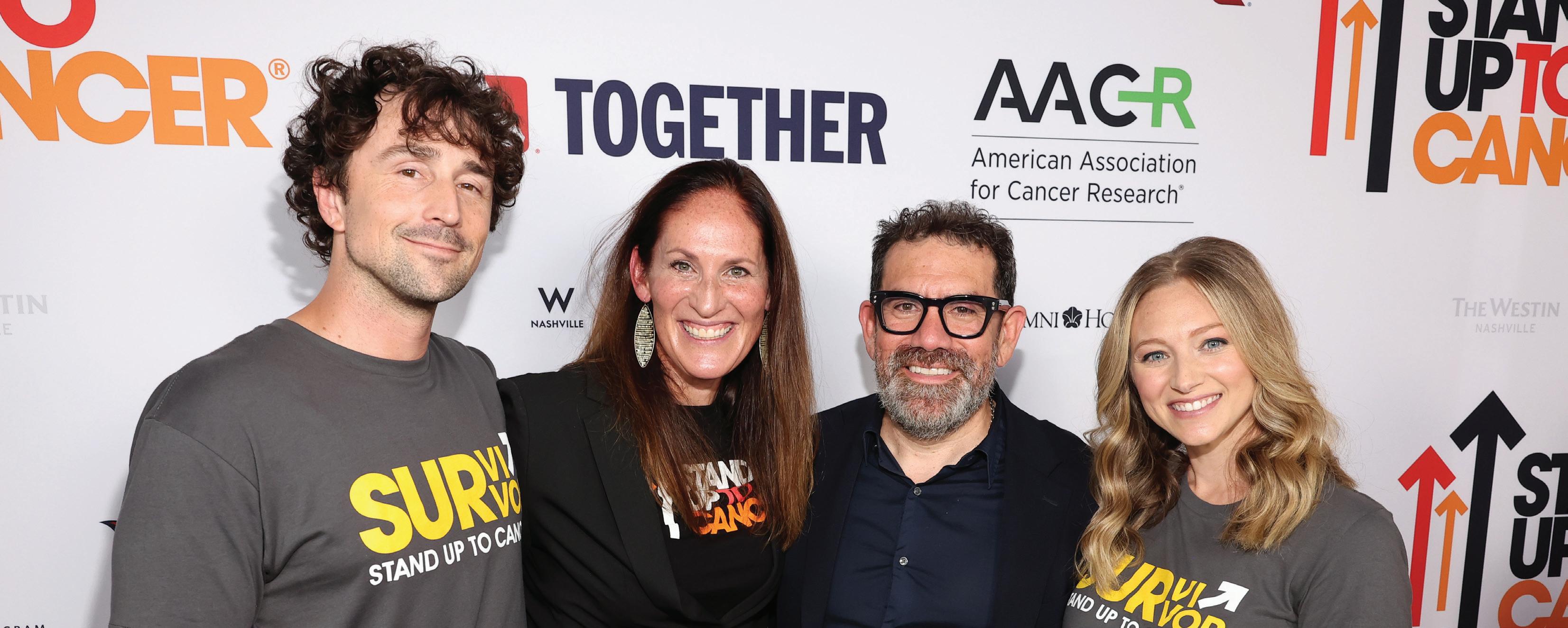
In 2025, we brought unprecedented public awareness and engagement to cancer research. Our star-studded Nashville Telecast brought together titans of the music industry–from Sheryl Crow to the Jonas Brothers to CeCe Winans – together with our dedicated network and streaming partners across the broader entertainment industry, Major League Baseball, and corporate collaborators Mastercard and American Airlines, for one night with one goal: to lift all of our voices together for cancer cures. Only SU2C has the depth and breadth of relationships across these industries to bring this level of awareness to a mission that is so vital and urgent to each of our lives.
Looking back on these achievements, I see our mission amplified with each person who takes
a stand: whether it’s the people diagnosed with cancer who participate in clinical trials, the researchers working tirelessly toward the next breakthroughs, the ambassadors and influencers who use their voices and platforms to promote the importance of cancer research, and you, our donors, without whom this wouldn’t be possible. I extend my heartfelt thanks to our donors, collaborators, dedicated staff, supporters across the entertainment and media industries, and our longstanding partner, the American Association for Cancer Research. Together, you have brought us closer than ever to a future where for every cancer, there is a cure.
Warmly,
Julian Adams, PhD President and CEO
Cures in Focus Our Year in Science
Standing up for cures means never standing still.
In 2025, SU2C accelerated progress toward new cures for cancer with our dual focus on early detection and the development of novel cancer treatments. We led vital conversations that advanced promising labbased cancer research, funded collaborations for groundbreaking new treatments, and spearheaded the investigation of exciting new approaches to early cancer detection, including helping pioneer techniques to increase sensitivity in visualizing and treating cancers for better cancer treatments.
Since SU2C’s inception, our collaboration with the AACR has been instrumental to our progress. As SU2C’s trusted scientific partner, AACR plays a vital role in administering select SU2C-funded research teams and supporting our annual Scientific Summit, which brings together leading cancer experts from around the world. AACR also works closely with SU2C’s Scientific Advisory Committee to support our rigorous review process, helping to identify research proposals with the greatest potential to drive advances in cancer treatment and prevention.
SU2C Community Gathering
In January 2025, devastating wildfires raged across Los Angeles and surrounding communities. With the safety of our community members of utmost priority, we quickly transitioned our 2025 Scientific Summit to a virtual Community Gathering. While we were unable to meet faceto-face, spirits were still high as we celebrated the accomplishments of our multidisciplinary teams of clinicians, physicians, and researchers. Our four keynote speakers—Trey Ideker, PhD, Melissa Davis, PhD, Kevan Shokat, PhD, and Mark McClellan, MD, PhD, MPA—shared potentially practice-changing insights on topics from AI’s expanding role in cancer research to the latest findings on treatment-resistant targets.
STORY
At age 38, Sascha Roth was diagnosed with stage III colorectal cancer. Standard of care treatments, like radiation and surgery, were not an option for her due to the location of her tumor. She was in shock until her doctor proposed the SU2C-funded dostarlimab trial, led by MSKCC’s Dr. Andrea Cercek. Sascha waited with bated breath for over a month while the FDA reviewed and approved the trial, and during that waiting period, “there were a lot
I’m here today because of people like you.
of emotions, a lot of anxiety,” she said. Her family encouraged her to pursue other types of treatments, so she didn’t have to wait. But she refused. “Knowing her now,” said Dr. Cercek, “she’s a believer.” Sascha was the very first patient to receive dostarlimab. She achieved a complete response—the best outcome from treatment any patient with cancer can hope for.
Colorectal Cancer Dream Team: Continuing to Produce Breakthroughs, Clinical Advances
Because they produce numerous molecular danger signals, tumors with many genetic mutations—such as those that are “DNA mismatch repair-deficient” (dMMR)—can stand out to the immune system. But tumors, even those with a lot of mutations, have ways of hiding from potential treatments. Immunotherapies were developed to give the body’s immune system, namely immune cells called T cells, a boost—a way of unmasking hidden tumors and fueling an all-out assault against the cancer.
In April 2025, SU2C Colorectal Cancer Dream Team member Andrea Cercek, MD, a doctor at Memorial Sloan Kettering Cancer Center in New York, unveiled incredible results from a clinical trial of the immunotherapy drug dostarlimab (Jemperli) in patients with early-stage rectal cancer whose tumors were dMMR. Patients in the trial were given the drug for six months as a presurgical treatment. All 49 patients with rectal cancer in the study had a complete response, meaning their tumors completely disappeared— allowing them to avoid what can be debilitating surgeries, as well as chemotherapy and radiation and their related side effects.
More importantly, the cancer has not come back in nearly any of these patients. And many patients in the trial with other cancers whose tumors were dMMR—including those with gastroesophageal, colon, and bile duct cancers—also had complete responses. Researchers are now conducting larger clinical trials that could lead to FDA approval of dostarlimab as a presurgical treatment in people with early-stage dMMR rectal cancer. This work adds to a string of important discoveries by the Dream Team, starting with a 2020 breakthrough treatment for metastatic colorectal cancer.
Making Early Detection of Deadly Stomach Cancers a Reality
Stomach cancers called diffuse gastric cancers are especially aggressive, spread quickly, and are often difficult to diagnose because they don’t always form a visible solid tumor. The leaders of the SU2C Gastric Cancer Interception Research Team, Andrew Chan, MD, MPH, and David Drew, PhD, both of Massachusetts General Hospital and Harvard Medical School, reported the results of a clinical trial that showed a novel molecular imaging technology, when combined with standard endoscopy imaging, may allow diffuse gastric cancer to be found much earlier than is currently possible.
The potential impact of this research is vast. Gastric cancer is the fifth most common type of cancer and third leading cause of cancerrelated death worldwide, claiming more than 750,000 lives each year. By 2040, the number of people diagnosed with gastric cancer annually is expected to increase to nearly 1.8 million. Based on the results of this work, and other potentially groundbreaking research being conducted by this team, SU2C has partnered with Cancer Research UK to extend its funding, creating the Gastric Cancer Interception Research Dream Team. Among other studies, this team will lead a clinical trial of this imaging technology for the early detection of diffuse gastric cancers.
Helping Patients and Doctors Make the Best Treatment Decisions
A major dilemma faced by people with colorectal cancer whose tumors can be surgically removed is whether they should also receive any post-surgical treatment—most often chemotherapy. Patients want to make sure the cancer is completely gone, and they worry they must choose chemotherapy. But chemotherapy has its own risks, including substantial side effects, some of which can persist for years.
Easy clinical tools to detect any traces of cancer in the body after surgery, called minimal residual disease (MRD), would be one of the best ways to guide treatment options in patients with colorectal cancer. Circulating tumor DNA (ctDNA) tests are quickly becoming the technology of choice to do this, but the results can be imprecise with current technologies.
Ryan Corcoran, MD, PhD, a member of the SU2C Colorectal Cancer Dream Team, led a study on a plasma-only ctDNA test to see if it was effective in monitoring for colorectal cancer. Patients were monitored after surgery using the plasma-based test. Of those with MRD, 100% recurred, showing that plasma-only ctDNA tests offer favorable sensitivity and can be highly effective in detecting MRD—providing a new path forward in adjuvant treatment with the promise of reducing the risk of recurrence for patients with CRC.
Advances in the Detection and Treatment of Gastrointestinal Cancers
SU2C sponsored a special session on advances in the early detection and treatment of gastrointestinal cancers at AACR’s 2025 Annual Meeting in Chicago, chaired by SU2C Scientific Advisory Committee Chair William G. Nelson, MD, PhD, DSc. This session featured multiple presentations from the SU2C scientific community, including a presentation by Dr. Ryan Corcoran on behalf of the Colorectal Cancer Dream Team for their work in ctDNA to detect minimal residual disease in survivors post-surgery.
First-in-Human Theranostics for Pancreatic Cancer: See The Cancer, Treat The Cancer
Julie Sutcliffe, PhD, from the University of California, Davis, and members of the SU2C Pancreatic Cancer Collective New Therapies Challenge Research Team, are pioneering a new treatment approach for pancreatic cancer—one of the deadliest of all cancers. In 2025, Dr. Sutcliffe presented results from the first human clinical trial of this new treatment, called a theranostic, in patients with advanced pancreatic cancer. Theranostics is based on the principle of “see the cancer” and “treat the cancer” simultaneously. In practice, that requires developing radioactive molecules that allow cancer cells anywhere in the body to be found on PET/CT scans and then deliver DNA-damaging radiation directly to those cancer cells.
Although the concept is simple, in reality, it takes years to develop and test these treatments. Dr. Sutcliffe, a leader in the field, has dedicated her career to this work, and the results of this trial are some of the most promising fruits of that labor to date. In a small group of patients with pancreatic cancer, the theranostic found cancer cells in organs and other parts of the body that were not detected with standard PET/CT imaging used in everyday cancer care. And, importantly, the drug was safe, with no signs of serious side effects–a critical finding that can allow for larger studies to determine how
effective the drug might be in shrinking tumors in people with this disease. The results of this phase I trial are so promising that additional trials have already been launched for other cancers, including lung cancer.
Long Overdue: Changing Sarcoma
Treatment, Changing Patients’ Futures
In 2025, SU2C research helped transform patient care for soft-tissue sarcomas—the first major breakthrough in decades for these cancers that occur in muscle, fat, and nerve tissues. Just two years earlier, a clinical trial led by an SU2C Catalyst® Research Team captured widespread attention, finding that participants who received a new treatment combination experienced a remarkable reduction in the risk of their cancer returning. The trial, SU2C-SARC032, spearheaded by David Kirsch, MD, at the Princess Margaret Cancer Centre, University Health Network, Toronto, showcased the groundbreaking impact of combining the immunotherapy drug pembrolizumab (Keytruda) with standard radiation and surgery for people with the most common types of soft tissue sarcoma in adults. Research results from these same researchers announced in 2025 revealed that leveraging genomic and other molecular analyses to decode patients’ tumor biology may help to expand the reach of this powerful new treatment approach to other sarcoma types— offering hope to even more patients.
STORY LISA’S
After a routine screening, Lisa Gopman’s world came to a halt when her doctor shared the news that no one wants to hear: “You have cervical cancer.” She was perplexed. She had no symptoms and no history of abnormal pap smears. “I couldn’t hear anything else my doctor was saying,” said Lisa, “but she just repeated, ‘We do not believe it to be life-threatening.’ I’m so grateful that she repeated it until I could finally hear her.” Thanks to early detection, Lisa’s cervical cancer was successfully treated and today Lisa is cancer free. She speaks about her cancer experience through social media and her stand-up comedy shows, and she continues to encourage others to keep up with
”I know [cancer screening is] scary and sometimes you feel like maybe you don’t want to know... Do it for yourself and for your family. Early detection saved my life, and it can save yours, too.”
We Stand for Innovation 2025 SU2C Research Grants
Collaboration Amplifies Innovation
SU2C’s team science model focuses on high-risk, high-reward projects with near-term patient benefits and the greatest likelihood of leading to cures.
How SU2C Supports Brilliant Research
SU2C grants are designed to accelerate innovative cancer research that will get new therapies to patients quickly and save lives now. We direct funds to collaborative projects with the greatest potential to advance the field and lead to cures.
The strength of our approach extends beyond simply providing funds. It is rooted in the guidance, resources, and partnership we provide to teams of scientists across the lifespan of every funded project.
Speed: An accelerated grant selection process reduces the time from concept to project initiation to in-patient clinical trials.
Expert scientific review: Selection committees and grant review teams include investigators who are leaders in their fields, providing unparalleled insights and guidance.
Impact: Focus on funded projects that have the potential to significantly improve patient outcomes.
Innovation: Research models that identify new and unexpected uses of medicines and technologies, driving advances in research and patient care.
Leadership: SU2C programs attract top tier investigators and rising stars who create and transform fields of research.
Visibility: SU2C’s unique connection with the entertainment industry provides a powerful platform for outreach about the importance of cancer research and SU2C’s ongoing breakthroughs and patient impact.
SU2C’s grantmaking and oversight strategy positions every award for the greatest impact, ensuring that the most promising science can move from bench to bedside faster.
2025: A Year of New Funding
SU2C made over a dozen grant awards in 2025 to projects that can help move the needle on advancements in treatments for gastroesophageal cancer, help investigate the use of liquid biopsies for early lung cancer detection, and other promising cancer studies.
Dream Teams
SU2C brings together top-tier researchers, clinicians, patient advocates, and other experts across institutions to expedite discovery for new treatments.
Gastric Cancer Interception Dream Team
Project: Additional Funding for Validating Novel Early Detection Tools for Screening of Populations at High Risk of Gastric Cancer
Leader: Andrew Chan, MD, MPH, Massachusetts
General Hospital, Harvard Medical School
Research Teams
SU2C funds the work of small, collaborative teams of expert investigators—particularly projects that are focused on solving problems in patient care.
Lung Cancer Health Equity Research Team
Project: Additional Funding for the Southeastern Consortium for Lung Cancer Health Equity
Leader: Robert A. Winn, MD, Virginia Commonwealth University
SU2C Catalyst® Grants
SU2C provides funding and materials from the pharmaceutical, biotechnology, diagnostic, and medical device industries to fund multiinstitutional projects that explore new uses of potential compounds for cancer prevention, detection, and treatment.
SU2C Catalyst for AL-amyloidosis
Project: Clinical Study of the Combination of Teclistamab and Daratumumab in the Treatment of AL-amyloidosis
Co-Leaders: Suzanne Lentzsch, MD, PhD, Columbia University, and Vaishali
Sanchorawala, MD, Boston Medical Center
Corporate Partner: Johnson & Johnson Innovation Medicine
Pediatric SU2C Catalyst Research Team
Project: Additional Funding for Clinical Translation of Novel Immune-based Combination Therapies for Pediatric Hypermutant Cancers
Leader: Uri Tabori, MD, The Hospital for Sick Children
Corporate Partner: Bristol Myers Squibb
SU2C Catalyst for Early Development Clinical Trials
Project: Additional Funding for Enhancing Diversity in Early Phase Clinical Trials
Leader: Walter Edleman, MD, FACP, Fox Chase Cancer Center
Corporate Partner: Johnson & Johnson
SU2C Catalyst for Early Development Clinical Trials
Project: Additional Funding for Eliminating Enrollment Barriers to Early Phase Trials in a Diverse Population in Los Angeles County
Leader: Anthony El-Khoueiry, MD, University of Southern California
Corporate Partner:
Early Detection Challenge Grants
SU2C expedites the development of early detection tools from non-invasive screening tests to identify cancers to therapeutic vaccines that help survivors stay in remission. We also support programs that facilitate equitable patient access to these life-saving early detection tools.
SU2C Lung Cancer Early Detection Challenge Grants
SU2C launched a two-round grantmaking challenge evaluating tools for the early detection of lung cancer. These awards represent the first round of funding, which focused on evaluating liquid biopsies as a strategy in early detection. A second round of funding will be released in 2026.
Project: Fragmentomics-boosted Liquid Biopsy for Early Lung Cancer Detection
Co-Leaders: Aadel Chaudhuri, MD, PhD, Mayo Clinic, and Simon Heeke, PhD, The University of Texas MD Anderson Cancer Center
Project: Lung Cancer Early Detection
Using Autoantibodies Targeting Cancerspecific Neoepitopes
Co-Leaders: Paul Lampe, MD, and Kristin Lastwika, PhD, Fred Hutchinson Cancer Center
Project: Proof-of-Principle Evaluation of Reveal’s Raman Biofluid Assay for Early-Stage Lung Cancer Detection
Co-Leaders: Paul Scott and Timothy Triche, MD, PhD, Avrok Biosciences
Project: Ultrasensitive TP53 Mutation Detection in Nasal Brush Cells as a Biomarker for Early Lung Cancer
Co-Leaders: Cecilia Yeung, MD, Fred Hutchinson Cancer Center, and James Willey, MD, University of Toledo Health Science Campus
New Discoveries Challenge Grants in GI Cancers
SU2C and the Torrey Coast Foundation partnered to fund three research projects focused on advancing the use of radiopharmaceuticals for the treatment of gastroesophageal cancers.
Project: Development of Claudin 18.2
Radiotheranostics for Battling Upper GI Cancers
Co-Leaders: Shadi Abdar Esfahani, MD, MPH, Massachusetts General Hospital, and Benjamin Larimer, PhD, University of Alabama at Birmingham
Partner: Torrey Coast Foundation
Project: Theranostics for the Treatment of Gastroesophageal Cancer
Co-Leaders: Jason Lewis, PhD, and Yelena
Janjigian, MD, of Memorial Sloan Kettering Cancer Center
Partner: Torrey Coast Foundation
Project: Developing Next-Generation
Radionuclide Theranostics for Upper Gastrointestinal Tumors
Co-Leaders: Ken Herrmann, MD, MBA, Universitätsklinikum Essen, and Eric Fischer, PhD, Dana Farber Cancer Institute
OFALLUS!
SU2C Nina Nicolai
Pancreatic Cancer Innovation in Collaboration Award
Project: Developing Microphysiological Assays to Reveal Fibroblast Targets in Pancreatic Cancer
Co-Leaders: Jen Jen Yeh, MD, University of North Carolina at Chapel Hill, and Sarah Shelton, PhD, North Carolina State University
Partner: White Sox Foundation
One Night. One Goal. In Nashville, We Stood for Cures
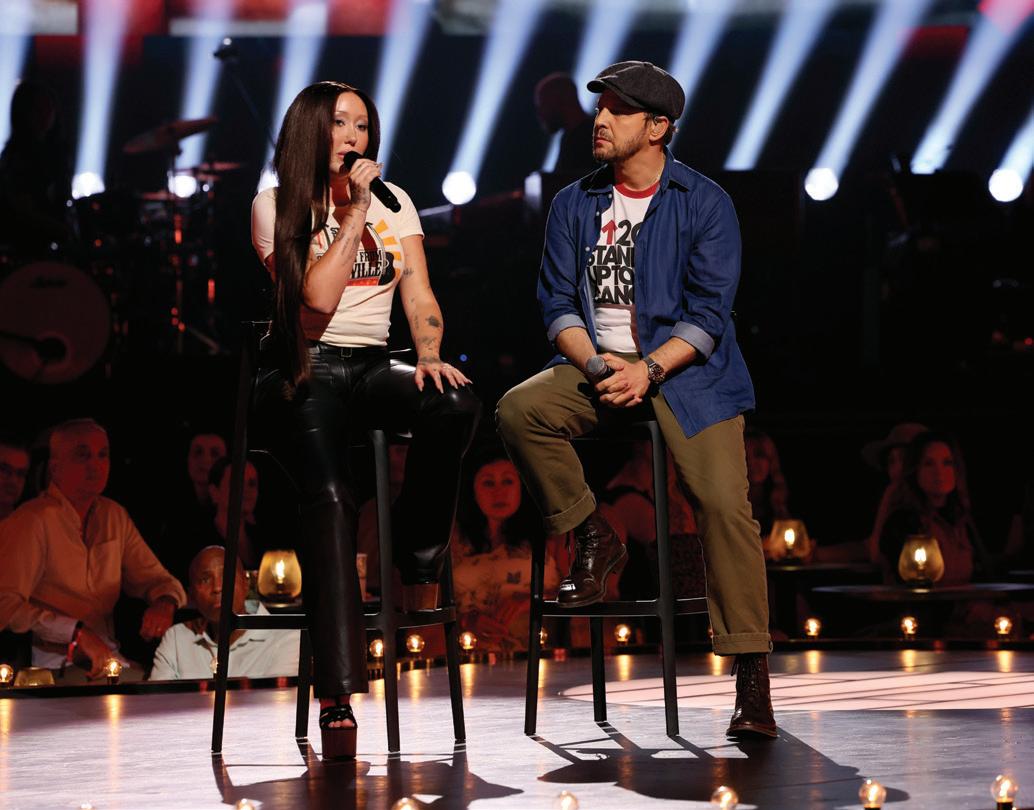
On August 15, 2025, the Stand Up To Cancer ninth biennial roadblock televised fundraising special aired from Music City, USA. Hosted by Grammy Award-winning artist Sheryl Crow, the one-hour program brought together leading artists, cancer survivors, researchers, and celebrity advocates to celebrate progress and inspire the public to take a stand against cancer.
Heartfelt performances from an incredible slate of musicians brought energy and excitement to this special, one-hour program. Each of the performing artists had lived experience
with cancer–their own or a loved one’s–and expressed their deep, personal connection to SU2C’s mission. The show featured the Jonas Brothers, Noah Cyrus, Gavin DeGraw, Marcus King, Brothers Osborne, Jon Pardi, Jelly Roll, Dan + Shay, and CeCe Winans, accompanied by the Nashville Community Gospel Choir.
In addition to hosting the broadcast, Sheryl Crow gave her own outstanding performance, while Dolly Parton lent her voice in the tune-in campaign. The evening also included special taped appearances from Kevin Bacon, Jamie Foxx, Tim McGraw, Zoe Saldana, Keith Urban, and Reese Witherspoon.
50,000+ dedicated cancer supporters joined our effort
30+ media platforms, including all four major U.S. broadcast networks
A Note of Gratitude for Our Corporate Supporters
There’s a Nashville saying we love: the best songs are just three chords and the truth. With only three chords—C, F, and G—a talented songwriter can create melodies that move us, harmonies that lift us up, art that changes minds and changes the world. Together, they form a whole greater than the sum of its parts. This is a perfect metaphor for SU2C’s collaborations with Major League Baseball, American Airlines, and Mastercard: they have elevated our efforts to eradicate cancer for good. Thanks to their support and our close collaboration, together, we are changing lives, outcomes, and the future of cancer treatment.
In a country song, the C chord is home base. It sounds like a promise of things to come, giving momentum, strength, and a place to land—just like Major League Baseball, who, as SU2C’s founding donor, has been with us from the start, raising awareness for our work and for the importance of regular cancer screenings and supporting research that saves lives. MLB and all its Clubs have supported SU2C’s mission for 18 years and counting. In 2011, the first-ever Placard Moment™ launched a transformational tradition that has become a staple of All-Star Games and the World Series. To date, hundreds of thousands of fans, players, umpires, and stadium staff have taken part in this moving tribute to honor loved ones affected by cancer.
F is the traveling chord , carrying us to new heights like American Airlines , whose support for critical cancer research through annual campaigns and employee support from over 130,000 team members has given thousands of survivors a second chance. Each year, donors can earn American Airlines AAdvantage ® miles in exchange for donations of $25 or more. Over the last ten years American Airlines has helped to raise funds for SU2C’s innovative research programs through this special campaign.
G is the finisher: the sound of hope and promise ,the resolution that completes the thought, spreads joy and brings us closer together—just like Mastercard , who has stood with SU2C for fifteen years, enabling cardholders to come together and use their Mastercard to help support cancer research. From drone shows to Times Square video boards, Mastercard is shining a light on cancer research in highly visible and meaningful ways. By creating opportunities for cardholders and employees alike to make a difference for cancer research and cancer patients, Mastercard is making sure no one in the fight against cancer is on this journey alone— because standing up for the people we love is priceless.
What’s true in music is true in life: when we work together, anything is possible.
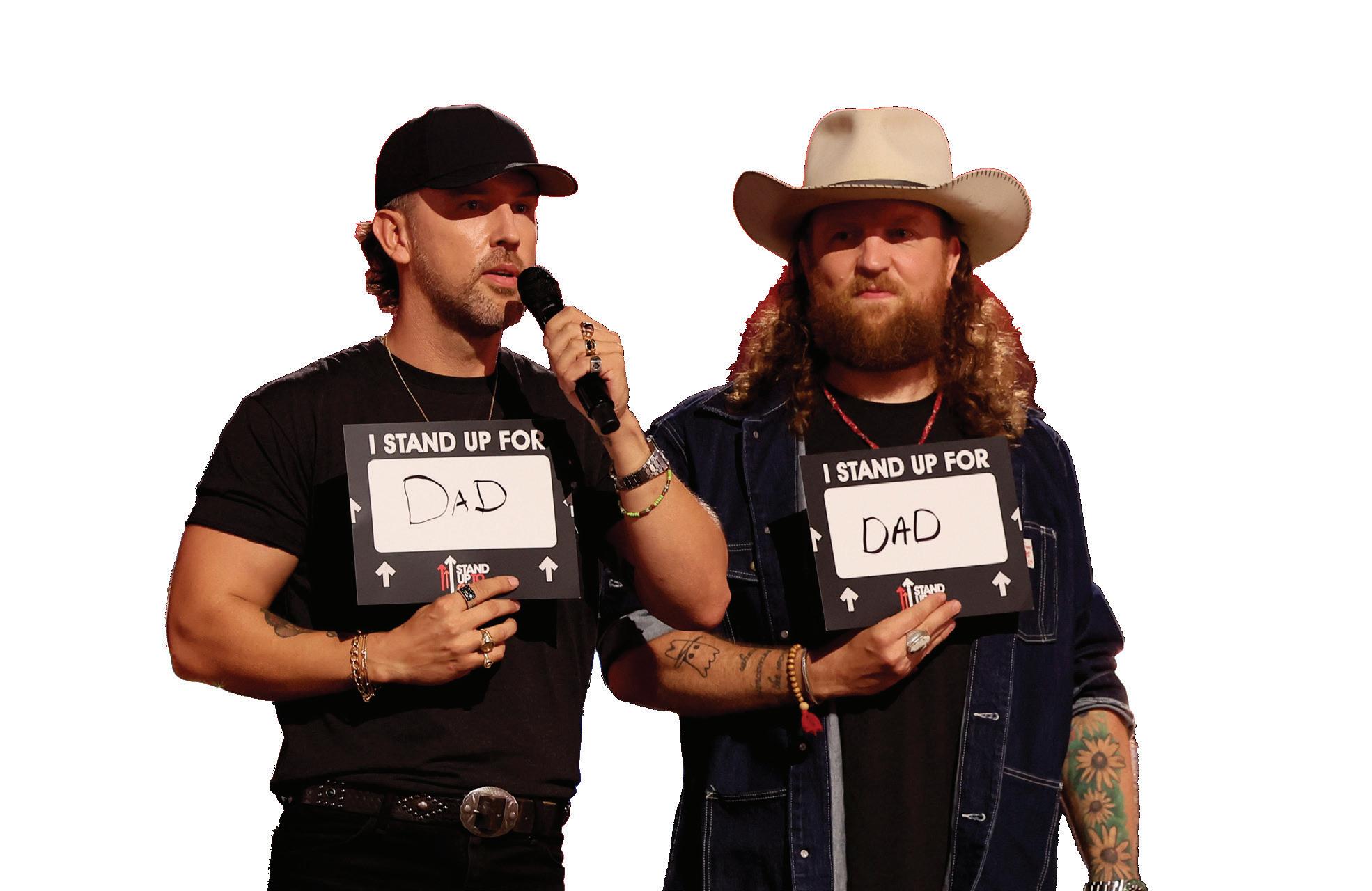
The Brothers Osborne announced that their father, who was seated in the audience, is now cancer-free.
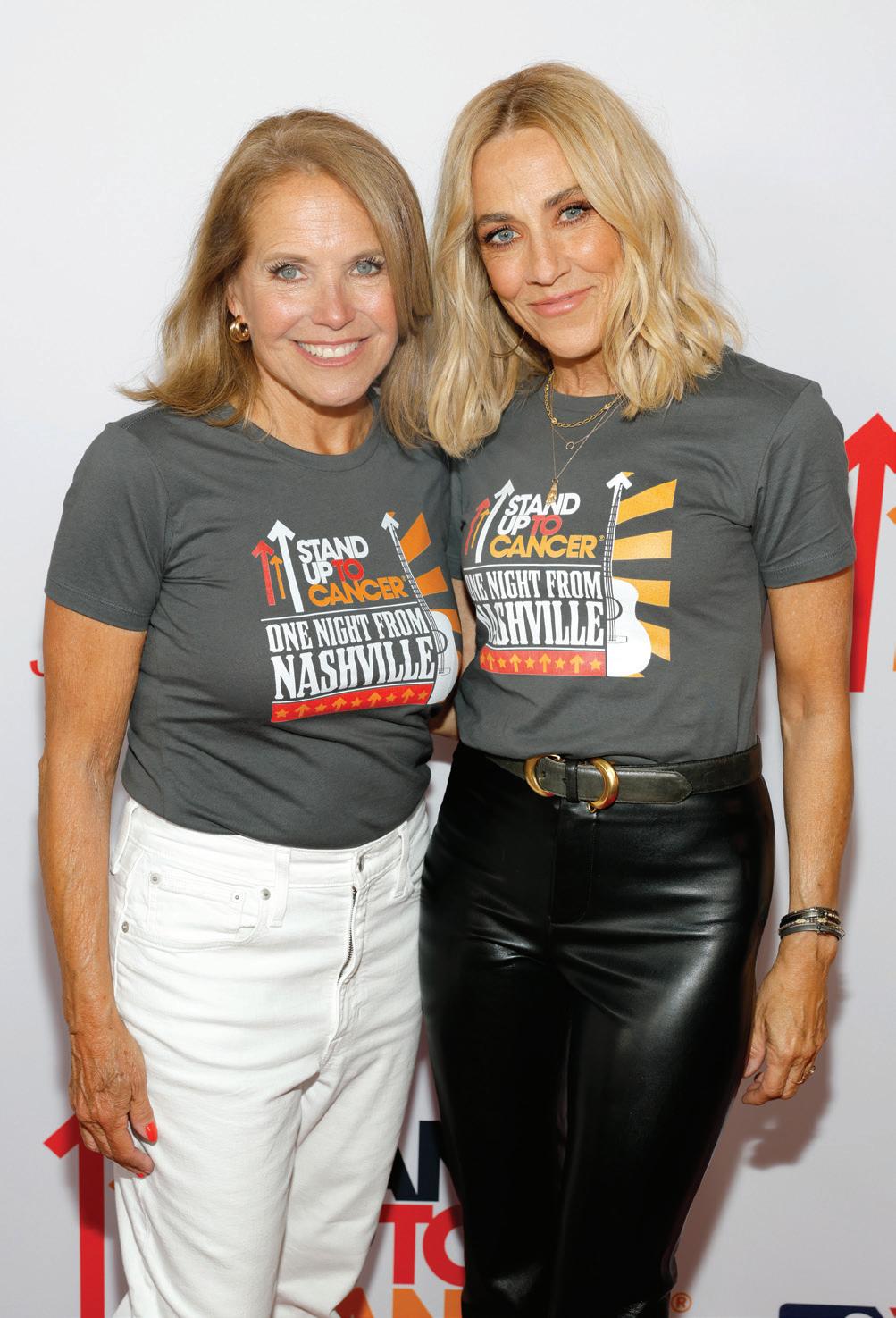
Sheryl Crow and SU2C co-founder Katie Couric reminded audiences of the lifesaving power of early detection, sharing their own stories of breast cancer caught through routine mammograms.
Noah Cyrus and Gavin DeGraw share a tearful, tender moment after performing DeGraw’s “Hero in Our House,” written in memory of his mother, who passed away from cancer.
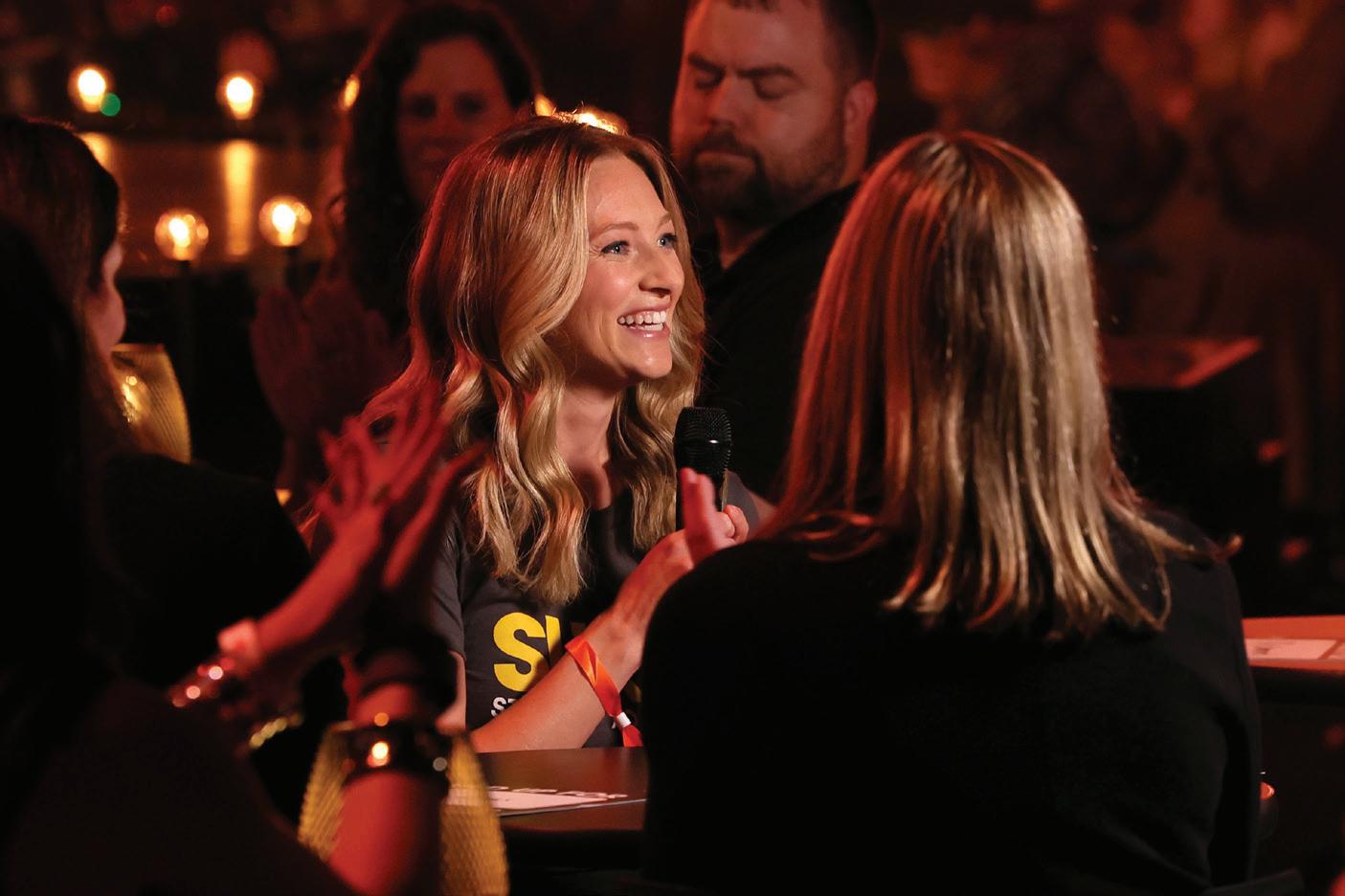
SU2C clinical trial participant Kelly Spill shared her amazing story, and gratitude for the scientists and physicians who have saved many lives.
STORY
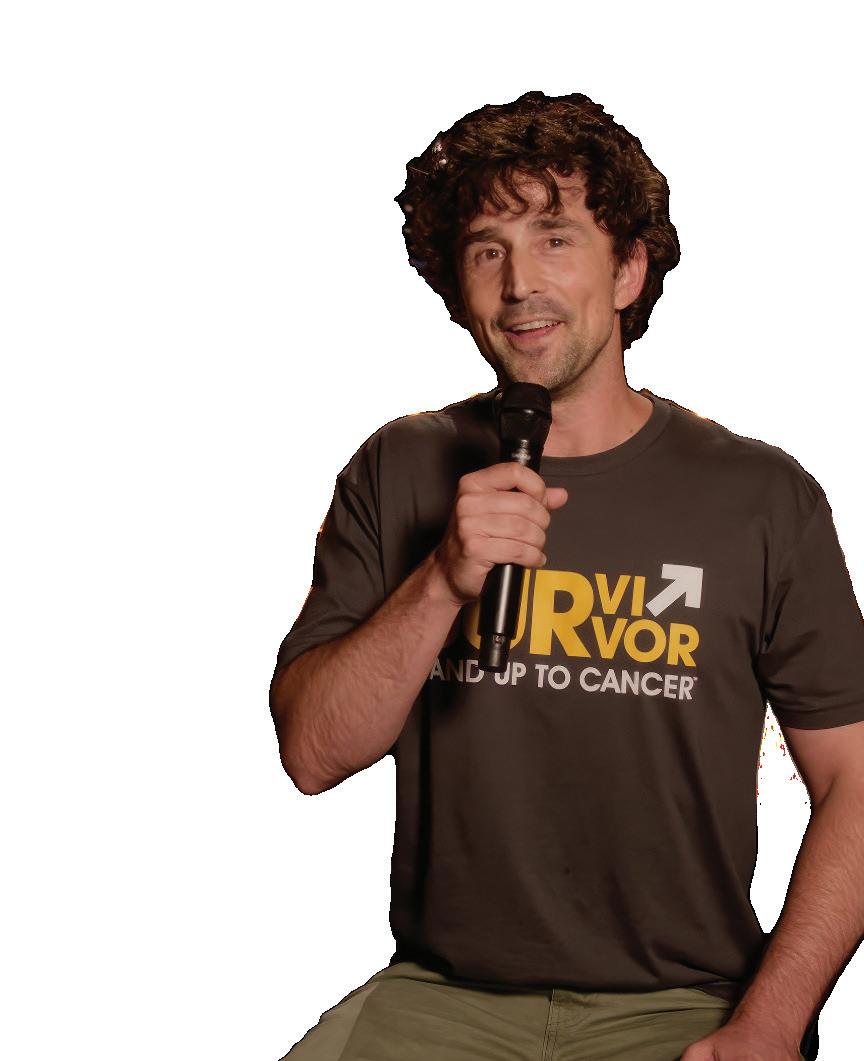
Our immense gratitude to SU2C clinical trial participant Dan Tukey for joining the SU2C team to raise his voice and share his story: a testament to the importance of early detection and the impact of research. Thank you, Dan!
Dan Tukey remembers the night when his brother, Andrew, was rushed to the emergency room, where doctors found a tumor in his liver.
Three months after cancer claimed Andrew’s life at only 30 years old, their mother was also diagnosed with cancer. As the family reeled from these twin misfortunes, Dan’s doctor noted that this was unusual and recommended that they all undergo genetic testing.
The tests revealed that Dan had inherited Lynch syndrome—a genetic condition that significantly increases the risk of developing certain types of cancer, particularly colorectal and endometrial cancers—and that it was only a matter of time before he developed cancer, too.
At the recommendation of his care team, Dan underwent frequent cancer screenings. Eight years into this protocol, his doctors discovered a
tumor in his colon. Given Dan’s risk, the plan was to do a total removal of his colon, meaning he would wear an ileostomy bag for the rest of his life.
“That week was one of the most uncertain periods of my life,” he recalls. “And then everything changed.”
“After only two infusions, the cancer was gone”
Dan learned that he qualified for a first-of-its-kind immunotherapy trial led by the SU2C Colorectal Cancer Dream Team at Memorial Sloan Kettering Cancer Center. If it worked, it would mean no surgery, no ileostomy bag—and hopefully, no chemotherapy or radiation.
“You don’t really expect there to be a light at the end of the tunnel after so much tragedy,” he says. “But then after only two infusions, the cancer was gone.”
The trial went on to yield a remarkable 100% remission rate among participants. Today, Dan remains cancer-free. He is back to biking, cooking, and “hitting up every new pizza spot in Manhattan.”
“I’m a living testament to the importance of genetic screening, early detection, and groundbreaking research,” he says. “Supporting cancer research isn’t abstract. This clinical trial saved my life. I’d dig a ten-foot hole with a toothpick for organizations like Stand Up To Cancer.”
We Stand for Cures on Every Platform
Since our founding, SU2C has harnessed the power of social media and online communities to inspire action in the fight against cancer and to share valuable information about the importance of regular screenings and early detection. The latter goal is imperative, as cancer diagnoses continue to rise in adolescent and young adult populations.
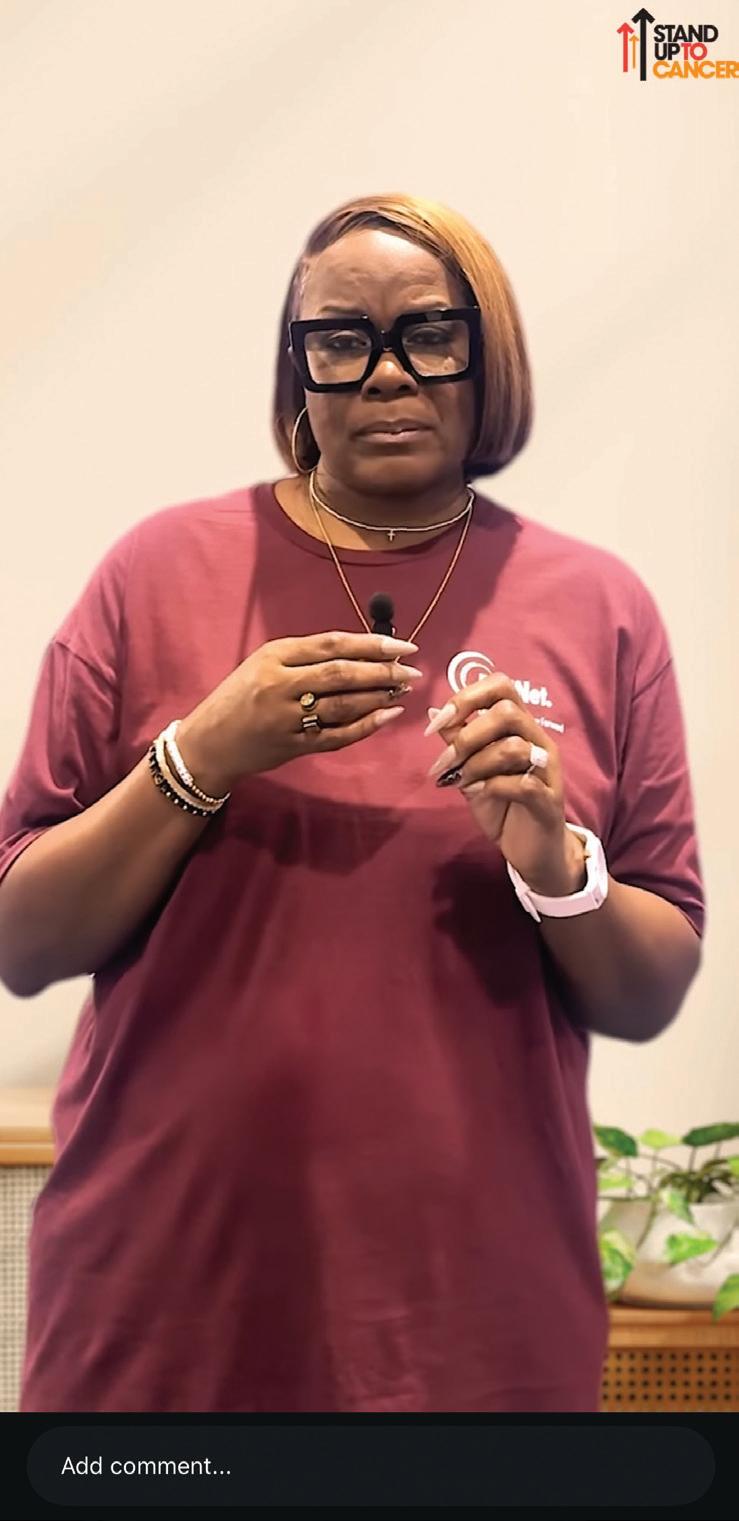
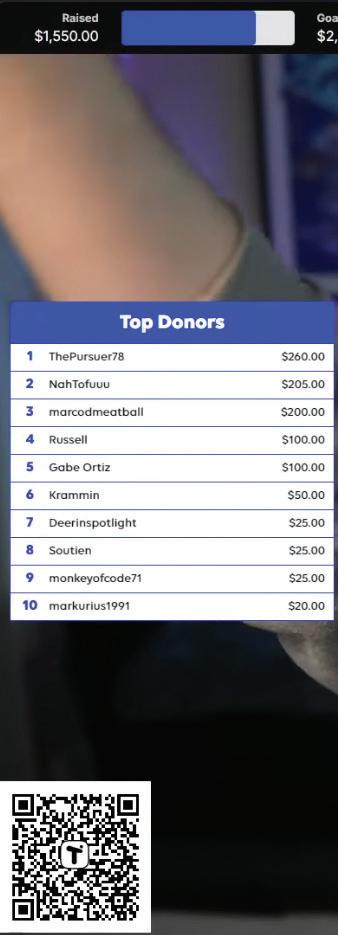
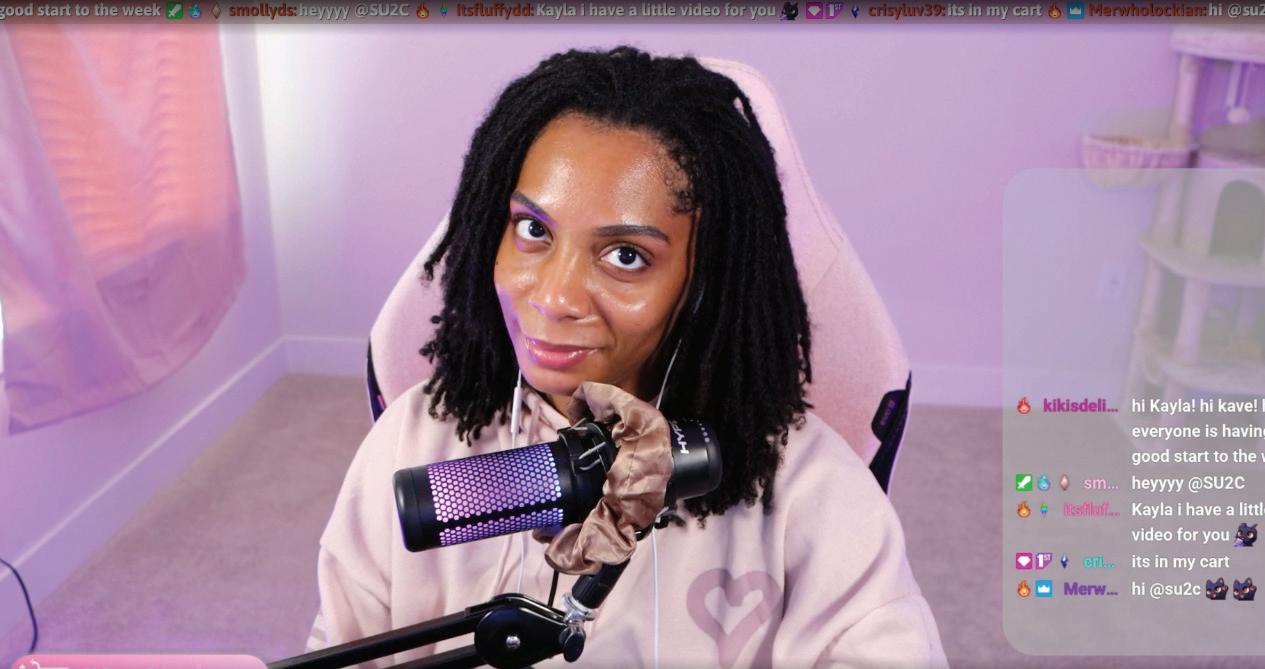
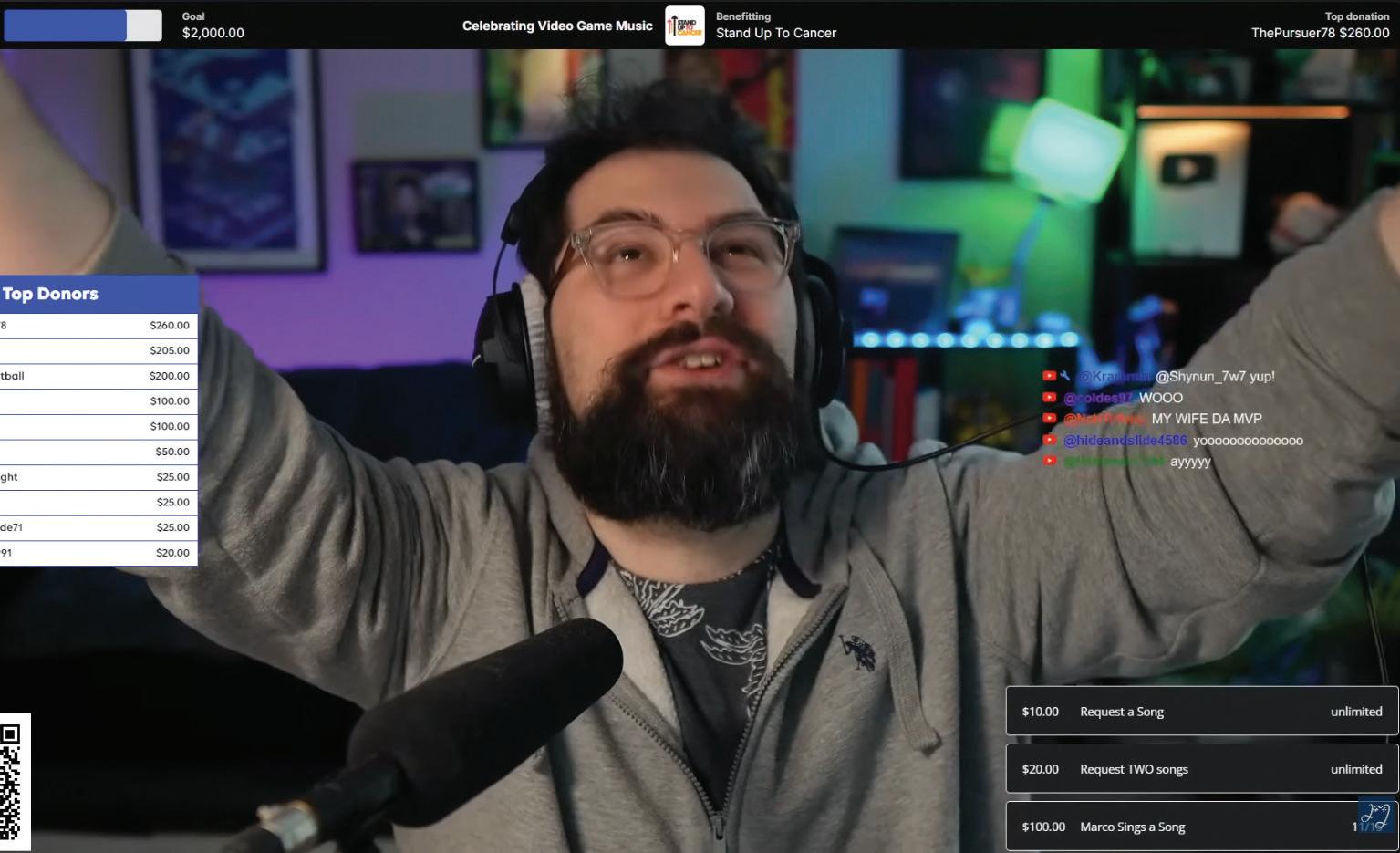
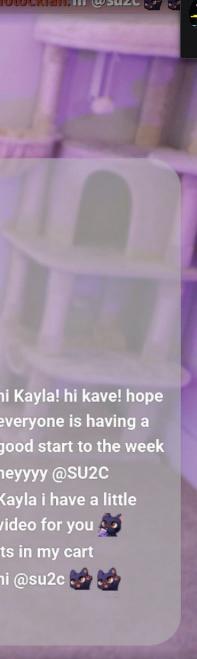
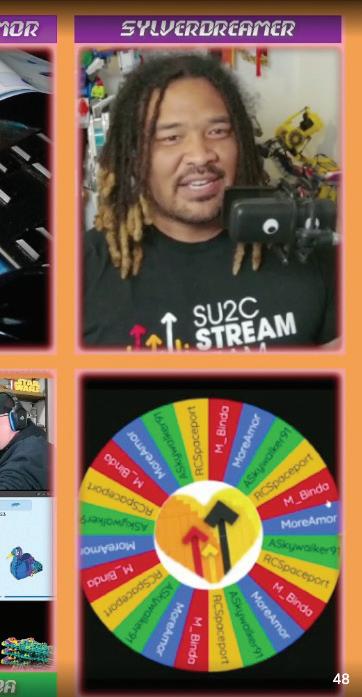
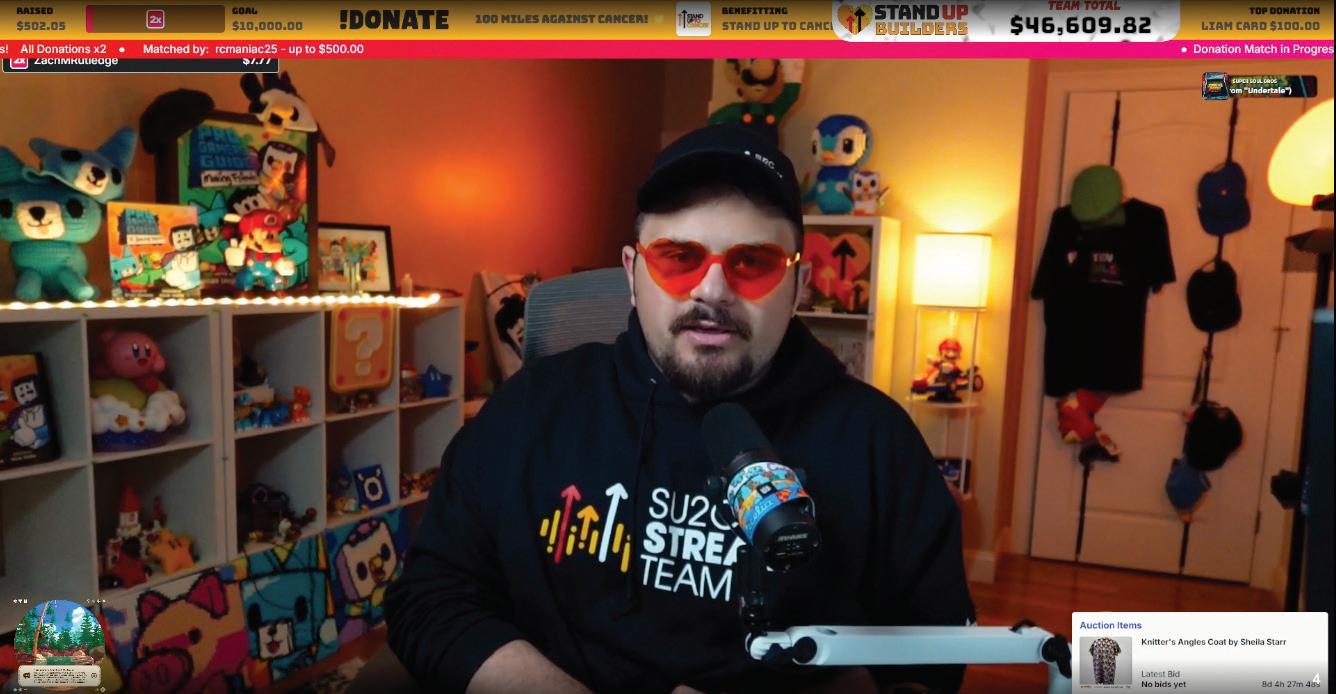
SU2C has been able to engage digital-first audiences in ways no other cancer organization has to date. We do this through our deep connections in the entertainment industry, our robust social media campaigns, and innovative programs like #SU2CStreamTeam, which empowers content creators to turn their passions into purpose through a variety of activations, from hosting charity streams to integrating powerful asks into their gaming platforms.
Throughout 2025, we partnered with celebrity ambassadors, influencers, and content creators to amplify powerful patient stories that inspired action, to promote life-saving information about the importance of early detection, and to build a community of support through grassroots fundraising efforts that fueled life-saving research.
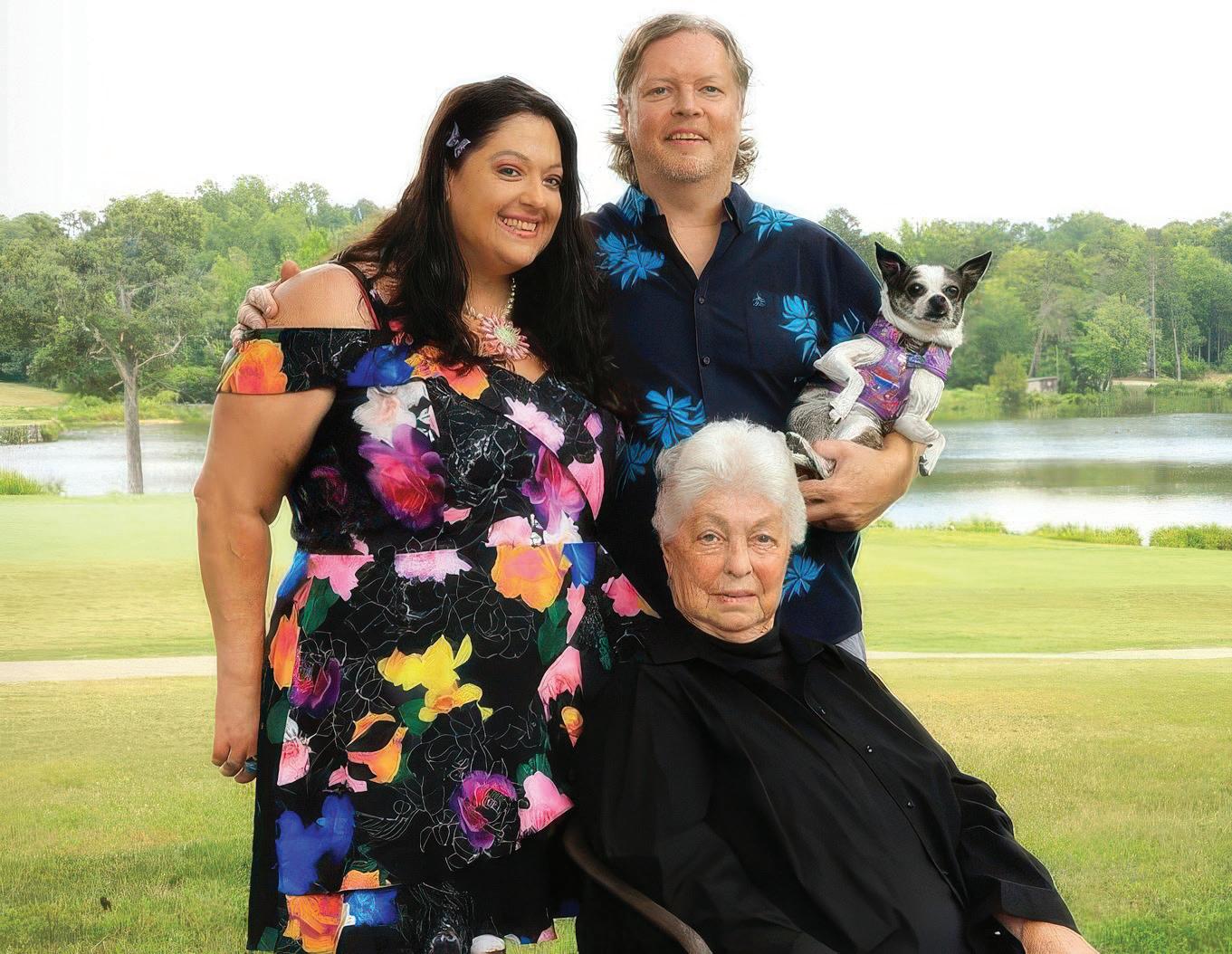
A Family Faces Cancer With Determination To Help Others
Grammy-award-winning singer Michael Bolton was first diagnosed with an aggressive form of brain cancer called glioblastoma in 2023. We worked with Michael and his two daughters, Isa and Taryn Bolton, to share their story—how the family coped with Michael’s diagnosis, how his daughters have cared for him during treatment, and how they’re navigating the ups and downs of his health journey. This campaign, which ran during Brain Tumor Awareness Month in May, garnered tens of thousands of likes and shares on Facebook and Instagram.
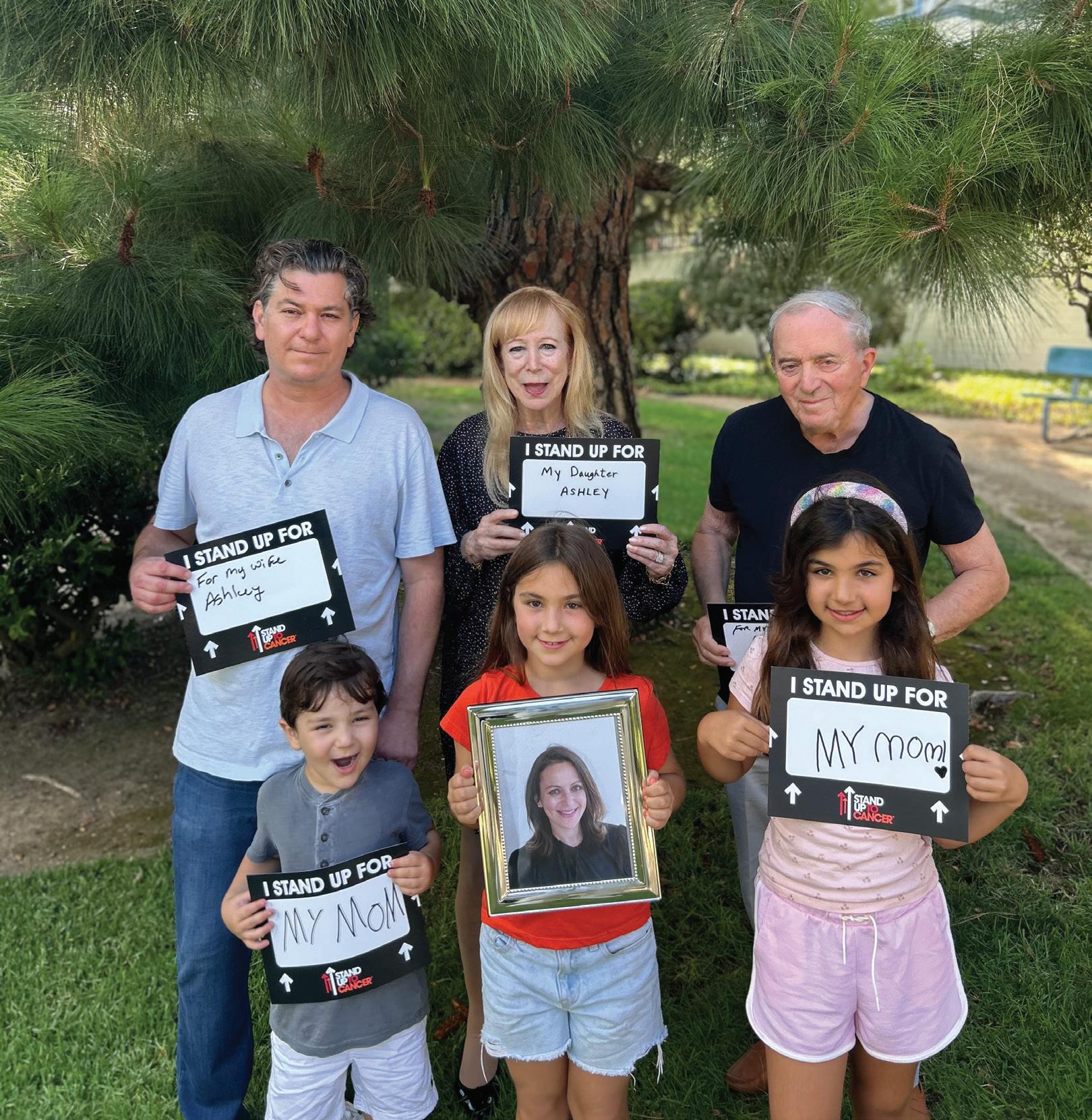
Honoring Ashley: An Urgent PSA for Early Detection of Triple Negative Breast Cancer
Ashley Nissenberg Joffe was a devoted mother, a brilliant attorney, and a carrier of the BRCA gene mutation. At the age of 41, she was diagnosed with the most aggressive form of breast cancer, Triple Negative. “No one should have to go through what my wife went through,” says Ashley’s husband Brett. “It’s devastating.” Her strength and optimism guided her through rounds of treatment, but they simply weren’t enough. If she had known that she carried the hereditary BRCA mutation, her life might have been saved. SU2C shared hosted
Spreading Messages of Awareness + Hope
Celebrities, Content Creators Show Up For SU2C
Our October Breast Cancer Awareness Month campaign was a resounding success. Among other voices, Sheryl Crow, Katie Couric, and former WNBA star Sheryl Swoopes collaborated with us on social posts to spread awareness about the importance of regular screenings and early detection.
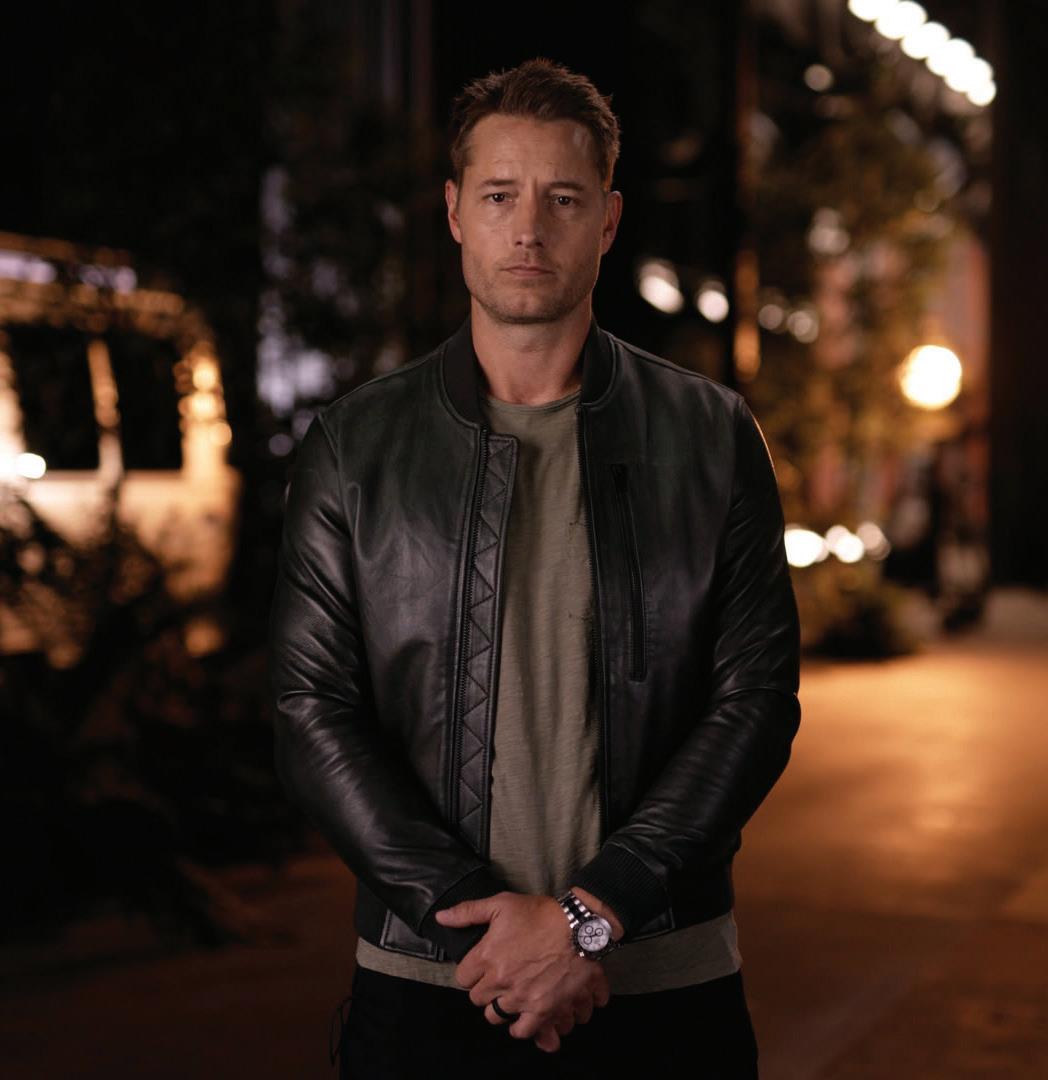
Justin Hartley lent his voice to our arresting “The Facts” public service announcement, spreading awareness about the number of people diagnosed with cancer every day to emphasize the importance of investing in research for cancer detection and treatment.
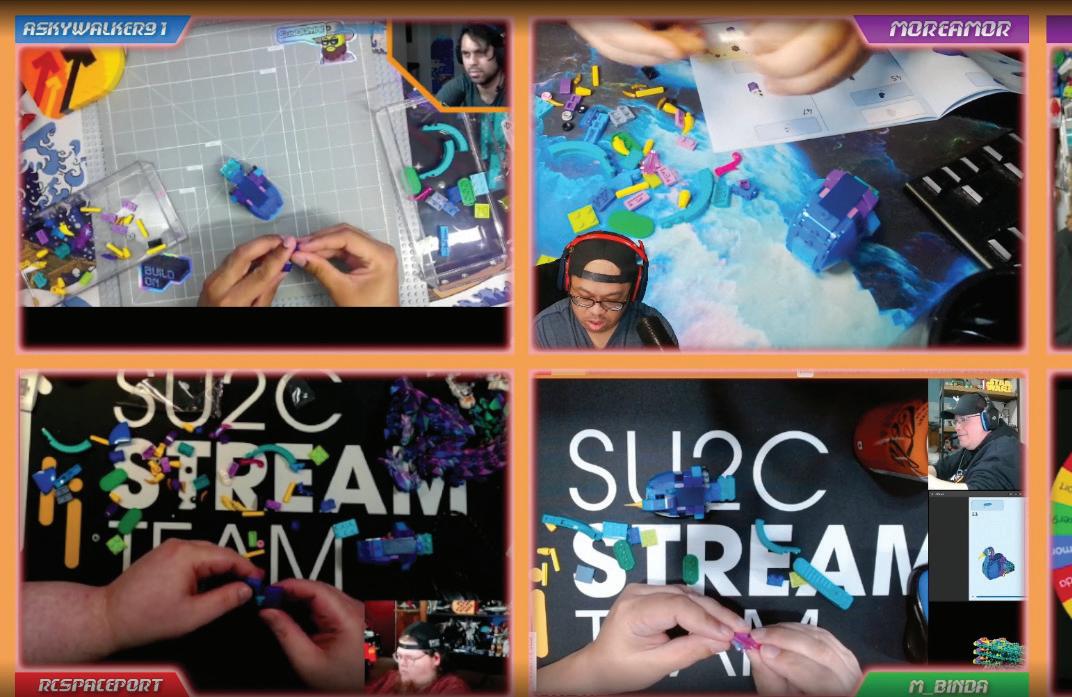
The SU2C Builders Group, a community of 100+ crafting and LEGO-building creators who have been directly impacted by cancer, also joined in the #Up2Us campaign with creative online activations.
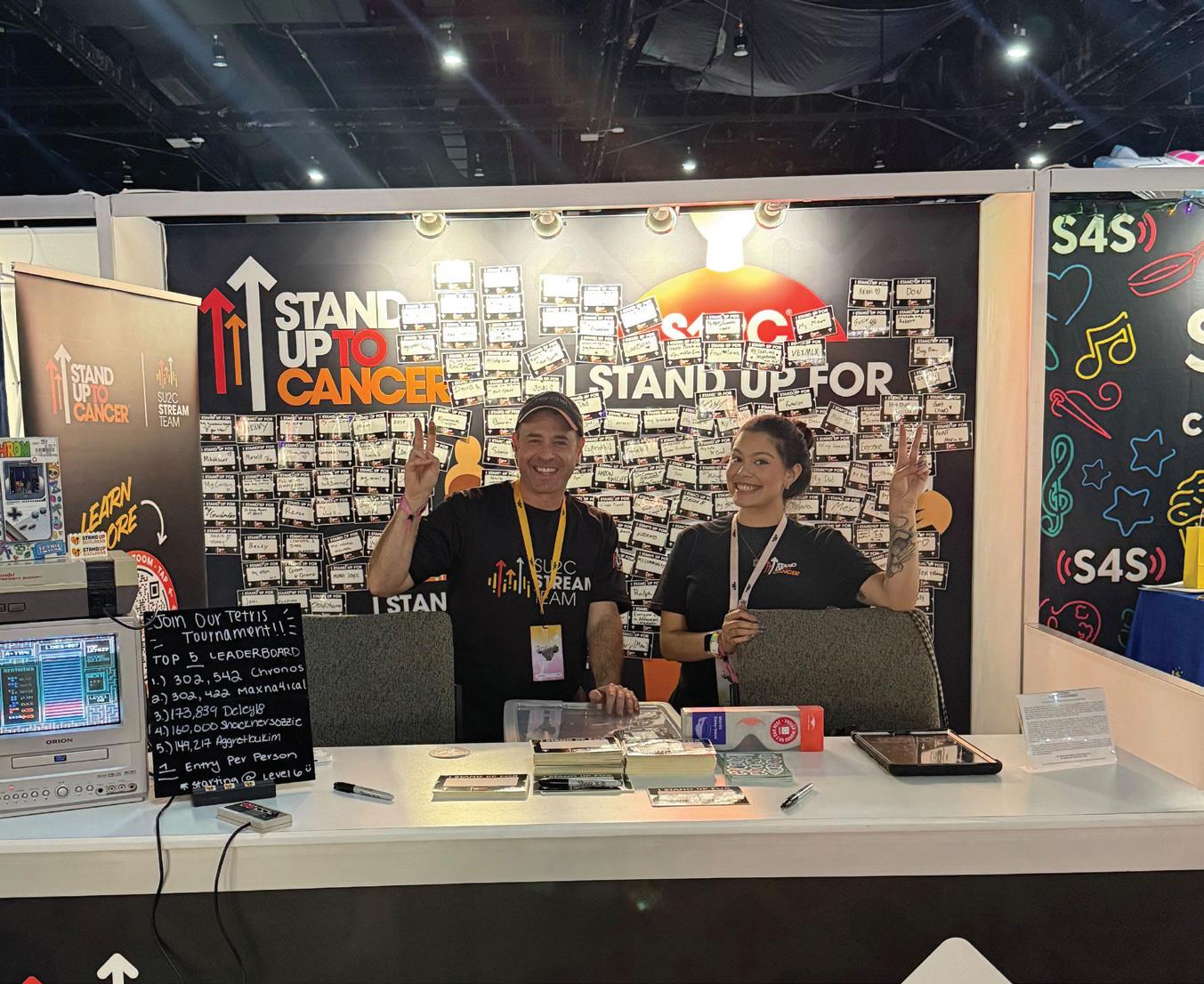
SU2C headed to San Diego for TwitchCon, an annual conference of internet culture and streaming, where we met with current #SU2CStreamTeam creators and future fundraisers. Hundreds of attendees stopped by for our placard activation, sharing powerful messages that honored loved ones impacted by cancer.
Over 200 creators and streamers across Twitch, TikTok, Facebook, and YouTube participated in our fifth annual #Up2Us campaign in August. Notable streamers and creators like Neebs Gaming, Khleo Thomas, The Jang, KandidlyKayla, and others reached an audience of GenZ and Millennials, spreading our message of early detection to their diverse audiences.
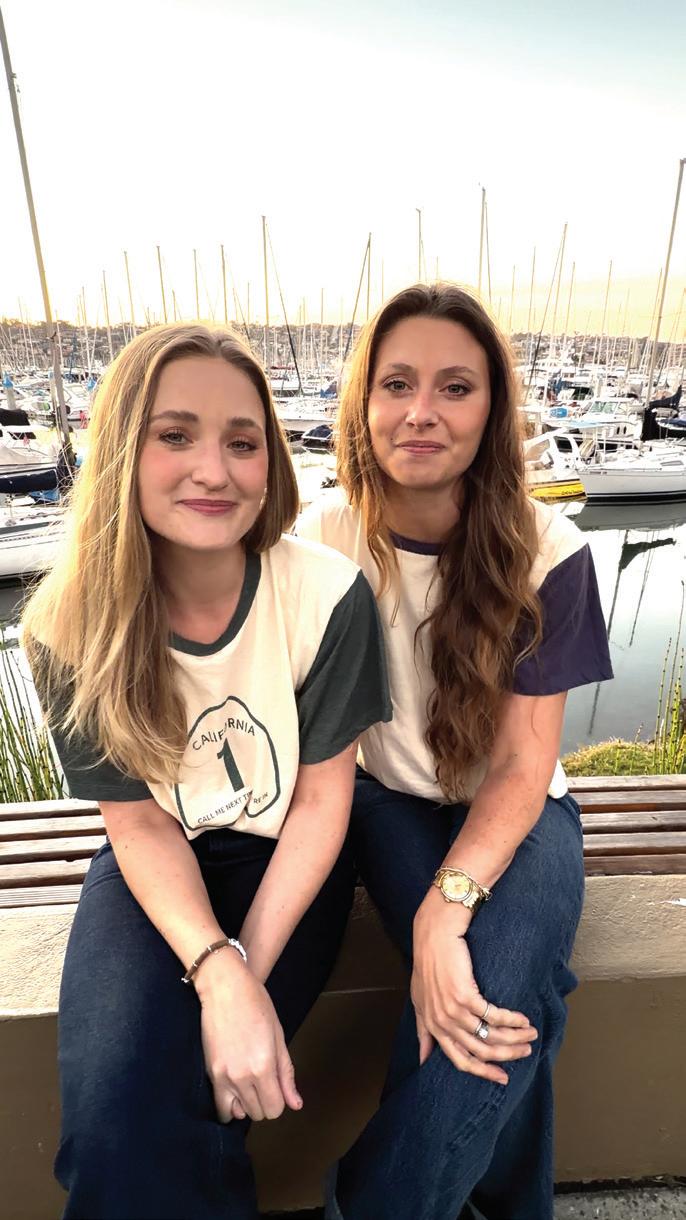
Pop rock duo and sisters Aly and AJ Michalka gave us all hope for a world without cancer in their posts supporting our #GivingTuesday campaign on GoFundMe.
Raising Their Voices: The Jonas Brothers Stand Up for Cures
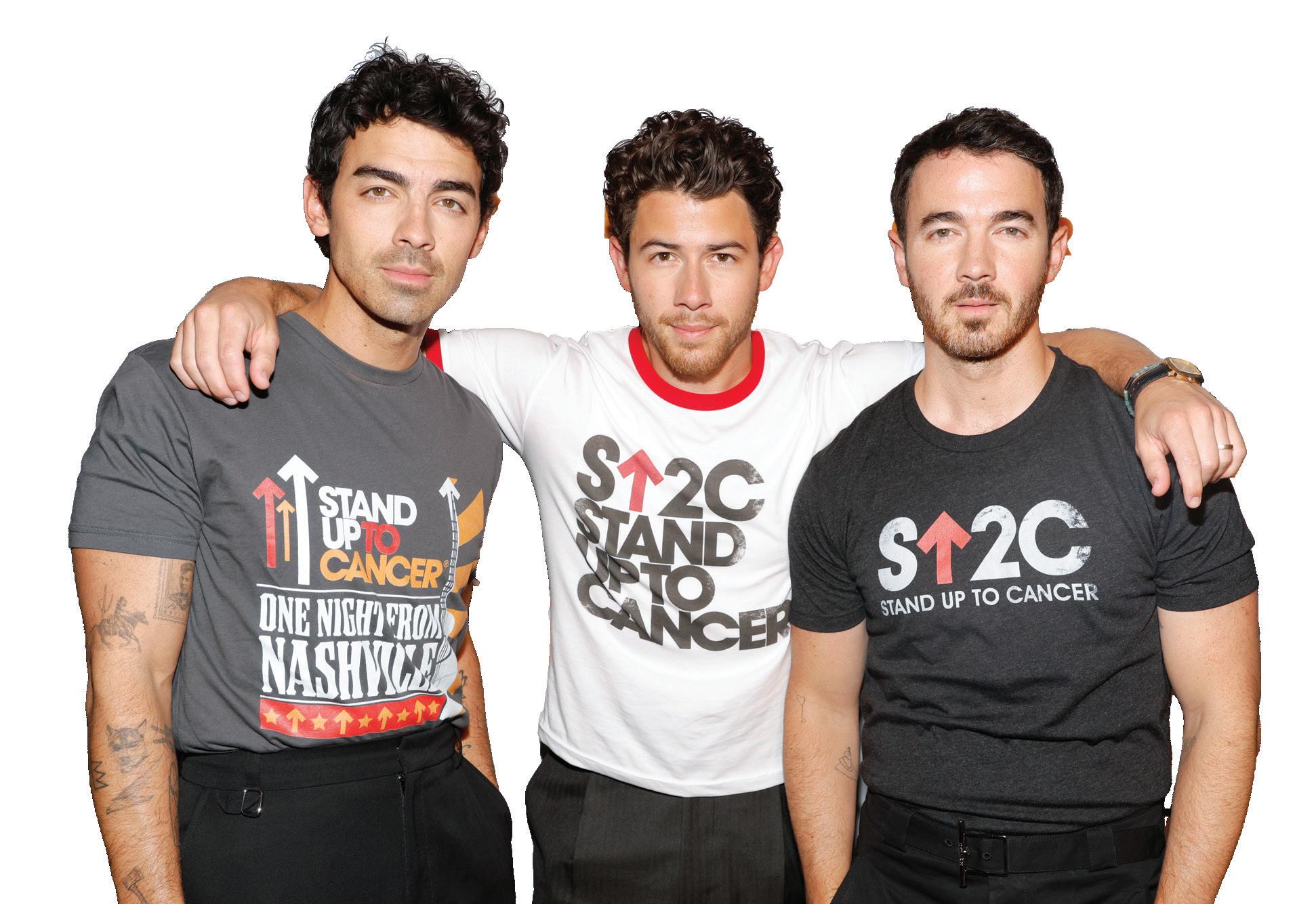
The Jonas Brothers—Kevin, Joe, and Nick—have long used their fame to speak up and give back. In 2004, they founded the Change for the Children Foundation, supporting children’s health nonprofits including St. Jude Children’s Research Hospital, the American Diabetes Association, and Children’s Hospital Los Angeles. In recent years, they’ve become passionate champions for cancer research and dedicated partners of SU2C.
In June 2025, in partnership with longtime SU2C supporter Mastercard, the Jonas Brothers released “I Can’t Lose,” a single honoring those affected by cancer and celebrating the courage of those who fight it. A few months later, they performed the song after the fifth inning of Game 2 of the MLB World Series at Rogers Centre in Toronto, adding a special touch to the SU2C placard moment.
During SU2C’s ninth telecast in August, they shared the deeply personal impact cancer has had on their family. “Our family was shocked
when our father, Kevin Jonas, Sr., was diagnosed with colon cancer in 2017,” they said. “After multiple treatments, he’s been in remission since 2018. The experience brought us closer, strengthened our family, and reinforced the importance of early detection.” Kevin Jonas also revealed his own experience: “When I was diagnosed with basal cell carcinoma in June 2024, I was incredibly fortunate. Thanks
to early detection and a great medical team, the procedure was successful.”
“Cancer has impacted so many people worldwide,” the Jonas Brothers said. “‘I Can’t Lose’ is a song we hope resonates with everyone—and, for those who need it, [we hope it] serves as a reminder of their own strength.”
SU2C By the Numbers A Growing Network
$825M funds raised 1,300
3,100+ researchers funded
SU2C celebrity ambassadors
210+ collaborating institutions 9 fundraising televised specials 16 countries
Tens of thousands of lives saved globaly
SU2C: Your Dollars at Work
Stand Up To Cancer is committed to using its resources wisely and providing transparency to our donors. We are grateful for the trust you have placed in us and our groundbreaking cancer research programs. Each year we publish financial highlights. In addition, our federal tax forms are available on our website at SU2C.org/Financials .
Stand Up To Cancer (SU2C) was initially launched in 2008 as a charitable program of The Entertainment Industry Foundation (EIF). From 2008-2022 our financial information was included on EIF’s Form 990 and audited financial statements. In 2022, SU2C separately incorporated and was recognized by the IRS as a Section 501(c)(3) public charity.
SU2C maintains a close relationship with EIF and operates as a Type 1 Supporting Organization to EIF, sharing administrative and other expenses. Because of this, SU2C’s expenses, including its grants, are paid and distributed via EIF. Our financials are reported both as part of EIF’s Form 990 and audited financial statements and within the SU2C Form 990.
SU2C & Cancer Research UK
Prevention, Early Detection, and Interception of Recurrence Challenge
Recurrence in cancer patients treated with curative intent remains one of the most vexing challenges we face in research. We must cultivate a deeper understanding of how cancer becomes dormant, evades the immune system, and reawakens to recur or spread. In 2026, we will launch a Challenge grant to support collaborative, multidisciplinary, multi-institutional teams from the United States and the U.K. focused on curbing cancer recurrences and spread.
Awareness Campaigns Will Continue to Help People Understand the Promise of Cancer Research
And in 2026, we’ll continue to work with our entertainment industry partners to create events, Public Service Announcements (PSAs), and awareness campaigns that bring lifesaving information and inspiring stories of those standing up to cancer.
Keeping Our Focus on Cures Looking Ahead to 2026
This year’s progress helps us see the road ahead more clearly, and the future for cancer research is brighter than ever. We see the opportunity to save more than two million lives through early detection and treatment and life-saving new therapies.
In looking back at last year, a review of our existing portfolio of funded research, and our strategic areas of focus, some clear themes emerge that provide a glimpse of the possibilities to come:
The power of early detection: Simple, non-invasive tests can make cancer screening more accessible and expand the number of cancers for which effective screening options exist—allowing for far more cancers to be caught at the earliest, most treatable stages. Ranging from AI-enabled algorithms that can detect cancer-related signatures in imaging scans or blood samples to new technologies that can find the earliest signs of cancer in tissues, we’re swiftly shifting the window of opportunity for detecting cancer to a much earlier point.
Effective new uses of existing treatments, including combinations: Current treatments, from relatively new immunotherapies to traditional therapies like radiation, still have much to offer. As the success of SU2C-funded trials of therapy combinations in colorectal cancer and sarcomas demonstrate, innovative pairings of existing treatments, driven by biological insights, can produce dramatic benefits for patients with even very difficult-totreat cancers.
AI-informed diagnosis & treatment: AIenabled tools are already transforming cancer research, including generative models that can rapidly analyze individual patients’ clinical records and blood and tissue samples to identify precise molecular tumor subtypes. SU2Csupported research will help every patient to get the right treatment at the right time.
Creating paths for paradigm-changing treatments: From theranostics to therapeutic vaccines, we’re recognizing and advancing therapies that have the potential to establish new paradigms of cancer treatment—the types of treatment that can fuel our goal to reduce cancer deaths by 50% over the next decade.
Stand With Us for Tomorrow’s Cures
Our community of dedicated supporters is the lifeblood of Stand Up To Cancer. You have shown us, year after year, how each person who takes a stand can change the future. You have advanced our mission in countless ways, from heartfelt tribute gifts to hosting your own inspiring fundraisers. We invite you to join us once again as we work toward urgently needed cures. Every gift, no matter the size or form, helps accelerate scientific discovery and save lives.
Through our ambitious goal to make early detection an essential part of the standard of care for all cancers, we aim to save hundreds of thousands of lives every year. With your support and your voice as part of the SU2C movement, we will give millions of people hope for a future without cancer To learn more about the many ways you can support cancer research, please visit SU2C.org/Get-Involved.
Leave a Legacy of Healing with SU2C
Bequests and legacy gifts are a powerful way to make a lasting impact on cancer research. Legacy giving can take many forms: from including SU2C in your will to gifts of stock, insurance, or retirement assets. Learn more about how you can make a difference through your legacy gift for cancer research at SU2C.org/PlannedGiving
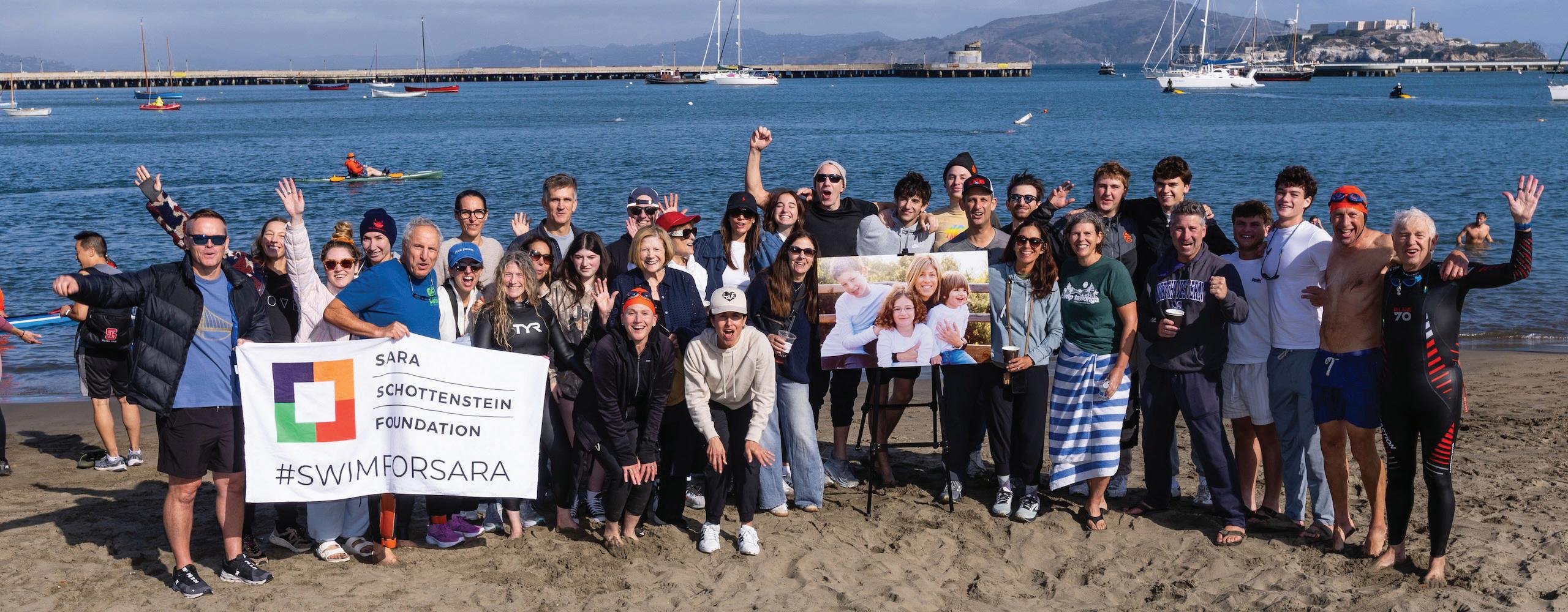
Swim for Sara: How One Family Created A Legacy And Supports Stand Up To Cancer
“There’s no earthquake kit that prepares you for this,” Jeff Schottenstein recalls. “Your whole world changes on a dime.”
When Jeff’s wife Sara was diagnosed with gastric cancer in 2014 at age 47, they and their children moved through shock, tears, and immediately set about understanding her path forward.
They had thought that surgery would be curative for Sara, but in the operating room, they discovered that the cancer had already spread too far. In their relentless search for experimental therapies, they soon realized that the most hopeful treatments in the field of cancer weren’t available for gastric cancer patients, and that there were precious few options for people in Sara’s shoes. Together, they had countless conversations with experts across the country and around the globe to uncover new options for Sara, but after an adverse reaction to a new therapy landed her in the hospital for a week, she made the courageous
decision to end treatment. She died only three months later, surrounded by her loving family.
Even in the midst of loss, Sara and Jeff were determined to help other families facing the same diagnosis. They helped develop a new immunotherapy clinical trial at the Stanford University School of Medicine. In 2020, Jeff launched the Sara Schottenstein Foundation focused on jump-starting new research in gastric cancer.
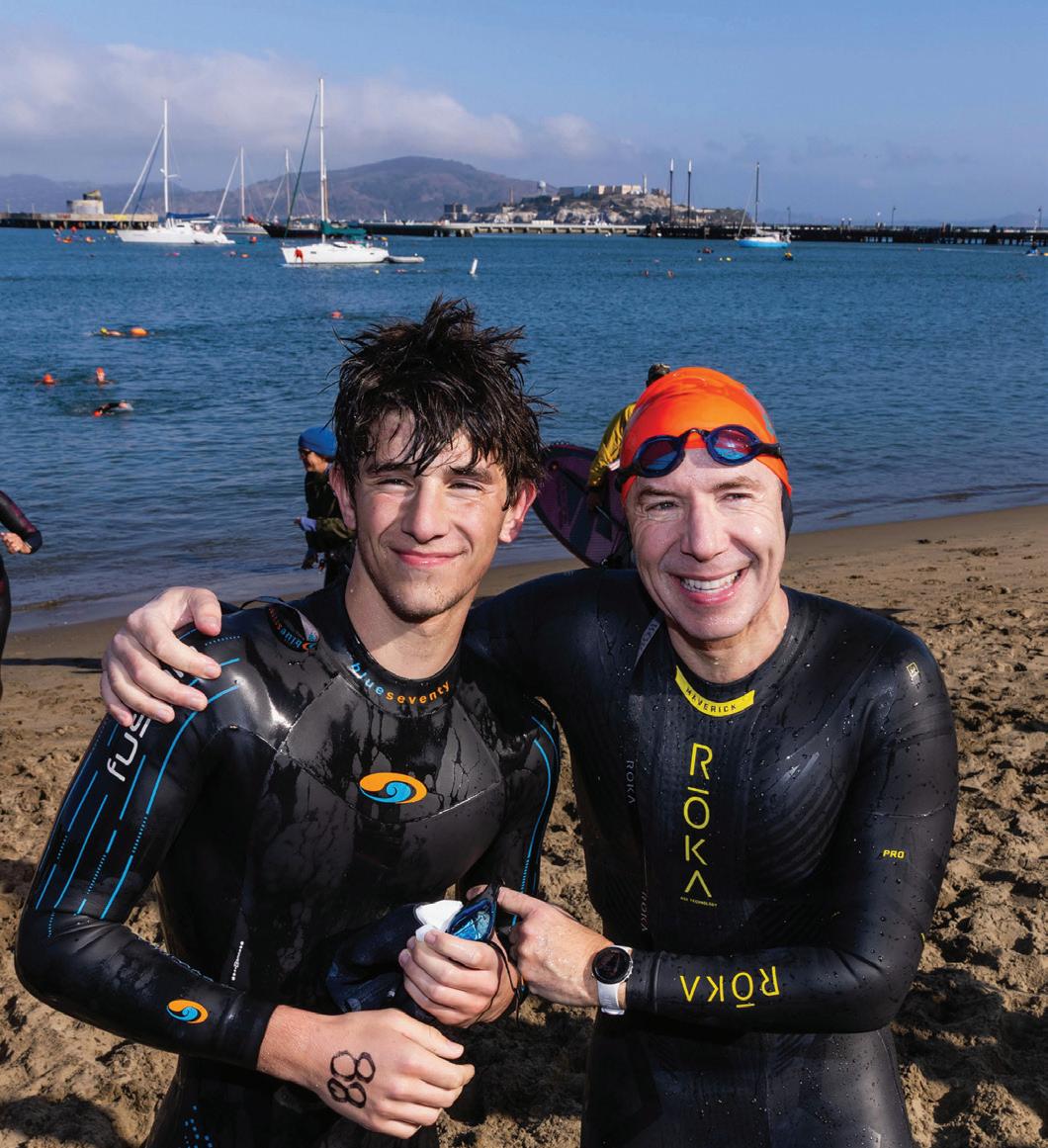
In 2019, the family launched Swim for Sara, a 1.25 mile swim in the chilly waters of San
Francisco Bay, to honor the life of Sara and raise funds for gastric cancer research. Jeff shared on their Foundation website that “my goal is not just to raise funds for cancer research, which is so critical, but to keep Sara’s memory vibrant for my kids and me and for everyone who loved her so much.”
Now in its seventh year, Swim for Sara has raised over $2 million and has supported a range of projects, including helping Stand Up To Cancer launch its inaugural gastric cancer research team. The work funded by Swim for Sara is bringing hope to families and carrying forward Sara’s legacy.
You Can Help, Too.
Fundraise for Stand Up To Cancer by starting an event or campaign, joining hundreds of others who have supported our critical lifesaving research. Some people celebrate a milestone birthday or anniversary by raising funds for our research, others come together with friends and their communities or as a school event. You’ll find a guide to help you plan and launch your personal fundraiser on our website at SU2C.org/Fundraise
Danny Schottenstein and Jeff Schottenstein, organizers of Swim for Sara, completing their swims from Alcatraz to San Francisco.
SU2C Leadership
BOARD OF DIRECTORS
Sherry Lansing
Chair
Jeff Bader
Secretary
Peter Seymour
Treasurer
Russell Chew
Susan Desmond-Hellmann, MD, MPH
William G. Nelson, MD, PhD, DSc
Phillip A. Sharp, PhD
FOUNDERS AND ADVISORS COMMITTEE
Katie Couric
Sherry Lansing
Kathleen Lobb
Lisa Paulsen
Rusty Robertson
Sue Schwartz
Pamela Oas Williams
Ellen Ziffren
In Remembrance
Noreen Fraser
Laura Ziskin
SCIENTIFIC ADVISORY COMMITTEE
William G. Nelson, MD, PhD, DSc
Chair
Johns Hopkins University
John D. Carpten, PhD
Vice Chair
City of Hope National Medical Center
Arnold J. Levine, PhD
Vice Chair
Institute for Advanced Study
MEMBERS
Scott A. Armstrong MD, PhD
Dana-Farber Cancer Institute
Carlos L. Arteaga, MD
UTSW Harold C. Simmons Cancer Center
Adrian Bot, MD, PhD
Capstan Therapeutics
Lisa Butterfield, PhD
Merck
Michael A. Caligiuri, MD
City of Hope National Medical Center
Steven Carr, PhD
Broad Institute
Jenny C. Chang, MD
Houston Methodist Hospital
Christina Curtis, PhD, MSc
Stanford University
Suzanne Dahlberg, PhD
Boston Children’s Hospital
Alan D. D’Andrea, MD
Dana-Farber Cancer Institute
Luis A. Diaz, Jr., MD
Memorial Sloan Kettering Cancer Center
S. Gail Eckhardt, MD
Baylor College of Medicine
Michael Fischbach, PhD
Stanford University
Richard B. Gaynor, MD
BioNTech
Nancy F. Goodman, JD
Kids v Cancer
James L. Gulley, MD, PhD
National Cancer Institute
Trey Ideker, PhD
University of California, San Diego
David G. Kirsch, MD, PhD
Princess Margaret Cancer Centre
Guillermina (Gigi) Lozano, PhD
University of Texas MD Anderson Cancer Center
Tomas J. Philipson, PhD
University of Chicago
Martin Pomper, MD, PhD
University of Texas Southwestern Medical Center
Lecia Sequist, MD, MPH
Harvard Medical School
Laura K. Shawver, PhD
Capstan Therapeutics
Peter Sorger, PhD
Harvard Medical School
David A. Tuveson, MD, PhD
Cold Spring Harbor Laboratory Cancer Center
EMERITUS MEMBERS
Elizabeth H. Blackburn, PhD
University of California, San Francisco
Lisa Diller, MD
Dana-Farber Cancer Institute
Judy Garber, MD, MPH
Dana-Farber Cancer Institute
Laurie H. Glimcher, MD
Dana-Farber Cancer Institute
William N. Hait, MD, PhD
Janssen, Pharmaceutical Companies of Johnson & Johnson
William G. Kaelin, Jr., MD
Dana-Farber Cancer Institute
Tak W. Mak, PhD
University of Toronto
Andre Nussenzweig, PhD
National Cancer Institute
Roderic I. Pettigrew, PhD, MD
Texas A&M University
Cecil B. Pickett, PhD
Biogen Inc.
Carol L. Prives, PhD
Columbia University
Phillip A. Sharp, PhD
Massachusetts Institute of Technology
Arlene Sharpe, MD, PhD
Harvard Medical School
HEALTH DISPARITIES COMMITTEE
John D. Carpten, PhD
Chair
City of Hope National Medical Center
Andrew T. Chan, MD, MPH
Harvard Medical School
Margaret Foti, PhD, MD (hc)
American Association for Cancer Research
Shawna Hudson, PhD
Rutgers Robert Wood Johnson Medical School
Chanita Hughes-Halbert, PhD
University of Southern California Norris
Comprehensive Cancer Center
Guillermina (Gigi) Lozano, PhD
University of Texas MD Anderson Cancer Center
David R. Wilson, PhD
University of North Dakota
Karen M. Winkfield, MD, PhD
Meharry-Vanderbilt Alliance
Robert A. Winn, MD
Virginia Commonwealth University Massey Cancer Center
SU2C is grateful for the support of our committed donors, from media partners, corporations and industry to scientists and experts to dedicated philanthropists and family foundations. Many different sectors have joined us as crucial collaborators in advancing cancer research toward new cures. THANK YOU to our generous supporters.