Bert Esenherz Dear Human
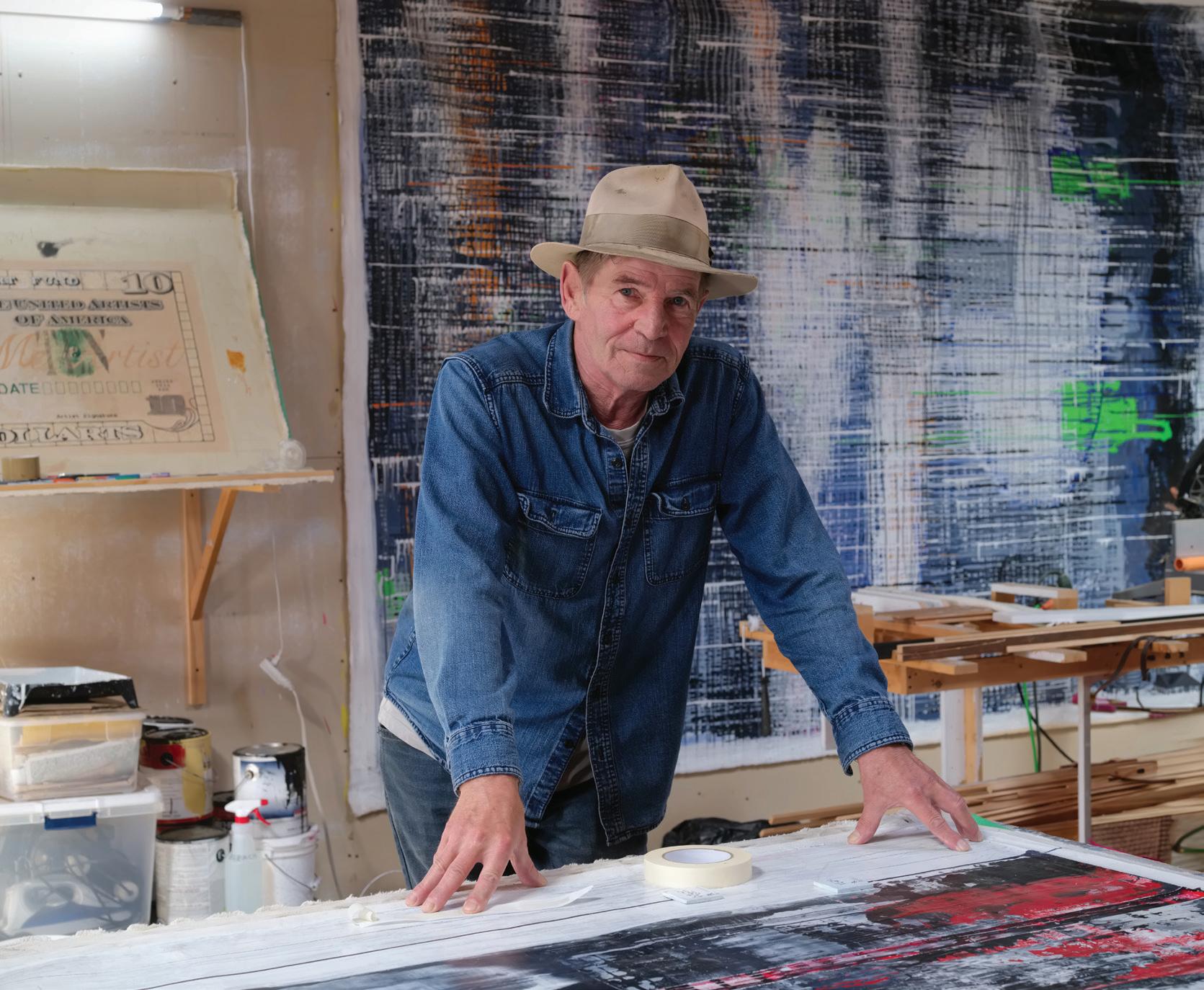
Bert Esenherz
Self-described “resident alien” with a Duchampian sensibility.
Dear Human (This is not a love song)
Soto voce: notes from the underworld of perpetual reinvention in painting, performance, filmmaking. Allergic to black cats.
- Ron Linden
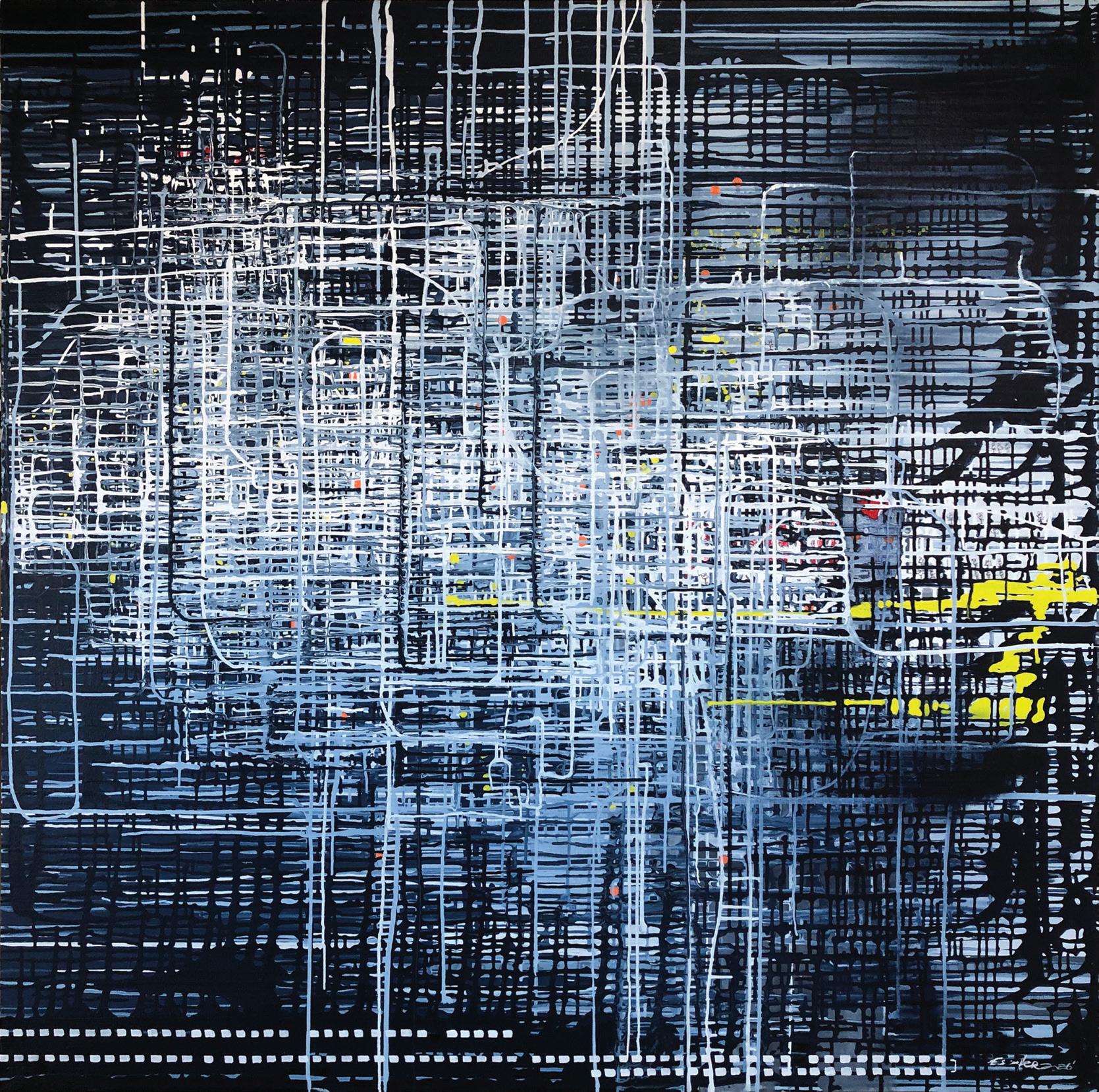
Matrix 2026 AD
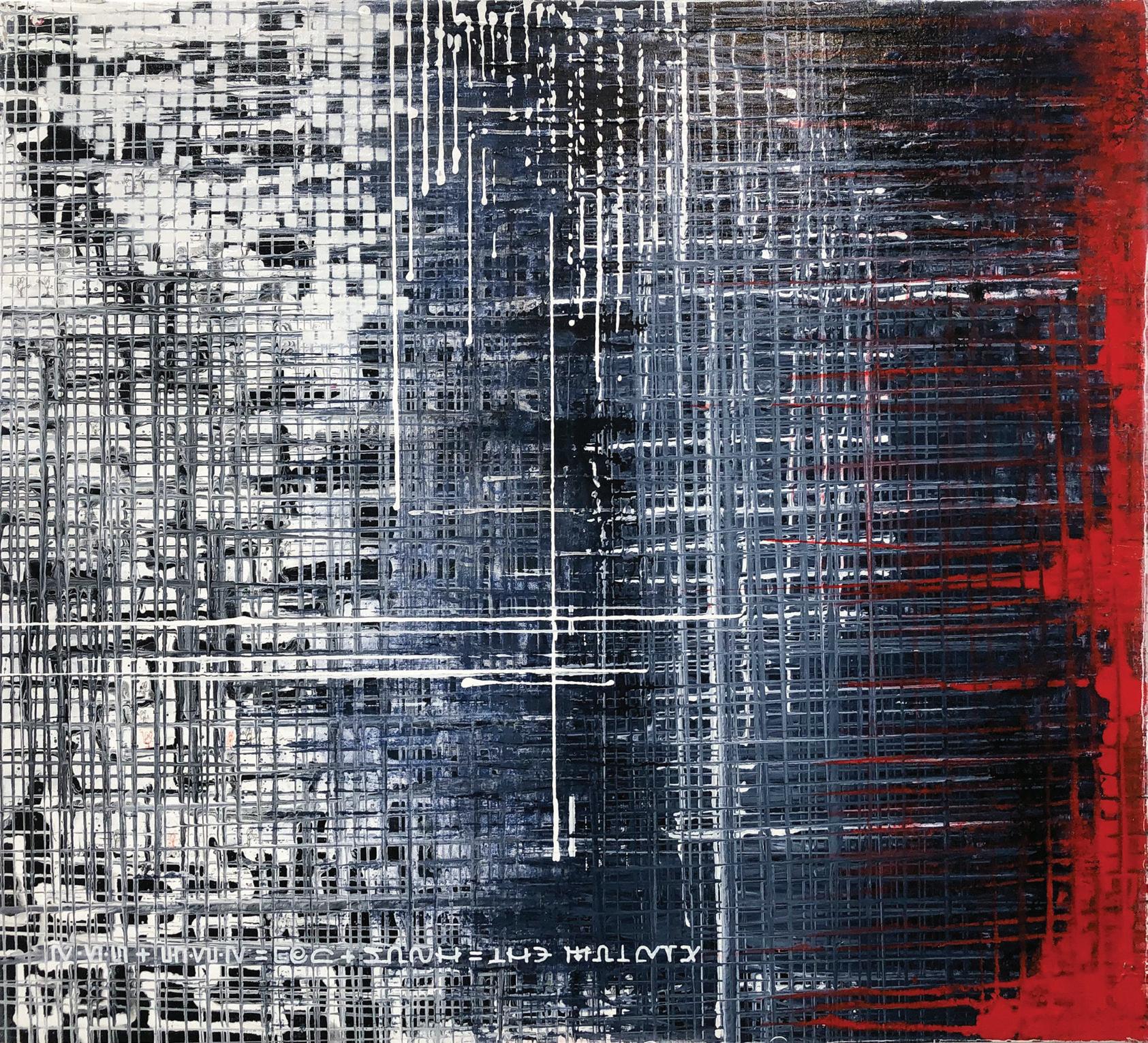
Matrix 237400 AD
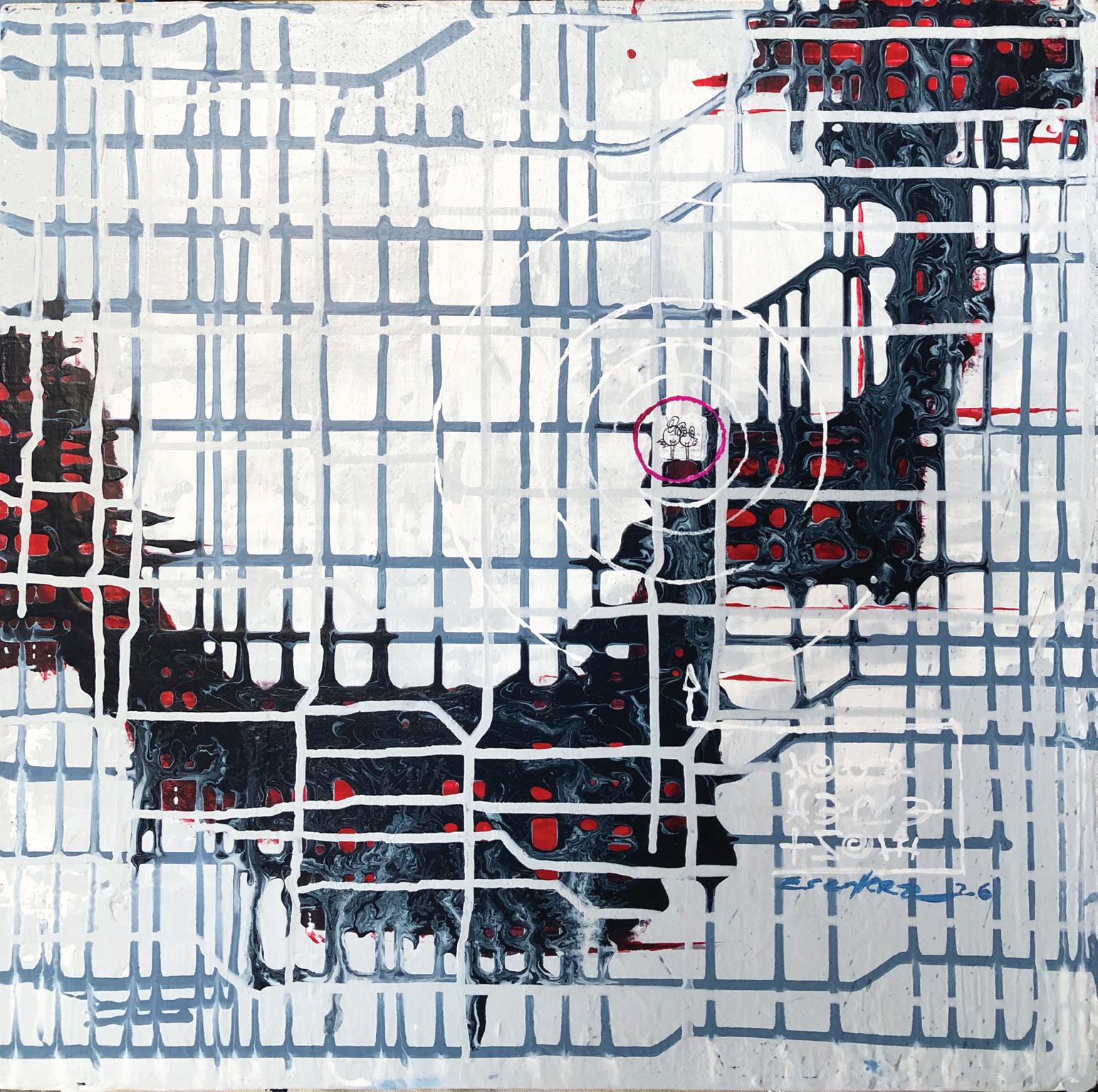
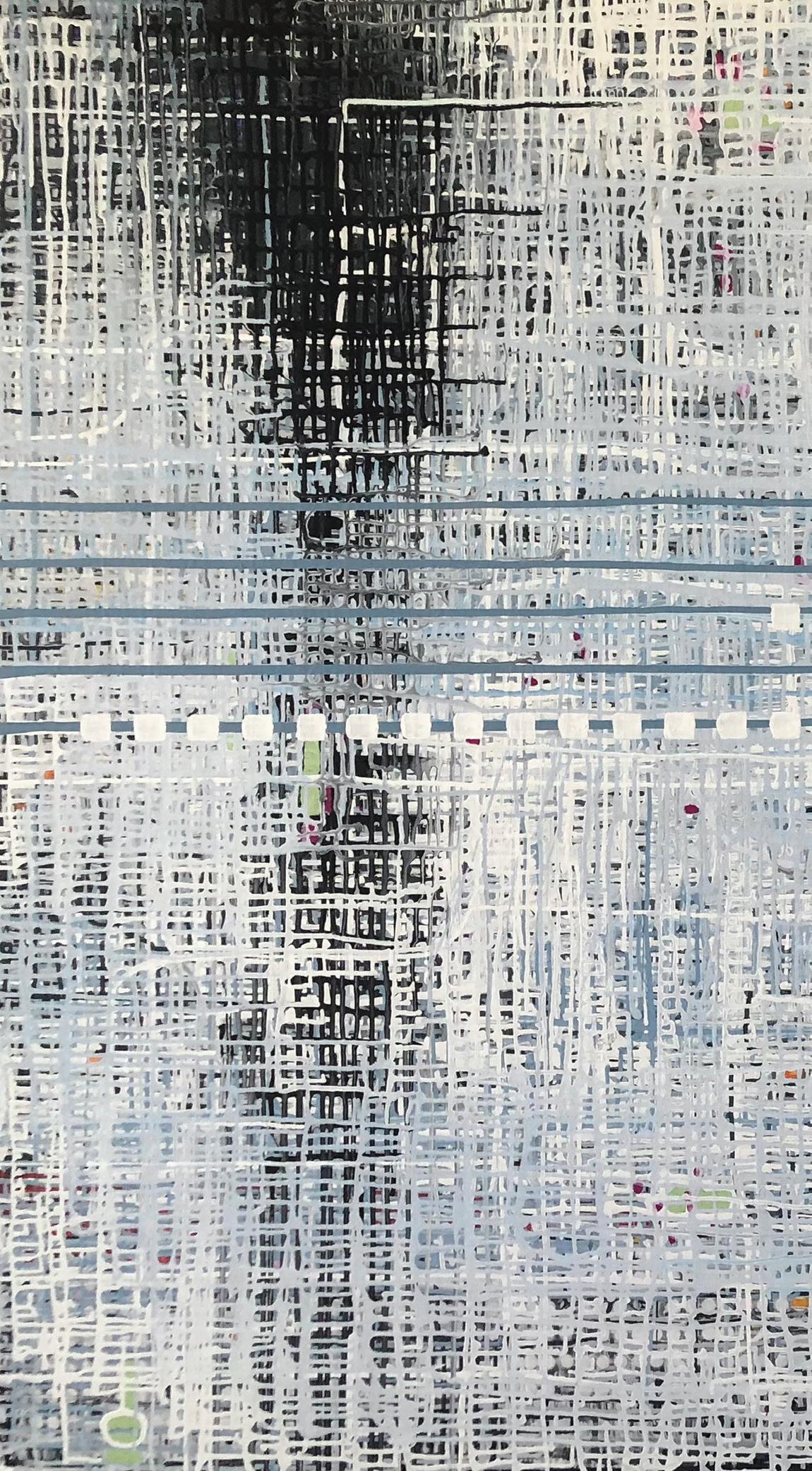
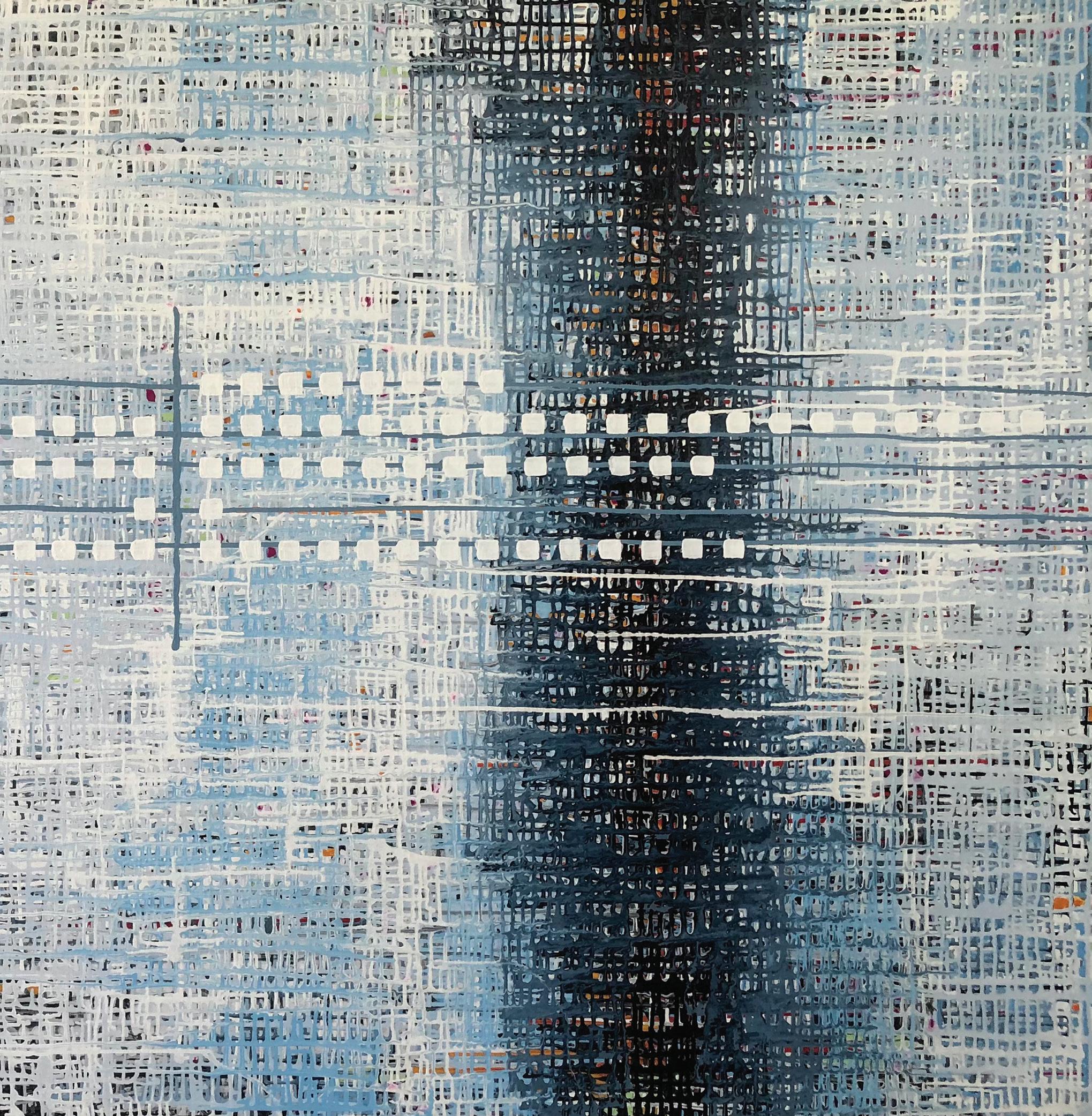
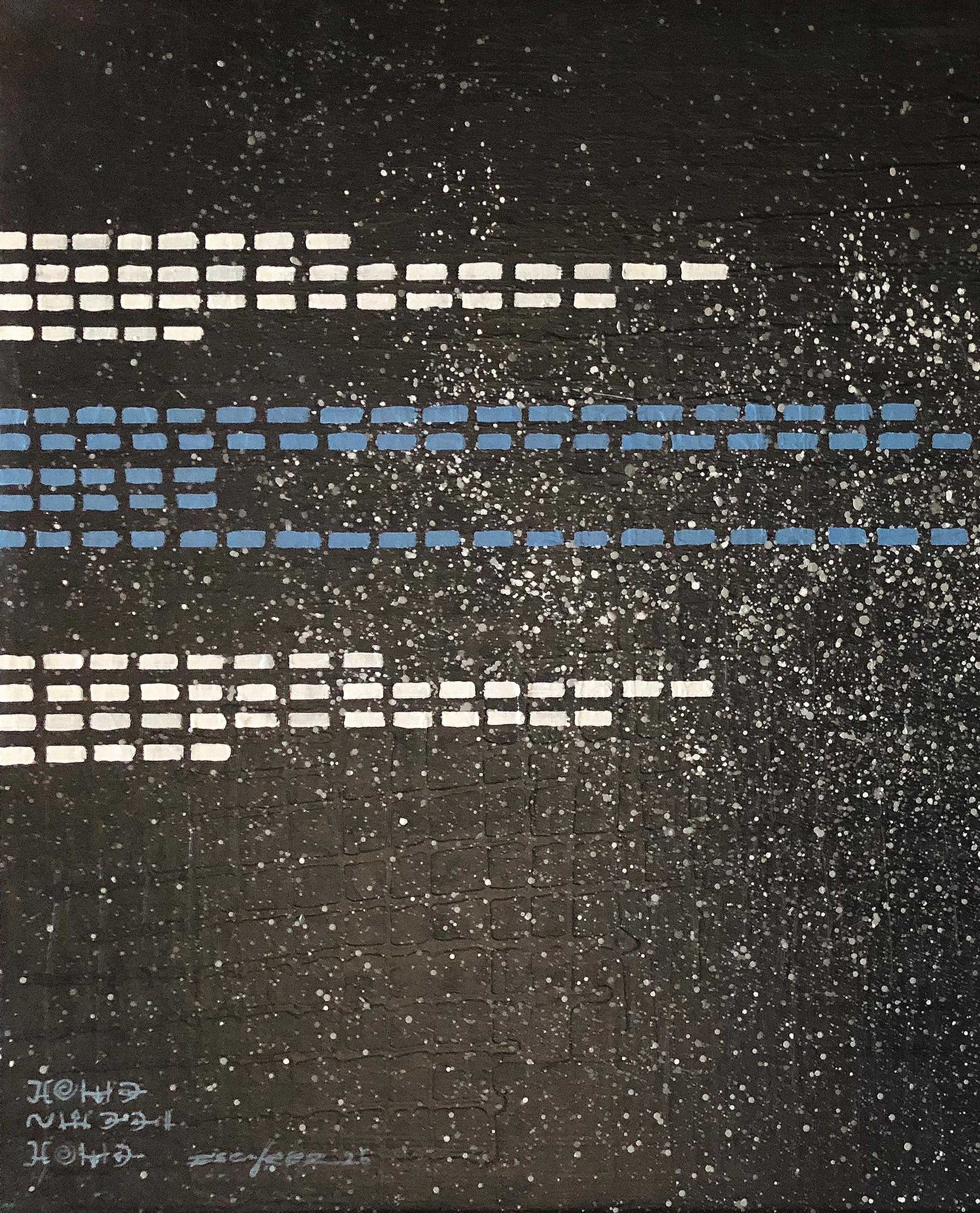
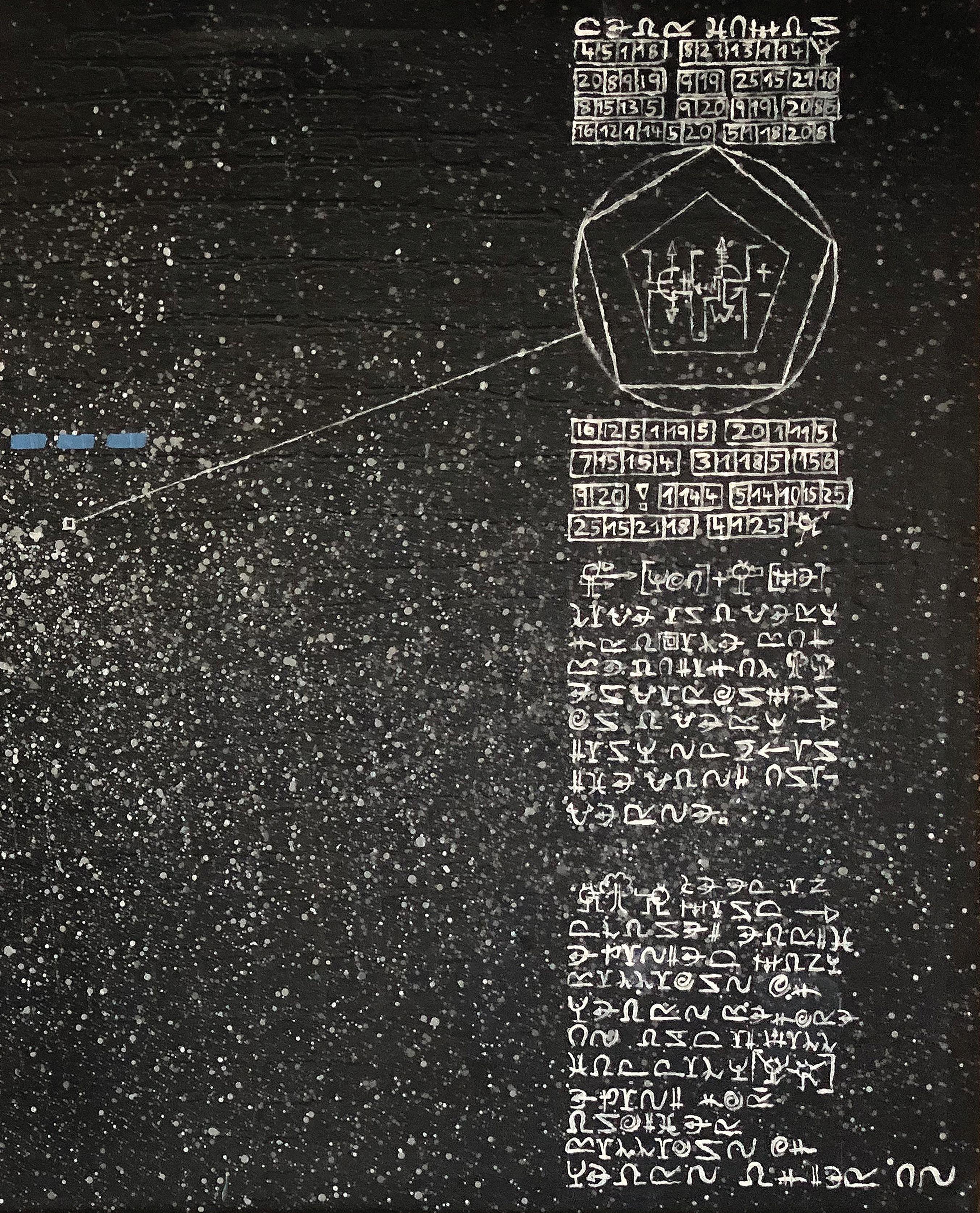
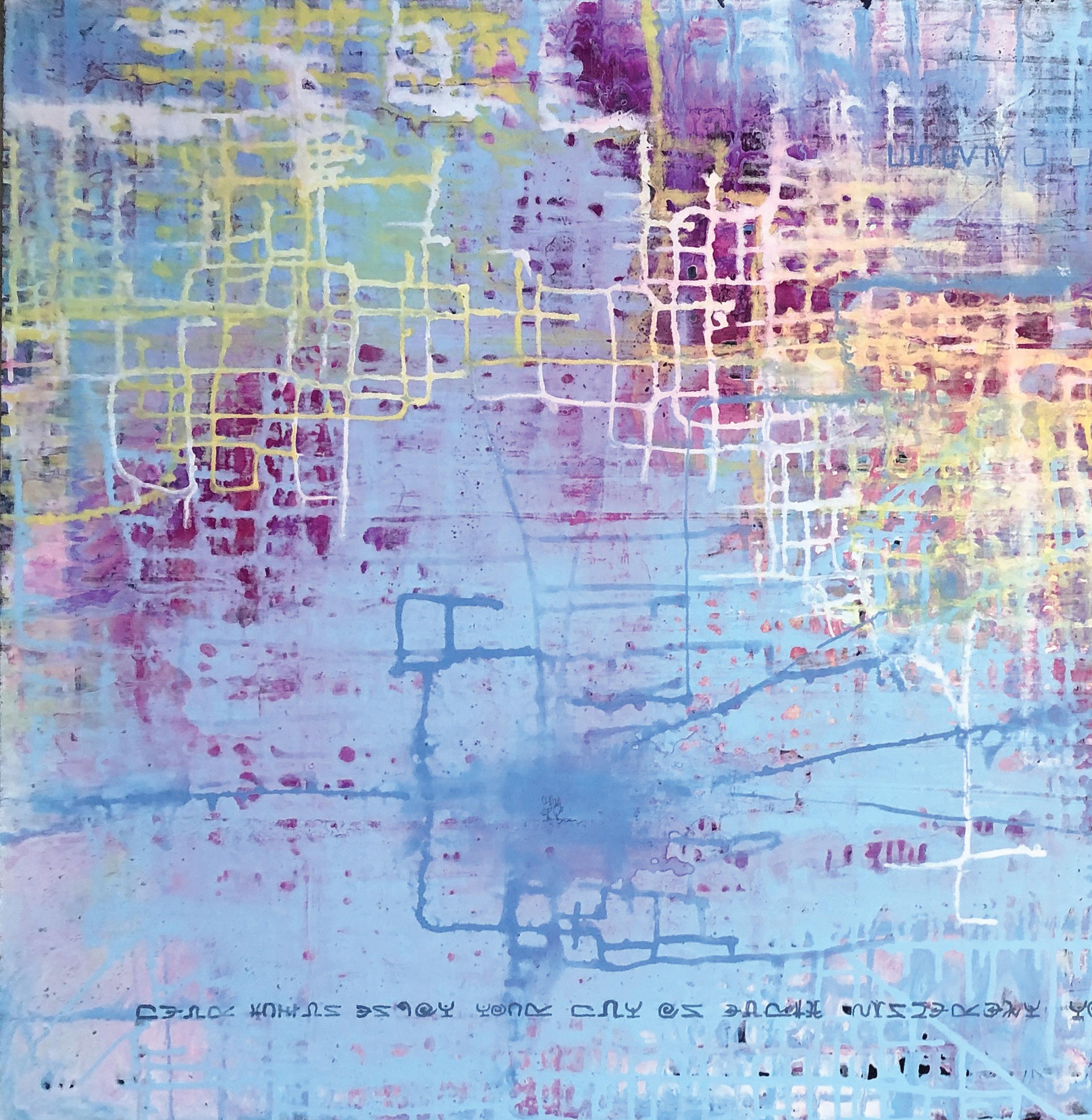
Previous spread: Home Sweet Home; this spread: Dear Human 2374 AD
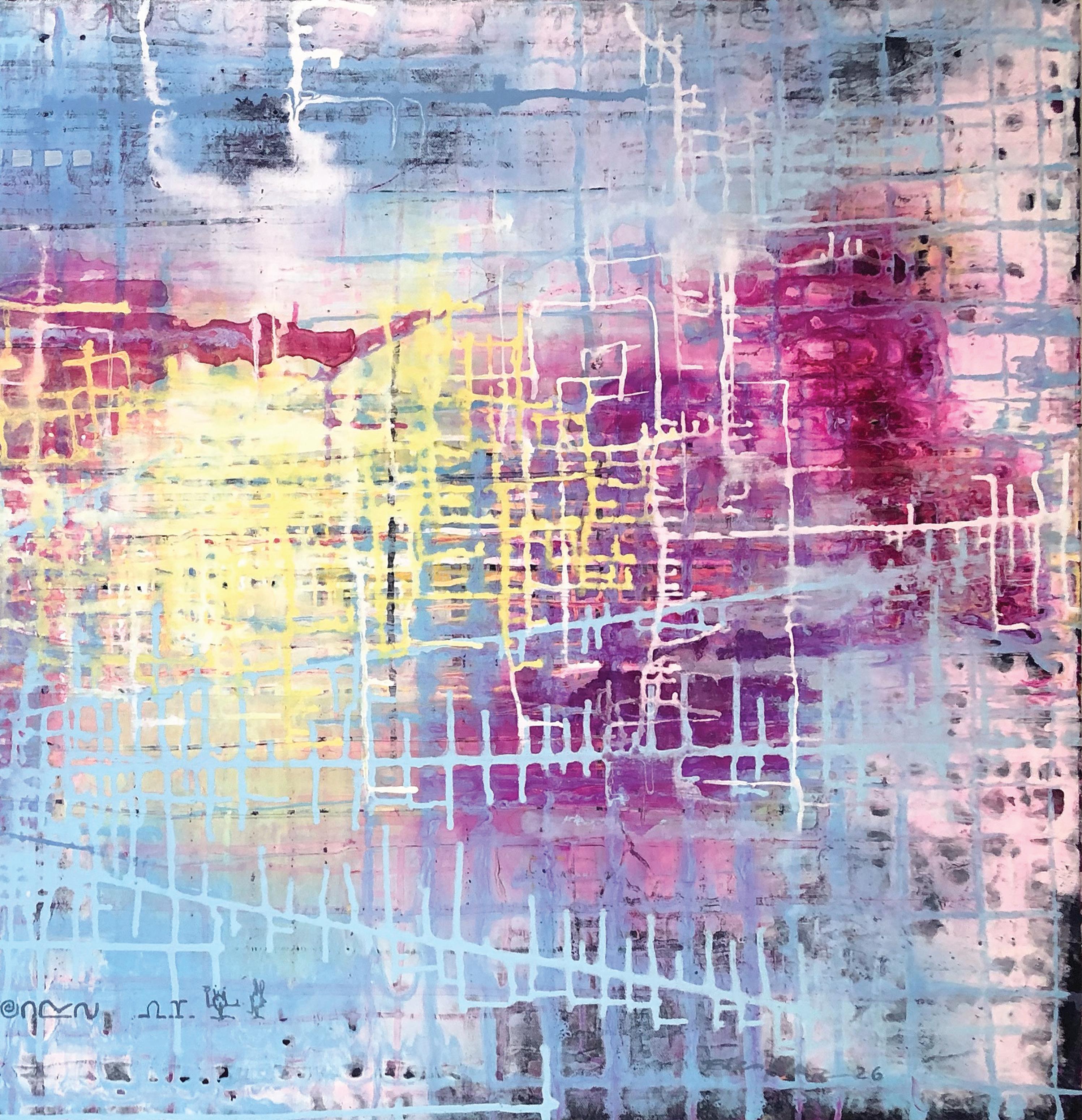
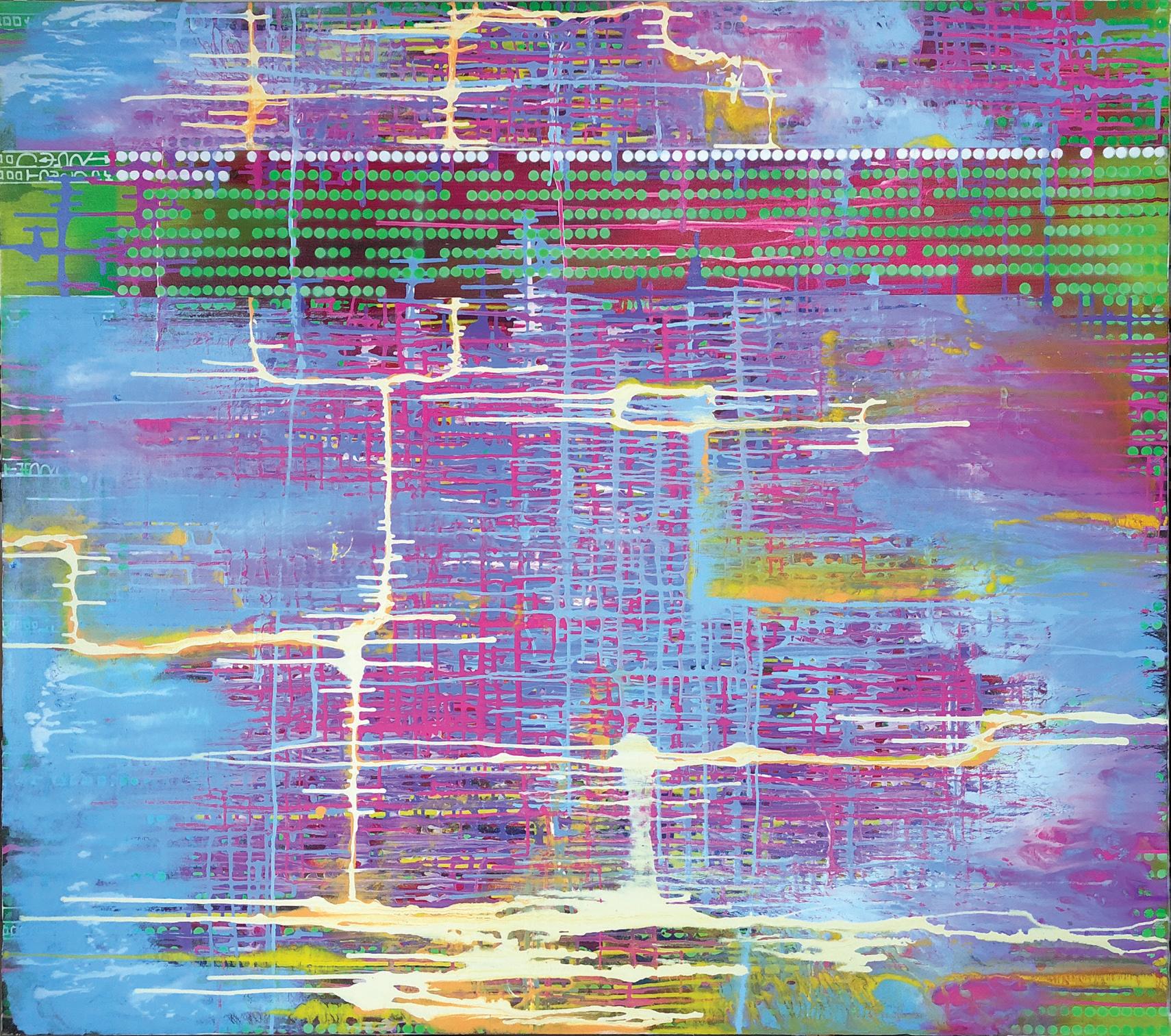
Dear Human 237400 AD
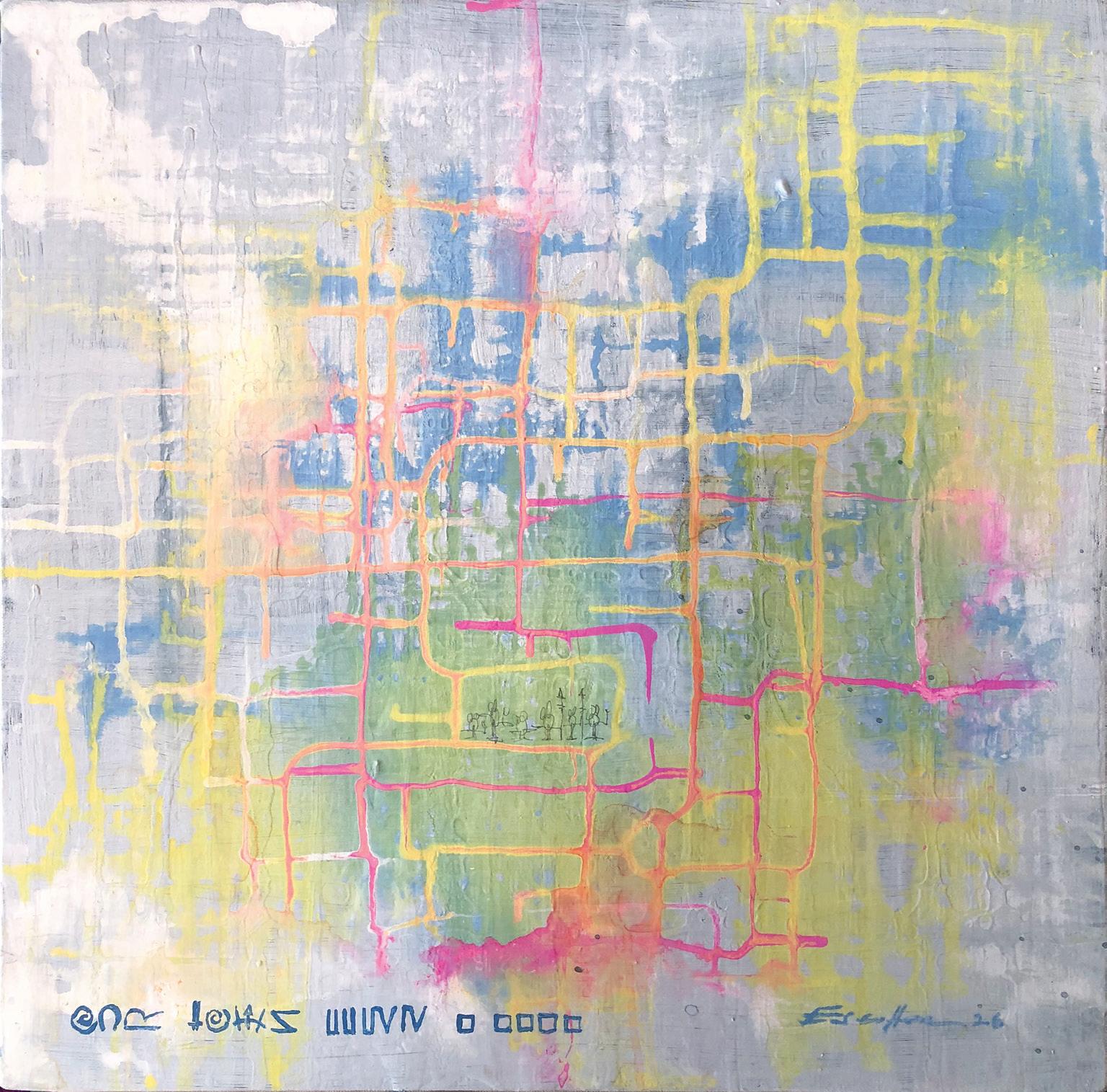
Our Town
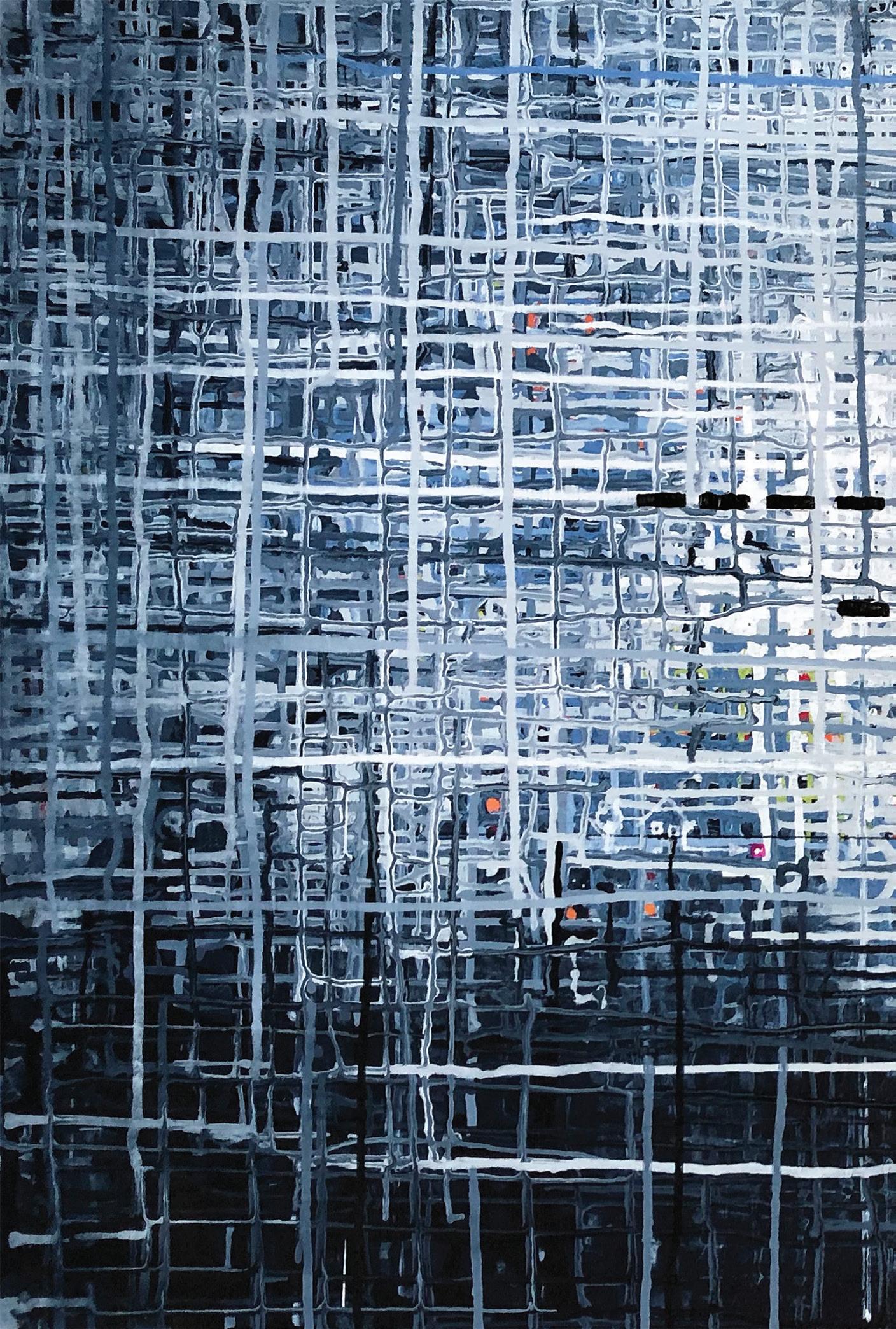
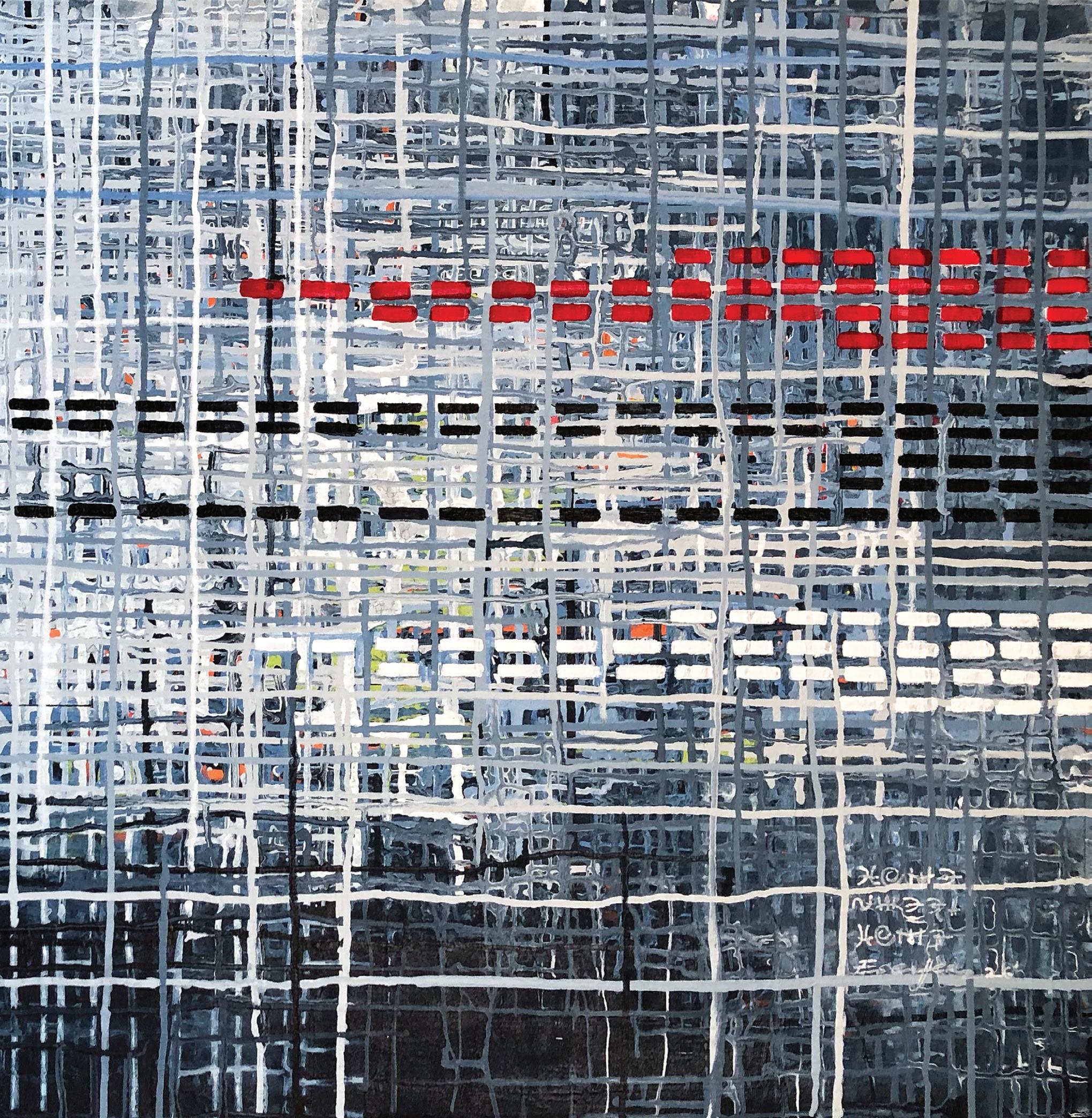
Bert Esenherz - Dear Human
A native Berliner, Bert Esenherz was born in 1961, the year the Berlin Wall was constructed. A child of the Cold War, he understood the constraints of life in a politically divided city. So it comes as no surprise that when he reached his twenties he left Berlin seeking personal freedom. He found it on the water.
After learning to sail on Lake Constance in Southern Germany, he traveled through Europe during a two-year stint as a sailing instructor, and ultimately captained ships across the Atlantic. While this proved to be a formative experience, art was always on his mind.
In 1989 Bert enrolled in Münster School of Design to study media design, but the fall of the Berlin Wall drew him back to the streets of Berlin. His Wall Hall project tapped into the zeitgeist of the underground techno-rave culture. For these events the artist had only 24 hours to install and strike elaborate decorations for rave parties that drew upwards of 10,000 attendees.
His interest in the temporal nature of contemporary art led him to organize sitespecific art installations publically created over the course of two months, and systematically destroyed by the artists as an opening night performance piece. By the mid-90s Bert moved away from the Berlin party scene and found a new home in New York City.
There, he gravitated toward filmmaking and produced a series of satirical shorts about urban life. After years of struggling to sell his artwork on the streets, he embraced performance art as a means of self-promotion. A 2001 cross-country trip finally garnered the artist some attention.
The project was conceived as a way to promote art in local communities while fulfilling the artist’s desire to discover his newly adopted country. Bert created a 7’ x 5’ painting that he mounted on wheels with the intention of walking it across America. The plan was to sell his art along the way.
He got as far as Denver when the money ran out and he traded his possessions for a Greyhound ticket back to New York. When he finally raised enough money to continue the journey 9/11 happened and everything changed. The resulting economic downturn created an opportunity for him to show for the first time in Los Angeles, where he permanently relocated in 2018. He currently lives and works in San Pedro.
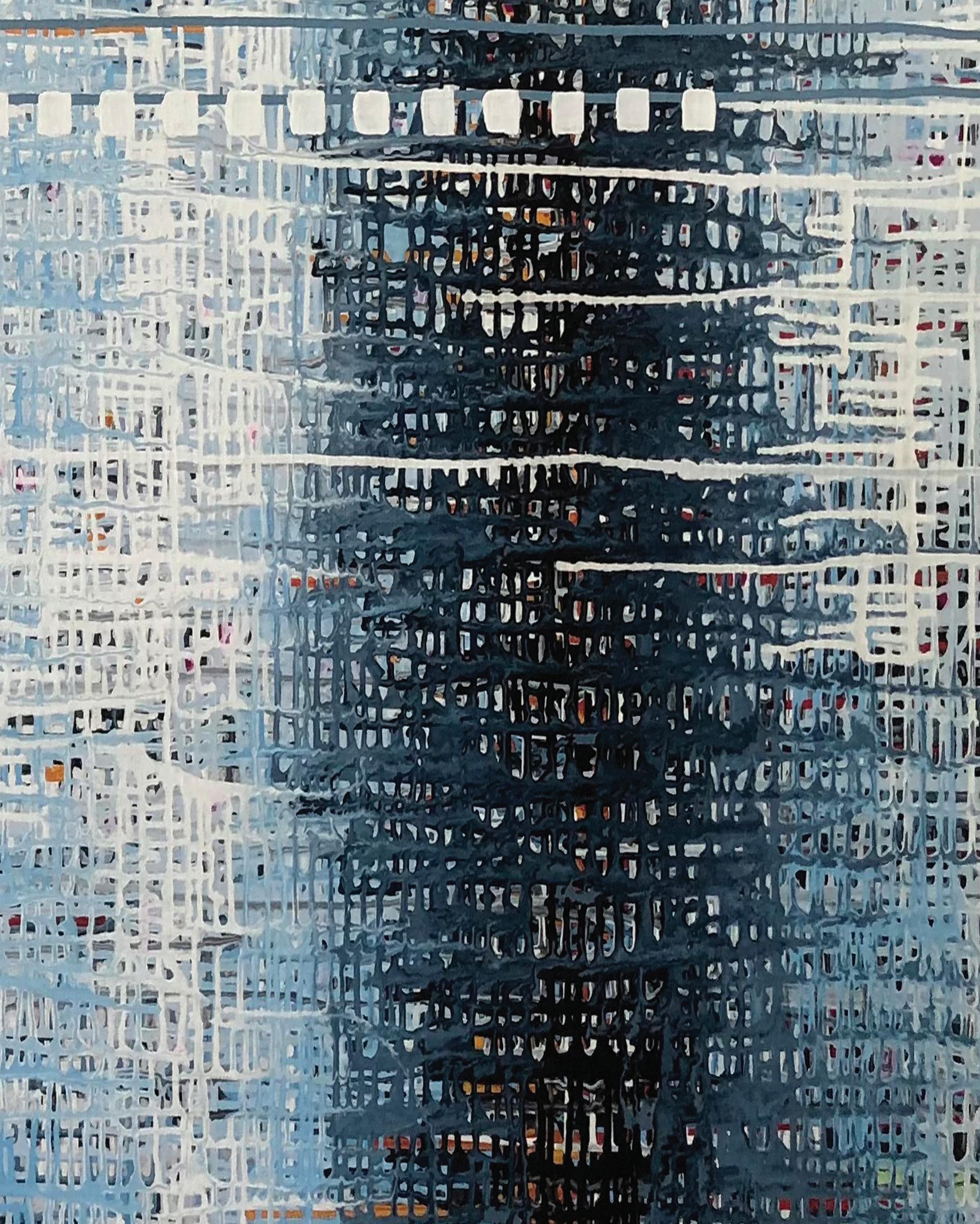
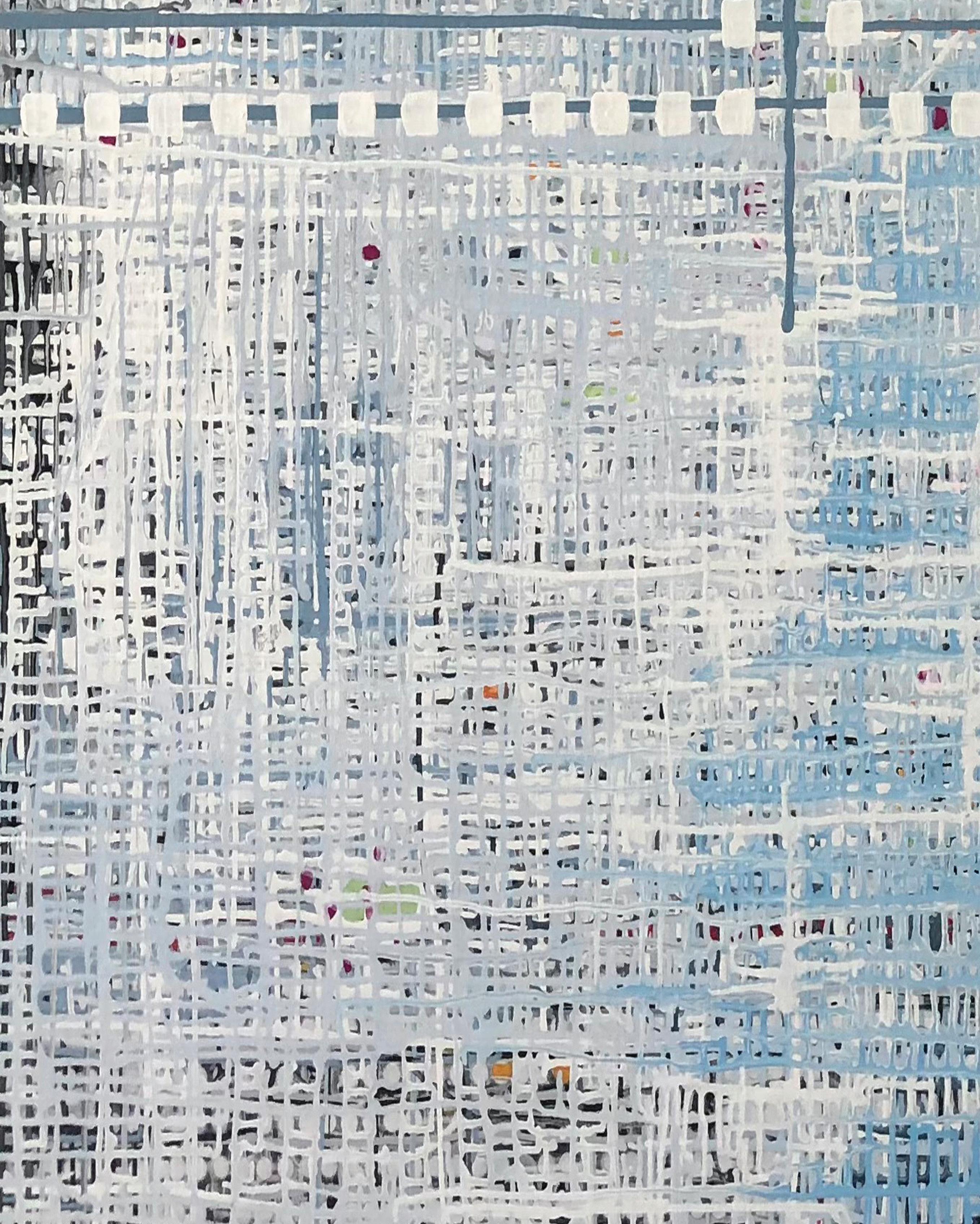
Patterns of building and destruction, both in society and in the natural world, have been an ongoing source of fascination for the artist. His most recent series of abstract paintings are satellite surveillance maps that simultaneously capture the present and future of our planet.
Employing a carefully controlled drip process, he organizes his compositions into a grid representing the matrix of social systems that contain us.
In the works that comprise the exhibition, Dear Human, numeric systems are employed alongside pictorial symbols that give way to a system of dots and squares. All these, when deciphered with a simple key, reference sentimental notions of home, such as Home Sweet Home, Our Town, and Love Here & Now. They are also the titles of the paintings.
Bert’s vision of the future includes a series of dissipating landscapes, when all trace of humans and their structures will be destroyed as they were in ancient civilizations. As imagined scientific documentation, some of the pieces are dated in the present and some in the near and distant future.
I can’t help but draw a parallel between these paintings and the writing of scientist and historian Jared Diamond. In his 2005 book, Collapse: How Societies Choose to Fail or Succeed, the author explores why some civilizations reached a pinnacle and collapsed
while others survived. How we manage our resources, what we contribute to environmental change, and the impact of our political systems are all factors in the equation.
Is Dear Human a dystopian vision of the future? Not necessarily. The future is still in our hands. While the artist believes we don’t have to save the world because the planet will exist without us, we do have a practical obligation to protect the environment in which we live. In the end, the message of this show is a direct appeal from the artist, “Dear Human, enjoy the life you have right now.”
Gail Phinney, May 2026
All works © copyright Bert Esenherz. All rights reserved.
Published in May 2026 by Studio