Letters to the editor, questions, comments, address changes, requests to be added/ removed from the mailing list and all other inquiries should be addressed to:
Michele Keller
Chief Communications Officer
USC Mann School of Pharmacy and Pharmaceutical Sciences
1985 Zonal Avenue – PSC 700 Los Angeles CA 90033 kellermi@usc.edu 323-442-3497
MANN.USC.EDU
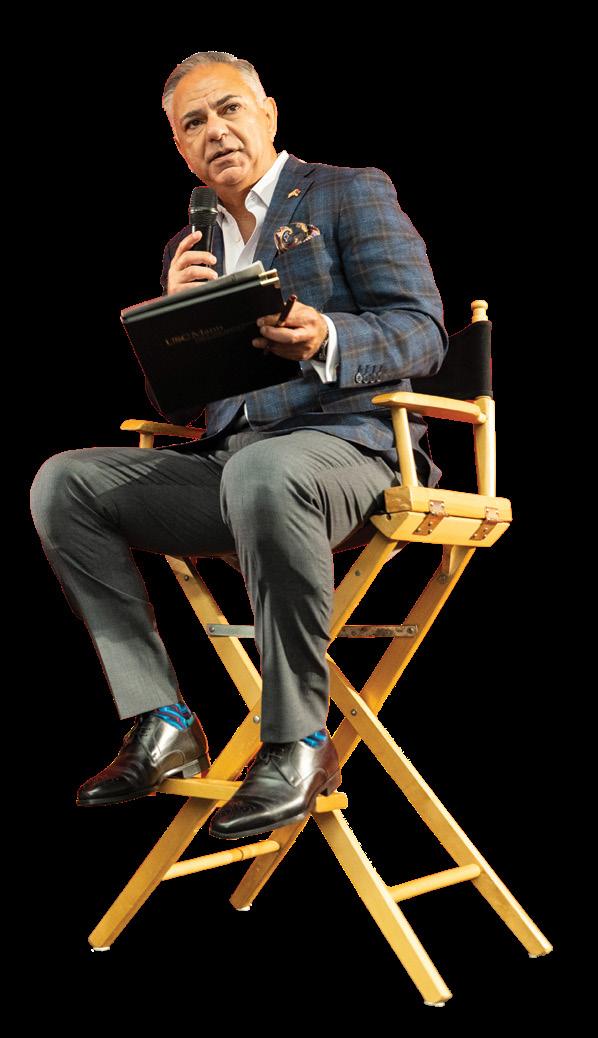
DEAN
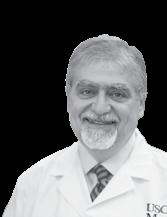
Vassilios Papadopoulos, DPharm, PhD, DSc (hon)
BOARD OF COUNCILORS
Robert Popovian, Chair
Edward Abrahamian
Anil “Neil” Badlani
Melvin F. Baron
Gale Bensussen
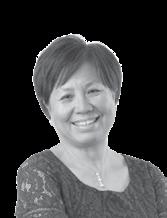
Penny Cai
Danielle C. Colayco
Daniel Gil
Peggy Han
Dong Koo (D. K.) Kim
Dianne Kwock
Vinson Lee
Sohail Masood
David Meek
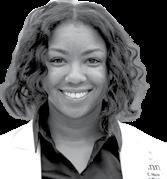
Kimberly Moore
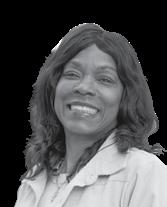
Shushma Patel
Chao Peng
William Pih
Raymond Risman
Jacque J. Sokolov
Khanh-Long (Ken) Thai
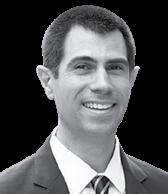
Brandon Tom
David Neu, Chair Emeritus
William A. Heeres, Chair Emeritus
One of the top pharmacy schools nationwide and the highest-ranked private school, the USC Mann School continues its century-long reputation for innovative programming, practice and collaboration. Founded in 1905 as the USC College of Pharmacy, the school was known as the USC School of Pharmacy from the mid-20th century until 2022, when it received a $50 million endowment and was renamed on behalf of inventor and entrepreneur Alfred E. Mann.
The school created the nation’s first Doctor of Pharmacy program, the first clinical pharmacy program, the first clinical clerkships, the first doctorates in pharmaceutical economics and regulatory science, and the first PharmD/ MBA dual-degree program, among other innovations in education, research and practice. The USC Mann School is the only private pharmacy school on a major health sciences campus, which facilitates partnerships with other health professionals as well as new breakthroughs in care. Uniquely, it owns and operates several community pharmacies.
The school is home to the D. K. Kim International Center for Regulatory Science at USC, the Titus Center for Medication Safety and Population Health, and the Center for Quantitative Drug and Disease Modeling, and is a partner in the USC Leonard D. Schaeffer Center for Health Policy & Economics, the USC Institute for Addiction Science, the USC Ginsburg Institute for Biomedical Therapeutics, the Southern California Clinical and Translational Science Institute, the USC Center for Neuronal Longevity, and the USC Center for Drug Discovery, Delivery and Development. The Mann School pioneered a national model of clinical pharmacy care through work in safety-net clinics throughout Southern California and is a leader in comprehensive medication management.
Results magazine, published semi-annually, highlights some of the school’s latest advances and achievements, as well as the faculty, students, alumni and donors who make this work possible.
The Impact of Big Ideas
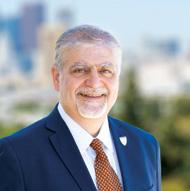
WHEN I CAME TO USC IN FALL 2016, I told our faculty, staff, students and alumni that I wanted to hear their big ideas, that I wanted the school to take risks and be ambitious. An early suggestion was to bring a health outreach program to a low-income country. But with many underserved urban communities in the United States lacking convenient access to essential medications, a plan for a new community pharmacy in USC’s own backyard soon emerged.
After some pandemic-related delays along the way, this spring we celebrated a milestone that was years in the making: the launch of the USC Pharmacy and Wellness Center in South Los Angeles. As reported in this issue’s cover story, this new healthcare destination in L.A.’s Crenshaw District pairs pharmacy services with a health clinic and disease-prevention resources, underscoring the vital role pharmacies and pharmacists play in primary care. It is also an extension of USC’s and our school’s focus on service to the community.
At a time of accelerating pharmacy closures nationwide, we’re proud to have opened a new one in an underserved area and in collaboration with local community members and leaders. In addition, it will serve as a training ground for our student pharmacists, providing them with invaluable experience.
In this issue, we also spotlight our integrated core laboratories and services, an additional area of significant growth and investment for the school. These state-of-the-art technologies, overseen by experienced scientific directors, accelerate drug discovery and development for USC researchers as well as external investigators.
Our people are what make USC Mann so special. In these pages, we feature Zhipeng Lu and his transformative work in RNA-targeted therapies and congratulate Darius Lakdawalla, Quintiles Chair in Pharmaceutical and Regulatory Innovation, on his appointment as University Professor, one of USC’s highest academic distinctions.
You, too, play an important role in USC Mann’s legacy.
Thank you for joining us in our efforts to continue turning big ideas into big impacts on community health.
Vassilios Papadopoulos, DPharm, PhD, DSc (hon) Dean, USC Mann School
John Stauffer Decanal Chair in Pharmaceutical Sciences
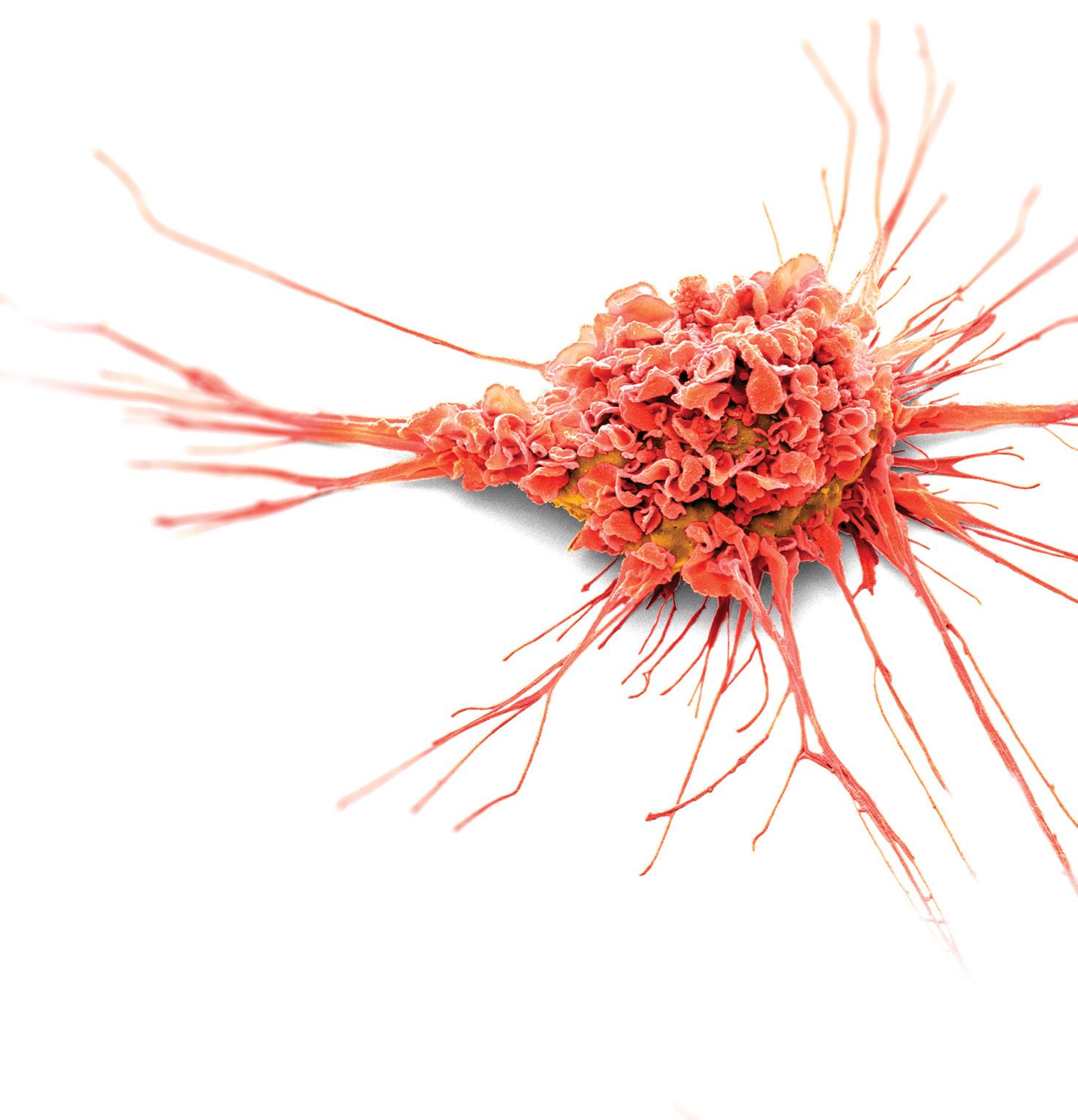
Dendritic cells process foreign antigens that then act as an alarm signal, alerting other immune cells of the body to the infection.
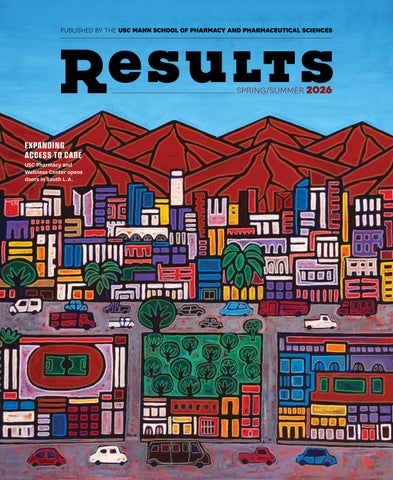
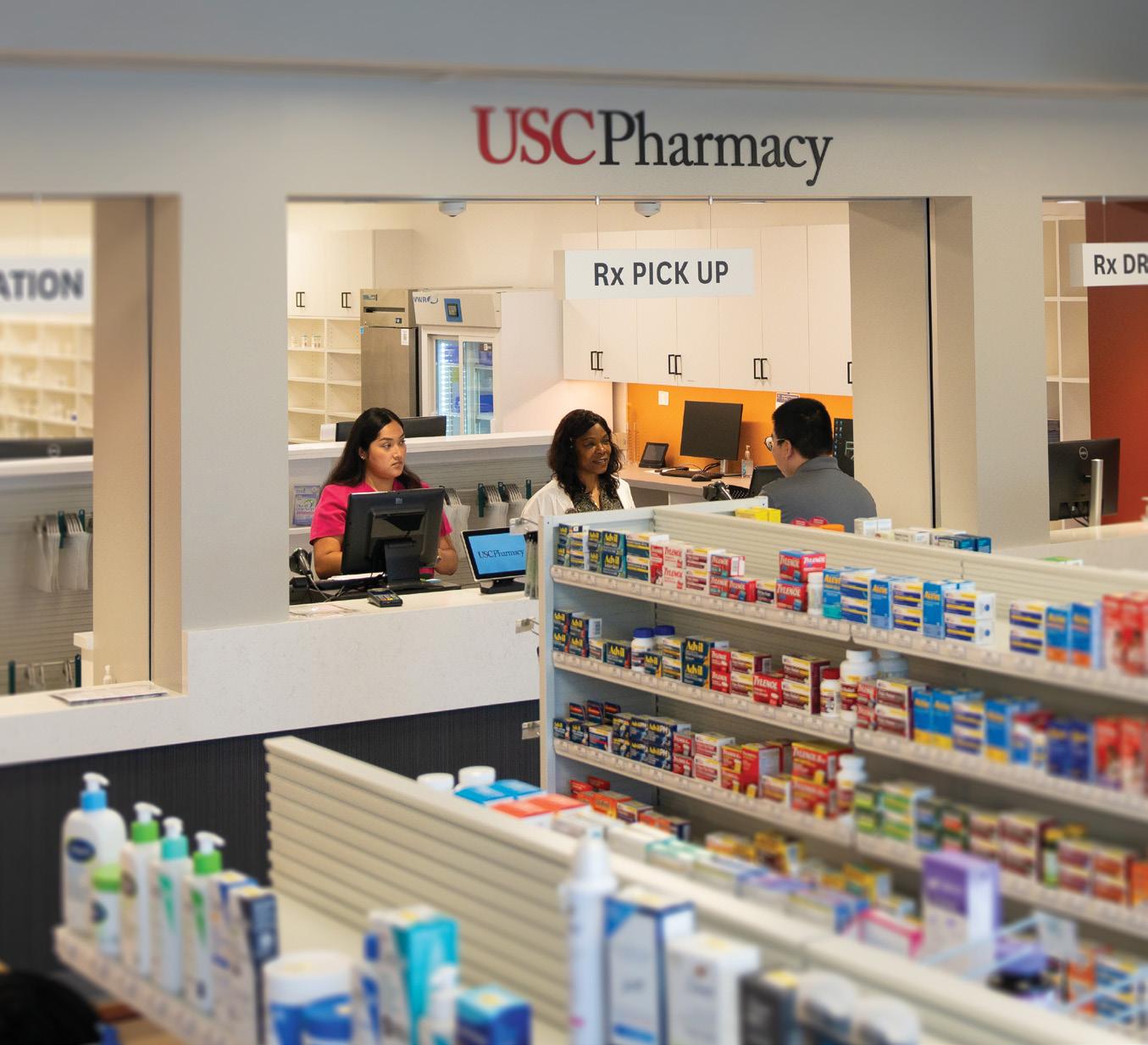
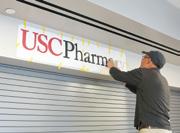
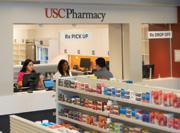
↑ The new USC Pharmacy and Wellness Center opened its doors to the South Los Angeles community in April.
/ Accelerating Drug Discovery and Development
/ Zhipeng Lu: RNA Revolution
/ In the News
/ Zhang Awarded $2.28 Million NIH Grant 09 / On the Cusp of Alzheimer’s Prevention
/ Focus on the Future of Pharmacy Business and Practice
/ Shaping PBM Reform 13 / Beong-Soo Kim Named USC’s 13th President 13 / Lakdawalla Named University Professor
13 / New Board of Councilors Member Brandon Tom
14 / Expanding Access: USC Pharmacy and Wellness Center Opens Doors in South Los Angeles
GIVING
22 / The Spirit of Giving: Juliet and Duane Saikami, PharmD ’85
FACULTY
26 / Mann Faculty Honored as Top 2% Scientists
27 / New Faces
27 / Promotions
27 / Awards and Honors
ALUMNI
24 / USC Mann Alumni Awards Honor Outstanding Leaders
25 / Remembering Irv Sitkoff
28 / Krown Fellowship Honors Rising Scientist
29 / USC Mann Launches New PGY-1 Geriatrics Pharmacy Residency 2026 Commencement
Accelerating Drug Discovery and Development
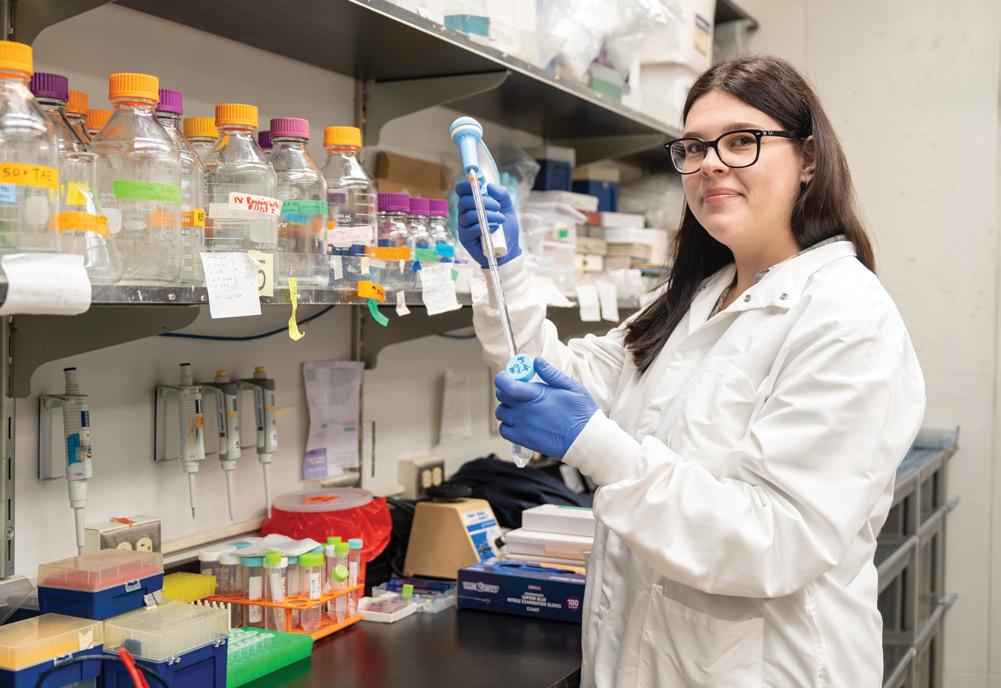
THE MANN SCHOOL’S significant investment in Integrated Core Services is bolstering drug discovery and development by USC faculty, external investigators and students through a unique combination of specialized scientific expertise and state-of-the-art technologies.
Each core lab is run by experienced PhD-level directors who not only conduct their own research but also can provide deep scientific support for academic teams, biotech innovators and industry partners alike.
“The whole principle of core facilities is to serve the needs of individual labs while sharing top-of-the-line instrumentation,” says Annie Wong-Beringer, associate dean for research affairs. “Uniquely, we’ve also invested in human capital, with individualized support available to any scientist who needs it. And we’re training the next generation of scientists by making these resources available to our students.”
Capabilities are organized across four specialized facilities:
° Multi-Omics Mass Spectrometry Core
° Medicinal Chemistry Core
° Translational Research Core
° Histology Core
Fully Integrated Services
Seamless, cost-effective project support with high scientific quality
Cutting-Edge Technology
More than 100 advanced instruments enabling high-throughput workflows
Subject-Matter Expertise
PhD-level core directors with extensive experience in pharmaceutical and biotechnology research
Academic Collaboration
Access to the broad expertise of USC Mann faculty across therapeutic areas and research disciplines
→
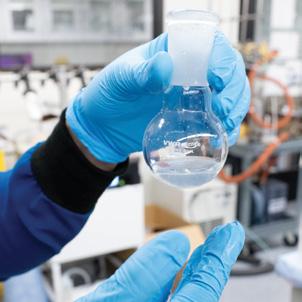
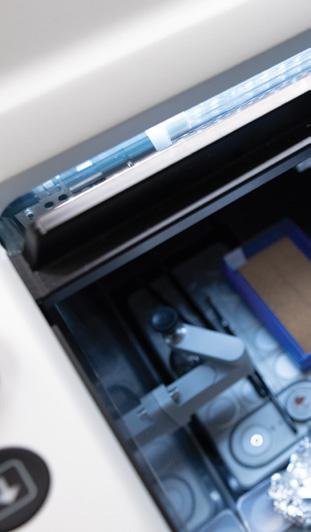
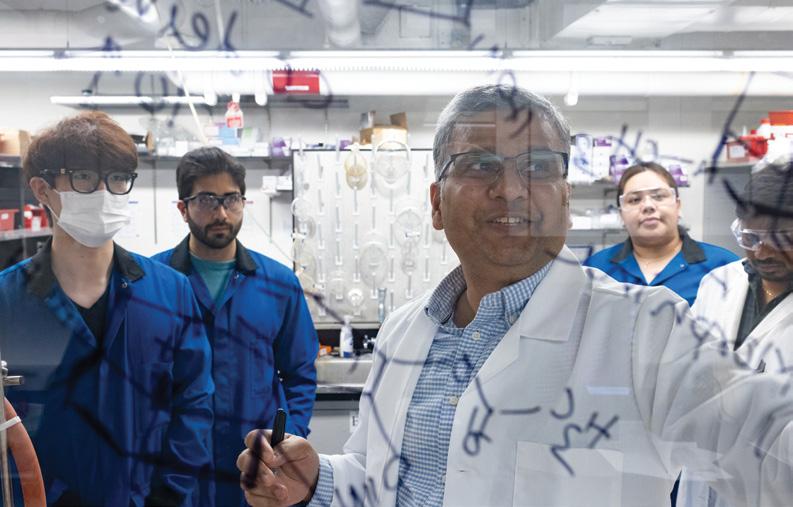
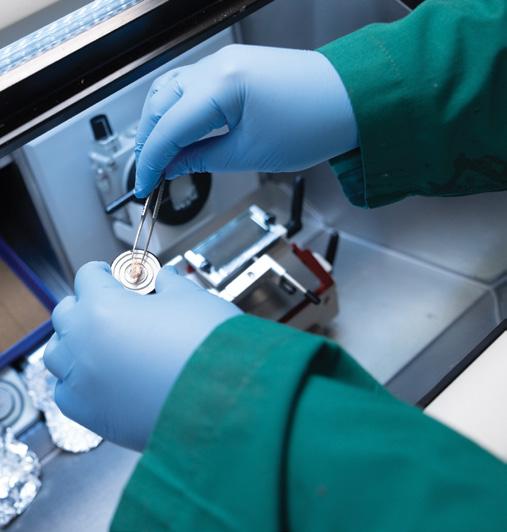
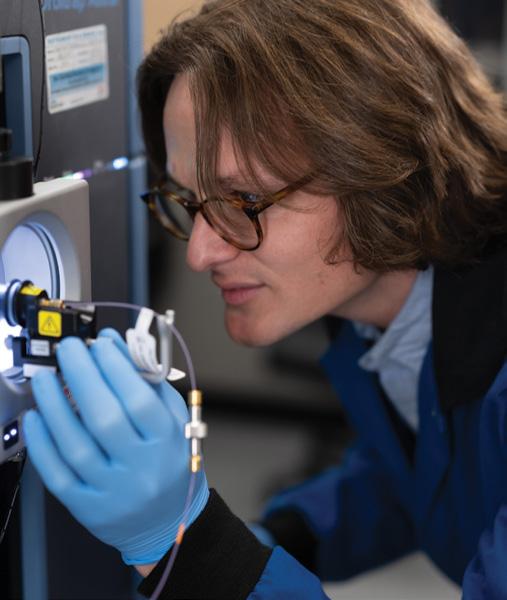
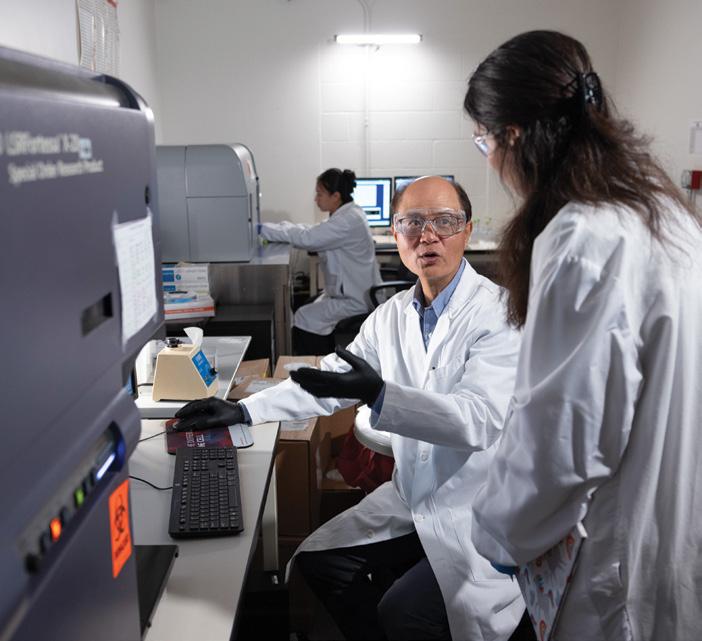
Clockwise, from top: Syed Ahmed, associate director of the medicinal chemistry core, instructing students and postdoctoral students on innovative synthesis protocols; Zhang-Xu Liu, associate director of the translational research laboratory core, instructing a student on using the LSRFortessa X-20 benchtop flow cytometer; Whitaker Cohn, associate director of the multi-omics mass spectrometry core, adjusting ion spray on the core’s newly acquired Orbitrap Astral mass spectrometer; and a sample being prepared to be sectioned on the cryostata
LEARN MORE
"What we have is top-tier facilities and advanced instruments combined with dedicated scientific and technical support. We provide the experts who can work with investigators from the conceptualization phase and target discovery to preclinical evaluation and interpreting and publishing the data.”
ANNIE WONG-BERINGER ASSOCIATE DEAN FOR RESEARCH AFFAIRS
"The aim of the biomedical scientists we work with is to bring to market something of benefit to people around the world. We support these investigators in each and every step of their research through the drug-development pipeline.”
SYED AHMED ASSOCIATE DIRECTOR, MEDICINAL CHEMISTRY CORE
broad spectrum
RNA REVOLUTION
AAt the heart of every living cell is a flurry of activity that keeps life running smoothly, and one molecule sits at the center of it all: RNA.
For Zhipeng Lu, that tiny but powerful “middleman” molecule has become a lifelong fascination. Lu studies how RNA behaves inside living cells—work that helps explain how genes are regulated and what happens when those processes go awry.
RNA-targeted therapies are already transforming medicine, from mRNA vaccines for COVID to treatments for rare genetic diseases. Scientists like Lu are building on these breakthroughs, developing new ways to interact with RNA directly to treat cancer, metabolic disorders and viral infections. The goal is greater precision—medicines that intervene closer to the source of disease and open new possibilities for patients.
Lu’s path to this work has taken him from Fudan University in Shanghai to graduate training at the University of North Carolina, Chapel Hill, and to postdoctoral research at Stanford University. Along the way, he helped uncover previously unknown RNA interactions and pioneered methods to map RNA structure in living cells. At USC since 2018, supported by major federal research grants, Lu continues to push the boundaries of RNA science. Here, he shares his scientific philosophy and what these discoveries could mean for human health.
WHAT IS THE ULTIMATE GOAL OF YOUR RESEARCH?
My lab aims to understand the fundamental physical basis of RNA regulation. How do we use RNA as the drug target and also as the drug? We think about the fundamental problems—from the tools to the applications to therapeutic interventions.
RNAs are very much like intricate machines. We need to understand how they are folded, which is much more dependent on the environment as compared with proteins. In our lab, we have developed tools and several successful methods to decipher the structural basis of RNA functions in disease states. This work is rapidly moving forward.
FOR WHAT TYPES OF DISEASES?
We are disease agnostic. Our goal is to enable the rapid discovery of drugs. Cancer obviously has a high clinical need, as it affects some 40% of people over their lifetime. But there are some 8,000 to 10,000 diseases. Some may only affect a small number of patients, but collectively rare diseases affect 10% of the population. So our focus is making sure we have the tools to quickly develop as many drug candidates as possible so they can be turned into drugs that might prolong many lives.
WHAT’S NEXT?
We are still in the early stage, but we are excited about our research culminating in a platform that is working right now. We have results from more than 10 disease genes showing pretty good results in cell models. Now we are working on grants to support the next phase.
↑ Zhipeng Lu, Mann associate professor of pharmacy and pharmaceutical sciences
In the News
> Associate Professor Richard Dang was named to the Pharmacy Podcast Network’s fourth annual “Pharmacy 50 Awards,” recognizing individuals influential in shaping the future of pharmacy.
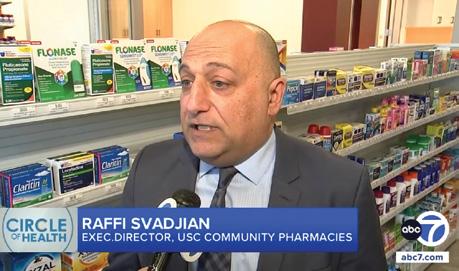
> Dean Vassilios Papadopoulos and Executive Director of Community Pharmacies Raffi Svadjian were interviewed for ABC Eyewitness News about the opening of USC’s first community pharmacy in South Los Angeles. CBS News, NPR, Los Angeles Business Journal and other media outlets also covered the opening. “It’s an ideal environment to really understand what community pharmacy means,” Papadopoulos said of the pharmacy, which will serve as a hands-on training ground for future pharmacists.
prices into the American market, we ought to be exporting rational, forward-looking prices overseas,” he noted.
> Verywell Health quoted Kari Franson, senior associate dean for academic and student affairs, and Mann sports pharmacist Alexis Nicole Brown about how muscle may be affected by taking creatine and magnesium together to boost exertion. Any negative effects, Franson noted, “can be mitigated by taking the supplements with a meal or snack, as well as decreasing the dose if gastrointestinal symptoms are bothersome.” Brown observed, however, that “there is little data to show that this combination has significant effects across various populations.”
A ‘pharmacy desert’ is defined as anywhere that there isn’t a pharmacy within a half mile walking or a mile by driving.”
RAFFI SVADJIAN on ABC Eyewitness News
> The Wall Street Journal published a letter by Dana Goldman—University Professor of Public Policy, Pharmacy and Economics and founding director of the USC Schaeffer Institute—about the competitive market for GLP-1 anti-obesity medications. Goldman noted that research from USC Schaeffer shows that better access to the drugs could provide social returns greater than the S&P 500’s performance this century.
> On NPR, Geoffrey Joyce—chair of USC Mann’s Department of Pharmaceutical and Health Economics and director of health policy at the USC Schaeffer Center for Health Policy & Economics—discussed the White House’s efforts to lower prices for obesity drugs. “I think the manufacturers were open to this partly for political reasons but also because it was going to expand their patient population dramatically,” he said.
> Speaking with CNBC, Darius Lakdawalla, Quintiles Chair of Pharmaceutical Development and Regulatory Innovation at USC Mann and Schaeffer chief scientific officer, examined how the administration’s approach to obesity drug pricing could broaden access—and potentially reshape incentives. “Instead of importing shortsighted foreign
> Interviewed for Reuters, William Padula, associate professor of pharmaceutical and health economics and a Schaeffer senior scholar, commented on the sharp rise in prices for newly launched drugs following the latest round of Medicare negotiations. “For rare diseases, there are fewer patients, and therefore the price per course of treatment is going to go up,” he observed. Padula amplified this point in a piece for Health Affairs, noting that the question should not be “whether drug prices are outpacing inflation, but whether value is.”
> The Tradeoffs podcast became a family affair for Schaeffer Center Co-director Erin Trish as she discussed the rising costs and narrowing options of Medicare Part D with her mother—who is experiencing them firsthand. Trish highlighted how wide variations in premiums, deductibles and cost sharing make it hard for beneficiaries to compare plans and anticipate out-of-pocket costs. Beneficiaries should not feel alone in being overwhelmed, according to Trish, an associate professor of pharmaceutical and health economics at the Mann School. “Most people I talk to have no clue what’s going on,” she said, “including many policymakers and staffers and experts.”
Zhang Awarded $2.28 Million NIH Grant
YONG (TIGER) ZHANG, PHD, associate professor of pharmacology and pharmaceutical sciences, has received a five-year, $2.28 million grant renewal from the National Institutes of Health (NIH) to continue his research on how cells communicate and respond to stress. The project builds on an earlier five-year NIH grant awarded in 2020.
Zhang’s research sits at the intersection of chemistry and biology, where his lab develops new technologies and chemical tools to study how cells communicate and respond to stress. Defining these processes could help scientists better understand diseases such as cancer and immune disorders and potentially develop new treatments.
During the first five years of the project, Zhang’s team created specialized chemical tools that allow scientists to track ADP-ribosylation—a molecular process cells use to control how proteins interact—inside living cells. The team also published multiple studies describing new ways to detect and manipulate the process.
“We developed several chemical probes that can detect and study ADP-ribosylation in cells,” Zhang says. “Using these tools, we were able to map how proteins interact through this process under both normal and disease conditions.”
These discoveries revealed an unexpected role for ADP-ribosylation in helping cells protect themselves from stress, offering new insight into how cells survive challenging conditions.
With the renewed NIH funding, Zhang and his team will now build increasingly advanced tools to study this process in more detail.
“This support will allow us to design new chemical tools that can study ADP-ribosylation with greater precision,” Zhang says. “Ultimately, we hope to better understand how this process influences key cellular events, including how immune cells become activated.”
Ultimately, insights from this work could help scientists design new therapies, including precision drugs and immunotherapies, for diseases such as cancer and immune disorders.
5.6M
Americans are living with dementia
On the Cusp of Alzheimer’s Prevention
PAUL SEIDLER—assistant professor of pharmacology and pharmaceutical sciences— told media outlets that he believes he and his colleagues at USC are on the cusp of a revolution in Alzheimer’s prevention that will change the course of the disease.
Drug Discovery News featured an interview with Seidler on his lab’s work developing structure-based small molecules, both natural and synthetic, and their potential role in future treatments for Alzheimer’s disease. Seidler suggested that “as we continue to add medications to the arsenal to tackle neuroinflammation, to tackle tau tangles, that’s where we’re going to see the total resolution of progressing cognitive impairment.”
He told USC News: “I think we’re living in an exciting time right now, and I think people don’t fully appreciate it yet because it’s only the very beginning. I think we’ll look back on this eventually and say, ‘That was the watershed moment.’”
↑ Paul Seidler with a student in his lab
↑ Tiger Zhang, above right
Focus on the Future of Pharmacy Business and Practice
THE RAPID PACE OF CHANGE formed the focus of USC Mann’s inaugural fall symposium, The Future of Pharmacy Business and Practice. The daylong event, held in November 2025, brought together national leaders from pharmacy, policy and industry to examine how financial structures, regulation and evolving practice models are reshaping the profession.
Introducing the symposium, Dean Vassilios Papadopoulos emphasized the urgency of the
that even with the school’s comprehensive curriculum, “things are moving faster than we can teach.”
Robert Popovian, chair of the school’s Board of Councilors and founder of Conquest Advisors, helped shape the symposium’s agenda and led some of the sessions.
“The discussions made clear that there are better ways to think about the finances of the pharmacy and pharmaceutical business—and better ways to support pharmacists as they care for patients,” Popovian said. “Most importantly, the symposium underscored that we need a fundamentally different way of thinking about how medicines are priced, how those prices translate to what patients actually pay and can afford, and how access to medicines must remain at the center of everything we do as healthcare professionals, academic institutions, insurers, policymakers and employers.”
The symposium’s opening fireside chats featured Popovian in conversation with A. J. Loiacono, CEO of Judi Health (previously Capital Rx), followed by a discussion with Casey Cesnovar, vice president of U.S. Government and Public Affairs at Walgreens.
Loiacono observed that pharmacy can operate in a more transparent and aligned way by rethinking how drug benefits are administered. Central to his argument was the need to remove conflicts of interest from payment models. “Before you have transparency, you have to have no conflicts of interest,” he said.
Cesnovar echoed those concerns from the vantage point of retail pharmacy and public policy. He also
↖ Natalie Park and Benjamin Xu
offered an optimistic vision when speaking about the growing drive to expand the pharmacist’s role beyond just dispensing prescriptions.
“Walgreens in particular has expanded its scope of services to really align with what the schools are teaching students these days—and what they want to do in terms of practice,” Cesnovar said.
In addition, he noted that the company is “reevaluating our business model, our staffing models to make sure that we’re appropriately staffed with the technicians and then freeing up the pharmacists to provide this new standard of care.”
The subsequent discussions fostered equally candid, cross-sector dialogue about challenges that increasingly affect patient access and pharmacist sustainability.
A panel on the evolution of pharmacy was moderated by Steven W. Chen, associate dean for clinical affairs and the William A. and Josephine A. Heeres Chair in Community Pharmacy. The discussion featured Kimberly Buss, physician research collaborator at Sutter Health; Danielle Colayco, executive director of the Komoto Family Foundation and a member of the USC Mann Board of Councilors; Jean Ly, CEO of Mercy Pharmacy and Mercy Health; and Alison Lum, vice president, Healthcare Quality & Affordability Performance Enablement, at Blue Shield of California.
Erin Trish, co-director of the USC Schaeffer Center for Health Policy & Economics, then discussed the business of pharmacy with Antonio Ciaccia, CEO of 46brooklyn Research, and Doug Hoey, CEO of the National Community
Pharmacists Association. They observed that the pharmacy business model is fundamentally misaligned with the care that society now expects pharmacists to deliver.
Finally, Ken Thai, CEO of 986 Pharmacy and a member of the USC Mann Board of Councilors, moderated a panel addressing the evolving role of AI and digital health. The discussion featured the insights of Nirav Shah, senior scholar at Stanford University School of Medicine; Natalie Park, co-founder and CEO of Pharmesol; and Benjamin Xu, associate professor at the Keck School of Medicine of USC.
Throughout the day, speakers noted from different perspectives that the financial structures that underpin pharmacy today are misaligned with optimal value. Yet pharmacists are not only providing vital services but expanding their range in meeting people’s needs. And technology such as AI, when ethically used, will help expand that range.
The event was sponsored by Walgreens, KabaFusion, MedWatchers, Cencora, David and Espy Neu, David and Kelly Meek, Peggy Han and family, and Mel Baron. It was organized by the USC Mann Board of Councilors.
"The discussions made clear that there are better ways to think about the finances of the pharmacy and pharmaceutical business.”
ROBERT POPOVIAN
Robert Popovian ↗
SHAPING PBM REFORM
SIGNED INTO LAW in February 2026, the Pharmacy Benefit Manager (PBM) Reform Act marks the first major federal effort to address the role of middlemen in driving patients’ drug costs. Research from the USC Schaeffer Center for Health Policy & Economics helped inform the legislation and related policy actions.
PBMs negotiate drug prices and determine which medications are covered. But as Schaeffer researchers—including faculty from USC Mann—have shown, PBM practices can distort incentives and raise out-of-pocket expenses.
Reduction in annual net drug spending if PBM and other intermediaries’ compensation was delinked from list prices $
95.4B
“While multiple players make up the pharmaceutical supply chain, PBMs are the conductors who effectively decide which drugs are covered and at what cost,” notes Geoffrey Joyce, chair of the Mann School’s Department of Pharmaceutical and Health Economics and Schaeffer director of health policy.
The law delinks PBM compensation in Medicare Part D from drug list prices and rebates, requires 100% rebate passthrough to employer health plans, and strengthens federal transparency and oversight. Additional regulatory efforts aim to improve formulary practices and increase disclosures of rebates and fees.
“A decade ago, before analysts could accurately measure actual drug prices, we undertook a thorough examination of the entire pharmaceutical distribution system,” says Schaeffer Center Co-director Dana Goldman, who holds a joint appointment at USC Mann. “Since then, our researchers continued to follow the data to identify the drivers of drug spending. What they uncovered—misaligned incentives and broken markets—is now being addressed through reform and enforcement.”
These investigations include a recent white paper co-authored by Darius Lakdawalla— Quintiles Chair of Pharmaceutical Development and Regulatory Innovation at the Mann School and Schaeffer chief scientific officer—revealing the opaque accounting practices that hide their profitability.
“When we teach about the policy process, we emphasize the importance of three key pillars: legislation, regulation and litigation,” Schaeffer Center Co-director and Mann Associate Professor Erin Trish says. “It’s remarkable to see action spanning all three pillars. Together, these reforms address many of the distortions we’ve documented over the years.”
Part of the USC Leonard D. Schaeffer Institute for Public Policy & Government Service, the Schaeffer Center is a partnership of USC Mann and the USC Price School of Public Policy.
Beong-Soo Kim
Named USC’s 13th President
AFTER SERVING AS INTERIM PRESIDENT since July 2025, Beong-Soo Kim was named USC’s 13th president in February. “USC is a very special place, and we are uniquely positioned to advance our mission and impact during this period of change across higher education. Our unwavering commitment to academic excellence, groundbreaking research and global impact positions us to shape the future—not just respond to it,” Kim said.
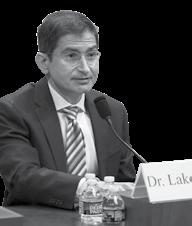
Lakdawalla Named University Professor
DARIUS LAKDAWALLA—Quintiles Chair in Pharmaceutical and Regulatory Innovation at USC Mann and chief scientific officer at the USC Schaeffer Center for Health Policy & Economics—has been appointed University Professor, one of USC’s highest academic distinctions. He is a widely published, award-winning researcher, and a leading authority in both health economics and health policy. Lakdawalla’s research focuses primarily on the economics of health risks, the value and determinants of medical innovation, the economics of health insurance markets and the industrial organization of healthcare markets. He was elected to the National Academy of Medicine in 2025.
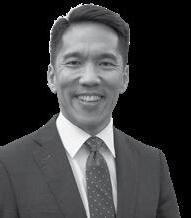
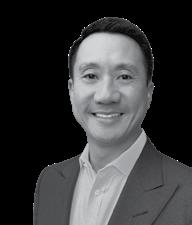
New Board of Councilors Member
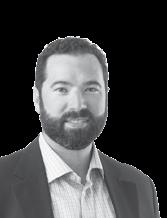
BRANDON TOM, president and chief executive officer of Orsini Specialty Pharmacy, has been named a member of USC Mann’s Board of Councilors. A seasoned leader with more than 15 years of experience in specialty and biopharmaceutical services, he earned a bachelor’s degree in biology at UCLA and a Doctor of Pharmacy degree at University of the Pacific.
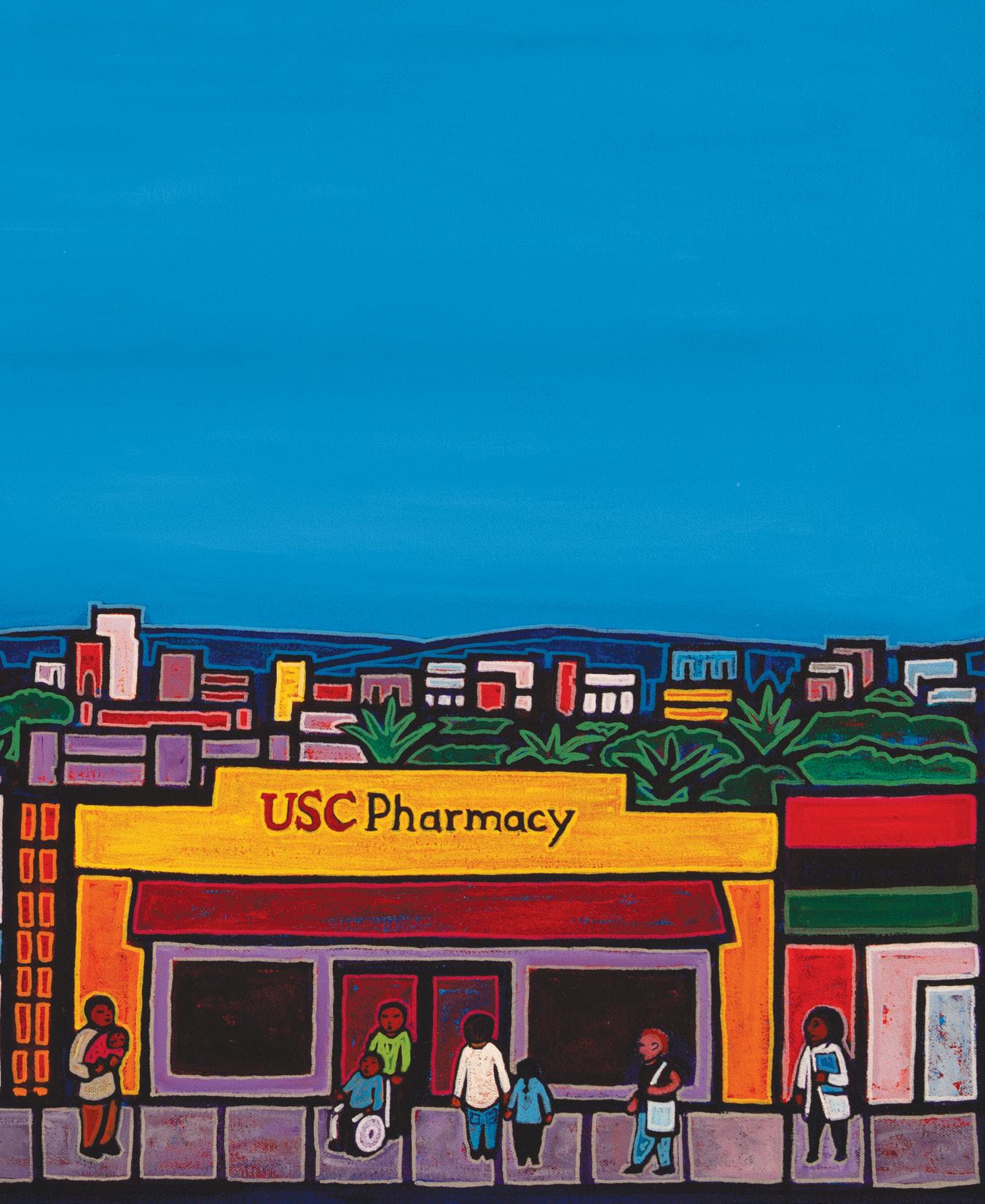
ILLUSTRATION: JOZEF MIČIC
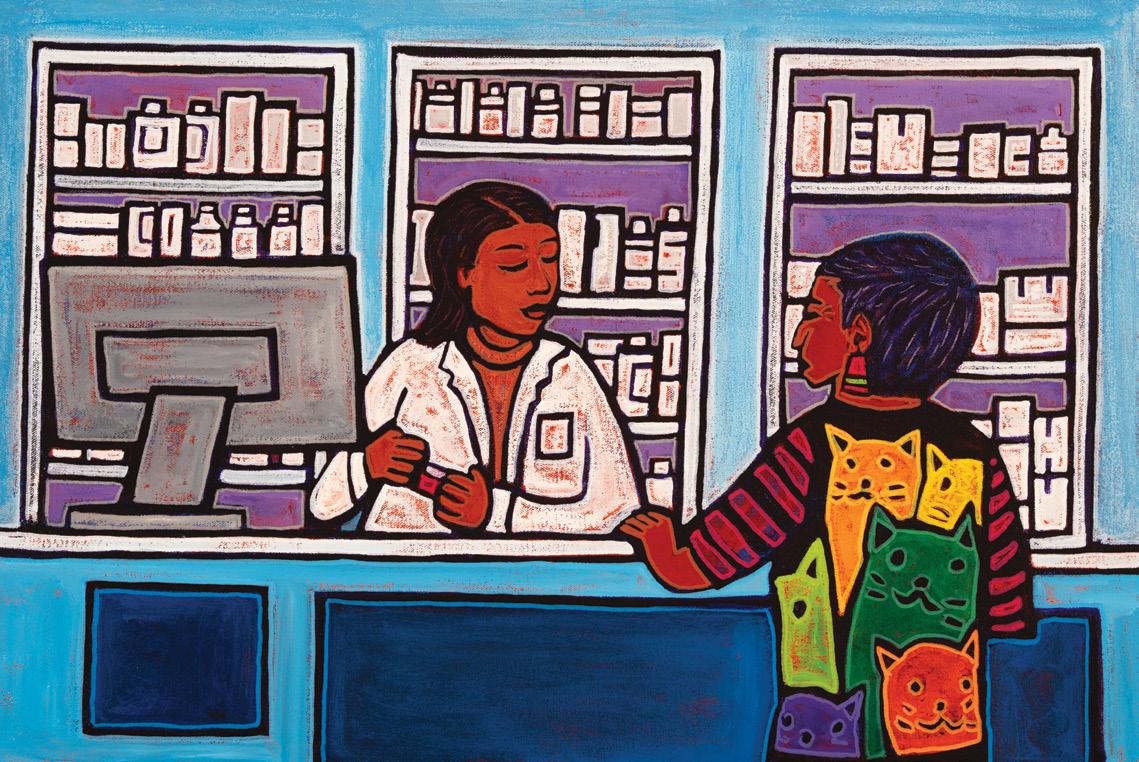
The new USC Pharmacy and Wellness Center solves a care shortage in South Los Angeles—and provides a model for addressing pharmacy deserts nationwide.
BY RACHEL B. LEVIN
WHEN THE RITE AID AT THE INTERSECTION of Crenshaw Boulevard and West Slauson Avenue closed in March 2024, the loss of its pharmacy was a blow to the surrounding South Los Angeles community.
The store’s exit exacerbated the neighborhood’s shortage of pharmacies within a reasonable walking and driving distance, marking the area as a pharmacy desert.
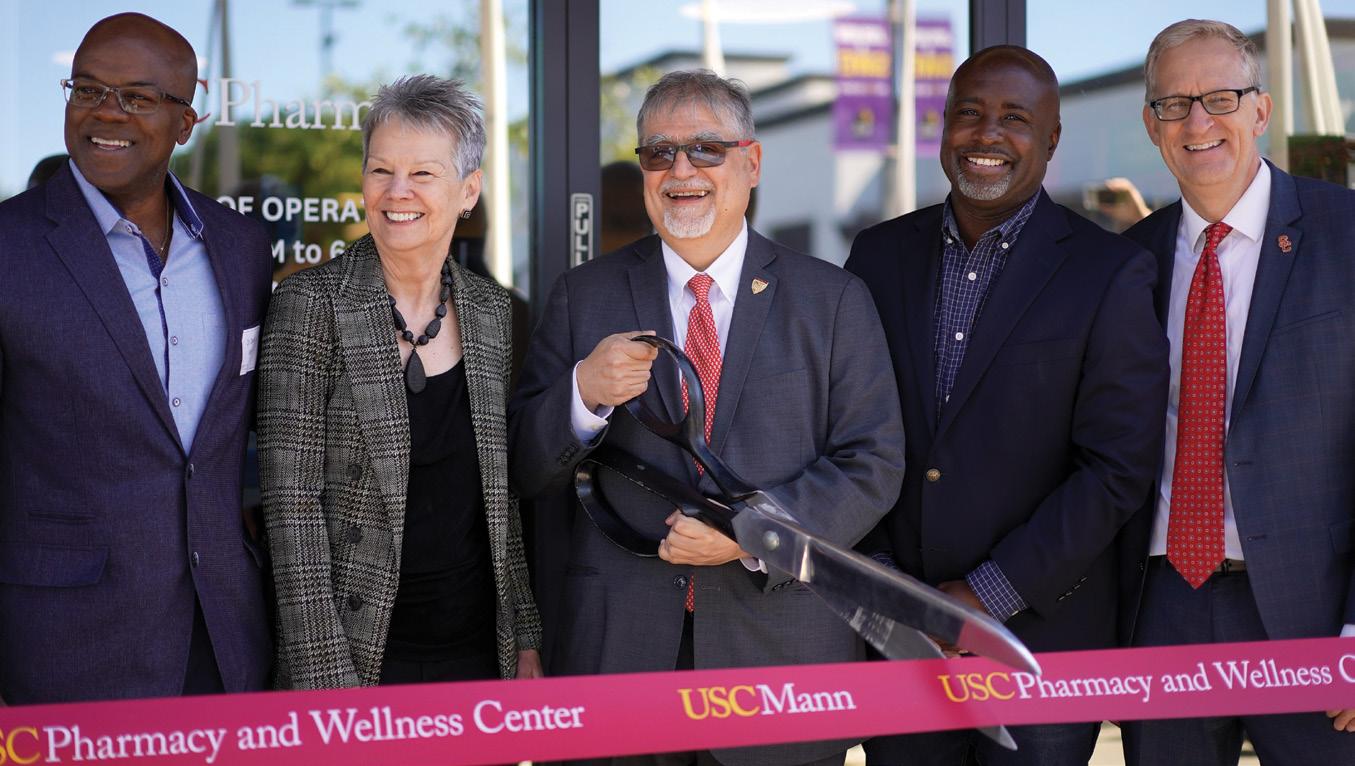
Two years later, in an adjacent storefront, USC and community leaders celebrated the launch of the USC Pharmacy and Wellness Center, aimed at closing the area’s gaps in healthcare. Operated by the Mann School in tandem with a clinic run by T.H.E. (To Help Everyone) Health and Wellness Centers, the pharmacy serves as a coordinated hub for community-based care.
FROM INITIAL IDEA TO NEW COMMUNITY RESOURCE
“THIS IS MORE THAN A STOREFRONT,” Dean Vassilios Papadopoulos says. “It is a statement. It is a statement that health access matters, that community partnership matters, that pharmacy is central for the future of healthcare.”
At the March 2026 ribbon-cutting ceremony, Papadopoulos discussed the vital role pharmacies play in primary care, providing essential medications for chronic and acute conditions. In the planning stage for years, the new USC pharmacy arrives at a time when pharmacy closures are accelerating nationwide. USC Mann research has shown that pharmacy deserts disproportionately affect urban Black and Latino neighborhoods like the one surrounding the new pharmacy.
USC Provost Andrew T. Guzman spoke at the event about how the new pharmacy and wellness center will strengthen local healthcare infrastructure.
“This center is going to expand access to essential medications and health services, reduce barriers to care for residents who don’t have reliable transportation, support chronic disease management, provide vaccinations and preventive services, and serve as a training site for the next generation of pharmacists,” Guzman said.
SUPPORTING COMMUNITY HEALTH
The pharmacy is located at an important hub of the Crenshaw District and a stop along the Los Angeles Metro K Line. In his remarks at the ceremony, Los Angeles City Council President Marqueece Harris-Dawson noted that big corporations had abandoned the area. In addition to Rite Aid, a Ralphs grocery store also shuttered.
The USC pharmacy is part of an ongoing revitalization of the shopping center that houses the new pharmacy. Last year, a Planet Fitness gym opened in the former Rite Aid, and Vallarta Supermarkets took over the former Ralphs space.
“This plaza has come back, and the USC Pharmacy and Wellness Center is absolutely the crown jewel for all of us,” he said.
Community leader Skipp Townsend, who attended the event, noted that USC’s investment brings value to South Los Angeles and paves the way for further positive changes.
“What USC is doing here and coming out in the community, it gives society a different look at our community,” said Townsend, CEO and founder of 2nd
Fall 2017
Soon after Vassilios Papadopoulos becomes dean, a bold idea emerges: What about launching a new pharmacy in South Los Angeles, an underserved area for pharmaceutical care?
March 2020
The COVID pandemic begins, worsening the rise of pharmacy deserts—urban and rural neighborhoods throughout the U.S. in which residents cannot fill prescriptions within an easy distance from home.
2018–2019
Raffi Svadjian, executive director of USC Pharmacies, and team begin surveying potential sites in South Los Angeles.
August 2020
Dima Qato, an expert on medication access who coined the term “pharmacy desert,” joins the faculty as Hygeia Centennial Chair. Her research shines much-needed light on the growing crisis of pharmacy closures.
Fall 2021
After pandemic-related delays, a lease is signed for a 3,500-square-foot facility at the intersection of South Broadway and West Manchester Avenue.
Winter 2022
USC begins hosting meetings and events with community stakeholders to talk about their needs.
ILLUSTRATIONS: JOSE RAMIREZ
Fall 2023
The school determines that rising post-pandemic project costs make the original location no longer feasible.
Spring 2022
The first post-pandemic Alumni Awards Gala draws hundreds of guests, raising funds for the new pharmacy.
Spring 2024
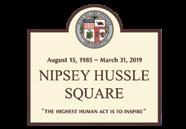
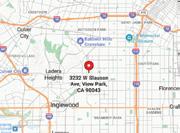
A new location is chosen at 3232 W. Slauson Avenue, in a shopping center at the intersection with Crenshaw Boulevard (“Nipsey Hussle Square”).
Fall 2024
Construction begins at 3232 W. Slauson Ave.
Call, a violence-reduction and reentry organization serving greater Los Angeles. “People say, ‘Oh, if USC is there, it must be worthy of something. It must have value.’”
The new pharmacy will also create job opportunities for area residents. “We are committed to hiring locally whenever possible,” Papadopoulos said in his speech.
The USC Pharmacy and Wellness Center is “about building relationships, improving outcomes and serving communities,” Guzman told the audience at the event. “In that sense, this center advances USC’s academic mission and, most importantly, it reflects our commitment to the community of Los Angeles and this particular community.”
“This pharmacy represents USC’s ongoing commitment to the health and wellbeing of the South Los Angeles community,” USC President Beong-Soo Kim said before the event. “No one should have to travel long distances or face barriers to access lifesaving medications. By opening a pharmacy in South L.A., we are building on longstanding community relationships and taking an important step to address a critical community health need.”
ADDRESSING HEALTH NEEDS HOLISTICALLY
In addition to the pharmacy, the space also includes a small retail area selling health and personal care items, health consultation rooms, and a room for health education programming and outreach events. T.H.E.’s wellness clinic is expected to open this summer.
“Under one roof, patients will be able to fill prescriptions, receive immunizations and other preventive services, consult with pharmacists and connect directly to primary care,” said Raffi Svadjian, executive director of community pharmacies at USC Mann. “This reflects our commitment to building a trusted, community-centered model that addresses health needs holistically.”
In pairing pharmacy services with resources for disease prevention, the new facility will offer an innovative integration of pharmacy and primary care. “A lot of health outcomes are influenced by how well care coordination is supplied,” said Derrick Butler, chief medical officer of T.H.E. Health and Wellness Centers. “For me, the ideal
situation is having that pharmacy piece more linked to the medical piece.”
Community leader Thryeris Mason, who attended the event, said she’s looking forward to participating in the pharmacy’s programming. “I just love the idea of a community room—a place where the community can gather and have conversations about their health concerns,” she said. “Having a space available to have those conversations is really, really important.”
The holistic focus of the USC Pharmacy and Wellness Center dovetails with the mission of USC Mann.
“We are always looking for ways to extend our mission beyond the classroom, beyond the labs,” Papadopoulos added. “At this pharmacy, we are really committed to offering everything that we can, including education and prevention.”
LEAD DONORS
Juliet and Duane Saikami
Josephine and William A. Heeres
Mona and Sohail Masood
George Sanders
Edith and George Sheu
Alin and Nubar Boghossian
Maylin and Robert Popovian
Candice and Dimitris Sakellariou
Esperanza and David Neu
Manisha and Neil Badlani
Mary Ann and Jason Coloma
Martine Culty and Vassilios Papadopoulos
Shushma and Vijay Patel
Care Close to Home
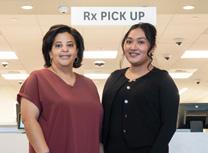
At the new USC Pharmacy and Wellness Center, care begins with familiarity. For staff members like Shalonda LeFall, the work is deeply rooted in the neighborhood itself. A lifelong South Los Angeles resident, she lives just minutes away and spent decades working nearby in retail but wanted something more meaningful. Now, as a pharmacy technician, that purpose is simple and clear: “Being able to help people.”
LeFall hopes visitors feel seen and connected. “A lot of times, you go into a store, and you are just a number,” she says. “I hope that we build long-lasting relationships with the people in the neighborhood.”
For pharmacy technician Yazmin Morales, who recently returned to the area, the pharmacy fills a critical gap. “There was nothing,” she says, noting how limited local resources were before the center opened. Living about 20 minutes away, she was drawn not just by the job but what it represents. “You want the best for your community. You want something accessible. You want a pharmacy.”
Her motivation is also personal. After helping a family member who was struggling with long-term illness, Morales was inspired to pursue healthcare. “If I can help her, then I can help many others,” she says. That mindset carries into her daily work, where she hopes patients feel trust, warmth and ease.
Director of Pharmacy Gayle Butler sees the center as both a healthcare hub and a learning environment. She hopes students training there develop a lasting commitment to community care. “Each community has different challenges,” she says, pointing to issues like access and trust. “We’ve got to show the community that we love you, we care and we’re going to provide excellent care.”
January 2026
Hiring begins for the positions of director of pharmacy services, staff clinical pharmacist and pharmacy technicians.
Summer 2025
Contract is signed with To Help Everyone (T.H.E.) Health and Wellness Centers, a federally qualified health center, to operate a full-service clinic inside the new pharmacy location.
Fall 2025
Construction of the new pharmacy is completed.
T H E .. . Health and Wellness Centers
March 2026
A ribbon-cutting ceremony celebrates the new USC Pharmacy and Wellness Center, with numerous public officials and community members in attendance.
April 13, 2026
The new pharmacy officially opens its doors.
Best Practices Model
The USC Pharmacy and Wellness Center reflects years of planning, research and community engagement—and signals how pharmacy practice can evolve to meet modern healthcare challenges.
Access to medication is only part of the equation. Social and economic barriers often stand between patients and consistent care.
“For patients who come in with dire health needs, we need to help them identify if they can qualify for Medicaid or any other benefit program,” says Steve Chen, associate dean for clinical affairs and the William A. and Josephine A. Heeres Chair in Community Pharmacy. “We need to connect them to health plans, if they’re eligible. If we identify patients with uncontrolled chronic disease, we need a process to efficiently get them care and hopefully get them back to us to manage their medications.”
For Chen, “success would be that we develop a pharmacy that offers the maximum scope of services that a pharmacy can—from healthcare to social needs—and recognition as a place to go for comprehensive health needs. What we really want to also be doing is piloting and pioneering new innovations.”
The new pharmacy has already received acknowledgment of its potential to serve as a best practices model with its all-encompassing approach integrating preventive services, social navigation and chronic disease management in a single setting. It was recently awarded a $300,000 grant from Centene Foundation and Health Net to bolster the pharmacy’s efforts to extend the reach of health education
into networks already serving South Los Angeles residents while expanding access, improving outcomes and building a resilient community health infrastructure.
Key initiatives include preventive services such as health screenings, patient education, immunizations, tobacco cessation and naloxone distribution.
The funding also will provide free community health worker (CHW) certification for staff at community pharmacies across South Los Angeles and strengthen chronic disease management programs through the California Right Meds Collaborative. In addition, a community partnership microgrant program will provide funding to five local organizations delivering health education aligned with the most pressing needs, including maternal and reproductive health, dementia and Alzheimer’s disease, diabetes, hypertension and heart disease.
Pharmacy technicians at the site are trained and certified as CHWs. Following approval from the California Department of Health Care Services designating pharmacies as billing sites for certain CHW services, the pharmacy is able to bill for social needs screenings and care coordination.
The USC Pharmacy and Wellness Center will also serve as a training ground for Mann students.
“Coming into pharmacy school, most students have no idea what a patient from a vulnerable population experiences,” Chen says. “It’s a very humbling feeling, but it makes you rethink how you educate patients, how you support them and what your expectations are.”
Spirit of Giving
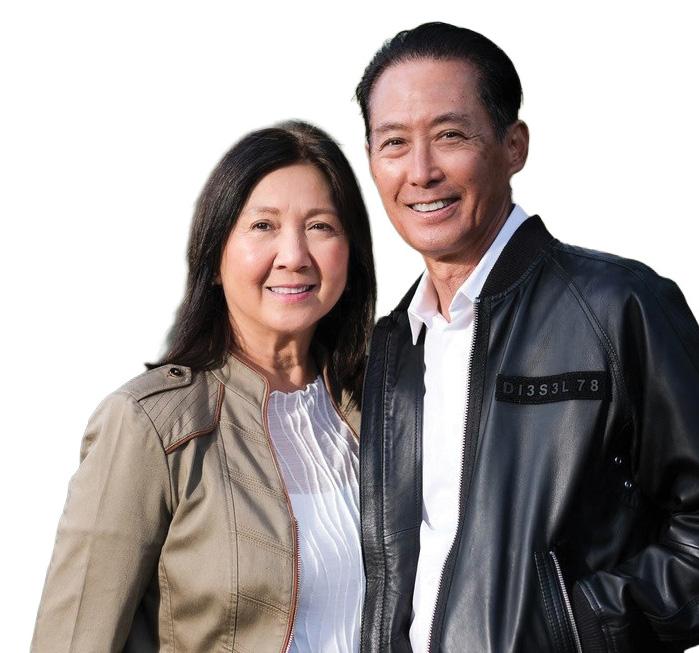
FOR JULIET AND DUANE SAIKAMI, PharmD ’85, the same spirit that propelled her career in nursing and his entrepreneurship in healthcare management also drives their philanthropy: the desire to be of service. From his start as a hospital pharmacist to his pioneering work in managed care and co-founding PharMedQuest Pharmacy Services, Duane Saikami has devoted himself to clinical services that meet community needs.
I“I BELIEVE WE'RE CALLED to love others,” Saikami says, citing his Christian faith.“That has guided a lot of the choices my wife, Juliet, and I have made, especially around serving people who are underserved.”
That conviction also informs his engagement with USC Mann, where he serves on the board of QSAD Centurion, the school’s premier giving society for student support and other priorities. Saikami’s relationship with USC began in 1980, when he entered the PharmD program after earning an undergraduate degree in medical microbiology. At the time, his focus was hospital pharmacy. What broadened his view were relationships with faculty and peers who encouraged him to think beyond traditional roles—and to see pharmacy as part of an integrated healthcare system.
“I learned early that pharmacy doesn’t operate in a silo,” Saikami says. “It has to be integrated with the rest of healthcare.”
That insight guided his career. After working as a hospital pharmacist and recognizing that leadership in healthcare requires fluency in both clinical decisionmaking and organizational strategy, Saikami pursued an MBA in the part-time program at California State University, Long Beach. The combined degrees positioned him to take on roles in integrated health systems and managed care as those models were still evolving.
“I was one of the first clinical pharmacists—if not the first—to be hired directly by a medical group,” he recalls. “At the time, around 1989 to 1990, most pharmacists working in managed care would get hired by health plans.” As the only pharmacist at Friendly Hills Medical Group, he worked closely with
physicians, nurses and other healthcare professionals to determine and deliver the best course of treatment.
The medical group was one of the few that owned a hospital—Friendly Hills Regional Medical Center in La Habra, Calif. Saikami worked with the organization’s legal counsel to negotiate the contract to buy the hospital’s contracted pharmacy as well as the outpatient pharmacy at one of its clinic sites. This was new territory for him and another opportunity to expand his career.
“Throughout pharmacy school, my focus was hospital pharmacy,” he explains. “My only exposure to retail pharmacy was a rotation in my first year. So I was thrown into outpatient pharmacy, but I learned quickly—and I think having a combination of my pharmacy background and MBA allowed a quicker transition.”
As the organization grew, he soon worked his way up the ranks at Friendly Hills Healthcare Network to senior vice president, establishing pharmacies in many of its clinics and a variety of clinical pharmacy programs. “By the time I left, we had something like 45 pharmacies, a clinical pharmacy team, anticoag program, mail-order pharmacy and home health program,” he recalls.
He next worked in business development for Merck Medco, where he was tasked with creating a physician market strategy and pursuing a pharmacy benefit management entity in Japan. That experience sparked his entrepreneurial drive.
Saikami joined another pharmacist, Chris Nee— a friend from his days working in managed care— to co-found PharMedQuest Pharmacy Services. Working with community clinics and federally qualified health centers (FQHCs) across California, he saw how
↑ Duane and Juliet Saikami volunteering at a Habitat for Humanity build in Cambodia
access to pharmacy services—and lack of the same— shaped patient outcomes. These clinics typically served communities where transportation, cost and distance made filling prescriptions difficult.
“You can design a sound care plan,” he says, “but if patients can’t access their medications, it falls apart.”
PharMedQuest focused on establishing on-site pharmacies within FQHC clinics, reducing those barriers and strengthening continuity of care. The model proved effective and scalable. By the time the company was acquired in 2019, it operated 26 community clinic pharmacies across the state. For Saikami, its success mattered less as a business milestone than as evidence that systems designed with people in mind can work.
Throughout his busy career, Saikami remained connected to the Mann School through teaching, mentoring and advisory roles. He credits Dean Vassilios Papadopoulos for fostering an environment that thoroughly prepares students for success in fields being roiled by rapid technology changes and growing complexity.
“Pharmacy today looks very different than it did when I was a student,” Saikami says. “Education has to reflect that.”
Through QSAD Centurion, Saikami supports efforts that connect students with practitioners and expose them to a range of career paths. Mentorship, he notes, played a decisive role in his own development—and remains central to how he thinks about service.
“You don’t do this alone,” he says. “You need people who are willing to guide you.”
Of the new South L.A. Pharmacy recently opened by the school in a pharmacy desert south of the University Park Campus, Saikami says: “To have a place like that within the community is incredibly valuable.”
After spending so many years of his professional life working with nonprofits and clinics in underserved communities, he says he and his wife “really have a heart for that.”
Once he stepped away from fulltime executive leadership, Saikami also found himself reflecting on purpose—how to continue contributing after decades of building organizations and teams. Faith, he says, helped clarify that transition.
"When you invest in students, you’re investing in what they’ll go on to build.”
DUANE SAIKAMI
“If you don’t have purpose, it’s hard to know what you’re working toward,” he says. “For my wife and me, that purpose has always been about caring for others.”
Supporting students at USC Mann aligns naturally with that calling. Education, Saikami believes, is one of the most enduring ways to influence healthcare over time.
“When you invest in students,” he says, “you’re investing in what they’ll go on to build.”
In addition, he and his wife—who graduated from the Los Angeles County College of Nursing and Allied Health— have volunteered for medical missions in Honduras, Belize and Mexico. The couple recently returned from volunteering on a Habitat for Humanity build in Cambodia.
“These are the things that really for us give life value and purpose,” Saikami adds.
Support USC Mann scholarships and research
USC Mann Alumni Awards Honor Outstanding Leaders
The USC Mann School celebrated a group of inspiring alumni and leaders in the field at the annual Alumni Awards Gala on March 15 at The Langham Huntington in Pasadena.
2026 Honorees
COMMUNITY SERVICE AWARD
DANIELLE COLAYCO, PHARMD ’10, MS PHARMACEUTICAL ECONOMICS AND POLICY ’10
Executive Director, Komoto Family Foundation
Director of Health Outcomes, Komoto Healthcare Member, USC Mann Board of Councilors
KEVIN KOMOTO, PHARMD
Chief Operating Officer, Komoto Healthcare President, California Pharmacists Association
HONORARY ALUMNI AWARD
PENNY CAI
Founder and CEO, The Luxtrada Company and Hype Brands Inc.
Member, USC Mann Board of Councilors
INNOVATION IN PHARMACOECONOMICS AWARD
VAISHALI PATEL, PHARMD ’02, MS PHARMACEUTICAL ECONOMICS AND POLICY ’04
Senior Director, Health Economics and Outcomes Research Team, AbbVie
DISTINGUISHED ALUMNI AWARD
DUANE SAIKAMI, PHARMD ’85, MBA Board Member, QSAD Centurion, USC Mann
YOUNG ALUMNI AWARD
HENO YOUSEFI, PHARMD ’18, BCPS, APH
Vice President, Ambulatory Care Pharmacy, Regal & Lakeside Medical Groups
INNOVATION IN REGULATORY SCIENCE AWARD
NEAL STORM, DRSC ’13, MS, MBA, RAC
Director, Global Regulatory Affairs and Strategy, Amgen
RESEARCH ACHIEVEMENT AWARD
VINCENT LEE, PHD, DSC (HON)
Professor and Chair, Department of Pharmacy and Pharmaceutical Sciences, USC Mann (retired)
Learn more about the honorees
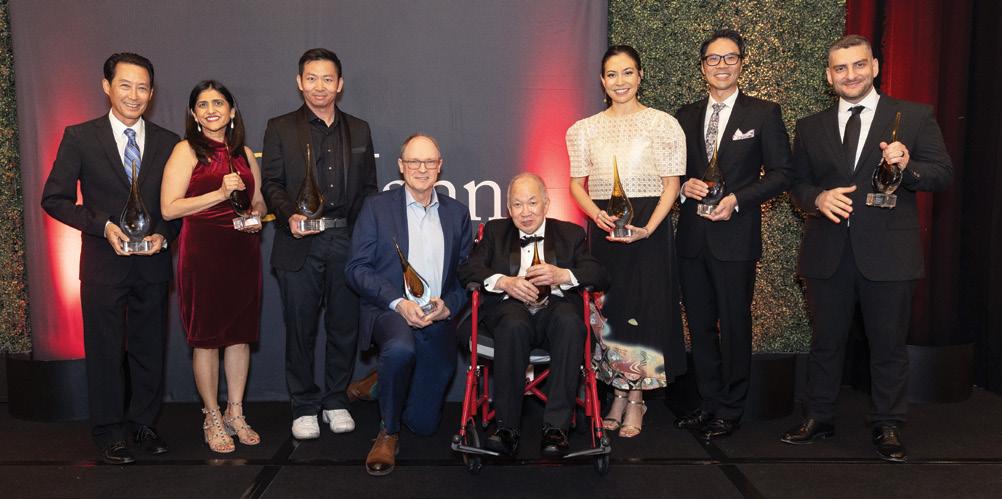
↑ Duane Saikami, Vaishali Patel, Penny Cai, Neal Storm, Vincent Lee, Danielle Colayco, Kevin Komoto and Heno Yousefi
IN MEMORIAM
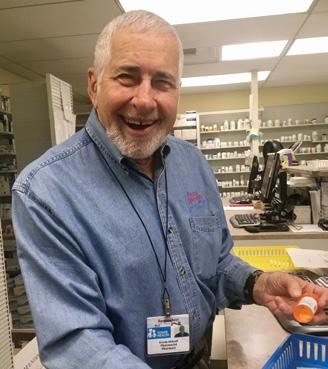
"From graduating USC on, I was always patient-care oriented. Not only did I want to fill and dispense medications, I wanted to improve the patient’s health and quality of life. I was ‘hands on’ and community-oriented—both with the patient as well as the community where they lived and where my pharmacy was situated.”
IRV SITKOFF
Ahead of His Time, Rooted in Community
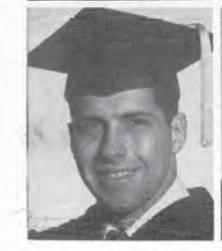
IRWIN L. SITKOFF, PHARMD ’54, RPH, A MEMBER OF USC’S FIRST PHARMD CLASS, DIED ON APRIL 16. HE WAS 95.
A pillar in the Los Angeles pharmacy community and a staunch advocate for community pharmacy practice and advancement for decades, he purchased Florence Owl Rexall Drug in the Florence-Firestone neighborhood in 1962. During the 1992 civil unrest in South Los Angeles, the pharmacy was destroyed but he reopened it in temporary quarters two weeks later with pharmacist Harold Washington Sr. and his longtime pharmacist partner Millie Kwan—with his wife, Sandy, providing vital support. Later, the pharmacy was completely rebuilt into a modern, forward-designed facility with a private consultation and diabetic training room and an orthopedic-fitting bench.
Deeply involved in mentoring students and serving the local community, Sitkoff always maintained close USC ties, serving as a preceptor and active member of both the school’s Alumni Association and QSAD Centurion support group. He worked as Florence Owl Rexall Drug’s pharmacist-owner for 38 years, then continued working for its new owner for six more years after selling it. Later, he came out of retirement and continued serving as a pharmacist well into his late 80s, most recently at Eisner Pediatric and Family Clinic, a federally qualified health center in downtown Los Angeles.
His many honors included the NAACP Community Service Award, Bowl of Hygeia Award and USC Mann Distinguished Alumni Award. He was inducted into the California Pharmacy Hall of Fame in 2021.
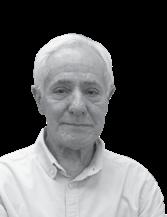
GILBERT OW, PharmD ’77, passed away unexpectedly on New Year’s Eve. According to Steven Chen—associate dean for clinical affairs and William H. Heeres and Josephine H. Heeres Chair in Community Pharmacy—Ow was a “role model community pharmacist,” working at Berry and Sweeny Pharmacy in Pasadena his entire career, starting as a student pharmacist and eventually becoming co-owner, from 1974 until 2015. His son Garrett Ow, PharmD ’08, followed in his footsteps and is a clinical staff pharmacist at USC with the California Right Meds Collaborative.
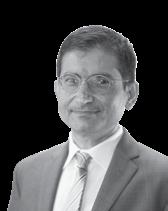
HAL STEWART, PharmD ’70, who served as director of pharmacy services at Kern Medical Center for 27 years, died in December. During his career, he was honored as Preceptor of the Year at Thomas J. Long School of Pharmacy at University of the Pacific and taught pharmacy for nurses’ courses at California State University, Bakersfield, Bakersfield Community College and Porterville College. He loved his profession and was respected by his peers and clinical students.
MANN FACULTY HONORED AS TOP 2% SCIENTISTS
Mann faculty named to list of top scientists
Twelve USC Mann faculty members were named to the 2025 World’s Top 2% Scientists Network, which honors the most cited and influential researchers around the globe. Rankings are based on academic citations and quality of peerreviewed journals in which their work is published.
Awardees included faculty with primary or secondary appointments at USC Mann.
PRIMARY APPOINTMENTS
° Enrique Cadenas, Charles Krown Pharmacy Alumni Professor of Pharmaceutical Sciences; professor of pharmacology and pharmaceutical sciences and gerontology
° Darius Lakdawalla, Quintiles Chair in Pharmaceutical and Regulatory Innovation; professor of pharmaceutical and health economics; chief scientific officer, USC Schaeffer Center for Health Policy & Economics
° William Padula, associate professor of pharmaceutical and health economics
° Vassilios Papadopoulos, dean and John Stauffer Decanal Chair in Pharmaceutical Sciences; professor of pharmacology and pharmaceutical sciences
° Dima Qato, Hygeia Centennial Chair in Clinical Pharmacy; associate professor of clinical pharmacy
° Wei-Chiang Shen, emeritus professor of pharmacology and pharmaceutical sciences
° Annie Wong-Beringer, associate dean for research; professor of clinical pharmacy
SECONDARY APPOINTMENTS
° Dana P. Goldman, University Professor of Public Policy, Pharmacy and Economics; founding director of the USC Leonard D. Schaeffer Institute for Public Policy & Government Service; USC Mann Department of Pharmaceutical and Health Economics
° Sarah F. Hamm-Alvarez, professor of ophthalmology and pharmacology and pharmaceutical sciences, Keck School of
Medicine of USC; USC Mann Department of Pharmacology and Pharmaceutical Sciences
° Neil Kaplowitz, professor of medicine; USC Associates/Thomas H. Brem Chair in Medicine, Keck School; USC Mann Department of Pharmacology and Pharmaceutical Sciences
° Vsevolod Katritch, professor of quantitative and computational biology and chemistry, USC Dornsife College of Letters, Arts and Sciences; USC Mann Department of Pharmacology and Pharmaceutical Sciences
° Changhan “David” Lee, associate professor of gerontology and clinical pharmacy, Leonard Davis School; USC Mann Titus Family Department of Clinical Pharmacy
Enrique Cadenas
Vassilios Papadopoulos
Darius Lakdawalla
William Padula
Dima Qato
Wei-Chiang Shen
Annie Wong-Beringer
New Faces
ALEXIS NICOLE BROWN, PharmD ’25, has joined USC Mann as a sports pharmacy specialist. A track-and-field athlete during her undergraduate years at USC, she holds a Master of Professional Studies in sports industry management from Georgetown University and focused on sports pharmacy during her PharmD training at USC Mann.
GAYLE BUTLER, PharmD, has been named the inaugural director of the new USC Pharmacy and Wellness Center in South Los Angeles. Most recently she was pharmacy operations manager at Santa Rosa Memorial HospitalSotoyome. She previously served as senior director of pharmacy at St. John’s Well Child & Family Center in Los Angeles and as manager of pharmacy quality and regulatory guidance at L.A. Care Health Plan. She earned her PharmD at the University of California, San Francisco.
JOHN DIGRADO, MBA, CPA, has joined USC Mann as chief operating officer. He joined USC in 2015 and most recently served as chief financial officer and senior business officer at USC Athletics. A certified public accountant, he holds an MBA from the USC Marshall School of Business.
Promotions
MARTINE CULTY has been promoted to professor of pharmacology and pharmaceutical sciences.
IAN HAWORTH, vice chair of the Department of Pharmacology and Pharmaceutical Sciences, has been promoted to professor.
GEOFFREY JOYCE, longtime faculty member and chair of the Department of Pharmaceutical and Health Economics, has been promoted to professor of pharmaceutical and health economics at USC Mann. He also serves as senior scientist and director of health policy at the USC Schaeffer Center for Health Policy & Economics.
Awards and Honors
STEVE CHEN, associate dean for clinical affairs, and TAM PHAN, assistant professor of clinical pharmacy, each received the California Pharmacists Association (CPhA) Presidential Leadership & Service Recognition.
RICHARD DANG, associate professor of clinical pharmacy, earned the American Pharmacists Association’s 2026 Good Government Pharmacist-of-the-Year Award, which recognizes a pharmacist who actively contributes to the community through involvement in the political process. Dang was also elected vice president of the California Immunization Coalition, a role that involves serving on the board of directors and chairing the advisory council for 2026.
JULIE ANN DOPHEIDE, professor of clinical pharmacy, psychiatry and the behavioral sciences, received the 2026 Board of Pharmacy Specialties’ Warren E. Weaver/ Richard P. Penna Award, recognizing her extraordinary leadership in advancing board certification for pharmacists.
BOSHEN JIAO, assistant professor of pharmaceutical and health economics at USC Mann, received the 2025 ISPOR Award for Excellence in Health Economics and Outcomes Research Methodology for co-authoring a paper—published in April 2024 in ISPOR’s journal, Value in Health proposing new ways for policymakers to make evidence-based, efficient and fair choices when it comes to investing in medical innovations. He is also the 2026 recipient of the ISPOR Bernie J. O’Brien New Investigator award.
GAURI RAO, associate professor of clinical pharmacy, is the inaugural recipient of the Meindert Danhof Talent Award, a recognition named for a pioneer in mechanistic pharmacokinetic-pharmacodynamic and quantitative systems pharmacology. The award was presented at the Quantitative Systems Pharmacology Conference 2026 in the Netherlands in April.
Alexis Nicole Brown
John Digrado
Gayle Butler
Steve Chen
Tam Phan
Richard Dang
Julie Ann Dopheide
Boshen Jiao
Gauri Rao
Martine Culty
Ian Haworth
Geoffrey Joyce
Krown Fellowship Honors Rising Scientist
FIFTH-YEAR PHD
CANDIDATE Lelyzaveta “Liza” Slarve has been awarded the 2025–26 Charles and Charlotte Krown Fellowship. The award, USC Mann’s top honor for graduate students, recognizes her liver cancer research and commitment to mentoring fellow students.
Slarve conducts research under the guidance of Bangyan Stiles, the Boyd P. and Elsie D. Welin Professor of Pharmaceutical Sciences. Currently, Slarve is investigating molecules in the liver to determine their potential as therapeutic targets.
Her research includes serving as first author of a study published in Cellular Signalling that identifies the protein AKT2 as a molecular switch increasing osteopontin levels in liver cells. The finding is vital, as elevated osteopontin is linked to chronic inflammation and liver cancer development.
Born in Ukraine to a radiologist father and a nurse mother, Slarve spent part of her childhood in Libya, where her parents provided medical care in underserved communities, before returning to Ukraine. “My first mentors were my parents,” says Slarve, who immigrated to the U.S. in 2012.
“Slarve is a patient and effective mentor,” Stiles says. “Her enthusiasm and sincerity for science are what make her stand out.”
After completing her PhD, Slarve plans to start postdoctoral training in cancer research. Her ultimate goal, she says, is to contribute to the development of therapeutics in the field of oncology and improve patient health and quality of life.
“The Krown Fellowship is reserved for the very best of our graduate students,” says Terrence Graham, associate dean for graduate education. “Liza has the qualities we hope to see in all of our graduate students—resilience, perseverance and academic excellence.”
The fellowship is accompanied by a $10,000 award, including a $5,000 allowance for conference travel, materials, equipment and other research expenses.
“Winning it,” Slarve says, has “really inspired me to keep pushing forward with my research—to explore, discover and validate.”
↑ Krown Fellowship recipient Liza Slarve
Krown Fellowship established
USC Mann Launches New PGY-1 Geriatrics Pharmacy Residency
BEGINNING WITH the 2026–27 academic year, USC Mann will launch a new Pharmacy Postgraduate Year One (PGY-1) geriatrics residency. It expands the school’s training programs to meet the growing need for specialized care for older adults, preparing future pharmacists for the clinical and collaborative demands of geriatric practice through immersive, multi-setting experience.
At the primary training site, Los Angeles Jewish Health—the largest nonprofit, single-source provider of comprehensive senior healthcare in greater Los Angeles— residents will engage in medication regimen reviews, chronic disease management, and interprofessional care in long-term care and assisted living environments.
Residents will also train at the University of California, Irvine Health Senior Health Center, where they will be embedded in a primary care geriatric practice. There, the focus will include comprehensive assessments, chronic disease management, screening for highrisk medications and strategies to reduce polypharmacy.
“One of our goals is to train the next generation of pharmacy leaders to work seamlessly within interprofessional teams, serving older adults—the fastest-growing patient population in the United States and globally,” notes program director Tatyana Gurvich. “By embedding residents in diverse settings, we are preparing them to be essential voices in the holistic, patient-centered care of older adults.”
In addition to site-based training, the residents will participate alongside other USC Mann PGY-1 residents in the school’s Academic Pharmacy Learning Experience (APLE) on the USC Health Sciences Campus. The program includes a teaching certificate, research training with an option to earn a research certificate, and structured professional development and leadership activities.
“This residency doesn’t just focus on clinical skills,” says Lisa Whittington, senior director of USC Mann residency programs. “Through APLE and our site partnerships, we are fostering wellrounded practitioners who are equally prepared for advanced pharmacotherapy, research and academic leadership.”
1/4
By 2060, nearly 1 in 4 Americans will be 65 or older, those 85-plus will triple and the country will add about 500,000 people age 100+.
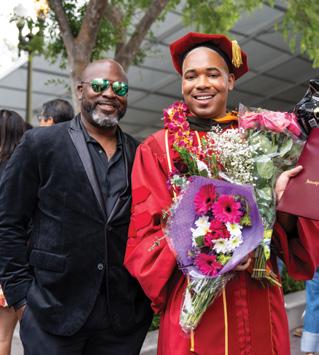
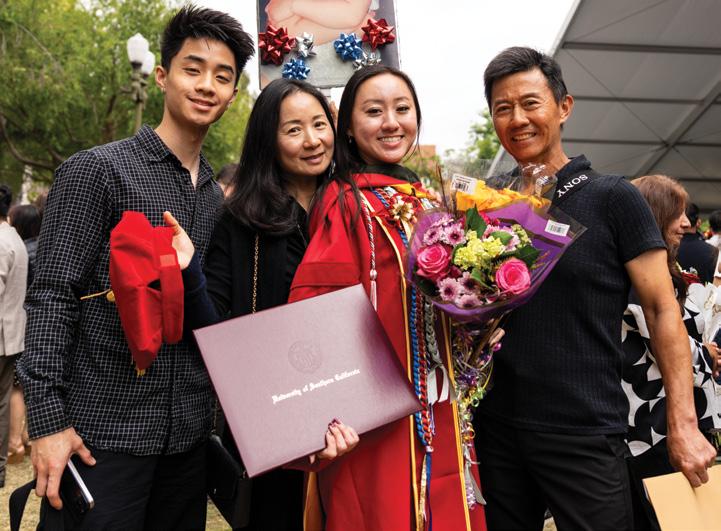
CELEBRATING THE 119TH USC MANN COMMENCEMENT
DEAN VASSILIOS PAPADOPOULOS
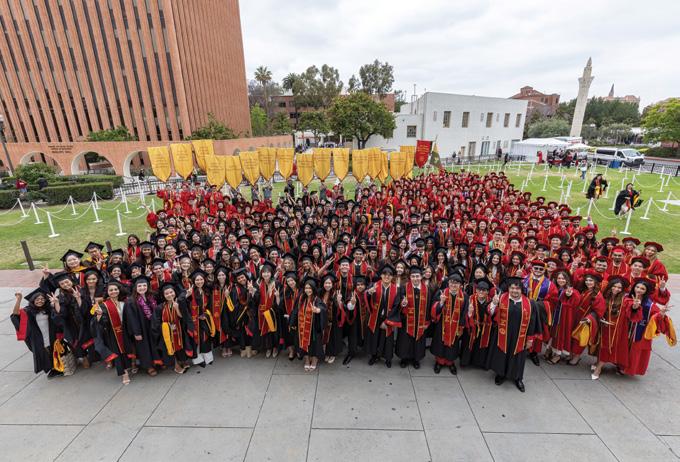
welcomed graduates and their guests to the 119th USC Mann commencement ceremony on May 15, advising members of the Class of 2026 to be adaptable and collaborative as they pursue their careers in a time of extraordinary technological transformation.
“Your greatest impact will not only come from what you know, but from how you connect,” he said.
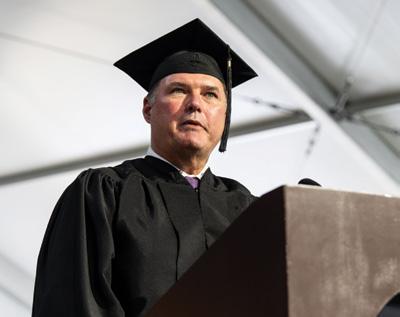
Keynote speaker David Meek, chief executive officer of Genetix Biotherapeutics and member of the USC Mann Board of Councilors, reflected on a 35-year career in the pharmaceutical and biotech industry.
After joining the Army at age 17, becoming the first in his family to attend college, earning an ROTC scholarship and serving in the Gulf War, he began his healthcare career at Johnson & Johnson after being referred by a fellow Army veteran.
There, he learned the “three Rs”— results, relationships and reputation— which he said define long-term success.
“Long and successful careers are rarely built out of one big break,” Meek said. “They are built out of small opportunities that compound over time.”
Student speakers encouraged classmates to move forward with resilience and remember the experiences at USC that shaped them.
“The most beautiful thing about our class is that none of us had the same path,” said Mark Hanin, speaking on behalf of the PharmD graduates.
Catherine Chester, graduating with a PhD in clinical and experimental therapeutics, spoke on behalf of the PhD, doctor of regulatory science and masters’ graduates, encouraging classmates to carry forward curiosity, resilience and a commitment to improving lives through their work.
Lamiya Kadir, graduating with a BS in pharmacology and drug development, highlighted the friendships and support systems formed during their time at USC. “What started as quick conversations turned into friendships, support systems and a community that feels like home.”
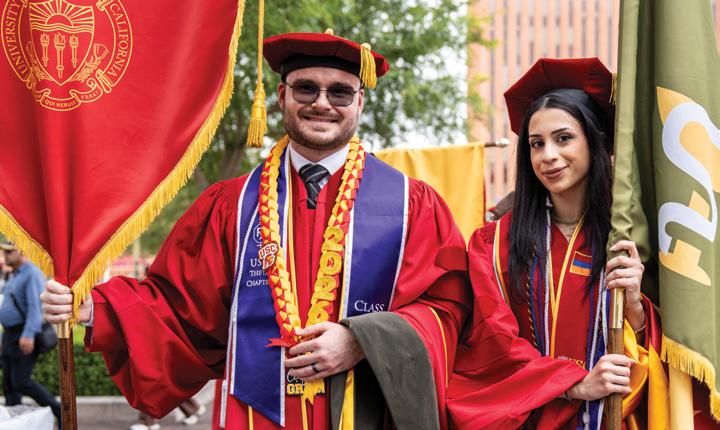
Before the ceremony, Jason Teteran reflected on maintaining a cumulative 4.0 GPA over four years in the PharmD program.
He led the processional carrying the USC Mann flag alongside fellow 4.0 graduate Manana Khashadoorian, who carried the banner.
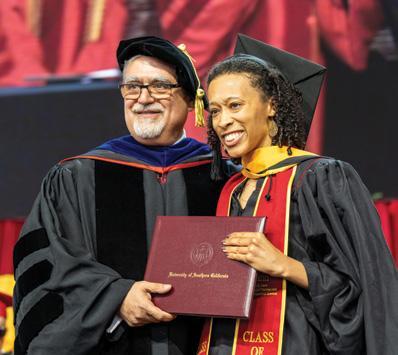
PharmD graduate Jennyfer Quach said she felt both “excited and nervous” to cross the stage after working four years as a pharmacy technician before entering the PharmD program.
Danielle Marie Chavez became the first in her family to earn a graduate degree, receiving a master’s degree in regulatory science.
Koushik Ganesan, also receiving a master’s degree in regulatory science, said his family would be watching the ceremony livestream from Chennai, India. “If one person in the family grows, it means everyone grows,” he said.
“You’re here about to receive a degree from one of the best pharmacy schools in the world,” Meek said. “You have spent years building relationships with classmates and faculty who will be in your life for decades to come. And you will always be a part of the Trojan Family.”
↑ Class of 2026
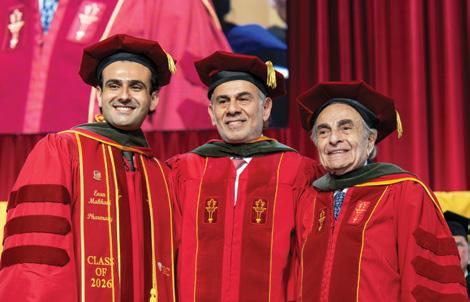
↑ David Makhani, PharmD ’87, and Masood Makhani, PharmD ’61 (UCSF), celebrated Evan Makhani, PharmD ’26, joining the fourth generation of pharmacists in their family.
OLYMPIC COUNTDOWN
AS LOS ANGELES PREPARES TO WELCOME the 34th Summer Games in 2028—the third to be hosted by the city—USC will play a major part. The University Park Campus will serve as the Olympic Media Village, housing accredited media covering the Games. Los Angeles Memorial Coliseum—which is managed and operated by USC—will host track and field, while the Galen Center will host badminton. The Coliseum will also feature in the Olympic opening ceremony.
USC alum and two-time Olympic swimmer Janet Evans serves as LA28 chief athlete officer. LA28 is collaborating with USC to keep the Games car free for manageable traffic. And the 2028 Games will also be the first time Los Angeles will host the Paralympic Games.
In April, USC convened Olympic leaders, scientists and health experts—including several from USC Mann—in a symposium examining the intersection of elite performance, athlete wellbeing and ethical responsibility in the lead-up to the 2028 Games. Kari Franson, director of the USC Mann Sports Pharmacy Program, moderated the conversation.
10 of USC Mann PharmD applicants say the sports pharmacy program influenced their decision to apply. %
512
Trojans have competed at the Olympics.
326
overall Olympic medals have been won by USC athletes.
1
USC has produced more Olympians and overall medalists than any other U.S. university. #
14
If USC were a country, it would rank 14th in all-time medals among today’s recognized countries. TH
↑ The Los Angeles Memorial Coliseum hosted the opening and closing ceremonies for the 1984 Summer Games, along with track and field competitions.
CATALYST FOR IMPACT YOU
Designed to encourage big ideas and bold projects in research, clinical practice and education, the Dean’s Innovation Fund builds upon the USC Mann School’s long history of pioneering work. It fosters projects such as early-stage, higher-risk laboratory investigations with potential for great impact that often have difficulty garnering support from government and other external sources. The fund also may be used to develop advanced facilities and purchase equipment to fuel such initiatives, as well as to bolster unique educational opportunities for enhancing the student experience.
Pharmacy lives at the intersection of science, healthcare access and meeting human need. I’m proud to support the Dean’s Innovation Fund as it expands what students can achieve while also empowering faculty scientists and clinicians to pursue bold ideas that advance our field—and improve countless lives.”
LINDA SIMONIAN, PHARMD ’04 Partner, ASAP Pharmacy
Your support in any amount makes a meaningful difference to our students, faculty and all who benefit from the wide-ranging advances fueled by the school. mann.usc.edu/alumni-giving/giving-priorities
Nonprofit Organization
US Postage Paid
University of Southern California
USC Mann School of Pharmacy and Pharmaceutical Sciences
Health Sciences Campus
University of Southern California
1985 Zonal Avenue Los Angeles, CA 90033 mann.usc.edu
↑ At a celebration of the new USC Pharmacy and Wellness Center in March, T.H.E. Health and Wellness Centers Chief Medical Officer Derrick Butler joined USC Trustee Amy Ross, Dean Vassilios Papadopoulos, Los Angeles City Council President Marqueece Harris-Dawson and USC Provost Andrew Guzman in cutting the ceremonial ribbon.