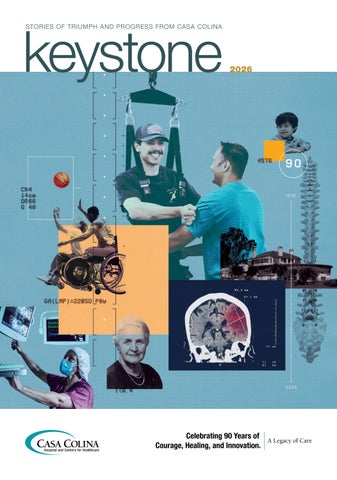
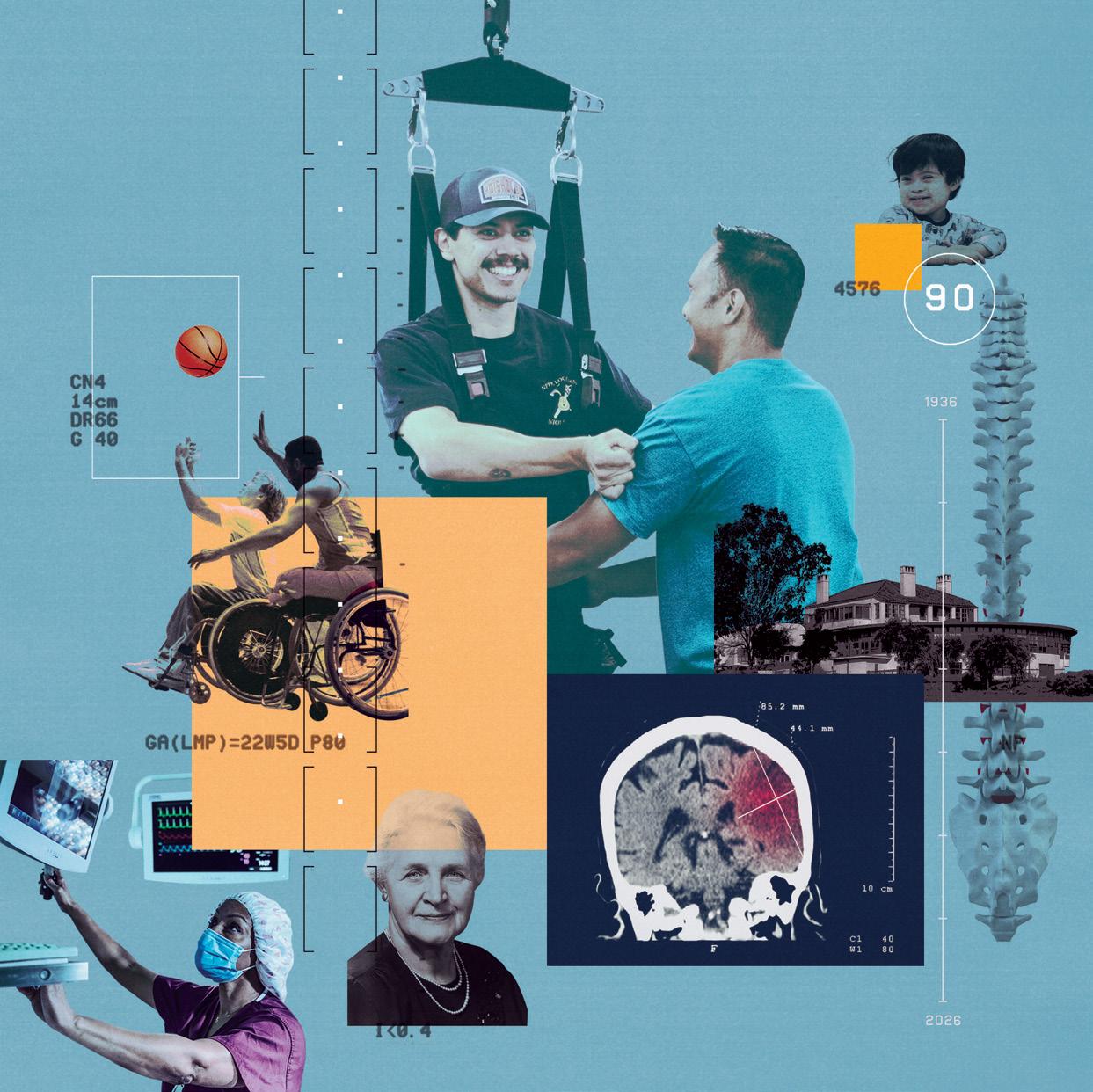
Celebrating 90 Years of Courage, Healing, and Innovation. A Legacy of Care
from the Chairman BOARD OF DIRECTORS
Casa Colina, Inc. and Affiliates
Our Board of Directors provides a special kind of leadership. Their responsible oversight and forward thinking enable Casa Colina to continue to grow in dynamic ways and evolve into one of the country’s top medical and rehabilitation facilities. They comprise physicians, community leaders, and previous patients.
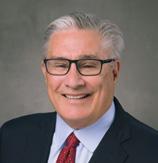
CHAIRMAN
Gary E. Cripe, Esq.
VICE CHAIRMAN
Philip Feghali
PRESIDENT & CEO
Kelly M. Linden
SECRETARY
Bruce Pasqua
TREASURER
Terrance Johnson
PAST CHAIRMAN
Randy Blackman
CHIEF OF MEDICAL STAFF
Owais Zaidi, MD
DIRECTORS-AT-LARGE
Steven C. Bast, MD
Risa Dickson
Julia Michael
Steve Norin
Leslie E. Riley
Cathy Watrous
Richard Young, MD
DIRECTORS EMERITI
Samuel Crowe
Stephen Graeber
Mary Lou Jensen
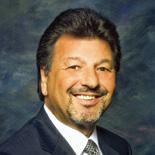
Gary E Cripe, Esq. Chairman, Board of Directors
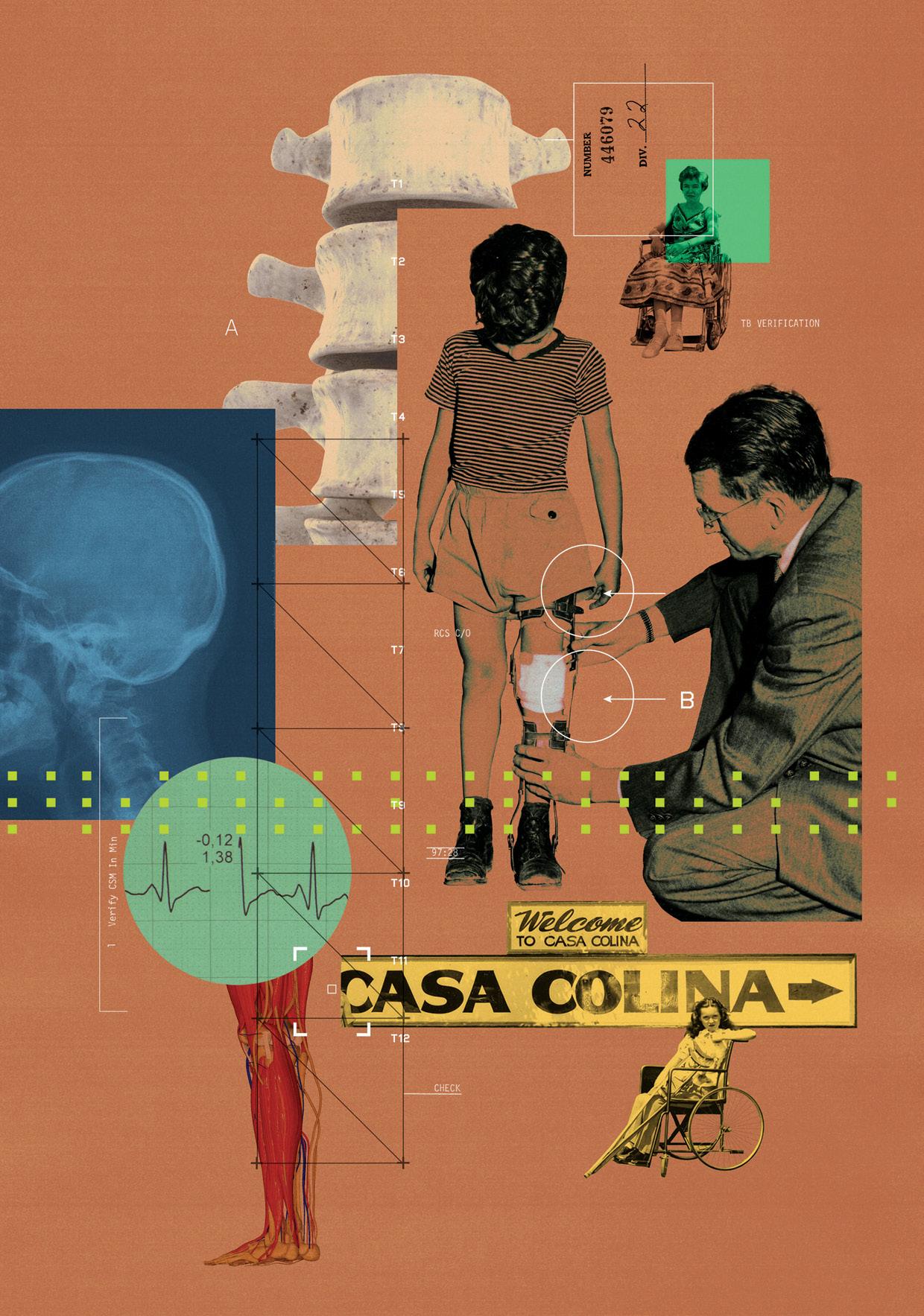
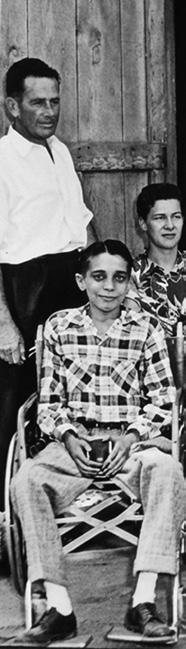
AS I REFLECT ON THE 90-YEAR HISTORY of Casa Colina Hospital and Centers for Healthcare, I’m reminded of our humble beginnings helping children rehabilitate from the polio virus and other disabling diseases. And from that era, one particular patient comes to mind: Frank Alvarez.
Born in 1934—just two years prior to Casa Colina’s founding—Frank acquired a lifelong disability from complications of osteomyelitis, a type of bone marrow infection. Around that same time, Casa Colina’s founder, Frances Eleanor “Mother” Smith, was opening a hacienda-style rehabilitation center to help children facing such life-altering physical challenges during the height of the polio epidemic.
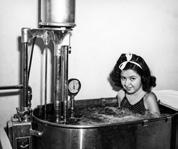
At age 14, Frank became a patient at Casa Colina. During that time, he benefited from what has become our institution’s landmark approach to physical rehabilitation. Through the use of innovative therapeutic modalities for the era, such as hydrotherapy, Frank worked to regain his strength and mobility, experiencing firsthand the compassionate, specialized care that would eventually define the Casa Colina legacy.
Decades later, as a devoted father and successful businessman, Frank would become a Casa Colina board member and longtime philanthropic supporter. Like many former Casa Colina patients, Frank gave back immeasurably to our community of hope and healing because he believed in and witnessed firsthand the work we do.
In the 1950s, the Salk vaccine proved to be a miraculous intervention, all but eradicating polio. Over the ensuing decades, Casa Colina’s growing staff of clinicians and doctors pivoted to provide specialized rehabilitation for those surviving once-unsurvivable conditions—including spinal cord injuries, traumatic brain injuries, and strokes. As time went on, we carried that mission further, developing a continuum of medical and rehabilitative services that included critical elements such as short-term residential care, long-term care, expanded outpatient care, medical-surgical beds, an intensive care unit, and more.
For this issue of Keystone, we reflect on the history of our storied institution and some of the major turning points that helped us become the premier provider of medical and rehabilitative care in Southern California. I hope you’ll join me in celebrating our patients, clinicians, doctors, and support staff—here’s to 90 years of hope and healing.
On behalf of our grateful Board of Directors, thank you for your ongoing support.
Sincerely,
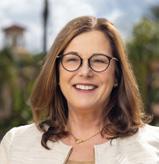
from the CEO
Kelly M. Linden President and CEO
OUR 90-YEAR ANNIVERSARY IS UPON US, and as we move toward Casa Colina’s next exciting season of medical and rehabilitation expansion, it becomes profoundly clear to me just how much we owe to the true heroes we rely upon—our people.
At Casa Colina, we don’t just staff our institution—we choose the best, brightest, and most dedicated individuals who we know will carry the torch of our time-tested, comprehensive continuum of care. So many of them stay on for long, rewarding careers, helping our patients and families recover from disabling injury and illness.
It’s a testament to our history—and our future.
The history of Casa Colina is one of perseverance, growth, and innovation. As you will read in the coming pages, we began with a clear mission to heal and improve the lives of those who lacked treatment options by combining compassion with pioneering therapies. From children dealing with symptoms of polio, to adults recovering from auto accidents and war injuries, our first few decades defined what we would become a rehabilitation center that lives up to the needs of our time and our community.
As medical and rehabilitative sciences have advanced, so has Casa Colina. Whether it’s our innovative research on neurologic conditions like traumatic brain injury or spinal cord injury, our excellence in orthopedic surgical care, or our renowned rehabilitation services to help those with disabling conditions, we have always been here for our patients and families.
And we will continue to be, today and tomorrow, until we help our patients achieve the best possible results.
Each recovery journey is unique, and each demands a tailored treatment plan. Our multidisciplinary care teams understand that our patients have distinct needs, questions, and concerns. We are committed to guiding our patients through their care experience, ensuring every milestone is achieved with deep respect for their dignity, diversity, and individuality.
On behalf of the talented doctors, clinicians, and support staff of Casa Colina Hospital and Centers for Healthcare, I am excited to present this latest edition of Keystone
Thank you for entrusting us with your care.
With Appreciation,
1938
a history of healing
a1940
Progressive treatments such as hydrotherapy are used to rehabilitate patients 1954
After polio vaccine is developed, Casa Colina begins treating adults
AS CASA COLINA HOSPITAL AND CENTERS FOR HEALTHCARE celebrates nine decades of life-changing service to our patients, we reflect on the milestones that defined us—and the bold innovations in science and technology that will transform the next century of rehabilitation medicine.
Individuals and families navigating traumatic injury or illness are faced with countless difficult decisions. As they move from acute care into the next phase of healing, many need timely, high-quality rehabilitation to regain function and independence.
At Casa Colina, we specialize in maximizing treatment outcomes for these very patients and families. Our award-winning, comprehensive continuum of care is the product of decades of innovation and best practice, incorporating the latest technology and state-of-the-art facilities to achieve the best possible results for those recovering from neurologic and orthopedic conditions.
From our origins in Chino, California as a convalescent home for children recovering from polio (p. 4), to our expansion into a 68-bed rehabilitation hospital in Pomona (p. 6), to our growth into a premier provider of physician-led rehabilitation, medical-surgical care, medical research, and more (p. 8), each era in our 90-year history represents a response to the changing needs of our community and our world.
In the following pages of Keystone, you’ll learn about Casa Colina’s storied history, including the programs, people, and ideas that fueled our growth and success.
Since our founding in 1936, we have been proud to serve several generations of Southern Californians and beyond. And, as we embrace the future of rehabilitation practice (p. 10), we look forward to serving many more.
At Casa Colina, the future is truly bright. Thank you for entrusting your care with us.
Cover and page 3 illustrations commissioned from Stuart Bradford
Frances Eleanor “Mother” Smith opens Casa Colina in Chino
part one:
the house on hill the
1936-1959
How Frances Eleanor Smith turned her own battle with polio into a sanctuary of hope and a 90-year legacy of healing.
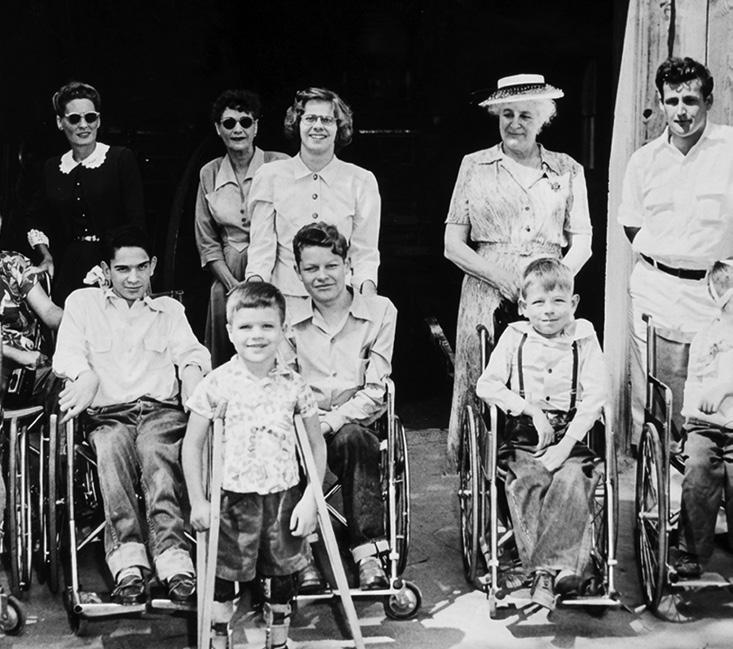
In the early- to mid-twentieth century, the polio pandemic caused an unprecedented wave of fear for American families, with the disabling disease afflicting children nationwide. Though many young patients survived, they were often left with permanent physical disabilities. The need for innovation was clear—not just to treat the survivors, but to rehabilitate them and maximize their quality of life.
In 1936, Frances Eleanor “Mother” Smith, a little-known church worker living in Southern California, would rise to this historical moment by founding Casa
1967
First accreditation by the Joint Commission
1960
Casa Colina moves to new Pomona campus
Colina Convalescent Home for Crippled Children, now known as Casa Colina Hospital and Centers for Healthcare, a 90-year-old leader in rehabilitative excellence.
Around this time, Southern California was home to thousands of children with permanent physical impairments due to polio—chronic pain, paralysis, and other life-altering effects. Yet there was no facility that offered comprehensive rehabilitation, regardless of a family’s ability to pay. As a polio survivor herself, Smith understood the arduous road to recovery that followed this traumatic
illness, and she was determined to make an immediate impact. Drawing on the methods that had aided her own rehabilitation experience, Smith committed herself to creating such a place—a house of hope and healing that was welcome to children of all backgrounds and abilities.
In 1936, after being named the Golden Rule Foundation’s “Mother of the Year” and meeting First Lady Eleanor Roosevelt, Smith saw an opportunity to leverage her newfound celebrity, embarking on a nationwide speaking tour to bring attention to her cause.
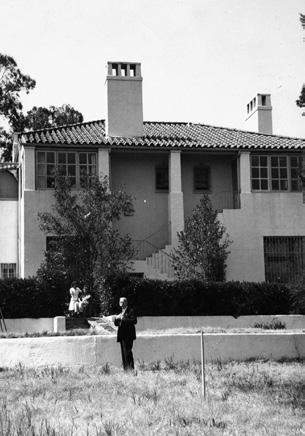
Upon returning to California, Smith was granted the use of a picturesque home that sat on a verdant hillside in Chino, California—Casa Colina, “the house on the hill.” With the help of likeminded doctors and civic leaders, Casa Colina was formally established in 1936 with a clear mandate: use best practices in rehabilitation to enable young polio survivors and other children with
1973
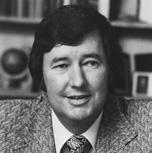
Dale Eazell is named President and CEO, serving until 1998
1979
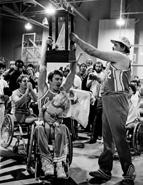
Wheelchair Sports Program’s California Condors team wins the first of 9 national championships
disabling conditions to participate more fully in life.
It was unlike any other facility at the time. Bucking the methods of typical convalescent facilities, Casa Colina offered innovative rehabilitation modalities that Smith herself had benefited from. All care was based on the most modern scientific principles available for the era, representing a truly remarkable environment for physical rehabilitation that respected each patient’s dignity and individuality—values that Casa Colina espouses to this day.
Treatment methods reflected the best practices of the time and laid the groundwork for what would become modern physical and occupational therapy. Casa Colina clinicians employed modalities like aquatic therapy, bracing, repetitive exercise, and the widely used “Sister Kenny Method,” which combined heated blankets and muscle re-education to relieve muscle spasms and restore function.
For the next decade, patients continued to flow in and out of Casa Colina as the polio pandemic dragged on. Over the horizon, however, was a glimmer of hope. In 1952, Dr. Jonas Salk began testing an experimental vaccine that promised to eradicate the disease if proven safe.
Sadly, that same year, Smith succumbed to illness before seeing the disease’s eventual eradication, as well as the life-changing care her beloved Casa Colina would continue to provide.
On December 12, 1952, after recording a radio spot for a Casa Colina benefit event in Hollywood, she collapsed outside the studio and died shortly afterward. Her final words reflected her lifelong urgency: “I feel so foolish lying here when there is so much to be done.”
Smith’s passing was mourned across Southern California, where former patients had grown into adults with families and livelihoods. Patients like Frank Alvarez. After being diagnosed with osteomyelitis, Alvarez came to Casa Colina at age 14 to rehabilitate and eventually grew up to become a Casa
1980
Transitional Living Center introduced as transitional phase between acute rehabilitation and return to home for adults with brain injury
1981
Colina board member and philanthropic champion. Like so many of Smith’s young patients, Alvarez went on to live a life of purpose and accomplishment, all before passing away in August 2024 at the age of 89—a medical outcome that once would have been unthinkable.
The Post WWII era saw dramatic changes in clinical care. Rehabilitation medicine was evolving out of sheer necessity. Advances in acute care meant more individuals were surviving car crashes, work accidents, and war injuries. Strokes, brain injuries, and spinal cord injuries became treatable but still required long-term rehabilitation. As the Salk vaccine was rolled out between 1954 and 1957, Casa Colina’s therapists persisted in treating those affected by polio, while expanding their clinical repertoire to address scores of other traumatic injuries and illnesses in both children and adults.
The world was changing, and Casa Colina’s commitment to rehabilitation was only growing stronger.
Padua Village opens, providing long-term residential care for people with intellectual and developmental disabilities
1984
Outdoor Adventures program begins activities
1992
Rancho Pino Verde location opens for residents with brain injury
1995
First Land Meets Sea adaptive sports camp is held
part two:
a vision expanded
1960–2000
Navigating the challenges of a changing medical landscape, Casa Colina transformed from a specialized care facility into a nationally recognized leader in rehabilitative medicine.
While Casa Colina’s first two decades reflected the fierce urgency of Frances Eleanor Smith’s vision, the following era would be marked by slower growth and even uncertainty. An ever-changing healthcare landscape would demand Casa Colina evolve and pivot in innovative ways to stay afloat financially.
In the mid 1950s, after a vaccine was discovered, polio infection rates were halved. And, by the end of the decade, advances in emergency medicine meant more people were surviving traumatic accidents, while diagnoses of chronic and complex diseases were rising. Yet survival was often only the beginning, as more patients dealt with the prospect of lifelong disability and faced long, difficult paths to recovery. The need for comprehensive
rehabilitation—care that restored function and increased independence for patients with disabilities—grew rapidly during this time.
Modern rehabilitation care was simply not widely available within Southern California’s rapidly expanding communities. In 1960, Casa Colina answered this unmet need with a major expansion, leaving its Chino location to launch a new 66-bed rehabilitation hospital on a 20-acre campus in nearby Pomona. Renamed Casa Colina Hospital for Rehabilitative Medicine, the 78,000-square-foot facility officially opened, offering comprehensive rehabilitation services to patients of all ages with a broad range of orthopedic and neurologic conditions.
The early years in Pomona were a challenging time for Casa Colina, which struggled to fill its large number
1998
Felice L. Loverso, PhD hired as new President and CEO
of beds. Regardless, by 1967, Casa Colina achieved a major milestone, earning accreditation from the Joint Commission—the Gold Standard for quality hospital care. This achievement strengthened Casa Colina’s standing in the medical rehabilitation community, and the organization has maintained it ever since. Still, long-term financial stability proved elusive, with patient revenues insufficient to cover operating costs.
An inflection point came in 1973 with the naming of Dale Eazell, PhD as President and Chief Executive Officer. Under his tenure, Casa Colina entered a period of reinvention and expansion, including the creation of the Signature Programs that helped the institution evolve into what it is today.
In the years that followed, Casa Colina would introduce specialized spinal cord injury rehabilitation services under the leadership of Dr. Julie Botvin Madorsky and would earn its first accreditation from the Commission on the Accreditation of Rehabilitation Facilities (CARF). In 1977,
2001
Casa Colina at Apple Valley opens for residents with brain injury
2001
Reconstruction of entire Pomona campus begins
Casa Colina launched a comprehensive brain injury rehabilitation program.
The 1970s saw the establishment of other hallmark programs and services that our community relies on today. In 1974, pediatric outpatient services began under the guidance of Elizabeth Neumann, PhD—what would become Casa Colina’s Children’s Services Center, also with its own dedicated building. During this time, Casa Colina was also becoming known for its innovative work in respiratory care, pain management, and neuropsychology.
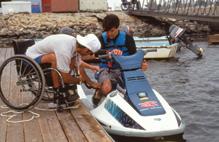
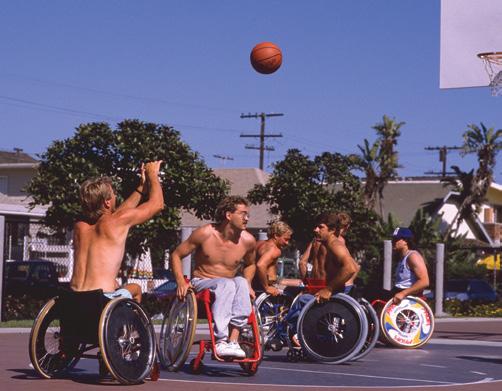
To promote the therapeutic benefits of outdoor activity and sports, Casa Colina welcomed its first-ever wheelchair basketball team. Coached by Paralympian David Kiley, the Casa Colina Condors won their first national championship in 1979 and went on to dominate the sport for more than a decade, winning eight more titles.
In 1980, Casa Colina expanded its continuum of care with the construction of its Transitional Living Center (TLC), a short-term residential program designed to house adults with stroke, traumatic brain injuries, and spinal cord
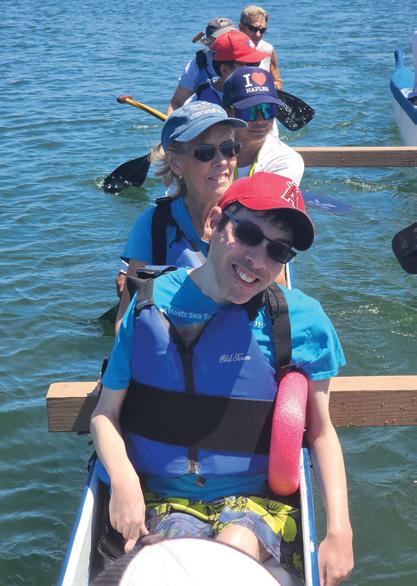
injuries who required more extensive rehabilitation. Riding on the shoulders of the Condors’ success, Casa Colina would broaden access to adaptive sports and recreation in 1985, founding its beloved Outdoor Adventures Program, which offered activities like kayaking, horseback riding, and sailing to non-athletes with disabilities.
Much of the programming added during this period shared an important commonality—an increased emphasis on “whole person” rehabilitation that addresses the physical, cognitive, and socio-emotional needs of patients. The related idea that “recovery” was not a singular window of time, but an ongoing process with ebbs and flows, successes and pivots, would become the DNA for the “Continuum of Care” model Casa Colina espouses to this day.
Throughout the 1980s and early 90s, Casa Colina continued ambitiously to expand this continuum. Adult day healthcare services opened in Pomona in 1984. Casa Colina purchased nearby housing to start its Padua Village Residential Program, which for the past four decades has provided long-term group housing for adults with developmental disabilities. And, in an enterprising move into the California High Desert, Casa Colina opened its Rancho
2003
Casa Colina dedicates new outpatient rehabilitation center
2004
Physician Specialty Clinics introduced
Pino Verde location in Lucerne Valley in 1992, offering long-term residential care for adults with brain injuries.
By this time, Casa Colina had become a widely recognized leader in rehabilitation innovation. But new challenges loomed on the horizon. The rise of managed care in the 1990s and changing reimbursement models had significantly reduced funding for rehabilitation services. An aging facility and declining patient census were resulting in financial strain.
The Board of Directors was confronted with a difficult decision: leave the hospital business and become a community foundation or reaffirm Casa Colina’s role as a medical rehabilitation provider. The board voted unanimously to remain a hospital, sticking by its core mission.
After 25 years of leadership, in 1998 Dale Eazell worked with the board to identify a new President and CEO who could reinvigorate Casa Colina. Soon, Felice Loverso, PhD was selected to guide Casa Colina into its next era, setting the stage for transformation at the dawn of a new century.
part three:
a new take on service
2001–2026
Expanding the campus and integrating translational medicine to meet the evolving needs of our patients in a rapidly changing world.
As the 2000s set in—more than six decades since the institution’s founding—reimagination was top of mind among Casa Colina leadership. It had been nearly 30 years since Dr. Dale Eazell began his ambitious expansion of programs and services, and while uncertainties remained, Eazell’s valuable legacy offered a strong building block on which to continue the institution’s growth.
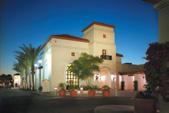
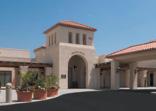
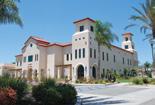
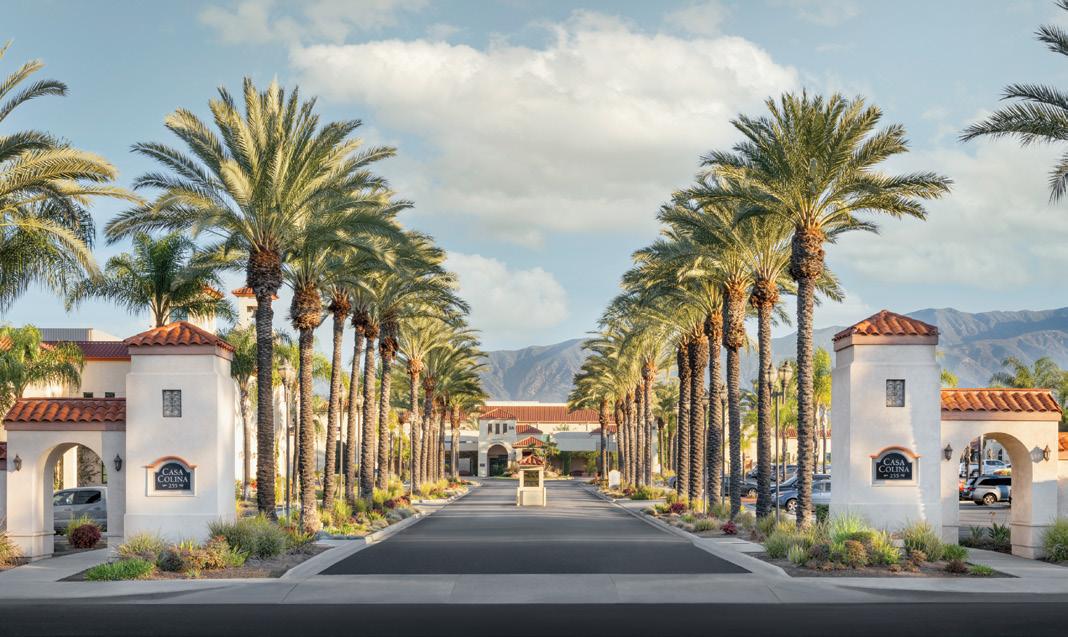
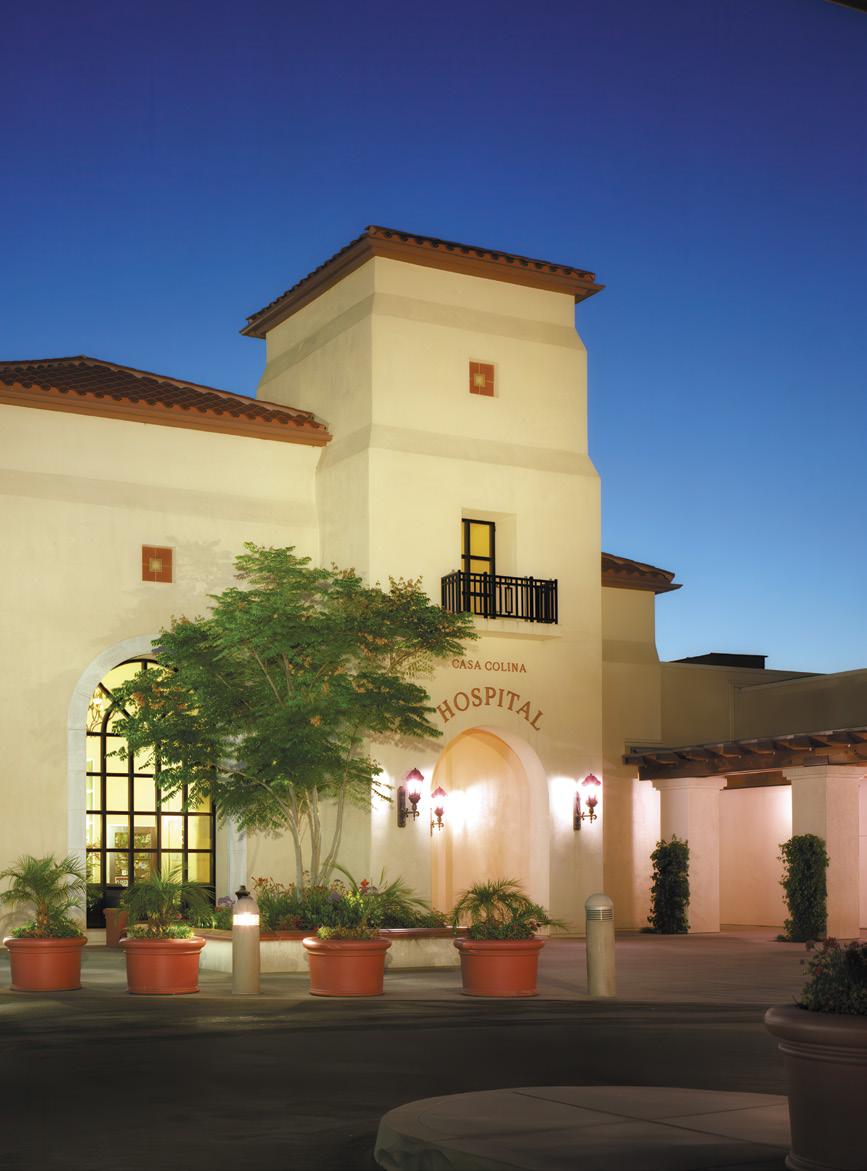
Under the guidance of new CEO Dr. Felice Loverso, Casa Colina’s skilled leadership team established a bold plan to completely rebuild the 20-acre Pomona campus with state-of-the-art facilities amid a welcoming, resort-like environment. Rather than having the feel and look of a typical hospital—sterile and impersonal—the new campus would boast Early California architecture and
design, complete with palm trees, handpainted murals, and a verdant, walkable landscape where patients and families could be together and heal together.
Ground was broken in 2001, and the future began to feel wide open.
With a dedicated Board of Directors to support Loverso’s vision, Casa Colina committed to a shift in organizational philosophy, intent on reestablishing itself as a Center of Excellence, grounded in strong physician leadership and best practices for rehabilitation medicine. The sentiment stretched back to the early days of founder Frances Eleanor “Mother” Smith—a true return to form.
Casa Colina took its first steps toward reinvention in 2001 when it opened a new residential facility in Apple Valley for adults with brain injuries. In 2002, Casa Colina dedicated two new buildings with
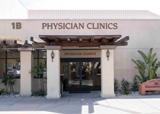
distinct purposes. The Iris and George Belding Building was opened to house Adult Day Health Care services, while the Casa Colina Children’s Services Center was established to offer physiciandirected pediatric autism therapies. Shortly after, in 2003, the Tamkin Outpatient Center was born to offer a new, expanded space for outpatient therapies, followed by a Physician Clinics building housing dozens of medical specialists.
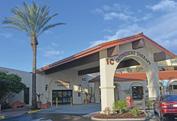
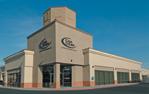
Then came perhaps the most anticipated piece. In March 2005, the doors to the newly built Casa Colina Hospital opened. The stateof-the-art, 68-bed facility included a fully equipped inpatient therapy gym, a hyperbaric oxygen therapy suite, on-site pharmacy and laboratory services, and a comprehensive imaging center. It immediately operated at full capacity—a testament not only to demand, but to trust earned over decades of rehabilitation provision and strong physician relationships.
And thus began Casa Colina’s largest and fastest period of growth ever. This initial phase of campus reconstruction
Casa Colina dedicates new hospital
also saw the addition of warm- and cool-water therapy pools, comprehensive audiology suites, and an ambulatory surgery center. Casa Colina would add dozens of beds in its Transitional Living Center over multiple phases, as well as offsite housing for visiting families of patients recovering at Casa Colina. In 2008, the Casa Colina Azusa Center opened to bring outpatient rehabilitation services to the western Foothill communities, further expanding regional access to world-class rehabilitation.
Later, in September 2013, Casa Colina would add yet another invaluable addition to campus: its Medical Office Building (MOB). The MOB was initially home to an urgent care center, retail pharmacy, a durable medical equipment store, and private medical offices. It would go on to house a dialysis center and an orthopedic surgeon group, among other services to augment Casa Colina’s offerings.
During that first decade of remarkable expansion, Casa Colina began to earn
2008
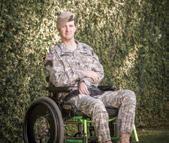
national acclaim—in large part due to its inspiring work with veterans with brain injuries. In 2005, Casa Colina began partnering with the United States Departments of Defense and Veterans Affairs to treat service members with traumatic brain injuries, supported by fundraising efforts through the Casa Colina Wounded Warrior Fund—an initiative that reflected the organization’s enduring responsiveness to national need, echoing its early work during the polio era.
As Casa Colina’s reputation grew, so did referrals from acute care hospitals. Talented physicians and therapists began to take notice. This period represented a highwater mark for hiring doctors, medical directors, and other clinical leaders that would fuel Casa Colina as it transformed into a national purveyor for rehabilitation services. This influx of talented leadership and clinical staff would pave the way for the next major development.
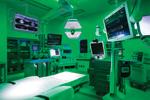
In April 2016, Casa Colina Hospital opened its new Medical-Surgical Wing featuring three state-of-the art operating rooms, six intensive care unit beds, a gastroenterology suite, and 25 private medical-surgical beds. Operating rooms featured the latest, most cutting-edge surgical technology. In the coming years, Casa Colina’s surgical efforts would focus
primarily on neurosurgery for disabling spinal conditions and orthopedic surgery to provide joint replacements.
Following its humble beginnings in a Chino home, Casa Colina Hospital had now grown to offer a comprehensive continuum of medical, surgical, and rehabilitative care.
Not to be forgotten, throughout all of these years, Casa Colina was making its mark nationally and worldwide in another realm—research. A dedicated facility housed on the Pomona campus, the Casa Colina Research Institute (CCRI) has for years been studying some of the most confounding questions around treatment for patients with strokes, traumatic brain injuries, spinal cord injuries, and other disabling conditions. With work published in journals around the globe and leading minds in neuroscience, the institute continues to explore novel treatment solutions that translate into better outcomes for those affected by traumatic injury and illness.
If Dale Eazell’s legacy laid the foundation for expansion during the Loverso era, then it will be the groundbreaking research coming out of CCRI that will light the path forward for future years.
2017
Dedicated research facility opens
2017
Residency program launched for PM&R doctors
2021
Casa Colina rated a Top 27 Patient-Recommended Hospital in U.S.
2020
Casa Colina rated 5 Stars for Overall Hospital Quality by CMS
the future of part four: rehabilitation care
With a proud 90-year legacy of rehabilitative and medical innovation, Casa Colina Hospital and Centers for Healthcare stands at the precipice of a new era in the medical sciences. Emerging technologies and improved scientific understanding of disabling conditions will support the expansion and improvement of acute rehabilitation care.
Steering us into this future is Kelly M. Linden, who joined Casa Colina in 2023 as President and Chief Executive Officer. Bringing decades of executive healthcare experience and a strategic vision for patient-centered care, Linden is tasked with navigating the hospital’s next chapter of clinical excellence and community impact. Guided by our skilled doctors, experienced therapy teams, and worldclass researchers, Casa Colina is poised to lead this effort in Southern California and beyond.
“This is an exciting time to be a provider of specialized rehabilitation,” says Linden. “I believe that over the next
20 to 30 years, owing to advances in rehabilitation technology and artificial intelligence, medicine will take a great leap forward in its ability to diagnose, treat, and help individuals rehabilitate from disabling neurologic and orthopedic conditions.”
In recent years, the Casa Colina Research Institute (CCRI) has advanced Casa Colina’s reputation as both a medically overseen rehabilitation center and a “Living Laboratory” for the future of neurologic care. Under the leadership of Medical Director Charles Liu, MD, PhD and Executive Director of Research Emily Rosario, PhD, CCRI has embraced the rapidly evolving field of neurorestoration, a discipline focused on enabling recovery of the central nervous system.
Once considered impossible, this level of neuro-recovery is now increasingly within reach due to advances in areas like stem cell-based therapies, neural
prosthetics, and neuromodulation techniques designed to maximize the function of remaining neural pathways following a brain injury.
Within CCRI, on a given day you’ll find leading neuroscientists conducting research that seeks to better understand how to improve outcomes for patients undergoing rehabilitation for stroke, brain injuries, and spinal cord injuries.
One current study at CCRI, “Functional Ultrasound Imaging for Monitoring Activity in Awake Infants,” explores how infants’ brains plan and carry out simple actions— such as reaching for a toy—all using simple, safe, and innovative ultrasound imaging. Researchers hypothesize that by better understanding the nuances of typical brain development, this may help guide future therapeutic interventions for those of all ages with neurologic injury and illness.
For several years, CCRI researchers have also been exploring how implanted electrodes can allow individuals with paralysis to control digital devices, robotic limbs, and even motor vehicles,
2025 Casa Colina’s Brain Injury, Spinal Cord Injury, and Stroke programs accredited by CARF (Commission on Accreditation of Rehabilitation Facilities)
2023
2026
2022
Kelly M. Linden is hired as
President and CEO
all using thought alone. Called a BrainComputer Interface, the rapidly developing technology offers new hope for tetraplegic patients with spinal cord injuries that they may eventually restore not just lost function but autonomy and purpose.
CCRI investigators are also pioneering noninvasive neuromodulation techniques such as Thalamic Focused Ultrasound Stimulation (tFUS) to stimulate areas of the brain responsible for arousal and awareness in patients with Disorders of Consciousness such as coma and vegetative state. Results from this research suggest measurable gains in attention, responsiveness, and engagement in four potentially “emerging” patients—deeply meaningful steps for families who have long been told that recovery is all but impossible.
While CCRI conducts its share of basic research, it is the translational research such as the tFUS study—an approach known as “bench to bedside”—that holds the most promise for Casa Colina’s patients and families, since the benefits to participants are being applied in real time.
“Translational research accelerates the application of basic scientific discoveries
into clinical practices that can help our patients today and years from now,” says Rosario. “By studying real patients from Casa Colina Hospital, we can sometimes provide our clinicians with additional insight for treatment. We truly are a sort of ‘Living Laboratory’ when it comes to medical research for neurologic conditions.”
In addition to creating leading research in the field of neuroscience, Casa Colina will also remain dedicated to acquiring the most advanced equipment to help its patients.
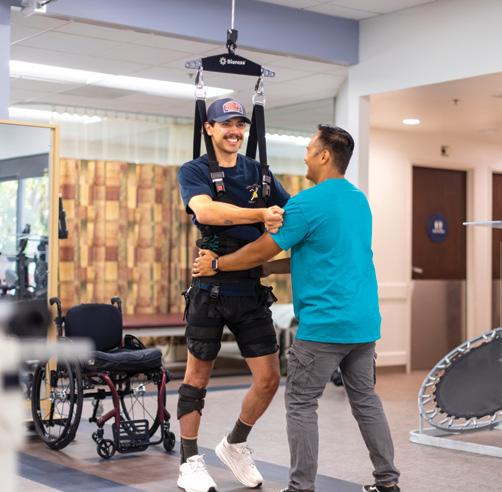
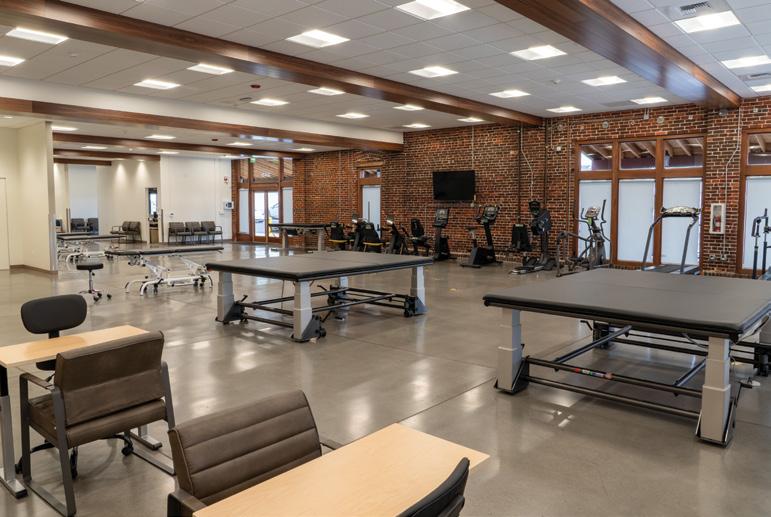
Patients in Casa Colina’s Outpatient Therapy Center and Transitional Living Center can take advantage of cuttingedge assistive technology like Exoskeleton devices for gait training, Bioness electrical stimulation devices for stroke recovery, state-of-the-art driving simulators, and an endless list of additional options— all designed to help maximize clinical outcomes for our patients.
Brick-and-mortar expansion also continues to be a priority. With a second outpatient satellite in Monrovia, California recently opened in April 2026, Casa Colina has expanded its ability to offer awardwinning outpatient rehabilitation services to even more Southern Californians in need. And we’re also hard at work on our main Pomona campus. This past
Casa Colina achieves ‘A’ credit rating from S&P Global 2026
Monrovia outpatient center opens
year, Casa Colina engaged in a master planning process, creating a roadmap for the next 5-10 years of expansion in Pomona. The community can expect a newly added parking structure on the south side of Bonita Avenue, as well as a new Neurologic Outpatient Center, expanded Wound Care and Hyperbaric Medicine Center, a new Research and Innovation Center, and upgraded outdoor therapy spaces, including a mobility park that emulates the urban environment for new wheelchair users to better adjust to their new normal, and a sports court for para-athletes of all abilities to participate in wheelchair basketball, rugby, and more. Advanced research, the latest technology, the best facilities, and the most qualified doctors and staff: This is the recipe for Casa Colina’s ongoing growth and success.
As we continue to integrate cuttingedge neuroscience with compassionate, patient-centered therapy, Casa Colina will expand what is possible for patients with disabling conditions—bridging research and clinical care and redefining rehabilitation for the twenty-first century.
The Loverso Education Center opens on Pomona campus
From the House on the Hill to the Global Stage
years of
90 healing
NNine decades ago, we began with a single house and a singular purpose. Today, that vision has grown into a world-class organization— and yet our heartbeat remains the same. Every photo tells a story of a milestone reached, a barrier broken, and a life redefined.
A History of Hope: Every era of our 90-year journey reflects a profound dedication to maximizing patient independence, breaking barriers, and transforming the landscape of specialized care. These are just a few archival moments that represent decades of clinical excellence, compassionate teamwork, and the thousands of unique recovery stories that define the Casa Colina legacy.
Honoree Yannick Darmon and his wife, Jin
Host Elex Michaelson
dreamshavana
come true
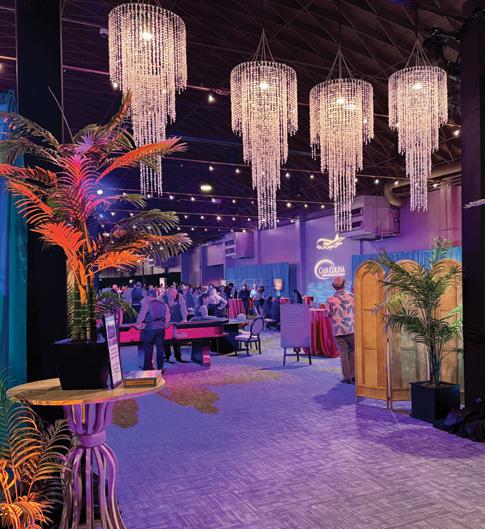
AAS DUSK SETTLED OVER POMONA, California on March 29, 2025, there was a distinctly Caribbean vibe in the air.
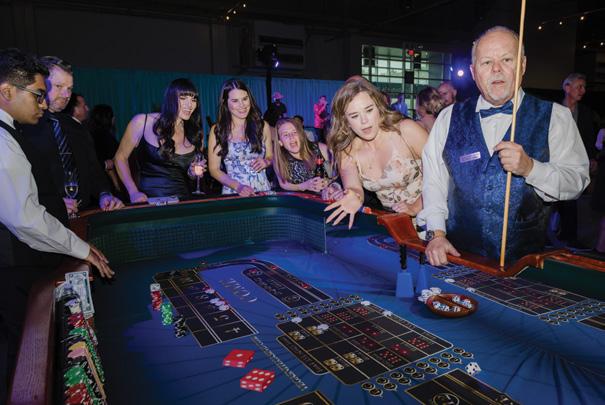
That’s because “Havana Casino Night 2025” was getting underway at the nearby Sheraton Fairplex Suites & Conference Center. Dressed in their most stylish threads, philanthropic supporters, physicians, staff, and friends of Casa Colina gathered to eat, drink, dance, and gamble for charity—all to support Free and Subsidized Care for our under-resourced patients recovering from neurologic and orthopedic injury and illness.
Organized by the Casa Colina Foundation, the inaugural fundraising event was a lively, well-attended soiree featuring an elaborate casino-style setup, themed after the glamorous gambling hubs of vibrant 1950s Cuba, like the Tropicana and the Capri. Eventgoers could dance to live music or try their luck at any number of exciting casino games, including Blackjack, Craps, and Roulette.
Casa Colina patient Yannick Darmon, PhD, the event’s honoree, shared with attendees the amazing support he received via Free and Subsidized Care at Casa Colina’s Transitional Living Center (TLC). Darmon, who coincidentally had been a member of a Casa Colina Research Institute project studying stroke and spinal cord injury (SCI), suffered a high SCI in a judo competition in December 2023, becoming instantly paralyzed—and suddenly part of his own research population.
Darmon, a physical therapist, naturally understood the importance of extended rehabilitation following his SCI, but his insurance would not cover admission to Casa Colina’s TLC. He found out about Casa Colina’s Free and Subsidized Care Fund, applied, and was approved for TLC admission, offering him up to five daily hours of intensive physical, occupational, and speech therapies, as well as neuropsychological therapy, five days a week.
Following the event dinner and program, Darmon told attendees that he credits the remarkable functional gains he has made to his work at the TLC and other Casa Colina programs like Outdoor Adventures and Wheelchair Sports.
“Five to six hours of therapy a day is what you need to recover and become independent,” said Darmon, who was recently hired as a post-doc at the Casa Colina Research Institute. “I met amazing people at Casa Colina who pushed me to participate in outdoor activities like wheelchair rugby. This brought me back to life, where I realized it’s possible to live my life like before—maybe with some changes—but to continue living my active life as I did before.”
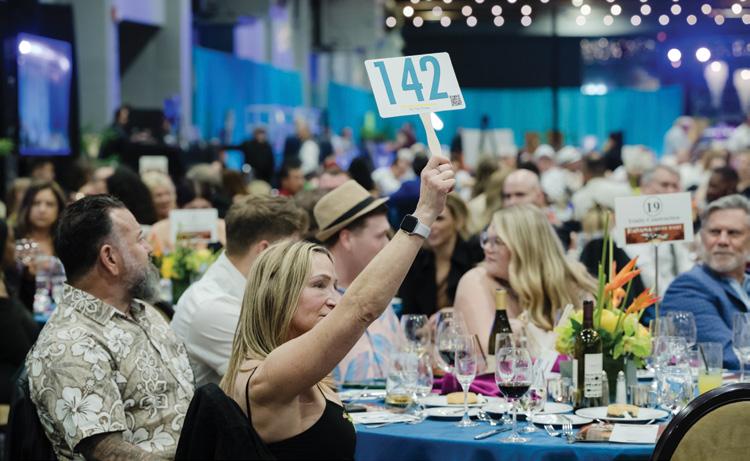
Later in the evening, a lively Raise the Paddle auction helped to earn even more support for Casa Colina patients and families in need. Fox-11 Los Angeles co-anchor Elex Michaelson, a familiar face to the Casa Colina philanthropic community, served as Master of Ceremonies with his usual grace and professionalism.
“We are proud to recognize Yannick Darmon, a remarkable individual whose journey embodies the power of courage and determination,” said Bonnie Scudder, Casa Colina’s Chief Planning and Development Officer, in remarks given at the event. “His story is truly a testament to the power of the human spirit.”
Havana Casino Night 2025 raised nearly $550,000 toward Free and Subsidized Care for amazing Casa Colina patients like Yannick Darmon. The Casa Colina
a place to call home
At Casa Colina Hospital and Centers for Healthcare, we understand that helping individuals with disabling conditions truly takes a village—one of dedicated doctors, competent clinicians, support staff, and stalwart donors.
As we’re all getting older, we need to think about the residents. We need to secure their future.”
AAND SO OFTEN, IT’S THESE VERY DONORS
who help us to secure a better future for those we serve—donors like Ellen Tam.
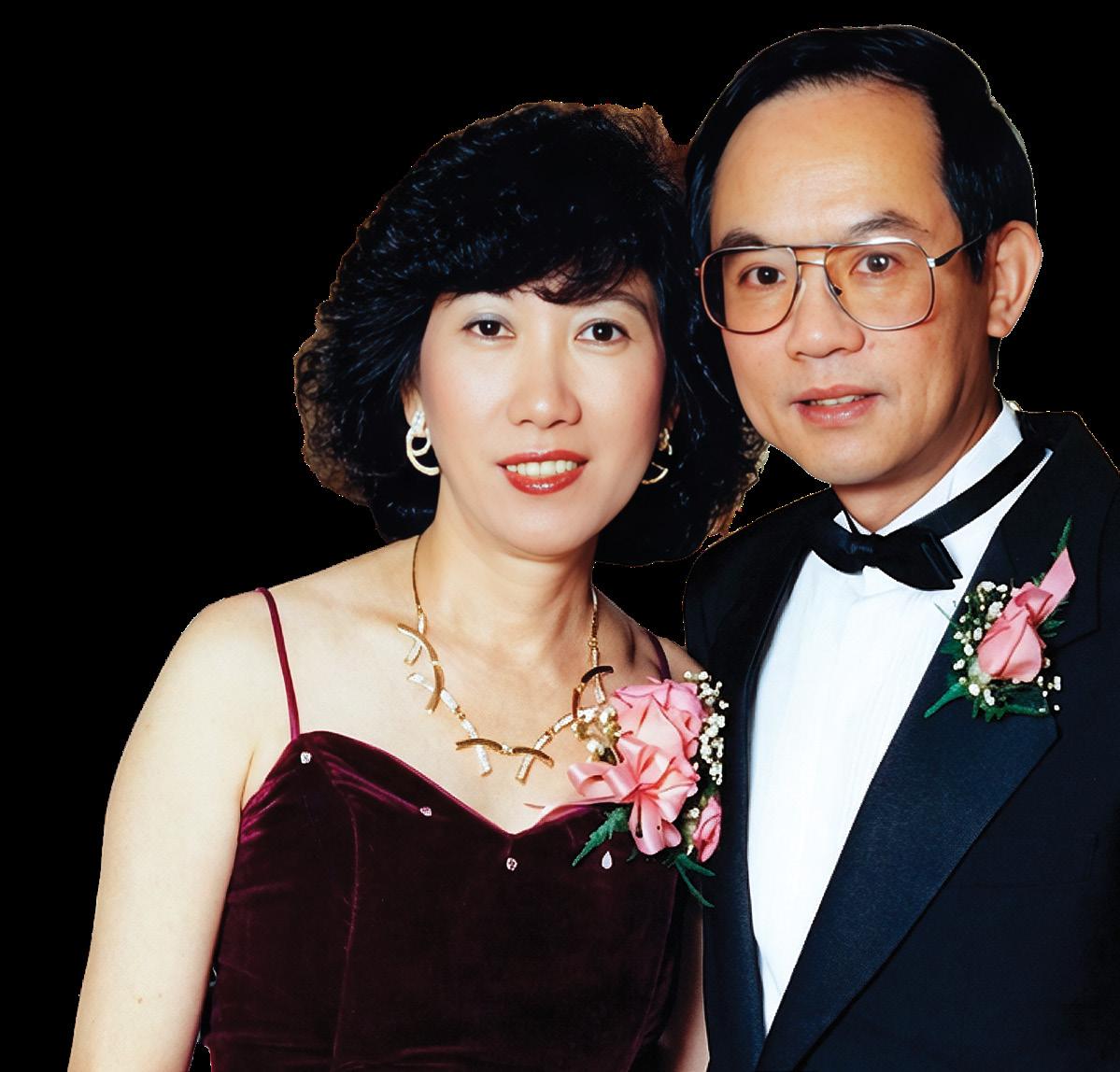
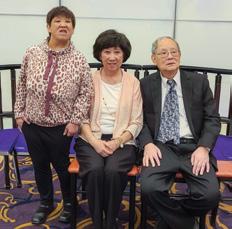
In July 2025, Casa Colina received a transformative $2 million donation from Ellen and her late husband, Wing Tam, to ensure the continuity of programming at our Padua Village Residential Program, serving adults with developmental disabilities.
For Ellen, this gift was truly personal. Ellen and Wing’s daughter, Yvonne, has been a resident at Padua Village for over 30 years, where Yvonne has received 24-hour care that keeps her active and engaged. It also enables her to pursue personalized goals that help her integrate into the community and feel a sense of purpose, belonging, and growth. Padua Village holds a special place in Ellen’s heart because of this. And it was Ellen’s gratitude for the program—and of her daughter’s home— that prompted the generous donation.
“As we’re all getting older, we need to think about the residents,” said Ellen. “We need to secure their future.” Ellen’s family is one of many Padua Village families who, throughout the years, have generously contributed funding to support the program that empowers their adult children with disabilities to thrive. But the donation from Ellen and Wing is truly historic
It’s the largest single gift Padua Village has ever received.
“Mrs. Tam’s extraordinary generosity reflects her deep commitment to the well-being of Padua Village residents,” said Bonnie Scudder, Casa Colina’s Chief Planning and Development Officer. “This gift will allow us to ensure consistent, lifeenriching opportunities for our residents.”
Ellen’s belief in Casa Colina stems not only from Yvonne’s lifelong positive experience. Her late husband, Wing, also received care at Casa Colina, helping him to extend his quality of life after experiencing a disabling neurologic diagnosis that impacted their family.
The $2 million donation will be used to sustain a variety of initiatives at Padua Village, including residential programming and activities, transportation to community outings, family engagement with residents, and more. In a time of healthcare uncertainty, Ellen and Wing’s generosity promises to sustain this important program long into the future.
Casa Colina honors Ellen’s thoughtful gift and dedication to her family. It comes with the confidence that Padua Village residents, like Yvonne, will have a place to call home for years to come.
THESE PERSONALIZED TRIBUTES OFFER A MEANINGFUL WAY TO HONOR SOMEONE SPECIAL— A LOVED ONE, A CAREGIVER, A PATIENT’S MILESTONE, OR A CHERISHED MEMORY.
To purchase a brick today, visit casacolina.org/buyabrick or scan the QR code.
EVERY DOLLAR SUPPORTS CASA COLINA’S FREE AND SUBSIDIZED CARE FUND—HELPING ENSURE THAT INDIVIDUALS WHO NEED REHABILITATION SERVICES CAN ACCESS THE CARE THAT ALLOWS THEM TO HEAL, REGAIN INDEPENDENCE, AND THRIVE.
EACH MEANINGFUL DONATION OFFERS UNIQUE OPPORTUNITIES FOR BUSINESSES TO DEMONSTRATE THEIR COMMITMENT TO THE HEALTH AND WELL-BEING OF THE COMMUNITY.
a path to the future
FOR 90 YEARS, CASA COLINA HAS BEEN A PLACE where hope is restored, strength is rebuilt, and lives move forward. Every day, patients make their way through our campus pathways on their journey to recovery, achieving milestones that are both physical and deeply personal.
As part of Casa Colina’s 90th Anniversary celebration, patients, families, donors, and community partners are invited to become a permanent part of that journey through the purchase of a commemorative Path to the Future brick.
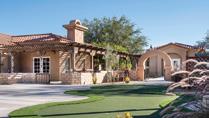
Participating in our Path to the Future program is a heartfelt way to recognize a loved one, celebrate a special occasion, highlight your business or organization, or simply have the name of your choice forever linked to the history of Casa Colina Hospital and Centers for Healthcare. Your brick, engraved with your choice of personal message, will be proudly displayed in one of the many beautifully landscaped gardens or greenways across Casa Colina’s 20-acre Pomona campus.
In turn, your generous donation will help Casa Colina provide free and subsidized care to individuals recovering from a disabling injury or illness who need financial support to maximize their recovery, heal, regain independence, and thrive.
There are so many great reasons to consider this opportunity. Personalized tributes like these offer a meaningful, permanent way to honor someone special—a loved one, a caregiver, a patient’s milestone, or a cherished memory. Additionally, this program provides a unique opportunity for businesses and community organizations to demonstrate their commitment to the health and well-being of our region. Plus, it’s 100% tax deductible.
Since our beginning, Casa Colina has been guided by values that remain as vital today as they were in 1936: personal attention, hard work, and high expectations for every patient’s recovery.
By adding your tribute to the campus, you help carry that legacy forward— honoring the past, uplifting patients today, and paving the way for a stronger, healthier future.
Together, we are building more than just a pathway. We are building hope.
growth progress&
Casa Colina visualizes the future
CASA COLINA HOSPITAL and Centers for Healthcare is excited to embark on a Campus Master Plan that enables us to plan our future—thoughtfully and intentionally.
In a rapidly changing healthcare landscape, master planning enables Casa Colina to stay competitive, use our space wisely, and align future development with our strategic goals. It also helps us plan responsibly for financial impact and timing, so growth happens in a sustainable, well-coordinated way that strengthens our signature, life-changing healthcare delivery.
With the support and guidance of our Board of Directors, Casa Colina has embraced a clear visual roadmap for how our campus will evolve. This plan guides where and how programs expand across inpatient rehabilitation care, outpatient services, and transitional living programs, while creating opportunities to translate research and innovation into the treatment environment—something that we highly value.
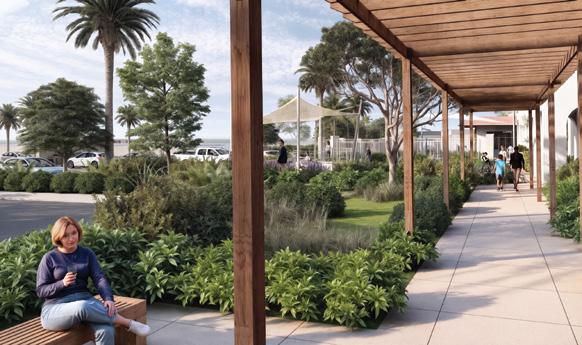
This effort also focuses on practical improvements, such as easier campus navigation, improved parking access, and more welcoming and usable outdoor spaces for patients with disabilities and their visiting families. Together, these efforts ensure Casa Colina is designed not just for today, but for the growing needs of tomorrow.
These improvements are already well underway. Over the past year, Casa Colina has taken meaningful steps toward bringing this vision to life, including campus beautification efforts like updated signage and refreshed landscaping to create a more welcoming environment for patients and families.
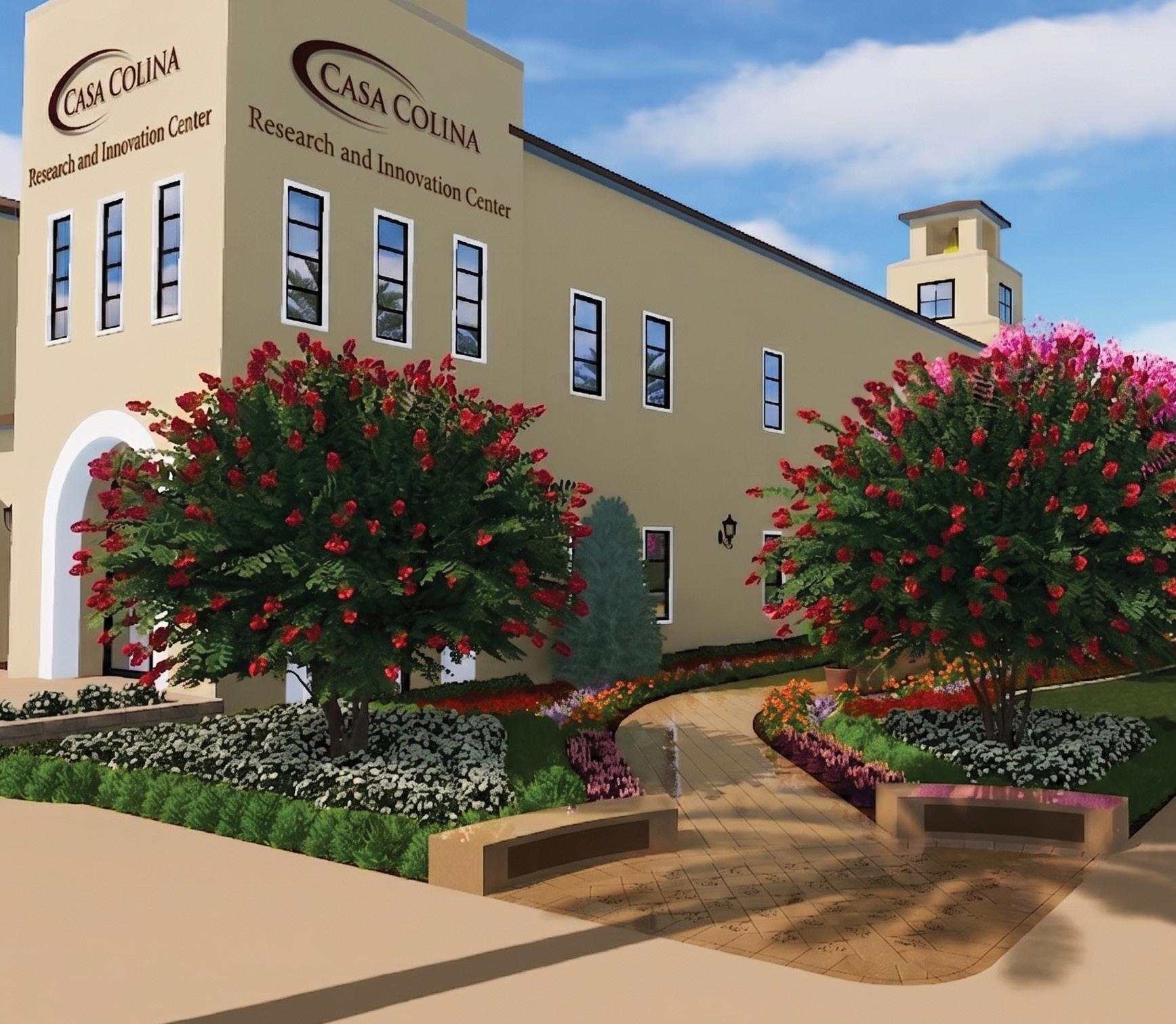
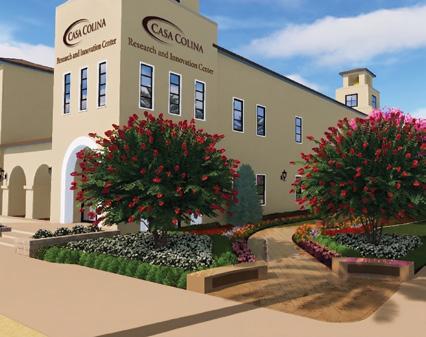
We have also acquired several new properties adjacent to campus to support future growth and flexibility. Plans are ongoing to relocate Casa Colina’s Research and Innovation Center—known previously as the Casa Colina Research Institute—to a prominent location at the front of our campus. This move strengthens integration with
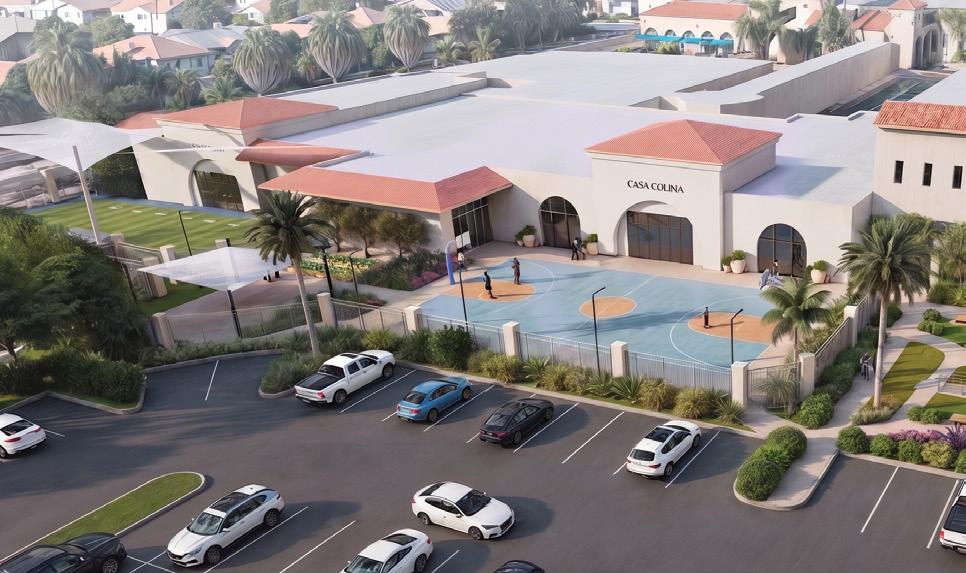
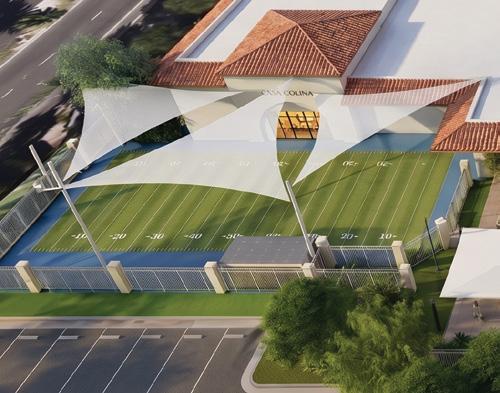
Artist’s rendering of the Sports Field, Sports Court, and Mobility Park.
our clinical teams and underscores our commitment to turning research into real-world treatments that improve patient outcomes.
In parallel, we are working closely with the City of Pomona to ensure alignment with municipal planning efforts and are conducting parking and traffic studies to support more accessible and efficient access to our campus. These actions represent just the beginning of a broader, ongoing effort—with more improvements and milestones ahead as our plans for growth continue to take shape.
At Casa Colina, one thing is certain. We will ensure that every decision we make is responsible, sustainable, and focused on one goal: strengthening the care we provide for our patients.
Artist’s renderings
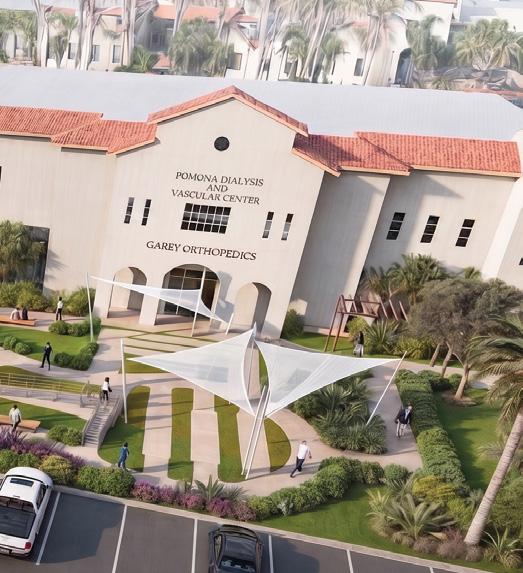
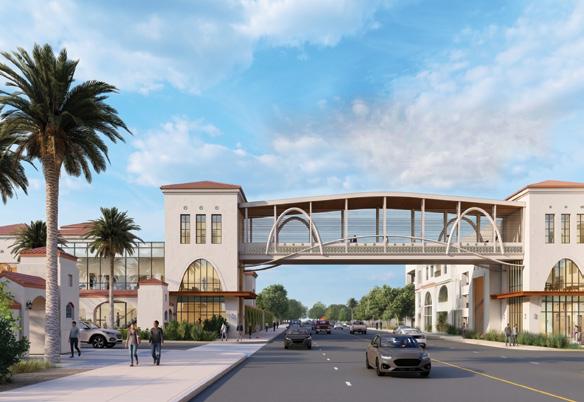
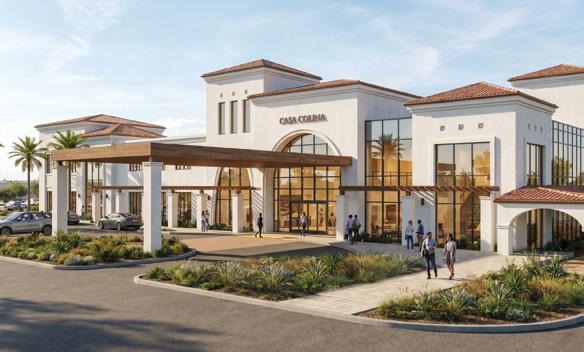
Top: The sky bridge over Bonita Avenue, connecting the new southern parking structure to the Neuro Outpatient Therapy facility to the north. Middle: The campus entrance to the new Neuro Outpatient Therapy facility. Bottom: Expanded green spaces designed to offer respite for patients and their families.
growthprogress &
1 GRAND OPENING: OUTPATIENT CENTER IN MONROVIA
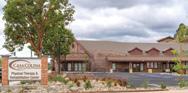
Casa Colina Hospital and Centers for Healthcare is excited to announce the grand opening of the Casa Colina Physical Therapy and Rehabilitation Center at Monrovia. The center meets a growing need for comprehensive physical, occupational, and speech therapy for patients in the surrounding region.
Opened in April 2026, this hospital-licensed, 7,200-square-foot center offers state-of-the-art rehabilitation staffed by multidisciplinary teams to address orthopedic and neurologic conditions, with a concentrated focus on our nationally renowned neuro-rehabilitation services. The location will ease demand at Casa Colina’s existing Pomona and Azusa centers, enabling patients to access specialized rehabilitation closer to home.
3 CASA COLINA RESEARCH GETS A MAKEOVER
Coming in late 2026, the newly renamed Casa Colina Research and Innovation Center (previously the Casa Colina Research Institute) will relocate to an upgraded facility closer to the Pomona campus’s clinical operations. This strategic move will allow Casa Colina to implement its leadingedge, research-based treatments for individuals with disabilities— particularly those with neurologic conditions—in real time.
The new center will serve as a dynamic, flexible hub dedicated to advancing rehabilitation care through the integration of cutting-
edge technology, research, and interdisciplinary collaboration. By fostering strategic partnerships with industry leaders, startups, and academic institutions, the center will accelerate the development of novel solutions in assistive technology, digital health, and specialized interventions. Ultimately, these efforts will pilot emerging therapies tailored to the diverse communities Casa Colina serves, ensuring equitable access to high-quality, innovative care and enhancing our steadfast commitment to next-generation rehabilitation services
2 PARKING UPGRADES
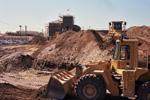
We recognize that parking on our campus has been significantly impacted, and we understand the challenges this has created for our patients, visitors, and staff—making it a priority to implement a thoughtful, longterm solution. Following Casa Colina’s Campus Master Plan, the first phase of development focuses on constructing a new parking structure designed to accommodate up to 500 vehicles on the south side of Bonita Avenue, with a safe and accessible sky bridge connecting directly to the main campus. Demolition has wrapped up, clearing the way for parking structure construction to begin in 2027. This investment will provide a modern, efficient parking solution that supports our growing campus while improving access, convenience, and the overall experience for those we serve.
4 ENHANCING CAMPUS RESILIENCE AND INFRASTRUCTURE
Casa Colina is preparing for important seismic upgrades over the coming year to ensure continued compliance with California’s rigorous safety standards and to strengthen campus resilience. Planned improvements include the addition of water storage tanks and septic holding tanks, which will enhance emergency preparedness and support uninterrupted operations during unforeseen events. Fortunately, because Casa Colina’s buildings already meet the latest seismic codes, these upgrades represent relatively minor enhancements rather than large-scale structural changes—reflecting the organization’s longstanding commitment to safety, preparedness, and responsible facility stewardship.
5 AUDIOLOGY SERVICES FOR THE INLAND EMPIRE
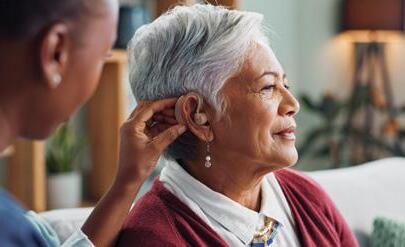
Opening in summer 2026, the Casa Colina Audiology Center in Rancho Cucamonga offers a broad range of auditory and balance services to Inland Empire residents and surrounding communities. Located within San Antonio Regional Hospital’s Center for Aging, this 1600-square-foot satellite center features an audiology booth/testing room, a videonystagmography (VNG) exam room, a hearing aid lab, and more. Our experienced audiologists offer a full spectrum of services, including quick and easy hearing screenings to identify potential concerns and comprehensive testing to diagnose hearing loss, auditory issues, and balance problems.
6 NEW DAY PROGRAM LAUNCHES IN APPLE VALLEY
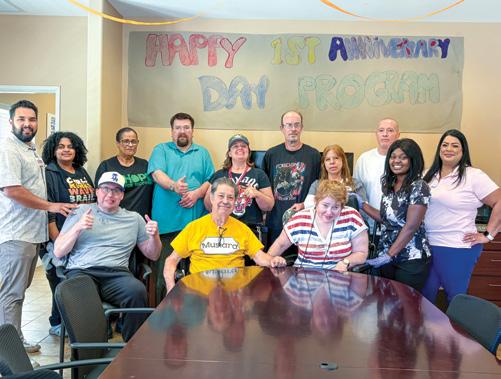
Casa Colina at Apple Valley is excited to introduce a new structured Day Program designed to enhance the quality of life for adults living with acquired brain injuries and other neurologic disabilities. Operating two days a week for five hours a day, the program provides a supportive environment focused on fostering independence and community reintegration. Participants engage in a comprehensive mix of services that prepare them for improvements across the therapeutic spectrum. Daily components include therapeutic cognitive exercises, physical rehabilitation, and practical life skills training such as meal planning and money management. By also integrating behavioral counseling, peer interaction, and community outings, the program ensures a holistic path toward continued cognitive, physical, emotional, and social progress.
7 SPORTS FIELD
Casa Colina is broadening its rehabilitation and sports medicine services with the construction of a cutting-edge Sports Field. Designed for athletes of every skill level, the new facility will be equipped with specialized gear, dedicated training areas, and a versatile sports court. These features are tailored to boost athletic performance, accelerate injury recovery, and host everything from personalized training programs to group classes and skillbuilding sessions. Situated directly adjacent to The Coliseum Sports Medicine and Orthopedics Center, the new field promotes seamless teamwork between doctors and therapists for well-rounded, cohesive patient care. Ultimately, this addition underscores Casa Colina’s dedication to helping athletes safely return to play and achieve their highest potential.
OUR MISSION
OPTIMIZE MEDICAL RECOVERY AND REHABILITATION OUTCOMES FOR ALL PATIENTS IN A SAFE ENVIRONMENT THAT RESPECTS THEIR DIGNITY, DIVERSITY, AND INDIVIDUALITY.
Casa Colina’s operational performance
NET REVENUE FROM OPERATIONS EXCLUDING FOUNDATION
Fiscal year ending March 31
OUR VISION
LEADING AND DEFINING EXCELLENCE IN SPECIALIZED MEDICAL, SURGICAL, AND REHABILITATIVE CARE.
APPLY CLINICAL EXCELLENCE, EDUCATION, AND RESEARCH TO ENHANCE QUALITY OF LIFE IN THE COMMUNITIES WE SERVE, WITH A COMMITMENT TO COMPASSION, COLLABORATION, AND INTEGRITY.
Casa Colina opened its doors in 1938 in Chino, California as an inpatient treatment center for children rehabilitating from polio. Since then, its staff, with the support of the Casa Colina Board of Directors, has continually expanded services to meet the growing needs of the community and beyond, serving nearly 30,000 patients annually.
Casa Colina offers the following medical, surgical, and rehabilitative services:
» Acute care hospital with 68 rehabilitation beds, six intensive care unit beds, 25 private medical beds, three operating rooms, and a gastroenterology procedure room; accredited by the Joint Commission and the Commission on Accreditation of Rehabilitation Facilities
» Transitional Living Center with 58 residential rehabilitation beds, day treatment program, and advanced day treatment program; accredited by the Commission on Accreditation of Rehabilitation Facilities
» Long-term residential facilities in Apple Valley and Lucerne Valley with 85 shared beds for people with brain injuries; 12 beds in Claremont for adults with developmental disabilities; licensed by the Department of Social Services
» Outpatient rehabilitation centers in Pomona, Azusa, and Monrovia
» Physician clinics with over 30 medical specialties
» Hyperbaric medicine, wound care, and limb preservation
» Diagnostic imaging
» Audiology
» Children’s outpatient services
» Research and Innovation Center
» Laboratory
» Support groups
» Wellness and fitness programs
» Community and professional education programs
» Outdoor Adventures recreational therapy and wheelchair sports program
Also on the Pomona campus:
» Casa Colina Ambulatory Surgery Center
» Medical office building with Garey Orthopedics, Pomona Dialysis and Vascular Center, San Antonio Pharmacy
» Inland Neurosurgery Institute
To learn more about Casa Colina’s continuum of care, visit casacolina.org or scan the QR code.
CONTACT US
CASA COLINA HOSPITAL AND CENTERS FOR HEALTHCARE
255 East Bonita Avenue
P.O. Box 6001 Pomona, CA 91769-6001
909/596-7733
TDD-TTY-Q 909/596-3646
Email – care@casacolina.org casacolina.org
Casa Colina Hospital – Ext. 3000
Children’s Services – Ext. 4200
Corporate Offices – Ext. 2300
Diagnostic Imaging – Ext. 4541
Finance/Patient Accounting – Ext. 5558
Foundation – Ext. 2232
Human Resources – Ext. 2154
Laboratory – Ext. 3150
Outdoor Adventures – Ext. 4165
Outpatient Center – Ext. 3500
Padua Village – 909/626-4799
Physician Clinics – Ext. 3800
Research Institute – Ext. 2220
Transitional Living Center – Ext. 4100
Wound Care & Hyperbaric Medicine – Ext. 3611
CASA COLINA AZUSA CENTER 910 East Alosta Avenue Azusa, CA 91702-2709
626/334-8735
CASA COLINA AT APPLE VALLEY 22200 Highway 18 Apple Valley, CA 92307-3948
760/247-7711
CASA COLINA PHYSICAL THERAPY & REHABILITATION CENTER AT MONROVIA 245 West Foothill Boulevard Monrovia, CA 91016-2152 626/993-2272
CASA COLINA AT RANCHO PINO VERDE 11981 Midway Avenue Lucerne Valley, CA 92356-7517
760/248-6245
Learn how to support Casa Colina’s latest fundraising efforts by calling 909/596-7733, ext. 2260 or visiting casacolina.org/give.
FUNDRAISING EVENTS
2026 / 2027
CSC Night at the Drive-In Saturday, July 25, 2026
Casa Colina Main Parking Lot, Pomona
ODA Golf Classic in Memory of Bill Haaker Monday, October 12, 2026
South Hills Country Club, West Covina
Tribute to Courage Gala Saturday, March 6, 2027
Sheraton Fairplex Suites & Conference Center, Pomona
Beat the Heat June 3-5, 2027 (Thursday–Saturday) Long Beach & Glendora
For information, call 909/596-7733, ext. 2237, email events@casacolina.org, or visit casacolina.org/FundraisingEvents.