Journal of the Student National Medical Association
Mental Health:
Violence and Trauma Against Black Bodies
ASSOCIATE EDITORS
ANGELA NWANKWO EDITOR-IN-CHIEF
LARISSA FOMUM-MUGRI CHINWE A. ANYANWU, MPH
GRAPHIC DESIGN / COVER ART [ CHINWE A. ANYANWU, MPH ]
CONTRIBUTING AUTHORS
COPY EDITORS
ARRIANNA MOHAMMED
JOSEPHINE AKINGBULU | KIMBERLY ANYADIKE | CHINWE A. ANYANWU, MPH | STEPHANIE BAGUIDY | AZIZ BENBRAHIM MD | BROWN C M.D | SHELBY BROWN, MBS | IAN BAILEY, MD | SARAH S. BASSIOUINI, MPH | CAMILLE A. CLARE, MD, MPH, CPE, FACOG | JASMINE DWYER | JASLYN HARRIS | HORNER AM, M.D | ELISE V. MIKE, MS | BLESSING NDUKA, DO, MS | OSOSE OBOH, MPH | OLADIMEJI OLUADEROUNMU | CHIMSOM ORAKWUE | QUENZER F D.O | REBEKAH RUSSELL, MD CANDIDATE | RODRIGUEZ R M.D. | ULRICK VIEUX, DO, MS | EVAN YANG
INQUIRIES
ADVERTISING | PUBLICATIONS@SNMA.ORG OTHER | JSNMA@SNMA.ORG
DISTRIBUTION
THE JOURNAL OF THE STUDENT NATIONAL MEDICAL ASSOCIATION IS PUBLISHED QUARTERLY BY THE SNMA. IT IS AVAILABLE ONLINE, DIGITALLY, AND IN PRINT. FOR SUBSCRIPTION INFORMATION, PLEASE VISIT OUR WEBSITE, WWW.SNMA.ORG, OR SEND AN E-MAIL TO PUBLICATIONS@SNMA.ORG
REPRINTING
NO ARTICLES, ILLUSTRATIONS, PHOTOGRAPHS, AND ANY OTHER EDITORIAL MATTER HEREIN MAY BE REPRODUCED WITHOUT WRITTEN PERMISSION OF THE JSNMA. TO REPRINT ARTICLES APPEARING IN THIS ISSUE, REFERENCE THE ARTICLE USING THE FOLLOWING TEXT: “THIS ARTICLE WAS RE-PRINTED FROM THE FALL 2020 ISSUE OF THE JOURNAL OF THE STUDENT NATIONAL MEDICAL ASSOCIATION, FIRST PUBLISHED OCTOBER 30, 2020 BY [AUTHOR].
THE STUDENT NATIONAL MEDICAL ASSOCIATION (SNMA) IS COMMITTED TO SUPPORTING CURRENT AND FUTURE UNDERREPRESENTED MINORITY MEDICAL STUDENTS, ADDRESSING THE NEEDS OF UNDERSERVED COMMUNITIES, AND INCREASING THE NUMBER OF CLINICALLY EXCELLENT, CULTURALLY COMPETENT AND SOCIALLY CONSCIOUS.
Journal of the Student National Medical Association 5113 Georgia Avenue, NW | Washington, DC 2 T: 202-882-2881 | www.JSNMA.org | JSNMA@snma.org
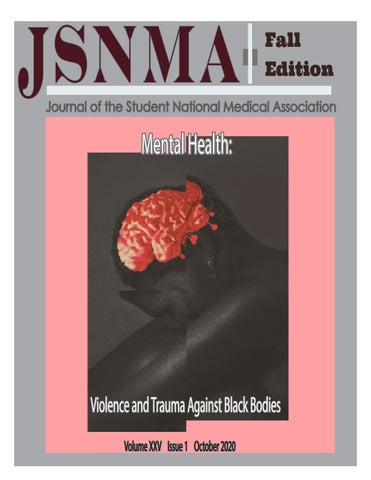
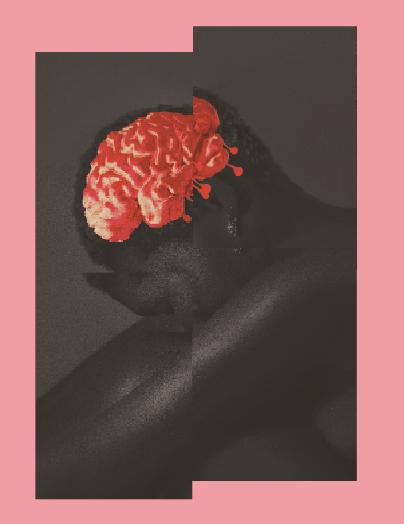
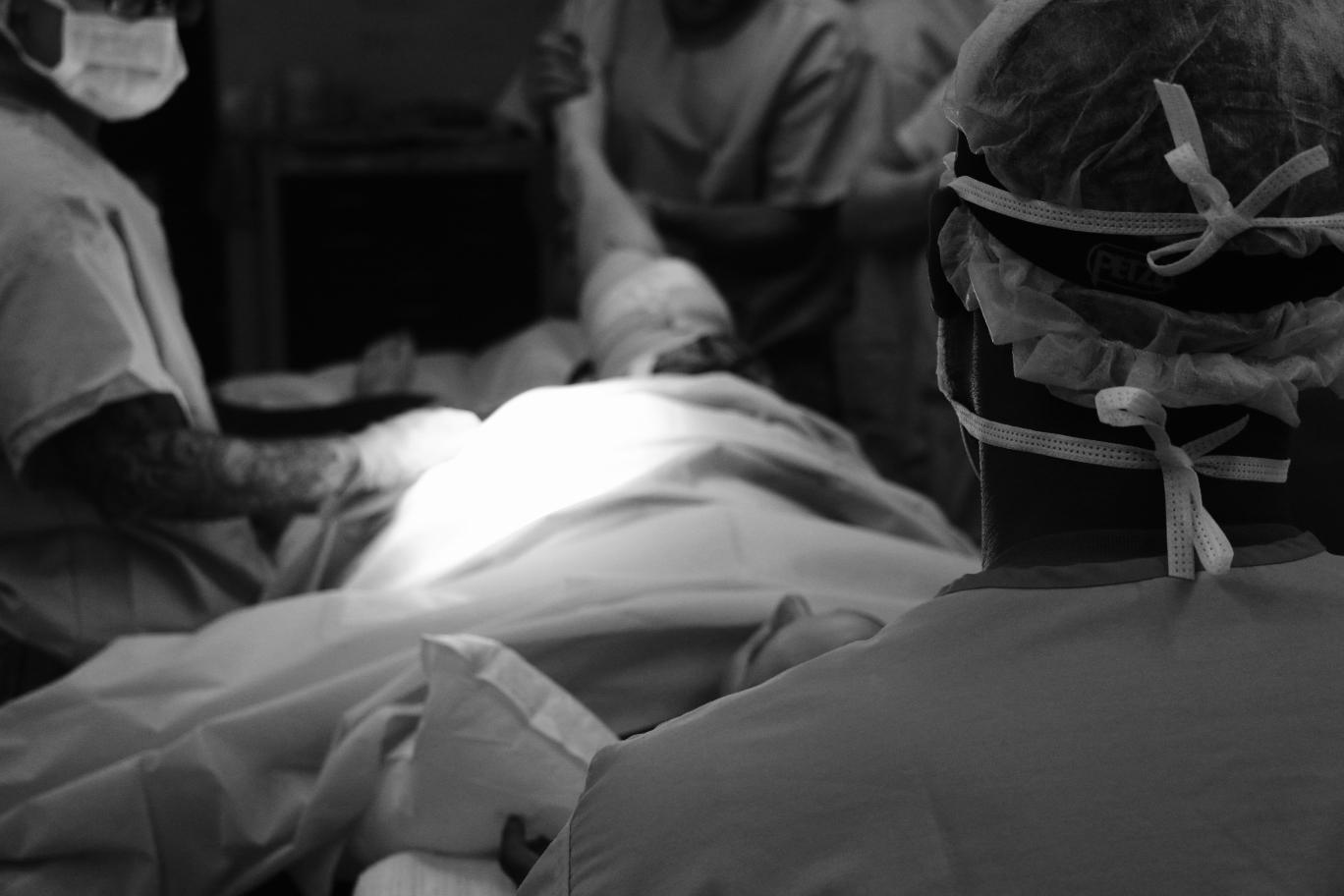
An artistic adaptation of a photograph by Raphael Lovaski superimosed with a "pink melting brain" by MclittleStock, adapted by Chinwe Anyanwu. This fractured image depicts the damaging mental and physical effects of violence and trauma against African Americans, which often remain hidden.
The Journal of the Student National Medical Association is published by the SNMA’s Publications Committee. Special thanks to our 2020-2021 Editorial Team!!
CHINWE ANYANWU, M.P.H is currently serving as the Editor-in-Chief for the JSNMA, as well as the AOA Liaison for SNMA. She recieved her Bachelor's in Public Health and Biology from the Univerity of Houston and Master's degree in Epidemiology from the Universiity of Texas Health Science Center at Houston. She is currently an OMS-III at University of the Incarnate Word School of Osteopathic Medicine. She has previously served as the UIWSOM SNMA Chapter President and National Liaison Officer for the Student Osteopathic Medical Association from 2019-2020. With a primary focus in leadership and advocacy, she hopes to use her background in publishing, graphic design, art and medicine to find new creative ways to contribute to the field of medicine and magnify the voices of those around her.
ANGELA NWANKWO is currently serving as the co-chairwoman for the SNMA’s National Publications Committee. She is currently a fifth year student at the University of Missouri at Kansas City School of Medicine Six Year B.A./ M.D. She studied Biology and Chemistry for her undergraduate degree. This is her second year serving as a chair for the committee and she is a past fellow of the SNMA National Future Leadership project (’18-’19). She also serves as her chapter vice president and previously served as community service chair and secretary.
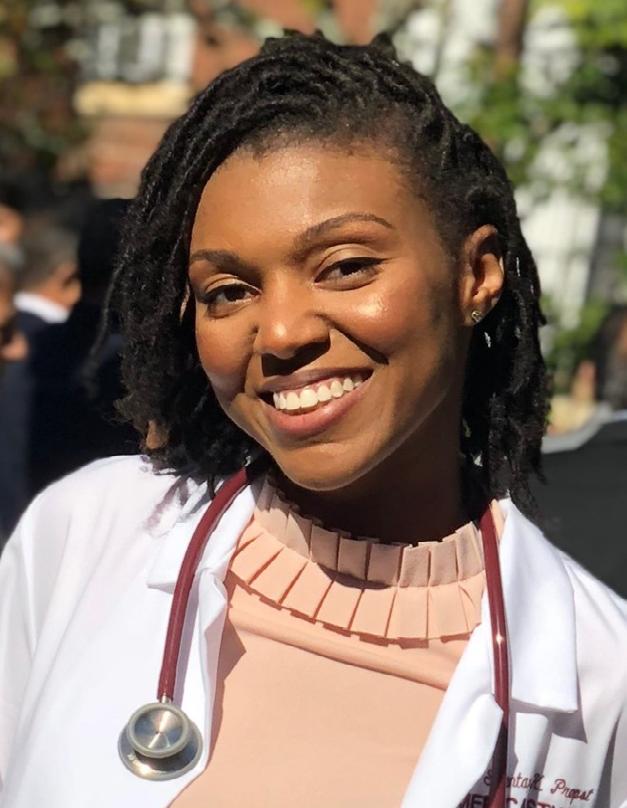
SHANTARA PROPST is serving as the Vice Chair for the SNMA’s National Publications Committee. She is a third-year medical student at Edward Via College of Osteopathic Medicine-Carolinas Campus. Prior to beginning medical school, she completed her bachelor’s degree at Florida State University and master’s degree at the University of South Florida. During this time, she was also able to gain extensive experience in branding, marketing, media, and design. She is extremely passionate about inspiring, empowering, and creating space for minorities in medicine and using her platform to create opportunities for others.
LARISSA FOMUM--MUGRI is serving as the Co-Chairwoman for the SNMA's National Publications Committe. She received her Bachelor's degree in Biology from St. Mary's College of Maryland. She then went on to pursue a Master in Public Health from University of Cincinnati College of Medicine. She is currently an MS4 at Michigan State University College of Human Medicine. She previously served as Mid Michigan Medical Society Liason for her SNMA chapter.
ARRIANNA MOHAMMED is currently the MAPS liaison for her SNMA chapter as well as an FLP Fellow for the 2020-2021 year. She has been a member of the Journal of the Student National Medical Association (JSNMA) Contributor Project since June 2020. She is an MS2 at the Zucker School of Medicine at Hofstra/Northwell. Her other leadership activities includes co-President of American Medical Women Association (AMWA), subcommittee member for the Committee on Anti-Racism (CARA) at the Zucker SOM, and mentor for the Medical Science Youth Program (MSYP).
"Leadership is building a bridge that connects the vision with the purpose, inorder to empower those who are around us."
- David Walker
Greetings SNMA Family,
Fall has arrived and as the leaves shed their layers and show the full spectrum of their true colors, so does the world around us. As the bold colors of autumn emerge, so will our voices. So, it is my pleasure to unveil the JSNMA Fall 2020 Issue entitled, Mental Health: Violence and Trauma Against Black Bodies. As you read the words of the incredible voices that make up the SNMA, I hope you are moved with motivation and shaken with pride, because you are a part of the reason any of this is possible. As the first publication produced by the new and excellent publications committee and I, we hope to bring forth new thoughts, stories and ideas that both inform, uplift and provoke deep examination of the systems that exist within our society and our professional field, which too often seems to affect us more than most.
"And in many ways we are all the same, but it's the differences that sometimes, feels so heavy; as heavy as the proverbial chip on our shoulder, that we all seem to carry ."
AWfrican American medical students are facing a new degree of emotional and academic burden amid heightened racial tensions in America. For many African American students, a cognitive dissonance exists when it comes to addressing inequalities in the African American community. While these issues are important and finding tangible solutions are paramount to dismantling systems of oppression that plague America, they also require time, attention, dedication and action that many of us don’t have the freedom to give while facing the academic rigors of medical education. What drives all of us as medical students is wanting better for ourselves, our families and our community. And in many ways we are all the same, but it's the differences that sometimes feels so heavy; as heavy as the proverbial chip on our shoulder, that we all seem to carry.
hile the world seems to be fighting against each other, African American medical students do not have the liberty to help in the fight that affects us the most; deconstructing systemic racism. And while the sky seems to be falling around us, all we can do is shake off the rubble and study on, as our hearts shatter with each new name added to the list of unarmed black lives taken. George Floyd, Breonna Taylor, Ahmaud Arbery, Jamel Floyd, Elijah McClain, Justin Howel, Tamir Rice, Philando Castile, Eric Garner, Michael Brown, Oscar Grant, Freddie Gray, Trayvon Martin. The names are as endless as the pain that comes with saying them. Even the recollection of these names, is another hurdle we must jump through in comparison to nonblack students. There is no option to forget these names or to delay playing our role in the fight against injustice. Therefore, we elect to resolve our cognitive dissonance with sacrifice. We sacrifice the little time and energy we do have left to stand with our community. We run what seems to be, a marathon with no rest stops, for we also have our own injustices we must face each day as African American medical students.
For fear of being pulled over, we drive slowly to get home, even when every second of studying counts. We educate our
classmates and preceptors on microaggressions. We take the time to explain our hair, our culture, our heritage, when boundaries are crossed in clinic and in classroom. We make time to protest even with exams waiting for us. We join organizations. We mold ourselves to become leaders in the fight against injustice. We do it all knowing that becoming doctors, alone, will not change the way a small but powerful subset of America sees us and treats us. We understand that we must do more to pave the way for change, no matter the sacrifice. Although, some of our amazing non-black counterparts choose to stand by our side and take on this struggle; adding yet another serving to a plate already full. For them, it is still a choice. For African American medical students, we don’t get a choice. This struggle was bestowed upon us like a birthright.
It is important for us to understand that inequality in medicine doesn’t just start in the clinic or the hospital, it starts in the classroom. From the pre-med course work to medical curriculum, there are nuances that can for many, determine their outcomes as students, doctors and even patients. We are judged on professionalism by different criteria than others. Ethnic hair coverings, braids, locs, twists, afros, are all deemed less than professional. As if the racial barriers that keeps us hurdling through life aren’t enough; now how we choose to wear the hair that grows from our own scalp requires us to consult each other on how it may be perceived by white people who give us our subjective evaluations that determine our grades. Also, in the classroom, even the images we see as medical students, that help us identify disease pathologies early on in patients, are all presented as white patients. For example, it was once thought that African American patients had more severe systemic manifestations of Lyme disease, until it was discovered that the issue was physicians were unable to identify the preceding “target lesion” on African
Americans, which appears several months before disseminated disease occurs. It was not that they had been poorly trained diagnosticians. It was that they had been poorly prepared to treat melanated patients, because white was, and still is, treated as the default in medical education. It leads many to question, why is this still happening?
Racism. It is the synergism of socioeconomic and racial biases that continue to perpetuate a cycle of inequality at all levels of the healthcare infrastructure. It yields way for the small implicit mental nudge that guides admissions committees to select the applicant with the “whiter” sounding name and makes a physician less likely to give a black patient pain medication or not believe their pain at all. It is the subsequent gift of post-slavery social constructs that creates the perfect silhouette for unconscious, inherited bias. It is the gift that keeps on giving and comes all wrapped and cloaked with a beautiful bow of freedom and equality. A bow that too many times seems to so easily be unraveled at the convenience of white privilege, without any real consequence.
The path to becoming a physician for many black medical students is paved on uneven ground.
The path to becoming a physician for many black students is paved on uneven ground. The result of this being a record low in the number of black male medical student applicants, and African Americans making up only 5% of active physicians in the
U.S., as well as overall poor representation of underrepresented minorities in hospitals and clinics, which feeds back into a cycle of healthcare inequalities seen in patients. With this amount of burden, on top of the current environment of today’s society African American students struggle with trying not only to “fight the power” but also fight imposter syndrome, anxiety and depression, microaggressions, outright racism and the general stress of being high-performing medical students.
For so many of us, we are our ancestor's wildest dreams, but these dreams are much easier to dream than to live through. So, to our fellow black students, in the words of Dwayne Michael Carter, Jr. “I know the process is so much stress but it’s the progress that feels the best.” Keep on keepin’ on!
Yours in SNMA,
Chinwe Anyanwu, M.P.H
Contributing Author: Shelby Brown OMS IV
Photo credit: Michael Meadows
National Updates National Updates
2020-2021 National Leadership
Chairman of the Board BRITTANIE HAZZARD BIGBY
President OSOSE OBOH, MPH
President-Elect CHANTEL THOMPSON
Vice President REBA GILLIS, MBS
Pre-Medical Board Member NICHOLE DAVIS
Treasurer TINA A. SEIDU
Secretary ANDREA SINGLETON
Speaker of the House ONOME OBOH, MS
Parliamentarian ARIEL FRANCOIS
Immediate Past President OMONIVIE AGBOGHIDI
Region Director DARNELL GORDON
Region II Director NIYI SOETAN
Region III Director STEPHANIE NWAGWU
Region IV Director KALA HURST
Region V Director JASMINE HOLMES
Region VI Director JEANNE NWAGWU
Region VII Director TRENIKA J. WILLIAMS, MS
Region VIII Director OMOSHADE IDOWU
Region IX Director KRISTIN WILLIAMS
Region X Director ADAOBI OKOCHA
2020-2021 National Leadership
Academic Affairs
Community Service
Convention Planning
Diversity Research
PRESTON IGWE
TIFFANY MORTON
MEGAN BADEJO
JEROME ARCENEAUX
COURTNEY BELL
NADIA ANDERSON
UMARU BARRIE
SARAH MARTINEZ
Election Chair CHANTEL THOMPSON
KAMILAH EVANS
External Affairs
Health Policy and Legislative Affairs
ADEIYEWUNMI OSINUBI
ELOHO AKPOVI
JUSTIN ANDERSON
Finance Chair TINA A. SEIDU
LAUREN BARON
Internal Affairs
International Affairs
SAHLIA JOSEPH-PAULINE
TEMA FODGE
DELIGHT MUNGOMA
MAPS Chair NICHOLE DAVIS
KIARA SMITH
Membership
Osteopathic
RUTH ST. FORT
ALDWIN SOUMARE
SABRI ZOOPER
JSNMA Editor-in-Chief CHINWE ANYANWU
LARISSA FOMUM MUGRI
Publications
PBM
ANGELA NWANKWO
CHERECE GRIER SMITH, MD Professional
(PBM) ERIKA WALKER, MD JANICE M. JOHNSON, MD
I just sat there with a bottle of pills in my hand, tinkering it back and forth, battling with the thought of what it would be like to not feel the pain that I was feeling any longer.
Ihave
Bodies
The Effect of Violence Against Black
on Mental Health and Health Care
Jasmine Dwyer, MD Candidate
St. George's University School of Medicine
been in pain before, I have felt hopeless before, but medical school does something different to you. The struggles that I have gone through emotionally and academically in medical school are like nothing I have ever experienced.
MentalHealth is IMPORTANT. It is essential. As essential as your physical health. It is vital. It should not be neglected. If you feel that your mind is tired, drained, or overburdened, that should not be ignored. It is your body telling you that you need to take care of yourself emotionally and mentally. The effects on our physical health may be more noticeable, such as weight gain or weight loss, acne, nausea, vomiting, etc. Sometimes effects on our mental health may not be as noticeable. That is why it is so important to check in with yourself.
The
black community is deeply hurting right now. Our people are dying due to hate crimes,
racism, and even at the hands of the very people that are supposed to protect us. To see the devastation around me; to see my people dying like this, has a heavy mental toll. It breaks my heart and it terrifies me. We have seen attempted lynchings on video, we have seen innocent black children killed, we have seen unarmed men suffocated and murdered in broad daylight. It is extremely exhausting and it leaves me feeling extremely helpless and overwhelmed. This is our reality. We have made some great progress in the past few months, but change takes time. The post-traumatic stress of years of oppression, enslavement, abuse, discrimination, hatred microaggressions, and gaslighting has its effect, whether we realize it or not.
in with yourself, make sure that you are filled mentally, emotionally, spiritually and physically. You cannot pour from an empty cup. To my black brothers and sisters who must fight every day that we wake up, you need rest too.
Oneof the most frightening realities as a student in the medical field are the effects that this blatant, inherent racism and racial bias has on healthcare. Several studies show that “ implicit bias is significantly related to patient-provider interactions, treatment decisions, and patient health outcomes.” 1. It is absolutely unacceptable that there exists an on-going, proven issue of black people, specifically, receiving worse health outcomes and treatment options that are not up to the standard of care.
Physicians
take an oath to makedecisions that are in the best interest of their patients, above all else. There must be a system of checks and balances implemented in order to ensure or make the best possible effort to enforce equal patient care.
"implicit bias is significantly related to patient-provider interactions, treatment decisions, and patient health outcomes."
Whatwe can do is keep fighting. Keep speaking out. Keep making moves in your field. Keep hoping. Keep being the change in your office, your school, your hospital, your home, the grocery store, anywhere that you see injustice! But while we are making change, please remember to be kind to yourself. Fighting all of the time can become exhausting. Check
Thepolice system, as broken as it may be, has several levels of police reform in place to keep the law enforcement system in check.
1. Reform – Implicit bias training, body cameras
2. Defund – Reallocation of resources from police militarization and weapons to social programs, education systems, etc.
3. Disband – This has only happened a handful
of times, such as when the police system in a certain area is so corrupt that it must be disbanded, and rebuilt. Former officers must reapply for their positions, and must adhere to new screening processes.
Ibelievethat there should be some type of system in place in healthcare, similar to the one outlined above, that upholds the standard of care for all patients; one that serves to eliminate implicit bias in healthcare. Our community depends on some type of change, and it is long overdue.
Throughmy struggles in medical school, I now know that everything that I have gone through and will go through will be worth it. I have a unique perspective and experience to share. My story matters. My experience matters. My black life and everything it comes with, matters. I will work as hard as I can, and do whatever I need to in order to make sure that I can be that advocate for that black pregnant mother who has been neglected. I will be there to show compassion to that downtrodden patient who feels that no one cares. I will be there to hold the hand of that patient who is facing the most difficult time in their life. My future patients are counting on me.
REFERENCES
1. Hall WJ, Chapman MV, Lee KM, et al. Implicit Racial/Ethnic Bias Among Health Care Professionals and Its Influence on Health Care Outcomes: A Systematic Review. Am J Public Health. 2015;105(12):e60-e76. doi:10.2105/ AJPH.2015.302903
Jasmine Dwyer is a third year medical student at St. George’s University School of Medicine. She has a passion for women’s reproductive health. She is active in her university’s chapter of Women In Medicine, where she has had the opportunity to participate in numerous pap smear clinics, helping to screen women in rural areas of the Caribbean for cervical and breast cancer, in addition to raising money for breast cancer research and treatment. She currently running a blog centered on fitness, lifestyle, women’s health. OBGYN has always fascinated her as a specialty. She loves the idea of combining both surgery and long-term patient relationships into one specialty. Her desire is to be an advocate for minorities who receive poor treatment/care in delivery rooms and hospitals, and to use her experience as an IMG to provide quality care to underserved global communities.
DEVELOPING AND SUSTAINING INSIGHT INTO MENTAL WELL-BEING IN ANY ERA
Ian Bailey, MD , Blessing Nduka, DO, MS , Ulrick Vieux, DO, MS
Ourgoal is to focus on psychological barriers that plague minority medical trainees and to shed light on strategies to overcome these hurdles. We currently live in a hostile reactionary sociopolitical climate where minority trainees can often find themselves in the crosshairs of pervasive forms of racism. This is especially of concern in the “Trump-Era”, for it provides public validation to deep-seeded kernels of white supremacy that continue to linger within American society. However, as prior generations fought bravely for equality, we must also build strength within us to reach for the highest heights of medicine and society.
In this vein of pragmatism, below are five strategies we have employed to persevere through some of the most challenging times in our training, whether it be in college, medical school, or residency. These moments are inevitable in medicine, for the pursuit and the practice of medicine is tough, period. In our experience, medicine truly selects for individuals who are able to rebound and perform in the face of adversity. We hope the following tips and
information will either provide or reinforce the inner tools that are required to chart a successful course in medicine.
• 33 - 47% lifetime prevalence of psychiatric disorder in people of African descent6
• Minority students at higher risk for burnout, depression and lower quality of life7
Seek Academic and Support Groups
Volunteer Community outreach
• Trusted peers
• Past and present alumni, faculty, and community mentors3
• Pipeline programs that offer financial or academic assistance
• Counter-pressure techniques (e.g. handgrip with severe emotional stress)4
Seek Professional Help
• Professional services (e.g. counseling) are lacking but also underutilized5
racism and discrimination are key barriers that perpetuate the mistrust of the healthcare system and ability to speak up about mental health issues. Additionally, individuals from minority ethnic backgrounds routinely fall victim to inadequate access to mental health services and limited available options.
We strongly encourage our fellow peers to seek a strong social support system in the form of mentors, faculty, friends and to take time for oneself to practice mindfulness and meditation. A cultural shift is required to ensure the proper implementation of mental health resources to all members of the healthcare community and to help dispel the myths and biases surrounding mental health as a whole. The race is truly not just for the swift but for those who can endure. With this mantra we intend not only to endure the “Trump-Era”, but also to flourish in it.
REFERENCES
• Local healthcare clinics
• Healthcare organizations (e.g. international medical mission trips)
Self-Educate
• Popular press
• Medical literature
• Mental health awareness programs (e.g. Sharing Hope, Mental Health America)
In conclusion, the longstanding stigmatization of mental health is an uphill battle in the United States. There is an even greater stigma among minority health care professionals to seek treatment. The present-day struggles of minorities in medicine with
THE AUTHORS:
IAN BAILEY IS A 2017 GRADUATE OF SUNY UPSTATE MEDICAL UNIVERSITY AND IS A CURRENT MBA STUDENT AT ST. JOHN’S TOBIN SCHOOL OF BUSINESS.
BLESSING NDUKA IS A 2019 GRADUATE OF WEST VIRGINIA COLLEGE OF OSTEOPATHIC MEDICINE AND IS A CURRENT PSYCHIATRY RESIDENT AT ECU-VIDANT HEALTH MEDICAL CENTER.
ULRICK VIEUX IS THE CHAIRMAN OF PSYCHIATRY AND RESIDENCY
PROGRAM DIRECTOR AT GARNET HEALTH MEDICAL CENTER. HE ALSO MAINTAINS A PSYCHIATRY PRIVATE PRACTICE IN NEW YORK CITY AND HAS HELD ACADEMIC APPOINTMENTS AT COLUMBIA, HARVARD, MT. SINAI AND TOURO COLLEGE OF OSTEOPATHIC MEDICINE.
1. Coates, T. (2017). We Were Eight Years In Power: An American Tragedy. New York, NY: One World.
2.
3. Bonilla-Silva, E. (2017). Racism without Racists: Color-Blind Racism and the Persistence of Racial Inequality In America. Lanham, MD: Rowman & Littlefield.
4.
5. Toretsky C, Mutha S, Coffman J, Healthforce Center at UCSF. (2018): Breaking Barriers for Underrepresented Minorities in the Health Professions. Retrieved December 31, 2018, from https://healthforce.ucsf.edu/publications/breaking-barriersunderrepresented-minorities-health-professions
6.
7. Cleveland Clinic. (n.d.). Syncope: Counter Pressure Techniques. Retrieved December 30, 2018, from https://my.clevelandclinic. org/health/diseases/16902-syncope-counter-pressure-techniques
8.
9. Keyes KK, Hatzenbuehler ML, Alberti P, Narrow WE, Grant B, Hasin D. (2008). Service Utilization Differences for Axis-I Psychiatric and Substance Use Disorders Between White and Black Adults. Psychiatr Serv 59(8): 893-901. https://doi.org/10.1176/ ps.2008.59.8.893
10.
11. Gibbs TA, Okuda M, Oquendo MA, Lawson WB, Wang S, Thomas YF, Blanco C. (2013). Mental Health of African Americans and Caribbean Blacks in the United States: Results From the National Epidemiological Survey on Alcohol and Related Conditions. Am J Public Health 103(2):330-338. https://doi.org/10.2105/AJPH.2012.300891
12.
13. Dyrbye LN, Thomas MR, Eacker A, Harper W, Massie FS Jr, Power DV, Huschka M, Novotny PJ, Sloan JA, Shanafelt TD. (2007) Race, Ethnicity and Medical Student Well-Being in the United States. Arch Intern Med. 167(19) 2103-9. https://doi.org/10.1001/ archinte.167.19.2103.
Dear SNMA Family,
It is with great pride that I welcome you to the 2020-2021 Fall Edition of the Journal of the Student National Medical Association, more commonly referred to as the JSNMA. The theme of this issue, “Violence and Trauma Against Black Bodies,” comes at a time of heightened tension in the United States where instances of police brutality have been brought the discussion of systemic racism back to the forefront. This issues theme was created by our Immediate Past President Omonivie Agbhoghidi to provide the space for students to share thought-provoking pieces about a topic where Black medical students lie at the intersection. It is imperative that we collectively advocate for the unwavering need address the disproportionate treatment of Black people within this country especially as future physicians. Given our vast SNMA membership across the country and the wide range of backgrounds represented, we could help pave the way by making our voices heard.
For over 50 years, the JSNMA has served as the premier written voice of the SNMA, reflecting our mission, goals, and members’ concerns. As we celebrated 56 years in 2020, we will continue to focus on ways to support current and future underrepresented students entering the field of medicine and continue to address disparities that affect underserved communities across our nation and beyond. As you read through this issue of the JSNMA, I urge you to reflect upon areas where you can participate in the mission of the SNMA. Consider the many ways that your voice could move medicine towards a more culturally inclusive field for both healthcare providers and patients.
I hope that you will continue to enjoy this issue and be inspired to share your written voice in the next edition. I want to thank all current and past SNMA members who continue to use their voice to diversify the face of medicine and advocate for health equity. Also, thank you to all those who made this edition possible and to those who continue to support the JSNMA.
Yours in SNMA,
Osose Oboh
Osose Oboh, MPH
57th National President
Lifting as We Climb: The Importance of Mentorship in the Minority Physician Community
ELISE V. MIKE, MS, MD/PHD CANDIDATE
ALBERT EINSTEIN SCHOOL OF MEDICINE
CAMILLE A. CLARE, MD, MPH, CPE, FACOG
NEW
YORK MEDICAL COLLEGE, ASSOCIATE PROFESSOR OF OBSTETRICS & GYNECOLOGY, ATTENDING
PHYSICIAN, NEWYORK CITY + HOSPITALS/METROPOLITAN
As we continue to fight against racial inequality, it is worthwhile to turn to those who came before us for wisdom.
In July 1896, at the first annual convention of the National Federation of Afro-American Women in Washington, DC, civil rights leaders Josephine St. Pierre Ruffin and Mary Church Terrell spearheaded the formation of the National Association of Colored Women (NACW). Only one year earlier, the National Medical Association (NMA) was founded in 1895 in order to advance the art and science of medicine for people of African descent via education, advocacy, and health policy. As the largest and oldest organization of African American physicians, the NMA promotes health and wellness, and works to eliminate health disparities and sustain physician viability. The country’s oldest national black organization, the NACW was created in response to visceral attacks on Black women and rampant violence and disenfranchisement against the race. Their founding principle was “Lifting as We Climb,” and they encouraged Black women to lead reform within their communities.1 This sentiment is at the core of the mission of the SNMA, and we adopted this ardent slogan in SNMA Region IX as our theme for the 2017-2019 term.
We encourage our medical student members to serve as mentors for high school and premedical students, thereby elevating the next generation. Moreover, we actively seek out mentorship from minority physicians
from the National Medical Association (NMA), allowing ourselves to be uplifted as we climb over the many hurdles on the path to becoming a physician. This system of support is essential to increasing diversity in medicine. Previously, these goals fell under the umbrella of one organization, the NMA, prior to the establishment of the SNMA in 1964.
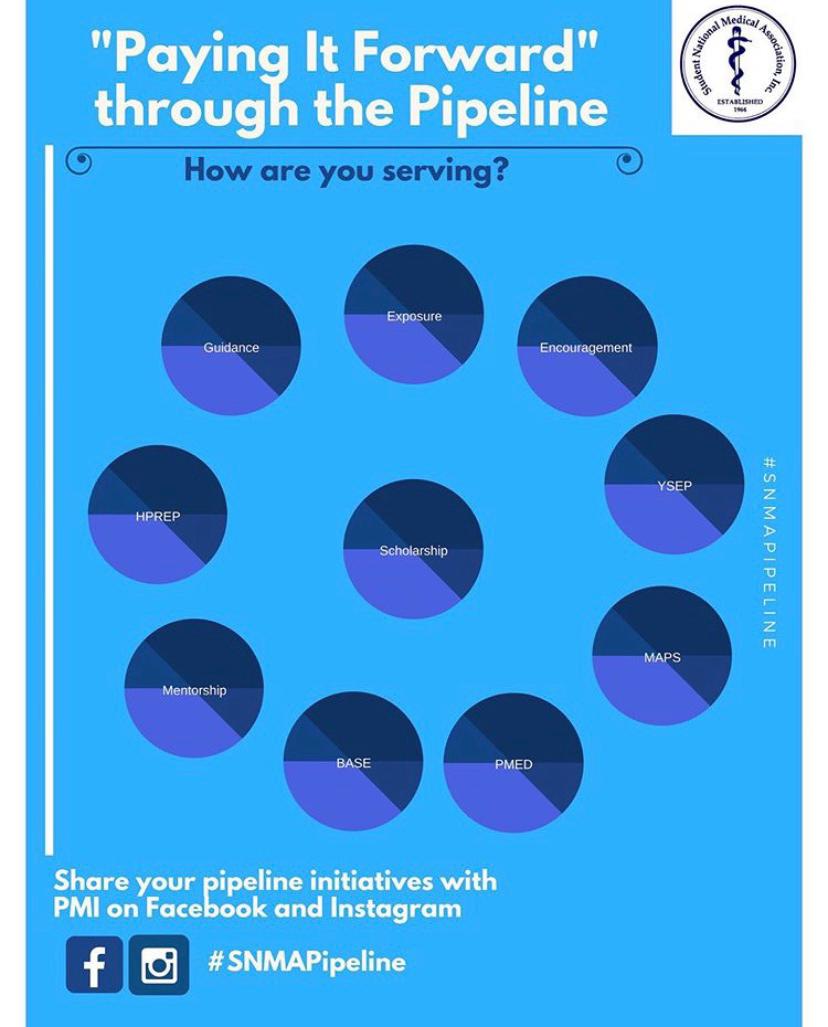
There is nothing quite as rewarding as supporting and encouraging premedical students in their journey to enter the medical field. SNMA Region IX demonstrates an impressive track record of engagement between SNMA medical students and MAPS premedical students. Our SNMA members provide exposure to medical school with tours, anatomy days, shadowing, and share strategies about how to be competitive applicants. Our MAPS members also benefit from the national Pipeline Mentoring Initiative (PMI) and MAPS committee programming that is geared toward their successful matriculation into medical school.
Umarginalization and championing increased cultural competency. On a regional level, we support each other through regular conference calls and regional meetings where coping strategies and successful programming are shared and leadership skills are honed. As the number of minority medical students unfortunately remains low, the strong sense of community that SNMA fosters is an excellent method of surviving and thriving. A connection to NMA physicians is also important to addressing microaggressions in the learning environment at medical schools and academic medical centers, as physicians before you, have faced and continue to face similar
Members from the New York local affiliates of the NMA, including the Empire State Medical Association, the Manhattan Central Medical Society, and the Susan Smith McKinney Steward Medical Society, make up many of our speakers. They candidly discuss their specialties, highlights and challenges of their careers, and advice they have cultivated along the way. This is an invaluable opportunity for our students to form new mentoring relationships and gain inspiration from those who have paved the way for our success. This SNMA-NMA Mentorship Initiative as supported by the SNMA National President and NMA Board of Trustees Membership committee has been essential to expanding diversity in medicine
plifting aspiring medical students through SNMA not only increases the number of future minority physicians, but it also instills the value of these connections so that they too can pay it forward.
Uplifting aspiring medical students through SNMA not only increases the number of future minority physicians, but it also instills the value of these connections so that they too can pay it forward. SNMA medical student members uplift each other within their own chapters with safe spaces to discuss issues of concern in the minority community and programming geared toward our success. Several SNMA chapter members within the region have also been active in advocating for diversity and inclusion on their campuses, combating
challenges as medical students.
Each year, our annual Regional Medical Education Conference (RMEC) allows 300 medical students, premedical students, and high school students in Region IX the opportunity to network with each other and with minority physicians and to focus on our professional development.
In addition to uplifting high school and premedical attendees, medical students can connect with National Medical Association (NMA) physicians from several specialties that are committed to mentorship.
deans, who actively meet and participate in minority student recruitment fairs during SNMA regional meetings to mentor, network and encourage premedical and medical students in their pursuit of careers in academia, research, and specific specialties.
initiatives. Currently, a SNMA-NMA Memorandum of Understanding (MOU) formalizes our relationship even further. This includes formal and informal mentorship activities and attendance at each other’s regional and national conferences as speakers and participants. Graduating SNMA medical students may obtain membership in the NMA throughout their years of residency and fellowship training in order to expand and solidify our like-minded goals of stabilizing the leaky pipeline of medicine. Several NMA members in Region I (corresponding to SNMA Regions IV, VII, IX) are diversity
This SNMA-NMA example of how medical organizations can engage in order to increase the pipeline of students from elementary school to medical school, residency, fellowship and junior and senior faculty is at the core of how diversity in medicine may be achieved. With similar goals of health policy, advocacy and activism, both SNMA and NMA leaders and future leaders have demonstrated that by working together, we can increase and support diverse candidates in medicine and science and continue to “lift as we climb.” This is a lifelong commitment of the SNMA and the NMA.
Elise V. Mike, PhD is the SNMA Region IX Director for the 2017-2019 term. She previously served as chapter vice president and later co-president at Albert Einstein College of Medicine, and she also served two consecutive terms as Associate Regional Director General.
REFERENCES
1. Encyclopedia Brittanica. National Association of Colored Women’s Clubs. https://www.britannica.com/topic/National-Association-of-ColoredWomens-Clubs. Accessed December 31, 2018.
Dr. Camille A. Clare, MD, MPH, CPE, FACOG is currently the NMA Region 1 Trustee, is a lifetime member of the SNMA, past SNMA Professional Board of Directors member, and is the immediate past NMA Region I Chair and immediate past president of the Manhattan Central Medical Society, a local affiliate of the NMA. While a medical student, she served as SNMA chapter president at Albert Einstein College of Medicine and SNMA Region IX Director.
“The National Medical Association is the collective voice of African American physicians and the leading force for parity and justice in medicine.”
MAKING A DIFFERENCE WITH SNMA
OTHER’S KEEPER
SARAH S. BASSIOUNI,
M.P.H., PBT(ASCP); M.D. CANDIDATE
UNIVERSITY OF CALIFORNIA SAN DIEGO SCHOOL OF MEDICINE
In my first year of medical school I was taught how to assess mental health with an alphabet soup of acronyms. I practiced how to compassionately ask patients about anxiety, depression, or suicidal ideation. Knowing that I am in a profession with high rates of burnout and suicide, I also trust that if I or my classmates become these patients, our deans, faculty, and fellow students will support and respect us (Cook Grossman, 2016). This requires a multi-pronged approach.
Medical school, unlike perhaps any other educational process, can tear away previously established compensatory mechanisms and reveal an underlying psychiatric condition. Thus, at an institutional level, there is merit to consider offering optional and confidential mental health assessments for incoming medical students, who can then use preliminary results to seek additional support early on.
In conjunction with providing counseling services, it is important to interrogate the relative homogeneity of student and faculty populations in our profession. It is impossible to disentangle mental well-being from one’s identity, whether as a queer woman of color, as a recent immigrant, or as an indigenous person (Gengoux & Roberts, 2018). It is often far easier to disclose this sensitive information with someone who has had similar experiences. Thus, it is key for administrators to continue recruiting and retaining students and faculty with varied backgrounds (Hardeman
et al., 2016). Additionally, research has confirmed the anecdotal experiences of medical students from under-represented and marginalized communities, who often experience the compounded effects of medical school-related stress along with insidious biases (Acheampong et al., 2018; Leverzapf & Abma, 2017). While these biases may be explicit, they are very often implicit and subtle, which can often contribute to perceptions of gaslighting and imposter syndrome (Villwock et al., 2016).
When our faculty models an openness to discussing mental well-being, it creates an atmosphere that encourages us to better understand our fellow classmates’ struggles and pull each other back from the brink. During orientation, our anatomy directors emphasized their availability, noting it is normal to have a strong emotional response when first encountering donors’ bodies. Within a few weeks, I organized a well-received informal meeting for students to confidentially discuss their reactions. I do not think these moments would have happened if we as a school did not strive to normalize discussions around mental health.
Responding to student requests, our school administration has established multiple support systems. This includes on-site psychiatrists who are available semi-weekly for confidential sessions; they also assist in streamlining
referrals for on-campus counseling services. These resources not only save time for students, but also save lives. It is the strength of these trusted relationships that allows us to confide and restore, especially for those of us who are medical students of color. I recognize this is not universal for all medical schools. While I am acutely aware that significant progress has been made, there is still much to be done to ensure the mental health and well-being of ourselves and our colleagues.
REFERENCES
1. Cook Grossman, D. (2016). Reducing the Stigma: Faculty Speak Out About Suicide Rates Among Medical Students, Physicians. Retrieved July 9, 2018, from https://news.aamc.org/ medical-education/article/reducing-stigmasuicide-rates/
2. Gengoux, G. W., & Roberts, L. W. (2018). Ethical Use of Student Profiles to Predict and Prevent Development of Depression Symptoms During Medical School. Academic Medicine, 1. https:// doi.org/10.1097/ACM.0000000000002436
3. Hardeman, R. R., Przedworski, J. M., Burke, S., Burgess, D. J., Perry, S., Phelan, S., … van Ryn, M. (2016). Association Between Perceived Medical School Diversity Climate and Change in Depressive Symptoms Among Medical Students: A Report from the Medical Student CHANGE Study. Journal of the National Medical Association, 108(4), 225–235. https://doi. org/10.1016/j.jnma.2016.08.005
4. Acheampong, C., Davis, C., Holder, D., Averett, P., Savitt, T., & Campbell, K. (2018). An Exploratory Study of Stress Coping and Resiliency of Black Men at One Medical School: A Critical Race Theory Perspective. Journal of Racial and Ethnic Health Disparities. https://doi. org/10.1007/s40615-018-0516-8
5. Leyerzapf, H., & Abma, T. (2017). Cultural minority students’ experiences with intercultural competency in medical education. Medical Education, 51(5), 521–530. https://doi. org/10.1111/medu.13302
6. Villwock, J. A., Sobin, L. B., Koester, L. A., &
Dismantle: to destroy (something) in an orderly way: to gradually cause (something) to come to an end.
I recently attended a regularly scheduled discussion series that is designed to get physicians, medical students, and other health workers engaged in conversations on the intersection between social justice and health. The group provided a set of articles and prompting questions for discussion. Two of the questions that were of particular interest for me were:
1. How do we address racism as healthcare professionals in a clinical setting and in hospitals? Name short and long-term goals.
2. How do we address racism to improve population health? Name short and long-term goals.
These questions, amongst others, have been a core part of my first few weeks of medical school and are a component of the efforts being taken to remedy the impacts racism has had on health outcomes for African Americans. In March 2020, the Liaison Committee on Medical Education (LCME), released the accreditation standards for the 2021-2022 academic year. The accreditation standards require that medical schools include a number of topics that address racism (e.g. Societal Problems, Cultural Competence and Health Care Disparities, and Medical Ethics), a glossary of terms for LCME Accreditation Standards, and elements which include “benefits of diversity.” In addition, many schools have moved to a holistic review process, which is one way to increase diversity in medical school classes and
IMPROVING HEALTH FOR AFRICAN AMERICANS INVOLVES DISMANTLING A LARGER SYSTEM OF RACISM
REBEKAH RUSSELL, MD CANDIDATE
CASE
alleviate barriers to admissions due to inequity. Although these measures are done with the best of intentions, I believe that the short and long-term solution for addressing racism’s impact on health is to dismantle the system of institutionalized racism that permits the oppression and subjugation of African Americans in every space. Anything short of dismantling institutionalized racism is placing a band-aid over a leaking vessel.
First, you cannot separate racism in a clinical setting from racism in any other context. As health education is teaching us, health is intimately intertwined with income, education, housing, and other forms of inequity known as social determinants of
population health, and the physical environment that makes up 10% of population health. Only until racism is addressed in these sectors can we begin to think about racism in healthcare, which makes up 20% of population health.1 Many solutions to racism in the clinical setting include changes to medical education, diversity in student populations, trauma-informed care, and implicit-bias training. However, what is the solution when the very diagnostic tools used by physicians introduce racial bias into health care? The only solution is to dismantle the entire system and begin anew.
The only solution is to dismantle the entire system...
health. As a result, if healthcare providers want to see improved health outcomes for the African American population, they should work to address the socioeconomic factors that make up roughly 40% of population health, health behaviors that make up 30% of
As Stokely Carmichael and Charles V. Hamilton wrote in their work “Black Power: The Politics of Liberation,” the job of addressing racism cannot be left to the present institutions and agencies, because those structures are inherently flawed with racism. I understand that dismantling an old system and rebuilding a new system of health, education, economics, and politics cannot be done overnight. However, we need immediate solutions that health care professionals and the institutions for which they work for and work with can take to address racism in America.
I offer four immediate solutions to begin to truly address systemic racism in healthcare in a meaningful way:
1. Provide education on the history of race in American and the intentional things done to oppress and subjugate African Americans.
In this time of reawakened social justice and focus on race, there are a variety of resources available to educate medical students on the history of race in America and its present and ongoing impact.
2. Increase the number of Black and African American matriculants into medical school
A recent article outlines the decline of African American males in medical schools over the past decades, which is frankly unacceptable. 3
3. Increase the number of Black and African American faculty in medical schools
In 2019, data demonstrates that medical school faculty remain predominantly white (63.9%) and male (58.6%).2
4. Partner with community efforts to alleviate the social inequity that impacts socioeconomic factors and health behaviors.
Through partnerships with community efforts, healthcare providers can ensure that health education in the clinical is possible through community resource availability and increased opportunity to make healthier choices. This means that physicians have to be aware of the community opportunities available to their patients, and if necessary be involved in the creation of those resources.
Though this is my third week of medical school, this is my 24th year as an African American woman in America. In order to solve the problem of race in this country, it requires us to move outside of our comfort zones and move towards being comfortable having these conversations. America has a problem of institutionalized racism that impacts every facet of life for the African American population. If healthcare providers want the best quality of life for their patients, they must first dismantle the system of racism.
REFERENCES
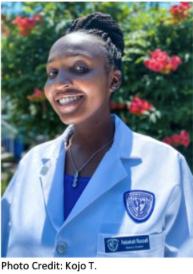
Rebekah Russell is a native of Greater Cleveland, Ohio where her family lived 1.5 miles from the Case Western Reserve University campus. She received her Bachelor of Arts in Psychology in 2018 from Case Western Reserve University and received her Master of Public Health from Case Western Reserve University in 2020. Currently, Rebekah is a M1 at the Case Western Reserve University School of Medicine. Her research interests involve policy and its impact on resource availability and health outcomes.
HNP National HIV Curriculum Register with SNMA code: Group Code: 3prv8muwqu Group Name: SNMA-HNIP
11/1
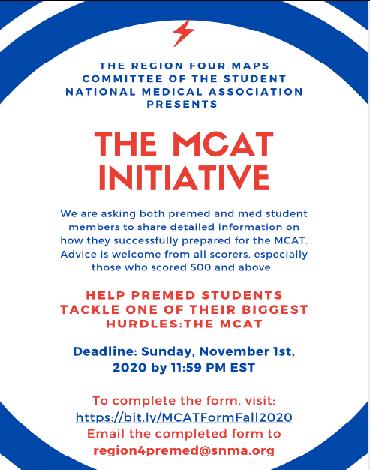
The MCAT Initiative Deadline: 11:59 PM EST
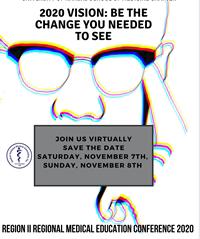
11/7
Region VII Conference 11/7
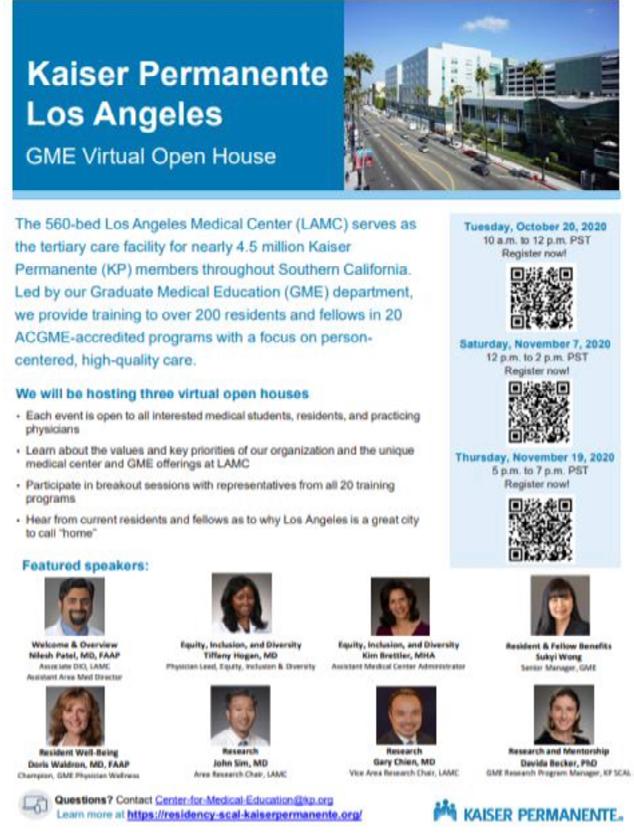
GME Virtual Open House
11/5
NHSC Students to Service Loan Repayment Program – Application Now Open Deadline:11/5 at 11:59 PM ET
11/30
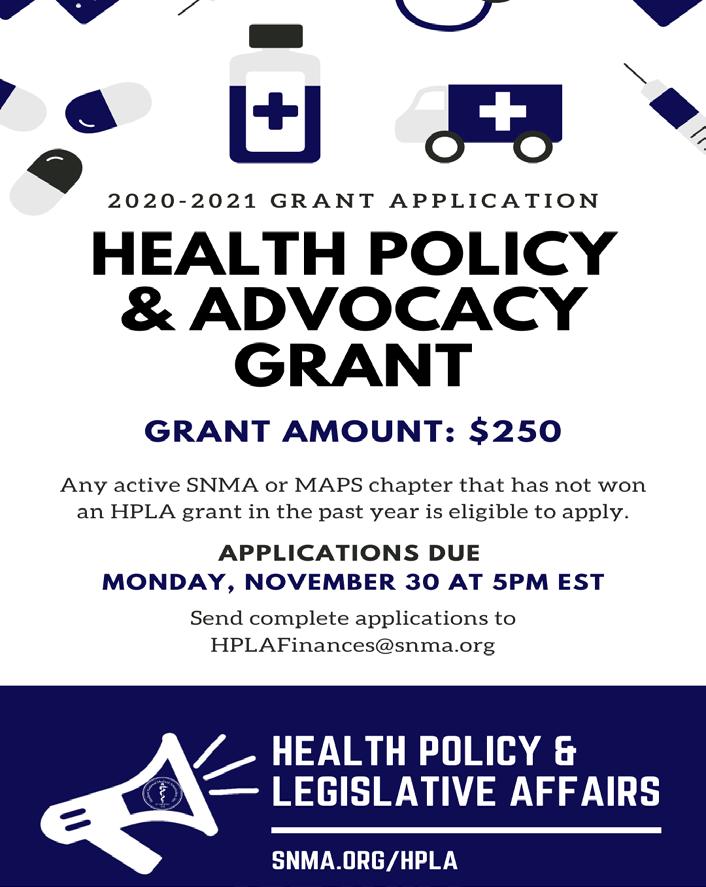
HPLA Grant Deadline: 11/30 at 5 PM EST
I am her lovebeaR
JASLYN HARRIS, MD CANDIDATE
I miss my mama’s kisses. She loves me.
I am her lovebear.
She loves my black skin.
Oh, Jazz, don’t pick.
Oh, Jazz, look at that smile.
Oh, Jazz, you brighten up my day.
Soft, tender lip presses upon my forehead.
No, wait, they said it’s a fivehead.
You should wear earrings.
You should do what makes you happy.
You should never let someone have parts of you they don’t deserve.
Back to the days when “why are you here?” meant exactly as it sounds,
Unlike the current meaning, which is double.
Why do you hate me?
My black skin shines in the light as the skin kisses my nose.
My brown eyes see the world in color.
My curly hair winds so tight – the shrinkage is so real.
My blood runs blue and bleeds red, just like yours.
Why is different, justified when mine spills on the street?
Oh, Jazz, you shouldn’t wear that.
Oh, Jazz, what if they hear you?
Oh, Jazz, can’t you just sit still?
Going, going… I’m not gone.
I remember she held me.
Warm and tight and safe on her chest.
Going, going, gone.
That girl, she’s something else.
Leg kicked up on the back of the sofa,
Passed out while taking off her compression hoses,
Still half-wearing the scrubs.
Gotta make sure there’s a crease down the leg.
I don’t want to.
You are beautiful. You are my sweet, intelligent girl.
No – young lady.
Oh, she’s back; here’s my chance.
Going, going… gone.
Oh, how I long to go back.
Back to the days when I didn’t notice the stares.
I will never go.
I’m no longer cold, out of touch, out of reach, out of pleas. Please.
Take a deep breath. Breathe.
I can. I will. I am.
I’ve fought for this,
And I will never stop fighting, Trying,
Correcting, Trying again.
I never said I’m perfect, since I’m human, too.
And I’m here, here… still here.
And guess what?
I am my mama’s lovebear.
YOUR STORY MATTERS
KRYSTILYN WASHINGTON MD, FACOG
OBSTETRICS AND GYNECOLOGY
Name: Krystilyn Washington, MD, FACOG
Hometown: Warrenton, VA
Educational Background/Degrees Obtained: University of Virginia- BA Anthropology/ Pre Medicine
Drexel University College of Medicine- MD
Specialty: Obstetrics and Gynecology
Residency Location: Rutgers University-New Jersey Medical School- Newark, NJ
Favorite Quote: "If you have come to help me, you are wasting your time. But if you have come because your liberation is bound up with mine, then let us work together." -Watson
Social Media Handles or Contact Info/Email: @DrKrysOBGYN
Why medicine and why your specialty?
I was interested in medicine at a young age. Seeing our family physician come to our house to give care to my great-grandparents piqued my interest in medicine. While in college I took a class called "The Health of Black Folks", which lit my passion for health equity. Obstetrics and Gynecology is such a broad field. You can do primary care, gynecologic surgery and deliveries. There are very few solo practices anymore. You can tailor your practice to whatever you want your life to look like. You develop such a deep relationship with your patients and are there for them at monumental events in their life, good or bad. You have the opportunity to make a big difference not only in the lives of women, but also their families.
Tell us a fun fact about yourself.
I LOVE traveling. Pre-Covid I would travel internationally a few times a year. My favorite places so far have been Australia, Thailand and South Africa. I still take trips with other regional directors I served with on the SNMA BOD about 8 years ago. You definitely make lifelong connections at the SNMA.
Do you have any passions outside of medicine? If so, what are they?
I love singing. It’s something I have consistently done since I was little. It’s definitely an outlet and I make it to practice and sing no matter what’s going on (this was all pre-Covid). I’m also very interested in home décor and decorating. I always answered, “what would you do if you were not interested in medicine? ”, with being an interior decorator!
What is one of your biggest regrets? What would you do differently if you had the opportunity?
One of my biggest regrets would be not becoming involved in my subspecialty organization earlier in medical school. There are so many opportunities for medical students to be involved and most are FREE for medical students. You get to meet and form relationships with future colleagues in the field. This can also help with matching as many of the faculty, including program directors, attend the conferences.
What advice would you give to someone looking to pursue a similar path as yours?
Keep an open mind and learn from every experience. Keep feeding your passions, it’s what keeps you sane in stressful moments and makes you unique. Always stay true to who you are and NEVER limit yourself or let others limit you.
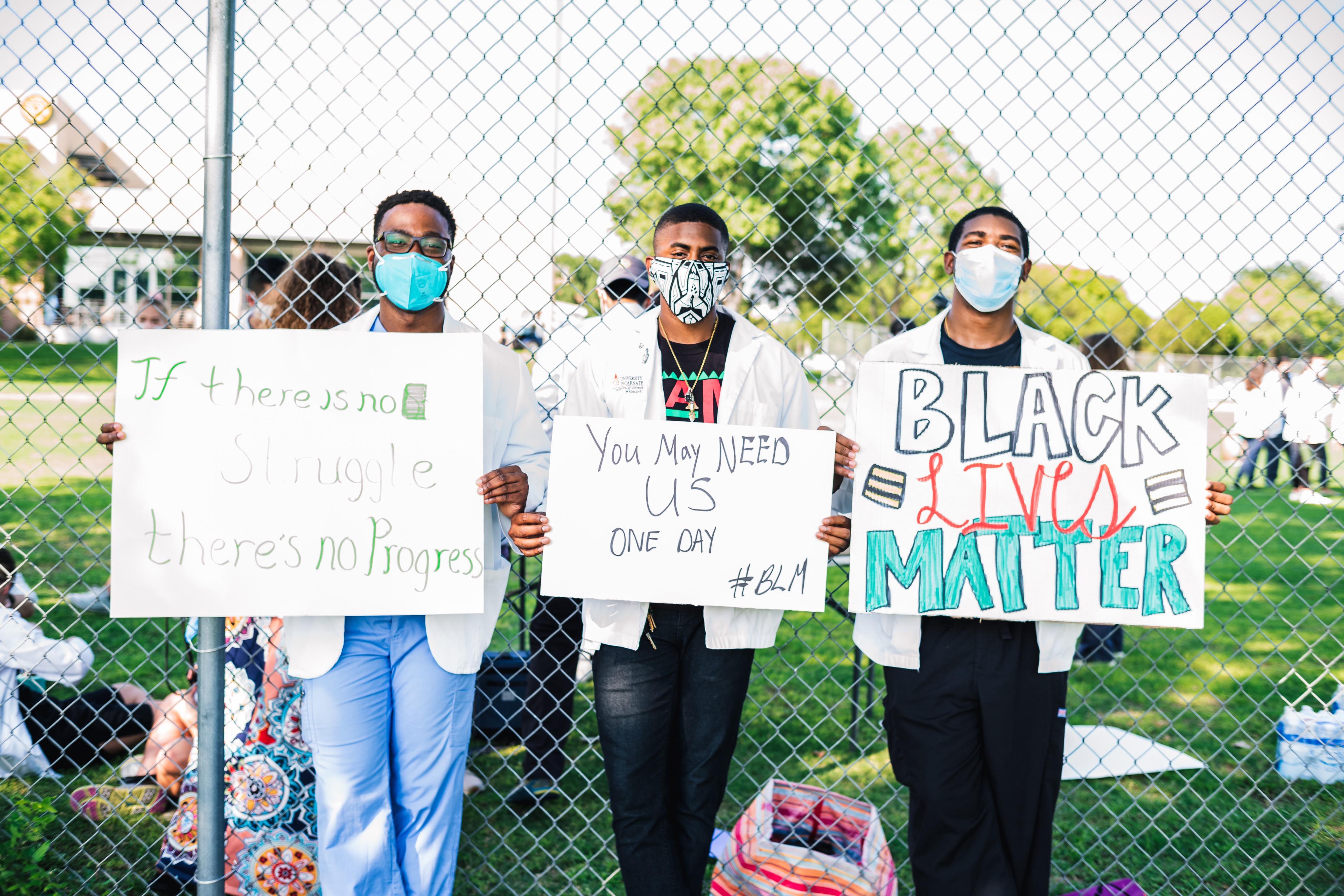
UIWSOM-SNMA MEDICAL STUDENTS
PROTEST AGAINST RACIAL INJUSTICE
Photo Credit: Michael Meadows
Greetings!
On behalf of the SNMA Board of Directors, I want to thank you for your readership of our Fall 2020 issue of the JSNMA.
The JSNMA is a journal provided to the membership of SNMA as an opportunity to share their research, thoughts, and reflections. As we navigate the unscrupulous times in which we currently live, we have aptly titled this issue, “Mental Health: Violence and Trauma Against Black Bodies”. As the nation’s oldest and largest student run organization dedicated to the interests of underrepresented groups in medicine, we would be remiss not to highlight the impact of our current climate on our members and the communities we represent.
Many have used the word ‘pivot’ to define the attitude needed to overcome the challenges of 2020. SNMA has not only found the strength to pivot, but with the help of our courageous leaders and members, we continue to progress in the spirit of perseverance and resilience. We invite those interested to learn more about the mission of the SNMA and opportunities to support our work by visiting www.snma.org.
A special thank you to all whose contributions have made this issue of the JSNMA possible.
Yours in SNMA,
Brittanie D. Hazzard Bigby, MPH
National Chairperson of the Board of Directors, 2020-2021
S urvey of u .S. S imulation
C
enter
S
to e xamine the u S e of h igh - f idelity
S imulation a S a t ool to
AbstrAct
Introduction
High-fidelity simulation allows physicians to participate in high-risk situations in controlled environments. Our primary objective was to examine if U.S. residency programs were utilizing high-fidelity simulation to teach culturally sensitive care. Our secondary objective was to evaluate if the high-fidelity simulation mannequins used by residency programs across the country accurately reflected the racial and sex breakdown of the U.S. population.
Methods
We surveyed simulation center faculty across the country. Outcome measures were program demographics, skin tone and sex of mannequins used, and inclusion of topics related to cultural humility as learning goals.
Results
The majority of respondents (64%, n = 32) reported that at least one of their cases was written to include a mannequin of a specific race/ethnicity. Half (n =25) of the programs reported utilizing high-fidelity simulation mannequins to teach culturally sensitive care. The observed mannequin skin color did not differ significantly from the estimated U.S. population, χ2 (2, N = 658) = 0.69, p >.01. The observed mannequin sex assignment was not equally distributed in the population χ2 (1, N = 620) = 27.2, p <.01, with a higher number of male (n = 375) mannequins than female (n = 245).
Conclusions
High-fidelity simulation is currently being used to teach culturally sensitive care. When compared to the U.S. population, high-fidelity simulation mannequins accurately reflected the racial breakdown, but were disproportionately male.
IntroductIon
The United States population is 12.7% African American, 18.1% Hispanic, and 5.6% Asian American.1 Minority groups often face higher odds of suffering from chronic diseases as well as worse medical complications and outcomes. 2 It is important, therefore, for physicians in training to provide culturally sensitive care. Cultural humility, a lifelong process during which an individual reflects on their own background, current identity, and beliefs including assumptions, biases and values, as well as those of their patients’, is one means to accomplish this.3,4
Simulation has been used in residency training to replicate realistic clinical scenarios and procedures and is associated with improved skill performance.5–7 High fidelity simulation (HFS) mannequins can talk, breath, blink, respond, and give physiological feedback. There are no studies in the peer-reviewed literature that examine the diversity of high-fidelity mannequin skin color or sex nor if this teaching modality is being used to teach medical trainees how to provide culturally sensitive care. We primarily sought to determine the utilization of high-fidelity simulation
Brown C M.D., Horner AM M.D., Quenzer F D.O., and Rodriguez R M.D.
DIVERSITY IN RESEARCH
as a tool to teach residents across the country how to provide culturally sensitive care. We secondarily sought to determine if the skin color and sex breakdown of these HFM reflects the diversity of the current U.S. population.
teach cultural humility. Participants generally completed the questionnaire within 5 minutes. The questionnaire did not include any identifying information to blind the researchers to.
dark-skinned) were significantly different from what we would expect to see in the general population of the U.S.
results
Methods
Study design (IRB) and setting:
We administered a questionnaire to simulation center faculty across the country from February 2019 through August 2019. The study was deemed exempt by the University of California Institutional Review Board and was designed to comply with quality standards for survey reporting in medical literature. This study was sponsored by the American Academy of Emergency Medicine (AAEM) and was conducted as part of the AAEM Resident and Student Association Diversity and Inclusion Committee.
Survey design:
As we could not find questionnaires that addressed the study question, we collaborated with an expert survey methodologist to design our survey. We piloted our survey through electronic distribution to our intended audience with 25 responses from simulation center. Several improvements were made through this process, including changing the skin color from ethnicity-defined (ex. African American) to color tone-defined (light, medium, and dark), and the simplification of the sex options to male vs. female to reflect purchasing options. Response burden was decreased through skip patterns and breaks. The final questionnaire (Supplemental Digital Appendix 1) consisted of seven questions grouped into 1) demographics, 2) skin tone and sex breakdown of simulation mannequins, and 3) utilization of simulation mannequins to
Survey administration:
Participants included simulation center lead faculty across the country. Exclusion criteria were inability to speak English. The questionnaire was distributed electronically through the Society for Simulation in Healthcare listserv as well the Council of Emergency Medicine Residency Directors (CORD) listserv. CORD faculty were then asked to forward the questionnaire to the director of their simulation centers. Consent was obtained electronically.
Analysis
Data was analyzed via StataCorp 2017 statistical software. Descriptive statistics were obtained for each of the response categories. A chi-square goodness of fit test was performed to examine if observed frequencies of mannequin skin color (light-, medium-, and
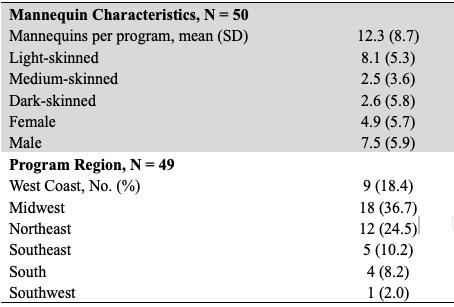
There are 535 total simulation centers in the U.S. and we received 50 responses with an average of 12.3 total mannequins per program. The programs were distributed across the U.S. (18% West Coast, 8% South, 10% Southeast, 2% Southwest, 37% Midwest, and 25% Northeast).
64% (n = 32) of the programs reported utilization of simulation cases that pertain to race or ethnicity, which on average accounted for 14.4% of those programs’ total cases. Similarly, 50% (n =25) of the programs utilize simulation cases that pertain to cultural humility, and the average percent of those programs’ cultural humility cases was 14.4% of their total cases.
Expected proportions were estimated from U.S. Census data on racial and ethnic distribution in the population. We were unable to identify any previous studies that estimated incidence of skin tone variations in the U.S. population. Thus, the proportion of respondents of “White alone (not Hispanic)” on the US. Census was grouped as light-skinned mannequins (60% of the population). Due to variability of skin color in the U.S. population, the proportion of people who identified “Asian alone,” “American Indian,” “Pacific Islander,” “Two or more races,” “Hispanic or Latino,” and “Black alone” was split into approximately even proportioned groups of medium- and dark-skinned mannequins (20% of the population each). The observed mannequin skin color did not differ significantly from the estimated U.S. population, χ2 (2, N = 658) = 0.69, p >.01.
A chi-square goodness of fit test was performed to compare the observed frequency of mannequins categorized as male and female to the approximately even proportion present in the general U.S. population. The observed sex of the mannequins was
not equally distributed in the population χ2 (1, N = 620) = 27.2, p <.01, with a higher number of male (n = 375) mannequins than female (n = 245).
lIMItAtIons
dIscussIon
We examined if U.S. residency programs were utilizing high-fidelity medical simulation to teach culturally sensitive care. Only approximately half of the programs surveyed reported that they use high-fidelity simulation to teach how to provide culturally sensitive care.
We also noted the disproportionate use of male mannequins. This is possibly because of the limited availability of high-fidelity female mannequins. Although there have been several obstetric high-fidelity female mannequins, it was not until 2010s when the first commercially available high-fidelity non-obstetric female mannequin was created.12 Also, high-fidelity mannequins and their software cost approximately $27,000 to 60,000.13 This makes it difficult for programs to purchase multiple mannequins or to purchase female mannequins once they became available if they already had several male mannequins. Putting a long hair wig or a pink hospital gown on a male mannequin to signify female sex is one cost saving method we have seen. These strategies can often reinforce harmful gender stereotypes and decrease the realism of the medical scenario.
The response rate to the survey was low. In addition, given that we distributed our survey via two listservs, it is possible that multiple faculty at one simulation center completed the survey. When respondents answered the survey, the total number of mannequins reported did not always match the totals they listed under each male/female as well as light/medium/dark-skinned category. There are several possibilities for this; some mannequins do not have genitalia (or have genitalia that you can change), making it difficult to assign a sex. Respondents may have also been uncertain on the survey skin color groupings. These discrepancies in survey responses produced differences in data analysis compared to human-subject studies; we report raw number of mannequins, as opposed to the more standard population proportions.
Another difficulty in our data analysis came with the use of mannequin skin color options as either light, medium, or dark-skinned; these categories do not directly correlate to different races or ethnicities used on standard census responses. In comparing mannequin skin color to proportions in the U.S. population for our chi-square goodness of fit test, different races and ethnicities were assigned a skin color, which may in fact be largely different from proportions present in the real population.
conclusIon
Our study demonstrates that approximately half of the simulation centers across the country are using highfidelity simulation to teach cultural humility. In addition, high-fidelity simulation mannequins accurately reflect the racial breakdown of the population but were disproportionately male. Future studies will focus on identifying how programs are using simulation to teach cultural humility, examining the effectiveness of this modality, and evaluating potential causes for the disproportionate amount of male simulation mannequins.
◊ Dr. Cortlyn Brown is Vice Director for Diversity and Inclusion at Carolinas Medical Center in Charlotte, NC. She also serves as Strategic Planning Council member for the SNMA.
◊ Dr. Adriana Horner is a resident at St. John’s Riverside Hospital in Yonkers, NY
◊ Dr. Faith Quenzer is a Fellow at the University of California San Diego, San Diego, CA
◊ Dr. Robert Rodriguez is a Professor at the University of California San Francisco in San Francisco, California
REFERENCES
1. 1. American Community Survey 1-Year Estimates. In: U.S. Census Bureau; 2018.
2. 2. Wilson V. People of color will be a majority of the American working class in 2032: What this means for the effort to grow wages and reduce inequality. The Economic Policy Institute. 2016.
3. 3. Yeager KA, Bauer-Wu S. Cultural humility: essential foundation for clinical researchers. Appl Nurs Res. 2013;26(4):251-256. doi:10.1016/j. apnr.2013.06.008
4. 4. Juarez JA, Marvel K, Brezinski KL, Glazner C, Towbin MM, Lawton S. Bridging the gap: a curriculum to teach residents cultural humility. Fam Med. 2006;38(2):97-102.
5. 5. Rodgers DL, Securro S, Pauley RD. The effect of high-fidelity simulation on educational outcomes in an advanced cardiovascular life support course. Simul Healthc. 2009;4(4):200-206. doi:10.1097/SIH.0b013e3181b1b877
6. 6. Cheng A, Lockey A, Bhanji F, Lin Y, Hunt EA, Lang E. The use of highfidelity manikins for advanced life support training--A systematic review and meta-analysis. Resuscitation. 2015;93:142-149. doi:10.1016/j. resuscitation.2015.04.004
7. 7. Meurling L, Hedman L, Lidefelt K-J, Escher C, Felländer-Tsai L, Wallin C-J. Comparison of high- and low equipment fidelity during paediatric simulation team training: a case control study. BMC Med Educ. 2014;14:221. doi:10.1186/1472-6920-14-221
8. 8. Sumlin LL, Garcia AA. Effects of Food-Related Interventions for African American Women With Type 2 Diabetes. Diabetes Educ. 2012;38(2):236249. doi:10.1177/0145721711422412
9. 9. Hawthorne K, Robles Y, Cannings-John R, Edwards AG. Culturally appropriate health education for type 2 diabetes mellitus in ethnic minority groups. Cochrane Database Syst Rev. 2008;(3):CD006424. doi:10.1002/14651858.CD006424.pub2
10. 10. Fisher TL, Burnet DL, Huang ES, Chin MH, Cagney KA. Cultural leverage: interventions using culture to narrow racial disparities in health care. Med Care Res Rev. 2007;64(5 Suppl):243S-82S. doi:10.1177/1077558707305414
11. 11. Grimes C, Dankovchik J, Cahn M, Warren-Mears V. American Indian and Alaska Native Cancer Patients’ Perceptions of a Culturally Specific Patient Navigator Program. J Prim Prev. 2017;38(1-2):121-135. doi:10.1007/ s10935-016-0458-z
12. 12. Levine A, DeMaria S, Schwartz A. The Comprehensive Textbook of Healthcare Simulation. In: Vol 43. New York, New York: Publisher; 2013.
13. 13. High-tech Mannequins Give Nurses Real-life Experience. HealthLeaders Media Staff. https://www.healthleadersmedia.com/innovation/hightech-mannequins-give-nurses-real-life-experience. Published February 10, 2020.
Corresponding author:
Cortlyn Brown
225 South Poplar Street Apt 2609
Charlotte, NC 28202
cbrown@snma.org
14. 14. Kramer CE, Wilkins MS, Davies JM, Caird JK, Hallihan GM. Does the sex of a simulated patient affect CPR? Resuscitation. 2015;86:82-87. doi:10.1016/j.resuscitation.2014.10.016
Table 1. Mannequin characteristics and geographic location of program respondents.
The student lounge, the doctor's lounge, lounging at home—we got you.
Welcome to SNMA presents: The Lounge , the Student National Medical Association’s new podcast! The Lounge is a space for SNMA to deliver on its mission through conversations, collaborations, and engagement on topics ranging from the social to the political and the personal. Join the discussion the first Friday of every month!
For more information please email podcast@snma.
BY CHIMSOM ORAKWUE, M2, SNMA CHAPTER PRESIDENT, WEILL CORNELL MEDICAL COLLEGE
“Oh, how ironic,” you think As the radio flips casually in a static-ed voyage, attempting to catch the intermittent signal as your car whips past miles of rural tree-topped land and stops in time to grasp the final words of a song-
The radio, sputtering, finally cuts off, the road ahead of you bathed in silence
Dotted houses crawling further and further apart in distance
You sit a little straighter, the hood of your sweatshirt falling to the back of your neck, and recite your lines in your head, Meticulously practicing and preparing for the scene as if your life depends on it, Your arms lifting to heaven and the expanse of the furloughed veins in your hands wide open. surrender.
You begin.
“I can’t breathe.”
“Everything hurts.”
“I’m unarmed.”
“This is my property.”
“It’s a cell phone, not a gun.”
“I’m only running.”
“I’m an essential worker.”
"Why did you shoot me?"
"I don't want to die too young."
Because in many ways, it does.
When they/your/my/his/her SonDaughterMotherFatherSisterBrotherFriend Are torn from your arms in the broadness of daylight Strangled
With foots upon their throats until their Yells turn to cries
And their cries turn to whispers And their whispers into silence.
Another life.
When your heart wrestles And fights against the chains
That wrangle it to the ground and with every lash tell you the ways you are not love, That you cannot embody love, That you cannot love yourself.
Because
Greedy hands
Tore you from the roots where you were planted Uprooted you and buried you in lies of minisculity And into the living death
Of being in a world that does not want you Does not value you Does not love you
"You are a black body”
A slurred euphemism spat out of a downturned pale cheek, chewed and barely seasoned to veil the soured undertones
“You are a black body -trash -unimportant -thing
You cannot and will not matter.”
You look up and see you’ve almost cleared the rim of trees And finish practicing your lines
“I am… tired.”
The beige tail of your car makes the break and enters the freeway
Your lungs shuddering in exhalation Clearing yourself of the breath you were unaware you were holding
For so long
The radio chirps back up again, picking up the tail end of the song where it had left off“The land of the free…”
-Chimsom Orakwue
COPING WHILE LIVING IN THE WORLD OF MEDICINE
There’s no right way to do it, but there are wrong, destructive ways. Living in a field of medicine can open doors to many destructive coping mechanisms. The suicide rate amongst physicians is 2 times that of the general population, making it the highest suicide rate of any profession. Almost 30 percent of medical students and residents suffer from depression and 10% report having suicidal thoughts. Although, these numbers are thought to be much higher as mental health problems are largely underreported amongst medical professionals.
Medicine has a well-known culture of tearing down to build up. This is continually perpetuated by a culture of making sure someone without question knows their spot in the toxic hierarchy of medicine and justified with the excuse that “we all have to go through it.” This is a great representation of the term “hurt people hurt people.”
A lot of bad behaviors seen among some physicians are just due to poor coping skills learned while growing up in medicine. Some of us enter the field of medicine in our early youth, before we’ve even learned who
we are independent of our career goals. This makes coping through, what feels like a lifelong pain-stakingly detailed medical education, even harder. And life doesn’t stop just because we are in medical school. We fail, lose patients we’ve built connections with, significant others, friends, family members, sometimes we even lose ourselves.
It's not natural to be so intimate with death.
We're either learn -
ing about it, seeing it, trying to stop it, or calling it. But most importantly, at the end of the day, all of us are just trying to live through it. Many will say they compartmentalize and suppress to deal with things at a later or more appropriate time, which is actually healthy, but most of us really just repress it. We delay healing from our traumas until we have the time,
let yourself experience the fullness of your joy, you’d realize that the number of things to be thankful for in your life far outweigh the failures and losses of life. Life will give you far more than what you’ve lost, if you let it!
Not all of us need to be vegan, health and fitness gurus, like instagram makes it seem. But here’s some realistic things we can do:
Workout.
By: Chinwe Ayanwu M.P.H
but never actually give ourselves that time. We keep moving until the trauma itself is long forgotten but the effect it had on us subconsciously keeps moving with us.
So how do we cope and heal from our traumas and help others along the way?
Mental Health
This is a tough one. We all know it exists, but few acknowledge its presence. How we perceive trauma or loss is often times determined by our state of mind at the time of its occurrence. Find peace and awareness of where you are in this moment and where you want to be.
Take time to experience the wins as deeply as you already do the losses. Many of us, including myself feel losses and failures so deeply. We relive it over and over. Obsess over it until it consumes us. So we’d rather just feel nothing at all. But no matter what method of dissociation you try, it’s still there.
So here’s an alternative idea. What if you promised yourself to feel your wins just as deeply as you’ve been feeling the losses. Celebrate and relive your accomplishments instead of your failures. If every time you accomplished a goal, you celebrated, smiled and
Also take your time. It’s not about how fast you get there, but rather the lessons you learn on the way, so you know what to do when you arrive. It may feel counterintuitive to take your time, considering how little of it we seem to have, but what is the point of spending all your time if you don’t get to truly enjoy what you bought.
Don’t rush through life. You must learn to control how fast you move through your life. Watch your speed. Understand that there’s a time to walk, there’s a time to jog and there’s a time to run. And most important, there’s a time to rest. Know which season are you.
Physical Health
If I told you that your body knows exactly what to do to keep you healthy would you believe me? There are self-healing mechanisms in place designed to keep you alive. To keep you healthy. But they can only work for so long, just like any machine.
Stress, Poor eating habits and skipping workouts to study will only help perpetuate an inflammatory cycle that slowly wears you down.
Even as I write this, I feel exposed. I struggle with this daily. Weight fluctuations from month to month, waves of heightened emotions. One month I can look fit and in great shape, a few months later I can be 15 pounds overweight, depending on how stressed I am.
But, how effectively the body deals with stress is largely a manifestation of our physical health as well.
Get some form of exercise at-least 30 minutes a day. Whether it’s in increments through out the day or all at once, just commit to doing it.
Lift weights.
Our adiposity is tied to our hormones, men included. Too much fat stimulates excess peripheral estrogen conversion in fat cells, decreased androgen levels in men and creates a cycle of fat storage and inflammation. Incorporating weight training can help to burn off some extra pounds, make room for more muscle and increase your metabolism. And trust me, the mirror will thank you for it.
Aim to Eat Better.
You can start as simply as by complementing each meal with fruits and vegetables (maybe you’ll feel less guilty if you have that ice cream shake with a salad huh?). Also, eat more things that you have to cook rather than you have to microwave. Which brings me to my next point… Try to limit processed foods as best you can. I know, I know, cooking can be so inconvenient and is a pain, but so are chronic health problems.
Spiritual Health
Whatever your belief or faith may be, use it as your foundation for when the world unexpectedly shakes you. When the world breaks you down, use your spiritual connections to give you strength to sweep up the rubbles and rebuild.
For those who are religious:
When your sadness overwhelms you and you simply have no strength
left in your voice to speak to God, let Him speak to you. When you’re running on fumes, let your God propel you forward. And if you’re of the Christian faith, don’t stand there trying to carry a cross that Jesus has already carried for you. Relinquish the burden you’re holding on to.
For those who are spiritual:
When the noise of the human experience brings interference in your connection to the universe. Unplug yourself from the social chains that untether you from your spiritual connections. Refocus your mind on appreciation for the little things; The way the sun takes its time to rise and fall. The way the moon shares the sky with so many stars. The colorful brilliance of nature. The strength of the trees. Revel in it. Root yourself in the earth and wrap your mind around the the wonders of the universe and it will hug you back.
And for those who are both: Do it all!
GRAnd ROUNDS BLOG
JULIA CARTER
MD CANDIDATE AT RUTGERS NJ MEDICAL SCHOOL
Hometown: Hazleton, PA
Educational Background/Degrees: Bachelor of Science (BS) in Biology from Penn State Master of Public Health (MPH) from the University of Pittsburgh
“If there is no struggle, there is no progress.” – Frederick Douglass
Social Media Handles or Contact Info/Email: IG/Twitter: @thejuliacarter, Email: info@thejuliacarter.com
Where are you currently at in your career path and why did you decide to pursue this career path?
I am currently in my third year of medical school. When I was a kid, I lost my father to a heart attack. It was my first exposure to healthcare and medicine, and from that point on, I knew that I would work to become a doctor and play my part in preventing this from happening to others. Medicine was a calling, and I took the necessary steps to make it a reality.
Tell us a fun fact about yourself. I was on the reality television show, Survivor.
What is/are your biggest accomplishment(s) in medical school to date (academics, community service, leadership, research)?
During medical school, I am most proud of the extent to which I have been involved in community service. Through one organization, I had the opportunity to visit a local prison weekly to teach and dialogue with the residents about important and relevant health topics. It was because of this experience and my discussions with the residents there that I created my own pilot research project at the same prison exploring the root causes of gun violence in order to create effective and targeted prevention programs.
How has the SNMA impacted your medical school experience?
In medical school, SNMA provided me opportunities to be involved at my institution, get leadership experience, attend conferences and network, and contribute to the mission of supporting current and future underrepresented minority medical students. Being a part of SNMA gave me a sense of community, belonging, and purpose, especially at a medical institution where we are a very small minority and can easily feel isolated.
If you could go back and have a chat with your college freshman self, what would you tell them? Stay the course. You will fail sometimes, and that is perfectly fine. Trust me, you will learn more from your failures than from your success. Be resilient, find the lesson in the failure, and come back even stronger. The world is yours.
GRAnd ROUNDS BLOG
KENNEDY OSUAGWU
MD CANDIDATE AT WRIGHT STATE UNIVERSITY
Hometown: Houston, TX
Educational Background/Degrees Obtained: B.S.A. Nutritional Sciences – University of Texas at Austin, May 2016 Business Foundations Certificate – McCombs School of Business at University of Texas at Austin, May 2016
Specialty Interests: Anesthesia, Emergency Medicine, Pediatrics, Surgery Physical Medicine & Rehabilitation
Favorite Quote: “don’t gotta get ready if you stay ready.”
Social Media Handles or Contact Info/Email: Twitter/Instagram: Dom_Kennedy / Email: osuagwu.2@wright.edu
Where are you currently at in your career path and why did you decide to pursue this career path?
I am currently a 3rd year medical student getting adjusted to life on rotations and the ease of having STEP 1 behind me. I didn’t always know that I wanted to be a doctor, but I always knew that I enjoyed genuine interactions with others where I would learn much about them as they would of me. I knew that I had a meticulous drive to make sure everything is taken care of. My mother also instilled in me the purpose of compassion. When I saw physicians, it was the sense of responsibility and dependability that attracted me to medicine. Coupled with my affinity for the sciences and the belief that health is wealth, I decided to major in Nutritional Sciences. Nutrition was a dynamic science that intertwined biology, health, and lifestyle. I [also] noticed the frank reality that there was a severe lack of representation in the field of people who look like me and share common similarities/background as me. I wanted to show others behind me that medicine is dope and there is not one way to be a doctor.
Tell us a fun fact about yourself.
I ran with the bulls in Pamplona, Spain and nearly got trampled.
I love to travel and experience what the world is like outside of my comfort zone. Whether it is around the U.S. or internationally, understanding the culture and customs of others broadens your perspective on life.
What is/are your biggest accomplishment(s) in medical school to date (academics, community service, leadership, research)? SNMA President, Shop with the Docs Holiday gift drive for under-privileged students at Madison-Trottwood schools, Three Medical Docs Blog/YouTube Channel, Healer’s Art [and] the Ohio Response to COVID-19 and Its Impact on Interventional Pain Management Practices, under Dr. Amol Soin, MD
How has the SNMA impacted your medical school experience?
Simply stated, I would not be in medical school if not for SNMA. As a senior in undergrad I attended the national conference in Austin in 2016. At this point I had already taken the MCAT once and was discouraged about my chances of matriculating. Throughout the whole convention I met friends and future mentors that guided me through the process. In fact, one of my mentors literally helped me edit every one of my essays while she was in medical school. Shoutout to Aliyya! Most importantly, it was inspiring to see other Black doctors and their influence, their presence alone solidified to me that medicine is possible.
If you could go back and have a chat with your college freshman self, what would you tell them?
I would say to my college freshman self, don’t quit even when you’re feeling low and the stress is high. Medical school can seem like an impossible task but with persistence and dedication it is truly possible. I would also say do not let the MCAT define you, it does not correlate to your success in medical school. Surround yourself with friends who will uplift you. Lastly, your network is your net worth so do not be afraid to ask for help and seek mentorship as a guide!
Laparoscopic Exploration and Foreign Body Removal From the Peritoneal Cavity – A Video Case Report
Oladimeji Oluaderounmu1, Aziz Benbrahim MD2
1 Frank H Netter MD school of medicine
MidState Medical Center
AbstrAct
Foreign body ingestion is a commonly seen accident. It typically occurs accidentally in children, elderly, the mentally impaired, or alcoholic individuals, whereas it may occur intentionally in prisoners or psychiatric patients. According to an article, 90% of ingested foreign bodies pass through the gastrointestinal tract without complications. 1 However, 10% to 20% necessitate endoscopic removal, whereas only 1% of them will finally need surgical intervention.2 Here we discuss a case of a 64-year-old male who presented with a 3-day history of diffuse abdominal pain associated with subjective fever, anorexia, and diarrhea. CT scan of abdomen and pelvis with oral contrast showed a linear area in the recto-sigmoid junction, as well as surrounding inflammation in the right lower abdomen suspicious of foreign body perforation. Laparoscopic exploration of the abdomen showed an inflammatory mass at the lower right quadrant, which was dissected to reveal a foreign body, likely a toothpick. This was removed uneventfully. The colorectal defect was sutured and a drain was placed. The patient did well post-operatively.
cAse report
A man presented to the location with a 3-day history of diffuse abdominal pain associated with subjective fever and diarrhea. He couldn’t tolerate oral intake for 2 days. No blood found in the rectum and patient denied prior symptoms. Retrospectively, patient recollected swallowing a toothpick during his sleep a few months prior to his admission.
Past medical history included BPH, CHF, chronic renal insufficiency, CAD, erectile dysfunction, CABG and TIA. Past surgical history include colonoscopy with polypectomy, CABG, lap cholecystectomy, tonsillectomy and arthroscopic left knee surgery.
Physical examination showed an overweight patient with diffuse abdominal pain on palpation.
After physical and laboratory examination, the patient underwent a CT of the abdomen and pelvis which showed a linear area in the recto-sigmoid junction, 3.5cm off the right wall plus surrounding inflammation in the right lower abdomen suspicious of foreign body perforation (Figure 1).
The patient subsequently underwent laparoscopic removal of foreign body from the peritoneal cavity and the colon. Procedure finding showed an 8cm foreign body, probably toothpick, from the rectosigmoid into the peritoneal cavity and an inflammatory mass. The colotomy at the level of the rectosigmoid junction was sutured, thorough irrigation was performed and a JP drain was placed.
dIscussIon
Foreign body ingestion is a commonly seen accidental emergency, usually in children (80%), elderly, mentally impaired, or alcoholic individuals, whereas it may occur intentionally in prisoners or psychiatric patients. According to the literature, 90% of ingested foreign bodies pass through the gastrointestinal tract without complications, 10% to 20% necessitate endoscopic removal, whereas only 1% of them will finally need surgical intervention.1 The foreign bodies
most commonly ingested by adults are fish bones and chicken bones.
The clinical approach to the problem depends on the type of material ingested and on the patient’s symptoms and physical findings.2 Patients usually seek medical attention after ingesting a foreign body and provide information about it. Furthermore, patients may point out the possible location of ingested bodies.4 In some cases, the diagnosis of an ingested foreign body is made days or months after the body was ingested.3
In most cases, the ingested material passes through the gastrointestinal tract with no complications or intervention necessary. In some cases, it can cause perforation, ulcers and abdominal pain as it passes through. The size and shape of the material can also lead to further complications like obstruction and sepsis.
Medical intervention is required only in a few cases, often endoscopic or surgical therapy. Surgical intervention is required in less than 1% of cases as endoscopic techniques have progressed.3 Laparoscopic exploration may be the first step, if not the only step in cases of intraperitoneal foreign bodies. In this particular case, the patient underwent a laparoscopic exploration and subsequent removal of foreign body from the peritoneal cavity and the colon.
Recommendations on therapy should be based on clinical presentation of signs, symptoms, patient history, and the use of medical imaging to aid the physician's decision.
REFERENCES
1. Ambe, P., Weber, S. A., Schauer, M., & Knoefel, W. T. (2012). Swallowed foreign bodies in adults. Deutsches Arzteblatt international, 109(50), 869–875. doi:10.3238/arztebl.2012.0869
2. Conservative management of ingested foreign bodies. Weiland ST, Schurr MJ. J Gastrointest Surg. 2002 May-Jun; 6(3):496-500.
3. Eisen GM, Baron TH, Dominitz JA, et al. Guideline for the management of ingested foreign bodies. Gastrointest Endosc. 2002;55:802–806.
4. Theodoros E. Pavlidis, Georgios N. Marakis, Apostolos Triantafyllou, Kyriakos Psarras, Theodoros M. Kontoulis, and Athanasios K. Sakantamis, “Management of Ingested Foreign Bodies. How Justifiable is a Waiting Policy?” Surgical Laparoscopy, Endoscopy & Percutaneous Techniques, vol. 18, no. 3, pp. 286–287, 2008.
SUBSIDIZED VISITING ELECTIVE PROGRAMS
UC San Diego Department of MedicineVisiting Elective Scholarship Program
Fourth-year medical students from U.S. schools may choose to take an away rotation at UC San Diego School of Medicine, especially if they are interested in learning more about our UC San Diego Pediatric Residency program. The scholarship program provides up to $2,000.
Johns Hopkins University School of Medicine
Department of Anesthesiology and Critical Care Medicine
The Department of Anesthesiology and Critical Care Medicine
welcomes both Johns Hopkins medical students and students visiting from outside institutions ranging from our basic anesthesiology clerkship to advanced or specialty electives. We invite you to explore the details of our specialty and offerings below and hope you consider joining our department for an engaging hands-on experience!
RESEARCH
Virtual NMRI MidWest Regional Meeting
Registration for the 2020 Network of Minority Health Research Investigators (NMRI) West Regional Meeting is now open! More than 300 researchers have participated in NMRI workshops in the past decade, and approximately 100 are active members. The success of the
NMRI, a network that is “owned” by its members and supported by the NIDDK, begins with the dedication of senior investigators who mentor and serve as role models for junior investigators. Deadline: 12/7/20
The Academic Front Line: A Survey Evaluating the Impact of AntiRacism Events and Service on Black Medical Students
On behalf of the Ohio State University, you are invited to participate in a brief anonymous survey characterizing the experiences of Black medical students involved in diversity and inclusion initiatives for racial equity. The purpose of the survey is to assess the extent to which the recent events of racism in the United States has impacted Black students’
MORE OPPORTUNITIES
For details, visit snma.me/scholarshipDB For questions, contact academicaffairs@snma.org
SNMA’s Diversity Research Committee (DRC) Virtual Research Forum
perceptions of stress, time commitments, and academic performance, and further, characterize Black student perceptions of diversity leadership positions and describe how responsibilities to these positions may limit opportunities to partake in non-minority focused service.
Your participation in this survey will be completely anonymous and voluntary. The survey will take approximately 10 min to complete. All participants will receive a $10 Amazon gift card via email upon the completion of the survey.
If you have any questions regarding this study, please contact the research team at urologyresearch@ osumc.edu.
DRC is hosting a Virtual Research Forum on November 15th and would like to invite all interested individuals (high school, undergraduates, medical, graduate) to submit their abstracts. This research forum will be oral presentations only, and participants will be given the chance to win prizes. For more information, please visit the submission link provided. For any questions, please contact diversity@snma.org. Deadline 10/30/2020
SCHOLARSHIPS & FELLOWSHIPS
Dr. Jefferson Underwood Scholarship
Family medicine physician, Dr. David Bramm, has been working to champion a scholarship program named for an internist who practiced in Montgomery, Alabama, Dr. Jefferson Underwood. Dr. Underwood is a fine man whose solid general IM practice was cut short by ALS. It is an unspeakable loss. We want his legacy to continue to be embodied by physicians who will remember and revere him after he is gone. The scholarship is for African American students already attending medical and osteopathic school or who
have been accepted. For more information, contact Mark Jackson at mjackson@alamedical.org.
New Graduate School Scholarship Search Tool by Sallie Mae
Register for Sallie Mae’s Graduate School Scholarship Search and get free access to 950,000 graduate scholarships, worth up to $1 billion. Create a profile based on your field of study, skills, and interests. Set up alerts to notify you when new graduate scholarships matching your profile become available. Also, register for a chance to win $1,000.
PREMEDICAL RESOURCES
American International College of Arts and Sciences - Antigua (AICASA) Premedical Program
American University of Antigua (AUA) College of Medicine is accepting applications for August 2020 and February 2021 start dates!
S elf ,C are ,S elf -C are :
e xploring the p S y C hologi C al
i mpa C t S of C ulturali S m on
f ir S t - g eneration i ndividual S
Self-care
is a phrase many use to justify their weekend getaways or their need for some “me time”. But what exactly is self-care? An understanding of one’s self is paramount to utilizing self-care practices, as identity is a significant component. It is important to analyze how identity contributes to one’s ability to buffer the multitude of life stressors that, if left unchecked, may result in detrimental mental health outcomes? Some researchers argue that the concept of self has a cultural component that allows an individual to process societal stimuli and develop their own perspective on life.
Althoughself-care focuses on the individual, it is important to also highlight the cultural values that aid in the development of relationships which may serve as support systems for an individual. It may connect them to forms of religion or spirituality that may also aid in this buffering process. Furthermore, the concept of self -connotes the requisite for emotional, societal, and sociological forms of support in order to mediate stress and maintain allostasis. In other words, it is imperative to understand the importance of utilizing external stimulus to aid in this process. Individuals often utilize coping mechanisms and forms of self-care activities that aid in the management of mental, emotional, and physical health. Many of these activities may be rooted in cultural, environmental, and sociological norms that have been learned over time.
Culture
is a large component of self-identification and subsequently the self-care practices that may correspond with this understanding or lack thereof. Individuals from bicultural or multicultural backgrounds may struggle with this classification as their cultural identity may incorporate a plethora of ideologies from different environments. This may be further exacerbated in a sub-group of minority individuals who are referred to as “firstgeneration”, which can range from first generation American to first-generation college graduate to first-generation physician. First-generation individuals may experience biculturalism, a phenomenon that validates both their traditional values as well as their competencies in the new culture and allows the person to consolidate their sense of self.
Althoughthe perception of stress may differ from their counterparts, this group of people may often utilize a more bicultural approach to cope with stress. They may benefit from this dichotomy by detaching from society and rooting themselves in their home culture as needed. However, it may also be to their detriment as the inability to fully assimilate to one culture may lead to the misunderstanding of self, thus creating intricacies in their development and utilization of selfcare practices.
Being first-generation may burden individuals with the expectations from both the
home and host cultures while leaving them disoriented in their pursuit of pertinent self-care practices that may help mediate their bicultural and, in some cases, multicultural- related stress. Hence, it is important to understand how assimilation, acculturation, and multiculturalism play a role in the overall well-being of an individual. The inability to fully integrate into one society may affect the perception of stress and the effectiveness of stressmediating activities.
Moreover,the components of self, culture, and cultural selfcare ideologies may play a large role in the development of mental health interventions as it pertains to people of color, specifically first-generation individuals. Some self-care practices include, but are not limited to; exercise, meditation, mindfulness, setting boundaries, and the utilization of emotional support from others. Although this list is relative to each individual and their personal experience, it would be remiss to neglect the cultural components of selfcare that aid in identifying modalities of care.
Mentalhealth issues transcend geospatial borders and consequently it is important to aggregate effective self-care practices irrespective of cultural background. Understanding culture, self, and selfcare is key to developing personal mental health maintenance for firstgeneration individuals. Self-care means understanding self, caring for self, and
Josephine Akingbulu, MPH - Progam Coordinator, SNMA Mental Health Initiative
ASSESSMENT OF TELEMEDICINE INITIATIVES AND COMMON CHALLENGES IN DEVELOPING COUNTRIES
MARIE STÉPHANIE BAGUIDY AND EVAN YANG
BACKGROUND
As technology is advancing within the health care field and new health care delivery systems are being studied and used for improved patient care, telemedicine has become a reliable tool in multiple health care settings. In developing countries, telemedicine has been surveyed as a potential strategy to lower cost and provide timely and appropriate care, especially in low- resource areas. Based on current literature, few articles have provided data driven health outcomes and documented health improvements.
METHODS
We investigated 15 articles to see if they provided data on telemedicine outcomes, particularly health-efficacy, time-efficacy, costefficacy, and satisfaction in three different regions: Africa, South Asia and South America. Additionally, we identified common barriers experienced in implementation and completion of these projects.
RESULTS
Out of the articles assessed, only 27% showed quantitative data regarding positive health outcomes, suggesting the need for better data collection in telemedicine projects. We found that projects that did report concrete data were more likely to be completed in conjunction with international institutions or funded by local government. Furthermore, quantitative data on satisfaction, cost efficacy time efficacy were found in 40%, 33%, and 33% of the articles, respectively.
CONCLUSION
Telemedicine is getting more popular in many regions as it is shortening distances between patients, providers and specialists. However, without concrete reported data regarding outcomes from these regions, it is difficult to make an accurate assessment of telemedicine's success in low resource regions.
Bitter Leaf Stew
BY: KIMERLY ANYADIKE
I'm not the way you imagine black girlssoft-spoken, gentle, intelligent.
I am the way you imagine black girlsbrown, brave, bold.
I’m not the way you imagine black girlsshy, accomplished, humble.
I am the way you imagine black girlswillful, bashful, quirky...
I’m not the way you imagine black girlstactful, diligent, tender...
I am the way you imagine black girlscharismatic, strong-minded, assertive...
I’m not the way you imagine black girlsintroverted, whimsical, prudent...
I’m not the way you imagine black girlsmotivated, sensitive, multi-talented...
I’m not the way you imagine black girlsuntroubled origins, multilingual...
I don’t sound black. I sound black.
Classy, sassy, I get angry, I remain calm,
I’m conservativeand liberal,
I take offenseand then I don’t,
there’s a lot on my mind, and so little on my tongue.