CONNECTION ISSUES
A lack of internet access is isolating farmers p30
A lack of internet access is isolating farmers p30
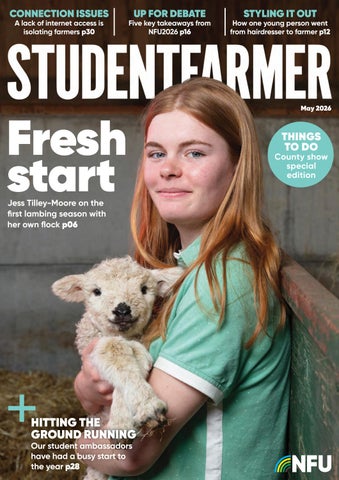
Jess Tilley-Moore on the first lambing season with her own flock p06
Five key takeaways from NFU2026 p16
How one young person went from hairdresser to farmer p12
Our student ambassadors have had a busy start to the year p28 May 2026
THINGS TO DO
County show special edition

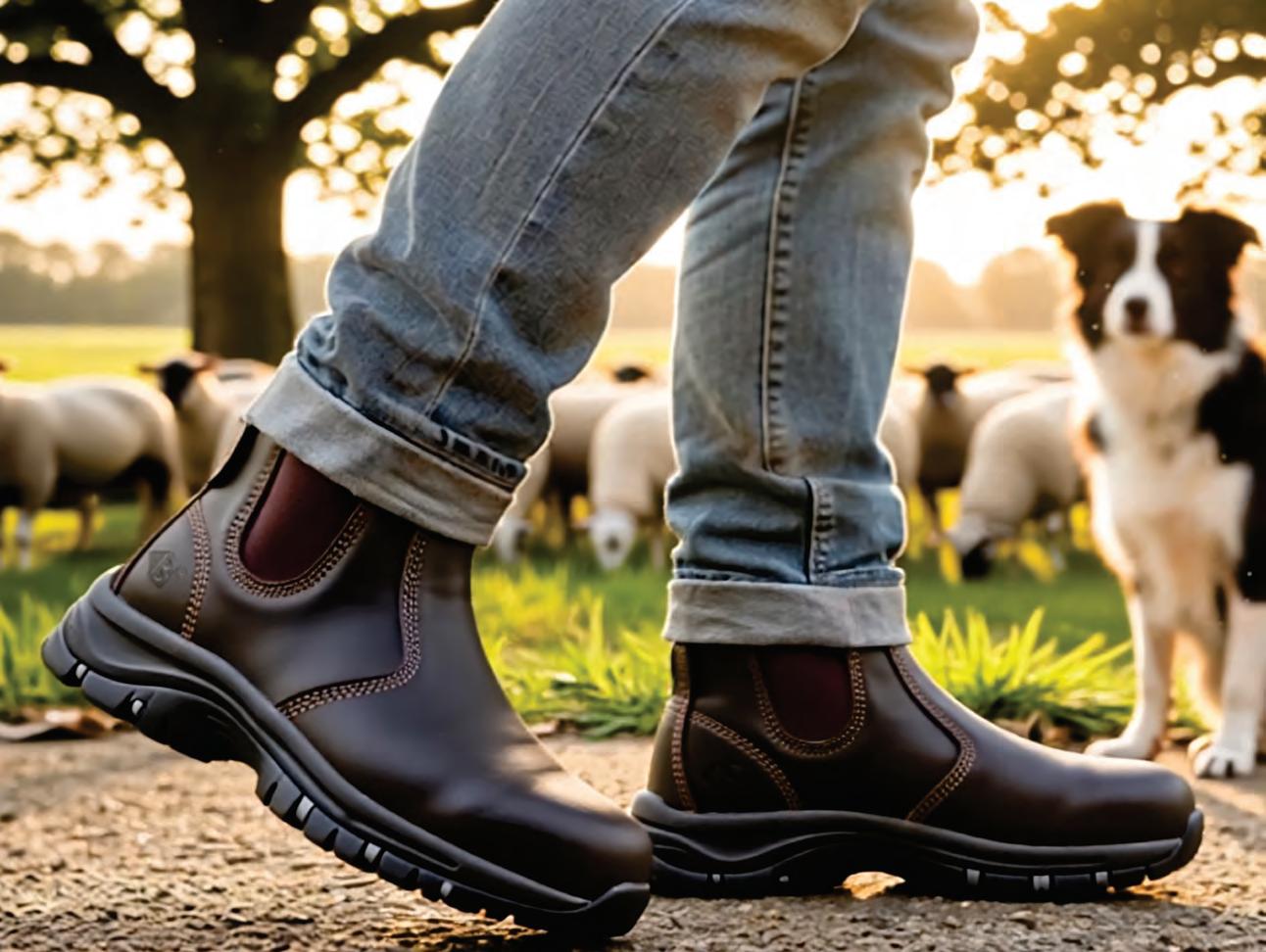
Acomprehensive UKCA /CEsafet y specifcation at anamazing price. WiththelookofOz you love combiningstrengthwithlight weight that redefnes thenotion that cheaperequates to lesser.
Arubberoutsole that ’s tough, durable yetlight weight with anti-penetration ‘NailS top’ protection alongwithantislip andoil andheatresistance.
Widerfttingwithbreathablewater resistantleather uppers andapremium comfor tinsole- thisis abootyou canwearall day, ever yday
PUBLISHED BY:
NFU, Agriculture House, Stoneleigh Park, Stoneleigh, Warwickshire, CV8 2TZ
EDITOR:
Joanna Thomson
joanna.thomson @nfu.org.uk
WORDS BY:
Jessica Tilley-Moore, Amy Browne, Isobel Bretherton, Leah Gri ths, Ross Wilson, Georgina Milne, Beth Moore, Josh Redford, Naomi WilliamsRoberts, Magnus Brown, Joanna Thomson
DESIGNED BY:
John Cottle
COVER IMAGE BY:
John Cottle
TO ADVERTISE, CONTACT:
Scott Keyes scott.keyes@nfu.org.uk
Starting your own flock, lambing season at Pye Ash Farm, and a hairdresserturned-farmer
A
Key takeaways from this year’s NFU
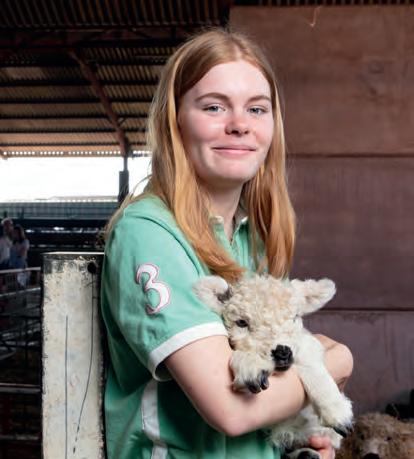
Georgina Milne reports back
County shows and festivals on
Dairy Student of the Year
Henry Gibson shares his thoughts on the sector



Our Student and Young Farmer Ambassadors in
A lack of internet access is isolating farmers
Farmer and solicitor Magnus Brown on food
Spring is the season of new beginnings and fresh starts. For many this thought is epitomised by turnout, with livestock eager to say goodbye to their winter housing and grazing starting once again. With the weather improving, it's also time to deep clean your sheds and storage space or, if you are like me, tackle that important life admin you've been putting o for months. Whatever new task you have in hand, I wish you the best of luck with it.
In this May edition of Student Farmer, we take a look at the fresh and exciting ventures started by new entrants to the field. Jess Tilley Moore, who set up her own flock of sheep despite never farming before in her life, is showing us all what is possible. Meanwhile, hairdresser-turned-farmer Ruby Collard is adapting her shearing techniques to a new type of customer – one with a thick mop of curls to contend with and who, compared to Ruby’s previous clientele, is far less demanding!
Lambs have started to spring up across the fields of Pye Ash Farm in Macclesfield. Brother and sister, Martha and George Gilman speak to us about making the most of the special season. They share a few tips on getting the public engaged with farming, and turning lambing into an event to be celebrated and an opportunity to educate. For those interested in diversifying their businesses, this one is for you.
We find out what's got Shed Talks’ hosts, the brilliant Josh Redford and Naomi Williams-Roberts, talking. There's also this month’s ‘rising star’, key takeaways from the sector’s biggest conferences, and a rundown of county shows in your area.
Joanna Thomson, Editor
The University of Cambridge has decided against proposals to discontinue its undergraduate degree in veterinary medicine, which the British Veterinary Association (BVA) has called “a step in the right direction.”
The university’s General Body met at the end of February to make a decision on the school’s future, which has been uncertain since a recommendation was made to close the school in December last year.
Within its announcement, the university said that “there is a need for new leadership in the Vet School to be put in place to support the department in addressing its many challenges,” and further analysis, supported by external experts, is required to develop and evaluate alternative models for the future of veterinary education at Cambridge.
Responding to the news, BVA President Dr Rob Williams MRCVS said: “We’re pleased that Cambridge University’s governing body has listened to concerns
raised by BVA and so many across the whole veterinary profession and has come to the decision not to close its veterinary school.
“A resilient veterinary workforce relies on a healthy pipeline of homegrown talent and the UK’s vet schools, including Cambridge, play a crucial role in this. In our open letter to the school last month, we underlined how its closure would not only have represented a ‘profound gamble with public health and scientific excellence’ but also would have had a significantly negative impact on the future supply of highly skilled veterinary professionals.
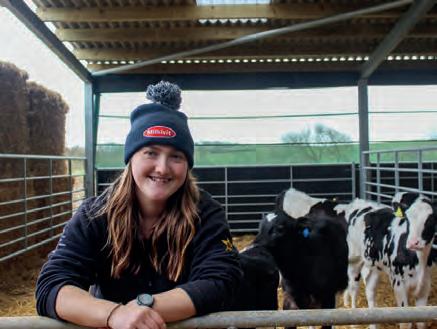



Lottie Wilson, 23, a dairy farmer from Pembrokeshire, is part of this year's cohort of Nu eld Next Gen Scholars. She is also the recipient of one of three available scholarships for the dairy sector.
Keep up with the latest developments in farming policy and campaigns at nfuonline.com
“However, while today’s decision is a step in the right direction, it’s essential the university commits to ensuring the school is appropriately resourced to preserve its vital role at the forefront of global health and scientific leadership, now and in the future.”

The NFU’s Cereals Development Programme (CDP) toured one of the UK’s major grain trade ports, the Royal Portbury Dock.
The programme, which is run by the NFU and grain marketing and arable inputs co-operative Openfield, is a biennial scheme aimed at the next generation of cereal producers, with participants usually between 25 and 35 years old. It o ers participants a unique, seed-to-shelf insight into the sector.
On its latest outing, the CIP group was hosted by James Reeson of the Bristol Port Company, who left no question
Aimed at young people aged 18-24, the 30-day study programme takes place over the summer each year and aims to give participants the opportunity to develop their understanding of their industry.
Lottie told Student Farmer magazine that she is honoured to have been selected for the programme and is now looking forward to meeting her fellow scholars.
“I am at a pivotal point in my career, having recently returned home to the farm, where we are also implementing some big changes as a business this year," she said, "and so I am extremely grateful for the opportunity to meet and learn from other farms and businesses.”
Find out more about Nu eld's Next Gen Scholarship by visiting nu eldscholar. org/scholarships/nu eld-farmingnext-gen-scholarships
unanswered. He explained how Bristol had been a major entrepôt since the Roman era, and that £585m investment over the past 30 years means it is one of the major arteries of UK trade.
Speaking about their experience of the day, CDP participants Ben Sell and Toby Ford described the visit as “phenomenal”, noting the innovations the port has made to facilitate the UK grain trade.


Held at the NFU’s Westminster office in London, the 2026 NFU East Young Members Conference provided an opportunity for members, businesses within the area, and young people working in the sector to network and share ideas about the future of farming.
The room heard from a range of speakers, including NFU President Tom Bradshaw, who discussed the need to inspire young people to pursue careers in farming.
Tom stressed that “doom and gloom” on social media discourages new entrants, and that the industry must instead promote the many opportunities it has to offer.
“We’re going to have to look at how we incentivise workers,” Tom argued. “Some of this is going to be about partnerships, about profit shares, about real incentivisation to motivate the generation that are going to come into these businesses in the future.”
He added that the farming industry is in a strong position to develop apprenticeship roles so they provide “realistic, attractive opportunities for new entrants of any age.”
Read the full article at NFUonline.com/regions/ nfu-east/
Let us know what you are getting up to on farm by emailing the editor at Joanna.Thomson@nfu.org.uk.
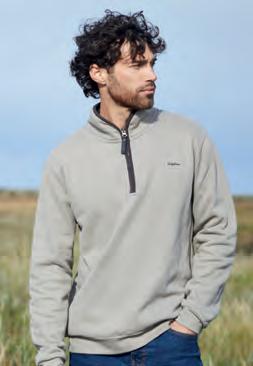
Readers of Student Farmer magazine are invited to take a short survey about their experience as new entrants to the industry, for their chance to win a £200 Ridgeline Clothing voucher.
The NFU wants to make sure its Student & Young Farmer members feel supported, heard and equipped with the resources and opportunities they need to thrive. We’re running this short survey to better understand what matters to you and how we can
continue improving our Student & Young Farmer membership.
By sharing your views, you’ll help shape and strengthen the support we provide to members like you.
As a thank you, everyone who completes the survey will be entered into a prize draw to win a £200 Ridgeline Clothing voucher.


Take the survey at nfuonline.com/news/ student-and-youngfarmer-members-wewant-your-views/ or by scanning the QR code.

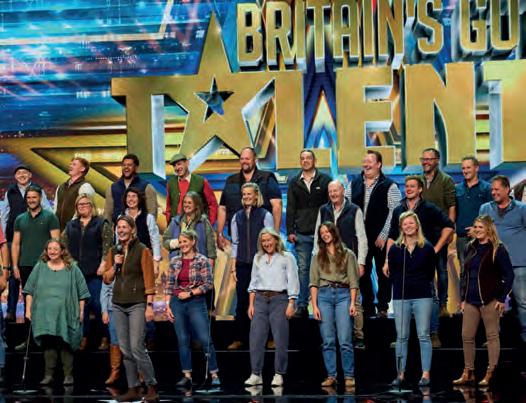
A choir of farmers impressed the Britain’s Got Talent judges with a performance that catapulted them through to the semi-finals in May
Hawkstone Choir, made up of 32 farmers from across the country, took to the stage as part of an audition for the latest series of Britiain’s Got Talent
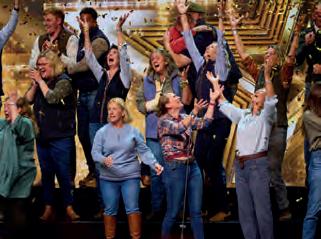
The episode, which aired at the end of March, saw the group perform Elbow’s ‘One Day Like This’ in front of celebrity judges Amanda Holden, Alesha Dixon, KSI and Stacey Solomon, a live audience and millions of viewers.
A clip of the performance has since gone viral, showing several members of the audience moved to tears and impressing judge Amanda Holden so much that she hit her golden buzzer, which secured the group a place in the competition’s semi-finals.
While the group originally formed to record promotional jingles at The Farmer’s Dog in Burford, the choir’s mission quickly shifted toward something more important: mental health and suicide prevention within the rural community.
Member James Florey said the choir been “a lifeline” for many of its members. He described the “phenomenal”

support the group have received from the farming industry and beyond since the show aired. He said: “We can’t thank everyone enough”.
“It’s been the most surreal experience and an absolute pleasure to share it such with a wonderful group of people –the Hawkstone Farmers Choir family!"
The full story, including a link to the group's performance, can be found at nfuonline.com/news.
Everyone thought Jessica Tilley-Moore’s dream of being a farmer was just that – a fantasy. Today, she's shepherding her own fock through their frst lambing season.
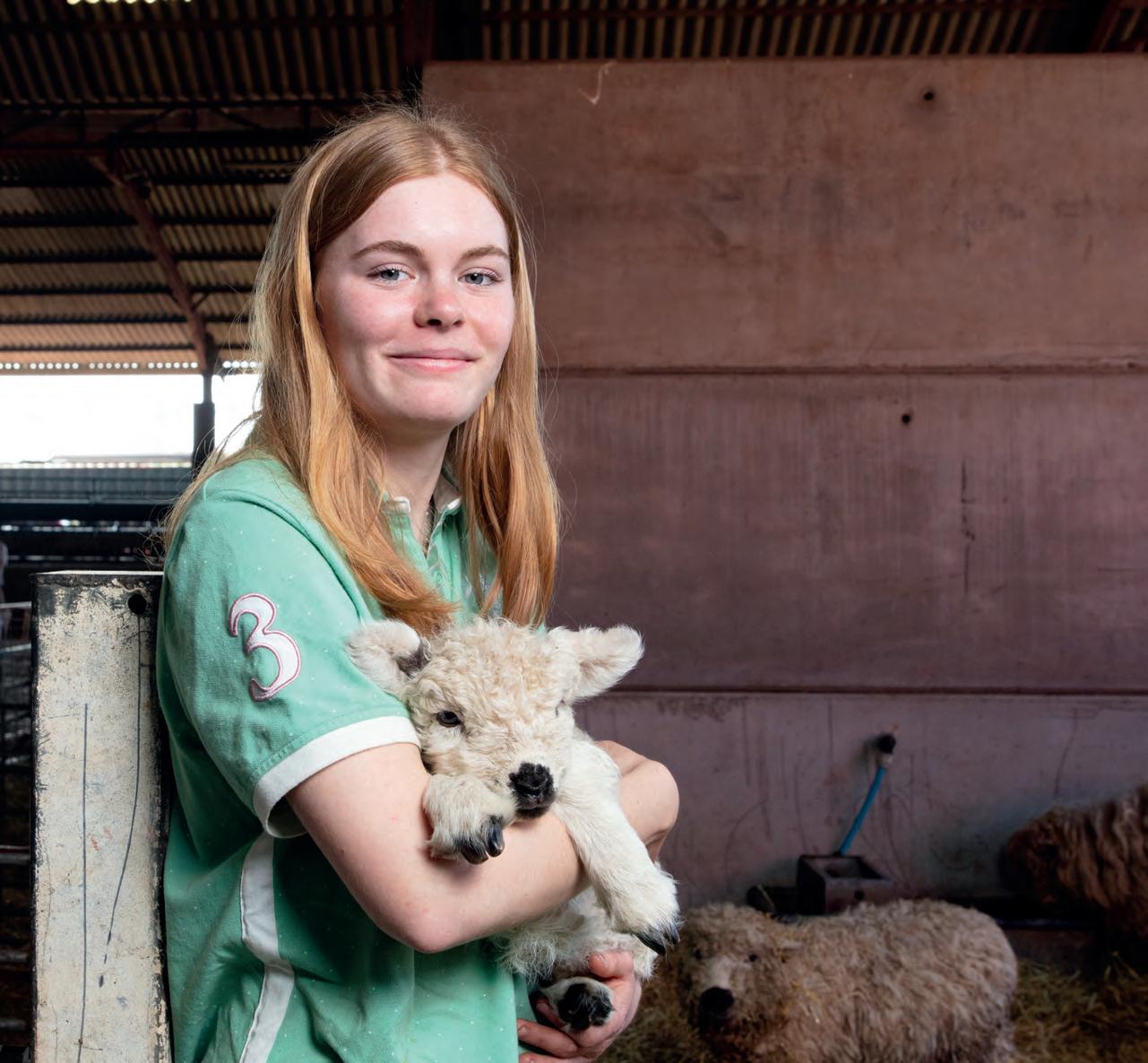
I’d like to say getting my own fock of sheep was easy, but it wasn’t. Not only did I struggle to fnd land to rent for grazing, but I also had to fght to get people to understand why I wanted my own fock in the frst place. I wanted to prove to everyone that just because you aren’t from farming, it doesn’t mean you can’t be a farmer.
Farming was never on my radar as a youngster. I just assumed that to be a farmer you had to own a farm as that’s how it was always portrayed to me as a child. Boy, was I wrong.
In 2023, at 17 years old, I did a lambing placement at a local farm as I was looking at going into veterinary nursing. My grandma was a vet, and I thought I might follow in her footsteps. I used to have great fun playing with her old stethoscope and
otoscope, and listening to stories about the odd cow she had helped. When I started on the lambing placement, I even looked through her old vet books at diferent conditions and diseases. I tried to prepare myself the best I could. I thought I was going to be a farm vet.
What happened on that placement was the most eye-opening experience of my life to date. Lambing showed me how much time, money, love and care goes into farming. You aren’t just a farmer when you are lambing, you are a midwife, a chef, a carer for the poorly animals and a foster parent for the orphan lambs. It is an emotionally and physically demanding task. No single day is the same and you never know what might happen tomorrow. Sleep becomes a blessing and any opportunity to sit down and eat, or gobble
a biscuit or two, ofers a welcome break.
It wasn’t until I did my second lambing season that I realised how much more intense the work could get. That year was particularly hard as Schmallenberg virus, which can cause malformations and stillbirths, was present in our area. Every time we had to help an animal birth, alarm bells went of. If the mother was infected, there was a big chance the lamb would get stuck and the outcomes for both lamb and ewe would be serious. It made me realise that you can only do so much, but sometimes nature does exactly what it wants, and you can’t always save the day. But, more importantly, it taught me that I could learn a lot about farming by just being there.
After those frst couple of weekends on the farm, I knew I wanted to take a proper
that “I’d really struggle to find anything at all”. However, I didn’t give up.
My biggest piece of advice for anyone who’s not from farming but wants to give it a try is to not give up. I know how disheartening it is, to feel like you aren’t getting anywhere, but I promise you, if you really have a passion for agriculture, you’ll keep going until you get where you want to be. Remember: you belong there just as much as anybody else does. Also, it only takes one person that is willing to help you out and then you are away.
“The farmers who helped me along the way have been amazing. I will always be so grateful for how much they believe in me...”
leap into agriculture and made it my mission to get more experience. I told my mum how much I loved lambing and how I wanted to carry on farming after it had finished. She seemed surprised.
It’s an expression I’ve gotten used to seeing, that look of frowning confusion. Later, when I started to tell people about my plans for a flock of sheep, they would give me that same look. They would reply, “well, why on earth would you want sheep?” or “you will regret getting them”. Even now a lot of people assume my family owns a farm or that my parents own my
sheep. I watch their jaws drop when I tell them the truth.
Everyone thought it was just a phase; even the man I ended up renting land from was a little wary at first.
Last year, while working as an assistant at an agricultural supplies shop, I started asking around to see if anyone knew of a small area of land I could lease. My plan was to rent the land with the money I was earning from work and go and see my flock, using any free time I had available. It was very disheartening at first as everyone’s responses were either “no” or
out and then you are away.
My ‘one person’ was a lovely farmer that my granny is friends with. He came into the shop, and we got chatting about my plans. He said he might have something, but he’d need to have a look first.
About a month later I visited my field and set out to find some sheep.
He came into the and chatting about my plans. He said something, but first. find some sheep.
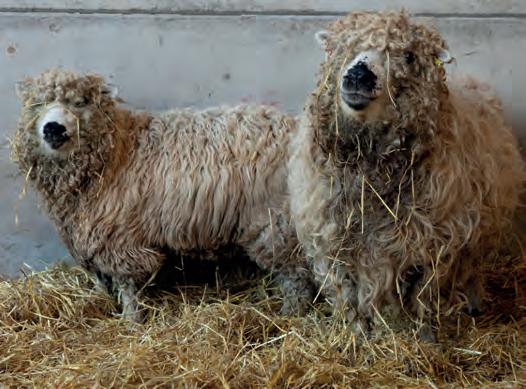
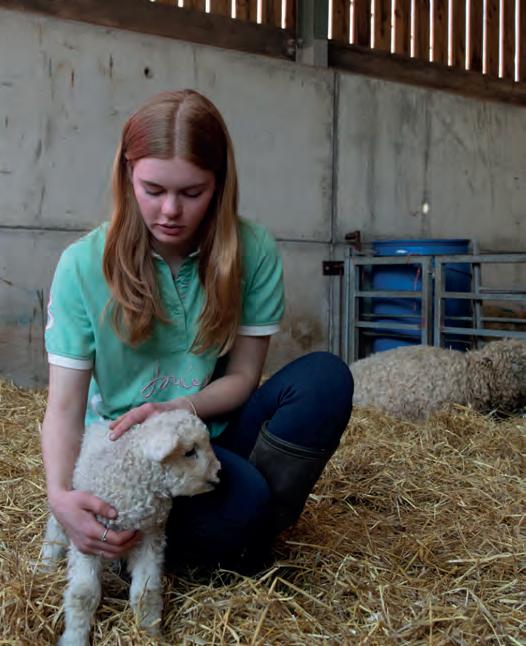
I now have my very own small flock of seven pedigree Greyface Dartmoors known as the Fern Flock, which I named in honour of my late little sister. They live on a beautiful patch of land, it’s four acres and it is just perfect for them.
The farmers who helped me along the way have been amazing. They’ve helped me transport them and have come to my aid when needed. I will always be so grateful for how much they believe in me and have helped make it all possible.
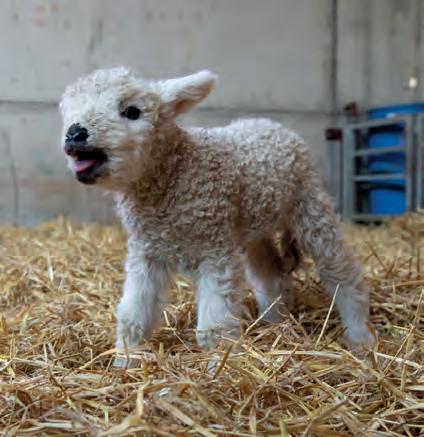
It’s a really exciting time as my ewes have been put to the tup and we’re expecting lambs in the spring, which will help me build my pedigree flock. I’m also looking to show my sheep at a few county fairs this year, which will be a totally new experience for me.
Looking back on the last year, it’s been one of the best yet. Getting my sheep has unlocked so many doors for me. I now work for Lower Drayton Farm, where I host school groups, speaking to them about farming and food, as well as getting hands on in the lambing barn. Farmer Richard, who runs Lower Drayton Farm, read my story in the trade press and got in touch not long after. He recognised my passion and offered me a job I’d only dreamed of getting until then.
As I’ve said, finding my place in farming wasn’t easy, but it is achievable; and just because you aren’t from farming, doesn’t mean you can’t be a farmer.
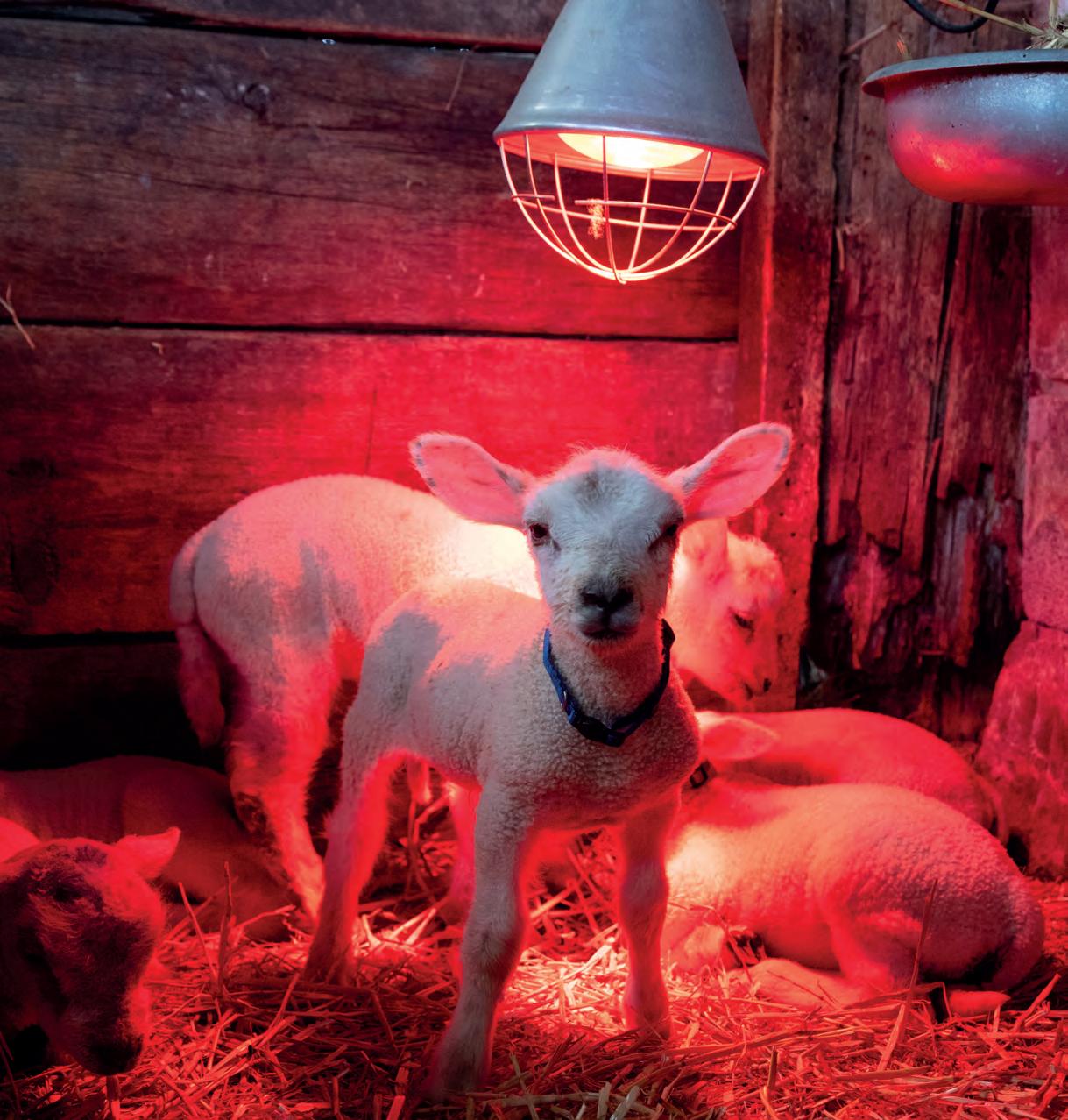
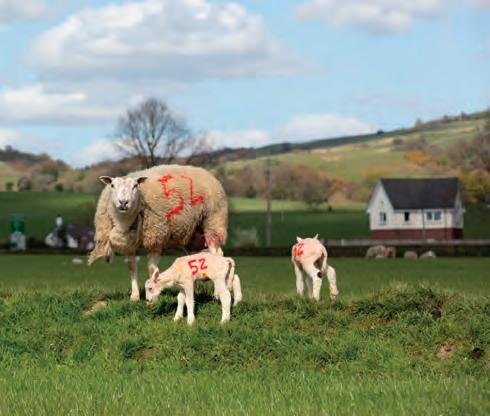
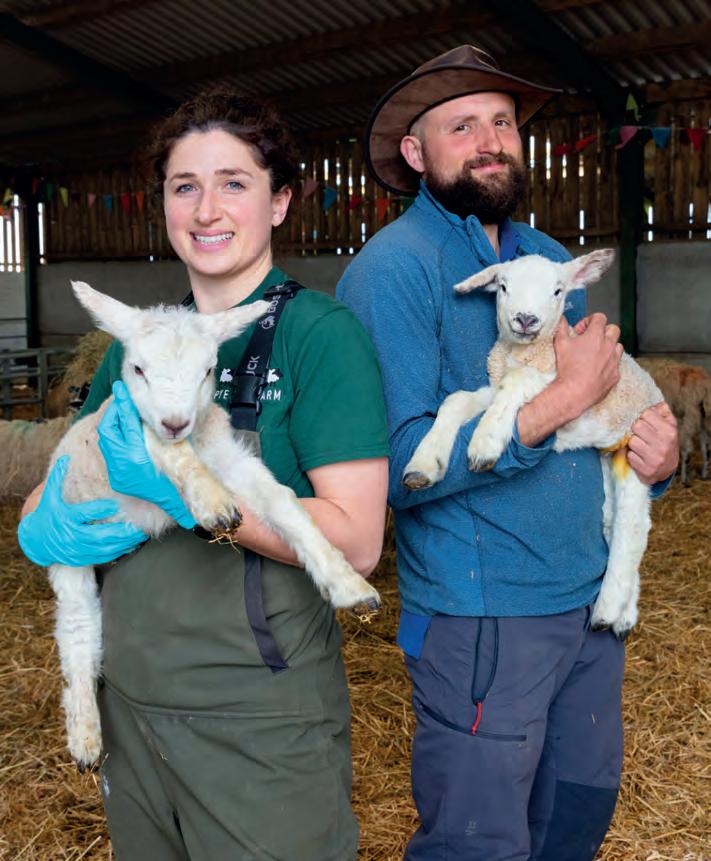
Pye Ash Farm in Cheshire hosts thousands of visitors every year as part of its Lambing Live event. Amy Browne speaks to owners the Gilman family about diversifying the business.
John Cottle


Growing up on the family farm, siblings Martha and George Gilman can’t remember a time when they weren’t helping out during lambing season.
“When you’re younger and have smaller hands, it’s quite good for lambing sheep. It was only when we were at school that we realised it wasn’t normal for most kids to be doing that,” laughs Martha, 30.
“When I was too young to walk my mum used to put me in the sheep pens while she lambed the sheep and when we were a bit older dad would take us to sheepdog trials all over the country and we’d be in the back of the van, with the dogs.”
Pye Ash Farm in Cheshire has been in the Gilman family for three generations. Martha’s parents James and Jane took over the farm in the 1990s and it’s where James’ dad Joe grew up with 10 brothers and sisters.
“Grandpa Joe is 91 now and still comes to help in the car park when the events are on,” explains Martha.
In recent years, the ‘events’ Martha refers to have steadily turned the working sheep and beef farm into a place for a family day out – and it’s Martha who’s spearheaded the transformation.
“It’s always been a passion of mine to get people onto the farm. I used to breed and sell rabbits and would put a sign on the road to advertise it.
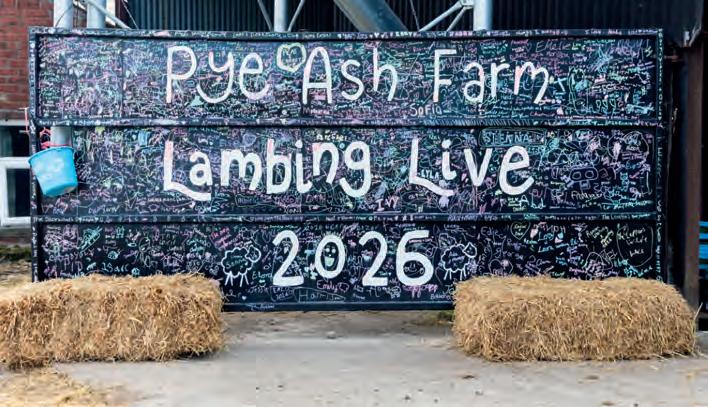
“In 2017 I wanted to do Lambing Live, so I posted fliers around the village and invited people for free.”
In 2020, a friend of Martha’s suggested she try selling pumpkins – but the concept wasn’t met with any enthusiasm. “Dad said ‘absolutely not’,” recalls Martha. “He said no one would want to come and buy pumpkins.
“Then mum and dad went away for the weekend and he reluctantly let me have part of the shed to try it. When they came back, they had to queue to get back into the farm because it was so busy with visitors.”

Having never grown crops before, Martha persuaded her dad it was the right time to pivot. “To get dad to give us part of the field to grow a crop that might not grow and that he thought people wouldn’t want to buy, was difficult. But we’ve grown them now for the past four years and dad’s come around a little bit. We now grow around 30,000 pumpkins, so it’s quite a big operation.”
During two weeks every April, the family welcomes around 2,000 visitors for
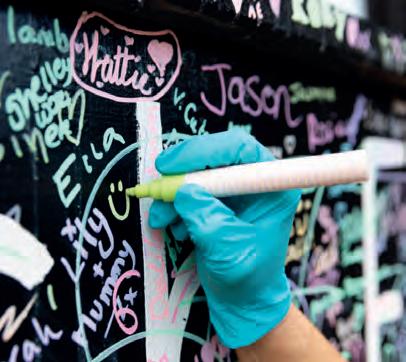
Lambing Live and the farm’s various events have raised more than £31,000 for local charities.
“People love coming onto the farm, so we’ve built the experiences out,” says Martha, who credits their big team of helpers, including friend Jemma, for making it all possible.
“When we do the pumpkin maze, mum and dad do sheepdog demonstrations every hour and George and his wife Liz [a vet who also helps out on the farm] have created a nature trail.
“I’m always thinking of new things, I want people to keep coming back. It’s

an honour to be part of people’s traditions and to raise money for the community.”
While it might be a fun day out for visitors, the work behind the scenes as they lamb 500 ewes, is nothing short of gruelling. This year, the season kicked off earlier than planned when the first two lambs arrived a month early, thanks to an escapee tup who ‘had some fun’.
“Every year is a big challenge and the sleep deprivation is the worst,” says Martha. “The days we’re open to the public are intense.
“All the time we’re talking about what we’re doing, while doing it and can’t hide if something goes wrong.
“We had a really challenging birth during one session. People at the event weren’t aware but we had to manage it in the background.”
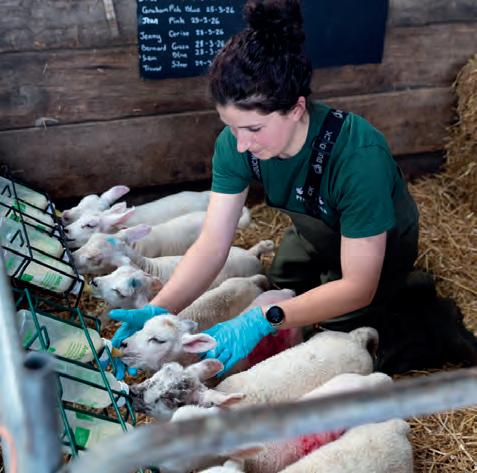
During the lambing fortnight, the farm takes on a shepherd, plus veterinary students who work on a rota.
“It’s full on but we’ve got a lot of help,” explains Martha, who works the ‘morning shift’ from 4am. “Thankfully, now we have
During two weeks

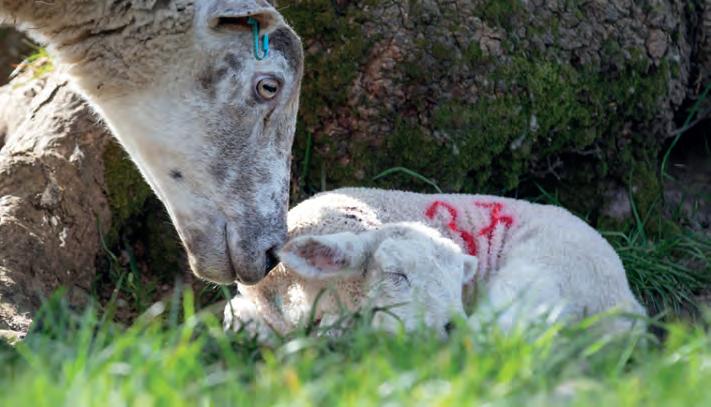
cameras, I can check what’s happening from my bed and only come if it’s busy. Mum looks after the cade lambs who need that extra care, so she’s always got a bottle in her hand.”
While Martha’s focus is on marketing and organising the events, her brother George’s fascination with sustainability and regenerative farming has led to him bringing about his own changes at the 200-acre farm, along with wife Liz.
“Noticing that biodiversity is declining and physically being able to see it in places made me want to increase it here,” he says. “I’ve always loved seeing how animals interconnect with each other and the more research I do, the more I realise that without healthy soil and clear air, you can’t farm.
“I recently started doing hedgelaying and planting, so that’s creating new habitats and bringing beneficial insects and creatures in, which help the wildlife that’s around. For example, bringing pollinators for the pumpkins, because without them we’d need to hand pollinate. And making changes to help predators like frogs, toads and hedgehogs that will eat slugs, so they
don’t annihilate the pumpkin crops.
“You can work with nature and it will help you – or work against it and be in constant battle.”
George and Liz’s endeavours have been embraced by the whole Gilman family. He explains: “We all love nature, my dad loves birds so it’s about working out how to help them, rather than seeing them decline. We can watch it happen, or be the change.”
It’s an ethos that more young farmers now share. Martha says: “There’s definitely more of a push for regenerative farming among young farmers.
“It’s about being aware of what you can do. For example, with the pumpkins we get lots of weeds and could just spray them, but that’s not good. Now we try to hand weed as much as we can.”
Such is George’s enthusiasm for sustainability, he’s been known to rummage through bins for empty pizza boxes thrown away by visitors to the pumpkin maze. The cardboard is then mulched down and has helped grow 500 new trees on the farm.
The siblings’ contribution to the family farm is nothing short of impressive –especially considering they both have

regularly for her role in medical sales and George now a self-employed labourer, having spent five years in the Marines.
“Annual leave and weekends are when I’m here at the farm,” says Martha. “Growing up on a farm is very character building. It’s good for career opportunities as well – I think people realise that if you’re from a farming background, you’ve had no choice but to work hard from a young age.”
The siblings are the first to acknowledge the challenges young farmers face – but are keen to encourage those coming into the industry to be the change.
“It’s tricky to break into farming,” says Martha. “It’s not like you can just buy a farm, unless you win the lottery. Yet there seems to be more of a buzz around farming.
“It’s really important for farmers to market themselves – you see more farming influencers and people using platforms to get the word out. It’s important to reach out to farms and get as much work experience as you can. Farms just want people who are enthusiastic.”
George agrees and encourages young farmers to “keep an open mind to change”.
He adds: “Young farmers pushing through is good because they can help farms adapt with the way the world is changing. It’s tough, but it’s also a really enjoyable job. You speak to any farmer and it’s the only job they’d do.”

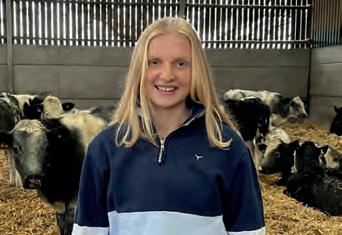


Just months after quitting the salon, former hairdresser Ruby Collard found herself coifng calves for the show ring. Isobel Bretherton discovers how Ruby is faring on her new career path.
Last September, 18-year-old Ruby Collard, from East Sussex, began training for a new professional life in farming.
The former hairdresser, from Hailsham, started a T level in Agriculture, immediately relishing the fresh air at Plumpton College, near Lewes, within the South Downs National Park.
Soon after enrolment, Ruby was delighted to fnd herself ‘prepping’ and grooming the college’s pedigree Sussex calves, before showing them at a renowned winter fair.
She explains: “I have always gone to agricultural shows with my dad, since I was young, so it was so nice to get involved in showing the calves so early on in my course.”
Growing up in rural East Sussex surrounded by farms, Ruby often found herself admiring livestock when she was out walking.
“I don’t come from a farming background, but ever since I was little I have always been interested in where my food comes from and wanted to get into farming. My family is quite an ‘outdoorsy family’. I used to have a horse and I have got quite a lot of dogs. I was often looking at farms from a footpath.”
After completing her GCSEs, Ruby studied hairdressing at a nearby college and worked in her mother’s hairdressing salon. “I think because I’ve always wanted to work outside, I felt trapped inside,” says Ruby, who realised that she wanted a job in agriculture, with livestock.
“A distant relative, an uncle, had a dairy farm in Wales and I loved staying there when I was young. That might be why I thought about farming. I’ve always
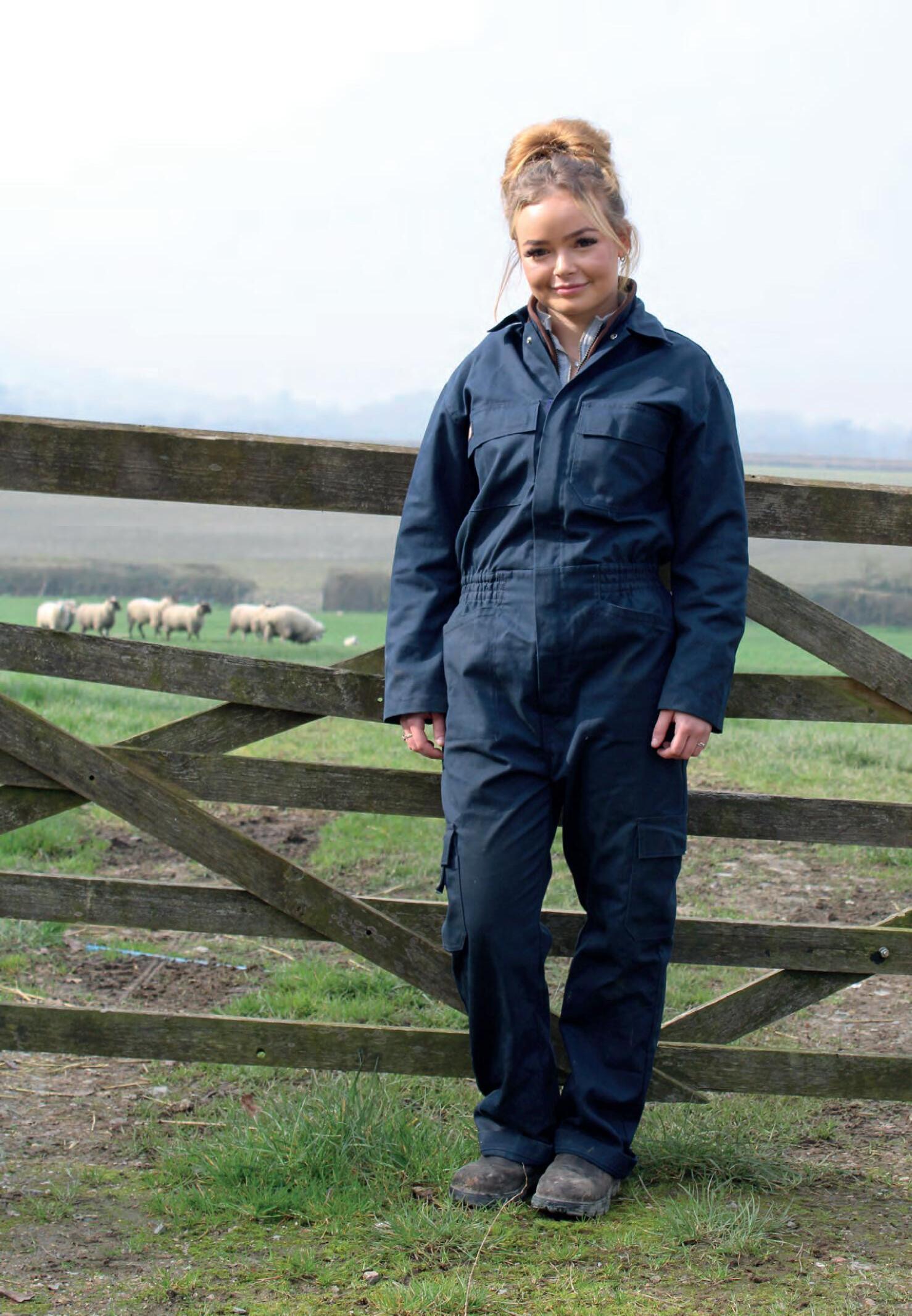
wanted to work outdoors.”
Determined and hard-working, Ruby travels an hour by bus to Plumpton College. Her bus journey had been two hours, before her family moved closer, in December 2025.
During the frst few weeks of her T level Agriculture course, Ruby gradually found her way around Plumpton’s large campus, meeting staf and making new friends. “There were so many people who were helpful, I felt like I could always ask if I needed help.”
Around half of the students on Ruby’s course hail from a farming background, and they are familiar with farming practices. However, Ruby says she and many others fnd much of the curriculum content ‘brand new’.
“I think I’m the only one that hasn’t had experience on a farm before, although being around animals probably helps.
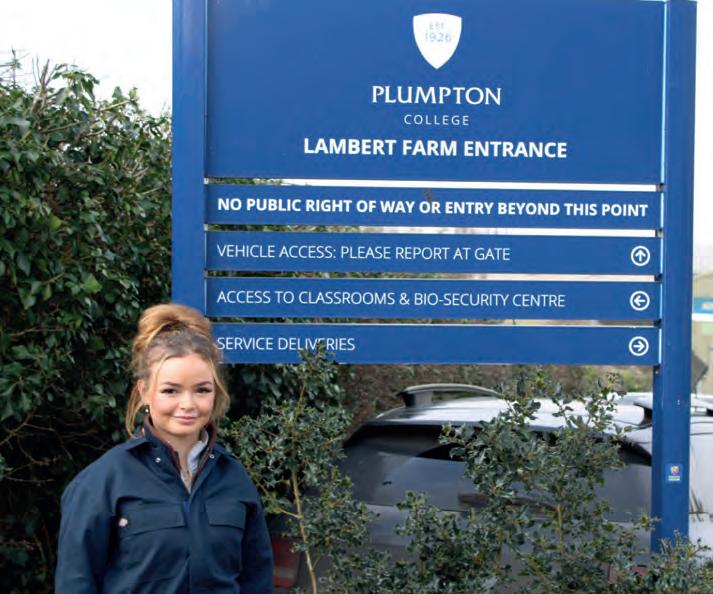
One of the frst things I learned about was biosecurity. We provide our own overalls and steel toe-capped boots. You have to go through the biosecurity centre to go into the farm and to leave. You put clean overalls on and clean boots. You wash your boots of when you come back, hang them up, bag your overalls up and then they go of to the laundry to get cleaned.”
Nestling amid rolling chalk hills and lush valleys, Plumpton has a stunning 800-hectare estate, the largest estate of all the nine independent land-based colleges, and it rents additional land from the National Trust.
“My course involves learning estate skills, estate management, such as fencing. There is a lot of livestock management and then tractor driving
every Monday afternoon.
“We also do ‘routines’ here – a couple of months ago, I stayed here for a week and worked on the dairy. It was a 5am start and you do all the jobs, bedding up, scraping out and the milking as well – there are two milking robots, a scraper robot and a feeder bot.”
Plumpton is the only land-based college that still requires students to undertake early morning ‘routines’. It provides
“I’ve always wanted to work outside, I felt trapped inside”
accommodation separate from that of the residential students and breakfast is served in the canteen. ‘Routines’ undoubtedly build self-discipline and organisational skills develop as students familiarise themselves with the regular tasks associated with tending livestock.
Ruby really enjoyed showing the college’s pedigree Sussex beef calves at the annual South Eastern Primestock Winter Fayre, on the South of England Showground, in West Sussex, last November. “We were in the ribbons – I got a second and a third and the others had a frst and a third. We had to halter train the calves before we went, so our class did that. You have to put them in the crush with a halter on and let them pull against themselves for a bit – then they soon learn that if they pull they’re not going to get anywhere.”
The calves behaved well and coped with
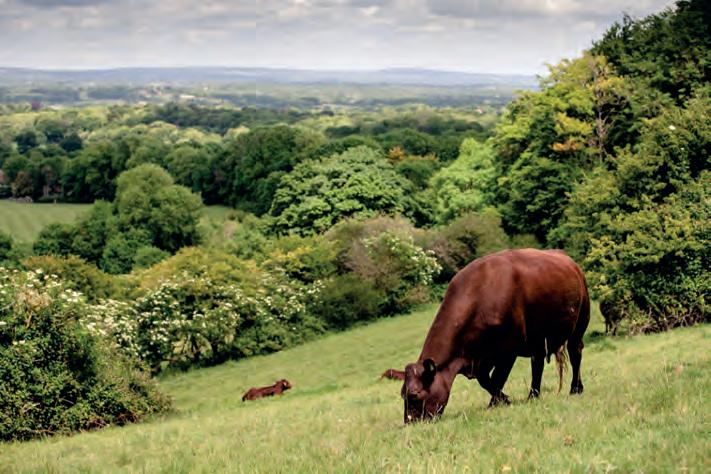
the atmosphere of this busy event that features shows of cattle and calves, sheep and pigs, alongside a carcass show and countless trade stands.
“I am quite interested in beef breeds – the Sussex are really nice cattle, when they want to be good, although they can be quite stubborn. I think we also have some Angus cross here. We will learn about butchery too – my teacher said we’ll go and make sausages.”
Ruby has just encountered some of the college’s 300 commercial breeding ewes that are housed during lambing. “Some are lambing now – there are a lot of twins. We have done some ear tagging and tail docking. We have also handled the sheep when we did vaccination and foot trimming.
You have to tackle them down when foot trimming – it is quite difcult because I’m quite small, I still manage though!
“We’ve got to do a day of beef and sheep ‘routines’ with the herdsman. Then, in the summer, we have arable ‘routines’. While it is a livestock course, we’ve been out on the tractor to see some of the arable.
“Next year I think we have pig ‘routines’. I’ve been to the pig unit a couple of times. We vaccinated some piglets and gave them iron injections. It’s a really good facility.”
To gain experience, Ruby has taken a job on a beef farm near home. She works there on her ‘day of’, every Wednesday, and every Saturday; she currently assists with calving.
“The farmer has Sussex and Simmental cattle. They have a show team that I can get involved with as well, which is quite exciting.”
During April, Ruby will be lambing every Sunday on another neighbouring farm.
This industrious former coifeuse chuckles on realising that she will soon be farming seven days a week.
Plumpton College has worked with industry to devise qualifcations that are relevant to the workplace for agriculture, horticulture, viticulture and forestry. These include degree courses, namely a BSC (Hons) in Viticulture and a new RICS-accredited Rural Land and Business Management BSc.
Find out more at www.plumpton.ac.uk
If you had told me at the start of the year, after I stood among the London Vet Show’s ‘30 Under 30’ cohort in November, that my next big break would be my own ankle, I might have laughed.
As we mark World Veterinary Day 2026, I’m reflecting on a year that’s taken me from professional accolades to a hospital bed, and eventually to the plains of South Africa.
If the past year has been anything to go by, it proves that while our careers as farm vets are built on science, they are sustained by unadulterated grit, patience and determination.
Spring last year was a whirlwind. At the end of February, the Farm Animal Veterinary Society (FAVS) Congress, one of the biggest student-led events in the farm veterinary calendar, was hosted for the first time at Harper & Keele Vet School, where I’m currently studying.
It just so happened to coincide with my year as president of the National Farm Animal Veterinary Society (NFAVS), which meant I was part of the event’s organising committee – and I’m so glad I was. The event was a huge success and it was so rewarding to see all our effort pay off.
While I was chasing sponsorships, presentations and creating promo material for congress, I was also juggling uni work. I was working on an academic research presentation
Farm vet student Leah Gri ths journals a year that has taken her from an awards stage to a hospital bed
on the vet’s role in improving calf health, specifically on the Bimeda ImmunIGY test, which helps determine the level of antibodies calves have that, in turn, help them fight off illness. My presentation, which saw me awarded the highest overall mark in my cohort, looked at the test’s advantages and how vets can help promote the use of them in terms of preventative healthcare. As a future farm vet with a soft spot for cows and calves, it’s a topic I’m particularly passionate about.
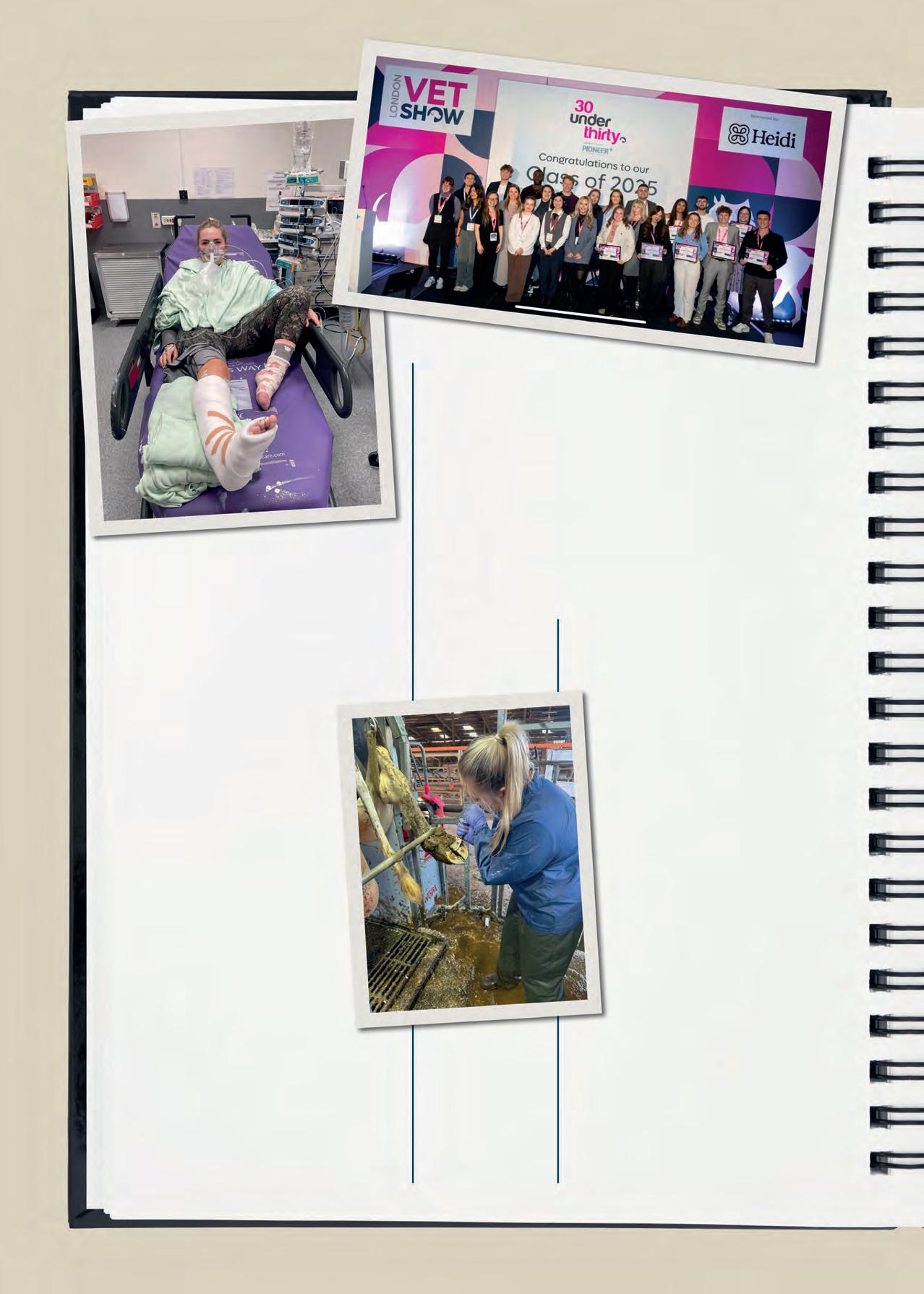
ABOVE: Leah’s summer was spent hard at work, learning all there is to know about trimming hoofs
The summer was filled with fun uni placements, including shadowing a professional foot-trimmer, working at a prestigous equine hospital and getting an insight into first-opinion farm practice. In between all the work, I realised I still hadn’t come down from the excitement of organising the FAVS Congress, and so I started planning how I could get involved in more events. In vet med, being ‘bitten by the bug’ normally isn’t a good thing, but it’s the best way I can describe my enthusiasm.
I joined the Association of Veterinary Students committee and began lining up speakers for the Farm Stream, part of the 2026 AVS Congress weekend. Among talks and practicals, I designed an escape room, where teams had to interpret clinical clues
and farm data to hypothesise likely causes of an “outbreak” and develop a simple, evidence-based herd health improvement plan.
During this time, I also received the news that I would be included in the London Vet Show’s ‘30 Under 30’ 2025 cohort!
I was running on adrenaline for most of autumn. On top of never-ending revision, exams and assignments – and now planning for the AVS event in the new year – I managed to squeeze in two calf-rearing seasons. It was tough. It was long hours in the field, and even longer hours typing up essays. By the end of the last season, I was physically drained and mentally tested.
It was all worth it because when the London Vet Show ‘30 under 30’ ceremony came around, I felt a huge sense of pride in everything I‘d just achieved. It was inspiring to be amongst so many talented veterinary professionals. Also, it was a night made extra special by the fact that Peter Wright (from The Yorkshire Vet), was in attendance, having judged on the panel. I had a real ‘fan girl’ moment.
It was at work one very snowy morning last winter when disaster struck. I took a route to feed the calves on foot, rather than by truck as advised. I slipped. And I knew by the crack it made that something bad had happened to my leg. I sat in the snow, accepted my fate, and waited for help.
Following a swift trip to A&E, X-rays confirmed I had not only dislocated my right ankle but had also broken it in three places. I needed surgery, and despite fighting the anaesthetic, the operation went well. After a three-night hospital stay, I returned to my university house.
Overnight I became unable to walk, drive, shower or dress myself properly. I went from being a very independent, able-bodied person with a schedule bursting at the seams, to navigating life in a wheelchair. I knew it would be a long road ahead.
We spend our degrees learning how to fix animals, but we rarely talk about what happens when we are the ones who break. One minute I was in the thick of a calf-rearing season; the next, a split-second accident
LEFT: While juggling work on the FAVS Congress, Leah produced a top-ofthe-class poster on calf health
brought my world to a grinding halt. People often treat health and safety on farm as a tick box, but these events have been a sobering reminder that the margin for error is slim. Whether it’s fatigue from back-toback seasons or just the unpredictable British weather, we cannot care for our patients if we aren’t fiercely protective of our own wellbeing.
Breaking my ankle wasn’t just a physical injury; it was a lesson in the two things vet students find hardest to accept: vulnerability and a stationary life. Adapting to this new condition as quickly as possible was important for me as I knew life and university weren’t going to stop. It was a strange thing, being immobile while my peers continued their normal lives. However, it forced me to lean into the “non-clinical” side of my career.
My injury coincided with the AVS Congress weekend that I had spent months preparing for. It was heartbreaking to realise I wasn’t mobile enough to attend the talks and practicals I’d organised, but it taught me another vital lesson: your value to this profession isn’t just in your physical ability, but in nurturing professional connections, your passion, your leadership and your voice.
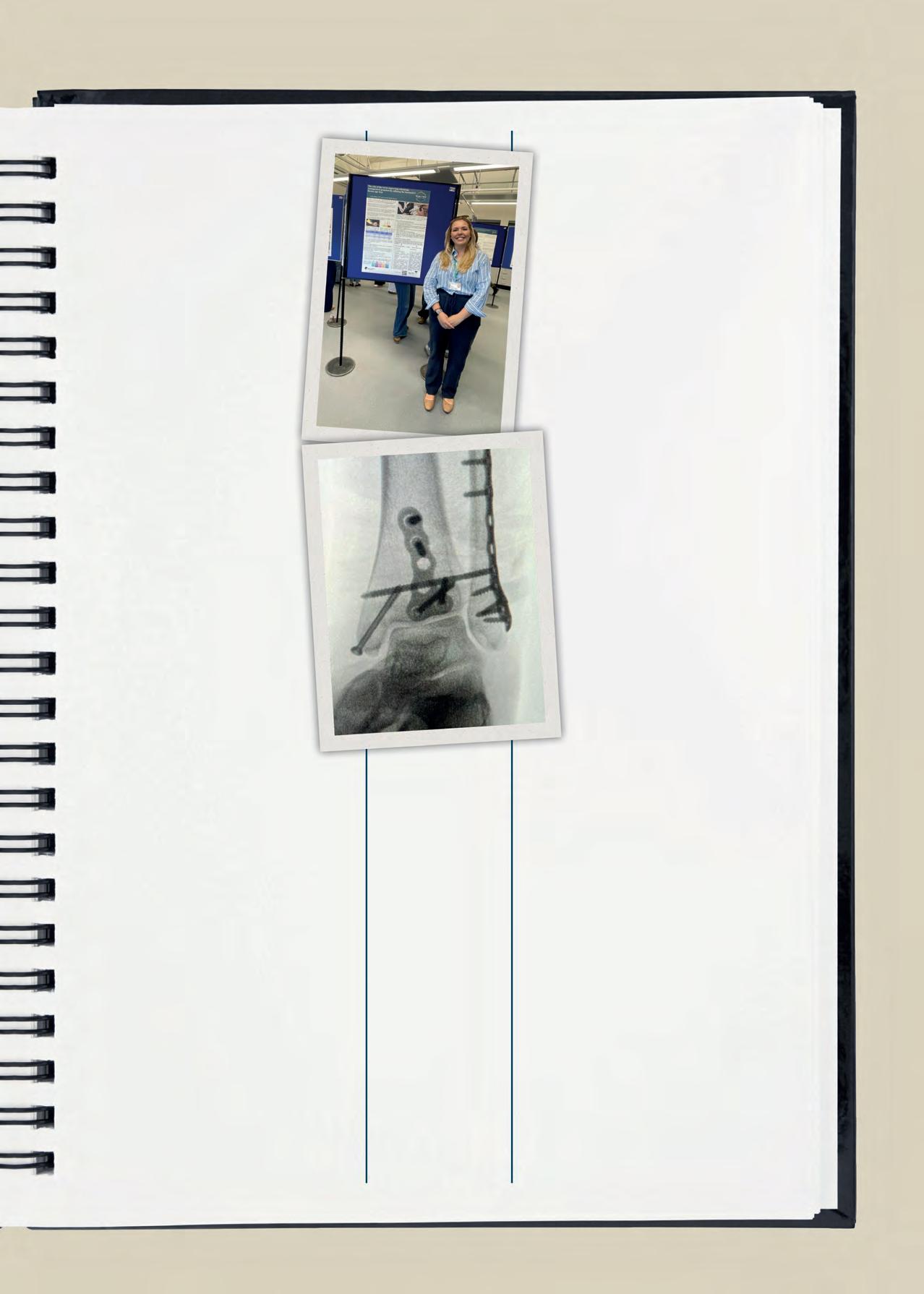
ABOVE: Leah’s plans for travelling the world went out the window when disaster stuck last December: she broke and dislocated her ankle at work
This past year for me has been a masterclass in the highs and lows of the whole vet student experience.
I had planned to go to South Africa’s Kruger National Park this summer, as part of a university placement, but have had to postpone the trip due to my injury.
The project focuses on providing essential veterinary interventions for animals impacted by human-wildlife conflict and poaching, particularly involving rhinos. It’s a once in a lifetime opportunity to see the ‘big five’ close up, and gain practical experience working with some of Africa’s best wildlife vets. Also, the money that goes towards the trip aids conservation efforts within the park.
It’s an amazing opportunity but it is also very isolated, demanding work, which requires a certain standard of fitness to ensure I can keep myself safe. That is why I have decided to postpone my trip until next year to give myself enough time to recover.
When I do make it to the park, I will bring both my stethoscope and a profound respect for everything my body has endured to get me there.
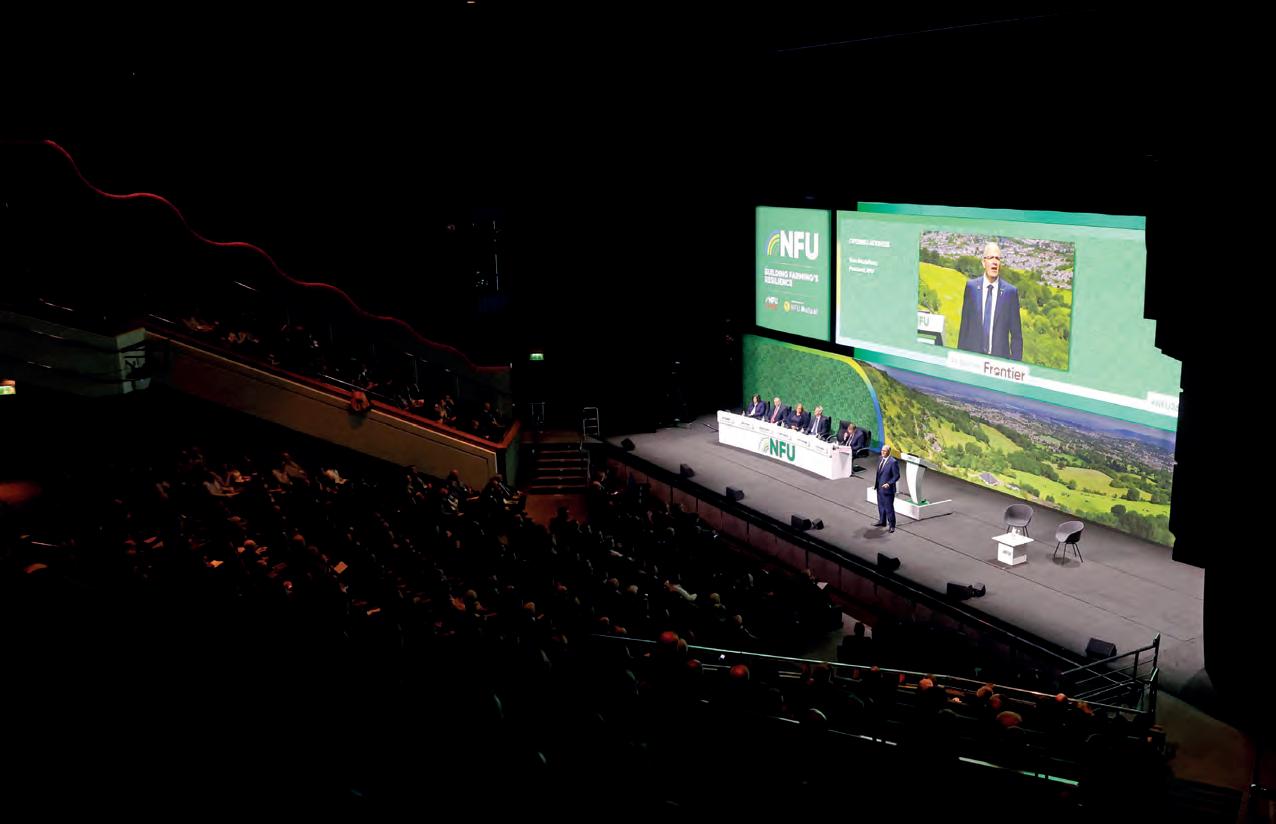
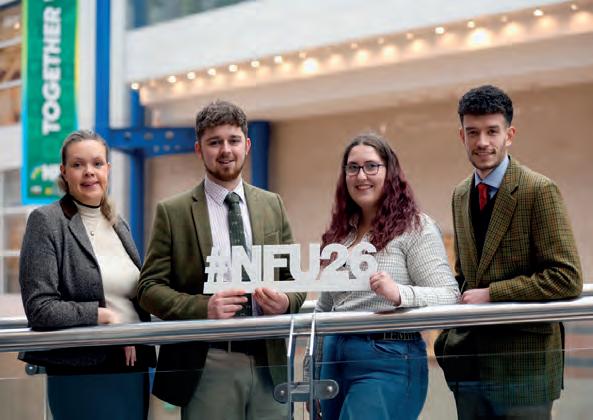

We had a fantastic time at this year’s NFU Conference in February. From funding announcements to the role of AI in farming, here’s our five highlights from NFU2026.
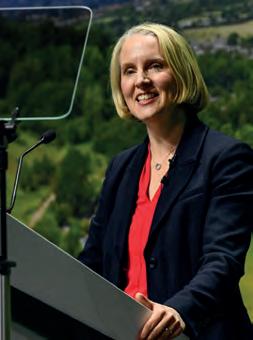
1 FUNDING FOR FARM INNOVATION ANNOUNCED
Defra Secretary Emma Reynolds said farming would receive a £345 million boost, broken down into grants under the Farming Innovation Programme and Farming Equipment and Technology Fund, as well as an increase in funding for capital grants. She also announced further detail on the reformed Sustainable Farming Incentive (SFI) scheme.
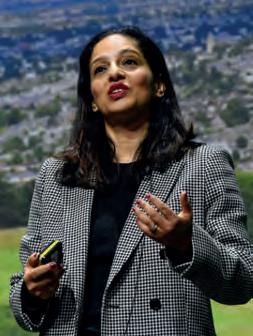
2 AI COULD OFFER A HELPING HAND TO FARM BUSINESSES
Speaking as part of a session on the role of data and artificial intelligence (AI) in farming, Prof Jasmeet Kaler, of the University of Nottingham, said AI could improve resilience by helping farms to adapt to survive unexpected shocks and reducing vulnerability to climate change, diseases, market shifts and labour shortages.
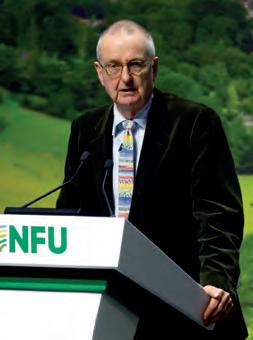
3 MINDSET SHIFT NEEDED AROUND FOOD SYSTEM RESILIENCE
In his address, Prof Tim Lang, suggested that we need to move away from a supply chain based on consumer choice to one that looks at consumer needs. In recent years, he said the UK food system has prided itself on being ‘just in time’ –especially during the Covid pandemic. But now it needs to be less complacent, with a more ‘just in case’ mindset. The number of food shocks the world is experiencing at present is being normalised and food is being weaponised, he said.
4
NEW OFFICEHOLDER TEAM ELECTED
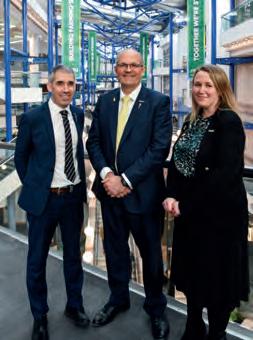
Tom Bradshaw, Paul Tompkins and Robyn Munt will steer the NFU during the next two years as its new national o ceholder team. Tom was re-elected President for a second term and will be joined by Deputy President Paul Tompkins and Vice-president Robyn Munt in a new-look trio. Paul is a familiar face to many from his time as chair of the NFU's National Dairy Board, and Robyn has held a series of regional and national NFU roles, most recently as Isle of Wight chair.
Catch up on all the action from the most influential event on the farming calendar. Scan the QR code or visit NFUonline. com/hot-topics/nfuconference/ to find our full coverage of this year's event.








5
SECTOR BREAKOUT SESSIONS PROVIDE UPDATES AND DEBATE
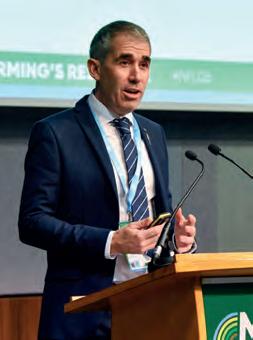
After lunch, attendees heard from, and put questions directly to, the national and elected regional chairs of the NFU's sector boards (livestock, dairy, crops, poultry and horticulture). Each breakout session invited professionals working within these sectors to share their views on the opportunities and challenges facing farmers. From border controls to animal welfare, a wide range of topics were tackled by the panels.
How the food system impacts public health was the topic of conversation at this year’s City Food & Drink Lecture, in London, as Ross Wilson found out
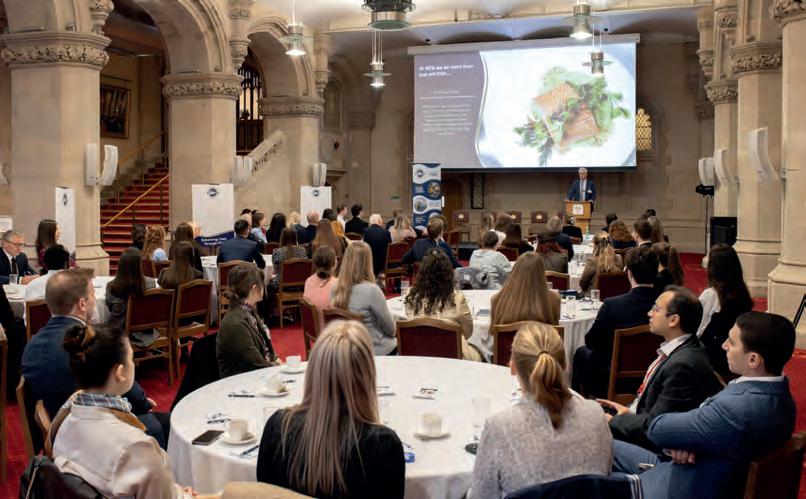
The 2026 City Food & Drink Lecture, which took place on 23 February, saw leaders from the UK food and drink sector gather at the historic London Guildhall for a thought-provoking evening lecture. This year’s event centred on public health and what role the food industry can take to shape a healthier future for British food.
The lecture, supported by eight food and drink city livery companies, celebrated its 25th anniversary this year, having started in 2001. Each year it seeks to pose a new question and challenge the industry to innovate towards a solution.
I was delighted to be one of a small handful of NFU colleagues invited to the event, attending as part of the Future Generation Forum, an afternoon think-tank session aimed at developing young people at the start of their careers.
The evening lecture is of course the main event and is traditionally delivered by a leading figure in the food and drink industry. This year was no exception, as delegates heard from Professor Susan Jebb OBE, of Oxford University and Chair of the Food Standards Agency.
Professor Jebb delivered a poignant talk entitled ‘Can Britain’s food and drink industry make the next 25 years healthier than the last?’ She presented detailed research examining current British diets and reflected on the failures to meet previous national health targets, particularly in areas such as childhood obesity.
What struck me most was the correlation between childhood obesity, early mortality and
low socio-economic backgrounds. It is clear that our food system has been failing the most vulnerable in society, and Professor Jebb called for a ‘fundamental reset’ to the way we approach food.
However, there was a positive message, as Professor Jebb remained optimistic that with the collective influence within the room, combined with heightened consumer awareness of the impact food has on our health, there has never been a more opportune moment to make a lasting change to our food system for the better.
To bring the evening to a close, we were treated to a speech by guest of honour HRH Princess Anne. It was encouraging to listen to HRH reflect on the reform needed in our food system, echoing Professor Jebb’s calls for change for all in society; and as someone who enjoys cooking with veg from the garden, it was a joy to hear the Princess Royal champion home-grown British food.
I was immensely privileged to be one of five Future Generation Forum attendees selected to meet Princess Anne at the end of the evening. It was a pleasure to discuss my aspirations within the industry, and inspiring to hear HRH share the same enthusiasm for the sector as many of my peers.
My experience at the City Food & Drink Lecture was one of the highlights of my career so far. It was an unrivalled opportunity to engage in high-level conversation, all with a rare feeling that words spoken here just might bring about tangible change to our food system for the better.










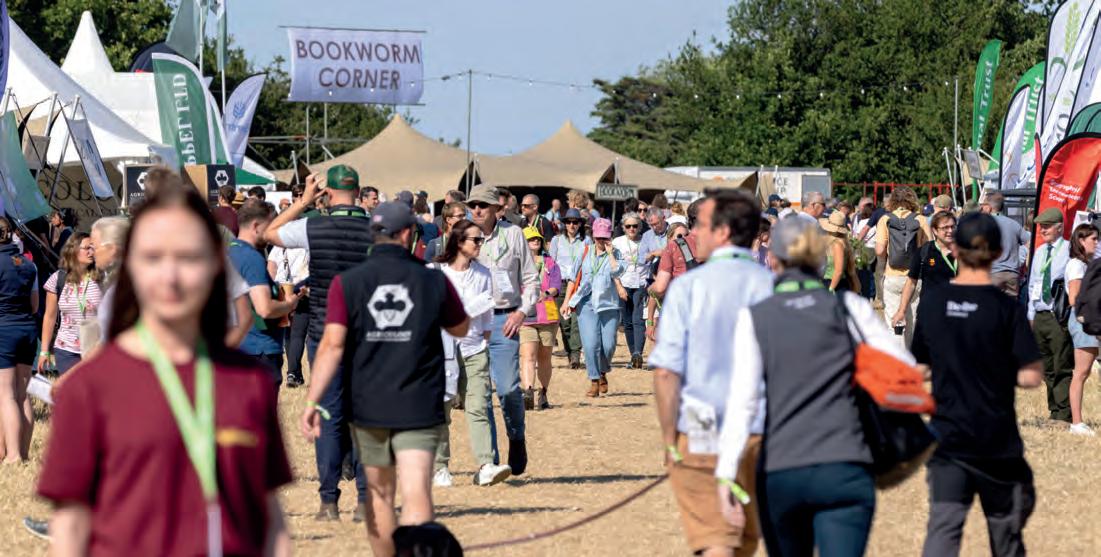
A group of young farmers were given the chance to tour the food supply chain, from feld to fork. Georgina Milne reports back.
Young farmers are stepping into an industry that looks nothing like the one their grandparents knew. The shift toward more sustainable food production demands those who can navigate environmental pressures, identify emerging opportunities and build the resilience needed to adapt quickly.
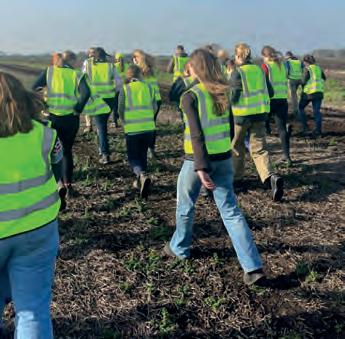
This two-day supply chain tour, part of the Future Farmer Programme, funded by Tesco and delivered by Harper Adams’ School of Sustainable Farming, gave our cohort valuable insight into the systems, pressures and innovations shaping the industry we are preparing to lead.
Insight into sustainable production methods
Anglia Eggs revealed just how invisible the scale of modern food production is to the public. Seven million eggs are processed there each week – a level of output that keeps the nation fed, delivered not by faceless factories, but by a network of coordinated family farms. Witnessing that reality was a powerful reminder of the efort behind the food on our shelves, keeping the nation fed, and the importance of supporting operations that must continue evolving under mounting environmental and economic pressures.
Elveden Estate demonstrated that largescale farming can be both commercially successful and environmentally responsible. Thoughtful rotations, biodiversity protection and long-term stewardship are embedded within a highly productive system. Observing this balance at scale encouraged us to refect more critically on our own businesses. Sustainability and resilience are not competing priorities; when managed well they reinforce each other.
A workshop with broadcaster and writer Anna Jones made clear how vital communication has become in modern agriculture. It is her belief that authentic storytelling carries more weight than statistics and that the rural–urban divide will not close through data alone, but through farmers feeling confdent to speak
“Investing in the next generation must become the sector’s priority”
openly about the challenges, realities and ambitions of their work. If we don’t tell our own story, others will, often without the nuance or context the sector deserves.
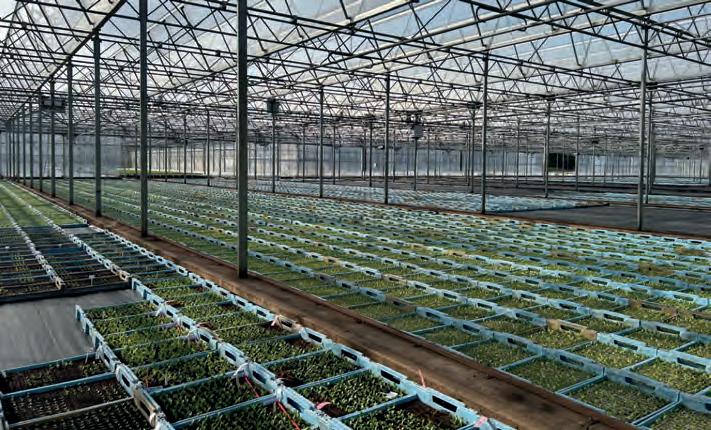
Our visit to fresh produce supplier G’s Fresh ofered a glimpse into the future of farming: high-tech, data-driven, and dependent on skilled people. Modern farming has far more in common with advanced manufacturing than with the outdated stereotypes still clinging to it.
If agriculture is to attract the talent it urgently needs, it must be recognised as a sector ofering dynamic, future-facing, and rewarding careers that strengthen national resilience.
Working together to innovate and make things better
I believe the greatest strength of this programme is the community it has created – a network of young farmers supporting each other, challenging assumptions and learning collaboratively, giving real expression to the industry’s ambition for smarter, more resilient homegrown food production. Agriculture rarely progresses in isolation; progress happens when people support and push each other to improve.
If the experience has taught me
anything, it is that the pressures facing young farmers are unprecedented, but so is the opportunity. Personal, environmental and economic resilience will defne the decade ahead, and it must be built through deliberate investment in skills, technology, communication and, above all, people.
Therefore, investing in the next generation must become the sector’s priority. Extraordinary work is happening across British agriculture, but its impact multiplies when young people can experience it frst-hand. The Future Farmer Programme represents a genuine investment in both the future of the industry and the people who will shape it.
I frmly believe that the insights, inspiration and connections made over these two days will shape how we think, lead and communicate, for years to come, strengthening confdence to build resilient, productive and future-ready businesses.
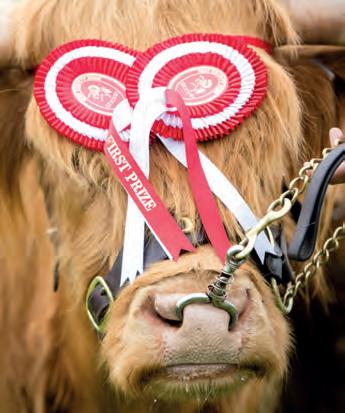
It's county show season! NFU Graduate Beth Moore shares her pick of events happening this summer.
2-4 May
Sandringham Food, Craft & Wood Fair
Sandringham Estate, Norfolk
Tickets from £20 livingheritagecountryshows.com
4 May
North Somerset Show
North Somerset Showground
Tickets from £19.95 nsas.org.uk
17 May
Essex Young Farmers Show
Boyton Hall, Roxwell
Tickets from £16 essexyoungfarmers.com/yfc-show
21-23 May
Devon County Show
Westpoint Arena, Exeter
Tickets from £25 devoncountyshow.co.uk
22-24 May
Farm-Fest
Stoneleigh Park, Warwickshire
Tickets from £60 (50% o for NFU members, see box below) farm-fest.org
3–5 July Kent County Show
23 May
Northumberland County Show
Hexham Auction Mart
Tickets from £16 northcountyshow.co.uk
23 May
Heathfield Agricultural Show
Tottingworth Farm, Heathfield
Tickets from £20
heathfieldshow.org
23 May
Shropshire County Agricultural Show
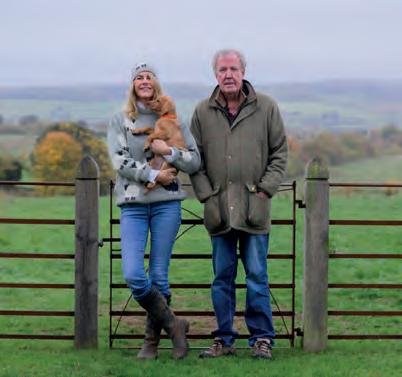
West Mid Showground
14–17 July
Great Yorkshire Show
23-24 May
Hertfordshire County Show
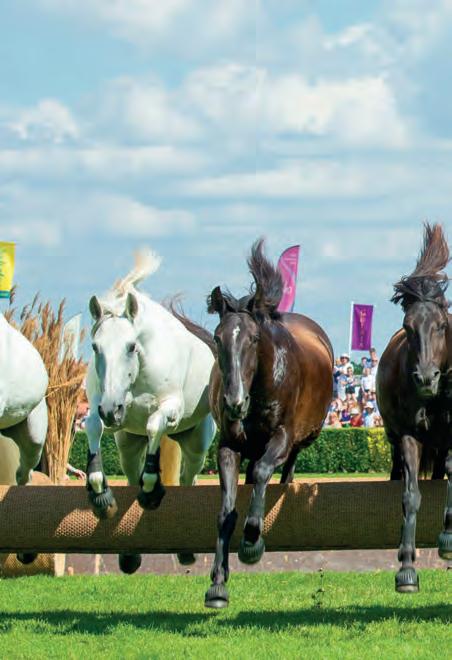
The Showground, Redbourn
Tickets from £23.50 hertsshow.com
24 May
Oxfordshire County Show
South Farm, Shi ord
Tickets from £10 oxfordshireyfccountyshow.org.uk
25-26 May
Burghley Game & Country Fair
Burghley House, Stamford

Tickets from £20
shropshirecountyshow.com

Tickets from £18 burghley.co.uk/events/living-heritagegame-and-country-fair
Warwickshire’s Stoneleigh Park, traditional home of The Royal Show, will pulse with basslines, cheers and roaring machines as The Great British Farm-Fest sets the farming world alight between 22 and 24 May.
Billed as a ‘world-first mashup of muddy boots and electric guitars’, The Great British Farm-Fest is not just another date in the music calendar, nor is it simply an agricultural show. It is a full-throttle national farming celebration, where the nation’s favourite farmers and rural champions swap the fields for the main stage in what promises to be the biggest farming party in UK history.
fields the
By day, the event will be filled with TV personalities, such as Jeremy Clarkson, Lisa Hogan, Kaleb Cooper and Charlie Ireland, famous chefs showcasing the best of British produce, farming heroes from across the land and animals galore.
But by night, The Hawkstone Music Arena will ignite the party, hosting a star-studded line-up, including Groove Armada (DJ Set), Sophie Ellis-Bextor, Alex James Britpop Classical and Sara Cox with her Power Wower, across three nights of high-energy performances.
SAVE 50%
NFU members can claim a 50% discount on Farm-Fest tickets by visiting NFUonline. com/news/farmfest-2026/ or by scanning the QR code.








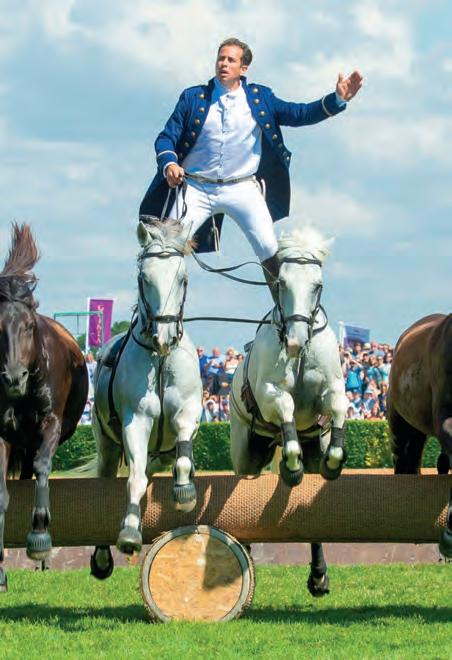
27-28 May
Sufolk Show
Trinity Park, Ipswich Tickets from £38 sufolkshow.co.uk
28-30 May
Royal Bath and West Show
The Showground, Shepton Mallet
Tickets from £26.75 www.bathandwest.com
31 May
Rutland County Show
Rutland Showground, Oakham
Tickets from £16 rutlandshowground.com
4-6 June
Royal Cornwall Show
Royal Cornwall Showground
Tickets from £26 royalcornwallshow.org
5-7 June
South of England Show
South of England Showground, Tickets from £25.20 seas.org.uk/south-of-england-show
7 June
LEAF Open Farm Sunday Farms across the UK farmsunday.org
12-14 June
Royal Three Counties Show
Three Counties Showground, Malvern
Tickets from £25.85 royalthreecounties.co.uk
17-18 June
Lincolnshire Show
Lincolnshire Showground, Lincoln Tickets from £30.10 lincolnshireshow.co.uk
21 June
North Yorkshire County Show
Otterington Hall, Northallerton
Tickets from £10 northyorkshireshow.co.uk
1-2 July
Groundswell
Lannock Manor Farm, Hitchin
Tickets from £110 groundswellag.com
3-5 July
Kent County Show
Kent Showground, Maidstone Tickets from £23 kcas.org.uk/kent-county-show/visit/
3-5 July
Royal Lancashire Show
Salesbury Hall, Ribchester From £22 royallancashireshow.co.uk
12 - 14
June
Royal Three Counties Show
4-5 July
The Cotswold Show
Cirencester Park, Cirencester
Tickets from £17 cotswoldshow.co.uk
14-17 July
Great Yorkshire Show
Great Yorkshire Showground
Tickets from £36.50 greatyorkshireshow.co.uk
20-23 July
Royal Welsh Show
Royal Welsh Showground, Llanelwedd
Tickets from £35 rwas.wales/royal-welsh
28-30 July
New Forest & Hampshire County Show
The Showground, New Park, Brockenhurst
Tickets from £25 newforestshow.co.uk
1 August
Brecon County Show
The Showground, Brecon
Tickets from £14 breconcountyshow.co.uk
5 August
North Devon Show
Umberleigh Barton, Umberleigh
Tickets from £20 northdevonshow.peak-online.com
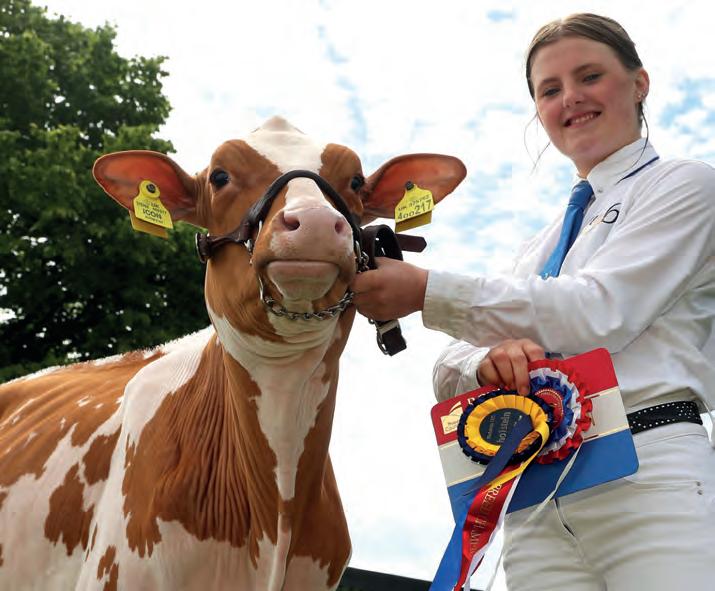
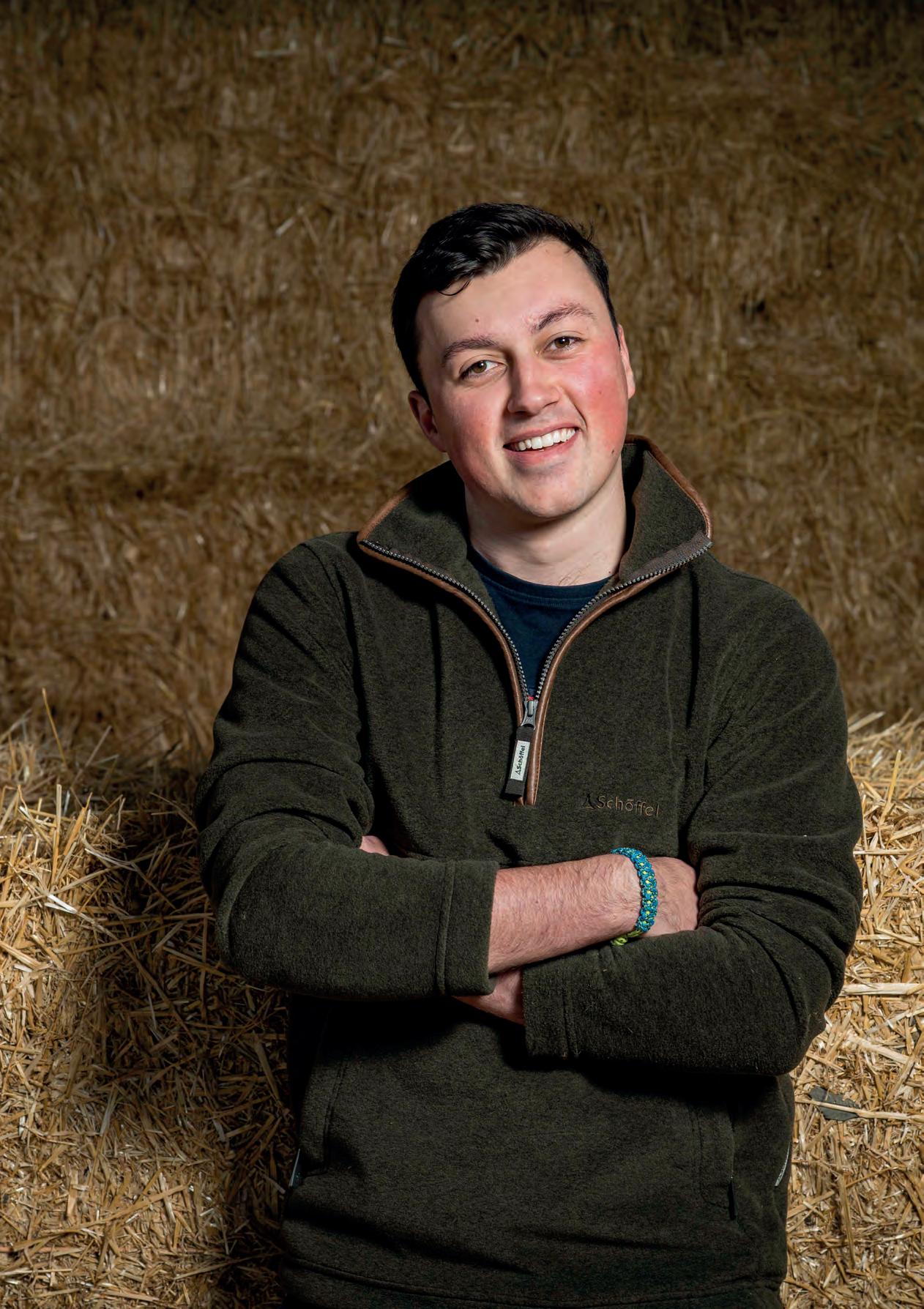
In February, Henry Gibson was awarded one of the most prestigious titles for young people in the dairy industry. Editor Joanna Thomson fnds out how he did it.
James Aitken
It’s the most horrible time of the year for many students, when the deadlines you were given last year suddenly start to feel real. By the time this magazine reaches your front door, many of you will be cramming for end-of-year exams, some might already be down the pub celebrating their freedom. And with the glorious weather we’ve had recently, I’m sure those stuck indoors at their desks are incredibly envious.
One student who has returned home for study leave is Henry Gibson. He’s back at home on his dairy farm in Honiton, Devon, for a few weeks while he works on the fnal pieces of coursework for his degree in agriculture at Harper Adams University.
When I caught up with Henry, he’s taken a break from writing his dissertation. He looks suspiciously calm. I am jealous. I remember the long days in the library, the litres of cofee consumed, and the panic at a misplaced footnote. I was practically pulling my hair out around exam time.
Not this guy. He’s efortlessly nonchalant talking about his project, which he tells me is looking at transition milk feeding and whether dairy farmers are using it as part of their protocols.
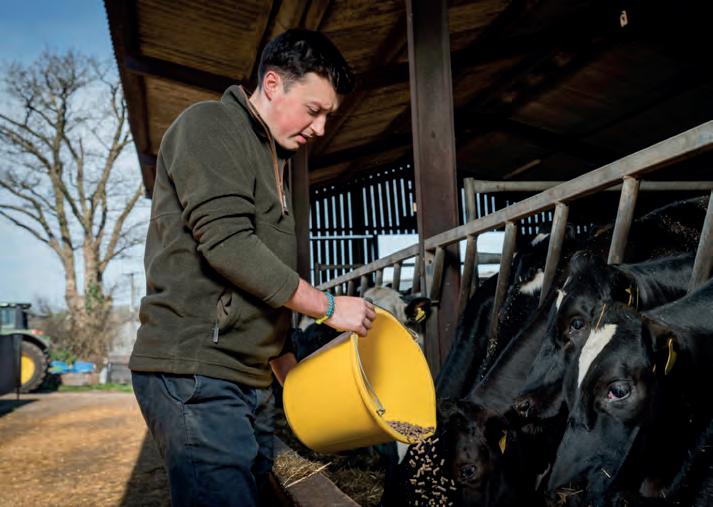
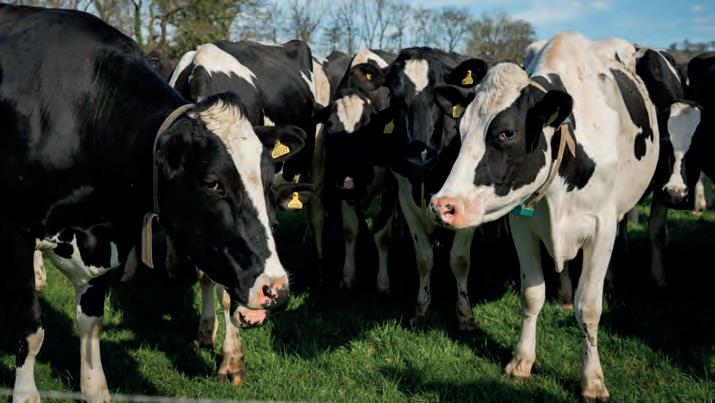
“Calf health wasn’t something I planned on doing,” Henry says. “I did a placement on a Velcourt farm in Somerset. It was a 900-cow, intensive herd. I fell into managing the young stock. I’d fed calves before, but I’d never had the responsibility of managing them. That’s when I became more interested in getting those calves to be as healthy as possible.
“From the frst feeding, I was speaking to the vets that we had on farm about it all, and we went on to do blood tests to monitor the calves’ immunoglobulin levels.
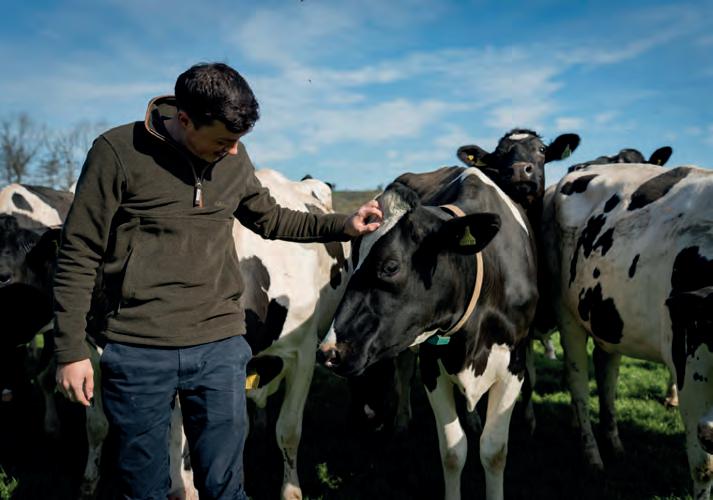
“I enjoy looking at the data and thinking about how we can use it to produce the highest performing cows”
From there we looked at our colostrum management – was that good enough? And then we looked at our feeding protocols and our hygiene, health and welfare.
Because our throughput was so high, any little mistakes would often develop into bigger problems.
“So yeah, I’d say before then I wasn’t massively interested in calves, but during
the past year I’ve found something I’m really passionate about.”
When Henry told me this, I couldn’t help but think he would make a great vet, but he assures me that, for him, it has always been agriculture: “No, I’ve never really thought of becoming a vet. I don’t think I’m smart enough. Their course is a lot more intense. I’ve got a few mates who are vets and it sounds like a lot of work.”
He is being modest; his track-record suggests he’s more than capable.
In February, Henry was crowned Dairy Student of the Year 2026 at this year’s Dairy-Tech. The prestigious award, which is presented by the Royal Association of British Dairy Farmers (RABDF), rewards a student who demonstrates exemplary critical thinking about farm management, policy and sustainability.
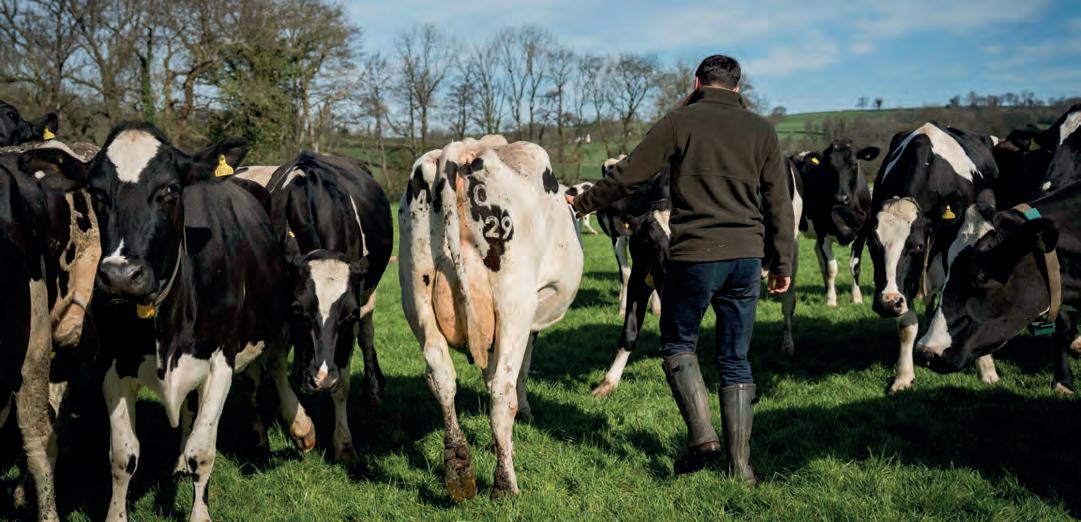
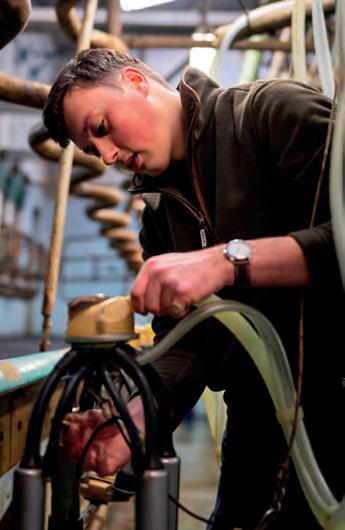
As part of the judging process, students are sent a case study of a farm and asked to produce a 1,500-word report that identifes both its problem areas and opportunities. From there, a judging panel assesses the entries and narrows the pool to six fnalists, who travel to London and present their fndings.
“I talked a bit about global challenges and where I think the UK dairy industry sits among its competitors,” Henry explains. “Global demand for dairy is still going up by 2% a year, I think, and our export market is really strong.
“Obviously, since I gave my presentation in November, we have had quite a crash in milk price, but demand is still generally high despite the challenges.
“I also spoke about public perception of the dairy industry, about how we need to stay on the side of the public and really make sure we don’t lose their trust, and a bit about labour issues and how we need to change our culture and training models to get more people into agriculture.”
Labour availability and the impact of shortages is something that Henry has seen frsthand on the farm in Devon. He tells me that the farm operates in a very manual way, needing boots on the ground to ensure cows are milked.
“We rely on quite a lot of people in order to farm,” he explains.
“We try our best to be as modern as we can, but a lot of the time it comes back to the cost of technology. We haven’t got the newest kit or the biggest parlour, but we’re not old-school either. We’re somewhere in the middle.”
So, how do they take the business to the next level? If his win at Dairy-Tech tells us anything about Henry, it’s that he can spot
“I wasn’t massively interested in calves, but during the past year I’ve found something I’m really passionate about”
opportunity. Data, and using it to develop their herd’s health, Henry believes, is part of the solution.
“During my placement in Somerset we started doing genomic testing, which involved looking at data on the herd to determine what our calves were going to be like,” he explains. “I think this approach is defnitely going to be standard practice for farms in the future.
“I enjoy looking at the data and thinking about how we can use it to produce the most efcient, highest performing cows. I love asking, ‘what can we do with
this? And how can we push that on?’”
While he is interested in applying his knowledge to the family farm, Henry’s not entirely sure when he’ll get around to doing so. After exams and before graduation, he’s got a harvest job in Bedfordshire to tide him over for the summer. He says he’ll need all the work he can get to fund his travel plans.
“I’m going travelling with a few mates to Australia and then maybe America. I haven’t got anything set in stone yet, but I want to do that before I have to come back and get a real job,” he laughs.
“Our plan is to work when we’re out there, whether that’s doing harvest jobs or working on dairy farms or beef ranches. I’m not mad about working in Australia or New Zealand for a long period of time, but I’d really love to visit and see how they do things there.”
“I’ve done a few harvest jobs before, but by the end of the summer I know I’ll want to be back milking cows again, so I’m sure it won’t be long before I’m back home.”
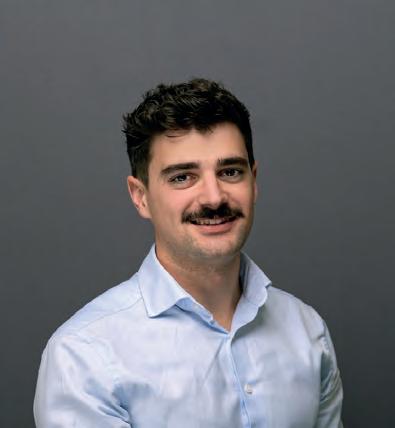


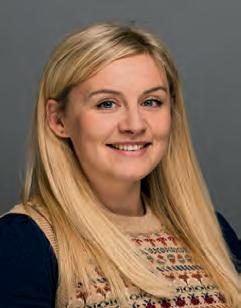
What’s got Shed Talks presenters Josh Redford and Naomi Williams-Roberts talking? They share their current media obsessions.
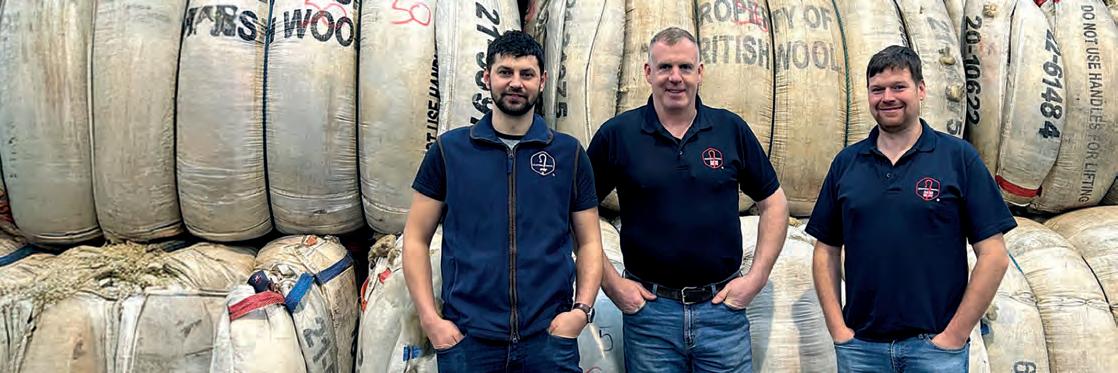
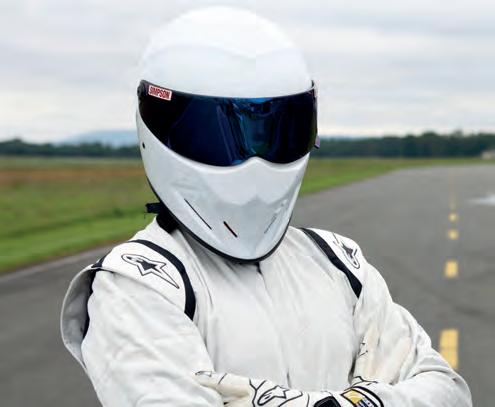
Josh: A bit of a throwback, but we’ve been enjoying rewatching some TV classics, presented by the original trio of Clarkson, Hammond and May. From touring Vietnam on bikes, to conquering jungle terrain in 4x4s. Now an ambassador for farming, Clarkson’s roots in automotive and travel journalism are some of his best.

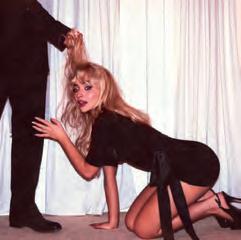
by Sabrina Carpenter
Naomi: When Spotify presented my 2025 Wrapped, there were no prizes for who was sat firmly as my number one artist: Sabrina Carpenter. I love country music generally, although I will listen to anything from metal to dance music. However, ‘Man Child’ is a masterpiece. It’s got everything: witty lyrics, country undertones, possibly the best music video ever created! If I’m trying to blitz through admin, I will put my earphones in and listen to Man’s Best Friend from front to back.


Josh: I like a run and my socials feed seems to be filled with all thing fitness currently. Tegscoaching has been bucking the trend of gym videos and providing some great viewing with his controversial fitness challenges. While climbing Snowdon in a pair of crocs was his big reel that hit the news, his 30-mile run in a pair of them was a personal favourite.
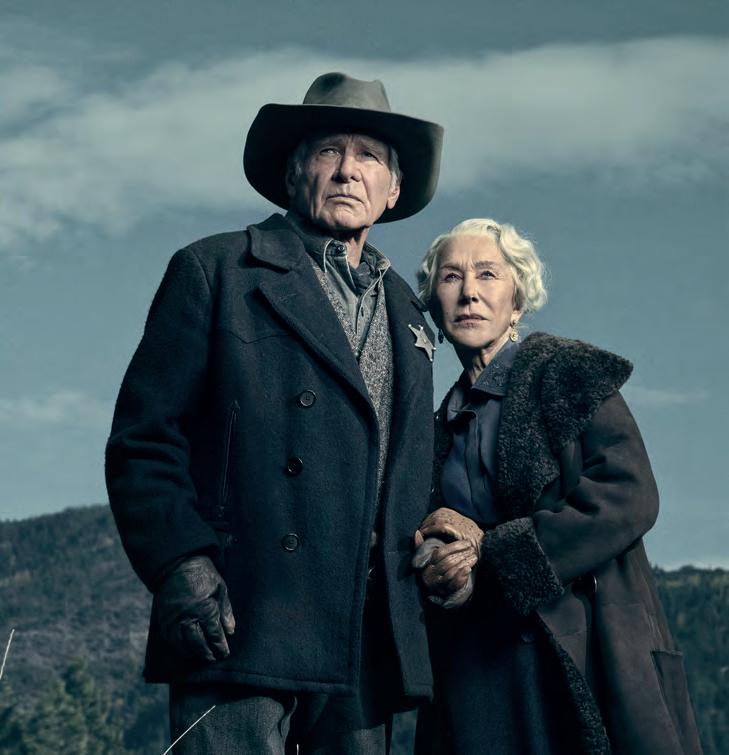
Josh: There’s a lot of good streaming out there at the moment, with Stranger Things coming to an end and The Traitors filling the tabloid news pages, but the best thing I’ve watched recently is 1923, the spin o from the Yellowstone series. Arguably less gritty than 1883 but still showing o the wild life of cowboys in Montana. Some good viewing on a cold evening in the UK, highlighting some of the conditions our predecessors went through to put food on the country’s table.


Naomi: I love data when it comes to farming. You can’t control what you don’t measure. AgriWebb (not sponsored!) can show predicted performance of animals based on their daily liveweight gain (DLWG) within certain timeframes, as well as growth rates in paddocks when out grazing. I think it’s genius and perfect for people looking to improve the performance of their animals as well as profitability. Technology needs to be embraced in farming and I think the readership of the Student Farmer is definitely poised to do that!
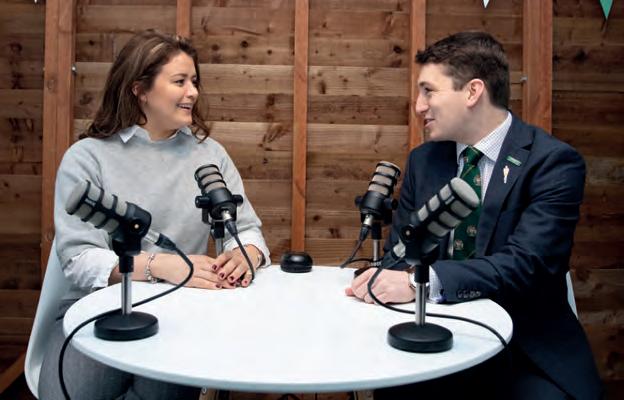
Join Josh, Naomi and the team as they take listeners behind the scenes of farming and growing in Britain. Each episode brings together farmers, growers and industry voices to share experiences, ideas and perspectives. Whether it is national lobbying wins, regional priorities or the everyday realities of life on farm, Shed Talks is about real people and real stories.


Listen now on the NFU App, Spotify, Apple Podcasts or wherever you get your podcasts.

Naomi: I spend a lot of time in the car with my job. I drive from one end of Wales to the other. I love My Therapist Ghosted Me — it’s like sitting with two girlfriends having a laugh. They talk about a lot of pop culture topics, life, relationships — nothing is really o the table topic-wise. It’s not at all related to farming, which is what I need. I work with farmers every day, and we farm back at home, so it’s nice to have something completely unrelated to zone out to.







Josh: My go-to podcast, aside from Shed Talks of course, which keeps me up to date on my geopolitics. Alastair Campbell and Rory Stewart interview politicians, leaders, intellectuals, attempting to provide a balanced view of the latest in the news. Members like to talk about more than just farming, and it’s great to be able to talk to them about some of the wider issues, which ultimately have an e ect on their lives back on the farm.
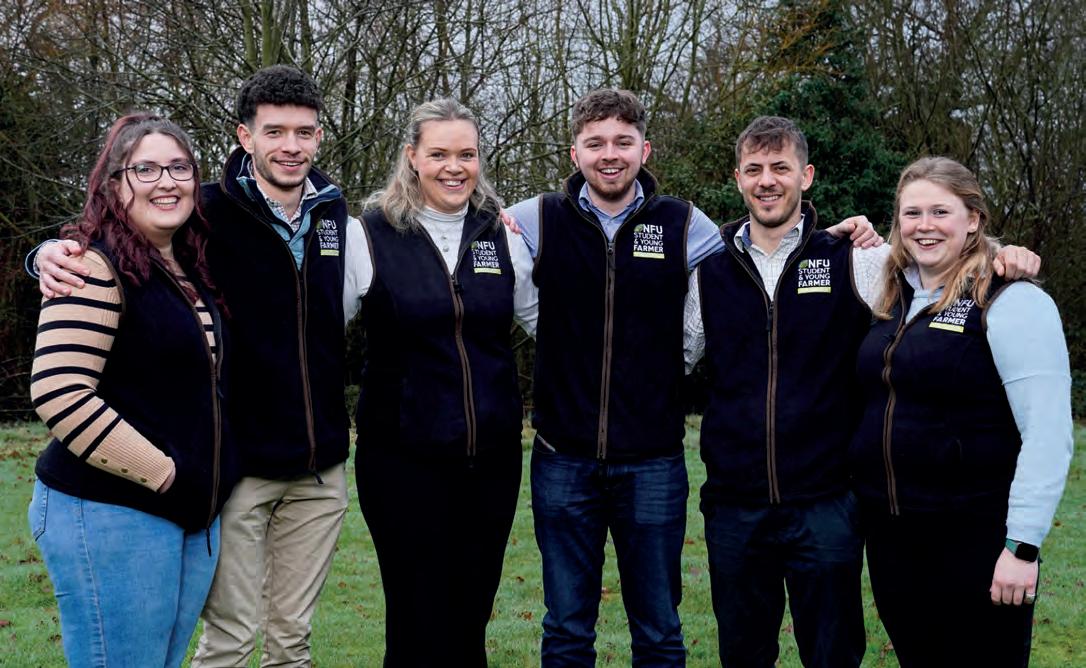
Our new team of Student and Young Farmer
Ambassadors have had a busy start to the year
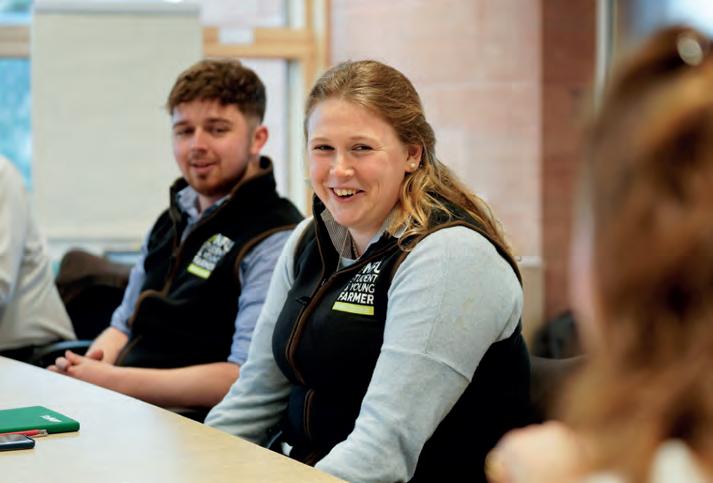
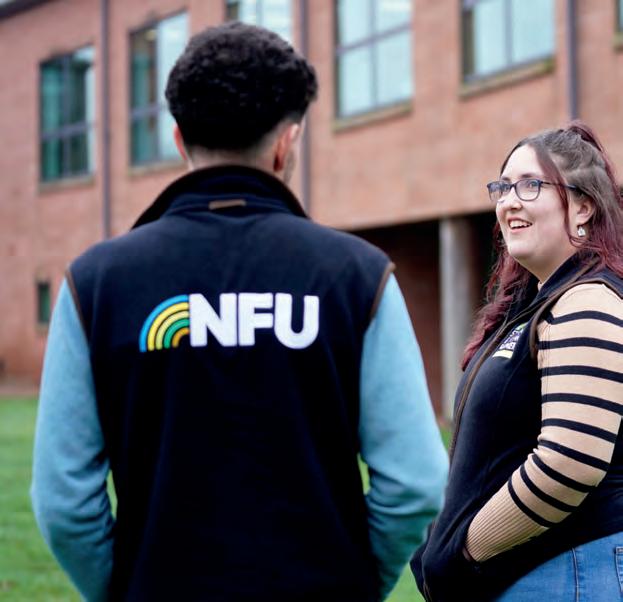
It’s already been a whirlwind year for the new SYFAP group. From the halls of the NFU Conference to the iconic green-serge rows of the House of Commons, the team has explored the places where big ideas about the future of farming are debated and key decisions are made. Alongside these visits, training has been delivered to ensure the team is equipped to become the next generation of farming leaders.
The new team was welcomed at the NFU’s HQ in Stoneleigh, Warwickshire, for a day that looked at how the organisation represents and champions the farming industry at every level.
The group learned more about the NFU’s role as a lobbying organisation, the part that ambassadors play in representing the agriculture industry, and how policy decisions in government have
an impact on farms across the country.
NFU President Tom Bradshaw dialled in to speak to the team about their role in representing the farming sector, and to answer any questions they had about his career as an NFU ofceholder. County and regional media advisers were also on hand to speak about their priorities and upcoming activities that the group could get involved in.
The new SYFAP programme ofcially kicked of in February at the NFU Conference. From a deep dive into supply chain resilience to a keynote address from Defra Secretary Emma Reynolds MP, our ambassadors heard from a range of industry leaders about the challenges facing the farming sector today.
In between sessions, the SYFAP team were given a behind-the-scenes tour of the NFU’s media activities taking place
across the two-day event. The group spoke to the NFU press team about their work responding to journalist queries, setting up press conferences and drafting media releases, and in the afternoon watched the campaigns and web teams in action as they provided live updates across the NFU’s digital channels.
How the public consumes news content has changed dramatically over the last few years.
It is estimated that one in four people today get most of their news about political matters from WhatsApp, Facebook, TikTok and X (formerly Twitter). The British Social Attitudes survey, which is conducted annually by the National Centre for Social Research, also found that social media is ‘the primary source of political news for 58% of those aged under 35, compared with just 8% of those aged 55 and over.’
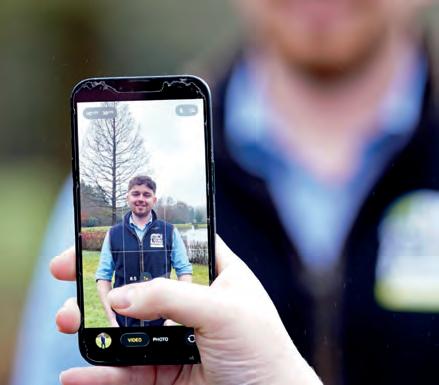
With more people turning to social media to stay informed, farming voices must clearly be heard online. It will be a crucial means of ensuring coverage of food and farming issues are balanced and representative of those feeding the nation. That is why, in March, the SYFAP team visited Reins Farm in Redditch for a day of specialist training in this area. Led by the NFU campaigns team, our ambassadors learned how to flm, edit and enhance their videos and photos for an online audience
– all the tips and tricks they need to make impactful, shareable content.
Our thanks go to NFU member Adam Quinney for opening his gates to the team for the day. The group thoroughly enjoyed their time on farm.
A few weeks later, our ambassadors rendezvoused in the capital for exclusive tours of the NFU’s London ofce and the Houses of Parliament in Westminster.
The trip ofered our SYFAPs an opportunity to see what the NFU’s external afairs team does and how it impacts policy and decision-making.
The Westminster team tackles a wide scale of work, lobbying MPs from across the political spectrum on the NFU’s key policy asks. Ultimately, the team’s goal is to represent the interests of British farmers and growers in discussions with
TIKTOK
Instagram @nfulife TikTok @backbritishfarmingnfu
government ofcials.
SYFAP ambassador Jess Madge, who has worked in public engagement previously, said that visiting the NFU London ofce has had a huge impression on her understanding of, and
Five things you need to know about this year’s NFU Conference can be found on p16.
appreciation for, the work done in this area. She said: “It was incredible to see how the NFU’s work gives MPs a better understanding of the impact the decisions they make have on the industry. Building relationships with MPs gets the NFU in the room to break down presumptions.”
Lydia Gardner, SYFAP ambassador from the Midlands, called the experience “eye-opening”, adding that the tour of parliament was a particularly special experience.
“Standing within the rows of the House of Commons was a genuine ‘pinch me’ moment,” Lydia said. “Stepping into a place steeped in history, where some of the nation’s most infuential leaders have shaped the course of the country, was incredible.”
After a summer of county shows and press engagement, the team will take out their notepads and pens as they prepare to join the editorial team behind Student Farmer magazine. As part of a special ‘takeover’ edition, the group will pitch ideas to the editor, conduct interviews and write articles – all with the aim of bringing you, the reader, the latest on the opportunities and challenges facing new entrants to farming today.
We’re so excited to see what our ambassadors come up with, so stay tuned for an extra special September issue of Student Farmer.


During this year’s Oxford Farming Conference, amid discussions of resilience, trust and the future direction of policy, I asked a question that felt almost too basic for a sector debating genomics, satellite data and natural capital markets: who gets to speak for farming in the digital age? And what power does the internet hold in shaping farming’s narrative, both for the public and for farmers themselves?
In conversation with Robbie Moore MP, the shadow minister for the environment, food and rural affairs, I posed the same questions. Mr Moore told me that in terms of signal, “limited access to the internet restricts your ability to do anything”.
Mobile signal in rural communities has trailed behind those in urban backdrops, although this remains one of the quieter injustices of rural life. This is best identified by Ofcom’s Mobile Matters report, which outlines – and according to The Observer, underestimates – the gap between rural and urban signal quality. Among other things, Ofcom’s report specifies that the gigabit speeds commonplace in urban areas are nearimpossible rurally, while The Observer’s analysis of the report stated that in some areas “mobile coverage is 1,000 times worse” in practice than initially specified. Aside from the practical limitations of signal connectivity, the industry’s
Farmer Joss Naylor explains why a lack of access to the internet is isolating farmers from industry discourse and contributing to the spread of misinformation
ageing population means that we need to further destigmatise the internet for that demographic in an inclusive way.
The average farmer is 61, and while age does not equate to ability, it does shape confidence and habitual practice. For many – just over half of farmers aged over 60 – the digital world feels like an unfamiliar space; 74% of farmers surveyed by marketing agency Hillsgreen last year still prioritised word of mouth over digital endorsement.
This lack of engagement is only worsened by poor connectivity, which in its unreliability diminishes the incentive to participate. A willingness to engage online cannot compensate for infrastructure gaps.
If posting a response to a consultation or joining a webinar requires hunting for signal in the corner of a yard, participation becomes conditional and precarious.
Over time, those voices drop out; farming is a precise and time-sensitive industry prone to exhaustion.
Much of farming’s contemporary debate now happens online. Policy consultations are hosted on government portals, industry discussions take place on social media, and public opinion is shaped by digital headlines. In theory, this democratises discussion, lowering barriers to entry and widening participation. In practice, it risks entrenching inequalities between those who can engage easily and those who cannot. Robbie Moore told me “we must create an environment for shared discussions” – a hollow aspiration if the environment is inaccessible to parts of the farming community.
Farming has become increasingly thrust into the public consciousness recently (in part due to the government’s inheritance tax policy), and this has brought farmers into politically divisive debate online. The industry now needs to both promote itself and effectively function within a sensationalised online sphere, where the challenge is not simply correcting falsehoods, but doing so at speed and with confidence. Misinformation thrives in the gaps between explanation and response, and the digital sphere rewards immediacy.
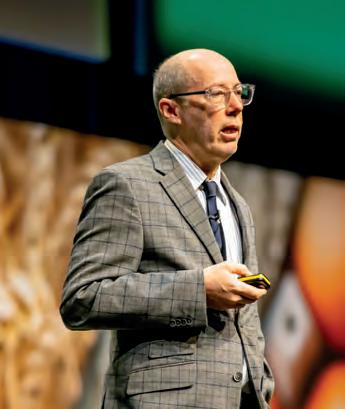
As discussed in Oxford, the impact of working 24/7 and lacking reliable access to the internet means that farmers may be unable to challenge misleading narratives in real time or consistently build an online platform, leaving the industry wondering whether it is being listened to or simply being talked about. Combating misinformation is not simply a matter of presenting factual arguments but gaining a large-scale platform to do so. As Jack Bobo reminded the conference, “trust precedes the science”. However, this trust is built through presence, dialogue and consistency, which rely on access and time. These challenges and opportunities for getting the farming community online can at least be measured. Hillsgreen’s ‘Marketing to Farmers Report 2025-26’ identifies the fact that 78% of the farmers surveyed use social media on a regular basis while 12% do not use it at all. At the same time, online news is beginning to replace print media, with an uptick from
In March, the NFU ran a membership-wide survey to help identify the challenges and opportunities around securing better connectivity for digital technology on farm. Results are expected this summer. The NFU’s last digital access survey, which was conducted in 2024, found that rural broadband and mobile coverage continue to fall short of what farming businesses need.
The results can be found at NFUonline.com/news/nfu-digital-access-survey/
38% to 51% of farmers considering digital blogs, social media and online newspapers to be something they read daily and use to make buying decisions. Authentic online reviews of products appeal to farm businesses; videos and practical demonstrations accessible anywhere are grabbing their attention. All this evidence suggests that farmers are drawn to online content that has two key characteristics: authenticity and the ability to tell a story. While speaking with Andy Venables, CEO of Hillsgreen, it became apparent
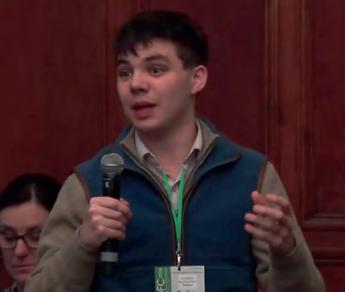
ABOVE: Joss Naylor at the Future of Farming Panel at the Oxford Farming Conference 2026
LEFT: Jack Bobo at the NFU Conference 2024
that authenticity resonates with both a familiar farming audience and the unknown public, particularly in relation to messaging surrounding a food system where consumers are increasingly distant from production. Again, Jack Bobo’s speech at OFC reinforced this idea: “people have never cared more and known less about where their food is coming from”.
For the industry to retain its selling power and for prices to be fair, consumers must buy into the storytelling of each product from farm to fork and this may be

achieved by communicating the farm-tofork process in an authentic way, which the universally open online sphere may well provide.
At the same time, a bridge needs to be found between this aspirational opportunity and the practical reality – starting to produce content may not initially pay the bills and may require a part-time commitment alongside the fullest of full-time jobs.
What became clear through my conversations with both Mr Moore and Mr Venables is that access to the internet is no longer a peripheral issue.
As policy-making, public engagement, and industry debate migrate online, accessibility and connectivity ultimately determine who is visible. Without meaningful investment in rural connectivity, digital skills and inclusive engagement strategies, the wide-scale move online risks deepening existing divides within the industry.
Farming risks losing out on opportunities to combat misinformation and shape an authentic narrative in a time when public perception of the industry is increasingly important. To fully shape its online narrative, the farming industry must frst be able to log on.






























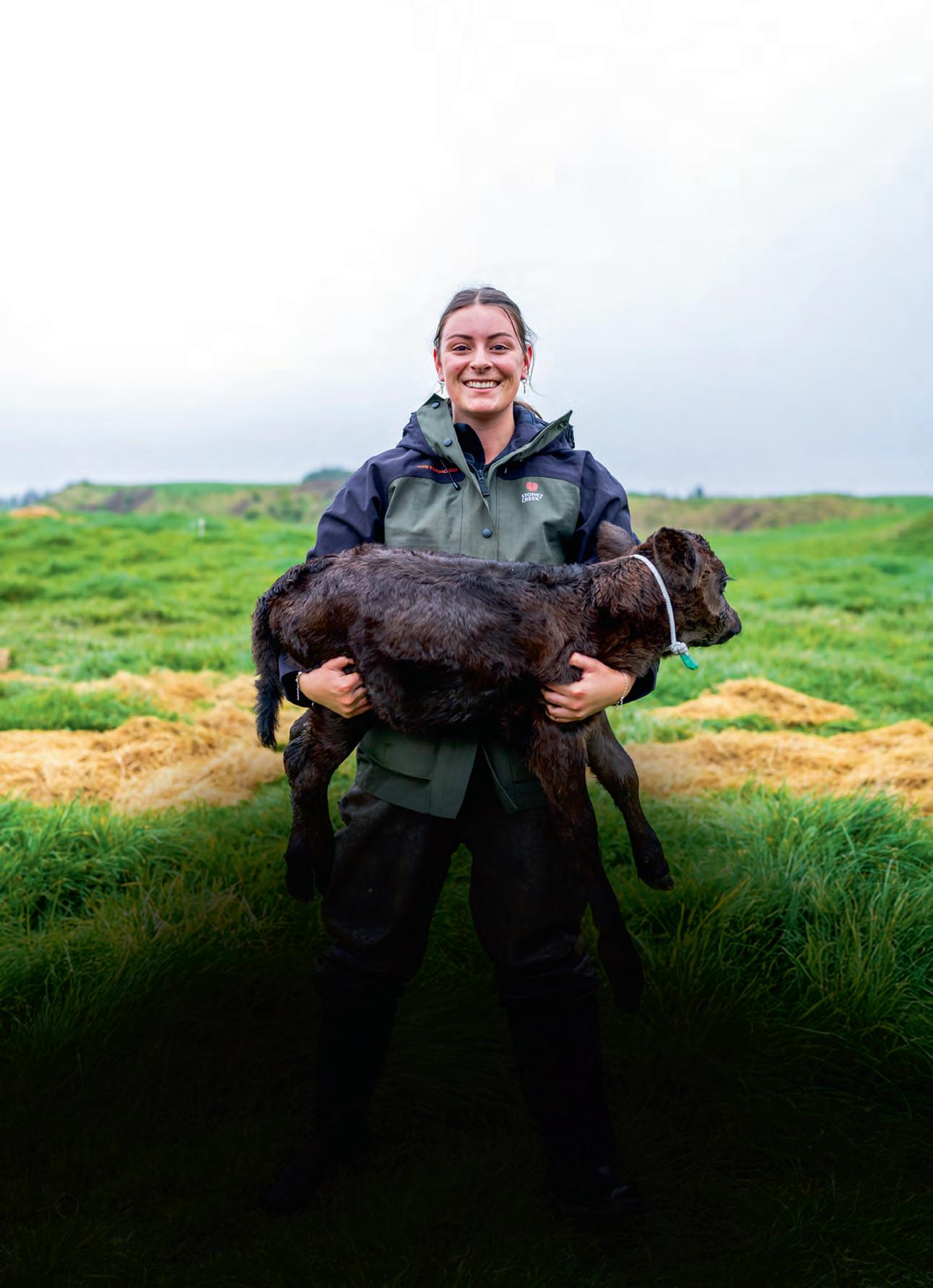
TheStoneyCreek Tempest Rangeispurpose-built to maximise your experienceinthe toughestruralconditions. Designedforfarmersandoutdoorworkers, everydetailisbuilt aroundkeepingyoudry,warmandcomfortablesoyoucanfocusonthejobathand. From dawntill dusk ,Tempest geargivesyoutheconfdencetobepreparedforwhateverthe weatherthrowsyour way.
BECOME ASTONEYCREEKSTOCKIST
If youhavearetailpremisesand want to ofer yourcustomers ourpurpose-builtoutdoorgear, we’d loveto hearfrom you.Open aTradeAccount todayandjoinournetworkoftrusted retailers.
*Retailpremises required.
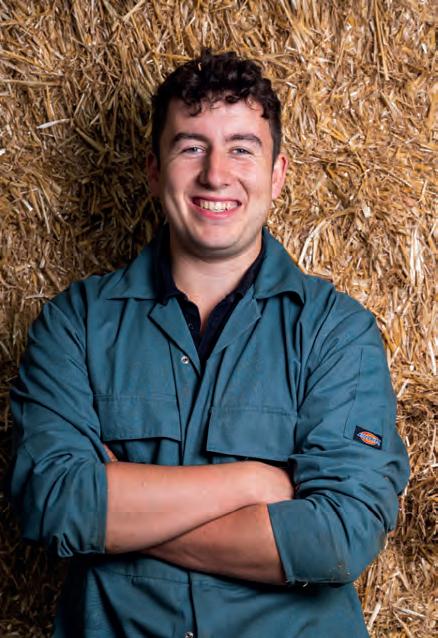
Dairy farmer and trainee solicitor Magnus Brown
refects on a challenging start to the year that has left felds sodden and pressures on food security mounting
Ibegin this article in a place far from green felds and open blue skies. Looking over grey inner-city Birmingham as I make my commute back from the 9-5, it has got me thinking whether the thousands of households I can see have any connection to farming whatsoever.
My guess would be not. They have numerous supermarkets, cafes and takeaways all within walking distance, but do they ever think of where their food comes from? I regularly engage in my academic and professional work with those with no links to farming, but see their heartwarming response when I ramble on about cows, tractors or the weather.
The general public are genuinely fascinated. Even when I am currently moaning about the wet weather, explaining its impacts at home on the farm is the part most people are interested in. I wonder when extreme weather hits, does the normal person think about its impact on rural livelihoods and food security?
Of course, it is extremely rare they see empty supermarket shelves or signifcant infation in food prices. I look at the dairy industry right now and high costs of production coupled with persistent supply chain unfairness will not mean low farmgate milk price translating into lower cost to the consumer.
The constant rain we are seeing at home is delaying
Magnus Brown is a dairy farmer, trainee solicitor at Roythornes Solicitors and former NFU Student & Young Farmer Ambassador. In November, he was crowned Young Farmer of the Year 2025 at the YFC Achiever Awards.
getting back onto the felds, at a time slurry tanks would be getting empty to organically fertilise the frst crop of grass, to be chopped at the beginning of May. Knock-on impacts are inevitable. Second cut delayed. Perhaps a delay in drilling maize. Everything is hugely consequential and interlinked in farming, just like in our supply chains, politics and society.
In our local area, a consultation is currently going on regarding the planting of 303 hectares of trees on an estate recently sold to the Forestry Commission. It is interesting to see government bodies spending taxpayers’ money on such vast quasi-rewilding and it is yet to be seen what the impact will be on the local farming community, wildlife and the landscape.
For an island nation with severe land-use pressures, food production seems to be increasingly in decline, a real danger recently emphasised at NFU Conference.
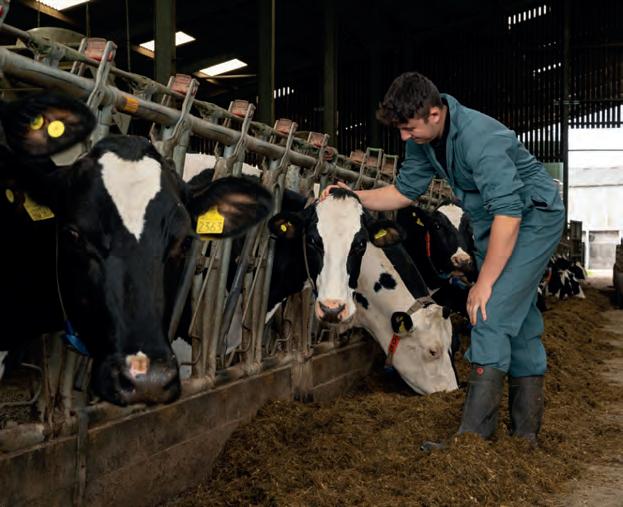
Conference once again brought together leading industry voices, exports and members in a fascinating two days, highlighting how vulnerable our ‘just in time’ food supply chain is. This is especially true with market volatility and geopolitical instability in the Middle East threatening security at a key choke point of global trade.
Food production, environmental protection and energy generation must all work hand in hand to meet the demands of a growing population in this country and globally.
We must see more robust food standards put in place to prevent imports undermining markets and increasing disease risks. Government must deliver on the phrase ‘food security is national security’. Farmers must also be responsible in managing output and we must help ourselves, instead of persistently pointing the fnger elsewhere with no self-refection.
We as NFU members must continue to campaign for change loud and united.
We must fght on.
NFU Student & Young Farmer membership is free to students and young farmers. It allows you to have a say and to contribute towards the future of agriculture, and you will benefit from access to experts in food and farming policy, plus bonus perks.
Join the largest and most influential farming association and receive:
• Student Farmer magazine and British Farmer & Grower or Farming Wales magazine delivered to your door
• The latest news and briefings from our policy experts in NFU Bulletin and sector-specific and regional e-newsletters
• Be the first to find out about and register for our online NFU Live events
• Welfare of Animals in Transport test for £75 (+VAT)
• Save an exclusive 20% online with Sophie Allport
• Access Lantra’s agricultural health and safety e-learning for FREE
• Huge savings on Merlin Entertainment (Alton Towers, Thorpe Park and more)
• 25% o ATV helmets and safety clothing from Spada
• Free debt advice from PayPlan
• NEW! 15% discount on Ridgeline Clothing – access the discount code at NFUonline.com/ridgeline


























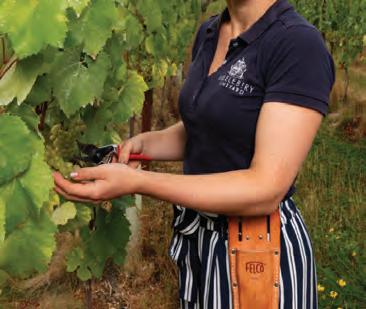





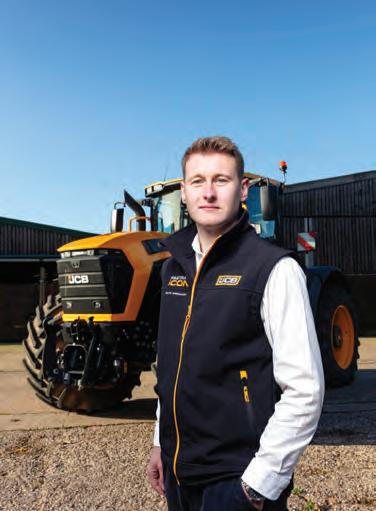
or call 0370 428 1401













WhyStudy atWCUC?
Hands-on, Pr ac ticalLearning
Strong Industry Connec tions
Degree Coursesonoffer for2026-27:
• Animal Behaviour& Tr aining
• Canine Rehabilitation &H ydrotherapy
• Equine Perfor manceCoaching
• Equine Therapy& Rehabilitation
• Veterinary Nur sing





Specialist Facilities Career-Focused Pathways












• Veterinary Physiotherapy Join us at the Moreton Mor rell A nnual Show on S aturday 16th May 2026 10am – 5pm Book Your FREE Ticket s: wcg.ac.uk /communitydays