REIMAGINE APPALACHIA
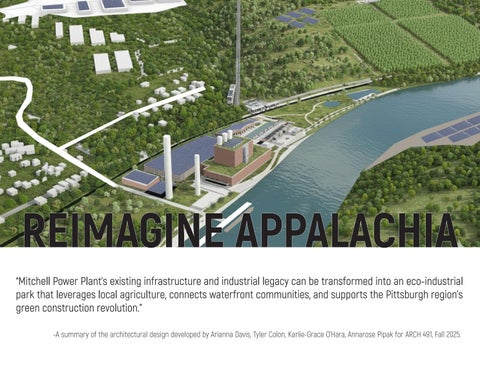
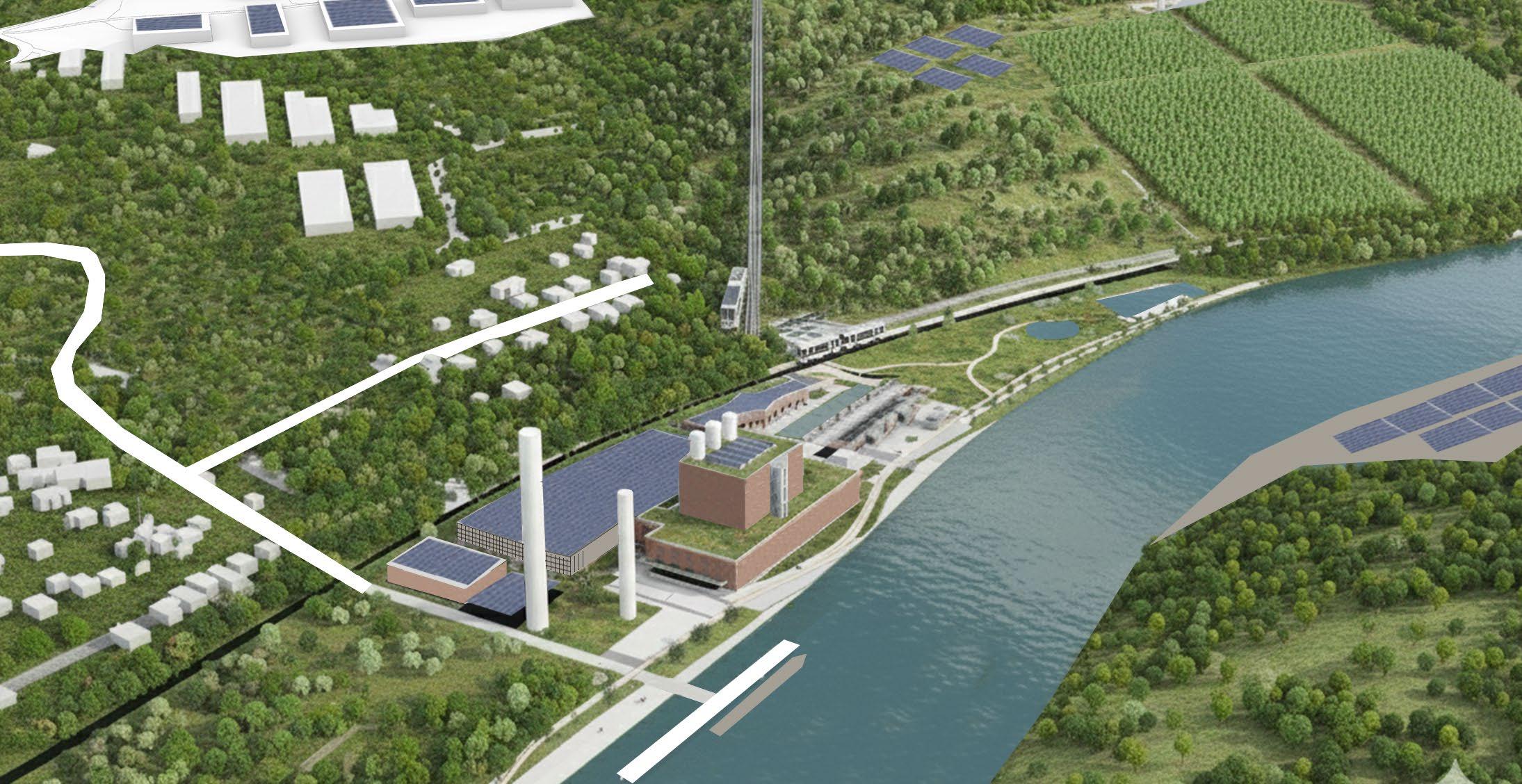
“Mitchell Power Plant’s existing infrastructure and industrial legacy can be transformed into an eco-industrial park that leverages local agriculture, connects waterfront communities, and supports the Pittsburgh region’s green construction revolution.”
-A summary of the architectural design developed by Arianna Davis, Tyler Colon, Karlie-Grace O’Hara, Annarose Pipak for ARCH 491, Fall 2025.




Karlie-Grace O’Hara
Fourth-Year Architecture Student
Karlie-Grace is in her fourth year at Penn State. She will graduate in December 2026 with a Bachelor of Architecture degree and a minor in Architectural History. During her academic career, she particpated in a summer study abroad program based in Copenhagen, Denmark that focused on sustainability and innovative design. Her career goals include becoming a licensed architect, with an interest in historical preservation and restoration.

ARCH 491: Collaborative Community-Engaged Design Directed Research Studio (CCED-DRS)
Reimaging Shuttered Coal Plants as 21st Century Industry and Community Assets
Annarose Pipak
Fifth-Year Architecture Student
Annarose is in her fifth year at Penn State. She will graduate in May 2026 with a Bachelor of Architecture degree and a minor in Architectural History. During her academic career, she studied abroad in Rome, Italy which broadened her horizons of the importance of historical and sustainable design. Her career goals include becoming a licensed architect and continuing to make a positive impact on local communities in the Pittsburgh area.
Lisa D. Iulo, Professor of Architecture & Director, Hamer Center for Community Design
List of Students:
• Tyler Colon Arianna Davis
• Anushree Joshi
• Julia LoManto Khin Yadana Lwin
Tyler Colon
Fourth-Year Architecture Student
Tyler is in his fourth year at Penn State. He will graduate in May 2027 with a Bachelor of Architecture degree. He is a United States Army veteran of six years, with one tour overseas. During his academic career, he competed in the Department of Energy’s Annual Solar Decathalon Design Competition on behalf of Penn State. Tyler is also a member of the American Institute of Architecture Students. His career goals include becoming a licensed architect, with an interest in designing affordable housing.
• Annarose Pipak Matthew Ronga
• Liv Schneider
• Harrison Silvester
• Michael Valle
• Karlie-Grace O’Hara
This project is a collaboration between the Stuckeman School’s Hamer Center for Community Design at Penn State and Reimagine Appalachia. We are grateful for the expertise and support of the many community members and others who contributed to the work and student learning. Specifically, we would like to acknowledge:
Aaron Brickman, Senior Principal US Program, RMI Shawn Cutter, Founder/CCEO EnergiAcres Dr. Patricia DeMarco
Arianna Davis
Fifth-Year Architecture Student
Arianna is in her fifth year at Penn State. She will graduate in May 2026 with a Bachelor of Architecture degree and in May 2027, she will graduate with her Master of Science in Architecture degree. During her academic career, she studied abroad in Rome, Italy which broadened her understanding on experiential learning, urban planning, and sustainable design. Her career goals include becoming a licensed architect, with an interest in community co-design and sustainable mixed-use community development.
James Freihaut, Professor of Architectural Engineering at Penn State Cici Vu, Associate Director for Energy & Climate Equity, and Morgan Putnam, DNV
The Cocoziello Institute for Real Estate Innovation at Penn State Adam Walters, Senior Energy Advisor at Pennsylvania Department of Community & Economic Development
Stacey Weismiller, American Manufacturing Futures Institute Michael J. Zimmer

Introduction
Reimaging
Shuttered Coal Plants as 21st Century Industry and Community Assets
Some of the most significant assets in coal communities are shuttered coal-fired power plants. Once a reliable source of employment and the foundation for local tax base in the region, these sites are connected to significant transportation networks, have a heavily reinforced electrical grid infrastructure, and are accessible to a highly experienced workforce in need of jobs. Shuttered coalfired power plants present a unique opportunity to reimagine a future that is regenerative rather than extractive. Working as a team and with a network of stakeholders convened by Reimagine Appalachia, Penn State architecture students reimagined shuttered coal plants as hubs for 21st century ecoindustry, envisioning sustainable climate-friendly design that is healthy for neighboring residents and the environment1
This booklet presents a proposal for the future use of a shuttered coal-fired power plant, holistically considering energy, economic, and environmental transformation opportunities. Students working in teams and independently, researched and developed design proposals that contribute to a 21st century sustainable economy – “one that is good for workers, communities, and our health” - and showcases potential for achieving carbon neutrality by 20502
Build a 21st Century Sustainable Appalachia
• Restore industrial sites, considering sustainable regional/urban design and adaptive reuse strategies, to promote regenerative development and eco-tourism. Embrace the rich natural landscape of Appalachia to absorb greenhouse gases by integrating strategies such as reforestation and wetland restoration.
• Modernize the electrical grid and design for eco-industry that expands opportunity for clean energy, decarbonization, and a circular economy.
• Grow opportunity for sustainable development (including transportation), next-generation jobs, and innovative building methods.
Adapted from Reimagine Appalachia Blueprint, “A New Deal that Works for US.” Refer to pg. 2.
The students’ project presents a visionary design opportunity, identified and refined collaboratively with experts and community members. This booklet summarizes and visualizes a reimaged shuttered coal plant, inspired by the Reimagine Your Community Toolkit3
Community Engagement Workshops
Throughout the semester and design process, our studio organized two virtual community engagement workshops hosted by ReImagine Appalachia. On September 16, 2025, the first community workshop opened the discussion to the larger community of what shuttered coal plants are and the potential they have for future redevelopment. By the end of the workshop, we gained insights and values from participants of what they wanted to achieve through the redevelopment of shuttered coal plants. These values included job opportunities, environmental remediation, and community engagement activities. On October 21, 2025, the second community workshop presented student group proposals for different shuttered coal plant sites. Our team solicited feedback and design input on our proposed reimaging of the Mitchell Power Plant, south of Pittsburgh and along the Monongahela River. The core of the proposal is to re-establish industry on the site, supporting the regional green construction movement, exploring how the hemp industry can revitalize the agricultural, manufacturing, and commerical sectors of the area. The workshop concluded with a positive response to the overall concepts and requests for further development of waterfront activity.
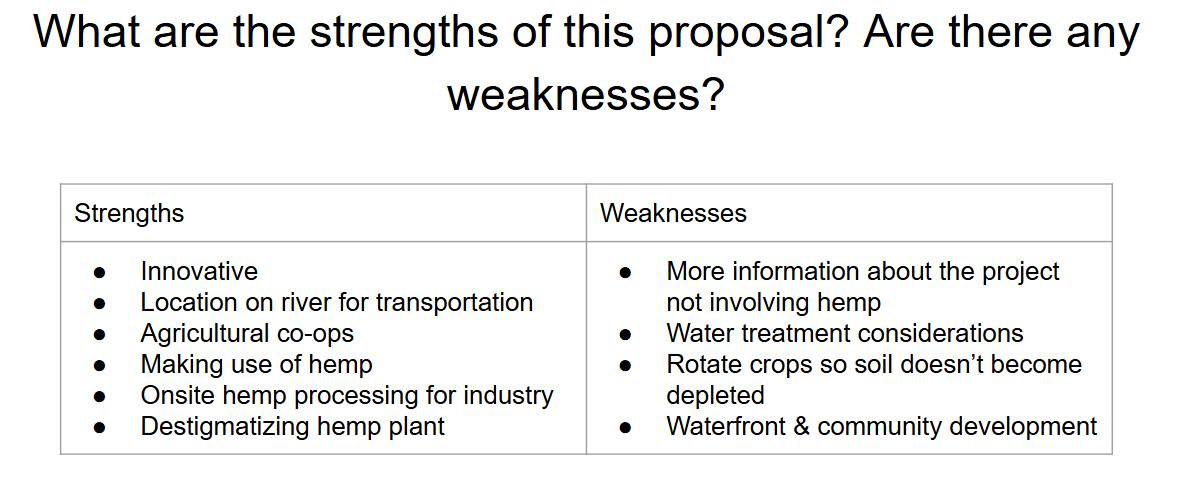
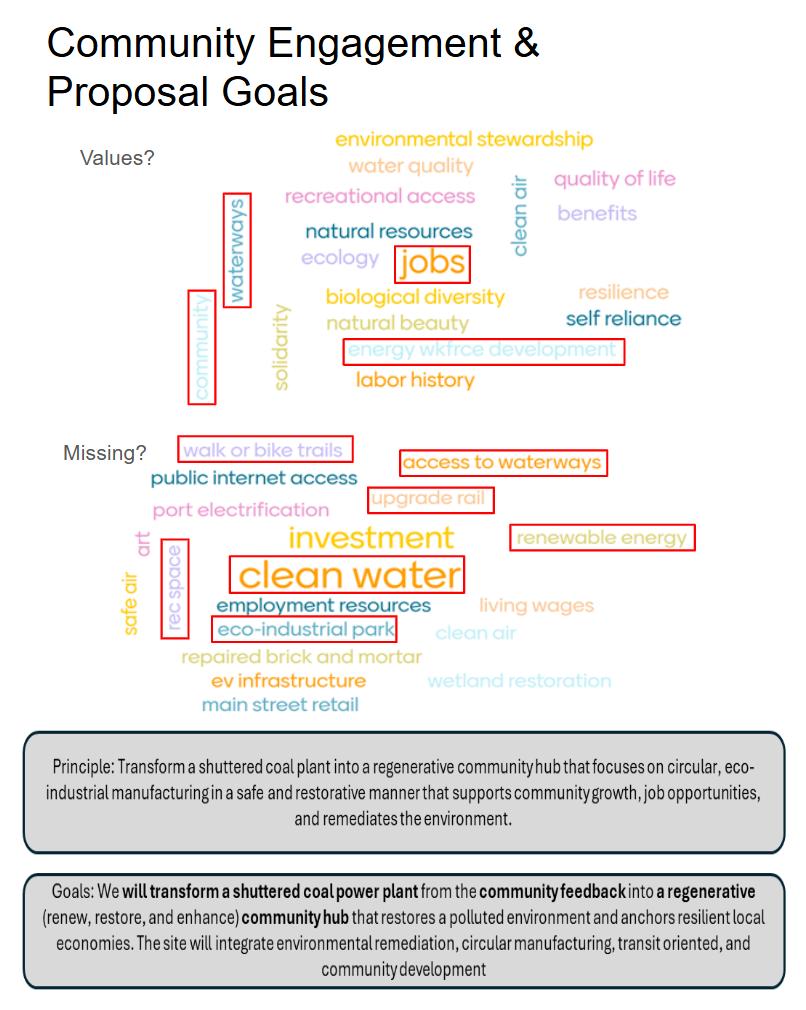
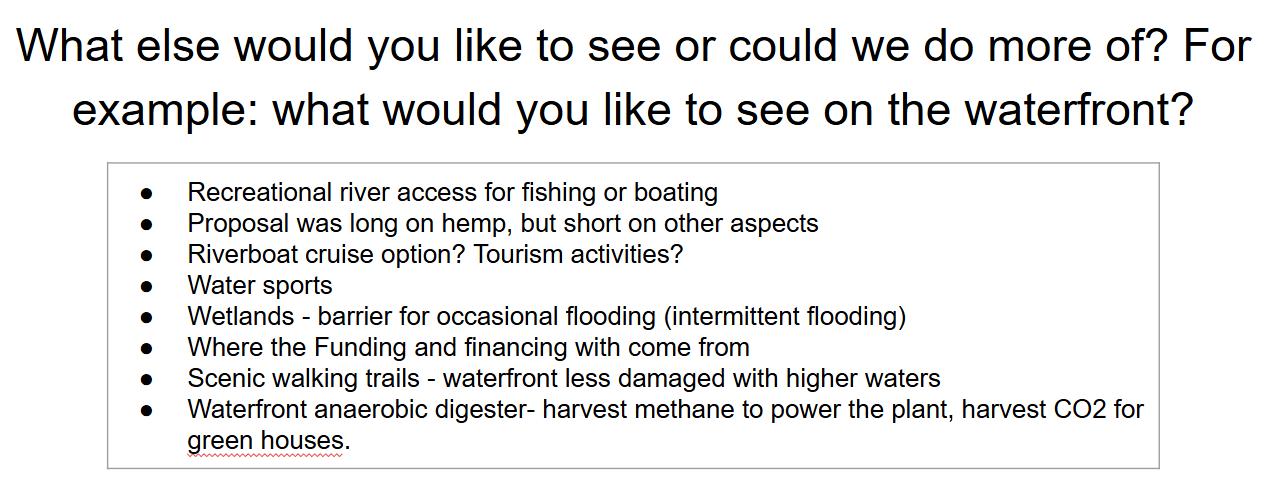
Community Feedback: Proposal Strengths and Weaknesses Community Feedback: Community Design
Site Analysis
Existing Conditions
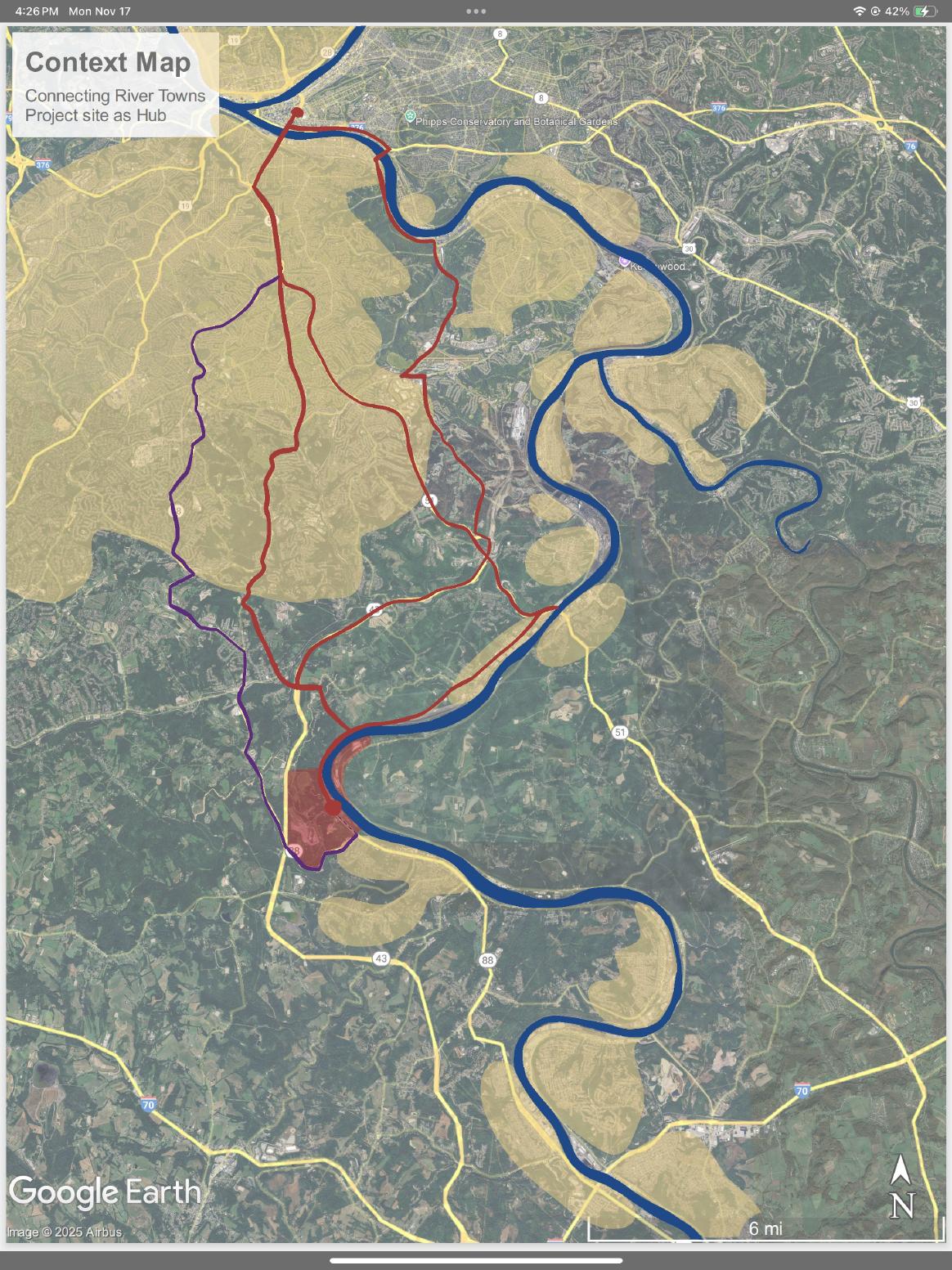
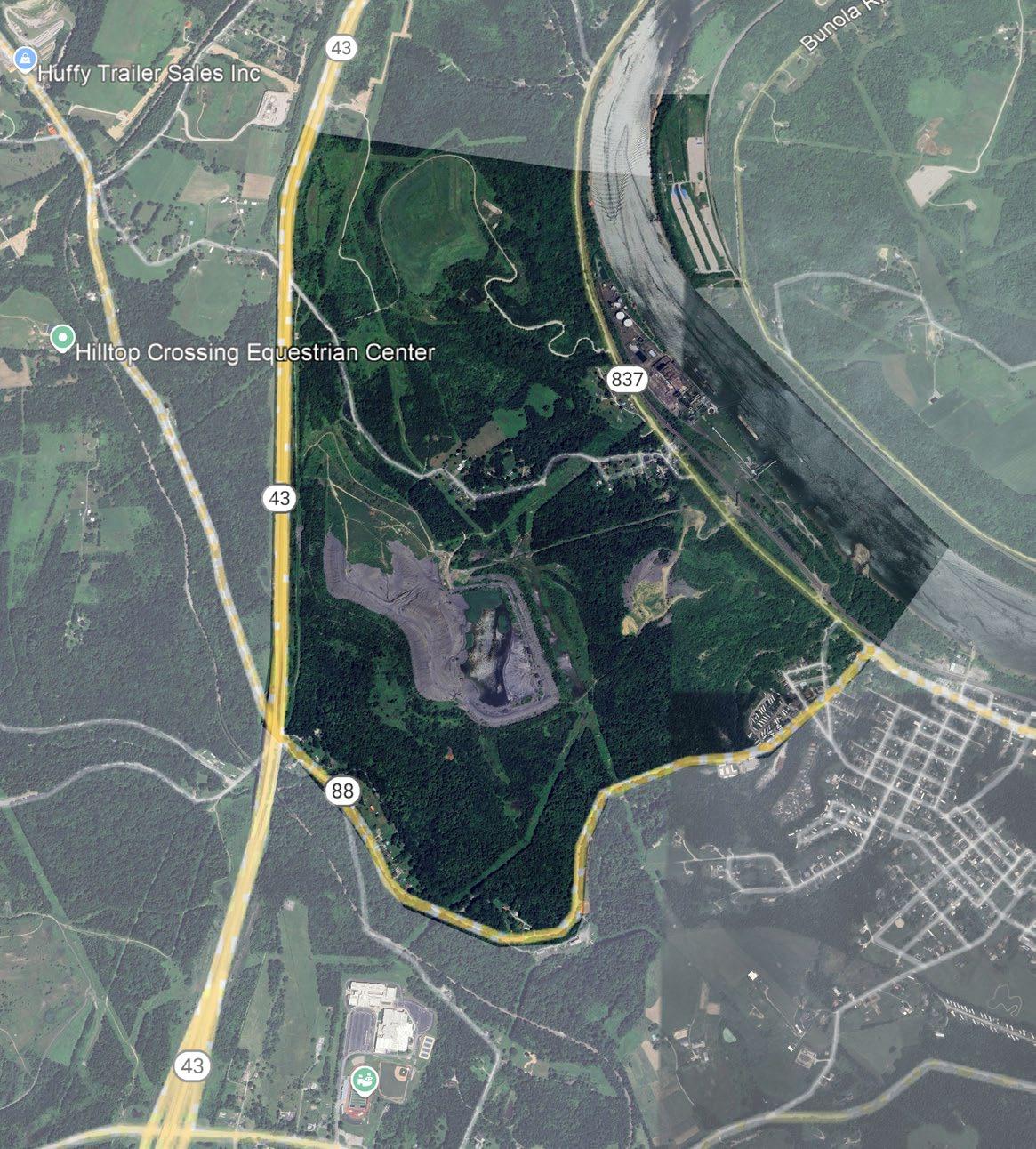
The Mitchell Power Plant is located about 20 miles south of Pittsburgh, PA and is approximately comprised of 900 acres along the Monongahela River. The Pittsburgh area has a long history of being an industrial hub for construction, manufacturing, and energy production. Additionally, the area is known for technology, education, and culture. Electric modes of transportation became a focal point for our project that created not only a destination for work, living, and community engagement, but also facilitated accessible connections to other places.
Due to the nature of the coal plant, the challenge of contamination and remediation was a major concern to the community. The residual coal ash ponds and power plant allowed rainwater runoff to seep into waterways and water systems, while impacting the local community’s quality of life and health.
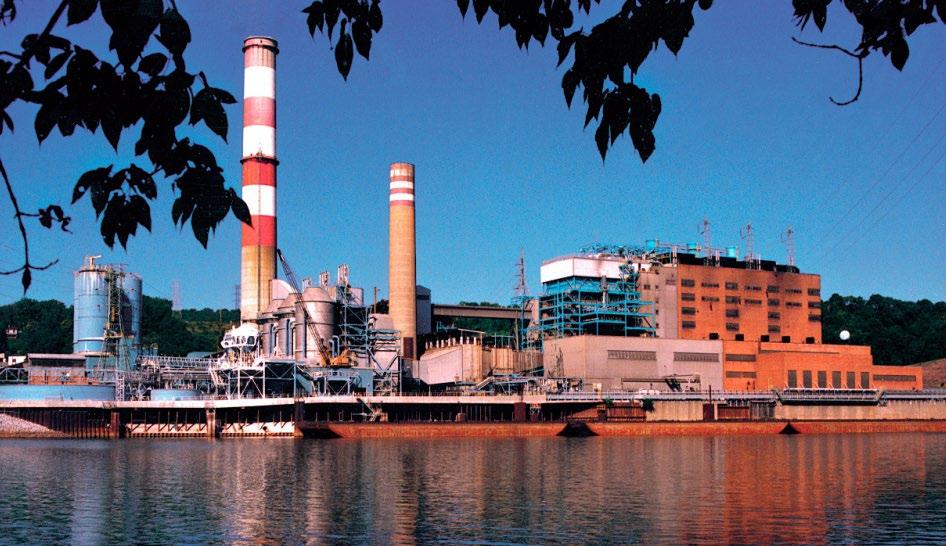
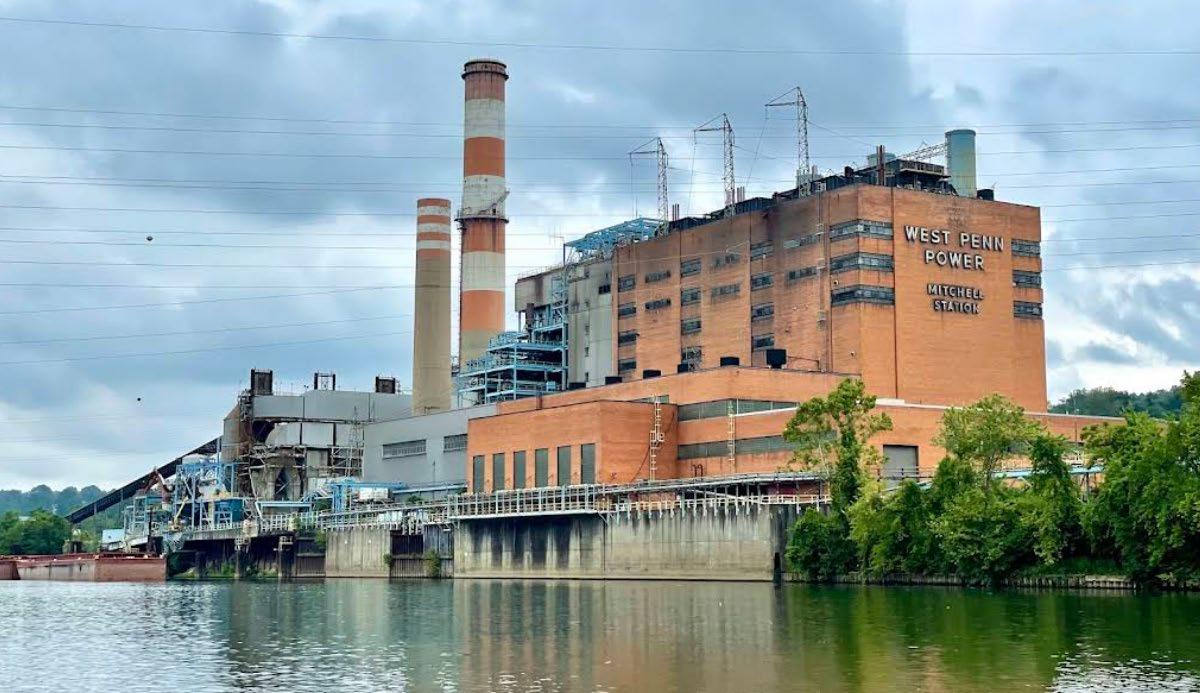
Demographics: Among All Highlighted Counties
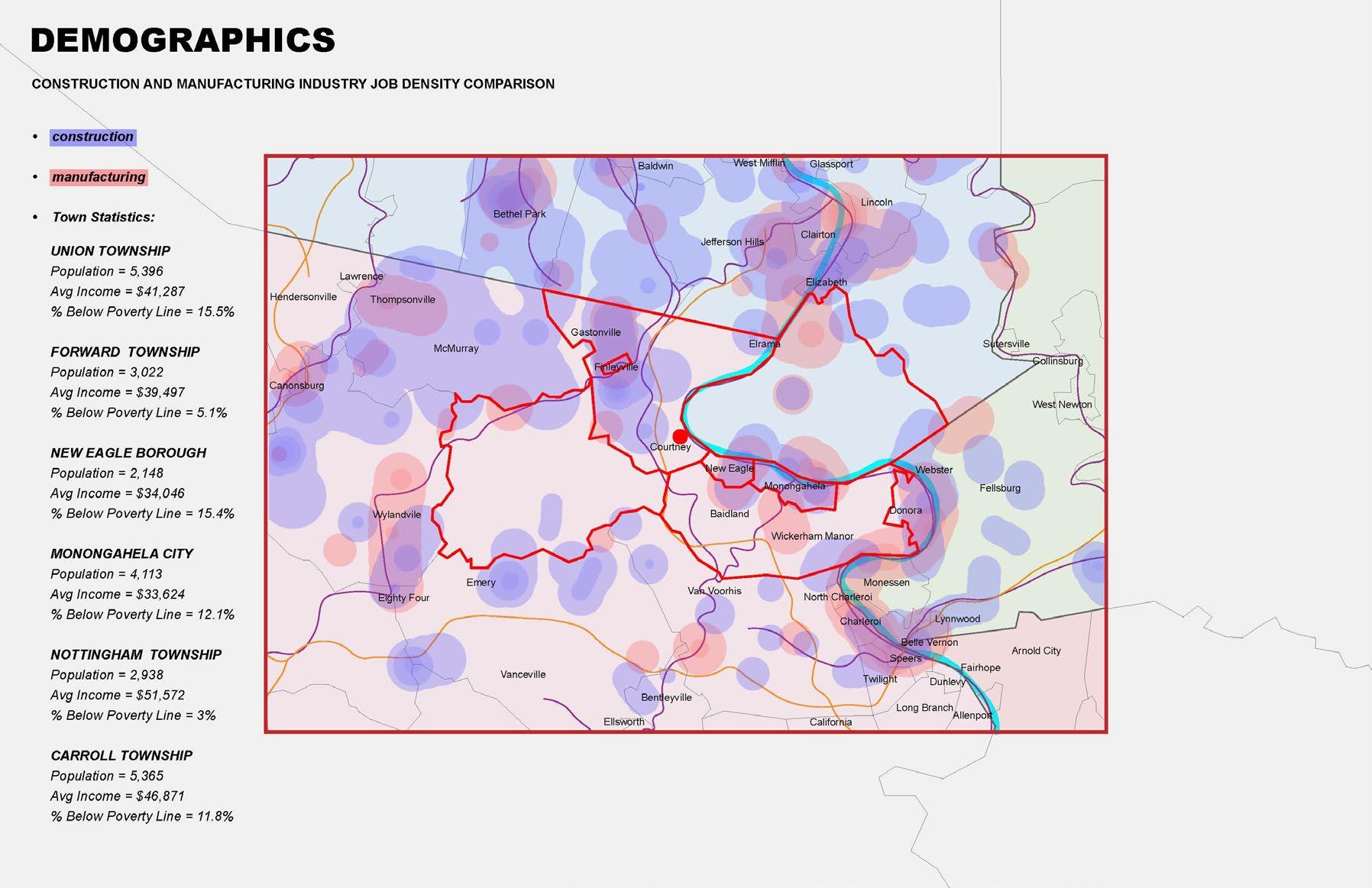
Demographics: Construction and Manufacturing Industry Job Density Comparison
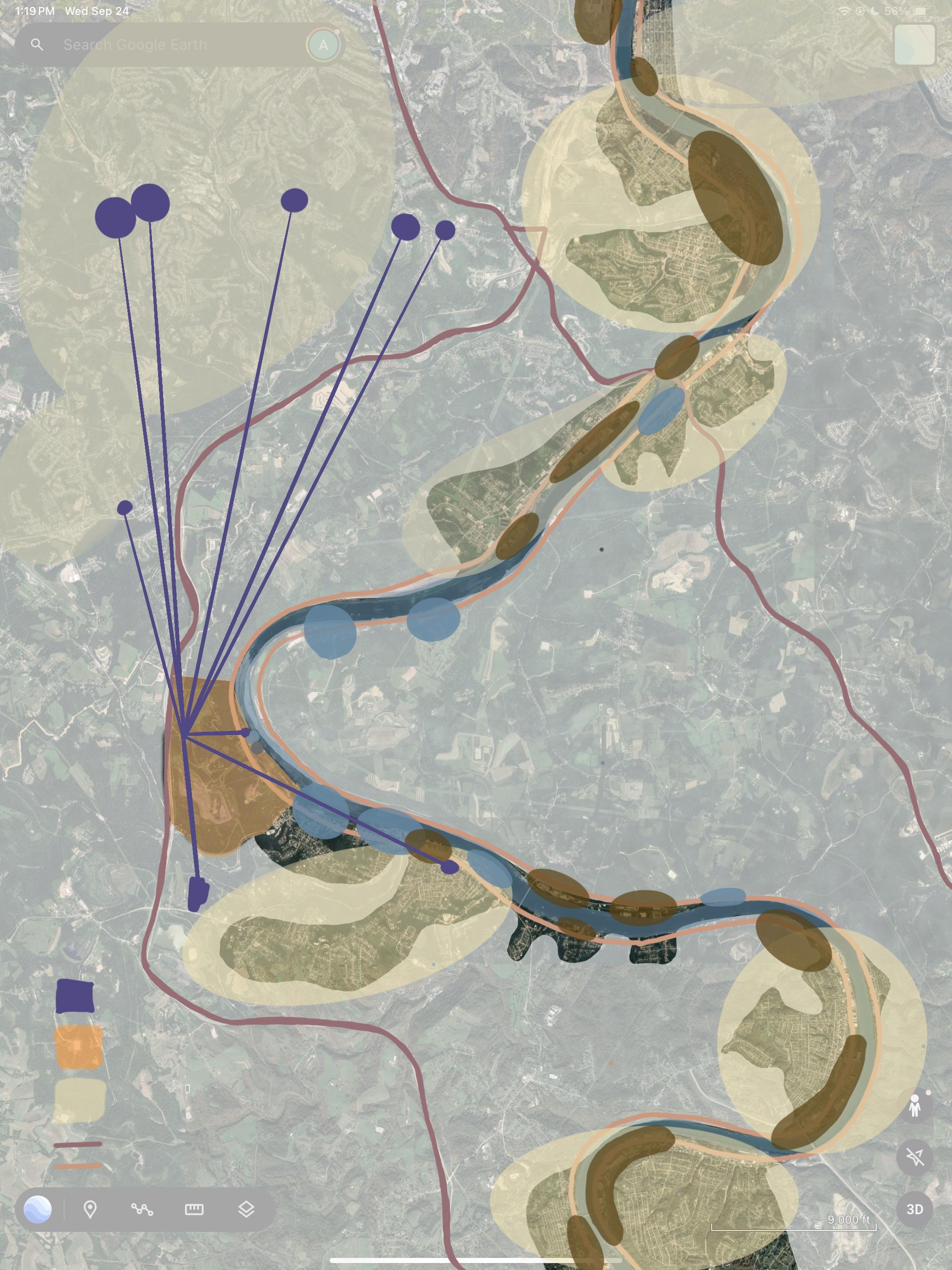
Image: FirstEnergy Generation Corp.
Image: Bobby B, Google Maps
Mitchell Powerplant; New-Eagle, PA Mitchell Powerplant; New-Eagle, PA
Design Strategies and Site Proposal
Goals and Strategies
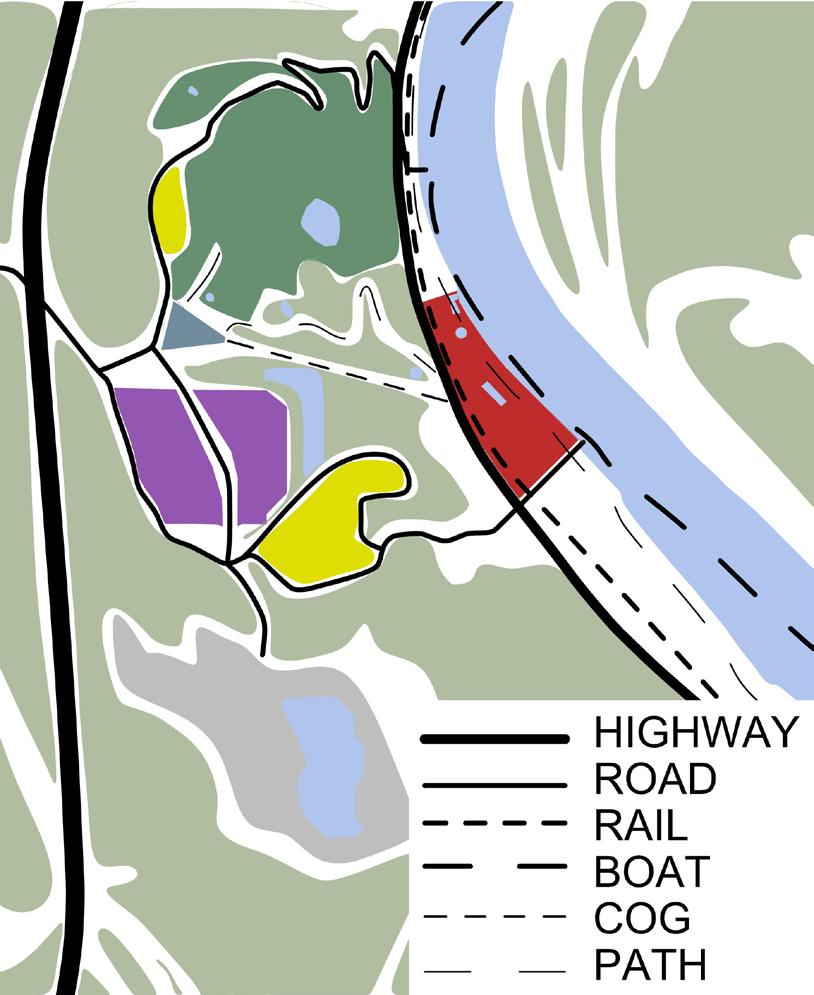
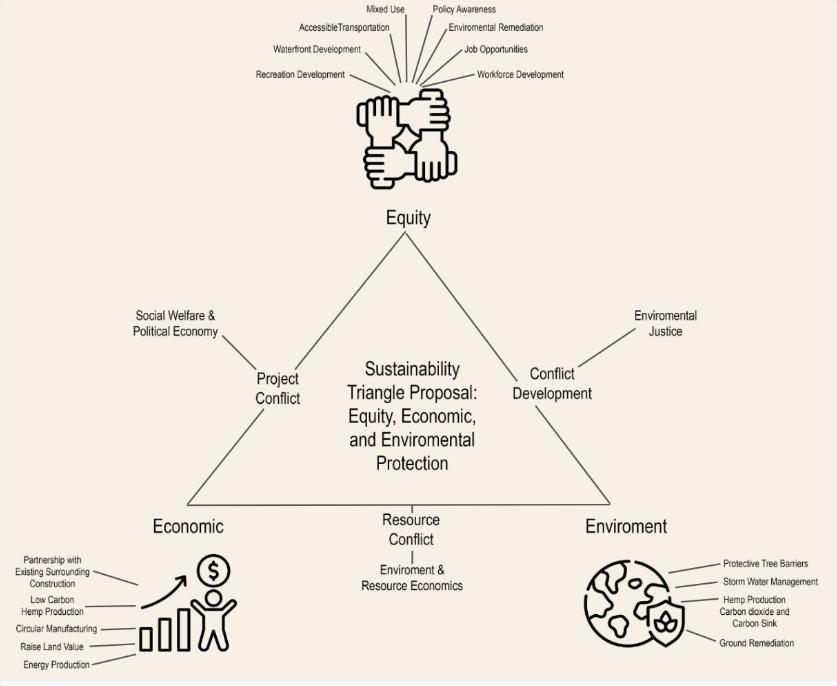
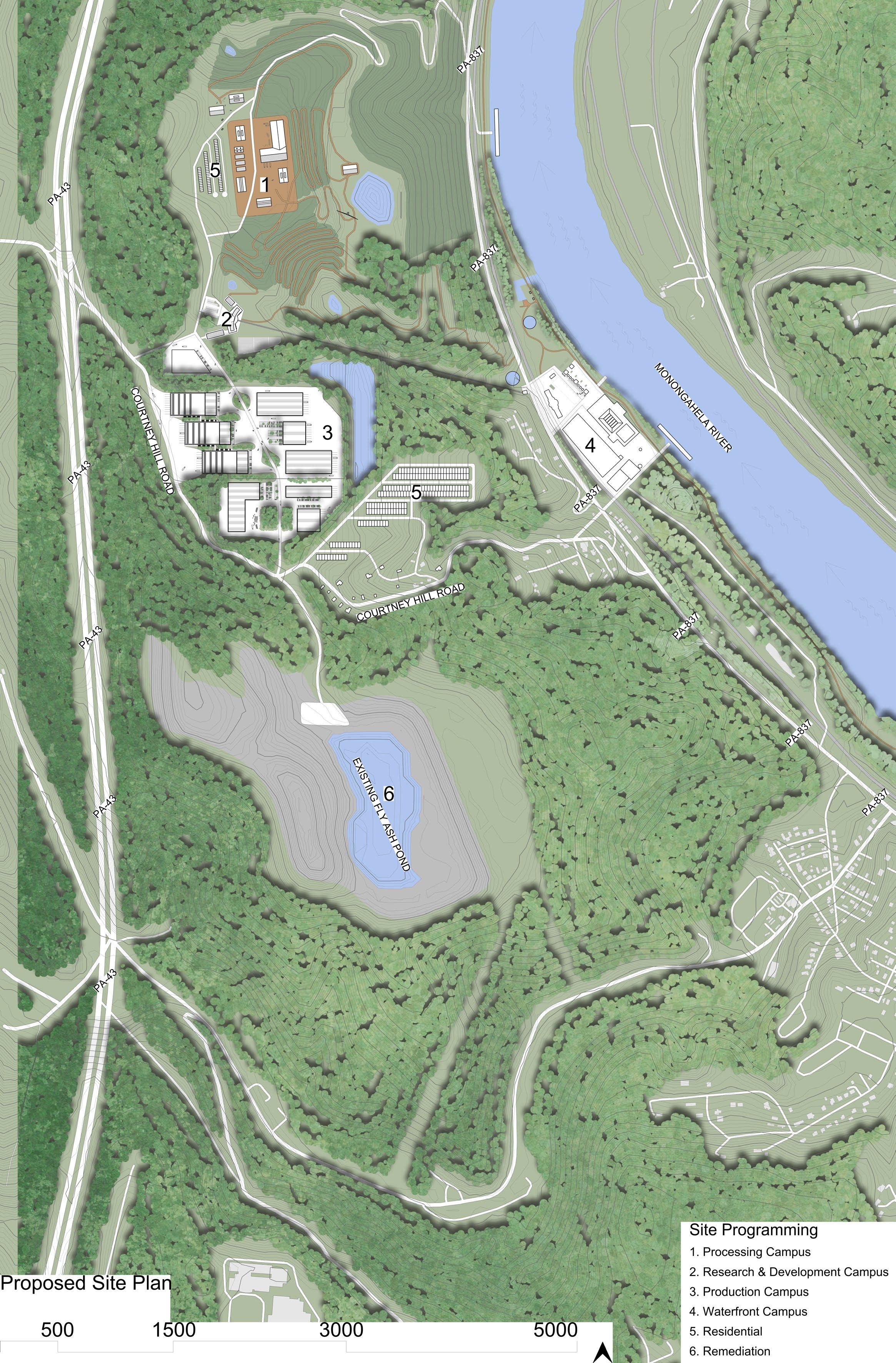
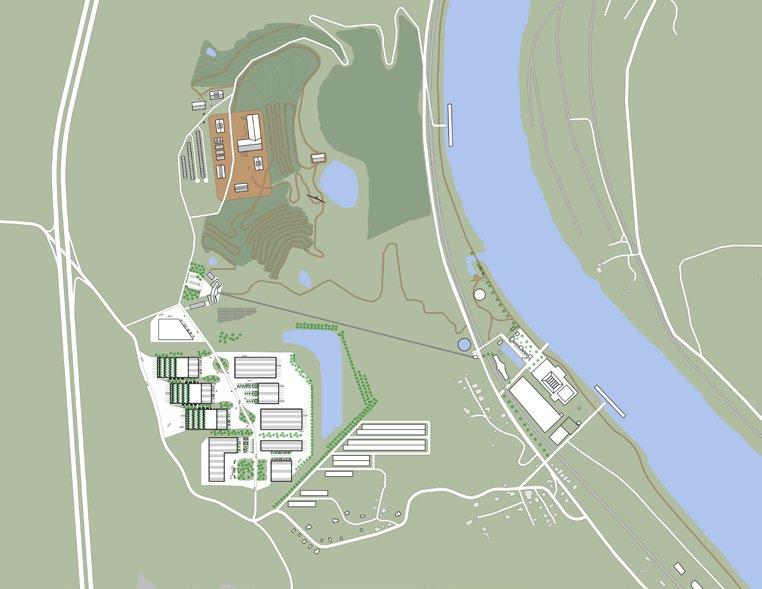
The proposal aims to transform a shuttered coal plant into a regenerative community hub that focuses on circular, eco-industrial manufacturing. The strategies for the project fall within one of three sectors: equity, economy, and environment. Communityoriented development is located on the waterfront, celebrating the Mitchell Power Plant as an iconic landmark of the area. Transportation systems link the entire site via cog lifts, pedestrian paths, and redeveloped roads for vehicles. Circular manufacturing is placed on the upper portion of the site, which features the cultivation of raw materials, research and development, and manufacturing. Environmental remediation is achieved through phytoremediation and water management strategies.
Hemp Production Site
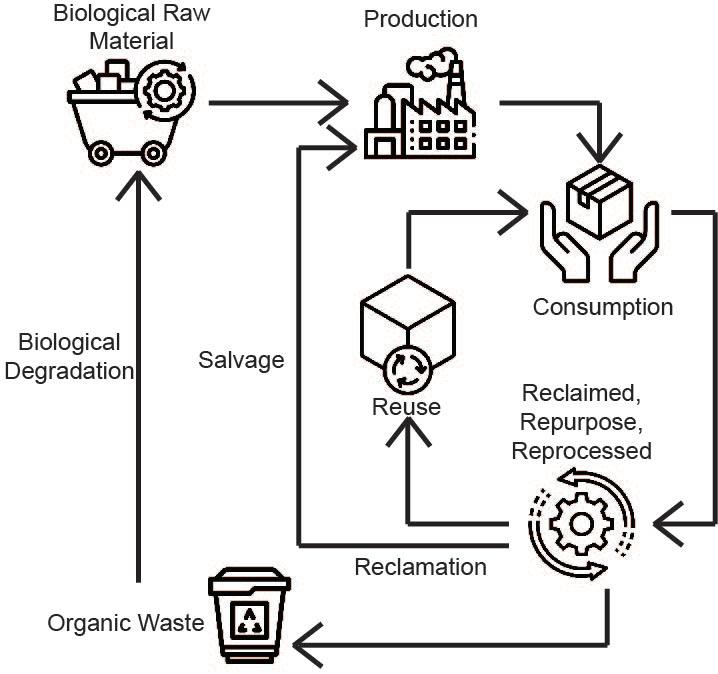
The reimagined site will help remediate soil and sequester carbon by growing hemp. Once the soil has been remediated, the hemp will be processed and manufactured on site. This continuous production of hemp will generate future collaborations and partnerships with local farmers who are either growing hemp themselves or who are interested in its benefits.






TYLER COLON, A RIANNA DAVIS, ANNAROSE PIPAK, KARLIE-GRACE O’HERA
Image: Tyler Colon
Image: Arianna Davis
Image: Tyler Colon, Arianna Davis, Annarose Pipak, Karlie-Grace O’Hara
Image: Tyler Colon
Image: Arianna Davis
Processing Campus
Images: Karlie-Grace O’Hara
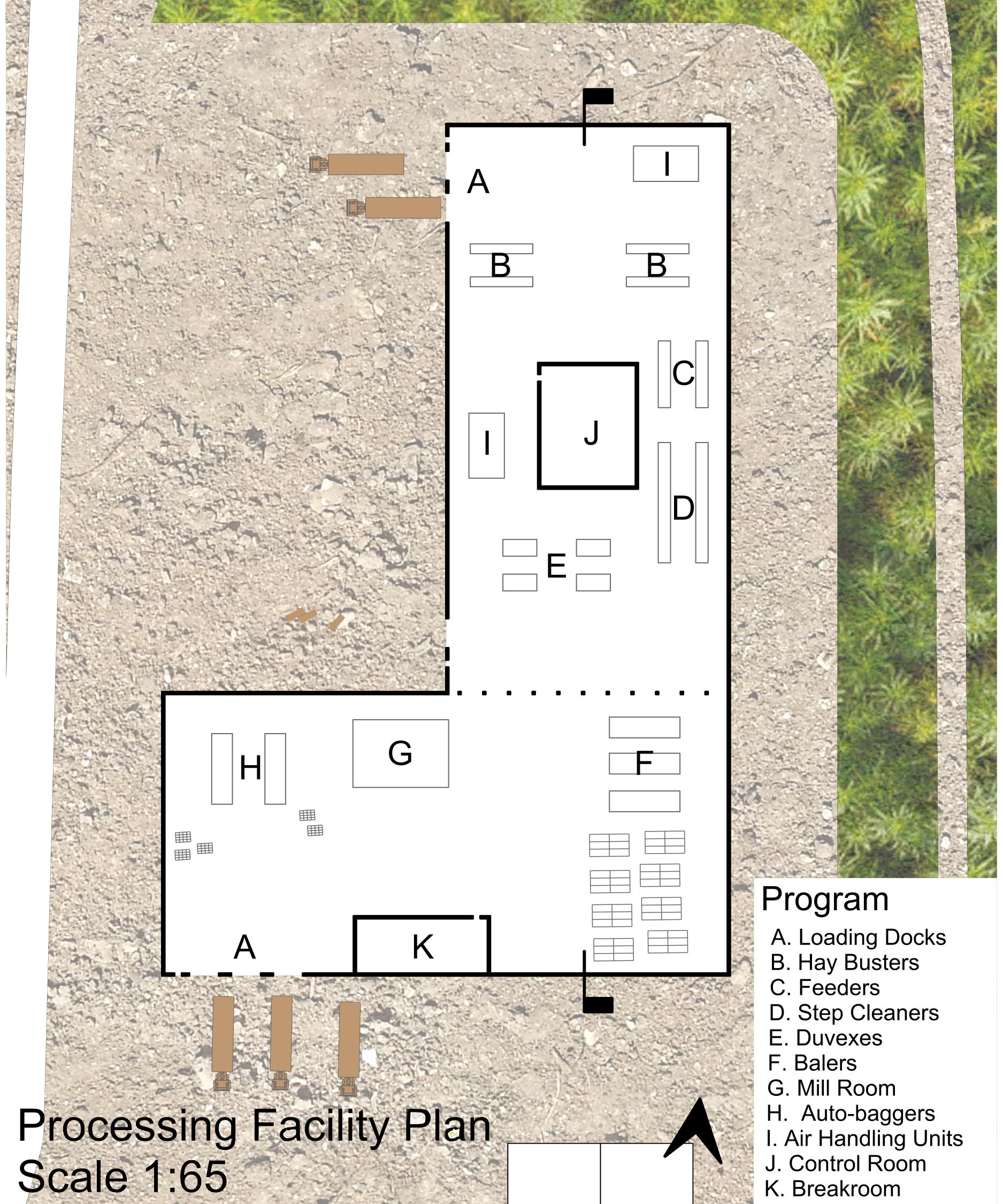
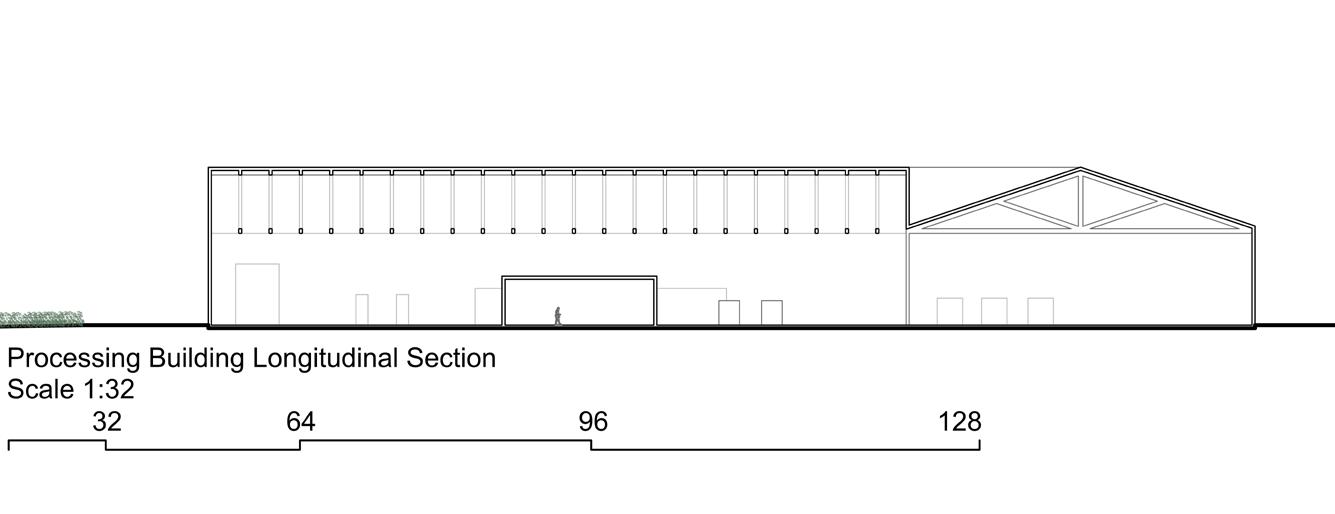
The Processing Campus demonstrates how the hemp industry can grow in Appalachia by building on the region’s processing capacity, construction sector, and workforce opportunities. It merges existing agricultural practices with emerging technologies and clean energy, while pedestrian paths, bus stops, and integrated service roads connect the campus to the broader site.
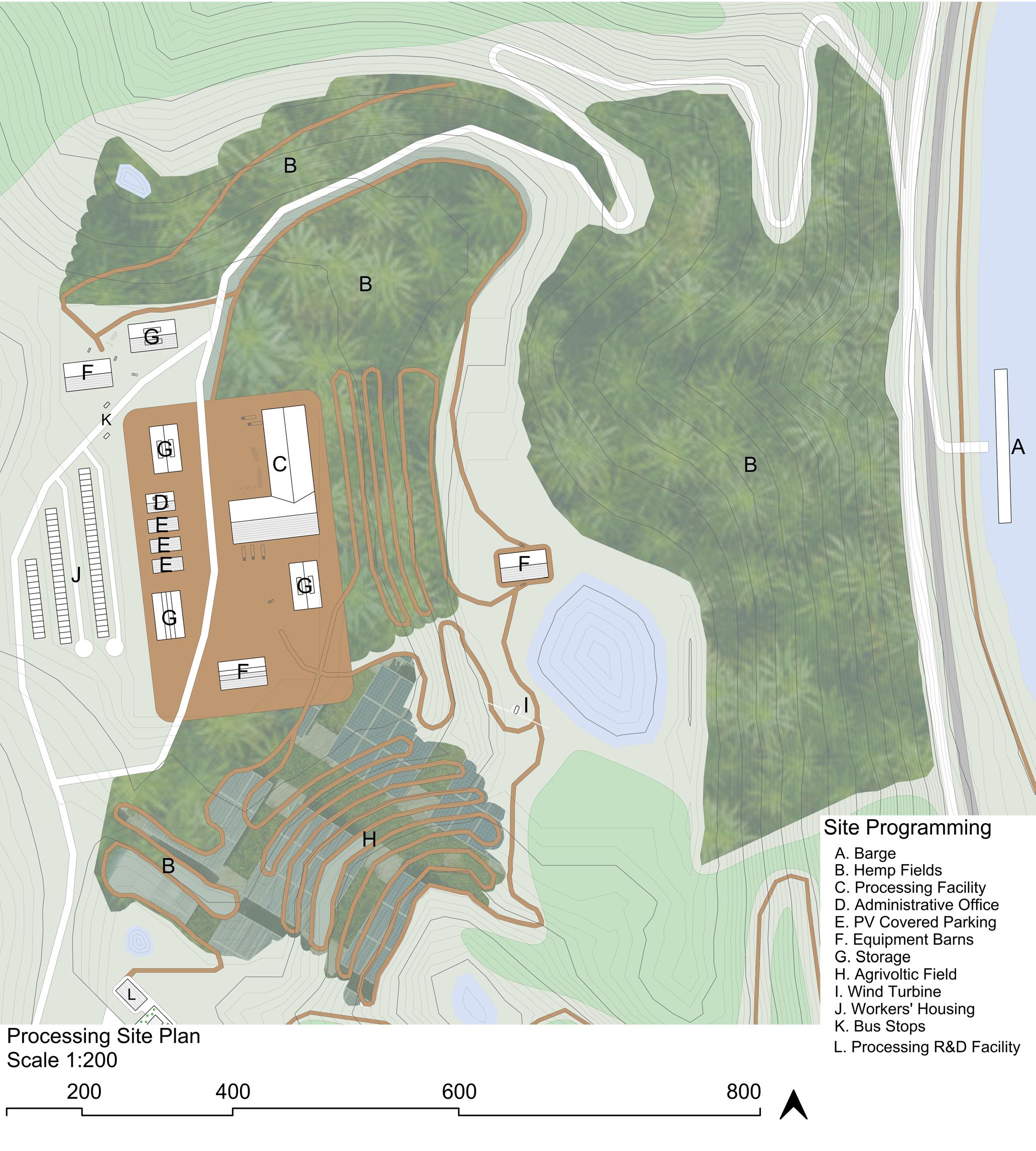
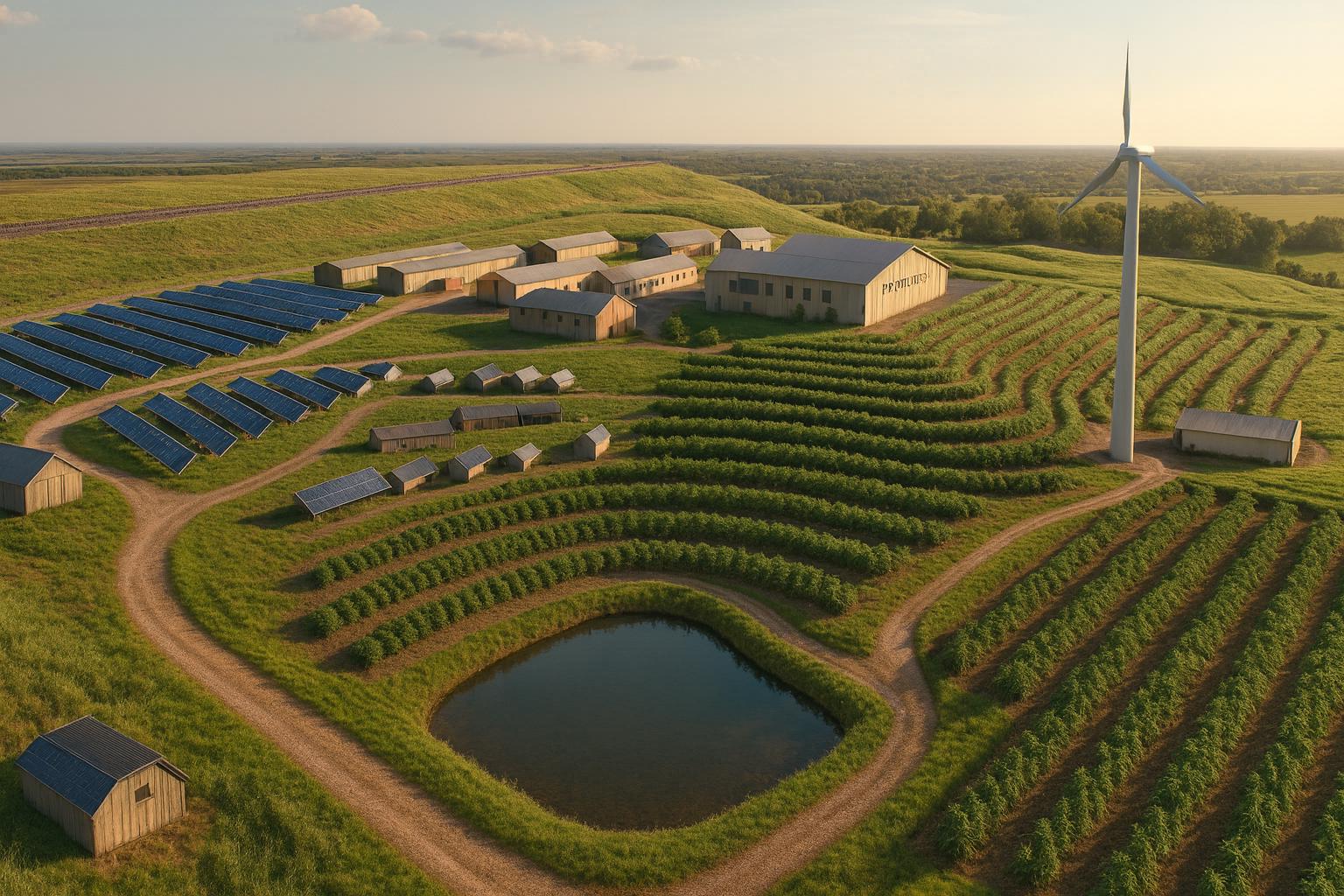
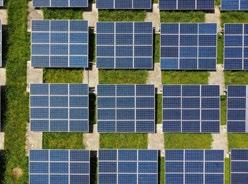
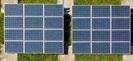
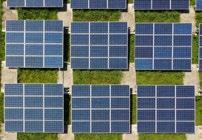
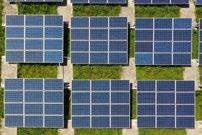
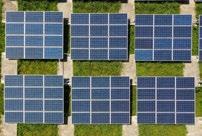
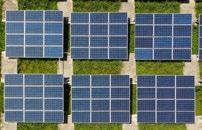
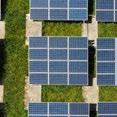
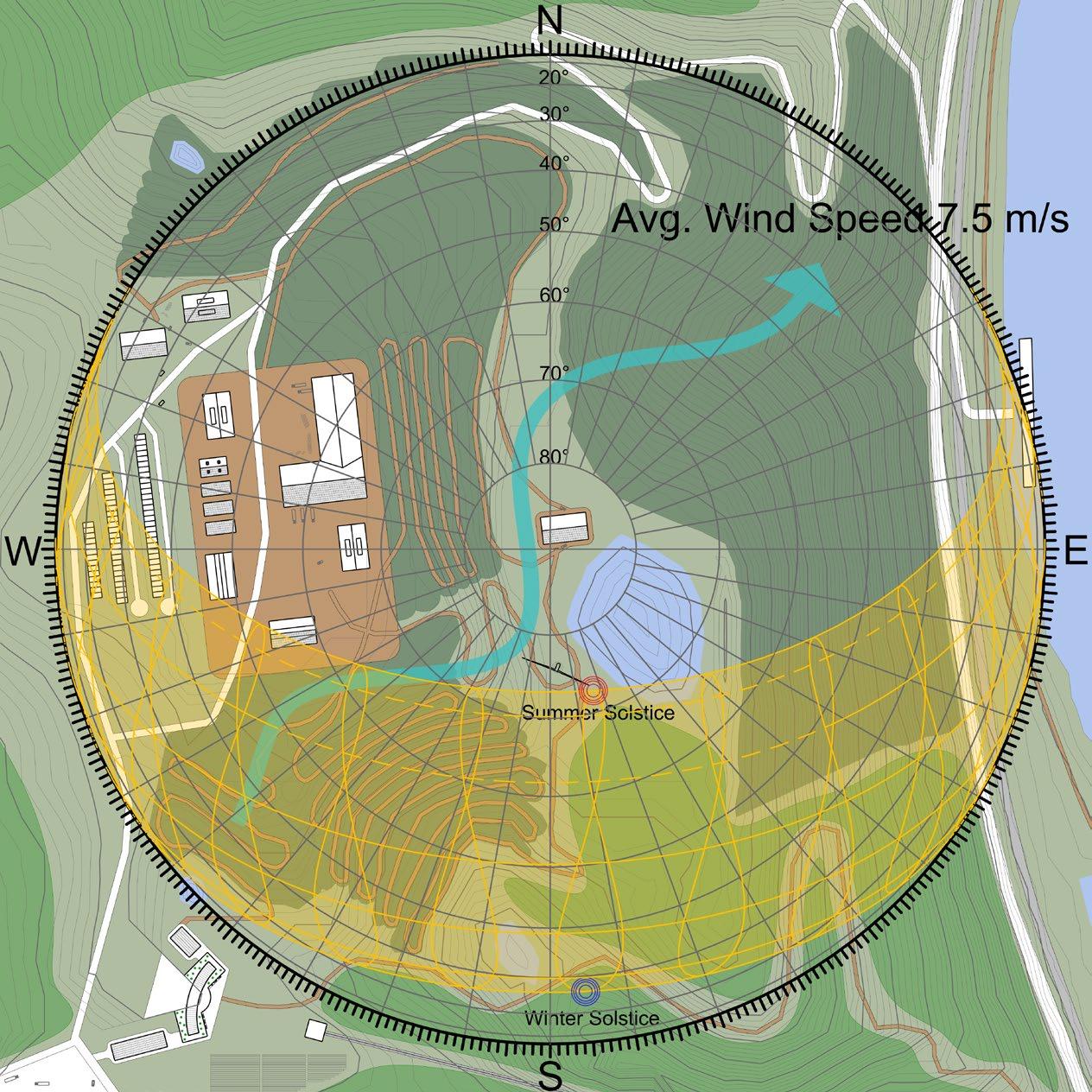
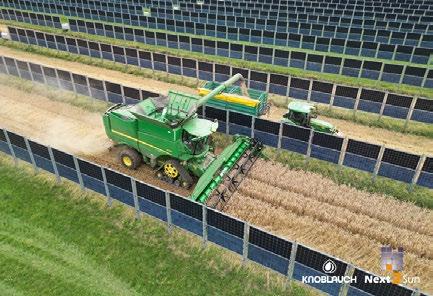
Photovoltaic (PV) panels for solar energy are integrated throughout the site. For example, parking pavilions and south-facing buildings contain panels on the roofs. The southern portion of the terraces are dedicated to agrivoltaic cultivation, in which PV panels are placed inbetween rows of shade-tolerant plants.
A wind turbine is located on the eastern part of the site for wind energy. The prevailing wind direction is coming from the southwest with an average of 7.5 meters per second.
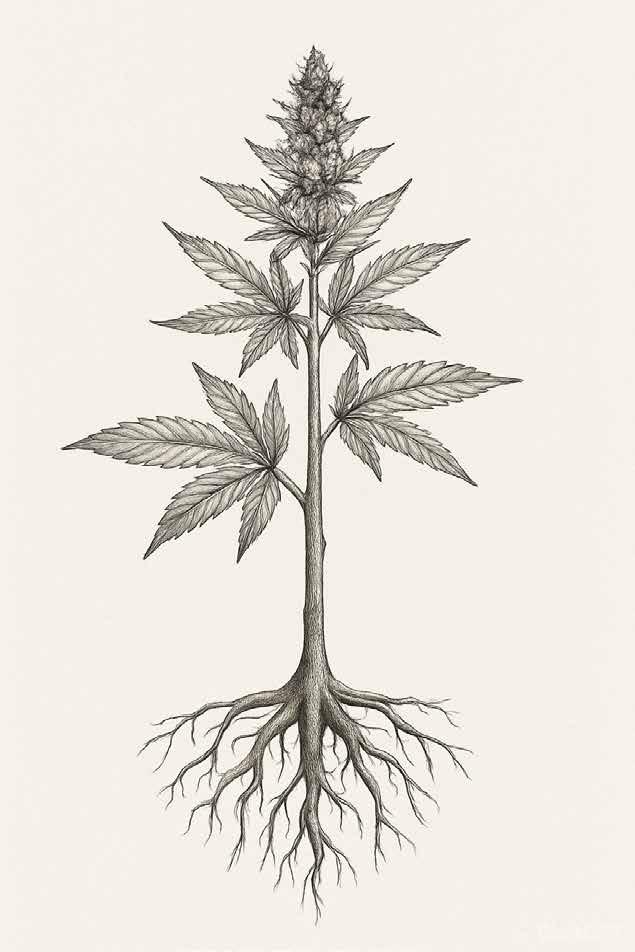
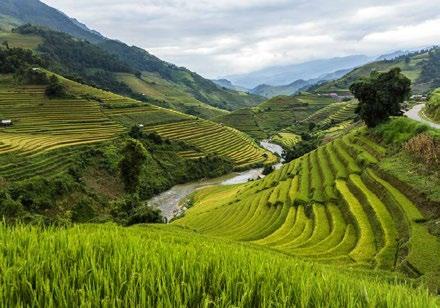
Hemp plants are grown on site for stalk processing and soil remediation. The campus is designed for terrace farming, in which large terraces slope downward in two directions to create safe, usable areas for human and machine-based cultivation.
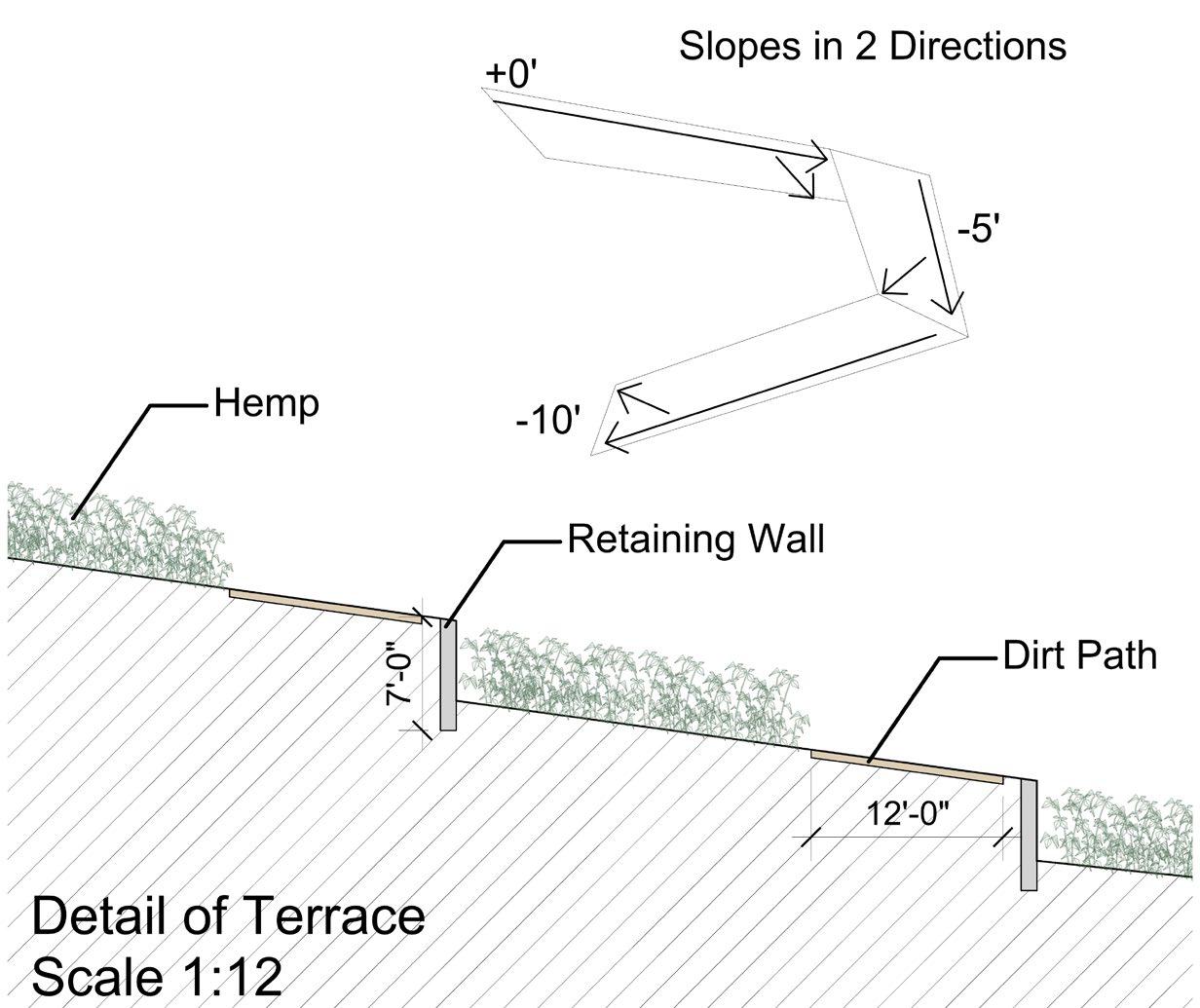
Karlie-Grace O’Hara ©
Karlie-Grace O’Hara
Karlie-Grace O’Hara
Agrivoltaic Fields
Image: Rice fields on terraced of Mu Cang Chai, YenBai, Vietnam by Thampitakkull Jakkree/Shutterstock
Image: Epfendorf Agri-Solar Park by Next2Sun Asset GmbH
Fields
Adapted from ChatGPT
Parts of a Hemp Plant and Their Uses
Research & Development Facility
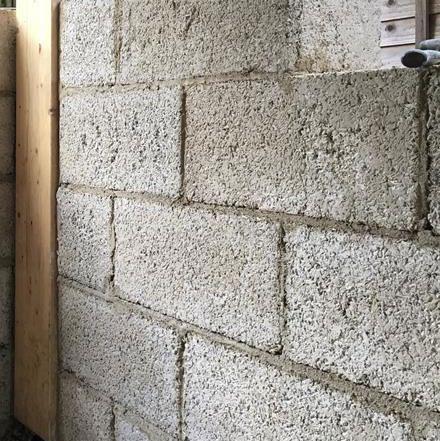
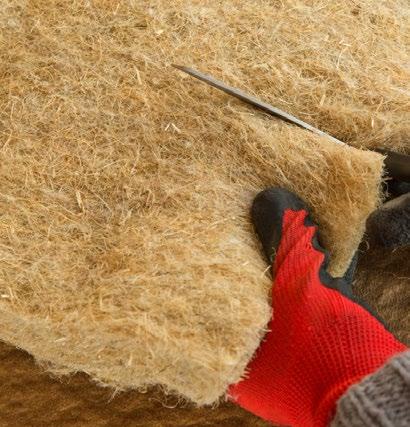
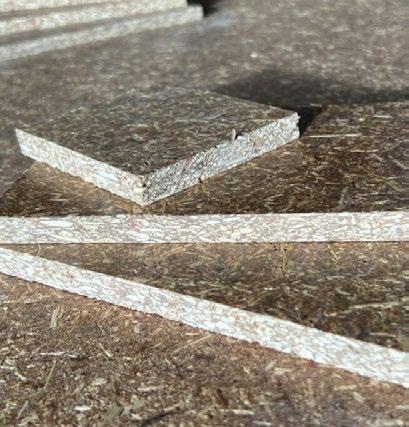
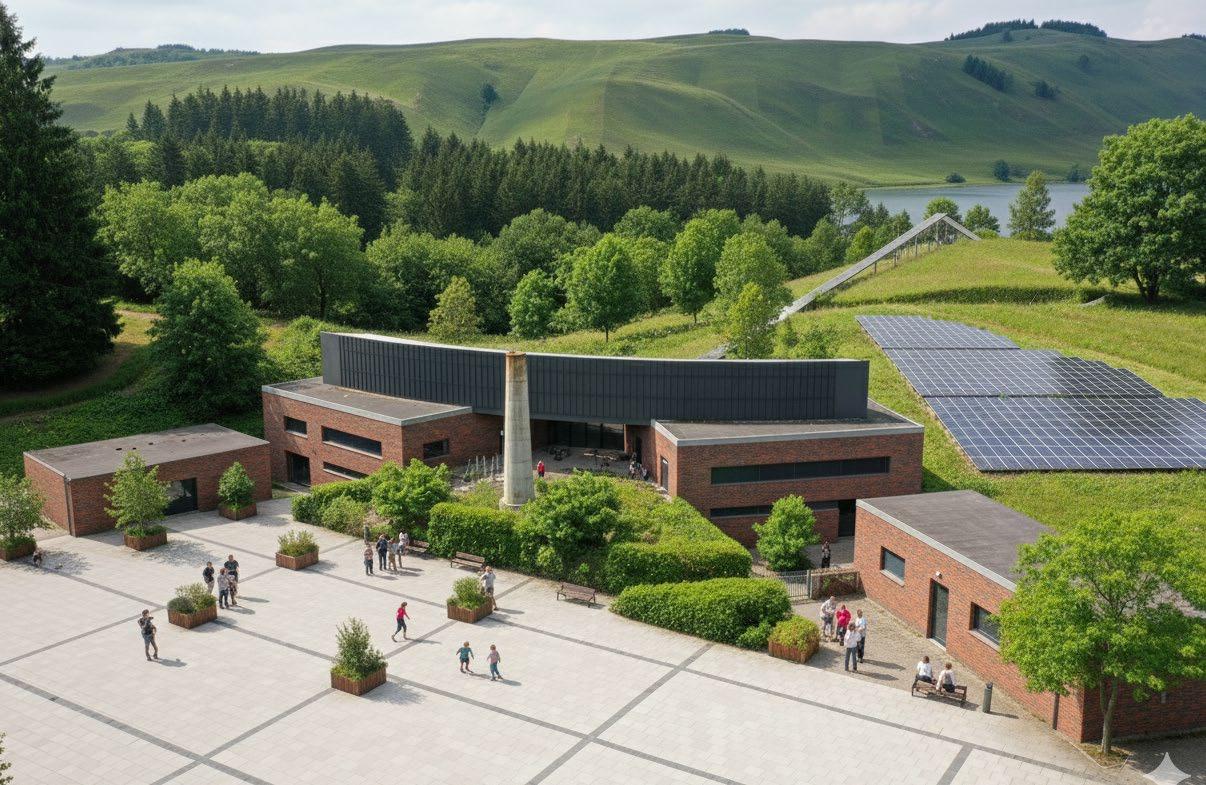
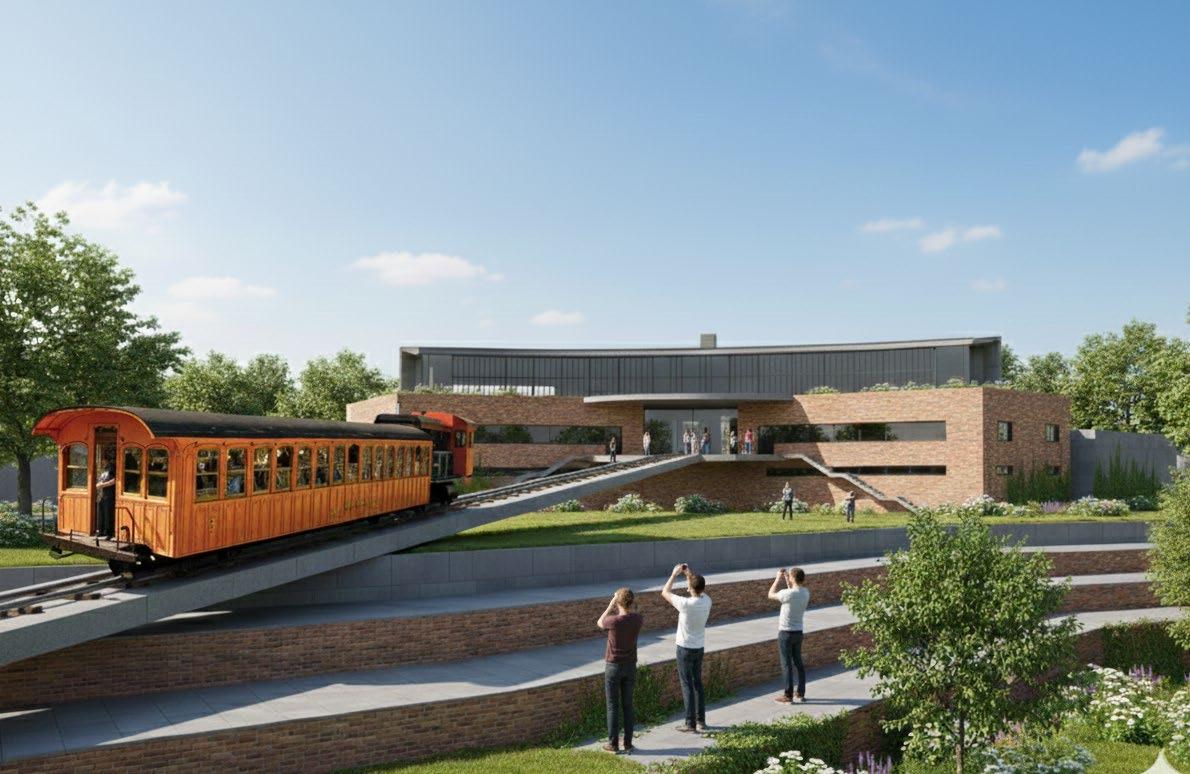
The Hemp Construction Research and Development Facility houses the working grounds for the study and creation of green building materials: hemp composite, hemp insulation, and hempcrete mixed with coal fly ash. The building functions as an exhibition displaying construction mock-ups for the community to view, and by extension, enjoy the cleaner, safer grounds of the greater site.
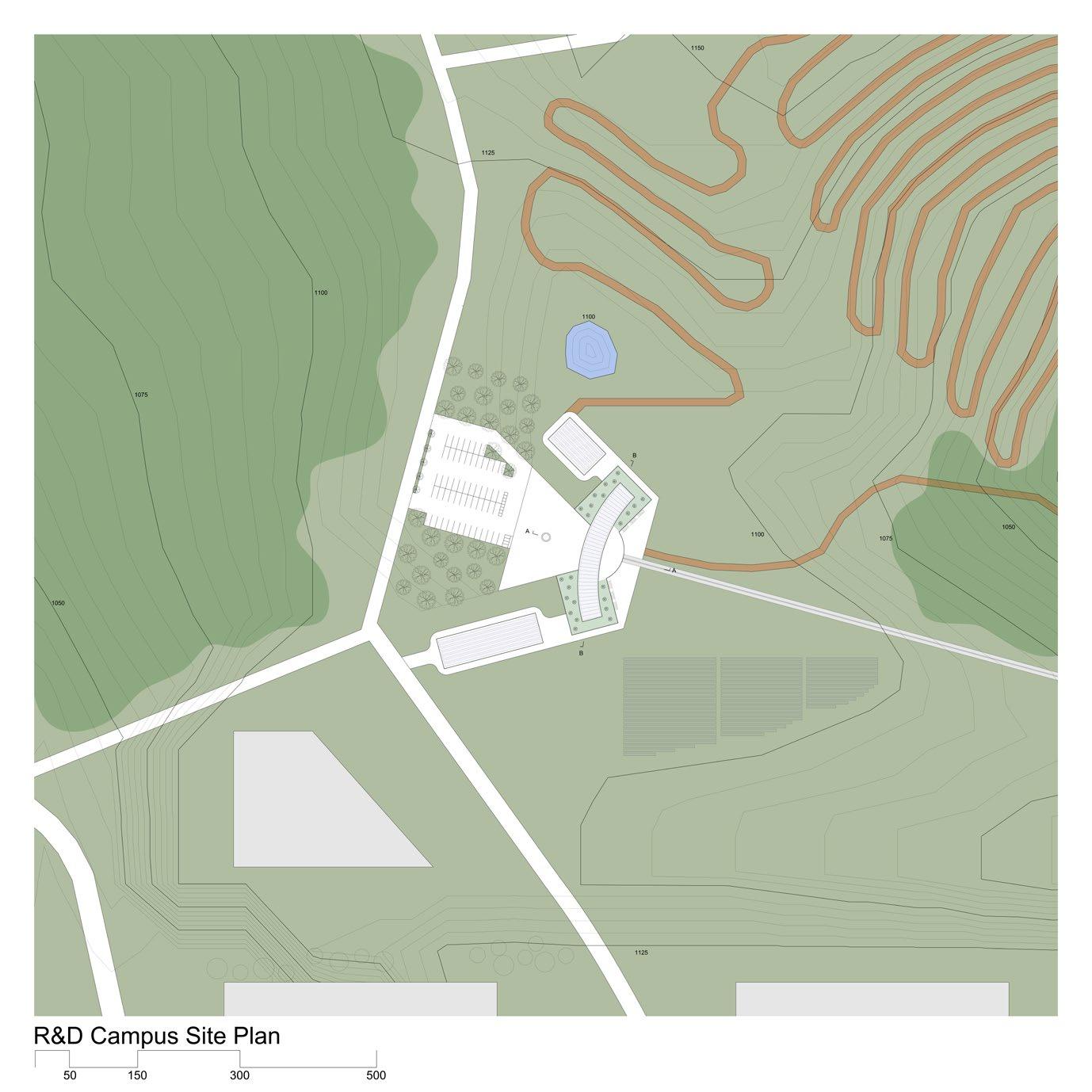

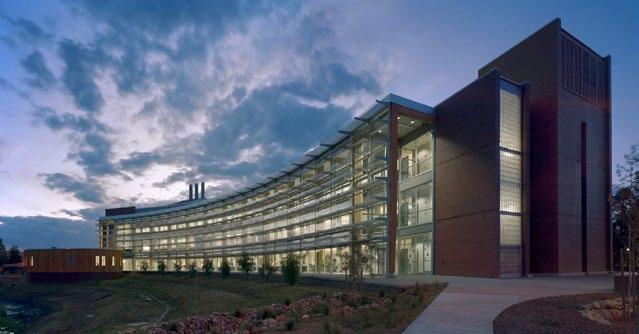
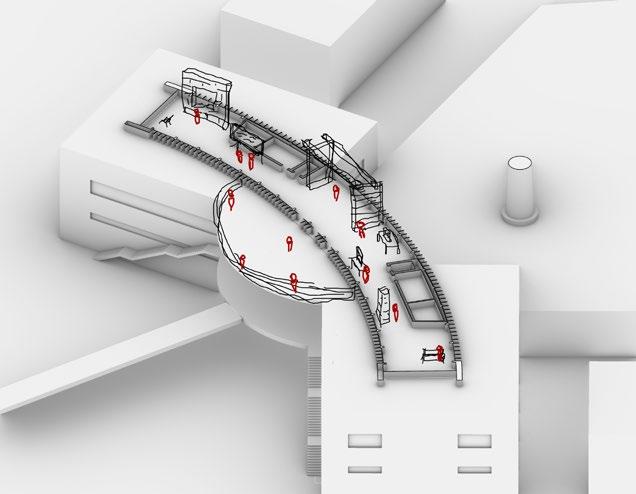
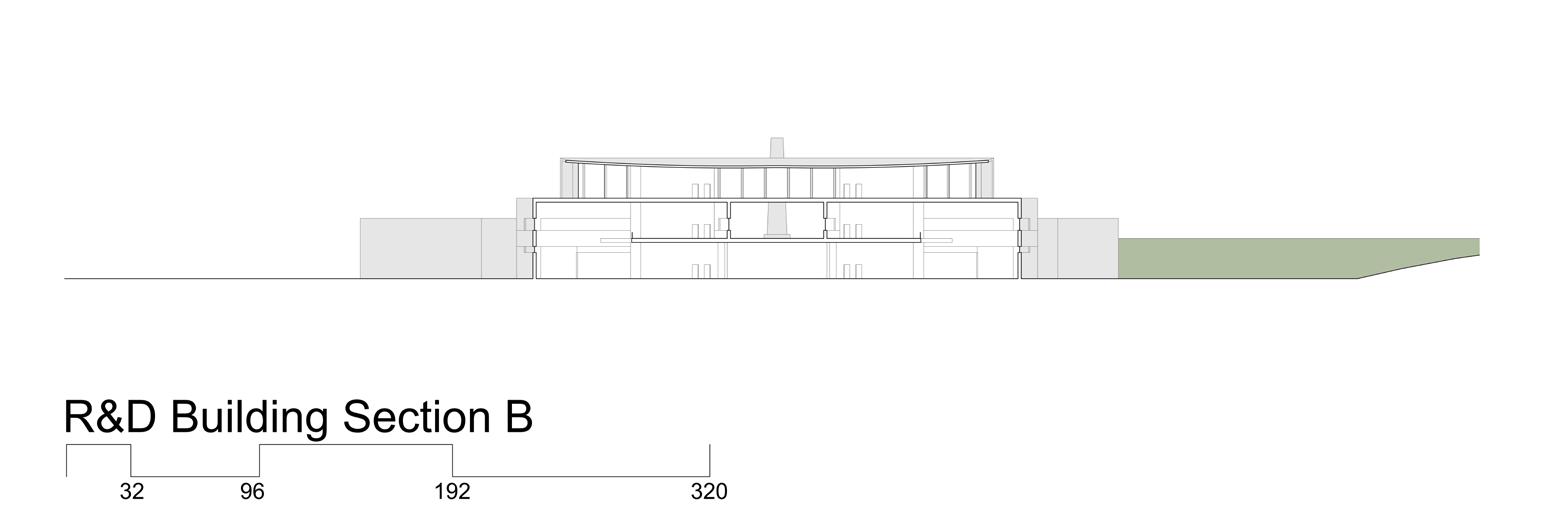
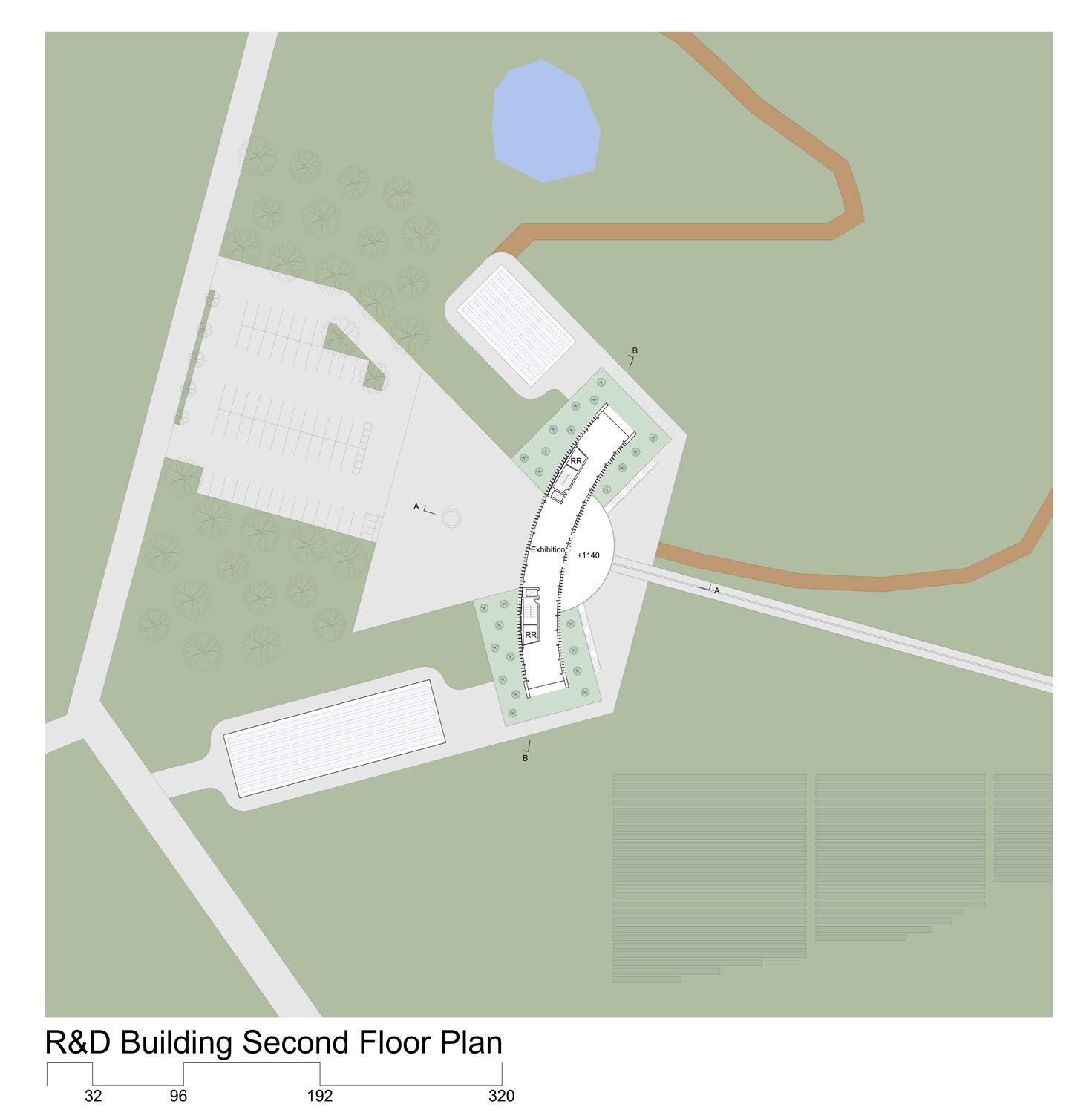
The form of the facility links each area of the site together with a curved exhibition space pointed toward the adjacent processing and development campuses. This creates a throughway from the plaza to the open landscape and cog rail. The public plaza allows the community to host gatherings and events, while the obelisk celebrates the site’s history and former coal workers. A cog rail transports visitors to and from the waterfront and facility.
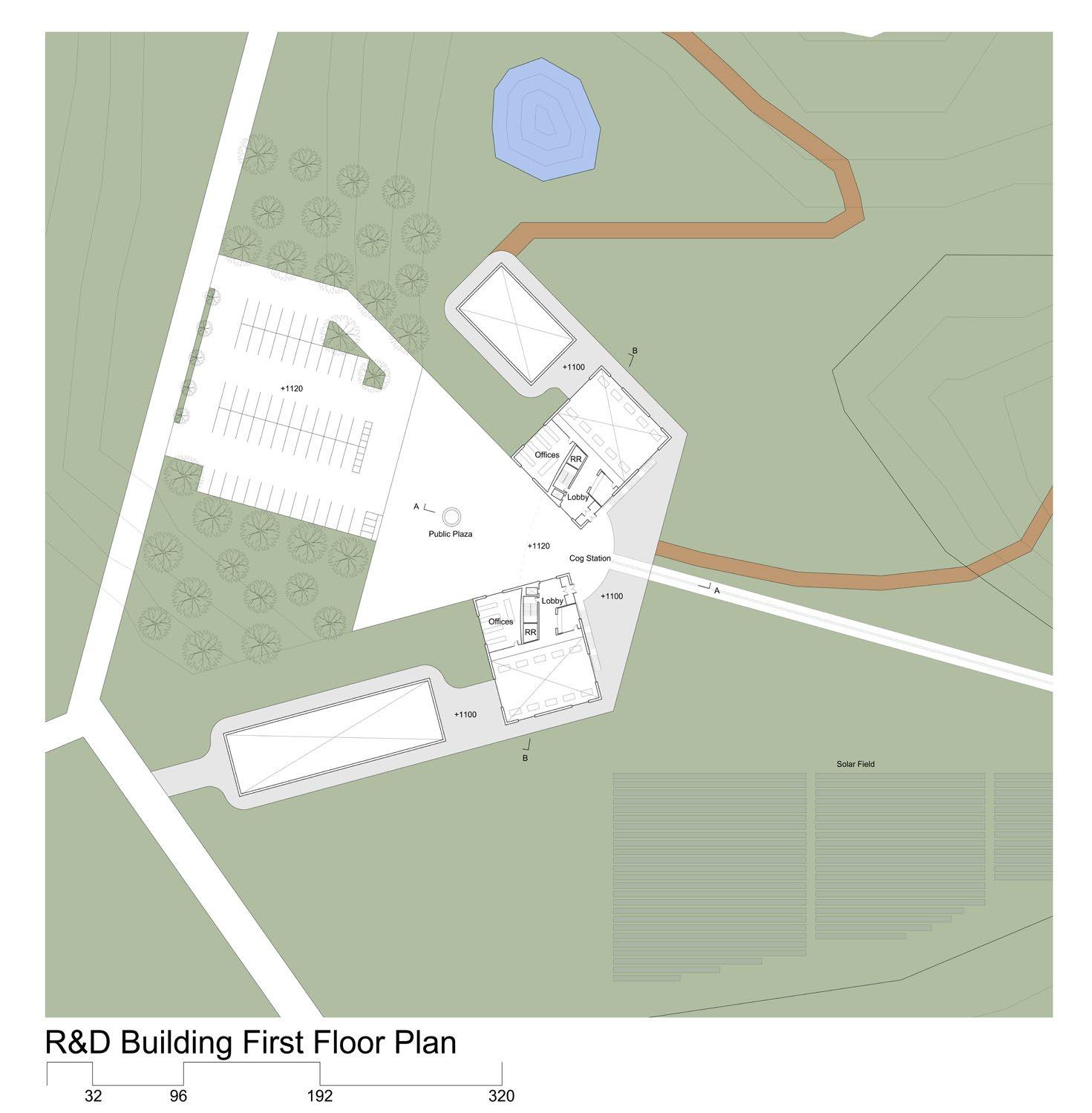
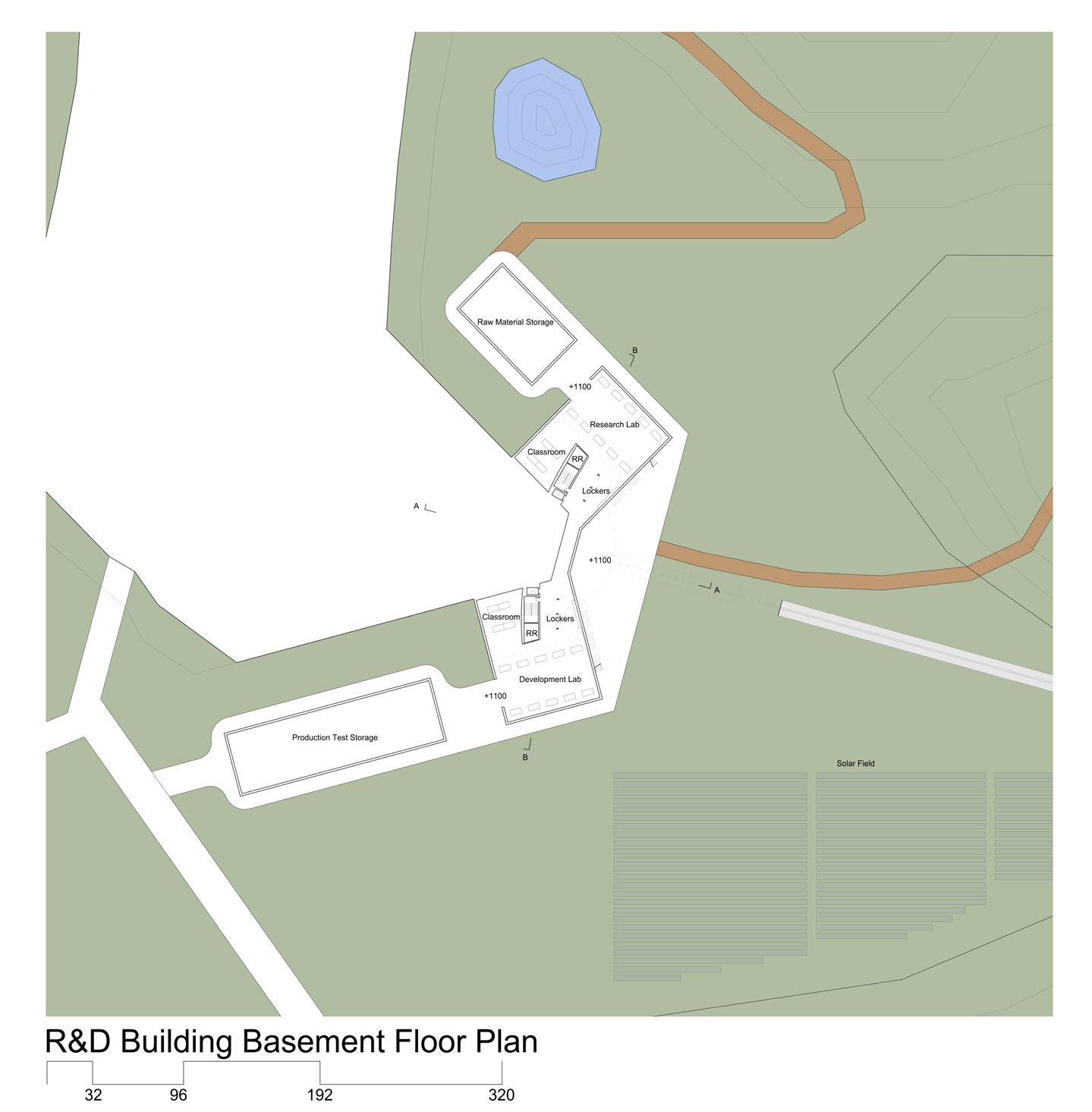
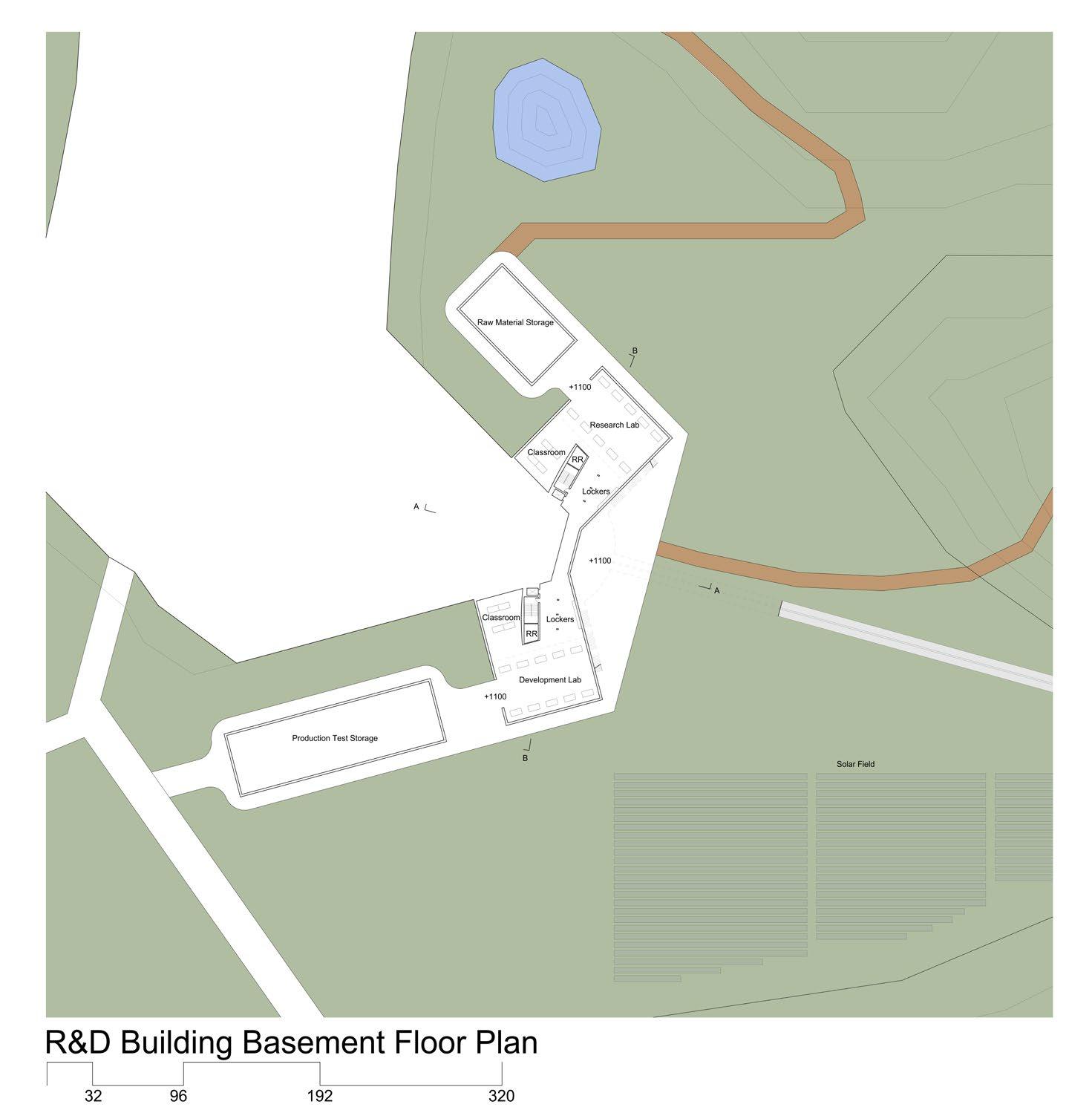
Images: Annarose Pipak
Section Through R&D Facility
Research and Development Campus Site Plan
Floor Plan
R&D Campus Concept
Hempcrete Hemp Insulation
Connections and Viewpoints Diagram
Image: Applied Research and Development Facility
Arizona University Form Precedent
Hemp Composite
Production
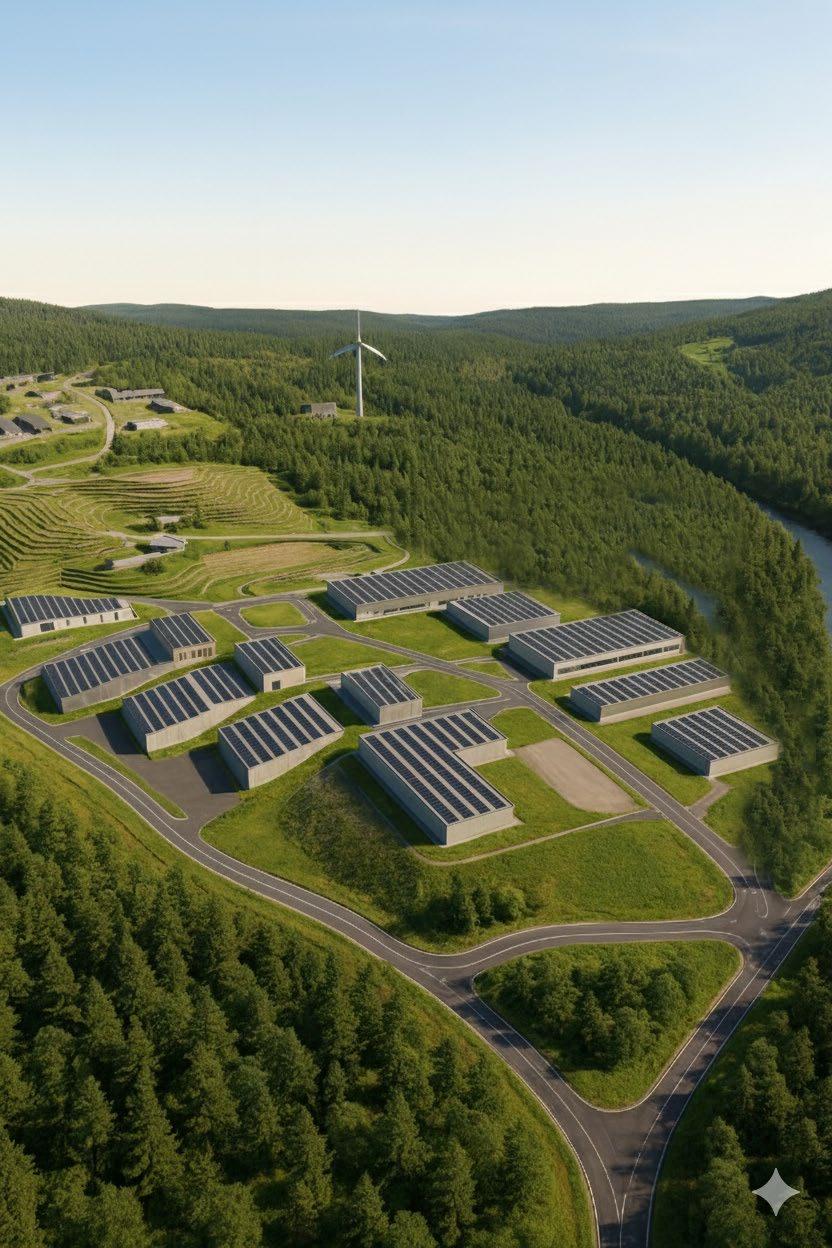
The Production Campus is where Appalachia’s new future is made visible. Raw hemp fiber and reclaimed coal fly ash arrive, while natural building materials depart. Former coal workers and new hires are able to find steady, accessible jobs here and work in a clean environment.
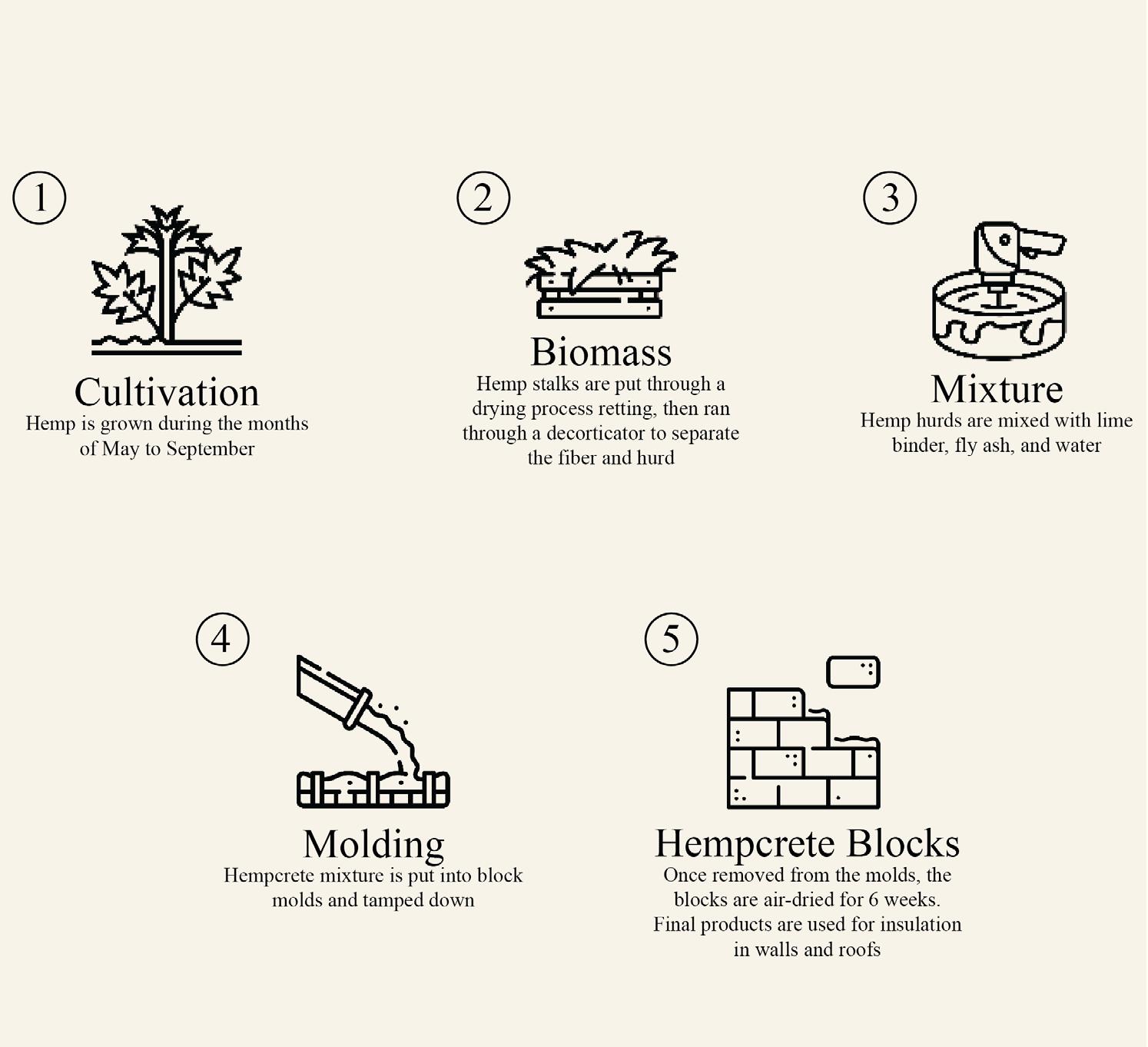
The commercial storefront makes hemp building materials publicly available for purchase. Set into the hillside, the Production Campus includes insulation facilities for loose fill and rigid board products, long, low hemp composite facilities with hillside views, and hempcrete facilities strategically located near the coal fly ash pit to access key ingredients. The main road connects the site to raw materials, supporting infrastructure, and import/export routes.
The campus has an eco-industrial park which creates local jobs in hemp composites and hempcrete production. Located near farms, processing facilities, and coal fly ash sources, it reduces transportation costs and emissions while connecting agriculture, industry, and energy. Through sustainable manufacturing, carbon absorption, and fly ash reuse, the park supports local farmers, green construction, and a low-carbon economy.
Images: Tyler Colon
Places and Connections Diagram
Waterfront Development
Mitchell Power Plant’s Waterfront Development aims to reimagine the site’s historical past and strengthen its current cultural ties. There are four main sectors within the waterfront campus: Electric Transportation, the Recreation Park, Community Spaces, and Workforce and Renewable Energy. Each sector contains programmatic elements which allow community members to work, live, and play while staying connected to the surrounding region and industrial past.
The site has had a long history of energy-related industry starting with coal, transitioning to natural gas, then being shuttered from producing electricity since 2013. However, the power plant still has an active electricity grid running on site. The goal of waterfront development was to bridge the gap between the community and newer forms of energy production, while making the waterfront an economic hub.
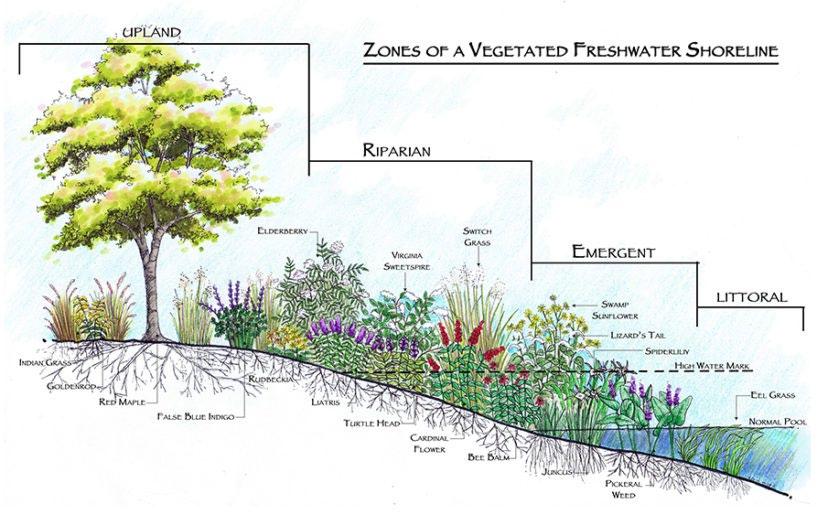
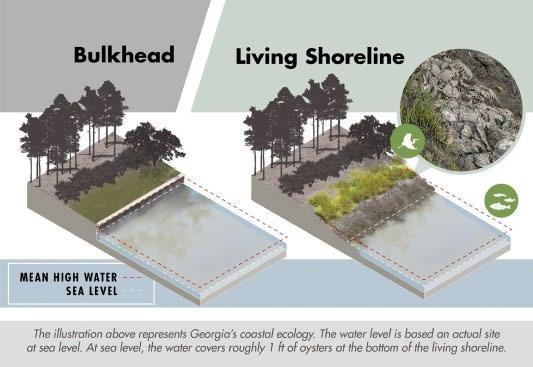
The park and scenic walking trails along the waterfront are a part of what is called a living shoreline (wetlands, trails, and vegetation) which helps mitigate flooding with flexible programming and creates a safer enviroment. The shoreline reinforces the community’s interest in reconnecting with the waterfront.
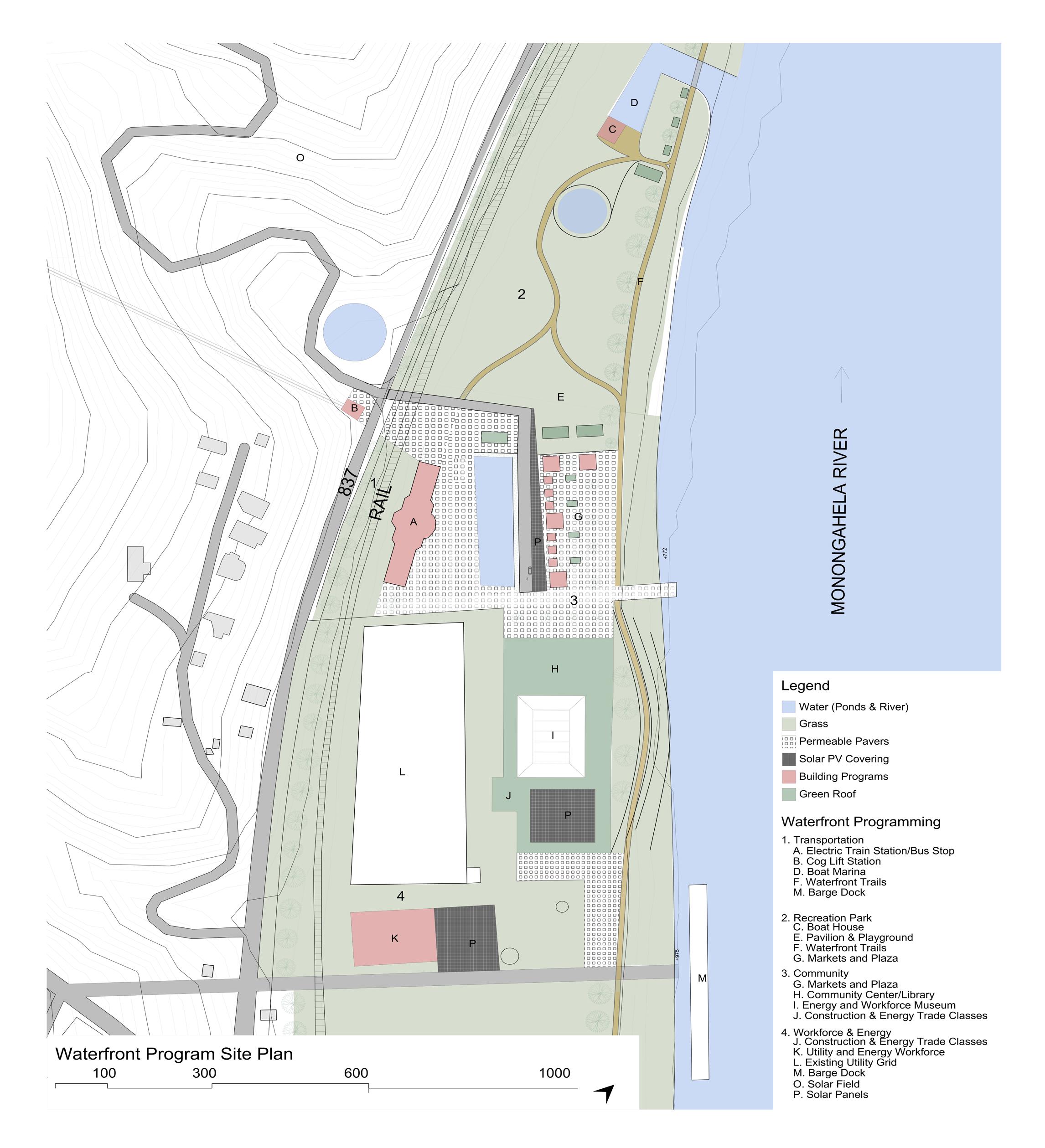
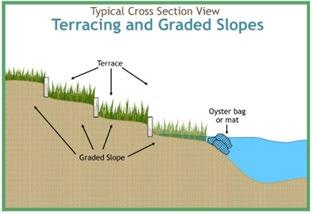
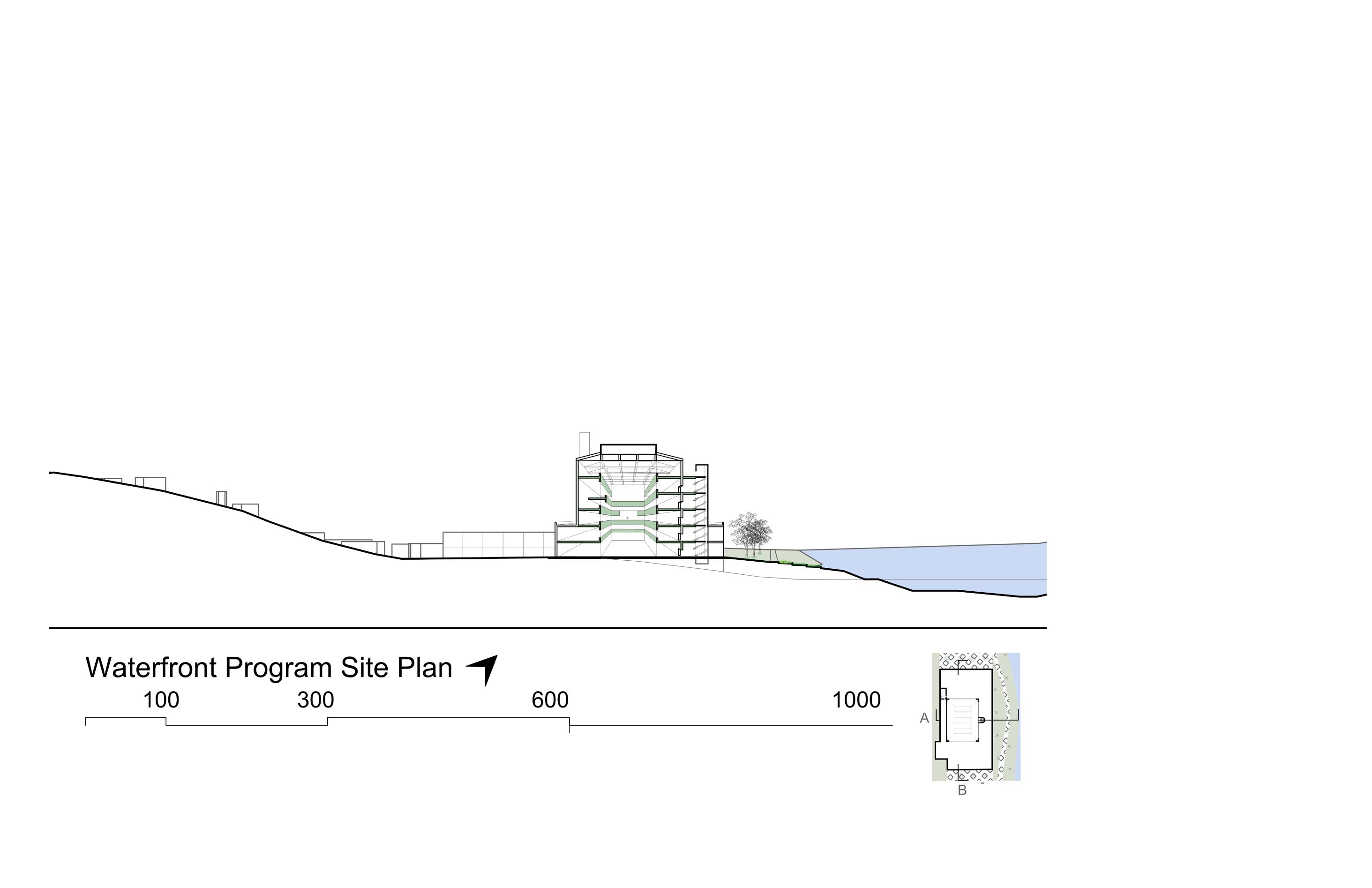
Diagram By Arianna Davis
©2025 ARIANNA DAVIS
Images: Arianna Davis
Living Shoreline Diagram
Zones of a Vegetated Freshwater Shoreline
Terracing for a Living Shoreline
Waterfront Section
Waterfront Site Plan
Adaptive Reuse
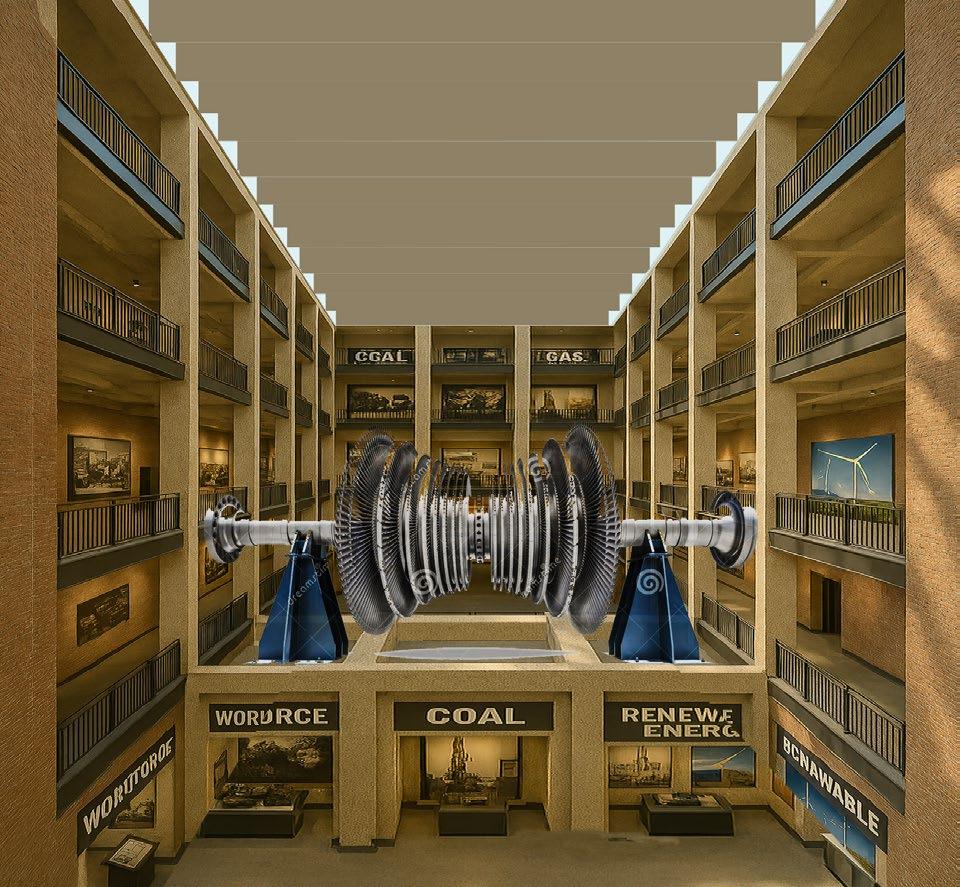
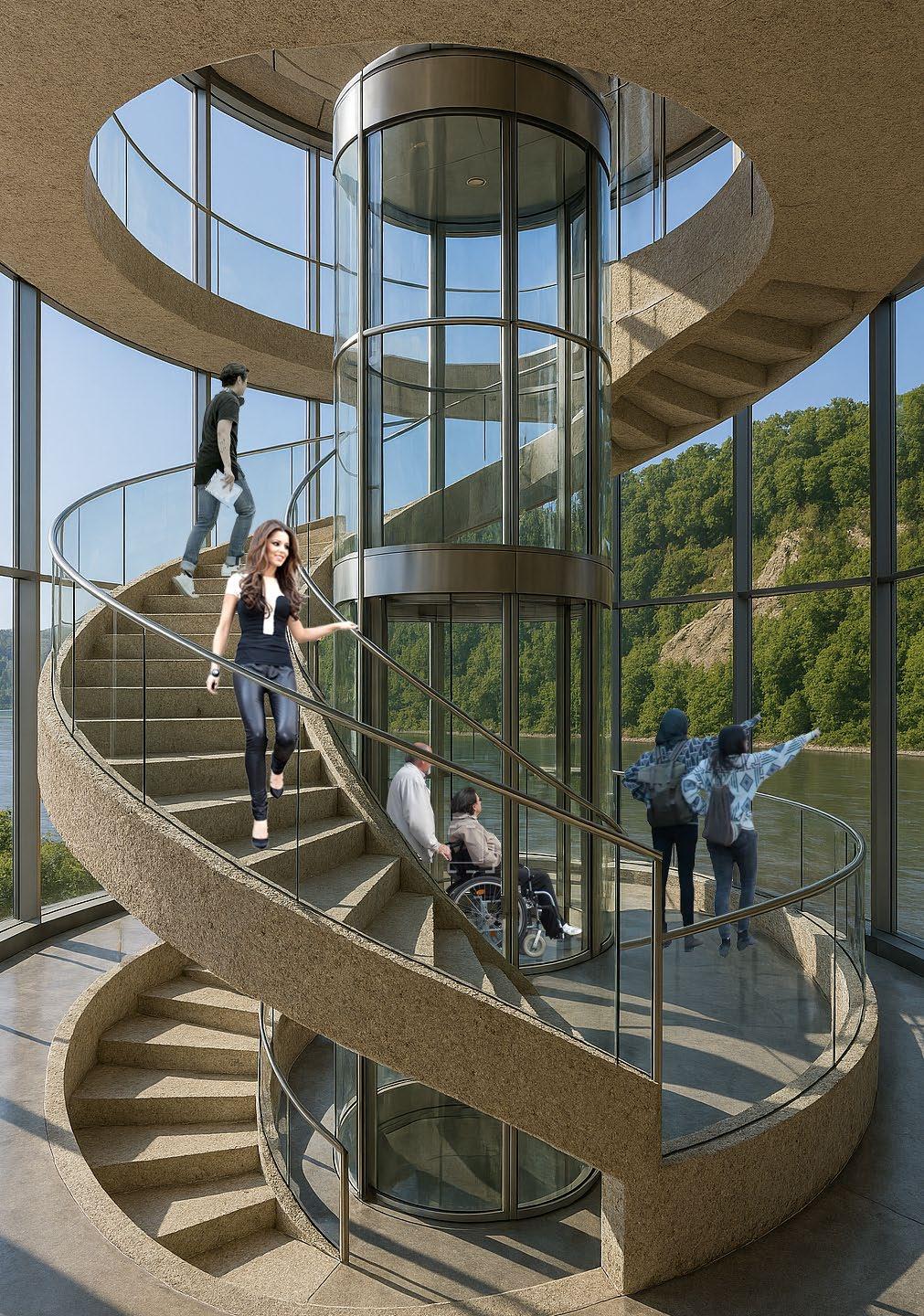
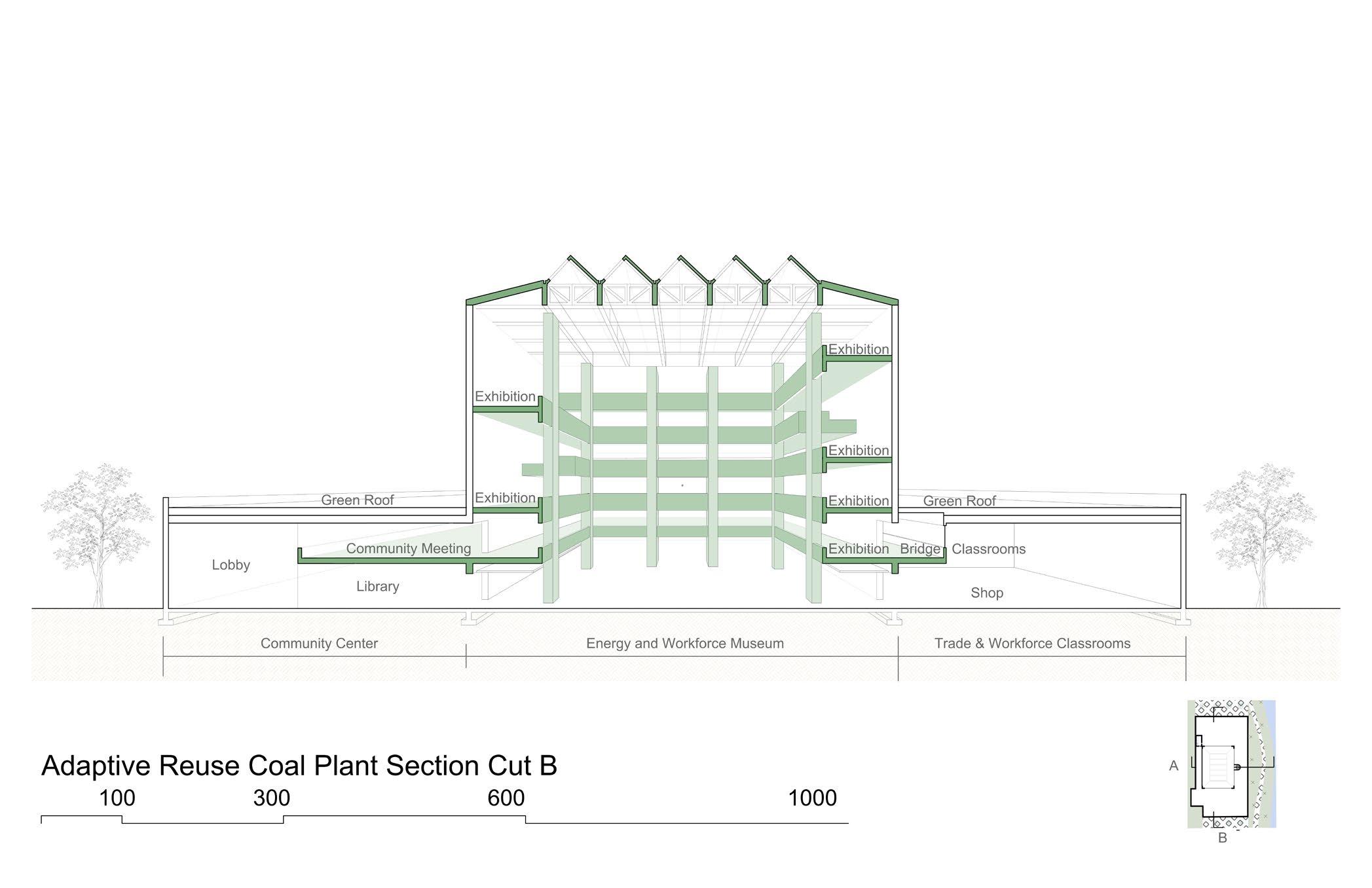
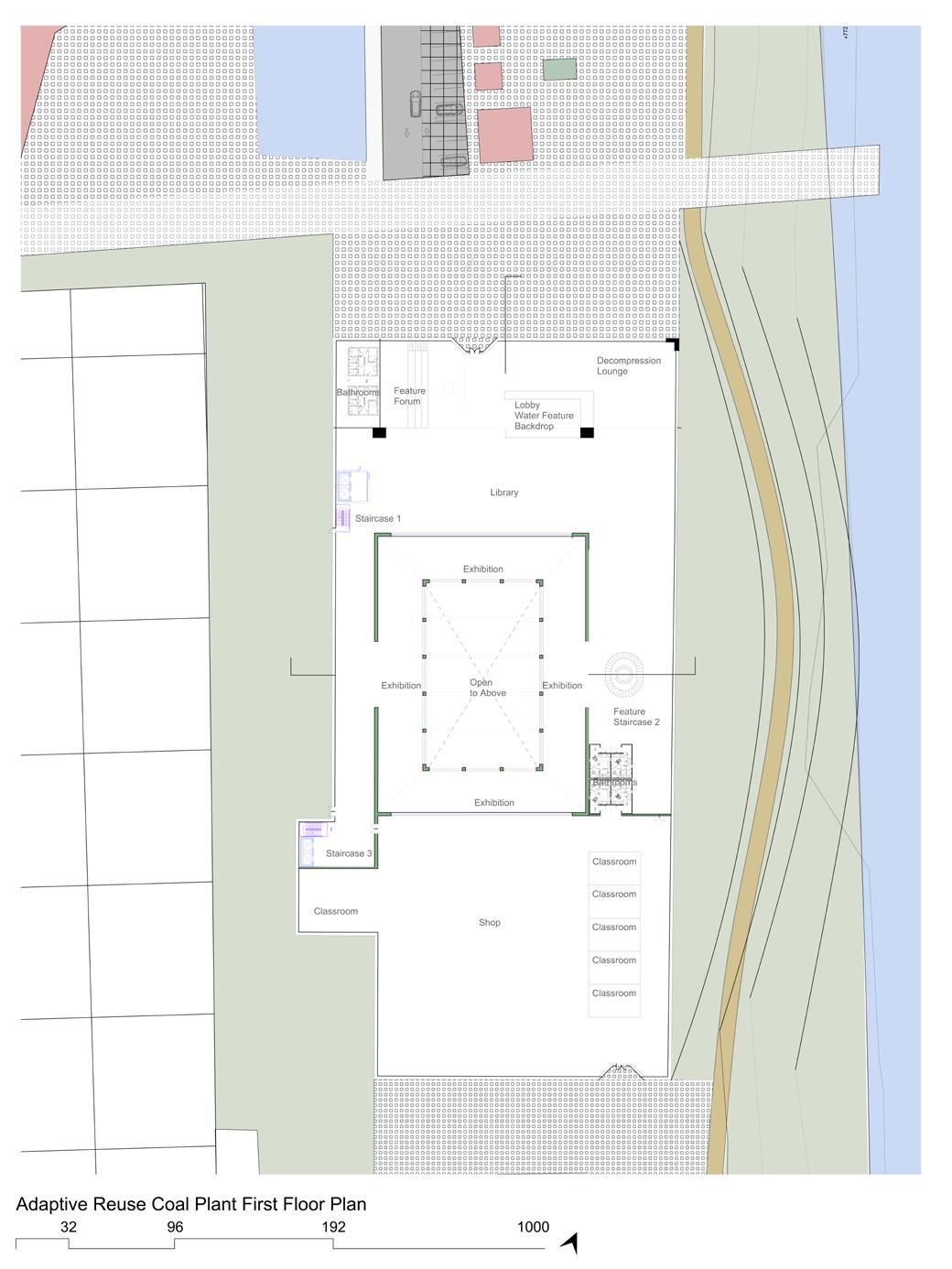
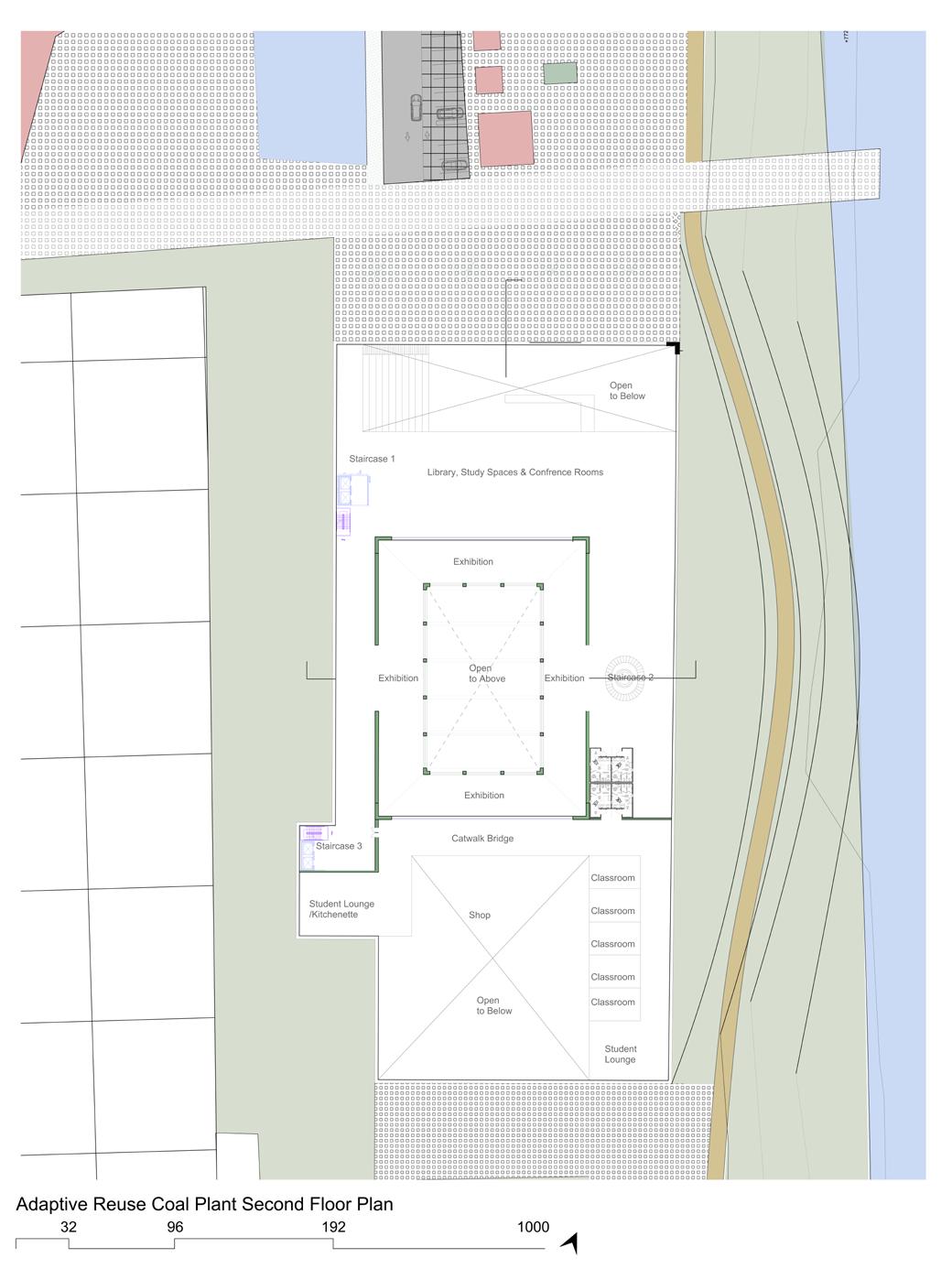
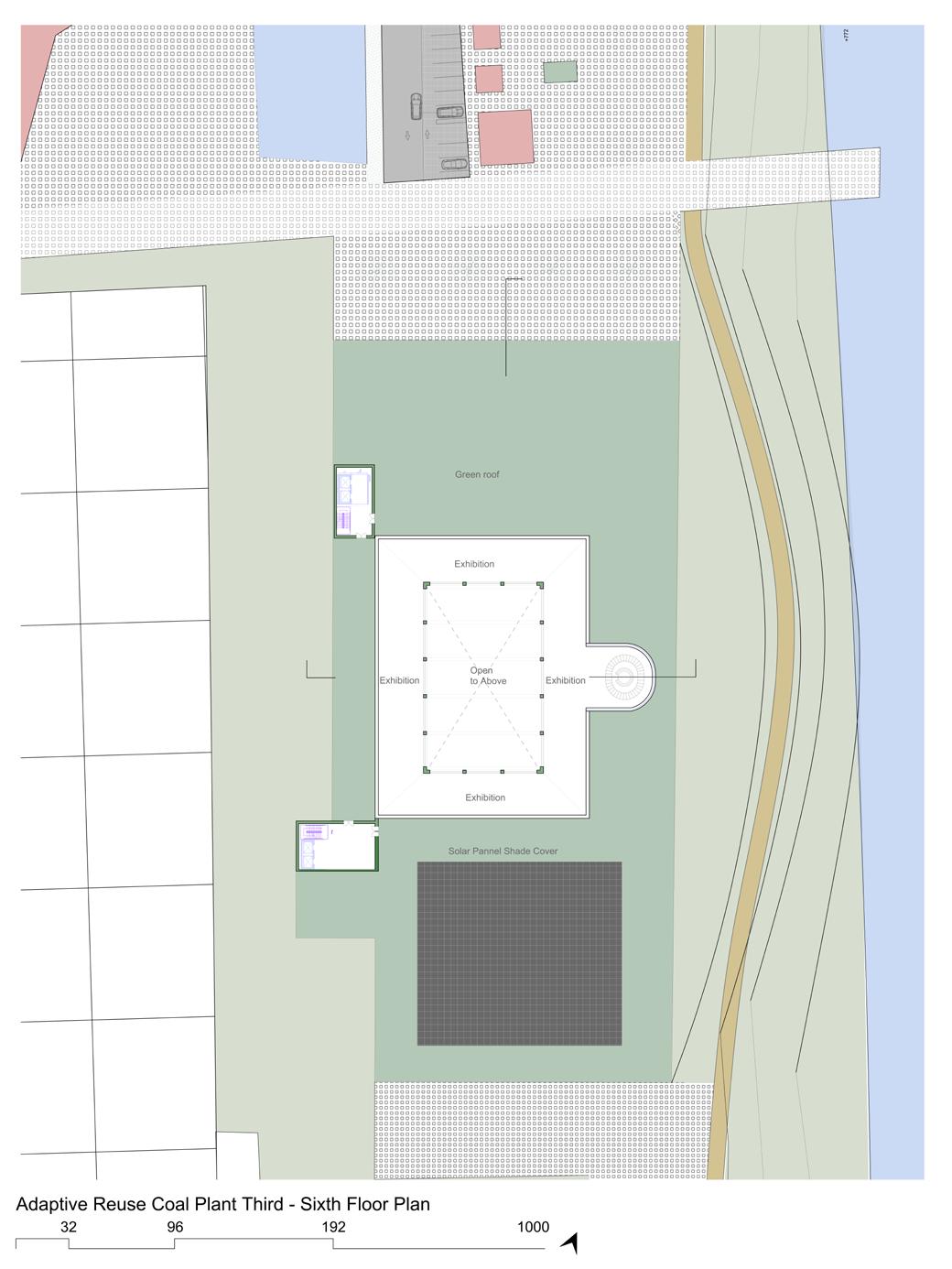
The adaptive reuse of the coal plant is an important step towards preserving the landmark’s significance to the local community. By preserving the outer character, the interior programming changes are clearly juxtaposed from the existing brick facade with the new hempcrete interior. To create more light without punching windows into the exterior facade, the roof was changed to a sawtooth roof allowing diffused northern light into the atrium of the museum. The other major change to the form was adding a glass and hempcrete spiral staircase and elevator that allowed for unique views of the waterfront.
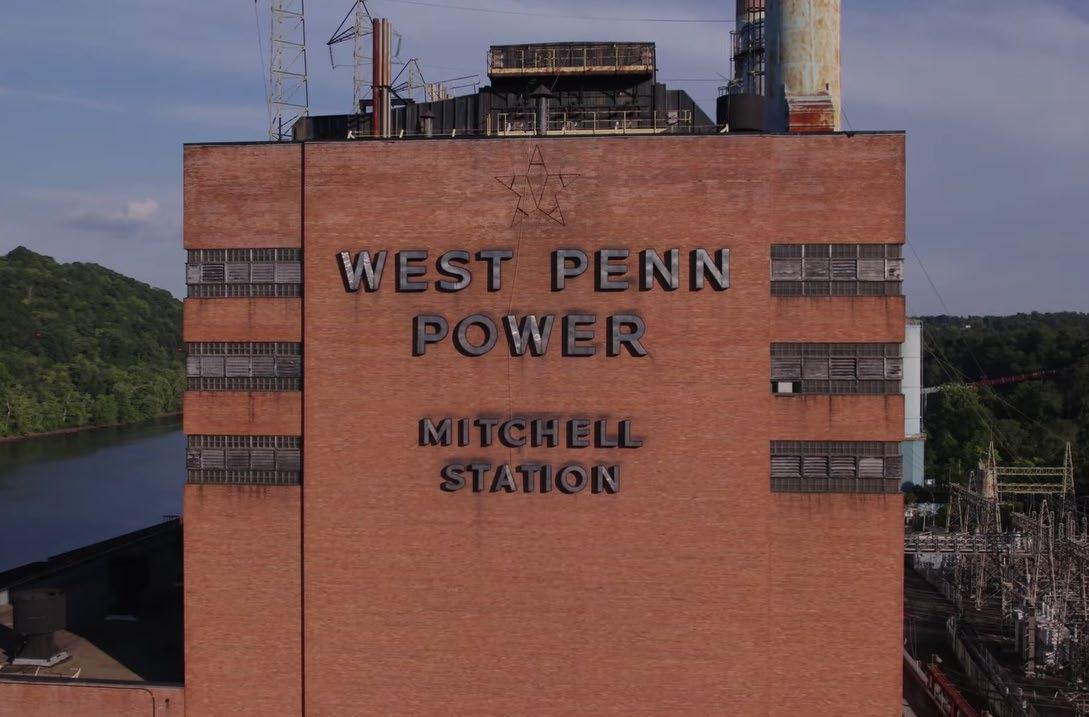
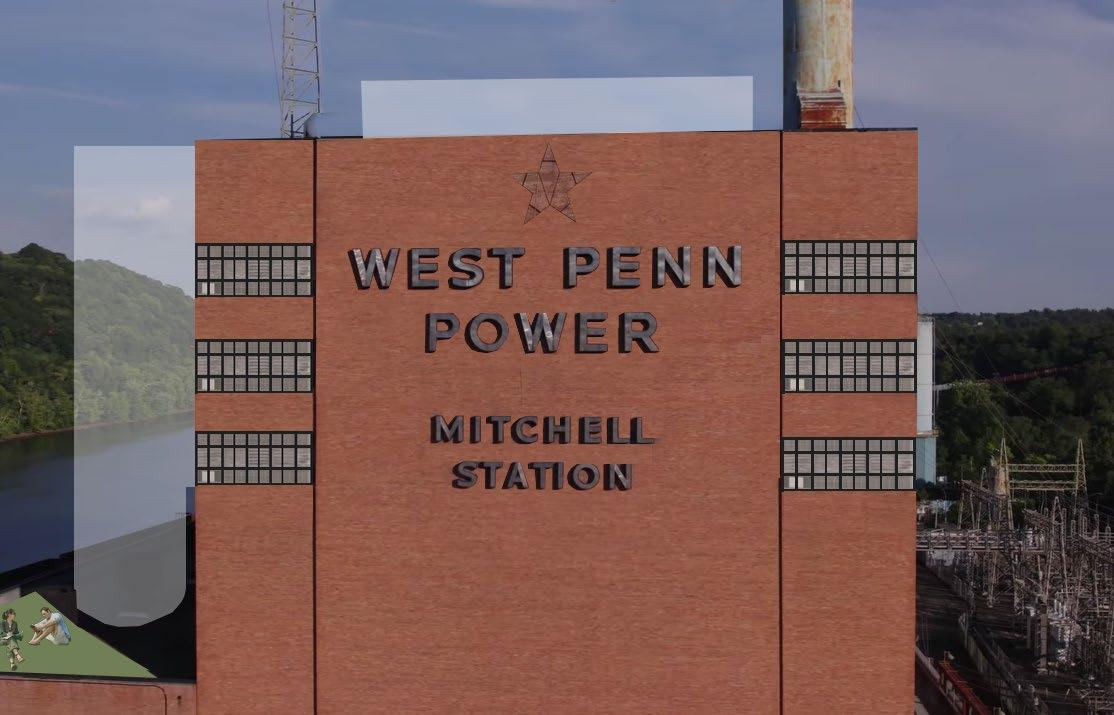
Coal Plant Before
Energy and Workforce Museum
Coal Plant After Coal Plant Section B
Images: Arianna Davis
Rendered Using Microsoft Copilot Based on Existing 3D Model
Site Transformation
Before and After Visualization of Mitchell Power Plant Site
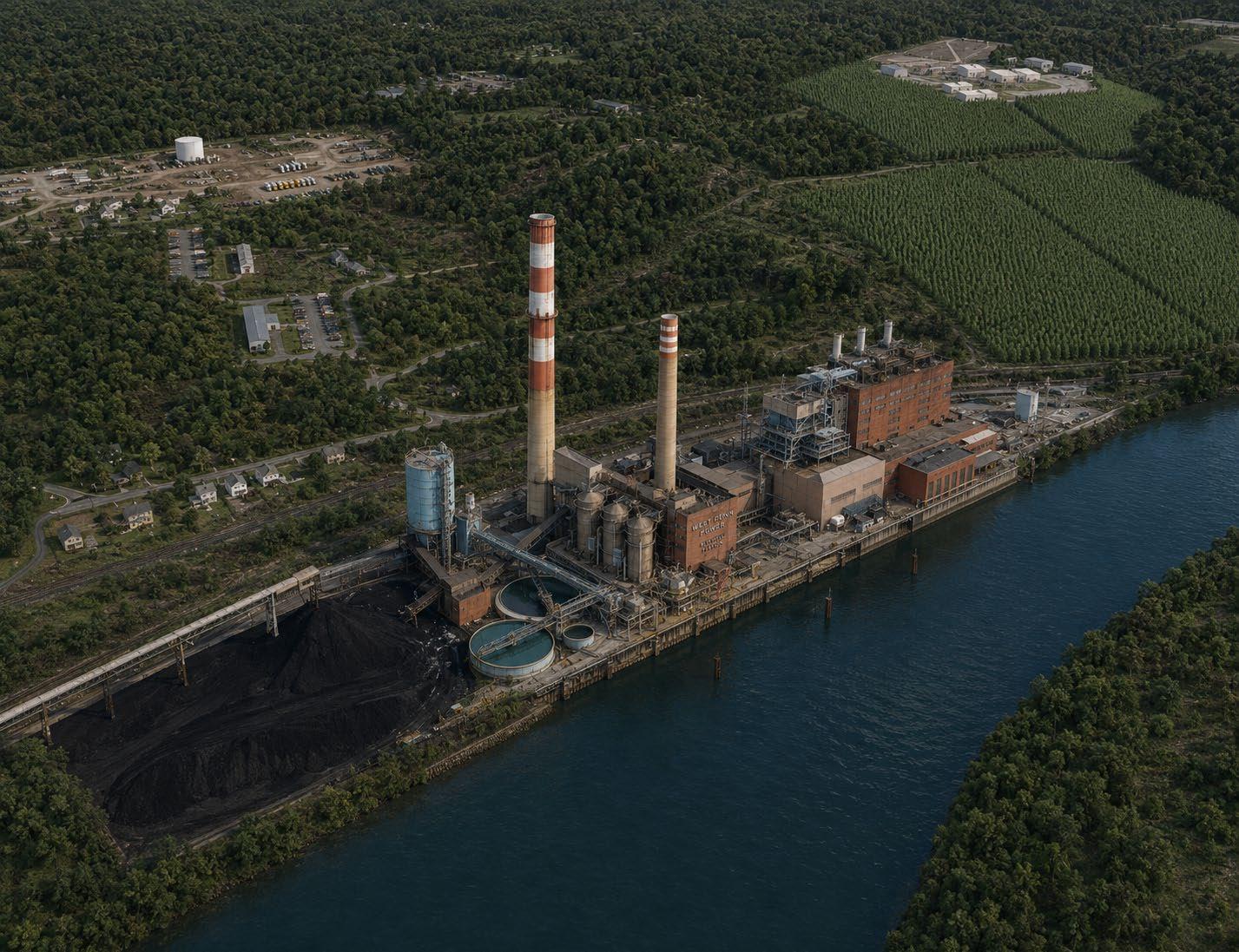
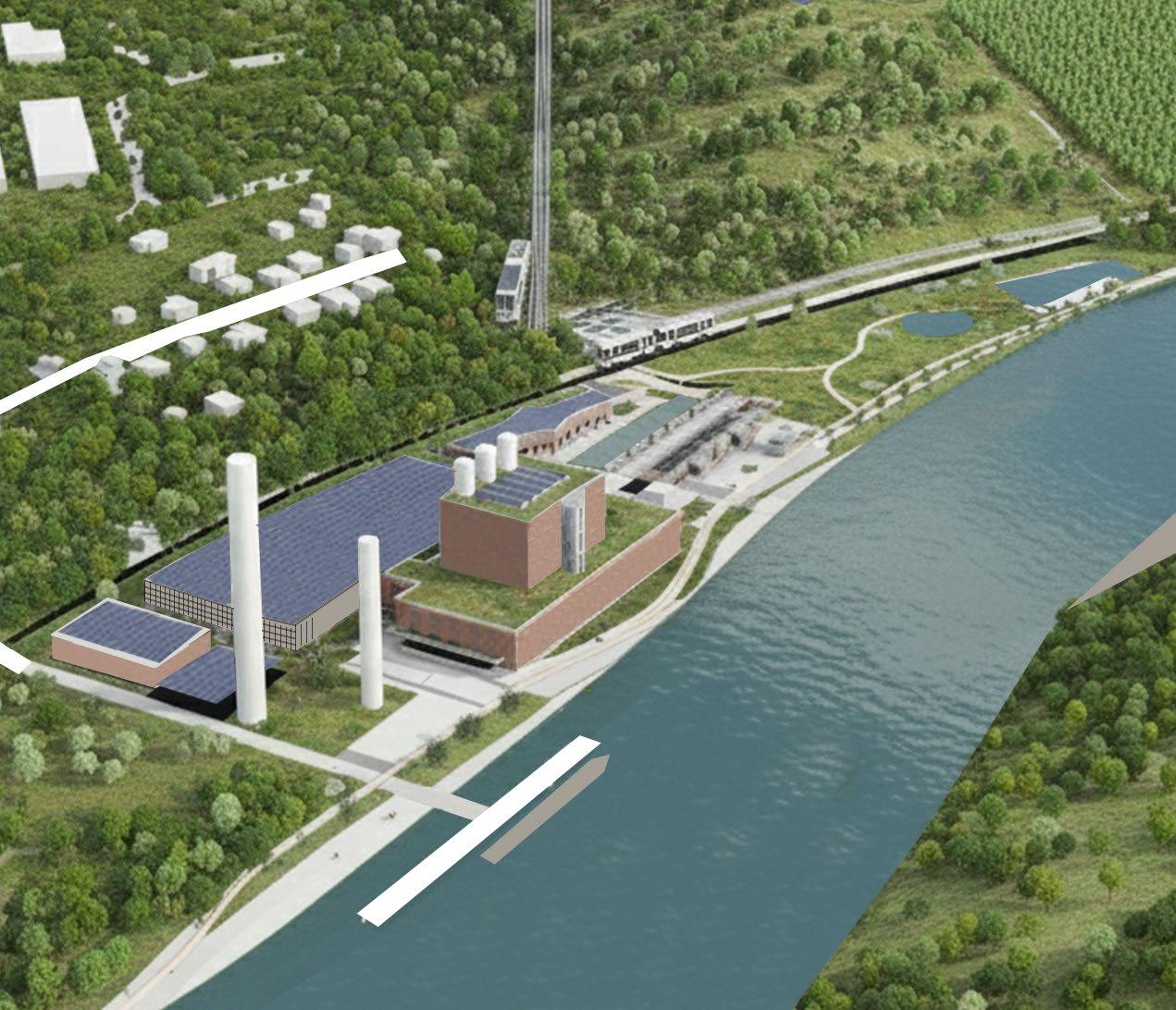
Image: Google Earth
Hamer Center for Community Design
The Hamer Center for Community Design is an endowed center that seeks to utilize the expertise of faculty and students in the Stuckeman School to address a range of issues impacting the quality of communities, with a focus on issues with relevance to the Commonwealth of Pennsylvania. Hamer Center activities entail two distinct but related types of undertakings: 1) applied research; and 2) theoretical investigations on issues related to community design/planning. The Hamer Center’s work addresses public issues such as, but not limited to, community-based design/planning, affordable housing, development of design guidelines, sustainability, park and recreation planning, and environmental and ecological analysis.

Reimagine Appalachia
Reimagine Appalachia is a broad and inclusive coalition of individuals and organizations based in Appalachia. The organization was born out of a broad recognition that the economy has not been working for most people and places in the Ohio River Valley. In response, a diverse set of economic, environmental, and grassroots organizations came together to find common ground and build the future we want to see – a 21st century economy that’s good for workers, communities, and the environment.
List of Students
Tyler Colon
• Arianna Davis
• Anushree Joshi
• Julia LoManto
• Khin Yadana Lwin
Karlie-Grace O’Hara
• Annarose Pipak
• Matthew Ronga
Liv Schneider
• Harrison Silvester
Michael Valle
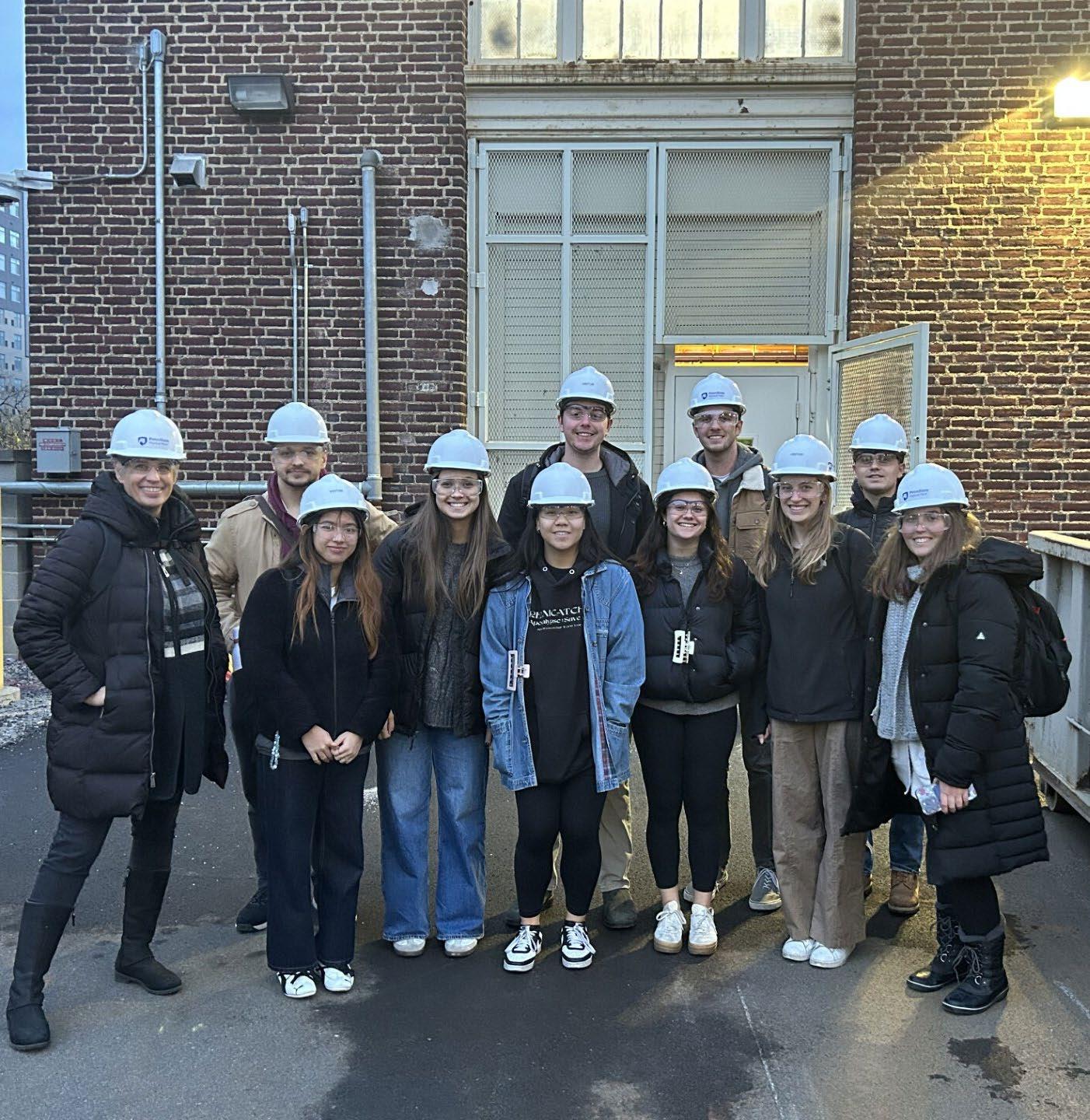
Image: Lisa D. Iulo