Year 9 2026
St Thomas the Apostle Options Brochure

Dear Parents/Carers,
This booklet contains very important information on the curriculum for Key Stage 4, the choices within the options curriculum and details of each subject’s scheme of work leading to GCSE and other qualifications. Students in Year 9 will know their strengths and weaknesses from reports, assessments and comments from subject staff. It is necessary, therefore, that this self-knowledge is applied to the choices that have to be made by Thursday 4th June. You will use a website called Applicaa to make them This will not go live until after the options evening in May
It is essential that every student receives a broad, balanced and relevant curriculum offer at Key Stage 4, to ensure that the progress made at Key Stage 3 is maintained and that the core skills in English and Mathematics are reinforced I would also take this opportunity to inform you that students achieving 5 9 grades in English Language, Mathematics, two Sciences, History or Geography, and a Modern Foreign Language will qualify for the English Baccalaureate.
Students should also be mindful of the possible progression routes to Post-16 education and, particularly, to the Sixth Form at St Thomas the Apostle College Advice should, therefore, be sought from form tutors, subject staff and from the careers advice service via email.
Further valuable advice can also be sought from the website where the following information videos have been added:
•Subject information from the Head of Department
•Instructions and advice from Mr Lemaire, Head of Year 9
If you have any questions after reading this booklet about the two pathways or the Options process then please email enquiries@stac southwark sch uk
Mrs M Woodhead
Associate Assistant Head
The Curriculum at Key Stage 4
The curriculum at Key Stage 4 is designed to meet the needs of all students Certain subjects are known as Core subjects these are compulsory and will be studied by almost all students. The rest are called Options and students can choose these from a range of academic and vocational subjects
*PSHCE is delivered through four discrete days during the academic year.
The Options
Students, in consultation with their parents/carers and teachers, can choose which subjects they wish to study in Key Stage 4 Most of these will be subjects studied at Key Stage 3 while others will be new: Business Studies and Economics, for example.
A wide number of factors should be taken into consideration, particularly:
•the level of interest the student has in the subject
•the student’s aptitude for the subject and the likelihood of achieving a high grade in the examination
•the extent to which a subject will be of use to the student’s chosen career pathway.
On W/C 11th May, all Year 9 students will be introduced to the Key Stage 4 curriculum and watch a video from the course leader of each option subject during form time
On 13th May there is an Options Evening, where you will be invited in to discuss the Options subjects further with relevant Heads of Department. You will also receive your son’s report at this options evening.
In this booklet we have provided an introduction to the Key Stage 4 curriculum and a synopsis of each course provided by the course leader If you require further information about any of the subjects please do not hesitate to contact the relevant subject leader at enquiries@stac.southwark.sch.uk
The deadline for making options choices is Thursday 5th June Students will not normally be able to change option choices after this date.
Students will be asked to indicate their 1st and reserve choices for each option block, since some subjects may become over-subscribed or not run due to lack of uptake.
Suggested Option Combinations
Few students at 13 or 14 years old have a clear idea of which higher education course or career path they are going to follow It is therefore sensible to choose as broad a range of subjects as possible so that a range of options remain for A Level and, later, university courses. However, some students may already be expressing an interest in certain vocational careers and need to know what subjects might be essential.
A well-trained and qualified entrant into higher education needs a broad and balanced programme of study. Factors influencing your choices will include academic ability, subject interest, course content, talent (often linguistic, artistic, sporting, creative) and career implications. It is important not to be tempted to choose a subject because a friend has chosen that subject, or to choose a subject solely because you like the teacher
Seek guidance from parents/carers and teachers and, having listened to and thought seriously about the advice, choose subjects that complement your strengths, interest you, and provide a sound basis for your future aspirations Different optional subjects will help you acquire various skills For example, History and Geography will increase your knowledge and understanding of people and environments of the world, whilst practical and creative communication skills, as well as talent, are central to success in Art, Music, Drama, and Physical Education
Considerations
•Choose options that reflect your ability, interest and any relevant career path
•Sensible and realistic decisions made now will underpin future success
University places are reliant on outstanding GCSE and A Level results To study a subject at A Level at St Thomas the Apostle, you will need a minimum grade of a 6 in that subject at GCSE (please note, some subjects have higher grade requirements) If your ambition does not include applying for a place at university, good results in key areas like English and Maths and the standard of five 9 5 grades is still essential to your entrance to college and for employment once you leave school.
Note: many are under the false impression that they need to take GCSE Economics and Computer Science to study these subjects at A Level. This is untrue and students should select subjects that they are going to enjoy and show commitment to
GCSEs and Vocational qualifications explained
GCSEs are the main qualification taken by 14 to 16 year olds. They are highly valued by schools, colleges and employers The qualification mainly involves studying the theory of a subject, combined with some investigative work Some subjects also involve practical work. Students will be graded from 9-1 for this qualification.
If a student wants to learn more about a particular job or area of work, there are some vocational qualifications to choose from, such as BTECs or Cambridge Nationals These are particular types of work-related qualifications, designed in collaboration with industry and intended to equip students with the skills and knowledge that employers are looking for The qualifications offer a mix of theory and practice, and can also include an element of work experience They are equivalent to one GCSE at 9 1 and are graded a fail, pass, merit, distinction or distinction*
New GCSEs and Grading Schemes
All GCSEs have now moved to the new specifications and grading schemes The main changes between the old and new GCSEs is the reduction of coursework and the addition of extra content due to the increased proportion of theory.
The new grading scheme has abandoning the traditional A* to G and adopting a 9 to 1 scheme with the good pass threshold moving from a C to a 5, which is the equivalent of a high C to low B An illustration of the new grading scheme and how this converts to the old grades can be seen below.
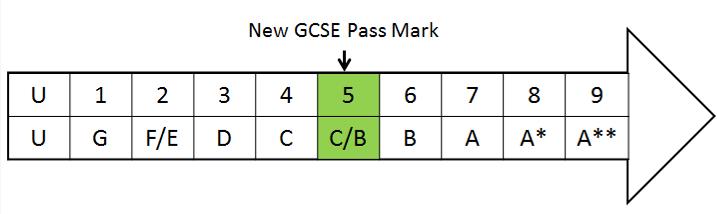
Please note that all vocational subjects will still use the Fail, Pass, Merit, Distinction and Distinction* grading scheme.
Option Blocks
Below are the option blocks from which students will make their choices. Students will be asked to indicate their first and reserve preferences from each option block; a reserve choice is required as some subjects may become over-subscribed or cancelled if there is not a high enough uptake.
If a course becomes over-subscribed, students may be allocated their reserve choice. The subject leader will make a decision on who studies an over-subscribed course. Unfortunately, if a course is under-subscribed (i e too few students choose it as an option), budget restrictions mean that the course may not run and students’ reserve choice subjects will then be considered.
Students will also be given a route to follow (Blue or Green) to ensure they are choosing subjects that best suited to them.
Key Stage 4 Options
Block B
Block
A
Geography
History
French
Citizenship
Performing Arts Acting OCR National Sports Studies
Statistics
Vocational ICT
Vocational Business
Block
C
Graphic Communication
Business Studies
Sports Studies
Drama
Music- Vocational or GCSE
Economics
Design Technology
PE
Computer Science
Statistics
Some native languages can also be chosen in addition to the above. It runs outside of the normal
Learning Pathways
The Option blocks have been designed to allow all students access to a broad, relevant and suitable curriculum offer Learning pathways are identified within the blocks and should be used as a guide when choosing subject combinations.
Green Route
For students who wish to pursue the more academic route, the following subjects should be considered Choosing some of these would provide a solid foundation for progression to study A Levels and continued education at university.
A Reserve subject will only need to be chosen in the option block.
Please
Blue Route
The following choices would allow for a mixture of academic and vocational courses and allow flexibility on future career paths, ideal for those students who wish to undertake studies which provide a good preparation for the world of work, and/or future post-16 vocational studies and A Levels.
A Reserve subject will be needed in every block..
Please note that you can only pick one subject from each block.
Subjects that cannot be chosen in combination are:
•Performing Arts—Music Technology and Performing Arts— Acting
If you have any queries regarding allowed option combinations please email Enquiries@stac.southwark.sch.uk
Event
Key Dates
Y9 Options Evening
Parents receive son’s report (including the route they have been placed on)
Parents receive Options Booklet
Students shown subject videos in form
Applicaa goes live- this is the website used to make choices. An email will be sent with login details.
13th May
Week Commencing 11th May 2025
14th May
Deadline for choices 4th June
Students receive confirmation letter July
Important
Between receiving the options booklet and completing the online form, students should be speaking to parents, siblings, teachers and older students regarding the courses they want to do and are best suited for.
A brief description of each KS4 course now follows. There are links on each page but you will only be able to access them through the digital version of this book that will be on the website and sent home via email.
Please contact the relevant subject leader for further information if needed.
English Language and Literature
Faculty: English
Subject Leader: Ms Biggs
In English, students study for 2 separate GCSEs: English Language and English Literature.
English Language is the slightly more scientific study of how language works in the world while English Literature is about personal responses to texts, showing you understand context, meaning and intent.
In both GCSEs you learn to read fluently, to understand the ways that language works and to shape your own language for different purposes These are key skills for learning and for life All exams take place at the end of Year 11 and there is no coursework component for either GCSE; they are both entirely assessed by exam
RECOMMENDED READING: POTENTIAL CAREER PATHS
• Law
• Journalism
• Advertising
SUBJECT WORKS WELL WITH:
• History
• Sociology Government and Politics
•
How to Read Literature Like a Professor - Thomas C Foster
Shakespeare: The World as a Stage/Shakespeare by Bill Bryson
The texts we study are below and it would be beneficial to research them before your GCSEs Start:
A Christmas Carol Macbeth
An Inspector Calls
Assessment Details – AQA Exam Board
English Language
Paper 1: Explorations in Creative Reading and Writing
Paper 2: Writers’ Viewpoints
English Literature
Paper 1: Shakespeare and the Nineteenth Century Novel Paper 2: Modern Texts and Poetry
The exam board for both subjects is AQA:
Type of exam: Written exam
Time given: 2 exams of 1 hour 45 minutes each Number of marks– 80 marks for each paper
Type of exam: Written exam
Time given: 1 exam of 1 hour 45 minutes and 1 exam of 2 hours 15 minutes
Number of marks 64 marks for paper 1; 96 marks for paper 2
Mathematics
Faculty: Maths
Mathematics is a group of related sciences, including algebra, geometry, and calculus, concerned with the study of number, quantity, shape, and space and their interrelationships by using a specialized notation
Mathematics provides a way of viewing and making sense of the world. It is used to analyse and communicate information and ideas and to tackle a range of practical tasks and real life problems
Potential career paths:
• Financial Analysis
• Engineer
• Programmer Maths works well with:
• Physics
• Computing
• Economics
Subject Leader: Mr Mulhern
Recommended reading:
• The Cartoon Guide to Calculus by Larry Gonick
• Fermat’s Last Theorem by Simon Singh
• The Number Devil: A Mathematical Adventure by Hans Magnus
Want to know more? Watch this video
VIDEO
Assessment Details – Maths – Pearson Edexcel Exam Board
Paper 1: Non-Calculator Paper 2: Calculator Paper 3: Calculator What's assessed?
Due to all areas of Maths being assessed in all the papers it can’t be broken down other than by tier and by overall topic. Therefore, the following topic areas are covered:
Number; Algebra; Ratio, Proportion and Rates of change; Geometry and Measures; Statistics & Probability
You can get a much better idea of the breakdown by going to http://qualifications.pearson.com and looking at the specification for “
Mathematics (9-1) from 2017”
Faculty: Science
Science
Subject Leader: Miss Franklin
The course you take in Science ultimately depends upon your Science set in year 11.
This is to give you the best chance of achieving the highest Science grade to enable you to progress onto suitable courses in the future.
There are 2 possible route: Triple science – Resulting in 3 GCSE’s in Biology, Chemistry and Physics. This is studied by set 1.
Combined Science Trilogy – Resulting in 2 GCSEs and average of your Biology, Chemistry and Physics results. This is studied my set 2-5 Higher and set 6-8 Foundation.
To sum up, the final Set placement when your son starts Year 11 is key. Below is a table summarising what courses students complete.
Year 11 Set
Course 1
Separate Biology, Chemistry and Physics 2-6
Trilogy Combined Science (Higher Award) 7-8
Trilogy Combined Science (Foundation Award)
Triple Science – Biology – Set 1 (Year 11)
Faculty: Science
Subject Leader: Miss Franklin
GCSE Biology gives you the chance to gain a good understanding of human biology, organisms, evolution and the environment
The course helps put Biology in the context of everyday lives with topics ranging from 'Keeping healthy' to 'Humans and their environment'. The course is based on a series of topics related to the living world and is designed to help you understand how Science can be used to explain the world in which they live and the impact humans have.
Syllabus:
https://www.aqa.org.uk/subjects/science/gcse/biology -8461
POTENTIAL CAREER PATHS
• Medicine
• Environmental / Conservation
• Veterinary Science
BIOLOGY WORKS WELL WITH:
• Chemistry
• Geography
• Physical Education
• Cell biology
• Organisation
RECOMMENDED READING:
Kay’s Anatomy : A complete and disgusting guide to the Human Body Adam Kay
The Bacteria Book - Steve Mould
Want to know more about Biology.
Watch the video below:
What is Biology click Here
Assessment Details – AQA Exam Board Paper 1: Paper 2:
What's assessed?
• Infection and response
Written exam: 1 hour 45 minutes including;
Multiple Choice questions Structured questions
Short and Long answer questions Foundation and Higher Tier 50% of GCSE
What’s assessed?
• Homeostasis and response
• Inheritance, variation and evolution
• Ecology.
Written exam: 1 hour 45 minutes
Multiple Choice questions Structured questions
Short and Long answer questions Foundation and Higher Tier 50% of GCSE
Triple Science – Chemistry – Set 1
Faculty: Science
Subject Leader: Ms Kehoe
GCSE Chemistry gives you the opportunity to gain a good understanding of: the nature of substances and how they react together. How Chemistry is used in business and industry and how our use of raw materials in fuels and manufacturing can affect the global and local environment. The course is designed to help you understand how to formulate a scientific approach to understanding and explaining the world and solving problems.
Syllabus
https://www.aqa.org.uk/subjects/science/gcse/ chemistry-8462
POTENTIAL CAREER PATHS
• Medicine
• Pharmaceutical Industry
• Chemical Engineering
CHEMISTRY WORKS WELL WITH:
• Biology
• Physics
• Maths

RECOMMENDED READING:
Why is Milk White & 200 Other Curious chemistry Questions Alexa Coelho and Simon Field Chemical Chaos (Horrible Science) - Nick Arnold
Want to know more about Chemistry. Watch the video below:
What is Chemistry click Here
Assessment Details – AQA Exam Board
Paper 1:.
What's assessed?
• Atomic structure and the periodic table
• Bonding, structure, and the properties of
• Matter
• Quantitative chemistry
• Chemical changes
• Energy changes.
Written exam: 1 hour 45 minutes including;
Multiple Choice questions Structured questions
Short and Long answer questions Foundation and Higher Tier
50% of GCSE
Paper 2:
What’s assessed?
• The rate and extent of chemical change
• Organic chemistry
• Chemical analysis,
• Chemistry of the atmosphere
• Using resources.
Written exam: 1 hour 45 minutes
Multiple Choice questions Structured questions
Short and Long answer questions Foundation and Higher Tier 50% of GCSE
Faculty: Science
Triple Science – Physics – Set 1
Subject Leader: Ms Carroll
GCSE Physics offers you the chance to gain a good understanding of the use and transfer of energy, waves, radiation and space and the application of Physics. The course is designed to give you the tools and concepts you need to be able to construct a scientific approach to solving problems. You will learn to ask and answer questions about the fundamental laws that govern natural phenomena
Syllabus https://www.aqa.org.uk/subjects/science/gcse/physics -8463
POTENTIAL CAREER PATHS
• Engineering
• Space Exploration
• Renewable Energy
PHYSICS WORKS WELL WITH:
• Biology
• Chemistry
• Maths
• Energy
• Electricity
RECOMMENDED READING:
Thing Explainer: Complicated stuff in Simple Words
Randall Munroe
Human Universe Brian Cox & Andrew Cohen
Want to know more about Physics. Watch the video below:
What is Physics click Here
Assessment Details – AQA Exam Board
Paper 1:.
What's assessed?
• Particle model of matter
• Atomic structure
Written exam: 1 hour 45 minutes including; Multiple Choice questions Structured questions
Short and Long answer questions Foundation and Higher Tier
50% of GCSE
Paper 2:
What’s assessed?
• Forces
• Waves
• Magnetism and electromagnetism
• Space physics
Written exam: 1 hour 45 minutes
Multiple Choice questions Structured questions
Short and Long answer questions Foundation and Higher Tier
50% of GCSE
Combined Science – Set 2-7
Faculty: Science
Subject Leader: Miss Franklin
Science has something to offer every student, and everyone needs some level of relevant scientific understanding. Trilogy Science qualification allows you to gain a solid knowledge of all aspects of science and will gain you two GCSE qualifications at the end of two years. An important change to the syllabus is the removal of coursework. Science practical skills will now be tested in the examinations (Based on 23 Key Science Investigations). All 3 Sciences (Biology, Chemistry and Physics) are studied and include a wide range of topics.
POTENTIAL CAREER PATHS
• Healthcare (Medicine / Dentistry)
• Engineering Pathways
• Research SCIENCE WORKS WELL WITH:
• Maths
• Geography
• Physical Education
RECOMMENDED READING:
Why is Milk White & 200 Other Curious chemistry
Questions Alexa Coelho and Simon Field
Kay’s Anatomy : A complete and disgusting guide to the Human Body Adam Kay Thing Explainer: Complicated stuff in Simple Words Randall Munroe
Want to know more about Combined Science. Watch the video below:
Why Study Science Click here.
Assessment Details – Combined Science – AQA Exam Board
Syllabus https://www.aqa.org.uk/subjects/science/gcse/combined-science-trilogy-8464
Biology (2 papers)
Written exam:
Chemistry (2 papers) Physics (2 papers)
Written exam:
Written exam: 1 hour 15 minutes 1 hour 15 minutes 1 hour 15 minutes
70 marks 70 marks 70 marks 33.3% of GCSE
Religious Education
Faculty: RE
Subject Leader: Ms Gogerty
GCSE RE is about more than just learning about religion. It is a chance for students to explore deep questions about faith and religious practice and reflect upon their own and others’ responses to the big questions in life RE addresses the ‘why’ of our existence and at GCSE level, students will weigh up and assess responses to these questions offered by different religions and worldviews Students will learn about Catholic beliefs and practices as well as gain an understanding of differences between varying denominations of Christianity They will study Judaism in depth and also have the opportunity to explore philosophical questions such as arguments for the existence of God and questions regarding life and relationships in the 21st century

RECOMMENDED READING:
• Law
• Politics
• Medicine RELIGIOUS EDUCATION WORKS WELL WITH:
Cartoon Introduction to Philosophy by Michael Patton POTENTIAL CAREE PATHS
• English
• History
• The Sciences
A Pocket Catechism for Kids by Mike Aquilina
YOUTCAT Bible by Pope Francis
Judaism: An Introduction to Jewish Beliefs and History by Jeffrey Wildstein
Want to know more about Religious Education? Watch the video below: https://www.youtube.com/watch?v=HVTbHr8vObk
Assessment Details – Edexcel Religious Studies: Specification A (Catholic Christianity)
Paper 1: Study of Catholicism
• Beliefs and teachings
• Practices
• Sources of Wisdom & Authority
• Forms of Expression and Ways of Life
Written exam:
1 hour 45 minutes
50% of GCSE (204 marks)
Paper 2: Study of Judaism Paper 3: Philosophy and Ethics
• Beliefs and teachings
• Practices
Written exam:
50 Minutes
25% of GCSE (51 marks)
• Same religion as paper 1
• Arguments for the existence of God
• Relationships and Family in the 21st century
Written exam:
50 Minutes
25% of GCSE (51 marks)
Faculty: Art, Design and Technology
Graphic Communication Art
Faculty Leader: Mrs Kubeyinje

Graphic communication is the visual transmission of ideas, information, and messages using imagery, typography, and technology. It blends creative arts with commercial design including branding, advertising, and digital media to engage audiences and solve communication problems. This field spans print, motion graphics, and interactive design
Key aspects include:
Core Elements: Utilizing colour, line, form, typography, and composition to convey meaning
Applications: Designing for print, branding, 3D modelling, and digital media
Industry Focus: Preparing for creative roles by creating commercial-grade work, often utilizing software like Adobe Creative Cloud.
Technical Communication: In engineering, this includes precise, standardized technical drawings for production Curriculum structure
Year 10: Skills Acquisition and Workshops
Introduction to Typography: Experimental lettering, typeface design, and layout principles
Digital Skills (Photoshop/Illustrator): Image manipulation, layering, and digital illustration techniques.
Advertising & Branding: Creating logos, brand identities, and promotional materials
Packaging Design: Developing 3D nets and prototypes for products
Sketchbook Development: Encouraging annotation, artist research, and recording observations.
Year 11: Portfolio and Exam
Component 1 Continuation: Refining the portfolio to ensure all AOs are met
Component 2 Setup (Spring Term): Students select a theme from the AQA exam paper and initiate a fast-paced project
Final Exam: 10-hour supervised period to complete the final outcome for Component 2.
Want to know more about the subject?
Watch the video below:
https://youtu.be/9IU9g_UH6R8


RECOMMENDED READING POTENTIAL
CAREER PATHS
• Illustrator / Graphic designer / Artist
• Gallery manager / Museum conservator
• Animator/ Video production
• Concept artist / Video games designer
• Architect / Interior, landscapes designer
• Art instructor / Researcher / Art director
• Tattoo artist / Makeup artist
1. CARTOON MODERN AMID AMIDI
2. HOUSE INDUSTRIES: THE PROCESS IS THE INSPIRATION
3. HOW TO DRAW COMICS THE MARVEL WAY
4. THE ELEMENTS OF TYPOGRAPHIC STYLE
ROBERT BRINGHURST
5. DRAPLIN DESIGN CO.: PRETTY MUCH EVERYTHING AARON JAMES DRAPLIN Maths Sciences
English History
SUBJECT WORKS WELL WITH Design & Technology Fine art
Assessment Details AQA-ART GRAPHIC COMMUNICATION
Component unit 1 – Portfolio
Component unit 2- Externally Set Assignment
https://www.aqa.org.uk/subjects/art-and-design/gcse/art-and-design-8201/specification/subject-content/graphic-communication
60% Personal assignment – A portfolio that in total shows explicit coverage of the four assessment objectives It must include a sustained project evidencing the journey from initial engagement to the realization of intentions and a selection of further work undertaken
Time given:
Completed throughout the duration of the course of study
Total number of marks= 96
40% Externally set assignment – Students respond to their chosen starting point from an externally set assignment paper relating to their subject title, evidencing coverage of all four assessment objectives.
Time given:
•Paper issued in January of year 11.– Plan, prepare and develop a body of sketchbook work for A01-3
•10 hour supervised time to create a sustained personal response (s) inspired by preparatory work
Business Studies
Faculty: Business and Economics
GCSE Business Studies is a course that is relevant to the world you live in, and to your future.
The course divides neatly over two years. Your studies begin by looking at the world of new and flourishing businesses, the likes of which you see locally, and that most of us deal with day to day.
As your business knowledge builds, and your confidence grows, so you begin to study larger and more complex businesses, the largest of which span the globe.
GCSE Business Studies offers students the opportunity to develop knowledge and understanding of the world of business through the investigation of a range of business organisations and concepts. This course is student focused and looks to make sure learners are studying a course that prepares them well for training, employment and further education.
POTENTIAL CAREER PATHS
• Investment Banker
• Business Management
• Entrepreneur
BUISINESS WORKS WELL WITH:
• Maths
• Geography
• English
Subject Leader: Ms Eardley
RECOMMENDED READING:
•BBC and Guardian Business apps
Want to know more about the importance of Business? Watch the videos below:
The Dynamic Nature of Business Working in the City of London
Assessment Details - Business Studies - OCR Exam Board
Business 1: Business Activity, Marketing and People
What's assessed?
• Business Activity
• Marketing
• People
Written Exam: 1 hour 30 mins
50% of GCSE
Business 2: Operations, Finance and Influences on Business
What’s assessed?
• Operations
• Finance
• Influences on Business
• The independent nature of business
Written Exam: 1 hour 30 mins 50% of GCSE
Citizenship
Subject Leader: Ms George Faculty: Humanities
Citizenship focuses on understanding the role of citizens in society, government and democracy The subject covers key topics such as politics, law, rights, responsibilities and active participation in society Students learn about the UK political system, the justice system, and the role of media and international organisations within our society
The course also emphasises critical thinking, debate, and active citizenship projects, encouraging students to engage with real-world issues and make a difference in their communities Through the active citizenship project, students will be able to practically investigate how citizens can positively impact their local environments and communities

RECOMMENDED READING & WATCHING : POTENTIAL CAREER PATHS
• • Politician Human Rights Advocate
• Public Relations Officer
CITIZENSHIP WORKS WELL WITH:
• Religious Education
• English
The News – anyone interested in Citizenship should take an active interest in the News and current affairs.
Assessment Details - Citizenship AQA Exam Board
Paper 1:
Section A: Active citizenship
Section B: Politics and participation
What's assessed?
• Civic engagement
• Role of pressure groups, campaigns and media in social change
• The UK’s democratic system
• Role of Parliament, Government and the Prime Minister
• Media and democracy
Written Exam:
1hr 45 Minutes
50% of GCSE
Paper 2:
Section A: Life in modern Britain
Section B: Rights and responsibilities
What’s assessed?
• Identity and diversity in the UK
• Human rights
• International law
• Multiculturalism and integration
• Roles of charities and voluntary groups
• The UK’s legal system
Written Exam:
1hr 45 Minutes
50% of GCSE
Computer Science
Faculty: ICT and Computing
Computer Science is a practical subject where students can apply the academic principles learned in the classroom to real-world systems. It’s an intensely creative subject that combines invention and excitement, that can look at the natural world through a digital prism.
The Computer Science qualifications will value computational thinking, which help you to develop the skills to solve problems, design systems and understand the power and limits of human and machine intelligence.
POTENTIAL CAREER PATHS
•
• Software manager Network manager
• App Development
COMPUTER SCIENCE WORKS WELL WITH:
• Maths
• Geography
Subject Leader: Mr Gould-Elia

RECOMMENDED READING:
The Time Machine H.G.Wells
Alan Turing: The Enigma - Andrew Hodges Life
3.0 Max Tegmark
Want to know more about Computer Science. Watch the video below:
What is Computer Science click Here
Assessment Details - Computer Science OCR Exam Board
Unit 1: Computer Systems
What's assessed?
• Systems Architecture
• Memory
• Storage
• Networks
• Systems security and software
• Moral, legal, cultural and environmental concerns
Written Exam: 1hr 30 Minutes
50% of GCSE
Unit 2: Computational Thinking, Algorithms and Programming
What’s assessed?
• Algorithms
• Programming techniques
• Producing robust programs
• Computational logic
• Data representation
• Translators and facilities of languages.
Written Exam: 1hr 30 Minutes
50% of GCSE
Drama
Faculty: Expressive Arts
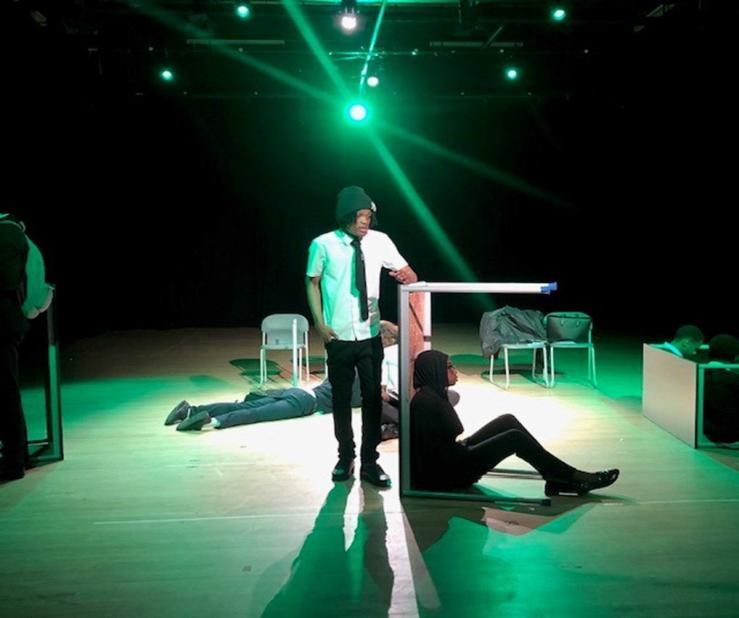
In GCSE Drama you will become skilled at making theatre Throughout the course you will study modern texts as well as creating your own plays for performance You will develop your acting skills alongside technical theatre abilities in lighting, sound, costume and set design and learn how to work as a theatre director The course emphasises the practical side of making theatre and there is a written exam and portfolio which requires in depth study, analysis and evaluative skills which will be developed across the course Due to the practical nature of this course, students will be expected to rehearse outside of lesson time Included in the course are a number of visits to top London theatres, which you have the opportunity to review and critique as part of your written exam. We also encourage students to participate in extra-curricular Drama activities at STAC as well as Drama outside of school; we have excellent links
POTENTAIL CAREER PATHS
•Creative roles actor, playwright, screenwriter
•Theatre/ TV/ Film director
•Producer
•Theatre/TV/Film technician/designer (sound, lighting, costume and set)
•Casting director or talent agent Lawyer
Subject Leader: Mr Anderson
• History
DRAMA WORKS WELL WITH
• English literature
RECOMMENDED READING:
• National Theatre Connections Monologues: Speeches for Young Actors by Anthony Ban
A Beginner's Guide to Devising Theatre by Jess Thorpe and Tashi Gore
Want to know more about Drama? Watch the videos below:
•https://youtu.be/_HURG1sYhLU why should I take GCSE Drama? National Theatre https://www.youtube.com/channel/ UCUDq1XzCY0NIOYVJvEMQjqw
Assessment Details - Drama— Pearson
EDEXCEL Exam Board
Component 1: Devising Component 2: Performance from Text Component 3: Theatre Makers in Practice
What's assessed?
You will create and develop a devised piece from a stimulus and perform in a group for an audience Alongside this, you will keep a record of your ideas, the process, as well as evaluating it after the performance This will be written up in a portfolio. This assessment will take place in Year 10
What’s assessed?
You will perform two extracts from a play script chosen by your teacher. A design route is also an option This performance will be assessed by a visiting examiner. This assessment will take place at the end of Year 11
What’s assessed?
This is the written exam at the end of Year 11 Section A will ask questions about a play you have studied in class and how you would bring this play to life on the stage In Section B you will write a review of a play you have seen
Written Exam: 1hr 45 Minutes
Faculty: Economics
Economics
Subject Leader: Mr. Oozeerally
Economics is about the world around us. We look at how consumers, businesses and the government make choices in a world full of complex decisions. There has arguably never been a better time to study Economics than now.
GCSE Economics equips candidates with the basic tools of the economist to help them understand their place in and contribution to the local, national and global economy as consumers, workers and citizens. They will be encouraged to investigate a range of contemporary issues, where they will be required to analyse evidence from different perspectives and provide reasoned judgements from them.
POTENTIAL CAREER PATHS
• Banking and Finance
• Management
• Law ECONOMICS WORKS WELL WITH:
• Geography
• History
• Maths

RECOMMENDED READING:
• “The Economic Naturalist: In search of Explanations for Everyday Enigmas”- Robert H. Frank
• “Freakonomics” - Stephen Dubner & Steven Levitt
Want to know more about Economics? Watch the video below:
• https://www.youtube.com/watch?v=nWPrMmv1Tis
Assessment Details – Economics– OCR
Paper 1: Introduction to Economics (80 marks)
Units:
-Introduction to Economics
-Role of Money and Markets
Paper 2: National and International Economics (80marks)
Units:
-Economic objectives and the role of the Government
-International Trade and the Global Economy
Course Information can be found here
Full specification can be found here
Type of exam: Written Assessment
Time given: 1hour 30 minutes Number of marks– 80 marks
Type of exam: Written Assessment
Time given: 1 hour 30 minutes Number of marks 80 marks
Faculty: Modern Foreign Languages
French
Subject Leader: Ms
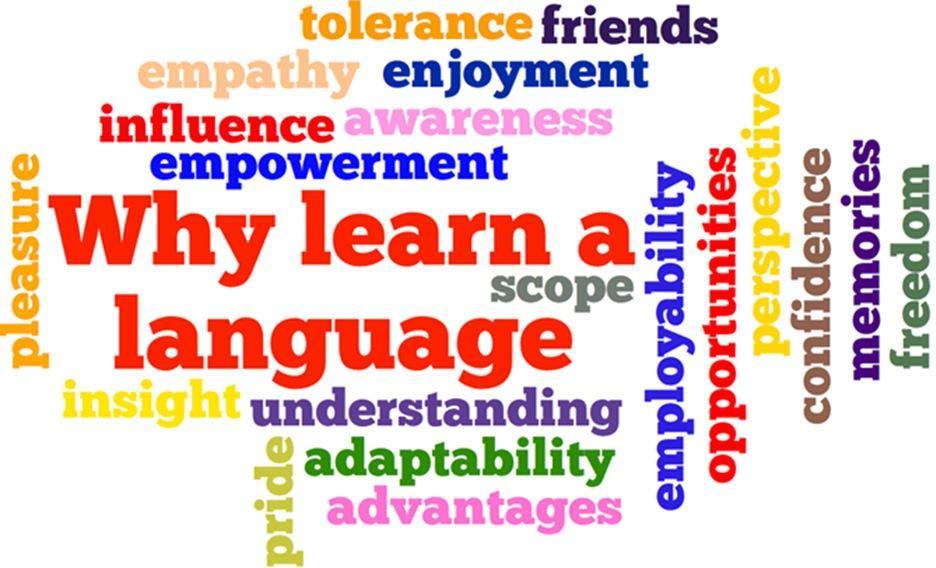
Languages are an exciting challenge that (unlike many other subjects), are seen as an advantage in any career path. It broadens your horizons and encourages you to step beyond familiar cultural boundaries and develop new ways of seeing the world The course allows students to develop their ability to communicate confidently and coherently, listen to and understand speech fluently and respond to authentic material, including literary texts and films. Together with developing language learning skills that equip you for immediate use, further language study, higher education or employment at home or abroad, you will gain skills you can use for life.
Ngami
POTENTIAL CAREER PATHS
• Journalism
• Translation /Interpreting
• International organisations
LANGUAGES WORKS WELL WITH:
• English
• Economics
• Media Studies
• Humanities
• BTEC
Paper 1: Listening 25%, 50 marks (H) 40 marks (F)
Students’ understanding of spoken language will be tested by a range of question types in English, requiring responses in English and French
Foundation 35 Minutes; Higher 45 Minutes
Paper 3: Reading 25%, 60 marks
Questions requiring responses in French or English based on short or longer authentic materials, including literary texts.
Foundation 45 Minutes; Higher 1hr
• Fluent Forever by Gabriel Wyner
• Short Stories by Olly Richards (this is available in many languages)
• RECOMMENDED READING:
Why study languages? HERE
Want to know more about the importance of languages ?
THE MAN OF MANY LANGUAGES TEEN SPEAKS OVER 20 LANGUAGES
Assessment Details—French—
AQA Exam Board
Paper 2: Speaking 25%, 60 marks
A 3 part examination including a picture description, a role-play and an general conversation.
Foundation 7-9 minutes; Higher 9-12 minutes
Paper 4: Writing 25%, 60 marks
All papers include structured writing tasks and a creative piece, followed by a translation into the target language.
Foundation 1hr; Higher 1hr Minutes
Faculty: Humanities
Geography
Subject Leader: Ms Hoper
GCSE Geography tackles exciting and relevant physical and human topics and investigates the link between them. You will explore case studies in the UK, higher income countries, newly emerging economies and lower income countries You will be actively encouraged to understand different roles in viewpoints, values feature throughout society by considering different and attitudes. Geographical skills all units, including; cartographical, graphical, numerical and statistical skills.
GCSE Geography also requires you to undertake two geographical enquiries, each of which must include the use of primary data, collected as part of fieldtrips.
POTENTIAL CAREER PATHS
•Disaster Management
•Urban Planner
•Demographer
GEOGRAPHY WORKS WELL WITH:
•Biology
•Economics
•English
•Maths
• The challenge of natural hazards
• The living world
• Physical landscapes in the UK
RECOMMENDED READING:
National Geographic Magazine
Geography A Very Short Introduction - J. Matthews and D. Herbert
Prisoners of Geography - T. Marshall
Want to know more about Geography. Watch the video below:
https://www.rgs.org/choosegeography/ https://www.aqa.org.uk/subjects/geography/gcse/ geography-8035
• Urban issues and challenges
• The changing economic world
• The challenge of resource management
• Decision-making issue
• Geographical fieldwork
• Write-up about two fieldtrips
History
Subject Leader: Mr Powell Faculty: Humanities
History is much more than the study of the past. It helps us understand the present and future. It helps us understand why inequality exists, how societies have developed over time and the importance of the fight for our rights. The work of historians has helped us understand the impacts climate change, pandemics and economic depressions. History develops our cultural awareness and helps develop our academic communication skills. Historians are considerate, intelligent and empathetic. For millennia the study of history has been key to understanding humanity. You can have a look at the famous faces who have studied history here
POTENTIAL CAREER PATHS
• The Law
• Politics and Journalism
• Finance and Business
• Advertising and PR
HISTORY WORKS WELL WITH:
• Business
• English
• Politics

RECOMMENDED READING:
Wounded from Battlefield to Blighty (Medicine) The Time Travellers Guide to Elizabethan England The Lions of Little Rock (Civil Rights) Autobiography of Malcolm X (Civil Rights)
•Meghan Markle & the importance of representation in History Link
•What can I do with a History Degree? Link
Want to know more about History. Watch the video below:
• Economics Assessment Details – HISTORY – Exam Board Website HERE
Paper 1: Nazi Germany, Elizabeth I (50% of Qualification)
•You can also watch a summary of why the study of History is so important HERE
Paper 2: Medicine through Time, USA (50% of Qualification)
Medicine through Time: How beliefs surrounding illness and treatment have changed overtime including Government reactions to pandemics, the discovery of germs and development of surgery
America 1920 2000: Civil Rights and the experience of African Americans, the Cold War, Vietnam and political and social change including the changing lives of teenagers, video gaming and Hip Hop.
Germany 1918 1939: the impacts of WWI and the rise of the Nazi Party including life under Hitler
Elizabethan England: Elizabeth’s personality and popularity, government, warfare, life and poverty in Tudor times, popular entertainment, Catholicism, Protestantism and warfare (Hampton Court/Tower of London Trip).
Paper 1: Nazi Germany and Elizabethan England
Nazi Germany 1hour
Elizabeth I 1hour
Paper 2: Medicine and USA
Medicine 1 hour 15
Faculty: Expressive Arts
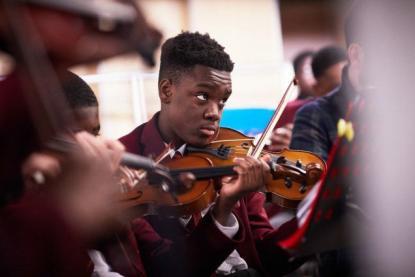
Music is for those students who are passionate about composing and performing music and who wish to deepen their love, knowledge and understanding of music through learning about a wide variety of music from different times, and cultures There are 2 courses available and both are engaging and challenging, requiring both creativity and discipline.
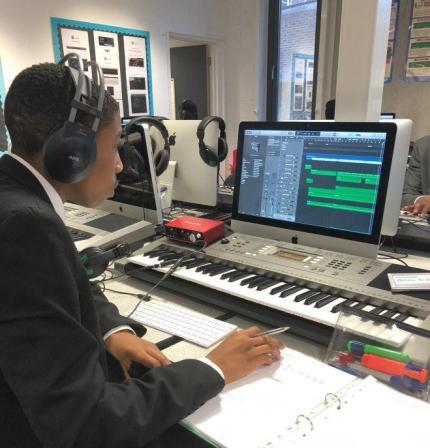
All Music students will have discounted individual lessons on their chosen instrument in preparation for the performing component and use music technology for the composing component of the exam
In addition to class-based study, there are opportunities to go on trips and attend workshops to support learning Examples of these have been studio visits and orchestra days with other schools.
POTENTIAL CAREER PATHS
• Performance, Composition and Production
•
Studio Engineering
Journalism, Media, Television and Radio
Teaching and Facilitation
Music Therapy
Music Management and Promotion
•
• A music qualification can work towards any career and shows a well rounded set of skills
MUSIC WORKS WELL WITH:
• Anything! It compliments subjects across the board.
Music
Subject Leader: Mrs McKnight
RECOMMENDED READING
“100 Careers in the Music Business” by Tanja Crouch
“Big Bangs” by Howard Goodall
“Musical Truth” by David Boakye
“This is Your Brain on Music” by Daniel Levitin
“Music: A Very Short Introduction” by Nicholas Cook
“A year of Wonder” by Clemency Burton Hill
Have a Listen to one of our set works for On You Tube: ‘Samba Em Preludio’ by
Esperanza Spalding
Assessment Details — Music

• Solo Performance (50%)
• Ensemble Performance (50%)
Coursework: Ongoing
• 2 original compositions written for Logic or any instrument
• An exam based on listening to familiar and unfamiliar music
Coursework: Ongoing
Written Exam: 1hr 45 Minutes
Faculty: Sport
Physical Education
Subject Leader: Mr Reynolds
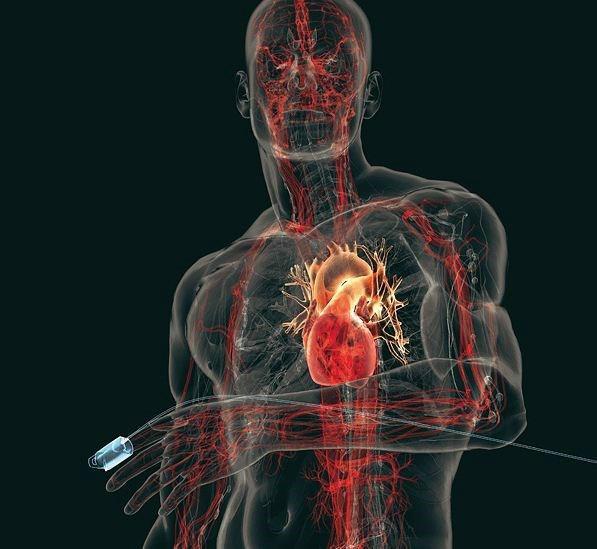
The GCSE in Physical Education will equip students with the knowledge, understanding, skills and values they need to be able to develop and maintain their performance in physical activities. Students will also gain understanding of how physical activities benefit health, fitness and well-being Students delve into how the physiological and psychological state affects performance in physical activity and sport, as well as looking at how sociocultural influences affect involvement in sport. An interest in Science as well as Sport is essential for success in this course It is expected that students are competing on a regular basis in at least one sport, at school or club level.
POTENTIAL CAREER PATHS
• Physiotherapy
• Sports Coaching
• Sports Analysts
PE WORKS WELL WITH:
• Biology
• Physics
PROGRESSION ROUTES
The GCSE in PE is highly recommended should you wish to go on and study PE at A-Level or Level 3 Sport based courses. The subject is also recommended should wish to study a sport, coaching or physiotherapy at University, however not essential. Want to know more about Physical Education?
Assessment Details Pearson EdExcel Exam Board
Component 1: Fitness and Body Systems
• Topic 1: Applied anatomy and physiology
• Topic 2: Movement analysis
• Topic 3: Physical training
• Topic 4: Use of data
Written examination:
1 hour and 30 minutes
36% of GCSE
Component 3: Practical Performance
• Skills during individual and team activities in isolation
• Competitive performance with isolation skills demonstrated
Non-examined assessment
30% of GCSE
Component 2: Health and Performance
• Topic 1: Health, fitness and well-being
• Topic 2: Sport psychology
• Topic 3: Socio-cultural influences
• Topic 4: Use of data
Written examination:
1 hour and 15 minutes
24% of GCSE
Component 4: Personal Exercise Programme
Assess students’ skills in analysing and evaluating performance through a personal exercise programme
Non-examined assessment:
10% of GCSE
Design & Technology
Faculty: Art, Design and Technology
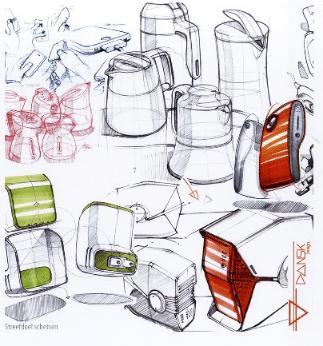
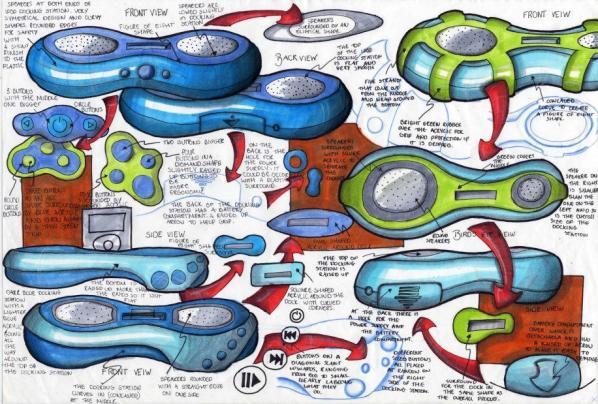
Students have the option to make further progress within the design sector, through continuing to do ‘Design and Technology’ at GCSE. Students will recall, practice and perfect design and making skills to achieve high quality/ marketable products Specialist knowledge and technical principles, in one specialist material area is a must for all KS4 students: Wood, metal, plastic, textiles, paper, card or board. They must choose one specific material to specialise in, which will give them the foundation knowledge required for the final non-exam assessment and written exam This course has been designed to enable testing and experimentation throughout the design and make process, with a great emphasis on building a broad knowledge and understanding on a wide range of materials Rapid prototyping, model making and design development using CAD (computer aided design skills), will be the central focus during these final units of work Students will become, iterative and innovative in their approach to solving real life problems and in planning successful solutions, hence becoming more confident working across the many materials, techniques and processes taught within this curriculum Students will refine their designing and manufacturing skills, ready to develop further at A-Level (KS5) or in an apprenticeship program within the design field All GCSE students will need to re-cap and revise all key knowledge and theory from prior KS3 and KS4 learning Past exam papers are incorporated throughout this scheme of work to ensure that students are successful in the final exam, where a vast amount of knowledge is also gained through focused practical tasks and design/make assignments throughout this course
POTENTIAL CAREER PATHS
Architect, Product designer, Aeronautical engineer, Construction builder, Roof mechanic, Mechanical engineer, Toy engineer, Costume designer, Interior designer, Book illustrator, Set designer, Electrician, Plumber, Fashion designer, Upholsterer and Game designer.
DESIGN & TECHNOLOGY LINKS WITH: Mathematics, Geography, Physics, Chemistry, Business studies and Sociology.
Subject Leader: Mrs Kubeyinje

RECOMMENDED READING:
Hodder education AQA GCSE Design & Technology
CGP GCSE Design & Technology books and revision guides
Iconic Product Design: An Illustrated History of the World's Most Innovative Devices
‘Designer, maker, user ’ (author: Phaidon) www.technologystudent.com www.mrdt.com www.jambledt.com Assessment Details AQA Exam Board
• Core technical principles
• Specialist technical principles
• Designing and making principles
• At least 15% of the exam will assess maths
• At least 10% of the exam will assess science
Students will need to design and make a prototype that fulfils its pur- pose and meets the needs of the intended users. This will involve students producing a portfolio of design work that records investi- gations, planning, design ideas, models, drawings, developments, manufacturing techniques and the final product being tested against the user and focus group. Written exam: 2 hours
Statistics
Faculty: Maths Subject Leader: Mr Mulhern
Statistics is the practice or science of collecting and analysing numerical data in large quantities, especially for the purpose of inferring proportions in a whole from those in a representative sample
It provides a way of viewing and making sense of the data It is used to analyse and communicate information and ideas and to tackle a range of practical tasks and real life problems

Recommended reading: Potential career paths:
• Financial Analysis
• Actuary
• Programmer Statistics works well with:
• Geography
• Maths
• Economics
• How to Lie with Statistics (Paperback) by Darrell Huff
• Naked Statistics: Stripping the Dread from the Data by Charles Wheelan
• Freakonomics: A Rogue Economist Explores the Hidden Side of Everything by Steven D. Levitt
Want to know more? Watch this video https://www.youtube.com/watch?v=wV0Ks7aS7YI
Assessment Details – Statistics– Pearson EdExcel Exam Board
Paper 1: Calculator
Paper 2: Calculator
What's assessed?
You can get a much better idea of the breakdown by going to http://qualifications.pearson.com and looking at the specification for “ Statistics (9-1) from 2017”
Written exam:
Written exam: 1 hour 30 minutes 1 hour 30 minutes
80 marks
50% of GCSE
80 marks
50% of GCSE
Vocational/Alternative Qualifications
As mentioned earlier in this booklet, GCSEs are not always suitable for every student. Sometimes they need a more vocational qualification where they can pick up skills, complete a larger proportion of coursework and be examined less. All these qualifications are worth the equivalent of one GCSE.
At St Thomas the Apostle we offer the following vocational courses:
•Cambridge National Certificate in ICT
•Cambridge National Certificate in Sports Studies
•Eduqas Level1/Level 2 Performing Arts Music/Music Technology Pathway
•Eduqas Level1/Level 2 Performing Arts Acting Pathway
These courses are only available if you are on the Blue route


BTEC Tech Awards Enterprise
Faculty: Business & Economics
The BTEC Tech Award in Enterprise is a practical business course that helps you understand how real businesses work and how to develop your own ideas. What will you learn?
You’ll explore key areas of business, including:
• How businesses are set up and run
• How entrepreneurs come up with ideas
• How to design and improve products
• How businesses attract and keep customers
• How to manage money and make a profit
You’ll also learn important skills like:
• Communication
• Problem-solving
• Teamwork
• Decision-making
The qualification will allow you the freedom to explore more deeply the things that interest you, culminating in pitching your own business idea.
POTENTIAL CAREER PATHS
•Entrepreneur
•Business manager WORKS WELL WITH:
•Maths
•English
Subject Leader: Ms Eardley

RECOMMENDED READING:
Shoe Dog – Phil Knight
The Lean Startup – Eric Ries
BBC Bitesize Business
Assessment Details
Unit 1 – Exploring Enterprises
What's assessed?
In this unit, you will explore different enterprises to develop your knowledge and understanding of the characteristics of enterprises and the skills needed by entrepreneurs to be successful. You will explore how enterprises use market research to find out about their customer needs and competitor behaviour and how internal and external factors may affect enterprises.
You will then complete three tasks within an assignment. The assignment will take approximately 6 hours of monitored preparation and 5 supervised hours to complete.
Centre assessed task 60 marks - 30% of Course
Pearson Exam Board
Unit 2 – Planning and Presenting a MicroEnterprise Idea
What’s assessed?
You will generate two realistic ideas for a micro-enterprise and choose one of these to plan within budget. You will then individually present your business plan for your idea and review the production and delivery of your presentation to make recommendations for improvements. There will be two tasks in this assignment. The assignment will take approximately 6 hours of monitored preparation and 7 supervised hours to complete.
Centre assessed task 60 marks - 30% of Course
Unit 3 Marketing and Finance for Enterprise
What's assessed?
You will explore how marketing is used by enterprises and the factors that influence how enterprises identify and target their market. You will complete financial documents and statements and explore how to use them to monitor and improve the performance of an enterprise in order to make decisions and recommend strategies for success.
Cambridge Nationals in IT
Faculty: ICT and Computing
Subject Leader: Mr Gould-Elia
Vocational IT is the same size as a GCSE. The course provides you with essential ICT knowledge, transferable ICT skills and tools for everyday use which aim on enhancing your employability when you leave education, contributing to your personal development and future economic well-being.
The qualification will allow learners the freedom to explore more deeply the things that interest them as well as providing good opportunity to enhance their learning in a range of curriculum areas. The course will take the form an exam and centre assessments where the focus will be on creating business solutions using ICT and creating multimedia products for the digital media sector
POTENTIAL CAREER PATHS
• Software and Hardware Technician
• Network Administrator
IT WORKS WELL WITH:
• Maths
• Business Studies

RECOMMENDED READING:
Steve Jobs: Insanely Great Jessie Hartland
Alan Turing: The Enigma - Andrew Hodges
Assessment Details— Pearson Exam Board
Unit 1 - IT in the Digital World
What's assessed?
In this unit you will learn about design tools for applications, principles of human computer interfaces and the use of data and testing in different contexts when creating IT solutions or products. You will understand the uses of Internet of Everything and the application of this in everyday life, cyber-security and legislations related to the use of IT systems, and the different types of digital communications software, devices, and distribution channels.
Externally assessed exam 38% of Course
Unit 3 Using augmented reality to present information
What's assessed?
In this unit you will learn the basics of Augmented Reality (AR) and the creation of a model prototype product to showcase how it can be used appropriately for a defined target audience to present information.
Centre assessed tasks 32% of Course
Unit 2 – Data manipulation using spreadsheets
What’s assessed?
In this unit you will learn the skills to be able to plan and design a spreadsheet solution to meet client requirements. You will be able to use a range of tools and techniques to create a spreadsheet solution based on your design, which you will test. You will be able to evaluate your solution based on the user requirements.
Centre assessed tasks 32% of Course
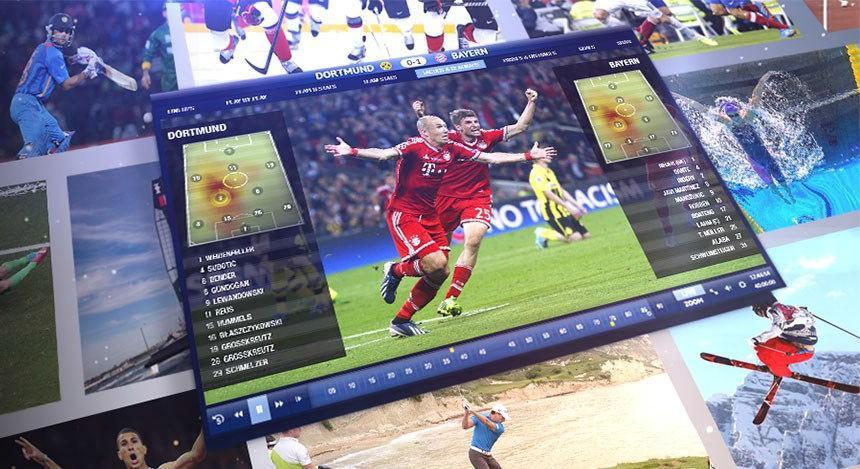
Cambridge National Sports Studies
Faculty: Sports
Subject Leader: Mr Reynolds
All students will study two, mandatory, topics The first topic of study is on contemporary issues in sport This topic covers: issues relating to participation levels, role of high-profile sporting events and the role of national governing bodies in sport and their impact on wider society The second topic of study is on developing sports skills Students will learn how to: develop their skills and techniques and improve their use of tactics and strategies in an individual and in a team sporting activity apply different practice methods to improve their performance officiate in a sporting activity, in a number of different roles RECOMMENDED
POTENTIAL CAREER PATHS
• Sports Coaching
• Sports Journalist
SPORTS STUDIES WORKS WELL WITH:
• Geography
• English

• Bounce Matthew Syed
•
Peak Performance Brad Stulberg
• Sport England Website detailing what is being done to raise participation levels all over England
Want to know more about Sports Studies? Watch the videos below:
For more information of careers in sport click here: https://www.bases.org.uk/sspage-students-careers_centrecareer_resources.html
Unit 1 - Contemporary Issues in Sport Unit 2 – Performance and Leadership in Sport Activities
• Participation levels and barriers
• The promotion of values and ethical behaviour through sport
• The role of high-profile sporting events and national governing bodies in advancing sports
Written Exam: 1 Hour 15 Minutes 40% of Course
• Develop their skills, techniques and use of tactics/ strategies/
• Understanding of the rules when officiating a sport
• The use of different practice methods in order to improve performance
• Develop some of the knowledge, understanding and practical skills required to be an effective sport leader
• Plan, deliver and review safe and effective sporting activity sessions
Controlled Assessment: 40% of Course Unit 3 - Increasing Awareness in Outdoor and Adventurous Activities
• Plan an outdoor activity and be able to participate in one
• Gain an understanding of health and safety and risk assessments in outdoor scenarios
• Develop their communication, decision making and leadership skills in challenging scenarios and environments.
Controlled Assessment: 20% of Course
Performing Arts—Acting Pathway
Faculty: Expressive Arts
Subject Leader: Mr Anderson
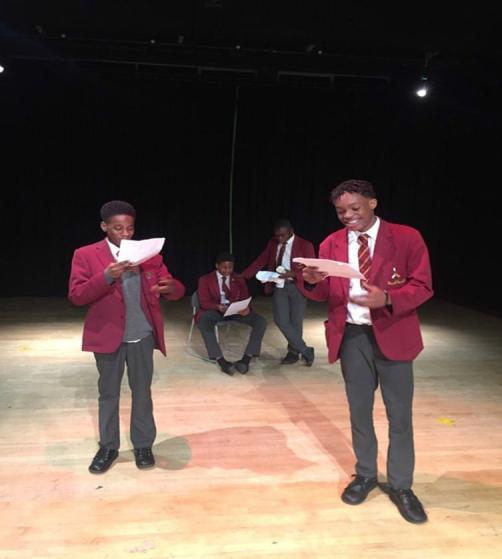
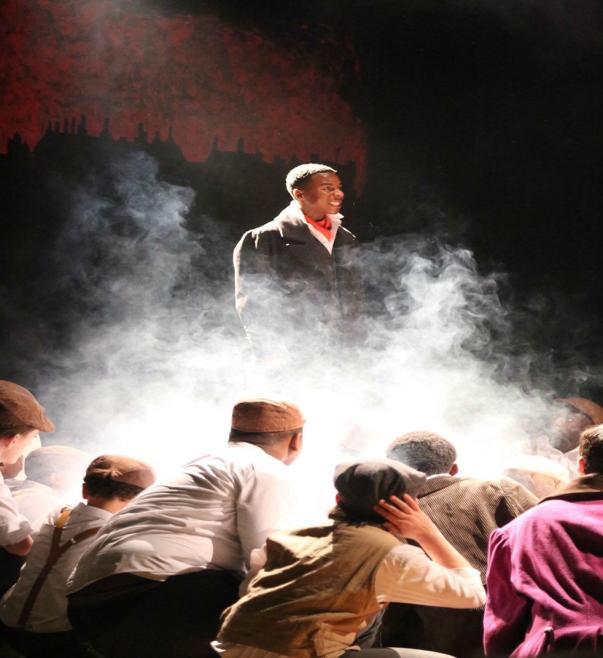
Vocational Performing Arts is a route into the theatre, film and television industries suitable for those who are interested in creating engaging performances The course, assessed at Level 2, gives a deep insight into the industry and how it works allowing students to gain a practical knowledge of the industry The course is divided into three areas which aim to mirror work undertaken by professional creatives. As such, students are required to be organised and mature in their approach to their studies and attend several evening theatre visits organised by the school as well as independently
A commitment to performance and creating theatre is essential for this course and confidence to perform in front of an audience is essential There are no other requirements than a passion for performance and a keen interested in developing Drama skills with an open and creative mind.
Progression Routes
The UK’s creative industries, including theatre and performing arts, are growing at almost twice the rate of the wider UK economy Government statistics show that there are now 1.9 million jobs across the creative industries in the UK with most of them being located in London. These jobs include actors, play/ screen writers, producers, directors, technicians, agents and casting directors On completion of Vocational Performing Arts, students may decide to study Performing Arts at Level 3. Students would be best placed to undertake work experience, internships and apprenticeships in the theatre, film or television industries
Assessment Details — Vocational Performing Arts — Eduqas Exam Board
In this unit you will gain knowledge and In this unit you will gain, develop and demonstrate This unit introduces you to areas of the performing understanding of the skills and techniques knowledge and understanding of the skills and arts that need to be considered when responding needed to reproduce an existing piece of techniques needed to create original work. Working to an industry commission. You will extend your professional work. You will workshop, rehearse from a brief you will devise a performance as a knowledge from both Unit 1 and Unit 2, and be and refine scenes from a published play. You group. Over a number of weeks you will rehearse involved in the production of a performing arts will perform this in front of a live audience, and refine your piece and then perform this in front event, showcasing your skills. You will ’pitch’ your then watch back your performance and evaluate the piece and the rehearsal process. of a live audience. You will watch back the performance and evaluate the piece and the process. idea in front of a panel in order to secure funding for your performance idea.
Performing Arts—Music/Music Tech Pathway
Faculty: Expressive Arts
Subject Leader: Mrs McKnight
Eduqas offers Vocational Performance Arts qualifications which are practical in nature and offer learners the opportunity to acquire skills which are directly transferable to work-based situations.
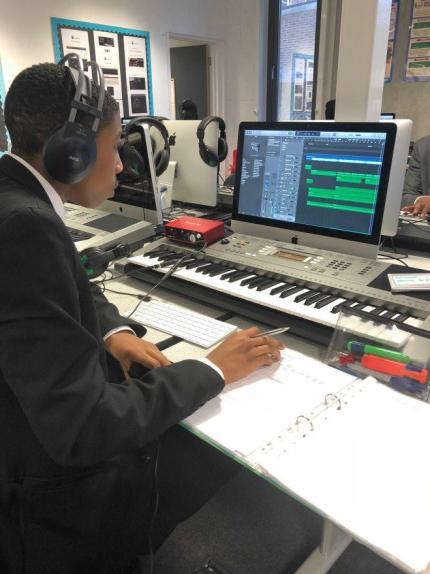
Students interested in Vocational Music will have immersed themselves in their curriculum lessons throughout Year 9, and see themselves as knowledgeable when using music production software (Logic Pro X). Students should have a love of music, particularly more modern genres, and a passion for being creative.
As part of the course, students will have the opportunity to attend musical workshops and trips.
POTENTIAL CAREER PATHS
• Performance, Composition and Production
•
•
•
•
Studio Engineering
Journalism, Media, Television and Radio
Teaching and Facilitation
Music Therapy
• Music Management and Promotion
VOCATIONAL MUSIC WORKS WELL WITH:
• Everything!
RECOMMENDED READING
“100 Careers in the Music Business” by Tanja Crouch
“Musical Truth” by Jeffery Boakye
“This is Your Brain on Music” by Daniel Levitin
“50 rappers who changed the world by Candace McDuffie
“Music: A Very Short Introduction” by Nicholas Cook
Did you know that in 2021 there were 145,000 people employed in the Performance Arts sector an increase of over 50% compared with 2013! There are so many jobs in the sector that are worthwhile, interesting and enjoyable, and London and the UK are at the centre of this.
Assessment Details — Vocational Music — Eduqas Exam Board
Unit 1 Performing (30% - Internally Assessed)
In this unit learners will gain a holistic knowledge and understanding of the skills and techniques needed to reproduce an existing piece of professional work this might mean creating a cover of a song using music technology, or learning, rehearsing and performing a piece of music
Unit 2 Creating (30% - Internally Assessed)
In this unit learners will gain, develop and demonstrate knowledge and understanding of the skills and techniques needed to create and refine original work in most cases this will involve writing your own piece of music or song using music technology
Unit 3 Performing Arts in Practice (40% - Externally Assessed)
This unit introduces learners to areas of the performing arts that need to be considered when responding to an industry commission Learners will extend their knowledge from both Unit 1 and Unit 2, and be involved in the production of a performing arts event, showcasing their skills
Subject Notes
Subject Notes
Art
Business
Computer Science
Drama
Economics
Geography
History
Citizenship
Subject Notes