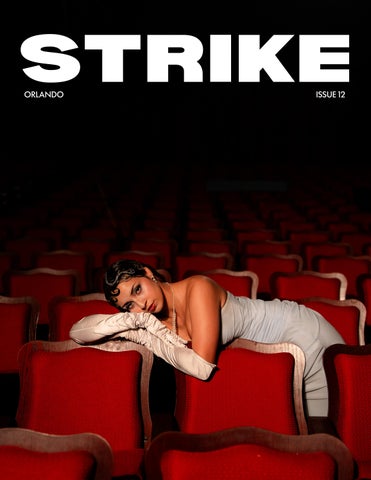
STRIKE
THE SEARCH FOR
ABOUT THE
Issue
Issue 12 explores the pressures and performances that define young adulthood, the roles we step into, the masks we wear, and the personas we construct as we search for who we truly are. In a world that constantly demands definition, this issue embraces the fluidity of identity, recognizing that sometimes we have to perform, experiment, and even lose ourselves before we can begin to understand what feels real.
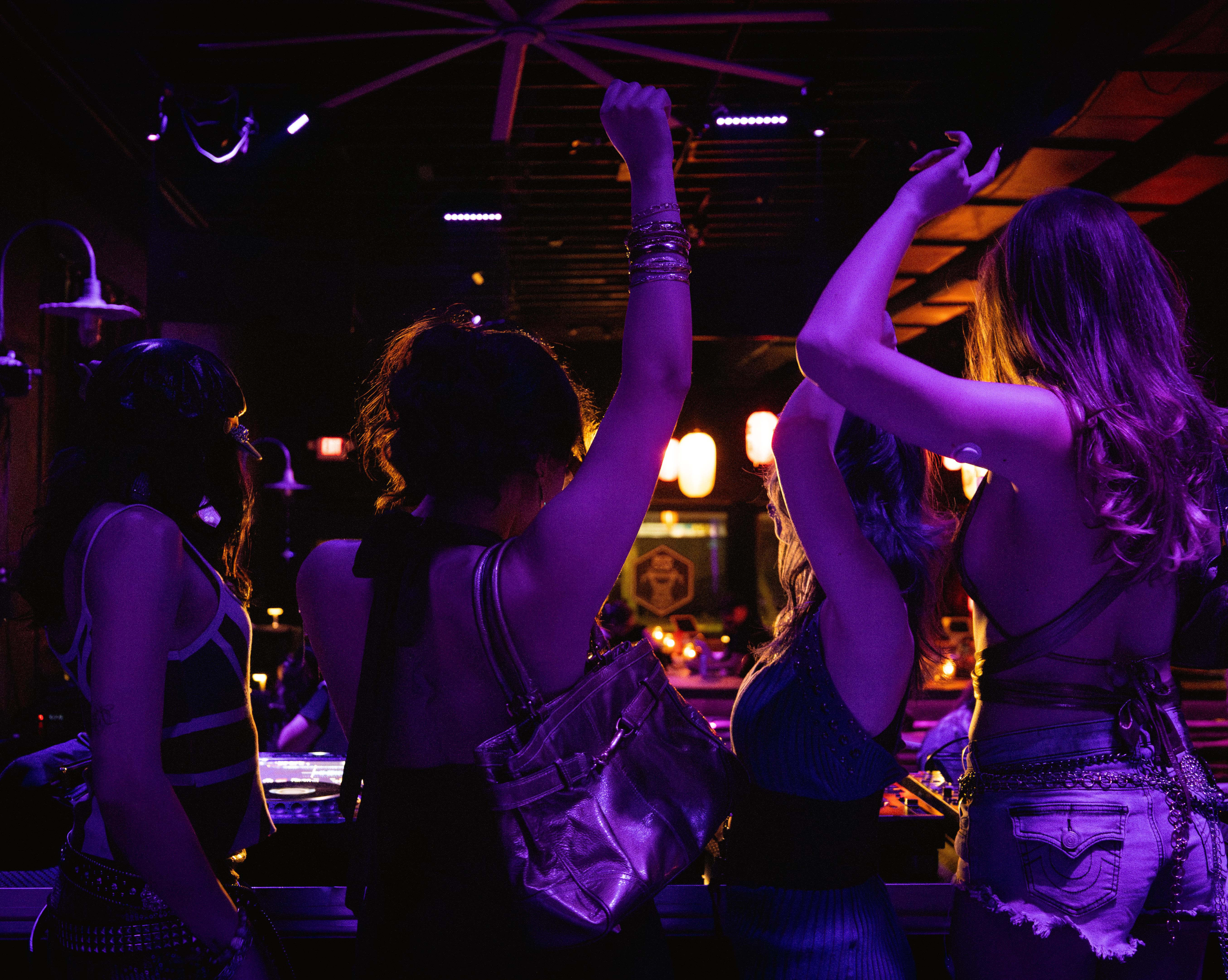
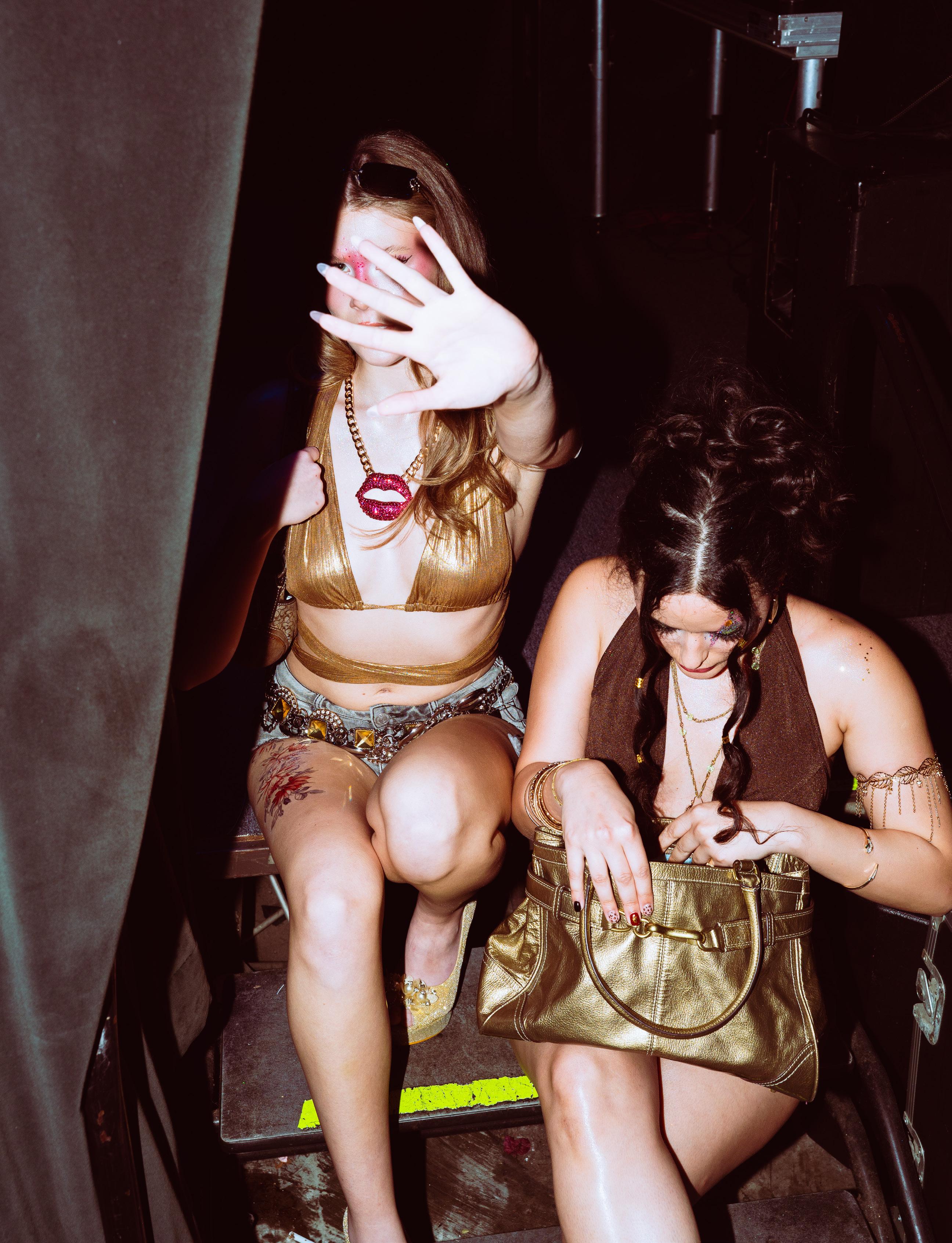
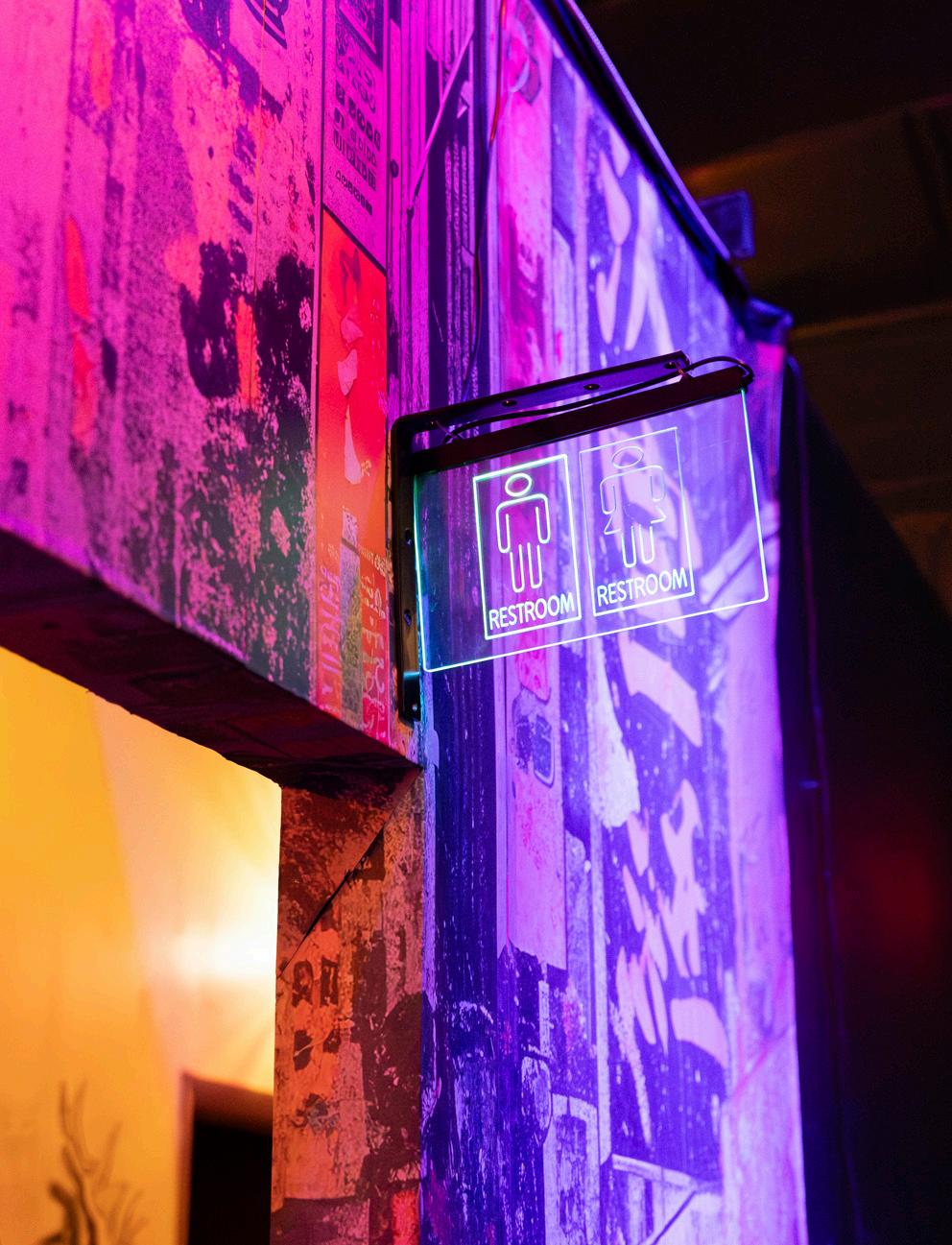
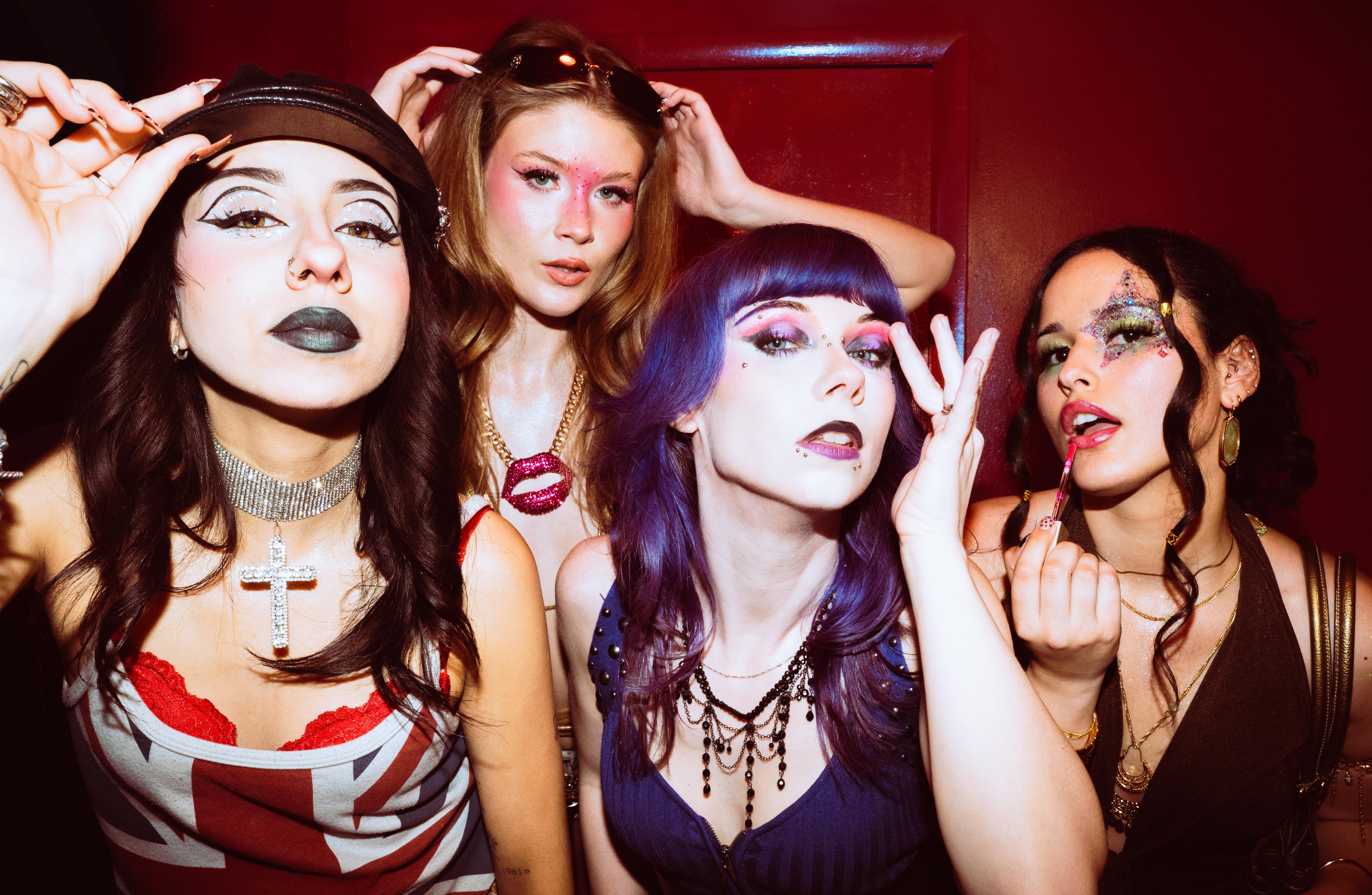
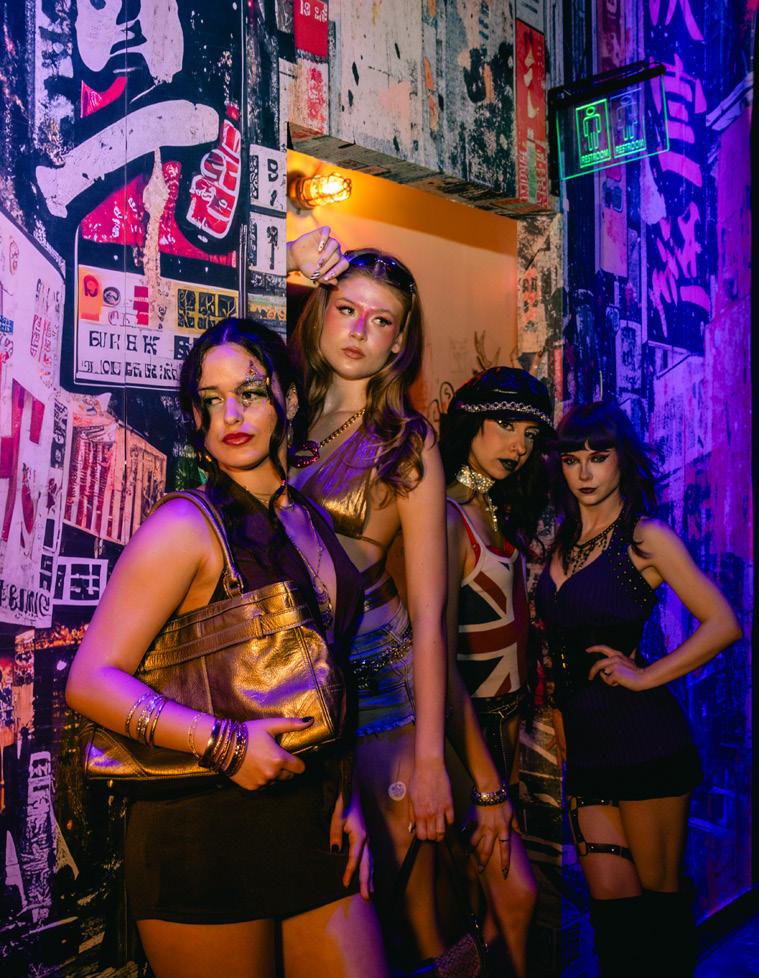
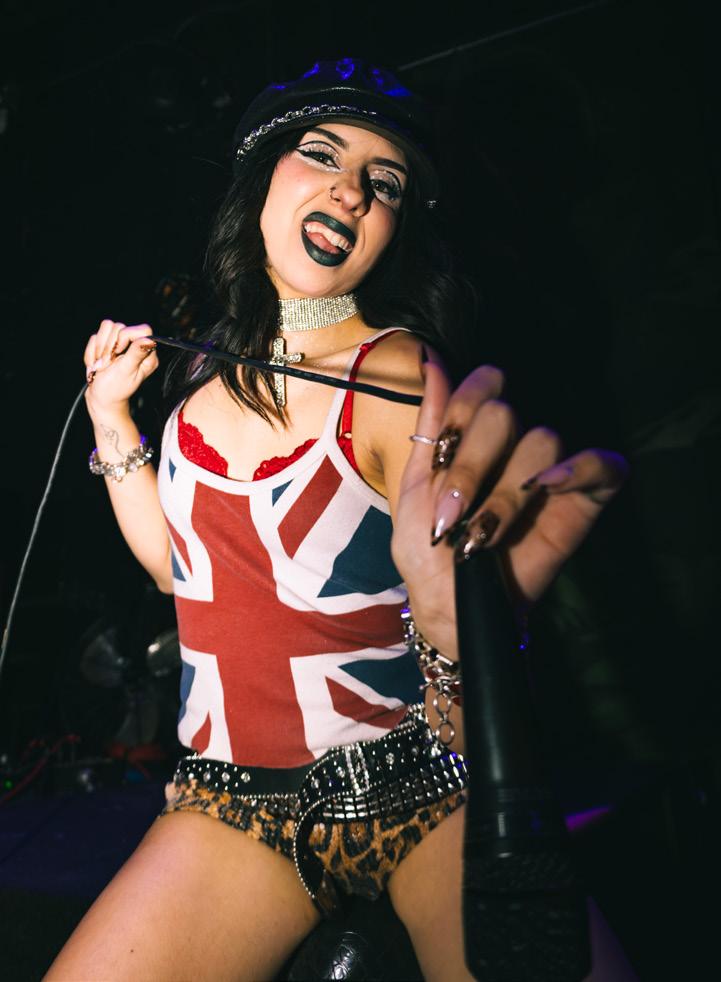
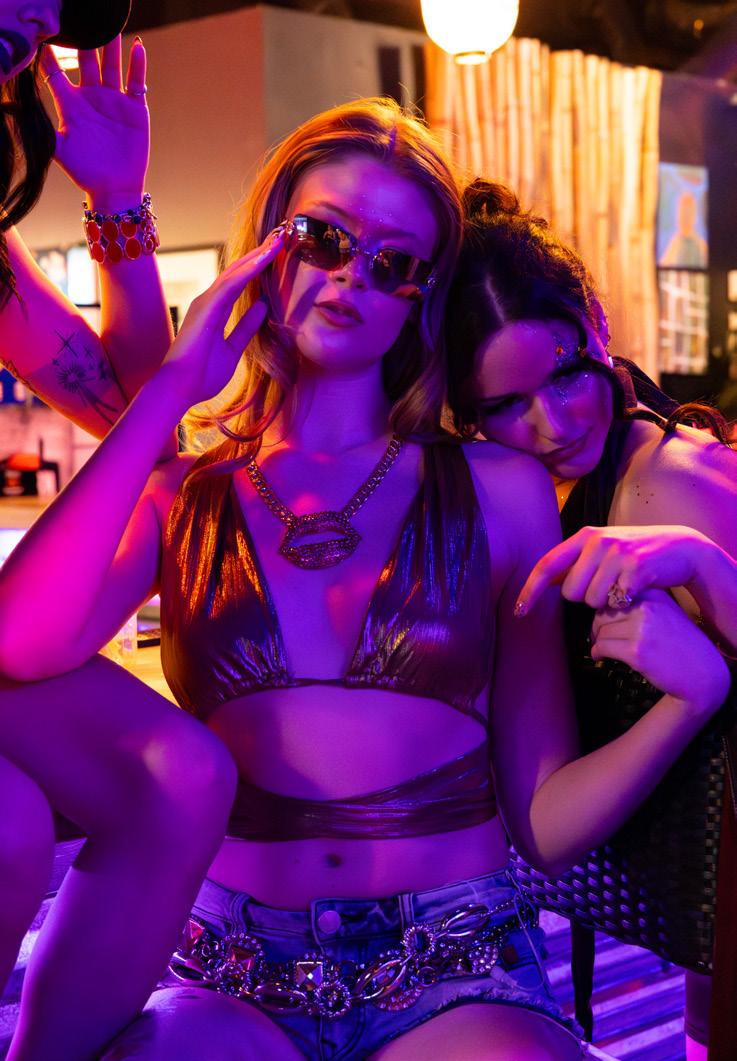
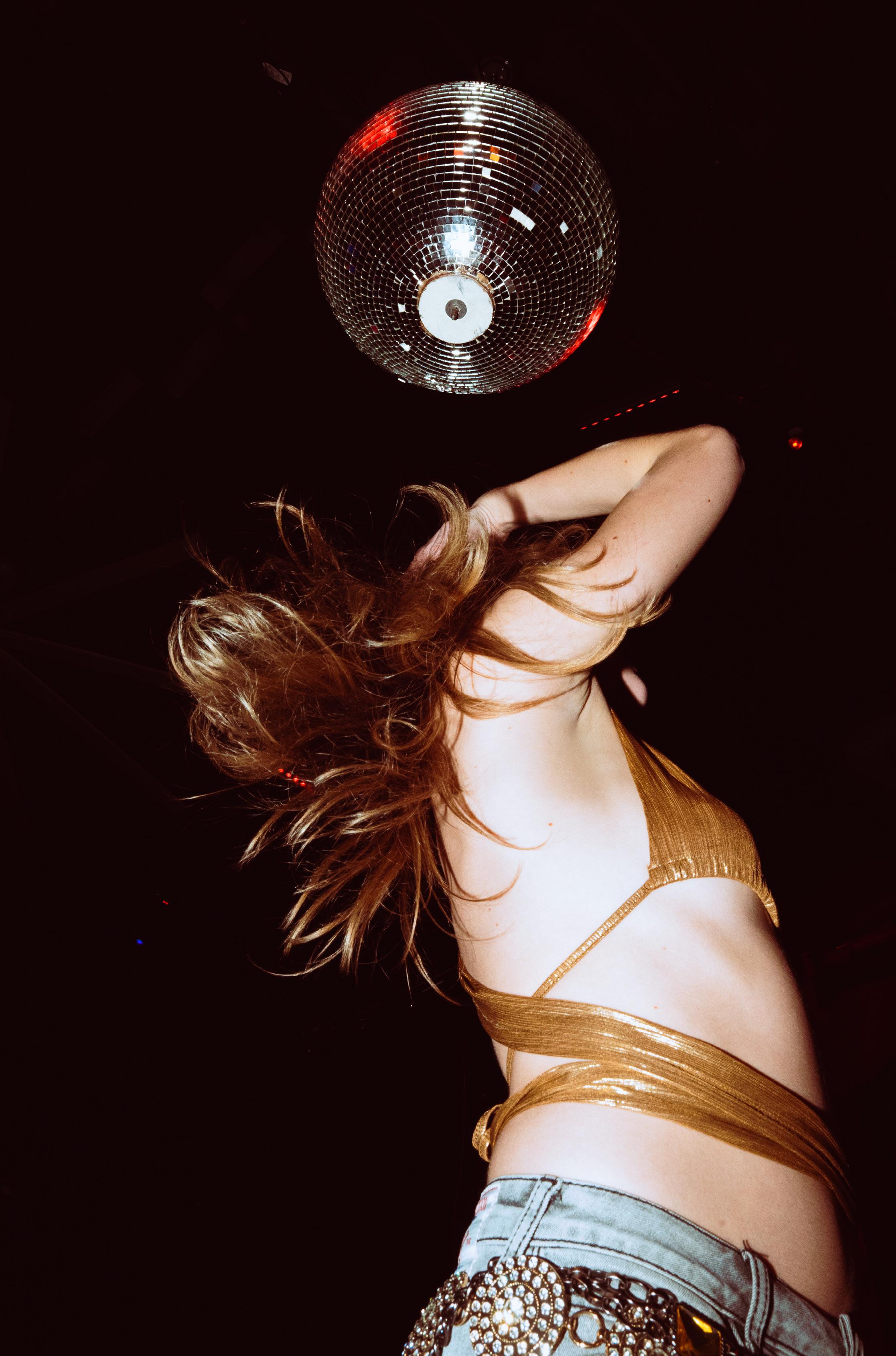
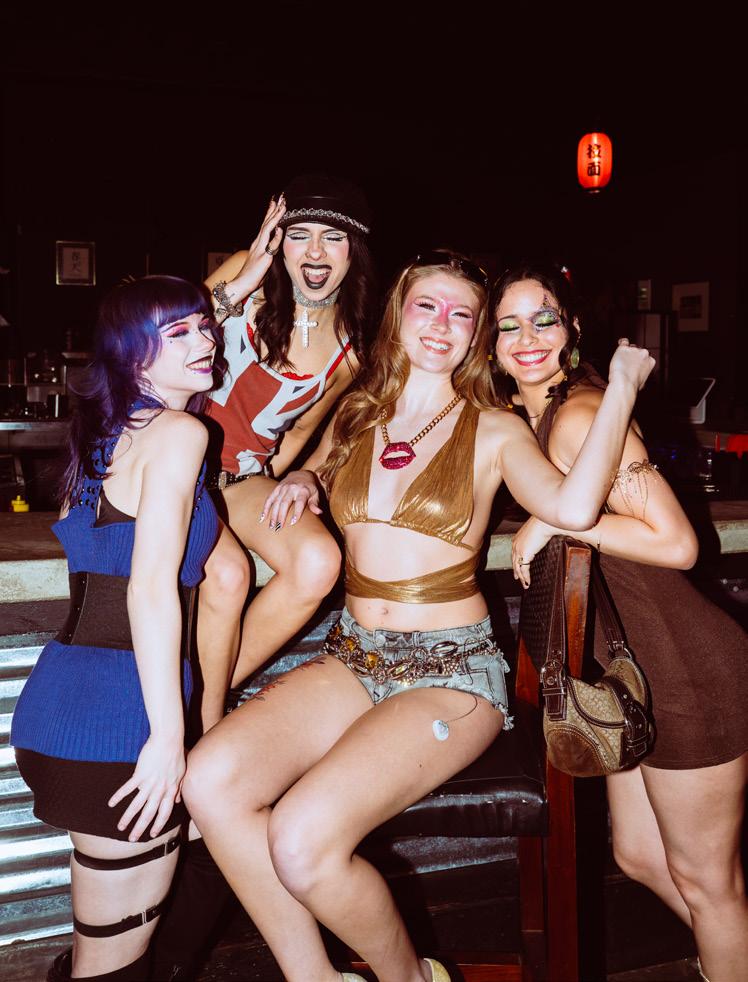
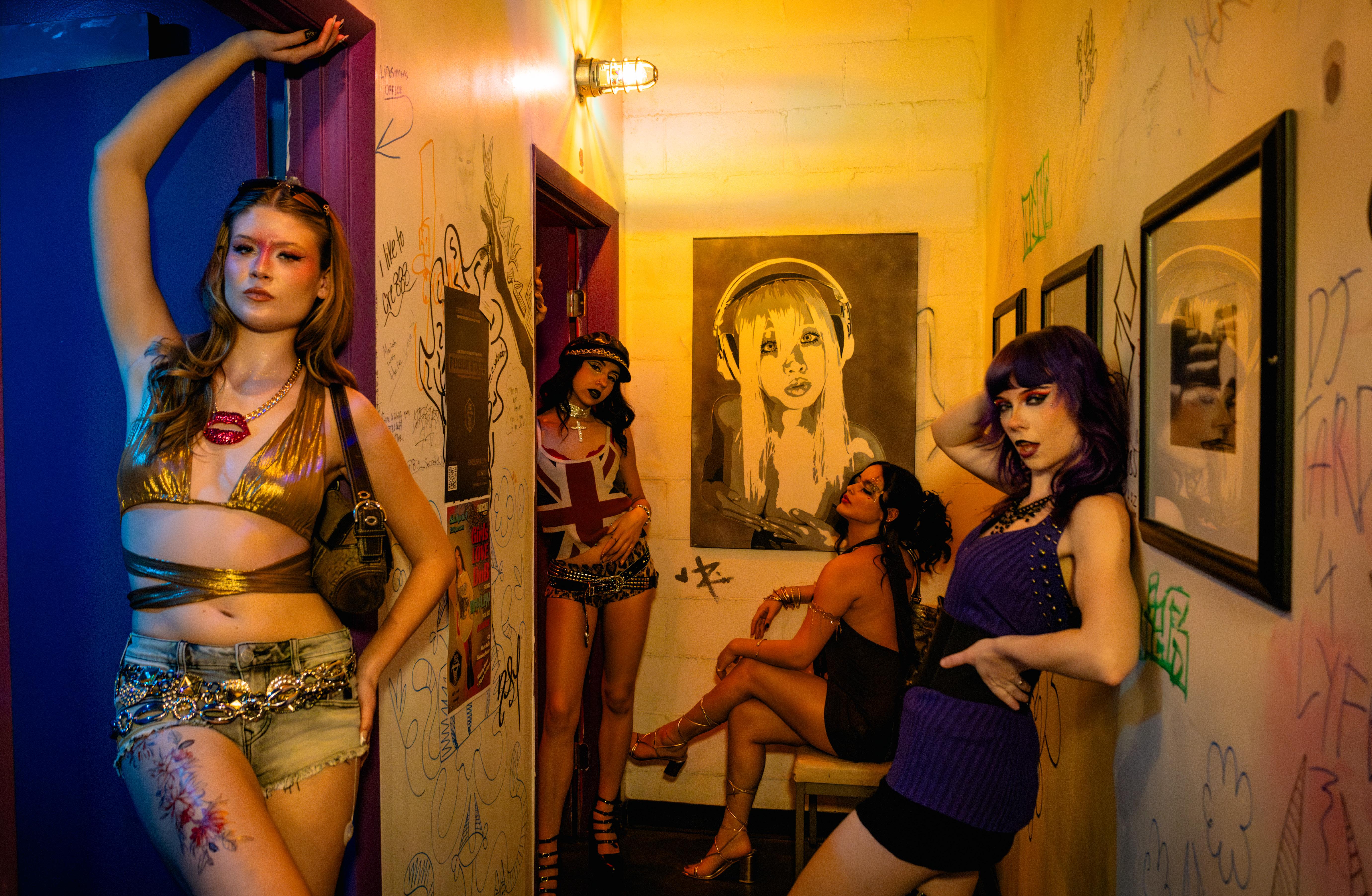
The Party Girl lives unapologetically in the moment, rejecting the monotony of adulthood in favor of spontaneity and connection. Within the fleeting, neonlit intimacy of bar bathrooms, she finds community, moments of vulnerability, joy, and shared experience. For her, every night is a story, every stranger a potential friend, every memory something worth holding onto.
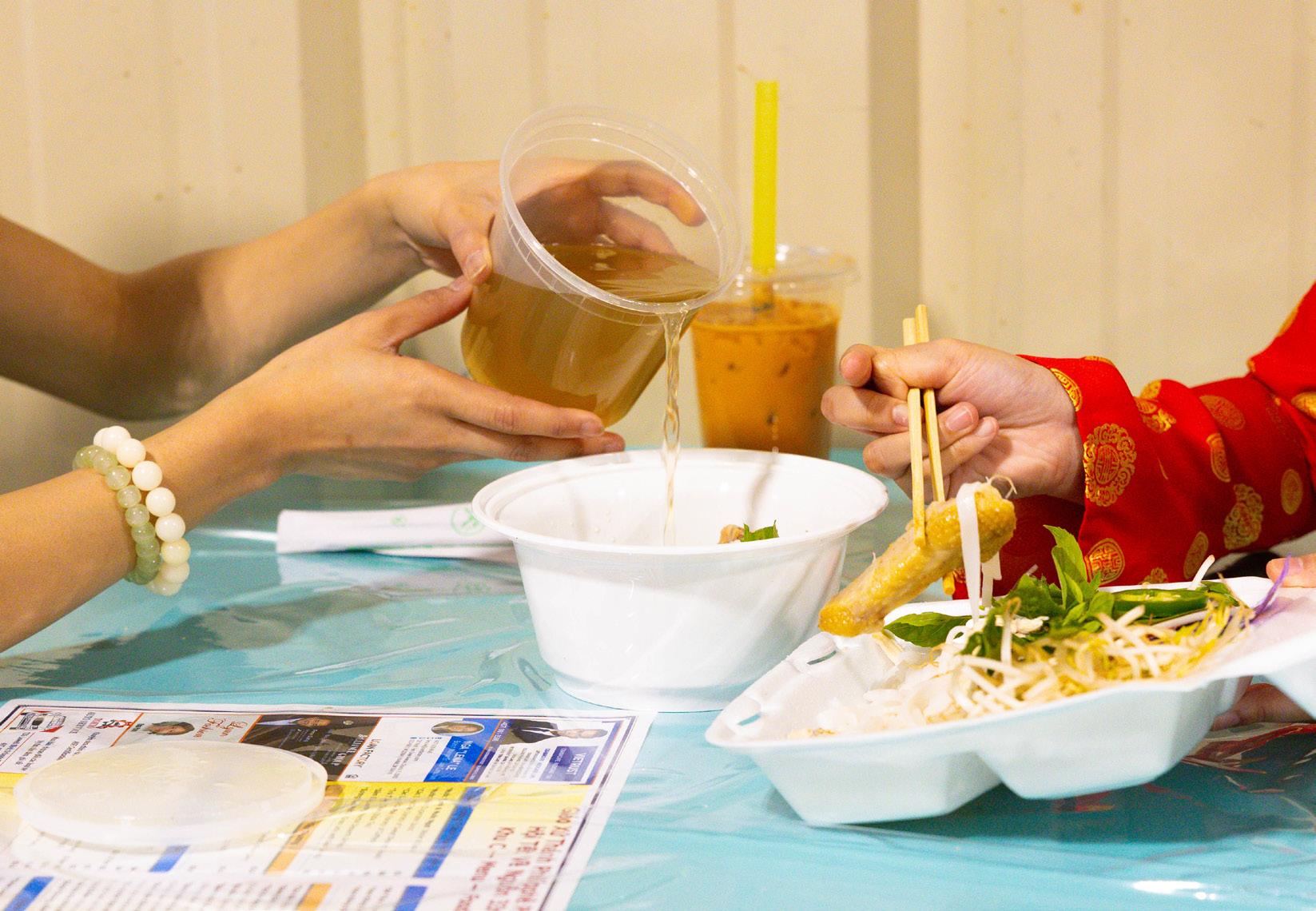
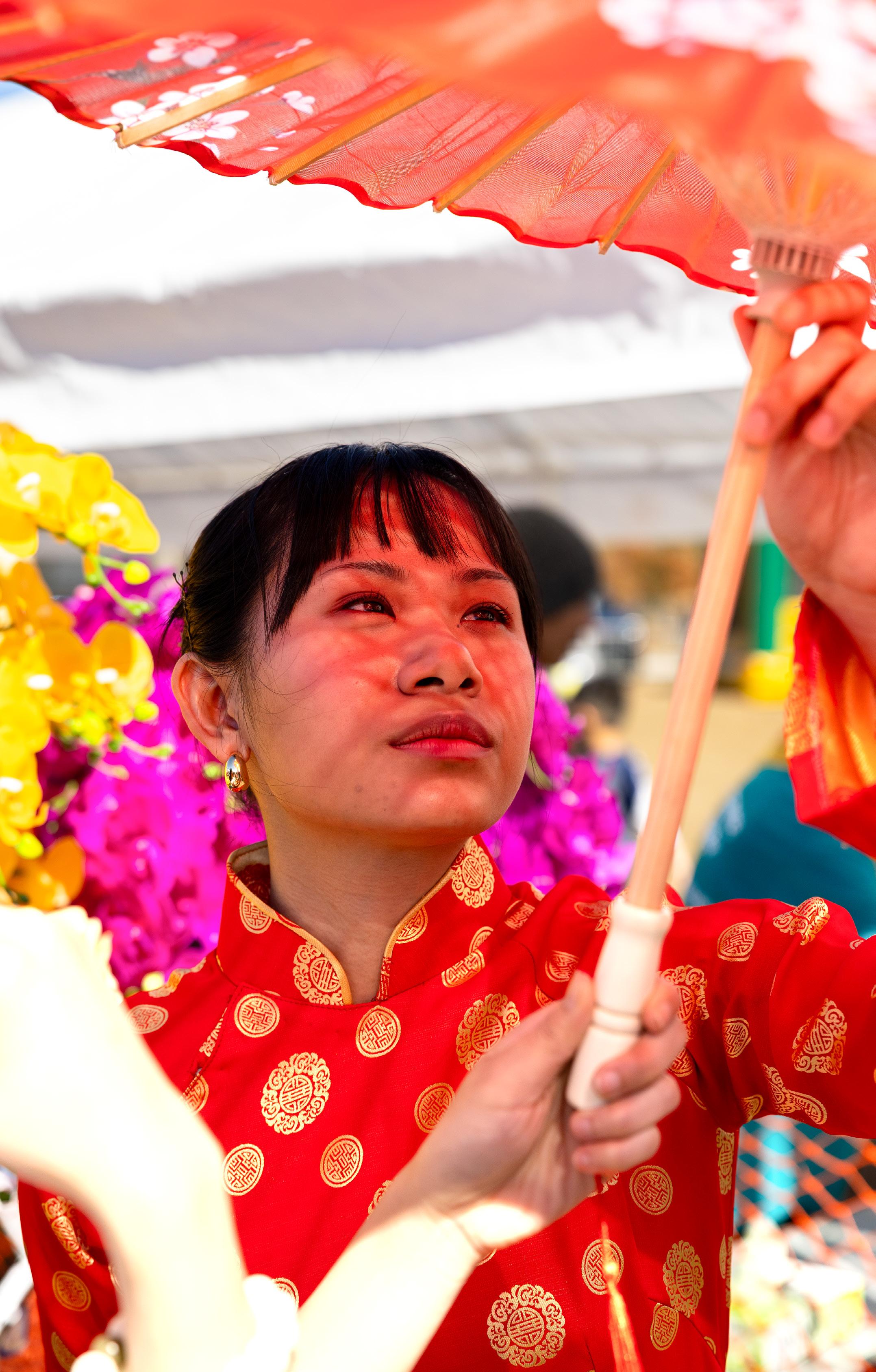
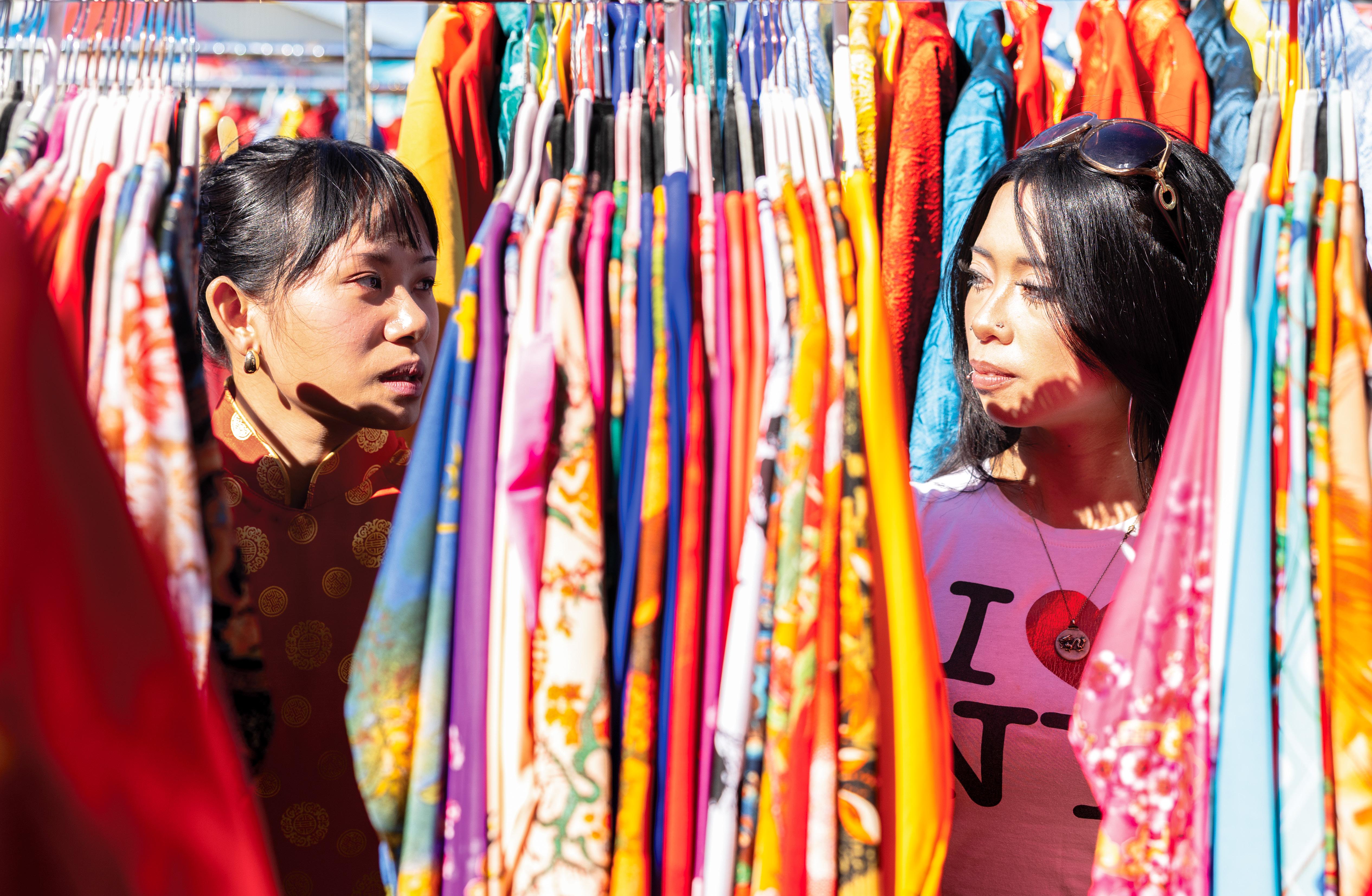
The Culture Shock navigates the tension between heritage and environment. Shaped by Western influences yet rooted in tradition, this story reflects the quiet dissonance of growing up between cultures. It is about reclaiming identity, rediscovering origins, and embracing the complexity of belonging to more than one world.
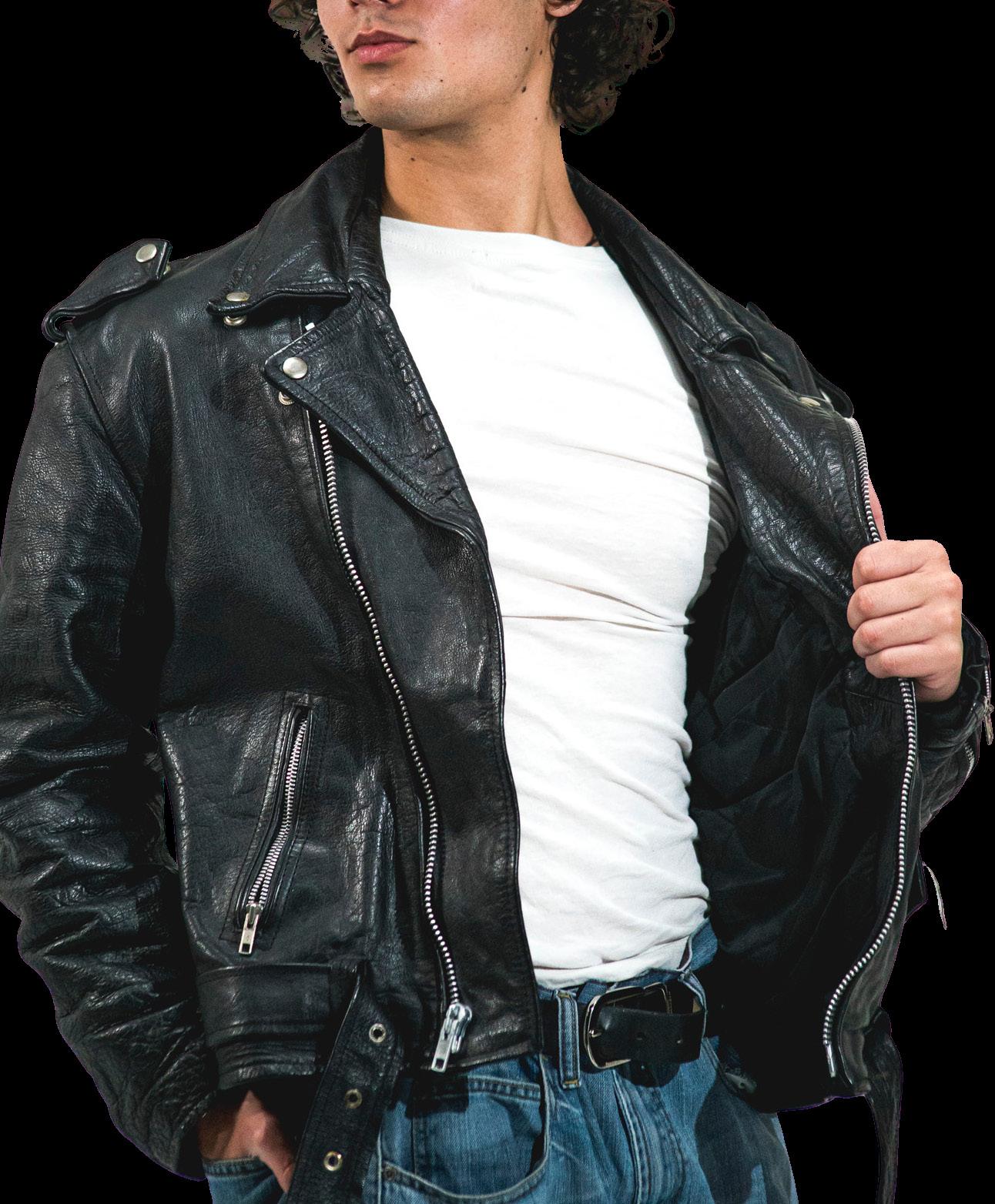
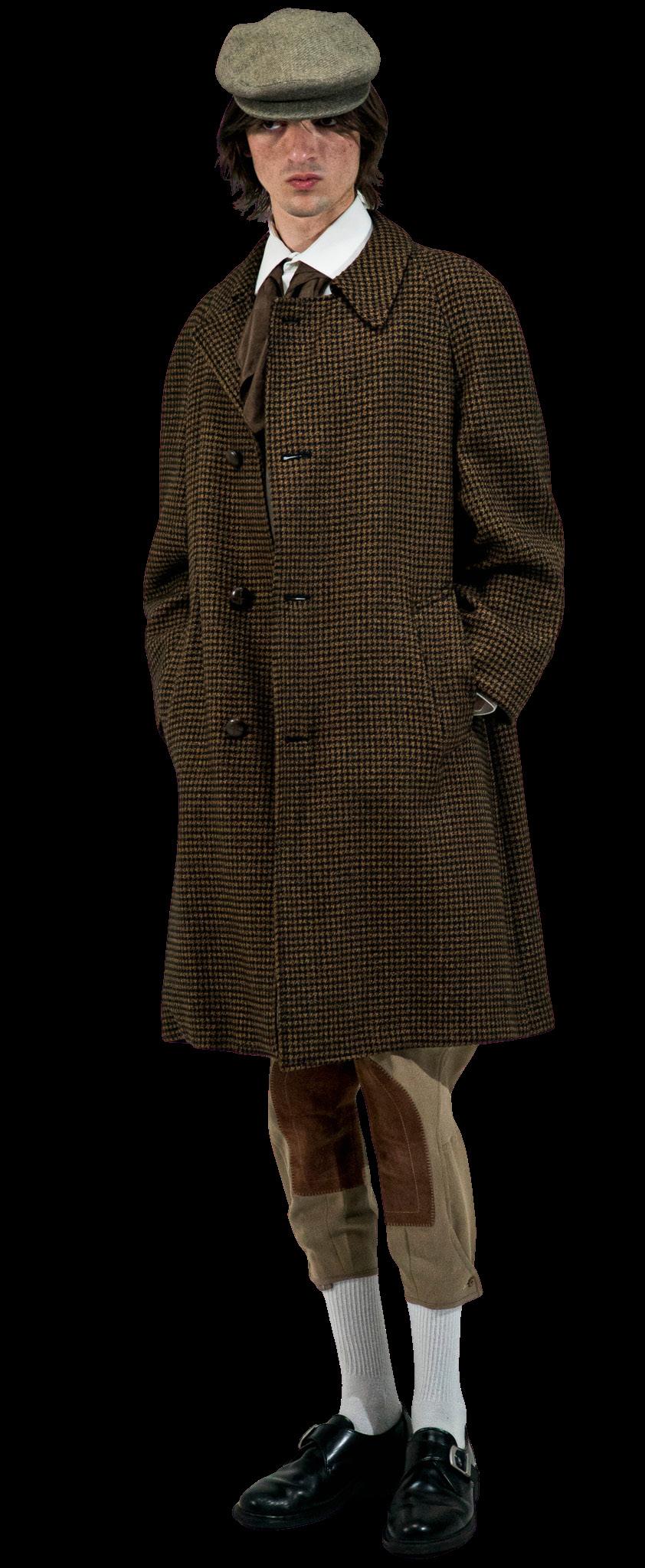
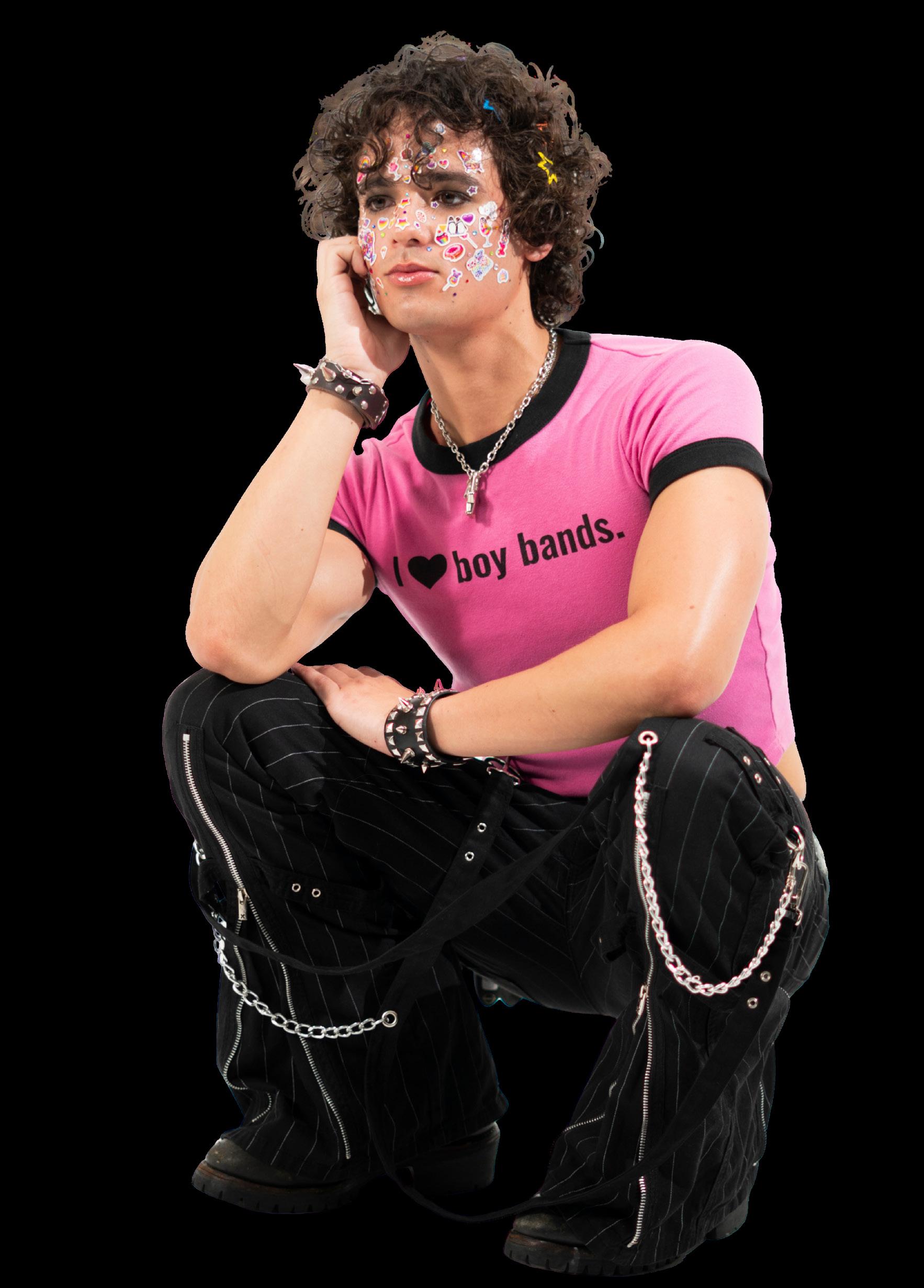
The Innovator traces the evolution of male self-expression through fashion, highlighting the cultural and artistic movements that have redefined masculinity over time. From rigidity to freedom, this story explores how clothing becomes a language, one that reflects shifting norms, rebellion, and the courage to express individuality.
The Provocateur exists to challenge. She is bold, self-assured, and unafraid to take up space. Through her, femininity becomes powerful, intentional, and unapologetically autonomous. She uses vulnerability as strength, rejecting expectations and embracing her identity on her own terms, even when it disrupts the status quo.
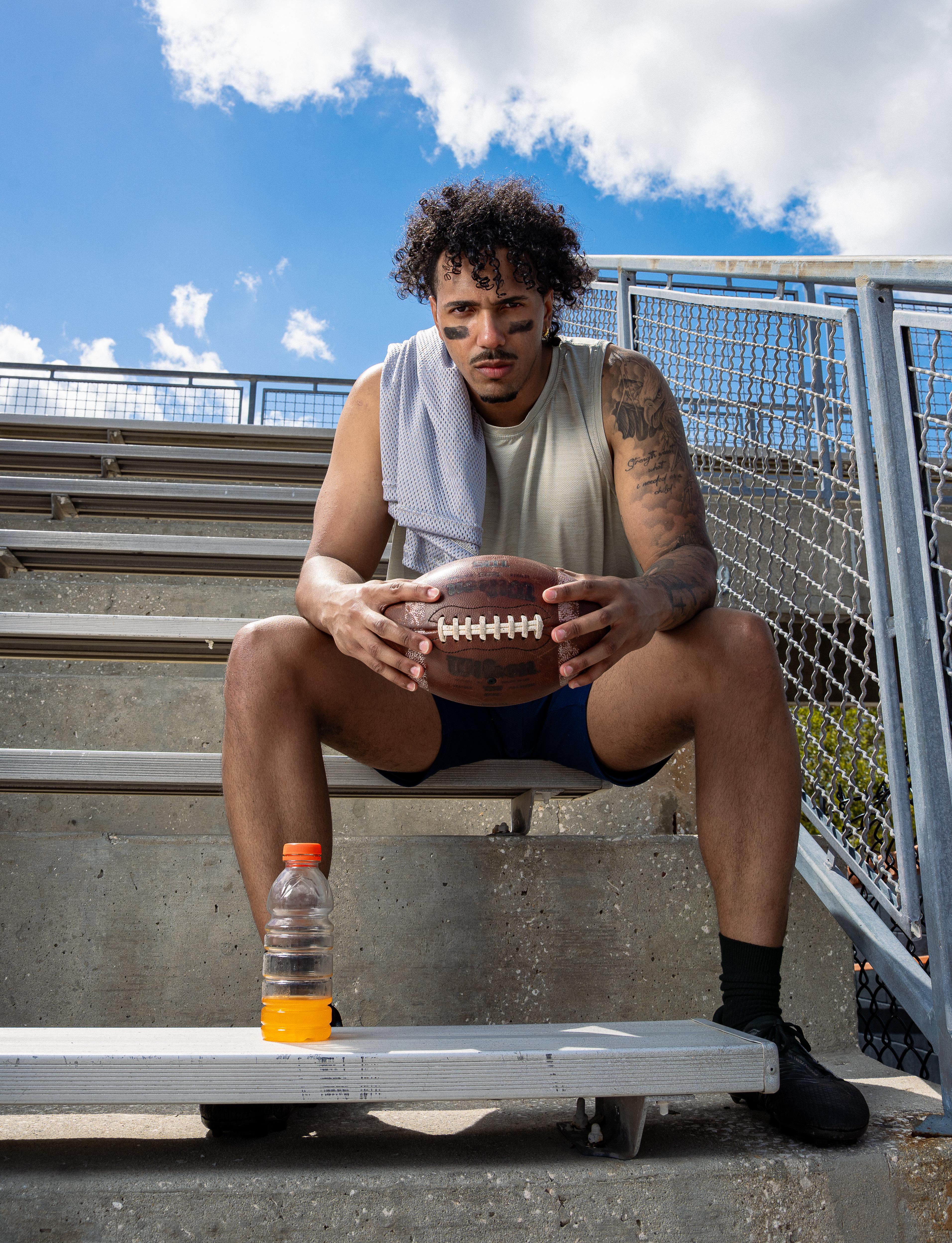
The Athlete embodies discipline, sacrifice, and relentless drive. Behind every moment of glory lies a history of effort of early mornings, physical strain, and undying commitment. This story captures the emotional and physical toll of chasing a dream, and the grit it takes to keep going, even when everything is on the line.
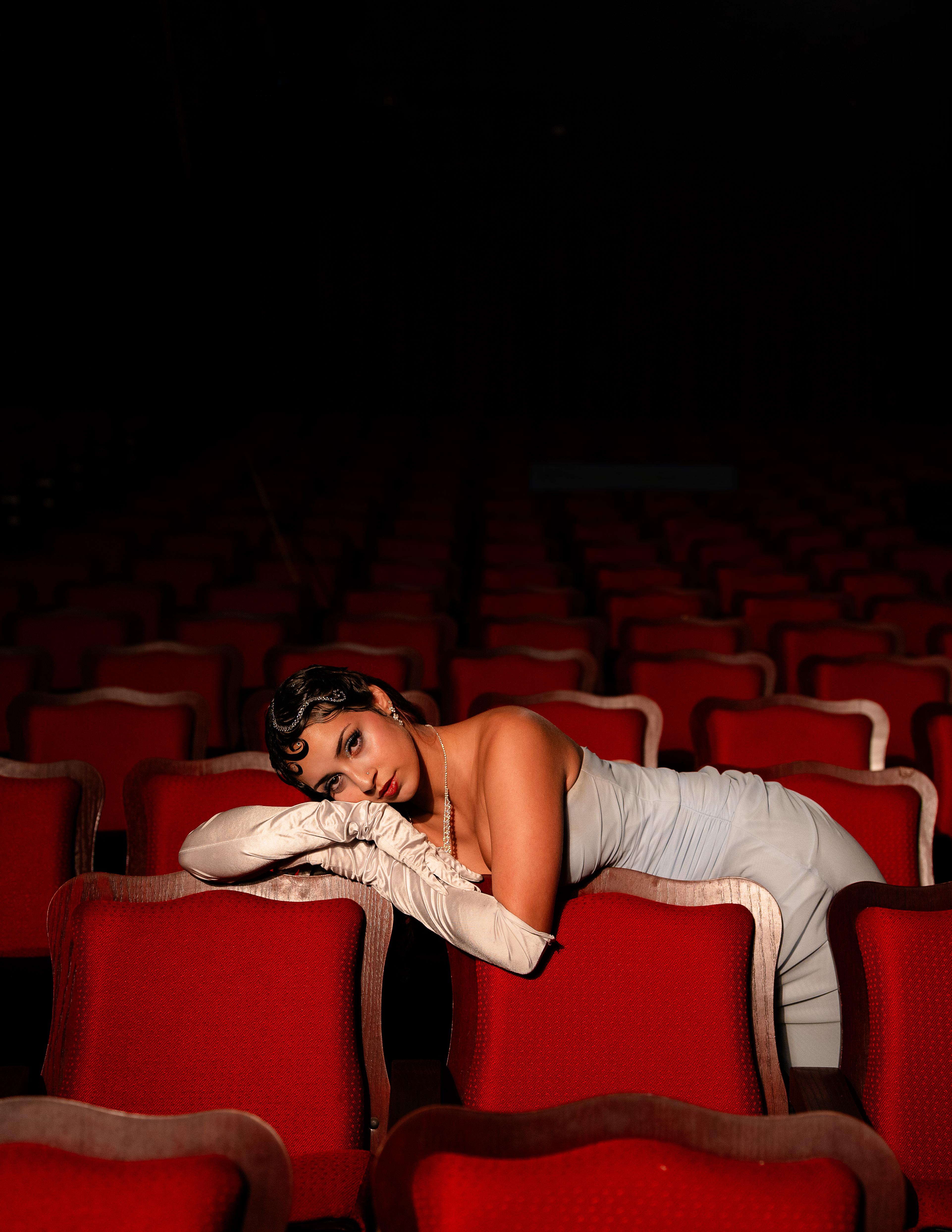
The Star reveals the quiet vulnerability behind performance. For those who dedicate their lives to their craft, the
stage is everything, but what happens when the moment never comes? In the stillness of an empty theater and the anticipation of a curtain that may never rise, this story explores identity stripped bare, without an audience to affirm it.
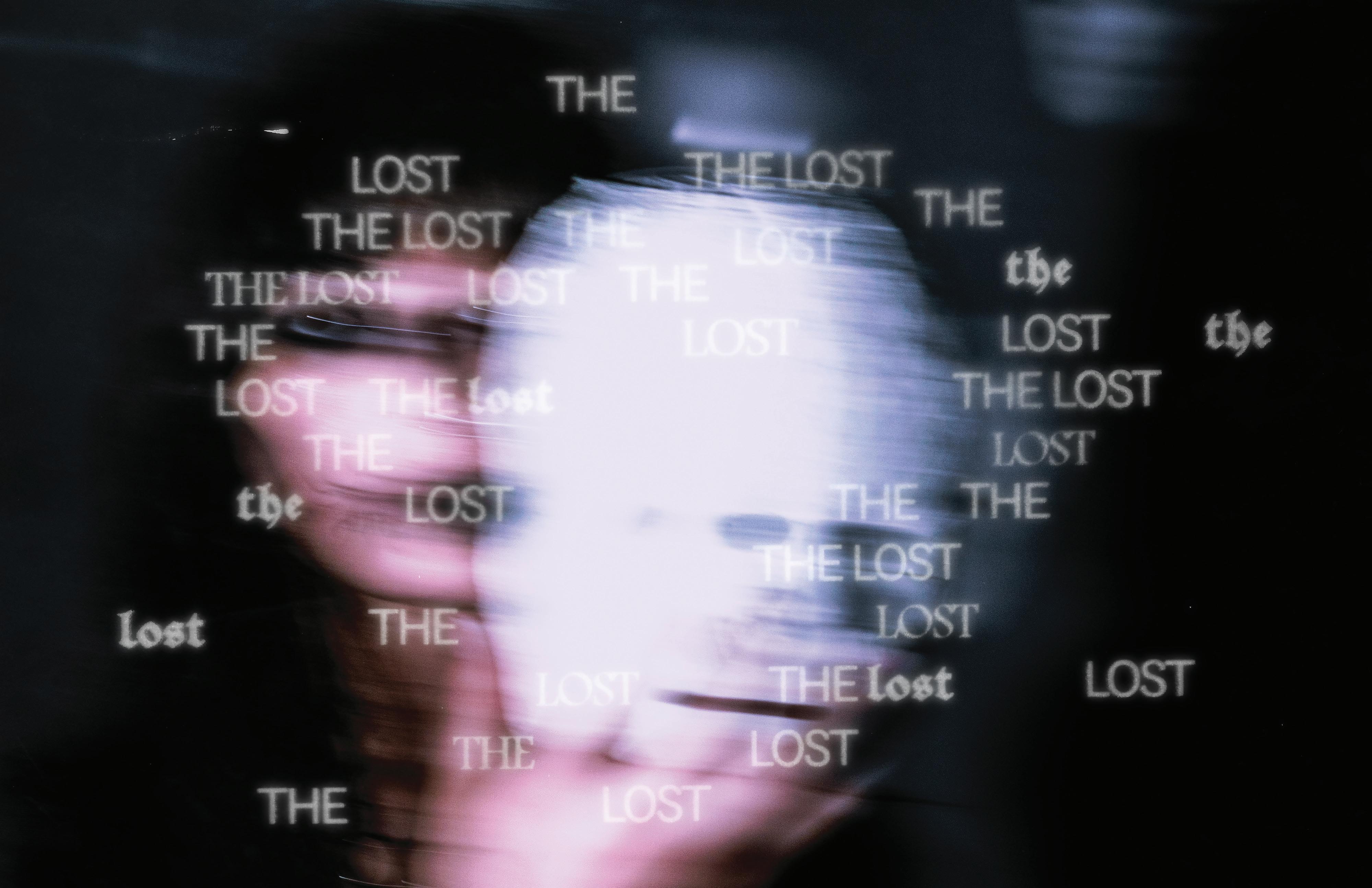
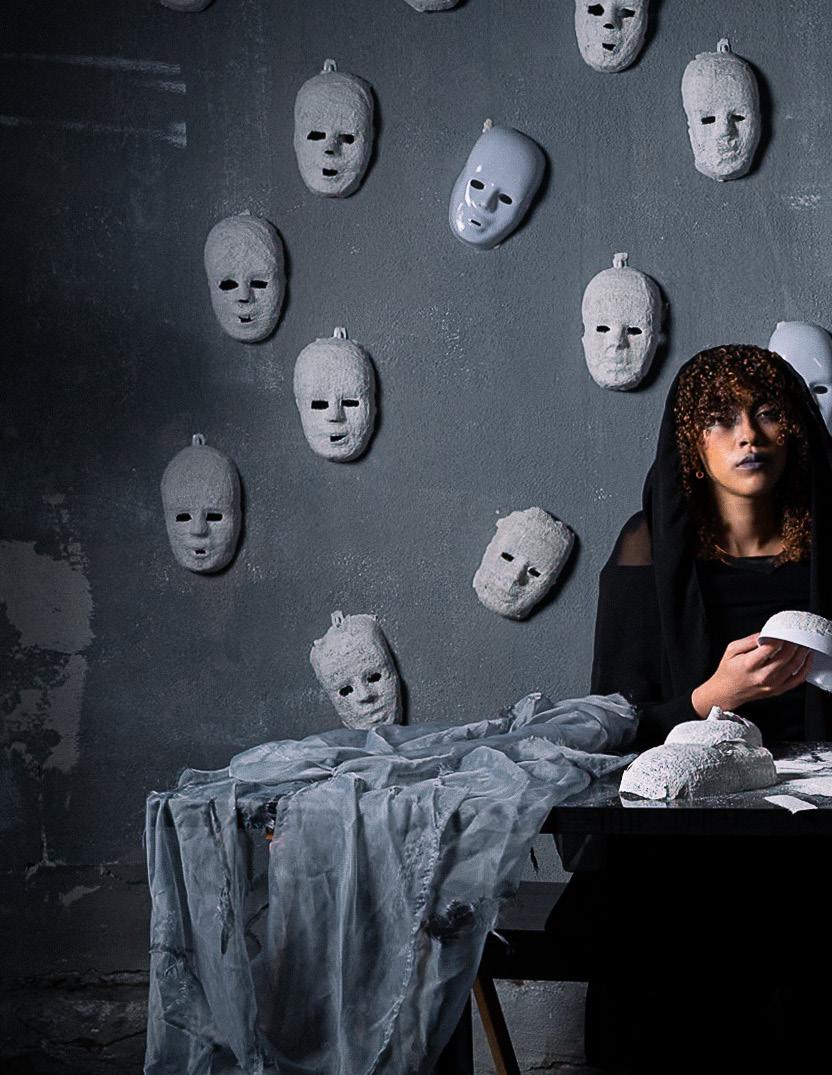
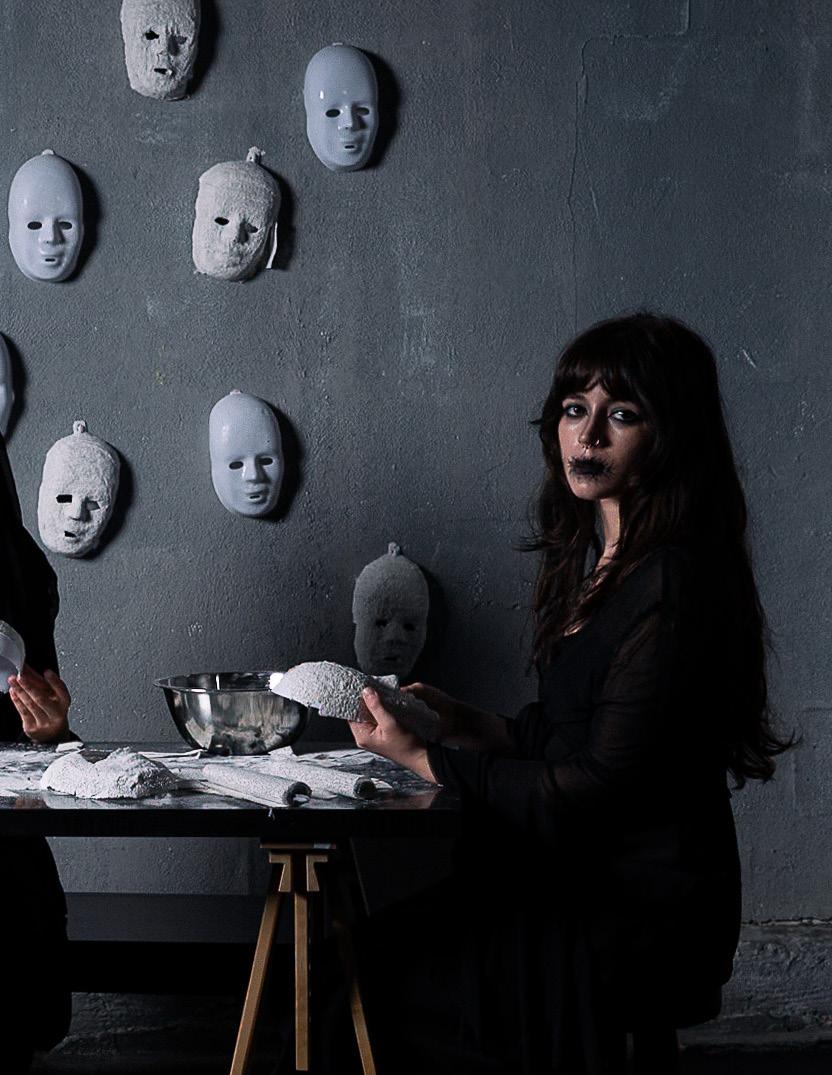
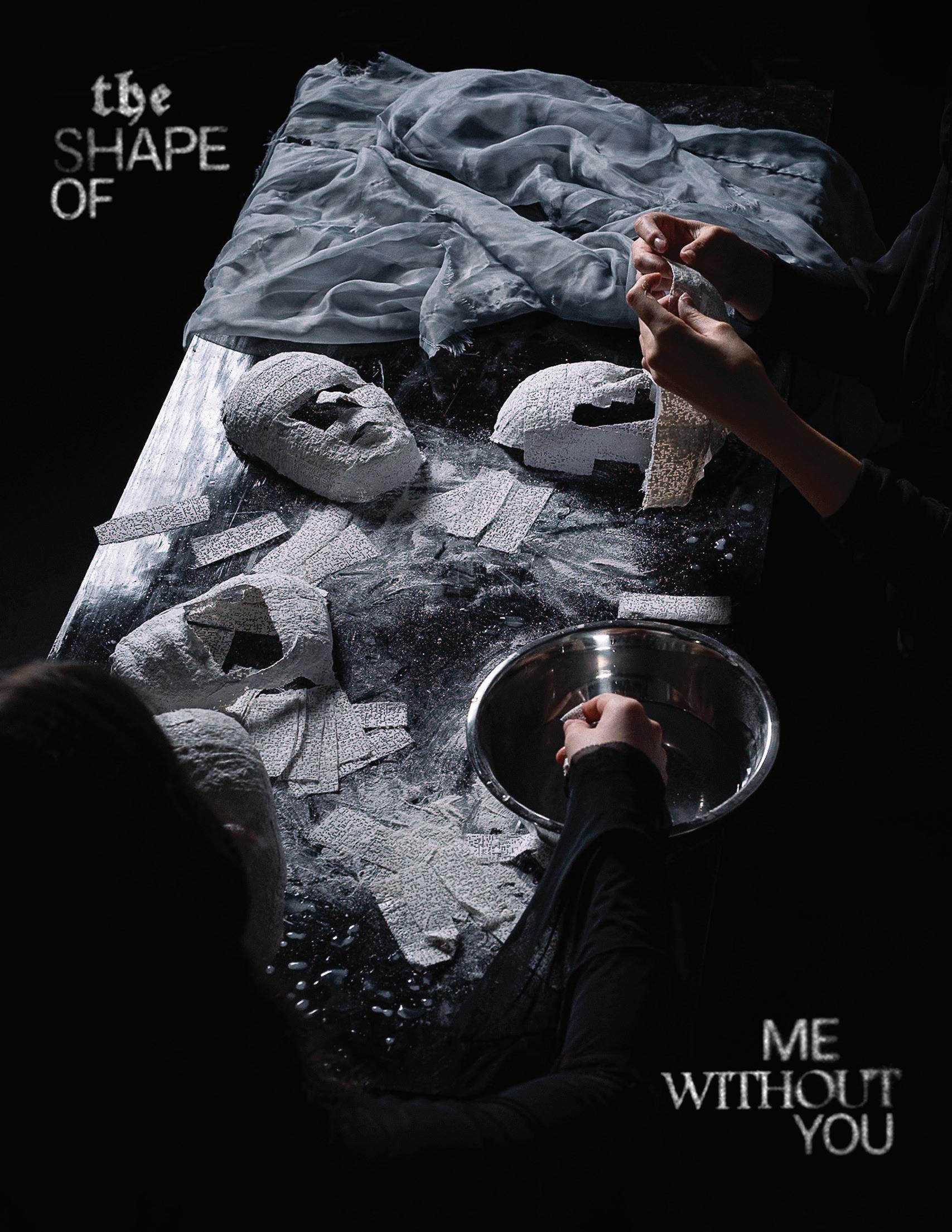
And finally, The Lost exists in the absence of clarity. It captures the moments where identity feels out of reach, where everything appears composed on the surface, yet internally, there is uncertainty, repetition, and longing for purpose. Like paper mâché, identity here is something constructed layer by layer, fragile yet intentional, constantly in the process of being shaped.
Together, these narratives form a collective exploration of what it means to be in the process of becoming. The Search for Identity is not about arriving at a final answer. Rather it is about embracing the questions, the contradictions, and the ongoing evolution that defines who we are.
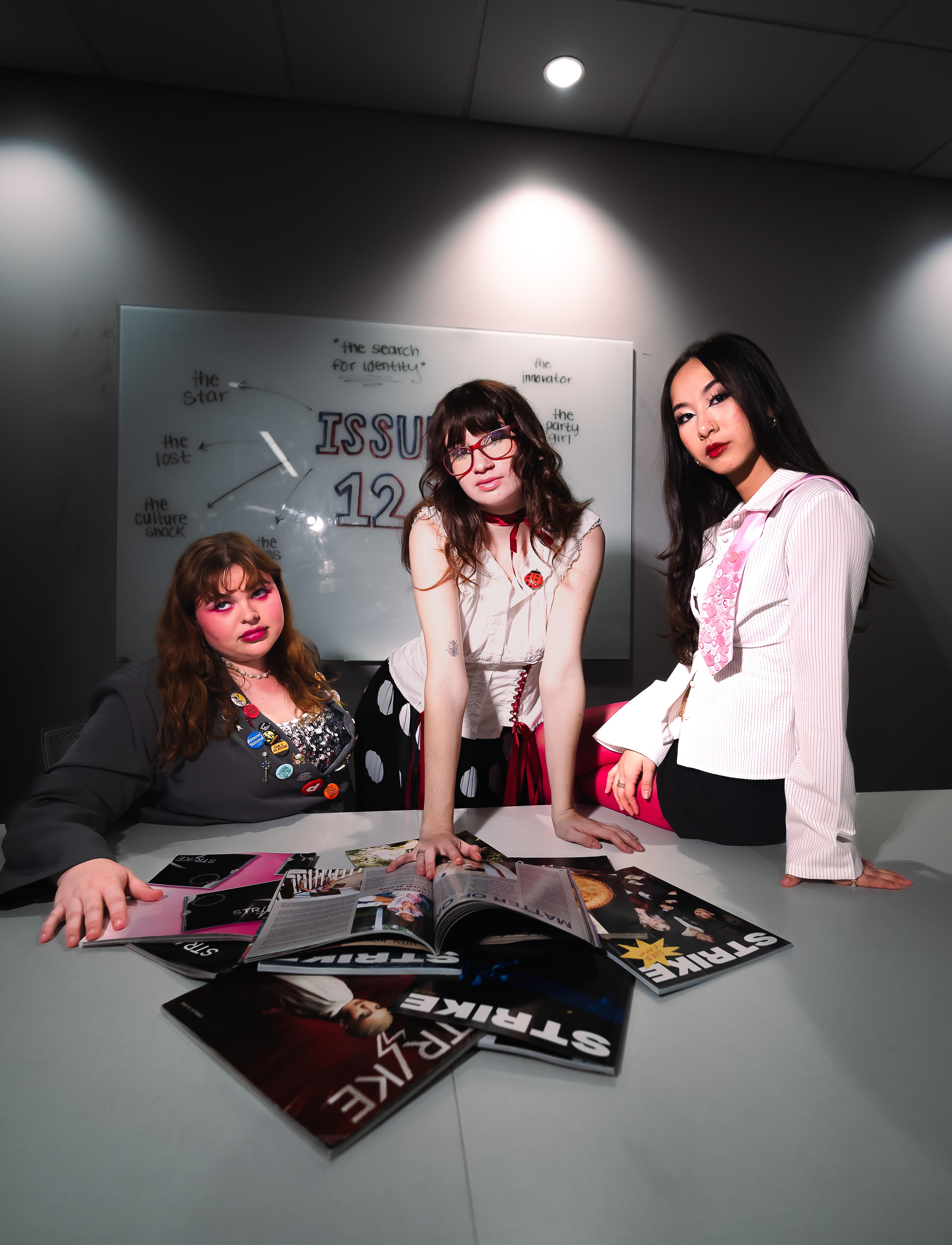
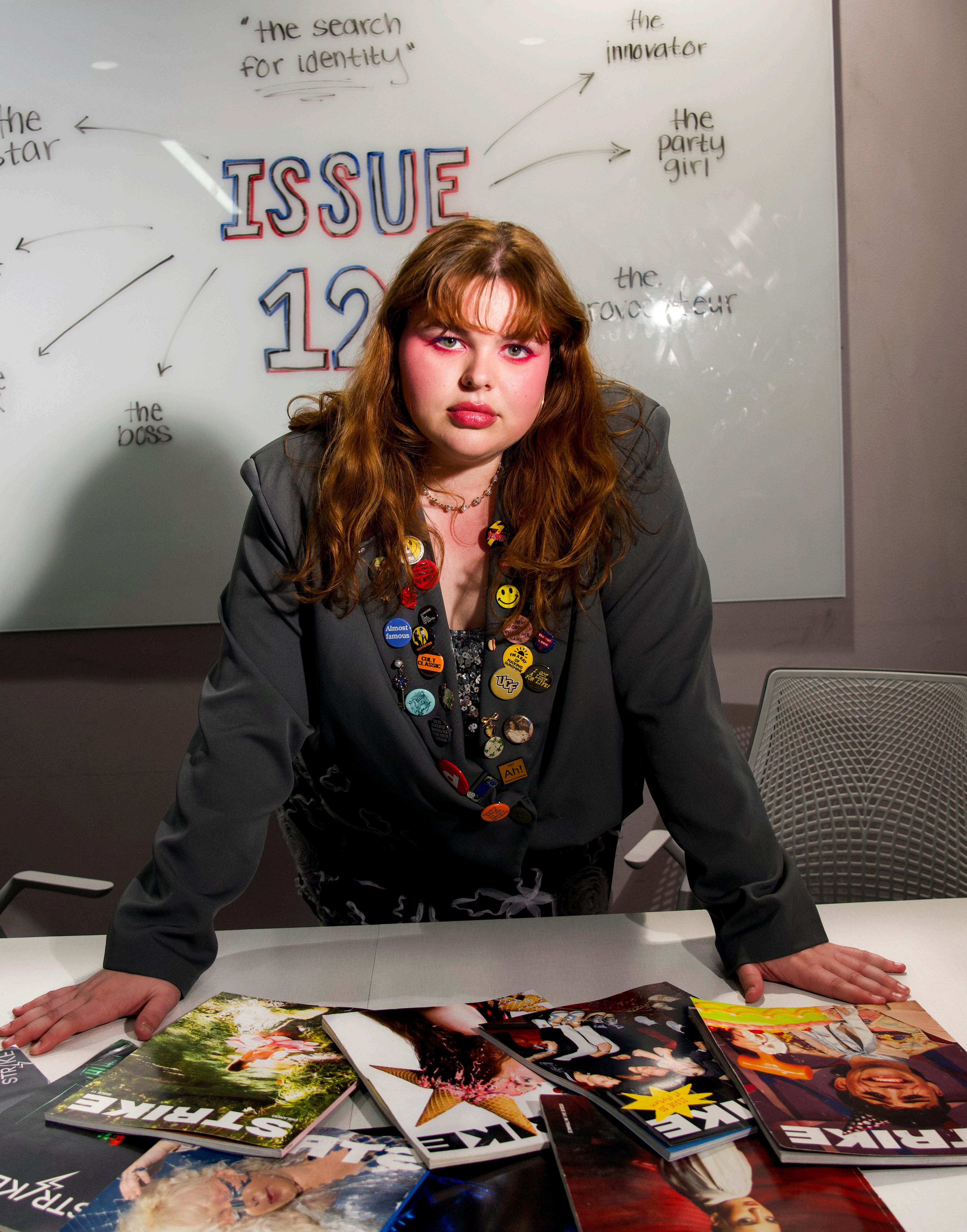
For the last two and a half years of my life, I don’t think there has been a single day when Strike Magazine Orlando wasn't mentioned. Whether it's a passing comment to a friend about a shoot or yapping at my mom on my drive home from a meeting, Strike has been such a central piece of my college experience. Now, I get to reminisce as this chapter of my life comes to an end.
When I found out I would be taking over as Editor-in-Chief, it was an internal battle of who I was as a leader and an artist. I’m a planner, so I immediately began mapping out my first issue as EIC: things I wanted to change, how we approached our audience, and the next issue. I developed several different themes, but none of them felt true to what Strike is.
Then I finally got to work with Amy and Lilly as “The Big Three.” What started as a group chat joke became an important bond as leaders. Amy brought her imagination and unstoppable optimism, and Lilly proved her eye for design, always showing up for her teams. As Amy’s vision for Issue 11 came to life, always working three months ahead, I started to look forward to 12. I chose to face my fears of failure as a design challenge.
Strike is first and foremost a collection of college kids looking to make something with their voices. I chose to boil Gen Z down to a collection of caricatures, hyperbolizing the attitudes and stereotypes older generations love to harp on. Are we just boozefueled, sex-crazed, digital zombies craving validation? Maybe. But who wouldn't love to see that? With Amy, we chose eight characters to represent the different personas we may try on as we age. While Metamorphosis explored the stages of life, The Search for Identity showcases who we can become.
Whether I’m asked in an interview or at an event, I always tell people that the best thing about Strike is the people. From the Issue ATE event team, to the incredible staff behind Issue 12, I have been constantly surrounded by talented, wonderful friends.
Thank you to all our incredible directors, staff, and contributors, who stepped up and lent us a piece of their identity. I am incredibly grateful to this team for not only putting up with my crazy ideas, but bringing them to life.
There is truly nothing better than getting to make stuff with your friends.
Strike Out,
Maddy Campbell
EDITOR IN CHIEF

CREATIVE DIRECTOR
Welcome to Issue 12: The Search for Identity.
This issue is deeply personal to me. Growing up as the child of immigrant parents, identity was never something that felt fixed. It was something I was constantly navigating, balancing, and trying to understand. I found myself trying to live up to expectations yet still trying to figure out who I am and what I wanted to represent me. That tension, the uncertainty between who we are, who we’re expected to be, and who we are becoming, became the foundation of this issue.
Alongside my creative partner, Maddy Campbell, we envisioned this issue as a continuation of Metamorphosis. Issue 11 explored the idea of transformation as a natural cycle of life, this issue pushes further. Diving deeper into who we become within that cycle. It lives in the questioning, and the ongoing process of defining ourselves in a world that is constantly shifting.
To my directors and creative team, thank you for your dedication, and your artistry in bringing this vision to life. Those new and old, I have seen you all grow into better leaders and strengthen your skillsets. This issue is proof that pressure does not break everyone. Some people rise from it stronger, sharper, and more refined. This issue is proof of that. Together, we created something resilient, something that shines.
To my support system, thank you for grounding me through every challenge along the way. Your support carried me through moments of doubt and pushed me to keep going when things felt uncertain. I would not have made it to the end of this chapter without you. And to Strike—thank you for giving me the space to lead, to create, and to explore every corner of my imagination. This experience has shaped me in more ways than I can put into words. As bittersweet as this moment is, I am incredibly excited for what lies ahead.
Strike Out
Amy Phung
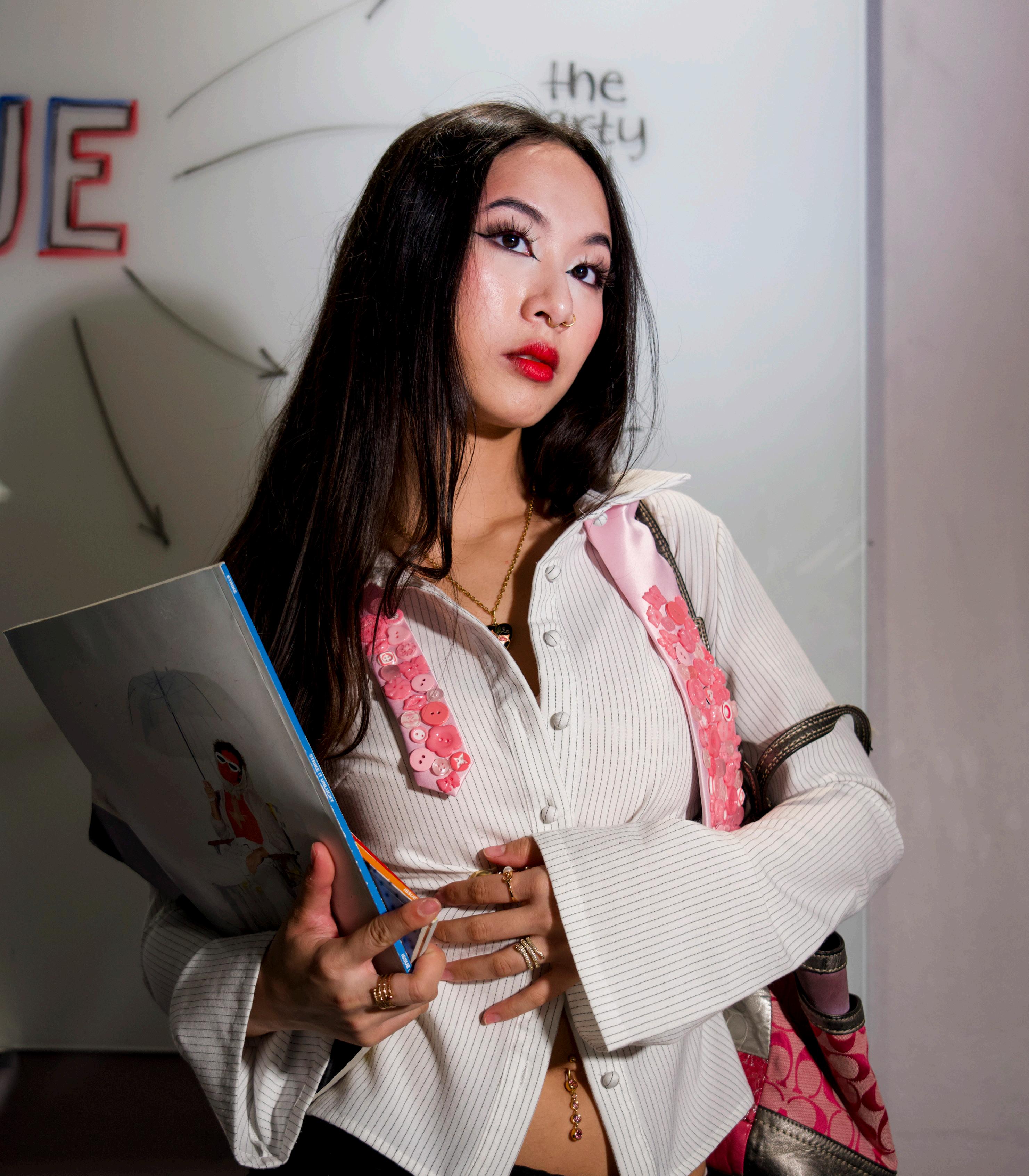
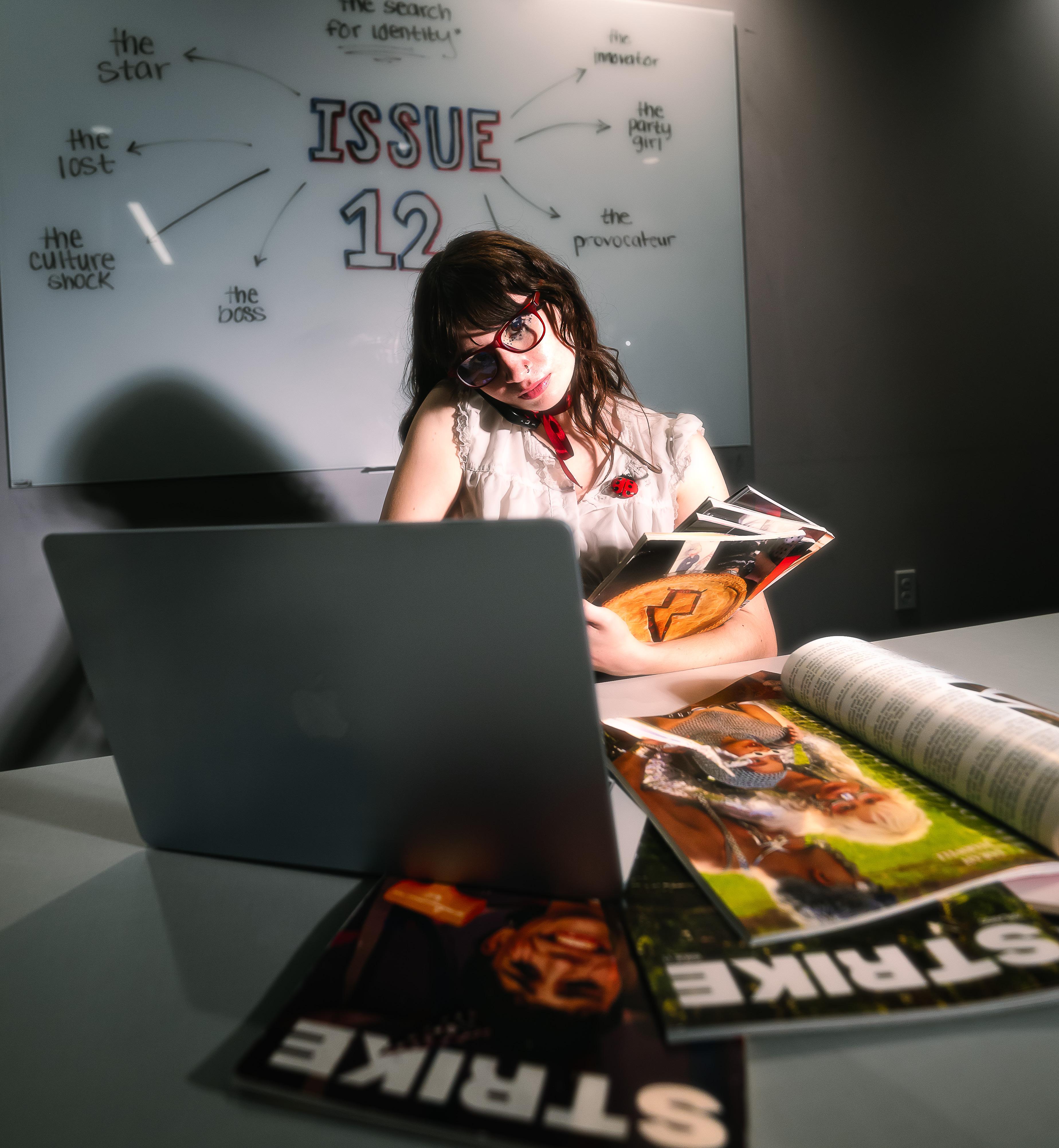
EXTERNAL DIRECTOR
Truly, I think there could not have been a better theme for my final issue on Strike. The concept of identity means a great deal to me. I have been searching for the answer to the question my entire life: Who am I meant to be? It’s a question a lot of us ask ourselves, and as I navigate my twenties, it comes up more often than not. You could say that this magazine has become part of my identity. What started as an extracurricular opportunity turned into the foundation of my everyday life. I have been able to understand the importance of creativity and expressing oneself through art. I truly admire that our magazine allows everyone to express their identities and inner selves through the pages of our issues. I, myself, have learned so much more about myself. Alongside exploring identity, I have also wrestled with the question of purpose, a struggle that has accompanied me for quite some time. In my search for identity, Strike has shown me that purpose is not something you

find all at once. Sometimes it can be discovered through small moments of collaboration and community, in storytelling and creating work that might resonate with others. Being a part of this magazine has not just given me the platform for expression, but also a deeper understanding of what I want to do with my life and who I’ve become along the way. I know I haven’t yet completed my “search” for identity, but the journey that takes me to get there is just as important. Thank you, Strike, for being more than a magazine: I leave a piece of my heart with Strike Magazine Orlando, always.
Lilly Pearl Dame
EDITOR-IN-CHIEF
EIC ASSISTANTS
CREATIVE DIRECTOR
CD ASSISTANT
EXTERNAL AFFAIRS
DIRECTOR
EAD ASSISTANT
FINANCIAL DIRECTOR
FD ASSISTANTS
STAFF LIST
MADDY CAMPBELL
MELANIE BRASHEAR
LAUREN CASEY
AMY PHUNG
BRANDON ANDINO
LILLY PEARL DAME
AVA WASHINGTON
ALEXIS NICHOLE CALDERWOOD
SOPHIA NICHOLS
MICHELLE EATON
DESIGN
ART DIRECTOR
ART ASSISTANTS
KIERA MAYOTT
SKYLAR HOLM-MARTINEZ
JACQUELINE IOANNIDIS
BELLA MALDONADO
DAVID MEDINA
CARTER PAGE
RILEY WILLIS
BEAUTY
BEAUTY DIRECTOR
MAKEUP ARTISTS
EDITORIAL
WRITING DIRECTOR
WD ASSISTANT
COPY EDITORS
JOURNALISTS
STAFF WRITERS
OLIVIA WAGNER
DELANEY GUNNELL
ARSHEEYA GARG
SARAH FRANQUELO
HADLEY BALSER
MCKENNA FIORINO
JUJU GORDON
ROGER JIMENEZ
ERICK SERGIO MATOSINHO
ROSITA MECHÉRIE
BRENDA NUNES
ELENA TRÉPANIER
FASHION
FASHION DIRECTOR
STYLING ASSISTANTS
SPACE HARA
ALEJANDRA ALVARADO
JOBY AYALA
SEWAH
HANNAH OGDEN
LAUREN ROBINSON
GABI ABATI
FERNANDO FLORES
ANNE MCGRATH
EDNAH MILLER
JOSEPHINE SCOTT
ELI WILKE
YAN XIN JIANG
CASTING DIRECTOR
CASTING ASSISTANT
AMARAH PRESLEY
LANCE LOZANO
PRODUCTION
SET DESIGN DIRECTOR
SD ASSISTANTS
PRODUCTION MANAGER PRODUCTION ASSISTANTS
ANGELICA LIOTTA
LIAN CAMACHO
JESSICA DEMOSTHENE
KIREI PARRISH
ASHLYN WITTERSCHEIN
LAUREN CASEY
RYAN DAVIS
CAPRICE HORD
GABRIELA PONCE
SPURTHI NRUSIMHADEVARA
GABRIELE STEINBORN
PHOTO & VIDEO
DIRECTOR OF VIDEOGRAPHY
VIDEOGRAPHERS
DIRECTOR OF PHOTOGRAPHY
PHOTOGRAPHERS
BTS/EXTERNAL PHOTOGRAPHERS
LUKE SPRINGFIELD
TY’RECK ADDISON
JAIRO BAUTISTA
CHARLOTTE CAMPANA
BRANDON ANDINO
OLIVIA BENNETT
MICHAEL FRIDAY
IESHAM JOHNSON
MARY PANITZ
MAYCIE SHAFFER
EDUARDO SUAREZ MEDRANO
KATIE LEONARD
DAWSON NGUYEN
SOCIAL MEDIA
SOCIAL MEDIA DIRECTORS
SOCIAL MEDIA ASSISTANTS
CONTENT CREATORS
ELLA BARRIAL
MELISSA MEADE
NOURA ATTAH
GRACE BIRCH
VAL LOPEZ
MIO RAIMONDI
PAULA TORRES
DAN TRAN
TARYN YOUNG
JOSIAH SAUNDERS
KAI LOBBAN
MAR ABDELRAHMAN
NIKKI DIRENZO
QUINN MCCORD
RANICA ZAYDVARG
VENUS NGO
PUBLIC RELATIONS
PR DIRECTOR
PR CAMPAIGN MANAGERS
PR ASSISTANTS
HANAA SABIR
YASMEEN AMAR
SETH CARRILLO
MARIANGIE SANGIOVANNI
CHRISSIE LONEY
SRIMANASA NAGABHYIRU
STEPHANIE SHARKEY
BETH WHARTON
EVENTS
EVENTS DIRECTORS
EVENTS ASSISTANTS
CAMRYN NEJAIME
DANIELY RIVERA-MARTINEZ
CHANTEL BROWN
YANELY HERNANDEZ
SIOBHAN LELCZUK
NAYSHLA ROLLY
SHAYLA SOTO
KATIE TA
THE PARTY GIRL THE INNOVATOR THE STAR THE CULTURE SHOCK THE ATHLETE THE PROVOCATEUR THE LOST
15-24
25-34 55-64
35-44 65-74
PROVOCATEUR 45-54 75-84
1. A person who attacks cherished beliefs or customs . plas•tered:
1. to be fucked up
i hate to be the bitch who doesn’t want to go out. no one does
somehow i feel like i’m the only one who doesn’t. doesn’t want to go out, that is.
who am i to reject the sacred institution of the club? who am i to go against the current, forge my own path away from the pilgrimage to frat row? and i don’t say any of this in an annoying, “not like other girls” pick-me, “i don’t twerk i read” way. i really don’t even read! but my desire to go out is waning so, so thin. yet i really don’t want to waste my prime. everyone knows after 21 you’re lowkey supposed to stop drinking (the author would like to make it very clear here that she would never condone underage drinking, and is simply writing from a totally fictional character’s POV. she signed the DARE contract). so another friday night rolls around with another pregame, another func, another digicam that belongs to god knows who. i don my leather boots that make chinese foot binding feel relatively humane in
"charli did a lot for us with brat, but t he flame must keep burning."
comparison, my skirt that will constantly require one free hand to pull it down, and my sticky bra that is begging to be put out of its misery. i should be grateful. 500 years ago my ancestors would kill for the opportunity to go to knight library. in fact, i have a lot of partying to do, to make up for the whole model minority thing. charli did a lot for us with brat, but the flame must keep burning.
another night of forgetting to eat a real meal, which never ends well. another night of (alleged) vodka crans and sinister jungle juice that might not be safe for human consumption. another night of drunken dizziness and sleepiness, and wishing the uber would take me right back to my apartment as it turns into the lot. another night of missing my bed in the backseat.
and god forbid i skip the drinks to avoid the hangover or the hand sanitizer flavored retching. being stone cold sober and acutely aware of all the sweat, that is not your own, rubbing off on you, is something i simply am not pining for. so it’s another 10 dollars to have a barely tolerable time, with the highlight of the evening maybe being the inevitable ki in the girls’ bathroom. the obligatory compliments, the exchange of the instagrams,
Rosita Mechérie
and 3 new followers to wake up to. score.
i don’t mean to sound jaded. but i’m fed up. i know i could always stay in, no one’s peerpressuring me but myself (can you peer-pressure yourself?), but somehow the nights i do stay in are the nights that all my friends go on the most fun side quests. those are the nights that get recounted like oral tradition for years to come. the night that i tap out is invariably the night that a D-list celebrity would grace the local dive bar. i simply cannot take that risk.
so i bite the bullet. i give in to the FOMO, in a pathetic but unsurprising turn of events. i get ready, all dressed up, and smile for the pictures. i talk to the strangers, i say yes to the side quests. i do it all tonight, because i don’t want to regret it tomorrow. yet in an ironic twist fit for an o. henry short story, i’ll regret it all anyway.
REDEFINING THE PARTY GIRL:
The term “party girl” is often reduced to clichés—glitter, late nights, and loud music. But behind the label is something far more interesting: confidence, community, and a woman who unapologetically takes up space. In this conversation, we explore modern womanhood, the freedom of having fun without shame, and how nightlife and social spaces can become places of connection, empowerment, and self-discovery.
E: “To start us off, can you introduce yourself and tell us a little bit about who you are?”
J: “My name is J’lyssa Herbert, I’m 21 and I’m from St. Croix. I am a theatre studies major and minoring in event management at UCF. I’m interested in fashion and anything that lets me have a creative outlet to express myself!”
E: “To get us started—the phrase “party girl” comes with a lot of assumptions. How would you describe the term “party girl” and what does the term mean to you?”
J: “When I think of a ‘party girl,’ I immediately think of Brat by Charli XCX—and the kind girl you meet in the bathroom on a night out who uplifts others while uplifting herself. Someone who just knows how to have fun.”
E: “Oh yes I agree! What about that album that reminds you of being a party girl?”
J: “I feel like it’s less about the lyrics and more about the music that gives that vibe of having fun, feeling free, and not caring about what others think.”
E: “You mentioned connecting with others in the bathroom on nights out. Those moments often hold real emotion and connection. What
have those spaces taught you about yourself?”
J: “Going out has taught me that sometimes you just need a night to let loose. It’s easy to get caught up in routine and forget to have fun with friends. Meeting new people can add so much to the experience—especially when you connect over shared interests or discover something new you never would’ve thought of before.”
E: “Connecting with other women while going out is always fun. In your experience, do partying and selfexpression—through fashion, music,
confidence, or attitude—go hand in hand?”
J: “Music really sets the vibe for the night and can boost your confidence and attitude. I always tell myself I have to top the last time I went out, so I like to try a different style each time. I get inspiration from others and think, ‘I need to recreate that.’ Going out gives me the space to express myself through my clothing, makeup, and hair.”
E: “You mentioned getting compliments from other women in a new outfit—what role, in situations like those do women supporting women play in your nights out? Is it something you look forward to?”
J: “I look forward to EDC every year because it’s where so much of my self-expression comes out. Seeing everyone’s creativity and getting a compliment after putting time into an outfit feels really validating—and it’s just as nice to give that energy back. It feels like girlhood, where we all understand the effort behind fun outfits and makeup looks.”
E: “We’ve spoken about expressing your femininity and girlhood on the dance floor—what does embracing your femininity look like for you off the dance floor?”
J: “Doing my skincare in the morning helps me start the day feeling good and glowy. If I’m not wearing makeup, I’ll put more effort into my outfit or hair—I like having at least one of those things put together so I can feel connected to my femininity.”
E: “And lastly, if you could completely redefine the narrative around the term “party girl,” what would you want people to understand?”
J: “The term ‘party girl’ often carries a negative connotation, but it shouldn’t. Party girls are kind and inclusive— they want everyone to have fun, not just themselves. Being a party girl is a mindset: expressing yourself freely while supporting others. It’s about knowing yourself, and that’s beautiful.”
E: “I love that so much. Thank you for sharing your experience!”
J: “Thank you for having me!”
Elena Trépanier
A DEEP DIVE INTO MODERN GIRLHOOD
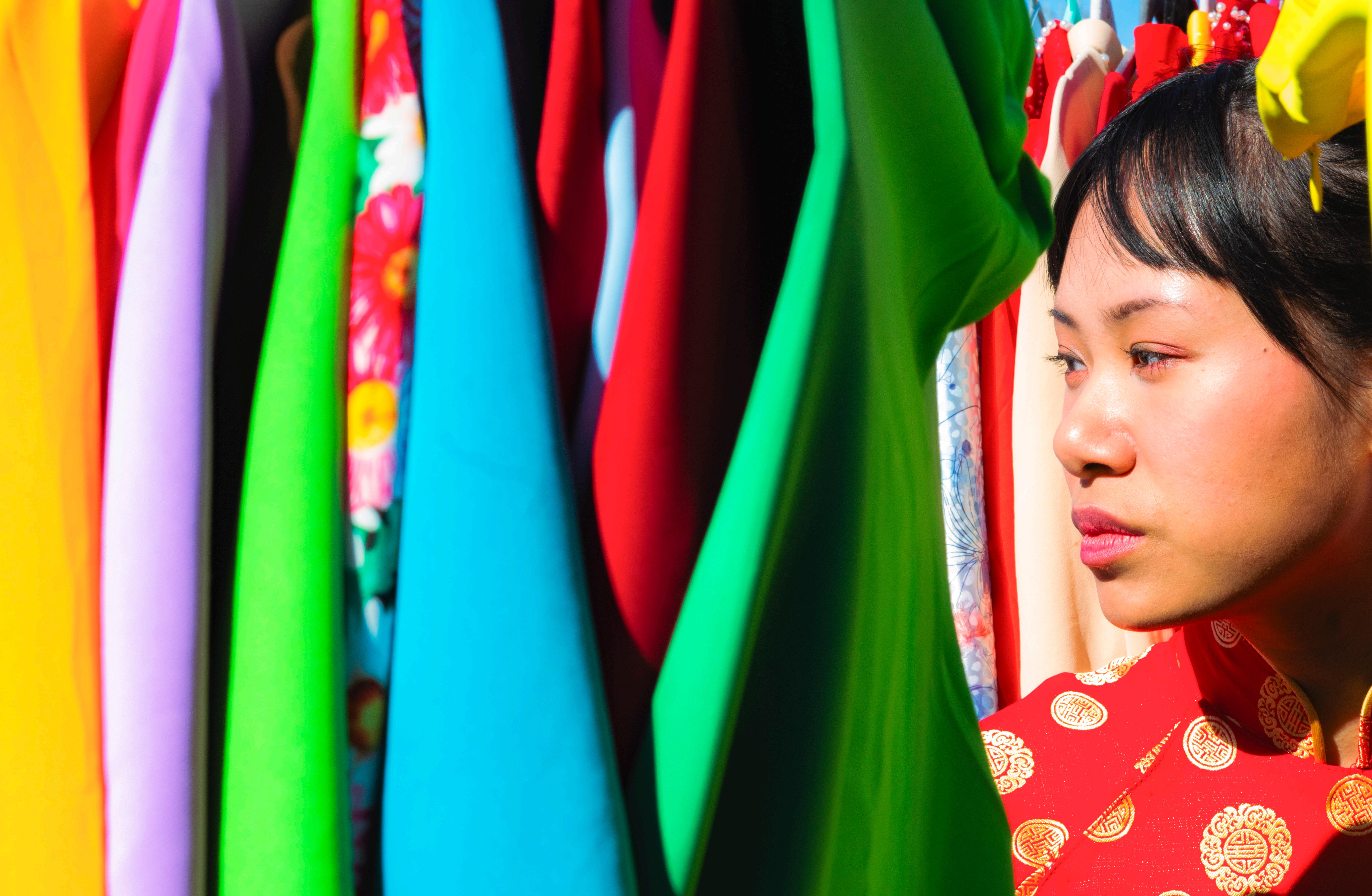
The Culture Shock
They
see culture through our eyes.
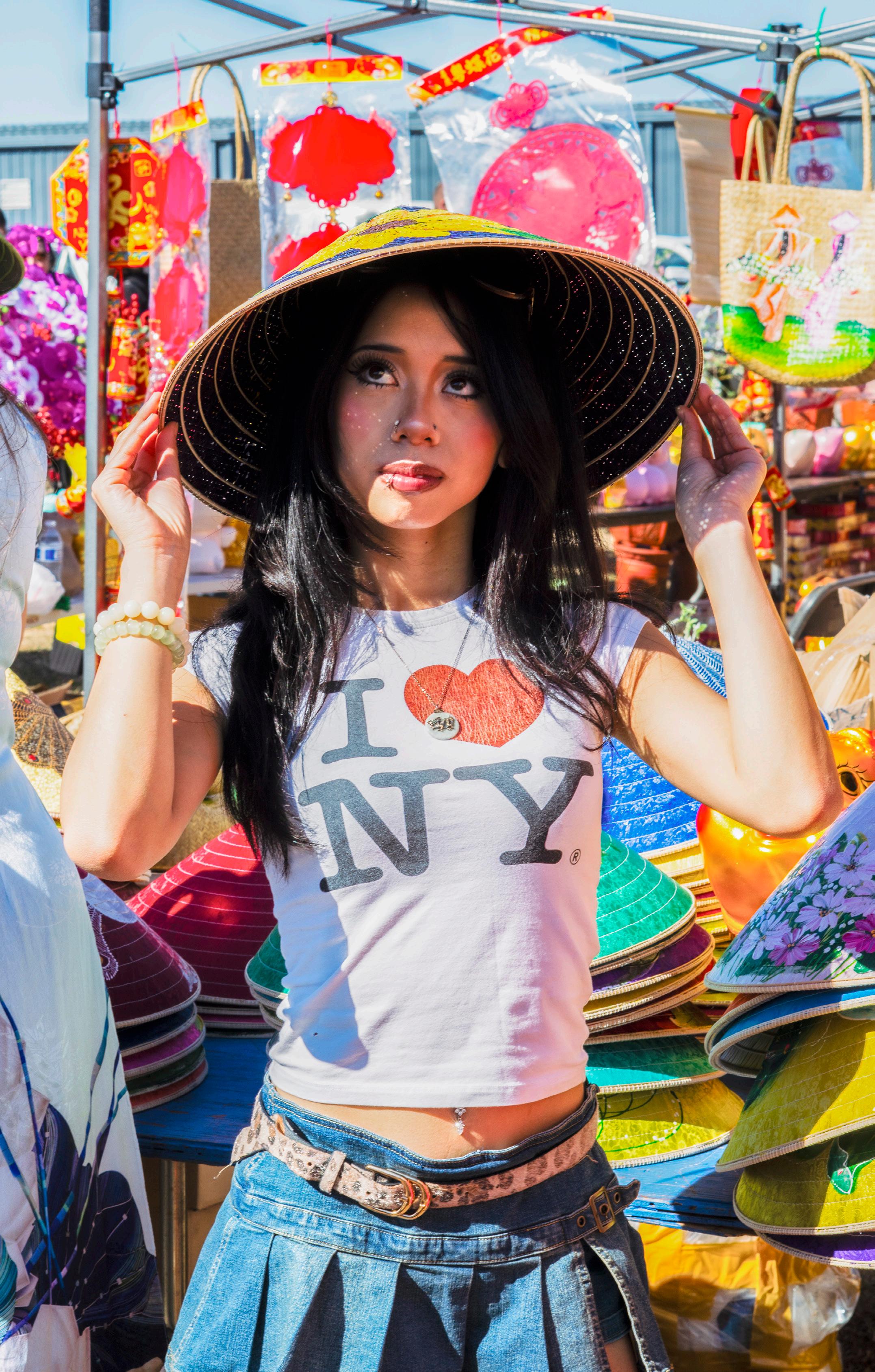
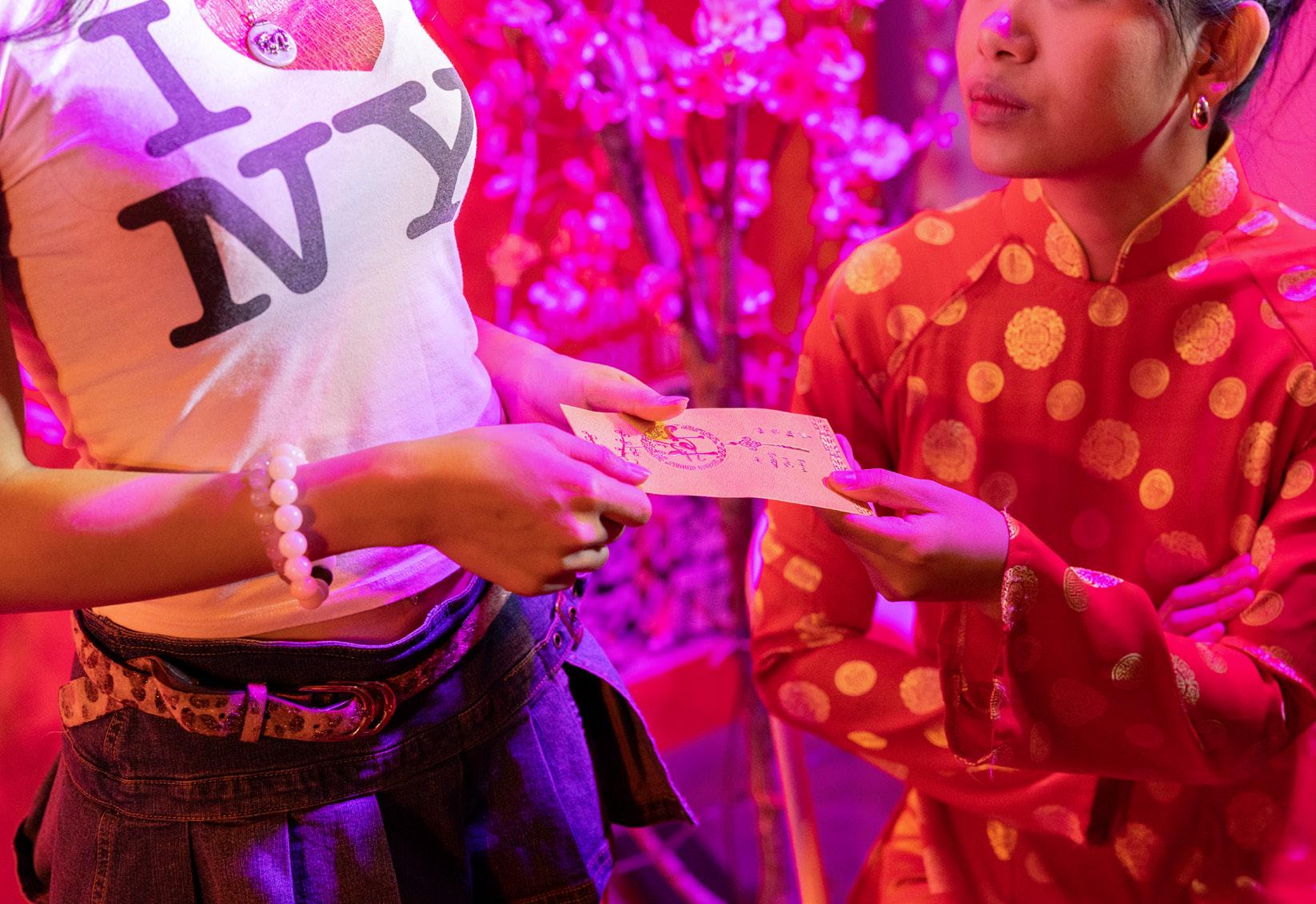
ThroughTheir Eyes
In one world, there is the kitchen. The oil is popping in the pan, the water is running over the rice, and the radio is playing music that reminds me of home. Our mothers know what to do in this space: they rinse, they chop, they fry, they taste, and they adjust.
In another world, there is the cafeteria. The fluorescent lights are bright and the plastic trays are loud. Everyone is putting ranch on their food. The kids are saying things like "omg", and "bro", and "I'm so dead.”
We trade snacks with our friends, we learn words and we figure out how to explain our lives to our parents. We are like the characters in a story about fitting in. Teachers, guidance counselors, and even Netflix tell us that we are caught
between two worlds and that we have to balance our two cultures. Our parents are on this journey with us. They see culture through our eyes, through the things we say, the things we wear, the things we post on Instagram. They get bits and pieces of it like a lyric or a funny meme or a new holiday at school.
For the Samaru family, who are from Guyana and have strong Hindu roots, fitting in happened slowly.
“One thing that is hard for me as a mother is celebrating our Hindu holidays,” the mother said. “I have realized that I spend time and money on other holidays and that makes it hard to celebrate our own holidays.”
Our parents are adjusting in their own
way, even if nobody really notices. If you look at pictures of us, it seems like we are the ones changing. We are wearing clothes and going to new places and doing new things.
If you look closer, you can see our parents changing too. They are reshaping themselves bit by bit. It takes courage to do that.
"I let my kids fit in because I wanted them to be happy, but now I am trying to focus on our own holidays and traditions,” said the mother.
In our homes, these two worlds come together. Our grandmothers pray in the living room while we listen to ABBA in our bedrooms. We have food from our country, and we also have food from here. The sound of our lives is a mix: pots and pans, phones ringing, prayers being said, and buses driving by. From this perspective, fitting in is not something we do on our own; it is something we do together as a family. It is messy and hard and uneven.
We are learning how to belong in a place that is new to us. Our parents are learning how to love us even when we're different from them. The amazing thing is not just that we adapt, it is that our parents keep trying to understand us even when it is hard.
"I will make sure that my kids know and love our traditions and that they will pass them down to their kids one day,” the mother said. “That is how I will overcome this challenge.”
Strike out,
ARSHEEYA GARG
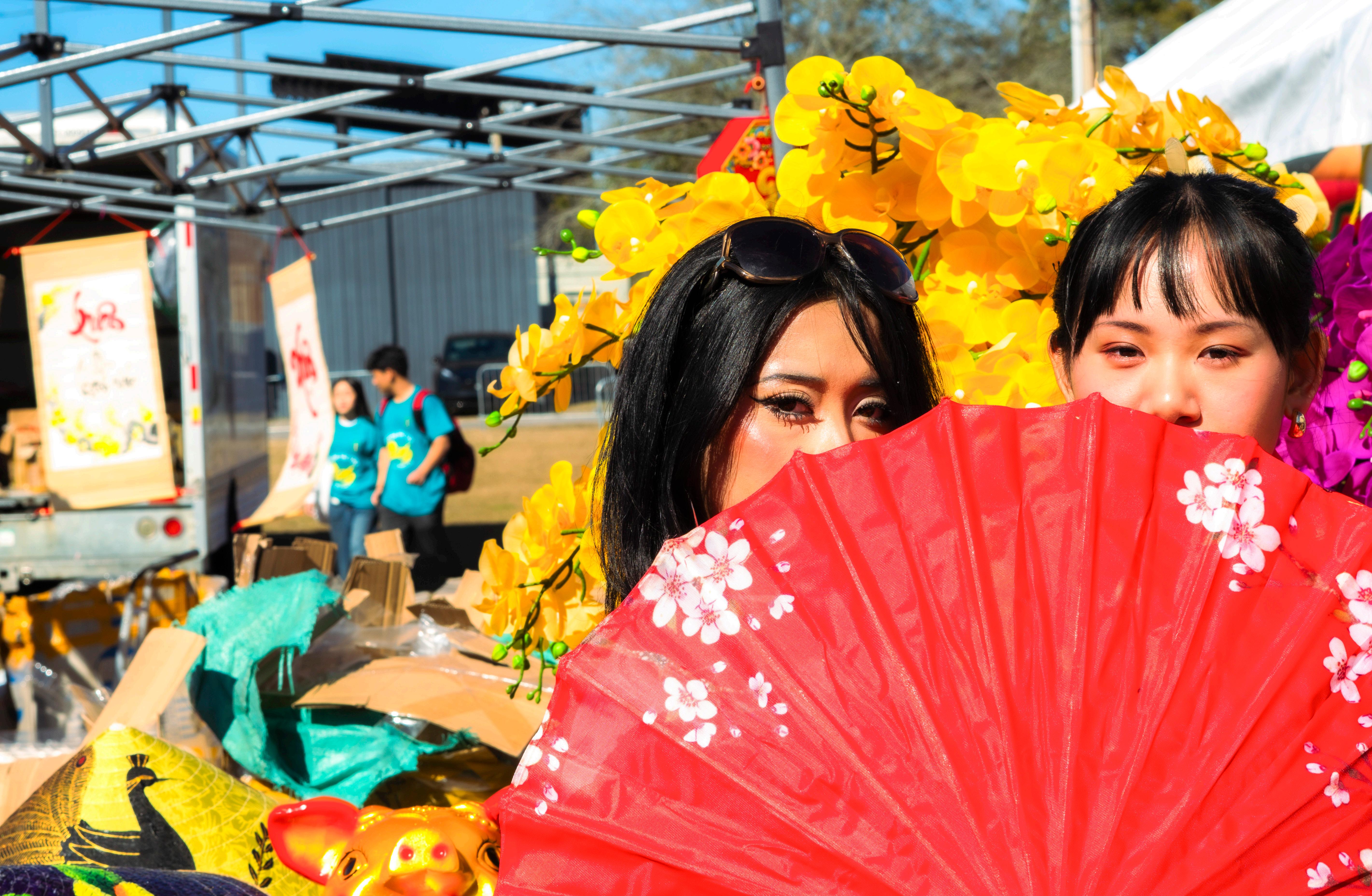
Be�ween
Two
What Makes My Identity Whole
Before I understood belonging, I knew displacement.
The financial crisis of 2008 caught up to my family. With the loss of our home, we had to pack our lives into boxes and ship them to Brazil.
In 2011, we moved to my parents' land. The land of my first language, according to my mother.
The land that my parents left in sacrifice for our American Dream.
It had only been a month of living in Brazil when I celebrated my ninth birthday. I was finally with my family, yet I felt so alienated because I couldn’t sing “feliz aniversário" without an American accent.
I transferred to João Macedo Filho and was hopeful to have new friends after wiping away the memories of my past ones.
On the first day of school, I was labeled as the American girl. All of my peers were captivated by my English, while I was entranced by their Portuguese.
I was made the rich kid at school, but how do I tell them that the land that I came from chewed my family up and spit us out? How do I tell them that the American Dream is dead? How do I tell them that my parents lost everything from the land that they sacrificed themselves for? I couldn't say a single word because I was ashamed to not be the symbol of the American Girl. I let them believe I was who they wanted me to be—I was from one land.
I resented myself because I wanted to be from the land of Brazil; I wanted to be ordinary.
After a year, Brazil had finally become my land. I became fluent in Portuguese while losing most of my English. For the first time, I felt rooted to my heritage.
Three years later, we moved back to
the land that stripped everything away from us.
We left our land behind and arrived in Boca Raton, Florida. I felt lost within this land.
I transferred to Boca Raton Elementary School, but I couldn’t stop thinking about my family and friends in Brazil.
On my first day of school, I was placed in ESOL (English for Speakers of Other Languages). Agora, eu sou brasileira. Within this program, I made friends. Latina friends. I felt more at home.
In this place, some make fun of the land I come from, while others are fascinated by my Portuguese.
But now, I wish I could be that American girl again. I wanted to be ordinary here.
It all made me feel worthless.
In Brazil, I'm too American, yet in the United States, I'm too Brazilian. I never felt enough for either; I felt part of no land.
For years, I felt displaced within the cultures I was supposed to feel connected to. I thought that to feel a sense of place was to choose between lands. I believed that you had to choose one flag and declare your identity to that land. To have only one language that defines you.
Through all of this, I forgot so much about my true identity. The United States was the land that formed the beginning of my childhood, a childhood that I treasure. Brazil shaped a piece of the cultural memory that I was missing. The memories of both lands are what make me who I am. These lands are not separate; they are a bridge into my sense of self.
To belong isn't just to be the American Girl.
To belong isn't just to be Brasileira.
To be ordinary means to be part of both lands, the lands that make me whole.
BRENDA NUNES
To belong isn't just to be the AmericanGirl.
THE INNO VATOR
FASHION & FUNCTION
A CONVERSATION WITH LOCAL ARTIST JAYSON ANDREWS.
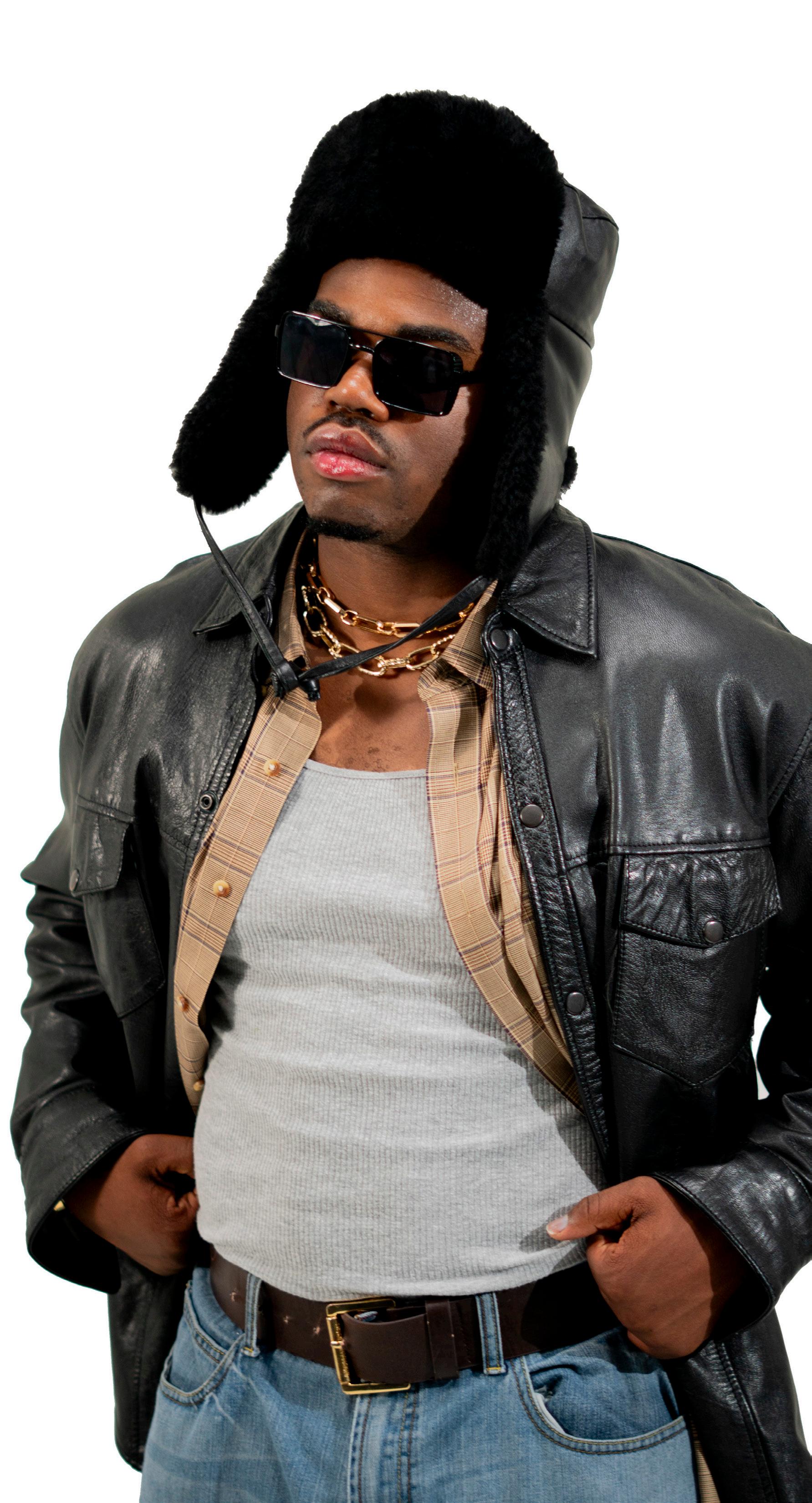
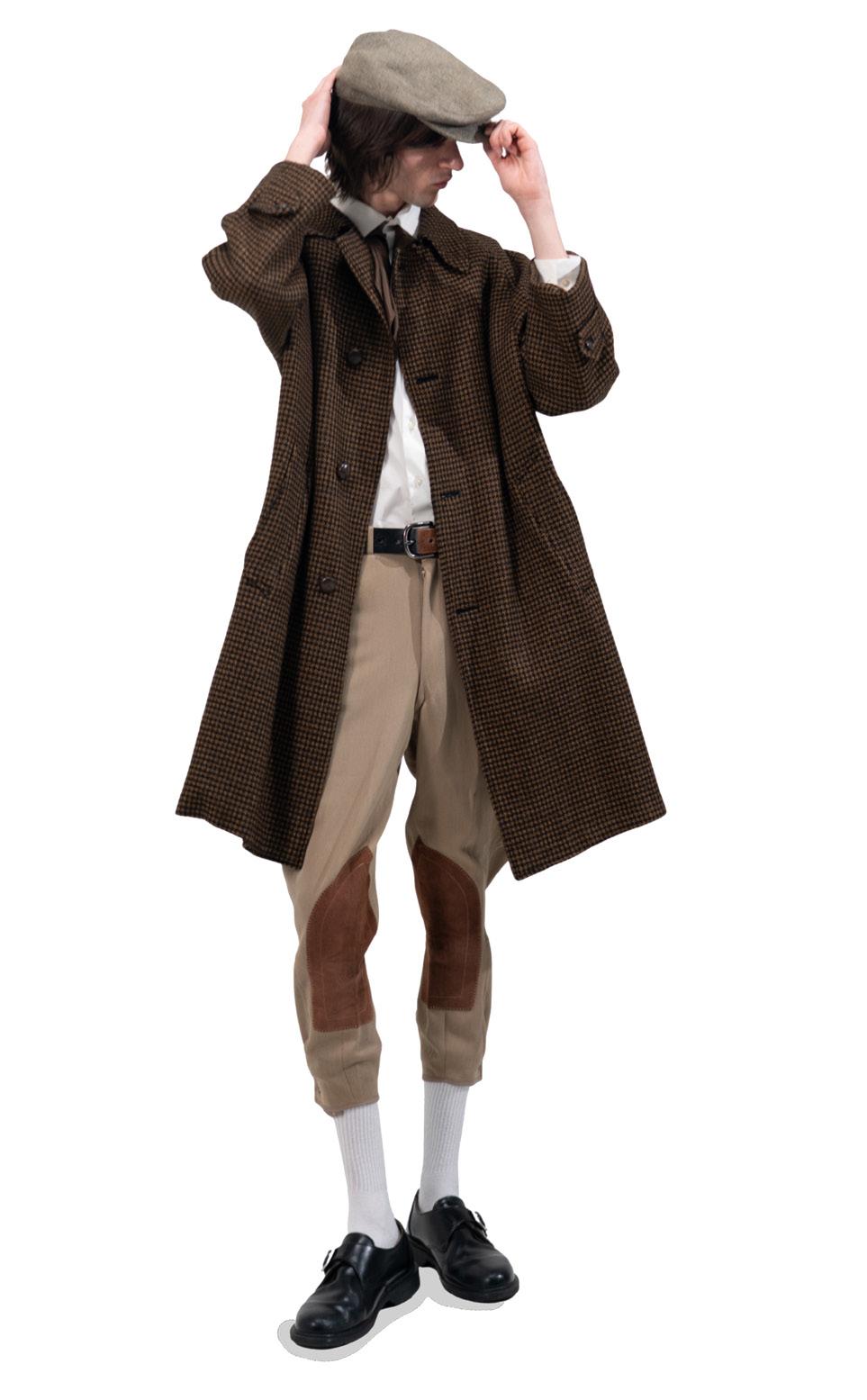
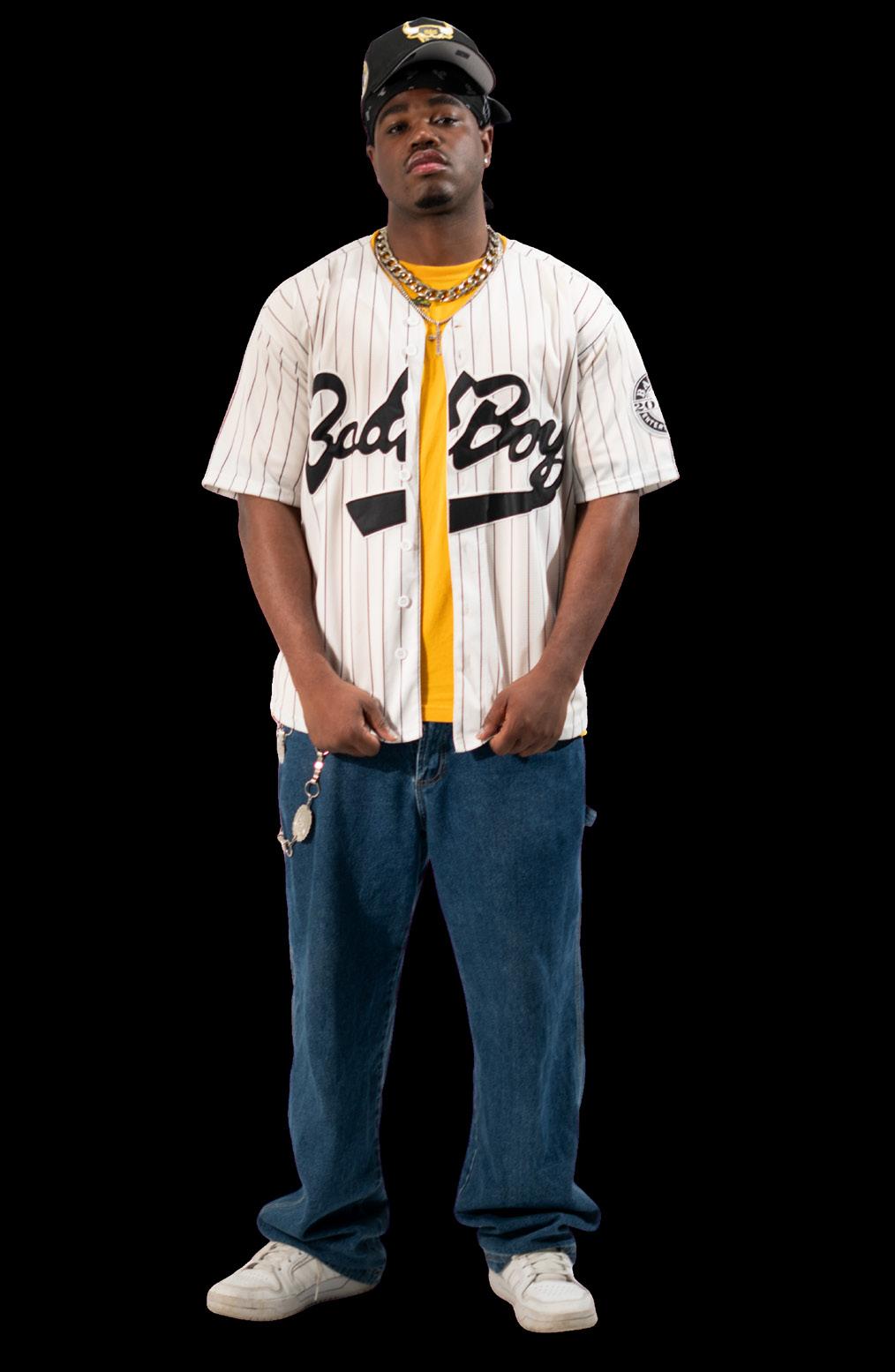
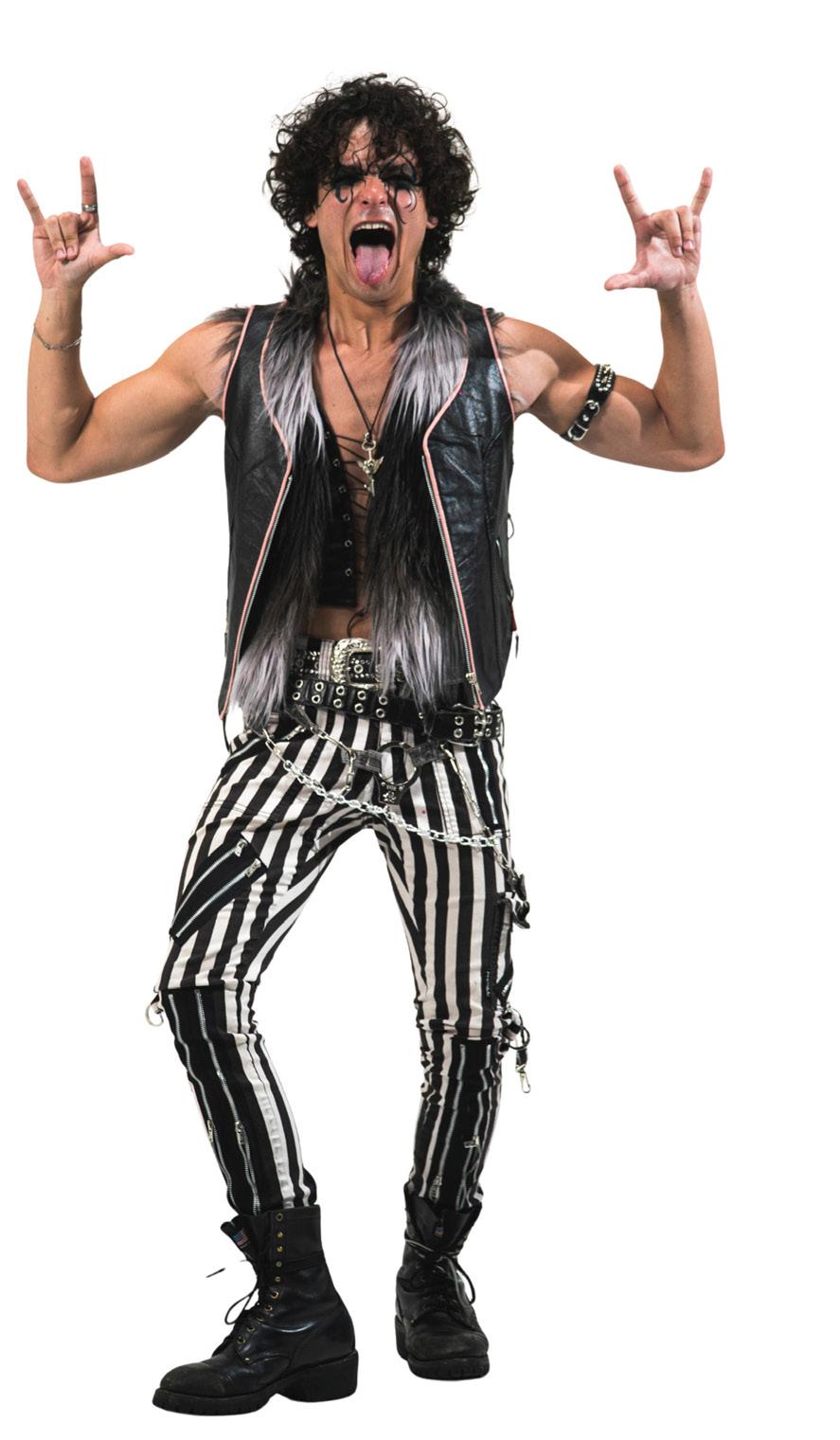
The intersection between an artist’s persona and their authentic selves is a dance that fashion has translated for decades. I had a conversation with Jayson Andrew, a local Orlando musician and artist, about how fashion and self-expression bleed into music and authenticity.
Fashion often exists as an extension of how an artist perceives themselves in relation to their music. Right off the bat, Jayson Andrew says he prefers a classic look: essentials like denim jeans, classic shirts, and no fluff.
“I want it to be almost nostalgic, familiar
pieces, but at the same time, a little bit of like, a twist…that ties into my music as well ‘cause I do like acoustic guitar, the classic singer-songwriter vocals, but I…have a little bit of a twist on it as well. The lyrics might be a little different, the visuals might be a little different, but it still has a little bit of familiarity… the fashion is a part of it.”
I mentioned Bruce Springsteen, which he met with enthusiasm, citing other influences like James Dean and Shia LaBeouf. Andrew leans into secondhand or vintage pieces, finding them a perfect medium for authentic self-expression when performing:
“A lot of my stuff is either secondhand or just like classic essentials…there’s something charming about when your white shoes are a little off-white cause they're a little dirty.”
These kinds of intentionally lived-in, worn clothes are an important part of his image. For Andrew, music has a lot to do with perspective, especially in a constantly evolving online sphere.
“Instagram is kind of like your public résumé…you have your Instagram with your different photos, and that all influences how people listen to the music.”
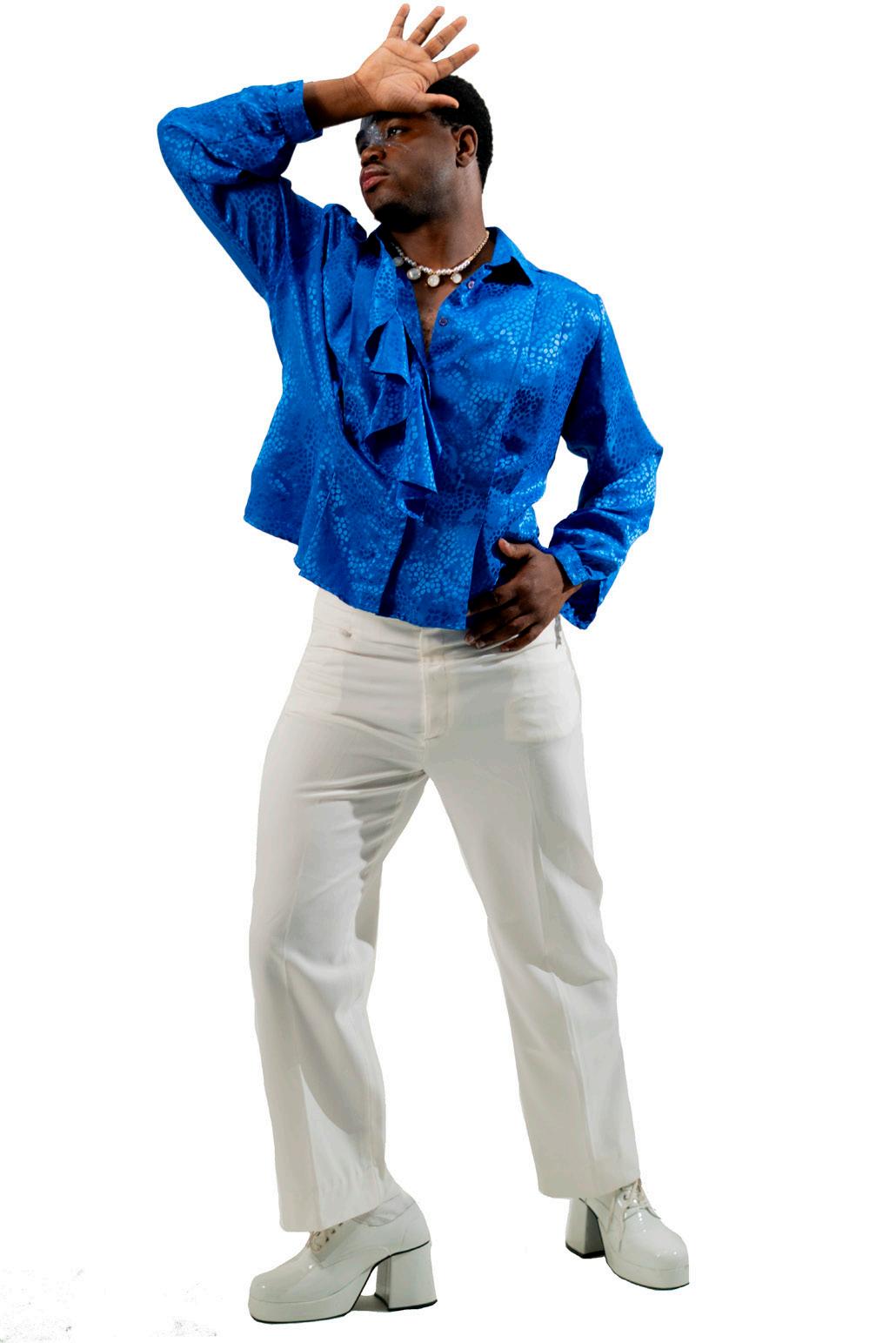
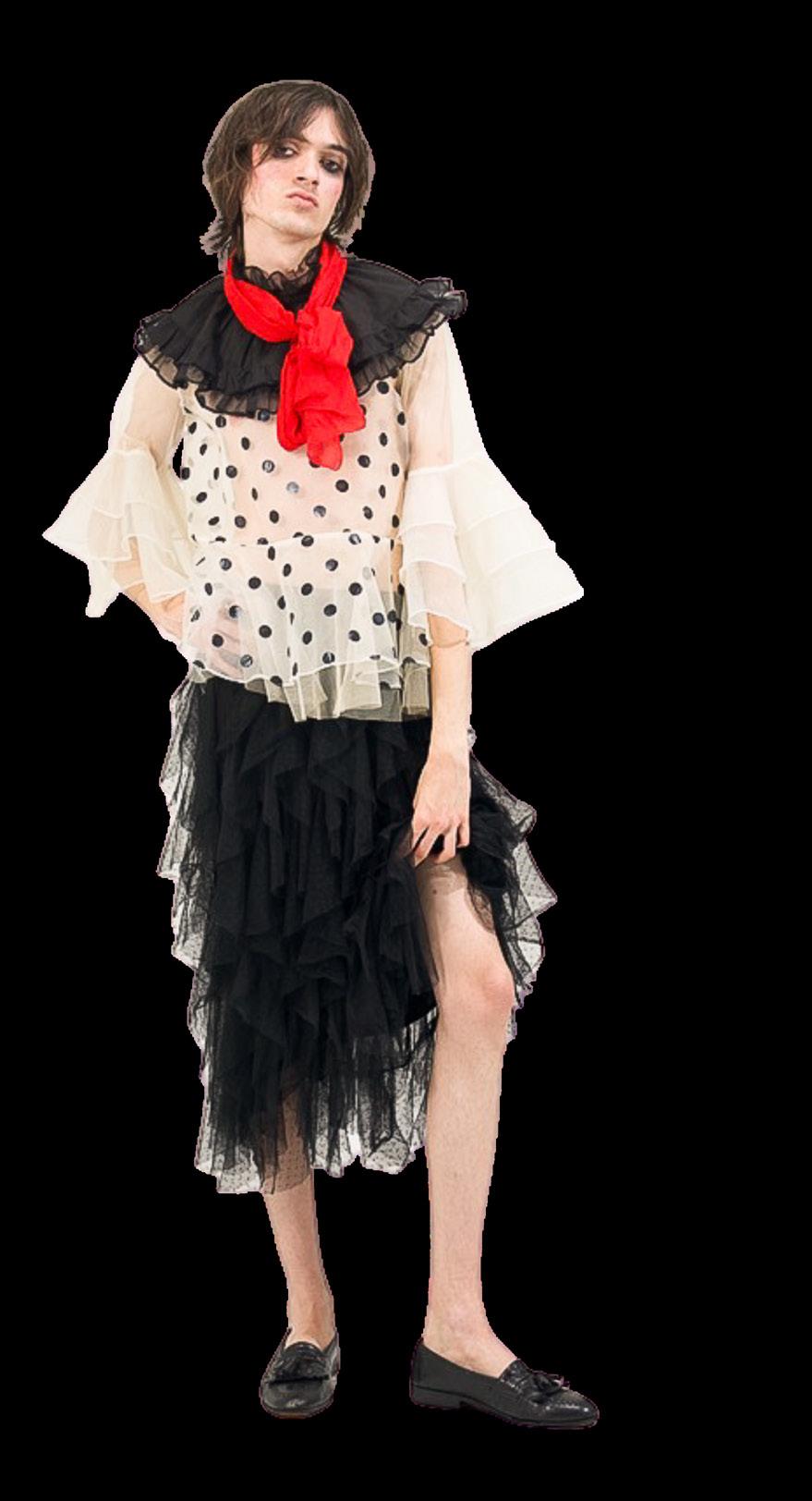
For him, maintaining authenticity despite online context begins with fashion. The music is authentic and real, but with Andrew, there’s an acknowledgment of the surrounding performance. There is both honesty and a show when it comes to music and art, and fashion is no exception. Andrew is calling from a museum, tucked off to the side. He references a worn-down urn as an example of how display and perception are everything:
“If you take [the urn] and put it in the back of a Goodwill, slap a sticker on it…it doesn’t change the urn itself, its still the exact same thing, but the stuff around it
really influences the way you look at it… my music could kind of be considered the same as that…it just depends on the lighting that I put it in and what I put around it that will definitely influence how people see it and how they connect to it and I have to be aware of that.”
Music is perception, and the audience’s preconceived ideas of what it means to make a certain kind of music. In an industry where everything is always grouped into categories, Andrew is trying to play to what the truth of the music industry is, but he’s doing it in a way that is beneficial and authentic to himself and his art.
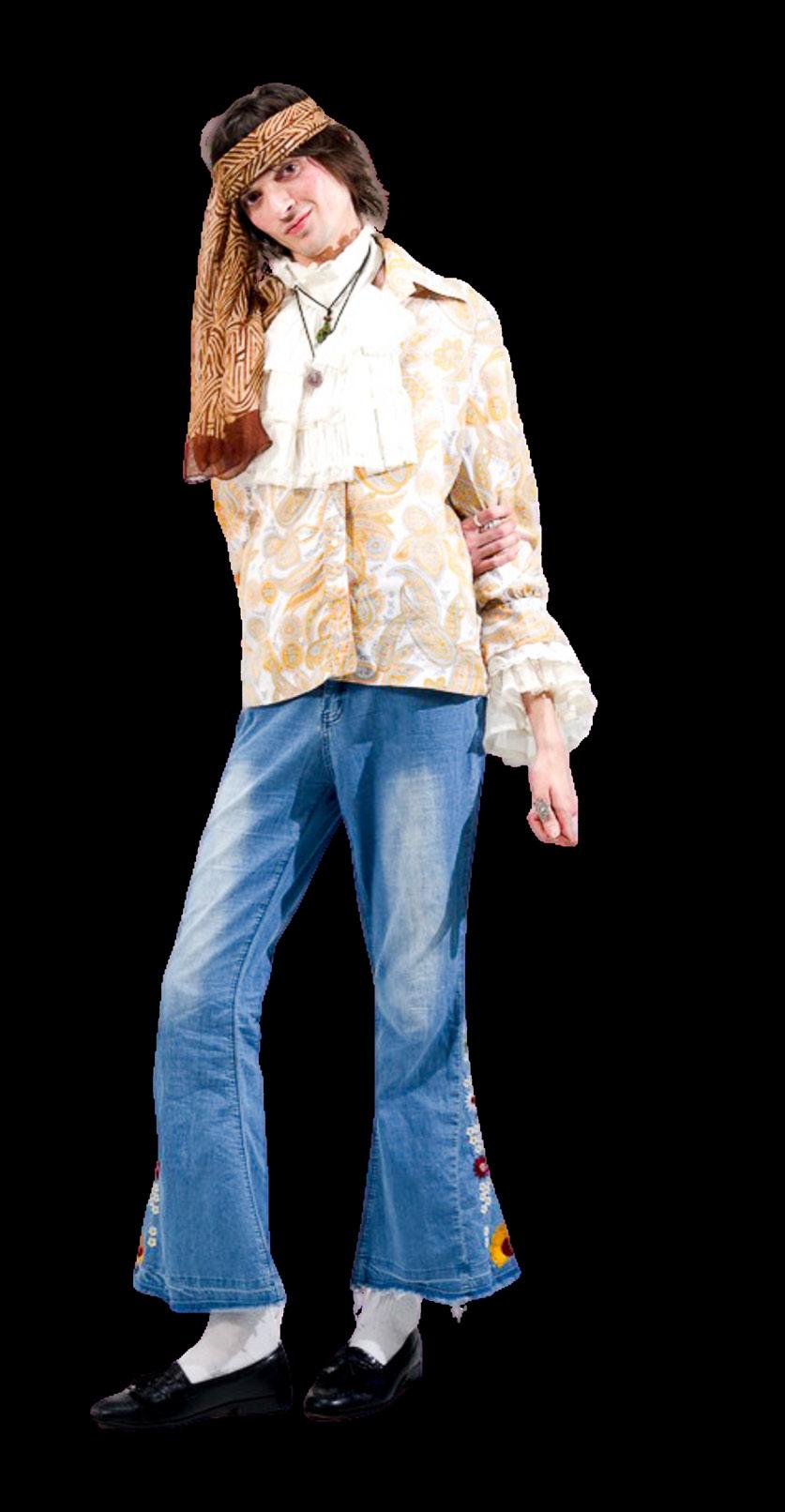
“With how I dress and the music and how I come across, you know, it's no question that it's like a masculine ode to the fashion of the past and a touch of the blue collar, but also a touch of city life. [It’s] a culmination of my experiences. I want [the music] to be [something that] gets people to think and to feel, but I want to be accessible.”
To Andrew, his fashion is meant to be accessible and a direct tie to what his music represents, a way of measuring his values in music. What does fashion mean to you?
from
boys
to men
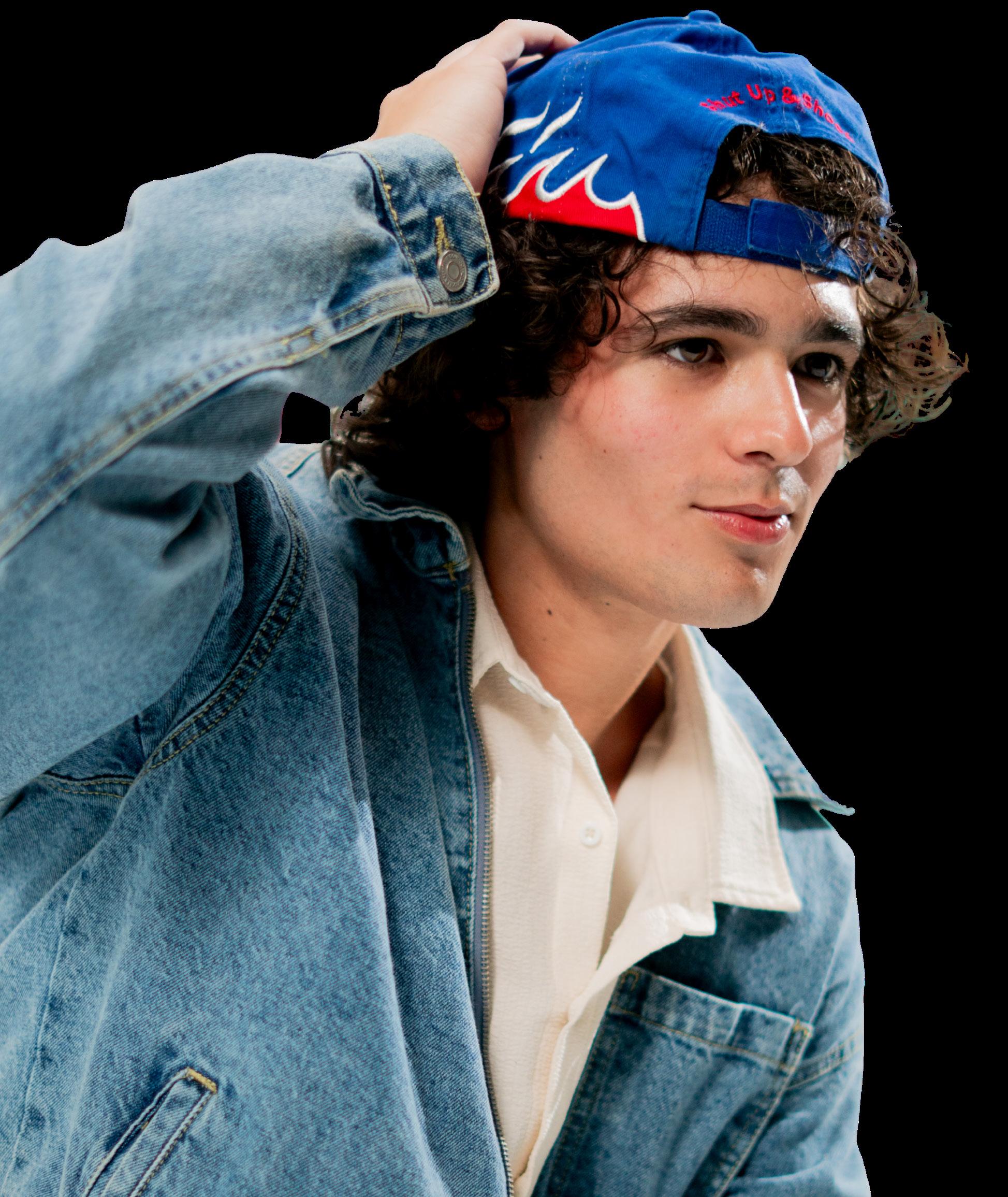
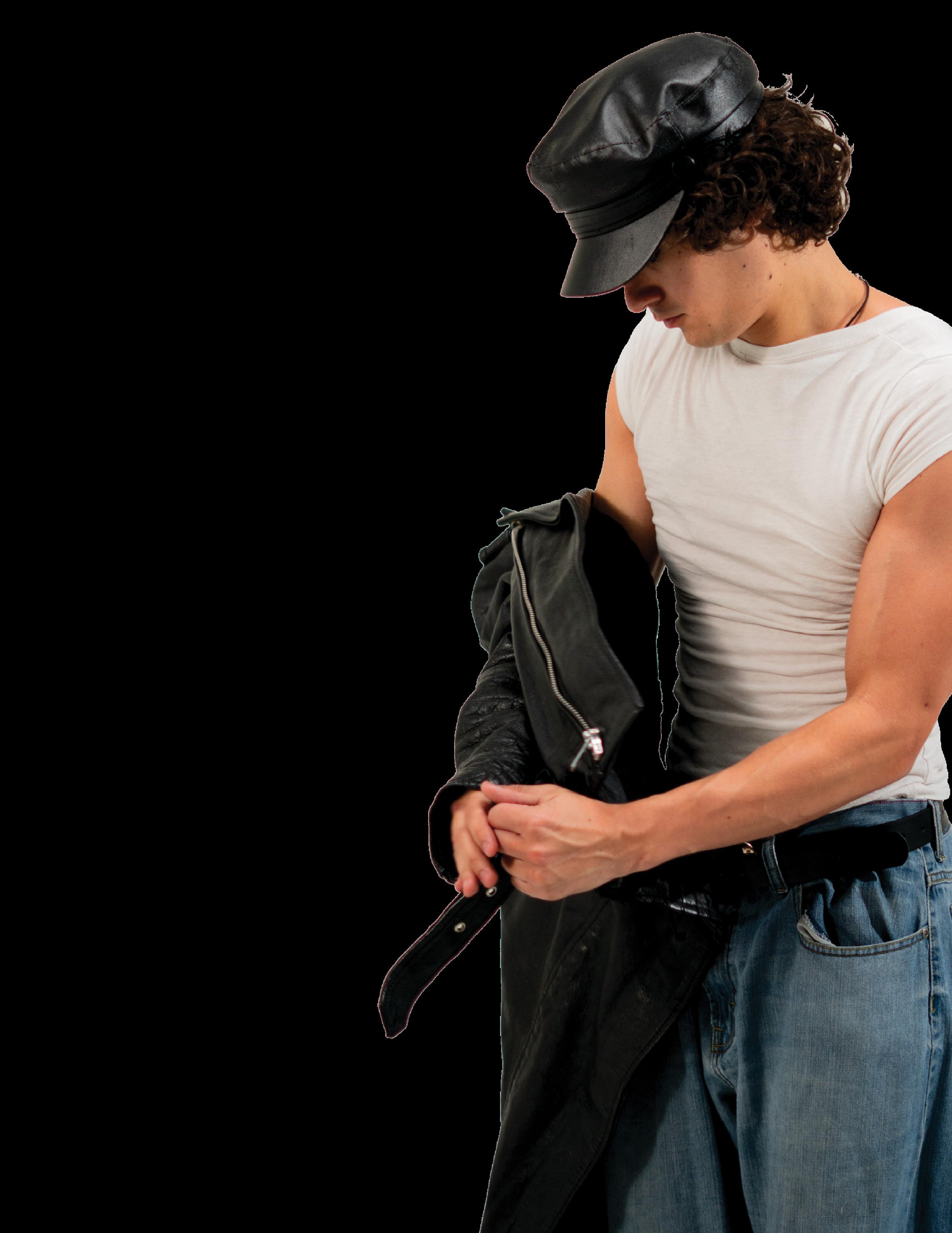
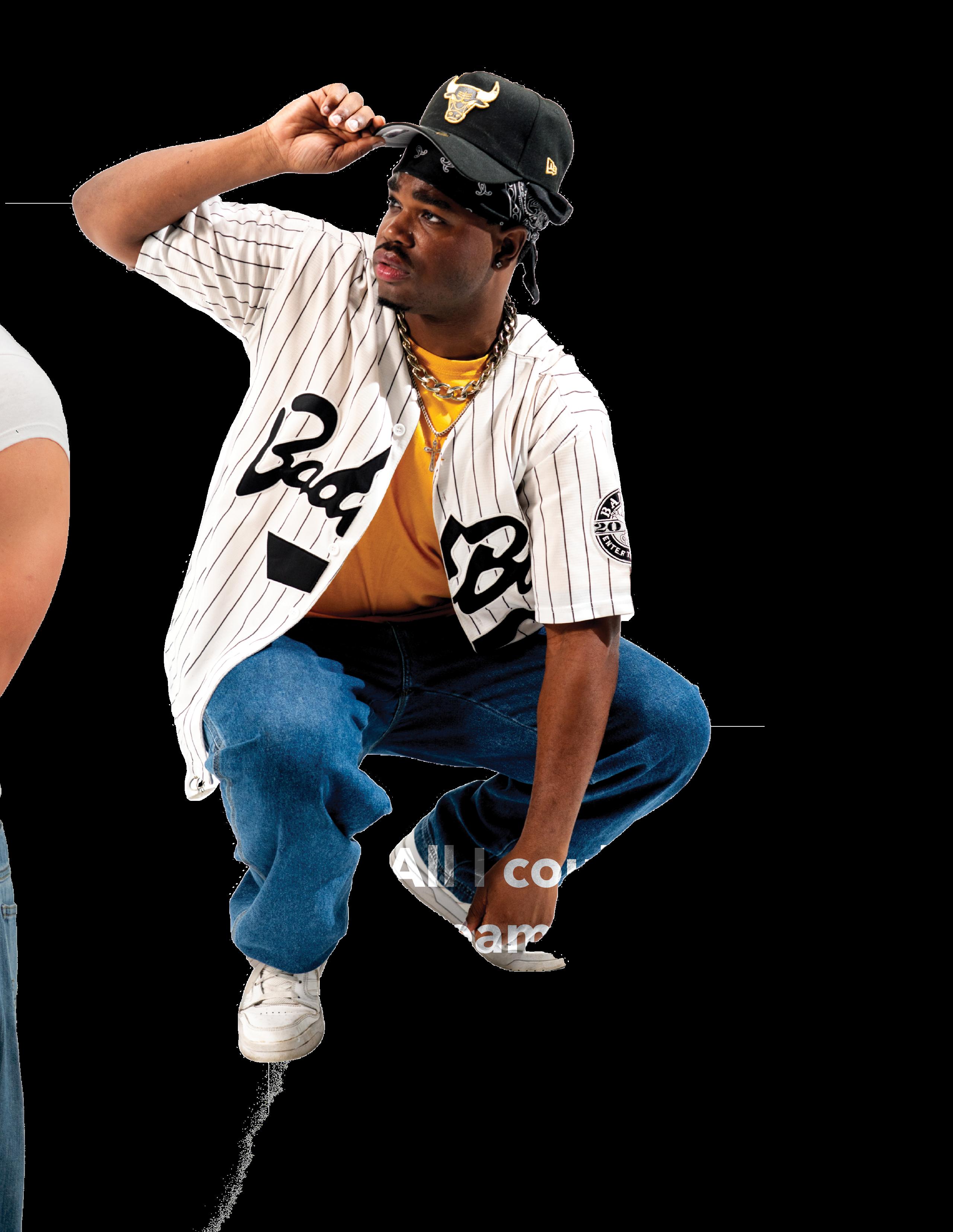
My earliest memory of manhood was in my mom’s closet. I remember playing in her jewelry box when she wasn’t home, trying on her golden necklaces and her fancy rings; there weren’t many in there, but they were delicate and beautiful enough to hypnotize my seven year old eyes. I’d try on her heels, excited for the day my feet would eventually fit in them. I would play for hours before quickly tossing them all back into the box as she would make her way through the front door, acting normal in the living room as she unwound from work. She would pass her jewelry box, my little pocket dimension, and toss her dirty work shoes right next to her heels that
she had no idea that I adored. Then, she’d make quick work on dinner to make sure I wasn’t hungry before I left for my dad’s house.
I’d always cry when he picked me up. I never really understood why, but I knew I didn’t want to leave my pocket dimension behind. In tears, I climbed into my dad’s pick-up truck every weekend and sobbed into my elementary school hands as he grilled me.
What’s wrong?
Why are you crying?
Are you a man or a rat?
Every weekend, the same conversation. Every weekend, I would cry for hours until we got to his house where he would put on a game, and I went to my room. I couldn’t write. I couldn’t draw. All I could do was dream about the jewelry and the shoes I was excited to fit in someday. By the time I was 15 and outgrew those shoes, I was on the wrestling team in high school. Boys twice the size of my 110 pound body toyed with my feminine nature, taunting my skeleton with thick skin. Some of the boys protected me, some not so much. I remember seeing the faces of my dad and his drinking buddies in their eyes, almost like a premonition of their future—turning bottles up, but never turning into men.
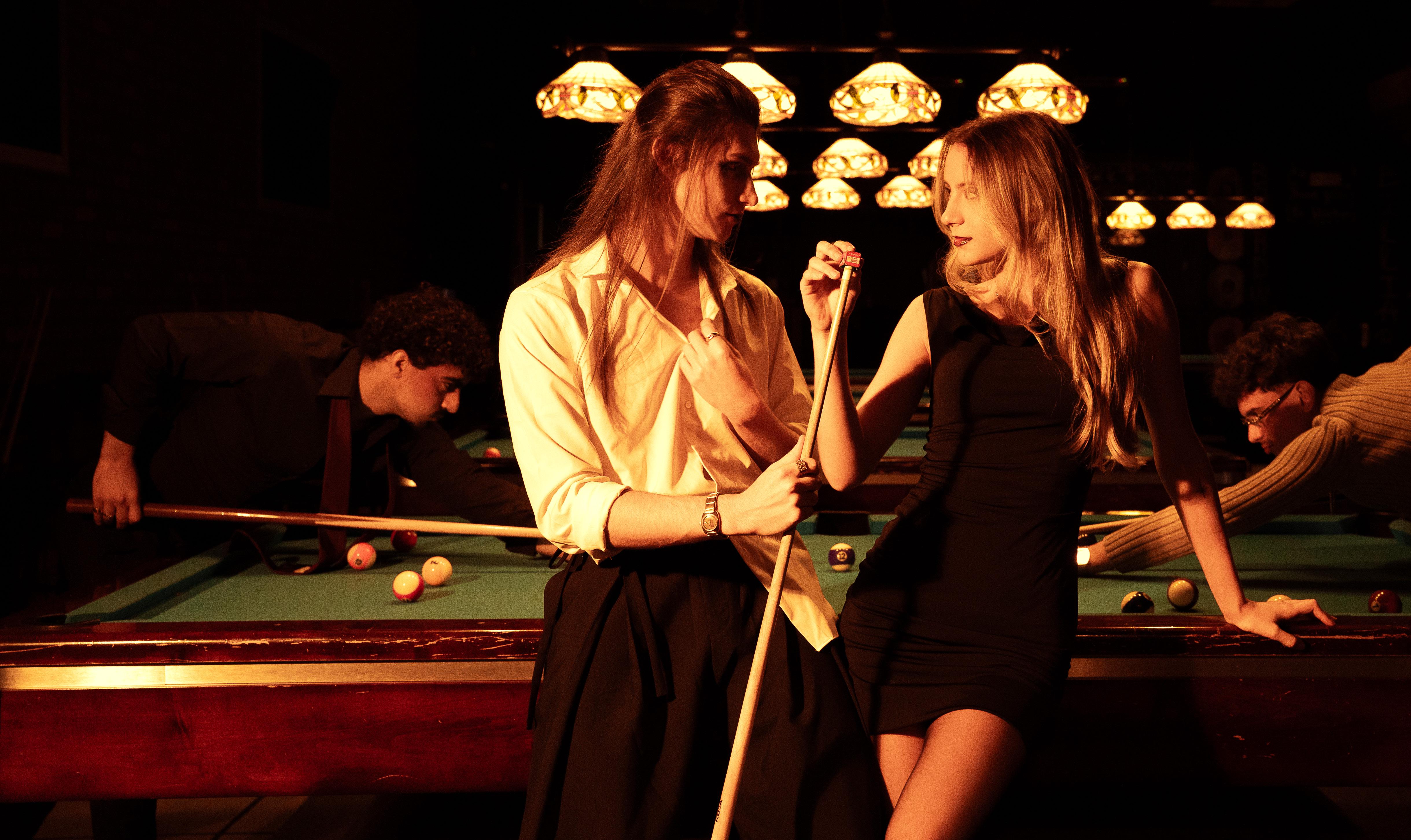
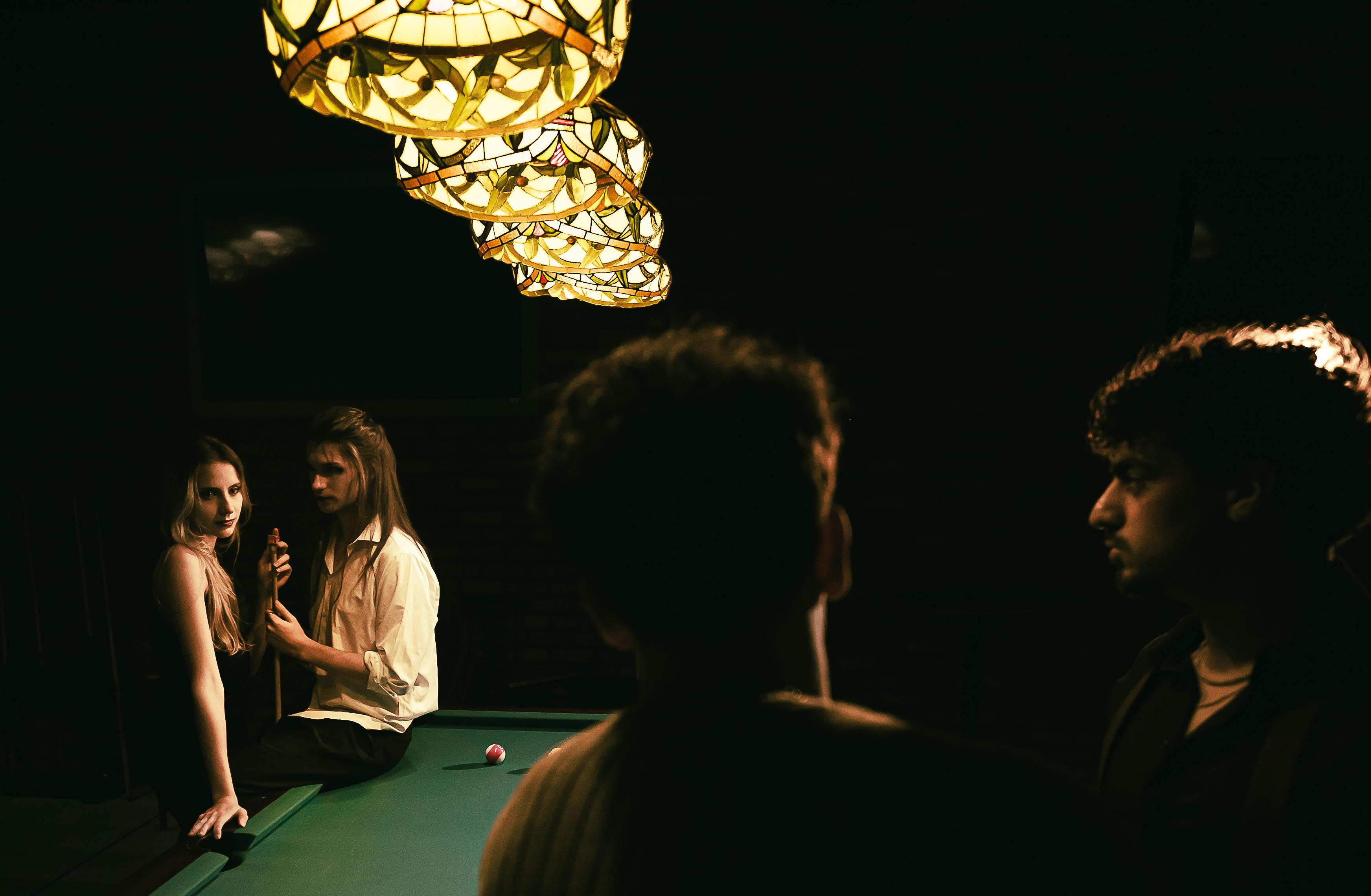
The Provocateur
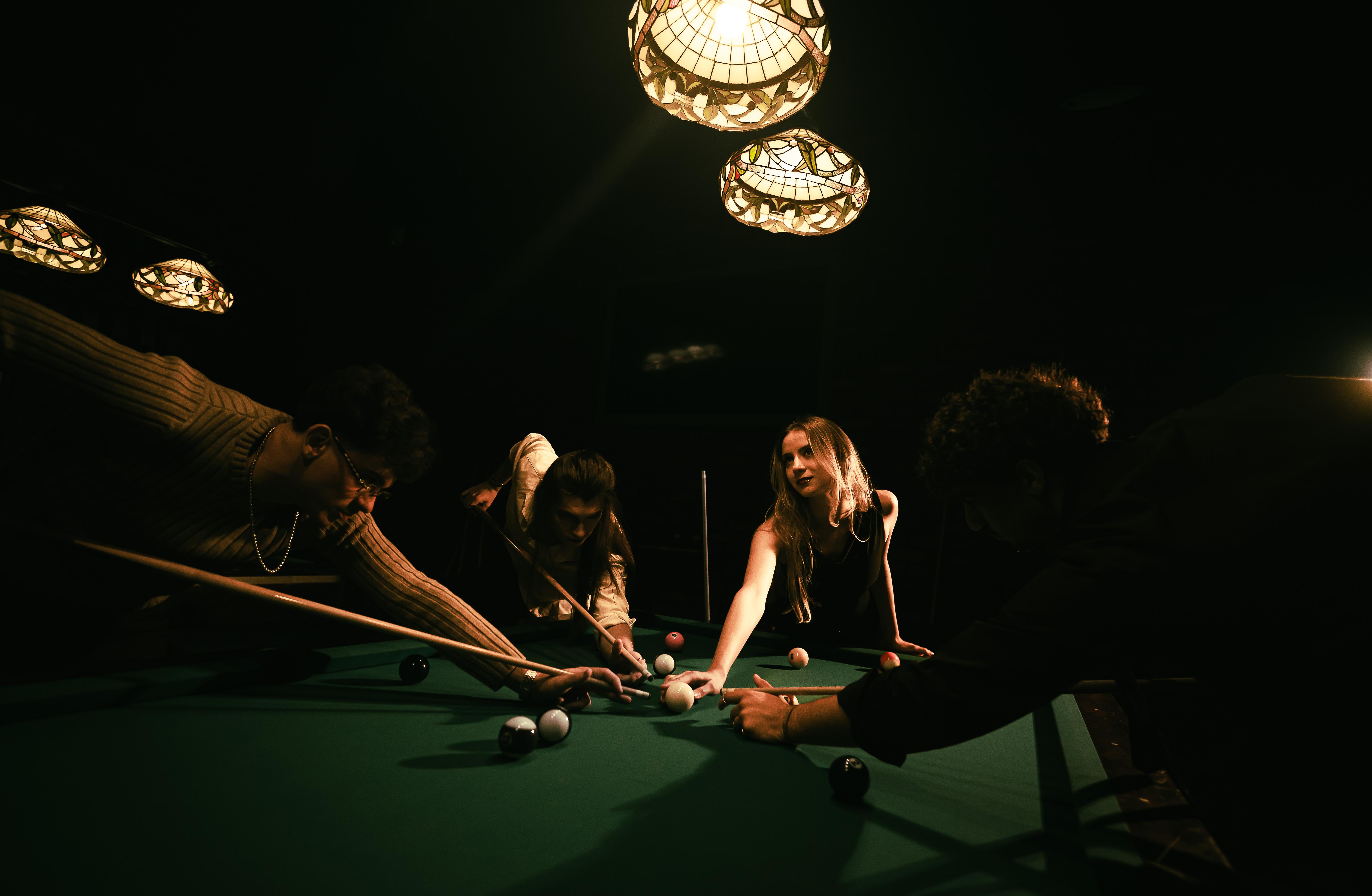
Provocateur
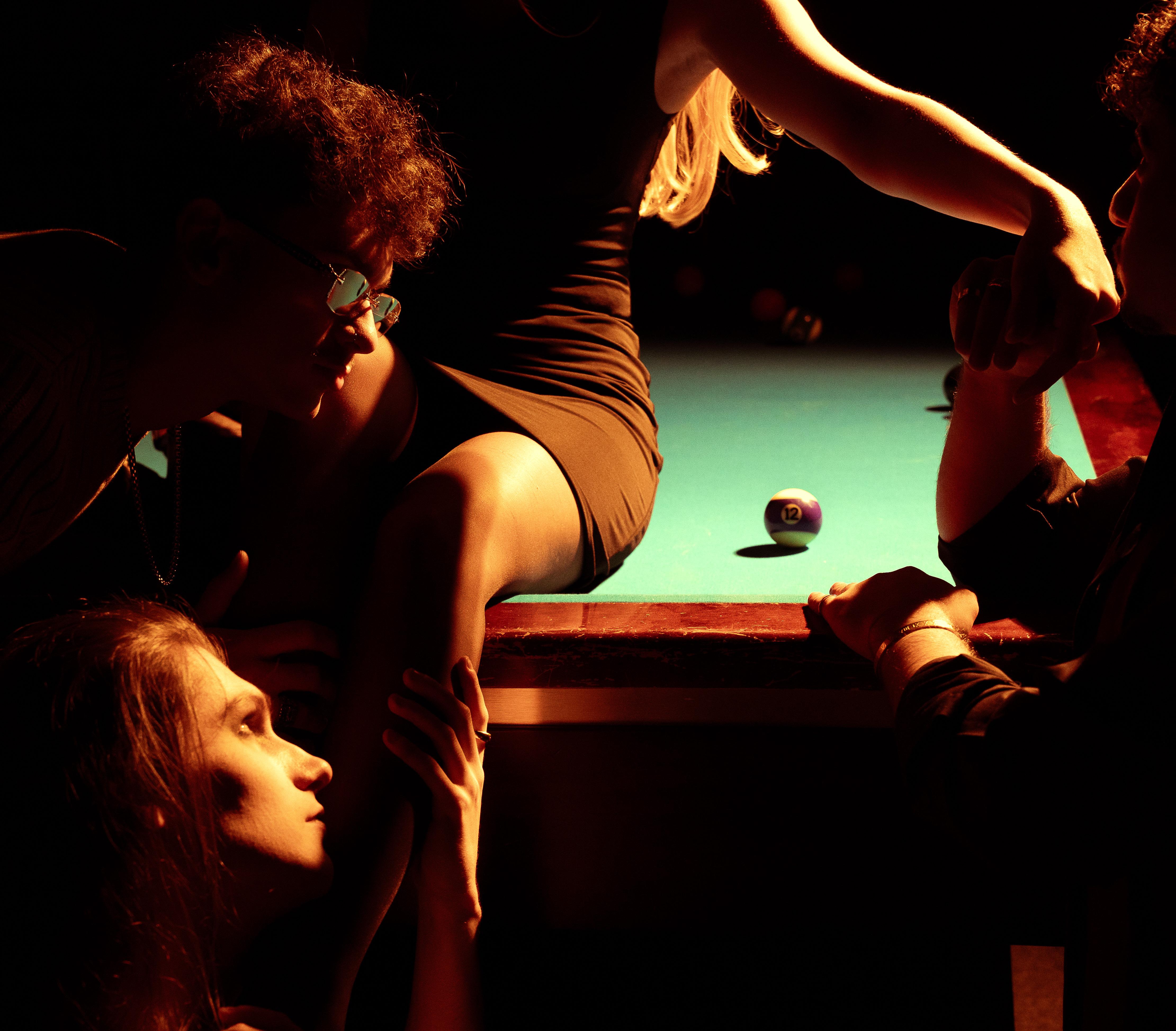
Coloring Lines Outside The
Some women learn early that confidence looks different on their bodies.
Not because confidence itself changes, but because people read it differently when it comes from a woman of color. The same outfit, the same tone of voice, the same certainty can suddenly become something else entirely. What might be called confident, bold, or stylish somewhere else often receives a different label when attached to someone who doesn’t fit preconceived notions.
Provocative.
It’s a strange word when examined closely. It carries the suggestion of intention—almost an accusation, as if the person wearing it woke up planning to disrupt the room simply by existing in it. Yet the moments that earn the label are often painfully ordinary: a dress worn with confidence, speaking clearly in a meeting, posting a photo that reflects comfort in one’s own body.
When asked what came to mind when the word “provocative” is mentioned, Milagros first mentioned: “Body type. Society instills curvier body shapes to be more provocative even if you’re not dressing as such.”
The elasticity of the word is part of what makes it powerful. “Provocative” can mean a skirt someone decides is too short. It can mean making steady eye contact while speaking. It can mean refusing to laugh off a comment that was never funny to begin with. The meaning stretches depending on who is saying it, and who they are saying it about.
For women of color, that stretch is often wider.
The women in this conversation describe the moment when confidence is quietly reinterpreted as something
inappropriate or distracting. They work in different industries and move through different social circles, but the pattern is familiar. Visibility is welcomed until it becomes too visible.
These experiences do not happen in isolation. They exist within a longer history where women’s bodies have been both hypervisible and heavily policed. Visibility itself becomes complicated: encouraged in theory but scrutinized in practice.
Too loud.
Too bold.
Too visible.
Too provocative.
Once the label is applied, it can carry real consequences for people of color. Subtle shifts in how colleagues treat them—comments about professionalism, questions about tone, conversations that suddenly focus on appearance rather than work. Others recall opportunities that seemed to dissolve after their confidence was interpreted as something else entirely.
For many, the instinctive response has long been to shrink. Adjust the outfit. Soften the voice. Become more careful about how space is occupied.
But, a lot of women are beginning to reject that expectation.
Instead, the question is turning outward. Rather than asking whether they are “too provocative,” they are asking why their visibility is interpreted that way in the first place. Who decides what counts as provocation? Why does confidence become threatening only when certain bodies claim it?
When reframed this way, the label begins to reveal its function. “Provocative” often operates less as a description of behavior and more as a boundary marker—a signal of discomfort with autonomy, particularly when that autonomy belongs to women of color.
And as more women recognize that pattern, the word begins to lose its authority.
What once sounded like criticism increasingly reads as something else entirely: a reaction to people who were historically expected to remain restrained choosing instead to be fully seen.
“For me, bodily autonomy means controlling how you present yourself. times have changed and you don’t need to be extremely skinny or perfect to be a model. You just need to carry yourself with confidence.”
LOUD
LOUD BOLD
The Script of a Dangerous Woman
If history told you that a woman was dangerous, well, then she was probably doing something right.
Warning us about the dangerous women we would meet was never for our own protection, it was about what men thought would happen if women stopped behaving once they saw through the smokescreen of lies.
Men were scared.
From the moment young and impressionable young girls are told about ¨witches¨ and ¨sirens¨ galore, the stories come with a shiver built in. She is too loud, too sexual, too ambitious, too dramatic. She talks back too much, laughs at the wrong time, wears her skirts too short.
Across the stories, the same script of dangerous women keeps being reprinted and published. Women who refuse to shrink are turned into cautionary tales so young ladies can stay impressionable forever. A woman who breaks the rules becomes a witch, a whore, a homewrecker, a provocateur.
¨Provocative¨ is one of the most efficient tools in this vocabulary of fear. On the surface, it sounds harmless, almost glamorous.
However, when it’s used against women, it becomes a trap door. In school, the “provocative” girl is the one blamed when boys stare. Online, the “provocative” creator is told she can’t be taken seriously. In history books, a “provocative” activist is framed as an agent of chaos rather than a strategist.
The word doesn’t describe what she is doing or how she behaves, it is just describing how it is making other people, specifically men, feel.
She provokes desire, she provokes questions, she provokes disobedience.
She provokes.
See the pattern?
Believe this: the system only works because we participate. We learn the rules early, in whispers laced with judgement. We repeat gossip like small prayers, hoping that we don’t become the subject of such treatment one day. What we really do is, though, accept the limitations placed on women because we are too afraid to break them.
What if we started treating the script of a dangerous woman
as a blueprint?
To reclaim the word “provocative” is to remember its root. To provoke, to call forth. What if the women they warned us about were provoking feelings of anger, curiosity, and courage? How could we, as women, be okay with never exploring the thoughts of other women?
In our own lives, the “dangerous” woman doesn’t have to be scary, or mean or outrightly defiant. She could be the friend who left a stable relationship that looked perfect on paper. She could be the cousin who moved towns and started over. She could be the classmate who doesn’t care what people think of her alternative outfits.
We are uncomfortable, because every day, women expose how many of our choices were rooted in choosing safety over expression.
“Provocative” women are still here, and we owe them a pause,
not a title. Women are on our screens, in our lecture halls, at our jobs, on the sidewalk, in our homes, in our mirrors. They are messy, contradictory, sometimes wrong and undeniably human.
Maybe the real “danger” was if we stopped listening to the patriarchy, we’d be easier to control.
This doesn’t mean every person branded a provocateur is automatically good or bad. It means the label itself is not neutral. Before we accept it, it’s best to ask ourselves some questions. What possibilities of my own life are hiding behind someone else’s control?
When you’re confronted with the next script of a dangerous woman, imagine it as a door. You don’t have to walk in, but at least look into the other side.
ATH LETE THE
EFFORTLESS
For as long as I can remember, dance has been considered an art form. Audiences from everywhere admire the elegance of movement, the beauty of choreography, and the emotional stories that dancers bring to the public eye through various forms. Although I completely agree with its abundant creative expression and aesthetic nature, I will never understand how the extreme somatic demands, endurance, and psychological readiness are continuously disregarded. The athletes who train for countless hours to master this multidisciplinary practice deserve recognition for the physical and mental strain they endure.
One of the first things dancers are taught is to “look effortless.” Be effortless. Even when our training is anything but. The demands of dance are underestimated because of the seamless way we are expected to perform. It was this execution of effortlessness that eventually shaped the way I saw myself—standing in bruised pink tights, with toes aching inside worn shoes, as I learned to disguise strain as grace. The process of how dancers can make pain look like poetry fascinates me; it grows my appreciation not only as a viewer but as a participant. While this practice has always encouraged resilience, it has also been guilty of blurring the line between dedication and selfneglect. Concealing our efforts often goes hand in hand with concealing burnout.
Recognizing a dancer as both an artist and an athlete will allow us to better understand the dedication that is, without a doubt, required to sustain it. Dancers transform undeniable intense exertion into moments of beauty, making struggle somehow appear graceful. This transformation, however, raises an important question: when did pain become proof of passion? The answer, I’ve come to realize, is that a dancer’s level of commitment is truly like no other. Dedication and discomfort have always been part of the culture, woven into both our rehearsals and performances— aching muscles hidden beneath stage lights, sweat masked by stage makeup, exhaustion softened by a smile that must never break.
It is this expectation we uphold that sets dance apart from many other sports. I’ve noticed in other sports, players collide under stadium lights, sweat and grit celebrated as symbols of toughness and determination. The audience sees the effort and applauds it. The struggle of it all is part of the spectacle, while with dance, the opposite is true, as the audience expects poise.
Acknowledging the complexities behind this art and sport will not diminish the beauty of dance; it deepens it. When we recognize dancers as both artists and athletes, we begin to appreciate not only the elegance of what we see onstage but also the discipline and endurance behind it. Dance allows us to admire not just the artistry of movement, but the strength, humanity, and resilience of those who transform exhaustion into grace.
Olivia Wagner
LIVING LEGACY
Delaney Gunnell
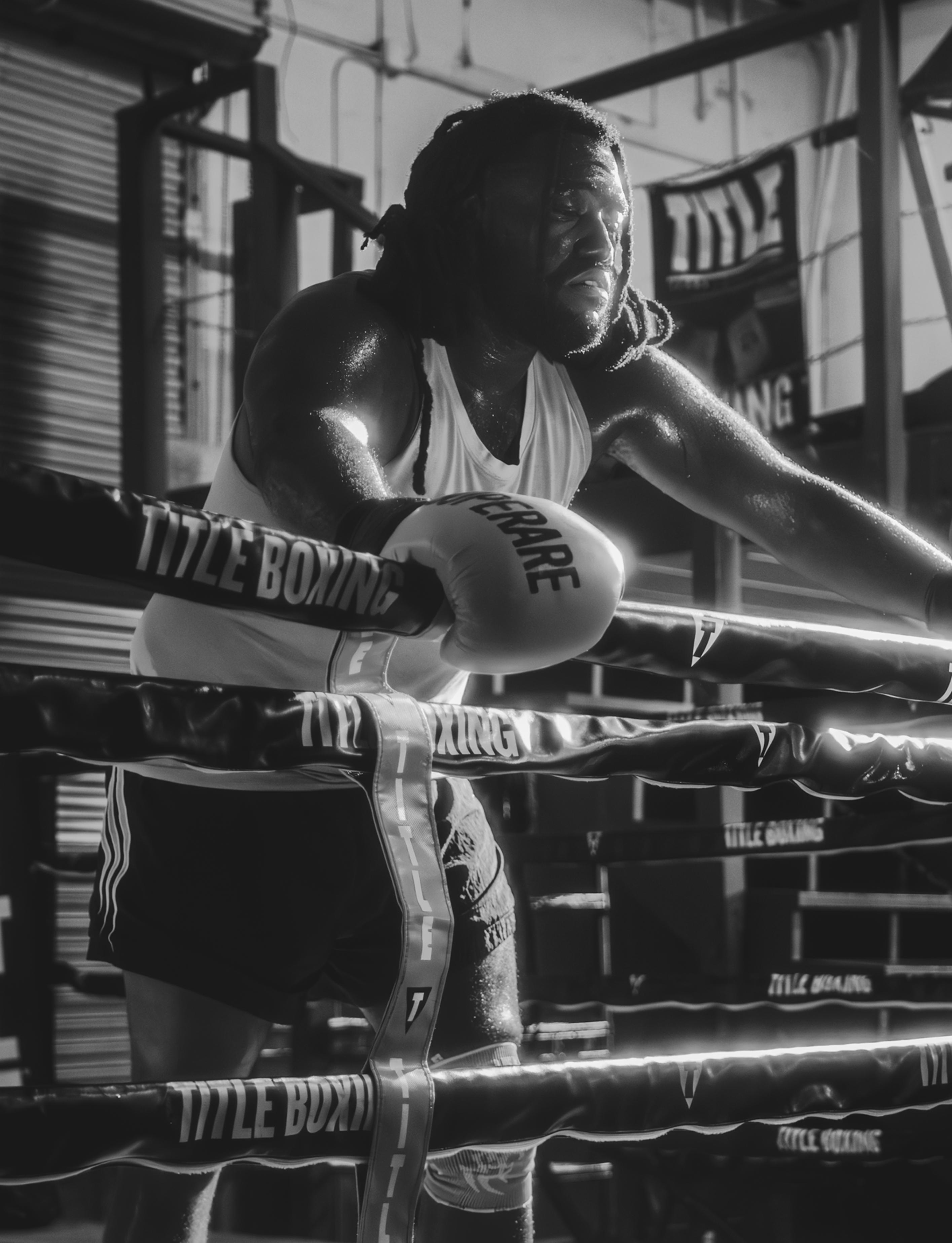
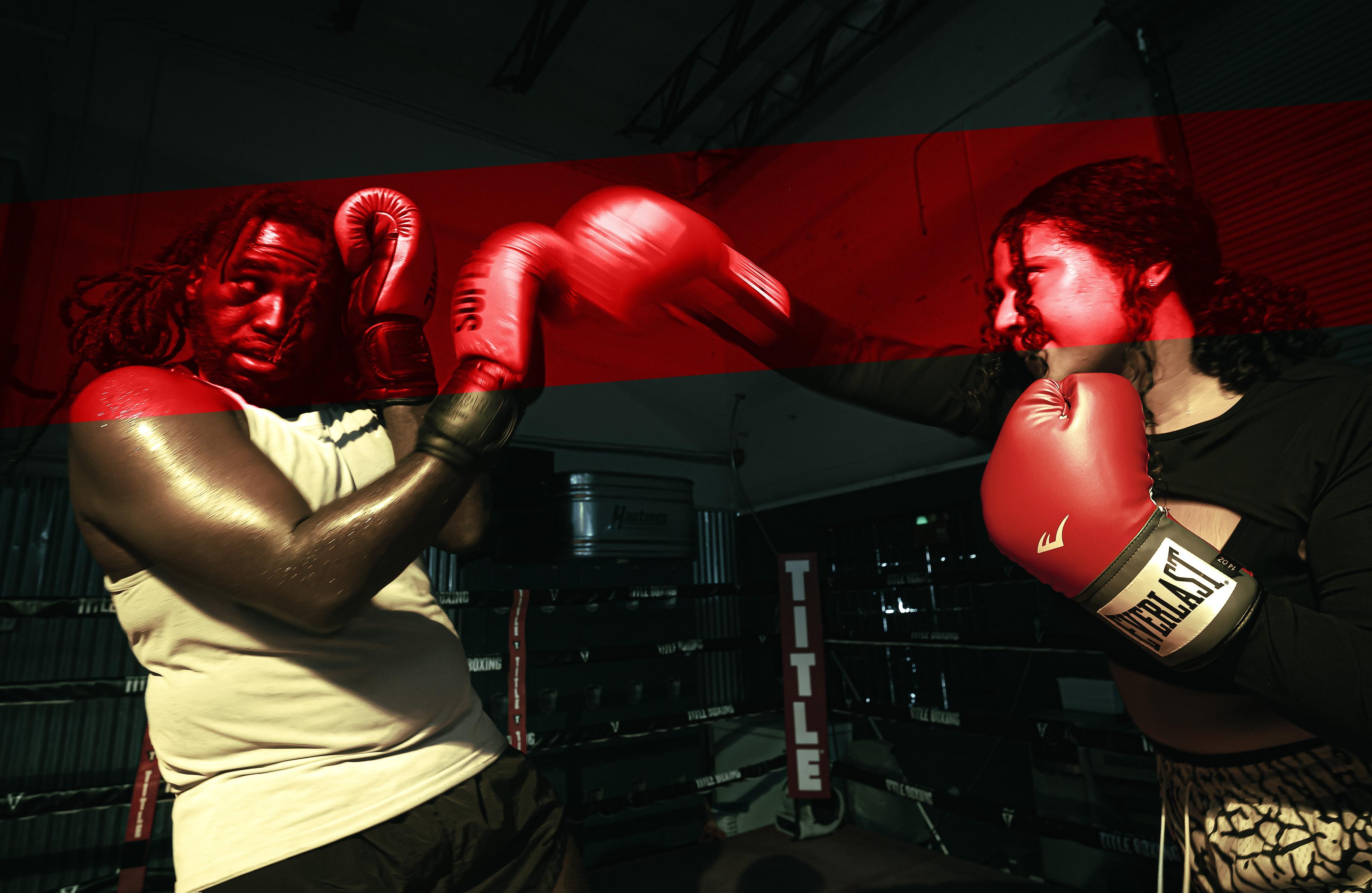
When most people get out of work, they’re just relieved that the day is done. Nelson Rodriguez is not most people. After clocking out of his day job, Rodriguez clocks in to his passion: creating a space for the Orlando community to better themselves.
Rodriguez is the owner of Legacy Fitness and Boxing, a staple of the Winter Park athletic community for 15 years. While Rodriguez and his family have settled in Orlando, his athletic experience has spanned across cities.
“I got started when I lived in New York City— in the Bronx, of course— when I wanted to learn how to protect myself,” Rodriguez said. “I was a kid who was basically raised in Puerto Rico and came to the Bronx, and I worked my way up.”
After New York City, Rodriguez moved to Miami and then Orlando. Along the way, he learned that his true calling was not in the ring, but on the sidelines as a coach.
“When I came to Miami, that’s when I started working out with world-class fighters,” Rodriguez said. “And I ended up seeing that the coaches that I was with were father-figures and mentors. And I liked that, because I came from a place where— I came from nothing. And there were some kids [in Miami] who needed help, and I’m the type of person who likes to help.”
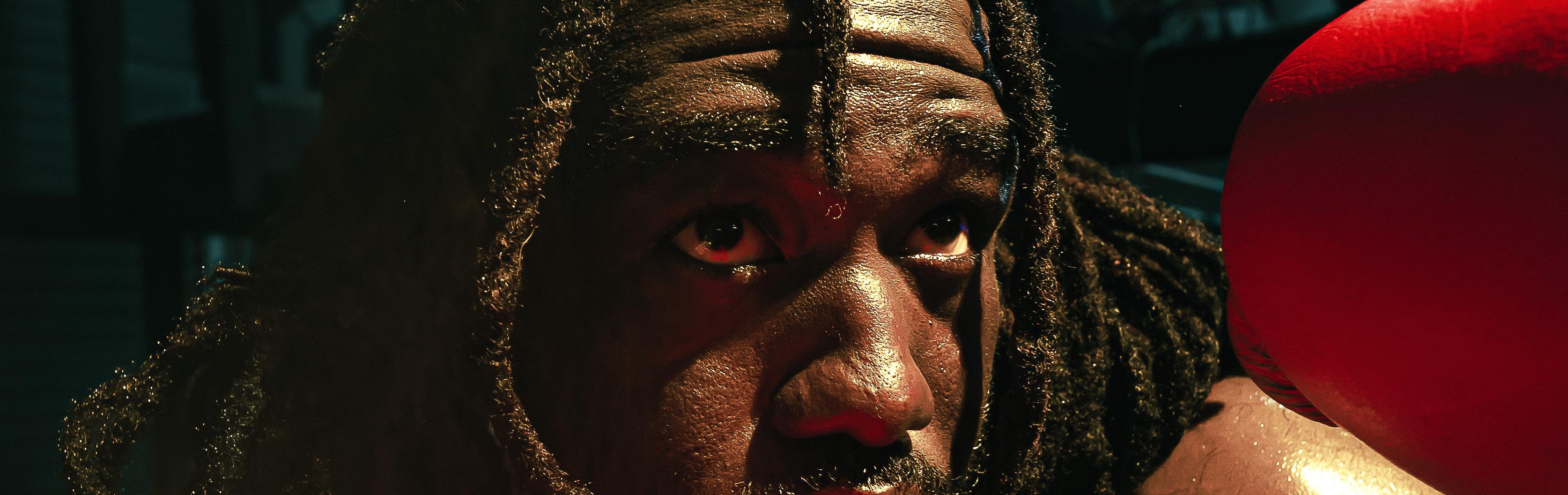
Rodriguez identifies not only as an athlete but as a coach, mentor, and a leader. In Miami, Rodriguez used his connections and experiences as a coach to mentor kids who previously were on probation or had other disciplinary troubles. The gym was a motivating factor; if the kids kept acting out, they could no longer box and work with Rodriguez. For many, this was enough to change.
“For some of them, it was a getaway,” Rodriguez said. “Some of them had anger issues. They came to the gym, and they learned how to self-discipline, to work hard, and that they can reach out. So I had world-champion fighters that I know personally come over and meet these kids who were exactly like them— they came from Cuba, or from Puerto Rico, or from anywhere, and they had nothing. Sometimes not even shoes. And all of a sudden, these guys are world champions. And it gives [the kids] something to look forward to.”
Within six months, Rodriguez noticed an improvement in the 10 kids he worked with. After moving to Orlando, Rodriguez wanted to continue to make an impact on the community. He wants to grow the gym and find bigger ways to give back. “This has always been the goal since day one,” Rodriguez said. “I’ve tried to speak to some of the people in the county to do a program for the kids. That would be the thing to do. To work with the city and build a boxing program— or even an athletic program, because it’s not just about boxing, it’s about self-discipline.”
Outside of his work with kids and casual boxers, Rodriguez has built a highly successful career training worldrenowned athletes. Among others, he’s worked with top-ranked boxers, WWE wrestlers, Jake Paul’s MVP company, and USA boxing, affiliated with the Olympic team.
“It doesn’t matter who you are.”
“I want people to understand that even if you don’t make it as an athlete, because it’s hard, you can still be a mentor,” Rodriguez said. “And now I have my guys in my gym working with the other kids that need help. [The kids] see them on TV, they see them fighting for world titles, they see them working hard and changing their lives. I see my guys and myself as mentors.” Most importantly, Legacy Fitness & Boxing is a family. The business itself is family-owned, but Rodriguez wants everyone to feel welcome.
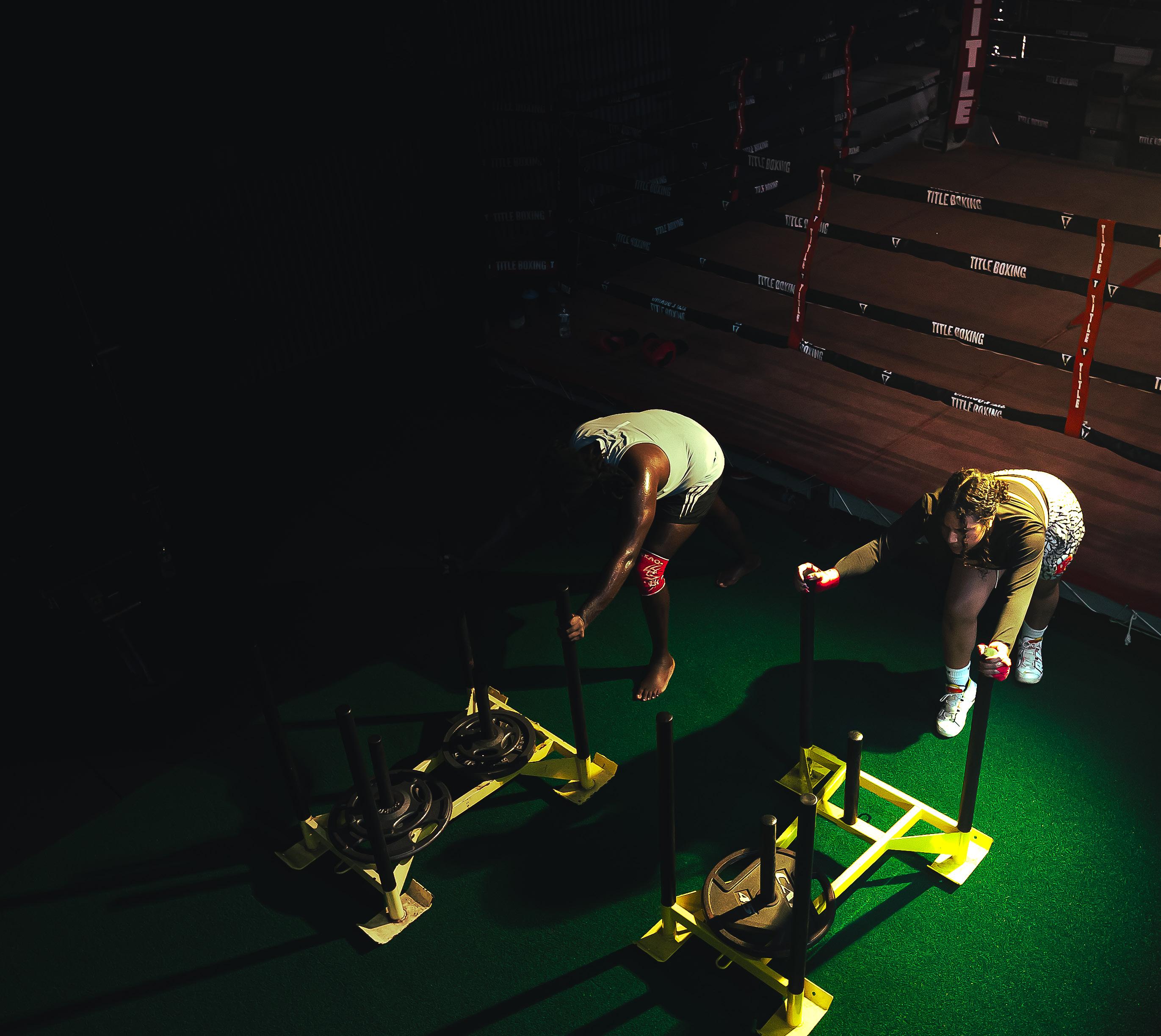
“On off season, I have football players come to the gym to train,” Rodriguez said. “I have from lawyers to doctors to professional fighters, to the regular housewife, or the guy from the neighborhood. It’s a great mixture. They talk to the kids who are not as fortunate, and the most important thing in my gym is: everybody treats everyone like family. It doesn’t matter who you are.”
Conversation with Nelson Rodriguez
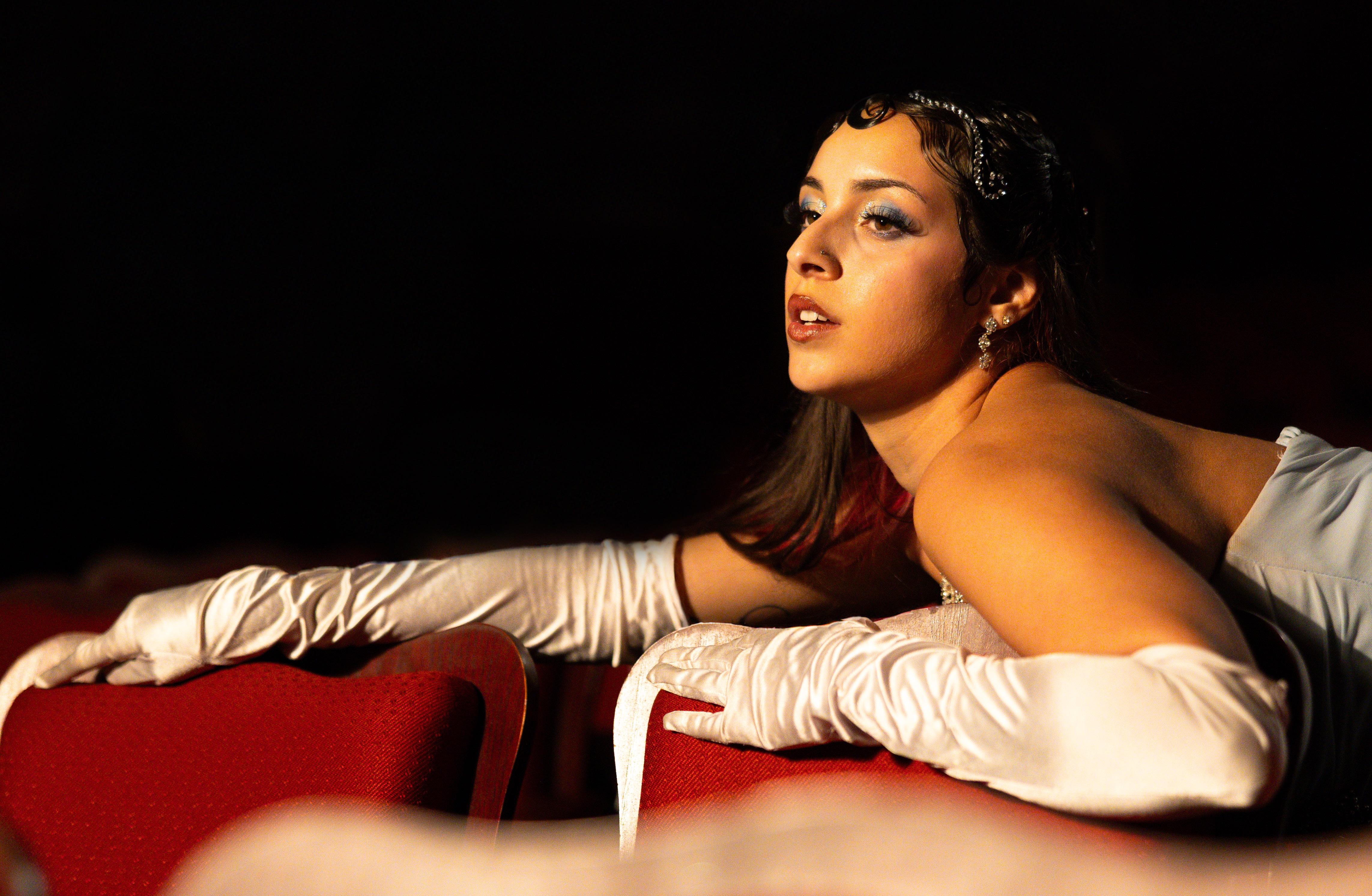
The Star
Sarah Franquelo
My Life is My Stage
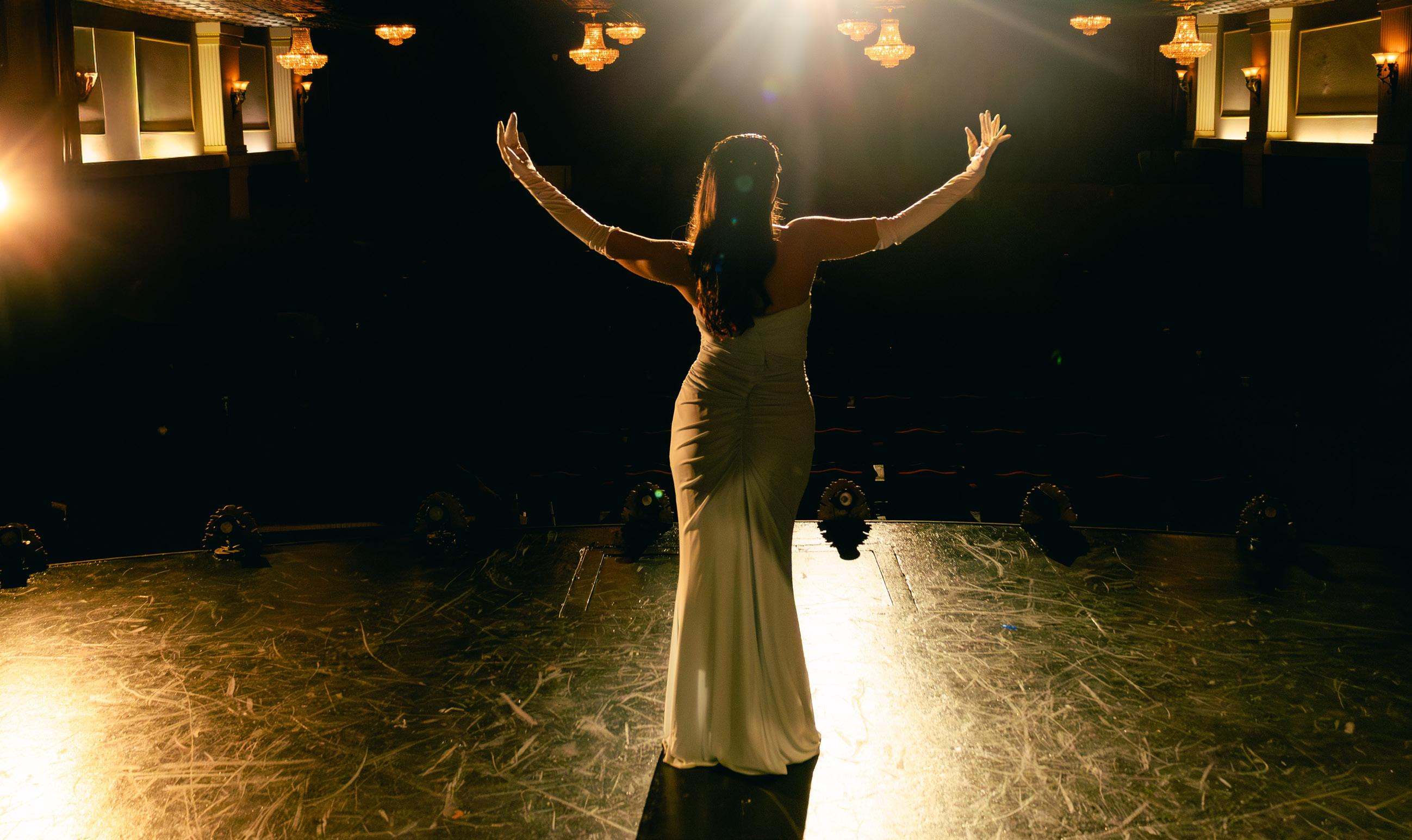
She sits with perfect composure, the picture of grace and divinity. She is unwavering, self-assured, and radiant. But she has a tell. If you watch closely, you can see how she slides her right index finger under the band of the gold chain around her left hand.
“I have always been a performer. I was a very creative child, even more creative teen.” Her childhood consists of a blur of voice lessons, dance training, acting classes. She’s refined her craft throughout the years, but she has always been a talent with a spark of something special within her.
On the topic of why she continues to perform, she replies, “It feels like divine intervention. Like this path had been chosen for me. That sounds narcissistic, but it’s just honest.” A performer must be narcissistic, as they are scrutinized at every moment. Directors and audiences alike deliver their unwarranted criticisms on a whim. She has every right to be overconfident.
She is asked why performance is important, and why we need actors at all. “We are not heroes in any way. Yet everyday, we as humans walk about our day pretending that everything in our lives is fine. We spend the day suppressing our pain and living through a filter. Then you get home, turn on the television, and watch this character experience those heightened emotions for you. Actors are mirrors for the soul. We stir those feelings in you because we represent those same feelings.”
Art that feels personal and deep is often the kind that connects with most audience members. We resonate with certain characters and stories. There is a spiritual experience in being seen through art. Then, she is asked how her art influences her daily life. She turns her head slightly.
“I’m sorry. I don’t think I understand your question.”
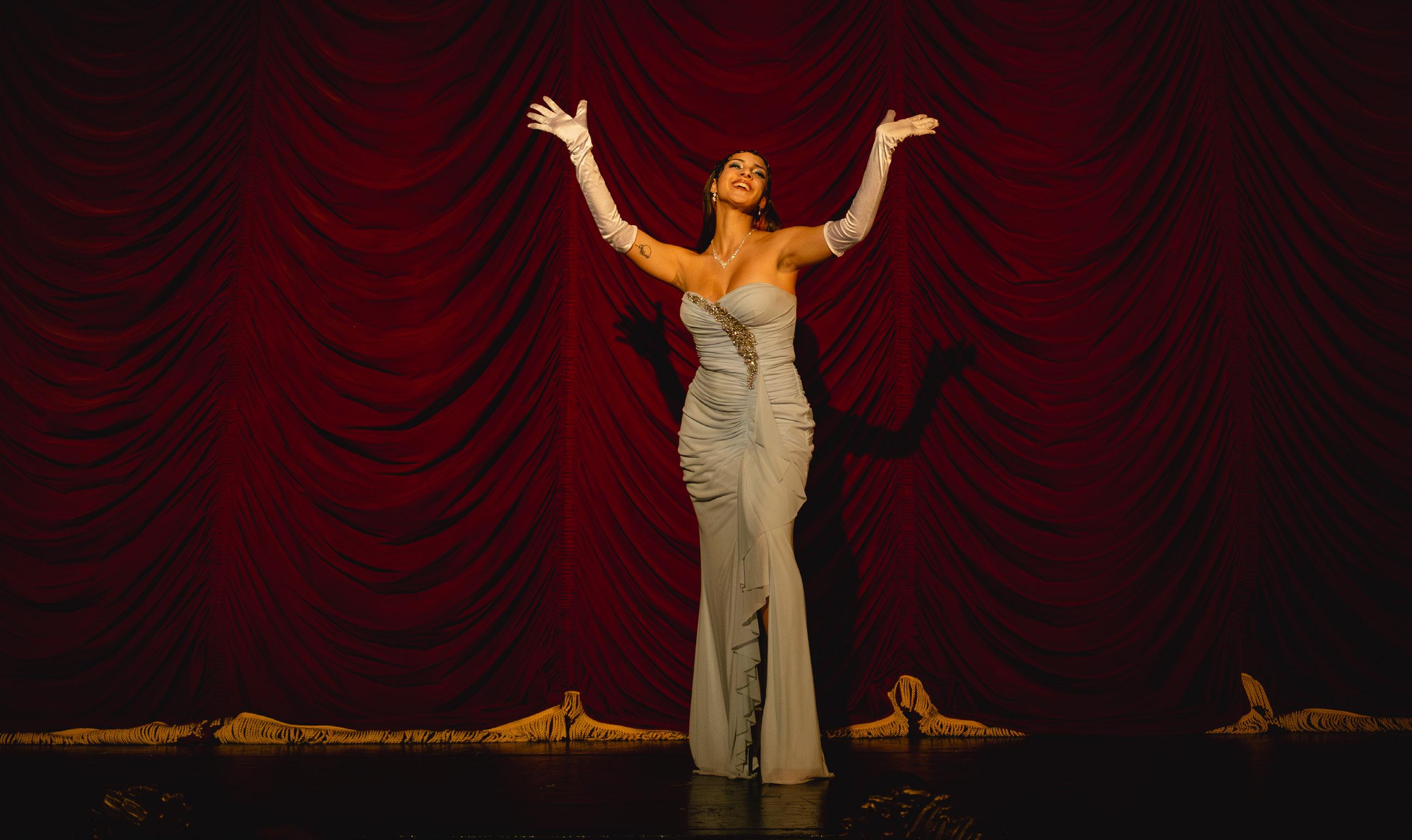

“I’m sorry. I don’t think I understand your question.”
She must have a life outside of performing, should she not?
She leans forward.
“I think you’ve misunderstood me, so let me make myself as clear as possible. I am an actor. I am a performer. My life is my stage. It is not a hobby, it is not my career choice, it is my life’s purpose. I truly believe Earth is to reflect life for others, and I have never stopped doing that both on and off the stage. I am not telling you about my past in acting. This is my origin story. The moment before the curtain opens, and I’m standing in the wings listening to the soft audience conversations.”
She sits back and pulls her hair back behind her shoulders, composing herself. She raises her chin.
“I know what people think. That I’m past my prime. And if I haven’t reached true fame I should move on. People may believe me to be a narcissist, overly confident, proud, ridiculous, or insane. Let me make it clear that I know exactly who I am. I am a star. In every sense of the word.”
Do you know the different between a monologue and a sililoquy? A monologue is directed towards a subject, while a silliloquy is spoken to the self. She speaks in what feel like monologues, but really she seems to sooth no other soul but her own.
“I feel most myself when I am being loved, being adored, being admired. It is said you should love the art and not the fame. But I’ve never known that to be true. Being an actor is being watched. It is being a mirror for everyone else’s emotions, everyone else’s dreams, and everyone else’s pain. I don’t strive for fame in my art because I strive for fame in my life. What am I if not a performer?”
The truth is, our star is unnamed because she has no true name yet. Though an incredible performer, she is only known in her town and through her friends. With all her training and the years of her life she has dedicated to her craft, she has only just started to break into the professional acting industry. However, that hunger cannot be satiated.
“I will not stop until every person on this Earth knows my name.” We should like to see her try.
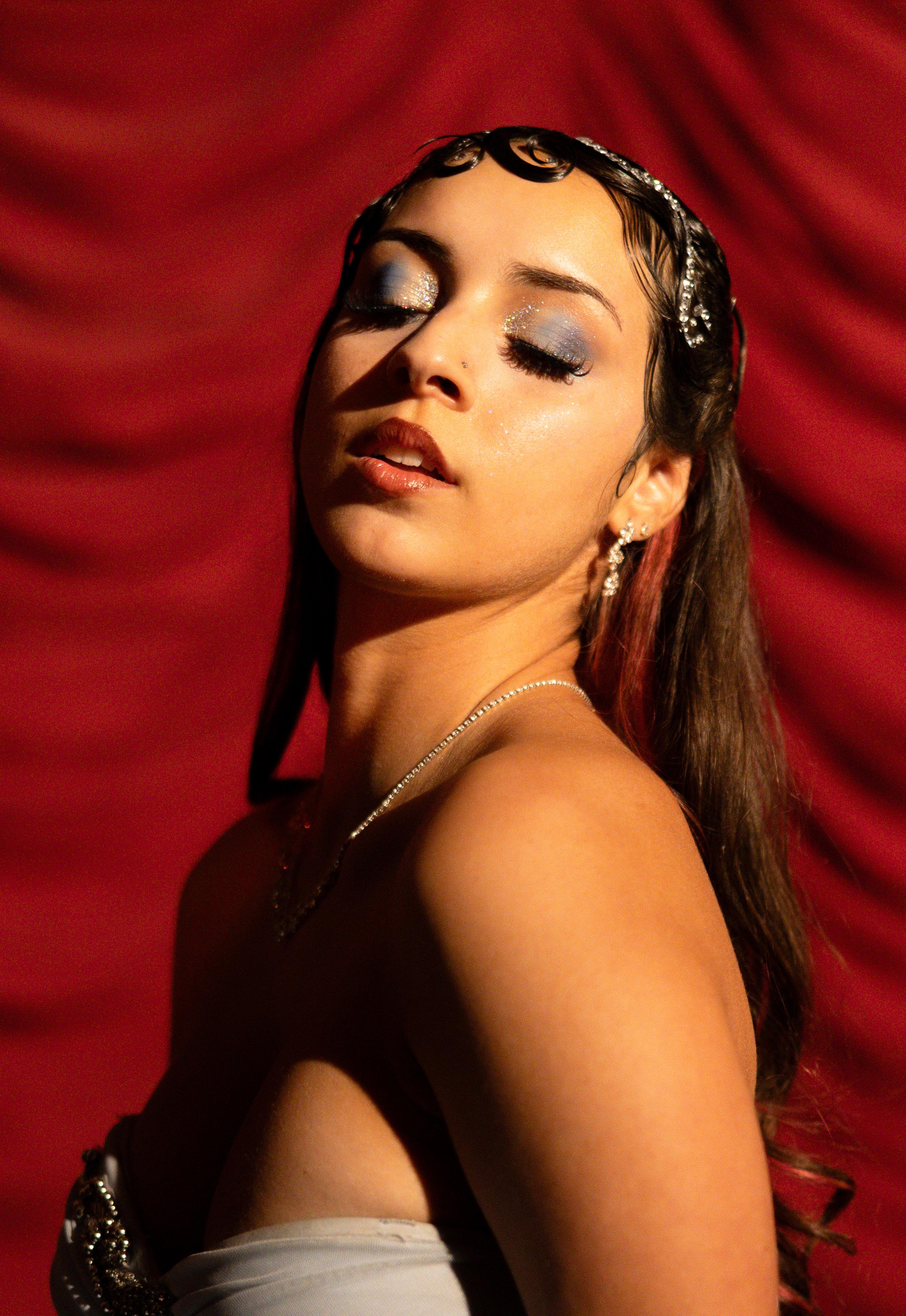
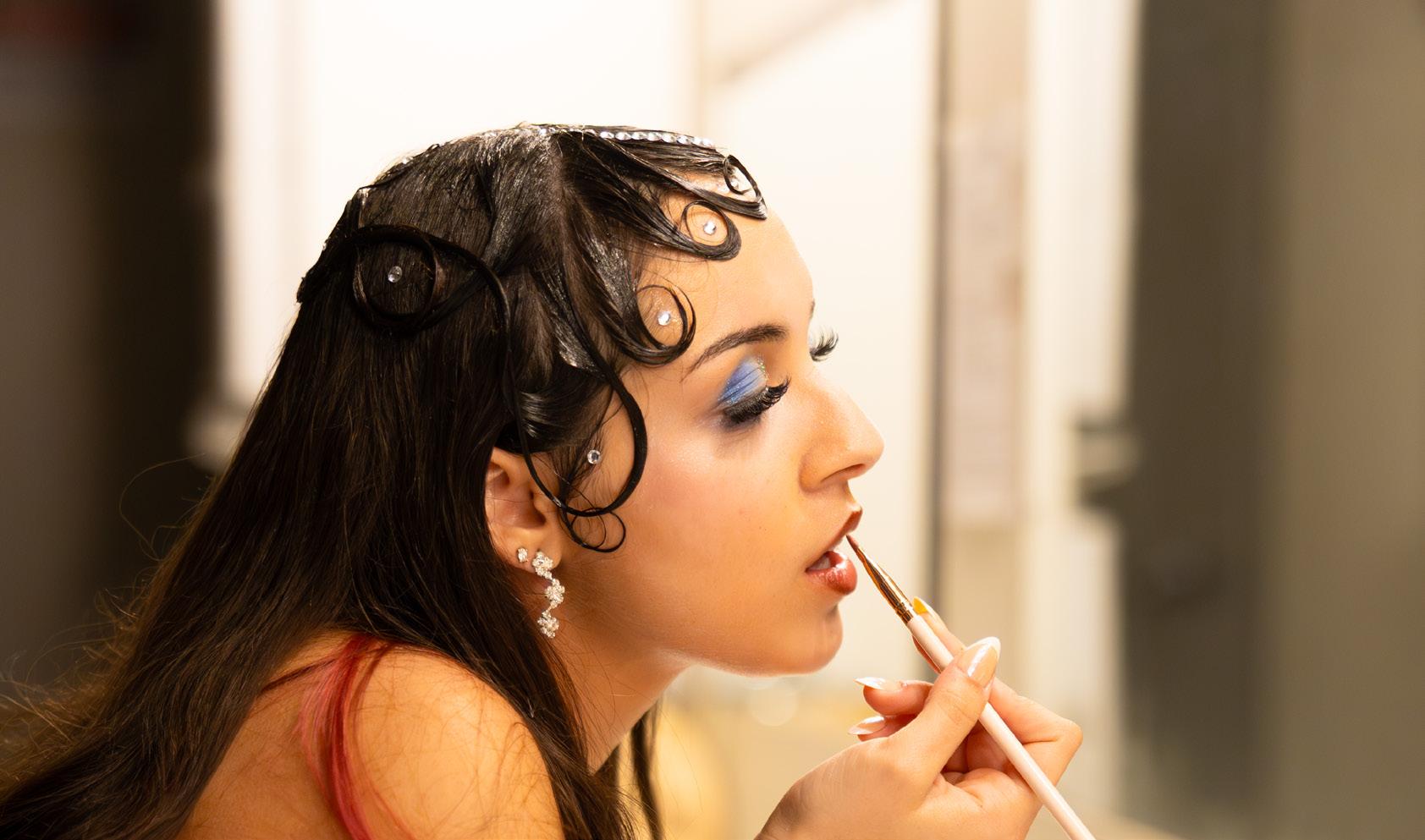
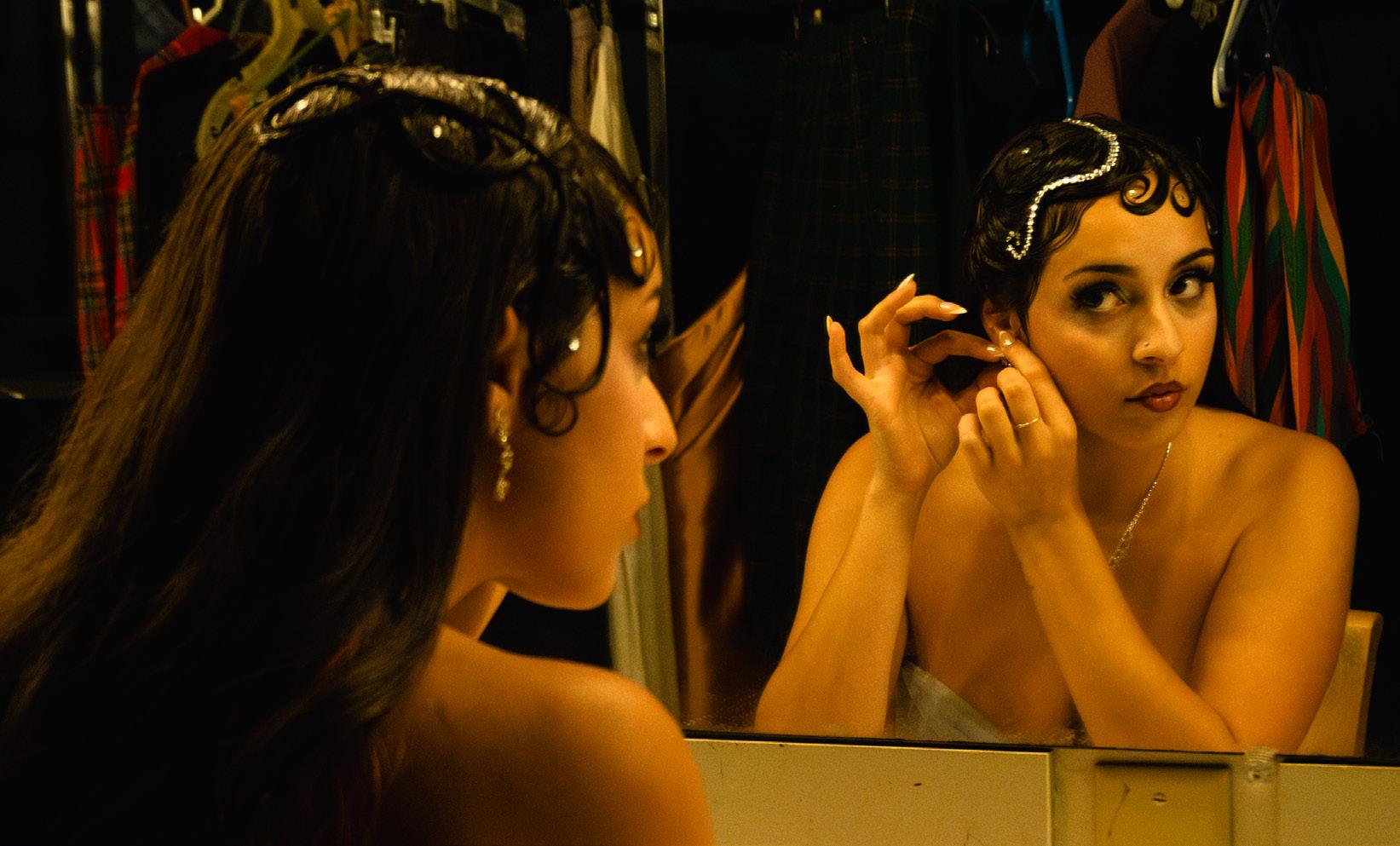
Supernova Theory
To be a star is to be known. I used to think that being “the star” meant belonging to the light. But light is selective; it reveals carefully. It brightens certain angles and leaves others untouched. From Earth, a star looks stable. I’ve learned, however, that stability can be misleading. After a long, quiet period of existence, stars explode. Supernovas are anything but stable. They are violent, brilliant eruptions of energy after years of invisible pressure. Stars negotiate varying forces as gravity pulls inward with relentless force, while heat pushes outward in resistance. The balance between these two forces is what allows a star to shine at all. Without tension, there would be no light, only collapse.
From a distance, brightness reads as certainty. We assume that stars or performers, the person illuminated, applauded, must feel solid in their place. As though visibility and confidence are synonyms. Yet I have rarely felt more aware of my own instability than when I am most seen. I dream of success within the entertainment industry, but at what cost? The cost, I’m beginning to realize, is rarely visible from the outside.
Olivia Wagner
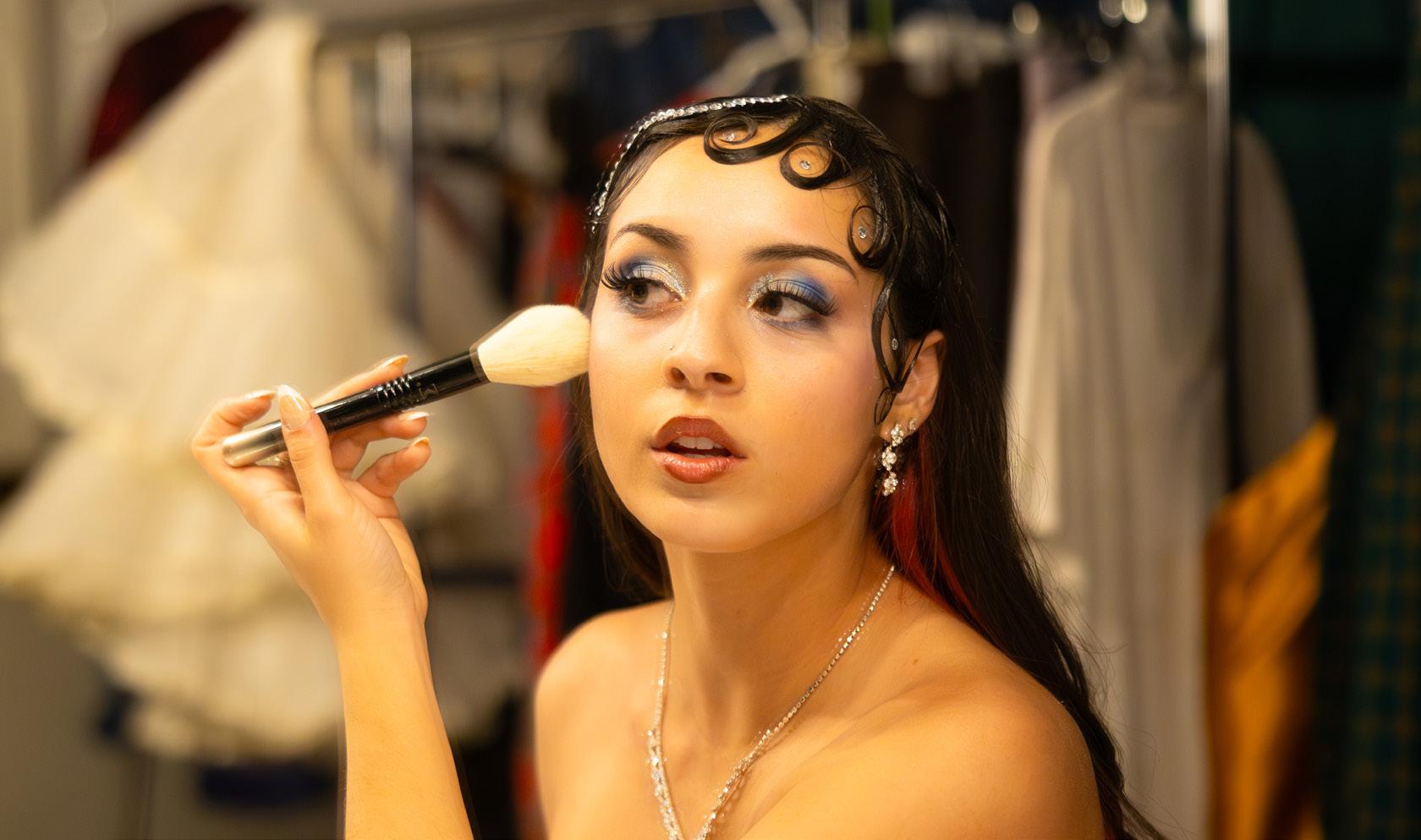
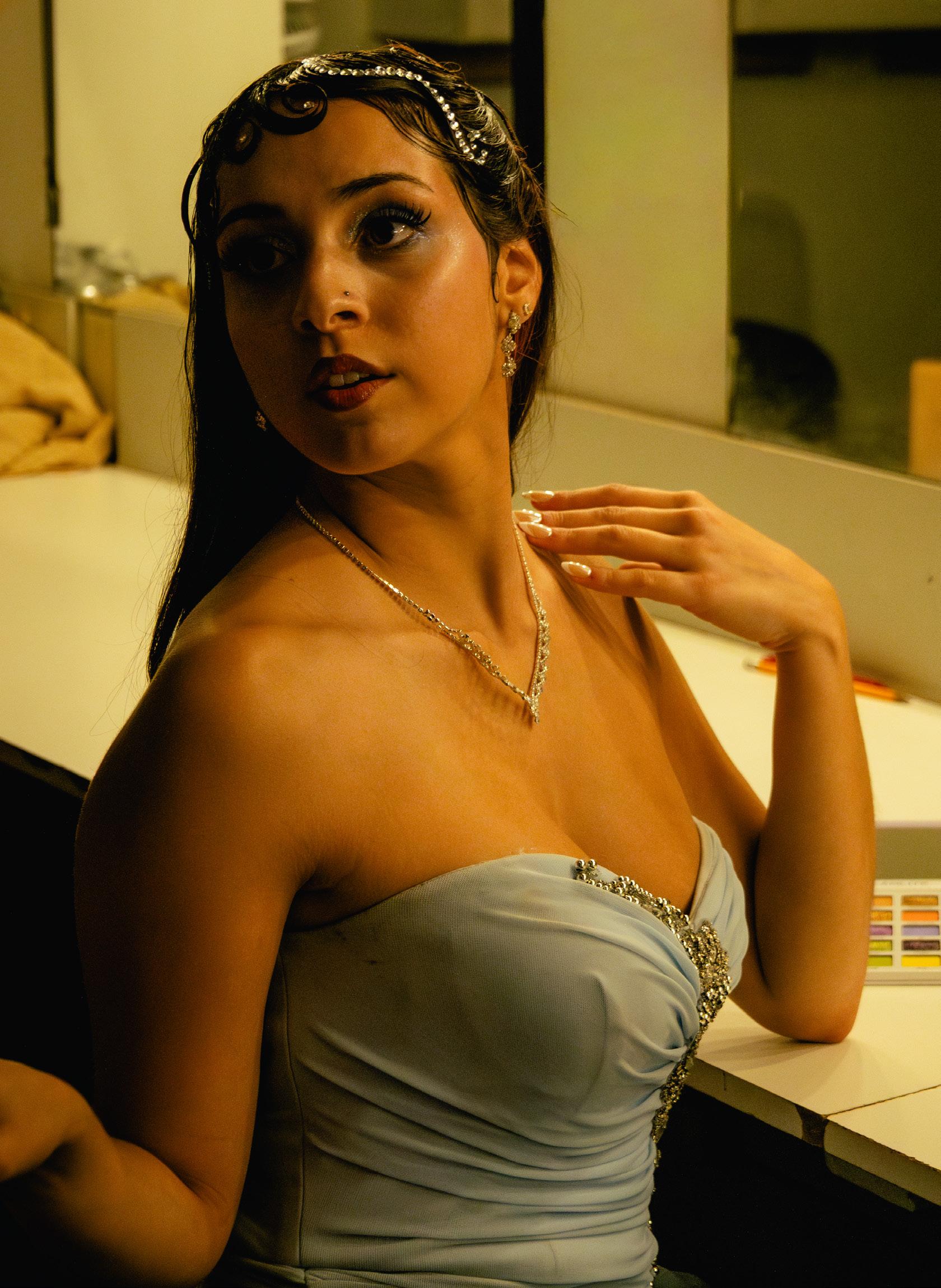
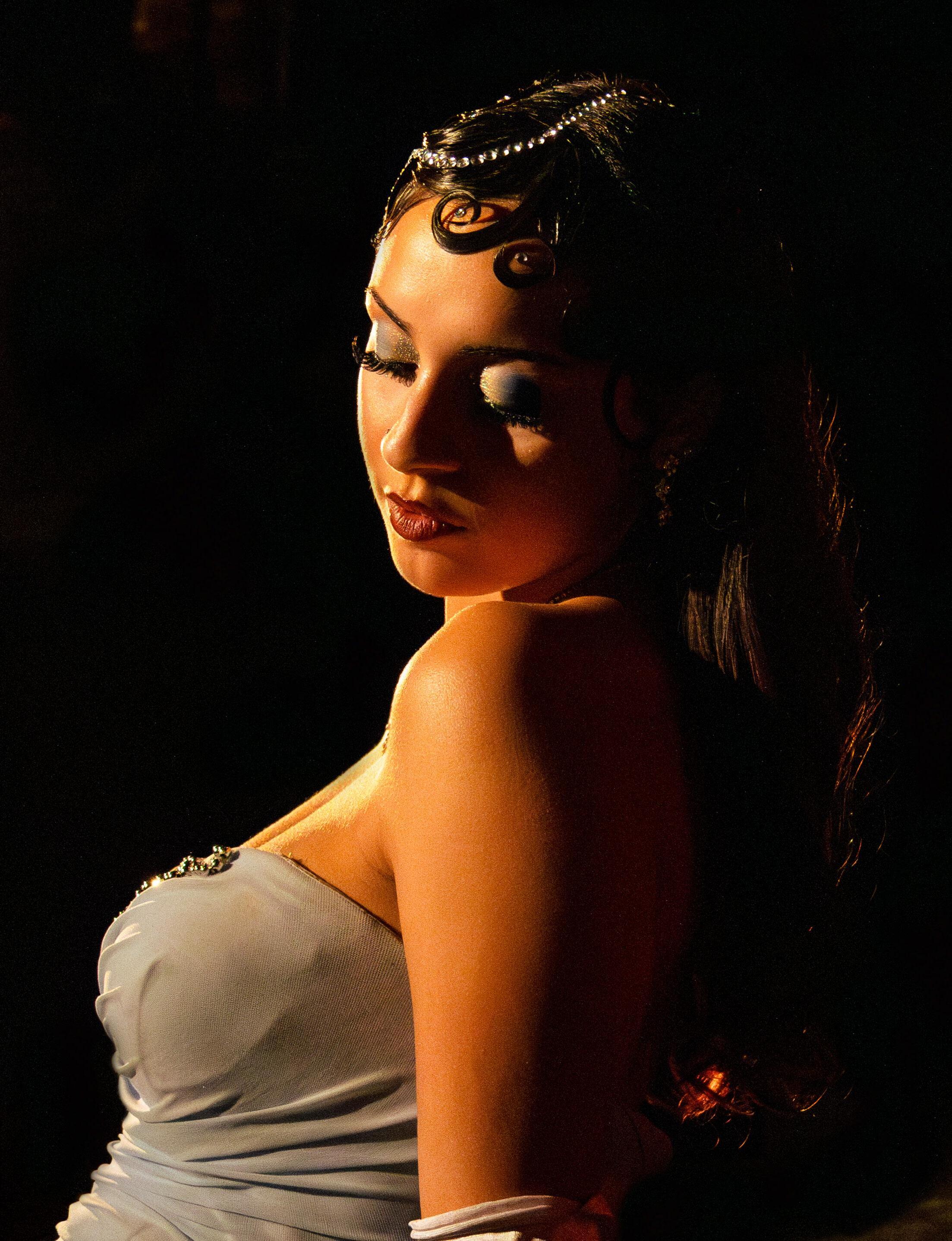
Imposter syndrome hums quietly beneath my awareness, causing me to wonder if this light is deserved or coincidentally well-positioned. Nevertheless, I pursue my passions as anyone else would. There is an undeniable allure in visibility. The chance to be heard, to shape narratives, to express creativity.
Imposter syndrome hums quietly beneath my awareness, causing me to wonder if this light is deserved or coincidentally well-positioned. Nevertheless, I pursue my passions as anyone else would. There is an undeniable allure in visibility. The chance to be heard, to shape narratives, to express creativity. But a fascination with the spotlight comes with its own gravity, I have come to understand. Just as these celestial bodies are shaped by invisible forces, so too are those who inhabit the stage or screen. The closer you move toward the light, the stronger the forces surrounding it become— expectation, comparison, and self-doubt grow unbearable. Drawing this parallel between both versions of stars became a reminder to me that even the brightest lights carry fragility within their glow.
There are moments when the applause fades, and the silence grows louder than any positive recognition. In those moments, the pressure that once felt motivating can begin to feel overwhelming. Yet pressure is also what creates the conditions for transformation. Just as a star cannot shine without the opposing forces shaping it, the path toward visibility is rarely smooth or stable. It is built slowly through tension, persistence, and the willingness to continue forward even when certainty feels out of reach.
The star, just like starlight itself, is a product of forces that often remain unseen, unappreciated. To shine publicly is not to feel quintessential, but to balance the forces of doubt against ambition. Through trial and error, I’m learning to continue on and see my own path as a supernova. To be visible is to be vulnerable; to shine is to carry the weight of gravity. And perhaps the greatest revelation is that the brilliance others admire is never accidental. It is born of tension, doubt, and perseverance. For me, that understanding transforms imposter syndrome from a burden into a quiet acknowledgment that growth, like a supernova, requires both pressure and patience.
Maybe at the moment of explosion, the moment when the pressure finally releases into something bright and undeniable, it isn’t something that we should fear. Instead, something we can grow toward. The years of quiet tension are not signs of instability, but the very forces preparing the light to exist.
To be a star is not to be perfect, but to endure the tension that allows light to exist at all.
When I was 16, my mother watched her firstborn child pack their bags and walk out of her life. Hours before, the childhood church that I had lovingly attended for most of my developing youth had just decided to “let me go” from their congregation because I had recently discovered and accepted myself as a gay man; a “choice that conflicts with my religious identity,” apparently.
I don’t recall my attraction to boys affecting my faith, but I do remember thanking God that I told my parents before the church made a plan to out me to them. Regardless, my religious parents weren’t ecstatic about my dismissal.
Looking back, I think about how my mother and stepfather had a few choices about how to handle this. They could have interrupted and defended me. They could have shrugged it off, found us a new church. In the most unlikely scenario, they could have embraced me and emboldened me to live authentically.
But in their reality, I had tarnished the house of God and tainted their household name. So I was told to leave their home too, with the “open invitation” to come back if I ever decide to change. As someone who had already learned how to embrace himself, understood that their decision would ultimately lead me to the same place: living life on my own terms, just with them fading in the rearview mirror.
Over a decade has passed since that moment in time, and it has come to define me more than the years my mother spent raising me. A permanent reminder that nothing is permanent.
I’m fortunate that my father is still in my life, and that I had another home to run to after the estrangement. We weren’t especially close before, but the years he dedicated to me afterward changed that. He gave me the kind of steady love a child needs to survive.
I’ve seen my mother around, at the odd family birthday or graduation. Never at any of my own. I preferred it that way. We rarely cross paths, but when we do, we’re always a sun and moon in a selenelion: both of us present in a shared room, each of our lights dimmed by the other.
For many, human connection and puzzle pieces poetically feel interchangeable. Friendships, relationships, and family bonds weave so firmly that they become integral to the form. The severance of these structural relationships disrupt the sense of self, like an incomplete portrait of ourselves that softens and blurs as loss holepunches its way across our lives.
This doesn’t really reflect how I feel, at least not in this case.
My family used to fit together more like nesting dolls. God stood as the biggest and the tallest, shielding us from the world’s weather. My parents followed as the next layer, with a tiny version of me nestled within a warm wooden mother. Our artwork didn’t match, our sizes weren’t complementary, but we still formed one unit.
Then they separated themselves from me.
The space left behind was quiet and at times lonely. That protective outer layer was gone. But in its absence, I found room to breathe. Room to grow. Some of the intricate paint that once decorated me rubbed off, but I remained whole, still one piece, still myself.
I learned how to take up space in the world. I grew beyond the religious shell I was raised in and found a quieter kind of faith that rests within me now. I’ve since fallen in love, and he stands beside me as part of my new nesting set.
I carry no regrets, just as I carry no missing pieces scattered somewhere in the world. What I have instead are open vessels and warm spaces in my life, waiting to be filled with the people and love I choose for myself.
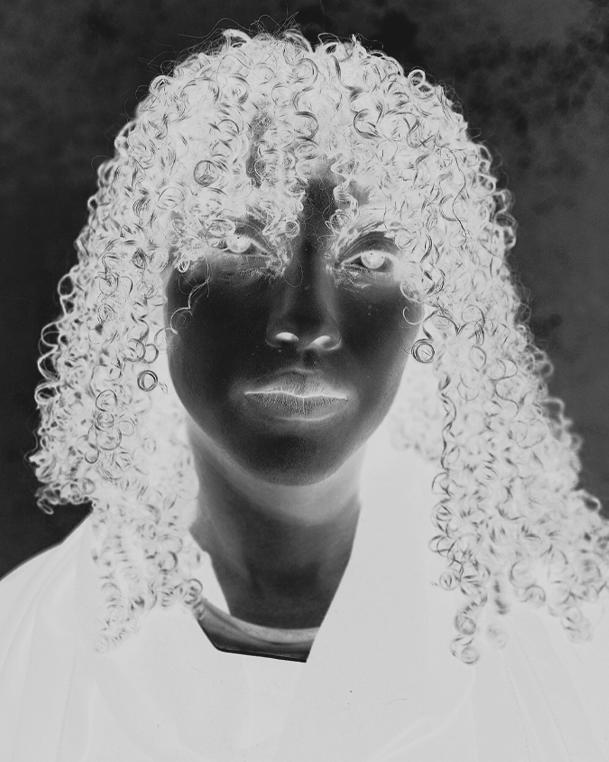
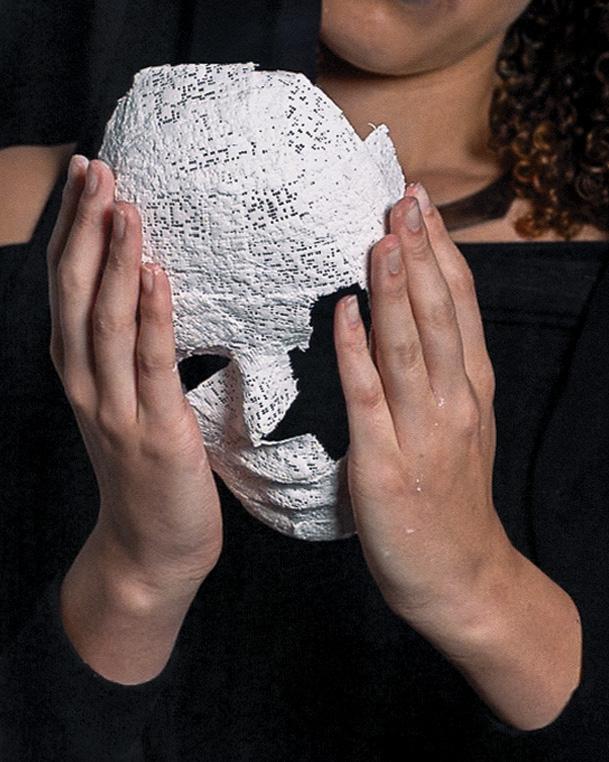
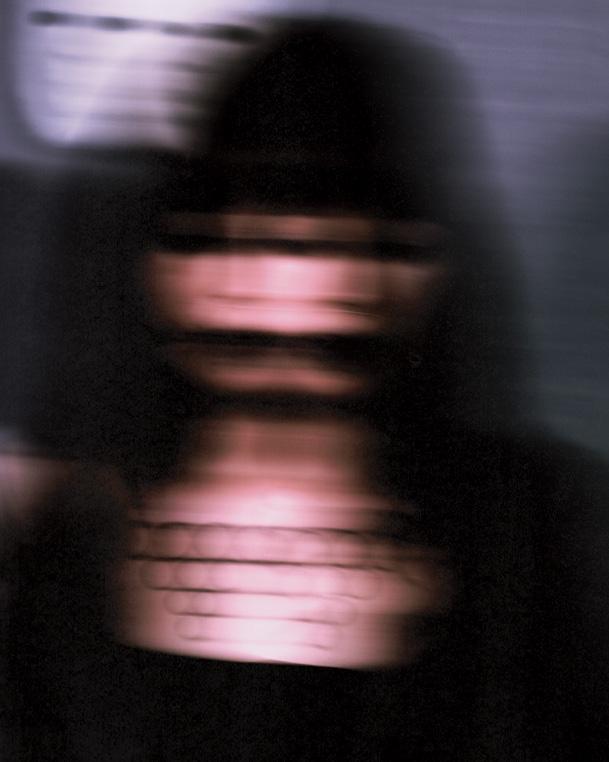
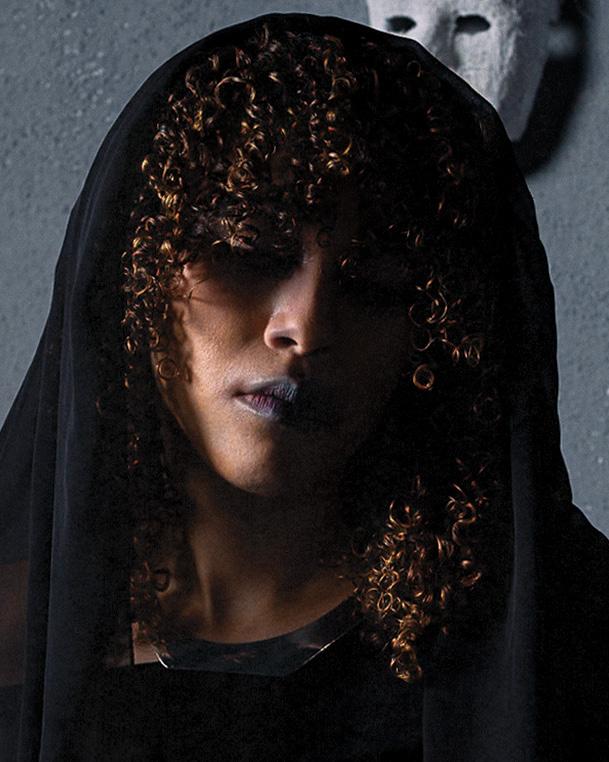
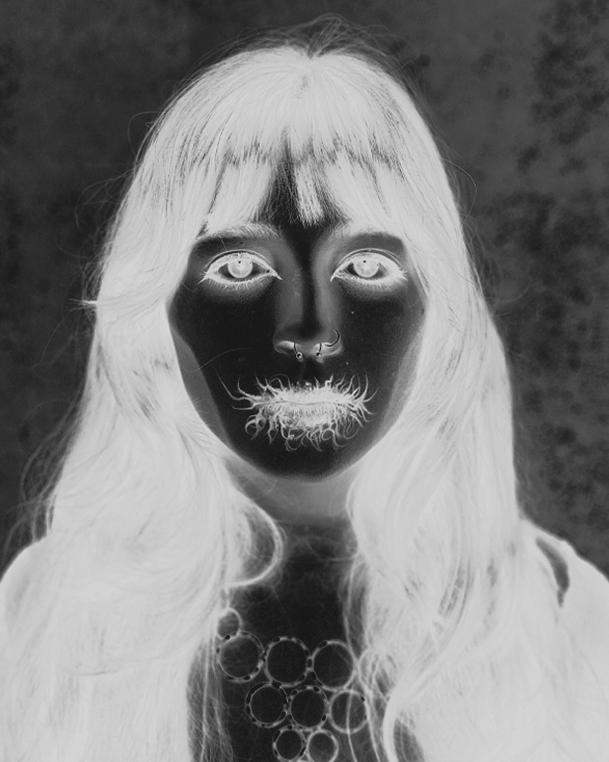
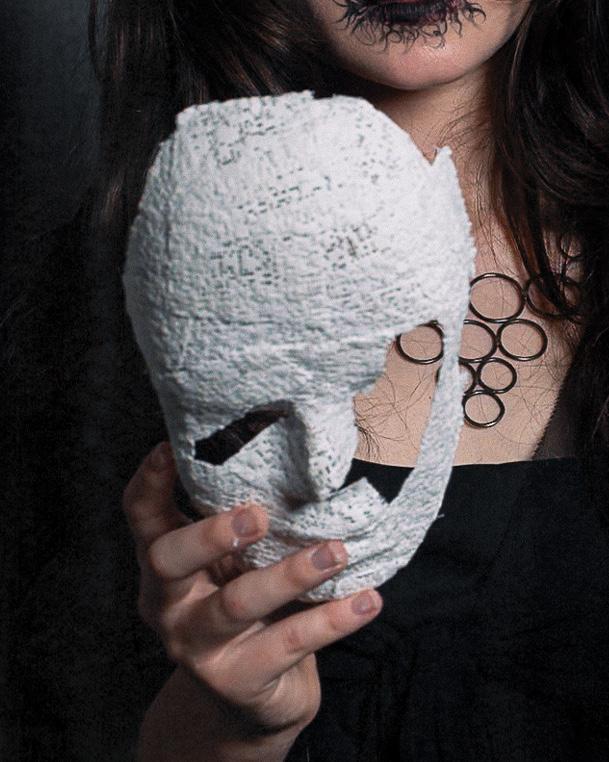
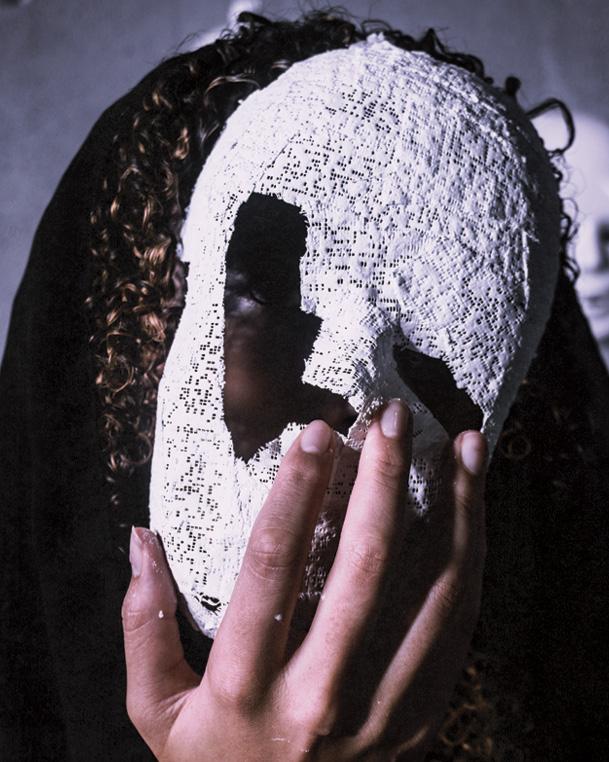
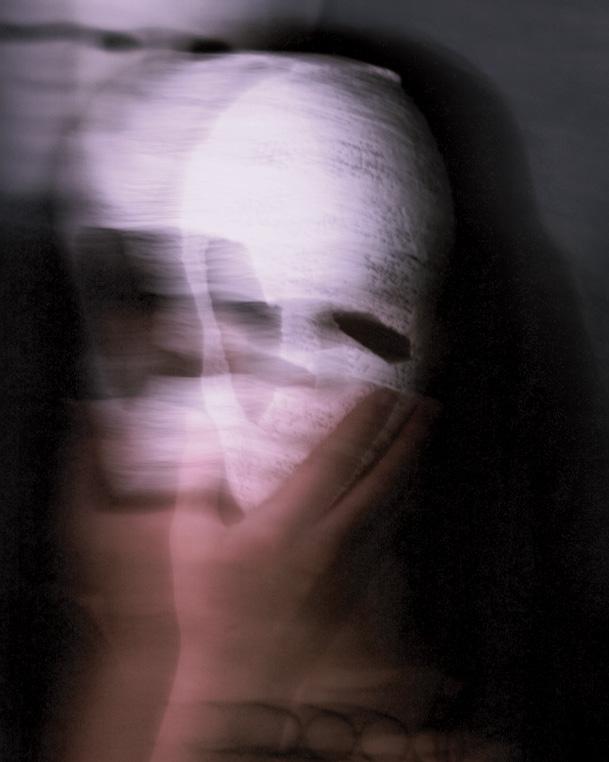
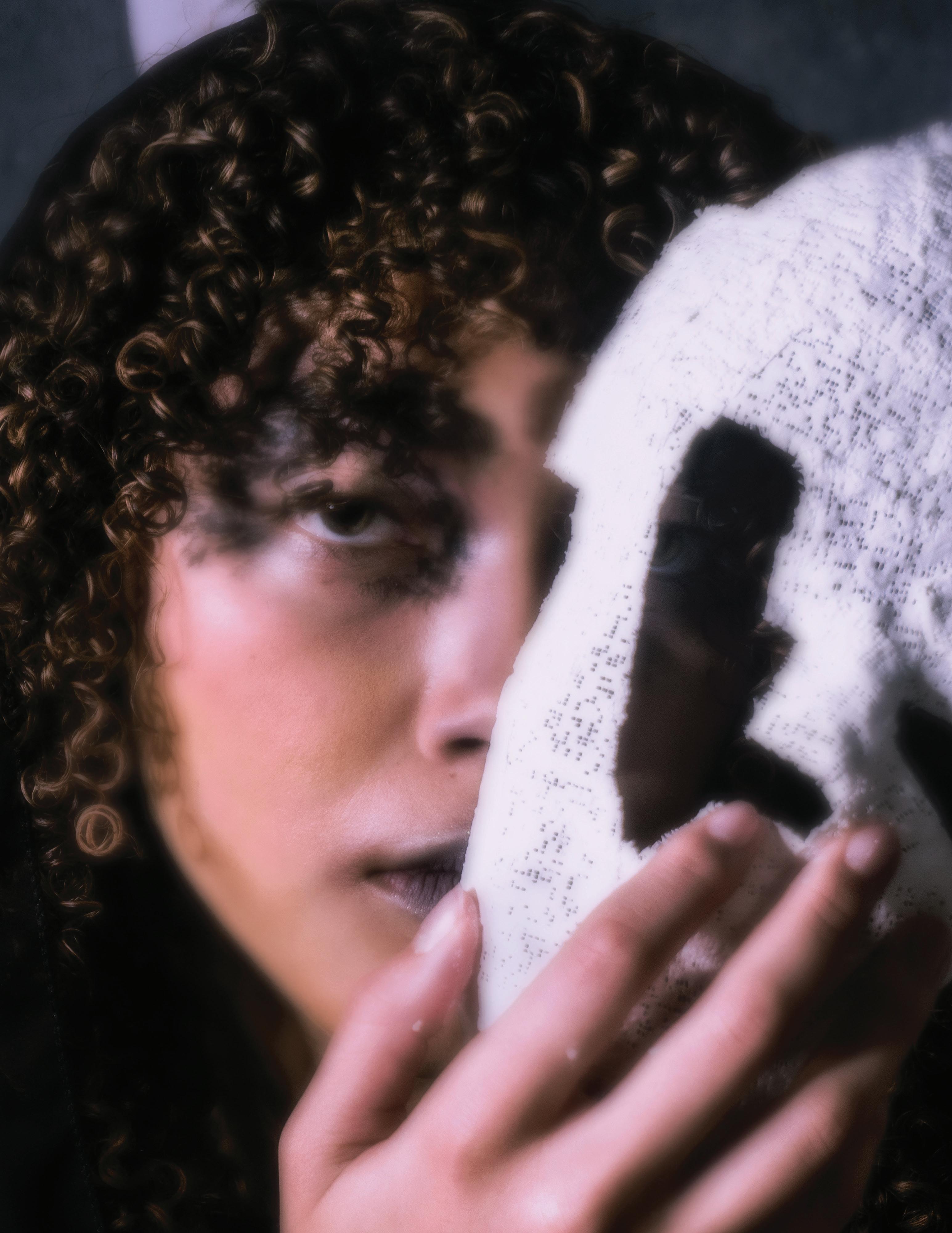
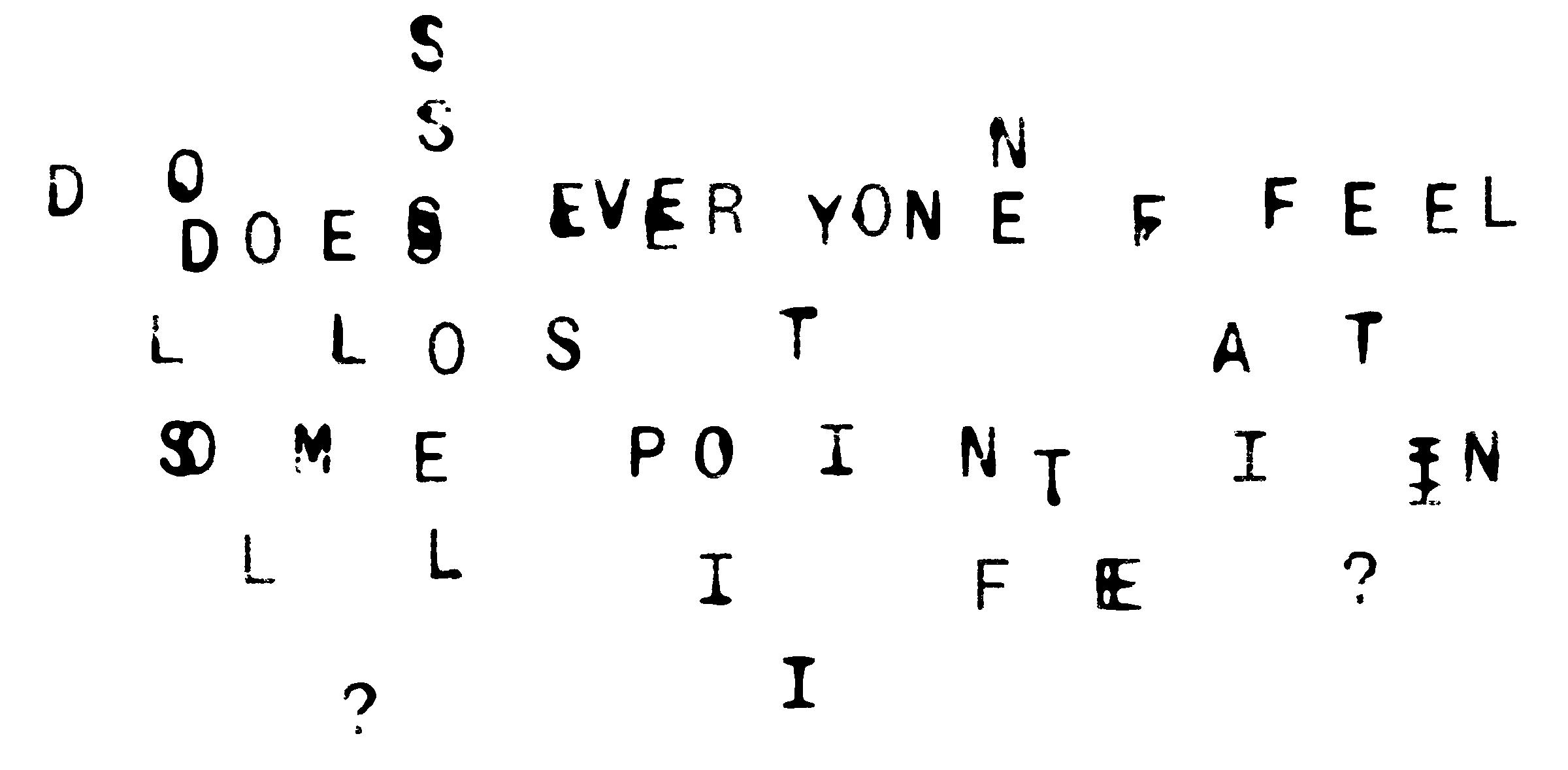
At some point or another, many people feel as if they’ve lost themselves. Without leaning on anyone or wanting to talk about it, that feeling can become overbearing and isolating.
The only thought that comes to mind might be: DOES EVERYBODY FEEL LOST AT SOME POINT IN LIFE?
( CHLOE SMITH, 21 )
“The last time I felt lost was honestly the start of the semester when I changed my major. It was a difficult process for me to accept that I would have to change the set course I had coming to college.” Smith said.
Smith had always known that she wanted to be a nurse.
“When I didn’t make it into the program sophomore year of college, it didn’t sway my passion, but it definitely threatened my personal timeline,” she explained, “It made me feel like ‘well if things aren’t going to this set timeline I had then I must have a wrong set path for me,’ like this path I had imagined.”
With no other option, Smith said she had no other choice but to move forward. Even though she knew she had to choose a different path, acceptance didn’t come easy.
“Accepting came after the upsetness,” she divulged, “I took a hit for a little bit, thought about it.”
What made it easier was reframing her mindset.
“Instead of it being something that’s happening to me, like a bad connotation, it’s just a normal life event,” Smith said. “You have the resources to get through this if you take a minute to step back and get out of your feelings a little bit.”
Without another option, she said that this new path felt like it’s a blessing.
She shared, “I feel like I can see my future clearer now. I’m able to be more flexible with those not super important details that you get bogged down by.” Her advice on acceptance is simply talking to friends.
“Talking to my roommates helped me a lot, especially because one of them is in the nursing program, and she knows people in her cohort who are older than her. I was like ‘well there’s no way I could age out of nursing.’”
According to Smith, feeling lost gave her the opportunity to be more objective about her life and to really listen to what she needed.
“I have so many other things going on that would really impact how much time and focus I could give to something like nursing,” Smith said. “I genuinely kept flip-flopping. I honestly, in my heart, did not feel ready.”
With a clear mind and a new path forward, Smith had a new mindset, one that prioritized herself and her happiness.
Smith affirmed, “Now I’m going to—instead of working to get a goal by a certain age because of my own personal pressure, or maybe even societal pressure—I’m going to listen to myself more. And we’re going at a pace that’s safe and healthy for me. I’m going to work with my mental health. Not against it anymore.”
CRE DITS
THE SEARCH FOR IDENTITY
CONCEPT
MADDY CAMPBELL
CREATIVE DIRECTION AMY PHUNG
COVER PHOTO BRANDON ANDINO
BACK COVER PHOTO
OLIVIA BENNETT
FRONT AND BACK DESIGN KIERA MAYOTT
THE LOST
DESIGN
DAVID MEDINA
FASHION DIRECTOR LAUREN ROBINSON
STYLISTS
ELI WILKE
YAN XAN JIANG
SET DESIGN DIRECTOR ANGELICA LIOTTA
SET DESIGN
PRODUCTION MANAGER
PRODUCTION ASSISTANTS
ASHLYN WITTERSCHEIN
LIAN CAMACHO
LAUREN CASEY
GABRIELA PONCE
JESSICA DEMOSTHENE
GABRIELE STEINBORN
RYAN DAVIS
THE PARTY GIRL
DESIGN
FASHION DIRECTOR
STYLISTS
SET DESIGN DIRECTOR
SET DESIGN
PRODUCTION MANAGER
PRODUCTION ASSISTANT
MAKEUP DIRECTOR
MAKEUP ARTIST
HAIR/MAKEUP
PHOTOGRAPHERS
BTS PHOTOGRAPHER
VIDEOGRAPHER
MODELS
CARTER PAGE
LAUREN ROBINSON
ELI WILKE
FERNANDO FLORES
EDNAH MILLER
JOSEPHINE SCOTT
GABI ABATI
YAN XAN JIANG
ANGELICA LIOTTA
JESSICA DEMOSTHENE
LAUREN CASEY
RYAN DAVIS
SPACE HARA
HANNAH OGDEN
SEWAH
ALEJANDRA ALVARADO
MAYCIE SHAFFER
OLIVIA BENNETT
MARY PANITZ
KATE LEONARD
CHARLOTTE CAMPANA
CAROLINE KRUGER
AMANADA SILVERO
ALTAIR ESTRELLA
MORGAN SULLIVAN
THE PROVOCATEUR
DESIGN
FASHION DIRECTOR
STYLISTS
JACQUELINE IOANNIDIS
LAUREN ROBINSON
EDNAH MILLER
ANNE MCGRATH
FERNANDO FLORES
YAN XAN JIANG
GABI ABATI
ELI WILKE
SET DESIGN DIRECTOR
SET DESIGN
MAKEUP DIRECTORS
HAIR/MAKEUP
PHOTOGRAPHERS
ANGELICA LIOTTA
ASHLYN WITTERSCHEIN
LIAN CAMACHO
SPACE HARA
SEWAH
ALEJANDRA ALVARADO
OLIVIA BENNETT
IESHAM JOHNSON
MAKEUP DIRECTOR
HAIR/MAKEUP
SPACE HARA SEWAH
PHOTOGRAPHERS BRANDON ANDINO
MICHEAL FRIDAY
BTS PHOTOGRAPHER KATIE LEONARD
DIRECTOR OF VIDEOGRAPHY
VIDEOGRAPHER LUKE SPRINGFIELD
TY'RECK ADDISON
MODELS
JORDAN ALLWOOD
ALEXANDRA SUAREZ
BTS PHOTOGRAPHER
VIDEOGRAPHER
MODELS
EDUARDO SUAREZ
KATIE LEONARD
CHARLOTTE CAMPANA
JAIRO BAUTISTA
ARIANNA GOMES
LOGAN ROWLAND
NICK NIMROOZI
AARON ANDERSON
THE CULTURE SHOCK
DESIGN
FASHION DIRECTOR
STYLIST
SET DESIGN DIRECTOR
PRODUCTION ASSISTANT
MAKEUP DIRECTOR MAKEUP ARTIST
PHOTOGRAPHERS
BTS PHOTOGRAPHER
VIDEOGRAPHERS
MODELS
THE BOSS
DESIGN
FASHION DIRECTOR
STYLISTS
PRODUCTION MANAGER
SET DESIGN DIRECTOR
SET DESIGN
MAKEUP DIRECTOR
HAIR/MAKEUP
PHOTOGRAPHERS
DIRECTOR OF VIDEOGRAPHY VIDEOGRAPHERS
MODELS
THE STAR
DESIGN
FASHION DIRECTOR
STYLISTS
PRODUCTION ASSISTANTS
MAKEUP DIRECTOR
HAIR/MAKEUP
PHOTOGRAPHERS
SKYLAR HOLM-MARTINEZ
LAUREN ROBINSON
YAN XIN JIANG
ANGELICA LIOTTA
AVA WASHINGTON
HANNAH OGDEN
MARY PANITZ
MICHAEL FRIDAY
SPACE HARA AVA WASHINGTON
CHARLOTTE CAMPANA
TY'RECK ADDISON
JORDAN ALLWOOD
ALEXANDRA SUAREZ
KIERA MAYOTT
LAUREN ROBINSON
ELI WILKE
EDNAH MILLER
YAN XAN JIANG
LAUREN CASEY
ANGELICA LIOTTA
KIREI PARRISH
SPACE HARA
JOBY AYALA
SEWAH
EDUARDO SUAREZ
DAWSON NGUYEN
LUKE SPRINGFIELD
CHARLOTTE CAMPANA
JAIRO BAUTISTA
MADDY CAMPBELL
AMY PHUNG
LILLY PEARL DAME
BELLA MALDONADO
LAUREN ROBINSON
EDNAH MILLER
ANNE MCGRATH
YAN XAN JIANG
AVA WASHINGTON
GABRIELA PONCE
SPACE HARA
JOBY AYALA
MAYCIE SHAFFER
MARY PANITZ
BRANDON ANDINO
DAWSON NGUYEN
THE ATHLETE (FOOTBALL)
DESIGN
FASHION DIRECTOR
RILEY WILLIS
LAUREN ROBINSON
PRODUCTION MANAGER LAUREN CASEY
PRODUCTION ASSISTANTS
MAKEUP DIRECTOR
HAIR/MAKEUP
PHOTOGRAPHERS
BTS PHOTOGRAPHER
DIRECTOR OF VIDEOGRAPHY
SOCIAL MEDIA VIDEO
MODELS
THE ATHLETE (BOXING)
DESIGN
FASHION DIRECTOR
STYLIST
SET DESIGN
PRODUCTION ASSISTANTS
HAIR/MAKEUP
PHOTOGRAPHERS
VIDEOGRAPHER
MODELS
THE INNOVATOR
DESIGN
FASHION DIRECTOR
STYLISTS
VIDEOGRAPHER
MODEL
CHARLOTTE CAMPANA
TY'RECK ADDISON
MAKEUP DIRECTORS HAIR/MAKEUP
PHOTOGRAPHERS
VIDEOGRAPHER
MODELS
RYAN DAVIS
GABRIELE STEINBORN
SPACE HARA
JOBY AYALA
BRANDON ANDINO
MAYCIE SHAFFER
KATIE LEONARD
LUKE SPRINGFIELD
TY'RECK ADDISON
ANDRES SEIJAS
KOBE BELCHER
RILEY WILLIS
LAUREN ROBINSON
ANNE MCGRATH
ASHLYN WITTERSCHEIN
CAPRICE HORD
GABBY PONCE
ALEJANDRA ALVARADO
EDUARDO SUAREZ
IESHAM JOHNSON
DAWSON NGUYEN
CHARLOTTE CAMPANA
JAIRO BAUTISTA
KRYSTIAN WINT
BARBARA PAOLA CASTRO SOJO
KIERA MAYOTT
LAUREN ROBINSON
ELI WILKE
FERNANDO FLORES
EDNAH MILLER
JOSEPHINE SCOTT
GABI ABATI
ANNE MCGRATH
YAN XAN JIANG
SPACE HARA JOBY AYALA
MICHAEL FRIDAY
IESHAM JOHNSON
DAWSON NGUYEN
TY'RECK ADDISON
JAIRO BAUTISTA
THEO JONES
JACKSON MCCOLLUM
LATHAN WILLIAMSON