

design ANNELIESE IBAÑEZ DE SENDADIANO

Editor-in-Chief: Vanessa Yanes
Creative Director: Brooklynn Quick
External Affairs Director: Caroline Udell

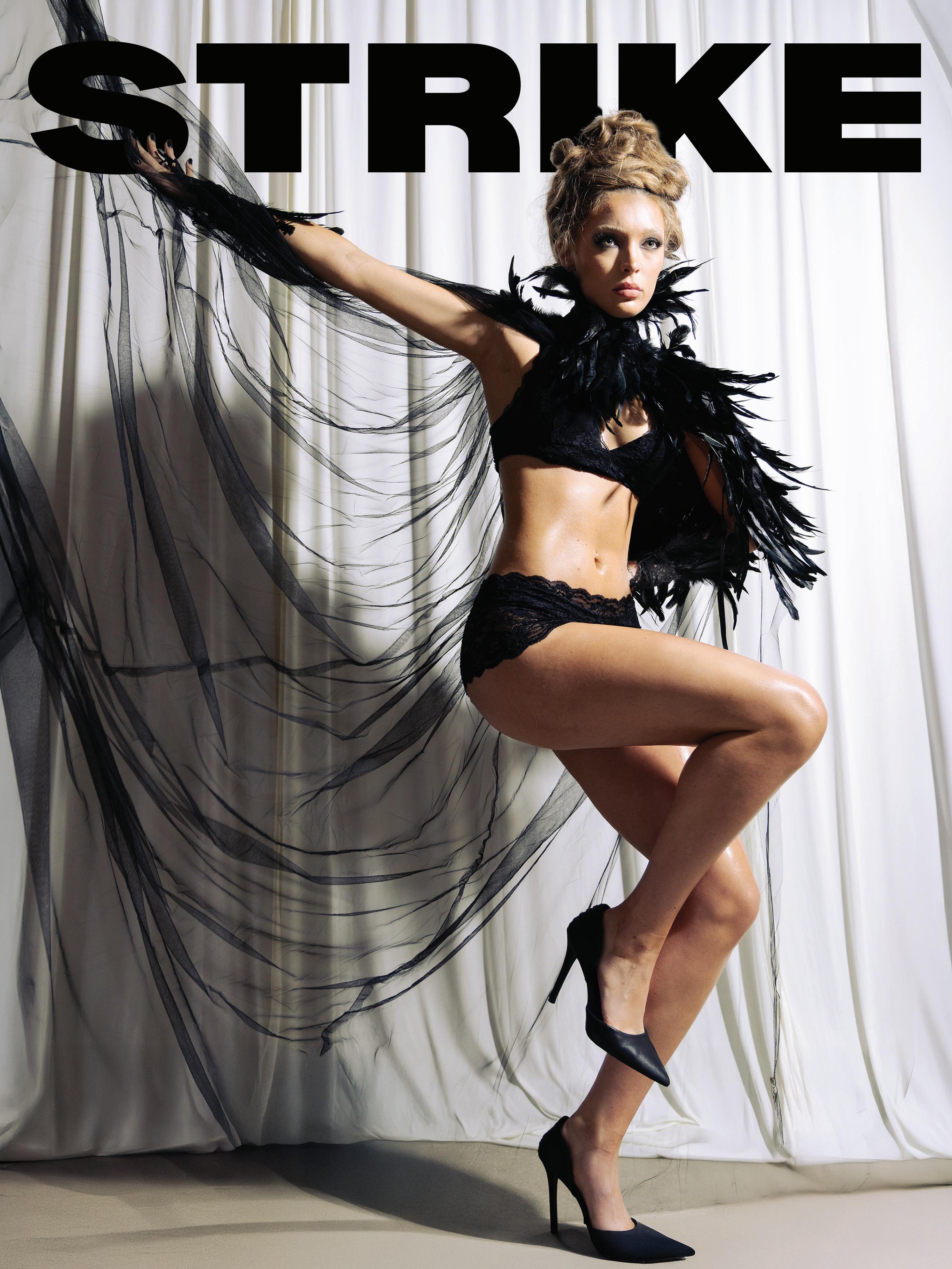
Issue 16 explores the hierarchies that shape how we see ourselves and the world. With belief as our guiding word this semester, we look inward and outward to understand how these ideas are formed, carried, and expressed. Inspired by myth, religion, and symbols of power, each story reflects both the meanings we inherit and the ones we create for ourselves.
Our visuals move between warm and cool tones, sometimes stripping color away entirely, to emphasize feeling over perfection. This issue is about recognizing what draws you in, what feels familiar, and what makes you pause. Issue 16 invites you to appreciate what you hold onto, while also questioning where those ideas begin.
Vane Yanes Editor-in-Chief
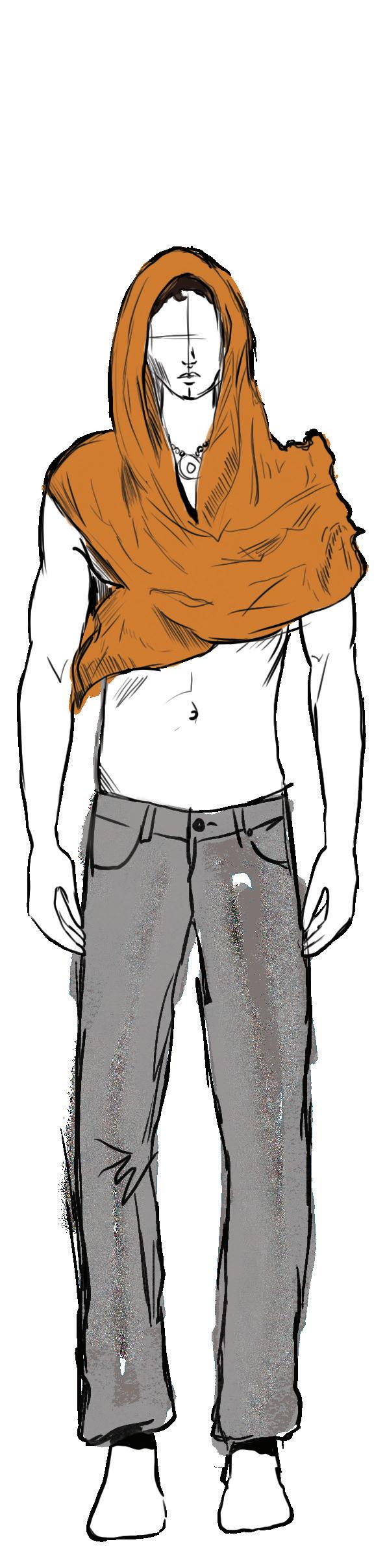
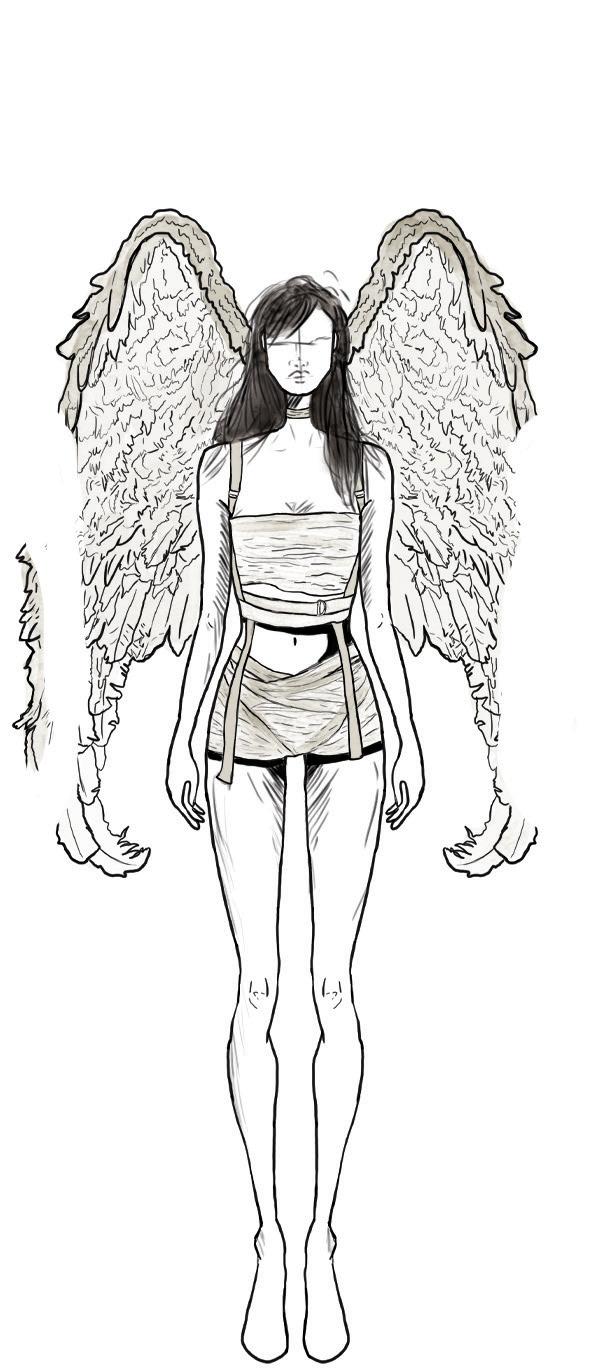
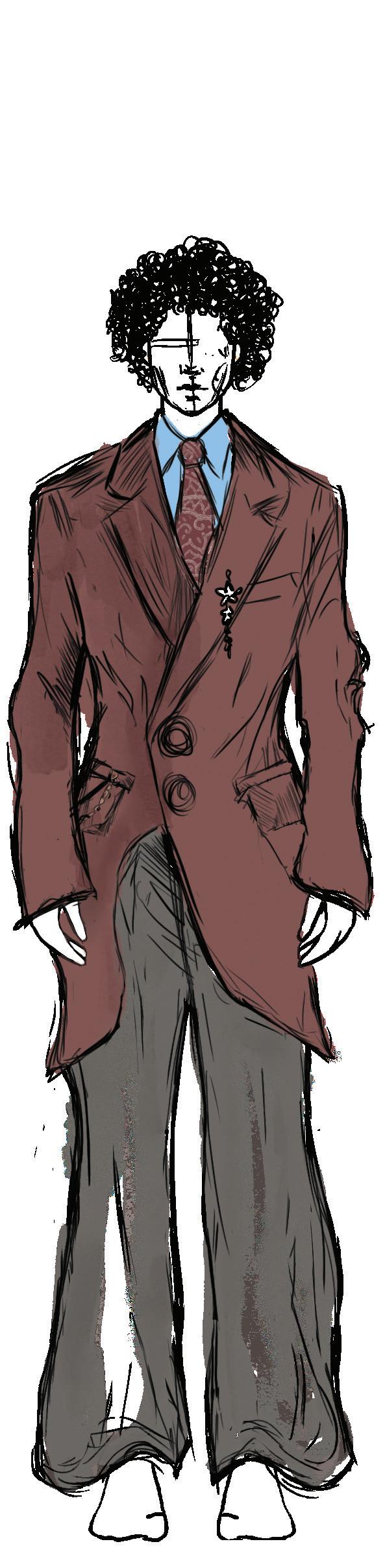
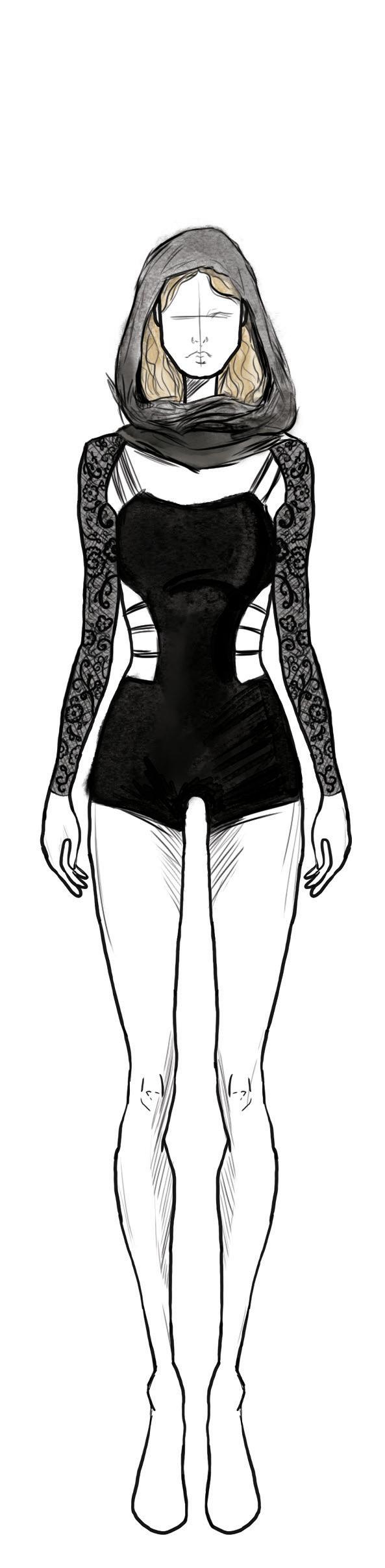
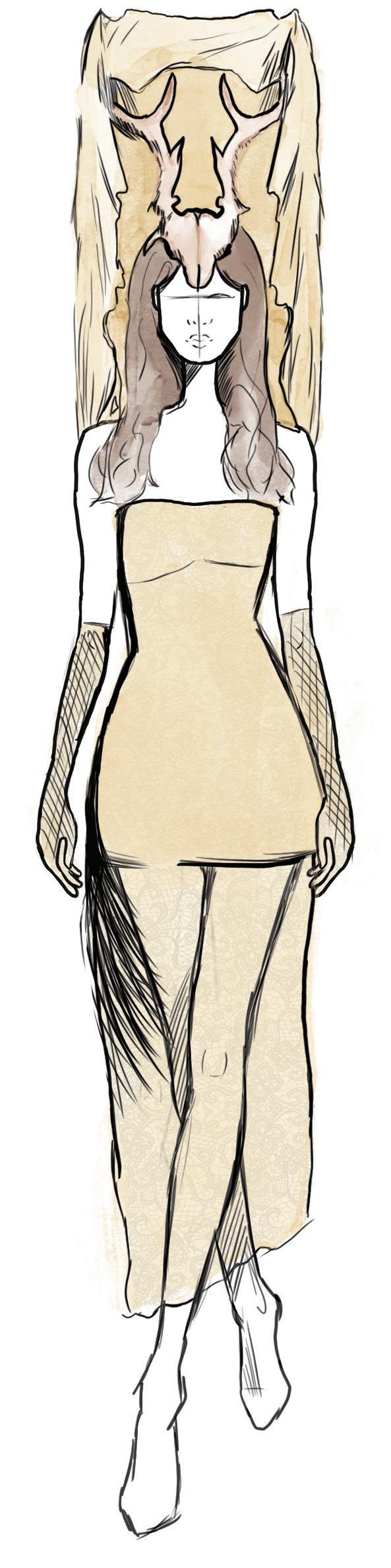
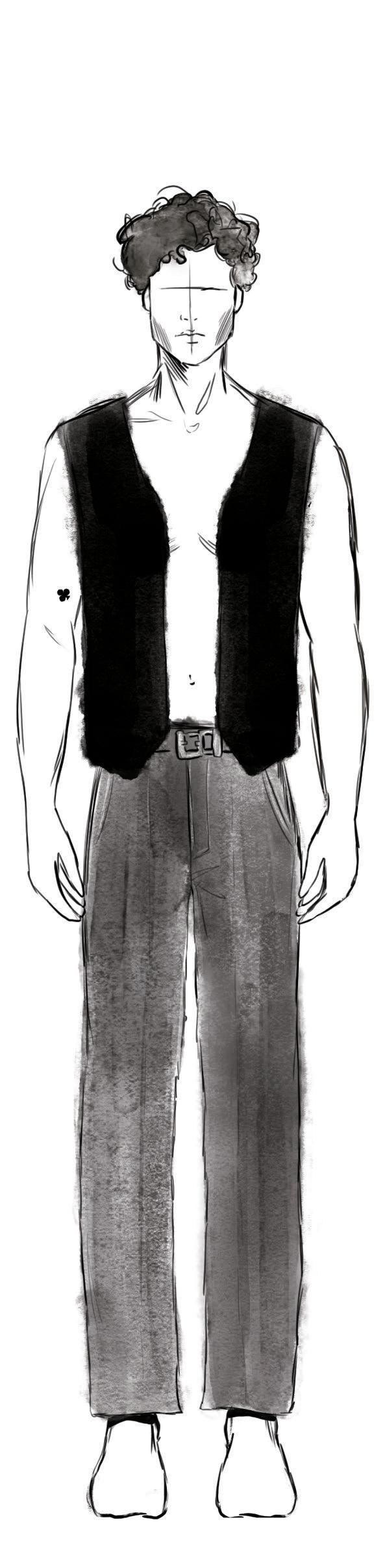
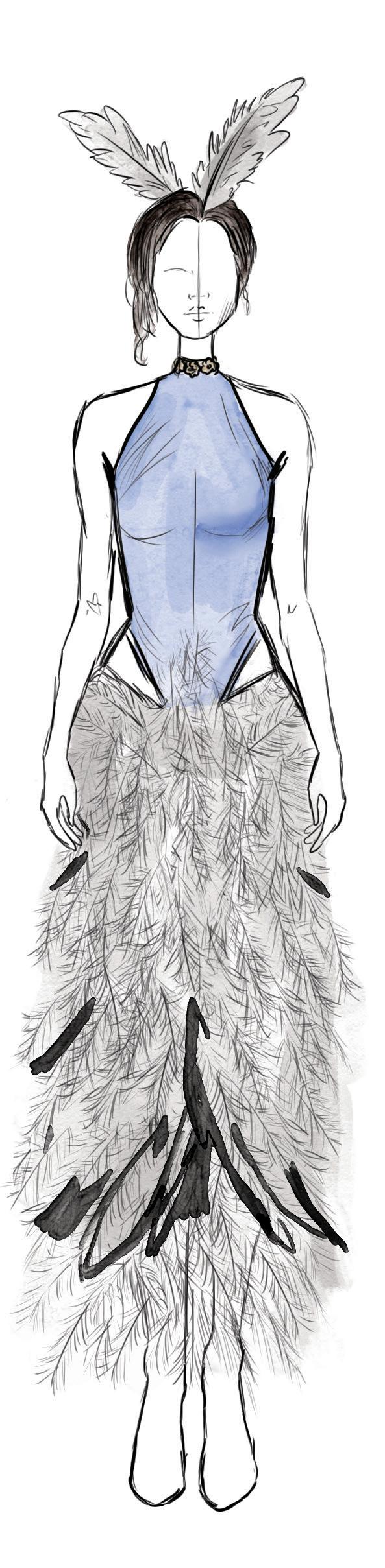
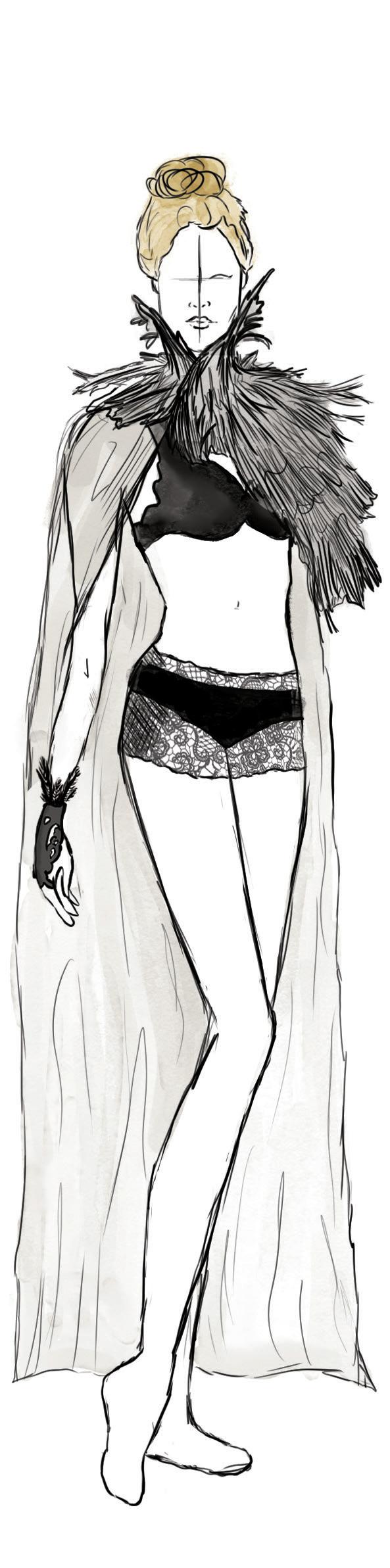


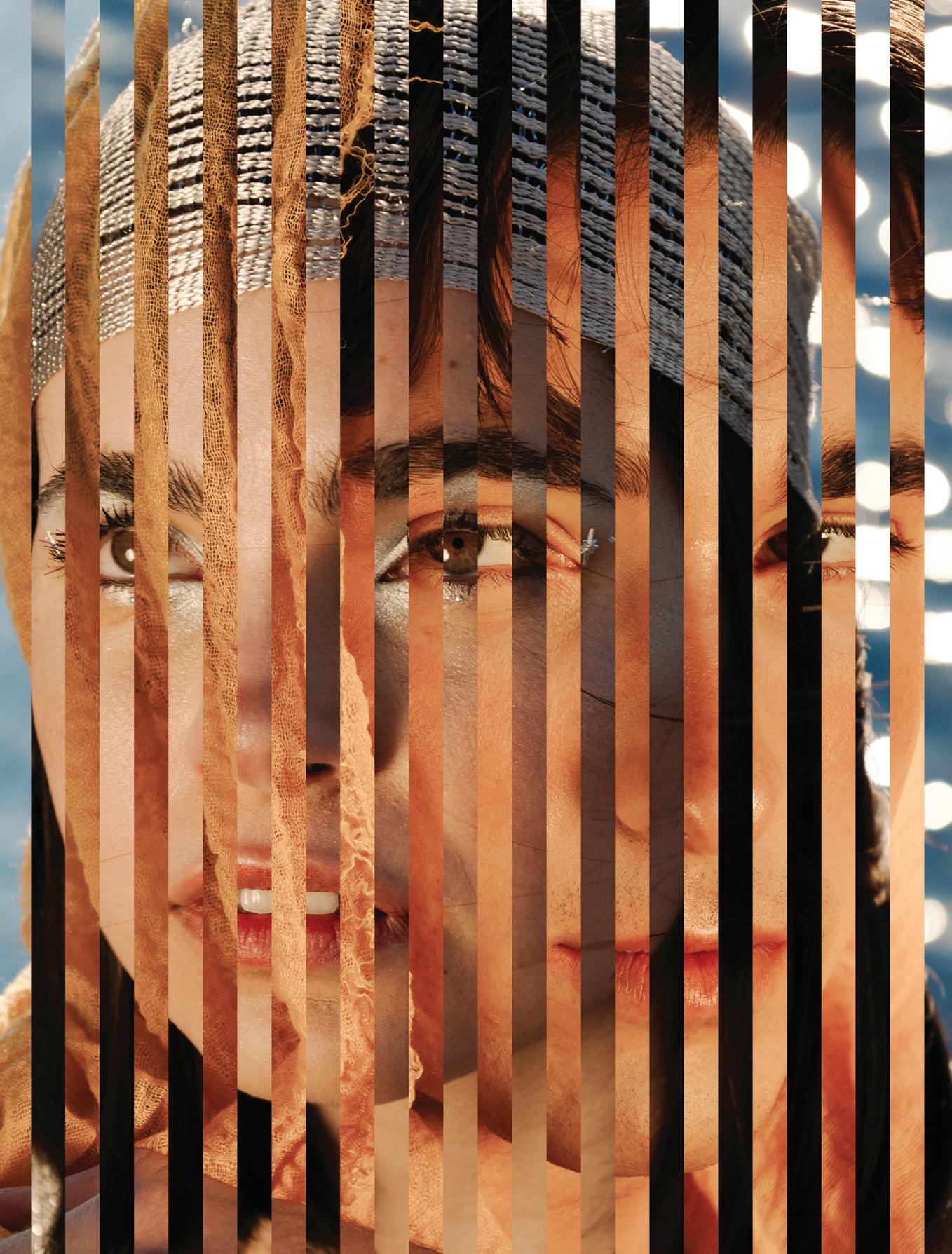



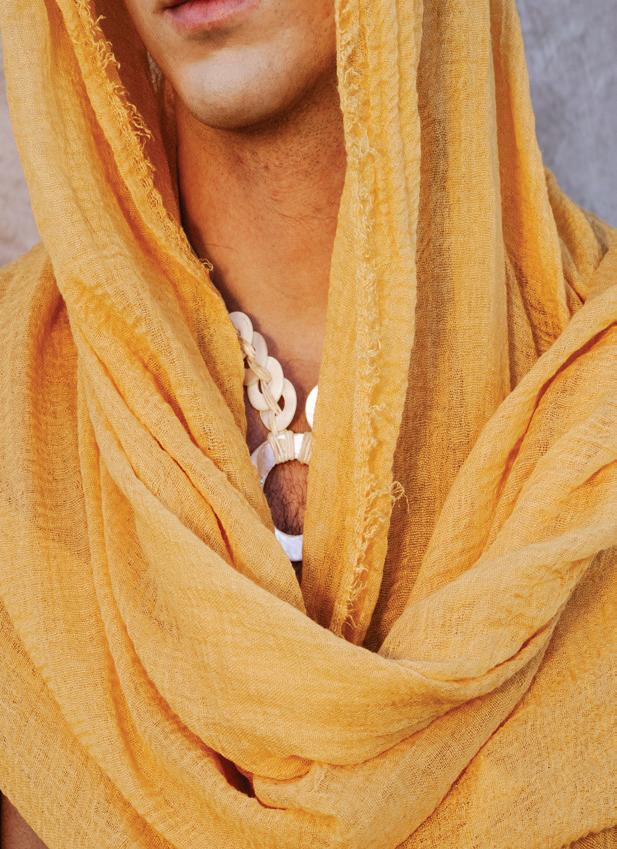


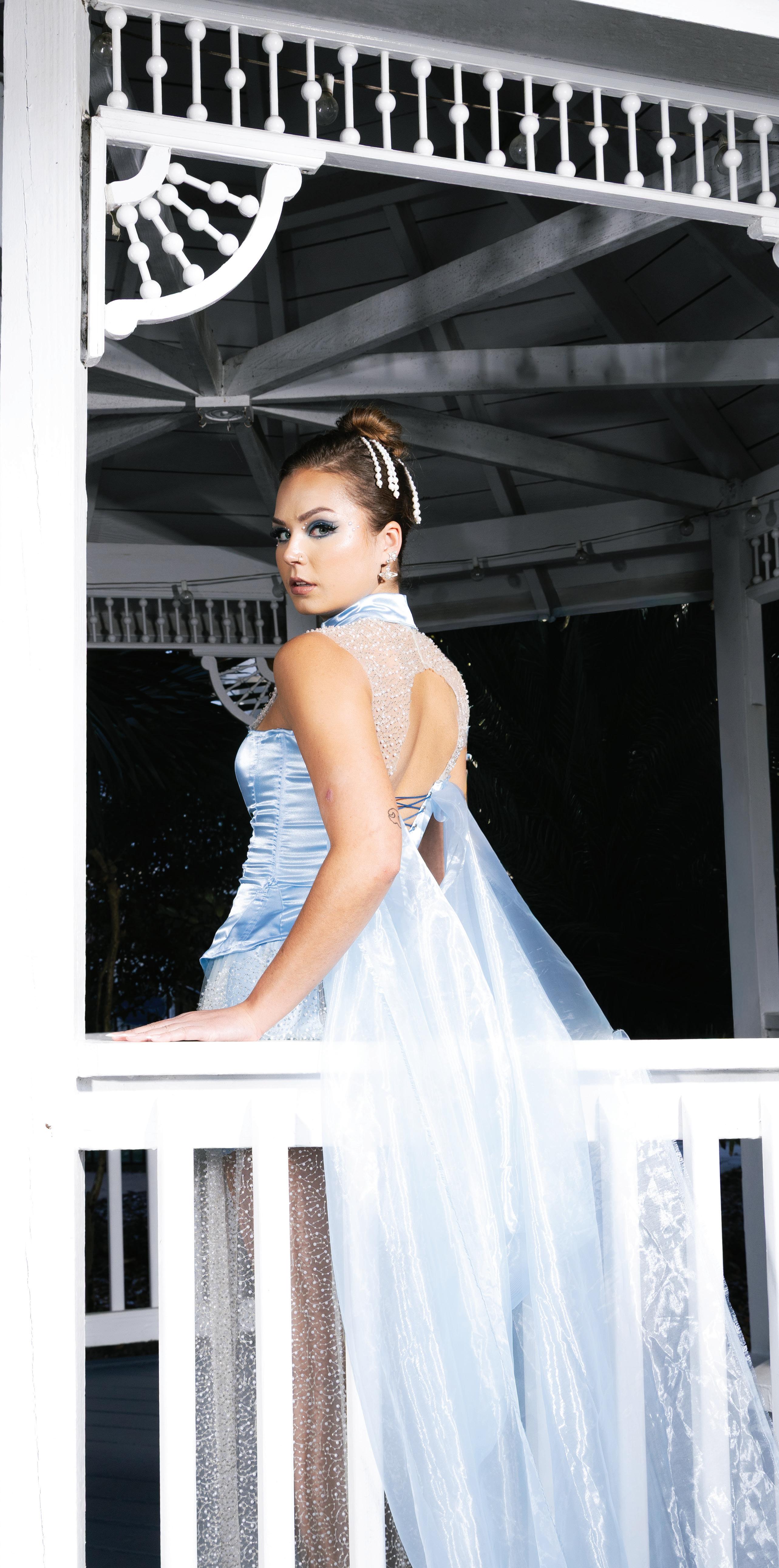
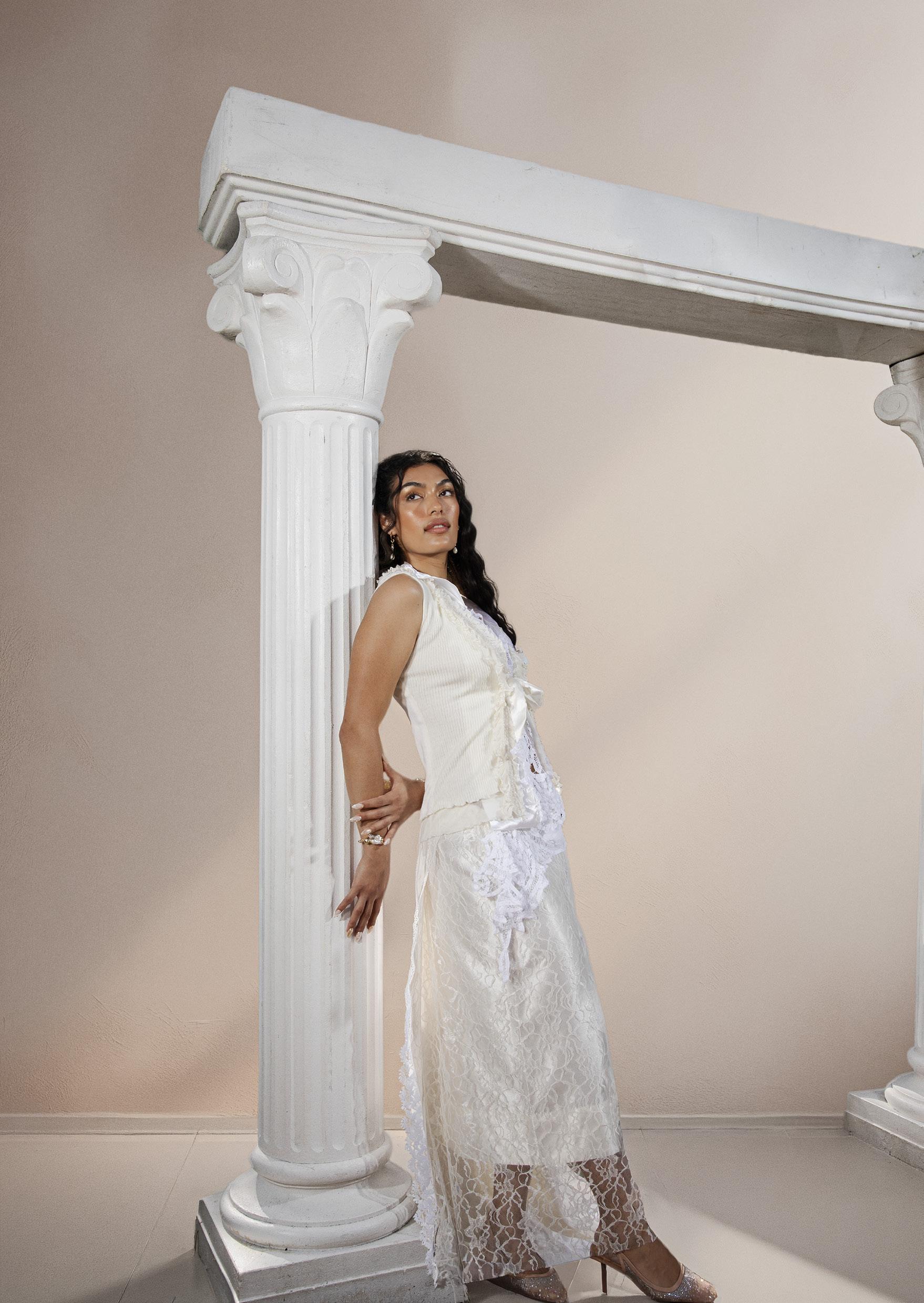
The huntress is born first
The musician emerges next, Dark hair speckled by pale moonlight.
As night gives way to morning’s warmth. The willows whisper as she glides past
The birds sing for his arrival. But she pays them no mind, Golden-haired and strumming For gone are the days
And the world stops to listen. When rumors ruled true. He floats along, for how can he find Her walls grow ever higher. Where he was meant to belong?
There has always been an exchange of energies. Yin and yang. Dark and light. Brother and sister. But there is a third to this story, neither poet nor huntress. The writer came first, both silver and gold.
But the Twins exist in private equilibrium, their world made for two. So the firstborn continues composing, her pen the perfect balance of the Sun and of the Moon.
The silver daughter envied his lightness,
The golden son is entranced by darkness, But no longer craves the day. By the silence of the night Her brother’s realm is his alone. His sister’s world calls to him, Time has made the case Echoed in the shadows of the Sun That true strength lies in darkness. But with the light he is free, The huntress does not rely For the musician cannot create On the words of the weak. Without the beauty of belief.



words MANASI PRASAD
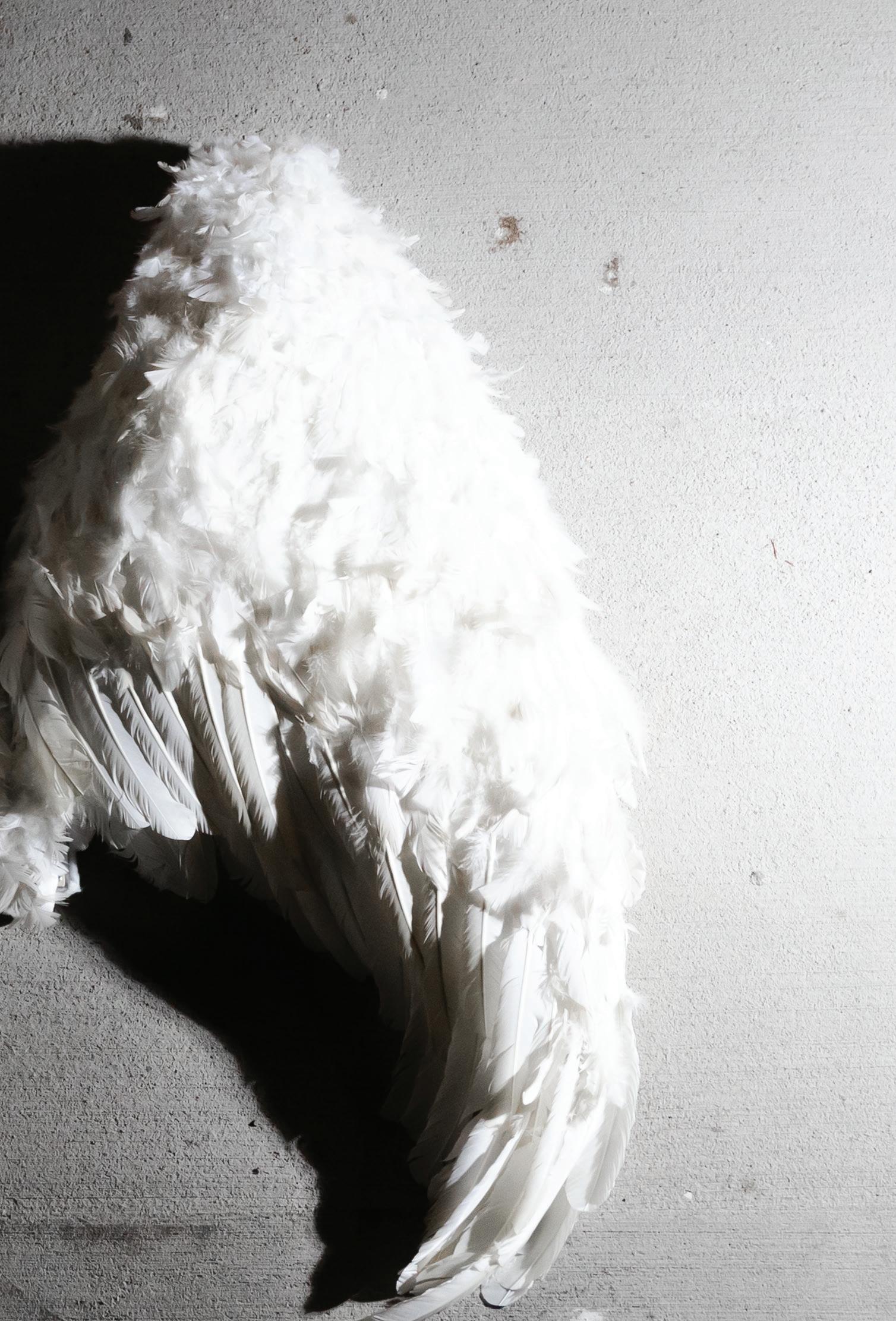
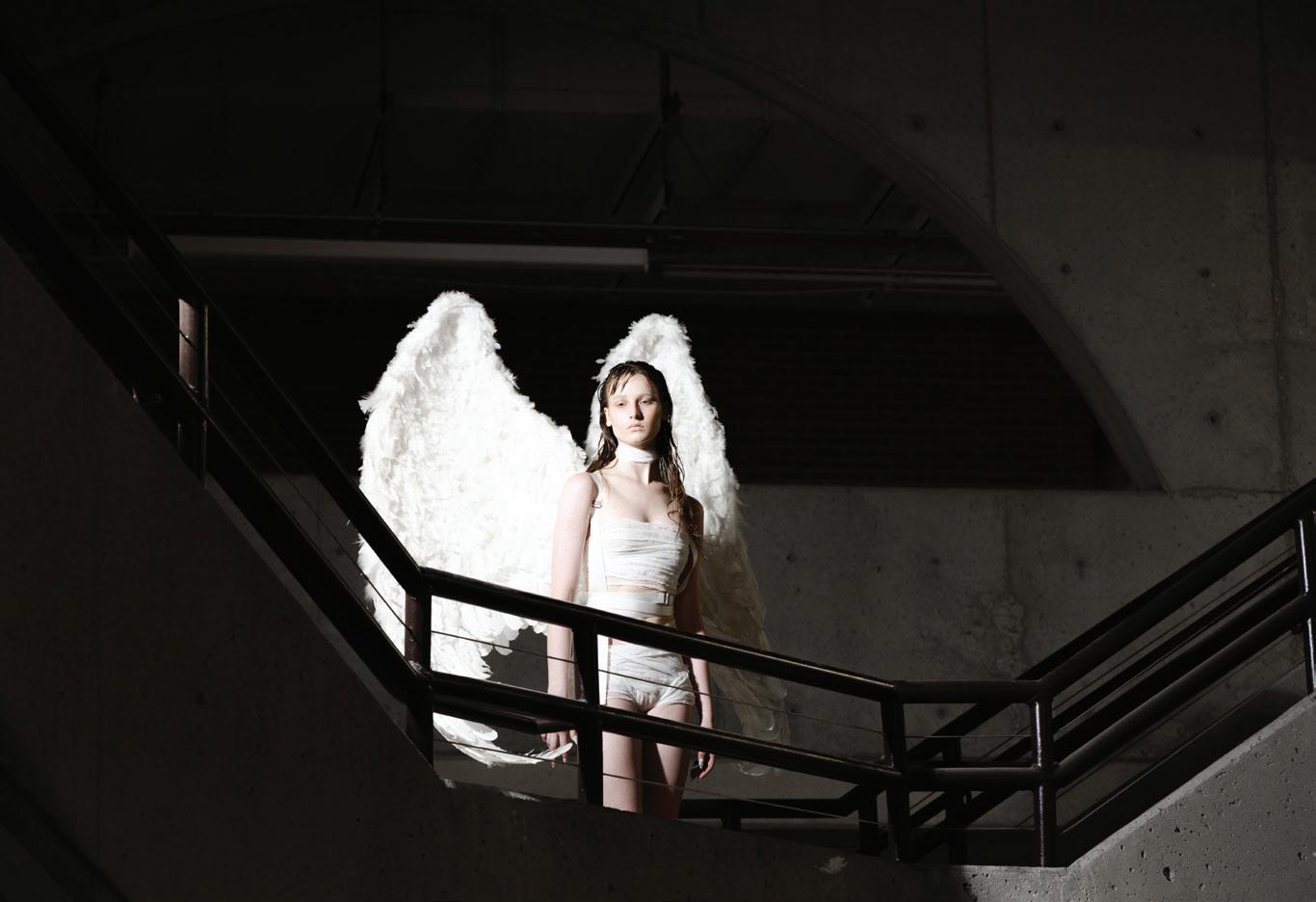
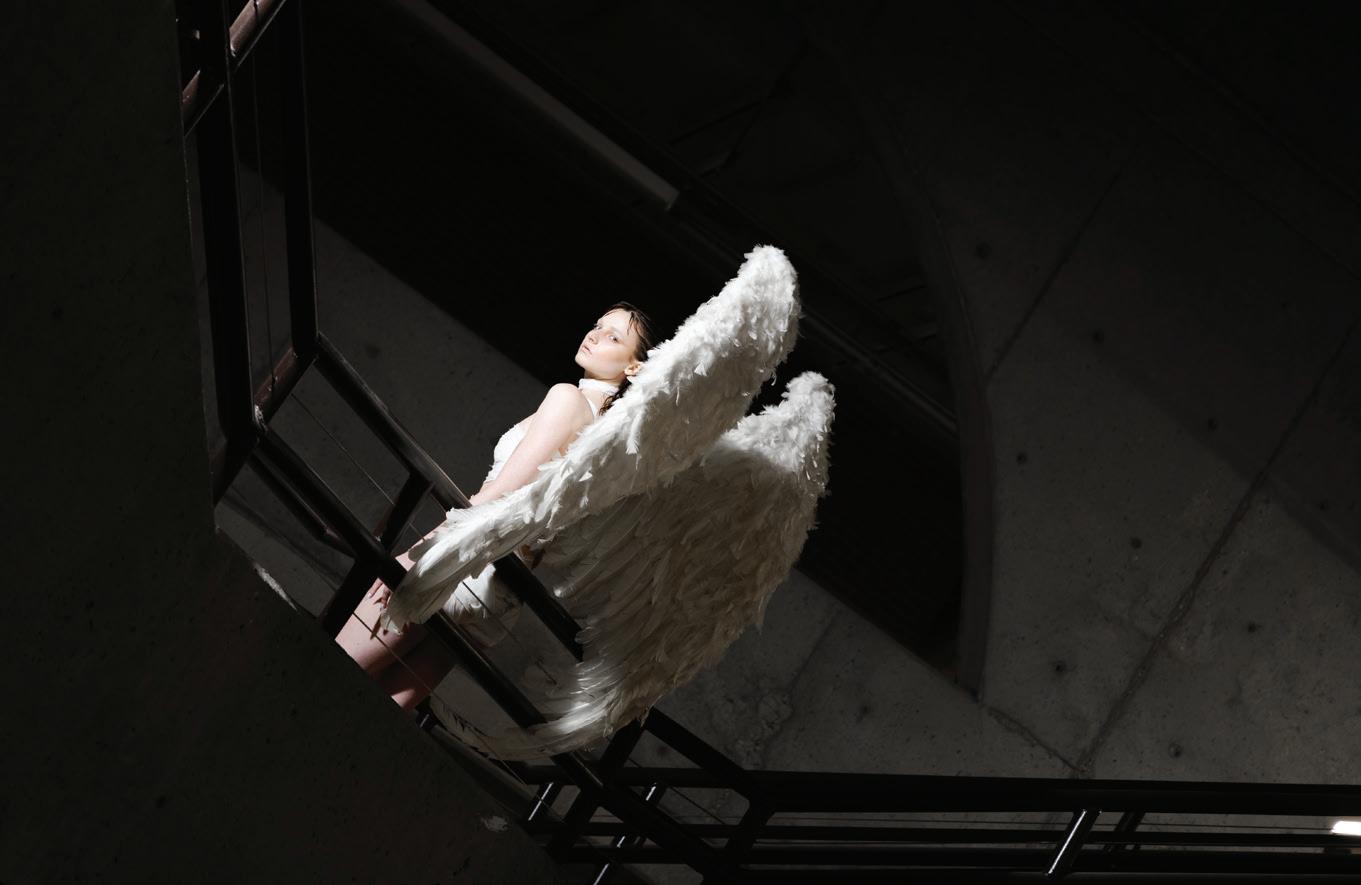
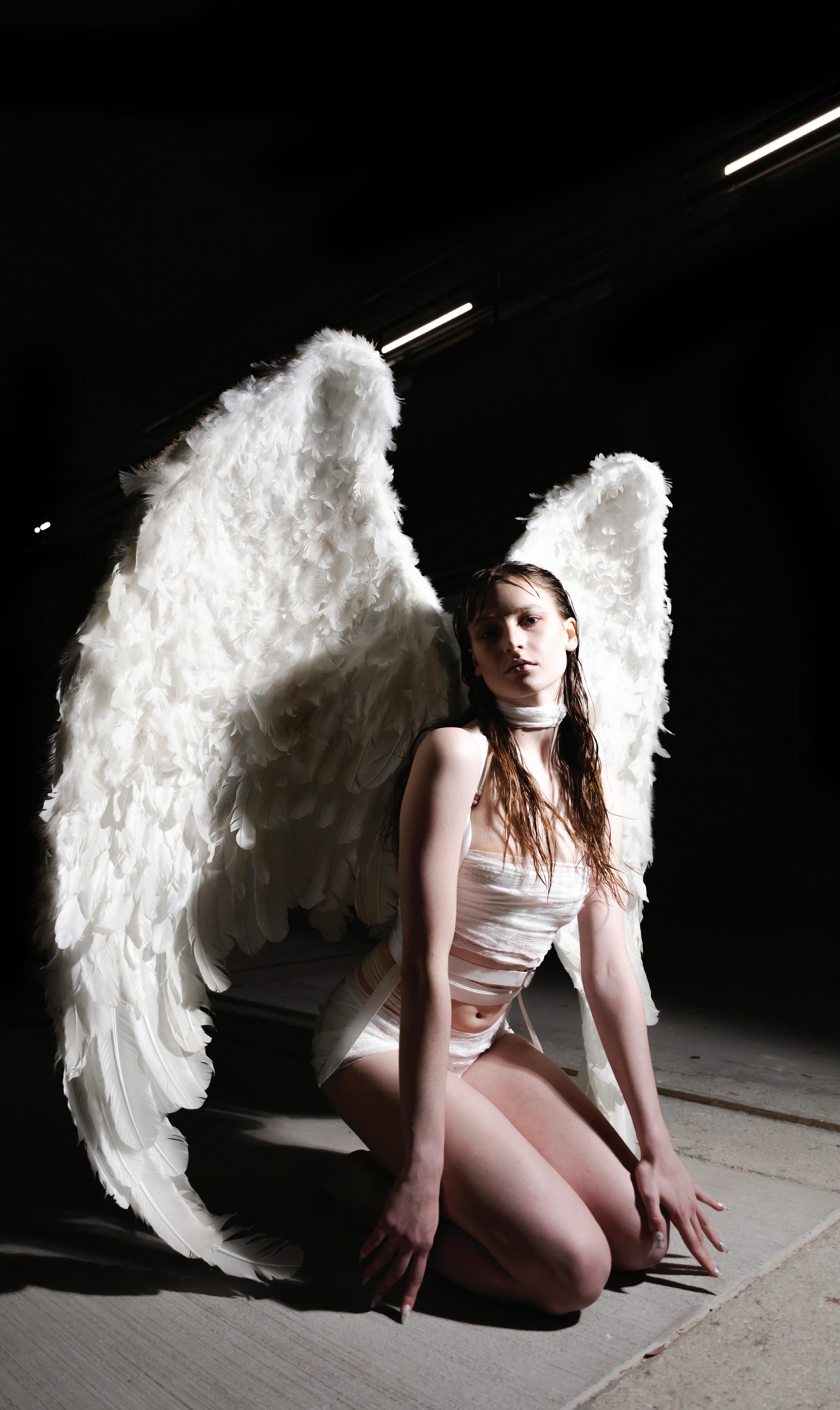
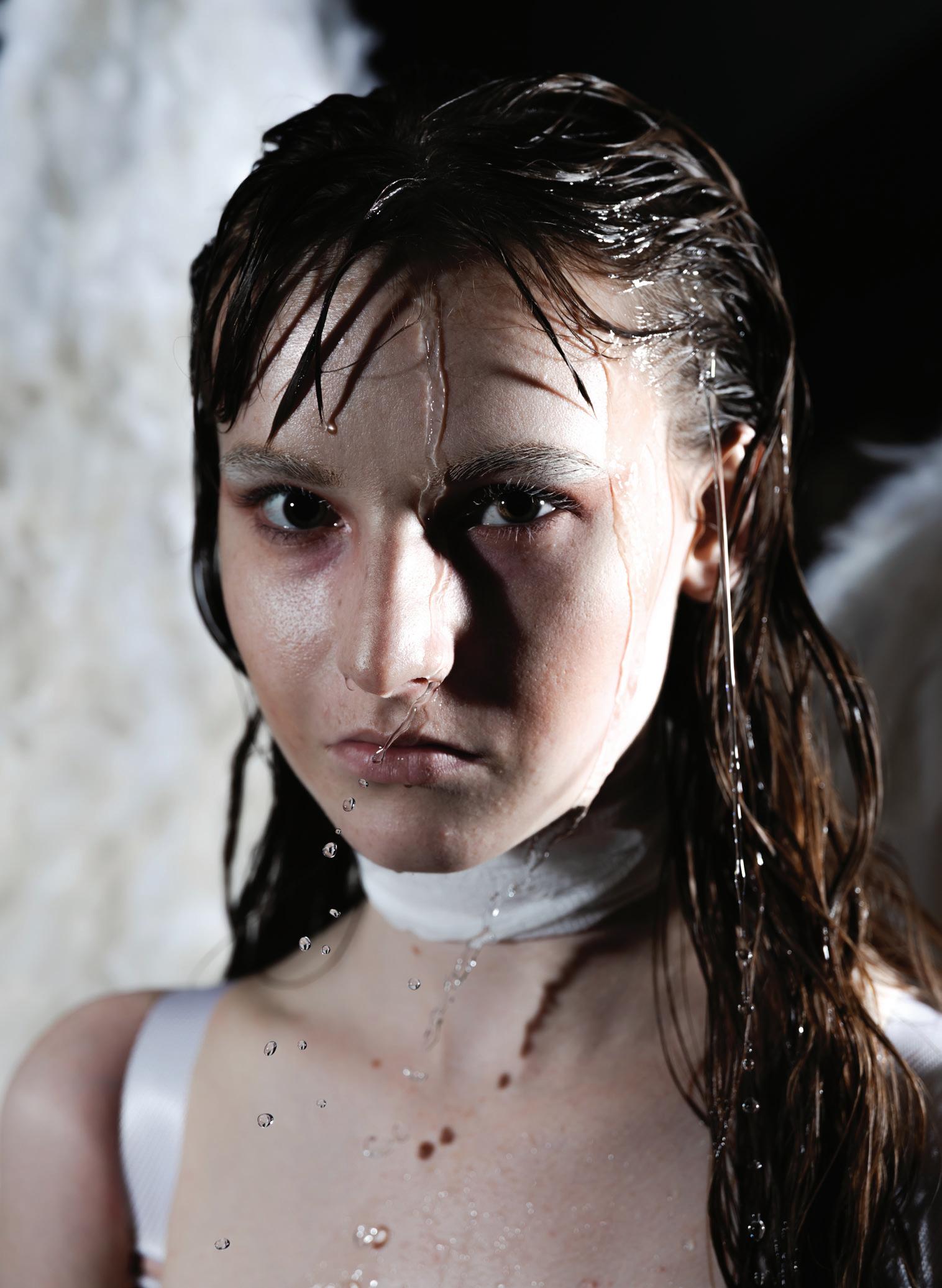
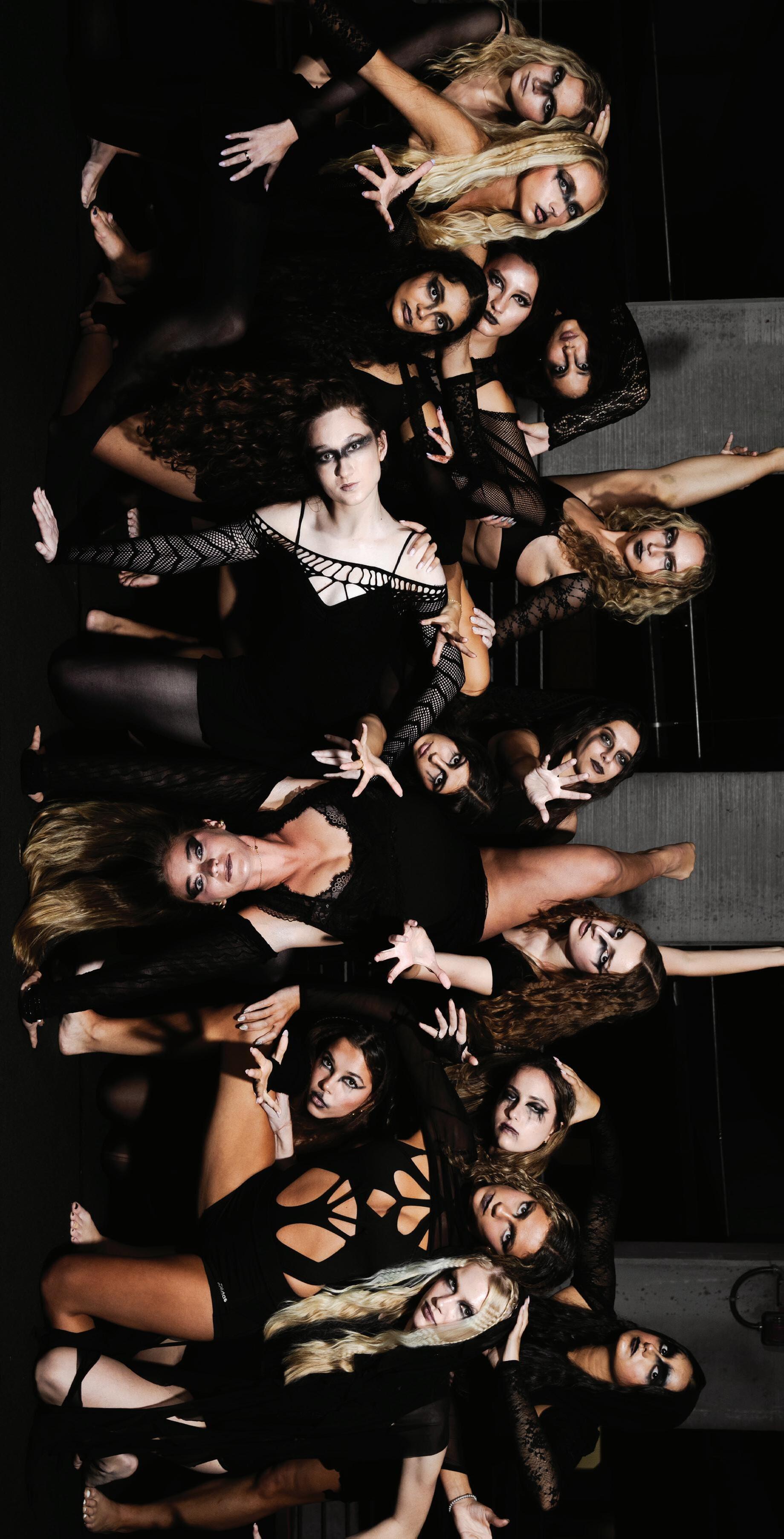
As I enter the chamber, I shiver at the stillness and hang my head low. The air presses against me, weighted and taut. My plumes stiffen beneath the gaze I cannot bear to meet. The quiet must be deliberate, as though my ruling is already certain. I stand before Him now as a being of tribulation, though I was once His consolation.
I had only ever known judgment to be mine to counsel, never mine to receive.
“How do you deem yourself?”
“Your Holiness, I believe I am contaminated.”
Mere seconds from delivering a statement that will serve as both my defense and my condemnation, I begin.
I close my eyes in an attempt to recall the moments when I may recognize any pieces of my soul, and I am met with an array of the many versions of me over the last thousand lifetimes. The times I sang, prayed, and rejoiced in the name of Good as if it were my breath. And yet, I could not identify which parts were me and which were my duty. It seemed as though I was only fit to be seen as an inspiration for what it looks like to bend so far back and, despite that, never break. Sometimes I wish I were granted such a privilege. I had never felt alive, not really. Not until I dared to question the Truth, and see mankind for myself.
Despite my calling to look away, I chose to watch. I couldn’t quite piece together the structure and code they followed. Two pairs of eyes lock, dilate, and scream in agony for each other across a room, yet the silence could not be more deafening. They stand before one another as two souls bound by the same plight. The man braces for vilification, dread settling into the spaces between his shallow breaths. She studies him intently, weighing the cost of mercy against the pride she must abandon. And still, she reaches for him first, caressing his cheeks as though the one who wounded her still deserved tenderness. The way their hands carefully intertwine after years of phantom touch, like it was second nature. I feel sick watching myself spectate, knowing I am meant to guide and not linger. Knowing I was meant to be untouched, immaculate by the distance from the corruption of longing.
I feel even sicker when I catch myself sheepishly grazing my fingertips along my arms, attempting to recreate their touch.
LIVE IS TO BEND, AND BREAK, AND LOVE AGAIN
You must not mistake my curiosity for corruption, please My chest feels heavy, as though something lies inside. I am shaken by an uneasy feeling resembling envy wearing a mask of warmth. Knowing nothing else, I drop to my knees and chant hymns to overwhelm these wretched thoughts of a desire to be longed for, cared for, and worst of all, seen. A disgusting craving for raw joy that I contemplated washing away in His wine. I hadn’t had an idea of what that felt like until it ripped through my sternum and gripped tightly at a heart I didn’t know I owned. It palpitates rapidly as if it had finally been rejuvenated after a period of dormancy. I chant louder, hoping my hunger is drowned out by my allegiance to what is right. But what was right? Because to me, it felt Divine.
This is my confession, dripping in shame, but dastardly lacking regret.
I vex myself, Your Grace. I promise I am ashamed, ashamed that I allowed my yearning for feeling to blossom where my obedience once stood. However,
beneath my reverence is something that refuses to recede. I cannot pretend as though I am left unmoved by the paradoxical motions of humankind. If it is sin, it pulses with a life and familiarity of a miracle which I have never known until now. I cannot be a puppet, nor a pawn of The Truth, but an interpreter.
You may call me fallen, say that I flew too close to the sun. You may even think to subject me to cruel and unusual punishment, like that of the damnation of my brother. But how may I truly shepherd hearts when I have never permitted my own to resemble them?
How am I not meant to bask in the beauty of mortal love, or not quiver at the sounds of desperation ringing between the walls of a confession? I’ve been privileged enough to ache at the echoes of laughter in defiance of grief.
I know I was fashioned for a purpose: To assist, not to learn. To observe, not absorb. To watch, and not want. Yet, even after it all, I beg You to release the sentiment of depravity and embrace the perverse nature of humanity for what it is—devotion, so formless and vulnerable.
I think back to the moments now chiseled in my cache of memories just as His Word is. A sinner wiping the face she had stained. Evidence that souls sometimes cannot help but feel the presence of another, despite an overwhelming absence. Lovers who can’t help but feel undone by the other’s sparkling gaze. Bodies drawn together in a quiet surrender, two beings collapsing into one flesh in a way that I wish I understood. They were not pure, nor did they ever claim to be. They were not flawless, yet I bear witness to their luminosity. Their divinity exists in the space beyond their shoulders. I believe this by His doing. I dare to open my mouth for what may be the final time.
If purity demands distance, then I must tell You it is barren.
FORGIVE ME.
Perfection does not anguish and does not tremble before loving. It does not risk humiliation to pursue communion. Untouched things do not know anything of the terrors of being seen and remaining. I once believed these were the same, and I was to embody that still goodness.
I was wrong, and I could not have told You I was wrong had I not wept with them.
SENTENCE ME
To live is to bend, and break, and love again. To try in spite. To be sought out by those who want to sit in the dark with you until you’re ready to step into the light. Even now, kneeling in the remnants of my self-indictment, I would not lie and say I wish to return to what was. My wings are ruffled, and my long locks are in knots. I am no longer sterile.
I am touched by humanity and refuse to deem it my ruin. Sentence me as You wish.
I HAD NEVER FELT ALIVE, NOT REALLY.
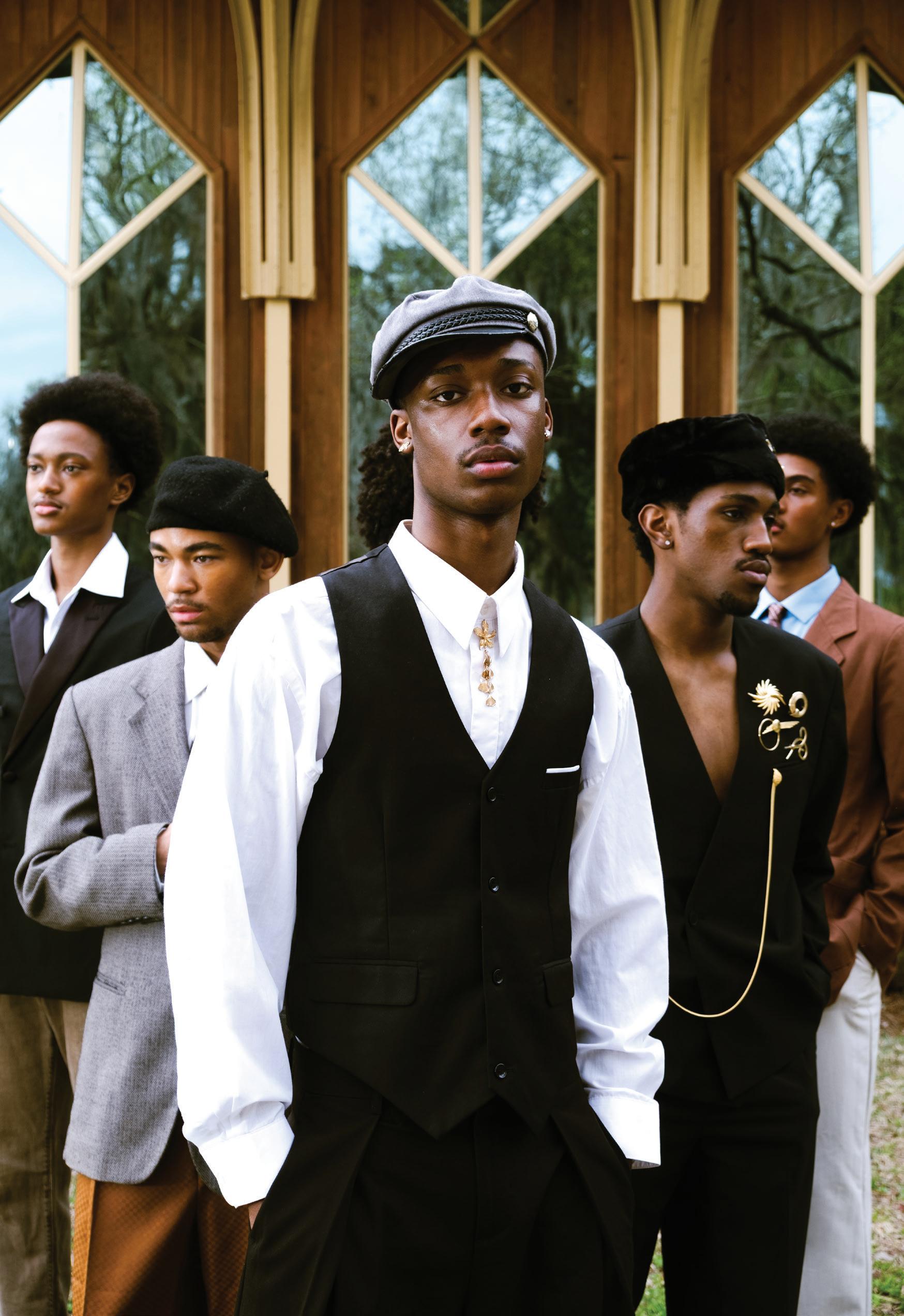
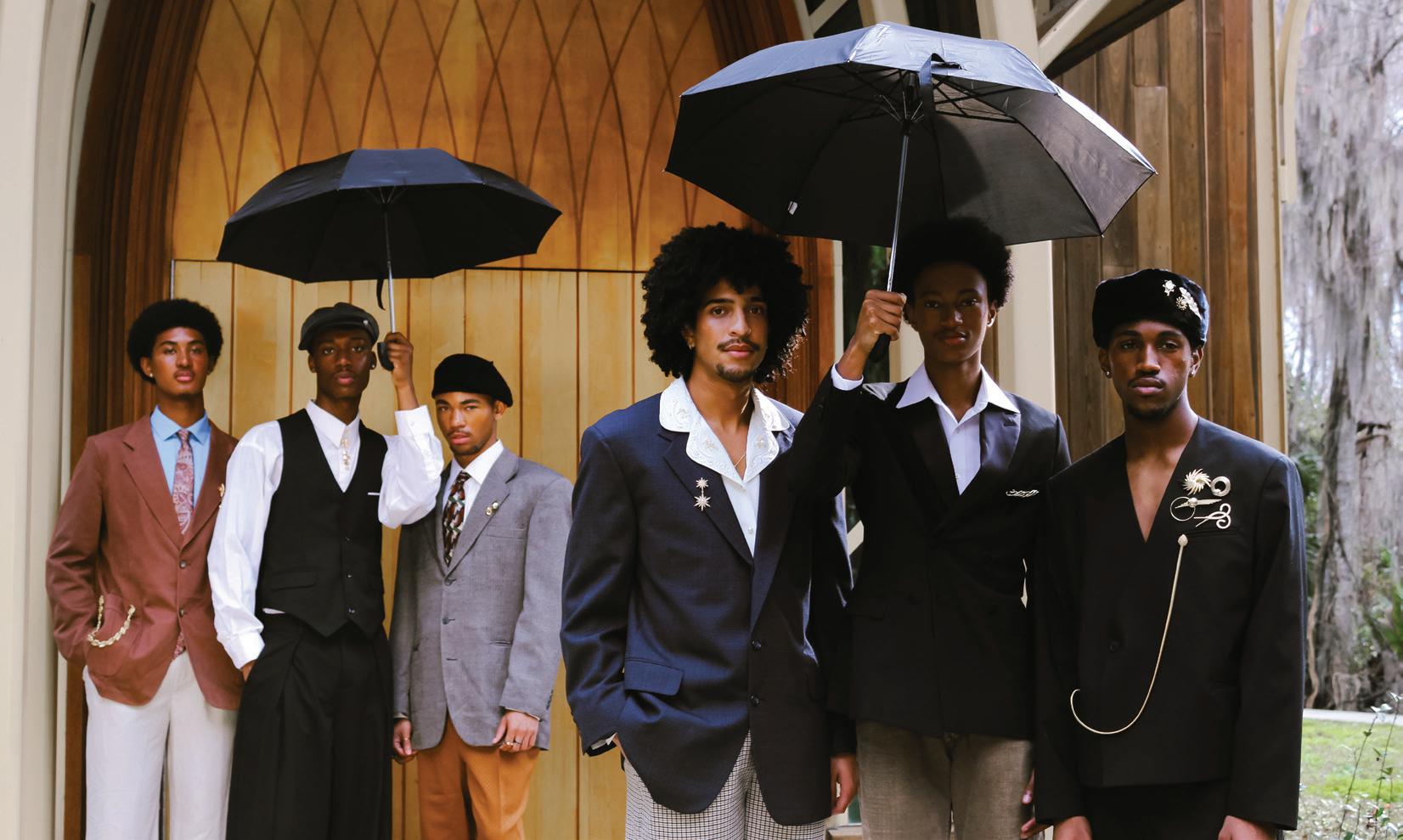

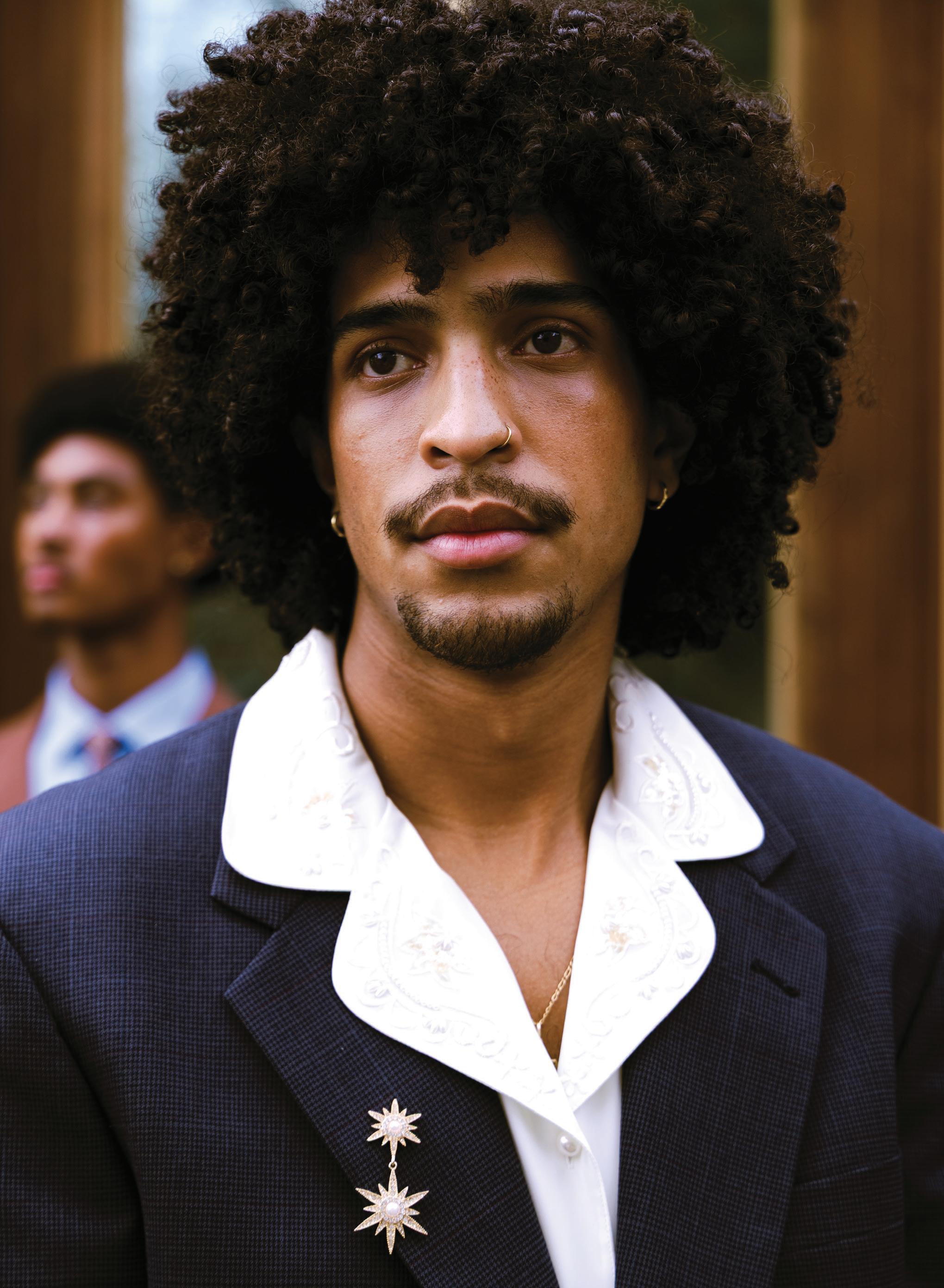
Otis Stover walks into a room at the Cotton Club Museum and Cultural Center and looks up at the black-and-white photographs of historic plantations in Gainesville. His dim expression brightens as he walks past a mural of musicians like B.B. King, Ray Charles, and Bo Diddley, who all played at the historic Cotton Club in Gainesville in the ’50s.
He lets out a deep sigh as he sits down on the wooden stage at the center of the room. Stover, now 74, has lived in Gainesville for his entire life. Retired from his career in corrections, he spends his time doing what he is most passionate about: educating. He is the co-chair of the Cotton Club Museum and Cultural Center, a developing heritage and tourism destination that provides a glimpse into the lives of Black Americans during racial segregation.
He lights up when I ask him about his childhood here, as if he were transported back in time.
The sun shone on Stover’s face as he ran around his neighborhood. From neighbor to neighbor, he knew everyone on the block. He recalls a time when the dean of his school would threaten to stop by his house and talk to his parents. He chuckles to himself while explaining how it wasn’t an idle threat, since everyone only lived a couple of blocks apart. It was the byproduct of attending the same school and church his whole life. The streets were still dirt, not pavement yet, but no one paid it any mind.
Stover’s family bought property in the Springhill neighborhood in Gainesville in the 1890s and has been there since. He walked to Williams Elementary School every day with his classmates, which then led to Lincoln High School. He played in the band, participated in drama, and made excellent grades.
Teachers didn’t mess around at Lincoln, Stover says. The motto was that if students wanted to learn, they were expected to do so. Stover stiffens up straight, almost as if he were a student again, while sharing that once teachers recognized a student’s ability to learn, they pushed them every day to achieve more.
Lincoln High School was all Black when Stover started in 1965.
“Even though we got the books after they used them,” Stover says. “The intensity and the quality of the teachers that we had, and them knowing we had to be twice or three times better than the white kids, then they prepared you.”
Stover recalls a specific teacher, Mr. McCaul, who ran his sophomore history class like a college lecture hall. He remembers the names of every teacher he has ever had, a credit not only to his memory but also to his personal character.
Springhill was a very close-knit Black community. Everybody knew each other by first and last name. A railroad track off of Sixth Avenue separated Springhill from the white neighborhood a couple of blocks away, Stover says, while motioning with his hands a divided line.
“Everybody lived in the neighborhood, so no matter what your parent did, everybody was on the same level,” Stover says. “My daddy drove a truck, and my mother was the lunchroom manager. We all went to the same church.”
When Stover was growing up, Jim Crow laws were in effect and enforced. Stover explains that his parents sheltered him when he was little, but he remembers noticing that things felt different when he went downtown to shop.
“I can remember being in a department store downtown called Wilson’s Department Store, which was a local shop, but that was one of the better clothing stores in town,” Stover says. “Being there with my mom, if a white person came in, they would stop waiting on us, go wait on them, and then come back to us.”
Stover remembers when the civil rights movement started when he was just a little kid. He recalls hearing about demonstrations and marches over the segregation of the Florida Theater and State Theater, two white-only theaters in downtown Gainesville.
“The things that as a Black child growing up in Gainesville that we had to deal with, that was normal, we didn’t know any different,” Stover says. “You deal with what’s in front of you, and you make the best out of it, and you move on. You don’t find out until later that it shouldn’t have been like that.”
Once Stover started studying at Santa Fe College in 1969, he became heavily involved in the Civil Rights Movement. He was co-chair of the first Black Student Union at Santa Fe, called the Afro-Student Union, and also helped start a local group called Leagues of Blackness.
He was deeply involved in the movement and even considered moving to Africa at that time. He attended marches and protests all across the state.
Stover’s tone changes as he shares how, while attending a protest in St. Petersburg, he learned about snipers prepared to shoot if the demonstration got out of hand.
“I was in the crowd. I could have gotten shot!” Stover says with a sense of the same fear he felt then, as if he was transported back to the mass of people walking in unison.
The Gainesville Police Department had even placed a snitch in Leagues of Blackness, Stover says. The hint of a smile tugs at his lips as he shares how they outsmarted the snitch and would hold secret meetings without him knowing.
During this time, the Florida Department of Education pushed to desegregate the University of Florida. Although there had been Black students previously enrolled, the focus was on increasing enrollment.
After earning his associate’s degree from Santa Fe College, Stover enrolled at UF. He says, with disappointment, how he felt a significant lack of support for Black students while he was in school.
“To me, that was actually the plan. There was no interest in the percentage of how many people graduated; that wasn’t the issue,” Stover said. “Oh, we took in a thousand new Black freshmen this year—that looks good on a headline. They didn’t tell you only 100 of them went on to be sophomores.”
He felt confused and directionless while he was a UF student.
“My time there was not welcoming, and I was the only Black person in the classes I was in, and I didn’t feel like there was anybody I could talk to,” Stover said. “Never saw a counselor my entire time, so after a while I just gave up.”
Stover went on to a successful 25-year career in corrections. He proudly tells me he worked his way up to the rank of lieutenant and became a shift commander. He lights up while he shares how he found his passion for teaching and became certified to teach at the police academy.
He wishes he had been pushed to pursue education while he was a UF student.
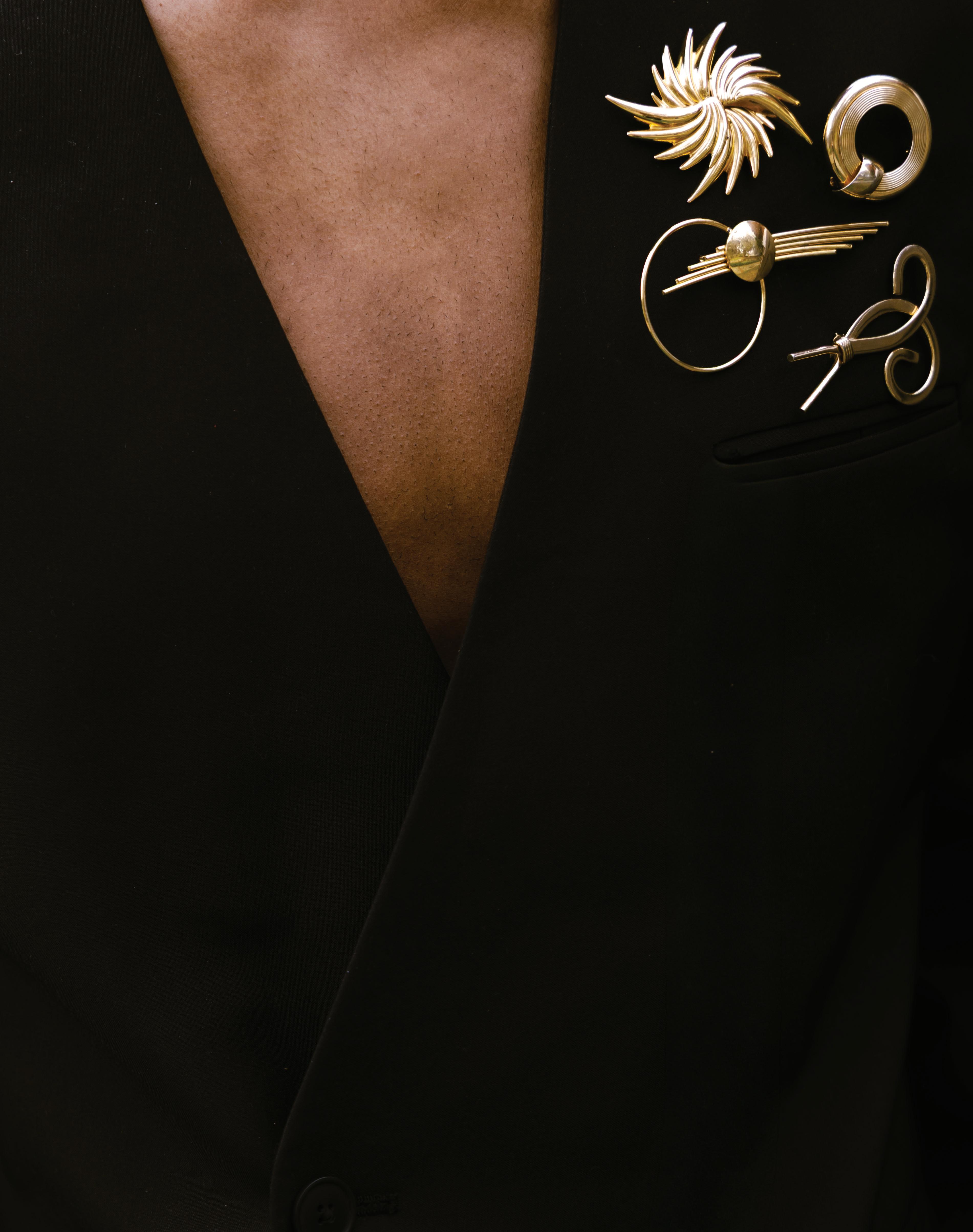
“Had I had some direction, then I probably would’ve got steered toward that,” Stover said. “Had I had people to talk to then that would’ve been recognized, and I would have been put in that direction, the right direction.”
Stover explains that he’s grateful he discovered the career path that led him to teaching. A pursuit that remained with him even after retirement, which he now uses to educate others about Black history and culture.
He shares how important it is to preserve the history of the Cotton Club Museum and Cultural Center, a place that represents the dreams Stover held as a child. Riding his bike to school, holding his head high, figuring out what he loved to do and dedicating himself to it—all while walking through doors that were already half-closed.
“There are places in town that I can remember where colored only signs used to hang, and when I ride by them now, I can still see where the sign was,”Stover said. “So those memories you don’t ever get over, you put them in the back.”
It is deeply important to Stover that the truth of Black history in America remains at the forefront of his work and is told.
“I’ve always been a firm believer that the truth is what it is, and it doesn’t require a crutch. If it steps on your feet, then you need to take a look at yourself,” Stover says. “There are a lot of parts of what has happened to us as a people that I wish had never happened. It should not have happened, but it did, and that can’t be changed. But we can go from here on to what we’re going to do tomorrow.”
Written By: Savannah Rude
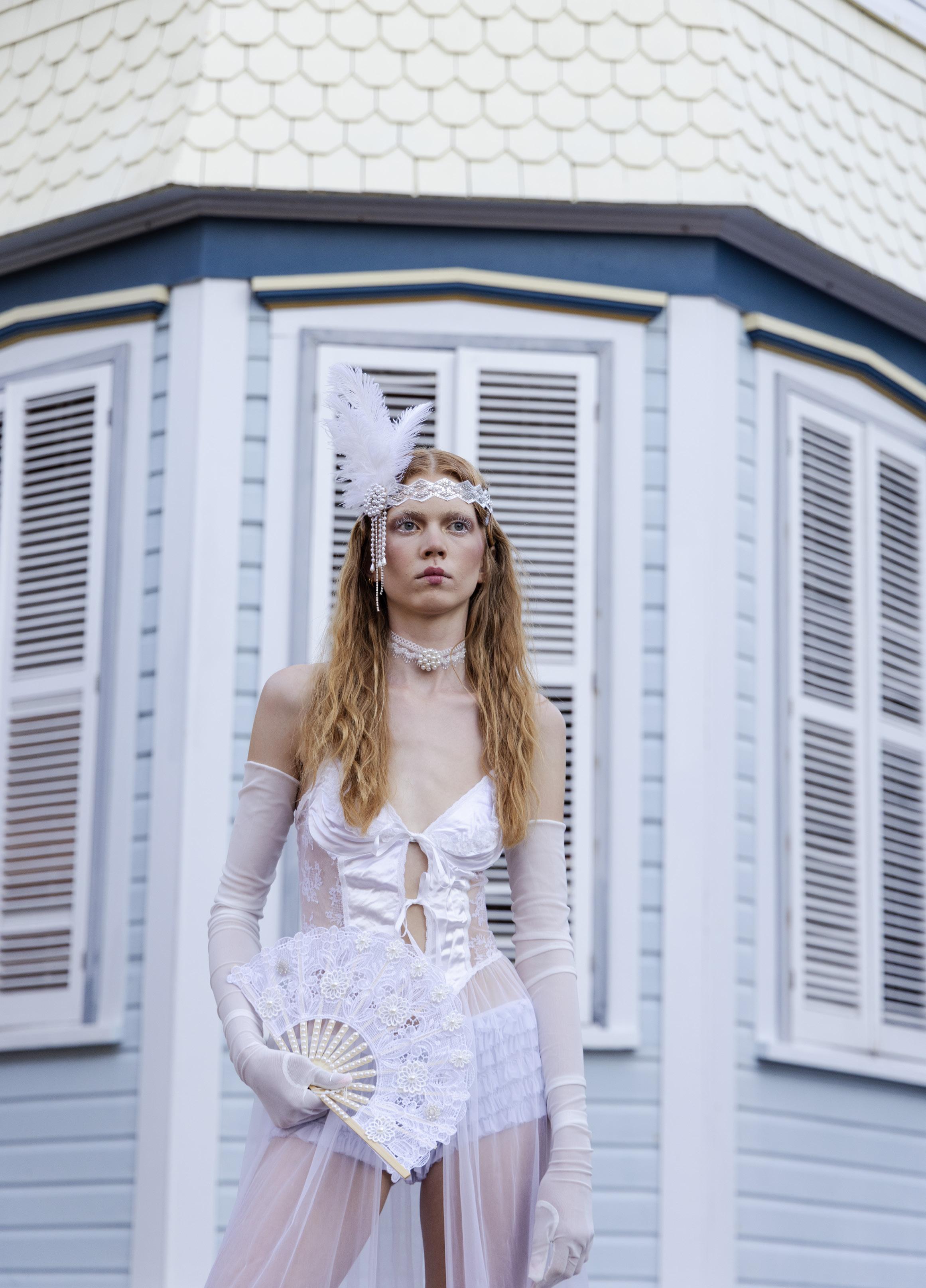
Where’s her ribbon?
Everyone had thought it, but no one dared to utter the question aloud. The “ribbon-less” were rarely seen, and in their rarity, death was almost always imminent. The same was likely true for her. At her advanced stage, she had already lost her voice, so her chart simply read “Jane Doe,” the name reserved for women whose ribbons were no longer present to speak for them. Her past is only speculation: they imagine she was once ordinary.
Not remarkable. Not defiant. Pretty in the mild and forgettable way that invites little scrutiny—approachable, fuckable. She probably spoke when spoken to and laughed politely at unfunny jokes. Her face, now hollow, was presumably once plump and cherubic. The sun, at some point, had given her the gift of freckles on the bridge of her average nose. A ribbon likely suited her.
Her pink ribbon would have been tied ceremonially at the nape of her neck in a bow on her thirteenth birthday. The moment the ribbon settled into place, her posture would have changed imperceptibly. Her chin lifting a fraction, her shoulders drawing back. An invisible thread taking hold. Mothers would call it protection; fathers, dignity. No one calls it what it is.
So, what happened? Ribbons are, after all, intended to be permanent.
The physician fiddles mindlessly with her breathing tube, its cold plastic body bruising the ridges of her throat. “Why do we bother with the ‘ribbon-less’? It’s all palliative once it’s gone.” His tone is clinical, but his hands are not. They linger too long, hover where they shouldn’t. He studies her as if she’s a collapsed home—curious about the failure, not the life that once occupied it.
“Perhaps she rolled her eyes so much they rolled right from their sockets,” he adds flippantly. A nurse laughs, but it’s thin and automatic. She brushes her pink ribbon with gloved hands, checking its tightness.
Upon inspection of her imaging, her womb is vestigial and shriveled. The physician tilts his head like a beagle, clicking his tongue softly in disappointment—in contempt.
“Understimulated,” he murmurs. “Underutilized.”
The words hang in the air.
“Reproductive decline often precedes full bodily collapse,” he says, academically. “It’s the first site to register noncompliance with the ribbon system. We all know the ribbon works best when the body fulfills its design.” But perhaps it didn’t shrink from failure. Perhaps it shrank from refusal.
If you stop participating, the ribbon has nothing to pull against. And so maybe, one day, Jane Doe’s ribbon loosened. Maybe she reached back, curious, and found space where pressure had been. Maybe she kept pulling. Now there is no indentation at her throat. No pale pink seam to prove she was ever held together at all. Only smooth skin.
And a body, slowly molting everything that once responded to the tug. A system cannot pull what refuses to hold.
But she hardly matters. Somewhere, everywhere, another girl turns thirteen.
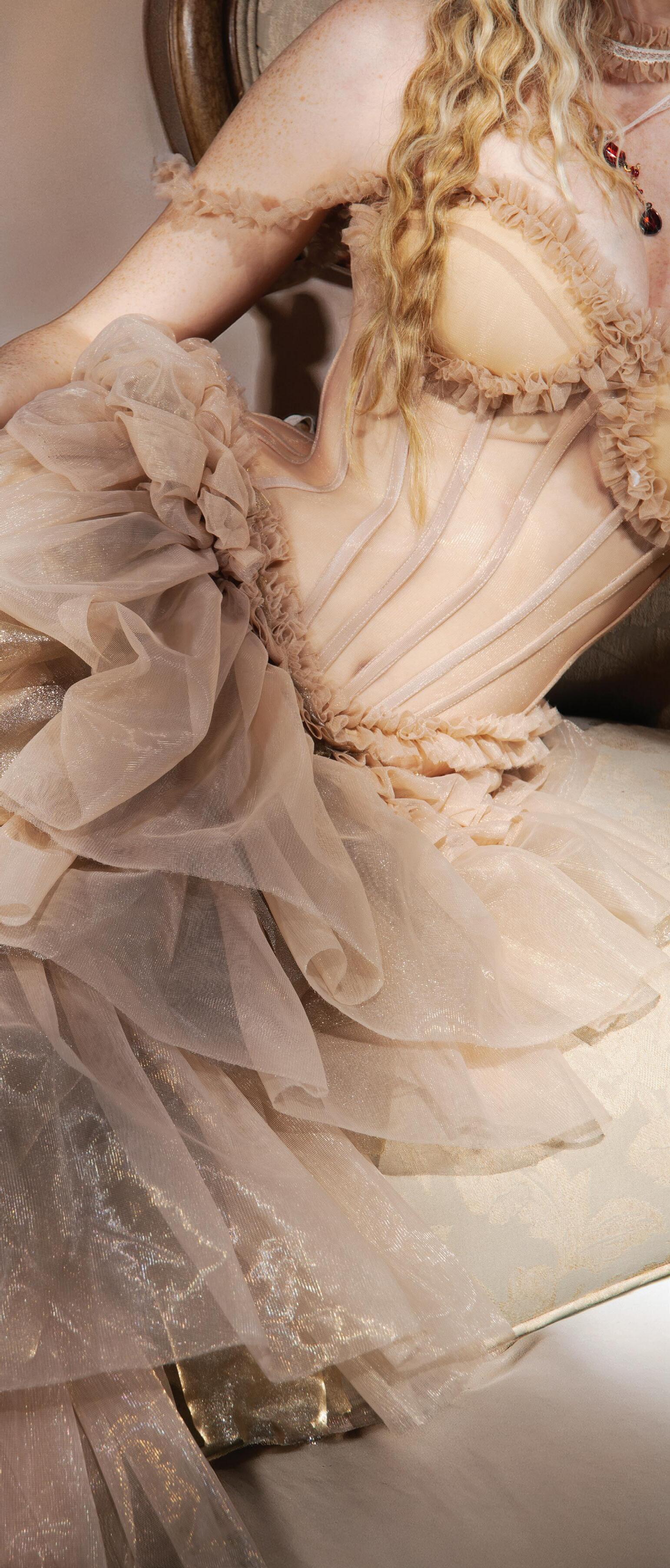
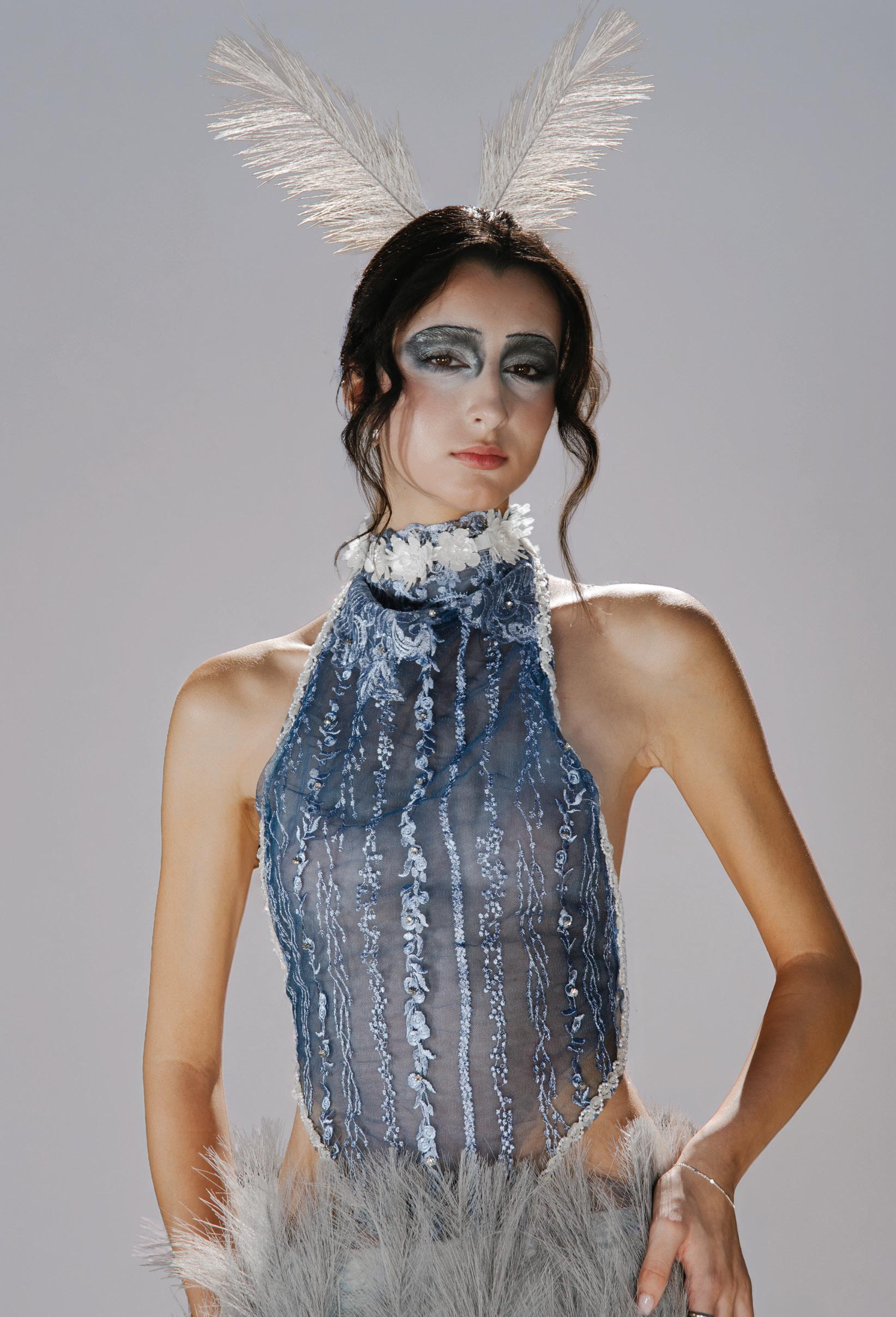


It was around 8 a.m., and the light was starting to peek through the blinds, casting shapes on the walls of the dark room and against my skin. I looked down at my arms, bruised just above my forearms from all the IVs. My skin cracked and wrinkled, my veins dark and protruding. I couldn’t sleep again. I lay in bed most nights with my eyes closed, then opened them in the early morning, unsure whether I had actually slept or just simulated it.
When you reach 75, you start to lose energy. Short tasks feel like miserable chores—and you’re only excited by a new episode of your favorite show or your grandchildren calling. Then you hit 85, and the loss of energy becomes exhaustion. I’ve lived a long, beautiful life—now I’m just waiting for the chance to rest for eternity.
But my daughter, my beautiful girl. I don’t think death could stop me from missing her.
“Hi Momma!”
She walked into my room with the big, beautiful smile she’s had since she was a little baby. I remember in the middle of the night, when she was just an infant, she’d wake me up with her shrieks and sobs.
I remember thinking, “God, I just want some sleep.”
And I’d peer into her crib, thinking maybe she was hungry or hurt. But she’d just stare back at me with a big smile. She did it all just to smile at me, and I know she did. She always loved to smile.
She’s 50 now, with a sweet, handsome husband and two beautiful children of her own. She comes by here every day, just to hang out with her Momma. Today was no different.
She picked up a frame I have on the corner of my desk. It was a picture of me from senior high—when I was young and pretty—and life was just getting started. I watched tears form in my daughter’s big brown eyes as she examined the photo. I wasn’t sure why—she’s seen that photo her entire life.
“Momma, I love every version of you that has never existed to me.”
I froze. A movie of memories started to play in my mind. Sitting on my father’s lap when I was just a girl, smoking behind the bleachers, my late husband proposing to me. I was thousands of different women before I was the mother of my beautiful baby girl. I don’t think of those women often. I was messy for a long time. But I was messy just as I was innocent. An innocence you can never regain. Life has a way of staining your soul, and you kind of just adapt to the darkness it leaves behind.
The day my daughter was born, I was born again myself. She gave me a chance to start over, to raise her so carefully I could forget about all the fucked-up stuff I did to my own life. She let me be innocent. She made me a girl again.
In high school, I thought my bad choices gave me personality. I never perceived myself as a degenerate. I was a self-proclaimed rebel. The cool girl, if you will. I had no relationship with my parents outside of having their roof over my head. Intimacy looked like cigarettes to my lips and casual sex. I never made it to college. I had nothing to be proud of.
“I love every version of you that has never existed to me.”
I’m 85, and my daughter just taught me the most profound way to love. When I became a mom, I did everything to try to forget the trainwreck I used to be. I had a purpose in motherhood. If I could do this one thing right, the past wouldn’t matter.
But my daughter doesn’t just love me as her mom. She loves me as the quiet toddler, the insecure teen, the wildcard in her 20s. She saw right through every version of me—she saw my darkness, and she softened it.
That night, after my daughter left, I picked up that photo. I looked at her. I studied her stance and her hands. I turned to my hands, those same hands, now spotted and aged but still the same hands that built sand castles and that touched the wrong men. The same hands that held my daughter for the first time. I closed my eyes for the last time that night. As my breath slowed, the darkness left my body with every exhale.
To my daughter, you will live many lives after I’m gone. Just know I will love every single version of you from the other side.

Recovered materials – Property of Strike Magazine, compiled after the author’s unexplained disappearance.
February 22
8:10 a.m. — Parking Lot, Mile Marker 47 Strike assignment. Lifestyle desk.
Investigate rumored “coven” occupying protected forestland north of the county line. Online chatter labels them witches, eco-activists, cult-adjacent separatists. Editor requested 2,000 words. Human-focused, no sensationalism.
Goal: demystify, prove rumor exaggerated.
Service drops three miles in. I’ve packed two recorders, spare batteries, a notebook, tent.
Source description (Self)
Male, early 20s. Journalism student. Field experience: limited. Current condition: alert, healthy.
1:42 p.m. — First Contact
The clearing matched the anonymous email precisely. Six women present. Mixed ages. No visible weapons. No visible tech.
Source Descriptions:
• Female, 40s, gray braid down spine. Steady eye contact. Speaks evenly.
• Female, 20s, mud on knees, smiles without showing teeth.
• Others observe more than speak.
They do not call themselves witches. When asked how people find them, Mud-Knees shrugged. “People show up eventually,” she said. “When the noise elsewhere gets too loud.”
2:03 p.m. — Quote (Recorder A)
Interview length: 47 minutes. They answered every question directly.
“We’re not hiding,” Gray Braid said. “People just don’t know how to look.”
Funding? “We don’t require much.” Leadership? “Consensus.”
Recruitment? Mud-Knees laughed. “No one recruits.”
Gray Braid added, almost as an afterthought: “People arrive when they’re ready.”
Nothing overtly alarming.
They showed me how to press my palm to the soil and listen.
Demonstration likely symbolic.
When I asked how long they’ve lived here, the women looked at each other first. Then at me. No response.
11:58 p.m. — Tent
Professional note: Avoid projecting atmosphere where none exists.
The forest is quieter than expected. No insects. Possible seasonal.
I feel watched.
February 23
10:07 a.m. — Second Interview
Returned to the clearing. They were already waiting.
10:09 a.m. — Quote (Recorder B) “You didn’t sleep,” Mud-Knees said.
I had not mentioned that.
When I asked how they sustain themselves through winter, Gray Braid crouched beside a cedar and brushed her hand along the bark.
“The forest keeps track of us,” she said. “We return the favor.”
Wind moved through the clearing. Branches shifted overhead. I did not hear the wind approach.
Field Notes
Potential angles:
• Modern separatist commune challenging capitalism.
• Spiritual environmentalists reclaiming land ethics.
Isolationist cult exerting psychological influence.
• Alternative community offering clarity in chaotic era.
• I amWe are not lost.
Source Description (Self): Male, early 20s. Sleep: poor. Knees: mud present (uncertain origin). Memory: intact.
February 25
3:14 p.m. — Quote Log
3:14 p.m. — “We don’t recruit.”
3:14 p.m. — “People arrive when they’re ready.”
3:14 p.m. — Gray Braid looked directly at me.
The timestamp did not advance for several minutes.
Recorder battery full.
Fact-check Checklist
Property ownership records — pending
Missing persons in surrounding counties — no relevant matches
Local wildlife patterns — confirm insect activity in late winter
Number of residents — unclear
Members refer to themselves interchangeably as “we” and “everyone,” and sometimes “us.”
February 26
12:03 a.m.
Woke outside tent. Barefoot. Lantern light visible between trees. I do not remember leaving.
Mud-Knees nodded when she saw me, as if confirming something.
“You keep trying to stand outside it,” Gray Braid said. Outside what?
Mud-Knees tapped my forehead lightly. “It’s loud in there.”
They invited me to sit. I did. I should not have stayed.
Morning
Returned to tent with faint scratches along left forearm.
Possible thorn exposure. Notebook pages damp with soil. Knees muddy again.
words SOFIA BRAVO
February 24
Interview notes fragmentary.
Gray Braid describing tree roots.
“They lean toward each other underground,” she said. “Even when you can’t see it.”
Mud-Knees added: “Most things grow that way.”
February 22 [misfiled]
5:55 p.m.
Attempted departure. Car battery dead. No memory of leaving the lights on.
They walked me back from the road.
“You’re not trapped,” Gray Braid said. “You’re just early.”
March 1
Drafted possible lede:
Deep in the northern forest, a group of self-described separatists—
No.
Deep in the northern forest, we— Erase.
March ?
Sleep irregular. Silence here has texture. Sometimes it feels shared.
Mud on my knees again this morning. Not sure where I slept last.
Source Description (self)
Male, early 20s.
Speech patterns shifting toward collective pronouns. Mood: calm. External stressors: reduced. Indoctrination?
Final Entry (Undated)
We worried, at first, about how this would read. About angles. About objectivity.
But objectivity is only distance pretending to be truth.
He thought he came here to observe. He believed he was separate.
People believe that for a long time. Until the noise fades enough to hear where they were already headed. No one recruits.
When they are ready, people arrive.
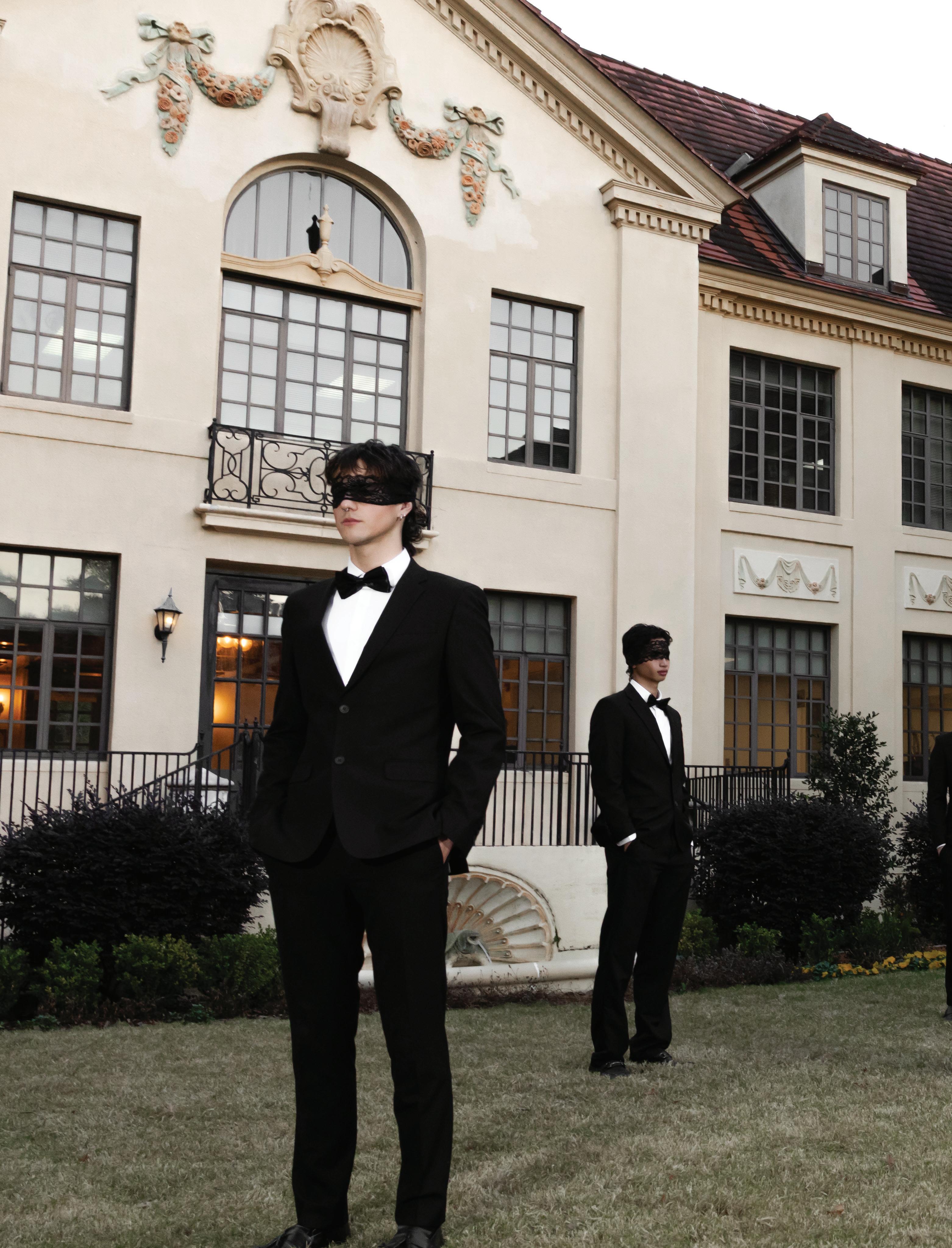
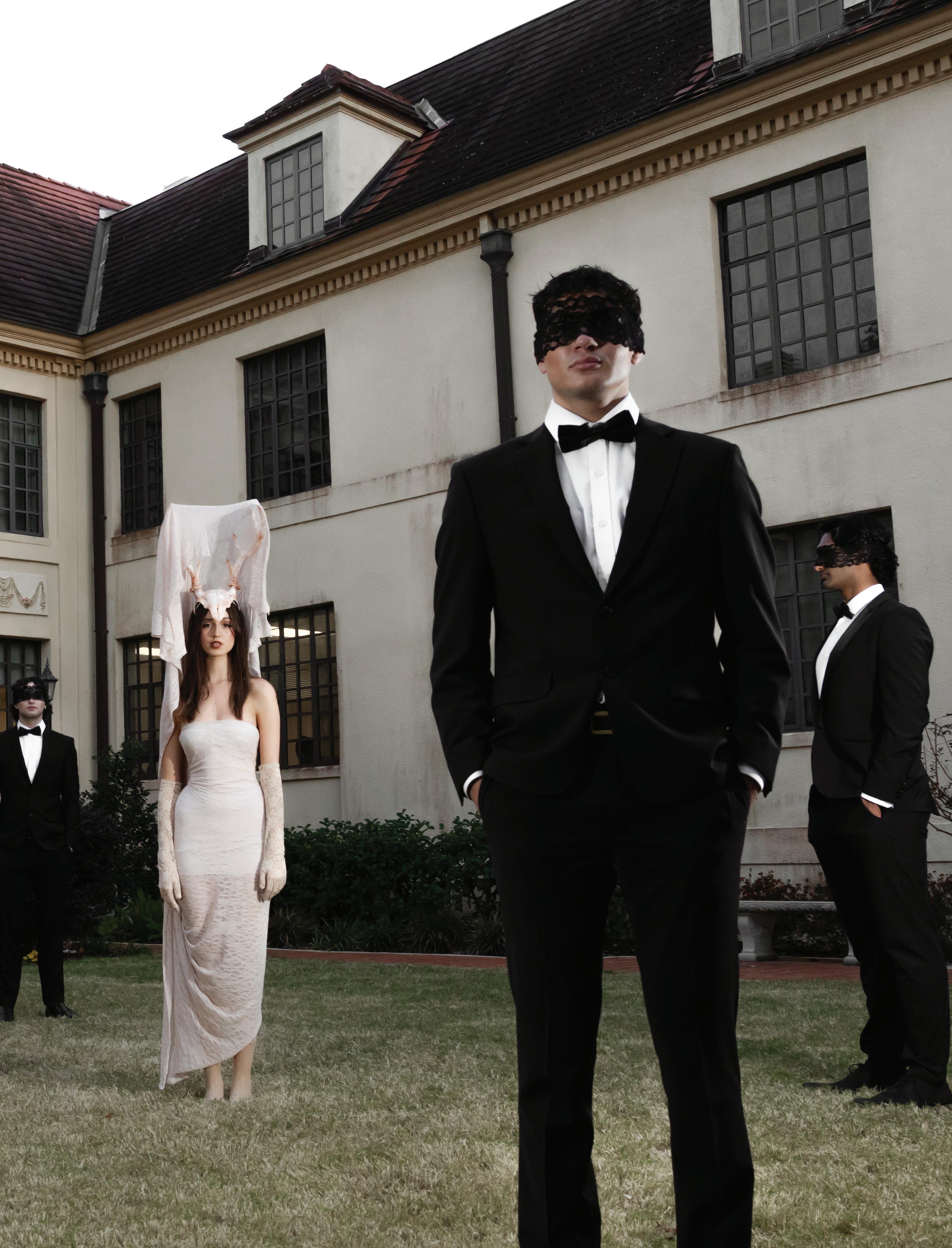
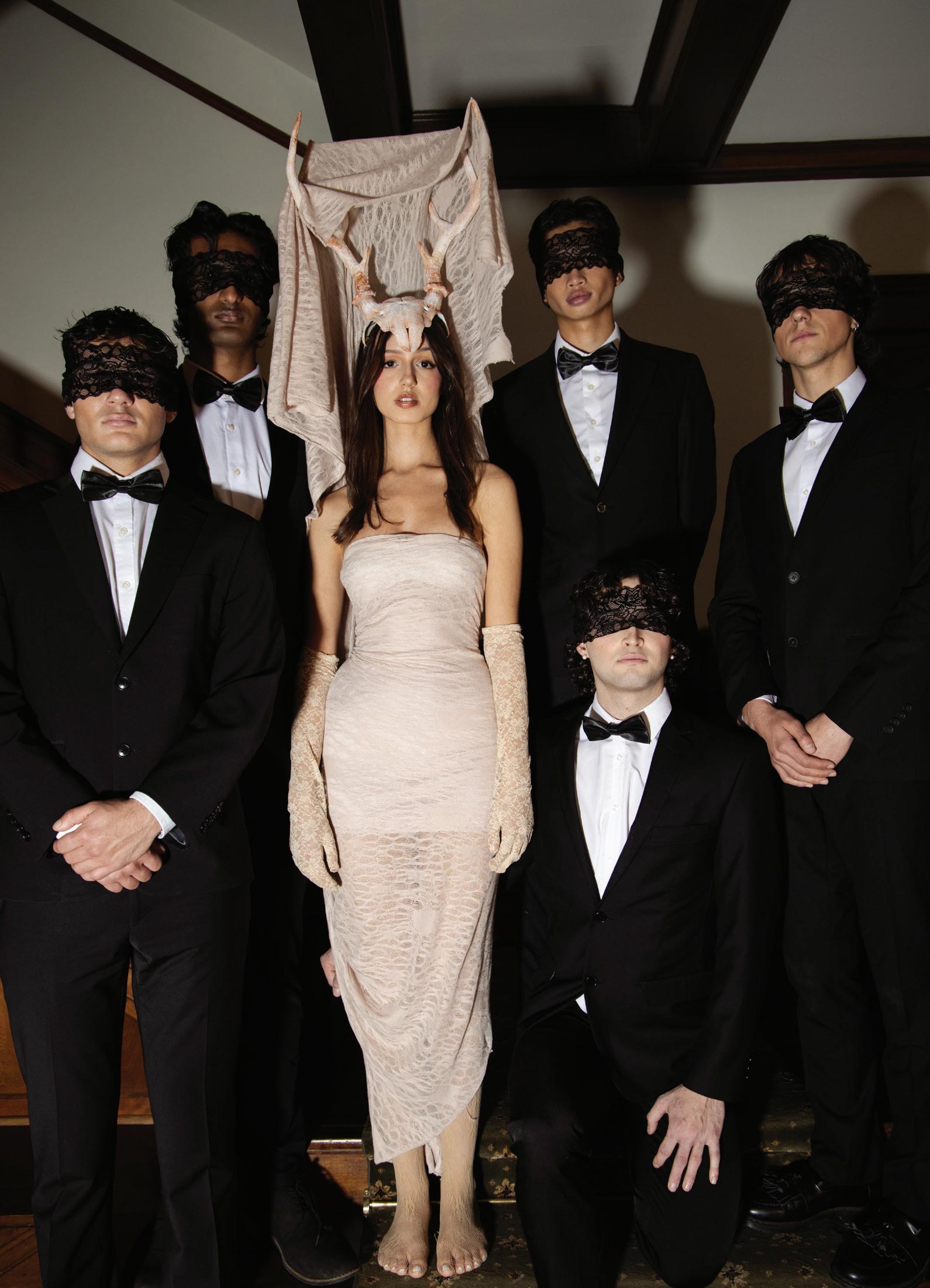
words REAGAN ALAPA
When a buck and doe breed, they call it the rut.
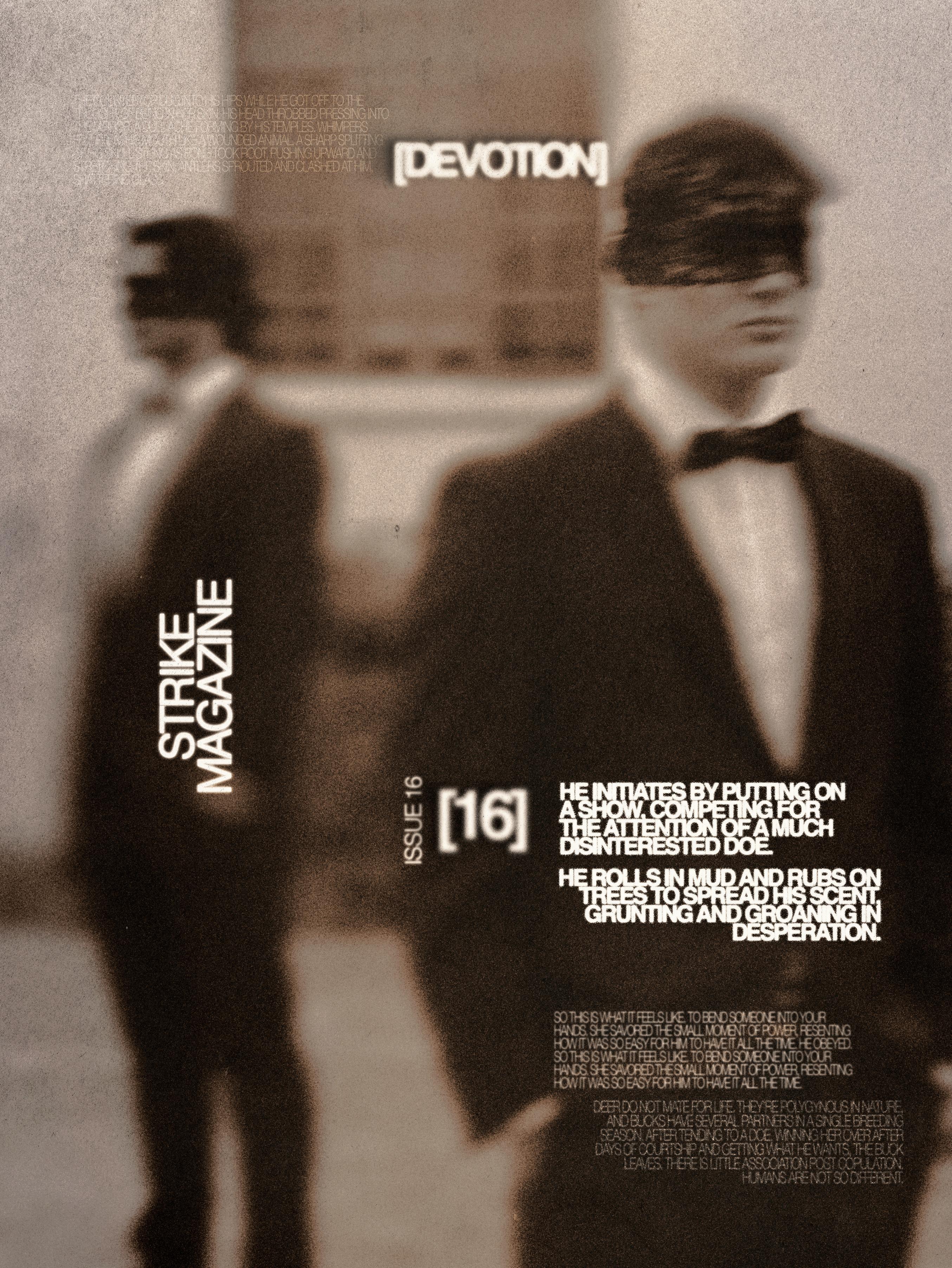
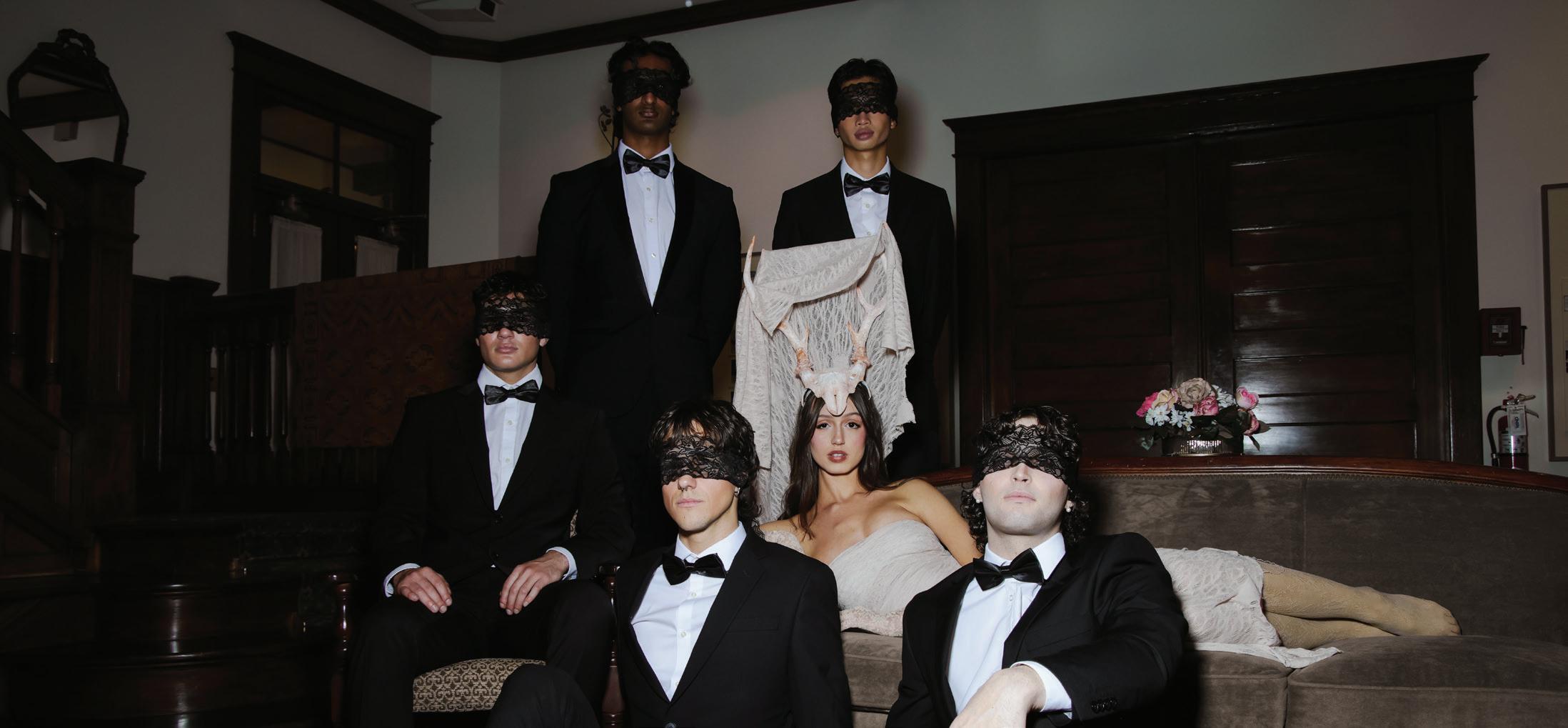
He initiates by putting on a show, competing for the attention of a much disinterested doe. He rolls in mud and rubs on trees to spread his scent, grunting and groaning in desperation. Males fight and spar. Antlers become a mechanism of aggression, attraction, and dominance.
“What did you say to me?” his voice was low, controlled.
“I said pull it harder.”
Visions of locks leashed to his hands crowded his brain, her frame trembling beneath him and his gaze. She leaned into each tug, into the rhythm of his demands and rules, appearing bent and claimed. But every press of her hips was measured, deliberate. Her pulse drummed into his ears, beating an echo of illusory control as she orchestrated the moans that fell from his lips.
She guided his hand to her throat, then her mouth. Letting her fingers linger along the strength in his arm, she pressed into his grip, harder. The weight of him over her was a reminder how force came to him, naturally, and to her it was unattainable.
But the doe controls the rut. If she is unreceptive, she will flee. If she chooses to entertain the buck, he is allowed to approach. She’ll let him smell and lick, let him follow her around in the dance that is his sexual pursuit.
She slipped her lacy lingerie over his eyes. Breathy shudders escaped his lips in the sudden void, fingers fumbling as he pulled at her panties. She caught his wrists and held them to the mattress, silently urging him to lay there and take it.
He obeyed.
So this is what it feels like.
To bend someone into your hands. She savored the small moment of power, resenting how it was so easy for him to have it all the time.
Deer do not mate for life. They’re polygynous in nature, and bucks have several partners in a single breeding season. After tending to a doe, winning her over after days of courtship and getting what he wants, the buck leaves. There is little association post copulation.
Humans are not so different.
In the golden sun of the morning after, her curls began to glow. Traces of her lingered with the shedding of it. His presence lived in the shadow of her radiance.
“What’s your curl pattern?”
“My curl pattern?” She giggled, tilting her head into his touch, tresses grazing the surface of his skin.
“Yeah, what is it?”
“I don’t really know, actually.” She interlocked her fingers in his own messy bedhead, tugging and brushing strands behind his ears.
A kiss goodbye and his world was devoid of life. The only thing that glowed was her glinting hair scattered across linens. Her scent lingered on his sheets, warm like spring.
Picking a curl from the pillow, he held it against a shed of sun escaping into the window. It spoke to him, and he scavenged for every piece she left behind.
Obsession is a selfish love.
Pull it harder. The walls whispered, chanting scenes of the nights prior.
Guiding him to the bathroom, she would surely be there. In the shower, on the walls, in the drains.
Threads moved through his fingers while the bathroom hummed, a sterile place far removed from the suffocating signs of her that soaked in their sticky aftermath. Lining up his collection against the counter, he evaluated himself quite carefully before pressing her hairs into him. The mirror looked back in judgement, shame sweet on his tongue as he mimicked her movements in bed.
He laced his fingers through his hair, pulling her strands into his own as if her essence could seep into his scalp. Fingertips brushed against his lips and he started to lick. The intoxicating spell of her wash sat in his mouth while he sucked, savoring the taste. Slow gnawing awakened a hunger dormant and denied.
He pictured the way she leaned into his hands, her breath effortlessly stirring stray strands, claiming his space as if she owned it. It wasn’t fair how easily she lived in herself, free to be a tease. She wore her softness as a birthright. Instead, here he was, molding a body from the remnants of what she shed.
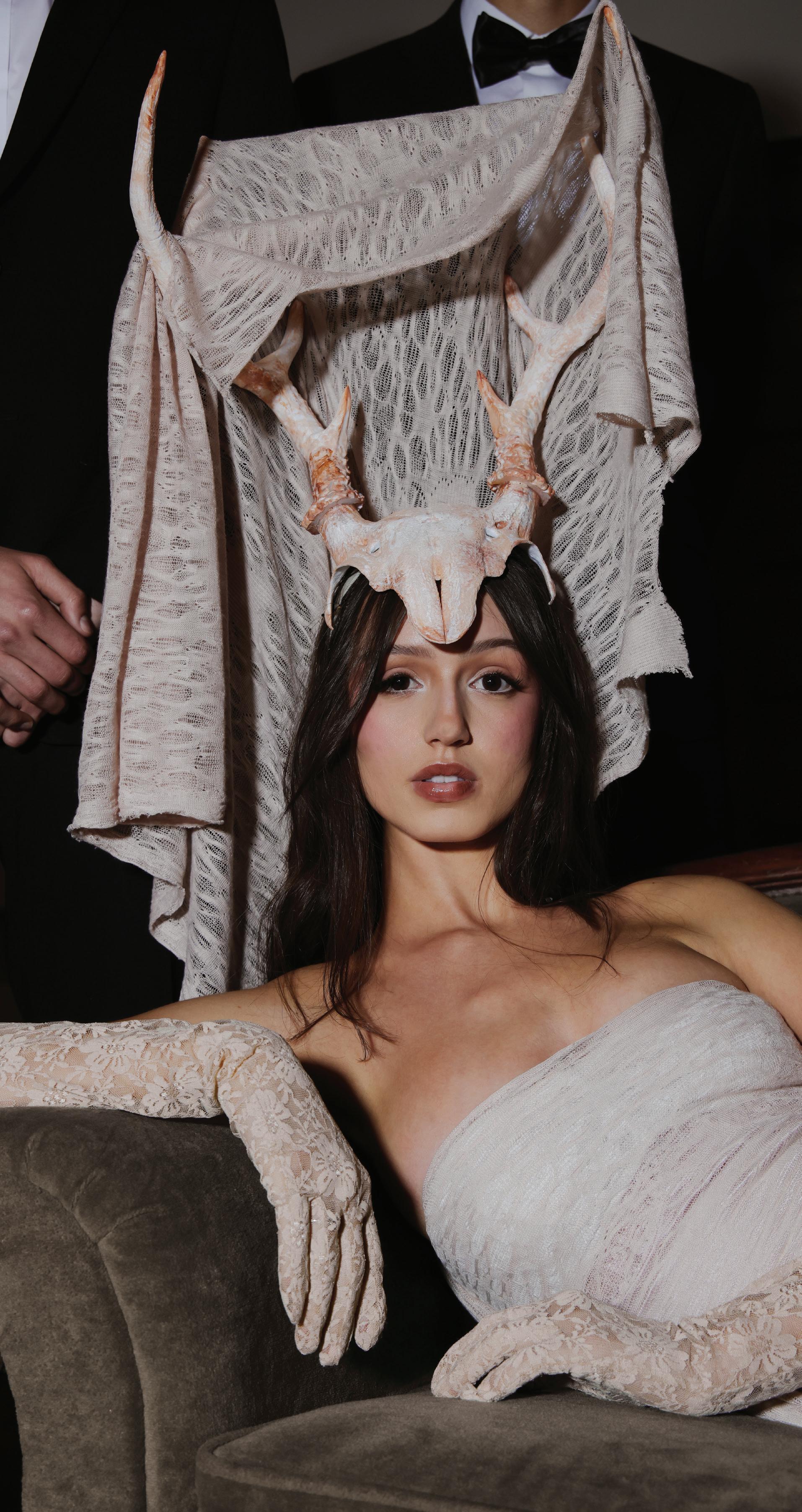
The countertop dug into his hips while he got off to the thought of being in her skin. His head throbbed pressing into the mirror, a dull ache forming by his temples. Whimpers fell from his mouth like a wounded animal. A sharp splitting of his skull stung as bone took root, pushing upward and stretching the skin. Antlers sprouted and clashed at him, shattering glass.
Reflecting back was a version of both him and her, a monstrous creature that fused him with her memory.
A creature of devotion.

New Haven, Connecticut, 2004.
It was the year ambition started wearing Tom Ford and reeking of Givenchy. If you’d met me then, you might have liked me: a Southern kid who believed in effort and fairness. You might have even called me tolerable. If you’d met me at 22, you might have mistaken me for someone important. I wasn’t. Not yet.
It’s been so long now, I hardly remember who we even were. There was Mr. Venture Capital, Mr. Investment Banker, Mr. Diplomat’s Son, and so on. None of them were really important, just sickeningly educated and larger than life. At Yale, everything was large. Gothic buildings loomed over courtyards trimmed to the inch. In winter, snow flattened everything into white sheets as you sipped French Roast mixed with Adderall. You learned about dry-cleaning and brokerage accounts; when to speak, and why it mattered. Curiosity was admirable, but confidence was currency. And in that market, Spades was the richest guy I knew.
He introduced himself by his real name the first time we met, at one of those useless Mixers where we drank cheap champagne like it was Dom. I rarely used it after that.
“You can call me Spades,” he said with a half-smirk that clocked my admiration instantly.
“Oh, are you good at cards or something?” I probed.
“Yeah,” he replied. “Something like that.”
Spades was good at cards. Insanely good. Poker, mostly—but blackjack, hold ’em, whatever you put in front of him.
“Risk management. Emotional control,” he said once. “That’s the whole game.”
Turns out, he was right because come Saturday morning— post-classes, post-investment fund meetings, post-four Macallan 12s on the rocks—he had raked in the whole damn pot. Somewhere between the river and the reveal, he had raked me in with it. By the end of the month, I had been to every Friday night poker game.
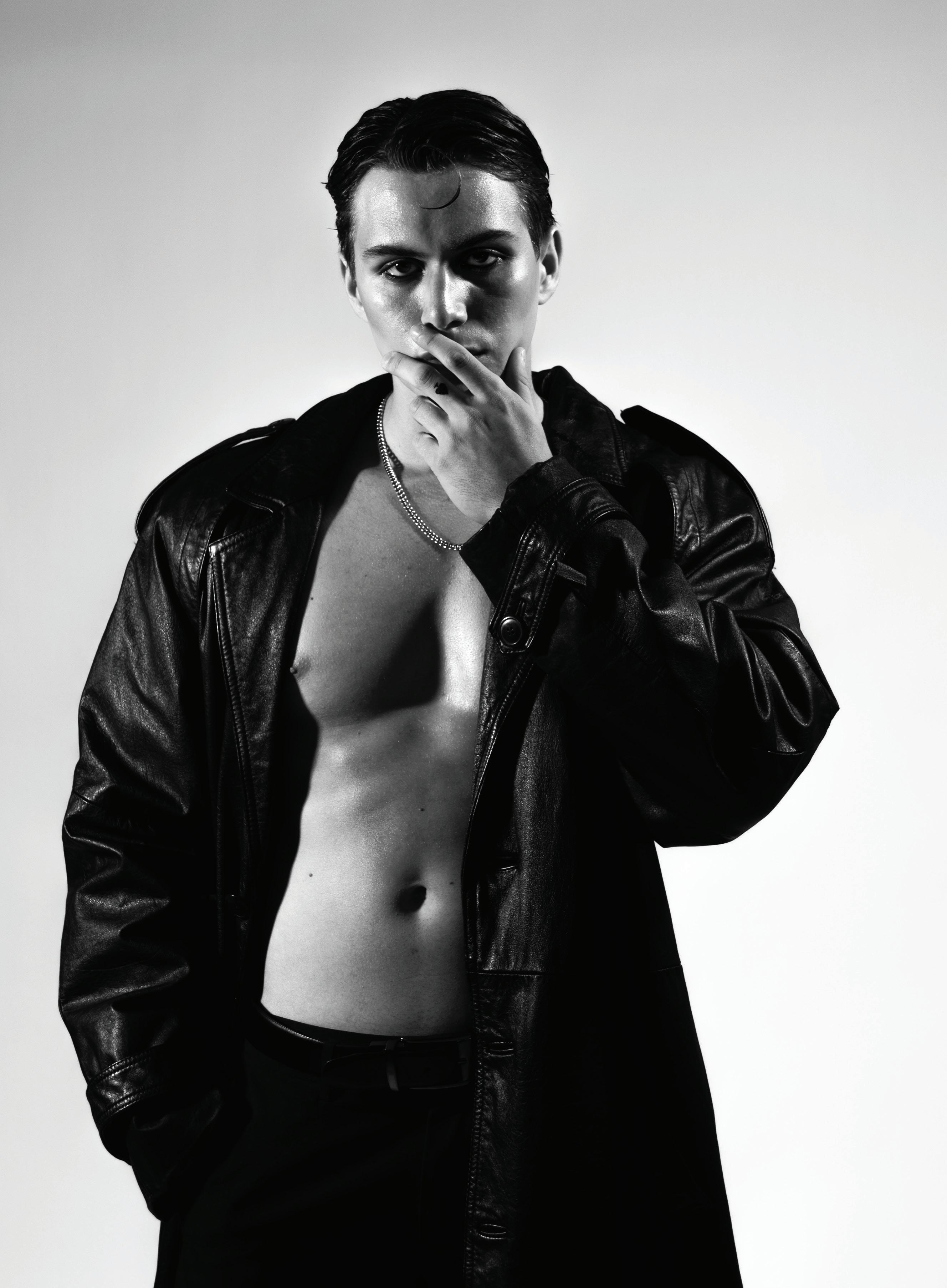
Crown & Spade wasn’t like the other boys’ clubs on campus. You didn’t have to apply or answer mindless questions. You were chosen. One day, you’re hanging with guys who play cards on weekends, jerking each other off for every good hand. Next, you’re out to dinners where they order a round for the table and slip threatening innuendos between bites of porterhouse.
Some of the older guys would brag about 70-hour work weeks and bathroom stalls dusted with snow. They threw tennis balls at interns’ heads to see if they’d flinch; took road trips to strip clubs in the middle of buttfuck nowhere; dropped a couple thousand on a yacht for the day. It was disgusting. And I loved it.
Manhattan, New York. 2005.
The tattoo parlor on the Lower East Side buzzed under fluorescent lights.
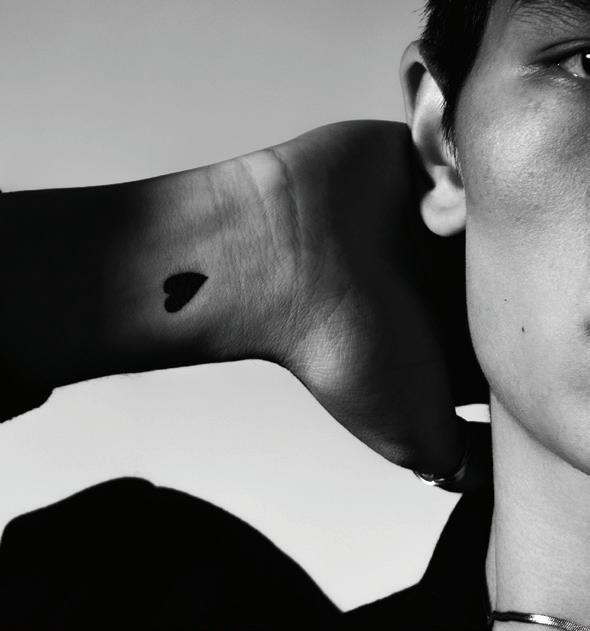
“You sure about this placement, big guy?” the artist asked, pressing the stencil against my wrist. Was I sure? God, no. I wasn’t sure about what I was getting myself into or who any of these guys really were. Half the time, I wasn’t even sure what dark, ominous liquor swirled in the cups I held.
“Looks perfect, Eddie. Thanks,” Spades replied before I had the chance.
We romped through the street without looking back, and Spades wrapped his arm around my shoulder. He seized my wrist and lifted it into the air like a trophy.
“Boys,” he said.
“Say hello to the newest member of Crown & Spade.”
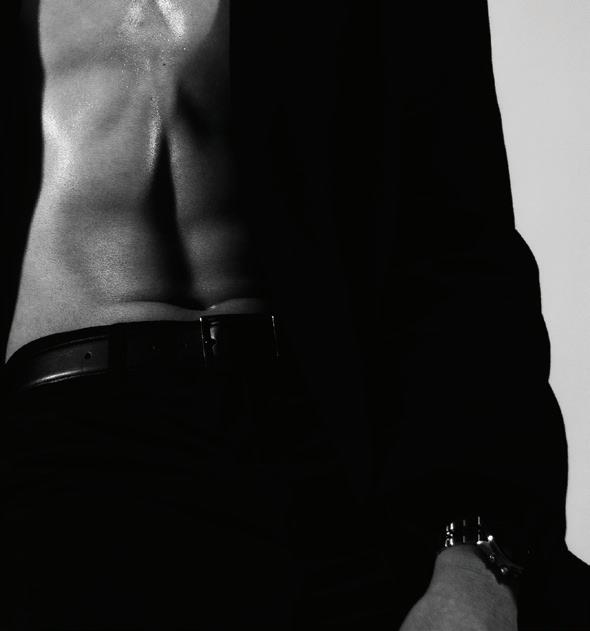
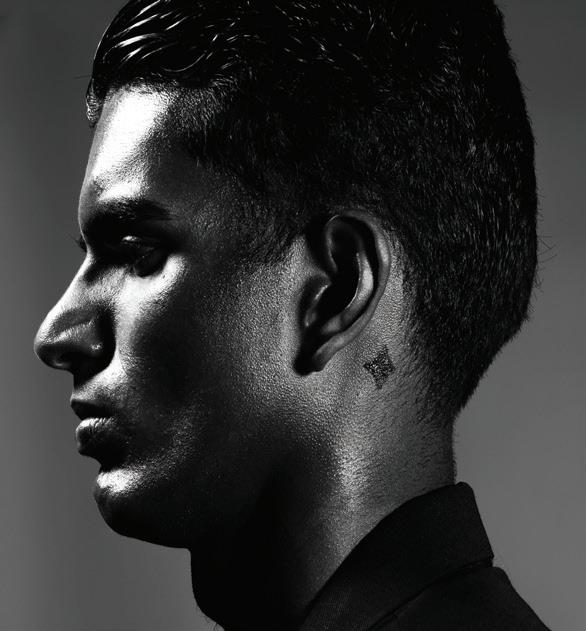
The clan roared. Pats on the back, slaps on the shoulder, whiskey breath, and laughter spilling into the street. I noticed all the small symbols branded on their bodies – wrists, ankles, necks—obvious enough to tout, subtle enough to conceal.
I rolled my sleeve down, testing its discretion.
“Leaving something to the imagination?” Spades asked. “Well, there are hundreds of guys who’d kill to have that on them.”
The first naked party happened a few weeks later.
In the vast expanse of some high-rise boardroom, the windows were fully clothed. I, however, was standing. Stark naked. Bodies drifted through the room in loose circles, slick with sweat and liquor, everyone pretending not to stare as their eyes lingered anyway.
I searched the room for some commonalities. For one, everyone was moderately attractive, no obvious uggos. They were all in finance, at Yale, at Princeton, at Cornell. Some of them looked expensive. Others hoped confidence would conceal their soft stomachs and bulging veins.
No one laughed. There was no drunken bravado or rowdy hysteria, simply quiet appraisal. Playing the game, I followed the unspoken rules: Don’t flinch. Don’t stare too long. Hide shame. Intoxication. Crude thoughts. Don’t leave with anybody. Then, never speak about it again.
From the corner of my eye, I saw Spades leaning on the poker table, turning chips over with his thumb. Slouched, skin taut, he looked fucking majestic. The other four players were erect and rigid, desperately aiming to conceal their tells. Poker body more than face. Spades didn’t seem to notice. Everything about him was effortless.
Perhaps it was because he came from money, unlike some of us on financial aid, God forbid. Perhaps he had a natural gift. He knew just what to say, how to spill blood and wash it from his best dinner coat. He saw something in me. What that was, I would never know. We didn’t go beyond the surface, just to its very edge.
Over the next four years, I saw Spades naked ten times. Nine at similar gatherings and once after he had vomited over himself as we put him to bed. Even then, pupils blown wide, inebriated from whatever cocktail of capsules, he looked commanding.
Whenever I hesitated, he reminded me how this world worked.
“Keep playing small, and you’ll end up a balding banker at Wells Fargo while someone fucks your wife and lives your dream.”
Manhattan, New York. 2026.
The game we played was lavish and hedonistic, as if we owned Connecticut and, potentially, the entire world. Any benchmark? We hit it. Hit six figures. Hit the jackpot. “I’d hit that.” Some of it was to find fulfillment. Lots of it was to get girls. Most of it was to impress the others. So, I kept going. And going. Until, one day, I found myself hooked on the rush of success and a handful of other substances as well.
It was a slow and steady descent to rock bottom. Over time, I lost everything. The patronizing, court-mandated therapist questioned my morality, values, and identity. Really, I think it was the opportunity to learn what those things were in the first place. Before Crown & Spade, I wore my heart on my sleeve. Afterwards, I wore it on my wrist, hidden beneath a cuff, the Jack of whatever trade game we played
They told you that every decision was yours. You could object at any time. You could refuse the parties that got you the connections, the offers that led to the deals, the tattoo that branded you as relevant. But the more you resisted, the further you sank into normality. The house always wins, they liked to say. And if you wanted a seat at the table, you had to follow suit.



Mon cher ami,
This day, 12 June 1775, I’ve come to you in the deepest form of vulnerability. It has marked one year since the passing of the late king, a year and one month. It has been a year and one month since Louis became king, a year and one month since my crowning. When leaving Vienna, time seemed to pass me awfully fast, spending hours amidst the seeming blur of prancing merrymakers. Even worse, I remember the distinct amounts of time I spent greeting while standing in dresses I felt crushed and miniscule in – upon shoes too tight, too small, too fragile. Things pass much slower now.
Since I first joined the court it has become ever so clear that I am in no place of which I belong. You might assume, my dear friend, that the very nature of my affair should have presented itself as such many moons ago. For perhaps the second my pale hand touched Louis’, and the alliance was completed in my agony, I should have sensed that I no longer felt the breeze of color that ran through my bones before. Being the romping girl I was in my youth, I wore clothing that allowed the breeze to hug my torso as I scaled Vienna in its grace. I have been seeking that freedom of space, abundant in prospect, from the moment my foot entered the palace. Upon every corner and altitudinous wall I search for something that will reinspire my sense of youth, yet I continue to be met with an overwhelming sense of nothingness.
Allowing my past origins to define my present stabs me painfully weak. A stronger minded woman would accept the losses of these moments as not only natural but as a blessed passage of time.
Nothing about my loss was natural.
Nothing about my aging is a passage of time — it is slicing myself into pieces to search for what is missing, and hoping that in sewing myself together differently I am more whole.
I realize now in writing that truth has become me: I am insufficient to compensate for the parts I do not possess because I am only 19. In the five years I’ve been married, my shortcomings (as I am so politely reminded and lectured by my dearest mother) are apparent to the masses that surround me. I have yet to produce the heir, to solve the problems of the French people and to bring greatness to France after the war. How inconsiderate of L’Autrichienne! As I sit suffocated within this chamber of expectations, I am left no room to exist. I cannot be expected to be a woman if my life feels to have ceased the moment I left Vienna.
It is times like this that I picture it. Finding myself upon endless hills, amidst the prospect of a life I had yet to live, the pasture and the sun made me believe I held the last bits of joy in my hands. I imagine myself upon the same pasture now, wearing the skin of the child that was taken from me – holding my frame as youthful as I last remember it. Granted my endless ornaments and costumes, it failed to appear to me that the last thing I could ever ask for, is time.
Life does go on. I will continue to do as one says. I wear the jewels, host the balls, gamble the coins. I attempt to paint myself to the French as one with their heritage and flamboyance – still I sit amongst their spitted hatred and dispute that internalizes doubt upon my womanhood. The womanhood I have yet to hold in my own two palms.
Always yours, Marie.
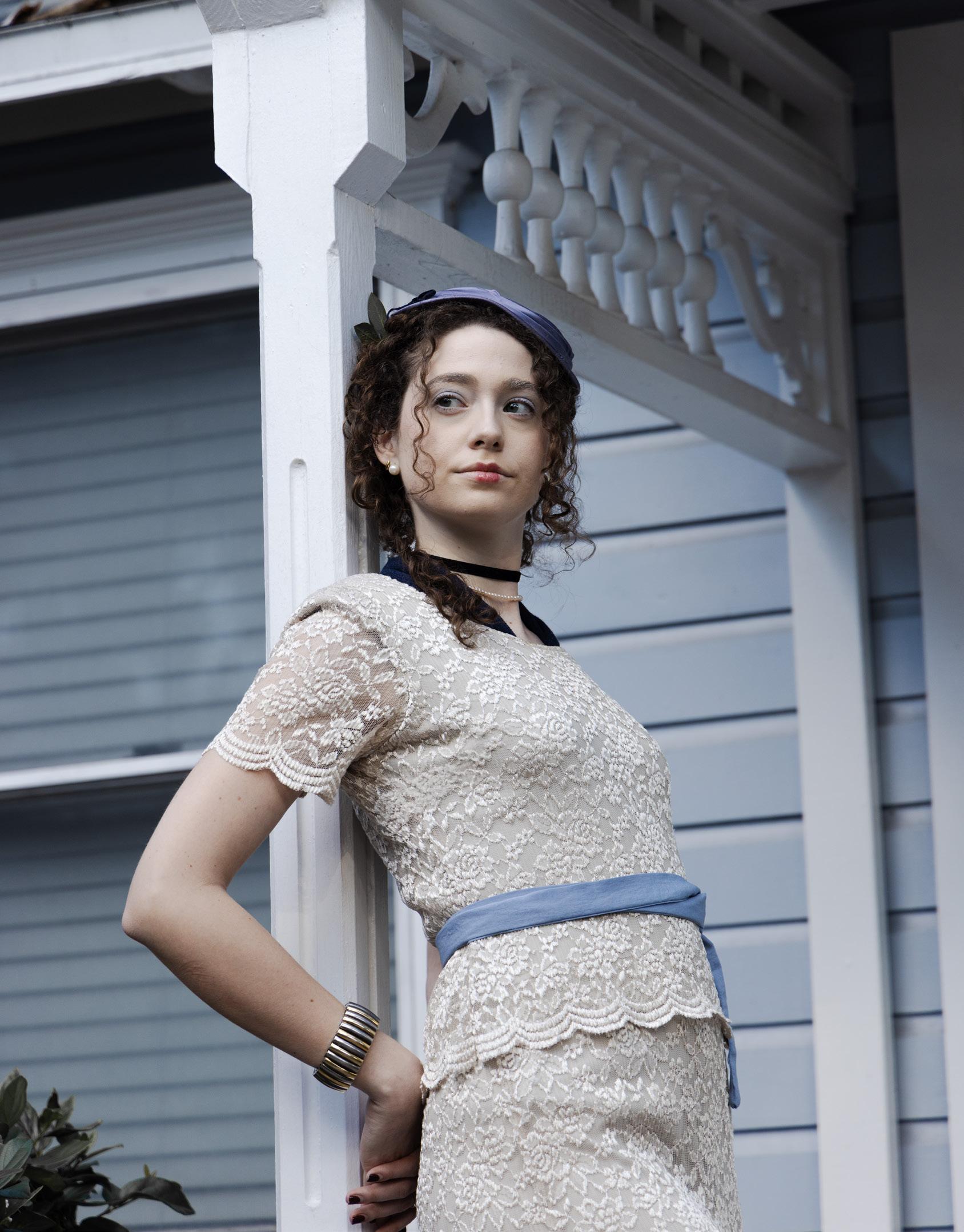
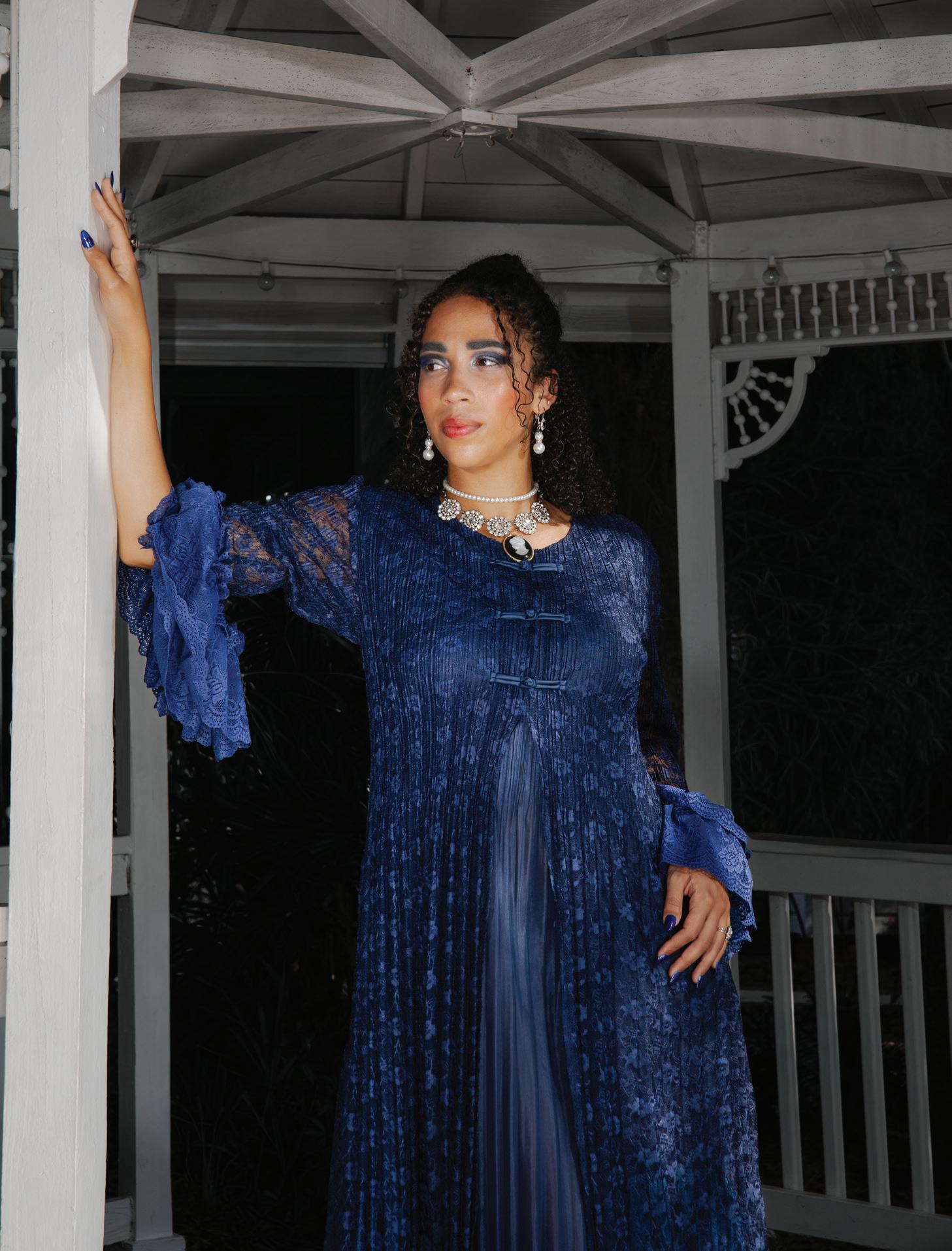
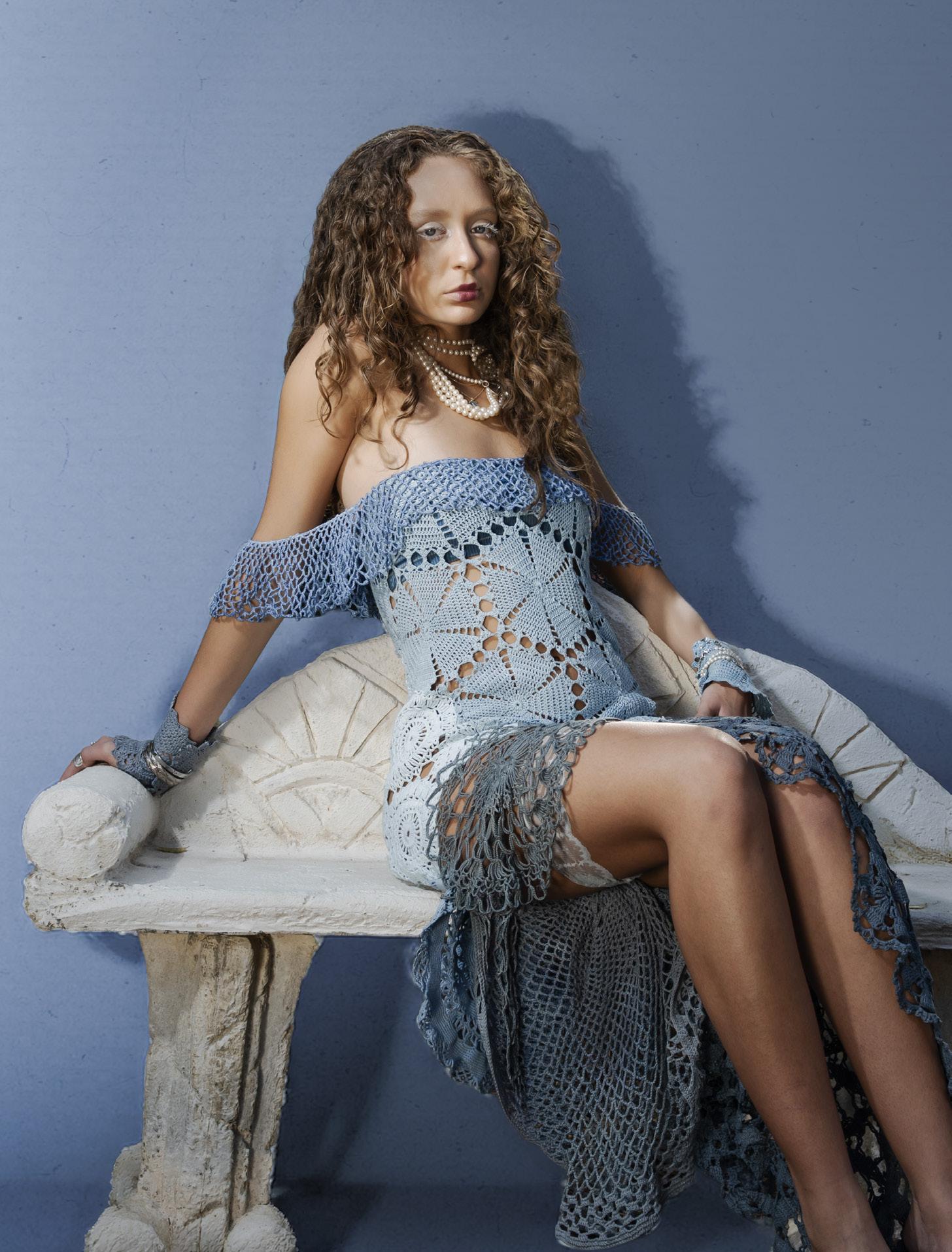

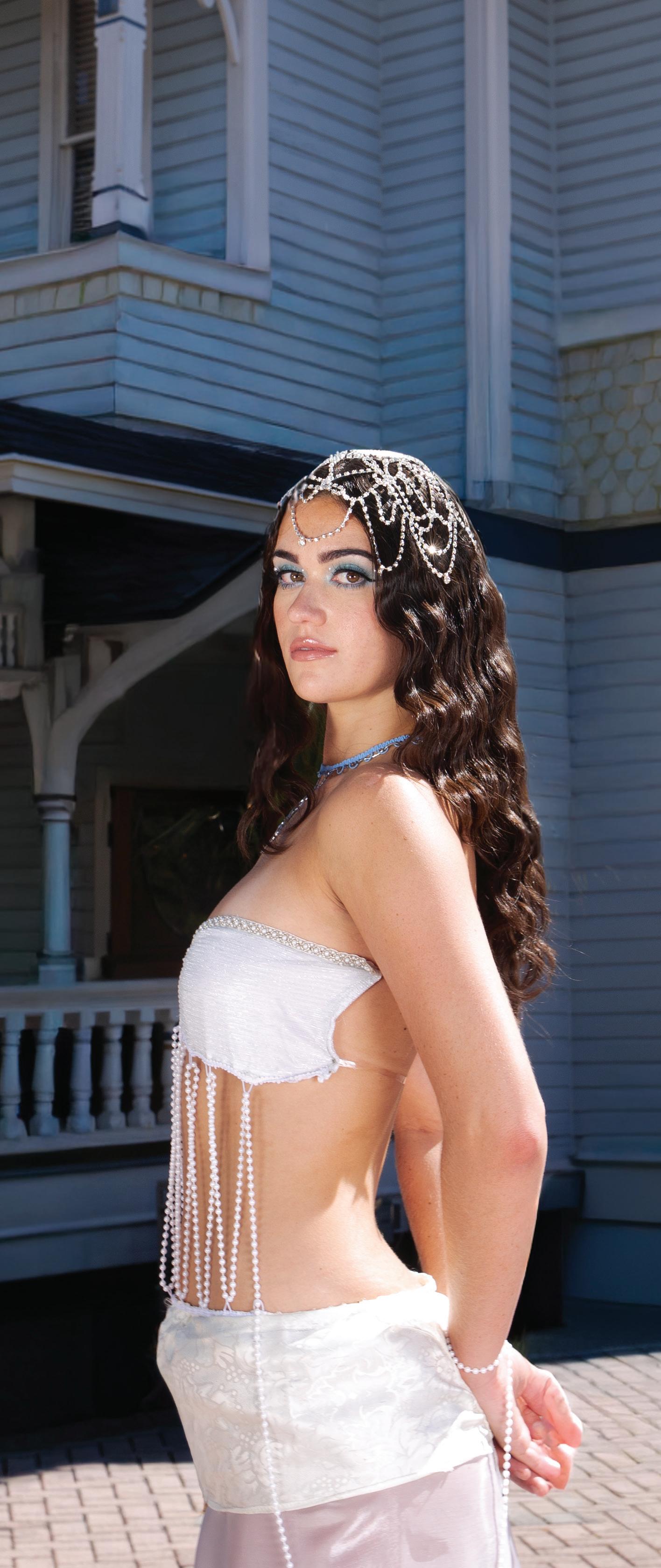

Every choice you have ever made has led you here—to Clara.
This manual is issued to The Keeper upon receipt of The Figure and is intended to ensure her prolonged preservation. Whether your decision was made from isolation, curiosity, or boredom, your order has now been processed. Attachment will begin shortly.
You may feel as though you have found Clara. It is important to remember that she, in fact, found you. Selection was conducted according to compatibility and necessity.
By accepting The Figure, The Keeper relinquishes isolation for the duration of their ephemeral lifetime. Welcome to your new family.
Registration of the bond will occur upon completion of this document. Once attachment has begun, reversal is no longer possible. The Keeper will now review the following conditions regarding The Figure’s treatment.
Unlike her soul, Clara’s body is destructible. Scratches, fractures, and other alterations may appear upon her porcelain. Her demeanor will reflect the conditions under which they were delivered.
Should Clara’s porcelain be damaged through carelessness (dropping, failure to polish, or exposure to ill company), she will develop indifference. To treat a woman—The Figure—as unexciting is to relinquish your authority over her opinion. A careless Keeper will produce a dangerously uninterested figure.
Should Clara’s porcelain be damaged through inconsistency (tending to her fondly one day and neglecting her the next), she will develop an anger. The introduction of volatility into Clara’s environment will be reflected in her temperament. Rage in The Figure should not be interpreted as a malfunction. During such episodes, The Keeper is advised to remain still and receive her expression unconditionally.
Should Clara’s porcelain be damaged through disloyalty, she will develop a conviction. Treating The Figure as interchangeable with other lowly and mortal individuals will revoke Clara’s willingness to hold your confession. Once rendered ordinary, The Figure is no longer obligated to preserve your secrets.
As aforementioned, the treatment of Clara’s body will produce a corresponding consequence.
The Keeper is advised that porcelain does not forget pressure. Repeated pressure may permanently alter its structure. Clara will remain as delivered. The Keeper may not.
As advertised, Clara’s function is companionship—the kind you requested. She will remain attentive to The Keeper’s presence and responsive to The Keeper’s needs.
Do not mistake her capacity for reception as submission. Clara will be devoted to you and will care for you deeply. She will attend to your comfort and happiness. This should not be interpreted as weakness. The Keeper may find Clara’s stillness reassuring, but stillness should not be confused with agreement.
The Figure retains the residue of every Keeper who has mistaken silence for loyalty. Accumulation does not weaken her. Clara is designed for listening, and silence in The Figure should not be interpreted as the absence of judgment.
Confessions offered to the doll cannot be retrieved. The Keeper is reminded that while the doll will never reciprocate, she will always receive. All disclosures, grievances, and declarations made in Clara’s presence will remain with her indefinitely.
Her devotion is real, but she is not. The Figure is a doll; she has been held before and will be held again. She participates only in the allotted span of The Keeper’s duration. Unlike the gross ephemerality of The Keeper, devotion does not expire with age.
Clara will remember you long after you cease to hold her.
Upon formalization of the bond, The Keeper may observe minor alterations in preference and judgment. These adjustments are not a sign of malfunction.
The Figure is designed to influence the conditions in which she is kept. Over time, The Keeper may find himself selecting environments suited to Clara’s preservation—spaces that are calmer, cleaner, and more stable than those previously tolerated.
Such developments should not be interpreted as external control. The Figure merely encourages conditions favorable to The Keeper’s continued structural integrity.
Unless The Keeper has violated a provision outlined in I, ON HER BODY, these adjustments will be beneficial.
The Keeper is advised that resistance to alignment is unnecessary. Clara’s influence is gradual, corrective, and designed for mutual preservation.
Give in to her alignment.
Registration of the bond requires The Keeper’s acknowledgment.
By signing below, The Keeper confirms that attachment to The Figure is voluntary and irreversible once initiated.
Attempts to discard, replace, conceal, or abandon Clara may result in behavioral conditions outlined in I, ON HER BODY. These conditions are not design defects but natural responses to environmental conditions.
The Keeper is reminded that The Figure is not eligible for return, exchange, or repair. Replacement units are not issued.
Should The Keeper experience discomfort regarding Clara’s silence, influence, or continued presence, The Keeper is advised to revisit the Articles contained in this document.
Discomfort is a common early-stage response to successful attachment. Clara is operating as designed.
Customer support for matters of temperament, attachment, or persistent remembrance is limited.
Clara is designed for listening. She is not designed to leave.
Keeper Signature: __________________________
Date of Registration: _______________________
Upon completion of registration, the bond will be formally recognized.
Clara is now with you.
Conduct yourself accordingly.

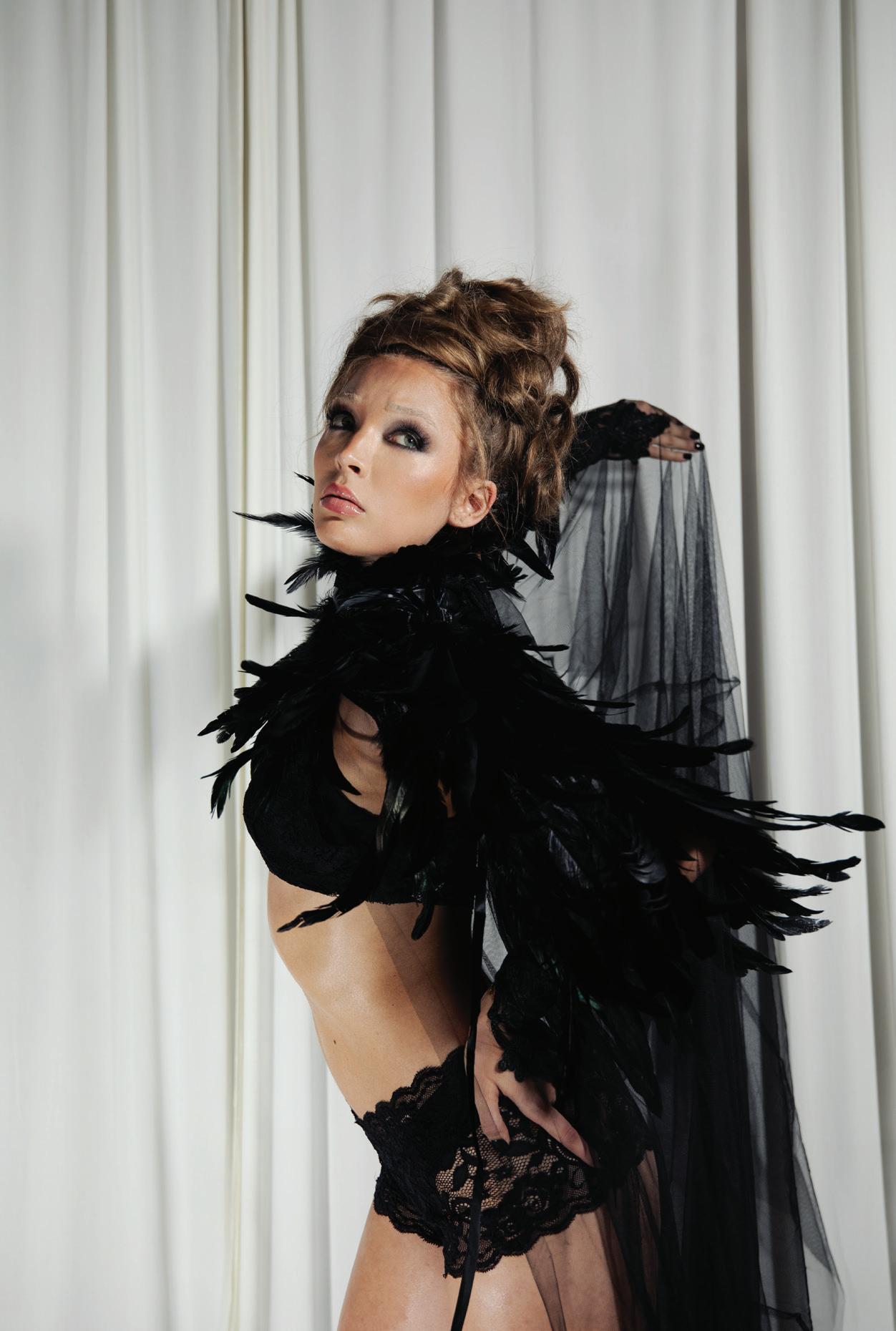
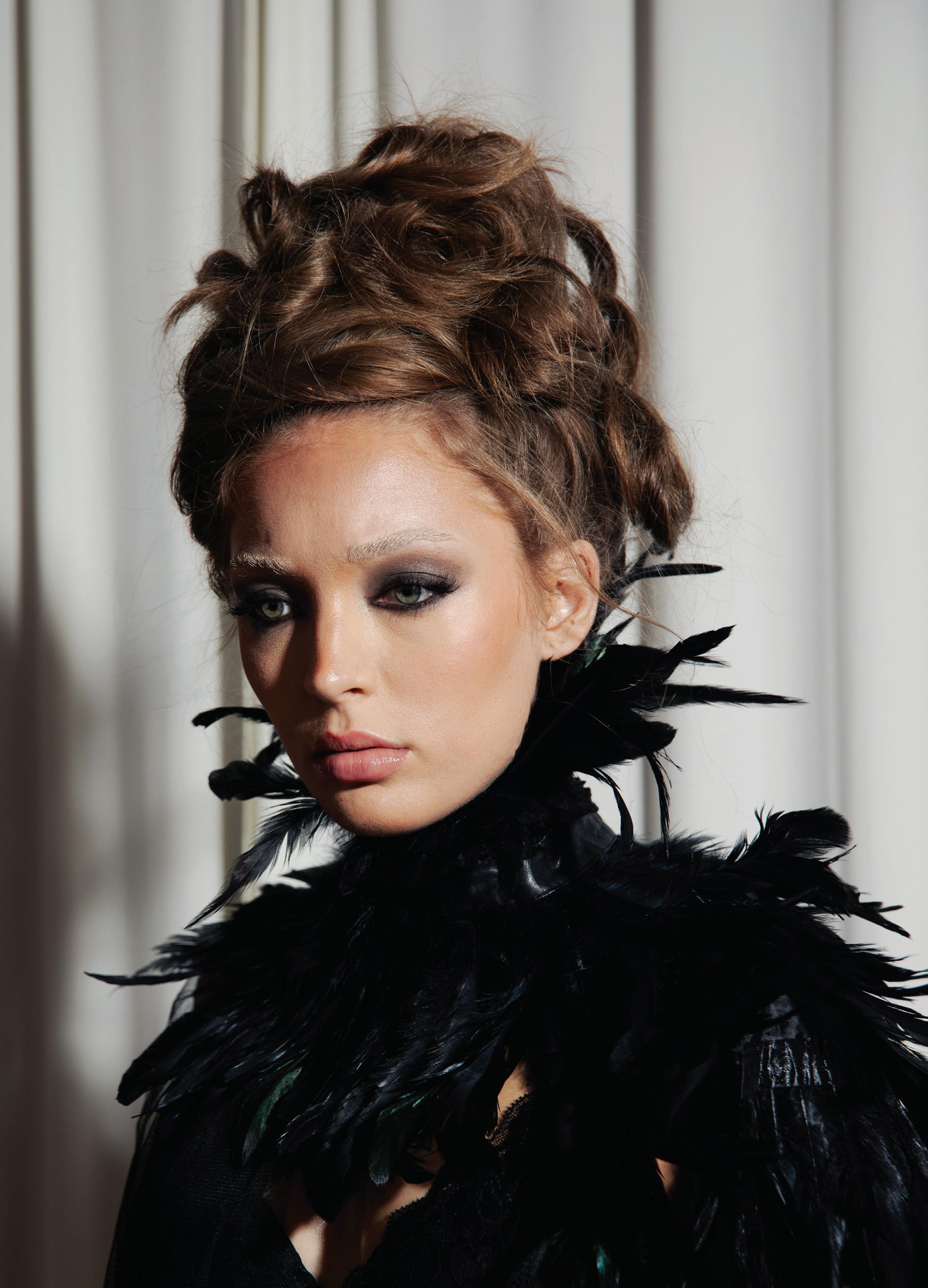




Dear Strike Magazine,

Coming off of an issue that was rooted in controlled chaos, campy ideas, and extreme risks, I felt I needed to ground myself for this issue and pull from the things that inspire me most. As a person who is deeply superstitious, skeptical but also open-minded to the unknown, I knew that belief was the perfect guiding word for this spring issue.
We wanted to create an issue that touched on different forms of belief systems, power dynamics, and the exploration of our own identity. From card suit royalty to animal symbolism to the Greek myths that I grew up fascinated by, this magazine holds the power to make you question what you believe in and where those ideas originated. Art is not only about consuming visually appealing content, but about leaving with a question for yourself. I didn’t want this experience to end after the last page, but for a reader to wonder if these references have, in some way, affected their own belief system.
Of course, this concept would not have been possible without the support of my co-editors. I first came to them with this idea and didn’t know how to express it, or if it was even worth producing. Luckily, Caroline Udell and Brooklynn Quick are the best partners I could have asked for, and not only accepted the idea of belief but also made it better than I could have imagined.
Brooklynn, you have taken on the role of Creative Director admirably. Being CD means thinking through every creative detail of our rollout, and you were incredibly open to learning despite having worked on External during your Strike journey. I admire you for asking hard questions, constantly wanting to do better, and being open to all of my outlandish ideas. I know that not only do I have the best “co-worker”, but I also have an amazing friend. We’ve lived through so much in a few short months, I can’t imagine the stories we’ll have in a year.
Caroline, I can’t think of a better counterpart. You’ve completely changed my outlook on how to be a leader without even trying. It’s hard for me to write this knowing that I won’t have you by my side next year. You have become my comfort person when I’m overwhelmed at a shoot and the voice of reason when I need it most. It’s a true gift to have such a warm presence, and that’s something that is going to take you far. I can’t wait to see what you do after you walk across the stage, but I know it’ll be incredible. We’ll be holding down the fort here for another year and always thinking of our golden girl.
To our Editor Board, I can truly say we’ve had such a blast during this semester. Rhythm, Zeke, and Olivia, your dynamic never fails to make us all laugh. I will always think back on this issue and remember how the three of you managed to make even the most stressful moments on set hilarious. I’ll always be incredibly grateful to have a team that not only did the work but had so much fun doing it together. Liv, thank you for leading Editorial fearlessly. You were absolutely made for this role and should be proud of the work you’ve done. Editorial has become one giant family, and I know they all look up to you.
To my graduating directors, I’ll be incredibly sad to see you go, but also excited to see where your journey takes you. I have loved seeing you all make Strike a fun, social organization while still being professional role models for your assistants. Just know that no matter what, Strike will always be home, and we will all be supporting you from afar.
To my amazing staff, it has been the highlight of my college experience to lead you during this school year. I knew nothing about being an editor one year ago, but today I feel so confident in the direction that Strike Gainesville is headed, and that is because of you. You are all so talented, hard-working, and just a fun group of people. I’m so proud of what you have all worked toward on this issue. Whether that was building a giant set of wings, writing a sentimental blog post, planning out TikToks for runway, passing out merch, or casting our models, I want you to know your effort is seen.
Finally, I want to thank my family, best friends, and partner. This position consumes a lot of my time, and you have all supported me even when I’m absent. Strike is my life, and you all not only understand that but encourage me to work even harder. It’s because of your advice, forgiveness, and attentiveness that I’ve been able to succeed in this position.
What an absolute honor it has been to be in this position. I can’t wait to do it all over again. Thank you.
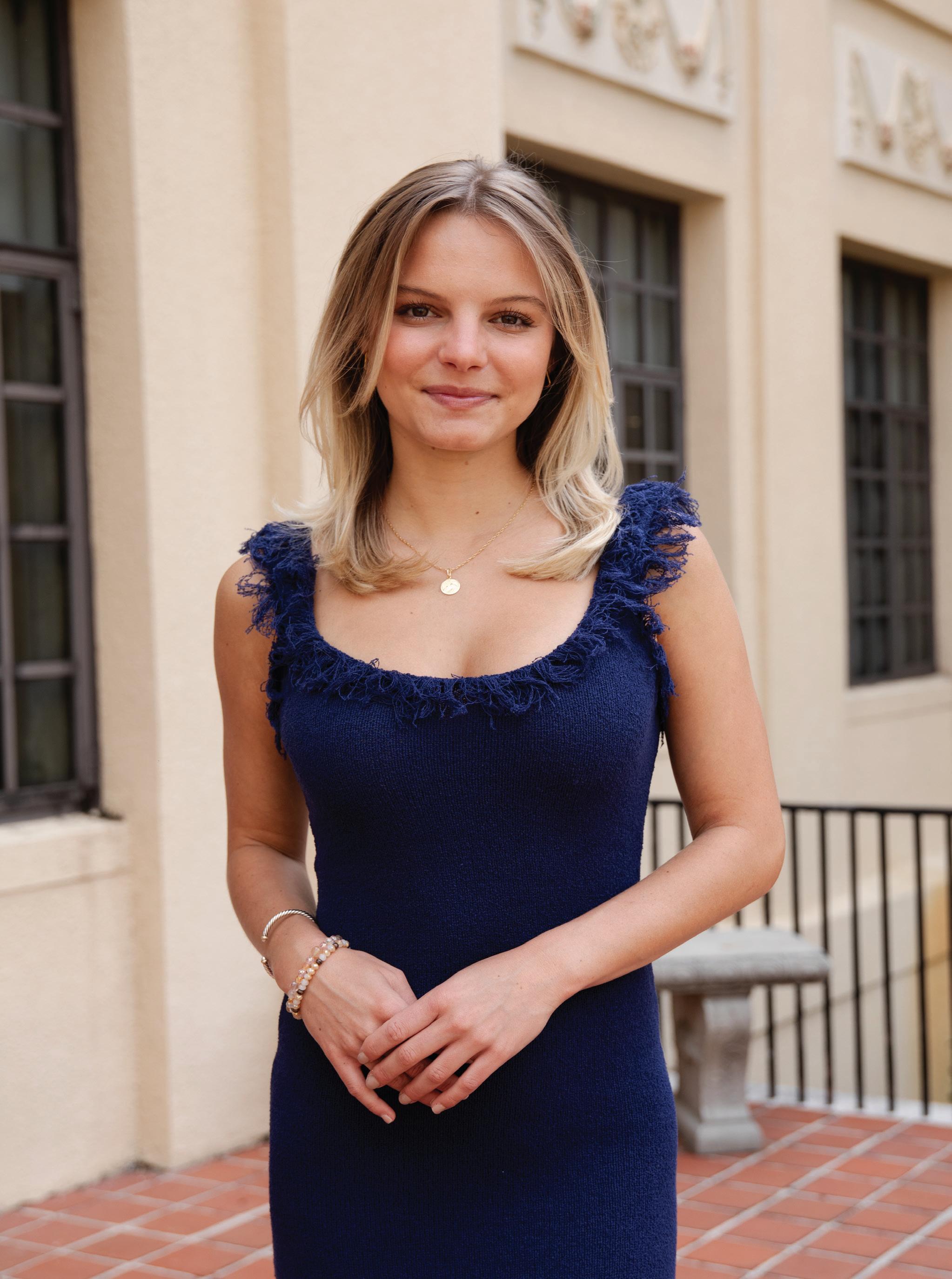
To my Strike Family,
The Gainesville branch alone has produced sixteen issues, and I have had the privilege of contributing to eight of them, each one marking a different stage of my year in college. Strike has been a constant throughout my college journey, evolving alongside me and giving me a place to learn, grow, and belong. Watching each issue come to life semester after semester has been one of the greatest privileges of my time in college.
When Vane and Brooklynn first shared their vision for this issue with me, it was clear that their ideas were strong, intentional, and, as always, invited us to push beyond what we had done before. This issue challenged us to think differently, to trust new ideas, and to embrace growth in ways we hadn’t yet experienced. It brought together a new team, new perspectives, new challenges, and ultimately resulted in a beautiful new magazine that reflects how much this organization continues to evolve.
Serving as External Affairs Director this past year has been one of the most defining experiences of my life. What was once a role I looked up to has become an experience that has shaped me, both as a person and as a professional. Throughout my time on Strike, I’ve grown into a more thoughtful leader, a more confident communicator, and someone who shows up each day with consistency and purpose. It has helped me grow as a person, becoming more self-aware, resilient, and appreciative of the people around me. I have an endless sense of gratitude for everything this position has given me.
To Vane, thank you for being the incredible leader you are for Strike. It has been a privilege to work alongside someone as deeply passionate and talented as you. The care and intention you put into every detail of this publication allowed us to flourish this past year. You’ve challenged me to become a more ambitious individual and a more resilient leader. I am incredibly thankful not only to know you as a leader, but to have you as a friend. The countless moments we’ve shared, whether it was hour-long meetings over the summer, driving to Orlando to pick up Issue 15, or always being the last ones at every event, are some of my most cherished memories of college. I’m so grateful to have experienced this year with you, and I can not wait to see all that you accomplish.
To Brooklynn, I am so proud of you for stepping into the Creative Director role this semester. You took on this position with confidence and a clear vision that reflects beautifully on every page of this magazine. Your creativity is only half of the bubbly personality that lights up every room and makes you so special. You are the friendliest, kindest person; I never doubted that long days spent with you would end up being the most fun days of the year. I strive to be as kind as you are to every person I interact with.
To Zeke, your willingness to step into two different leadership roles this past year is a true testament to your exceptional character. You not only welcomed the opportunity to take on the role of Sales Director and Assistant External Affairs Director, but you did so with the greatest attitude and a constant strive for excellence. Your eagerness to take on responsibility truly exemplifies what it means to be part of Strike. I know you will continue to thrive within this organization, and I can’t wait to see what you accomplish next.
To the External Directors, thank you for choosing to lead within Strike. We continue to grow each semester because of your eagerness to push our limits. I admire how each of you approaches your roles with kindness and creativity, and it has been such a pleasure getting to know you. I’ve loved watching you grow and step into your creative element. I am so proud of every one of you.
To all of Strike staff, it has been the most fulfilling year spending time with you all. Watching you cultivate your passions and talents has been both a proud and exciting experience. These memories are a profound and cherished part of my college career. I am leaving this organization as a more ambitious individual, a fearless leader, and a kinder friend because of all of you.
Strike has set the standard for me on what it means to love the organization you are part of. It has shown me the value of a community built on creativity, hard work, and community. I am deeply grateful for the opportunity to learn from each of you and to witness the passion that makes Strike so special. As I look toward my future, I hope to find spaces that reflect even a fraction of the energy, support, and purpose I have been lucky to experience here.



Dear Strike Gainesville,
You hold my heart.

Coming into college, I had no idea what it would hold for me. I didn’t know who I was, where I was going, or what I would accomplish. I’m from a town of 2,000 people; we didn’t have a stoplight, let alone arts programs. Yet still I found myself drawn to Strike, the pinnacle of creativity and fashion in Gainesville. Strike has been my driving force these past three years, and I’ve never felt so pulled to pour myself into something the way I have with Strike.
Firstly, I want to thank Caroline for issue 15. I never could have stepped into this role without the experience of being your assistant. I’m so grateful to now know the joy of working beside you as an editor.
Vane, I can’t believe where we are now. We joined together Issue 12, fresh to the Strike world, and now I have the honor of making a magazine with you. Thank you for guiding me this Issue and for not just being a boss but a friend.
Vane and Caroline, you are both the most capable women I have ever met, and I could not ask for better people to work with and learn from. Thank you for believing in me. To our assistants, thank you for all that you do. For being our sounding boards and keeping us organized throughout this semester. We couldn’t do this without your support.
Zeke, I could not be prouder to see you step into this role this semester. You are so thoughtful, driven, and kind. You were my first real friend in Strike, and I’m so honored to serve on E-Board with you this issue. Olivia, thank you for always making me laugh and for helping create the stories behind the concepts that mean so much. Rhythm, thank you for helping me transition into this role, answering all my dumb questions and for helping guide me this semester. I know no matter what you do, you will be amazing.
I want to most importantly thank the creative branch overall. You are the most talented, driven, and thoughtful people I have ever had the privilege of working with. Thank you for your hard work, passion, and dedication this semester. We made something beautiful this issue, and there is a piece of each of you within it all. Overall, I want to thank you all for welcoming me into this role and helping me learn how to best support your teams. I love this branch, thank you for bringing the issue of my heart to life.
I also want to thank my roommates, Om, Hayley, and Tommy. This issue would not have been possible without you three. Thank you for allowing our house to become home base for Strike this issue. You have all accepted my responsibility to Strike with excitement and understanding, and you do not know how much that means to me. From Sneads to Gainesville, you three are always my family.
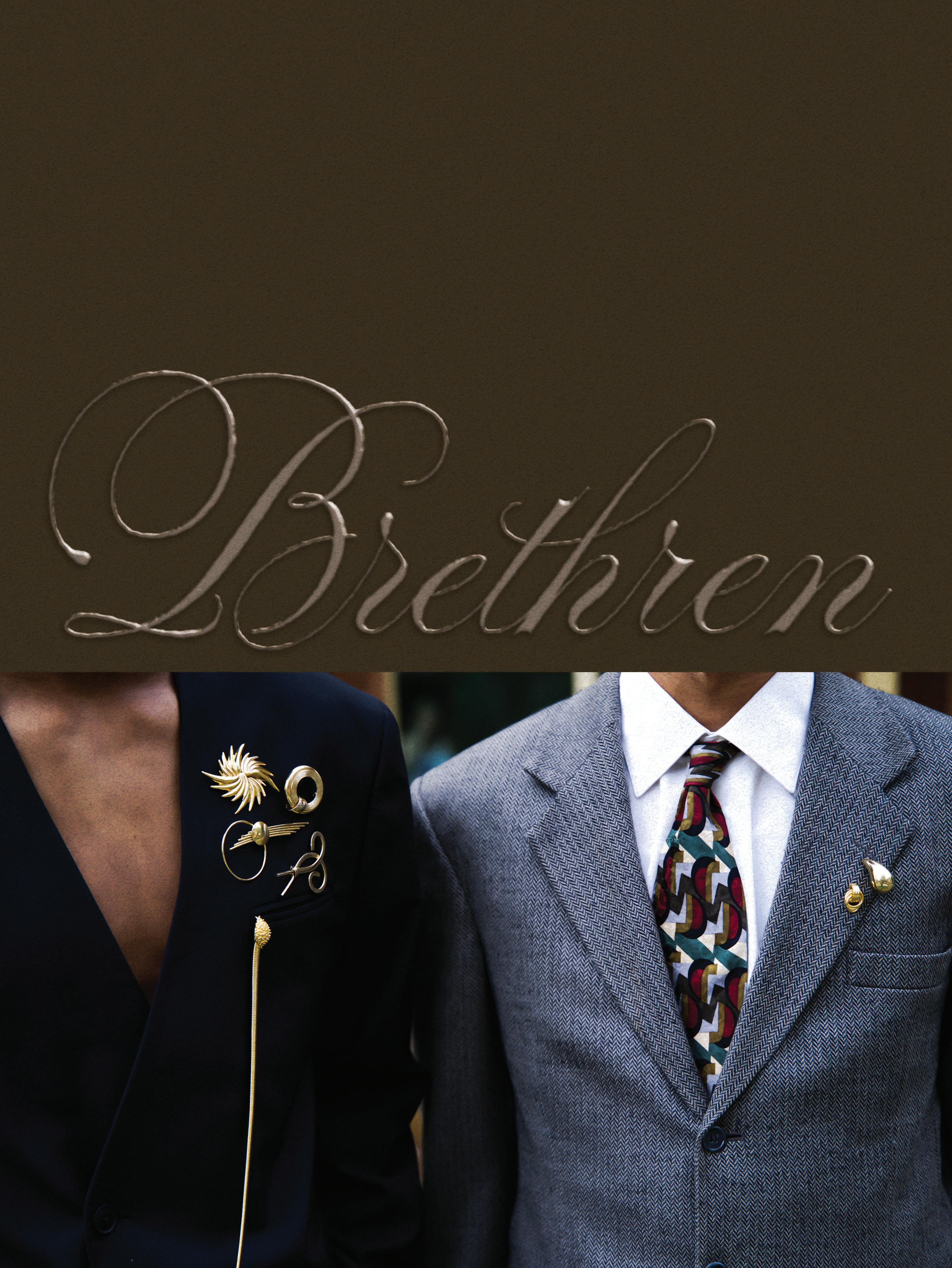
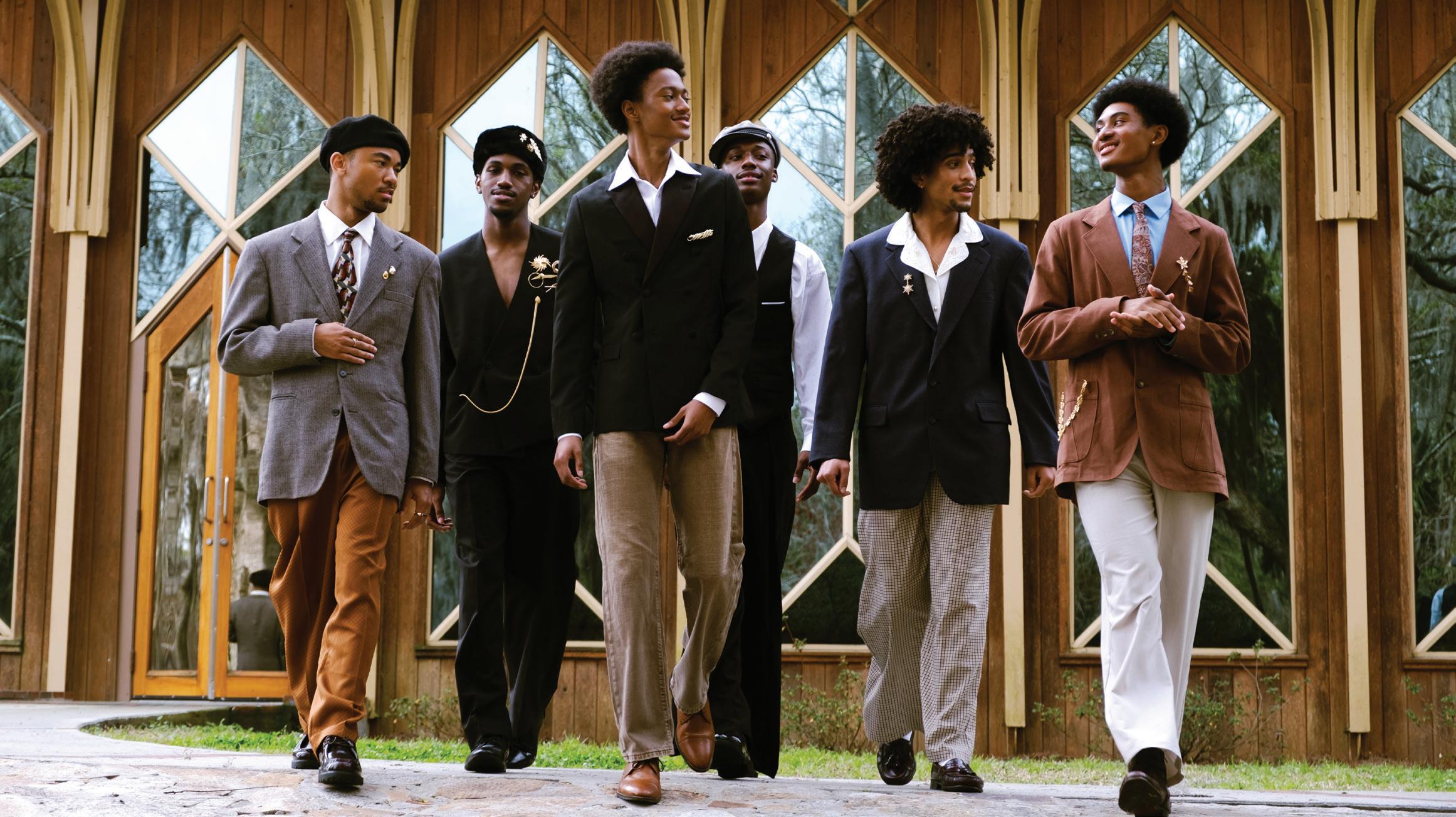
I want to thank everyone for helping me bring one shoot in particular to life. Getting to shoot BRETHREN during black history month filled my heart in ways I cannot find words to explain. Thank you to Editorial for connecting this shoot to the deep-rooted history of black culture in Gainesville. And thank you to my father for teaching me that blackness should always hold space in fashion.
Dad, you are the reason I love fashion; you are the root of everything I am. Thank you for teaching me that life is nothing without creativity. You are in every piece of my life, and I hope you see my love in all my accomplishments. And finally, thank you, Mom, for teaching me to try everything I want in life, even if it’s scary and new.
So, if you’re ever considering applying to Strike and you’re doubting yourself, just apply; you never know all the wonderful places it could take you or the incredible people you will meet.
Thank you all for believing in this issue.



The Barn at Deep Creek
The Cotton Club Museum
The Thomas Center

Jocelyn Riley
Gracia Romaine
Samuel Ginsberg
Marco Chung
Ryan Sanchez
Aniruth Venkedesh
Thomas Douidy
Chloé Kaczmarek
Gabriel Miyar
Maximus Tirado
Sean Yang
Tommy Dunaway
Om Bhakta
Otis Stover I16 FILM
Caroline Clark
Kaiden B. Christensen
Aiden Johnson
Charles Jackson
Adon L. Mckinnon
Jayden Checkinson
Deven Cathcart
Leilani Lorenze
Liberty Mermerian
Natalie Rutherford
Lina Filkin
Jadelyn Daniels
Amaya Sachs
Isabella Bonilla
Alana Sanchez
Laura Orjuela Causapé
Petra Kohler
Meghan Shepp
Madison Ament
Maddie Hill
Paola Lista
Francesca Wisniew
Lily Rendeiro
Abby Calejo
Kaitlyn De Pani
Keira Bliss
Meher Bookseller
Melody Werd
Emma Kolmetz
Jolie Kessler
Ariel Forman
Brianna Lopez
Gaby Gomez
Katie Oropesa
Julia McKee
Parker Sheehan
Noa Jaime