
My mother has always said there’s a finite number of minutes on top of our heads. Following us around, this invisible clock is ever-present, slowly counting down. She used this expression as a fearmongering tactic to get me off of my phone, however, as I matured and put down the device more often, I’ve found further truth to the metaphor. Beyond this more immediate application, I’ve realized that every living thing and every experience carries its own invisible countdown.
To me, Ephemeral is about appreciation. To be grateful for something and appreciate the value that lies in it is, in my eyes, one of the most human-defining qualities. In this issue I hope to highlight,
[ A LETTER FROM AN EDITOR ]
behind all of the official and editorial jargon, the fact that while loss can be painful, it is important to remember that something existed at all. It’s easy to allow grief to overshadow remembering the good that once was, however, while living in the lack of something, it is equally crucial to appreciate the good that was the presence of it. Grief can be a beautiful thing. To feel loss so deeply is proof of how much love once lived there.

All of this to say: every decision you make is a pivotal one. Be more present. Love deeper. Understand that the people you surround yourself with shape who you become– and most importantly, appreciate the things you have while they are still yours. As Joni Mitchell wrote, “Don’t it always seem to go that you don’t know what you’ve got ‘til it’s gone.”
Despite a long and sometimes tedious process, this issue has come to mean more to me than I could have previously imagined. In many ways, Ephemeral is a letter of appreciation, coming in summary of my first year as Editor-in-Chief. In the present moment, these words feel bittersweet, yet living in the process alongside Grace was anything but.
Grace, you’ve felt like such a guiding light in my college career– like an older sister I never had, and the friend I will always trust. I’ll always be grateful for every production meeting, set build, late-night image selection process, and inside joke we created along the way. I hate to see you go, but I know NYC is eagerly awaiting you.
Everyone needs a Grace Pisciotta. Go get yourself a Grace Pisciotta.
I am extremely proud of our teams this semester and could not have imagined a more fluid process in putting this issue together–a heartfelt thank you to our Production Manager and my special friend, Lucy Johnson. Our whole staff continuously put their best into this issue and I hope you enjoy reading it as much as we enjoyed putting it together.
Forever grateful, Capri Bold
[ A LETTER FROM AN EDITOR ]
Publishing Issue 09 marks my fifth and final semester with Strike Boston, and I feel incredibly grateful to be closing this chapter with Ephemeral. It’s an issue that myself, Capri, and so many others have poured our hearts into over the past few months. Every meeting, concept, shoot, piece of writing, and edit was an attempt to say something meaningful, something honest, and something we could all stand behind. That level of care shows up not just in the final print, but in the community that Strike Boston continues to build and carry forward.
This issue, Ephemeral, asks readers to sit with the idea that nothing is meant to last forever, and to consider how presence is often shaped by impermanence. It explores how moments gain weight precisely because they slip away, and how absence can echo long after something is gone. In a world that often pushes us to preserve and document, Ephemeral is also a reminder to think about what it means to let go, and how meaning can exist just as powerfully in what no longer remains.

There’s something personal about working on an issue centered around transience while simultaneously coming to the end of something so significant in my own life. It’s made the process feel even more grounded and reflective. Strike has been a constant over these past few years, and leaving it feels both surreal and deeply meaningful. I don’t think I’ll fully understand what this experience has given me until much later, but I know it has changed the way I see creative work, collaboration, and care.
To Capri: I feel so lucky to have found you in all of this. I’ve never shared a creative mind with someone so deeply aligned with my own. I’ll miss having you as a partner in this, but I’m even more excited to watch you continue to grow, both as a creative and as a person. Your dedication is something truly special, and I hope you continue to trust and nurture it wherever you go next.
Peace, Grace
CAPRI BOLD GRACE PISCIOTTA
PRODUCTION MANAGER
SVETLANA
STEPANOVA
HUY (BRIAN) LU
SAMANTHA SANDERS
TEHYA TENASCO
JOSEPH RICOTTA
EDITORS-IN-CHIEF BEAUTY
STYLE & SET DESIGN
NALA RAITT
JASMA ZHOU
GRACE MEYER
EMMA WATERSON
SIENA LUM
MARIA DIKMAN
ELEKTRA HORNSTEIN
SOCIAL MEDIA MANAGER
PHOTOGRAPHY & VIDEOGRAPHY
JOCELYN MAO NATALIE MUN NALA RAITT QUINN WHITNEY
SOCIAL MEDIA CONTENT
SANJU MENON
SOCIAL MEDIA GRAPHICS
SOFIA BERNITT
BELIA MONTEZ
KAREN PAN
SARAH UTRERA
SAMYUKTHA SRIKANTH
TILLY PIHART
DANIEL A. ECHEVERRY
CHARLOTTE WAESCHLE
ALISSA DOEMLING
VERONIQUE LHUILLIER
ARKIN SAWHNEY
CATHERINE JOOHEE CHOI
MARLO ALEXANDER
SAREENA HAQ
GABRIELLA GALBADIS
ADVERTISING
KATE WHARTON
KENNEDYE JEANPIERRE-TOWA
MAHAD AHMED SHAMSI
AMELIA DSOUZA
SUNNI BURTON
WRITING
HELENA WANG ALICIA CHIANG
PABLO ANDRÉS GONZÁLEZ
EVENTS
EDITORIAL DESIGN
UNRAVELED [ 13 ]
INSTRUCTIONS FOR FALLING APART GRACEFULLY [ 16 ] IN ONE WORD [ 19 ] THE CLOTH THAT PROTECTS [ 26 ]
ACCUMULATION [ 35 ]
CARVING VISION INTO REALITY [ 37 ] MOTHERHOOD, A MASTERPIECE [ 48 ] EVERYTHING I’VE EVER KEPT IS TRYING TO TELL YOU WHO I AM [ 55 ] WHAT WE CARRY [ 59 ]
[ 61 ] IMPRESSION
[ 65 ] WORN AND REMEMBERED
[ 71 ] WE’RE BEAUTIFUL WHEN WE’RE FLEETING
[ 78 ] 2026 IS THE NEW 2016
[ 85 ] ETERNAL
[ 87 ] PERMANENT SUBSCRIPTION
[ 94 ] DIGITAL FOREVER
[ 100 ] RECORDED, BUT NOT REMEMBERED
[ 109 ] STAFF WORK
[ 111 ] EVERLASTING
[ 113 ] PHOTOSYNTHESIS
[ 115 ] PIECES OF ME
[ 117 ] WHAT REMAINS OF A FACE
ABOUT THE ISSUE
IN EXAMINING THE WORLD AROUND US, ONE UNIVERSAL TRUTH EMERGES: IMPERMANENCE. OUR EXPERIENCES, OUR RELATIONSHIPS, AND ULTIMATELY, OURSELVES ARE ALL FINITE. WHAT DOES IT MEAN TO FULLY ENGAGE IN SOMETHING, TO CONTRIBUTE TIME, ENERGY, AND EFFORT, WHILE KNOWING IT WILL EVENTUALLY END? DO WE FIND MORE BEAUTY IN THE ACT OF
EXPERIENCING, OR IN THE OUTCOMES THAT FOLLOW? EPHEMERAL EXISTS IN THE SPACE BETWEEN NARRATIVE AND INQUIRY, INVITING READERS TO REFLECT ON THEIR OWN RELATIONSHIP WITH IMPERMANENCE AND TO FIND COMFORT IN THE COEXISTENCE OF PRESENCE AND LOSS.
SHOOT I ]
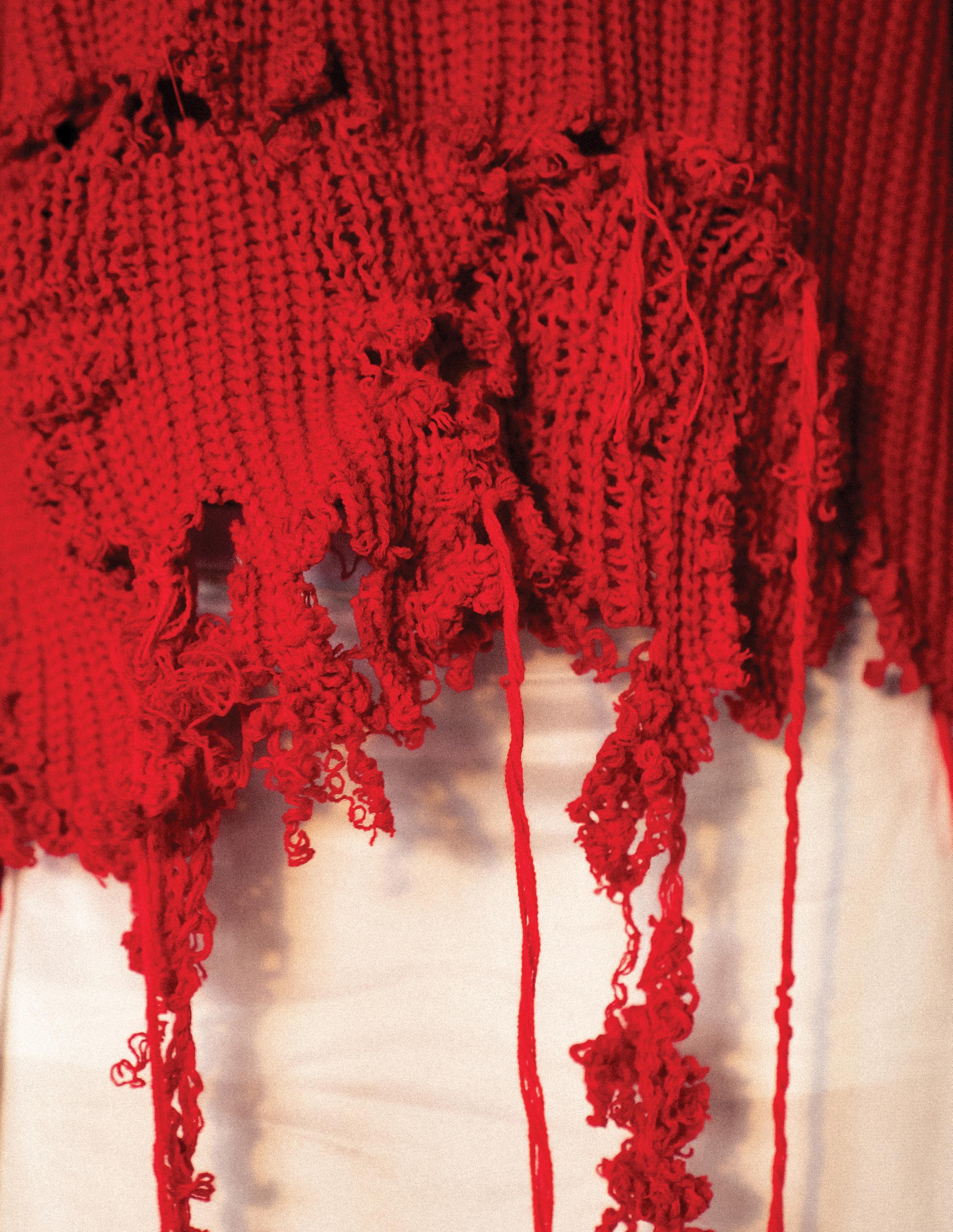
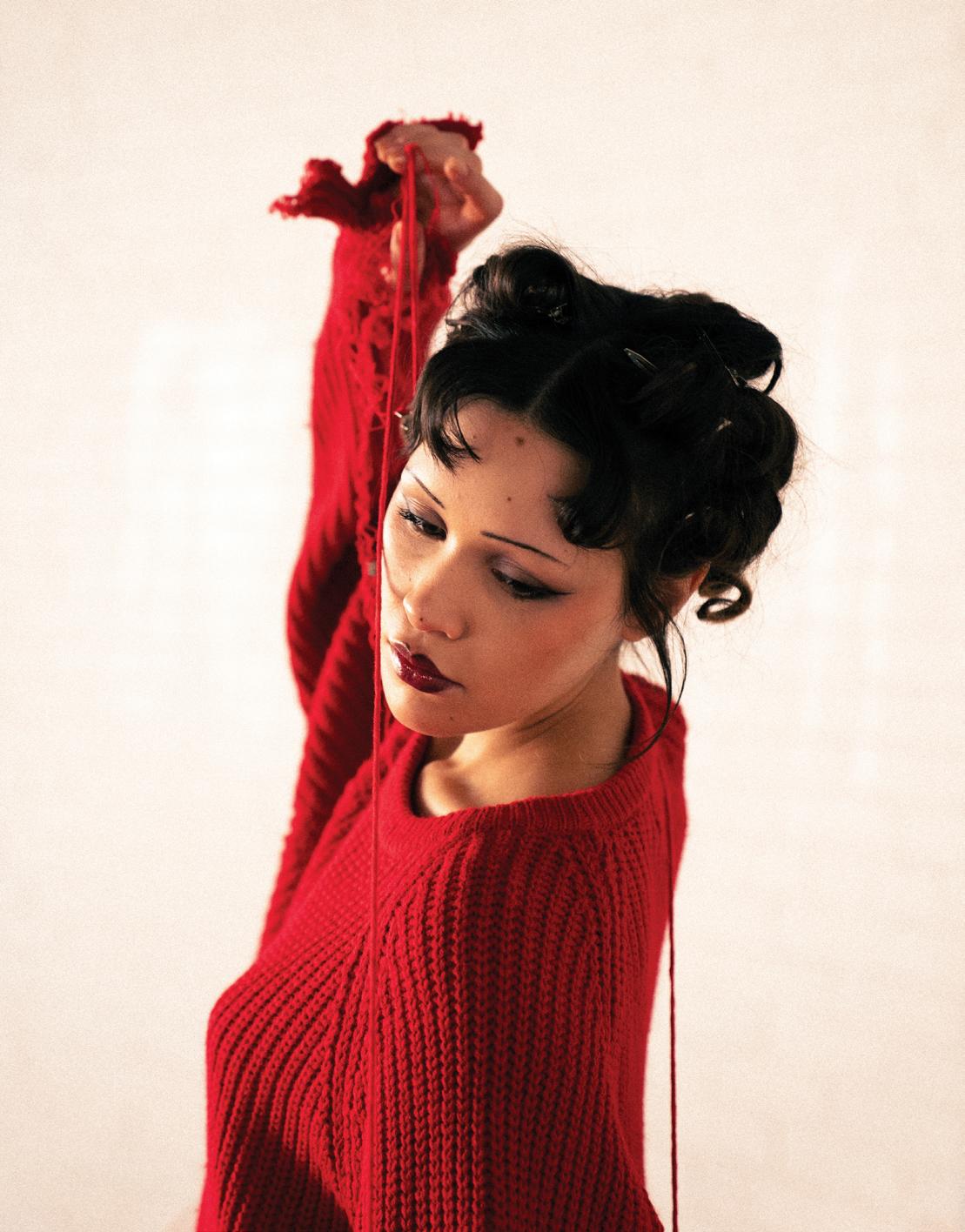
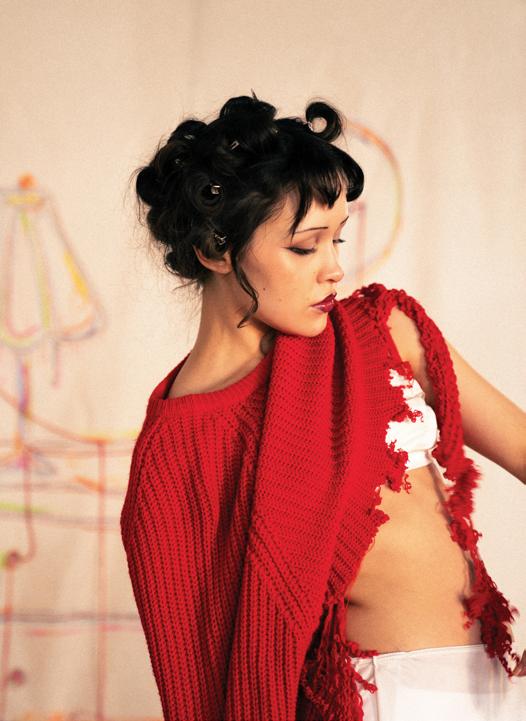
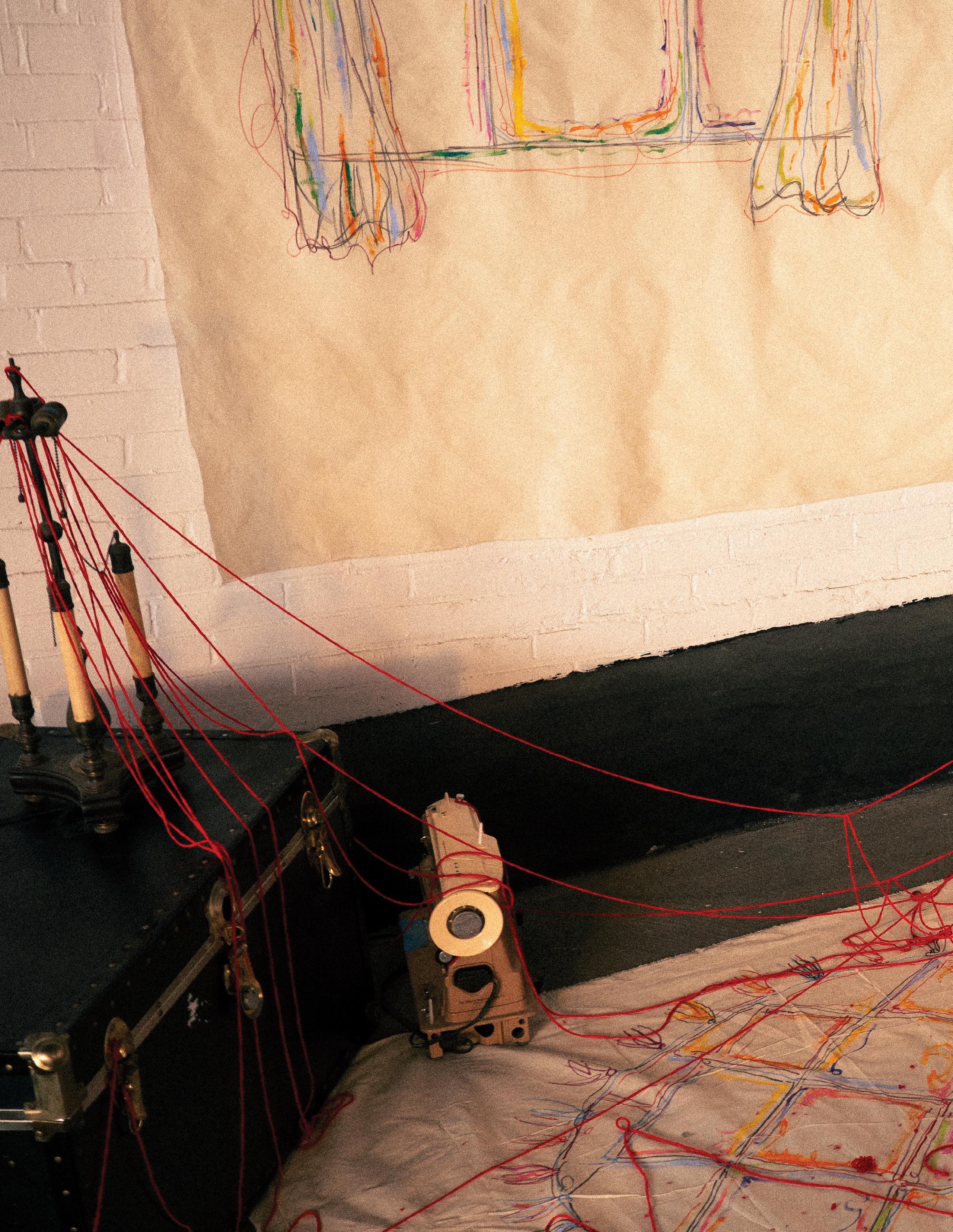
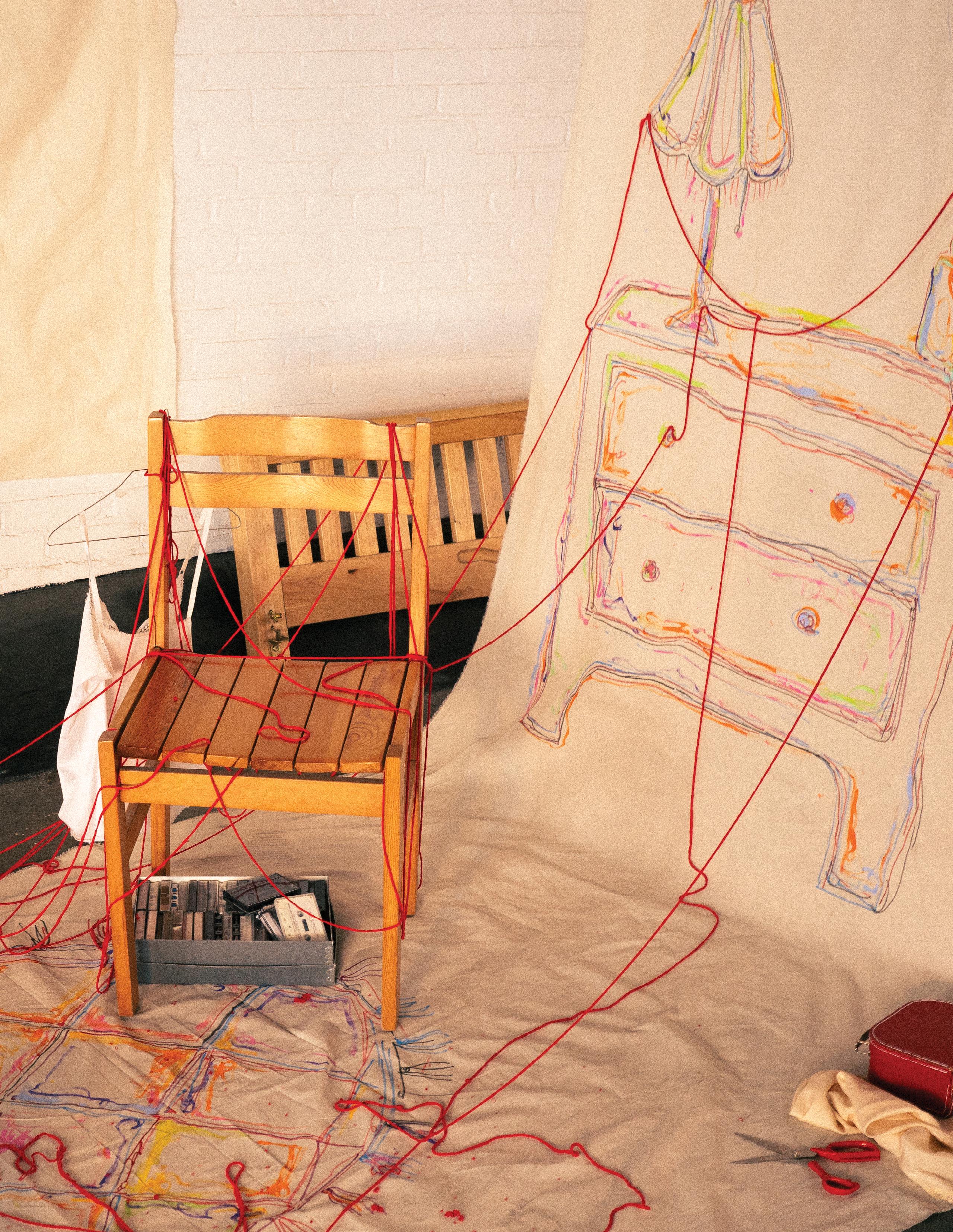
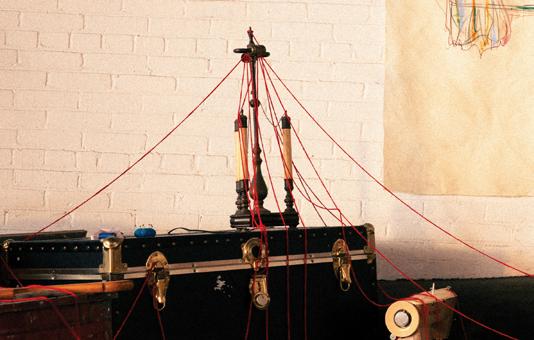
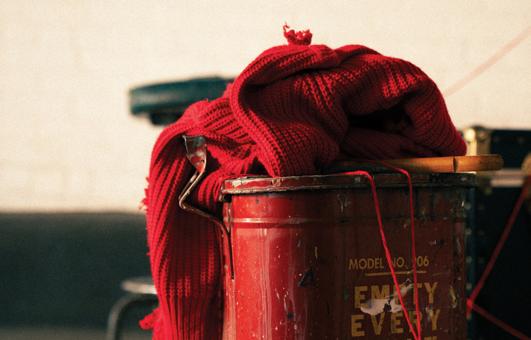
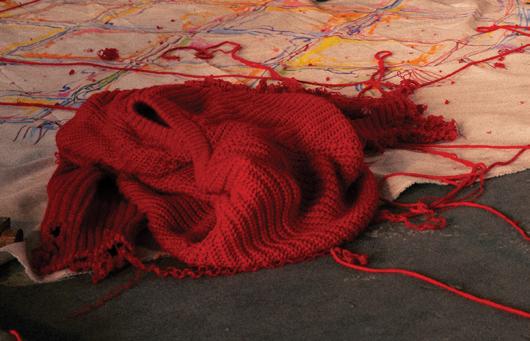
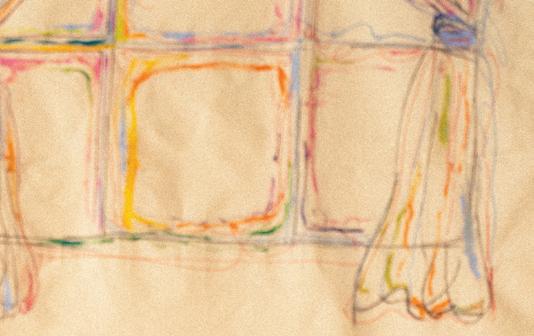
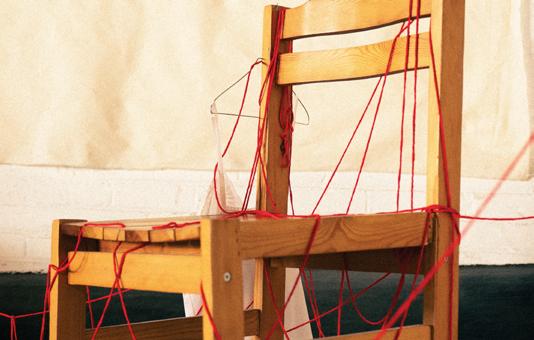
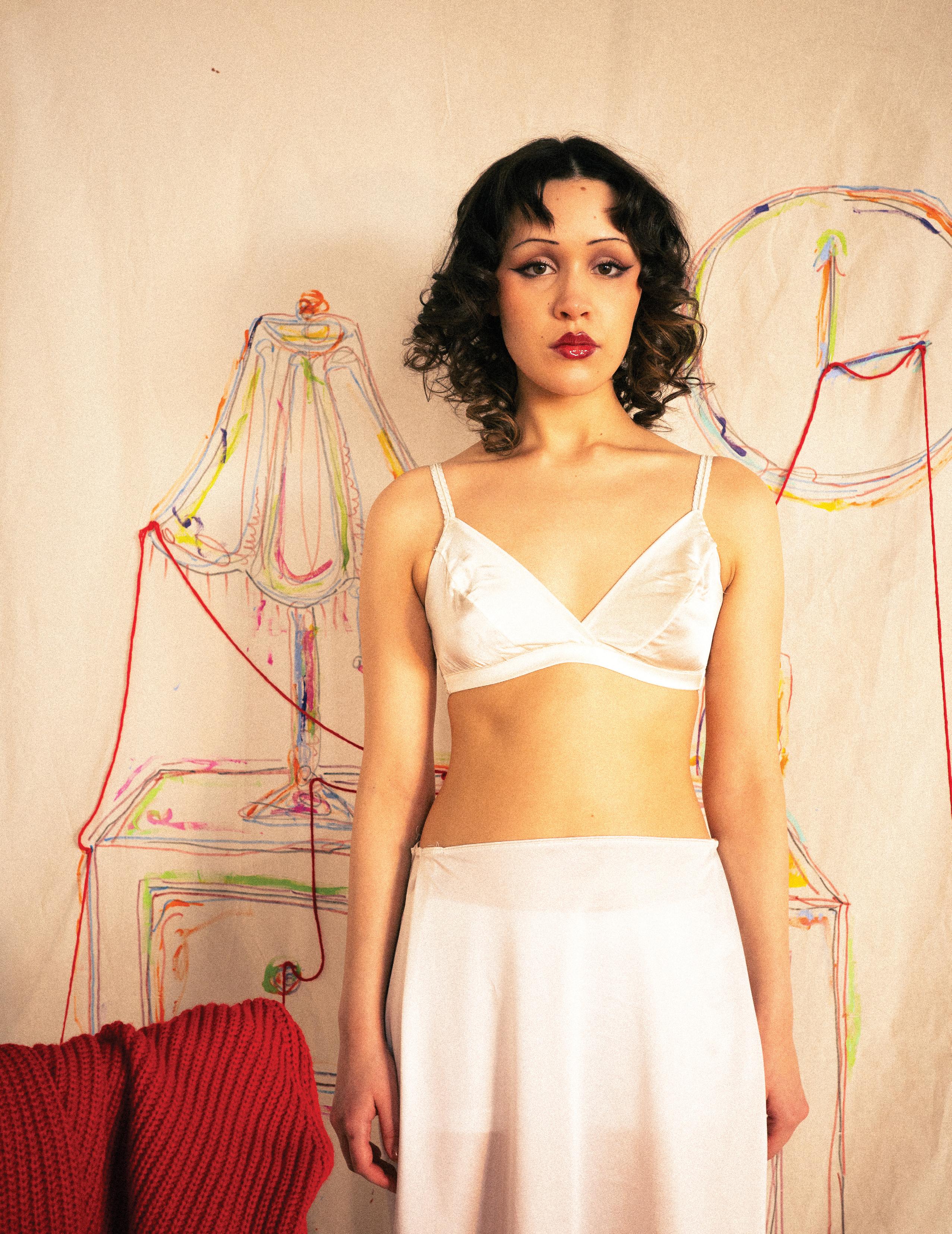
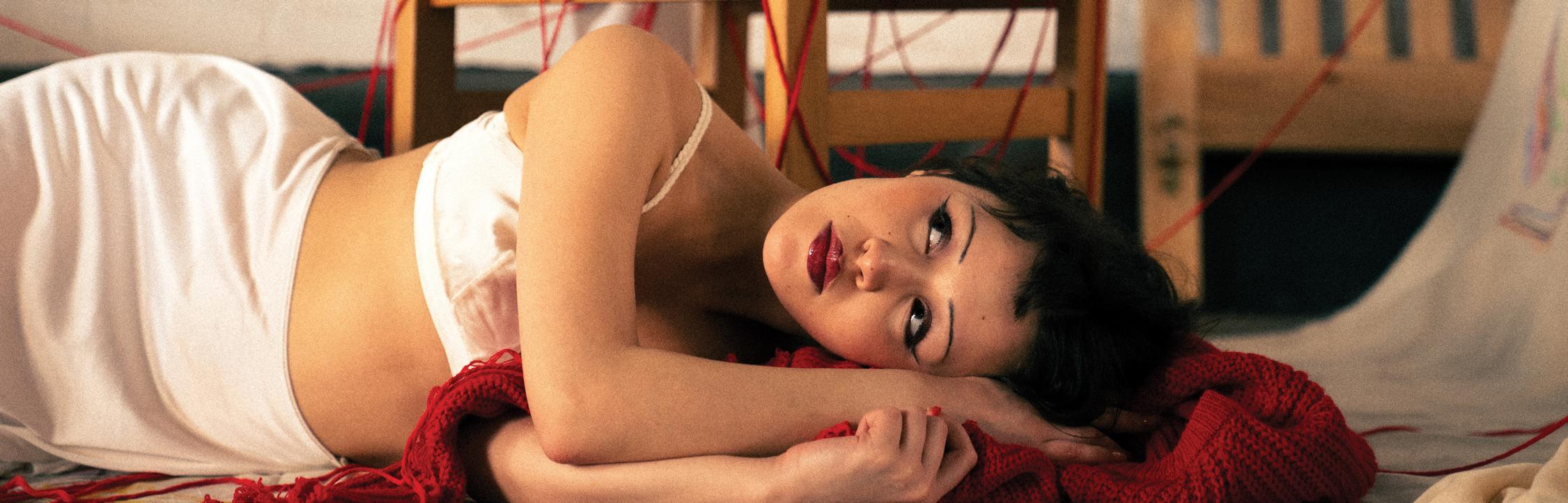
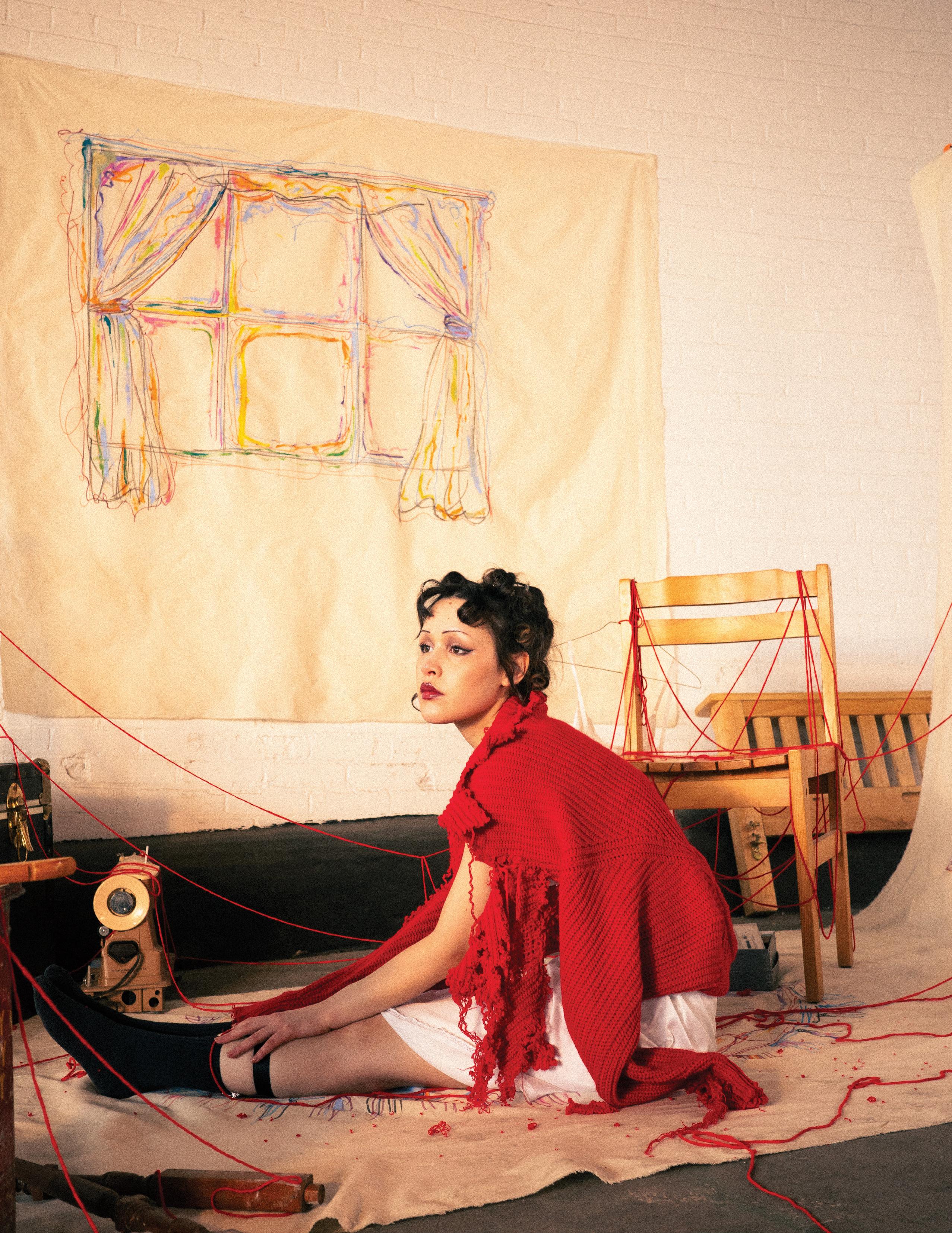
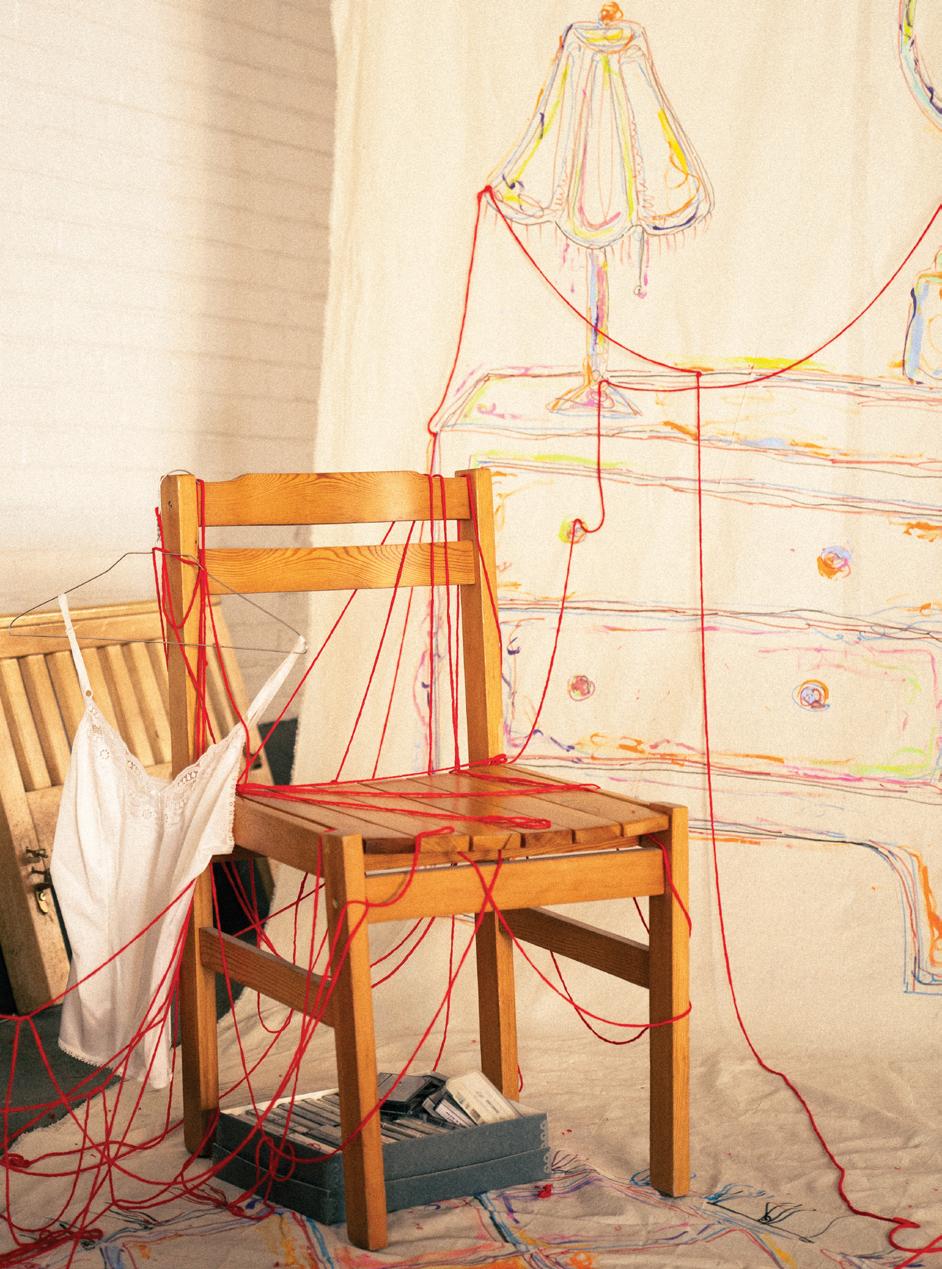
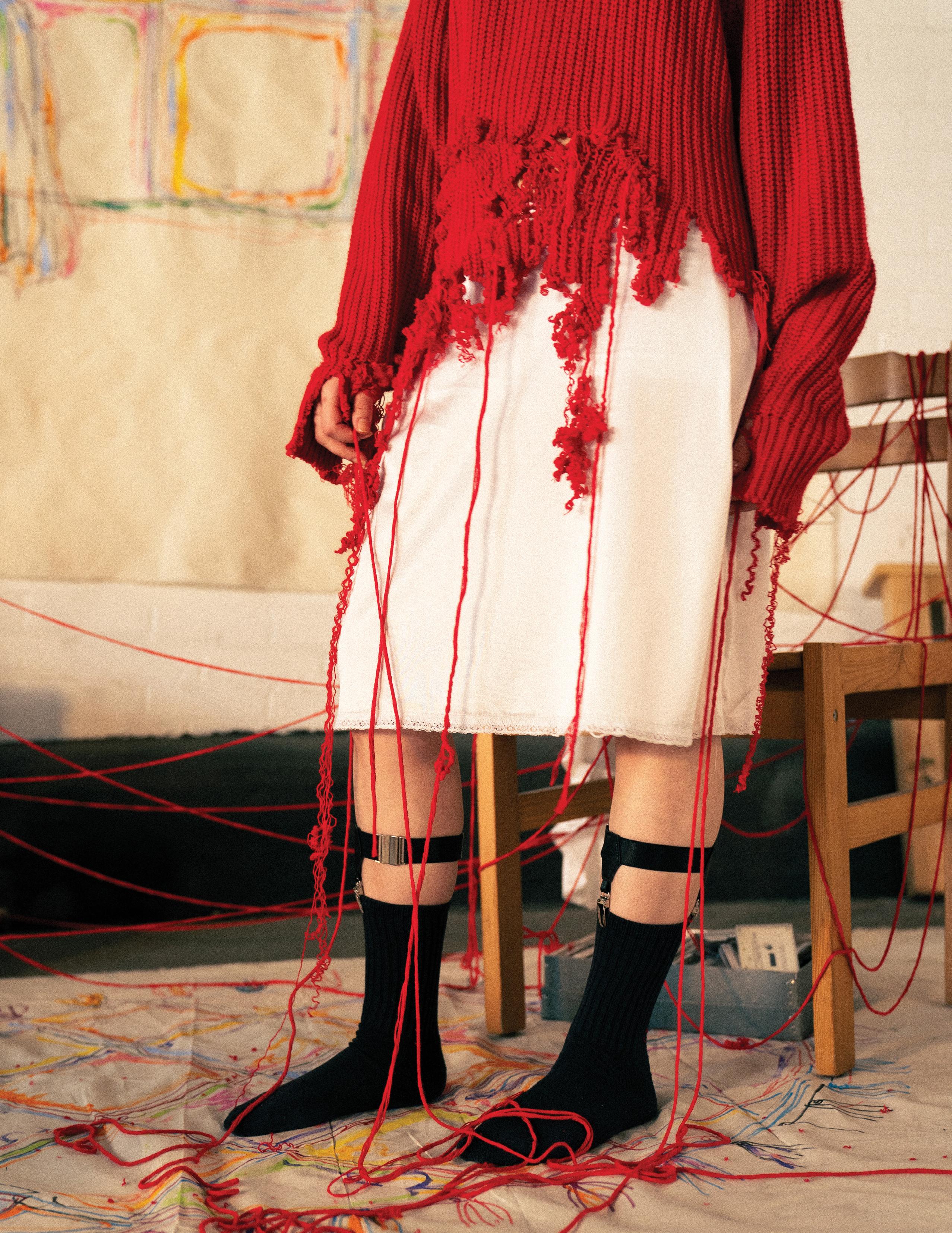
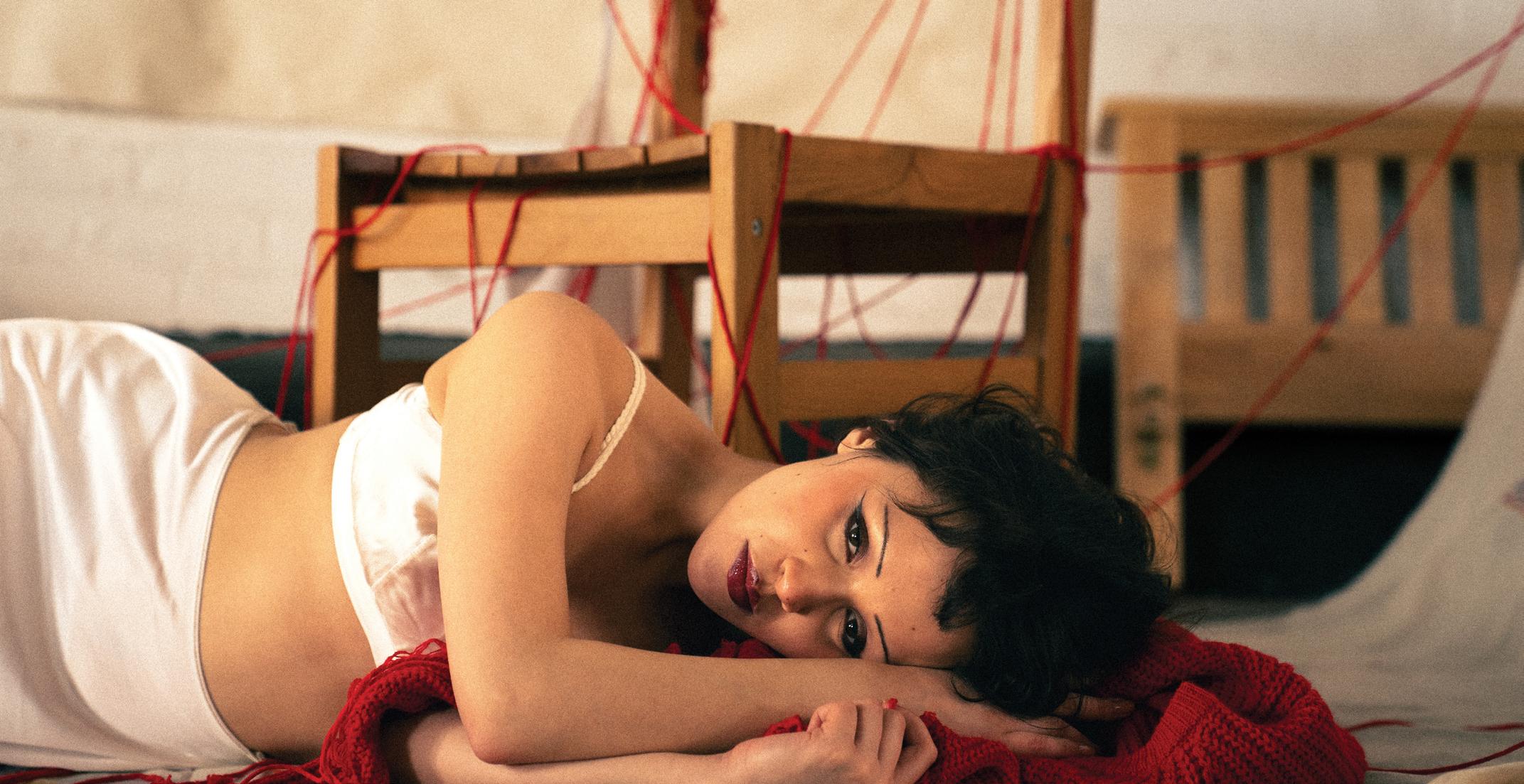
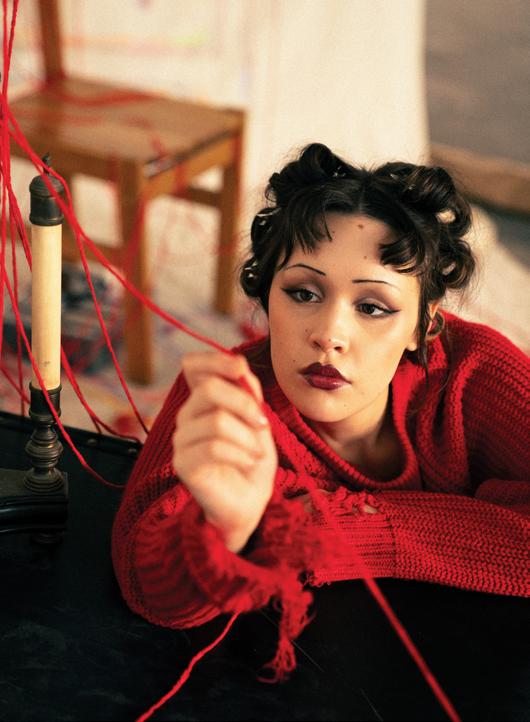
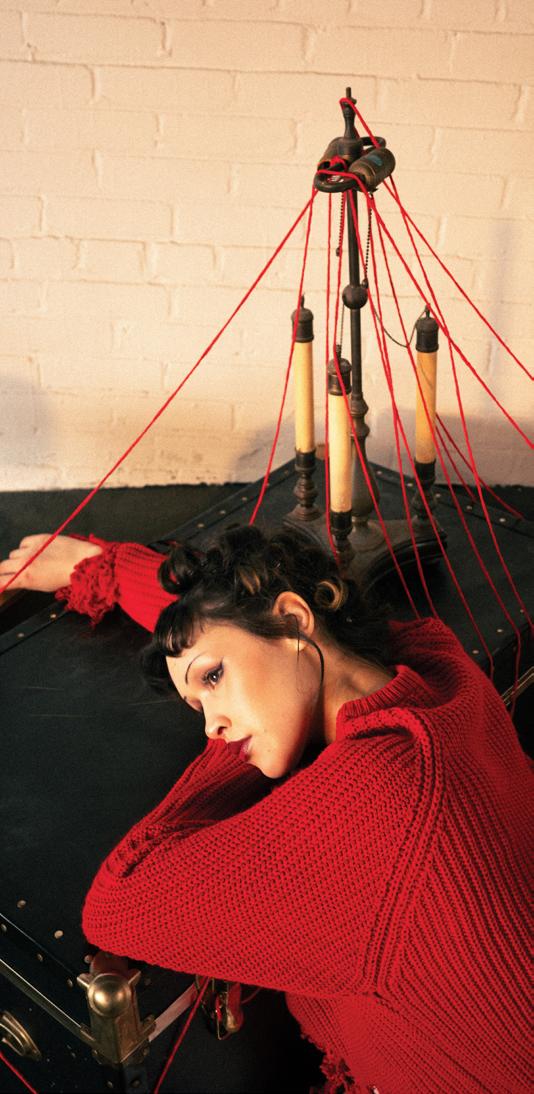
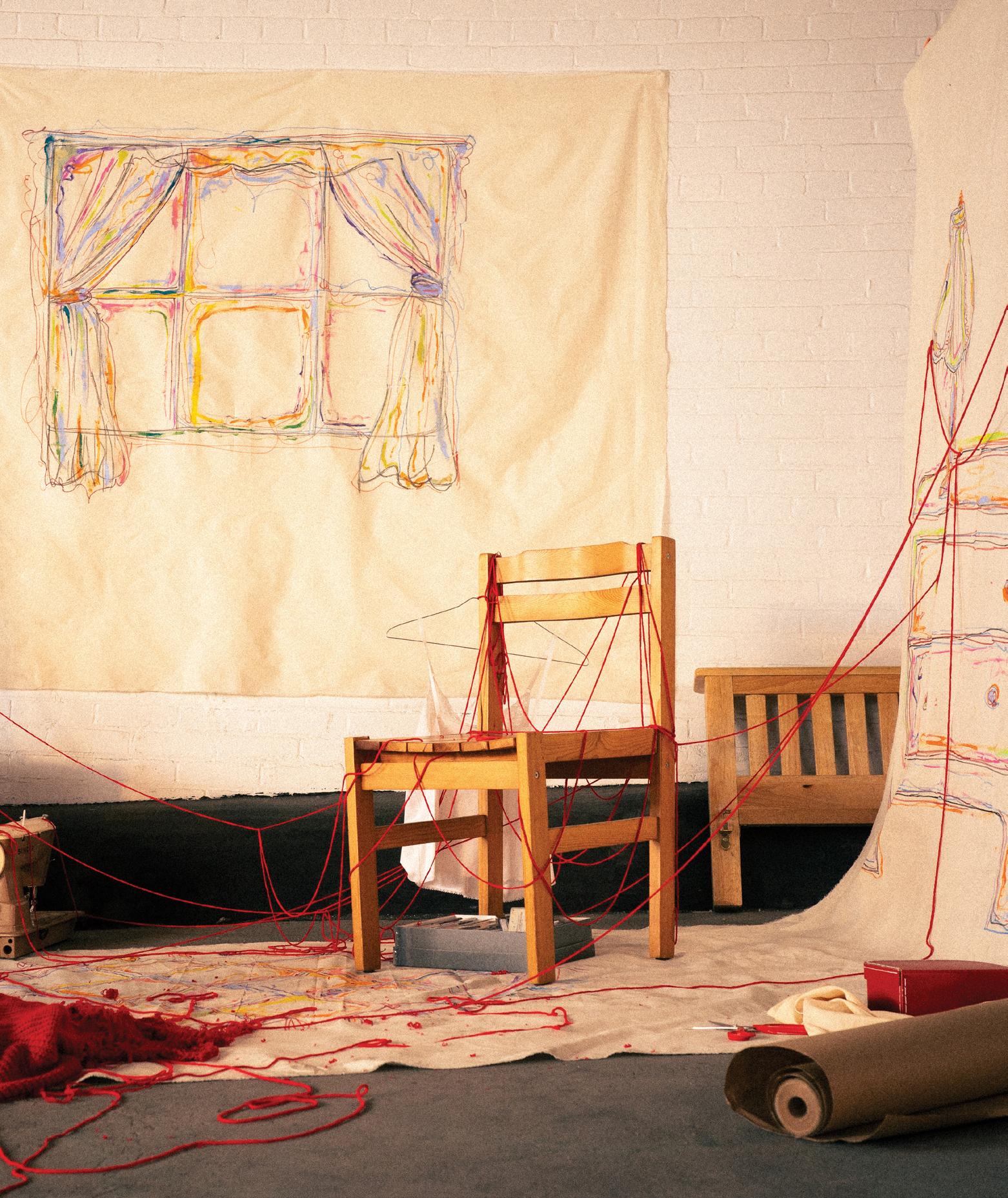
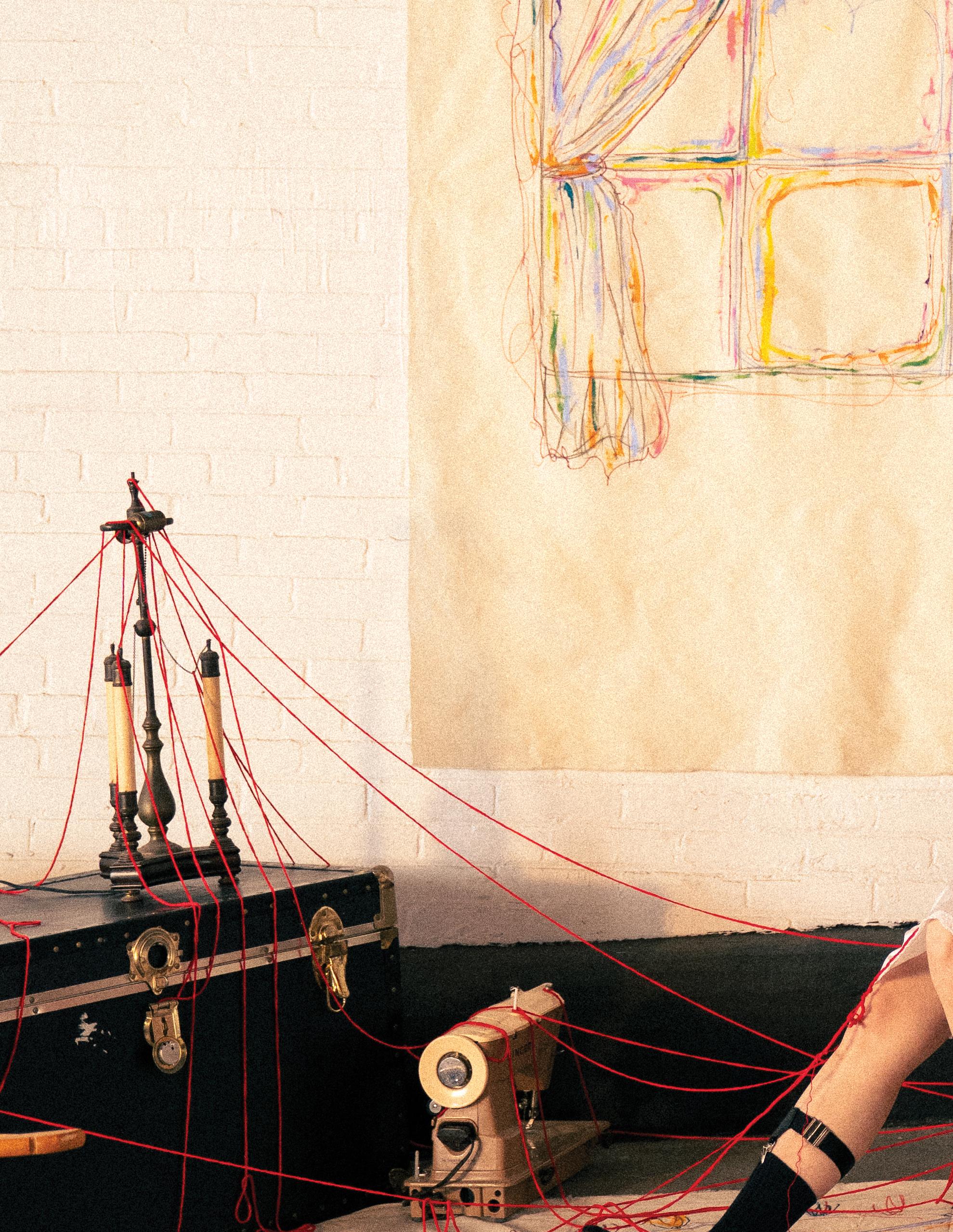
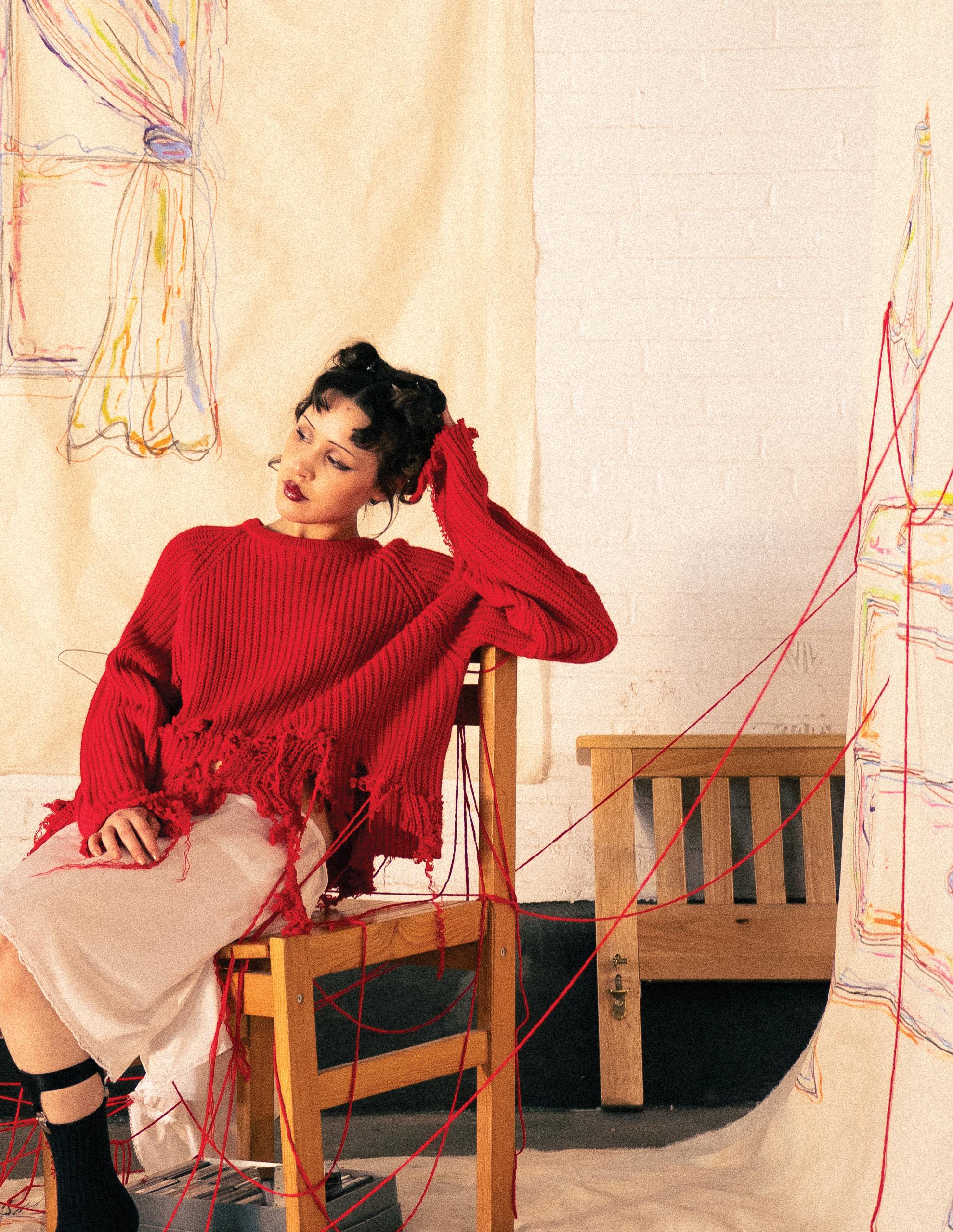
AS TIME PASSES, WE MOVE THROUGH DAILY ROUTINES AND RITUALS, CARRYING WITH US EVERY EXPERIENCE THAT HAS LED TO THE PRESENT MOMENT. THE RED THREAD IN UNRAVELED BECOMES A MARKER OF TIME PASSING, EXPERIENCES GAINED, AND THE QUIET ACT OF MOVING THROUGH EVERYDAY LIFE. AS IT UNRAVELS, THE SWEATER

LOSES ITS STRUCTURE AND FUNCTION, LEAVING THE MODEL IN A STRIPPED-DOWN STATE THAT REFLECTS THE VULNERABILITY INHERENT IN CONTINUED EXISTENCE. SHE GROWS INCREASINGLY BARE, CONFRONTING HER OWN MORTALITY AS THE SWEATER INCHES TOWARD FULL DECONSTRUCTION—A REPRESENTATION OF A LIFE BROUGHT TO COMPLETION.
INSTRUCTIONS FOR FALLING APART GRACEFULLY
[ VERONIQUE LHUILLIER ]
STEP 1
Begin by noticing what threads loosen first.
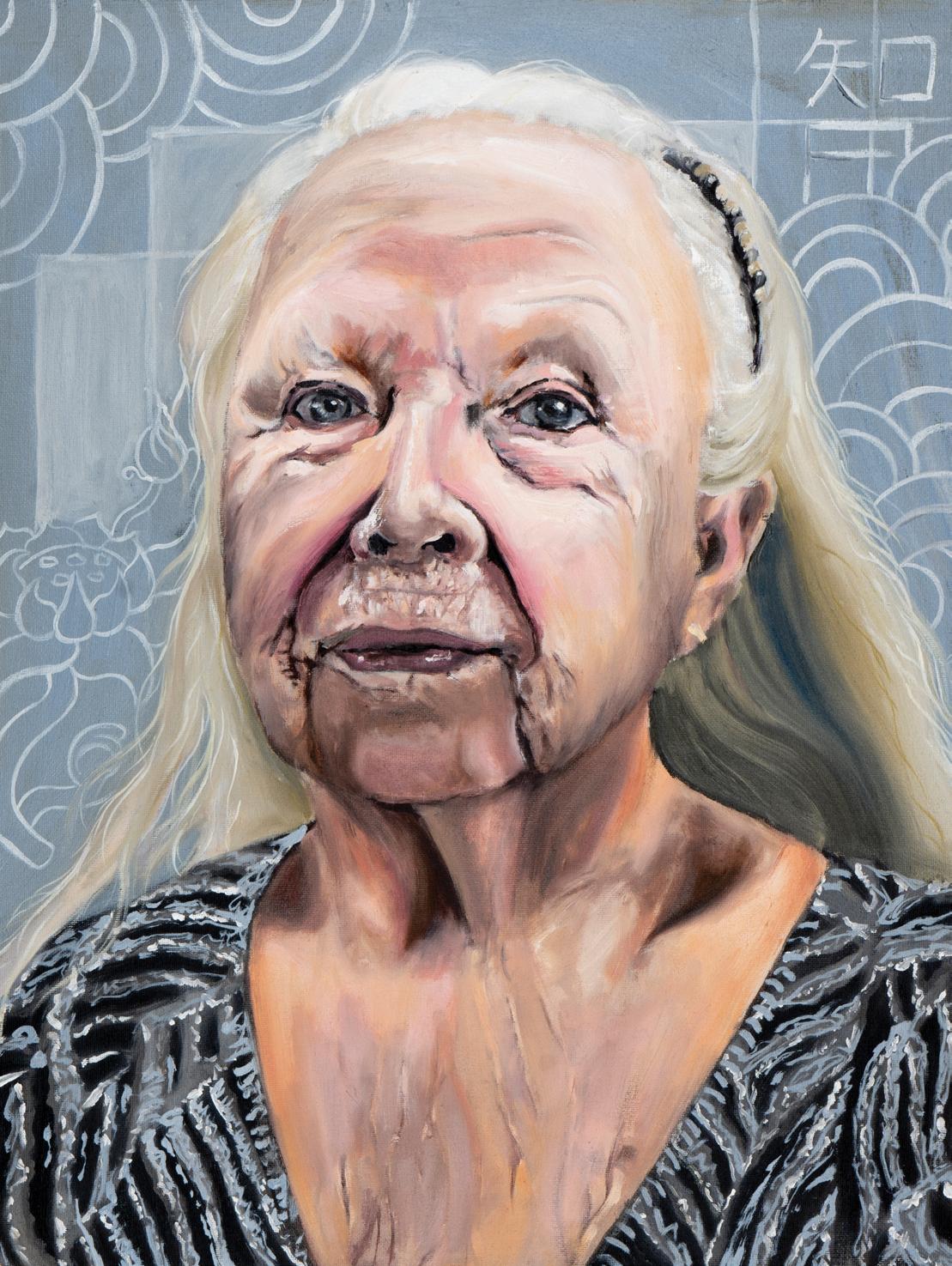
It will be something small. Perhaps a wrinkle on your forehead. Or a memory that takes longer to return.
Do not mistake this for damage.
STEP 2
Don’t rush to mend it.
Trace the lines with your fingers. Feel how your face has folded from years of expression.
Let the forgetting sit without panic.
STEP 3
Remember that the body keeps count in visible ways. This is how time shows itself.
Nothing has gone wrong.
STEP 4
You may cry and yearn for your past. Allow yourself to do so.
But do not confuse longing with loss.
STEP 5
Stand in the light as you are. Let your hair grow the way it will. Breath.
You are not unraveling. You are becoming more visible.
IN ONE WORD
[ CHARLOTTE WAESCHLE ]
I didn’t leave high school because I was missing something. I left because my time was up.
My hometown life was simple, but strong. I had a supportive family and a large group of friends. I did well in school, all things considered, and was accepted into Boston University. I was a varsity lacrosse athlete on a championship team who celebrated every win pridefully. I flirted with boys in the hallways at school and drank lukewarm seltzers in the basements of McMansions on weekends. I drove around in my mini cooper convertible with the top down when it was definitely too cold.
I understood my role in this archetypal town, my comfortable bubble of suburbanity that I was happy living within. Despite this, I was still excited for college
and the chance to continue my perfect life in a brand new environment—I would still be the same person I’d always been no matter where I went.
College, as it turns out, is not at all the same as high school.
This difference wasn’t immediate, but rather realized slowly through small moments that were difficult to name and even harder to describe to those who weren’t living it. Sure, I no longer had the superficial features from my past like my lacrosse team or car, but I was aware of that loss beforehand. Everything seemed fine, nothing had gone wrong, which, if anything, made the festering ambivalence and misalignment growing inside me feel all the more unsettling. At home, my identity was never questioned and instead was
reinforced and even built into my routine lifestyle. College stripped me of familiarity at all: of my surroundings, but, more importantly, of myself. I missed the ease of recognition, the way everyone used to know my name and my “deal,” for lack of better words. I only began to realize how much that quiet understanding had carried me once it was gone.
For a while, I interpreted those feelings as loss, solemnly grieving who I once was. I constantly dwelled on the “nostalgia” of my past— though only a few months prior—and unfairly compared it to my current life, one which was still just forming. I had years to perfect my hometown persona, yet college had just begun.
Ultimately, the discomfort I felt proved to be less about
disappearance of the past and more about the inevitability of growing up. High school and my suburban bubble had provided continuity and standard expectations. College burst that bubble, not out of cruelty or malintent, but because involuntary interruption is embedded in time’s forward momentum— even if I never left, I would’ve outgrown it eventually.
While growing up is unavoidable (and perhaps not my most unique observation), our response to change is not universal. We can frame resistance as nostalgia, measuring our present selves against past versions we view with rosecolored glasses, revisiting moments not abandoned but simply outgrown. Or, we can reframe our discomfort as maturity, a quiet unraveling that invites us to loosen our grip on certainty and accept that we are literally designed to grow.
I still revisit my past self often, not with grief but a recognition of where I’ve stayed the same. Even after two years away from home, I still laugh the same with my friends, cry when my college loses a hockey game, and smile when I see a Mini Cooper here in Boston. I don’t erase my past, I build on it, using it as a foundation for becoming more confident and resilient and ultimately more me.


THE CLOTH THAT PROTECTS
[ CATHERINE CHOI ]
I used to believe clothing had intentions.
Not fashion, nor style. Protection. A leather jacket thrown over the back of a chair after a night out felt like a promise that I would come back to the same version of myself after. A sweater held the shape of my shoulders long after I took it off, as if it understood continuity better than I did. Fabric remembered me in a way I trusted. I could step out of a moment, leave something behind, and return to it unchanged.
After loss, gestures of care often become material. Coats are placed over shoulders. Sleeves are adjusted. Weight is added where language fails. The act of it all suggests that protection can be restored from the outside, that covering the body might also cover what has been displaced internally. The garment becomes a temporary architecture for a person whose sense of coherence has loosened.
But clothing can only protect for as long as its structure holds. The failure is rarely dramatic. Threads separate quietly. Seams slacken. The yarn’s color fades. The
garment remains wearable even as it ceases to perform its original function. Grief is the same. Daily routines persist. Conversations continue. Rooms remain furnished. Only our inner certainty underneath begins to thin. Certainty loosens the way stitching loosens. What once held easily now requires effort.
A sweater will unravel thread by thread while the environment stays constant. The posture does not change. The space does not collapse. Instead, exposure is accumulated gradually. The body emerges not through intention but through the slow withdrawal of covering. The process is less destruction than revelation. The garment does not vanish at once; it simply loses authority.
Loss is often imagined as a finite event, but its effects resemble structural fatigue. Continuity becomes unreliable. Objects associated with earlier times feel heavier because they still maintain a shape or memory that experience no longer supports. A stretched cuff or loosened seam exposes the distance between preservation and
permanence. The material remains intact longer than the meaning attached to it.
Aging follows a sequence, proceeds forward with the expectation of the inevitable. Grief, however, disrupts the sequence. It rearranges connections, allowing past and present to occupy the same surface without alignment. Clothing promises that wearing something again restores the moments that came prior. Loss demonstrates otherwise. The same garment contains a different wearer.
Protection was real. It was simply never permanent.
Grief reveals this slowly. It shows that the coverings we rely on, routines, objects, clothing, and memory, cannot hold us together indefinitely. When those structures loosen, what remains is not emptiness but exposure.
And exposure, though uncomfortable, is not failure. It is the condition that appears when protection finally gives way.

CREATIVE DIRECTION
PRODUCTION MANAGER
MODEL
PHOTOGRAPHY
STYLE
SET DESIGN
BEAUTY
SOCIAL MEDIA
CAPRI BOLD
GRACE PISCIOTTA
LUCY JOHNSON
LUCY JOHNSON
KAYLA MILANO
SVETLANA STEPANOVA
JAZMA ZHOU
NATALIE PARRATTO
SAMANTHA SANDERS
SAMANTHA SANDERS
GRACE PISCIOTTA
MARIA FISCHER
NALA RAITT
MEA MATA
JACOB GREENBERG
JOCELYN MAO
NATALIE MUN
PRODUCTION ASSISTANTS
EDITORIAL DESIGN
HELENA WANG
SOFIA BERNITT
HELENA WANG
ALICIA CHIANG
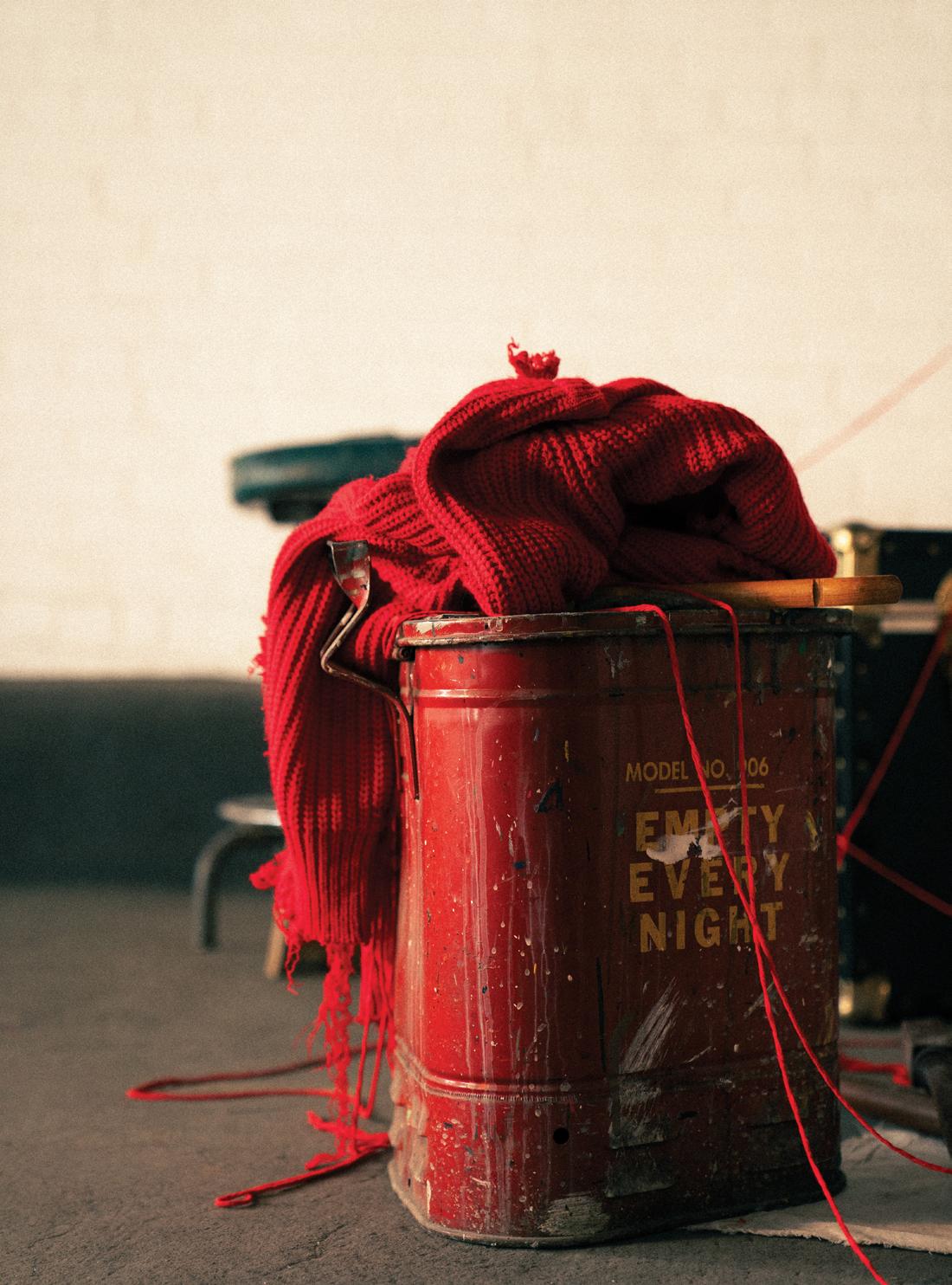
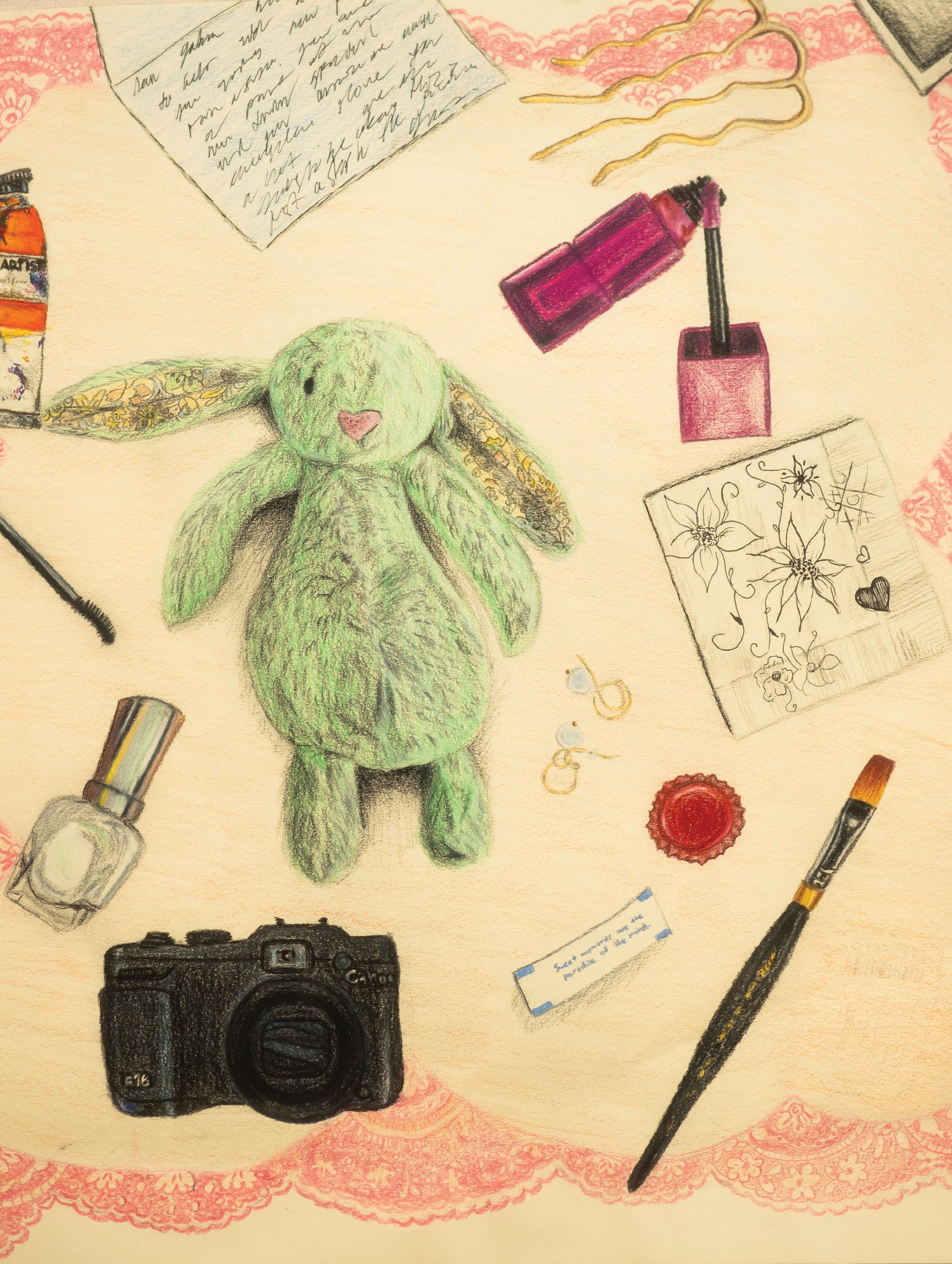
ACCUMULATION FOLLOWS TWO BOSTON-BASED ARTISTS, TAKING A LOOK AT THEIR CURATED ENVIRONMENTS AS PORTRAITS OF THEMSELVES. EACH ELEMENT WITHIN THESE SPACES—PRACTICAL, SENTIMENTAL, OR OBSOLETE— REFLECTS A LIFE SHAPED BY
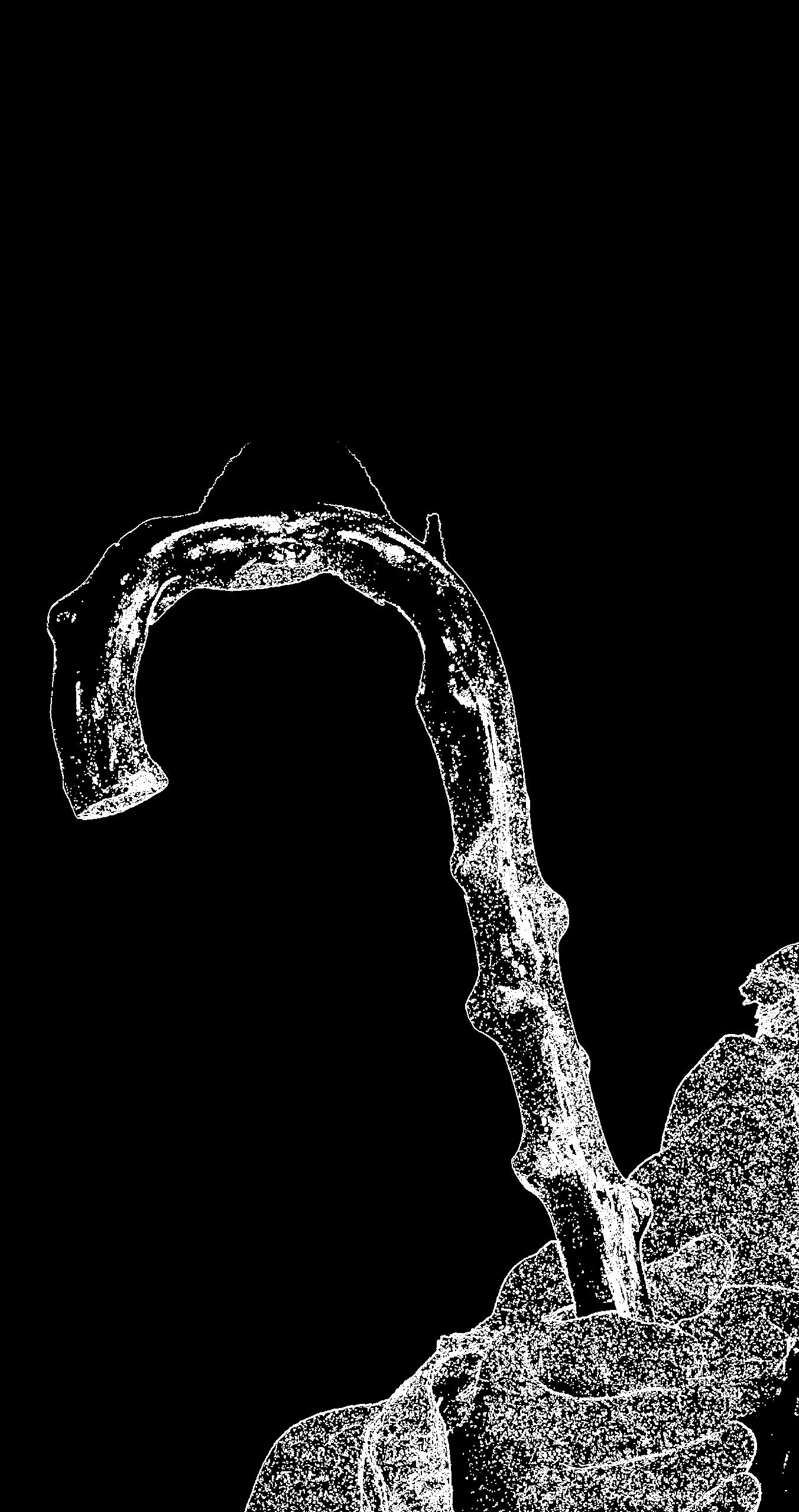
HABIT AND AN IDENTITY IN CONSTANT FORMATION. IN RELATION TO THE SPACES THEY INHABIT, THESE OBJECTS BECOME A RECORD OF CHANGE, HOLDING TRACES OF BOTH SUBTLE DAILY SHIFTS AND MORE PROFOUND PERSONAL GROWTH.
CARVING VISION INTO REALITY
[ ALISSA DOEMLING ]
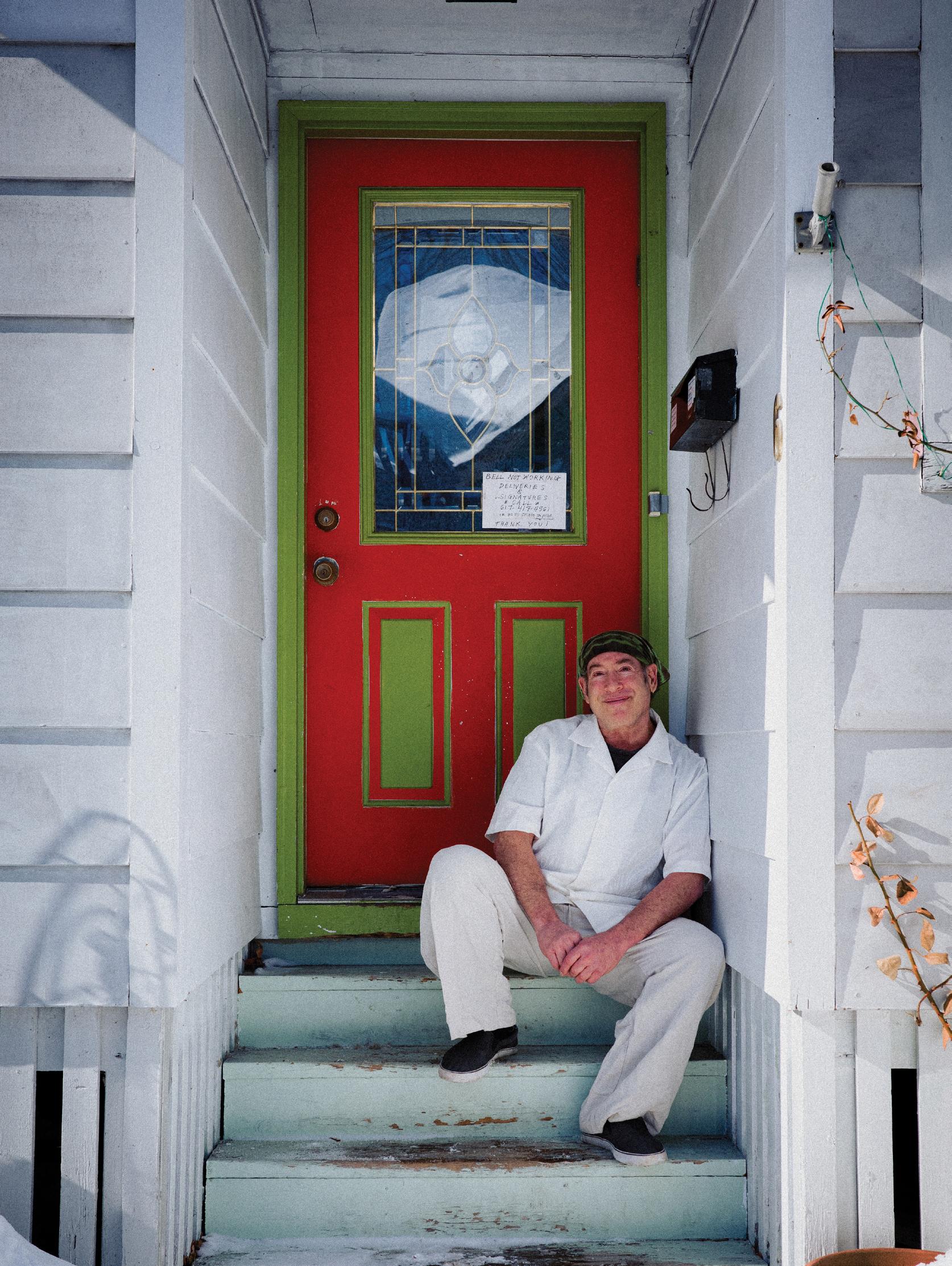
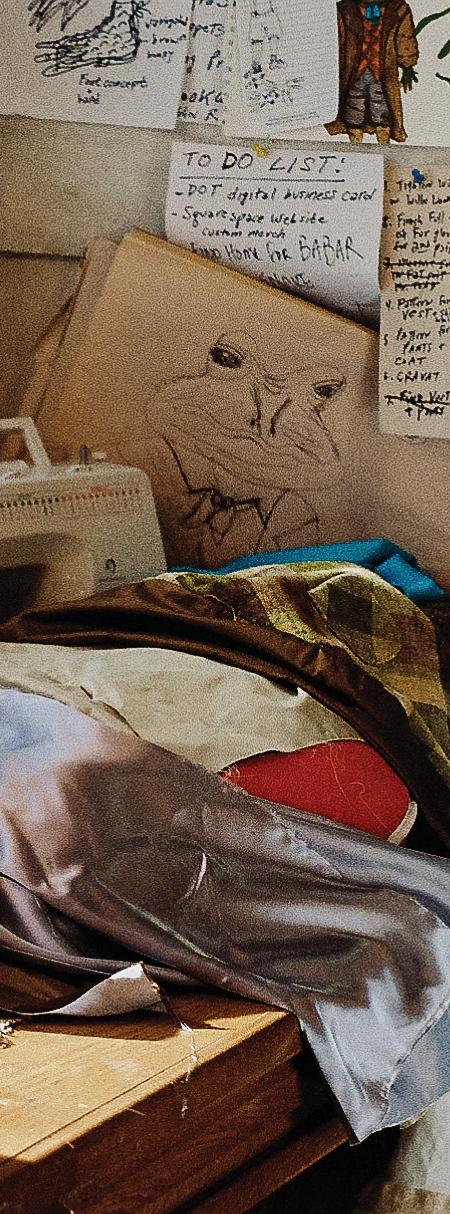
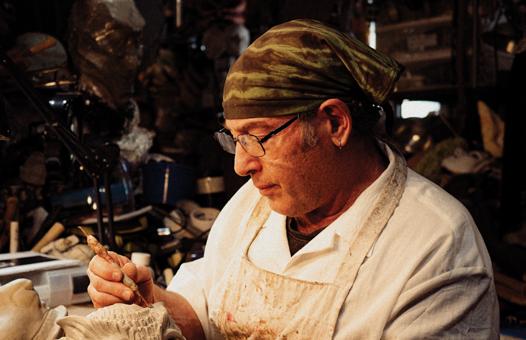
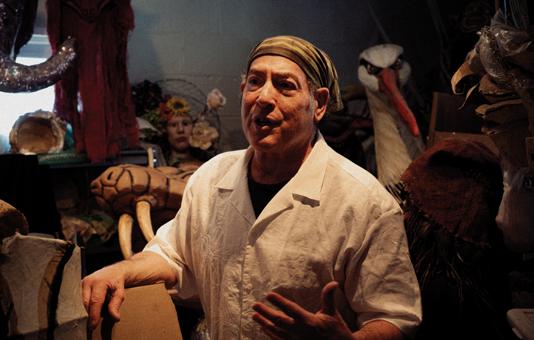
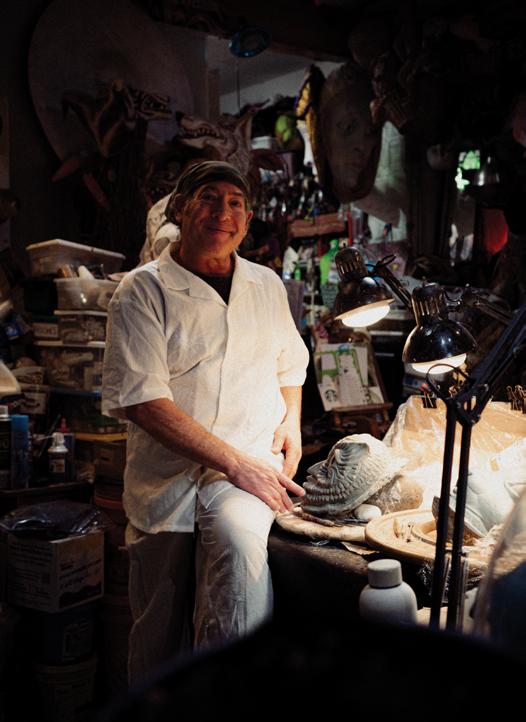
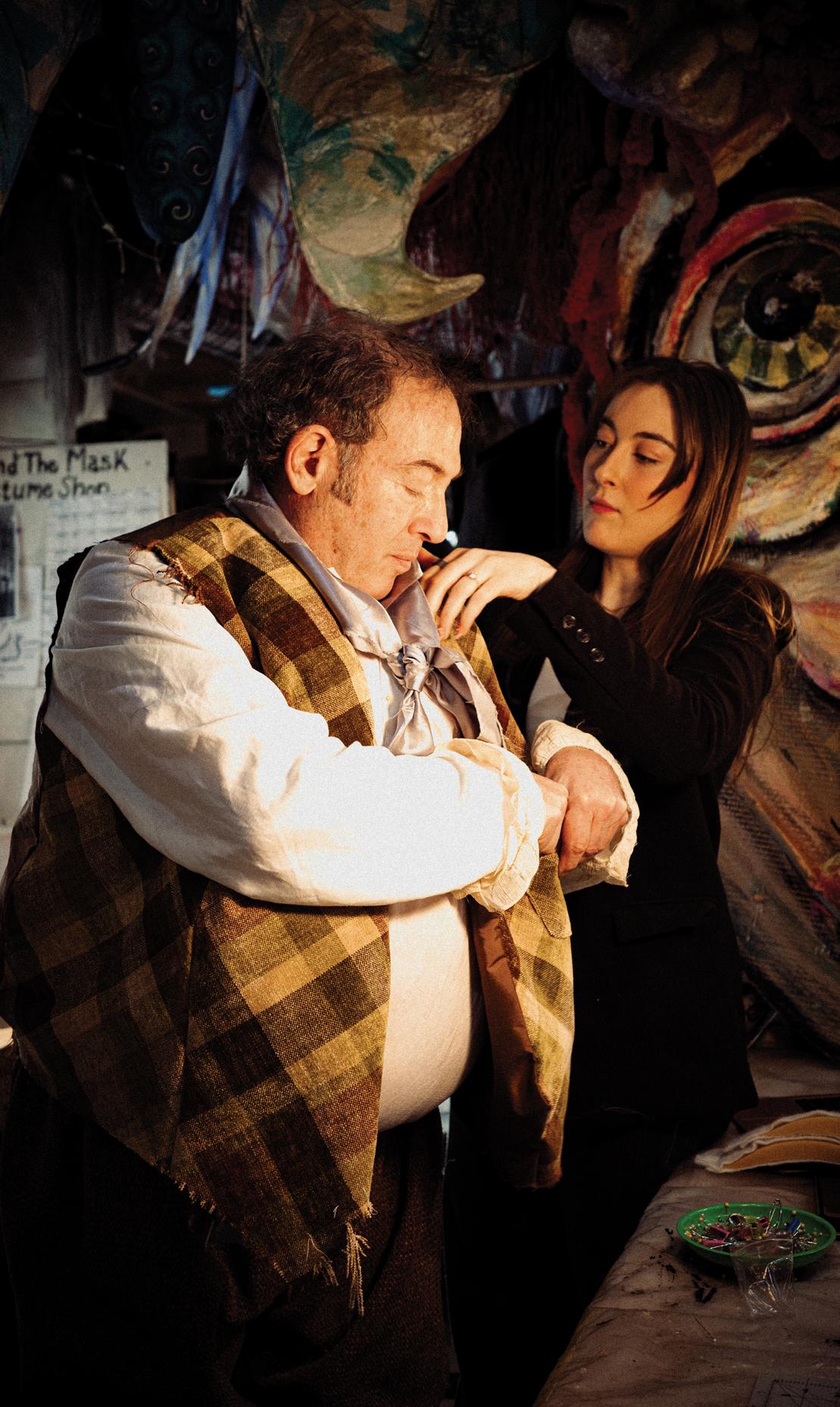
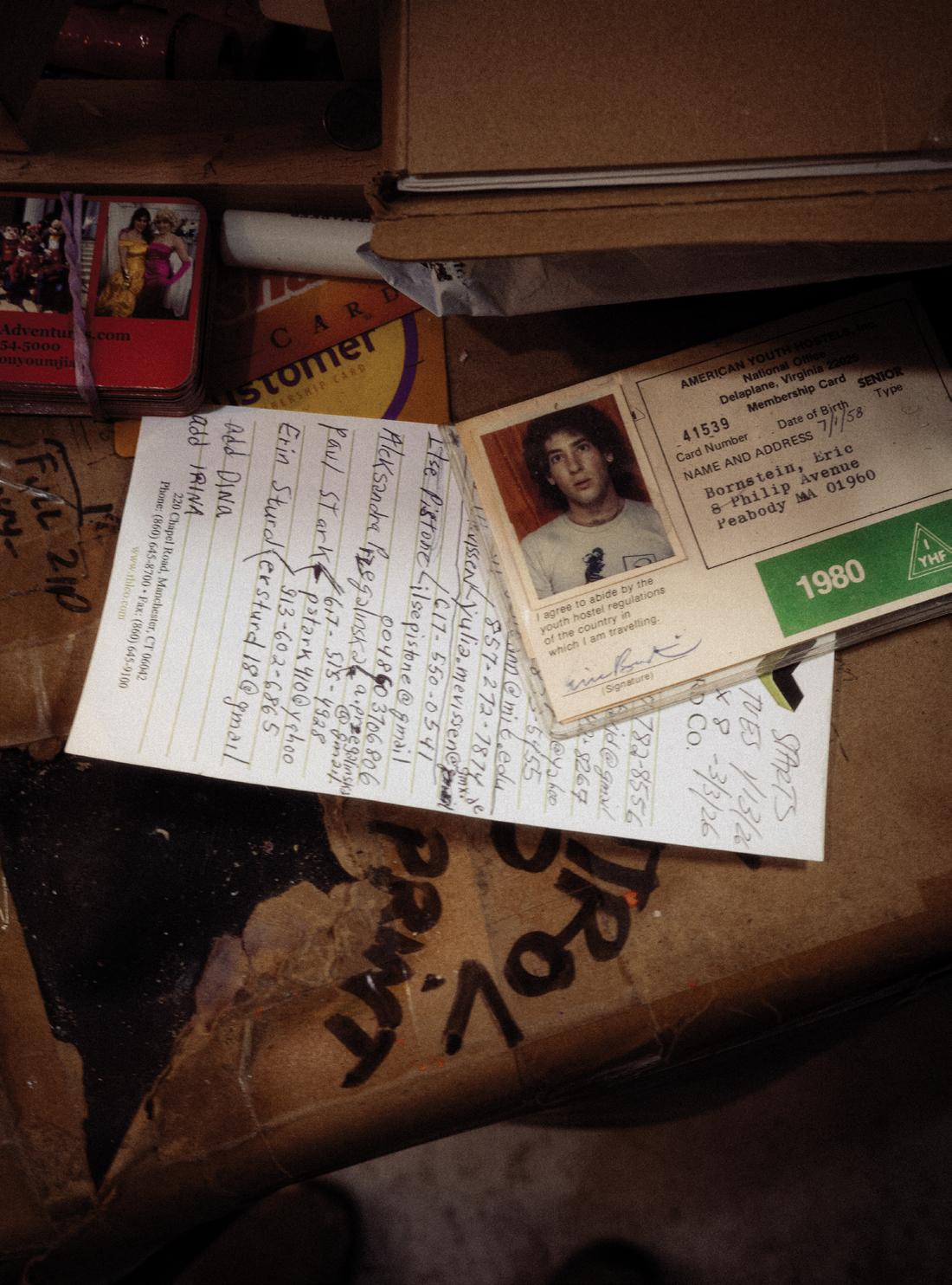
Finding one’s life purpose is often a life-long discovery that many struggle with.But for Eric Bornstein, it was never a question—he was meant to be an artist, even if unconventional. A self-titled mask maker and performer originally from Boston, Eric makes art that moves. Today, Eric resides in Somerville, MA, creating masks from his own home studio with the help of his assistant, Angelina Casucci. To him, art isn’t just a medium; it’s a story, a philosophy, and a way of life.
“I love stories. I grew up reading fairy tales, and so from this rich conceptual soup, images come up,”
Eric said. His hand-crafted masks tell countless stories whether through theatrical performances, ballets, or in street parades.
Growing up involved in theater and dance, Eric always considered himself an artist. In addition to performing on stage, he often helped behind the scenes, whether with choreography or makeup or costuming. It’s in this environment that he discovered how special masks were to him.
“I had to invent mask making for myself,” Eric said. “There were no techniques, there was no YouTube, there were no tutorials. I just looked at
masks from Japan and Africa and the sacred aspects of them.”
After seeing a television special about Balinese carvers, Eric traveled to Bali to apprentice under a mask master and continued his studies in Italy five years later before settling back into the Boston area. These experiences shaped Eric to become the master himself in this niche art form. While his talent and dedication drive him, it’s his whimsy and grit that keep him motivated to continue.
“To be engaged in making art shows the highest human consciousness and the highest potential of reaching beyond just what you need to do to survive, and it just jumps all the way up to what you need to do to thrive,” Eric said. “It’s a brutal lifestyle, you know? But for me, I just never wanted to do anything else.”
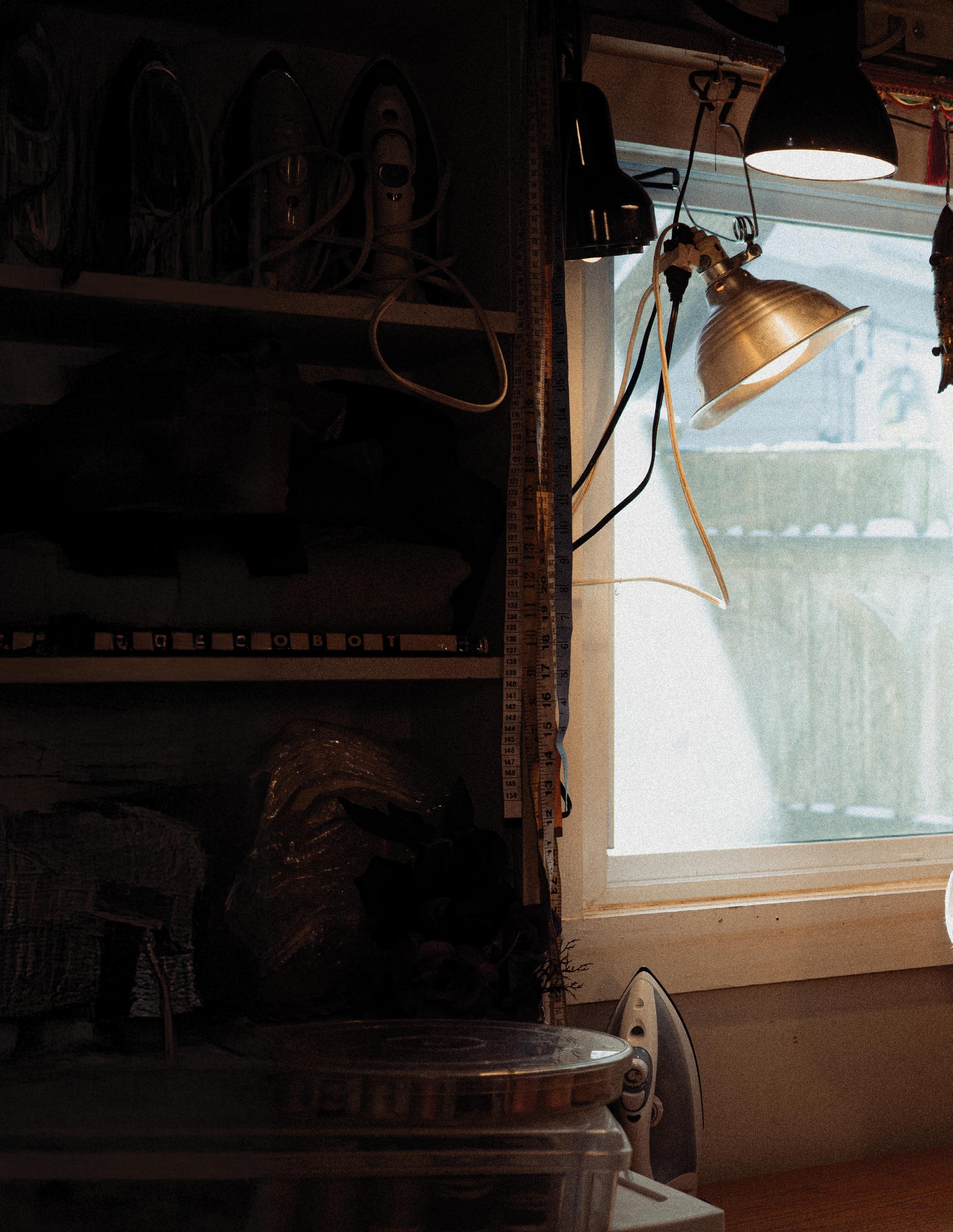
For someone as eclectic and creatively driven as Eric, it is clear that his studio matches his brain. From the outside, his space is a charming yet unassuming New England house with white shingles and lively grown-out plants that decorate the windowsill. A quick turn of face reveals a sign saying “Mask Studio” and an arrow directing left. It’s down this path that the magic begins and you enter a world of childhood fantasy.
Walking into his studio is a spectacle in itself: a makeshift art cave adorned with his own handmade masks ranging from life-sized faces to masks spanning the length of a human body. A sanctuary of relentless creativity is all hidden in this humble nook.
When going deeper into his studio, each wall tells a story of his artistic process, from conception to creation. On his corkboard are initial sketches and paintings of his projects as well as to-do lists. On the next wall, there are flyers and award certificates of his work.
“Years ago, I did an artist video back in my old studio, and I cleaned everything and put
everything away and had everything neat, and people were disappointed because I was so self conscious about all the messy paint and this and that,” Eric said. “But people want to see the mess. They want to see the paint. That’s why they come to an artist’s studio, to see that beautiful chaos.”
Eric’s work of mask-making is especially unique because of how his final product is used over time. Just as a performer spends months rehearsing for just a sliver of time on stage, Eric spends months developing his masks for them to be quickly displayed in a performance. Because of this, he’s created a model for his work: to create masks for programs that can be reused especially in schools, libraries, and camps. Otherwise, his masks are displayed in his studio as a reminder of the evolution of his work.
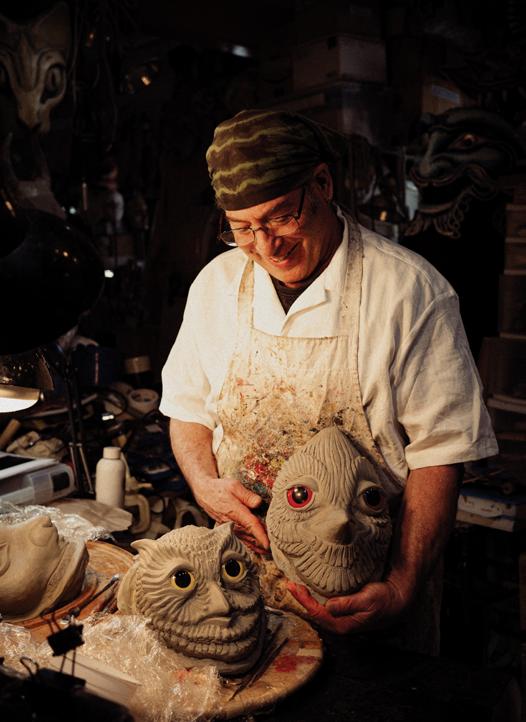
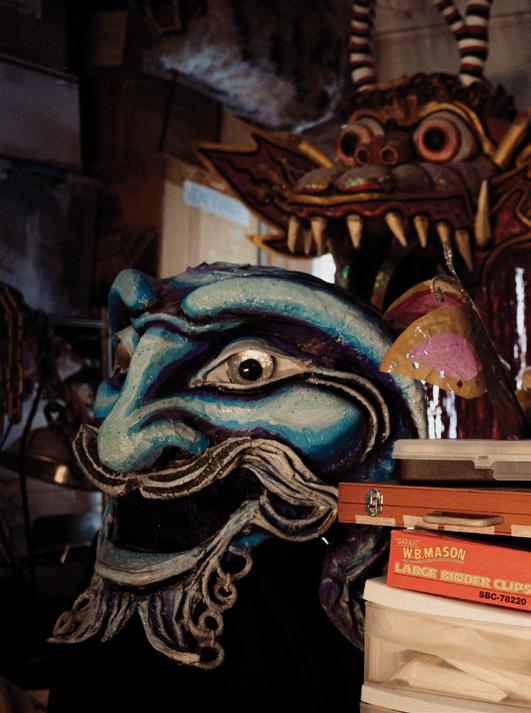
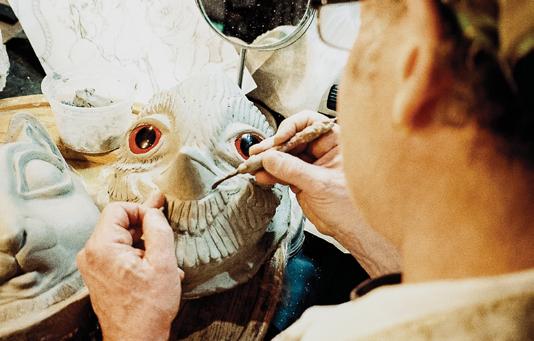
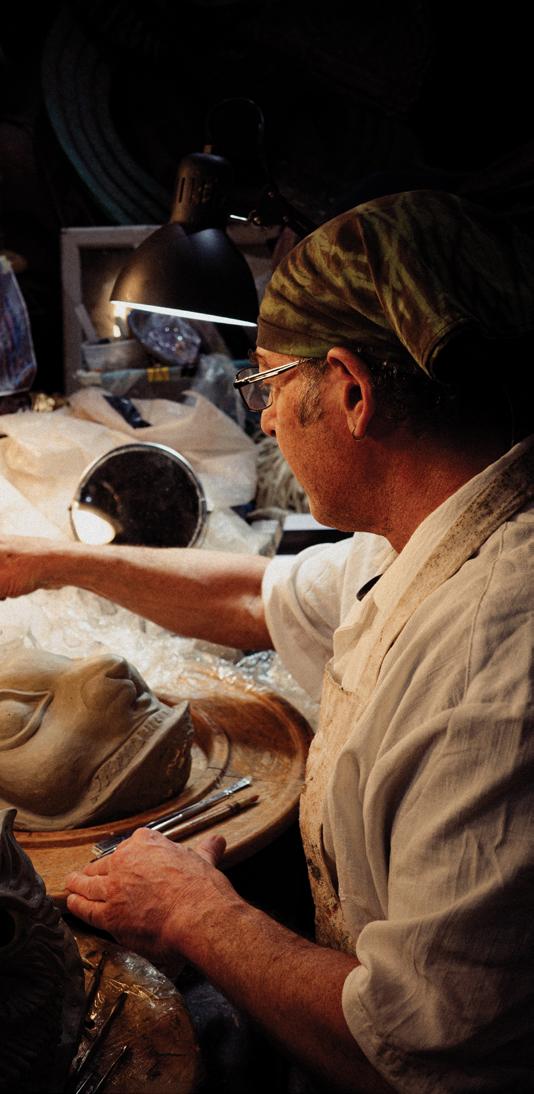
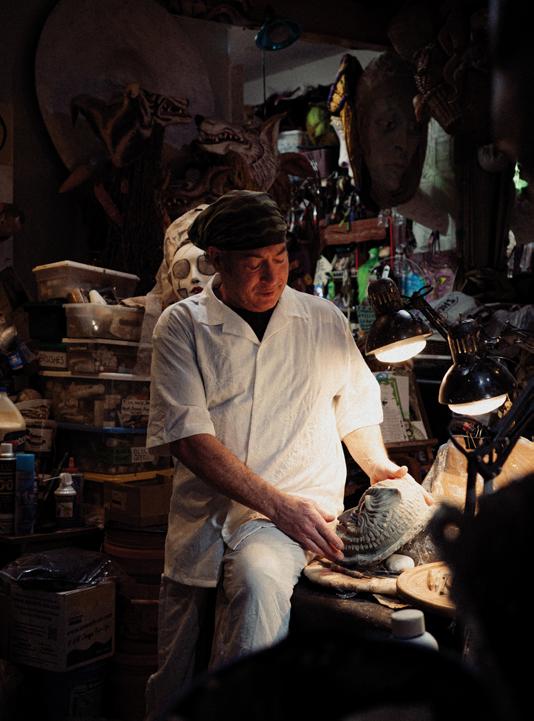
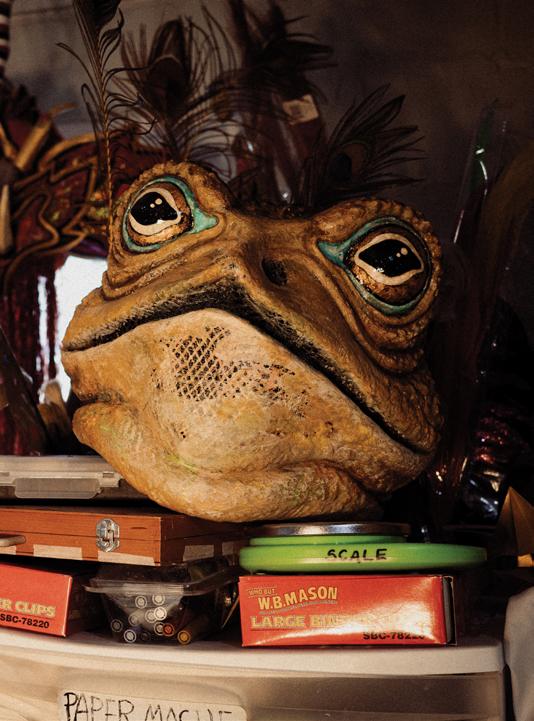
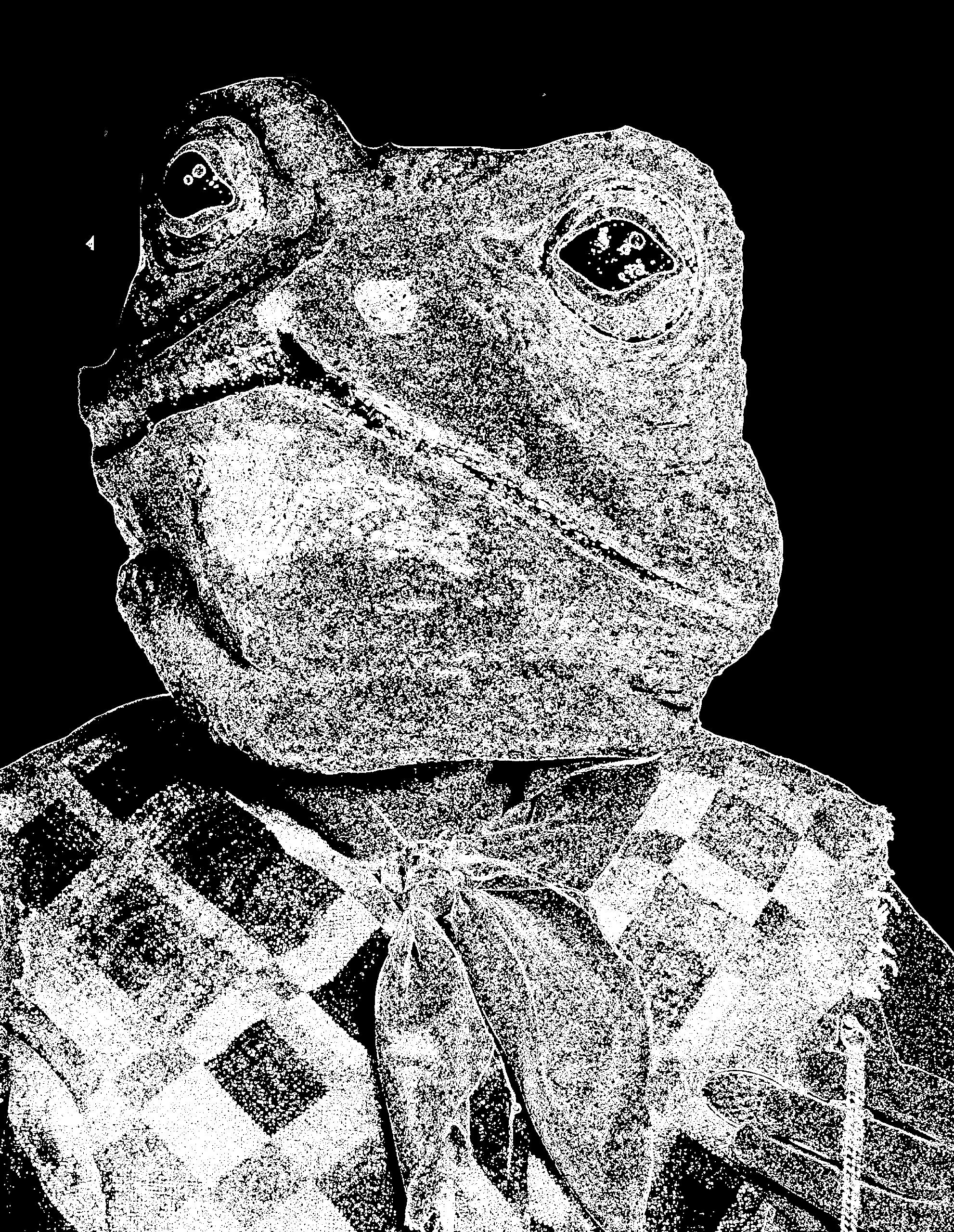
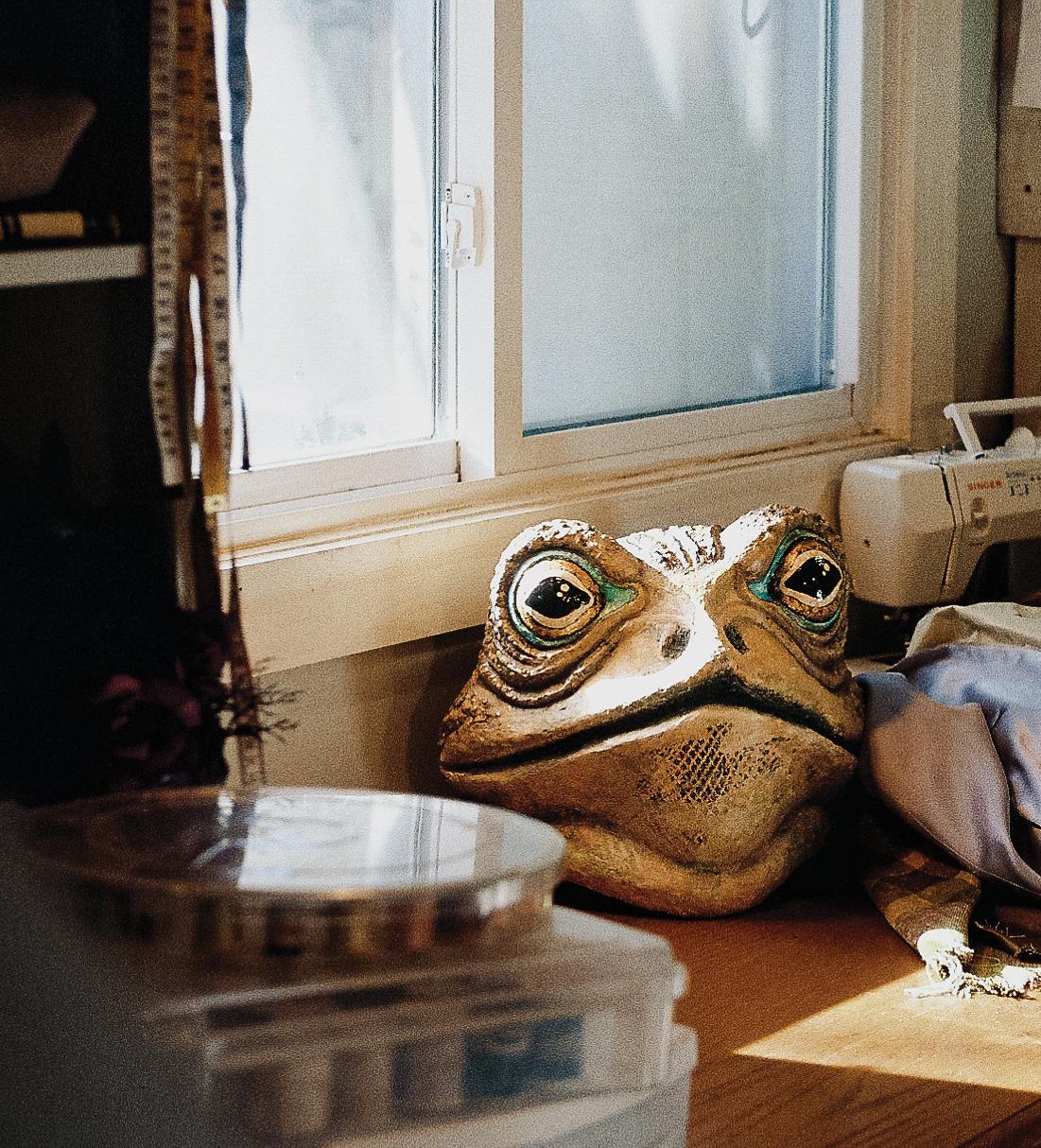
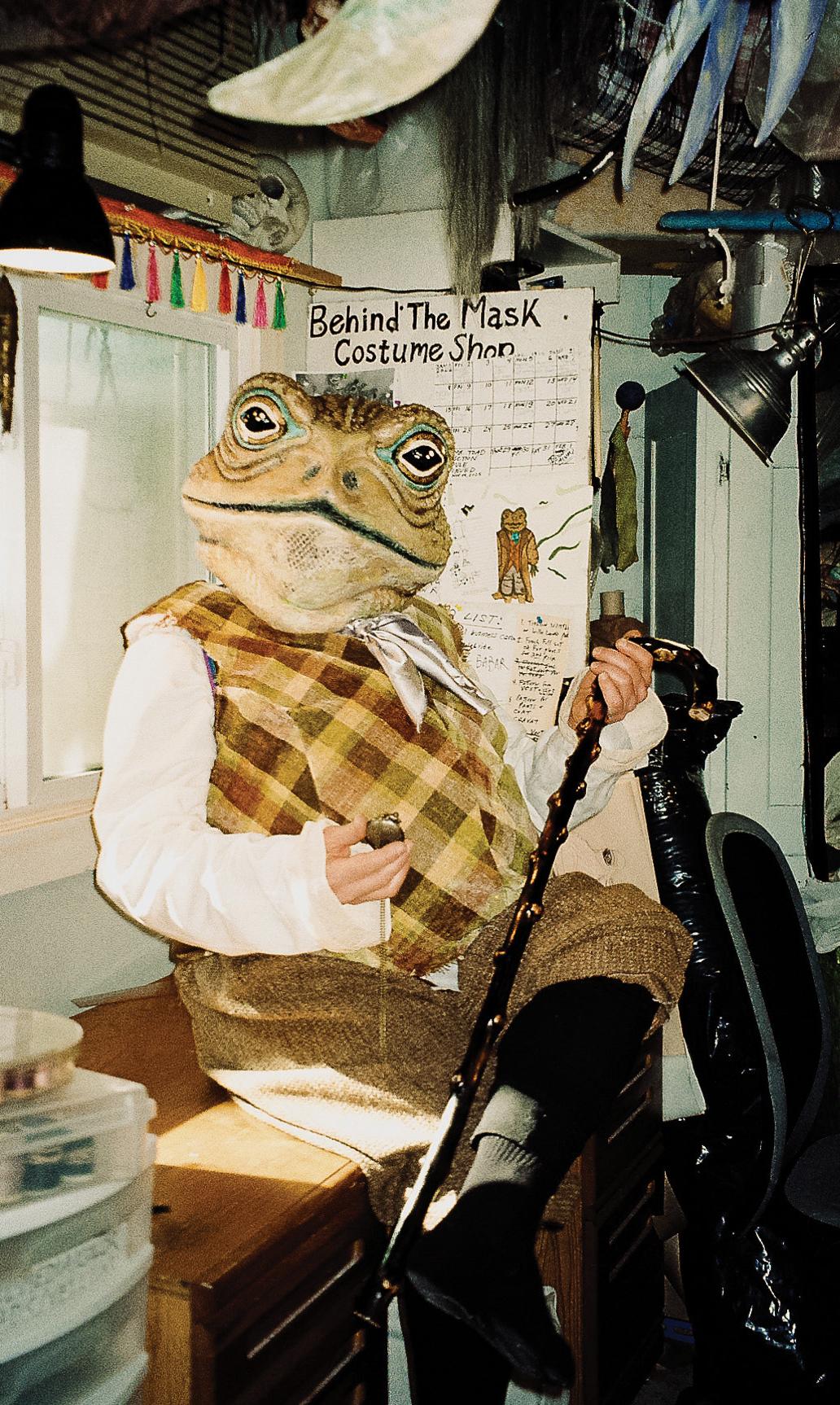
Eric’s latest project is a tribute to a recurring character from his childhood, “Mr. Toad.” He drew inspiration for this character all the way back from his elementary school years when he first read the book “The Adventures of Old Mr. Toad” by Thornton W. Burgess; the character has stuck with him as a part of his self-described “internal architecture of self.” It was through this character that he came to appreciate the beauty of the gentle, solitary underdogs.
“People think of stories about tigers and killer whales and sharks and elephants, but what about the quiet animals? What about the humble, little bumpy toad down there?” Eric said. “Our society tends to glorify the big and the dramatic. But there’s lines in the story about how the quiet ones catch and the fast ones miss. This just gives more value and place to those quiet spaces, the
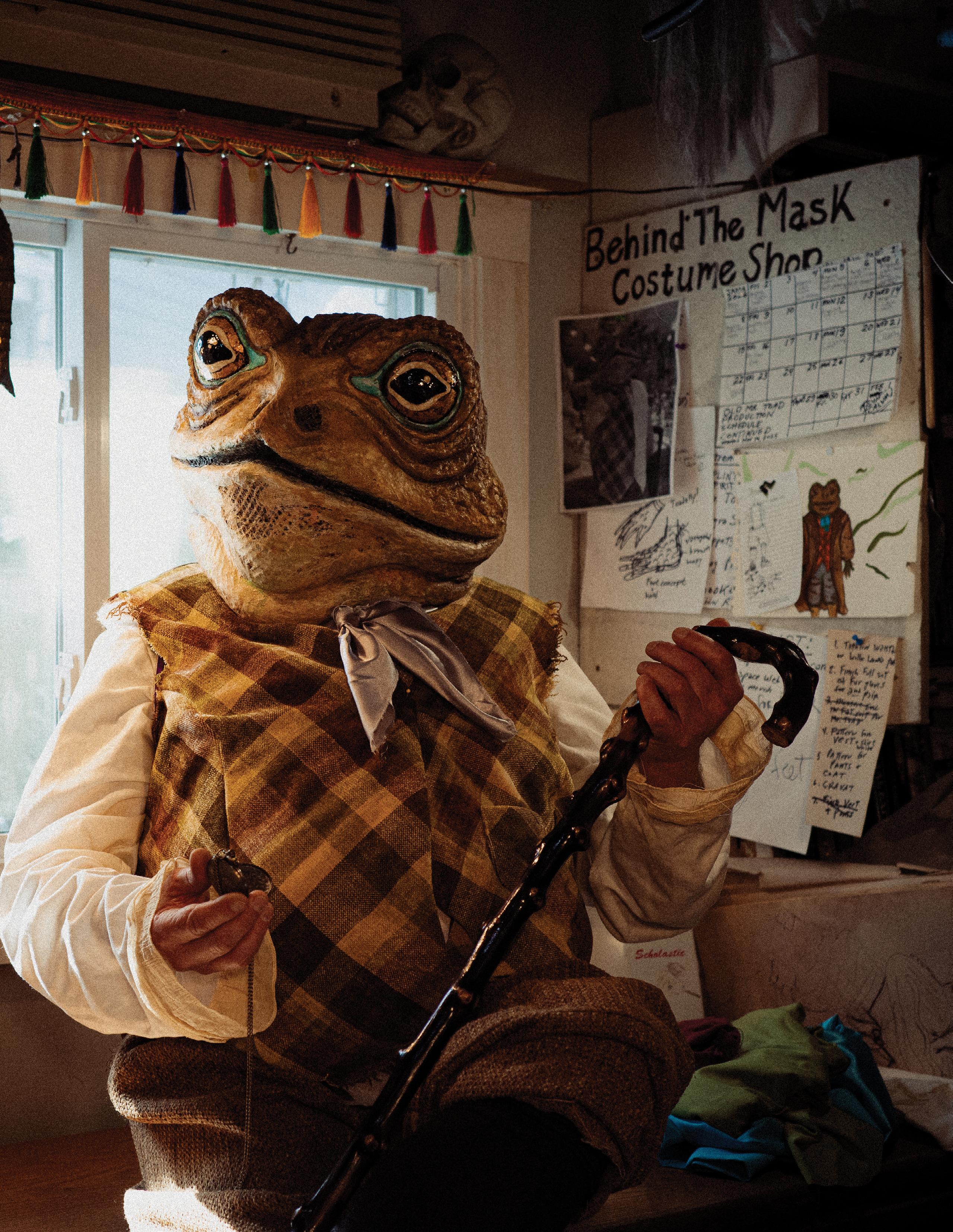
subtle emotions, and the more humble experiences that are real.”
In addition to creating the mask, Eric will be performing the role of Mr. Toad on May 30th. To bring this vision to life, he’s working with a puppeteer and a musician while also writing a script. “I hope that Mr. Toad gets asked to be played everywhere,” Eric said. He hopes to additionally apply this character to educational forms, such as nature programming.
As humans, artistry has long been a necessary safe haven of expression and creativity, and this especially rings true now more than ever. “I just say, in the face of all the ugliness, brutality, and selfishness in the world, what can an artist do but make something beautiful?” Eric said. “We have the grit, we’re the oyster, we make the pearl. Our minds are overactive anyway, as artists, you take all that frustrated energy, and you create beautiful things. That’s the only way through this.”
MOTHERHOOD, A MASTERPIECE
[ GABRIELLA GALBADIS ]
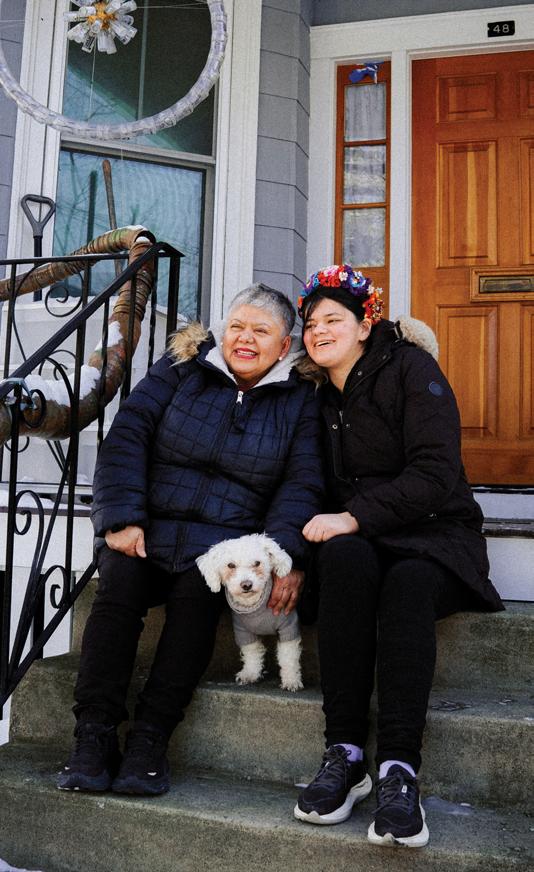
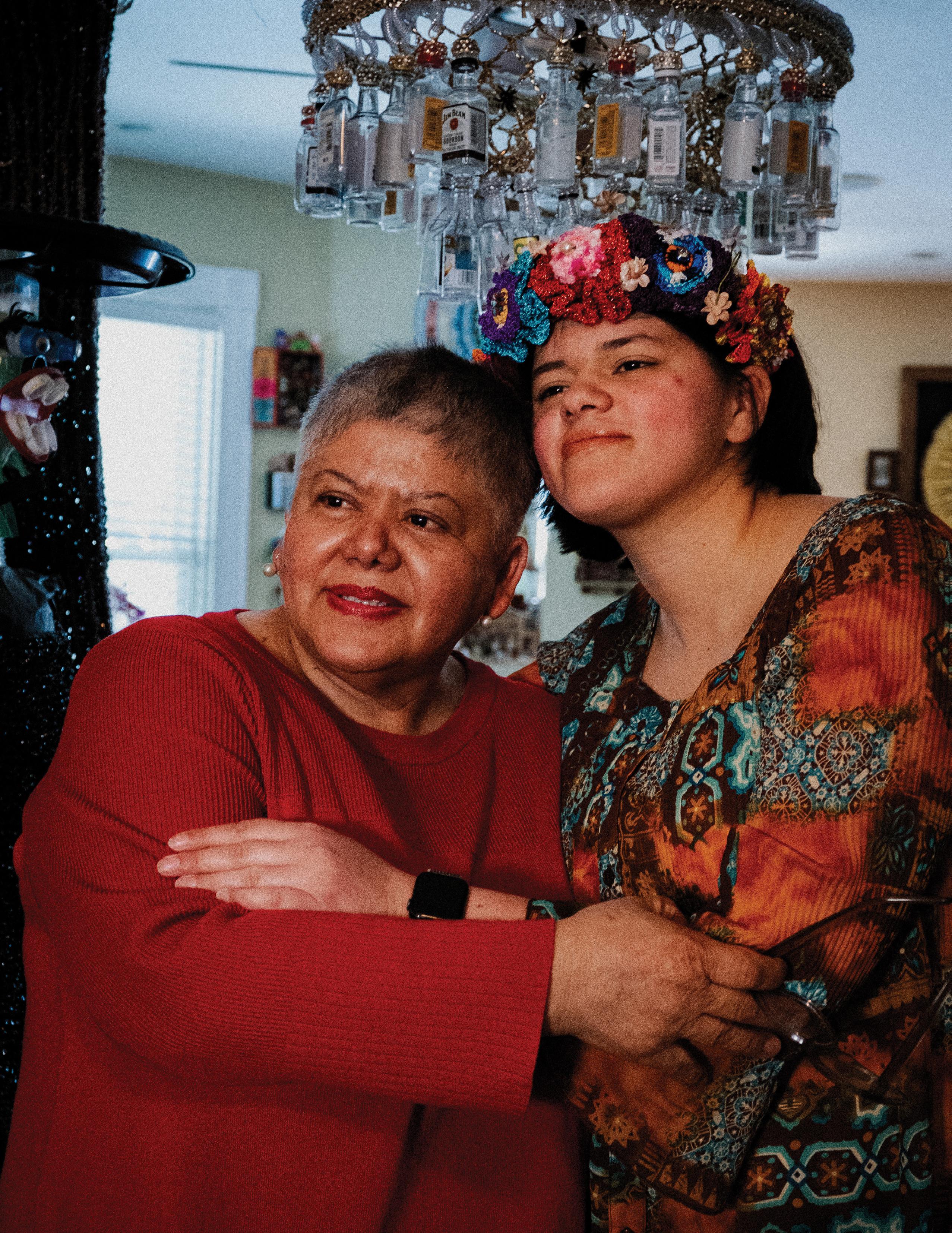
“Who used to wear those?” asked Consuelo Perez to her daughter, Tatiana, who was wearing a handmade flowered head piece.
“Frida Kahlo,” she answered immediately.
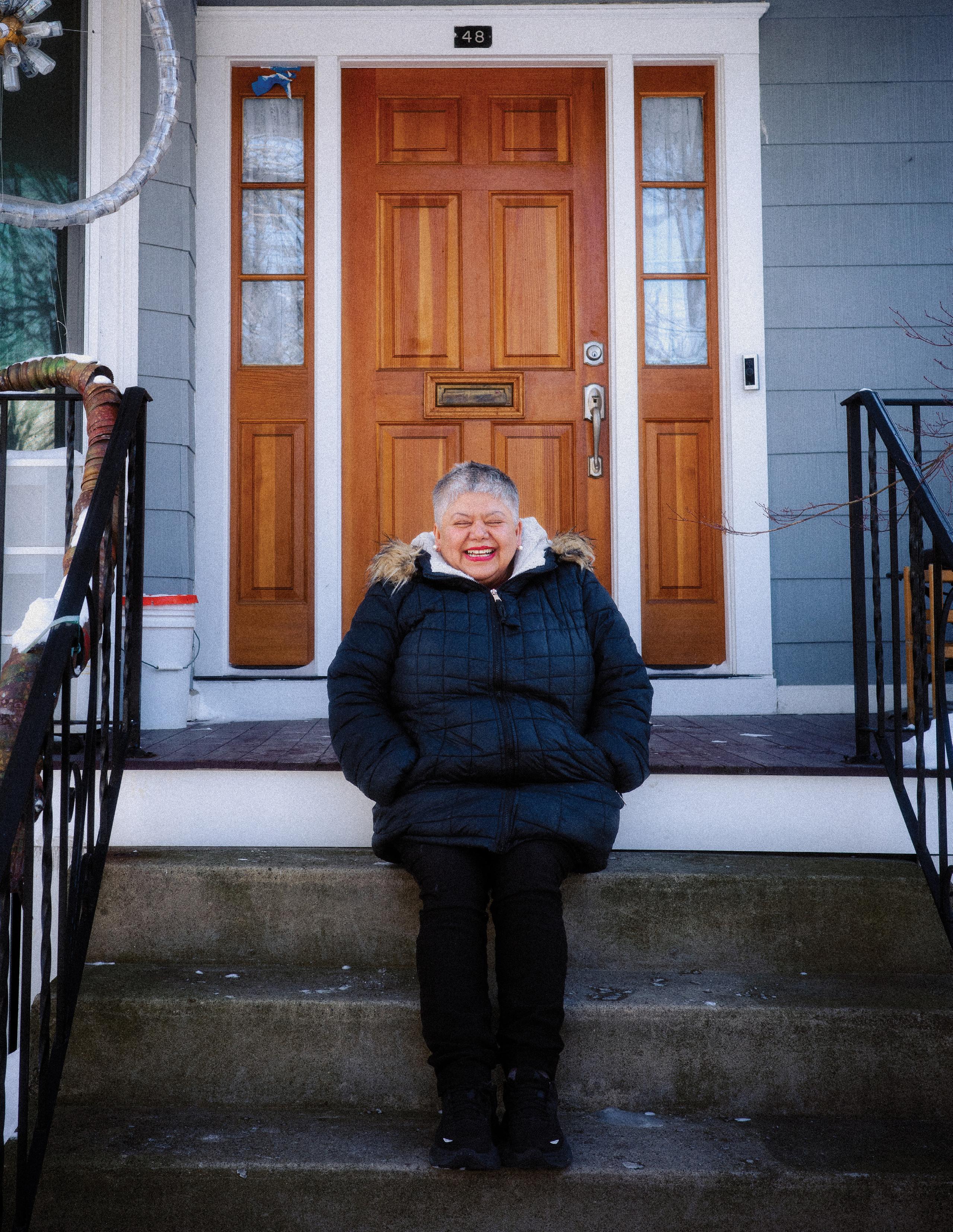
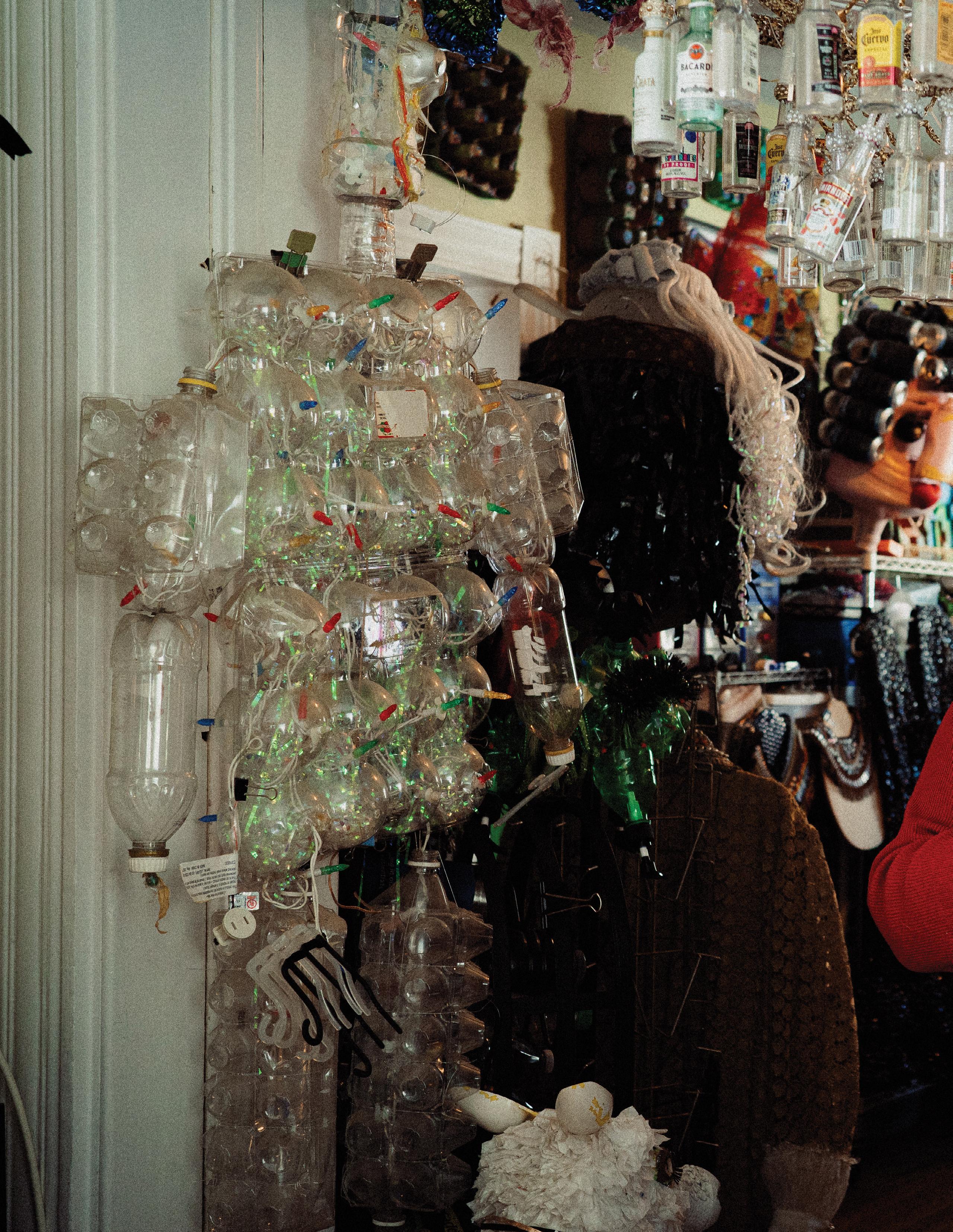
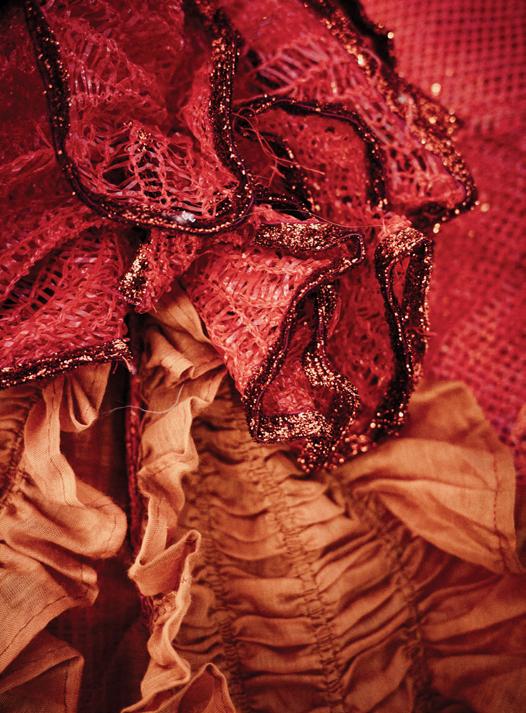
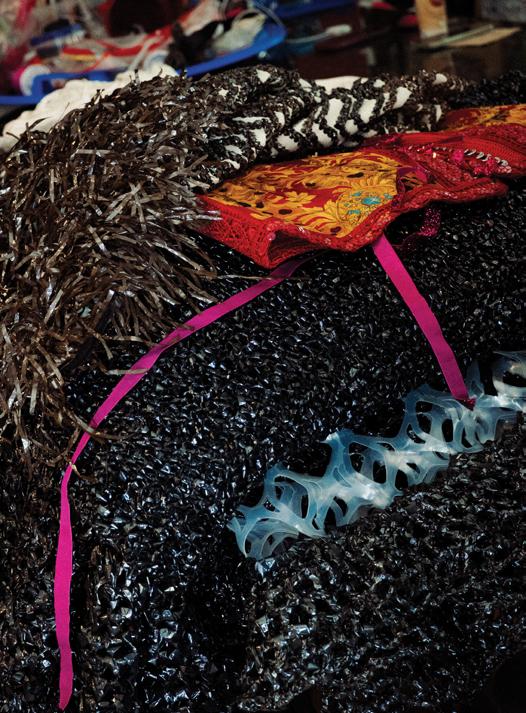
Perez, 62, is an artist who fills her home with a myriad of artworks that tells stories, finding ways to give ordinary items a new life. She has made cassette tapes into beautiful dresses, alcohol bottles into a chandelier, and even drink tabs into earrings; each of her pieces are made up of recycled materials and are personal to her. “Any trash that you find … for me, it’s treasure,” Perez said.
Originally from Peru, Perez immigrated to the United States in 1987 and settled in Somerville, Massachusetts around 1992.
Moving to the U.S. presented Perez with many challenges. The language barrier alone caused her immense stress and anxiety and she ended up developing endometriosis. After many surgeries, the doctors told her that she was
likely not going to be able to have children. Defeating the odds, Perez gave birth to her first daughter in 1999 and then Tatiana three years later.
In Peru, Perez was raised by her grandparents and art was always an integral part of her childhood and culture. Perez’s grandmother, who would knit and crochet, would tell her that she, too, needed to do something productive. She began learning how in school.
“I went to Catholic school and part of the education there is that they teach you how to be a good woman, a good housewife,” Perez explained. She recalled learning about 100 different hand stitches her first year of high school, then moved on to making table cloths the next, then bed sheets, then gowns.
“I love art, that’s my passion,” said Perez.
Perez adopted a large part of her artistic style from her Peruvian roots and uses art to teach her daughter, Tatiana about Peruvian culture. Many of Perez’s designs are indigenous and use saturated colors that contrast each other.
On Perez’s kitchen wall hangs a colorful mask that she made. She said that it was inspired by those that are worn at Cajamarca Carnival, a big Peruvian celebration. “Brings me memories from when I was back home,” Perez said. “That’s the only memories that I have … the only thing that I can take with me.”
Perez expressed that she cannot make one thing the same. She feels that each of her pieces are distinct and once an artist makes multiple of the exact same thing, their art becomes commercial.
Perez discovered the unique power of using recycled materials in college, when a professor once gave her leftover curtain samples which she turned into a skirt. Sometimes Perez searches for specific materials when she has an idea. Other times, she collects random trash or recyclables and gains inspiration afterward.
Once, Perez scoured the streets and bike paths of Davis Square on walks with her dog, Romeo, where she collected dozens of mini alcohol bottles. Not until after did she come up with the idea to turn them into a lovely chandelier that
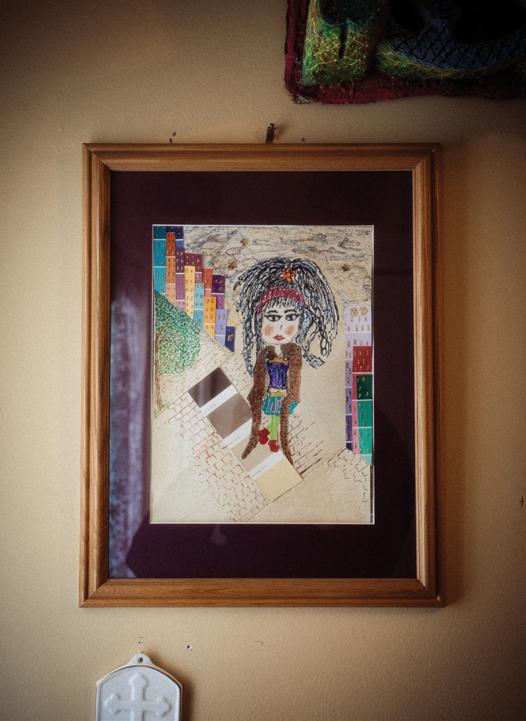
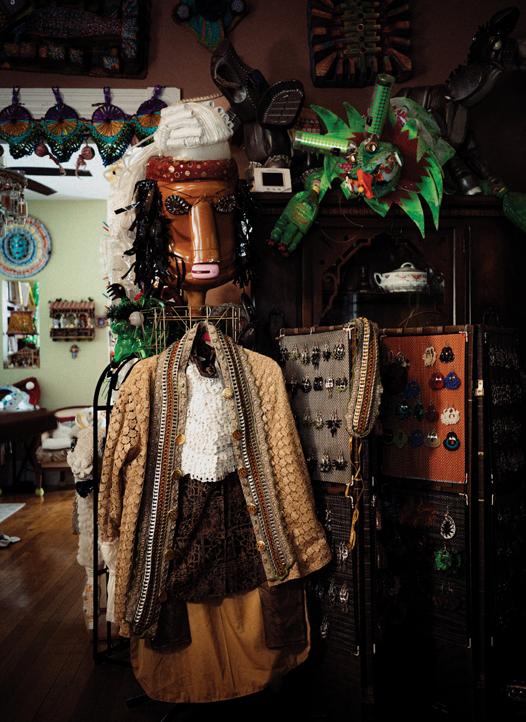
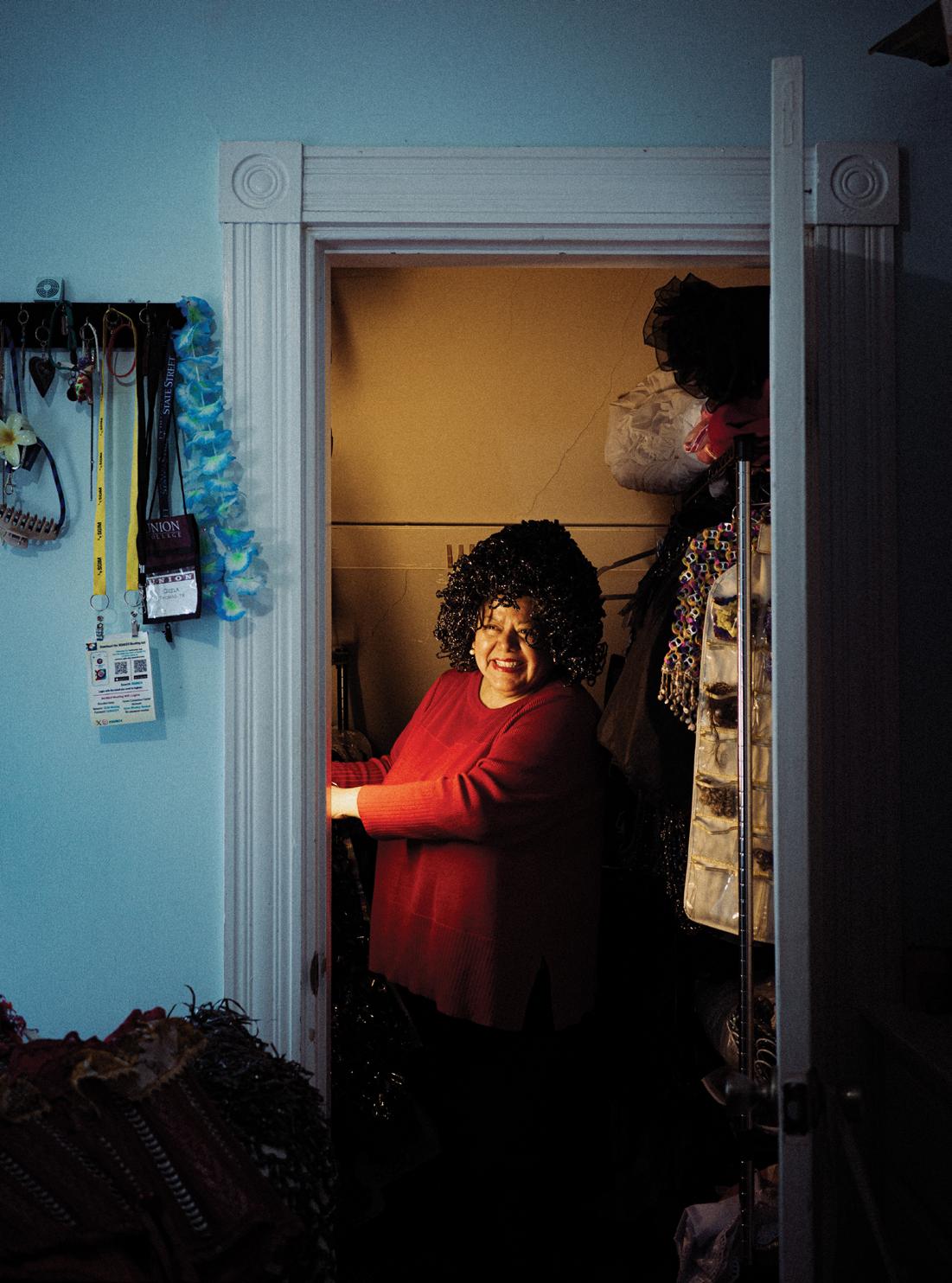
now hangs in her home. Another time, she drank as much coffee as she could in order to finish a piece made up of instant tea and coffee wrappers. “I didn’t sleep for a week, honest with you,” she said.
Perez is not just a talented and committed artist; over everything, she is a devoted mother. She found that art was one of the only effective ways to teach her daughter, Tatiana, 24, who has learning disabilities, and that became her motivation to keep creating.
TEACHING THROUGH ART
When Tatiana was around two or three years old, Perez and her husband began noticing she struggled to learn and remember things compared to others her age.
Perez did anything she could to understand what Tatiana’s learning disability was, but for so long, no one could pinpoint it. She took her to doctor’s appointments and attended parent meetings where they discussed Individualized Education Programs (IEPs). IEPs were new to Perez and the language barrier made it
even more difficult to learn about them.
After hearing that another parent took their son to get an MRI, Perez couldn’t get the idea out of her head. Though doctors said it wasn’t necessary, Perez was desperate to know what Tatiana was struggling with, and Tatiana got the MRI. They discovered that she had scars in the frontal lobe of her brain which impair her memory.
Perez still felt in the dark in terms of how she can help Tatiana. She continued to support her and search for ways to help her learn. Perez tried using videos to teach Tatiana, like Barney and Smithsonian, but was told that it was unrealistic that they would work.
“I didn’t care, it was me as a mother trying to help her,” Perez said with teary eyes.
Finally, Perez turned back to art. First, she began knitting and crocheting garments for Tatiana to wear. Perez said that Tatiana would come home and say that teachers and friends were asking her who made her clothes. And
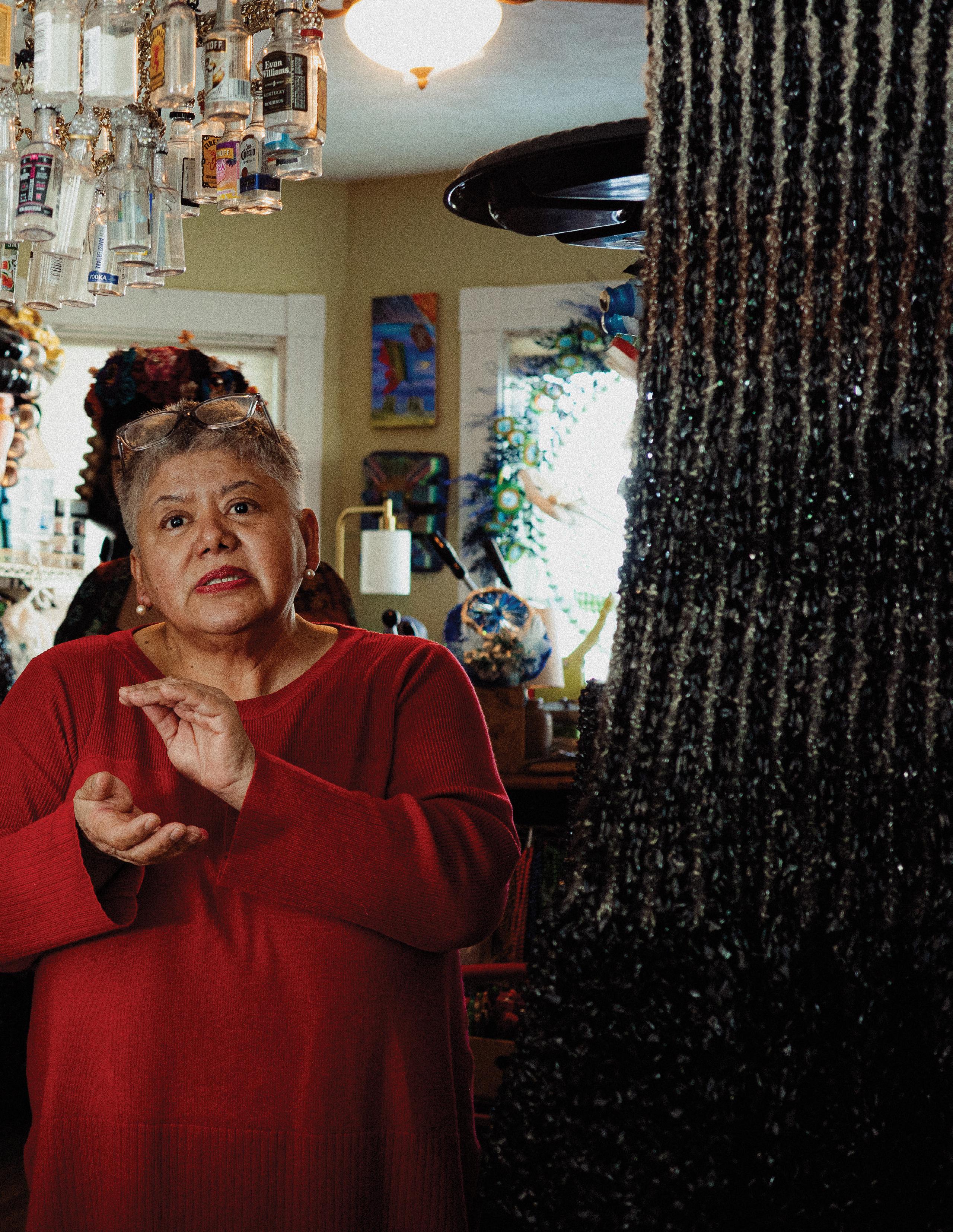
as she continued integrating art into their lifestyle, Perez finally noticed Tatiana’s social skills and language improving.
Perez then began to connect her art with specific lessons for Tatiana. They began participating annually in the Somerville Open Studios fashion show, where Tatiana modeled the garments. Tatiana’s friends started participating too.
Perez still has the costumes she made to fit a number of different themes for the shows; outfits inspired by anything from animals to historical figures. Each time they made new art, Perez would have Tatiana do the research on what it was they were trying to recreate.
“If it was a lesson about Charlotte’s Web, let’s make … the whole story, and if it was about the jungle, let’s make a giraffe,” Perez explained.
Visually learning became extremely effective for Tatiana’s development.
“I do everything and everything so she can learn,” Perez said. Perez even uses her art to teach other parents about disabilities and how the school system works in the U.S. for children who have them.
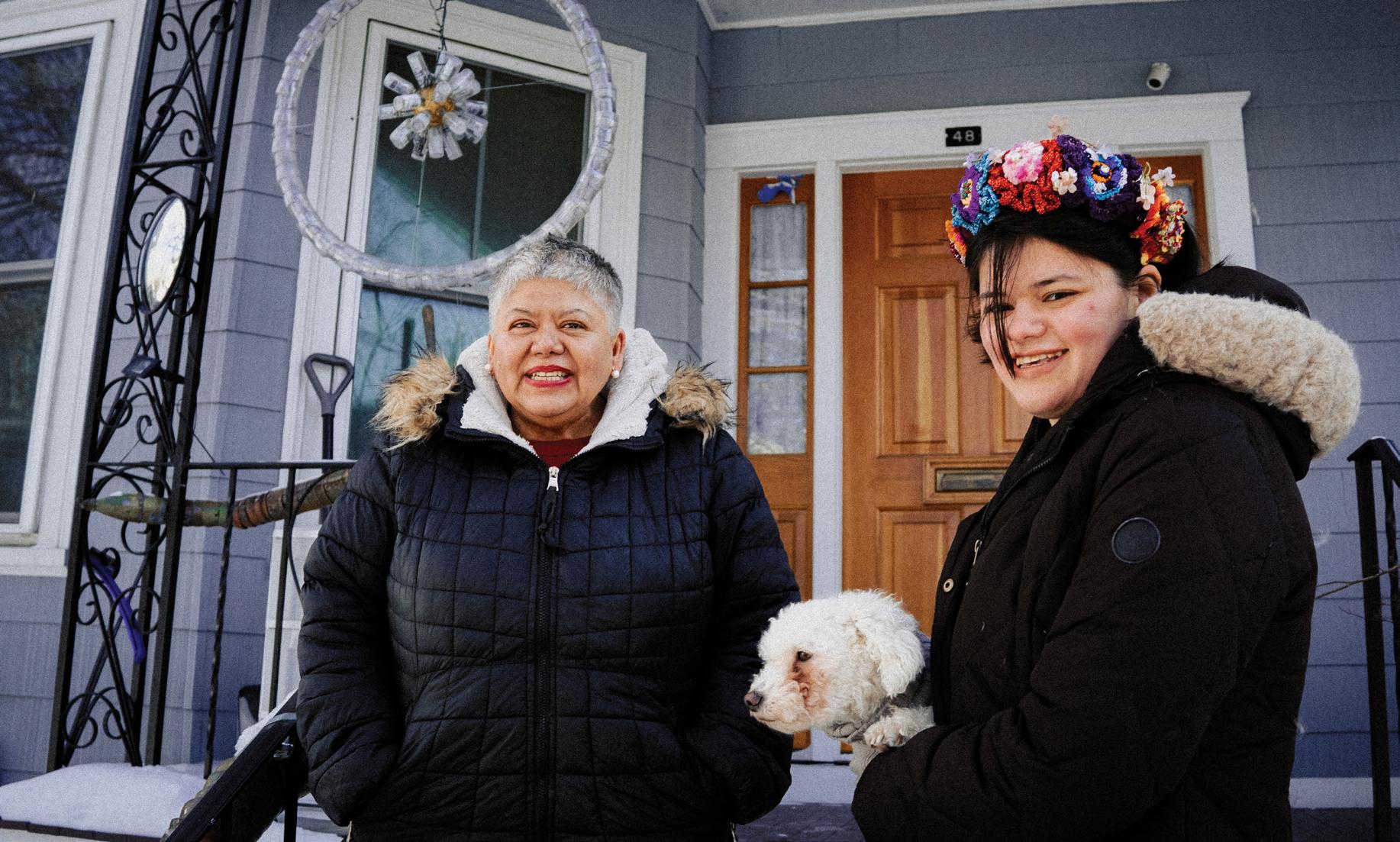
To replicate how the mind of someone with an intellectual disability functions, she once knit a brain that lights up, to explain what it is like when it is stimulated or not. Perez brought it to a Massachusetts Department of Education conference in Marblehead, Mass. and presented it alongside a psychologist.
CARRYING THEIR MISSION FORWARD
Perez and Tatiana are currently preparing for the next fashion show in April and are holding an open studio in May at their home where Tatiana and her friends make their own art to display.
Tatiana is following in her mother’s footsteps and continuing to make communities more welcoming to those with disabilities. She and her friends founded Access 2 Community and Friendship for young adults with disabilities that promotes accessible social events in community spaces. Perez is vice president of the organization and they often throw parties for different occasions.
Tatiana is now a part of the Massachusetts Developmental Disabilities Council— she and her mother will be traveling to Washington, D.C. next month to attend the Disability Policy Seminar — a national conference that teaches policy makers about the most important issues in disability policy today. Perez, Tatiana, and other attendees will have the opportunity to share their stories with their representatives in Congress to educate them on the importance of using policy to protect people with developmental disabilities.
Tatiana still makes art when she feels inspired and, as a mother, Perez is still trying to discover things that Tatiana can do that she enjoys. Perez expressed that her biggest concern is ensuring that one day when she is no longer around, Tatiana will have the skills and knowledge that she needs to thrive independently.
In every corner of her Somerville home, there is proof that Perez has never stopped fighting for her daughter using love and color and expression. Though she has devoted countless hours into creating the art that fills each room, her life’s mission, and her greatest masterpiece of all, has been raising Tatiana.
You say I won’t miss it once it’s gone. You say memory doesn’t live on paper.
But you don’t see the way my grandfather’s handwriting curved in the letters he wrote. His letters, shaky and tilted, spelled out my name endearingly as he wished me a merry Christmas from seven thousand miles away. You don’t hear my grandmother’s honeyed voice attached to every letter she wrote me. You don’t see the teary-eyed smiles of my 5th-grade classmates in their goodbye letters. Some of these people don’t exist for me anywhere else, but their likeness still lives in the tattered shoebox tucked underneath my bed.
I keep cards from birthdays I barely remember and notes from people who were only in my life briefly. Friends of friends, classmates, versions of myself I no longer recognize—like the one who signed hearts over her i’s with glittery gel pens, or the one who believed that all her friendships would last forever, or the one who was too scared to send the letter in the first place.
These envelopes have a way of reopening the doors I thought I closed. I found a letter from a girl in my elementary school. Her handwriting was messy and fading, much like my recollection of her. She wrote to me, “Don’t ever change.” I wonder if she would recognize me now.
In another letter, an old friend signed it with an inside joke. I can see the enthusiasm in the way she wrote it, the letters pressed harder into the page. I don’t remember the reference anymore. Whatever made us laugh has vanished, but the ink hasn’t. Every card is proof that I was
known, even for a moment. That I mattered long enough for someone to pick up a pen and write something thoughtful. But it isn’t the paper that I’m afraid of losing. It’s the evidence. The confirmation that those moments were real, that I didn’t imagine the closeness, the laughter, that we once promised to stay in touch.
Maybe I’m afraid of being forgotten. Or worse, forgetting. Once in a while, I need to remind myself that people once paused their lives long enough to care about mine. Some of their faces are blurred in my mind. But the pages remember what I can’t.
That’s the beauty of ink: it can’t be deleted or unsent. Years later, I can still feel the indentation where someone pressed too hard, the faint grooves carved into the page. Glitter from a birthday card clings stubbornly to my fingers, no matter how many times I brush it away. A smear where someone’s hand dragged too quickly. A word crossed out and rewritten, leaving a ghost of what they almost said. Every scribble, every smudge bleeds into the paper and stays there. It doesn’t ask to be revised. It doesn’t try to clean itself up.
One day, maybe, I’ll let it go. But not because you told me to. Not because it looks like clutter from the outside. But because I’ll no longer need proof of what these pages already say. In the shoebox is a record of what I refuse to forget.
And maybe that, more than anything, is who I am.
EVERYTHING I’VE EVER KEPT IS TRYING TO TELL YOU WHO I AM
[ VERONIQUE LHUILLIER ]
CREATIVE DIRECTION
PRODUCTION MANAGER
PHOTOGRAPHY MODELS
VIDEOGRAPHY
EDITORIAL DESIGN
CAPRI BOLD
GRACE PISCIOTTA
LUCY JOHNSON
LUCY JOHNSON
CONSUELO PEREZ
SVETLANA STEPANOVA
MARIA DIKMAN
SIENA LUM ERIC BORNSTEIN
ELEKTRA HORNSTEIN
HELENA WANG
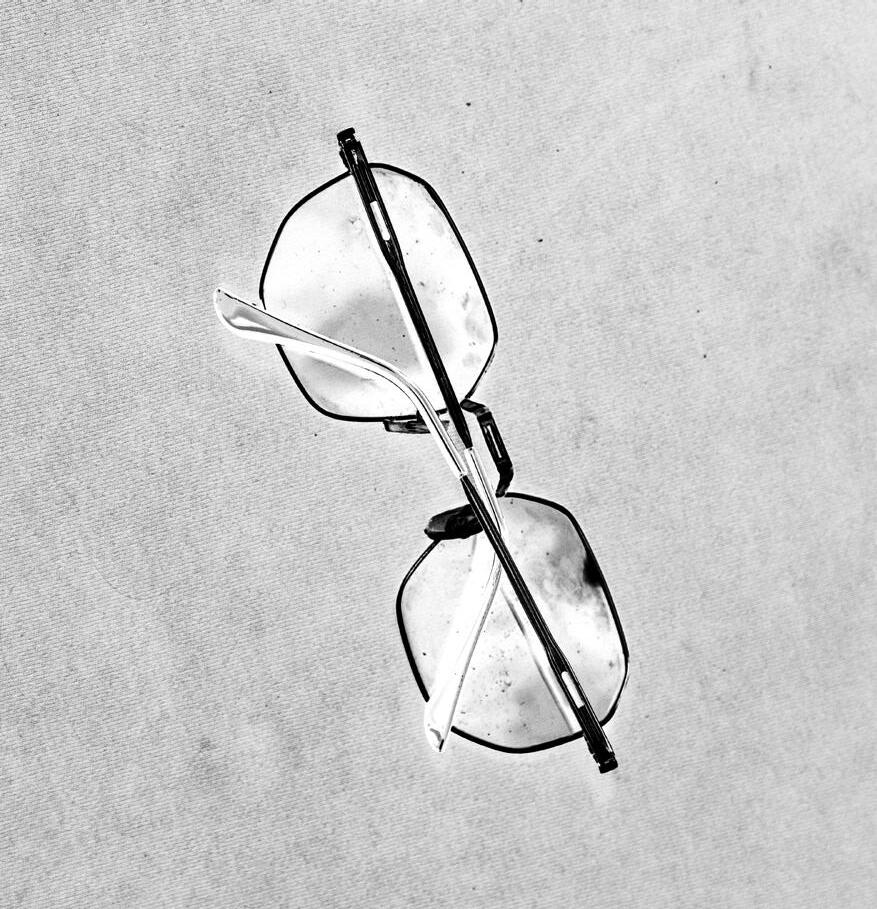
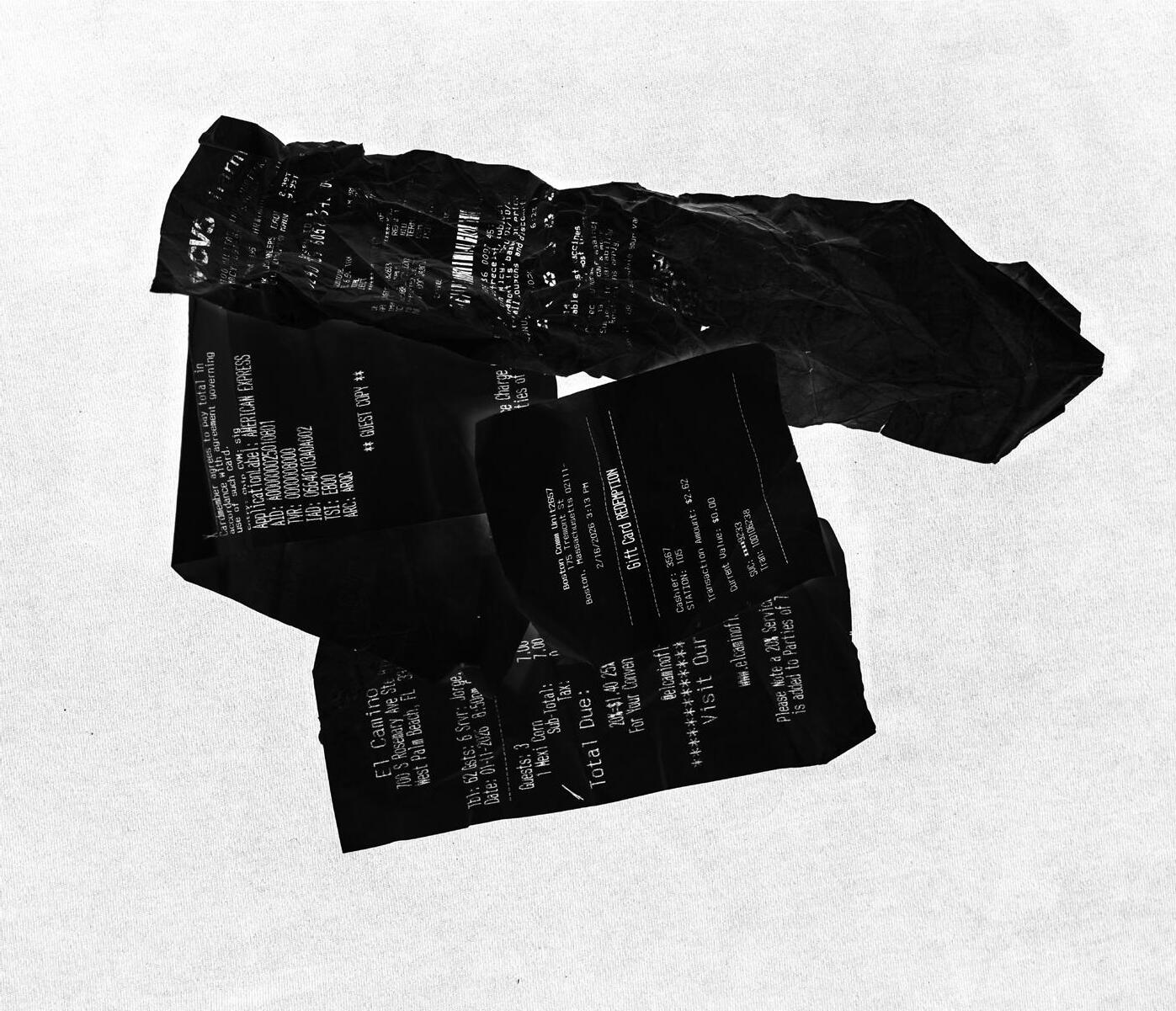
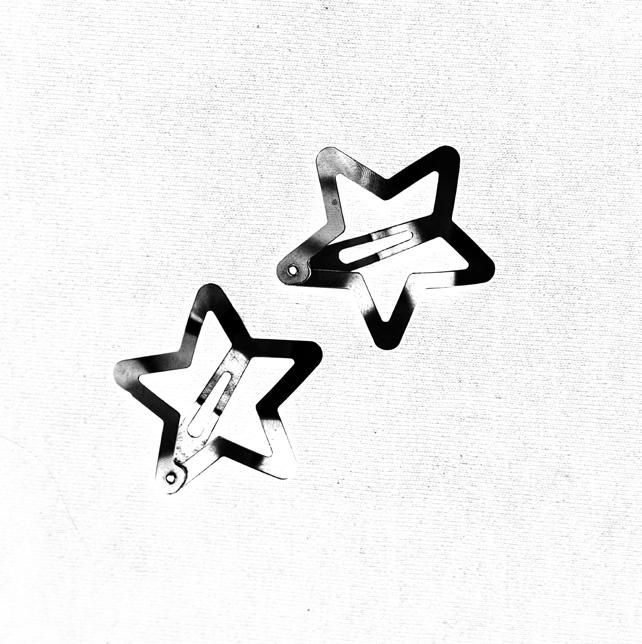
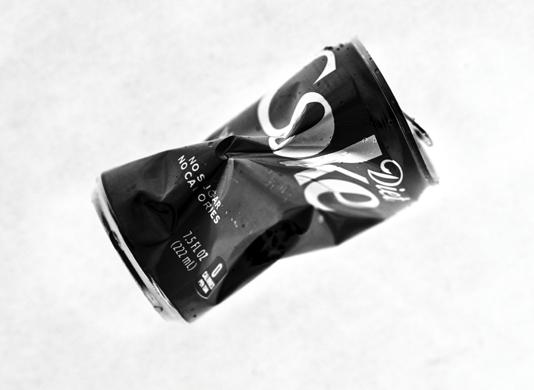

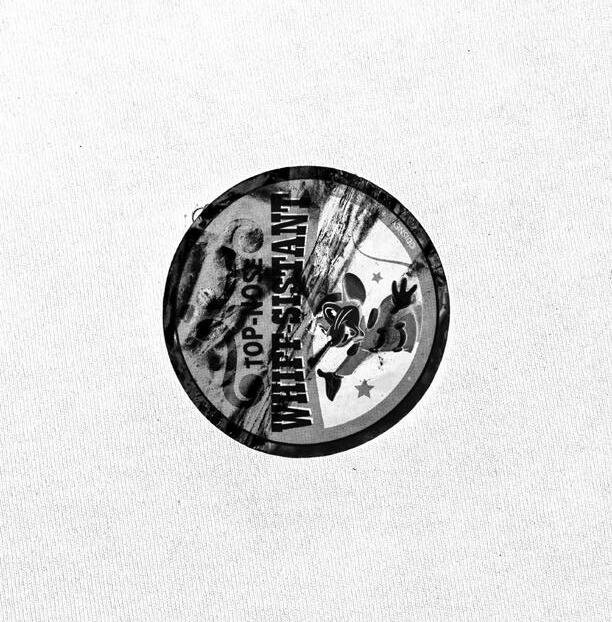
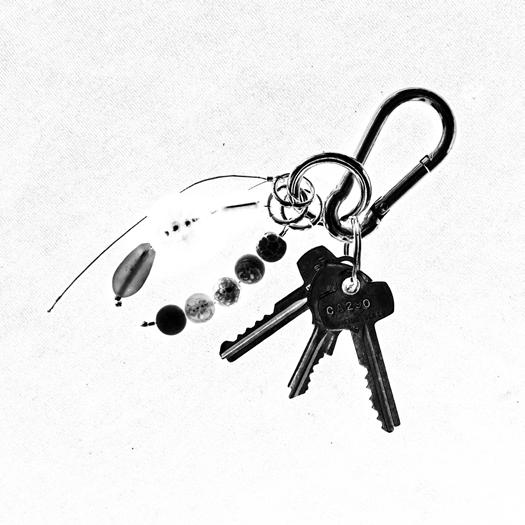
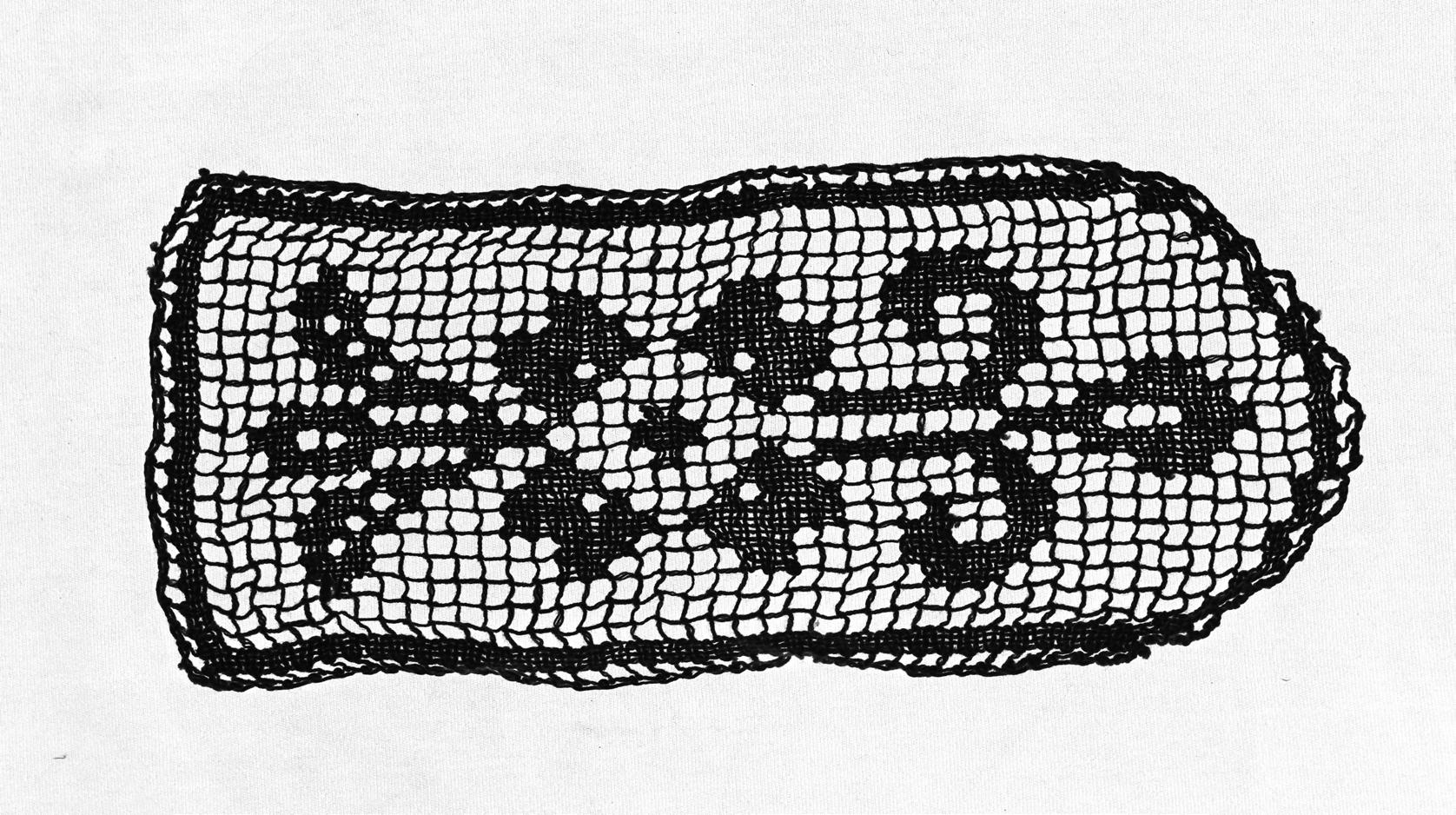
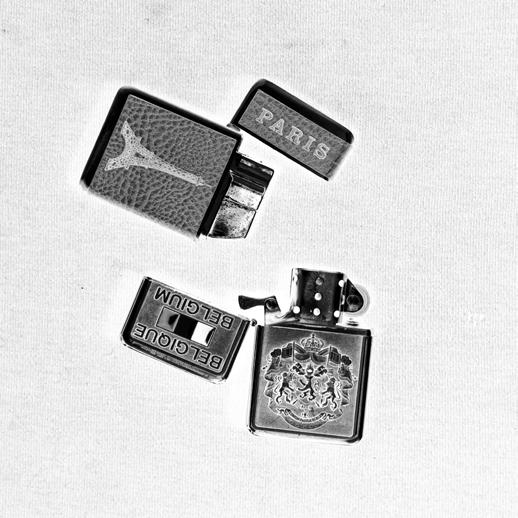
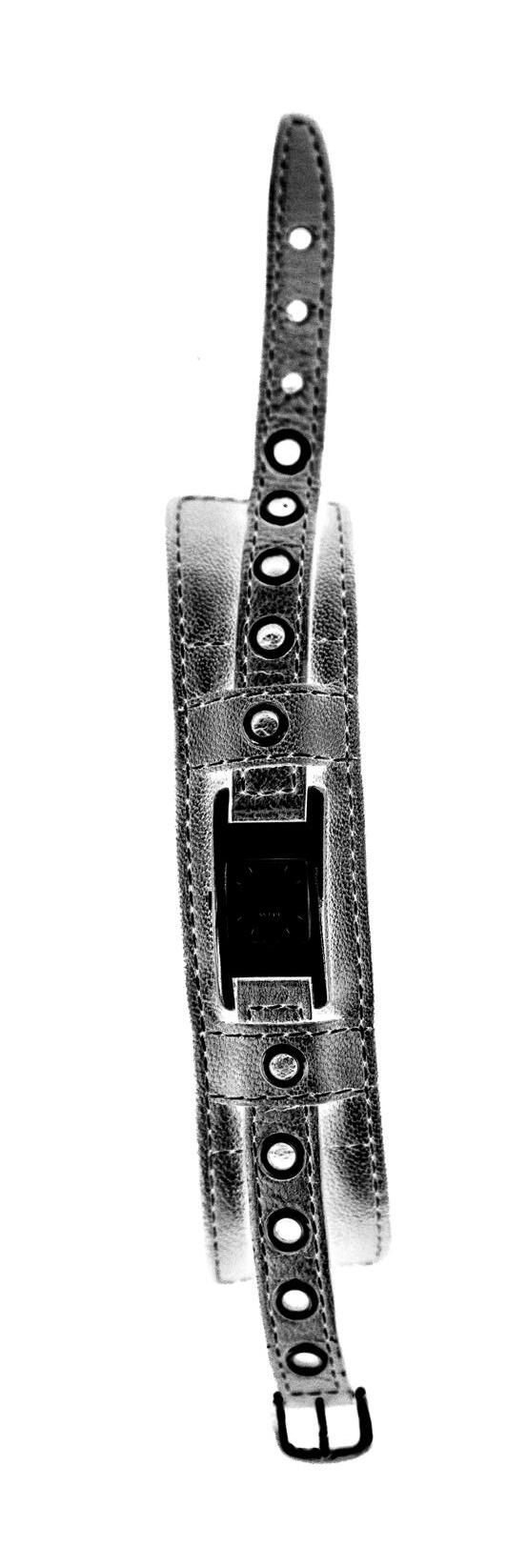
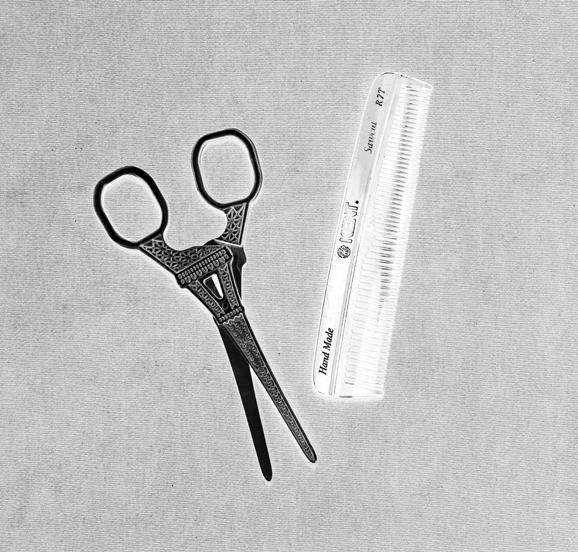
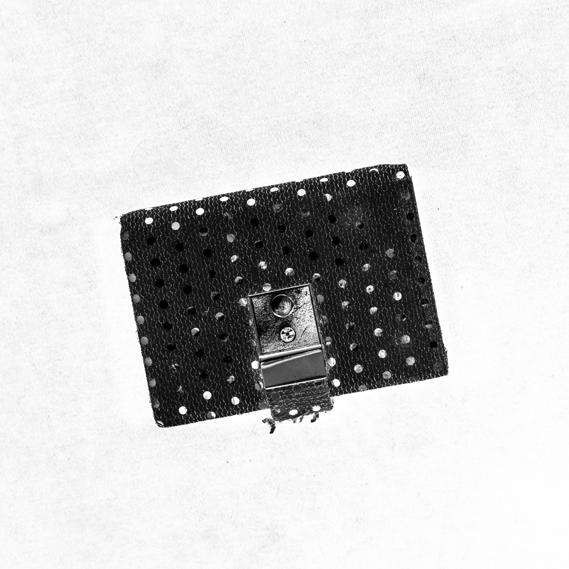
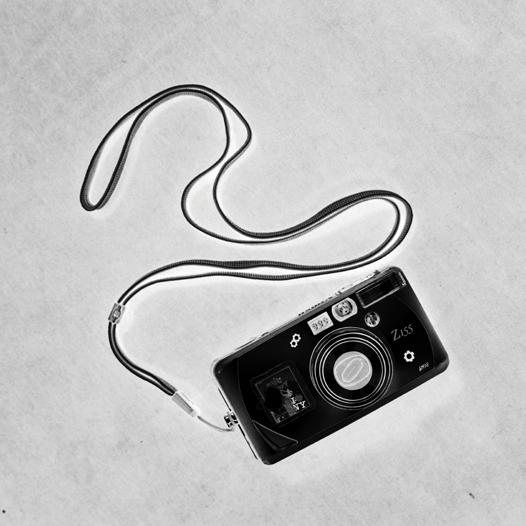
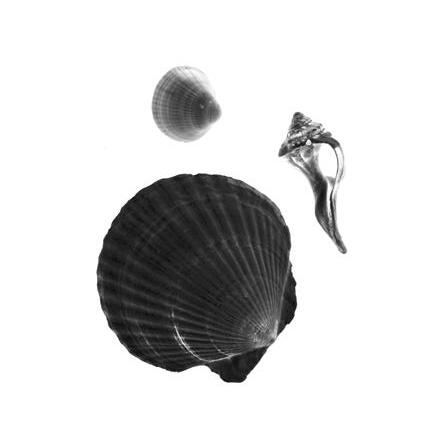
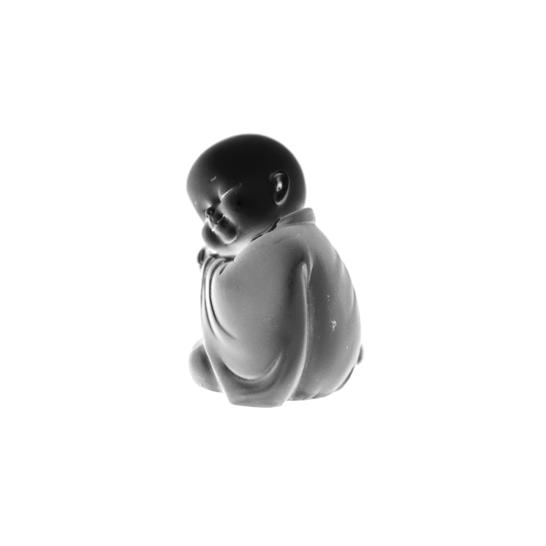
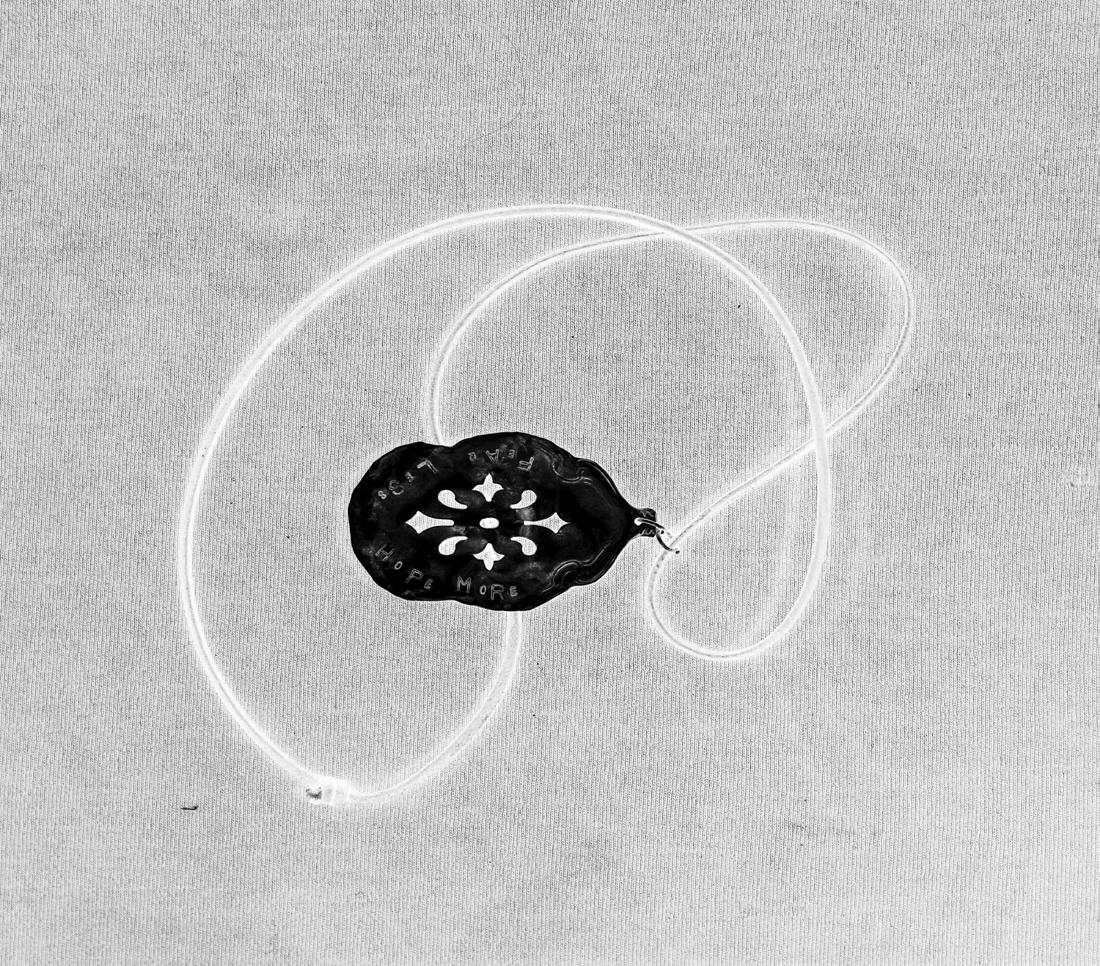
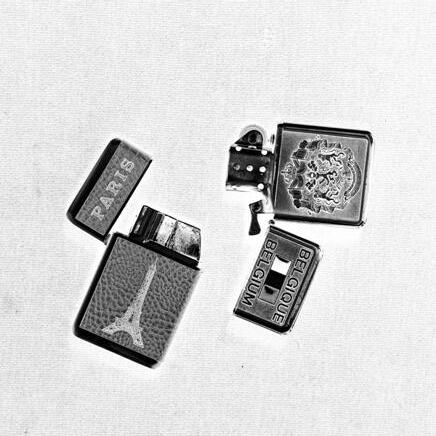
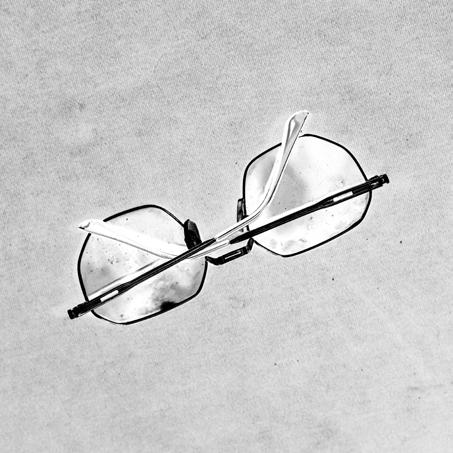
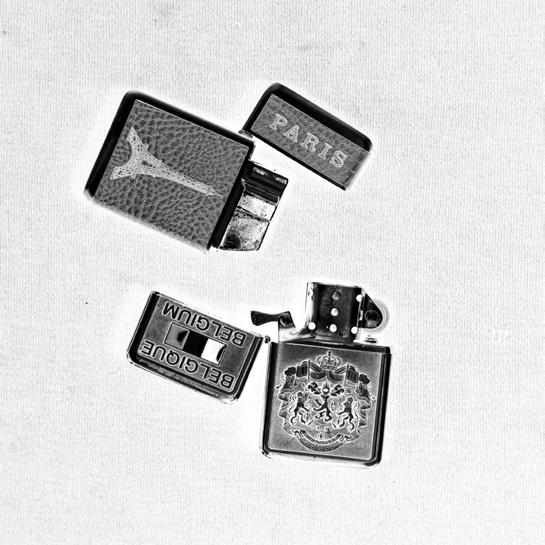
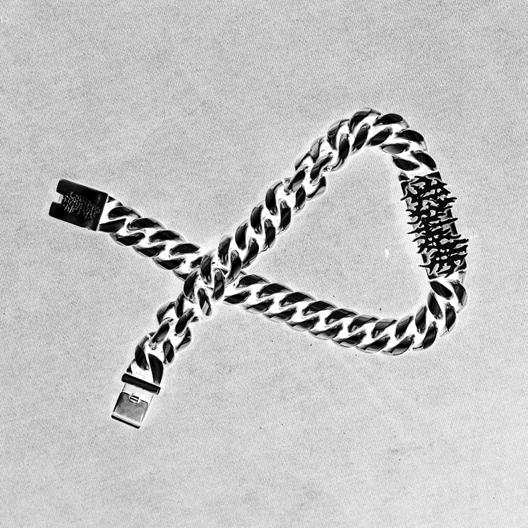
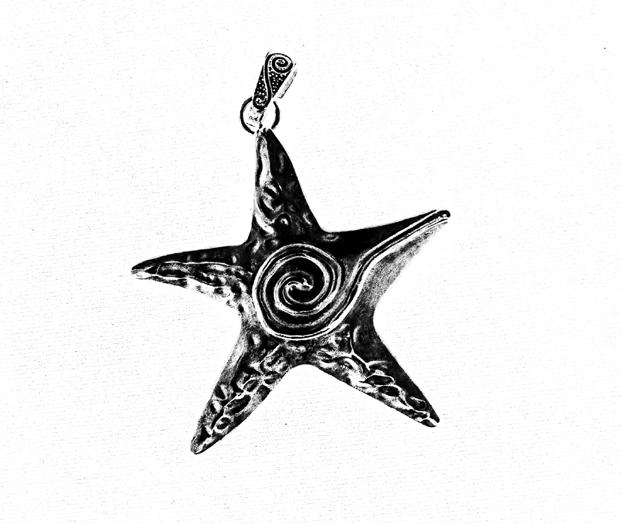
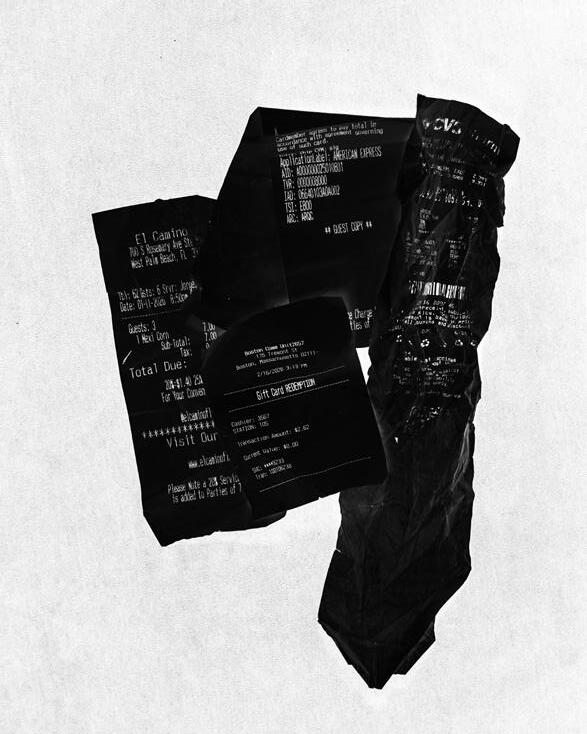
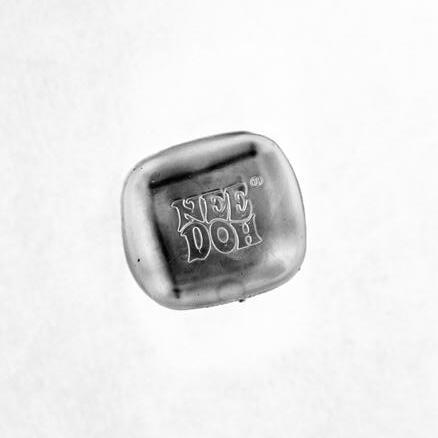
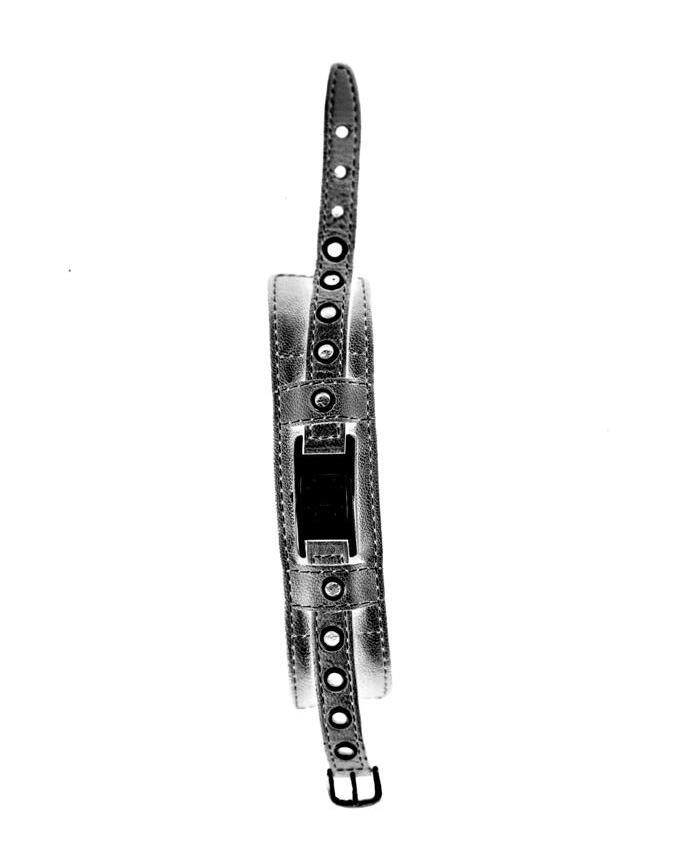
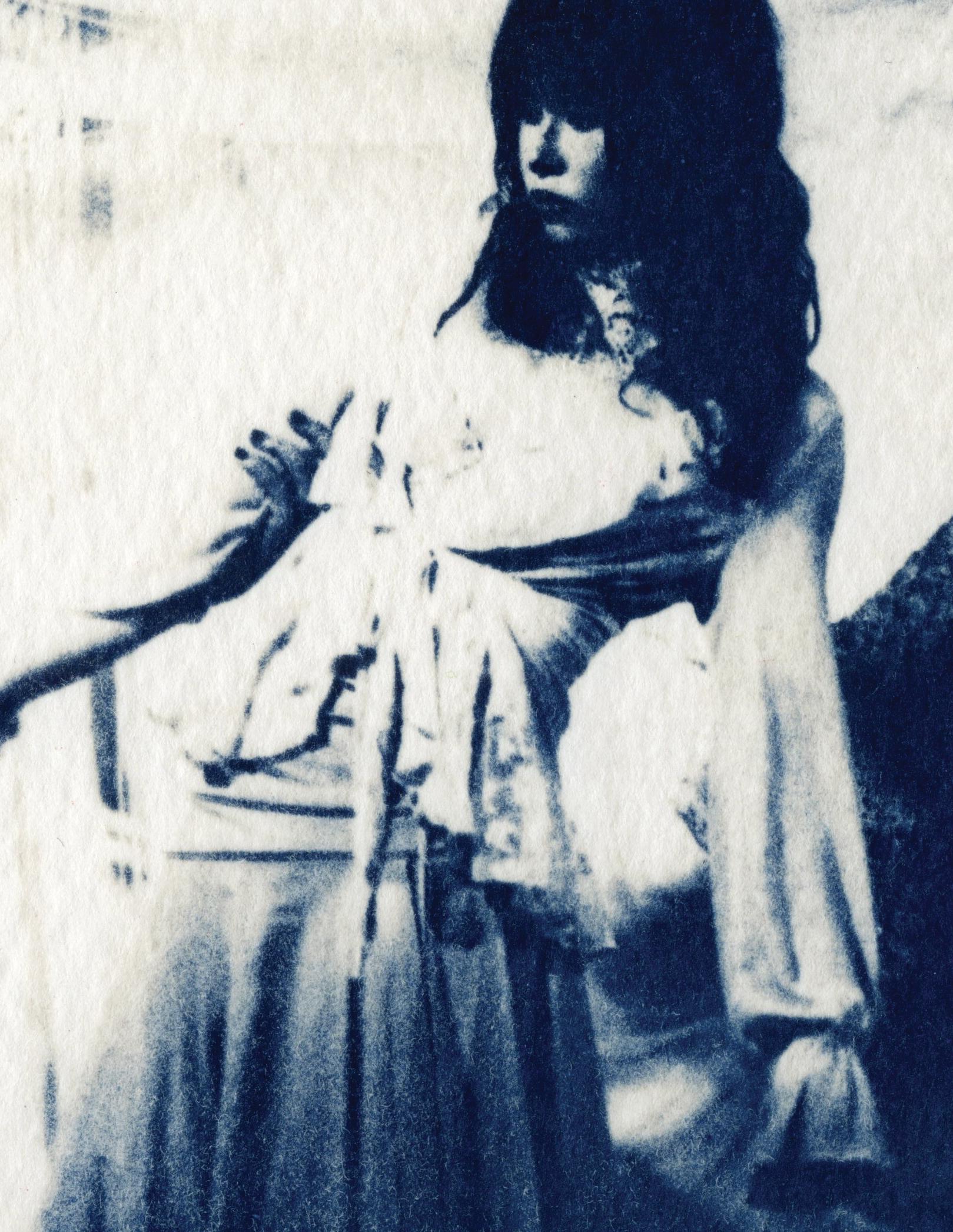
WHETHER A CRUMPLED RECEIPT OR A FAMILY HEIRLOOM, EACH ITEM HOLDS A QUIET EMOTIONAL WEIGHT, MADE WORTHY OF PRESERVATION WITHIN THE PAGES OF ISSUE 09.








WORN AND REMEMBERED
[ GABRIELLA GALBADIS ]
I have a shirt that says “Hogs and Heifers Saloon NYC” with a cow in the center. It’s fraying at the bottom from where it was once cut, and the logo is slowly starting to wear. It’s a cream colored waffle knit with black lettering, and it’s made of fabric that’s still easier to preserve than time.
My mom bought the shirt from the bar; she said she’d gone with my dad a few times when they had just started dating. She remembers the bar being rowdy. Female bartenders danced atop the bar while rock music played. She told me it was definitely an experience. She describes that time in her life with excitement.
I think of her and her fond memories as I wear it, and that makes me like the shirt a little bit more. I reach for it more often now.
My sister and I have had numerous fights over who could have the infamous brown bikini. Maybe it’s because of the pretty chocolate color or perfect fit, but part of me thinks it’s because it used to be our mom’s.
She found it at a boutique in Brooklyn when her and my dad first moved there. She’d just had my older sister, and finally felt comfortable again in a bathing suit. I’ve seen photographs of her wearing the bikini on a beach in Greece, the very first time she ever visited before my family moved there two years later. Next to her in the pictures is my sister, two years old, running around on the sand. A time of new motherhood and new beginnings.
In my drawer also sits a pair of low rise flare jeans with rhinestones on the back pockets. My mom says she wore them until the day that I stole them from her.
She bought them while in Cape Cod with my dad, my sister, and another couple and their son. A new mom at the time, she was traveling with her best friend, who was also a new mom. She was filled with joy, discovering she could still travel and experience so much even as a mother. She wore those jeans all the time, likely thinking they were timeless, until her second daughter came along and stole them away.
For my senior prom, I was lucky enough to have a dress waiting for me. It was a black, strapless gown with a satin panel near the hem and a bow at the side. It fit me like a glove. My mom once wore it to a “high-end” wedding in New York that she attended with my dad. At the time, they were living in Connecticut with both me and my sister. I felt confident and pretty when I wore it on the day of my prom, comforted by her memories.
These phases of my mom’s life have passed, yet pieces of them remain in my present, carried forward through the garments she chose to keep. Though she has moved on and outgrown what were once her favorite clothes, they now hold stories rich with nostalgia, bringing her back in time even as they are worn by her 19-year-old daughter years later.
I feel the fabric of these clothes on my skin just as I feel the impression she has left. These pieces feel different from anything else I own. They allow me to embody someone I hope to one day resemble, not just through the clothes she wore, but through her character.
It’s fun to imagine her youth, to wonder if we would style the pieces the same, laugh the same, talk the same, think the same.
I’m reminded to hold on to the moments I’m in, knowing that one day I’ll laugh, talk, and think a little differently. It makes me want to relish each stage of my life and preserve what isn’t everlasting.
I hope to do what my mother has done; saving bits and pieces that will one day represent special moments. I want them to become time capsules, meant to be worn and remembered.
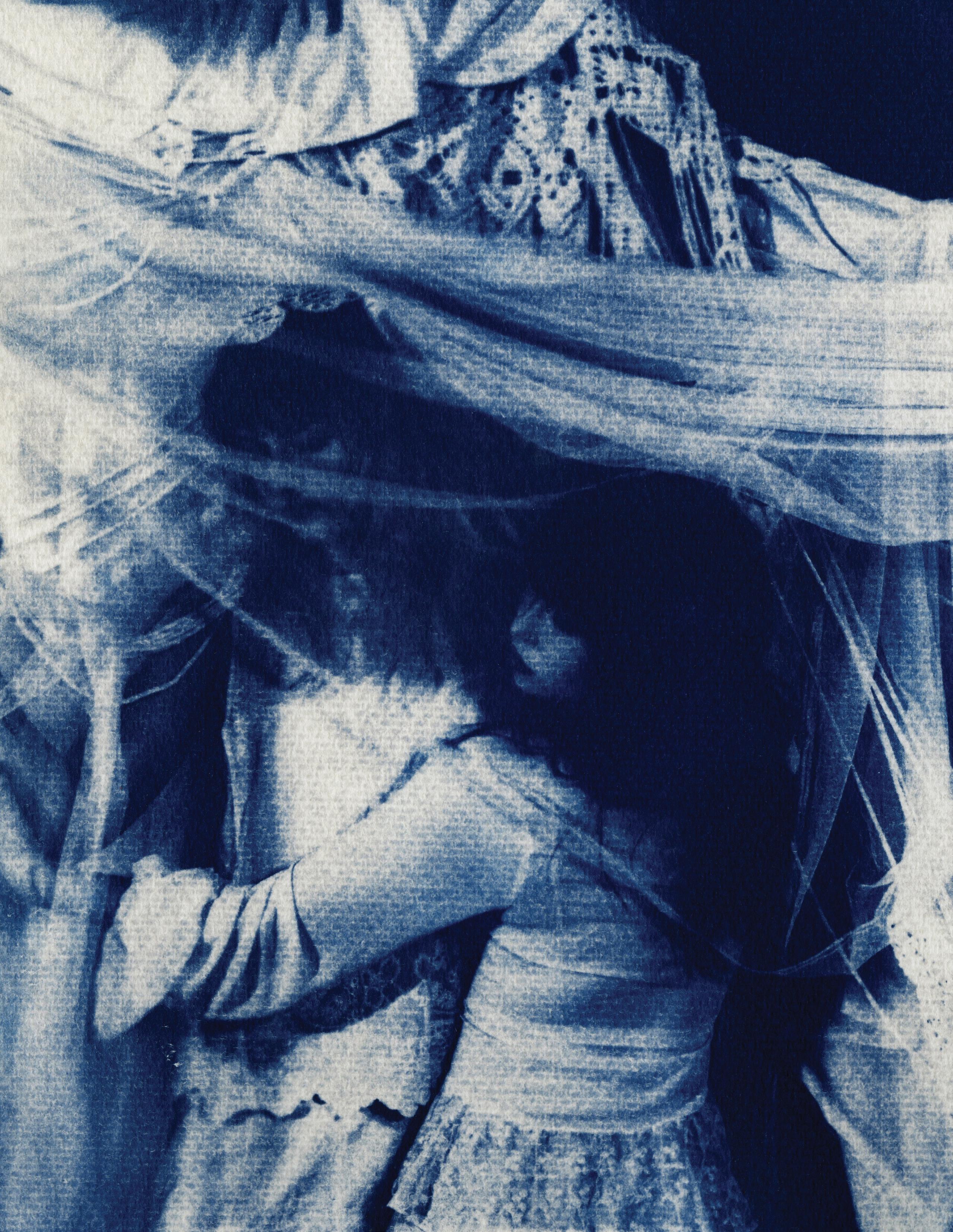
WE’RE BEAUTIFUL WHEN WE’RE FLEETING
[ ALISSA DOEMLING ]
The Isabella Stewart Gardner Museum in Boston was the center of the largest art heist in US history with thirteen pieces stolen—out of the thirteen, five were encased in frames that remain empty in the museum today as a reminder of the heist’s legacy.
But to understand the museum’s state today, we must first understand its history and conception. After the loss of her two-yearold son, Isabella Stewart Gardner and her husband, Jack, went on to travel throughout Europe and Asia in 1867, sparking Isabella’s deep interest in international art and culture. The couple dreamed of creating a museum together, and after Isabella met fellow Harvard student Bernard Berenson, the two went on to collect pieces of art from around the world, from Chinese textiles to French paintings to Italian Renaissance masterpieces.
After her husband’s death, Isabella decided to make their joint dream of a museum into a reality, opening up the Gardner Museum in the Fenway neighborhood of Boston in 1903. Her will stated that no permanent changes shall be made to the museum displays. Now, the museum’s empty frames echo the Gardners’ newfound legacy.
When walking through the museum, viewers are quickly struck with the vibrant, lush beauty of the courtyard, ornate in a satisfyingly symmetrical layout of colorful nature. This spot provides an immediate sense of peace and serenity that gives people space to let out a breath and take the beauty in. Beyond this space, viewers discover the various rooms in the house, each with a unique layout, type of art, and cultural background. Some rooms are separated by color—like the yellow room—where each wall is covered in a striking yellow-gold printed wallpaper. Others display some of Isabella’s more niche collections, like the tapestry room. The museum has largely lived two lives: preheist and post-heist. What draws people in today is its story of perseverance through loss.
The heist occurred in 1990 with over $500 million of artwork stolen from the museum. While many leads have been pitched, the heist remains unsolved to this day. Still, the heist does not define the museum. Rather, it’s the innate reminder the museum carries of time and history rewritten, that something held in place for so long can be swept away in the blink of an eye. Centuries-old art pieces, seeing new eyes every day that the museum is open, are juxtaposed next to empty frames of invisible stories. On Earth, beauty is brief because its short lifespan makes it worthwhile—the rarity of it, the cherishing of it, the anticipation of it. What’s beauty if not rare? What’s beauty without loss?
The Gardner Museum reveals that temporariness is what truly brings us all together; after all, our largest bound is time, which is inherently fleeting. Life and everything that inhabits it is ultimately temporary—that’s what makes it precious and beautiful. We are all bound as humans through the looming ephemeral. As scary as that is, ephemerality also provides us with a sense of freedom and grounding, to both appreciate more and worry less.
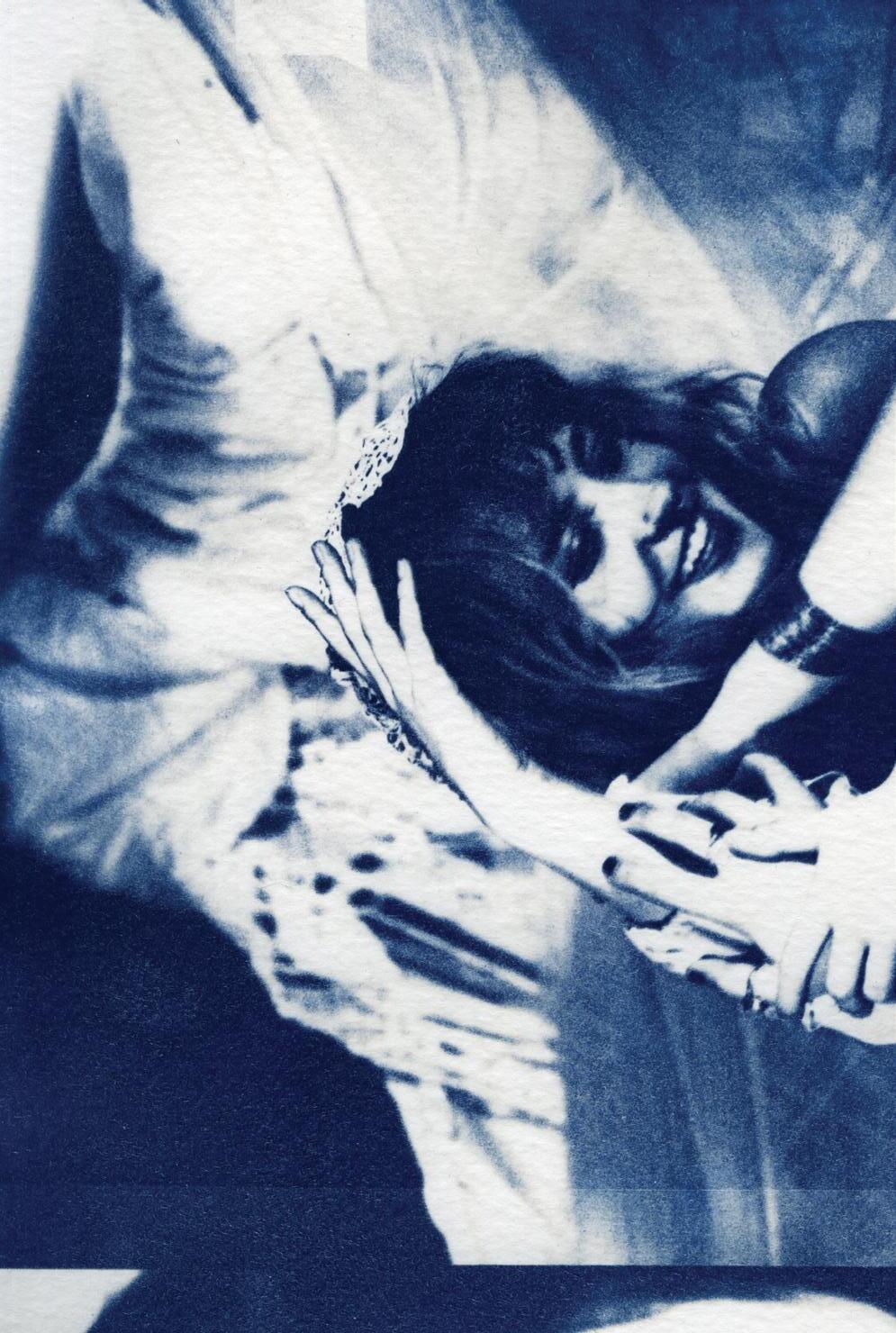
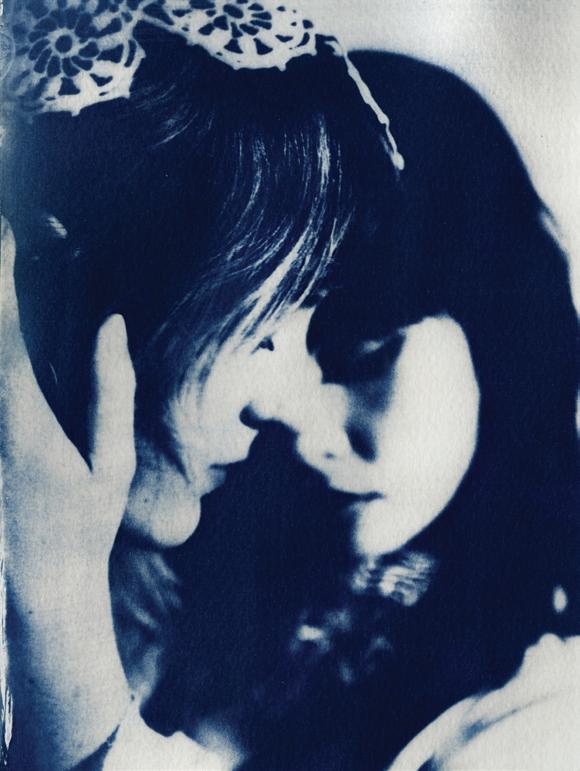
There’s a specific kind of whiplash that comes with scrolling through social media in 2026. Our feeds have become a fever dream where AI slop sits next to human rights violations. In the middle of this mess, a new trend has emerged in our feeds: 2026 is the new 2016. It’s a strange comparison, but 2016 has come to represent the last time the internet felt like a shared playground, the final moment before the political and social storms of the late 2010s broke. But for Gen Z, a generation currently grappling with a world that feels increasingly like a glitching simulation run by The Onion, 2016 has become more than a year. It’s become a mental safe harbor.
But here is the dissonance in our collective memory: we aren’t actually remembering 2016. We’re architecting an impression of it. The simplicity of 2016 is a myth that ignores the toxic shifts happening beneath the surface. We treat it as a ballast in the stormy seas of 2026, but we’re anchoring ourselves to a ship that was already taking on water. We are filtering our