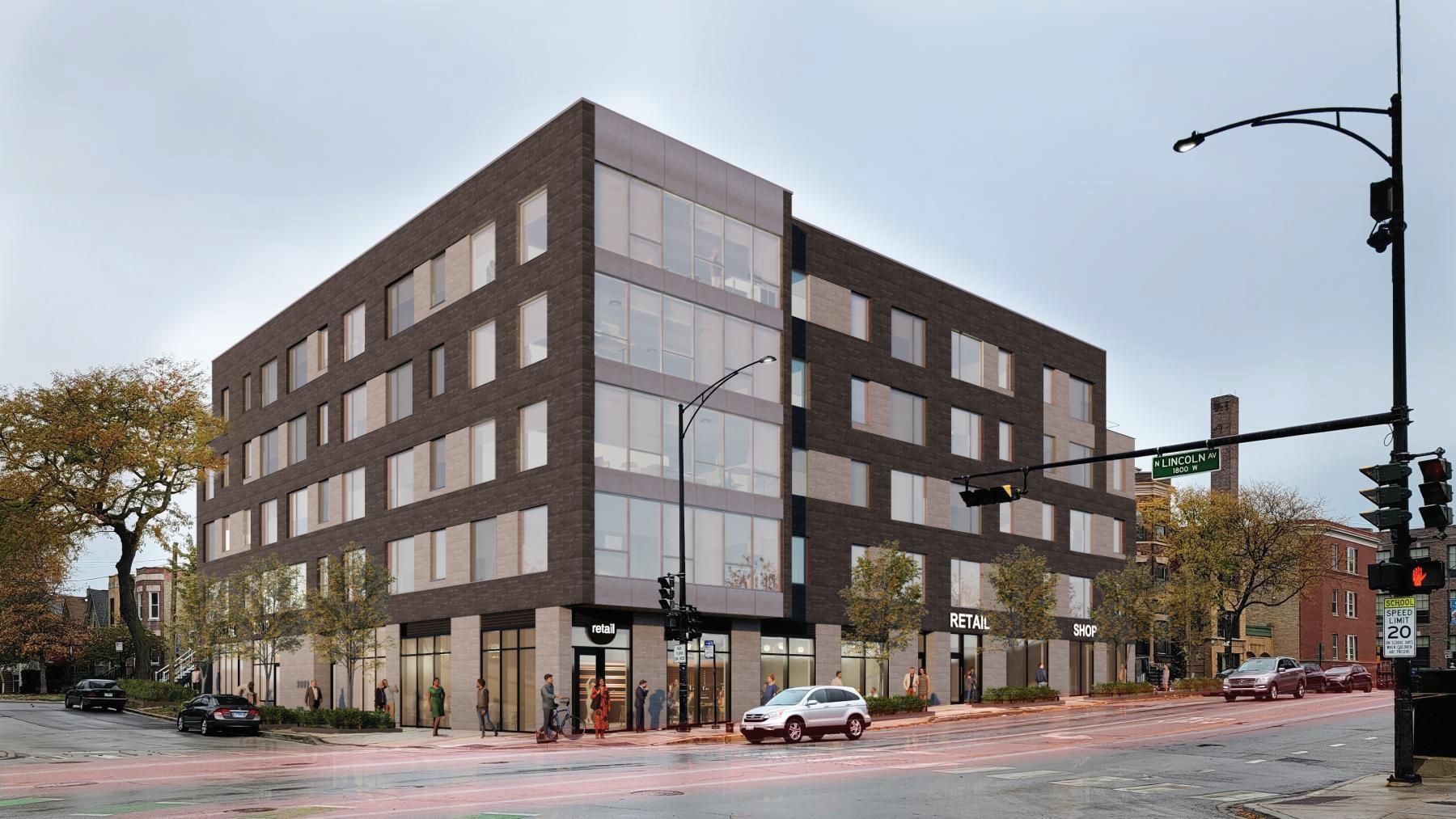
Seven two-bedroom two baths and a one bed one bath below market-rate rental units available at Five Points Lakeview, 3605 N Ravenswood!
Five Points Lakeview is a new construction rental building that features 52 residential units; a rooftop patio, gym, bike storage, and outdoor parking is available. Trader Joes, Loba Cafe, and the CTA Brown Line are within blocks of the property! The property is located within the Hamilton CPS School District
Affordable rents range from $849.00 to $1,659.00 a month. Must be income eligible. Households must earn no more than the maximum income levels below:
Unit 508, One Bedroom One Bath, 80% of Area Median Income: One person - $67,150; 2 persons -$76,750
Units 403 + 407, Two Bedrooms Two Baths, 70% of Area Median Income: 2 persons -$67,200; 3 persons - $75,600; 4 persons - $83,930
Units 303 + 307, Two Bedrooms Two Baths, 60% of Area Median Income: 2 persons -$57,600; 3 persons - $64,800; 4 persons - $71,940
Units 202 + 207, Two Bedrooms Two Baths, 50% of Area Median Income: 2 persons -$48,000; 3 persons - $54000; 4 persons - $59,950
Unit 203, Two Bedrooms Two Baths, 40% of Area Median Income: 2 persons -$38,400; 3 persons - $43,200; 4 persons - $47,960
Please contact the Five Points Lakeview for an application and more information at 773-308-6806 or info@fivepointslakeview.com or https://fivepointslakeview.com/
Applicants with vouchers or other third-party subsidies are welcome to apply. These units are subject to monitoring, compliance, and other restrictions by the City of Chicago’s Department of Housing. For more information visit https://www.chicago.gov/city/en/sites/affordable-requirements-ordinance/home.html
ADVERTISEMENTS
4 6 8 14 15
Arts & Entertainment Event highlights of the week!
SportsWise
The SportsWise team discusses the greatly improved season of the Chicago White Sox.
Cover Story: StreetWise Vendors
Selling magazines becomes a lifeline for Chicagoans navigating the intersecting barriers of incarceration, addiction, and housing instability.
From the Streets
The National Public Housing Museum presents its "Housing for All, Art for All" poster exhibit, featuring works by Amos Paul Kennedy, Jr., among others.
The Playground
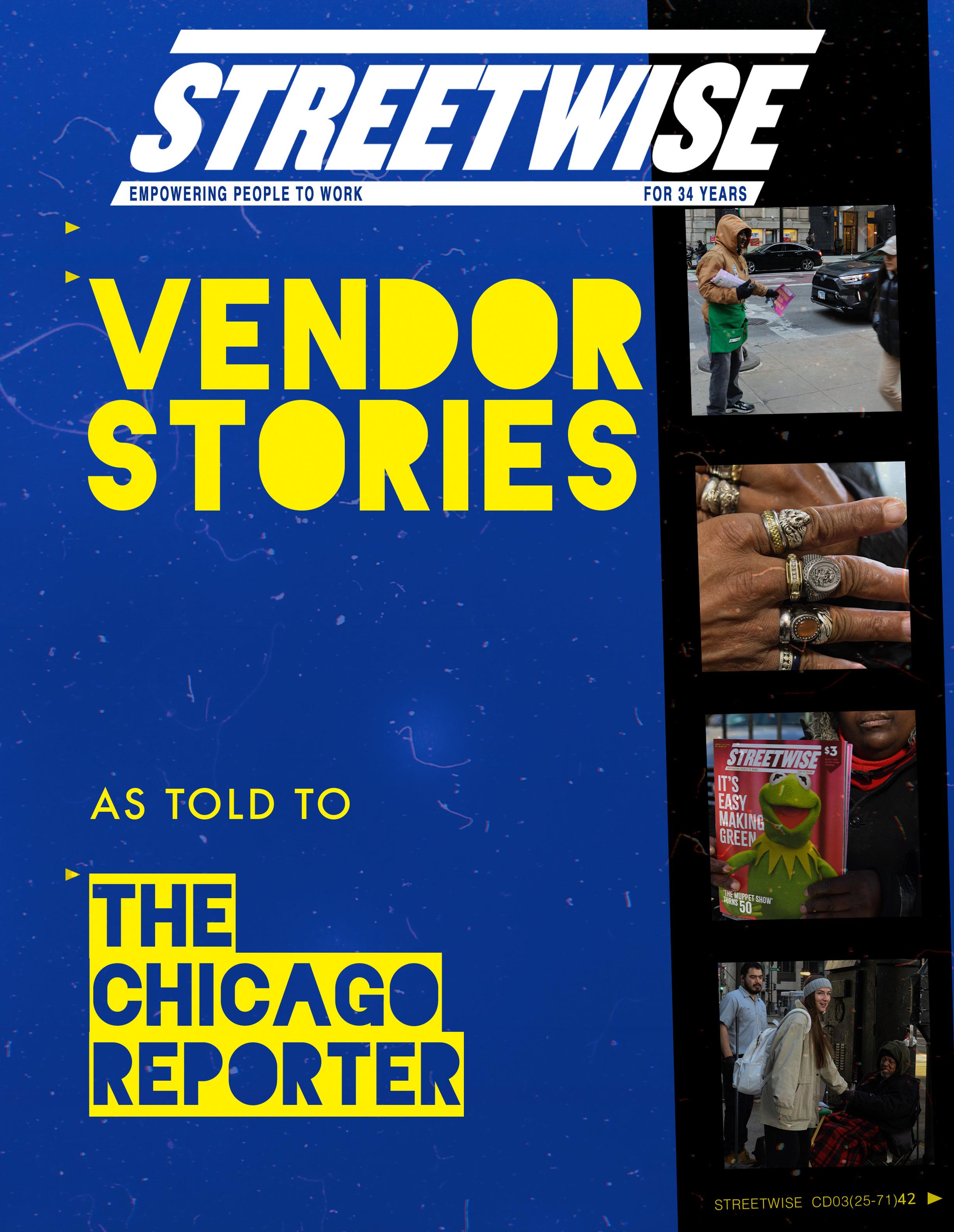
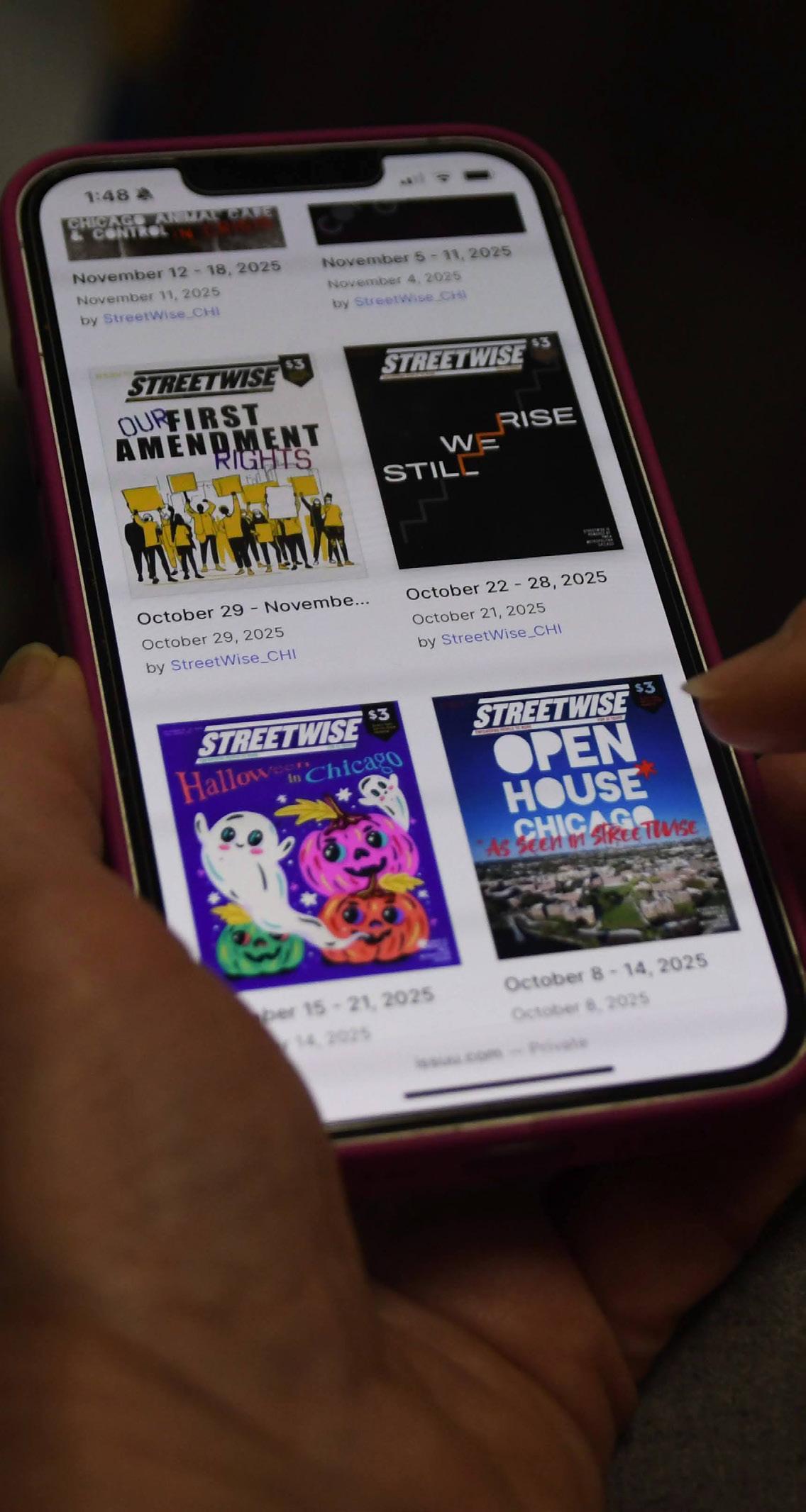
ON THE COVER: StreetWise vendors hard at work. THIS PAGE: The StreetWise archives hosted on issuu.com. (Jack Austin photos).
DISCLAIMER: StreetWise publishes perspectives from vendors and contributors to reflect a range of lived experiences and viewpoints. These opinions do not necessarily reflect the views of StreetWise. We are committed to fostering dialogue grounded in dignity and respect, and we do not endorse language or perspectives that harm or dehumanize others.
Dave Hamilton, Creative Director/Publisher dhamilton@streetwise.org
Julie Youngquist, Executive director jyoungquist@streetwise.org
Ph: 773-334-6600 Office: 2009 S. State St., Chicago, IL, 60616
ARTS & ENTERTAINMENT RECOMMENDATIONS
Compiled by Dave Hamilton
Art in the City!
Old Town Art Fair
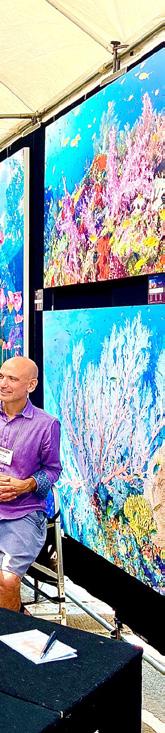
Established in 1948, the Old Town Art Fair is one of Chicago’s oldest juried art fairs and one of the first fine art fairs of its kind in the country. It features a dynamic mix of over 200 artists working across media, includ ing paintings, sculpture, photography, printmaking, ceramics, glass, fiber, jewelry, and more, selected by a jury of local art professionals, including gallery owners, museum curators, and artists. Along with the visual art offerings, the Garden Walk—an attendee-favorite year after year—offers visitors the opportunity to tour over 65 gardens this year, including a record number of 12 new locations and counting, many of which are private and only viewable during the Art Fair. The Old Town Art Fair also features a dedicated Children’s Corner featuring interactive activities and crafts for kids. Organized by the non-profit Old Town Triangle Association and completely volunteer-run, the Old Town Art Fair will take place, rain or shine, Saturday, June 13, from 10 a.m.-7 p.m., and Sunday, June 14, from 10 a.m.-6 p.m. The Old Town Art Fair main gate is located at the intersection of Lincoln avenue and Wisconsin street.
Chicago's Own!
An Evening with John Cusack and screening of ‘Grosse Pointe Blank’
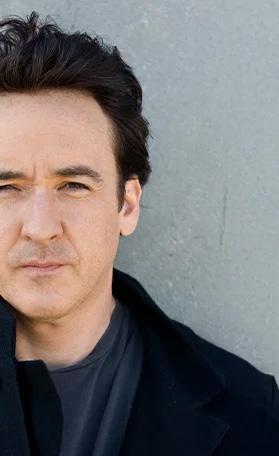
Prepare for an engaging evening as celebrated actor John Cusack presents a special screening of his acclaimed film, “Grosse Pointe Blank,” at The Auditorium, 50 E. Ida B. Wells Drive. This unique event will feature the full movie presentation, immediately followed by a live, on-stage Q&A session with Cusack himself. Attendees will have the rare chance to hear directly from the actor about the making of the film, his iconic role as hitman Martin Blank, and insights into his extensive career. One-night-only, June 13, at 7:30 p.m. Tickets start at $40 at auditoriumtheatre.org
A Moving Exhibition!
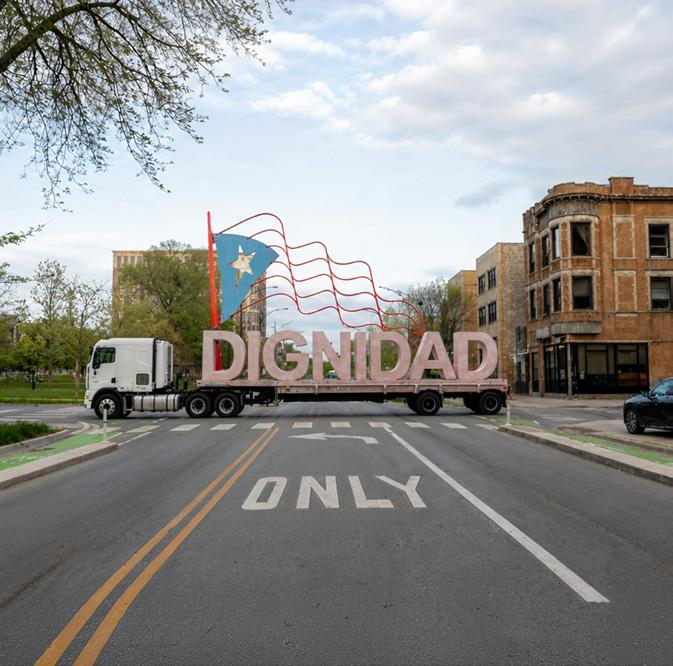
The Floating Museum presents “DIGNIDAD,” a new large-scale, mobile public artwork with artist Iván Argote, curated by Carla Acevedo-Yates. As concrete letters mounted on a flatbed truck, the work is simultaneously sculpture, language and social proposition -- a monument that does not stay still long enough to become invisible. It will debut June 13–14 in Humboldt Park, be featured in the Puerto Rican People's Day Parade June 13 and travel across neighborhoods, examining how visibility, belonging, and power are unevenly distributed across urban space. Its impact will be measured in everyday encounters as people leave work, pick up their children from school, or walk through the park with a loved one. The fourth installment in Floating Museum’s ongoing series on Floating Monuments, "DIGNIDAD" is not anchored to a single site; it's mobile and activates public space. FREE. www.floatingmuseum.org
Opera for All!
“Opera Festival of Chicago
The Opera Festival of Chicago presents its sixth season with the theme "Bohemian Tragedy," June 13 - July 5. The 2026 Opera Festival of Chicago kicks off with its leading artists in concert in “Very Verismo!” on Saturday, June 13 at 7:30 p.m. at the Jarvis Opera Hall at DePaul University, 800 W. Belden Ave. The first fully-staged opera, “La Bohème” by Giacomo Puccini, opens Friday, June 26 at 7:30 p.m. with additional performances Wednesday, July 1 at 7:30 p.m. and Sunday, July 5 at 2 p.m. at the the North Shore Center for the Performing Arts in Skokie, 9501 Skokie Blvd., Skokie. The final production of the festival is “Adriana Lecouvreur” by Francesco Cilea, Sunday, June 28 at 2 p.m and Friday, July 3 at 7:30 p.m., also at the North Shore Center for the Performing Arts. Tickets are $25 - $150 and are available at OperaFestivalChicago.org
‘DIGNIDAD’
A Story, in Rhythm!
Chicago Tap Theatre: ‘Saturn Returns’
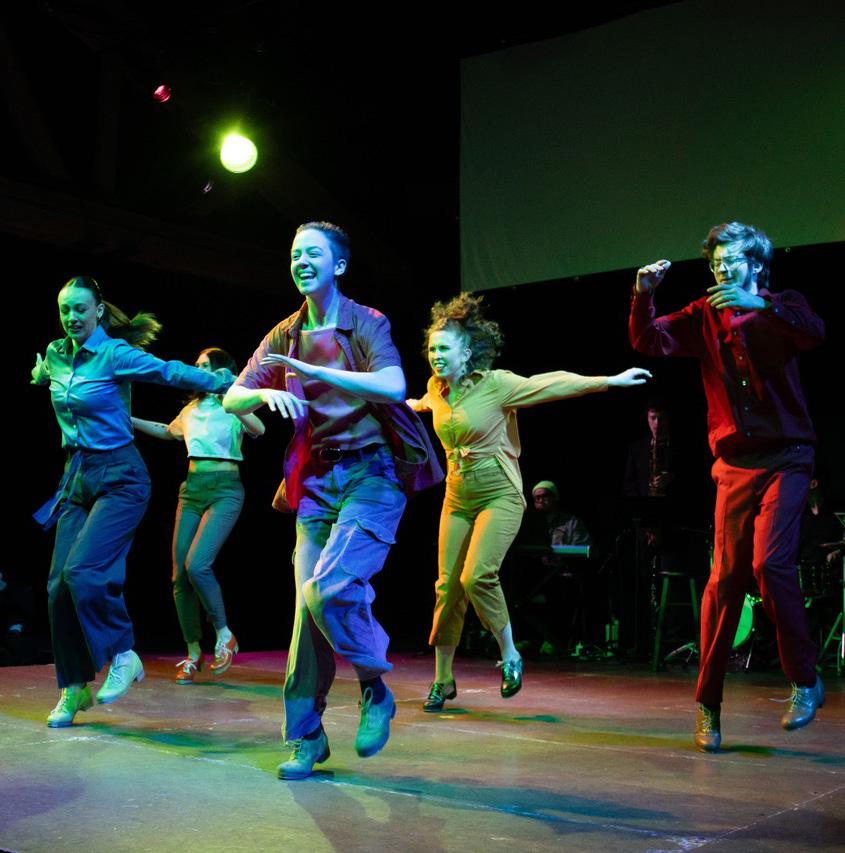
Chicago Tap Theatre presents “Saturn Returns,” June 11-14 at The Edge Theater, 5451 N. Broadway. Directed by Molly Smith, “Saturn Returns” tells the universally human story of getting older through tap dance and live music with new choreography by Smith and the dancers of Chicago Tap Theatre. Based on the Saturn return process in astrology, this show is a heartwarming snapshot of our individual pasts, presents, and futures. Performances are June 11 & 12 at 7 p.m., Saturday, June 13 at 5 p.m. and June 14 at 2 p.m. Ticket prices are $35-$75 and are on sale now at ChicagoTapTheatre.com
A Public Display!
'We the People: Life, Liberty and the Pursuit of Beauty in Greektown Chicago'
In celebration of the 250th anniversary of the Declaration of Independence, a total of 40 original artworks will be on display throughout the Greektown neighborhood, including 20 outdoor painted sculptures along South Halsted Street from Madison Street to Van Buren Street, and 20 similarly-themed paintings on canvases displayed inside and in the windows of Greektown businesses. FREE.
Shop Local!
‘Softie’
Jarvis Square Summer Artisan Markets
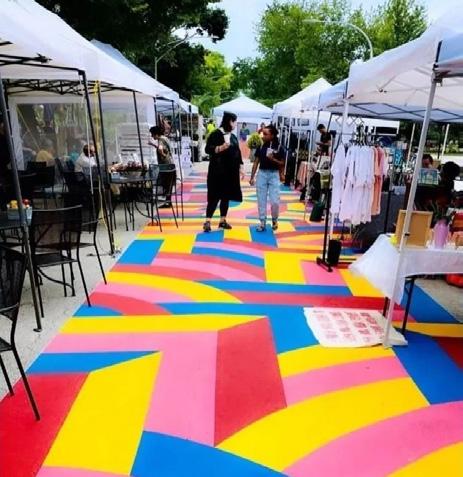
Jarvis Square, the 1500 block of Jarvis Ave., will host an Artisan Market once a month throughout the summer where 28 rotating local makers will sell products ranging from candles, body care, soaps, plants, cards, to one-of-a-kind treasures, handbags, jewelry, macrame, oddities, and more. Open 10 a.m. - 2 p.m. on June 13, July 11, August 22, and September 12. FREE admission.
Who' s Your Daddy!
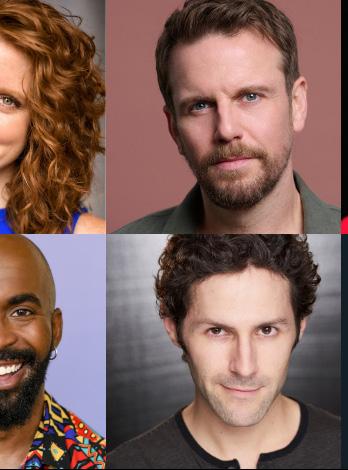
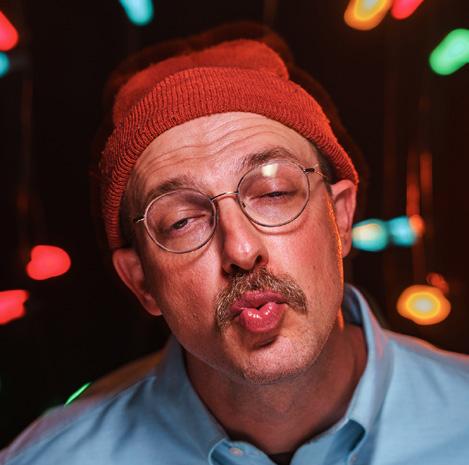
Sometimes a dad is also a daddy. And sometimes that daddy is also a Softie. Chicago-based comedian, Tim Felton (picture the lovechild of Mr. Rogers, Pee-wee Herman, and Buster Bluth), invites you along in his journey as he figures out how to connect with people as he gets older... and softer. Playing June 12 & 13, 7:30 p.m., at Steppenwolf, 1650 N. Halsted St. Tickets are $20 at steppenwolf.org/lookout
‘Southern Rapture’
Controversy into Humor!
In the heart of the Bible Belt, a local theatre company announces it will stage a play called “Rapture in America”—complete with seven seconds of male nudity—sending the city into a frenzy. Based on actual events, Eric Coble's “Southern Rapture” turns this civic eruption into a wickedly funny satire about artistic freedom, arts funding, the weaponization of civic institutions and what happens when conviction outruns common sense. Playing June 11 - 28 at Theater Wit, 1229 W. Belmont Ave., Thurs - Sat at 7:30 p.m., and Sun at 3 p.m. Tickets are $30 at TinDrumTheatre.com
A Force For Good!
Woodstock Institute: Economic Justice Awards 2026
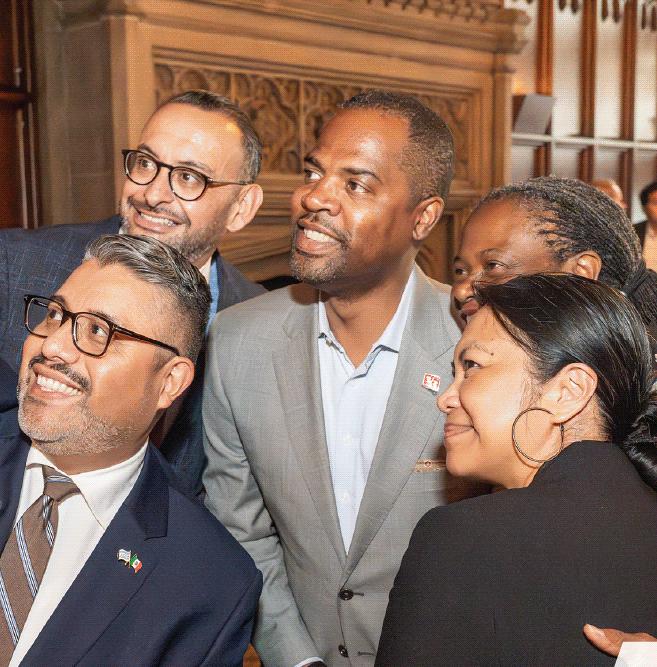
At Woodstock Institute the mission is to advance economic justice and racial equity within financial systems through research and advocacy at the local, state, and national levels. Woodstock Institute envisions a society where all people experience economic security and prosperity. Join Woodstock Institute on Thursday, June 11, 5:30 p.m. at the University Club of Chicago, 76 E. Monroe St., to celebrate another year of advancing economic justice and racial equity at the 2026 Economic Justice Awards! Enjoy hors d'oeuvres, drinks, desserts, live jazz, and plenty of time for networking. Tickets are $100 at woodstockinst.org/events
The white sox are improving
John: The resurging Chicago White Sox: what has made them so much better than the past several years?
Russell: The White Sox may have what it takes to rise from the cellar to the playoffs following three straight seasons of 100-game losses. The Sox have not just crawled out of the basement, they are ready to contend for a playoff spot. As of May 26, the Sox have won 27 and lost 27 games: they’re .500, 3.5 games behind the Guardians in the American League Central (32/25, .561). The only other American League teams with better records are the Tampa Bay Rays (34/18, .654) and the Yankees (33/22, .600).
Allen: I have always been a South Side Sox fan. They have a young team. They played the Cubs three times in the Crosstown Classic and won two out of the three. I don’t think they’ll lose 100 games this year. They’re in a good position for the playoffs, if not this year, then next. Colson Montgomery is young, has brought in 31 runs in the first 110 games of his career since he started last
July 4, so I am looking for him to continue doing good work.
John: The Crosstown Classic was a huge series for the Sox in May. If this were a 100loss team, the Cubs would have rolled 12-2 or 15-2. But – these are not your same old White Sox. They made sure the Cubs did not get more than the four runs early on. They fought back to tie and a three-run homer in the bottom of the 8th inning gave them a 7-4 lead. Then the Cubs tied them with their own three-run homer in the top of the 9th. That could have finished the White Sox, but even after the Cubs took the lead in the top half of the 10th, a two-run shot in the bottom half let the Sox walk off 9-8.
The White Sox showed me on that Sunday in May they
had character. A big reason is Munetaka Murakami. His batting average as of midMay was .242, but he also has 17 home runs. Whenever he’s up there, an opposing pitcher doesn’t want to throw him a meatball, because he’s going to hit it from Chicago to Milwaukee.
Russell: General manager Chris Getz is doing a good job. He traded and got some good players. Colson Montgomery is the top shortstop in baseball and Miguel Vargas from the Dodgers – we got somebody from the Dodgers. Nice trade!
John: All right, all right.
Russell: Murakami – a lot of teams felt bad they didn’t pick him up. Pitchers are scared of him, they will walk the man. In July with the first
draft pick, don’t mess it up and the future looks good.
Allen: Like Russell said, they’re looking good in the AL Central, second place. Maybe this is the year they come back.
John: If they win 85 games, it’s a good chance they will make the playoffs. Give credit to Chris Getz. He put all the pieces in place. They could use a middle reliever at the trade deadline, when they will become buyers, not sellers. Stranger things have happened, like the Twins winning the World Series in 1987 or the Mets going there in 1973.
Any comments, suggestions or topic ideas for the SportsWise team? Email StreetWise Editor Suzanne Hanney at suzannestreetwise@yahoo.com
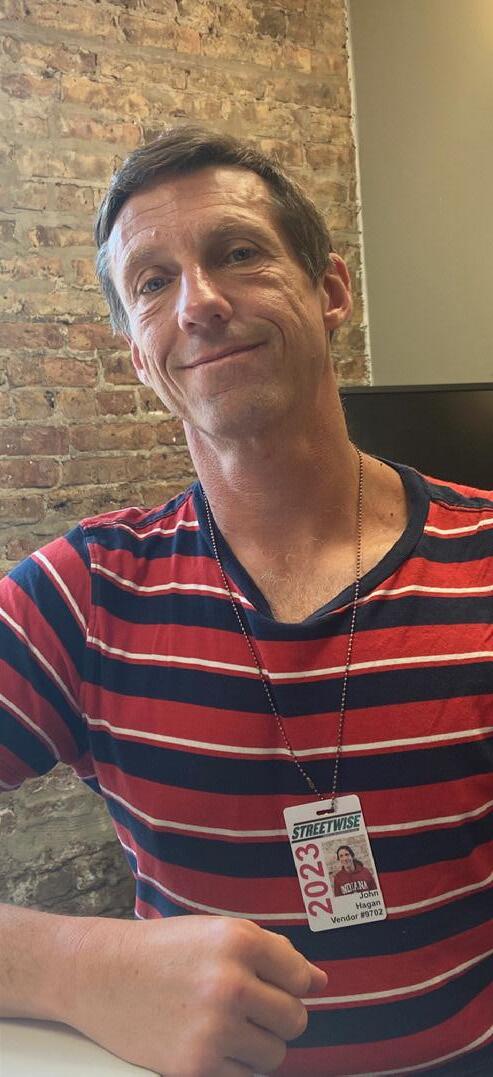
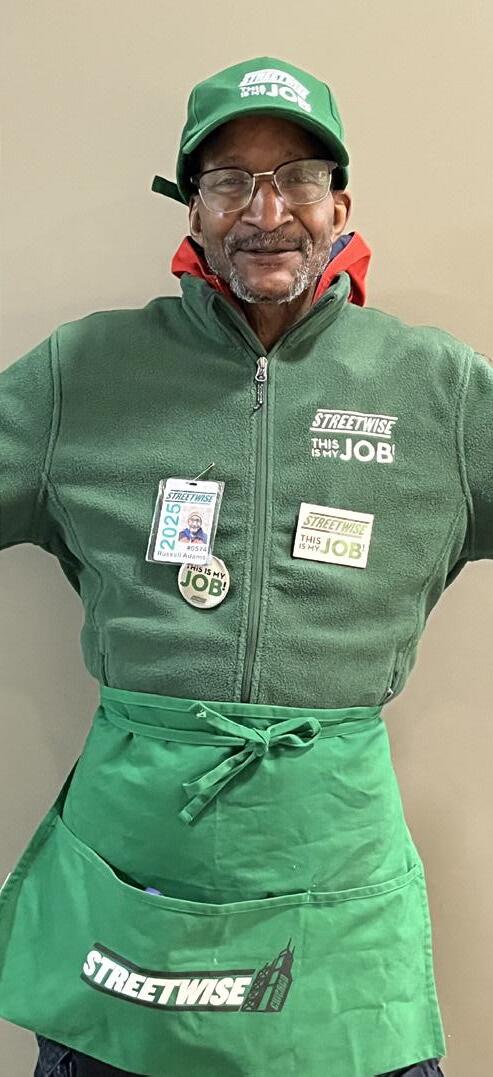
Vendors John Hagan, Russell Adams, and A. Allen chat about the world of sports.
How a street newspaper creates jobs for Chicagoans
by Jack Austin, The Chicago Reporter
Selling magazines becomes a lifeline for Chicagoans navigating the intersecting barriers of incarceration, addiction, and housing instability.
For decades, Keith Hardiman heard the same answer when he tried to move his life forward: “You don’t qualify.”
After recovering from substance use disorder and returning home from prison, Hardiman discovered that social and legal barriers prevented him from securing steady work and stable housing.
“I’ve always heard this for the past 30 or 40 years—you don’t qualify,” Hardiman said. “I don’t know how it is that I don’t qualify. I’ve been to prison. I did my time. I won’t owe anyone… I need a roof over my head now.”
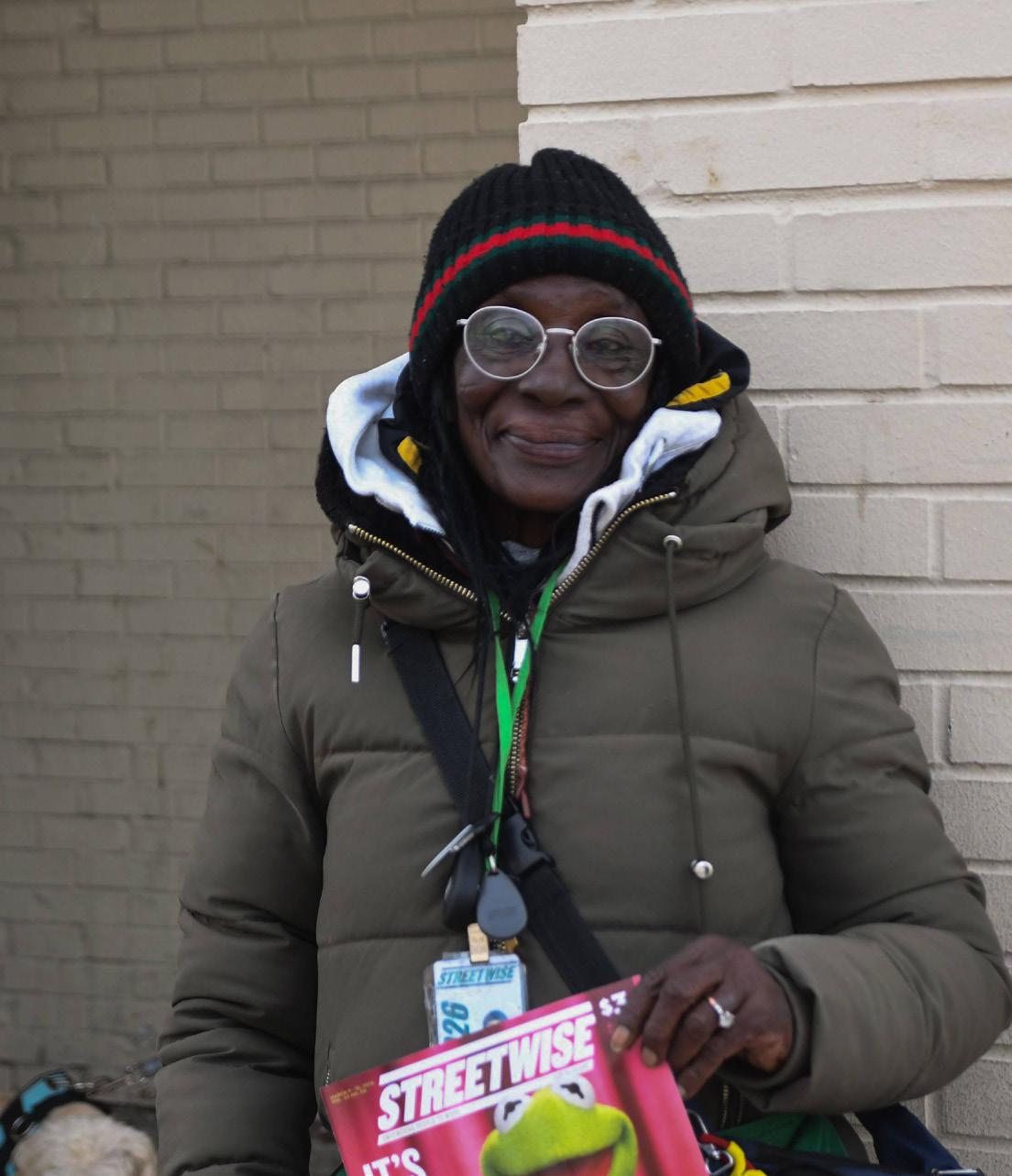
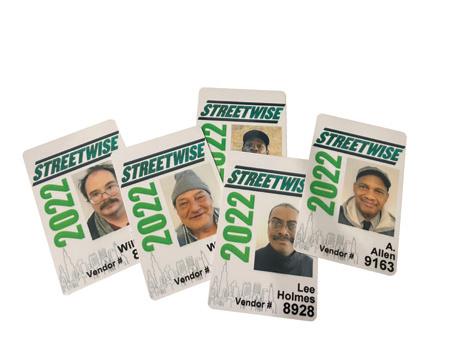
Hardiman has been standing on the corner of Michigan Avenue and Lake Street for more than 25 years selling copies of StreetWise, Chicago’s “street news magazine” that publishes solutions stories on equity and justice and stories documenting lived experiences of people facing homelessnessness and poverty.
On most mornings, Hardiman arrives by 6 a.m., selling magazines until about 10, and greeting commuters as the city wakes up around him.
Hardiman grew up in the Henry Horner Homes on Chicago’s West Side before his family moved to the South Side. He bounced between schools, served in the U.S. Army after high school, and trained as an auto mechanic. “I was
getting by,” he said—until an arrest in his early adulthood led to six years in prison.
After his release, he discovered that jobs he was otherwise qualified for were now out of reach due to his legal record.
“It was damned if I do, damned if I don’t,” Hardiman said. “No matter what my work experience was… It was just the fact of the felony.”
Hardiman battled addiction, complicated by family struggles, including his mother’s death from breast cancer in 1998—when he was just 36. “That set me back a whole lot–my family problems. I was out in the streets for a while and had a drug addiction.” He said the past 30 years have been difficult.
But Hardiman got sober—and has stayed that way for roughly 25 years.
“One is too many and a thousand is never enough,” he said of addictive substances.
StreetWise became part of his life after he saw someone selling the paper on the street.
A vendor told Hardiman where the office was, and he went to an orientation—which lasted three days at the time. When he finished, the organization helped him get started with free copies to sell.
StreetWise vendors buy magazines at a discounted rate and sell them on the street, keeping the difference as income. The model allows people who are struggling to find
traditional jobs to start earning money immediately.
Inside the headquarters, the environment more closely resembles a community center than a traditional office. Volunteers organize supplies, provide food, assemble hygiene kits, and help vendors access resources. Sarah Gentis helps organize wellness programs, distribute supplies, and assist vendors whenever she visits Chicago.
“I really love the concept of StreetWise,” Gentis said. “It empowers people—especially people who might not be able to get a typical job.”
The organization also connects vendors with basic services: hygiene kits, food, clothing, and referrals to social services.
StreetWise adds stability to many lives, but the problem of homelessness and housing insecurity in Chicago remains daunting.
In Chicago, more than 58,000 people experienced homelessness in 2024, though official one-night counts recorded about 18,800 people living in shelters or on the street, highlighting how challenging it is to fully measure the crisis.
That gap reflects a broader truth: homelessness manifests in ways both visible and unseen–it is a system-wide issue shaped by housing, wages, and policy.
“Housing affordability and accessibility is the key issue,” said Dennis Culhane, a social policy professor who has studied homelessness for decades. “The underlying causal factor is a lack of affordable housing supply.”
As rents rise faster than incomes, more people are pushed into instability. For those already on the margins, even small disruptions—a job loss, a medical bill—can be enough to lose housing entirely.
Building community through visibility
Today Hardiman typically brings in around $50 a day.
It isn’t much, but it’s enough to afford a room at the Norford Hotel and a meal. Hardiman has grown to rely on regular customers who have come to recognize him over decades on the same corner.
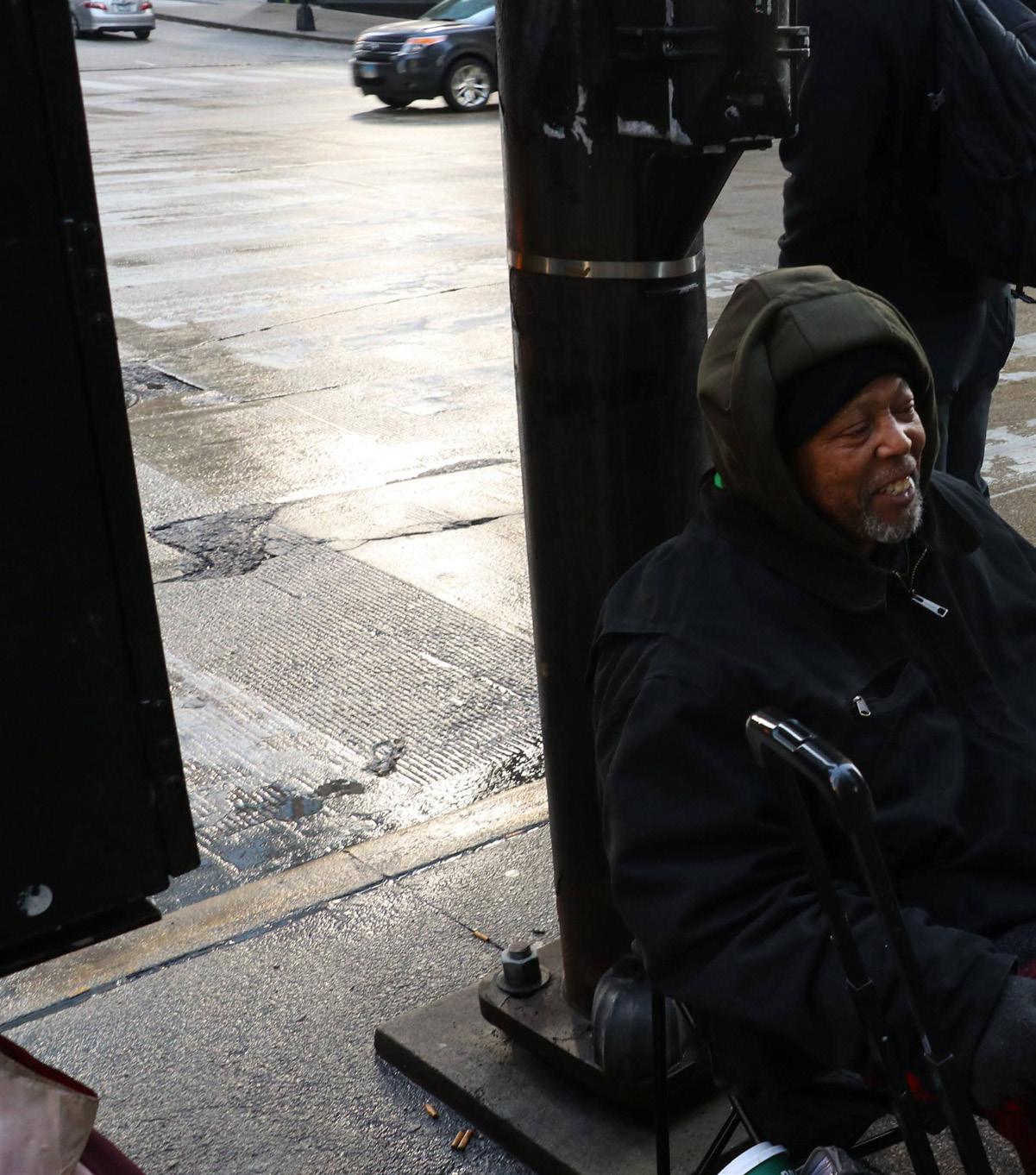
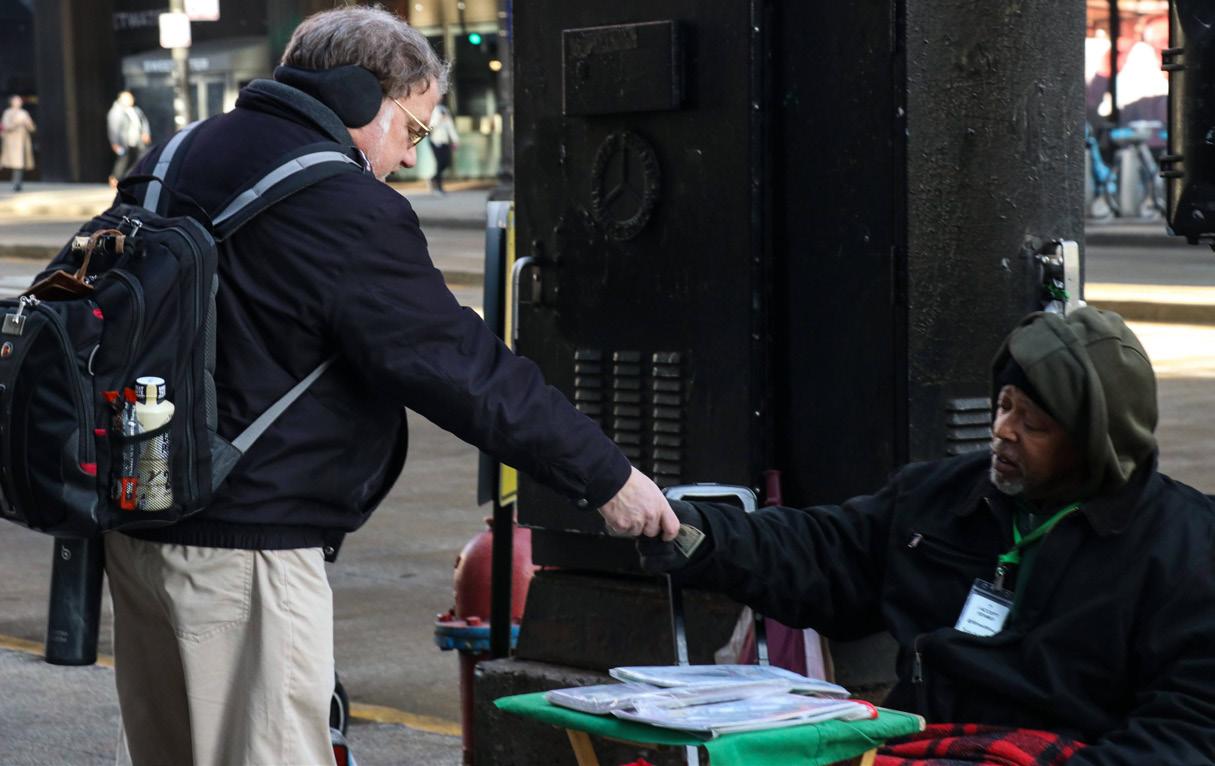
Keith Hardiman sells copies of StreetWise magazine each morning on Michigan Avenue and Lake Street (both photos by Jack Austin).
For Hardiman, the most meaningful part of selling StreetWise is the people he meets. Each day brings conversations with a wide range of strangers, some of whom have gradually become regulars and even friends. When he’s absent from his usual corner, a few customers have been concerned enough to call the StreetWise office to make sure he’s okay—something he says makes him proud.
At times, the support goes beyond buying the magazine. One customer once paid for Hardiman to go to the movies after he mentioned he hadn’t been able to afford it.
He’s received Thanksgiving cards. A Valentine’s Day card. Small gestures that remind him people care.
But street life also brings uglier encounters. Hardiman says he has been spit on, had dirt thrown in his face, and been called racial slurs while selling papers downtown.
“I’ve been spit on. I’ve been had dirt thrown in my face, and I’ve been called the n-word in the middle of the street of Michigan and Lake Street,” Hardiman said. “The bad part about it is the ugly faces I get, where people come past, they scrunch up [their] face, they look like they’re disgusted. I respect the common courtesy, and want it back in return.”
Harassment, discrimination and violence are frequent experiences for people who are unhoused. A 2024 report on violence and victimization for people experiencing homelessness found that more than half of respondents experienced some form of discrimination or abuse on a weekly basis.
The real scale of housing insecurity
Founded more than 30 years ago, StreetWise is part of a global network of roughly 100 street newspapers, the International Network of Street Papers, that allow people experiencing homelessness or poverty to earn income by selling magazines.
Opportunities like these have become increasingly important as rates of homelessness continue to grow.
Nationally, more than 771,000 Americans were experiencing homelessness on a single night in 2024–the highest number ever recorded.
Experts say that number reflects not just individual hardship, but structural failures.
What Streetwise provides
For some vendors, StreetWise offers a concrete path to stability after years of unemployment, homelessness, or addiction. Andrew Allen knows that reality firsthand.
Allen grew up on Chicago’s South Side and graduated from Morgan Park High School before a desire to travel took him to Miami in his early 20s—where his addiction began to take hold. He later became homeless for several years, including about three years living on the beach, at times feeling unable to leave. Even when he had money or
help to return home, he says, “I was trapped there,” using drugs instead.
“I was shooting drugs… the more I bought, the more I used,” Allen said. “It became so addictive that I preferred to buy drugs than to pay rent.”
He describes addiction as something outsiders often misunderstand, especially how it can obscure its own consequences. “They say, why don’t you quit? But it’s not that easy… You can’t even see that drugs are making you homeless.”
Allen struggled with addiction and had a criminal record, making traditional jobs difficult to obtain.
But StreetWise offered a fresh path. There was no background check required to begin selling the paper. Instead, vendors receive training and can begin working almost immediately.
Over time, Allen stabilized his life, eventually moving into a leadership role as a field supervisor, helping train new vendors and supporting them on the streets.
“Becoming a field supervisor changed my life,” he said. “It gave me the ability to give back to the community I came from.”
Allen now mentors new vendors who are trying to rebuild their lives. “If anybody hears this,” he said, “I want them to know there’s a way up and out of whatever situation you’re in.”
The systems behind the struggle
While stories like Hardiman’s and Allen’s often get framed as personal journeys, advocates say they are shaped by larger forces.
“The number one structural driver that creates the conditions of homelessnes is racism,” said M Nelson, a policy manager at the Chicago Coalition to End Homelessness.
That racism shows up in housing policy–from redlining to the demolition of public housing like Cabrini-Green without full replacement. It also shapes who has access to homeownership — and who builds generational wealth.
“It’s not that there’s a lack of housing,” Nelson said. “It’s a lack of access.”
In Chicago, more than 109,000 housing units sat vacant in 2024—nearly double the roughly 58,000 people who experienced homelessness that year. At the same time, wages lag behind rents — with estimates suggesting a worker would need roughly $22 an hour to afford a one-bedroom apartment. Rents have climbed significantly faster than median wages in Chicago, leaving many working-class residents squeezed even as they earn more than they did a decade ago.
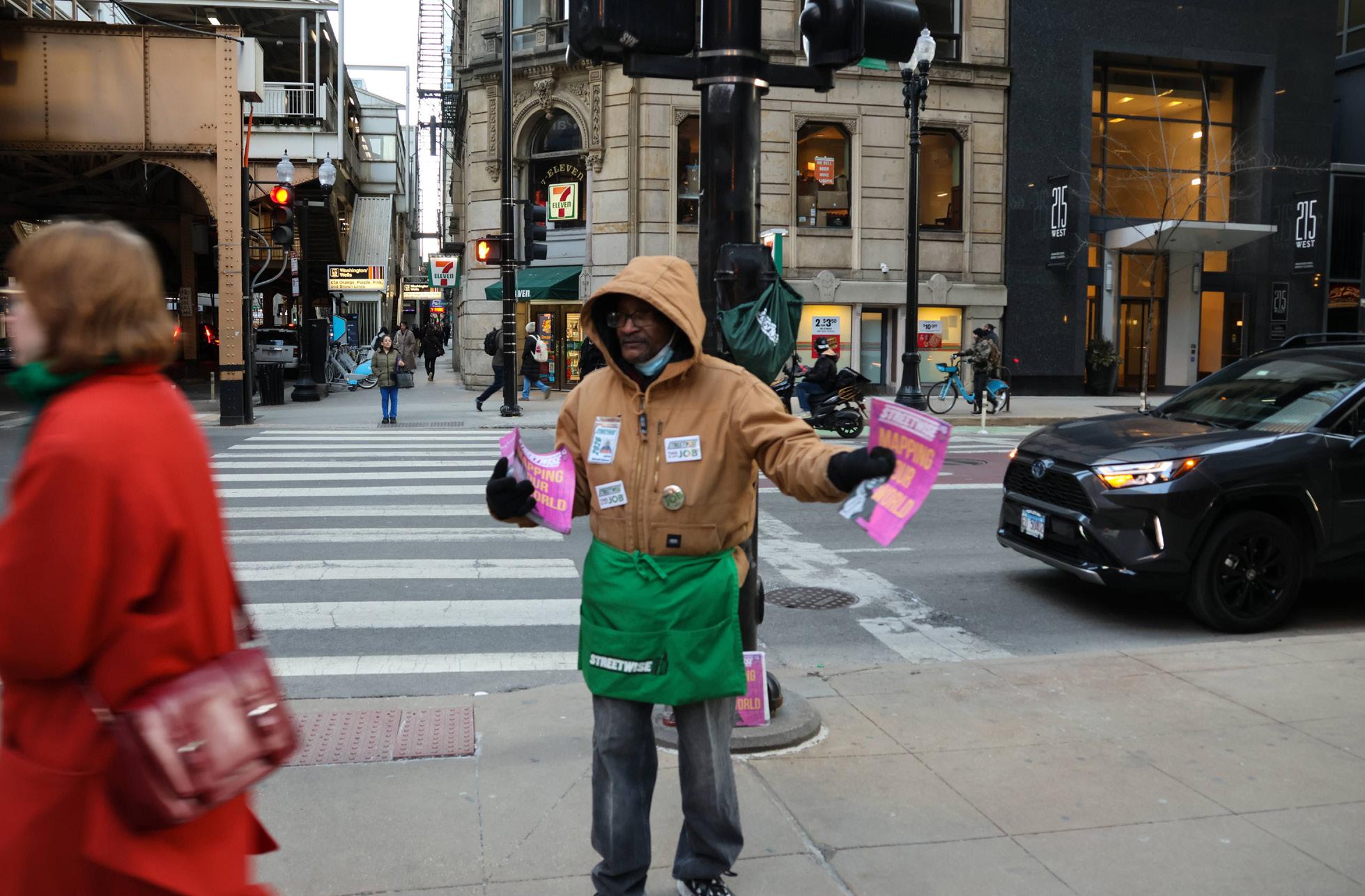
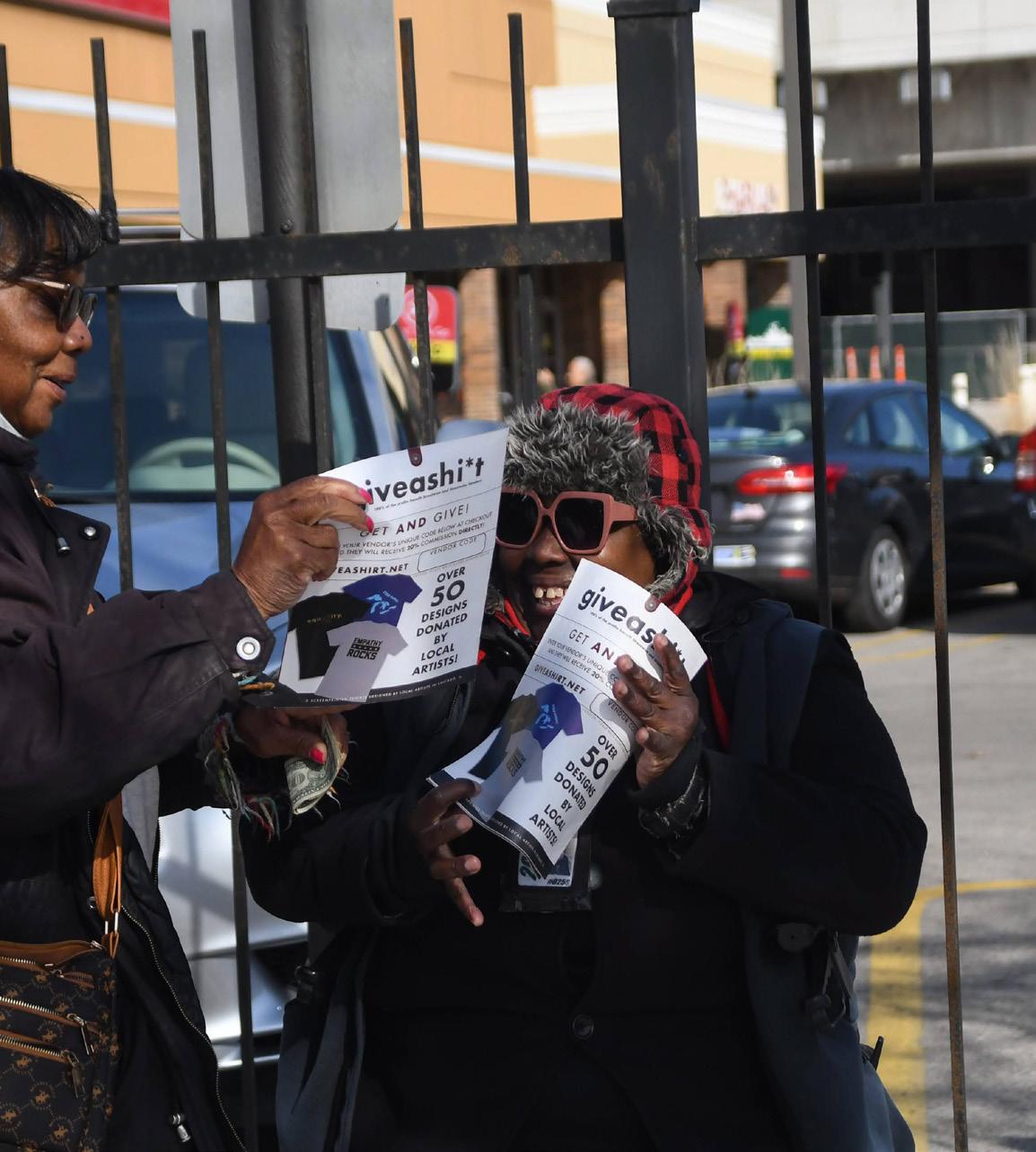
From left: Russell Adams one of his regular spots, Washington & Wells. V.W. (right, with buffalo check hat) interacts with a customer at her spot, the Jewel-Osco at Broadway and Berwyn. Gwen sells outside Walgreen's in Andersonville. (All photos by Jack Austin).
“There’s no one path”
The lack of access to safe, affordable housing impacts people across varying systems–from people aging out of foster care to returning citizens, as well as families facing eviction.
“There’s no one path,” Nelson said. “We all make choices that have consequences, but we’re not all given the same choices to begin with. People experiencing homelessness are often starting from a place without a safety net, where even small decisions can have much bigger consequences.”
Research backs that up. Families with young children, for example, are among the most likely to enter shelters, in part because childcare costs and lost income strain already tight budgets.
Housing subsidies, often called vouchers, have been shown to reduce homelessness and improve outcomes across the board — from mental health to children’s education. Helpful but limited resources exist for returning citizens and foster youth. Food, shelter, mental health care, and emergency assistance referrals can be accessed 24/7 through 211 Metro Chicago.
“The most important mitigating factor against homelessness is having a housing subsidy,” Culhane said. “Only about a quarter of eligible households receive one.”
StreetWise offers access to meals, clothing, hygiene items, referrals to housing, jobs, healthcare and legal aid, help with ID and benefits, basic technology and mailing access, and crisis support for people in immediate need.
“We know how to end homelessness if we’re willing to devote the resources,” said Vanderbilt Professor of Human and Organizational Development Beth Shinn, who has studied homelessness for decades.
City of disparities
Since 2005, StreetWise Editor-In-Chief Suzanne Hanney has led the magazine’s newsroom, focusing on issues like housing, economics, and social inequality. Hanney attempts to make complex stories accessible to audiences from all kinds of backgrounds.
StreetWise stories explore the structural forces that shape poverty and homelessness in Chicago.
According to Hanney, a major reason for homelessness in the city is the city’s rising cost of living. Chicago has grown increasingly expensive, with many residents’ incomes insufficient to pay rent.
“We’ve become a divided city. We have a lot of higher end paying jobs, and so the city is gentrified. It’s more expensive,” Hanney said. Housing affordability in Chicago is shaped by a widening gap between incomes and rent levels across the metro area. Census data reports the median household income in the Chicago metro area exceeds $75,000, with significant variation across neighborhoods and a large share of households earning well below that level.
At the same time, affordability thresholds are set by Area Median Income (AMI), which the City of Chicago uses to define eligibility for housing programs. Under this system, households at 30% AMI are considered extremely low in-
come and qualify for the deepest subsidies, with income limits set by household size and updated annually by the city.
Measuring gentrification
Even as these income benchmarks remain relatively fixed, rental affordability has continued to erode. Research from the Institute for Housing Studies at DePaul University shows that Chicago has experienced a long-term decline in the share of rental units affordable to lower-income households, as rents rise faster than incomes and units in many neighborhoods shift from affordable to market-rate. Together, these trends mean that even households earning at or near lower-income thresholds—such as 30% AMI—face a shrinking supply of housing they can realistically afford, intensifying pressure on renters across much of the city.
StreetWise’s readership, meanwhile, tends to come from Chicago’s more affluent neighborhoods, including Lincoln Park, Hyde Park and communities along the North Shore.
That dynamic creates an unusual connection: people with resources buying magazines from people who are struggling—and learning about the issues affecting them.
“The mission is to give them employment, respect, dignity,” Hanney said, “but also to tell their story.”
The fight for access continues
For Hardiman, the impact of StreetWise extends beyond the stories printed in the magazine. Much of it plays out on the sidewalk where he sells it.
Each morning he greets commuters, regular customers and pedestrians. Some walk past. Others stop to talk. After more than two decades on the same corner, many know him by name.
Hardiman continues to look for ways to build stability. Now 64, he is trying to secure Supplemental Security Income and searching for an affordable apartment.
Even now, the same barriers remain. His legal record limits housing options (despite legislation passed to prevent this form of discrimination), and rising rents make even modest units out of reach.
“People who are experiencing homelessness are our neighbors,” Nelson said. “They are community members… That experience doesn’t change that.”
Still, Hardiman returns to his corner each morning, magazine in hand. Selling StreetWise has given him a way to earn money—and a routine that keeps him moving forward.
Jack Austin is a Chicago-based journalist covering energy, the environment, social justice, and blues music, with a focus on how policy and infrastructure shape everyday life. His work has appeared in The Fulcrum, The Allegheny Front, Planet Forward and American Blues Scene. He is currently pursuing a master’s degree at Northwestern’s Medill School of Journalism. This story originally appeared on The Chicago Reporter, chicagoreporter.com. Founded on the heels of the civil rights movement of the 1960s, The Chicago Reporter confronts racial and economic inequality. Its mission is national but grounded in Chicago, one of the most segregated cities in the nation and a bellwether for urban policies.
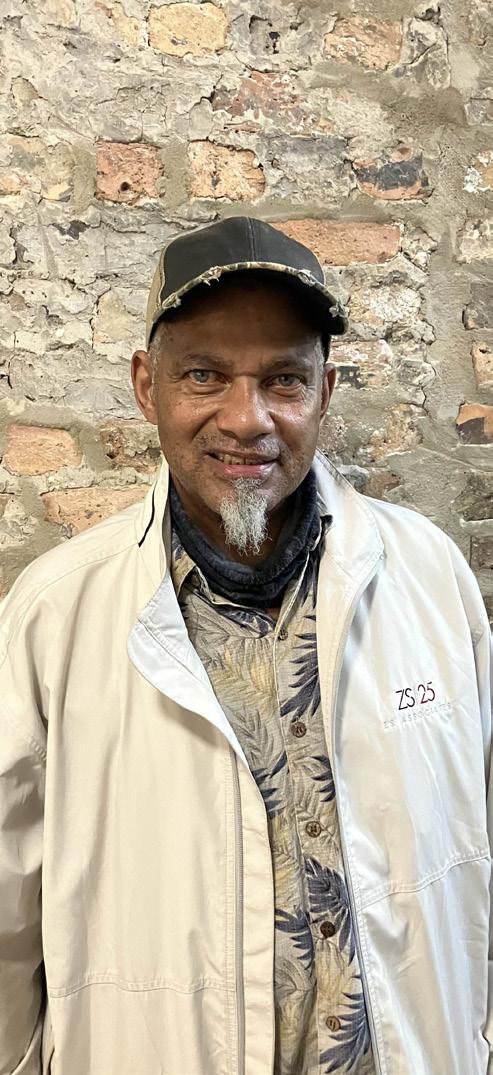
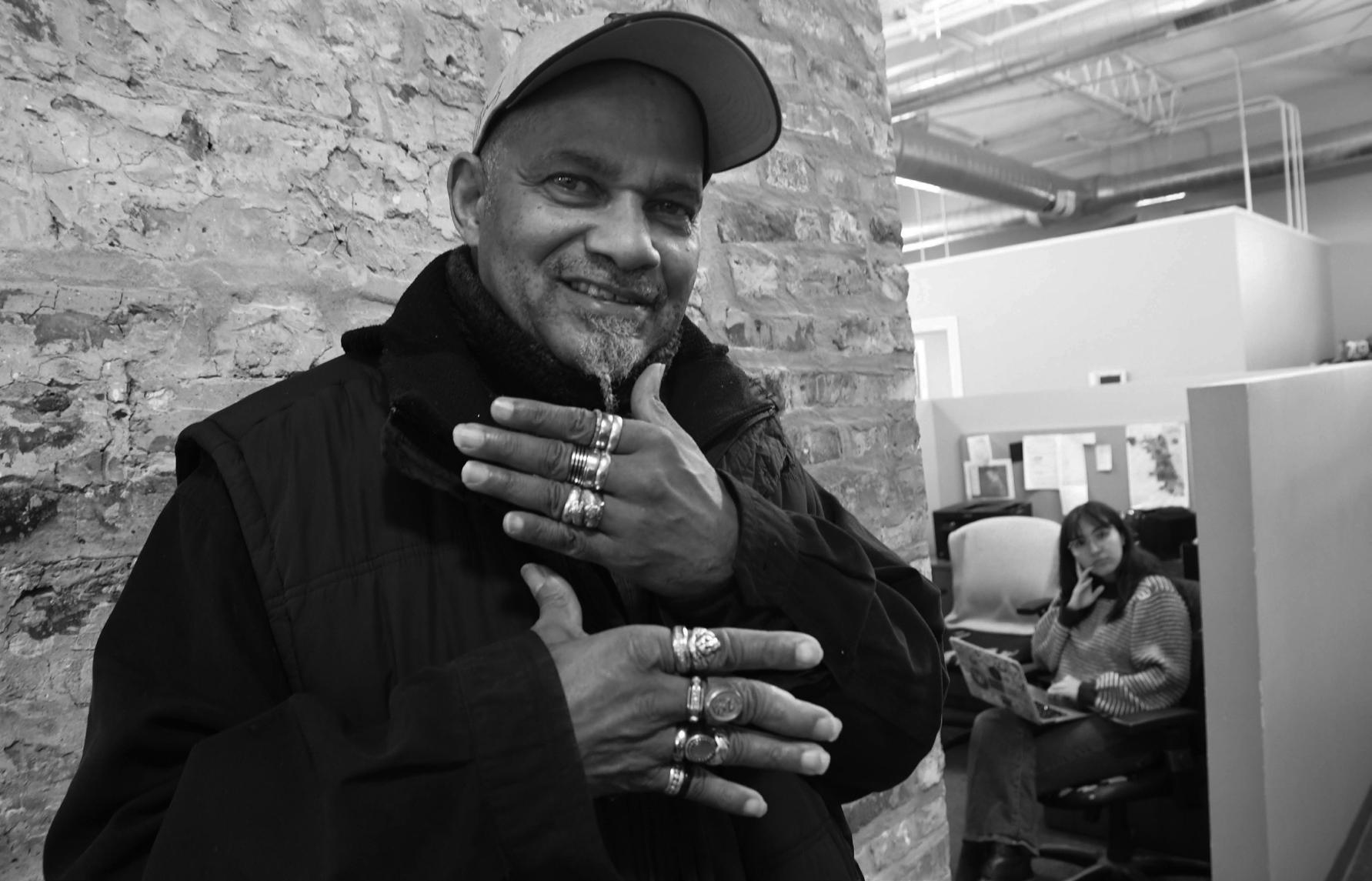
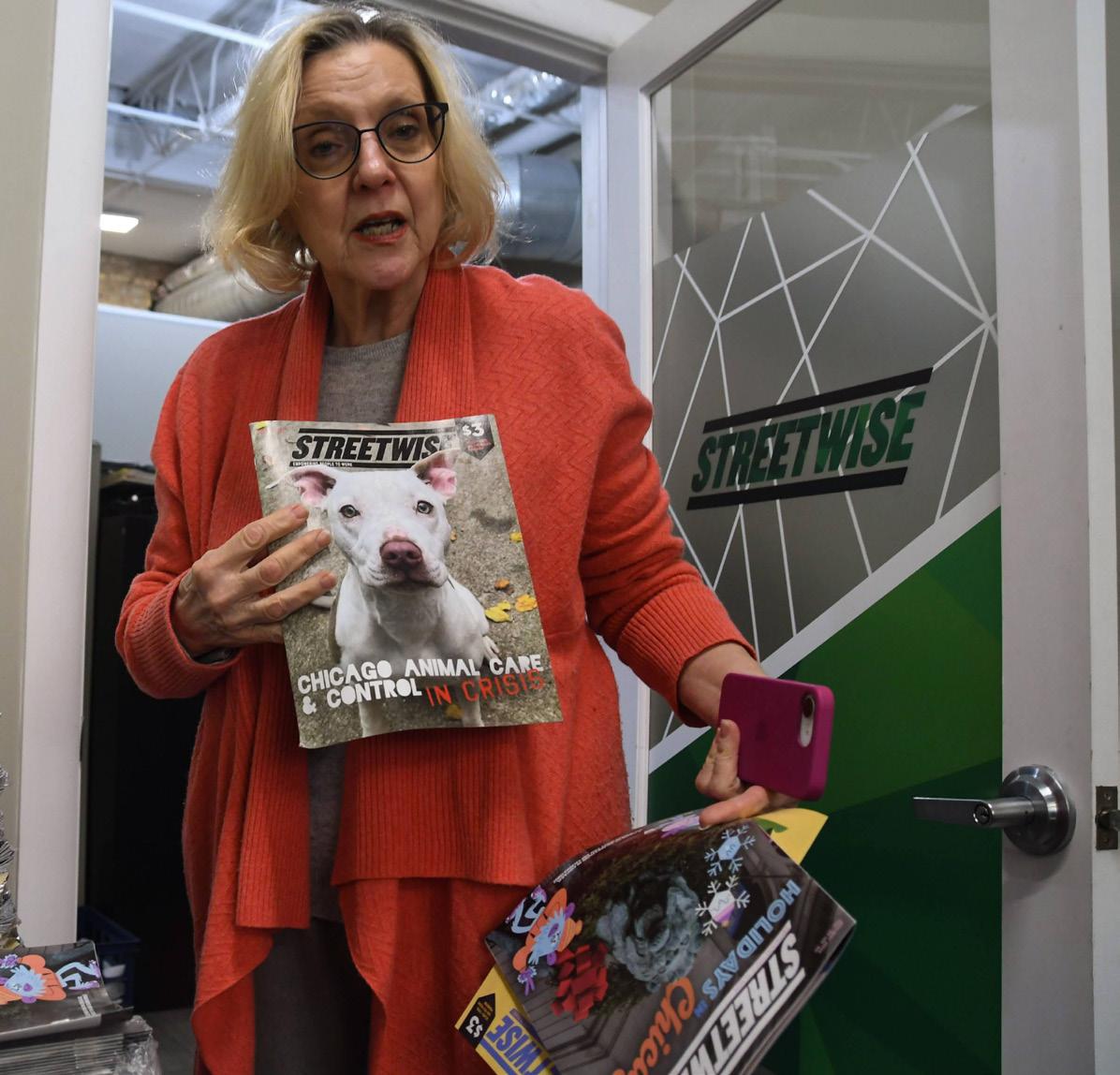
From left: Vendor A. Allen shows off his ring collection. StreetWise Editor Suzanne Hanney.
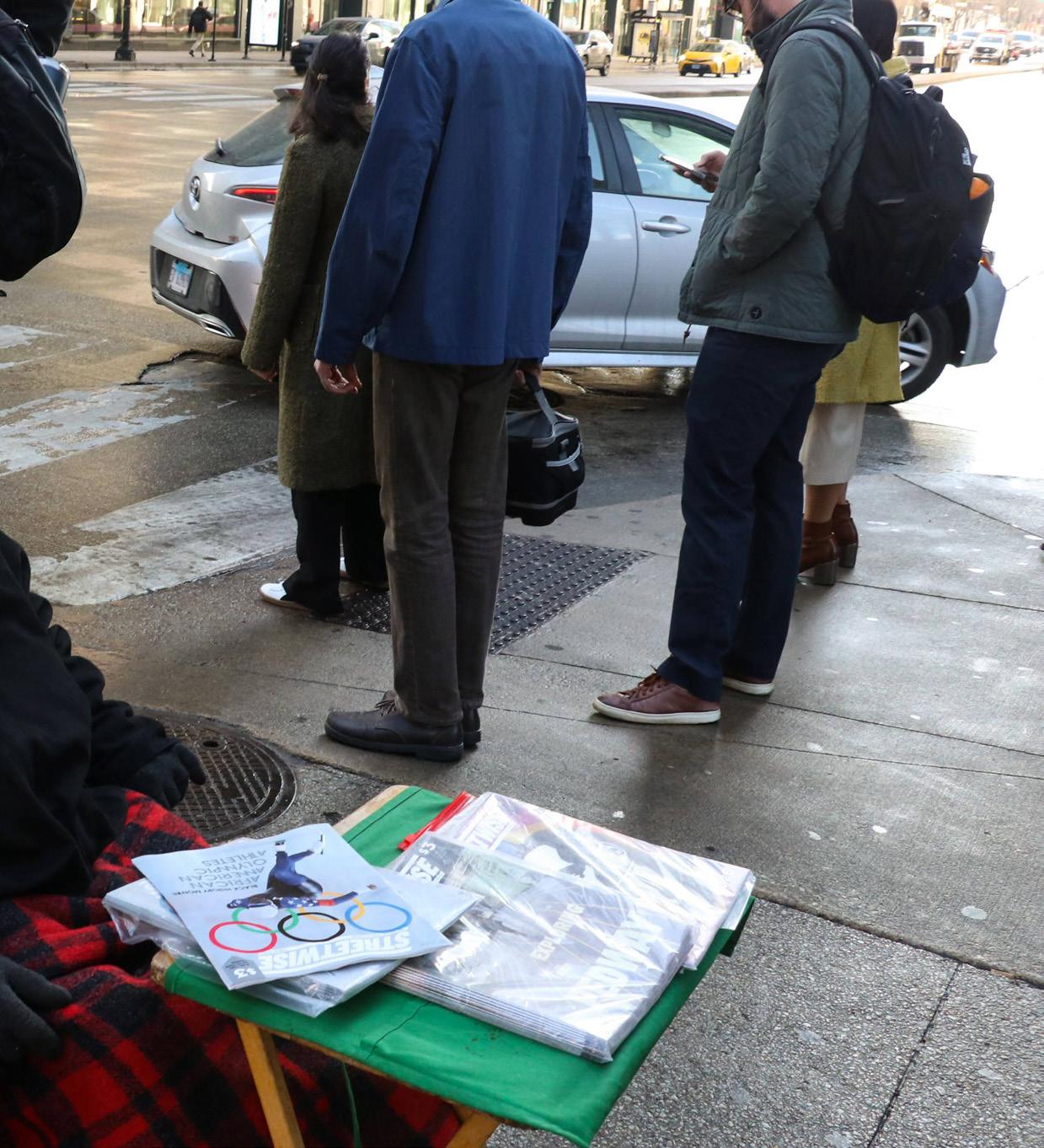
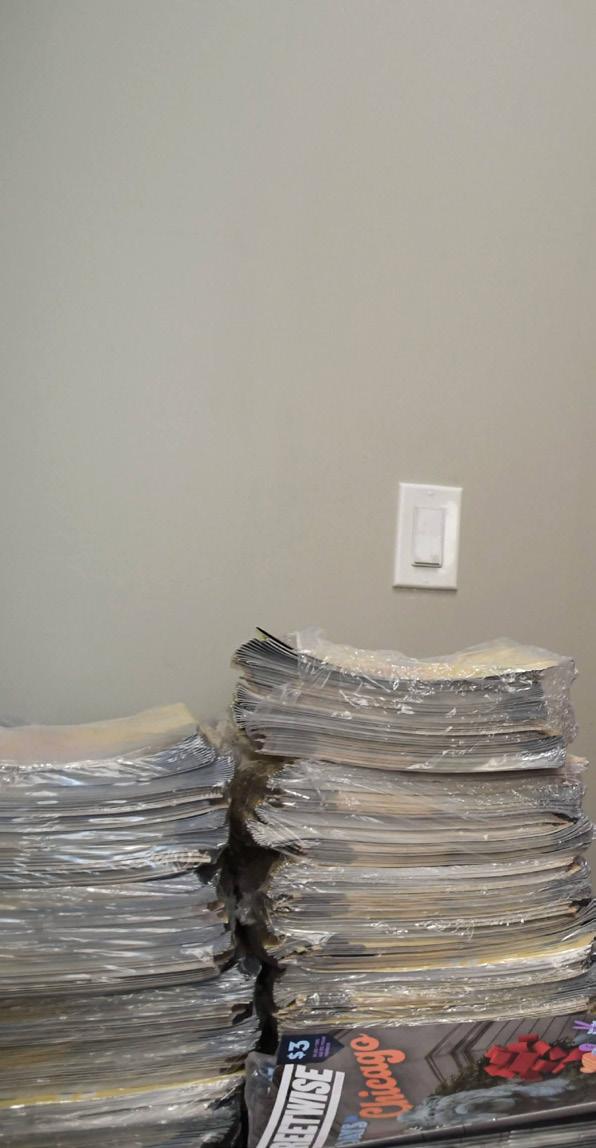
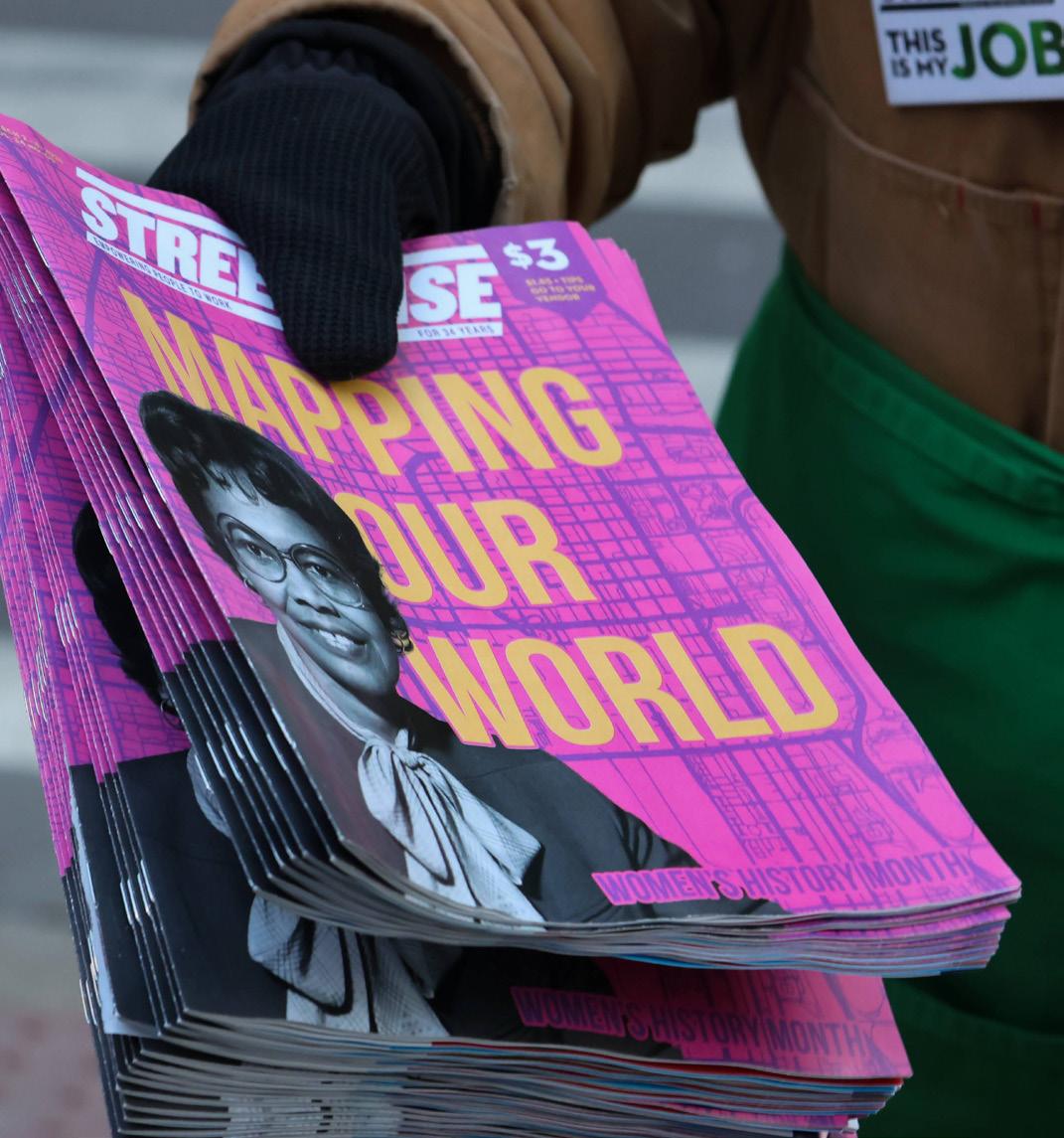
Copies of StreetWise for Women's History Month 2026, being sold by Russell Adams. (All photos by Jack Austin),
New poster exhibit at the national public housing museum
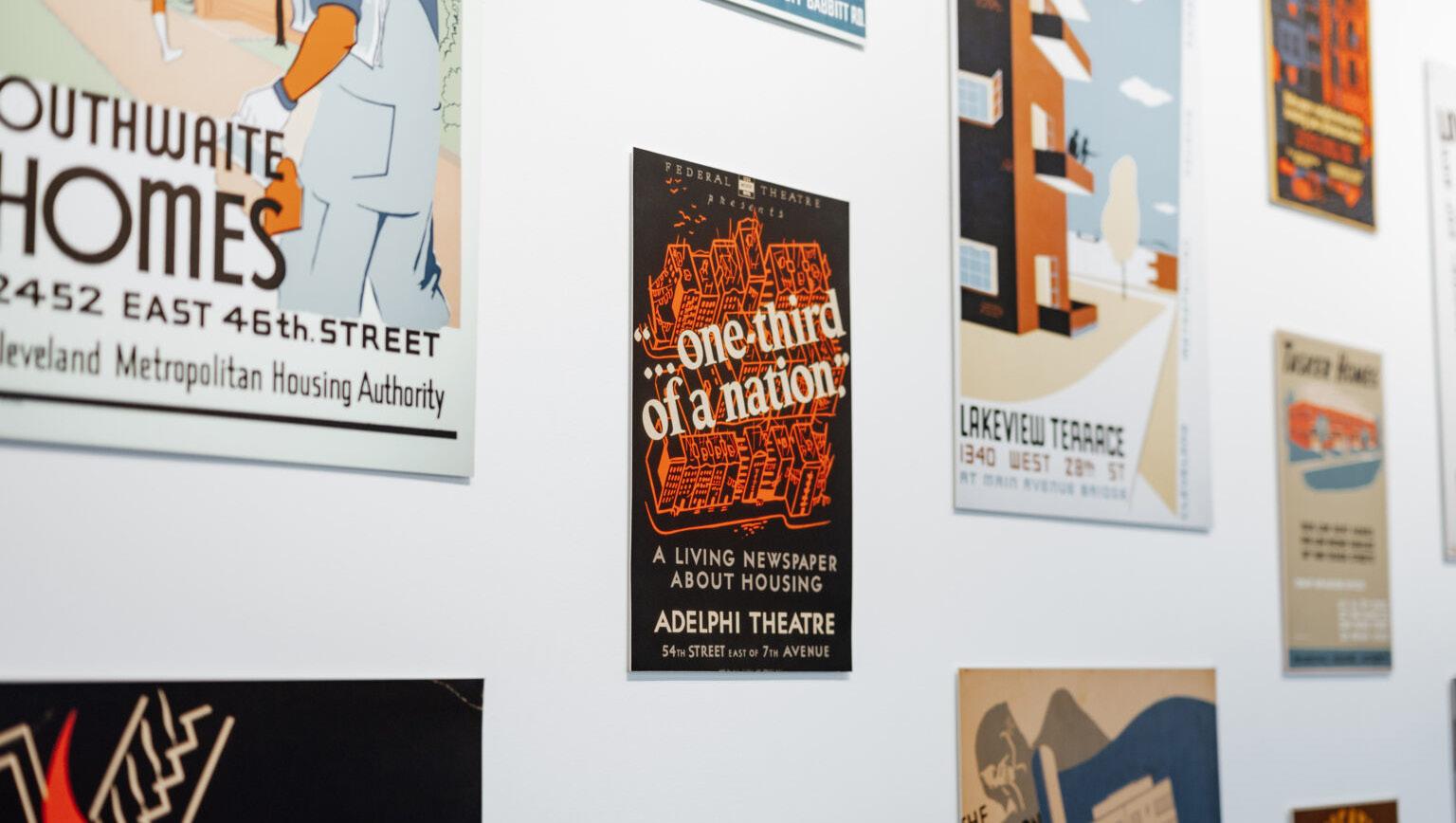
An exhibition of works by nationally celebrated “citizen painter” Amos Paul Kennedy, Jr. opened April 16 at the National Public Housing Museum. As part of its “Housing for All, Art for All” Posters for the People series, an ongoing initiative that uses the legacy of Works Progress Administration (WPA) posters to stimulate urgent conver
sations about housing today, Kennedy will create three new works advocating for housing as a human right.
More than a dozen of Kennedy’s letterpress posters –which blend bold typography with messages of social justice, labor and community care -- will be displayed in the Museum’s Living Room space. Additional copies will be available free to Museum visitors, reflecting Kennedy’s commitment to making prints that are accessible, shareable, and grounded in community. Based in Detroit, Kennedy first developed his printmaking practice in Chicago, at Artist Book Works.
“Amos’s prints are an expression of collective joy, and uncompromising and unapologetic messages about justice, equity, and the power of people to collectively create a better world for all of us,” said Lisa Yun Lee, chief curator and executive director of the National Public Housing Museum.
“Printed matter doesn’t belong to a few people, it belongs to everybody,” Kennedy said. “If it can’t live in your hands, on your wall, or in your neighborhood, then it’s not doing its job.” - Suzanne Hanney