Shao-cheng
Chia-sheng Chen



Shao-cheng
Chia-sheng Chen
Nguyen Khanh Huyen & Nguyen Thanh Long
Alice Learmouth
Casmir Mbaegbu
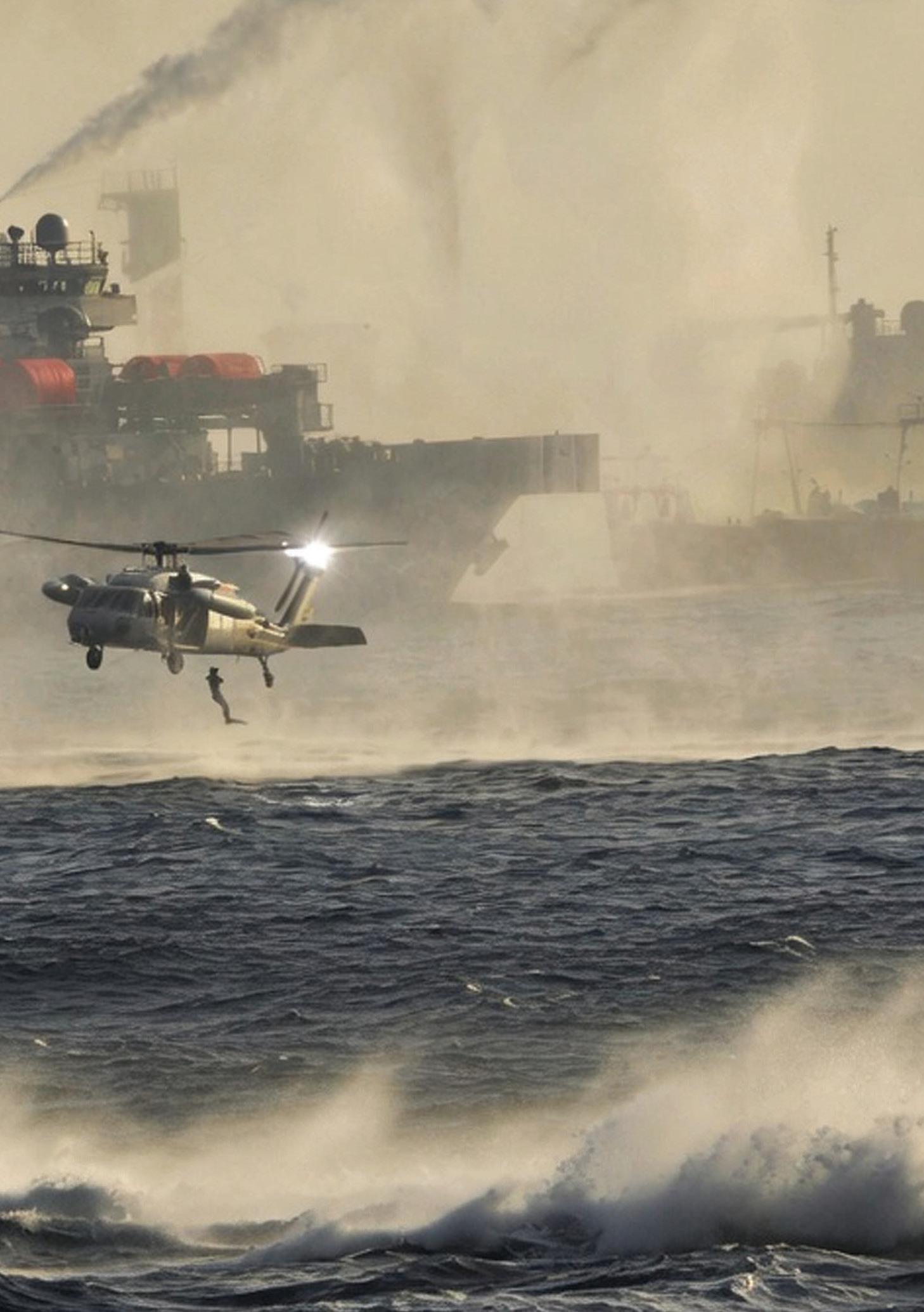
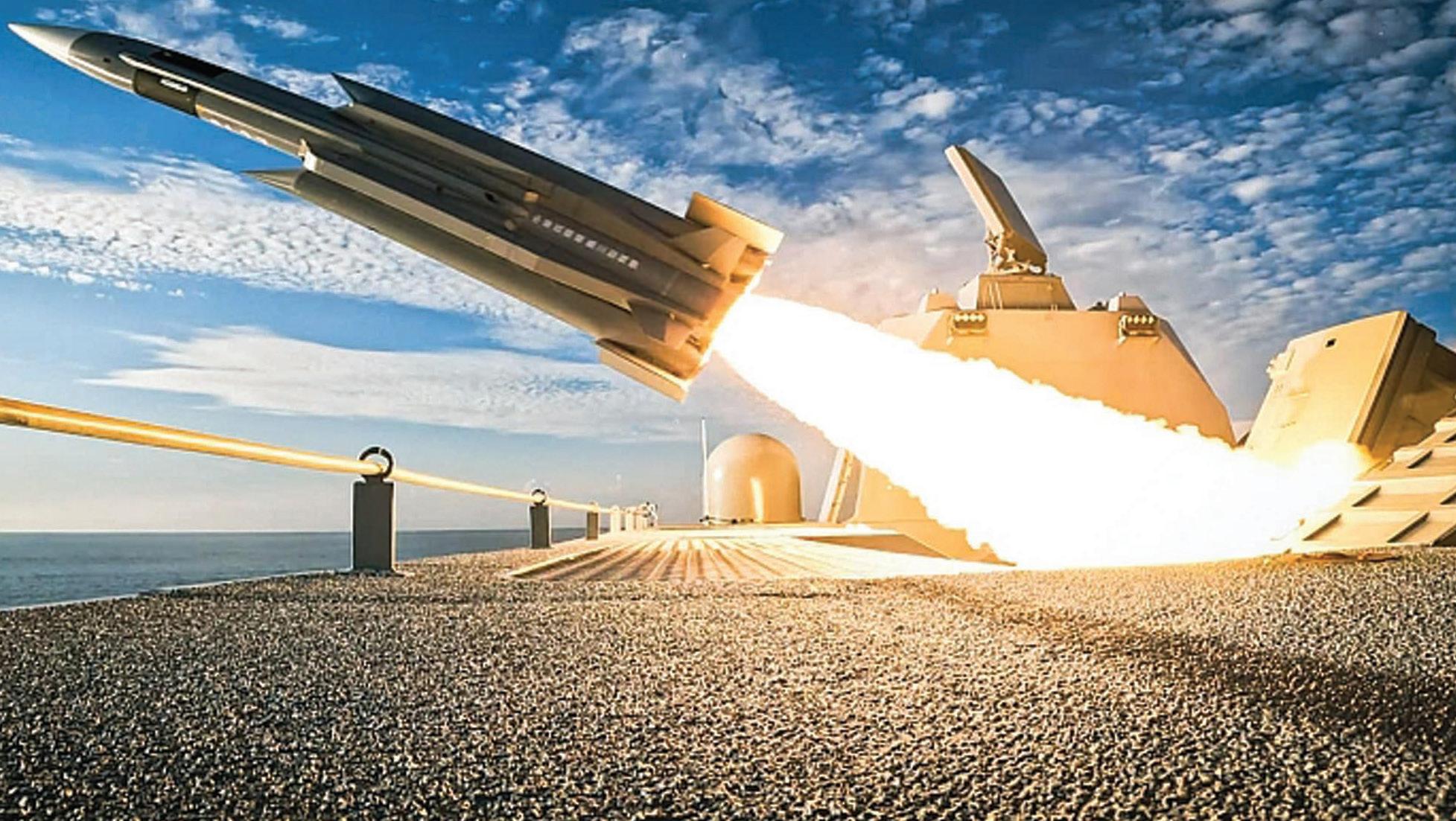
Submissions: Essays submitted for publication are not to exceed 2,000 words in length, and should conform to the following basic format for each 1200-1600 word essay: 1. Synopsis, 100-200 words; 2. Background description, 100-200 words; 3. Analysis, 800-1,000 words; 4. Policy Recommendations, 200-300 words. Book reviews should not exceed 1,200 words in length. Notes should be formatted as endnotes and should be kept to a minimum. Use of generative artificial intelligence (AI) tools to author or substantially generate manuscript content is not permitted. Any use of AI tools (e.g., for language editing, proofreading, or formatting assistance) must be fully disclosed at the time of submission, including a brief description of the purpose and extent of such use. Authors are encouraged to submit essays and reviews as attachments to emails; Microsoft Word documents are preferred. For questions of style and usage, writers should consult the Chicago Manual of Style. Authors of unsolicited manuscripts are encouraged to consult with the executive editor at xiongmu@gmail.com before formal submission via email. The views expressed in the articles are the personal views of the authors and do not necessarily represent the views of their affiliate institutions or of Strategic Vision. Once accepted for publication, manuscripts become the intellectual property of Strategic Vision. Manuscripts are subject to copyediting, both mechanical and substantive, as required and according to editorial guidelines. No major alterations may be made by an author once the type has been set. Arrangements for reprints should be made with the editor. The editors are responsible for the selection and acceptance of articles; responsibility for opinions expressed and accuracy of facts in articles published rests solely with individual authors. The editors are not responsible for unsolicited manuscripts; unaccepted manuscripts will be returned if accompanied by a stamped, self-addressed return envelope. Strategic Vision remains neutral with regard to jurisdictional claims in published maps and institutional affiliations. Digitally enhanced cover photograph of the South Korean Navy conducting its second maritime parade and training demonstration during a Fleet Review is courtesy of the ROK Ministry of National Defense.
Editor
Fu-Kuo Liu
Executive Editor
Aaron Jensen
Editor-at-Large
Dean Karalekas
Editorial Board
Chung-young Chang, Fo-kuan U
Richard Hu, NCCU
Ming Lee, NCCU
Raviprasad Narayanan, JNU
Hon-Min Yau, NDU
Ruei-lin Yu, NDU
Osama Kubbar, QAFSSC
Rashed Hamad Al-Nuaimi, QAFSSC
Chang-Ching Tu, NDU
STRATEGIC VISION For Taiwan Security (ISSN 2227-3646) Volume 15, Number 65, June, 2026, published under the auspices of the Center for Security Studies and National Defense University.
All editorial correspondence should be mailed to the editor at STRATEGIC VISION, Taiwan Center for Security Studies. No. 64, Wanshou Road, Taipei City 11666, Taiwan, ROC.
Photographs used in this publication are used courtesy of the photographers, or through a creative commons license. All are attributed appropriately.
Any inquiries please contact the Associate Editor directly via email at: xiongmu@gmail.com. Or by telephone at: +886 (02) 8237-7228
Online issues and archives can be viewed at our website: https://taiwancss.org/ strategic-vision/
© Copyright 2026 by the Taiwan Center for Security Studies.
Articles in this periodical do not necessarily represent the views of either the TCSS, NDU, or the editors
As strategic competition in the Indo-Pacific continues to intensify, policymakers and military planners across the region are confronting a rapidly evolving security environment. This month’s issue of Strategic Vision examines several of the key military, political, and technological developments shaping Taiwan’s security outlook and the broader regional balance.
We begin with Shao-cheng Sun’s analysis of US President Donald Trump’s 2025 National Security Strategy. Sun examines the administration’s “America First” approach to foreign policy, its emphasis on competition with China, and the implications of the strategy for Taiwan’s defense and strategic relevance.
Next, Chia-sheng Chen explores the establishment of the ROC Armed Forces’ new Littoral Operations Command. Chen argues that the new formation strengthens Taiwan’s multi-domain deterrence posture by integrating surveillance, strike, and coastal defense capabilities into a more effective littoral combat network.
Next, Cao Nguyen Khanh Huyen and Nguyen Thanh Long examine South Korea’s strategic dilemma in a Taiwan contingency. Caught between its security alliance with the United States and its economic dependence on China, Seoul faces difficult choices that could carry significant strategic costs.
Alice Learmouth then considers how Taiwan’s successful anti-fraud initiatives may provide a model for strengthening national cyber power. She argues that greater coordination, resilience, and targeted disruption efforts could help Taiwan counter persistent cyber and cognitive threats without escalating tensions.
Finally, Casmir Mbaegbu, PhD, explores the enduring ambiguity of US policy toward Taiwan and China, and how uncertainty surrounding American intentions continues to influence calculations in Washington, Beijing, and Taipei.
We trust that this issue will provide valuable perspectives on the complex security challenges facing Taiwan and the wider Indo-Pacific region. n
Dr. Fu-Kuo Liu Editor
Strategic Vision
Strategic Vision vol. 15, no. 65 (June, 2026)
Donald Trump’s 2025 National Security Strategy and Its implications
Sun
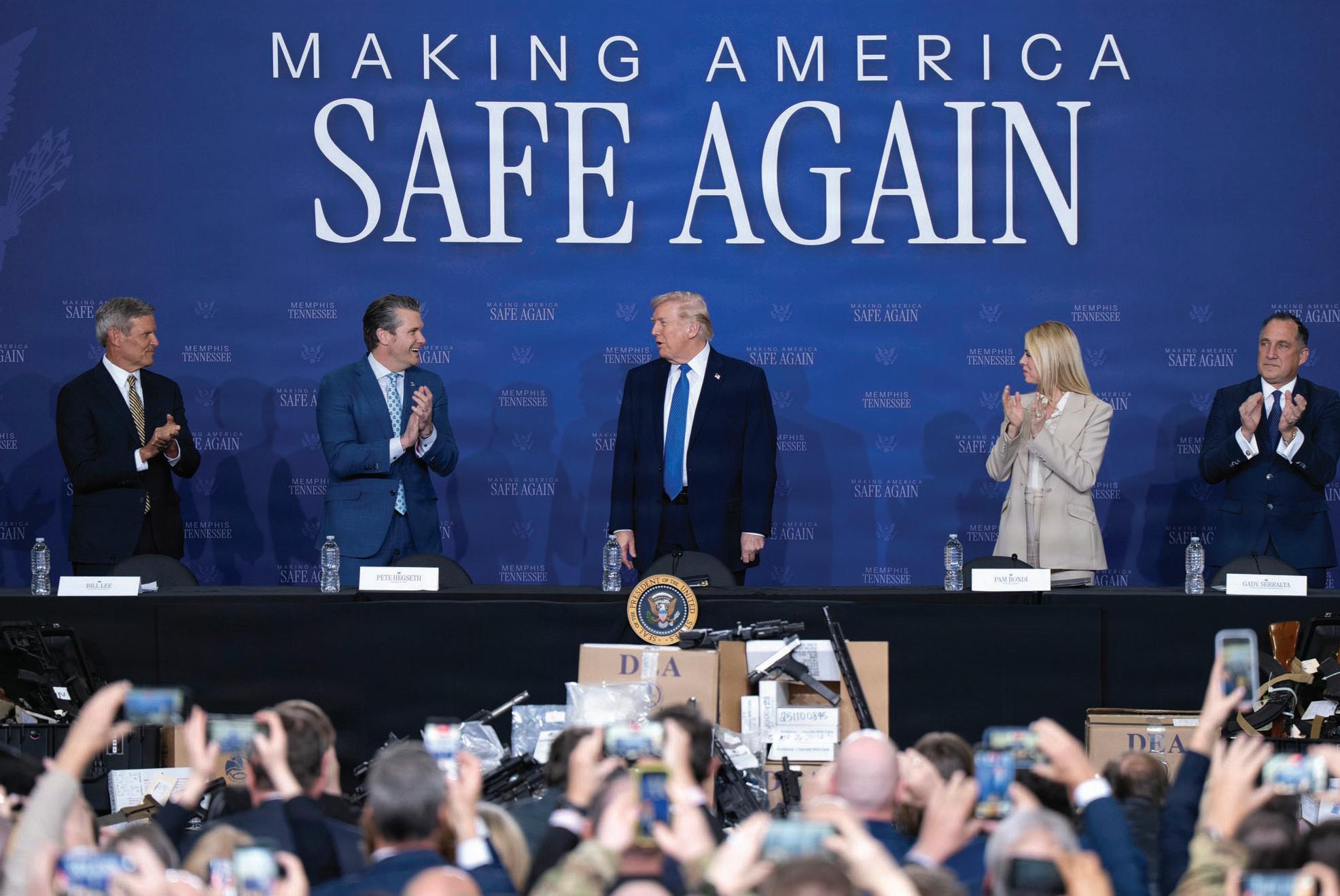
The Trump administration released the National Security Strategy (NSS) of the United States (US) in November 2025. According to President Trump, his administration restored the integrity of the US border starting on his first day in office. Trump asked US allies to raise defense spending, and designated drug cartels and foreign gangs as foreign terrorist organizations. His administration is putting America first, and this NSS is a roadmap to ensure that America remains the
most powerful country. The NSS also puts a lot of emphasis on Taiwan. It identified the deterrence of a military conflict against Taiwan as a US priority. This article answers two key questions: first, what is America’s strategy? And second, what are the implications for Taiwan?
Trump’s foreign policy is motivated by an America First orientation. He has asserted that US foreign and defense policies must be driven by certain basic principles: The first is peace through strength. Strength is
Dr. Shao-cheng Sun is an associate professor in the Department of Political Science at The Citadel in South Carolina. He can be reached for comment at ssun@citadel.edu
the best deterrent that can enable the United States to achieve peace. The United States must maintain the strongest economy, develop the most advanced technologies, and field the world’s most capable military. The second is flexible realism. US policy will be realistic in its dealings with other nations. The third principle is the balance of power. The United States cannot allow any nation to become so dominant that it could threaten US interests. The United States will work with allies and partners to prevent the emergence of dominant adversaries. Fourth, fairness. From military alliances to trade relations, the United States expects its allies to spend more of their GDP on defense.
The United States wants to have full control over its borders, field the world’s most advanced military, possess an innovative economy, and equip itself with the most advanced technology. To achieve these goals, the United States needs the following from other countries. First, the Western Hemisphere remains stable to prevent mass migration to the United
States. Second, it aims to cooperate with regional governments against narco-terrorists, cartels, and criminal organizations. Third, it wants to keep the Indo-Pacific free and open, with access to critical materials. Fourth, US technology, particularly in AI, biotech, and quantum computing, will be the most advanced in the world
The Indo-Pacific produces almost half of the world’s GDP, based on purchasing power parity (PPP). The region will be among the next century’s key economic and geopolitical battlegrounds. Trump is building alliances and strengthening partnerships there. In the past, the United States sought to facilitate China’s entry into the rules-based international order. This included opening US markets, encouraging US businesses to invest, and outsourcing US manufacturing to China. This did not turn China into a responsible stakeholder in the international order, but it did make
the country rich and powerful, rising to become a peer competitor to the United States. Upon taking office, President Trump set about reversing more than three decades of US policy on China.
The United States is seeking to rebalance its economic relationship with the Indo-Pacific nations. This needs to be accompanied by an ongoing focus on deterrence to prevent war in that region. To accomplish this, several things are essential: First, the United States needs to protect its economy to maintain its prime position in the world. This means ending unfair trade practices, intellectual property theft, industrial espionage, and exports of fentanyl. Second, the United States needs to invest in research to advance its lead in cutting-edge military and dual-use technology.
Maintaining US economic and technological pre-
eminence is the surest way to deter a military conflict. There is much focus on Taiwan, partly because of its dominance in semiconductor production, but mostly because Taiwan is a key link in the First Island Chain. Given that one-third of global shipping passes through the South China Sea, this has major implications for the US economy. It has long been official policy that the United States does not support any unilateral change to the status quo in the Taiwan Strait.
The NSS states that the United States will build a military capable of denying aggression in the First Island Chain. America’s diplomatic efforts will focus on pressuring its Asian-Pacific allies and partners to allow the US military access to their ports and facilities. This will link maritime security issues to deny any attempt to seize Taiwan. This will also require cooperation with nations from India to Japan. Given
Trump’s insistence on increased burden-sharing by Japan and South Korea, the United States urges these countries to increase defense spending.
The new NSS emphasizes the need to counter China’s presence in the Western Hemisphere, such as pushing it out of Latin American ports and other critical infrastructure, and limiting its economic influence in the region. The goal is to restore American preeminence. Mexico is the top US trading partner. Latin America produces the most copper and holds the world’s largest lithium reserves. It is also the region whose problems most directly threaten US interests.
The Indo-Pacific will remain among the key economic and geopolitical battlegrounds. Trump recognizes that rebalancing the US-China economic relationship must focus on deterrence, including preventing a conflict over Taiwan and keeping the South China
Sea open and free. This strategy commits the United States to winning the economic future and preventing military conflict. The NSS calls for rebalancing an unfair economic relationship toward a mutually advantageous one.
In the 2017 NSS, Trump embraced the era of greatpower competition with China. That NSS described a world in which China sought to oppose US interests and to displace the United States in the IndoPacific region. With the 2025 NSS, China is primarily seen as an economic competitor. It states that Washington does not support unilateral changes to the status quo in the Taiwan Strait and Taiwan’s independence. This position does not imply that the United States supports China’s unilateral actions to achieve unification.
A 2025 Chicago Council Survey showed that, in the event of a Chinese attack on Taiwan, 77 percent of Americans would support military airlifts of supplies to Taiwan. In that same survey, 71 percent said they favored economic or diplomatic sanctions on
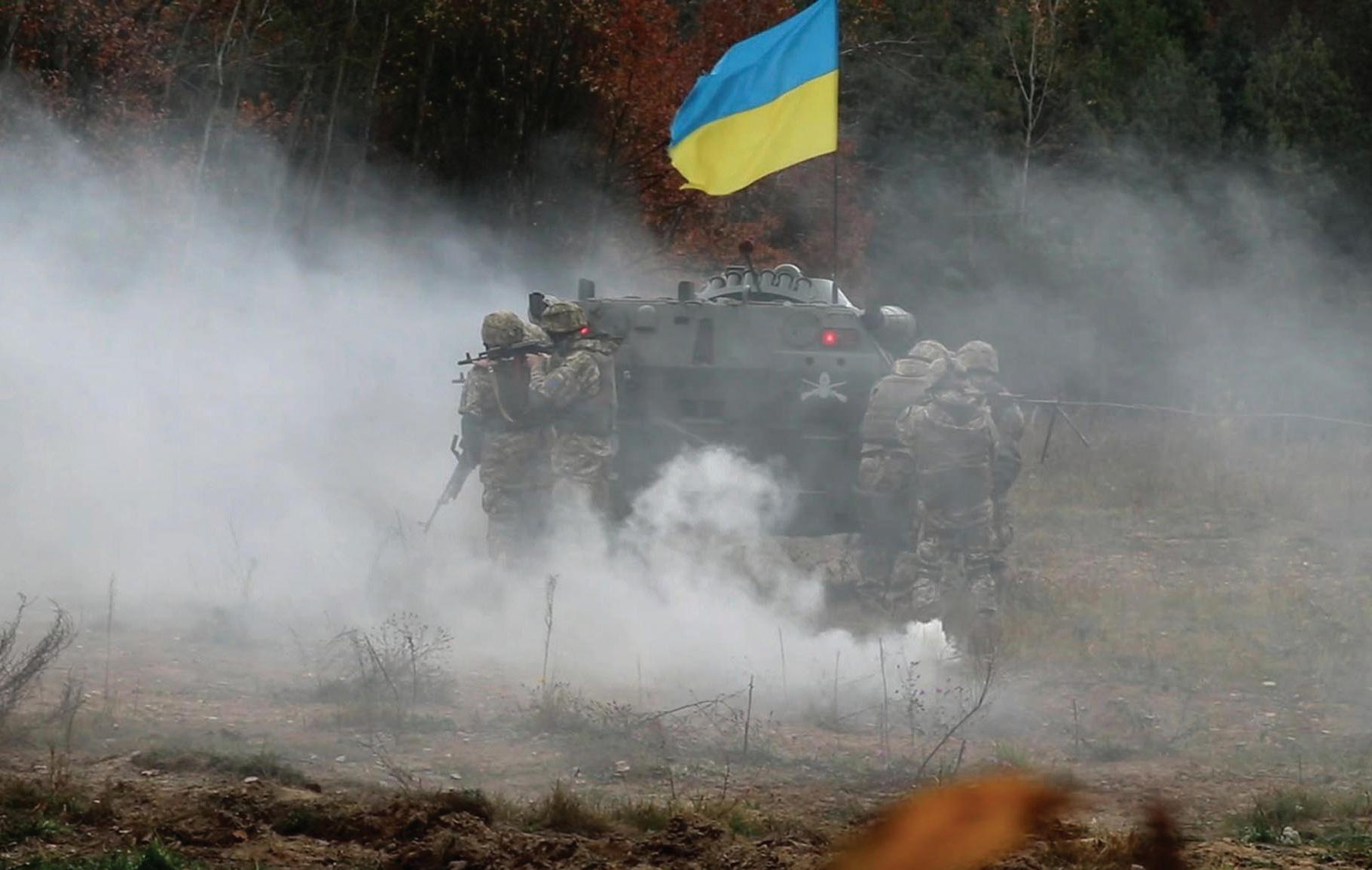
China, and 63 percent said they supported sending military arms to Taiwan. However, only 43 percent said they supported sending US troops, while 51 percent opposed it. Forty seven percent supported using the US Navy to break a Chinese blockade around Taiwan. In July 2021, seven months before Russia’s invasion of Ukraine, 50 percent supported sending US troops to Ukraine if Russia invaded that country. By mid-2022, six months into the war, this number dropped to 38 percent. In March 2022, a month after the war started, 79 percent supported sending US military aid. Three years later, support has dropped to 52 percent. If the PRC perceives a lack of American public consensus on Taiwan’s defense, the US ability to deter Chinese military aggression will be undermined.
Taiwan sits at the center of the First Island Chain that has long been an impediment to Chinese military expansion. Because of Taiwan’s important geostrategic location, the People’s Liberation Army (PLA) is preparing for a potential military invasion of the is-
land. It seeks to expel the US military from East Asia and to further establish China’s power in the region. To prevent this outcome, the Trump administration has pressured regional allies to increase their defense spending. However, if China invades Taiwan, it will be up to the US president (initially) to decide whether the United States will send forces to defend the island or not.
The Trump administration has adopted a strategy to enhance Taiwan’s defense without provoking China. The NSS argues that the United States should defend Taiwan because the island’s independence affects US security. For Taiwan, purely advocating democratic ideals will no longer be sufficient to anchor support from the United States. The Taiwan President Lai Ching-te needs to ensure that it remains indispensable to America’s strategic interests. Taiwan will need to demonstrate seriousness about its own defense and alignment with broader US strategic priorities. An unwillingness to increase military investment, possible low fighting morale, and political infighting
would create distrust within the Trump administration and with the American people.
Considering the ongoing conflict with Iran, President Trump will be pragmatic in his dealings with that country. He is seeking a deal with the Iranian government to end the war. The 2026 TrumpXi summit just ended. Both leaders seem to have reached a certain consensus. While the Taiwan issue may not be Trump’s current priority, the increasing tension between China and Taiwan will further intensify. This will gradually pose significant challenges to Washington. Trump’s foreign policy would eventually tilt toward Asia.
Some question the reliability of the NSS given contradictory statements from Trump. The NSS is a reflection of the collaborative efforts of Trump’s security team. Although Trump makes the final decision of any major foreign policy, he is also flexible when actions serve the US national interests. During his second term in office, Trump frequently altered his
policies in response to changes in the security environment. However, regarding cross-strait policy, there is no dramatic change between the NSS and Trump’s statement.
Taiwan needs to reorient its strategic narrative. Adherence to democratic values will no longer be sufficient to ensure US support. Taiwan should highlight its role in economic security, advanced manufacturing, AI supply chains, and the Indo-Pacific military architecture. Taiwan should develop asymmetric capabilities and plan for a robust civil defense. Taiwan also needs to pursue a more pragmatic defense strategy by improving training for reserve and regular forces. The ROC government and the Taiwanese people should demonstrate their determination to fight for their own survival against the PLA. They should understand that the realistic nature of the Trump administration means that it is less likely to take risks for a partner that appears unwilling to take risks for itself. n

Strategic Vision vol. 15, no. 65 (June, 2026)
The littoral combat chain of the ROC Armed Forces’ multi-domain deterrence Chia-sheng Chen
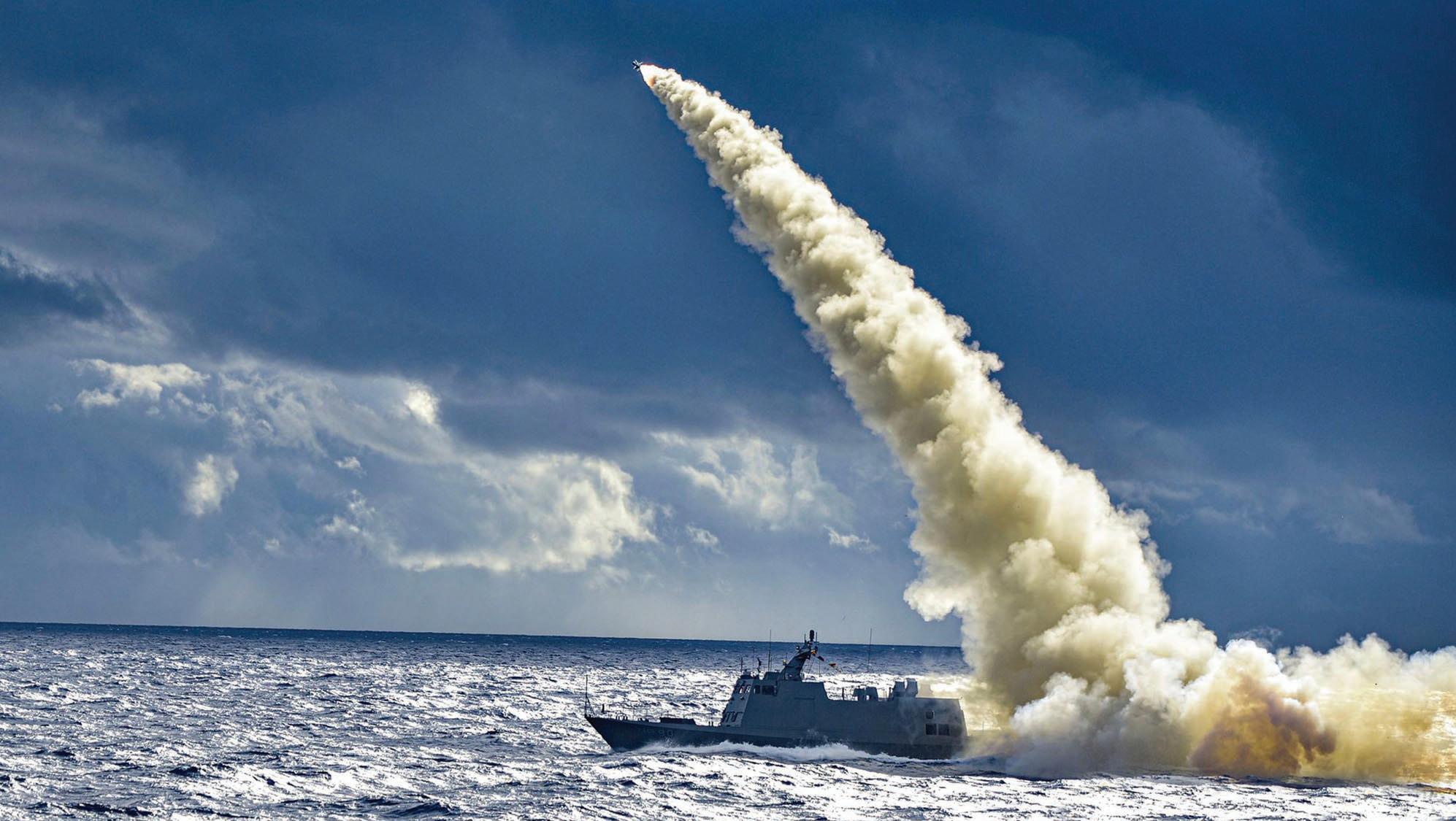
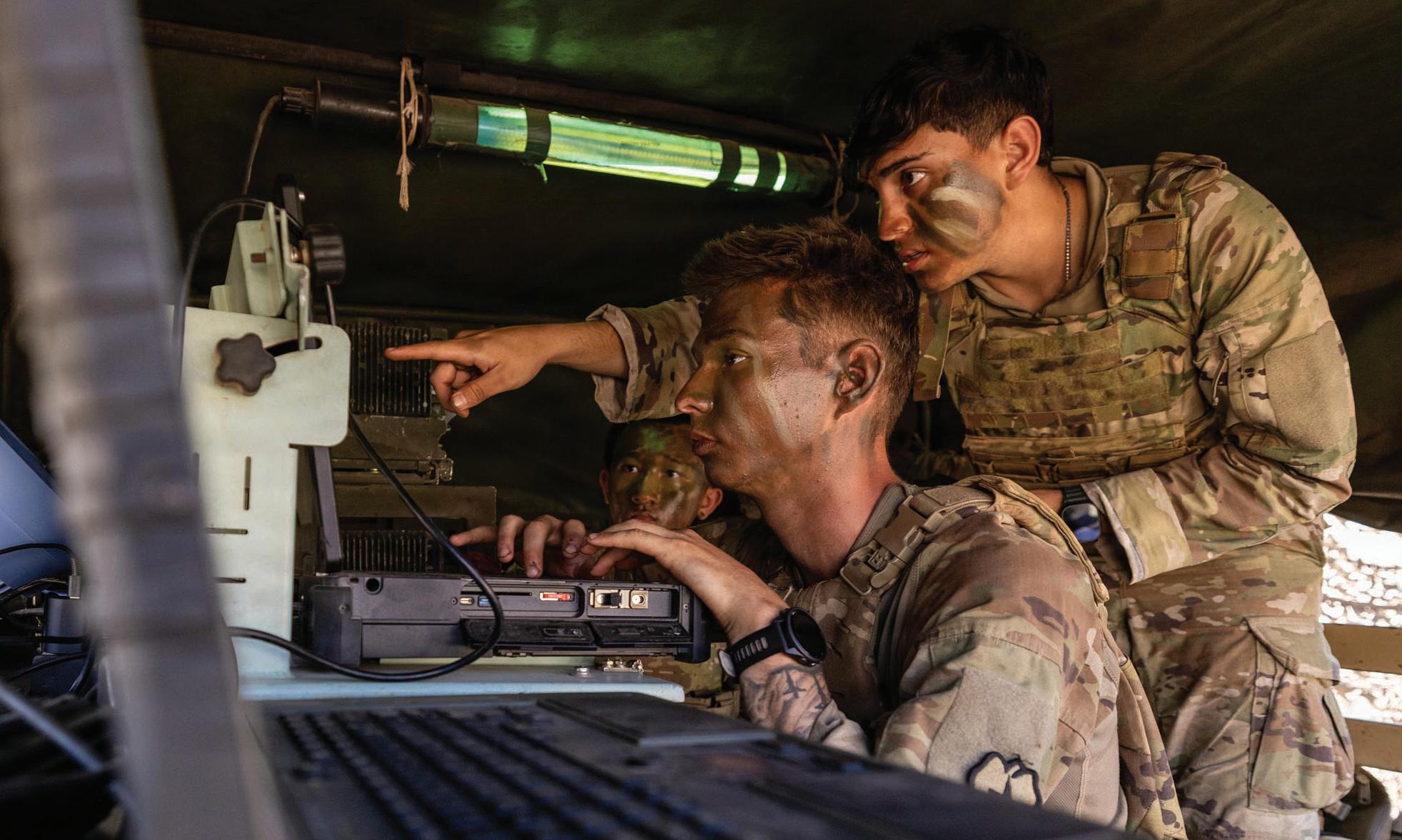
The ROC Armed Forces has announced plans to establish a new unit called the Littoral Operations Command on the first of July this year. This new force, which will be subordinate to the Navy Command, is basically based on the original Littoral Combat Battalion (the Haifong Battalion), and will merge the Naval Maritime Surveillance and Reconnaissance Command with the Missile Boat Squadrons to form an efficient littoral defense fire network. From a military strategy perspective, littoral operations make up a crucial link connecting maritime denial, air control, and ground defense, and is a decisive factor in whether multi-domain deter-
rence can be effectively implemented.
Faced with the Chinese Communist Party’s continuous military expansion in recent years and its frequent live-fire exercises around the Taiwan Strait involving joint firepower, blockade, and control of key areas, the threats that the Republic of China (ROC) military faces have shifted from traditional externalto-internal island invasion operations to a complex form encompassing gray-zone conflicts, the transition from exercises to actual combat, and multi-domain joint operations. The ROC Ministry of National Defense (MND), in its Quadrennial Defense Review and other defense reports, clearly points out that the
Dr. Chia-sheng Chen is a Major General (Ret.), ROC Army, and an adjunct associate research fellow at the National Security Research Division, Institute for National Defense and Security Research (INDSR).
core of future defense operations lies in resolute defense and multi-domain deterrence. By integrating cross-domain capabilities and utilizing asymmetric forces, it aims to prevent the enemy from easily achieving its strategic objectives. The establishment of the Littoral Operations Command also signifies that the military’s multi-domain deterrence strategy has further deepened the littoral combat chain.
The littoral combat chain is part of the Armed Forces’ multi-domain deterrence strategy. As proposed by the MND, multi-domain deterrence encompasses more than a single military branch or a single weapon system, but rather an overall operational chain composed of command, control, communications, computers, intelligence, surveillance, and reconnaissance (C4ISR), as well as strike capability. The core mission of the ROC Navy is sea control and denial, meaning that even before the enemy approaches our coasts and beaches, it must incur unacceptable costs. The littoral combat chain also reflects the US military’s mosaic operational concept, which entails
dispersed deployment and modular assignment, as well as agile response and flexible force organization.
First, in terms of outer-layer deterrence, the Navy uses maritime forces such as surface ships and submarines, combined with land-based missiles and
“TheROCNavyusessurfaceships,shorebasedradar,andmaritimesurveillancesystemstocontinuouslytrackPLAvessels.”
air force strike capabilities, to form the first line of defense for offshore denial. According to the MND’s strategic concept, submarines possess high stealth and strike capabilities, allowing them to pose a tangible threat during enemy assembly or transit stages, forcing the enemy to commit significant resources to anti-submarine operations, thereby reducing their overall operational efficiency.
Secondly, in terms of mid-level deterrence, the coastal waters have become a junction for joint operations between the Navy, Army, and Air Force. By
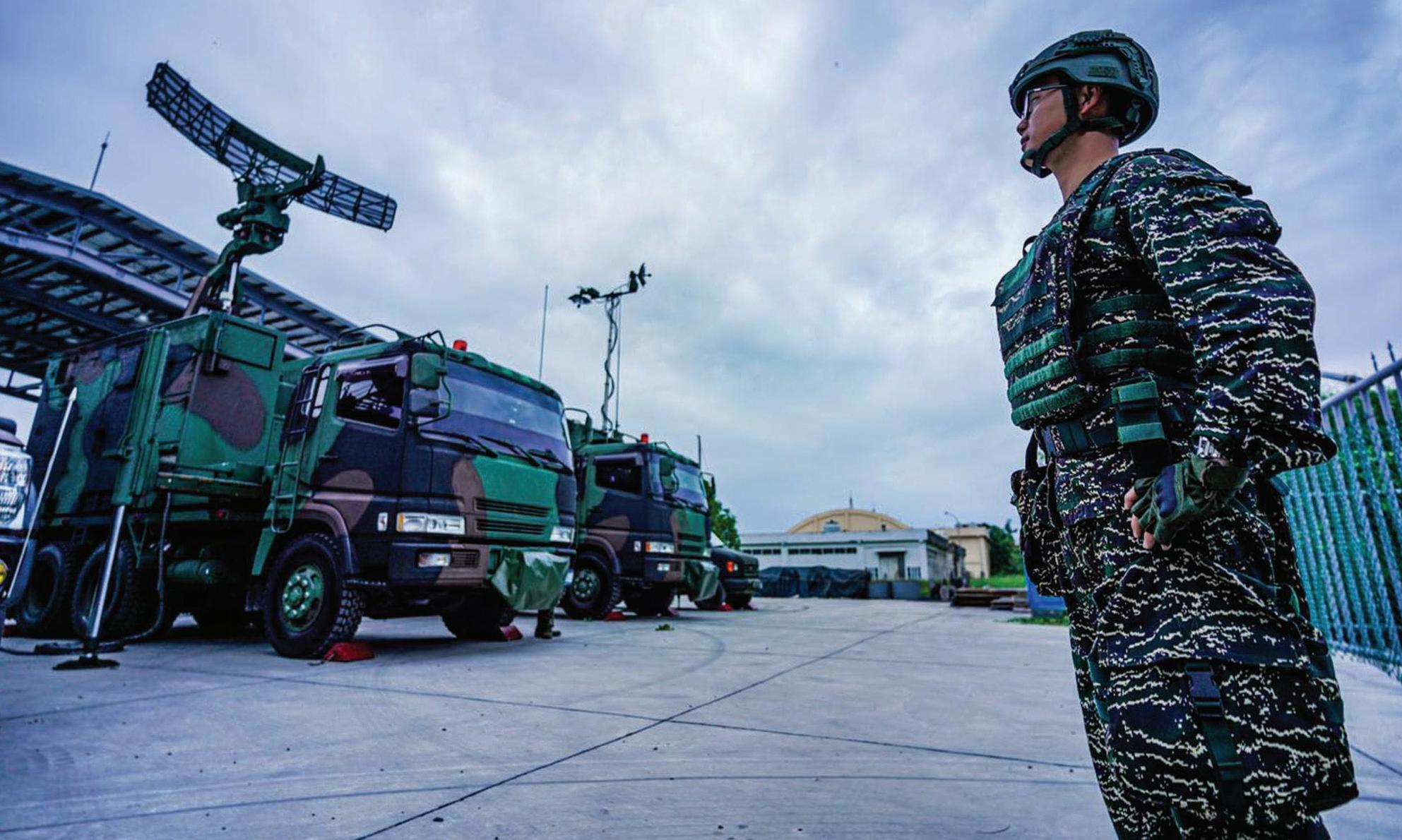
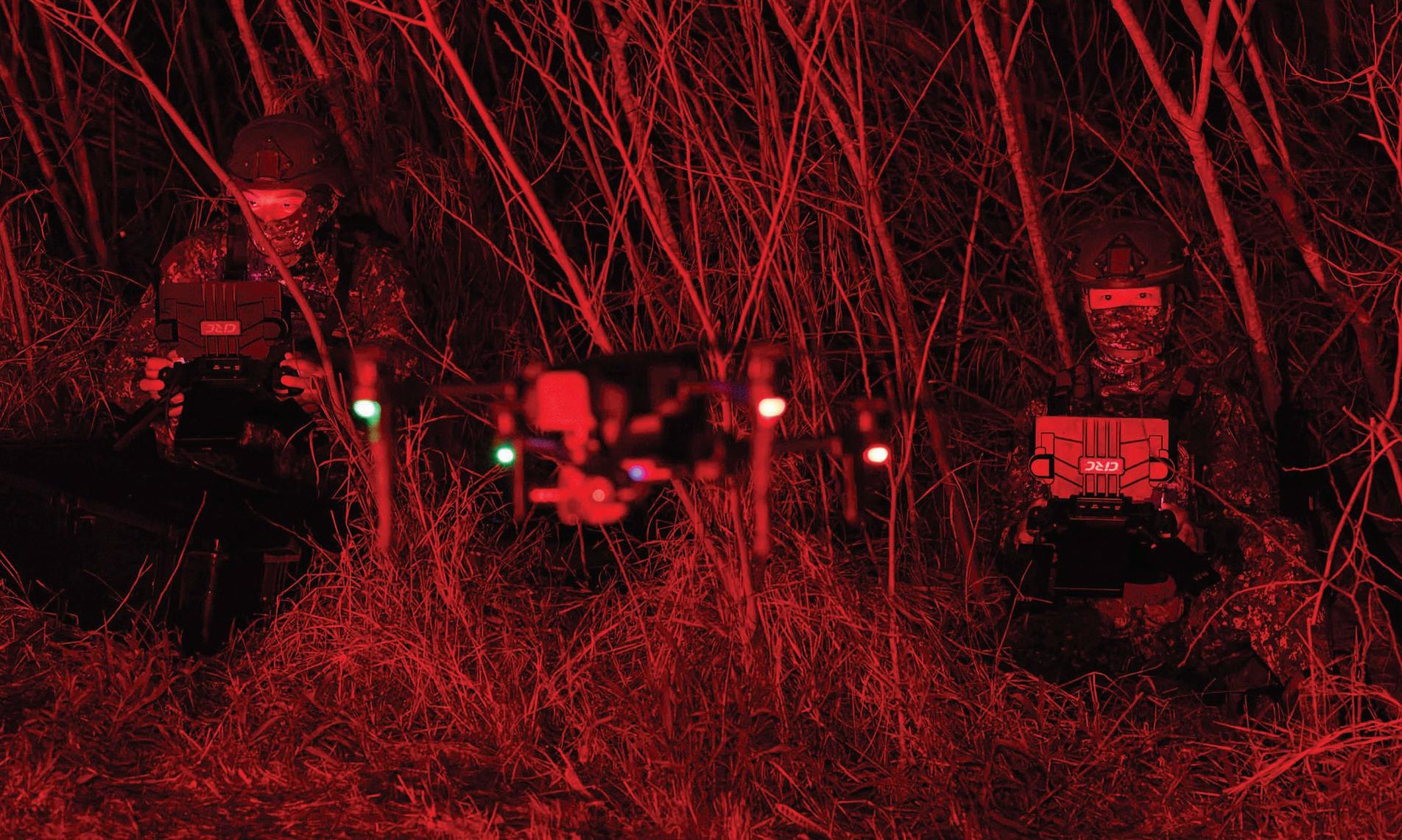
utilizing fast mobile missile boats, unmanned vehicles, and mobile mine-laying capabilities, combined with land-based anti-ship missiles, a high-density, multi-axial strike network is formed. This concept of joint sea-air firepower aligns with the MND’s emphasis on countering the enemy’s quantitative superiority through asymmetric means.
Finally, in terms of innerlayer deterrence, coastal operations are not limited to the shoreline but extend out into the nearshore waters. Through real-time intelligence, surveillance, reconnaissance, and integrated firepower, enemy landing forces will find it difficult to establish a secure beachhead even if they manage to breach the outer and middle defensive lines. This design of gradual attrition and successive weakening is a concrete manifestation of the multi-domain deterrence in naval operations.
response, aiming to avoid unnecessarily escalating conflicts while continuously accumulating an understanding of their operational patterns, formations, and tactics. This long-term and stable monitoring of airspace itself has a deterrent effect.
At the maritime level, the ROC Navy uses surface ships, shorebased radar, and maritime surveillance systems to continuously track PLA vessels.
The MND emphasizes that, when enemy ships approach our 24-nauticalmile contiguous zone or even the 12-nautical-mile territorial waters, we must have the capability for real-time judgment and rapid response. This is not only a matter of law and sovereignty, but also a part of battlefield readiness.
Taiwan should strengthen monitoring of People’s Liberation Army (PLA) aircraft and ships in our maritime zones and airspace. For multi-domain deterrence to be effective, monitoring the battlefield situation is a prerequisite. The key to future combat success lies in being able to watch, launch strikes, and strike accurately. Therefore, monitoring the presence of PLA aircraft and vessels in our waters and airspace is not only a matter of military capability but also involves the transition between peacetime and wartime as well as strategic communication.
In the aerial domain, the ROC Armed Forces fields a comprehensive maritime and air surveillance and reconnaissance network through fighter jets, early warning aircraft, and ground radar systems. In response to intrusions by PLA aircraft, it follows the principle of full monitoring with appropriate
In addition, as the PLA strengthens its joint air and sea operations and multi-domain warfare, the ROC Armed Forces must also integrate space, cyber, and electronic warfare capabilities to ensure smooth intelligence flow and command effectiveness during highintensity conflicts. This kind of cross-domain control embodies the ‘joint operations’ spirit promoted by the MND and is key to the smooth functioning of the littoral combat chain.
A sudden change in the PLA posture from exercises to combat must be effectively responded to. In recent years, the PLA’s exercises in and around the Taiwan Strait have gradually shown the characteristics of real-combat orientation, normalization, and joint operations, blurring the line between exercises and actual combat. The MND has clearly pointed out that transitioning from exercises to actual combat is
one of the most challenging threat scenarios, and the ROC Armed Forces must maintain the capability to respond at any time without escalating the conflict prematurely.
First, at the level of systems and command, the Armed Forces needs to establish clear rules of engagement and authorization mechanisms to enable frontline units to respond quickly in unexpected situations and avoid missing critical opportunities. This posture of being prepared but not provocative is precisely the essence of multi-domain deterrence.
Secondly, in terms of troop deployment, littoral combat forces must have high mobility and the ability to deploy in a dispersed manner in order to respond to potential preemptive strikes by the enemy. The MND’s promotion of combat power preservation and mobile deployment is aimed at ensuring that sufficient retaliatory capability is maintained from the onset of a strike due to any sudden change in the PLA’s operations from exercise to combat.
Finally, at the level of psychological and strategic communication, the Armed Forces stabilizes public sentiment internally through public information,
real-time explanations, and coordination with allies, while conveying its defensive determination externally. This overall response, which integrates military action with information operations, can effectively reduce the likelihood that the Chinese warplanners will misjudge the situation and initiate what they think would be an easily conflict.
Overall, the littoral combat chain of the ROC Armed Forces multi-domain deterrence is not a single operational concept, but an integrated defense system that combines land, sea, and air forces to form cross-domain operational capabilities. By establishing the Naval Littoral Operations Command, strengthening control over the sea and air spaces against PLA aircraft and vessels, and effectively responding to evolving combat scenarios, the ROC Armed Forces is capable of creating a highly resilient and deterrent defense depth in the littoral domain. This not only aligns with the military strategic direction outlined by the MND, but it also represents a necessary measure to ensure national security and regional stability in the current security environment. n
Strategic Vision vol. 15, no. 65 (June, 2026)
South Korea’s strategic dilemma in a Taiwan contingency amid US-China rivalry
Cao Nguyen Khanh Huyen & Nguyen Thanh Long
Taiwan has become the focus of attention following remarks by Japanese Prime Minister Takaichi Sanae, who stated that China’s use of military measures to seize control of the island could constitute a “survival-threatening situation,” implying that such a scenario could trigger the Constitutional authority to deploy Japan’s Self-Defense Forces. These remarks by Takaichi have further exacerbated tensions in Japan-China rela-
tions. The statement reflects growing concern that a Taiwan contingency could draw in other US allies in the region.
In constrast, South Korea, one of the US’s closest allies, has continued to maintain a posture of strategic ambiguity on the Taiwan issue, refraining from actions and statements that could be perceived as choosing sides amid the increasingly intricate USChina strategic competition. Yet peace and stability
Dr. Cao Nguyen Khanh Huyen is a visiting scholar at the Taiwan Center for Security Studies (TCSS) in 2026. She can be reached for comment at khanhhuyencao2109@gmail.com
Nguyen Thanh Long holds a Master of Arts in International Relations from the Ho Chi Minh City University of Social Sciences and Humanities (USSH-HCM). He can be reached for comment at ntl261100@gmail.com
across the Taiwan Strait remain critical to Northeast Asian security, particularly for Seoul. Cho Hyun-gyu of Shinhan University has described South Korea as “the most vulnerable country,” outside the direct parties, in a Taiwan Strait crisis. South Korean diplomacy thus faces a strategic dilemma over the Taiwan issue. Existing studies largely focus on explaining Seoul’s policy choices or predicting its behavioral alignment. This article examines why a Taiwan contingency imposes greater strategic vulnerability on South Korea than on other regional US allies.
Since 1992, when South Korea adopted its one China policy and severed official diplomatic ties with Taipei, bilateral relations have remained unofficial despite limited economic exchanges.
The official stance of South Korea on Taiwan has not extended beyond broad appeals for maintaining peace in the region. Even under conservative presidents who prioritized strengthening the US-ROK alliance, cooperation with Taiwan was maintained primarily in its capacity as one of South Korea’s leading trade partners in the region. Instead, economic interests with China and security commitments to the United States have consistently constituted the core pillars of South Korea’s foreign policy across
most presidential administrations. Among them, only Yoon Suk-yeol pursued a comparatively firmer and more distinctive rhetorical perspective, directly describing peace and stability across the Taiwan Strait as a global issue.
In fact, this restraint was only possible as long as Seoul was not required to take a concrete stance or undertake actions in response to a cross-strait contingency. However, such ambiguity would likely prove unsustainable should hostilities break out across the Taiwan Strait, particularly as the United States has increasingly demanded clearer burden-sharing commitments from its allies during the second Trump administration—not only financially, but also in deterrence capabilities related to the defense of the First Island Chain, including Taiwan.
It is no coincidence that South Korea is widely regarded as one of the countries most susceptible to negative impacts and strategic entrapment in the event of a crisis in the Taiwan Strait, despite its relatively limited and cautious engagement with crossstrait affairs.
South Korea is bound by a formal security alliance with the United States, while simultaneously maintaining a certain level of economic and political de-

pendence on China. This dual structural constraint inevitably shapes Seoul’s position on Taiwan. Since the signing of the Mutual Defense Treaty between the United States and the Republic of Korea in 1953, South Korea and the United States have been closely bound in security terms. For Seoul, the US-ROK alliance has consistently been framed as a long-term and strategic partnership. South Korea’s Strategy for a Free, Peaceful, and Prosperous Indo-Pacific Region, released in December 2022, identifies the ROK-US alliance as the linchpin for peace and prosperity on the Korean Peninsula and in the Indo-Pacific.
Meanwhile, South Korea is also bound to China through significant economic, political, and even security linkages. China has been South Korea’s largest trading partner since 2004, while South Korea ranked as China’s second-largest trading partner in 2024. Such asymmetrical economic interdependence inevitably creates reverse leverage, generating circumstances under which economic coercion can be employed to exert political and security pressure. The clearest evidence of this was Chinese sanctions against South Korea in 2016-2017, in response to Seoul’s decision to deploy the Terminal High Altitude Area Defense (THAAD) system.
The South Korean economy immediately felt the repercussions of these measures, particularly in sectors heavily dependent on the Chinese market, such as automobile components and retail. When President Moon Jae-in assumed office in 2017, Seoul was compelled to recalibrate its foreign policy in order to stabilize economic relations with Beijing.
Pressure arising from power politics has constrained South Korea’s ability to endorse a highly autonomous foreign policy. Although Seoul consistently emphasizes and aspires to strategic autonomy amid intensifying major power competition, in practice it remains confined within a framework of limited autonomy.
In the event of a crisis in the Taiwan Strait precipitating deeper US engagement, Washington could in-
voke Article IV of the bilateral Mutual Defense Treaty and request permission to deploy US forces or access military bases located on South Korean territory.
The United States has the final word over the roughly 28,500 US troops stationed in South Korea: they remain under US national command authority at all times, and could hence be deployed to the Taiwan theater should the US Secretary of Defense and President so order. If South Korea refuses to support the United States logistically, or attempts to prevent the US military from using bases in Korea and deploying forces on its territory, the US-ROK alliance would be seriously eroded. In this case, such a refusal could also be interpreted as a form of neutrality. Conversely, if it agrees, South Korea would face economic and political retaliation from China. Therefore, regardless of the option chosen, Seoul would incur tangible losses, creating a distinctive strategic dilemma over the Taiwan issue.
Second, regardless of whether it adopts a policy of strategic ambiguity or one of clarity over Taiwan, South Korea faces tangible economic risks. The Taiwan Strait is a critical artery for South Korea’s economy: roughly 30 percent of imports and 23 percent of exports (about US$357 billion) pass through it. A maritime crisis would severely disrupt energy supplies and industrial production. Bloomberg Economics estimates South Korea’s GDP could shrink by up to 23 percent in a China-Taiwan conflict. The deepening interdependence between Seoul and Taipei has become a cornerstone of the global semiconductor value chain. In 2025, semiconductors became South Korea’s largest import (US$77.5 billion), including US$25 billion from Taiwan, making any Taiwan instability immediately disruptive to Korean industry.
South Korea’s dual economic interest in China and
the United States also creates a dangerous vulnerability in the event of a Taiwan crisis. As of 2025, China remains South Korea’s primary export destination, with 2025 turnovers reaching US$138.08 billion, followed by the United States at US$122.9 billion. China also accounted for roughly 30 percent of South Korea’s overall semiconductor exports in 2024.
Meanwhile, the United States is not only South Korea’s second-largest export market but also central to key sectors such as automobiles, ships, smartphones, and semiconductors. Korean auto exports to the United States declined in 2025 following tariff measures, while reliance on US semiconductor equipment (e.g., Applied Materials, Lam Research, KLA) exposes firms to export controls. Consequently, Washington’s trade and technology policies could exert significant economic pressure. In a Taiwan contingency, these instruments could be used to compel South Korea to align with US strategic demands.
Third, North Korea remains South Korea’s most immediate security threat. This risk would intensify if a
Taiwan crisis coincided with instability on the Korean Peninsula, a situation often described as a dual contingency or dual-confront crisis. The US Forces Korea (USFK) may increasingly assume a broader regional role, including potential Taiwan contingencies, reflecting Washington’s push for greater “strategic flexibility” to contain China. In this context, US military resources could be divided between commitments to South Korea under the Mutual Defense Treaty and military operations related to Taiwan, given the island’s importance to regional deterrence. The 2025 US National Security Strategy also articulates expectations for allied contributions to preserving stability across the Taiwan Strait. Seoul could therefore face the challenge of handling the North with reduced US support while simultaneously confronting pressure to assist US efforts in a Taiwan Strait contingency and potential retaliation from China.
As China intensifies pressure over Taiwan and US strategic attention shifts toward the Taiwan Strait, security conditions on the Korean Peninsula may
deteriorate. The US National Defense Strategy places greater responsibility on South Korea for deterrence against North Korea, with more limited American support. In this situation, Pyongyang could exploit the shift in US military focus as an opportunity to escalate provocations on the Peninsula.
Fourth, an important factor underlying South Korea’s strategic vulnerability and dilemma in the Taiwan issue is its lack of intrinsic leverage to act proactively. Compared with Japan, South Korea’s presence in the Taiwan issue remains relatively limited, as Taiwan is not directly linked to Seoul’s core security interests. Even conservative administrations that prioritize the US-ROK alliance have generally sought to maintain balanced relations with China, deeper involvement in the Taiwan issue is therefore often viewed as a risky choice with limited strategic returns. This position has been reflected in political discourse: President Lee Jae-myung, even prior to taking office, stated that cross-strait issues were not directly related to South Korea, and his subsequent efforts to maintain balanced relations with
both Washington and Beijing have drawn domestic criticism for being too pro-China.
However, this very lack of intrinsic drivers also places South Korea in a reactive position. In the event of a crisis, alliance expectations and regional security dynamics may still compel Seoul to act. As a result, South Korea could be forced to bear strategic costs in a contingency not directly tied to its core security interests. Thus, the moment it is compelled to choose may also be when South Korea becomes most vulnerable to a strategic dilemma.
South Korea has long maintained strategic ambiguity on the Taiwan issue based on adherence to the one China policy, and it has rarely exceeded this boundary in either rhetoric or behavior. This ambiguity has enabled South Korea to maintain functional relations with both China and Taiwan. Peace and stability across the Taiwan Strait therefore remain essential to South Korea’s development. Yet, as discussed above, even a neutral and non-involved posture does not prevent Seoul from becoming highly vulnerable in a Taiwan contingency. Strategic dilemmas arise when

the scope of commitments among parties remains undefined, while vulnerability increases when domestic capacity cannot withstand external pressure.
Mitigating this vulnerability requires two complementary conditions. First, South Korea should clarify strategic limits in a potential Taiwan scenario and strengthen internal resilience to reduce exposure to forced choices. This includes defining operational boundaries while maintaining balanced relations with the United States, China, and other relevant actors, alongside efforts toward greater strategic autonomy.
Second, stability across the Taiwan Strait must be preserved through restraint and coordination among the involved parties. A military confrontation would likely constitute a lose-lose situation not only for direct participants but also for secondary players such as South Korea. Due to the involvement of multiple parties and overlapping interests, this risk cannot be directly controlled but can be constrained through
multilateral coordination and restraint.
Ultimately, South Korea’s vulnerability to the Taiwan issue hinges significantly on the actions of two major powers, the United States and China. Within the intertwined structure of economic and security dependence, any strategic adjustment from Washington or Beijing could have a direct impact on Seoul’s policy choices. A high-level meeting between US President Donald Trump and Chinese President Xi Jinping took place in May amidst signs of warming US-China relations. The Taiwan issue proved to be one of the central topics raised by the Chinese side. It continues to be strategically prudent for South Korea to maintain its policy of strategic ambiguity toward Taiwan and thereby contribute to maintaining stability and the status quo in the Taiwan Strait. This approach will enable Seoul to safeguard and maximize its national interests while minimizing the risk of entanglement in direct strategic competition between the two great powers. n
Strategic Vision vol. 15, no. 65 (June, 2026)
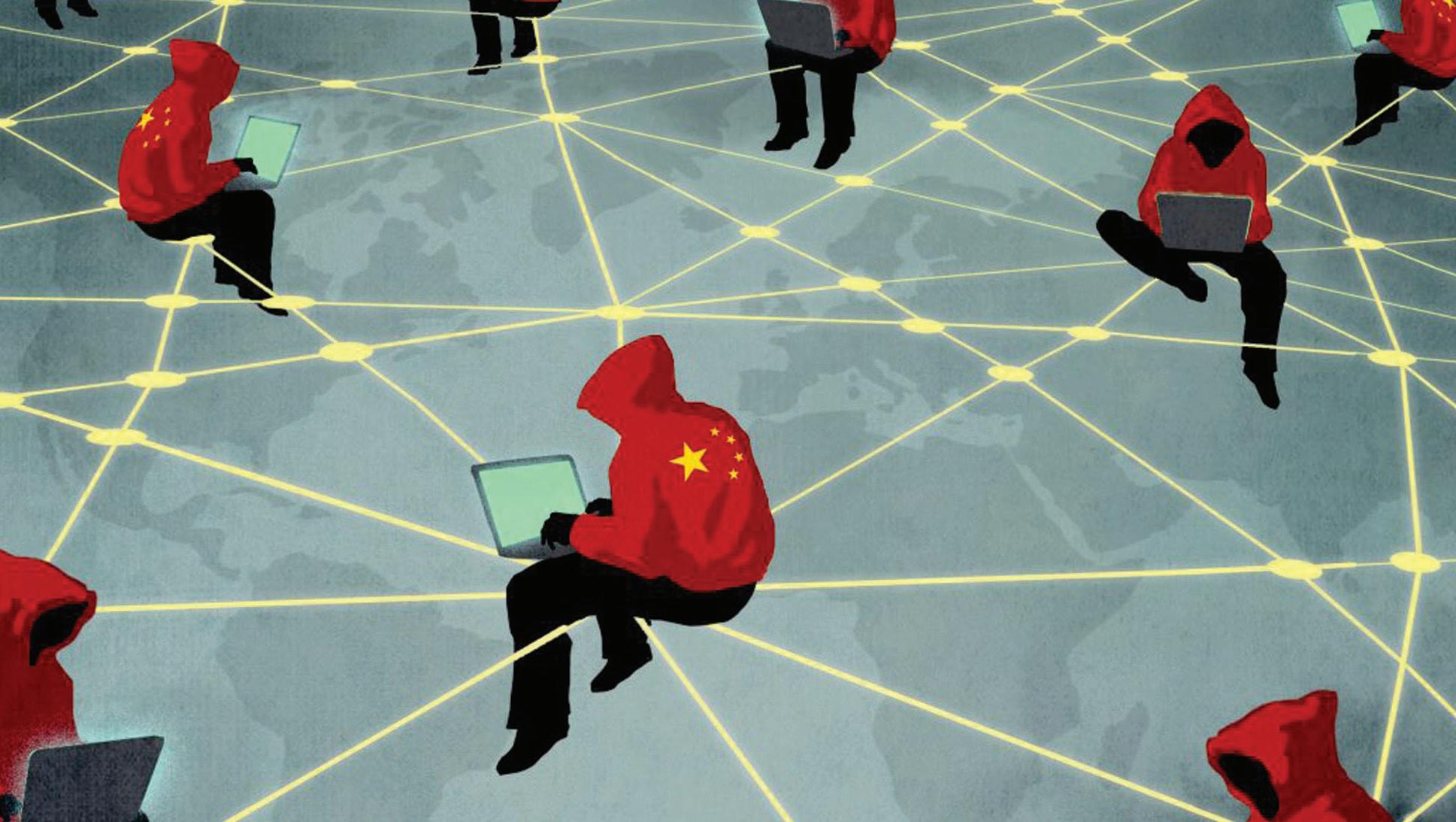
Taiwan faces a daily barrage of cyber intrusions and cognitive warfare operations from its larger neighbor, the People’s Republic of China (PRC). Taiwan’s National Security Bureau (NSB) reported in 2025 that the nation faces over 2.6 million intrusion attempts per day, earning it the title of “the world’s largest honeypot,” as National Security Council’s Yuh-Jye Lee said at the 2026 Munich Cyber Security Conference. Taiwan’s Ministry of Defense wrote in its 2025 report that these intrusions target military, government, defense, technology and finance, with the aim of “paralyz[ing] important sys-
tems to affect national defense…and normal functions of society.” The scale and frequency of these campaigns is staggering, but the objective is not necessarily immediate escalation, rather, the gradual normalization of pressure, whether on computer systems or psychologically. Preventing this persistent pressure from becoming the accepted baseline requires creative and persistent responses.
Taiwan’s current cyber strategy emphasizes system hardening, recovery, and situational awareness, with a strong focus on resilience, but, it is fragmented across multiple documents. An exception exists
Alice Learmouth is is a cybercrime analyst and intern at the Taiwan Center for Security Studies. She can be reached for comment at alearmouth@icloud.com
in an adjacent policy domain: the 2024 Anti-Fraud Initiative, an integrated model with measurable success. This initiative provides a strong governance framework that could be developed further. Amongst other democratic countries, the law enforcement-led technical disruption of criminal infrastructure that enables criminality is increasingly incorporated as a component of counter fraud or cybercrime strategies. One might ask if Taiwan should follow suit, and whether doing so could contribute to their national cyber power (using Joseph Nye’s definition of the ability to use cyberspace to create advantages and influence events).
Whilst there is no universally agreed-upon definition, the term “technical disruption” is used herein to refer to activities that are designed to directly disrupt an adversary’s technology, such as the takeover of software or C2 nodes, seizure of communication channels, and takedown of servers.
Taiwan’s cyber governance is distributed across multiple institutions, each producing its own strategy documents. The National Cybersecurity Development Plan, now in its seventh phase, is the most comprehensive document but has been not-
ed for its limited interagency cooperation. The NSB also produces annual publications on cyber threats to Critical National Infrastructure and Cognitive Warfare, but offers limited insights into how Taiwan counters these threats, while the Ministry of National
“In Taiwan’s case, the most significant fraudincreasinglyoriginatesfromindustrializedscamecosystemsoperatingacross SoutheastAsia,particularlyinMyanmar, Cambodia,andLaos.”
Defense’s Quadrennial Defense Review confronts cyber threats in the military domain. While each addresses different risks, the lack of a unified strategy limits cross-agency coordination.
Despite its fragmentation, Taiwan’s cyber strategy is broadly defense-oriented, focusing on hardening infrastructure, public education, and response mechanisms. This defensive approach reflects Taiwan’s asymmetric geopolitical position: as the weaker and less well-resourced power, offensive cyber operations are assessed by scholars such as Hon-Min Yau as carrying limited strategic benefit and increasing
the risk of escalation, “opening them up to punishing retaliation.”
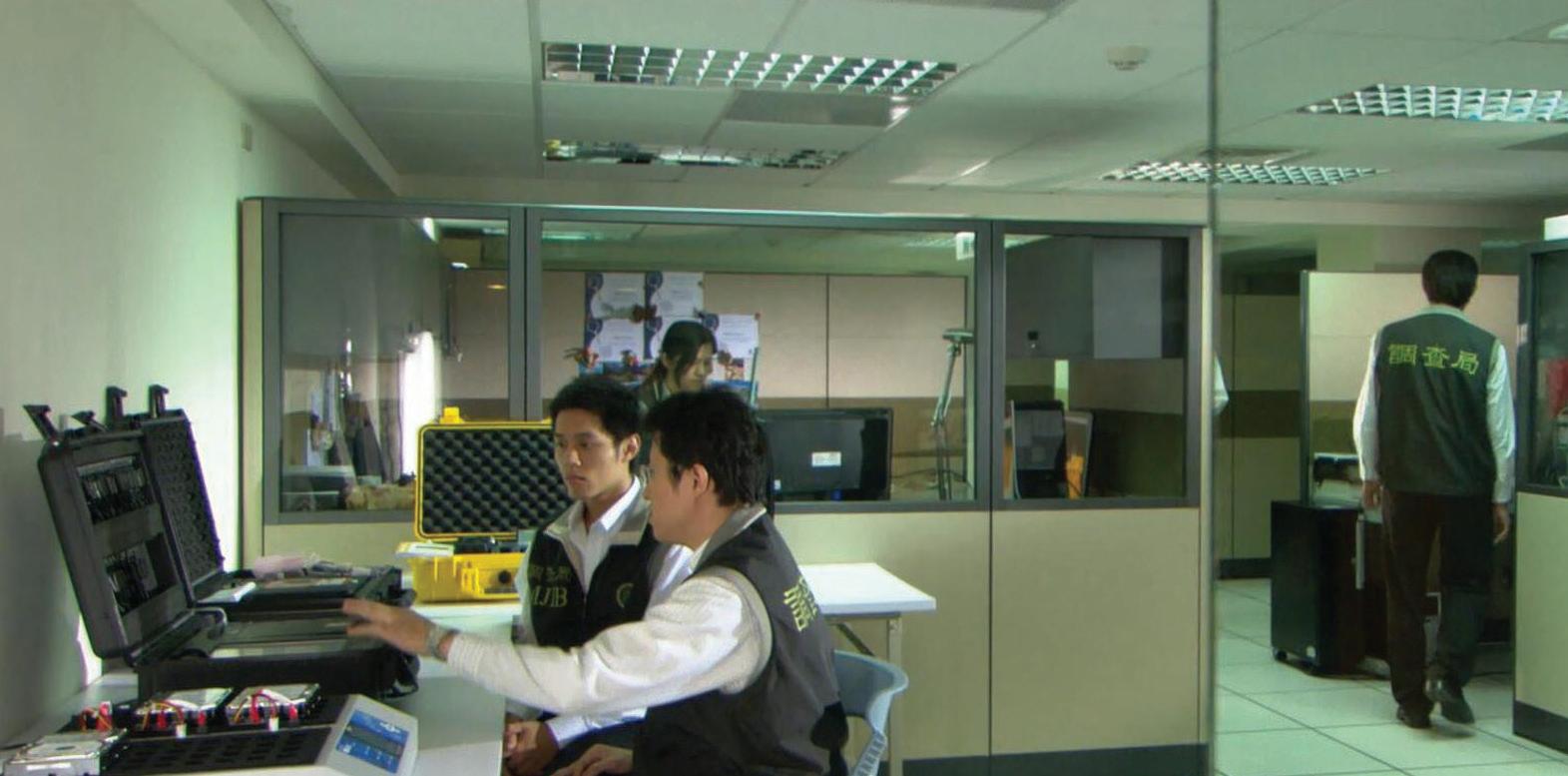
Despite Taiwan’s fragmented cyber governance architecture, the Anti-Fraud Initiative (AFI) is a comparatively strong example of coordination. The strategy combines interagency operations, structures public-private collaboration, builds societal resilience, and publishes transparent metrics. Conceived in 2024, it saw a reduction of US$700 million of losses per month in its first 6 months. In their February 2026 paper, Michael Kolton and Maa Shyh-Yuan noted the similarities in fraud and cognitive warfare: both use sophisticated technology to manipulate victims. Therefore, they say, Taiwan’s successful fraud strategy offers a roadmap to countering cognitive warfare. Beyond just cognitive warfare, the features of this strategy illustrate transferable governance mechanisms relevant to broader cyber threats faced by Taiwan. Firstly, its emphasis on whole-of-society resilience encourages citizens to ensure their own cognitive resistance to manipulation, detecting, authenticating, and reporting activity themselves. Secondly,
the AFI demonstrates how synchronized coordination, such as through an interagency task force, aligns disparate activities by different agencies and reduces duplication, offering lessons for Taiwan’s more dispersed cyber governance architecture. Thirdly, its structured engagement with private-sector firms highlights the importance of integrating non-state stakeholders into detection and response systems, given its control over key data and infrastructure.
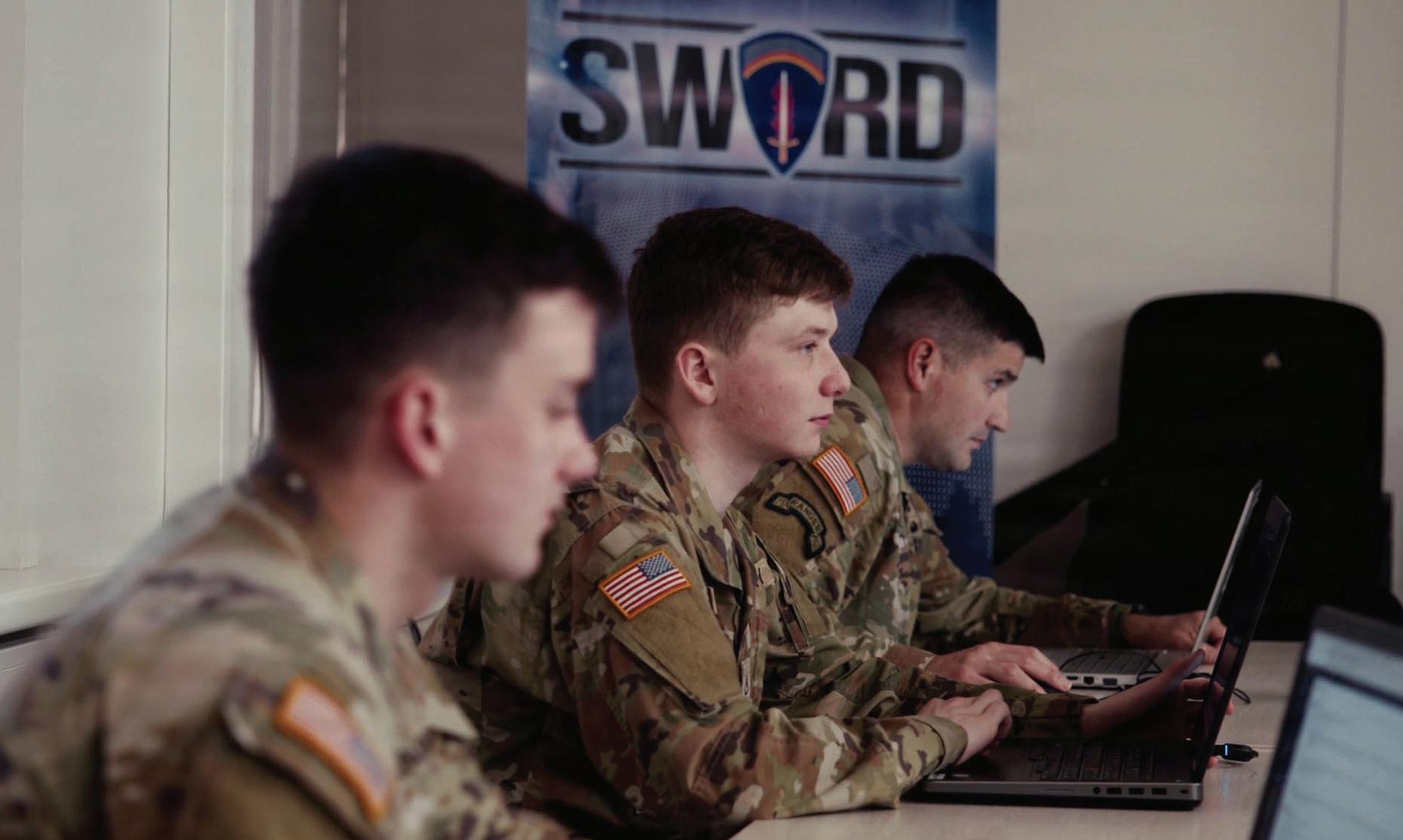
One aspect that is not as thoroughly developed in the 2024 fraud strategy is the proactive law enforcement response. Unlike many other like-minded democracies, the AFI does not incorporate a framework for law enforcement-led disruption of criminal infrastructure. The Europol- coordinated takedown of the Emotet botnet, or UK law enforcement-led international disruption of LockBit ransomware, both show that lawful, sustained technical disruptions impose real costs on adversaries. They are transparent, publicly accountable, and carry none of the escalatory risks associated with operations against state targets. Importantly, the legal frameworks enabling such op-
erations are expanding. The United States and the United Kingdom have already developed authorities permitting more flexible use of technical disruption against non-military threats, with the Netherlands, Poland, and Germany exploring equivalent frameworks. Taiwan currently lacks this authority, but developing comparable legislation, framed as an extension of Taiwan’s existing counter-fraud powers rather than a new offensive capability, would bring Taiwan into alignment with allies.
This is where Richard Harknett and Monica Kello’s concept of cyber campaigning becomes instructive, defined as, “continuous…cyber operations, which cumulatively and over time advance operational and strategic objectives.” These concepts are relevant to transnational criminal networks that exhibit persis-
tent, adaptive behavior. Effective cyber campaigning requires “operational friction:” manipulating the adversary’s operational environment to impede its normal functioning. Beyond blocking attacks, this means targeting dependencies and pressure points to complicate the adversary’s operations. Critically, this friction must be sustained rather than episodic. When widely used infrastructure is persistently targeted, attackers are forced to repeatedly adapt, which is time-consuming, expensive, and operationally degrading.
The infrastructure supporting large-scale fraud offers these pressure points. In Taiwan’s case, the most significant fraud increasingly originates from industrialized scam ecosystems operating across Southeast Asia, particularly in Myanmar, Cambodia, and Laos. These operations depend on a small number of critical services, each a discrete pressure point: Telegram channels for recruitment and coordination; crypto-

currency networks for payments and laundering; and guarantee marketplaces such as Huione, where criminals purchase stolen data, money-mule services, and scam-enabling technologies at scale. Disrupting these services would not eliminate fraud, but it would target the dependencies that make large-scale operations possible. Recent international operations demonstrate both the feasibility and effectiveness of this approach. In April 2026, the US Department of Justice’s Scam Centre Strike Force seized a major Telegram recruitment channel, and disrupted 503 fraudulent investment websites. Such interventions are sometimes described as “whack-a-mole,” arguing that criminals continually evolve tactics and migrate to new services. Yet from a cyber campaigning perspective, success is not measured by permanent elimination, but in generating persistent operational friction.
Pragmatic first steps
Taiwan need not introduce this change immediately. A pragmatic first step would be to deepen coopera-
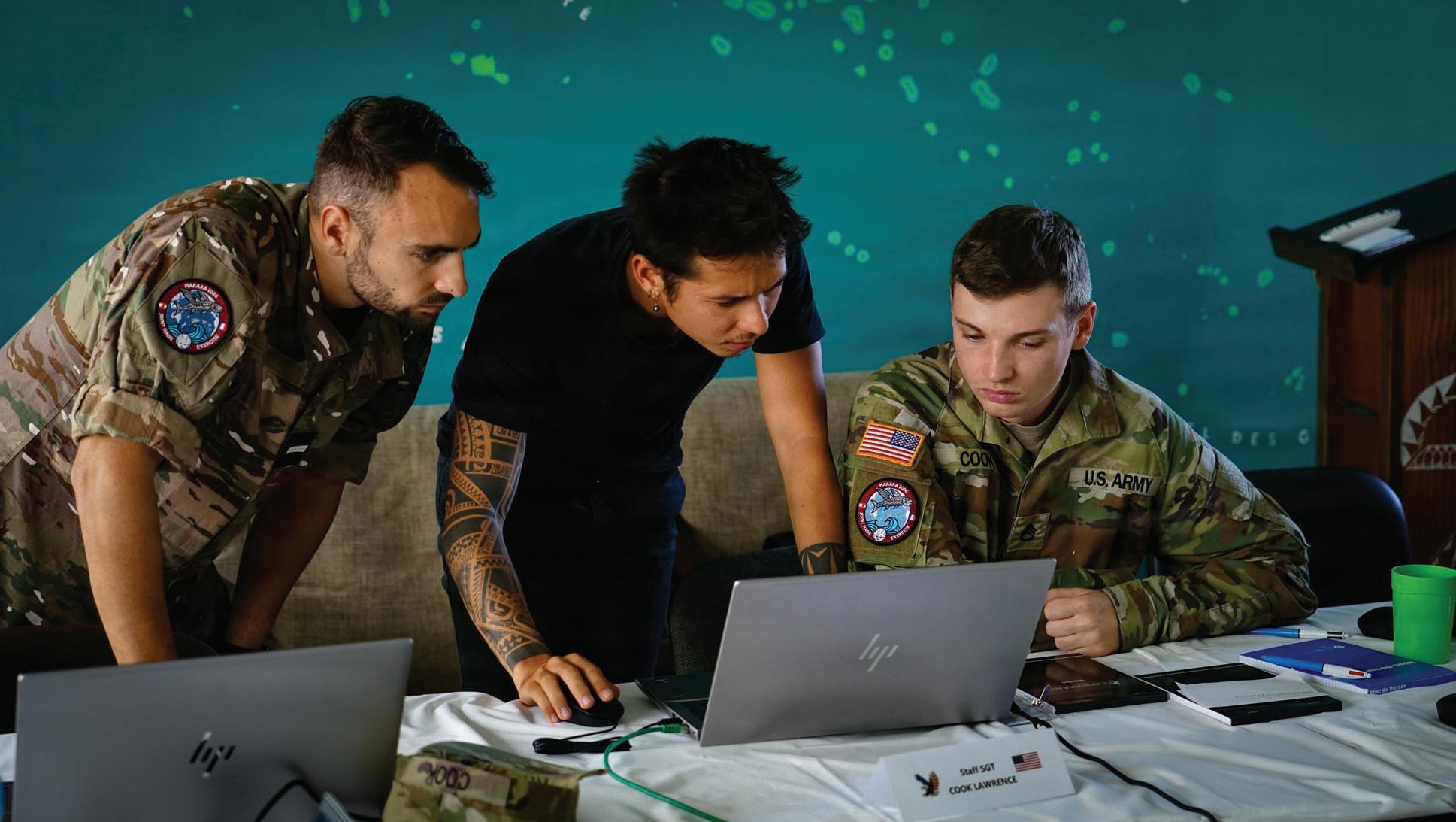
tion with like-minded partners already engaged in infrastructure disruption operations, to gain operational knowledge, build trusted relationships, and contribute to disruption efforts without requiring new domestic authorities. Taiwan’s diplomatic constraints complicate this ambition. Its inability to join Interpol excludes it from intelligence-sharing databases and coordination mechanisms that are often instrumental in combatting a crime as complex and transnational as fraud. Bilateral relationships with the countries where large fraud compounds operate (Laos, Cambodia, Myanmar) are near impossible, since the law enforcement landscape there is dominated by Chinese police. To navigate these constraints, Taiwan has developed what scholar Margaret Lewis terms “creative contacts,” to engage in meaningful international law enforcement cooperation. In March 2026, Taiwan participated in asset seizures and indictments as part of the coordinated disruption of Prince Group, a multinational network accused of running a vast network of scam centers. In May 2025, Taiwanese prosecutors travelled to the US to successfully apprehend key suspects, in a major
cross-border financial fraud case that the US government described as a “historic milestone” in bilateral cooperation. Taiwan is already pushing the boundaries of international collaboration. Expanding such arrangements, and advocating for Taiwan’s meaningful Interpol participation, will be essential as its disruption capabilities develop.
The next step is legislative reform. Taiwan currently lacks the legal basis to permit technical disruption against criminal infrastructure. Developing narrowly tailored authorities, framed as an extension of existing counter-fraud powers rather than as a new offensive cyber capability, would reduce both legal and political friction while remaining consistent with Taiwan’s defensive cyber posture. Operations against criminal infrastructure are operationally realistic, internationally legitimate, and politically defensible to a domestic audience already deeply concerned about the societal impact of fraud.
The primary objective of such reforms is the reduction of fraud and the protection of Taiwanese citizens. However, capabilities developed in this context may generate broader benefits for Taiwan’s cyber power. This transfer of capability is not merely theoretical. State-linked actors do not always operate in isolation from the criminal ecosystems described above. As Recorded Future documented in 2022, some PRC actors “take up cybercrime to supplement their regular income, and some of the obtained data and access that appear to be APT exploits are advertised on Chineselanguage dark web marketplaces.” Capabilities and institutional knowledge developed through counterfraud disruption operations are therefore directly applicable to the actors responsible for Taiwan’s most persistent cyber threats. Anti-fraud is a controlled environment with strong governance, where Taiwan can test the coordination, technical expertise and interagency mechanisms required to engage with complex cyber ecosystems. To revisit Yuh-Jye Lee’s Munich speech, “Taiwan being a honeypot has taught us an important lesson: defense alone is not enough.” n

Strategic Vision vol. 15, no. 65 (June, 2026)
US maintains stable Taiwan policy while seeking improved relations with PRC Casmir Mbaegbu
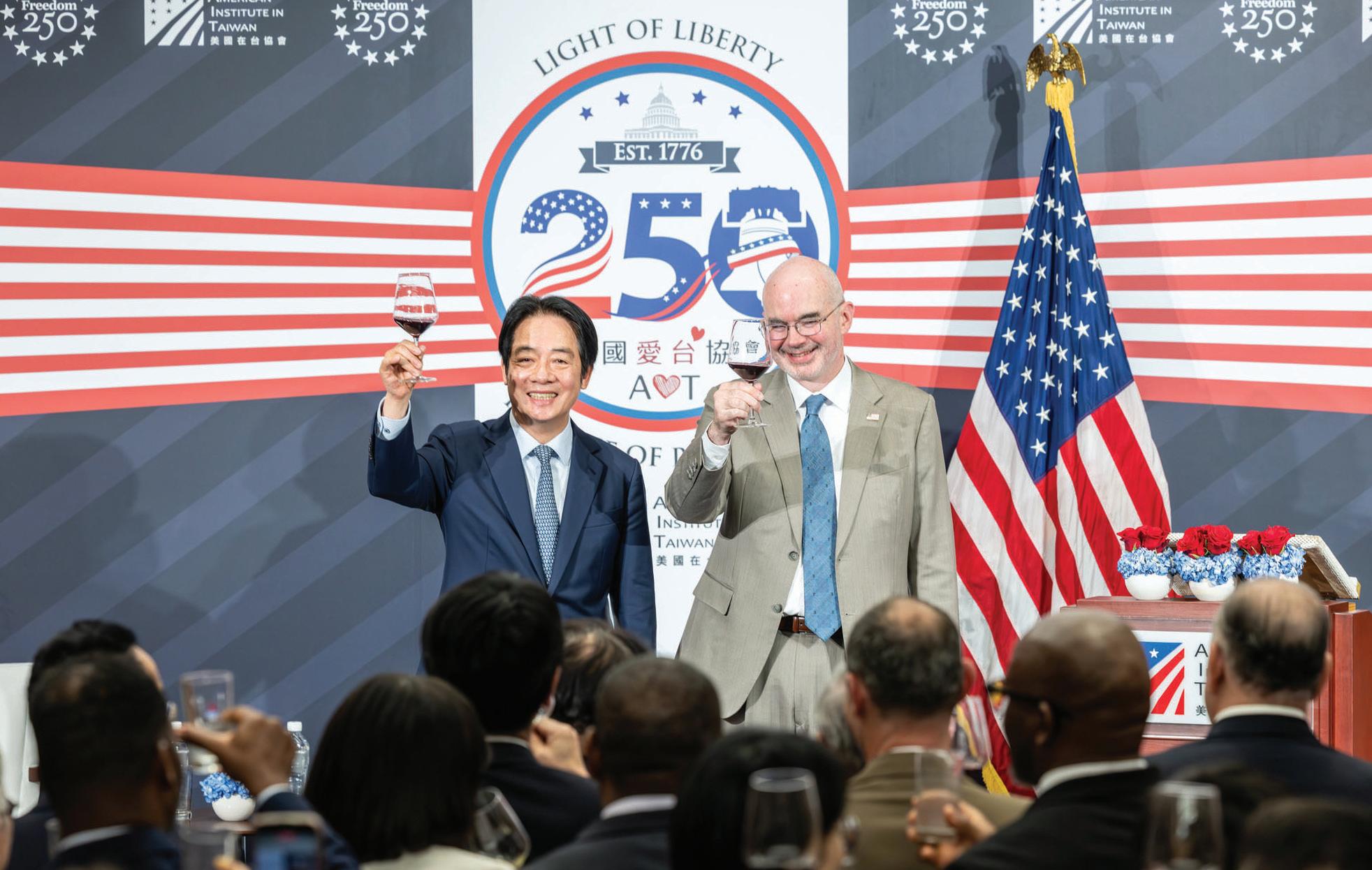
For many decades, the United States has had a strong interest in defending Taiwan against invasion by Chinese forces, although recent developments have raised questions about the extent and durability of that interest. President Donald Trump’s May 2026 visit to China has generated debate about a possible realignment in US–China relations and its implications for Taiwan. The visit followed Trump’s description of US arms sales to Taiwan as a “negotiating chip,” prompting concerns in Taipei about the future direction of American policy.
Consequently, an important question has emerged: Is Taiwan expecting too much or too little from the United States? Addressing this question requires a deeper understanding of the evolving dynamics surrounding the Taiwan question and its centrality to US–China relations. The Taiwan question remains the most sensitive and consequential issue in ChinaUS relations. Chinese President Xi Jinping has repeatedly emphasized that the US must exercise extreme caution in handling Taiwan-related matters, warning that mishandling the issue could result in clashes or
even conflict between the two powers.
Tensions between Taipei and Beijing have loomed over the Asia-Pacific region and global geopolitics for over seven decades. Since 1949, geopolitical contestations arising from rights of self-determination, locationalities, diplomatic relations, and state boundaries have characterized cross-strait relations between the Republic of China (ROC) on Taiwan, and the People’s Republic of China (PRC), on the mainland.
The PRC continues to view Taiwan as a renegade province and maintains its commitment to its eventual unification with the mainland. Recent developments have become tenser, with military incursions, surveillance operations, and punitive economic measures, such as the banning of imports of selected Taiwanese fruits and fish products, having heightened tensions across the Taiwan Strait. While these developments are structurally constrained by the strategic involvement of the United States, they continue to
pose significant challenges to regional stability and international security.
The diplomatic standoffs that come with this issue pose substantial ramifications in terms of human rights, minority protection, group identities, and security across East Asia and the Asia-Pacific region. China’s quest to achieve total reunification has continued to raise doubts about the sustainability of democracy in Taiwan and its political sovereignty. This is indicative of the nature of state behavior in the international community in which sovereignty and security create a complex web of uncertainties. With the increasing threat of force from China, Taiwan’s entitlement to statehood in terms of self-determination, diplomatic recognition, and bilateral relations hangs in the balance. China’s rising military incursions, growing regional assertiveness, and the continued deterioration in cross-strait relations suggest the emergence of what many scholars describe as a new Cold War. The likely genesis of this Cold War 2.0 can be linked to developments in 2020, when China shocked the international community by ruthlessly
abrogating the “one country, two systems” regime it imposed on Hong Kong. This event fundamentally contributed to the alignment of Western opinion with the US position that China constitutes a growing threat to global democracy and the liberal international order.
Since China’s founding in 1949, cross-strait tensions have simmered without escalating into full-scale war. Although historically the Chinese Communist Party (CCP) has never governed Taiwan, Beijing claims the island as an integral part of its territory. Thus, absorbing it into China, by force if necessary, is central to Beijing’s vision for its “national rejuvenation”
“The US position on the One China Policymerelyacknowledgestheexistence of the PRC’s claim [on Taiwan], withoutendorsingorrejectingit.”
by 2049. This position has been consistently articulated through a series of Chinese government white papers on the Taiwan Question and the Reunification of China, which outline Beijing’s principles and policies regarding national reunification. The people of Taiwan, however, reject the notion of a 2049 unification: a project sustained by fear, ideology, and coercion rather than genuine national unity. Within this competing narrative, Taiwan is not a rebellious province but a democratic society committed to freedom, sovereignty, and self-determination, making the future of cross-strait relations one of the most contested issues in contemporary geopolitics. Taiwan’s current government, led by the Democratic Progressive Party (DPP), asserts Taiwan’s existing sovereignty, democratic self-rule, and distinct political identity. From this perspective, Taiwan’s sovereignty and independence are not byproducts of the historical Kuomintang (KMT)-CCP conflict or ethnolinguistic ties with China, but of its democratic transformation during the late 1980s. To claim oth-
erwise mirrors the logic of Vladimir Putin’s aggression against Ukraine: invoking shared language and history to justify invasion.
Taiwan’s modern sovereignty emerged not in 1912 with the establishment of the ROC after the fall of the Qing dynasty, nor in 1949 when that government fled to the island, but in the late 1980s when Taiwan democratized and essentially ceased claiming to represent all of China. Similar to Ukraine’s emergence as a sovereign state after 1991, Taiwan’s statehood is viewed as a product of political awakening and democratic consolidation. While there is limited domestic support for a formal declaration of independence, the opposition KMT continues to envision eventual reconciliation or unification within a democratic Chinese/ROC constitutional framework, rather than absorption into the PRC.
Hence the importance of the longstanding US support for Taiwan’s continued sovereignty and its defense against a Chinese attack. The Taiwanese and American people have long enjoyed a friendly relationship that spanned the Pacific Ocean and transcended partisan politics. The China-US relationship, meanwhile, has historically been fraught with geopolitical rivalry and mutual distrust, and Beijing has emerged as the principal strategic challenger to Washington’s continued global influence. More recently, however, both Washington under Trump and Beijing under Xi have sought to promote what Chinese officials describe as a constructive relationship premised on strategic stability. According to China’s Ministry of Foreign Affairs, such a framework entails positive stability through cooperation, healthy stability through competition within proper limits, constant stability with manageable differences, and lasting stability with peace. These principles suggest Beijing’s preference for a more predictable bilateral relationship while simultaneously providing a framework through
which it can challenge US actions perceived as threatening to its core interests, particularly on issues related to trade, technology, and Taiwan.
Strategically, Beijing appears intent on transforming President Trump’s transactional approach toward stabilizing bilateral ties into a more enduring framework for managing US-China relations. The implications of this evolving relationship extend beyond bilateral concerns. A stable US-China relationship can contribute positively to global economic growth and international stability, whereas heightened tensions can disrupt trade, investment, and regional security. Within this broader context, the trilateral relationship between the United States, China, and Taiwan provides critical insights into the dynamics of the cross-strait dispute.
Taiwan occupies a significant position within this triangular relationship. As one of America’s major trading partners, Taipei maintains substantial economic and strategic ties with Washington.
Nevertheless, President Trump’s remarks following his return from China in May 2026 introduced new uncertainties into the debate about the US commitment to Taiwan. While promising to make a decision on a proposed US$14 billion arms package for the ROC military, Trump simultaneously emphasized that “nothing has changed” in US policy toward Taiwan. He further stated that he was “not looking to have somebody go independent” and expressed a desire for both China and Taiwan to “cool down,” underscoring his preference for stability and the avoidance of military confrontation.
The foundation of US policy towards the PRC remains its One China Policy. Under this framework, the US acknowledges the Chinese position that Taiwan is part of China, though it does not formally recognize PRC sovereignty over the island.
Consequently, Washington maintains an unofficial relationship with Taiwan while preserving formal diplomatic relations with Beijing. This arrangement has long been a source of contention in cross-strait relations. Notably, none of the principal legal and diplomatic instruments governing US-China-Taiwan relations, including the Three Joint Communiqués, the Taiwan Relations Act, and the Six Assurances, accept Beijing’s claim that Taiwan belongs to China. Rather, the US position on the One China Policy merely acknowledges the existence of the PRC’s claim, without endorsing or rejecting it.
Will the PRC threaten Taiwan militarily? When might China attempt to invade Taiwan? Why should the international community support Taiwan? These questions continue to shape public discourse in Taiwan and remain central to contemporary crossstrait tensions. Despite persistent claims by Beijing that Taiwan is a renegade province, Taiwan is, in practical terms, a self-governing and functionally independent political entity. It retains the official nomenclature of the ROC, and it possesses all the attributes of effective statehood, including a democratically elected government, a distinct territory, its own currency, a security apparatus comprising military
and police, and clearly administered borders. More importantly, Taiwan has enjoyed a vibrant democratic system for over three decades and has consistently demonstrated its commitment to maintaining peace, preserving its territorial integrity, and protecting the democratic freedoms and liberties achieved through its political transformation.
The Taiwan question remains one of the most sensitive dimensions of contemporary cross-strait tensions and a major source of geopolitical friction between the United States and China. During the May 2026 summit between Xi Jinping and Donald Trump, Xi reportedly emphasized that Taiwan remains the most critical issue in bilateral relations and warned that mishandling the matter could place both countries on a collision course. Such statements reinforce Beijing’s longstanding position that Taiwan constitutes a core national interest and a non-negotiable red line in Sino-American relations. In contrast, subsequent statements by senior US officials, including Secretary of State Marco Rubio, reaffirmed that Washington’s official position on Taiwan remained unchanged, re-
flecting the continuity of the longstanding US policy of strategic ambiguity. The most significant outcome of the meeting was the centrality accorded to Taiwan in US-China discussions. Consequently, Trump’s visit to China is best interpreted not as a clear realignment toward either Beijing or Taipei but as an exercise in strategic ambiguity and transactional diplomacy.
For true geopolitical realignment to occur, it would require a seismic change in US foreign policy, and a US shift away from Taiwan to accommodate Chinese demands. This would mean changes in military ties between the two countries, restrictions in military equipment and arms sales to Taiwan, and possibly recognition of China’s aspirations for annexation of the island. While President Trump’s comments raised doubts, they did not reflect any drastic change in US policy regarding Taipei. The US maintains robust unofficial ties with Taiwan and seeks to foster stability in the Taiwan Strait. Trump’s visit to China represents a
continuation of a pragmatic and negotiation-oriented approach in which Taiwan remains a critical strategic issue within US–China relations.
The key takeaway is that Taiwan appeared less as an independent actor in the diplomatic visit and more as a strategic variable in great-power bargaining, a perception that naturally generates anxiety in Taipei while reinforcing Beijing’s efforts to elevate the Taiwan question as the defining issue in SinoAmerican relations. Simply put, the development points to strategic bargaining and diplomatic ambiguity, not a definitive geopolitical realignment toward either China or Taiwan. The United States, as a bastion of democracy, human rights, and self-determination, has a strong interest in protecting Taiwan’s status as a mature democracy of 24 million people. It will continue to support the status quo, allowing Taiwan’s sovereign status to continue to endure and succeed amid threats from the PRC. n

Visit our website:
https://taiwancss.org/strategic-vision/