Independence


Yours Sincerely
Falling Free
Love Forms
How does abuse and corruption of power in literature of the past reflect today and forbode the future?
Society
How Social Media has led us into an age without independent thinking
Iceland Interviews Interdependence
History
The Fall of Franco
A Liberated Russia
Conservatism v Liberalism

Kali Uchis Kali Uchis



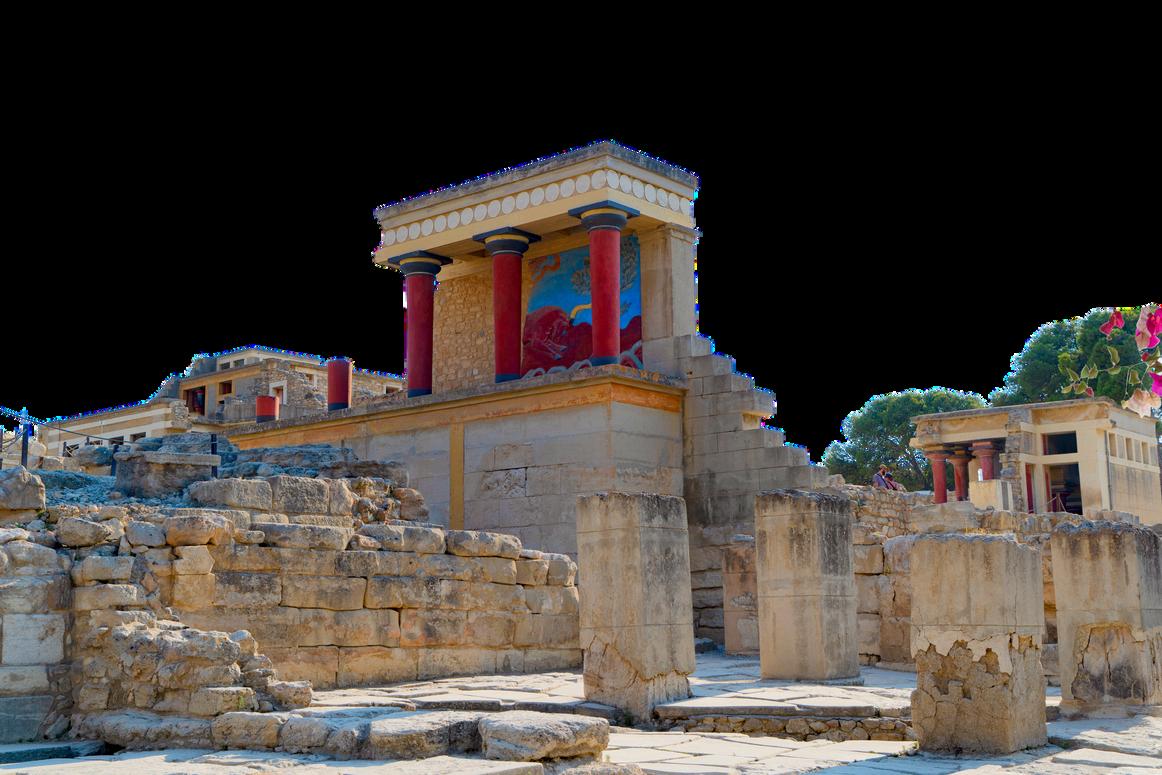
Independence is freedom. Throughout history, all humans have ever wanted was independence. We can look at examples such as The American Revolution (1775-1783), The Haitian revolution (1791-1804) and The Irish war of Independence (1919-1921). Alternatively, there are modern day and on-going examples: South Sudan achieving independence from Sudan in 2011 and the Scottish Independence movement. Despite the distance, time and cultures that divide these events, they share one thing: A drive, a hunger for independence. Within every occurrence, there is a clear display of humans desiring to be set free from powers silencing, controlling and diminishing them. However, these are just large scale happenings where groups of people have banded together to free themselves. Uprisings and fights for independence don’t just happen in history books or on news channels, they happen everywhere; between anyone: schools, pupils, jobs, colleagues, homes, friends or perhaps in Knossos on the island of Crete in 1550 BCE.
As Daedalus took his first steps on Crete as a banishment from Athens, his reputation as an egotistical, intra-familial murdering inventor dissipated. Here on Crete, he could be anyone he wanted: a renowned architect, sculptor or inventor, the possibilities were endless. Crete provided a clean slate for Daedalus and his only son Icarus. After hearing of Daedalus’ marvellous creations, the infamous King Minos welcomed Daedalus and Icarus onto his island with open arms.
Minos had Daedalus work for him, he was ordered to manufacture automated toys for Minos’ children and build sculptures and statues as Minos pleased. The king placed faith and trust in his inventor, which the king had assumed he would not take for granted. Rather unsurprisingly, Daedalus betrayed the trust that Minos had bestowed in him and assisted Minos’ wife (Pasiphae) in seducing a bull. Yes, you read that right. Pasiphae had been cursed by Poseidon to fall in love with a white bull sent to King Minos.
She then persuaded Daedalus to build her a fully functional bull suit, in which she would allure the bull. Out of this zoophilic relationship, the Minotaur was born. The birth of the Minotaur enraged Minos, and he blamed it all on Daedalus (for helping Pasiphae). As punishment, Daedalus was forced into building an inescapable labyrinth below the island of Crete where the Minotaur would be kept. We can assume that by the sheer scale of the labyrinth and the complexity of it, the maze must’ve taken years of strenuous labour to build. As if building an entire maze didn’t serve as enough punishment for Daedalus, he would later face much worse consequences.
A young girl (Ariadne) was locked in the maze with the Minotaur. Bravely, her lover (Theseus) went into the maze to set her free. With the aid of Daedalus, Theseus was able to rescue the captured Ariadne and leave Crete. Just as before, Minos had heard of Daedalus’ actions and was furious. Thus, he decided this was his last straw. This time, not only did he punish Daedalus, but Icarus too. Consequently, Icarus and his father were to be locked in the heights of the tallest tower in Knossos, where they would spend the rest of their lives.
Icarus dreamed of independence, all he wanted was to leave the tower and explore the world around him. Much like his father, Icarus was an inquisitive boy; very adventurous. They hadn’t been imprisoned in the walls of the tower for very long before both of them became utterly restless. Neither of them could bear it anymore. All they wanted was to be free, to be independent. Ergo, the scheming began.
Whilst trapped in the Knossos, Daedalus had been observing the animals that surrounded him. In particular, he paid close attention to the birds that glided overhead. Inspired by the graceful fluttering of the birds’ wings, Daedalus (with the help of Icarus) built them both a pair of wings out of fallen feathers and wax. Surely, surely this would allow them to be free from Minos and soar into the open arms of independence.
Attaching the wings onto his back, Icarus felt the adrenaline flow through him. Slowly, he stepped to the edge of the tower and surveyed the world he would soon fly over. He felt powerful. Pulling him back from the ledge, Daedalus reminded icarus that if he flew too close to the sea below them, the wings would become weak and feeble from the water so he would drown. If he flew too close the sun, the wax that held the wings together would melt, so he would fall to his death. In order to fly as safe as possible, he would have to find a place where it was not too hot but also a place where the waves could not reach him.

Some interpret this as a metaphor for ambitions and independence. If we are given too much freedom, we can set our limits as high as possible, to unrealistic standards that will often fail us and lead to us hitting rock bottom. On the other hand, we could set our ambitions too low, and we will never dream big, we will simply become too feeble to live in this society, and fail.
Both Icarus and Daedalus climbed up onto the top of the tower, they peered over the ledge, noticing that they could hardly see the ground beneath them, just the great Aegean sea in the distance. In this moment, they did not feel fear. They felt exhilarated. They knew that freedom and independence from Crete awaited them. Well, at least if they flew where they would be safe.
They both leapt from the ledge and began to flap their wings. Within seconds the wind caught beneath them and they began to fly. When the citizens of below looked up at the sky, they mistook Icarus and Daedalus for birds. The higher and higher they got, the more power they felt. One citizen saw Icarus and thought he was a god ascending to the heavens. Despite his father’s warning, Icarus strayed away from his father and began to climb tow closer he got to the like he felt. At this p Icarus, he wanted t else. Beneath him, his son, begging him before it was too la yearned to be free f would hold him bac
Becoming enraged by Icarus' attempts to be like them, the gods knew something had to be done to stop Icarus.
One by one, the feathers on Icarus’ wings began to fall off as the wax melted. Eventually, only a few clusters of feathers were left on his wings, hot wax was burning his skin, Icarus knew what was about to happen. Where there once was wind lifting Icarus upwards, was now nothing. Plummeting from the sky, Icarus felt the wind impale him.
You don’t need me to tell you what happens next, Icarus met his end as a consequence for his greed, and his father was left with the burden of his son dying in front of his own two eyes.
All they wanted was independence. But as they sought out freedom, both their stories ended in tragedy. But why is this? Why does hunting for freedom always end in someone getting hurt? Within wars for independence there is violence and casualties, the same happens in protests. Between families and friends, expressions become weapons; a war of words takes place. This begs the question: Are humans supposed to be independent? Why do we keep fighting if we understand that there will be fatalities?
The poem ‘rewriting Icarus’ (By Fiona) states “Icarus laughed as he fell”. This line (and in fact the whole poem) reinterprets the story of Icarus as a victorious story about how he became independent. Icarus knew his fate, he knew death awaited him, but he also knew he was free. He had achieved what he wanted, liberty. As he cascaded down to the ground, he was able to bask in his independence; his last moments were moments of freedom. Icarus understood to be falling means that you were soaring.
And so in your head you ought to rewrite what

How does abuse and corruption of power in literature of the past reflect today and forebode the future? Alisha Beilby
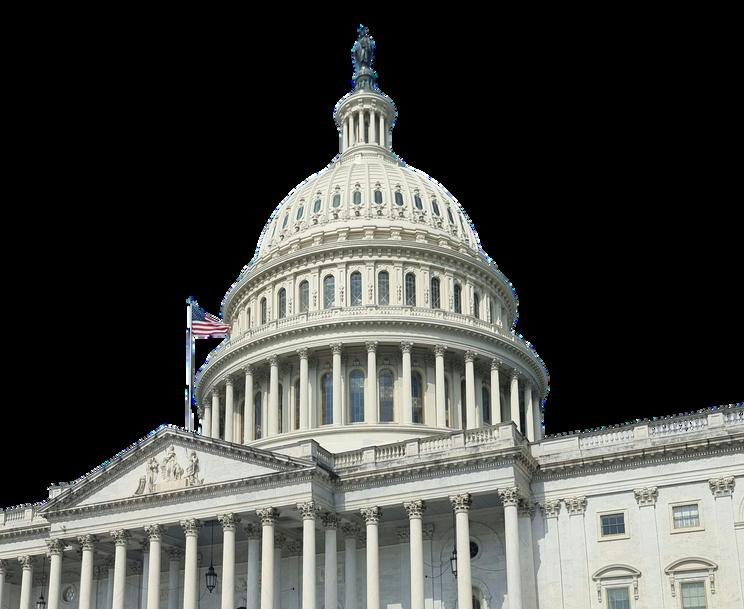
It has become evident now more than ever that as a society, we tend to repeat ourselves but through a more contemporary lens. Particularly in our international political history, which seems to be incapable of avoiding both internal and external conflicts due to abuse and corruption of power. Literature has been a fundamental part of understanding our history and how it reflects the conventions and events of its respective times, but there has been a constant theme that has never rested: tragedy in relation people in authoritarian positions. However, despite this pattern screaming for us to notice, it seems there is yet to be a more monumental change in the way we address power and social hierarchy. One popular piece of literature that gives us a vivid insight to the inner works of corruption in power is Hamlet. Its themes of surveillance, manipulation of the truth and moral conflict highlight the detrimental effects of desire and that corruption is both personal and systemic. All the major characters within Hamlet reflect some part of society, but Claudius, Polonius and Hamlet associate the most to abuse of power. Claudius is a tyrannical ruler who wreaks havoc in the state of Denmark by using unethical political manoeuvres to gain and maintain his position as King. From committing regicide, to using propaganda to justify his political decisions and orchestrating both exile and murder, Claudius symbolises the ‘slippery slope’ of moral corruption. Once he begins, he doesn’t stop, even when he recognises his actions are wrong and are being discovered. Sound familiar? Shockingly, many political leaders nationally and globally can easily be related to Claudius. An obvious example would be President Trump of USA. His current order o arresting of migrants, extreme tariffs, involvement in the Epstein files and invasion Venezuela are only a few of the many monumental issues with his use of power and reflection of the character of Claudius.
This striking similarity really highlights how we as a society have failed to keep dark fiction actually fiction. Polonius, Claudius ‘right-hand man’ is a sycophant, willing to do anything for Claudius. He seems blinded by his own ambition as he tries to protect his pride, status and power, making him lose his autonomy and free-thinking. He also underestimates that he may fall victim to Claudius’ decisions, and cements this by spying on Hamlet for him. Polonius is nothing but a pawn in his superior’s back-pocket, ignorant to how that would systemically affect everyone external to him, including his family. Not only does this reflect almost everyone in high-upper social class (millionaires/billionaires), but it relates to those who believe that it is safest to abide by authorities despite any personal disagreement. This is extremely harmful as it continues to fuel the dystopian horror-show of our global society, but it creates a generational effect which continues to trap us in a cycle of suffering. Millionaires like Elon Musk (soon to be trillionaire) has made significant contributions to President Trump’s agenda, such as donating over US$277 million in 2024 by establishing a political action committee. Despite having a ‘fall out’, there is no denying Musk's socio-political climb through his support of Trump, gaining him a job at the Whitehouse slashing government funding, federal workforce and more. His loyalty to Trump even after disagreements highlights the outrageous desire for selfpreservation and power making a very fitting modern Polonius
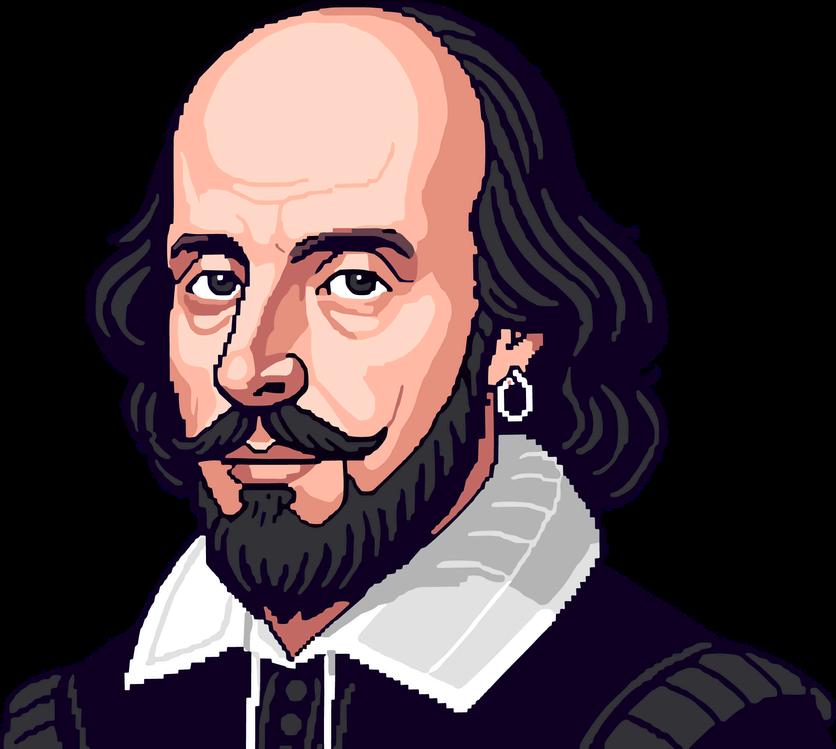
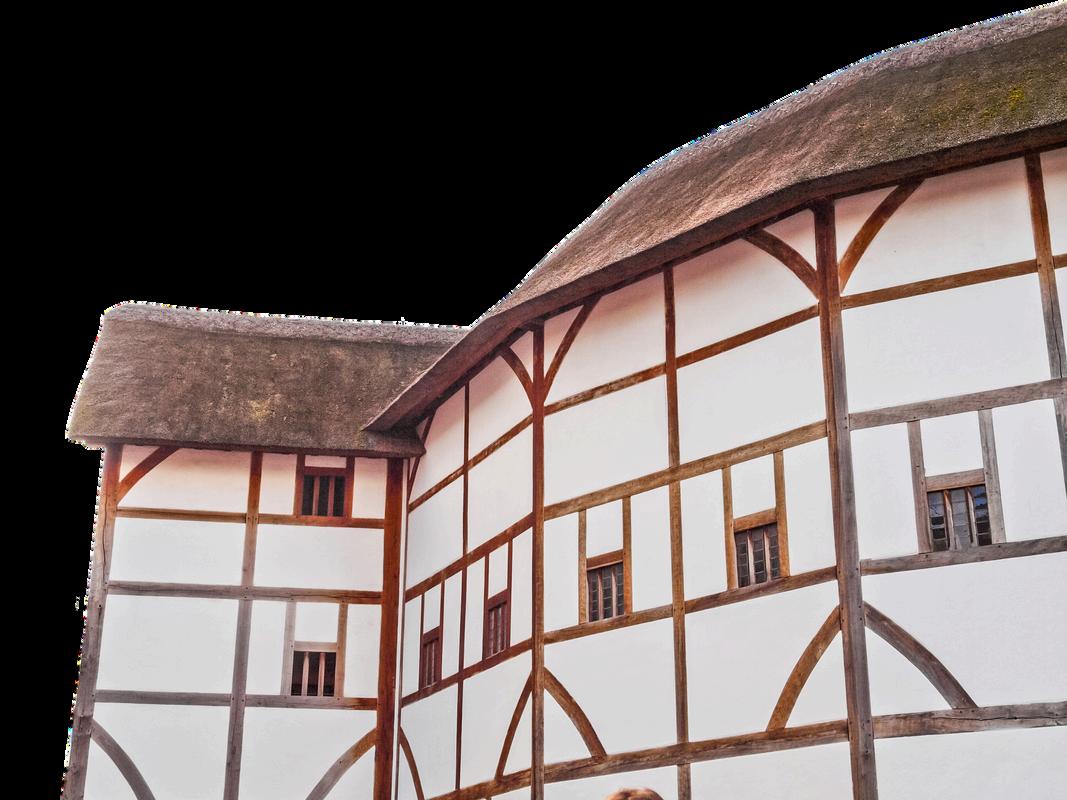
Contrary to Polonius and Claudius, Hamlet strays from their trajectory of power-chasing by being in a position of moral conflict as seen in his famous line of ‘to be or not to be’. His ideas challenging social convention allow him to begin a new era of critical and moral thinking, but he eventually falls to the same ethical decay as his counterparts and dies at the end of the play. His character both represents most of the public population and what potential we could reach if we approach corruption and abuse of power correctly. His constant debate of duty morally and personally allowed him more autonomous thinking and more general freedom, leading him to dismantle Claudius’ position. He escaped from the propaganda and lies making Claudius’ position unstable and short-term, forcing him to reveal his intentions.
Hamlet’s arc shows that if we collectively introduced more flexible thinking and questioned those in power, we can reduce the monumental influence and presence of corruption and disarray. A majority doing the basics and building up from the ground up will have a more profound impact and provide the stability and sustainability we need to do this. Hamlet’s big and bold acts of protest do cause issues in the royal court, but he ends up becoming what he opposed originally, showing that big acts can bring big consequences, including becoming corrupt ourselves. We need to approach corruption carefully before we end up destroying each other before there is any chance for real justice to be served.
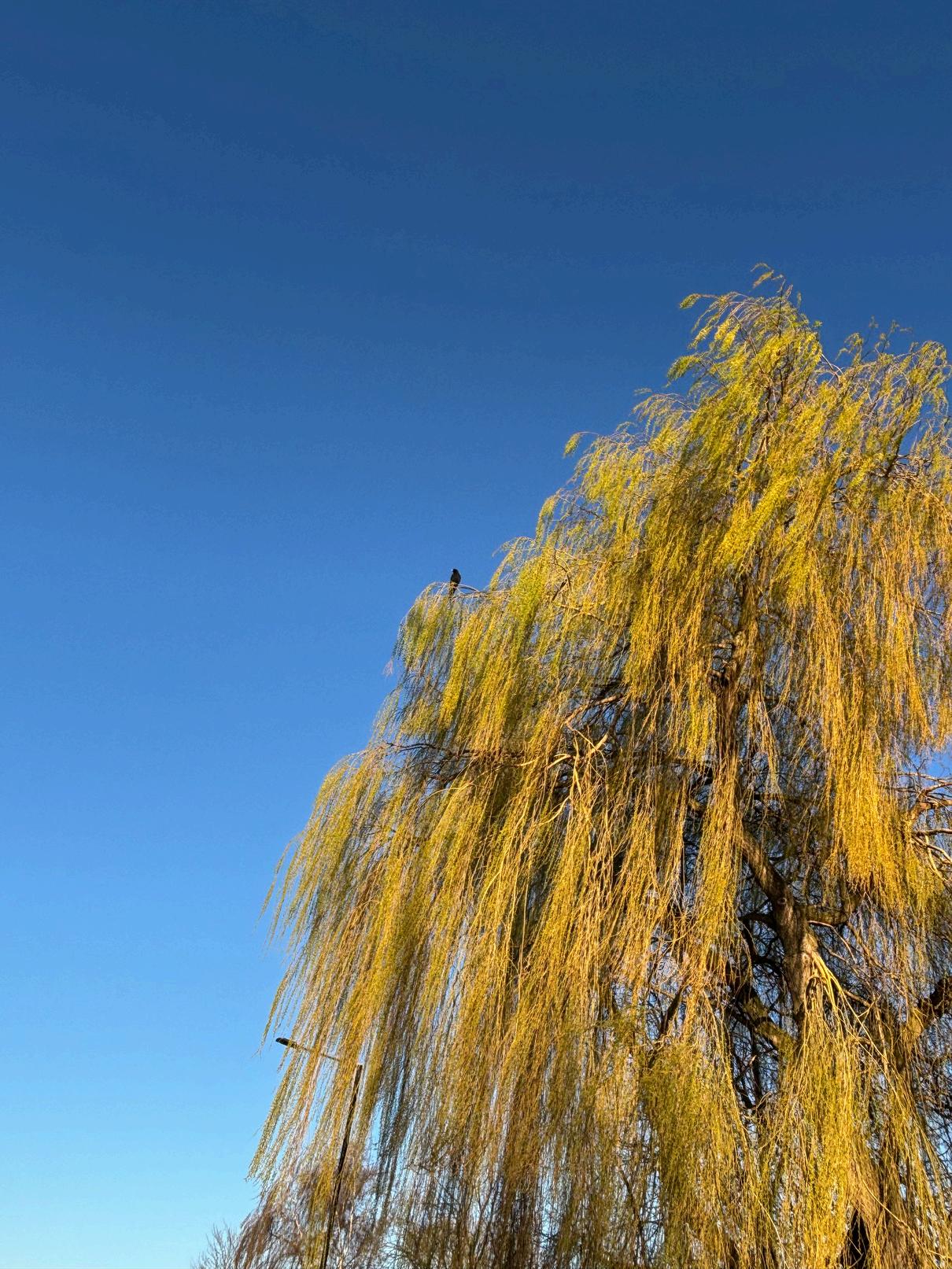
In a world where shopping, gaming and communication are online, social media and its presence is more prevalent than ever; platforms like TikTok, Instagram and X cultivate our opinions and wants. Whilst cat videos and talking to friends you can’t see are great, these billion pound tech firms are shaping our opinions and sending individuals down their own personalised web of styles and trends. In a world where young people find their global news and groceries online, should we really trust these algorithms to mould our views and consumption habits while giving only a fraction of full stories and a repeated version of events? Conformity plays a powerful role within trends. Whether it’s fashion, music, slang, or challenges, trends spread online. Participating can feel fulfilling and help us fit in, but it can also pressure people to follow along even if it doesn’t feel right. Above all, young people end up buying things they don’t need, changing how they act, or hiding their real interests just to avoid being left out. When popularity becomes more important than personal values, independent thinking slowly fades. Influencers are also key: they often start trends and have such a grip on our thoughts that the fabric of independent thinking is torn apart to share the same views as these famous people, to foment their own popularity, and even consumption habits are shaped by others' clothes, views on issues or diets. With such huge followings these individuals are rarely doubted and thus hold positions of power. Their rhetoric shifts the opinions and doubts of individuals who seek to always be in the majority.

Another factor are the algorithms behind watch history. Algorithms decide what content appears on our feeds based on what we like, share, and watch. At first, this feels helpful because we see things we enjoy; however, over time, algorithms can trap us in a bubble. We are repeatedly shown the same opinions, beliefs, and styles, making it harder to embrace and understand different perspectives on a spectrum from world geopolitics to fashion ideals. When we’re perpetually fed only half the story or one side, we may start believing it is the only “right” one, without questioning it.
One great way to restart is breaks from social media. They are a great way to reconnect with real people and redevelop individual freedom. Even things like watching a full news showing, not just the fraction of it shown on Tik Tok will show the full story and may sway your previous ideas. Furthermore another great way to clarify these or your beliefs is to converse or debate with friends and family to hear a different point of view, an opportunity to share ideas on a personal level that may be tailored for an individual and be more trustworthy than an influencer who knows you only by a username, if that.
The message isn't that social media must be avoided in order to be independent; cognitive independence doesn't mean shutting down from the online world. It means freeing individuals world wide from tightly controlled consistent view points in a society with more diverse beliefs and ideas than ever before.
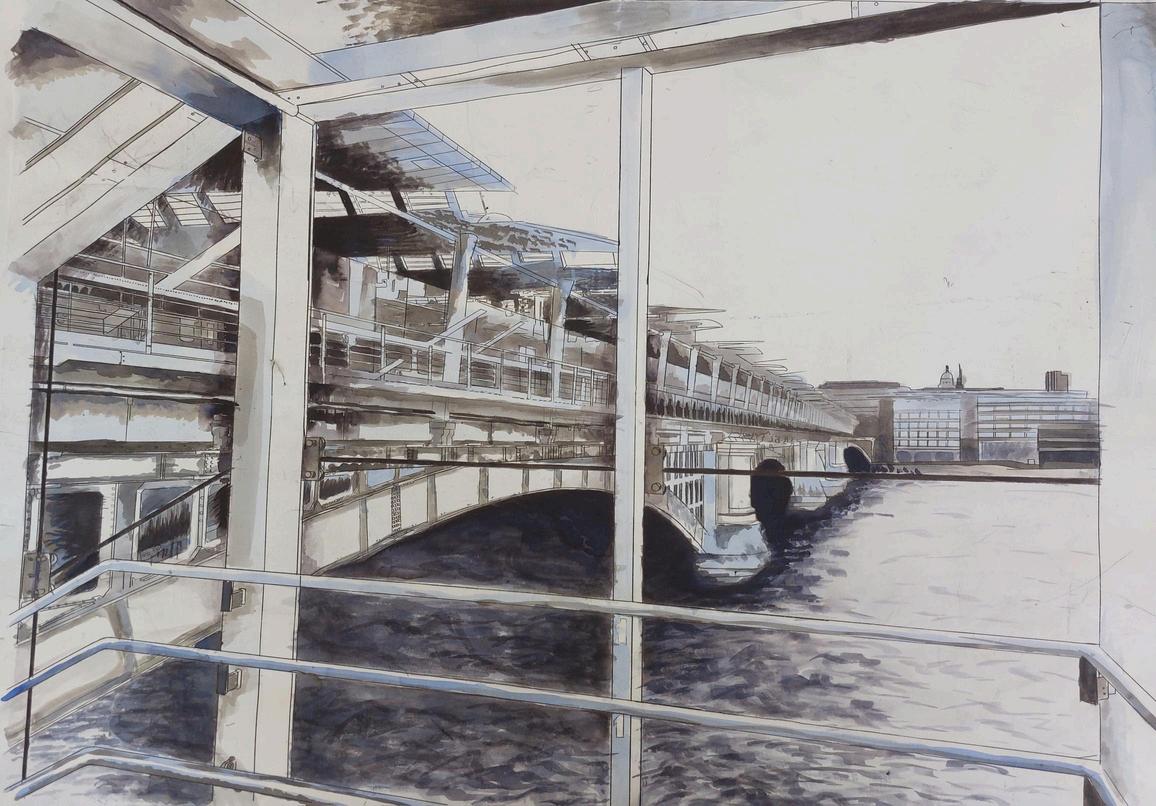
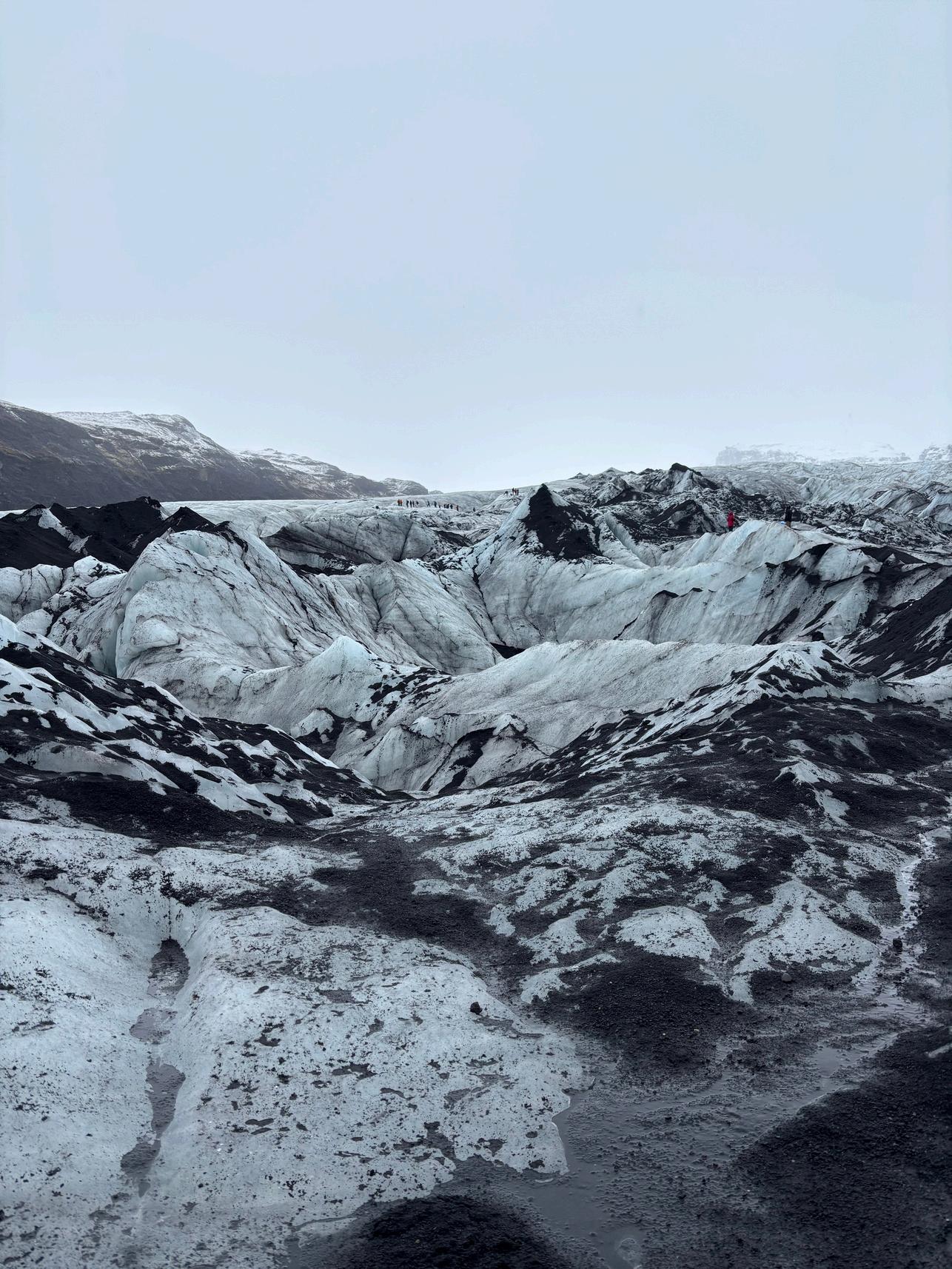
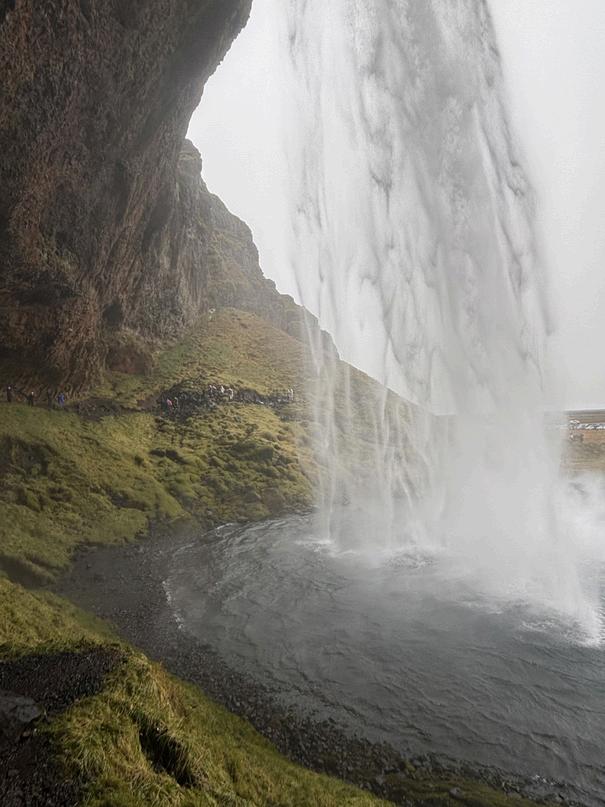
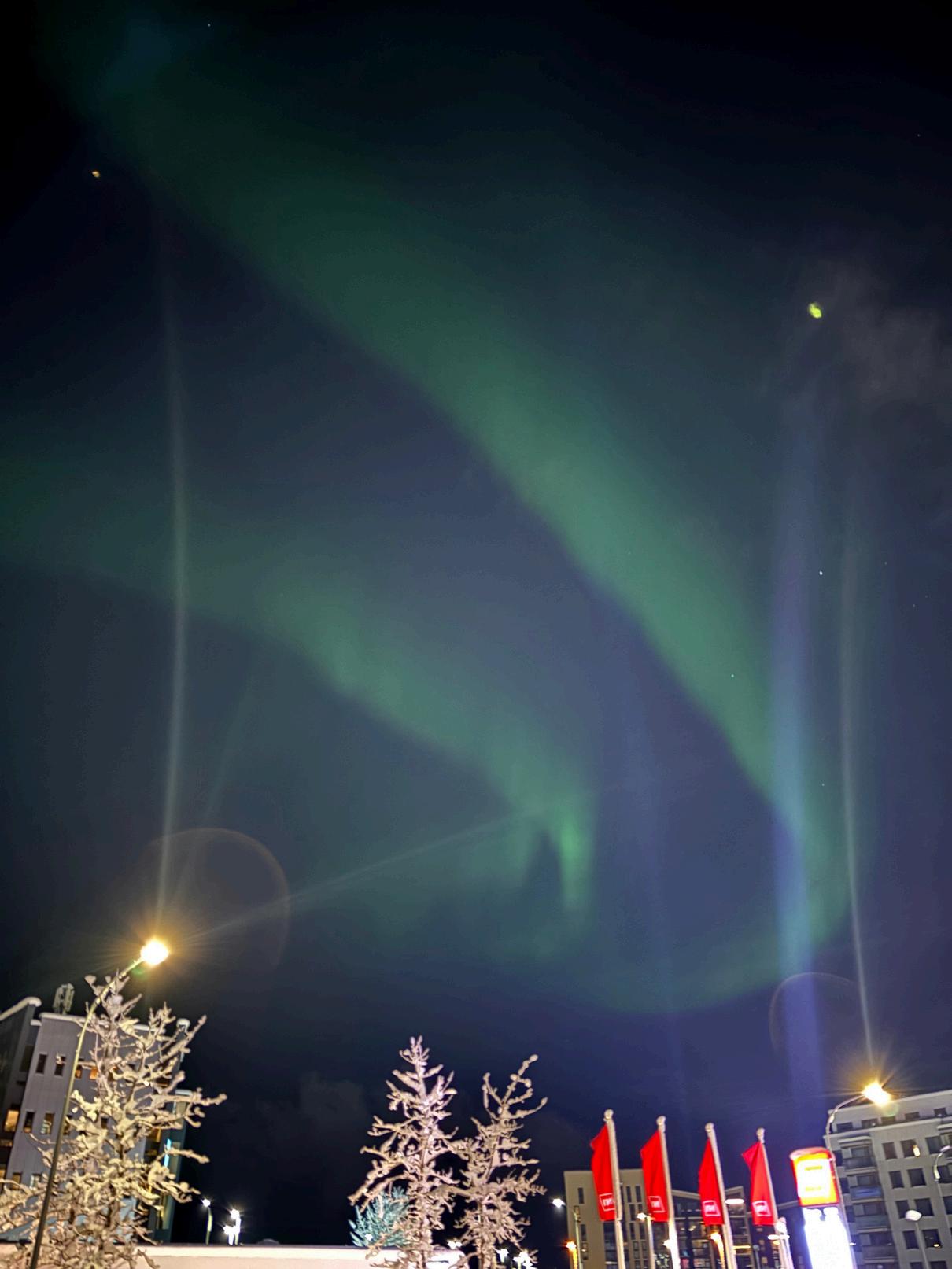
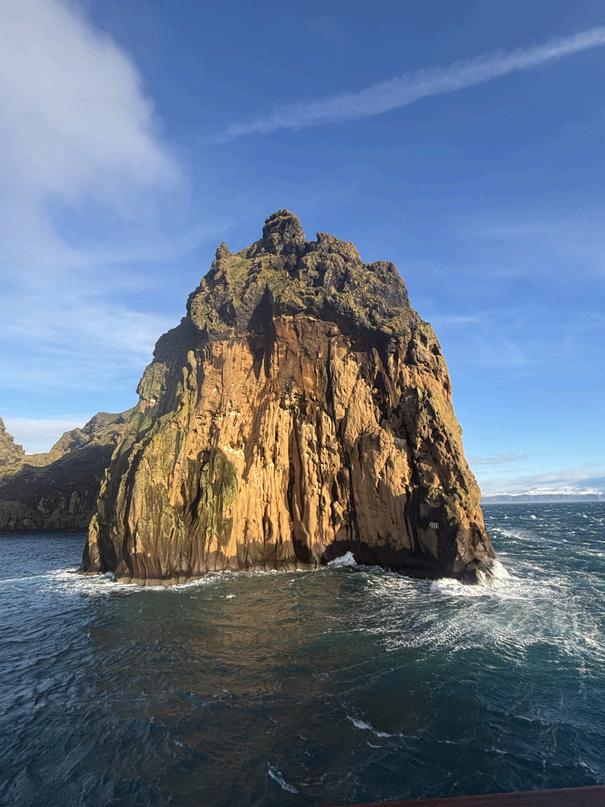
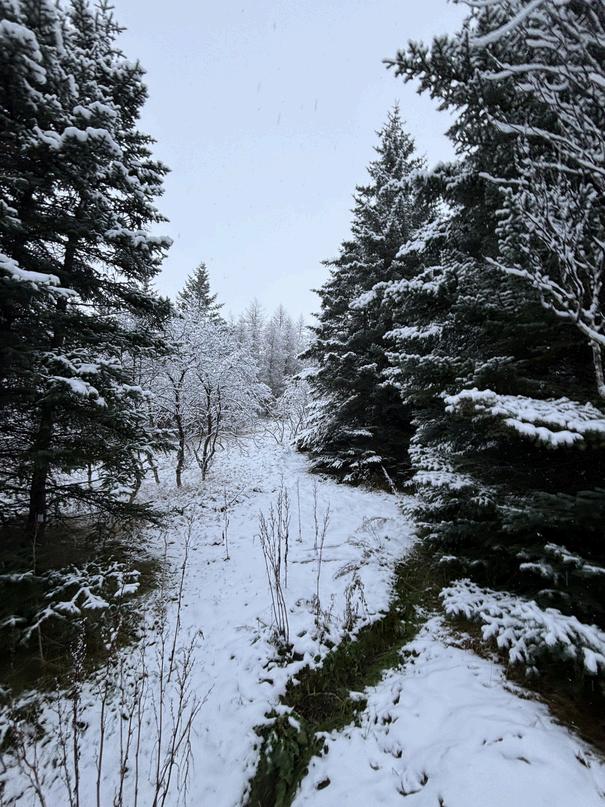
‘Down, down! Into the ghost kingdom, out of the reach of hope, out of the reach of fear! Under ground, under ground! That was where he wished to be.’
The state of ‘independence’ refers to not (in) relying for existence on another (dependent). In George Orwell’s ‘Keep the Aspidistras Flying’, the protagonist, Gordon Comstock, sought independence and liberty with rebellion against capitalism by quitting a lucrative career path and going into a self-imposed poverty. In his eyes, the epitome of independence is an isolated kingdom where society cannot disturb him. But in this isolation to escape external harm, the potential benefits are given up as well. Independence has a generally positive connotation to autonomy and freedom, but hyper-independence can lead to excessive selfreliance, where we find it hard to accept help from others. Although there may be days when hiding in a deep hole underground into a ‘ghost kingdom’ seems more appealing than tackling the dreaded to-do list and the expectations that come with it, Comstock’s view is rather melodramatic. His view of independence stems from a rejection of both the good and the bad, but in doing so, he gives up anything good because of the fear of something bad happening, which is ultimately not sustainable. Unless you are a floating particle in space, a complete detachment from external influence into some ‘ghost kingdom’ is impossible, both physically and cognitively. Even Einstein said that the feeling of separateness and intentional separation from others is an ‘optical delusion’ and even a ‘prison’:
‘A human being is a part of the whole, called by us “Universe”... He experiences himself, his thoughts and feelings as something separated from the rest a kind of optical delusion of his consciousness. This delusion is a kind of prison for us, restricting us to our personal desires and to affection for a few persons nearest to us.’
The opposite is dependence, which I think should be flagged by a yellow ‘PROCEED WITH CAUTION’ sign. Dependence is like a cheap, unhealthy snack that you see near the till and don’t really need but impulsively buy anyway. Then it turns into a ritual; the snack becomes part of your shopping routine, and before you know it you return just to buy the snack itself, in increasingly unhealthy quantities. Likewise, dependency seems harmless at first but builds up until it is not. Would I know when my withdrawal symptom jokes about phone dependency cease to be jokes? I have become the metaphorical addict in that one GCSE French-speaking photocard of a hand chained to a phone. As with most things in life, stepping into any extremity can be concerning. So it would be nice if there was a balance between the two, like the intersection of a Venn diagram. I recently found there is in fact a word for that, and it is interdependence.
Interdependence is a sort of win-win relationship where everyone gains something from the association. For example, clown fish and anemone exchange food for shelter. This is mutualistic, as both the clown fish and the
sea anemone benefit from each other’s existence. On the other hand, we have parasitic relationships, where one is harmed for another’s gain, like mosquitoes and humans. After seeing the potential harms of such relationships, you’d think that we, as humans, would try to mirror mutualism to avoid the harms of dependency. But when nature is involved, human activity is often rather parasitic. As The Lorax (a reliable source of wisdom) said about polluted waterbodies,
“Their future is dreary. They'll walk on their fins and get woefully weary in search of some water that isn't so smeary.”
Seeing as real-life fish cannot walk on their fins, they're stuck in the same ‘smeary’ water until something can be done. As well as pervasive, illegal fishing, other activities are persistently parasitic. Deep-sea mining, for example, involves stripping the seabed of its outer layer of sediment to dig out metals, which negatively impacts the fragile ecosystems and leads to biodiversity loss and destruction of habitats. Nevertheless, it seems that the consensus is starting to improve. Norway, for example, is taking precaution by halting plans for deep-sea mining in the Arctic after years of pushing for new exploration in the area. The High Seas Treaty* has also just come into effect after decades of negotiations, with the aim to give international waters more protection, address destructive fishing activities and help challenge deep-sea mining. Such recognition of the need for environmental protection in preserving the ocean and its resources is one way of realising that cooperation, or humanity itself, cannot be overly dependent on natural resources and remain independent of the consequences.
So what if instead of being taught to be independent and told to avoid dependency, we recognise the potential of mutualism and turn to interdependence? Would children be less competitive in schools and more supportive of each other? Would monopolies (not the board game) cease to exist? Would there be no more billionaires and no more poverty? Societies continue to strive for equality, whether that be equal rights, equal pay or equal opportunities. You can have extreme inequality but not extreme equality, as the state of being equal is inherently incompatible with extremities. Or at least there isn’t yet an example where social justice is seen as going so far that it becomes concerning. Perhaps a point where we reach ‘groupthink’ and individualism is under threat, but most countries have a long way to go before needing to worry about that.
To end on a more profound note (not saying that The Lorax is unprofound), here is the rest of the quote from Einstein that was previously mentioned:
‘Our task must be to free ourselves from this prison by widening our circle of compassion to embrace all living creatures and the whole of nature in its beauty. Nobody is able to achieve this completely, but the striving for such achievement is in itself a part of the liberation and a foundation for inner security.’
* The High Seas Treaty, short for ‘The Agreement under the United Nations Convention on the Law of the Sea on the Conservation and Sustainable Use of Marine Biological Diversity of Areas beyond National Jurisdiction’. Or the BBNJ Agreement. At the time of writing (January 2026), this is yet to be ratified in the UK despite signing the Agreement in 2023.
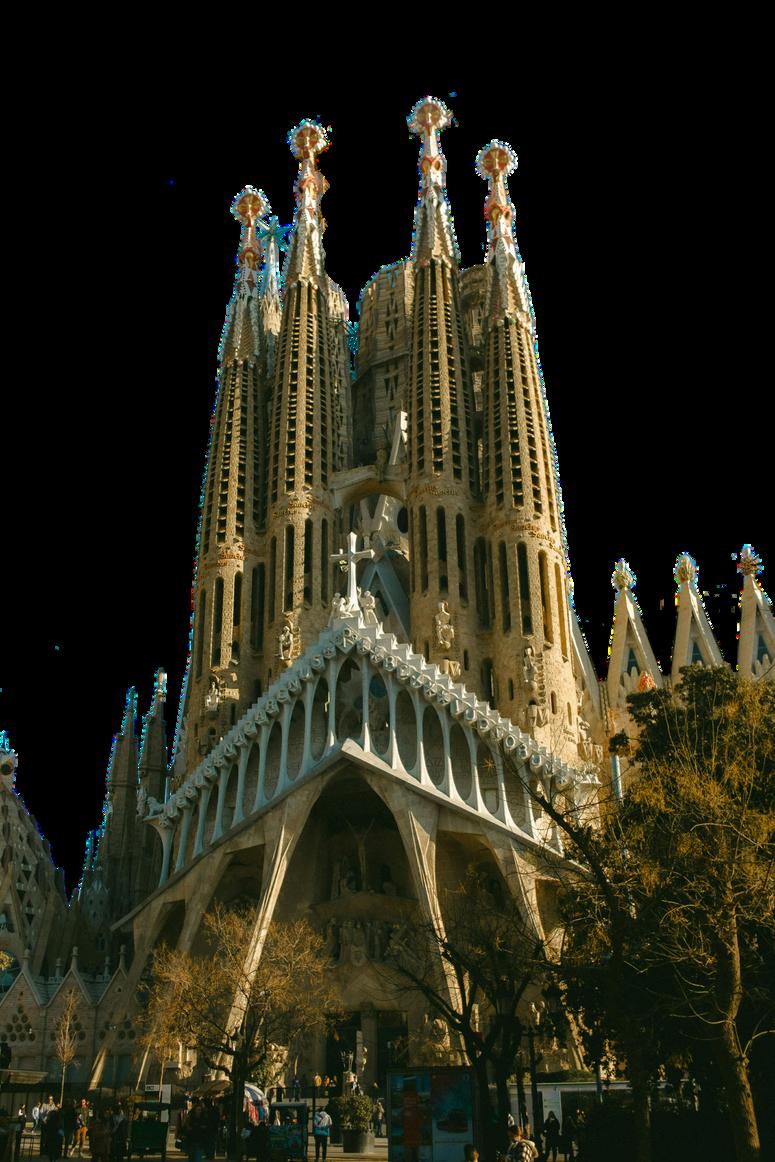
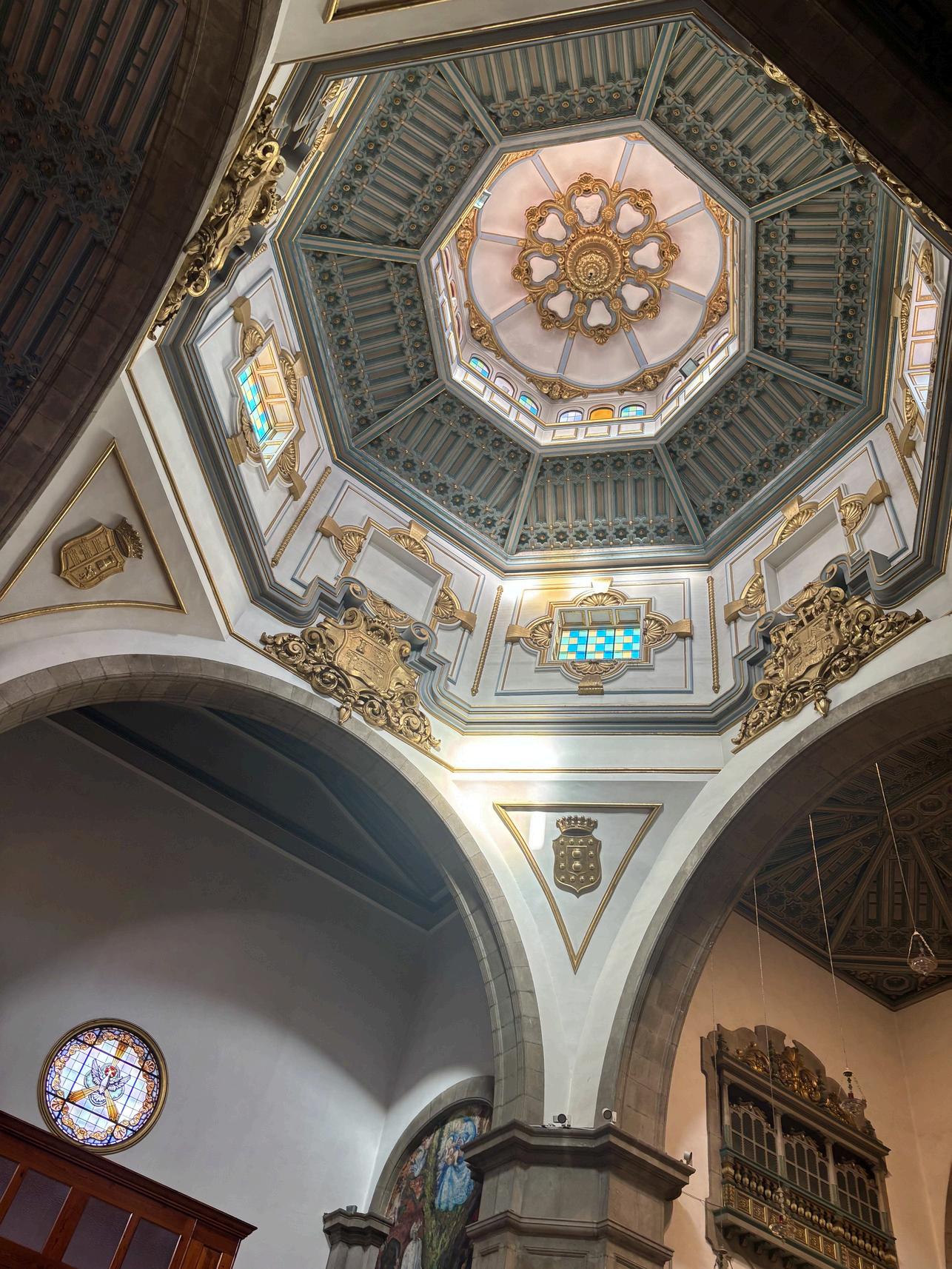
From 1939 to 1975, Spain suffered from a demonic democratic deficit after the infamous Francisco Franco violently came to power following a bloody civil war. Franco had a profound passion for repressive dictatorships and an even stronger penchant for stripping the Spanish people of foundational rights. After a long 36 years, Franco finally fell from his maniacal position after dying from heart failure which created an explosion of newfound liberty for Spaniards and a myriad of fundamental changes to Spanish society. Lasting over three decades, the Francoist dictatorship profoundly affected the very pillars of Spanish society, with its effects still observable today in modern Spanish values and culture.
In July 1936, Franco led a military coup against the government in order to overthrow the Spanish Second Republic and transfer power to the Nationalists. However, Franco’s cunning uprising did not go to plan and instead caused Spain’s military and therefore territory to be torn in half, with the government still retaining control of the majority of the country. This rebellious, right-wing uprising from Franco and Co. ignited the Spanish Civil War which lasted a strenuous 3 years until the Nationalists won in 1939 after Madrid surrendered unconditionally to Franco. Swiftly after coming into power, Franco gleefully dismantled any democratic legislation previously created by the Spanish Second Republic
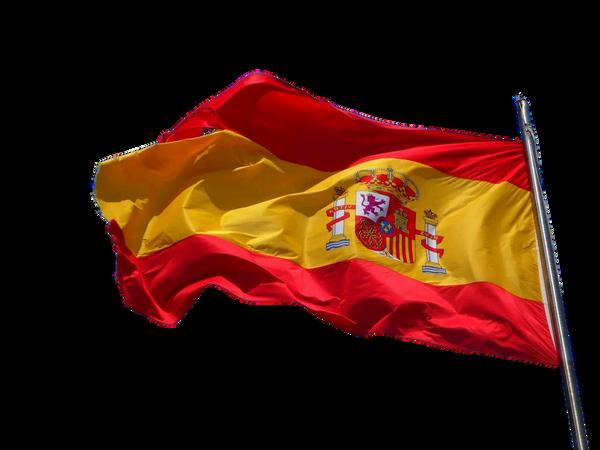
g with complaints and problems”, “be a little more interesting, his boring day may need a lift and it is one of your duties to provide it” and “show sincerity in your desire to please him”. Spain had rapidly become a suffocating world for women to live in with many suffering from a lack of basic choice, rights and independence. As the totalitarian laws and archaic values slithered throughout Spain, liberty and democracy became a distant daydream not to be spoken about. Franco had successfully morphed a once culturally rich and diverse society into a dystopian nightmare. Furthermore, soon after coming into power, Franco established a one-party system which ensured that all other political parties were banned apart from his absolute favourite, the Falange, which became the sole sanctioned party.
The Fall of Franco
all legalised by 1985. After 36 years of Franco’s grotesque regime, Spain was finally able to enter a new era of democracy, freedom and cultural liberation. When looking back in history and analysing Franco, Spain holds a blended mix of opinions. A poll taken by Redfield and Wilton in 2020 showed that 35% of the Spanish public think that the historical assessment of Franco is ‘too generous’ while 25% think it is ‘too critical’. We can observe a clear split in modern Spain over Franco’s legacy between right-wing and left-wing individuals, with right-wing being more likely to believe that Franco is examined too critically. Moreover, the natural and expected generational gap between opinions can be seen here where older generations often hold a more positive view of Franco. Although it may seem surprising, these favourable stances on a dictatorship can be explained by the Spanish Miracle. The Spanish Miracle was a period of rapid and extreme economic growth in Spain from 1959 to 1975 during the Francoist regime where Spain increased self-sufficiency and entered a time of mass industrialisation. However, when examining the past, we can’t let economic growth blind us; Franco was a dictator, created a repressed society and
spat on any forms of democracy. Despite the range of views, openly Francoist parties have never managed to achieve above 2% in any national or regional elections since 1977. Furthermore, Spain has since passed the Historical Memory law in 2007 which allowed the removal of symbols of the Francoist regime as well as the Democratic Memory law in 2022 to remove public iconography of Franco. Evidently, Spain is still affected by this dark period of time in their history; laws and ideologies are still debated and will continuously be throughout the future. Such a cataclysmic era and state leader will of course have an immense impact politically and culturally, but Spain must be applauded for its continuous evolvement surrounding the modern representations of Franco. Franco and his party were arguably unwanted draconian creatures that wreaked havoc on Spain and rapidly manufactured one of the darkest periods in Spanish history; Spaniards lost their rights, freedom and democracy for over 30 years. The Francoist regime can be an uncomfortable topic to discuss yet it is imperative that we remember and acknowledge the more menacing events of the past as to not experience a repetition of history but instead learn from our past mistakes.

By Róisín Gleeson By Róisín Gleeson Róisín Gleeson
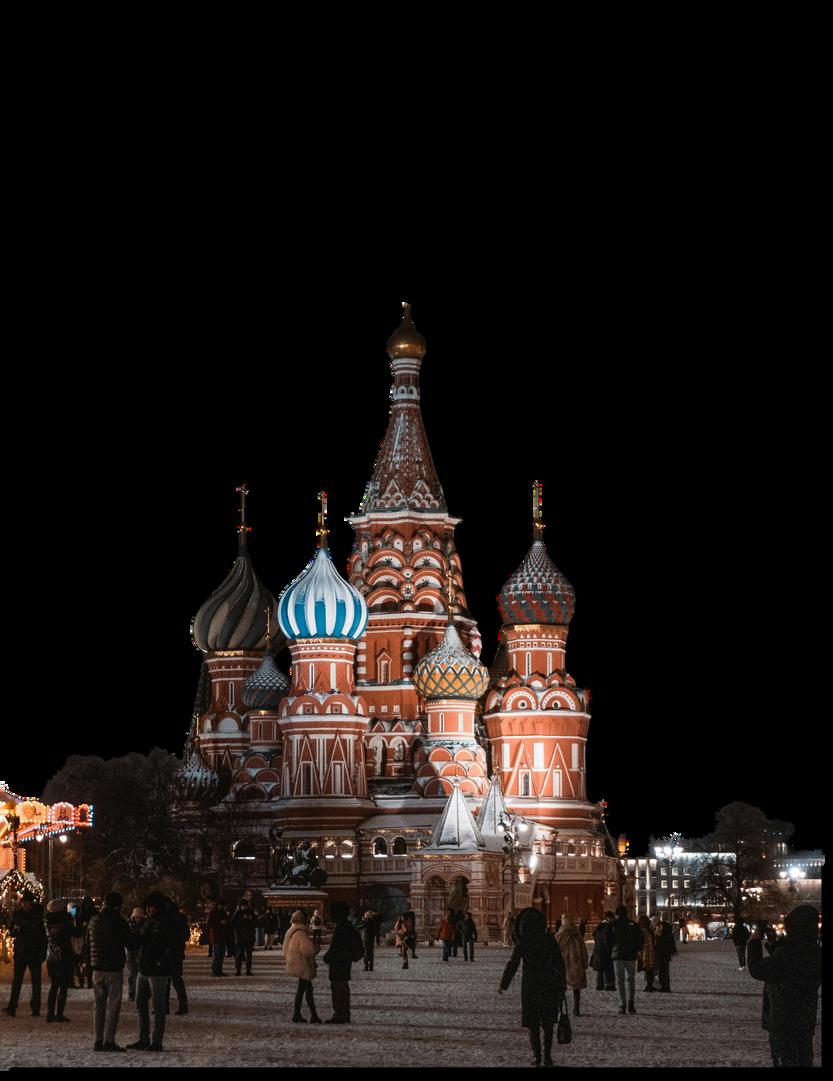
IV’s first wife (out of eight) died under mysterious circumstances. Ivan the Terrible’s rule conveys not just the dangerous extent of power that comes with autocracy but the way in which religion has been used to reinforce it, displayed too in the reign of the infamous Catherine the Great. Sophie of Anhalt-Zerbst, as she was originally known, was the daughter of a poor Prussian prince, and rose to power when she was sent off to marry Peter III (grandson of the equally well-known Peter the Great), and consequently became tsarina Catherine II of All-Russia in 1745, at the age of fourteen. She charmed the court not with beauty (although throughout her life she retained a lengthy list of lovers) but with intelligence. Catherine’s visceral ambition throughout her reign was to modernise and westernise Russia in a similar manner to that of Peter the Great, and this ambition ultimately led to the demise of her husband, the tsar, after he was overthrown and then executed, though there remains a long-lasting historical debate about whether or not Catherine was directly involved. In the end, akin to almost every leader of Russia before and after her, religion shaped Catherine’s visionary rule. Orthodoxy was at the centre of her new Russian identity, and it granted the tsar and tsarina the divine right to rule. Nonetheless, and in some ways surprisingly, she was strongly inspired by the Enlightenment, admiring the works of physiocrats such as Voltaire, who were partly responsible for fuelling the fire of
the French Revolution. Her advancements to Russia came at a cost to
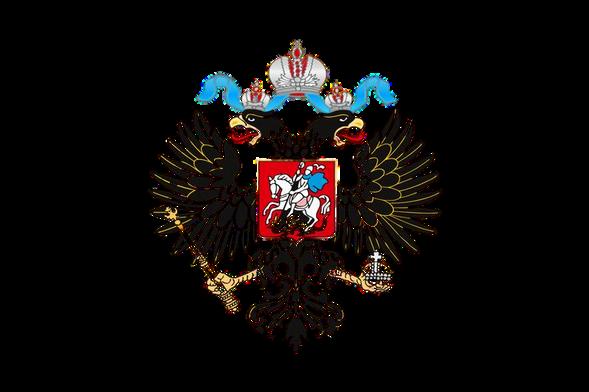

people. In 1932, when peasant farmers in modern-day Ukraine refused to comply, he withdrew grain from the area, inducing a man-made famine, now known as ‘Holodomor’ which killed around 3 million people. The Red Tsar’s reign of terror lasted over 25 years, until his death in 1958, and by this time he had transformed the USSR into a world superpower; by the 1980s, it was all beginning to crumble. Mikhail Gorbachev was the final leader of the Soviet Union, and during the 70 anniversary of the October revolution in 1987, under his rule th tensions were surfacing throughout the country in a period of (very) gradual reform, though, paradoxically, the reform, which was intended to solve the USSR’s economic stagnation only served to worsen it. Food rationing was introduced. Meanwhile, Boris Yeltsin, a previous supporter of the reforms, and impulsive First Secretary, soon to be prime minister, had a change of heart: the reforms, in his eyes, were not enough. The USSR needed democracy - something it had never truly seen before.
In 1989, the fall of the Berlin wall may have influenced non-communist parties to begin gaining seats in the Russian Congress of Peoples’ Deputies. This in itself was revolutionary. Yet Yeltsin’s ‘vision’ of reform was unable to materialise – almost immediately, the USSR saw itself under another period of collapse, only this time, it was worse. In January 1992, the price of a loaf of bread went up by about 250%.
Many veterans who had fought in the Afghan war were now left on the streets of Moscow. Russia, once again, was crumbling to the ground, and its people had no visionary to turn to; no source of solution to the collapse. Not yet.


Vladimir Vladimirovich Putin was born in 1952 to a working-class family in St. Petersburg. Interestingly, his grandfather, Spiridon Putin, was a skilled chef who had cooked for both Lenin and Stalin (and, before that,
the infamous Grigory Rasputin.) And so, it is unsurprising that Putin’s entanglement with the Communist Party began when he was young, even if he is now an adamant supporter of capitalism – he joined the KGB, the Russian intelligence agency, during the Cold War, at the age of 23, and it seems to have shaped his life since and his lifelong resentment towards Western influence. Putin first caught a glimpse of the world outside Russia in the 1980s when he was sent for a post in Dresden, Germany, in the midst of the fall of the Berlin Wall, but otherwise had very little exposure to the West, in a period when NATO, an organisation formed in 1948 mostly by British Prime Minster Clement Attlee and American President Harry Truman and fuelled by a collective fear of Stalin, was expanding significantly, a fact strongly resented by Putin. When Yeltsin resigned in 1999 and named Putin as his successor, Russia finally saw a period of stability, which is what he embodies for many of his people. Food prices stopped rising. The great nation of Russia finally had a strong, nationalist leader who would defend
them against the West. After more than two decades of his rule, when President Putin ordered the invasion of Ukraine in 2022, Russian media outlets showed a parallel reality of Kiev; the majority of the Russian population were happy to believe it.
Can Russia be liberated? Many Russians believe they are already free. After the tumultuous events of the 1980s and 90s, and the seventy years of Soviet rule, much of which they can largely remember – and, therefore, either wish for or resent its return - it is largely understandable. Just like any country, Russia wants stability. But is that really what Vladmimir Putin’s government has to offer? And what will happen when he is gone? Even from a brief glance at the past of Russia, it is abundantly clear that history can be reversed. Regimes can cave in on themselves, and progress can be erased as quickly as it came to fruition. Catherine the Great’s aspiration to Westernise Russia is by no means shared with Putin, and the dreams of many Russian socialist revolutionaries of the early 1900s are long shattered. History is bound to change. But can Russia’s change for the better?

As we pass through the first quarter of the 21st century, it has become undeniable that humanity has always demonstrated a desire for independence. Nevertheless, its process has always been the same. Whether it be one country zealously wishing to emancipate itself from another, or a more domestically relatable incident, independence is achieved following the relinquishing of a direct connection to something or someone that no longer has the moral right to exercise their power over others. However, it was only in 1685, following the genesis of the Enlightenment, that the principle stating each individual’s independence was established as being an ‘inherent’ right. From a British perspective, this occurred during the Glorious Revolution, prompting the organisation of principles into newfound ‘political ideologies’. Whether it be Lockean liberalism or Burkean conservatism, it is imperative to understand how popular independence is provided for in the two ideologies that contributed directly to history’s greatest push for independence, and to what extent we can expect our own independence to be respected under their application. This can be best found in three, omnipresent ideological ‘subdoctrines’: nature, society, state.
The reason why both are termed ‘reactionary’ ideologies is because they are both moral doctrines that were birthed from pivotal events in European history. For liberalism, this occurred when Martin Luther seized the opportunity given to him by the newly established printing press and began to distribute leaflets campaigning for Christian worshippers to practice their faith individually, instead of being orchestrated by a ‘machiavellian clique of bishops’. Gradually, the Reformation morphed into a political message, as religion was the medium through which politics was conducted at the time. Therefore, Lutheranism's principle that individuals did not need bishops or liturgy to worship effectively led to more significant, structural questions that had not previously
been asked. In response, John Locke restructured these queries into fundamental moral codes within ‘liberalism’.
Liberalism’s characteristically ‘cheery’ take on human nature is a recurring theme; consolidating the religious post-Englightenmentism that refuted humans are sinful and imperfect. Yet it went further, concluding that individuals are capable of achieving change, whilst also conjuring greater happiness and pleasure, later codified in Bentham’s utilitarianism, and the principle of utility, turning this philosophical belief into an instruction. In a rather literal way, the kind of which was popular prior to the Enlightenment, liberals argue that humans should not blindly accept any occurrence as ‘fate’ - instead attaching great significance to individuals’ ability to debate and discuss, concluding in a popularly devised answer achievable to any given question.
When applied to individualism, liberalism states that a strict procedure ought to be applied during the process of attaining independence: self-realisation, self-determination and self-fulfilment. This rationalises liberals’ belief in independence in its purist form. Put simply, it is the philosophical view that all individuals are entirely separate, with no interconnecting forces that lead to the formation of ‘society’. Furthermore, it is the idea that each individual is ‘their own country’, and it is therefore up to each person as to how they co-operate with others, in addition to how they dispense with their own ‘internal affairs’, and that each person is entirely sovereign over themselves. However, it would be foolish to assume that the regulation of an individual’s ‘internal’ and ‘foreign’ affairs cannot be achieved in harmony. Classical liberalism denotes through egotistical individualism. The principle states that all individuals, who naturally seek selfbetterment, are best served to enter a pool of other individuals whom they can work with in order to selfishly improve themselves. Hence the tolerance/harm principle - liberalism’s instruction that any belief or action may be permitted, so long as it does not infringe on the liberties or independence of others - is dutifully applied. Curiously, this is the only time where


, p y g violence and bloodshed that it caused, he was paradoxically more disappointed in what he termed the ‘philosophical abstractions’ that a post-French revolution society was based on. Again arguing that humans are more likely to fail (as since proven by disastrous haemorrhages in humanity’s morality) than to live in harmonious ‘eudaimonia’. In this sense, Hobbes’ and Burke’s philosophy of imperfection takes a more pragmatic approach, which many now argue to have been to their credit, evidenced by the explosion of Tory and Conservative governments formed during and after 1792. Consequently, conservatives often believe their ideology is one of description, not liberalistic proscription. However, Oakeshott and Nozick countered conservatism’s early pessimism - Oakeshott in particular arguing that failure was not because of humans, more the fragility of life, therefore arguing that independent individuals are more likely to succeed should they ground themselves in past practices that have been proven to work.
When examining conservatism’s societal doctrine, localism is as fundamental a feature. Directly contrasting liberalism’s atomicism, localism seeks to establish local communities - termed ‘little platoons’ by Burke - that merge to form the state. These little platoons, Burke argued, do two things. Firstly, the establishment of a safety net for individuals within the community, as individuals would know their community would protect them in a way that was quicker than could be expected from the state. Indeed, this principle is the genesis point of paternalistic one-nation conservatism - whereby conservatives believe those most prosperous in society should be expected (yet not required) to help others who are comparatively less well off, enabling them to achieve relative prosperity The second point was that localism
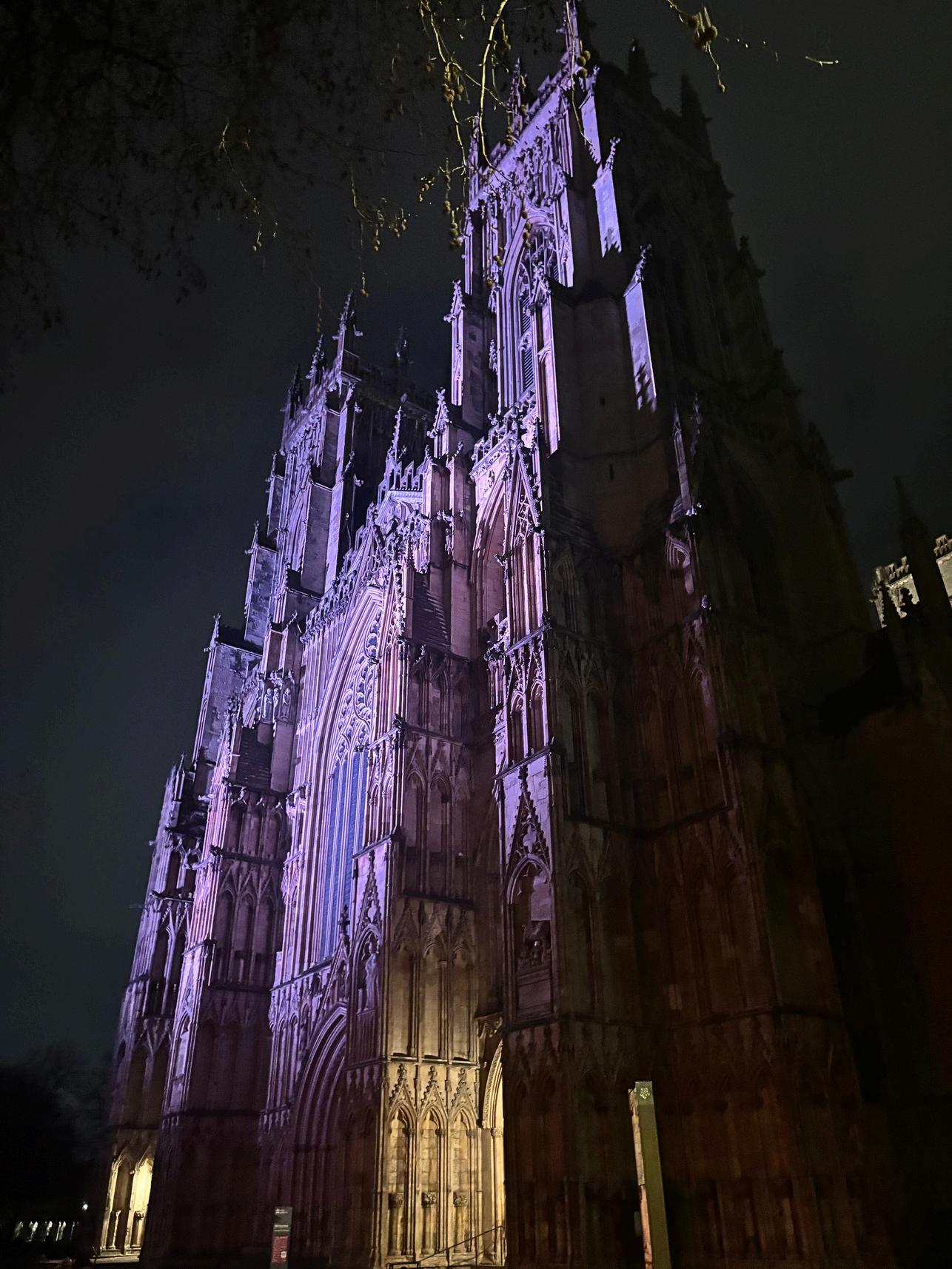

I emerged from the crystal-clear waters in spring, Bao-Tu Spring, basking in the sunlight, lying under the shade of the pink water lilies and viridescent lotus leaves. I waded with the current to the busy port at Lu Jia Zui, Huang Pu river. Hazy days merge into nights, and with the clouds, I floated away above the cerulean waves of the Indian Ocean, sinking onto Bahari beach, gliding with the dolphins as the sunlight beams with ease. I was blown away by a sudden breeze, unexpectedly to the thousand green slopes northwest, fell into lake Kivu with only the tilapia for company.

Before long, again I leave, plunged even further beneath the station bridge a small splash in river Ouse, unnoticed, dodging passing oars, a facade of self-sufficiency as the sunlight dappled in the waters.
So I wonder, how many times more will I be consumed by a new water body, fully immersed only to be dragged out and plunged, again and again under unfamiliar skies, still barely dry. Yet I absorb each droplet like a man dying of thirst, and each droplet becomes a part of me merging with sweat and tears. Indistinguishable stains that I cannot wipe away. But if they were gone I would not be standing here today

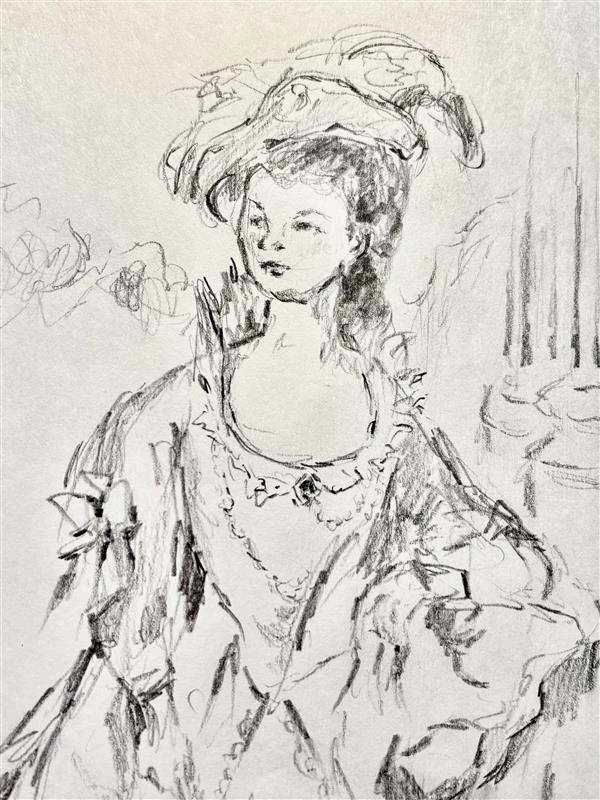
What colour is your fear?
Mine is a deep crimson. It bites incessantly into my stomach and leaves bruises
They feel riper in this moment
When I speak to you my voice treads lightly over my words Just floating around the truth
And when you speak to me, I try to shut you out, though I am starving
Your oppressive whispers are like cigarette smoke; soon I will choke
Each syllable a chilling promise, laced with possibility And I know you mean every word.
I want to run away. Are you going to hurt me?
I feel like prey under your gaze I worry you cannot help yourself
When you come closer I can’t breathe
But I know I have to. This feeling is suffocating me and if I keep it inside for too long it will never leave.
And then I will never breathe again.
Don’t touch me. Don’t make it real
I don’t want to feel hollow just because I am weak
Indelible lover of my imagination, my mind is the closest you’ll be Why would you ever want to leave?
It’s so easy to hold you there, where my hands are warmer and you don’t make me sick
Why can’t you stay away, stay unspoken?
Take a knife to my fantasy, the fatal flame?
Don’t you know you’re the oxygen?
Please, please do not light this fire. Don’t make me burn for you.
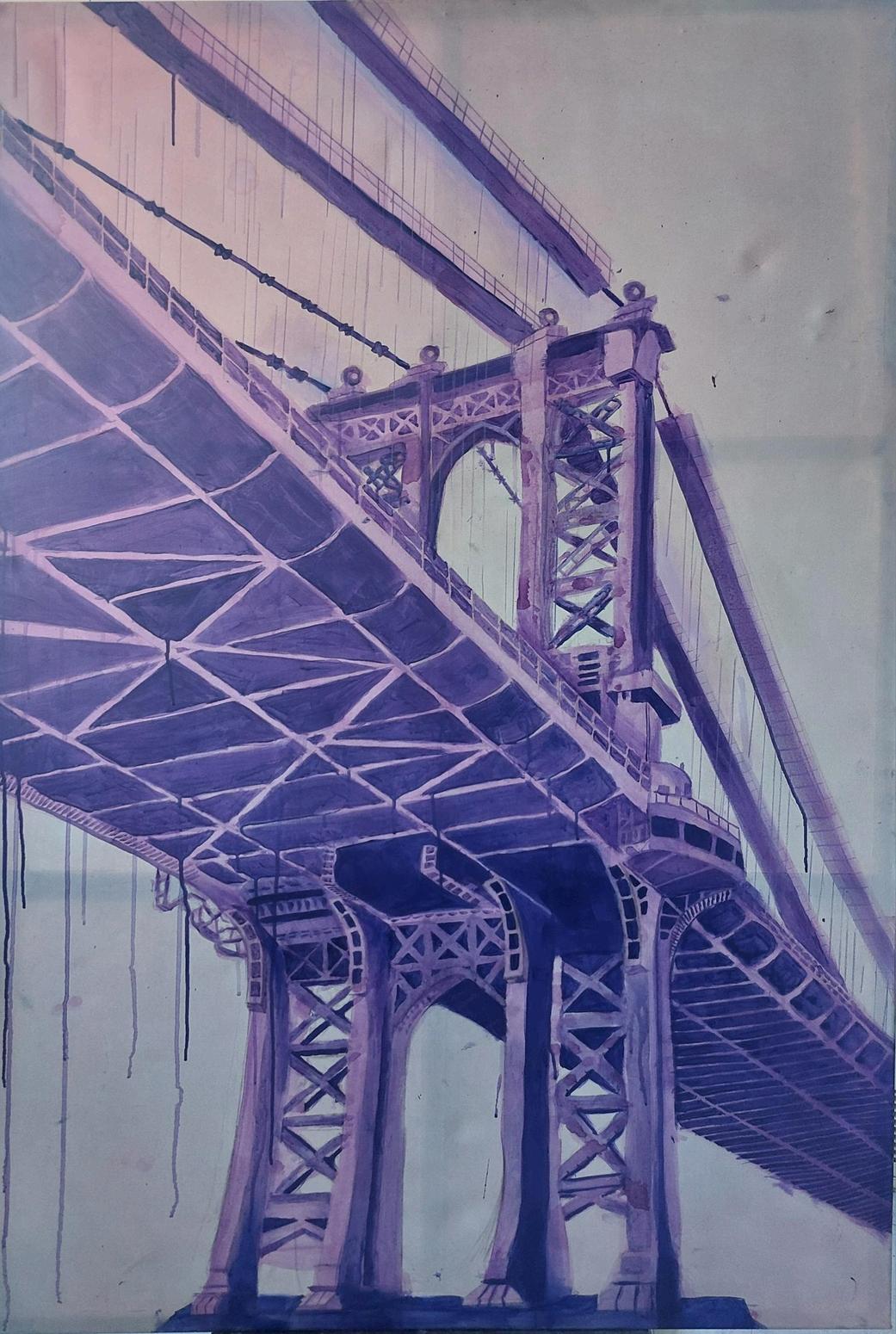


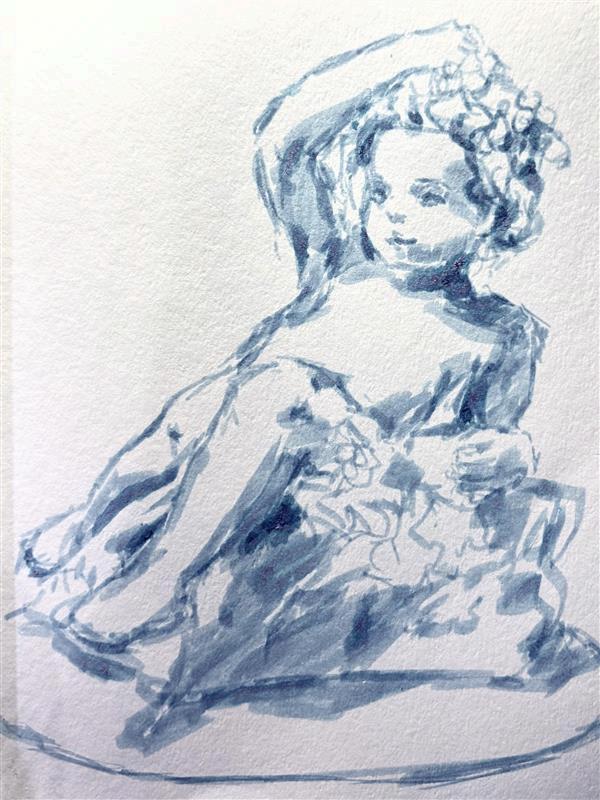

making me forget its existence.
But you remind me again with its starkness standing out on gravel paths and the Payne’s grey of carpeted corridors.
haps I noticed your umbrella before I noticed you. Perhaps I sensed your comfort with the shade, so I admired you under the solitary ease of my own, refusing to step out for a better look, afraid that the light would be too harsh, the warmth too hot, and all too sudden, for someone who prefers the autumn breeze.
What would you see beneath the cover?
My innocent intentions, despite being proven guilty? What is the crime?
Is admiration criminal if not proclaimed? Is it wrong to want to stand under the sun when your arm wants to fall from forever trying to hold the umbrella despite its heavy weight? Its sudden lifting could be, perhaps, too hard-hitting. Point-blank. The light beams over me. A deer caught in headlights.
But it’s getting a bit chilly now. My hands tremble from the cold. The skin on my fingers is dry and itching as I hold on desperately to my parasol, as the whirlwind constantly threatens to topple it and reveal me under scrutiny.
But I remember the fawn and the stumbles she made.
So I make an oath to step into the light and lower my shield, tucked firmly in my Waterstones tote. Why fight, flight, or fawn when I can float?
After realising I had nothing to hide from as the light was my own.
Now I bask in its warmth, and appreciate the scenery. I can see your umbrella in the distant landscape, another familiar and pleasant part of the view.
I lie upon the leaze[1] and close my eyes, slowly; clean air, dandelion seeds, morning dew…
It’s nice out here. If you wanted, one day you can step out into the sun too, and finally see your own light, which I sensed before I saw, appreciated, before I knew.
Then maybe you’ll join me on the ground, where the sunflowers face us as we face each other in the first light of dawn.







Anna Braim
Rósín Gleeson
Charles Grant
Isabella Hill
Maggie Ruan
Em Sharp
Madi Spence
Arina Zenevich
Alisha Beilby
Lizzy Watson
Clara Robinson
Emily Doswell
Madi Spence
Grace Despot
Maggie Ruan Bella Beattie
Anna Braim
Anna Braim
Róisín Gleeson
Charles Grant