Celebrating Collegians and the St Paul’s community
LEILUA’S
ON AND OFF THE FIELD
The Armer way and the next generation
FUMPSTON: A COLLEGIAN’S LIFE IN PRINT
MUSINGS OF BOARDING LIFEGUY JOHNSTONE
stpauls. school.nz
RODNEY
MOANA
IMPACT

Celebrating Collegians and the St Paul’s community
LEILUA’S
ON AND OFF THE FIELD
FUMPSTON: A COLLEGIAN’S LIFE IN PRINT
MUSINGS OF BOARDING LIFEGUY JOHNSTONE
Kia ora Collegians,
I hope this message finds you well and that the past year has brought opportunities to reconnect, reflect and return to the place many of us still call home.
One of the most striking features of the past year has been the level of engagement across our Collegian community. We have seen a record number of Collegians visiting the school, getting back in touch to share their stories, and returning for events. Whether it has been a casual coffee on campus, a reunion, or a formal occasion, it has been encouraging to see just how strong those connections remain.
Our annual Collegian Awards was a particular highlight. Watching friends reunite – in some cases after more than 50 years apart – and seeing conversations resume as though no time had passed was a powerful reminder of what binds us together. These moments speak to the depth of the relationships formed at St Paul’s and the shared experiences that endure long after school.
A significant step forward has been the introduction of the Awhi Mai, Awhi Atu scholarship for school leavers.
Built on the principle of support received and support given, this initiative helps ensure we stay connected with each year group as they move into the next stage of their lives.
Other highlights from the year include:
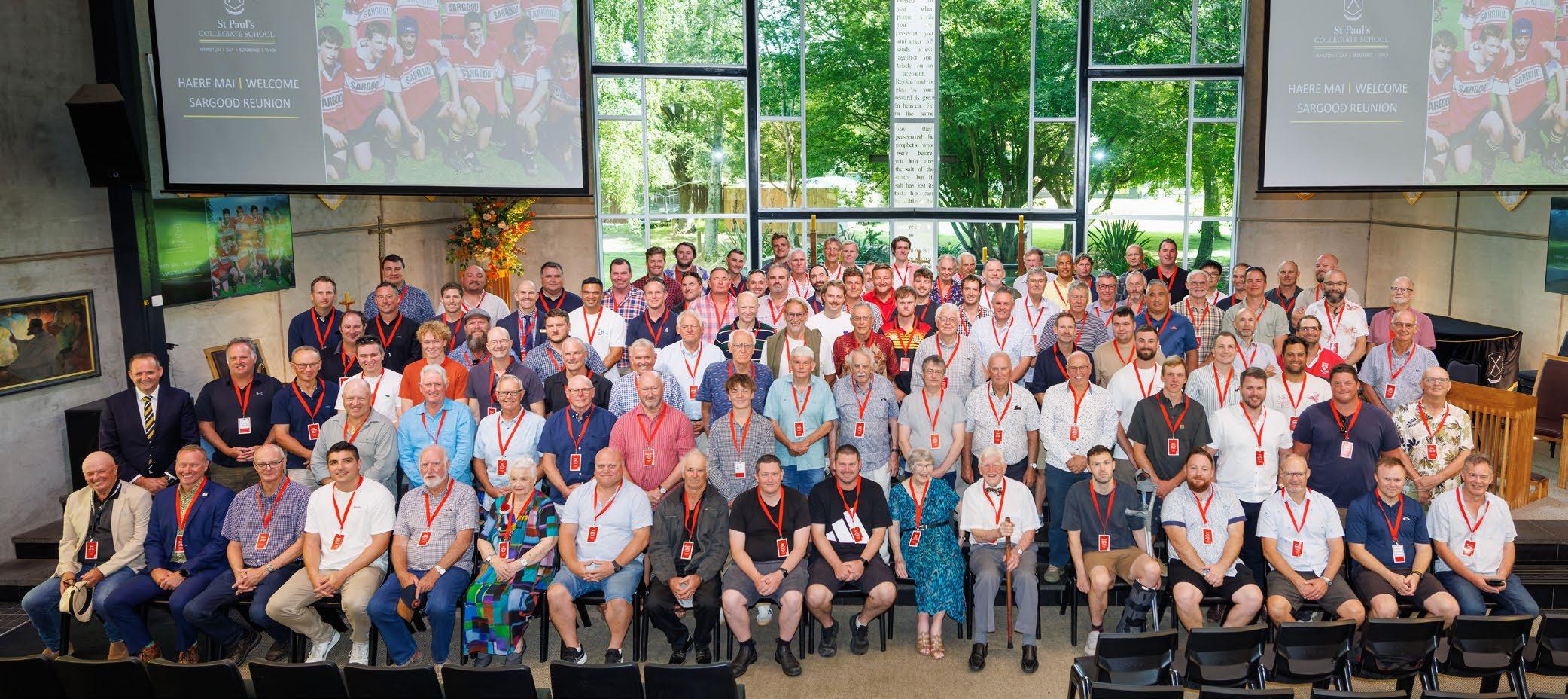
• Welcoming more than 150 Sargood Collegians back to campus, with the presence of many current and former Housemasters making those connections even more special
• Writing and sharing more than 40 Collegian news stories, helping us celebrate achievements and keep our community informed
• Continuing to see strong attendance at events across different age groups and regions
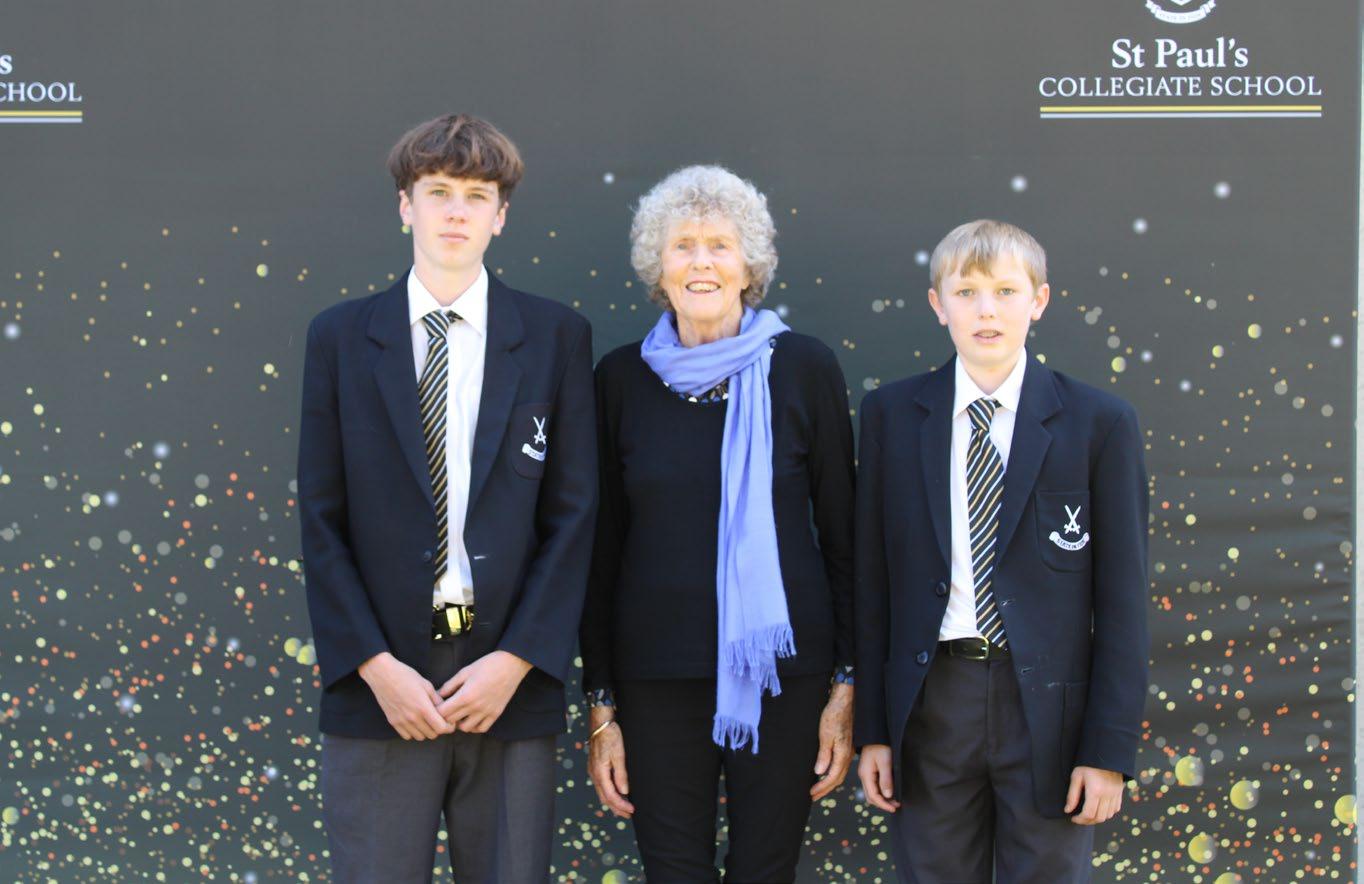
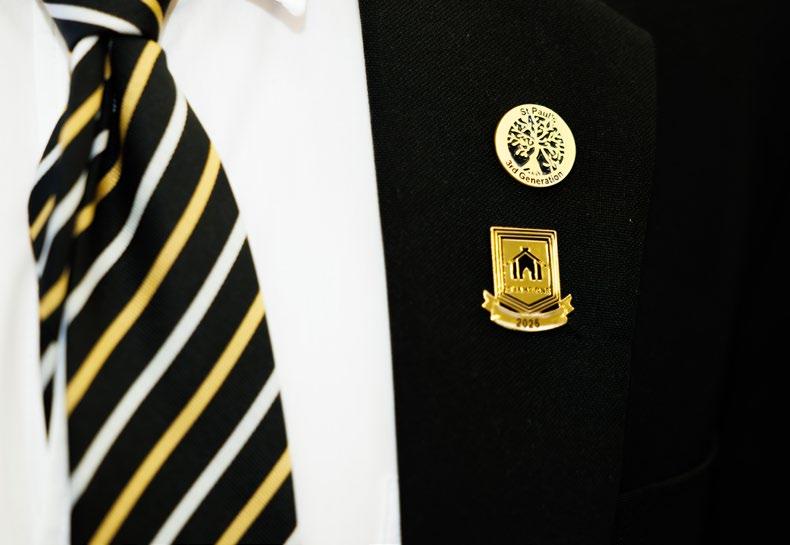
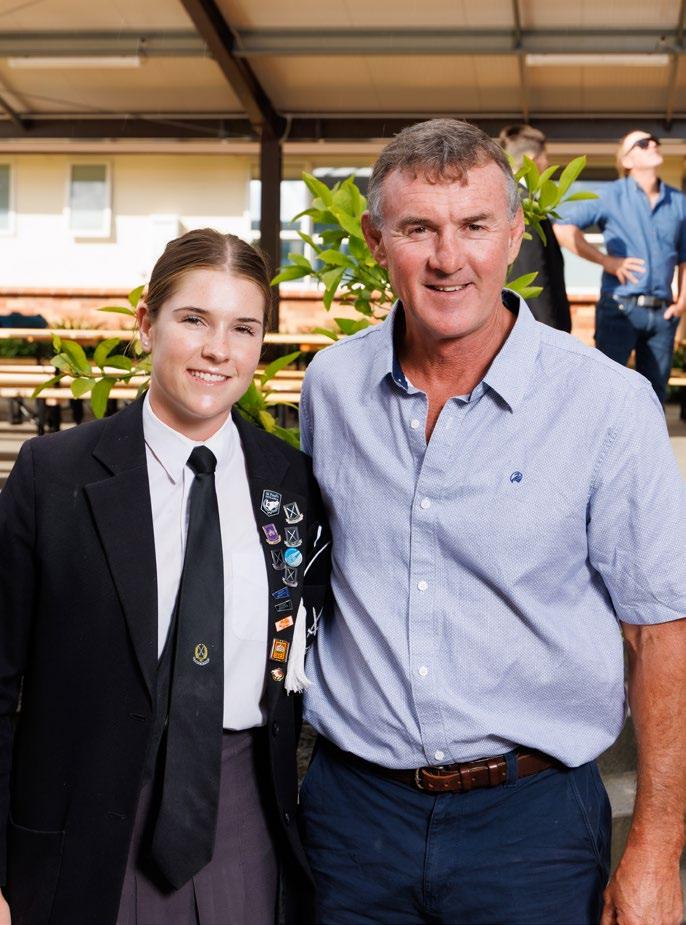
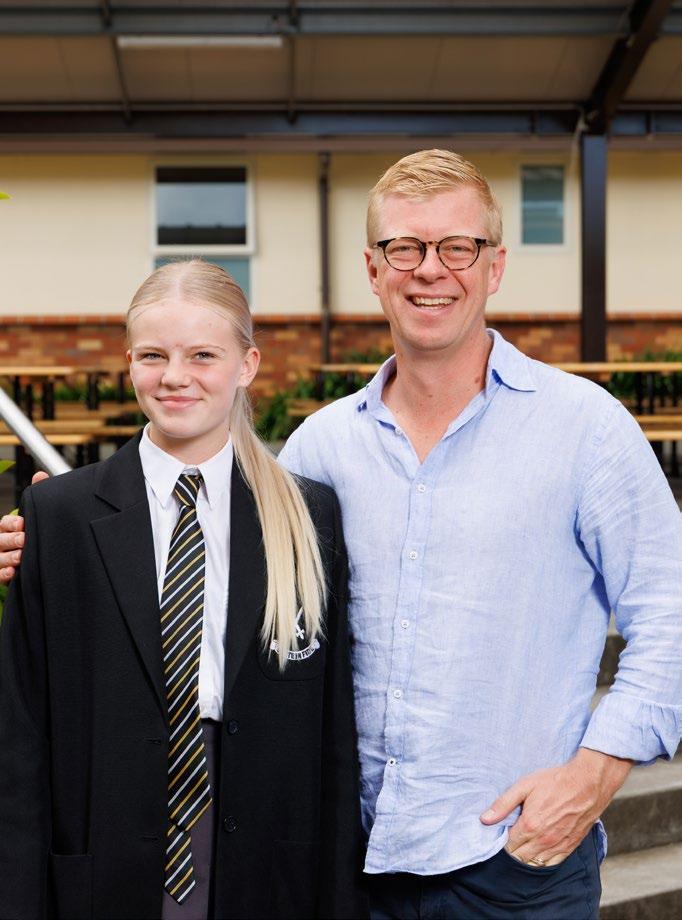
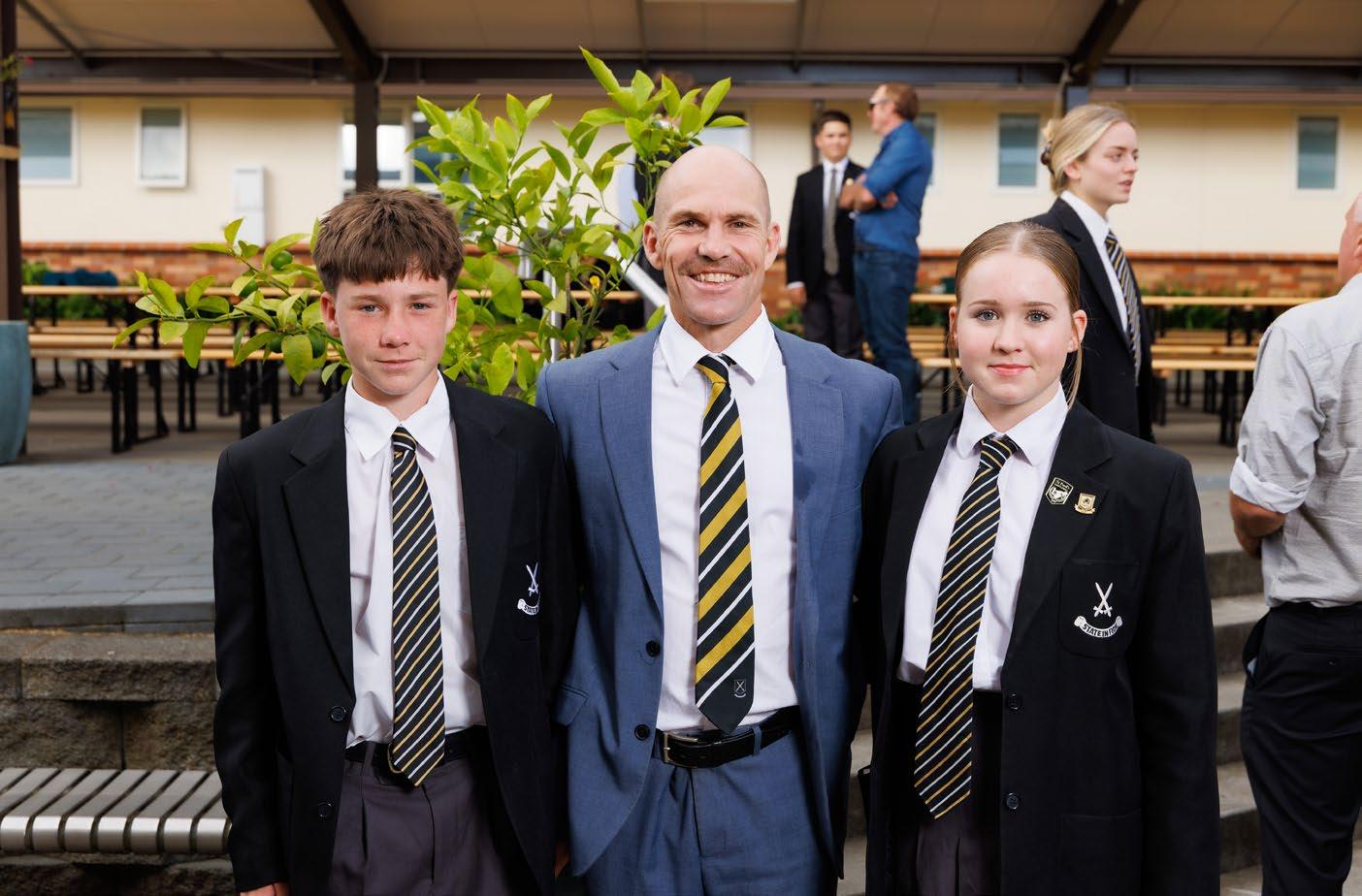
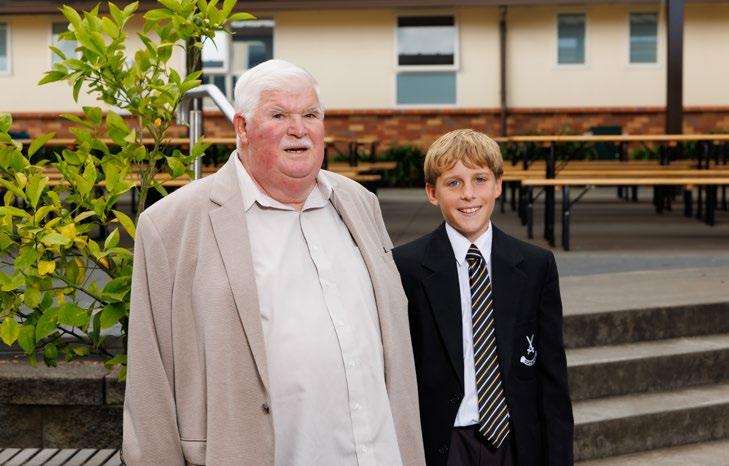
Looking ahead, we are excited about the introduction of a new annual Legacy Dinner. This will bring together current multi-generational students and their parents or grandparents for a Sunday roast dinner, inspired by the tradition once hosted by Mrs Hornsby. These students – of whom there are now more than 100 at the school – will be recognised with a blazer pin to acknowledge their family connection to St Paul’s. It is a simple but meaningful way to celebrate continuity, belonging and shared history.
We are all part of a community with 67 years of Collegians behind us and fast approaching the milestone of 11,000 Collegians worldwide. This year we welcomed around 160 new Collegians as they completed their schooling.
As we move forward, thank you for staying connected, for showing up, and for continuing to support the Collegian community in so many different ways. Your involvement is what keeps this association strong and relevant.
Warm regards,
Ryan McCarthy (Sargood 1993 – 1997)
President Collegians Inc

Collegians: collegians@stpauls.school.nz www.community.stpauls.school.nz
Marketing and Engagement Office: marketing@stpauls.school.nz
St Paul’s Collegiate School
Private Bag 3069, Waikato Mail Centre Hamilton 3240, New Zealand
Contributors: Suzanne Miller
Andrea Douglas Hayley Yorke
Nerroly Hay
Cyndi Rawles


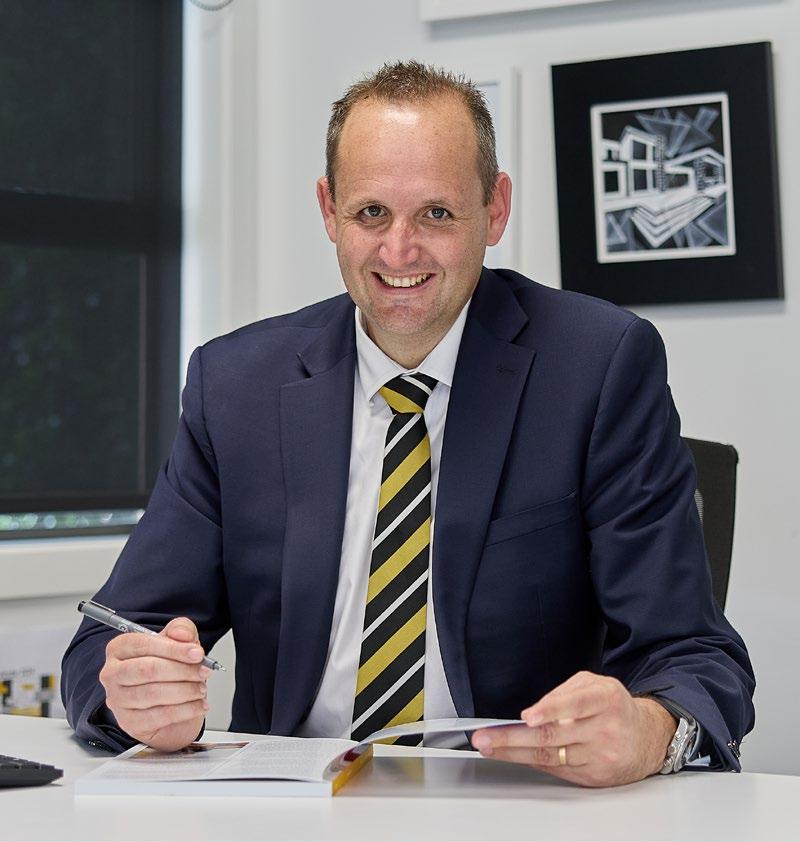
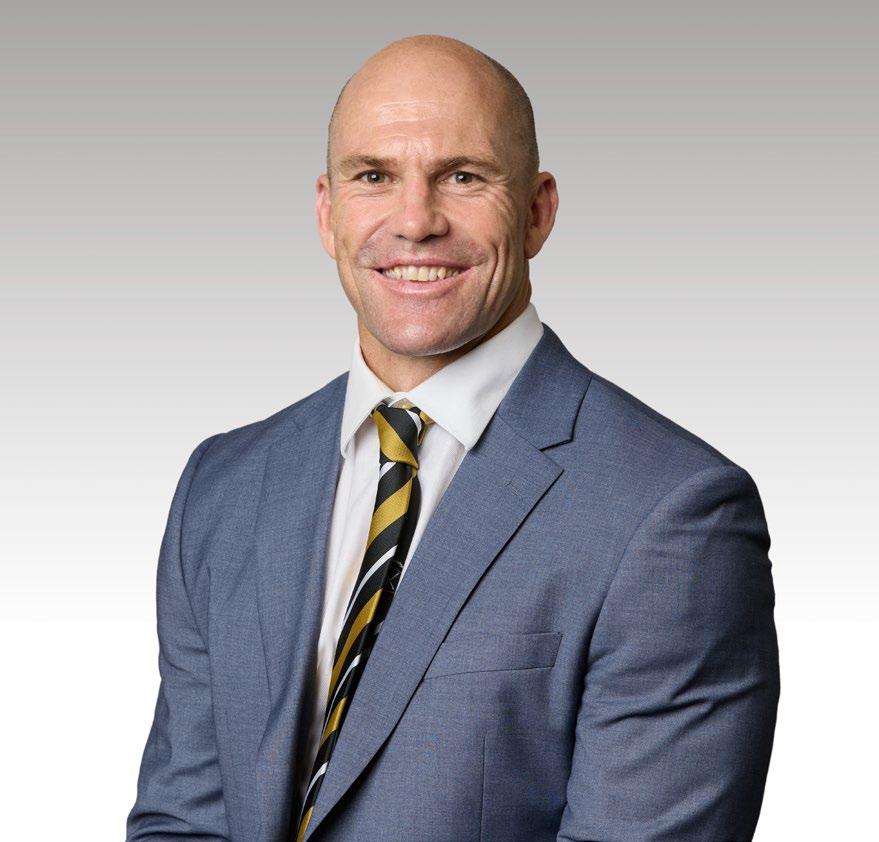
One of the great privileges of being Headmaster is welcoming Collegians and friends of St Paul’s back to our School. Whether for a reunion, a Chapel service, a conversation with students, or simply a walk around familiar grounds, these visits matter. They remind current students that their lives will extend far beyond school, and it reminds those returning to the grounds of St Paul’s that one’s secondary education and adolescence are not confined to a single moment in time.
I am acutely aware that every student’s experience of St Paul’s is, and was, different.
For many who return, school was a place of deep joy, opportunity, confidence, and belonging. For others, school was difficult at times – marked by the challenges of growing up and developing confidence in one’s identity. We exist proudly today, aware that the quality of expert teachers, and intentional and extensive pastoral support, are key features of the St Paul’s education in 2026.
As educators, we constantly remind young people that when they feel a sense of connection and belonging, this not only creates a settled environment, but importantly, allows them to contribute and flourish.
That sense of belonging was on full display recently at the Sargood House reunion. From Collegians whose first day was in 1959 through to a Collegian
from last year, the room carried stories, laughter, and an ease that only comes with shared history. Conversations picked up where they left off. That is the quiet strength of this community – it wraps around its people and continues to engage them, year after year.
While much changes in education, some things at St Paul’s remain deliberately, steadfastly the same. We still insist on academic rigour alongside ensuring that students play sport, learn a musical instrument, and participate in the house, cultural and creative life of the school. We still expect young people to turn up on time, ready to learn, immaculately dressed and displaying the highest level of manners. We still eat together every day. We still celebrate success – academic, sporting, cultural, and personal. And each day, as a whole school, we still gather in Chapel.
These rhythms matter. They shape young people. They teach consistency, respect, and responsibility in ways that cannot be replicated by good intentions alone. They also form a shared language that links generations of Collegians and friends of the school, no matter how different the world looks outside the gates.
You will read in this edition of Network about The Hive – a new space designed to support learning, collaboration, and connection. It is an important development, and one we are incredibly proud of. Yet even as new buildings rise, our foundations remain unchanged. Buildings serve people, not the other way around. What happens inside them – relationships, expectations, and daily habits – is what truly lasts.
As you turn the pages of this year’s Network, I hope you see yourself reflected somewhere within it – in a shared value, a remembered routine, or a familiar expectation that shaped you more than you realised at the time.
The things that matter most endure. And at St many of those things remain the same.
Ngaa manaakitanga, Ben Skeen Headmaster
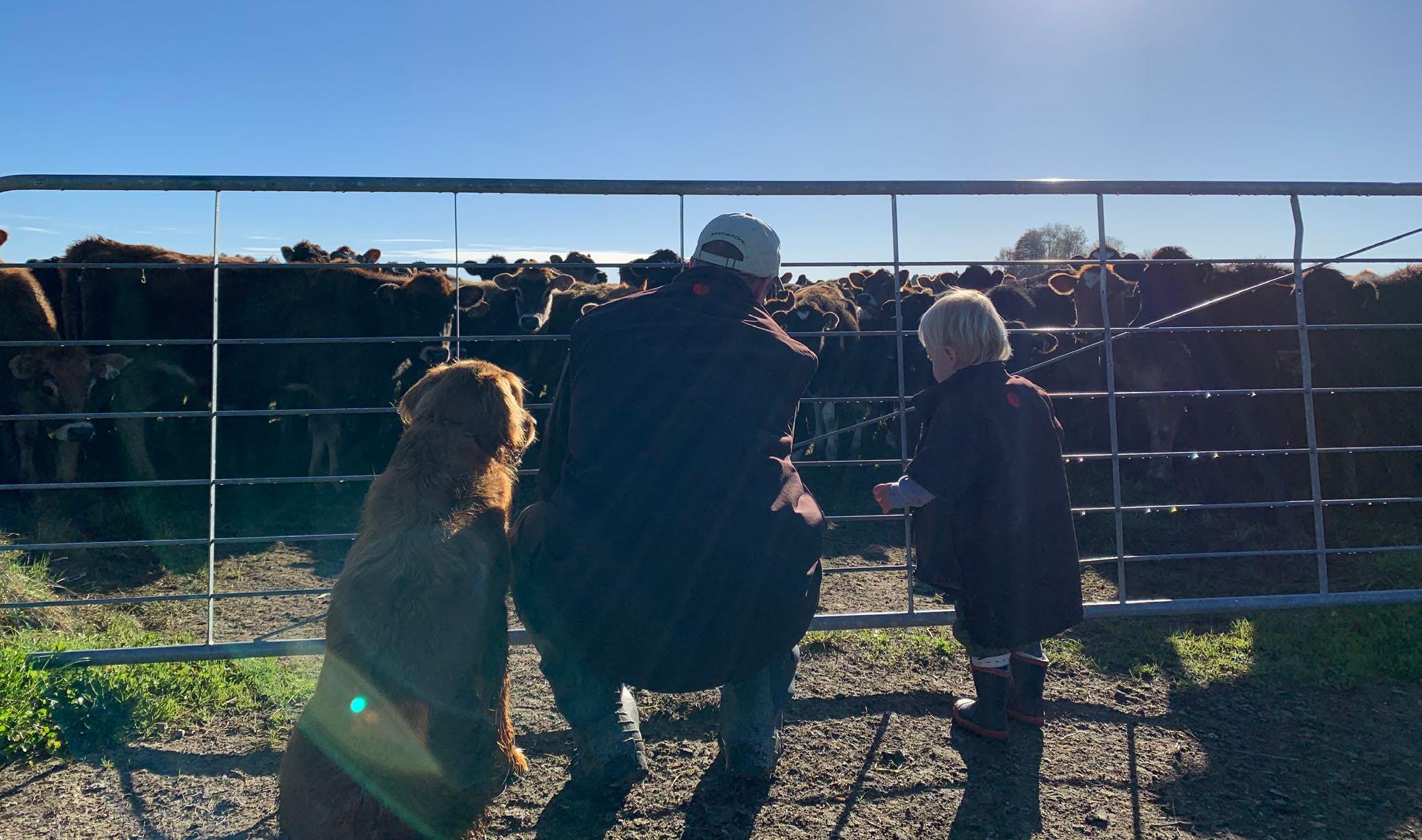
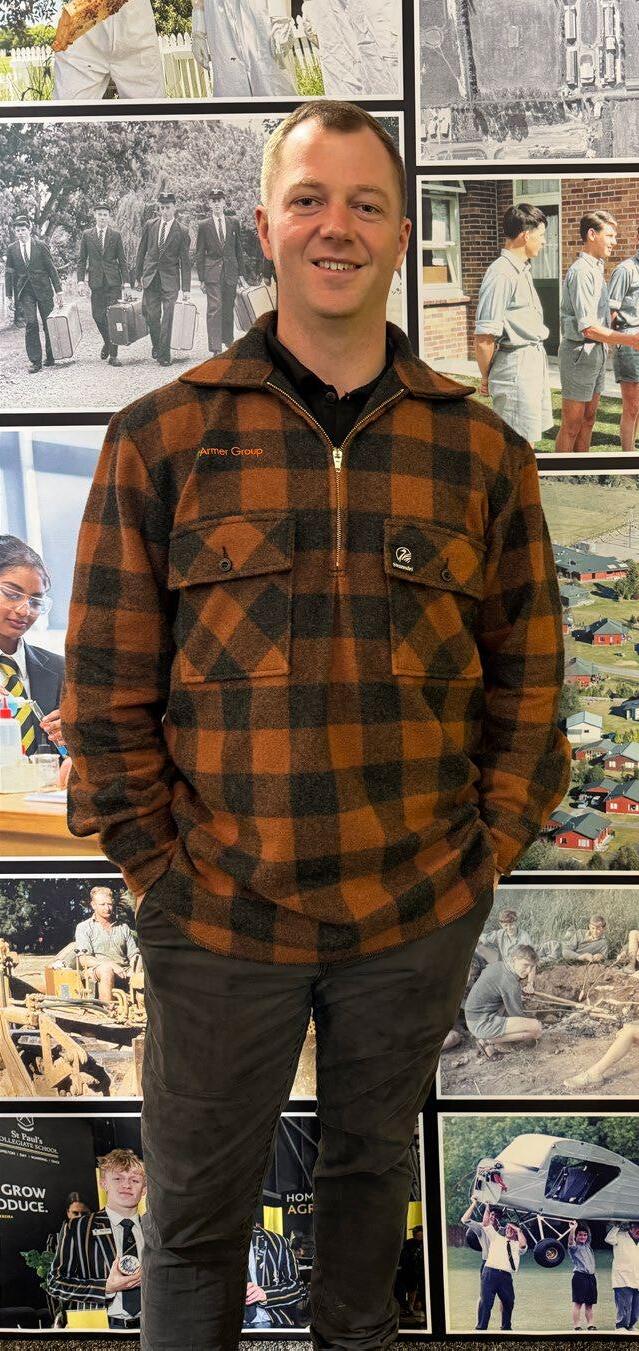
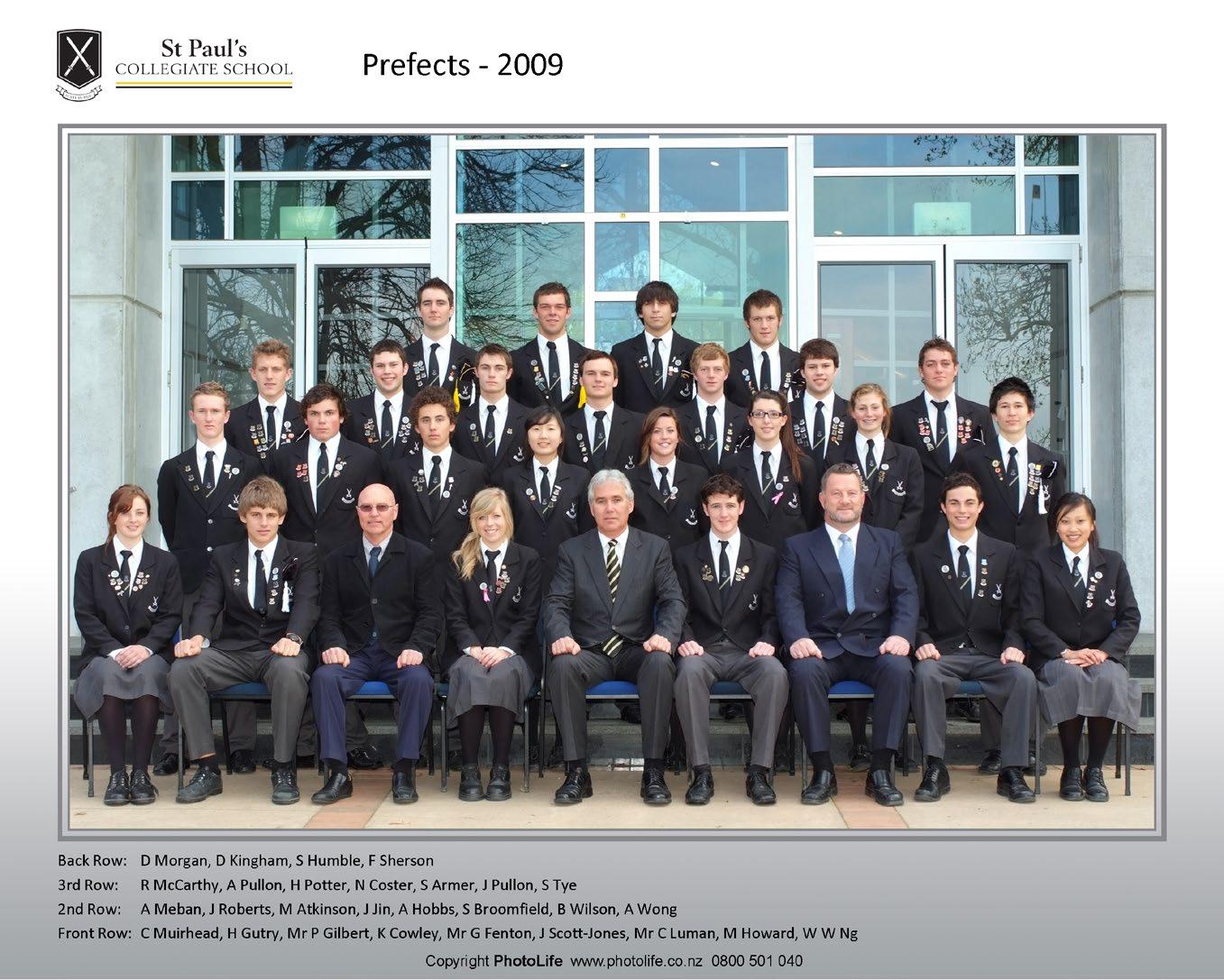
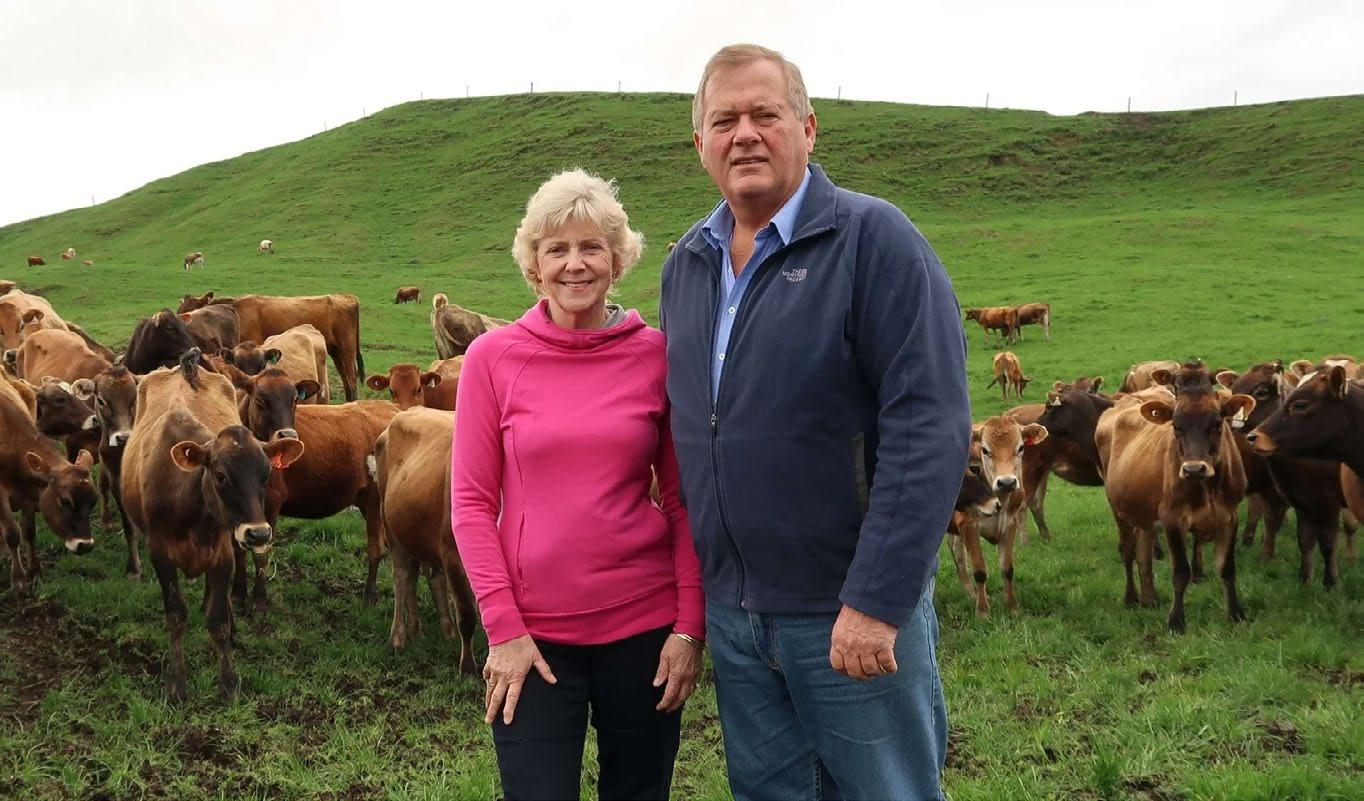
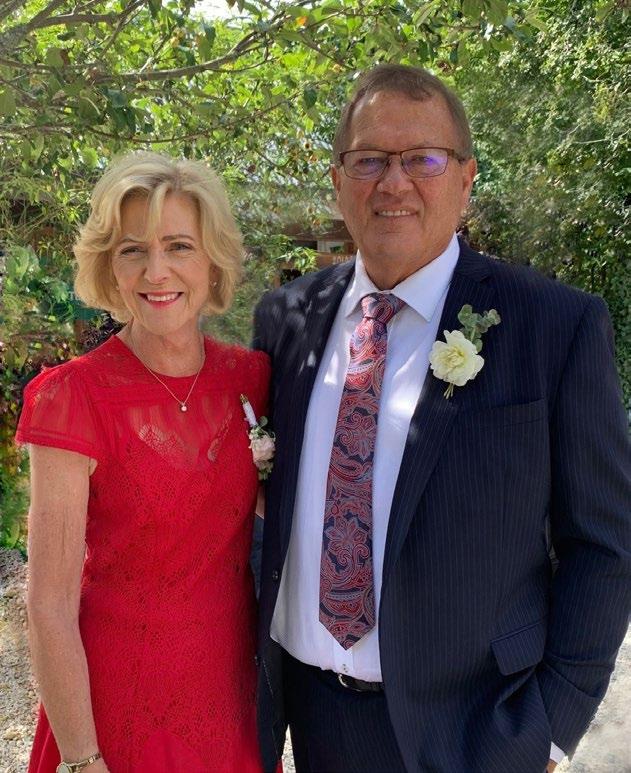
Scott Armer (Williams House 2005-2009) grew up watching his parents, Colin and Dale Armer, build their farming business from 140 sharemilked cows in the late 1970s into what is now the Armer Group. The scale may have changed, but the philosophy has not.
Chief Executive Officer Scott Armer describes the Armer Group’s approach simply: “We farm a little bit differently. We’re sort of old-school farmers. It’s still about people, stock, grass, and doing the basics well.”
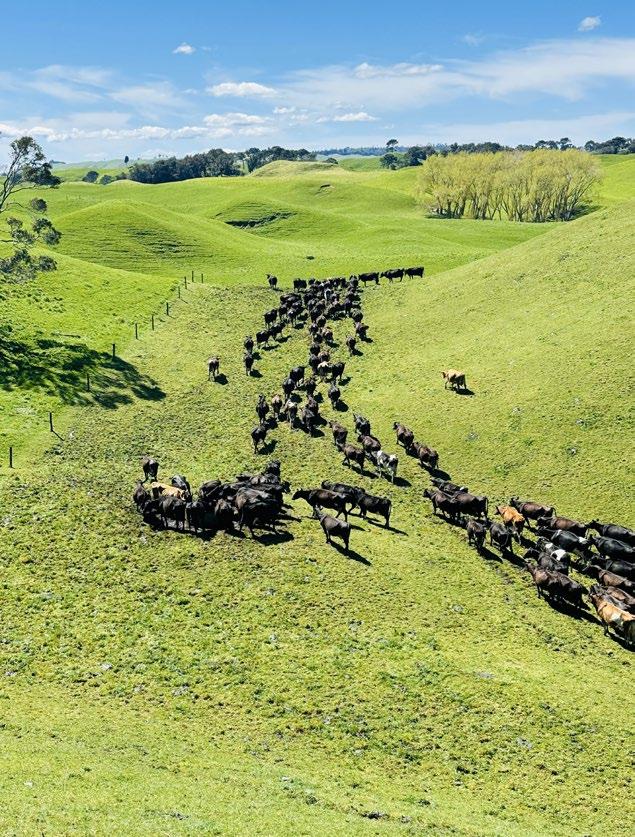
Today, the Armer Group spans 23 farms, milks around 20,000 cows, and manages extensive productive farmland for its youngstock alongside 1,100 hectares of native bush. Despite that footprint, the model remains low-input and grass-based, an approach increasingly attractive to younger staff entering the sector. “They really care about the environment, emissions, nitrogen loss, all of that matters to them, and our system aligns with that,” says Scott.
The same decisiveness that now shapes the Armer Group was evident from the outset. Scott has always been decisive about his goals. “When I was at intermediate school, I was into sports, and at the local school where I was, there wasn’t much opportunity.” That changed after a conversation on a fishing trip with Colin.
I cornered Colin so he couldn’t get away and asked if I could go to St Paul’s Collegiate School to board.
Colin replied with a firm yes; Dale, meanwhile, wondered why her son would want to leave home.
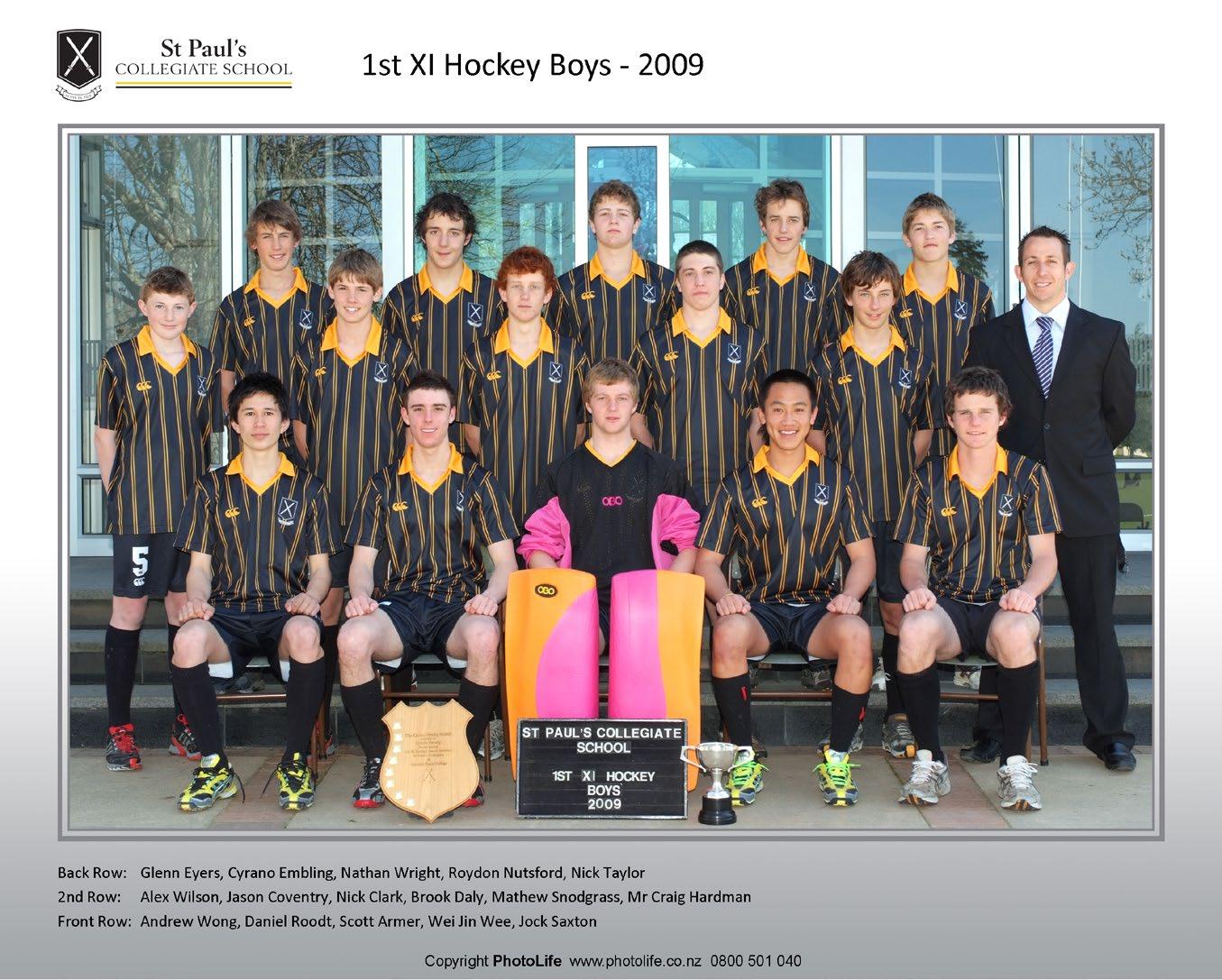
At St Paul’s, Scott threw himself into rugby, rowing, athletics, and hockey. Former Associate Headmaster and First XI Hockey coach Craig Hardman (Staff 2006-2025) remembers Scott’s
development in the sport. “When he first started, he knew very little about the sport, but he worked hard and grew into a very capable goalkeeper. Coaching Scott was a real highlight for me.”
Scott also discovered academic confidence at St Paul’s. “There was an environment where it was cool to be smart,” he says. Craig adds, “Scott’s leadership qualities were already evident during his time in Williams House. He lived the house motto of being better than before and made sure the boys around him felt included and supported. You see those same qualities today in how he leads people, with empathy, encouragement, and genuine care.”
Scott’s success at St Paul’s included captaining the First XI Hockey team, representing both the Waikato Under-18 and Waikato Men’s Senior teams, serving as Head of Williams House, and being appointed a School Prefect. “I received all four ties on offer at St Paul’s: Prefect, Sports Colours, Service, and a Scholars’ Tie,” Scott says proudly.
After leaving school, Scott graduated with a Bachelor’s degree majoring in Accounting, Finance, and Commercial Law from Victoria University of Wellington before moving into corporate and commercial banking with BNZ. There, he built expertise in financial analysis, lending structures, and business risk. “While I learned a lot, I got increasingly frustrated with the bureaucracy and wanted to have more direct impact,” he says.
Six years ago, Scott presented The Armer Group with a detailed strengths-andweaknesses analysis and identified a succession gap. Dale remembers the moment with a smile: “I knew Scott would add value straight away, but it took a fair bit of convincing Colin, it was six months before he said yes.”
As the Armer Group has continued to grow, now with a workforce approaching 100, Scott’s leadership has shaped the business’s culture. “We hire on attitude. If they’re good people, we can teach them our system. We haven’t had to advertise for manager or contract milker roles for quite a while; it’s mostly word of mouth.” Dale reflects, “The biggest change Scott has made is to our staff.”
The Armer Group is also the founding shareholder of South Island-based Dairy Holdings, New Zealand’s largest dairy
farming business. Over the years, 53 sharemilkers have progressed through the Dairy Holdings system and gone on to purchase their own farms, something Colin is proud to see continue as part of the group’s wider impact on the sector.
“We’ve always believed if the industry is stronger, everyone benefits,” Scott says.
Much of the Armer Group’s farming footprint surrounds St Paul’s Tihoi Venture School, and Scott has seen firsthand the connection between the family business and the school community.
Colin and Dale sold four hectares of adjoining farmland to the school, enabling Tihoi to secure key activity areas, including the site of its 120-foot abseil rock, a defining element of the Tihoi experience.
As close neighbours, the family granted a perpetual legal easement over native bush to ensure ongoing student access for generations to come. Former Tihoi Director Chris Wynn (Staff 2006-2016) recalls the Armers’ generosity when access through their farm was discussed.
“On numerous occasions, I’d wave a coffee cup out the kitchen window, signalling Colin in. Sometimes Dale would join him, and then off they’d go to get on with the day’s work,” Chris says.
Colin still enjoys seeing each new intake arrive and take on the Tihoi hills. “In the first week, they really struggle running, but within a few weeks, they’re moving quickly across them.” With girls set to join the Tihoi experience from 2027, he expects the programme to go from strength to strength.
Looking back, Scott’s advice to his 18-year-old self is direct:
“ ”Stop trying so hard not to go into farming. There’s a huge opportunity in the sector, both on-farm and beyond the farm gate. I learned valuable skills along the way, but this is where I was meant to be.
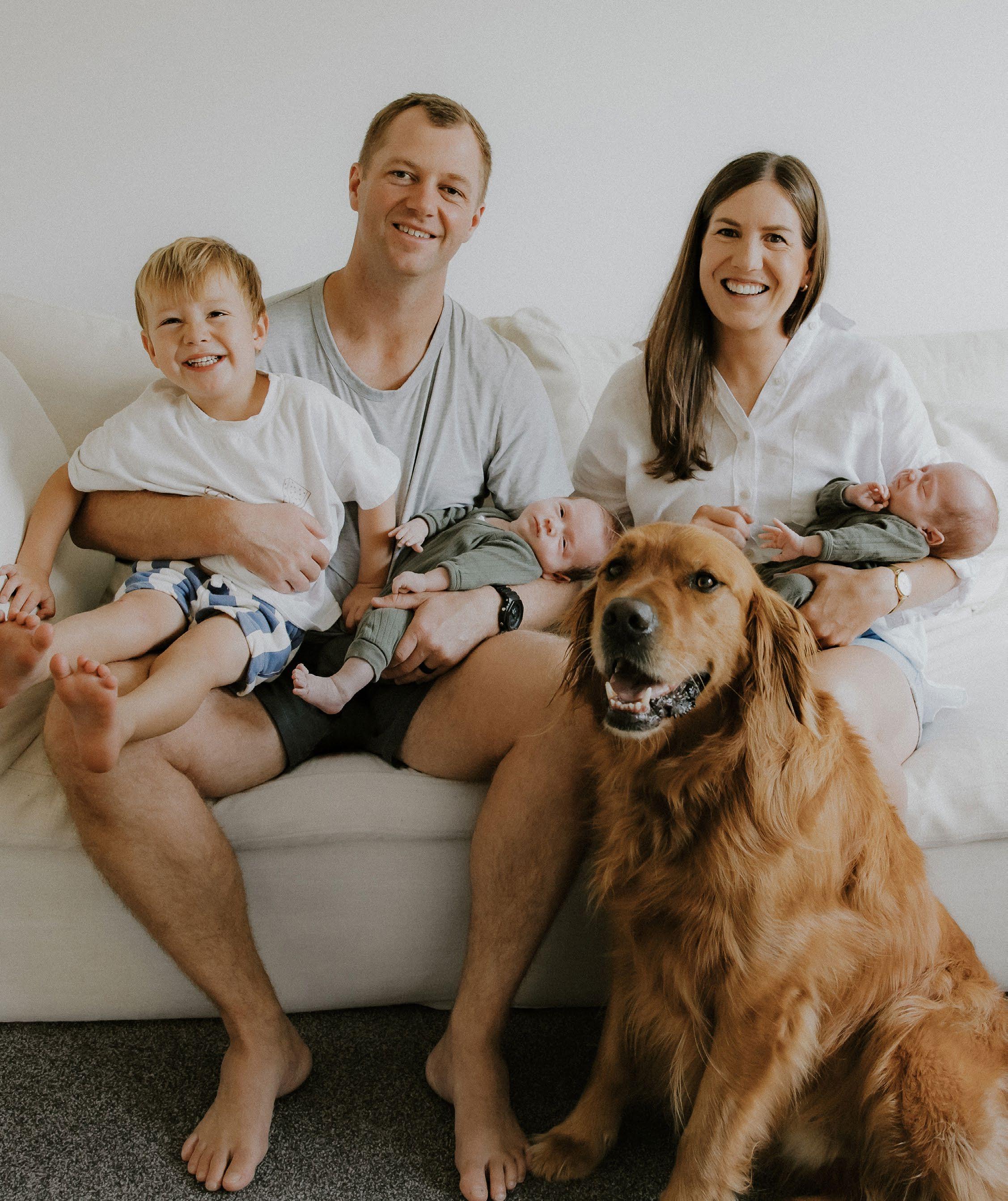
The St Paul’s connection extends across the wider Armer family. Scott’s sister, Cherie (Harington 2006–2007), also attended, along with several nieces and nephews. With future generations already in sight, Scott jokes, “How soon can Beks and I enrol our four-month-old twin boys?”
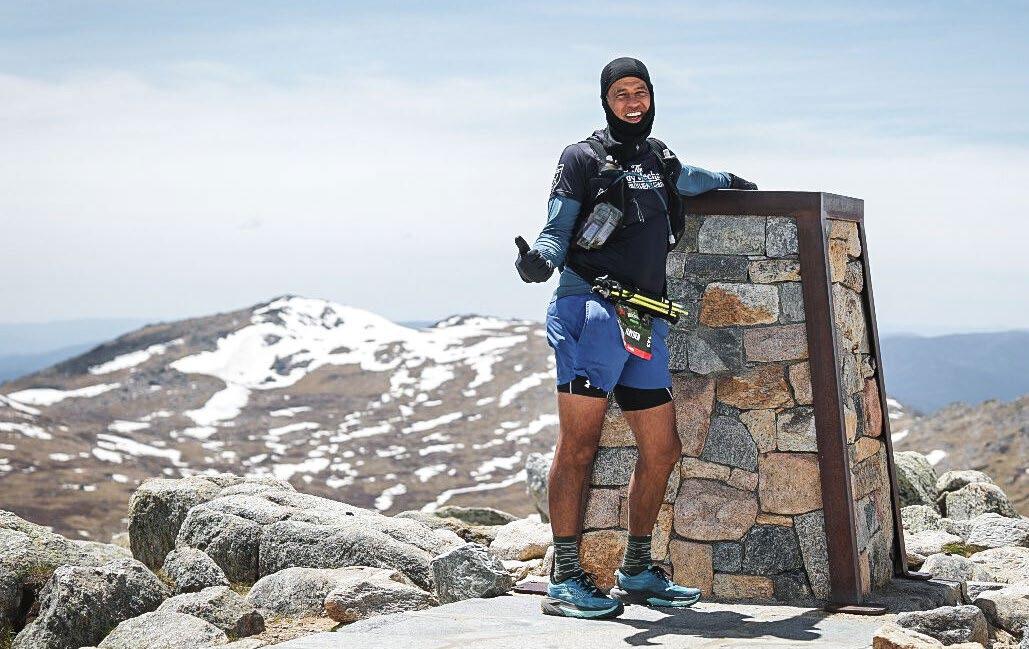
Back when Hayden Pohio (Hall | Sargood 1989–1993) was at St Paul’s Collegiate School, even a 10km run through the streets of Chartwell felt like a big challenge. Fast forward to November 2025, and Hayden tackled his first-ever 100mile trail run, the Oceania Alpine Kosciuszko Ultra-Trail in the snowy mountains of New South Wales. The race covers 162km with 4,800 metres of elevation gain and reaches the summit of Mt Kosciuszko, Australia’s highest peak.
Pushing his body and mind beyond anything he had previously experienced, Hayden says simply, “I somehow crossed that finish line – barely.” The event delivered exactly what ultra-runners expect, and more. “Wild weather, brutal climbs, and terrain that tested every ounce of resilience I had,” he says.
The race began at 3am after just two hours of nervous sleep. The early stretch past Gaden Trout Hatchery and along the Thredbo Valley Trail to Bullock’s Flat was blustery and chaotic, dust swirling, hats flying, and even one runner forced to turn back with a rolled ankle. From there, runners climbed into sheltered valleys before hitting exposed ridgelines
near Perisher, where temperatures dropped, and winds intensified.
“The course takes you through glaciercarved valleys, wildflower meadows, and snow gum forests,” Hayden says. “By mid-afternoon, I stood atop Mt Kosciuszko after crossing a volunteercut snow drift, a surreal 360-degree panorama that almost made me forget the pain.”
The real battle began after 94km. Blisters burned, fatigue deepened, and rain turned the trail treacherous. Hayden credits his pacers, Peter Scott (Scotty) and Ben Richardson, with getting him through the darkest stages. When severe hail and lightning forced a 45-minute
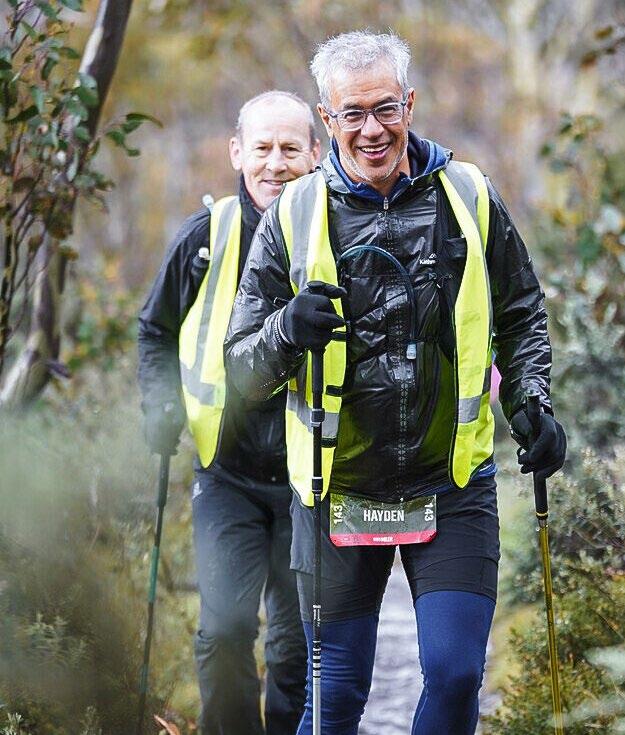
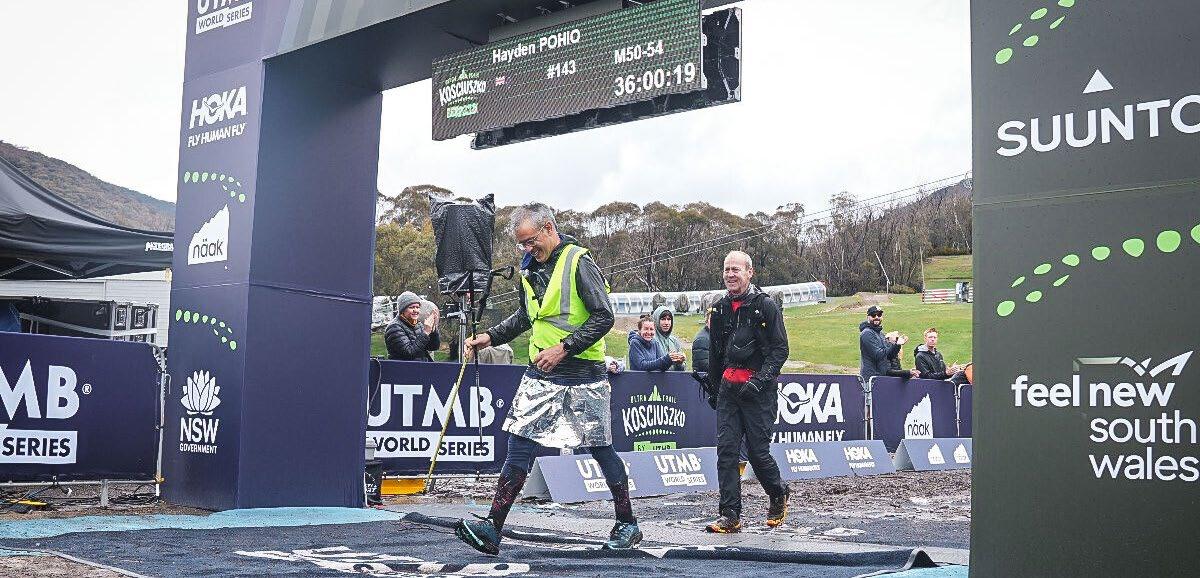
halt to the race in the Thredbo ski fields, medics wrapped him in a survival blanket while Scotty kept him focused and calm. With just 3.7km remaining, all downhill, the finish was still not guaranteed. Hayden had only six minutes to cover the final kilometre to beat the 36-hour mark. “Every step hurt, but I ran harder than ever,” he says. He crossed the line at 36:00:17.
Hayden finished 201st out of 340 competitors, with just 223 finishes. He describes the experience as “epic and emotional, proof that mateship, grit, and a dash of madness can turn the impossible into possible.”
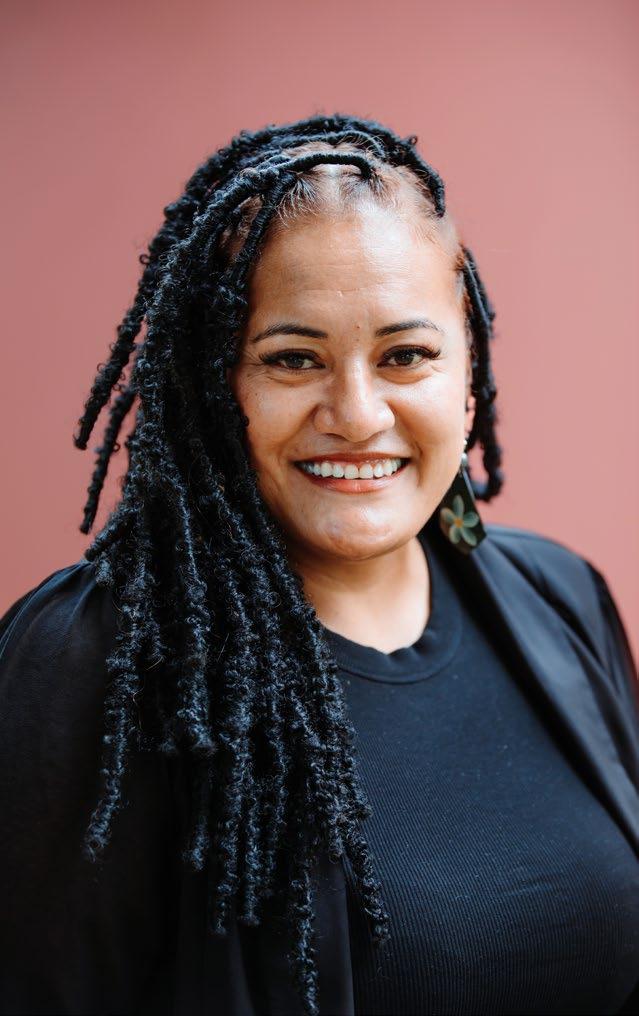
Moana Leilua (Harington 1996) never considered a career in rugby, let alone helping shape the off-field lives of some of the game’s most high-profile players. Today, she holds a dual leadership role with the Rugby Players’ Association of Australia, working across cultural leadership and player development for the Wallabies. It is a role grounded in service, wellbeing, and representation.
Moana arrived at St Paul’s Collegiate School for her final year, coming from an all-girls public high school. The transition to a co-educational senior school was confronting. Academically, she knew she was behind where she needed to be. Socially, the contrast between her background and that of many of her peers was stark.
“I came from a low socio-economic background,” she says. “Being surrounded by so many guys, with such different life experiences, was a real contrast. But it prepared me for what was ahead.”
“If it wasn’t for that time, I wouldn’t have pursued what I pursued,” Moana says. “That one year changed my trajectory.”
She attended St Paul’s as a day student, living locally in Fairfield, but was welcomed into boarding when she needed to stay. That flexibility, she says, mattered. More importantly, so did the people.
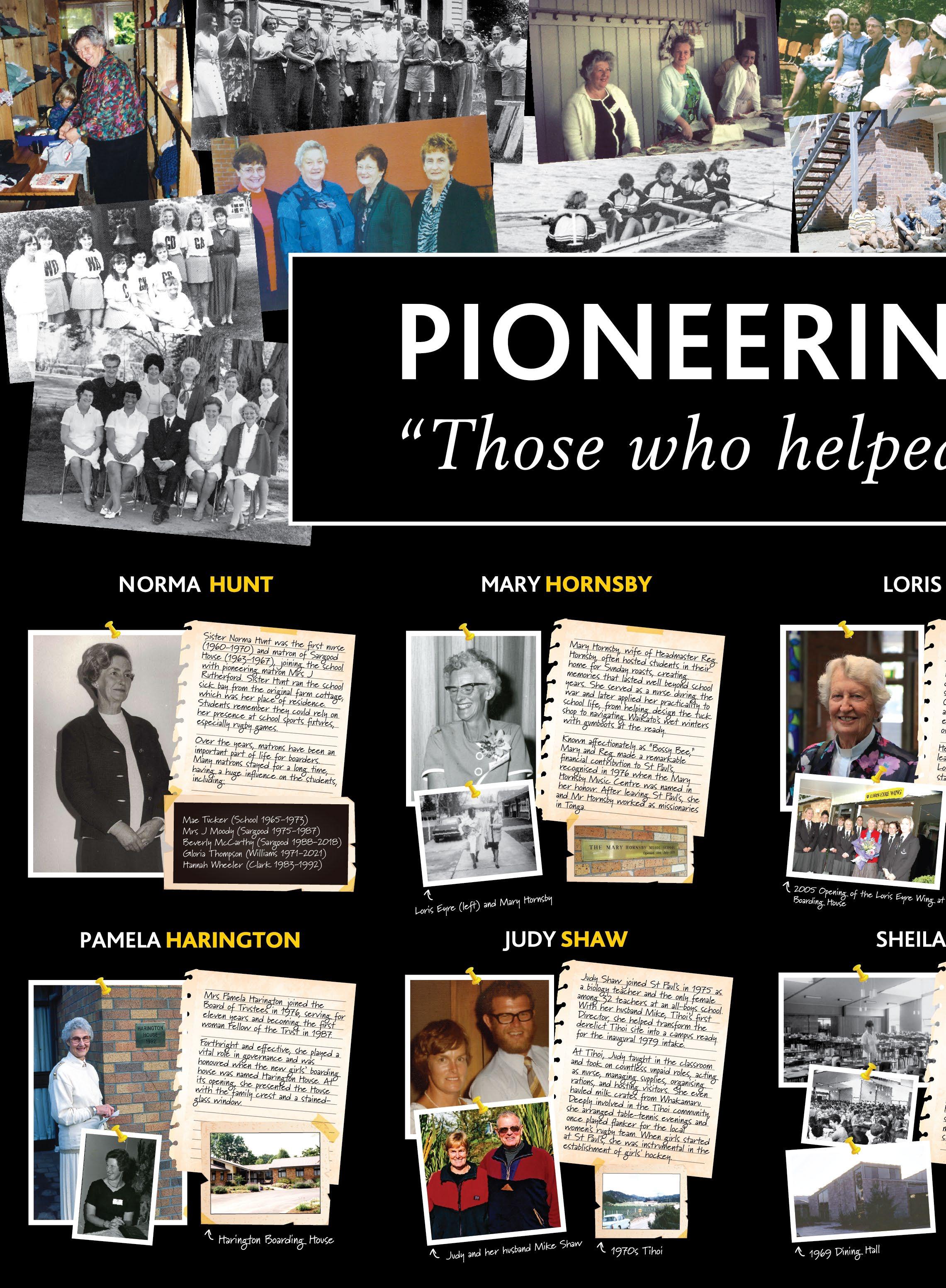
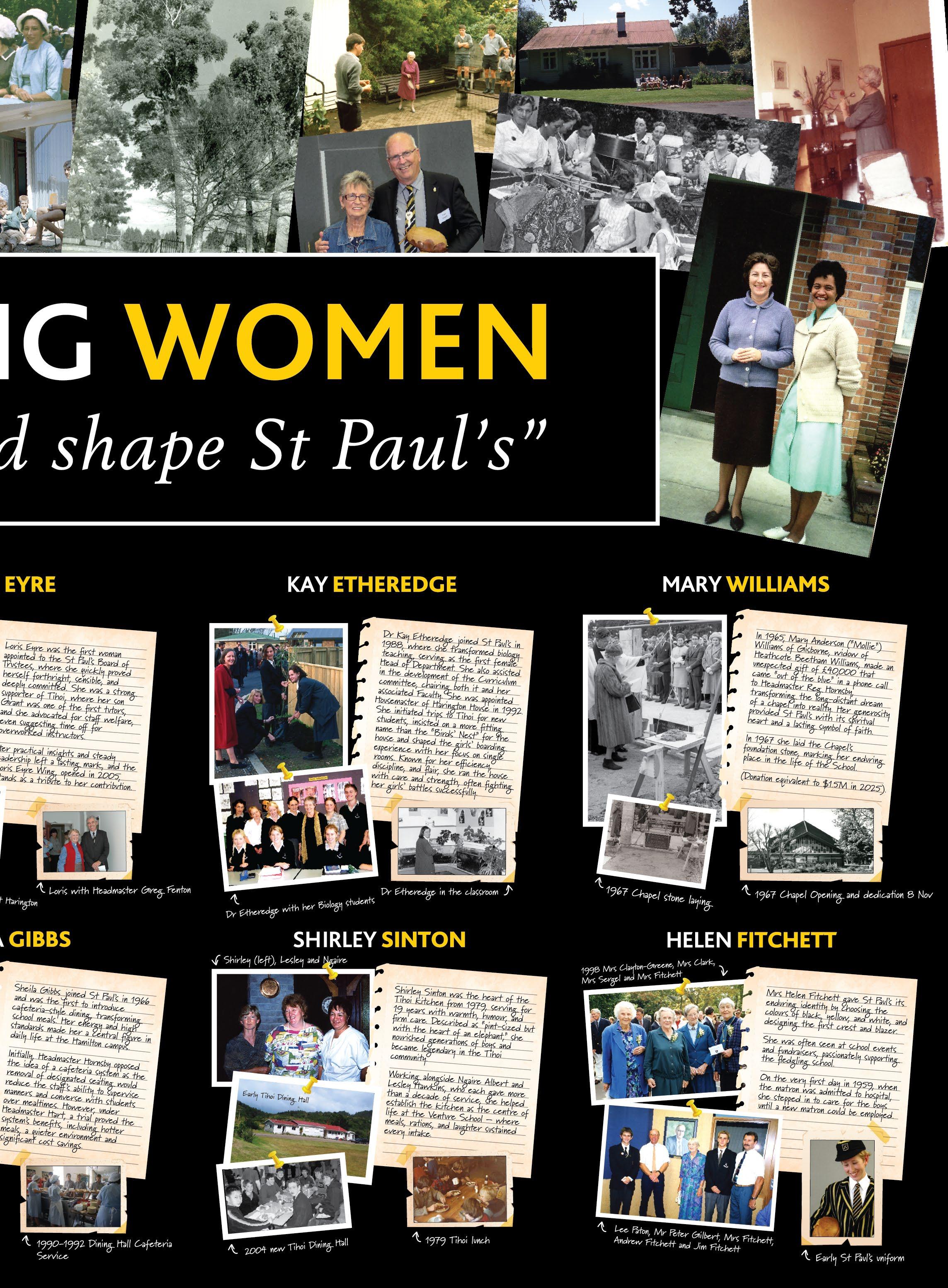
Two teachers in particular left a lasting imprint. “Dr Kay Etheredge spoke volumes,” Moana says. “She was our housemistress and biology teacher, and she really took me under her wing.”
Moana was candid about where she was academically, and Dr Etheredge responded with action. “There was a difference between where I should have been and where I was,” she says. “Dr Etheredge provided tutorials and extras to help me catch up. She was willing to give me time.”
That willingness, Moana says, changed everything.
“She was genuinely interested in how I fitted in,” she says. “If it wasn’t for that, I wouldn’t have a degree in biology. That’s how much of an influence Dr Etheredge had on me.”
Another teacher, Mr Shaw, also played a key role. “Even though those weren’t my strongest subjects, he was willing to give me time,” Moana says. “They were both a massive influence.”
Moana’s place at St Paul’s was made possible through a Pasifika scholarship linked to Achievers magazine, an initiative that aimed to open doors for Pasifika students. Moana says St Paul’s became the place where opportunity translated into belief.
“It really did help me pivot,” she says. “I’ve landed in a sector I genuinely love and enjoy.”
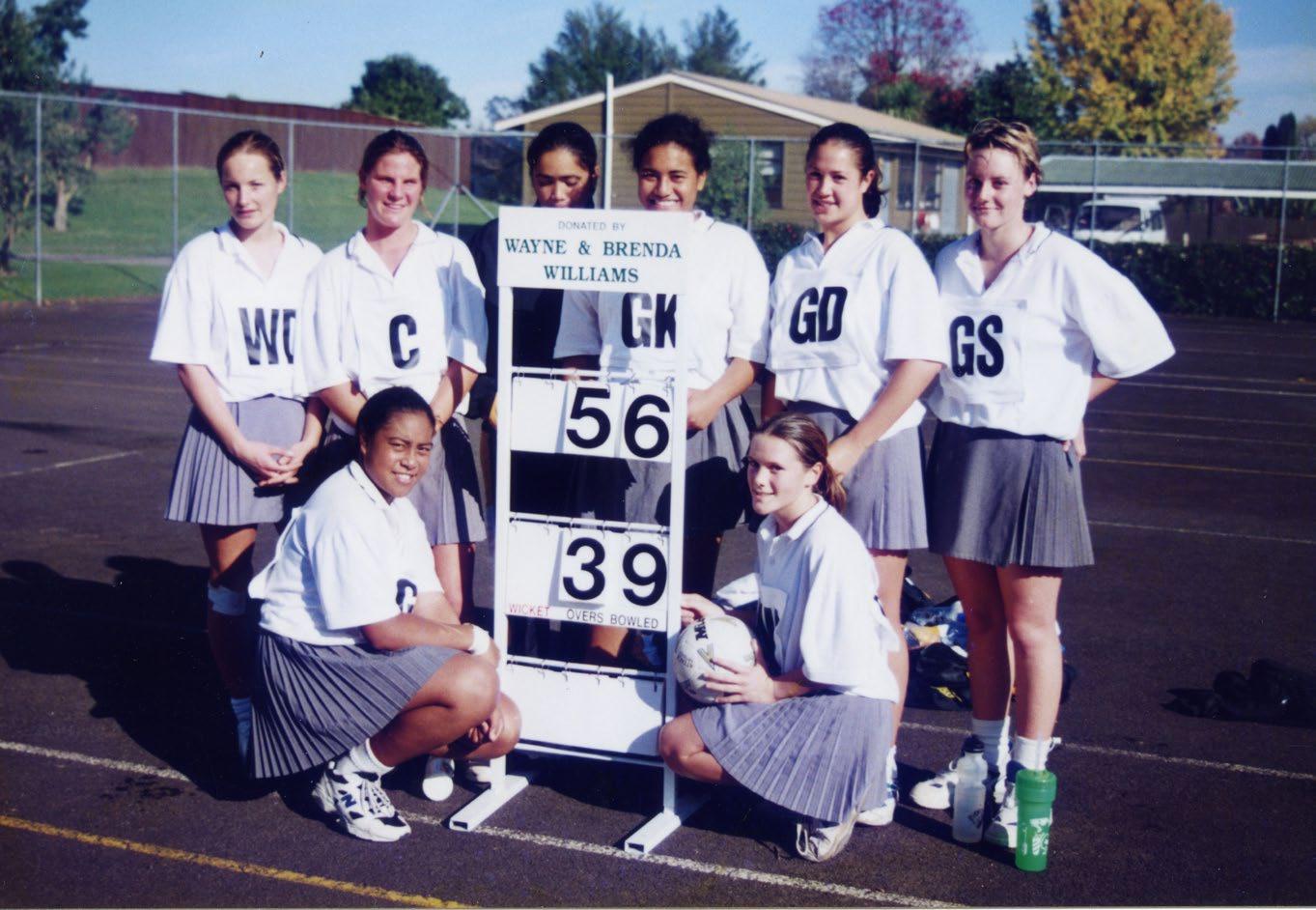
Sport was part of Moana’s life at school, but not yet a career path. She played netball at St Paul’s and later moved into rugby while at university. Even then, she never imagined rugby would become her profession.
“I hung up my boots in 2014,” she says. “At the time, no women were paid to play rugby. It was unheard of.”
Her transition into rugby management came unexpectedly, beginning with an opportunity to manage a men’s sevens team in Counties Manukau. That role evolved into a full-time position as team manager for Counties Manukau Rugby from 2016 to 2019.
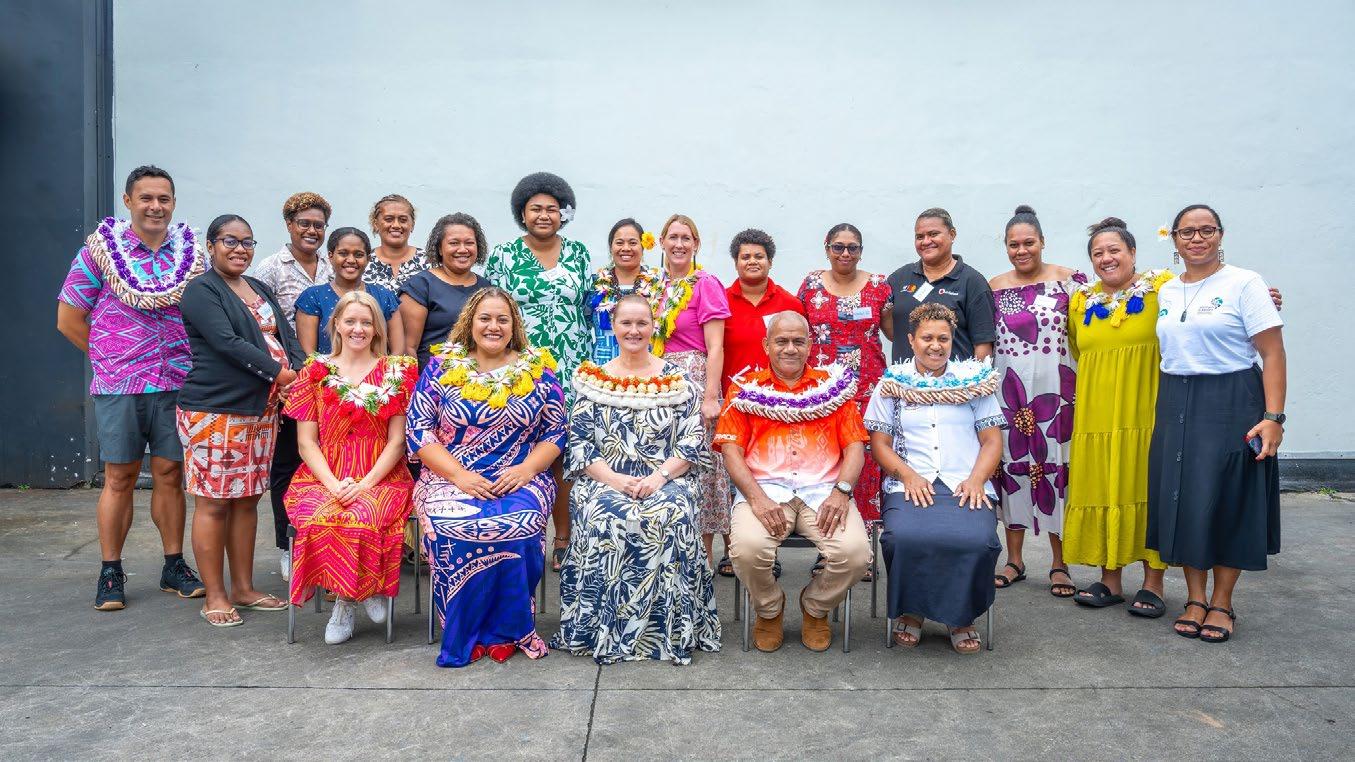
“That was the first time that both a woman and a Pasifika person had been in that role,” she says. “I’ve had a habit of being the first,” she says. “First woman to come in and manage. First Pasifika person. It was tough. I needed to do really good work.” It was not the last time Moana would find herself going first.
Moana has had some overlap with the women’s rugby. While she managed the NZ Black Ferns Development XV, she worked alongside Whitney Hansen, the current coach of the Black Ferns.
“ ” she says.
It’s great to see the women I worked with doing really well,
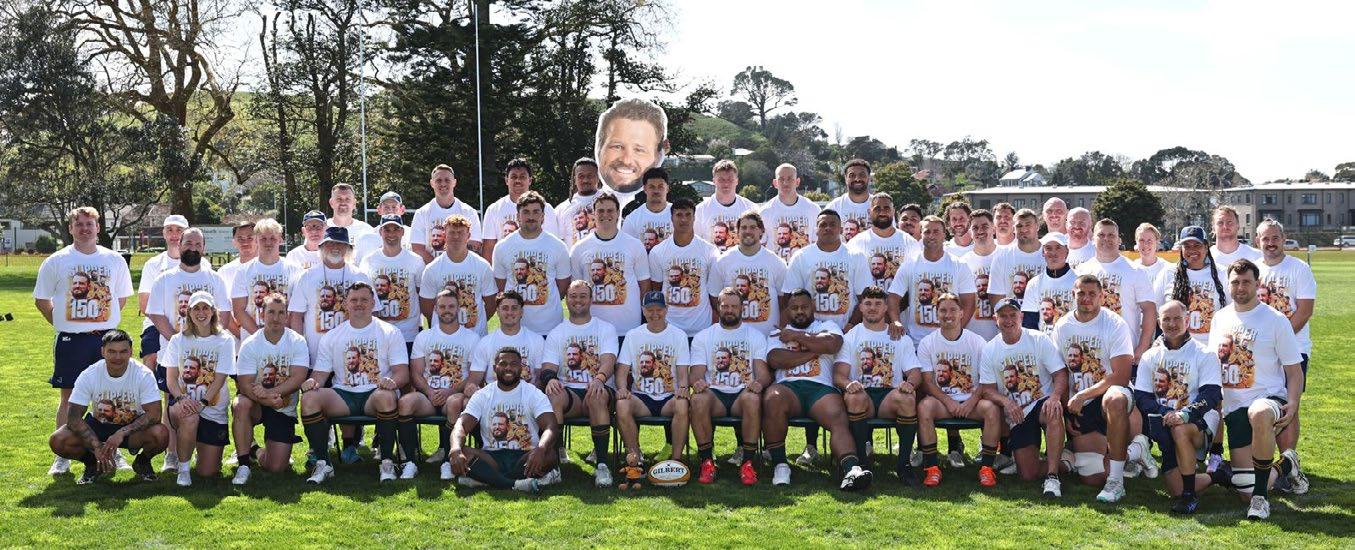
Five years ago, Moana joined the staff of Rugby Players’ Association of Australia. Today, she holds a dual role: National Cultural Leadership Manager and Player Development Manager for the Wallabies. Her work spans education, wellbeing, family connection, and life after rugby.
“Rugby is what they do, not who they are,” she says. “Injuries can come tomorrow.”
Supporting players holistically is central to her role. “We have six pillars that we frame our programme around: Financial Management, Wellbeing, Personal Toolkit, Cultural Awareness, Integrity & Obligations.”
Education is another aspect. “More than half of the Wallabies are studying or doing a short course,” she says. “That’s an area I am passionate about supporting them with.”
Moana’s cultural leadership work has become increasingly important in the Australian context. Pasifika and Maaori players make up a significant proportion of elite rugby athletes, yet staffing structures do not always reflect that diversity.
“My role is to help close that gap,” she says. “To provide tools so staff can better support the athletes, and empower the players to embrace their cultural heritage, and the added value that it brings within a high-performance environment.
The contrast between Australia and New Zealand has been eye-opening.
She says, ‘In Australia, rugby is largely played in private schools. If you’re not in that system, you don’t get exposed to it. That’s very different from New Zealand, where most, if not all, schools have a rugby programme.”
Family, Moana says, is where her values come to life most clearly. “A big part of my role is bringing parents and partners together,” she says. “That family piece comes naturally to me.”
She does not have children of her own, but she speaks warmly of nieces and nephews, and of the players she works alongside. “They’ve become like my nephews,” she says. “I take my hat off to them.”
She is candid about the pressures players face beyond the field. “A lot of people only see the 80 minutes on TV,” she says. “It hurts when there’s ridicule in the media. We help put protections around them and support them.”
For Moana, the work is deeply personal. “To me, it’s more than a job,” she says. “It’s a calling.”
Alongside her work with the Players’ Association, Moana remains involved
in Pasifika rugby initiatives across Oceania, including women’s wellbeing programmes. She also chairs a sports collective called Pasifika SiS (Sisters In Sport), which is based in Auckland. “Sport has afforded me a lot of opportunities,” she says. “It can for others too. Giving back to women in sport really matters to me.”
Her impact ripples far beyond the field. When asked what advice she would give her younger self, Moana doesn’t hesitate. “Seize opportunities as they come,” she says. “If I wasn’t brave and courageous enough to just do it, I would have missed out.”
She adds, “Don’t steer away from your core values. Maintain a good circle around you. I know who I am and who I belong to.”
Sharing her story now feels significant. “Accolades will come, but maybe not in the way you expect,” she says. “It might be through giving back – like now, sharing this story. It feels like a full-circle moment.”
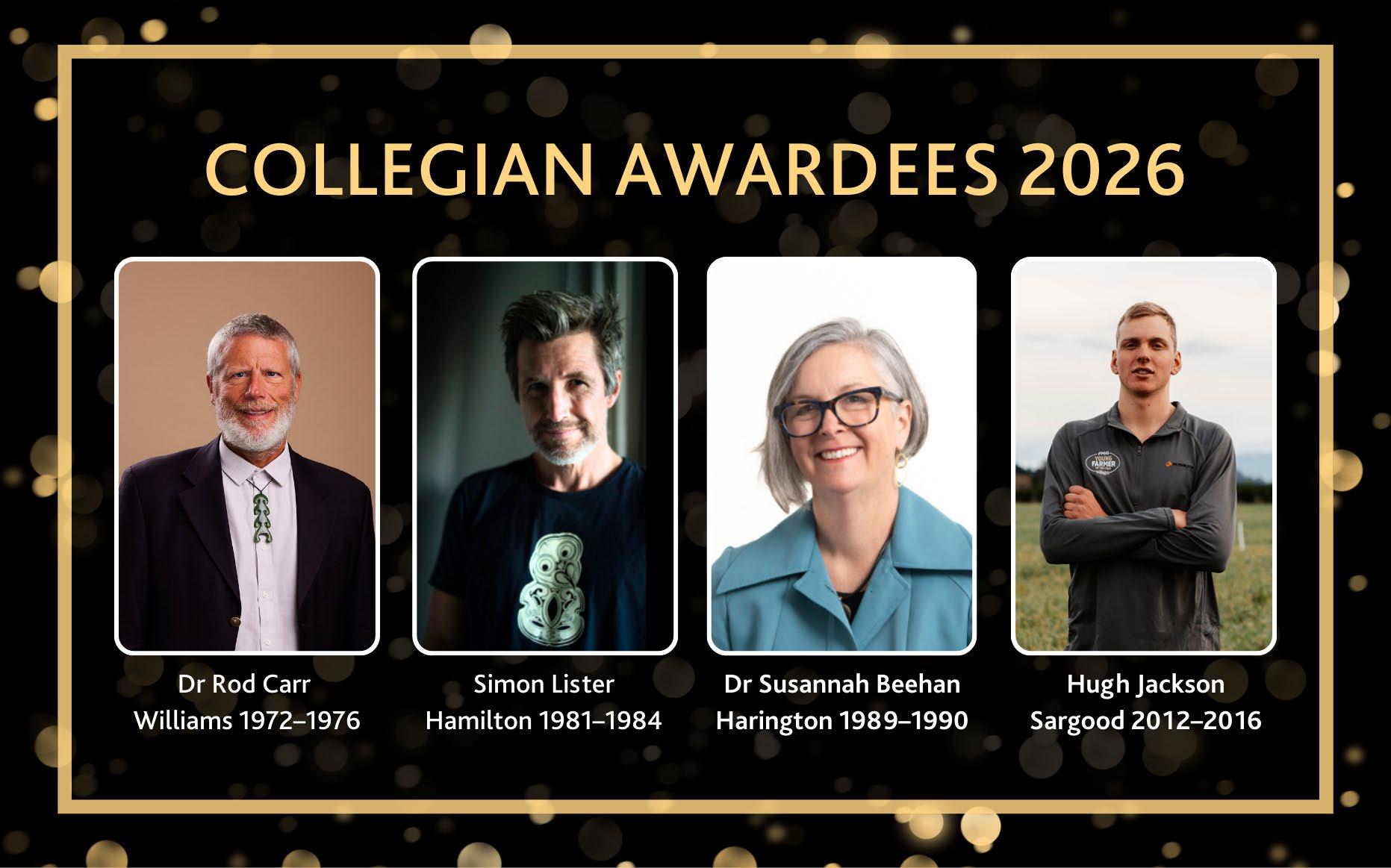
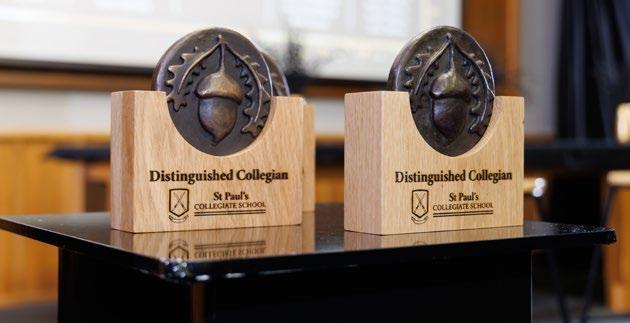
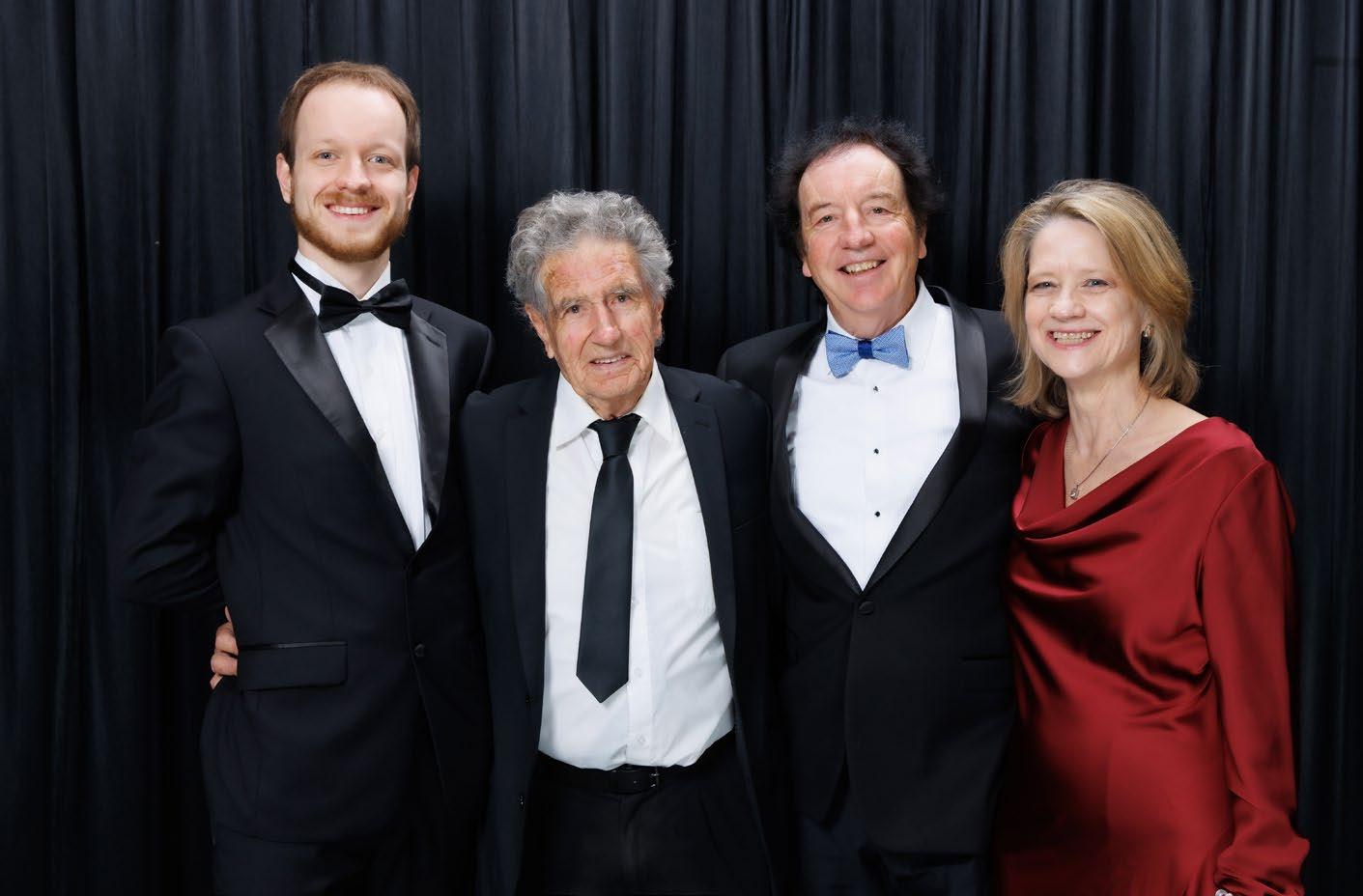
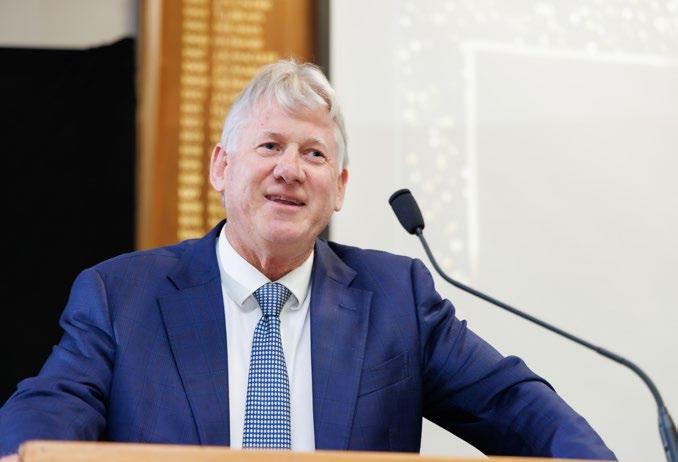
The 2026 Distinguished Collegians are: Dr Rod Carr (Williams 1972–1976), Simon Lister (Hamilton 1981–1984), and Dr Susannah Beehan (Harington 1989–1990) whose work reflects leadership, service and impact across a wide range of fields.
Hugh Jackson (Sargood 2012–2016) is recognised as the Emerging Collegian.
Dr Rod Carr has built a career spanning banking, academia and public service. With extensive qualifications across law, economics, finance and risk management, his leadership roles have included Deputy Governor of the Reserve Bank, Chief Executive of Jade Software, Vice Chancellor of the University of Canterbury, and Chair of the Climate Change Commission.
His contribution to national governance and long-term policy has had a lasting influence on New Zealand’s public institutions.
Simon Lister is a photographer, filmmaker and Creative Director whose work has brought global attention to the lives of children in some of the world’s most challenging environments. Through long-standing collaborations with UNICEF and the United Nations, his images and films have told stories of resilience, education and hope, often from places rarely seen. His work has also featured in international television series, including Tales by Light.
Dr Susannah Beehan, St Paul’s first female Dux, is a Christchurch-based Gynaecologic Oncologist specialising in the surgical care of women with reproductive cancers. After postgraduate study in the United States, she returned to New Zealand in 2021 and now works across public and private healthcare.
A Senior Lecturer at the University of Otago, she is a national leader in robotic surgery and trains surgeons throughout the country, while continuing to advocate for improved outcomes for women.
This year also marks the introduction of a new category – the Emerging Collegian Award – recognising a young Collegian already making a significant impact in their field. The inaugural 2026 Emerging Collegian is Hugh Jackson, the 2025 FMG Young Farmer of the Year. His achievement reflects years of commitment to the food and fibre sector, combining leadership with deep practical knowledge and signalling a promising future contribution to New Zealand agriculture.
The Collegian Awards Dinner will be held on 2 May. Friends, family and members of the wider community are warmly invited to attend, bring a group, and share an evening celebrating the stories and achievements of these four Collegians.
Details for the dinner and tickets are available online at: community.stpauls.school.nz/events
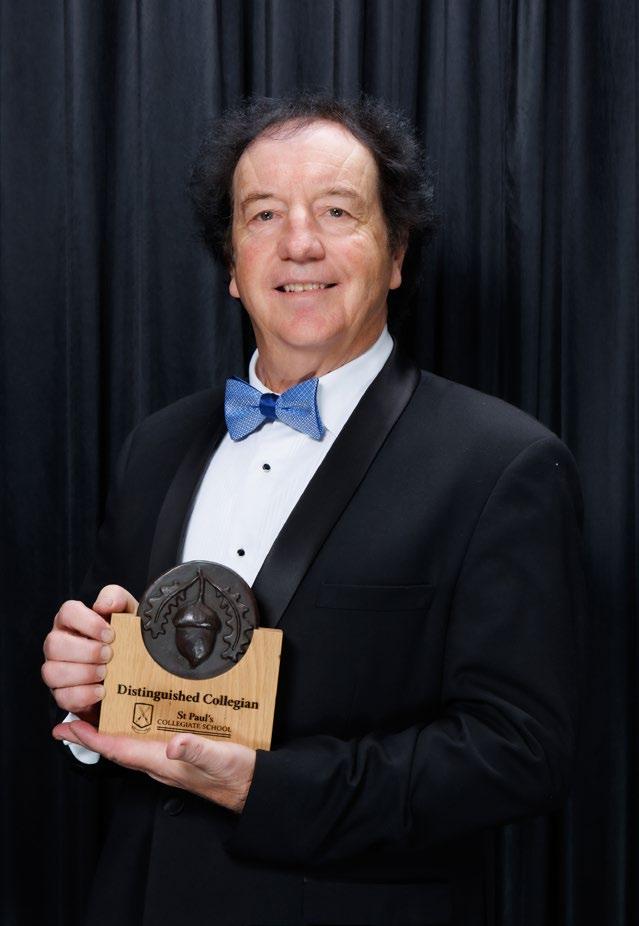
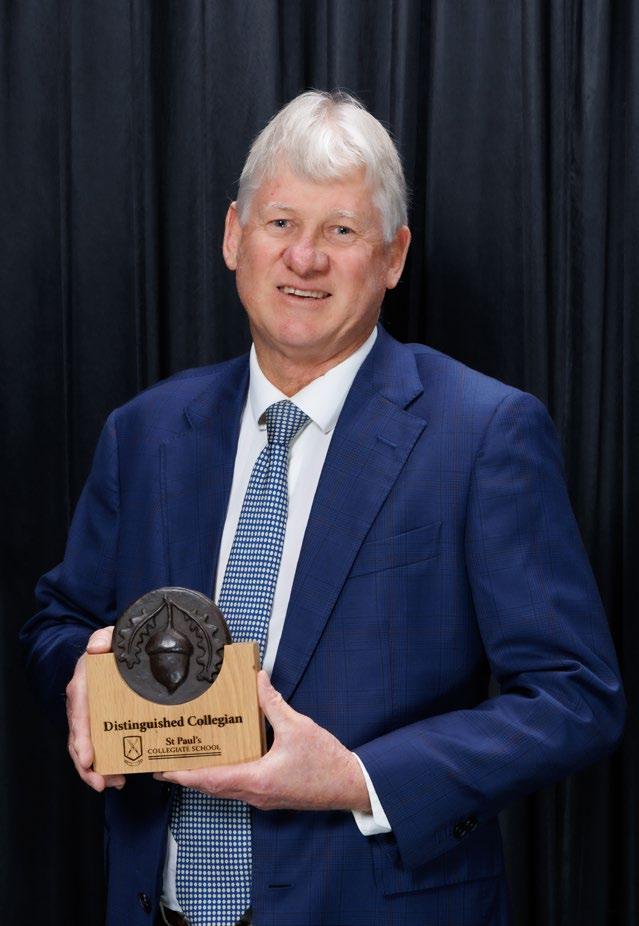
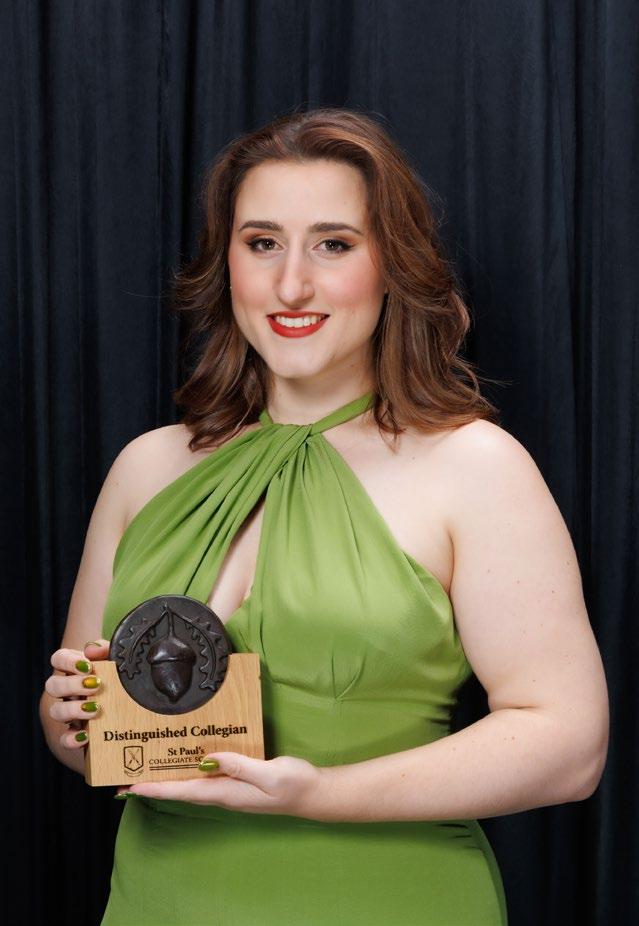
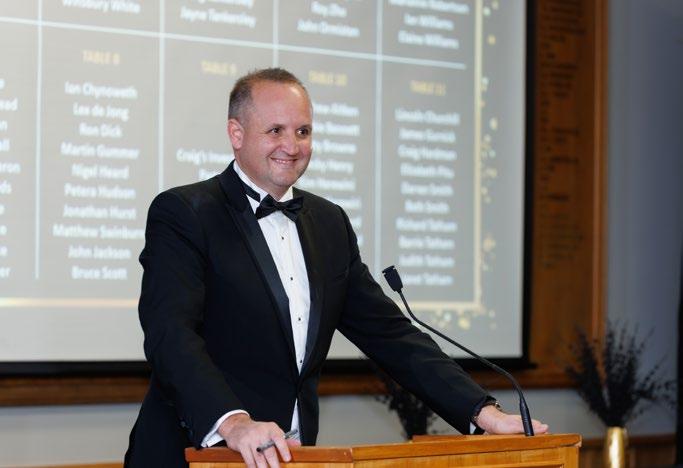
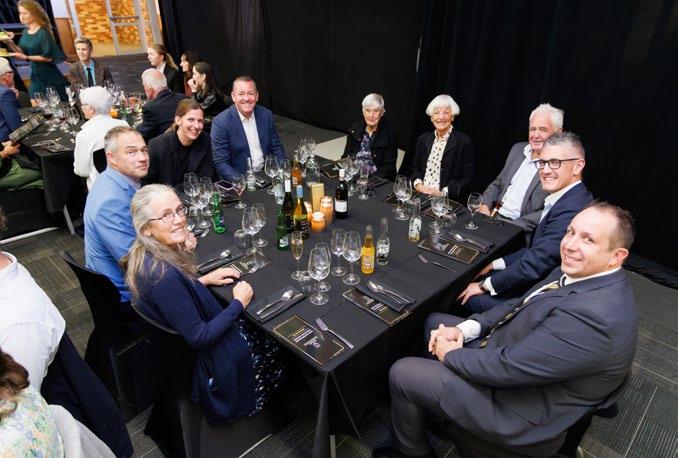
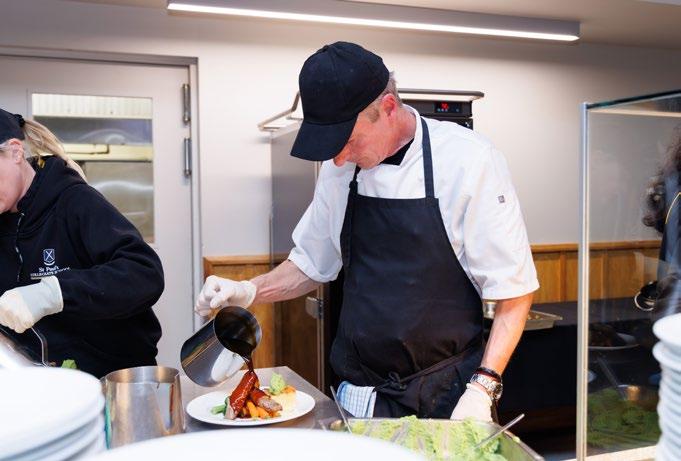
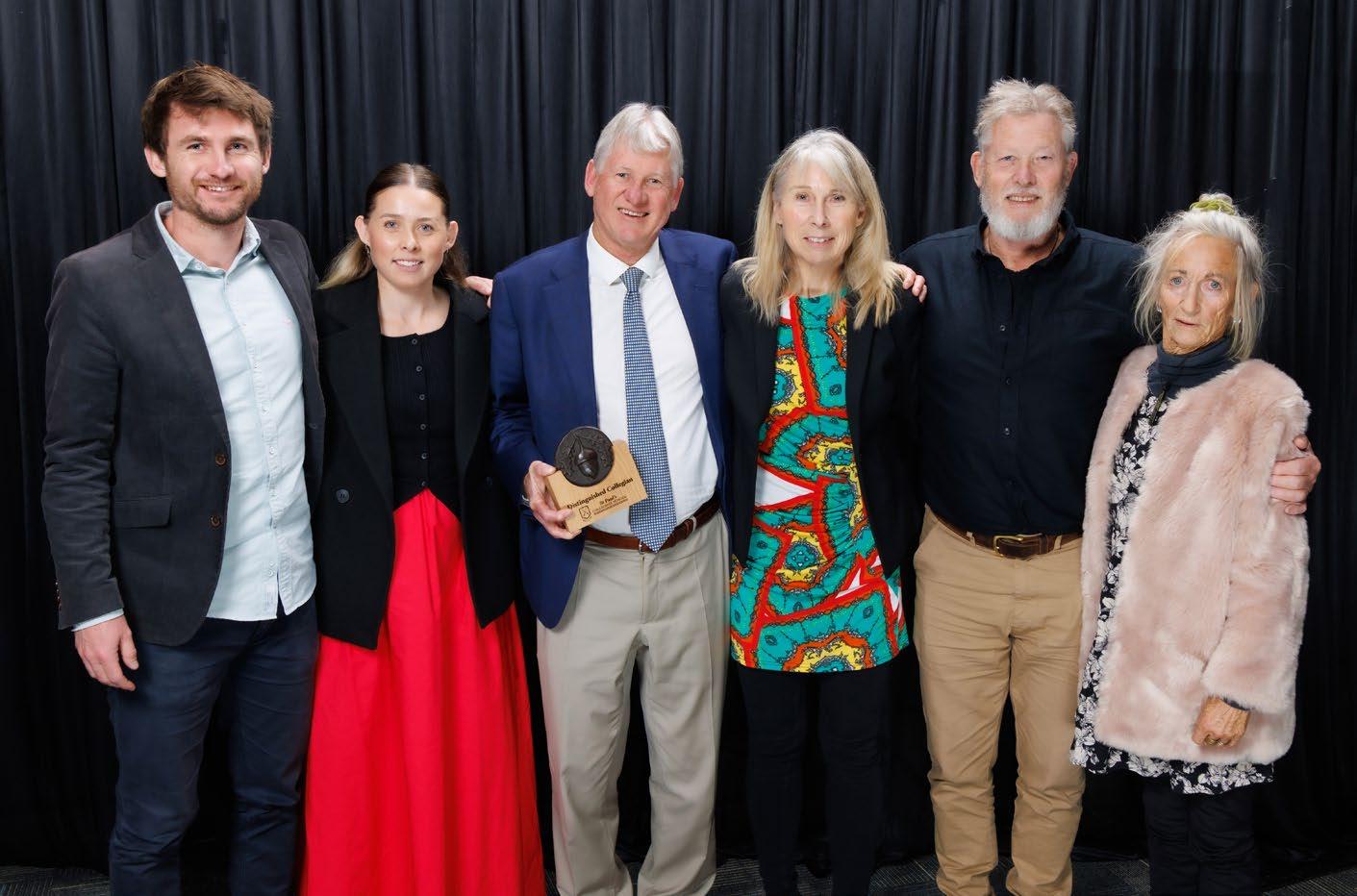
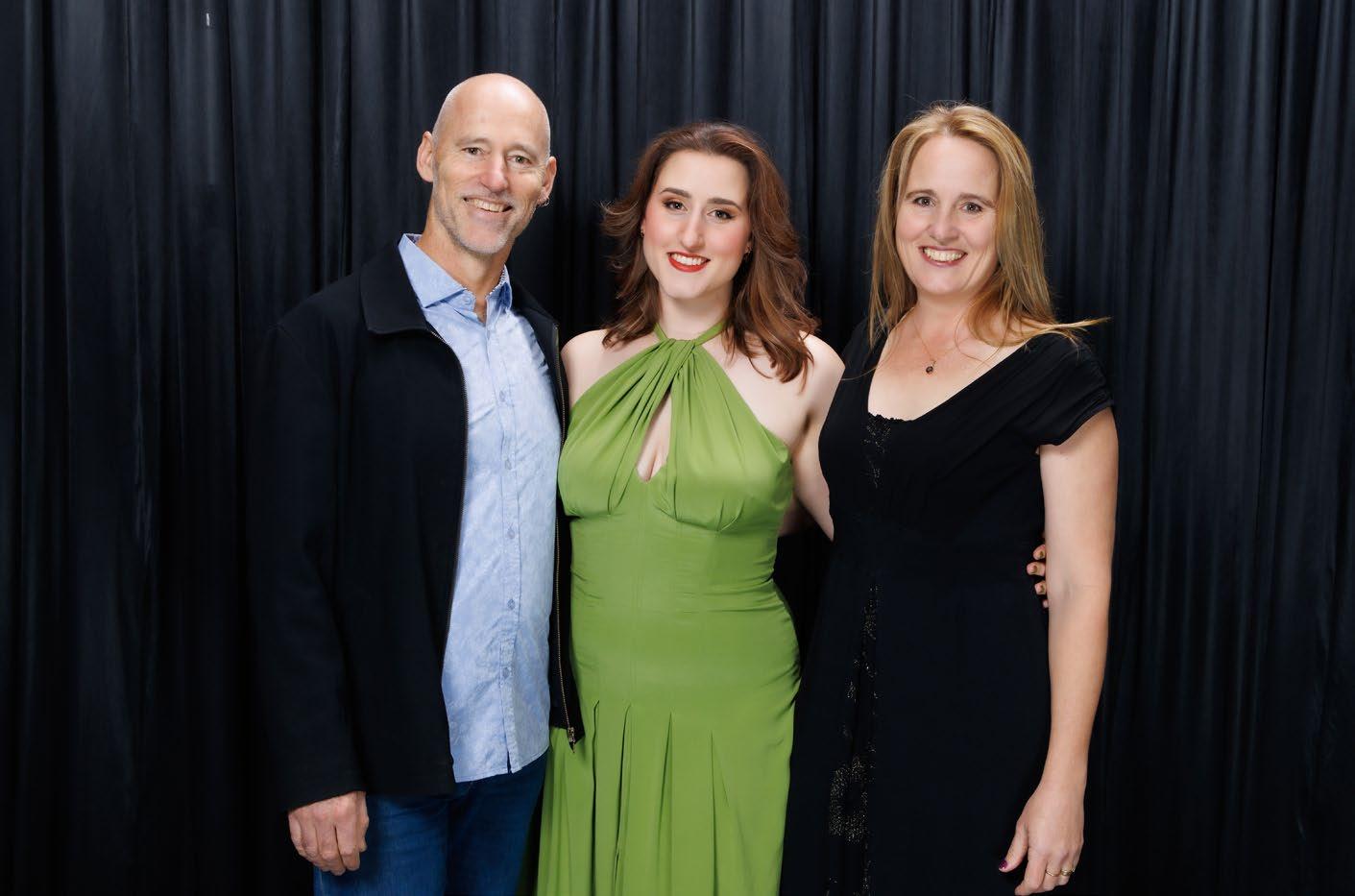
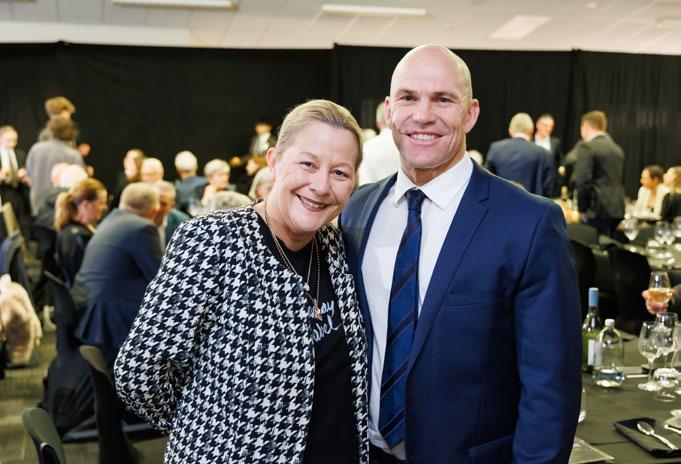
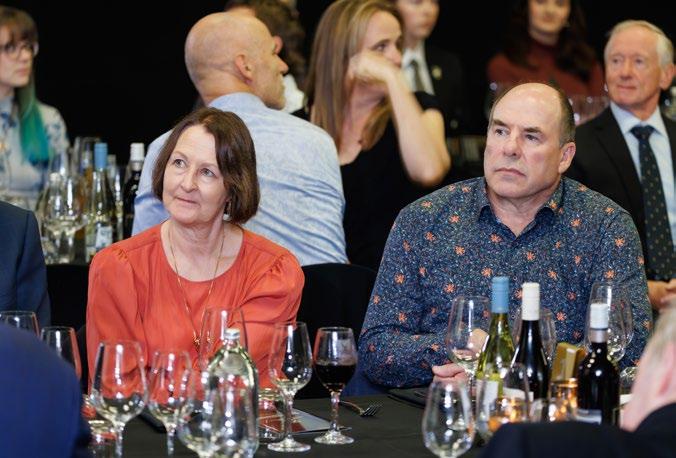
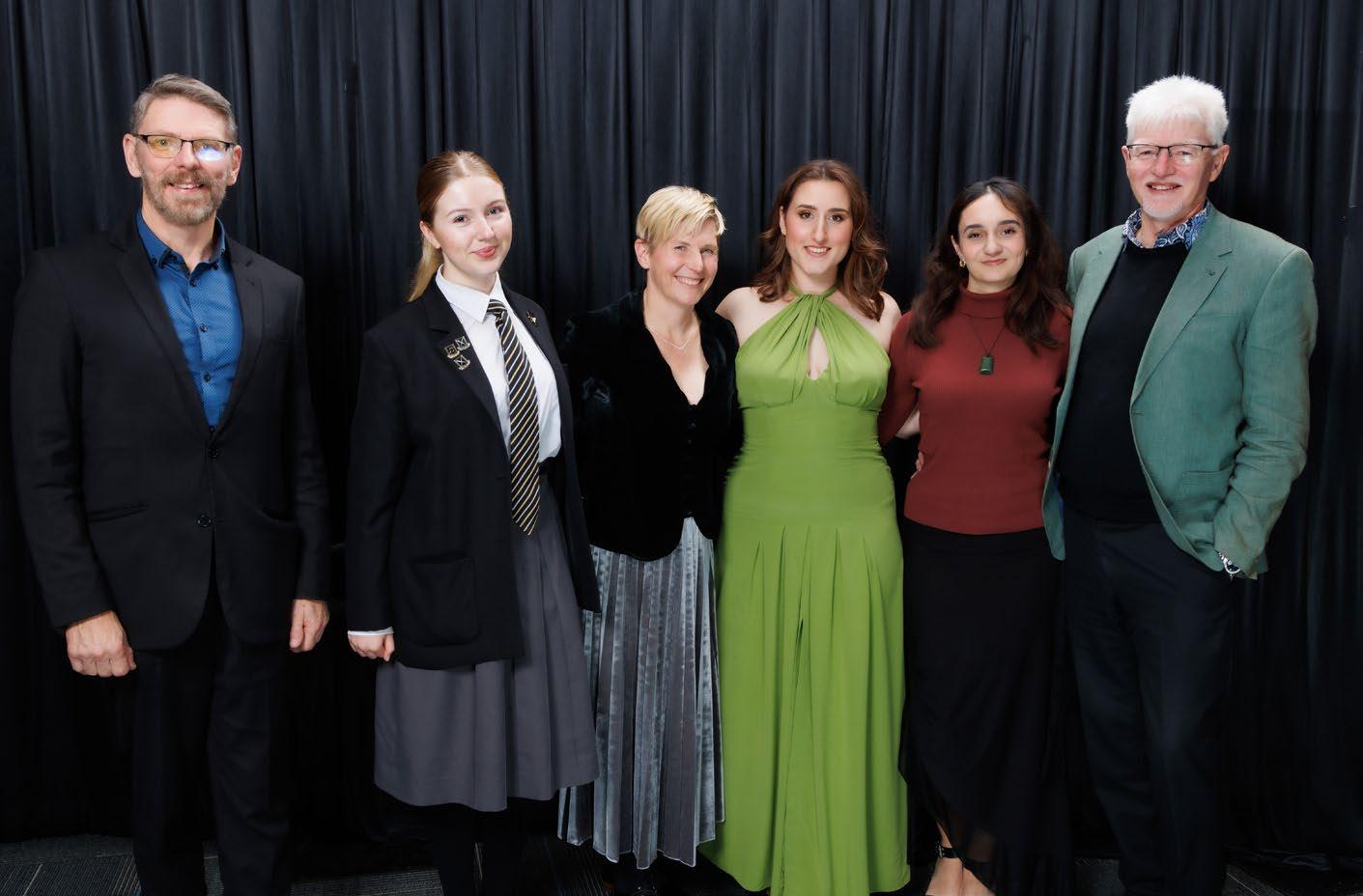
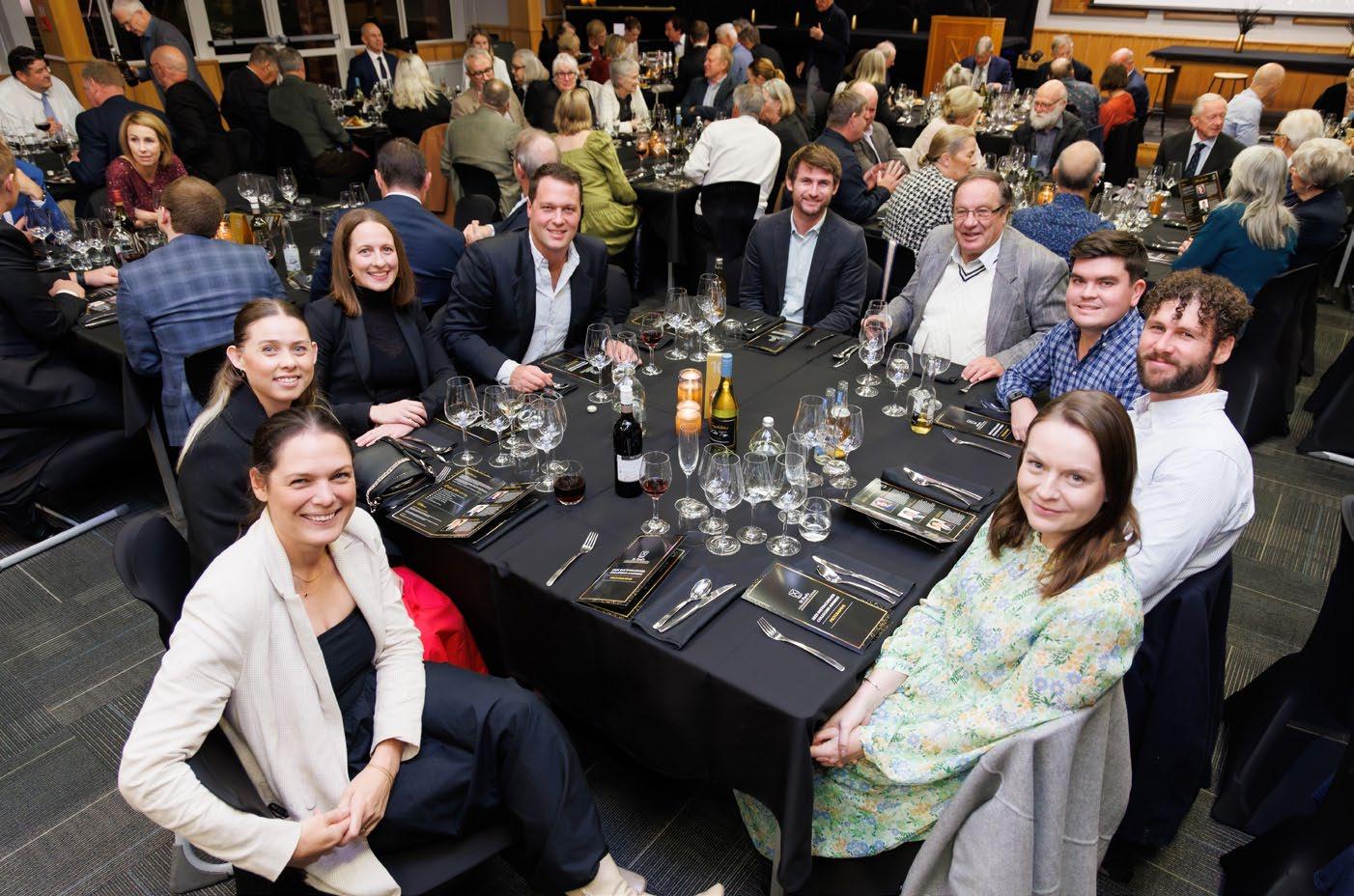
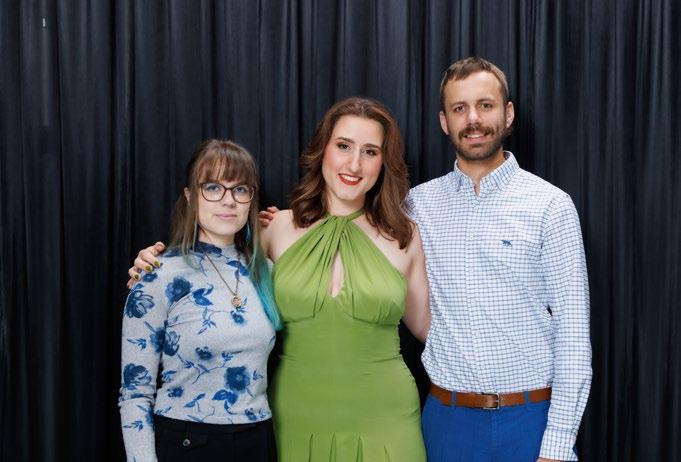
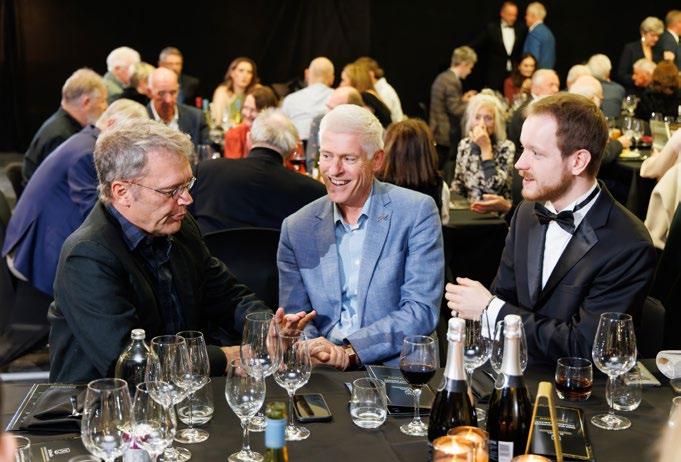
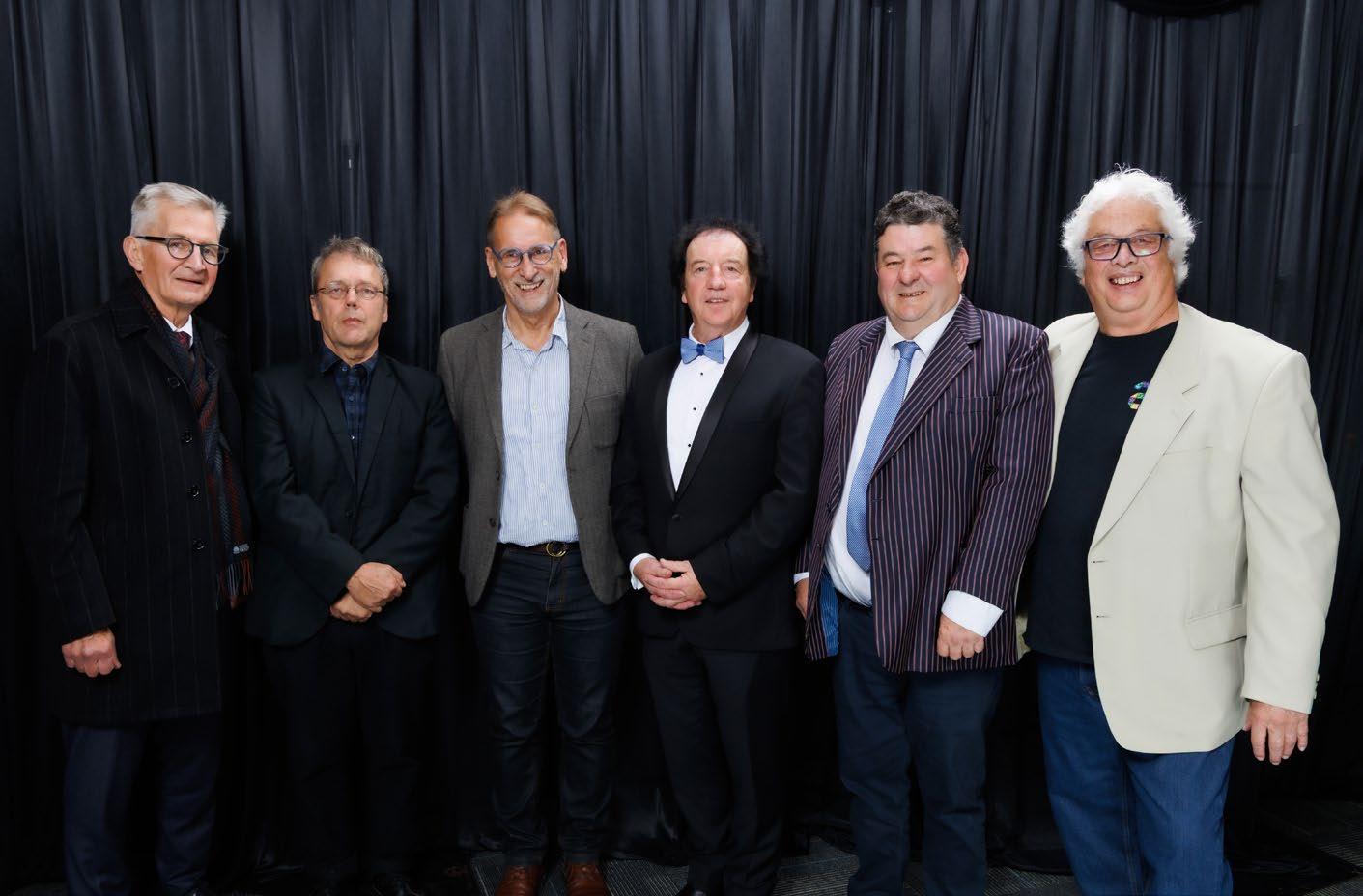
The 2025 Collegian Awards Dinner brought together Collegians, family, friends and members of the St Paul’s community for an evening that celebrated achievement, service and creative contributions.
Three Distinguished Collegians were recognised for the depth and impact of their work: Gary Schofield MNZM (Hall 1970–1974), Jon Tanner QSM (Hamilton 1973–1977), and Katie Trigg (Harington | Hall 2014–2016).
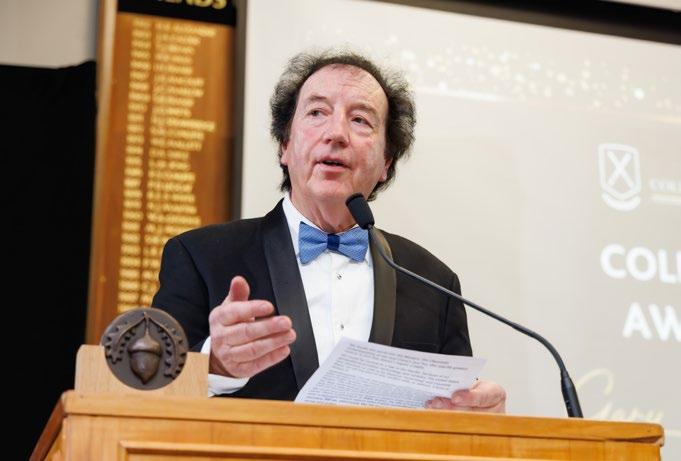
Gary Schofield MNZM is a multidisciplinary artist whose work spans portraiture, sculpture, writing, and music. His artworks are housed in prestigious locations such as Arlington National Cemetery and the Pentagon, while his musical and visual contributions remain part of the St Paul’s landscape. In 2016, he was appointed a Member of the New Zealand Order of Merit for services to the arts and international relations.
Jon Tanner QSM, a former Black Stick, has championed youth sport and community development for decades. He co-founded Midlands Hockey and the Coach for Life Foundation; he has served on numerous national boards spanning health, education, and the arts. He was awarded the Queen’s Service Medal in 2013 for services to the community.
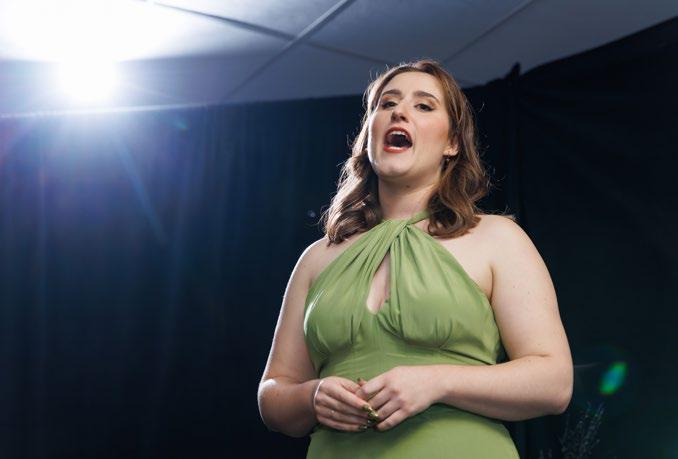
Katie Trigg, is an award-winning mezzosoprano forging an international opera career. A Sir Edmund Hillary Scholar and First-Class Honours graduate from the University of Waikato, she now studies at the Curtis Institute of Music in Philadelphia. In 2024, she won the prestigious Lexus Song Quest, cementing her reputation as one of New Zealand’s top emerging talents.
Guests travelled from across New Zealand and as far as the United States to attend the dinner, reuniting many classmates of the awardees.
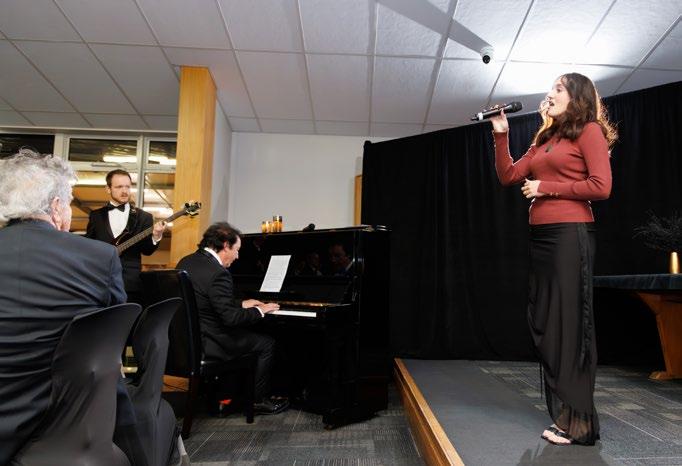
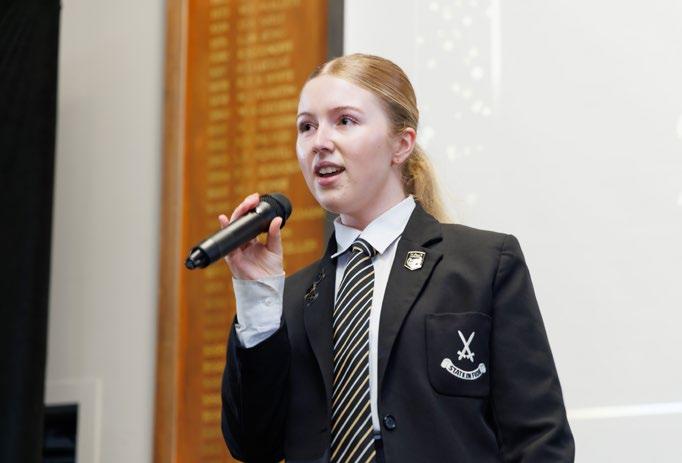
Collegian Venessa Joyce (Harington 2021–2023) took the stage alongside Gary Schofield and his son, Stewart, to premiere State in Fide – a new choral work composed by Gary in tribute to the
founding principles of St Paul’s Collegiate School. Venessa sang flawlessly in Latin, English and te reo Maaori while Gary played the piano and Stewart accompanied on the bass. The piece drew from St Paul’s letter to the Corinthians and explored the values of faith, loyalty, courage, diligence and strength.
Later, Katie Trigg captivated the room with her performance of Tell Me the Truth About Love, displaying the skill and stage presence that have already made her a standout on international stages.
In their acceptance speeches, each awardee reflected on the journey that brought them to this point.
Gary delivered a wide-ranging and thought-provoking address, blending humour, classical references, and contemporary insights. From lessons in selling (courtesy of his father) to the communication habits of bees. His message was clear: engage the world. “It is not enough to be good at something,” he said. “You have to go out into the world and engage. The world will not come to you.”
Jon Tanner spoke with warmth and humility about overcoming early doubts as the “underdog” at school. Initially deemed too small for the First XI Hockey Team, he worked hard in the Second XI until he earned his place, eventually going on to represent New Zealand. He credited those in the room, including Bernie and Kay Crosby, for shaping his approach to leadership and governance.
Katie’s reflections balanced insight and humour. She spoke about learning to sing in foreign languages – joking at her vocal teachers in the room that she may have been taught to substitute forgotten lyrics with pasta types. She also touched on the importance of mindfulness in her preparation and the value of staying grounded in high-pressure environments.
When David Hill (Hamilton | Williams 1964-1968) loaned five artworks from his personal Hawkline Collection in 2021, the walls of the newly built Lander Centre seemed to hum with possibility. “Great schools have great art collections,” David says. “That’s what I wanted for St Paul’s Collegiate School.”
David’s love of art began long before he became an art collector. Inspired by his mother’s creativity and the treasures in her antique store, he walked through the gates of St Paul’s in the 1960s, with a curiosity already alive. “Although art wasn’t offered during my time at St Paul’s, I was a Hornsby boy. Headmaster Reg Hornsby (1963-1969) had a profound influence on me through his passion for Classics. It stimulated an interest in me that already existed,” he recalls. “At 19, I was a curator with the NZ Historic Places Trust,” David said. For years, St Paul’s had artworks scattered across campus, gifted or commissioned over time, but there was no way to bring them together, catalogue them, or acknowledge the artists. David’s gift provided both the spark and the structure to make that change. From five pieces, the St Paul’s Art Collection has grown to
more than 50 works, many created by Collegians, including Gary Schofield (Hall | Hamilton 1970-1974), Rodney Fumpston (Williams 1960-1964), Sam Mathers (Hall 1998-2002) and Owen Dippie (Clark 1997-2001). Each artwork is now photographed, catalogued, and displayed, with plaques that tell the artists’ stories.
“I hope the artworks create a bit of curiosity,” David says. “That students will wonder who created them, how they were made, and why. And in doing so, discover in themselves an interest in art history, the creative arts, arts administration perhaps, or even museology.” The collection greets students daily, becoming more than decoration; it is a living part of the learning environment, encouraging creativity, reflection, and imagination.
David’s example inspired others. In 2024, Robert Cox (School/Sargood 1959-1963) gifted Max Gimblett’s A Path of Color, and Susan Waddell, grandmother of Matthew (Sargood 2017-2021) and James (Sargood 2019-2023), contributed Jeff Thomson’s corrugated iron work, Bushman’s Bunch The collection is no longer one person’s vision; it is a shared expression of the St Paul’s community.
Today, the collection continues to grow not just through new donations but also by reconnecting with Collegian artists whose works now hang on St Paul’s walls. One such artist is acclaimed printmaker Rodney Fumpston (Williams 1960–1964), whose story of creativity and craft unfolds in the next article.
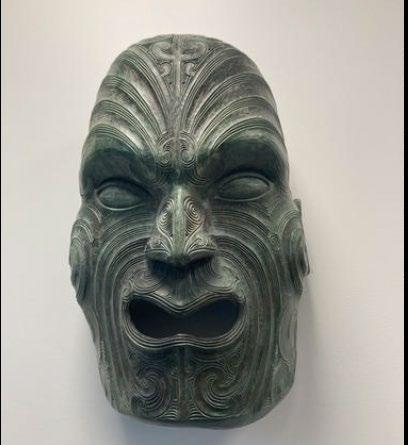
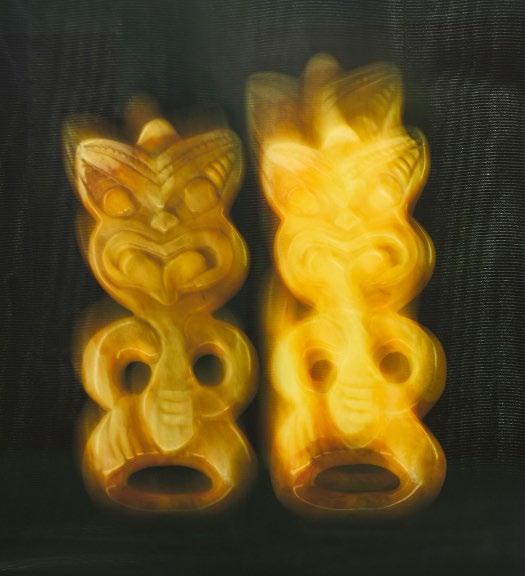
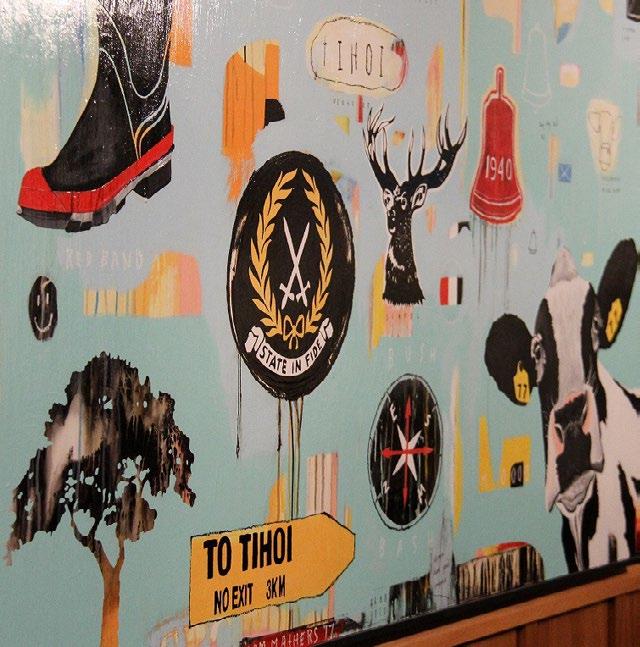
Scan the QR code to visit our full Art Collection online.

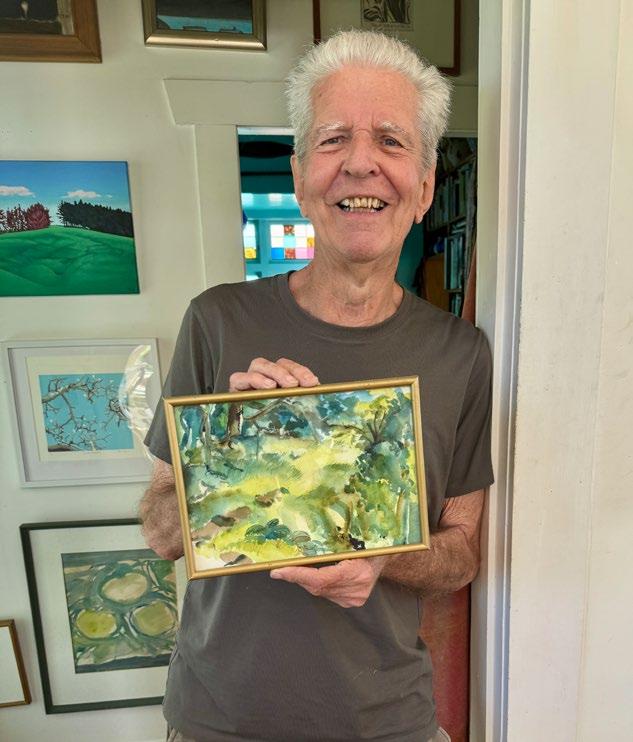
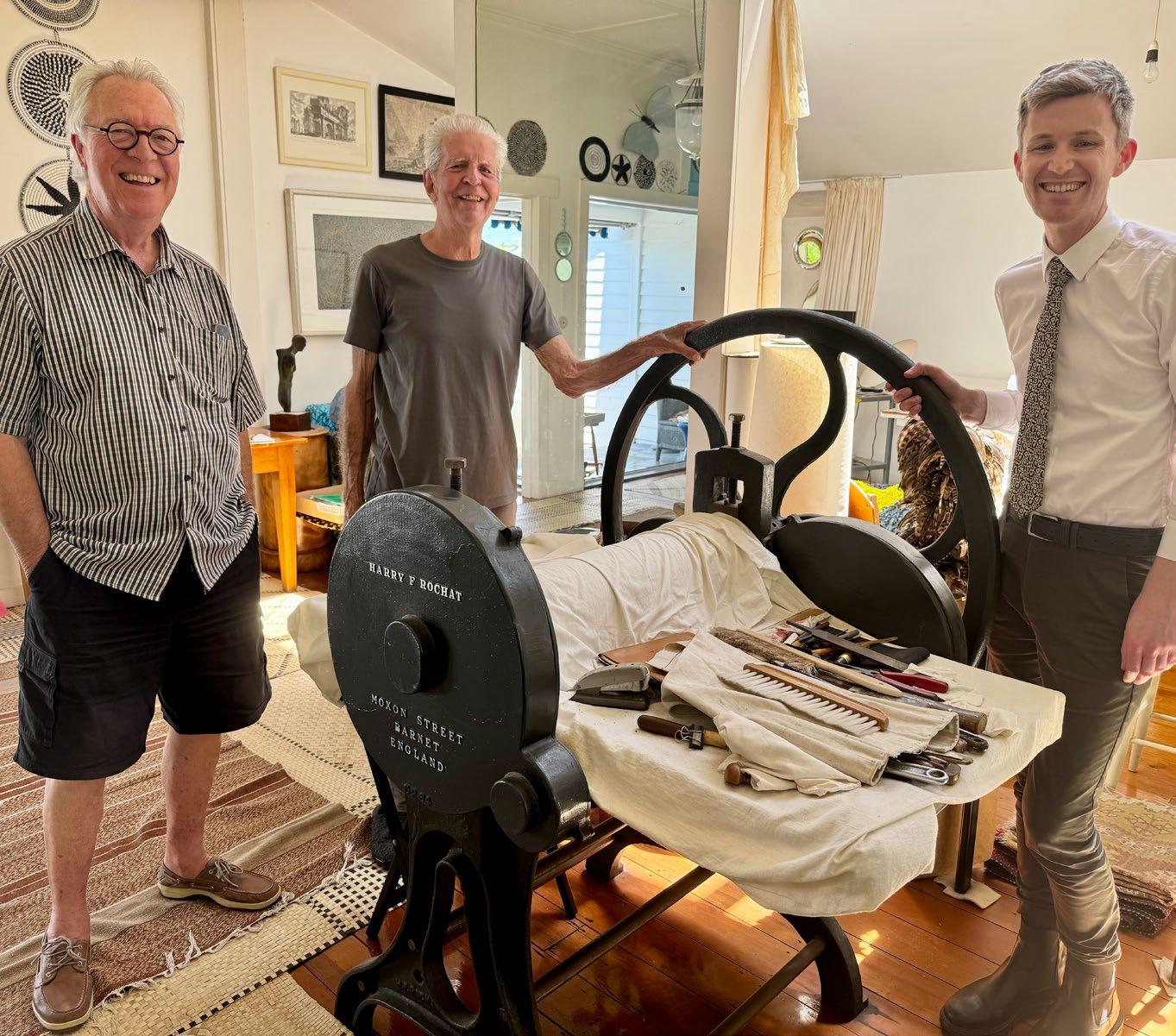
The printing press sits at the centre of Rodney Fumpston’s (Williams 1960-1964) living room, solid and quietly authoritative, as if it has always belonged there. The walls around it are lined with prints from a career spanning more than 40 years, alongside family photographs that trace his story back to Fiji, where he spent his early childhood before moving to New Zealand. It is a working space as much as a home, reflecting a life shaped by making, memory, and craft.
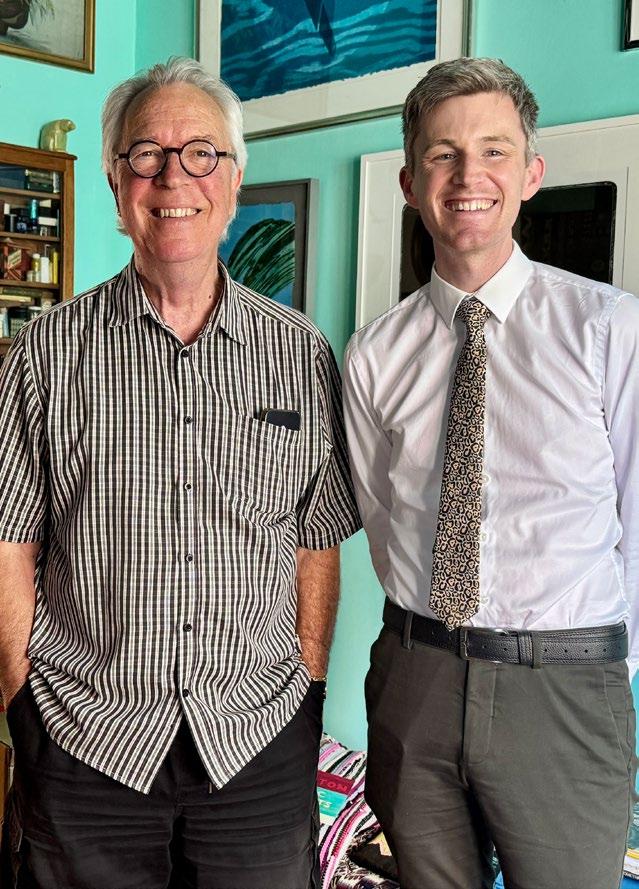
Head of Visual Arts Jonathan Cameron, Foundation Executive Andrea Douglas, and Collegian David Hill (Hamilton 1964-1968) recently visited Rodney at his Auckland home, stepping into the space that felt less like a home and more like a living archive. Every surface holds meaning. Shells and small found objects sit in corners; bold colours and rhythmic forms repeat across his prints. Fiji, where Rodney spent his early childhood, still flows quietly through his work. “It’s in the blood,” he suggests, without fuss. Rodney’s creative journey took root early at St Paul’s Collegiate School. He recalls cold bike rides with fellow Collegian Peter Cox (Sargood 1960–1963) to visit New Zealand artist Ida Carey (Staff 1960–1961), who taught them art. They would sit in her garden studio, warming their hands around home-baked scones. “A welcome break from the dining room
food at school,” Rodney laughs. Those visits planted the earliest seeds of what would become a lifelong dedication to printmaking.
After St Paul’s, Rodney went on to study at Elam School of Fine Art where he found his medium. Etching, with its demand for patience and precision, suited him. From Auckland, Rodney then studied at the Central School of Art in London. Rodney and David Hill were in London at the same time.
Over time, he became one of New Zealand’s most respected printmakers, exhibiting widely and influencing generations of artists through both his work and his quiet discipline.
“The image must come first,” Rodney says. “That’s the most important thing. The technique just follows along.” He is quick to downplay explanation. “The artwork should speak for itself. I’ve done my job by doing the work, that’s the hard bit.”
Today, Rodney still prints, turning the wheel of his press with the ease of long
practice. He demonstrates the process with careful, intricate movements, followed by broader, sweeping motions that feel, as he puts it, “so freeing.” There is pride in his voice, but no showmanship, only respect for the craft.
Rodney’s work now hangs as part of the St Paul’s Art Collection, a legacy sparked by David Hill’s original gift. Rodney himself donated a large print from the 1980s, carefully transported in a car just big enough to hold the two-metre piece. His work will also feature in the school’s planned 2027 Art Collection tour, which will highlight Collegian artists and the stories behind the works displayed across campus.
While Rodney speaks candidly about his concern over the shrinking number of contemporary art galleries in New Zealand, his focus remains on the future. He hopes students encountering his prints might feel what he once felt: a spark, a pause, a question forming. If they do, he knows the artwork has done its job.
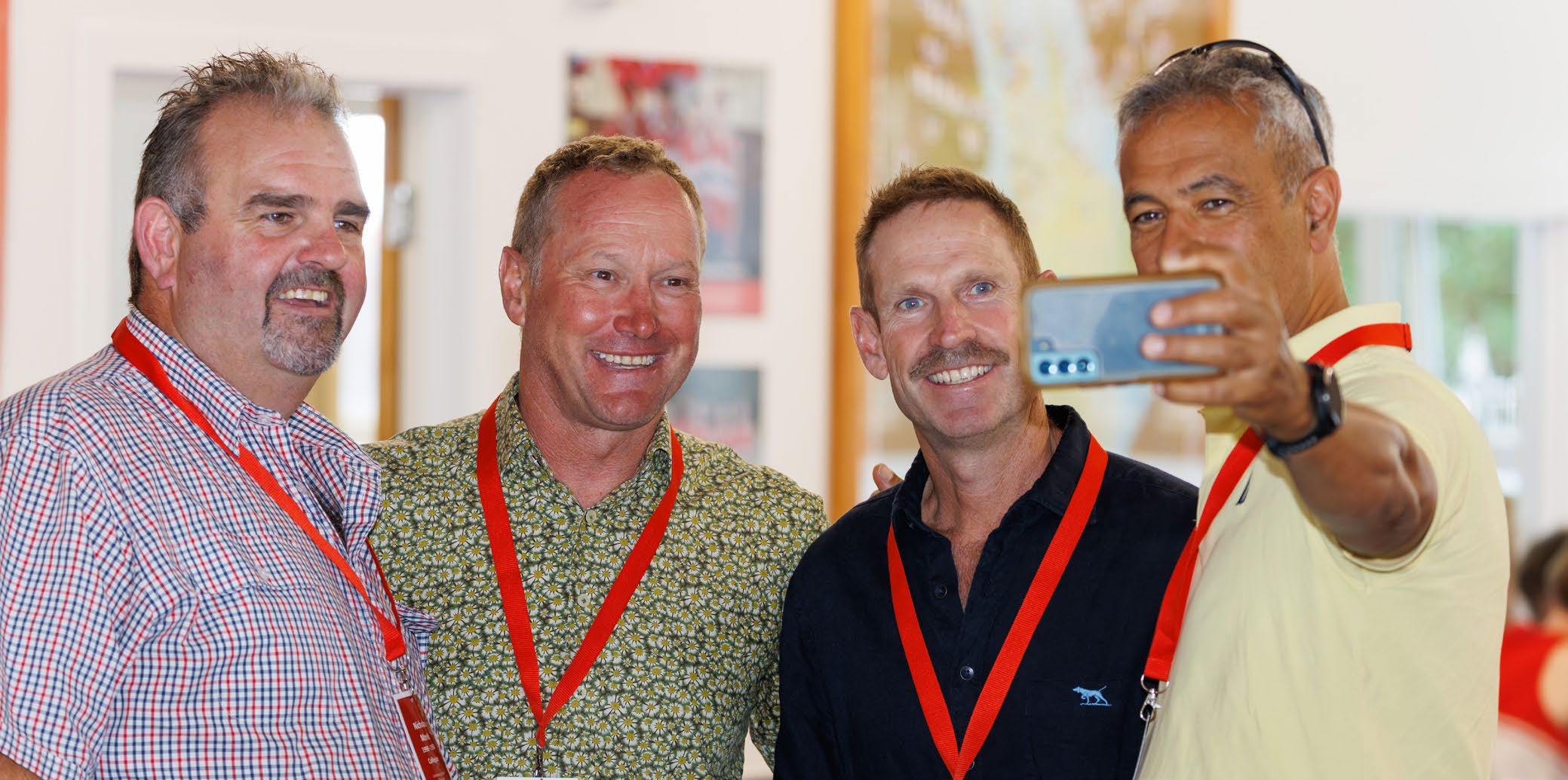
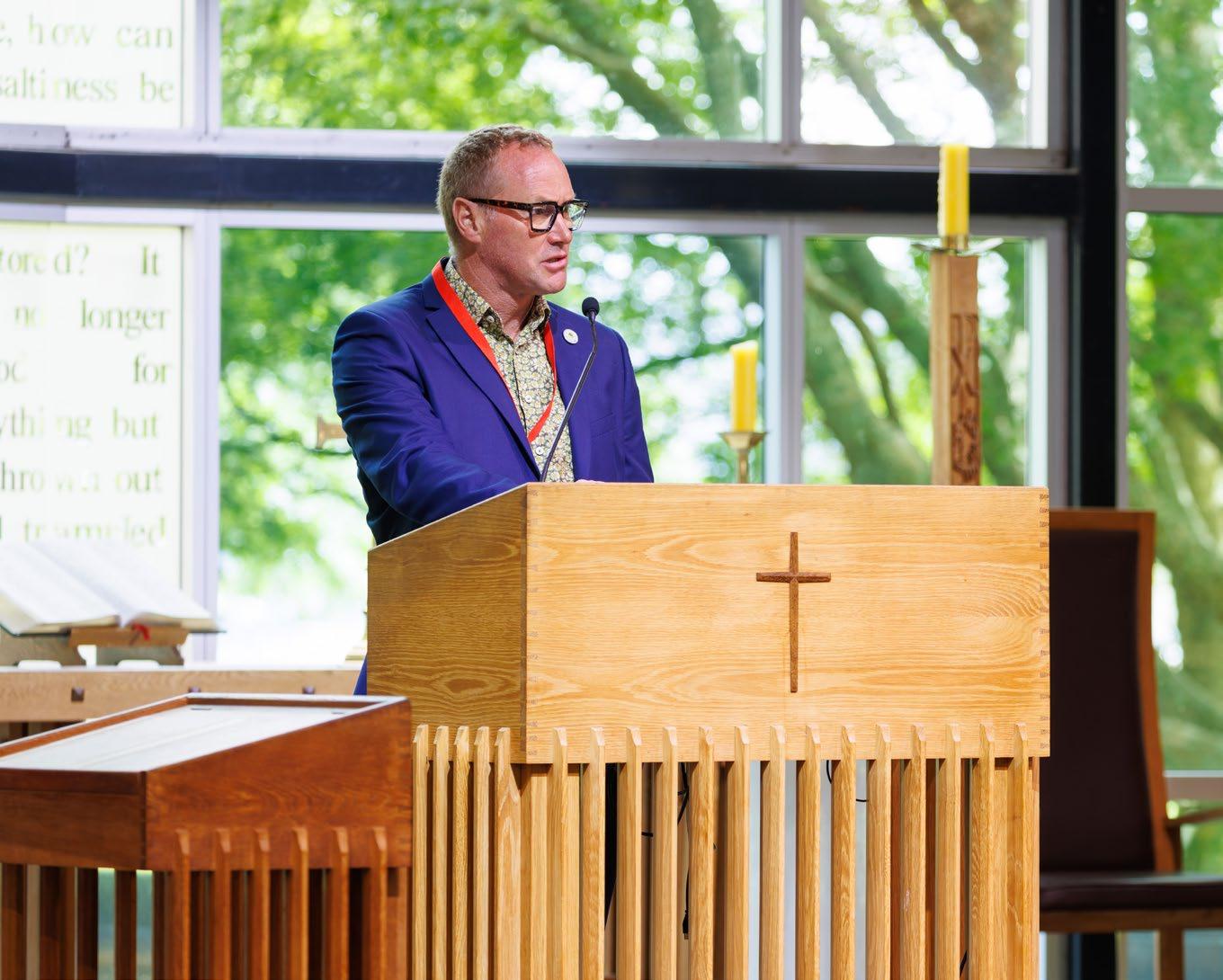
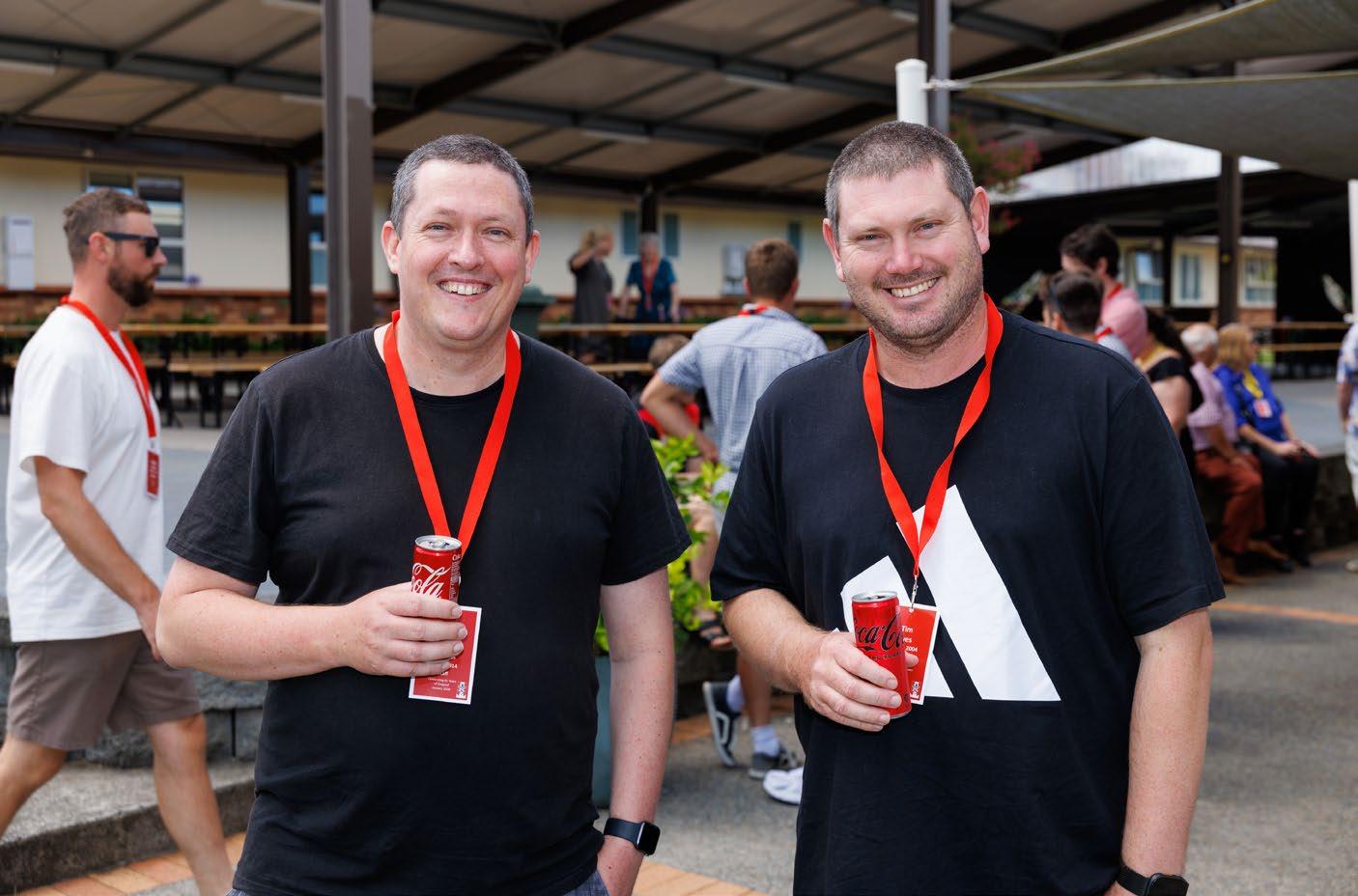
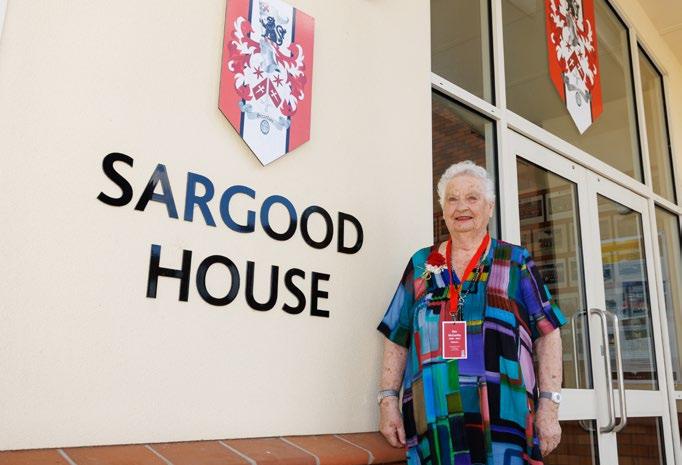
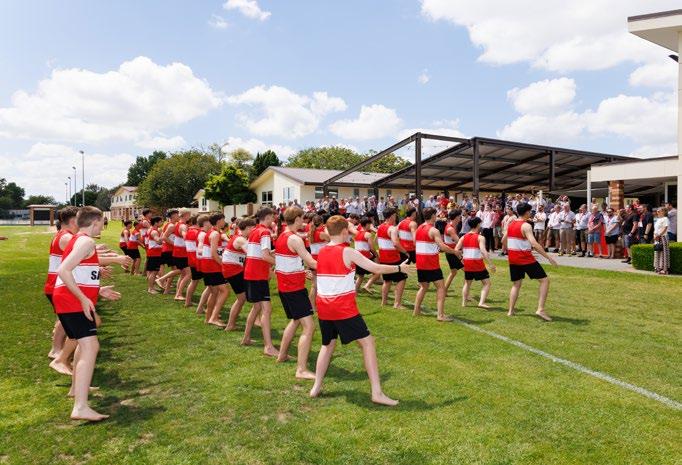
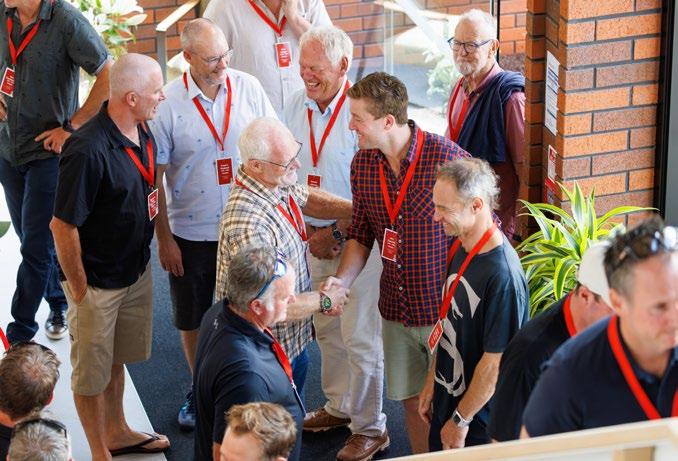
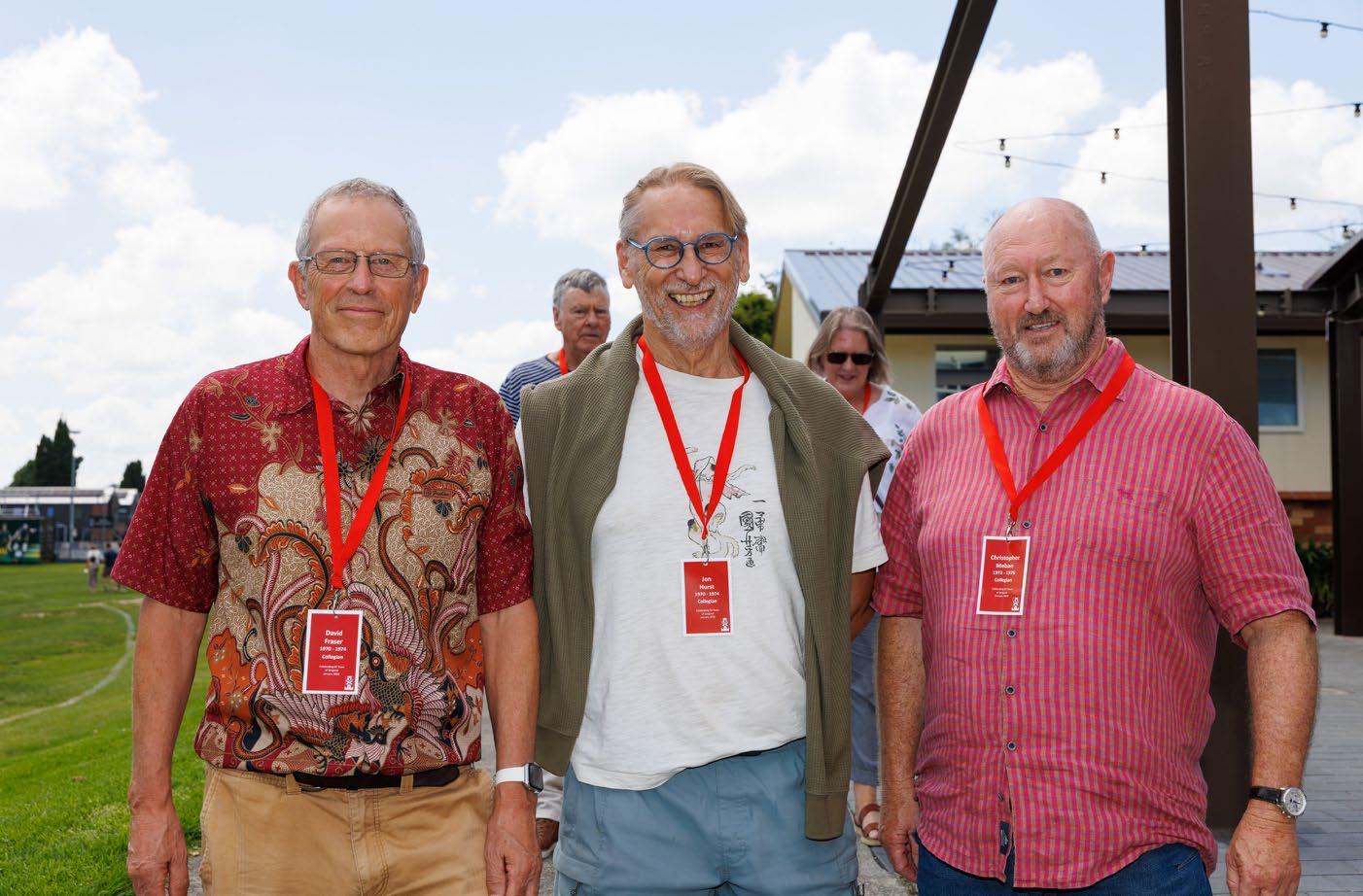
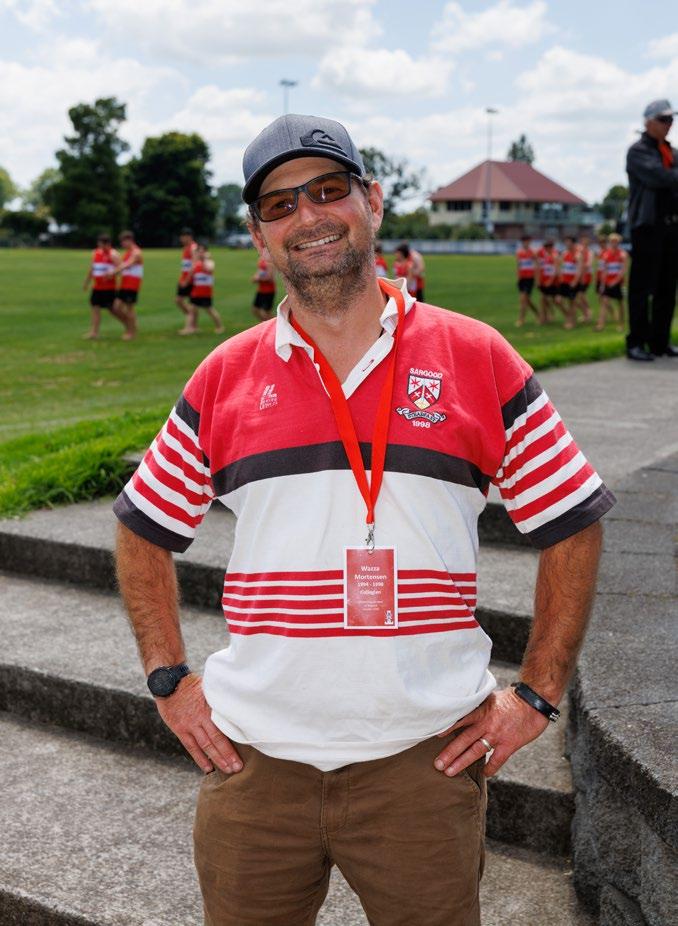
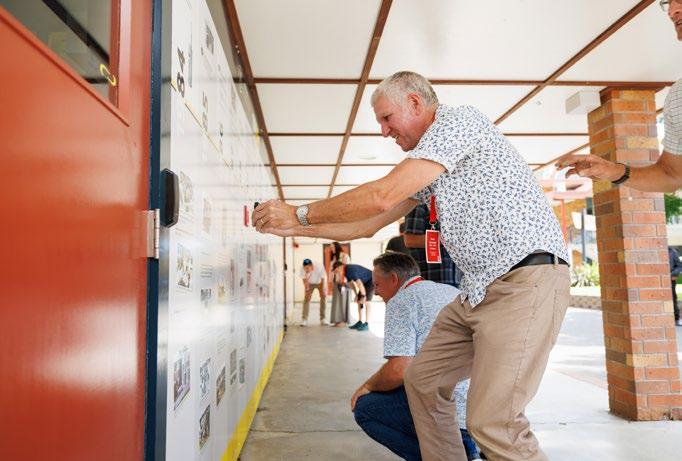
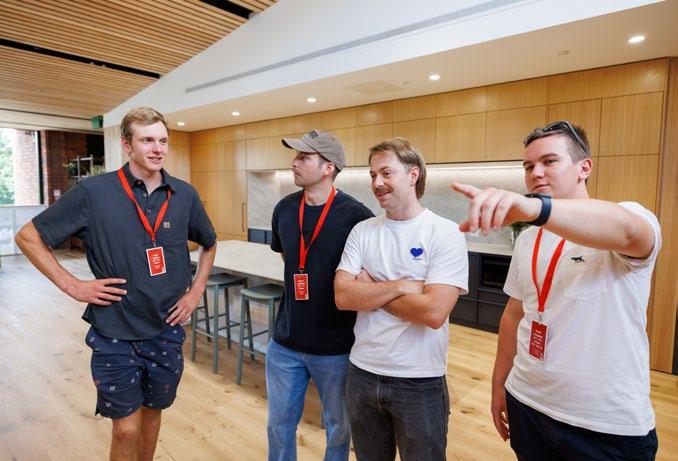
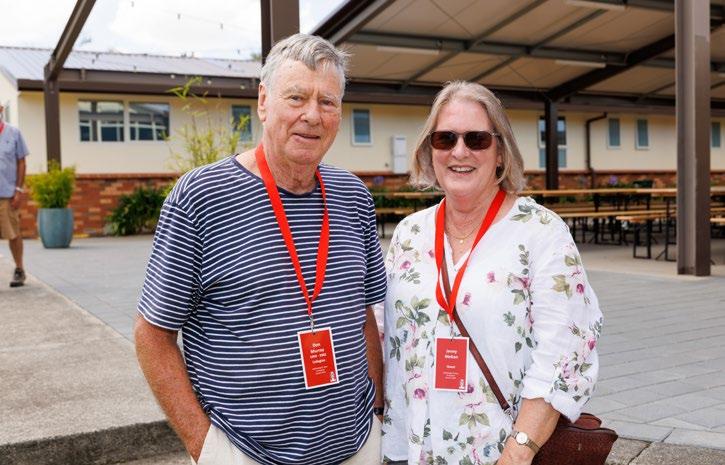
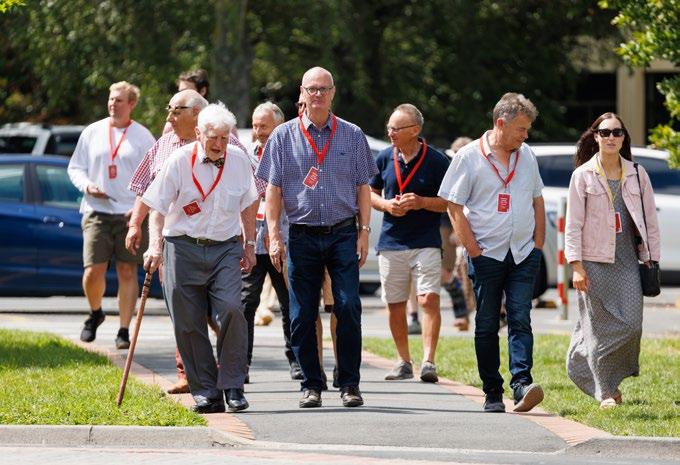
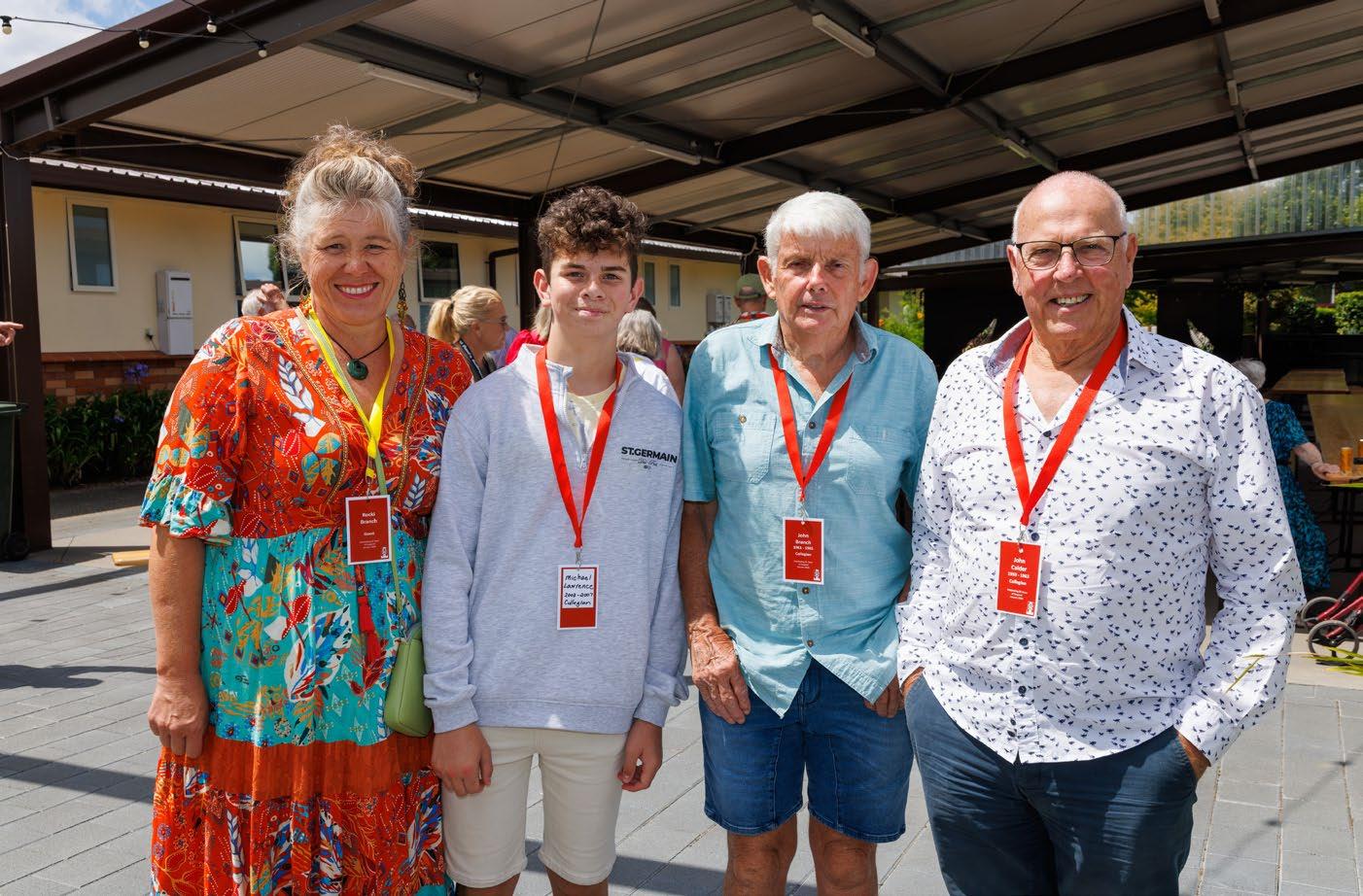
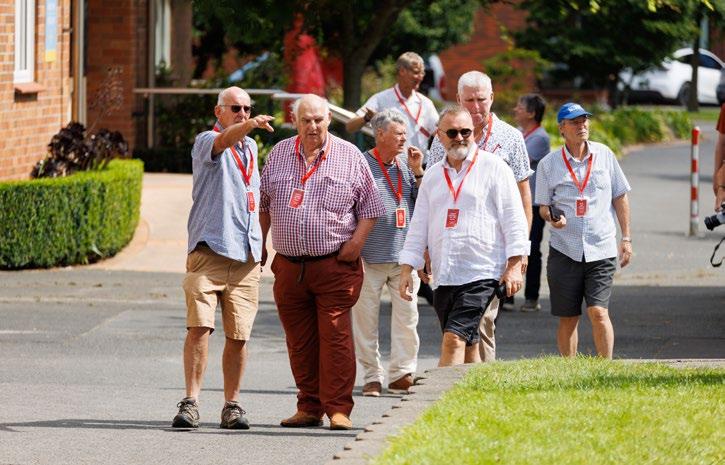
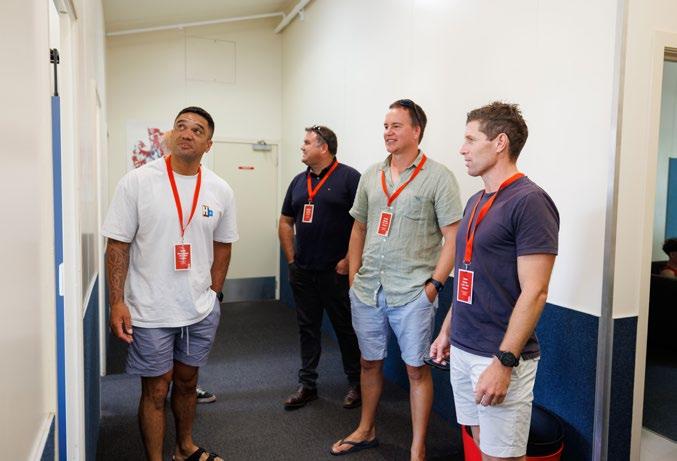
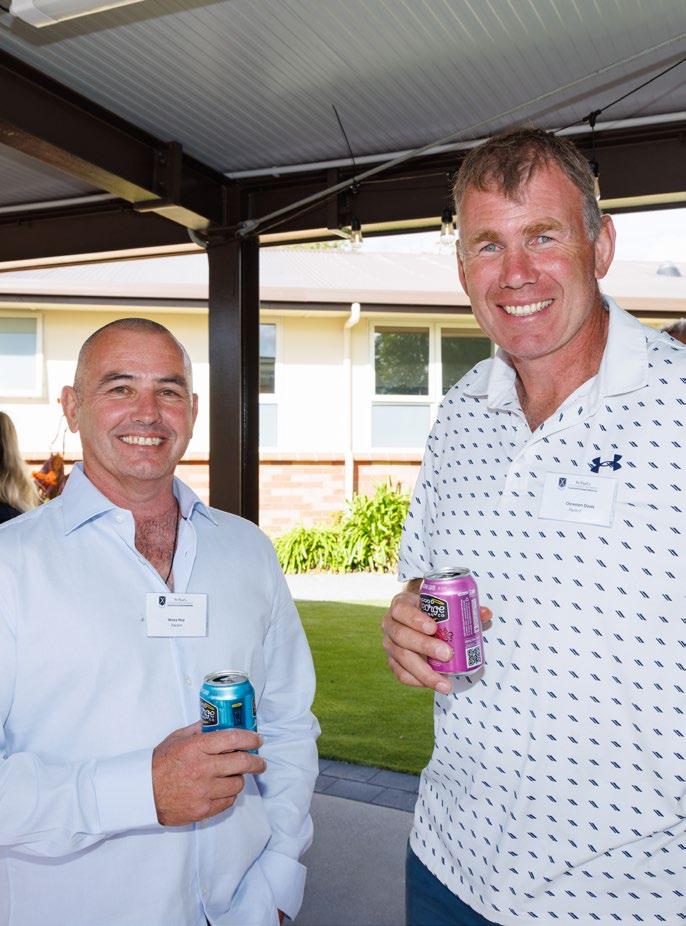
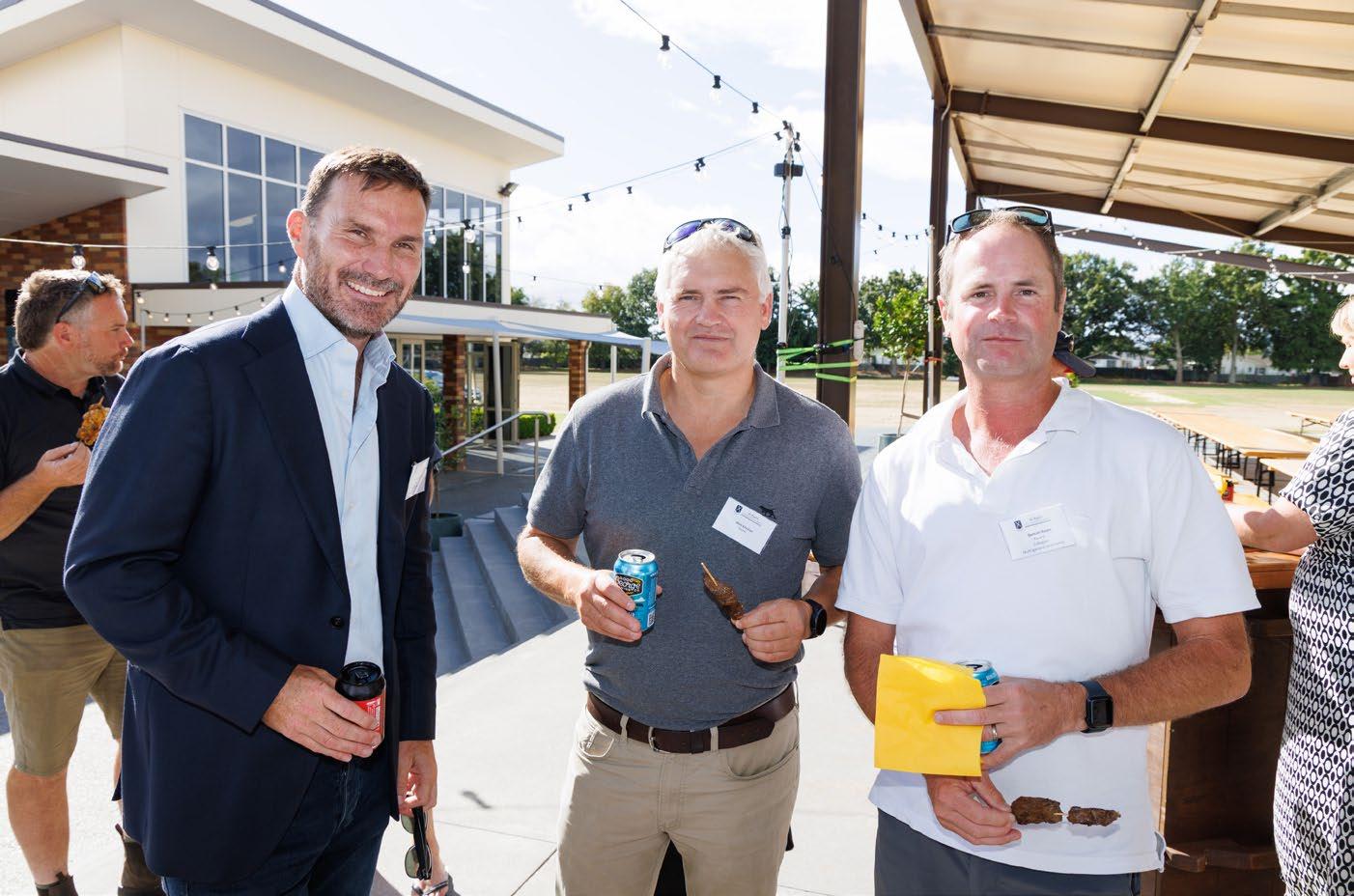
In January 2026, more than 150 Sargood Collegians and friends gathered to celebrate 65 years of Sargood House. The guests were treated to a tour of the newly refurbished and expanded Sargood House. Among the guests were past housemasters Pat Plant (19631977), Paul Wilson (1994-2000), Carl Neethling (2012-2015), Ryan McCarthy (2016-2018) and Guy Johnstone (2019-2023). We were honoured to welcome long-serving Sargood Matron Bev McCarthy (19732018). Past Headmaster Steve Cole (1992-2001) also enjoyed catching up with many of the Collegians from his era. In the Chapel, the guests heard from the Collegians Inc. President Ryan McCarthy and past Sargood Collegian and housemaster Guy Johnstone. Read his musings on boarding life below:
It is special to see so many founding members of Sargood, alongside current and past staff members. It feels like the mother of all house meetings.
My name is Guy Johnstone. Sargood member 1990-1994, and Housemaster 2019-2023.
My first year was 1990; for some, it was earlier; for others, later. However, I imagine many first experiences were similar—a story as old as time. My journey started in an oversized blazer and a pair of new Treks. With the obligatory awkward last photo with parents, we began our time in Sargood.
Graham Campbell was the Housemaster and ran a tight ship; expectations were high. Upon starting, there was a plethora of new things to behold: Saturday morning school (3rd period science with Pat Plant), morning runs, morning swims, communal showers, and Sunday morning chapels.
A whole new world opened up to me with words like bait, lampost, short sheet, exeat, heaven, hell, School D, House D, and prep becoming part of the vernacular.
The names of Morris and Plant echoed in the halls of times past, and the photos from previous years gazed from the walls as custodians. Key memories of my time as a third former include how big and scary the seniors were, competing for the house, and morning inspections where, if you didn’t get things right, your bed was stripped in front of you.
I remember sitting on the couch waiting to use the phone, only to have someone’s girlfriend call and ask to talk to them before you could get there!
Friendships were made. Visiting friends on weekends off, and the joy of going to Chartwell on Friday to use your pocket money to buy a $1 potato fritter from the fish and chip shop. Or, maybe having the privilege of choosing the junior video for Saturday night. It was a great year of making connections and becoming part of Sargood life.
Fourth form came, and of course, the Tihoi experience. Now, I’m not going to bore you with stories of Tihoi; I’m sure there are enough stories within this room to fill many a novel, as families and friends can attest to, so I’ll leave those stories for you.
Fifth form marked the start of entering the senior part of the house. This year was the start of School Certificate, compulsory study in the morning, and sitting in your locker pretending to study as Mr Campbell came around with a pot of tea.
I also remember hiding under the pool table, wagging physics one day. Matron
Bev came up the stairs. She bent down and peered underneath the table; I had nowhere to go except back to class, of course.
I’m not sure if it’s a fond memory or an awkward one, but ballroom dancing lessons started with Dio that year.
Sixth form was a chance to have your own space out in the sixth form studies. Fun times with friends, though the academic focus wasn’t as strong as it maybe should have been. Special memories of House Music accompanying Logan Payne and the whole school singing, Knockin’ on Heaven’s Door. I think we may have come last, but we had a lot of fun doing it.
Seventh form was a time to really stamp our mark on Sargood, to lead and show the future, with a new housemaster at the helm: Mr Paul Wilson.
We had our own studies; I’m sure many will remember the prefab cabins. Ours had no key; the only way to get in was by using a knife that we stashed on the top of the door frame. Mr Wilson would come and knock on the door and shake the door handle: “Off to chapel, boys.”
We would lie flat and silent on our beds. You could almost hear Mr Wilson rolling his eyes and shaking his head as he walked away. I’m just glad those days didn’t have the electronic rolls we have today and the checkups that go with them!
Once again, House Music came around. This year was a Jeremy Wells special –The Village People’s YMCA, with disco moves to accompany. Once again, Sargood showed that House Music is not necessarily about musicality, but about the fun.
House rugby was also special: mate against mate, and the pride in the red jersey.
Time to leave school to “spread wings,” as they say. Had I made the most of my time at St Paul’s? Honestly, academically, probably not. School life beyond the classroom was probably where I did some of my better work.
After leaving St Paul’s, I observed Sargood from afar. 30 years later, I returned as a Housemaster.
Things had changed; I couldn’t even find the front door to the house – it was a bit jarring, to be honest. But after a while,
upon looking a little deeper, there were touchstones all around the school.
The bones are still there, but the Chapel, Pavilion, Music Centre, Quad, Dining Room, Library, and, indeed, Sargood House all look different. However, underneath, they were the same buildings they had once been, just larger and better fit for purpose.
Names like McCarthy, Needing, and Te Whaiti now echoed through the halls; a lot had changed in those 30 years. New house competitions like Haka and Arts Day; gone was the Road Relay. Signing in and out was no longer a book outside the Housemaster’s office; it was all an app, locks, and alarms on doors.
However, two things started to ease my mind. Firstly, Paul Wilson was here. And then, watching athletic standards in the first week. The same passion to represent Sargood was there: the seniors leading, and the juniors following, hoping to live up to the expectations of the elders.
Some things change, and yes, if you look for the differences, they are plentiful. But some things remain strong.
The following things still sit at the heart of Sargood life:
Turning up on the first day in an oversized blazer for a final photo with parents. Looking at the size of the seniors.
The house wrapped around the “U”—the heart of the house. Whether sunbathing when you should be studying, playing
U-cricket, or haka practice. It has seen many iterations over the years, but still sits at the center.
A big thanks to Justin Downing, who had the honour of being one of the first third formers to have a house detention every week of his first year. Thank you for your tireless efforts as our unofficial groundsman.
Boys starting out as strangers and ending up mates, heading off to each other’s farms at the weekend for hunting and riding motorbikes. Sargood is known as the tightest of all the houses; friendships that last.
Seniors having pride to lead the house, wanting to make it their year, but also complaining that the juniors now are “way cheekier” than they were and “would have never gotten away with that.”
Matron is a special part of the house: We have been blessed with some amazing matrons over the years, a comforting ear when necessary, a firm boot when required, everything in between, and everything above and beyond. All the staff are proud of the boys under their care.
Most of all, it is the spirit of Sargood. The pride to wear the red singlet and give your best to represent. Sargood boys know who they are, from the humble beginnings of the tent to the world-class facility it is today. The spirit of Sargood has remained steadfast.
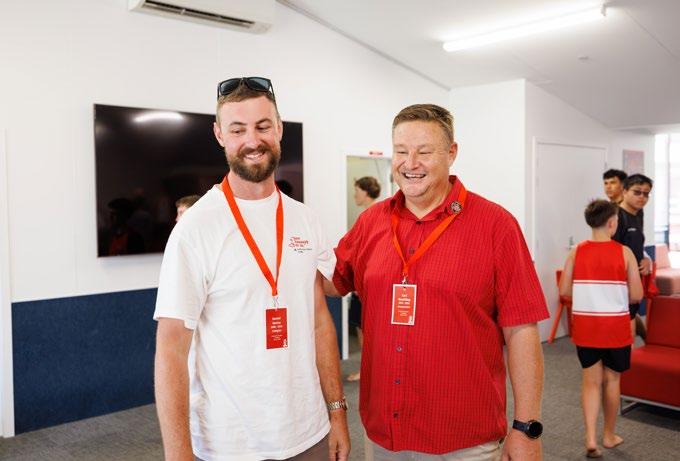
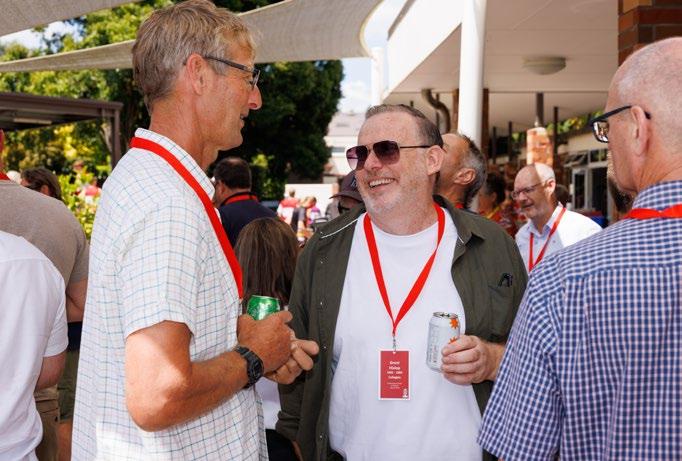
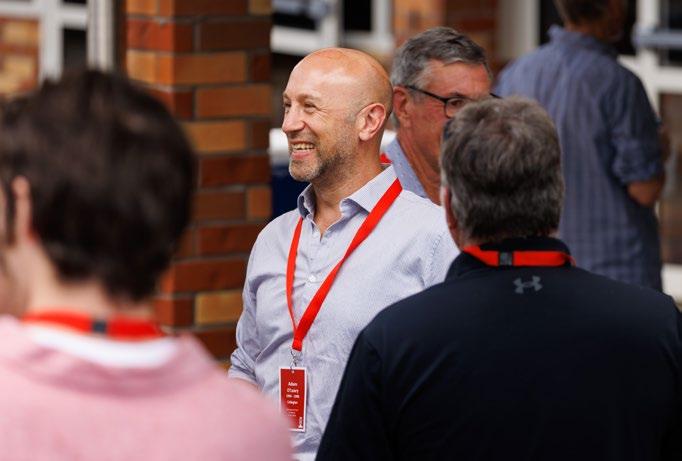
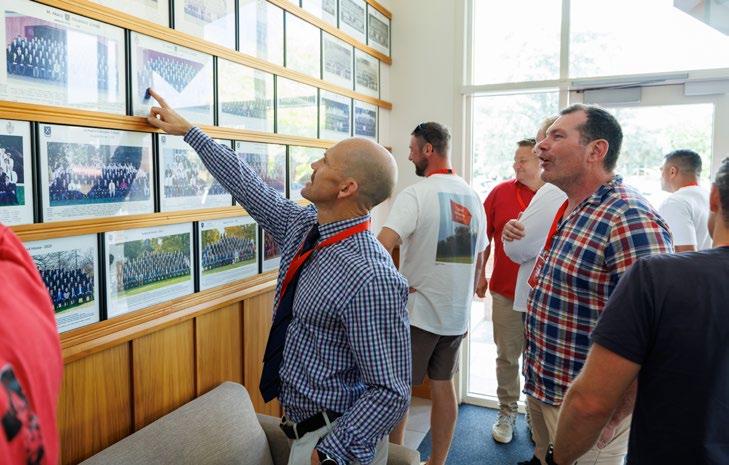
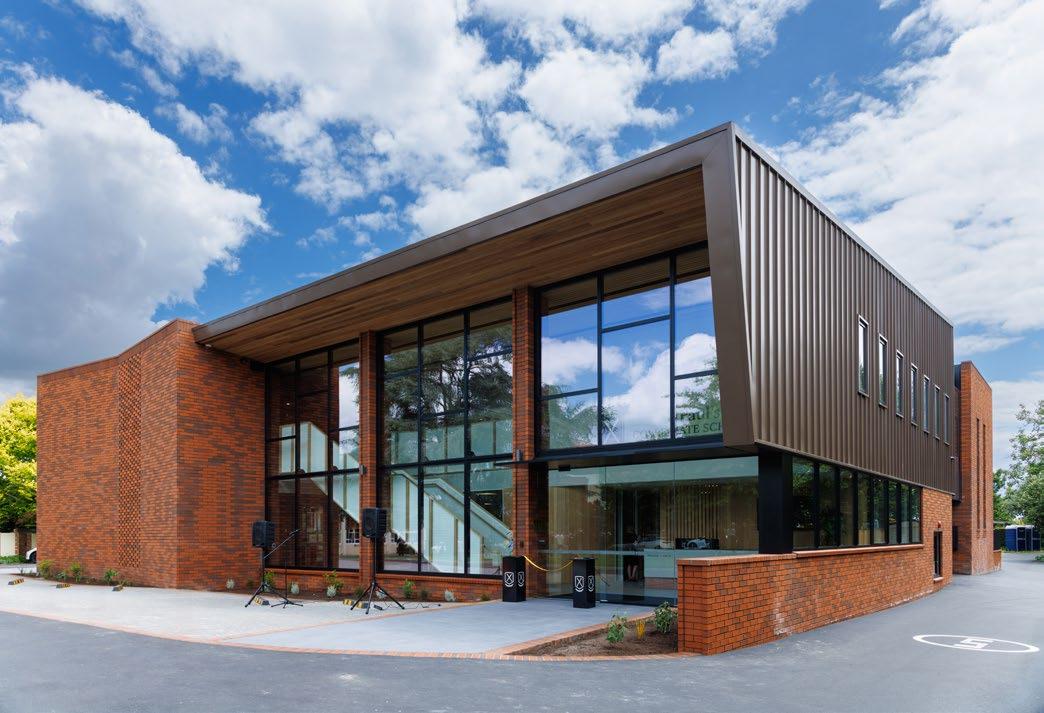
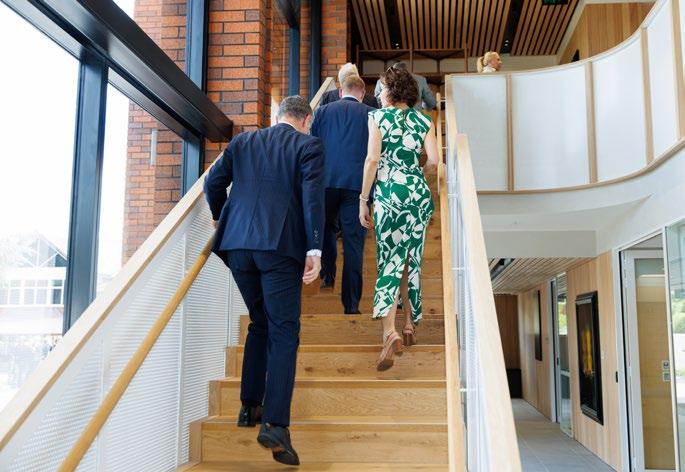
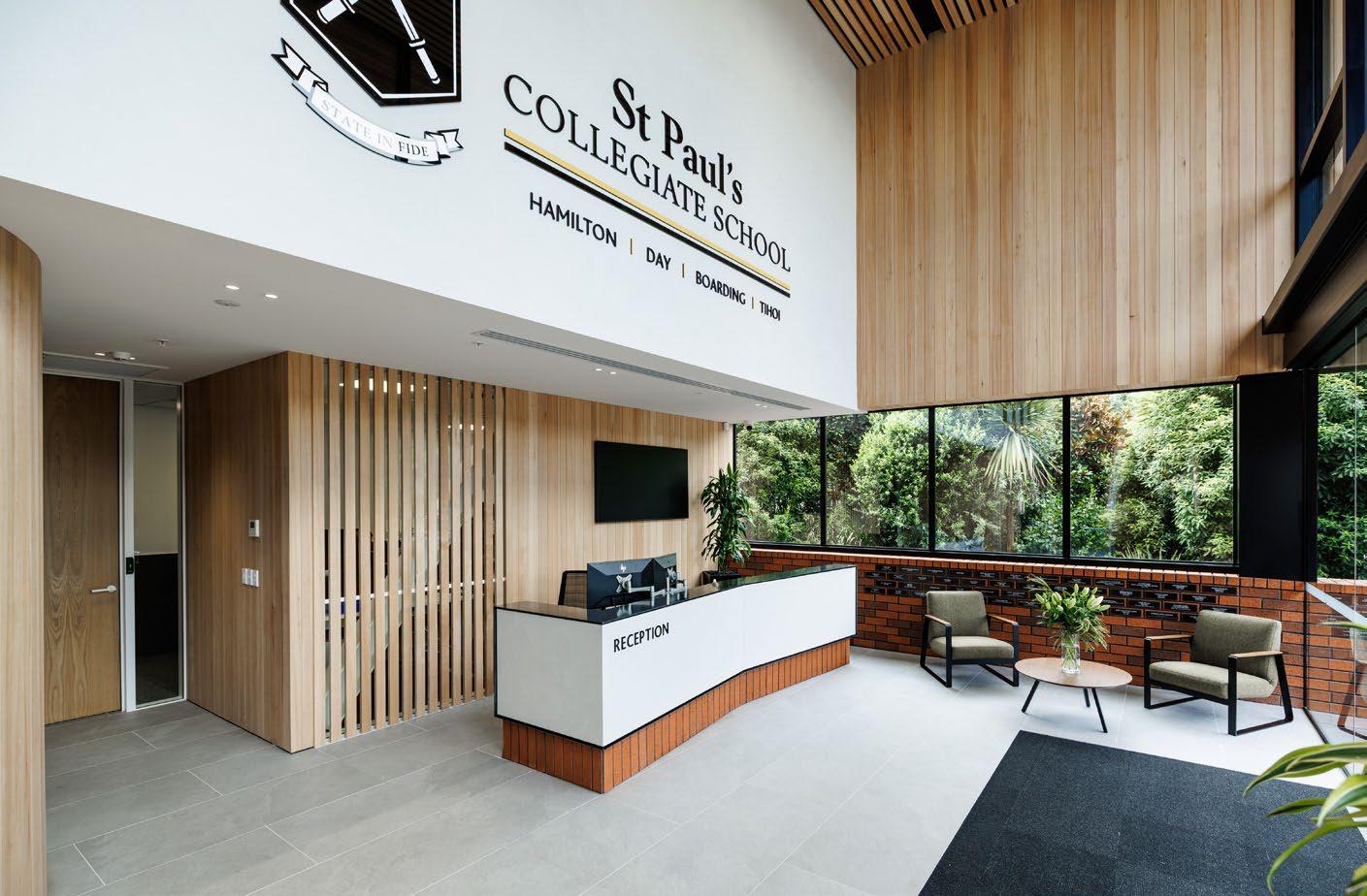
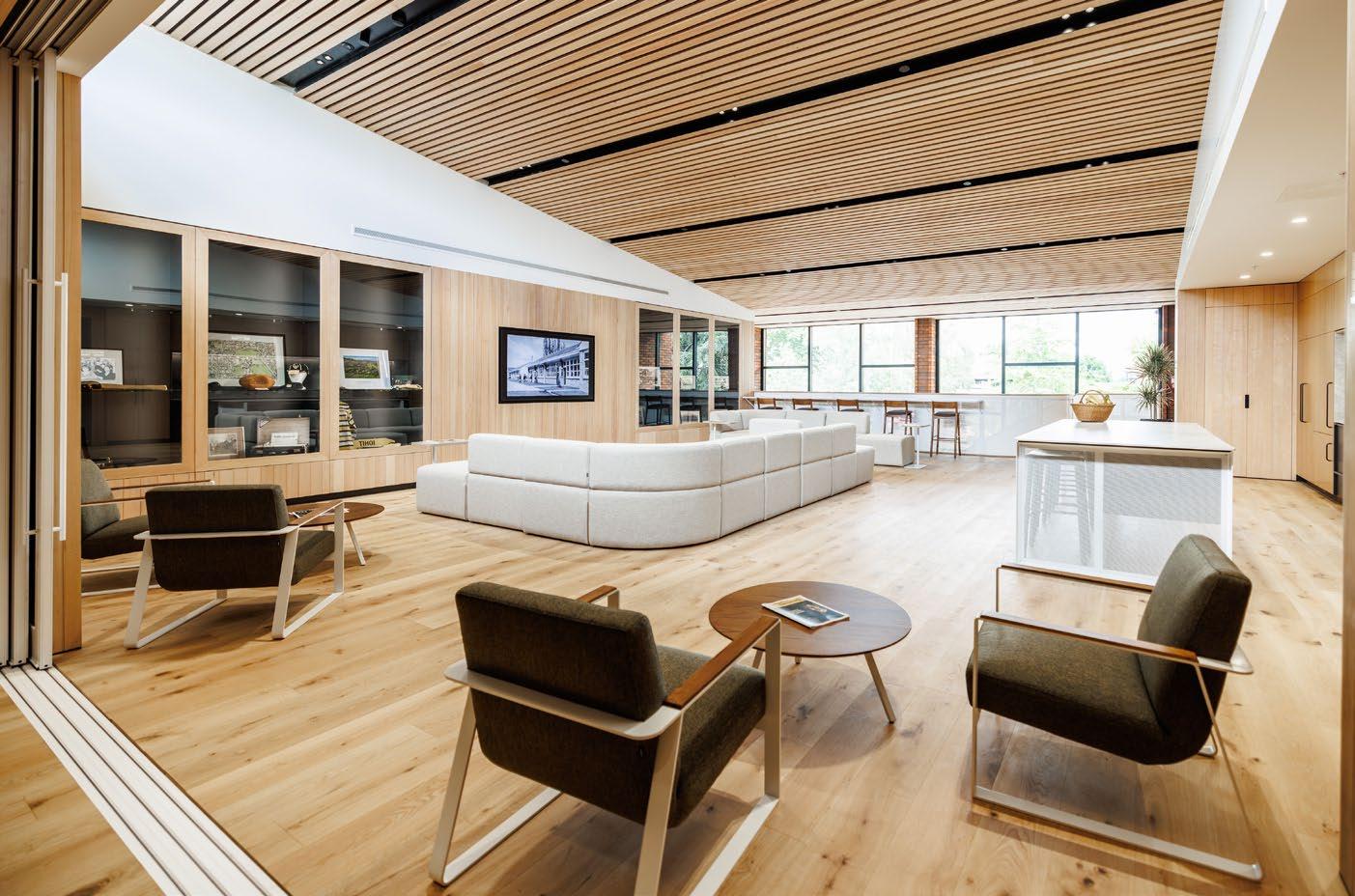
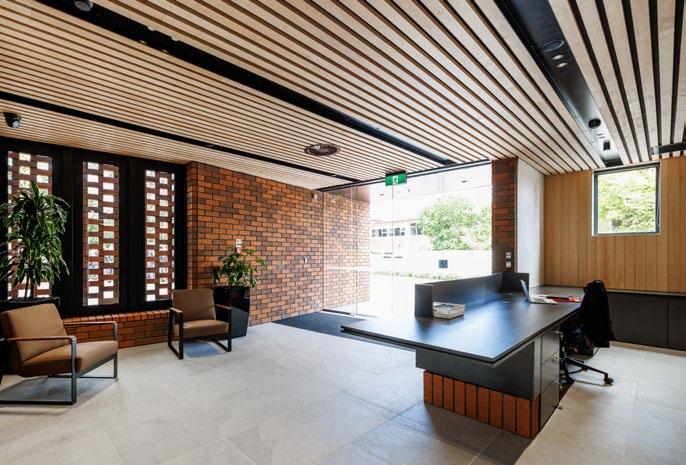
St Paul’s Collegiate School has officially opened The Hive, an innovative wellbeing and health hub designed to support the physical, emotional, and social needs of young people, while also creating a welcoming space for families and the wider community to connect.
The Hive is the most significant building project in the School’s 67-year history and forms a central pillar of its campus master plan. It ensures that all facilities on the Hamilton campus are high-quality, expertly designed for functionality, and, most importantly, welcoming spaces for students, parents, and the wider St Paul’s community.
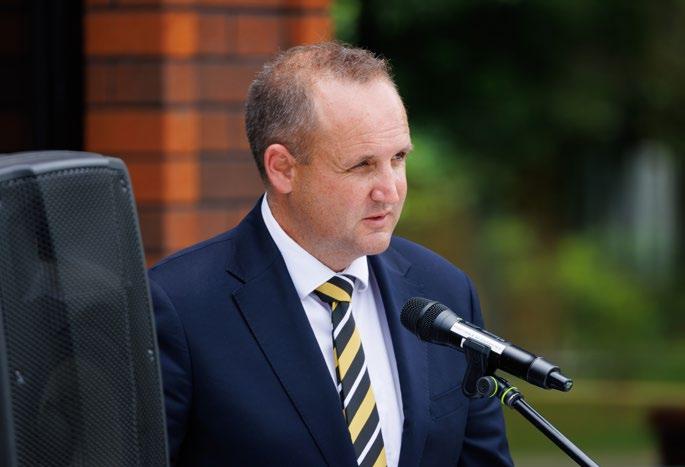
Headmaster Ben Skeen said, “This building is far more than bricks and mortar – it is our front door, our gathering place, a space designed for connection, wellbeing and belonging. The ripple effect it has on other campus redevelopment will transform how we support and educate the young people in our care.”
This building is situated on the site of the old farm cottage, which was the original sickbay. It’s fitting that the site continues to service the students’ wellness.
The Hive has been designed to meet both current and future needs while withstanding the demands of a busy school environment. The new complex
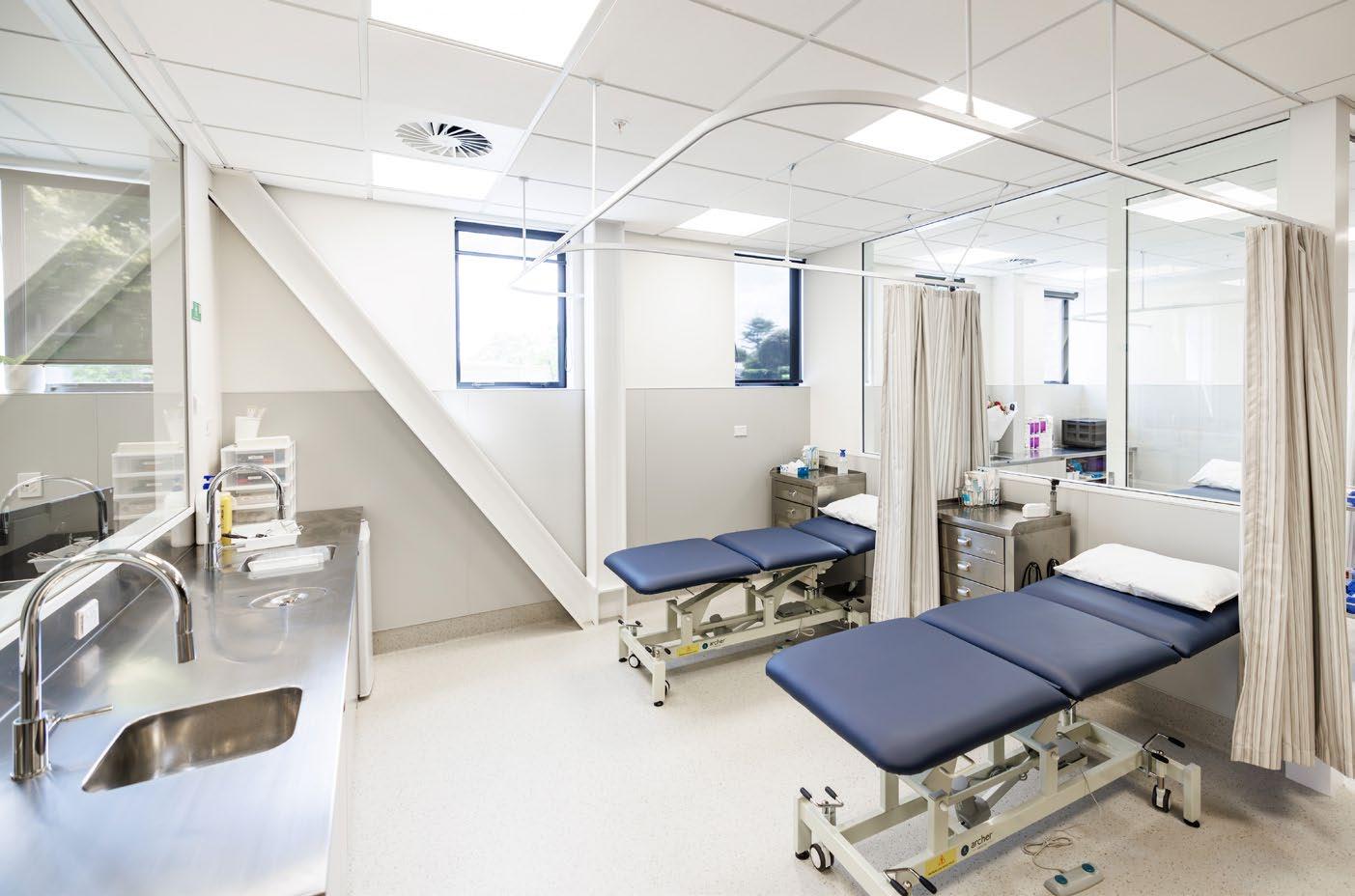
includes a comprehensive health clinic with bedrooms for sick boarders, a physio room with dedicated staff, a counselling services suite, a lounge for Collegians and parents, a historical area celebrating the School’s past, the school shop, and offices for Finance and Marketing and Engagement.
The project also includes a boarding refurbishment and extension of Sargood House, featuring a new Year 12 dormitory and an expanded common room with additional shared facilities. “These carefully planned projects will further unlock the reassignment and renovation of other existing spaces on our Hamilton campus, creating even more learning and collaboration spaces for our students and staff,” said Mr Skeen.
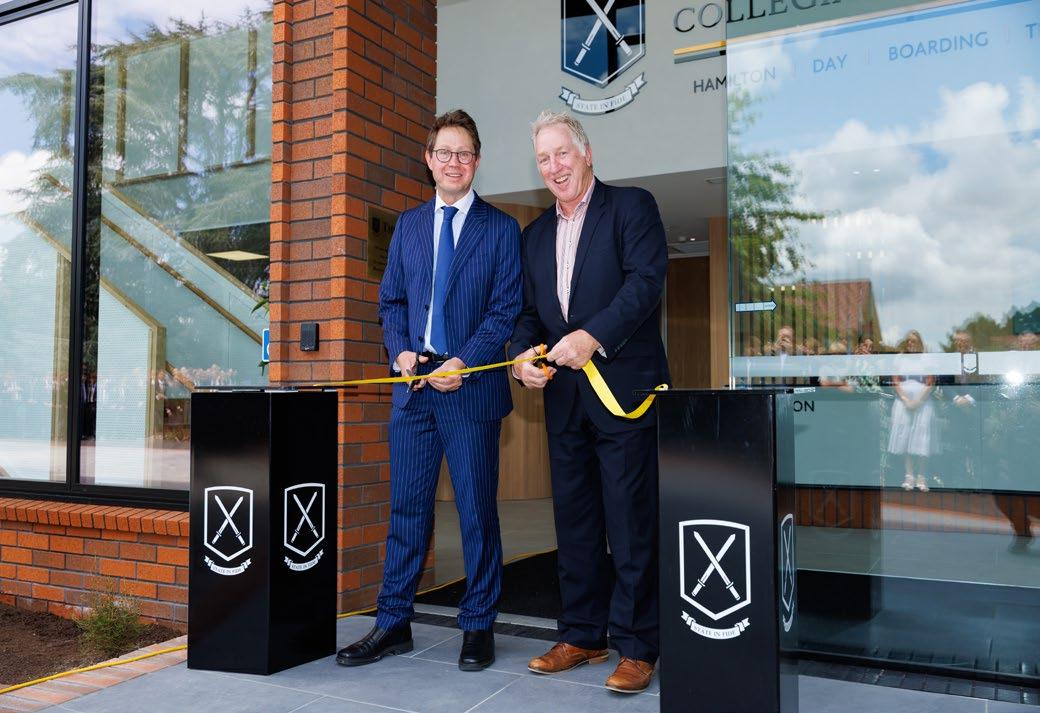
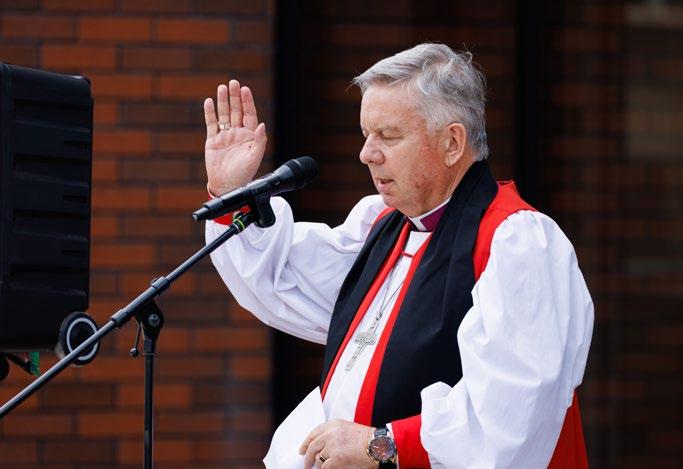
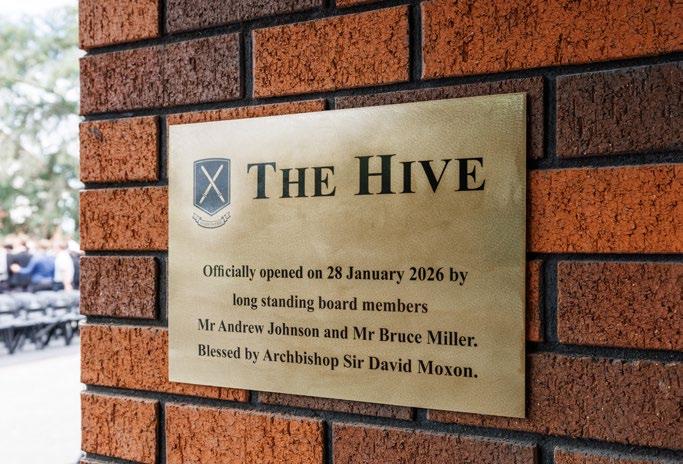
The School formally declared The Hive open on 28 January, with a blessing from Archbishop Sir David Moxon, marking a significant milestone in its ongoing commitment to student wellbeing, community connection, and educational excellence. The official ribbon cutting was performed by Mr Andrew Johnson, Chair of the Waikato Anglican College Trust Board, and Mr Bruce Miller, Chair of the School’s Property and Finance Subcommittee.
The Hive project was delivered by EdwardsWhite Architects, Livingstone Construction, and numerous
subcontractors, who have created an outstanding final result. “The Hive stands as a place where students are supported and our community is connected,” said Ben Skeen. “It strengthens our ability to deliver the St Paul’s style of education that families so deeply value, now and into the future.”
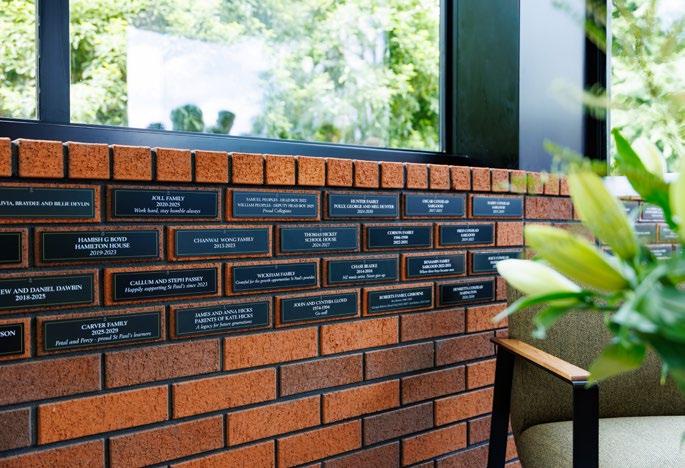
Our community has enthusiastically supported The Hive, with more than 100 bricks purchased as part of the project. The engraved messages tell personal stories of generations who have been impacted by St Paul’s. There is still an opportunity to purchase your family brick for those who would like to be part of this lasting legacy.


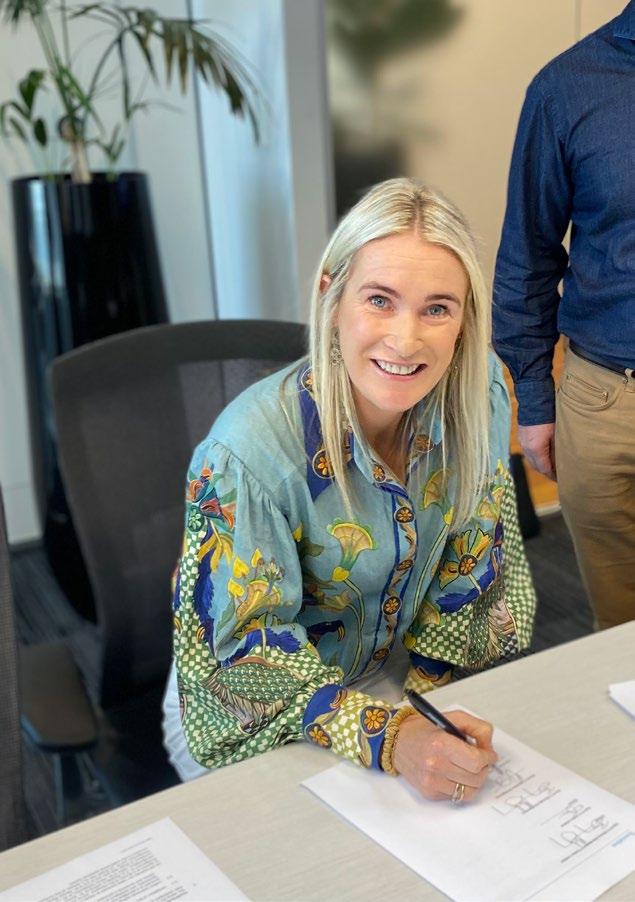
Dr Penny Montgomery (née Rickman) reflects on her time at St Paul’s Collegiate School with three key members of staff springing to mind Dr Kay Etheredge (Staff 1988-2002), Mr Mike Shaw (Staff 1970-2002) and Mr Steve Cole
(Headmaster, 1992-2001). Each played an inspirational role in her journey to becoming the successful co-founder and Senior Medical Advisor of Optimal Clinical Trials. Penny’s team is at the forefront of medical research in New Zealand, leading work that helps new drugs, vaccines, and medical devices reach patients safely and effectively.
Penny (Harington 1995-1996) recalls the lasting impact of Dr Etheredge’s biology lessons, particularly the handson learning. Penny remembers collecting crickets at dusk and later dissecting them in class. “Dr Etheredge was very systematic in her approach to learning and studying, which continued to help me hugely post-school,” she says.
Dr Etheredge transformed biology teaching, serving as the first female Head of Department. She also assisted in the development of the Curriculum Committee, chairing both it and her associated faculty. She was appointed Housemaster of Harington House in
1992. Penny was her head of Harington Boarding during its fourth year. During her time Dr Etheredge initiated trips to Tihoi for new students, insisted on a more fitting name than the “Birds’ Nest” for the house and shaped the girls’ boarding experience with her focus on single rooms.
Penny also remembers Mr Steve Cole for being very personable and present in all aspects of school life, and is grateful to Mr Mike Shaw, her chemistry teacher. Penny arrived at St Paul’s in Form Six (now Year 12), having never studied chemistry before and was struggling with the basics. Mr Shaw’s early-morning tutorials, firm but kind approach, and incredible patience helped set her up for future success.
After leaving St Paul’s, Penny enrolled at the University of Otago, initially planning to study law and psychology. It was only once she arrived in Dunedin that she decided to switch to pre-med. “I genuinely didn’t think I was bright enough for medicine,” she admits. She
later completed her medical degree in Wellington.
During her studies, she met her future husband, Barney. After working as junior doctors, the pair headed overseas, spending time in the UK and working in the National Health Service (NHS) before returning home to train as general practitioners. A turning point came when Barney was asked to run a small clinical trial for a sore-throat spray. Working out of a tiny room in Mt Eden with just a nurse, the couple saw the potential for research to help patients on a much larger scale.
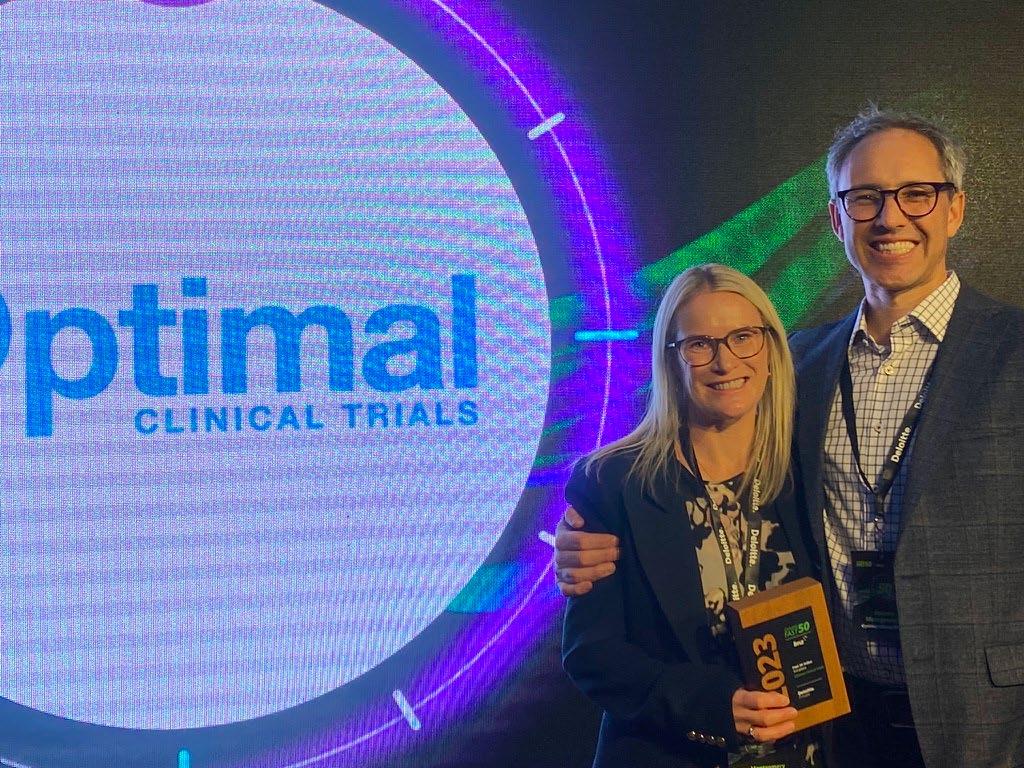
They founded Optimal Clinical Trials in 2013. What began as a team of three has since grown to more than 100 staff, contributing to medicines now approved for conditions including severe eczema, asthma, diabetes, multiple sclerosis, obesity, and vaccines. In 2023, Optimal Clinical Trials was acquired by NZCR Group, making it the largest clinical research organisation in New Zealand and opening the door to even greater international collaboration.
“There are moments you never forget,” Penny says. “Seeing patients with severe eczema improve right in front of your eyes, or being part of research that changed asthma management globally.” One recent highlight included presenting obesity research at the American Diabetes Association Conference in Chicago.
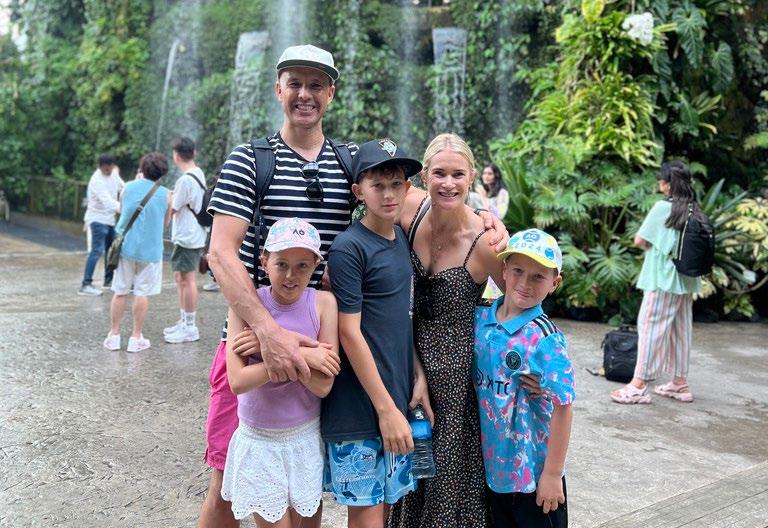
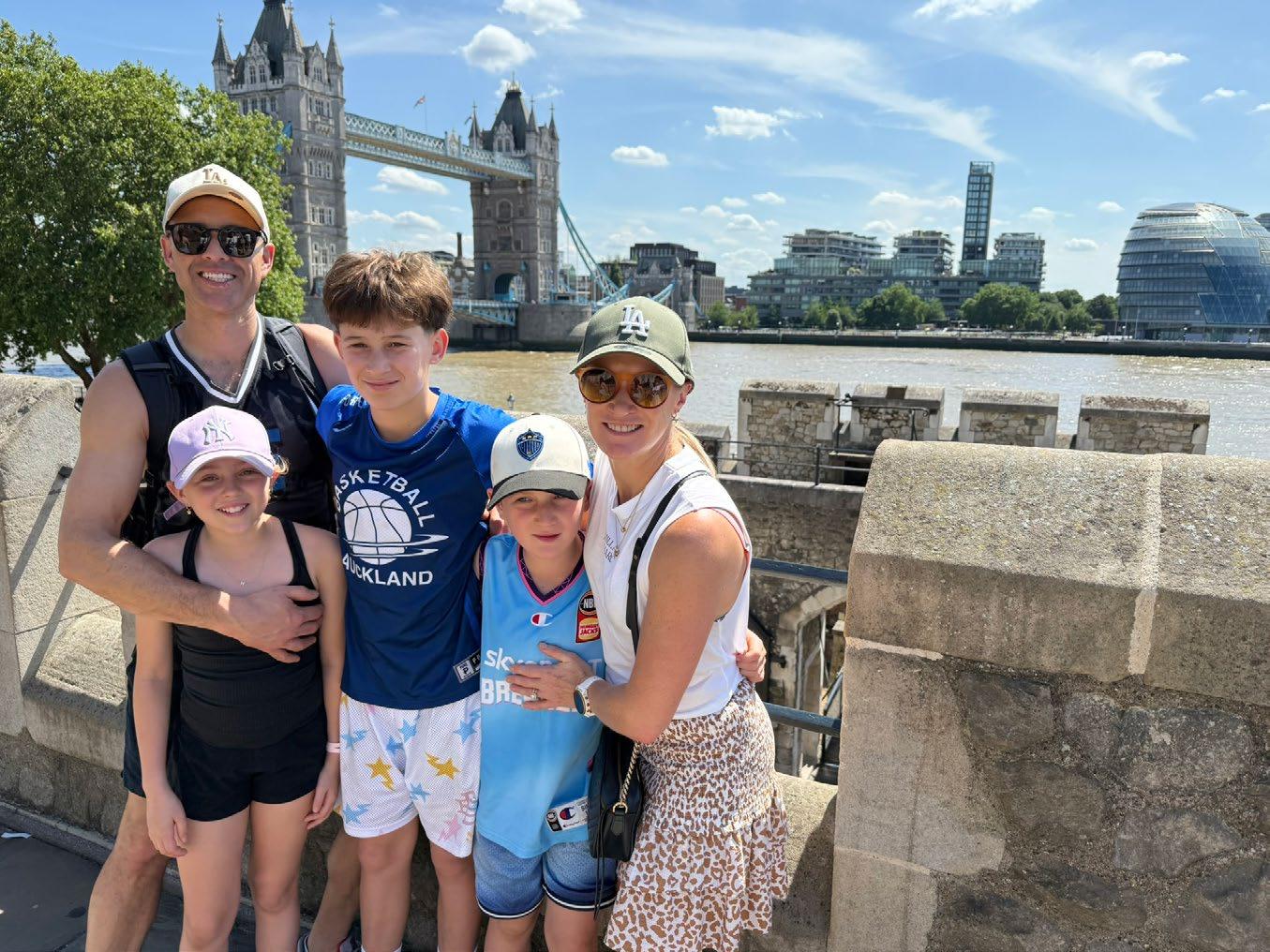
While her professional achievements are significant, Penny says her proudest accomplishment is personal. “Our three kids are absolutely our biggest achievement.” With the children aged 14, 12, and 9, the family is enjoying spending more time together as Penny, now in a senior advisory role, has been able to step back slightly from day-today operations.
For students unsure about their future, her message is simple: keep your options open. “I had no idea what I wanted to do when I left school,” she says. “Choosing a broad range of subjects gave me flexibility. Medicine felt impossible at first, but through hard work and grit, I got there.” She adds that while a long degree can seem daunting, “once you’re on the journey, the time flies and despite how hard it can be, it’s incredibly rewarding.”
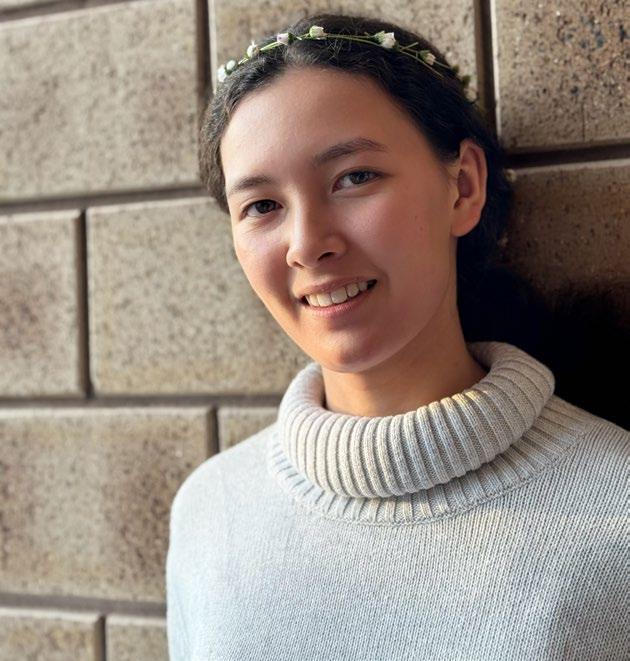
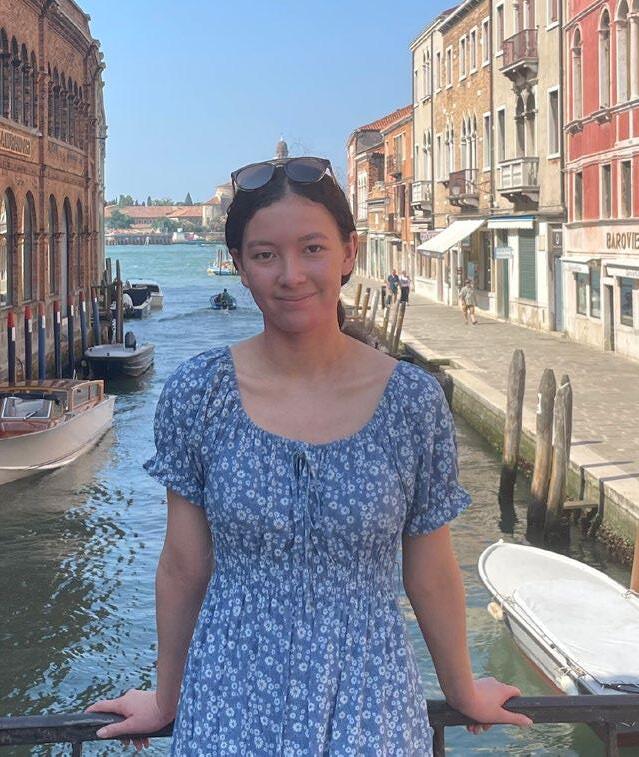
By the time you notice the words, ‘Do everything in love’ on a plaque fixed to a brick in The Hive, you may not realise they belong to one of St Paul’s Collegiate School’s youngest donors, Trelise Forster (Harington | Fitchett, 2022–2024).
Now in her second year at university studying a Bachelor of Science, majoring in Psychology and Human Resources, Trelise develops her creative voice through poetry, a form she describes as both an outlet and a guide through uncertainty.
Trelise first dabbled in poetry in her intermediate years and wrote her first poem in Year 9. “I was actually really proud of it. I then began studying poetry through Cambridge English and became fascinated by how a handful of lines could say and mean so many things,” says Trelise.
“I’ve always loved to write, probably because I’m a person whose head drifts to the clouds a little too often.”
Writing also helped reshape her confidence. Once extremely shy, she found that developing courage on the page translated into courage in person, from speaking in chapel to delivering a 17-minute Year 13 English presentation and becoming more comfortable expressing herself in difficult conversations.
“I’m a very emotional person who has a tendency to think and feel too deeply about the little moments in my life, so I
get regular prompts about things I could write. The poem What is Hope? grew from observations of how people persist through uncertainty, in study, hardship, and daily life, even without guarantees of outcome.”
Despite her commitment to writing, Trelise has mostly kept her poetry private. “To me, each poem is like a piece of my heart just wrapped up in flowery diction and literary techniques. I sometimes share my poetry with very close friends to get their opinions. For example, this poem didn’t feel right at first, so I sought out my mother and a very dear friend for their thoughts, which gave me the inspiration I needed to tweak it. This will be the first time I’m actually making one of my poems public.
Even though I’m a little nervous, I’m also quite excited to do something new and challenge my boundaries,” says Trelise.

What is hope but the confidence of tomorrow? That your world will keep turning and the sands of time keep trickling beyond your horizon. That all your toil shan’t be so transient.
What is hope but the certainty of dawn? That you will emerge from the gruelling night and earn the sun’s warm gaze. That all your toil shan’t be meaningless.
What is hope but the conviction of Spring? That the seeds you plant will flourish and survive all that seeks to destroy it. That all your toil shan’t be for naught.
That is the truth about hope! It is the lamp with which we carry into the shrouded tomorrow.
- Trelise Forster
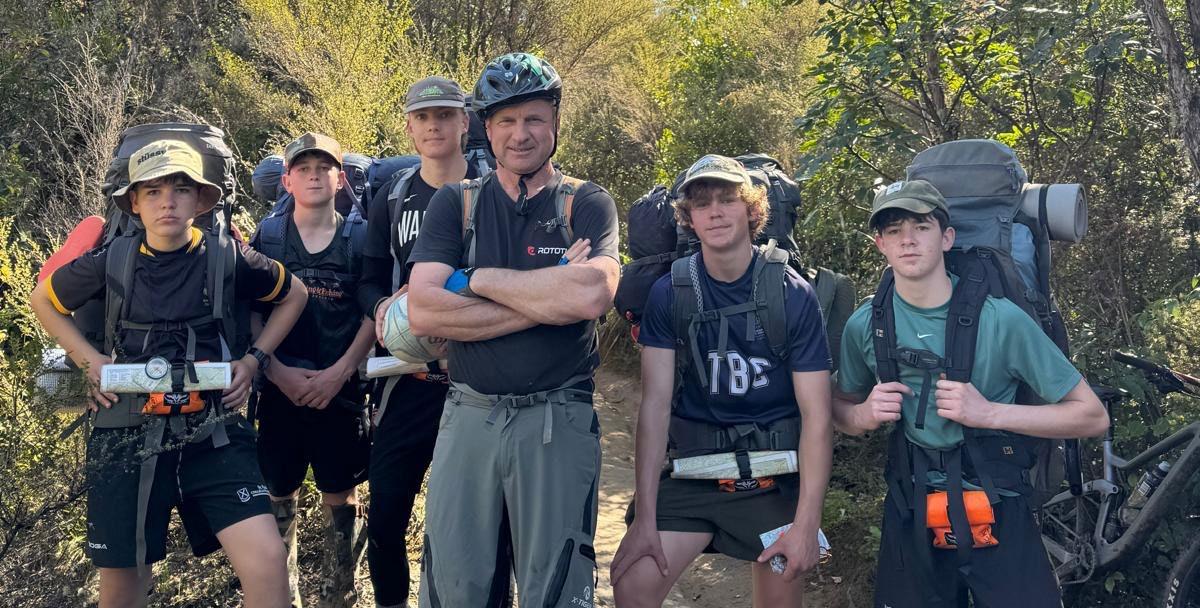
Richard Thorp (Clark 1978-1982) stumbled across a group of hikers on a Tihoi track while he was mountain biking with his wife, Deidre. The pair, who were exploring the area where Richard had been a student during the first year of Tihoi Venture School in 1979, stopped to greet the fellow explorers. To Richard’s surprise, he discovered the hikers were current Tihoi students with their parents on a Parent Tramp.
The Parent Tramp weekend occurs during every intake, where the students are the guides for their parents, giving the chance to showcase their newfound skills and enjoy some valuable one-on-one time device-free.
It was during the October 2025 tramp that a remarkable coincidence brought Tihoi’s history full circle. As the group rounded a bend near the old forestry track, they met Richard and Deidre. Richard, a beef farmer from Paeroa, grinned as he slowed his bike to stop for a chat. “I know these trails,” he said. “We tramped them in 1979, when Tihoi first began. Today I am taking my wife on a trip down memory lane.”
Richard was one of the very first students in Tihoi Venture School’s inaugural year. “I was the lucky one,” he laughed. “Though back then, we weren’t sure ‘lucky’ was the right word!”
In 1979, when Tihoi opened, the site was far from the well-established campus it is today. The maps were unreliable, the buildings unfinished, with spouting and paintwork still to come. On a cold, drizzly morning, parents navigated a rough pumice track to find a handful of rundown houses surrounded by blackberry and broom. Some mothers were reportedly ready to turn back to Hamilton until Director Mike Shaw persuaded them to give the outdoor campus a chance.
Richard’s memories include rain, freezing swims, and the pride of finishing a tramp with blistered feet and a full heart. “We didn’t have much,” he said, “but we had the bush, the challenge, and each other.”
The chance meeting was a great opportunity for a photo alongside 2025 Tihoi boys – Cam Young, Carter Hay, Mackay Murray, George Hunter, and George Flexman.
The October 2025 tramp delivered all the hallmarks of a true Tihoi experience – Tihoi tux, tents, campfires, and lots of laughter. Under the guidance of Tihoi instructor Richard Kersel (Staff 2006-current), parents and students took on the challenges: tramping, storytelling, and even a brisk plunge into the swimming hole.
Now, based on his Rotokohu farm near Paeroa, Richard was a reminder of the impact of Tihoi, even after 45 years.
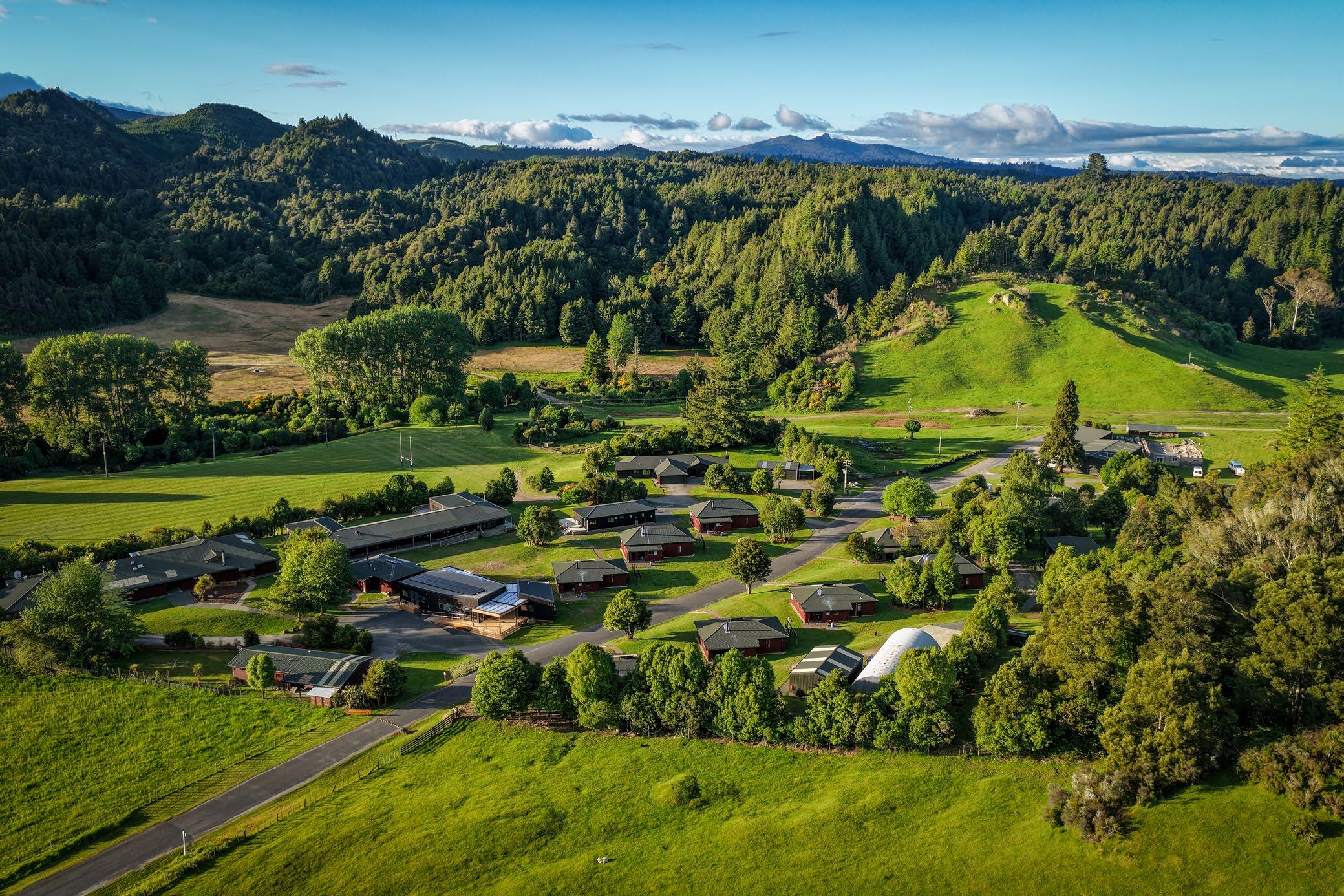
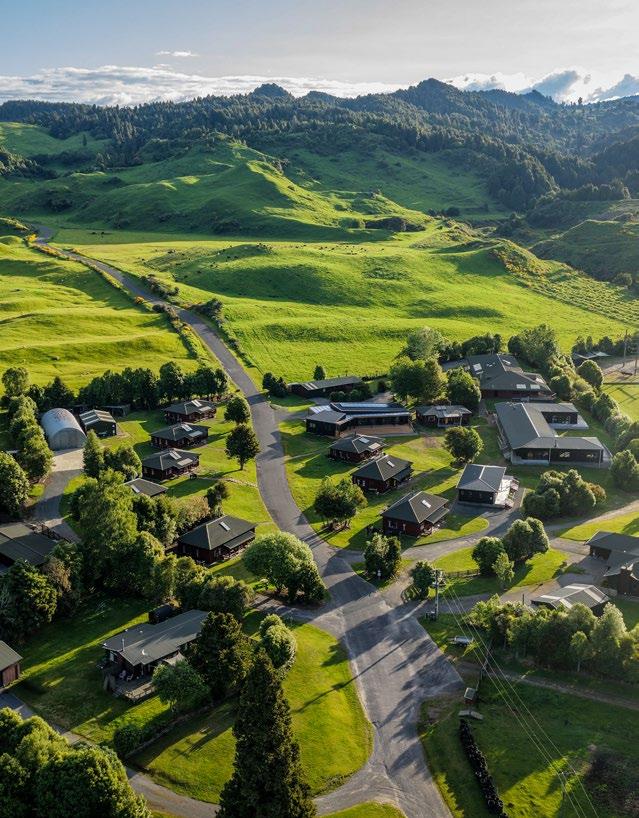
2026 Tihoi Venture School campus
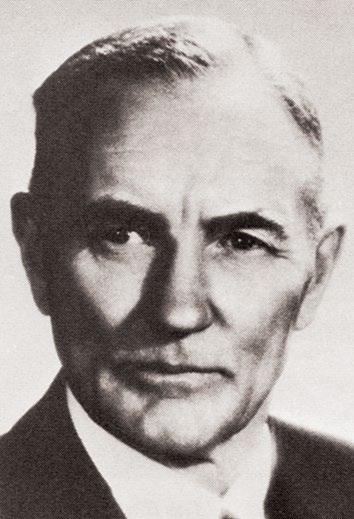
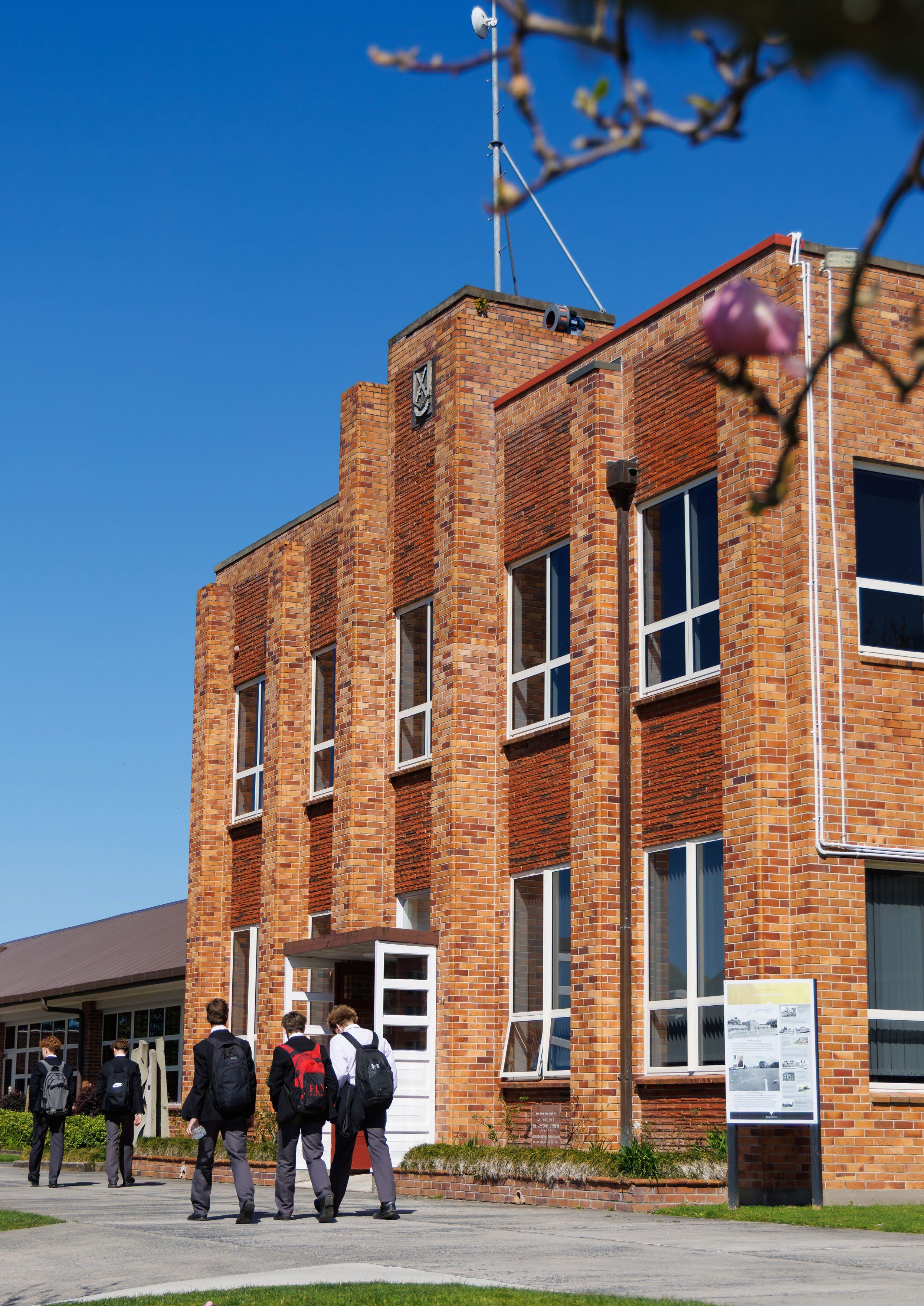
Some schools are built with bricks and timber. Others are built with people. St Paul’s Collegiate School is both.
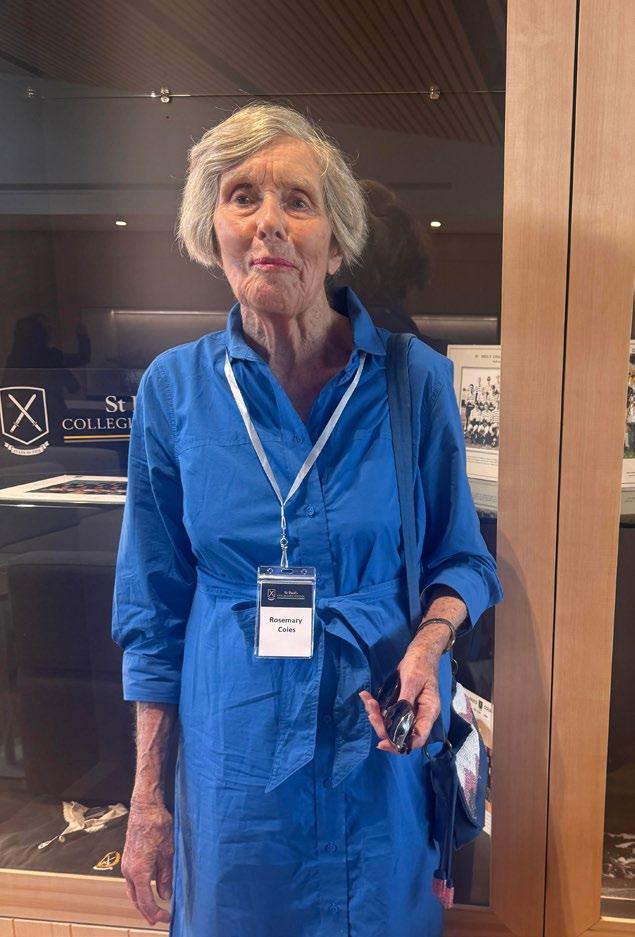
When the school gates first opened in 1959, Rosemary Coles stood among the crowd as a teenager, watching the start of something her father had helped bring into being. Her father, Eric ClaytonGreene OBE, was one of nine founders and community leaders who established the Waikato Anglican College Trust and laid the foundations for what would become St Paul’s.
Rosemary remembers the excitement of the School’s Dedication and the quiet pride of seeing a school take its first steps, knowing her father had helped shape its beginnings. She also remembers riding her pony to the Light Horse Club opposite the school gates on Hukanui Road – a time when neighbouring farms stretched out in green fields and St Paul’s was in the heart of the countryside.
During those early years of the school, Rosemary was away at boarding school, as St Paul’s was an all-boys school. Eric’s presence within the school community was deeply felt. The strong ethical values he held – integrity, service, and
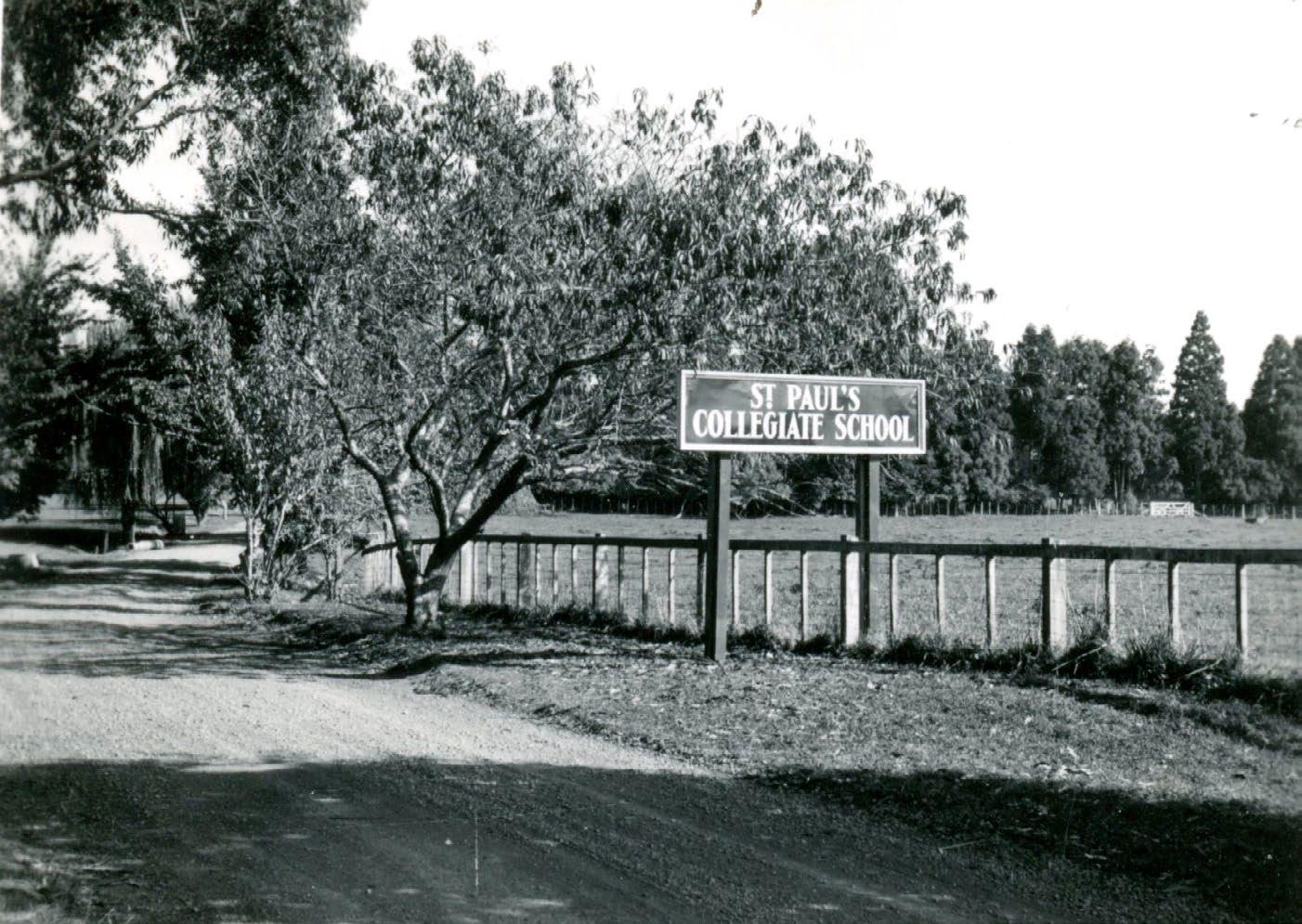
care for others – became woven into the traditions, culture, and character of the school.
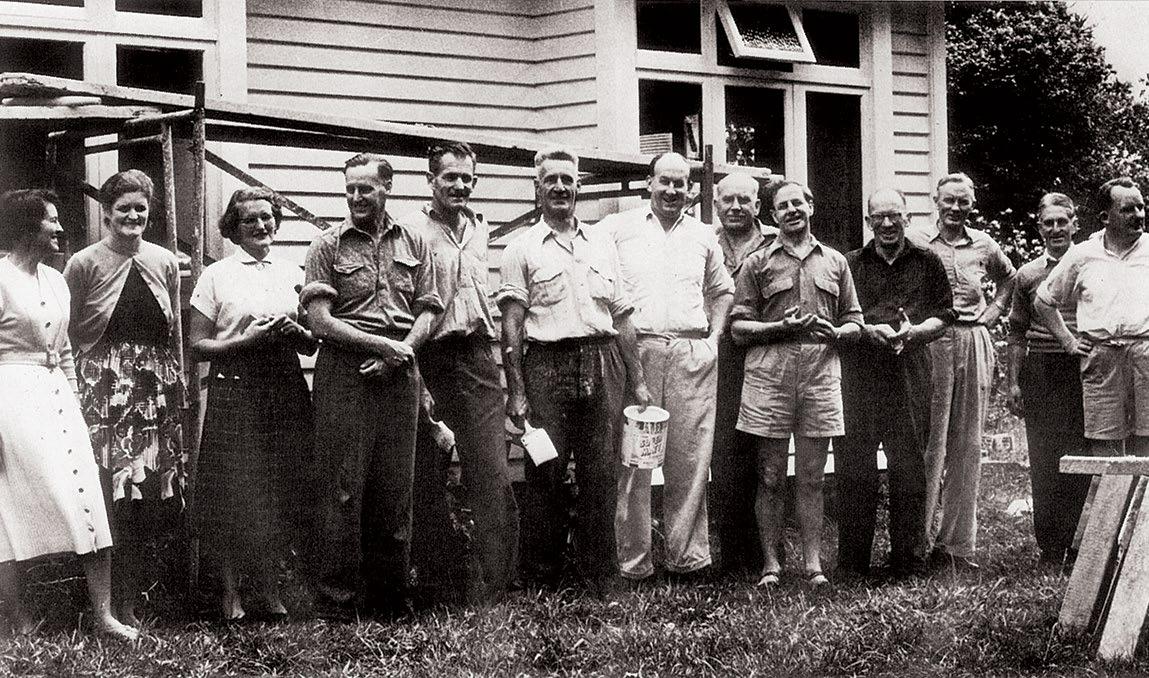
As the Board’s solicitor, Eric attended early trustees’ meetings and was responsible for managing the many legal matters involved in purchasing the Great Oaks property and laying the foundations for the school. His close connection with the Anglican Church and his sound legal advice were of great service during the formative years, particularly at a time when the venture relied heavily on faith, goodwill and careful stewardship. Alongside his professional contribution, Eric was also practically involved, taking part in working bees as the school site was prepared ahead of its opening.
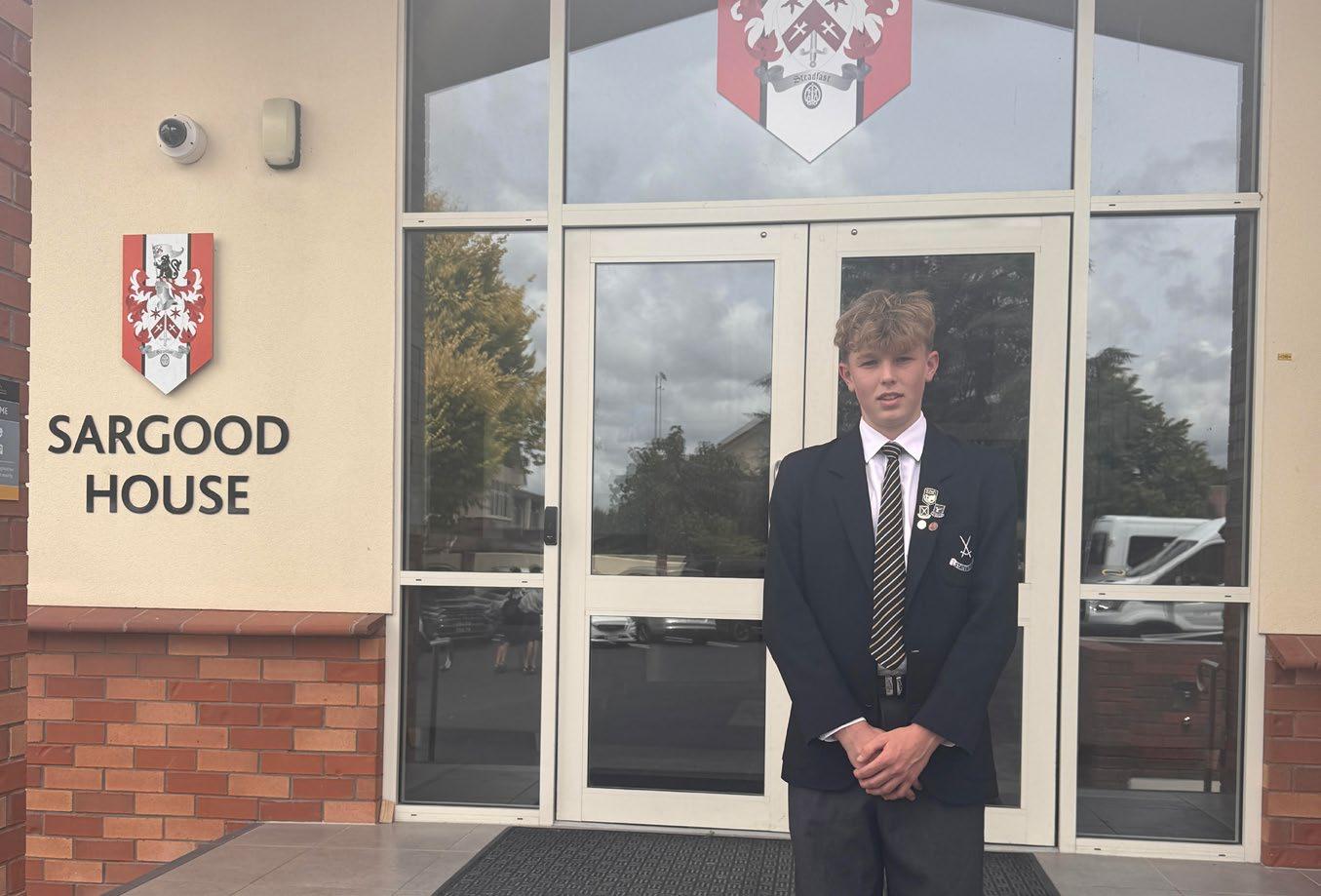
When the time came, Rosemary and her husband Basil did not hesitate to send their son, Peter Coles (Sargood 19861990), to St Paul’s. Their daughters, Katherine and Penny, attended Waikato Diocesan School for Girls. The family’s connection now spans four generations. Katherine and her husband Nick have two sons, Hamish Riley (Sargood 2020–2023) and Lachlan (Lachie) Riley, who have both attended St Paul’s. Lachie
is currently a Year 12 Sargood boarder, while Hamish is now shepherding at Haldon Station in the Mackenzie Country.
These boys have had an amazing opportunity to walk the same paths their great-grandfather did, fulfilling his vision. They’ve been able to attend classes in the very Quad area where their greatgrandfather stood during the school’s planning process.
It’s very special knowing my great-grandfather was a founder, my uncle was a Collegian, and now my brother and I have been able to attend St Paul’s as Sargood boarders,
” Lachie says.
“I’m really enjoying the Sargood refurbishment and realise our comforts are a world away from what it would have been like in the 1960s.”
While the campus has evolved, now welcoming girls from Years 9 to 13, and the area outside the school gates has changed dramatically, the heart of St Paul’s continues to provide an education aligned with the vision of the founders.
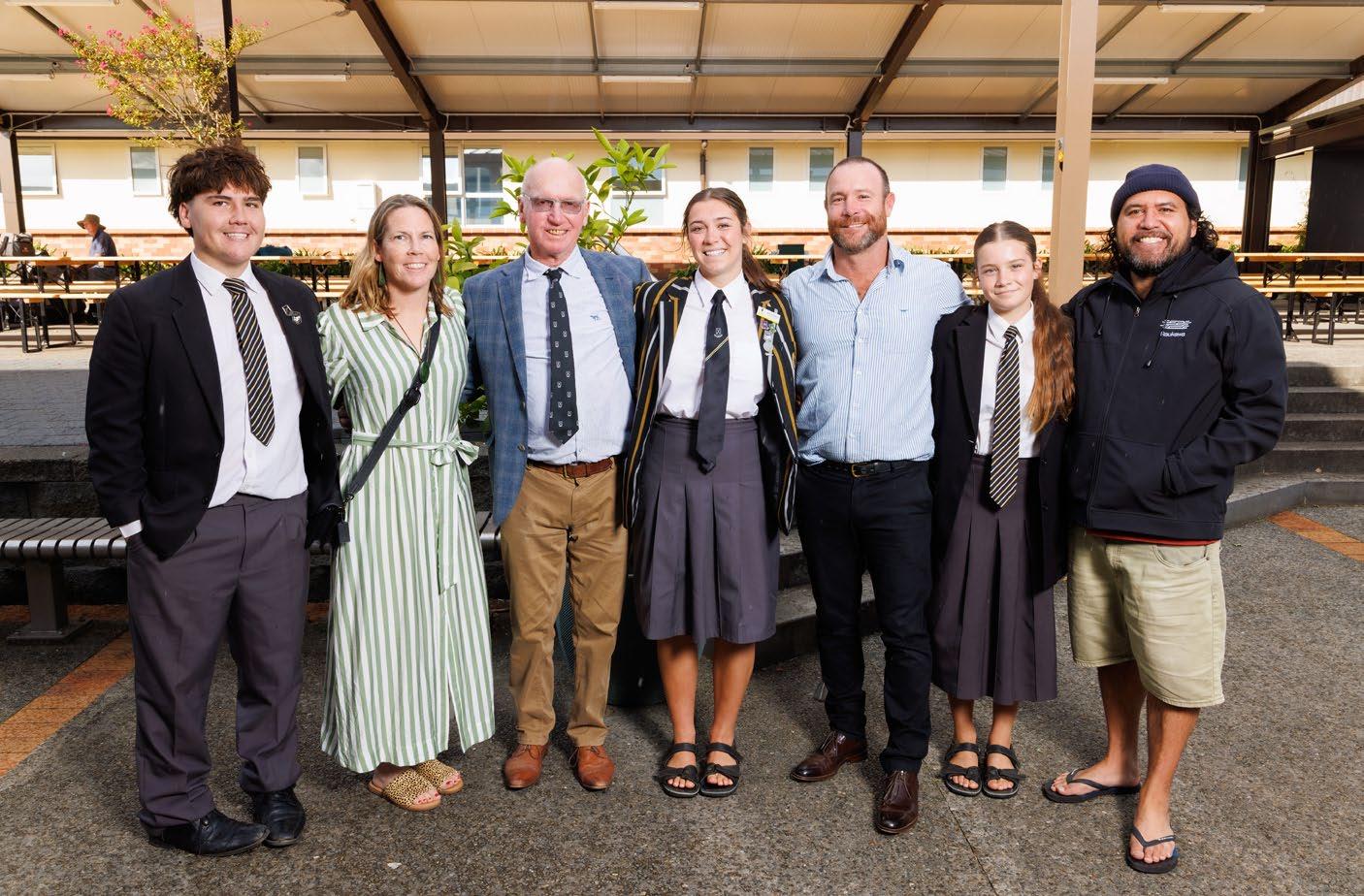
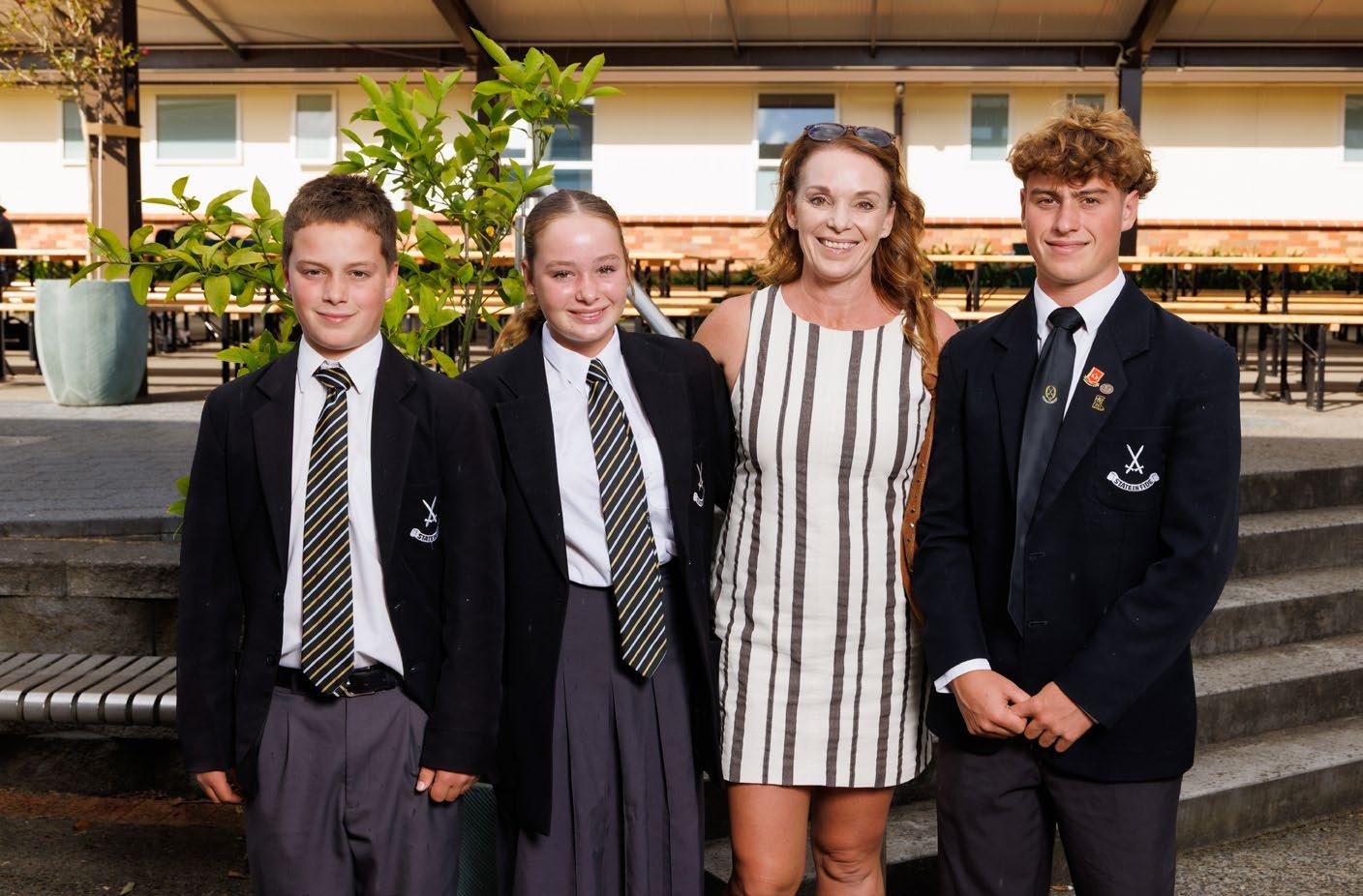
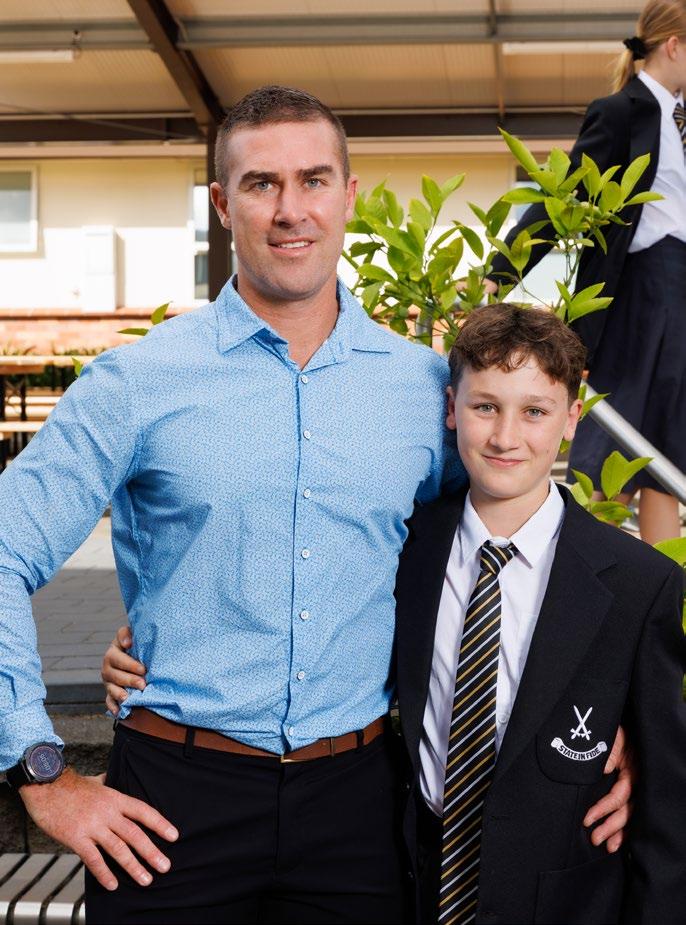
To recognise the tradition of multigenerational families, St Paul’s Collegians hosts a roast dinner, bringing together more than 100 members of the school who are multi-generational. The students are given a legacy badge to wear on their blazer to identify their heritage.
This event has been created to give generations of St Paul’s families the opportunity to come together, share stories, and reflect on the experiences that connect them across time.
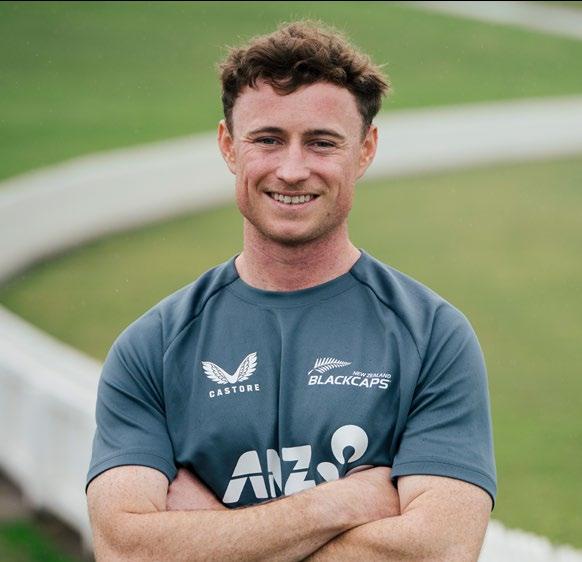
When Matthew Fisher (Hall 2013–2017) sat down for his Year 8 interview with then Headmaster Grant Lander (2010-2021), he mentioned he hoped to, “play a bit of cricket and rugby.” By the time he left St Paul’s, he had played for the First XI Cricket Team, represented Northern Districts at Under-17 level, and been selected for the New Zealand Under-18 training camp. He balanced his cricket success with rugby in the Second XV and a strong academic record.
In 2025, Matthew achieved a lifelong goal, making his Test debut for New Zealand in the series sweep against Zimbabwe in Bulawayo. The 25-year-old Northern Districts fast bowler earned his first Black Caps cap following a string of impressive domestic performances.
Gerry Gerrand (Hamilton 1963-1965) was inducted into the 2025 Hall of Fame at the Hutchwilco New Zealand Boat Show, recognising his lasting contribution to New Zealand’s trailer boat industry. Gerry has led Buccaneer Pleasure Craft for nearly five decades, building the brand from a single 4.7-metre runabout in his backyard in 1976 to one of the country’s most respected fibreglass boat manufacturers. Buccaneer Boats will celebrate 50 years in business in 2026 and remains strongly connected to St Paul’s, with Hamilton House graduates spanning generations: Gerry Gerrand (1960s), Wade Gerrand (1990-1994), and current apprentice Andy Irvine (Hamilton 2019–2022), who began his New Zealand Certificate in Composites Level 3 apprenticeship with the company in September.
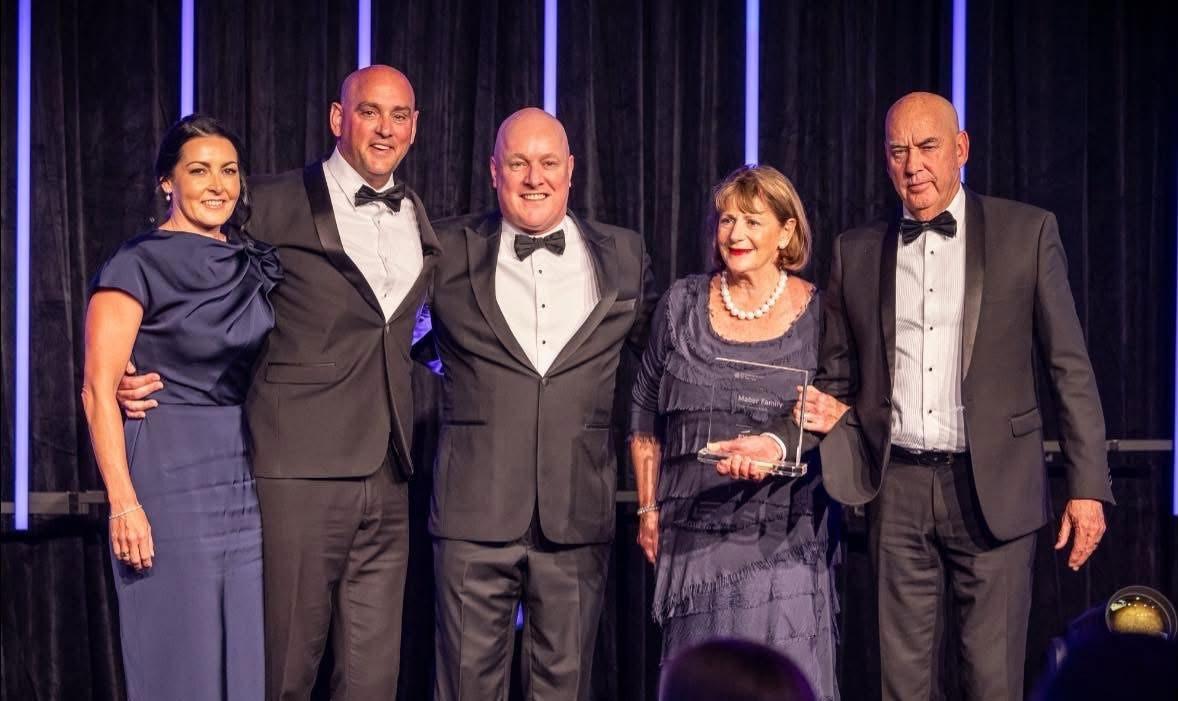
The Maber family has been awarded the EY Family Enterprise Award of Excellence 2025. Multigenerational Collegians Geoff Maber (School 1961–1965), Craig Maber (Hall 1987–1991), and Brett Maber (Hall 1990–1994) lead the award-winning team at Power Farming.
Part of the global EY Entrepreneur of the Year programme – widely regarded as one of the world’s most prestigious business awards – the Family Award recognises outstanding entrepreneurial families who successfully balance business growth with family leadership, philanthropy, and social responsibility. The award was presented by Prime Minister Chris Luxon.
The family will now join other international recipients at the World Event in Monaco in 2026.
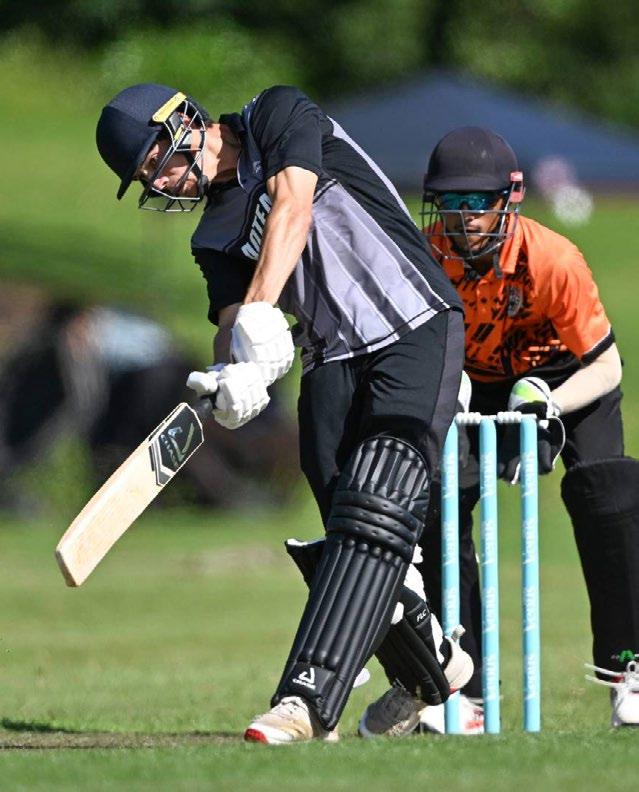
Jay Benefield (Hall 2021–2025) was selected for the New Zealand Maaori Secondary Schools Boys’ Cricket Team for the second consecutive year, with selection confirmed at the end of 2025 while he was in Year 13 at St Paul’s.
The team competed at the Rangatahi Festival in Auckland in January 2026, where Jay was appointed captain.
The side won the boys’ tournament, playing three T20 matches. Opening the batting, Jay scored 64 and 91 and also contributed with the ball.
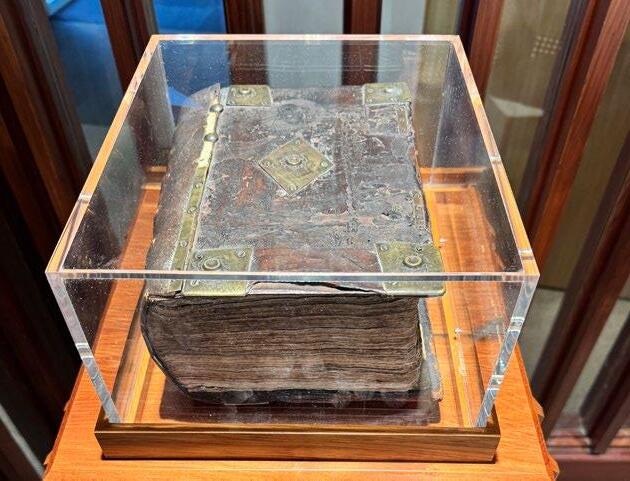
A remarkable piece of history has been gifted to The Chapel of Christ the King by Lee Elliott (Staff 2008-2020) and her family – a Geneva Bible printed in 1650. It now rests in a custom display box, beautifully crafted by Jim Fitchett, son of Founder, Marcus Fitchett. We are deeply grateful for these sentimental gifts that continue to enrich the spirit of St Paul’s.
Dean Fullerton (Fitchett 2011–2015) remains a key figure in New Zealand polo, representing the national side as recently as January 2026. At Mystery Creek Polo Club, he helped New Zealand secure an 8–7 victory over a Rest of the World team to claim the Rose Bowl, showcasing his continued international calibre on home soil.
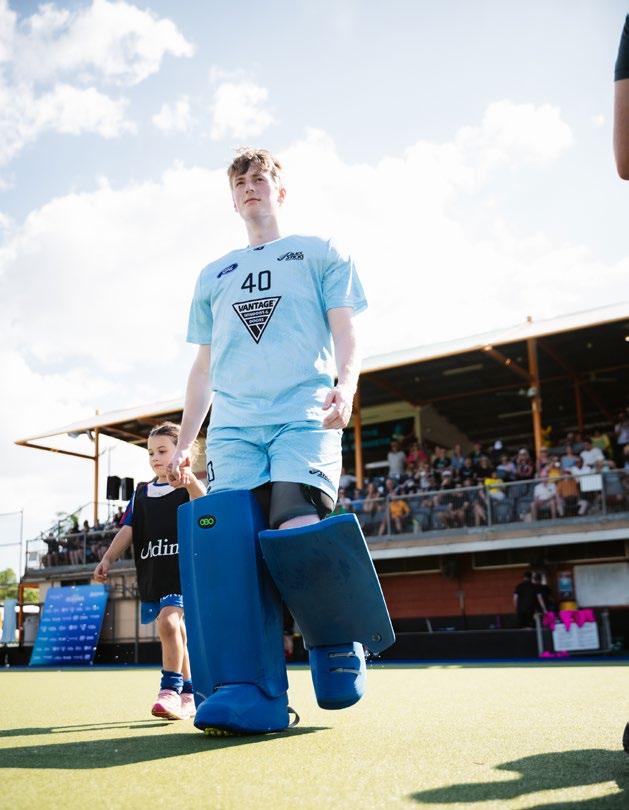
Matthew Ruetsch (School 2018–2022) discovered hockey almost by chance while at St Paul’s. After answering a call for a First XI goalkeeper in 2021, Matthew progressed rapidly, representing Waikato at Under-18 and senior levels and earning selection for Junior Black Sticks Supercamps. In 2025, he reached a major milestone with selection for the Vantage Black Sticks men’s squad for the Oceania Cup, a remarkable achievement for a player who first picked up the sport in Year 12.
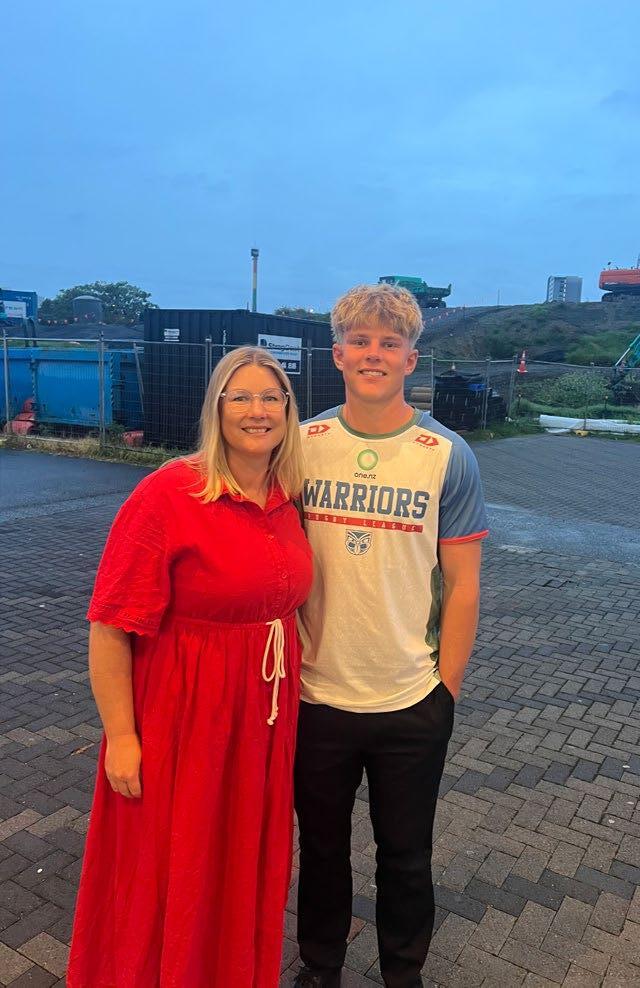
Lucas Carmine (Clark 2021–2025) has signed with the New Zealand Warriors’ Under-19 SG Ball Cup squad for the 2026 season, continuing his rugby league pathway after school. He was listed in the Warriors’ U19 SG Ball team, part of the club’s developmental representative programme in the New South Wales Rugby League system.
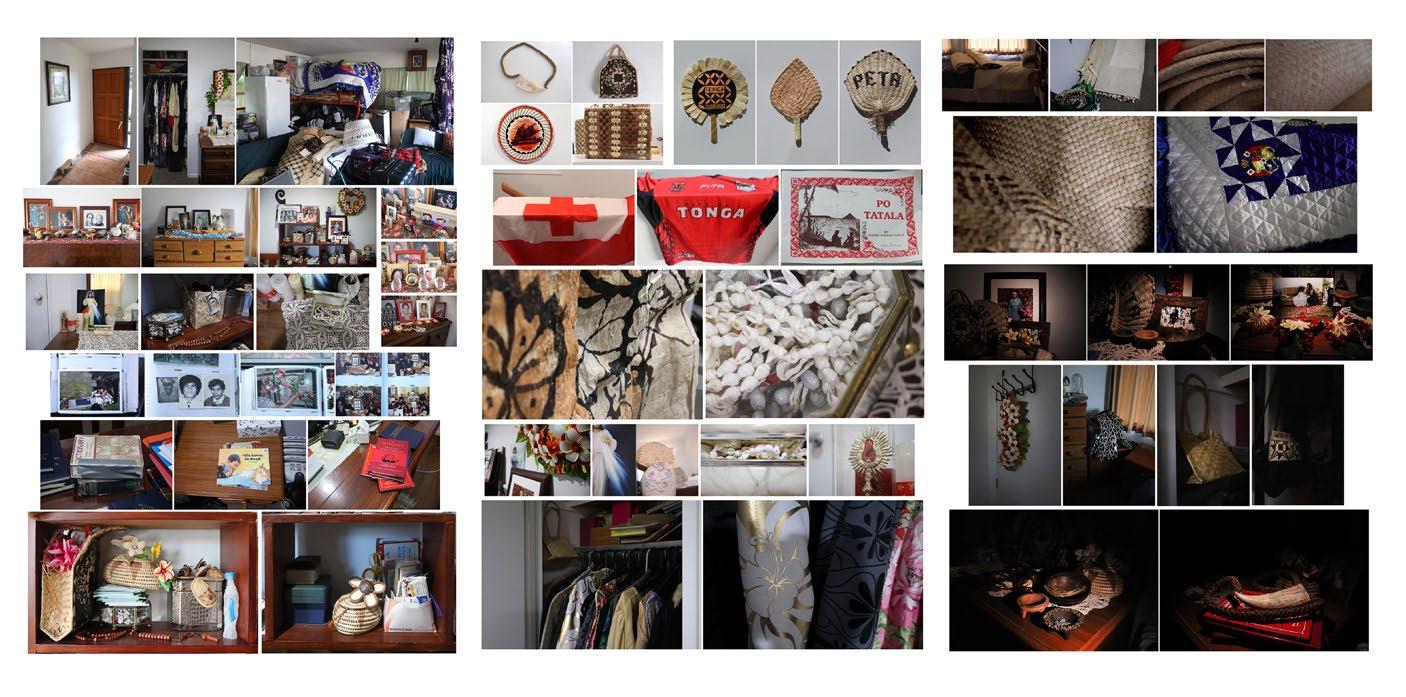
Kelekolio Cuthers (School 2021-2025) has been selected for the prestigious NZQA Top Art National Touring Exhibition, recognising excellence in NCEA Level 3 Visual Arts. Top Art features a curated collection of folio boards that achieved Excellence and are chosen by NZQA markers to represent the highest standard of student work nationally.
Kele’s year-long photographic investigation explores his Tongan heritage and connection to his grandparents’ home in Auckland, offering an authentic portrayal of whaanau, whakapapa, and identity. Remarkably, he entered Year 13 Photography without having studied the subject in Year 12. His selection reflects not only technical skill and creativity, but also resilience and a willingness to embrace new challenges in pursuit of excellence.
Three former St Paul’s students are now working together at Cambridge-based Treadlite NZ, which has grown in just six years to become New Zealand’s largest tyre recycling company and recently opened a state-of-the-art factory.
Blake Richardson (Hall 1999-2003) is a major shareholder and Managing Director, Tracy Smith (Harington 2000–2001) is a minor shareholder and Head of Sales, and Michael Walker (Fitchett 2012–2016) is set to take up the role of Business Systems Manager.
Collegian Jae Broomfield (Hamilton | Williams 2018–2021) took the field for Otago in the 2025 Bunnings NPC, named in the squad as a replacement and featuring in matchday selections as the team competed strongly in the national provincial competition. Jae, who plays on the wing and midfield, has continued his rugby development — previously representing the New Zealand Universities side as vice-captain and progressing through both the Chiefs and Crusaders age-grade pathways.

Annie Stokes (Harington 2023–2025) has launched a small art business offering prints of her acrylic paintings, developed over the past few years. Working primarily in acrylics, Annie has built a collection that reflects her interest in colour, composition, and detailed brushwork.
As she prepares to begin studying Medicine at the University of Otago, Annie continues to pursue her creative practice alongside her academic ambitions, accepting commissions and sharing her work online under art._.by._.annie
Congratulations to Seumas Eade (Fitchett 2019–2023), who has been named the 2025 New Zealand Young Piper of the Year.
Competing against 17 leading pipers from across the country at the Nelson Centre of Musical Arts, Seumas claimed the Under-21 title, a national achievement that reflects his dedication and technical skill in the highly competitive piping community.
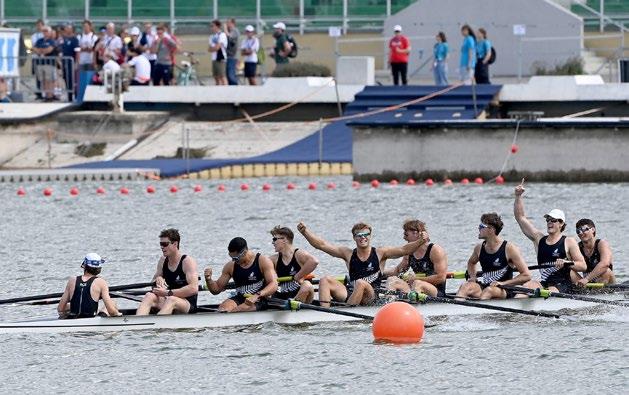
Matthew Waddell (Sargood 2017–2021) competed in the New Zealand men’s eight at the 2025 Under-23 World Rowing Championships in Poznan, Poland. The regatta marked a significant milestone for the crew. Then, in his third year at the University of California, Berkeley, Matthew earned gold and bronze medals with his Intercollegiate eight at the IRA National Rowing Championships and previously represented New Zealand in the coxed four at the 2023 U23 World Championships.
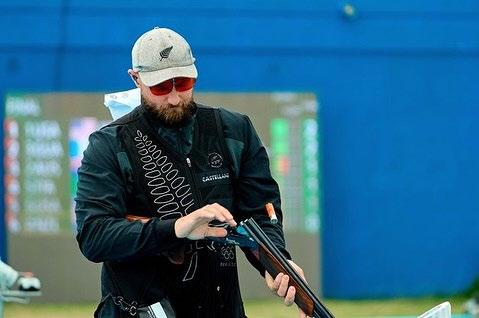
Owen Robinson (Hamilton 2005–2009) finished fourth in Men’s Trap at the ISSF World Cup in Argentina 2025, narrowly missing the podium in a highly competitive international field. His result continues a strong run of performances on the world stage following his representation of New Zealand at the Paris Olympics.
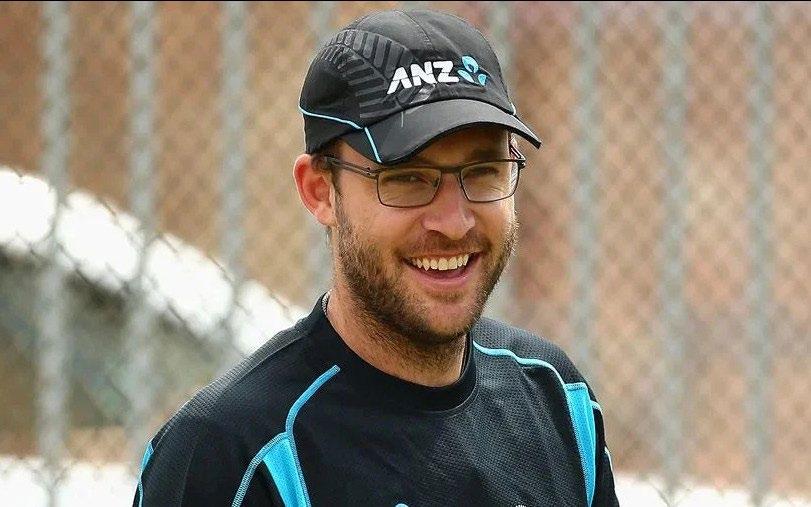
Daniel Vettori (Hall 1992–1996), Collegian Awardee 2024, was inducted into the ICC – International Cricket Council Hall of Fame in 2025. The youngest player to represent New Zealand in Test cricket at the time of his debut in 1997, aged 18, Daniel went on to become one of the Black Caps’ most influential figures.
Across a distinguished international career, he became one of just three players in the history of Test cricket to achieve the 4000-run / 300-wicket double. He later captained New Zealand, leading the team to the final of the ICC Champions Trophy in 2009 and two other ICC semi-finals. Daniel also played his entire domestic career for Northern Districts, cementing his status as one of the Waikato region’s most successful athletes.
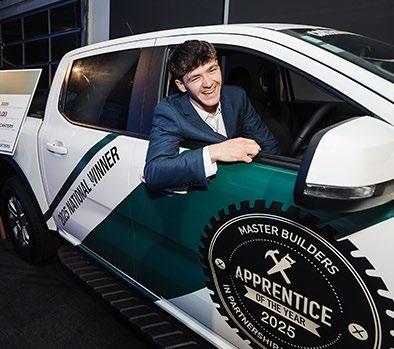
After being named the Waikato regional winner, Josh Gullery (Clark 2017–2021) went on to claim the national title of Master Builders Apprentice of the Year 2025, establishing himself as one of New Zealand’s most promising young carpenters. Representing JCC Build, Josh’s achievement reflects both his technical skill and professional dedication.
Collegian Malachi Wrampling-Alec (Clark | Hall 2018–2021) has been named in the Blues’ 2026 Super Rugby Pacific squad, following his signing with the club through to 2027. The loose forward, who made his Super Rugby debut with the Chiefs and represented New Zealand U20, adds depth and athleticism to the Blues’ back row as they begin the new campaign.
Taine Moeke (Hall 2021–2023) was selected for the New Zealand Under-20 Mixed Team at the 2025 Asia Pacific Youth Touch Cup in Queensland in May. The New Zealand Touch Blacks competed strongly at the international tournament — winning the Mixed 18s final 9–7 and showcasing emerging youth talent against top sides from across the South Pacific.
Collegian Dylan Gardiner (Clark 2020–2023) continues to progress with Wellington Phoenix, featuring regularly for the club’s Reserves and training within the first-team environment. He has captained New Zealand at youth level, including at the FIFA U-17 World Cup, and remains on track in his pursuit of a professional contract as part of the Phoenix squad structure, having been involved in first-team pre-season action such as the July 2025 win over Wrexham AFC.
Congratulations to Collegian George Dyer (Sargood 2013–2017), who was named Gallagher Chiefs Player of the Year at the club’s 2025 awards night in Hamilton. The tighthead prop was recognised for his powerful and consistent performances throughout the Super Rugby Pacific season, anchoring the Chiefs’ scrum and playing a key role in their campaign.
George has also been involved with the national setup, joining the All Blacks squad as additional training cover ahead of the three-test series against France in 2025 and featuring in All Blacks XV selections, reflecting his growing stature on the wider New Zealand stage. He continues to represent the Chiefs and Waikato, combining his Super Rugby commitments with representative honours as he builds his professional rugby career.
Ashton Robinson (Hamilton 2018–2022) returned from a semester abroad at Cornell University in Ithaca, New York, where he combined study with standout sporting and travel experiences. Ashton was part of Cornell Rugby’s first-ever Division 2 Liberty League Championshipwinning team and travelled extensively across the northeastern United States, including a visit to Canada.
His time overseas also included attending major American events – from an NFL game and the US Open to what was billed as the largest concert in US history. Ashton will return to Lincoln University for his fourth year of a Bachelor of Agricultural Science, bringing home an international perspective and plenty of stories from his time abroad.
Grace Watson, Whakatohea, (Harington | Sargood 2016–2018), was named a finalist in the 2025 Ahuwhenua Young Maaori Farmer Award for sheep and beef, a prestigious competition recognising emerging leaders in Maaori agribusiness. The acknowledgement reflects her commitment to the sector and the strong rural communities that have supported her growth.
Deeply connected to her whakapapa and the whenua she farms, Grace sees her work as part of a wider legacy – one she feels responsible to uphold and pass on to rangatahi.
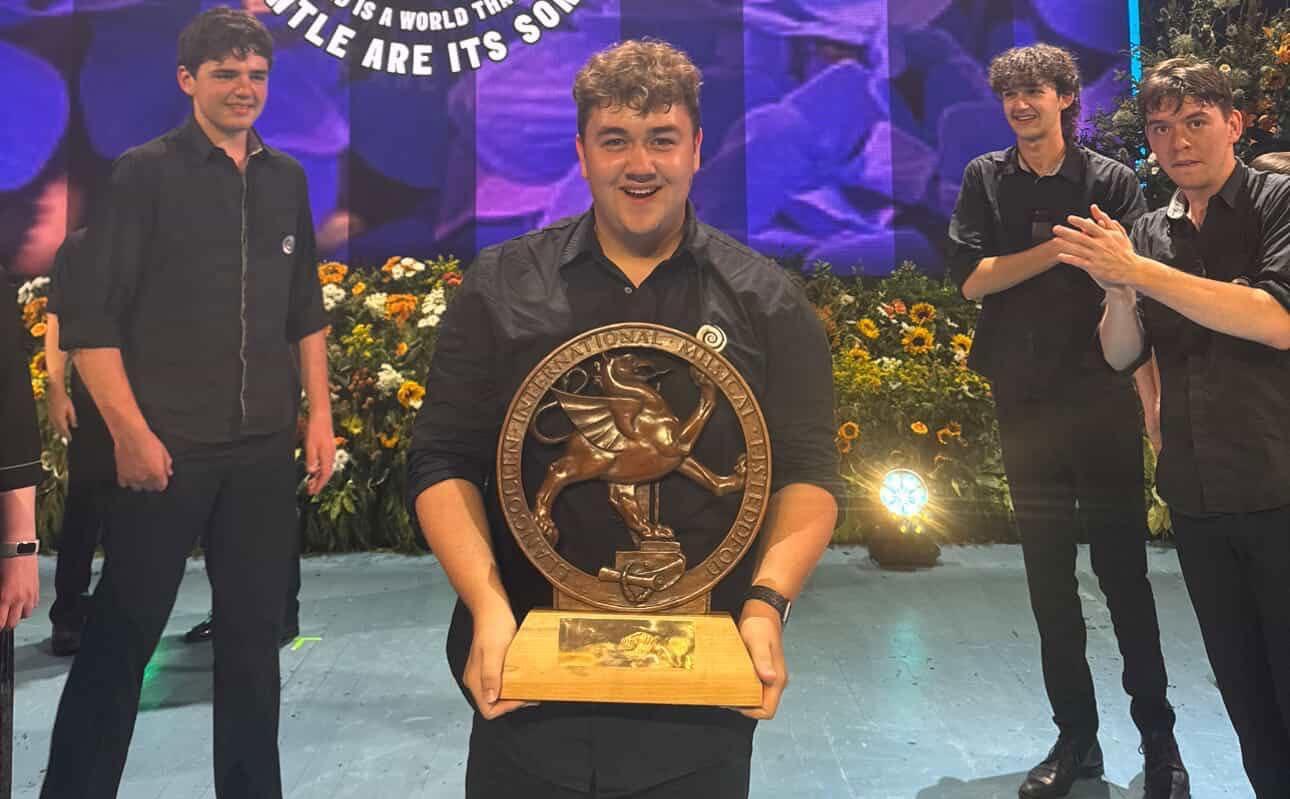
Riley Rolton (Clark 2018–2022) has taken his voice from the St Paul’s stage to the world stage as a tenor in the New Zealand Youth Choir. During his time at school, Riley was a standout performer, playing the Cowardly Lion in The Wizard of Oz and Jesus in Jesus Christ Superstar, earning a reputation for his commanding stage presence and powerful voice.
In 2025, the New Zealand Youth Choir achieved a remarkable double triumph on its European tour. The choir won the Grand Prix of Nations at the European Choir Games in Aarhus, Denmark, securing gold in the Folklore Category with a score of 97.5. They then went on to claim the prestigious Choir of the World title at the Llangollen International Musical Eisteddfod in Wales – the first New Zealand choir to do so since 1999. The celebrations included an impromptu haka after receiving the Pavarotti Trophy, while conductor David Squire was awarded the Jayne Davies Conductor’s Prize for Most Inspirational Conductor.
Riley’s international choral journey began with the New Zealand Secondary Students Choir, which won the Children’s Choir of the World title at Llangollen in 2022.
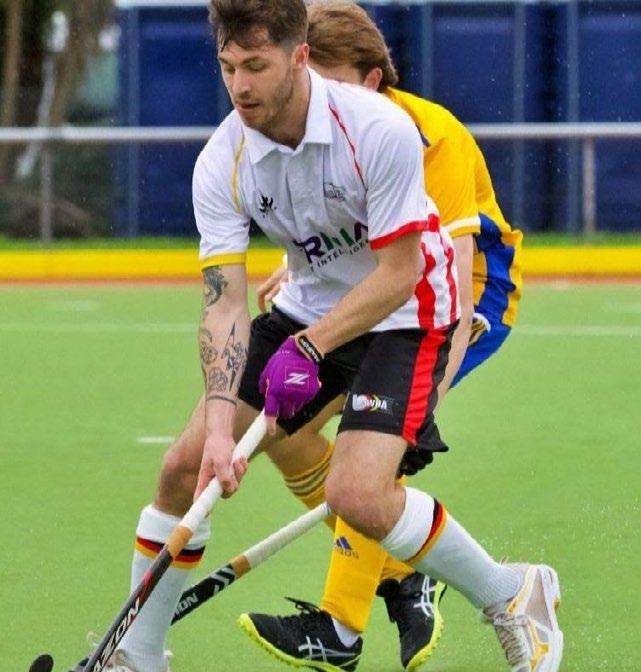
Maks Wyndham-Smith (School 2012–2016) continues to make his mark in New Zealand hockey, featuring for the Tridents in the 2025 Premier Hockey League and scoring in their bronze-medal match. He has progressed through the Waikato hockey system and played in multiple national competitions, underlining his ongoing impact in the sport as he develops his career at senior level.

Alan Webb (Hamilton 1981–1982) was appointed King’s Counsel in September 2025, one of 12 senior lawyers recognised in this year’s cohort. A specialist resource management lawyer and member of Quay Chambers, Alan was acknowledged for excellence in advocacy and his significant contribution to the legal profession in New Zealand.
- Photo credit: Quay Chambers
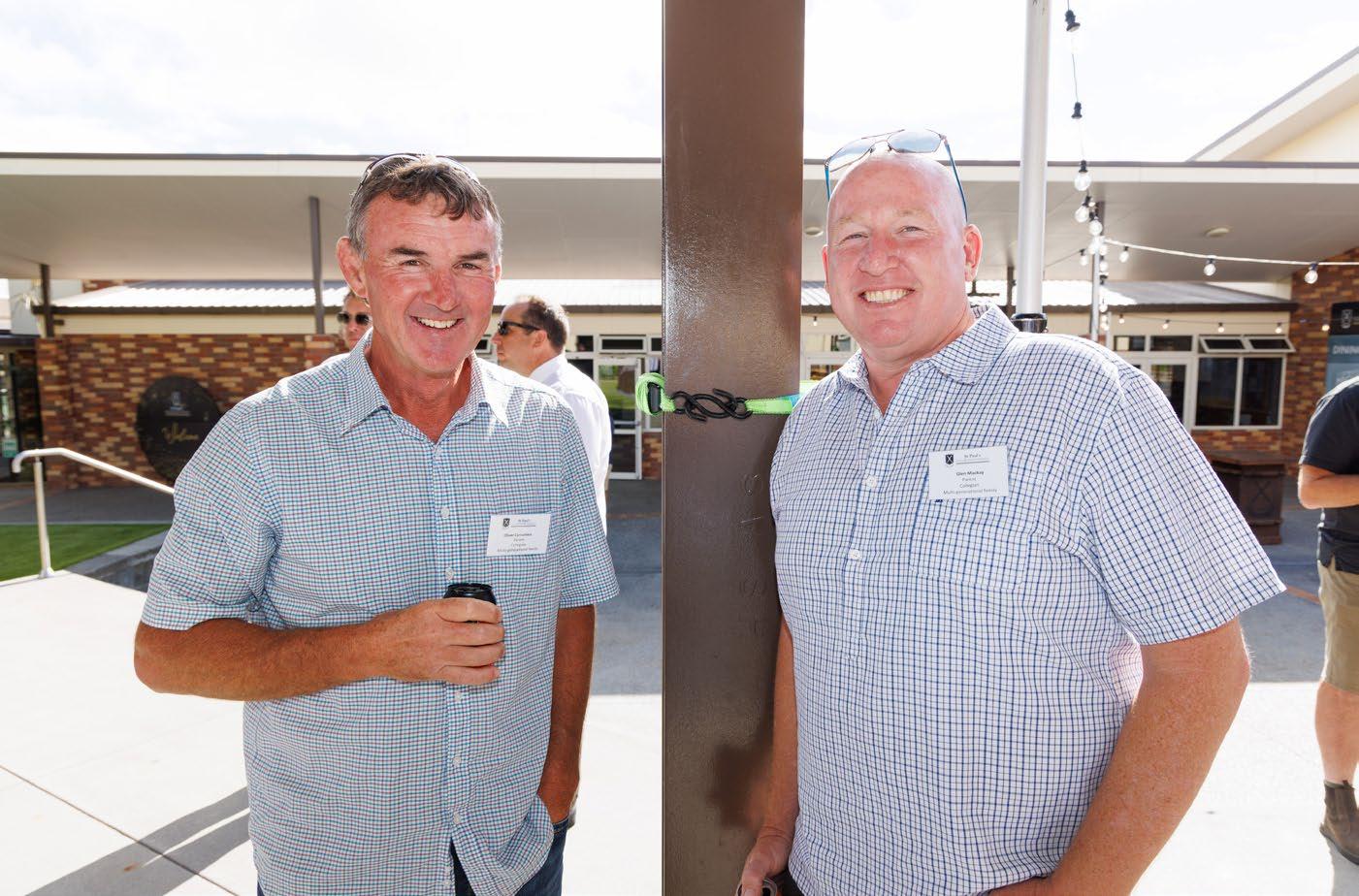
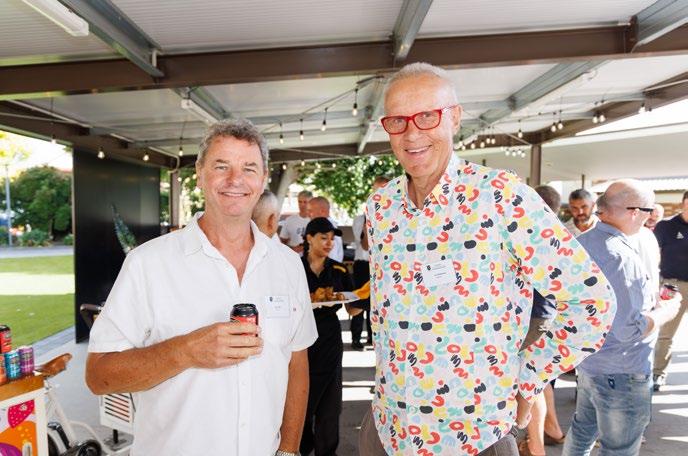
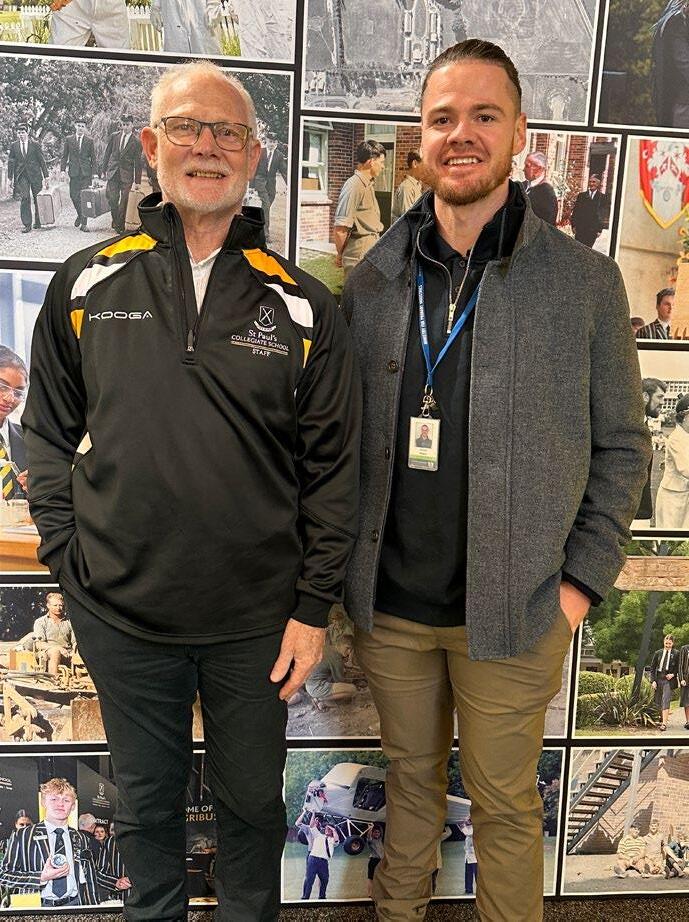
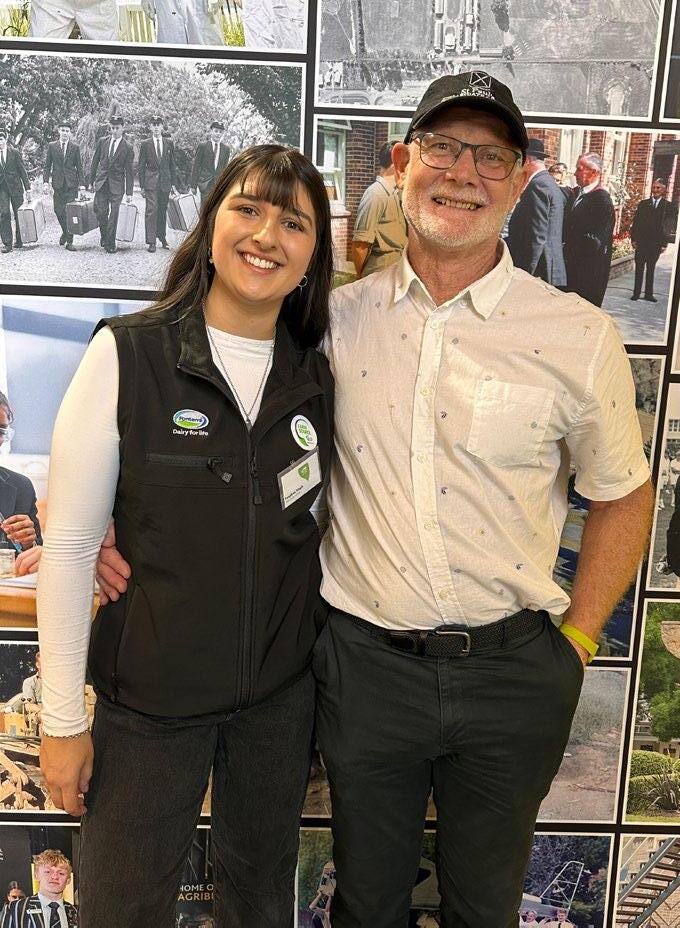
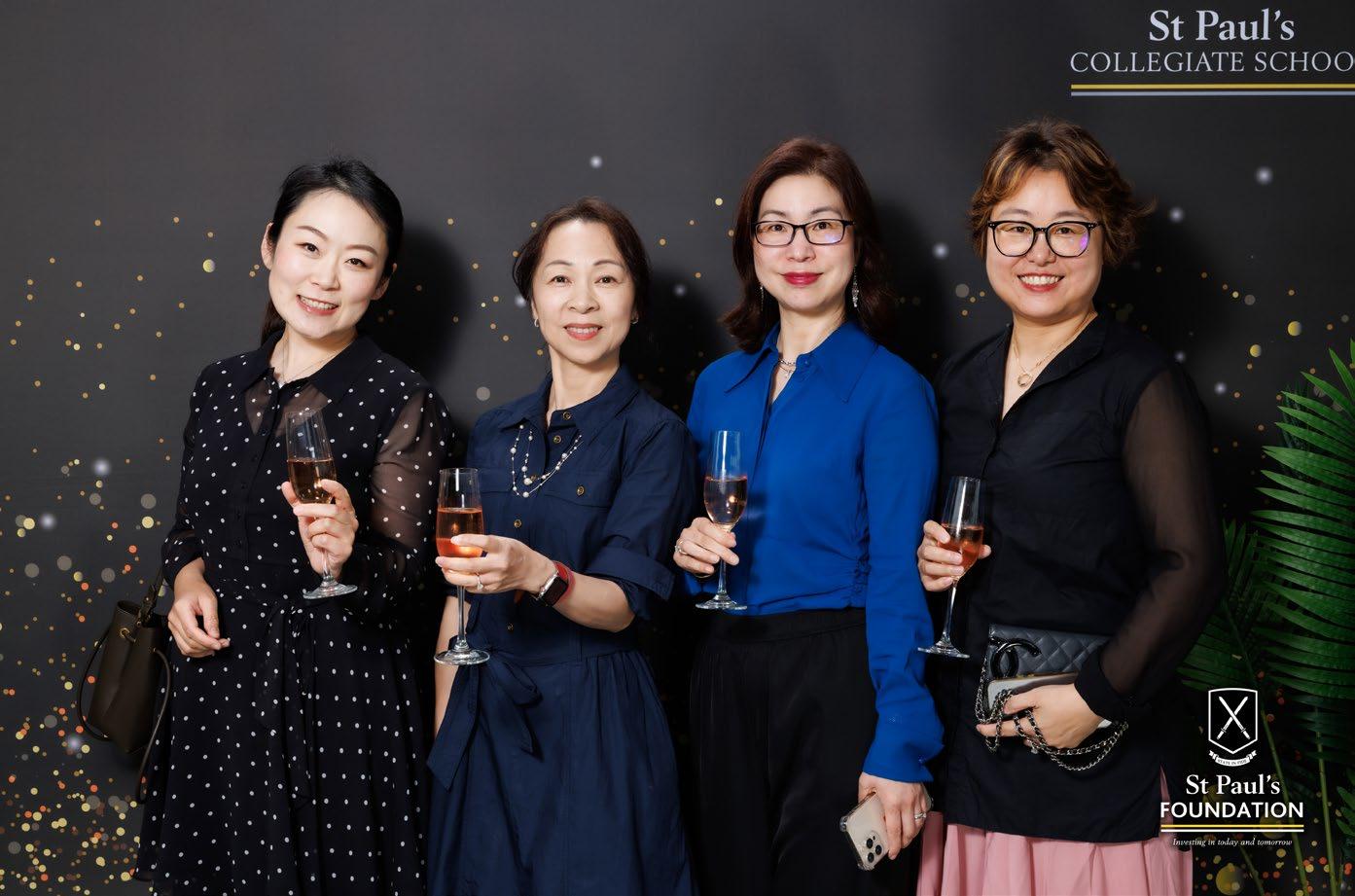
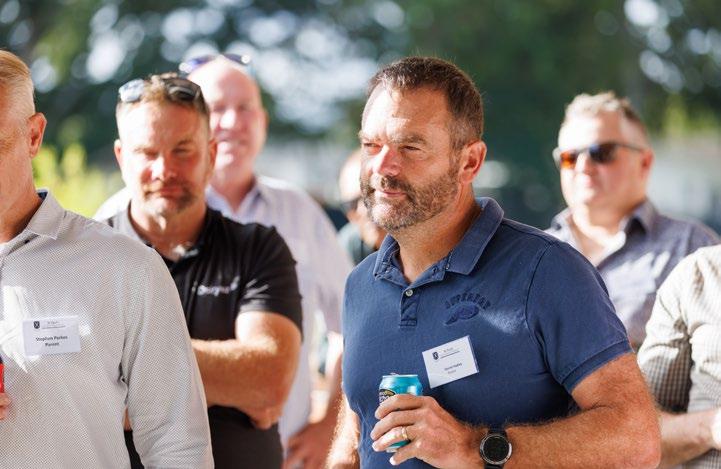
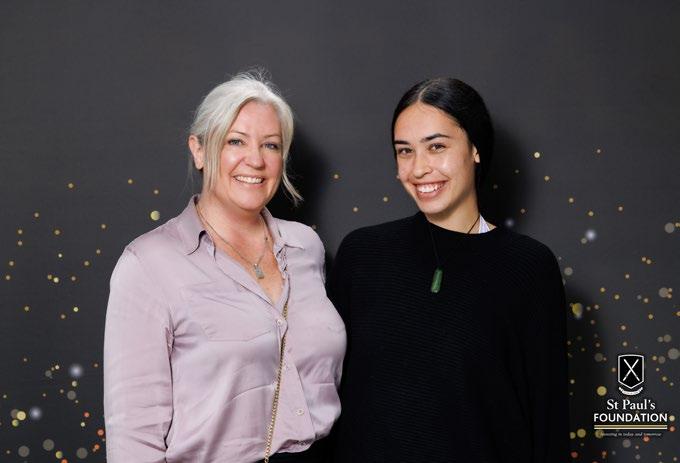
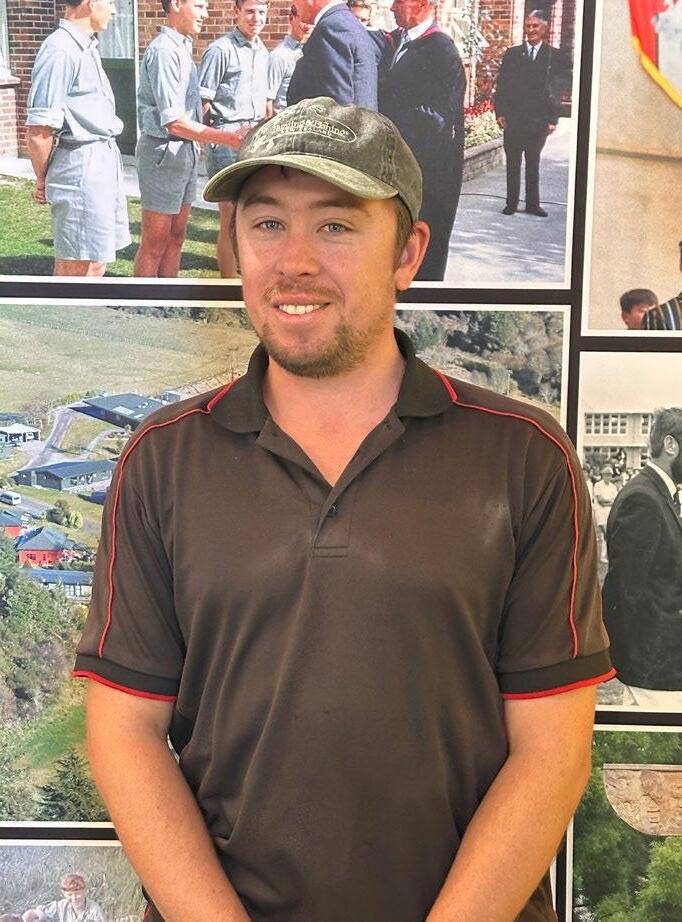
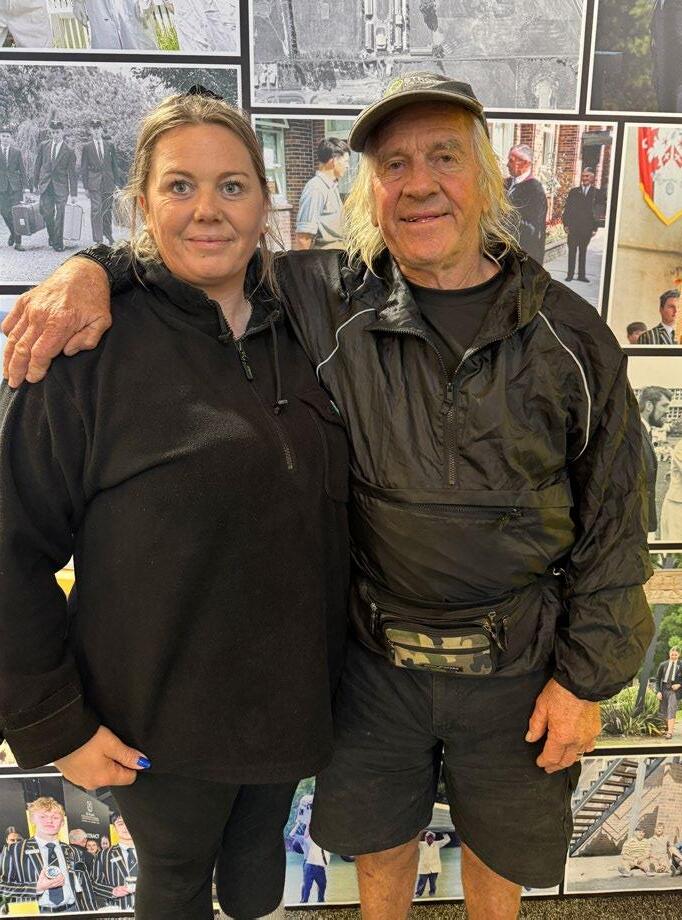
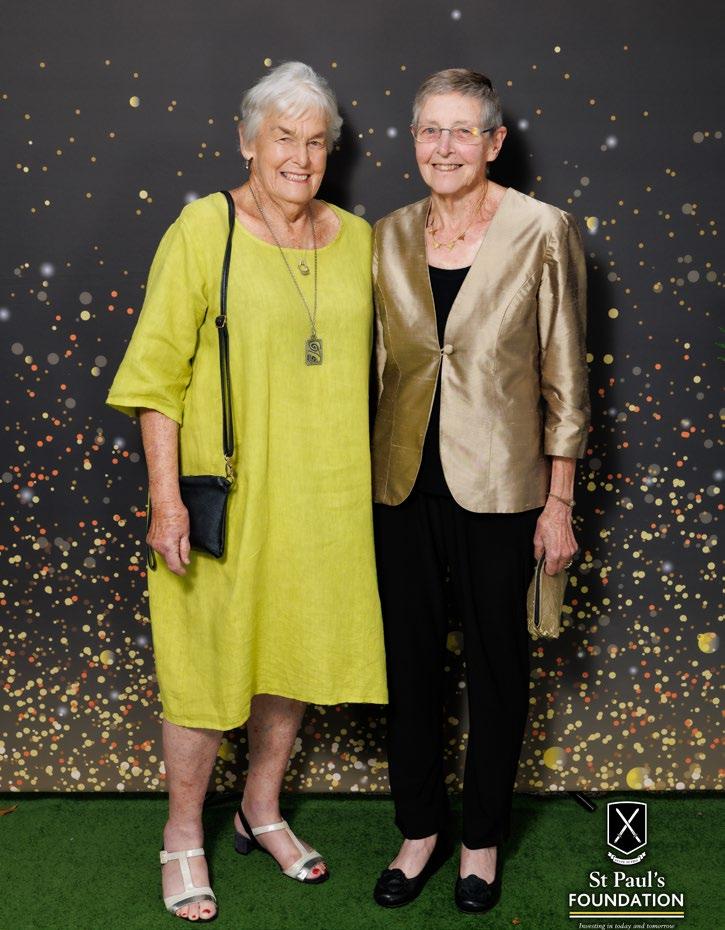
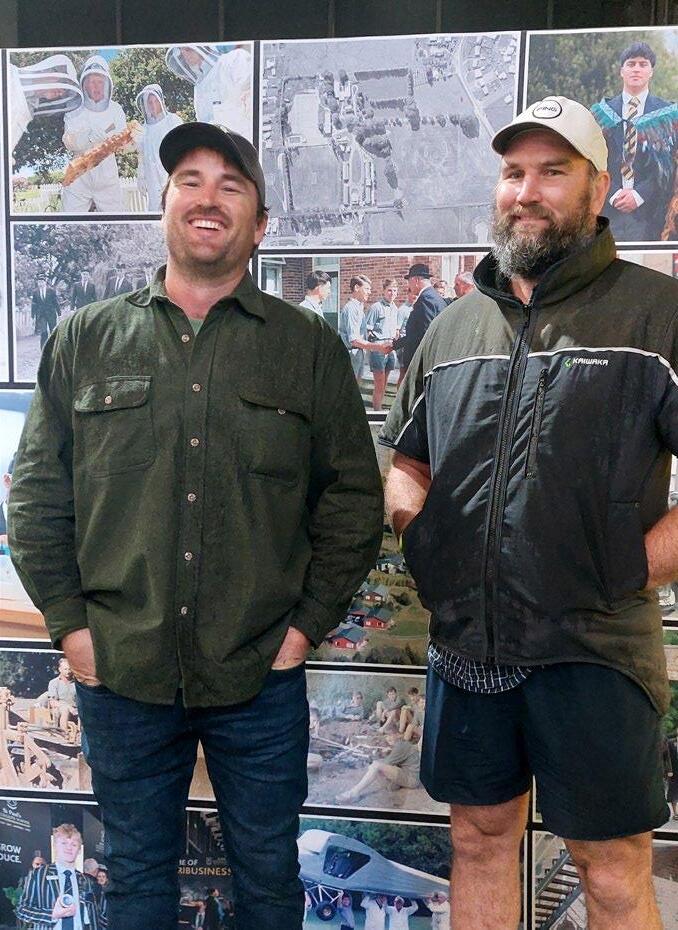
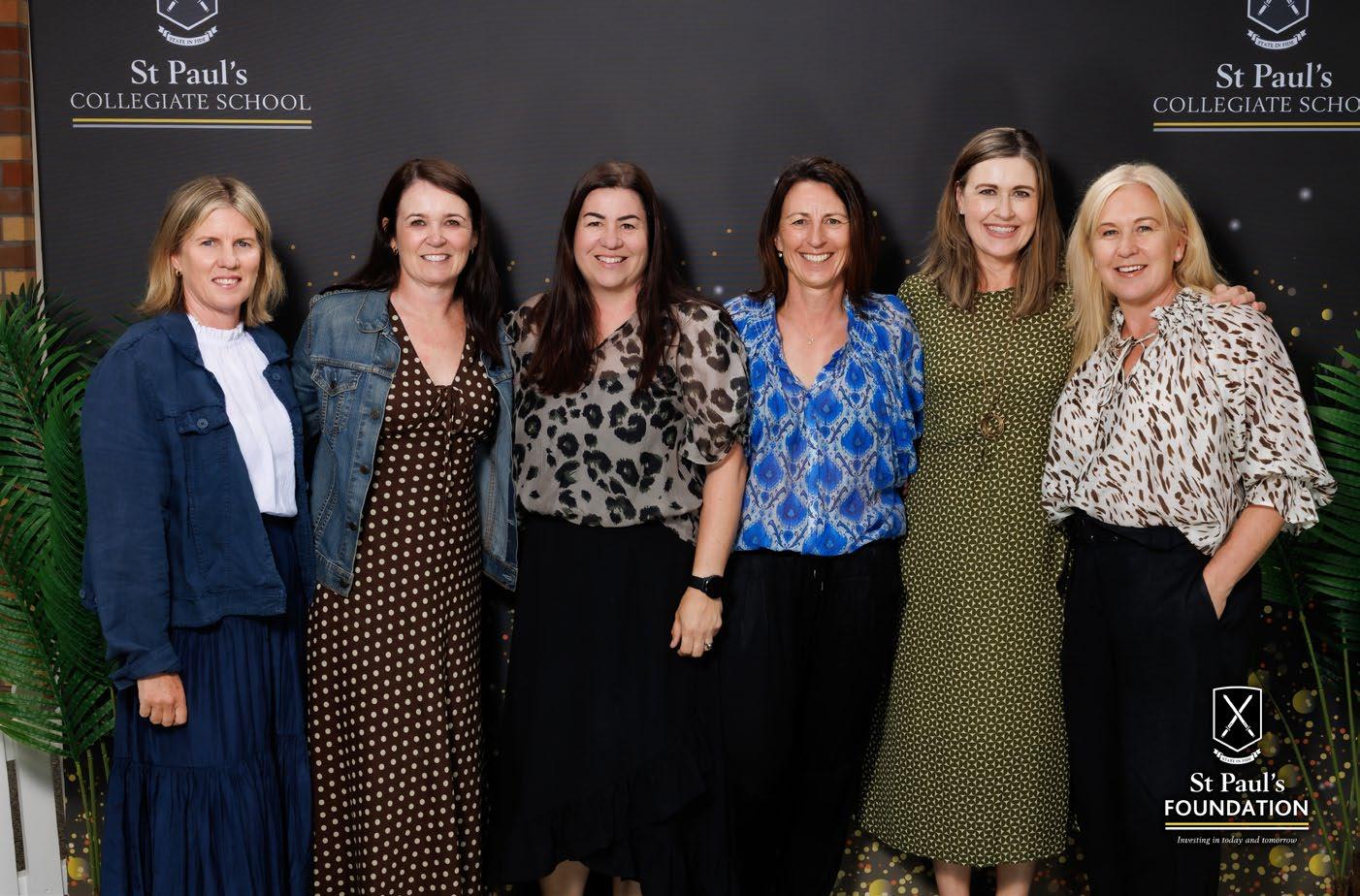
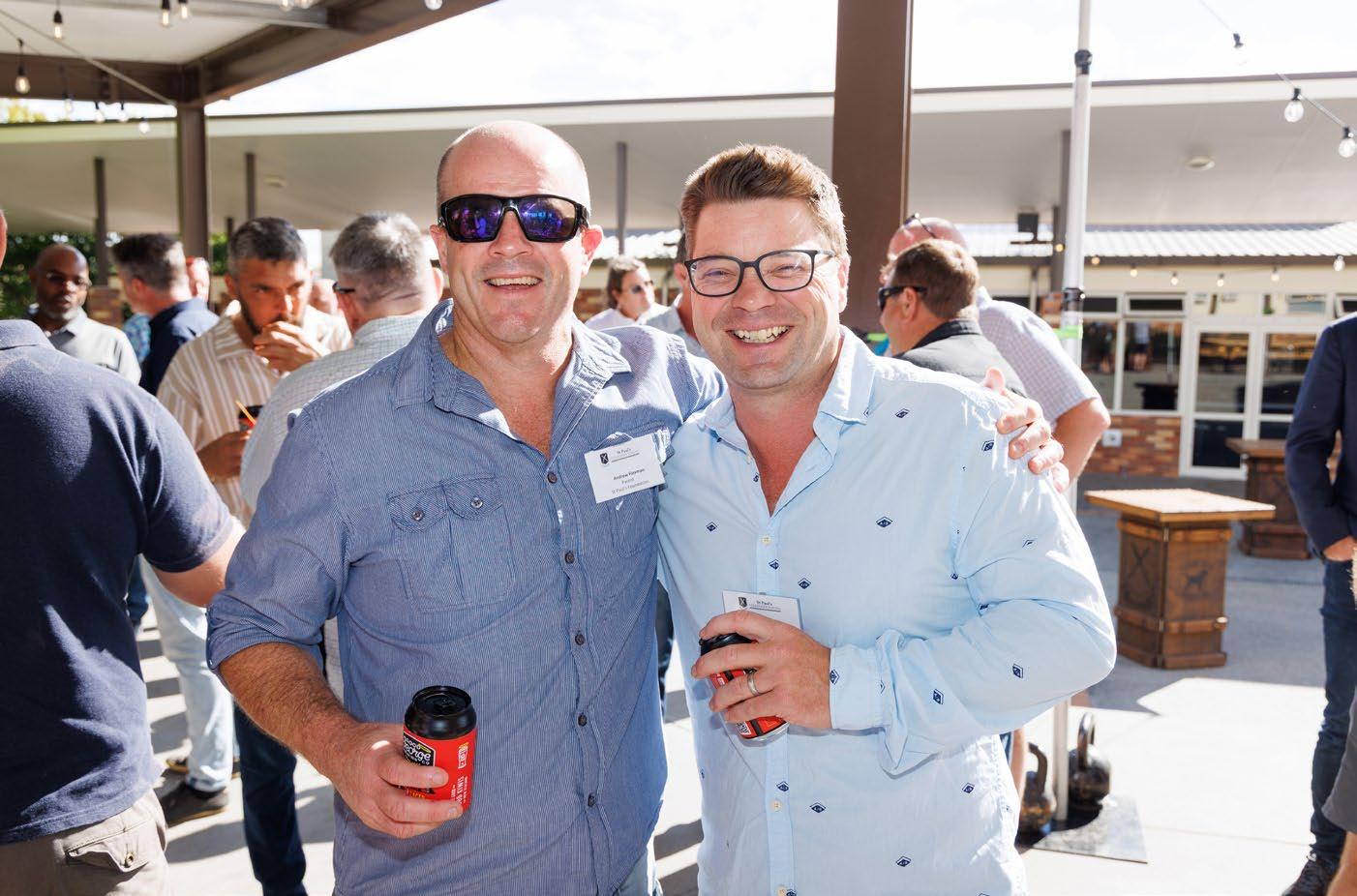
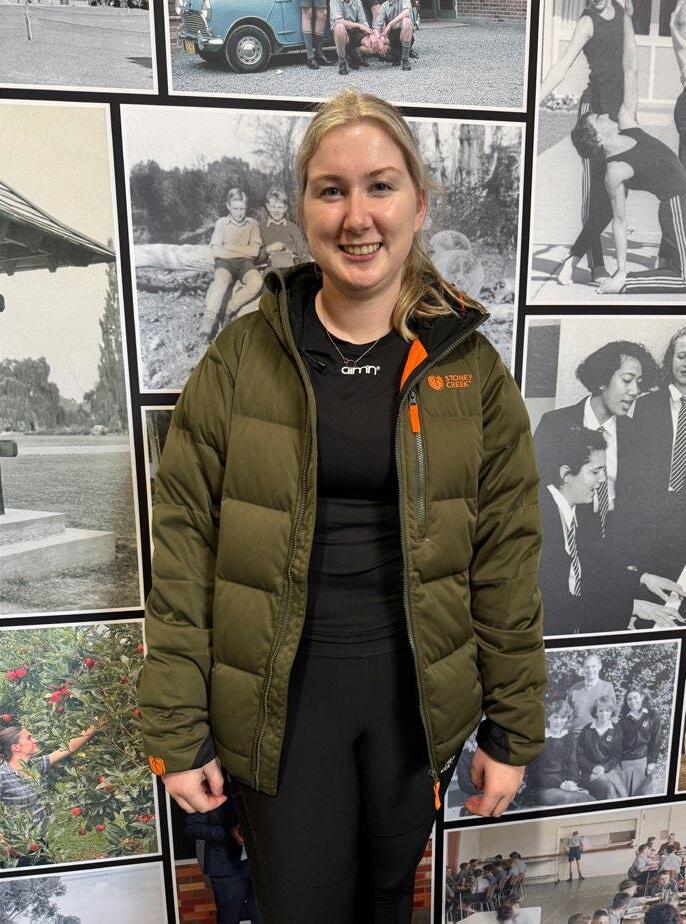
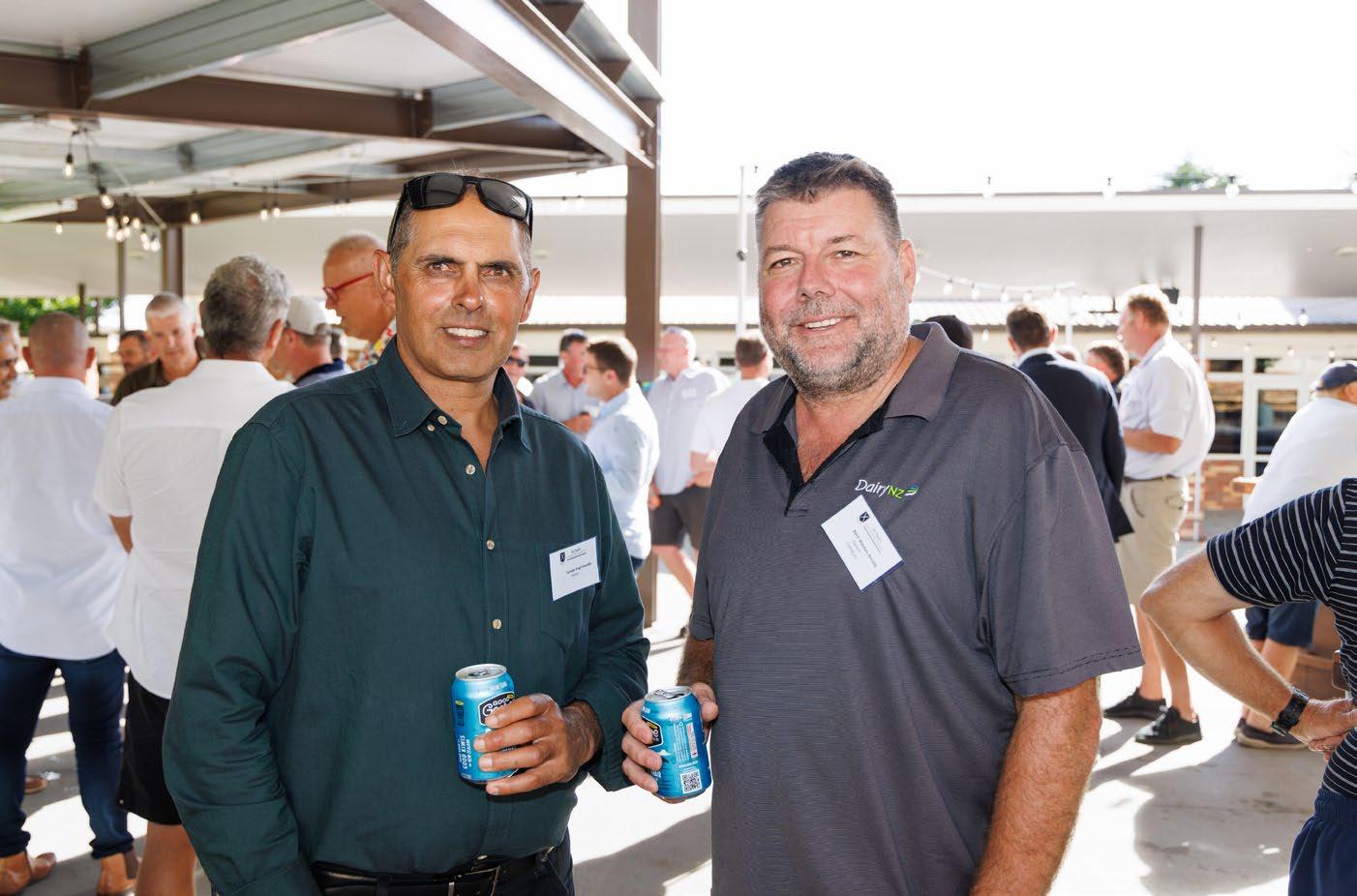
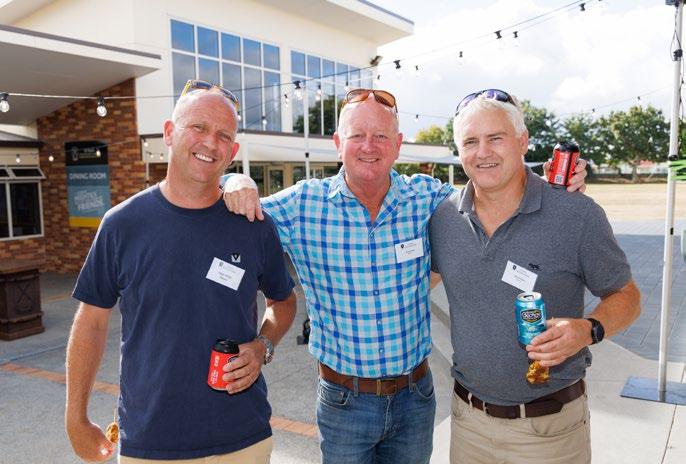
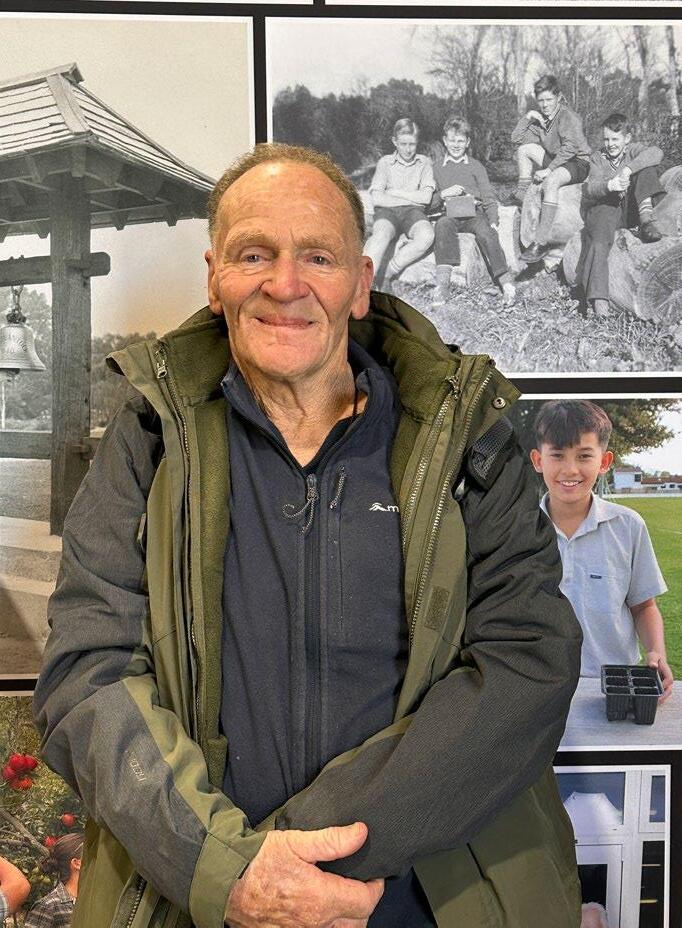
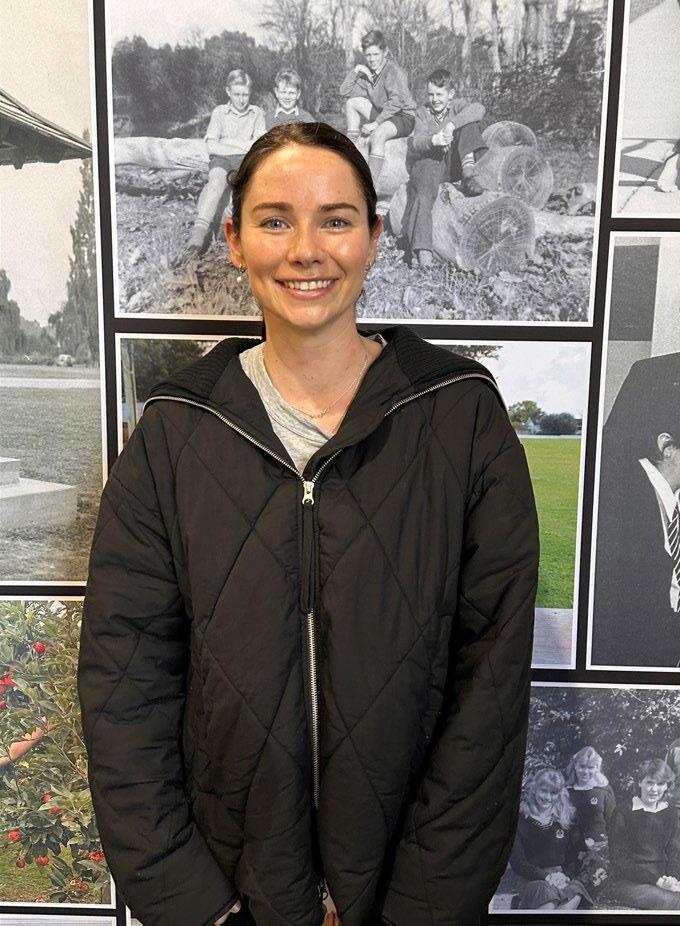
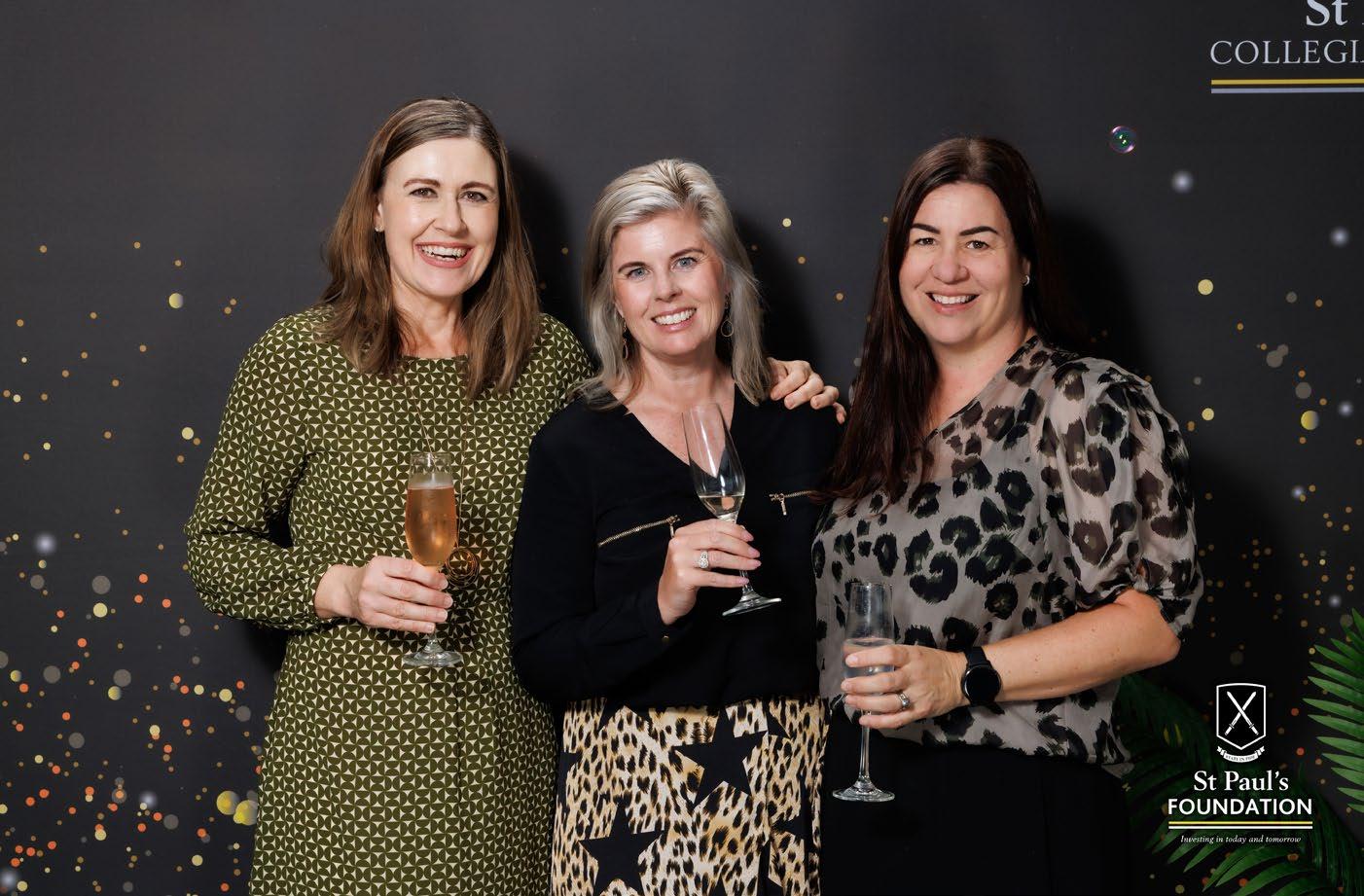
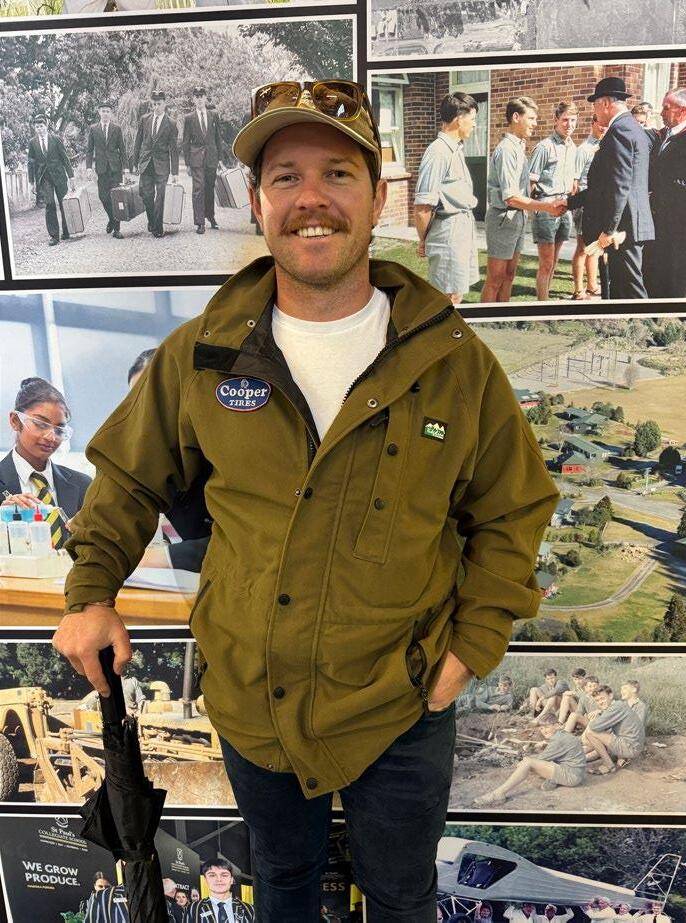
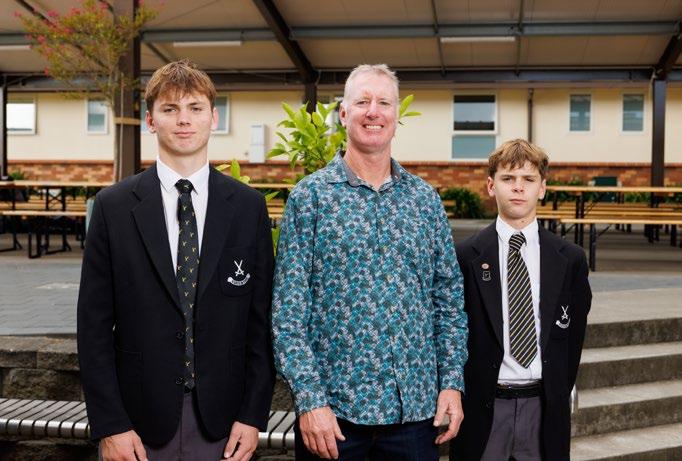
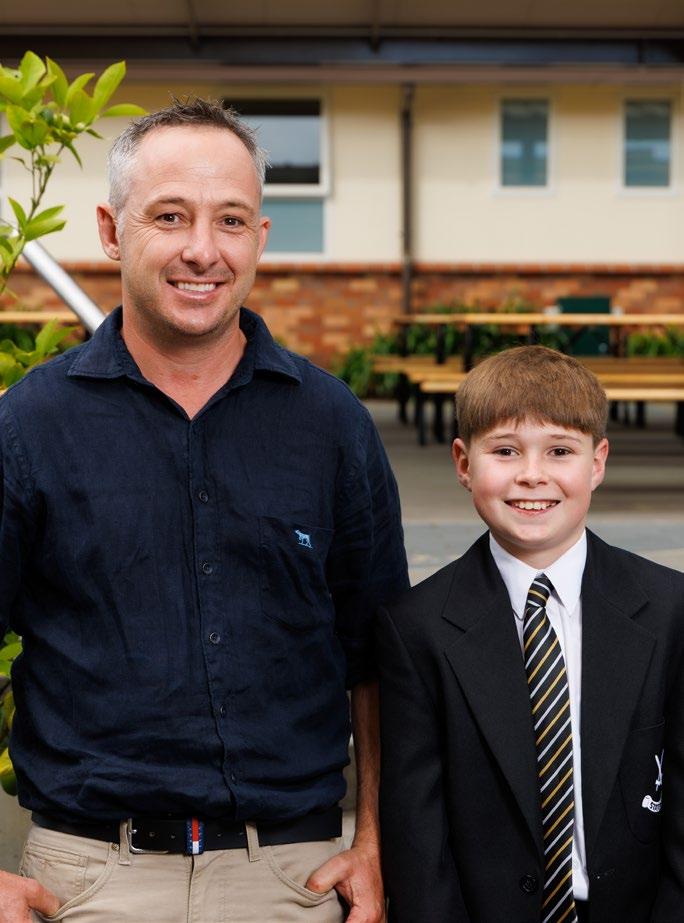
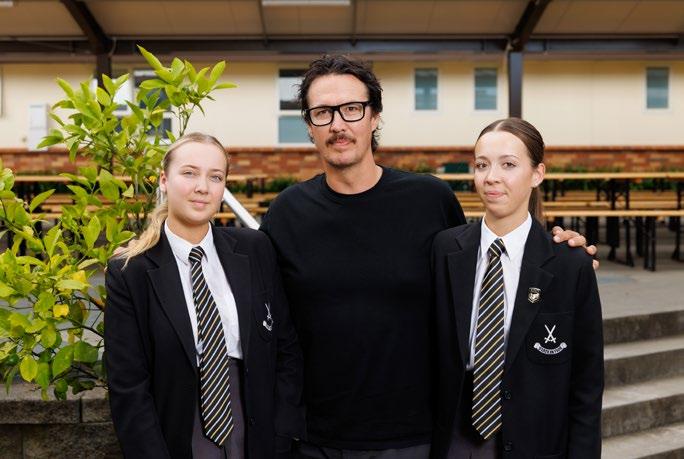
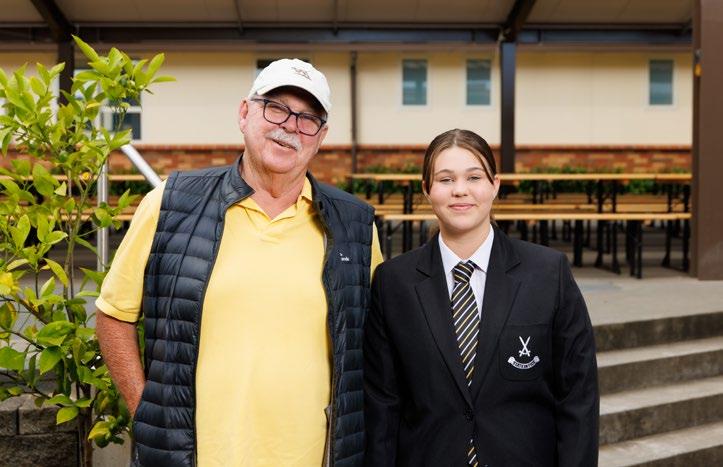
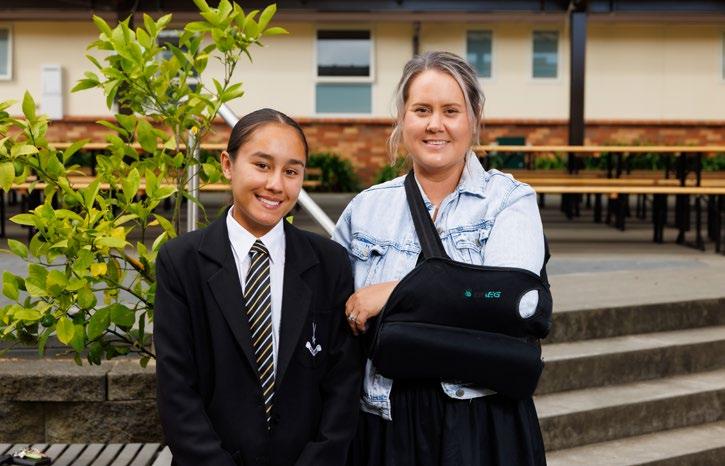
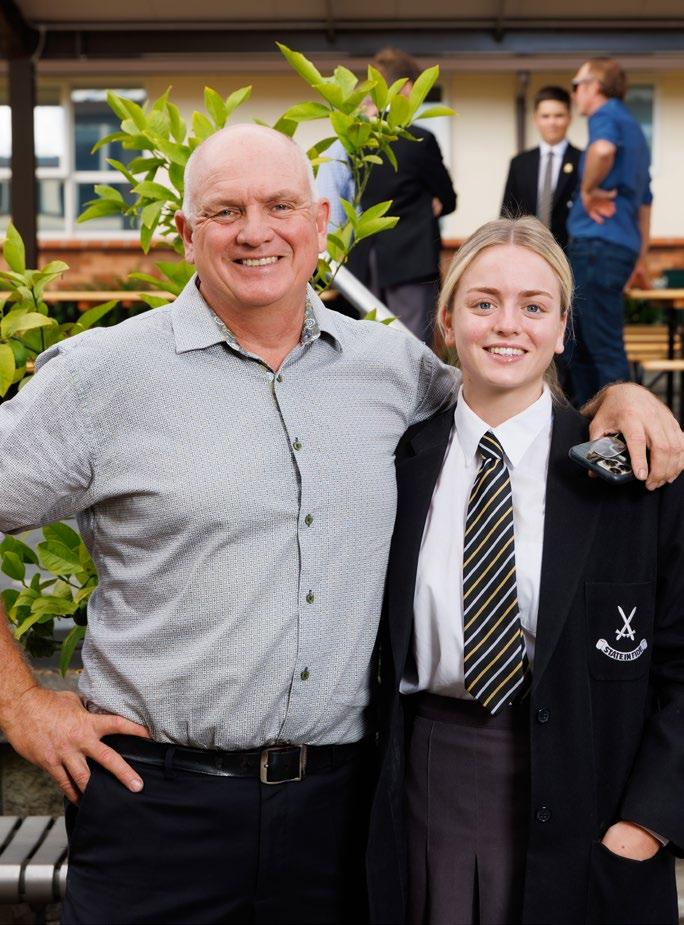
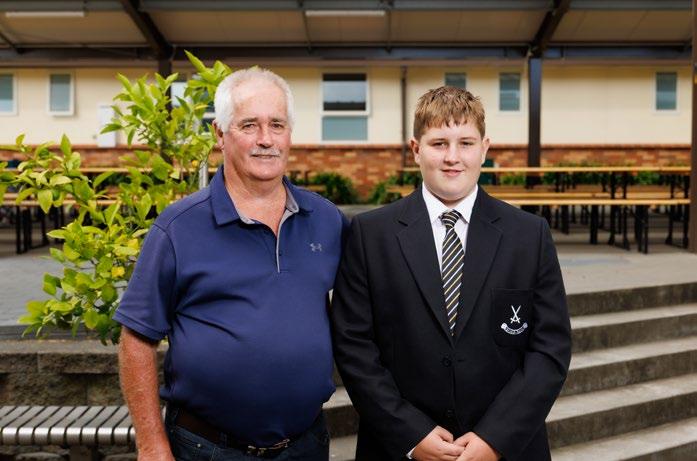
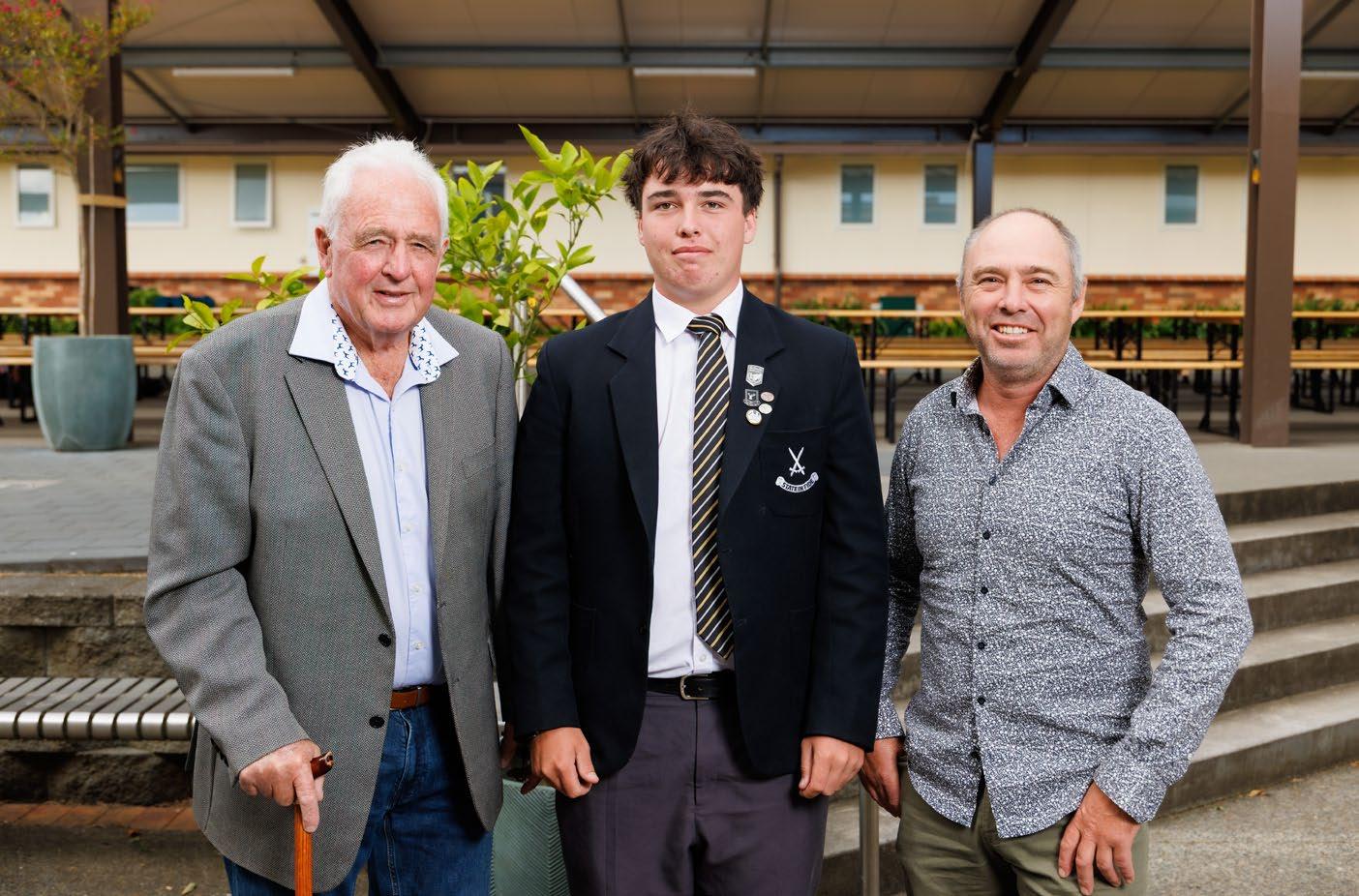
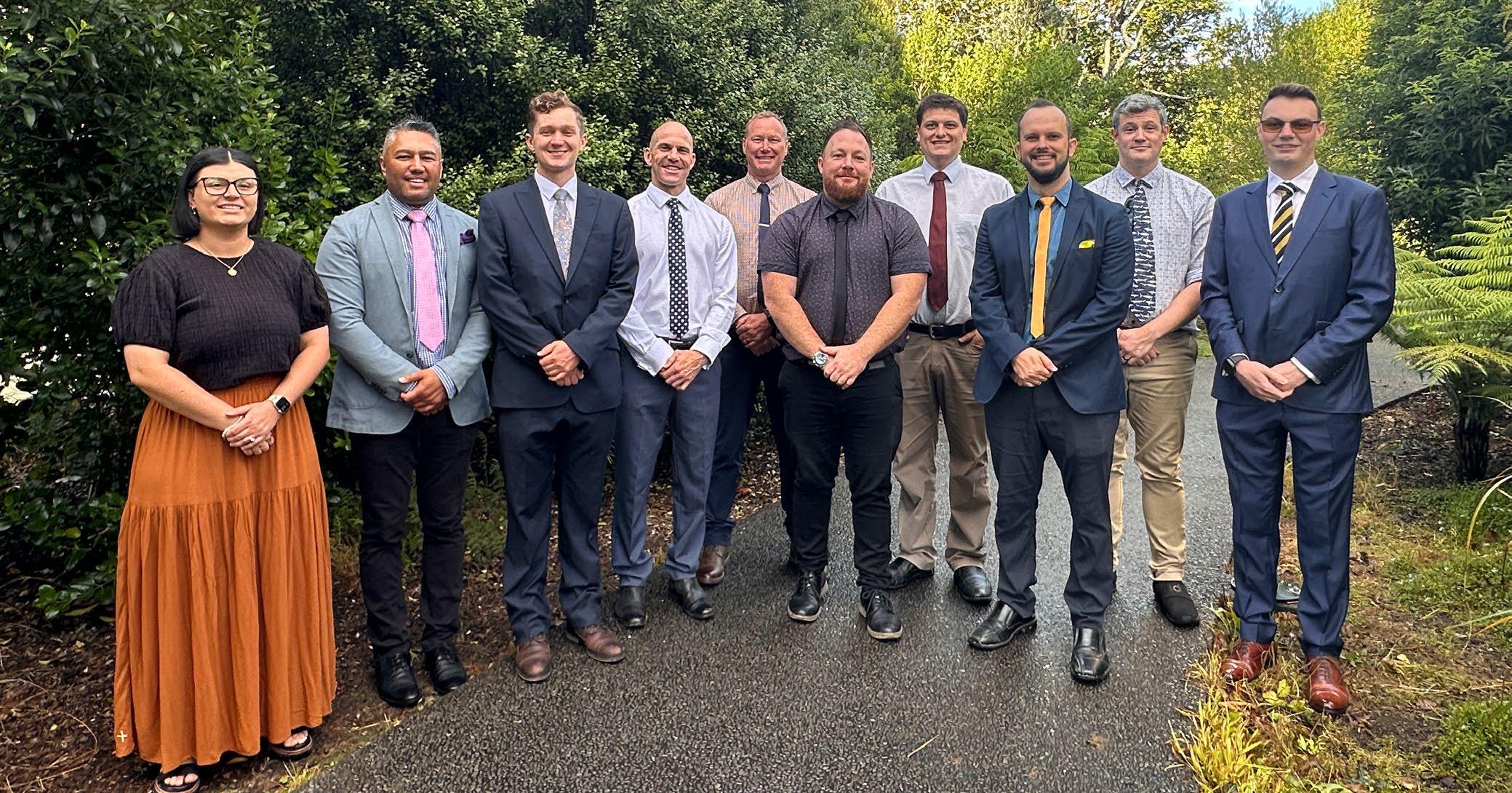
St Paul’s Collegiate School reached a new milestone in 2026 with ten Collegians now part of the teaching staff. For these teachers, the journey has come full circle – from walking the corridors as students and belonging to a house, to now standing at the front of the classroom.
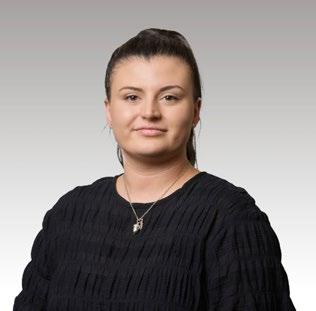
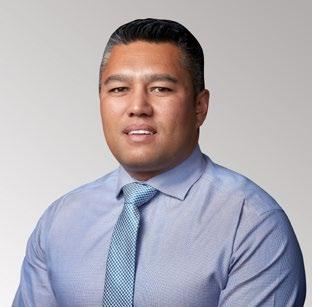

Savannah Patterson (Harington 2013–2014) joined St Paul’s Collegiate School in 2022 as an English teacher and is now also the Teacher in Charge of Media Studies. She is passionate about helping students develop confident communication, critical thinking, and creativity.
In her pastoral role, Savannah serves as a Deputy Housemaster in Harington Day, where she oversees the Hall House girls and is dedicated to supporting their growth and development. Beyond the classroom, Savannah is an avid cricket enthusiast and a published writer.
Mike Rameka (Williams 1997–1999) joined St Paul’s in 2015 as a teacher in the Physical Education and Health department.
Alongside his teaching role, Mike has contributed significantly to the school’s pastoral life as Deputy Housemaster of Sargood House. His wide-ranging sporting experience as both a player and coach across basketball, cricket, rugby, football and futsal is a huge asset to the school’s sporting programmes, specifically cricket at school, club and regional level. Mike is married to Collegian Kylie Sanson (Harington 1999-2000) and have a daughter who started St Paul’s this year in the inaugural Year 9 girls’ class.
Dylan Woodhouse (2014–2018) joined the school in 2026 as a teacher of History and Social Sciences, following research roles at the University of Waikato and experience providing intelligence analysis for Global Risk Consultants. He entered the teaching profession in 2024 and is passionate about developing students’ critical thinking and engaging them with the past.
During his time at St Paul’s, Dylan was Proxime Accessit and captain of the shooting team. Outside the classroom, he enjoys running, photography, target shooting, and spending time with his partner, Michelle, and their dogs.
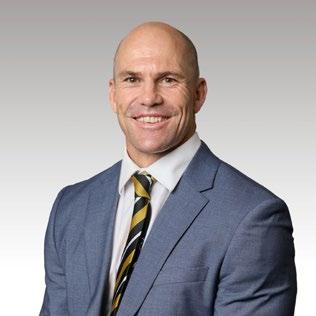


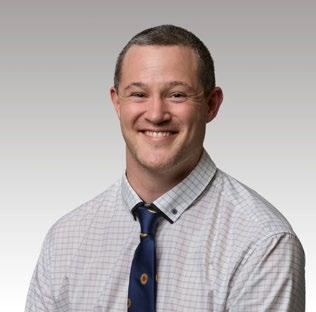
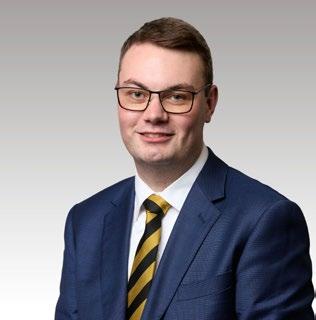
Ryan McCarthy (Sargood 1993–1997) serves as President of Collegians Inc. and enjoys bringing Collegians together. He came full circle in his time at St Paul’s, joining the staff in 2011 to teach Physical Education and serving as Housemaster of Sargood House. He is currently the housemaster of Hall House and values the pastoral role of boarding, supporting students to grow academically, socially and personally.
Ryan is actively involved in co-curricular sport, including rugby, weightlifting, touch and athletics, and brings experience as a high-performance athlete. Both of his children are currently students at the school.
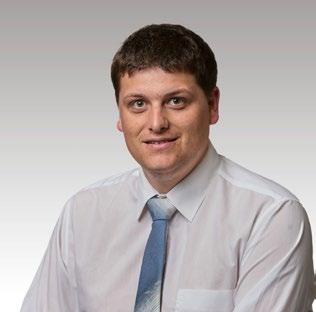
Guy Johnstone (Sargood 1990-1994) returned to St Paul’s Collegiate in 2019, initially serving as a teacher and Housemaster of Sargood House until 2023. He currently holds the position of Deputy Housemaster of School House and enjoys providing pastoral support to students on their St Paul’s journey.
Previously, he worked at Tihoi as a teacher and instructor. Alongside his pastoral work, he also teaches Mathematics in the school.
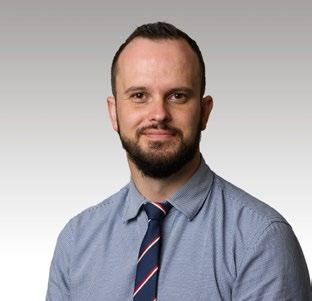
Dan Teka (Sargood 2001–2005) joined St Paul’s in 2018 as a Business Studies teacher, following a career in Banking after completing his degree in Business Analysis. He is passionate about building strong relationships with students and supporting their development both inside and beyond the classroom.
Dan currently serves as Housemaster of School House, where he values the balance of academic guidance and pastoral care that boarding life offers. He is also deeply involved in rugby at St Paul’s, drawing on experience as a high-performance player and coach at both secondary and representative level, and plays an active role in the wider sporting life of the school.
Robert Torrance (School 2005–2008) joined the school in 2022 as a teacher of Mathematics. He supports students across senior Mathematics, including Statistics and Calculus, and enjoys helping them access opportunities within and beyond the classroom.
Prior to joining St Paul’s, Robert taught senior Mathematics at Hauraki Plains College, where he also introduced Psychology as an NCEA subject, drawing on his background in the field. Robert runs the school’s chess club.
Byron de Beer (2002–2006) joined St Paul’s in 2015 as a teacher in the Mathematics Department; he now works in Religious /Social Studies and Technology. During his time as a student, he served as Head of House and Chapel Prefect. He began his teaching career at St Peter’s College in Auckland, where he developed as a classroom teacher and coach across football and rowing.
Alongside his teaching role, Byron is the teacher in charge of debating, serves as Assistant Housemaster of School House, the school’s chaplaincy programme and school timetabling.
Fraser Wilson (Fitchett 2001–2005) joined the school in 2021 as a Biology teacher. Prior to returning to St Paul’s, he taught at Aorere College and Auckland Grammar School. He enjoys encouraging students to engage with biological science and develop curiosity about the natural world - alongside making them aware of potential career opportunities in the field.
Outside the classroom, Fraser contributes to co-curricular sport, including athletics, rock climbing, and football, and values being involved in the wider life of the school.
Jack Walters (Williams 2014–2018) joined St Paul’s in 2019 as a music teacher while he was studying at Berklee College of Music. Since graduating, he has taught Junior English and Science, and currently offers lessons in Piano, Music Theory, and Music Production. He serves as a Residential Assistant in Clark House.
Outside the classroom, Jack enjoys trail running, gardening and exploring all aspects of music. He is part of a multi-generational Walters family connected to St Paul’s, with his father, Trevor, and several cousins also having attended the school.
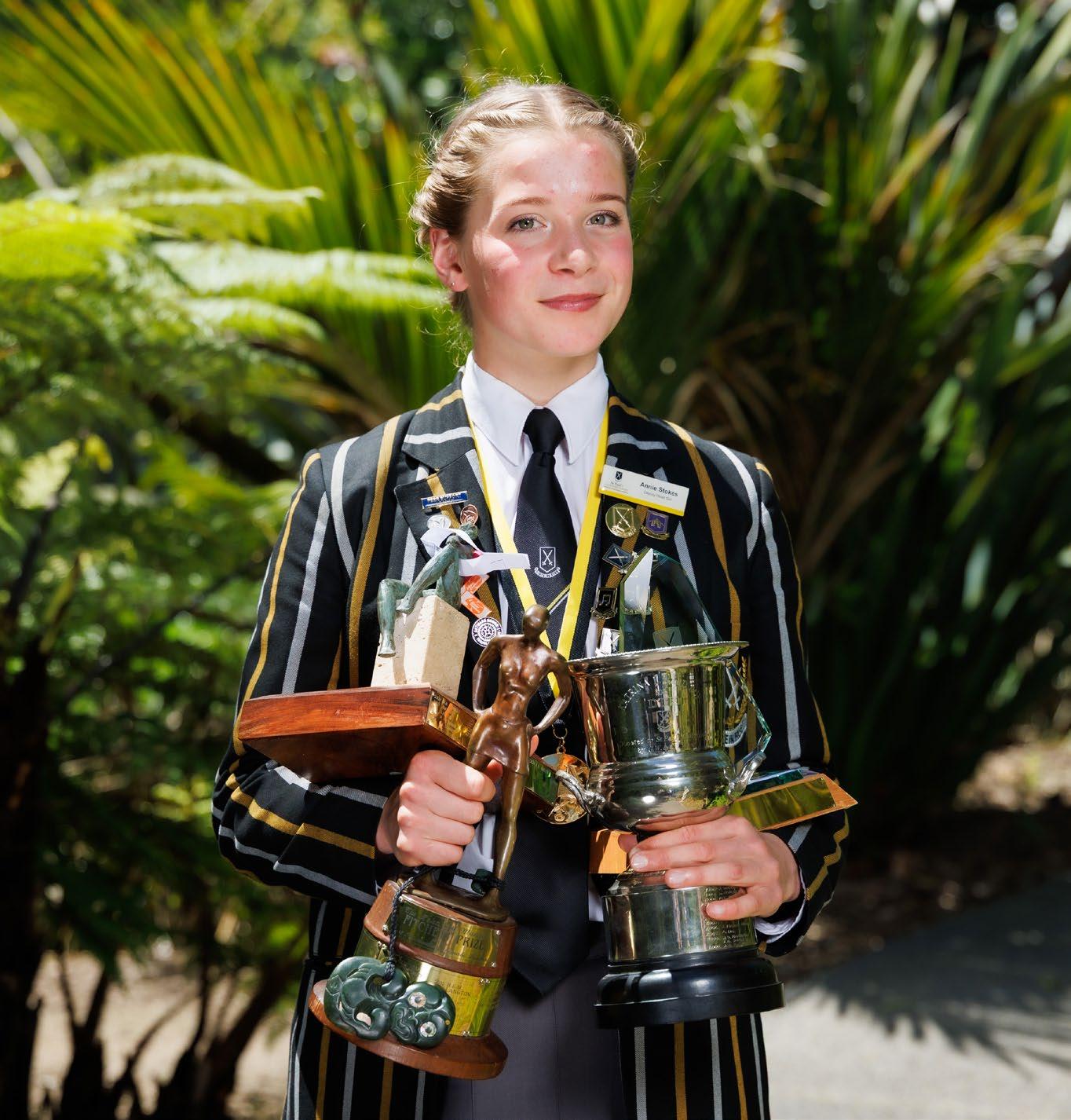
We are incredibly proud to share that Annabelle Stokes is a recipient of an NZQA Outstanding Scholar Award, one of only 57 nationwide, as part of the 2025 New Zealand Scholarship results. Annie obtained five scholarships, with two at Outstanding level. In addition, she was first in the country for two subjects, Biology and Statistics.
Fifty-five Academic Scholarships were awarded to St Paul’s students, the highest number in its history. This announcement not only showcases the dedication and academic excellence of our Scholarship recipients but also reflects the collective support of the teachers and families who have walked alongside these students throughout their learning journey.
We congratulate each of these students on their outstanding accomplishments and the commitment they have shown in striving for excellence.
Jiaxin Chai: Photography
Kelekolio Cuthers: Photography
Annabelle Stokes: Biology (Outstanding), Chemistry, Painting, Religious Studies, Statistics (Outstanding), 2025 Dux
Bruno Cropper: Photography
Chak Chan: Biology, Chemistry
Ella Snyman: Physics, Statistics
George MacDonald: Economics, English, Geography, History
Iona Martynoga: English (Outstanding), Geography, History
Isobel Morton-Johnson: Media Studies
Jasper Ludbrook: Statistics
Jesse Chen: Accounting
Li Hang Cao: Calculus, Chemistry, Physics, Statistics
Liam Stiles: Chemistry, Physics
Neo Urlich: Photography
Oscar Walsdorf: Economics, Statistics
Paige Blackett: Photography (Outstanding)
Rebecca Winefield: Photography
Roy Zhu: Economics, English, History
Shaunik Punjabi: Economics, Statistics
William Rushbrooke: English
Yicheng Zhao: Geography, Health and Physical Education, Religious Studies
Aditya Manda: Calculus, English, History, Statistics
Aislin Tse: Painting
Ben Foster: Geography, History
Caelan Blackmore: Religious Studies
Fiona Guo: Design
Fred McKenzie: History
Kelly Leung: Music
Srikar Jandhyala: History
Troy Poole: History (Outstanding)
Collegian Chase Beadle (Sargood 2014-2016) is preparing to release a new single this year. Working out of Parachute Music in Auckland, Chase has spent the past year working on new tracks to form the foundation of a new album to date 28 songs have been produced.
Chase describes these songs as his most refined, authentic and expansive body of work to date. Blending pop and R&B, with moments that cross genre boundaries. His songwriting process remains instinctive and organic, often beginning with simple chords and allowing lyrics to emerge naturally. His advice is, “Just start singing, even if it’s terrible, just keep going, and eventually something real comes out,” says Chase. “That’s how a lot of my music is written.”
A former boarder and choir member at St Paul’s Collegiate School, Chase, under the guidance of long-time singing teacher Ian Campbell (Staff 2011-current), developed his vocal ability and self-belief, while navigating challenges including partial deafness and dyslexia. Following his time at St
Paul’s and Bethlehem College, Chase studied music at Toi Ohomai Institute of Technology and released his first tracks in 2020 titled Roads. Since then, his journey has taken him from collaborations with producers in New Zealand, California, and New York, to his current creative base in Auckland.
Over the past year, Chase’s music has reached more than 200,000 listeners with metrics showing 260,000 streams, reflecting a growing international audience. Since Chase’s first release in 2020, he has reached more than 1 million streams and has published 13 songs.
With a background in marketing and business, he takes a hands-on approach to promotion, using targeted regional marketing to connect with listeners where his music is most likely to resonate. One standout example was his song “White Hills of Dover”, which gained strong traction after targeting listeners in Dover, UK, resulting in tens of thousands of streams to date (67,000). Despite this growth, Chase says, “It’s not really about the money, if someone can
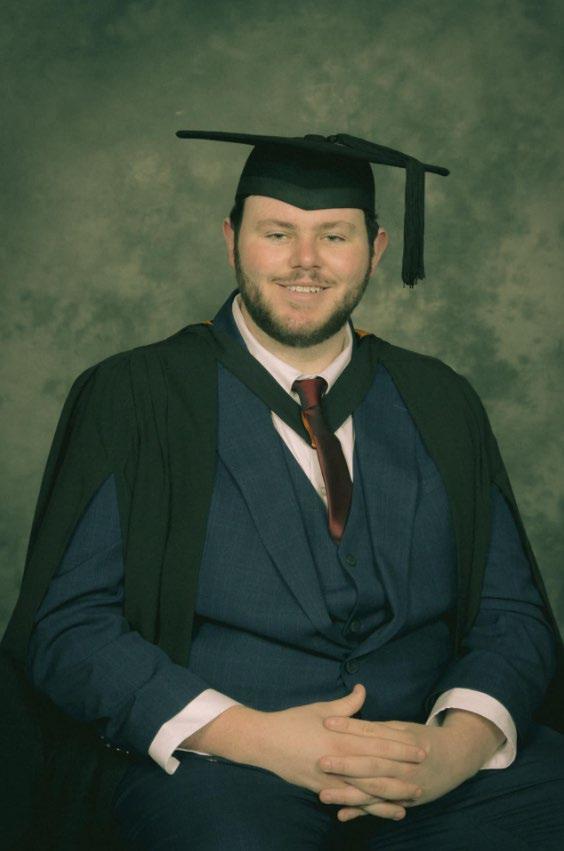
hear my music, see themselves in it, and take something positive from it, that’s what makes it worth it.”
His upcoming single, Better Than He Can, came out 28 February, offering a glimpse into his new tone, combining melody with lyrics that invite personal interpretation. The new album represents the culmination of years of persistence, resilience, and quiet ambition. As Chase reflects, “Don’t sweat the little things. Do everything. Try it all. In ten years, you don’t want to regret not giving something a go.”


Tom Gordon (Clark 2010–2014) left St Paul’s Collegiate School in 2014, planning a gap year in Scotland. Eleven years later, he is still in the United Kingdom – now playing professional rugby for Newcastle Falcons after six seasons with Glasgow Warriors, including their 2023–24 URC Championship-winning campaign.
“I basically came for a gap year and I never left,” Tom says. “It’s been 11 years now.”
Fresh out of school at 17, Tom headed to Scotland with no fixed rugby ambitions. What he did have was family. His mother’s cousins still lived in the house where his grandfather was born, and one of them was the president of Scottish Premiership club Currie RFC.
“I wanted to go on a gap year, and Mum has cousins still in Scotland,” he says.
“My mum’s cousin said, ‘You can stay with us, and we’ll get you a job.’ So I played at Currie RFC.”
At the time, rugby was not the main objective.
“I wasn’t coming over to play rugby professionally, but I wanted to play a bit while I was there,” Tom says.
A quiet word from New Zealand about his eligibility through his grandparents opened another door.
“I got a little word put in from New Zealand that I was coming over, and they said, ‘He’s eligible to play for Scotland.’”
The change of pace was immediate.
“I turned up a week after finishing school. I was 17 and played my first game of proper men’s Premiership club rugby a week after I got there. That was a bit of an eye-opener,” he says. “I was like, ‘This is what real men’s rugby is’.”
Not long after, an email arrived inviting him into the Edinburgh under-18s and under-20s environment.
“From there, I was in and around Scotland under-18s and played my way in,” he says. “I was going to go back to New Zealand, but I didn’t know when. Then I played under-19s the next year and Edinburgh offered me an academy
contract. I said, ‘Alright, I’ll give this a go.’”
What began as a year overseas slowly became something more permanent.
“I stuck in the academy for a few years, played under-20s, had a year of club rugby with Currie, and then after that I went to Glasgow Warriors. I’ve been here ever since,” he says.
Tom signed professional terms with Glasgow Warriors in 2018 and went on to make 76 appearances across six seasons at Scotstoun. He featured in ten matches during the 2023–24 campaign as Glasgow secured the United Rugby Championship title.
In the summer of 2024, he joined Newcastle Falcons, bringing his trademark work rate to the English Premiership. A specialist openside flanker, Tom has built a reputation for his work at the breakdown, consistently ranking highly in tackle and turnover statistics.While much of his rugby development happened in Scotland, the foundations were laid earlier.
St Paul’s was where Tom developed his discipline, physicality, and understanding of the game. Those who watched him remember a competitive edge and a willingness to do the unseen work –traits that now define his professional game.
A 2014 St Paul’s photograph from his final year captures Tom in the front row as captain of the First XV, flanked by coach Andrew Gibbs (Staff 2005-2021) and assistant coach Ryan McCarthy (Staff 2011-current). Also in the image is current All Black hooker Samisoni Taukei’aho (Sargood 2013-2015). That season, the team won the Central North Island Competition, finishing unbeaten across the CNI campaign. Tom was also selected for the Chiefs Under 18 team alongside teammates Shneil Singh (Fitchett 2010-2014), Christopher Fawcett (Fitchett 2010-2014), and Taukei’aho.
For Tom, the decision not to rush home after that first year was less about certainty and more about openness.“I was going to head back to New Zealand at some point,” he says. “I just didn’t know when.”
That uncertainty became opportunity. Each season led to another contract, another challenge, another level.
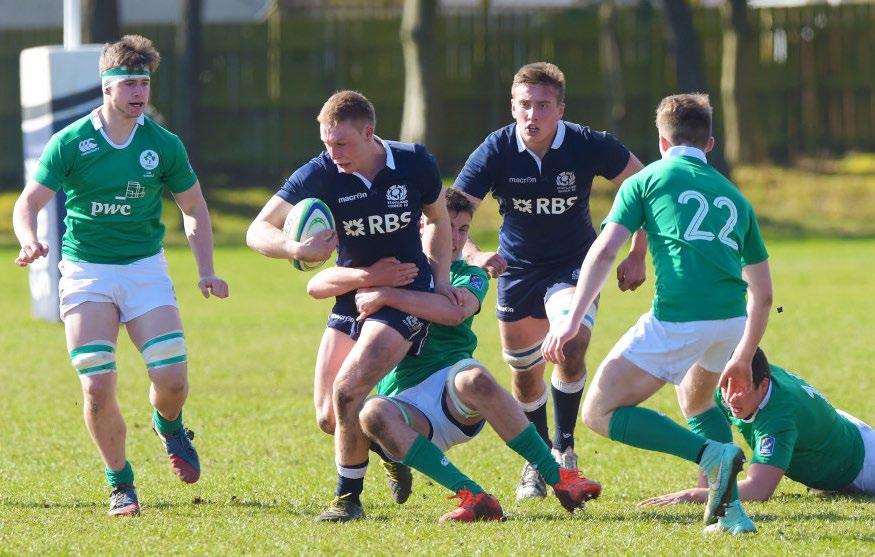
Tom embraced the pathway in front of him. What began as family connection became international representation, and eventually professional rugby.
There is a simplicity in how he describes it.
“I just kind of hung around,” he says.
In reality, it has taken resilience, adaptability, and consistency to sustain an 11-year career away from home. Moving countries at 17, stepping straight into senior rugby, navigating academy systems, and earning contracts in a
competitive professional environment requires more than chance.
Now 29, Tom continues to build his career in Newcastle colours. The “gap year” may have stretched well beyond its original intention, but the willingness to step into the unknown remains the same.
Eleven years on, Tom Gordon is still on that gap year – and it shows no signs of ending.
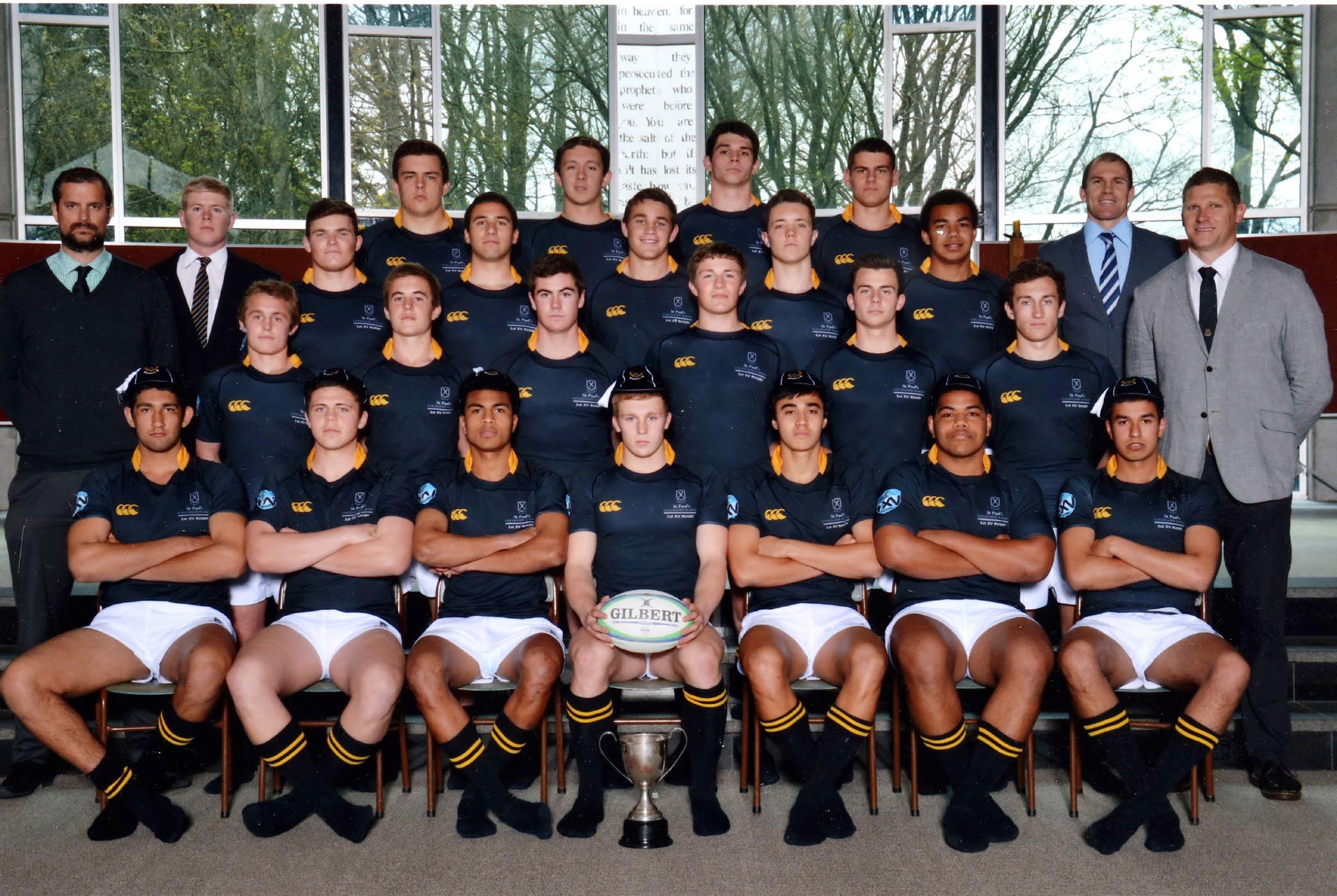
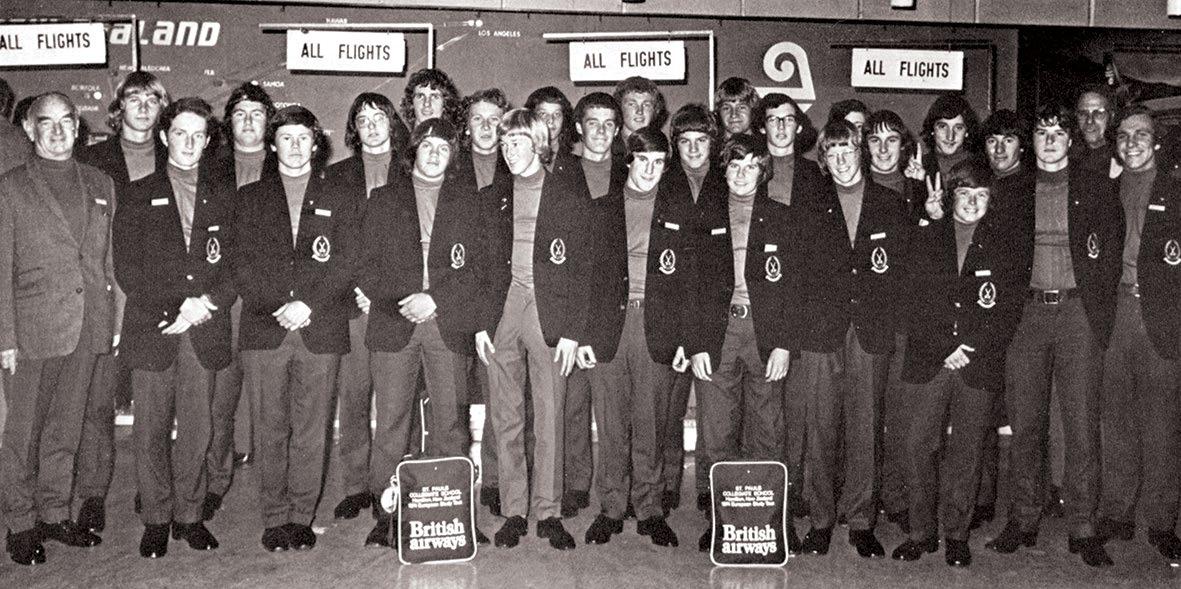
Simon Upton (School House, 1971–1975) regards his time at St Paul’s Collegiate School as something from a distant geological era. The Cold War was at its height, people were still coming to grips with the May 1968 student riots in Paris, and the Vietnam War was coming to is dénouement.
Appropriately, the school had attracted – under the leadership of two headmasters: JD Lewis (1960-1961) and Reg Hornsby (1963-1969) flown in from Christ’s College – a staff common room that was nothing if not diverse. Memorable characters abounded.
There was Francis Blackburn (Staff 1964-1972), who taught fourth form English by requiring an essay a week. The first batch were fired back with plenty of 0/20 grades – Simon was mortified to ‘top’ the pack with 9/20. Blackburn comfortingly explained to the zeros that they’d be at 9/20 by the end of the year.
There was Rodney Hamel (Staff 19632000), who would, with a straight face, spend an entire session leading students on to elaborate bizarre historical theories before pouncing dramatically to
expose the implausibility of what they had concocted.
There was Laurie Thornton (Staff 19672000), whose capacity to communicate physics would have been able to seduce anyone with a more functional left brain than Simon’s.
This was the Hornsby inheritance, carried forward by the liberal, Bentley-driving headmaster Tony Hart (1970-1980)
A school in which non-conformism was tolerated and obsessions about career and achievement absent. Simon led a small eclectic delegation of conscientious sports objectors to argue that they should do ‘estate duties’ rather than winter sports. Hart agreed – and so began a happy time of designing and planting corners of the campus.
Unsurprisingly, it was an environment that encouraged debating. During his time at St Paul’s, Simon was active in House and inter-school debating. He appeared in successive senior debating teams during the mid-1970s. Fifteen years after debating was established at St Paul’s, both the Junior and Senior teams won their inter-school finals in the Waikato-Thames Valley-King contest
– a first for St Paul’s. On that occasion, Simon was teamed up with Rod Carr and David Kidd to debate the topic, “That politicians can be trusted”, negating the motion. Simon says he is lucky to have been a near contemporary of Rod whom he considers to be the outstanding New Zealander of his generation.
Simon was also heavily engaged in school music as a pianist, chorister and
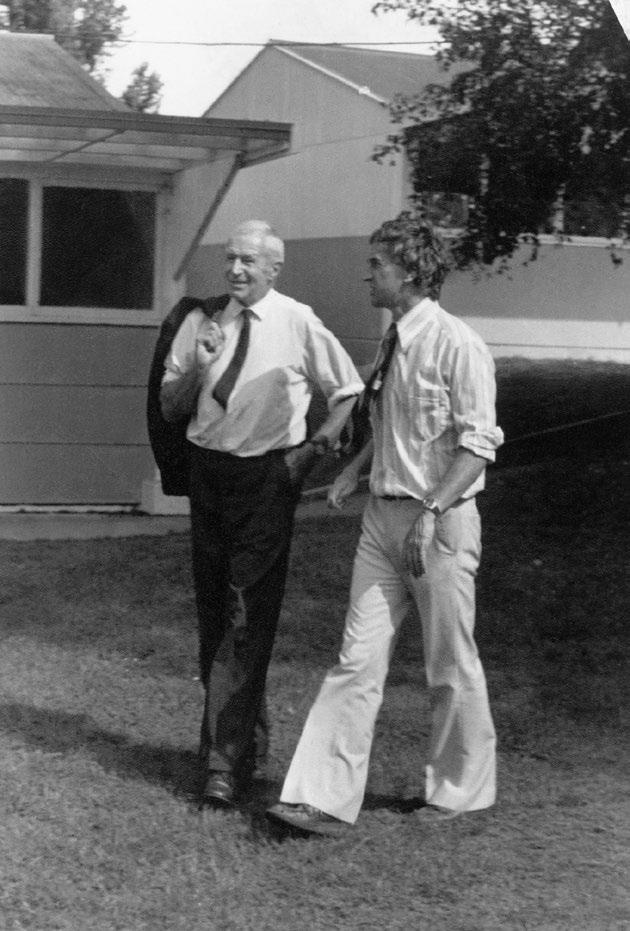
assistant organist; a tradition of student leadership continues in this organ space today.
After being named Dux of St Paul’s in 1975, Simon completed degrees in English literature, music, and law at the University of Auckland before being awarded a Rhodes Scholarship to Oxford. Continuing the somewhat contrarian tradition of his school years, he passed it up to contest the Waikato seat in the 1981 General Election.
This questionable trade unwound in 1988 when the prospect of a second term in Opposition led him to persuade Rhodes House to reactive the scholarship. In a move that would nowadays be regarded as scandalous, he commuted between Oxford and Parliament to complete a Master’s degree in political philosophy, attending to constituency affairs through his longsuffering spouse, Bhaady, and secretary (Stephanie Hutchinson) with the aid of Wolfson College’s state-of-the-art fax machine.
Simon served as a Member of Parliament for nearly two decades. During nine of those years, he held a range of ministerial portfolios, including environment, research, cultural affairs, biosecurity, health, and state services. As Minister for the Environment throughout much of the 1990s, he played a central role in shaping New Zealand’s modern environmental policy framework as well as tracking the international environmental developments of a decade that started with the Montreal ozone protocol and ended with the Kyoto climate agreement. His opposite numbers as environment minister included Angela Merkel. He hosted the first ministerial meeting ever to be held in Antarctica.
After leaving Parliament in 2000, Simon’s interest in the environment took him to Paris to chair the Round Table on Sustainable Development at the Organisation for Economic Cooperation and Development (OECD). The Round Table brought together economists, environmentalists and politicians interested in examining the relationship between the economy and the environment.
In 2010, Simon was appointed Director of the OECD’s Environment Directorate, which took him through the Paris climate conference and innumerable
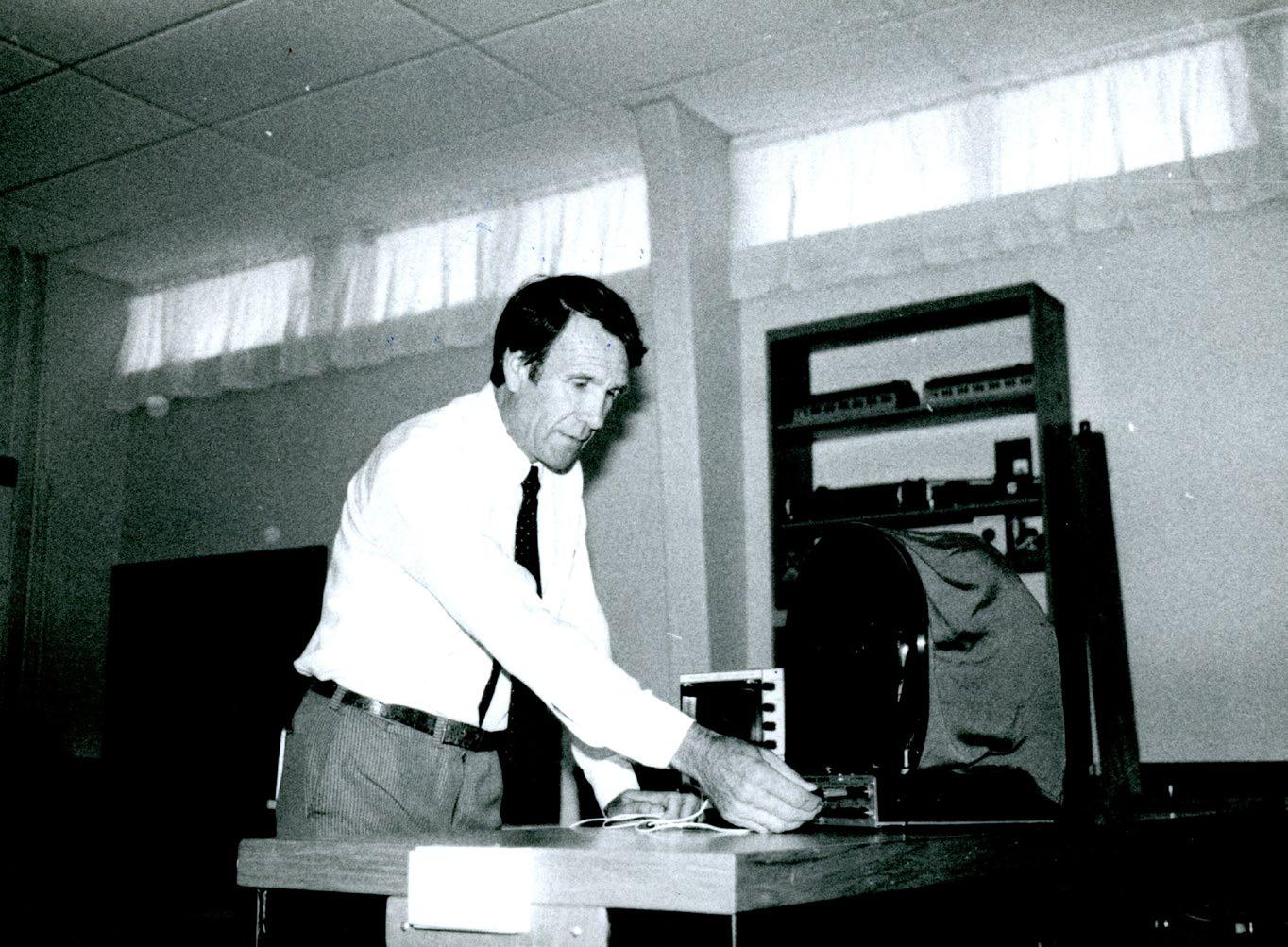
other talk fests of varying worth. In 2017, he returned to New Zealand to take up the role of Parliamentary Commissioner for the Environment, an independent Officer of Parliament responsible for providing advice on environmental matters. He continues in that role in his second term and is providing advice to the select committee hearing evidence on legislation that will replace the Resource Management Act he enacted back in 1991.
Since returning to New Zealand, Simon has dived into an wetland restoration and landscaping on the family farm and local initiatives such as the Hamilton Gardens Trust and the campaign to protect and renovate St Peter’s Cathedral in Hamilton. The Hamilton Gardens are the brainchild of Peter Sergel whose very first garden creations were constructed at Southwell School when Simon was there. The cathedral featured in the life of his mother when
she taught at Waikato Diocesan in the mid-1940s.
Simon thinks these sorts of institutions need inter-generational support and engagement. While most of us will be quickly forgotten, the things we leave behind can endure if future generations pick up the baton.
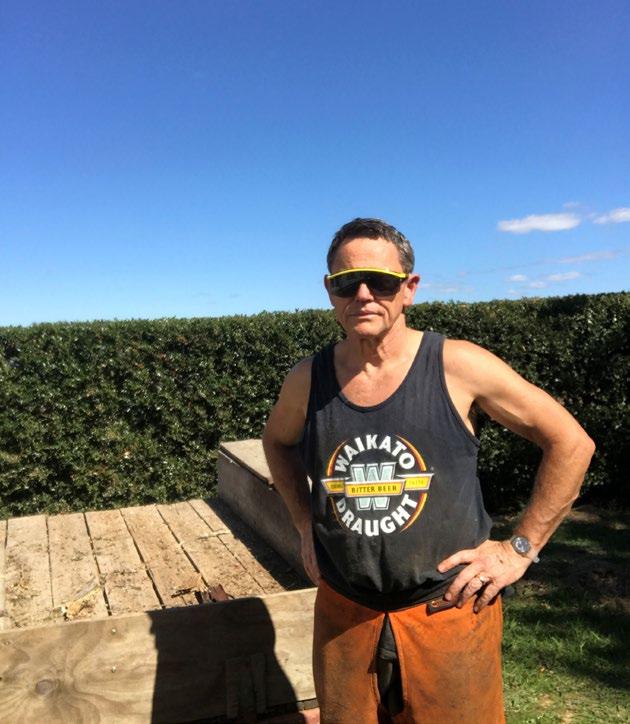
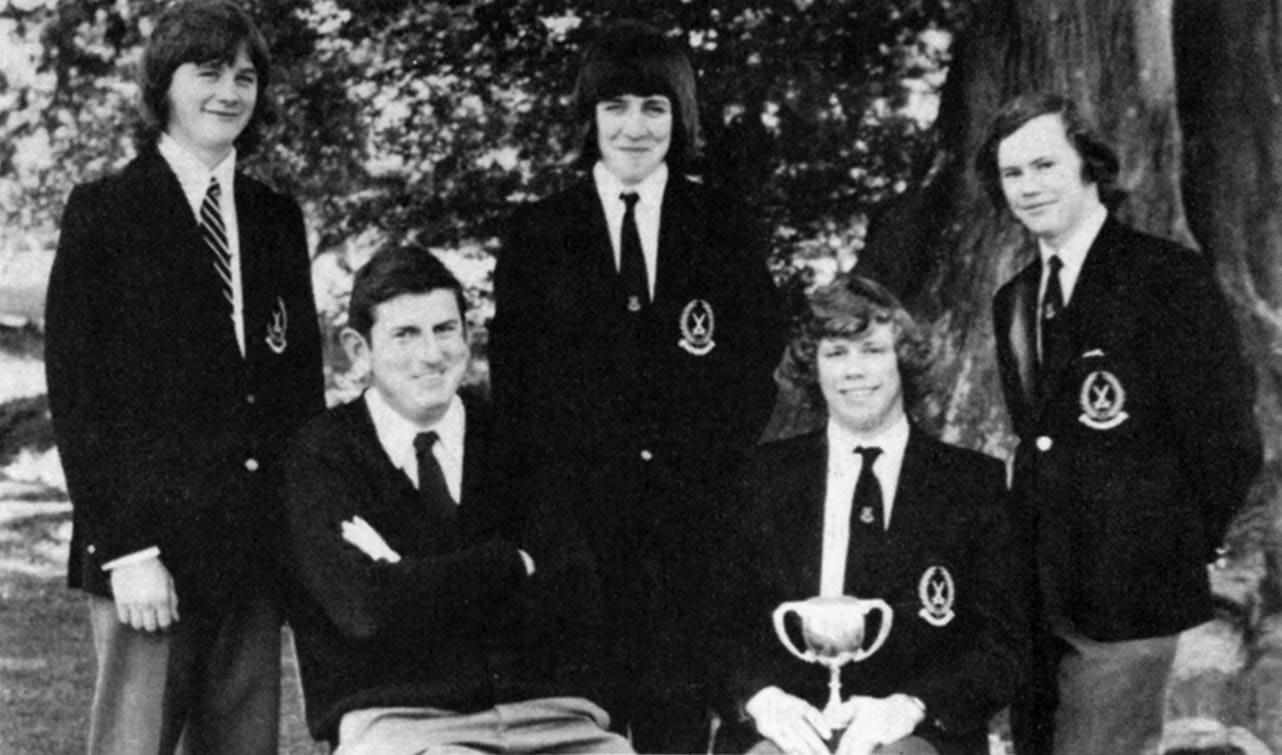

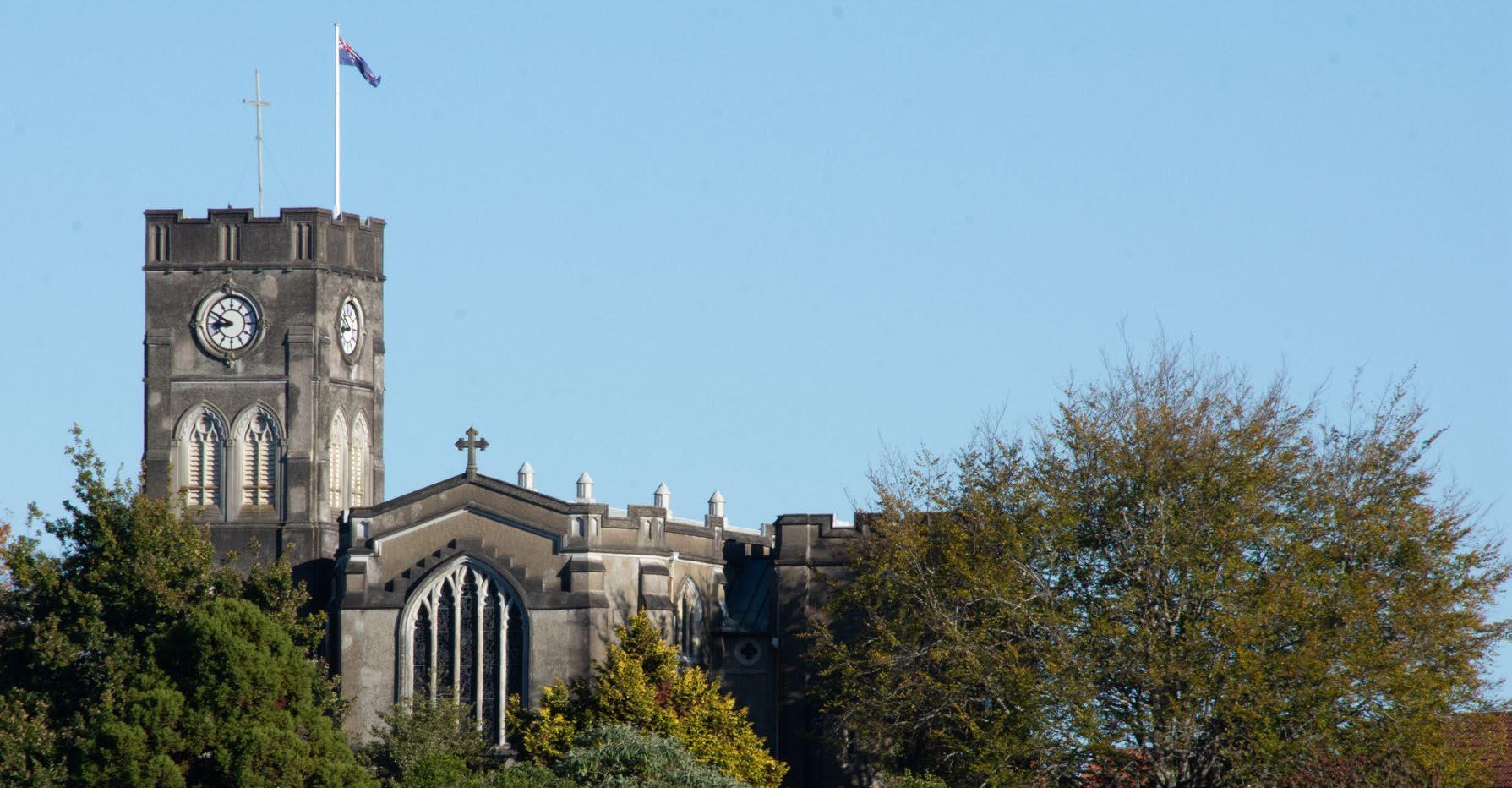

AND USABLE Waikato Cathedral has received a formal earthquake strengthening notice. The Cathedral stands on the hill of Pukerangiora, a site sacred to the people of Tainui, particularly Ngāti Wairere, and a place of prayer and worship for centuries. Built 110 years ago, the Cathedral is a sacred place for all. Protecting the Cathedral is about protecting all that happens within it.
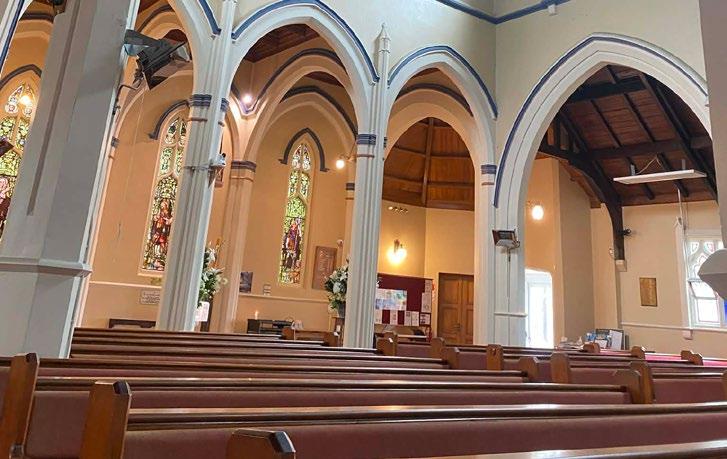

At Findex, we know agribusiness inside and out. From driving performance to securing your future, our local specialists are here to help with:
• Strategic business advice to accelerate growth
• Budgeting & forecasting for financial confidence
• Succession planning to safeguard your legacy
• Streamlined accounting software & systems
• Reliable tax compliance & reporting
Get in touch with your local specialists.
Findex Hamilton Level 3 Bridgewater Building 130 Grantham Street Hamilton 07 838 2180

Findex Te Awamutu 147 Mahoe Street Te Awamutu 07 871 3176
Findex New Zealand Limited, trading as Findex. The information contained is of a general nature only and does not take into account your objectives, financial situation or needs You should consider whether the information is suitable for you and your personal circumstances. Before you make any decision in relation to a financial product, you should contact one of our financial advisers
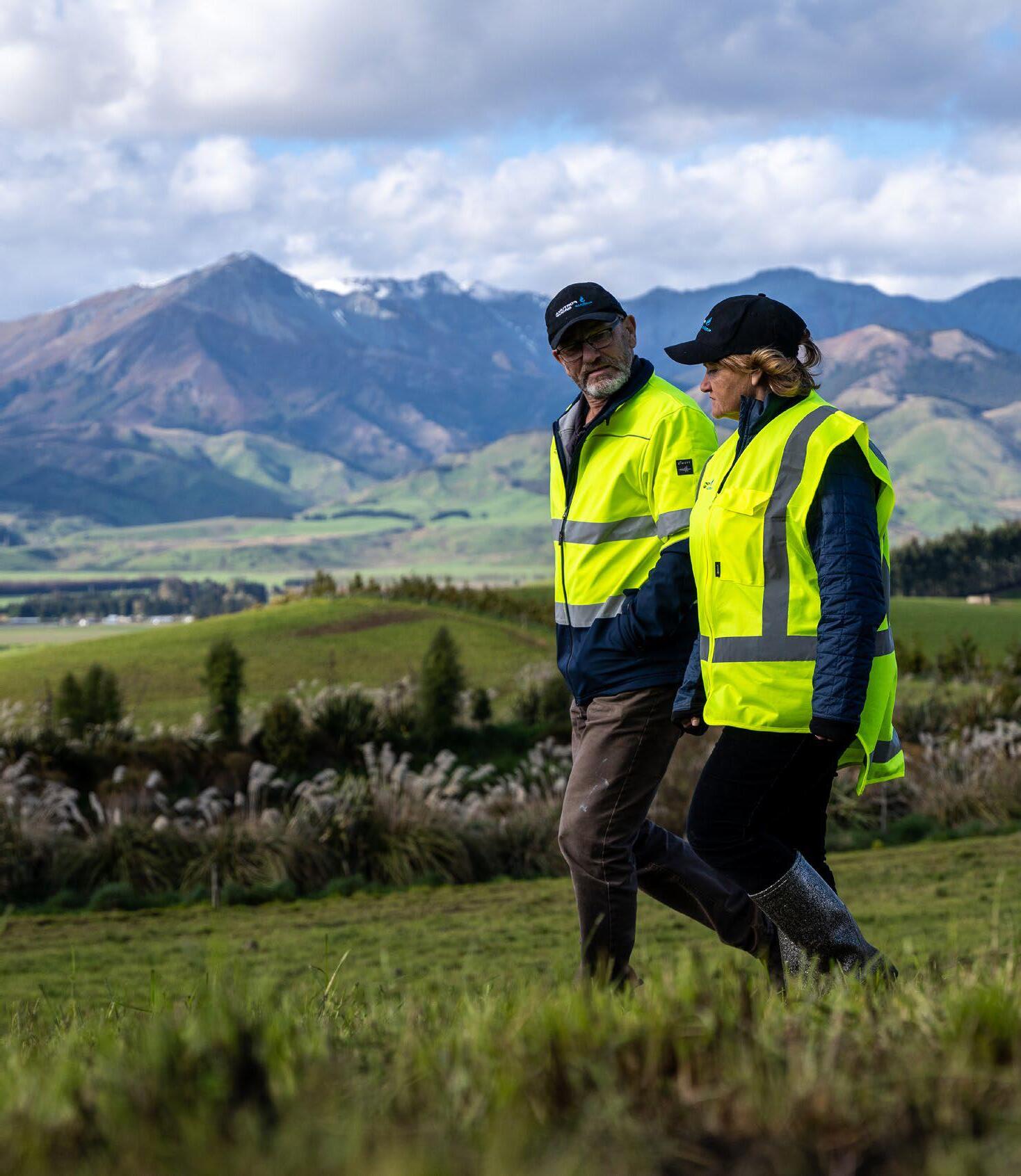
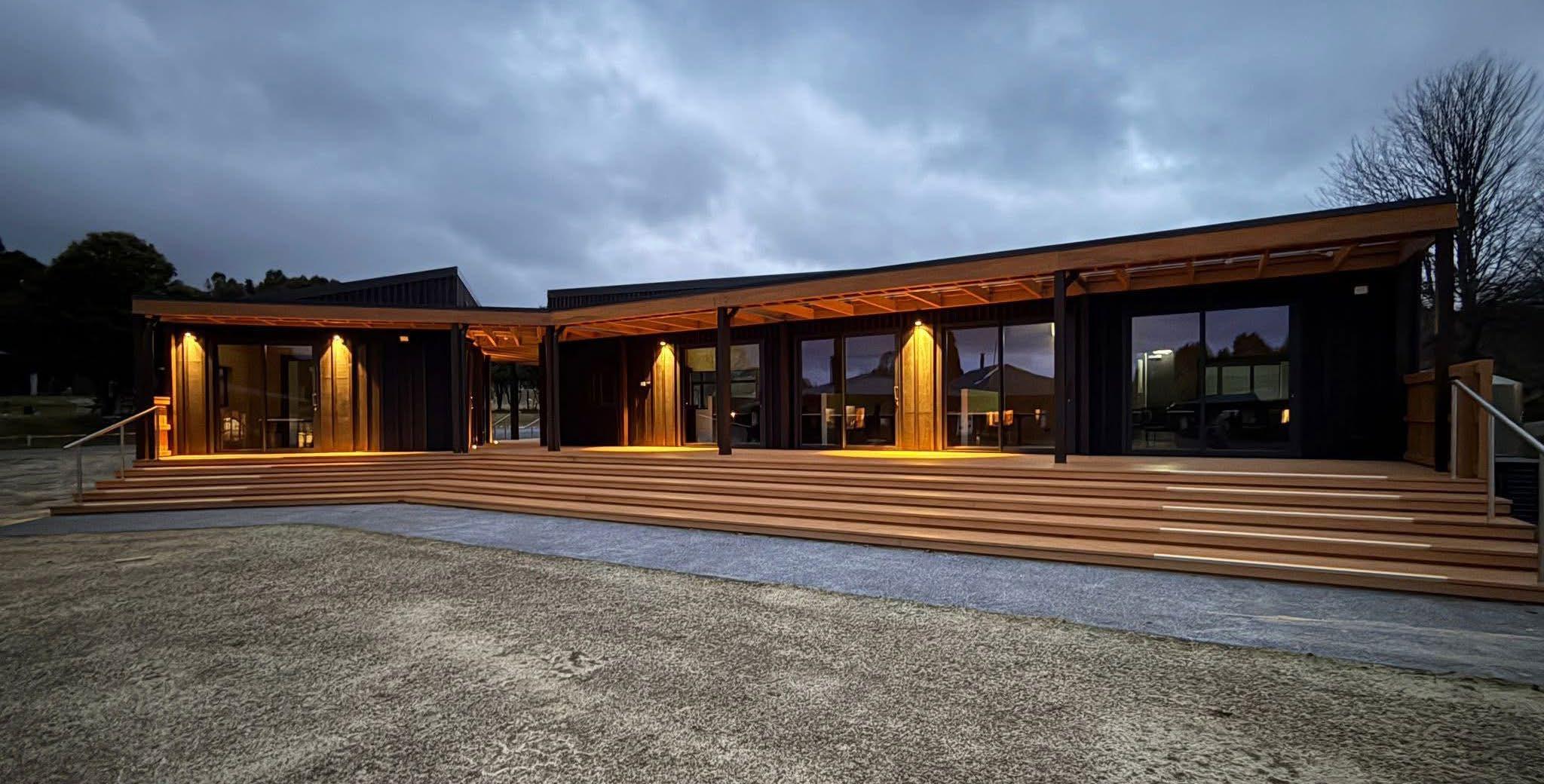
If you haven’t walked the St Paul’s campuses for a while, you might be surprised by just how much has changed. Over recent months, the grounds have been a place of steady progress, with projects large and small focused on improving daily life for students, staff, and boarders, while carefully looking after the buildings Collegians know so well.
The Tihoi Venture School campus now houses a brand new purpose-built staffroom and administration centre. This was placed where the previous administration block was. The building was built by the Year 13 construction class and trucked down to the campus.
Two new Harington Boarding townhouses opened this year for the housemaster and deputy housemaster. The previous deputy housemaster’s home has been cleared to make way for the construction of a new 20-bedroom Harington boarding house.
Looking after our houses has remained a priority. Williams House has received new ColorSteel roofing, along with new joinery and double glazing, while the
top level of Clark House has also been upgraded with new joinery and double glazing.
In addition, the new Fabric and Design classroom has been completed, vinyl flooring has been laid in the Dining Room kitchen, offices have been refurbished, heat pumps installed, access systems upgraded, and storage and IT spaces reconfigured to better support the life of the school.
Finally, getting around campus has been made easier and safer, with a new pedestrian gate at the St Paul’s Road entrance, a barrier arm installed at the small gym car park, and new concrete pads for bike racks.
We welcome Collegians to visit us when visiting the area. Please pop into The Hive to find the Collegians Team.
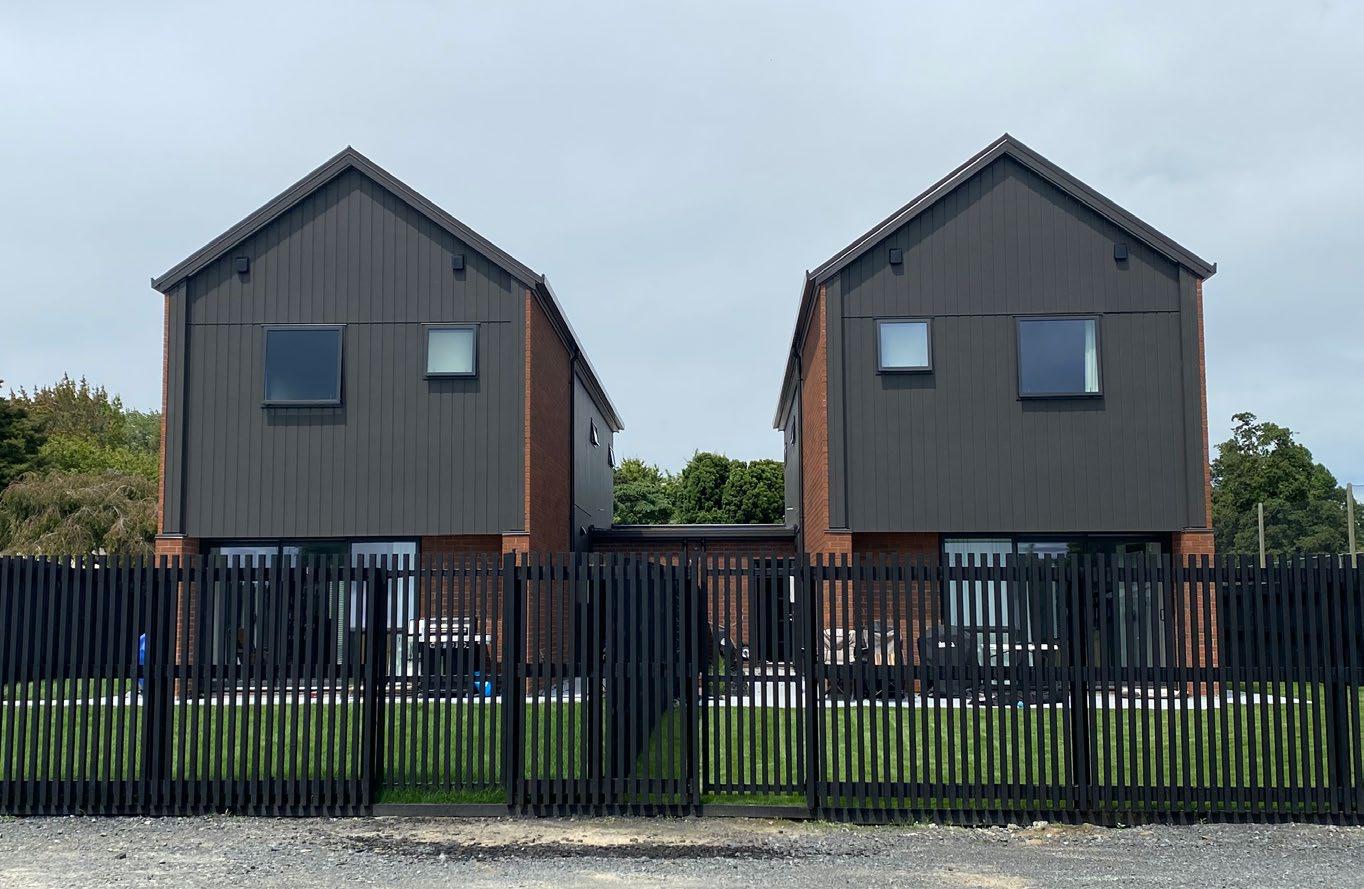
At the end of 2025, St Paul’s Collegiate School travelled to Bangkok and Tokyo to connect with current families, Collegians, and those considering a St Paul’s education, strengthening the relationships that underpin our international community.
Headmaster Ben Skeen and Director of International Helen Richardson (Staff 2011–2025) led the visits. For Helen, who concluded her 14-year tenure, the trips were a meaningful celebration of long-standing relationships and the global community she helped build, spanning 17 ethnicities on campus. Mrs Jo Harmon now steps into the role of Director of International.
In Bangkok, current St Paul’s families gathered with Collegians Scott Clotworthy (Hall 1989–1993), Stuart Collecutt (Hamilton 1979–1983), and Todd Cooper (Sargood 1980–1982) While in Tokyo, Richard Bracefield (Sargood 2002–2005) and Stuart Yokozeki (Hall 1977–1979) connected with staff to hear St Paul’s updates. Tokyo also saw the vital contribution of current international student Riku Sato. He helped coordinate families and venues and spoke at an International Independent School Conference, sharing his journey at St Paul’s. Riku chose St Paul’s at 13 for its Tihoi programme, navigating the challenges of a new language, routines, and boarding life. Over four years, he has embraced extracurricular opportunities, developed academically and in leadership, strengthened his bilingual skills, and built lasting friendships.
Reflecting on his experience, Riku says,
Enrolling at St Paul’s was the best decision of my life. Trust the school, give it time, and it will get better. It may be challenging at first, but it is worth it.
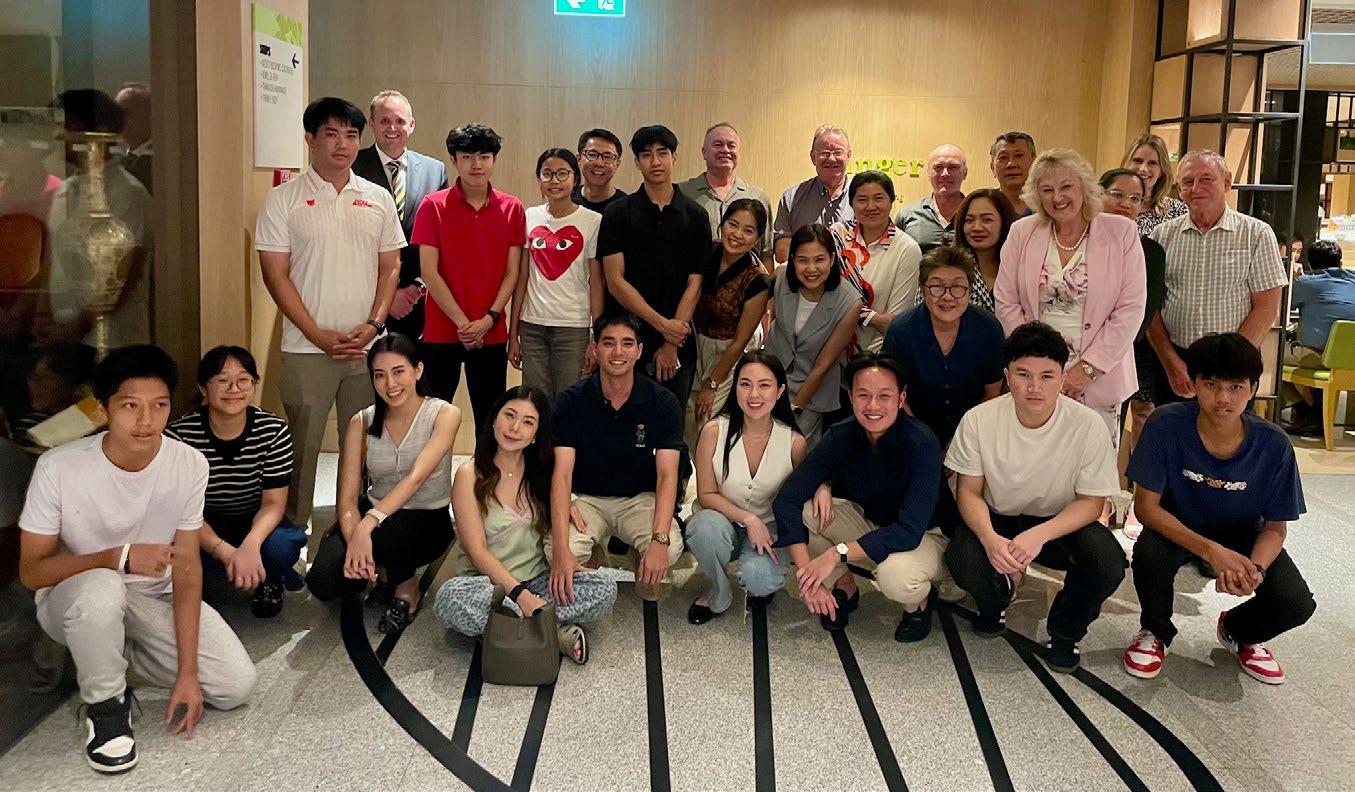
The connection continues in 2026, with the St Paul’s First XV touring Japan, where Riku looks forward to showing his teammates the culture and highlights of his hometown, a reminder that the St Paul’s story extends far beyond the school gates, carried by students, staff, and Collegians worldwide.
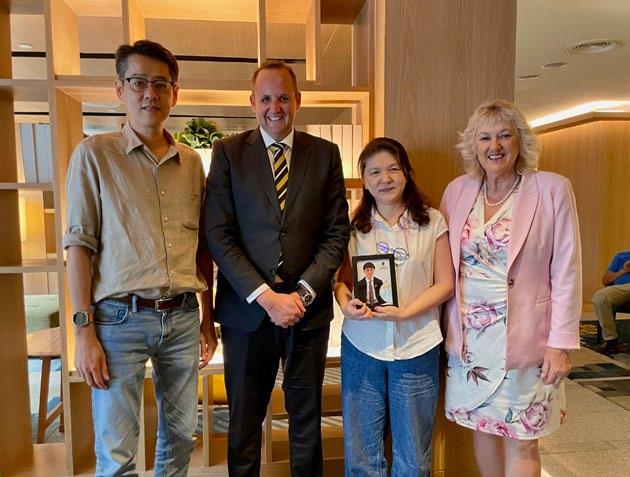
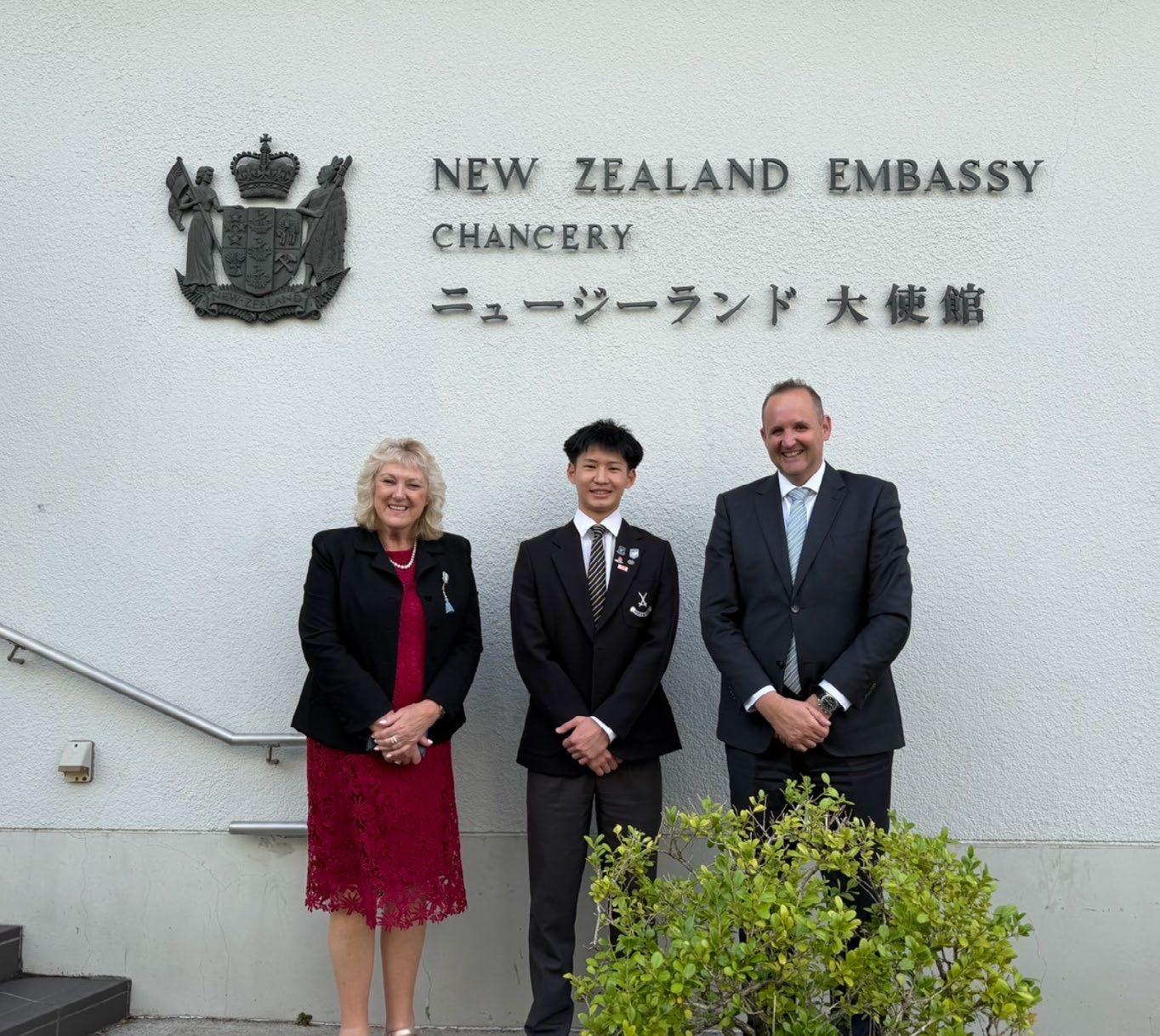
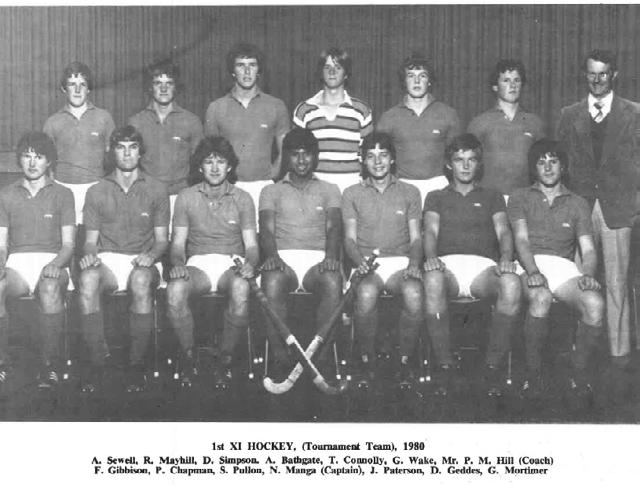
Spencer John Pullon (1978–1980)
Spencer John Hamilton Pullon passed away on 4 August 2025 in Christchurch, aged 62.
A talented sportsman, Spencer represented St Paul’s in the Boys’ First XI hockey team for three years from 1978 to 1980. His artistic ability was equally evident during his school years, leading him to pursue further study in the arts.
In 1990, Spencer graduated with a Bachelor of Fine Arts from the University of Canterbury. He built a diverse creative career, first as Exhibitions Officer at the MacDougall Art Gallery in Christchurch, before moving to Auckland where he worked in advertising, design, and film set work both in New Zealand and overseas.
After returning to Christchurch in 2012, he continued as a freelance painter and film set finisher.
Spencer is remembered as a trusted and loyal brother, uncle, friend, and colleague, admired for his creativity, humour, and generosity.
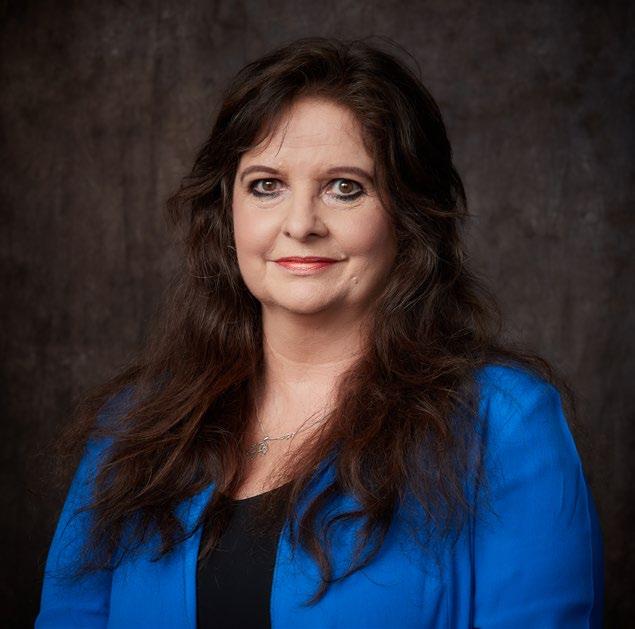
George Scott Boyens passed away on 19 June 2025 in Melbourne, Australia, aged 66, where he had lived for much of his life. A private cremation was held in Melbourne, and his ashes have since been returned home to New Zealand.
Scott was the dearly loved son of Judy and Rex, and brother of the late Kim Roger Boyens (Sargood 1960–1961) and Alan Ross Boyens (School 1964–1968), as well as Judith and Linda. He was also a much-loved uncle to his nephews and nieces.
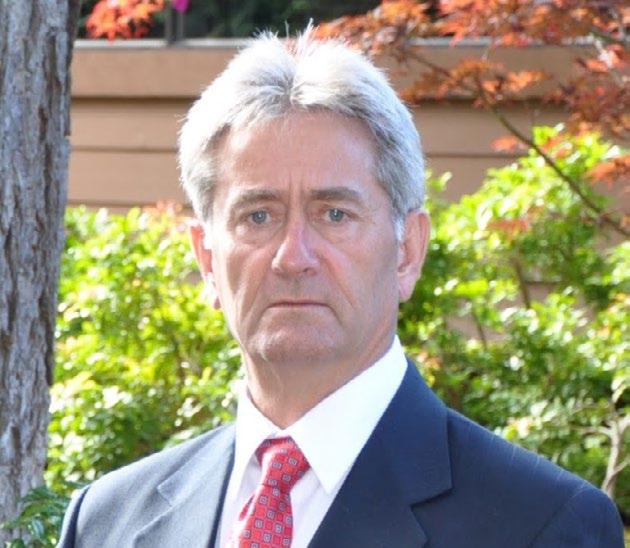
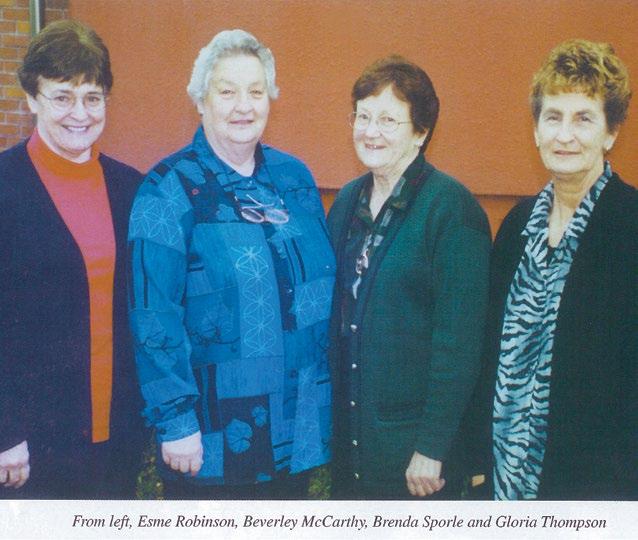
We remember Graeme Bethell, a proud Collegian of St Paul’s Collegiate School, who passed away on 6 October 2025 at the age of 77.
A member of Sargood House from 1962 to 1966, Graeme went on to study at Massey University, where he completed a Bachelor of Science. He later earned a Master of Science from Leeds University in the United Kingdom. In 1974, Graeme made his home in Canada, where he lived for more than 50 years.
He is survived by his three children and four grandchildren. His brothers, Alan and James, also attended St Paul’s. Our thoughts are with his family at this time.
Brenda Jean Sporle passed away on 9 October 2025, aged 94. During her decade at St Paul’s Collegiate School, Brenda served with care and dedication as Harington Matron and later as School Nurse, supporting and nurturing countless students.
Her connection to St Paul’s continued through her son, Andrew (Williams 1977–1982). Brenda was the beloved wife of the late Peter Sporle, cherished mother of Wendy, Peter, Judith, and Andrew, and a much-loved grandmother and great-grandmother. She is remembered with affection and gratitude by all who knew her.
Long-serving staff member Sandy Koopman passed away on 6 December 2025, following a short period of ill health.
For nearly 18 years, Sandy was the heart of the School Shop. She was often one of the first faces families encountered on their St Paul’s journey – helping a nervous Year 10 prepare for Tihoi, guiding parents through uniform lists, or sharing a light-hearted story to ease first-day jitters. Sandy’s connection to the school extended far beyond the shop doors. Her role saw her engage with staff across the school campus, building friendships through her humour and warmth. Many staff recall visiting the shop not to make a purchase, but simply to chat – to hear a story, share a moment, or enjoy her unique perspective on life. Her stories of her beloved cockatoos became legendary.
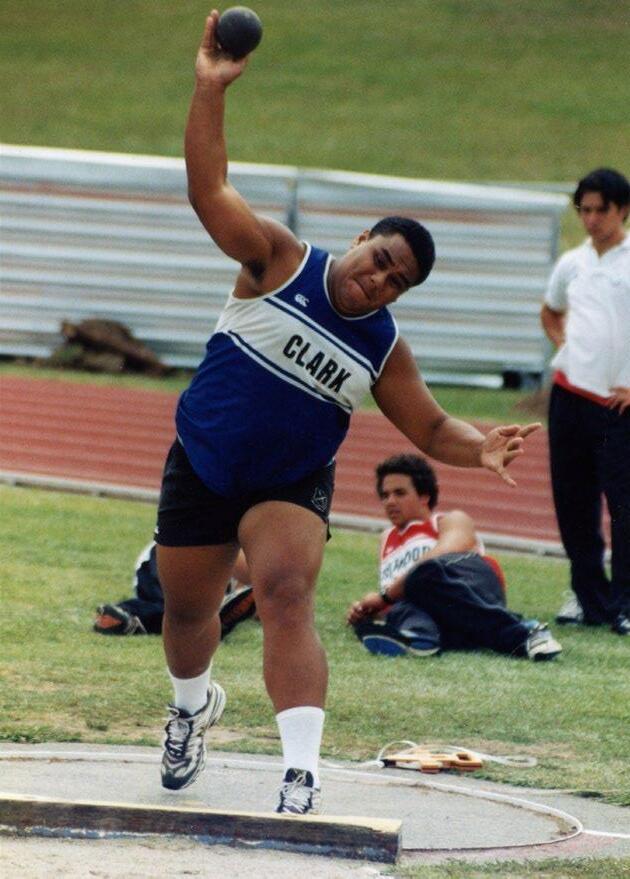
Simi Motu’apuaka (Clark 1998–2002)
Simi Motu’apuaka, known to many as Jimmy, passed away at home in Tonga following an illness.
Simi was a true ‘gentle giant’. He is remembered for his massive heart, his even bigger laugh, and the warmth he brought to those around him. He will be deeply missed by all who knew him.
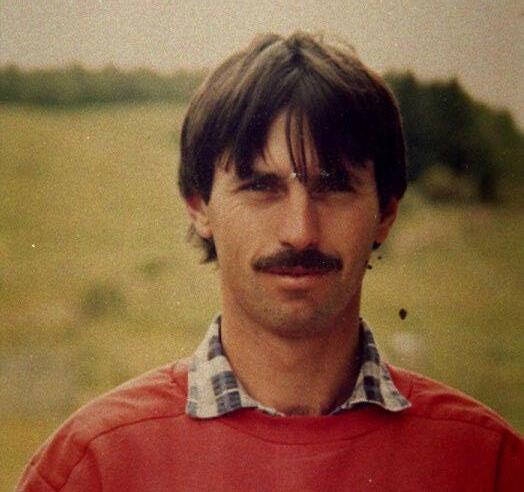
Allan Connolly (Deputy Director, Tihoi 1985–1987)
Allan Connolly, Deputy Director at Tihoi Venture School from 1985 to 1987, is remembered as a much-loved member of the Tihoi team during that era. He and his wife Dianna arrived at Tihoi shortly after their marriage and quickly became an integral part of the close-knit community.
Allan remained connected to the Tihoi community in the years that followed, a testament to the lasting bonds formed during his time there. He passed away recently and is remembered with appreciation for his contribution to the Tihoi programme and the many students whose lives he influenced.
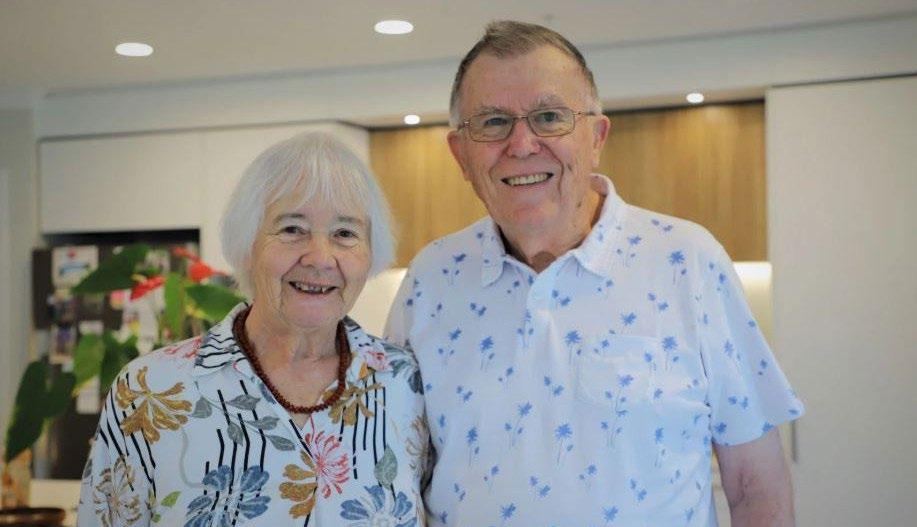
Pat Chamberlain’s legacy lies not in grand gestures, but in the countless students he guided, the colleagues he supported, the house he nurtured, and the steady example he set over more than three decades of service at St Paul’s Collegiate School.
Raised and educated in South Africa, Pat completed a degree in Mathematics and Statistics before travelling to England to gain his teaching qualification at Cambridge University. During this time, a quiet sense of adventure – which would shape much of his life – became evident. In 1973, he met Barbara by chance on a skiing holiday in Austria, a meeting that famously involved a misplaced pair of sunglasses, a detail still cheerfully disputed years later. Within months, Pat proposed and invited Barbara to join him on his planned move to New Zealand. They married that December and arrived in Hamilton in February 1974 as newlyweds, knowing no one, but full of optimism.
Soon after their arrival, Pat began what would become a 32-year teaching career at St Paul’s, including 25 years as Head of Mathematics. Appointed to the role in 1978, he led a department that became an important contributor to the school’s academic advancement. In 1990, he guided the department through its first formal appraisal, helping establish clear aims and full schemes of work that strengthened the department and supported future Education Review Office reviews.
In 1979, Pat became Housemaster of Hamilton House, a role he held until 1990, having already stepped in on several occasions for other housemasters when needed. He guided the house through a period of growth and challenge, when facilities were stretched and increasing numbers placed pressure on available space. Boys spoke warmly of his obvious caring manner, calm and logical approach to situations, and thorough commitment to the house.
Pat’s contribution beyond the classroom was wide-ranging. He coached and supported tennis, hockey, cricket, shooting, softball, chess, and the Five Star athletics scheme, and played a significant role in the development of tennis at the school during the late 1970s and early 1980s. His steady encouragement lifted both participation and performance.
Throughout these years, Barbara proved a steadfast partner and valued contributor to the school community, assisting in the library and classrooms when needed, and later serving as a highly regarded teacher at Puketaha School, where she became Associate Principal. Together, Pat and Barbara built a life centred on service, friendship, and community. They raised two children, Kathryn and David, and formed deep connections within Hamilton.
Pat formally retired in 2001, though his loyalty to St Paul’s saw him return part-time in 2002. In later years, Pat and Barbara moved to Auckland to be closer to their daughter and grandchildren, embracing this new chapter with the same calm acceptance and warmth that characterised Pat throughout his life.
Pat is remembered with gratitude for his dedication, integrity, and the quiet strength he brought to the St Paul’s community.
The following stories were shared during the year on our community website, highlighting the journeys and achievements of our community. Scan the QR code to read each story in full.

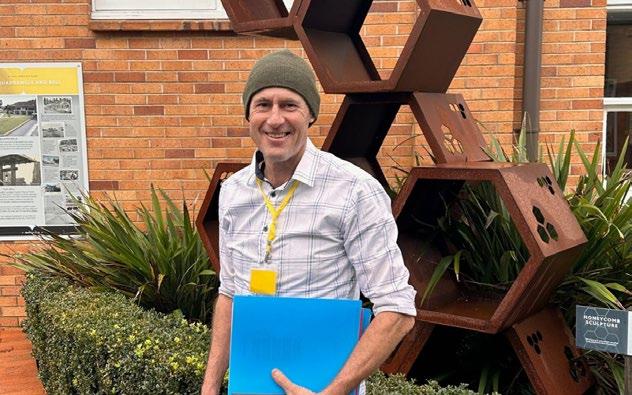
Mark Wheeler (Hall 1982–1985) has followed a simple philosophy throughout his life: give everything a go. From time in the Navy to living overseas, Mark’s varied path has ultimately led him to poetry, which he describes as his true passion. Inspired by his mother, Hannah Wheeler, Clark House Matron from 1983 to 1993, Mark’s story reflects a life shaped by curiosity, resilience, and a willingness to embrace new challenges.
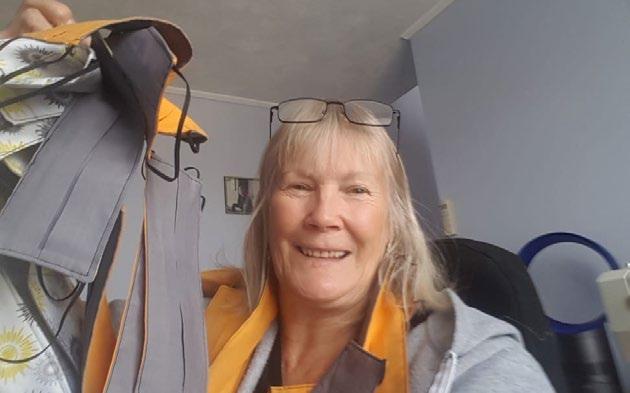
Mary Larsen (Staff 1988-2025) retired after 37 years of dedicated service to St Paul’s. Joining the laundry team in 1988, Mary went on to lead the department as supervisor for nearly three decades, becoming a familiar and much-valued presence across the School. Known for her calm leadership and good humour, Mary’s contribution has helped generations of students and staff feel looked after — and well turned out.
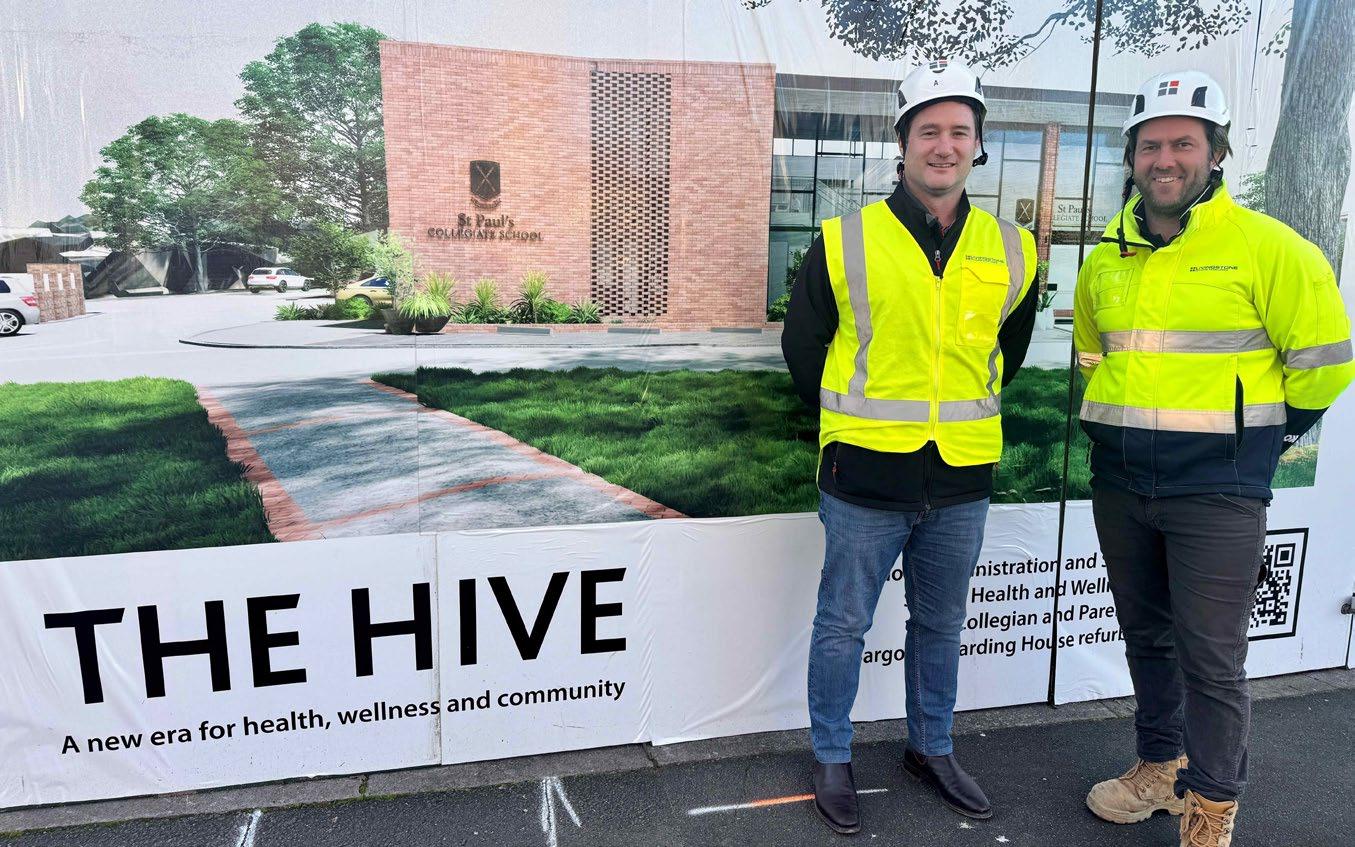
At the start of the 2026 school year, The Hive opened its doors as a state-of-the-art health clinic, Collegian lounge, Sargood upgrade, and Reception. For Site Manager Ben Prentice, working on The Hive was more than just another project. His grandmother, Joyce Moody, was Matron of Sargood House from 1975 until her retirement in 1987. Ben worked on the project with Collegian Ash Burkhart (Hall 1997–2000), General Manager Upper North Island for Livingstone Building. For Ash, returning to his old school to deliver such a significant development carried its own sense of pride. “This is my old school,’ he said. ‘To be back here and part of something that will care for the next generation of St Paul’s students, it’s a privilege. It feels like giving back in a tangible way.”
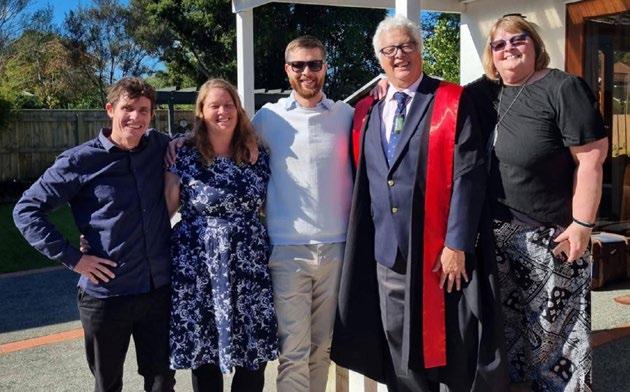
Dr Petera Whaiao Hudson (School 1971–1976) graduated with his PhD from Massey University in 2025, completing research that brings maatauranga and tikanga Maaori into conversation with artificial intelligence design. His work explores how indigenous knowledge systems can shape technologies that strengthen whaanau connections and centre cultural wellbeing. A long-serving member of the Collegians Committee, Petera has also dedicated his career to advancing digital access for Maaori learners, reflecting a lifelong commitment to bridging tradition and innovation.
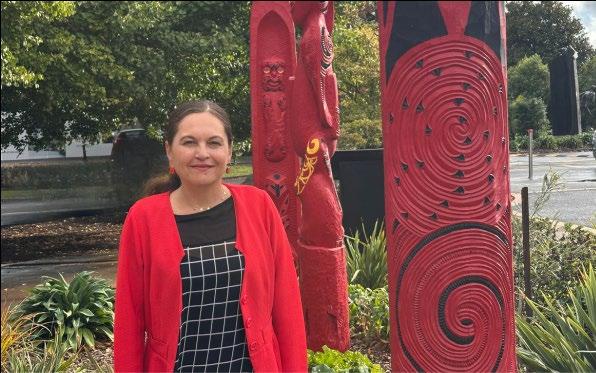
Leaupepe Rachel Drent (née Karalus) (Harington 1995) played a pivotal role in bringing the K’aute Pasifika Village to life in Kirikiriroa. Completed between 2022 and 2024, the Village includes a community fale, integrated health and social services, and an early learning centre, creating a visible and enduring place of belonging for Pacific communities. As former Chief Executive Officer of K’aute Pasifika Trust, Rachel helped turn decades of advocacy into a nationally significant, communityled development grounded in faith, resilience, and collective strength.
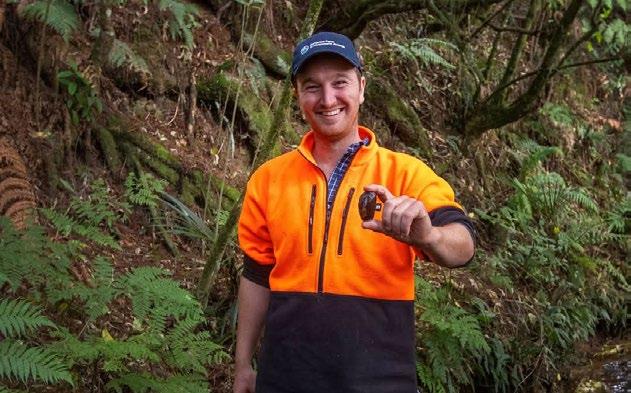
Tor Pedersen (Fitchett 2011–2014) is proving that caring for the land starts with personal responsibility. Named the supreme winner of the 2025 Waikato Ballance Farm Environment Awards, Tor was recognised for his proactive approach to freshwater protection and sustainable land use on his whaanau’s Broomore Farm in the Waitetuna Valley. Since returning to the farm in 2018, he has led significant environmental work, including fencing waterways, large-scale riparian planting, and adapting farm infrastructure to support the mauri of the awa. His work also earned the Water Protection Award, reflecting a long-term commitment to land, livestock, and waterway health.

Lewis Candy (Sargood 2015–2019) has won Best Visual Effects at the 2025 NZ Youth Film Festival for Echoes of the Wild, a film he both produced and supervised for visual effects. Endorsed by Wētā FX, the award recognises Lewis’s work in animation and live action filmmaking following his Master of Design Technology at Victoria University of Wellington. His success highlights the growing opportunities in creative technology and digital storytelling.
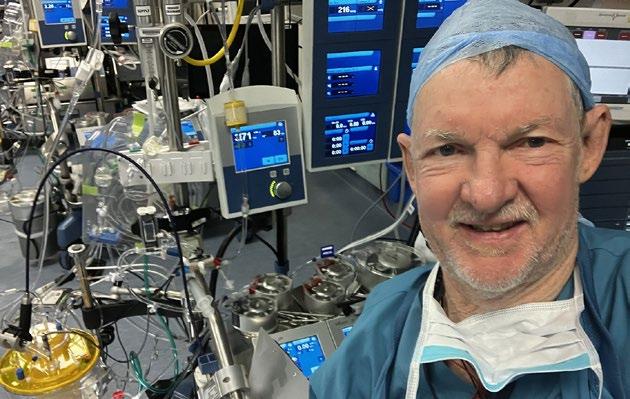

Kate Horton (Harington 2001–2002) took an unexpected path to St Paul’s – and it proved life-changing. After a career in teaching and school leadership, she now works as a Professional Learning and Development Consultant, supporting leaders across the education sector to thrive. A member of the St Paul’s Collegians Oaks for Acorns Mentorship Programme, Kate’s story reflects the power of taking opportunities, embracing change, and helping others find their own direction.
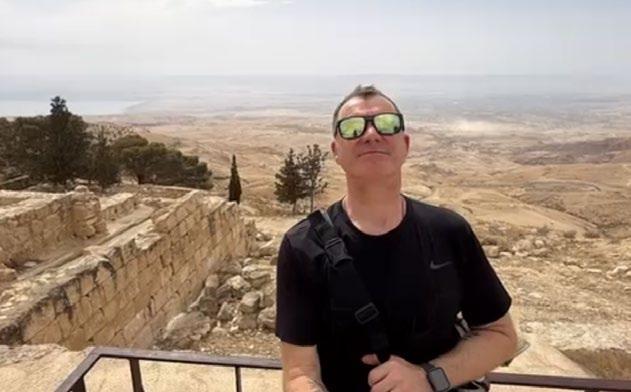
Revd Peter Rickman (Staff 2001-current) recently returned from an eight-week sabbatical pilgrimage tracing the footsteps of St Paul the Apostle across 12 countries in the Middle East and Europe. Supported by the St Paul’s Collegiate School Board and Anglican Missions Board, the journey combined physical challenge, historical exploration, and spiritual reflection, deepening connections between faith, place, and learning. Accompanied by a handcrafted Buzzy Bee from a Year 11 student, the pilgrimage carried the spirit of the St Paul’s community across the ancient world.

Harris Moana (Hamilton 2015–2019) has recently graduated with a Bachelor of Agricultural Science from Lincoln University and is focused on making a difference in Maaori agribusiness. Inspired by time spent on his grandparents’ lifestyle block in Kaawhia, Harris aims to support whenua-based initiatives across Aotearoa by weaving together agricultural science and te ao Maaori. A recipient of the Tihi Kahuraki Scholarship, he is committed to helping more tauira Maaori find their place in the industry.
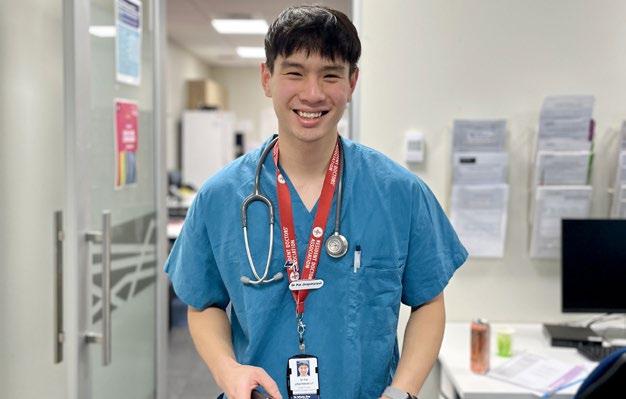
Patchara Jirapanyayut (Clark 2014–2018) is a junior doctor at Palmerston North Hospital, pursuing his longheld ambition to make a difference through medicine. After studying at the University of Otago and training in Wellington, Pat is working towards specialising in ophthalmology.
He describes medicine as the right mix of science, problem-solving, and human connection. While the long hours and responsibility can be demanding, he finds motivation in knowing he can support patients on what may be one of the hardest days of their lives.
Tim Willcox (Sargood 1964–1967) has been honoured with the prestigious John H. Gibbon Jr. Award for his extraordinary contribution to perfusion, the specialised practice supporting open-heart surgery. Awarded by the American Society of ExtraCorporeal Technology in 2025, the honour recognises Tim’s more than five decades working with heart–lung machines and his lasting impact on patient care and the profession. Although now retired, his influence continues to be felt both in New Zealand and internationally.