Impact Report
2023-24 (FY)
New Directions
S H S C
AMPLIFY. STREAMLINE. DIVERSIFY. CONNECT.
Our work at the Stone Center has been driven by aspirations of sustainability. Marked by the arrival of a new Director in Spring 2023—the rst in over 20 years—we continue to be immersed in a season of transition. This report highlights how we have amplied our existing work with a successful Five-Year Center Review, improved communications, and a new website design. We have also made streamlining our systems and processes a priority as it relates to use of our facility, the incorporation of the Institute of African American Research (IAAR) and its programs, and our fundraising efforts. Notably, we diversied our nancial portfolio in support of our programs, our place, and our people. Finally, we began a targeted outreach initiative to connect with our community, deepen engagement, and, where relevant, re-establish relationships that have become distant.
We remained mission-focused: to encourage and support the critical examination of all dimensions of African American and African diaspora cultures within and beyond UNC.


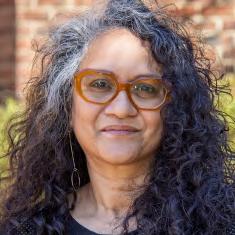
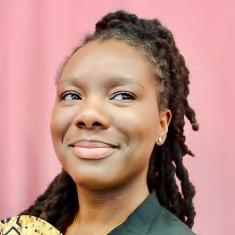
Renée
S H S C Amplify
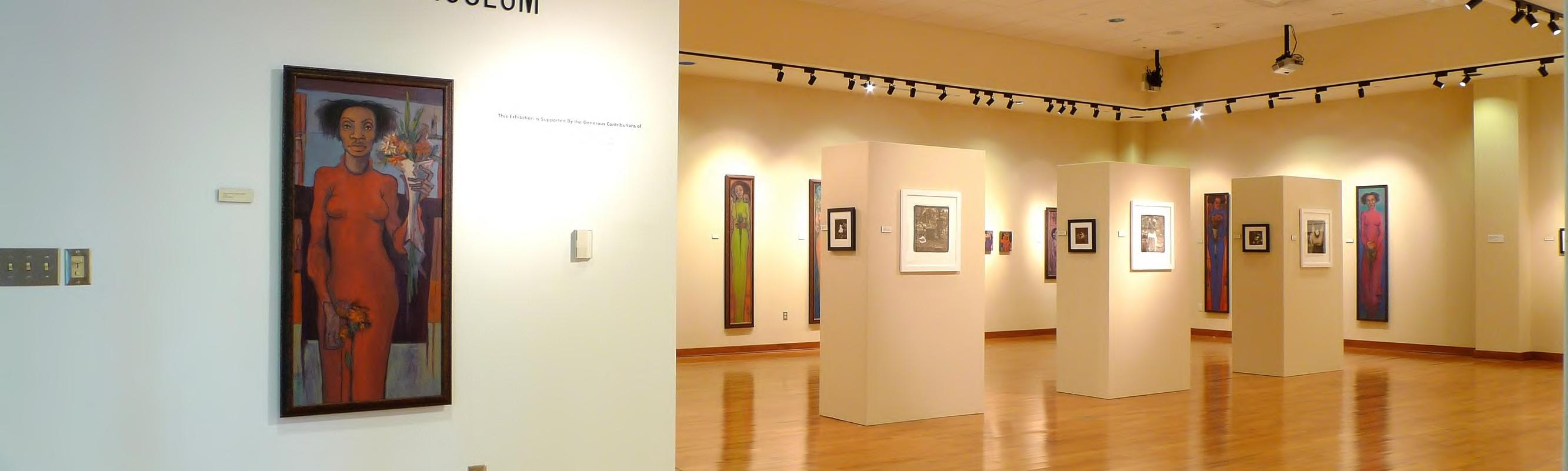
We must tell our story in ways that are legible to communities within and beyond Carolina. This year, we made positive strides through the success of a positive Five-Year Center Review, improved communication about our dynamic programs, and a new website design.
Telling OUR Story
Even the best stories need amplifying. We have prioritized using our new website to share what we do well, and to translate our impact to the public in ways that are clear and legible.

An anything but "typical" year
Amplied Education
United by the theme of #SOLIDARITY, our programming explored Black Diaspora history, culture, and art through the presentation of shared stories of struggle, resistance, survival, triumph and joy—which are all central to Black experience. Whether in an exhibition, lecture or lm, we encouraged participants to consider the diverse meanings of solidarity.
Our Signature Lectures—The Stone Memorial Lecture (Erica Edwards, Yale), The Genna Rae McNeil Black History Month Lecture (Keisha Blain, Brown), and the Diaspora Lecture (Daniel Widener, UCSan Diego), alongside our Writers Discussion series (Blair L.M. Kelly & Lou Peréz)— fostered knowledge by leading scholars engaged in cuttingedge research on dynamic aspects of Black life.
The year-round efforts of our annual Programs and Fellowships (Communiversity, the Diaspora Festival of Black and Independent Film, MURAP, the Sean Douglas Leadership Fellowship, SLATE, and the Undergraduate International Studies Fellowship) advanced our educational mission of fostering dialogue, discussion, and debate.
Dynamic partnerships yielded robust learning opportunities. A sample of collaborators included IAH, CSAS, the Alliance, the African Studies Center, Bulls Head Bookstore, Carolina Alumni Black Issues Council, Chapel Hill—Carrboro Schools, University United Methodist Church and departments such as AAAD, History, Geography, and Communication.
Amplied Arts & Culture
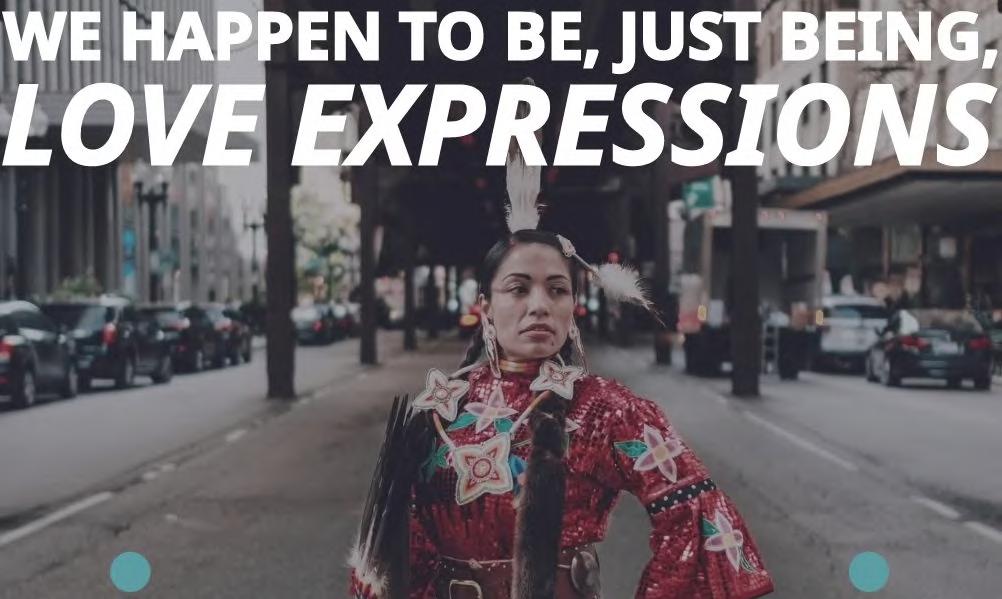
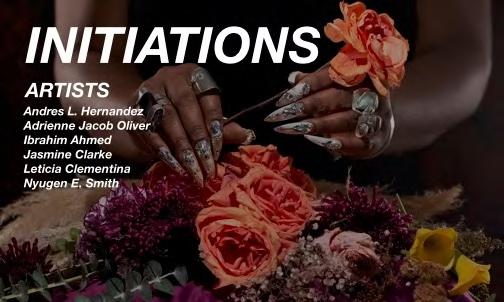
Showcased Afro-Indigenous interpersonal relationships; collaboration with the American Indian Center; featured four artists
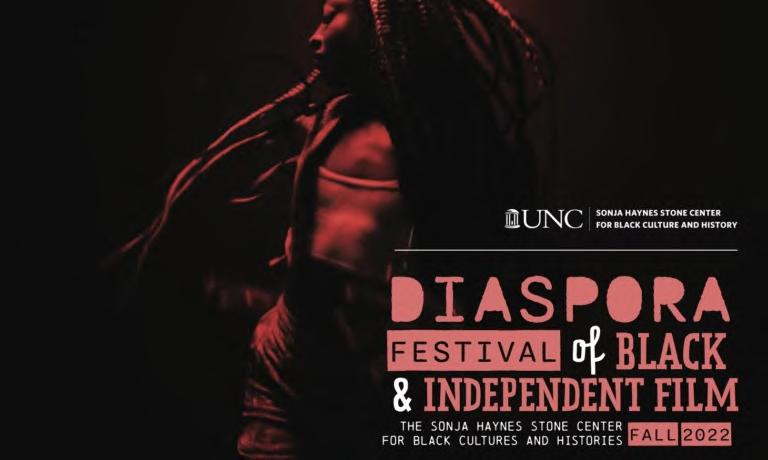
Ran from October 3, 2023 to November 2, 2023; six screenings featuring twentyone lms; held two special screenings in Summer 2023
Showcased Afro-Latinx modes of acclimation and resistance, especially through performance expression; featured ten artists from across the globe
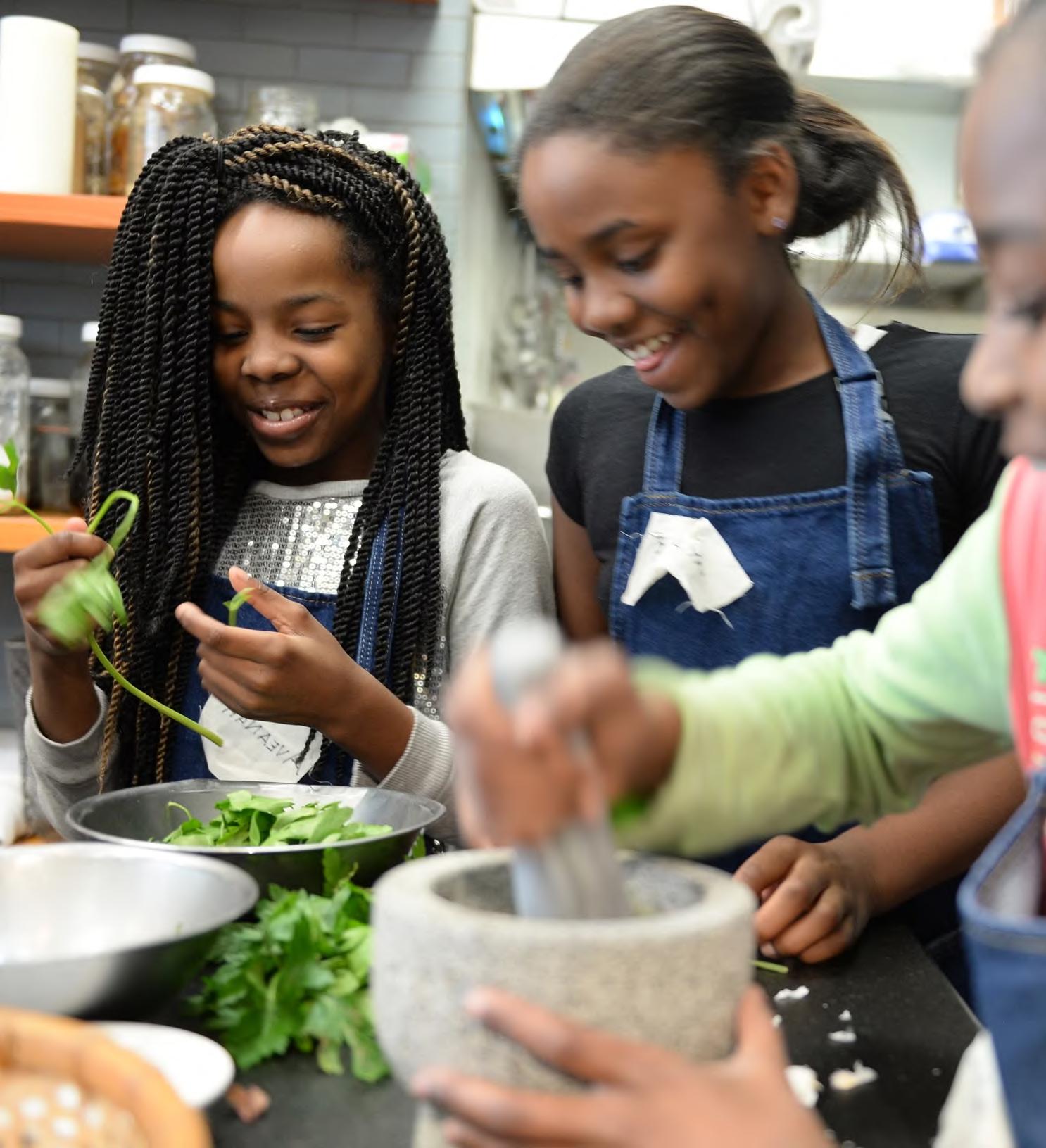
CYP is our longest running Outreach & Service Program. This year, CYP partnered with twelve organizations to amplify its impact in our community. By providing consistent onsite support, Malenia Swinton, Sayyah Elahi, and program participants ensured that the program ran smoothly and eciently while fostering a supportive environment for volunteers and scholars.
CYP has increasingly focused on exposure to STEM for scholars, oering hands-on experiences and educational opportunities that inspire and equip young minds for future careers in science, technology, engineering, and mathematics. These eorts have collectively contributed to a robust and dynamic year of growth and achievement for CYP.
IMPACT SNAPSHOT
•
15 CYP Scholars Recruited
40+ STEM Contact Hours
12 STEM Partners
MURAP SLATE
The Moore Undergraduate Research Apprentice Program
(MURAP) is a summer residential research program with a mission to foster the entrance of talented undergraduate students from a variety of backgrounds into graduate school and eventually the professoriate. Since it began in 1989, MURAP has welcomed over 600 fellows, and aims to promote excellence in academic institutions by increasing the number of students in the U.S. who pursue graduate degrees in the social sciences, humanities, and ne arts.
In its fourth year, Student Learning to Advance Truth in Education (SLATE) is a pan-university program that provides students with novel learning opportunities through evidencebased, interdisciplinary, and community-engaged ways of knowing. The program has two components: one dedicated to learning through coursework and the other dedicated to learning through original research projects. As one of our newest initiatives, SLATE continues to positively impact faculty and students.
30 Applicants; 20 Admitted; 16 Enrolled
research faculty members from 8 units across UNC-CH
"I am so thankful for the resources and opportunity that SLATE provides to undergraduate students. Because of the program, I have decided to pursue
a career in the research eld and have developed meaningful relationships with UNC faculty in my eld of interest."
~Edie E. Moyers, '25
2023 SLATE Summer Undergraduate Research Fellow
S H S C Streamline
Streamlining has meant creating processes where none existed, eliminating processes that are unsustainable, outdated, or redundant, and rening processes to ensure that every spoke of the Stone Center's vibrant wheel runs seamlessly.
We are actively ensuring that every program, every initiative, every social media post, every budget line-item, and every team member is working in service to the Stone Center's mission. Even as the Institute of African American Research (IAAR) has long been physically housed in the Stone Center, there had not been a holistic integration of our work… until now.
Our focus has shifted to building cohesion, and unifying our nancial, spatial and programming priorities. IAAR remains the root of the Stone Center's academic arm.
Stone Center
MISSION-DRIVEN INTEGRATION
Facilities
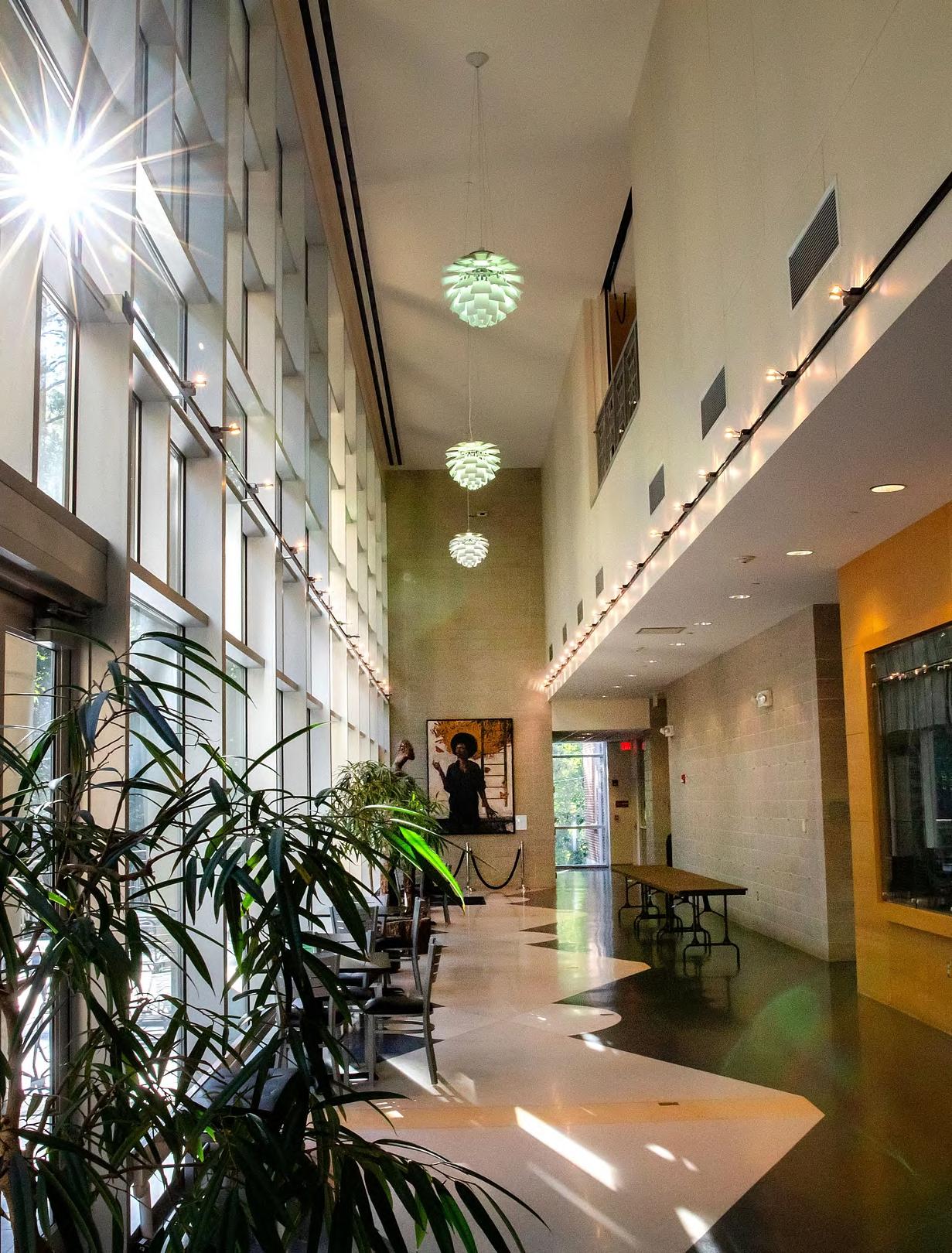
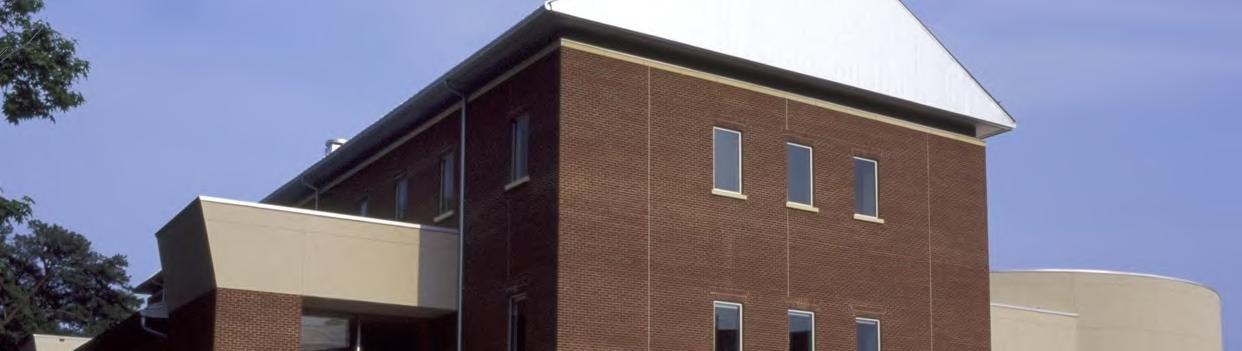
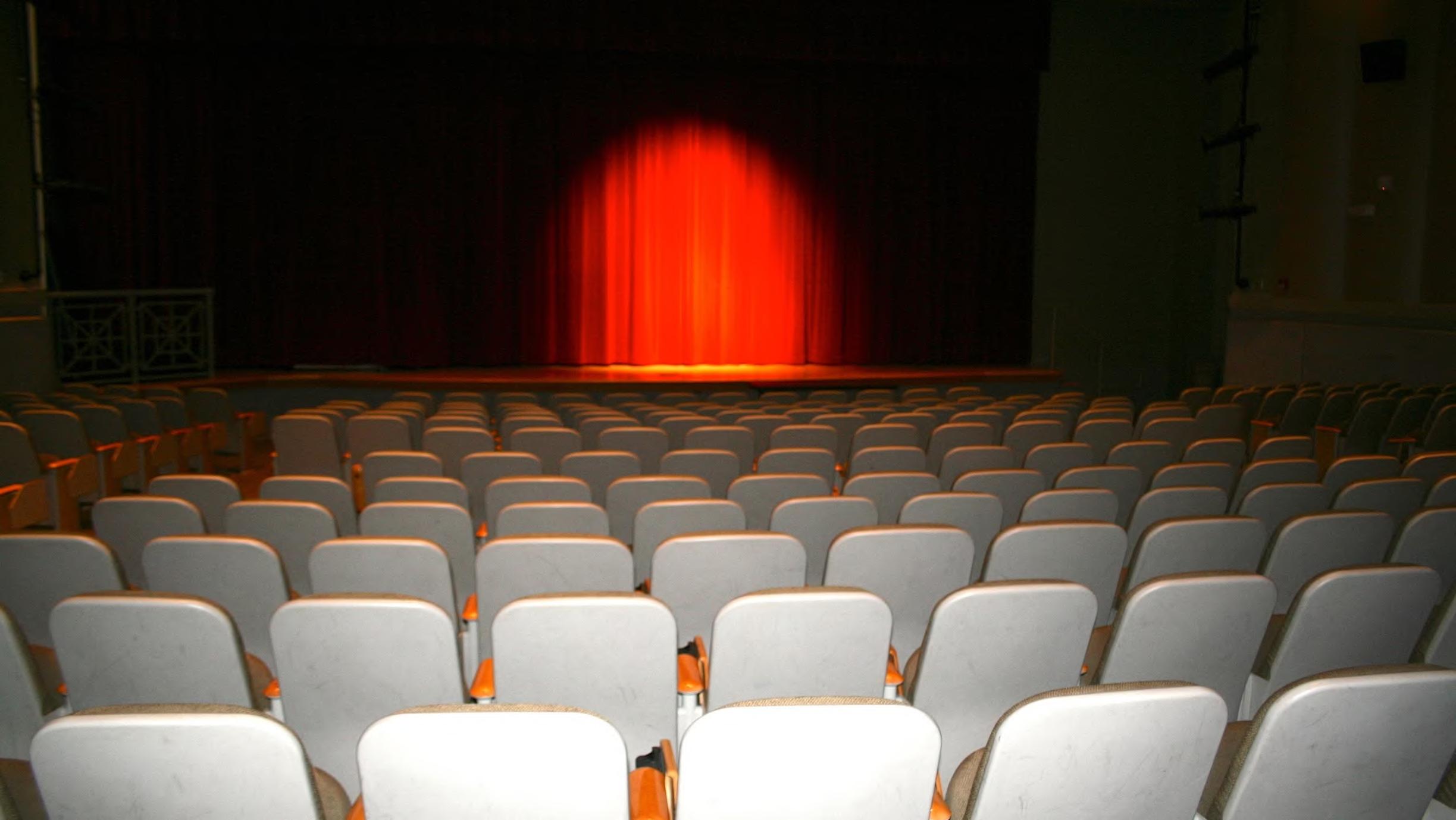
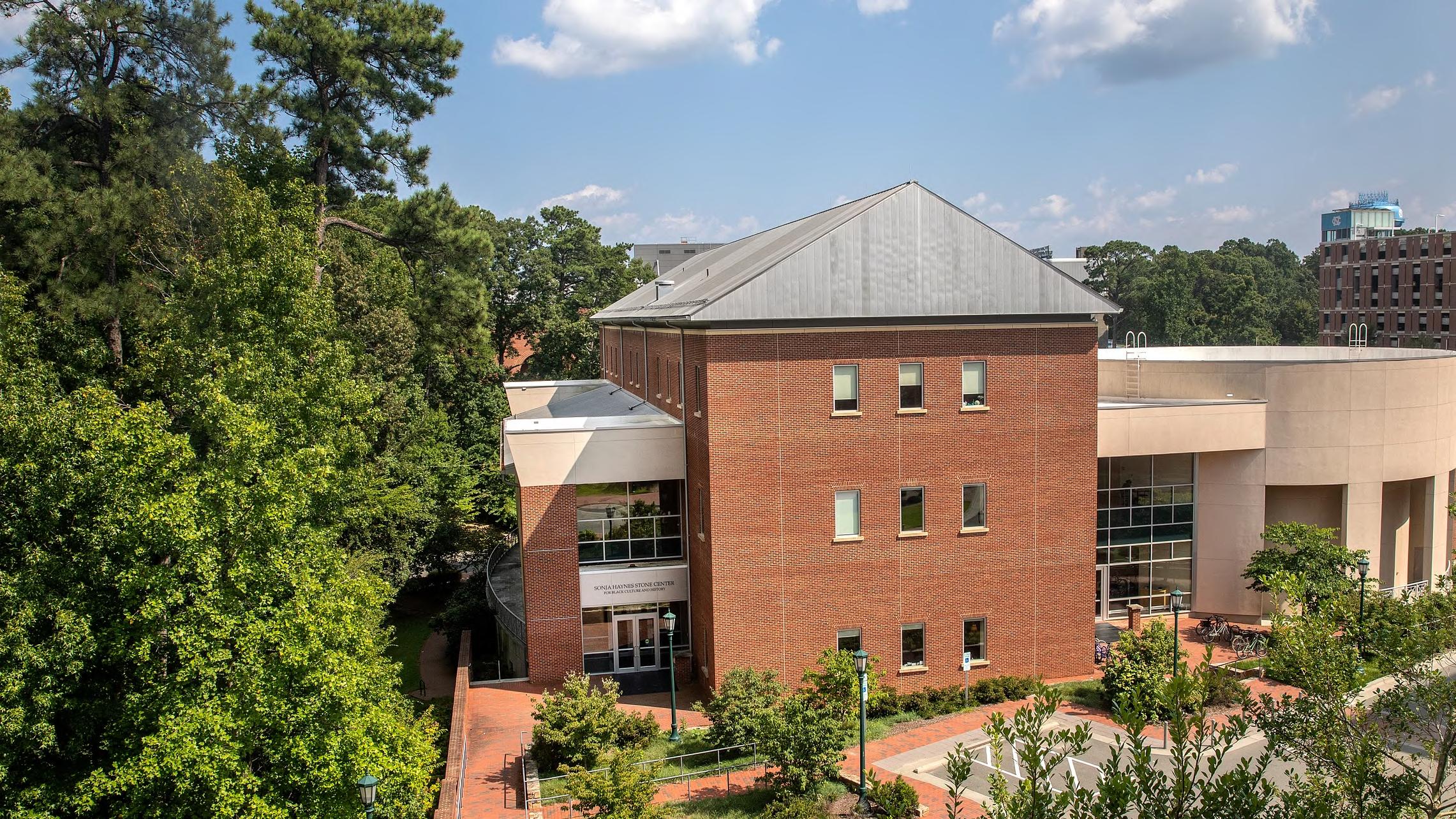
It is paramount that our building runs well, and that people value our space for the learning it facilitates, for the experiences it fosters, and to honor those who fought and gave to ensure its existence.
Facility in Focus
Our facility has great possibility as a revenuegenerating mechanism for our work, yet it accounts for less than 10% of our operating budget.
The self-study for our Five-Year Center Review revealed a history of "comped" and "discounted" rates as well as rental fees that are 50% less than comparable campus spaces.
Reconsideration of how we use space is essential to any sustainable future we imagine.
On the right, a breakdown of how Javier, our Facilities Manager, spends his time during the year paints a broad picture of space demands as well as our building needs.
50%
We are digitizing our reservation process to improve eciency and user experience. 20%
Includes tracking repairs, regular maintenance, creation of an operations manual, and supporting ITS.
Collaborating with artists and installing two exhibitions annually takes considerable human effort.
Includes supporting fundraising initiatives (e.g. seat naming campaign) and archival digitization process. 10%
15,000
500 hours
38,125
Veried by the Registrar, the Stone Center served student learning in our four classrooms during the academic year.
Estimated time to register, track, schedule, follow up on, and complete just under 75 repair and maintenance requests.
Maximum capacity participation based on 237 event reservations during the year. Excludes classroom usage.
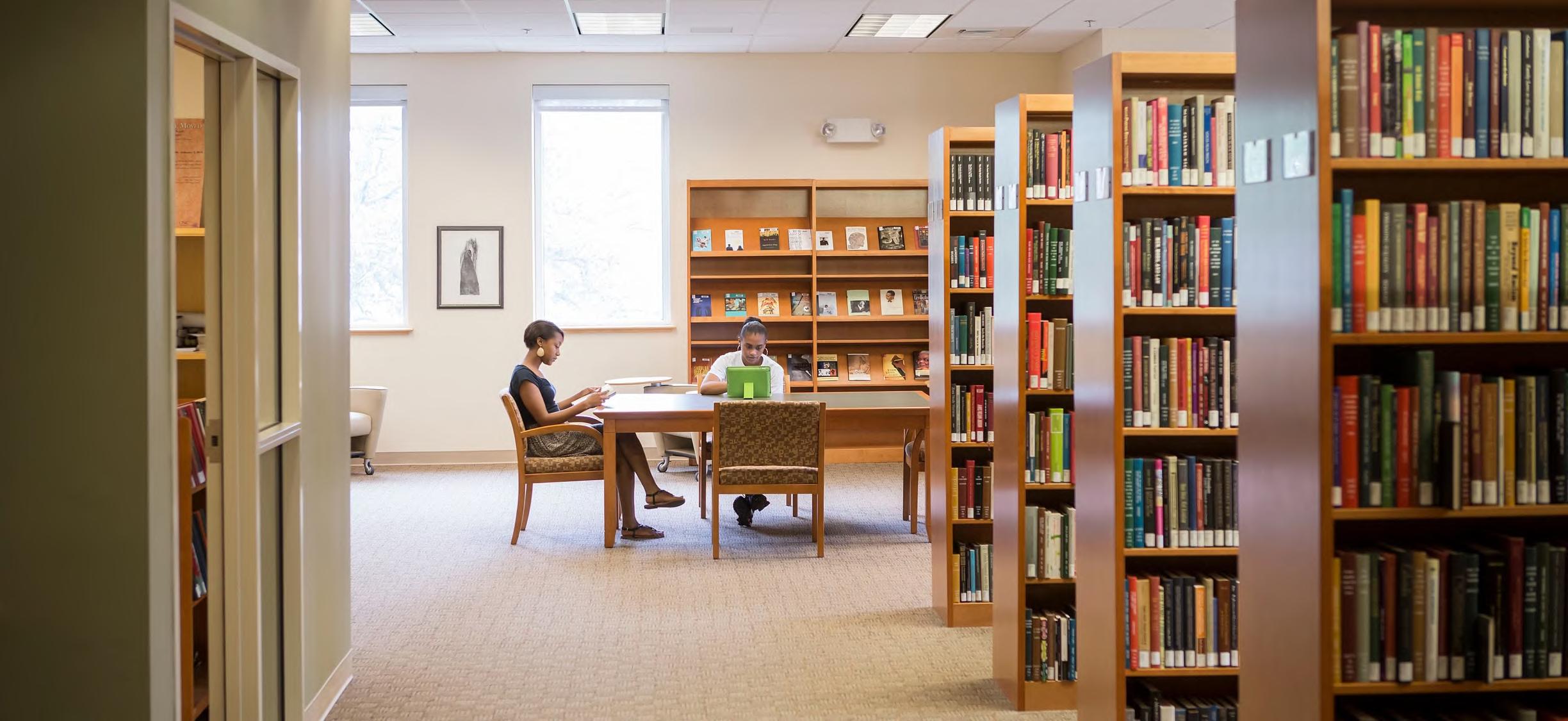
The Stone Center Library is an important space within our space. With 10,000 volumes, the library registers an independent visitor count average of 14,000 annually. With the successful recruitment of an African American Library Specialist (former Stone Center Library Graduate Assistant, Alex Odom), we anticipate taking a deep dive this upcoming year to determine how to best engage our library users.
S H S C Diversify
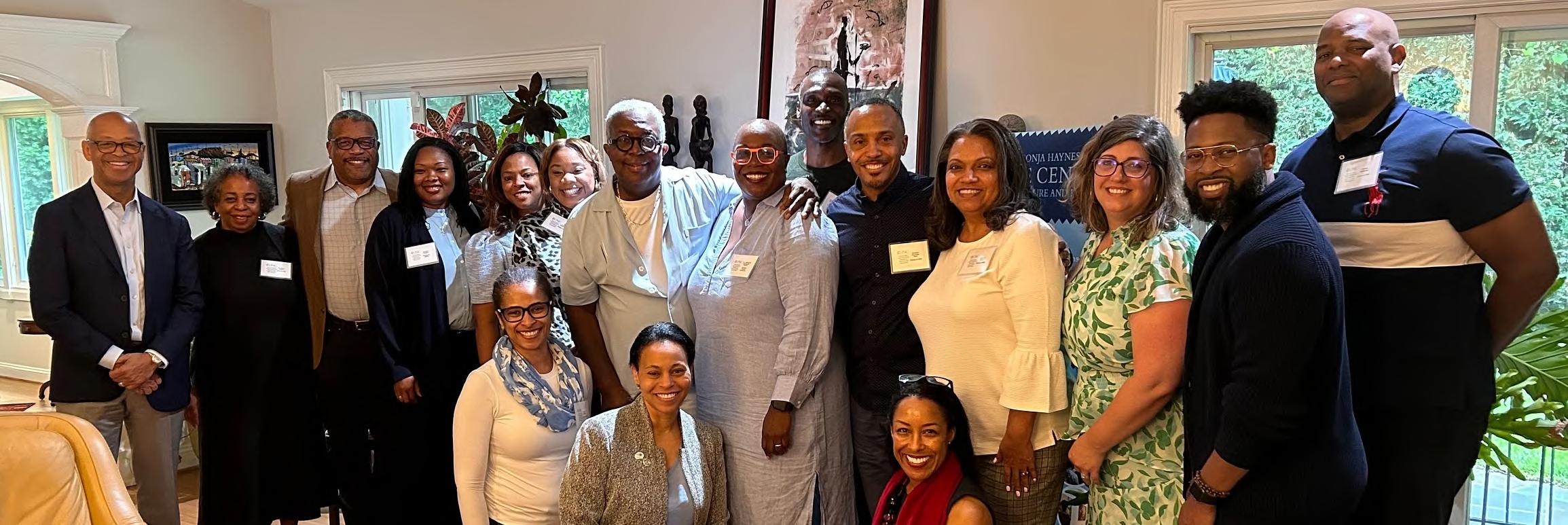
A dynamic fundraising portfolio is key to our existence and continued success. Our goal this year was to streamline expenditures, strengthen our fundraising infrastructure, and diversify the kinds of funding sought. Our ultimate goal: ensure our sustainability in perpetuity.
A Campaign for the Stone Center
We began crafting a $5M comprehensive Case for Support; authorized an additional $6M in naming opportunities; qualied new donors; cultivated fundraising pipelines with existing donors; and identied new funding sources. Adding a full-time fundraiser remains our top priority.
We partnered with UDO to routinize six strategic annual giving asks; began building a philanthropic strategy to be applied to our National Advisory Board; improved our stewardship practices, such as gift acknowledgment; and incorporated inperson donor outreach as a key fundraising pillar.
%
Increase in total year-overyear fundraising from $66,698 (22-23) to $91,420 (23-24)
S C
“We anticipate a future rooted in autonomy, driven by sustainability, and viable in perpetuity.”
S H S C Connect
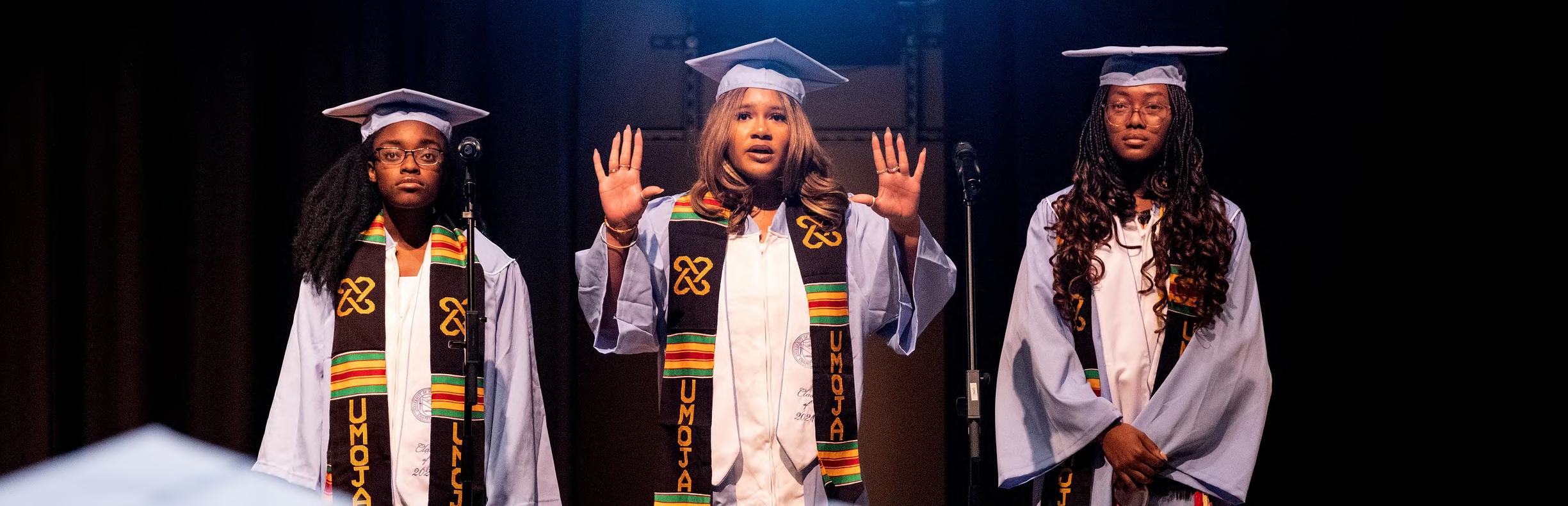
Leading the Stone Center naturally includes engagement with folks who are deeply connected to our work and with those who, for varied reasons, have become distanced. Connection and outreach are at the heart of our engagement initiatives.
Connect | Student Space
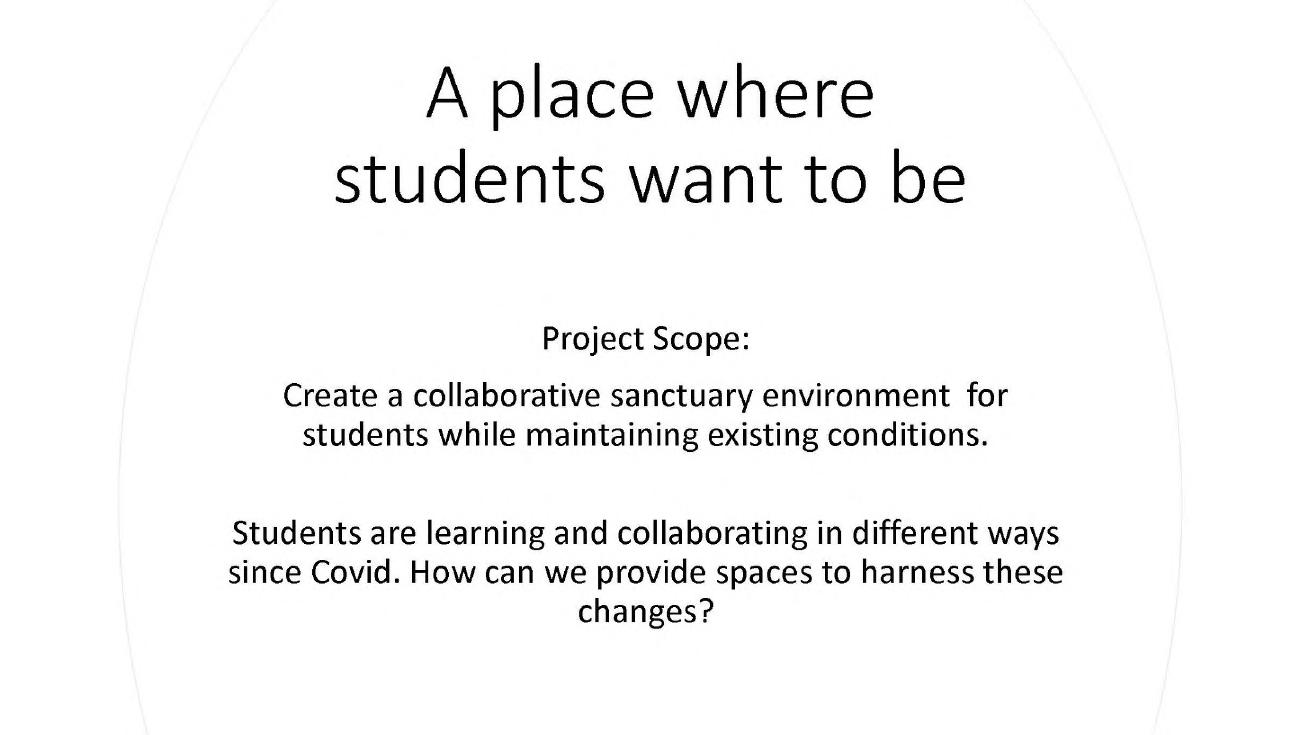
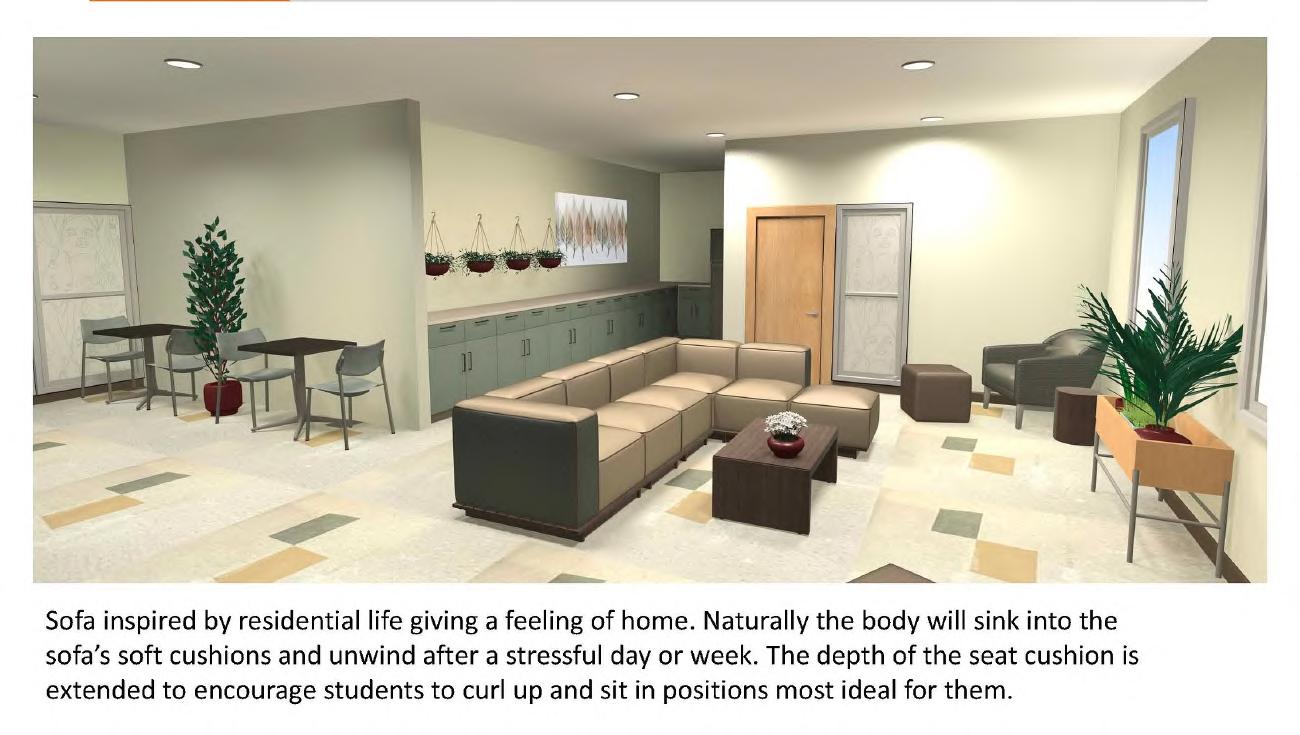
The former Chancellor challenged us to consider more intentional student-designated space in the Stone Center. We turned that challenge into an opportunity to re-engage students.
Mutual aspirations translated into a one-time, $390K Chancellor-approved funding request. The yet-to-be-named opportunity will be a restoremeet-study space on our 3rd oor.
Connect | Director's Tour
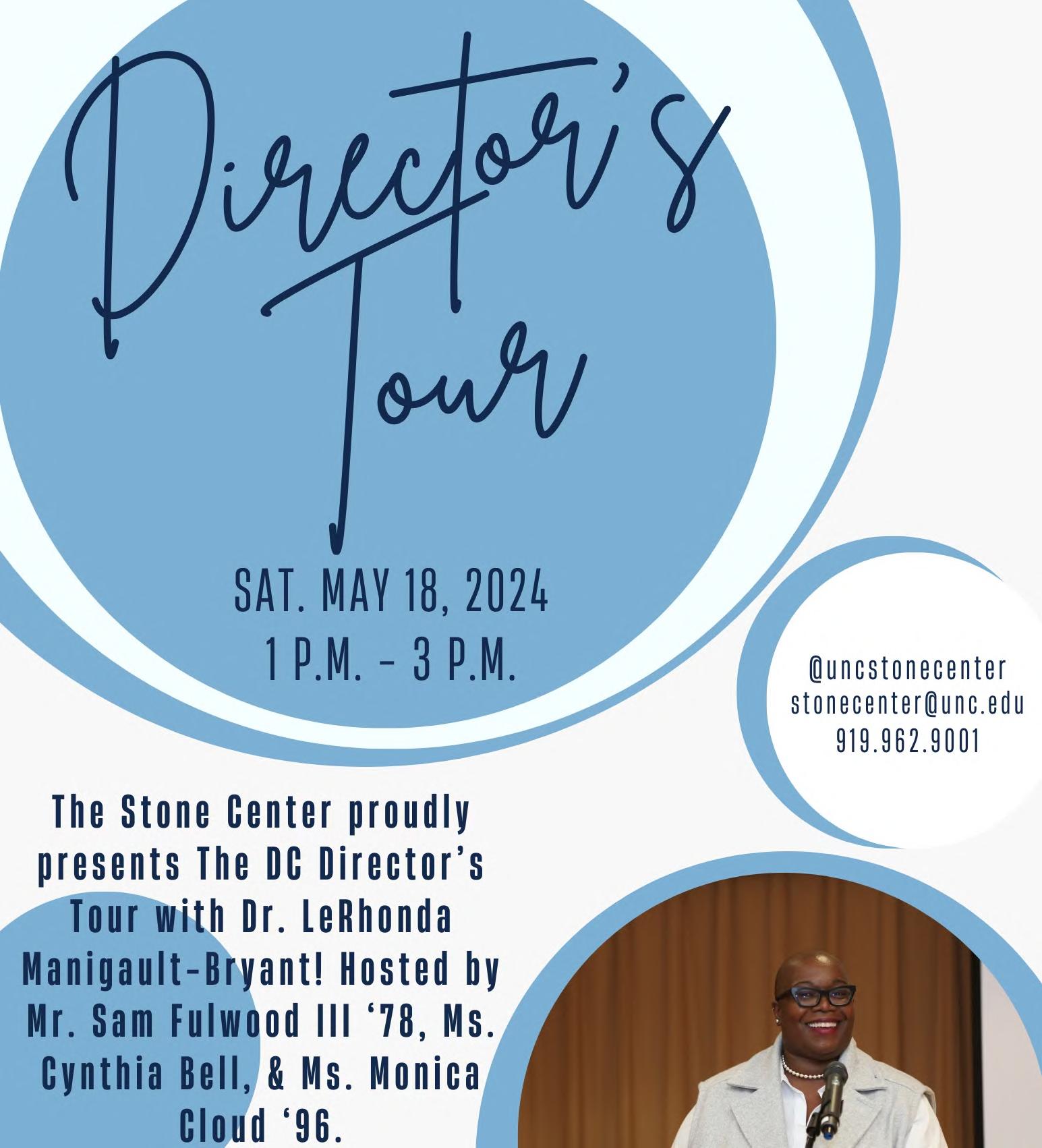
The Director's Tour included three in-person events in Charlotte, NC, Atlanta, GA, and Washington, D.C. We leveraged direct engagement with 75 alumni as stewardship opportunities to build our donor pipeline, reactivate and engage new volunteers, and cultivate wellinformed advisors.

Fundraising
increased revenue & claried priorities
Community Collaboration
signature programs generated attendance & cultivated community buy-in
celebrated new leadership & deepened existing collaborations
“We remember our mother's excitement when she would share plans about the possibility of a Black cultural center at UNC and what it would mean for students and the larger community…We look forward to this new phase of increased sustainability and unlimited possibilities for the Center.”
~Precious & Bobby Stone, Sonja Haynes Stone's Children