Courses and Options


Mr S Cinnamond Deputy Principal
Mr S Cinnamond Deputy Principal
Your ‘excellent’ GCSE journey starts here with us at St Joseph’s College.
We know how important Years 10 and 11 are to you and your children, which is why we offer a unique and outstanding selection of expertly delivered courses. These include both traditional GCSEs and a number of vocational courses. The vocational courses we offer can all lead to GCSE-equivalent qualifications, but some students do better with continuously assessed coursework rather than end of course exams. GCSE choices can be as daunting as they can be exciting. Most pupils have begun to think about potential combinations of options at this point, but have not yet come to any final decision. This booklet is designed to provide you and your child with the opportunity to consider rigorously every GCSE subject offered and allows students to interact by recording what really matters to them. What is it about each subject that makes them happy? What are their aspirations and ambitions? How does each subject relate to their future potential career path? Their answers to these questions will be personal to them, which is why we allow for an open choice on the combination of subjects that they choose from within our option blocks.
Our curriculum is further enhanced by a full and vibrant programme of enrichment and extension activities. We want them to achieve success in their examinations, but we also want them to engage with and be enthused by a richness of knowledge in a variety of subject disciplines. At St Joseph’s College we understand that life outside of the classroom is just as significant as the world within it.
We have also taken the opportunity to include information on our outstanding Sixth Form provision. We pride ourselves on taking our students on a complete journey, with a culture and focus to enable them to be their best. Please do not hesitate to contact me, the subject teachers or the Head of Year if you require further information on anything relating to your child’s GCSE options. We look forward to welcoming new and existing students onto the next phase of their learning journey.
• The celebration of our scholars, magnifying the talents of our young people in their specialist areas
• Additional literacy strategies taught alongside core and optional GCSEs, with students and parents guided through a personal programme that is perfect for them
• Daily after-school tuition clubs across all GCSE subjects, providing students with support, revision and extension activities designed to help maximise their potential
• Specialised courses, including Further Mathematics
• Exclusive ‘invitation only’ access to Learning Support, where students will receive bespoke tuition to support their learning needs
Immerse yourself in our fabulous programme of extra-curricular activities. There really is something for everyone. Take part in our international student exchanges; we have partner schools in Australia, Argentina, Peru, China and Germany.
We value everyone’s curriculum, which is why no matter which GCSE options are chosen, you will get access to Physical Education and to Faith, Life & Wellbeing lessons.
Careers fairs, guest speakers and regular subject-specific trips will make your GCSE experience one to remember, with your future always at the heart of teachers’ objectives. Participation in national and international competitions across all subject areas, increases your opportunity to enjoy and excel in all of your chosen subjects.


Topics
Language
• Unseen fiction – 19th/20th/21st century
• Creative writing - descriptive or narrative
• Unseen non-fiction – 19th/20th/21st century
• Non-fiction writing to present a viewpoint
Literature
• Power and Conflict
• Unseen poetry
• Modern text - currently studying ‘An Inspector Calls’
• Shakespeare - currently studying ‘Macbeth’
• 19th century novel - currently studying ‘A Christmas Carol’
Assessment Information
Examination Board AQA
Specification Number
Language: 8700
Literature: 8702
Literature Exams
Paper 1 - Shakespeare, 19th century text (40%)
Paper 2 – Modern text, Power and Conflict Poetry (60%)
Language Exams
Paper 1 - Reading/Writing fiction (50%)
Paper 2 - Reading/Writing non-fiction (50%)
Grade System
This qualification is graded 1-9, with 9 being the highest (Students are assessed regularly using examination criteria)
What new life skills will I learn?
• To identify and interpret key themes, ideas and information
• To read and evaluate for different purposes
• To draw inferences and justify these with evidence
• To write accurately, with sophistication and ambition
• To compare and contrast texts using summaries and synthesis
• To analyse how form and structure affect a written text
• To plan and deliver presentations
Enrichment & Extra-Curricular Opportunities
• Theatre trips (Norwich and London)
• BoxClever Shakespeare productions
• Poetry by Heart competition
• Award-winning magazine and journalism
• International creative writing tournaments
• Celebration of Languages (Arts Festival)
• Debating club
• Whole-school Literacy challenges and material

Career Opportunities (tick what interests you)
Advertising Lecturing
Copywriting Marketing
Education
Journalism
Law
Questions and Answers
Politics
Public Relations
TV and Radio


Topics
• Number skills: calculations, estimation and mental arithmetic
• Algebra: expressions, equations, inequalities, sequences
• Geometry: angles, polygons, transformations, constructions
• Data and statistics: handling data, averages, representation
• Fractions, decimals, percentages and ratio
• Measures and accuracy: units, conversions, error bounds
• Probability and risk
• Graphs and functions
• Trigonometry and Pythagoras’ Theorem
• Vectors and coordinates
• Problem-solving and reasoning across all topics
• Apply mental arithmetic and estimation in real-life situations
• Develop logical thinking and problem-solving strategies
• Interpret and analyse data to make informed decisions
• Communicate ideas clearly using mathematical reasoning
Assessment Information
Examination Board
Edexcel
Specification Number
GCSE (9–1) – 1MA1
Examinations
Three written papers, each worth 33.3%:
• Paper 1: Non-calculator
• Paper 2: Calculator
• Paper 3: Calculator
Grade System
Graded 1–9 with 9 being the highest. Regular topic assessments and mock exams support progress and readiness for final exams.
• Build resilience and confidence when tackling complex challenges
• Gain skills relevant to technology, finance and everyday problem-solving
• Sparx Maths: A powerful online platform that supports homework, independent study and targeted practice. Students can use Sparx to strengthen core skills, revisit challenging topics, and extend their learning beyond the classroom.
• UK Mathematics Challenge: nationally recognised competitions that develop problem-solving skills and mathematical creativity.
• After-school support sessions to help students consolidate learning, prepare for assessments and build confidence in key areas.
• College Maths website providing resources, guidance and enrichment activities to support progress and inspire curiosity in mathematics. www.stjosmaths.co.uk

Career Opportunities (tick what interests you)
Game Development Cybersecurity
Data Science & Analytics
Architecture & Real Estate
Software Development & Coding
Artificial Intelligence & Machine Learning
Transportation & Logistics
Engineering & Design
Financial Services & Investment
Pharmaceuticals & Bioinformatics

Topics
Biology
• Bioenergetics & homeostasis
• Cell biology & ecology
• Infection & response
• Variation & evolution
• Organisation and Biodiversity within Ecosystems
• Reproduction and Inheritance
Physics
• Atomic structure
• Electricity & energy
• Forces & motion
• Waves
• Magnetism & electromagnetism
• Particle model of matter
Chemistry
• Atomic structure & periodic table
• Bonding, structure & matter
• Chemical changes
• Earth and its resources
• Energy changes
• Organic chemistry
• Quantitative chemistry
• Rate & extent of reactions
• You will be confident in carrying out hands-on practical tasks and activities
• You will improve your mathematical skills, knowledge and application
• You can understand how and why our bodies and planet work the way they do
Assessment Information
Examination Board AQA
Specification Number 8464
Examinations
All six examinations to be sat in Year 11
• 2 x Biology papers (1hr 15mins, 16.7% each)
• 2 x Chemistry papers (1hr 15mins, 16.7% each)
• 2 x Physics papers (1hr 15mins, 16.7% each)
Grade System
This course provides two GCSE qualifications and is graded 1/1 to 9/9 on a 17-point grading scale, with 9/9 being the highest. It has two tiers of entry: Foundation and Higher tier (covering grades 1/1 to 5/5 and 4/3 to 9/9 respectively).
• You can boost your teamwork skills and ethics by actively working with others
• You will be able to improve your own personal lifestyle by making healthy and environmentally friendly choices
• Kerboodle – an online, interactive programme providing access to support, extension and activities to support the course.
• Targeted GCSE revision sessions for both support and challenge
• Field work opportunities, exploring learning outside the classroom
• Guest lectures/speakers from the scientific community.
Career Opportunities (tick what interests you)
Things I love about Science
Physiotherapist Nursing
Biomedical Scientist Lab Technician
Forensic Scientist Archaeologist
Questions and Answers
Year 10 – New Headway Pre-Intermediate Coursebook
• Describing friends and family
• Writing about holidays and your home town
• Letters, emails and other correspondence
• Writing book and film reviews
Year 11 – Cambridge IGCSE English as a Second Language Coursebook
• Leisure and travel
• Education and work
• People and achievements
• Ideas and the modern world
• You will be able to take comprehensive notes from a variety of sources, spoken and written
• Your presentation skills will support you in any qualification or job you pursue
• Your self-confidence will grow and strengthen as your language improves
Examination Board
Cambridge International Examinations
Specification Number 0991
Examinations
Three exams
• Paper 1 – Reading and Writing 50%
• Paper 2 – Listening 25%
• Paper 3 – Speaking 25%
Grade System
This qualification is graded 1-9, 9 being the highest (Students assessed regularly using examination criteria)
• You will enhance your independent learning skills, required for any further qualification
• Your writing skills will be appropriate for any purpose, tone or audience, essential for your future aspirations

Year 10
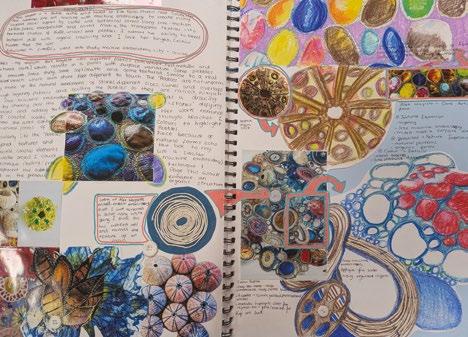
• Project 1 - Natural Forms: exploring developing core skills and experimenting with a wide range of materials
• Project 2 – Identity: investigating personal themes to help navigate students to understanding their visual language
Year 11
• Independent project
• Controlled assignment
• Exhibition
Examination Board: AQA
Specification Number: 8201
Examinations
Component 1 - The portfolio must include: a sustained and developed project in response to a subject, theme, task or brief evidencing the journey from initial engagement with an idea to the realisation of intentions (60%)
Component 2 - An externally set assignment giving students seven different starting points/titles to select from and demonstrate their creative response. This is assessed through a 10-hour sustained period of study (40%)
Grade System
This qualification is graded 1–9, 9 being the highest (Students are assessed regularly using examination criteria)
• This will allow you to build and maintain practical, critical and contextual skills
• Your exposure to new media, technologies and processes will be invaluable
• Being able to explore different materials and processes will allow you to be versatile and flexible
• Your ability to maintain focus for long periods of time will be strengthened and enhanced
• Your communication with peers and ability to review your own and others’ work will prove to be essential in your future
• Study days at local and national galleries
• Access to workshops with notable visiting artists
• Access to internal and external competitions
• Weekly clubs to develop practice
• Open Art Studio
• Community-based projects and opportunities
• State-of-the-art digital Mac suite
• Artwork displayed and celebrated
• International residential art trips


Career Opportunities (tick what interests you)
Architecture Marketing & PR
Fashion Photography
Film, TV & Media Theatre & Prop Design
Games Design Restoration
Graphic Design
5 ? Questions and Answers

Year 10
• Dance anthology
• Performance skills
• Choreographic skills
Year 11
• Performance non-examined assessment
• Choreography non-examined assessment
• Critical appreciation
Examination Board AQA
Specification Number 8236
Examinations
• Performance and choreography - internally assessed (30%)
• Choreography - internally assessed (30%)
• Dance appreciation - 1 hour 30 minutes written examination (40%)
Grade System
This qualification is graded 1–9, with 9 being the highest (Students are assessed regularly using examination criteria)
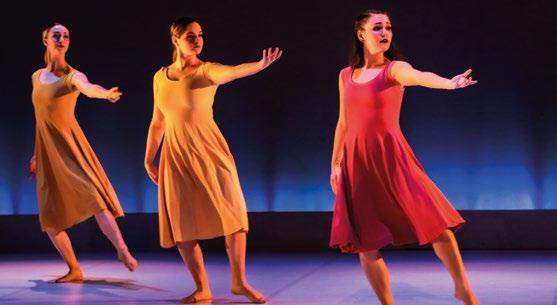
• Powerful and expressive, Dance encourages you to develop your creative, physical, emotional and intellectual capacity, whatever your previous experience in the subject
• The study of the anthology of professional works will develop your ability to appraise dance works critically and will provide a springboard for engaging in practical tasks
• The role of dance in young people’s lives is recognised. You will study a range of dance styles and style fusions. Apart from the solo performance, you may choose any style in which to perform and choreograph, providing it meets the assessment criteria
Enrichment & Extra-Curricular Opportunities
• Fully-equipped Dance Studio
• Specialist dance uniform
• Opportunities in performance and choreography
• Trips to local and national theatres to see professional musical theatre and dance works
• Annual Senior School musical
• Dance Scholars’ Society
• After-school and lunchtime rehearsals towards practical examinations
• Visiting practitioners and workshops
Career Opportunities (tick what interests you)
Actor Musician
Choreographer
Dance Company Director
Dance Teacher
Gym Instructor
Questions and Answers
Performer in TV, Film, Theatre
Professional dancer
Theatre Owner

Year 10
• Theatre practitioners
• Dramatic theory in practice
• Devised drama (exploration, process and portfolio)
• Presenting textual characters
Year 11
• Devised drama (performance and portfolio)
• Responding to set texts
• Presenting and performing
• Responding to live performances
Examination Board OCR
Specification Number J316
Examinations
• Devised drama - internally assessed (30%)
• Presenting and performing texts - externally assessed (30%)
• Drama: performance and response - 1 hour 30 minute written examination (40%)
Grade System
This qualification is graded 1–9, with 9 being the highest (Students are assessed regularly using examination criteria)
What new life skills will I learn?
• You will explore how to build your confidence and presentations skills
• You will access a range of stimuli to broaden your feelings and thoughts on particular topics, helping you to become an independent, critical thinker and effective decision maker
• Encouragement to keep notes in a legible, focused and timely manner
• You will explore social, relevant and topical issues such as racism, injustice and social inequalities

Enrichment & Extra-Curricular Opportunities
• One-to-one teacher tutorials
• After-school and lunchtime rehearsals towards practical examinations
• Visiting practitioners and workshops
• Opportunities in performance and technical theatre
• Theatre trips to local and national performances
• Work alongside professional artists and specialists
• Drama club
• Trinity and LAMDA examinations

Career Opportunities (tick what interests you)
Arts Administrator Cinematographer
Actor in TV, Film or Theatre
Circus Performer
Barrister Comedian
Broadcast Journalist TV Presenter
Choreographer
Questions and Answers

Things I love about Drama

Enterprise and Marketing Concepts, assessed by an exam 40%.
You will learn about the operation of a successful small start-up business.Topics include: Characteristics, risk and reward for enterprise
• Market research to target a specific customer
• What makes a product financially viable
• Creating a marketing mix to support a product
• Factors to consider when starting up and running an enterprise.
Design a Business Proposal, assessed by assignment 30%
You will identify a customer profile for a specific product, complete market research to generate product design ideas, and use financial calculations to propose a pricing strategy and determine viability. Topics include:
• Market research
• How to identify a customer profile
• Develop a product proposal for a business brief
• Review whether a business proposal is financially viable
• Review the likely success of the business proposal.
• Pitching ideas, explaining decisions, and presenting confidently to others
• Working on your own business ideas and making informed decisions
• Analysing research, reviewing ideas and improving proposals
• Understanding costs, pricing, profit, break-even and cash vs profit
Market and Pitch a Business Proposal, assessed by assignment 30%
You will develop pitching skills to be able to pitch your business proposal to an external audience. Finally, you will review your pitching skills and business proposal using self-assessment and feedback gathered. Topics include:
• Develop a brand identity to target a specific customer profile
• Create a promotional campaign for a brand and product
• Plan and pitch a proposal
• Review a brand proposal, promotional campaign and professional pitch.
Examination Board
OCR
Specification Number J837
Students must complete three units
• One externally assessed unit (exam)
• Two centre-assessed units (NEA)
Assessment
Level 2 – Distinction* (*2), Distinction (D2), Merit (M2), Pass (P2)
Level 1 – Distinction (D1), Merit (M1), Pass (P1) and Fail/Unclassified
• Carrying out primary and secondary market research and analysing results
• Creating digital presentations, surveys and marketing materials
• Reviewing your work, responding to feedback and improving outcomes
• Enterprise/business clubs
• Dragons’ Den–style pitch competitions
• Running pop-up shops or charity fundraising events
• Guest speakers from local businesses and entrepreneurs
• Visits to businesses or marketing agencies
• Cross-curricular projects with Art, IT and Photography

Career Opportunities (tick what interests you)
Customer service advisor Entrepreneur/small business owner
Marketing assistant or marketing executive Social media/ digital marketing
Events or promotions assistant Business administration roles
Apprenticeships in Business Administration or Digital Business
Questions and Answers
Things I love about Enterprise & Marketing
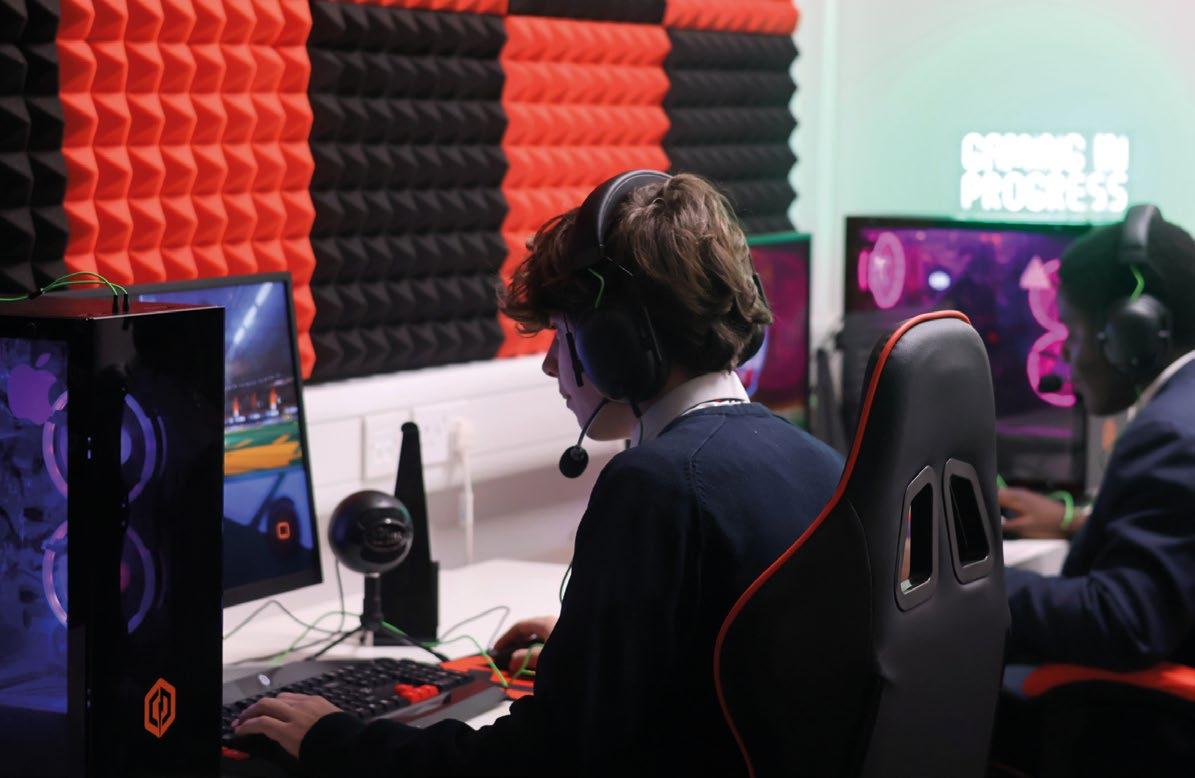
BTEC Level 2 Award in Esports
Topics
Unit 1: Esports Games, Teams and Tournaments
In this unit you will:
• Investigate different genres of Esports games
• Explore different professional Esports teams
• Examine Esports tournaments and leagues.
Unit 2: Establishing an Esports Organisation
In this unit you will:
• Investigate a global sporting organisation
• Develop a brand for an Esports organisation
• Design a logo and merchandise for an Esports organisation
• Create a plan to promote the brand
Assessment Information
Examination Board
Pearson - BTEC
Specification Name BTEC Level 2 Award in Esports
Assessment Type
This course is 100% coursework-based (there are no exams). Assignments are internally assessed and externally verified.
Unit 1 (25% of qualification)
Students investigate different genres of esports games and the professional teams that play them. They will study the online and live tournaments and leagues in which these Esports team compete.
Unit 2 (75% of qualification)
Students will investigate different types of global sports organisations; they will create a brand for an Esports organisation as well as a plan to promote their chosen brand.
Grade System
The qualification is graded on a scale from L1/L2 Pass (P) to Starred Distinction (D*).
The BTEC Level 2 Award in Esports equips learners with valuable skills, such as:
• In depth game knowledge
• Teamwork
• Problem solving
• Digital literacy
• Adaptability
• Resilience Networking
Enrichment & Extra-Curricular Opportunities
• Entry to the British Esports Federation – Student Champs Open Competition
• Access to the Gaming Suite
• Visits to LAN Gaming Competition (location TBC)

Career Opportunities (tick what interests you)
Broadcasting Business
Event management Game development
Journalism Marketing
Production
Questions and Answers
Things I love about Esports

This course is designed to develop your practical cooking skills, as well as giving you an understanding of how the Hospitality & Catering industry works.
WHAT SPECIFIC AREAS WILL YOU STUDY?
As well as learning about how the industry works, food standards and ratings, environmental issues, you will also look at:
• Vitamins & minerals
• Eatwell guide
• Coeliac disease
• Lactose intolerance
• Anaemia
• Sports nutrition
• Allergies
• Diabetes
What new life skills will I learn?
• You will learn how the industry works, about food standards and ratings, and about environmental issues.
• Issues relating to health & safety, food safety and current legislation, and how they affect successful hospitality and catering operations
Unit 1 – 40%
Theory work covering
• The Hospitality and Catering Industry
• 1 hour 20 minutes external exam paper
• Exam taken at the end of Year 11
Unit 2 – 60%
Scenario based coursework project with practical cooking exam
• Controlled assessment to complete over 12 hours
• A written report
• A practical exam to prepare, cook and serve 2 dishes with sides.
Grade system
This qualification is graded on a scale L1/L2 Pass (P) to starred distinctions (D*)
• You will have the opportunity to develop some food preparation and cooking skills
• A practical exam to prepare, cook and serve two dishes with sides
Enrichment & Extra Curricular
• Among the new practical skills, you will learn will be some focusing on presentation.
• We have so far attempted the Burger Challenge, Egg Challenge, the Brownie Challenge and the Posh Beans on Toast Challenge!
• Opportunities include an overseas trip and multiple UK-based excursions and experiences, such as working with the Royal Navy Catering team and visiting local FE and HE catering teams
• Transferable skills of problem solving, organisation and time management, planning and communication

Career Opportunities
(tick what interests you)
Catering Education
Environmental Health Events Management
Food Safety Food Science
Nutrition Product Development
Professional Cookery
Questions and Answers
Year 10
Living in the UK today
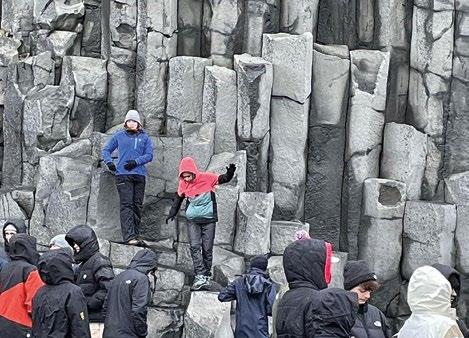
• River and coastal landscapes
• Trading patterns
• Population and urban trends
• Environmental challenges
Year 11
The world around us
• Global ecosystems
• Development
• Urbanisation
• Environmental threats to our planet
Examination Board OCR
Specification Number J383
Examinations
• Living in the UK today - written exam, 1 hour (30%)
• The world around us - written exam, 1 hour (30%)
• Geographical skills - written exam, 1 hour 30 minutes (40%)
Grade System
This qualification is graded 1–9, with 9 being the highest (Students are assessed regularly using examination criteria)
What new life skills will I learn?
• You will be able to develop analytical map skills that can be used to a professional or personal advantage
• You will gain a greater perception of current climate issues and other contemporary global themes
• Your ability to look at problems from a variety of viewpoints will become invaluable
• By being involved in local and non-local fieldwork excursions your cultural and environmental awareness and understanding will grow
• Your awareness of the place around you will increase so that you can challenge yourself and others by asking questions that matter to our environment
Enrichment & Extra-Curricular Opportunities
• Digimap for Schools - providing access to OS Maps
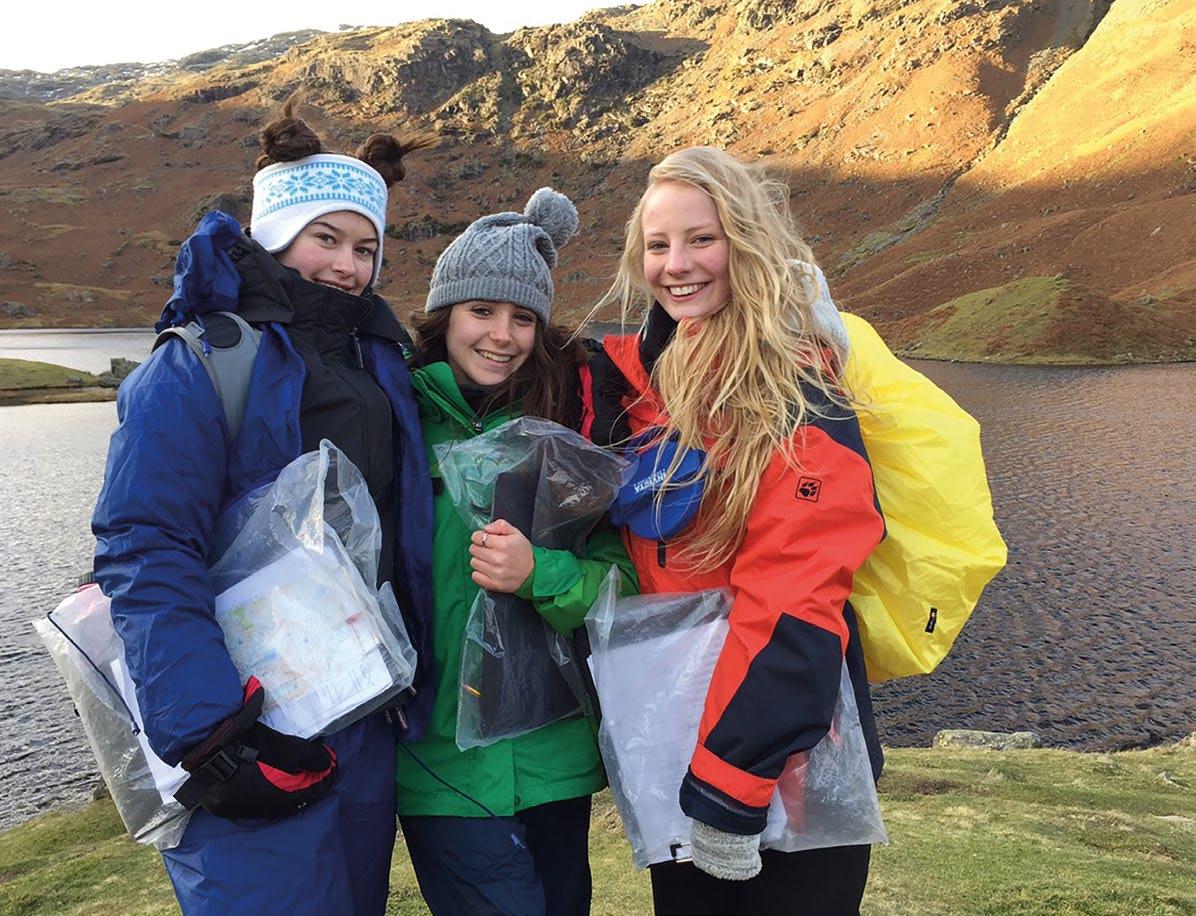
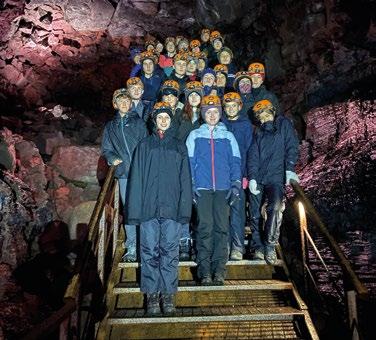
• Fieldwork exploring case studies and issues in Cambridgeshire and Suffolk
• Use of ArcGIS for spatial analysis of fieldwork and secondary data
• RGS Young Geographer Competition
• Additional GCSE revision sessions designed to support, stretch and challenge in preparation for Year 11 examinations
Career Opportunities (tick what interests you)
Cartographer Landscape Architect
Conservation Officer Meteorology
Environmental Lawyer Recycling/Climate Change
Geographical Information Teacher/Lecturer
Journalism Town and City Planning
Things I love about Geography
Questions and Answers
Year 10
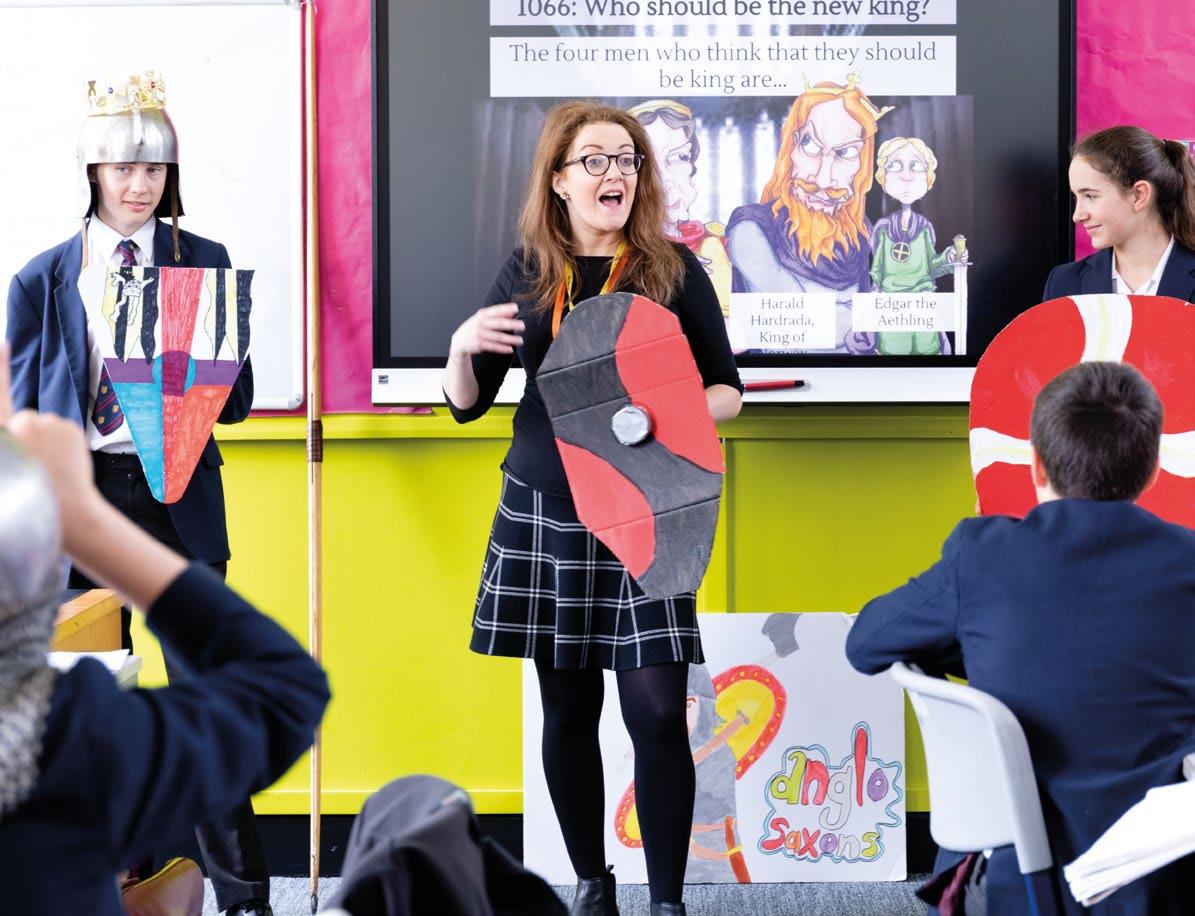
• Conflict and tension: First World War, 1894-1918
• Britain: Health and the People, c1000 to the present day
Year 11
• Germany, 1890-1945: Democracy and Dictatorship
• Norman England, c1066-c1100
Examination Board AQA
Specification Number 8145
Examinations
• Paper 1 - Understanding the Modern World - written exam, 2 hours (50%)
• Paper 2 - Shaping the Nation - written exam, 2 hours (50%)
Grade System
This qualification is graded 1–9, with 9 being the highest (Formal, in-class assessments take place at the end of each sub-section)
• You will develop skills in extended writing and producing substantiated judgements
• Your extended reading skills will grow, allowing you to read challenging and demanding texts
• You will learn to create and defend logical oral arguments with excellent negotiation skills
• You will be able to evaluate case studies and evidence, supporting your critical thinking skills
• Your confidence in using subject-specific terminology and vocabulary, a skill required in any profession, will strengthen and flourish
• History club
• Debate club
• KS4 History Surgery – providing intensive GCSE revision and exam preparation
• Google Classroom for instant access to up-to-date lesson resources, tasks and extension activities
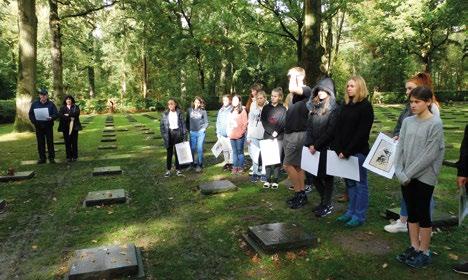
• Local and international trips to significant historical locations and landmarks. Recent visits have included First World War battlefields in France and Belgium, and to a partner school in Germany for collaborative history projects
• Model United Nations club
Career Opportunities (tick what interests you)
Academic Librarian Editorial Assistant
Anthropologist Human Resources
Archaeologist Lawyer
Broadcast Journalist Marketing Executive
Civil Service Research Analyst
Things I love about History
Questions and Answers

• Performing
• Composing
• Appraising
• Instrumental Music 1700–1820
• Vocal Music
• Music for Stage and Screen
• Fusions
Assessment Information
Examination Board Edexcel
Specification Number 1MU0
Examinations
• Performing - two pieces, internally assessed and externally moderated (30%)
• Composing - two compositions, internally assessed and externally moderated (30%)
• Appraising - written exam on four areas of study, 1 hour 15 minutes (40%)
Grade System
This qualification is graded 1–9, with 9 being the highest (Formal, in-class assessments take place at the end of each sub-section).
Notes
Students should be playing at musical Grade 2 or above prior to beginning their GCSE, with the aim of working towards a minimum of Grade 4
• Your confidence, public speaking and presentation skills will increase
• You will enhance your mathematical and statistical skills, applicable to many careers and your everyday life
• You will be able to organise, plan and structure projects, both as an individual and as a team member
• You will develop an awareness of contrasting forms of media and music, accepting cultural and personal choices and preferences
• You will learn to reflect upon and evaluate your own performance, strengthening your independence and thinking skills
Enrichment & Extra-Curricular Opportunities
• Trips to musical theatre performances
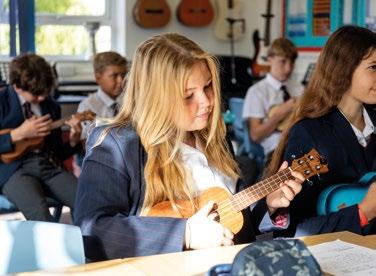
• Weekly rehearsals for choirs and ensembles
• ABRSM and Trinity examinations
• Music theory, aural and technology clubs
• Participation in the annual Arts Festival and Senior School musical
• Involvement in the Suffolk Festival of Performing Arts and the Colchester Rotary Festival
• Bespoke practice rooms with state-of-the-art equipment
• An iMac suite and use of iPads
• An acoustically-treated recording studio, featuring a live room and control room

Career Opportunities (tick what interests you)
Actor Performer
Composer Producer
Film, Television and Radio
Medicine
Musician
Questions and Answers
Public Services
Sound Engineer
Theatre Production

Topics
Year 10
• Composition
• Portraiture
• Colour
Year 11
• Texture
• Externally set task/controlled assignment
• Exhibition and external moderation
Examination Board AQA
Specification Number 8206
Examinations
• Portfolio: to include trials, experiments and a developed response to a subject, task, theme or brief (60%)
• Externally set assignment: AQA to give a choice of seven titles, which students must select and respond to; 10 hours of focused, sustained study (40%)
Grade System
This qualification is graded 1–9, with 9 being the highest (Students are assessed regularly using examination criteria)
• You will have the opportunity to expand on your creative skills by pursuing interesting, creative and exciting topics
• You will become more experimental and developmental in your way of thinking and methodology
• You can explore topics that are of personal interest to you and enhance your personal life with friends and family
• Your ability to work as a professional individual and constructively in a team will strengthen
• Your organisation and planning skills will be enhanced so that you can achieve maximum results in any project you choose
Enrichment & Extra-Curricular Opportunities
• Study days working with curators at the Fitzwilliam Museum and in London
• Artist workshops during the College’s annual Art Festival
• Student Arts Focus Group
• Materials for all projects required during curriculum time
• State-of-the-art Digital Arts Suite with Mac technology and the latest version of Photoshop
• Opportunity for every student to have their work displayed and celebrated
• Visits to national and international museums and art galleries
• Dedicated photography facilities, including dark room

Career Opportunities (tick what interests you)
Advertising Film and Television
Animation Forensic Science
Photojournalism
Criminal Investigations Unit
Graphic Design
Music Video Production
Fashion Design Public Relations
Questions and Answers

• Applied anatomy and physiology
• Movement analysis
• Sports psychology
• Physical training
• Socio-cultural influences
• Health, fitness and wellbeing
• Use of data
• Practical performance, with analysis and evaluation
Examination Board AQA
Specification Number 8582
Examinations
• Paper 1 - The human body and movement in physical activity and sport - written examination, 1 hour 15 minutes (30%)
• Paper 2 - Socio-cultural influences and wellbeing in physical activity - written examination, 1 hour 15 minutes (30%)
• You will help to promote healthy living around the College and within your own community
• You will benefit from maintaining a high level of fitness and practical performance, improving personal wellbeing
• You will have a greater understanding and knowledge of current issues within sport locally, nationally and internationally
Non-exam assessment
• Practical assessment in three sports
• Coursework analysing and evaluating performance (40%)
Grade System
This qualification is graded 1–9, with 9 being the highest (Students are assessed regularly using examination criteria)
• You will have the opportunity to develop your strongest sporting areas, which may follow you through to competitive levels
• Your communication skills will develop significantly as you rely on team co-operation
Enrichment & Extra-Curricular Opportunities
• AQA keynote lecture to support Year 11 revision
• Lunch and after-school clubs offering a wide variety of sporting activities
• Support with students’ filming/collation of data
• Focused GCSE revision sessions at lunchtime and after-school
• Annual College sports festivals
• Interventions in place to encourage and inspire students to achieve their target grades
• Regular internal assessments of students’ work and analysis of data to support their development
• Experienced teaching staff, including ex-professional sportsmen and women
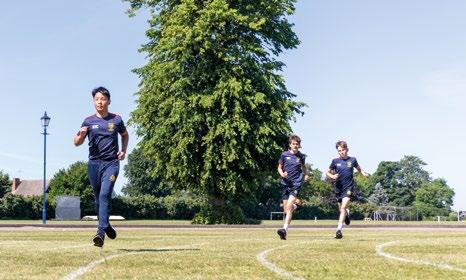
Career Opportunities (tick what interests you)
Armed Forces Personal Trainer
Professional Sports Coach Physiotherapy
Dietician Professional Competitor
Fitness Instructor Sport Law
Leisure and Tourism Sports Psychology
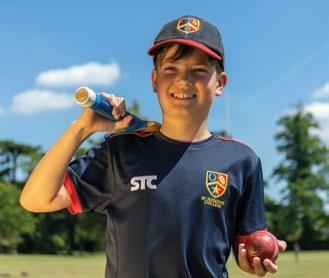
I love about Physical Education
Questions and Answers

Topics
Year 10
• Religion and ethics
• Beliefs
• Marriage and the family
• Living the religious life - Christianity
• Matters of life and death
Year 11
• Religion, peace and conflict
• Beliefs
• Crime and punishment
• Living the religious life - Judaism
• Peace and conflict
What new life skills will I learn?
• You will have the opportunity to explore the beliefs and values of a variety of cultures and religions
• You can develop your understanding and awareness of religious and non-religious beliefs
• You can apply your knowledge in an analytical, ethical and evaluative way to support future relationships with friends, family and colleagues
Assessment Information
Examination Board Edexcel
Specification Number 1RBO
Examinations
• Paper 1: written examination - 1 hour 45 minutes (50%)
• Paper 2: written examination - 1 hour 45 minutes (50%)
Grade System
This qualification is graded 1–9, with 9 being the highest (Students are assessed regularly using examination criteria)
• You will build on your ability to construct well-argued, well-informed and balanced written and oral arguments, whilst improving your listening skills
• You can prepare yourself to be challenged on your own beliefs and reflect upon others’ opinions and points of view
Enrichment & Extra-Curricular Opportunities
• Visits to local places of worship
• Meetings with believers from a variety of faiths
• Host guest speakers to hear their religion’s views on ethical issues
• Religion and film club to explore religious themes in modern film
• Revision club to support students in preparing for GCSE examinations
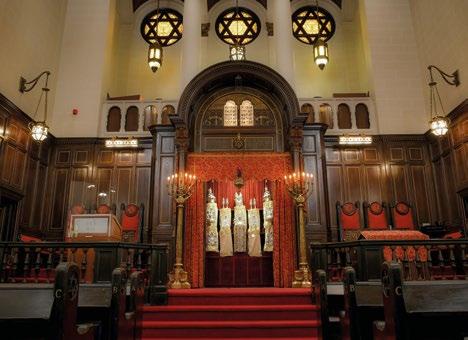
Career Opportunities (tick what interests you)
Armed Forces International Diplomat
Church Ministry
Clergy
Counselling
Education
Questions and Answers
International Journalism
Marketing
Museum Curator
Voluntary Aid Worker
Things I love about Religious Studies
Topics
• My personal world
• Lifestyle and wellbeing
• My neighbourhood
• Media and technology
• Studying and my future
• Travel and tourism
Assessment Information
Examination Board
Edexcel
Specification Number 1SP1
Examinations
• Listening: written, external assessment (25%)
• Speaking: spoken, external assessment (25%)
• Reading: written, external assessment (25%)
• Writing: written, external assessment (25%)
Grade System
This qualification is graded 1–9, with 9 being the highest (Students are assessed regularly using examination criteria)
• You will gain an increased vocabulary that can support you and your family on holidays and travels
• You will be able to use Spanish in real life situations and to communicate with Spanish speakers on every continent
• You can develop your knowledge and understanding of other cultures
• You may offer help and support to international students, friends or colleagues in translation
• You will open up opportunities that can allow you to travel and work abroad
Enrichment & Extra-Curricular Opportunities
• GCSE Spanish-speaking after-school club
• Subscription to interactive support site, Kerboodle
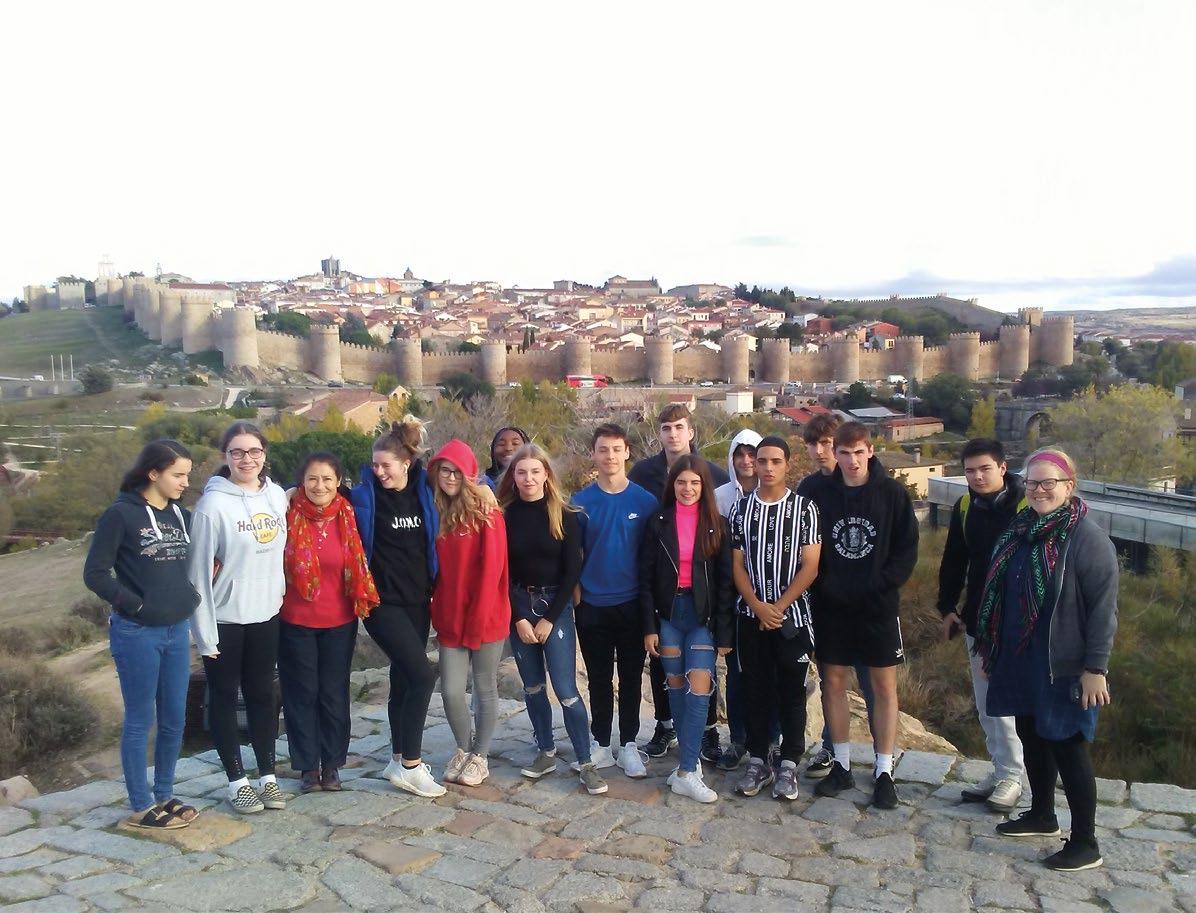
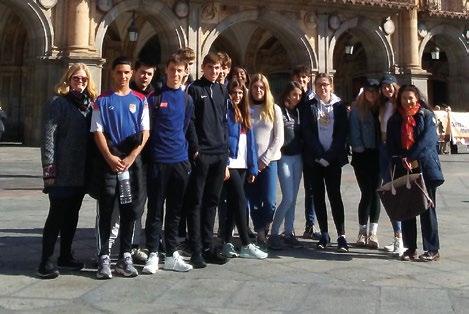
• Trips to Spain
• Five days at an international language school
• Visit to London to see art by internationally renowned artists, such as Picasso and Frida Kahlo, and to taste food from the Spanish-speaking world
• Authentic materials in classroom activities, including film clips, books and songs
• Summer Modern Foreign Languages Eurovision Concert
Career Opportunities
(tick what interests you)
Academic Foreign Exchange Trader
Bilingual Educator Immigration Officer
Cultural Events Coordinator International Aid
European Law National Security Agent
Financial Services Translator
Questions and Answers
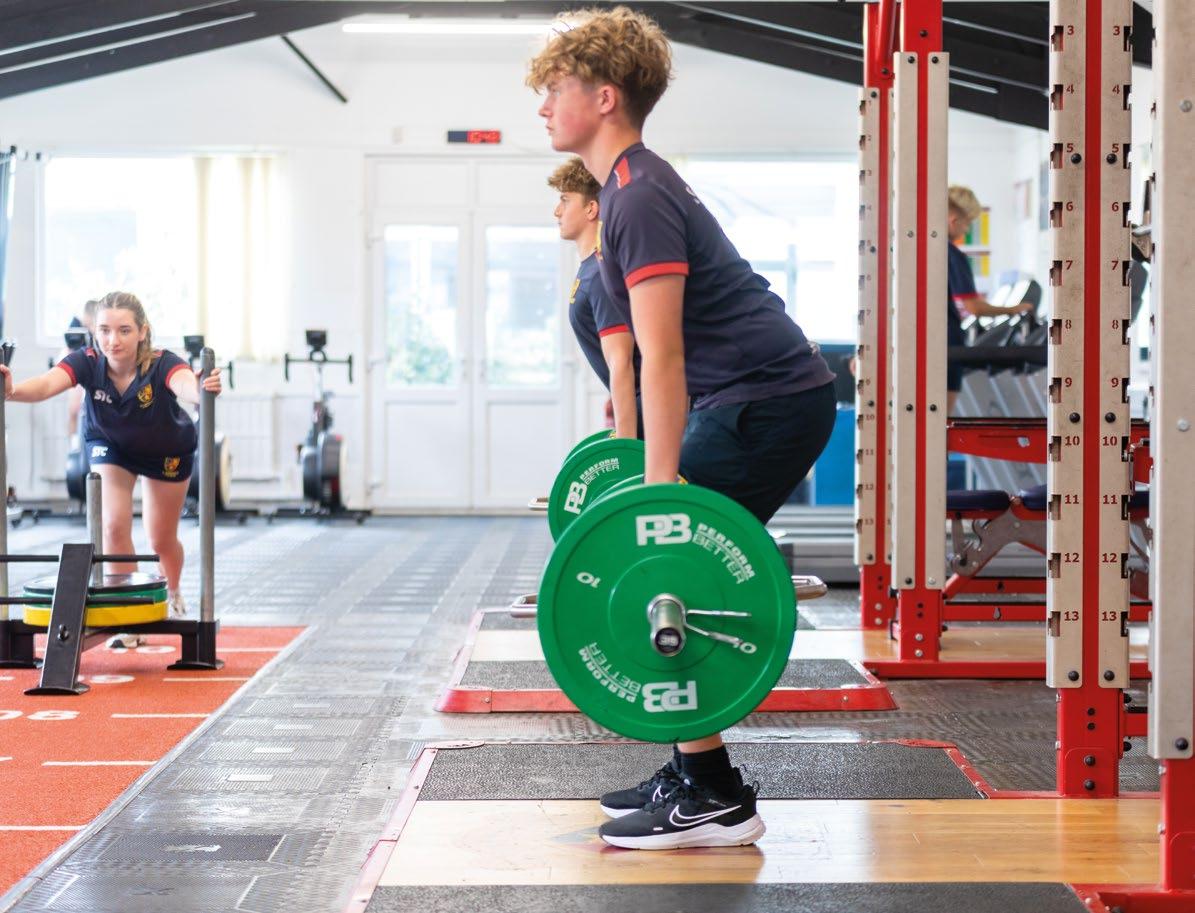
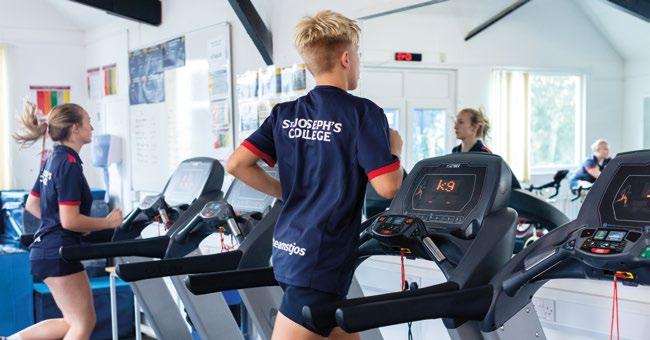
The new BTEC Level 2 qualifications have been developed in collaboration with employers and subject experts so that content is up to date and includes knowledge, understanding, skills and personal attributes required in the sport sector. This will provide students with an engaging curriculum that has a variation of practical and written work which allows students attain the equivalent of a GCSE. The content of these qualifications has been designed to support progression to particular roles in sport, most likely via further study at Level 3 and then through higher-education routes in the particular areas.
The modules most likely to be delivered
• Unit 1 - Principles of Fitness and Fitness Testing
• Unit 5 - Practical Sport
• Unit 2 - Training for Sport
• You will help to promote healthy living around the College and within your own community
• You will benefit from maintaining a high level of fitness and practical performance, improving personal wellbeing
• You will have a greater understanding and knowledge of current issues within sport locally, nationally and internationally
Examination Board Pearson
How will I be assessed?
Exam externally assessed - Unit 1 Principles of Fitness and Fitness Testing
Internally assessed work throughout the course which will be marked by your teacher. Learners must complete and achieve a Pass or above in all mandatory units.
Grade System
It is marked as Pass (C), Merit (B), Distinction (A) and Distinction* (A*)
• You will have the opportunity to develop your strongest sporting areas, which may follow you through to competitive levels
• Your communication skills will develop significantly as you rely on team co-operation
Enrichment & Extra-Curricular Opportunities
• Lunch and after-school clubs offering a wide variety of sporting activities
• Annual College sports festivals
• Support with students’ filming/collection of data
• Interventions are in place to encourage and inspire students to achieve their target grades
• Regular internal assessments of students’ work and analysis of data to support their development
• Experienced teaching staff, including ex-professional sportsmen and women.
Career Opportunities (tick what interests you)
Armed Forces Personal Trainer
Professional Sports Coach Physiotherapy
Dietician Professional Competitor
Fitness Instructor Sport Law
Leisure and Tourism Sports Psychology
Questions and Answers
Year 10
• Project 1: Underwater
• Project 2: Rare and unusual
Year 11
• Independent project: selected from a range of themes
• Externally set assignment
• External exhibition
Examination Board AQA
Specification Number 8204
Examinations
• Component 1 (60%)
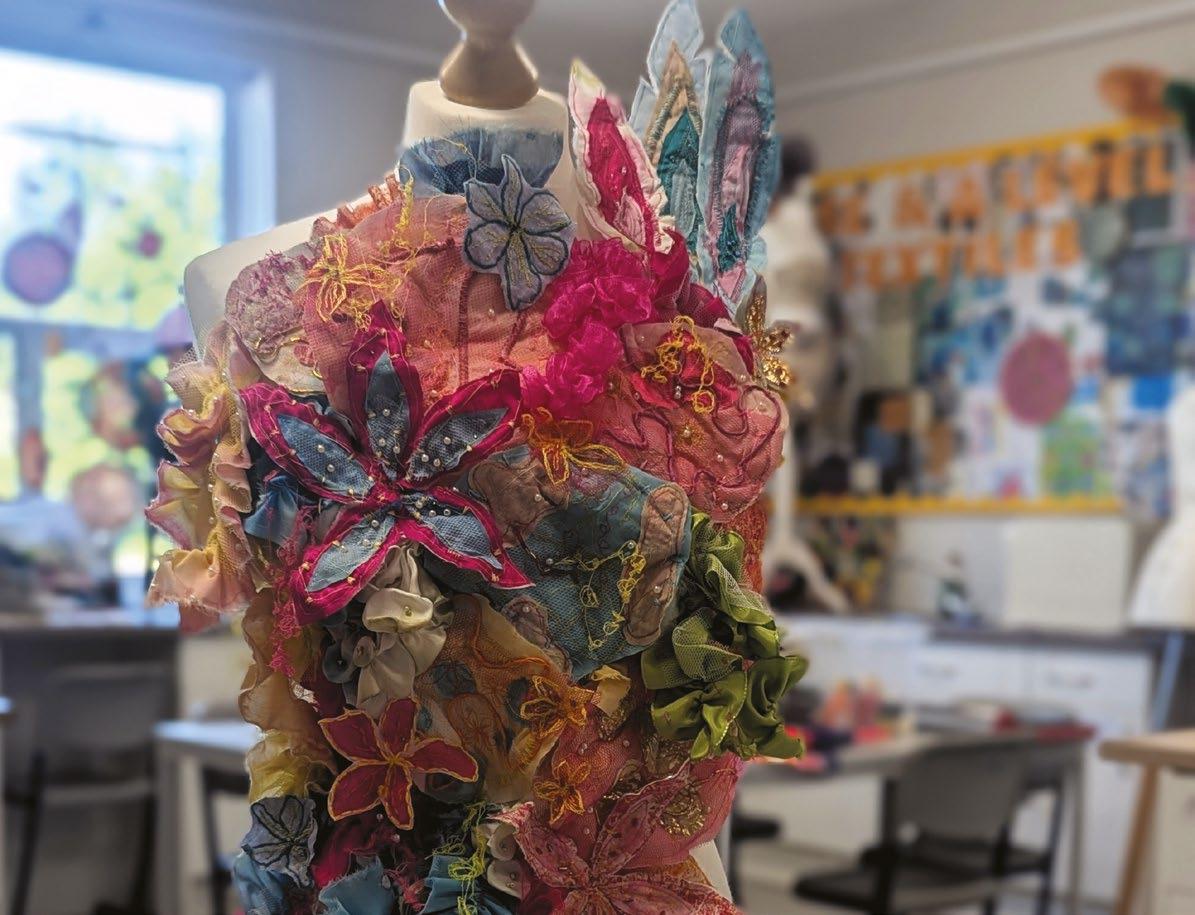
Students will create a portfolio, which must include a sustained project evidencing the journey from initial ideas to the realisation of intentions. The portfolio will showcase a range of creative textile techniques
• Component 2 (40%)
Students respond to their chosen starting point from an externally set assignment paper, demonstrating their creativity through a developed response, and evidencing all four assessment objectives. This is assessed through a 10-hour sustained period of study
Grade System
This qualification is graded 1–9, with 9 being the highest (Students are assessed regularly using examination criteria)
• You will develop skills in new technologies, decision making, teamwork, independence, planning and organisation
• Gain understanding of the creative process and how this can help you problem solve
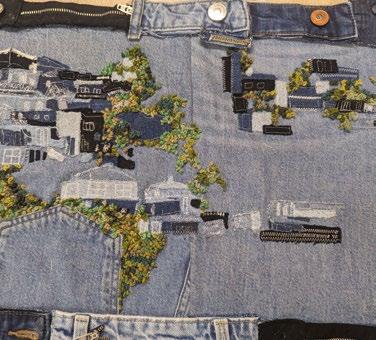
• Explore a range of traditional and modern textile techniques
• Your communication skills will be developed and improved
• You will gain an insight into the fashion industry and possible career opportunities
Enrichment & Extra-Curricular Opportunities
• Workshops by professional artists during the annual arts festival
• External textile artist workshops
• Student Arts Focus Group and the Art Scholars’ Society
• Open Art Studio
• State-of-the-art Digital Arts Suite with Mac technology and the latest Photoshop technology
• National and international residential art and culture trips
Career Opportunities (tick what interests you)
Costume Designer Marketing and PR
Fashion Buyer
Print Designer
Fashion Designer Stylist
Fashion Journalist Visual Merchandiser
Interior Designer
Questions and Answers

Learners will explore the major design movements that shaped modern product design. Topics include:
• Art Deco
• Bauhaus
• Modernism and Postmodernism
• Influence of designers on modern product design and iconic designs
• Understanding historical context and its impact on contemporary practice
Learners will develop digital design capability across a range of software platforms suitable for professional 3D design workflows. Topics include:
• 2D technical drawing and layout creation
• 3D CAD modelling for form development and assembly modelling
• Digital rendering and visualisation
• Exporting CAD models for manufacture (laser cutting, 3D printing, CNC)
How designers develop, test and refine ideas through modelmaking and prototyping. Topics include:
• Rapid prototyping: card modelling, foam modelling, 3D printing
• Materials exploration including woods, plastics, card, clay and mixed media
• Workshop skills for safe and accurate making
• Iterative development and user testing
• Producing a resolved 3D design outcome
A focus on developing strong visual communication skills used within the design industry. Topics include:
• Freehand sketching for ideation
• Technical drawing conventions
• Perspective and isometric drawing
• Annotating design concepts effectively
Assessment Information
Examination Board
OCR
Specification Number
J175
Assessment Structure
Component 01: Portfolio (60 percent)
A portfolio of practical work that demonstrates:
• Development of ideas
• Exploration and refinement of materials, techniques, and processes
• Recording of ideas, observations and insights
• Realisation of personal intentions through final outcomes
Component 02: Externally Set Task (40 percent)
Learners respond to one of several set themes through:
• Preparatory studies
• A final outcome produced under supervised conditions
Grading
The course is graded from 9–1 in line with GCSE Art & Design.
What new life skills will I learn?
• Completing research to inform engineering design ideas
• Solving problems by exploring different engineering design options
Enrichment & Extra-Curricular Opportunities
• Finding imaginative solutions through creative thinking
• Weekly drop-in sessions for support and revision
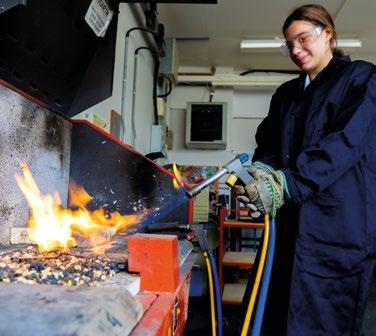
• Fully equipped workshop
• After-school clubs

Career Opportunities (tick what interests you)
Aerospace Engineer Machinists
Architect Mechanical Engineer
Civil Engineer Product Designer
Electrical Engineer
Software Engineer
Engineering Consultant Technical Writer
Things I love about Three Dimensional Design
Questions and Answers

Topics
Biology
• Bioenergetics & homeostasis
• Cell biology & ecology
• Infection & response
• Variation & evolution
• Organisation and Biodiversity within ecosystems
• Reproduction and Inheritance Physics
• Atomic structure
• Electricity & energy
• Forces & motion
• Waves
• Magnetism & electromagnetism
• Astrophysics
Chemistry
• Atomic structure & periodic table
• Bonding, structure & matter
• Chemical changes
• Energy changes
• Organic chemistry
• Quantitative chemistry
• Rate & extent of reactions
• Chemical analysis
• Earth and its resources
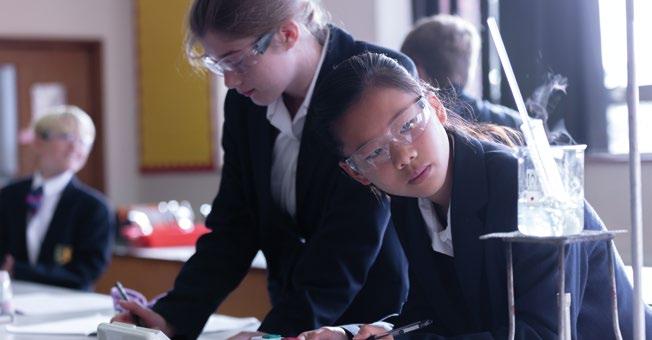
• You will be confident in carrying out hands-on practical tasks and activities
• You will improve your mathematical skills, knowledge and application
• You can understand how and why our bodies and planet work the way they do
Assessment Information
Examination Board AQA
Specification Number 8461, 8462 & 8463
Examinations
• 2 x Biology papers: 1 hour and 45 minutes (50% each)
• 2 x Chemistry papers: 1 hour and 45 minutes (50% each)
• 2 x Physics papers: 1 hour and 45 minutes (50% each)
Grade System
This course provides three GCSE qualifications and student progress is assessed following the completion of each scientific unit
• You can boost your teamwork skills and ethics by actively working with others
• You will be able to improve your own personal lifestyle by making healthy and environmentally friendly choices
Enrichment & Extra-Curricular Opportunities
• Kerboodle – an online, interactive programme providing access to support, extension and activities to support the course.
• Targeted GCSE revision sessions for both support and challenge
• Field work opportunities, exploring learning outside the classroom
• Academic competitions, such as the Junior Physics Challenge
• Guest lectures/speakers from the scientific community.
Career Opportunities (tick what interests you)
Aerospace Marine Biologist
Engineering Medicine
Equipment Design Meteorologist
Research Scientist Nuclear Science
Forensic Scientist Pharmacology
Archaeologist
?
Questions and Answers
A-levels
• Biology
• Business Studies
• Chemistry
• Core Mathematics (AS)
• Drama and Theatre Studies
• Economics
• English Language
• English Literature
• BTEC Esports
• Fashion and Textiles
• Fine Art
• Further Mathematics
• Geography
• History
• Law
• Mathematics
• Music
• Photography
• Physical Education
• Physics
• Politics
• Psychology
• Sociology
• Spanish
BTEC & CTEC
• Business Studies
• Digital Media
• Engineering
• Sport Coaching and Development
How we support you with your future:
• A wide range of pathways that provide the most appropriate academic route for you
• We tailor our academic programme to suit your needs and regularly review it to ensure the most up-to-date subjects are available to you
• We allow you to road test your options in the first month of your timetable, ensuring you are happy and confident about your choices
• An ever-growing number of St Joseph’s Sixth Formers have taken up degree apprenticeships, some with global brands
you can go on to achieve…
• Our expert teachers are proud to have helped students secure places at Oxbridge, US and Canadian colleges and other outstanding universities. Our students have also moved on to vocational courses and specialist fields, including the Armed Services and the Police
• The industry-acquired expertise of our highly-experienced Futures Advisor augments the excellent academic provision by ensuring students are ‘work ready’ and prepared for all aspects of job hunting, including CV writing and interview techniques
• Our holistic approach to Sixth Form studies and Futures advice promotes aspiration; students leave St Jo’s with strong leadership, teamwork and communication skills
Here are just some of the many things St Joseph’s College students have gone on to be:
• Member of Parliament
• Comedian, actor and filmmaker
• International investigative journalist
• England, Scotland & Wales rugby players
• Award-winning university business student
• New Zealand Test cricketer
• British Ambassador to Ireland, Iran and Turkey
• Successful author
• World-renowned musician
• NASA engineer
• Doctors, dentists and veterinary surgeons
St Joseph’s College, Belstead Road, Ipswich, IP2 9DR
Admissions: 01473 694576, Email: Admissions@stjos.co.uk stjos.co.uk