MasterThesis
Acknowledgements
Introduction
Memory
Analogue
I would like to show my appreciation to everyone who helped and supported me through the making of this thesis - pathway tutors Márton Kabai and Ollie Palmer; my mother and sister Nataliya and AnastáciaKryhan;myfriendsandpeersFionnvanderNoll,Aimilia Antoniou, Naisargi Buch, Kimiya Jahanshahi, Parsa Tajbakhsh; everyone who was willing to participate in the interview process; Onomatopee during the printing process and St. Joost/Avans Hogeschool.
Beingfromanimmigrantbackgroundcanbeseenasbeing in between spaces, between cultures, between memories. Not knowingexactlywherewestand,whowewanttobeandwhowe once were. One of the only tools that can give some sense of clarityismemorymaking–photographyinthiscase.
Memory making and photography is taken for granted, a memory frozen in time and the only proof of our existence beforethatwecancomparetothenow–it’stheconfirmationof change and proof of instability. But what if we look at the process instead of the end result? What if the everything that comesbeforethephotographisasequallyormoreimportantto understandoneself?
Thephotographicprocesscanbeakintotheexperienceof immigration,theuncertainty,thechange,theunpredictability–being in-between. In the end all of us just want to belong somewhere and be confident in our own notion of culture and identity. What if photography can create a new identity out of theexistingonesleadingtobelonging?Whatifbelongingisnot aphysicalspace,butaprocess,afeeling,aritual?Howdowefind ourselveswhentornbetweenpastandpresent,oldandnew,seen andunseen. Canphotographyaidinthesearchofidentityandcultural belonging?
“Where are you from?” For as long as I can remember this questionhasalwaysexistedinmyworld.Mosttimesitwasaskedout ofcuriosity,othersinawaytounderstandwhereIwouldfitin,butit wasneverdifficulttoanswer.Theanswercametomenaturally;“my parents are Ukrainian” or “I was born here (Portugal) but I’m Ukrainian” or simply “I am Ukrainian”. The reaction to it was mostlypositive,Iwasmetwithexcitementandsurprise,othertimes Iwouldbeseenassomedifferentcreatureoranalien.Evenwithout the question I was still seen as odd, I could not fully fit in with my peers. It seemed strange to me as a child, I would wonder why that was; we have a similar skin tone, similar hair, speak the same language…butI’mstilldifferent.Thisdifferencewashighlightedby othersbehaviours,howtheyapproachedme,talkedtome–thought discrimination which led to personal shame. It seemed as though being classified as “different” gave others the power to be more directandupfrontwiththeirquestionsandbehavioursinawaythey wouldn’t be with those of the “same kind”. At home I spoke a different language, I had different routines and traditions, perhaps evenadifferentwayofthinkingandinteractingwithothersbutthat was just reality to me, that was normal. Without questioning too deeply I accepted my existence as being divided between two cultures,twoplacesthatneverfeltlikehome,anoutsiderinboth.
I was born in Portugal to Ukrainian parents; they had moved there about two years before I was born with hopes of having financial stability and eventually going back to Ukraine. The first one to move was my father and later my mother, becoming the first oftheirfamiliestomoveoutofthecountryandbeimmigrants.They integratedintoPortuguesesocietyasmuchaspossible,learningthe language and culture and as I grew older, I tried to do the same. Aroundmiddleschool,astheolderchildIbecameasupportsystem for my parents. Whether it was financial, medical or school
documents I was the one that was to translate, understand, sometimes sign them on behalf of my parents. This idea that the children of immigrants understand and blend in more with society and therefore help their parents with “adult matters” is quite common,evenifthechildisyoungandanimmigrantthemselves.
TheolderIgotthemoreIstartedtonoticethedifferencesand divide between my native culture and the one I was living in. One clear example is the tv channels and shows that we watched, they were never Portuguese but rather Ukrainian and Slavic television. From dubbed movies to the new year’s concert broadcast; that was the reality my parents grew up in and the one they wanted me to know and recognize as my own. The artists, musicians, writers that werepresentathome,werenowheretobeseenoutsideofit.
WheneasternEuropeanartwasmentionedduringhistoryclassitwas always brief, as if they didn’t matter as much as the western counterparts. The few that were recognized were labelled incorrectly most of the time, the names spelled wrong and the nationality erased. One painter in particular, Maria Prymachenko , a Ukrainian painter from the Soviet Union era comes to mind; she painted vivid surreal images of creatures that on the surface looked sillybutunderneaththebrightcolourswascriticismandopposition towards a horrible and painful government. It was a way of protesting and standing against violence, oppression and erasure. Therewasneveranymentionofher,inanybook;tofindoutmore youneededtosearchyourselfandwhenpresentingtothecrowdyou would be seen as an outsider. Why bring “unknown artists” from a partoftheworldnoonepaysattentionto?
WiththedivideconstantlypresentwithinmeIcouldn’tfeelat homenomatterwhereIwent.Whenvisitingfamily,seeingthemfor the first time, living in the house my parents grew up in I felt more welcome than the country I was born in; still never whole. I didn’t belongthereeither;Iwasn’tbornthereanddidn’tlivethereso…was IevenUkrainian?DoIbelonganywhere?Arethewordsonthepaper thedeterminingfactorofmynationalityandwhoIam?
ThisrealitybecamemoreapparentaftermovingtotheNetherlands. Suddenlythequestion“whereareyoufrom?”appearedasvividasthe first time it was asked. But this time I couldn’t answer, it was hard, andapitformedinmystomach.Thefeelingofconstantjustification of my existence became unbearable with each time someone asked. Myansweralways“IamUkrainianborninPortugal”–butisitthat important?GivenoneanswerIammetwithpityandconcern,given anotheritssmilesandjoy:suchabigdivide.
“In
aflashaborderemergedinspaceandtime,separatingmefrom myrootsintwoblows…”(Timofeeva,2019)
Therealityofbeingasecond-generationimmigranthasnever been so present in my life. The divide between western and eastern EuropebecamemorevividandfeelingsthatIhadsupressedformany yearsstartedtosurface.AsIdovedeeperintothetopicofmigration, I noticed a lack of information and studies regarding my specific nationality and geographic area. Studies on Latin-American, Asian or African immigrants were more prominent, especially in the context of the United States or the UK but eastern European countrieswereomittedorforgotten.“Duetotheirinconspicuousand virtuallyproblem-freepresenceinthereceivingcountry,theexperiences of the “invisible” group of immigrant professionals received little
attention from researchers. At the same time, we know much more about the struggles of lower income immigrants, most of whom come fromLatinAmericaandAsia.”(Nesteruk&Marks,2009) Withthe current political climate and recent waves of mass migration more informationcametolifebutthereisstillaholethatneedstobefilled. Weareseenassimilar,weblendin,weadapt;somethingthatisseen asanadvantageforsomebecomesadisadvantagetoothers.
AsIexploredthistopicmoredeeply,Iwasalsoexploringthe artofphotography,morespecificallyanaloguephotography.Froma youngageIhavebeendrawntoit;perhapsitwastheendlessfamily photo albums at home or the framed pictures on the walls or the stories of a past I never lived. The information and knowledge that camewiththemwasfascinatingandmademefeelclosertomyroots, not physically but spiritually and mentally. Photography subconsciously became my way of relating to the world, a way to discovermyselfandmyculture,ortheideaofit,andtheneedtobe seen.
Ipickedupanaloguephotographyinhighschoolandsincethenhave been capturing images and scenes that spoke to me. The closeness and calmness of the moment before taking the photograph or the anxietyandanticipationofthemomentsfollowingiswhatstartedto matterthemost.Thesefeelingsandemotionsthatcouldonlycome outwhenexperiencingthemomentwereinexplicable.Photography is how I communicate with others, how I express my emotions and desires; a way to show others how I view the world and, more recently, a way to connect with the subject itself. To be in the momentistobepresent,it’stowitnesswhatisaroundyou,listento it,acknowledgeitandtakecareofit.Asilentwayofcommunication in a space that isn’t linear or fixed, its transformative and everchanging,ephemeral.
I believe the act of photography can be beneficial in the search of self:self-identity,culture,beliefs,recognitionandacceptance.Itisa spacewhereonecanexistandreflectonpersonalfeelingsandgriefs, challengesandtraumasthatcomefromtheoutsideworld.Mygoalis toconnectpeoplethatcomefromasimilarbackground,invitethem intomysafespaceandtogethercreateanewcollectiveone.Aspace forcreativity,knowledgesharingandbelonging.Aspacethatresides “in-between” everything that connects us. Between collective and individual worries, between real and surreal, between physical and spiritual, between eastern and western, between assimilation and integration,betweenacceptanceanderasure.
Second generation immigrants are usually defined as the children of first-generation immigrants (the people or person who migrated first to a different country then their native one), as described by the Migration Research Hub article “Descendant of migrants” (IMISCOE, n.d.). In some instances, they might be referredtoasfirstgenerationinsteadoftheparents,astheywerenot born in the country that was migrated into (this happens mostly in AnglospeakingcountriessoforthedurationofthisdiscussionIwill refertomyselfandotherimmigrantchildrenassecondgeneration) .
Many immigrants are faced with cultural and identity issues from a young age, especially when the two countries/cultures are vastlydifferentfromeachother.BeingborninPortugal,acountryin the south-western part of Europe with a "Mediterranean" culture the differences were astronomical compared to my parent’s native country Ukraine, situated on the eastern part of Europe with a "Slavic"cultureandtraditions.Oneofthefirstdifferenceswouldbe notonlythelanguagebutthefactthateventhoughbotharepartof theEuropeancontinent,oneispartoftheEuropeanUnionwhilethe otherisnot-politicalandeconomicdivide.Ukrainehasbeentrying tobepartoftheEUsinceasearlyas2005andalthoughitiscloserto achieving its goal at the present moment it has not reached it yet. (Wikipedia,n.d.)
Tocomefromanon-EUcountryintoanEUoneisseenasan escape or privilege to now have the opportunity to be part of the west,butdiscriminationstillhappens.Therhetoricoftheimmigrant that will steal the jobs of the natives or that they are free loaders livingoffbenefitsisveryharmfulandstillpresentinthecurrentage.
Many of these ideas come from untruthful stereotypes as demonstratedinthearticlebyCarolaandMarceloSuárez-Orozco . (Suárez-Orozco&Suárez-Orozco)Asanimmigrantyouarepushed to excel more and show others that you can be a member of their society and will give parts of yourself up for their benefitassimilation.
Assimilationcanbedefinedbyanindividualfullyadoptingthe culture and norms effectively becoming part of a different society while Integration can be defined by the incorporation of different individualsintoasocietyasequals.Asthenormmigrantsarerequired toobtainsomeknowledgeoflanguageandculturalunderstandingin order to receive citizenship or identification, for example, which could count both as assimilation and integration. The major differenceisintheboundariesthatarecreatedwhenintegratingthat mightnotbepresentinassimilation.(O´Brien,2016)
Takingmyselfandmyfamilyasanexample,wehaveintegrated into Portuguese society in order to receive nationality, citizenship andtobeseenasequalsamongstthePortuguesecommunitybut,we have not given up on our own cultural heritage coming from Ukrainian and Slavic traditions. They are still as if not more importantthenfullyadaptingthe“Portugueseways”. Ontheother hand, after talking to fellow immigrants from various generations and backgrounds, some have truly assimilated by abandoning their nativecultureandheritagealtogetherinordertofitin.
The conversations and interviews that I have done in the recent months have highlighted the different ways in which individuals choose to adapt to their surroundings and how the idea of tradition mightnotbeasimportanttosome.IntotalIspokewithninepeople, between the ages of 17 and 52, some being first generation others secondgenerationandsomesomewhereinbetween(referredtoas1.5 generation).Thecountriesfromwhichtheycomefrom,resideinor were born in where Ukraine, Russia, Ireland, Indonesia, The Netherlands,Portugal,GreeceandRomania.Thedifferencesinage highlighted the different mindsets each individual has in regards to thetopicathand,andhowtheyhavedealtorstilldealwithit.
While my outlook was mostly from a negative perspective, I wasabletoempathiseandseeamorepositivesideofthestory,ledby personal narratives, memories and thoughts from the people I interacted with. In a way it was the necessary step to build a community and bring awareness to these matters. Many of them expressednothearingaboutitoreventhinkingaboutiteverbefore whileothershadinawayengagedinit,beitthroughownthinking orthroughtheeyesoftheirchildrenandrelatives.
The overall sentiment after talking to these individuals was that culture, language and traditions are important to varying degrees. Some might need to preserve the full experience while others only parts of it, but it should stay present in the hearts and souls of the ones who come from a migrant background. How each person utilizes and interacts with the different cultures is personal and individual, while I choose to use photography as the main source others use food, objects and furniture pieces, language, songs… Every experience is an individual moment in time and space that is cherished and taken care of by the person it belongs to, be it more active by engaging with it or passive through the thought and remembrance of it. Assimilation is the to-do list to take part and become one of the others, integration is the preservation of self while adapting to a new environment. I choose integration over assimilation.
In choosing integration I made the decision to alter my governmentname.Ournameisgiventousbyourparentsatthetime ofourbirthand,ifweresideinadifferentcountrythentheoriginal one, it might suffer some changes especially if the alphabets are different.Thatisunderstandableastranslationisrequiredandthere arerulesinplacetofollowinsuchcases.
Asexample,oneoftheparticipantsgoesbypronunciation“Emilia” but the correct spelling would be Aimilia when written with the roman alphabet, as they are half Greek (Αιµιλία) half Romanian (Emilia).Theseminordifferencesmakeahugeimpactwhenidentity andbelongingisinvolved,astheincorrectspellingorpronunciation can bring sadness and discomfort. On the other hand, another participant by the name Daniel is fully accepting of the anglicized name,asitiseasierandmorecomfortableforotherstouse(coming from Ireland but parents being from Ukraine). The Ukrainian way would be Danylo (Данило) but he has said he is comfortable and doesn’thaveaneedforachange,beingusedtotheromanversionand happywithit. In my case my name wasn’t even translated into Portuguese fromthestart.Atthetimetherewasabookofallowednamesandas aresultKateryna(Катерина)wasobviouslynotthere,onlyCatarina being an option. Given my parents’ circumstances at the time, they choose to put that name in the Portuguese documents as the Ukrainian ones would have the correct spelling. Catarina never felt righttome,athomeIwascalledKatya(Катя -diminutivewayfor Kateryna)butoutsideitwouldbethePortuguese,whichdoesn’thave adiminutive(Cátiacouldbeviewedasanoptionbutitisacompletely differentnamefromCatarina).
Asaresult,italwaysfeltwrongandlikeitdidn’tbelongtome,itwas not my name just one put on me out of convenience. As the years passed, I began asking people to use Katya when referring to me, a waytomakemefeelmorecomfortable.Aftercomingtothemaster’s study in 2024 and being able to use my proper name in all of the documents, while keeping the government name/initial for administrative purposes, I gained enough courage and need to changemygovernmentnametoKateryna.AsofMarch2026,Ihave
senttherequestforsaidchange,withallthenecessaryproofthatthat isindeedmynameandhopefullyitwillbeapproved.
Thischangemayseemsillyandevenunnecessarytosomebut to me its one of the steps to feel fully present within myself and to belong in my own cultures. My name is not Portuguese and never neededtobe,itwasn’tevenlostintranslationitwasjustnevergiven achance.ThelossofcontextiswhatIaimtoregainwiththechange, evenifittakesmonthsandhasabigmonetarycost.Thisismywayof integrating but not assimilating into Portuguese culture; bits and pieces pulled together to create an organic whole that allows for growth,understandingandbelonging.
Memorymakingcanbedescribedasanyactionthatwillallow youtotranslatemomentsintomemories.Thesemomentsarealways of a somewhat distant past that relate directly or in some cases indirectlytotheindividual.Inthecurrentagetheeasiestandfastest way of capturing said moments is through photography. Photographyisseenasatooltocapturethemoment–present–that canbekeptforeverandlookeduponasahappyreminder–past.
When reflecting on such memories we are overcome with emotions andrememberthestorythatunfolded,asifthatmomentwasfrozen in time, never changing. When events are photographed, they becomepartofthepast,theycannolongerbepartofourpresent–it’s no longer there. As Emily Wilcox points out in one of her publications “That’s what memories are. Remembering implies the past.Youcan’tremembersomethingthat’sinthedirectpresent,whilst you’re in the middle of living it. Making memories means living, doing,creating,experiencing...”.(Wilcox,2022)
These moments and memories have the power to shape and influence us, changing the way we relate to the world and our surroundings. Many have photobooks in their home, with endless images of family members, trips and sceneries that they might be familiar with and be fond of; in my case I didn’t know them. The photoswereawayintothepast,intoeventsthathappenedbeforeI came to be and that influenced my identity. I heard stories, saw pictures and imagined how those people were then and how they related to me; how they are part of a culture I’m in but have never fullyexperienced.AlltheknowledgeIhadwaspast,butItookitas present,ascurrent,inawaytounderstand,careandbeclosertoparts ofaculturethatwasmeanttobemine.
Photography–memorymaking–waswhatconnectedmetothe twoplacesIwasdividedbetween.Thetwoculturessodifferentfrom eachother,twohomesthatneverfeltwhole,pastandpresentthatI could not inhabit physically only mentally and spiritually. As if the two were existing in completely different realities but in the same space, in the same body – my body. I was the very essence of this divide, the embodiment of the experience from both sides and that very corewascaptured instillframes, saved inbooksand memories toreminisceaboutinthefuture.BeforeIwastheoneinthephotos, unaware of the power behind them, now I am the one behind the camerasearchingforthosesamemomentstomakememoriesof–the familiarfaces,knownspacesandaplacetobelong.
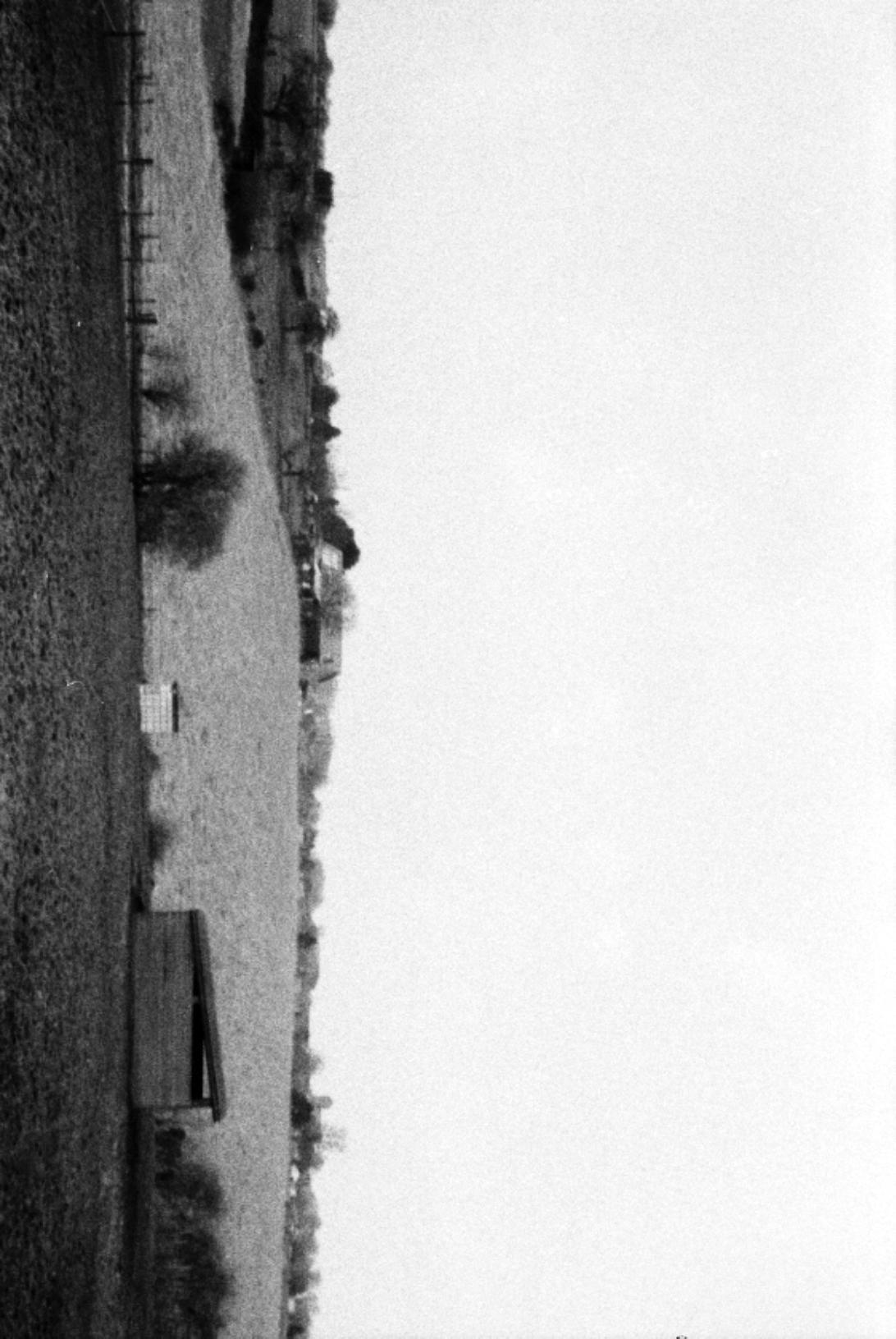
Embodiment is part of somatic practices which can be described as a method for cultivating self-knowledge, awareness, findbalanceandconnectiontooneself-throughtheanalysisofthe body. An embodied practice uses the body’s own sensations as tools forgainingknowledgeandinturnconnectingtotheoutsideworld. " Becoming aware of our sensations is an intimate, vulnerable process."(Feldenkrais,n.d.)Ifirstencounteredthisideaafewmonths ago, when searching for a meaning to the practical aspect of my practice.ThefirsttimeinyearsthatIwasabletodevelopafilmroll bymyselfwaswhatmademethinkabouttheprocessastheimportant primary and result as secondary. Being present in the moment, not knowing the outcome but knowing how to load the film into the carrier in the dark, know to use the right amount of developer and how much time it needs to be processed for was way more exhilaratingandfreeing–atlastsomesenseofbelonging.
To express these ideas, I first made a short video essay about themethod,from shooting thephotostodeveloping. Itwasadiary andawayforself-reflectionthroughtheeyesofanother,asIcould not always film myself. The idea that while I was looking at something, someone was looking at me, and the environment that surroundedmewaslookingbackandanswering–lettingmecapture it and embody it in that moment – there was belonging. By using myselfasavessel,theeyesandcameraastools,Ilettheenvironment guide me on what to look for and what to shoot, my whole practice becominganembodimentofmyexperience,thoughtsandemotions.
Theenvironmentrespondswithguidance,givingthetimefora pauseandlookatitdeeply,notjustinpassing.Thedarkroomallows for focus ad meditation, inviting self-reflection and resonance with the work. Photography, in this case analogue with 35mm black and
white film, is a slow process that relies on focus, patience and admittedly some luck. It is scientific but at the same time deeply creative, freeing and experimental. Rules exist to be broken, and environmentsexisttobeseenandlivedin–frozenintimeonapiece ofpaperoradmiredinthedark.
Butcanapracticebeembodiedwhenusingaforeignobjectas thetool?
Photographysimplydescribedistheprocessofcapturinglight with a device, the camera, and producing an image. In analogue photography such images are not seen immediately and must go through a developing, scanning and printing process. The final photographistakenforgrantedasrepresentationofrealityandkept as a keepsake - a memory frozen in space and time, “…a pseudo presenceandatokenofabsence.”(Sontag,1979)
Todaytheuseofanaloguephotographyismosttimesusedasafun, “alternative”wayoftakingpictures,mostlyduetoaestheticqualities of film; this way reducing the image to an aesthetic ideal and trend. As described by Susan Sontag “…photography is not practiced by mostpeopleasanart.Itismainlyasocialrite…” (Sontag,1979)The processoftakingthepictureisignoredandnotasimportantinthis sense,butwhatiftheoppositewastohappen?
Analysing the practice, the “doing” of the photograph, it seemstheprocesshasmuchmoretogivethenasimpleresult.While taking the photograph there is a constant dialogue between the camera, the eye, the body and the subject/environment. The focus becomesnotonlywhatIseebutalsowhatIfeel.Byfocusingonthe emotions, feelings and tactile properties of the medium, the photograph becomes a story, a contained narrative of the present thatbecomesimmortalizedinasecond.Thestorydoesn’tendafter thephotographistaken,onlythecameraisputtorest.Afterbegins the processencased in the dark which bringsthe photograph to life whilerevisitingthemoment,themeaning.
While the dark room serves as a space for recollection the cameraactsasthereceptorofemotionsandvisions,ittranslatesour feelings into tangible, visible images that carry meaning, value and ourselves. From the moment the lens is uncovered to the click of a button,totheunloadingoffilmthecameraisthetoolthatallowsus –theuser–tospectate,interactandreacttowhatisseen.Itisnota mere object but a being in itself connected to our senses, such as visionandsensitivity.
Whileitisforeignitisanecessarymediatorforprocessingmeaning andourorigins,ourgrievances.Awaytolookinwhilelookingout–the in-between. It is the liminal, unchanging, present space that becomesourpastbutaffectsourfuture.
Duringthedevelopmentoffilmtimestops.ThemomentIstep into the dark room it's as if I never left. I pick up my undeveloped roll of film and start anew. I begin by loading the roll into the containerthatwillsitinadevelopingtankforaboutthirtyminutes, movedfromsidetoside,upanddown,allowingtheliquidchemicals topenetratethefilmandbringitbacktolife.Theloadingofthefilm intothecontainerisdoneincompletedarkness-onlytactilesenses arepresenttohelpmenavigate-myhandsbecomemyeyesallowing metofocusonthemaking.
Afteritisinthelightscomeonthereisamomentofanxiety,whatif the lid wasn't closed properly and light came into the canister? I checkbutalliswell,it'stightlysealedandreadytoberevealed.From here begins the meticulous process of adding developer, water and fixatortothecanister,eachwithitsindividualmeasurementandtime. The whole process is silent and calming, the only noise is coming fromtheliquidmovingaroundinthespace.
The long wait ends when the timer for the fixator strikes zero and the roll can be taken out for an inspection. The hesitation and excitement fill me while I open the canister and there i see what i captured.AsIscanthroughthenegatives,IrememberwhereIwas, with whom and when. Remember why the picture was taken, what emotion filled me in the moment and how such a small thing can bringsomuchjoy,remembranceandcare.Itisalreadyinthepastbut in the present moment I am working to bring it into reality once more-eveniffrozenintime.
Whentherollisfullydry,itiscutintosmallstripsofaboutsix negatives each. This allows easy transport, scanning and printing. I beginbymakingacontactsheetofallthenegativesonphotographic paper; which allows me to have a view at a glance of everything I collectedandcaptured.Idecide,basedoncontrast,subject,feeling...
which images I will be printing today. The lights are off, only a red one shines illuminating the materials and equipment I will be using next. I begin by sizing the paper and inserting the chosen negative into the enlarger once again relying on a foreign object that allows metosee.Firstatestprintisdonetodeterminetheamountoftime needed for correct exposure. This is developed, fixed and hung to dryinseparatetanks.Aftertheresultisrevealed,Ideterminethebest time,setthetimeronthemachineandbeginprinting.Thefollowing stepsarethesameforallimages,changingslightlyintheiroutcome aseachphotographdeservesitsowntimeandcare.
Sometimes I am alone in the room, others I invite people to experimentalongsidemeandtotalkaboutoursharedexperiencesof immigration, non-belonging, home and safety seeking. This is the perfect place to print memories, talk about them and create a new one.
“Wesendsonarsignalsthatvibratethroughwaves,traversingoceans andcrossingworlds.Decipherableonlytothosewhobecomeveryquiet, waitandlisten.”(H.,2023)
Can photography aid in the search of identity and cultural belonging? Our identities are not stagnant. Be it cultural, individual, gender – they are always in constant movement, in constant change. AllmylifeIhavestruggledwithself-acceptanceandtheneedtofit inbut,allIneededanddesiredwasaplacethatcouldacceptmefor whoIwas,withallthedifferencesandcontradictions.
After picking up analogue photography the liminal space between me, the camera and the environment became that space - what I choose to call “the in-between”. In-between vision and result, inbetween photographs and albums, in-between identities. Both can exist at the same time which creates a new kind of identity. Photography and its process become the catalyst for new identities, newwaysofseeingandnewbelongings.
The camera as a silent way of communication, the room as a spacetobreathandthink,theindividualasthevesseltoobserveand change. The photographic process, in whichever stage it may be, is the way to open the door for belonging and self-acceptance. The process is filled with choices, uncertainties and anxieties but at the same time invites freedom, curiosity and conversation. A dialogue betweenmeandtheimages,betweentheplaceandme,betweenthe personandtheirphotos,betweentheviewerandmyself.Thesesame choices are akin to the ones one has to make when asked about culture, identity... when asked who they are. In this process I can thinkaboutsuchmattersandfindmyself,choosetostayinbetween two cultures, two homes. I will never be fully one or the other, but whataboutcreatinganewdefinitionoffullnessthatisntdependant onplaceofbirth,nationality,traditionsandheritage.Invitingaspace
where immigration status, where you come from and where you are nowarenotthedefiningfactorsoflife,ofhome.
Memorieswillalwaysbepresent,keptsafelyintheimageswe store, but through them we will see and feel the change that came withtimeandeffort.Wewillunderstand.Thedarkroombecomesa safespace,memorymakingbecomesawayofseeingandIbecomea newidentity–changedbythein-between..
“…itwasasifallthistimeIhadbeentryingtoremembersomething thatdidn’texist–andnowIhadgottenholdofit.”(Timofeeva, 2019)
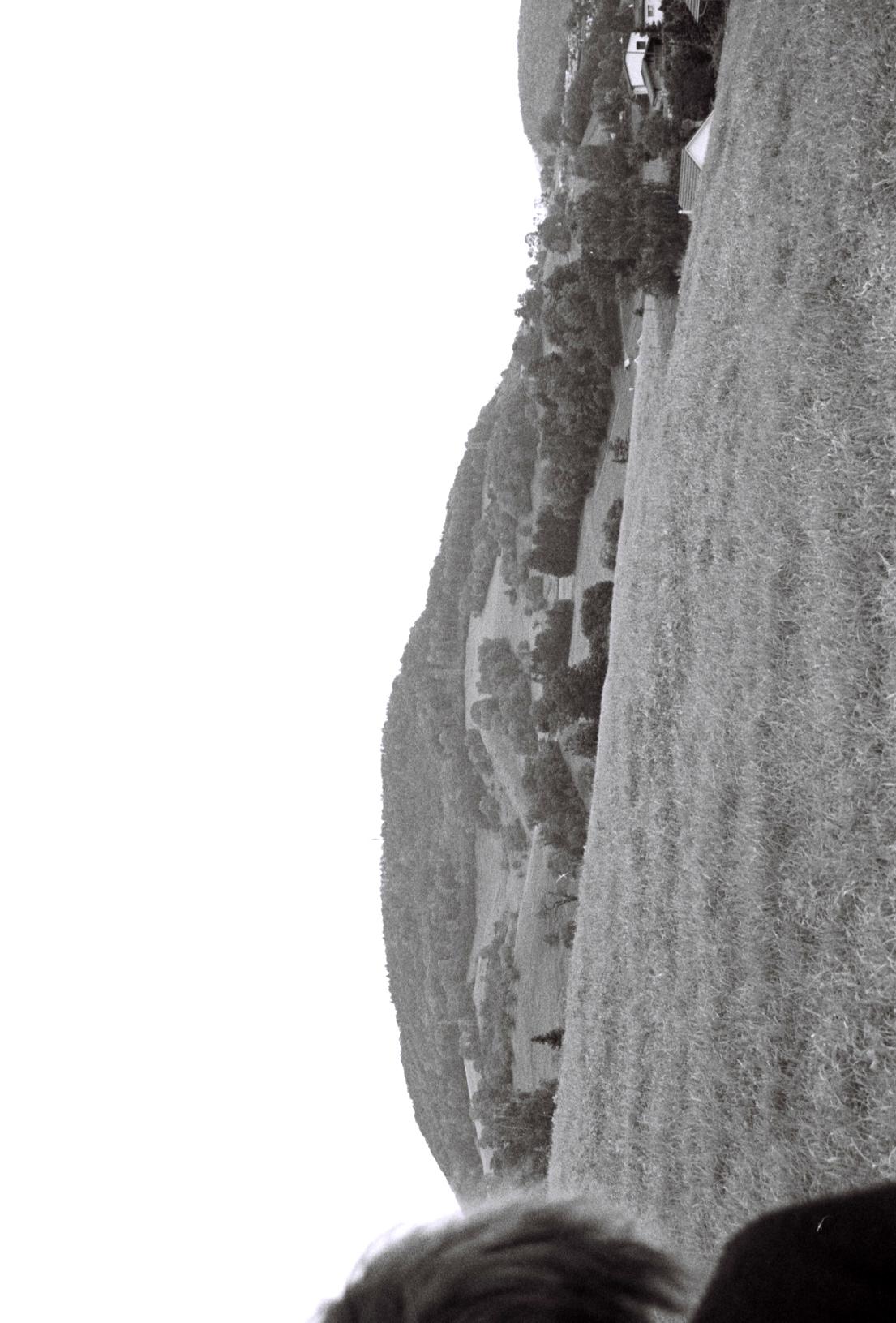
[1] It’s very common to experience and help in adult matter when young, especiallywithgovernmentdocuments,fillinginforms,helpingwriteemailsand letters…This happens because the immigrant parents, not knowing the foreign languagetothenativelevel,relyontheirchildren,whoarestudyingthelanguage, tohelpastheymightknowmore(evenifthechildisnotanadultyetanddoesn’t knowpolite/difficultlanguage).
[2] MariaPrymachenkowasaUkrainianartistbornin1909.Shewasaself-taught artistwhofocusedonpainting,embroideryandceramicartinthenaïvestyle.Her workfocusedonUkrainianfolktalesandfairytales.In1966shewasawardedthe TarasShevchenkoNationalPrizeofUkraine.
[3] GrandparentsAcrosstheOcean:EasternEuropeanImmigrantsStruggleto Maintain Intergenerational Relationships – Olena Nesteruk and Loren Marks p.78
[4] In countries such as United States the definition for first generation immigrantisthefirst-borninadifferentcountry,whereasinmostofEuropethe first-born would be referred to as second generation. The difference is between includingthepeoplewhomovedtoanewcountryasfirstornot.
[5] AsofJune2022,UkrainehasofficialEuropeanunioncandidatestatusandhas beenmakingsteadyprogresstomeetthenecessaryrequirementstobepartofit. AsofnowEuropeanleadersaretryingtofindsolutionsforUkrainetoenterthe EuropeanUnionasearlyas2027,butnothingisconfirmed.
[6] Some of the common assumptions and stereotypes about immigrants are illegal immigration and bringing crime to the new country; economic burden (taking jobs of the natives); self-segregation, disloyalty to the new country and difficultiesinintegrating.
[7] My family used photographs as much as they could to document key moments in my growth, celebratory moments, vacations and stays in Ukraine. Amongst them there were a lot of family portraits, with many members of the family that might not be with us anymore or that I know only by name. The creationofthesememoriesandkeepsakeswasmywayofconnectingandfinding myownvoice,lookingintothepastwithoutrememberingit,asIwastooyoung. Thisconnectioniswhatmotivatesmetocreatemyownmemories,searchforthe samepreciousmomentsofcommunity,family,integrationandbelonging.
[8] Thevideoessaywastitled“TheIn-between”andwasanexplorationofmy method to photograph. I was questioning myself and my process, why was it important, why these materials and not others, why nature and not people, why take analogue and not digital? Everything was from my perspective, of how I
interactwiththemediumandhowbeinginthesespaces,mainlydarkroom,allow for deep thinking, image reprocessing and memory recollection. It was a short amateurvideothatallowedmetoseetheimportanceofmypracticeandhowitwas alreadyhelpingmechangeandacceptmyselfwithoutevenrealizingit.
[9] Therearemanydifferenttechniquestodevelopanaloguefilm,specially35mm black and white since it is the easiest. For my purposed I have only used the standardchemicalssuchasdeveloperandfixator,butIwouldliketoexperiment with non-toxic developers. I use the dark room to develop the film but also to print it when possible. The prints are chosen in the dark, only with the red light on,bringingintheunpredictableelementevenmoreinthemix.Itrynottofocus toomuchontheendresultaswhatmatteristryingto,iftheresultismessedupor weirdthat’spartoftheprocess.Withnolight,thedarkroomiswhatallowsmeto seetheimagesandemotionsclearly–itgivestransparency.
[10] SusanLeeSontagwasandAmericanwriterbornin1933.Shehaspublished many books and essays but the one that most resonated with me was “On Photography”.Whilemyopinionsarenotexactlyalignedwithhers,Istillfound a lot of value and knowledge coming from in the book. It gave me a new perspectiveonphotographyandthewaysofseeingtheworld.Asaphotographer I feel it is a must read, not for fundamentals of photography or step-by-step guidesonhowtodoit,butforthecreationofcriticalthinkingandquestioningof thesubject.
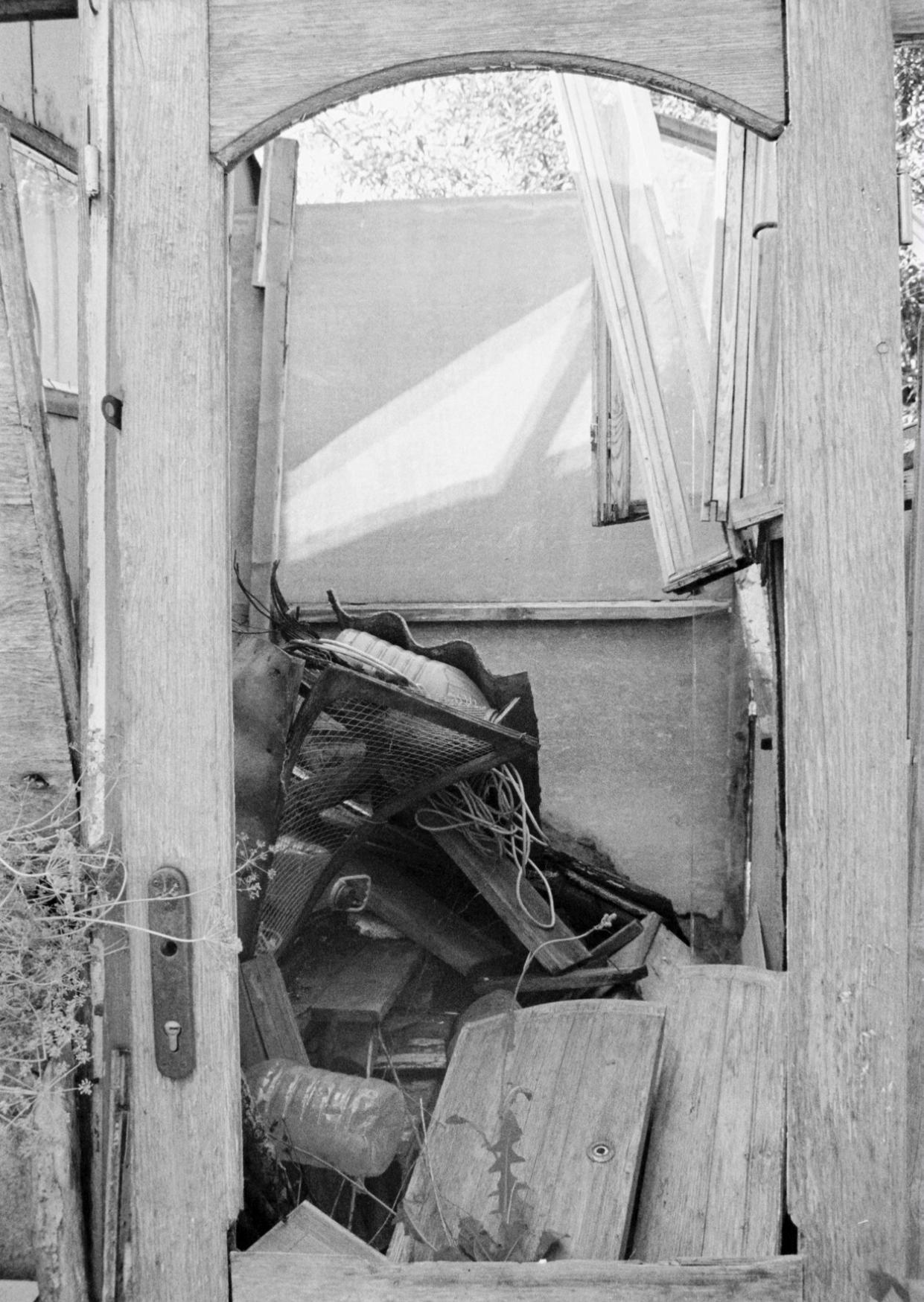
Berger,J.(Director).(1972).WaysofSeeing,Episode01[MotionPicture].
Berger,J.(2008).WaysofSeeing.PenguinBooks.
Feldenkrais,M.(n.d.).WhatisanEmbodiedPractice?Retrievedfromhttps:// somatic-movement-project.com/why-cultivate-a-somatic-practice/
Flusser,V.(1984).Towardaphylosophyofphotography.ReaktionBooks.
H.,L.(2023).HijabButchBlues.IconBootsLtd.
IMISCOE.(n.d.).DescendantofMigrants.RetrievedfromMigrationResearch Hub:https://migrationresearch.com/taxonomies/topics-migrationconsequences-for-migrants-sending-and-receiving-countries-sociocultural-consequences-descendants-of-migrants
Loughnane,A.(2016).NishidaandMerleau-PontyArt,“Depth,”and“Seeing withoutaSeer”.
Nesteruk,O.,&Marks,L.(2009).GrandparentsAcrosstheOcean:EasternEuropean ImmigrantsStruggletoMaintainIntergenerationalRelathionships.Journal ofComparativeFamilyStudies,UniversityofTorontoPress,78.
O´Brien,M.(2016).TheImportantDifferenceBetweenAssimilationand Integration.RetrievedfromImmigrationReform:https://www. immigrationreform.com/2016/09/29/the-important-difference-betweenassimilation-and-integration/
Processes,A.(2026).Whenprocessbecomesawayofthinking.
Sobchack,V.(2004).CarnalThoughts,EmbodiementandMovingImageCulture. UniversityofCaliforniaPress,Ltd.
Sontag,S.(1979).OnPhotography.PenguinBooks.
Steyerl,H.(n.d.).InFreeFall:Athoughtexperimentonverticalperspective.EFLux. Suárez-Orozco,C.,&Suárez-Orozco,M.(n.d.).WhatarethePredominant StereotypesaboutImmigrantsToday?RetrievedfromRe-Imagining Migration:https://reimaginingmigration.org/resource-items/what-are-thepredominant-stereotypes-about-immigrants-today/
Timofeeva,O.(2019).Howtoloveahomeland.Sigma.
Watts,A.(1960-1970).TheArtOfMeditation.
Wikipedia.(n.d.).AccessionofUkrainetotheEuropeanUnion.Retrievedfrom Wikipedia:https://en.wikipedia.org/wiki/Accession_of_Ukraine_to_the_ European_Union
Wilcox,E.(2022).YoureHeretoMakeMoment,NotMemories.
ThesisSupervisor:MartónKabai,OlliePalmer
Submitted to Masters in Fine Art & Design, St. Joost School of Art & Design, Avans UniversityofAppliedSciences,´s-HertogenboschTheNetherlands
Inpartialfulfilment oftherequirementsfor thedegreeofMaster ofArt inFineArt & Design,SituatedDesign,´s-HertogenboschTheNetherlands