Place a short biography of this magazine's contributor here.
Place a short biography of this magazine's contributor here.
Place a short biography of this magazine's contributor here.
com @reallygreatsite
PhyllisSchwaiger
NoahSchumacher
MargaritaPerez
Mock Election - Meet the Candidates
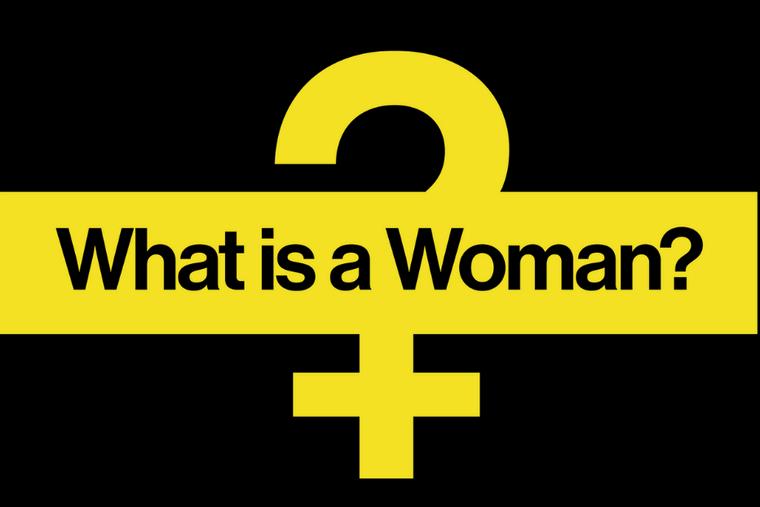
What is a Woman? - Thomas Shelly (L6)
Respecting Life: The Case Against Euthanasia - Theo Kendall (L6)
Khan wins again - but has really HE made a difference - Lucas Dean (U5)
The Eagle Vision: Transforming Political Leadership - Charlotte Clee (U5)
Javier Milei's First Six Months: Successes and Struggles in ArgentinaMylo Cacouris (L6)
The Butterfly effect of social media - JJ Fitzpatrick (U6)
How far have we come? - Ella Slater (L5)
Church and State - Charlotte CLee (U5)
Was JFK the best President in History? - Will Setchell (L6)
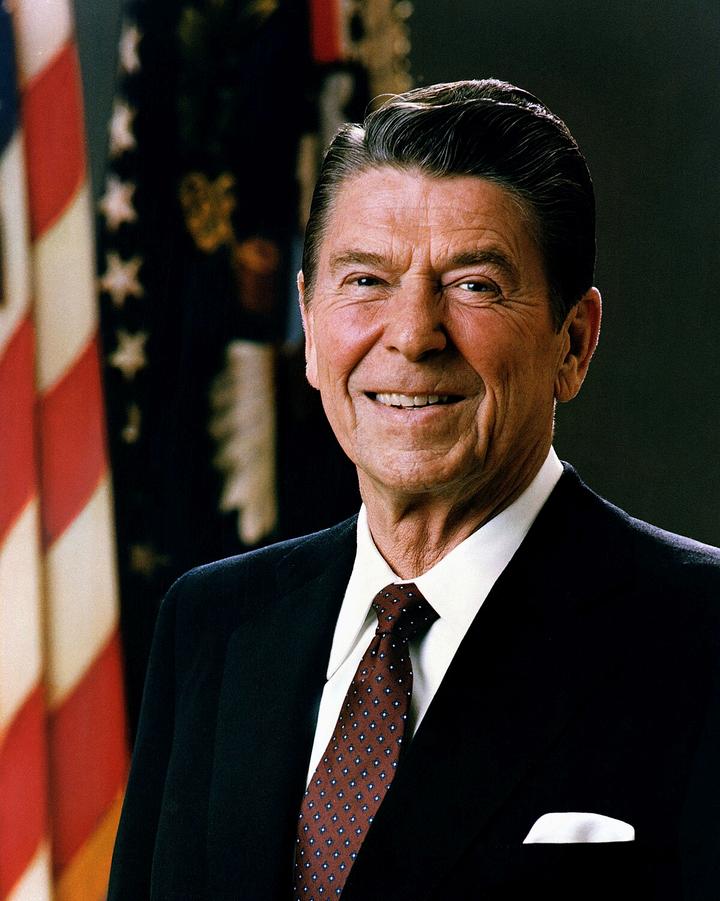
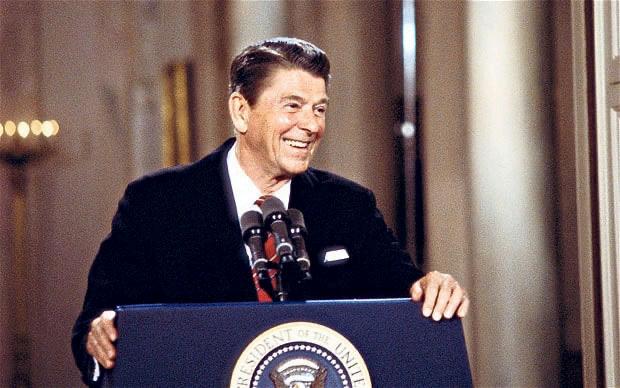
Why Reagan was the greatest President ever - Charlie Babb (L6)
Editors Note -
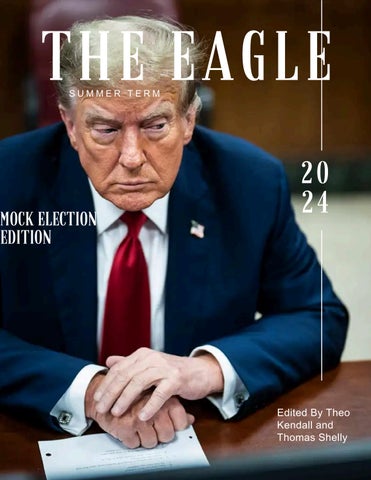
Welcome to the summer 2024 edition of the eagle magazine!
The past few weeks have been incredibly eventful in the world of politics, with a surprise July election and the conviction of former President Trump, the first ever former president to be convicted in history!
Politics is the framework that shapes our society, influences our daily lives, and determines our future. It empowers us to advocate for change, uphold justice, and contribute to our communities. We hope these brilliant articles inspire you to stay informed and want to engage in politics.
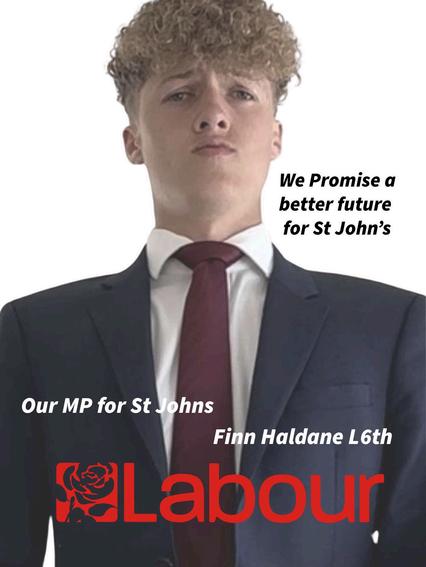
This terms edition is particularly exiting as at St Johns we are holding a Mock Election! We have dedicated a whole section of the magazine for allowing you to meet the candidates and have a look at their polices and vision. All Pupils are allowed to vote!
The superb articles in this issue cover a wide range of topics from gender identity to the impacts of social media, to debating the greatest US president. So however your feeling, we hope you enjoy.
I’m Amelia Barrett, your Green party candidate, I am supported by an amazing team including: Evie Perry, Natasha Khan, Katie Denyer, Hannah Bareham. Some of the Green party’s core values are equality, education, and environment. We believe everyone should have equal opportunity whether it is within everyday life or education. That is why we believe in helping the planet to allow us all the same opportunities in this world, to make energy green and recycle without an economic crash! We want to empower everyone as much as possible by including everyone. Remember that a vote for green is…Empowering you, me and tree. Vote Green!
Liberal Democrats - Alex Timpson
Dates!
First Debate - 18th June, 16:30 - Chapel
Second Debate - 19th June, 16:30 - Chapel
Voting Day - Voting will take place between 12.30 and 1.30 on Friday 21st for Lower School (+ anyone on study leave) and Monday 24th & Tuesday 25th for the rest of the school (+ anyone on study leave) – only pupils can vote.
What is a Woman? -
Thomas Shelly (L6)
According to the Oxford Dictionary, a woman is ‘an adult human female,’ and a female is ‘the sex that can bear offspring or produce eggs, distinguished biologically by the production of gametes (ova).’
However, you may be wondering, this definition does not seem inclusive to all gender identities or beliefs. I think, for this, there is a remarkably simple and blunt answer
Facts do not care about your feelings.
This straightforward truth is incredibly vital in our society today as facts are being taken for granted and weaponized to support ideals rather than reality.
You may hear the phrase “a woman is someone who identifies as a woman.” Although, this is known as a circular definition, meaning the argument presumes the conclusion to be true. It holds the same weight as me saying “a square is a square,” or “a cup is a cup.” This circular definition is wildly illogical, and you simply cannot use these fallacious arguments.
Dr Marci Bowers is one the United States’ leading sex change surgeons, having done thousands of surgeries towards what is typically referred to as ‘gender affirming care’ which is an idea I will come back to later. Dr Marci Bowers is a transgender woman (used to be Dr Mark Bowers) who has identified as a woman for 29 years. She believes that what makes a woman is a combination of physical attributes and ‘gender clues’ you provide to the world. Yet, I believe this falls short of what women are truly capable of. Women are responsible for the creation of human life meaning, without them, none of what we see, or experience today could exist as it does. Furthermore, women should be celebrated for bearing children and ultimately conceiving human life as none of us would be here without this phenomenon. This is why I dislike the idea that anyone can just become a woman as it is a disservice to everything that true women contribute to in our world.
Coming back to the idea of ‘gender affirming care.’ Just to deconstruct this phrase, affirming is a word used to prove something true, however, these surgeries are in fact doing the polar opposite of this, and instead, approving a fantasy based on the person’s incorrect belief rather than doing what is best for them. By this I mean ensuring that the body is healthy and stable, as the aim should be to ensure the safety of the human being. You will likely also be shocked to learn that transgender surgeries are the only cases in which the health of the body is not the primary concern This realisation is fascinating as it proves how dangerous and unforgiving these operations are, which is a major issue with people facing gender dysphoria (‘a sense of unease that a person may have because of a mismatch between their biological sex and their gender identity’).
Gender dysphoria is an unfortunate mental illness some people face, but it is vital that this idea is not ‘affirmed’ as it has direct harmful impacts on the health of these people. For example, anorexia is an eating disorder where people have a distorted perception of how they look leading to an intense fear of gaining weight. Anorexia is also all mental, however, you would not approach an anorexic person and say “you have clearly been putting on pounds since we last met” as this is dangerous, assuring their false belief Nonetheless, in cases where gender is the issue, we are told that we should support a person’s false identity, no matter the implications
Some may argue that this opinion is ‘transphobic’ or ‘antitrans’. However, I believe that being honest to someone to ensure their health is sustained is easily adequate reason to truly support those suffering from illnesses like gender dysphoria.
This all comes back to the original question, what is a woman? Well, to me, a woman is an adult human female who is worthy of praise, love, and respect.
EUTHANSIA
Lorem ipsum dolor sit amet consectetur adipiscing elit sed do eiusmod tempor incididunt ut labore et dolore magna aliqua Ut enim ad minim veniam, quis nostrud exercitation Temporibus autem quibusdam et aut officiis debitis aut rerum necessitatibus saepe eveniet ut et voluptates repudiandae sint et molestiae non recusandae Itaque earum rerum hic tenetur a sapiente delectus, ut aut reiciendis voluptatibus maiores alias consequatur Temporibus autem quibusdam et aut officiis debitis aut rerum necessitatibus saepe eveniet ut et voluptates repudiandae sint et molestiae non recusandae Itaque earum rerum hic tenetur a sapiente delectus ut aut reiciendis voluptatibus maiores alias consequatur aut perferendis doloribus asperiores repellat Ut enim ad minim veniam, quis nostrud exercitation ullamco laboris nisi ut aliquip ex ea commodo consequat t vero eos et accusamus et iusto odio dignissimos ducimus qui blanditiis praesentium voluptatum Temporibus autem quibusdam et aut officiis debitis aut rerum
Temporibus autem quibusdam et aut officiis rerum necessitatibus saepe eveniet ut et voluptates repudiandae sint et molestiae non recusandae Itaque earum rerum hic tenetur a sapiente delectus, ut aut reiciendis voluptatibus maiores alias consequatur Temporibus autem quibusdam et aut officiis debitis aut rerum necessitatibus saepe eveniet ut et voluptates repudiandae sint et molestiae non recusandae Itaque earum rerum hic tenetur a sapiente delectus, ut aut reiciendis voluptatibus maiores alias consequatur aut perferendis doloribus asperiores repellat Ut enim ad minim veniam quis nostrud exercitation ullamco laboris nisi ut aliquip ex ea commodo consequat t vero eos et accusamus et iusto odio dignissimos ducimus qui blanditiis praesentium deleniti exercitation lodspo
KHAN WINS AGAIN - BUT HAS REALLY HE MADE A DIFFERENCE: LUCAS DEAN (U5)
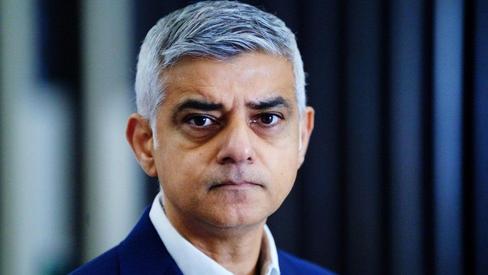
Four more years of Sadiq Khan
As I am sure most of you most of you will have seen, recently Sadiq Khan was elected for a third term and became the first candidate ever to do so. He beat conservative candidate Susan Hall winning 43.9 percent of the vote compared to 32.6 percent.
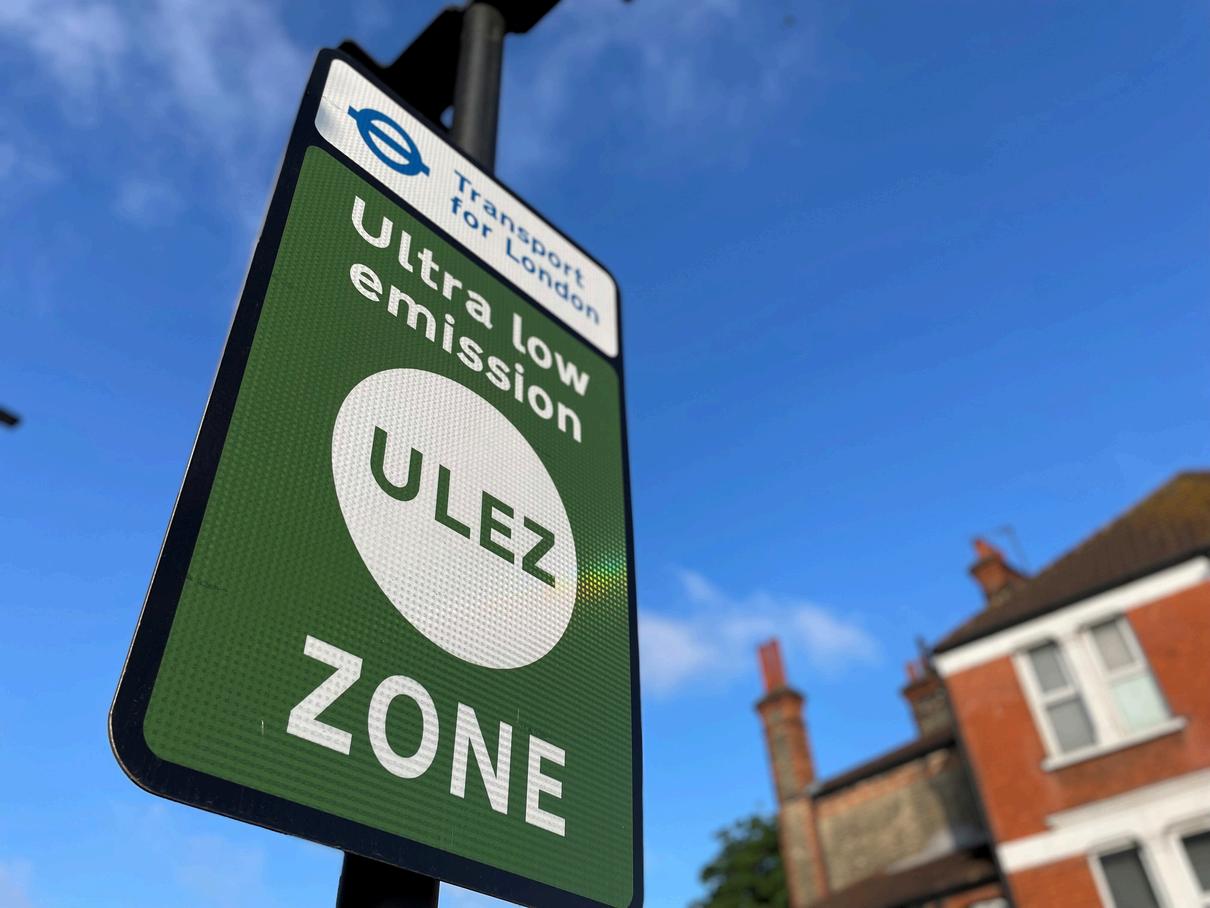
Sadiq Khan’s greatest achievements have been reducing air pollution in the city. This has been introduced through implementing ULEZ zones around London. Although this has been successful at reducing air pollution, the recent expansion of the ULEZ zones to almost everywhere inside the M25 is in my opinion terrible. ULEZ involves charging drivers of non-compliant cars and vans £12 50 every day they drive them within ULEZ zones This is, in my opinion, nothing but a cash-grab that is only going to negatively impact the working-class drivers in London
Khan has a scheme that allows £2000 to be awarded to people exchanging in non-compliant cars and £7000 for non-compliant vans. Khan claims that this is enough for the owners of noncompliant vehicles. He is lying. The average price of ULEZ compliant vehicle in the UK is £18000. I don’t quite know how Khan came to conclusion that £2000 pounds is enough and I have decided he is either completely incompetent, which is definitely possible, or he is just a liar which in my opinion if the far more likely option.
What I think is the most despicable thing about this scheme is the huge impact that is will have on pretty much entirely just workingclass people. While to some people a £12.50 a day fine may not seem like much over one a year a person who needs to use a car six days a week will end up paying £3,900 pounds just to drive their car on a road In a cost of living crisis this is completely unacceptable What I think is important to note is that Labour is a party that has historically stood up for the working class and the Khans ULEZ scheme is a slap in the face to any of the working class citizens of London.
Sadiq Khan has also completely failed to make the streets of London safer, which he vowed to do when elected in 2016. In 2016 the crime rate per 1000 population was 97.9 in 2023 it was 100.9. This shows Khans complete failure to deal with one of the biggest problems that Londoners are facing. On top of this his complete lack of control of crime has been on full display after the vile and barbaric October 7th attack in Israel. Since then thousands of protestors have been free to openly chant for the genocide of Jewish people, injure police officers and last month a man was stopped by police on the streets of London for being ‘openly Jewish’. What has Sadiq Khan done to help stop this you may ask? Nothing.
Something I must say is that despite my complete disapproval of Sadiq Khan I do think that former Tory MPs comments about Sadiq Khan being ‘under the control of Islamists’ are pretty ridiculous and untrue While I believe he has almost definitely lost control of the streets of London he is not under the control of anybody
Looking ahead to the next four years I personally believe that there is no hope for any real positive change in London. While I do hope Sadiq Khan is able to prove me wrong I am personally convinced he will prove me right and sadly Londoners are in for four more years of lies and rising crime rates.
THE EAGLE VISION: TRANSFORMING POLITICAL LEADERSHIP
- CHARLOTTE CLEE - (U5)
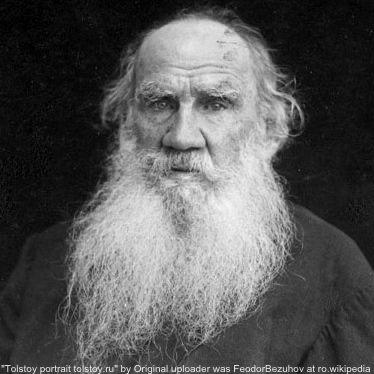
In his 1953 essay on Leo Tolstoy, political philosopher Isaiah Berlin derivates a passage of work from the Greek poet Archilochus which describes two different ways of thinking through the fox and the hedgehog. Archilocus details that “the fox knows many things, but the hedgehog know one big thing.” Berlin develops this in the essay to convey the different means of leadership, suggesting that:
“There exists a great chasm between those, on one side, who relate everything to a single central vision, one system, less or more coherent or articulate, in terms of which they understand, think and feel – a single, universal, organising principle in terms of which alone all that they are and say has significance – and, on the other side, those who pursue many ends, often unrelated and even contradictory, connected, if at all, only in some de facto way, for some psychological or physiological cause, related to no moral or aesthetic principle.”
In terms of politics, the hedgehog is someone who believes that there is one over-arching issue which defines global political struggle whereas the fox doesn’t find one single issue which offers an explanation to struggle. Phillip Tetlock uses the example that the hedgehog doesn’t believe that the Cold War would end if Ronald Reagan was removed as President.
The foxes consist of historical pluralists - such as Herodotus, Joyce and Shakespeare – who divulge in a plethora of widespread issues. Where the hedgehogs consist of monists – exampled by Plato, Dante and Nietzsche – who aim to find one overarching principle which entrenches the complexities of the human condition. This isn’t just a term adjacent to the spheres of philosophy and literature.
To put this forward to modern-day UK politics, the interchangeability of the hedgehog and fox become one. The hedgehog is exampled on the right through figures like Jacob Rees Mogg who cling to the notion that ‘the establishment’ is the underlying issue whereas foxes like Keir Starmer collect a plethora of issues and make it their calling. Though this isolates the others on the spectrum. If everybody is either a fox or a hedgehog, then whatever animal opposes you which a politician represents is sure to isolate you from their ideas. Therefore, a new animal should be the aim for politicians to emulate –an eagle.
The eagle is a continuous motif throughout the Bible and is used to represent St John the Evangelist – whom our school is named after –and also is the name of the school’s politics magazine. In Revelation 4, the Throne Room of Heaven is described and we see that:
“in the midst of the throne, and around the throne, were four living creatures full of eyes in front and in back. The first living creature was like a lion, the second living creature like a calf, the third living creature had a face like a man and the fourth living creature was flying like an eagle.”
Each animal represents one of the evangelists: Matthew the man; Mark the lion; Luke a calf and John is an eagle. Many Christian theologians believe that transcendent unity between humans and the creator can lead to one becoming the eagle. Augustine set forth that to become an eagle is to understand the way in which God sees the world. This can be practiced through prayer, meditation and theological discussion. At the end of his seminal work Confessions, Augustine describes how the Christian experience is defined by the journey of letting God look through our eyes: “we see all these things and they are very good, because it is you who see them in us, you, who have given us the spirit by whom we see them and love you in them.” The eagle represents the closest stage to which God that humans can reach.
Turning the Christian metaphor of the Eagle on its head and relating it to political thought, the Eagle represents the closest a politician can be to the electorate. Lacking the superficial elements of both the hedgehog and the fox. The Eagle stands above the cross-party antics which entrench British politics. J.R.R Tolkien took inspiration from the symbol of St. John during The Hobbit:
“ The clouds were torn by the wind, and a red sunset slashed the West. Seeing the sudden gleam in the gloom Bilbo looked round. He gave a great cry: he had seen a sight that made his heart leap, dark shapes small yet majestic against the distant glow.‘The Eagles! The Eagles!’ he shouted. ‘The Eagles are coming!”
The Eagles represent strength in the chaos that the ring brings. Therefore, rather than focusing on being pigeon-holed into being either a fox or a hedgehog, politicians should look focus on being an eagle amongst a Parliament full of foxes and hedgehogs best shown through figures like Tony Benn.
JAVIER MILEI'S FIRST SIX MONTHS: SUCCESSES AND STRUGGLES IN ARGENTINA -
MYLO CACOURIS
After a surprisingly successful performance, outperforming polls that were calling for a much closer race, right-wing candidate Javier Milei was sworn as President of Argentina on the 10th of December 2023. Six months after large promises of ‘drastic’ action to get the Argentinian economy back on track after years of recession, how successful has Milei been?
President Milei wasted no time in implementing his agenda, devaluing the peso by 50%, cutting state subsidies for fuel, and halving the number of government ministries. This rapid reduction in government spending has led to Milei’s most impressive achievement, a huge turnaround in Argentina’s fiscal situation. The country has moved from a deficit of 2tn pesos in December of last year to a surplus of 264.9bn pesos in April. Argentina first reported a surplus in January of this year, for the first time since 2012.
Milei has been highly vocal about the fact that his main priority is to reduce the huge inflation plaguing the nation. While inflation remains a key concern for President Milei, the month-on-month rate has decreased to 8.8%, marking a positive shift. However, the annual inflation rate still stands at a staggering 289.4%, highlighting the challenges that persist. Consumer spending has also dropped off dramatically in the first few months of the year, demonstrating how Milei’s problems have not come to an end. Despite these initial measures, President Milei has faced obstacles in implementing further reforms due to a lack of majority in the Argentine Congress. His plans to privatise state-owned companies and overhaul the economy have met resistance from opposition parties and trade unions, leading to delays in the legislative process.
A more streamlined version has been resubmitted and has passed Congress but has yet to be approved by the Senate. Milei also faces opposition from many trade unions, who have begun to protest, claiming that workers’ rights will suffer from the huge deregulation process. While the International Monetary Fund has praised Argentina's economic performance under President Milei, concerns remain about the rising poverty levels in the country.There has been no decrease in poverty under Milei so far, which has risen from approximately a quarter of the population in 2017 to over half now. The International Monetary Fund, which has lent more money to Argentina than any other country gave the government high marks in May, confirming that the Argentinian economy was back on track.
His primary ‘Omnibus’ bill that contained Milei’s plans for privatization and a significant number of other economic measures failed to pass Congress in February. .
The left-wing opposition to President Javier Milei in Argentina has been vocal and steadfast in their resistance to his economic policies and reform agenda. Parties aligned with the Peronist faction, controlled by ex-President Cristina Fernández de Kirchner, have been at the forefront of opposing Milei's proposals, particularly those related to privatization and deregulation. Milei's large personality is increasingly viewed by many Argentines as a liability rather than an asset. According to the most recent poll conducted by the Zuban Córdoba political consultancy firm, 54% of participants believe that the president is prioritizing his international political reputation over addressing the domestic challenges faced by Argentina. This sentiment has likely been reinforced by the ongoing diplomatic dispute between Argentina and Spain, resulting in Madrid recalling its ambassador from Buenos Aires.
A significant challenge for Milei has been attempting to right Argentina’s currency regime. Argentina's historical entrapment in a rigid currency regime, fixed to the US dollar, combined with government spending, left the country vulnerable to economic crisis, such as the 2001 banking crisis. Following years of government by leftwing protectionists who failed to address Argentina's underlying issues, the new era under President Milei aims to steer the nation towards financial stability.
Focusing on leveraging the country's abundant agricultural exports to bolster foreign currency reserves, the government's strategy is to enhance Argentina's fiscal credibility. Experts caution that the Argentine economy teeters at a precarious juncture, with concerns about the overvaluation of the peso and the need for increased exchange rate flexibility to spur growth and competitiveness. Despite initial optimism, doubts loom over the sustainability of President Milei's policies and the future trajectory of Argentina's economy.
THE BUTTERFLY EFFECT OF SOCIAL MEDIA - JJ FITZPATRICK (U6)
More and more, social media is becoming less of a tool for entertainment and more of a tool to create active change and for education.
In the past, people would use social media to connect with their friends and people on the other side of the world, to watch funny videos and get inspiration. While this is still the case for some of social media, many users have discovered that through the professionalisation of social media, it can be used as a tool to raise important topics, organise strike action and create conversation around valuable opinions. Ever since the dawn of ad revenue and payouts from social media companies like YouTube, Twitch and Tiktok, people have found loopholes to hijack this system to raise money for important causes and force celebrities to help spread the word
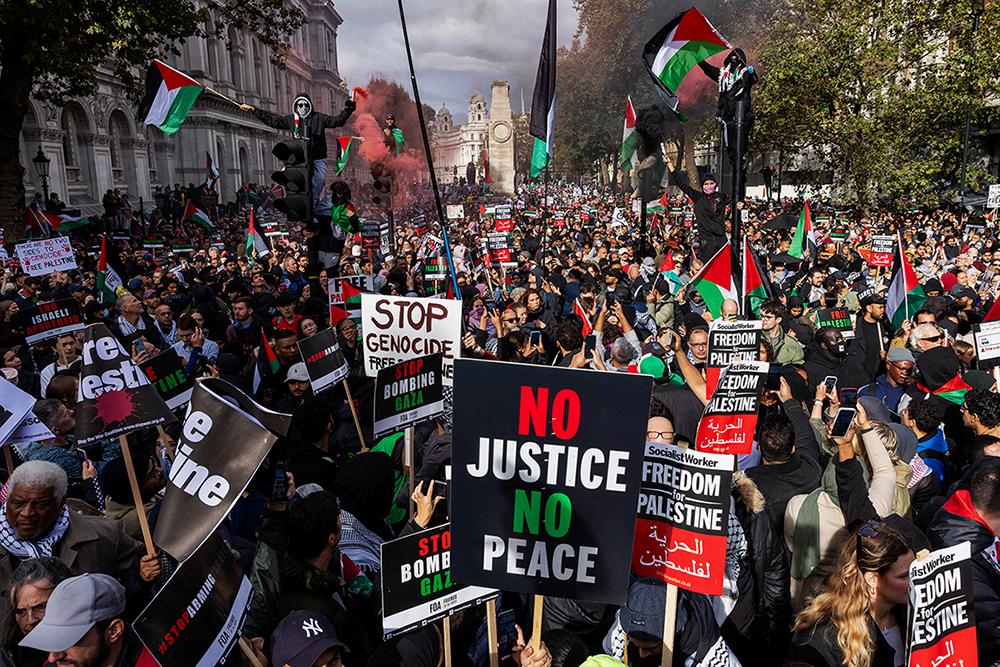
Recently, people on social media platforms like Twitter (X), YouTube and TikTok have been creating traction for Operation Olive Branch, an initiative set up by people on social media to help evacuate people from Palestine. People are donating all their revenue from videos to support specific families, urging people to watch the minimum amount of video time to gain a ‘qualified view’ (one which allows the creator to get a payout from that view), and encouraging people en masse to donate to GoFundMe links to help families evacuate from Rafah or Gaza into Egypt (or other locations if they have family there). This campaign has, so far, been incredibly successful, which videos receiving tens of millions of views and hundreds of thousands of likes, each one not only leading to a payout which can be directly donated to a family, but also to increased engagement with that video; if more people watch for longer, comment and share, the viewer retention is higher and the video is pushed out to more people Creators then donate this money directly to the families, as well as encouraging people with disposable income to donate as well These creators were using filters made by people who pledged to donate all revenue from the filter to families in Palestine, and songs where the artist pledged to donate all revenue from the song to families in Palestine, overall creating a huge group effort to help displaced people under threat of death on the other side of the world.
I’m sure some people are thinking, well, couldn’t the creators just lie about their donations? Use the cause to generate more money for themselves? Whilst most of us would like to believe no one would ever do that out of morality, social media fortunately has a built-in mechanism to prevent this. Viewers, of course, want to see where their money is going, so in response to questions, creators are forced to show receipts and progress reports regularly of the donations, or risk
and facing
This fear of being deplatformed does not only apply to those directly donating their profits to families in Palestine, it extends to any celebrity or content creator with a platform Recently, on TikTok, a new trend has started called ‘Blockout’ where people are unfollowing and blocking celebrities and major companies en masse to deplatform them. This started when a celebrity called Haylee Bailey posted a video at the Met Gala with an audio using Marie Antoinette’s famous line ‘Let them eat cake’. Whilst this may seem innocent enough to most people, Bailey immediately received backlash for her tone-deaf video in a time where thousands of people are starving in Palestine, whilst she was attending the Met Gala, costing $50,000 a ticket, using an audio of a rich women who supposedly said ‘Let them eat cake’ in response to starving peasants in France. This started a movement where people would unfollow and block celebrities or companies that were not using their platform for good, to speak out against the humanitarian crisis in Palestine. This prompted celebrities who were being blocked to apologise for not speaking out sooner, to donate, to make videos about Palestine, to inform people about the war, all in an effort to regain their platform because the people who are following them are the ones making them money, and if they’re boycotted, they will lose that revenue Although the motives may not be genuine, the outcomes are still positive, leading to more money for families in Palestine to evacuate
Although Operation Olive Branch is the biggest ‘trend’ on social media right now, other similar trends have also happened in order to do good. Recently the ‘Pay off my debts’ trend happened, where a creator would do some maths and calculate roughly how many people they needed to watch their video in order to be debt free, and it was working, People were making significant payments towards their medical debts, student loans, mortgages, all because 15 million people decided to watch 5 seconds of a video they made.
There was another trend last year where people made a song called ‘Dance You Outta My Head’ by Cat Janice viral, because she had cancer and was putting all her songs under the name of her 7-year-old son so he would have something to help him when she was gone. People streamed her song on every music platform, used it as background audio for all videos they were posting, and made it into the UK charts, climbing to number 6. Unfortunately, Janice passed away a few months later, but not after successfully raising the money she needed for her son.
People have used social media to organise marches and strike action to bring awareness to important issues, gaining the attention of celebrities, governments and the general public alike, and force companies to undo actions or withdraw from companies initiating war. People have used it to promote their small businesses so they can afford to live. People have used it to get direct pay out from social media companies to afford to send their children to college. People have used it to immortalise people they’ve lost and bring awareness to the causes that ended their life. People have used it to teach people about nature, racism, languages, global cultures, disabilities, LGBTQ+ identities, everything under the sun.
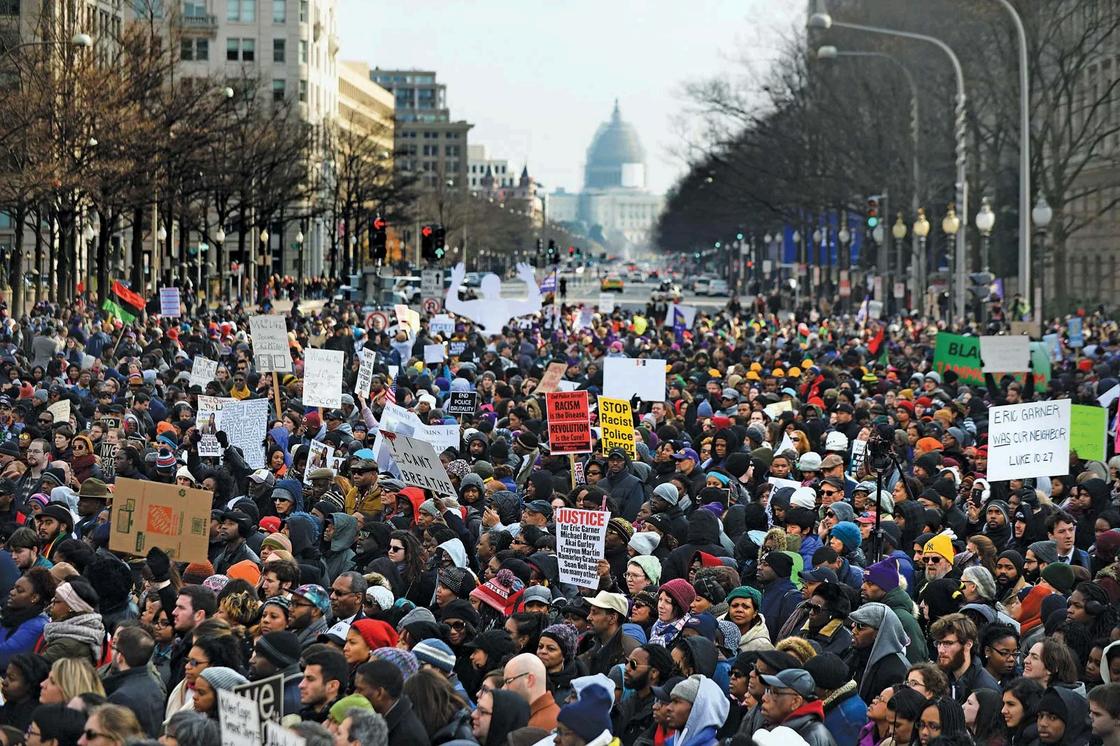
We first saw this all the way back in 1970s when the atrocities America was committing in Vietnam were first televised, causing backlash and outrage amongst young people, putting pressure on governments, and this has continued all the way through human history, with people creating pressure on politicians to pay more attention to issues going on right under their noses, including in the Black Lives Matter movement in 2020.
Social media is no longer simply something to mindlessly scroll through to pass them time, or even just to catch a few laughs before work. Social media is an important tool to call out wrongdoers, to encourage global cooperation, to raise money for just causes and inform people about global crises.
The court of public opinion has always been the most brutal, and with the rise of social media, this court is the first in the world to condemn celebrities and politicians so they freely apologise on their own and give up their money without a piece of paper telling them so, and the first that truly brings people all across the world together for a common and just cause. Who would’ve thought that your time could indeed be worth millions of dollars?
HOW FAR HAVE WE COME? -
The Equality Act 2010. Aimed to legally protect every individual from discrimination in the workplace and society. The nation celebrated this momentous moment, taking pride in identifying as an egalitarian society- but just how equal can Britain claim to be? The British workplace remains a fundamentally discriminatory environment, despite multiple policies and initiatives to address the protection of various, disadvantaged groups in their individual businesses. The sectors of the population I will be focusing on, are women and black citizens within the workforce; the frequent discrimination of these two categories in the work system alone, leads me to ask the question of just how far have we come as a society?
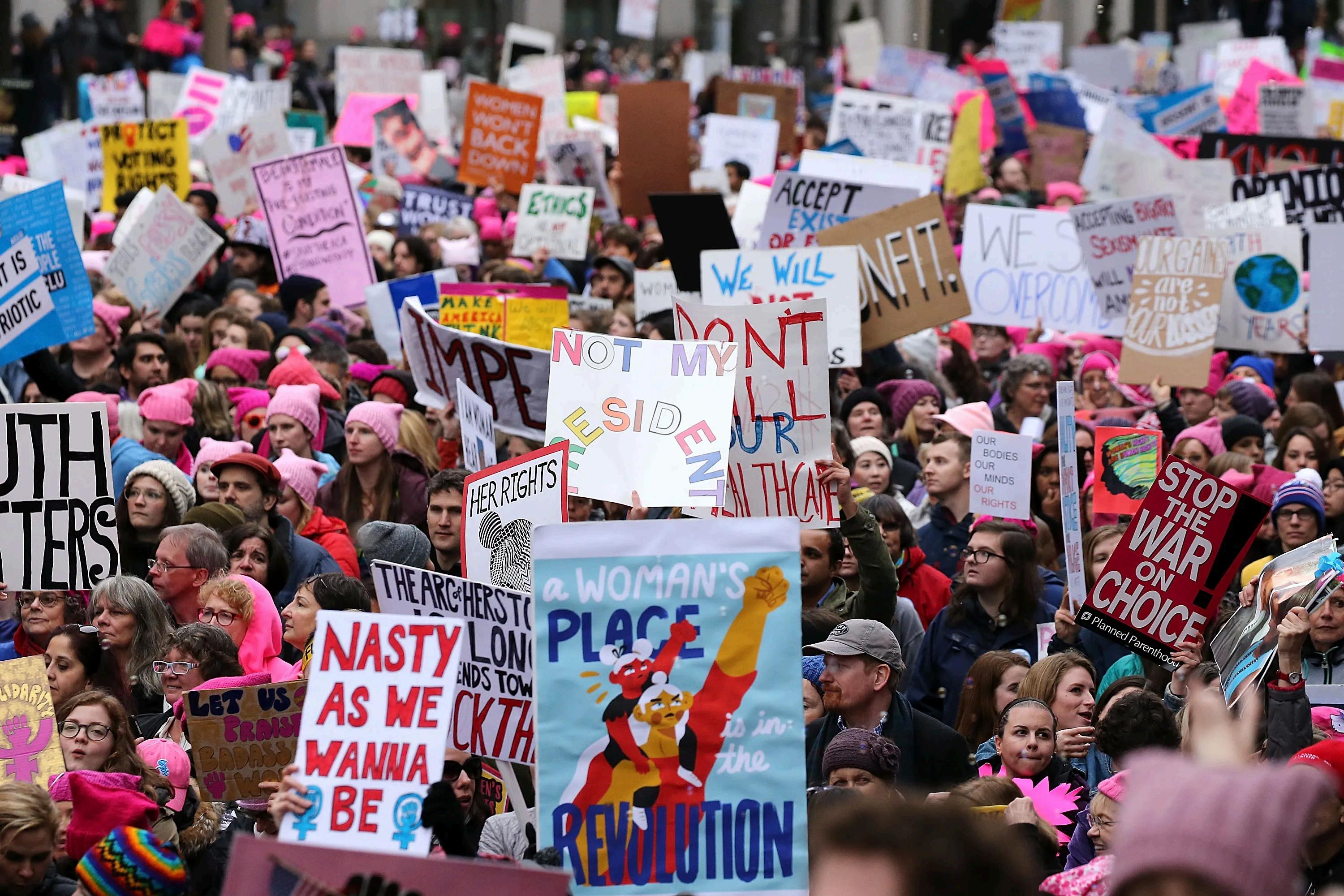
With just 35% of Parliament members distinguished as women, how can Britain avow to uphold feminism whilst possessing a significant gender imbalance in the government, the national establishment the country is conditioned to trust? Women also make up 51% of our nation’s population, therefore the government, the organization that is supposed to accurately represent the British population, fails to reflect our society’s correct gender balance- therefore, if our own government can’t achieve to promote gender equality, then how will the public? Existing in the twenty first century indicates that some form of gender impartiality should prevail, however with just 5.4% of women globally holding a CEO position, I believe as an international society, we must analyse how we can promote our workplaces to be just, if females are not to be continually miss out on leadership roles.
Multiple research projects also convey that at senior levels of work, women always equal or exceed the research productivity of men- this truly shows the strong, female work ethic, which leads me to feel that that females’s lack of equal opportunity must be due to a prejudiced work system. The Equality Act 2010 was designed to defend human rights, including those of women, however with over 10 million womenreporting incidents of harassment in their workforces, how can society confidently state that we are living up to The Equality Act’s legal conditions. According to a TUC survey, over “79% of women do not report their experience of sexual harassment in the workplace, due to many reasons including fear of repercussions and others.” 79% of women nationally do not feel valued enough to use their voice. Due to the fear of male scrutiny and the agitation of being punished by men. Therefore, fear conquers justice, and the occurrence of discrimination and unlawful acts, despite the government pledging to end them, continue to occur in the workforce; thus, sexism remains victorious.
A severe lack of inequity is also conspicuous in the treatment of black people in society’s workplaces. According to a national poll, surveying 1,203 employees, “two thirds” of black employees experience some form of racism in their workforces.
However, only “one in five” of these racial victims reported the incident to HR or senior management, and a quarter of people experiencing an incident of racism stated they “took no action following the event” due to fearing the “consequences” of speaking up. The fact that innocent victims of racial abuse don’t feel worthy and confident enough to voice an inappropriate event to staff, whose fundamental duty is to use their position of power for good is ultimately depressing, and it shouldn’t provoke feelings of pride for members of our society. How can the government advertise “justice for all” whilst turning a blind eye, and blatantly ignoring that “over a third” of people, from a national survey, feel “they’ve been turned down from a job due to some form of discrimination.” The Race Relations Act 1965 addressed “the prohibition of racial discrimination”with the Act banning “racial discrimination in public places” and making the “promotion of hatred on the grounds of race and colour an offence”, many people marvelled at our nation’s progressive path to inclusivity.
However, fifty-nine years have elapsed, and with 32% of British citizens stating that “racism is greatly present in UK society today," I am obliged to question whether our nation can be considered to be a country built on the foundation of equality, like some believe it to be- The data I have presented clearly demonstrates that racism is embedded in our society’s culture, and despite legislation and companies' diversity and inclusion policies, racism is still inherent and active in our current workplace. According to the government’s data, only 4.4% of working British citizens are blacktherefore, if 4.4% of black people feel discriminated against in their workplaces, the rest of the 2.4 million black people living in British society must experience more frequent and harsher racist incidents, as the nation’s population of 55.99 million people exceeds any number of employees in any British workplace, therefore unfortunately meaning the probability of racism is severely increased.
To conclude, whilst I recognise many elements of British society should be celebrated, such as the impressive NHS system and the bustling economy, ranking as the fifth largest globally, some aspects such as “over a third of people from minority groups, receiving racist assaults,” need to be resolved. The daily discrimination and lack of respect faced by millions of people in the workplace and public, despite being “legally protected” by the Equality Act 2010, is truly abominable, and conditions me to feel that our society hasn’t really come as far as we believe it has.
CHURCH AND STATE - CHARLOTTE CLEE
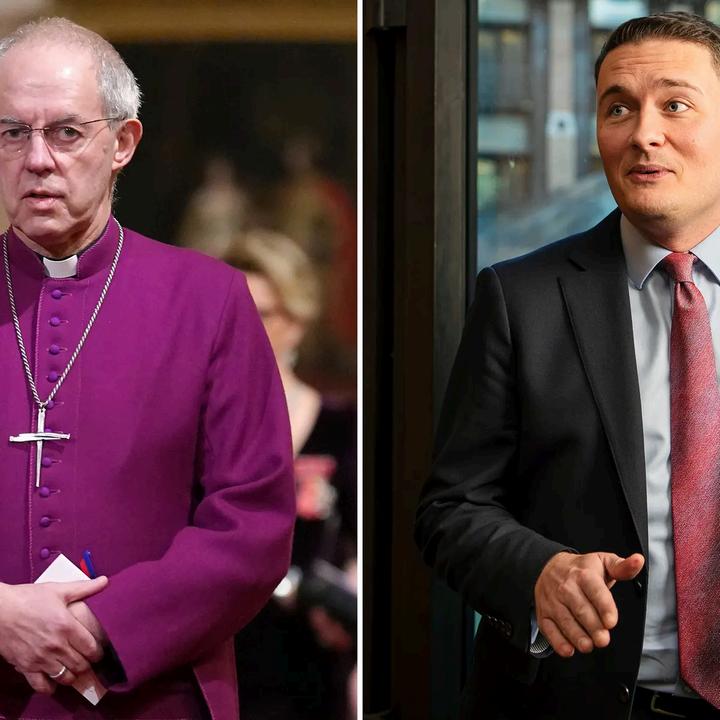
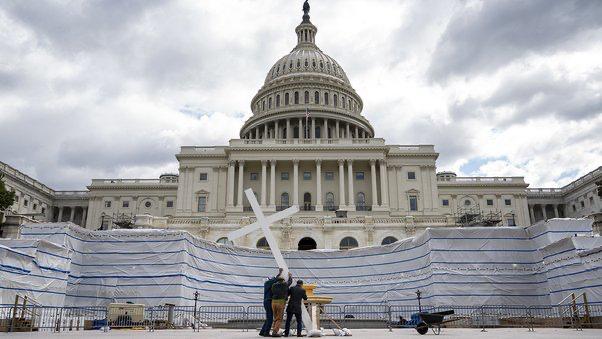
Justin Welby, the Archbishop of Canterbury, recently criticised the Government’s two-child benefit cap which Keir Starmer has announced he will keep if elected Prime Minister later this year. In an article for the Observer, Welby said that “the two-child limit falls short of our values as a society It denies the truth that all children are of equal and immeasurable worth, and will have an impact on their long-term health, wellbeing, and educational outcomes.” Welby is not one to stray away from politics and has previously labelled the Government’s Rwanda policy as “morally unacceptable.” Political spectators across social media have poured in with criticism over the archbishops’ choice to criticise Starmer’s policy decisions. An article in the express in March begged Welby to “stick to sermons, not politics ” Conversely, many people have praised the archbishop, such as the shadow health minister Wes Streeting, for his critique of this policy which raises the age-old question – does the Archbishop of Canterbury, and more widely the Church, have a place within politics?
Historically, the Archbishop of Canterbury and the state have constantly faced issues of contention with one another Thomas Beckett was assassinated in 1170 by followers of Henry II for his opinions on the rights and privileges of the Church. William Laud was accused of high treason and beheaded in January 1645.
Alastair Campbell famously advised Tony Blair that he “shouldn’t do God” due to the issues which arise when state and religion are mixed. However, they are something which are intrinsically tied to one another Backbench Tory MP, Jonathon Gullis remarked that “I don’t think elected bishops in the House of Lords should be preaching about politics” in regards to the 25 senior bishops who signed a letter which opposed the Conservative party’s Rwanda bill. Gullis added that “there are too many people using the pulpit to preach from.” In his response to Gullis, Welby noted the historical connotations between this criticism and the position he holds by stating that “it goes so far in history, basically goes back to Thomas Beckett. Don’t be political means be political, but not in a way I don’t like.”
“I decided for theology because I felt a need to find a better basis for my social action,” declared Swiss theologian Karl Barth in an interview in 1956. Barth, or “the Red Pastor of Safenwill” as he was known by parishioners, was one of the most substantial theologians of the 20th century and a key member of the confessing church in 30s Germany which directly opposed the Nazi regime. The work of Barth and other Christian ministers within the Third Reich show the cruciality of the church utilizing politics.
The founding of the Confessing Church by Dietrich Bonhoeffer and Martin Niemoeller was done in direct opposition to the growing German Christians. The German Christians were a Nazisupporting faction of the German Evangelist church which called for the omission of the Old Testament from the Bible, regarding it as a Jewish book which directly opposed the propaganda campaign set up by Goebbels. They issued a new ‘Aryan Jesus’ whose lineage could be traced back to Germany and began writing a New New Testament which included the revisionist attempt at the Ten Commandments – the Twelve Commandments. “Thou shalt not kill” was scrapped and replaced with “honour your Fuhrer” and “keep the blood pure”. Race theorists erased any words which echoed Jewish linguistic traditions – such as hallelujah.
The growing prominence of the German Christians led to the Kirchenkampf – which denotes the situation of the Church and its antithesis, the Nazi party. The Confessing Church was established in response to this crisis. They set a distinct line between Christianity and Nationalism which the Nazis so proudly advocated in favour. They issued the Barmen Declaration which dissented from the Nazis’ reforms on the church – stating that “we reject the false doctrine that the Church could have permission to hand over the form of its message and its order to whatever it might wish or the vicissitudes of the prevailing ideological and political convictions of the day.” The Confessing Church utilised Barth’s influence and works to produce this attack on Nazi attitudes. It also utilised the political nature of Jesus Christ.
The Bible is one of the most significant works of political philosophy in history and Jesus is one of the greatest political figures of all time. Jesus himself was both a refugee and an immigrant. Theologian Reza Aslan argued that Jesus through his notion of the Kingdom of God was a passionate Zealot. Jesus called for an immediate regime change which would dispute the hegemony which the Romans had over the people of Judea which acted as a catalyst for oppression. In his inaugural speech in Nazareth, Jesus details that God has sent him to “set at liberty those who are oppressed” which showcases how Jesus himself used the pulpit of the church to preach issues of political contention. Jesus referred to King Herod as “that fox” and preached that “blessed are the poor” whilst encouraging a fairer distribution of wealth.
Therefore, it is clear that there is an intrinsic sense of politics within Jesus’ teachings. Ultimately, it is the role of the clergy to emulate Jesus in the most visceral way that they can. This should entail the political sense of emulation as well. Jesus’ ministry was defined by his political dogma and eschatological reforms. Subsequently, there is inherent sense of politics intertwined with the role of the clergy and the church and politics are two issues which can’t, and shouldn’t, be separated from one another. To exclude the political aspects of Jesus is to exclude the main edifice of his thought.
WAS JFK THE BEST PRESIDENT IN HISTORY ? -
WILL SETCHELL (L6)
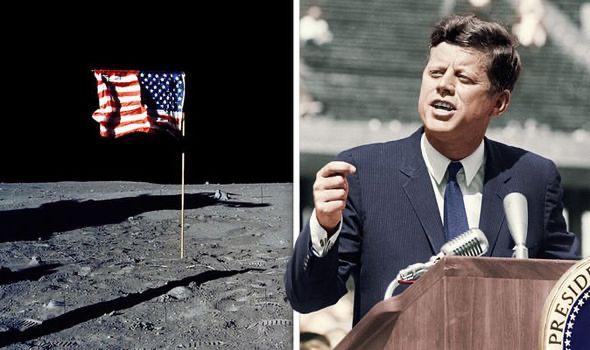
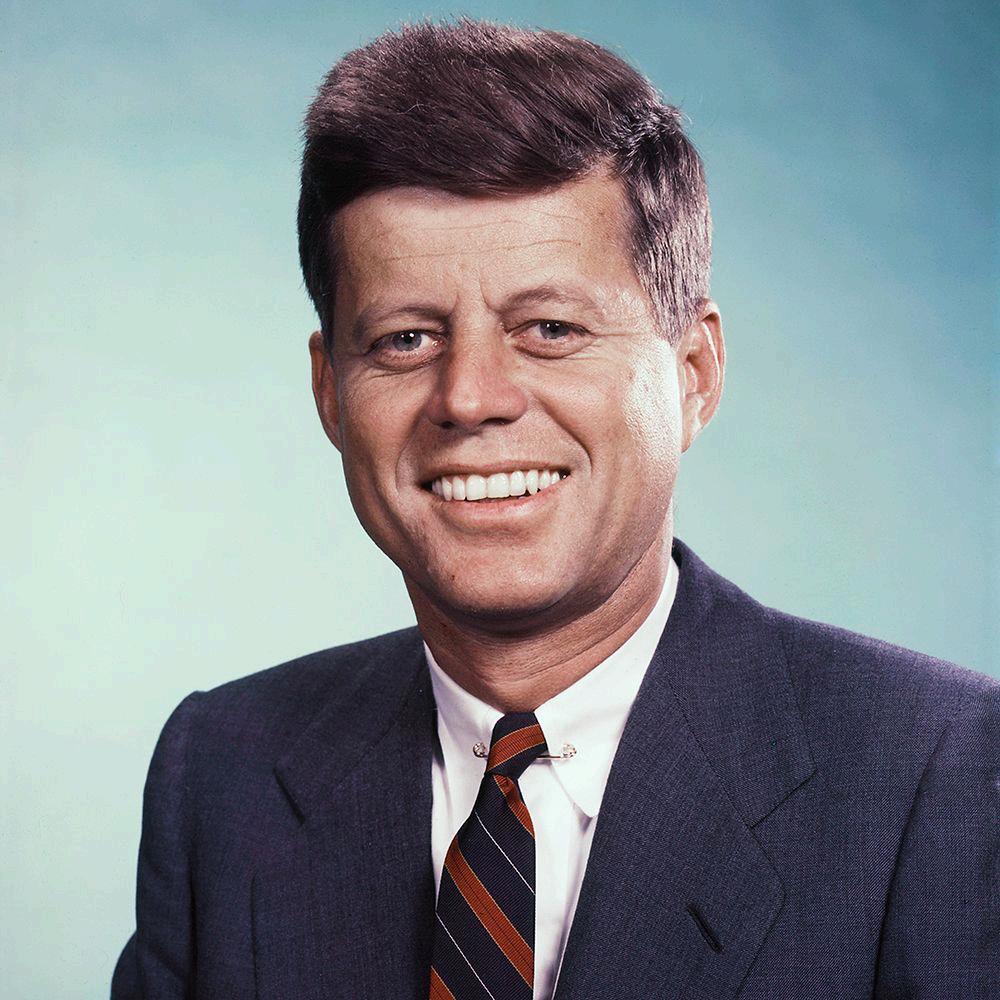
It is a well-known fact that President Kennedy was unfortunately assassinated on the 22nd of November 1963, having only spent three years in the Whitehouse he was able to set an agenda for the USA for the next decade to follow. He was a president that set the tone about social welfare, foreign policy and most well renowned, putting man on the moon.
Although he did accomplish a lot in his presidency, there were examples where his poor judgement led to failures of dramatic proportion. In his first year in office, he oversaw the disaster, as he himself acknowledged, which was the Bay of Pigs invasion. His first of many attempts to overthrow the communist regime that had taken hold of Cuba with Castro in charge. He was also seen to be weak at the 1961 summit meeting in Vienna, compared to the Soviet leader at the time Nikita Khrushchev, leading to a humiliating experience.
Although these trials occurred, President Kennedy maintained a strong mindset, not letting these minor events disrupt his thinking or what he wanted to achieve. This mindset was promptly tested during the Cuban missile crisis in 1962, through the actions of Kennedy and the use of communication with Moscow and Khruschev was able to avert disaster and even begin to build relations with Russia. The idea of softening relations was clear in a speech he made in 1963 where he spoke kindly of the Soviet Union, easing cold war pressures.
During his presidency he may not have been the most successful with Congress, but the Bills that he proposed such as a voting rights bill and more federal programs to provide health care to the elderly and the poor. It was unfortunate that Kennedy was never able to see any of these become law in his lifetime, but due to the image of the martyred president, some may argue; it allowed most of these bills to become law following his death.
Another contributing factor as to why Kennedy was such a popular president was due to his age. He was one of the youngest presidents of the time and was seen as relatable by many Americans due to this, and so this only increased his popularity. What he is most well-known for is putting the plans in motion to land a man on the moon. On the 12th of September 1962 Kennedy spoke the words that set the example for the next decade of American space exploration, ‘we choose to go to the moon, not because it is easy, but because it is hard’. He was unable to see this speech become a reality; in total there were six crewed missions to the moon between 1969 and 1972. This represented to the world how the might of the American industry could send a man to the moon within six years of it being declared by the president. This was one of the greatest achievements of his presidency.
In conclusion, JFK may not have been the best president in the years that he was in office, it could be argued that what he achieved in office was not special by any means, but what set him apart from other presidents was the way that he set the precedent for foreign policy, social issues and the moon landings. Therefore, making him one of, if not the greatest president that the USA has ever seen.
WHY REAGAN WAS THE GREATEST PRESIDENT EVER
- CHARLIE BABB (L6)
The foundation of Reagan’s domestic policy was his economic strategy, labelled "Reaganomics." This approach focused on tax cuts, deregulation, and reducing government spending on social programs. Supporters argue that these policies prompted a significant economic boom, illustrated by robust growth and job creation. Between the years 1981 and 1989, the U.S. saw an imposing reversal from the stagflation of the 1970s to an era of success.
On the other hand, critics point out the developing national debt and mounted income inequality as significant disadvantages. Regardless of these concerns, the economic revitalization during Reagan’s period stays as a key highlight for his supporters.
Reagan’s foreign policy is perhaps his most praised achievement. His administration saw the end of the Cold War, an achievement many attach to his strategic blend of military strength and diplomatic engagement. The Strategic Defence Initiative, despite its controversial nature, symbolized a tough stance against the Soviet Union, compelling them to join in arms reduction talks. Peaks with Soviet leader Mikhail Gorbachev climaxed in leading edge agreements, such as the IntermediateRange Nuclear Forces Treaty, surfacing the way for a new era of global peace. Reagan’s ability to navigate the complex geopolitical landscape and his role in dismantling the Soviet threat emphasize claims of his remarkable presidency.
Reagan’s unequalled ability to unite with the American public earned him the nickname "The Great Communicator." His speeches, filled with enthusiasm and transparency, echoed deeply with citizens, adopting a sense of national pride and unity. This skill was not just about expressiveness but also about making complex policies accessible and appealing. His communication proficiency expanded beyond speeches. Reagan’s image projected confidence and warmth, qualities that enhanced his likability and public approval. This charisma was contributory in rallying support for his policies and steering the political instability of the 1980s.
No presidency is without its controversies, and Reagan’s was no exception. The Iran-Contra affair, a covert operation that involved arms sales to Iran to fund Contra rebels in Nicaragua, denoted a significant scandal. This episode raised serious questions about the administration's transparency and faithfulness to legal and ethical standards.
Domestically, Reagan’s approach to civil rights and social issues drew criticism. His administration's apparent neglect of the AIDS crisis and reduction of social welfare programs sparked debates about the compassionate nature of his policies. The growth of the War on Drugs led to increased imprisonment rates, disproportionately affecting minority communities and participating to long-term social challenges.
Reagan’s impact on American politics reaches far further than his time in office. He is credited with revitalizing the conservative movement, encouraging for a smaller government, free-market economics, and a strong national defence. These principles still influence the Republican Party and American political discourse. His legacy is clear in the several public policies, economic values, and international strategies that exhibit his stamp. From tax reforms to Cold War diplomacy, Reagan’s presidency has left a stubborn mark on the country’s path.
Evaluating Reagan as the greatest president of all time is naturally slanted, depending on individual values and political beliefs. His presidency definitely had impacts that brought change, achieving significant economic and geopolitical successes. However, the debates and social policy reviews cannot be overlooked.
In the end, Reagan’s blend of economic revival, Cold War successes, and matchless communication skills create a convincing case for his high ranking among America’s presidents. Whether or not he is the greatest, Ronald Reagan’s presidency remains a crucial , continuing to remind appreciation and discussion.