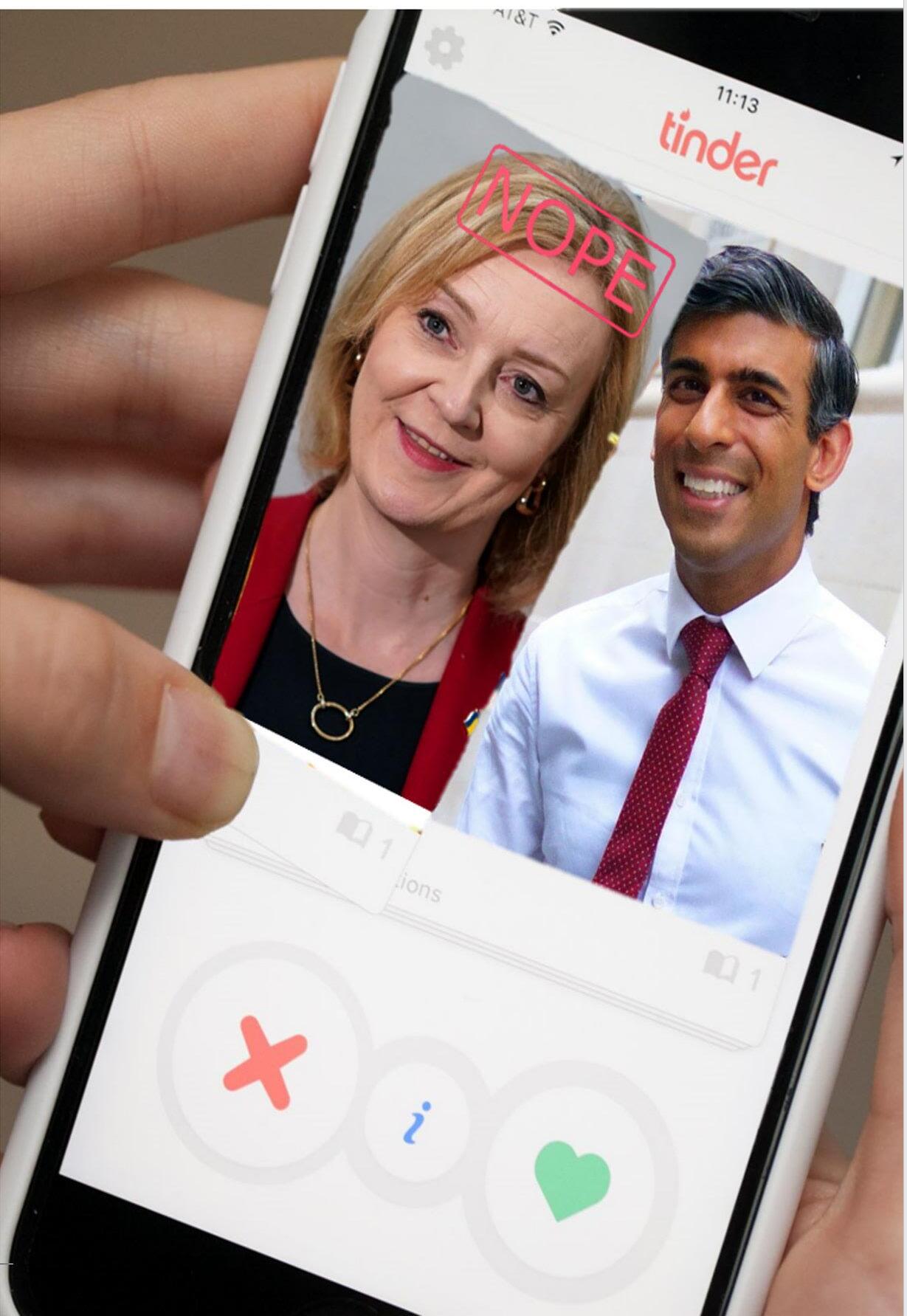
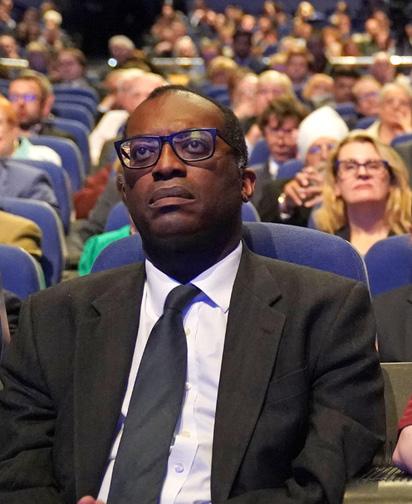
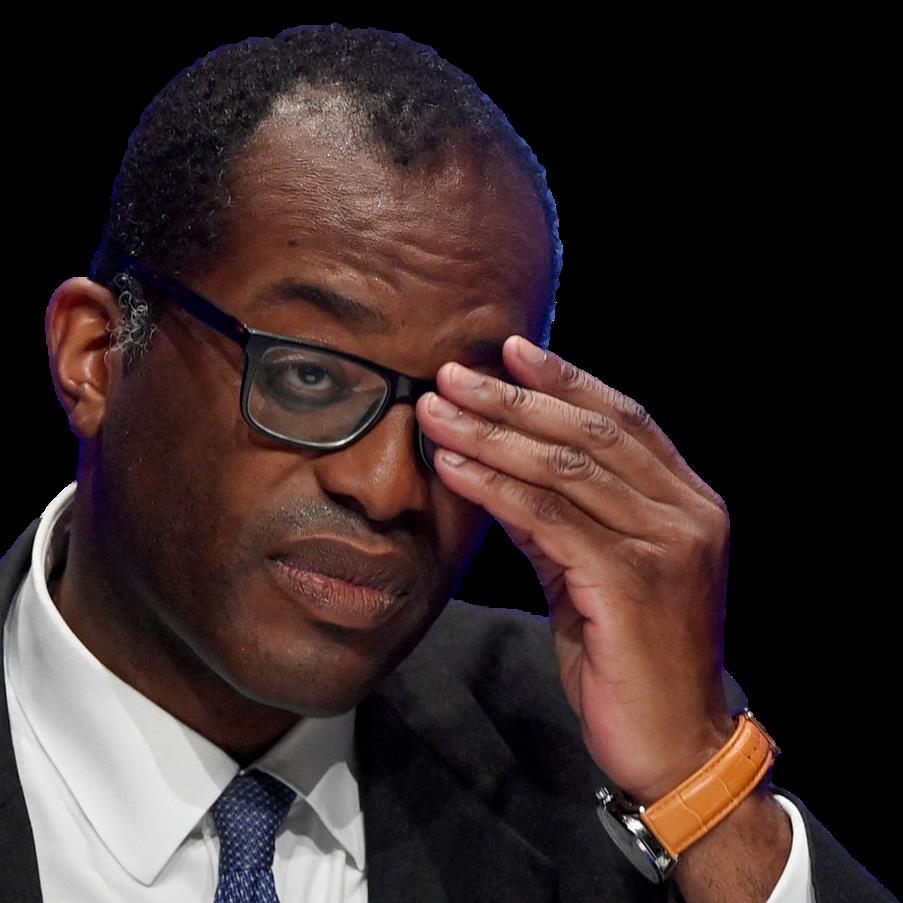
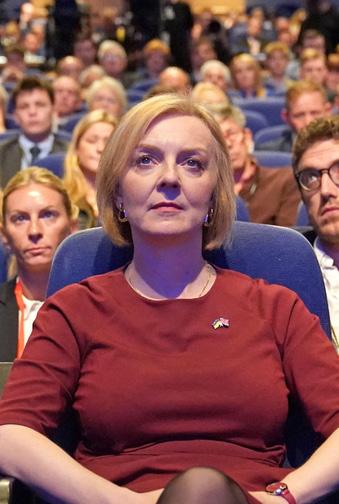
READY FOR RISHI, OR ANOTHER PRIME MINISTER IN PERIL?
A look at our changing world and the threat of history repeating itself ...
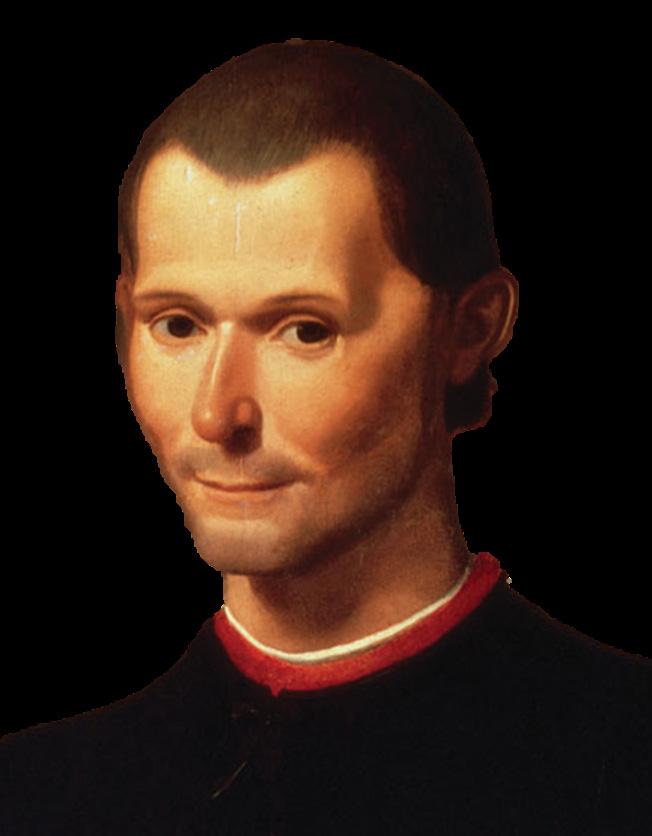
The Art of War - an analysis of Machiavelli’s classic treatise, and how it’s relevant today
By Ethan Chan
Page 13
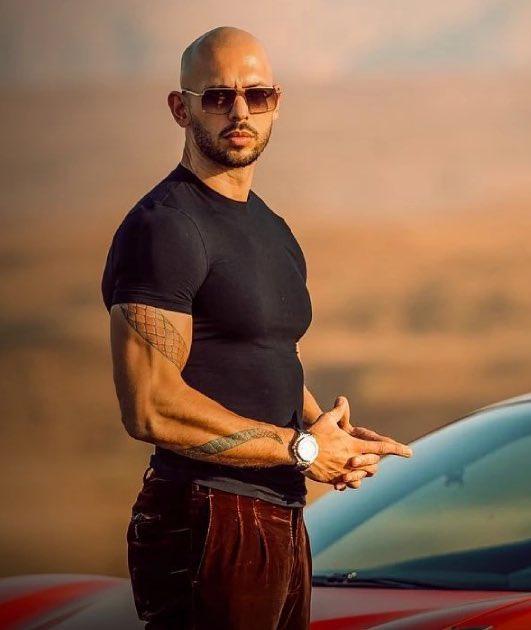
The rise and fall of Andrew Tate - why the internets most controversial figure will disappear as quickly as he appeared
By George Potter
Page 16
Thousands testing
CONTENTS...
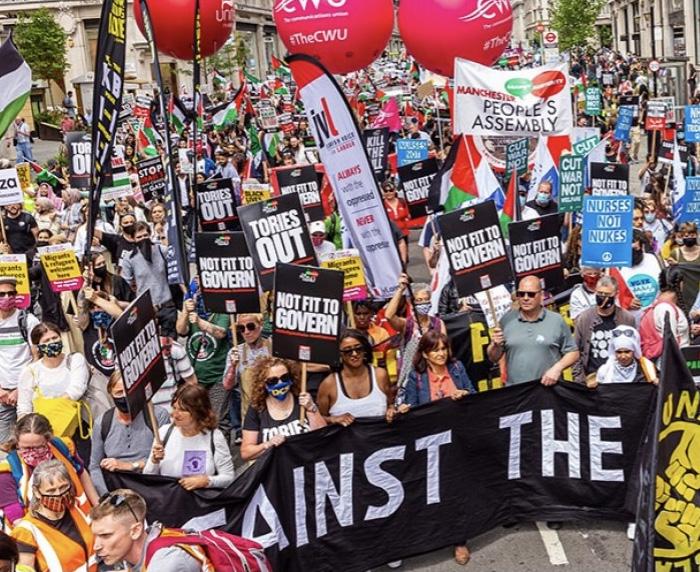
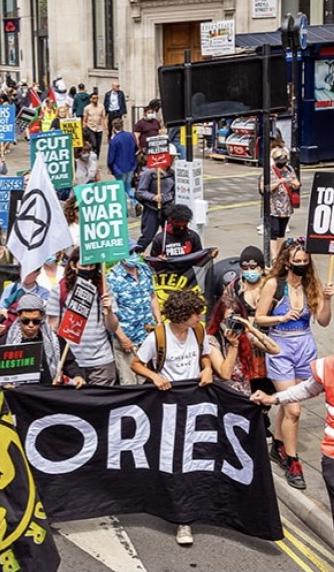
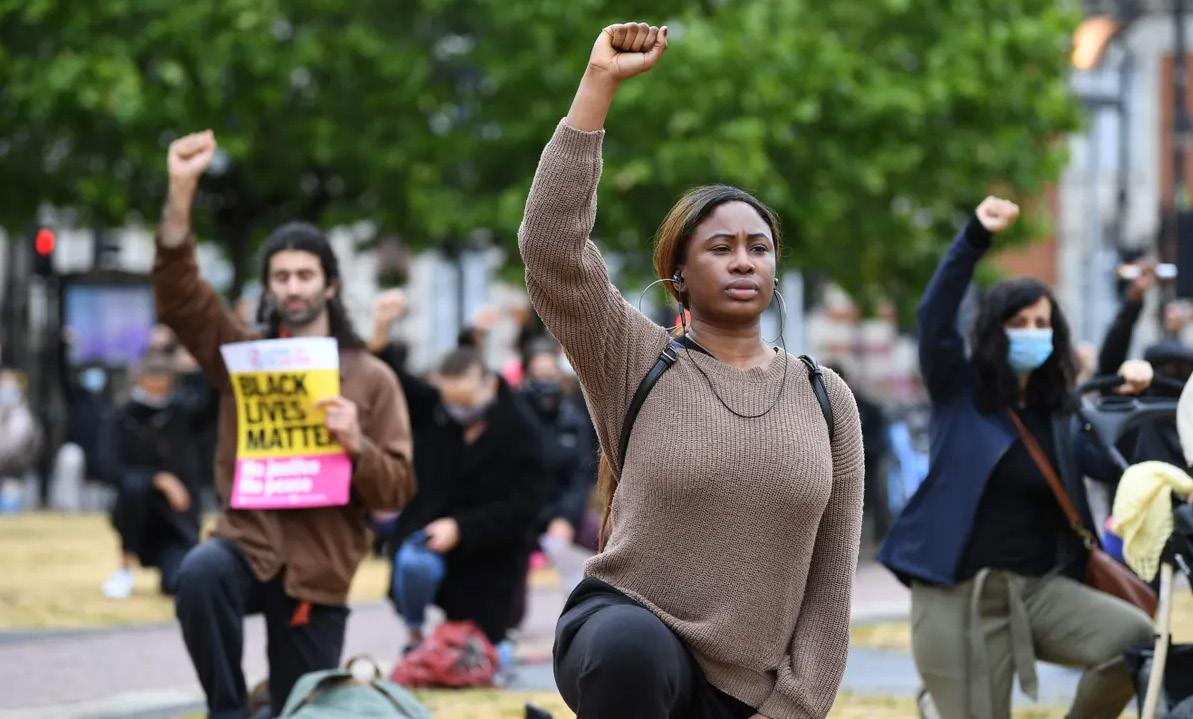
Thousands march through London protesting the cost of living crisis, 2022
Beast of Burden
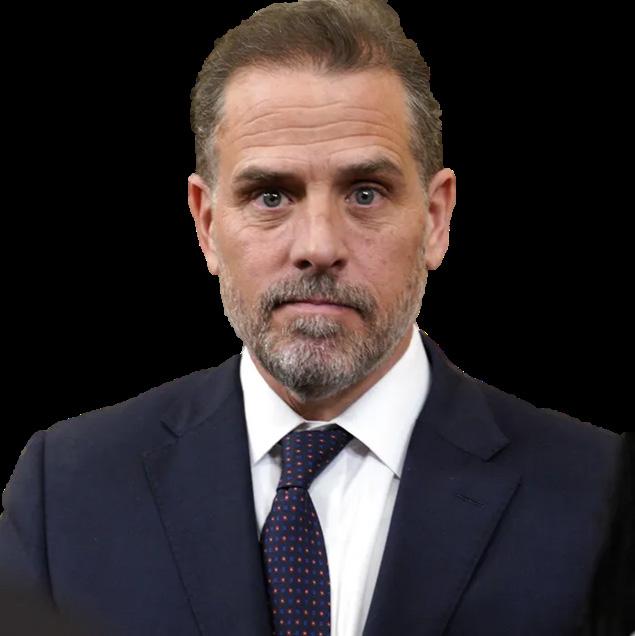
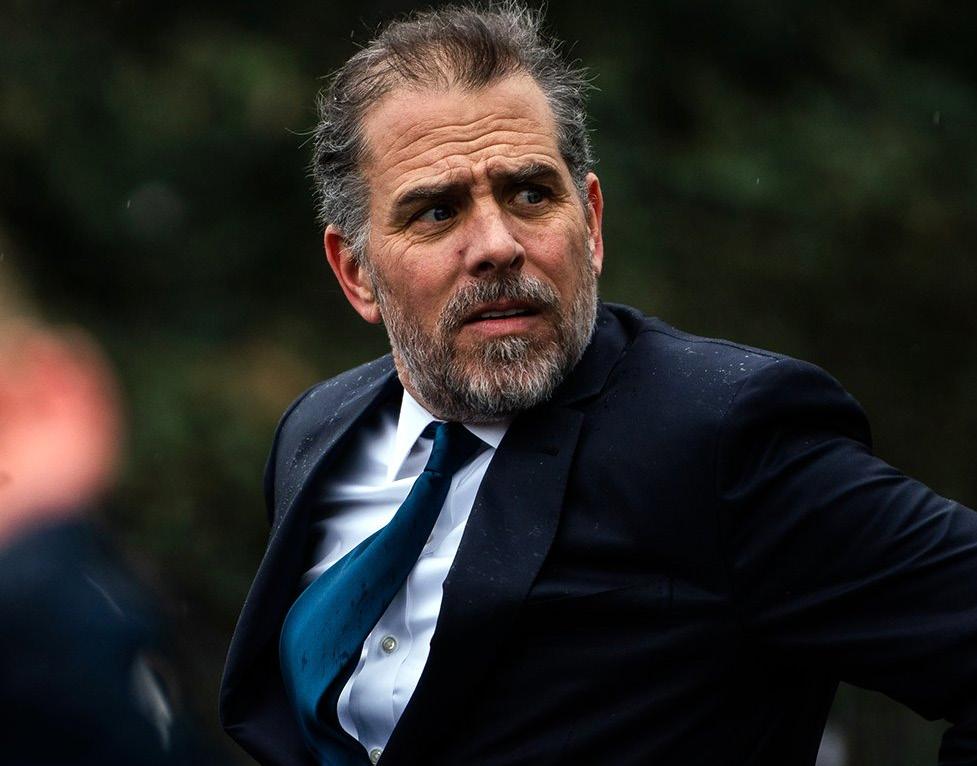
- the truth about the President’s infamous son, Hunter Biden
By Monte Gatta-Smith Page 17
Editor’s note
byPiersBrien Page 5
The Grave has Reopend
- a look at the foreboding return of fascism to the continent
By Lucca Williams Page 6
Critique of the new economic plan - a critical breakdown of ‘Trussonomics’
By Max Iannotti Page 10
Universities today and their myth of free speech
- the diminishing vanguard of free speech, and why our right to expression is under threat.
By Will Bennett Page 20
CONTENTS...
There is no Racism in Science - the psuedoscience of racism, and the mark it has left on society
By JJ Fitzpatrick
Page 26
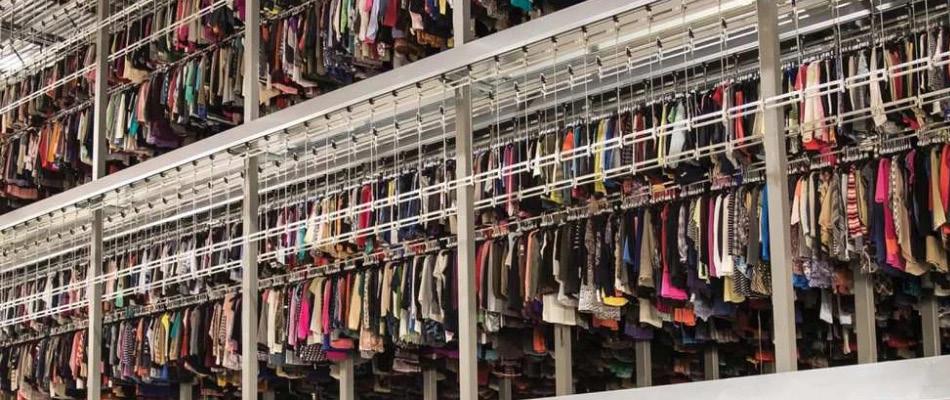
Fast Fashion
- is the government doing enough?
By Katie Milton
Page 29
Dealing
with Autism in Society - why our society is failing neurodivergents
By Tilly Hunt
Page 32
The
Music that Made Us
- a look at how music has been used to express dissent
By Benjamin Clogston
Page 34
Alex Kielstra fixes Politics - a revolutionary take on current affairs
By Alex Kielstra
Page 40
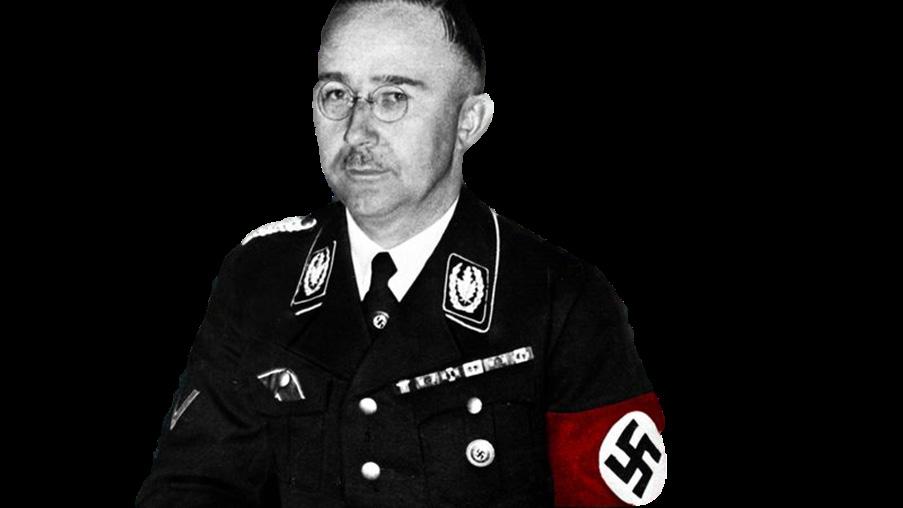
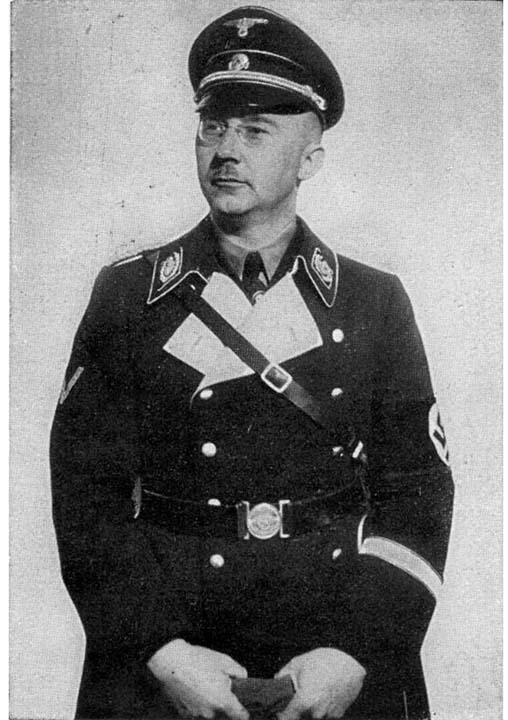
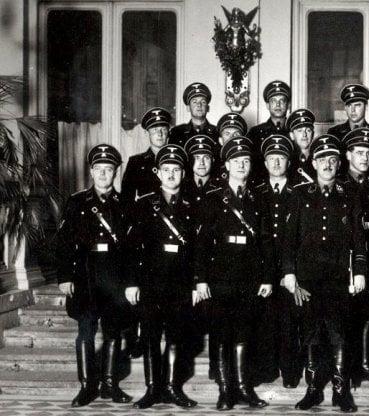
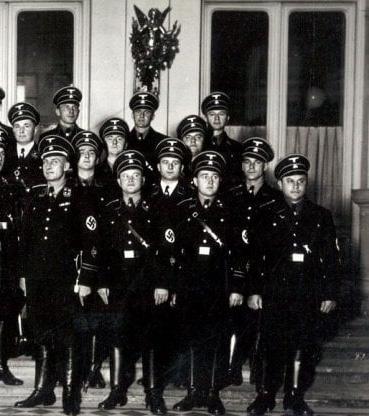
Killer Style
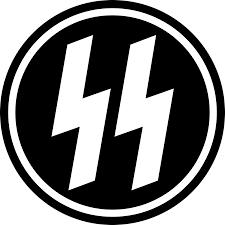
- how the Nazi’s greatest weapon, was a razor sharp uniform
By Piers Brien
Page 43
ALookAtthePastYear.
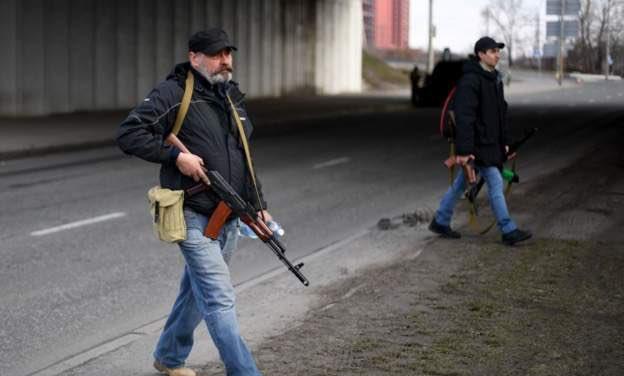
Febuary 24, President Putin announces a special military operation and invades Ukraine
March 9, researchers in Antartica discover Shackleton’s legnedary vessel, Endurance
April 7, Global food prices rise to their highest recorded levels amidst the war in Ukraine
May 9, the Prime Minister of Sri Lanka resigns as a result of the mass protests across the country against his government
March 7, the global death toll of COVID-19 surpasses 6 million
May 6, the first case of Monkeypox is reported in London
June 19, Columbia elects former guerilla fighter, Gustavo Petro, as the country’s first ever left wing president.
July 8, Former Japanese Prime Minister, Shinzo Abe, is assasinated while giving a public speech
August 4, China conducts its largest ever military exercise around Taiwan in History, following a controversial visit from Nancy Pelosi September 25, Italy elects its most rightwing government since Mussolini
October 25, Liz Truss resigns after 44 days, becoming the shortest serving Prime Minister in British history
FromtheEditor...
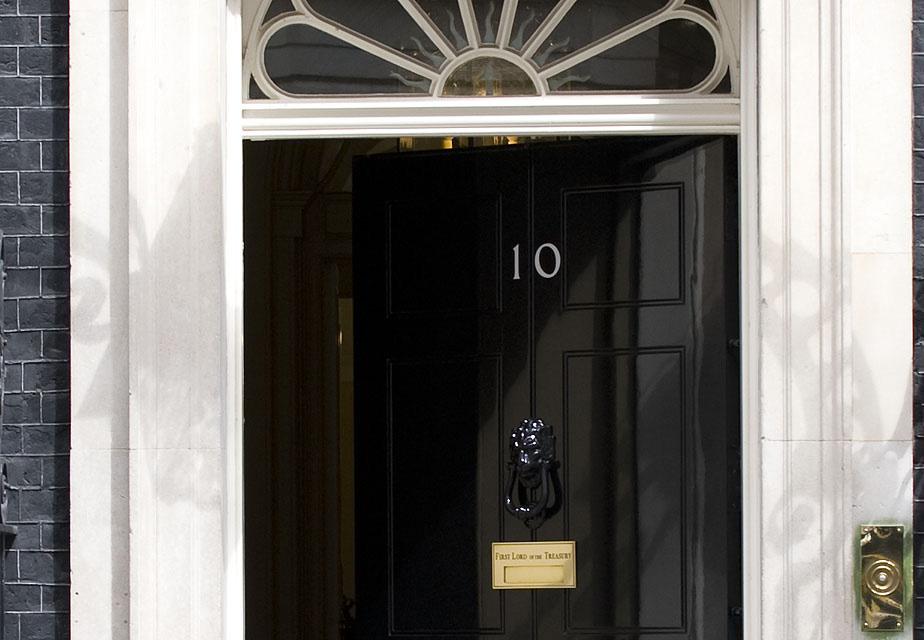
War in the east, dissent in the west. Our workers are on strike and the trains stand still. As more and more people take to the streets, the picket line grows into an organic moving mass, consuming entire cities. The desperate mob searches for anyone to hold accountable, only to find a vacant government. 10 downing street has but a whiff of a memory of stable leadership, dampened by each passing visitors who stops by to tick something off the bucket list and collect their novelty T-shirt, only to head off again and write their memoirs. As the Winter sets in, the ever-present sense of foreboding swells and people question how they’ll be able to afford to feed their families. It is indeed a peculiar time. To many it seems alien, confusing, unprecedented. However, some remarkable parallels to the past are apparent. A rise of fascism on the continent, aggressive dictatorships waging senseless wars against their neighbours, a 21st century winter of discontent. And so when the pendulum swings, and the tension releases, we may know what to expect. It is times like these when the media and magazines etc. are especially important. When people ask ‘why?’ but can’t see beyond a sea of paranoia and fear, it is thanks to the media and news through which we can educate each other and that can facilitate a conversation. Even The Eagle, our little student run political magazine, can make a difference to someone’s point of view.
Our writers try to analyse the past, present, and future of our world and expose readers to other points of view. Often, people can close themselves off from ideas foreign to us, succumbing to the warm comfort of familiarity. We believe this tendency is dangerous to our society, which is why we try to include writers with a range of opinions and political allegiances, covering a variety of topics. Although we may be living in a time of great change, it is just as much a time of hope. We see a young generation, eager to make a difference, and get involved in the future of our world. The leaders and activists of tomorrow, are today, those who are willing to speak their mind and write their piece. And so, having been passed down the torch and taking on the job of editors of this magazine, we have a mission to muster such people together and produce a magazine which will inspire, educate, and show off! That’s what the Eagle is all about.
Piers Brien, Editor
The Grave Has Reopened
The frightening return of the far right in mainstream politics, as fascism takes back the continent
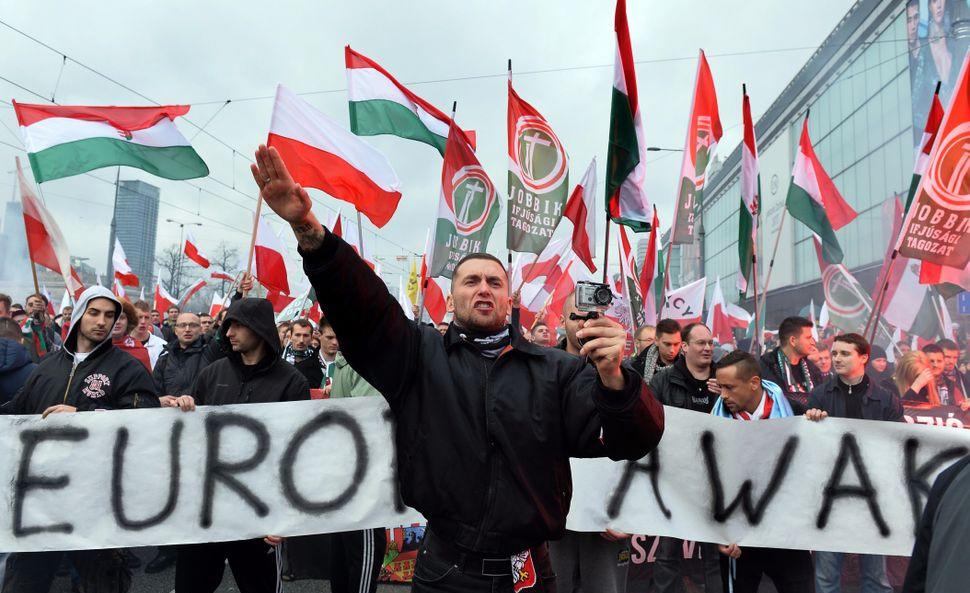
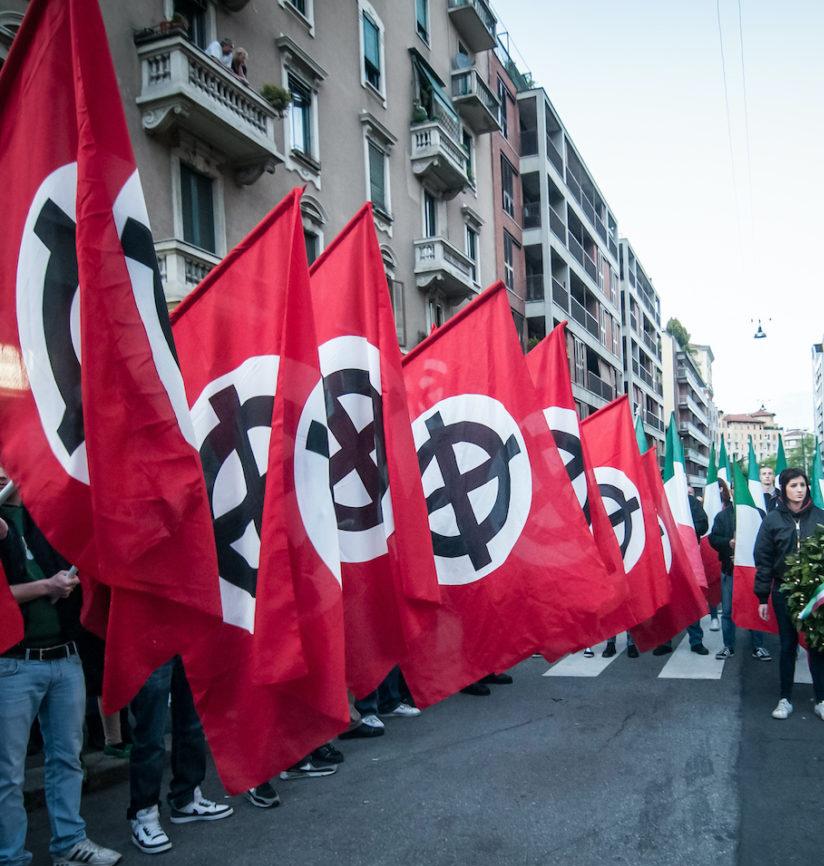
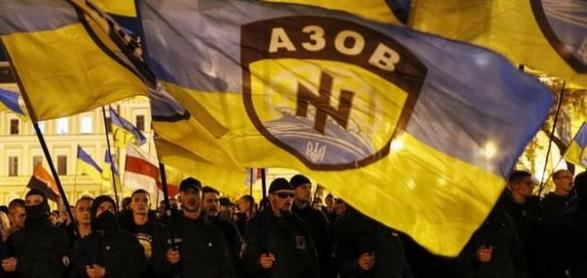
Whilst explosions, tank battles and street fighting have engulfed Ukraine and therefore much of our attention; similarly, in captivating spirit we have watched our own British economy spiral and crash at our feet. These are just two examples of some key events gripping the political scene along with the media. However, a vile and infectious terror has clawed it’s way from the cracks and begun to spread across the continent. The heinous beast of fascism has scurried from under our noses, and whilst we don’t pay too much attention, it has morphed and grown into a more terrifying disease. This topic deserves a paper on why this very real threat should be scaring us more, yet this article will help to outline and draw attention to the disease spreading across Europe.
This year alone has seen three key elections in Europe that clearly display how far right nationalism and fascism has risen across Europe. We can see far right nationalist parties gaining significant power in governments as far north as Sweden all the way down south to Italy.
However, we start in France, seeing Marine Le Pen’s huge success in their 2022 Presidential elec-
tion. Le Pen fell just short of Macron in the first round of voting with 23.2 percent compared to Macron’s 27.9 percent. The second round saw Le Pen improve on her 2017 result as she gained over 41 percent of the total electorate, which amounted to a huge 13.3 million votes. Whilst 13.3 million people were not able to put her in power, it is a scary reminder of how much support far right parties and candidates are getting in hugely significant European elections. To summarise Le Pen’s disturbing beliefs, she is adamant that multiculturalism in general has failed as well as calling for the “De-Islamification” of French society. Le Pen also calls for the moratorium of legal immigration. Yes. Her and her party are so hateful of people from other races and religions that she wants those wishing for a better and safer life through legal means, to be squashed; made illegal.
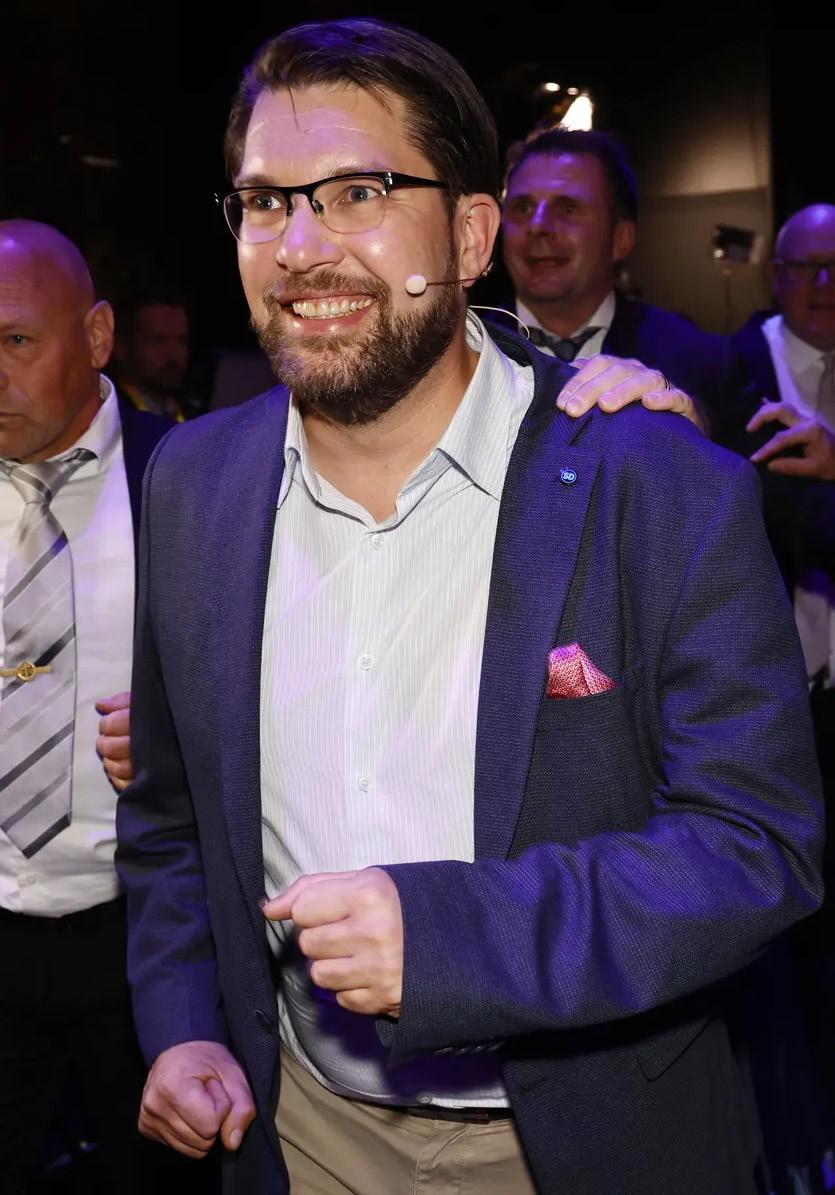
The pattern continues in a more looming sense in what seemed to be a liberal Sweden. The Sweden Democrats have their history dipped and boiled with neo Nazi roots. These roots have created a political force with fierce anti-immigration and fierce law and order views. Yet their power is even more apparent. The 2022 Swedish General election left a centre-right coalition in power which is on its way to replace the Social Democrats. Stockholm, however, will see this new coalition relying on the support from the Sweden Democrats in order to solidify its position, and as a result this just helps the fascist disease tighten its grip over Northern Europe. The birth country of Greta Thunberg saw 22 percent of first-time voters between the age of 18 and 21 vote for the Sweden Democrats, who share the far-right philosophy that climate change is all just a hoax.
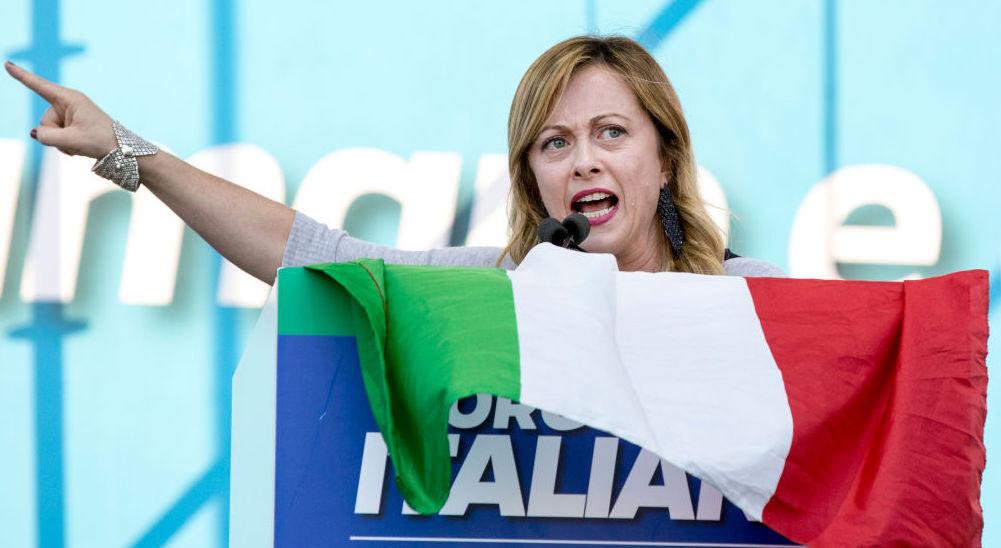
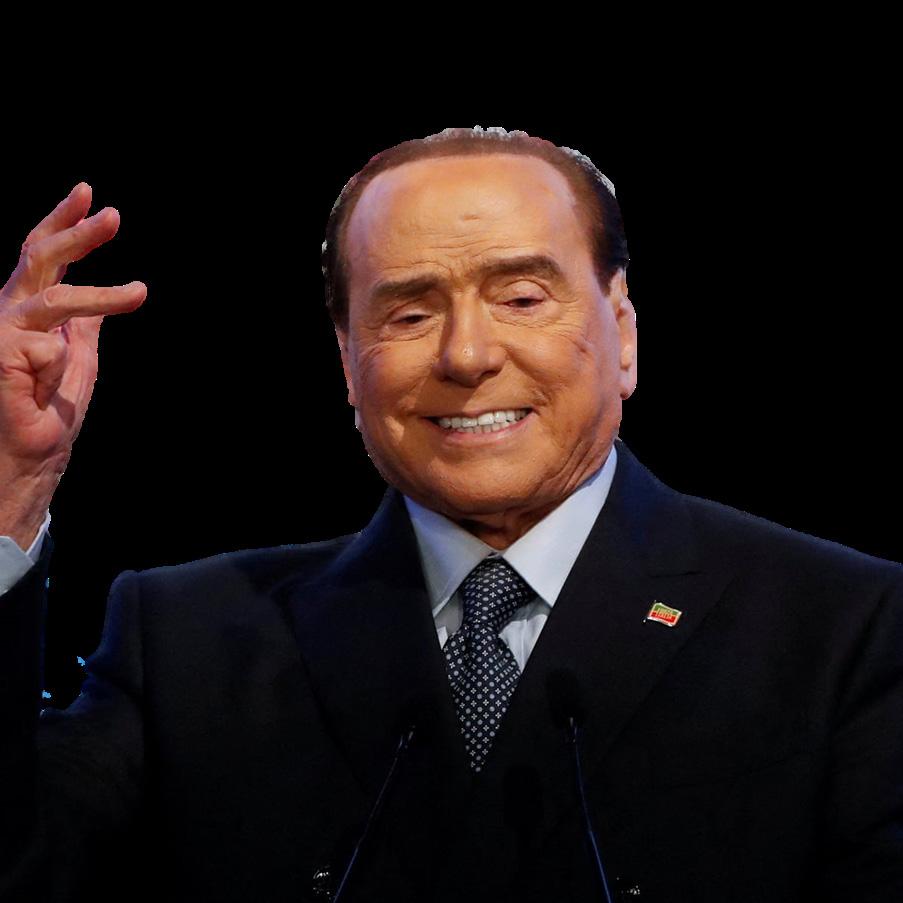
Whilst the north has allowed neo-fascist brown shirts to pollute their political system, those living nearer the Mediterranean are beginning to see old faces reemerge from the pits of hate. Italy has just seen a snap election held on 25th of September 2022. The run up to this election saw Giorgia Meloni (above) stand at the top of the polls as leader of the Brothers of Italy, an insurgent populist movement whose lineage can be tracked back to the fascist dictator of Italy, Mussolini. The race was
also backed by two more prominent right-wing figures being the ex-Prime minister Silvo Berlusconi (right) and Matteo Salvini of the Lega Nord party (League). League is also steeped in far-right dogma, they advocate for greater Northern Italy autonomy, emphasises harsh limits on immigration and to top it off believes that Muslims and Islam are plaguing Northern Italy and pose a severe threat to the values and cultural integrity of the Italian North. The 2022 election saw Meloni and her party win 119 seats putting her at the head of Italian politics. Matteo Salvini and his party League won 66 seats, only three seats off being the second largest party in Italy.
Before I summarise the views of the new Italian Prime minister and her Party I think a quote she gave at the age of 19 to an interview with a French newscast, Soir 3, is quite appropriate. She was quoted saying Benito Mussolini was “a good politician, in that everything he did, he did for Italy”. This is terrifying. One of the largest nations in Europe is currently being governed by a prime
minister who believes Mussolini was a good man and a prime minister who filled her cabinet with ministers who believe the exact same thing. Europe is seeing with its own eyes leaders endorse regimes who slaughtered millions, regimes that supported one of the biggest atrocities in human history and regimes that stood for nothing but hate and brutality to those it hated. Whilst Meloni like other far right parties and leaders across Europe is staunchly anti-immigration this election result also strikes fear into the hearts of LGBTQ+ citizens in Italy. Meloni opposes ‘gender ideology’ and calls for the return of the ‘traditional family’. Defining herself as ‘Pro family’ poses a significant threat to both Women’s rights and LGBTQ+ rights. Yet Meloni’s further obsession with ‘National identity’ has even more sinister undertones, as the far-right fiction of a superior race of Italians is going to have a devastating impact on the already huge problem of racism in the country. The disease of fascism isn’t only
corrupting these three nations I have mentioned. These views are growing in Poland, the Netherlands, Austria, Spain, Serbia and the devastating effects are painfully clear in Hungary. The Hungarian government has obstructed the crucial aid the EU are trying to get to war torn Ukraine. Pro-Moscow prime minister, Viktor Orbán, and his Fidesz party continue to dissolve and suffocate judicial, academic and media freedom; this has led to the European parliament declaring Hungry is no longer a democracy.
Whilst there is great turmoil circling all over Europe with countries suffering from sky rocketing inflation, oil prices soaring and cost of living crisis becoming ever more difficult, this is an extremely dangerous time to allow for the disease of fascism to infect the nations of Europe and its people. Fascism is simply a virus we must begin to pay more attention to. If we continue to allow far right and fascist parties to gain power they haven’t seen since the Second World War, we are putting millions of people’s lives in the hands of hate.
Has the European Project failed? Are its values of freedom, human dignity, democracy and equality already eroding in front of our eyes?
Lucca Williams
A Critique of the New Economic Plan
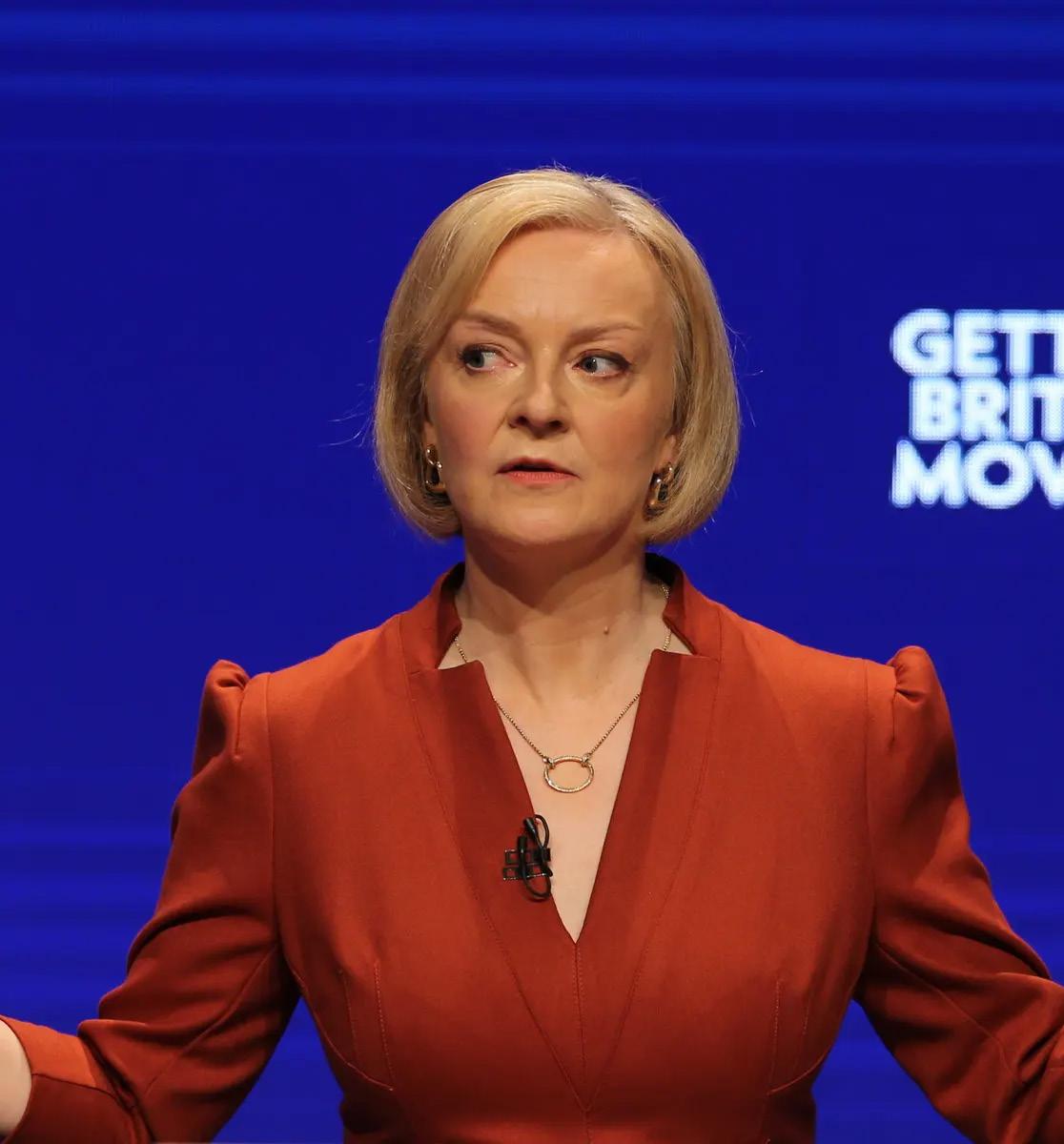
A critical breakdown of Liz and Kwasi’s mini-budget disaster
It would be an understatement to say that the past few months have been extremely eventful for the UK’s economic and political spectators. Harrowing may be a better description, and that will certainly have been the case for the many people worrying what market turmoil might mean for their own personal finances.
Kwasi Kwarteng’s original statement on the mini budget was not well received, and the negative reaction has only worsened during the last few weeks with the government now making a u turn on their fiscal policies. Consequently, the pound has fallen, gilt yields have skyrocketed, and the bank of England was forced to make a highly unusual emergency intervention to protect pension funds.
UK chancellor, Kwasi Kwarteng, has just launched the biggest package of tax cuts in half a century of British politics. This involved around £45 billion of reductions for people and businesses by 2027- 50% more than anticipated before the mini budget announcement. Amid the worst cost of living crisis in a generation, the conservative government wants to boost growth and usher in a new era for Britain. It is targeting a 2.5% annual growth rate by a three-pronged
approach of reforming the supply side of the economy, taking ‘responsible approach to public finances’ and cutting taxes.
The UK economy is stagnant with prices continuing to rise, while consumer and business confidence plummets. The headline tax and stamp duty cuts alongside recent energy price caps are primarily aimed at easing household and business finances. Corporation tax rise was cancelled, keeping it at 19% as the government set their sights on a 2.5% trend rate of growth. The government claims that the mini budget will be successful with the basic rate of income tax being cut to 19% in April 2023, one year earlier than it was arguably planned, with 31 million people getting on average £170 more per year. Stamp duty cuts will also help people on all levels of the property market and lift 200,000
homebuyers every year out of paying the tax altogether. All of this is being funded by huge level of public borrowing in the hope of boosting consumer spending, stimulating enterprise and staving off possible recession.
In my opinion the government is gambling on economic growth to pay off its enormous debts. And it really is quite the gamble. The stamp duty cut for example, will surely only fuel an already inflated housing market, and the ‘enterprise zones’ do not guarantee new investment into the economy. Quite gloomily, this mini budget is dangerously similar to another conservative gamble 50 years ago. In 1972 the chancellor Anthony Barber announced massive tax cuts and higher public borrowing in the hope of economic growth at a time of inflation and rising unemployment. The now called ‘Barber boom’ is a textbook case on how to not engage in fiscal policy. It led to a temporary uplift in growth, and then a debilitating hangover of even higher inflation, a sterling crisis and Britain eventually having to go tail between the legs to the international monetary fund.
Immediately after the mini budget announcements, the markets were on edge. A hard Brexit stance has exacerbated the UK’s record trade deficit, with the value of the sterling dropping to its lowest level against the US dollar since 1985. This will subsequently raise import inflation and force the bank of England to respond aggressively by raising the interest rates, effecting borrowers and business investment. There remains a strong case for fiscal policy targeted at promoting new investment, infrastructure, skills and public services. However, this trickle-down mini budget, in my opinion, is unlikely to deliver that elusive long-term growth the UK government is hoping for.
Furthermore, the government is giving huge tax cuts to the wealthier in society but offering little for lower income households. The government argues that these tax cuts will stimulate the economy, increasing jobs and incomes for all, but my gut tells me that this approach will not work. Tax cuts for the rich serves to increase inequality, which is already a pressing issue in the UK to this day. The government also announced that it will make work pay for lower income households by cutting benefits for those unemployed or working part time. This could be especially hard on people who are incapable of working as they are caring for children or older
relatives. Personal tax cuts could fuel spending by the more well off in society, in turn increasing inflation. Current inflation rates have led to the bank of England recently hiking the base rate up another 0.5%. This is seriously concerning news if you are on a variable rate or tracker mortgage, or if your fixed rate mortgage is due to come to an end soon, or if you are new buyer entering the market ready to take out a new mortgage. The chancellor’s package of tax cuts is deeply unsustainable. If the government’s growth plan fails, households may need to brace themselves for tax increases or for a period of austerity in the long run.
The government’s new approach will provide little comfort to those in low-income households who face blow after blow to their finances throughout the year, with the costof-living crisis becoming an ever-growing problem alongside inflation rates continuing to rise. The £1,000 cut in universal credit pay-
ments last October and a further £500 fuel price increase due in the next month is completely unsustainable. Even considering the cost-of-living support, a family on benefits is about £1,400 worse off this year when compared with last year. By freezing the energy cap, the government has invested massively in preventing the situation from becoming far worse for everyone, but by doing so it has missed the opportunity to focus on those for whom £1,400 is simply unaffordable. Kwarteng should have chosen to reassure those receiving universal credit that payments would match the months double digit inflation rate when uprated next April. Instead, he went for reforms, tightening conditions for claimants, and punishing those who do not meet them. The reassurance was saved for the 1% of the population who earn over £150,000 and will now keep an extra 5% of anything they make over this amount.
Max Iannotti
‘... And it really is quite a gamble’
The Art of War
Ethan Chan discusses Niccolo Machiavelli’s classic treatise, and
Military strategy refers to the business or concern of the general, it is long associated with the 8th century Greek word strategia. There have been many works on the subject, the earliest of which is Sun Tzu’s Art of War, but recently I have been reading Machiavelli Art of War. Machiavelli makes many interesting arguments with him criticizing the use of foreign mercenaries and the argument for a civilian militia instead of a standing army. Furthermore, he constantly supports his points with ancient examples, such as the Spartans and the Romans, and strongly supports the use of the Roman legions of the mid Roman republic. Many great military leaders have read his work on the Art of War such as Napoleon and Fedrick the Great.
Setting the scene
Machiavelli was born Niccolo di Bernado dei Machiavelli on the 3rd of May 1469-21st of June 1527. He was an Italian diplomat, author, historian and philosopher best known for works such as The Prince. However, The Prince has received some controversy, as some believe it contains evil recommendations to tyrants to help them maintain their power. Even in recent times many scholars, such as Leo Strauss, have said that Machiavelli is the ‘teacher of evil’. Even today the word Machiavellian often connotes political deceit, deviousness and real politik. Machiavelli’s Art of war was written between 1519-1520 and published the following year. It was Machiavelli’s only political and historical work printed during his lifetime. He has served secretary to the chancery of Florence and had personally observed and reported back to his government on the size and composition of weaponry and morale which highlights he had experience in raising and analysing armies. The book starts with Machiavelli recalling an old friend Cosimo Rucellai, a dedicatee of the
Discourses on Livy, another of Machiavelli’s work. He begins the book by telling us of an interesting conversation he witnessed between Cosimo Rucellai and Fabrizo Colonna who was a mercenary captain who was fighting in the Italian wars. This was a series of conflicts taking place in Italy between France and Spain. While Colonna himself was a real person some people believe that his depiction in the Art of war was a stand in for Machiavelli himself. I believe this argument is valid as it was strange to see Colonna so critical of his own profession as a mercenary.
Foreign Mercenaries
‘Hence, they are necessitated either to plan that there not be peace or they succeed so much in war that they can nourish themselves in peace. Neither one of these thought dwells in a good man’. This quote highlights that mercenaries have no loyalty to any country and only pursue profit. It shows that mercenar ies will rarely want peace and only will if they are able to live comfortably in times of peace. Machiavelli also high lights that if peace does come, merce naries do not have a way to make profit and therefore will begin pillaging the country so that they may gain some profit. I believe Machiavelli’s argument that mercenaries have no loyalty to a country and only wants to pursue prof it and will therefore have less regard for peace than other soldiers. I will say, his point about them pillaging the coun try to get paid may have happened during this time period but not in the 21st century. He then relates this back
and why it might still be relevant today
to what was happening in his home country saying that Mercenary companies such as the Great company, who were left over after Italy’s wars, would gather and begin levying taxes on towns and pillaging them to make profit during peace time. He then gives the example of Francesco Sforza the Duke of
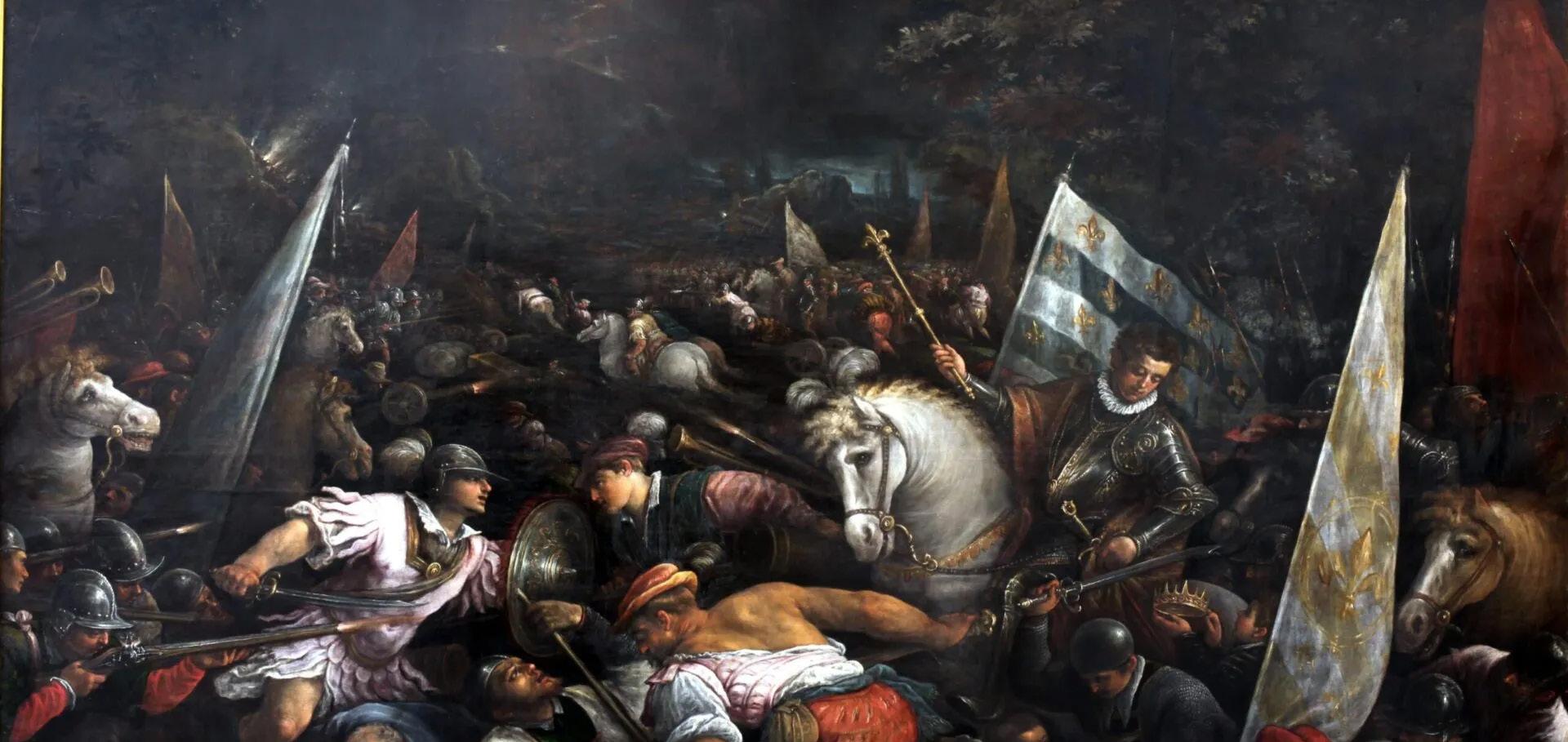
Scenes from the italaian wars between 1495-1559
‘If an injury has to be done to a man, it should be so severe that his vengenace need not be feared’Niccolo Machiavelli
Milan who was originally a mercenary. Sforza himself switched sides a lot when it benefited him. This is shown by how in 1433-1435 Sforza led the Milanese attacks on the papal states but once he conquered Ancona in Marche, he switched sides as he obtained the title Vicar of the city from the pope himself. This is a clear example of Mercenaries switching sides for their own profit and having no loyalty for the country they’re fighting for. Therefore, I agree with Machiavelli that mercenaries are untrustworthy and not loyal as there only aim is to make a profit during war and have no loyalty for their country. I also believe that using mercenaries would only pro-long a war as mercenaries do not seek peace and would rather pro-long
Civilian militia?
‘When he chooses men who know how to live from another art than this. And thus, peace having come, he ought to want his princes to return to govern their peoples, the gentlemen to the cultivation of their possessions and the infantrymen to their arts; and he ought to want each of them to have war willingly to have peace, and not to seek to disturb the peace so as to have war’. This is a small section from Art of War which I think sums up Machiavelli views on the use of a Civilian militia. His views are clearly in support of a militia made up of civilians as he believes people who have another profession other than being a soldier will always look for peace and will only go to war to fight for peace. Furthermore, he believes a larger militia is much better than having a small militia. This is because he believes that having a smaller number of men does not make you have a better army. He views that whilst, to have the perfect militia you must judge the men by the experiences that they have, it is very rare that you can find a man that has proof of those experiences. However, I believe this point is more linked into his times where they were not able to do background checks to see if they were lying. He says that a militia will not be hard work as all they will have to do is to train during the holidays and then they can go back to their usual professions. I believe this to
be a valid point while before reading this book I believed the military was a necessary thing to protect a country I believe now that it is largely a waste of money.
In the UK we spend £50 billion per annum on the military. I believe this to be a huge waste of money especially during peace time. I believe the most efficient way is to enlist citizens, arm them and train them during the holidays, and during wartime, they are called upon to fight. This would remove a huge weight off the country’s spending as we would not have to pay them during peace time. While many people might think I am promoting giving guns to ordinary citizens, that is certainly not the case. I disagree with Machiavelli argument to arm the citizens. I believe it was more relevant during his time than in the 21st century, but I do believe in his theory of creating a state militia instead of having a standing army, which is a huge waste of money during peace time. I believe that while citizens will need to learn how to use weapons to train for this state militia and use them during war time, I believe during peacetime and outside of military training they should be taken away and restricted.
Ethan Chan
The Rise and Fall of Andrew Tate
Why the infamous internet celebrity’s 15 minutes of fame is about to come to an abrupt end
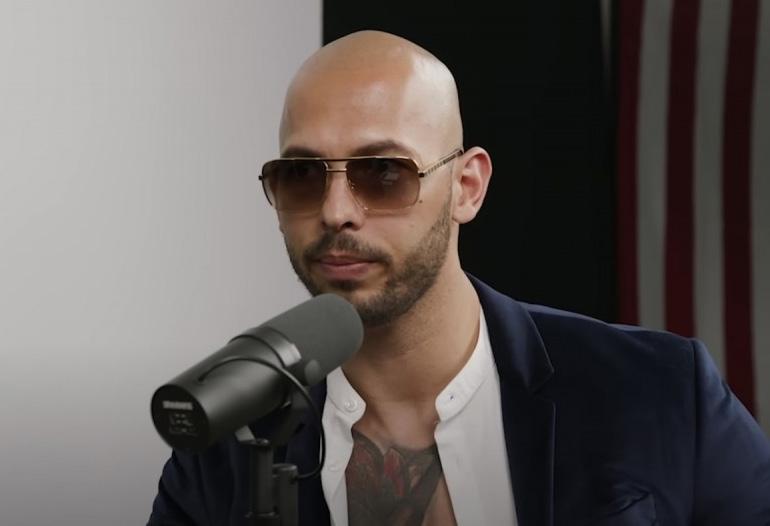
Now if you have not heard of Andrew Tate, really, I have to commend you because it simply means you have not used any form of social media over the past few months. The infamous millionaire has been able to amass a huge audience of young, surprisingly loyal followers.
I’m guessing you know that Andrew Tate is a kickboxing world champion, but there is a lot of mystery surrounding the TikTok sensation. Rumours circulate that he ran a sex trafficking ring after he publicly admitted that he moved to Romania because he could pay off the police. Whilst people seem to believe that Andrew Tate began making content this year, it is in fact untrue. He began making content 3 years ago, but his recent marketing strategy has made him almost impossible to miss when you log onto Instagram or TikTok. He is famed for making the most outrageous comments which no other content creator would dream
of making. These include lines such as ‘H**s are the reason for the Iraq war’ and ‘If my son is a nerd, one of us has to die, him or me and I’ll challenge him to mortal combat.” He says things teenage boys would not say in public, but some agree with.
However, the true genius of Andrew Tate comes from his marketing strategy. He runs a course known as Hustler’s University which supposedly teaches people about how to make money online but for each person you refer to said ‘university’ you receive £20. This means that people have created Instagram pages, YouTube channels and TikTok accounts promoting him hence why you see Andrew Tate everywhere. All these accounts have one thing in common, they have their affiliate link (which gets them £20) in the description of their videos. This means that people are incentivised to promote this course and say how amazing it is when in reality it is not even him teaching the lessons.
This is the definition of a pyramid scheme be-
cause as soon as people stop referring other people, the entire ‘university’ will collapse because that is what it is built on and what’s more, it looks like it will happen soon. Why? because Andrew Tate has been cancelled and taken off multiple social media platforms, so he struggles to communicate with his followers and people have started to lose the hype for him and realise the truth behind his so called ‘university.’ He has received half as many searches on google this month (September) as he did last month, showing that his course and himself is dying down. So, what should you take away from this article? It may not have been a very positive representation of Andrew Tate, however, take nothing away from his business and marketing genius; At the height of his popularity, he had 108,000 people enrolled in his course paying him an eyewatering $5.3 million every month! However, please do not buy his scam of a course. The few YouTube reviews online which aren’t corrupt (as in, does not have an affiliate link in the description) have scathing reviews of the course and instead tell their viewers to search on YouTube about the topics he talks about as there is more info on there and it is free.
George Potter
Beast of Burden
What you need to know about the President’s troublesome son, Hunter Biden.
Hunter
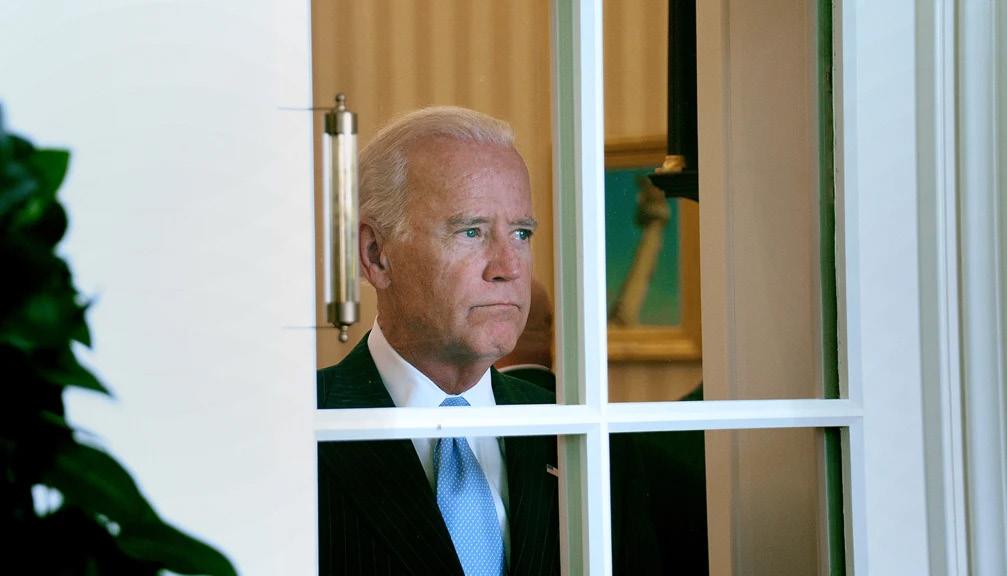
Biden is the infamous son of the 46th and current president of the united states of America, Joseph Biden. Hunter has proven to be a huge liability to his family name, and his drug misuse and repeated alleged breaking of the law has left him at risk of being prosecuted whilst also tarnishing his home life. In 2017 Hunter separated from long time wife Kathleen Buhle partly for the reason of his love affair with his Brother, Beau Biden’s widowed wife. Yes that is correct his dead, brother’s wife. But how did Hunter end up as a broken drug addict in fear of constant prosecution?
Hunter was born in 1970 in Delaware and the beginning of his life was incredibly sad and is a potential contributor to his severe drug addiction that he is still battling today. He was just two years old in December 1972 when an event would change the Biden family’s world forever. Neilia Hunter (Hunter’s mother) was shopping with her three children, Hunter, Naomi and Beau. Neilia and one-year old Naomi tragically died in a car accident on the way home when a tractor-Trailer collided with the family’s wagon. This left Hunter and Beau physically scared, but it was the mental scarring that took the real toll on Hunter.
Hunter Later attended Georgetown University and Yale Law, impressively graduating in 1996. Hunter struggled with school and was bullied from infant school all the way up to his college days. But it would be in these years
he would start drinking and taking recreational drugs. Hunter’s first drink came in the form of a glass of champagne at the age of 8. By the age of 14 drinking beer had become normality. This took a further turn at 18 where hunter was caught for Cocaine possession which would be a prominent event in his adult life.
Hunter felt he was alienated in his younger years and especially at school, constantly feeling he didn’t fit in. This is a common theme amongst drug addicts, feeling like they don’t fit in and have a void in their life that needs to be filled. They turn to drugs. In Hunter’s case, he turned at a very young age. Research shows that early use of drugs and alcohol can lead to severe addiction. Taking drugs at such a young age can have huge impacts on brain development with Hunter Biden being a model example to this theory.
In 2015 Beau Biden, Hunter’s older brother died of brain cancer after a battle that lasted over a decade. Hunter idolised his brother and they were close from a young age. His death sent Hunter into a spiral of drugs and in the same year he split from his wife. Isolating himself from family he spent most of his time in either Luxury hotels or cheap motels doing drugs such as crack cocaine.
In more recent years Hunter would make headlines for all the wrong reasons and at many times almost costing his then presidential candidate father, Joseph Biden, the 2020 election. Trump and his allies across the right have used this as a tool of vilification to jeopardise the Biden campaign and at times have been successful in doing so.
The infamous ‘Laptop’ saga dates back to April 2019 where a mysterious and ‘alleged’ unidentified anonymous individual visited a Delaware tech store (the state where the Biden family reside) which saw three water damaged laptops be put in for repair but never picked up. Hunter claimed it was not him who had dropped off the laptops and claimed in an April 2021 interview that he was unsure whether the lap-
tops belong to him or he could’ve been ‘hacked’ by Russian intelligence. These claims are interesting as Hunter Biden’s signature was on the $85 bill and one of the laptops had a ‘Beau Biden Foundation’ sticker on it.
But here’s where the story becomes slightly complex, John Paul Mac Isaac is the owner of the Delaware tech repair store and is visually impaired. 2021 saw an Interview with the New York Times in which Isaac states he is legally blind and could not be sure if the man who dropped off the laptop was really Hunter Biden. Isaac had a boilerplate customer service agreement, if the technology was left in store for more than 90 days it became Issacs.
Mac Isaac was an avid and enthusiastic Trump supporter who you may have seen has become a regular on news stations and media outlets and has subtly built a career from the saga – releasing a book in November of this year titled ‘American Injustice: my time to tell the truth’. I’m sure Donald Trump is eagerly counting down the days and waiting by his computer for this release.
At some point Isaac decided he would examine the computers and what he found would ruin Hunter’s reputation and have detrimental effects on his father’s. Isaac described what he found as ‘alarming’ and ‘embarrassing’. Files on the laptops had allegedly included pictures of Hunter’s dead brother Beau’s corpse, videos of drug use, an 11-minute homemade adult film of Hunter and other lude photos of Hunter.
But what caught the eye of Trump supporters was Hunter’s involvement in foreign businesses, more specifically the involvement in Ukrainian gas company ‘Burisma’. Hunter served on the board of Burisma and took home a 1-million-dollar salary per annum. An email in 2015 resurfaced in which an adviser thanked Hunter for ‘the opportunity to meet your father’. At the time Joseph Biden was the Vice-President of the United States.
Joe Biden was extremely engaged in Ukrainian policy under the Obama administration which lead to major ‘conflict of interests’ concerns. Trump has repeatedly drawn attention to these claims even tweeting that the ‘Bidens are as crooked as can be’. In 2020 Trump launched a profound attack a month before the presidential election on the Bidens.
As Trump’s personal lawyer Rudolph W. Giuliani had been given a copy of the hard drive, he provided material to assist an intense attack of allegations towards the Bidens. With the Post reporting that the F.B.I had seized a computer that had belonged to Hunter Biden.
The article exclaimed the accusations of foul play from Joe Biden as Vice president, claiming that he had shaped foreign policy in Ukraine to benefit his son. This was one last effort from Trump to save his time in office from coming to an end and it had failed. If this last-ditch effort had worked, the election would have been lost due to the incompetence of Hunter Biden – the liability of the Biden family.
“If you have a piece of crack cocaine no bigger than this quarter that I’m holding in my hand, one quarter of one dollar, we passed a law with leadership of Senator Thurmond and myself and others, a law that says you’re caught with that, you go to jail for 5 years”. That right there is
a real quote from Joseph Biden in 1991. If we look at the modern-day dealings of Biden, he has a crack addicted son who has a video of him circulating (that he filmed himself) of him arguing with a female over how large his crack stash is. YES. THAT IS A REAL VIDEO. Biden’s harsh attitude towards drug addicts has quickly changed. Now in 2022 he has issued a $30 million-dollar drug program that offers sterile syringes and ‘safe smoking kits’. This draws the question of why drugs are all of a sudden okay for the 46th president of the United States. Allow me to answer this question. Because his own son is an emotionally broken crack addict.
Concerns continue to grow for Hunter amid speculation of indictment over allegedly lying on a gun application. He appears to be accused of a new crime every month and remains untouched, but how long can Hunter stay untouchable before his lit pipe eventually runs out, leaving Hunter staring at the consequences he has been protected from since he was a teen.
Monte Gatta-Smith
Universities Today and their Myth of Free Speech
‘Universities
and free speech used to be inextricably linked. That relationship is being threatened everyday and
we must do something about it.’
Higher education. Most people reading this magazine have at some point or will in the future attend higher education. In the current world we live in, rightly or wrongly, it is the gateway to employment, to new ideas and to honing your understanding of the world around you. However, in this day and age higher education is also home to something else, something ugly and something regressive.
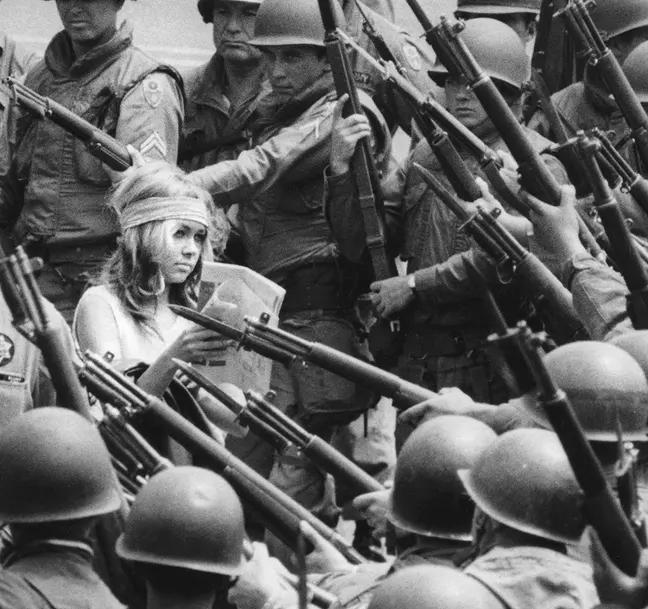
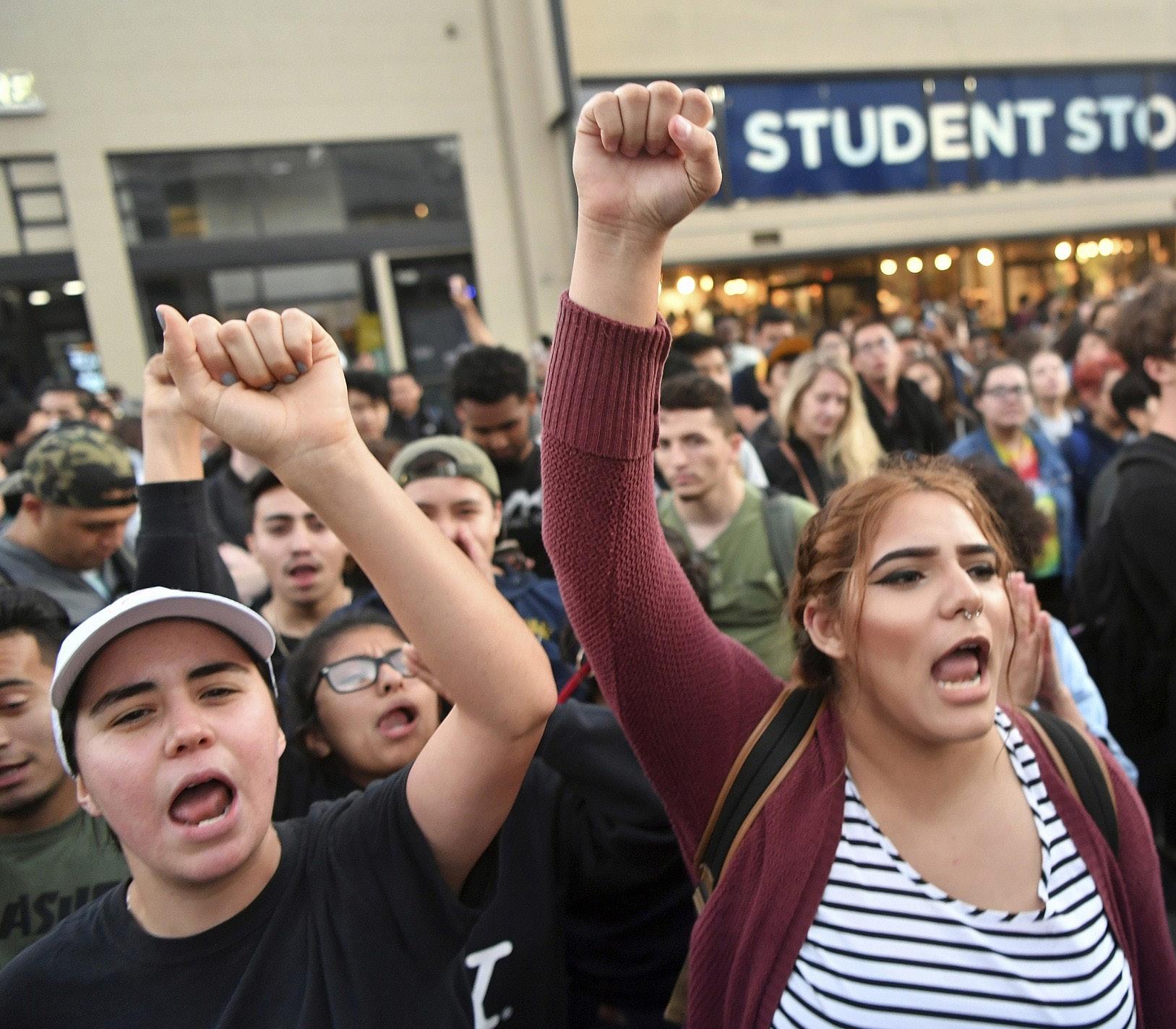
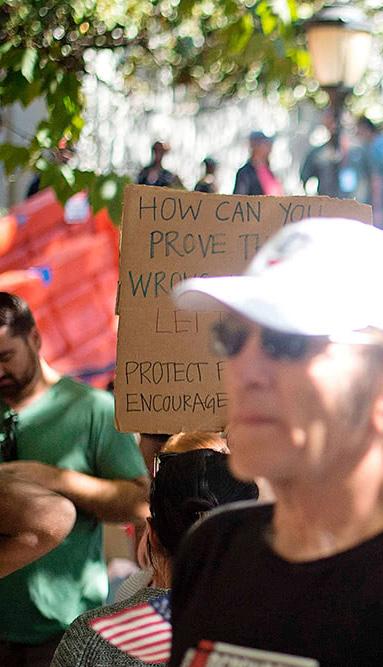
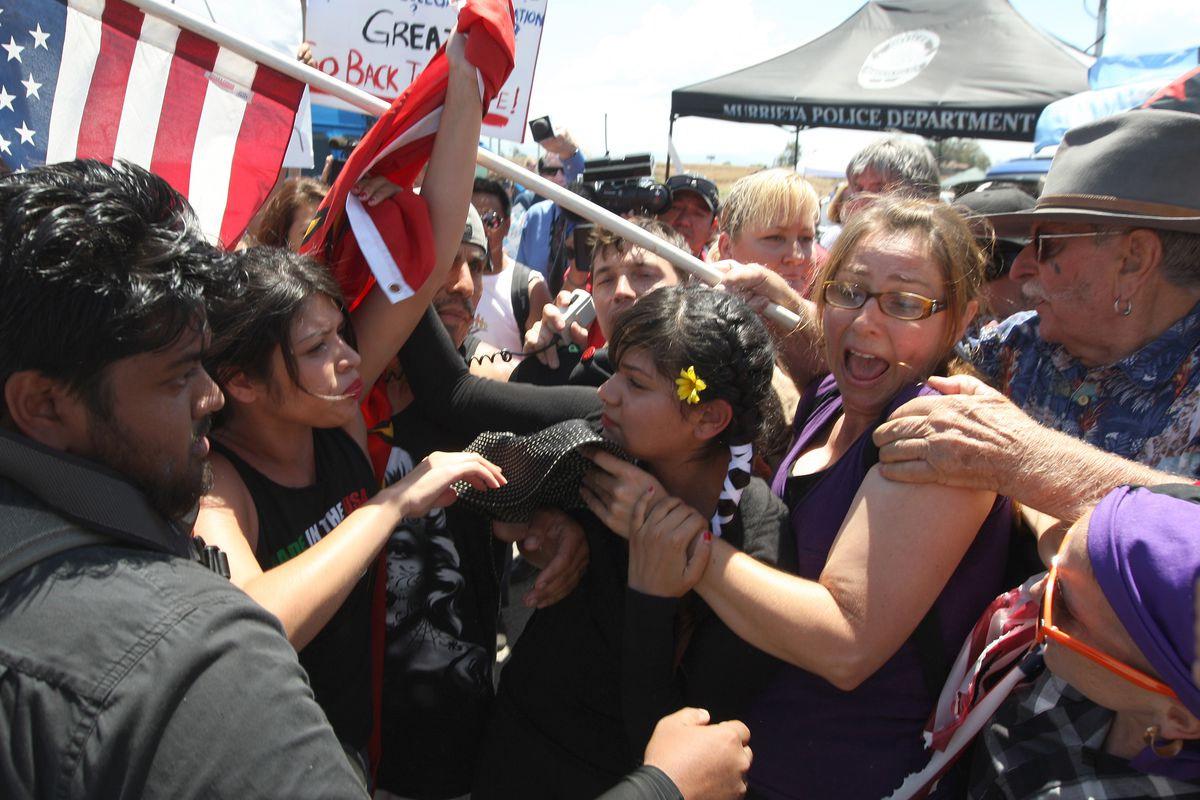
Two images (above). One of an anti-Vietnam war protestor surrounded by national guardsman with rifles and bayonets, ordered to quell an anti-Vietnam war protest. The other a student mob protesting a Jewish conservative commentator; Ben Shapiro. They claim that Ben Shapiro’s views are so contro-
versial and harmful to others that he should not be allowed to speak.
Now these two striking images have one thing in common. They both took place at UC Berkley in California. Just 42 years apart. One is brave defiance of anti-free speech, and the other is anti-free speech. Berkley has a long and interesting relationship with free speech. Its free speech movement in the 1960’s campaigned for the idea that universities shouldn’t ban on campus political activities and that students should have their rights to free speech and academic freedom recognised. It was the first organised mass student protest in
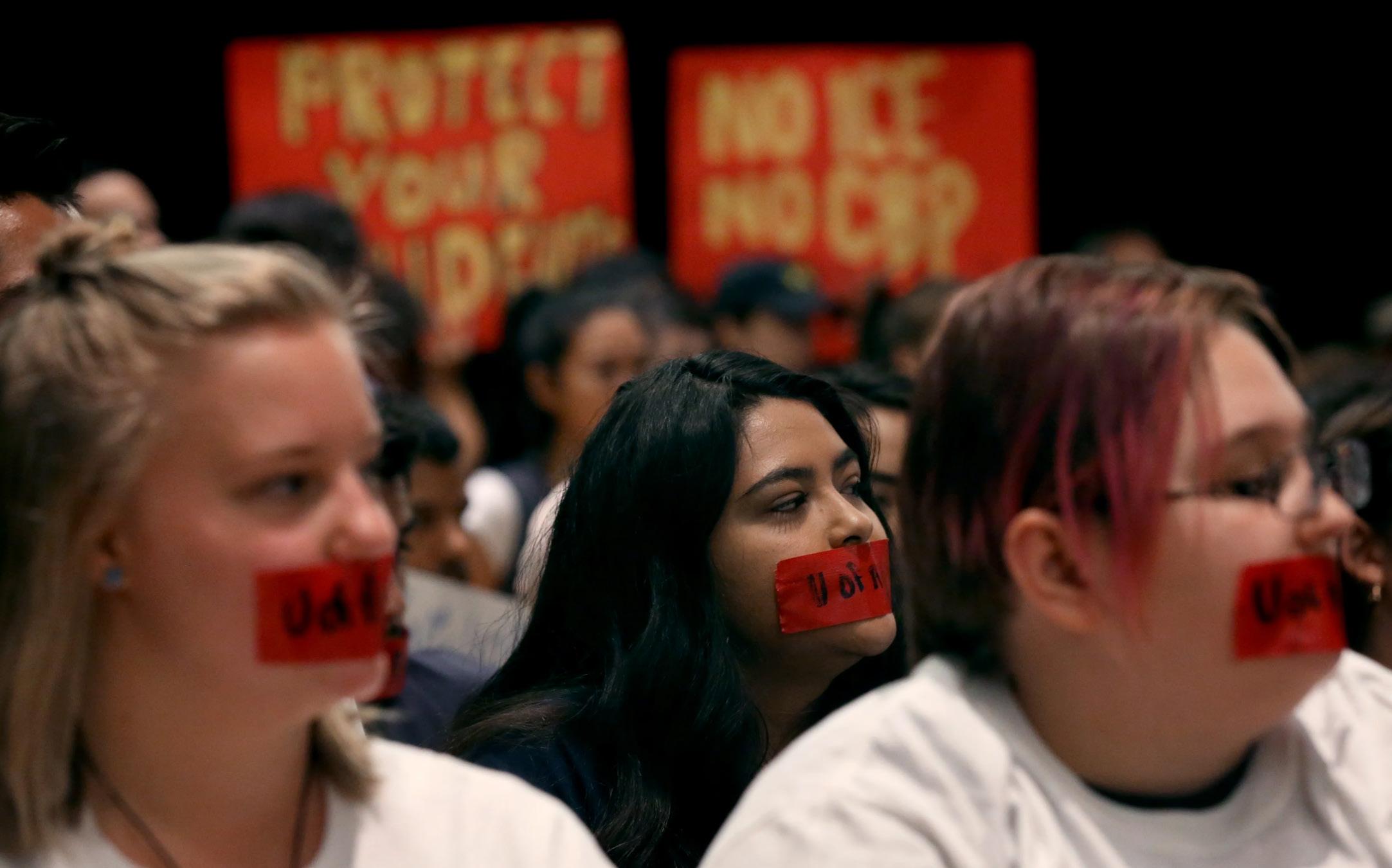
The change in attitude that college students have on free speech is epitomised by Berkley. They believe in the censorship and de-platforming of anyone who is on the other side of a political debate. Anyone who doesn’t buy in to the common narrative must be silenced. Now does that seem like a particularly healthy view for the future leaders of tomorrow to be buying into? I think not. In order for universities to do their jobs they must promote the discourse of ideas whether or not you agree with them. It is how liberal democracy works.
The Point of Universities
Now why do we go to university? Well, students go to universities first and foremost to receive an education that will be tailored to their career. These are places for learning and the honing of craft. However, equally as important, they are places where viewpoints clash, where people question their views, questions their understandings, and question the world around them.
To quote former president Obama. “The purpose of college isn’t just to transmit skills, it is also to widen our horizons.” He continued, “They create a space where a lot of ideas are presented and collide. People can have arguments and people are testing each other’s theories. Overtime people learn from each other because they’re getting out of their own narrow point of view.
The way we develop our ideas of the world is through debate and discourse. How can it be possible for individuals to develop rational ideas if only one narrative is presented?
College campuses are a pre-cursor for the new generation of adults that will emerge. If those students go to university without ever having any of their viewpoints challenged. What ramifications will that have for society as a whole?
Below I have discussed a few important aspects to the free speech debate that university administrators, lecturers and students ought to consider:
Without
Free Speech There can be no Truth
Now as previously stated Universities are places of learning were people debate over ideas in the pursuit of truth. There is an idea among political philosophers that without free speech there cannot be truth.
Take John Stewart Mill for instance. In the 19th century, Stewart Mill wrote his essay ‘On Liberty’. In the treatise he addresses issues of freedom of speech and its importance in discovering truth. He sets out his trident principle considering free speech. He states that in every problem/argument there are three possibilities:
a. You are entirely wrong:
In this case you should be corrected by someone with an ulterior viewpoint, for instance the Earth is flat. Well, no it isn’t, and here is the scientific evidence that shows why.
b. You are partially wrong: In this scenario free speech and ulterior viewpoints help you to hone your ideas. This will develop an idea and will help individuals discover what the truth really is.
a . You are 100% correct:
In the unlikely case you are entirely correct, you still need debate and discourse as well as people arguing against you to fully grasp why you are correct. If we never have to defend our points of view, even if it is the truth, then we won’t understand it, we will hold it the same way we might
hold a superstition or prejudice.
Higher education needs to have the so called ‘marketplace of ideas’ where everyone can speak freely, and through debate and argument we can rid ourselves of false assertions.
Now there are a few problems with this argument; the idea that there are still some people who deny truth in the face of overwhelming evidence. Say for instance white supremacists who believe race is more than an arbitrary part of a person. To that Greg Lukianov (a lawyer for the organisation the Foundation for Individual Rights and Expression –FIRE) says:
‘I instead proposed the “lab in the looking glass” metaphor — in short, that the primary value of free
speech is that it gives you the chance to understand the world as it really is… Too often, we focus on evaluating whether or not an individual’s factual assertions are true, yet miss a really important truth — the fact of the existence of that individual’s perspective. Simply, you cannot understand the world as it is if you don’t know what people think and why.’
To put it plainly the way to deal with free speech is to have plenty going around. More speech is always better than less. If we silence so called ‘bad speech’ it will not only prevent good ideas from being tested, which is what fundamentally makes them good, but will allow bad ideas that people think are good to go unchallenged. If you are supposedly 100% correct viewpoint has never been tested or challenged; with you never having to defend your viewpoint, then you don’t fully understand it.
So, in essence free speech and truth go hand in hand. You cannot have one without the other. Sounds like a good thing for universities to promote perhaps?
Shouting down speakers is Mob cencorship
Now there is a common line of argument in favour of things like shout downs and disruptive protest of speakers who may not follow the standard viewpoint. It goes like this: ‘Well they’re exercising their right to free speech by speaking. Surely I should exercise my right to free speech in protesting.’ There are two main problems with this argument the first is: There are always mobs who won’t agree with your viewpoint.
In normalising a culture where people supposedly exercise their viewpoint by shutting down a speaker, there will be consequences for not only speech that you disagree with but also speech you like. Take abortion for instance. Say a pro-life speaker came onto a college campus and explained why he was pro-life, then a rowdy group of prochoice students set off the fire alarm to prevent any of his ideas from being expressed. The speech was a disaster, the people who were listening are angry and the lecturer’s freedom of speech was infringed. Now say for instance I went to a university with a student body consisting of a large percentage of fundamentalist Christian who were vehemently pro-life. If a pro-choice lecturer came on to campus it would be likely that the pro-life group might protest and shout down the speaker.
Here lies the problem, if we normalise a culture in which any idea contrary to our own can be justifiably shouted down, then it will have consequences for ideas you believe in. There will always be a mob in favour of your views and there will always be a mob against your views. If we give power to these mobs to shutdown speech it will not only affect speech you don’t like, but also speech we like.
Free speech isn’t just about the speaker it’s also about the listener
The first black supreme court justice – Justice Marshall said this about free speech: ‘The right to speak and hear — including the right to inform others and to be informed about public issues — are inextricably part of that process. The freedom to speak and the freedom to hear are inseparable; they are two sides of the same coin. But the coin itself is the process of thought and discussion. The activity of speakers becoming listeners and listeners becoming speakers in the vital interchange of thought is the means indispensable to the discovery and spread of political truth.’
So, when some university students say they are exercising their right to free speech by shouting down a controversial speaker or professor, they are infringing on the rights of two kinds of people. The person speaking and the people listening. Now you may be listening to a speaker for a multitude of reasons. Whether it be intellectual curiosity, or you are there to criticise. Any of those reasons are valid and are vital to the testing and trying of ideas and political theories.
Why should your right to be offended by a speaker override the rights of someone who wants to listen? On a very simplistic level you don’t have to listen to anybody. You don’t have to engage with a speaker who’s view you find troubling. Unless you are going to contribute through criticism of ideas or the receiving of ideas in personal development, why bother. Shouting down a viewpoint is not noble, it’s amoral. If you are so steadfast in your views, then you should be completely comfortable with someone saying some-
‘One person with a belief is equal to ninety-nine with only interests’John-Stuart Mills
thing that is contrary to them and be able to criticise that person’s beliefs without ‘no platforming’ the person. It is integral to people’s development that we listen to different ideas and find the ones we agree and disagree with. In hindering that process we are undermining a fundamental principal at the heart of progressivism
To summarise, to further society we need speech. We need to listen to speech; we need to hear opposing viewpoints and we need to challenge ideas. However, it is imperative that there is one principal in liberal democracy we can agree on, the shutting down of freespeech whether it be for your belief or against it is inherently wrong. This act infringes on the rights of the listener and the speaker.
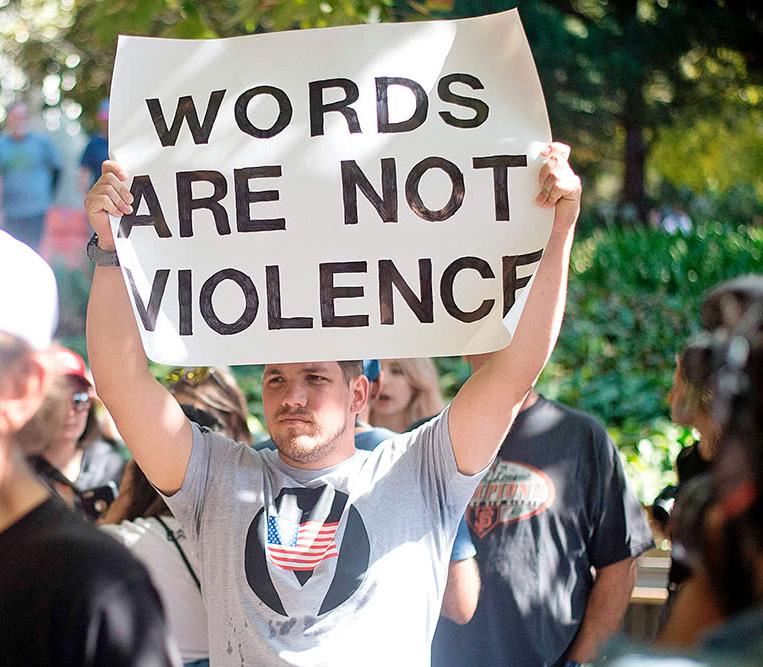
Speech is not violence. Violence is violence
Unfortunately, there is an increasing number of people on university campuses that fundamentally believe that viewpoints or speech they find offensive is tantamount to violence. They hold the misguided utopian idea that it is possible that all offence could be avoided if only we censor potentially offensive speech.
In the aftermath of the death of Salman Rushdie I read an interesting article by the journalist Bari Weiss who commented on the idea of ‘words is violence’. “The words are violence crowd is right about the power of language. Words can be vile, disgusting, offensive, and dehumanizing. They can make the speaker worthy of scorn, protest, and blistering criticism. But the difference between civiliza-
tion and barbarism is that civilization responds to words with words. Not knives or guns or fire. That is the bright line. There can be no excuse for blurring that line—whether out of religious fanaticism or ideological orthodoxy of any other kind.”
The speech is violence crowd misses out the whole point of free speech. It is a way of settling problems without resorting to violence. “The first human being who hurled an insult instead of a stone was the founder of civilization.” That’s how Sigmund Freud put it.
tions does that have for society. Free speech means free speech for all. Not just who you agree with but for everyone. If we extend the words are violence argument to the extreme, then Salman Rushdie was quite rightly stabbed because his words in ‘Satanic Verses’ could be considered offensive – and therefore violent towards Muslims. The radical Islamist who attacked him was simply responding to violence with more of it.
So, to sum up, words are not violence; violence is violence. We cannot live in a utopia were no one is
So, when a student body claims that someone’s speech is violence, they are wrong on many levels. There is legitimate wing of people at university campuses that believe that in talking about something you may possibly find offensive, I am arguing against your existence. Take JK Rowling for instance, some people may argue that her sentiment surrounding trans-gender people puts trans lives in danger. If we can’t handle an opposing point of view without labelling it violence, what ramifica-
ever offended by speech. Universities ought to understand that.
Where to go from here?
Free speech is essential. The pursuit of truth is inextricably linked to freedom of speech. Think about all the things we take for granted today that were once unthinkable. Atheism –there was once an oxford lecturer who was de-platformed in the 19th century as his atheist views were offensive to Christians. Gay rights, racial equality, women in the workplace. All once radical ideas that free speech helped progress. So, universities must pro-
mote an environment where free speech can thrive and flourish. We must move away from a culture of detesting anyone who we disagree with and the first place to start is in higher education. Ultimately, the young minds of today will be the leaders of tomorrow and if we want our liberal democracy to continue, free speech must be upheld. We must take on all points of view not only those we agree with, but those we don’t.
Will Bennett
There is No Racsim in Science
The psuedoscience of racism, and the mark it has left on society
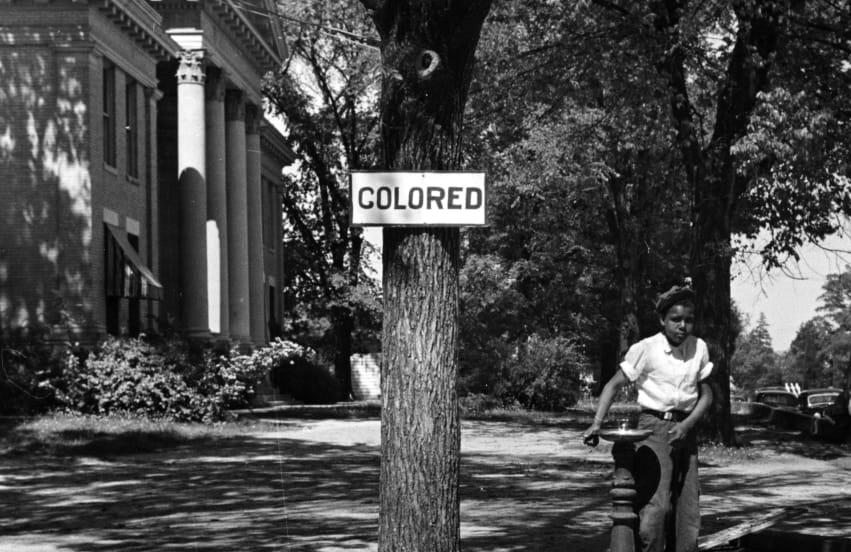
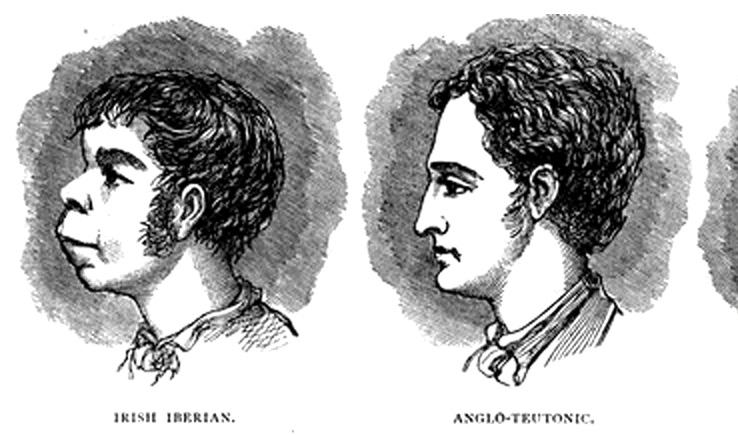
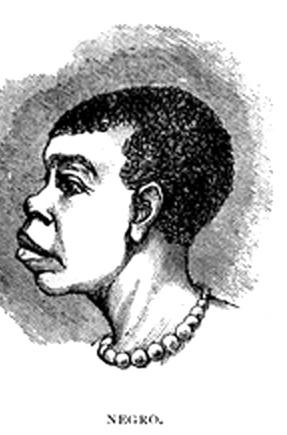
Scientific racism has long been used as a weapon to ‘prove’ that Black people are somehow inferior to White people. Much of this pseudoscience was based on biased research, where the researchers were looking for data where there was none to justify the slave trade and other racist behaviours, especially in the USA. Early research in the 1800s stated that Black people were prone to disease and destined for extinction, and later Black Americans were used to justify born-criminality, but this was all disproved in the mid-20th century, suggesting that this apparent ‘research’ was used to uphold persisting racist actions and views in society to maintain selfish White superiority by using ‘science’ to claim that all Black people were criminals and ethnically inferior. These studies failed to consider necessary factors such as poor housing, poverty and lack of healthcare, not to mention facing regular discriminatory behaviours, all as a result of fundamental systematic oppression and segregation, which these studies reinforced. This, in turn, fuelled the racist ideologies of society; if White people read about studies that stated that Black people were racially
inferior and they saw this represented in daily life through segregation of every service available, discrimination against Black people by the police, government, White supremacist groups with millions of members and being surrounded by parroted racist remarks from members of the general public while having no passage through which to talk, Black people to learn the flipside of the argument because of segregation, then they would fall into the trap, and that they too would hold racist views. This cycle is what prompted research into racism to become a social science around the same time that scientific rac-
ism was being disproved, when the Civil Rights movement was gaining momentum.
Biologically, the only difference between people with different shades of skin is the amount of melanin they have, which is nothing more than a pigment. More pigment, darker skin. It’s that simple. No strings attached.
Not only is racial superiority disproved through the disproval of all studies that claim this, but even at the birth of humanity, there was no racism. There is evidence to suggest that the first humans had dark skin, as the climate in Africa, where the first humans emerged from, was sunny and hot, so it would have been genetically advantageous to have dark skin to protect them from sun damage. As the human population spread out to areas with a cooler climate, further from the equator, this dark skin no was longer advantageous, and so genetic variation was born. So the question is, why does racism still exist if there is no racism in science?
At the root of racism, there has always been ignorance. In modern times, this is even more prevalent. It is believed that one of the key reasons racism persists is that it’s not talked about as much anymore because people don’t see it happening and, as such, don’t think it happens anymore. However, racist views are so ingrained into our society, we have become blind to it when we see it right in front of us. There are more extreme cases that we see such as police brutality, but also more subtle racist tropes, like not being able to recognise the faces of Black people as well as the faces of White people. This is seen in criminal line-ups today, where there are increased chances that a Black person will be wrongfully convicted of a crime compared to their White counterpart. Part of this is not being able to distinguish between Black faces under the overarching ingrained subtly racist view that all black people are or look the same, but part of it is also a certain lingering view from the 20th century and before, that Black people are criminals, hence why more police brutality is seen against Black people, especially in America which
the world has heard about through numerous cases like that of George Floyd and Breonna Taylor, though we also tend to blindly ignore the incidences of racial discrimination at the hands of the police in the UK through some form of British pride. Other modern forms of racism that we can see in society, even around school, are things like giving someone a nickname that defines them by their race such as ‘brownie’, laughing at someone’s accent or the way they may say a word, calling someone’s traditions or culture ‘weird’, using slurs casually (even if they’re not directed at someone), singling someone out because their name sounds foreign to you, stereotyping people based on their race, cultural appropriation like non-Black people wearing dreadlocks, and so many other incidences that people don’t realise are racist. Just because it’s not as bad as it was 60 years ago, doesn’t mean it’s not a problem. People forget that racism isn’t just ‘hating or disliking Black people,’ it’s treating someone differently because of their race, whether they have African, Asian, Indian, Hispanic or other backgrounds. They may still be British but just have a different skin colour; that doesn’t take away the fact that they are British, same as you. None of the things listed above as modern racism would happen to a White person, therefore, it’s racism. Lots of people get roped into these racist views, especially in school. It just takes one person to say something racist to start a chain of people who want to be accepted into the group to start holding those same beliefs, or to start participating in the same racist behaviours, even if they don’t necessarily agree with them, just to fit in. Neither are ok. And it doesn’t matter if the school may
do an assembly to tell everyone that racism is bad and how we all need to stand up to racism, everyone already knows that, but it just takes one person to say the assembly was pointless or stupid or wrong to start the chain over again; anyone who thought the assembly was eye-opening or may have changed their views after suddenly get thrown back into the cycle of wanting to fit in. No one is going to stand up to racism as much as we may want them to because, if they call out their friend for a racist remark, they risk being thrown out the group and suddenly their life is worse, and no solution would have been achieved. But that still doesn’t answer the question of why racist views exist in the first place in modern society.
The slave trade ended over 200 years ago; segregation was abolished over 60 years ago; yet racism continues. No one knows how to solve racism- if they did, it would have been done by now. But the reason we don’t know how to solve it is that there is no reason why it should keep going on. It’s a human mystery; why there is al-
ways a hatred towards people who are different to ourselves, despite there being absolutely no advantage to it and no science behind it. There is no racism in science, so why does it persist?
JJ Fitzpatrick
Fast Fashion
How our insatiable addiction to fast fashion and
Fast fashion can be defined as cheap, trendy clothing that samples ideas from the catwalk or celebrity culture and turns them into garments in high street stores at breakneck speed to meet consumer demand. The rise of fast fashion is fuelled by over consumption and an increase in demand for cheap garments. The UK Government has published only 19 policies in five strategies that tackle the issue of fast fashion to date, with only one policy being proposed with any detail of cost or time frames. According to a Hubbub report, only 32 per cent of policies proposed have sought to actively tackle the issue, with the majority of strategies focusing on a single element of the issue, such as waste. It is clear tackling the abuse of human rights laws is not a priority for the current UK government, which could be driven by the fact that according to current fast fashion statistics, in 2022, the UK apparel market revenue will reach £60.17 billion. Two main areas where the government can be accused of failing to do enough to prevent fast fashion and make the fashion industry more ethical is in their laws regarding workers’ rights of garment makers overseas, employed by UK businesses or businesses that sell in the UK, and in the lack of laws to prevent brands from ‘greenwashing’ in their advertising campaigns.
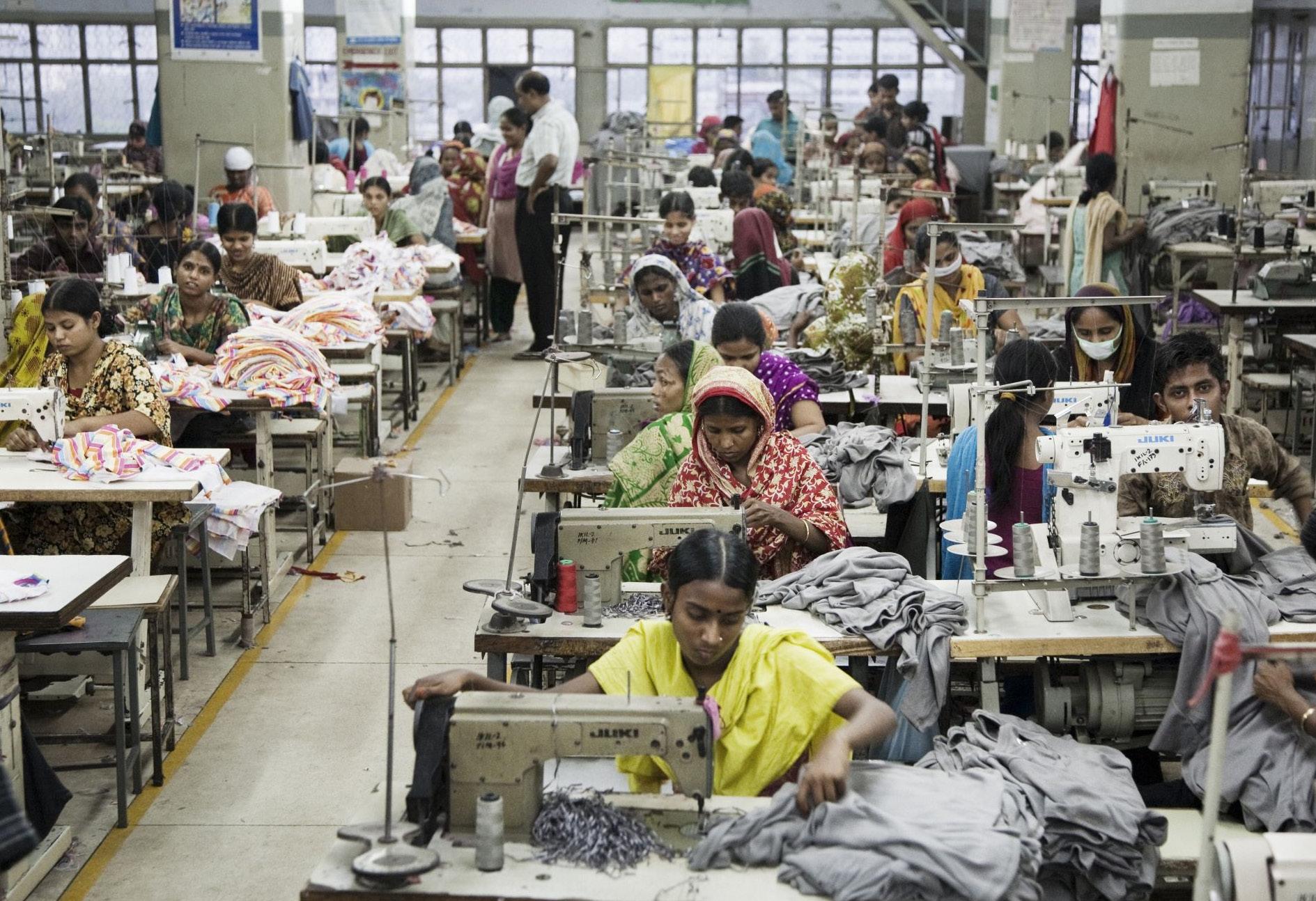
Offshoring is the practice of basing some of a company’s processes or services overseas, so as to take advantage of lower costs. Offshoring is used by many companies as mini-
mum wage is significantly lower in less economically developed nations, for example in Bangladesh garment workers earn just £82.02 per month compared to garment workers in the UK who are paid around £500 per month. Only an estimated 2% of fashion workers around the world are paid a liveable salary. For example, the fast fashion brand Boohoo has been found to be paying workers in Pakistan as little as 29p an hour, according to the Guardian. By law, it is an employer’s responsibility to pay the correct minimum wage, and ensure the workplace is a safe environment for employees and the HMRC can take them to court on behalf of the worker if they are found to have refused paying min-
and mass consumerism has imperilled our planet Fashion
imum wage. By hiring overseas, companies such as Boohoo can capitalise on the lack of employee rights in these countries, which the UK government do not have control over. The government have not taken an active approach to tackling this issue, apart from ‘naming and shaming’ 191 companies who had paid less than minimum wage to their workers, but do not directly address or punish companies who have been found to abuse the human rights of their workers when offshoring manufacturing. In 2019 Enviromental Audit Committee Chair Mary Creagh MP said “we presented the government with the evidence that it has failed to stop garment workers in this country being criminally under-
paid”, and they were recommended to take a more proactive approach to enforcement of the National Minimum Wage with greater resourcing for HMRC’s National Minimum Wage team to increase inspection and detection work and that The Government should publish a publicly accessible list of retailers required to release a modern slavery statement. This should be supported by an appropriate penalty for those companies who fail to report and comply with the Modern Slavery Act. However, the government have made no response to either recommendation, proving amending the pay issues these large companies had produced in the UK is not of their concern, and they have shown no intention to penalise companies who mistreat and underpay workers overseas.
With a switch in social trends and increasing demand for more eco-friendly products, there is a threat to the traditional fast fashion, as consumers become aware of the detrimental effects over-consumption has on our planet. Subsequently, fast fashion retailers have appeared to transition into being more sustainable, but is this all just a case of greenwashing? Greenwashing, also called “green sheen”, is a form of advertising or marketing spin in which green PR and green marketing are deceptively used to persuade the public that an organization’s products, aims and policies are environmentally friendly. There is currently no specific anti-greenwashing legislation in the UK. However, businesses falsely advertising products as ‘green’ or sustainable
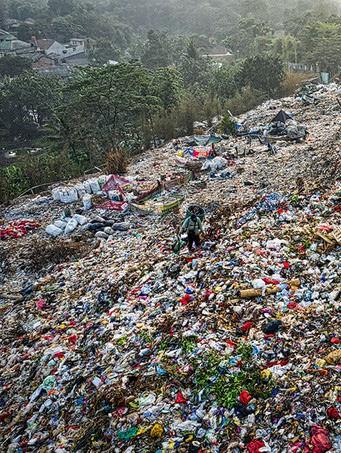
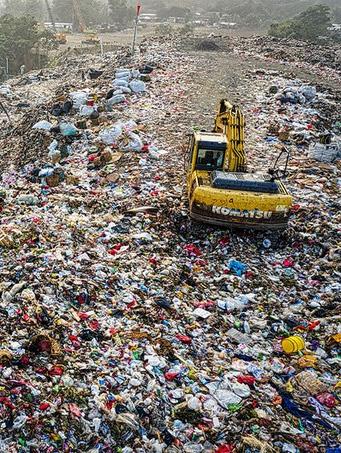
may be caught by existing laws including misrepresentation or consumer protection laws which prevent false advertising. But with the rise of demand for sustainable fashion, brands can give their collections misleading names, but upon closer inspection, are no better for the environment than any other fast fashion item. The concept of fast fashion is that they are cheaply made items, intended to serve a trend and fuel consumers demand to own the latest catwalk trend as quickly and affordably as possible. 13 million items of clothing are sent to landfill in the UK every week, which hinders the Government’s waste reduction targets, however they rejected the Environmental Audit Committee’s recommendations to ban incinerating or landfilling unsold stock that can be reused or recycled, to implement mandatory environmental targets for fashion retailers with a turnover above £36 million, and that the fashion industry must come together to set out their blueprint for a net zero emissions world, reducing their carbon consumption back to 1990 levels. The lack of punishment in place for the damage fast fashion is doing to the environment, means companies do not have an incentive to reduce their waste. In the interest of profit they look to greenwash and advertise as being more environmentally conscious, in order to
keep up with the changing trend, but in practice the waste from the industry isn’t declining and manufacturing materials and machines used continue to significantly harm the environment.
It would be a fair judgement to say that the UK government are not doing enough to stop fast fashion, with growing concerns about the cost of living and human rights of workers alongside the detrimental environmental impacts that have been linked to over consumption driven by the fast fashion industry. In a market which contributes £60.17 billion to the economy, and growing, it is clear unless policies are put in place, the issues that have arisen will only worsen and the market for fast, disposable fashion, will continue to experience rapid growth.
Katie Milton
Dealing With Autism In Society
Why our society is failing neurodivergents
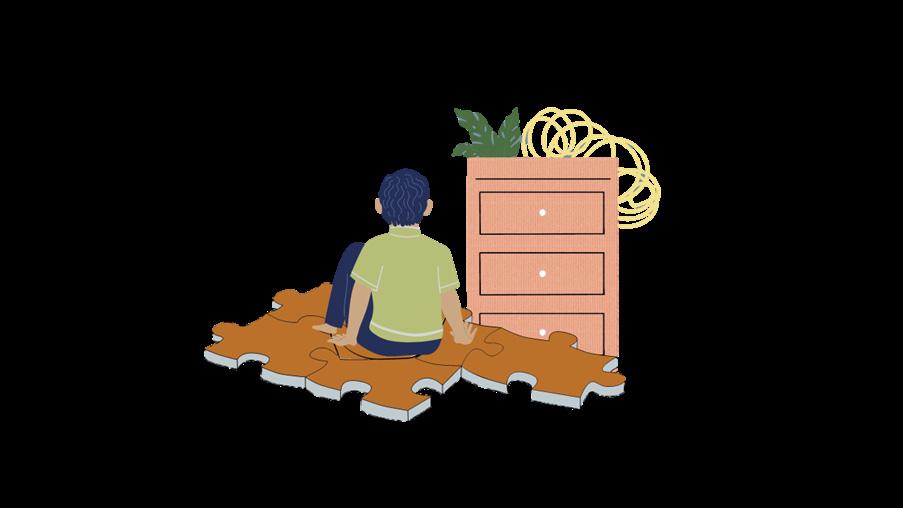
As a child, I was known as the sensitive girl. People called me “over excited” and the one that couldn’t take jokes. I was a happy child, and I didn’t know that anything was ‘wrong’ with me. However, when all of this came to light last year, and everything made sense, it helped me learn who I am, helped me create a suitable environment. It allowed me to understand. When society thinks of autism, they’d most likely think of someone who has it severely, who struggles to speak, a person with behaviour issues. The truth is, autism is a spectrum, and not aways obvious, a “hidden disability”, and usually difficult to spot. As a society, we need to recognise that this is becoming more and more common, learn how to accept it and deal with it as a team.
can be a challenge to some, feeling over OR under sensitive, and as a society we need to understand this. When in a classroom, your school house, or the dining hall, be aware if others look stressed, don’t laugh, don’t gossip, help out. I’ll provide you with a fact about myself, as an example towards the sensitivity. I cannot deal with loud noises, sudden
bangs. I’ve never enjoyed fireworks, and I’m not keen on balloons, but this is how my brain works. I can’t deal with the shock, so I tend to avoid it.
For many, the human senses have a significant impact for neuro diverse people - sensibility over loud noises, bright lights, strange textures etc. When it’s everything all at once, this can be known as overstimulation. When dealing with autism, it’s not an easy issue to control, and most times this can lead to a meltdown. Processing sensory information every day
Being neuro divergent in this world is a strange feeling, obviously, many more know about it, many have been diagnosed with autism. But it can’t stop the thoughts of thinking you’re different, thinking that you’re stupid. But really, our brains work differently, it’s like a different cog in a system. When talking about autism, it’s about being treated fairly,
equal, as it doesn’t prevent me from living my life. However, it leads to special challenges that don’t seem like an issue to others. There’s highs and lows (for me) with this disability; like the fact I get to wear a fidget ring around school, it lets me bring something from home and keep it close to me when stressed, a coping mechanism you could say, avoiding a meltdown.
So, should we be treated differently then others? Well, the answer is yes and no. This shouldn’t change someone’s impression of us or judging of our abilities. However, we are people who might need a little more help and support in some tasks. It’s easy for some to grow obviously overwhelmed, where things get a bit too much for you, it can cause meltdowns, tears, stress and sometimes in bad caces, hurting yourself. It’s not rare for a neuro divergent person to start hitting objects when they aren’t happy, and this needs to be handled with care, avoiding any damage. If you’re looking for the less simple answer, then yes, sometimes it is acceptable for a person with autism to be treated differently, if they need help, something to be explained out to them, a list of rules or something similar, I believe that it’s the best idea to do so.
For all who may not be aware, for all who want examples, and for the curious, let me show you people you may recognise who had/ have autism. Dealing with this paragraph, I’m not the most pleased with myself, because although I am writing and researching autism, I was still shocked with the people on the list. Albert Einstein, although not officially diagnosed, many scientists and experts believe that he would be among the neuro divergent community if tested today. Another scientist, Charles Darwin is also among this category, a possibility to have had autism. As someone who used to assume that autism was for people who couldn’t speak, incapable of walking, I personally think that just by looking at the two people listed, that maybe we don’t think it straight. How could someone so smart seem autistic? Shocking.
So, you see, being autistic could appear as something small to others, hidden away
until a meltdown. It can be overlooked and seen as being dramatic over the smallest things. As someone who deals with ASD (diagnosed), my aim for this article is to explain it out to you, for you to learn and understand how someone might deal with it. Autism is a huge spectrum, and yes there are people who have it severely, who can’t manage simple tasks and need adult supervision 24/7, however, that doesn’t mean that if you also have it, that it is not important. Autism is different for everyone, others might have different stuff that upsets them, freaks them out, and that’s okay, not everyone is the same. So please, have patience and respect.
Tilly Hunt
- The Music That Made Us
A look at how
music has been
used to express dissent
Be it through activism or campaigning, raising awareness or calling for action, anti-war or pro-revolution; music is deeply entrenched in politics. As far back as 1785, British citizens sang the feminist protest song ‘Rights of Woman’ to the tune of ‘God Save The King’. Even Beethoven’s ‘Ode To Joy’ (1824), based on the Friedrich Schiller poem of the same name, supported universal brotherhood and implied opposition to slavery. And in late 19th century Italy, mondina workers protested the harsh working conditions in the rice fields, singing ‘Bella Ciao’ – a song repurposed in the 1940s as an anti-fascist anthem of the Italian resistance.
With this historical background of music in politics, the protest-oriented songs that came to define modern political music primarily came about during the struggle for civil rights in America. This theme can be heard throughout the music of the 20th century, particularly developing through the voices of jazz, folk, soul and punk-rock. Following are a handful of examples of civil rights manifested in music.
Strange Fruit
Originally written as a poem by Jewish-Ameri-
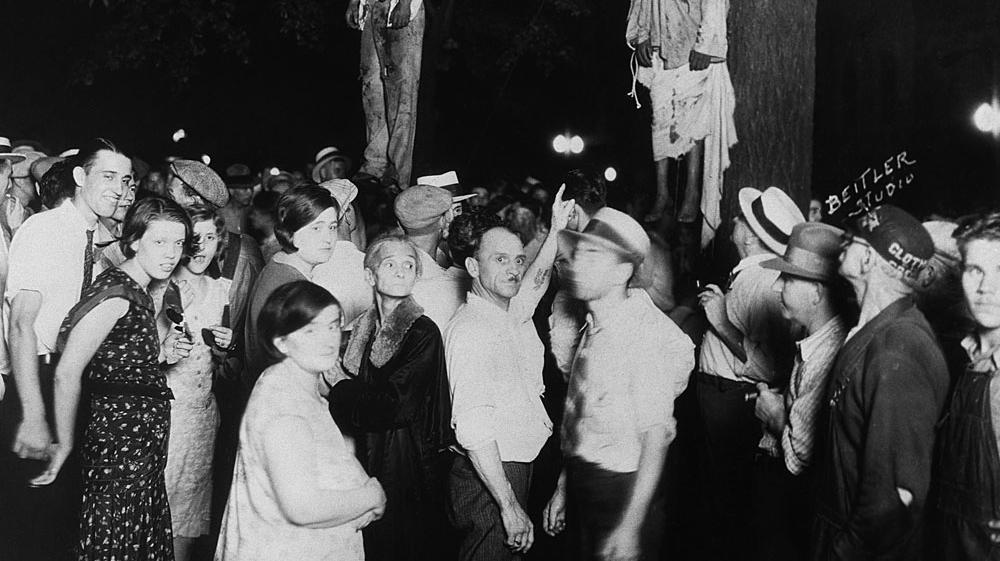
can writer Abel Meeropol in 1937, the famous and vivid lyrics of Strange Fruit were inspired by Lawrence Beitler’s photograph of the 1930 lynching of Thomas Shipp and Abram Smith in Marion, Indiana (below).
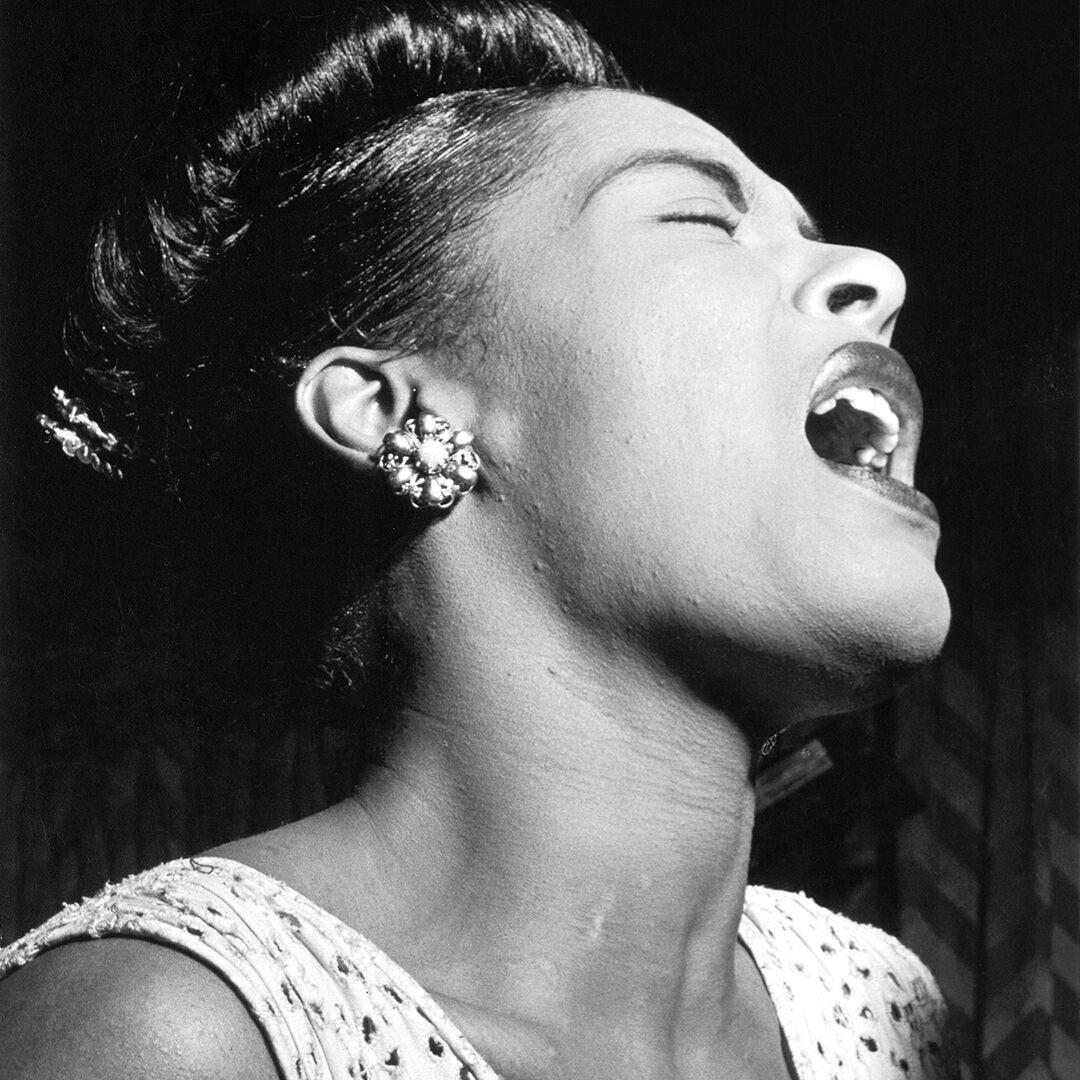
When Billie Holiday heard an early version of this song, she felt compelled to sing it herself, because of her experiences with racism and segregation as a Black American, and because of her father, who died having been turned away from hospitals which would not treat Black people.
The song, which depicts in gruesome detail the sight of lynched Black Americans in the South, describes the hanging bodies of those murdered as the strange bloody fruit of trees, creating a haunting image of its own.
Southern trees bear a strange fruit
Blood on the leaves and blood at the root Black bodies swinging in the southern breeze Strange fruit hanging from the poplar trees
‘Blood on the leaves and blood at the root’ highlights that the problem of racism was not just surface-level, but deeply embedded and institutional. On a deeper level, this is an analogy of the slavery and exploitation of Black people in America – the labour forcefully taken through pain and violence – the blood – benefited and profited the white slave-owners and the social elite – the roots – further feeding the system, the tree.
The song was considered extremely controversial. Holiday’s numerous public performances of it, and refusal to back down from the intimidation of racists and segregationists, caught the attention of the government – they feared that this song and others like it would feed revolutionary ideas. Harry Anslinger, a commissioner from the Federal Bureau of Narcotics framed Holiday, having his men pose as drug dealers. In May 1947, Holiday was arrested and given a prison sentence of a year and a half – her cabaret performance license was permanently suspended.
Fables of Faubus
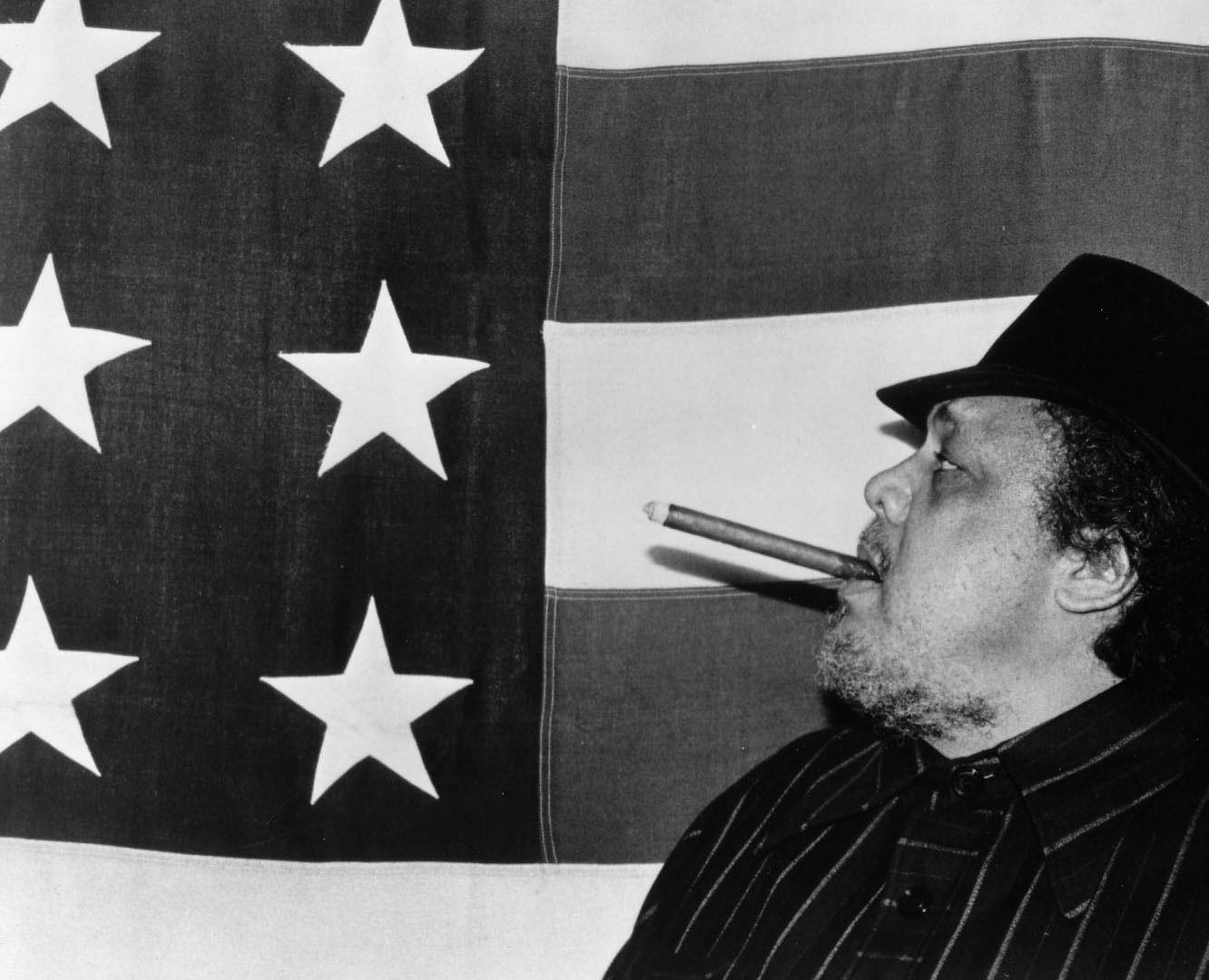
Also known as Original Faubus Fables, the first and most well-known version of this Charles Mingus classic, on his
album Ah Um (1959), was recorded as an instrumental – Columbia records refused to allow the politically explicit lyrics to be published under their name.
Mingus wrote this song in protest against the Arkansas Governor Orval Faubus, who, with the national guard at his disposal, attempted to prevent the integration of nine Black teenagers into Little Rock Central High School.
Name me someone who’s ridiculous, Dannie. Governor Faubus!
Why is he so sick and ridiculous?
He won’t permit integrated schools. Then he’s a fool!” Boo! Nazi Fascist supremacists! Boo! Ku Klux Klan (With your Jim Crow plan)
The song goes on to call out a number of other politicians, implying accusation of hate or immorality, including President Eisenhower and the segregationist governor of Mississipi, Theodore G. Bilbo. With the latter two lines of this chorus (left), Mingus mockingly refers to a childish chant used heavily by white crowds during the Little Rock riots; “Two, four, six, eight, we don’t want to integrate”. We shall Overcome
We shall overcome We shall overcome We shall overcome, some day Oh, deep in my heart I do believe We shall overcome, some day
Although made famous by white artists, We Shall Overcome is Black music through and through. The song has its roots in gospel and work songs, with its lyrics being descended from the African-American Methodist hymn ‘I’ll Overcome Some Day’. Yet the true origin of both of these songs is the music of the slaves forced to work in plantation fields, who would sing the lyrics: ‘I’ll be alright some day’. Unbeknownst to said credited people, these words would go on to inspire a protest song and an unofficial anthem of the Civil Rights Movement in America. We Shall Overcome is a de-
Name me a
handful
that’s ri
diculous, Dannie Richmond. Bilbo, Thomas, Faubus, Russel, Rockefeller, Byrd, Eisenhower Why are they so sick and ridiculous? Two, four, six, eight: They brainwash and teach you hate
votion to freedom, and is widely considered to be the most important song in political history.
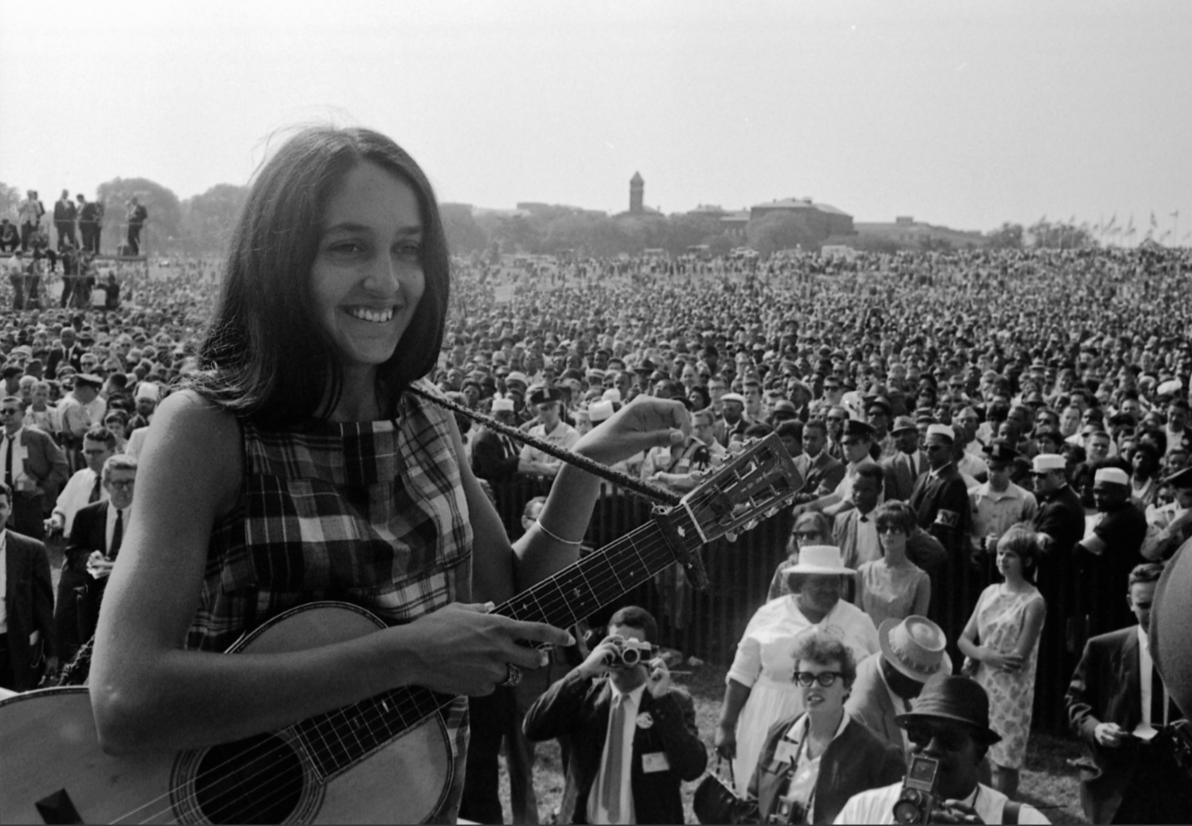
The well-known modern version of this song is believed to have first been sung by tobacco workers during a 1945 strike in Charleston, South Carolina. Two of these union members from Charleston travelled to do a workshop in the Highlander Folk Centre in Monteagle, Tennessee, a place where Black and White workers and musicians alike had been meeting for many years. As such, the song began circulating in the folk community, becoming popularized by activist folk singers; most notably Pete Seeger and Joan Baez.
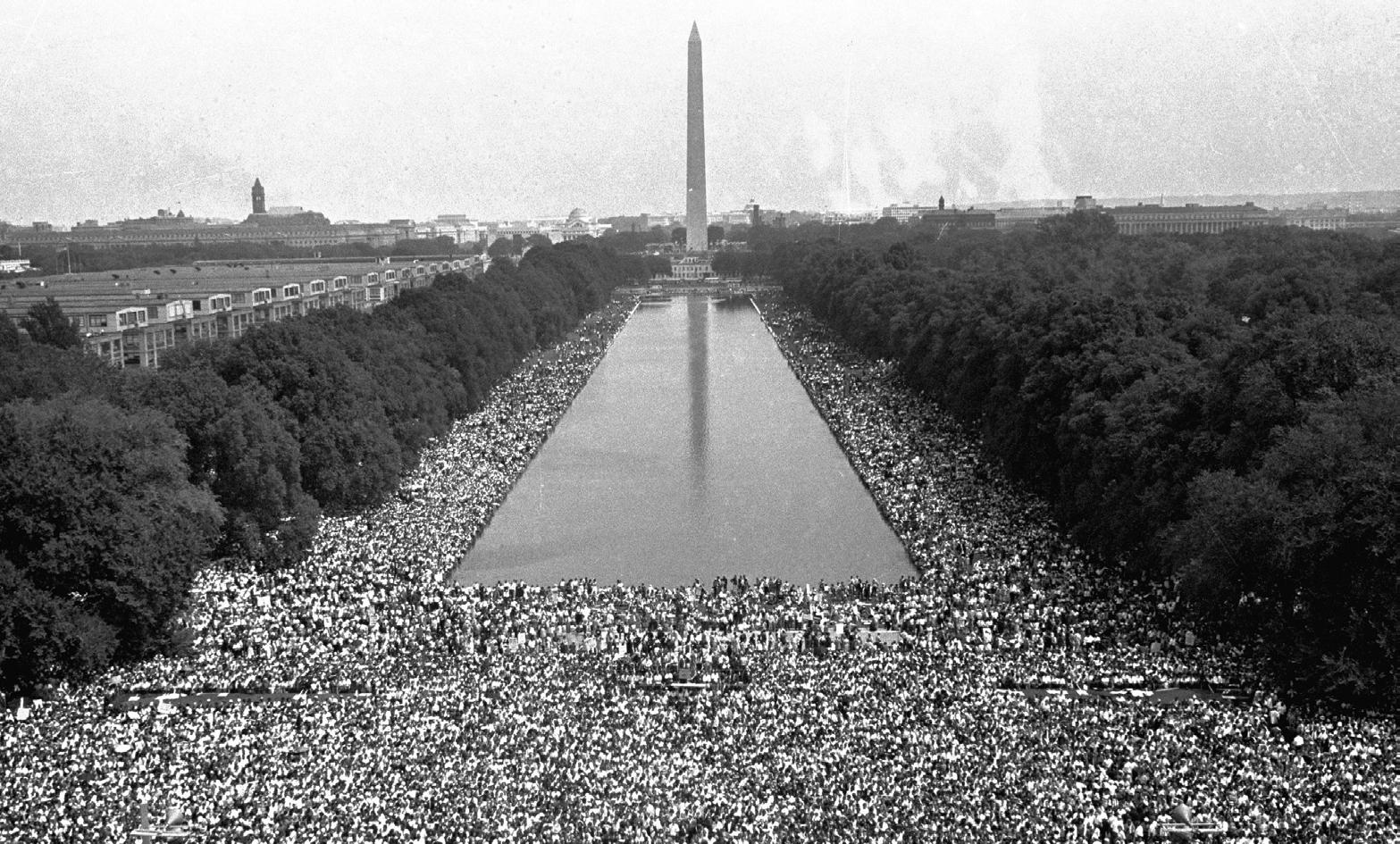
It was Joan Baez specifically who first brought the song onto the world stage. In the August of 1963, the young singer of only 22 years led a crowd of 300,000, all singing the lyrics of We Shall Overcome in protest at the Lincoln Memorial during the March on Washington.
In March of 1965, after the violent attacks on protestors during the Selma to Montgomery marches, known as ‘Bloody Sunday’, President Linden B. Johnson delivered a speech calling for legislation to guarantee the right of all Americans to vote; in this speech, he himself referenced We Shall Overcome, stating:
“It is the effort of American Negroes to secure for themselves the full blessings of American life. Their cause must be our cause, too, because it’s not just Negroes, but really, it’s all of us who must overcome the crippling legacy of bigotry and injustice. And we shall overcome.”
– Lyndon B. Johnson, 1965
The Lord will see us through, the Lord will see us through, The Lord will see us through someday. Oh, deep in my heart, I do believe, We shall overcome someday.
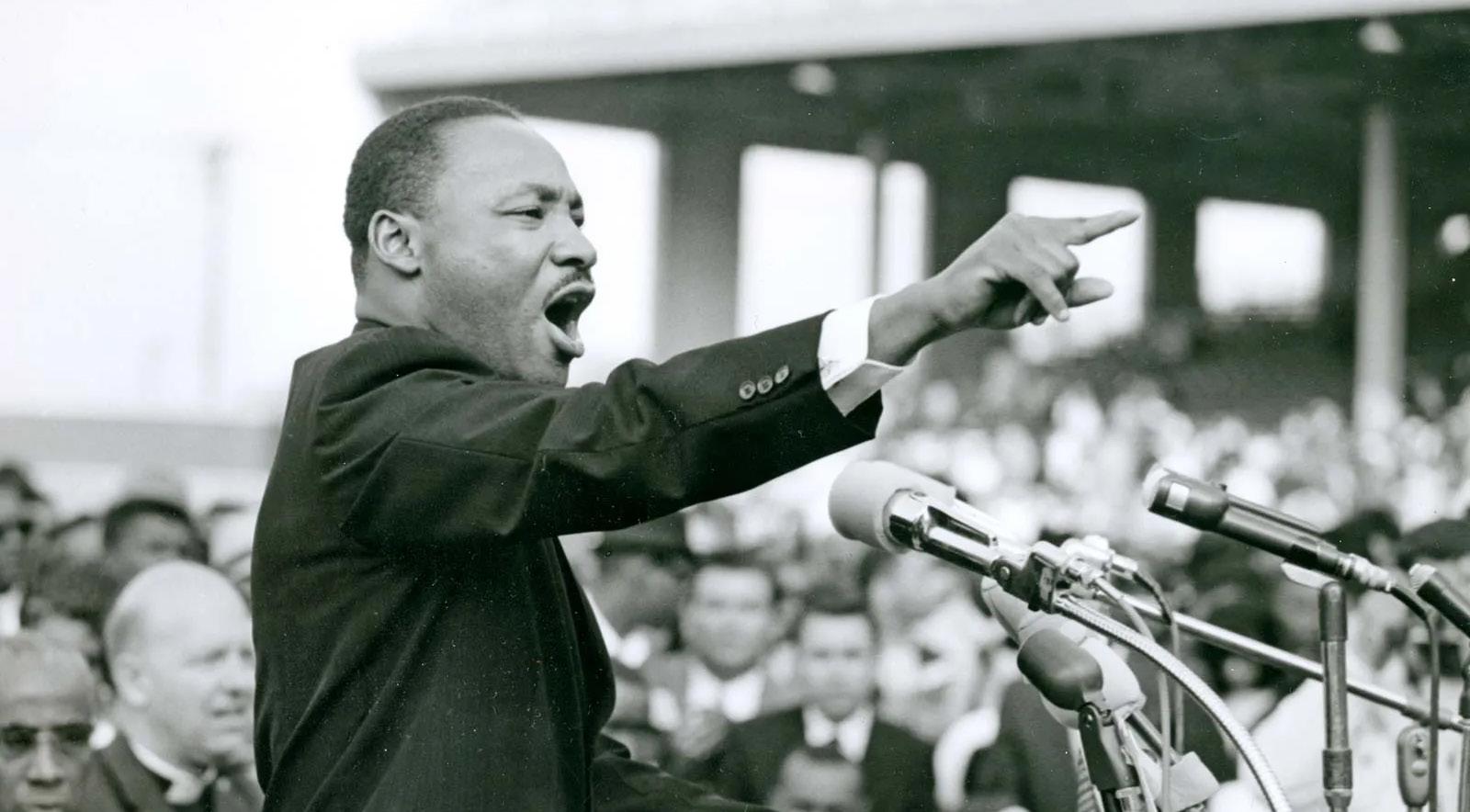
Civil rights leader Dr. Martin Luther King Jr. reportedly wiped away a tear when hearing Johnson speak those final words.
In fact, King first heard We Shall Overcome being sung by Pete Seeger at the Highlander Folk Centre – he was heard remarking how the song had stuck with him.
The connotations of unity and determination appealed to King, and he frequently included it in his speeches; examples include during his sermon at the Temple Israel Hollywood in 1965, and in his final sermon in Memphis on the 31st of March 1968, just four days before his assassination.
“There’s a little song that we sing in our movement down in the South. I don’t know if you’ve
heard it. You know, I’ve joined hands so often with students and others behind jail bars singing it: ‘We shall overcome.’ Sometimes we’ve had tears in our eyes when we joined together to sing it, but we still decided to sing it: ‘We shall overcome.’ Oh, before this victory’s won, some will have to get thrown in jail some more, but we shall overcome.
Don’t worry about us; before the victory is done, some of us will lose jobs, but we shall overcome.
Before the victory is won, even some will have to face physical death – but if physical death is the price that some must pay to free our children from a permanent psychological death, then nothing shall be more redemptive; we shall overcome.
Before the victory is done, some will be misunderstood and called bad names, and dismissed as rabble rousers and agitators, but we shall overcome. And I’ll tell you why. We shall overcome because the arc of the moral universe is long, but it bends towards justice.”
– Martin Luther King Jr. in Memphis, 1968
After this selected quotation of King’s speech in Memphis ends, he immediately goes on to replicate the words of his speech in the Temple of Israel Hollywood three years earlier (right).
We Shall Overcome was sung by over 50,000 people at King’s funeral a few days later.
The song has been translated into many different languages, including Spanish, having been used by Hispanic and Filipino farmworkers during the grape strikes in the late 1960s. In the 1970s, it was translated into Bengali by Bengali folk singer Hemanga Biswas, and was widely sung during the 1971 Bangladesh War of Independence. Significantly, in the late 1980s, We Shall Overcome was sang by hundreds of thousands of people in Wenceslas Square, Prague, in both Czech and English during the Velvet Revolution, during which the Czech masses protested against the single-party Communist government.
“We shall overcome. We shall overcome. Deep in my heart I do believe we shall overcome. And I believe it because somehow the arc of the moral universe is long, but it bends towards justice.
We shall overcome because Carlyle is right; “no lie can live forever.”
We shall overcome because William Cullen Bryant is right; “truth crushed to earth will rise again.”
We shall overcome because James Russell Lowell is right”
– Martin Luther King in Temple Israel Hollywood, 1965
In the 1960s and 70s, the song found its way to Northern Ireland; the Northern Ireland Civil Rights Association used the phrase ‘We Shall Overcome’ as their slogan, and the Northern Irish Civil Rights song Free The People by the Dubliners, protesting against the internment policy of the British army, uses this phrase at the end of each verse. On January 30th, 1972, We Shall Overcome echoed through Derry, as anti-internment protestors stood up to British soldiers who blocked their path. Tragically, 13 protestors were shot dead.
In 2010, Roger Waters released his own version of We Shall Overcome in protest against the Israeli blockade of the Gaza strip, and in 2012, Bruce Springsteen performed the song at a memorial concert in Oslo after the 2011 neo-Nazi terrorist attacks in Norway.
Despite all the progress made by civil rights movements, evil surely remains in the world. But what’s for sure is that where injustice is found, so is music. Music spreads faster than words alone, and music moves people, which is why it will always be part of political culture, and will always be a tool for peace, solidarity and justice.
Benjamin Clogston
Alex Kielstra fixes politics
Alex Kielstra’s elaborate plan to save democracy
Politics is a common theme amongst our ever-changing world. Many of us have discussions about it almost daily, but do any of us actually know what it is? I, for one, didn’t when I started researching this article. I still do not. If anyone knows anything about politics, I would appreciate it if you could try to explain it to me. Nevertheless, I shall still submit this article since my mother did not raise me to let obstacles stand in my way.
From observation of various news sources, I have determined that only 2 governments exist: The American congress, and British parliament (I assume there are more). I have also concluded that foxes are involved in no small degree in the vari-
ous political machinations of state, since otherwise Fox news would have no reason to talk so much about politics, a clearly non-fox-oriented subject. I am still unclear, however, on how deep this rabbit hole goes, and if any rabbits or other small predator/prey species are involved.
In this article, I will outline my plans to fix both governments through simple measures which will cost give or take 4.3 billion USD. My credentials: I wrote this article, which has been shown in The Eagle, and read by you. I believe that I need no further introduction, and am also unable to offer any, due to my lack of political successes throughout my life thus far.
We can fix the American Federal Government quite simply: We take what we have, put it to one side, and create an entirely new one. The local and state governments can choose to commit to a similar change, however, they may be keen to learn from my mistakes and stay as they are, since even I think this may be somewhat unwise. We will have to build entirely new governmental buildings, yet I must warn you the second stage of my plan involves hiding cameras around all the current governmental buildings. From my eyes all of the politicians are sort of old, so I believe we could fool them quite easily into believing that they are still in charge of the country. We can then hire editors to condense all the footage collected each day into a 20-minute comedy segment which can be shown on nation-wide tv. We can also get the US population to write in and give us new issues which we can introduce to the politicians and see
them attempt to solve them. There exists potential to do something similar for themed episodes as well, for example: “Santa is violating airspace above numerous US military bases” (Christmas episode), or “An alien ship has crashed and is threatening the earth” (Perhaps for a Doctor Who/Star Trek anniversary). I imagine the second one would end with President Joe Biden winning a lightsabre fight against General Grievous, yet I digress. I am unsure of how we can keep the politicians believing that everything is real after episodes such as those, however I have chosen to leave that problem to someone who knows what they are doing.
I don’t know how the British government works. As far as I know, they have a Prime Minister, which is the British equivalent of the American President, and that’s the government, aside from a bunch of other people who might do something. They also have the house of lords, but how that fits in alludes me. Since the lords already all live in a single house it seems that the situation is ripe for hiding some more cameras to record all of their hijinks and create a British version of the American old governmental Sit-com maybe even resulting in cross over episodes. As concerns the rest of the government, I propose we
run auditions of the entire UK population. It’s small, this is viable. The UK parliament contains 650 seats. If we just sit down 650 people in the House of Commons, we can measure how much of a positive effect each one has on the UK in general. After an hour, we kick them out and repeat the process with another group of 650 people. The UK has a population of 67.22 million people, so at a rate of 650 per hour we can get through them all in about 11.8 years. If we’re pressed for time, we can go down to maybe about 5 or 10 minutes per group. As a result, we can then choose the people who had the most positive influence on the country and make them the new government.
I wrote this article based on everything that I knew and could easily find out about politics. It would probably have been nice to know a bit more; however I didn’t feel like trawling through endless Wikipedia articles on worldwide governmental systems for a month. I see so many people telling you to vote, but even more people saying that they don’t want to. I just want to vote for the party that doesn’t support genocide, but there are a dozen different viewpoints on the feelings of each party towards genocide, and they’re all contradic-
tory. The right says that the left kills babies, the left says that the right eats babies. Which one is less bad? Is either good? What’s the difference between both of them?
I want to vote, to have a say, to do my small bit to try and make the world a better place, but the more I try to find out, the more conflicting viewpoints and information I find, with nowhere giving me much help other than “Vote for my party, the others are bad”. I honestly hope that one day a system can develop which I can easily understand, where I can know what I’m voting for, and where I don’t have to wade through masses of toxicity to find out that actually I’m the muppet for wanting everyone to be happy.
Regardless, I think we can all agree that if my solutions were implemented the world would be a very different, and quite possibly much more shambolic place. I however am finding it somewhat difficult to care overly about the consequences of my actions, since in the past I’ve learnt much from my mistakes, and in my scientific brain this means making more mistakes I can learn even more. If western government collapses due to aforementioned mistakes, I do apologise.
Alex Kielstra
Killer Style
the razor sharp look of one of History’s
The Agents of evil, the black clad boogeymen, the Fuhrer’s very own. The SS. History’s most infamous paramilitary regiment which consisted of those of the greatest conviction in the Nazi cause will go down in history for two reasons. The unspeakable crimes against humanity they committed acting as the executers of Hitler’s abhorrent plans, and, for their killer uniforms. the Third Reich’s SS are still today considered to have sported some of the most stylish and striking military uniforms in history. The dark, striking, dramatic outfits and regalia of the SS are undoubtedly iconic and infamous to this day, reappearing again and again on the big screen, representing a quintessential villain each time. It is easy to understate the importance of the uniform of all things in such a unit, however, the power of the SS no doubt came from their image, and their ability to captivate the imaginations of the German people. The name alone struck fear into the hearts of people, with each story that circulated through the nation, their terrible reputation would swell and distort, until they became to be known as a force far greater than perhaps they ever really were. This all began with the sharp, pristine, and identical nature of their attire.
To understand the genesis of the SS uniform, we must first understand the group itself. The SS first began as Hitler’s own personal bodyguards. He was an ever-paranoid man, and the army was considered the greatest
threat to him, and the main issue keeping him up at night during his early chancellorship, and so during his turbulent rise to power in the 1920s and 30s, he sought a group of men with die-hard loyalty to him and his cause, dedicated to his personal services. This period saw a number of groups, under a number of different names fulfilling this purpose before the Schutzstaffel stuck. This small bodyguard unit eventually grew into the primary tool wielded by the Fuhrer to suppress the racial and political enemies of the empire, and realize his image of the Third Reich. The three main constituents of the SS was Allgemeine SS, responsible for carrying out the racial policies of the Nazi’s and general policing of the nation, Waffen SS, who were stationed at the front as combat units, and the SS-Totenkopfverbände, who ran the concentration and extermination camps of the Nazi’s. However, it can be said that the aim of all these branches was to represent the Nazi party and their supreme leadership of the country, and to assert fear and authority over all those in their presence, reminding the citizens of Germany that they must obey and conform to the fascist model. The SS uniform saw a number of iterations before it became the iconic black ensemble which is generally remembered as the regiments uniform. The officers were clad in black from boots to cap, with accents of white and red shining through, deliberately placed to emphasize the several instances of Nazi insignia in the uniform. As I said, the black uniform was the product of evolution. The design wasn’t a radically new invention, but was comprised of many elements taken from previous iterations of the design. For example, the brown shirts worn underneath a black blazer being a nod to their 1920s era style of uniform, as well taking inspiration form wider history. For example, as well as projecting an aura of mystery and clan-
Style of the SS
History’s most terrible military units
destinity, some historians suggest the choice of black and the issuing of long black overcoats for officers to wear in winter, was borrowed from the Jesuits, the secret Catholic organisation of renaissance Europe. The various insignia sported by the SS can also claim such roots. The insignias of the SS were a particularly important part of the uniform. When compared to other officer uniforms of European powers in this period, the design of the SS uniform almost feels tastefully reserved, almost minimalist, with its distinct lack of medals and other regalia. The story is that Heinrich Himmler(above), took the role of head of the SS as a relatively unseasoned officer, and thus often served as the butt of the jokes for other senior officers of the Nazi party and military, often mocked for his lack of experience. At the various galas, dinners or functions within the Nazi party, Himmler gathered every
and any medal he could find to adorn his uniform with, producing a laughably small collection of medals and awards, seemingly pathetic compared to that of the expereinced generals of other regiments of the military. He later chose instead to commit to a clean, minimalist look with no medals at all, producing a much sharper look. The rest of the regiment would follow likewise, leaving only a few insignia, emphasized by the lack of frivolous awards displayed on the uniform. This feature also served to further dehumanise the officer, to make them appear, not as an individual, but a symbol of authority, and delegate of the Fuhrer. When a general shows off an extensive array of medals, exhibiting an assortment of colourful ribbons and shiny metal, you see his victories and his legendary exploits. You feel a sense of their accomplishments and prestige. The SS officer, on the other hand, has no distinguishing features on his uniform, and instead of being another brave soldier proudly presenting his military achievements, instead he represented the state, a part of something greater than himself. The Insignia which did garnish the SS uniform were generally three-fold. The first was the skull and cross bones, or the Totenkopf. The use of the Totenkopf has a long history of use in German military, first appearing in Frederick the Great’s Prussian cavalry units, and seeing a persisting fondness among military officers. Throughout this period up until the first world war, some officers could be seen wearing absurdly large bearskin hats, conspicuously emblazoned with that same skull and cross bones, a tradition
which endured until the time of the SS, who fashioned peaked caps showing this symbol. At face value this symbol perhaps displays the bearer as an administer of death to the great many racial and political enemies of the Nazi party, and serves as just another macabre reminder of the nature of the unit. However, the Totenkopf also says something far more profound about the immortality of fascist sentiment. It tells us that each and every one of these officers are willing to give their life to the cause as the most hardcore and loyal Nazis of the nation, and equally that Hitler’s mission is not confined to the realms of mortality and will persevere far beyond the death of any Nazi leader, which was the foundation of their image of a great 1000-year empire.
Another iconic symbol sported by the SS was of course the ‘Thunderbolts’, as they became known. The symbol resembled the letters ‘SS’ and was usually found on the collar and cuffs of the uniform. The single s was taken from the old Norse runic alphabet, as per their fascination with old Norse and Germanic history. The rune was a ‘Sig’ letter which represents the Sun, but following the German adoption of the rune, it came to represent ‘victory’ instead. The two sigs then represent ‘Victory! Victory!’ thought to be a sort of rallying cry, which conveniently looks like the letters SS, for Schutzstaffel. This became something of a logo for the SS, as the primary emblem associated with the group. It was used so frequently in everyday German society, that almost all typewriters and keyboards were expanded to include the double ‘Sig’ runes, so that one could reference the group with a single stroke.
The third and perhaps most important symbol displayed on the SS uniform, was of course the Nazi swastika. As with most features of Nazi imagery and uniform, the Swastika was not an original design, but was derived from Jain and Buddhist symbolism. Ironically the word Swastika is derived from the
Sanskrit word for ‘conducive to well-being’ and represents ideas such as the circle of karma and rebirth, and the principles of a virtuous soul. It is still in use all across the Buddhist and Hindu world, but sadly the symbol has not been cleared of its association to the Nazi party, particularly in the west, and for many who see the symbol today, decorating shrines or temples, it still evokes negative emotions and carries an air of darkness. The swastika had a number of reserved places on the SS uniform, but it was the red, white and black armband, which acted as almost the focal point of the uniform, and most sriking displays of the swastika. The restrained use of colour in the uniform, makes the red and white of the armband, incredibly striking. The bold and almost alarming shade of the colour and the stark contrast with the black uniform, combined with the bold black lines of the swastika, instantly draws the eye towards the symbol, so that any who should stumble across them, shall make no mistake about who these men were. This introduction of colour achieved by the armband, si-
multaneously, completes the tricolour scheme of red, white and black, used by the Nazis, which also serves as a nod to the former flag of the German empire of the same colours. This once again reaffirms the importance in fascist political thought, of history and the Nazi’s fascination with Germany’s many former empires.
As I said before, a well-designed uniform is of far greater importance than many acknowledge. When a soldier would put on a uniform with such an aura about it, he surrenders to it. In exchange with the power he gains, he gives up a piece of his identity, and the person within becomes not an individ-
ual, but another cog in the oppressive machine. A profound psychological effect happens in a person when they wear such a garment. It is something that has been thoroughly investigated by psychologists, such as the famed Philip Zimbardo, whose research attests to the effect of deindividuation on a person’s willingness to commit evil. He went on to state that through his experiments he learnt ‘something about the plasticity of human nature. Not the evil, not the aggressiveness but a certain kind of malleability’. This is precisely the case when it comes to the Nazis and their uniforms. There is indeed no excusing the crimes committed by the SS during those years, but one can certainly understand what motivated them. These were not men who were born into this world with a sinister, evil nature, but instead, simply succumbed to the group they joined. The uniform was another means to convince the men that they were not acting as individuals committing terrible atrocities, but that when they put on that uniform, they became the state. They represented the entire party as a tool to carry out thier bidding, and however evil their job may be, it is simply a means to a virtuous end.