The Eagle
The Changing Nature
of Politics

Ewan Collingbourne & JJ Fitzpatrick Editors Notes;
Welcome to the Summer 2023 Edition of the Eagle Politics Magazine!
There has been so much that’s gone on in the past few months across the globe, not to mention earlier this year, that we felt privileged to have the opportunity to edit this edition. People say that the modern era is the best time to live in history. I’m not entirely sure if that’s true, but it’s certainly the most interesting politically. With the explosion of media, it’s easier than ever to find out what’s going on in a country about 4,000 miles away.
Politics is messy, it isn’t black and white, people can lie and cheat and still get their way sometimes. Some people accept it, some don’t, and that’s just politics, no matter how crazy you think the other side seems, there will always be people there to oppose you.
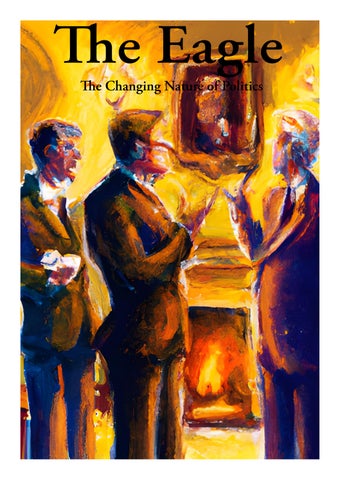
The front cover of this edition is the idea that an AI has of the current political system. It allows us to reflect on the nature and ideas that have influenced politics for many years, and the development and changes that have occured as time progressed. AI is but the newest in innovations, and is sure to have a profound impact on political thought, similarly to how many thinkers in this edition of the magazine have.
The articles in this edition cover a wide range of topics, from philosophy, to the media, to the recent developments that have occured across world news. Some articles in this edition answer interesting questions to get you thinking, some cover controversial current issues. Some are light-hearted (such as an article on the dangers of AI- written by an AI Chatbot), and some are more serious, to tug at your heartstrings and create visibility of important issues, Whatever you’re in the mood for, we hope you enjoy this edition of the Eagle!
JJ Fitzpatrick and Ewan Collingbourne
The Dangers of Artificial Intelligence: Unveiling the Risks and Implications
Guest Contributor
Artificial Intelligence (AI) has emerged as one of the most transformative technologies of our time, revolutionizing industries, enhancing efficiency, and improving decision-making processes. However, alongside its numerous benefits, AI also brings forth a range of dangers and risks that warrant careful consideration. This essay explores the potential perils associated with AI, including ethical concerns, job displacement, algorithmic biases, privacy invasion, and the existential risk of superintelligent AI.
One of the primary concerns surrounding AI is the ethical implications it presents. As AI systems become increasingly autonomous, questions arise about their ethical decision-making capabilities and the potential consequences for humanity. The development of autonomous weapons raises concerns about the morality of giving machines the power to determine who lives and who dies. Similarly, the use of AI in surveillance and data collection raises questions about privacy invasion and individual autonomy. Striking the right balance between AI advancements and ethical considerations is crucial to ensure that AI benefits society without compromising fundamental human values.

Furthermore, the automation potential of AI has led to fears of widespread job displacement. While automation has historically led to the creation of new job opportunities, the magnitude and speed of AI-driven automation raise concerns about the impact on the workforce. The fear of mass unemployment and economic inequality looms large as AI systems take over tasks previously performed by humans. To mitigate this risk, efforts should be made to provide adequate re-skilling and upskilling programs to help individuals transition into new roles in the AI-driven economy.
Algorithmic biases present another significant danger associated with AI. AI systems are trained on vast datasets, which may inadvertently incorporate biases present in the data. These biases can perpetuate and amplify societal inequalities, leading to unfair treatment in areas such as hiring processes, criminal justice, and lending practices. Addressing algorithmic biases is crucial to ensure fairness and equity in AI applications.
This requires careful examination of training data, rigorous testing, and ongoing monitoring to identify and rectify biases that may emerge.
Moreover, the proliferation of AI-driven surveillance technologies and the collection of extensive personal data pose risks to privacy and individual autonomy. As AI algorithms become more sophisticated, there is an increased potential for data breaches and the misuse of personal information. The ability of AI systems to analyze and interpret personal data raises concerns about the erosion of privacy rights and the potential for manipulation and control. Stricter regulations and robust privacy frameworks are necessary to safeguard individuals’ privacy in the age of AI.
Lastly, the notion of superintelligent AI raises existential risks. While the development of highly advanced AI systems capable of surpassing human intelligence remains speculative, it is essential to consider the potential dangers associated with such technology. The idea of superintelligent AI outperforming humans in all intellectual tasks raises concerns about control, value alignment, and the risk of losing control over these machines. Ensuring that future AI systems are developed with proper safeguards, transparency, and human oversight is crucial to prevent unintended consequences and maintain control over AI technologies.
In conclusion, while AI offers immense potential and promises transformative benefits, it also comes with inherent dangers and risks. Ethical concerns, job displacement, algorithmic biases, privacy invasion, and the existential risk of superintelligent AI all demand careful attention and proactive measures. Collaborative efforts among governments, technology companies, researchers, and policymakers are essential to establish robust regulations, ethical frameworks, and accountability mechanisms to guide the development and deployment of AI. By recognizing and mitigating the dangers associated with AI, we can harness its power responsibly and ensure its benefits are realized while safeguarding the interests and well-being of humanity.

The House of Lords; what should we do?
Caeden Harris - L6th
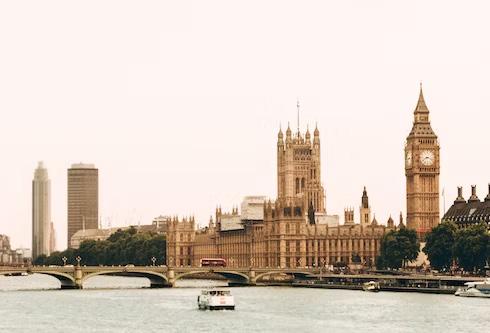
The House of Lords has been a branch of government since the January 1801, and was created to advise the monarch during medieval times.Since then it has lost much of its power, yet it still remains. Today, we ask, should it?
The House of Lords is an unelected branch of parliament which provides checks on the House of Commons. It is key to keep the House of Lords as these checks make sure the government does not act irresponsibly and they are accountable to their actions. The Lords does important work with holding ministers to account through questions and debates, and also scrutinising government legislation. Without the House of Lords the Commons would be the sole parliamentary check on the governments power. However, as the government has the majority, parliamentary accountability would severely diminish.
There are some reasons to abolish the House of Lords. The Lords are expensive, and it is an expensive institution to run. Members are paid allowances and expenses, including an attendance allowance of £322 for each sitting day they attend in the House. Some may argue that this money could be better spent on public services, or other factors. As well as this, there is a certain lack of diversity within the House of Lords. The Lords are not representative of the wider population, with members being overwhelmingly male, white and over 60. This has led to criticisms that its decisions do not reflect the diversity and breadth of opinion in the country. Some could also argue that they cause inefficiency. The House of Lords can cause delays in the legislative process, with bills passing back and forth between the two houses.
Some may argue that this creates uncertainty and confusion around the implementation of new laws. However due to the Salisbury convention, this point is weak as the Lords can only block a bill three times.
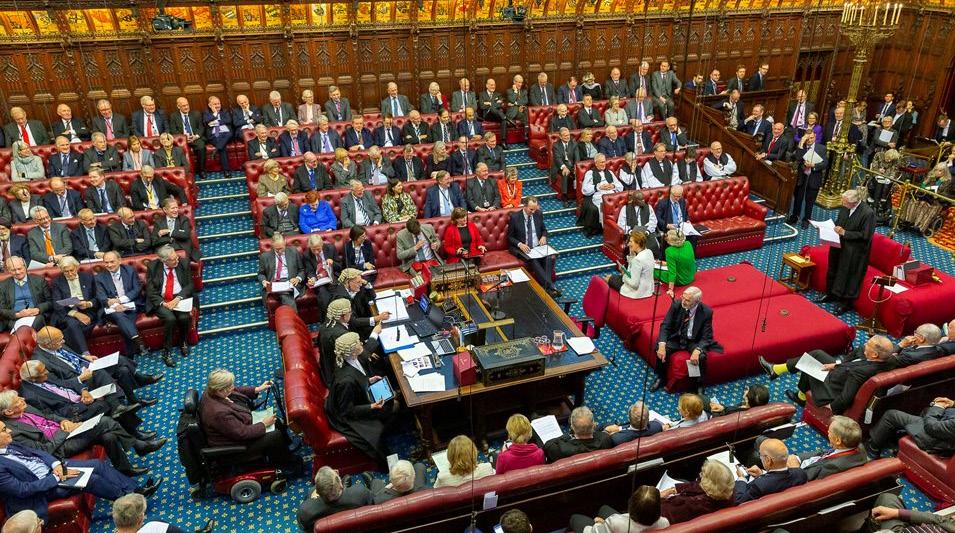
However, there are many other reasons to keep the House of Lords, including their expertise and experience. The members within the House of Lords are experts within their field and have extensive experience in a wide range of areas, some of these include law, business, science and academia. Their knowledge and expertise can be valuable in providing a different perspective and scrutinizing legislation.
The House of Lords is also historically significant. Being British, history and tradition is very much involved into our every day lives. The House of Lords is steeped in this history and tradition, and it is an important part of the UK’s constitutional system. Some argue that preservation is important for maintaining the country’s cultural and historical heritage. However, most importantly it limits governments power. The House of Lords tends to have a more cautious approach to new legislation, acting as a brake on the governments legislation. This therefore prevents hasty or ill-considered decisions being taken by the Government.
In my view, although the Lords may be expensive, and slow down legislation, it is crucial to keep them as they are needed to check the government and make sure that ill-considered or hasty ideas are not easily passed. The Lords enable the government to have accountability and also think about their actions as they debate with the House of Commons.
Russia Vs Ukraine - What does the money say?
Bruce Potter - L6th
It would be an understatement to say that economic predictions for the future are pessimistic. The world economy is undergoing a prolonged period of stagflation, damaging employment, productivity, investment, purchasing power and living standards.
Inflation has reached record levels around the world in recent months, and this is due to a plethora of synchronous events. Arguably the largest are the Russia-Ukraine war and the Covid 19 crisis. When analysing these phenomenon’s, one factor is congruent throughout, and it is that supply chains are disrupted. Demand has stayed constant whilst the supply of goods and services around the globe has plummeted into disrepair as the cost of producing these goods and services has increased substantially. The UK has narrowly avoided a recession in 2023 but fears over the future of economic growth are ever present. Industrial action, falling productivity and few technological advances, combined with the macroeconomic shocks presented above, contribute to the negative outlook on economic growth in 2023.

The primary responsibility of central banks around the world is to keep inflation low and stable and as close as possible to their macroeconomic objective. Although this seems like an elementary task, it is nothing of the sort. Central banks around the world are perplexed by this problem, with many struggling to find the balance between lowering inflation and rebuilding supply chain difficulties. Central banks have two main tools at their disposal, firstly they monitor the money supply through processes of quantitative easing and quantitative tightening and secondly, they have the power to raise or lower the bank rate. Governments around the world are in vast amounts of debt, hence quantitative tightening is not seen as a solution as this would add to the problem of incredibly high national debt and interest repayments. Hence, central banks have decided to enter the realm of changing interest rates. US bank rates have risen twice by 25bps in February and March, pushing borrowing costs to new highs since 2007 and a top federal reserve official signalled, he is open to another interest rate increase in order to squash inflationary pressures.
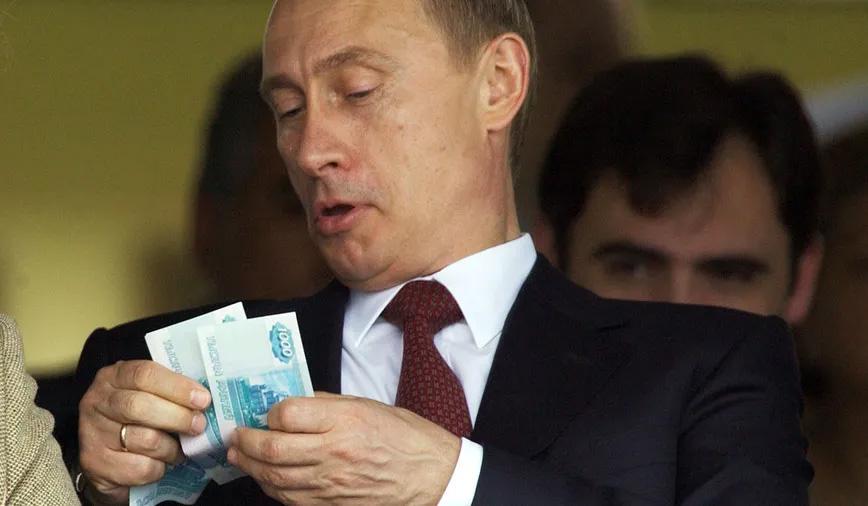
The IMF’s twice-yearly full forecasts presented on the 11th of April 2023 warned of a “hard landing” throughout the global economy if troublesome inflation keeps interest rates higher for longer and amplifies financial risks. This showed a 25% chance that the annual growth rate could fall below 2% in 2023. The global economy has only grown that slowly in five calendar years since 1970. This contractionary policy of raising the bank rate in order to reduce consumer spending in the economy, hence less cost push inflation, is a controversial one. This is because it exacerbates the problem of stagnant growth, as the economy is squeezed to a point where consumer saving is encouraged, and expenditure is extremely costly.
It seems the International Monetary Fund is split on what central banks should do. Some call on central banks to keep working to bring inflation down by further policy tightening, while other top officials have warned of “acute” risks to the global financial system if central banks continue ratcheting up rates to squash inflation.
Pierre-Oliver Garrincha’s, the IMF’s chief economist said “sharp monitory policy tightening over the past 12 months is starting to have serious effects for the financial sector”.
IMF managing director, Kristalina Georgieva, stated the prediction was the worst medium-term output for the global economy since 1990. She also stated global productivity would deteriorate, while economies will suffer from pandemic “scarring” and fragmentation amongst geopolitical tensions. To add to the poor economic climate, in March, three US banks collapsed including well known tech giant, Silicon Valley, as well as the Swiss bank, Credit Swisse. The high level of opacity in the financial sector creates a lack of confidence in the banking market and the financial sector, meaning the magnitude of risk is difficult to comprehend. Currently, central banks main priority is to separate financial stability from price stability and to work with fiscal policy to tackle these goals separately. The problem is this separation is extremely tenuous and one wrong move could see inflation soar or economic growth plummet.
Macron - The worst since De Gaulle?
Jacob Smith - L6th
Over the span of half a decade French president Emmanuel Macron has inspired immense amounts of hostility and animosity within his nation, from riots to protests, unparalleled amounts of anger have been rising. In the eyes of many, Emmanuel Macron had an elite and privileged upbringing that only adds to the hatred towards him. Studying at prestigious universities for both his degrees as well as an investment banking job at Rothschild & Co, there’s no doubt that Macron certainly had a different upbringing in France than the majority of his people.
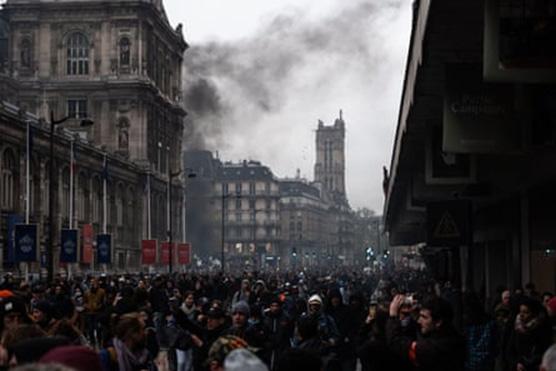
Increasing protests marked the first years of his presidency, culminating in 2018 with the Yellow Vest Protests. Labelled by the government as some of the most violent protests in Paris in over 50 years; comparing to those of May 1968. With over 3 million participants, the yellow vest movement is monumental. The yellow vests are supposed to be a symbol, a symbol for Macron. Yellow vests are meant to make people aware of your presence, a symbol of the working class, and therefore almost impossible for Macron to ignore.
The Yellow Vest movement was initially motivated by rising fuel and oil prices, a change particularly crippling the lower classes, although measures of austerity and the wealth tax repeal caused it to turn into a working-class revolt against Macron himself and his economic policies. Their primary demand? The resignation of Macron.
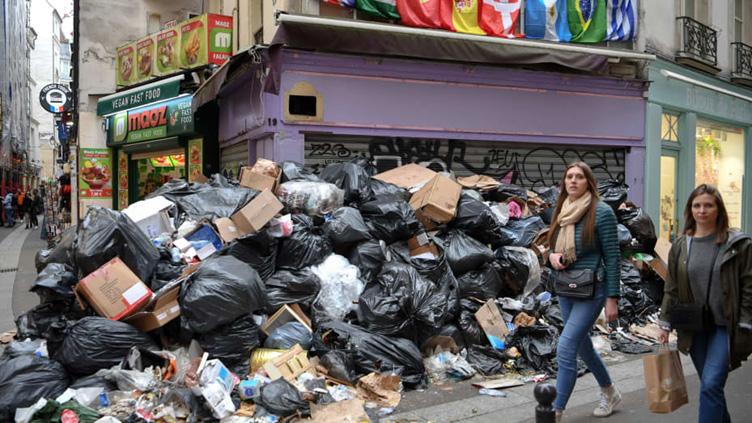
These movements are only part of the reason that Macron is so controversial. This January Prime Minister, Elizabeth Borne’s government introduced a Bill which called for pension reforms, with the goal of raising the retirement age by two years, from 62 to 64. The Bill caused once more protests all throughout France, which only increased in violence. Burning of bins, cars, cafes, and restaurants have been seen all over the news. Not only this but union-organised strike action has also taken place leading to complete chaos, particularly in the streets of Paris which have now piled up with rubbish and blockades due to the striking of binmen. More than 5,000 tons of rubbish is festering on the streets, with overflowing bins, black bags, cardboard boxes, and empty crates. Rotting smells have been spreading and Paris is deteriorating.
Despite all of the protesting, Macron still signed the bill into law.
Shortly after the pension reforms, Macron despite trying to align himself with his people, was seen wearing an expensive watch in an interview. He certainly caused a stir wearing the luxury watch during the press conference, it was a “Bell & Ross BR V1-92” worth almost three thousand US dollars. The watch then magically “disappeared” during the interview, with it being believed that he removed it sensing it was inappropriate. This made him look very guilty and only added salt to the wound of the French people.
Ultimately Macron could arguably have caused a number of riots, strikes, and protests. Although to call him the most controversial president since Charles de Gaulle is an overstatement. Whilst Charles de Gaulle was certainly a war hero who contributed greatly to the liberation of France from Nazi Germany. During his presidency he certainly made some major mistakes.
Following the Algerian war, Charles de Gaulle granted independence to Algeria. This led to huge backlash. A group named the OAS (Organisation armée secrète) an underground military and terrorist organisation attempted to prevent the independence. They organised bombings, assassination attempts and even tried to overthrow the military. These acts of terrorism resulted in around 2000 deaths
plete economic shutdown in France, leading political leaders to fear a civil war or revolution. During this time President Charles de Gaulle fled to West Germany causing the national government to stop functioning. Charles de Gaulle was also criticised for his conservative policies and perceived authoritarianism which contributed to the dissatisfaction of many young people and workers, a main reason for the protests in the first place. He also handled the situation poorly which only added fuel to the fire.
The true costs of being stingy
Ben Williams - L6th
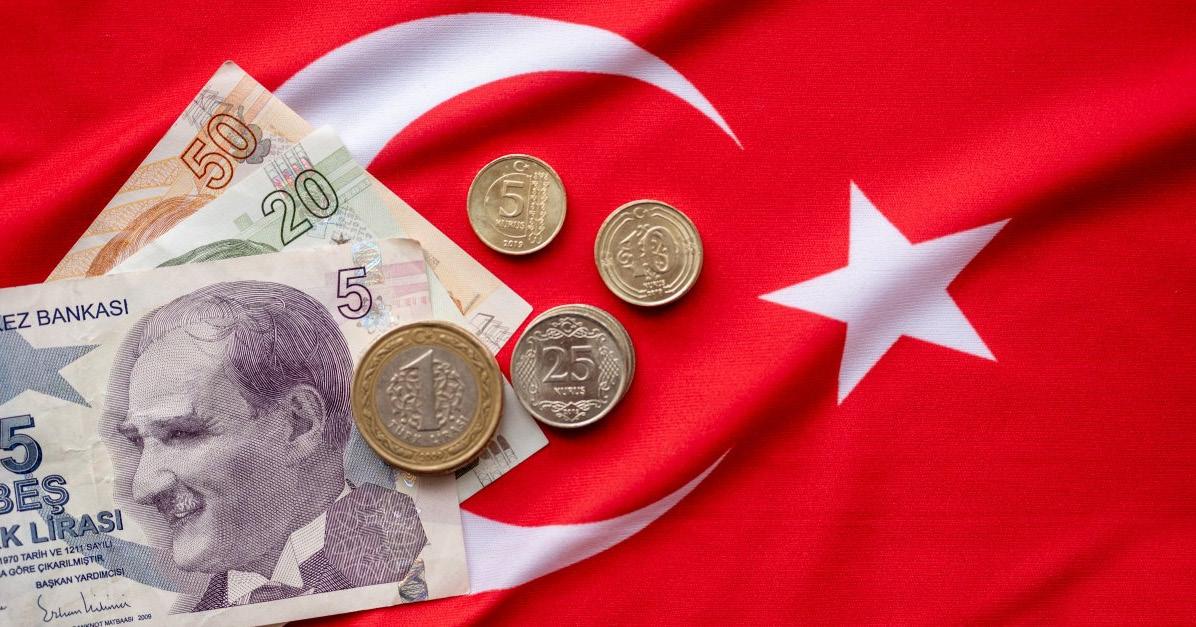
Recently on the 23rd of February 2023, an earthquake of magnitude 7.8 struck Turkey and Syria. This brought along a series of aftershocks including one of 6.8 magnitude. The meant that more than 160,000 buildings were destroyed containing around 520,000 apartments. According to the Financial Times, this devastating earthquake caused around $34 billion of damage. If you include the damage caused by the huge aftershocks of the earthquake the total cost of rebuilding the 11 damaged provinces affected, comes to around $68 billion.
As a result of this earthquake, hundreds of construction firms are being investigated for allegedly ‘cutting corners’ in the construction of many of the buildings that collapsed in this horrific earthquake. If these companies erected these buildings suitably, would they have collapsed or been damaged as severely as they were? The BBC investigated the rubble of 3 newly completed tower blocks.

Modern building and safety regulations, along with the country’s reputation for earthquakes, meant that these buildings should have been able to withstand earthquakes of this magnitude. If corners were cut however, it is unlikely that it would have been found out about for a long time, as there is, ‘very little enforcement of building standards on new buildings.’ Another reason for so much damage that was caused in this earthquake, was that existing buildings were not being upgraded and retrofitted to comply with the new building regulations that were introduced in just 2018.
Some people even reported that buildings that were damaged over 2 decades ago by a previous earthquake had not been repaired and retrofitted.

In Turkey laws about strengthening buildings to withstand earthquakes do not have to be followed by construction techniques, as long as they pay a small fee to the government. These amnesties have been allowed since the 1960’s, and around 75,000 buildings in the area affected by this earthquake, have been given such amnesties. In 2018, it was estimated that approximately 13 million buildings were constructed in violation of building regulations in Turkey. If such amnesties were banned and proper building regulations were followed by construction companies and inspected by officials, experts say that this earthquake would have been nowhere near as destructive and life changing as it was. Japan is a key example of how strict building regulations have proven that they protect and prevent buildings from collapsing, especially the many high-rise buildings that house millions of people.
Pier Paolo Pasolini
Charlotte Clee - L5th
Pier Paolo Pasolini, the radical poet of 1960s Italy. Pasolini, born 5th March 1922, was an Italian filmmaker, poet, intellectual, and novelist among many other ventures. His multifaceted works fused the state of post-fascism Italy, politics, philosophy, and religion into one. Inspiring many filmmakers of the future, the most notable being Martin Scorsese. He was an overly complex individual whose works remain ever-present in our modern-day society. The controversial elements of his career would result in him being assassinated on the 2nd of November 1975, shortening what had already become a phenomenal legacy.
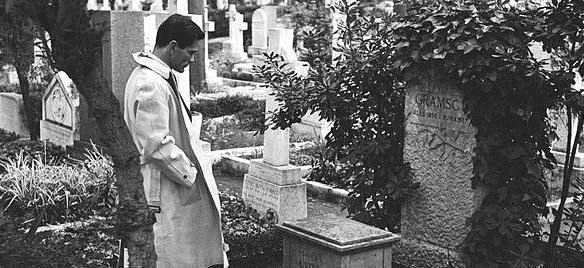
However, before we delve into his films, we must look at the events which shaped Pasolini’s life and helped to forge his political and philosophical endeavors. Pasolini was born in 1922 in Bologna but would spend much of his childhood in Casarsa, a town in the northeast of Italy. Pasolini’s father, Carlo Alberto, was a local hero after he saved Benito Mussolini’s life. During his youth, he began to read the works of the Sardinian-born Marxist Antonio Gramsci. Gramsci would be imprisoned by Mussolini’s regime due to his vocal outpour against Mussolini and the fascist movement, however, it was during this time that Gramsci would write his major work: the prison notebooks. Pasolini would be drafted to fight in World War II, resulting in him being imprisoned by the Germans. After the war, Pasolini would become immersed in journalism. In January of 1947, he wrote a front-page declaration in the paper Liberta, “in our opinion, we think that currently only Communism is able to provide a new culture.” This would ignite controversy as Pasolini himself was not a part of the Italian Communist Party. Though he would attempt to join but would be rejected due to his homosexuality. His life would be heavily political within his films and his own personal adventures. Following a visit to New York in 1966, Pasolini was so impressed by the spirits of leftist parties such as the Black Panthers that he described America as, “In America, you get the feeling that everything is about to begin…people live there as if on the eve of great things.”
His first two films: Accattone(1961) and MammaRoma(1962)
The Italian word Accattone means beggar, this word shares its name with the audacious directorial debut by Pasolini. Both his first films are poignant observations of the lives that the poor Italian people led. Embarking on journeys that try and uncover the ennui that drowned the inhabitants of Italian slum towns. We see the real-life figures behind the inspiration for these films represented as Pasolini strived to hire as many people who lived in the actual Italian slums as he could. This much differs from other filmmakers at the time as figures such as Federico Fellini, most notably the director of 8 ½., and Jean Luc Godard who both maintained a usage of professional upper-class actors to play normal men and women. Both Accattone and Mamma Roma have a specific focus on the route of prostitution that many resorted to. Talking about his first two films in an Interview for film quarterly in 1965 Pasolini explains his choice to focus on the typically unrepresented slums of Italy, “Everyone believed that the world of the urban underclass no longer existed. What was I to do with the twenty million members of the urban underclass? Lock them up in concentration camps? The general attitude people had towards the urban underclass was almost racist, as though these people belonged to a world community that no longer existed. People said that the urban underclass was a book that had been read; nevertheless, the urban underclass was still very much alive.”
The secular masterwork:
The Gospel According to St. Matthew
The Pope asked Pasolini to direct a film based on the four gospels written by St. Matthew. Pasolini, a homosexual Marxist, was the least likely candidate you could imagine. It is hailed as the greatest film ever made about Christ and appears on the Vatican film list. In it we see all the dialogue taken verbatim from the Gospels themselves and the music an array from Mozart to Bach. One element of the film that exemplifies this piece’s greatness is the subtle casting choices Pasolini made. Much of the cast were non-professionals, Pasolini’s own mother even plays the Virgin Mary. There is not a pomp attitude exuberated by the cast, they look normal as if they could be any old character in the crowd. This much differs from other portrayals of Christ in cinema , for example, Mel Gibson in The Passion of the Christ, and this deliberate element of
The multifaceted genius
Charlotte Clee - L5th
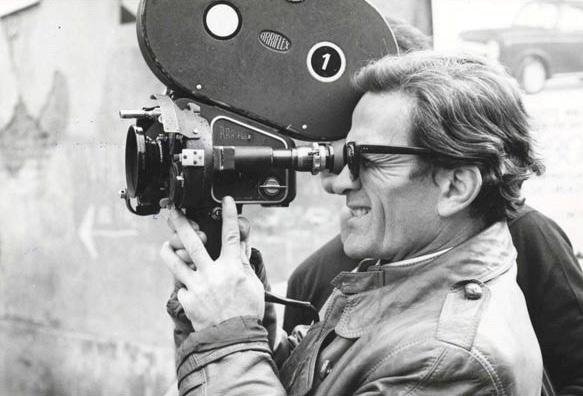
Jesus being human, not being some mythical figure of divinity. He looks like an average man; he talks like one, but he still has this efficacious way of capturing the audience with his performances of Miracles and his acts of altruistic deeds. Pasolini still managed to infiltrate Marxist undertones throughout the film. One of the ways he did this was by telling the story of how Jesus cleanses the temple in Jerusalem, he does this by chasing out merchants and moneychangers. Exterminating the manipulating methods they enforced on the proletarian of Jesus’ day, those who fell for the contrivances.
The nauseating one: Salo or the 120 Days of Sodom
The title hails the name of the town that Mussolini donned as the capital of his Italian Social Republic, Salo. As the film begins, we are introduced to four officials (The duke, The Bishop, The Magistrate and The President) who go on to set the rhetoric of the entire film by freely dishing out fascist slogans and kidnapping eighteen children, nine girls and nine boys, and taking them to the town of Salo These children become instruments of the fascists erotic exploitation and the film develops into a Dantean escalation of nefarious torture and hell. If we uncover the allegorical sense of the film, we see the inhibition of Pasolini’s style shine. This film is a bewitching take on consumerism, the audience watch as the extremely powerful dehumanize these children to the point of commodification. Throughout the duration of the film, we see the officials become progressively more foolish representing the outlandish systems of etiquette that the aristocracy conform to. Pasolini utilizes outrage and disturbance to personify his fear of the uprising of consumerist culture, one that he believes would destroy humanity to a greater degree than any fascist regime.
Though he does not leave us without solutions unlike many others, Pasolini ensures that if we have love, belief, and the freedom to critique the upper class (Pasolini’s three forms of social resistance) we can harbor this storm. Upon release in 1975, the film would be banned in many countries, one of which being the United Kingdom. It would go out on limited release in the US but in 1994 an undercover police officer in Cincinnati would rent Salo out from a gay bookshop and would later arrest the owners of the bookshop for procuring, which in legal terms is the provision of a prostitute. As a result, many artists and scholars, including the great Martin Scorsese, signed a legal brief recognizing the film’s artistic brilliance. However, the great Pasolini would never see this reaction as he would be assassinated on the 2nd of November1975. One month and 28 days before the release of his most acclaimed work. Though this out poor of disgust by censorship boards would grant his final wish, Pasolini’s wish that, “artists must create, critics defend, and democratic people support . . . works so extreme that they become unacceptable even to the broadest minds of the new State.”.”
The silencing of a Martyr
On November 2, 1975, the bludgeoned corpse of Pasolini was discovered on a beach close to Rome. An autopsy would find that he had been run over by his own car multiple times, beaten with a metal rod, and then lit on fire. Giuseppe Pelosi, a seventeen-year-old sex worker, would be arrested and found guilty of the crime in 1976. However, in 2005 Pelosi would relinquish his confession and instead state that he took the blame from a mysterious group of men who threatened his family. It is believed that these men killed Pasolini as part of a political conspiracy. One that focused on the mitigation of the Italian left in the 70s. Many believe that on top of this the men had an allegiance to the Mafia and felt provoked to kill him due to his: homosexuality, his anti-state beliefs, and the film he yet to release Salo. Pasolini’s demise echoes that of his own hero, Antonio Gramsci. Two Italian Marxists silenced yet met with post humorous greatness. As the Danish philosopher Soren Kierkegaard put it, “The tyrant dies and his rule is over, the martyr dies, and his rule begins.”
Rupert Murdoch
Charlotte Clee - L5th
In a 1971 debate with Noam Chomsky, French philosopher Michel Foucault begins to argue that there are many institutions which subtlety instigate power over us. These institutions tend to present themselves as having nothing in common with political power, sometimes even to the severity of being apolitical, but the reality is much different. Foucault proposes two examples of these systems, the education system and psychiatry. In this article, I shall try and argue a third, how news is presented to us and how this shapes the political debate.
To begin I would like to explore the current state of the Murdoch empire, specifically Fox News . On 18th April 2023, Fox News agreed to pay $787.5 million to settle an ongoing defamation case with the voting machine maker Dominion. This followed Fox’s accusation that Dominion had rigged its devices to award votes to Joe Biden throughout the 2021 election and had distributed bribes to election officials and even put out rumours that they had been working for the Venezuelan leader Hugo Chavez. Life began to imitate art as we saw Murdoch having to testify in front of a court, a scene eerily reminiscent of Succession season two where Media Mogul Logan Roy appears in front of a court for allegations of lies and coverups. During this trial, the underlying hesitation that many significant figures behind Fox News held about the claims had begun to come to light. Tucker Carlson, the now departed Fox News presenter, was one of the powerful faces of Fox News who expressed hesitation to the original claims behind the scenes at the time, “Sidney Powell is lying”. Sidney Powell was one of Trump’s attorneys who claimed Dominion’s machines were rigged. Carlson was not alone on this front, Murdoch himself expressed hesitation when he referred to Trump’s outbursts as, “terrible stuff damaging everybody…very hard to credibly claim foul everywhere.” But why, if Murdoch knew about the lies behind this accusation would Fox News broadcast these accusations? The short answer is, Fox News were paranoid that if they failed to air these claims, their right-wing demographic would be stolen by Newsmax, another right-wing network.
This was not the first time that the Murdoch media empire has faced scrutiny over its relationship with truth and bias. We must ask why, why do Murdoch and his empire feel such a need to satisfy the right-wing audience to the point of controversy? Primarily, it makes him money; it attracts viewership and Murdoch is one to be easily seduced by ratings. The more exaggeration they play into, the higher the ratings. He is not in the business to advocate for truth and accuracy, he cares for the viewer’s loyalty. With these audiences and ratings comes influence. This influence had reached such a severity during Blair’s premiership that it is said to have gone so far that Murdoch effectively had an unofficial seat in Blair’s cabinet.
With this bias and lying comes an adjacent narrowing of the political debate. The influence of Murdoch’s empire on the political debate has many ways of defining the Overton window. This is where Foucault’s idea of the penetration of unsuspecting powers on society factors in. Foucault takes inspiration from Jeremy Bentham’s theory of the Panopticon. The basic principles of the Panopticon are as follows, there is a central tower in a prison which is surrounded by cells. These cells are full of prisoners and the tower could shine a bright light that enables the watchman to keep an eye on each prisoner and their every move. Though the prisoners cannot see the watchman, nor can they see the light. This instigates an assumption that the prisoners could be being observed at any time and therefore they must not violate any rules and demonstrate a sense of the ‘perfect prisoner’. Michel Foucault develops this in his 1975 book Discipline and Punish, but rather than the panopticon being a prison he assigns it to these unsuspecting institutions of power. This idea of internalised authority is, in Foucault’s mind, present in every single one of our lives. If you receive education this theory finds itself in the enforcement of the apparent ‘perfect student’. Students aren’t being treated as prisoners; they are just tied to a chain just long enough that they don’t feel it. As the Polish Marxist Rosa Luxembourg put it, “those who do not move, do not notice their chains.” They’ll develop immense pressure to stay within the conformities of the normalised standards of behaviour in the school because they are facing constant surveillance. Surveillance in the form of deadlines, sanctions, supervisors and many more examples. Foucault argues that this has become the dominant way of controlling human behaviour.
I believe that a similar method of exercising power is demonstrated when the individual is introduced to the modern scope of news. Through external means figures such as Murdoch have a way of setting the political agenda demonstrated through the means of the media and the precedent of the news. In the past Murdoch has funded anti-communist groups and right-wing think tanks, he’s favoured political candidates and used his connections to shape policy. He’s not one to fear that he’s coming off too partisan. By his ownership of nearly 40% of all newspaper circulation in the UK, we see this bias also come through in the print media. He has the power to demonstrate disproportionate influence over the news by validating certain topics and invalidating others. Though his empire is not directly telling us what to think but more what to think about. Murdoch sets the precedent of the language, the topics we discuss with our peers and what we deem as the right policy to decide how we vote.
An explicit example of this influence the Murdoch Empire has is its approach to the invasion of Iraq in 2003. An overwhelming flurry of support for the war in Iraq came to light with every paper that he owned at the time.
The Problem with Media Empries
Charlotte Clee - L5th
Every single one of his 175 newspapers worldwide exhibited some degree of support for the invasion. During this coverage, their ratings skyrocketed with Fox News having six million prime-time viewers in comparison to CNN’s four million in March 2003. Throughout the war, the empire printed many front pages that expressed a certain keenness for the invasion. When the then Liberal Democrats leader Charles Kennedy voiced his opposition to the war The Sun printed a front page with a picture of Kennedy and a snake titling it, “Spot the difference. One is a spineless reptile. The other is a poisonous snake.” Murdoch himself stated that “the greatest thing to come out of this war would be cheaper oil.”
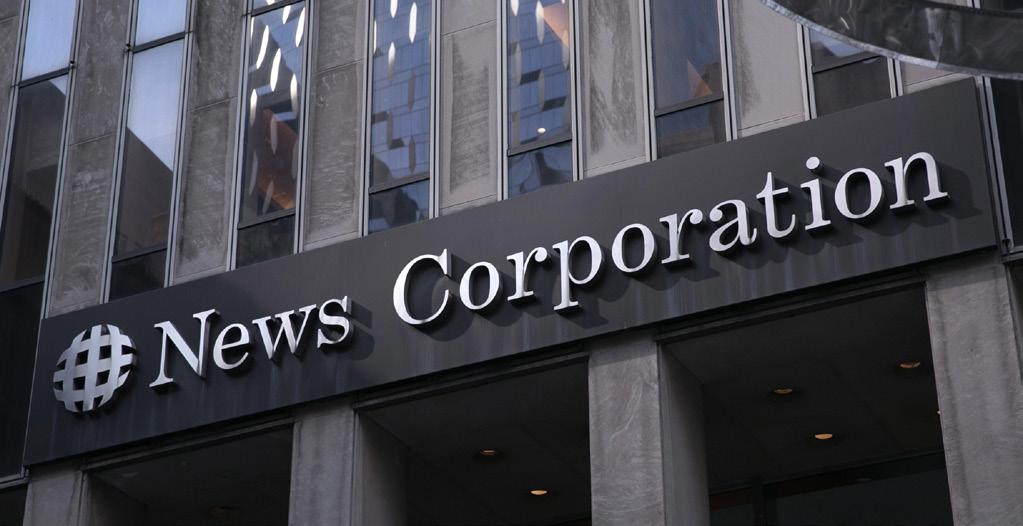
The denouncement of opposition helped to define the public view of the war and Murdoch’s influence was so great that according to Blair’s Head of Communications Alastair Campbell, Murdoch would regularly phone Blair and try and nudge him towards an invasion. With any hesitation that Blair would show The Sun and other papers would launch savage attacks on Blair’s character. The media’s position on the Iraq War is a key example of the effect that ruling figures such as Murdoch can have on the political discussion.
The Italian Marxist philosopher Antonio Gramsci began to discuss the ruling class and their interests being infiltrated through cultural means with his idea of Cultural Hegemony. Cultural Hegemony in Gramsci’s mind is the domination that can be maintained throughout a society by the manipulation of ideological and cultural devices. This would usually be met by social institutions that we don’t typically view as the asserters of power, much like Foucault’s view of the enforcement of power within unsuspecting means, these social institutions have the power to influence and dictate the values, norms, ideas, behaviour and expectations for society. They very much set the Overton window. This concept follows from the idea proposed by Karl Marx that the dominant ideology of society reflects the beliefs and interests of the class which rules it. Gramsci proposes that cultural hegemony is met when these views become innate within us, becoming an almost common sense both normalised and naturalised. Foucault would illustrate the assertion of power in a very similar manner, describing it as “reaches into the very grain of individuals, touches their bodies and inserts itself into their actions and attitudes, their discourses, learning processes and everyday lives”. Arguing that these can only be overcome when a “counter-hegemonies” rises.
However, with figures such as Murdoch owning such a large percentage of the news that we consume these counter hegemonies are suffocated and barely are accounted for. The proportion of leading left-wing newspapers to right-wing newspapers in Britain is a personification of this. Gramsci’s concept shares a resemblance to the Hegelian idea of dialectics. Dialectics is a term used by Hegel to describe an argument, either political or philosophical, that contains contradictions between opposing sides. This was an idea that first stems from Plato, in his circumstance it being a back-and-forth philosophical debate. The Hegelian concept of dialects uses three terms: Thesis, Antithesis and Synthesis. The Thesis is a formal statement which illustrates a point. This will then be followed by the contradiction of said point, the Antithesis. The debate initiated between these two opposing ideas resolves in what is known as the Synthesis. The British newspaper industry lacks many antitheses, bar The Guardian and The Mirror, there remain very few left-wing newspapers with much prominence. These limited left-wing resources only enable one thing to happen, an increased concentration of influence and power in Murdoch’s hands.
When we factor these all together, we begin to see a maintenance of power similar to the method Foucault described. The few in the ruling class can dictate the political agenda that defines the lives of the many. These said few will often be motivated by money, power and glory. These help to control human behaviour explicitly; the newspapers help decide who we vote for. In turn, deciding the policies that shape our lives and the political livelihood of a nation. To a certain extent, newspapers also possess the ability to normalise and set our perceptions of right and wrong, issues and injustices we feel we should stand up against. They, as Gramsci would put it, have the intuition to formulate the common sense of the human mind. For many the news set a narrow-minded perception of politics which restricts any sort of out-of-the-box ideas. Tending to mitigate change, and if it does go as far as to encourage change the change tends to have some sort of financial benefit for the Media Moguls that rule the narrative. As we’ve seen previously in cases such as Murdoch throughout the Iraq War and we are inevitably going to see in the future.
It is important for us to not trick ourselves into believing every hyperbolic front page that is printed with the aim of drawing us in. We must be willing to challenge the status quo as many have done before. We must not one side be suppressed whilst the other thrives unchallenged. For as the formidable J.S Mill put it, “if all mankind minus one, were of one opinion, and only one person were of the contrary opinion, mankind would be no more justified in silencing that one person, than he, if he had power, would be justified.”
Kielstra Fixes:
Alex Kielstra - U6th
Philosophers ponder questions of vast significance daily: What does it mean to be human? Are we truly real? If the universe is so big, why won’t it fight me? Why do made up squiggly lines have such an impact upon my buying of bread at Aldi? Thankfully for philosophers, since they still have a job, we need still ponder such a question, since this article will not explain what the economy is, nor even attempt to, since truthfully, I have no idea.
In my previous article I stated that I would greatly appreciate if someone would explain politics to me. That still stands, and in fact I would add to that that if anyone can at the same time explain the economy to me, I would be eternally grateful. Nevertheless, I am not one to be deterred by such simple roadblocks as a complete lack of understanding of the subject of my article and will therefore continue anyway. The economy is about money, we all know that much. Where it starts to get complicated is when we start bringing the graphs into it. The graphs can generally take 2 forms: The first is simple, mere squiggly lines with arrows on going up or down signifying I would assume if money is getting bigger or smaller. The second type is rather more devious however, consisting of rectangles on a long line. Some of the rectangles are green, some are red. We know not why and can only bow to the supposedly superior intellect of the economists.
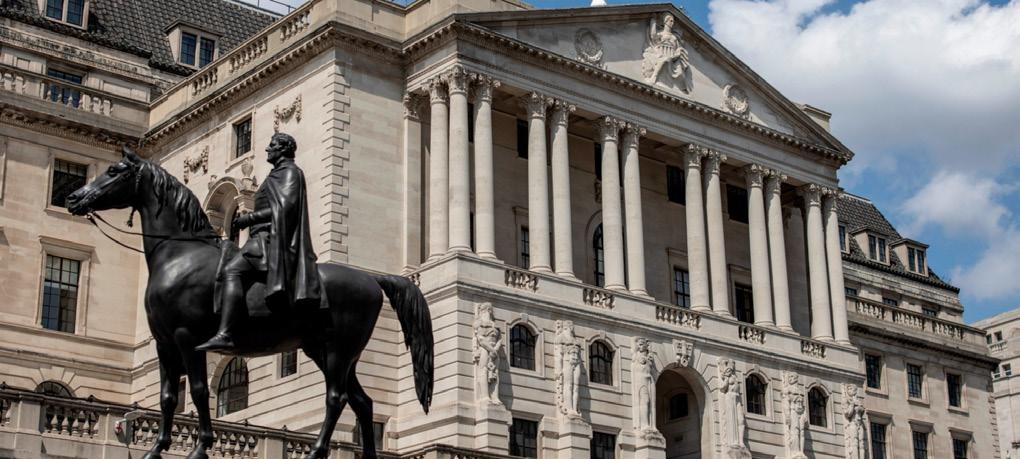
If we look past the graphs however, we can see a world in turmoil. Countries build up massive debts by borrowing without care, and then proceed to never pay it back. Some estimates show that the world is 69 trillion dollars in debt, however I’m not sure if this is the total amount every country owes to each other, or if we’ve been recklessly borrowing from extra-terrestrials with vast gold reserves, and not enough sense to check Earths’ credit score. I feel that the solution to this problem is exceedingly simple: Print more money. If we can make 1 pound for less than a pound, we have a real-life infinite money glitch, and can make as much as we need. Some people say that this will lead to rampant inflation and point to various financial crises throughout the years, however I have found a flaw in the strategy of these past countries: They told people that they were printing money. If no one knew that the government was printing money, then no one would know to raise inflation, and everything would continue as normal. And if you think that people would figure out somehow, I ask if you’ve met the average taxpayer.
If we look past the graphs however, we can see a world in turmoil. Countries build up massive debts by borrowing without care, and then proceed to never pay it back. Some estimates show that the world is 69 trillion dollars in debt, however I’m not sure if this is the total amount every country owes to each other, or if we’ve been recklessly borrowing from extra-terrestrials with vast gold reserves, and not enough sense to check Earths’ credit score. I feel that the solution to this problem is exceedingly simple: Print more money. If we can make 1 pound for less than a pound, we have a real-life infinite money glitch, and can make as much as we need. Some people say that this will lead to rampant inflation and point to various financial crises throughout the years, however I have found a flaw in the strategy of these past countries: They told people that they were printing money. If no one knew that the government was printing money, then no one would know to raise inflation, and everything would continue as normal. And if you think that people would figure out somehow, I ask if you’ve met the average taxpayer.
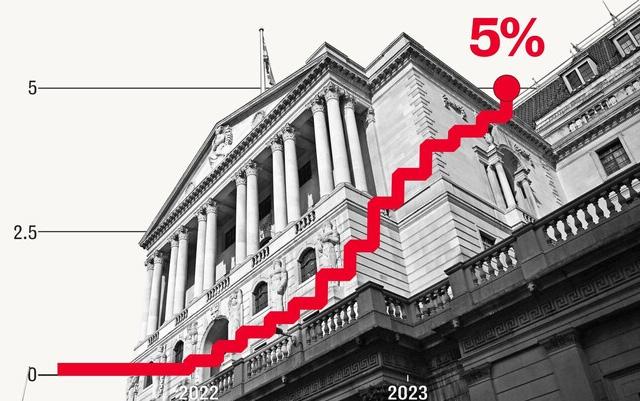
The next big issue that needs tackling, which I am more than happy to provide, is inflation. As far as I can gather (based on the 14 seconds or so of research I did for this article), inflation is the process by which money becomes worth less, thus requiring one to spend more money than before to acquire goods and services, many of which are required for sustained life.
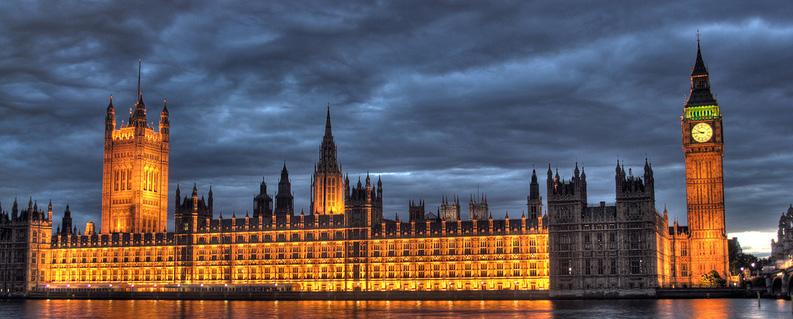
Where the kicker comes in is when prices rise, but income doesn’t. The solution to this is once again exceedingly simple: increase income as much as inflation increases the price of everything else. We don’t have enough money for that? We do now. We’re printing it.
The Economy Alex Kielstra - U6th
And thus, in a few short paragraphs we have solved 2 of the major problems facing the economy currently. Personally however, I feel like these solutions are all together too tame. They would merely fix the economy, I want to duct tape it together, spot weld the tape to the body, flood the inner workings with WD-40, and strap that bad boy to a go-kart powered by an undisclosed number of General Electric CF-34 jet engines. Therefore, I will now present my plans for a unified economical system. Firstly, do away with the fancy Harvard or wherever trained economists. They’re too expensive, and only really try to predict where money is going to go. Instead, go to your local casino and simply employ a few of the gamblers there at a reasonable salary. They’ve been predicting where money is going to go for years as a hobby, now they get to do it professionally. With this new army of economical gamblers, if we all work together, we should all be able to predict what’s going to happen to all the money and make our investments accordingly. For example, if there are a few stocks which are going to go big, all 8 billion of us can invest very slightly in them, and then when they do go big we’ll all get more money out of it. This will essentially end poverty, however, does have the drawback that we’ll all have to work together (some may argue that this also has the drawback of not working since that’s not how money works. My counterargument is that we made up how money works so we can all just imagine it working differently and it’ll work out fine), so we’ll have to organise some world-wide team-building activities to ensure everyone can get on with each other. This would be significantly easier if my political ideas which I outlined in my previous article were implemented, since no one would be able to get mad about politics anymore, due to it being fixed.
And there you all have it: a fool proof plan to jumpstart the economy and usher in a new age of equity and prosperity. Will it work? No one has shown me a good enough reason why it won’t, and in this age of woke media (this, I assume, means that the foxes have woken up and fox news can now start getting down to business again. I don’t know what this means for sky news unfortunately) and untrustworthy politicians (They’ve always been untrustworthy, but news outlets like it when you make it seem like a current problem and I like getting money to be able to eat), sometimes the best we can hope for is for the solution to not have any initially apparent issues. And who knows, maybe this one will actually work.
Thus spoke Nietzsche
Cerys Love - L6th
Nazism and Nihilism are the two thoughts perhaps most commonly associated with Friedrick Nietzsche, but in truth there is no causal link between the first and his works and the second is grossly misunderstood. Why though? Giles Deleuze in his work ‘Nietzsche and philosophy’ suggests that Nietzsche’s work is one of the most thought provoking and genius of his generation. Thus, has society compartmentalised one of the most popular philosophers of the 19th century by only remembering him as the philosopher who inspired Hitler? Nietzsche is often seen as the crown prince of a German school of thought which includes the likes of Hegel and Schopenhauer, who greatly influenced Nietzsche in his philosophy. ‘Nihilism’ has seen a resurgence, largely, due to the political turmoil and uncertainty that characterises the modern era and more are inclined to thoughts concerning meaning, particularly that life is meaningless, and that humanity is chained to a purposeless existence. Yet I think that it is a disservice to Nietzsche and philosophy to not question why he has become synonymous with a melancholic outlook of human existence. I will try to unpack common misconceptions and misinterpretations by assessing the factors that influenced his thinking and contextualising the period in which Nietzsche’s wrote his Magnum Opus ‘Thus Spoke Zarathustra.
NihilismisnotNietzsche’screation
One main gripe of the representation of Nietzsche is the notion that he created Nihilism. Nihilism, as a term used in philosophical ideology, predates the works of Nietzsche by more than a century and some sources suggest even further back harkening to the Middle Ages where heretics opposed the idea of God. The pioneer of Nihilism is regarded as Friedrich Jacobi who engrained the word in popular philosophical discourse in the coming centuries. At first glance the word ‘Nihilism’ looks frighteningly similar to the name of its most famous scholar, it is logical to see why in the general consensus it is assumed Nietzsche created a new form of philosophy and named it after himself; mimicking how scientists will often give their name to a discovery in a vain attempt to cement one’s legacy. But what does Nihilism mean and why is it so popular? The etymology of the word comes from the Latin word ‘Nihil’ meaning nothing and ‘ism’ indicating a principle of a philosophy. The rise of Nihilism occurred in the 19th century especially in the context that Nietzsche was Prussian, the empire overseen by the Romanov family where millions were suffering and saw little purpose due to starvation and political turmoil. Establishing this we can come to the conclusion that Nietzsche is pessimistic of a single purpose for humanity, yet this is only half of the story.
TheÜbermensch-improvementoftheself
One of the key ideas of the Romantic Age was that of ‘the will’. Within the wider context, it was particularly manifested along with the idea of ‘genius’.
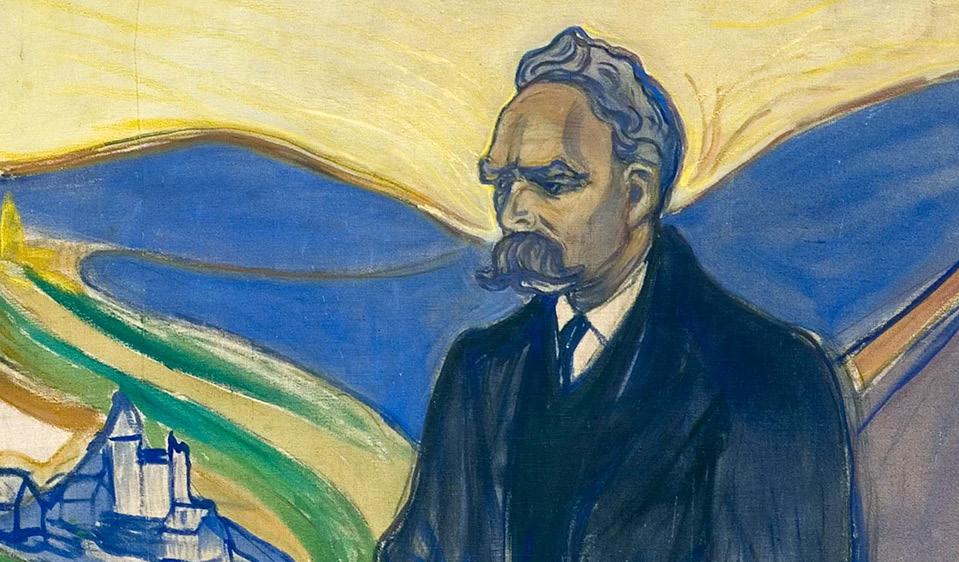
When I say ‘genius’ I do not mean that in the modern understanding of the word, that being someone merely very clever, rather one that would term or deem themselves a ‘genius’ perceived that they were leaders of an age, the great men and women of an era, revolutionaries, those who made a profound difference and would be revered for their greatness. This idea, as you may be able to see, had a significant impact on the works of Nietzsche, pertaining to ideas of the Übermensch and the liberation of the spirit. ‘The spirit’, also, is synonymous with ‘the will’. The ‘Will to Power’ and ‘Thus Spoke Zarathustra’ are both works harbouring notions of ‘the will’ and having a grasp of the wider idea, not just in the terms of how Nietzsche understands it. Using this context, the Übermensch ceases to be, as Hitler perceived, a collective of superior individuals who are intrinsically born to become the Übermensch. Rather, Nietzsche provides a guide on achieving personal liberation via self-reflection on one’s own psychology and philosophy; to create one’s own morals and personal evolution, this idea Nietzsche argues is humanities purpose. Nietzsche calls for people to be their own ‘downfall’, the personal purging of amoral values, by creating our own downfall we are inherently becoming closer to the ‘supermen’ and being the best version of oneself, by doing this we need have no requirement to adhere to other’s virtuous principles, such as God.
Godisdead?
In western society there is no institution that had more power and influence than the Church, until the Enlightenment Era. Nietzsche was a philosopher in the twilight of the Enlightenment Era. One where, situated between goliaths such as Immanuel Kant, Leibniz and Voltaire, Nietzsche was able to carve out his own legacy. Enlightenment era philosophers concerned themselves with developing thoughts about reason, justice and the law including radical thought about monarchies and the rights of citizens. This era, under the lens of the larger romantic era, conjures revolutionary thought with and is characterised by philosophers conceived at the pinnacle of academia and opulence. In a broader sense, The Enlightenment era creates conflict between Religion and Politics.
Finding a personal purpose
Cerys Love - L6th
Throughout history, societies have created gods as a response to the human condition, polytheistic societies attributed the inner working of the world to vain, wrathful and envious pantheon of gods to explain the chaotic existence of the world to the scientifically rudimentary societies. Monotheism, in comparison, attributes the creation of the universe and the morals that humans adhere to one figure as there was an increasing concern about morality. With the progression of society, the opinions of transcendent anthropomorphic beings change. The enlightenment era creates a glossy sheen of progression and optimism at the apex of its influence, the French Revolution. The French Revolution and the crushing of an old institution is analogous with the ever-increasing secular influence eroding the Church. Just as the French radicals were tasked with creating new laws and guidance of a country so were the philosophers in creating morals for humanity. The death of God is a metaphor for the amalgamation of new laws replacing the judicial system relying on the Bible and the Faith to serve justice; and self-reflection on oneself creating moral guidance not scripture. ‘God is dead and we have killed him’ is a slogan for increased secular thought.
NietzschetheSocialist?
‘Of the new idol’ is a section which concerns itself with ‘superfluous’ and ‘impotent’ people. Zarathustra fulminates about how people look up to the ‘new idol’, a person at the height of power and influence. Nietzsche chastises these people, as he calls them ‘nimble apes’ who try to reach a ‘throne’, as if ‘happiness sat upon the throne’, ‘they acquire wealth and make themselves poorer with it’. The ‘throne’ is perceived to be a position of power, the escape from a monotonous existence of constant Brutus inspired etiquette. The ‘nimble apes’ are those who think that with monetary gains and authority will be the key to happiness, a key idea that numerous scholars oppose. As Aristotle states ‘wealth is obviously not the good... it serves only as a means’. Nietzsche suggests that moral depravity, something as humans we should avoid inexplicably, has a causal link to monetary gain. This calls into question, is Nietzsche a socialist? Probably not. Yet, using these passages, an argument can be made to suggest that Nietzsche is against capitalism in the sense that it can cause a downward spiral in the moral nature of humanity.
ThelanguageofaMagnumOpus
In ‘thus spoke Zarathustra’ the titular character, a Jesus-esque figure, is used as a mouthpiece for Nietzsche to express his views. Zarathustra posits knowledge via the use of metaphors and parables harkening to religious scripture. The book is divided into digestible sections of different moral ideas always ending in ‘Thus spoke Zarathustra’ which can be interpreted as an impersonation of ‘the word of the lord’.
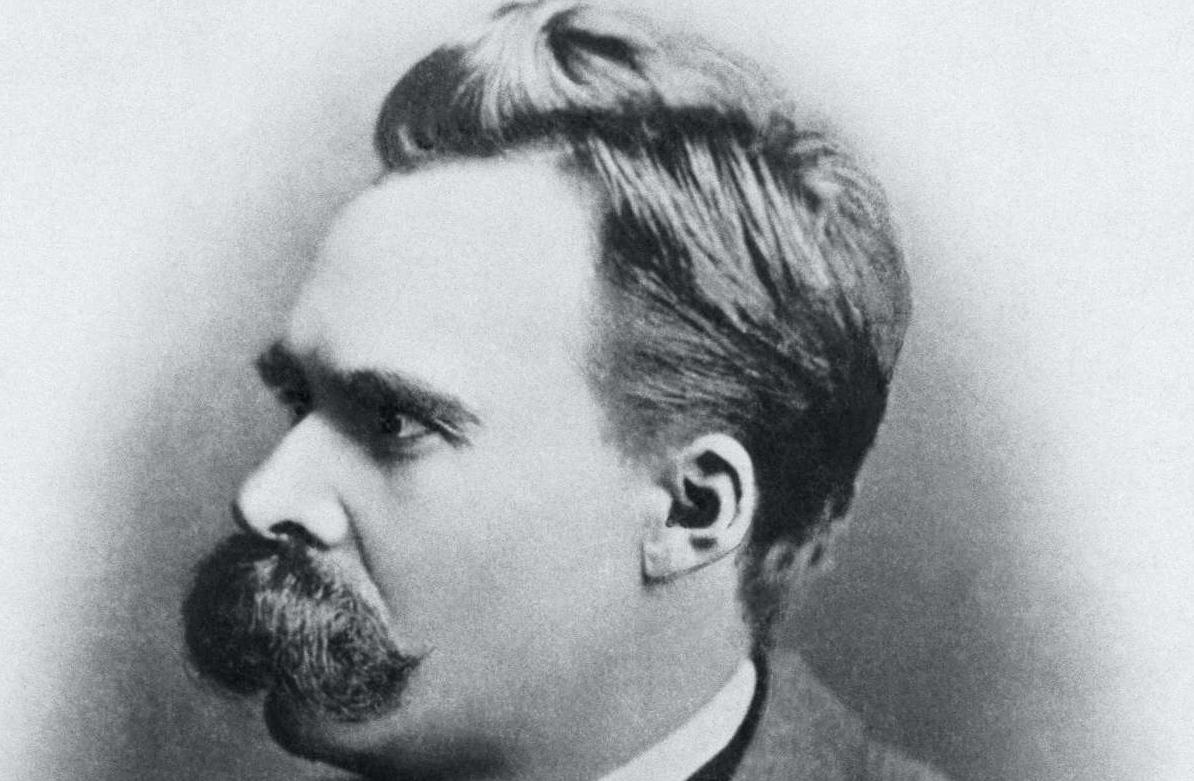
The book is written in an open discourse between Zarathustra, the people he meets and the reader in an attempt for the book to be easily understood. However, some may interpret ‘God is dead’ in a literal sense. This could be the key to figuring out why Nietzsche is so misinterpreted, it is because he has an extremally complex writing style.
Philosophers have a tendency to write in a manner to be read multiple times before the essence of an argument is to be understood, this allows for quotes to be used out of context.
Themanbehindthemusings.
Nietzsche had a rather unpresuming childhood, Son of a Protestant pastor he had a quiet life before he attended the university of Bonn where he was introduced to the works of Schopenhauer. Afterwards, he soon lost his faith in Christianity. During his time at Bonn, he became renowned for his published works and was appointed as the youngest professor at the university of Basel. Yet soon his life would take a tumultuous change with his health and mental stability. ‘Thus spoke Zarathustra’ was printed in segments beginning in 1883 with four volumes being released in two years. During this time Nietzsche is believed to have suffered from depression and having contracting syphilis years prior was suffering from visual hallucinations after 1884. He had a mental breakdown after witnessing a horse being beaten in the streets of Turin caused him to become catatonic, and later suffered from dementia in 1888 one year before his death. One could attribute his increasingly extremist views to his deteriorating mental state. The irony of one of the greatest minds deteriorating to a catatonic state may prove to some that even the philosopher cannot escape from the essence of his philosophy. Yet, Nietzsche suggests that life may be meaningless, but it is up to the individual to finds one purpose and passion and to pursue it to the fullest extent. Nietzsche’s life epitomises his philosophical thinking in its purest form as he continued to fulfil his passion until physically and mental unable to.
Should the media of literature
JJ Fitzpatrick - L6th
How would you feel if you read a book, and there was no one like you in that book? Nothing to relate to? No one who you could say represented your experience? Well, about 100 years ago, this wouldn’t have been hard to find. Literature, and media generally, were crammed full of awful racial stereotypes and sometimes no representation at all for some groups who make up 50% of the population. These days, thanks to courageous writers who had the daring to challenge social norms and look to the future, we see far more representation in modern books and, likewise, more recognition of writers from minority groups. But the question is, is this still necessary? Should writing be a place to voice unpopular and brave opinions, or should books be a haven, a fantasy free of all political slants?
Let’s start by looking at the past, popular ‘modern classics’ that dared to challenge society, such as To Kill A Mockingbird, The Handmaid’s Tale and The Feminine Mystique. To Kill A Mockingbird by Harper Lee was written in the late 1950s about the experience of a white child viewing racism from the outside in the deep south of America in the 1930s. At the time the Civil Rights movement was kicking off, Lee wrote this novel in a sympathetic fashion towards Black people, something that was uncommon in books at the time, showing them to be the good people and the main antagonist being a racist white man that seemed a fairly accurate representation of white men at the time. Of course, this is based in fiction but does also draw inspiration from real events which was particularly important at a time where television was not available to ordinary people, where people got their news from newspapers, which almost always had a bias. In this example, the justice system was inherently flawed and skewed in the favour of anyone white in the courtroom. By making light of this, Lee provided a completely different view, an accurate one, of what courtrooms in the USA in the 1930s were like, opening her reader’s eyes to the realities they may not have known were going on in almost every courtroom in the deep south of America, especially shocking to foreign countries and the northern states of America, who may have read Lee’s book and, along with the increasing media coverage of racism in the deep south at this time, and drawn the true conclusions that had been hidden for years. Following this coverage, pressure was put on the USA to challenge racism, and hence segregation was abolished. Whilst Harper Lee’s book was not the only factor in this, there is a reason it is still widely read and remembered today. The Feminine Mystique by Betty Friedan was a book published in 1963 which voiced the common struggles of 1960s housewives and sparked a huge movement for gender equality, leading to abortion rights for women in the USA, development of household appliances like washing machines and development of birth control, allowing women to have more control over their bodies and more equal right to men. The Handmaid’s Tale is another book that expresses in a dystopian fictional way a more extreme version of the lack of rights given to women regarding things like bodily autonomy.
Furthermore, as it is a speculative fiction novel, all the events have happened in real life, and the book is simply a culmination of those events and highlights the startling reality of life as a woman.
Research has shown time and time again that people who read more are better informed and more empathetic than people who don’t. This is partially due to the representations of people from all backgrounds, and how books give context to different historical periods to allow readers to empathise with current and historical situations of people of different races and religions eg. books about the holocaust or about racism in America, such as The Boy in Striped Pyjamas and To Kill a Mockingbird; although these books are often dramatized and not necessarily historically accurate, this is not so important if they draw more readers in so more readers are socially aware, so long as they do not promote harmful or incorrect stereotypes.

The promotion of views that challenge the social norms are particularly important in children’s books; children should not be shielded from the very real issues that many people still face, and by not treating inequality as a taboo subject, children are better prepared to not only face and recognise inequality that they will come up against in life, but also better equipped to challenge it. It also promotes to children and young people different views, allowing them to expand their views and develop their own opinions, rather than blindly following singular ones that may be presented to them by family or other groups they come in contact with, such as religions other than the one they were brought up in, or different political views, such as Animal Farm and 1984. Not only are these varied views being presented to people, they are being presented in an easily palatable format where people can learn about different views and social issues while also being entertained by the book. Because books are written in this easily accessible format, they can be used as a tool to make politics easier to understand and can be used to kickstart conversations around would otherwise could be very difficult topics without the context of a book to lead into it.
However, some may argue that literature, especially fiction should continue to solely serve the same purpose much fictional literature was intended to; to be an escape from the harsh realities of life. People prefer to get absorbed into a fictional book where the world is perfect and problems are few and far between, or solved by the end of the novel. Introducing politics and social issues into writing ruins this fantasy that so many people look for in books.
Be used for politics?
JJ Fitzpatrick - L6th
With the introduction of politics, people may find it difficult to enjoy the book, or feel like someone else’s views are being forced onto them. On the contrary, some might say that, without the inclusion of views that challenged social norms at the time they were written, not everyone would be able to enjoy the escape of fiction.
For example, a black person may feel more connected to a story that has characters of the same race or skin colour as them and, furthermore, to see people like them overcoming the obstacles that the story throws at them may give them hope and allow them to feel pride in themselves and included, especially in young children growing up when their opinions of themselves are beginning to form that could last for life, such as Cool Cuts by Michal Renee Roe.
Not only that, but books that are about politics should present balanced views or there should be books presenting different viewpoints. If no books had different political views, we would be in the same situation as in 1984 and there would be no variation in political views in society, which is necessary for a thriving and diverse democracy. However, some may say that political views presented in older books, like that of Dickens, Aristotle, etc must be taken with a grain of salt for a modern audience; much of what they discuss is not the case in modern times. Other writers from the same time period may have presented their opinions as facts in ‘science’, like the sun going round the earth, when we know this now not to be true. This was very much a political matter at the time, but it did not stop other writers and researchers from presenting scientific research in literature that opposed these views, like Charles Darwin in his book On the Origin of Species at a time when this was not the widely accepted view. As a modern audience, it is important to recognise the context of the literature we consume, and thus perhaps not consider every political opinion we read to form a balanced conclusion; we would not for example read two different books, one from ancient Greece saying the sun goes round the earth and another from the twenty-first century proving otherwise with detailed research, and draw a balanced conclusion of ‘perhaps the sun only goes round the earth at certain times of year, and at others not.’ However, this would introduce the question of if factually incorrect books should be banned, or if any books should be banned at all, but that is another topic for another day.
Greece saying the sun goes round the earth and another from the twenty-first century proving otherwise with detailed research, and draw a balanced conclusion of ‘perhaps the sun only goes round the earth at certain times of year, and at others not.’ However, this would introduce the question of if factually incorrect books should be banned, or if any books should be banned at all, but that is another topic for another day.
Literature is also a common source of research for people writing dissertations, essays, or simply looking to expand their viewpoint. If literature lacked any diversity, there would be no point in using books for research; they’d all be the same, and literature would become pretty dull pretty quickly. Literature is also an art form, it should not be constrained to just talking about politics, but it should also not be constrained to cut out politics completely.
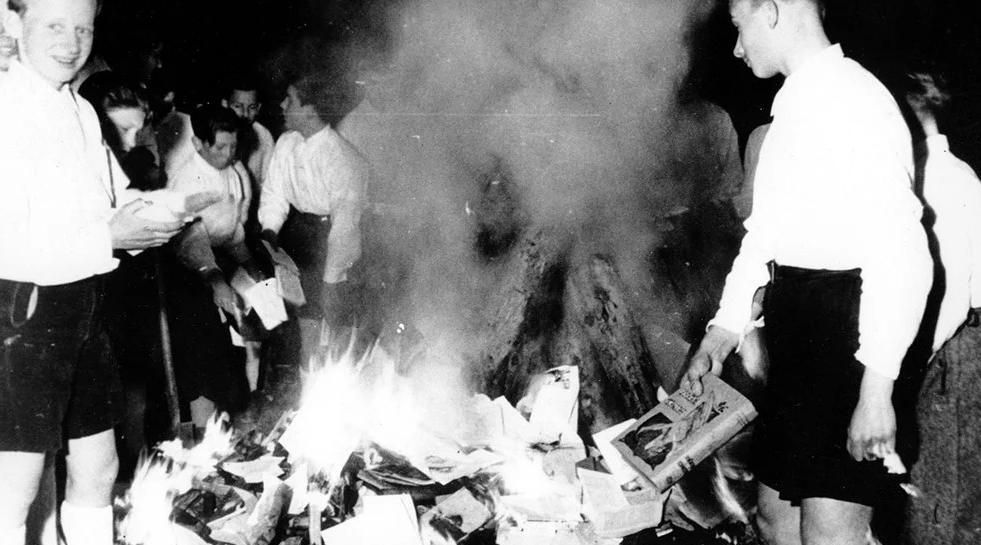
Throughout history, we have also seen the burning and banning of books deemed inappropriate for readers or that simply did not agree with the regime in power at the time, such as blacklisted books in Nazi Germany of everything from books regarding communism, pacifism, literature with ‘liberal tendencies’ or advocating art to anything degrading German purity and anything written by a Jewish author. When we look back on this event, we would immediately label it as censorship used to progress the Nazi regime and was a step in the early stages of the Holocaust. However, when we look at current book-banning regimes banning books that don’t agree with the culture or religion of the area, such as The Handmaid’s Tale and To Kill a Mockingbird. Books are written to be read. Why write a book expressing your beliefs and opening up conversations about discrimination if they are just going to be banned and burned across the world? This is why it is so important that writers continue to challenge social issues in their writing. The more people draw these parallels between censorship and freedom of thought and expression in writing, the more people will question why these topics are being censored and that’s how social change is ignited.
In conclusion, I think that, not only should writers be allowed to discuss political issues in their works, but that it should be encouraged; literature is the ideal platform to spread awareness on different issues, present first-hand accounts of experiences from all different walks of life in a palatable way to an audience. Regardless of your personal view, I think it’s almost impossible in this day and age to write any book without something being political; everything is political, not just diversity. A book about different animals could even be regarded as political, with a possible tie to environmental issues or moral issues in different parts of the world, or without that disagreeing with someone’s religious beliefs. You can’t write anything without someone disagreeing with it, and that is politics.
The English Crown:
Ella Slater - 4th
The British Monarchy is the most famous family in the world. The Kardashians, Obamas and Jolie-Pitts pale in comparison to the British royal family; however, due to recent polls, the world is left wondering just how much longer this institution can maintain its respected, global image.
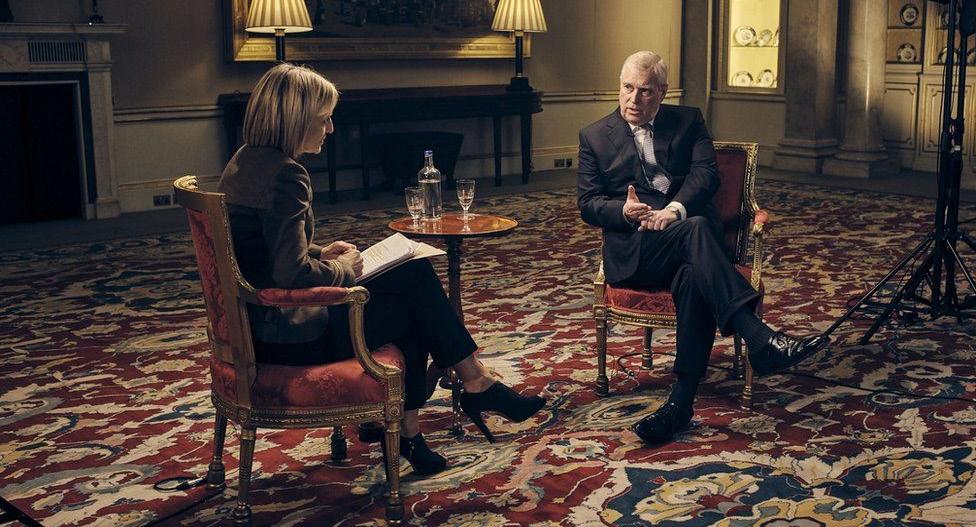
Established in the 10th century, the family, who are often considered the face of Britain, have been a huge part of Britain’s and the world’s history for over 1200 years and are still regarded as “cultural icons” to this day. From the first Saxon King, Egbert, who established a stable rule over the entirety of Anglo-Saxon England, to the current head of Britain and 14 Commonwealth realms, King Charles III, the British Royal Family has been led by 62 monarchs. During the span of mine and most of the people in our nation’s lifetime, Queen Elizabeth II was the only sovereign of Britain we had ever witnessed. However, since her death in 2022, her eldest son Charles has since succeeded her and was crowned King in a recent coronation watched by more than 18 million people in the UK. Whilst the coronation numbers of viewers can be considered high, they are just over half of the estimated number of viewers for the Queen’s funeral (around 32.5 million). Even Queen Elizabeth II’s coronation in 1935 had a higher number of viewers present for the event than her son’s, and her coronation was during an era when most households didn’t even own a television set. These statistics cause many people to wonder whether the royal establishment is set for the end of their existence, and some believe that maybe without the dearly beloved Queen to guide this family, they are doomed to fall apart. In 2018, when the Queen was still Britain’s supreme leader, polls targeted at UK citizens from the ages of 18-24 years old showed that just 47% of the young adults questioned, believed that Britain should still have a monarchy. After Her Majesty’s death, another poll with the same format and question was recorded; however, the percentage of monarchy believers dropped to a record low of 37%. Although when Britons over the age of 65 were asked to answer the same question as the younger members of society, the percentage remained consistent at 86%. Comparing these polls, we can see that the main issue the Royal family currently faces is appealing to the younger generation coming through, who have already shown their negative disposition to the idea of a monarchy.
Many believe that a predominant reason some are in favour of the monarchy’s abolishment is due to injustice, as people for many years have argued over the royal family’s privileges. I can sympathise with this opinion, as it doesn’t seem fair that while around 14.4 million UK citizens are struggling in poverty, members of the monarchy are choosing which of their 20 estates to reside in, and just outside their mansions’ gates, an estimated 275,000 people in the UK are homeless.
However, while most of the monarchy’s wealth is inherited, the King is attempting to slim down the family’s property portfolio, and since his coronation, he has already given up his lease on his luxury countryside place in Wales (Llywynywermod), which exists on a 192-acre estate. The King also owns the Crown Estate, which is funded by the British taxpayers: 75% of the Crown Estate’s profits are given to the Treasury, which is effectively the state, and 25% of the profits belong to the British monarchy. However, the King is attempting to reduce the royal household’s portion of the crown estate profits so that more money can be kept in the treasury to be used for public spending. So, whilst some UK taxpayers are angered that a segment of their well-earned income is used for the royal family, rather than for a better cause that can aid society, such as the national schooling system, at least the public can see that King Charles recognises the flaws of the tax system and is starting to try to change them.
Another widely believed reason for some people’s resentment towards the British monarchy is because of the world we live in today. In 2023, most people who live in wealthy circumstances due to inheritance are frowned upon, and in today’s modern society, the process of how one earns their money is sincerely important. Many people, primarily members of the younger generation, view the royal family as outdated and irrelevant in current British society. The monarchy’s way of life consists of many old-fashioned traditions, such as polo matches, garden parties, lavish balls and so many more elaborate events. This lifestyle is so foreign to the majority of British people and doesn’t adhere to the 94.6% of citizens who don’t enjoy a ‘millionaires’ way of life, so this causes some of the public to perceive the royal family to be obsolescent and not an accurate representation of today’s culture.
Due to this, many feel that the monarchy has no place in an equal society, with a political author at The Independent even stating that the family “exist as a glaring symbol of the unearned privilege and inequality that pervades the roots of British society”.
Will it Fall?
Ella Slater - 4th
As we live in a community where social structures and any sense of divide are deemed to be discriminatory and unfair, having a system where a monarchy’s net worth is over £21 billion whilst the average UK salary is around £30,000 per year can cause tension and disagreements, as the chasm between the royal family and an average British person can cause some people to feel that they are subjects, not UK citizens. Some also regard the royal family to be undemocratic, as the public can’t vote or participate in an election to elect the monarch, and this fuels anti-monarchists with one group going as far as saying that a “hereditary public office goes against every democratic principle.” The monarchy also contains numerous regulations that people must follow, such as bowing and curtsying when in the presence of royalty and many view these rules to be cases of social hierarchy and are a poor example for any modern society seeking to be egalitarian.
While I am aware that the idea of a monarchy possesses weaknesses, I believe that we should continue to have a British royal family, as the strengths of the institution outweigh the faults. I feel that the purpose of the British monarchy is to generate national pride and unity, and the royal family does fulfil this role through events such as the Trooping of the Colour, the recent regal coronation and more. Although these affairs can be viewed as outdated, I see them as celebrations for our nation, as they evoke spirit and joy and cause UK citizens, no matter their position in society, to feel a sense of dignity for their country. The monarchy also helps support our nation by partnering with countless charities and getting involved in public engagements. For example, using 2019 as it was the final year before the pandemic, the 15 senior members of the royal family carried out 3,567 engagements, from visiting local soup kitchens to touring different countries in the Commonwealth. Whilst some of the engagements seem to be very enjoyable, such as attending royal weddings in exotic countries, most of the visits are across the UK and aim to recognise and support local organisations and charities. Due to this, I respect the monarchy, as they give back to the public and spread awareness on issues that need to be addressed whilst supporting foundations economically.
For instance, according to the Charities Aid Foundation, the late Queen Elizabeth II helped generate at least £1 billion per year, and as the members of the royal family continue to use their platform and economic resources to boost charities, my belief that the monarchy should still be a part of our society remains the same. As mentioned before, the royal family is a massive piece of Britain’s rich history, and by abolishing the monarchy, a legacy is stripped away. By becoming more knowledgeable about the royal family and its history, we can use the monarchy as an educational tool. The royal family is a part of the British school curriculum, and I believe that it is vital to learn about it in order to become more aware of our national identity and history.
Regardless if you are a royalist or not, nobody can deny that the royal family attracts a profound amount of interest around the world, and due to this attraction, a large part of Britain’s tourism industry is generated by the royal family, as people around the world visit Britain to be educated more on the monarchy and its history. 60% of all UK tourists visit places associated with the royal family and this massively increases tourism, which is extremely beneficial to the British economy, supporting 2.6 million jobs and contributing £106 billion to the economy annually. Without the royal family, these numbers would probably decrease significantly, thus affecting the economy and many people’s lives Finally, our monarchy connects Britain across the world through engagements and official tours, deepening diplomatic relations, encouraging trade and preserving allied partnerships. Without the royal family, Britain would be forced to fully rely on the prime minster and the state to appear at global events and represent the nation to maintain ties with other countries, so having a monarchy eases the pressure on the government, allowing them to focus on other issues and strengthen our country.
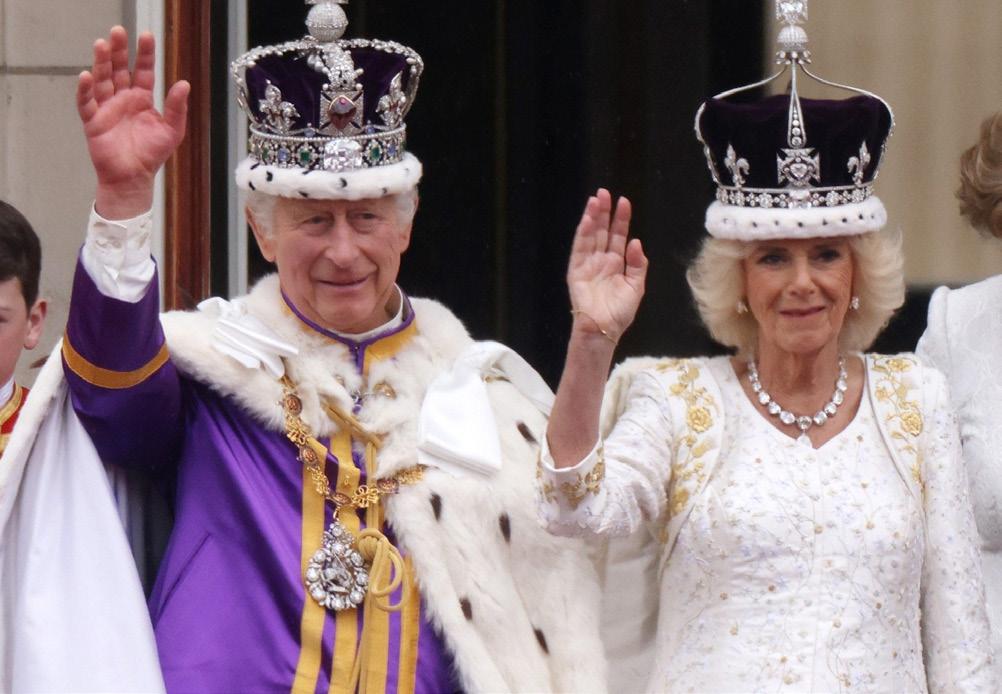
To conclude, I believe that though I can understand people begrudging the idea of others being born into wealthy circumstances, I personally don’t resent the monarchy, as whilst they are undeniably affluent, all the active members work hard in order to aid the public and dedicate their lives to public service, as Queen Elizabeth II once pledged to do in her 21st birthday speech with the well-known sentence, “My whole life, whether it be long or short, shall be devoted to your service.” However, I do hold the belief that the new King faces trying times ahead as he begins to navigate life as a monarch and appeal to the public, as his mother did so well. Reputations are challenging to maintain, and I feel that the real strength of the monarchy will be shown during the attempt to keep their image consistent and reputable. As our society progresses, I am apprehensive about whether the monarchy will also advance or if the royal family will crumble just like many other historical monarchies have. However, I guess only time will determine the fate of Britain’s “first family” as The Crown’s destiny remains in the stars...
Greatest US Presidents L6thSpecial
Lyndon B. Johnson
Joe Sharp - L6th
Lyndon B. Johnson, the 36th President of the United States of America and arguably one of the most influential Presidents of all time. Johnson was in office from 1963-68 and was sworn in from the role of Vice President after the assassination of Kennedy, making him one of few Presidents to get into office without being elected in the primaries. Due to the great achievements and status of Kennedy, Johnson had much to live up to which came with him many doubters as he was not elected into power, this underdog story and the such great measures he achieved is really what makes me believe he is the greatest president of all time. Despite the fact he faced numerous challenges in his time as President, he was still able to achieve some great measures and improve the lives of many.
As soon as Johnson came into power he had pressure piled upon him due to the promised changes Kennedy had made, this stemmed for the Civil Rights movement of the time which was at an all time high, especially after the likes of the Washington March which had over 200,000 people take place. The majority were black, but numerous protestors were white as well which displayed the need for change in society and how many desired this. The black community wanted improvement in their lives which would be achieved by a Civil Rights Act. Therefore Johnson in 1964 passed the Civil Rights Act which was the first key legislation passed to look further improve the lives of black Americans.
Although this was a significant piece of legislation it still had little impact of how black people in America were treated, as the Act certainly had an impact in De jure but lacked serious and long lasting change in De facto. Due to this pressure was put back again on Johnson with the target of protesting coming for a desire for increased voting rights, large marches such as the March in Selma, Alabama, took place as black Americans wanted to be able to express their constitutional right to vote. Due to Johnson’s large influence the Voting Rights Act of 1965 was able to be passed which was so significant for African American lives, the steps taken by Johnson were crucial in aiding African Americans to be able to live more freely in America and attain equality as deserved.
Despite the fact Johnson had a very impressively influential time as President, especially with making these changes to African American rights. Most of these changes were only able to be passed as quickly and efficiently due to the unification of congress after the assassination of the former President, which led congress feeling the need to pass these bills which were originally put forward by an honourable American and thought it was the people wanted to pass these pieces of legislation.
Moving on, another great aspect of Johnson’s work was his continuation of Kennedy’s New Frontier with his introduction of the Great Society which was aimed to tackle the biggest epidemic the country was facing of poverty and unemployment. Johnson allowed for over $960 million dollars for this project, Johnson was a man who wanted change and wanted to improve the lives of Americans and he did this by addressing issues that were harming America. Even describing ‘poverty as the enemy and the problem’, Johnson pushed this idea and hammered it through congress, although it could progress to a certain extent due to the lack of welfare bills congress changed, it was still an exceptional plan and idea which if those around him followed could have revolutionised America. This amazing plan by Johnson had an even reach than FDR’s New Deal, allowing for the changes of Johnson to be felt by even more around the country. Implementing changes as significant as these are incredibly impressive and is hard to list many presidents who introduced as revolutionary a system as he did.
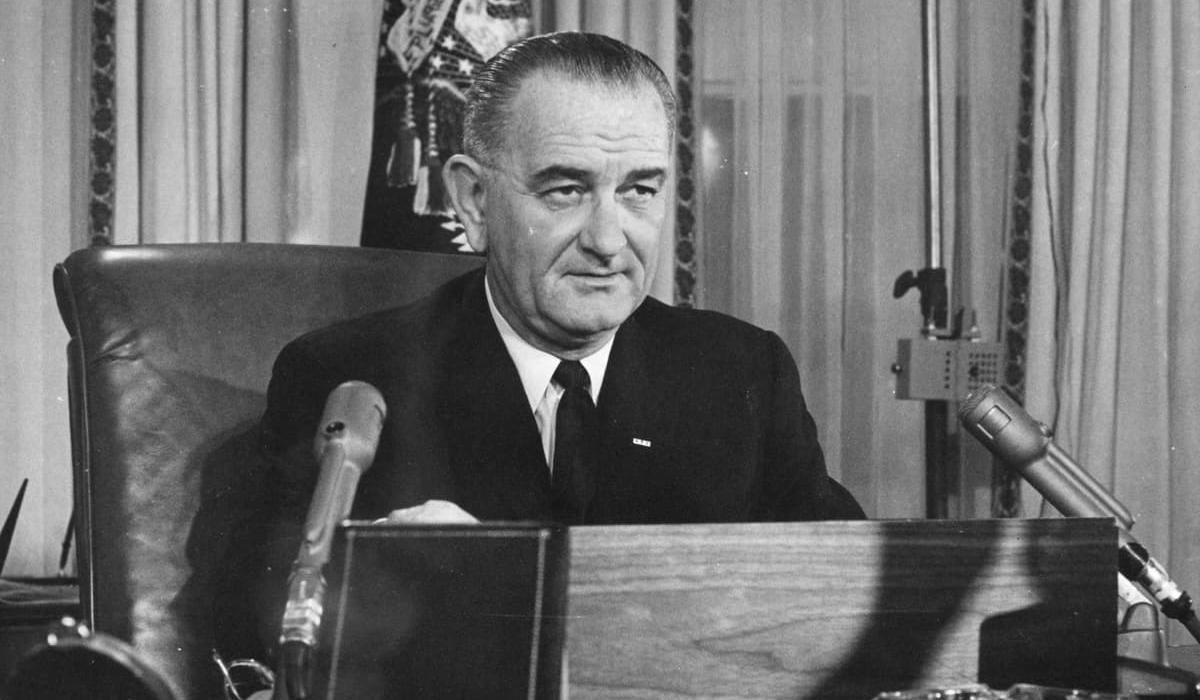
Johnson was also responsible for the introduction of more changes to help the people through the Social Security Amendments in 1965 which led to the development of Medicare and Medicaid which still play a key role in American to this day. The importance of this introduction can be seen through Obama majorly focusing on the idea of it during his presidency and his attempted pass of the Affordable Care Act of 2010 which majorly linked to Johnson’s plans and what he put forward, with these changes made by Johnson playing a key role in his Great Society.
Overall, it can certainly be said that Lyndon B. Johnson is up for being one of the all time great presidents. This argument can so easily be made through the astronomical changes he made for Civil rights and the introduction of the ‘Great Society’ which majorly impacted the such large problem of poverty in America. Although he did face problems and made some errors, his key changes and important actions certainly outweigh his wrong doings. Therefore leading me to believe that Johnson is the greatest President of all time due to the such large influence he managed to have even after not being elected in the primaries.
Theodore Roosevelt
Daisy Searle - L6th
Theodore Roosevelt served as the 26th president, from 1901 to 1909, and was 42 years old when he came into power, the youngest president in Americas history, but his youth didn’t hinder his ability to govern effectively, in fact, it worked in his favor. Tedy’s energy and charisma is what made him stand out from the rest of the presidents. His natural public speaking abilities allowed him to inspire and connect with millions of people from all walks of life, and his gift of persuasion helped in passing landmark pieces of legislation, notably surrounding social justice, foreign policy, and environmental action.
Teddy was an extremely progressive president and was committed to reforming social justice. He believed that he had a responsibility to protect the well-fare of all his citizens, and so wanted to address the injustices and inequalities in society. Teddy was an advocate for consumer protection and fought to implement reforms like the Pure Food and Drug Act, and the Meat Inspection Act, which were both passed in congress in 1906. The Acts ensured that there was monitoring over the labeling, standard and quality of food, drugs, and meat, which paved the way for better public health of citizens in America. Teddy was also an advocate for the protection of workers’ rights, with the Meat Inspection Act ensuring that workers who were exposed to dangerous chemicals were protected. He also flighted in favor of the Elkins Act, which was passed in 1903, helped to protect workers in industries that relied on rail transport, like agriculture or manufacturing. The rights and reforms that Teddy passed helped to raise living conditions and working conditions of many Americans.
Furthermore, what puts Teddy above other presidents was his support for racial and gender equality, in a time of widespread discrimination. He was an advocate for women’s suffrage, supporting the passing of the 19th amendment, which granted women the right to vote. He promoted the education of African Americans and worked to challenge discrimination in the military by appointing several African American officers. He also appointed many African Americans to prominent federal positions in his cabinet. Whilst support for equality in the 21st century seems ‘standard’ – in a time of widespread racism and sexism, Teddys support for minorities rights was remarkable. In the beginning of the 20th century, society was extremely hostile towards these views, and support of the topic was extremely controversial. Despite this, Teddy stood by his beliefs, and risked his entire reputation to pave the way for a more equal society.
Teddy’s leadership during times of crisis is another reason why he is the greatest president. He played a major part in ending the Japanese and Russia war, bringing it to a peaceful conclusion with both countries signing the Portsmouth treaty, after Teddy had shaped negotiations between the two.
The war killed thousands of people - and this destruction would have continued without the interference of Teddy. His remarkable actions were commended through a noble peace prize, which was awarded to him in 1906. He led the country through the Panic of 1907, which was a severe financial crisis, and threatened the stability of the US economy. He was able to diffuse the situation through avoiding the collapse of stock prices. But Teddy was not only able to steady the economy, he was able to boost it. He was responsible for the construction of the Panama Canal, which opened up trade routes from the east and west coast of the US, which hugely boosted the economy. His extreme decisiveness and quick thinking is uniquely different to other presidents. This, along with his ability to tackle issues head on is what elevates him above the rest.
Unlike many other presidents, Roosevelt was a passionate conservationist. He wanted to protect the environment and Americas natural resources. During his presidency, Teddy established a total of five national parks, and signed the Antiques Act of 1906, which gave the presidents the power to create national monuments. He then used multiple executive orders to protect public lands by designating them as national monuments, including the Petrified Forest and the Grand Canyon. He established the US Forest Service and signed the Newlands Reclamation Act, which provided funding of irrigation projects in the West. Through the wisdom of Teddy’s personality, he was able to conduct two White House conferences on conservation, bringing together experts and stakeholders to develop policy solutions. During his presidency, Roosevelt prioritized the environment which showed how he valued the future generation’s ability to access clean air, water, and natural resources. He was able to think in the future - beyond his presidency, which is a quality that differentiates him from a lot of other presidents.
Finally, Teddy Roosevelts character and personality is a significant factor that contributes to his greatness. His gifted public speaking abilities and charisma attracted millions of people to him. His optimism, energy and enthusiasm inspired innumerable amount of people, and his courage meant that he faced many challenges head on, making him one of the most pro-active presidents in history. But above all, Teddy had integrity, which helped him to earn the trust and respect of the American citizens. His commitment to his values, and accountability for his action - shown in the Brownsville Affair where he admitted he ‘might be in error’, ‘but has no regret for his actions’ – demonstrates his integrity. Teddy’s personality is one of the key traits during his presidency that helped to establish his legacy as one of America’s greatest presidents’. It ultimately meant he was able to build trustful relationships with foreign leaders and manage crisis effectively with a steady hand.
A man of courage and conviction, Teddy wasn’t just a president, he was a guardian of the future. Teddy was a heroand will go down in history as the man who made amends.
George Washington
Oscar Saville - L6th
George Washington is widely considered to be one of the greatest presidents in the history of the United States. He was an ambitious leader, who helped to shape America into a progressive and developed society. There are many reasons why he is regarded as the greatest president of all time, from his war time leadership to his forward thinking in setting precedents and creating a modern society, unlike anything seen at the time.
George was born in 1732 in Virginia to a wealthy land-owning family. From 1752 he joined the British army gaining military and leadership experience. He fought in the American Indian war and the French war between 1752-58 where he was quickly promoted thanks to his strong management and military tactics. This placed him at the forefront of the opposition to British rule. When the Stamp tax was introduced in 1765, he claimed it was an ‘Act of Oppression.’ This rejection of British rule led to him being appointed the commander-in-chief of the newly founded Continental army. His experience in warfare led to many crucial victories for the Americans in the battle for independence such as at the Battle of Yorktown, where he played a crucial role in the battle which would see the end of the struggle for independence.
Washington’s leadership during the American Revolution, making him the only president to lead the US army in battle, was characterized by his unwavering determination and his ability to inspire his troops. Despite facing many setbacks and challenges, he remained committed to the cause of American independence, and he was able to motivate his soldiers to fight on. He would go to reject any salary for his position in the military from Congress showing his dedication to the country above himself. Washington’s leadership style was characterized by a deep sense of integrity, and he was always willing to make difficult decisions that were in the best interests of the country. Washington’s leadership continued after the war, as he became the first president of the United States.
One of the most significant reasons why George Washington is considered to be the greatest president is his role in the founding of the country. Washington was a key figure in the American Revolution, and he played a crucial role in securing and maintaining American independence. He was also one of the principal architects of the United States Constitution, which established the framework for the country’s government. Washington maintained control of the law making in the country due to him being assigned to preside over the convention, after being unanimously elected to serve as president general. This shows how even after the battle for independence ended, he continued to further the development of American independence and government. He presided over the council that would create the American constitution in 1787, a fundamental document that established the principles and laws of America, something that would herald the new era for democracies and social equality.
Furthermore, during his time in office he established many of the precedents that have shaped the presidency into what it is today. For example, he established the tradition of a president serving no more than two terms in office, a precedent that was followed until Franklin D. Roosevelt’s presidency in the 20th century. These two examples show how Washington understood the need for checks and balances on the president’s power leading to the continuation of a healthy, thriving democracy for many years after his time in office. He also established the tradition of a president giving an inaugural address, which is still done today. This creates a sense of accountability to the people as the public can easily judge presidents on the promises and claims they made in this address. All these changes and precedents created shows how forward-thinking George Washington was and how he was able to create a strong, self-sufficient democracy that is still functioning today.
George Washington showed to be the greatest president of all time through his ability to organise the country through its darkest time in the battle for independence. He took a struggling, newly formed collection of states into an effectively governed, strong and independent country destined for immense success and power. Through Washington’s long and difficult process of governing he lay the groundwork for many great presidents to succeed him.
James K Polk
Joe Noble - L6th
Can you name the president that added over 1 million sq miles of territory to the US uniting the coasts? Or the president that created the independent US treasury? Or the president that created the department of the interior? Those are just some of the achievements that the relatively unknown president, James K Polk managed to achieve, who is undoubtedly the most underrated US president in history.
James Polk was a firm believer of the manifest destiny – that the US is destined to expand territory and bring democracy and capitalism into its new land. This was certainly something that he achieved, establishing over 1 million sq miles of new US land. He also was not fond of using unprovoked war as a means of achieving his goal. One of his campaign pledges was to settle the boundary of Oregon with the British. During the negotiations, Polk bluffed that he was after much larger swathes of land than he really wanted. The bluff was successful, and through a compromise, Polk gained large swathes of Idaho, Oregon and Washington and control of the Columbia River. This demonstrates his tactical expansion of the country. Secondly, was the gaining of California and New Mexico and the annexation of Texas, all from Mexico. After Mexico failed to repay a debt of $4.5 million, Polk offered $25 million in exchange for California and New Mexico + the cancellation of the debt. After Mexico refused, Polk moved troops into disputed regions around the Rio Grande River. This provocation was enough for Mexican troops to strike first, ensuring Polk had validity behind a Mexico-US war. The war was one-sided and short and ended in Mexico giving up half its territory in exchange for $15 million. Although Polk had resorted to military action, his micromanagement of its strategery ensured his optimum outcome and demonstrated his tactical prowess and intelligence in gaining territory.
A second great success of Polk was his economic impact. He firmly believed in international trade movement and lowered the trade tariffs on important goods in the US. This helped to stimulate the international trade of goods and made American products more appealing on an international market. Secondly Polk agreed several new trade agreements, something which was uncommon to do at the time. He signed the Clayton-Bulwer treaty with Britain, encouraging free trade between the nations, and he also tentatively signed agreements with China and Japan, exposing a new Asian market to American businesses. Whilst it was his intention to lower the national debt, his costly escalation with Mexico was the deciding factor, and what ultimately led to a larger national debt than before his presidency, however he did heavily subsidize his war, by selling off some of the large quantities of land that he acquired. Finally, he supported infrastructure developments; given it was 1845, specific details are lost, but it is thought he supported the construction of new canals and railroads which also contributed to improved transportation and communication, and ultimately economic growth.
In addition to these measurably positive effects that Polk had on the US, he was also an effective and thoughtful leader. Although he did much of his work outside of government, he also made sure to reshape the organization that he led. For example, he built a new federal treasury system, ensuring that there was clear distance between government spending and the influence of private banks at the time. Secondly, he built the department of the interior, an executive department aiming to safeguard America’s cultures, heritage and resources. This being said however, James k Polk was a slave owner, like most presidents before him. Despite this, he never directly engaged in any legislature surrounding slavery or native American oppression and set up an executive department aimed at preserving native American culture. Polk was also known for strengthening the executive office and masterfully keeping open lines of communication with congress. Therefore, this demonstrates how Polk successfully juggled maintaining pleasing the people whom he served, and also ensuring that the government was best shaped for serving the country. Finally, Polk modernized the government’s relationship with the people by creating an administrative press. This ensured that people had better knowledge of the decisions made by himself and highlighted the changes that he was making, thus providing more transparency and trust in his government.
You may question why Polk did not decide to run for a second term. This was because he fulfilled his last commitment to his supporters: to not run for reelection – despite his wild popularity. Throughout his presidency Polk was defined by his work ethic and his honesty. Not only did he fulfill his commitments, but his crowning achievement was shaping the country that the US is today, during his presidency. No other president achieved what he did, from expanding the territory and uniting the coasts, to overseeing the modernization of both the country’s infrastructure, the system of governance and the navy which saw a complete overhaul in his 4 years of presidency. What really made James Polk stand out from the rest was his character during presidency. Not only did he have military tactical strength and was successful in both war and negotiations, but he also had the flexibility and open mindedness to remain on good terms with his own government. Finally, Polk had a sense of duty to serving those who gave him such responsibility. The setting up of an independent banking system and new administrative press demonstrated that Polk made transparent decisions and was not afraid to show them. This helps demonstrate why James k Polk was most certainly the most underrated US president in history and quite possibly the greatest.