3 | Forgive and forget. The plight of the Ukrainian people and the West’s paltry response - Keir Haldane
5 | Putin The man behind the name - Piers Brien
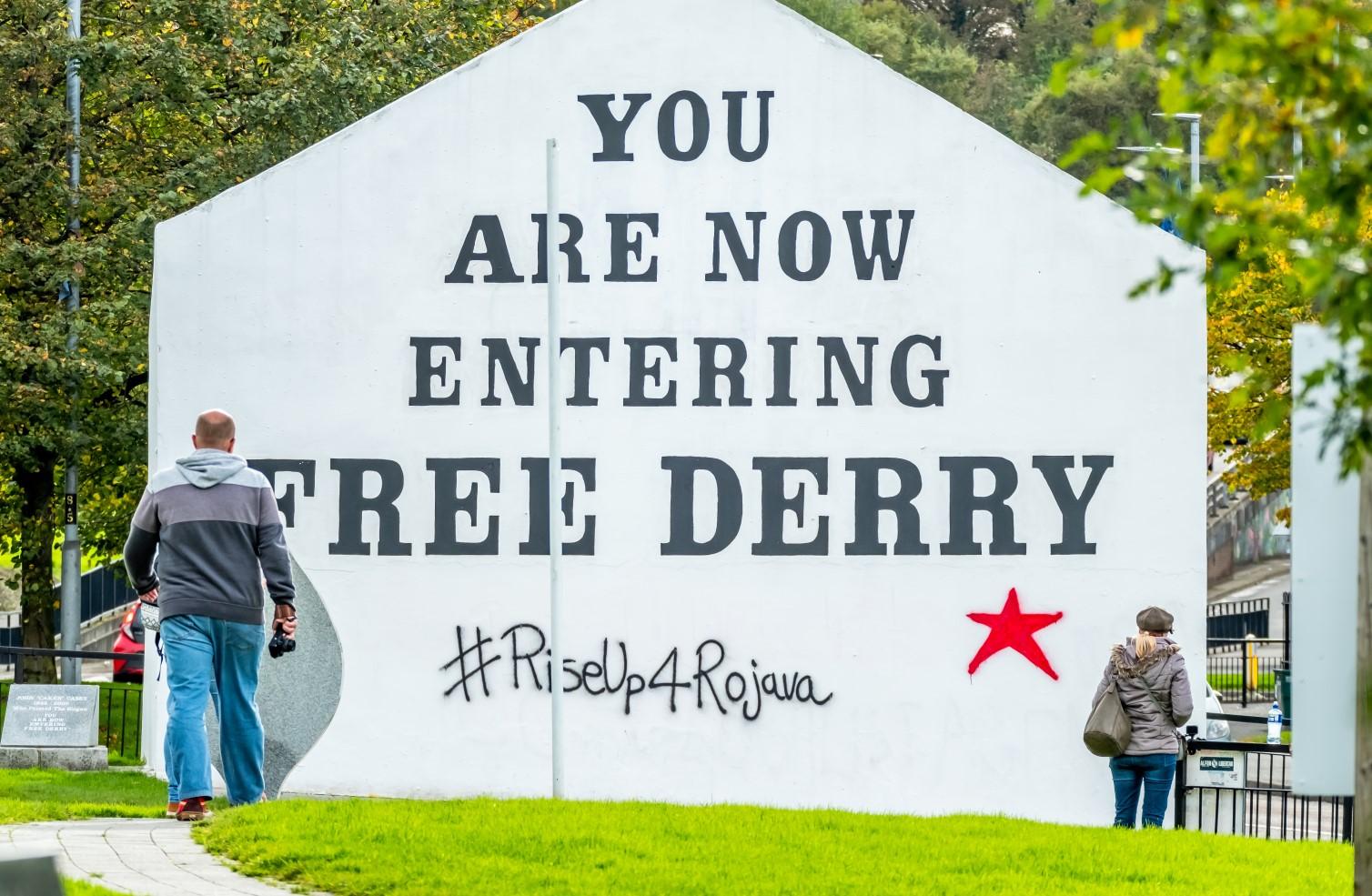
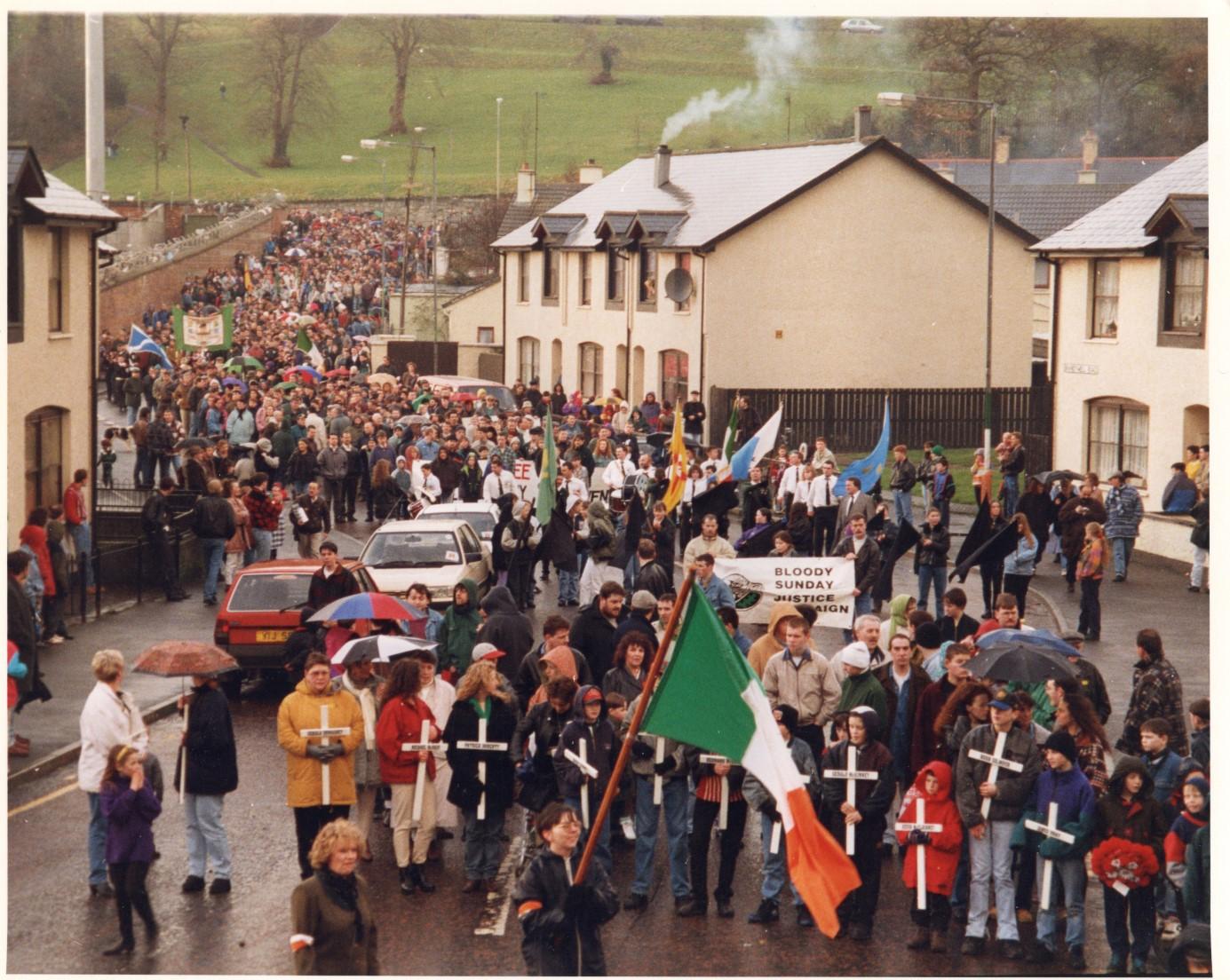
7 | Bloody Sunday’s 50th anniversary. It’s a bloody reminder of blood, pain, oppression and injustice Lucca Williams
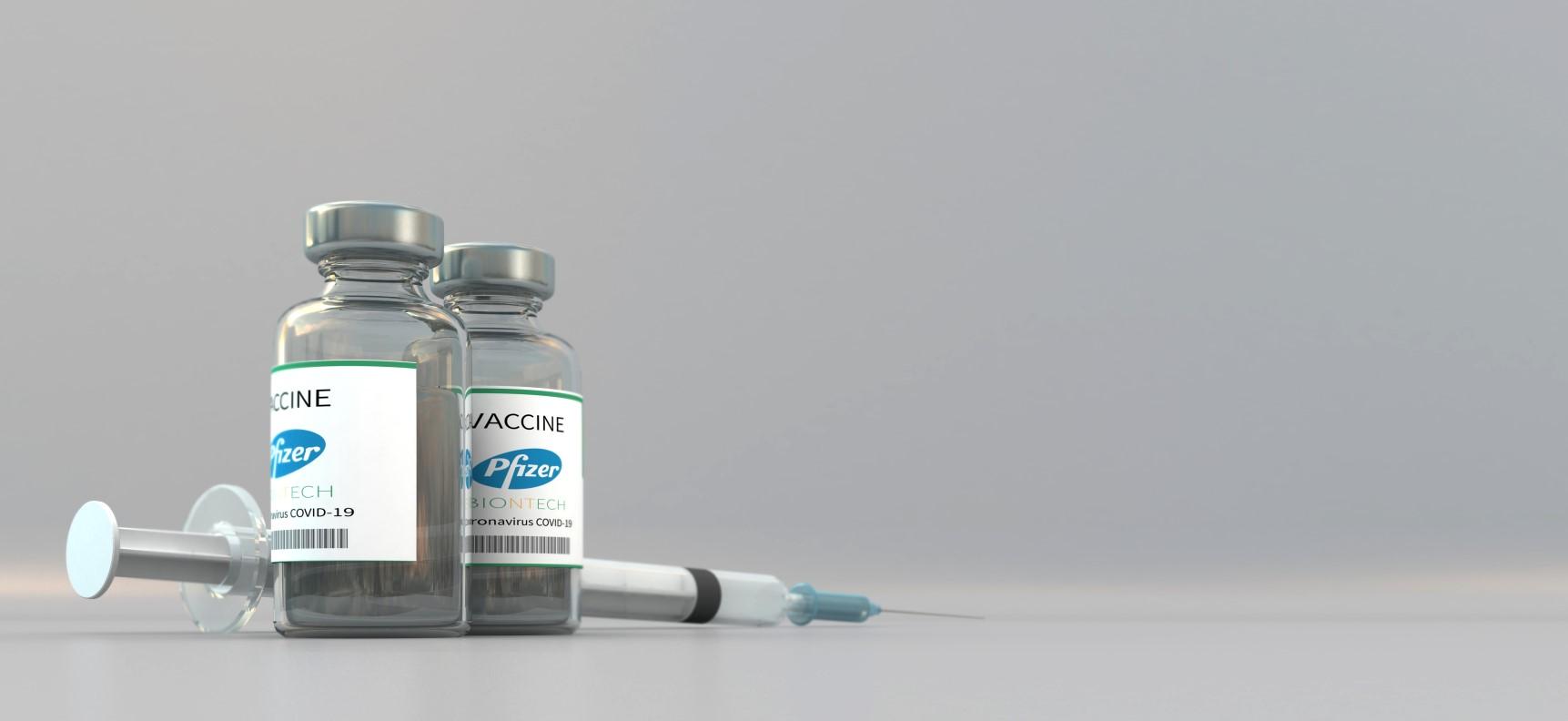
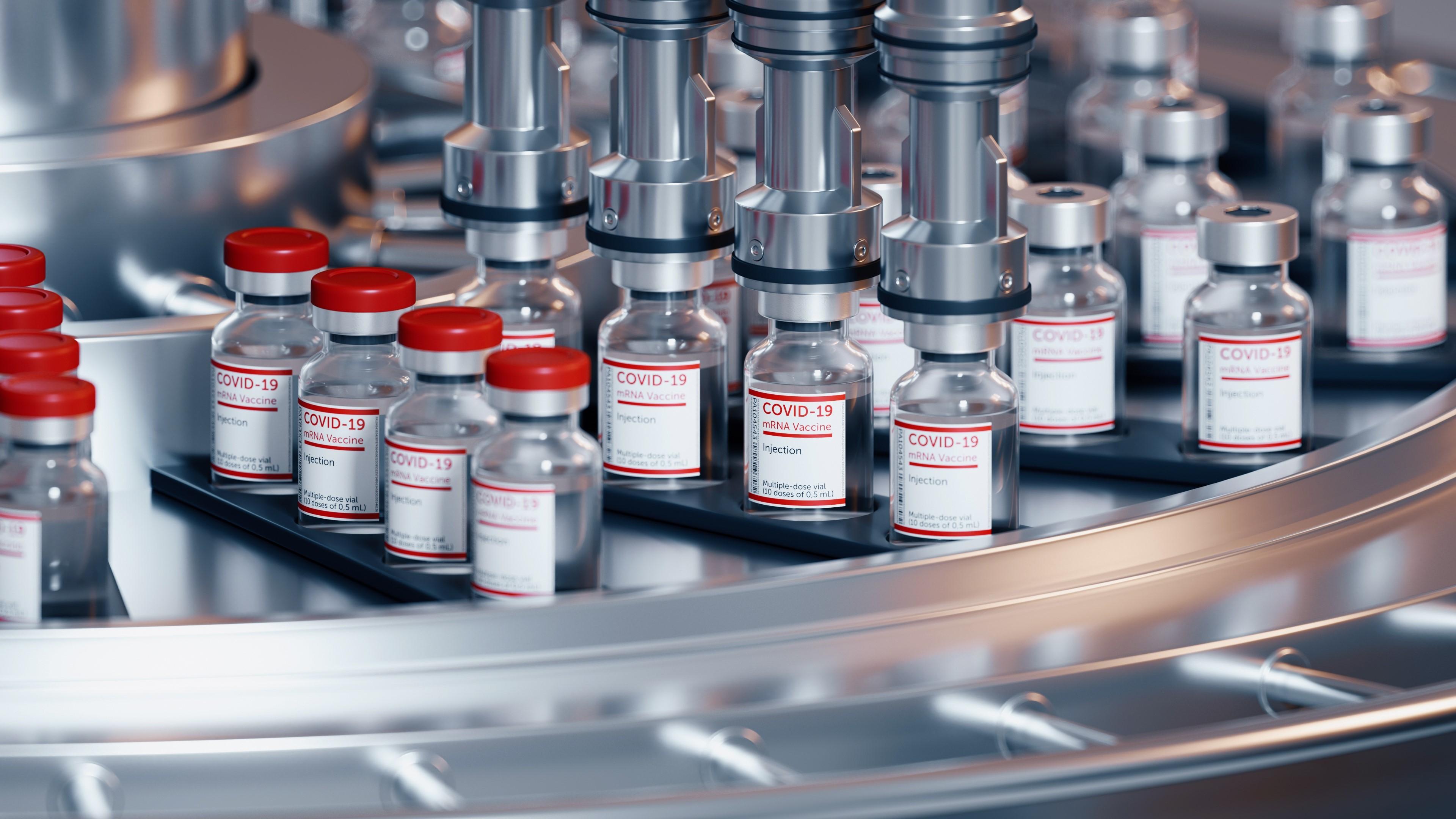
9 | Big pharma. Was Covid-19 big pharma’s redemption? - Thomas Butter
12 | Transgender rights in the USA and how they are progressing (or not) - Leah Fitzpatrick
13 | Born equal. The impact of the Covid-19 pandemic on inequality and what we can do to help Sam Phillips
14 | Nazanin ZaghariRatcliffe A mother. A wife. Held hostage since 2016 - Katie Denyer
15 | International Men’s Day Why we should observe it - Jonte Kemp
16 | Qatar 2022 Should Qatar be allowed to host the FIFA World Cup? George Potter
Further Analysis and Opinions
17 | The war on drugs A paradigm shift in the US’s domestic policy - Ethan Chan
19 | Madeleine McCann The role of mass media in reporting the Madeleine McCann disappearance - Saskia Lawrence
20 | Downing Street parties What do the Downing Street parties during Covid-19 tell us about our leaders? - Tilly Hunt
21 | Genetic engineering The political hierarchy and research within genetically modified crops - Mia Morris
Editor’s notes - Keir Haldane
Over the previous few months, we have experienced one of the biggest geopolitical changes this century: the Russian invasion of Ukraine has rocked the global economy and political sphere. This change has been reflected in the articles in this edition, which predominantly focus on Ukraine, Covid-19, and social rights and liberties.
There is a focus on a number of dark themes in this edition but that does not obscure the overwhelming hope and optimism that has shone through these tragic events.
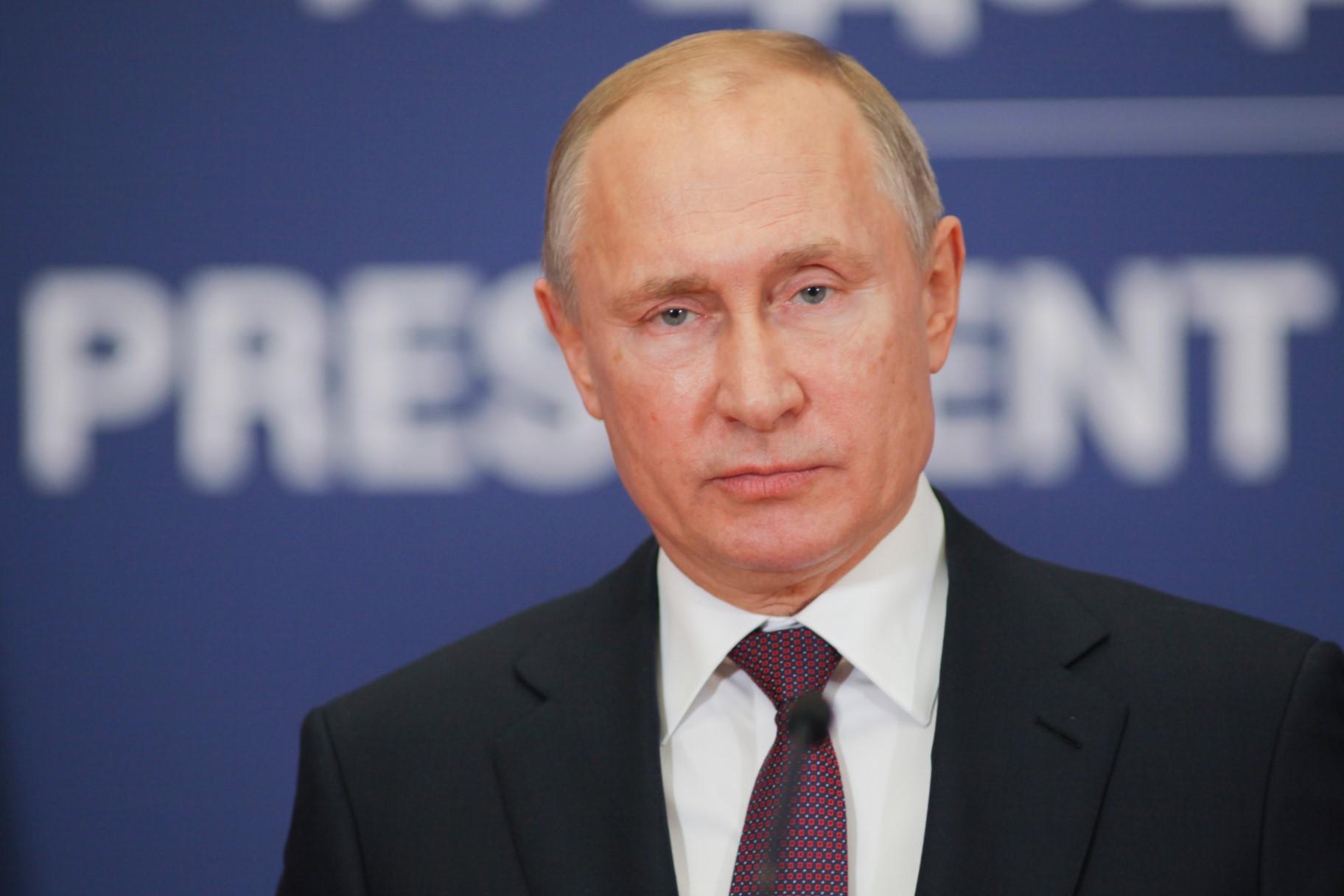
Putin - the man behind the name A complex analysis of the life of Vladimir Putin in respect to the current Russia-Ukraine conflict
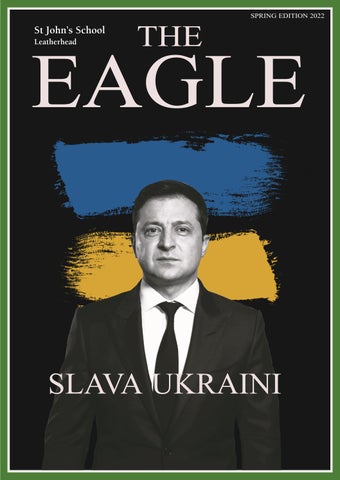
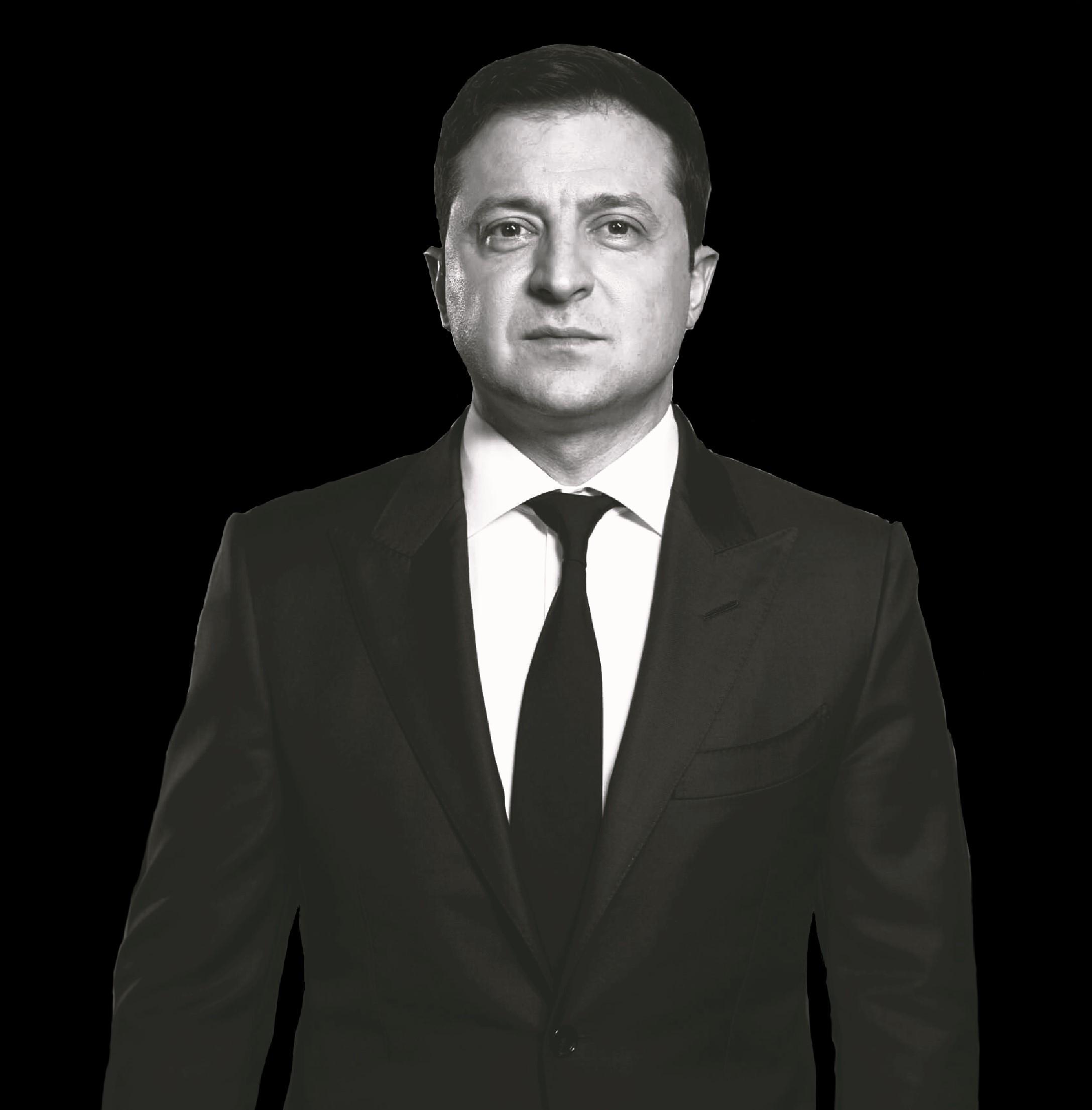
the cover: Cover design by William Johnson, photo courtesy of the Government of Ukraine https://www.president.gov.ua/ , Madeleine McCann photo courtesy of Reuters all other images courtesy Shutterstock.
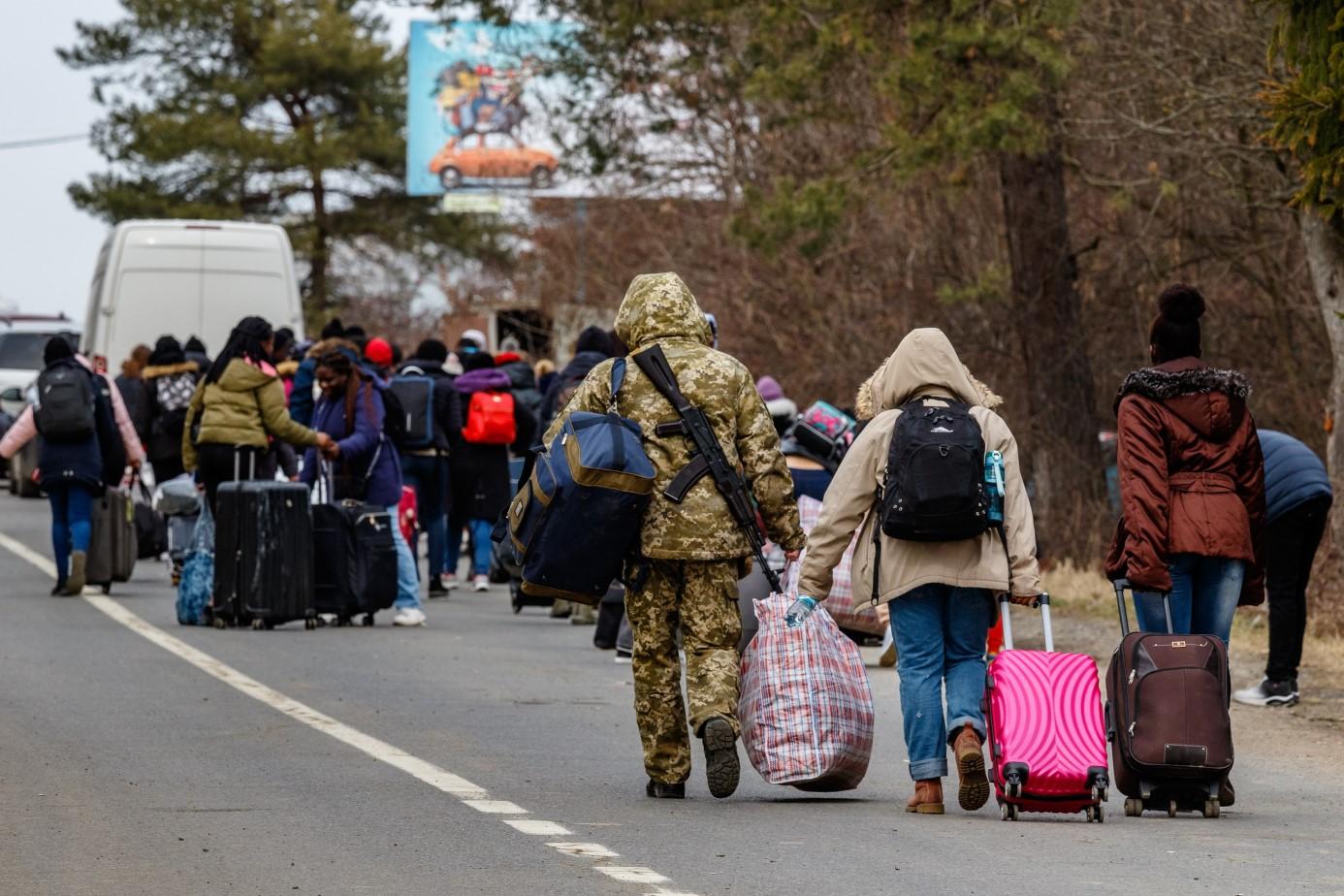
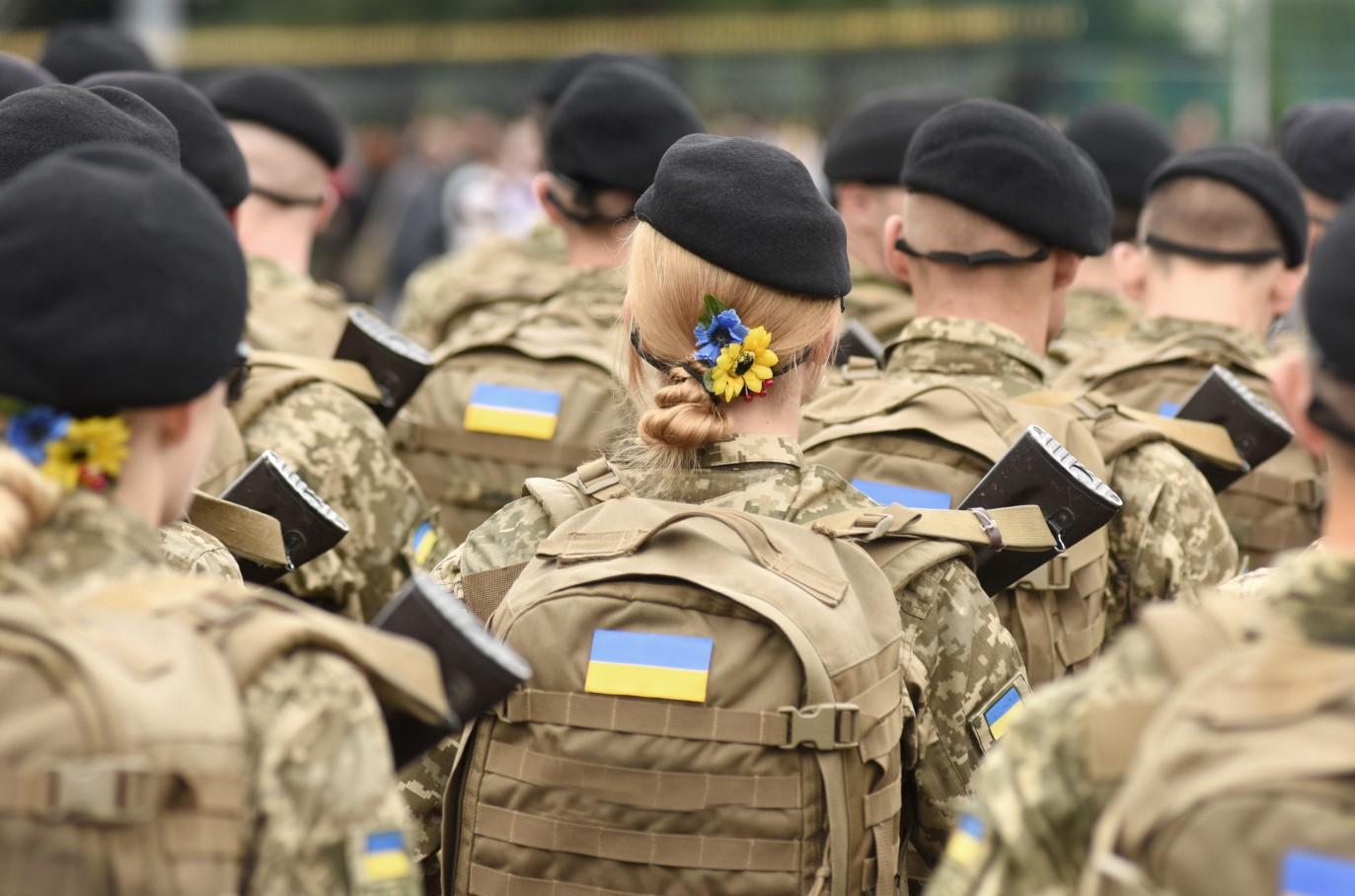
Forgive and Forget: The plight of the Ukrainian people and the West’s paltry response
When war broke out again in Europe – the scale of which had not been seen for nearly a century - the world was not surprised. Angered, infuriated but not surprised. Appeasement had failed, just like it had fatefully done in the late 1930s and the blemish of autocracy that many saw as a receding foothold of past, returned.
For those of you who have been living under a rock for the past few weeks let me recap:
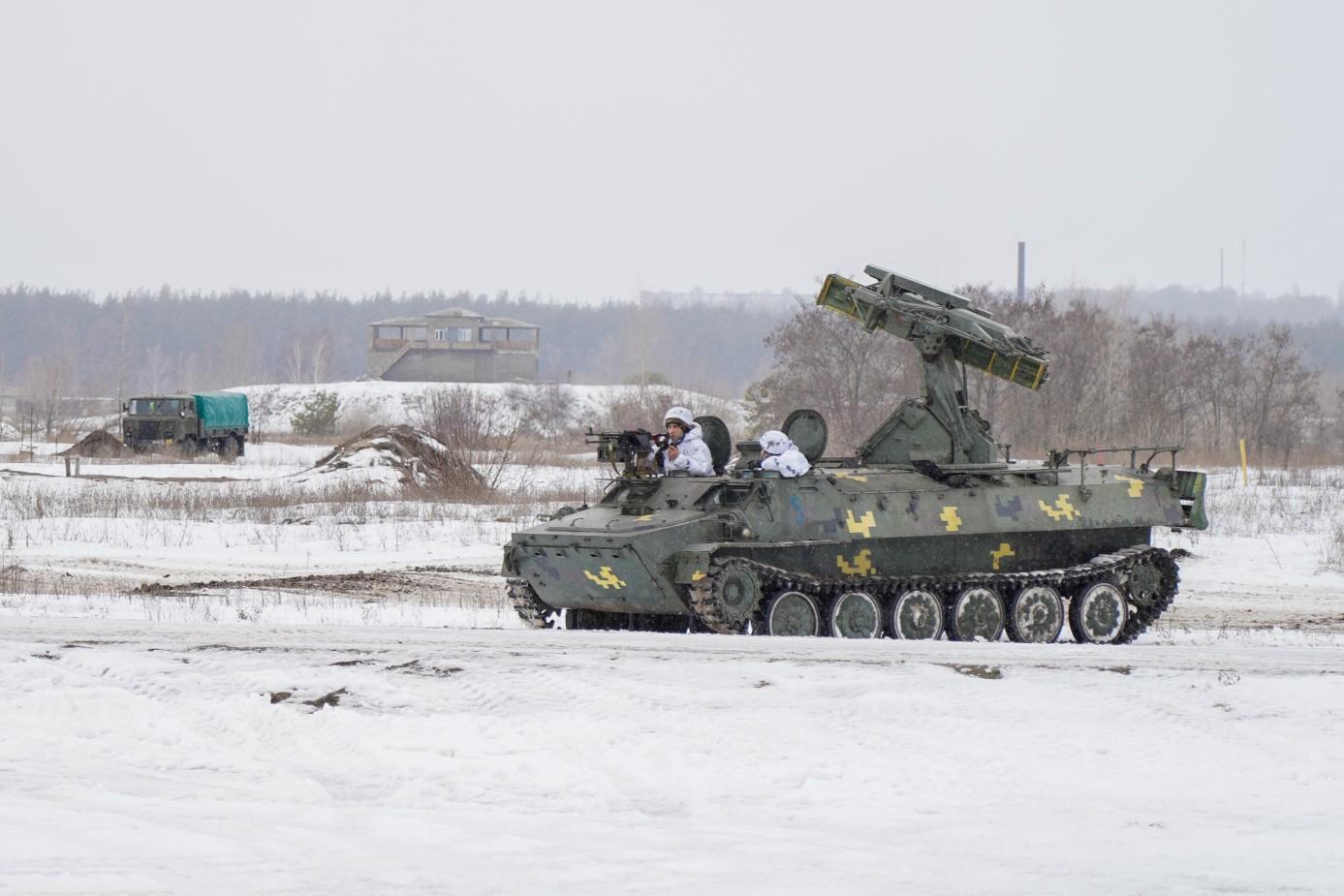
On Thursday 24 February 2022 – a day that will likely go down in infamy – Vladimir Putin sent his colossal war machine into Ukraine after months of ‘military exercises’ on the Russo-Ukrainian border. This was in an attempt to topple the democratically elected government of president Volodymyr Zelensky and likely aimed to instate a Kremlin controlled puppet.
The response from the Ukraine people was a unanimous ‘f*** you’ directed right at the heart of the Russian state.
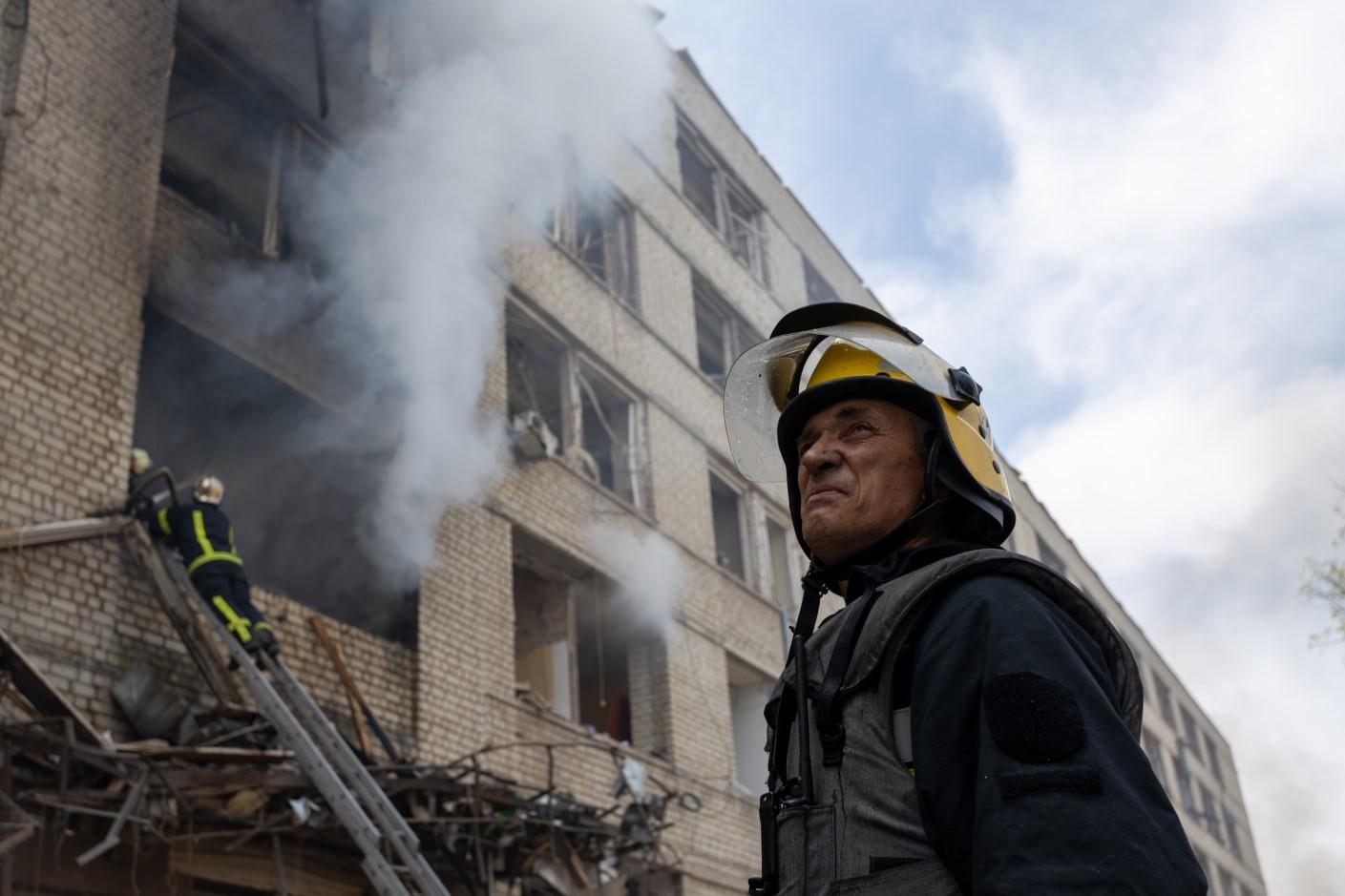
At the time of publishing, we are 21 days deep into the brutal conflict that has seen an increasingly desperate Russian leadership enact more and more senseless attacks directed at Ukraine’s civilian population.
Insofar as Putin still has a plan, it is to bomb and batter the Ukrainian people into submission, by whatever means necessary, as quickly as possible. If that requires using chemical weapons, such as chlorine gas,
as in Syria, so be it.
Putin seems hellbent on capitulating the Ukrainian state, whether that is driven by his ego, political gain or simply another dictator who has fatally over-reached, may not become clear until many years on but surely the greatest casualties of this tragedy have to be that of the peace, democracy and livelihoods of the Ukrainian people.
I’m not going to focus on Putin and his dictatorial control over the Russian state and people – may of whom did not want this war yet are feeling the consequences of it ever still. You can find more on that subject in Putin - the man behind the name (Page 5). Instead, I am going to focus on the lives of ordinary Ukrainians affected by this bloody conflict and what the West has and should do about it.
From Russia with love
When Vladimir Putin announced on Russian State TV that he was commencing a “targeted military operation” to “free” the people of Ukraine. The irony of an oppressive dictatorship invading a free, democratic, sovereign nation was not lost on the
Ukrainian people. This pathetic and pointless conflict was encapsulated by Russia’s desperate attempt to form a casus belli for the conflict, through claiming they were ‘de-nazifying the Ukrainian state’ - which may I note, is led by a Jewish president.
The Ukrainian people – seemingly to the Kremlin’s surprise - have not laid down their arms, when threatened by the Russian military. In fact, they have fought, with an unwavering resilience to protect their people, their state, their way of living and their livelihoods. Heroism has been seen across the country from the soldiers of Snake Island refusing to give in to a Russian warship, preferring martyrdom to that of surrender; to the Ukrainian president who when offered an evacuation from the country responded with “I need ammunition not a ride”.
Through the bleak darkness of this horrific war shines a beacon of hope built on the shared community between ordinary Russians and Ukrainians alike standing for peace and prosperity over war and suffering.
While Kyiv burns, The West fiddles It wasn’t just the Ukrainian people who stood up to Russian confrontation, the West too with all their power were united in mildly condemning Russia’s actions. The West’s actions originally amounted to little more than harsh words. While the Ukrainian people fought for their homeland, Whitehall fought over implementing the most menial of sanctions, originally only implementing light sanctions on around 100 entities. These sanctions didn’t show our ‘overwhelming support’ to Ukraine like Boris Johnson – a man
more akin to being a pissed-up retired colonel from the 1950s than a Prime Minister - claims, instead we sent our ‘thoughts and prayers’ as if we were attending the funeral of Ukrainian democracy. The rest of Europe was no stronger, with a promise to slowly phase out Russian oil, surely sending shivers down Putin’s spine.
So surely in a time like this where millions are thrust from their homes, fleeing from conflict, a flicker of kindness must reach to even the dark depths of this feeble Tory government’s heart.
Of course not! The pathetic excuse for a Home Secretary – Priti Patelall but refused to let refugees in. While by no means surprising, as this isn’t even close to the first time this narcissistic government has failed to allow in more than a meagre number of refugees, with immigration policies seemingly mirroring that of the BNP.
This is different though, it marks a true paradigm shift in our countries domestic policy that we would refuse to accept anything above to true minimum of fleeing refugees, from a war happening on our own doorstep. These actions aren’t just deplorable but disgraceful, no matter how much of a U-turn this government ends up making, no one can defend the fact that an MP, who Boris Johnson calls a friend, stood up in the House of Commons and claimed that Lincolnshire, yes, Linconshire, had ‘done their bit’ for refugees.
While the bodies of children line the streets of Ukraine, the international community can muster little more than consolidatory rhetoric. The UK government and the rest of the UN must act now, with genuine, tangible actions aimed not at the Russian people but those responsible for this horrific war.
“We seek peace, knowing that peace is the climate of freedom” Dwight D Einsenhower
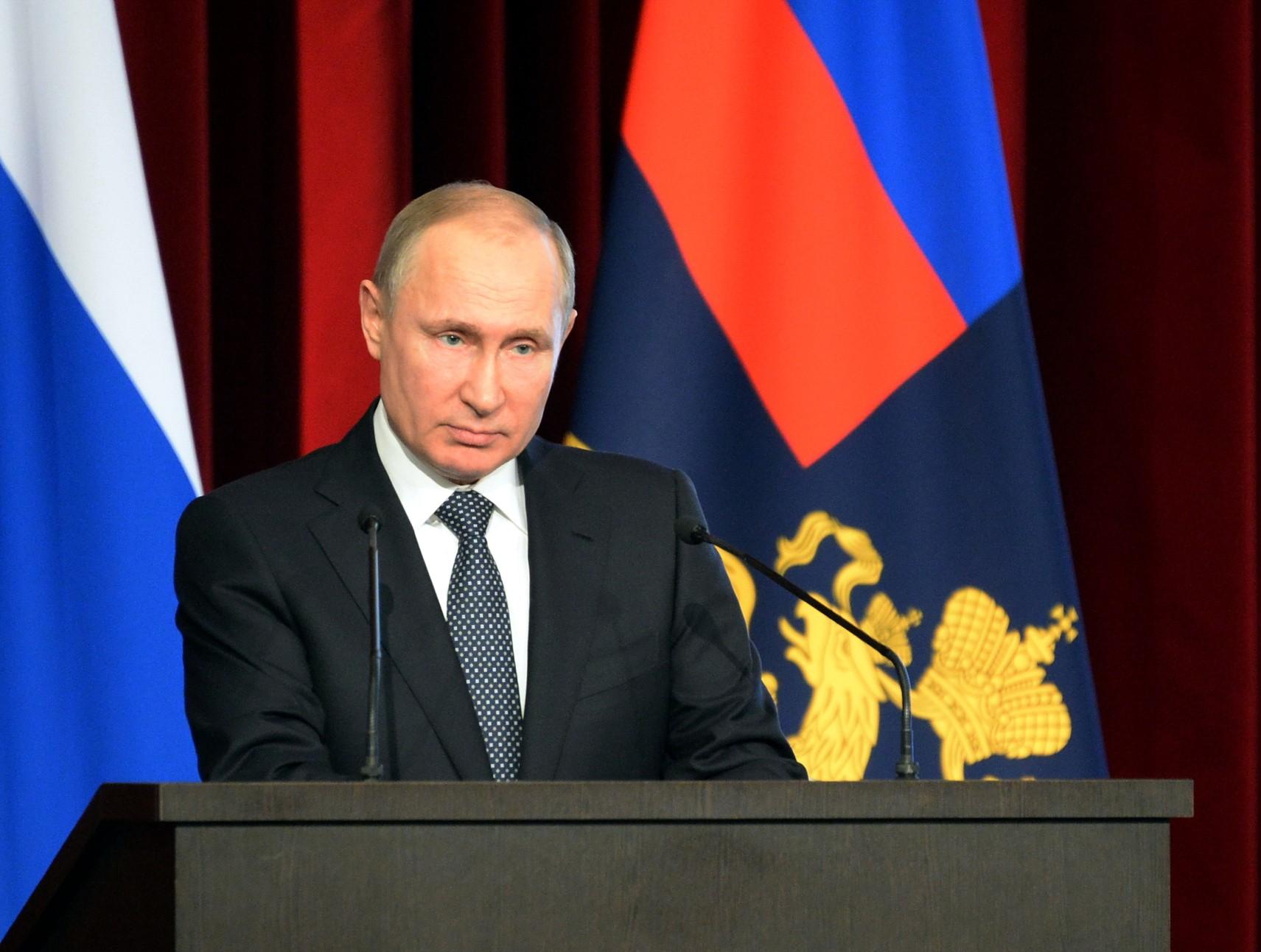
Putin: The man behind the name
In recent news, the conflict in Ukraine has dominated the headlines, with the man in the epicentre of this story of course being President Vladimir Putin; a name we have all since become very familiar with. A name which has become synonymous with ambition, ruthlessness, corruption, evil even. But many of us don’t know who he really is, what he really is, and what has driven him to become the leader he is today.
Vladimir Vladimirovich Putin was born in 1952 to a couple of ‘proletarians’ in the city Leningrad (modern day St Petersburg). He didn’t have an easy childhood with him living in poverty for most of his youth. He grew up in a communal apartment with his father - a physically disabled factory worker - and his mother - a street sweeper who picked up various odd jobs here and there to make ends meet. In school, Putin was far from the model student, often skipping lessons, throwing chalk erasers at other students, and was known to have fought his gym teacher on multiple occasions. However, his performance in school was greatly discrepant to his intellectual potential, which was unlocked by a scholarly interest in history and German. With growing academic curiosity and ambition, Putin went to study law in Leningrad State University. He was tutored by Anatoly Sobchak, who was later a leading politician in Russia’s perestroika period, a time of political and economic reform in the Soviet Union commissioned by Mikhail Gorbachev. Sobchak also tutored later Russian president Dimitry Medvedev, and it could be said that his reformist and pragmatic political views influenced both Medvedev and Putin. Putin graduated from university in 1975 with a degree in law and went on to enrol in the Soviet secret police force, the KGB.
Putin claimed that ever since his days as a naïve schoolboy, he had always aspired to be a KGB officer. Putin worked as a foreign intelligence officer for 15 years, wherein he was stationed mostly in East Germany. In 1989, the Berlin wall fell and so did communism in East Germany. Shaken by the events, Putin radioed back to Moscow requesting soldiers, tanks, anything that could supress the German uprisers, and his reply – silence. After this, Putin learned a valuable lesson. He learned that he could no longer be guided by blind loyalty to Moscow, and he then aimed to take politics into his own hands. In 1990, he retired from the KGB with the rank of lieutenant colonel, turning his back on his boyhood dream. On his return to Russia, Putin found an administrative job in his former university, but was soon after reunited with his old tutor and friend, Anatoly Sobchak. After the fall of communism in 1991, Sobchak became the first democratically elected Mayor of St Petersburg, and he appointed Putin to be his advisor. Putin was known to be extremely loyal to Sobchak and became known as his ‘indispensable man’.
It was here at his job of Deputy Mayor, where Putin amassed a revered reputation as a man who got things done. Following Sobchak’s defeat in 1996, did Putin leave St Petersburg? He was offered a job by the winner of the election, but he declined, stating that ‘it’s better to be hanged for loyalty than rewarded for betrayal’. It was then that the young, hungry Putin, armed with his notoriety, headed for Moscow.
Putin began his time in the Kremlin as a deputy to Pavel Borodin, chief administrator in the presidential office. Putting good use to his burgeoning friendship to Deputy Prime Minister and fellow Leningrader, Anatoly Chubais, he worked his way up the Kremlin food chain. By 1998, his swift accumulation of power found him in a position as deputy to Boris Yeltsin, the first president of Russia. Shortly afterward, equipped with his years of KGB experience and with the taste of espionage still in his mouth, Putin was appointed Head of the Federal Security Service. The FSS was the main successor agency to the KGB and at the time was the primary security agency of Russia. The head of this organisation was a position reserved for the President’s
most trusted aide. By the late 1990s and in his second term as President, Yeltsin was losing his grip on leadership. After continual clashes with the State Duma, a financial crisis in 1998, allegations of corruption and attempts of impeachment in 1999, Yeltsin had become massively unpopular. His physical health was also failing him after struggles with alcoholism and open-heart surgery in 1996, and so the people wanted a strong leader to take his place. Putin at the time was a rising star in politics. Having recently decisively suppressed a rebellion in Chechnya (a region of Russia with a historic independence movement), public opinion of him was very favourable, and he had earned a reputation as a cool competent military and political leader. In 1999, Boris Yeltsin unexpectedly resigned and appointed Putin as his successor.
On the basis of his promises to restore a weakened Russia and put an end to corruption, Putin comfortably won the 2000 election with 53% of the votes. Putin began his work right away, radically reforming Russia. He reasserted control over the 89 republics and regions that made up the country and divided them into seven regions. He tightened his grip on the media, closing several outlets, as well as taking legal action against many of Russia’s infamous tycoons and financiers, or as we better know them, oligarchs. Putin also went on to ban regional governors from sitting in the Federation council. All in order to assert his arbitrary control of the country, birthing a new dictatorship from the ashes of Yeltsin’s Russia.
Putin has been known for his strong nationalist and patriotic traits. A 2000 article on Putin from the Washington Post claimed that Putin once
Rumours have been circulating that the dictator is suffering from cancer, and his recent puffy-faced appearances could perhaps be a side effect of
refused to read a book by a Soviet defector as he ‘didn’t read books by people who have betrayed the Motherland’. All of this may suggest aspirations for a return to a globally revered Russia and the restoration of Russia’s status as an imperial superpower; a return to the good old days. Others may suggest his health is failing and his extreme actions in recent times have been made from a sense of urgency or a feeling that he has nothing to lose.
Since then, Putin has been a busy man. Playing a very active role in world affairs for most of the 21st century. From involvement in the Syrian war, his invasion of Crimea, alleged hacking of the 2016 US election, and of course the most recent invasion of Ukraine. Many have been speculative of Putin’s motives behind his, sometimes seemingly irrational, actions. Is it perhaps possible, that as a former servant of the communist party and influenced by his time in Berlin in 1989, that he wants to restore Russia to the imperial and economic giant it once was? This idea could be supported by a 2005 interview in which Putin stated that the fall of the USSR was ‘the greatest geopolitical catastrophe of the century’, deeming it a ‘genuine tragedy’.
chemotherapy or steroids. Fiona Hill, a senior in the foreign policy program at Brooking speculated that the urgency of the invasion of Ukraine may be ‘driven by personal factors’. After 22 years in office, Putin is the longest serving Russian leader since Stalin, who did end up working himself to death while in office. This paranoia breathing down his neck, and his vision of a restored mighty Russian Empire has turned Vladimir Putin into arguably the most dangerous man on the planet.
“The path towards a free society has not been simple. There are tragic and glorious pages in our history”
Vladimir Vladimirovich Putin
Bloody Sunday’s
50thAnniversary: It’s a brutal reminder of blood, pain, oppression and injustice
My Dad grew up as a Roman Catholic in South London, he is the first born of my grandad - an Irish Catholic through and through who moved to London with his parents at a young age. In recent years, my Dad hasn’t been hugely in touch with the Catholic part of himself, yet this has changed recently. On Sunday 30January he headed out to our local Catholic church for the first time in over ten years. He wanted to remember and reflect on his Irish and Catholic heritage, as Sunday 30January 2022 was the 50th Anniversary of Bloody Sunday also known as the Bogside Massacre.
Tension has existed in Anglo-Irish relations for centuries and this tension came to the forefront of British politics many times in the 20th century. In December 1918 the separatist party Sinn Fein won a landslide majority in the Irish general election with 73 of the possible 105 seats (Majority everywhere but Ulster). Sinn Fein declared an Irish Republic. Violence had occurred in the years before the election, yet 1919 is regarded as the beginning of the Irish War of Independence between the Irish Republican Army and the British state, including the Royal Irish Constabulary (RIC) and ex World War One soldiers known as ‘Black and Tans’. The Black and Tans were responsible for many acts of brutal violence and oppression against the Irish people, civilian or not. They would “execute”, or more accurately, murder those suspected to be working with Irish forces without trial. The war officially ended in December 1921 as an Irish delegation signed the Anglo-Irish Treaty, creating the Irish Free State containing 26 of Ireland’s 32 counties. However British troops did not leave the south of Ireland until December 1922. From 1917 to mid 1922 the conflict saw 2,500 deaths and thousands more casualties.
Notably the war saw substantial violence from British troops such as the Bloody Sunday Massacre in Dublin on the 21November 1920 where British Black and Tans shot into a crowd at a Gaelic football match, killing 14 unarmed civilians and wounding 65. The act was a response to the assassination of 14 British intelligence operatives on the same day, yet there was little connection to the Gaelic football crowd and the assassinations.
The Irish Free State was nearly all Catholic, yet left a Catholic minority in the six counties of Northern Ireland. Northern Ireland remained under British rule and the Catholic communities in cities such as Belfast and Derry were discriminated against by the Protestant controlled government and police forces. As a result, over time two opposing sides formed and placed clearly along sectarian lines with the Catholic Nationalists against the Protestant Loyalist. The 1960s saw a younger generation of politically and socially conscious Catholic Nationalists in the six counties of Northern Ireland begin to mould together a movement which
resembled that of the American Civil Rights Movement. These young activists fought the obvious and continuous discrimination towards Catholics in Northern Ireland. However, this movement quickly took a more violent turn, with the Troubles beginning in 1968. On the 5October 1968 Nationalist activists planned a march along Duke Street in Derry, in protest against the discriminatory housing policies against Catholic citizens. The march was brutally suppressed by the Royal Ulster Constabulary. After blocking the marchers’ exits police forces charged on the crowd and mercilessly beat the terrified marchers as chaos engulfed the street. James Smyth, an emeritus professor at the University of Notre Dame stated that “October 5th, 1968 was when the troubles began.” And what followed consisted of a bloody conflict between Loyalists, Nationalists and the British state, resulting in thousands of deaths, over half being civilians. British forces faced paramilitary groups from both sides, concocting a conflict paved with blood and etched into British and Northern Irish history.
The Bogside Massacre is a key part of this conflict.
The 50th anniversary remembered the events of the day, those that died and the families left behind who even after 50 years of waiting have still yet to receive any form of true justice or justice at all.
On the morning of 30January 1972 15,000 Northern Irish Citizens, a majority catholic, gathered in the Creggan area of Derry. The group were there to take part in a peaceful civil rights march. Just five months before in August 1971, a law oppressing the people of Northern Ireland was passed, and mainly targeted Catholics due to the increased violence of the republican paramilitary group the IRA. Internment became legal and allowed for British troops and Irish police forces to imprison citizens without trial. This medieval style law saw the state be able to strip the freedom of those they believed were connected to separatist ideas without any evidence or justice process. Those that gathered in Derry made up of young adults, families and children came together on 30 January to protest this deeply unjust law. The Stormont government of the time had banned such large gatherings and protests in a hope to bring law and order to the country yet also acted to oppress the freedoms of those discriminated against in Northern Ireland. The march began at 3.00pm and set off towards the Guild Hall in the city centre, however their intended path along William Street was blocked off by police and as a result a majority of the march was redirected towards the Free Derry monument along Rossville Street. Despite this redirection many of the marchers stayed at the blockade to confront the forces manning it. As the situation intensified a highpressure water cannon mounted on a heavily armoured truck was turned on the protestors in hopes of their dispersal. Just before 4.00pm in retaliation and frustration, bottles and rocks were thrown by some protestors at the troops in riot gear along the blockade. Troops then began to fire rubber bullets into the crowd and used tear gas resulting in the injury of dozens of protestors. At 4.07pm paratroopers capitalised on the bewildered crowd and moved in to make as many arrests as possible. At 4.10pm whilst the protestors fled the scene to escape the oncoming streets the sounds of shots rang across the city. British troops began to unload live rounds on the retreating and desperate civilians.
In under thirty minutes 21 British troops managed to fire 108 live rounds at protestors and left 13 marchers dead, fourteen severely injured one who later died in hospital. Six of the dead were just seventeen years old.
Anger filled Derry and this anger, caught on camera shocked the nation with condemnation from a number of countries around the world. After the events of Bloody Sunday, a crowd burnt the British Embassy in Dublin to the ground. Yet this devastation
and as a result many Irish Nationalists questioned whether the inquiry would be impartial. After the measly tribunal sitting of just three weeks in February and March 1972 the inquiry was published on 18April. Lord Widgery concluded the soldiers had been fired on by paramilitary groups first or they would have had “No reason to suppose” the soldiers would have shot at the crowd. The inquiry was labelled a whitewash by many as all the soldiers were able to walk away with no repercussions. Howev-
-year-old boxer John Duddy also known as Jackie. Jackie was one of the victims of the Bogside Massacre and despite the bravery and courageous attempts of fellow marchers and a priest, Jackie died on the streets of Derry. The image of Father Daly, waving a white bloodened handkerchief followed my marchers carrying the limp body of Jackie to safety have become famous to the events of Bloody Sunday and captured the pure barbarity that the peaceful marchers faced from British troops.
The day ended with the blood of innocent civilians being spilt mercilessly by the soldiers of their own nation and the British Government.
A glimmer of hope came after the event, yet has been continuously extinguished over the last fifty years. The fight for justice for those that died has been long and is still ongoing. Immediately after the massacre the British government announced that a public inquiry into the shootings would be undertaken by the Lord Chief Justice, Lord Widgery. The tribunal was held in the predominantly Unionist town of Coleraine
ter years of further campaigning against the failure of the British government to deliver justice the Savile Inquiry was set up to investigate the event. Tony Blair announced the inquiry and it began in 1998 running until 2010, becoming the longest running inquiry in British judicial history and costing around 200 million pounds. The inquiry found that none of the marchers were posing a threat or doing anything that would justify their shooting. Additionally, it stated the civilians were given no warning before the soldiers opened fire and none of the shooting was in response to the throwing of stones or petrol bombs. After these condemning findings of needless brutality, rather than the arrest or prosecution of the soldiers responsible David Cameron gave an apology on behalf of the state to the victims and their families. After the Savile investigation the Police Service of Northern Ireland (PSNI) began a murder investigation. After a few years, and 125,000 pages of material, prosecutors stated on 14 March 2017 that Soldier F would be prosecuted for the murder
of James Wray and William McKinney and attempted murder of Patrick O’Donnell, Joseph Freil, Joe Mahon and Michael Quinn. Although after families received this promise of justice in classic British Government fashion it was announced on 2 July 2021 that Soldier F would not face trial. The brother of one of the Bloody Sunday victims challenged this outcome and as a result the decision is subject to live judicial review. Looking back at the events of Bloody Sunday and the fifty years after, it is clear to see that time and time again the British government has failed and disregarded the victims and families of this horrendous massacre. Continued failure to deliver justice is simply unacceptable in our so called just and fair democracy. The gunning down of innocent protestors by their government can’t go on without answers and without justice. The images from the day highlight the brutality these peaceful protestors faced yet it took just under forty years of the state to even apologise for their actions. This highlights the continued neglect that the British government have for their actions in Ireland throughout the 20th century, which has included murders, obstruction of justice and clear-cut oppression. The British government has ignored their bloody and brutish past in Ireland for too long, and it is time for us as a nation to recognise this. Families of the victims and those across Ireland still campaign for justice and the 50th anniversary of Bloody Sunday this year illustrated this with processions and interviews on British TV of family members pleading for those responsible to reveal themselves and be brought to justice delivering much needed closure.
The week after my dad visited church on the anniversary, I asked him what he reflected on. He focused entirely on peace. This message was reflected by those taking part in the anniversary events in Northern Ireland as after the Troubles shook the nation to the core the blood and sorrow it caused should never be repeated. Bloody Sunday whilst it highlights the severity of British actions on the Northern Irish people also reminds us of the necessity to not repeat the past. Nationalist, Unionist, Catholic or Protestant, we should all strive for peace in this modern time and as we remember the people that died in the Bogside Massacre, we must never repeat the past.
Thomas Butter
Big pharma: Was Covid-19 big pharma’s redemption?
The history of big pharma: starting out in the mid 19th century the good reputation of these large corporations didn’t last long. It didn’t take long for the big pharma conspiracy theory to be developed, and a negative lens was placed on the industry for the years to come. Many illnesses have arisen over the years giving big pharma companies a chance to demonstrate that profit and social benefits can exist together, however as you will discover shortly, they failed to do so and simply made their image worse. Moving forward to present day, the outbreak of Covid -19 gave these corporations one more shot to prove themselves, this article will discuss whether they were successful or have they yet again failed the equality test with a focus on the economical rewards.
The big pharma conspiracy theory
The big pharma conspiracy theory is a group of ideas that claim that pharmaceutical companies, operate for sinister purposes and against the public good, and that they conceal effective treatments, or even cause and worsen a wide range of diseases for the only purpose of profitability. In recent years it has been suggested that a big pharma’s business model goes as follows -
receive billions in public investments, charge exorbitant prices for lifesaving medicines, pay little tax. Gold dust for wealthy investors and corporate executives but devastating for equality.
Past indiscretions of the big pharma industry
Opioid crisis:
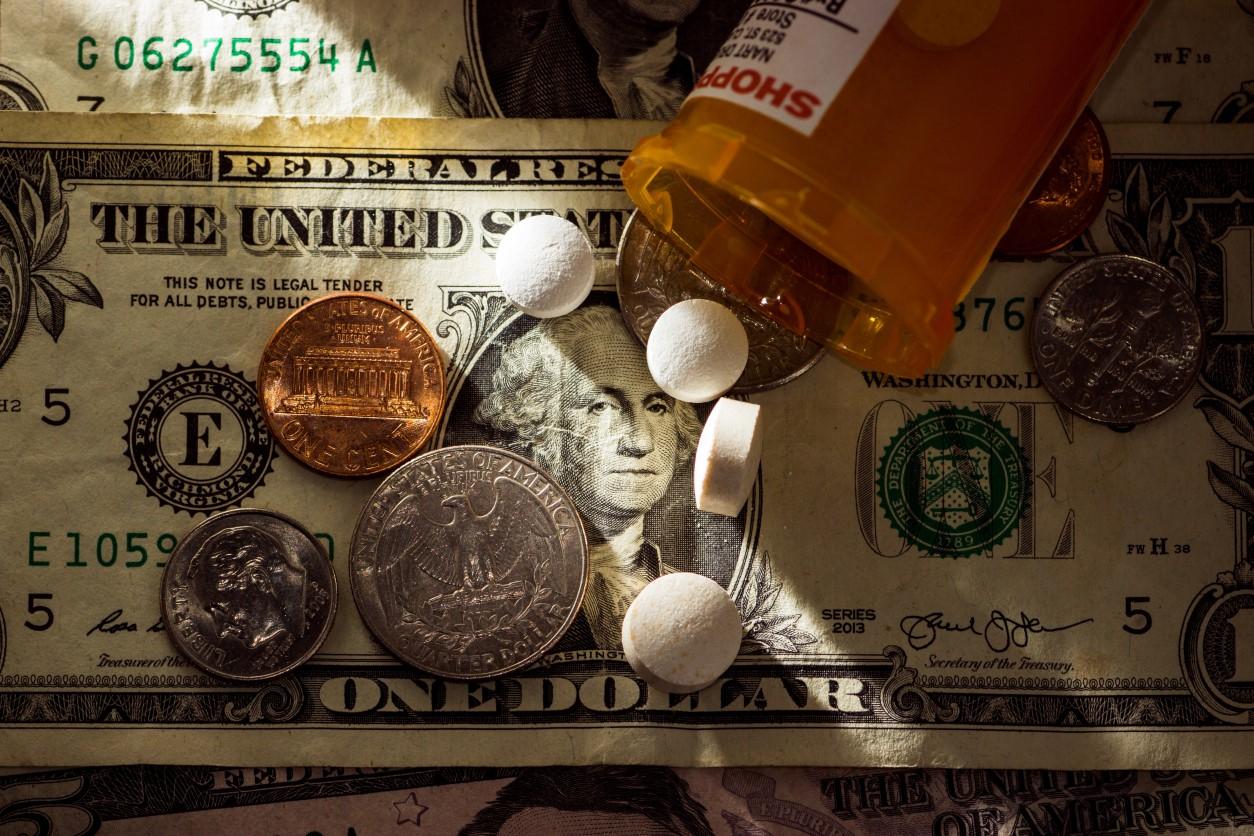
The negative perceptions are not helped by past failings of the industry. In the late 1990s, pharmaceutical companies reassured the medical community that patients would not become addicted to opioid pain relievers and healthcare providers began to prescribe them at greater rates. Following this prescription of opioid medications soared leading to widespread misuse of both prescription and non-prescription opioids before it became clear that these medications could indeed be highly addictive. Nearly 841,000 people have died since 1999 from a drug overdose.
Insulin crisis:
Insulin is a ‘lifeline’ drug, required for countless functions of the human body. However, some illnesses mean that people cannot produce enough of their own insulin, therefore they must be given insulin shots.
The price of one vial of insulin in the UK is free through the NHS and approximately £7 for private patients. In the US one vial costs over $95. Many US diabetics cannot pay these high prices and have to ration their insulin usage. Saddening stories can be found online about the tragic deaths of people who died so big pharmaceutical companies could make a profit.
EpiPen crisis:
In the US when the EpiPen was first created a pair would cost approximately $90. Today due to the rise of profit hungry big pharma companies, an EpiPen will set the patient back over $650. Moreover, due to the monopoly created within the EpiPen market with just a few companies dominating, there has been worrying supply chain issues in recent years.
Big pharma and Covid-19: A tightrope to walk
When Covid-19 hit, universally governments and medical bodies were clear that vaccines were the only way out. To the rescue came the medical avengers: Pfizer, Moderna, AstraZeneca. Fuelled with the opportunity for worldwide praise and large profits, their teams of the world’s best scientists got to work. Whilst some companies were immediately willing to take on the challenge, some of the worlds’ biggest players took some convincing, the thought of dropping all other research and spending vast sums of money on a project that might be obsolete if Covid-19is eradicated before a vaccine could be released. It is not clear why some companies initially decided to profit from the vaccine and others did not.
Failings of big pharma in fighting Covid-19: Economically minded companies- Pfizer, BioNtech, Moderna.
For a while the days of big pharma domination seemed like it was coming to an end. However, the birth of Covid-19 meant a world where the human population relied solely upon big pharmaceutical companies in order to regain freedom, the shareholders faces lit up with joy. The pandemic began and at once the vaccine manufacturing process began. Scientists worked day and night under the watchful eye of the companies’ senior management in order to keep production costs down. The manufacturing cost of a Covid-19 vaccine from any of these three companies costs approximately $1.20. The vaccines are being sold to governments for an average of $25 per unit. Pfizer made $81.29 billion last year in revenue, mainly thanks to its Covid-19 vaccine. The governments of the world started playing straight into the hands of the monopoly big pharma firms. It makes you think, who is really in control?
Success of big pharma in fighting Covid-19: Humanitarian pharmaceutical companies- AstraZeneca, Johnson & Johnson
These companies had a good heart at the start of Covid-19, AstraZeneca working with Oxford University was the first to produce a Covid-19 vaccine, this ground-breaking innovation wasn’t fuelled by the vast potential profit, but for the good of humanity. It was produced at never-before-seen speeds, to a high level of efficiency and had storage features which allowed it to have a potentially larger reach. Last year AstraZeneca took a loss of over $20 billion whilst its counterparts made double that in profit. Yet the world turned its back on AstraZeneca many times,
a small number of people experiencing side effects from their vaccine meant all of AstraZeneca’s hard work was forgotten. It raises some interesting questions. Does profit drive better quality innovation than humanitarian reasons? Do people trust profit making companies more than nonprofit organisations? Looking at the later, if a company has nothing to gain from producing high quality products then they will simply make the bare minimum. Nothing perfect ever comes for free.
Impact on low-income countries
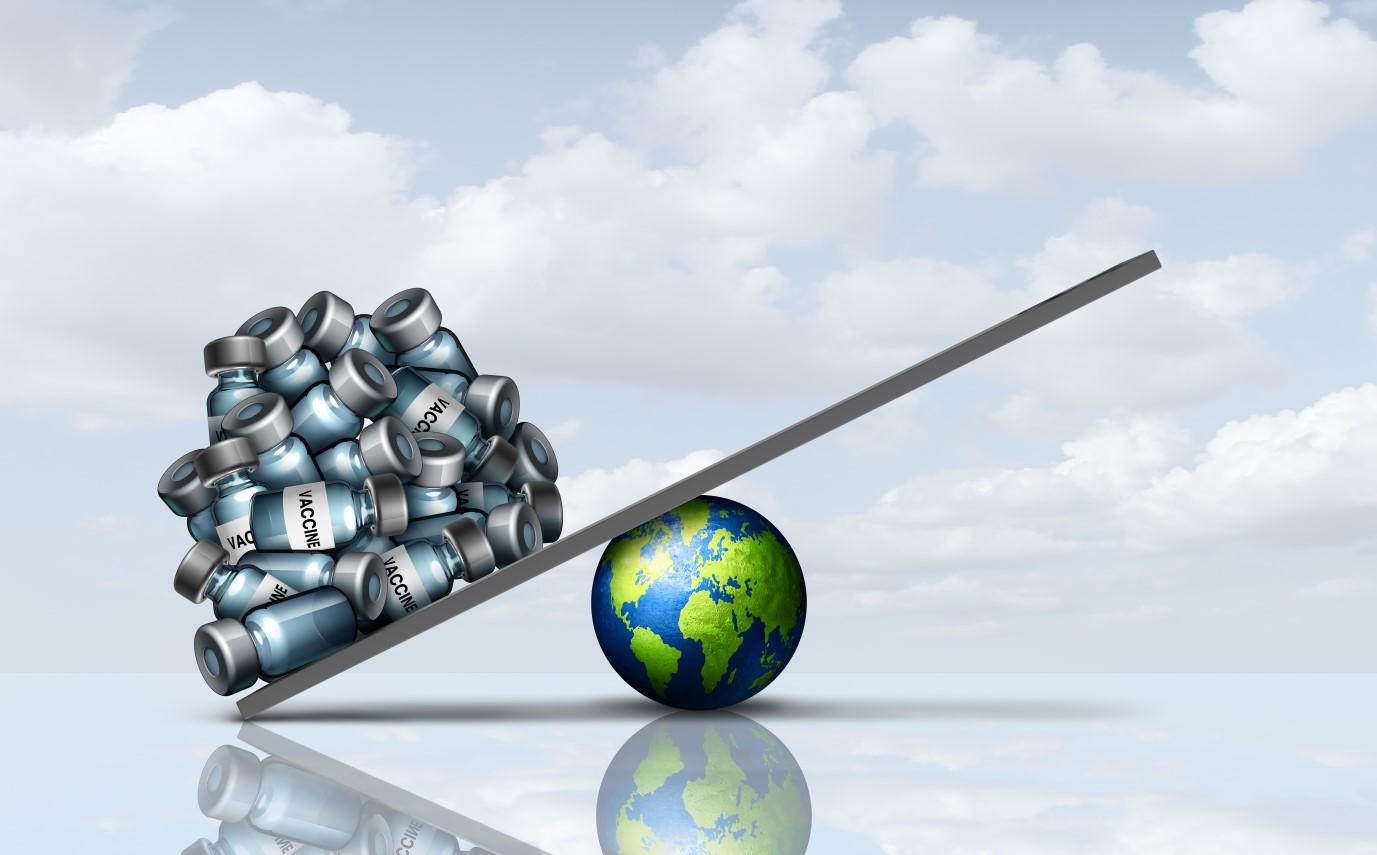
Just as the case with every new creation, it is made by wealthy countries to be used by wealthy countries. Covid-19 was initially seen as a disease the whole world is fighting together. However, as the developed world moves out of Covid-19 due to their use of vaccines, treatments and testing systems. Pfizer, BioNtech and Moderna have sold more than 90 percent of their vaccines to rich countries. Moreover, now that AstraZeneca has almost completed vaccinating the developed population and the pandemic becomes endemic, it has decided to make a profit when selling vaccines to less developed countries. In wealthy countries, roughly one in four people has received a vaccine. In poor countries, the figure is 1 in 500. Pfizer pledged to contribute up to 40 million doses to Covax, a multilateral partnership aimed at supplying vaccines to poor countries. That represents less than 2 percent of the 2.5 billion doses that Pfizer and its development partner, BioNTech, produced last year. Action Aid: “This truly is the inequality virus. We create vaccine billionaires but fail to vaccinate billions of people in desperate need.” It’s thought that 19 new billionaires and many more millionaires were created as a result of Covid-19.
Big pharma in politics
Big pharma in politics is not a new phenomenon, between 1999 and 2018, the pharmaceutical industry spent $4.7 billion dollars lobbying the US government. This is far more than any other industry. Covid-19 only made matters worse In July 2021, Pfizer signed a $1.95 billion deal to sell one hundred million doses of its two-shot vaccine to the United States government, enough for 50 million people. It would be the first to reach American arms. Not only did governments buy vaccines from the big pharma companies at the prices they set, the governments also funded the research, the US government payed $1 billion to Moderna
for research.
benefiting from a total $8.3 billion of public investment in the development of their vaccines, the US companies have not paid their fair share of taxes. In the first half of 2021, Moderna paid a 7% US tax rate and Pfizer paid a 15% tax rate, well below the US statutory rate of 21%. How do these discrepancies exist in companies with such funding and investment ties to the same government that run the tax system?
Argument for the positives of big pharma in eliminating Covid
A large number of people share the perspective that big pharma is simply doing the world large number of people would argue that big pharmaceutical companies actually benefit society. The question: What if no one invented a Covid vaccine? They have become just another resource that humans take for granted. However, what is it that drove these companies to make the vaccine quickly and to a high quality? Money. Without profit there is little incentive to spend time and money, researching and trialling to create the best product possible. The sole purpose of a business is to reward every contribution of every player in the organisation. Whether that be the shareholders, employees or wider society. It is not fair to look totally through a negative lens when looking at vaccine distribution. Yes, the majority of vaccines have been sent to the developed world. However, the blame cannot be entirely placed upon the companies. When the vaccines were first available for order, Governments of developed nations ordered enough vaccines to fully immunise their population several times over.
Therefore, in many cases, it is only now that the big pharma brands are fully completing their contracts with the developed world and can move to help other counties. Big pharmaceutical companies are overall doing a crucial service for humanity; therefore, people may worry about their involvement with government. However, for an issue as large as Covid19, I would be concerned if my government and the producers of the vaccine going into millions of the population’s bodies, weren’t in close connection.
Conclusions
There are two ways in which you may conclude the big pharma’s approach to Covid-19. Seeing the arguments proposed it is up to you to decide which way you lean.
Conclusion 1: Covid-19 was just another demonstration of large pharmaceutical companies squeezing tight margins, creating monopolies and manipulating governments. With these actions creating further inequality as the developing world lags further behind
Conclusion 2: Covid-19needed a profit drive, had the large pharma corporations not been driven by profit, the vaccines and treatments which saved the population would not have been created so efficiently. The balance between big pharma companies charging nothing to high premiums allowed for the perfect mechanism to solve Covid-19. Yes, the divide between the developed and developing world will still be there, but this is inevitable with innovation and unfortunately there is no such thing as a perfectly equal society.
“Pharmaceutical companies view Covid-19 as a once-in-a-lifetime business opportunity”
Leah Fitzpatrick Transgender rights in the USA: How they
are progressing (or not)?
Over the last few years, as I’ve become more and more aware of Pride Month and its importance, I’ve unfortunately come across more and more people asking why we still need a Pride Month, after all, aren’t gay and straight people ALREADY equal? Well, there’s much I could say about that (homosexuality is still illegal in 72 countries), but instead I’d like to bring attention to trans rights and how they’ve seemingly been shunned in comparison to other civil rights movements. Fortunately, trans laws are pretty well recognised in the UK; binary trans people have been legally allowed to change their birth certificates to their actual gender since 2004, but unfortunately, not all western countries follow this pattern. In the USA, where arguably the gay rights movement began (The Stonewall Riots, 1969), progress has been slow and hard-fought for both gay and trans people, largely because individual states mostly have their own separate laws from each other, with some exceptions that govern the whole country. This means that states can decide their own laws on gun control, abortion, divorce and trans rights. Fortunately, it was ruled in 2015 that same-sex marriage should be legal in all 50 states, but this doesn’t mean gay people don’t still face discrimination and hostility. However, it is clear that gay rights have certainly progressed far more than trans rights, though this should not be the case, as the main argument of ‘it is a characteristic that cannot be controlled’ rings true for both gay and trans people. Thus, I present, the current state of trans rights in the USA and how they are progressing (or aren’t).
2021 was a record-breaking, shocking year for trans rights, with more than 110 anti-trans bills proposed, and at least 13 passed. The most common target of these? Trans athletes.
At least seven states passed laws limiting or banning trans women from playing sports matching their gender. One of the most ludicrous things about these bills, beside the fact they passed at all, was that trans men were largely forgotten about. This is simply a reignited version of previous (and some still current) discrimination towards women, purely because of their gender. The ‘danger,’ as is often argued by these transphobic individuals, is the fear that trans women will simply win every event, leaving the ‘real women’ with nothing. These arguments have no evidence to support them. Trans athletes have been able to compete at Olympic level since 2004, and with no medical intervention at all since July 2021, meaning that there were indeed trans athletes competing in the Tokyo Olympics. All that time, and how many trans athletes do you suppose have won medals? None. None at all. Furthermore, the argued ‘elevated levels of testosterone’ giving trans women a ‘competitive advantage’ is more false information, as hormone replacement therapy works to decrease levels of testosterone to that of a cisgender woman (a woman who was assigned female at birth).
All arguments proposed are unjustified, with scientific evidence to prove the opposite, but there are already so many negative attitudes towards transgender people in the USA that it doesn’t matter; people hear these arguments and take them as fact before doing any research at all, hence why all anti-trans comments are so damaging to the efforts of trans activists.
Healthcare was another common target of these bills. 36 bills were related to trans healthcare, and two passed banning affirming healthcare for trans youth, threatening to discipline or revoke the licence of any doctor who dared to offer it. Two others passed anti-trans bathroom bills. Montana passed a bill banning trans people from correcting their gender on birth certificates without affirming surgery, which can not only be a traumatic experience, but in the US, debt-inducingly expensive as well. On this topic, transgender historian Jules Gill-Peterson said: ‘Even in the states where the bills didn’t pass, trans young people are living in an environment where prominent politicians have stated that it’s open season on their lives, that they don’t deserve basic human rights, that their lives are expendable or wrong…’ There were no goals here except discrimination, and cheap political points. And now, we are living in a more policed, more dangerous country for trans young people. That’s a terrifying thought. All this talk about how ‘It’s 2022! Everything’s so much more liberal!’ and yet a marginalised community of people who have done nothing wrong at all are being targeted. Notice how many of the bills were bans on things that were legal. We appear to be moving backwards.
Another shocking and saddening record was set in 2021; at least 50 trans and gender non-conforming people were killed, the highest number on record, though these are only the reported murders, and the true death toll is estimated to be much higher. Of those reported, 24 were intentionally misgendered by the media or police. These people were murdered with absolutely no justification, and they can’t even be given the simple courtesy of having people respect their identity after their death. However, if there was ever to be an upside to all this, it would be the efforts of new president Joe Biden to combat hate against LGBTQ+ people. He said: ‘Transgender people are some of the bravest Americans I know. But no person should have to be brave just to live in safety and dignity,’ and he is already working to undo the damage of the Trump presidency. In August, various departments issued messages in support of transgender students to show that they were actively tackling discrimination. In October, the State Department announced the issuance of ‘X’ gender marked passports for gender non-conforming and intersex people. Biden has nominated openly LGBTQ+ people for all sorts of positions and released a statement for Pride Month, stating that he will defend the rights of the LGBTQ+ community, among other things. Under his presidency, the state has protected trans people from anti-trans laws by stating where they don’t fit with the constitution and reversed antiLGBTQ+ decisions made under the Trump administration, the Department of Justice advocated for the fair treatment of incarcerated trans people by giving them access to housing that aligns with their gender and access to gender-affirming care, the Department of Defence released a statement detailing how they would reverse the transgender military ban and a multitude of other acts showing Biden’s support for the LGBTQ+ community. We can only hope it gets better from here; it is 2022 after all.
Please, be aware of the people around you and respect their preferred name and pronouns. In a world filled with so much hate, the least we can do is show support and respect towards people who already face discrimination and bullying, and yes, that includes trans people.
Sam Phillips
Born Equal: The impact of the Covid-19 pandemic on inequality and what we can do to help
In 2013 the Economist published an article “Towards the end of poverty” in which it was reported that “… of the 7 billion people alive on the planet, 1.1 billion subsist below the internationally accepted extreme poverty level of $1.25 a day”. While the world had been making some progress, in reducing the number of people in extreme poverty by 1 billion between 1990 and 2010, the adverse effect on global economic growth resulting from the pandemic has sadly, but not surprisingly, not only stalled but reversed prior progress because it has had the greatest negative impact on people who were already disadvantaged by inequality.
The position now was illustrated in a briefing issued by Oxfam (called “Inequality Kills”), issued ahead of the 2022 World Economic Forum, where it was stated inequality is contributing to the death of more than 21,000 people a day (one every four seconds), from causes including inadequate healthcare, violence and hunger. In contrast, the report highlighted that the wealth of the 10 richest people in the world doubled during the pandemic, with those 10 people now having six times more wealth than the poorest 3.1 billion in the world.
Inequality between nations has also increased and, while the adverse impacts of the pandemic are starting to
slow in the world’s richest countries, with their economies recovering and economic growth growing strongly (in many countries at record levels), people in less developed countries are continuing to suffer as a result of lack of access to vaccines and inadequate healthcare – with the poorest in those countries sadly suffering the most.
In response, in the June 2021 G7 meeting in Cornwall the Prime Minister, Boris Johnson, promised that the United Kingdom and other G7 countries would use their spare supplies of vaccines to vaccinate the world, with this commitment being followed in September, at a summit hosted by President Biden, with an agreement for a target of 40% vaccination rates by December 2022 for the 92 poorest countries. As former Prime Minister Gordon Brown said in a Newsnight interview, for the world’s rich nations (including the UK where the government has now boosted a large proportion of the population with a third dose) it is not only morally right but in their own interests to vaccinate the world because Covid-19is a global issue from which everyone suffer until everyone in the world is protected.
While vaccine inequality is and will continue to be a human health tragedy and a growing economic loss for the world’s poorest people,
what is even worse is that it is not the result of a shortage of vaccines, with 2 billion doses now being manufactured every month. The actual problem is that rich countries were able to use their wealth to bid for supplies but have been hoarding their stocks –with some vaccines even passing their use by dates and being wasted, rather than redistributed to countries where they are most needed.
But it is not just lack of vaccines in developing countries that has caused increased inequality. From an economic perspective, as we can now look back on the pandemic it has become clear that governments and Central Banks across the world either had not learnt or ignored the lessons from the 2008 financial crisis where fiscal stimulus increased both national and global inequality – and since the pandemic started the result this time has been the same. While it is understandable that the first allocation of stimulus, needed to shore up economies from collapse as lockdowns started, focused on saving economies rather than avoiding greater inequality, there is really no excuse for the misapplication of later stimulus. Did governments and central banks not realise that, as we moved even more to a world of computers, Zoom and Netflix, the transfer of wealth to the owners of those assets was obvious? Therefore, even within the world’s richest countries, as future taxpayers think about the huge amount of debt that will have to be repaid by future generations with higher taxes or reduced benefits and pensions, will we think that the costs of the pandemic have been well allocated? I think the answer will be no.
However, the mistake made by many people, who over the years have and continue to complain and protest about what is wrong with the world, including growing inequality, is that they want to tear down what world leaders and the world’s wealthy have established. This will never happen. Therefore, if our generation really wants to reduce inequality and improve not just our own lives but also the lives of other people, we need to take positive steps ourselves, because everyone can make a difference and if everyone works their hardest to make a difference, the world will change for the better through our joint efforts.
Rather than trying to bring down capitalism, we should try to adapt it, helping to combine work with better sharing of the benefits.
Because many people feel governments waste their money (and many studies suggest that is true) increasing tax will never be a popular approach and the Laffer curve theory shows that, once a certain rate of tax is exceeded, tax revenues may in fact decline. However, looking at Comic Relief, for example, while there is a reluctance to pay more tax, the public’s generosity is very clear and there is a great opportunity to nudge people to help the poorest and other people who are suffering and need help in the UK and in the world’s most disadvantaged countries.
If our generation can encourage people to combine their own work (from which they can and should benefit) with far more charitable giving in high income countries to the world’s great charities, whose volunteers are committed to reducing inequality and helping the world’s poor, our generation has the possibility of reducing inequality – but only if we all do something positive ourselves.
Katie Denyer Nazanin Zaghari-Ratcliffe: A
mother. A wife. Held hostage since 2016
Richard Ratcliffe hasn’t seen his wife, Nazanin ZaghariRatcliffe, the mother of his child, in person for almost six years. She was detained by the Iranian Revolutionary Guard on 3 April 2016, whilst visiting her parents in Iran to celebrate the New Year there. Their then 22-month-old daughter, Gabriella, was travelling with her. Gabriella is now seven and has only seen her mother in person a few times since then, after being handed over to her grandparents in Tehran whilst Nazanin was arrested, and their documents were confiscated. Gabriella was kept away from her father, Richard, in
Iran for a further three years, until he went on hunger strike for 15 days in 2019, in order to secure his daughter’s return.
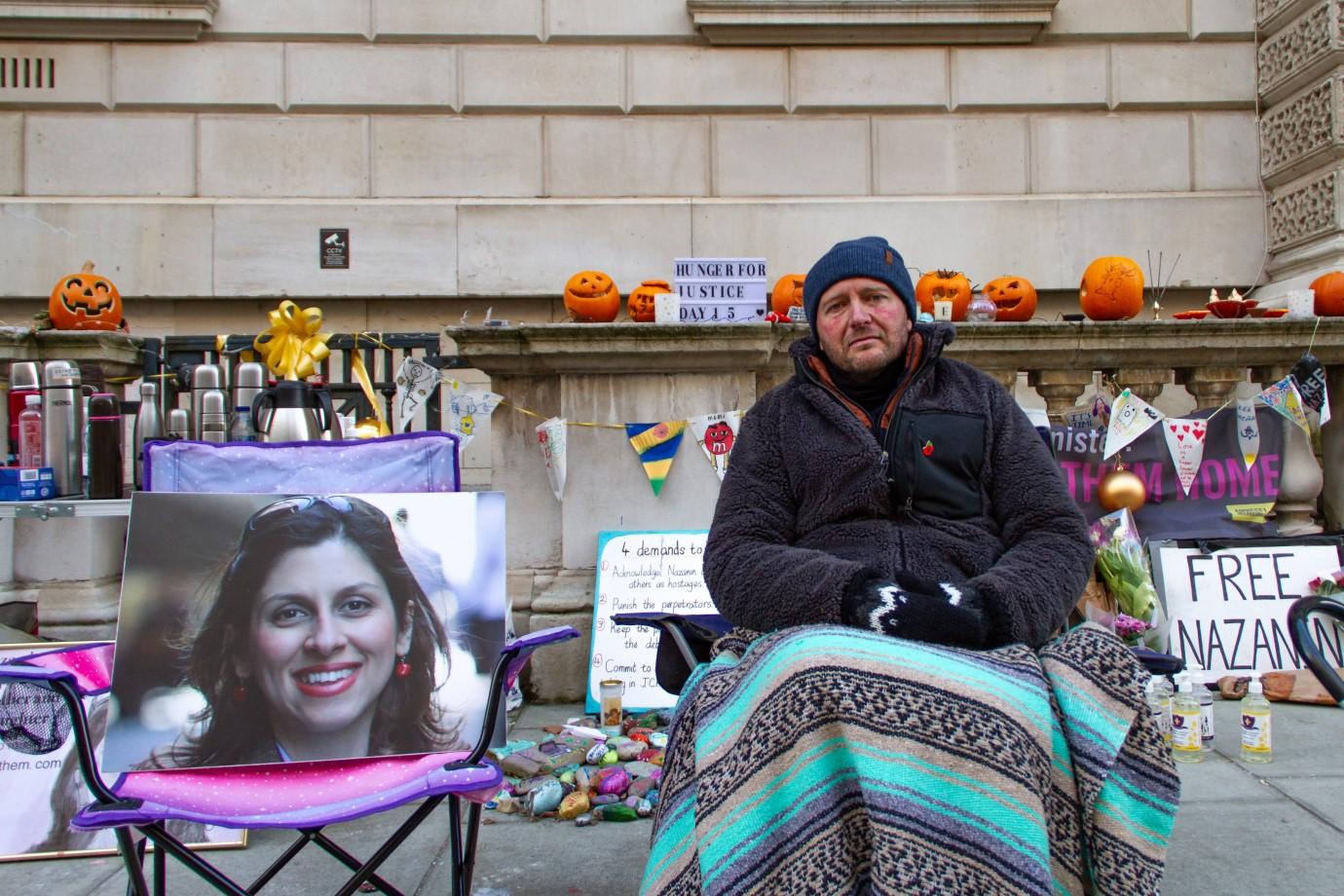
Richard went on hunger strike again in November of last year in a pop-up tent on the pavement opposite the Foreign Office. He went without food for 21 days, sleeping on the street in near freezing temperatures to try and raise awareness of Nazanin’s cause and to get the government to do something to help bring her home. As far as Richard and most people supporting Nazanin are concerned, the Prime Minister so far has only
done the opposite.
In November 2017, Boris Johnson, who was Foreign Secretary at the time and therefore directly responsible for protecting British citizens abroad, stated that Nazanin was ‘simply teaching people journalism’ during her visit to Iran. This incorrect comment was used as evidence against her in an unscheduled court hearing three days later in which she was convicted of engaging in ‘propaganda against the regime’. Nazanin was not training journalists. She is a charity worker whose employer doesn’t work in Iran and who was only there on holiday so that she could see her parents and so her daughter could see her grandparents. Johnson’s comments directly harmed Nazanin’s case and he has not properly apologised to Nazanin or to her family.
For someone who only last year said that Nazanin’s detainment is ‘totally unacceptable’ and that ‘she must be released permanently…and we continue to do all we can to achieve this’, it certainly doesn’t seem as though he is doing everything he can. In fact, he doesn’t seem to have done anything to help her at all, as demonstrated by the sign Richard held up whilst on hunger strike, protesting for his wife’s release, which said, ‘Under Theresa May five different Ministers visited Iran to push for Nazanin’s release. Under Boris Johnson, no Ministers have visited’. To me at least, that doesn’t seem to be the action of someone doing ‘all [he] can’, but rather the action (or lack of) of someone who just doesn’t care.
Nazanin has been told that the reason for her imprisonment is due to an unpaid debt that Britain owes to Iran. The debt came about as the result of a weapons deal in the 1970s. Britain made Iran a deal that it would supply weapons to the country in exchange for cash. However, during this deal, the Ayatollah came to power in Iran and Britain refused to supply the weapons although it did keep the £400 million paid by Iran. This has resulted in a decades-long dispute between the two countries, with Iran taking hostages in an attempt to get Britain to pay back the money that it owes. The UK government, as well as the courts, has said that Britain has to pay back the money, yet the Government still hasn’t done so. This means that as long as Britain holds
onto British citizens, including Nazanin.
The British government does not want to be seen to be breaking economic sanctions against Iran. However, the United States have recently paid back their debts to Iran.
Former Foreign Secretary Jeremy Hunt MP has also suggested that the debt could be paid in humanitarian aid to Iran, including Covid-19 vaccines, for example. But until the Government pays what it owes, Nazanin and her family, as well as others like them, are unlikely to be re united.
Jonte Kemp International Men’s Day:
Why we should observe it
The 19 November is set aside to raise awareness for issues that affect men in excess. These issues are important and under-reported on in the media. Unfortunately, 19 November is not observed in many workplaces and schools, including St John’s, leaving many people unaware that there even is an International Men’s Day. In this article I am going to outline many areas in which men are predominantly affected and why awareness should be brought to these issues.
Suicide rate
Suicide is a huge issue especially amongst men. According to Samaritans, the UK’s leading suicide prevention charity, 75% of suicides are male. This is an unaddressed issue in schools and the general media especially in mental health awareness weeks where it is overshadowed by other serious conditions such as depression and anxiety. Furthermore, this 75% ratio is not a new phenomenon, it has been the case since the mid-1990's.
Bringing awareness to this through International Men’s Day will hopefully lower the suicide rate amongst men. This can be achieved in schools through PSHE sessions and in the wider world through social media campaigns and TV advertisements.
Education inequality
There is a growing gap in education inequality between the two genders, with boys becoming increasingly disadvantaged. Boys mature physically and mentally later than girls leading to them being behind in vocabulary, hearing, motor control, and concentration when they start school. This is an issue that is not regularly addressed in mixed schools, but many all-boys schools are achieving tremendous strides in developing teaching techniques that benefit boys to bring them up to the same standard as girls but there is still a large gap which reverberates through the secondary level of education and into the tertiary level. The disadvantages boys face while entering
the education system cause them to act out later in their education leading to classroom disruptions and low self-esteem leading to men being 36% less likely to apply for university, according to UCAS. Bringing awareness to these issues through International Men's Day could help to introduce programmes to bring young boys vocabulary and concentration skills up to the level of girls their age to stop early education inequality. Additionally, introducing programs into schools like STEM programmes which give young girls insight into male dominated fields in the hope of breaking social stigma, could also help introduce men into female dominated fields such as clinical psychology and nursing. This could broaden career options for young boys and break the social stigma which argues that these ‘aren’t men's jobs’, very much akin to the stigma that existed in science and engineering with young girls.
Health
The male average life expectancy is 79 years in the UK, the average life expectancy for a female is 82.9 according to the National Office for Statistics. While this may not seem like a huge difference, it is seven years worldwide, leading many specialists to wonder why. Dr Schmerling of Harvard suggests that while women are biologically predisposed to living longer, there are several social factors that can be reduced if they are highlighted more often. For example, heart disease is especially prevalent in men, who are likely to experience their first heart attack at 65 (seven years before women). Whilst this could just be biological the American Psychology Association reported in 2011 that men are 40% less likely to attend important cholesterol screenings which can help diagnose heart disease. Furthermore, men are 25% less likely to have seen a physician in the last year which could lead to a plethora of health conditions being left undiscovered many of which could result in an early death. International Men's Day could help to improve the longevity of the male life by raising awareness surrounding the importance of appointments and raising medical concerns with a medical professional and not leaving them until they cause irreparable damage.
To Conclude
I believe that we should use International Men’s Day, in the same way we use International Women’s Day, as an opportunity to educate the public on issues that primarily effect men
at least manage these issues. If International Men’s Day is taken as seriously as its female counterpart it could be life changing for many men who face these issues.
George Potter
Qatar 2022: Should Qatar be allowed to host the World Cup?
There are many which suggest that Qatar should not be allowed the privilege of hosting a World Cup, these include homosexuality being illegal in Qatar, the human rights violations against migrant workers arriving from countries like Nepal, the framing of officials and bribery. However, Qatar won the right to host the World Cup 11 years ago and it would be financially unfair to suddenly take that away from the country after they have spent so much money readying the country for the World Cup with new stadiums, hotels and other tourist sites being constructed. Qatar would hugely financially benefit from the World Cup, and it would improve the lives of many of its citizens because of better paying jobs and new opportunities. Nasser Al Khater, the chief executive of the tournament’s organising committee told CNN that if the World Cup was “going to be a catalyst for change, we’re all for it” highlighting how beneficial hosting the World Cup could be socially for people living in Qatar.
There is huge concern among the LGBTQIA community over homosexuality laws in Qatar and many people feel unsafe to go.
In early November, the only openly gay footballer in men’s topflight football Josh Cavallo said that he would be scared to play in Qatar, where homosexuality is punishable by up to three years in prison. This issue is prevalent among fans as well and Welsh football fan James Brinning told CNN if Wales were to qualify for the World Cup in 2022, he “wouldn’t feel safe” travelling to Qatar. He said, “that’s really upsetting to think about because I should be able to be a part of such a huge moment in Welsh football history if it happens.” He is completely right to feel this way as it is frowned upon to show any public affection in Qatar and especially because of the possible three year jail sentence he could face.
Although, this is not the first time that anti-LGBTQIA laws have been a concern around a major football tournament, so why should Qatar be punished. An example of this was in June UEFA declined a request to light up Bayern Munich’s stadium with rainbow colours during a Euro 2020 game between Germany and Hungary following an anti-LGBTQ law passed by Hungary’s parliament.
Secondly, Al Khater responded to Josh Cavallo’s fears by stating that “On the contrary, we welcome him here in the state of Qatar, we welcome him to come and see even prior to the World Cup.” Overall, it seems that despite their laws the Qatar government would like people of all sexual orientations to attend the World Cup if they host it.
Another issue of Qatar hosting the World Cup in 2022 is the human rights violations against migrant workers. These migrant workers are involved with the construction of stadiums. The International Labour Organisation (ILO) recently said that Qatar is inadequately investigating and reporting workplace deaths. In a November report, the ILO found that at least 6,500 workers died in Quatar due to the conditions. These workers are forced to endure long hours, with reports showing migrant workers working 15-17 hours a day with almost no breaks allowed to go to the toilet and only one proper meal. Because they are not allowed to use the toilet often, many workers avoid drinking much, which has led to dehydration and many Nepalese workers have returned with severe kidney problems because of dehydration. This has been talked about by many news sources such as Sky, CNN alongside reporting by human rights groups, yet FIFA has not addressed these issues or sanctioned Qatar. This mistreatment of labourers has been going on for years and many are paid very little and forced to work as fines are placed on them if they change job. Furthermore, human rights groups warn of serious issues in Qatar as a World Cup worker was jailed for three years after speaking on migrant rights. A fake charge was constructed that he solicited bribes and it is well-known that he did not receive a fair trial. Two years on and still no evidence has been brought forward that he committed any crime so why should Qatar be trusted with holding a World Cup if they can’t run a fair criminal justice system?
However, it is unfair to pin all the blame on Qatar as FIFA once again did not step in against what is going on in Qatar. Qatar is not really the main problem, FIFA is! Many players have spoken out about the corruption inside FIFA, most famously, Eric Cantona at a Ballon D’or ceremony but other players such as Thibaut Courtois have also brought up the issue that FIFA are really just in it for the money.
What should have happened was that eleven years ago Qatar
should have never been allowed the chance to hold a World Cup simply because they put forward the most money. There are many reasons why they should not be allowed to hold a World Cup with the most important factor being the violation of migrant workers’ human rights.
However, now eleven years after the decision was made to allow Qatar to host the World Cup, it is certainly too late to take that responsibility away from them, especially after the amount of money that has been spent by the state.
Ethan Chan
The war on drugs: A paradigm shift in US domestic policy
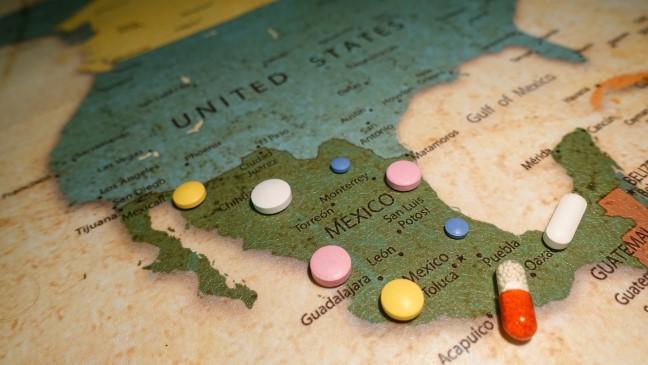
In the past 100 years there have been many conflicts around the world: Afghanistan, Iraq, Syria WWII, WWI and so on, but in the last 50 years there has been a conflict largely overlooked and it is called the drug war. The drug war is a war based between the US and drug lords in central and South American countries. It’s main aim is to drastically decrease illegal drug consumption and distribution. It is estimated that a trillion dollars of taxpayer's money has been spent on this war and after doing extensive research, including reading ‘Narconomics’ which is a book on the drug war, I have decided to write an article about my view about the drug war and how it could be solved very easily.
The drug war started in the Nixon era in June 1971 when Nixon made a famous speech saying drugs
were the primary issue plaguing the country and announced a set of strict measures to combat it. Over the next few years, Nixon set some key legislatures including starting the DEA, which becomes vital in weakening the cartels in the coming years.
At this time - 1971 - there were no cartels however it does not mean there were no drug lords in America. In 1971 Frank Lucas took advantage of Vietnam veterans who were suffering with addiction by smuggling heroin from parts of southeast Asia which is commonly known as the ‘Golden Triangle’ and is one of the world's largest suppliers in opium production. He started selling his product on 116th Street in Harlem and his heroin was 98% pure and was shipped from Thailand by an army Master Sargent, Ike Atkinson who was stationed in the region.
He was worth over 52 million pounds and his product Blue Magic flooded the streets of Harlem and added to this he had about a thousand keys of dope on hand which had a potential profit of over $300,000. Prosecutors for the city of New York at the time called it one of the “most outrageous international dope smuggling gangs ever”. When asked why he sold heroin he said this:
“I wanted to be rich, I wanted to be Donald Trump rich, and so help me God, I made it.”
Frank Lucas
In 1976 Jimmy Carter pledged in his presidential campaign that he would decriminalise marijuana, which I view as a smart move and believe it should be enacted in every state as there would be no need to get it from illicit sources like the cartels. America alone burns its way through 3000 tons of marijuana each year meaning legalisation would severely damage the cartels’ revenues. Between 1978 – 1980 the first cartel in Mexico was beginning to form, and it was called the Guadalajara cartel with Miguel Angel Felix Gallardo as its leader, alongside its co-founders, Rafa Caro Quintero, Ernesto Fonseco Carillo and a person known as El Azul (who will become important later). This was the first-time drug traffickers worked together to make profit and dominate the market, as before this drug lords in Mexico worked on a plaza system which was run by each plaza boss where you had to pay a toll to traffic through their territories, but the beginning of the Guadalajara cartel showed that traffickers would gain so much more by working together. Not only did they manage to create a union between different peo-
which means seedless. It comes from female part of the cannabis plant, that has not pollinated by the male plant which means the female side can put more energy into producing THC rather than producing seeds, therefore it is more potent than normal marijuana. Rancho Buffalo was an example of the large scale weed operations managed by the Guadalajara cartel, it
was a 2,500 hectare weed plantation in Chihuahua and its raid in 1984 caused an upward of 8 billion dollars' worth of damage to the cartel.
ple who would otherwise rather kill each other than work together, but they managed to for the first time mass produce a new type of more potent weed called by Mexican cultivators: sinsemilla
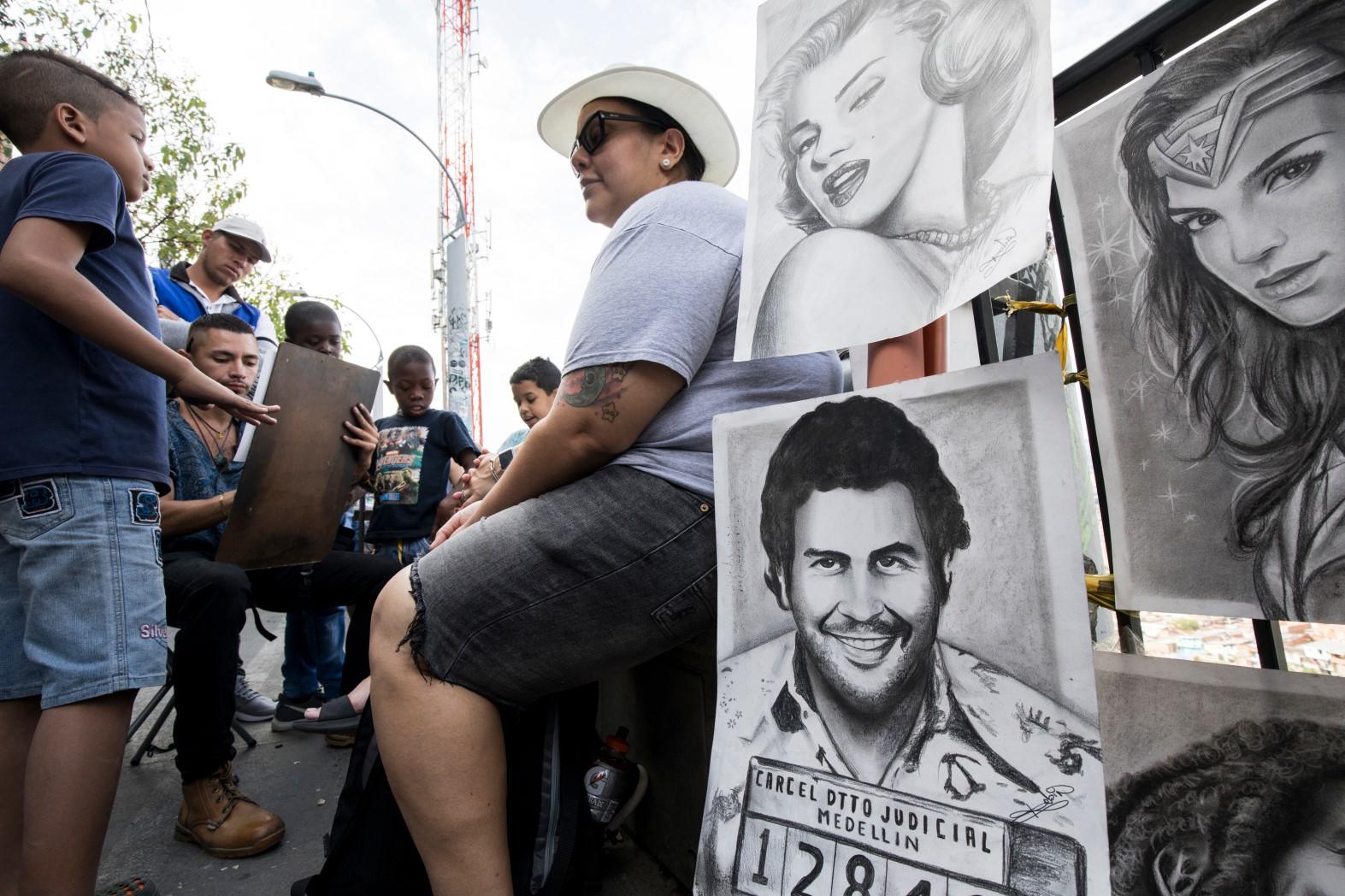
Mexico is not the only country involved in the drug war, Colombia is the largest producer of cocaine in the world and in 1972 the Medellin cartel was founded by Pablo Escobar, it was the first cartel to ever transport cocaine to America and they did it through the Caribbean. At the peak of the cartels’ sales Escobar produced nearly 90% of cocaine in the US and made nearly 60 million pounds a day. The Columbian cartels had a long dominant relationship with the Mexican cartels and when Reagan decided to take a hard stance on drugs and started heavily patrolling the Caribbean routes to the US, the Mexican cartels had leverage to become the dominant partner as they were the only way that the Columbian cartels could move their cocaine in bulk. As a result of security forces putting pressure on cartels in Mexico the proportion of drugs in the Caribbean
has more than tripled in recent times. The Guadalajara cartel would meet its end when they killed DEA agent KiKi Camarena, inciting a response from America to take down the cartel it also soured Mexico-US relations and Reagan asserted a lot of pressure on Mexico to track the drug traffickers.
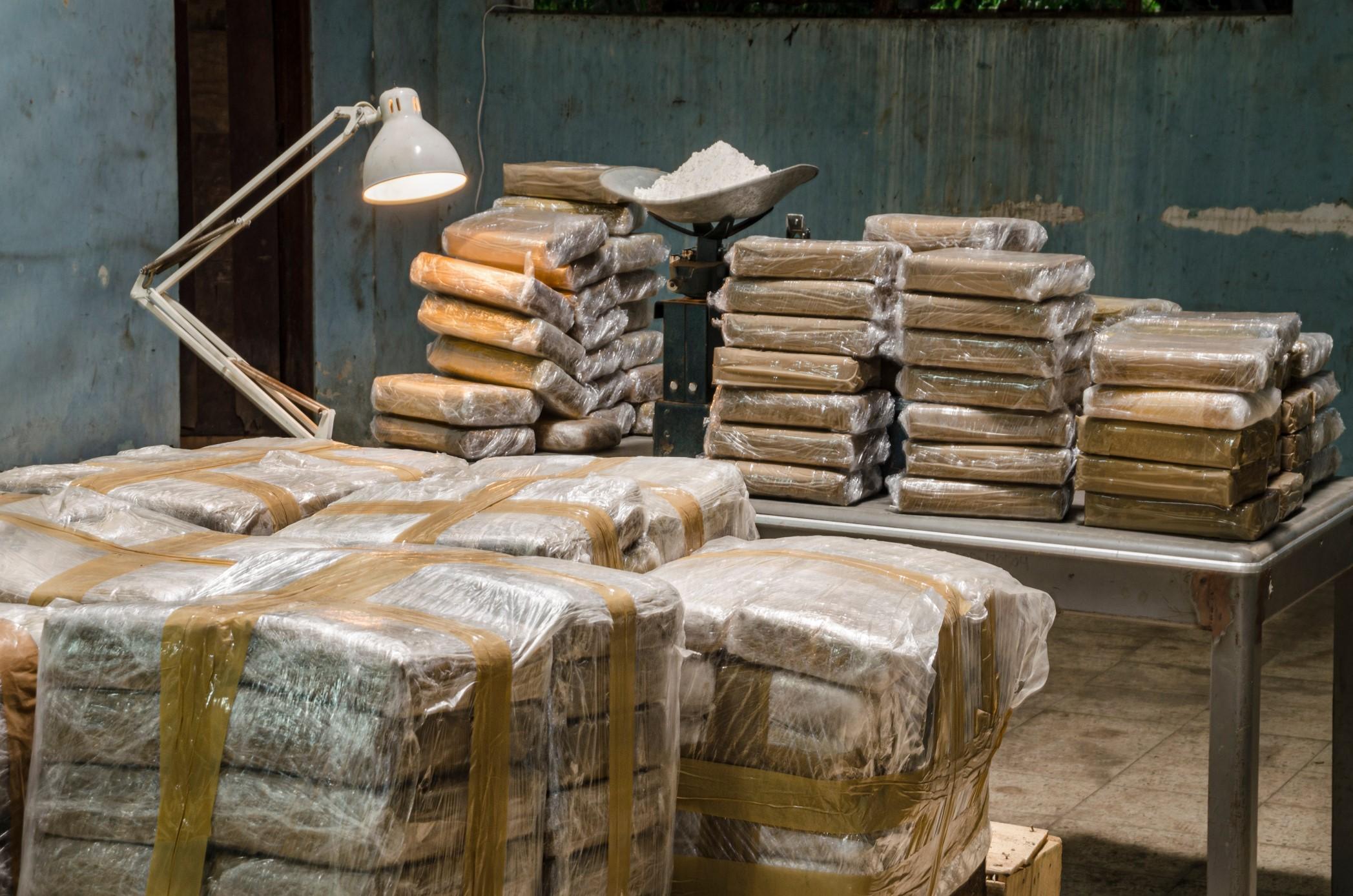
Not only is the drug war violent, it can also be profitable to the cartels which is a huge incentive for people to get into the drug game, to make one kilo of cocaine one would need 350 kilos of dried coca leaves and that would cost about $385. When converted into powder it could be sold in Colombia for about $800 and according to figures from the RAND Corporation, which is an American Think Tank, by the time it is exported from Colombia it is worth $2,200. This has climbed to $14,500 by the time it has been imported into the US, after being given to a mid-level dealer, the price has climbed to $19,500 and is then sold by street level dealers for $78,000. That is without cutting, which is when you put substances in the drug to increase its value, and by the time it has been cut that same kilo could be sold on the American market for $122,000 which is of course a massive amount of profit,which is a huge incentive especially in poorer countries for
The underlying problem with Mexico I feel is the corruption of Mexican police forces and all around Central American police forces. The average pay of a Mexican state police officer is just $500 a month which is only $6,000 a year while in the UK an entry level police officer can make £23,000 a year. Drug cartels have managed to exploit this problem by recruiting police officers to turn a blind eye for cash and, in some instances, even recruiting them to do odd jobs for them. An example of corruption was the Christine night club shooting where in 1992 six cartel gunman belonging to the Sinaloa cartel were dressed in police uniform and massacred party goers as part of the ongoing war between Sinaloa cartel and Tijuana cartel. Another example of corruption would be General Rebollo who was a Mexican general convicted of corruption. He was paid to turn a blind eye to Amado Carillo Fuentes’, known as the Lord of the Skies, drug trafficking activities. It was a huge upset for the Mexican government politically as he was the head of the antinarcotic task force in Mexico. In Juarez, the Juarez Cartel has most of the local police officers on payroll and the armed wing of the cartel called La Linea is comprised mostly on ex police officers. However the Sinaloa cartel has been threatening to wipe out the Juarez cartel in a vicious turf battle while people may think that the Juarez cartel would have the advantage due to having the law on its side, they do not know Mexico’s multi-layered policing system. Every state has its own separate force and the final layer that oversees it all is the federal police, and the Sinaloa cartel have been using the federal police for their own gains into Juarez. This was shown in 2011, when a bodyguard with the Mayor was shot by federal police. I believe that if the Mexican government wants to eradicate corruption it would do well to give their police officers more incentive and give them higher pay.
I believe that the drug war is a huge waste of money and resources as there will be near impossible, in getting rid of illegal drugs as there will always be demand but legalising drugs will severely cripple the need for people to get it from the cartels therefore damaging there profits severely. Furthermore, legalising drugs but taxing it would get legitimate companies to produce safe drugs that do not have any bad stuff that has been cut into it to the consumer therefore minimising the
risk of the consumers overdosing and not to mention that the US government would make a fortune in the revenues that the legalization of drugs would bring.
Saskia Lawrence
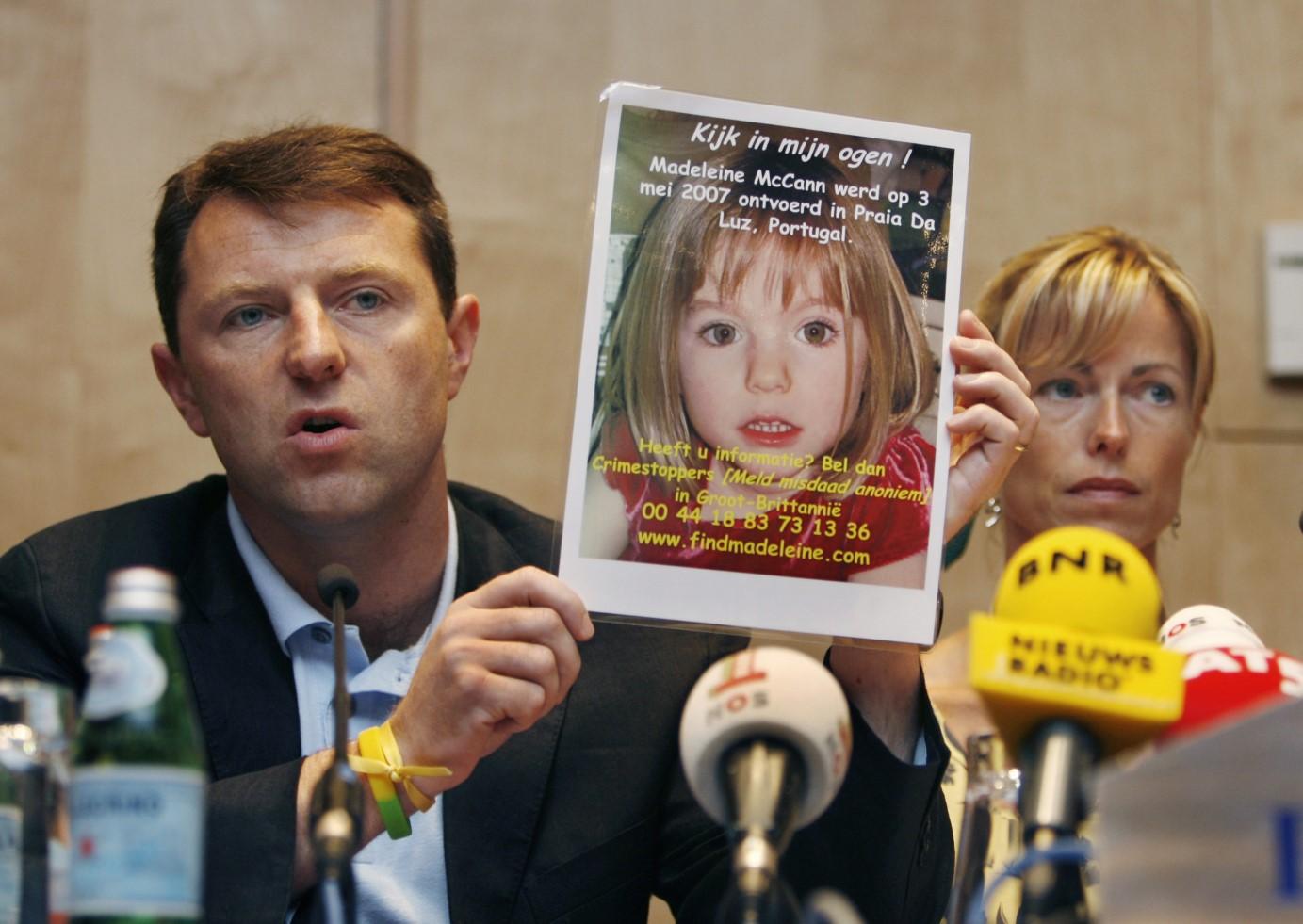
Madeleine McCann: the role of mass media in reporting the Madeleine McCann disappearance
I
n May of 2007, the nation was captivated by the worldwide media coverage surrounding the disappearance of the four year old girl Madeleine McCann. She was supposedly kidnapped from a family resort in the heart of Praia da Luz, Portugal. The case was immediately broadcast at a cost of over £750,000 in a bid to find out what really happened to her. Ongoing investigations by police teams from Scotland Yard and the authorities in Portugal have failed to solve the mystery or collect sufficient compelling evidence to justify a prosecution in either country.
The disappearance of Madeleine McCann is a prime example of the dramatic impact of 24-hour news channels and social media to produce instant global reactions to human tragedies. This enables the general public to report and understand missing person investigations. With Facebook launching in 2004 followed by Twitter in 2007 the global population were provided with a new and innovative ways to share their opinions, information and theories regarding open criminal investigations.
The family of the young girl proactively used the internet to issue rewards and appeals for any
any information which could be used to aid the investigation. Although this came with thousands of hoaxes and counterfeit evidence, the McCanns were able to raise the profile of the investigation enough to kick-start a worldwide search for their daughter. This was the first time the world had seen such a violent and conflicting relationship between the public, media and crime as people could easily access official primary data associated with an active and unsolved police investigation.
Since 2007, there has been a rise and fall in the media coverage of the case which to this day continues to grip the nation as new information becomes public with regards to the development of the investigation. As a result of the unprecedented media coverage, professionals went as far as to say that the story “could almost stand as a metaphor for the rise of social media as the predominant mode of public discourse”. Even 15 years on, it is estimated that over 100 tweets are posted under the Madeleine McCann hashtag every hour and several documentaries and movies have been made based upon the foundations of the case.
Needless to say, the press has negatively impacted the case and the McCanns personally, with a large percentage of the nation believing they had involvement in her disappearance.
The unsolved disappearance of Madeleine McCann paved the way for the criminal justice system to use mass media as a means to publicise investigations to attract funding and traction to a case which is in search of more answers.
Tilly Hunt
Downing Street parties:
What do the Downing Street parties during Covid-19 tell us about our leaders?
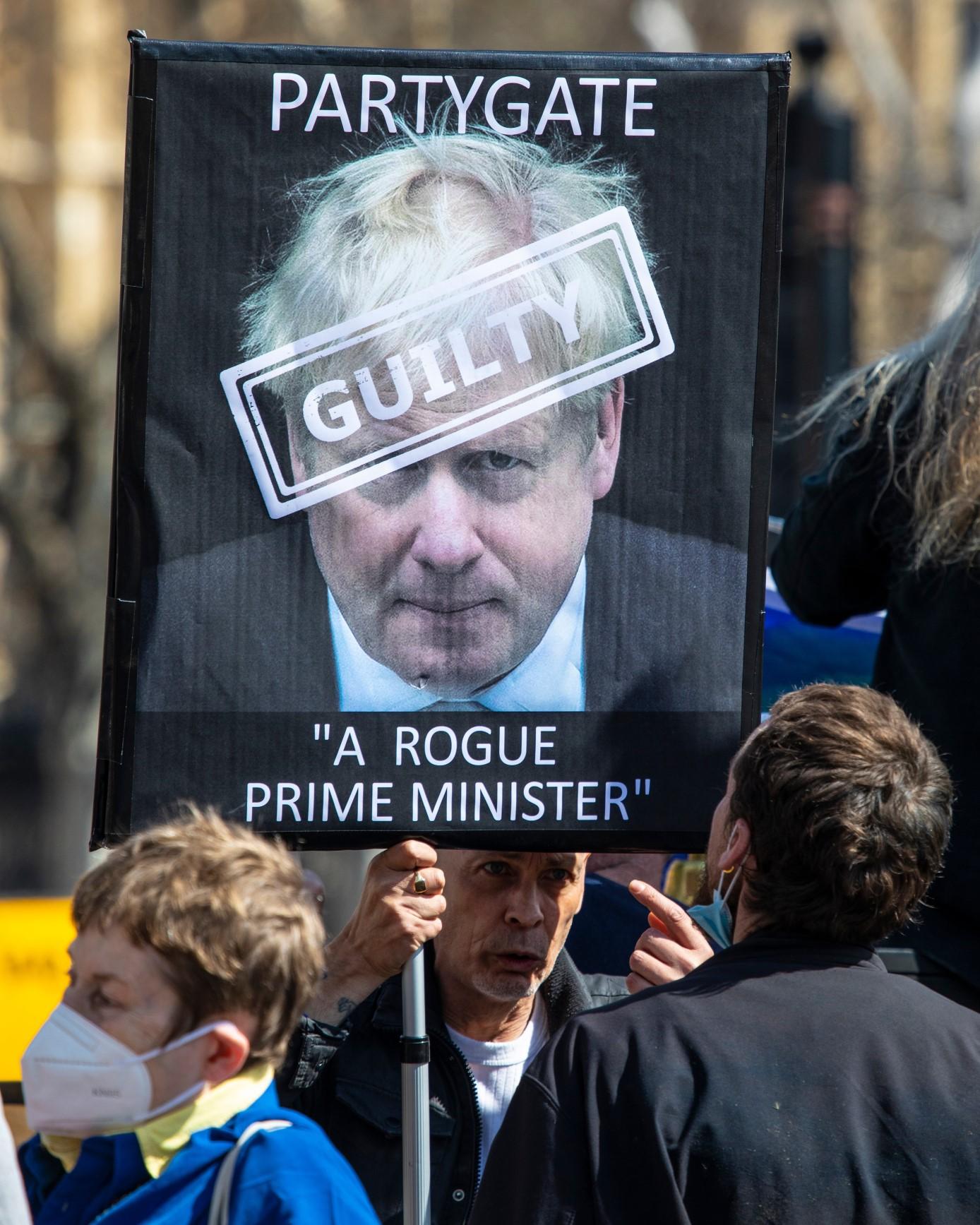
The whole world has been suffering due to Covid-19 since the start of 2020. Students had to sacrifice their education, the death toll went up and our wellbeing and mental health went down. Obviously, it must be hard to lead the UK through this, you would think that anyone would struggle being in that position, leading a country during a pandemic. But would you expect our government (who made up the Covid-19 rules) to throw a party during the middle of this? Thousands of people are angry and upset, and I don’t blame them at all, but let’s focus on the facts and events that happened during this situation. We all know that there were parties with booze involved, we all know that many MPs were laughing about it in our faces when confronted, and we all know that Boris tried to worm his way out of it. What does this tell you about our government? The answer: hypocritical.
However, it has happened to be rumoured that there were numerous parties held on a number of occasions, with the Met Police confirming evidence that multiple parties were held during this global pandemic. Fourteen in total. The first party was supposedly held during May 2020, when the public was strictly told how to isolate, the fact that we couldn’t see our loved ones or go out, the UK was silent. I remember walking down the street near my house one day for
was almost peaceful, it was not normal. I remember spending Christmas locked inside, family traditions ruined, grandparents alone for the holidays.
But what did 10 Downing Street do? Our government threw parties.
The pandemic shut down schools, it crowded up the hospitals, affected our economy and messed up our
spent a part of it inside away from others. If you ask me to be completely honest, I will tell you that I’m frustrated, yet not surprised. I am not surprised that parties were thrown, I am not surprised our MPs went behind our backs. So, I just want to end this article here with, will we let the politicians involved in this scandal to get away with this? Or are we going to put a stop to this?
Genetic engineering: The political hierarchy and research within genetically modified crops
The notion of genetic modification within agriculture is extremely topical and has created global controversy, creating an inherent divide between Europe and the United States, along with a myriad of developing countries. After the structure of DNA was published in 1953, biologists became aware of the phenomena that bacteria could exchange genes through plasmids. Therefore, in 1983, the birth of transgenic crops was established where biologists at Washington University and the agrochemical company Monsanto, successfully transferred genes into plants. Overall GM (genetically modified ) crops have been the fastest developing biotechnology, with 17 million farmers using this technology and a total of 189.8 million hectares of GM crops within 2017. This illustrates the growing demand for GM crops.
However, there are many political, anthropological and environmental concerns over the use of GMO (genetically modified organisms), perhaps due to the lack of research, which is reinforced by the legislation implemented by the UK government. Within the ‘Genetically Modified Organisms (Contained Use) Regulations Act 2014’ it ensures there are high precautions implemented in terms of population health, which makes it difficult to grow GM crops. This juxtaposes the political acceptance of GM crops within the United States, although the United States Food and Drug Administration ensures that the GM crops are safe, a federal policy was implemented within 1986 that no new laws would be released on the regulations of biotechnology, this was on the basis that they posed to risk to mankind.
Within developing countries, the food security and resource inequality continue to remain as a significant dilemma, with 20% of the population consuming 80% of the energy available globally within natural resources. In order to help combat this problem, biotechnology and the use of genet-
ically modified crops has helped to produce higher crop yields, due to the reduce risk to pests and diseases, helping alleviate poverty and hunger from approximately 65 million people.
The development of genetically modified crops has been significant within Brazil and Argentina, in which corn and soybean have been produced. This therefore reduces the need for artificial pesticides, which can lead to carcinogenic substances leaching into waterways, harming populations and further reducing marine biodiversity due to eutrophication. Therefore, biotechnology has helped reduce the impact of pesticides by 18.4% since 1996. One crop that has played a significant role is GM cowpea crop within Nigeria, (otherwise known as Bt cowpea) which has been revolutionary in helping agriculture socially and economically. In December 2019, the Nigerian government approved this crop and is trying to urge for Africa to approve this crop as well. Recently the price of cowpea has increased massively due to high pest rates, poor weather and political instability. This reduces food security, however the production of Bt cowpea produces
pod borer resistance, leading to cowpea becoming more affordable and accessible.
However, there has still been restraints on the use of GM crops within Africa due to political limitations and pressure from Europe, since in numerous European countries GM crops are fundamentally banned. However, overall, the World Hunger Statistics has previously stated that the cause of hunger and food insecurity is not the lack of food available, but political and economic disruption leading to wastage and overconsumption.
Within the book GMO Myths and Truths (2015) it stated, “GM crops are not about feeding the world but about patented ownership of the food supply”, this addresses a significant dilemma within the hierarchy of agriculture, with a small quantity of agribusinesses who patent the GM seeds. These businesses forbid farmers to save their seeds, therefore within developing countries 1.4 billion farmers who would save the seeds in order to ensure food security was maintained, however they alternatively would have to buy these seeds annually, which are extremely expensive. This relates to the theories
expressed by orthodox Marxists on commodification of agriculture production lead by the innovation of science and technology, since farmers are prohibited from producing or saving their seeds. This perhaps reduces the autonomy that farmers obtain within the agricultural hierarchy system and therefore emphasises that perhaps genetically modified crops are not implemented only on the basis of increasing food security, yet for political-economic development with governmental patency of genetically modified crops.
Moreover, there has been a lack of research within genetically modified crops and their relationship with the environment and our population.
Traditionally, India’s agricultural system has lots of traditional practices, like the use of crops with unique genotypes, in order to increase the crop yield, however this reduced diversity and variety of crops. Subsequently, with the development of scientific innovation, combined with the green revolution, the IR8 ‘miracle’ GM rice variety was introduced. Approximately 10% of India’s padi fields contained this rice variety with its growth in popularity due to its short growth period and high crop yield.
emphasises the lack of research about the way that transgenic crops would react with humans once consumed. This raises a major concern within governments that is a major anthropological issue.
the commodification of these crops. This ultimately reduces the initial purpose of these crops which was to improve agriculture, rather than trading. Although, there have been many key examples that have increased
Simultaneously, it was a dwarf variety, therefore it was able to withstand strong winds. However, unfortunately although this variety is high yielding, it is extremely vulnerable to pests and new diseases, therefore counteracting the increase in yield, subsequently leading to the redevelopment of fields to this day. Furthermore, the lack of research of this primitive crop is evident with its relationship with human consumption. One of the major developments is insect and virus resistance. One of the ways that this resistance is developed is from the genes within the soil bacterium bacillus thuringiensis
which produces crystalline protein within the formation of pores. Although, this protein is non-toxic, it becomes harmful when hydrolysed within the gut of insects, this perhaps
crops and development of biotechnology leads to a concern within agriculture and its relationship with human consumption. However, inconspicuous factors, yet significant, are political-economic factors and the governmental legislation that plays a key role within the development of biotechnology and the demand. The divide between European countries and the US along with developing countries is evident. One factor limiting the use of biotechnology is the patented ownership of crops and the lack of autonomy farmers receive within developing countries, due to the authority of agribusinesses and
Nigeria with the Bt cowpea. However, the major factor is that there is not enough research that has been implemented about the relationship of GM crops with the environment and its biodiversity, as well as our population. Therefore, if and when greater research and evidence is obtained by scientific professionals, then governments will become more accepting of GM crops and therefore this could perhaps reduce the hierarchy within agriculture as biotechnological companies and agribusinesses will become more common and integrated within the agricultural system.
How can you help Ukraine?
In this time of crisis for the people of Ukraine we would be remiss if we didn’t outline some ways that you as readers can help the Ukrainian people:
• Donating to well recognised and impactful charities:
- Doctors Without Borders (Medecins Sans Frontieres)
- DEC (Disasters Emergency Committee)
- The Red Cross
• Look into and promote the ‘Homes for Ukraine’scheme.
• Ensure you check the sources of media online and report any deliberately false Russian propaganda.
• Engage in acts of solidarity with Ukraine - it may not make a visible difference but raising awareness is vitally important as well.
• Lobby your local MP: force the government to take stronger action against Putin’s regime to help put an end to this brutal war.