It is my pleasure to present the ST John’s College Annual Report for 2025. Throughout the year, our students, staff and families worked together to strengthen every aspect of college life. The achievements outlined in this report reflect the commitment and hard work of our entire school community.
In our 46th year of operation, St John’s College continued to build on its strong foundations of academic excellence, Greek Orthodox tradition and community. These values remain central to the work we do every day.
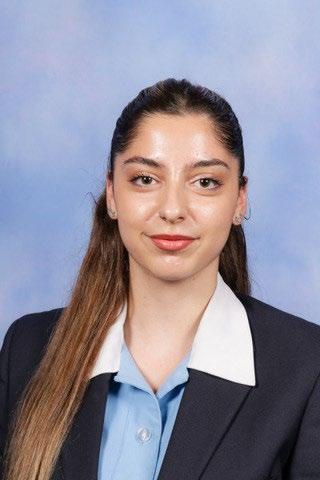
This year, we celebrated outstanding VCE results, with our College Dux, Hussein, achieving an ATAR of 93.40. Konstantina Vezou also achieved the top study score in Victoria for Greek Language a remarkable achievement that speaks to the extraordinary commitment to Greek language and culture across our College community.
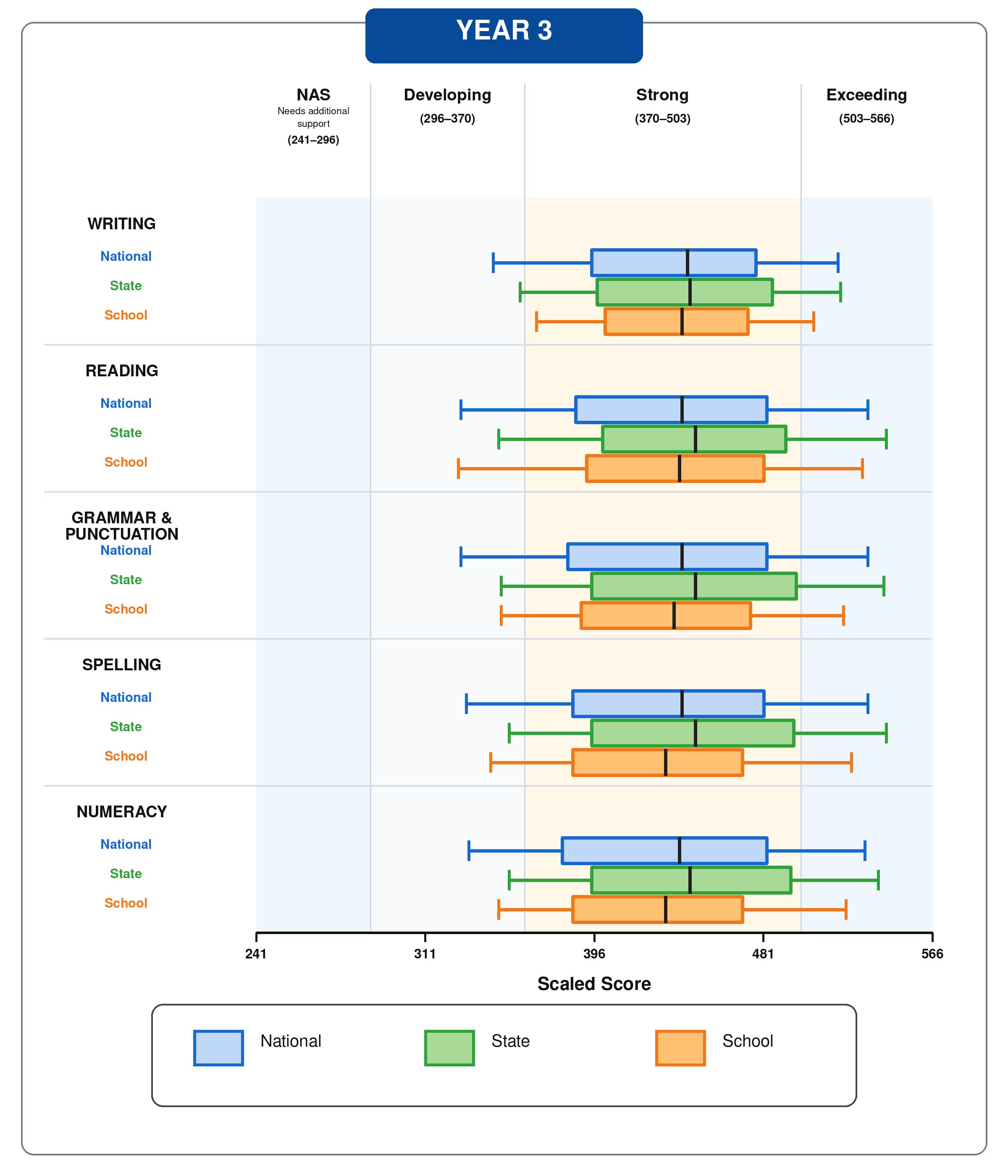
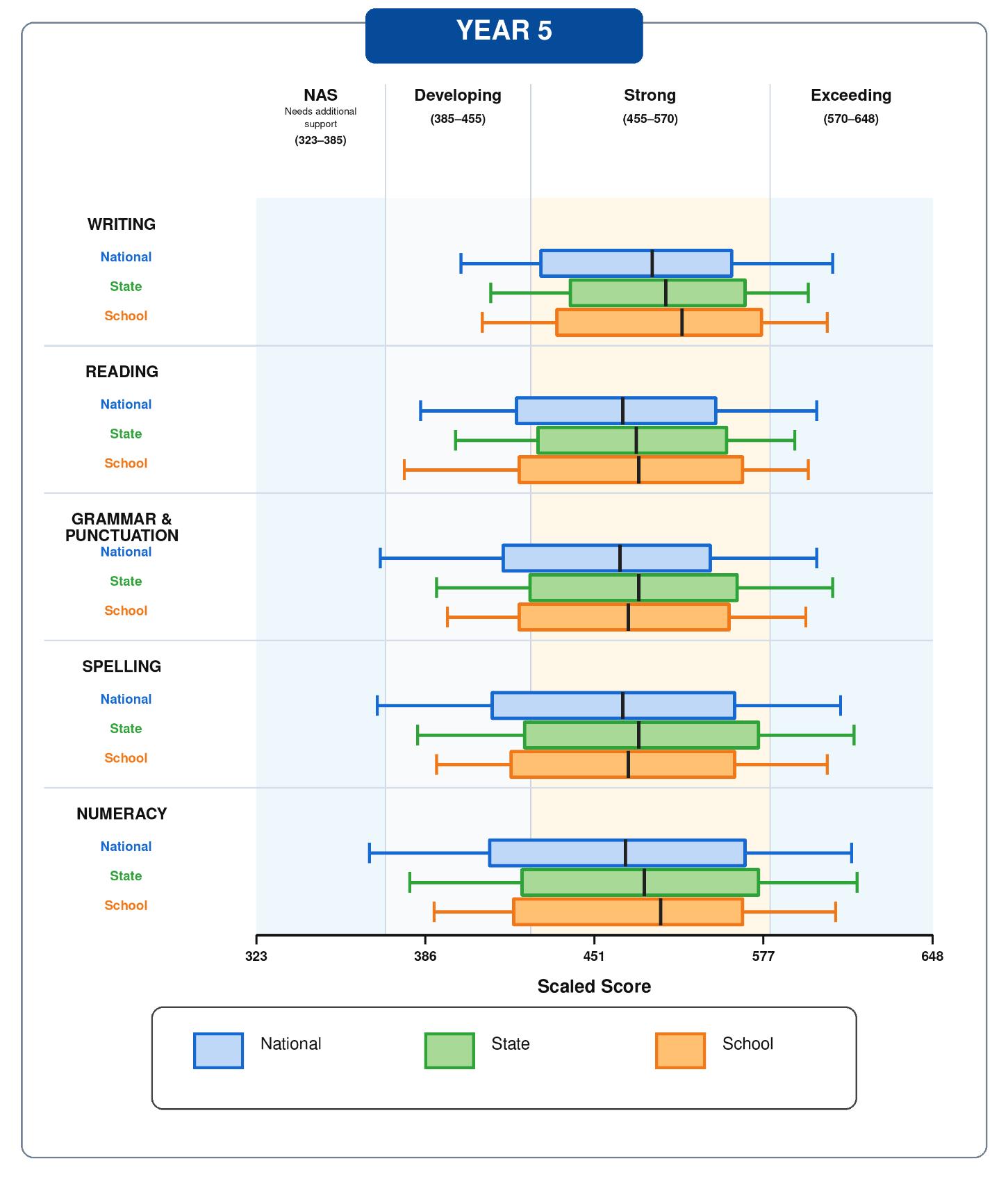
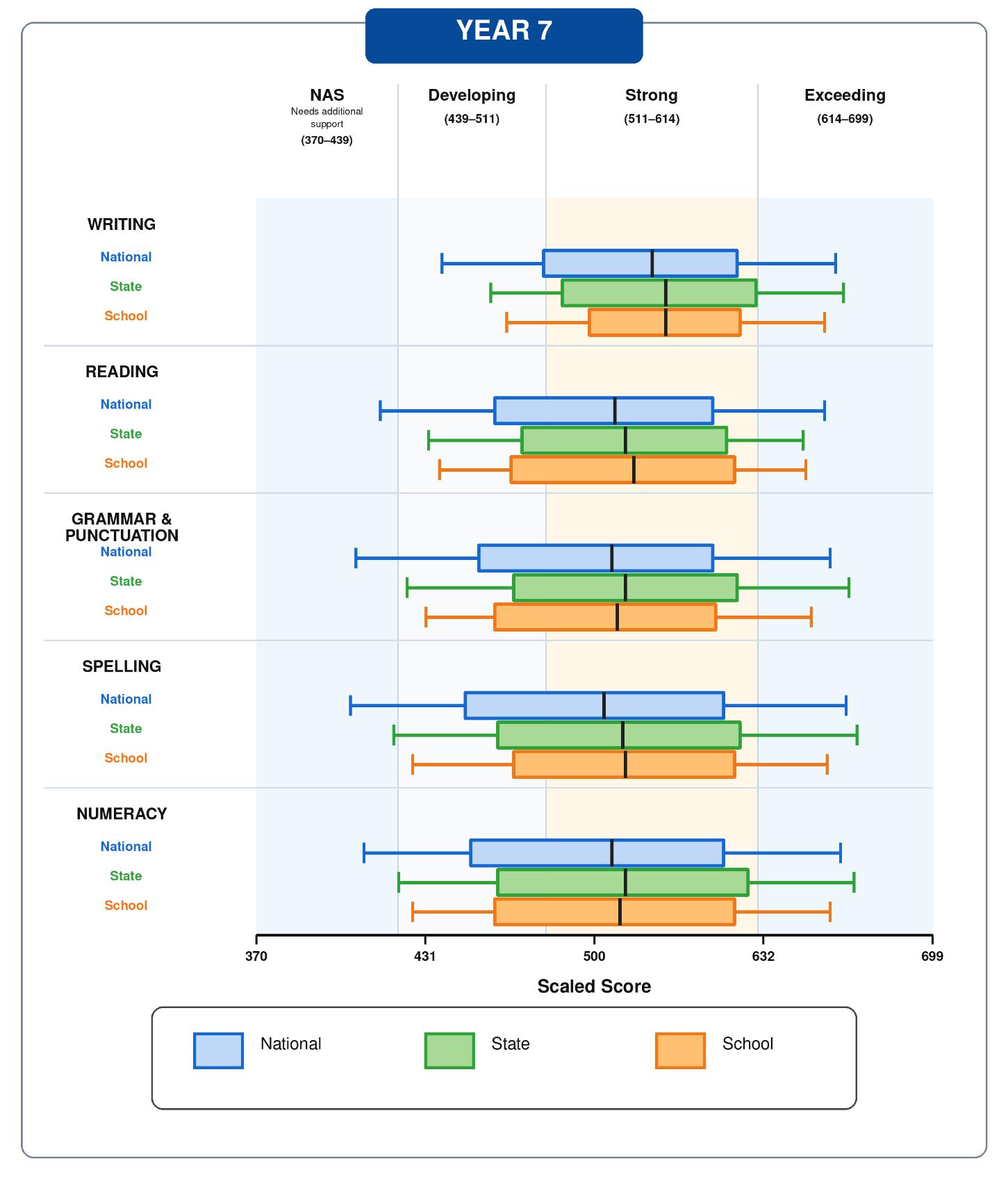
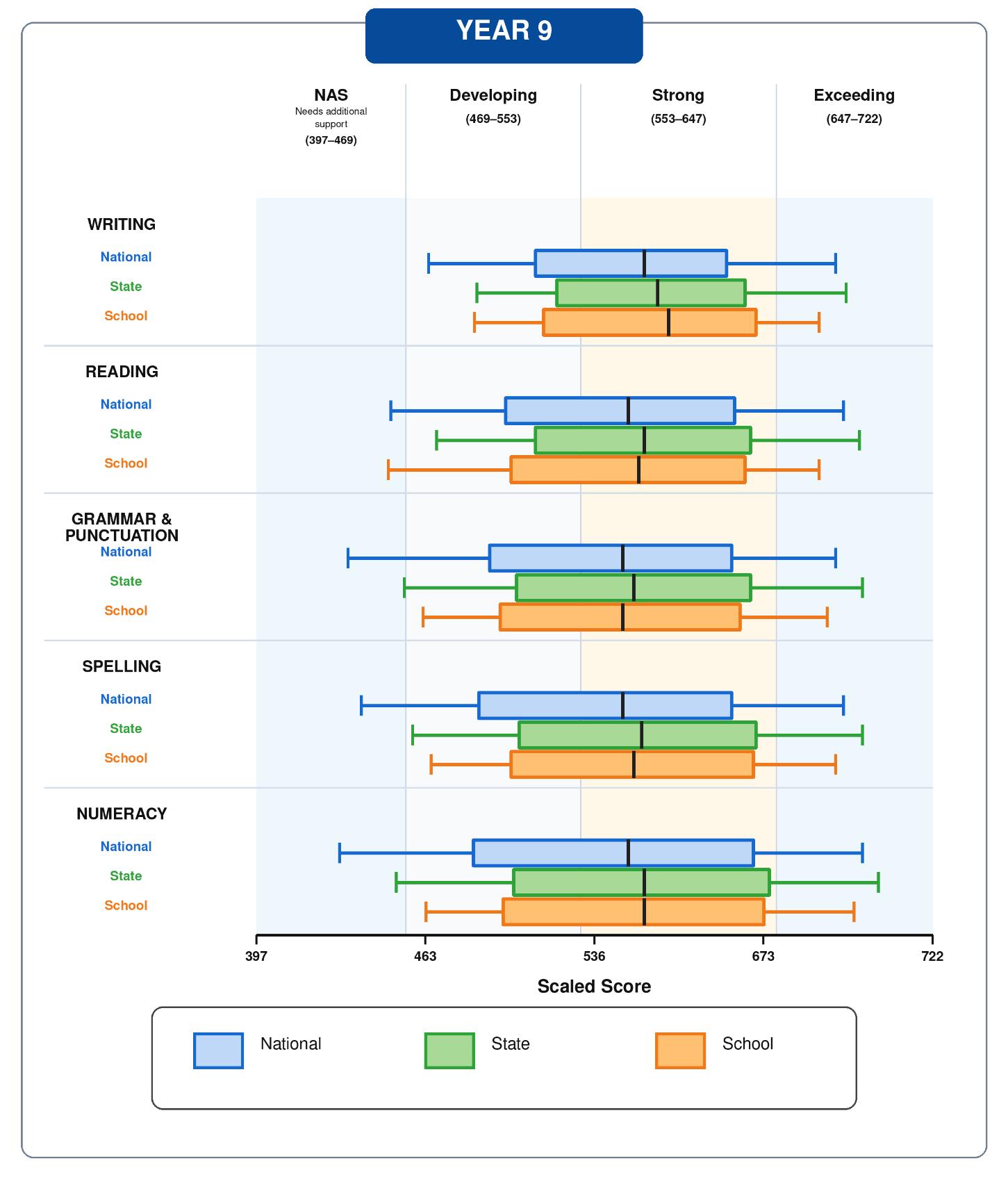
Our NAPLAN results reflect continued strength in Writing, Reading, and Spelling, and we remain focused on targeted improvement in Numeracy and Grammar & Punctuation through evidence-based intervention and teaching and learning programs.
Our attendance rate of 85.26% reflects our ongoing commitment to ensuring every student is present, engaged, and supported. Through programs such as LEAP, our Individual Learning Plans, and access to a suite of on-site allied psychological and support services, we continue to meet the diverse needs of our learners.
I am most grateful to our Board, our staff, and our families for the trust they place in St John's College each and every day. Together, we continue to build a school community of which we can all be enormously proud.
Key developments and achievements
Enrolment growth
Student numbers have grown from a low of 206 in 2012 to 345 in 2025 including particularly strong increase of almost 9% in 2025, following a more modest growth in 2024.
Operations
Key reforms included an extensive review of how leadership is enacted across the school, a focus on student voice and participation, a whole-school approach to structure review, the enhancement of our teams, the outsourcing of non-essential components to create efficiencies, improved HR systems, and the implementation of a strategic enterprise bargaining agreement that had the support of 98% of staff.
Facility
Throughout 2025, the College continued to maintain its facilities and learning spaces to support students and staff. While no major building projects were undertaken, existing
facilities were maintained to provide a safe, functional and welcoming learning environments that support effective teaching and learning. As educators, we are called not only to prepare students for academic success but also to engage them in the more profound questions of what it means to live well, for themselves, for others, and as responsible contributors to the world around them.
Philotimo — the heart of the St John's experience
The Greek notion of philotimo is central to the St John's College experience. Philotimo is one of the most important values at St John’s College. It reflects integrity, generosity and a willingness to serve others without expecting recognition.
• A way of life, and the spirit of doing what is right and honourable without personal gain
• Duty, honour, courage, personal sacrifice, and a higher calling
• Taking pride in one's work, with compassion and generosity
Throughout the College, we encourage students to practice Philotimo through their learning, relationships and everyday actions. Over time, these values become part of who they are.
As a non-Greek living and working in an Orthodox community, it is something that I have come to love and cherish about St John’s College a dimension that makes our College and its community very special indeed.
Yours sincerely,
Andrew Ponsford Principal, St John's College
Our School
'Forever
Excelling — Aein Apieteyein'
About St John's College
An independent co-educational school in Preston, Melbourne, catering to students from Foundation to Year 12.
Our history
The College began as an afternoon school at St John's the Forerunner Greek Orthodox Community and Parish in North Carlton in 1972. In 1979 it was transformed into a fully comprehensive bilingual day school, and in 1983 relocated to its current site in Preston. Established through the dedication and hard work of early Greek migrants, the College was founded as an educational institution that would provide children of the Greek community with an education that permits them to take their place within the broader mainstream yet imbued with the values of Hellenism and Orthodoxy.
Parents choose St John's College not only for our commitment to academic excellence but also for our holistic vision of education. We focus on developing the whole person academically, socially, spiritually, and morally. Our graduates leave with the knowledge, skills, and confidence to succeed in their chosen fields and to live by the principle of 'walking the right path' Πολιτισμό. We aim to prepare students for further study, employment and life beyond school by developing their knowledge, confidence and sense of responsibility.
Academic success at St John's College is achieved alongside the nurturing of the whole person. We set high expectations, provide personalised learning opportunities, and offer responsive pastoral care. Our staff collaborates closely with parents to support student growth through regular parent/student/teacher conferences, real-time direct messaging, progressive assessment (Years 5 to 12), community information sessions, and a variety of special events.
Our rigorous professional learning program ensures that our teachers deliver the best educational practices. They work collaboratively to create dynamic learning experiences that promote student agency. Our goal is to equip students with the ability to plan, monitor, and evaluate their learning, encouraging them to think critically and solve real-world problems. Our teaching approach is based on the 'Making Thinking Visible' research by Harvard's Project Zero, which has been proven to enhance student engagement and cognitive development.
St John's College provides students with the knowledge, skills, and values necessary for higher education, training, employment, and life in a rapidly changing global environment. We emphasise our school values daily, encouraging students to L.E.A.D. Love, Excel, Achieve, Dream.
At St John's College, we strive to create a positive and happy learning environment. Our safe and engaging atmosphere ensures that students enjoy coming to school every day, fostering the self-confidence and social skills needed to become spiritually aware and productive members of both the school and the wider community.
Mission, Vision and Values
Our Mission
St John's College is committed to providing a high-quality, inclusive education that nurtures the whole person academically, socially, culturally, and spiritually. Grounded in our Greek Orthodox heritage, we inspire students to achieve their personal best, contribute meaningfully to their community, and embrace lifelong learning.
LOVE EXCEL ACHIEVE DREAM
Our Vision
To provide an outstanding education that prepares every student for success while honouring our Greek Orthodox heritage and values.
STRATEGY
Community Engagement
Leadership Development
Teacher Professional Learning
GUIDING PHILOSOPHY
We believe that when students feel safe and accepted at school, they are best able to engage in their learning. Student engagement and agency in learning are the foundation of educational achievement and personal growth.
Our Values
RESPECT
We treat every member of our community with dignity, courtesy, and consideration.
EXCELLENCE
We strive for the highest standards in all that we do academically, culturally, and personally.
COMMUNITY
We celebrate our shared Greek Orthodox heritage and foster a strong sense of belonging for all students, families, and staff.
COMPASSION
INTEGRITY
We act honestly, ethically, and with accountability in all aspects of college life.
We care for the wellbeing of every individual and support one another through our shared journey.
Child Safe Standards
St John's College is committed to the safety, wellbeing, and inclusion of all children and young people. The College fully complies with the Victorian Child Safe Standards as prescribed under the Child Wellbeing and Safety Act 2005 (Vic).
Our Commitment
• The safety and wellbeing of children is embedded in the leadership, governance, and culture of St John's College
• Children and young people are informed about their rights, are heard, and are taken seriously
• Families and communities are informed and involved in child safety
• Equity is upheld and the diversity of all children is respected
• People working with children are suitable and supported to reflect child safe values and practice
• Processes for complaints and concerns are child-focused and accessible
• Staff and volunteers are equipped with the knowledge, skills, and awareness to keep children safe
• Physical and online environments minimise the opportunity for abuse to occur
• Implementation of the Child Safe Standards is continuously reviewed and improved
• Policies and procedures address the risks of child abuse, including by people in positions of trust
Reportable Conduct
St John's College complies with its obligations under the Reportable Conduct Scheme administered by the Commission for Children and Young People (CCYP). All staff are trained in mandatory reporting obligations and are aware of their duty to report any child safety concerns to the relevant authorities.
Child Safety Officer
The College has a designated Child Safety Officer responsible for overseeing the implementation of child safe policies, managing complaints, and ensuring all staff are appropriately trained. Concerns regarding child safety may be directed to the Principal or the College's Child Safety Officer at any time.
VCE Results — Class of 2025
St John's College is proud to celebrate the outstanding achievements of our Class of 2025. We congratulate every student on completing their VCE journey with dedication, resilience, and the spirit of L.E.A.D.
All students successfully completed their Victoria Certificate of Education Top achievers
Top score in Greek Premier's Awards for Greek Excellence
In 2025, SJC students claimed 47 Premier's Awards for Greek Excellence a testament to the College's outstanding commitment to Greek language and culture, and to the dedication of both students and staff.
Konstantina Vezou achieved the top study score in Victoria for Greek Language a remarkable individual achievement and a proud moment for our entire College community.
Hussein Albonajem College Dux
Angelique Tsiounis Proxime Accessit
Konstantina Vezou Premier's VCE Award
In 2024, 13% of students achieved an ATAR of 80 or above (placing them in the top 20% of the state) and 27% achieved an ATAR of 70 or above (top 30% of the state), with 71.4% of graduates receiving university offers and 23.8% progressing to the workforce or apprenticeship, and our 2024 College Dux Pantelis Stefanidis achieving an ATAR of 89.95. This year built on that momentum, with 20% of scored students achieving an ATAR of 80 or above and 46.7% achieved an ATAR of 70 or above with Hussein Albonajem taking out Dux honours on 93.40.
We extend our heartfelt congratulations to all our 2025 graduates, their families, and the dedicated staff who supported them throughout their journey. The results of our Class of 2025 reflect the very best of what St John's College stands for academic excellence, cultural pride, and a commitment to lifelong learning.
NAPLAN Results 2025
The 2025 NAPLAN results reflect the College's continued commitment to academic growth across all year levels. Students are assessed against four national proficiency bands: Needs Additional Support (NAS), Developing, Strong, and Exceeding.
Students performed strongly in Writing, Reading, and Spelling, with many achieving in the Strong and Exceeding bands. Key improvement areas are Numeracy and Grammar & Punctuation, where targeted support will continue to help shift more students from Developing into higher proficiency levels.
Results were consistent with 2024 across Years 3, 5, 7 and 9, with school results generally tracking in line with or above National and State medians in Writing, Reading, and Spelling. As in 2024, Numeracy and Grammar & Punctuation remain areas of relative strength for continued improvement
Key observations
• Writing, Reading and Spelling strong performance across Years 3, 5, 7 and 9, with many students in the Strong and Exceeding bands
• Numeracy and Grammar & Punctuation identified as key focus areas for targeted improvement in 2026
• Continued investment in early intervention and tailored support programs to lift outcomes across all bands
• Results benchmarked against National and State averages to guide teaching and learning priorities
Year 3 shows strongest performance in Writing, Reading and Spelling, with results generally sitting in the Strong range. Grammar & Punctuation and Numeracy are comparatively lower and should be key focus areas for targeted support.
Year 5 demonstrates consistent achievement across most areas, with Writing, Grammar & Punctuation, Spelling and Numeracy generally sitting in the Strong range. Reading appears slightly more varied and may benefit from continued monitoring and support.
Year 7 results are mostly strong across all areas. Writing, Grammar & Punctuation and Spelling are clear strengths. Reading and Numeracy show a wider spread of results, indicating a need for targeted support for some students.
Year 9 shows solid performance in Reading, Grammar & Punctuation and Spelling. Writing and Numeracy appear to be the main areas for improvement, with results sitting closer to the Developing–Strong range compared with other domains.
Student Attendance, Engagement and Wellbeing
Maximising student attendance remains a key priority at St John's College. Regular attendance is essential to ensure consistent student engagement, academic achievement, and overall wellbeing. In 2025, the College recorded an average attendance rate of 85.26%, with student attendance closely monitored and managed by our Administration Team.
While the 2025 rate reflects a modest decrease from 2024 (85.93%), the College continues to closely monitor attendance trends and remains focused on early intervention through our Pastoral Care and Learning Support teams.
Attendance management
• Daily attendance is recorded by class teachers and monitored by the College's Administration Staff
• Pastoral Care Leaders (Senior School) and Class Group Teachers (Junior School) follow up all unexplained absences with families
• Attendance data is used to identify patterns and to intervene early where concerns arise
Student engagement, achievement, and wellbeing
Student wellbeing remained a priority throughout 2025. Staff worked collaboratively to support students academically, socially and emotionally. The Child Safety and Student Wellbeing Committee met twice each term to review programs, address individual student needs, and guide policy and practice across the College.
The Student Engagement and Wellbeing Team comprises:
• The principal
• Heads of Junior and Senior Schools
• Director of Operations
• Learning Enhancement Coordinator
In collaboration with the Learning Support Team, the College developed and implemented Individual Learning Plans (ILPs) and Support Plans (medical, behavioural, and safety-related), offering one-on-one support where required.
LEAP Program — Learning Engagement Adjusted Program
In 2025, the College continued to implement the LEAP Program, designed to support highneeds students in the lower secondary years. Students received tailored support through a
dedicated classroom and teacher, Learning Support Officers in specialised subjects, and additional in-class assistance from Integration Aides. This program has proven vital in enhancing attendance, learning outcomes, and engagement among some of our most vulnerable students.
Strategies supporting student engagement and achievement
• Insights Online Assessment (Foundation – Year 1)
• Essential Assessment, formative and summative assessment strategies
• MultiLit Reading Intervention Programs
• Individual Learning Plans (ILPs) and Student Support Group (SSG) Meetings
• Nationally Consistent Collection of Data (NCCD) reporting for students with disability
• Mandatory Reporting and Child Safe/Reportable Conduct Policy implementation
• External incursions with Victoria Police and youth wellbeing services
• First Aid Training, including Anaphylaxis and Asthma updates for staff
• Careers Counselling, Work Experience, and RIJI (Real Industry Job Interviews)
• Chaplaincy Program offering pastoral and spiritual support
• Access to Student Counselling via the College Psychologist (Consultant)
Community Engagement and Cultural Representation
St John's College remains closely connected to Melbourne’s Greek Orthodox community. Throughout 2025, students proudly represented the college at religious, cultural and community events across Victoria.
Representing our community in 2025
In 2025, our students represented the College across a wide array of significant cultural, civic, and religious events. From feast day services and national commemorations to major community festivals, they demonstrated leadership, pride, and respect for our heritage. These occasions not only honoured our collective past but enriched the present experiences, of our students allowing them to learn, connect, and contribute beyond the classroom.
Our dancers, drummers, chanters, and musicians continued to inspire, performing at events that celebrated the depth and beauty of our traditions. Students represented the College at solemn remembrance services including Greek Independence Day and OXI Day, the Battle of Crete commemoration, and other significant occasions marching with dignity and reverence. Others participated joyfully in festivals such as the Antipodes Festival, showcasing the vibrancy of Greek music, dance, and cultural pride.
Building character beyond the classroom
As a college, we remain committed to providing students with these valuable opportunities. Through engagement with the broader community, our students not only honour their cultural and religious heritage but also cultivate leadership, empathy, and a sense of responsibility. These experiences ensure that Hellenism at St John's College is not confined to the classroom but lived out fully in faith, service, and celebration.
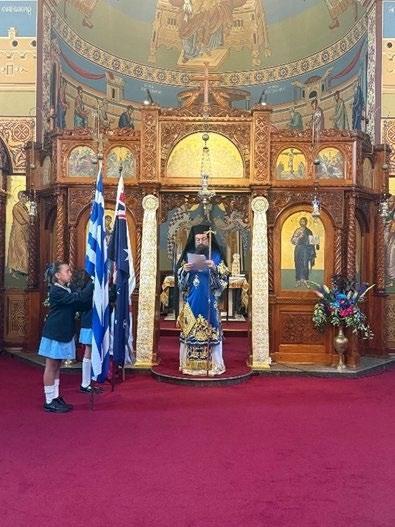
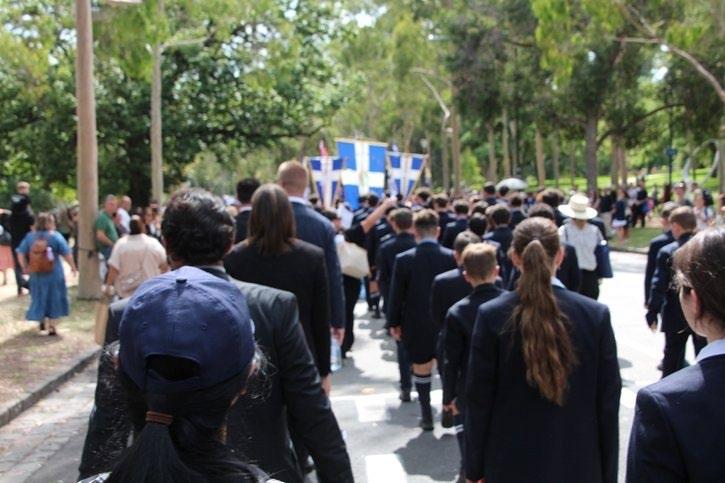
Students marching with pride at Greek Independence Day commemorations Liturgical celebration at our Greek Orthodox parish
Our students' participation in cultural and community events throughout 2025 reflects the living spirit of Hellenism at St John's College celebrated not just in the classroom, but in every march, every liturgy, and every gathering that connects our community to its heritage.
Carrying the Greek flag through the streets of Melbourne
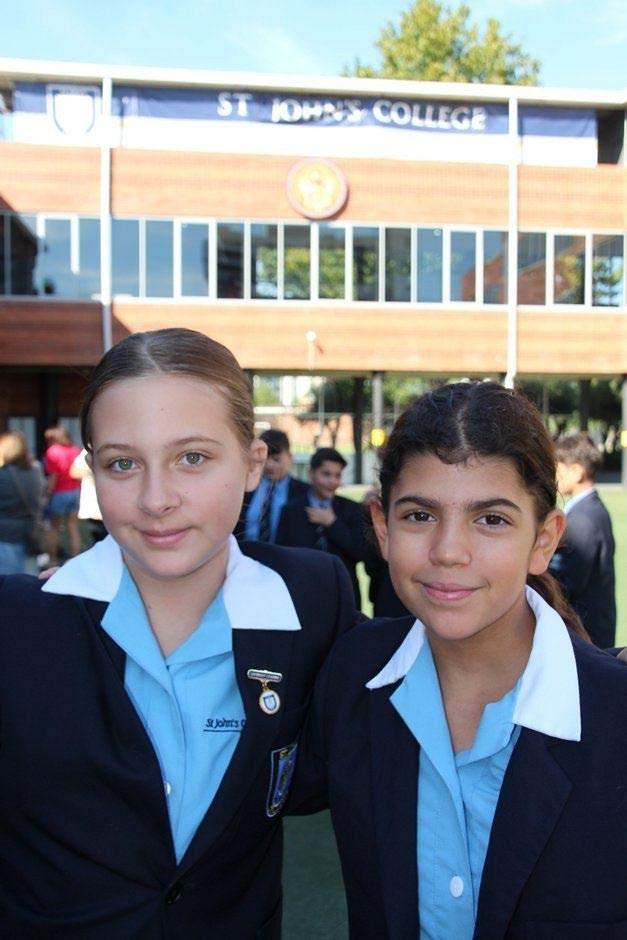
Students at St John's College Preston Junior School community event
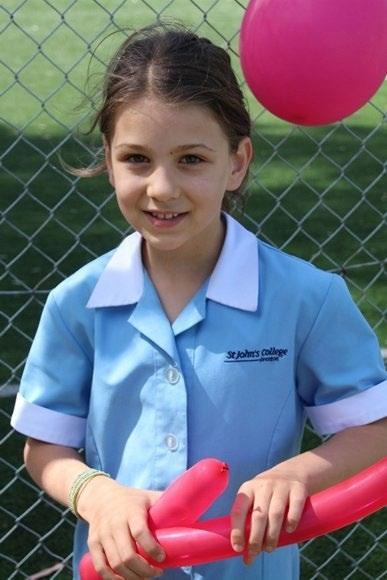
Creative learning in the Junior School
Facility Upgrades
In 2025, the College did not undertake any major facility upgrades. Existing facilities continued to be maintained to ensure a safe, functional learning environment for all students and staff.
Teacher Professional Learning
During 2025, staff participated in a range of professional learning activities that supported both individual and whole school priorities Sessions focused on curriculum implementation, classroom practices, student wellbeing and the effective use of technology.
Induction of New Staff Welcoming new staff involved a carefully structured induction program designed to familiarise them with all aspects of college operations. Central to this program was a professional learning session that introduced the College's pedagogical framework and collaborative teaching practices. As part of this process, new teachers engaged with key evidence-based approaches, including the Instructional Model and Learner Behaviour Framework, which promote consistency for students and provide teachers with clear, effective strategies aligned with our college values. Incoming staff were additionally supported through the allocation of mentors, who guided them throughout the VIT full registration process. Regular mentor meetings emphasised professional growth, skill development, and steady progress towards achieving registration requirements.
Classroom Management and Behaviour Support Classroom management was a shared focus of staff professional learning, with teachers working together to strengthen their understanding of behaviour management policies and the structured processes available to support them. A key highlight of this series of professional learning sessions was the creation of space for collaboration, where staff exchanged ideas and practical strategies, building a collective toolkit of approaches that could be applied both within and beyond the classroom. This collegial approach not only enhanced individual practice but also reinforced a consistent, supportive environment across the College, encouraging the living out of our college values, To Love, Excel, Achieve and Dream … to LEAD in everyday practice.
Digital Learning and Technology Integration Dr. Nikolaos Bogiannidis worked with teachers to strengthen the use of digital technologies in the classroom. Staff also explored ways of using Generative AI to support lesson planning and resource development.
Assessment and Feedback Practices Staff continued to engage with assessment practices, with a strong focus on providing constructive feedback that guided students towards meaningful next steps in their learning. Staff continued to refine assessment practices, with focus on providing feedback that helps students understand their progress and identify next steps in their learning.
Curriculum Development and New Study Designs Looking forward, staff have been actively engaged in refreshing the curriculum to ensure alignment with the upcoming 2025 VCAA study design changes. This important work guarantees that senior programs remain relevant, academically rigorous, and engaging for students. At the same time, teachers are preparing for the implementation of the new Victorian Curriculum V2.0 for Years P–10. This curriculum update emphasises contemporary skills, deeper learning, and greater clarity in achievement standards, ensuring that teaching and learning programs across the College are consistent, future-focused, and responsive to student needs.
Health, Safety, and Wellbeing Staff undertook refresher training in CPR and First Aid to uphold the highest standards of student safety and wellbeing. These sessions ensured that staff were well-prepared to respond effectively to emergencies.
Individually Chosen Professional Development Throughout the year, staff were encouraged to pursue professional development opportunities that reflected their own interests and areas for growth. Staff were encouraged to select professional learning that reflected their own teaching areas and career goals. Many attended external workshops and seminars in curriculum, leadership and student wellbeing.
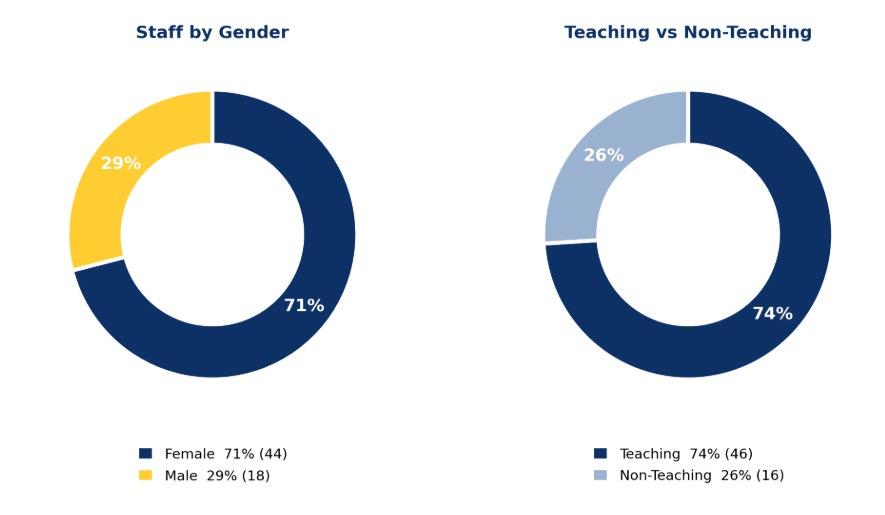
Staff Ratios and Staff List
St John's College maintains appropriate staff-to-student ratios across all year levels to ensure the safety, wellbeing, and educational needs of every student are met.
Staff List and Qualifications · As of 1 December 2025
Role / Name Qualifications
Executive
Principal
Andrew Ponsford
Director of Operations, Daily Organiser & HPE
Teacher
Stefanos Chrisoulis
Director of People and Culture & Psychology
Teacher
Blagica Nikolovska
Director of Junior School
Romina Pimpini
Director of Hellenism and Greek Language
Kristian Raspa
Graduate Diploma in Education; Bachelor of Education
Master of Education, specialising in Leadership and Learning (in progress); Bachelor of Applied Science – Physical Education; Certificate III Training and Assessment
Master of Education, specialising in Leadership and Learning (in progress); Graduate Diploma in Education; Bachelor of Arts (Major in Psychology)
Master’s degree (Educational Leadership); PostGraduate Diploma in Social Sciences (Language); Bachelor of Education
Master of Education (in progress); Master’s in criminology; Diploma of Education; Bachelor of Arts;
Administration & Generalist Staff
Enrolments Officer
Francesca Alonso
Maintenance Officer
Dennis Ball
Administration Manager
Emma Beik
Marketing Assistant
Doniya Foundoglou
Family Liaison Officer
Vicki Ioannidis
Executive Assistant & HR Administration
Jordy Johnston
Lab Technician
Jincy Joy
Year 11
Bachelor of Business in Information Systems
Certificate IV in School Based Education Support
Certificate IV in Business Administration
Master of Counselling (in progress); Bachelor of Psychology
Bachelor of Science (Microbiology); Certificate IV in Laboratory Techniques; Certificate III in Teacher's Aid
School Nurse
Antonia Michailidis
School Nurse
Kathry Destito
IT Support
Tasos Petousis
ICT Systems Manager
Raj Singh
Bachelor of Nursing; Postgraduate in Mental Health Nursing
Bachelor of Nursing
Bachelor of Science (Monash University); Diploma in Dramatic Arts (Melbourne University)
Master’s in information technology (Specialised in IT Security and Services)
Learning Enhancement and Support
Konstantina Dimitriadis
Evanthia Konstas
Faye Kyranides
Jasmine Le
Graduate Diploma in Education (Secondary); Bachelor of Arts
Bachelor of Science Education (P-12) Maths Major, Science Sub Major
Certificate III in Education Support
Master of Accounting; Certificate IV in Training & Assessment; Certificate III in Education Support
Angela Tattos Certificate IV in Education Support
Teaching Staff – Junior and Senior School
Nicholas Amanatidis
Meg Bailey
Paul Barbetti
Dr Nikolaos Bogiannidis
Graduate Diploma of Teaching (Secondary); Bachelor of International Relations
Graduate Diploma of Education (Secondary); Bachelor of Arts (Professional Writing and Editing)
Master of Education (in progress); Graduate Diploma of Teaching (Middle School)
PhD (Monash University); Master of Education; Graduate Diploma in Educational Studies – ESL and Modern Greek; Diploma of Teaching – Primary; Certificate IV in Training and Assessment
Chiara Costanzo
Giordana DeLuca
Michael Douch
Kristianna Economou
Master of Teaching (in progress); Graduate Diploma of Education; Bachelor of Arts (Legal Studies, Drama and Theatre Studies)
Bachelor of Education (Primary); Certificate III in Education (working with people with disabilities)
Bachelor of Education
Graduate Diploma of Education; Bachelor of Business (Events Management)
Dean Emmanuel
Effie Evangelakos
Lilian Gale
Ourania Giannos
Joseph Hedditch
Roula Kordas
Joanna Krikelis
Deanna Makregiorgos
Akram Mikhail
Effie Mourtzios
David Neilson
Angelica Ocampo
Rupali Ojha
Androulla Papakonstantinou
Antoinette Pastorelli
Emily Phillips
Veerendra Prasad
Danyal Punjwani
Laila Sarraf
Bachelor of Education (Primary)
Graduate Diploma of Education
Graduate Diploma of Education (The University of Melbourne); Bachelor of Science Degree (The University of Hong Kong)
Bachelor of Arts; Diploma in Education
Graduate Diploma in Secondary Education; Bachelor of Exercise Science and Human Movement; Cert 3-4 Fitness
Bachelor of Primary Teaching; Associate Diploma in Recreational Leadership
Post Graduate Diploma in Theology; Bachelor of Education (P-12); Certificate IV in Liberal Arts; Certificate IV in Training & Assessment
Master of Teaching (Secondary); Bachelor of Arts; Diploma in Languages (Modern Greek) – Completed by end of year
Graduate Diploma of Education (Secondary)
Bachelor of Arts (Social Sciences); Diploma of Education
Diploma in Education; Advance Diploma in Business (Marketing); Sports Administration Degree
Master of Teaching (Primary & Secondary); Graduate Diploma of Teaching (Middle School)
Master’s in physics; Bachelor of Education; Bachelor of Science (Hons) in Physics
Bachelor of Arts; Diploma of Education
Bachelor of Arts; Diploma of Education (Secondary)
Bachelor of Education (Primary)
Master of Education; Post Graduate Diploma in Climate Change; Graduate Certificate in Educational Research; Bachelor of Education (Thesis)
Master of Teaching; Bachelor of Science (Hons)
Master of Education (Thesis); Graduate Certificate of Global Business Practices (GMBA); Bachelor of Science/Bachelor of Science Education
Maria Stefanidis
Athanasia Theofanis
Rebekah Thorburn
Natanya Thrift
Irene Vezos
Sarah Watson
Postgraduate Diploma of Primary Education; Bachelor of Arts; Bachelor of Social Work; Cert 3 Early Childhood Education
Graduate Diploma of Education; Bachelor of Fine Arts (Hons)
Master of Teaching & Learning
Master of Teaching (Secondary); Bachelor of Exercise and Sport Science (Psychology)
Bachelor of Education
Master of Teaching Practice Primary Education RMIT (with Distinction); Bachelor of Arts International Studies; Bachelor of Business International Business
Hari Vlahos Diploma of Teaching/Early Childhood
All teachers (substantive, contract and casual) are qualified teachers and registered with the Victorian Institute of Teaching. All generalist staff, casual generalist staff and volunteers have current Working with Children Checks.
Leadership
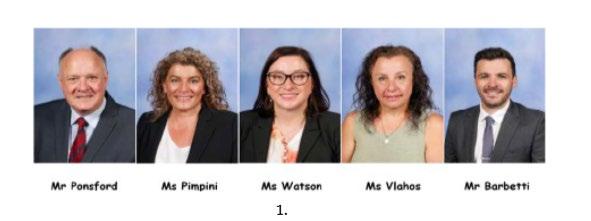
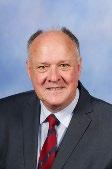
St John's College is led by College Principal, Mr Andrew Ponsford, whose dedicated leadership continues to inspire and shape the direction of our school community. Under his guidance, and with the invaluable support of Board Chair, Father John Frangos, and the Board of Directors, the College remains steadfast in honouring its proud foundations and rich history.
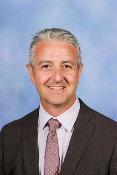
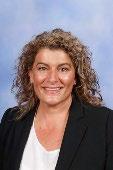
Working alongside Mr Andrew Ponsford is a highly experienced and dedicated Executive Team of senior staff, whose collective expertise, passion and commitment are instrumental in driving excellence across all areas of school life academically, pastorally and operationally.
Together, our leadership team remains united in their commitment to providing every student with a safe, nurturing and high-achieving environment, where they are empowered to reach their full potential.
SENIOR LEADERSHIP
HEADS
Andrew Ponsford
College Principal
Derek Sherwood Deputy Principal
Romina Pimpini
Unavailable Franziska Sarigianoglou
Christine Kargas
Head of Junior School
Head of Senior School
Head of Curriculum
Hari Vlahos Head of Learning Enhancement
Nikolaos Bogiannidis Head of Digital Practices
Kristian Raspa Head of Hellenism
DIRECTORS & OPERATIONS
SUPPORT
Kathryn Drougas
Director of Administration
Stefanos Chrisoulis Director of Operations
Blagica Nikolovska Director of People and Programs
Sophia Georgoulos College Accountant
Governance
St John's College is governed by a dedicated Board of Directors who provide overall strategic direction and oversight in accordance with the College's constitution and the requirements of the Australian Charities and Not-for-profits Commission (ACNC).
2025 Board of Directors
Name Role
Fr John Frangos Chair
Bishop Evmenios of Chora
Stavroula Zoumboulis
Marika Mellas
Chris Klinkatsis
Co-Chair
Chris Sotiropoulos
George Dimitropoulos
Michael Solomon
Qualifications / Background
B Sc, M App Sc (Toxicology), Grad Dip Theology DABT, FACTRA. Corporate and consulting toxicologist with over 25 years' experience.
Bachelor of Theology and Masters in Pastoral Care. Archiepiscopal Vicar of the District of Northcote, Victoria.
Board Director BSci/BEd (Monash), PGCertEdSt(GiftEd), MEd (Melb). Mathematics team leader, Australian Council for Education Research (ACER).
Board Director BSc, GCM, GDM, MBA, GCPM. General Manager of Technology Innovation & Communications with over 20 years of executive experience.
Board Director Bachelor of Accounting. Practising accountant at CHRISTAV PARTNERS for more than 20 years.
Board Director Doctor of Philosophy, Medical Microbiology; Bachelor of Applied Science; Bachelor of Laws. Director, APAC Health Pty Ltd; CEO, Global Opportunities Commercialisation Pty Ltd.
Board Director B.Bus (Deakin), FIPA, FFA, FNTAA, MAICD. Partner, Accounting Associates; CFO, OnQo; Accountant & Board Member, Aeolian College of Hellenic Language and Culture (Vic) Limited.
Board Director MAICD, Australian Speakers Association. Executive Chairman of frntlne; Chairman
of Sell Smart, Bailey Abbott, Psytech Australia, and the Michael Long Foundation. Former Executive Director at News Corp Australia and CEO of Learning Seat. Appointed December 2025.
Financial Overview
St John's College is a Not-for-Profit organisation and a registered charity under the Australian Charities and Not-for-Profit Commission (ACNC). In 2025, the College proudly marked 46 years of continuous operation, supported by strong governance, sound financial management, and effective, compliant business practices.
The financial information presented in this report outlines the income and expenditure categories for the 2025 calendar year, based on our independently audited financial statements.
St John's College's financial performance information has been provided to the Australian Charities and Not-for-profits Commission (ACNC) and is available for the community to access via www.acnc.gov.au.
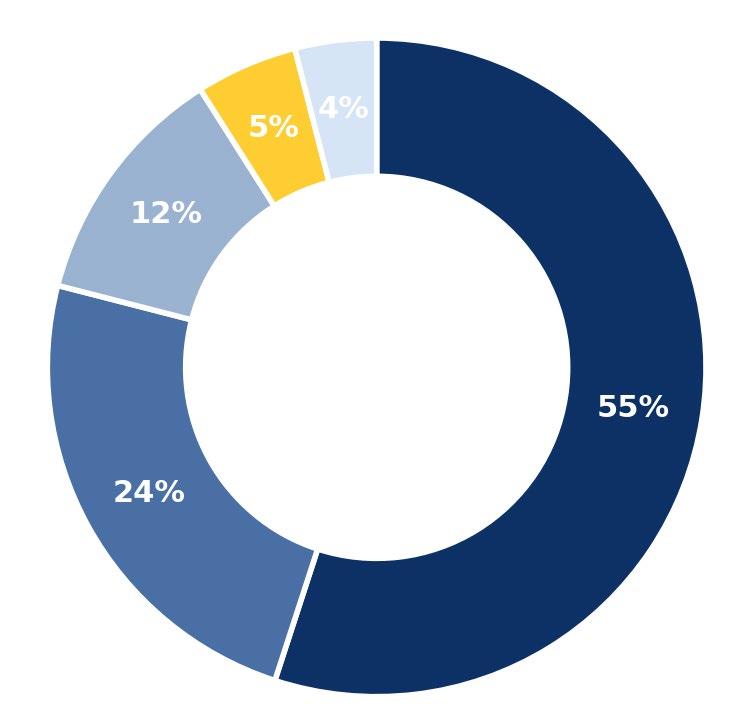
INCOME 2025
◼ Commonwealth Grants 55%
◼ Tuition Fees 24%
◼ State Grants 12%
◼ Donations 5%
◼ Other Income 4%
Income
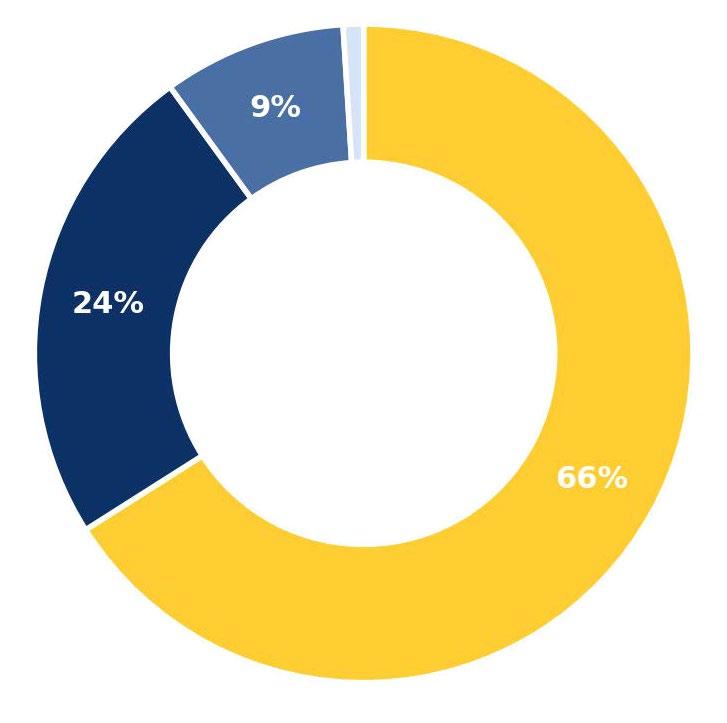
EXPENDITURE 2025
◼ Employee Benefits 66%
◼ All Other Expenses 24%
◼ Consumable Expenses 9%
◼ Advertising 1%
In the 2025 financial year, the College's revenue was derived from a diverse range of sources:
• Commonwealth Government Grants: 55%
• Tuition Fees (net of concessions): 24%
• State Government Grants: 12%
• Donations: 5%
• Other Income: 4%
Expenditure
The College's expenditure for the 2025 calendar year was allocated as follows:
• Employee Benefits: 66%
• All Other Expenses: 24%
• Consumable Expenses: 9%
• Advertising Expenses: 1%
Achievements 2025
PERFORMANCE
• Continued enrolment growth of almost 9% in 2025
• School compliance, financial and non-financial achieved
• Strategic Plan 2020–2025 met with achievement of all plans for 2025
• Governance and operational matters attended to with a high degree of proficiency
• New Constitution adopted
• Full compliance with VRQA minimum standards and Child Safe Ministerial Order 1359
• Average annual student academic growth (P–12) of 14 months per annum for 2022 and 2025
• Economic efficiency improved by over 10%
INNOVATION
• Investment in iPad program for Foundation to Year 6 students
• Progressive reporting for students in Years 5–12 via SEQTA
• Teachers use student learning data to teach to the point of learning need
• Implementation of Ignition Program for students requiring extension
• Implementation of the MYLANDS intervention program for Maths in Senior School
FACILITIES
PEOPLE
STUDENTS
• The College did not undertake any major facility upgrades
• New Careers/VASS Officer appointed, providing individual student careers and subject counselling
• Higher level of professionalism and building of collaborative practice, including strategic review of leadership positions and Learning Ecosystem enablers initiatives
• People and Culture leadership position created
• Expanding student leadership and initiatives
• 100% of students supported to successfully access preferred pathway post Year 12
• Increased engagement and achievement for students with additional learning needs
• School performing at or above national minimum standards in 80% of NAPLAN areas of achievement
• Success of Reading Programs implemented in Foundation –Year 2
• Broadened extra-curricular program and clubs
• Implementation of Bright path Junior School writing moderation tool
• Extended Hellenism and expanded opportunities
• Initiation of the Plato Project pilot sponsored by Beniko Family Trust. With sponsorship of Beniko, a hybrid teaching module was piloted in Year 8 Maths. The Plato team consisted of Dr Nikos Bogiannidis, Stefanos Chrisoulis, Laila Sarraf and Trish Vu.
• Introduction of new Senior School electives
• Improved academic outcomes across Junior and Senior Schools
• Collaboration with all Greek Orthodox schools around Australia to ensure consistent teaching of Orthodox Christian studies
Attestation
We, the undersigned, attest that the information presented in this Annual Report for St John's College is accurate and complete, and further attest that:
• St John's College meets the prescribed Minimum Standards for registration as regulated by the Victorian Registration and Qualifications Authority (VRQA), in accordance with the Education and Training Reform Act 2006 (Vic), including any exemption granted to the College by the VRQA for the 2025 calendar year in relation to minimum student enrolment numbers and/or the curriculum framework requirement to deliver a languages program.
• St John's College meets the requirements of the Child Safe Standards as prescribed in Ministerial Order 1359 — Implementing the Child Safe Standards — Managing the risk of child abuse in schools.
This report has been reviewed and approved by the Principal and the Board of St John’s College.
Andrew Ponsford Principal, St John's College
Date: _20/07/2026
Father John Frangos Board Chair, St John's College