Privatization and Commodification Processes in Education in Argentina after the Pandemic:
Public-Private Partnerships Liliana Pascual [Argentina] 5
Advance of Privatization in Brazilian Education: An Analysis of Political Management and Execution
Everton Bandeira Martins, Monique Robain Montano,
Vera Maria Vidal Peroni [Brazil] 12
Privatization in Ecuadoran Education
Ángela Zambrano Carranza, Ángela, Edgar Isch López [Ecuador]
An Overview of Privatization Tendencies in Higher Education in Mexico
Rodolfo Bautista, Eduardo Cárcamo, Verónica Teneria [Mexico] 23 School Choice: A Formula for Inequality Bárbara Silva [Canada]
Neofascist Education in Spain and Neoliberal Mental and Cultural Privatization
Enrique Javier Díez Gutiérrez [Spain]

EDITORIAL COMMITTEE
María Trejos (Costa Rica)
María de la Luz Arriaga (Mexico)
Andrée Gacoin (Canada)
Edgar Isch López (Ecuador)
Miguel Duhalde (Argentina)
Sara Unda (Mexico)
John Ávila (Colombia)
Roberto Leher (Brazil)
Mauro Jarquin (Mexico)
Editorial Director: Steve Stewart
Editor: María de Jesús Ramos Casiano English
Copy Editor: Ruth Leckie
Layout and Design: Tomás Licea
• To read previous issues of Intercambio, visit: www.revistaintercambio.org.
• For more about IDEA: www.ideanetwork.ca
•
• Follow us on Facebook: Idea Network- Red SEPA
Contact us at: idea-redsepa@outlook.com
We wish to thank:
• Miguel Duhalde and Mauro Jarquín,the coordinating editors of this issue of Intercambio.
• The British Columbia Teacher’s Federation (BCTF) for their support in publishing Intercambio Intercambio is a publication of the Initiative for Democratic Education in theAmericas (IDEA),a hemispheric alliance of social and labour organizations that cooperate to defend and enhance public education.
This new issue of Intercambio Magazine arises from a concern to identify trends in education policies in the Americas, and how these are embedded in a global framework of new waves of privatization, which became more common with the advent of the Covid 19 pandemic, as a necessary condition to guarantee access to education.
This has led to a restructuring of national education systems where the penetration of technologies in the teaching and learning processes condition and intensify teachers’ work and alter working conditions. The private sector has become very active, trying to gain more influence in the definition of education policies and expand its profits in this sector.
In this issue, IDEA seeks to assess the situation in the region, providing information on the education policies and the privatization processes that have occurred since the beginning of the Covid 19 pandemic. The articles within can be ordered on three central themes: 1] Education policies of recent years, especially in the context of the pandemic. 2] Positioning of teachers’ unions and student and social organizations in the face
of these policies. 3] New trends in privatization in the field of education.
We open from the south with Liliana Pascual, who shares the effect in Argentina’s e education system of the incorporation of technology companies as an integral component of education. In her article: The processes of privatization and commodification of education after the pandemic in Argentina: Public-private partnerships, she describes proposals for technology in public schools that are promoted by technocratic foundations and theoretical-ideological frameworks that drive market values in the education field. They set agendas, influence the legitimization of pro-market values and enable changes in public policies in this direction.
We continue with a contribution from Brazil.
In their article Privatization Advance in Brasila Education: An Analysis of the Processes of Political Direction and Execution, Everton Bandeira, Monique Robain and Vera Maria Vida develop different ways to understand the debate on the relationship between the public and the private as disputed projects within basic education. The authors address management and
execution policies. In the management processes, the State continues to be responsible for access, but the curricular content and management of the school are increasingly determined by institutions that introduce the logic of the market, as in the case of the Everyone for Education movement. They conclude that the advance of privatization in Brazilian education puts different societal projects into dispute and undermines the right to education.
Ángela Zambrano and Edgar Isch present an analysis of Ecuadoran education and privatization trends in the context of a country that since the 1980s, has been affected by ongoing social and economic crises, accompanied by strong pressures for privatization in various sectors. Education does not escape that trend and different governments have applied policies commodifying education, with the aggravating factor of a visible decrease in the level of education. This raises obstacles for this strategic social sector to contribute to solutions to the problems that Ecuadorian society is experiencing.
We continue with the article: An overview of the advance of the privatization of post-secondary education in Mexico, by Rodolfo Bautista, Eduardo Cárcamo, and Verónica Teneria. Starting from a characterization of how neoliberal policies have been deployed in education, the authors expose the deepening of the commodification of post-secondary education in Mexico. They argue that the General Law of Post-Secondary Education, approved by the Mexican Congress in 2021 to serve as the primary guideline for post-secondary education, favours the installation of a hybrid virtual/face to face model at the expense of in-person education.
From Canada, Bárbara Silva enters the ideological debate that prevails in public opinion regarding freedom of choice. She demonstrates that this apparent freedom, presented as a personal right, is nothing more than a formula for inequality, where the main beneficiaries are private schools that receive various incentives and transfers of public resources. The author tells us that the formula is more complex, since such choices are not accessible to all. Instead, Silva calls for putting the rights of society at the center, where education prioritizes public schools as spaces for children from all walks of life to learn and grow regardless of socioeconomic, cultural and religious differences.
To close this issue, we expand the problematization looking at changes to education in Spain. Author Enrique Diez shows how the combination of “ neoliberalism and neofascism constitute two inseparable expressions of the same current configuration of the capitalist system. It is a neo-fascism 2.0, which uses a populist language and style and spreads through social networks, such as Tik Tok. ” It becomes an ideology that is transferred partly via schooling, but also in the socialization of new generations through the neo-fascist discourses and narratives that permeate social networks and the media.
Finally, we have an invitation to approach a recent book by Mexican academic Mauro Jarquín, who offers a deep, historical, analytical and critical look at the expanding activities of the right in Mexican education. We invite our readers to follow Sara Unda's analysis in the review of Jarquin’s book: The Pedagogy of Capital, published by Akal.
Abstract:
During the pandemic, the countries of the region opened up to private solutions in order to sustain both teaching and learning as well as pedagogical links. Technology companies throughout the world became a fundamental component of education.
1. This article was developed in the Marina Vilte Institute of Pedagogic Investigations (CTERA—Confederación de Trabajadores de la República Argentina—Confederation of Workers of the Argentine Republic), with the collaboration of Miguel Duhalde, Adriana Puiggrós, Luz Albergucci, María Dolores Abal Medina and Andrea Núñez.
Once the pandemic was over, large technology corporations led the way in accelerating the digital transformation of the educational field through collaboration and alliances between the public and private sectors. One can observe a proliferation of national and international forums, congresses and gatherings sponsored by various businesses and organizations. These gatherings, to which academics and bureaucrats in the educational system are invited, serve to define the priorities of the agenda to transform education and to generate new commitments.
In this paper, some of the actions sponsored by
various institutions in Argentina are described. The majority of proposals are supported by technocratic theoretical-ideological foundations and frameworks which promote the values of the market in education. In this way, they set an agenda and influence the legitimization of pro-market values, enabling changes in public policies. To carry out this research, information was found on the Internet regarding the activities of the various foundations, businesses, and NGOs which intervene in the educational field.
Key words: post-pandemic—educational policies-technological businesses—public-private alliances— pro-market values.
In Argentina, privatization and the commodification of education date back several decades, and we can observe that the interests of the market are currently at the centre of decisions regarding educational policies. This process is increasingly taking place in the context of a new phase of capitalism called “surveillance capitalism” in which, by using digital devices, we produce free of charge the stock of capital of large technological corporations. These are then, by means of algorithms, translated into predictive behaviors.
During the pandemic, we observed a significant growth in educational technology in all countries of Latin America. This growth was accompanied by an increase of private investment in the educational sector in order to sustain both teaching and learning.
Tech companies have thus become a key component of education throughout the world. In addition, this new form of relation between the state and the private sector is taking place in a regulatory vacuum which opens the way to “de facto alliances” between states (national and subnational) and private business providers of educational services. Technological businesses promote the use of TICs for the creation of new pedagogical models, encouraging pro-market forms of logic, themes and values based on a neoliberal con-
ception of education in which a linear and simplified vision of the complex relationship between technology and teaching prevails.2
With more than fifteen hundred companies and a multimillion dollar market, Latin America has become fertile territory for innovation and educational transformation. A census recently carried out in the education industry indicated that there are over 150 EdTechs (companies that utilize and develop educational technology) in Latin America and the Caribbean. Brazil (with 866) , Mexico (with 152), Chile (with 114) and Argentina (with 108), are the principal actors in the region, occupying almost 70% of the market.
Now that the pandemic is over, many of the initiatives carried out by the private sector in the educational field have continued. Nevertheless, the conclusions reached by the 9th International Congress of Educational Innovation (Jan. 2023) at the Technological Institute of Monterrey suggest that the major challenges for the growth of digital business in Latin America are: 1) the low level of digital maturity in educational institutions and in the work sphere in general and 2) a general resistance to change on the part of workers. In consequence, the main support required by EdTech at this moment comes from government initiatives to incentivize the use of digital technology in schools, universities and workplaces.
The focus of large corporations which develop digital technology for the educational field is to accelerate digital transformation through collaboration and alliances between the public and private sector. In order to legitimize the business of the digital world represented by the
2.Many of the actions of large private corporations in the education field were documented in a previous investigative work: “Educational situation and emerging problems during the pandemic in Argentina,” carried out in the “Marina Vilte” Institute of Pedagogic Research (CTERA). MEDIATECA PEDAGÓGICA DE CTERA, revised September 25 2023, http://mediateca.ctera.org. ar/items/show/462. (“Mediateca” refers to a library containing various kinds of media—digital, video, etc. Translator’s note).
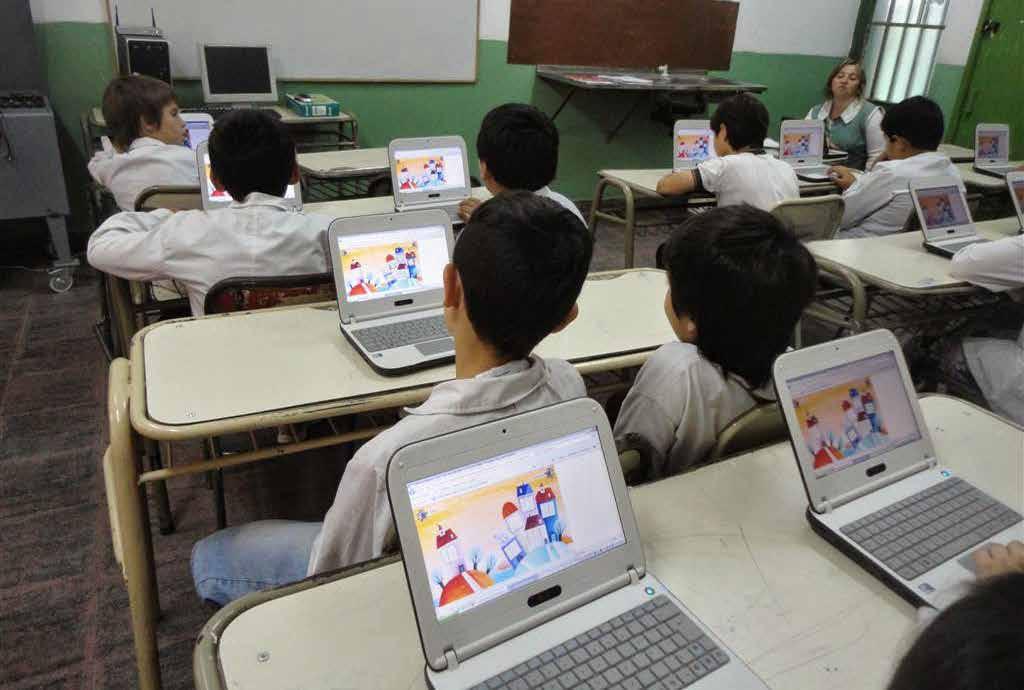
EdTech businesses in the Argentine educational market, in the period following the pandemic a proliferation of national and international forums, congresses and gatherings have been sponsored by various businesses and organizations, among them notably: Education Profile, Unicef, UNESCO, Argentines for Education, Cippec3, Pan American Energy, Microsoft, Zurich, La Nacion4, Ticmas, The Varkey Foundation, The Coppel Foundation, the Inter-American Development Bank (IDB), the Lemann Foundation, and private universities. These gatherings, to which academics and bureaucrats in the educational system are invited, serve to define the priorities of the agenda to transform education and to generate new commitments that promote certain actions and share educational experiences already
realized or in development by various bodies, among them the World Bank, the IDB, etc.
Next we describe some of the events which took place in our country or abroad and that were sponsored by various bodies. To carry out the investigation, information was found on the internet regarding activities of the various foundations, businesses and NGOS which intervene in the educational field.
In March 2022, a virtual event was organized on the topic of, “How to implement an early warning system to prevent students from dropping out?”, organized by the Laboratory of Innovation and Educational Justice (EduLab) of CIPPEC and IDB. During the event, a proposal was made to join together with national and provincial authorities and international specialists to reflect on the advances and challenges in the implementation of early warning systems to prevent students from dropping out. In the second event, a series of four gatherings was undertaken in the framework of the cycle,
“Dialogues to strengthen the digital transformation of the educational system.”
In April 2022, after a two-year interruption because of the coronavirus pandemic, the Book Fair was carried out--one of the most important cultural events of the City of Buenos Aires. As in previous versions of this fair, Ticmas had a leading role with an extensive agenda of gatherings led by writers, academics and teachers related to culture and ideas. The meetings, retransmitted through streaming, received widespread coverage. In the talks, in which more than 230 cultural personalities participated, various educational, cultural and political questions were raised. Ticmas is a new development of Vida Tec, a company dedicated to digital content in Latin America. In addition to being a platform, it offers digital educational consultancy to schools and educational institutions, oriented toward digital transformation through teacher training programs and a network of managerial meetings. The Ticmas platform joined with Google and managed to obtain certification as a Google Partner, with which it began to offer tools, resources, contents and technology for teaching and learning to primary and secondary schools throughout the country.
In August 2022, the Ministry of Education of Tucumán made the implementation of the Ticmas platform available in the classrooms of the province. The initial phase reached 34 secondary schools, with the plan to add the rest in the following months. Ticmas, by means of its platform, which functions on cell phones and computers, provides teachers and students with thousands of teaching plans to work with, inside and outside the classroom. Teachers and principals also have special modules to follow the progress of students at all times. Furthermore, the implementation of the platform is framed within the teacher training plan of the Ministry of Education of the province. Between the Ministry and Ticmas, they have worked out an outline of meetings so that all the teachers involved can participate. The intention is to listen to them, recognize their problems and from that starting point, suggest ideas to make use of the potential of the platform in class. At
this time, various biweekly meetings have been carried out with directors and teachers.
In the same period, the first public Google school was announced officially in Argentina. It is a primary school located in the municipality of Vicente López (Province of Buenos Aires) and is part of the Google Reference School program which, according to official information, “recognizes scholarly institutions which utilize in an innovative way the educational tools of this business.” Until this moment, there were only four private colleges in Argentina with these characteristics. Now Google has formally arrived in public education. The Google Schools of Argentina will have access to the company’s products, constant training of teachers, and equipment.
At the time of this announcement, Google was celebrating the 15th anniversary of its arrival in Argentina and used the occasion to report on its expansion throughout the country. According to Google, the three reasons to set up in the country were: its innovation, talent, and entrepreneurial spirit. At this gathering, it was announced that it would allocate 500,000 dollars to strengthen the enterprises of women in vulnerable situations in the north of Argentina; 100,000 dollars to Junior Achievement Argentina; and another 100,000 dollars to promote children's knowledge about Artificial Intelligence.
On September 13, 2022 the Fourth Forum of Leaders for Education took place. This event gathered ministers of education, rectors, teachers, students, researchers and intellectuals from throughout the country, as well as representatives of the corporate sector and civil society, with the objective of defining the priorities of the agenda to transform education and to generate new commitments. More than 1,500 people followed them live. The event was organized by Education Profile, together with Unicef and the University of Buenos Aires (UBA). Among the businesses which sponsored this forum were: Pan American Energy, Intel, Microsoft, Zurich and Vista. Unlike previous events, the forum took place before the Summit for the Transformation
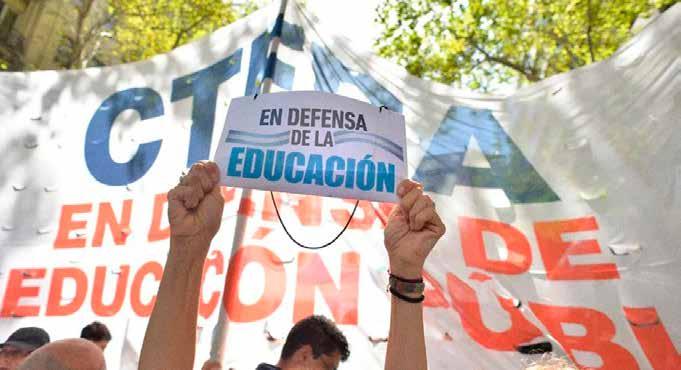
PHOTO: CTERA FILE
of Education, a gathering which took place in the context of the General Assembly of the United Nations in response to “a global crisis in education on the themes of equality, inclusion, quality and belonging.”
In October of 2022, members of the NGO “Argentines for Education” met with the then-president of Argentina, Alberto Fernández. According to the official website of the president’s office, the initiative seeks to “generate systems of management and information in order to monitor the state of the educational system in each province.” The Observatory of Argentines for Education (AxE) presents itself in its official networks as “an organization of civil plural society and with political-party independence which has as its mission to transform Argentine education with information, consensus, and social mobilization.” Nevertheless, it relies on the sponsorship of various political and economic actors who profess neoliberal ideals. The Observatory theorizes about Argentine education from a marked neoliberal bias, while it develops actions meant to question and disparage the teaching profession and its union representatives. Among the organizations sponsored are: Noble Foundation, Foundation/Groundworks,
Council of Rectors of Private Universities (CRUP), Endeavour, Teach for Argentina, Federation of Religious Educational Associations of Argentina (FAERA), Faith and Joy, Let’s Talk About Bullying, IDEA, Junior Achievement, League of Education and Culture, RACI5, Varkey Foundation, among others. As corporate members of the ONG there appear: Roche Laboratories, La Nacion Foundation; Acindar Foundation; Credit Suisse; Microsoft; Southamerican Business Forum; Techint; Endemol; Telefé; DHL; Telephone Foundation; HSBC Bank; Superville Bank; Coca-Cola Argentina; Galicia Bank; Visa; Austral University; Open Interamerica University (UAI); Argentine University of Business (UADE); Catholic University of Argentina (UCA); University of San Andrés; University Torcuato Di Tella; Flacso6, and Educational Project 20250.
In February of 2023, the first meeting of ministries of education in Latin America took place in Washing-
5. Argentine Network for International Cooperation (Red Argentina por la Cooperación Internacional). (Editor’s note.).
6.FLACSO is the Latin American Faculty of Social Sciences (Facultad Latinoamericana de Ciencias Sociales). (Translator’s note).

ton, DC. The University of Georgetown was the scene of this meeting, where twenty-three secretaries and ministers of education from Latin America (among them various ministers of education of Argentine provinces) formed the first network of ministers under the name Comunidad Araucaria. This initiative was promoted by the Varkey Foundation, the Athenian Community, the Development Bank of Latin America and the Caribbean, the Coppel Foundation, the Including Mexico Foundation, the Natura Institute, the educational company Ticmas, the IDB, the Templeton World Charity Foundation and the Lehmann Foundation. The Araucaria Community has the objective of strengthening ties and opening spaces of dialogue to share experiences and look for solutions to common problems. The agenda of activities of the meeting dealt with a training in leadership and innovation in public policies, lectures and discussions by specialists, spaces for debate and networking and strategic meetings with global educational actors and officials of the Department of Education of the United States. It also included a tour of Washington schools to get to know the local educational system.
In June 2023, the Group of Foundations and Businesses (GDFE), a non-profit civil association made up of more than forty foundations and businesses, organized a meeting of the Round Table for Advocacy in Education belonging to the GDFE. The meeting relied on the support of the Varkey Foundation, Argentines for Education and the Natura Institute, and was focused on how to confront the problems of education in our country. The Round Table seeks to influence educational policies on literacy training and education for the world of work, supporting public policy with private investment. Recently, Ticmas joined GDFE with the goal of “reducing the gap in knowledge and turning around the results of PISA tests in the region.”
With the change of government in December 2023, President Javier Milei has appointed civil servants who directly represent the interests of large corporations in many areas of the social and educational fields of the country. Among other examples, by Decree 118/2024, he has assigned Ludovico Grillo as Executive Director of the National Institute of Technological Education (INET0). He is ex-director of the Roberto Rosca School, which belongs to the Techint Group. Similarly, and in
the context of extreme recession and adjustment to the popular and middle-class sectors of our country, the national government has decided to remove funds from jurisdictions for the financing of public education (through support for school dining halls, infrastructure and teachers’ salaries), while at the same time directly financing families for the payment of fees to private schools and the purchase of school supplies.
The examples described in this article allow us to observe the power networks articulated by political and economic actors in our country and how they operate in the diffusion of neoliberal ideas which express their own private and corporate interests in pursuit of major financial benefits. The process of privatization, commodification, financialization and digitalization of education assumes other dynamics to which we must be alert to analyze the educational reality.
We are not saying that the use of technology in the field of education is negative. What we are trying to do is warn about the negative influence of technology businesses on education. It is a matter of cultural penetration which enables the diffusion of ideas that promote pro-market logic and values and are based on a neoliberal conception of education: a lineal and simplified vision of the complex relationship which exists between technology and teaching.
It is important to note the effectiveness with which these mechanisms are spreading the “common sense" of certain neoliberal ideas which had not previously managed to filter massively into the field of education. This is deeply worrying in the current context, in which changes in education promote hybrid studies from the second cycle of the primary level.
It is necessary to deepen debates and distinguish the actors which in Argentina today argue over control of the state and public policies regarding education. We must also identify those educational projects which construct and sustain the hegemony of mercantilist relationships.
The leadership of union organizations is also necessary, by participating and demanding a first-place role in education, in the context of guaranteeing the basic and fundamental human rights which Argentina urgently needs to resolve.
Feldfeber, M., Puiggrós, A., Robertson, S., Duhalde, M. (2019). La privatización educativa en Argentina. Segunda edición. Marina Vilte Institute of Pedagogic Research, Buenos Aires: Secretariat of Education, CTERA. https://mediateca.ctera.org.ar/files/original/093df25a9f27e7f8e5140df290bd9e8f.pdf
IEAL (2021). “Situación laboral y educativa de América Latina en el contexto de la pandemia COVID-19: Principales tendencias.” IEAL, CIFRA-CTA T, IIPMV-CTERA, IEC-CONADU. https://www.ei-ie. org/file/105
Pascual, L., Puiggrós, A. y Duhalde, M. (2023), “Los procesos de privatización y mercantilización educativa en Argentina durante la pandemia,” Marina Vilte Institute of Pedagocic Research, Buenos Aires: Secretariat of Education, CTERA. Work presented in the XIII International Seminar RED ESTRADO Argentina - 20, 21 y 22 of September 2023: “Dos décadas de estudios sobre trabajo docente: existir, resistir y construir nuevos horizontes”.
Zuboff, S. (2020). La era del capitalismo de vigilancia, Paidós, eBook, Tr. Albino Santos.

Abstract:
This text presents various analytical axes with which to understand the debate around the relationship between the public and the private sectors as contested social projects in today’s Brazilian basic education. In order
1.The paper gathers some reflections made in the framework of the research carried out by the Research Group on Public-Private Relations in Education (GPRPPE), attached to the Graduate Program in Education of the Universidade Federal do Rio Grande do Sul (UFRGS), Brazil. It analyzes the implications of public-private relations in the democratization of education in Latin American countries.
2.Full-time professor at the Universidade Federal da Fronteira Sul (UFFS/Brazil). Masters in Education (UFSM/Brazil) and doctoral candidate in Education at the Universidade Federal do Rio Grande do Sul (UFRGS/Brazil), with a stay at the Institute for Research on University and Education (IISUE) of the Uni-
to do that, we will attempt to address the formulation and implementation of educational policies. In the formulation stage, the state continues to be responsible for guaranteeing access to education, but curricular content and school management are increasingly determined by institutions that introduce the logic of the market,
versidad Nacional Autónoma de México (UNAM). everton.martins@uffs.edu.br
3.Retired teacher of the Porto Alegre Municipal Education Network. Master in Education (UFRGS/Brazil) and doctoral candidate in Education at the Universidade Federal do Rio Grande do Sul (UFRGS-Brazil). moniquerobain@gmail.com
4, D. in Education (PUCSP/Brazil) and visiting professor in the graduate course in education at the Universidade Federal do Rio Grande do Sul (UFRGS/Brazil). Coordinator of the national research group on the relationship between the public and the private in education GPRPPE/UFRGS. veraperoni@gmail.com
as will be seen in the case of the associations researched for this paper as well as the All for Education Movement (MTPE, by its Portuguese acronym). In the implementation stage, the private sector manages the enrollment process and the public sector only assumes part of the financing, as in the case of community day-care centers. The wave of privatization in education in Brazil, in the context of capitalist growth, places different social projects in dispute and threatens the right to education.
Keywords: public-private relations in education; formulation and implementation of policy in education; privatization of Brazilian education; educational democratization; corporate influence on educational policies.
The first axis of analysis considers the relationship between the public and the private sectors as contested social projects in basic education5. The Latin American countries that are part of this research have recently experienced democratizing processes and at the same time have made progress in the struggle for basic rights. It was in this context of a correlation of forces and a dispute over social projects linked to capital that the private sector organized and strengthened itself, with profound implications for the democratization of education. Therefore, it is relevant to retake Peroni’s (2015) definition of democracy which conceptualizes it as the materialization of rights in policies built collectively and based on the self-critical evaluation of social practice, emphasizing collective thinking and not the distinction between those who devise and those who implement educational policies. Between those who think up the policies and those who implement them. (Peroni, 2015).
The search for public control may face limitations and tensions with the private sector. We emphasize
5.Basic education in Brazil is organized as follows: early childhood education for children from zero to five years of age; elementary school (ensino fundamental), with a total duration of 9 years, and high school (ensino médio) with a duration of three years.
that the private sector is not an abstraction, it is made up of individual and collective subjects (Thompson, 1981) that act through implementation or formulation or implementation and formulation, while at the same time in relation to contents linked to educational and social projects. In order to show the implications of the ways in which the private sector acts within the public sphere, some hypotheses about the actions of the private sector in the public sphere are made concrete.
At the outset, the private sector exerts influence over the formulation and oversight of public education policies whereas school ownership remains public, exemplified by initiatives like the MTPE where business owners shape the educational agenda. In the subsequent implementation stages the private sector plays a direct role in determining educational offerings, as seen in preschool education through partnerships with public institutions, as well as in the realms of special education and adult education.
In the realm of implementation and formulation, we observe instances of collaboration between public authorities and private institutions, exemplified by organizations like the Ayrton Senna Institute, the Unibanco Institute, and the Lemann Foundation6. These self-proclaimed civil society organizations wield influence over educational content and implement their educational programs through training, evaluation, monitoring, and a system of economic incentives and sanctions to ensure control over the implementation of their vision.
6.The Lemann Foundation is a Brazilian family-run non-profit organization that calls itself a partner in public education initiatives throughout Brazil and supports people committed to solving major social challenges in the country. It was created and is maintained by Jorge Paulo Lemann, a Swiss-Brazilian economist and businessman. In 2019, Forbes ranked him the second richest man in Brazil, and his fortune is the 34th largest in the world, with an estimated US$ 22.8 billion. Lemann is one of the founding partners of private equity firm GP Investments and 3G Capital (controller of companies such as beverage industry AMBEV, AB InBev, Anheuser-Busch, InBev, Grupo Modelo, SABMiller; food industry Kraft Heinz, Kraft Foods, Heinz, Hemmer; fast food restaurants Restaurant Brands International, Burger King, Tim Hortons, Popeyes Louisiana Kitchen; and retailers such as Americanas S.A., Americanas Express, Americanas Local, Submarino. com, Shoptime, Hunter Douglas, Luxaflex).
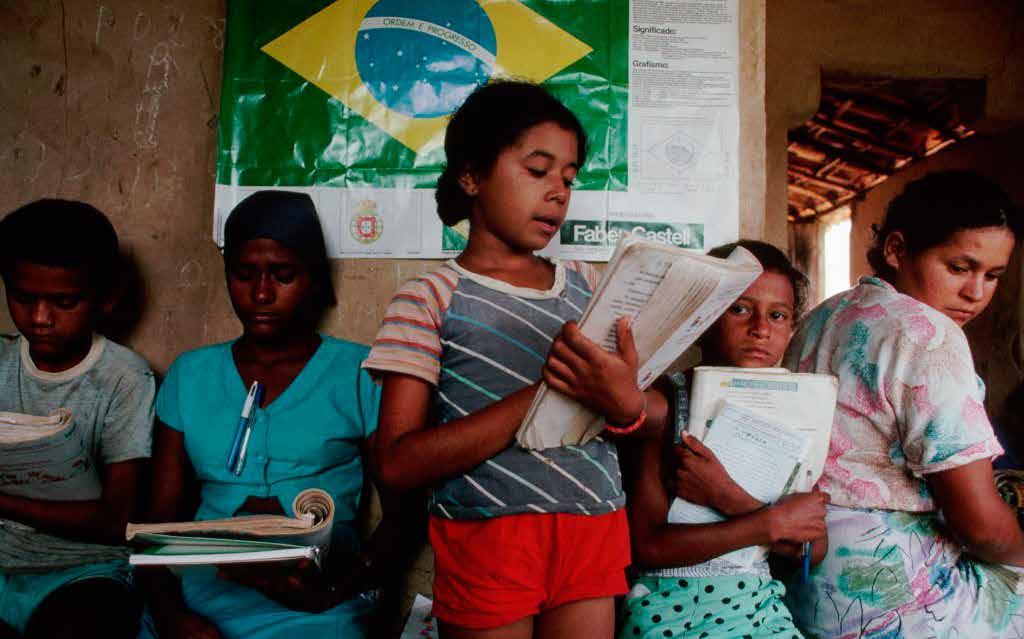
While education remains a public endeavor, the public sector no longer determines its course. In Brazil, the responsibility for providing basic education primarily rests with the public sector, which oversees more than 80% of educational institutions according to the 2020 Census7. Meanwhile, the private sector caters to 18.6% of total enrollment. However, it is important to highlight that, although it continues to be a minority, the private supply of basic education is increasing and is in the process of being monopolized by groups associated with investment funds and with shares in the stock market. In addition, the curricular and managerial “content” of schools is increasingly shaped by institutions that introduce commercial principles, often justifying their approach as a means to enhance the quality of public education (Peroni, 2020).
7.BRASIL.
As a primary focus of analysis, within the intricate landscape of contemporary education, the formulation stage of policy-making reveals a nuanced interplay between the private sector and public policies or educational institutions, all while ostensibly remaining as a public endeavor. A striking example of this dynamic exists in Brazil through the MTPE where business owners wield significant influence over educational policies and the commercialization of educational products while actively engaging in both governance and advocacy for public funding (Rikowski, 2017).
A private hegemonic initiative, MTPE is backed by corporations and the dominant bourgeois factions of the ruling bloc, which is evidenced by the economic groups that support the initiative. It is important to point out that in 2006, the financial institution Itaú Unibanco Participações S. A. convened the Conference on Actions and Social Responsibility in Education at which
MTPE was established. In addition to Itaú Unibanco Participações S. A., the conference was promoted by the Lemann Foundation, the Jacobs Foundation and the Gerdau Group, with the support of the Program for the Promotion of Educational Reform in Latin America (PREAL).
The influence of the MTPE movement on educational policies can be seen in its engagement with the federal government, particularly in initiatives like the Articulated Action Plan (PAR) and the formulation of the National Education Plan (PNE). The MTPE’s actions, grounded in technical and scientific reasoning, claim pedagogical and ideological neutrality within the educational sphere. Notably, the MTPE operates as a Civil Society Organization of Public Interest (OSCIP), with core agendas spanning educational evaluation and diagnosis, the establishment of the National Common Curriculum Base, teacher training, and school management.
Examining the rollout of the National Common Core Curriculum, we can discern the active engagement of the MTPE. As highlighted by Bernardi, Uczak, and Rossi (2021), this involvement is evident from the outset, encompassing participation in discussions, endorsement of meetings, and dissemination of study materials and opinions. Notably, this collaborative effort involves both researchers and individuals not directly affiliated with academia. Despite the explicit omission of the business movement’s name in various documents, its influence in shaping the Movement for the National Curriculum Base (MBNC) remains indisputable.
The MTPE has also actively participated in discussions related to the Fund for the Maintenance and Development of Basic Education and the Valuation of Education Professionals (FUNDEB). Their involvement extends to participation in the Joint Parliamentary Front within the National Congress since 2019, further emphasizing their pivotal role in shaping educational policy decisions.
It’s worth noting that the MTPE collaborates closely with several key entities, including the National Union
of Municipal Education Directors (UNDIME), the National Council of Education Secretaries (CONSED), the Center for Studies and Research in Education, Culture, and Community Action (CENPEC), and the Lemann Foundation, holding a strategic position within the Advisory Council of the Joint Parliamentary Front. Another noteworthy initiative that underscores the interplay between civil society and the business sector in Latin America is REDUCA—the Latin American Network of Civil Society Organizations for Education8. This network comprises social organizations and business foundations, operating across multiple countries. Its existence serves as a testament to the diversity and intricacy of these relationships within the Latin American educational landscape.
The network focuses on fostering cooperation between Latin American and Caribbean entities, addressing educational matters from a regional standpoint. It aims to study, compare practices and experiences, propose solutions, and take action within the Latin American context. (…) The Latin American Network of Civil Society Organizations for Education (REDUCA) comprises social organizations, many of which are led by prominent business owners with no direct ties to the state educational sector but strong connections to the private sector. (…) Notably, the majority of REDUCA’s member institutions identify themselves as civil society organizations (NGOs) or private entities established by business owners (Caetano et al., 2020, pp. 13–14).
Through these networks of private actors the private sector aims to shape educational policies. This influence
8.The Latin American Network of Civil Society Organizations for Education (REDUCA), conceived by the Inter-American Development Bank (IDB) and the MTPE (Brazil), initially brought together organizations from 14 Latin American countries working to guarantee the right to inclusive, equitable and quality education in the region. The member countries are Argentina, Brazil, Colombia, Costa Rica, Chile, Dominican Republic, Ecuador, El Salvador, Guatemala, Honduras, Mexico, Nicaragua, Paraguay and Peru.
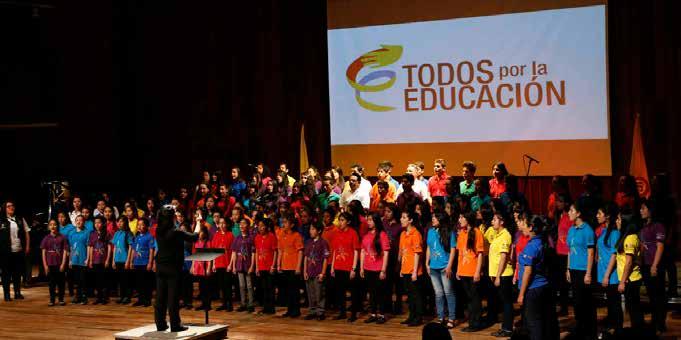
is evident as these individuals actively engage in crafting educational agendas and leveraging networks of companies and organizations to accomplish their objectives.
As a secondary focus of analysis, the involvement of the private sector becomes more pronounced in the implementation of preschool education. While the Federal Constitution of 1988 and the Law of Guidelines and Bases of National Education (LDB) recognize preschool education as a fundamental right and allocate responsibility to municipalities for its provision, the public sector increasingly shares this responsibility with private entities.
Peroni, Susin, and Montano (2021) highlight that, under the FUNDEB Law (2007), budget allocations were made to public preschool education as well as for non-profit entities. However, during the same period, the private sector took precedence in expanding the provision of preschool education. This shift is evident in research conducted by the research group9
9.Research Group on Public-Private Relations in Education (GPRPPE). Implications of the public-private relationship for the democratization of education in Latin America: Argentina, Brazil, Bolivia, Chile, Uruguay and Venezuela (2017-2021). Research report. Retrieved from https://www.ufrgs.br/gprppe/?page_id=77q
(2017-2021), particularly in state capitals. Fernandes, Peroni, and Montano (2021) further emphasize that the authorization of transferring public resources to non-profit entities has, in many municipalities, led to these entities taking responsibility for enrollment, effectively promoting privatization.
The expansion of preschool education through public-private partnerships has led to substantial shifts and disparities in service quality, contingent upon the social context of each community. As highlighted by Susin (2009), these discrepancies are reflected in their direct impact over the quality of education, with variations tied to the specific social conditions of each locality. This phenomenon gives rise to what we term the ‘naturalization of the possible’ (Peroni, 2018), a process that reduces rights and poses significant obstacles to the democratization of education.
The expansion of privatization in education in Brazil, within the broader context of capitalism, engenders conflicts among various social projects and encroaches upon the right to education. As capital infiltrates the educational domain, it not only commodifies knowledge but also fuels an agenda that perceives education as a commodity and entrepreneurship as the guiding pedagogical principle.
In addition, it is crucial to highlight two relevant aspects of current educational policies in Brazil. On the
one hand, the interconnections between financial groups and monopolies in charge of producing pedagogical material, textbooks and educational platforms are clear. On the other hand, we observe the growing weight and influence of the Lemann Foundation in the Ministry of Education, as evidenced by its strong participation and insertion, for example, through MegaEdu in the current government of the Workers' Party (PT). These two aspects are clear examples of the notorious presence and influence of the private sector in the process of defining school contents.
In Brazil, the interplay between the public and private sectors in education gives rise to a complex landscape. Within this context, the formulation and implementation of educational policies are significantly shaped by private interests. These dynamics have far-reaching implications for the democratization of education.
In conclusion, we emphasize the risks of the privatization of education, manifested in various forms. This paper underscores our comprehension of the interplay between the public and private realms in education, extending beyond mere ownership. Instead, it encompasses disputed societal projects. These projects emerge within the correlation of forces between state and civil society. From a class perspective, these dynamics significantly impact the construction of a democratic society.
References
Bernardi, L. M., Uczak, L. H., Rossi, A. J., Peroni, V. M. V. V., Rossi, A. J., & de Lima, P. V. (2021). A Organização e Ação da Classe Empresarial Brasileira no Contexto Educacional Atual. In Diálogos sobre a relação entre o público e o privado no Brasil e América Latina. essay, Livraria da Física.
Caetano, M. R., Carvajal Ruíz, S. H., & dos Santos, A. R. (2020, June). Educational reforms and global networks for latin american education. Revista Educação Em Questão, 58(56), 1–24.
DOI: https://doi.org/10.21680/1981-1802.2020v5 8n56ID21586
Caetano, Maria Raquel, Carvajal Ruíz, S. H., & Dos
Santos, A. R. (2020). Reformas Educativas y Redes Globales para la Educación Latinoamericana. Revista Educação Em Questão, 58(56), 1–24. https://doi.org/ 10.21680/1981-1802.2020v58n56id21586
Instituto Nacional de Estudos e Pesquisas Educacionais Anísio Teixeira (INEP), Censo Escolar da Educação Básica 2022: Resumo Técnico (2023). Brasilia, DF; INEP. Montano, M. R., Peroni, V. M., & Fernandes, M. D. (2021). O processo de privatização da educação infantil no âmbito DO FUNDEB. FINEDUCA – Revista de Financiamento Da Educação, 11. https://doi. org/10.22491/2236-5907113825
Peroni, V. M. (2020). Relação Público-Privado no contexto de neoconservadorismo no Brasil. Educação e Sociedade, 41. https://doi.org/10.1590/es.241697
Peroni, V. M. V. (2015). IMPLICAÇÕES DA RELAÇÃO PÚBLICO-PRIVADA PARA A DEMOCRATIZAÇÃO DA EDUCAÇÃO (thesis).
Retrieved from https://www.ufrgs.br/gprppe/wp-content/uploads/2019/04/Tese-Vera-Peroni-2016.pdf
Peroni, V. M., Susin, M. O., & Montano, M. R. (2021).
A Relação Público-Privada na Oferta da Educação infantil em Porto alegre. Educação e Realidade Edição Eletrônica, 46(3), 1–21. https://doi.org/10.1590/21756236105676
Research Group on Public-Private Relations in Education (GPRPPE). (n.d.). (rep.). Implicações da relação público-privada para a democratização da educação na América Latina: Argentina, Brasil, Bolívia, Chile, Uruguai e Venezuela (2017-2021). ). Relatório de pesquisa. Retrieved from https://www.ufrgs.br/gprppe/?page_id=77
Rikowski, G. (2017). Privatização em Educação e formas de mercadoria. Retratos Da Escola, 11(21). https://doi.org/10.22420/rde.v11i21.810
TPE (2019). Relatório. In Diálogos sobre a relação entre o público e o privado no Brasil e América Latina. report, Livraria da Física.
Thompson, E. P. (1981). A miséria da teoria ou um planetário de erros: Uma crítica ao Pensamento de Althusser ; tradução de Waltensir Dutra. Zahar.
Carranza, Edgar Isch López1
Abstract:
The current Constitution of the Republic of Ecuador is theguarantoroftherighttoeducation.However,inthe contextofacountrycontinuallyaffected by deep social andeconomiccrises,therehasbeenastrongprivatization trend in various areas since the 1980s. Education did not escape the logic imposed by governments that presented themselves as having different ideological tints, but which were all basically impregnated with different degrees of neo-liberalism. This has led tothe gradualapplicationofprivatizationpoliciesineducation, with the aggravating factor of a visible decrease in its quality. Thus, this strategic social sector is no longer contributing to providing responses to the multiple problems that Ecuadorian society is experiencing.
Key words: right to education, social crisis, privatization of education.
Tenured lecturers at the Central University of Ecuador.
The Ecuadorian Constitution (2018) states the following in Articles 26 and 28:
Art.26.-Educationisarightofthepeoplethroughout their lives, and it is the inescapable and inexcusable dutyoftheState.Itconstitutesapriorityareaofpublic policy and state investment, a guarantee of equality andsocialinclusion,andanindispensablecondition foradignified living. Individuals, families and society havetherightandresponsibilitytoparticipateinthe educational process.
Art. 28.- Education shall respond to the public interest and shall not be at the service of individual and corporate interests.
Public education shall be universal and secular at all levels.Itmustbeoffered for free up to, and including, the third grade of higher education.
This constitutional mandate, still in force, is also presentinthe1998Constitution.Butitisnecessaryto review current compliance to show to what extent it has truly responded to the interests of the Ecuadorian population and the educational communities at differentlevels,withspecialemphasisonpubliceducation. It is worthwhile, for further analysis, to open the debate on the relationship between the law and the meaning of “public”; as well as between the so-called public interest and the popular interest. "National interest" or "general interest" often masks support for policies that only benefit the dominant sectors that runtheStateasasoundingboardfortheirsectorialor corporate interests.
A brief historical overview of education in Ecuador is providedbyMiltonLuna,formerMinisterofEducation and Coordinator of the Social Contract (2014) in his article"EducationinEcuador1980-2007".Heanalyzes thesituationofacountrythatwasgoingthroughoneof its worst financial crises, especially in the 1990s. Luna points out that, during that period, public education suffered particularly from a process of stagnation and regression,inthemidstofreformsthatultimatelyfailed. Publicpolicy,andinparticularthatregardingeducation, experienced inconsistency and weakness that affected an unstable and unstructured management.
Lunaalsostatesthattheproblemsineducationnot onlyaffected access and permanence of students in the school system, but also its quality. He also says:
There is a complex and interconnected network of causes that contributed to the crisis in Ecuadorian education during these years. The following stand out: the sustained divestment from education, poor quality of spending, periodic teaching conflicts, great instability of the educational authority, weakening oftheMinistry of Education, an outdated education model for the system, lack of adequate legislation, limited social participation, and the divorce between education and economy,andeducationanddevelo-pment".(p.8
This scenario of deterioration in public education spurred the growth of private education. The families of students from the middle and upper classes migrated to private education as a consequence of the smear campaigns against public education, which suffering budget cuts, was presented as of an inferior quality2andconceivedas aneducationforthepoor.Despitetheemptyspeeches of its importance, proposals to improve public education did not achieve implementation or success, remaining in many cases only a discourse of good intentions.
Luna (2014) also dwells on the actions developed since the early 1990s. Some were expressed in social mobilizationsforeducation,such asthethree21stCen-turyNationalConsultations; and,intheearly2000s,theparticipationofbroad sectorsoftheStateandsocietytopromotelong-term educationalpolicies,whichmarkedsubstantive changes in subsequent years. It is necessary to emphasize that:
Sincethe1990s,educationalpoliciesinEcuadorwere imposedmainlythroughprojectsfinancedwithforeign debt.The Commission for the Comprehensive Audit ofPublicCreditincludedinitsworktheeducational credits that were determinant in education policies and were regarded even more important than the Ministry of Education itself, which received the popularnicknameofthe"poorMinistry”asopposedto the"richministry”thatwasanyoftheseprograms ” (Ângulo-García et al, 2021, p. 652).
Other analysts, such as (Isch, 2008), agree:
…have shown that the imposition of neoliberal policies is here to stay in Ecuador, affecting human rights and
2. Although the qualifier "quality" is used, it must be questioned for its origin and effects. Isch (2023) raises the need to consider, as a replacement, the search for dignified education, considering that every human right is related to and aims to guarantee human dignity.
education in multiple ways, and provoking changes outside national interests and the laws in place. They have triggered a transfer of competencies from the State to the private sector or to the users, through payment mechanisms and, finally, without achieving a better-quality education, which in fact is confirmed by the documents from the same banks that manage these projects. (Ibid. 653).
Along the lines of a historical reconstruction of Ecuadorian education, the article by Edgar Isch3 (2018) "Breves apuntes para una mirada crítica a la educación ecuatoriana entre 2007 y 2017" (Brief notes for a critical look at Ecuadorian education between 2007 and 2017), agrees to a large extent with Luna’s analysis described in previous paragraphs.
For Isch (2018), the demand for serious attention to education led, for the first time in national history, to a Ten-Year Plan 2006-2015 (Ministry of Education
3.Edgar Isch has been a consultant on human rights and education. He has been a researcher for the Commission for the Comprehensive Audit of Public Credit (CAIC, 2008).
and Culture, 2006), which incorporated the proposals generated by the three National Consultations "Education XXI Century." Later, it also led to the international commitments taken on by Ecuador in educational matters.
During the first years of the government of former President Rafael Correa (2007-2017), given the increase in state revenues due to the high price of oil, there was a significant boost in social investment. But this was only in the first years of his administration. After the approval of the 2008 Constitution, and the support given by popular sectors for Correa's reelection, a right-wing process began, expressed in the persecution of popular organizations and the National Union of Educators, with policies that sought to divide them and criminalize leaders of democratic organizations.
Although the Correa administration provided education equipment, materials, textbooks, uniforms, and school breakfast programs during his first years, it is also true that he closed thousands of community schools, affecting bilingual indigenous education. He closed manual craft training centers and technical high
schools, and described private education as the guiding star. Even Milton Luna (2019), who was his Minister of Education, questioned the fact that during Correa's administration around 7,000 schools were closed, particularly in rural areas.
When Lenin Moreno took office as president in 2017, 486 additional schools were closed. Moreno was followed by Guillermo Lasso, who came to power in 2021, with a strongly neoliberal administration, particularly in education. Finally, with the election of current president Daniel Noboa in 2023, far from increasing investment in education, he announced cuts for 2024.
Against this backdrop, the National Union of Educators (UNE) called in October 2023 for the declaration of an emergency in the country's education system. Among their reasons, it is believed that more than 200,000 children and youth have been excluded from the school system in the last six years; teachers are not given permanent contracts and work in precarious labor conditions; There is a teachers shortage of about 74,000. More than 1,000 educational institutions were have been put out of commission due to the effects of the El Niño weather phenomenon, especially on the Ecuadorian coast. More than 45% of schools lack basic services, and the infrastructure in general is in poor condition. Over 6,000 children have suffered some type of sexual violence in the classrooms in recent years. In addition to all of this, there is violence and insecurity around the schools, where minors are recruited by organized crime gangs, and teachers are also their victims with the so-called "vaccines," that are “protection” racketeering in exchange for their safety in the criminal turfs.
UNE is urging the government, through the declaration of an emergency, to guarantee security and quality public education for all Ecuadorians. After all, it is defined as a human right according to the Constitution.
Treating education as a lucrative business robs it of the qualities of the right that it actually is, and transforms it into just another commodity, susceptible to be negotiated
to the highest bidder. Castro and López (2020) state:
It is convenient to point out that today we are living a process of instrumentalization and delegitimization of education as a process of human formation. Training by competencies, the market and economies gravitating to the postulates of neoliberalism, ignore and disregard ancestral, indigenous and ethnic knowledge; as well as those arising from social movements. Thus, the construction of critical thinking and the commitment to new realities is hindered. The dehumanization of education is imposed as a result of leaving it at the mercy of market forces.
From this perspective, in Ecuador there are clear signs of a process of commodification of education, driven by the same liberal and neoliberal educational policies of the successive governments in power over the last four decades. We are also witnessing socioeconomic dynamics that have developed as a result of the policies created by those same governments.
Among the causes that would explain the increasing number of students moving from the public to the private system are: (i) the intentional "low quality" of public education due to the lack of trained teachers and the insufficient number of them in educational institutions, lack of equipment and learning resources, insufficient and deficient infrastructure, lack of school sites, persistence of traditionalist pedagogical methodologies; ii) the lack of opportunities for students, such as national and international scholarships; iii) the diversity of "novel" career offerings in private institutions; iv) the offer of virtual education; v) the increase in private investment by international corporations and national economic groups in opening establishments surrounded by great publicity; among other variants.
In addition, despite the fact that the 2018 Constitution allocated a minimum of 6% of the Gross Domestic Product (GDP) for education, as of that date neither the percentage increase (0.5% per year) nor the total amount established has ever been met, hindering public
education. By 2023, it had only reached 4.8% of GDP, and an estimated reduction of 0.27% is foreseen in 2024. Without the fulfillment of the State's responsibilities, public education cannot promote a social project aimed at achieving its goals, which are also established in the normative instruments.
Evidence of growing privatization in the country can be seen in the increasing number of private institutions at all levels of education nationwide. For example, high school graduates who were unable to obtain a place in a public university, opt for a private university, even at the cost of indebtedness for their families.
Another shift from the private to the public is the incorporation of digital technologies in the classroom as a strategy for modernizing methodologies and teaching resources. This induces the need to continually update equipment and programs as part of a social status symbol, without necessarily translating into better teaching and learning processes. Many families believe that the type of social relationships established at a university will be more important than the actual learning achieved.
Consequently, privatization generalizes an education subsumed by educational models and paradigms that do not respond to students' contexts. It has been impregnated by approaches and methodologies that promote "competencies" and stimulate individualism.
A chief cause of the education crisis in Ecuador is the application of an education model based on neoliberal policies, which seek, among other things, direct or indirect privatization. This policy model implies an attack on the public sector and the reduction of social budgets.
Privatization of education is contrary to the commitments to education excellence for the entire population. There is a long list of evidence of the crisis of our public and private education. With this, the only thing that is growing is the widening of social gaps. Only by the fulfillment of the fundamental right to a decent public
education, which is a condition that encourages the fulfillment and exercise of other rights, will this situation be corrected.
The reasons that proposals for direct privatization of education have not penetrated as deeply as the neoliberals intended is due to the strong resistance by the UNE and other grassroots sectors. This resistance, from protests to ongoing and in-depth proposals, seeks to rescue and defend public education.
Ângulo-García et al. (2021). Educación superior tendencias y políticas estatales de Ecuador. Polo del Conocimiento. Pol. Con. (Issue No. 58) Vol. 6, No 08.
National Assembly (2018). Constitution of the Republic of Ecuador. https://www.oas.org/juridico/pdfs/ mesicic4_ecu_const.pdf
Castro, C. P. & López, N. E. (2020). A propósito de la mercantilización de la educación. Revista PACA 10, pp. 175-195. https://dialnet.unirioja.es/servlet/articulo?codigo=8686864
Ecuadorchequea (2019). Luna: "Durante gestión de Rafael Correa se cerraron entre 7.000 escuelas, particularmente en las zonas rurales" #SÍ,PERO. https:// ecuadorchequea.com/miltonluna-cierre-escuelas-ecuador-leninmoreno/#:~:text=El%20funcionario%20cuestion%C3%B3%20que%20%C2%ABdurante,el%20sector%20urbano%20y%20rural.
Isch L., E. (2008). BM y BID: deuda para imponer la política neoliberal en educación; comisión para la auditoría integral del crédito público, Ministerio de Finanzas, Quito.
Isch L., E. (2018). Brief notes for a critical look at Ecuadorian education between 2007 and 2017. Aprendamos a Educar No. 2. https://une.edu.ec/wp-content/ uploads/2024/02/Aprendamos-a-educar-2-2018.pdf
Isch L., E. (2023). De la calidad a la educación digna. Aprendamos a Educar 8.
Luna, M. (2014, February 25). La educación en el Ecuador 1980-2007. https://rieoei.org/RIE/article/ view/336/620
Rodolfo Bautista, Eduardo Carcamo, Verónica Teneria1
Abstract
Starting from a conceptual characterization of how neoliberalpolicieshavebeendeployedineducation,this paperpresentsonthedeepeningoftheprivatizationof post-secondaryeducationinMexico.Itisbasedonthe description of the Post-secondary Education General Law -which is the guiding principle for policies- and sometrends,suchastheimplementationofthehybrid modelandthegrowthofdistanceeducation.Itconcludes by exploring the demands that have led teachers and students to protest in recent years.
Key words: post-secondary education, privatization, distance education.
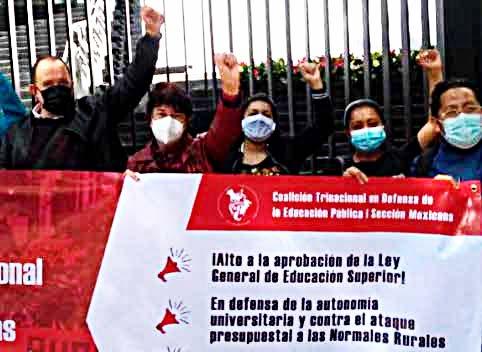
1. Members of the Grupo Tiempos Modernos (GTM), and of the Mexican section of the Trinational Coalition in Defense of Public Education,
For the last four decades in Mexico, as in many other countries, the policies and trends guiding public education systems have been characterized by the implementation of neoliberalism. The deployment of "structural adjustments, and the imposition of a new scheme for financial discipline and the modernization of the State" have been the common features (Mollis, 2003).
The public sector has undergone processes of managerial transformation that have had an impact on educational systems. Since the 1990s, three important events have taken place in this field:
1)A theoretical adjustment of the pedagogical principles. Educational policy was reduced to the mere administration of reforms, from the perspective of quantitative indicators and results evaluation (Mollis, 2003).
2)An imminent threat arose through the incorporation of education in the Free Trade Agreements.
3) The liberalization of educational services. As part of the outcome of the Uruguay Round2 of the General Agreement on Tariffs and Trade (GATT), the World Trade Organization (WTO) was established in 1995, which led to a wave of commodification of spheres previously protected by many constitutions as fundamental social rights (Leher, 2009).
In Mexico, this process began with the national agreement for the modernization of basic education during the administration of President Salinas de Gortari (1988-1994), but it deepened with the signing of the North American Free Trade Agreement (NAFTA, today USMCA). Furthermore, the process of assimilating education as a tradeable good and service was part of the approach that seeks greater integration with the United States.
Education policies in Mexico have centered around the management of reforms guided by the spirit of commodification, commercialization and privatization.
In 2018, at the beginning of the administration of Mexican president Manuel Lopez Obrador, there was much speculation about the possibility of changing the orientation of national education. However, as this administration ends, the balance of education and privatization is inconsistent to the commitments made by the outgoing president. It has been a negative one, since neoliberal policies remain.
We will now give an account of this situation through an overview of post-secondary education.
In 2023, the coverage of post-secondary education in Mexico was projected to reach a 34.7% (SEP, 2022), but currently approximately only 3 out of every 10 young people, between 18-22 years-old, are pursuing a professional career (INEGI, 2020). As a sign of inequality, of the 2,463 municipalities in the country "only 773 have at least one post-secondary education institution" (Contreras Suárez, 2022). Furthermore, only
2.Multilateral trade negotiations conducted within the framework of the General Agreement on Tariffs and Trade (GATT) from 1986 to 1993.
14% of public university students come from the first income quintile, that is, from the poorest population, in contrast to 41% who belong to the two richest quintiles (Moreno and Cedillo, 2023). This demonstrates that inequality persists when accessing higher education, despite it being a constitutional right.
The General Law of Post-secondary education (GES Law) was approved in 2020 with the aim of "making the right to post-secondary education a reality for all young Mexicans". This law places a new governance centerstage by centralizing power in the hands of public and private entities. An example is ANUIES3, an entity that openly promotes neoliberal policies in post-secondary education, through the National Council for the Coordination of Higher Education.
The law promotes the creation of a National Post-secondary Education System that homogenizes the different post-secondary education subsystems. Thus, it undermines the origin, mission and political and historical definitions of each subsystem and institution.
Likewise, neoliberal elements are now used as filters to restrict access, promotion and permanence in post-secondary education systems. The search for other income sources, such as the sale of services to private companies, collection permits and the lease of school property is now authorized. There is a promotion of education credits by private educational institutions; and dual education programs are now recognized as part of higher education.4
This is a mere addition to the series of privatizing transformations that post-secondary education had already undergone, even before the reform to the post-se-
3. The National Association of Universities and Post-Secondary Education Institutions (ANUIES), founded in 1950, has participated in the definition of national programs, plans and policies. In recent times, it has been growing and in 2023, it joined the Autonomous University of Mexico City (UACM).
4. In order to broaden the analysis of this law, the Mexican section of the Trinational Coalition in Defense of Public Education prepared a comprehensive statement addressed to the Undersecretary of Post-secondary Education on December 14, 2022. For further reference: https://coaliciontrinacional.org/mx/index.php
condary education Law. These include the collection of fees, curricular transformations at the service of the market and business, budget reductions, precarious working and study conditions, as well as career accreditation processes that externally intervene in curricular design. Evaluation and teaching systems that go against the autonomy of universities and national development were implemented, and certification processes that externally intervene in curricular design, evaluation and teaching systems. There are also violations of the autonomy of universities and the national development approach. For example, at the National Autonomous University of Mexico (UNAM), 95% of its bachelor's degrees are currently externally accredited or in the process of becoming so.
Thus, the GES Law continues the new orientation of post-secondary education, surrendering it to com-
mercialization, privatization and commodification. It intersectswithcurrenttrendsthathaveacceleratedsince the COVID-19 pandemic. The pandemic represented an opportunity for different actors that seek to lead societyinaneoliberaldirectiontopromotevaluesand practicesforthesolepurposeoffreetradefacilitation.5
The massive closure of schools during the pandemic ledtotheimplementationofonlineeducationasanational alternative, giving way to the use of connection platforms and later to the expansion of systems and platformsdesignedexclusivelyfornon-face-to-faceedu-
5. The alliance formed by UNESCO with large corporations such as Google, Facebook and Microsoft, has resulted in the participation of these corporations in the formulation of global education policies under the auspices of UNESCO, through the development of digital education platforms, something that has been normalized since the pandemic. (Saura, 2021; Ponce-Díaz, Martínez and Beltrán, 2024).
cation. This has favored digital capitalism, surveillance, and the cultural hegemony of technology corporations.6
As the pandemic eased and there was a gradual return to schools, several post-secondary education institutions introduced the so-called hybrid model, which combines the school-based model with non-school-based education. It appears that this model is here to stay. In some cases, it is used as a political tool, since it allows for administrations to bypass strikes, whether student or teacher-led, by calling students to online classes. It justifies the use of public post-secondary education budgets to benefit companies that provide software and online platforms, transferring public resources to the private sector.
Another striking feature is that non-classroom education has been gaining ground in the country, especially since the pandemic. In a comparison between the school enrollment of the 2017-2018 school cycle (pre-pandemic) with the enrollment of the 2021-2022 cycle (post-pandemic), we see that enrollment grew by 10.7% in public post-secondary education. The growth was almost evenly distributed between both school-based education, with 136,000 new students, and non-school-based with 135,000. Meanwhile in private higher education, there was a decrease in the number of students enrolled in the school-based system, with a reduction of nine thousand students compared to the pre-pandemic school cycle. Nonschool-based enrollment grew by 158,000 new students (Rodriguez, 2022).
According to these figures and in absolute terms, the school enrollment that has grown the most in post-pandemic post-secondary education is non-school enrollment, especially within private institutions. This gives rise to several questions: could it be that the pri-
6.Dr. Larry Kuehn states that education is very rich in data. Every action taken by a student and any interaction between the student, the teacher and other students, is potential data, but the challenge is how to collect this data and then monetize it, which is what the big information companies have been working on. https://idea-network.ca/es/?p=241
vatization of education is advancing under the trend of distance education, mainly benefiting private post-secondary institutions (PSIs)? Could this be a test of how it will later advance in public PSIs? Why does the majority of the population opt for private PSIs and for the non-schooling modality? Furthermore, professional skills certification systems are growing day by day, as in the case of the online learning platform Coursera. With 5.4 million students, Mexico places third after the United States, where Coursera has 25 million students, and India, where there are 19 million students enrolled in this platform.
Finally, throughout the six-year term of outgoing President López Obrador, neoliberal policies in education have generated resistance in the field. The mobilizations and protests of the university community throughout the country reveal the precarious labor conditions faced by many teachers: lack of pay, job instability, expansion of the "subject" or fee-based teaching position, and other attacks on working conditions. Teachers of the Universities for the Wellbeing Benito Juarez Garcia (UBBJG) -universities created by the government of President Andres Manuel Lopez Obrador, supposedly to address the lack of student spaces - are demanding the right to basificación (formalizing the employment relationship with full benefits) and unionization, since many teachers are outsourced, and the agency in charge of the universities does not recognize them as employees. Meanwhile, the student body has mobilized to denounce the deterioration of education facilities, lack of equipment and materials, the cutbacks to scholarships, delayed payments and sexual violence. They are also asking for a larger education budget. Education communities urgently need to deepen our discussions about the progress and trends of privatization in education. In this way, we can respond to this silent offensive.
References
Contreras, E. (2022). Presentation. In E. Contreras Suárez (ed.), Juventudes mexicanas actuales. Second
opportunities for employment and for job training (pp. 11-22). Mexico: UNAM.
INEGI. (2020). Population and Housing Census. Leher, R. (2009). Estrategias de mercantilización de la educación y tiempos desiguales de los tratados de libre comercio: el caso de Brasil. CLACSO. Retrieved from https://biblioteca-repositorio.clacso.edu.ar/handle/ CLACSO/12525
Mollis, M. (2003). A brief diagnosis of Argentine universities: altered identities. Moreno, C. and Cedillo, D. (2023, September 27). PPEF 2024: crisis and precarization of post-secondary educationand science. Nexos. https://educacion.nexos. com.mx/ppef-2024-crisis-y-precarizacion-de-la-educacion-superior-y-la-ciencia/ Ponce, N. Martínez, M. and Beltrán, J. (2024). Com-
parative social cartography of the emerging socio-educational narratives of UNESCO, the World Bank and the OECD in the context of pandemic. Educational Profiles. vol. XLVI, no. 183. IISUE-UNAM.
Rodríguez, R. (2022, October 27). Higher Education: new privatization trends. https://suplementocampus. com/educacion-superior-nuevas-tendencias-de-privatizacion/
Saura, G. (2020). Digital philanthrocapitalism in education: Covid-19, UNESCO, Google, Facebook and Microsoft. Teknokultura. Journal of Digital Culture and Social Movements, 17(2), 159-168.
SEP. (2022). Principales cifras del Sistema Educativo Nacional (2022-2023). https://www.planeacion.sep.gob. mx/Doc/estadistica_e_indicadores/principales_cifras/ principales_cifras_2022_2023_bolsillo.pdf
For as long as almost anyone can remember, humans have had a penchant for simple solutions. Sometimes that drive to make things simpler has resulted in amazing technological advances, and other times over-simplification has been used to try to solve more complex issues.
For decades, the right-wing neoliberal movement has oversimplified solutions to problems like the housing crisis, wage inequality, and food insecurity by championing, and moralizing choice.
Solution to the housing crisis? Simple - just choose to stop buying that daily coffee and save up! Want to be healthier? Easy - choose healthier foods. Stuck in a low paying job? Choose better employment!
1.Public education advocate, organizer, activist, and a Fellow of the Institute for Public Education in British Columbia, Canada. She is most passionate about building support for an equitable and accessible public education system and creating awareness about the proliferation of privatization across Canada. Bárbara co-founded the citizen-run public education advocacy organization, Support Our Students Alberta and is an experienced speaker and presenter around public education issues.
The message on repeat is that good people, hard working people, make the right choices to own homes, to be healthy and have job security. It has been a successful message for those who righteously believe they have simply made the “right choices” in life.
Since Milton Friedman's simple market-based solutions, right-wing neoliberal movements have found a simple equation for the general public, after all, who doesn’t love simple math? For decades, the right has campaigned on an easy, and virtuous formula for success in life:
Freedom, as a personal right, has seen a resurgence in the current lexicon of societies around the globe. Freedom to travel, to not vaccinate or wear a mask, to choose health care, or education are all topics that have been circulating at deafening volume over the past few years. The notion that choice is synonymous with freedom is both deliberate and calculated in its simplicity.
Public education has not gone unscathed by this messaging; in fact, “parent choice” in education has been a priority for US Conservatives since the era of desegregation, when black and white students were integrated into the same schools..
However, this oversimplified equation of Choice = Freedom doesn’t balance. The left side does not equal the right side no matter how often it is repeated. In all reality, it isn’t an equation at all - and those who do not have choice can confirm, it is actually an inequality.
Choice is less than freedom. Significantly so.
Choice may play a role in personal freedom, but it is an insignificant parameter.
Choice = Freedom is actually an inequality, both mathematically and socially.
Choiceisnotequalinmagnitudetofreedominthe same way that one is not equal to five hundred.
How can we properly balance this equation? We must acknowledge that an entire parameter is missing. The equation that should be at the forefront ofallpublicpolicy should be:
CHOICE+UNIVERSALACCESSIBILITY=FREEDOM
Where ACCESSIBILITY is >>> CHOICE
Indeed,accessibilityisafargreaterparameter thanchoice in the quest for freedom.
Imagine no barriers to excellent high quality health care, public transit, public and post secondary educa-tion? Imagine not having to choose a school because the public system is so well funded that all children have access to high quality inclusive curriculum?
Freedom comes when you don’t have to line up overnight to get your child into the “right” preschool. Freedom comes with not having to sacrifice or work two jobs to access education for your children. There is actually MORE freedom for
people when they are not burdened by having to make choices around basic human rights.
Sowhyhaschoicebeensohighlyvalued?And whydoes it permeate every aspect of our culture?
Even in the private sector choice has seeped into practices that once were free of controversy. Almost weekly we hear stories of airline passengers asked and refusing to give up seats so families can sit together Fingers and voices quickly raised to proclaim,
“I paid to choose my seat, so people should have to do the same for their kids." Almost instantly it becomes a battle ground for individual rights, and the morality of being a good and responsible parent. Few consider that the airlines have a responsibility to seat minors with caregivers. Few consider their role in creating an environment that pits passengers against one another instead of the common good. Is it not in everyone's interest that a child be seated with their caregiver? It used to be this way.
For decades, the norm was little to no choice in seating. It was a given that you were seated with the people you booked with. Now, there's "choice" (for a fee) and you're expected to pay it to ensure that a minor is seated with their parents. It's not feasible for a 4-year-old to sit by themselves for a flight, yet the dialogue now is about personal responsibility, and no pressure exists for the system to accommodate, as we know they can, because they once did. That we have all come to acceptthishasenabledcorporations to commodify all aspects of flying, from seats to carry-onluggagefeestowater and snacks.
These same economists and policy makers want to treat education in the same way, as a commodity. They believe education should be marketed like airlineseats, cheeseorshoes,andshouldbesubjectto competition. The inherent problem is that in the same way that not everyone can afford to buy stilton cheese or Air Jordans, not every family can afford the costofprivateeducation.
For many families, no amount of sacrifice, or saving will provide that option, and yet their children are equally deserving of a high quality, accessible education.
The simple math associated with Choice = Freedom promotes that good ole conservative bootstrap ideology and reinforces a sense of morality. “ I deserve it, I made the right choices, which is why I have a house, my kids are in private schools, I choose to prioritize my health.”
The ability to make choices has become a righteous position, and those able to make them are often oblivious to the fact that for too many, choice is a privilege. Not everyone has the same choices, and choice is all too often a function of social and economic privilege.
The result of the proliferation of school choice is that some schools are now places where students are segregated along lines of ability, religion, and socio-economic status. This siloing of students runs contrary to the premise of public education and prioritizes individual preferences over collective benefits. As one parent recently stated:
“Public schools are one of the only places where kids learn that not everyone shares their personal experiences, and that there are kids who are both better off and worse off than they are, kids with different belief systems or family structures. There is value to this experience for all of society, and I think government’s job should be to make funding choices that support the greater social good over the preferences of certain individuals.” Albertaviews, Individualism Run Amok.2
Where choice is prioritized, public schools are less and less places where children from all walks of life can learn and grow across socioeconomic, cultural, and religious differences. Schools become places of homogeneity. Schools are no longer seen as a place or opportunity to overcome social differences, but through
choice, become tools to replicate and reinforce social inequities. This kind of segregation does not support social democracy at large. And unfortunately, all this choice is happening using public funds.
A recent report by the Canadian Center for Policy Alternatives revealed that 492 million public dollars (Can.) are used to subsidize private education in the Canadian province British Columbia.3 That's almost a billion dollars every two years. All while volunteer parent councils across the province run bottle drives and sell chocolates to raise money for books and furniture for their public schools.
Choice proponents will argue that choice encourages competition amongst schools.
But why should any child have to compete to have access to a high quality barrier-free education? Knowledge is not a finite quantity, there isn’t just so much of it to go around. Knowledge and information are infinite and must be accessible to all children.
It is after all, a universal human right as declared by the United Nations.4
Secondly, diverting access to resources and diluting the public system is not competition. In fact, publicly funding private schools tips the scales in favour of the already privileged. True competition, if it even has a place in education, only comes when the playing fields are leveled.
Finally, the concept of public funding the choice to leave the public system and attend private schools is a type of voucher. The effects of vouchers are well documented in the US and even libertarians and neoliberals are recognizing the failure of vouchers to meet their original intention. Choice was never about competition, or elevating public education, it has always been used as a guise for privilege and segregation.
“The hope of school choice was that the worst-off kids could be given the same opportunities as those born
Blasetti, Carolyn, Individualism Run Amok, Vouchers mean the end of public education, Albertaviews, September 1, 2020
3.Hemmingway, Alex, BC Private Schools to Collect $491 million in public funding this year, CCPA Policy Note, September 21, 2022.
4.United Nations Universal Declaration of Human Rights

REPORT ON THE EDUCATION OF SECOND GENERATION MIGRANT CHILDREN IN CANADA.
withsilverspoonsintheirmouths.Butifwhatparents are most interested in is keeping their children away from those kids (at least in large numbers), that hope cannot be fulfilled. Improving the quality of instruction can make everyone better off; peer group, on the otherhand,isazero-sumgame,whereeverychildwho improvestheirpeergroupmustbecounterbalancedby one who is pushed out.” Bloomberg, We Libertarians Were Really Wrong About School Vouchers.5
Itisimperativethateducationsystemsdonotfollow theoversimplifiedsloganaroundeducationalchoice,and do not fall for any kind of voucher system that allows public dollars to leave the public system.
“Vouchers are dangerous to American education. Theypromiseanall-too-simplesolutiontotoughproblemslikeunequalaccesstohigh-qualityschools,segre-
5. McArdle, Megan, "We Libertarians Were Really Wrong About School Vouchers. And now we’re starting to figure out why," Bloomberg, October 23, 2017.
gation and even school safety.” The Hechinger Report, After two decades of studying voucher programs, I’m now firmly opposed to them.6
The good news is there is no need to continue to pursue prioritizing individual choice.
We can correct the inequality by reintroducing the more valuable and important parameter of UNIVERSAL ACCESSIBILITY.
Universal accessibility is the missing constant. Providing all students equitable access to high quality public education, and all to all public services for that matter, is entirely possible. Countries like Finland achieve high quality public education that includes teaching several languages as base curriculum and has the highest ranking high school completion rate in the
6.Cowen, Joshua, After two decades of studying school voucher programs, I’m firmly opposed to them. Here’s why public money should not be funding private tuition, Hechinger Report, July 20, 2022.

world.7 Countries like Germany, Finland and Austria8 provide free post-secondary education to ANY applicant, irrespective of country of origin. Luxembourg9 is one of several jurisdictions that have implemented free universal public transportation.
Choice = Freedom has been an easy, simple, and appealing solution for society, and it has gone entirely unopposed, if not championed by progressives over the past 5 decades. It pits individuals against one another and absolves governments and systems of their role in promoting equity.
It’s time for progressives to recognize the flaw in the idea that CHOICE = FREEDOM. Time to take a red pen to this equation and correct it accordingly.
No one needs a specialized STEM school, or private
7.Leverage Edu, Finland Education System, June 7, 2022.
8. Chang, Jenny, The state of education in countries that offer free college, Finances Online, November 6, 2022
9.Lo, Andrea, Luxemburg makes all transportation free, CNN Travel, March 1, 2020
tutor to recognize the far greater impact on freedom is universal accessibility. We can and must correct the inaccurate equation pushed by conservatives for decades, so that ACCESSIBILITY can be reintroduced into the equation, leveling the playing field for children across the province.
We can envision a public system where accessibility for those in the margins, those with disabilities, children of colour, children living in poverty, isn’t a choice, but an inalienable right. When we build a system around those students instead of those able to choose, we will create a truly universal, equitable and accessible public education system.
Our children deserve nothing less, and we will need every penny to achieve this.
But we will have to collectively demand it from our governments. It's time to stop funding private schools, it's time to recognize that choice promotes inequality and reintroduce accessibility as the key parameter towards greater social freedom.
Enrique Javier Díez Gutiérrez1
Translation by Natalie Illanes Nogueira and Eduardo Rodríguez Santiago
A specter haunts the classrooms of the Spanish state: neofascism. Young students declare themselves, without any reservations, as sympathizers of the VOX party’s neofascist ideology2.
The penetration of this new brand of neofascism into the Spanish educational system is taking place through two fundamental mechanisms: the imposition of Vox’s deeply reactionary agenda into educational policies, and proposals linked to a radical, authoritarian neoliberalism centered on the impulse of meritocratic egoism
1.Professor at the Faculty of Education of the University of León (Spain) and author of "Antifascist Pedagogy" (2022).
2.VOX is a Spanish neofascist political party with an ultraconservative and ultranationalist ideology. Founded on December 17, 2013, VOX is described by specialists as an ultra-right, populist radical right or extreme right party.
that privatizes both our minds and culture (Seijo, & Mellón-Antón, 2024).
The neofascism currently penetrating Spanish classrooms, educational centers, and universities is different from traditional fascism and is linked to capitalist neoliberalism. Along with the defense of the classic axes of fascism (homeland, flag, empire, order...), the current neofascism integrates the battle against what it calls "gender ideology" and feminist "supremacy" (by denouncing the laws against gender violence), assumes and spreads conspiracy theories and fake news, and defends homophobia and ecofascism. But what makes this neofascism radically different from classical fascism is that it integrates the neoliberal model of entrepreneurship and "economic freedom" (Guaman et al., 2019;
Pavón, 2020; Seijo, & Mellón-Antón, 2024).
It combines a radically neoliberal program with the stalest social conservationism.
Neoliberalism and neofascism thus become two inseparable expressions of the same current configuration of the capitalist system. It is a neofascism 2.0, which uses populist language and style and spreads through social networks like TikTok (García-Barnés, 2022).
This ideology is being transferred to educational centers, but also to the educational socialization of new generations through neofascist discourses and narratives that permeate social networks and the media. Let's not forget that TikTok, one of the social networks with the most followers among new generations, is full of teenage fans of neofascism, and VOX is the political group in Spain with the highest number of young followers on the platform, as well as in YouTube and Instagram (Machuca, 2023; Remacha & Llanera, 2023).
There are more and more of student groups who boast this ideology in educational centers, accompanied by the display of symbols associated with the Franco dictatorship and imagery linked to the most reactionary groups of this political and ideological spectrum (Galaup & del Toro, 2023).
In high school and university classrooms, teachers are seeing the growing and unabashed admiration of a barbarism that had been considered overcome and the questioning of social and cultural consensus once taken for granted.
We must assume that what allowed this penetration of the educational system by neofascism was also the complicit silence of an educational system that has looked the other way or has not wanted to investigate what was happening in its social environment. As Dr. Martin Luther King said in one of his speeches: our generation will not regret so much the deeds and words of bad people, but the appalling silence of good people who looked the other way and consented to barbarism (as is happening in the face of the Palestinian genocide today).
We must ask ourselves what we have done during the
last years in the Spanish educational system that so many young people now defend the proposals and narrative of neofascism. How is it possible that an ideology that devastated Europe itself just over seventy years ago has managed to penetrate the discourse of a democratic society and been allowed to spread into our schools.
Perhaps it could be that we have been too preoccupied with the latest "pedagogical trends" or distracted by our education administrations pressuring us to introduce the latest neoliberal novelty. Or perhaps they have kept us too entertained with hypertrophied curricula, unmanageable subjects, and constant exams, which seem to have transformed the desire to learn into an eagerness to pass subjects whose content has little to do with their vital social, political, and ideological context. This task has been left to the media and social networks, without fulfilling a fundamental educational function of the school: the understanding and critical analysis of the reality that our students live.
For the current form of neofascism everything that is not its ideology is indoctrination; everything that is not indoctrination according to its "creed" it brands as such: accusing others of what they themselves practice. It does not support a pluralistic and tolerant democratic society. Its strategy is to use education to impose a single mindset—it is its very hate speech transferred to education (Díez-Gutiérrez, 2022).
That is why, currently, neofascism has declared a judicial war (lawfare) against the public and pluralistic educational system. With the so-called "parental PIN," neofascists persecute and denounce teachers and schools that educate in human rights, democratic values or equality, that combat homophobia, racism or social inequality. They demand that the school transmit only the "values" and the ideology that they defend: Catholic doctrine and "the deeds and exploits of our national heroes, as well as the symbols of the nation, especially the flag, the anthem, and the crown" (VOX, 2019).
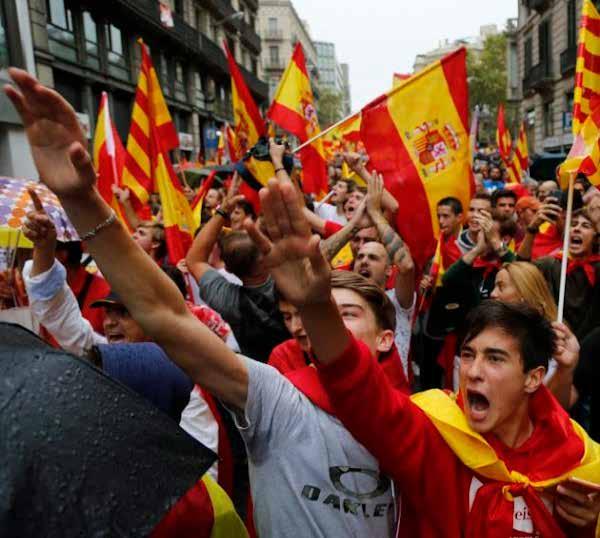
At the same time, neofascists demand the reinstatement of military jingoism in the educational system in order to educate future generations, while exalting symbols of the "nation" (which are appropriated exclusively) and a deeply patriarchal and hyper-masculinized image. In this sense, it is worth highlighting some of the recurring obsessions of neofascism:
• To use the educational system to teach insensitivity to animal abuse by promoting hunting and bullfighting, while promoting the values of a mythical traditional past where "real men" were "forged" through practices linked to violence against animals or other human beings. They propose bullfighting schools and professional development courses in bullfighting, where the
evaluation criteria would include "effectiveness and purity in the method of killing," with "didactic bullfights" for minors and bullfighting campuses (Avilés, 2023).
• They seek to bury and hide the past at schools by trying to erase the collective memory of the human devastation and genocides that the world suffered when fascism first appeared. Together with the European Conservatives and Reformists of the European Parliament, VOX has denounced the study of historical memory as a threat to peace in Europe and "an outrage to freedoms," and have demanded that it be removed from classrooms. In fact, they claim that "it makes no sense to condemn Francoism because we are its heirs." In fact, the first policy that the Partido Popular and
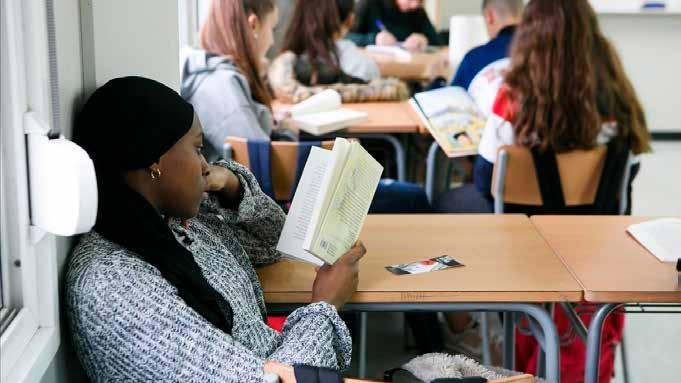
VOX have agreed to in governing the region of Aragon or Extremadura has been the repeal the law of democratic historical memory that requires that these contents be included in the school curriculum (Gasparyan, 2023; Novoa, 2023).
• They fight what they call the "gender ideology" in schools. The deputy secretary of VOX asked that sewing be a subject taught in schools, saying that "sewing a button is very empowering," while denouncing that "feminism is a cancer" and claiming to be concerned about what she calls feminist "lesbo-terrorism." This was her response to proposed measures to combat sexist stereotypes in schools, which she described as "silly" and "ideological bullshit" (Arranz, 2022).
Add to this rhetoric the hate speech and the exacerbation of the neo-colonial and racist model that drives neofascism in education and in society. Neofascist ideology seeks to pit the population in a confrontation between an "us" and a different "other" that they turn into an "enemy", be they immigrants, peoples of the global south, unaccompanied migrant minors (known
in Spain as MENAS), young squatters, or poor people. It is aporophobia (fear of or hostility to the poor or marginalized) in the guise of xenophobia and hatred (Cortina, 2017).
They promote teaching ecofascism, which combines the defense of the environment and xenophobia. Ecofascism argues that, like nature, society is governed by laws and gets sick when invaded by external agents. Therefore, society must be defended from immigrants, which neofascists consider the pathogenic microorganisms that attack the health of Western societies. They champion a kind of "green patriotism" that strongly demands environmental conservation through the "solution" of population control to guarantee the richest the privileges and way of life they have enjoyed so far (Taibo, 2022).
The second tentacle of the hydra of neofascism is based on what the Korean philosopher Byung-Chul Han proposes, alluding to the analysis of Marxist theorist Antonio Gramsci (1981): the efficiency of the current

system rests fundamentally on the process of collective internalization of its very logic by a populace that adheres "freely" to what it is led to believe. What capitalism realized in the neoliberal era, Han (2014) argues, is that it didn't need to be harsh, but seductive. It is no longer necessary to impose exploitation; we impose it on ourselves and even defend it while feeling free. By promoting the ideology of meritocracy, the ruling class encourages us to merely escape and climb upward, thereby leaving the unjust system intact. The "trick" is that, in theory, meritocracy offers possibilities of advancement to anyone who has the talent to take advantage of them. Yet the fact remains that social mobility has never been found to undermine the influence and power of the ruling class. In fact, it intensifies their influence by justifying the situation of the upper classes as a fair reward for their supposed talent (Rendueles, 2020).
This is in stark contrast to the reality faced by those born into poor families, who tend to remain poor when they reach adulthood: 45% of those with families on the lowest rung of the educational system stay at the same level and do not progress academically, according to the 2021 Report of the High Commissioner against Child Poverty in Spain (Cabrera et al., 2020).
The report indicates that in Spain 49% of the students belonging to the poorest percentile of the population have repeated some course at the end of Compulsory Secondary Education (6-16 years).
The same phenomenon of attribution is taking place in the field of education. The idea that equality of opportunity already exists is being reaffirmed, so that differences in educational success should be attributed only to individual effort and abilities. Educational reforms adopt the meritocratic narrative, which claims that social disparities are not obstacles if the individual has opportunities to progress socially based on merit and sufficient talent. Thus, talent and effort resurface as "creeds" at the service of this ideological reconversion, privatizing collective work and the social model (Besalú, 2018).
The added problem is that this meritocratic ideology of individual success, of the person "who owes nothing to anyone," privatizes even the concept of life and social relations. This social privatization thus generates distrust and even resentment or hatred towards the poor, who are deemed lazy, towards the old, who are unproductive and therefore a burden, toward immigrants who supposedly take away jobs, or toward those who fail at
school and take the teacher's time and attention from the other students.
The more the human being is conceived as "self-made and self-sufficient" (a narrative typical of the entrepreneur culture that has been implanted throughout the educational system), the more difficult it is for us to learn solidarity and generosity. And, without these two feelings, it is even harder for us to care about the common good. But this also has a boomerang effect, given that everyone feels the threat of someday becoming ineffective and useless like "them" (Díez-Gutiérrez, 2018).
That is why, as a balm against this competitive Darwinism of meritocratic ideology, "positive psychology," coaching and self-help books are promoted. We are encouraged to "get out of our comfort zone" (a typical expression) and interpret our difficulties as an opportunity for personal fulfillment, because "if you think it, you can make it." As if unemployment, illness or exclusion could disappear by making a small effort of emotional reworking and personal management.
In a fragmented and competitive labor and social landscape, with a precarity that keeps us on the edge of the precipice, the self-motivation industry, together with the consumption of psychotropic drugs, today plays the role of what yesterday was the foreman who guarded the line in the factory. We are facing the revolution of a new morality that ensures us "the problem is you and not the system."
It is no longer just about endogenous privatization (operating public education in the model of private enterprise) or exogenous privatization (outsourcing, privatizing and commodifying public education to external agents who profit and consider it a new market niche). It is an epistemological privatization of the meaning of education (as a profitable and competitive individual investment for the future) in the social imaginary. Hence the exaltation of the culture of entrepreneurship (which revictimizes by blaming the victims for their situation), of the meritocratic ideology and of individual effort (which does not mean changing the
unjust system, only ascending through it). In short, the promotion of the pedagogy of selfishness.
We must ask ourselves how it is possible that a large part of the Spanish population voted for a party that represents the principles of neofascism and opposes human rights. Something that we could ask in all countries and regions where a significant part of the population votes for neofascist optionsBut above all, we have to ask ourselves what could we do to prevent and combat this neofascism in the educationl sphere (Guadagnucci, 2022)?
We need an Anti-fascist Pedagogy (Díez-Gutiérrez, 2022) that encourages us to rethink the current social order in terms of democratic socialist alternatives to education and capitalist society. The education we want must be consistent with the model of society we intend to build: one that is more just, equitable, supportive, ecological, feminist, inclusive, and happy. We must join efforts and share proposals and initiatives that are radical alternatives to the policies of neofascism, which represents the most serious attack on public education since the transition to liberal democracy and threatens to take us back to the model of Francoist education and society. It is crucial that we continue to take decisive steps towards an educational model that contributes to the development of a wise, critical and conscious citizenry, that helps us to build a more just and better world, one where no one is left behind, as well as to the education of freer, more equal, critical, ecofeminist, and creative people.
How can we not teach in every class, in every subject, in every school period and space the values of democracy and the politics of commitment to the common good and to collective improvement and social justice? Ignoring it, minimizing it, postponing it, being afraid that the ultra-right will denounce us, trying to avoid problems with those who always rule, this is what has led us to this: the cancer of neofascism continues unabated in the institutions of a weak and unconsolidated democracy.
We in the education system cannot continue to be "indifferent" or "obedient" in the face of poverty and injustice, war and cruelty, lack of solidarity and selfishness, to the plundering of common resources, intolerance, impunity, and the rise of neofascism. The real ammunition of neofascism is not only hatred and violence, but, as mentioned above, our silence and complicit indifference.
That is why, as an education community, we must take political, social, educational, professional, and personal measures to teach equality, inclusion, social justice, the common good and human rights from a clearly antifascist pedagogy, which demands that we combat neofascism in the classroom in a clear and unambiguous way. You can't believe in democracy without being antifascist.
References
Arranz, L. (2022). El marco de la «ideología de género» en el discurso de VOX. Más Poder Local, (49), 10-25. https://doi.org/10.56151/maspoderlocal.107
Avilés, (2023, agosto 15). PP y VOX aprovechan su llegada a las instituciones para promocionar y ‘resucitar’ escuelas taurinas con niños. El Diario.es https://acortar. link/4MWo8E
Besalú, X. (2018, marzo 2). A vueltas con el talento. Eldiariodelaeducacion.com https://goo.gl/SqxGPi
Cabrera, L., Marrero, G.A., Rodríguez, J.G., y Salas-Rojo, P. (2020). «Inequality of opportunity in Spain: new insights from new data». Hacienda Pública Española/Review of Public Economics, 237, 153-185. https:// dx.doi.org/10.7866/HPE-RPE.21.2.6
Cortina, A. (2017). Aporofobia, el rechazo al pobre: un desafío para la sociedad democrática. Barcelona: Paidós.
Díez-Gutiérrez, E.J. (2018). Neoliberalismo educativo. Barcelona: Octaedro.
Díez-Gutiérrez, E.J. (2022). Pedagogía Antifascista. Barcelona: Octaedro.
Galaup, L. & del Toro, P. (2023, mayo 15). Ola reaccionaria en las aulas: “Cada día oigo más ‘Viva Franco’ y ‘Arriba España'”. El Diario.es https://acortar.link/3Yaeqb
García-Barnés, H. (2022, octubre 2). El auge de los niños y adolescentes de extrema derecha: "Lo enrollado es ser facha". El Confidencial. https://acortar. link/11dGKR
Gasparyan, S. (2023, junio 30). Derogar la ley de memoria histórica y reducir el "despilfarro ideológico": las claves del acuerdo de PP y VOX en Extremadura. El Plural. https://acortar.link/KUxcVC
González, M. (2020, agosto 10). Campamentos de verano para niños soldados. El País. https://cutt. ly/5F0nUET
Gramsci, A. (1981). Cuadernos de la cárcel (vol. 2). México: Era.
Guamán, A., Martín, S., & Aragoneses, A. (2019). Neofascismo: La bestia neoliberal. Madrid: Siglo XXI. Guadagnucci, L. (2022). El neofascismo ya ha ganado: ¿qué hacer? Alternativas económicas, (106), 26-27. Han, B. (2014). Psicopolítica. Barcelona: Herder. Machuca, P. (2023, junio 19). Por qué VOX se está ganando a los jóvenes a través de TikTok (y el resto de partidos no). Huffpost. https://acortar.link/41PIbd
Pavón, D. (2020). El giro del neoliberalismo al neofascismo: universalización y segregación en el sistema capitalista. Desde el jardín de Freud: revista de psicoanálisis, (20), 19-38.
Remacha, B. & Llanera, K. (2023, junio 19). ¿De verdad los jóvenes se están volviendo de derechas? El País. https://acortar.link/YsSrI2
Rendueles, C. (2020). Contra la igualdad de oportunidades. Barcelona: Seix-Barral.
Seijo, I. y Mellón-Antón, J. (2024). Corrientes ideológicas en VOX: presencia del neoliberalismo autoritario y el social-identitarismo en la derecha radical española. Disjuntiva, Crítica de les Ciències Socials , 5 (1), 9-26. https://doi.org/10.14198/DISJUNTIVA2024.5.1.1
Taibo, C. (2022). Ecofascismo. Madrid: Catarata. Todó, B. (2016, junio 28). Paramilitares y extrema derecha integran una empresa que ejecuta desalojos extrajudiciales. El Salto. https://acortar.link/GXIVpO VOX. (2019). 100 medidas para la España Viva. https://acortar.link/AhuWWv
Sara Unda1
In his recent book, The Pedagogy of Capital, professor Mauro Jarquín offers a deep, historical, analytical and critical look at the presence of the right wing in education in Mexico. He makes the connection to neoliberal policies promoted in Latin America and worldwide.
To understand the "new right" and its influence on education today, Jarquin argues that it is necessary to analyze the context of the Global Educational Reform Movement (GERM) and its influence on society, politics and pedagogical practices in today's capitalist
1.Researcher and professor at FES Iztacala, Universidad Nacional Autónoma de México.
societies. To acquire greater clarity about the onslaught by the business class and the right wing, it is necessary to dive into a historical analysis of the middle of the last century, the presence of neåoliberal policies and the reorganization of the new right wing, reflected in our country through business organizations such as Mexicanos Primero (Mexicans First), led by Claudio X.González.
The book is divided in two main sections plus an interesting prologue that describes the relationship between education and society in the current context: the presence of corporations, and the resistance to their incursion into public education.
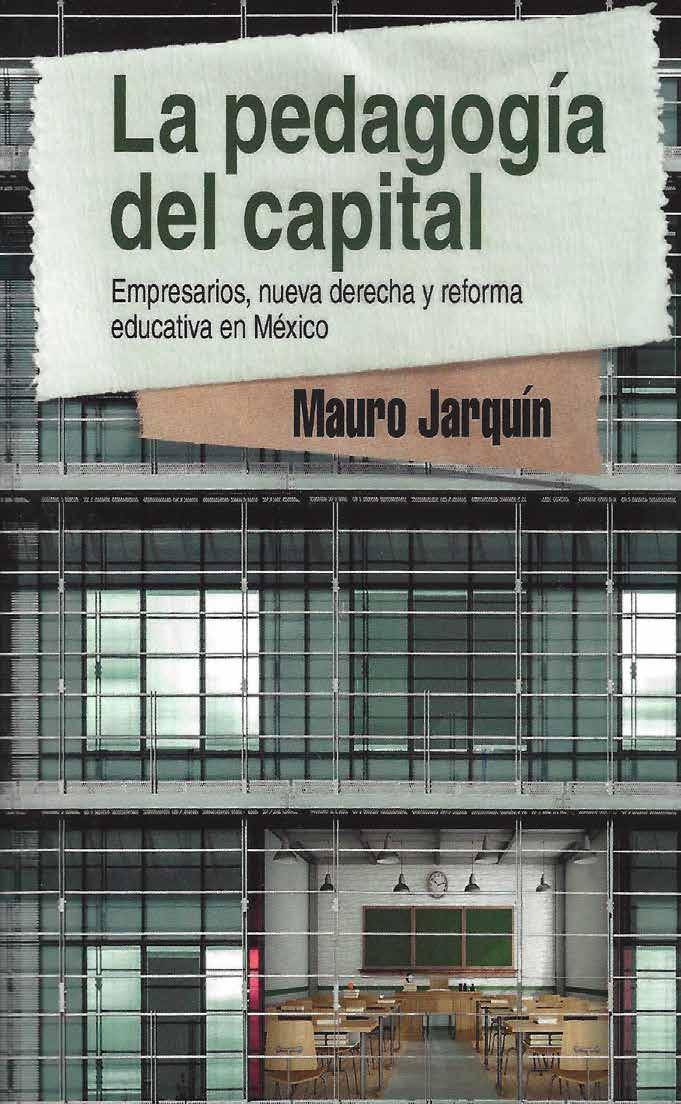
In the first part of the book, the author explains capitalist globalization and its present education correlate. In the first chapter, he lists several elements that allow us to think about education globally, and its uses. He also reflects on what was and is the theory of human capital and how a new pedagogical imperative arises from neoliberalism, with a new arbitration and new referents. He follows a historical approach to understand how, from the perspective of corporations and particularly the right, the concept of so-called human capital has changed. It no longer refers only to the need for training labor for a greater productivity of enterprises but, with the incorporation of international organizations such as the World Bank (WB) and the Organization for Economic Cooperation and Development (OECD), it is now considered an instrument that dictates educational policy at the international level; and that forces governments to incorporate policies in the educational field that favor the globalization process.
He argues that the construction of this global education reform movement is expressed as the emergence of Public-Private Partnerships (PPP) and the policy of accountability, shaping a new relationship between state and education that responds to the new moment of capital development. These proposals emerge as elements of control, organization and orientation of educational practices in countries such as Mexico.
Thus, "educational quality" promotes a cultural change in which social justice is no longer centered around solidarity towards social rights. Instead, it rotates around the production of inequalities that distribute social goods, based on an alleged individual merit.
The second part of the book introduces the concept of the "pedagogy of capital", inspired by today´s relationship between business and educational policy in Mexico, the so-called "modern state economy." An organized group of businessmen established themselves as central interlocutors in the educational agenda, creating networks with civil society organizations, think tanks, multilateral entities and educational institutions, and alliances with high-level public servants in labor and educational matters to defend their interests in the Mexican educational framework of 2013. They make their presence felt through allied representatives and sympathizers who occupy managerial or evaluative positions in the education field. These businesspeople were key players in the design and implementation of the education reform the Mexican government launched in 2013 and the policies promoted by multilateral entities, such as the World Bank and the OECD. They provided advice and cooperation, legitimized through a multilateral experience in education by the significant academic production of experts whose job was to make the logic of capital the only solution
to national educational problems. These private actors intervene even more in other areas, with a legal framework appropriate to the process of building markets in education, using progressive discourse -such as the right to education, learning, children's rights-, but only considering education as a consumer good, a commodity or a market service. Students are regarded as their main consumers.
This "new right," as part of its strategy, uses its civil society organizations to create a scenario that promotes fundamental guidelines for education governance. They appear in institutional spaces, politics, the academia, and in relations with supranational bodies. Together, they generate a policy of class networks that Jarquin calls "corporate citizenship", through exogenous and endogenous privatization. They propose competition between schools, accountability, administrative autonomy and standardized tests, as solutions for the restructuring of educational systems.
This kind of "Pedagogy of Capital" implies policies of quantitative measurement, education programs, standardized evaluation, and media that enable the business community to tamper with education. This
process in the Mexican Education System started in the six-year term of President Vicente Fox and has continued to the current administration of President Andrés Manuel López Obrador (AMLO), where business groups, particularly Claudio X. González's "Mexicans First", have an important influence in the debate on educational policy.
In his conclusion, Jarquín includes a chapter in which he delves into the context of the Covid 19 pandemic and the AMLO administration’s “Fourth Transformation” of public education. He questions whether this government is indeed generating favorable responses to eliminate the controversial 2013 neoliberal educational reform of the Peña Nieto administration. He concludes that AMLO has not fully complied with his commitment to abolish the reform, but left the heart of the proposal for education in the hands of its architects, the new right, through organized networks.
I consider this book to be essential for those actors in Mexico and in the continent who fight for the defense of public education and for an education project that opposes mercantilism and the managerial policies promoted by business groups.
The Initiative for Democratic Education in the Americas (IDEA) is a flexible network that brings together organizations in the Americas that share a commitment to protecting and improving public education, seen as essential to democratic development and the protection of human rights. The Network works with other civil society organizations concerned about the impact on social rights of “free” trade agreements and other transnational neoliberal policies. The idea for a hemispheric network emerged from a meeting of teachers and students in Mexico City in November 1998. IDEA’s structure was broadened and formalized at the Initiative for Democratic Education in the Americas Conference held in October 1999 in Quito, Ecuador.
The IDEA network carries out research, establishes communication networks, publishes documents and organizes conferences and seminars related to neoliberalism, trade agreements and the defense and democratic transformation of public education. It also organizes campaigns to defend public education and the defenders of public education. The objective of these activities is to lay the groundwork for an understanding of the impact of neoliberal policies on education in the Americas and to develop alternatives to ensure inclusive, democratic and quality public education. The objective of these activities is to lay the groundwork for an understanding of the impact of neoliberal policies on education in the Americas and to develop alternatives to ensure inclusive, democratic and quality public education.
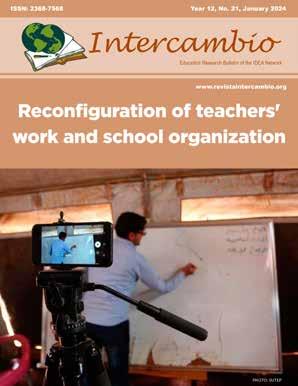
The work of IDEAis directed by a Hemispheric Coordinating Committee made up of representatives of the following organizations:
•National Union of Educators (UNE/Ecuador)
• Confederationof EducationWorkersof theArgentineRepublic (CTERA)
•Federation of Central American Teachers’ Organizations (FOMCA)
• National Confederation of Education Workers (CNTE/Brazil)
• British Columbia Teachers’ Federation (BCTF/Canada)
• Latin American and Caribbean Students’ Organization (OCLAE)
• Trinational Coalition in Defense of Public Education,Mexican Section
Contact: idea-redsepa@outlook.com