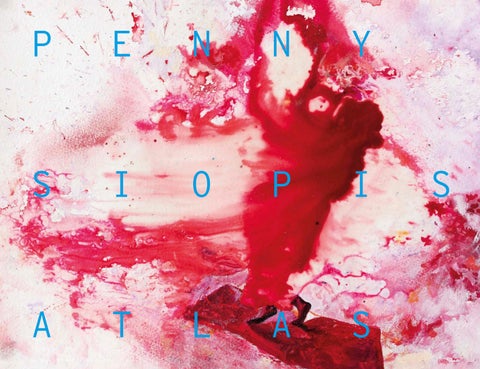
P E N N Y S I O P I S
A T L A S
Atlas Penny Siopis
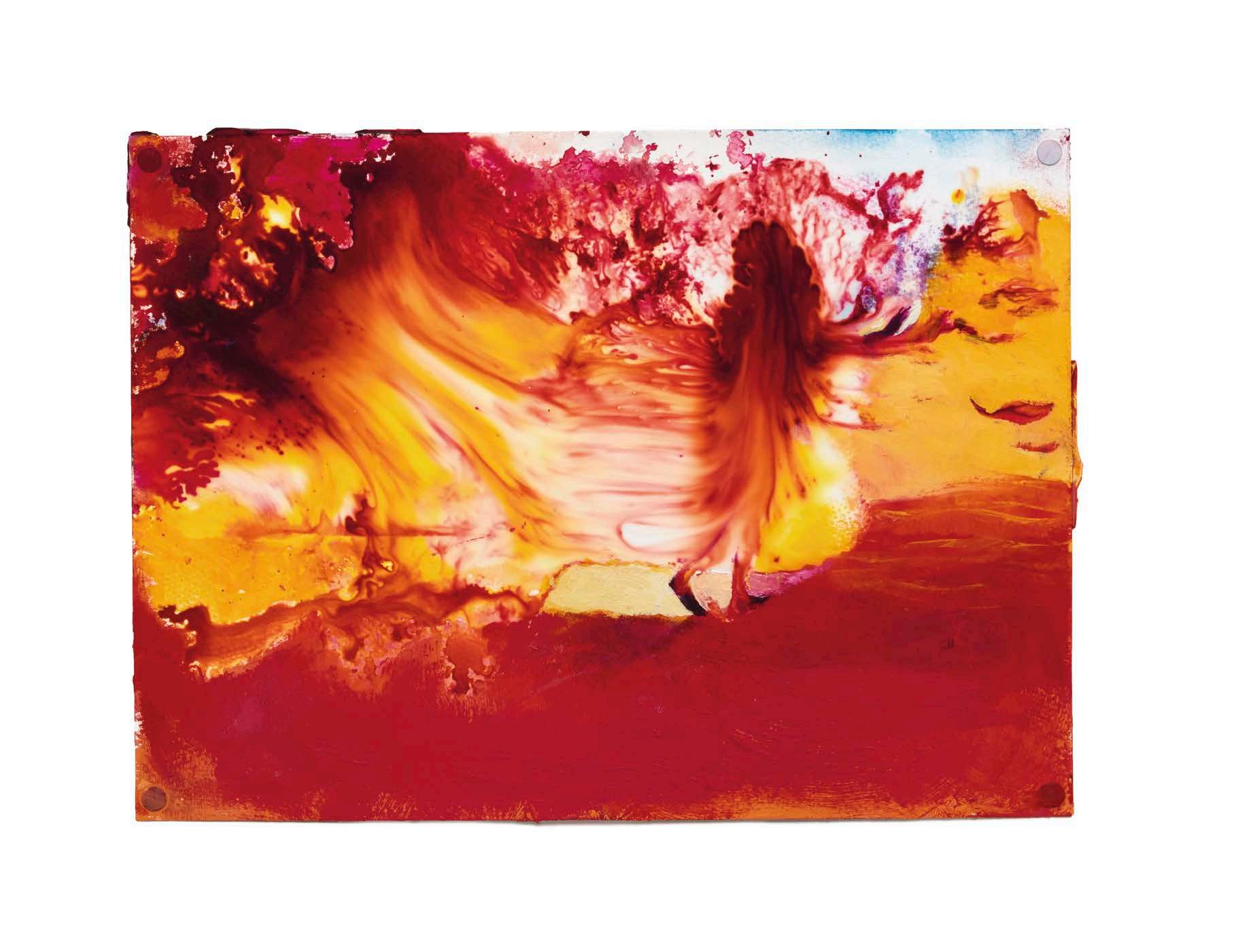
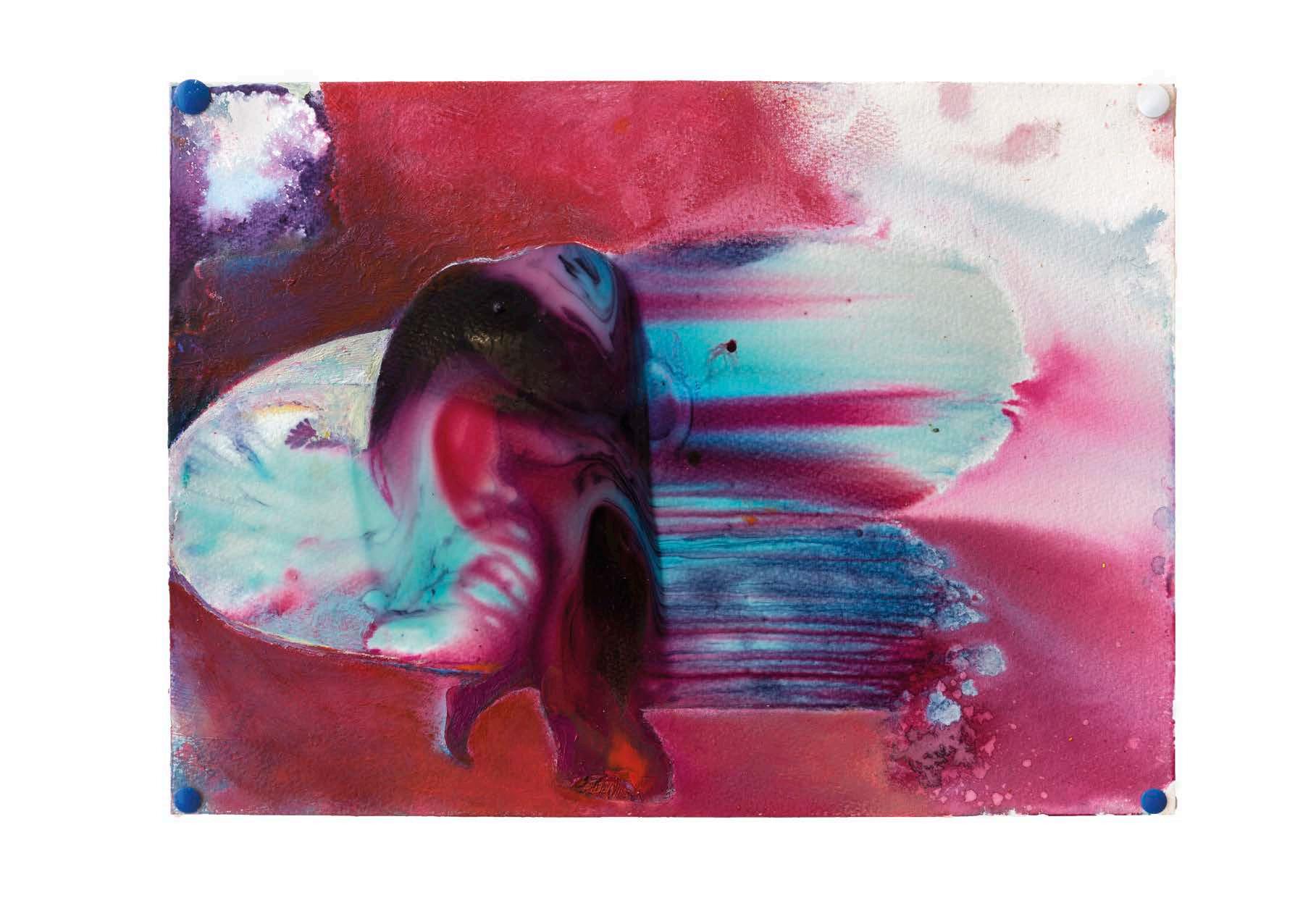
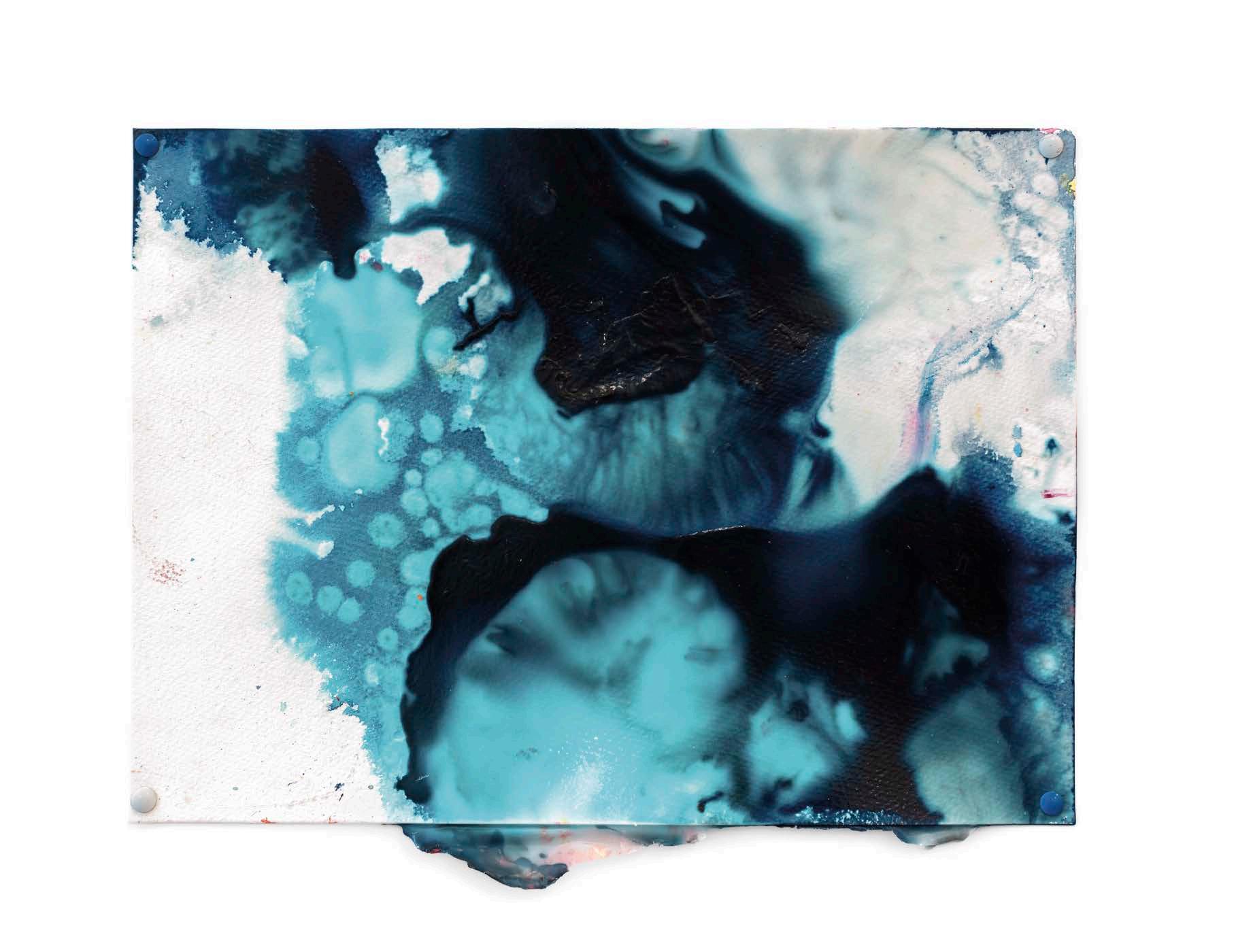
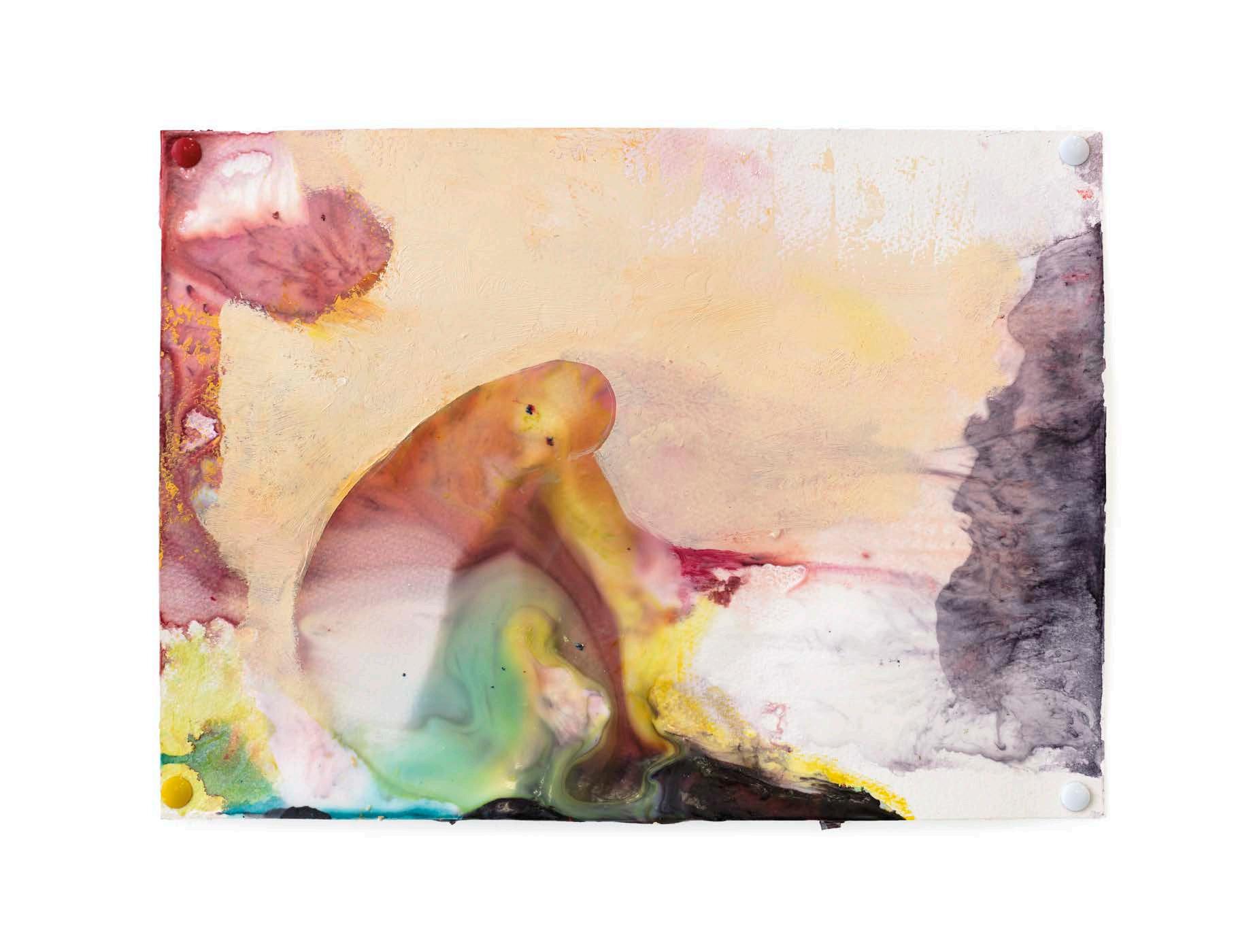
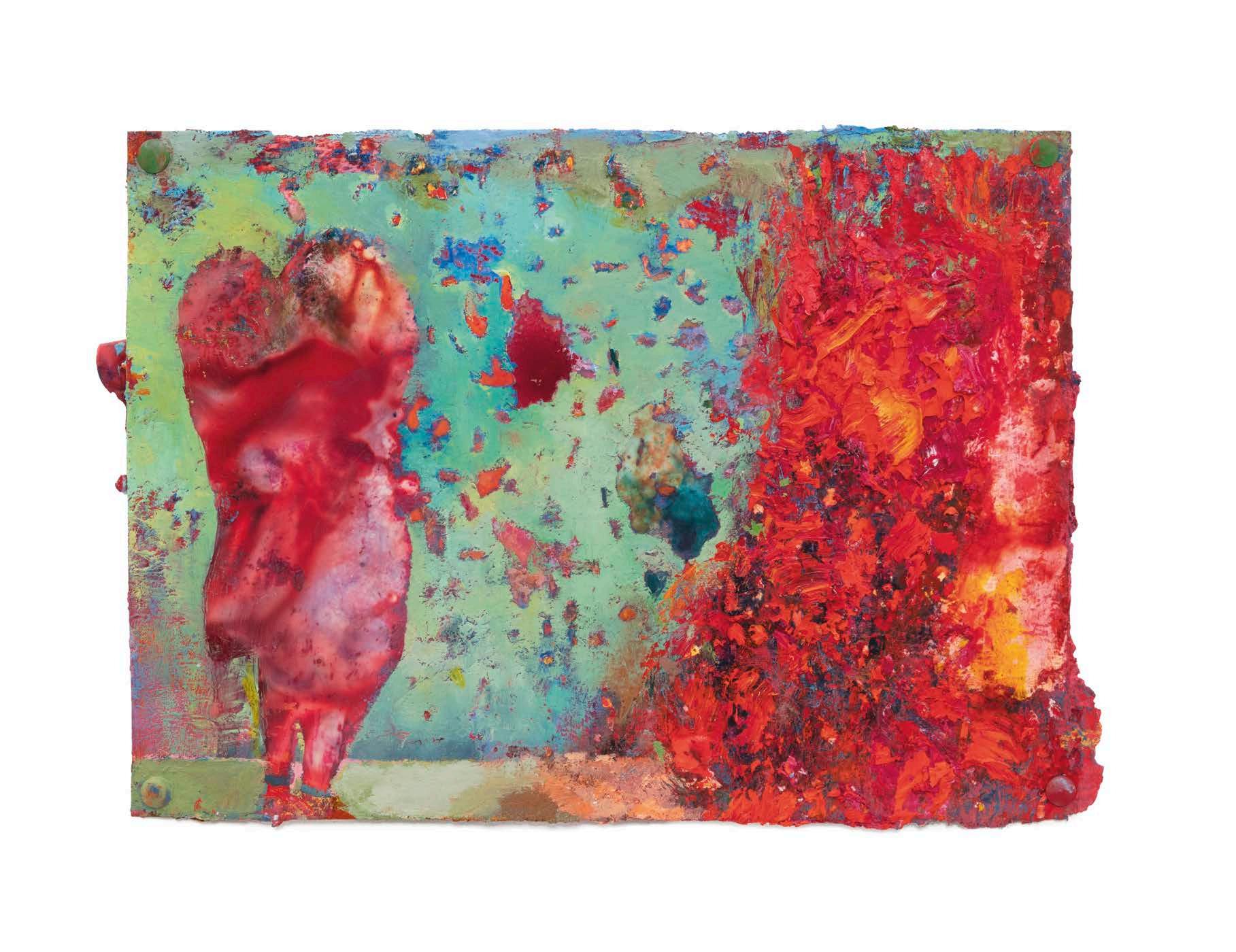
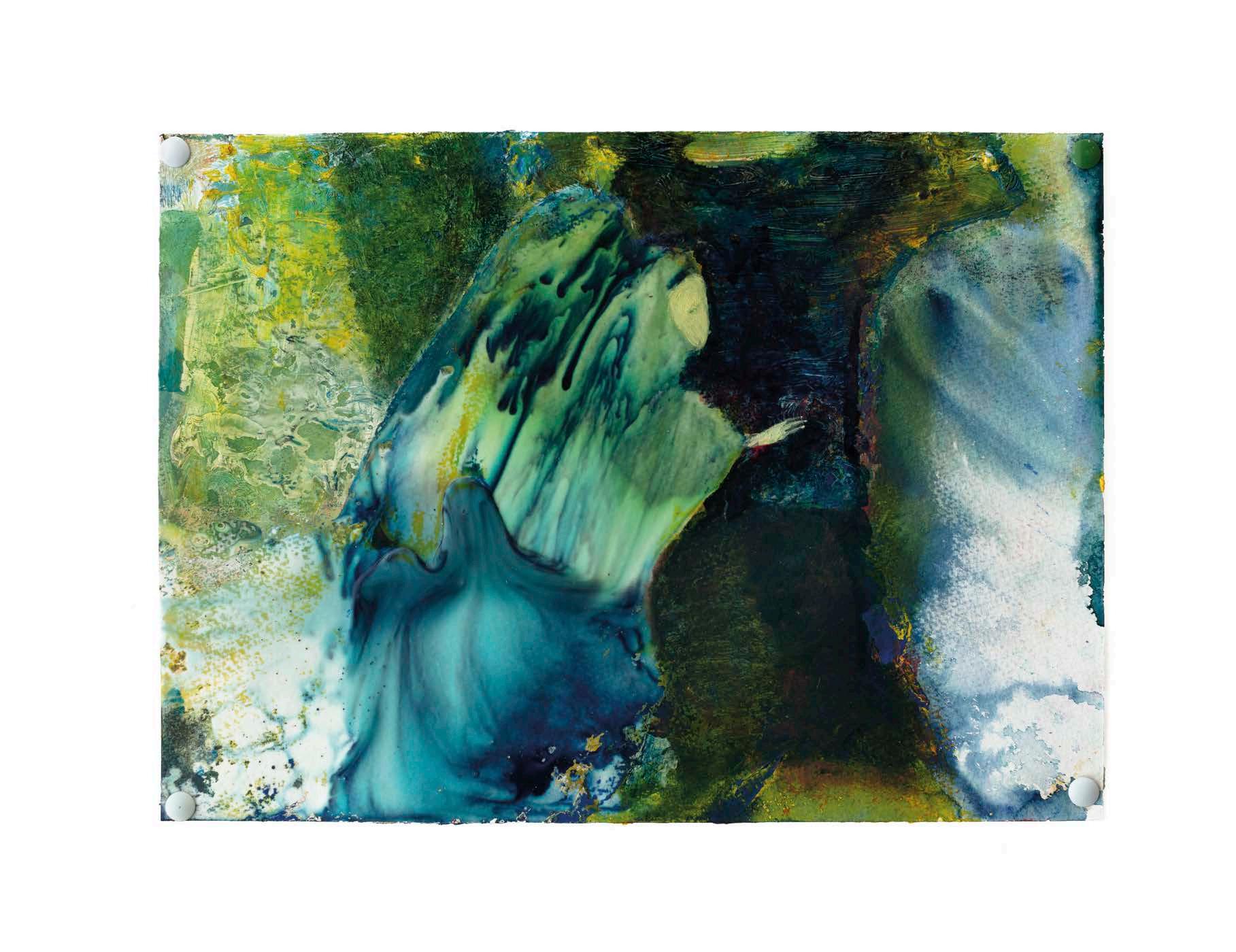
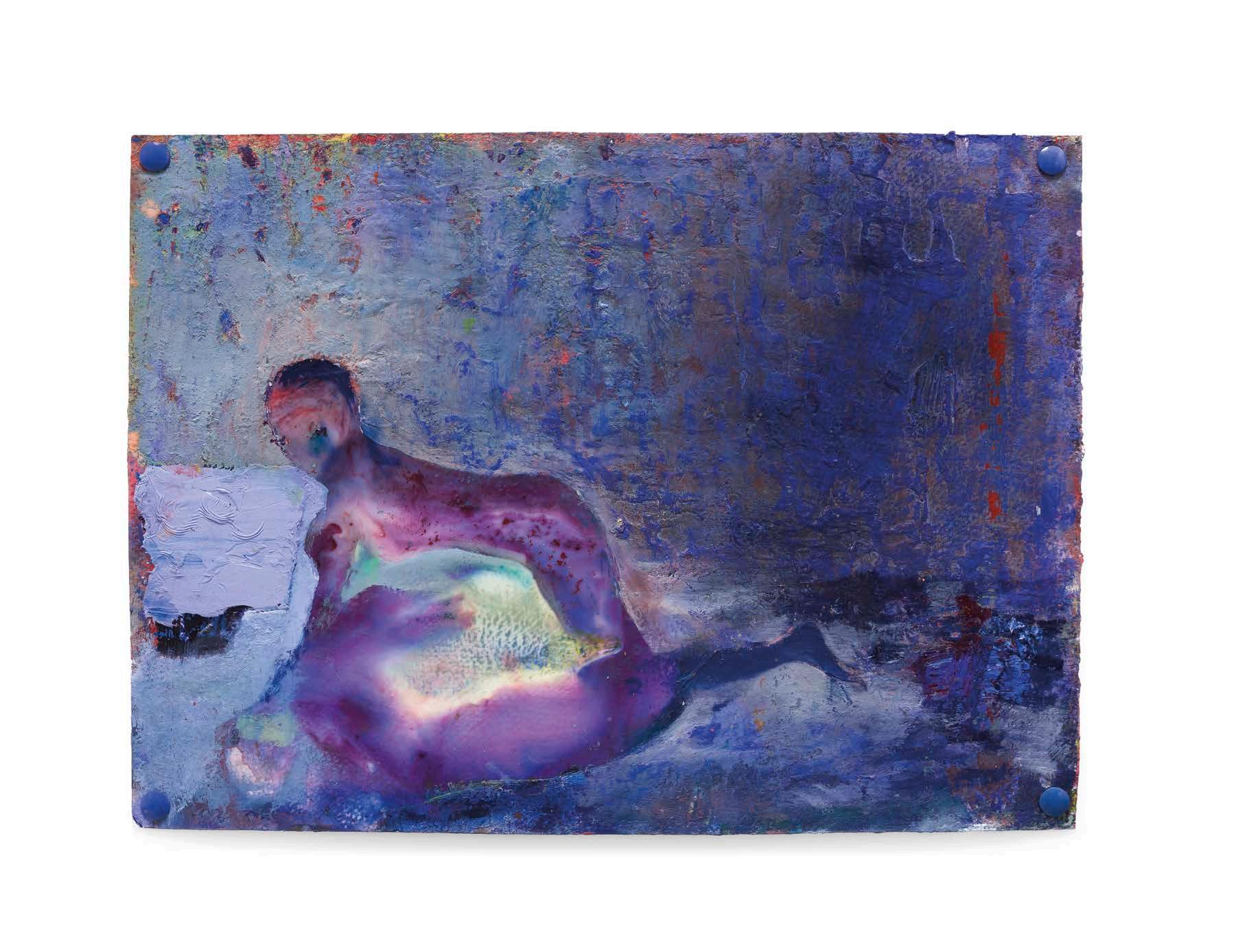
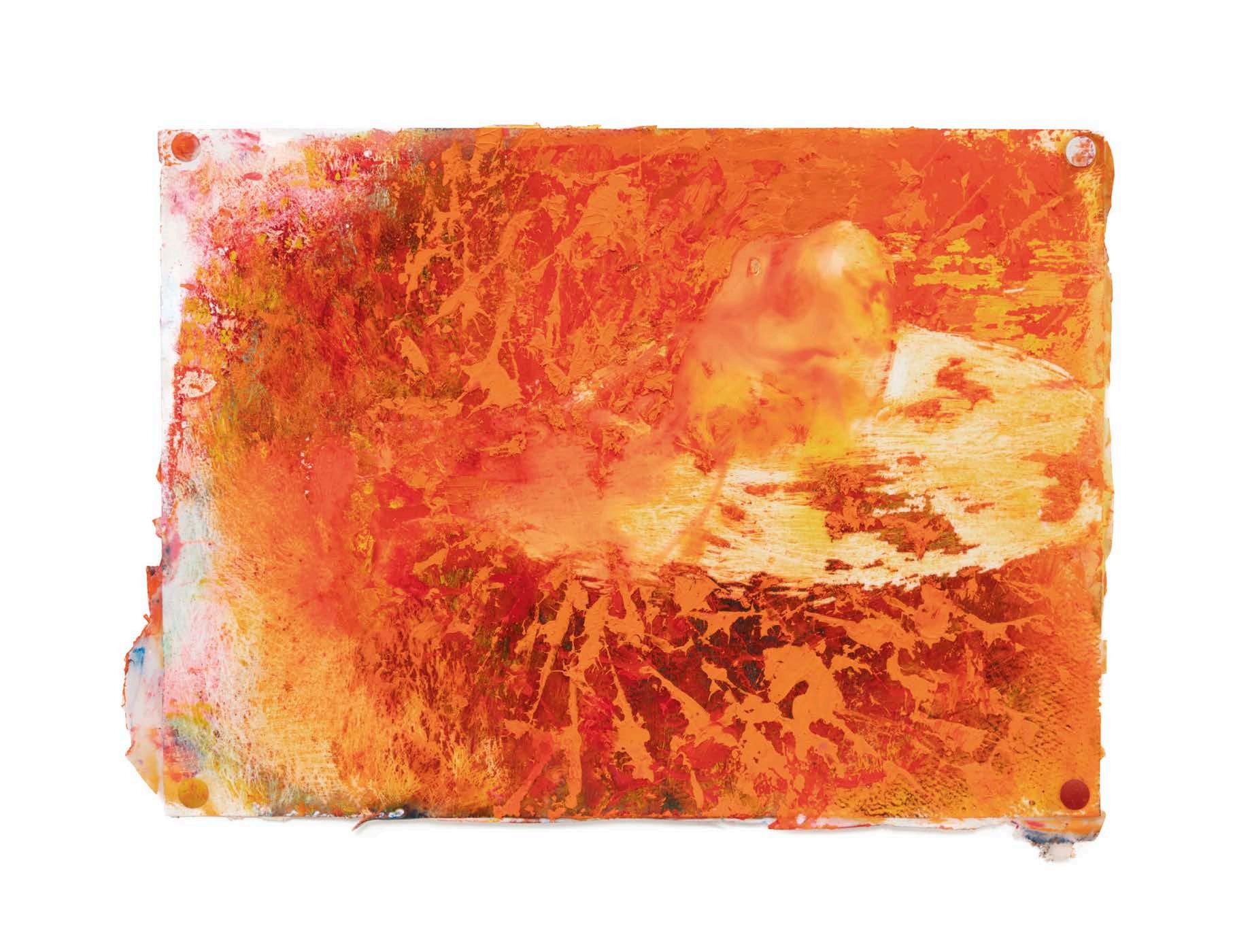
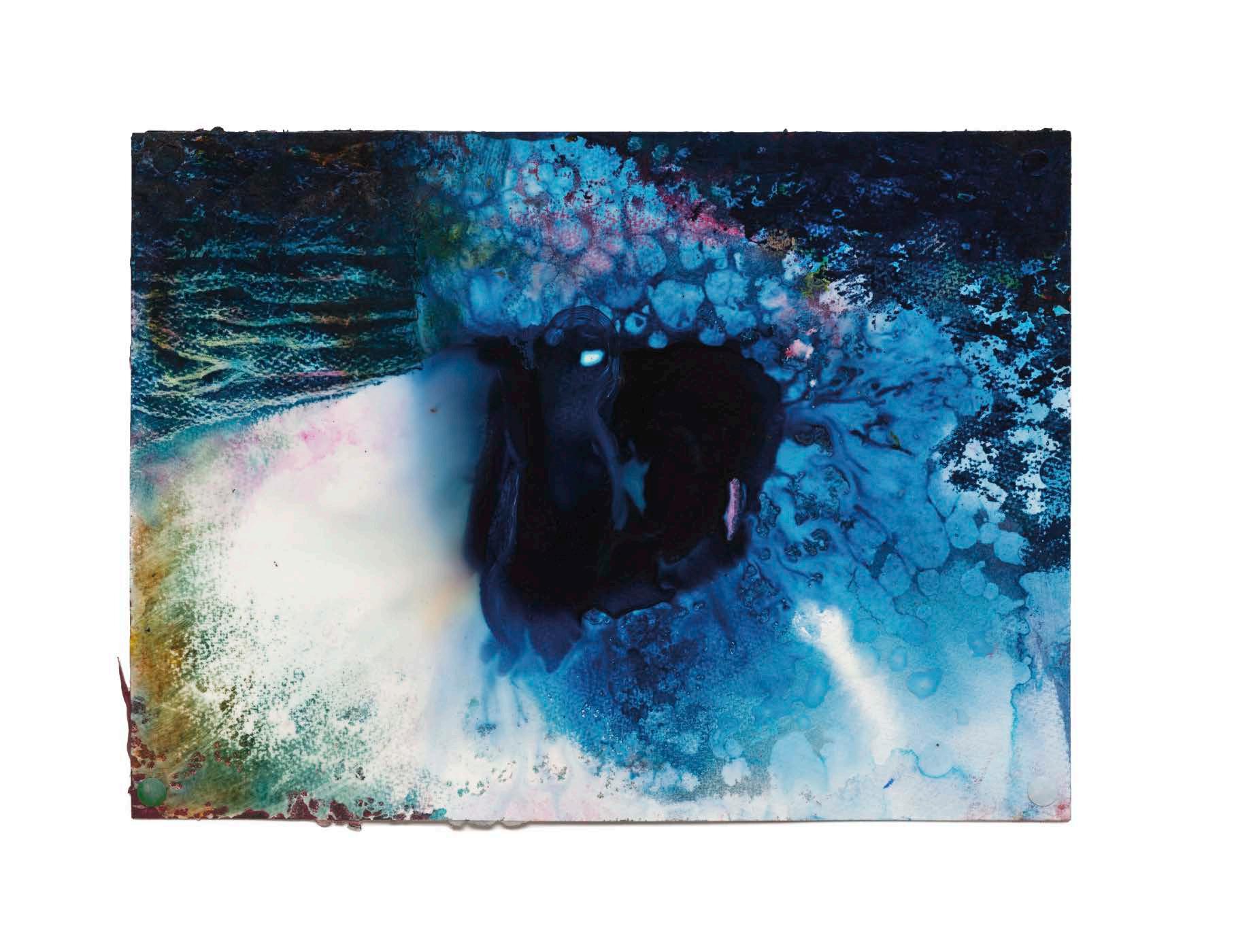
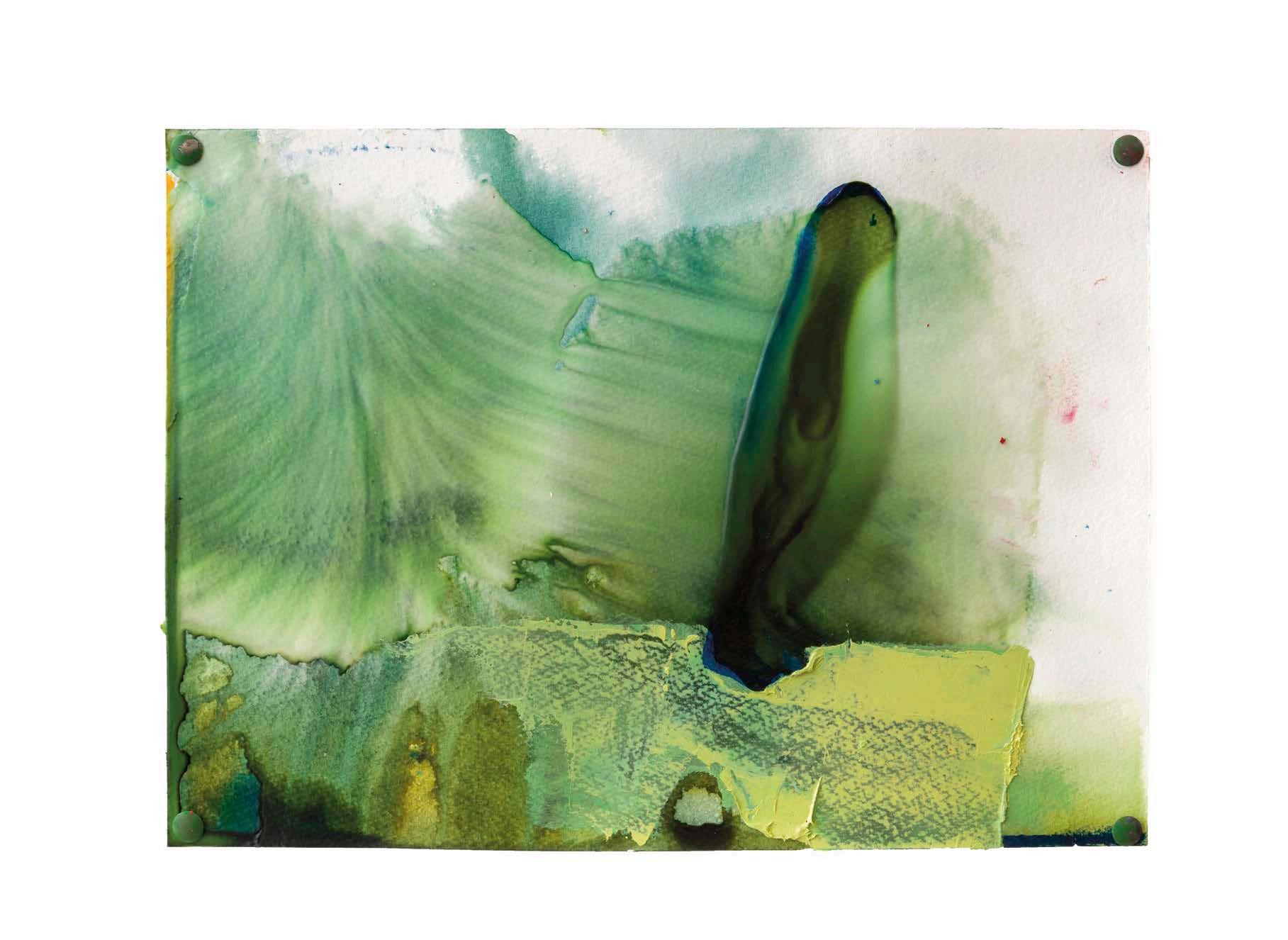
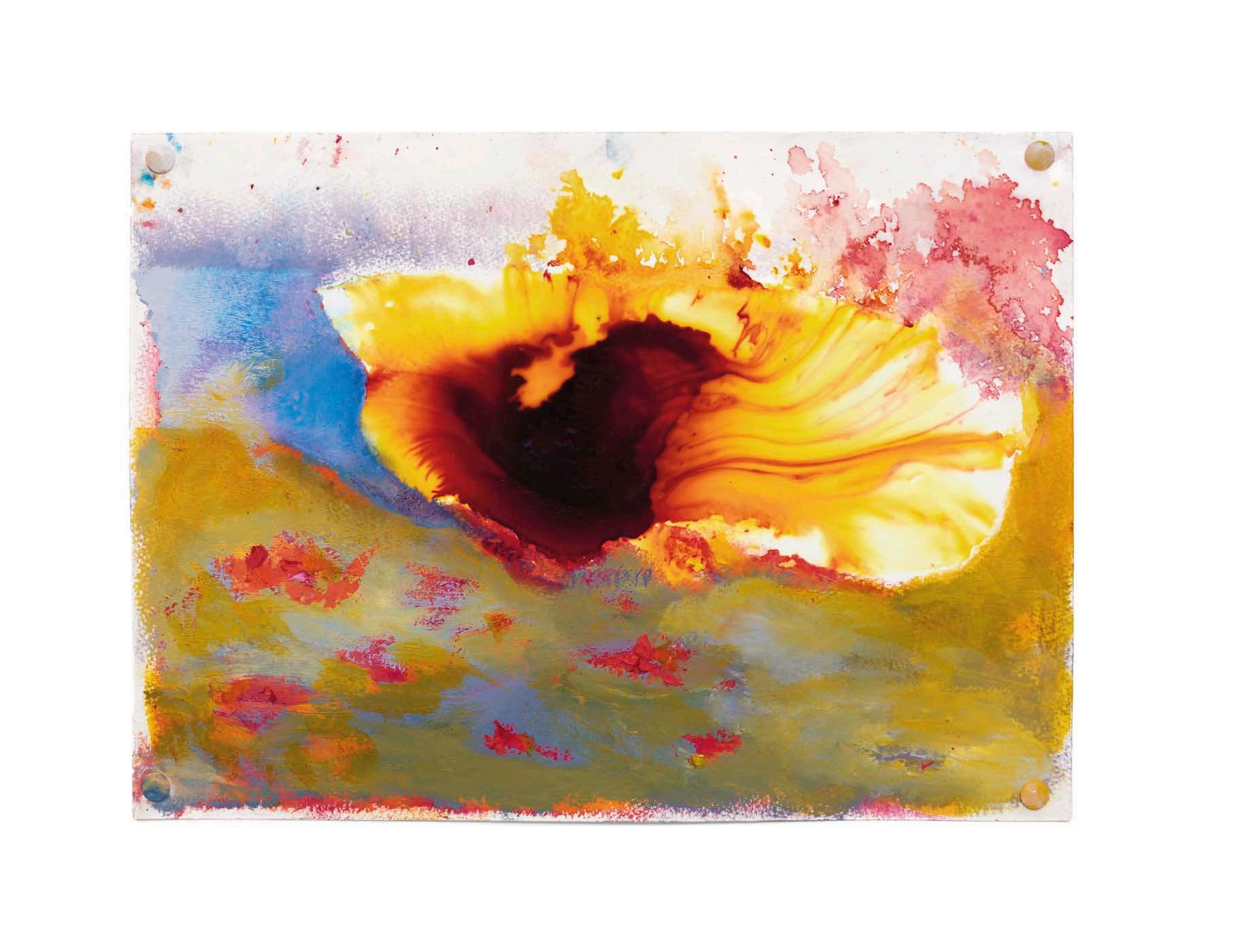
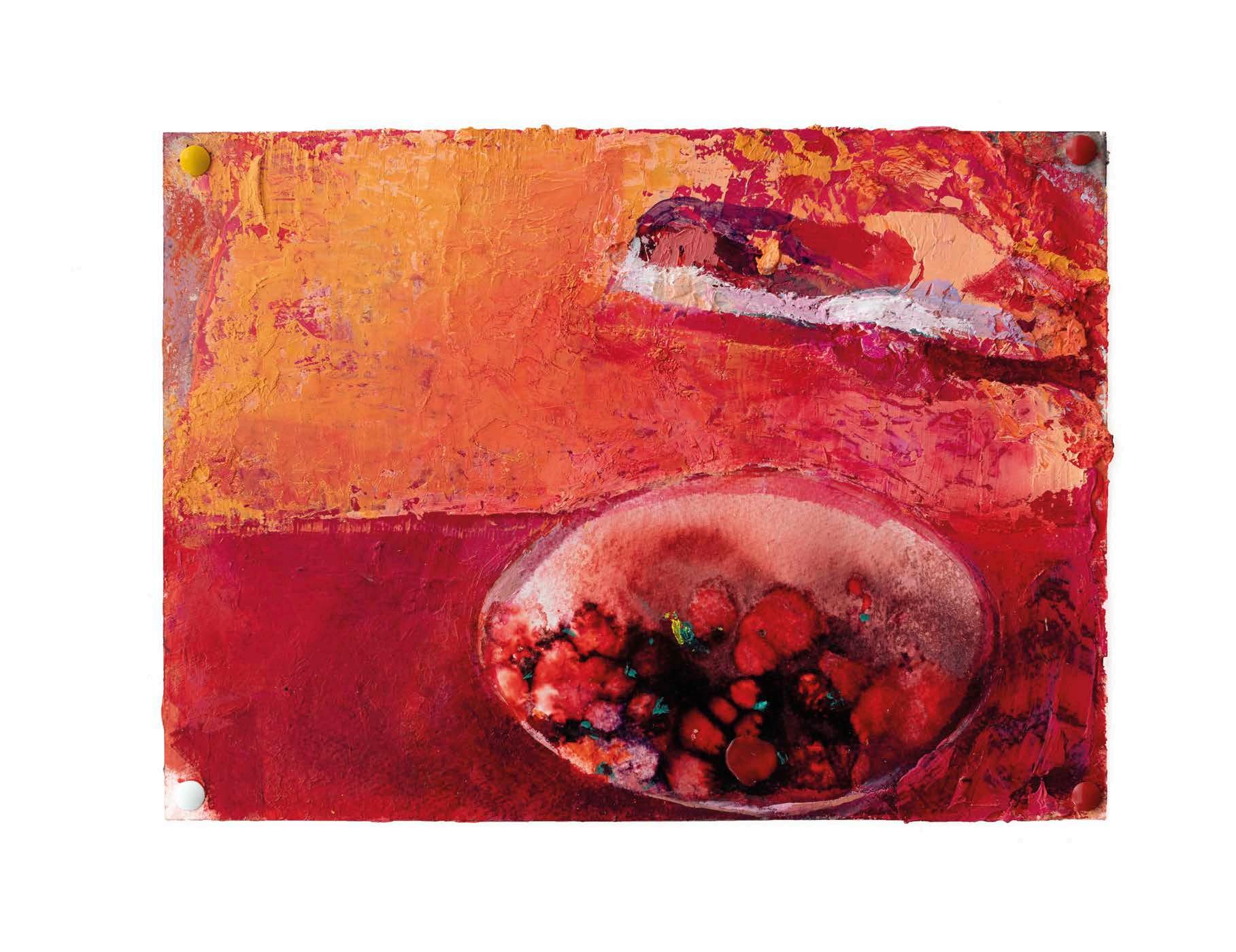
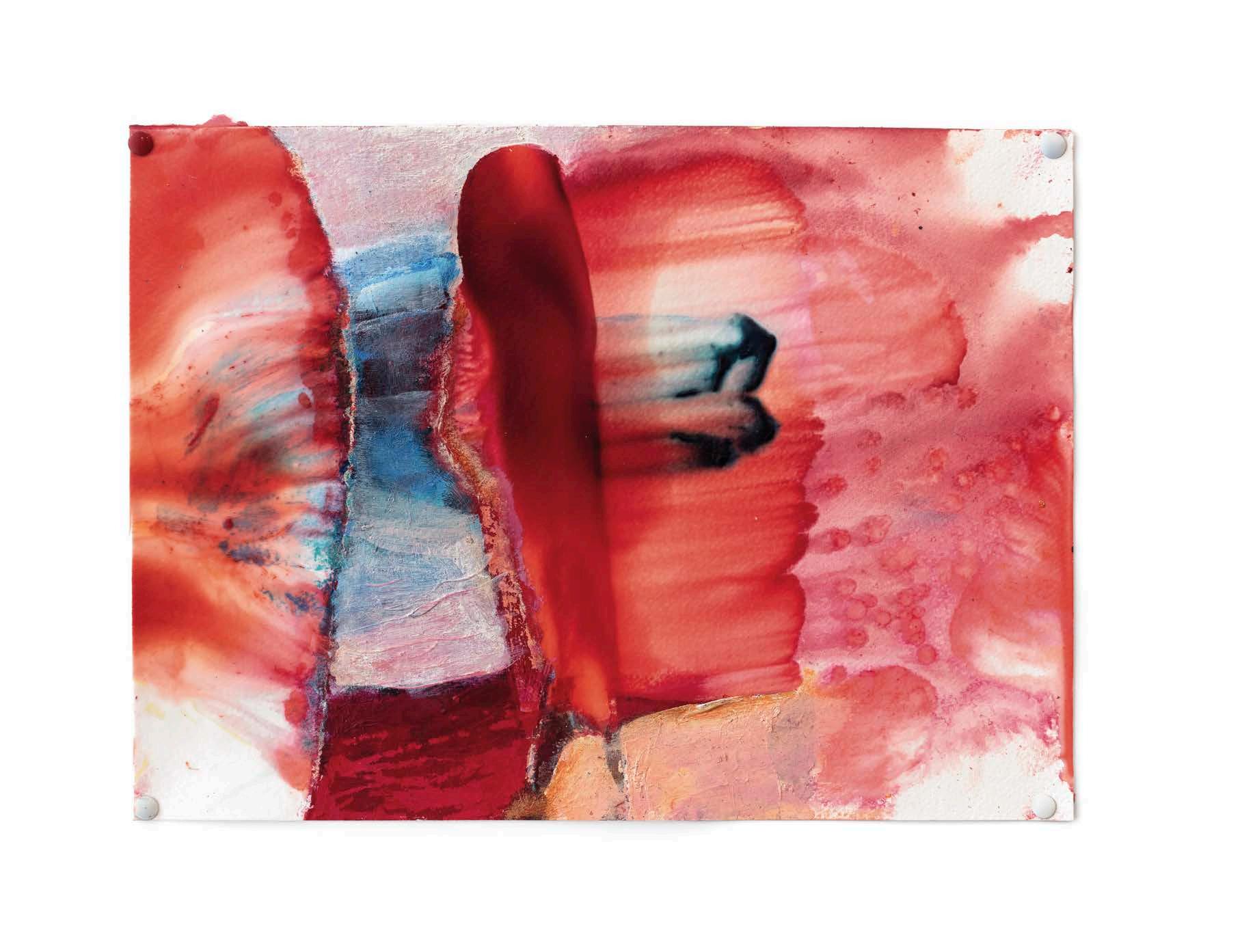
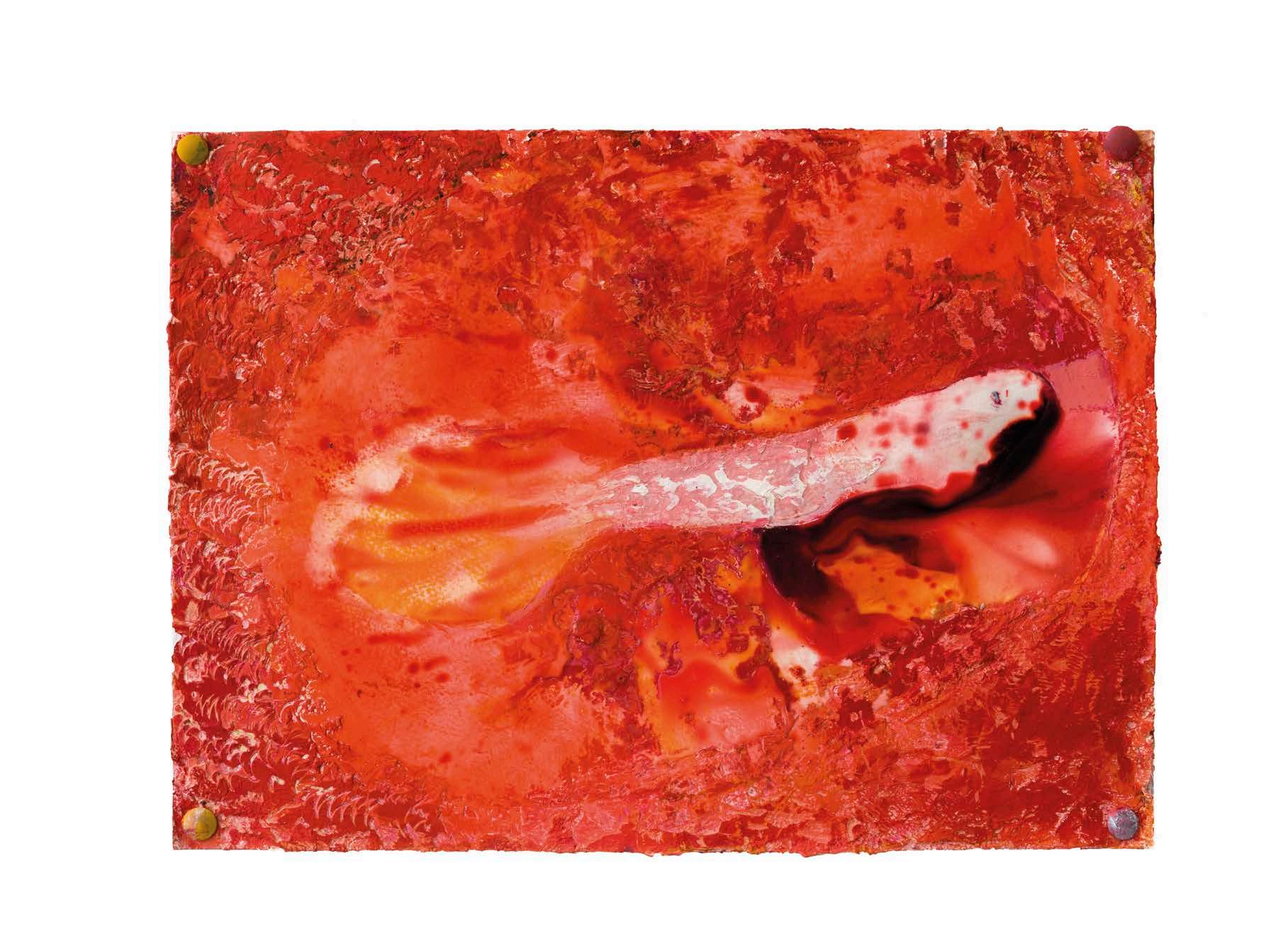
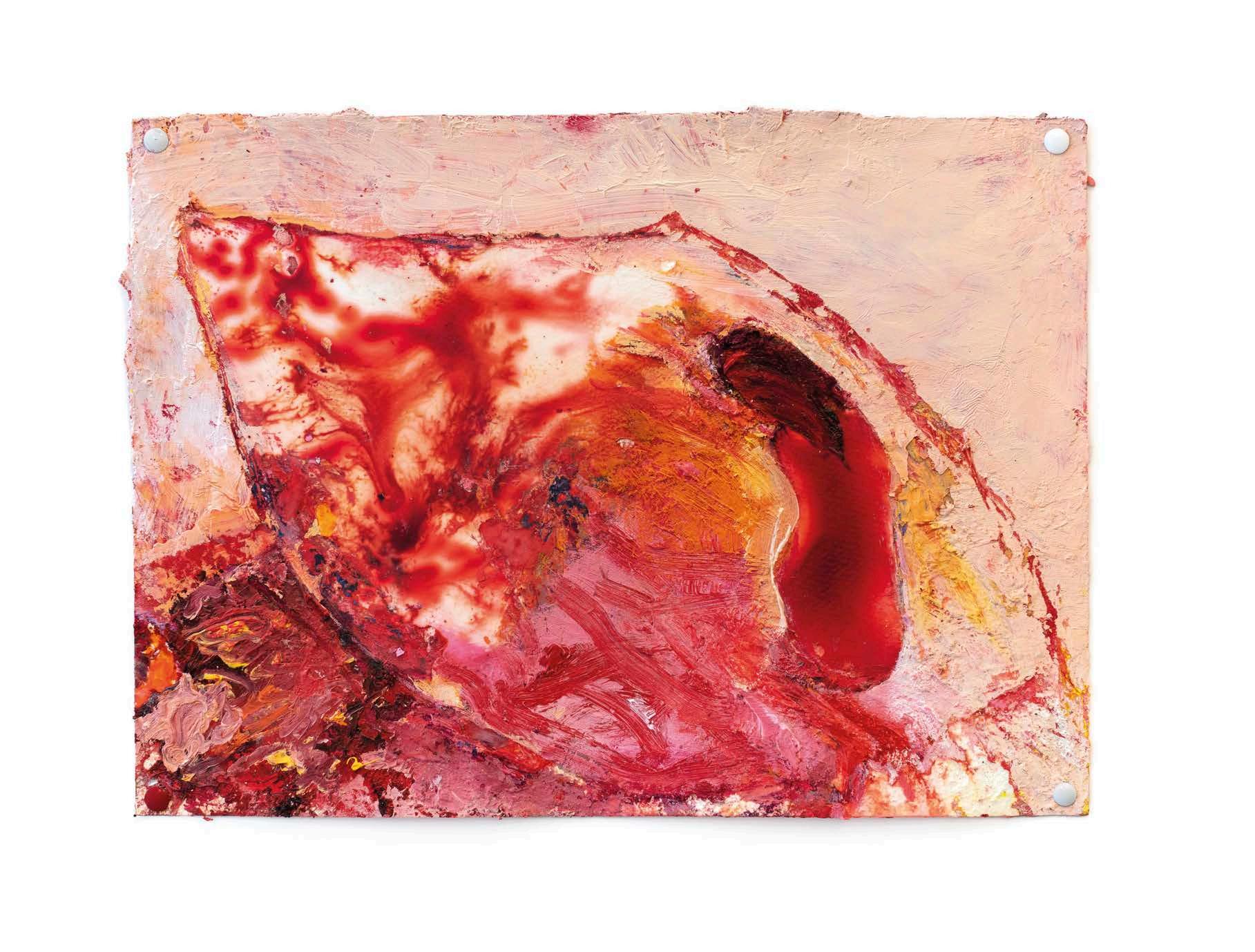
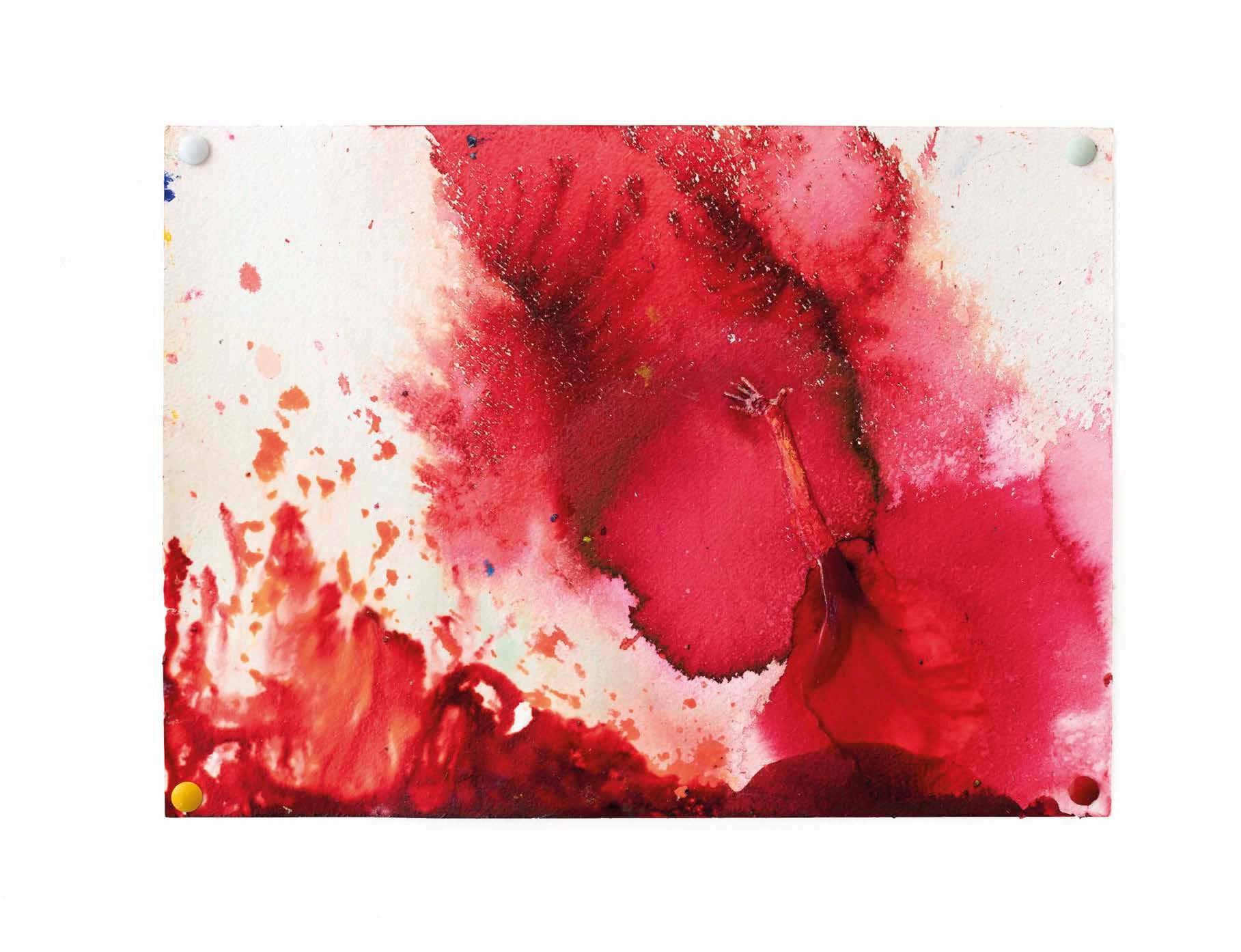
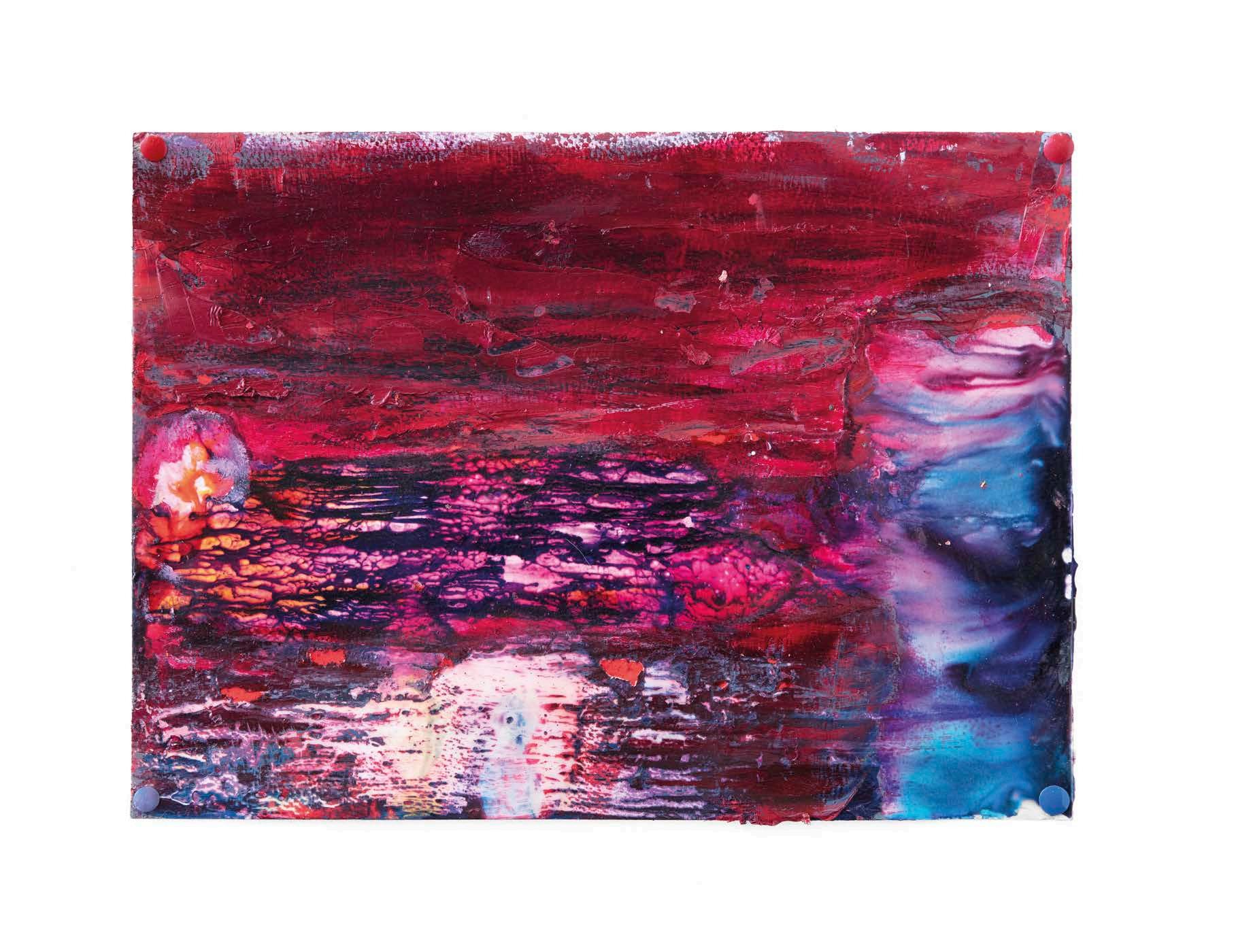
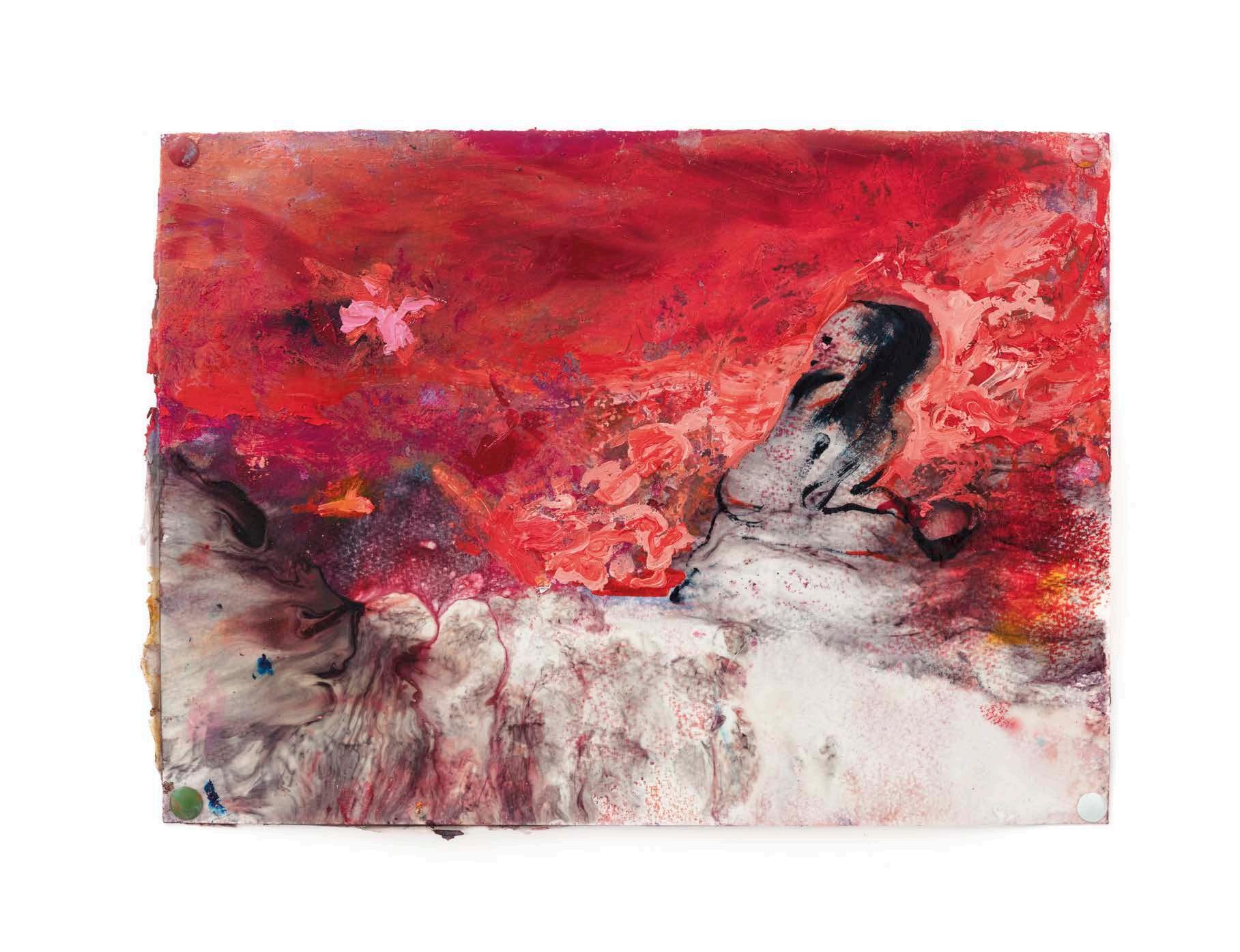
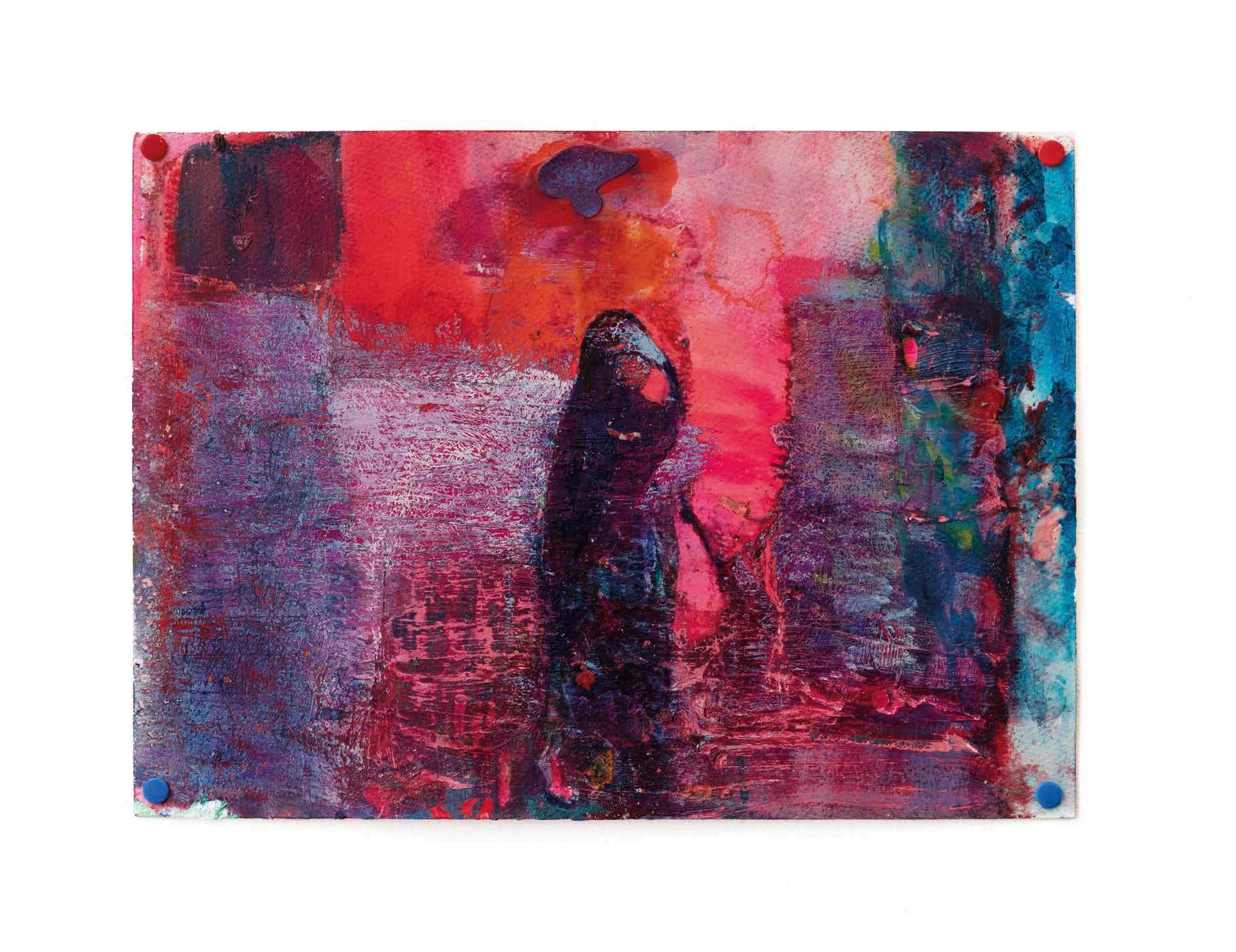
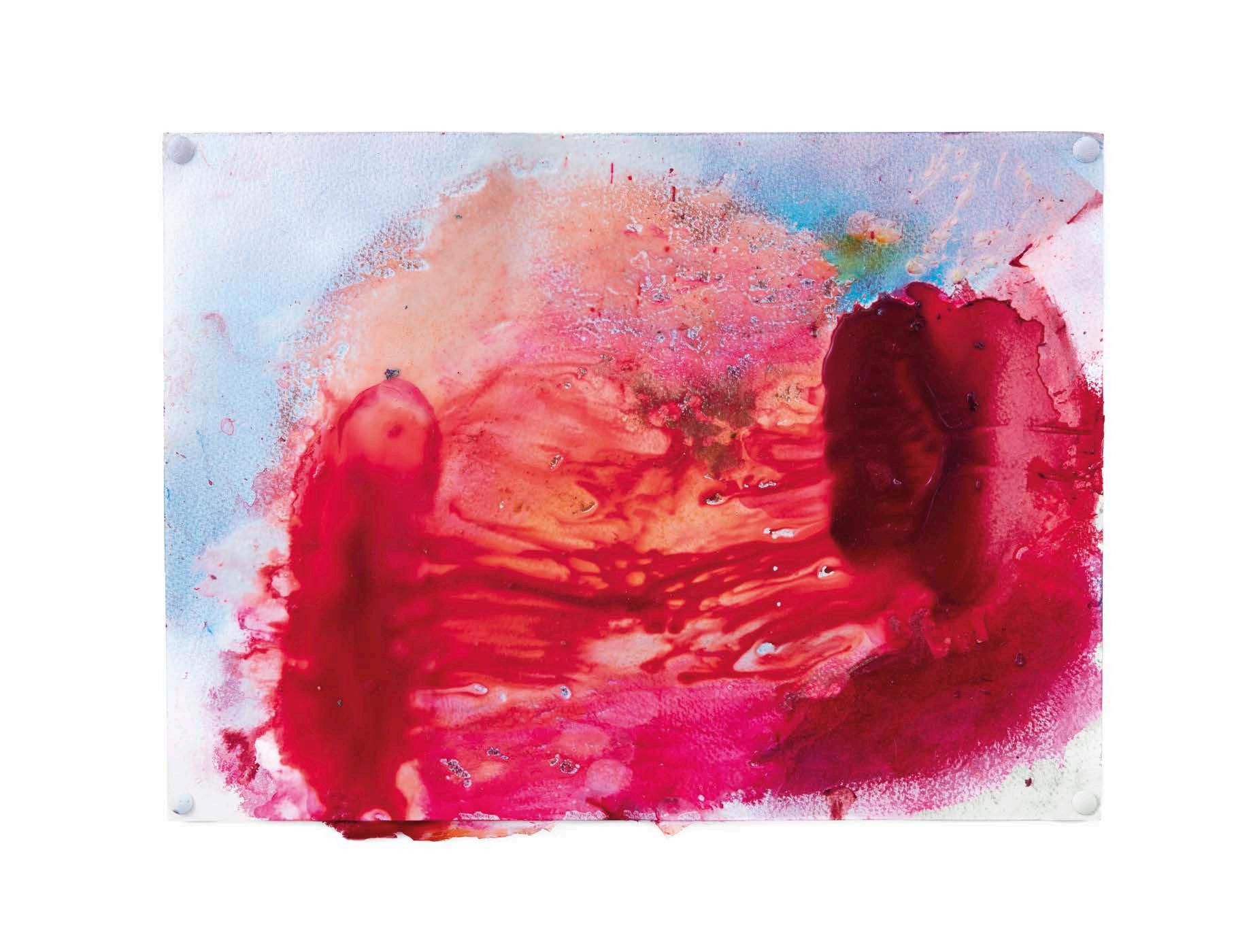
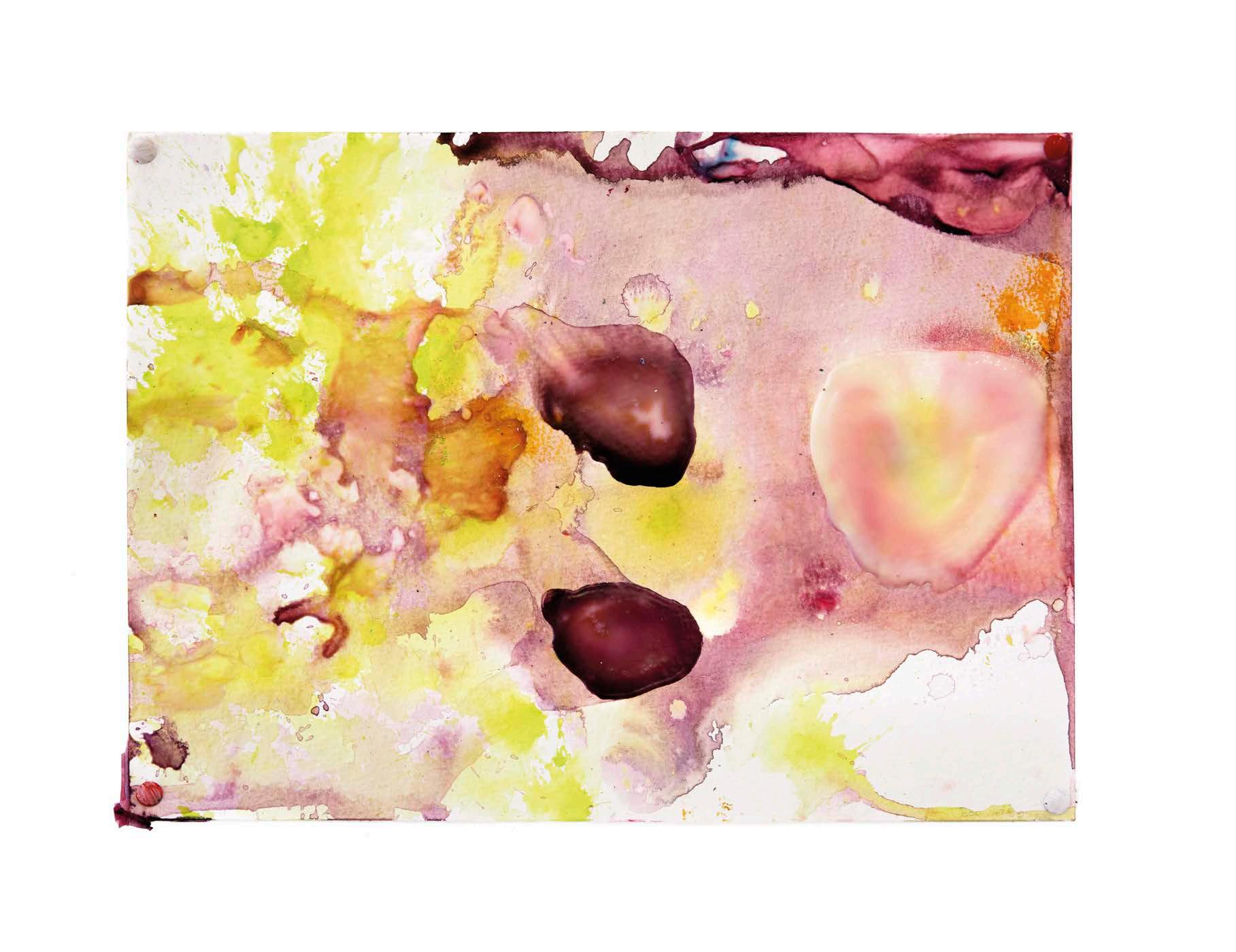
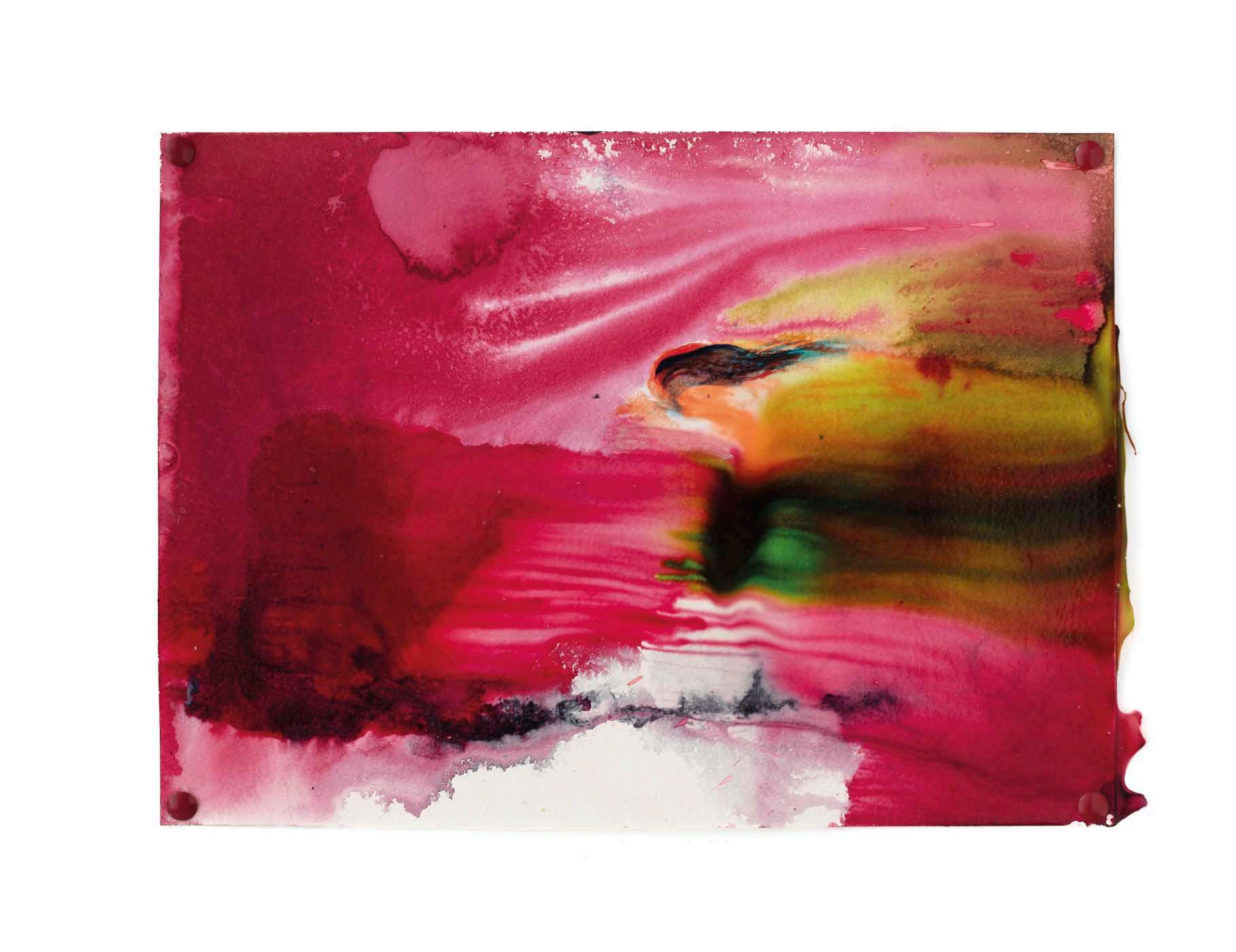
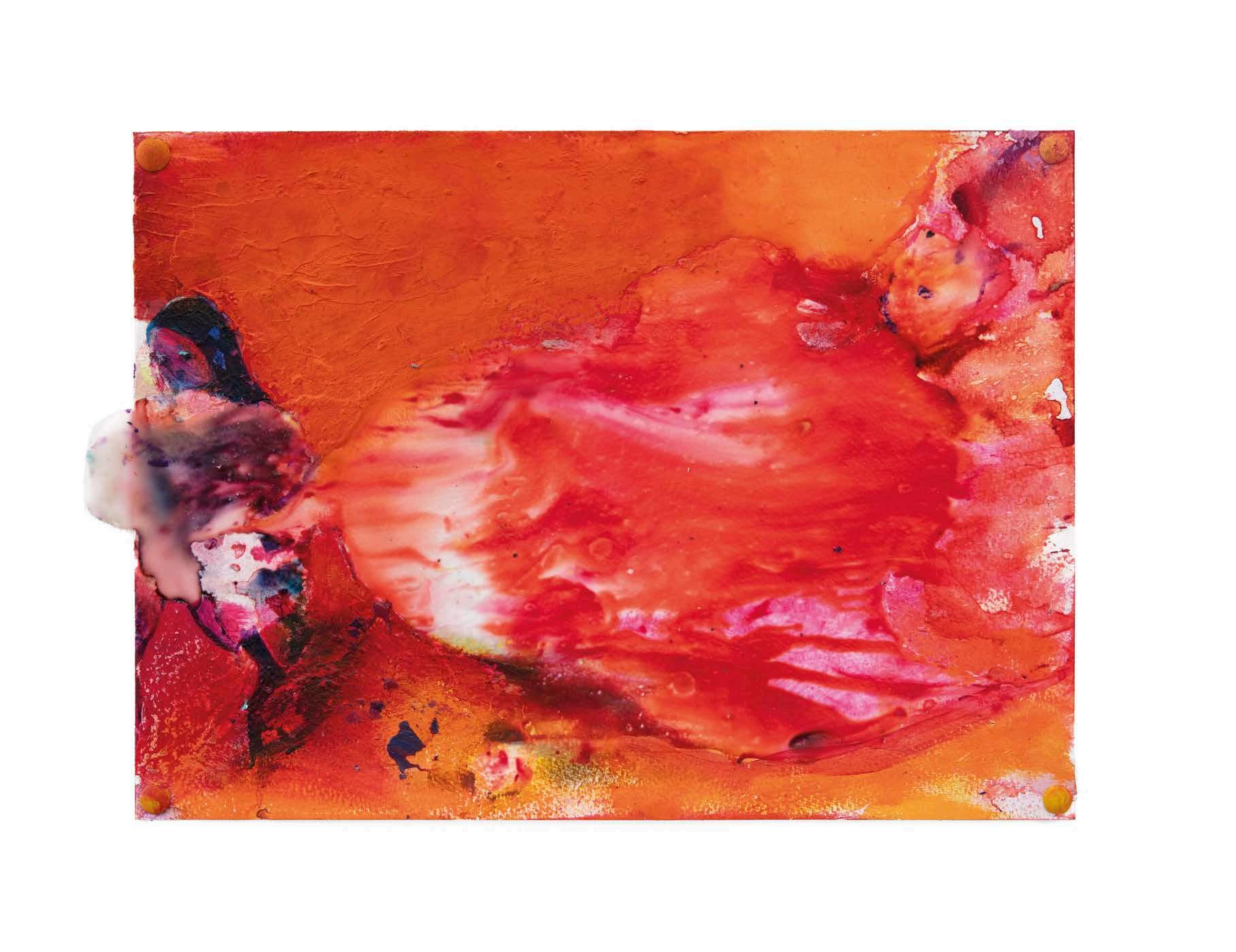
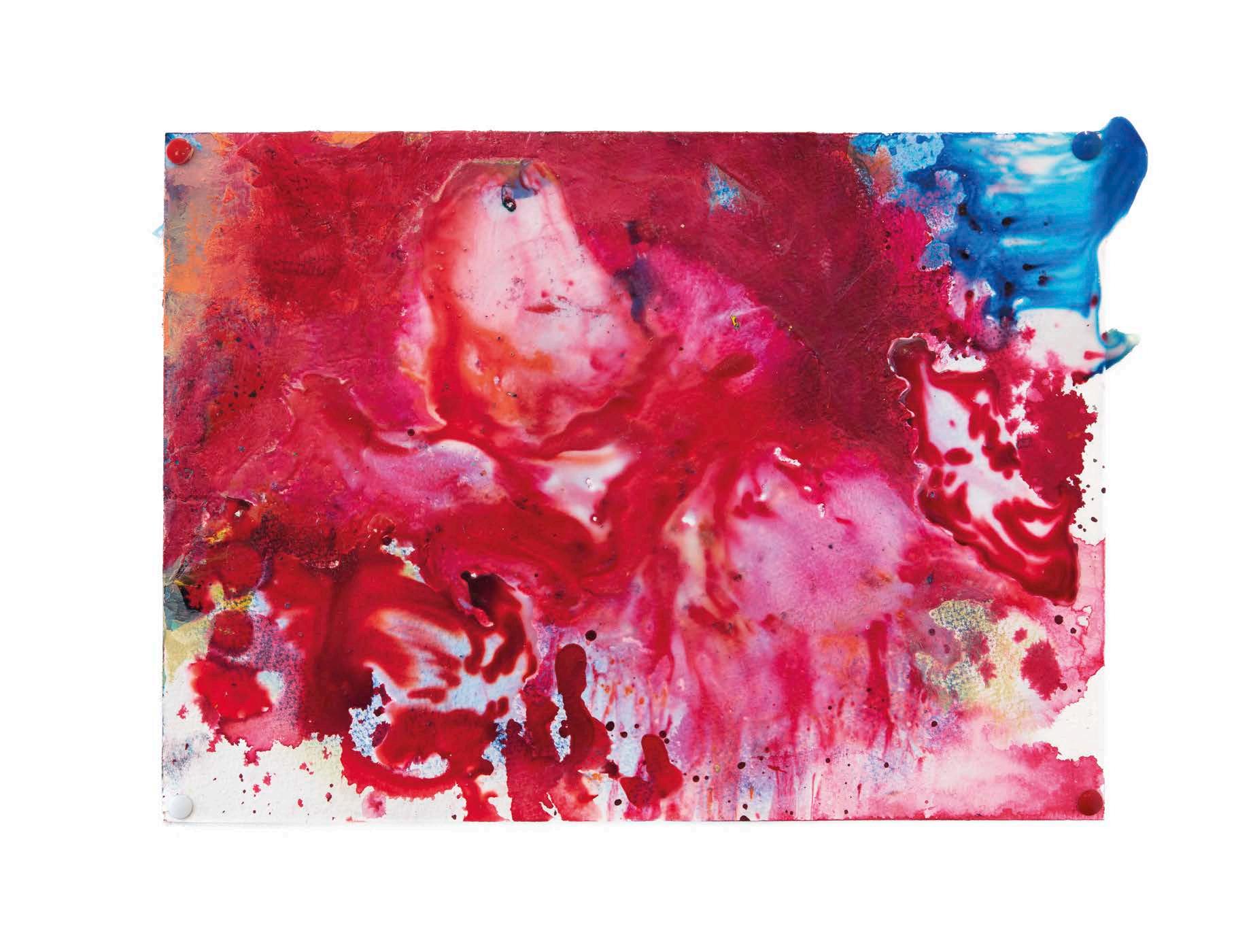
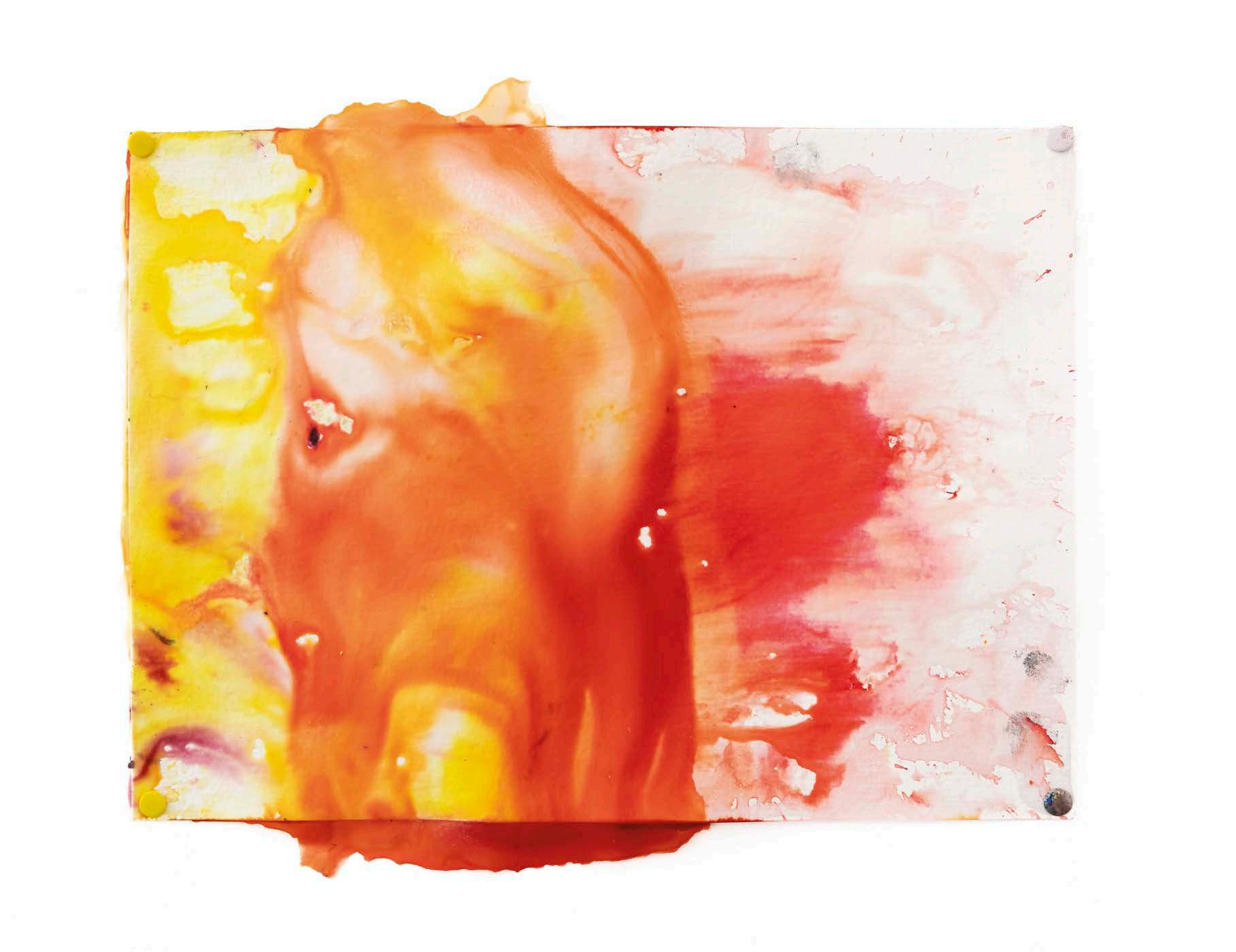
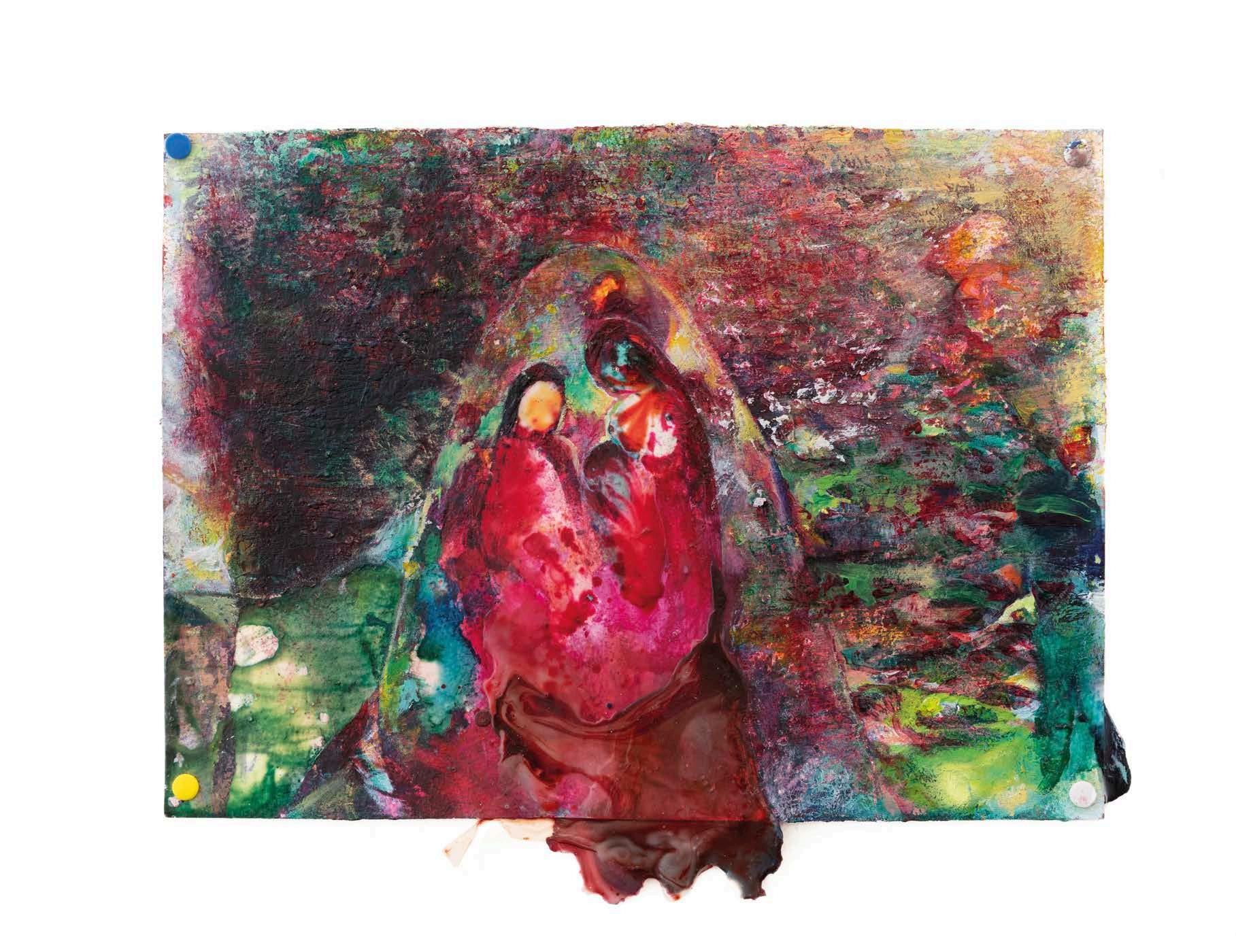
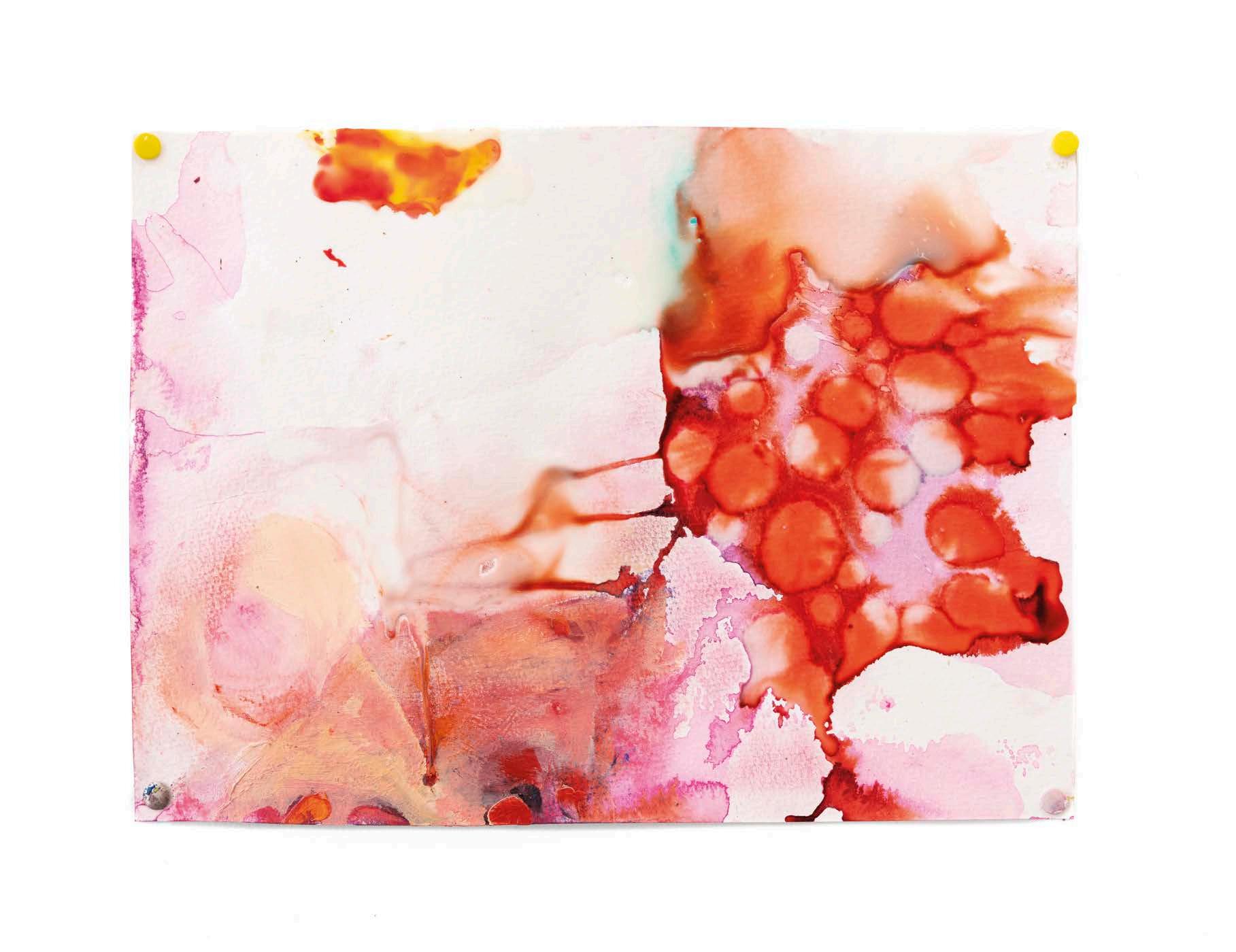
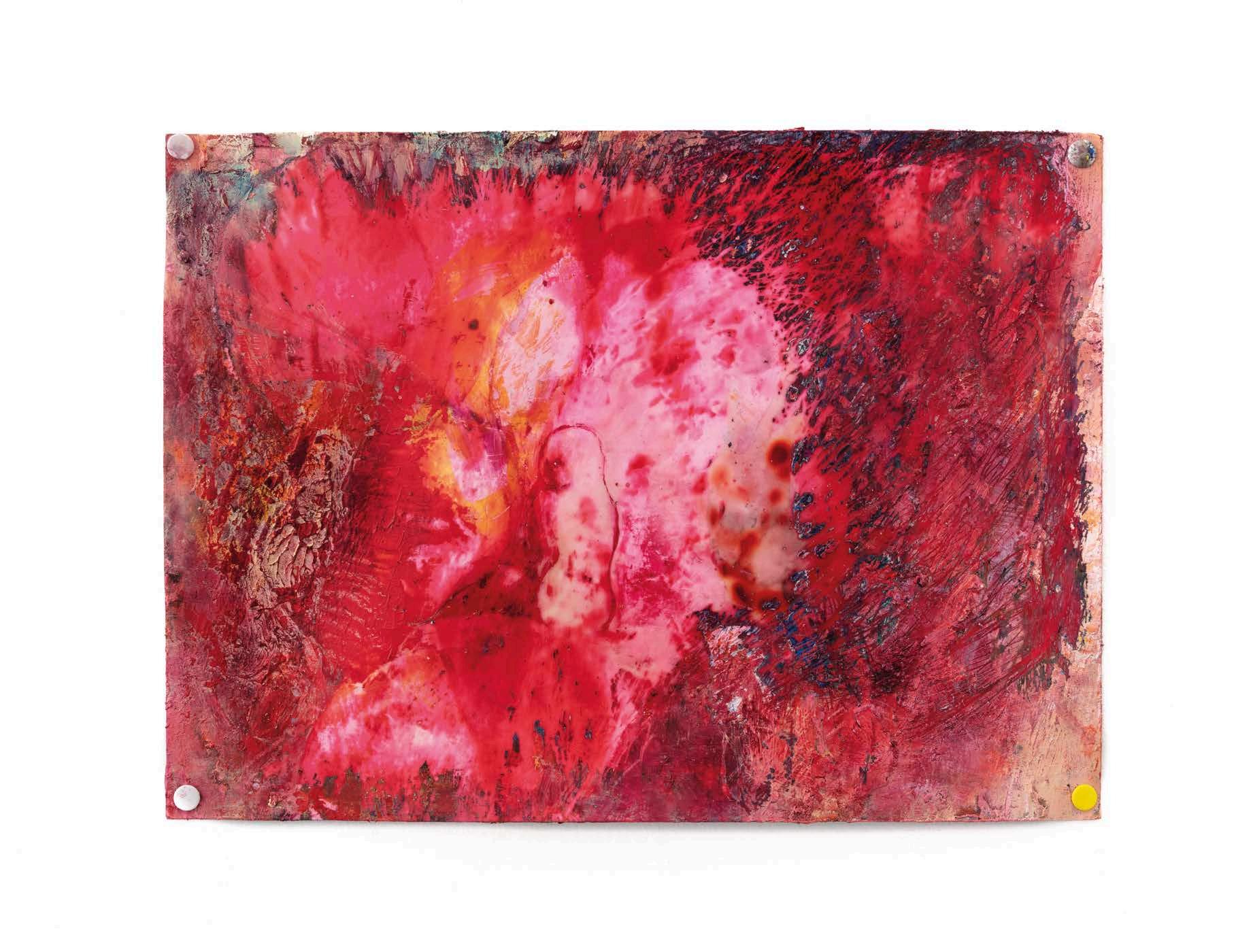
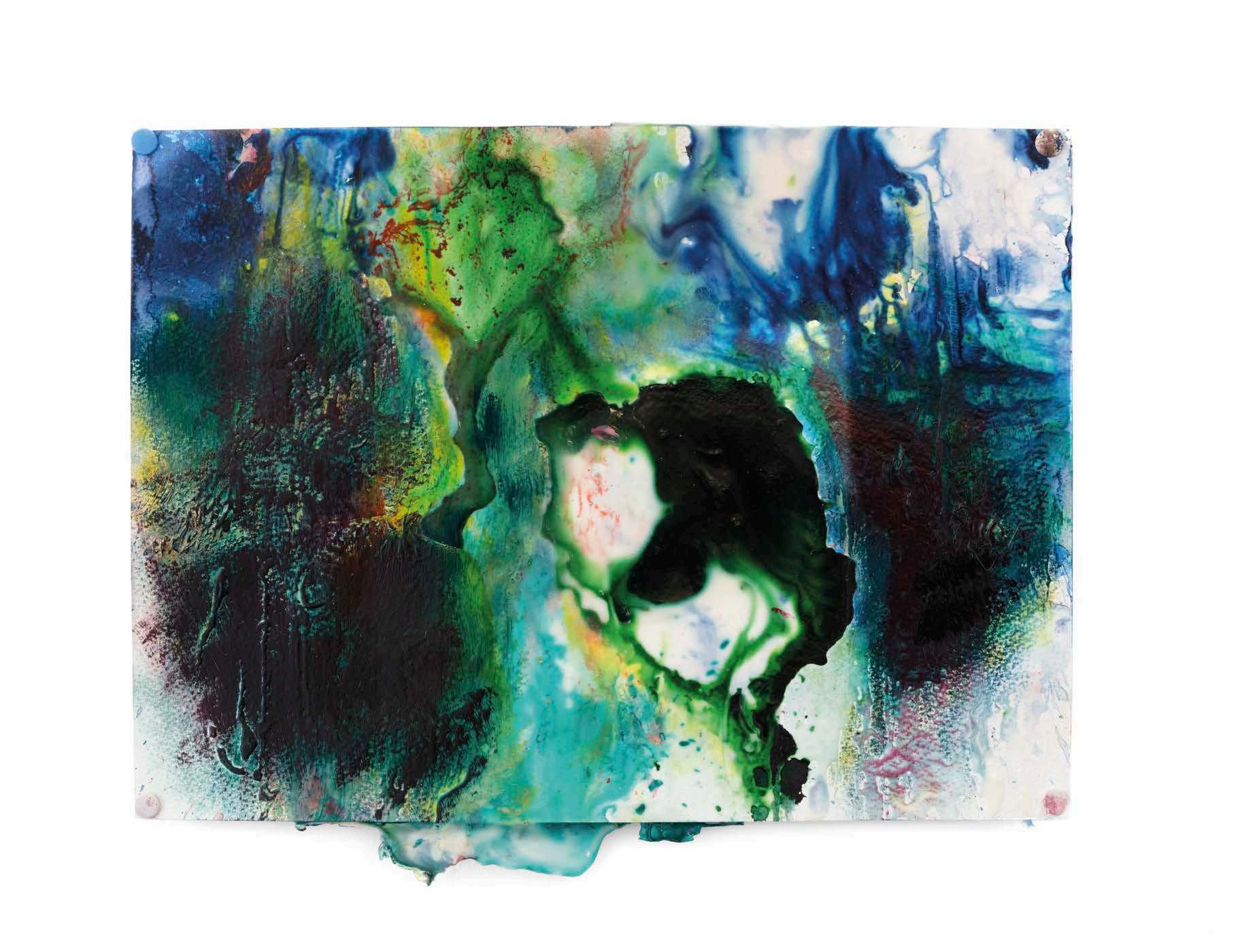
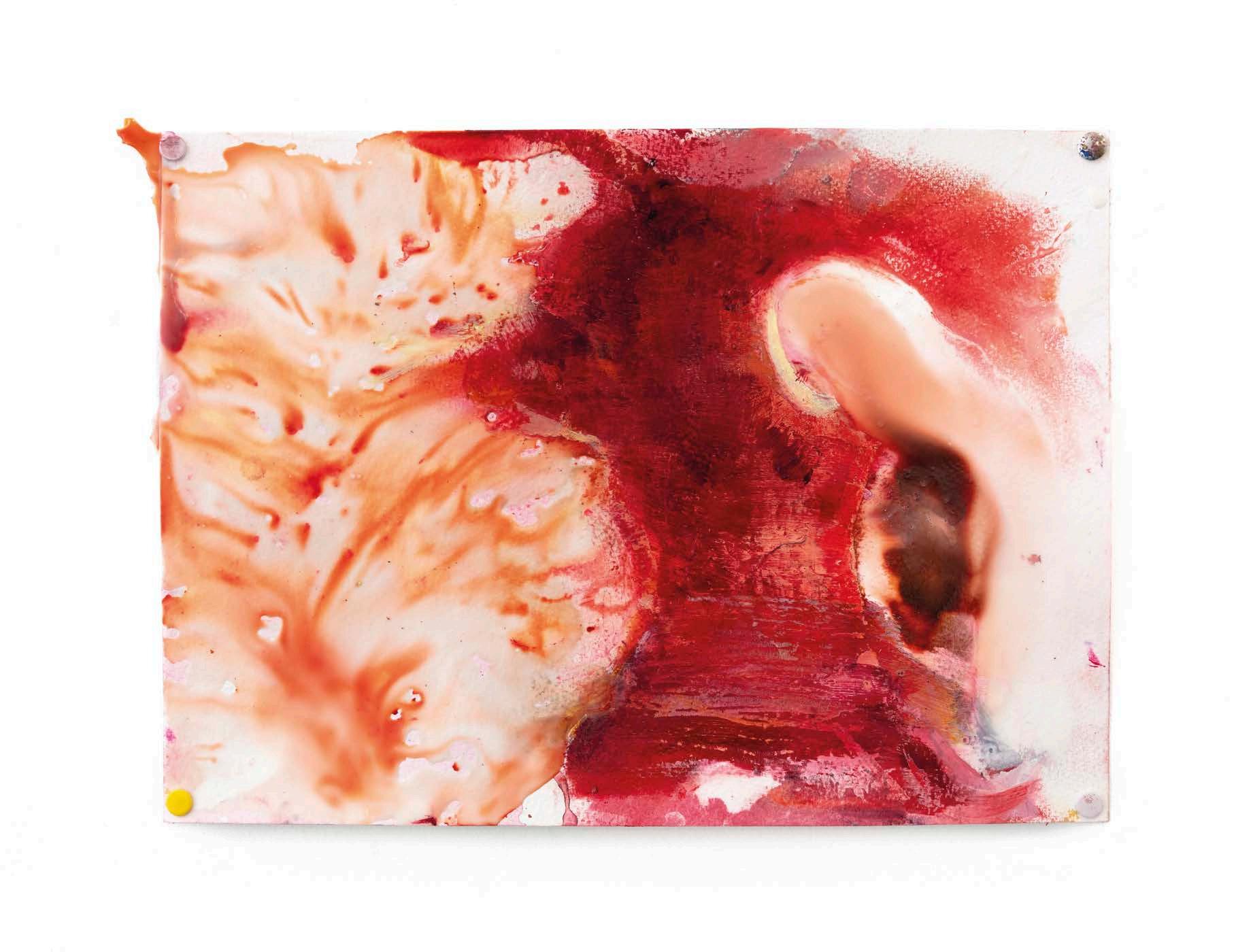
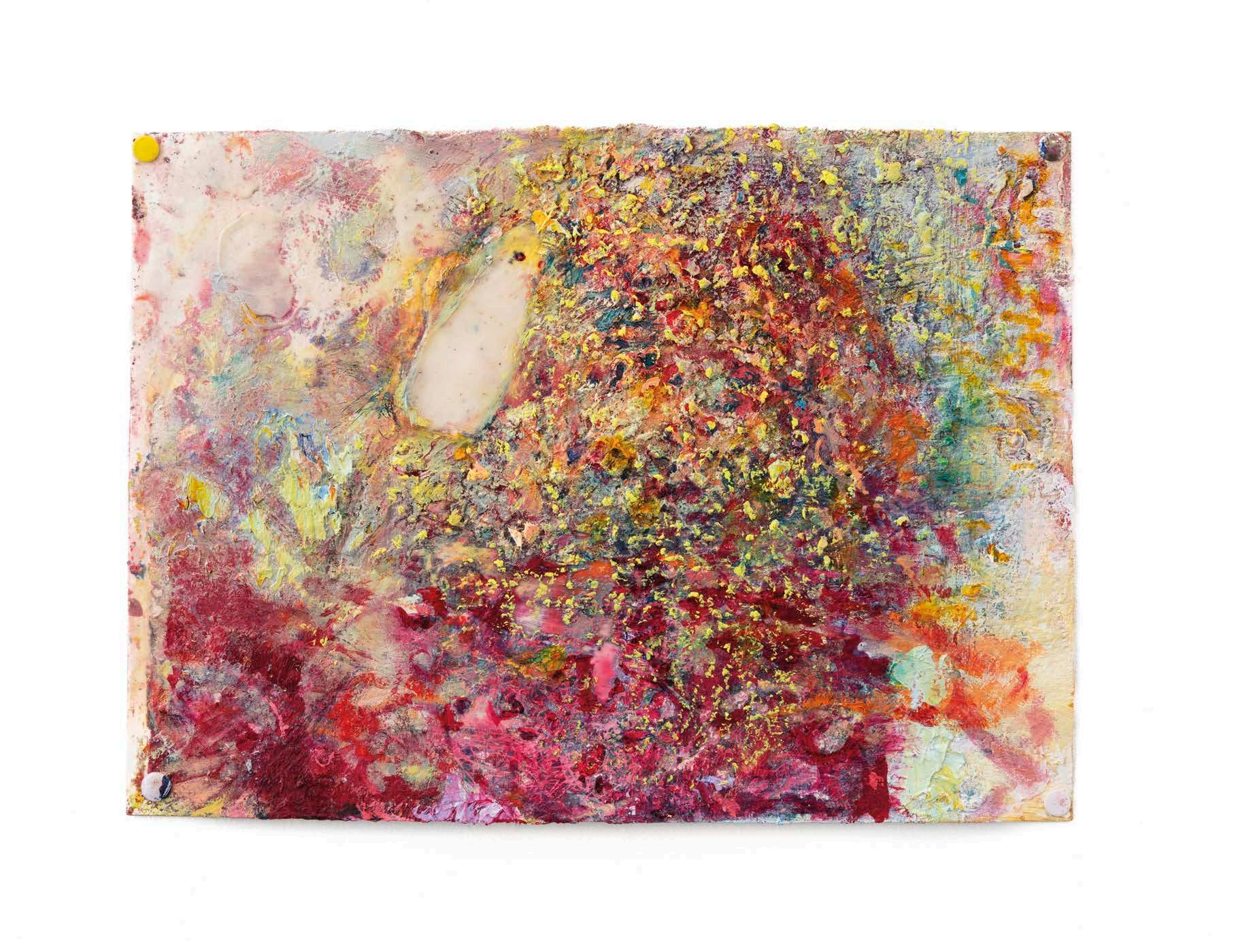
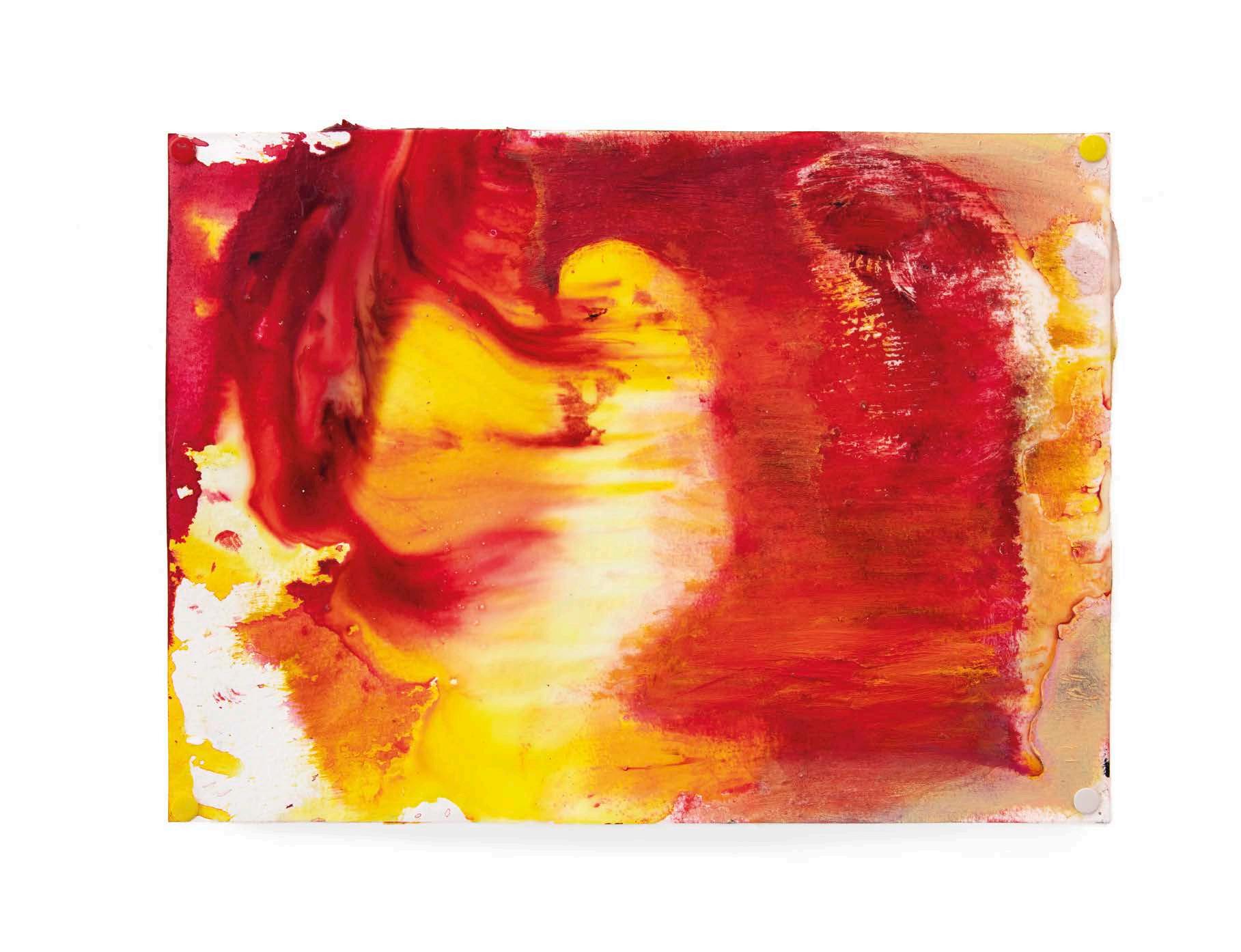
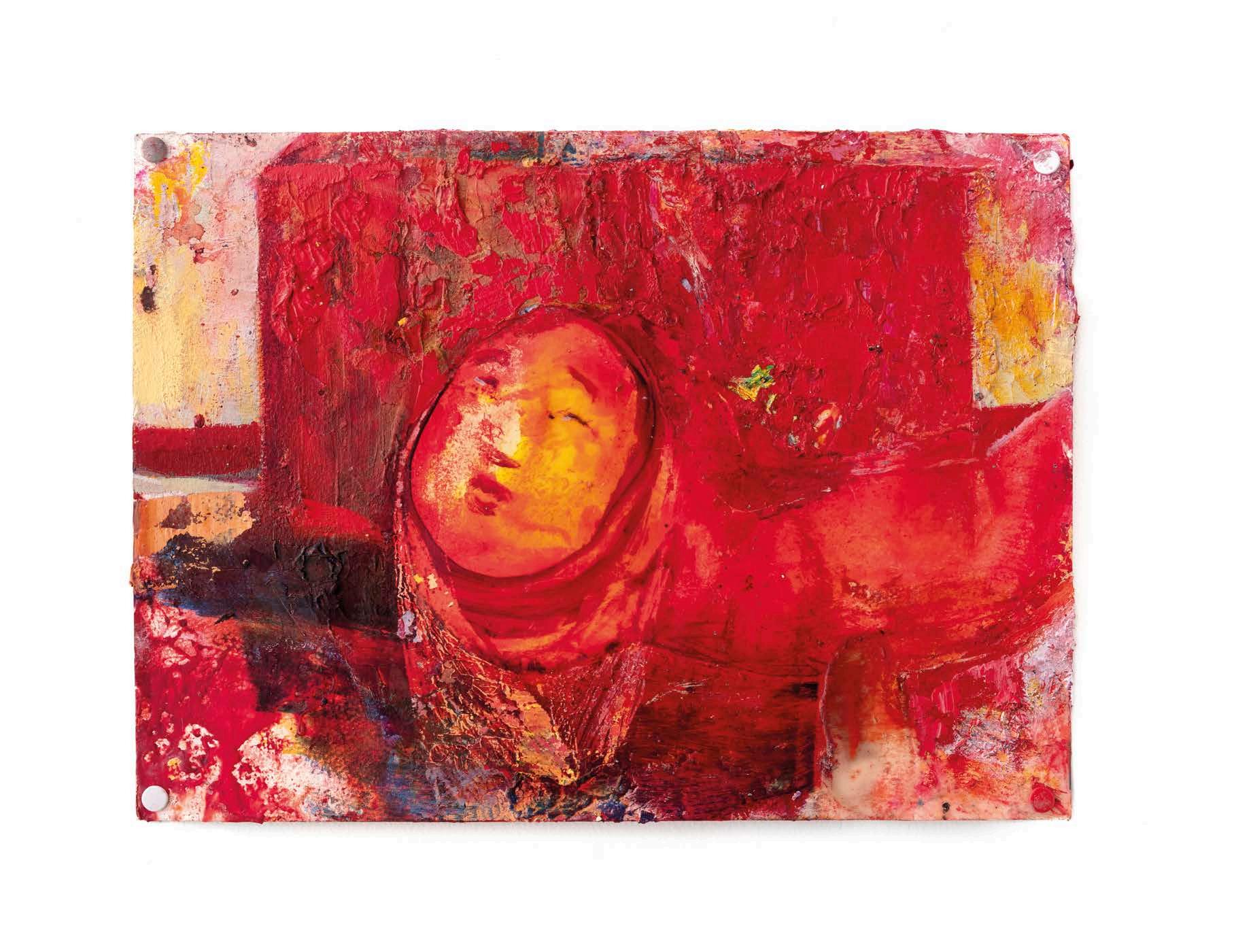
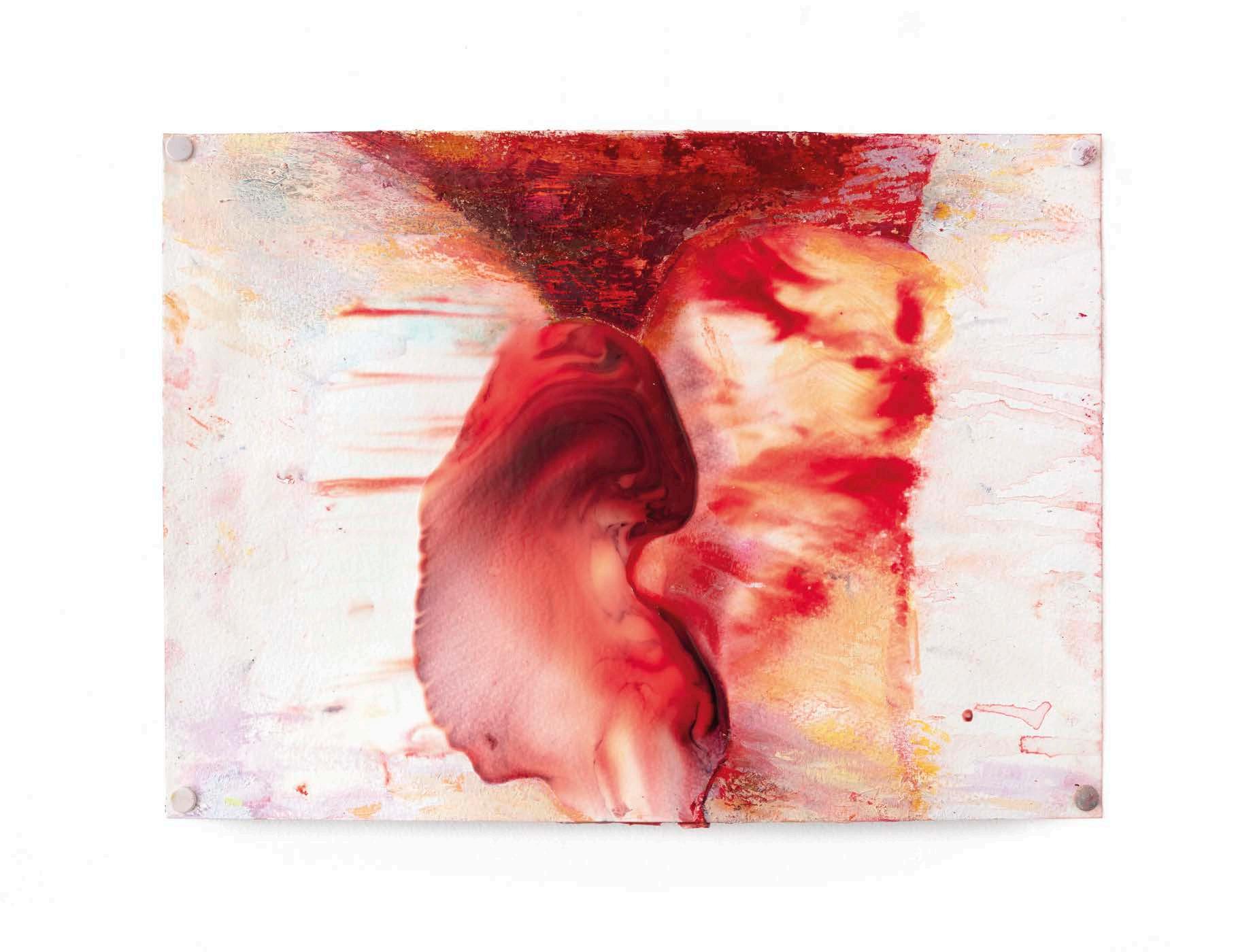
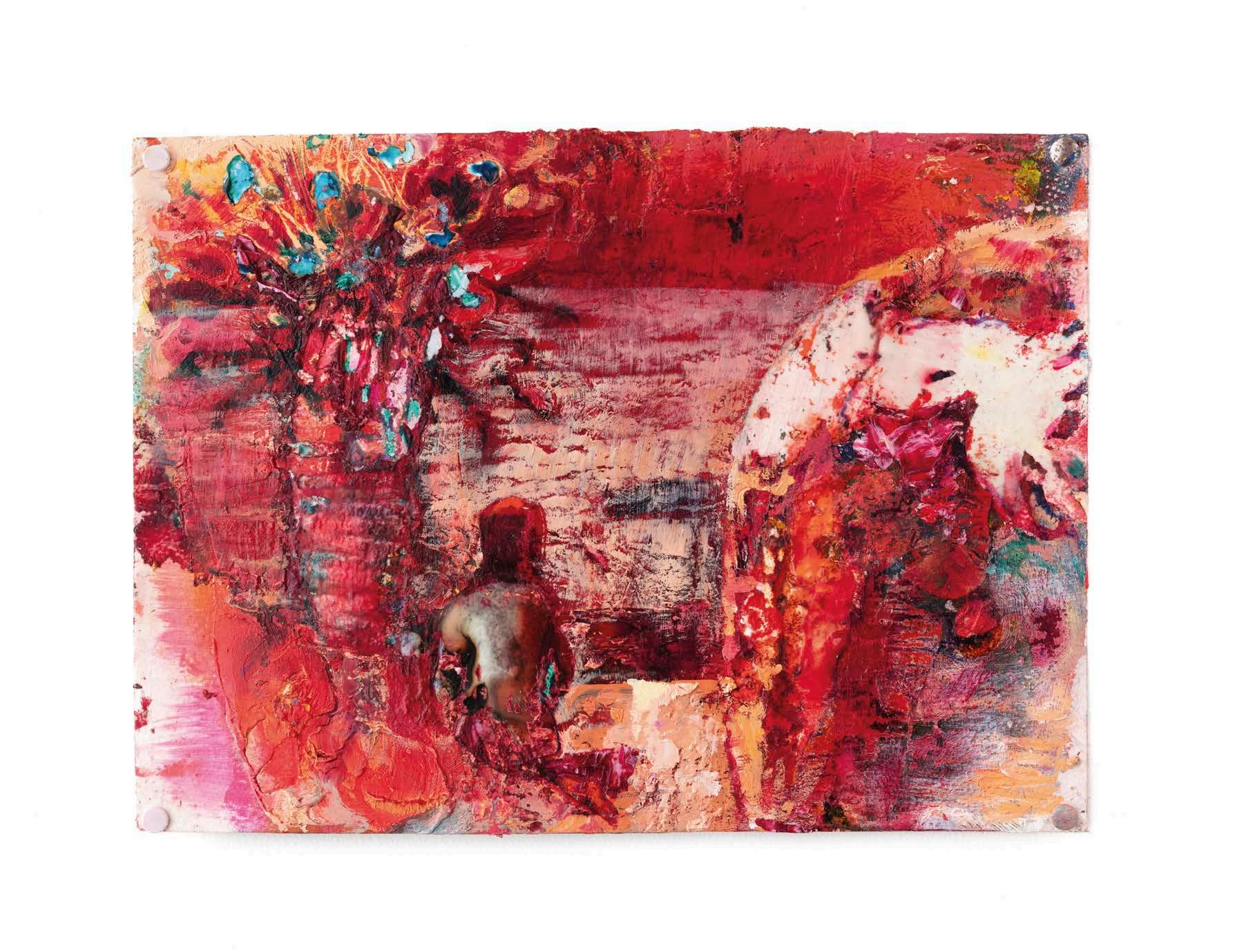
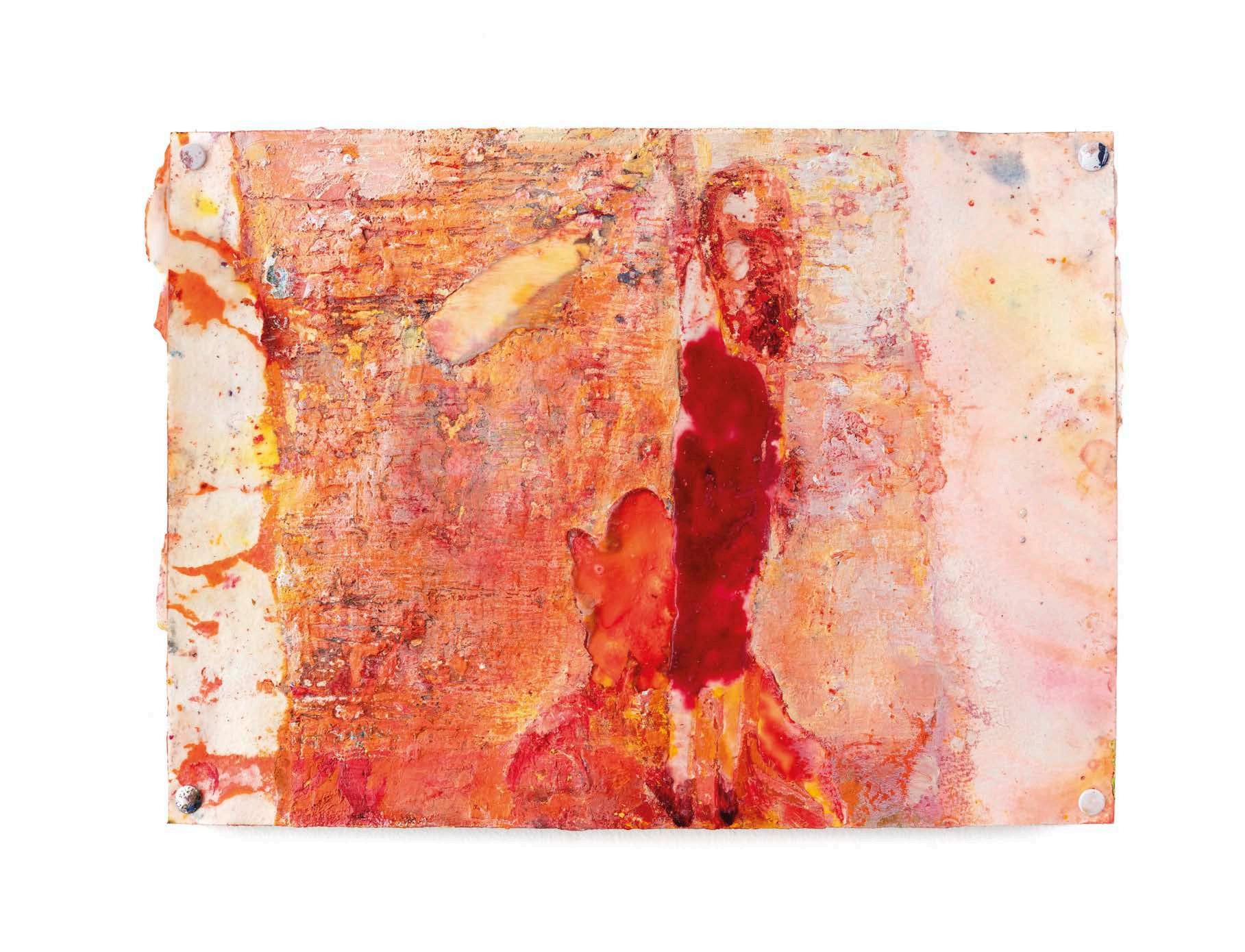
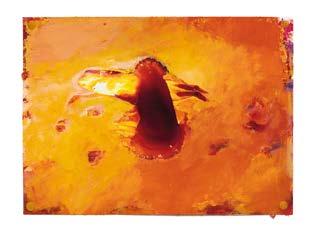
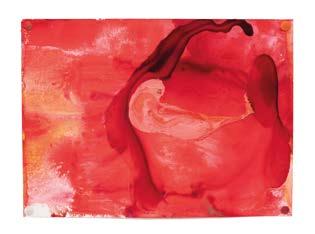
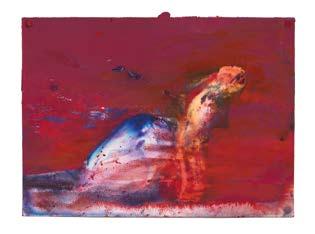
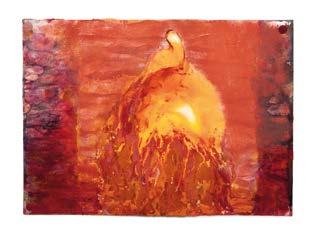
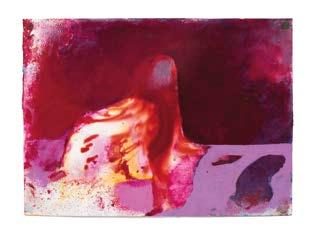
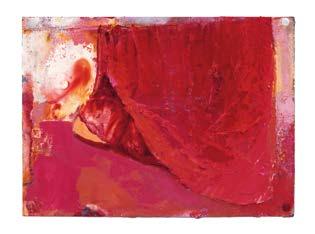
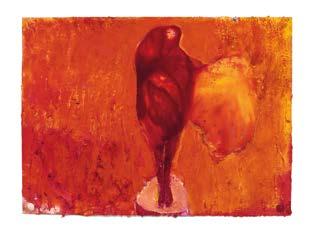
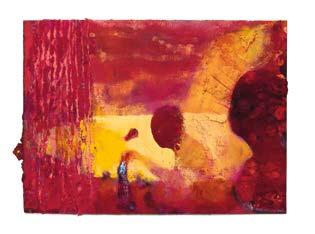
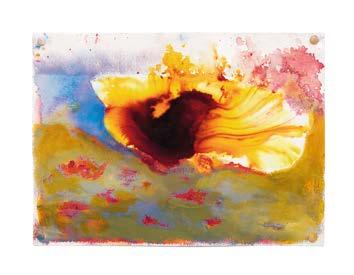
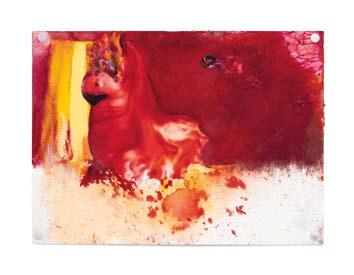
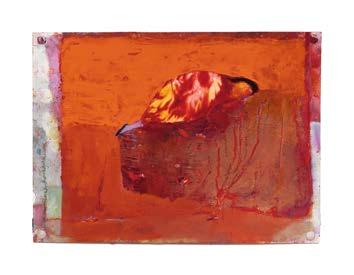
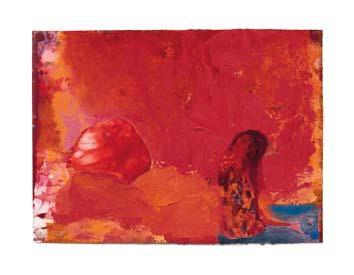
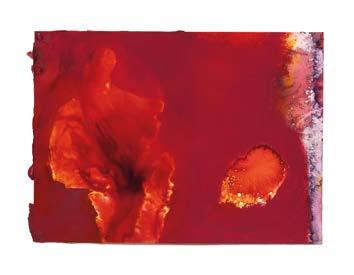
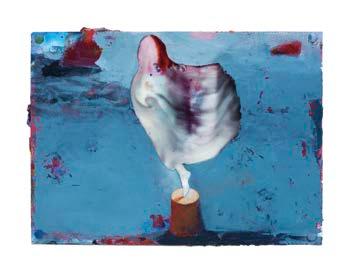
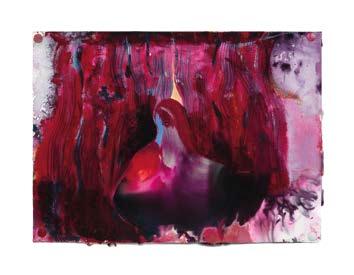
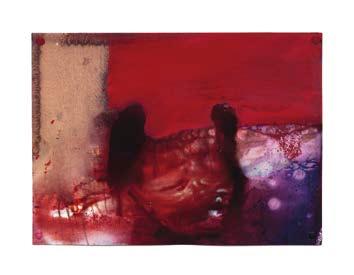
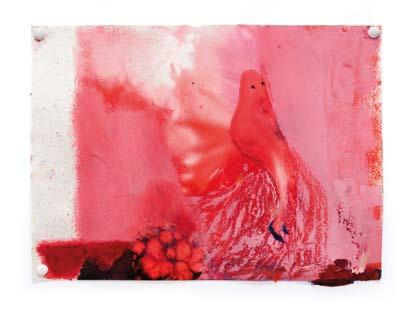
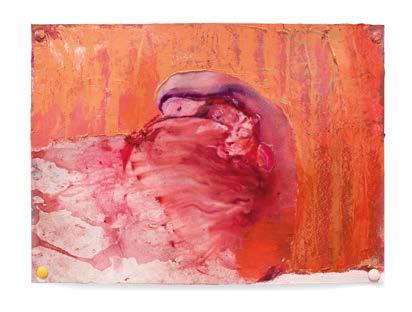
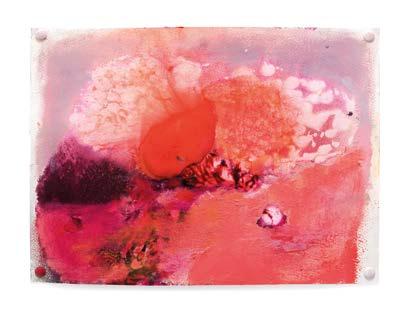
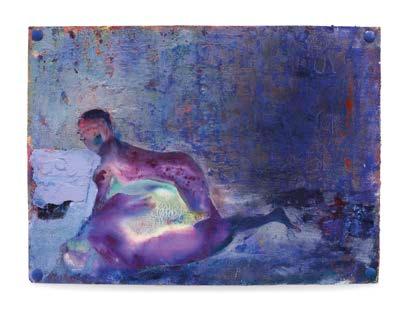
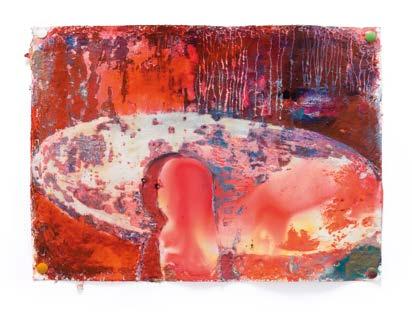
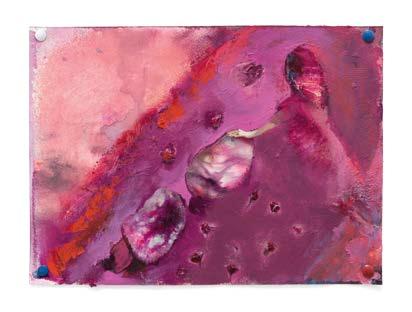
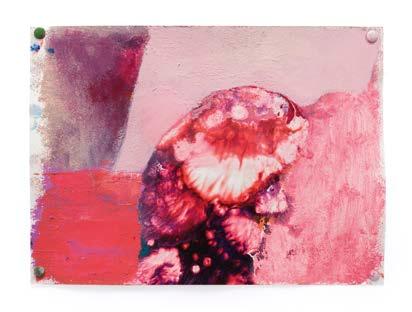
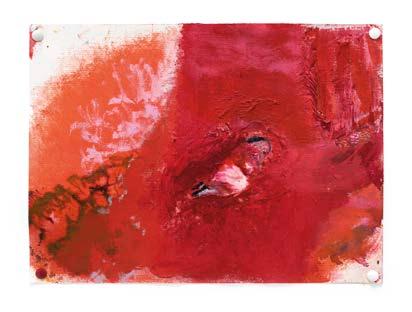
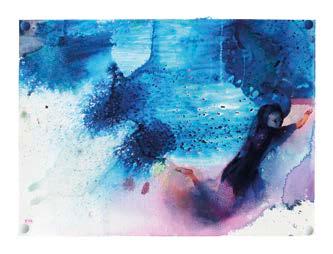
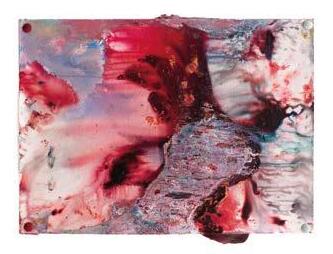
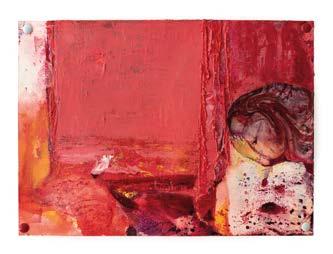
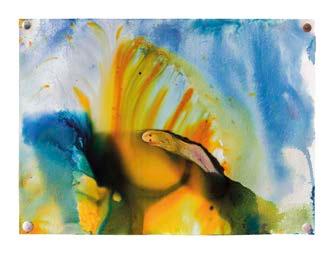
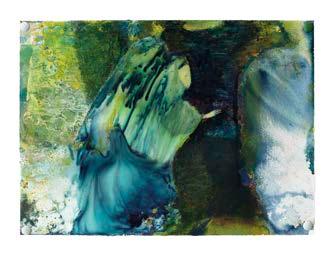
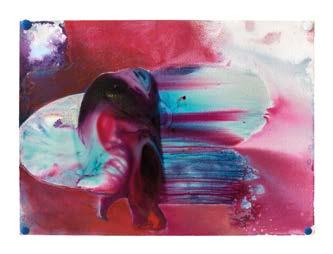
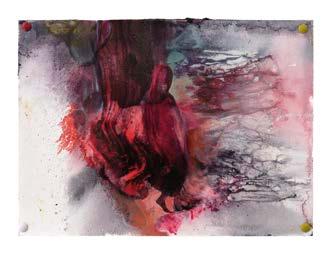
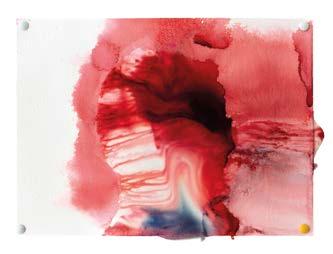
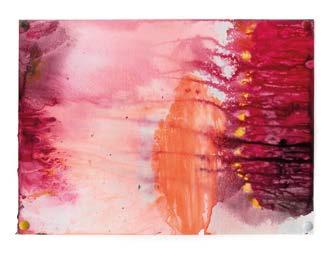
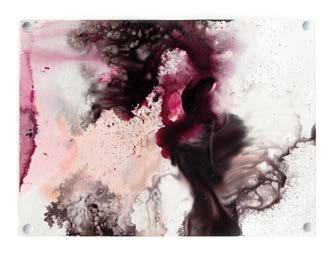
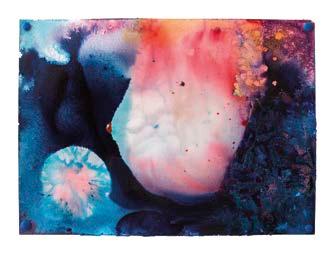
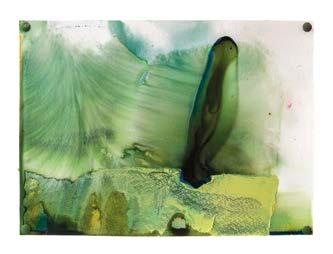
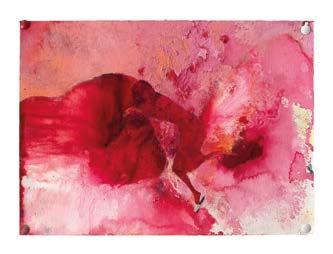
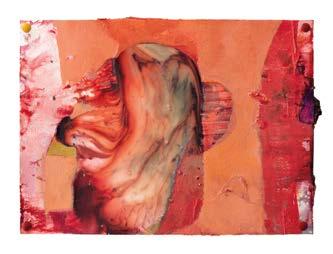
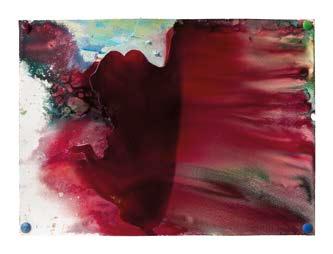
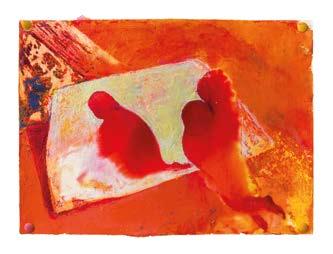
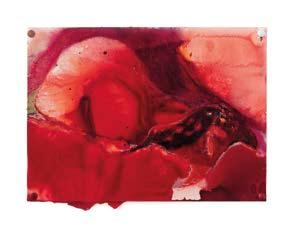
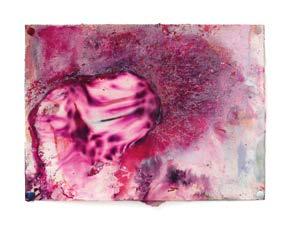
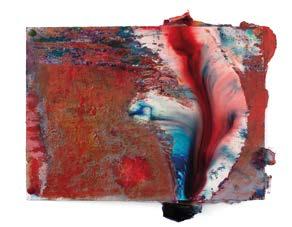
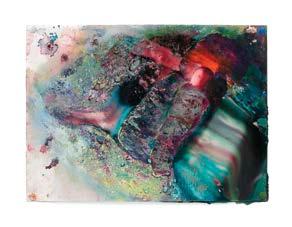
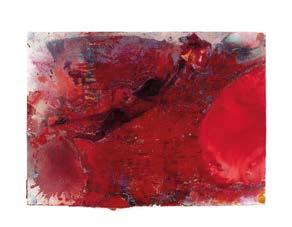
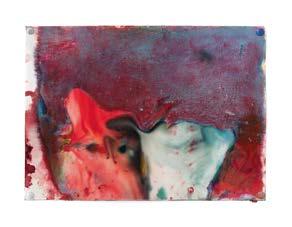
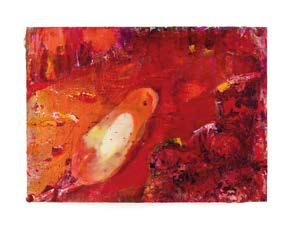
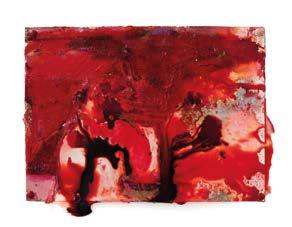
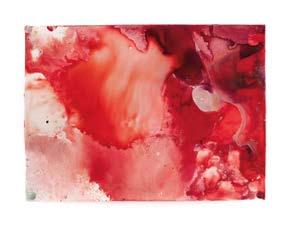
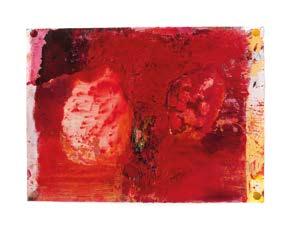
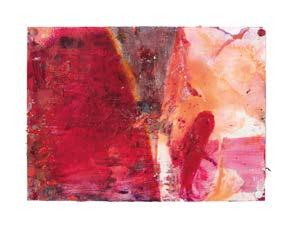
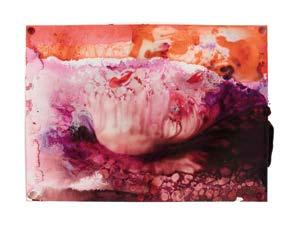
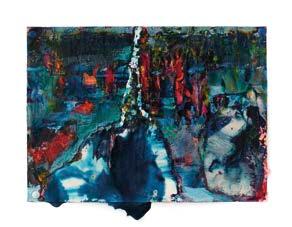
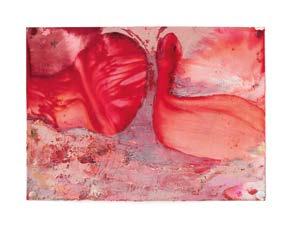
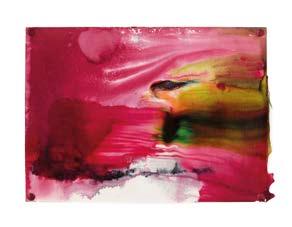
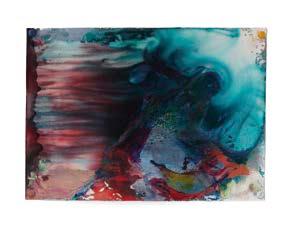
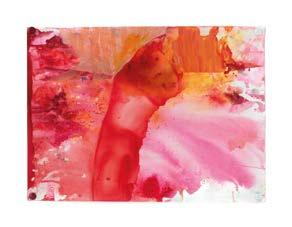
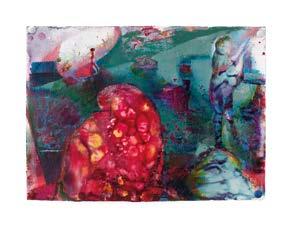
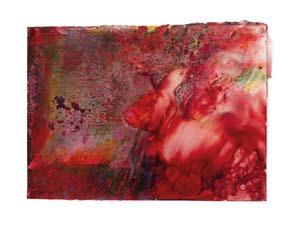
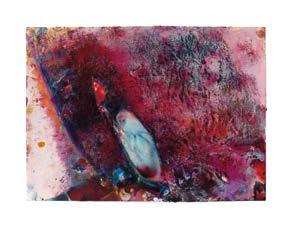
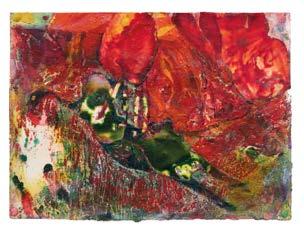
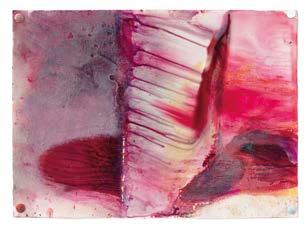
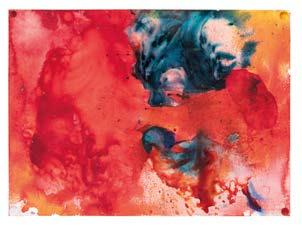
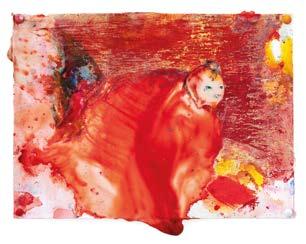
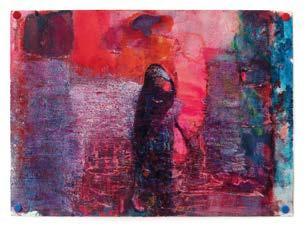
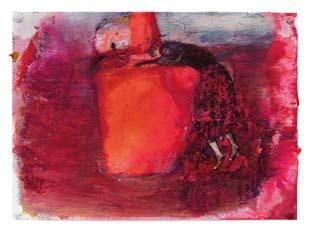
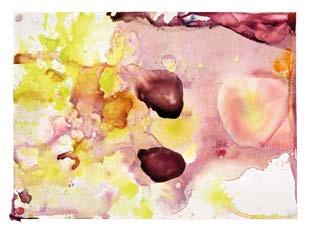
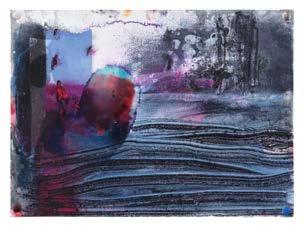
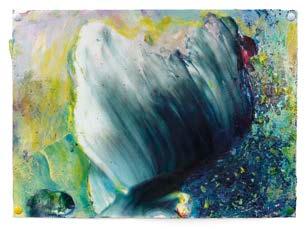
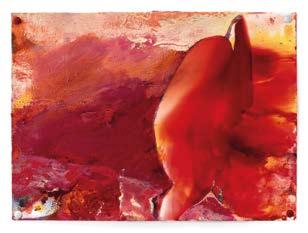
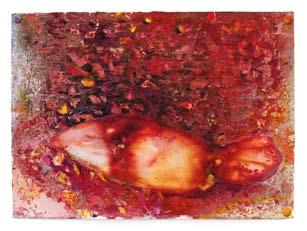
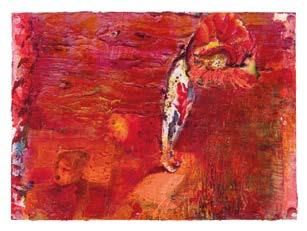
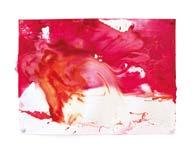
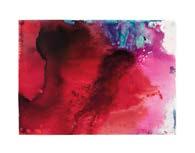
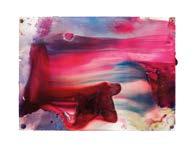
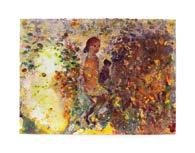
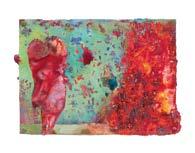
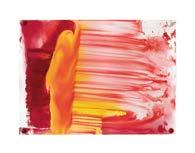
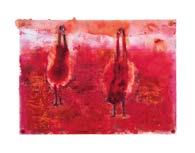
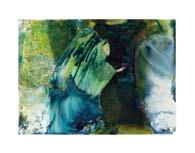
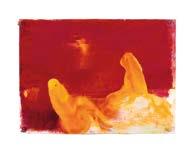
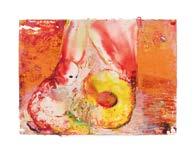
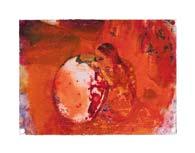
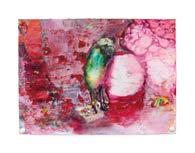
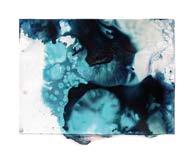
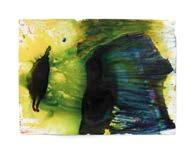
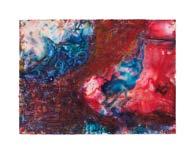
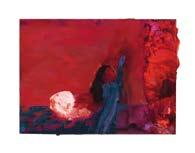
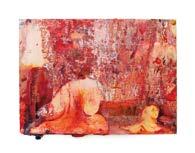
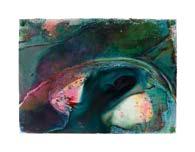
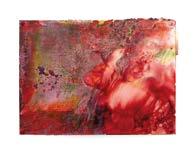
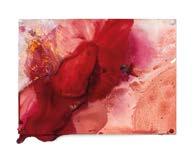
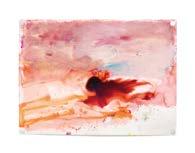
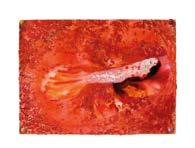
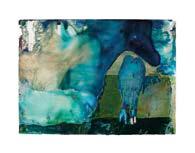
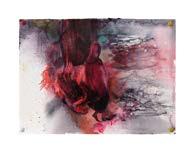
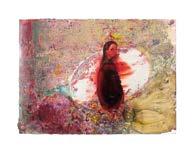
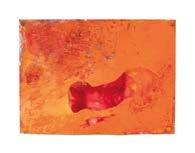
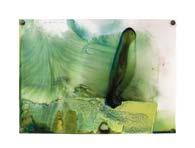
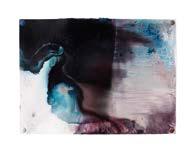
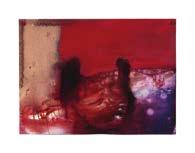
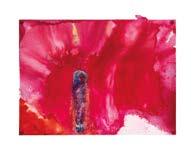
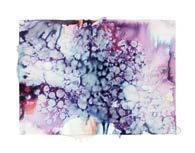
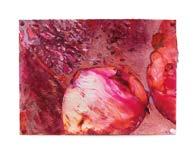
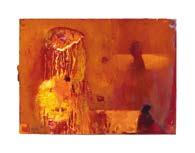
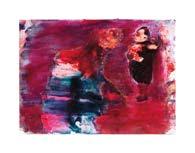
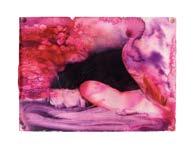
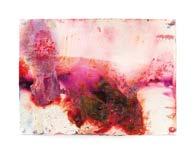
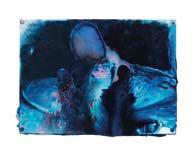
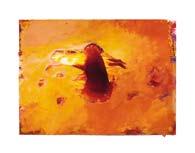
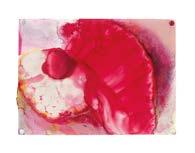
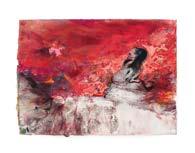
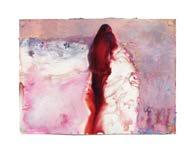
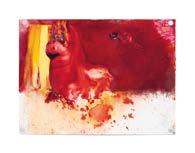
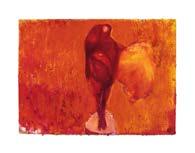
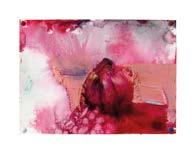
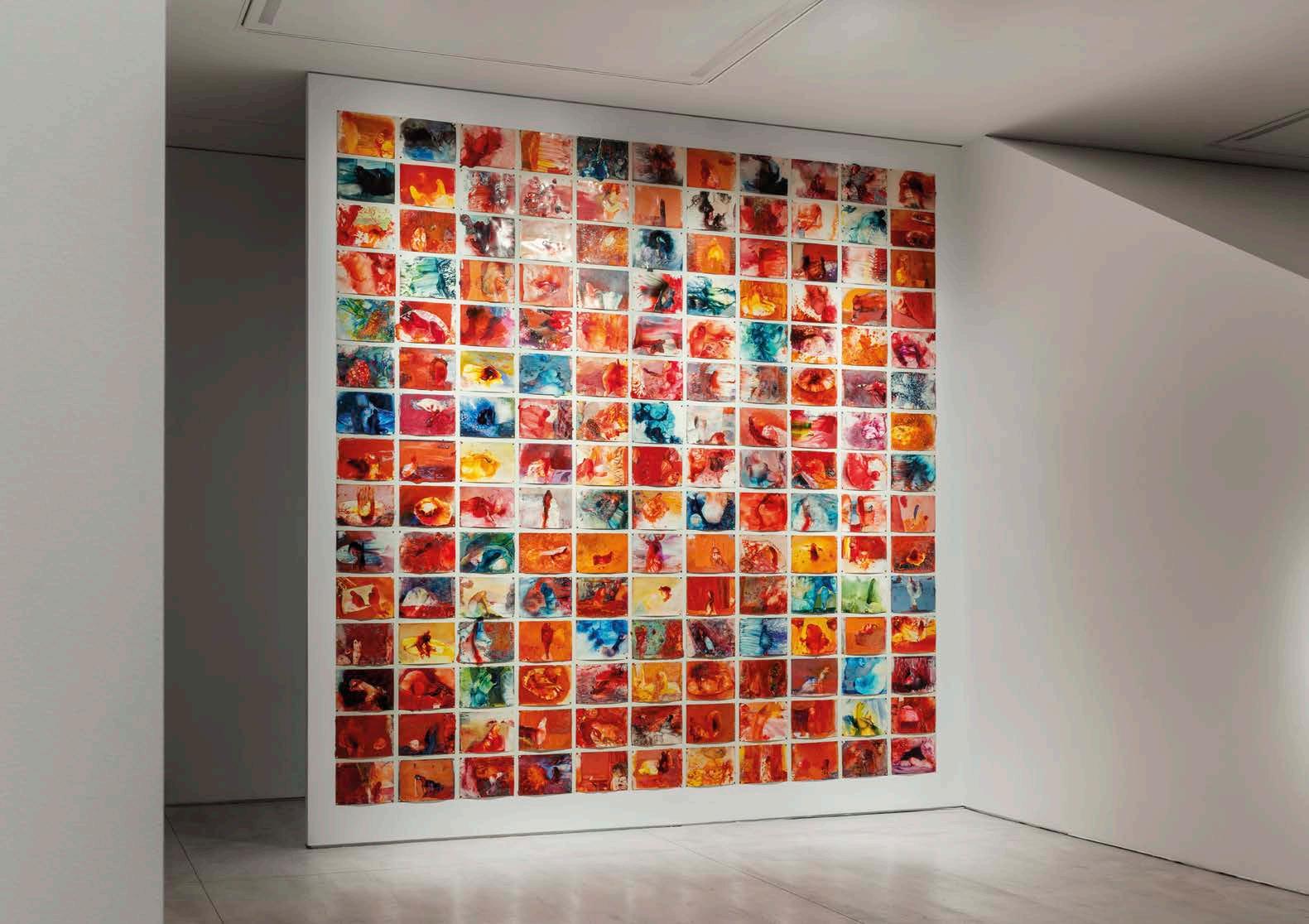
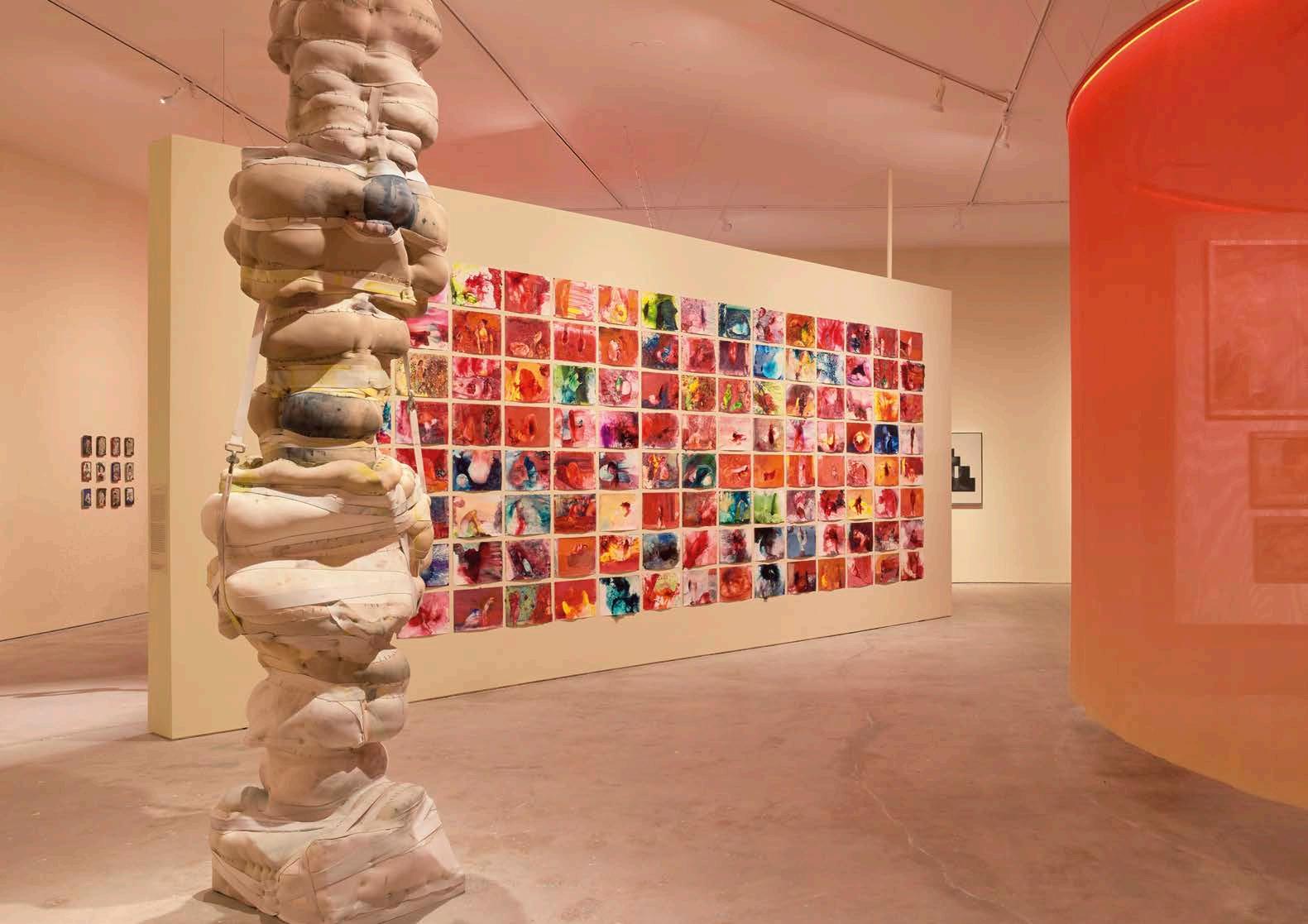
Atlas is an ever-growing project comprising hundreds of paintings on paper. Born in my apartment during lockdown, these small paintings occupied floors and walls; of equal size and persuasion, they gathered themselves into a grid, and a community. Each is individual yet simultaneously part of the larger world it shares and shapes with the others. The grid is flexible, open at the edges, similar to montage where borders are crossed as sites of conversation.
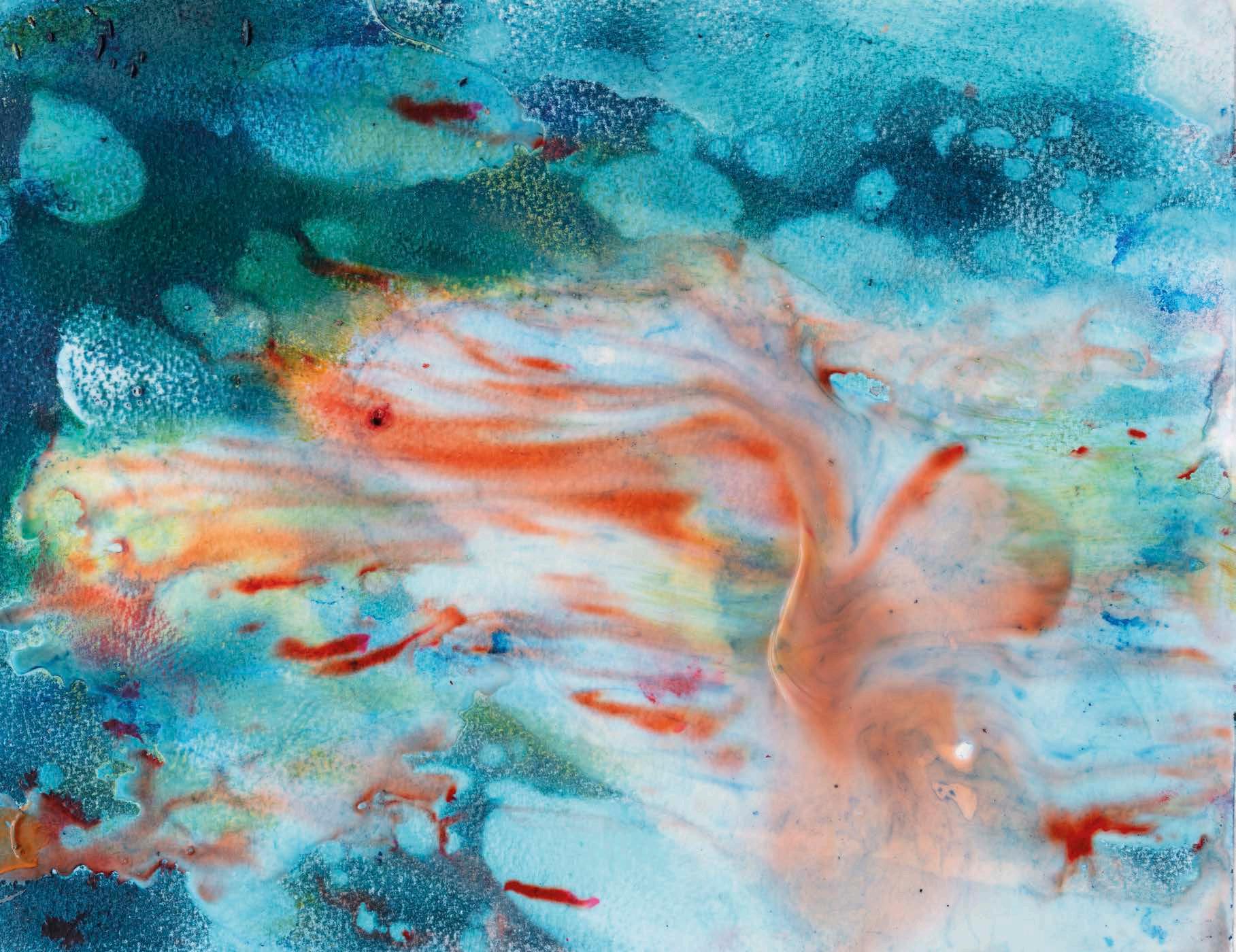
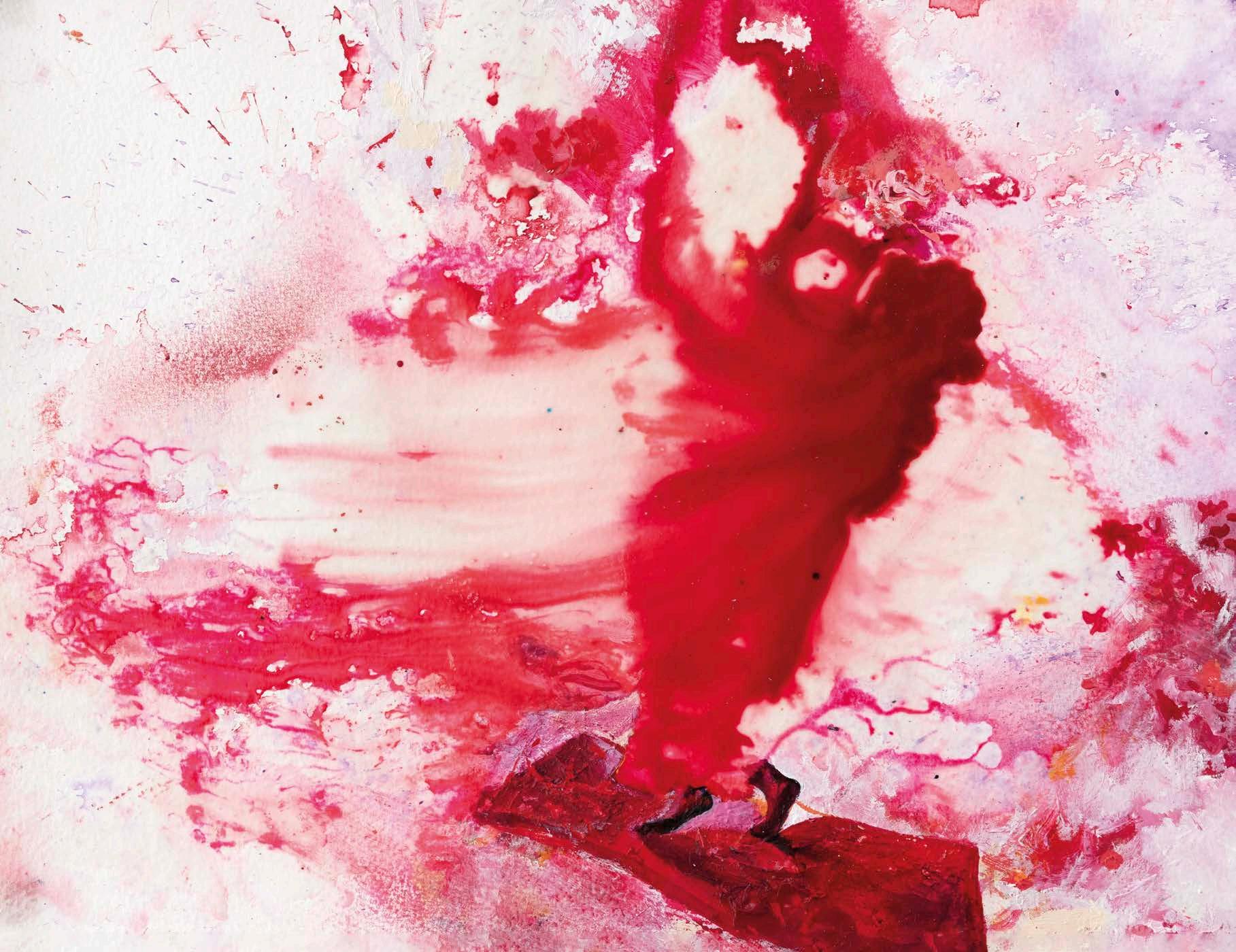
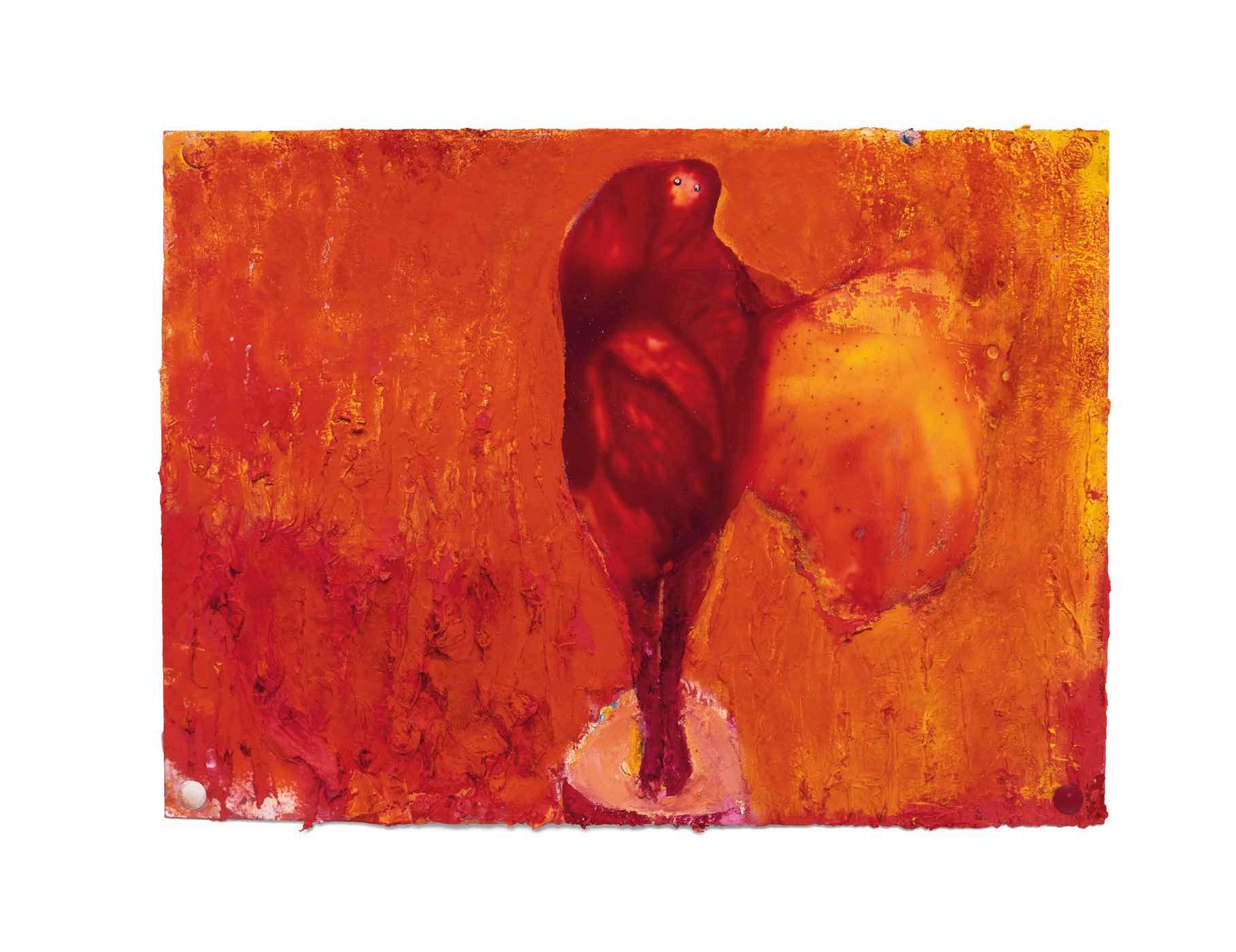
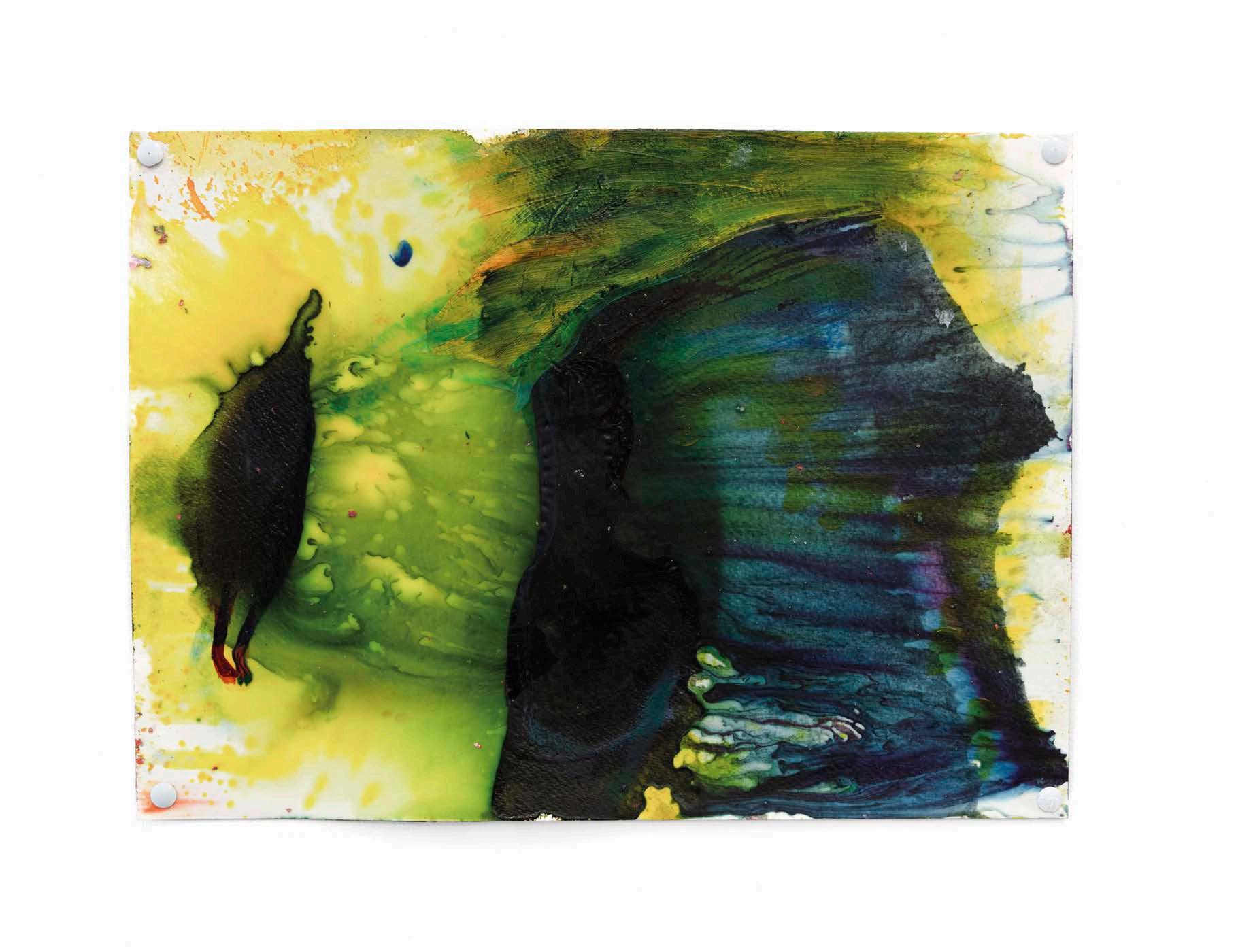
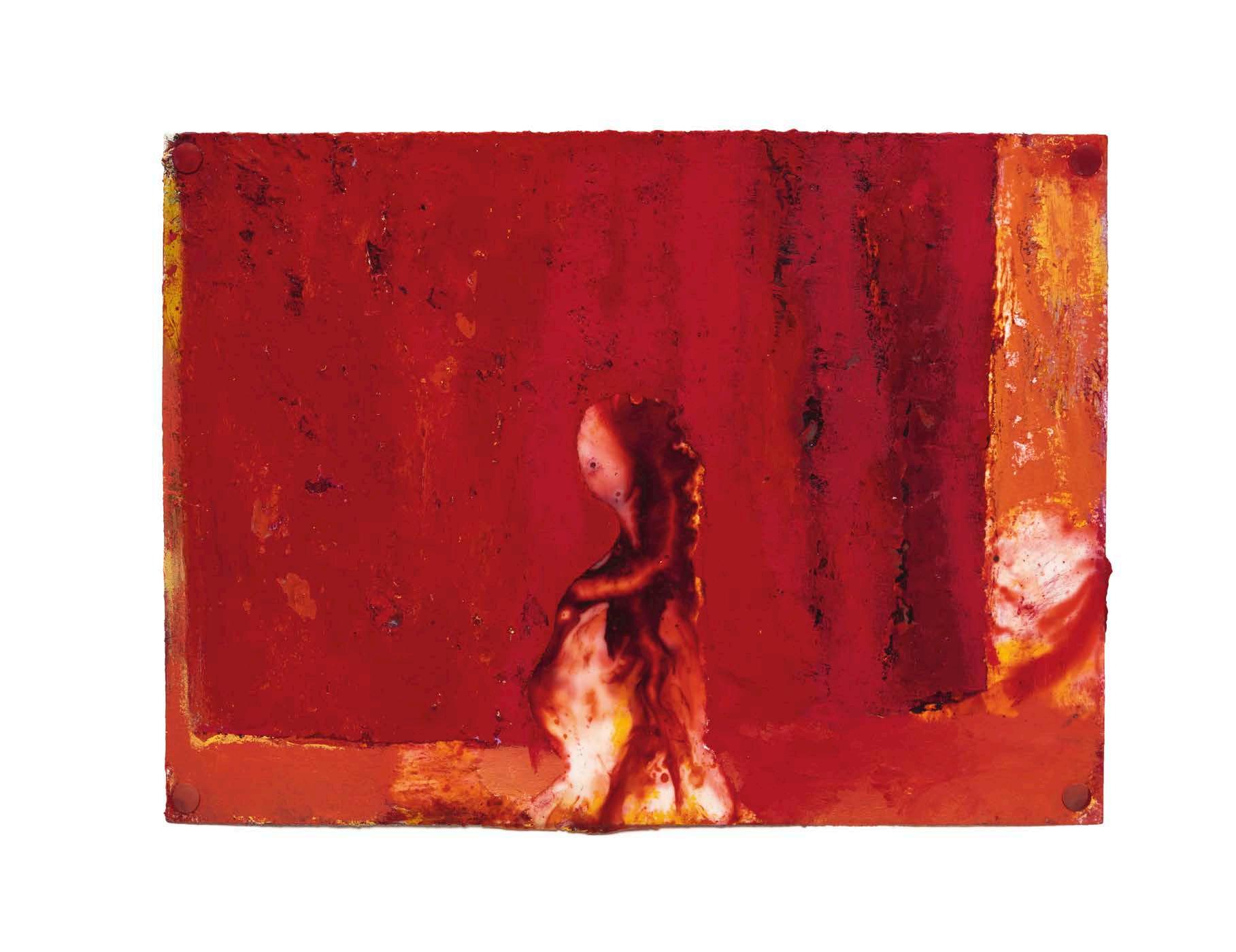
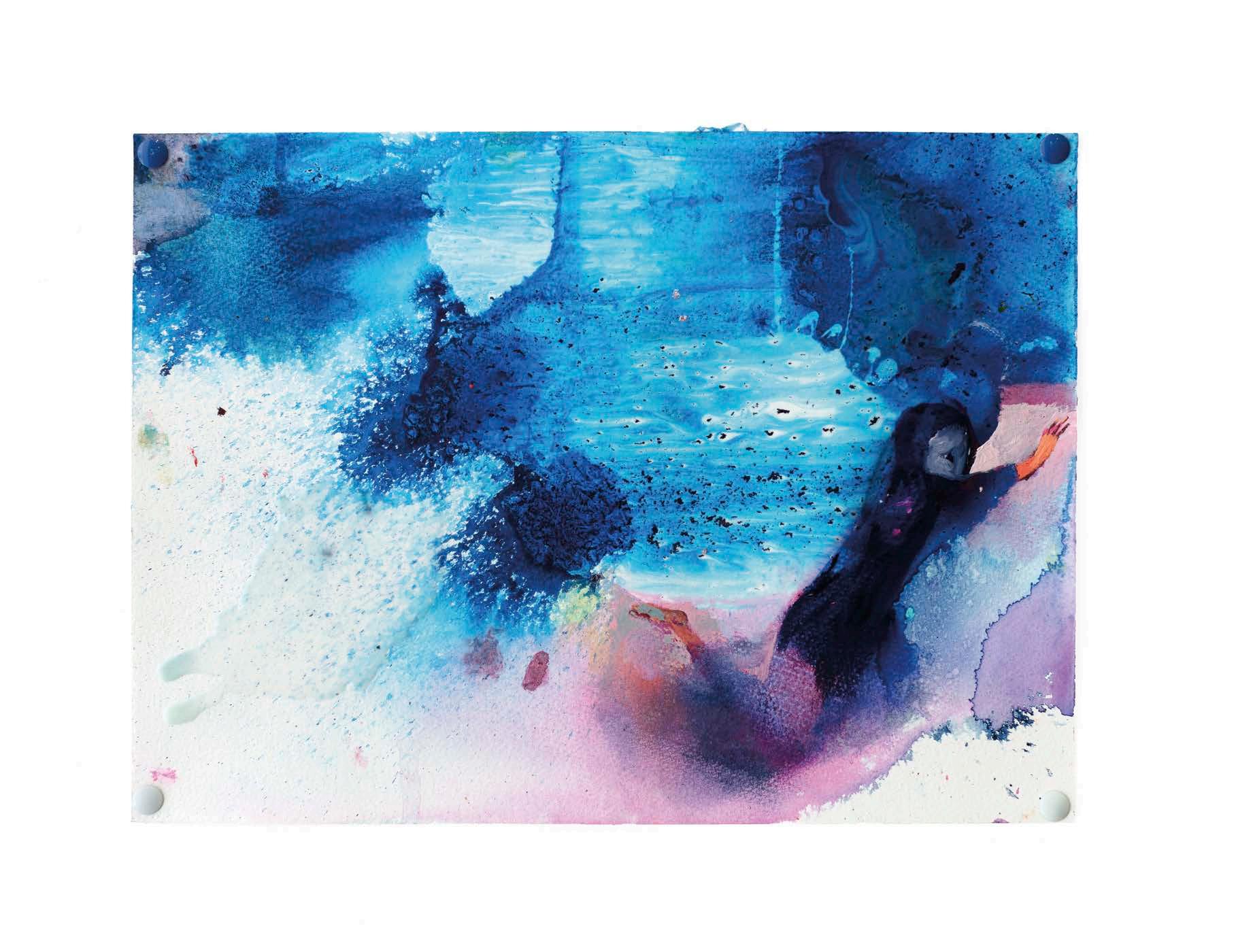
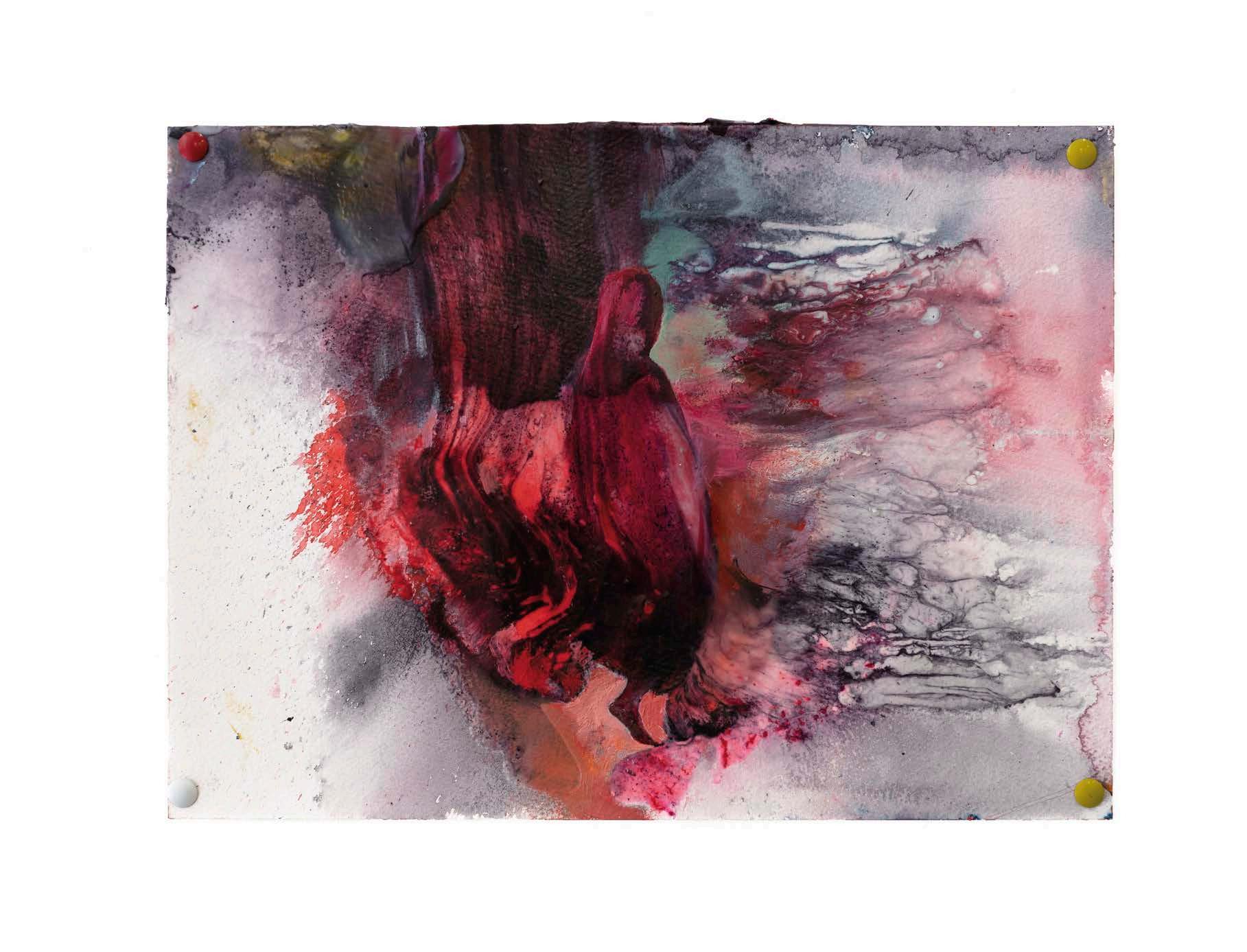
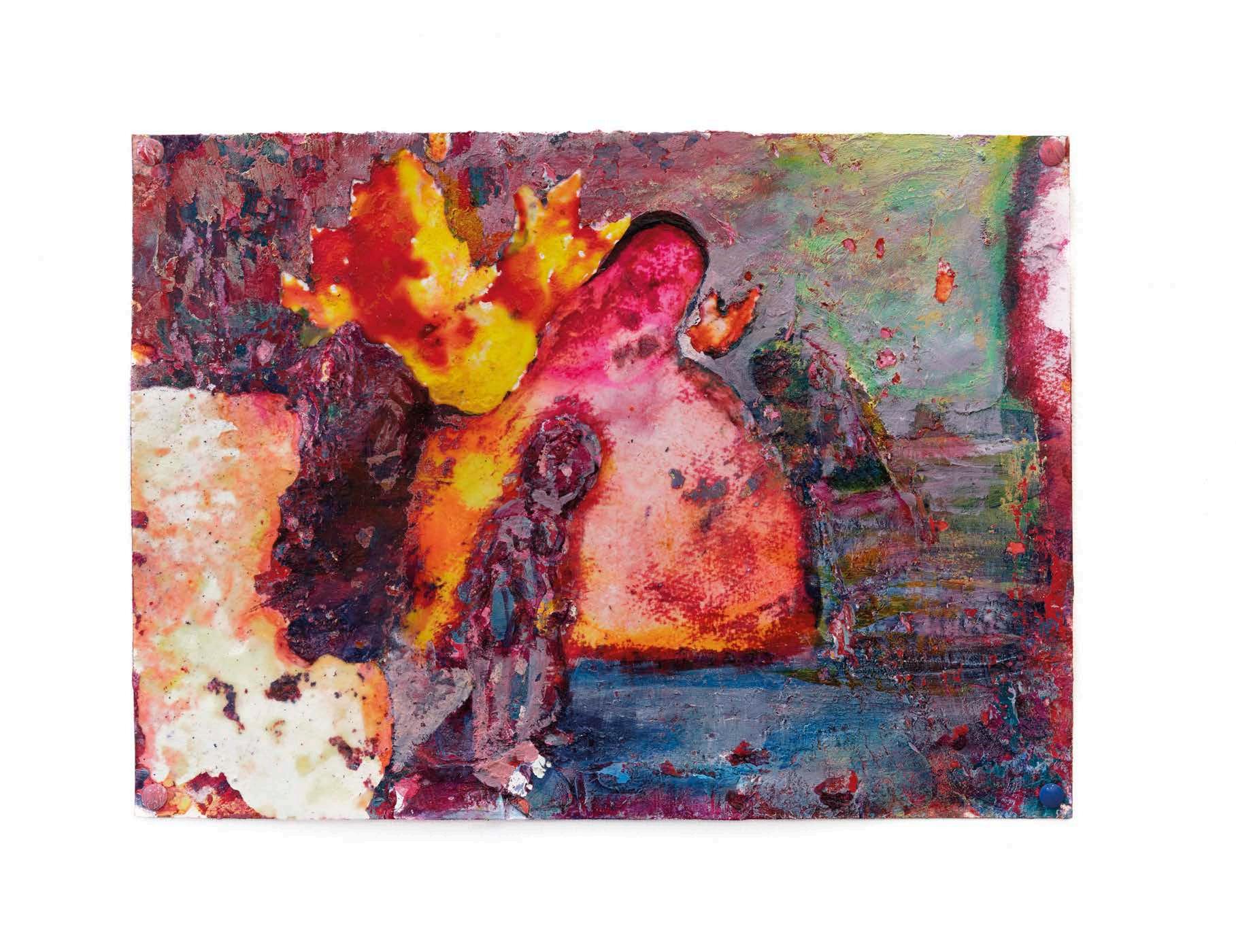
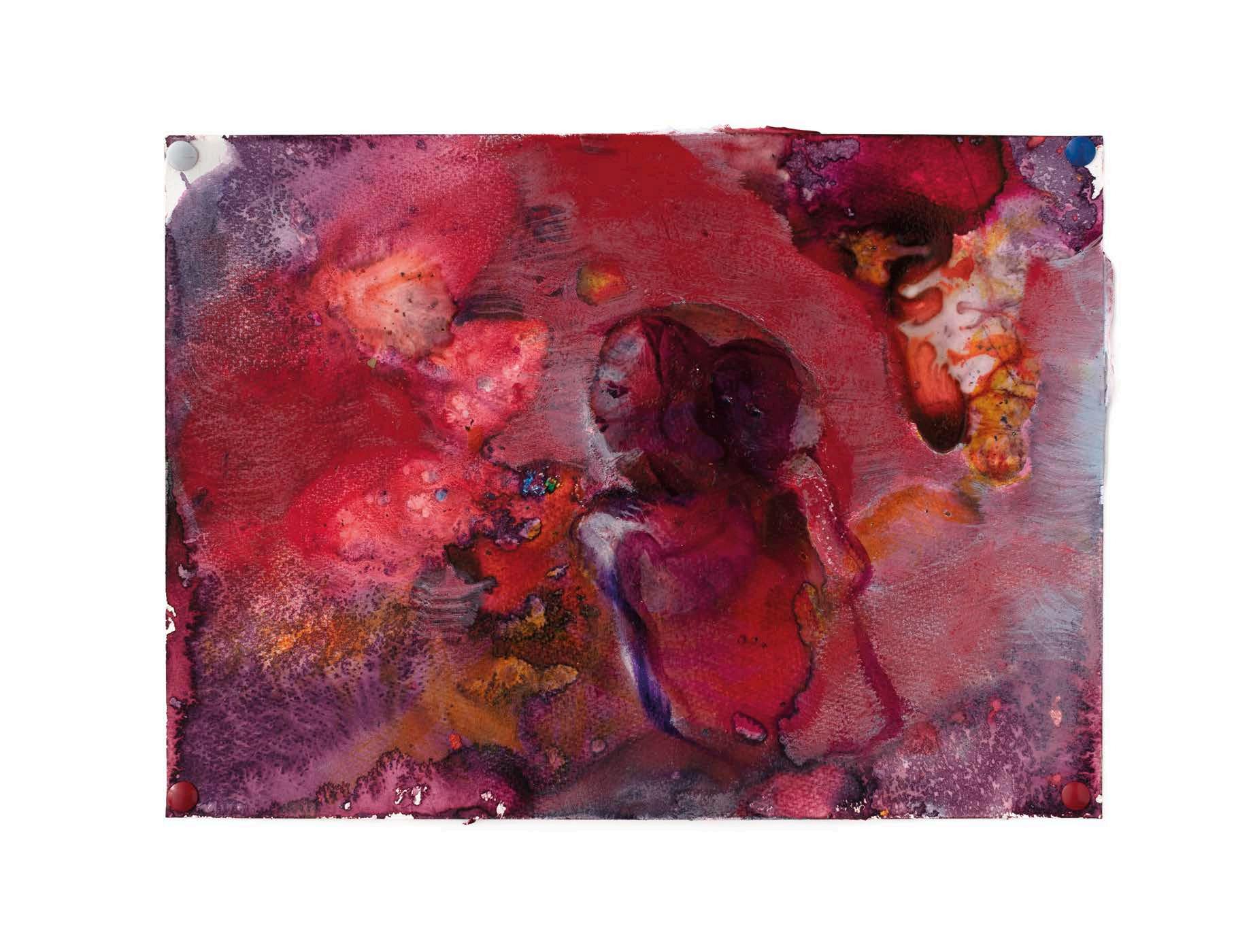
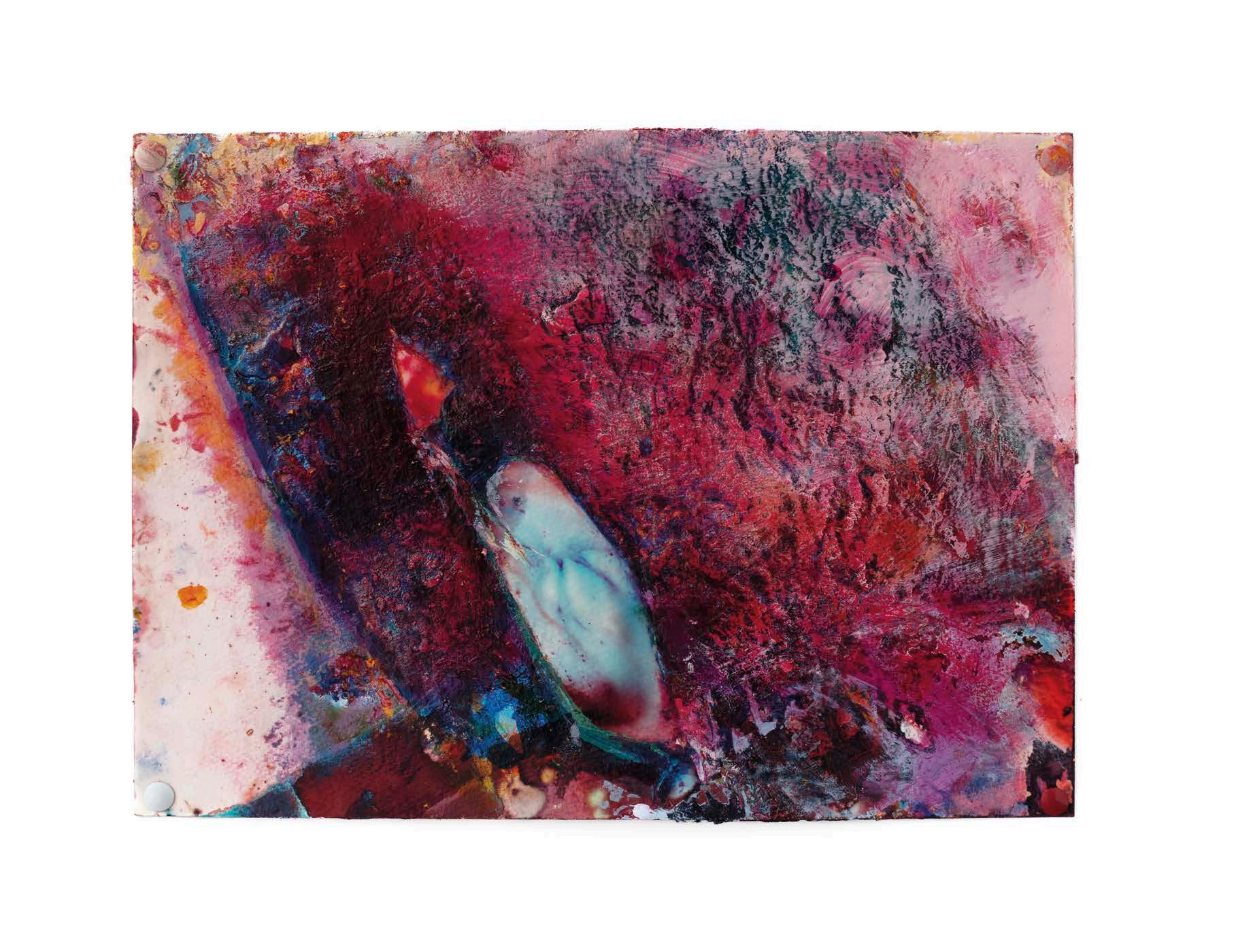
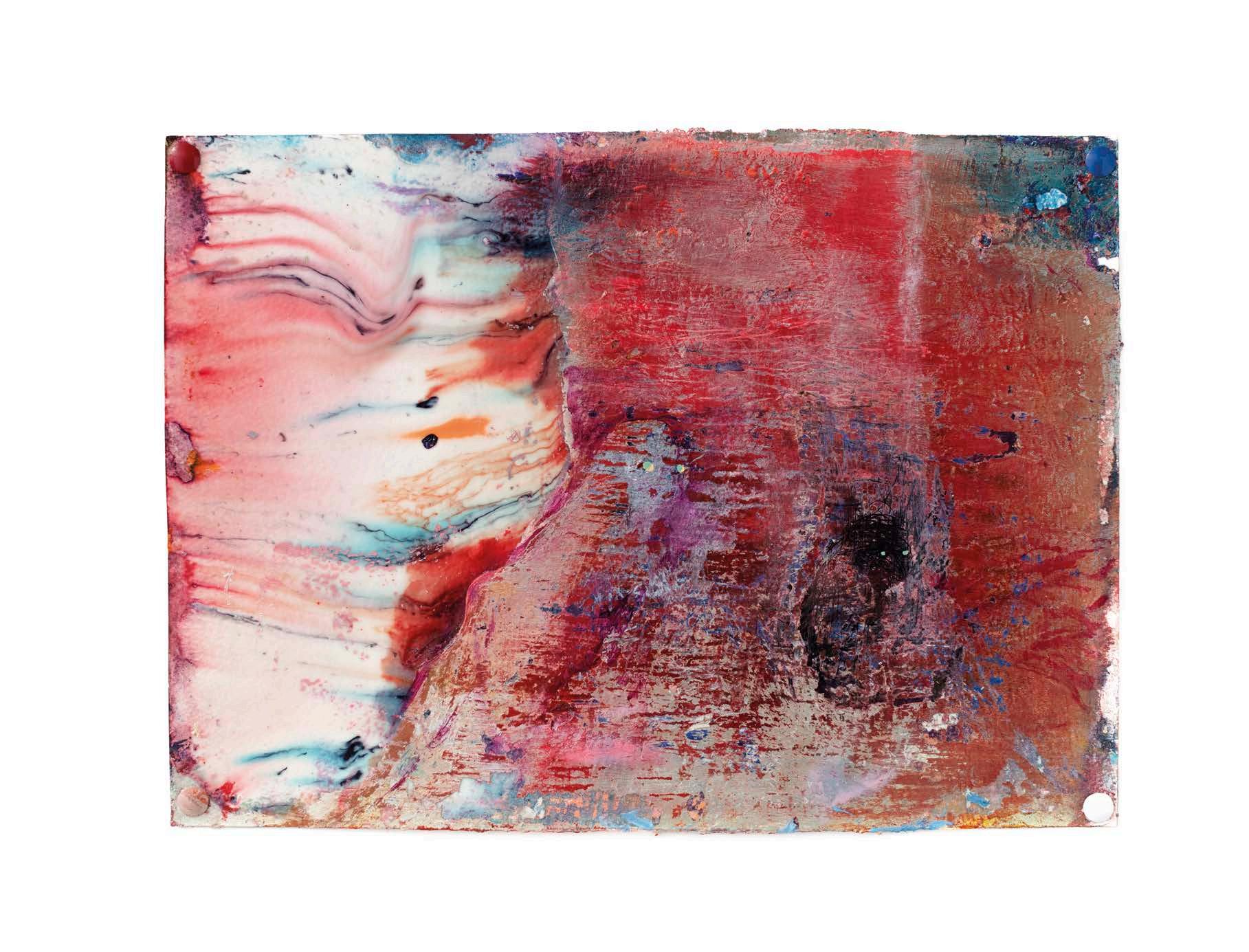
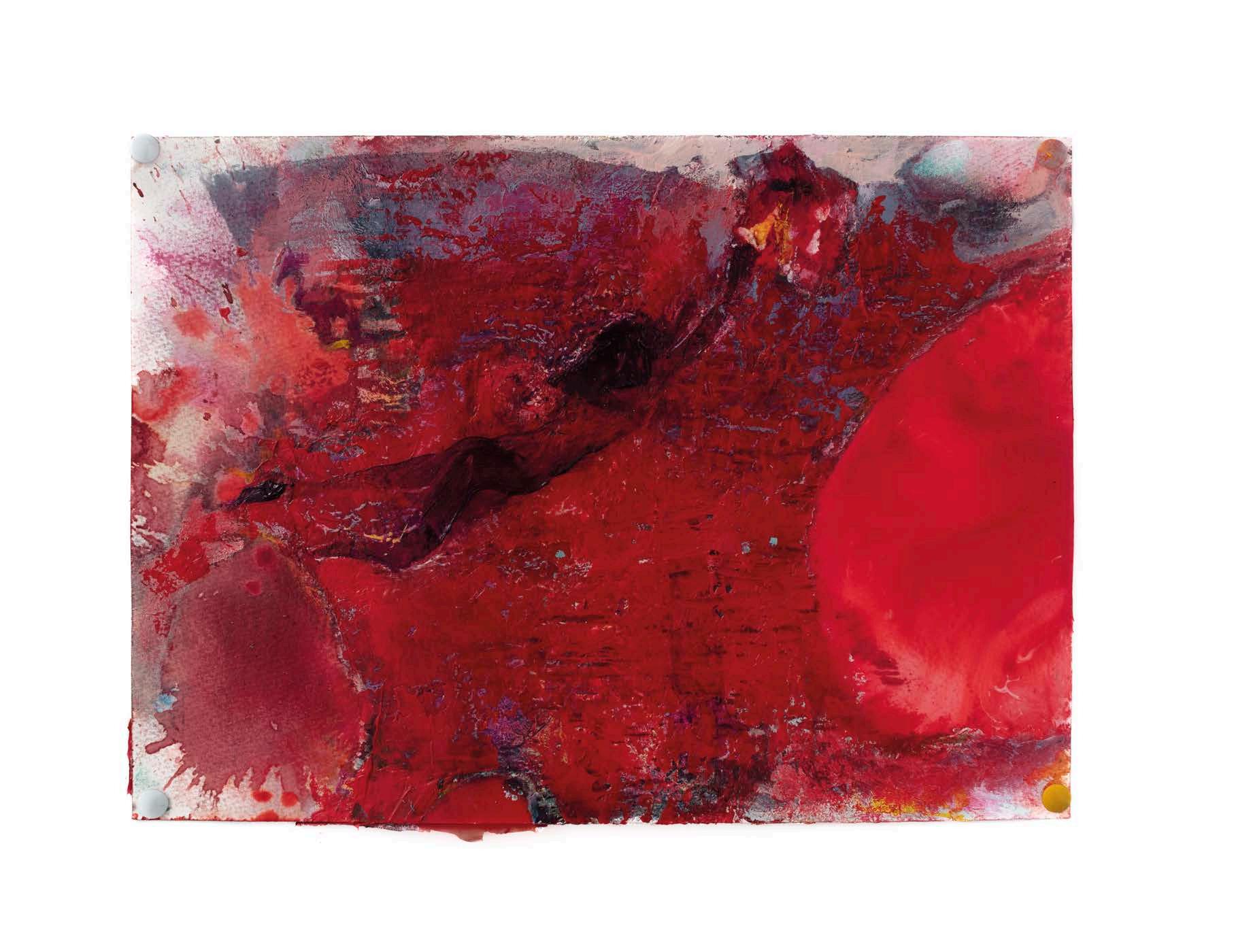
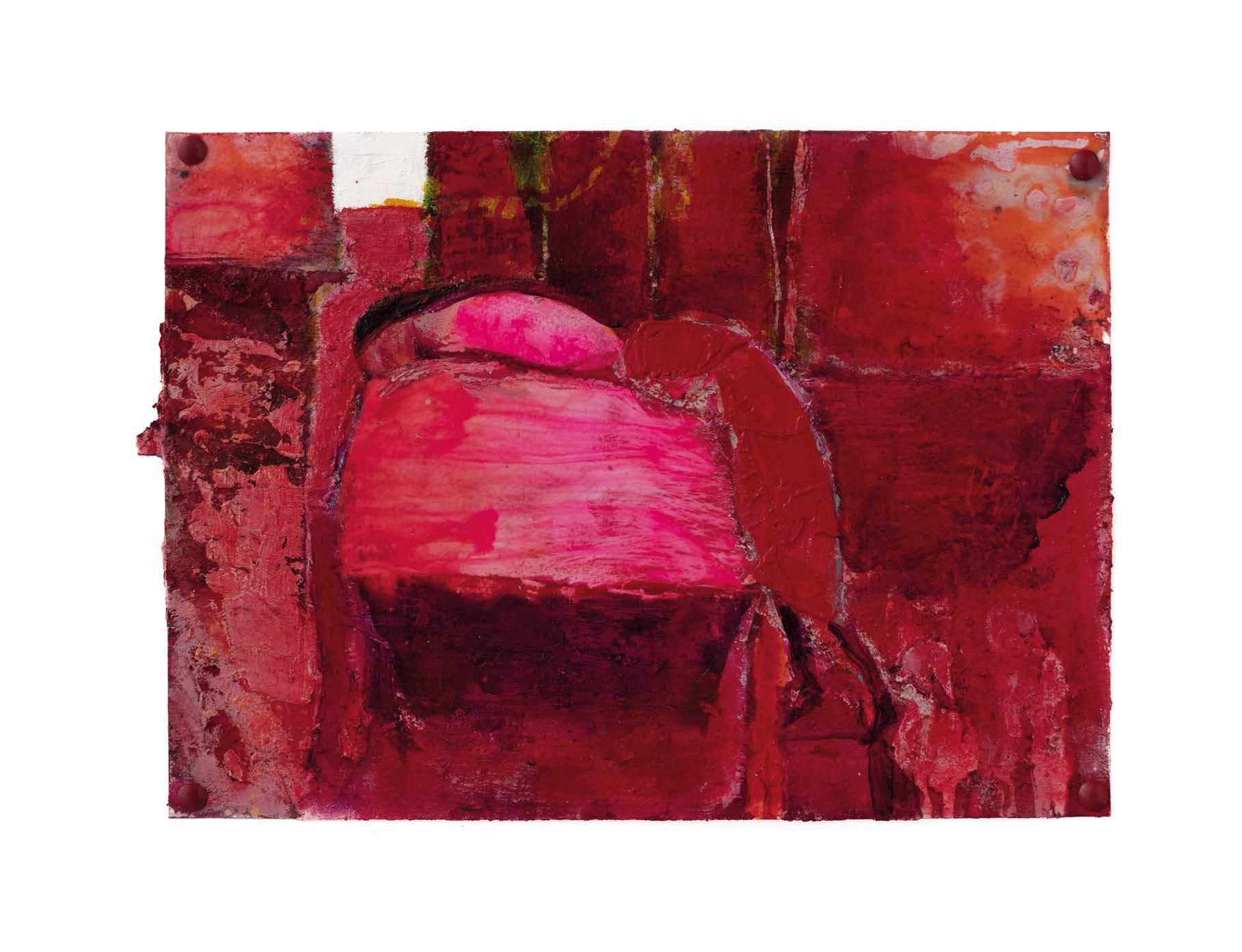
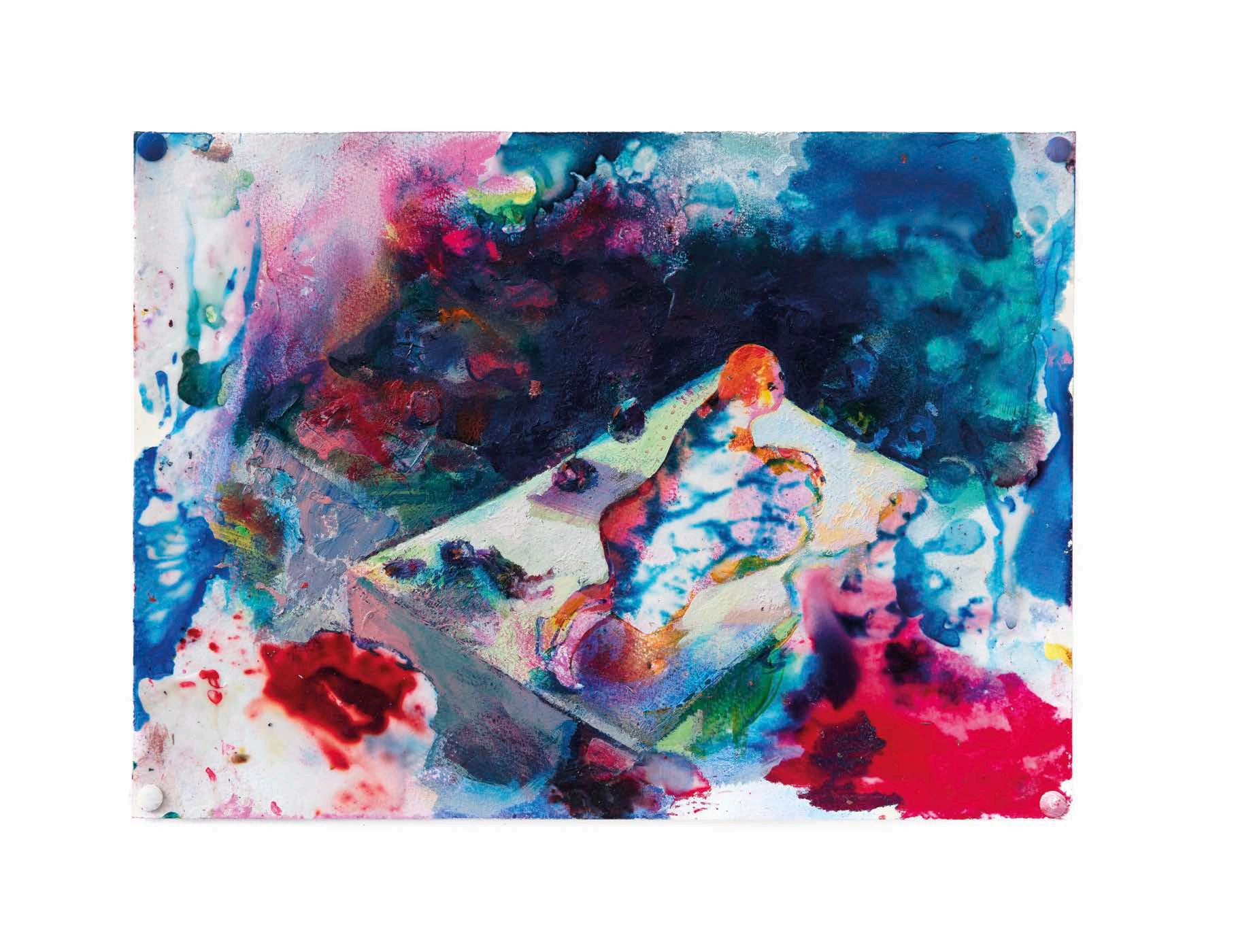
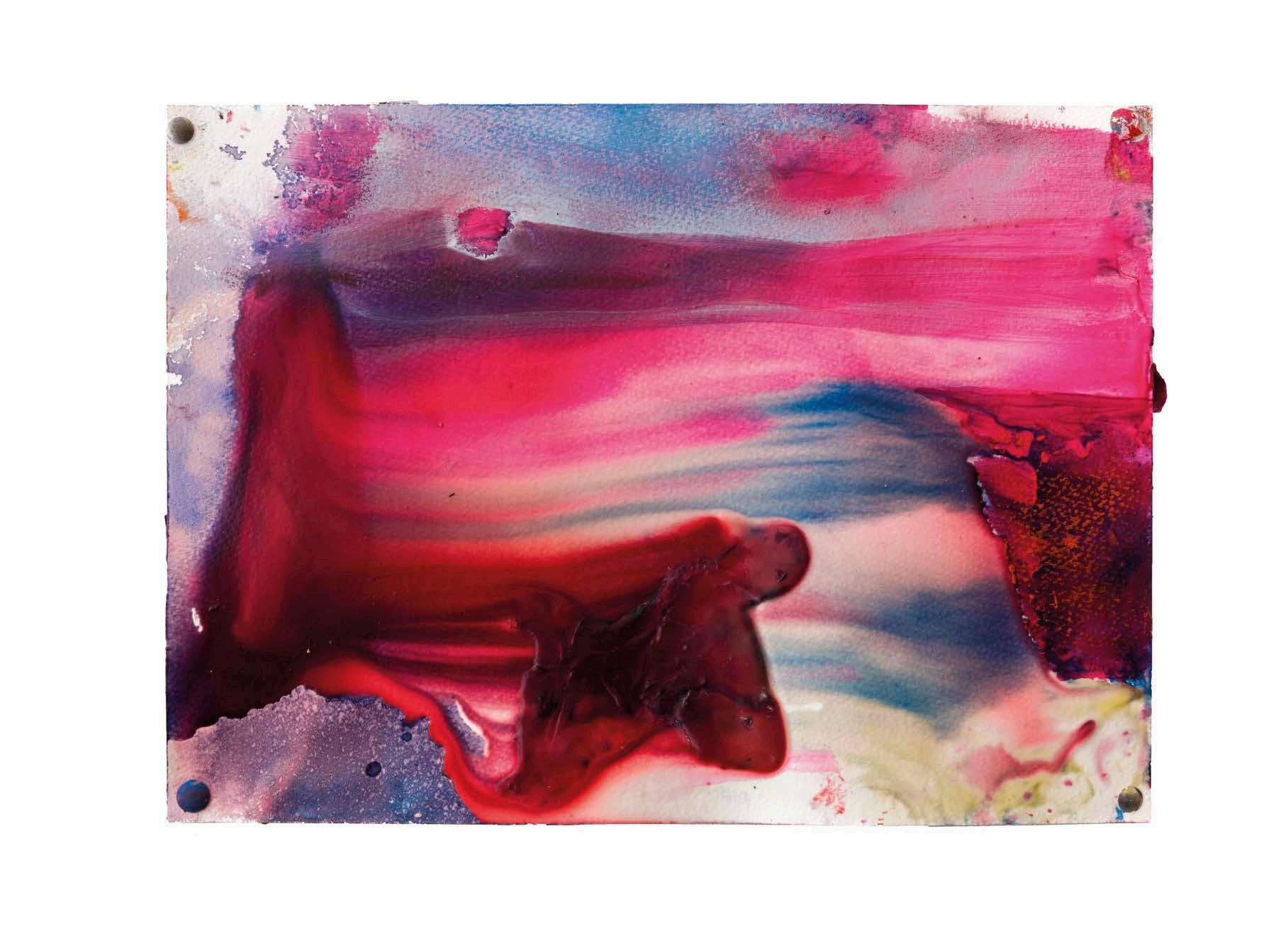
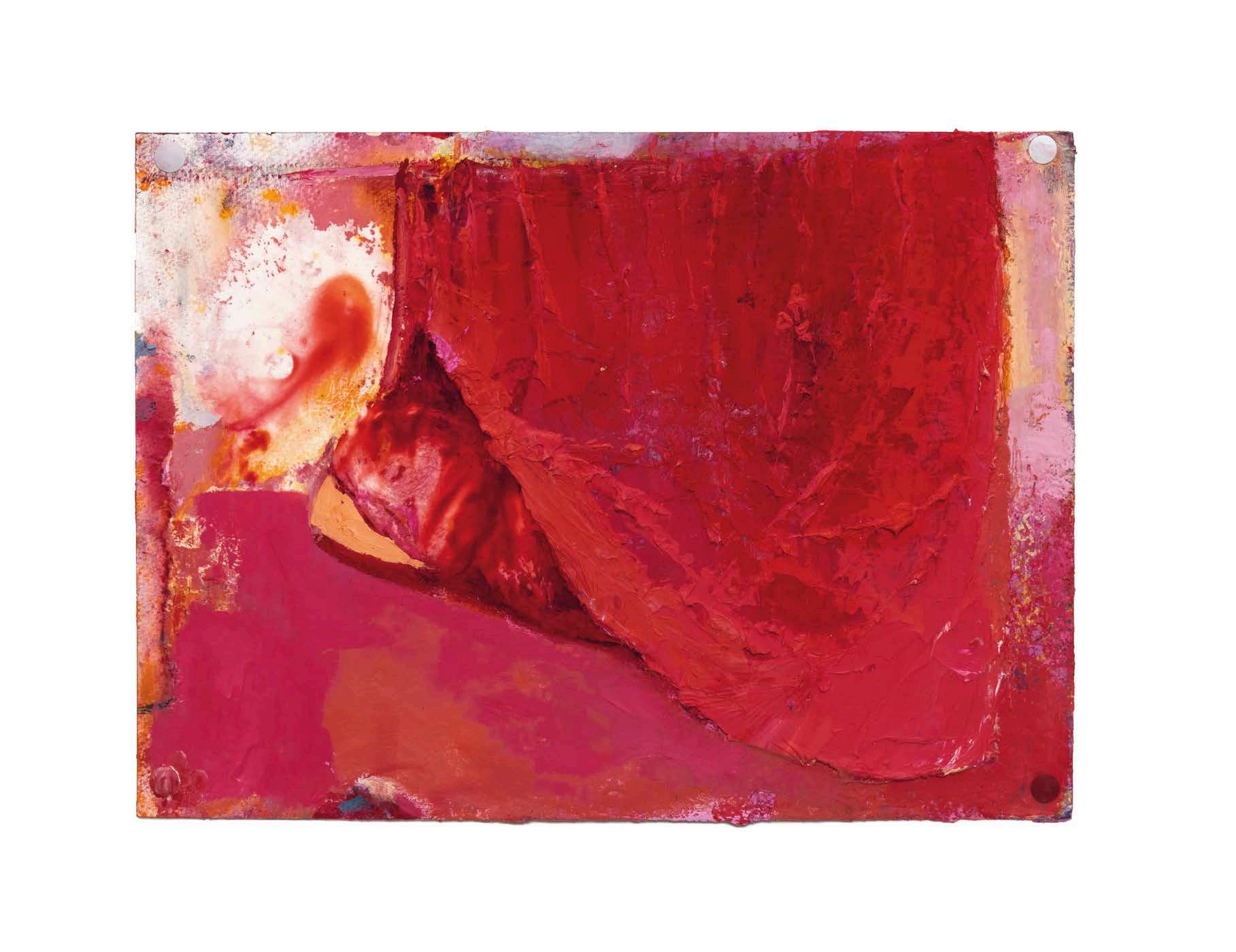
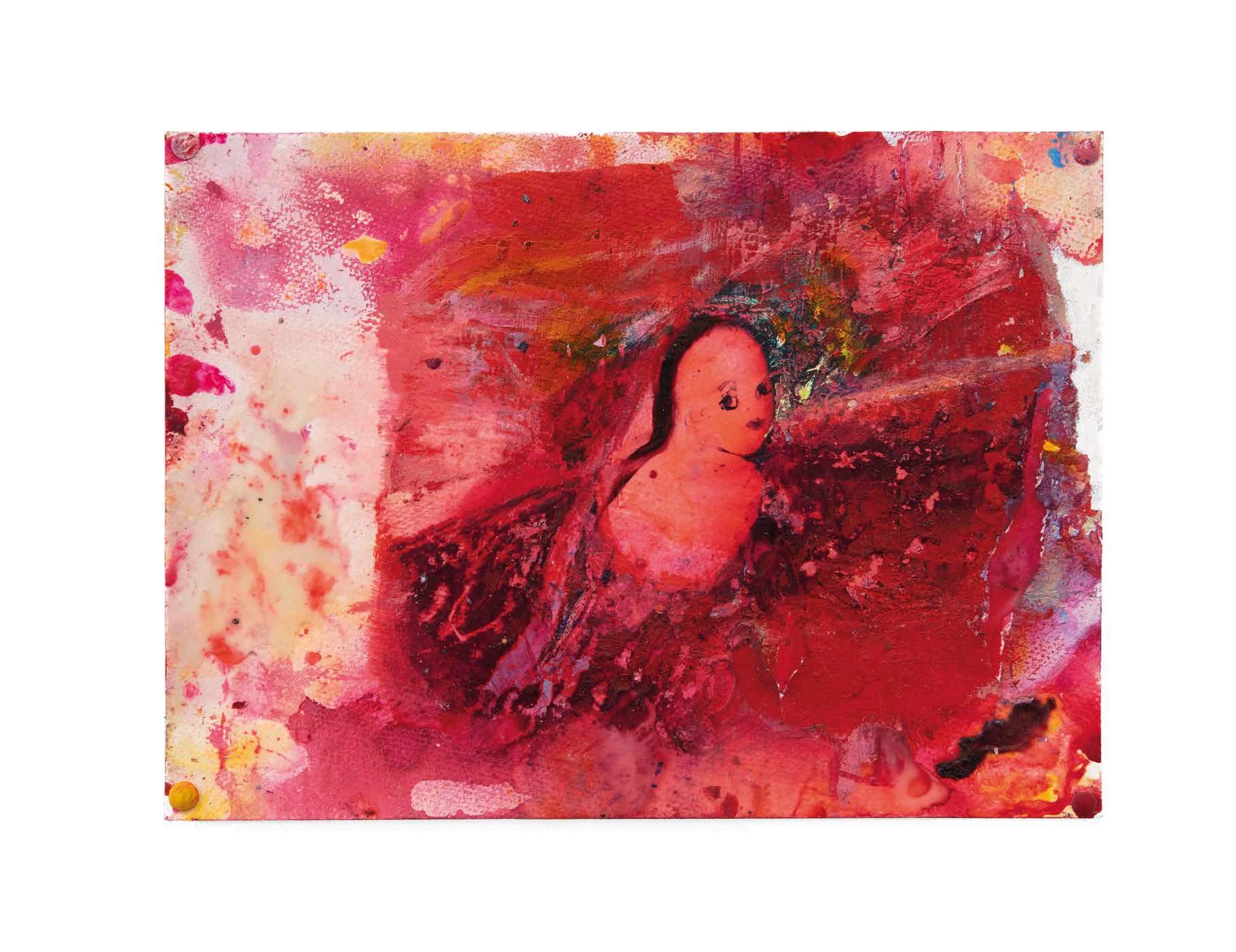
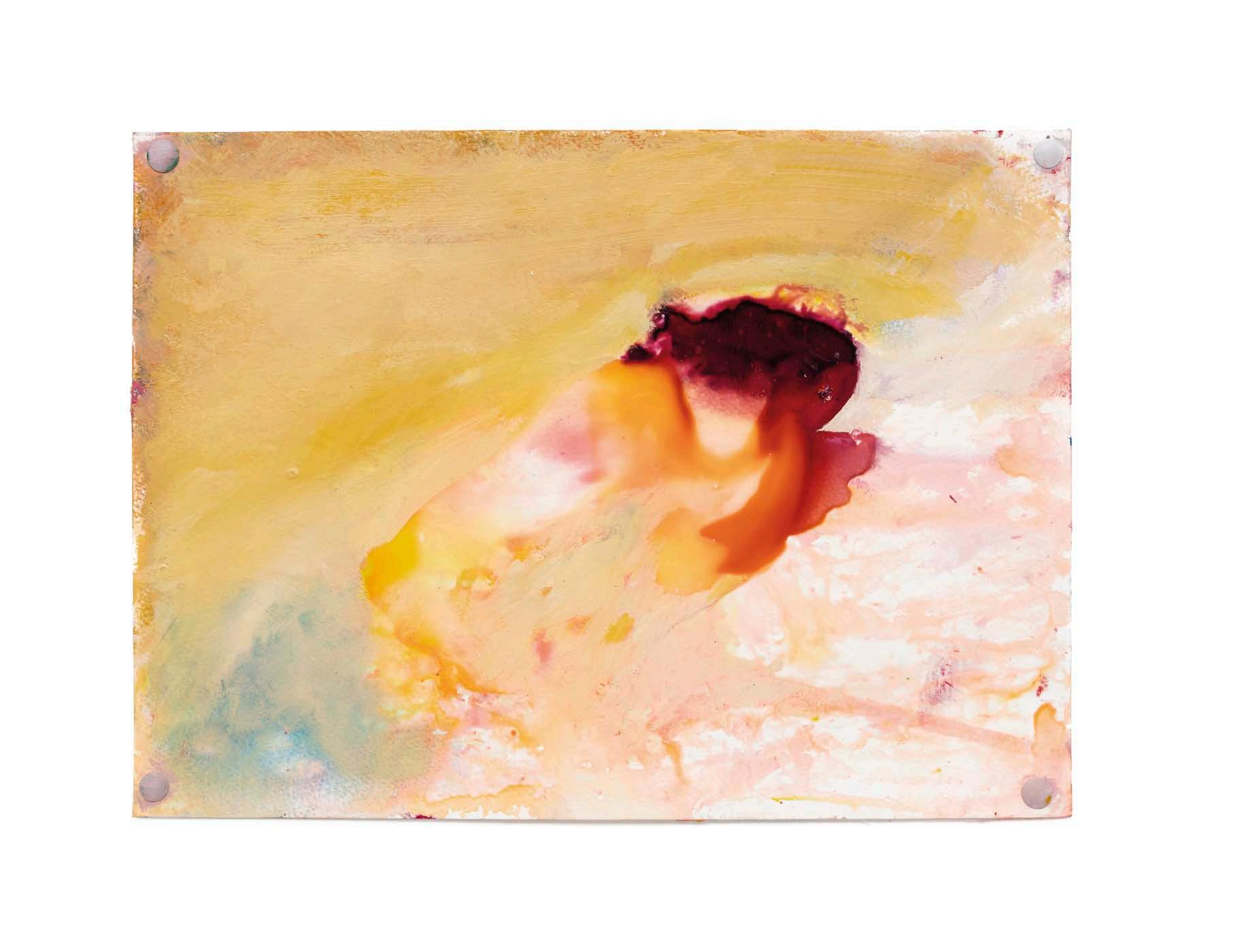
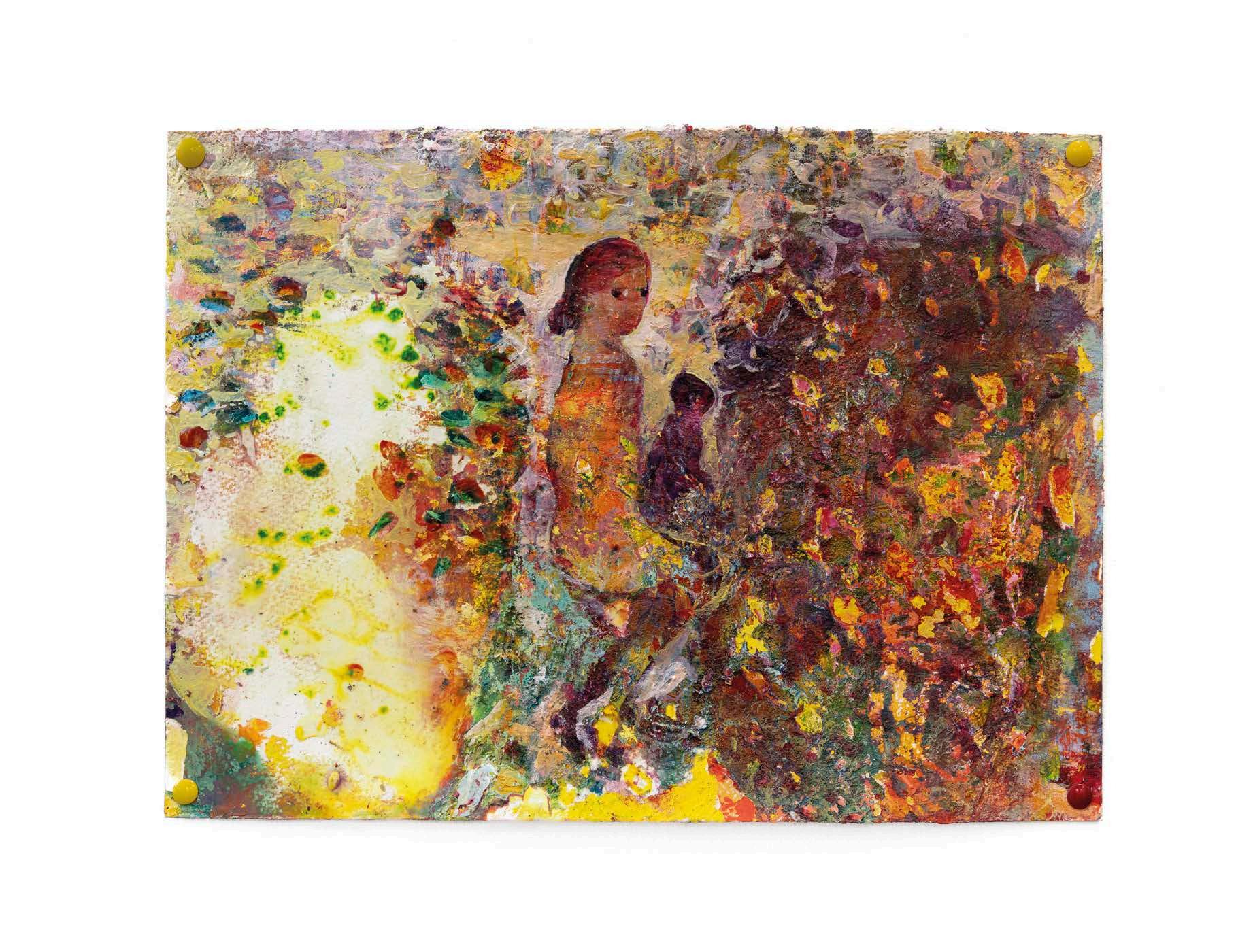
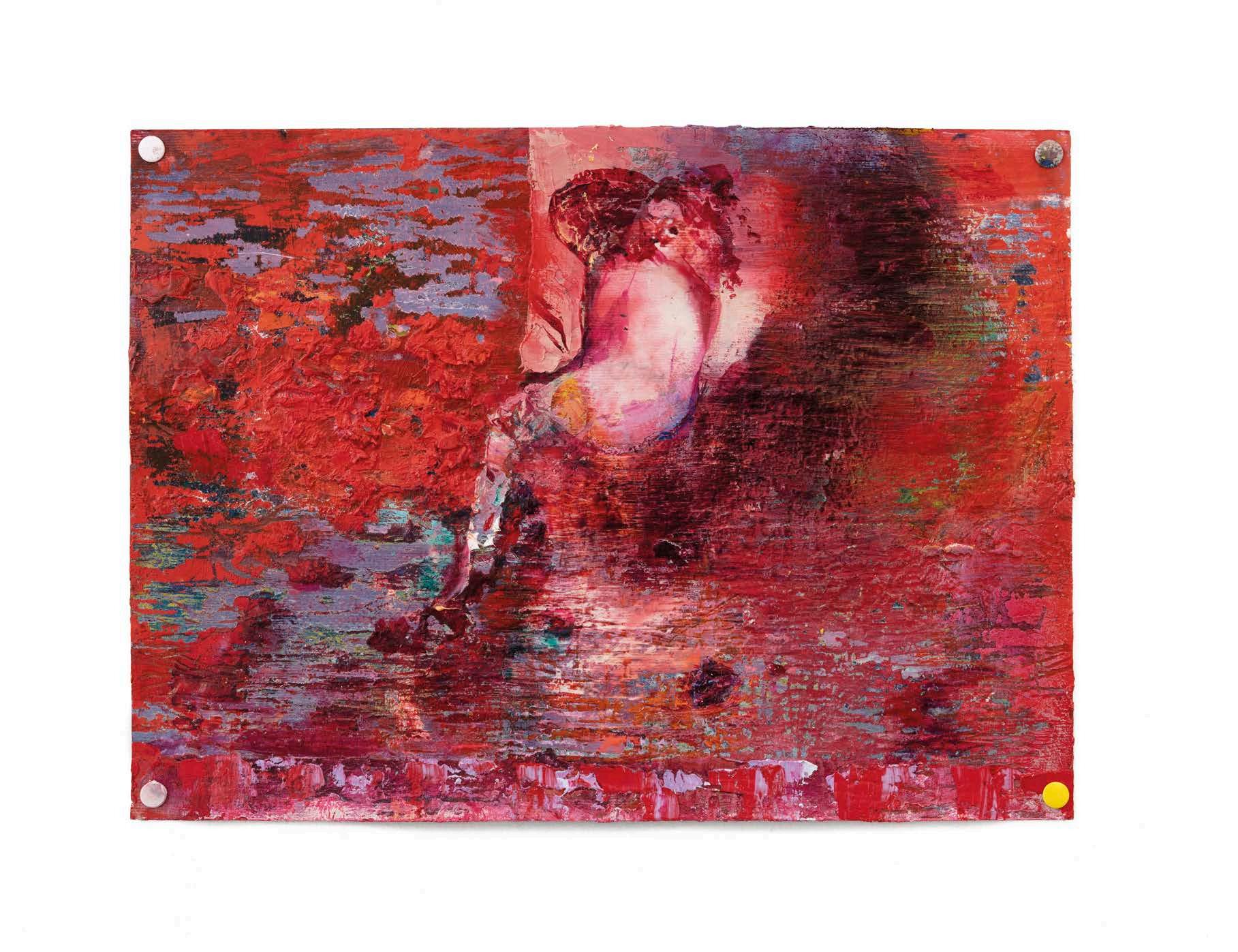
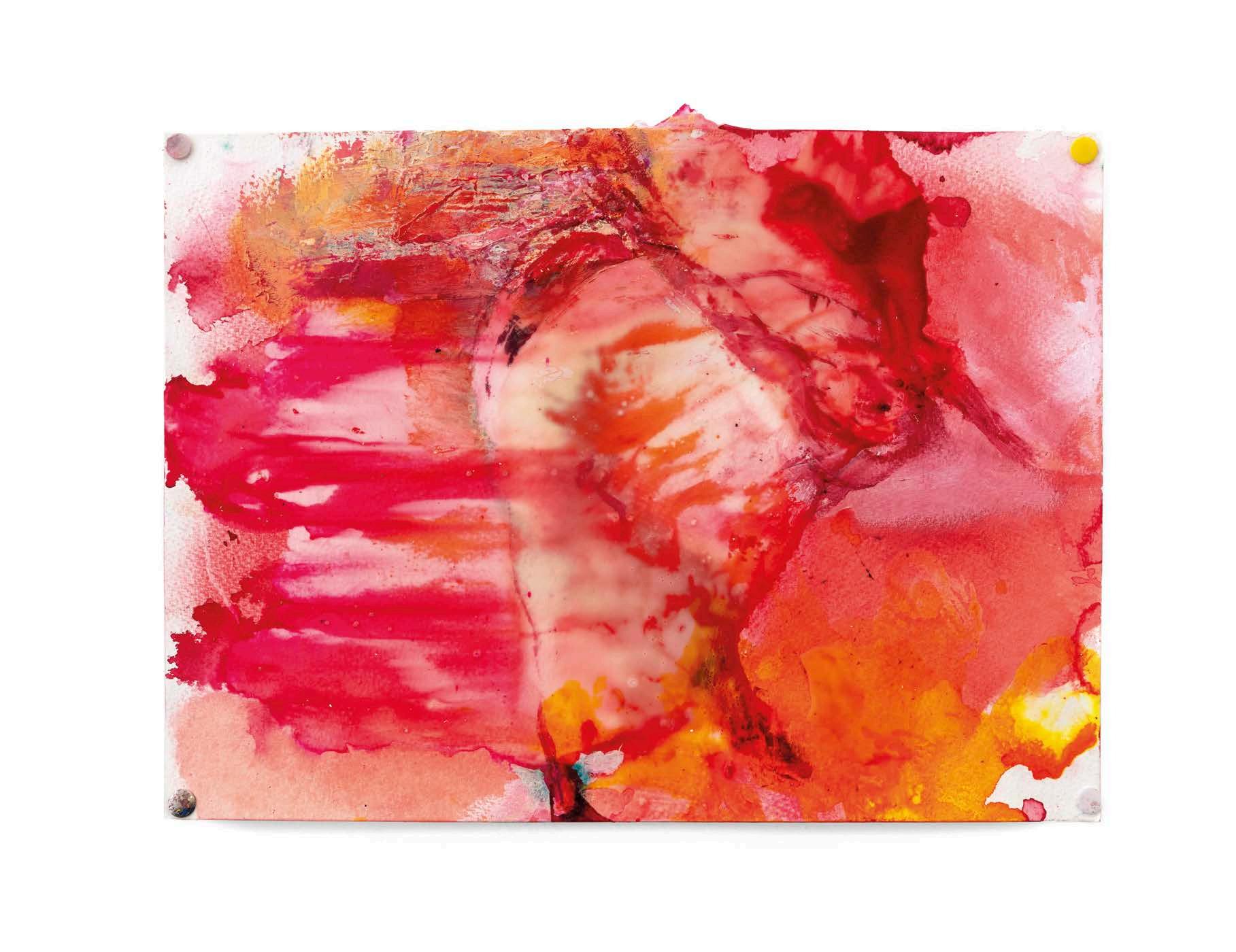
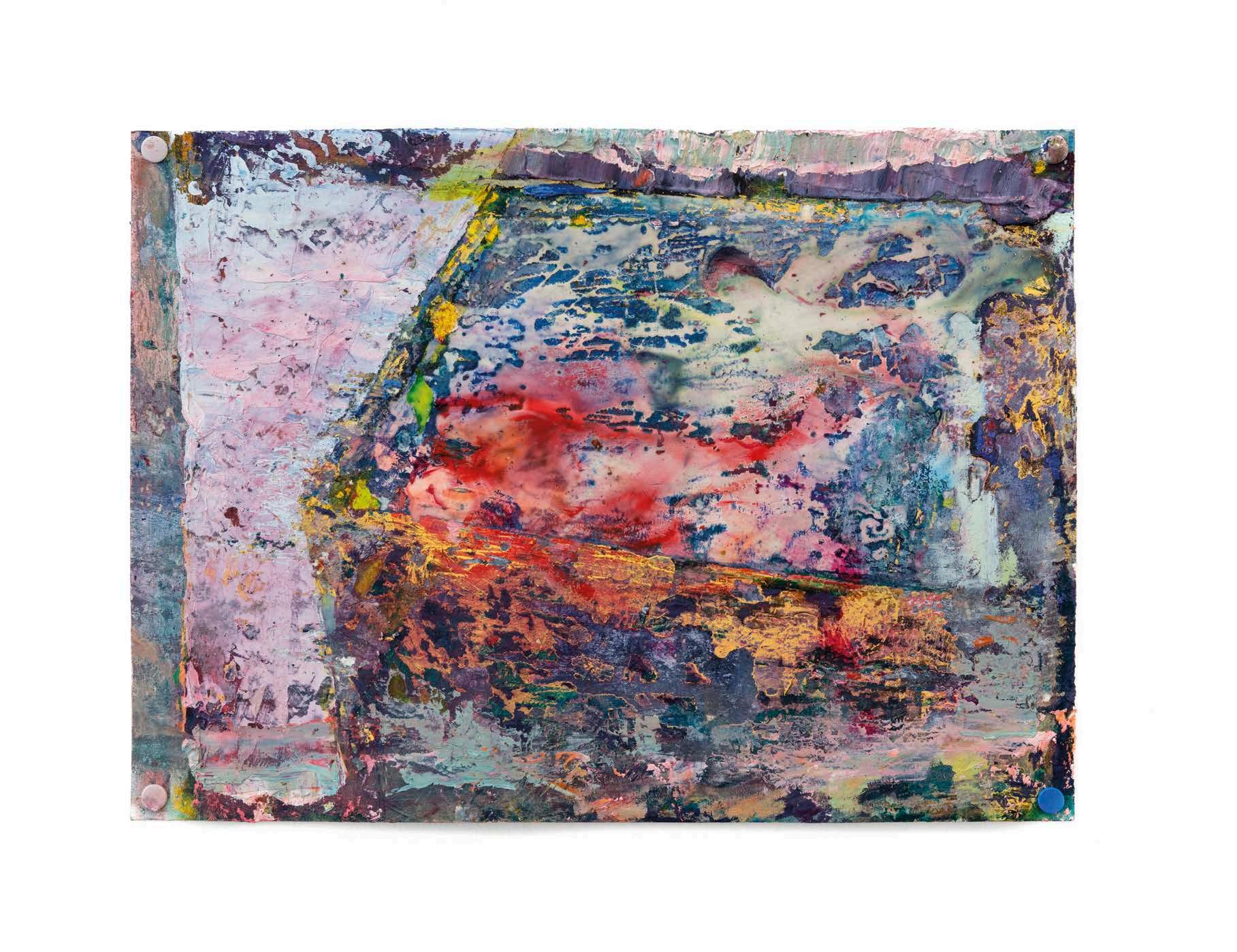
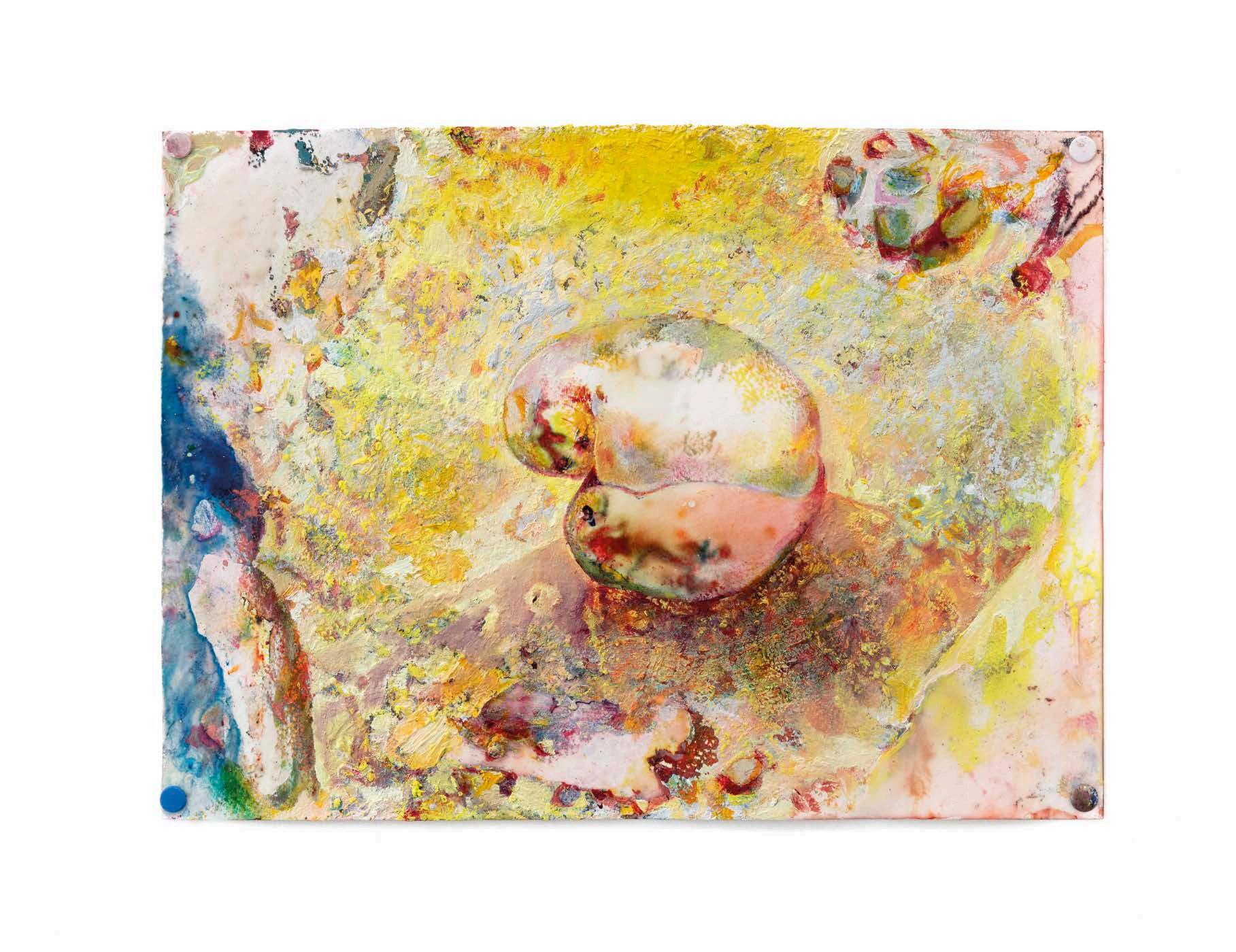
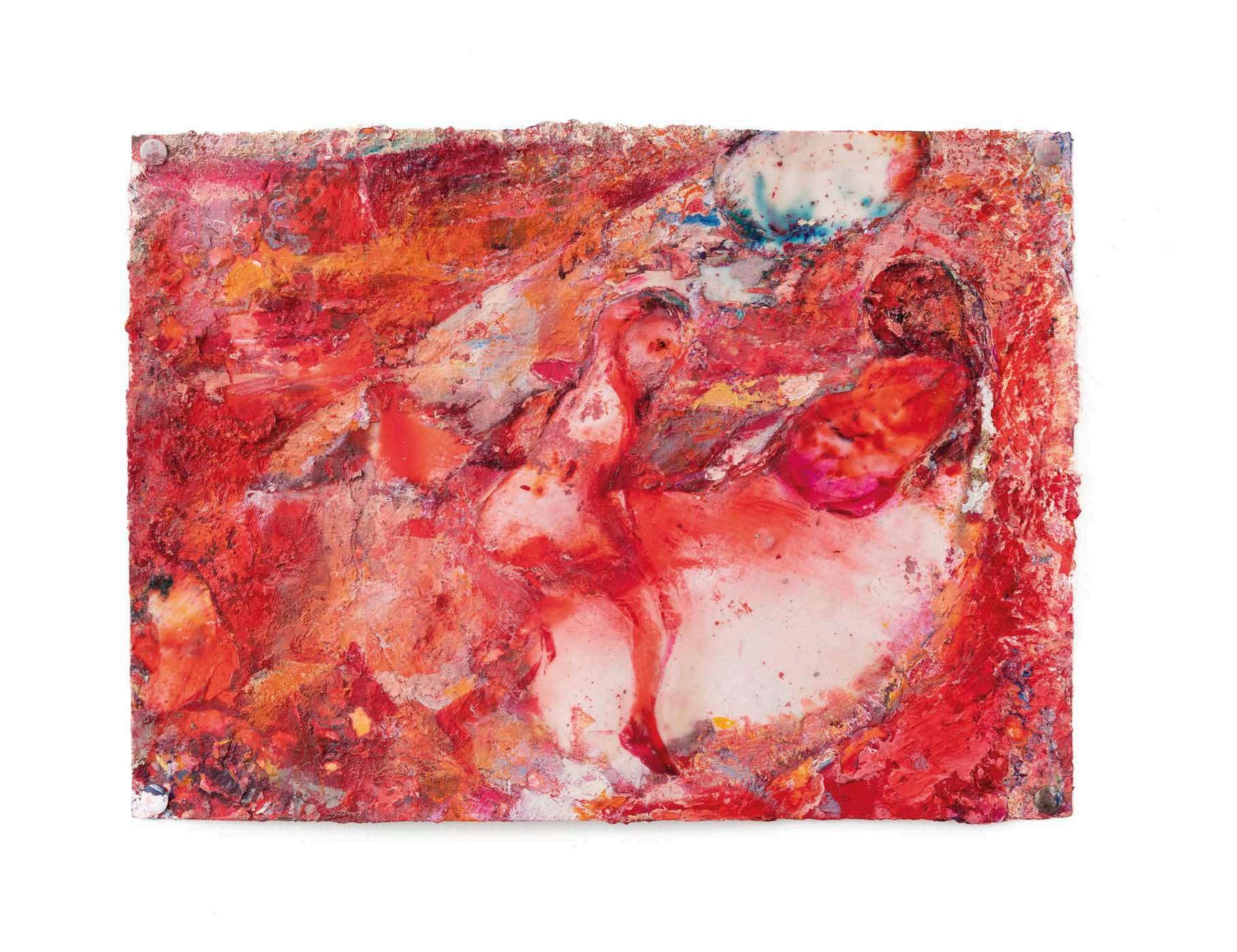
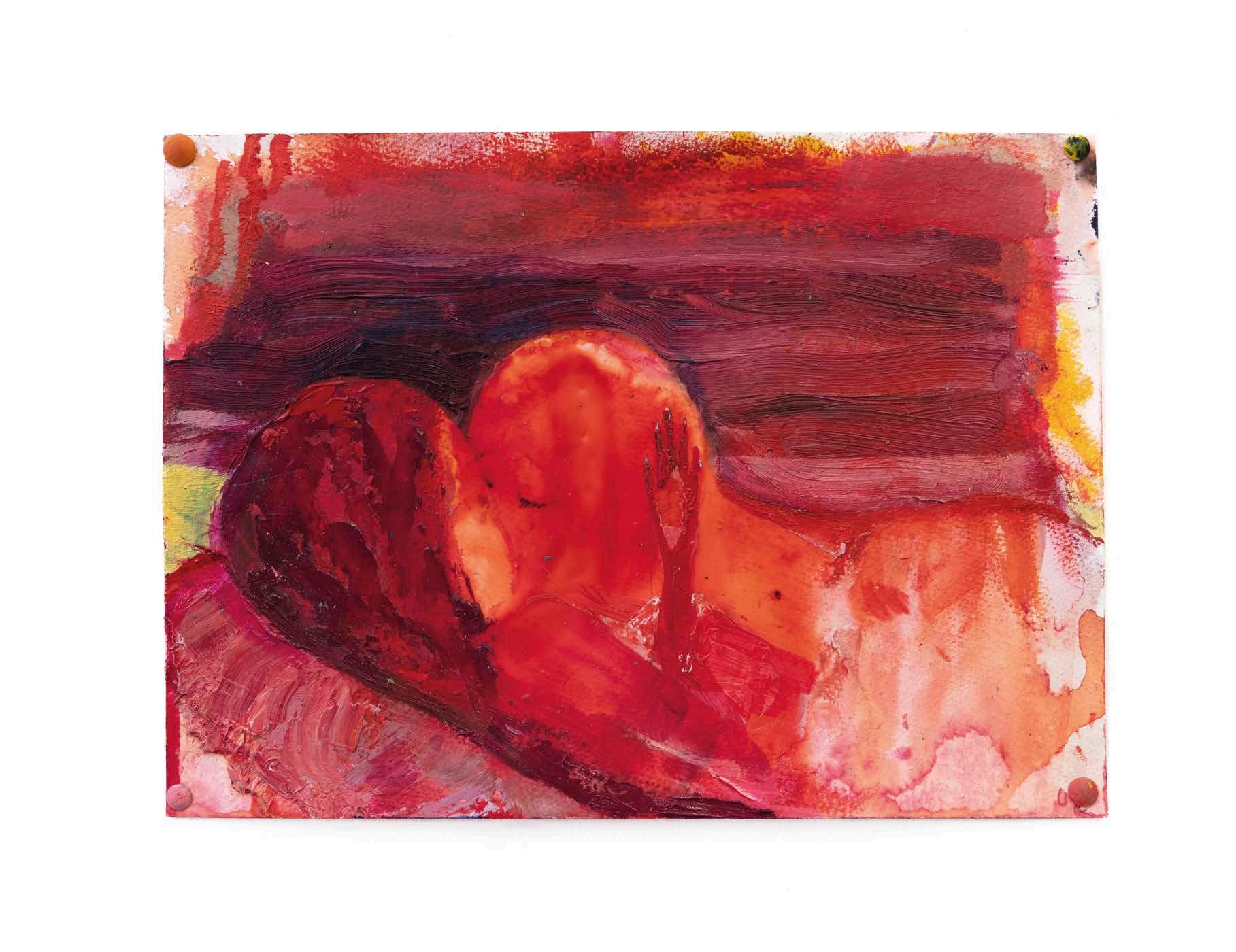
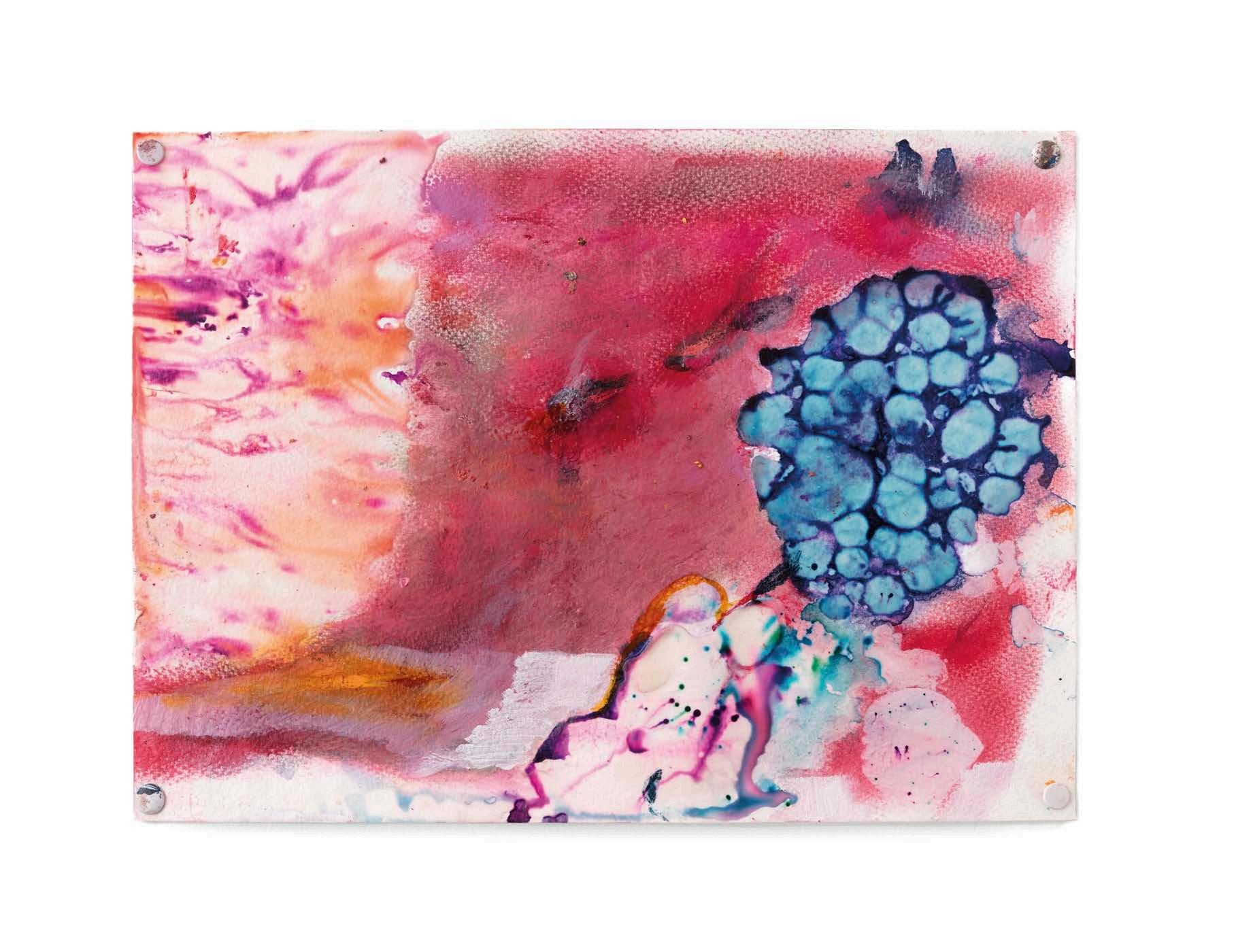
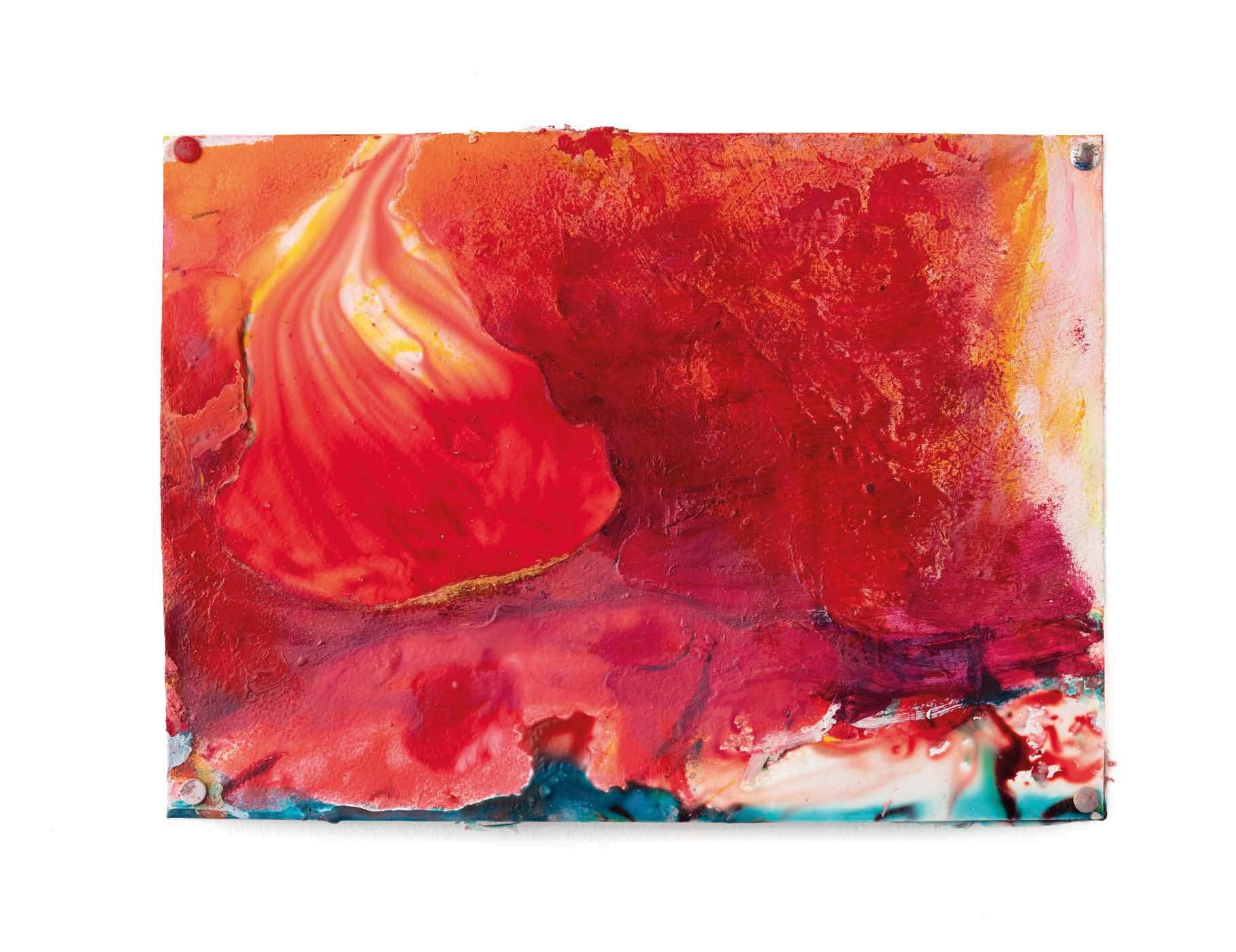
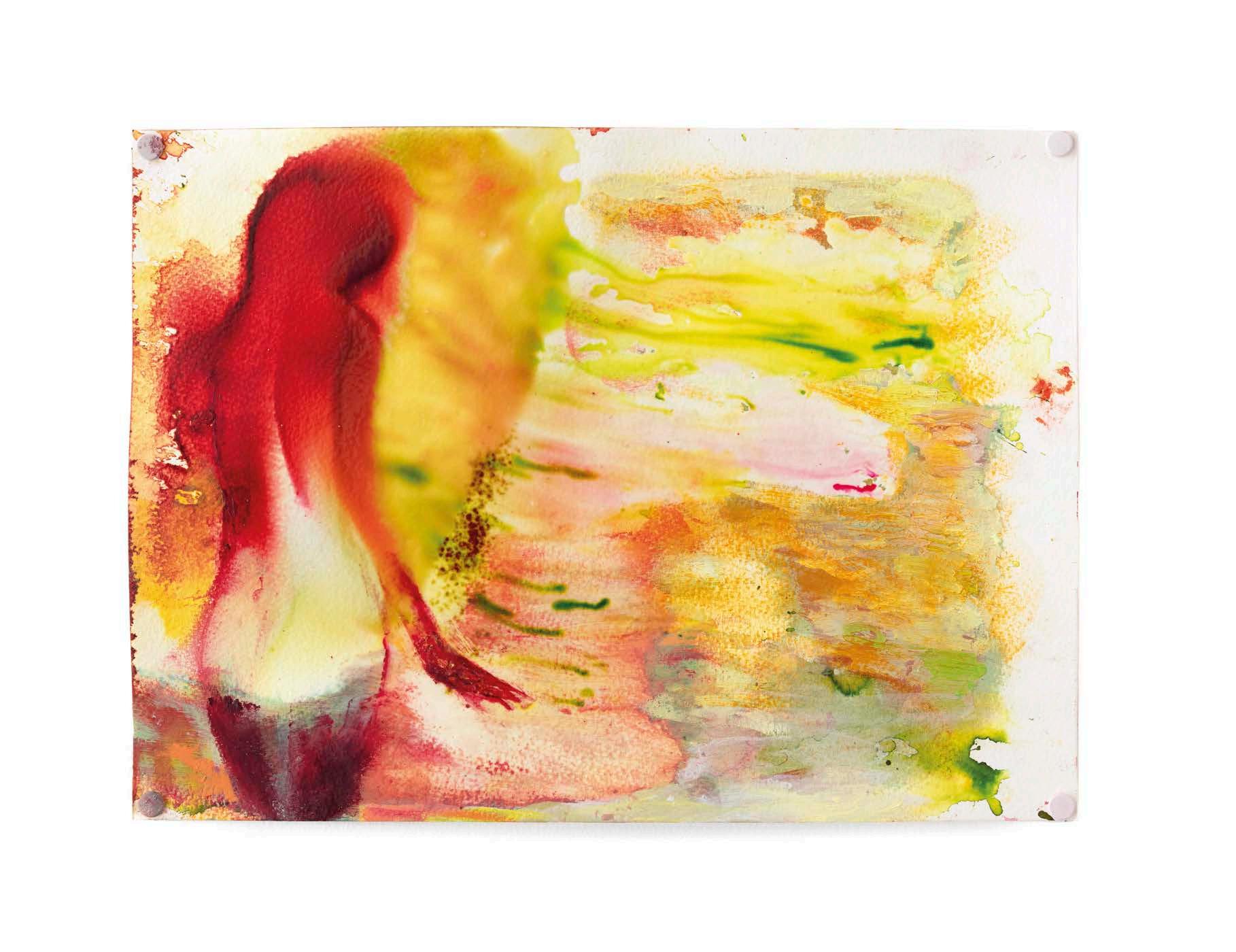
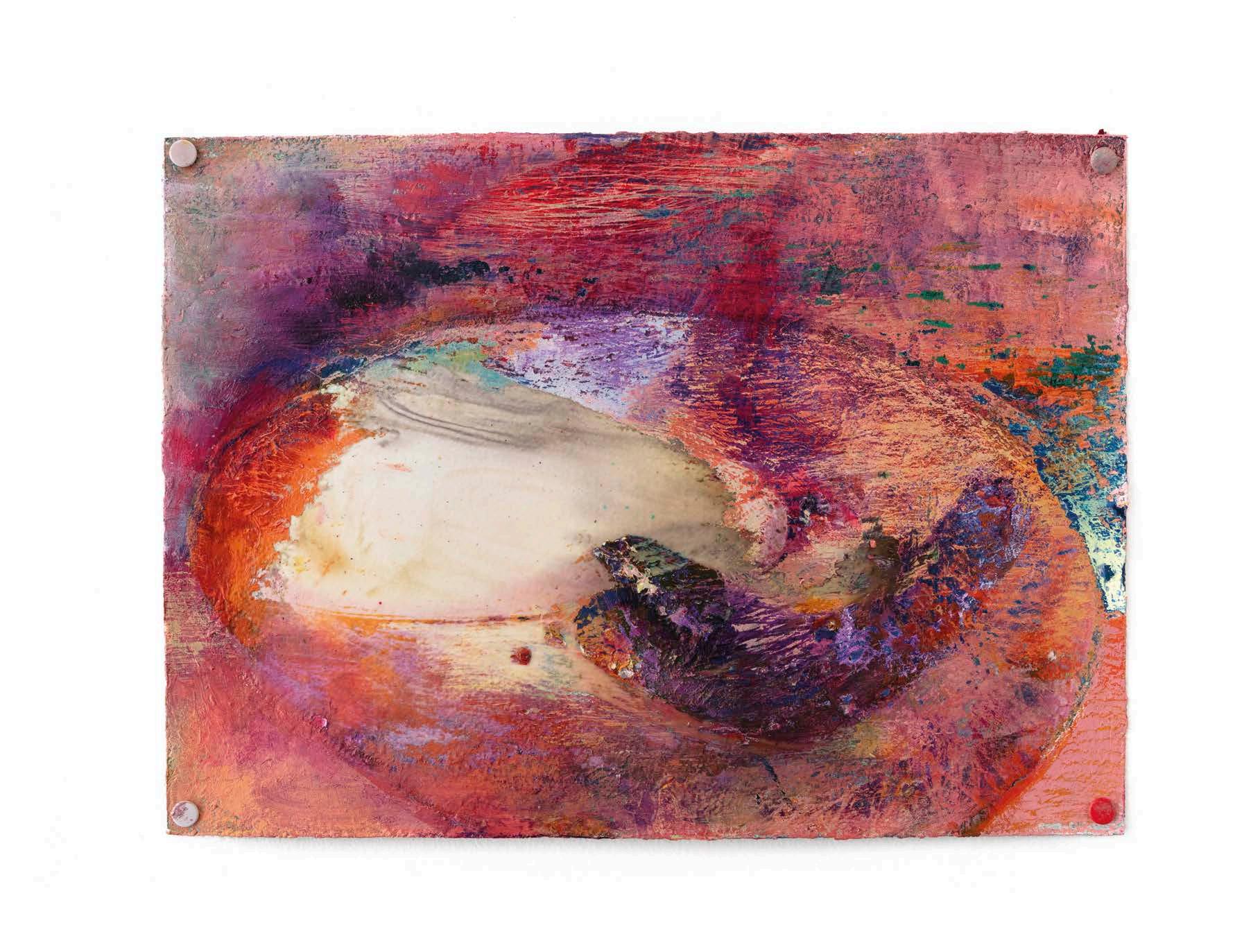
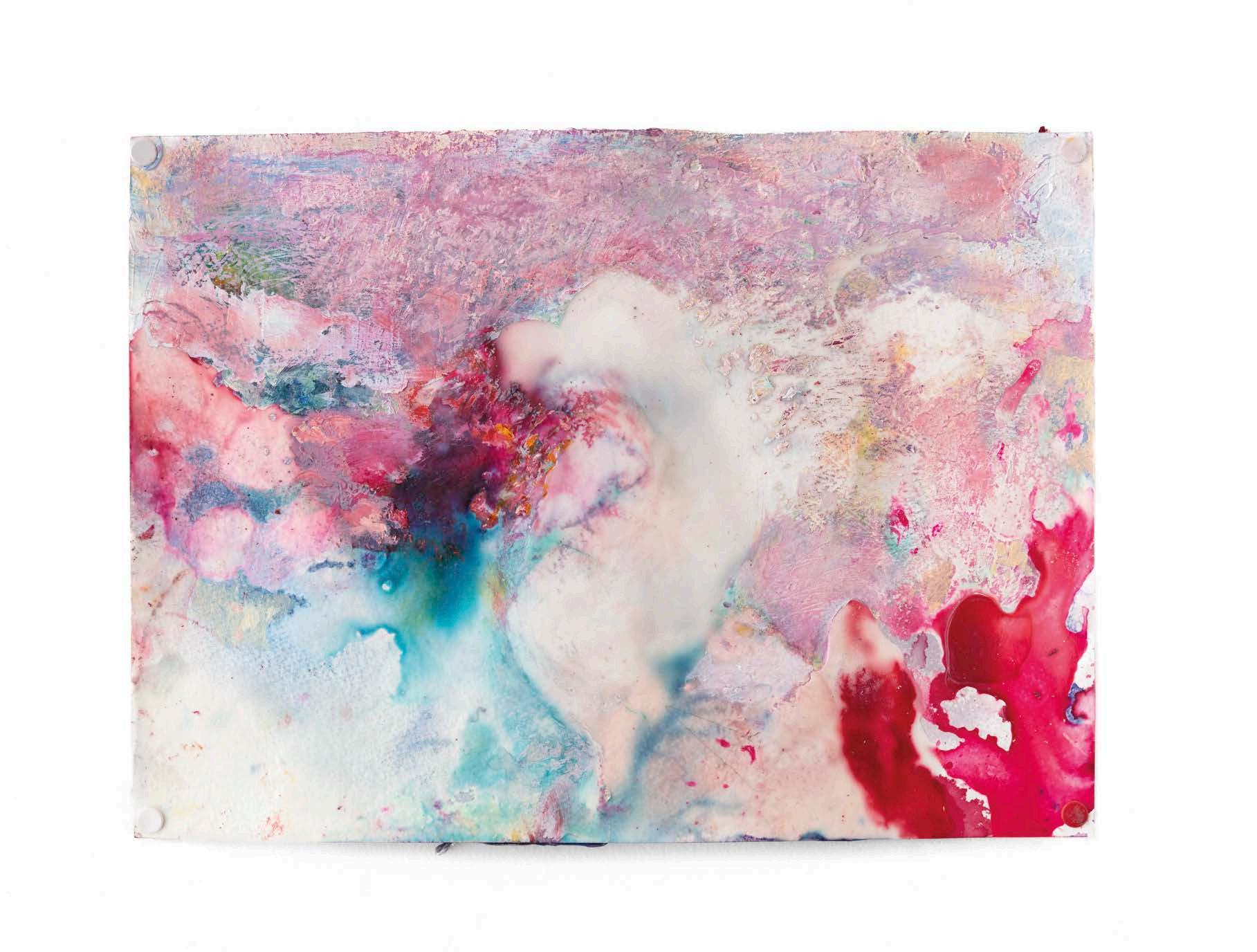
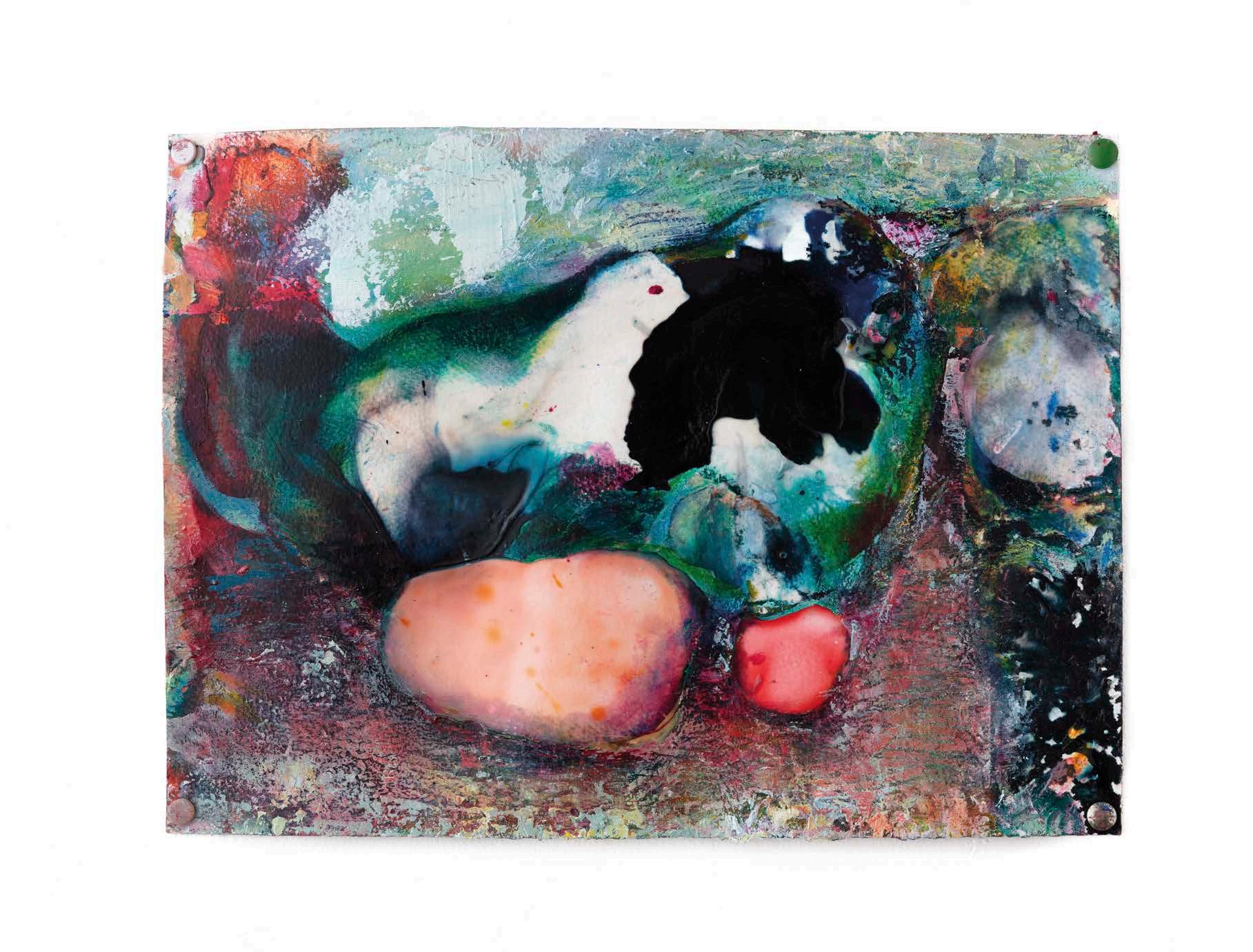
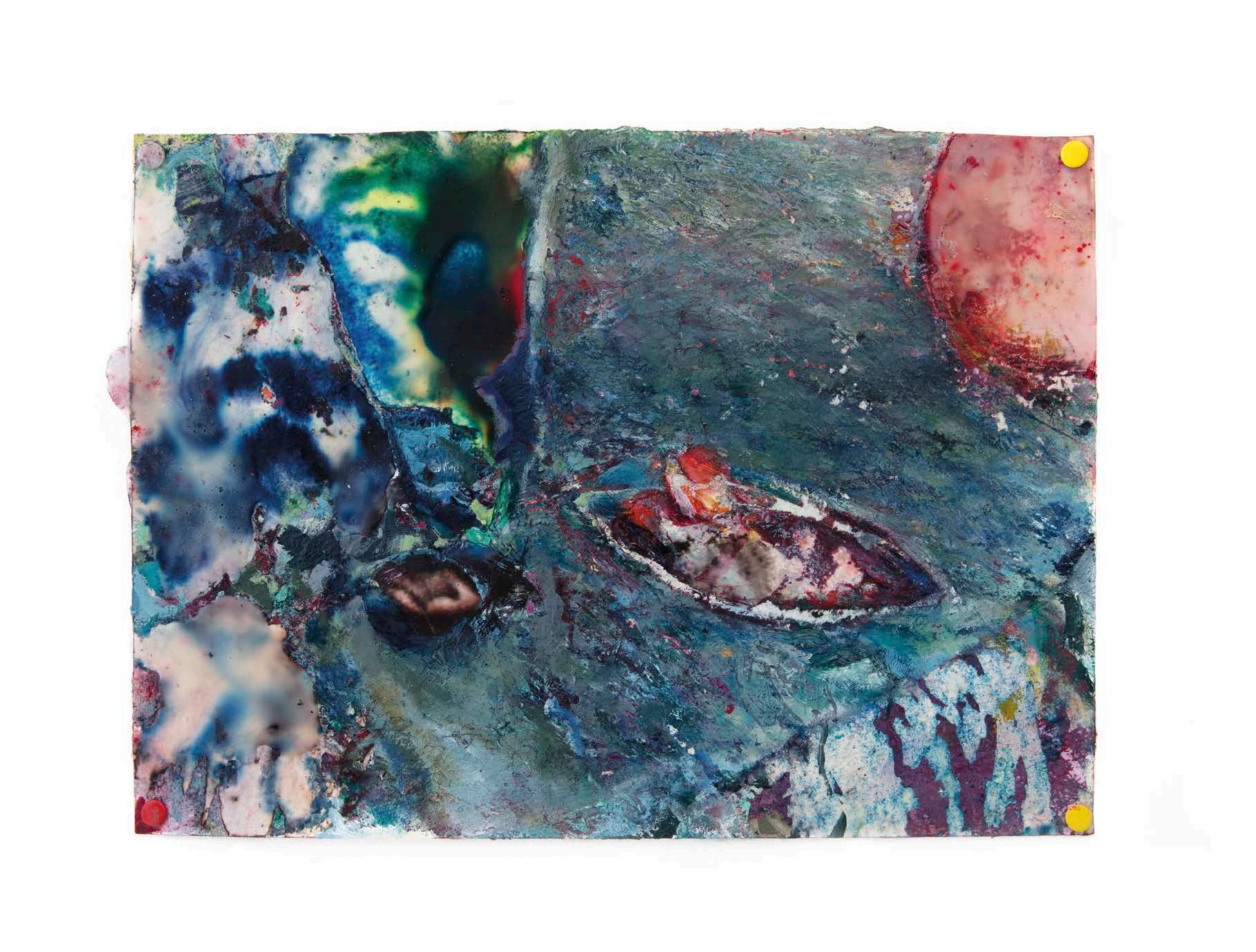
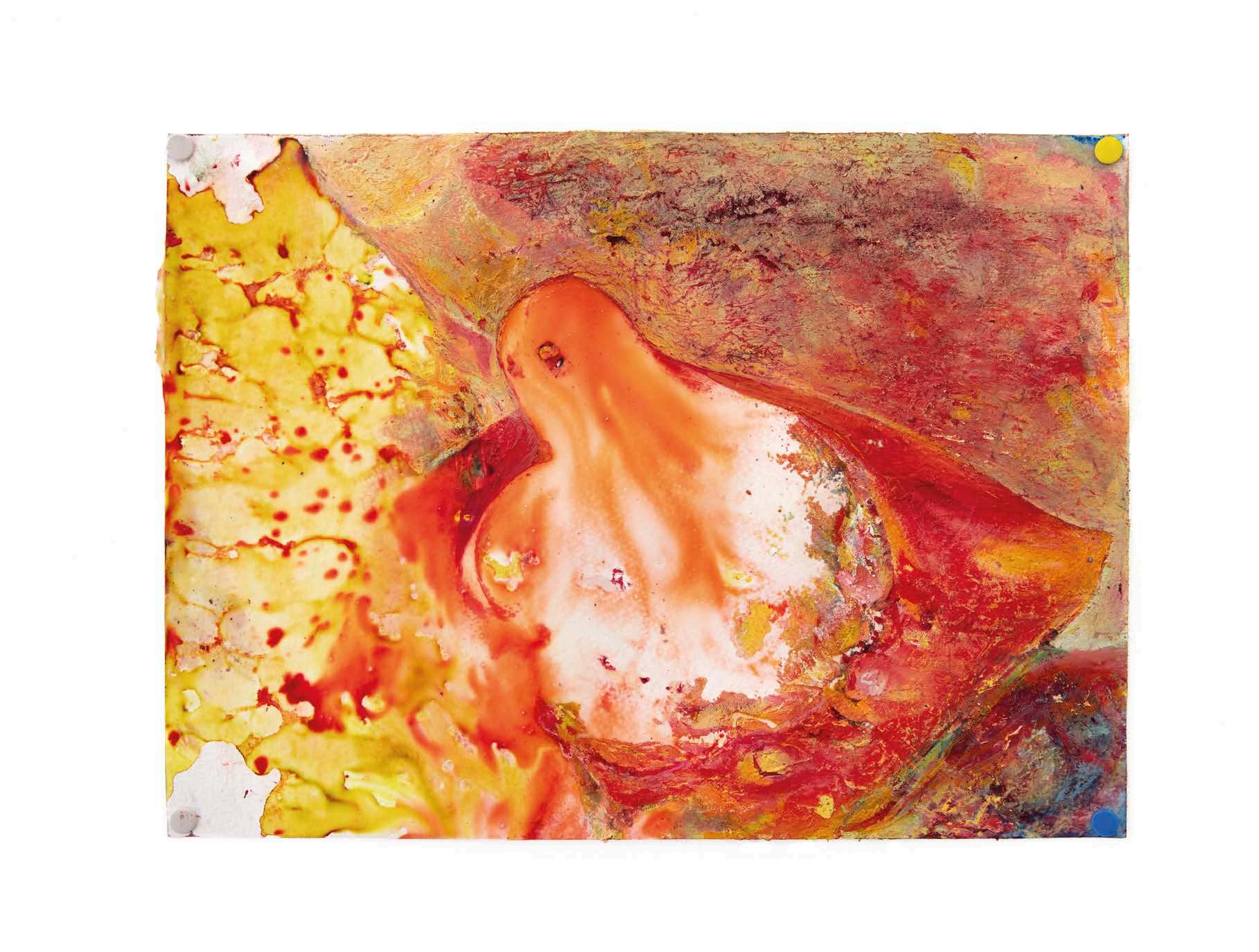
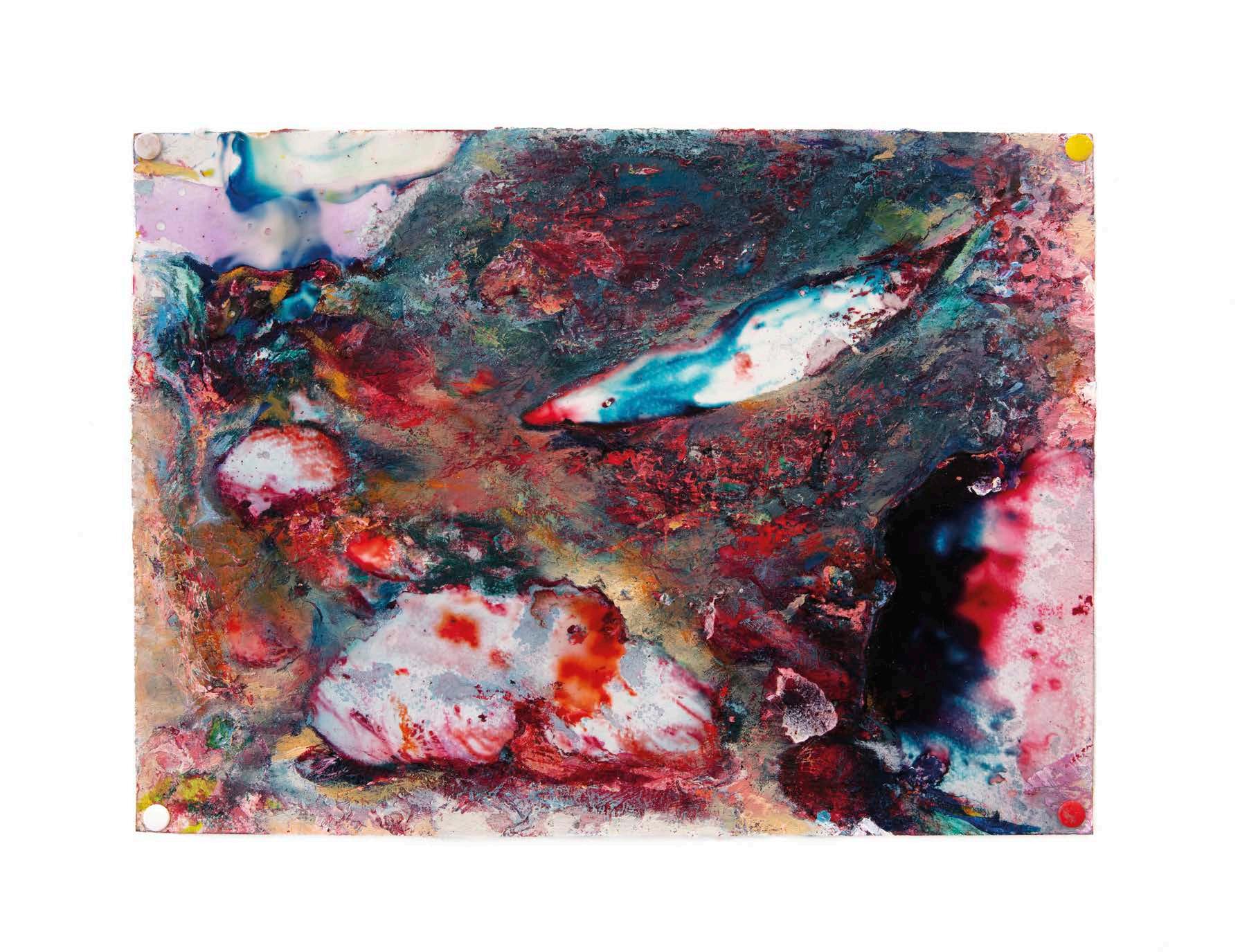
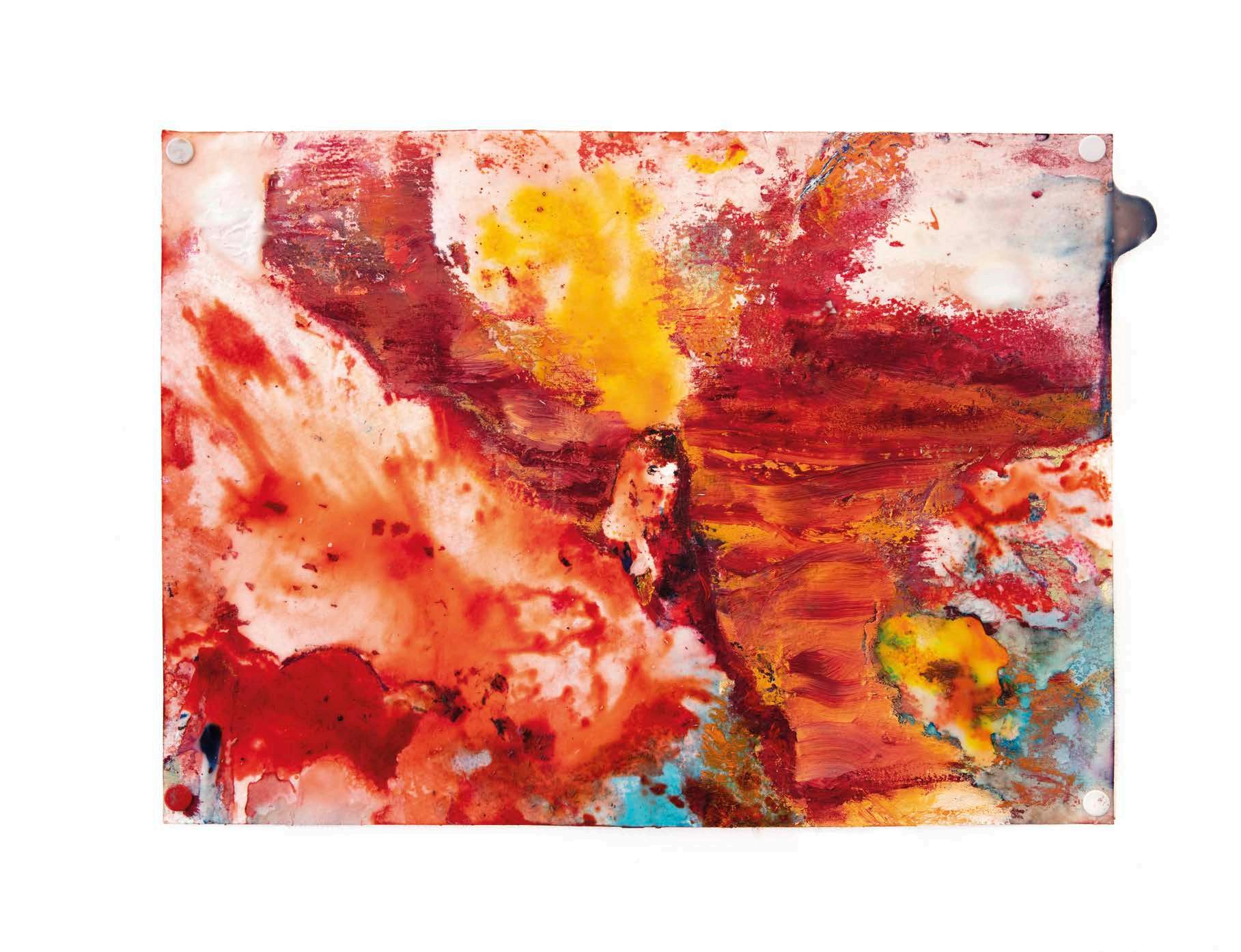
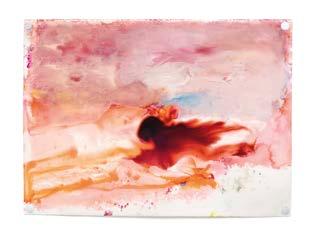
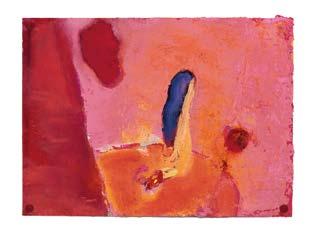
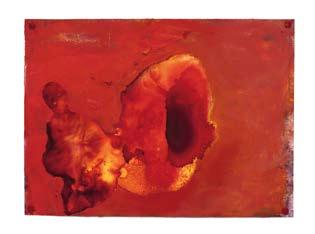
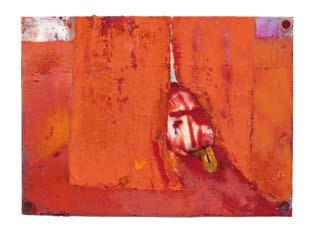
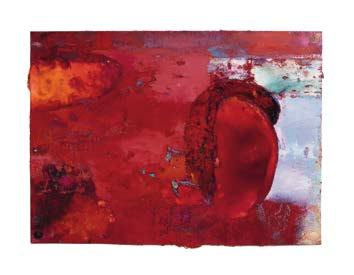
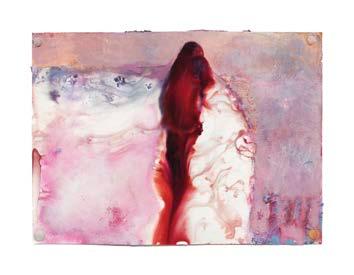
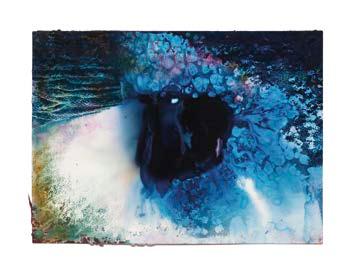
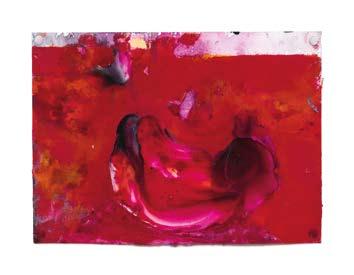
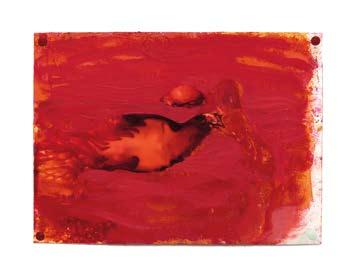
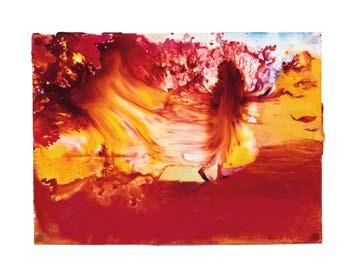
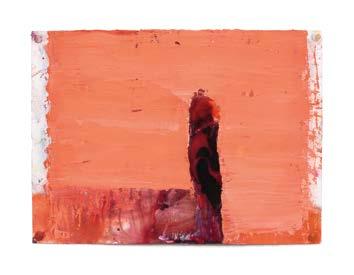
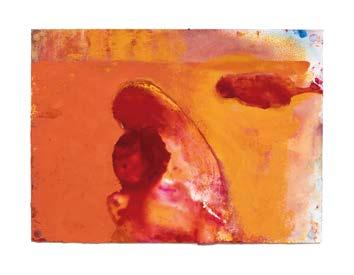
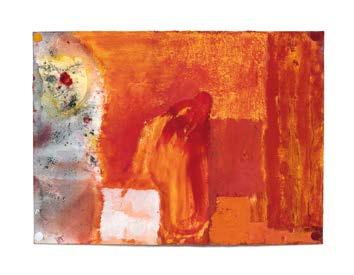
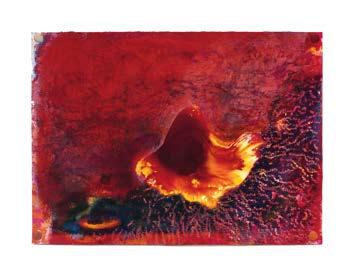
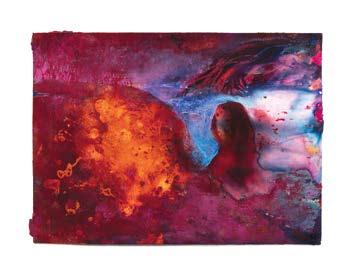
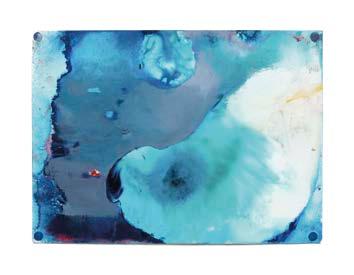
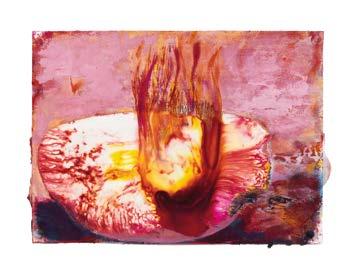
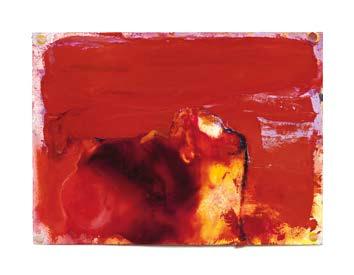
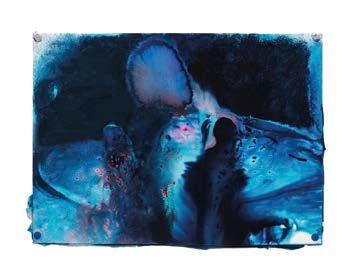
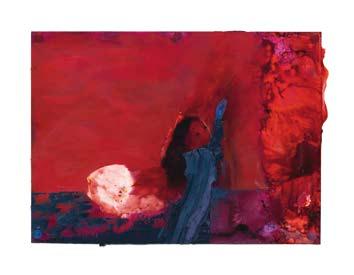
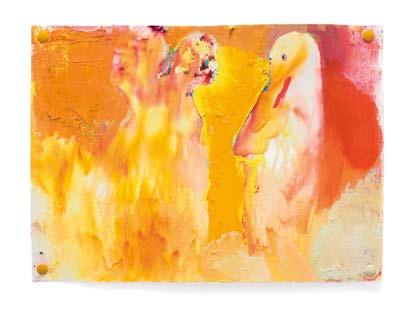
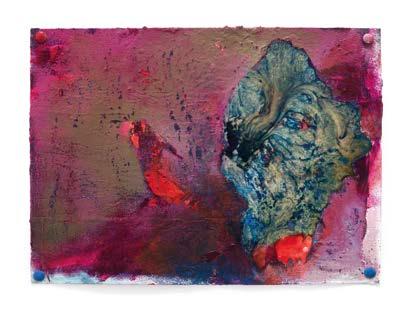
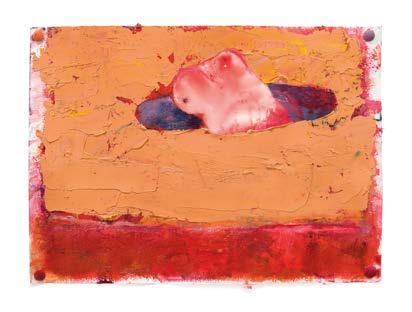
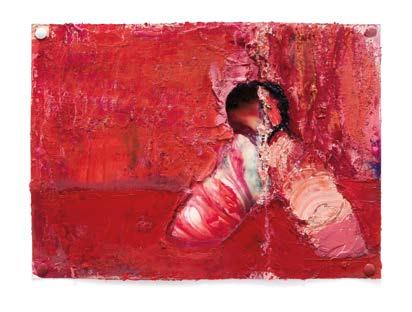
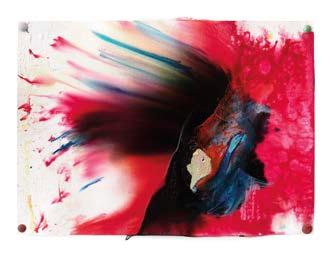
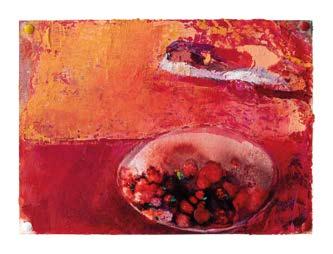
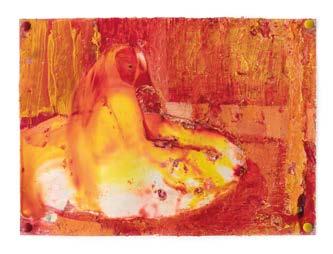
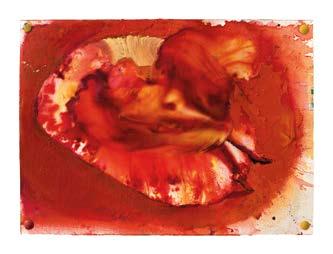
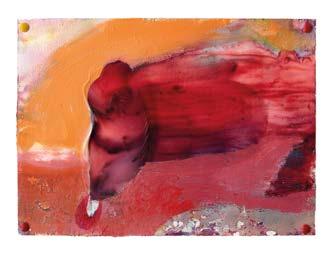
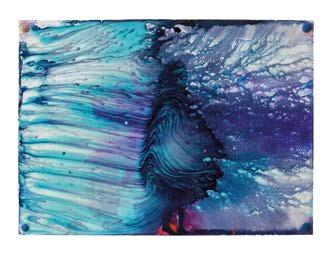
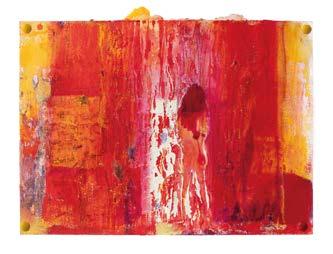
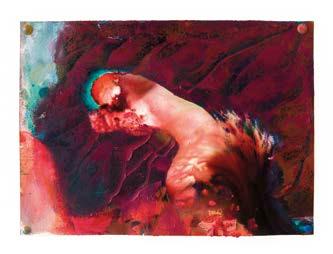
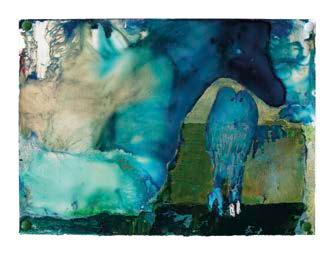
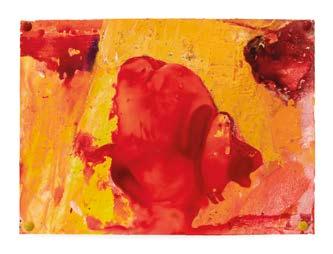
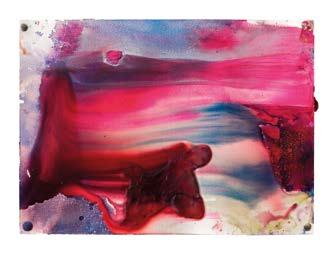
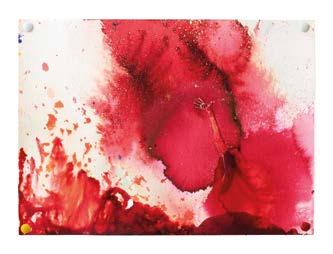
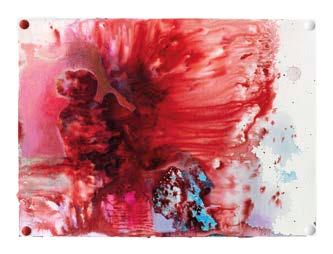
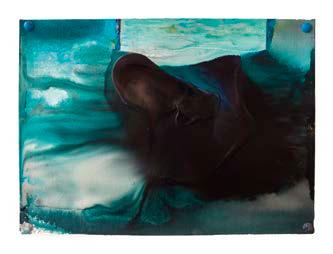
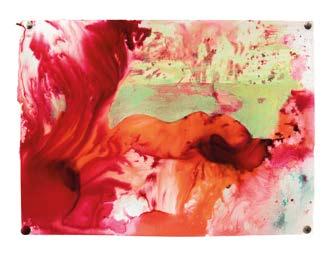
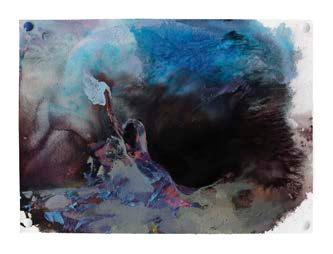
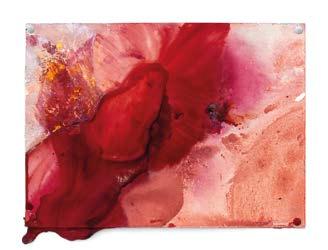
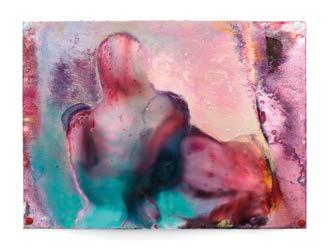
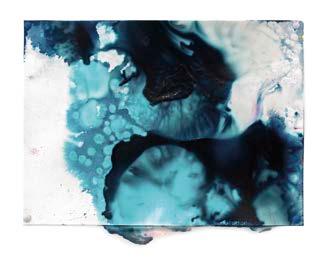
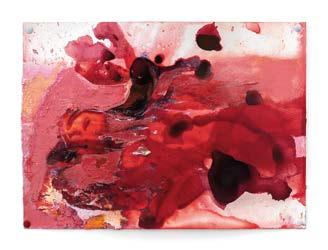
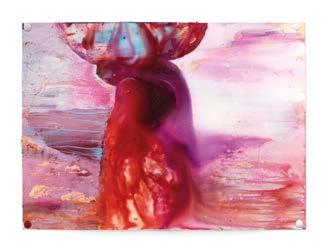
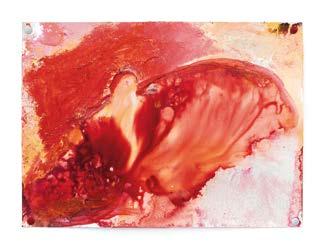
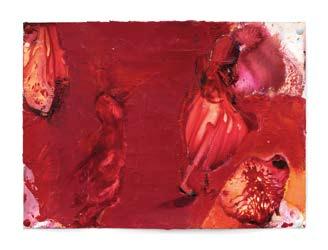
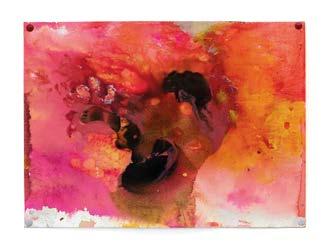
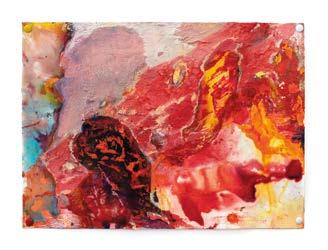
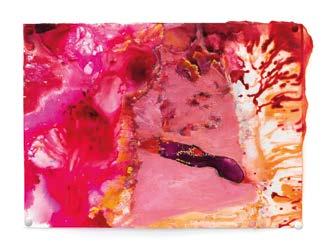
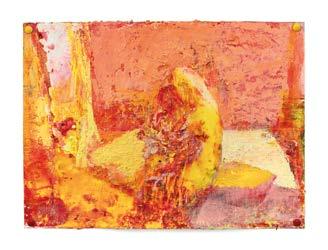
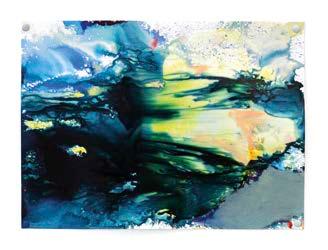
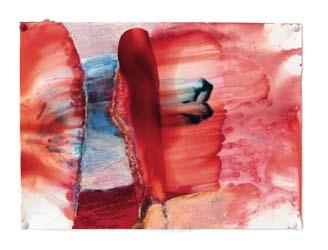
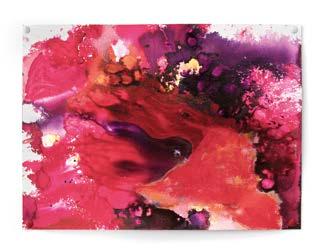
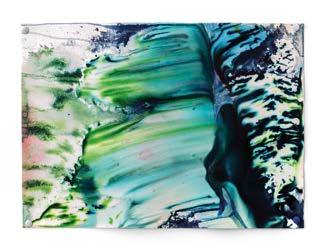
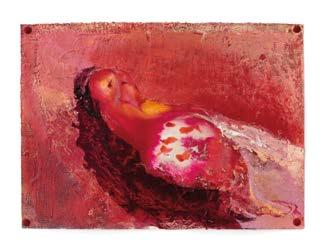
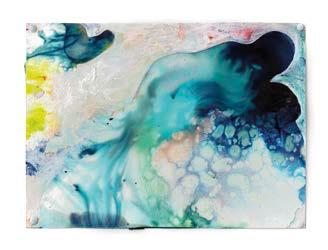
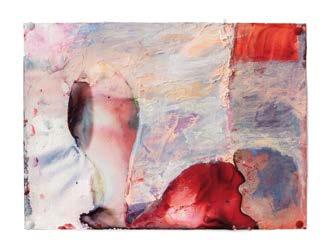
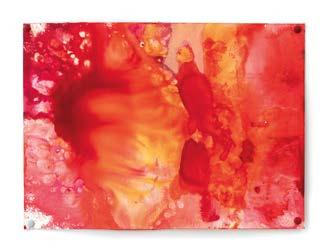
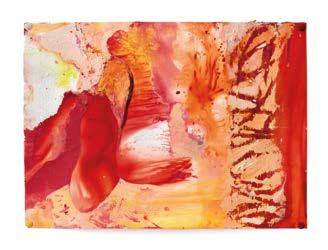
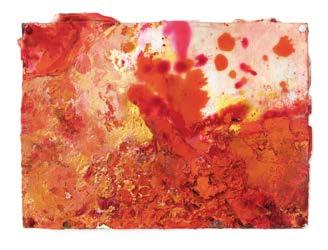
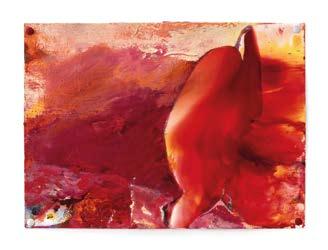
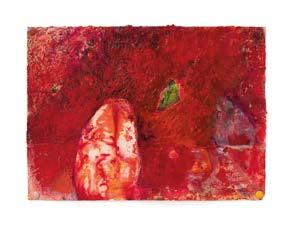
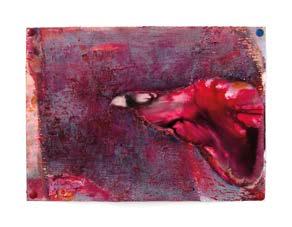
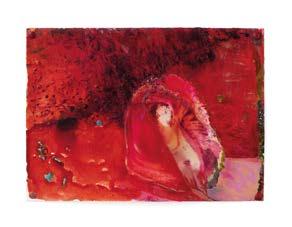
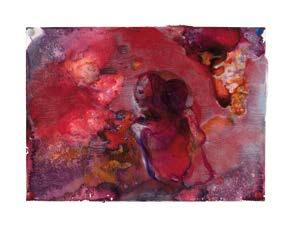
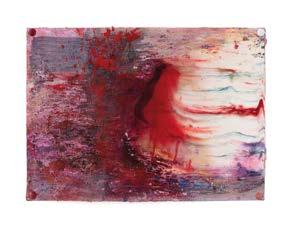
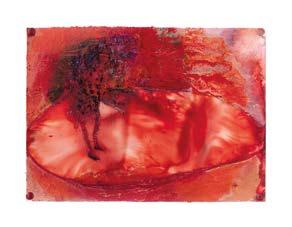
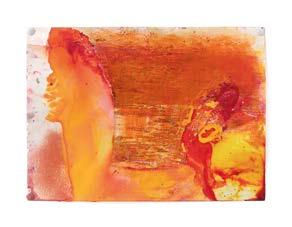
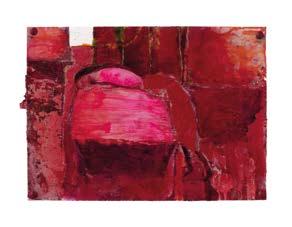
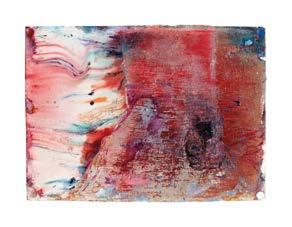
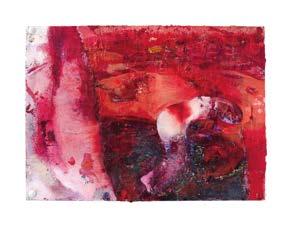
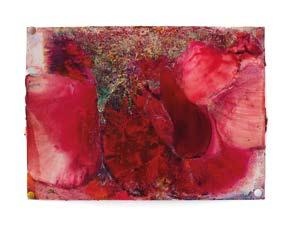
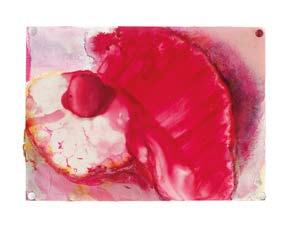
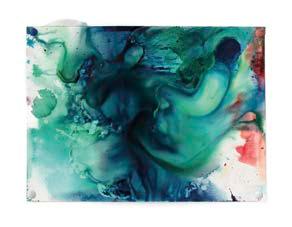
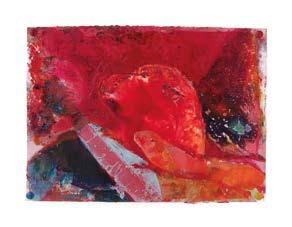
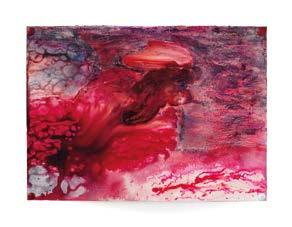
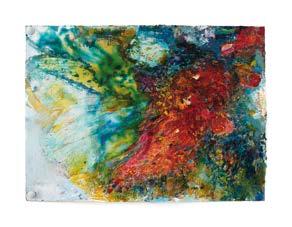
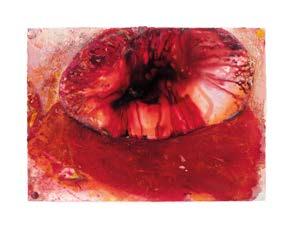
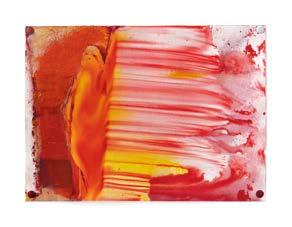
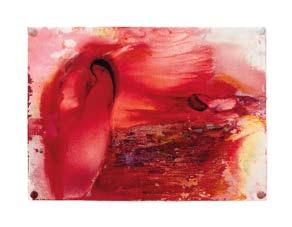
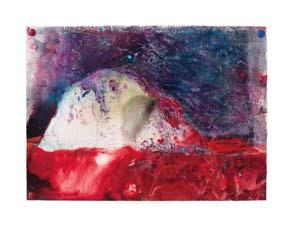
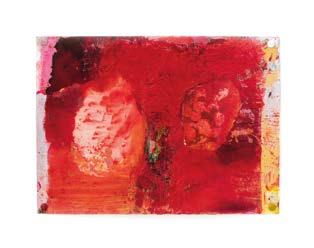
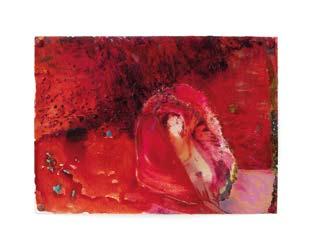
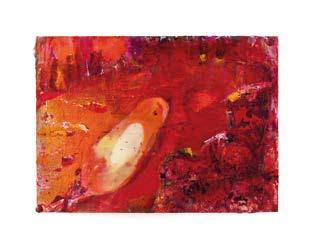
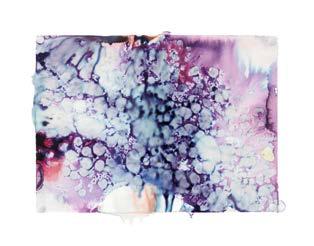
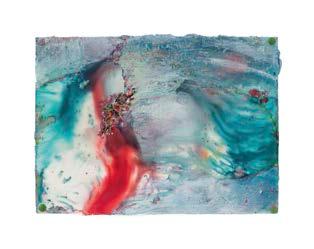
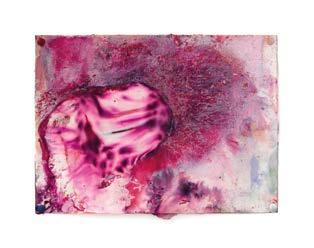
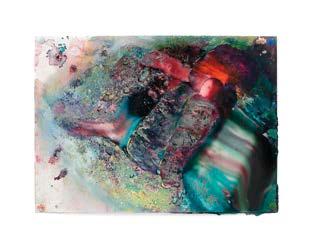
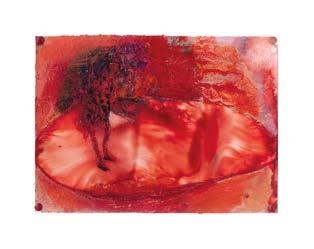
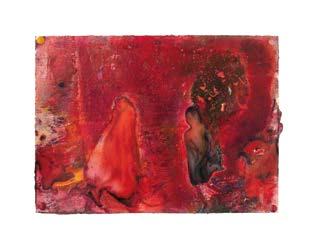
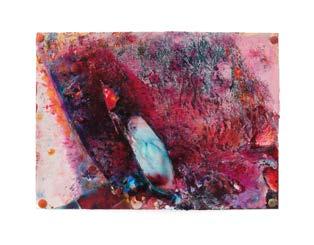
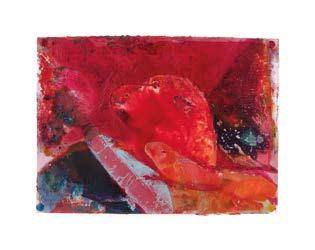
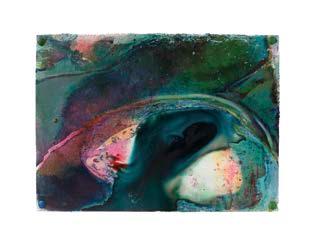
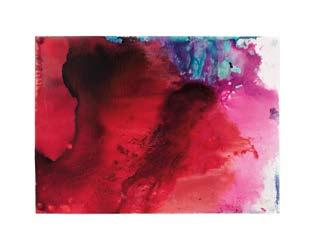
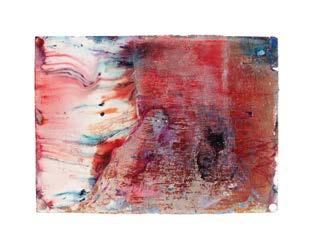
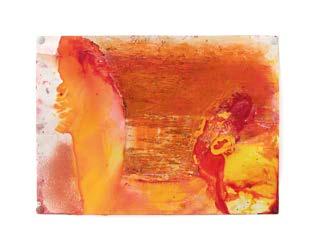
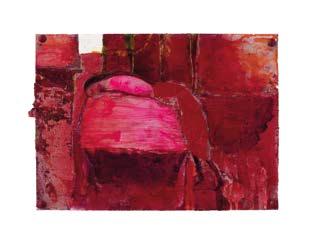
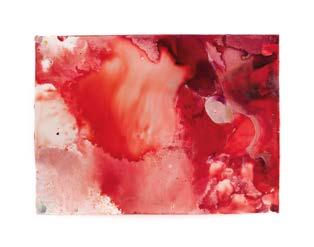
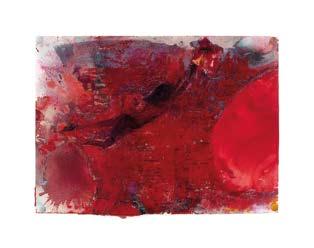
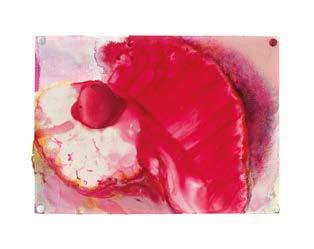
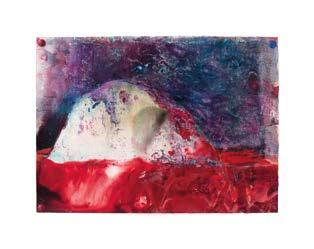
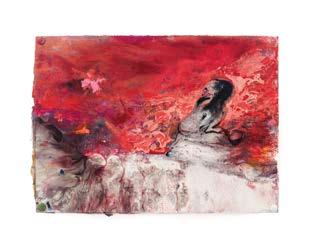
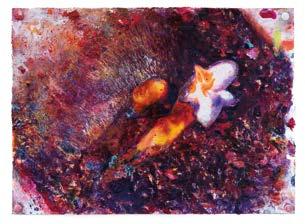
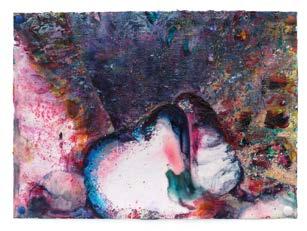
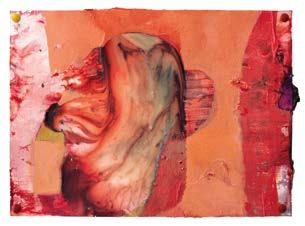
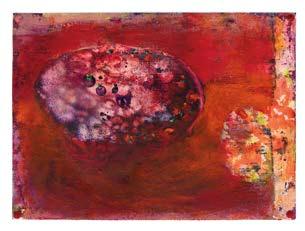
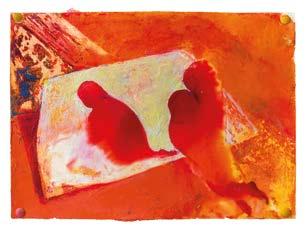
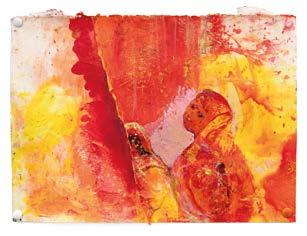
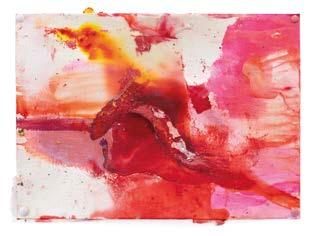
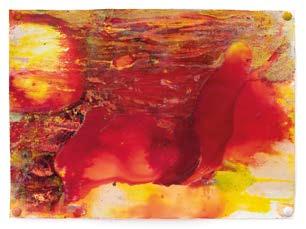
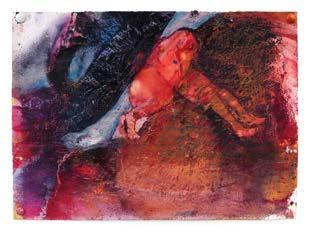
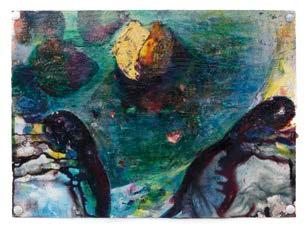
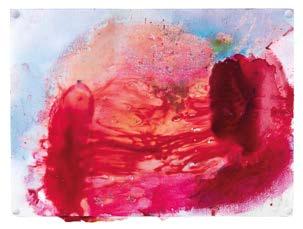
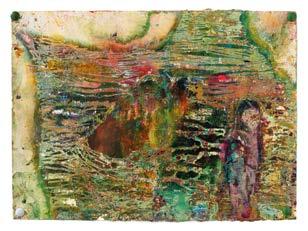
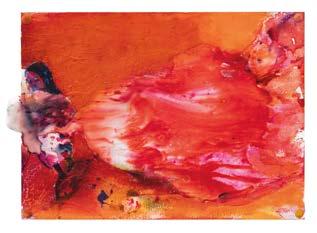
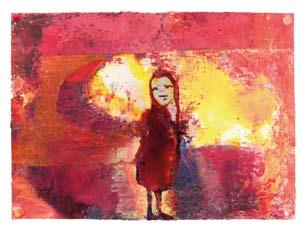
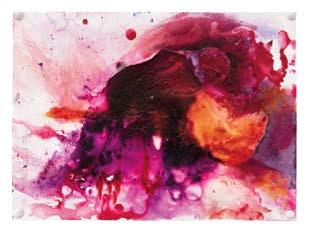
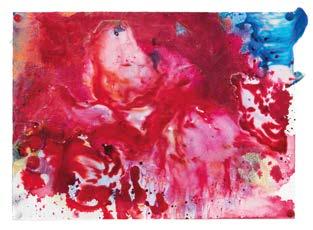
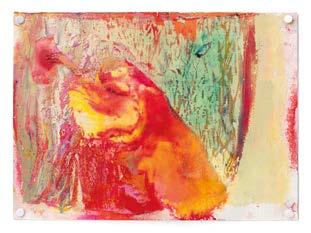
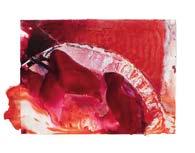
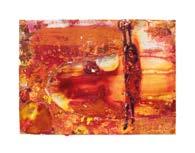
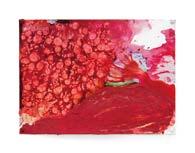
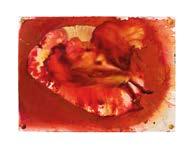
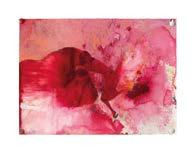
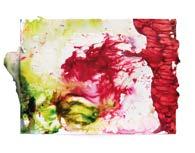
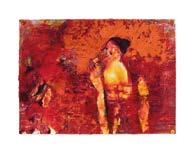
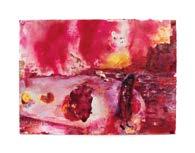
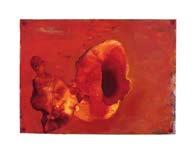
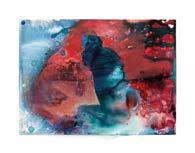
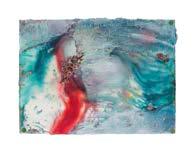
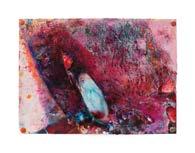
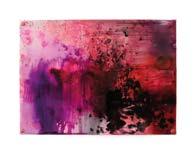
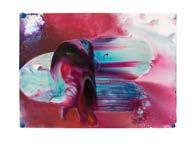
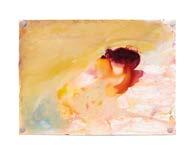
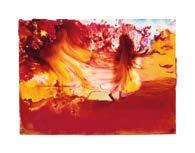
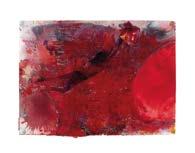
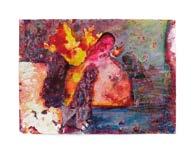
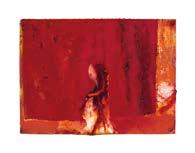
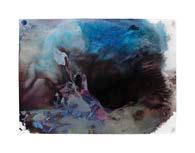
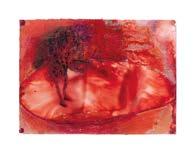
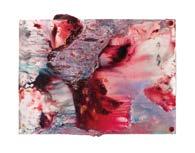
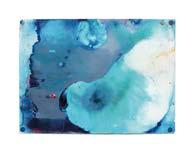
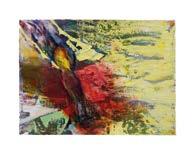
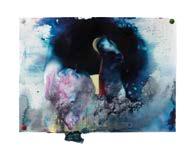
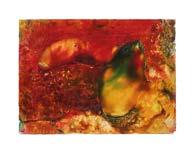
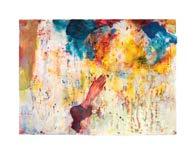
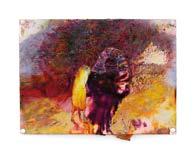
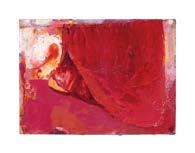
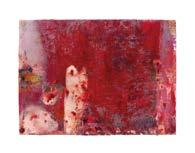
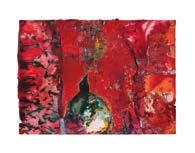
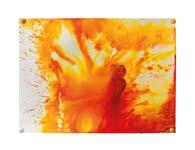
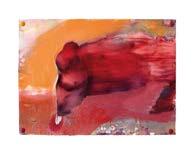
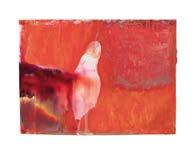
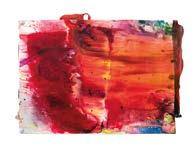
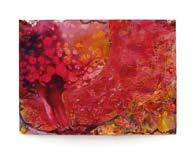
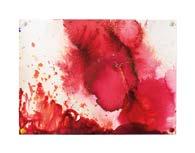
Atlas begins on the floor with my action of pouring white glue and spilling coloured ink onto paper. Exposure to air and ink turns the glue transparent to reveal the patterns that have formed themselves during the drying process. There is a magic here a bit like seeing images appear in the process of developing an analogue photograph. When dry it’s tacked to the wall. Verticality gives the vantage point of seeing something in the traces of the primary event. How to respond? Oil paint comes into play. How to reconcile its visceral thick body with the fluid swathes of viscous glue and inky spills already there?
What pushes forward and what recedes comes through the eyes of the seer, with visual uncertainty inviting the birth of potential ‘new’ images in the process. Perception is a mobile thing. Perhaps some images already lie latent. Like most painting Atlas harbours an impulse for narrative. Many shapes appear like shrouds. Emergency blankets, hoodies. Others look bodily, human and nonhuman. Creatures cling to other creatures, rocks. Still others scatter in air. Blots clot like blood, pools like water, waves like ocean, flares like fire. Colour flows and is stricken. Exuberant. Uplifting. In its element. There is sinking too. Oblivion. Lost to the world, some souls have lost their story line.
No image that emerges is guaranteed to stay. Things keep changing. Every dollop of paint or colour calls anew. And I respond. They are demanding. What do these little paintings want?
The idea of Atlas is as old as the hills. For me, the weight of the world of which it speaks revolves around vulnerability, a reality that is all too palpable in our time of global conflict and existential crisis. My Atlas meditates on how vulnerable the image of the ‘figure’ has become in this precarious state, almost to the point of its disappearance, the line distinguishing it from its ground becoming all but eroded. Atlas materialises this situation through the play of viscous and visceral painted form, or formlessness, coalescing as visual events, material acting as gestures, rather than direct depiction. In this affair, figure and ground embrace, in mutual relation, rather than hierarchical distinction.
There are no external pictorial referents for Atlas. What emerges comes from the residues of the material process itself, the visual ambiguities of its deposits, that then spark associations and sensations tapping deep within the image reservoir of the unconscious. But Aby Warburg’s ‘Mnemosyne Atlas’ holds some sway. Warburg, an art historian practising in 1920s Germany, evolved a theory of visual forms he called ‘Pathosformeln’ in which he creatively explored how certain figurative gestures and expressions of particular images (often from antiquity and the Renaissance) repeat over time to the point that they appear to trace memory of a collective kind. He was speaking from his western perspective.
Warburg’s project was to collect images from different histories and aesthetic experiences, and juxtapose these by pinning each picture to large noticeboards covered in black cloth. It is said that he constantly revised their placement within the constellation, a method of movement that pre-empted the montage effect of much memory work that was to follow, and from which I draw in making my films using found footage. Warburg saw his found images as cutting across time, both within their bounded depiction and beyond; the cut separating each image, each bit of paper (all are printed reproductions), in physical reality simultaneously becoming the bridge to imagined connections across the wider visual field.
Warburg’s time was also one of precarity – war, if not planetary catastrophe. What seemed certain however in the images he chose was the contour of the ‘figure’. It marked a content, however fragmented, described in distinct figureground relationships. A clarity, belief even, in depiction.
This belief in the firmness of the image as subject appears no longer to resonate in our post- or more-than-human time. But Warburg’s principle pertains – some forms feel primary, perhaps a kind of body knowledge, embodied perception. For me they are bits of matter, not yet fully born into the image but holding its gestures, becoming characters in the way they fall, float, fold, surge, crust, shrivel, cover, break out, rise up, feel like yearning, suffering, dying, being ecstatic, giving birth. Being vulnerable.
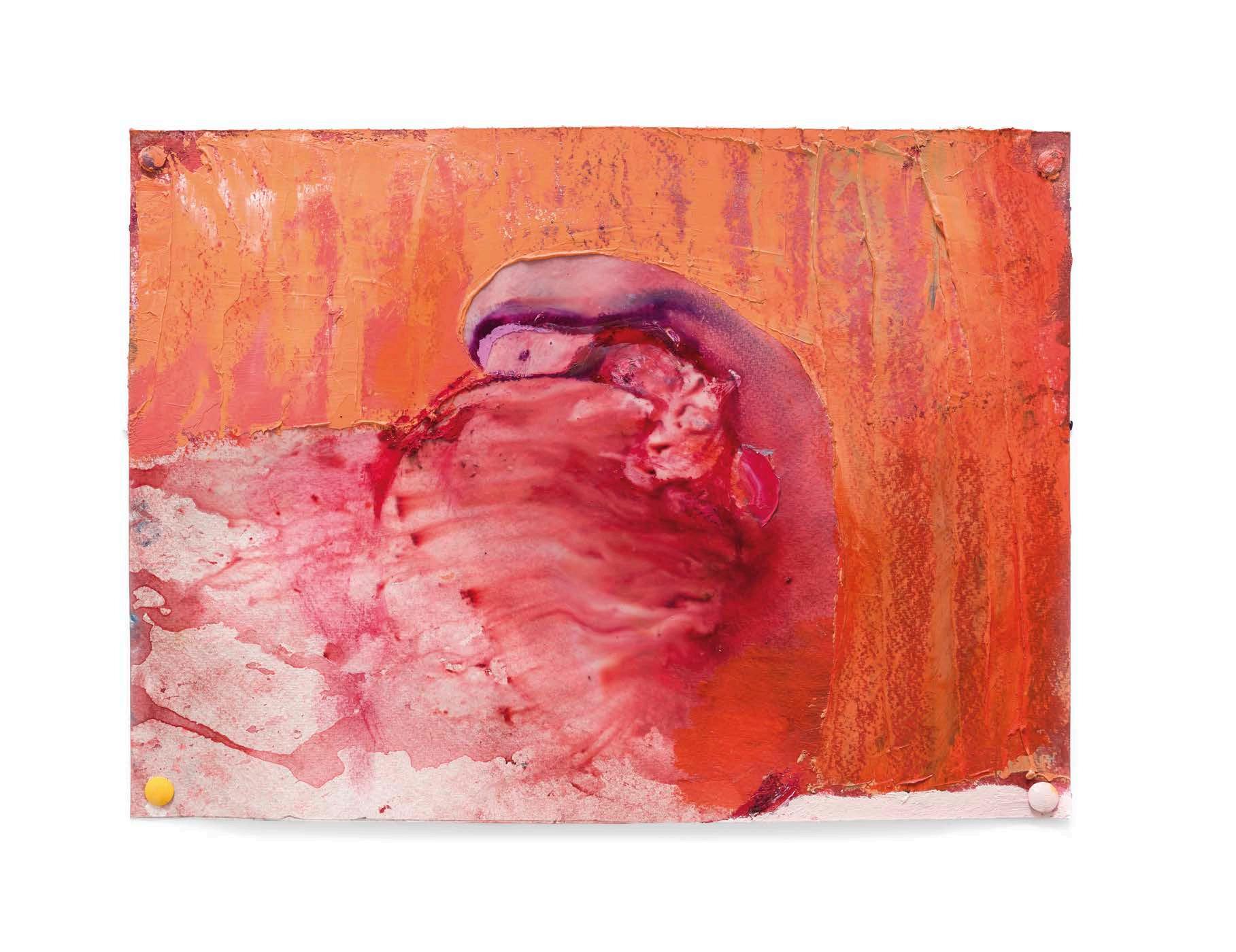
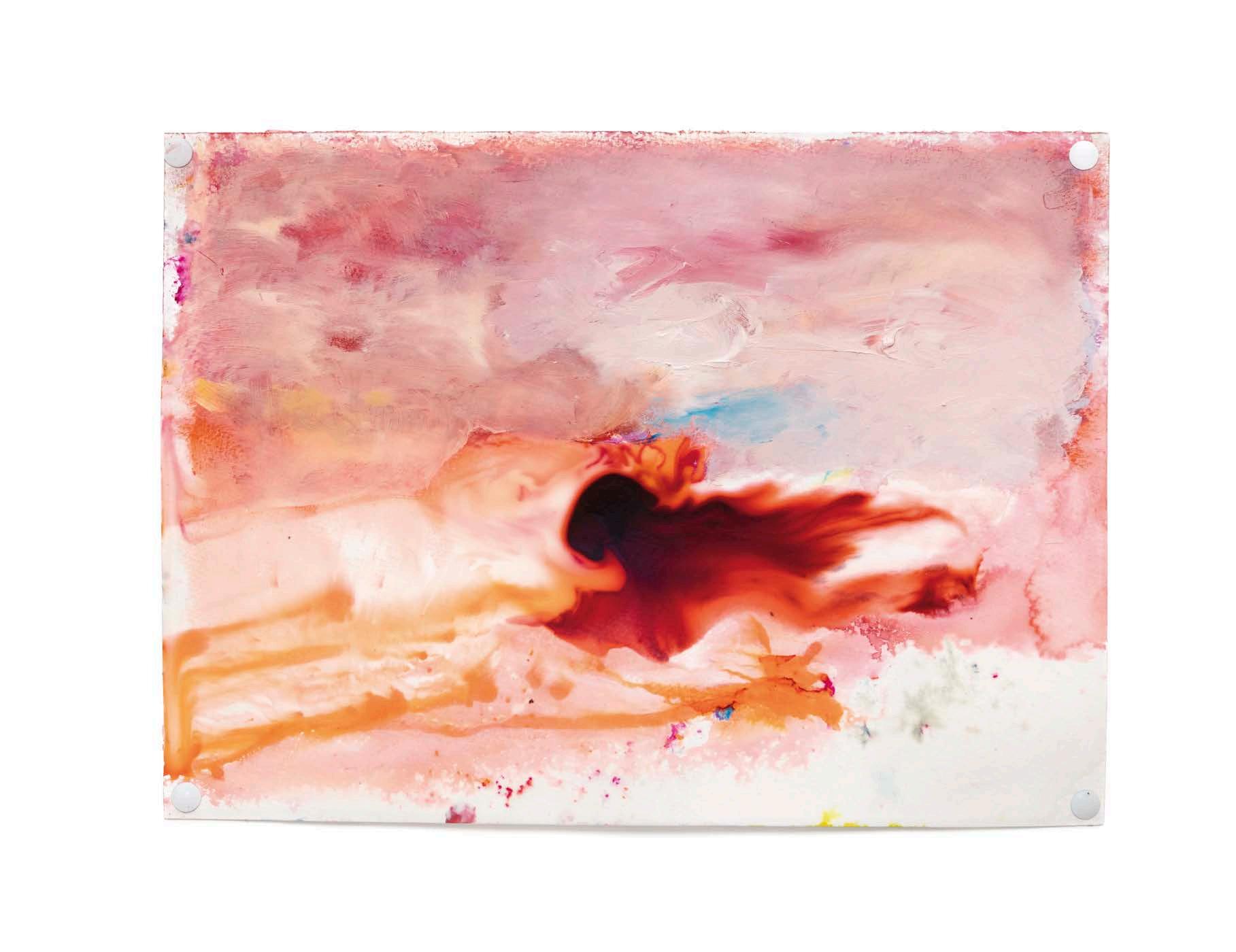
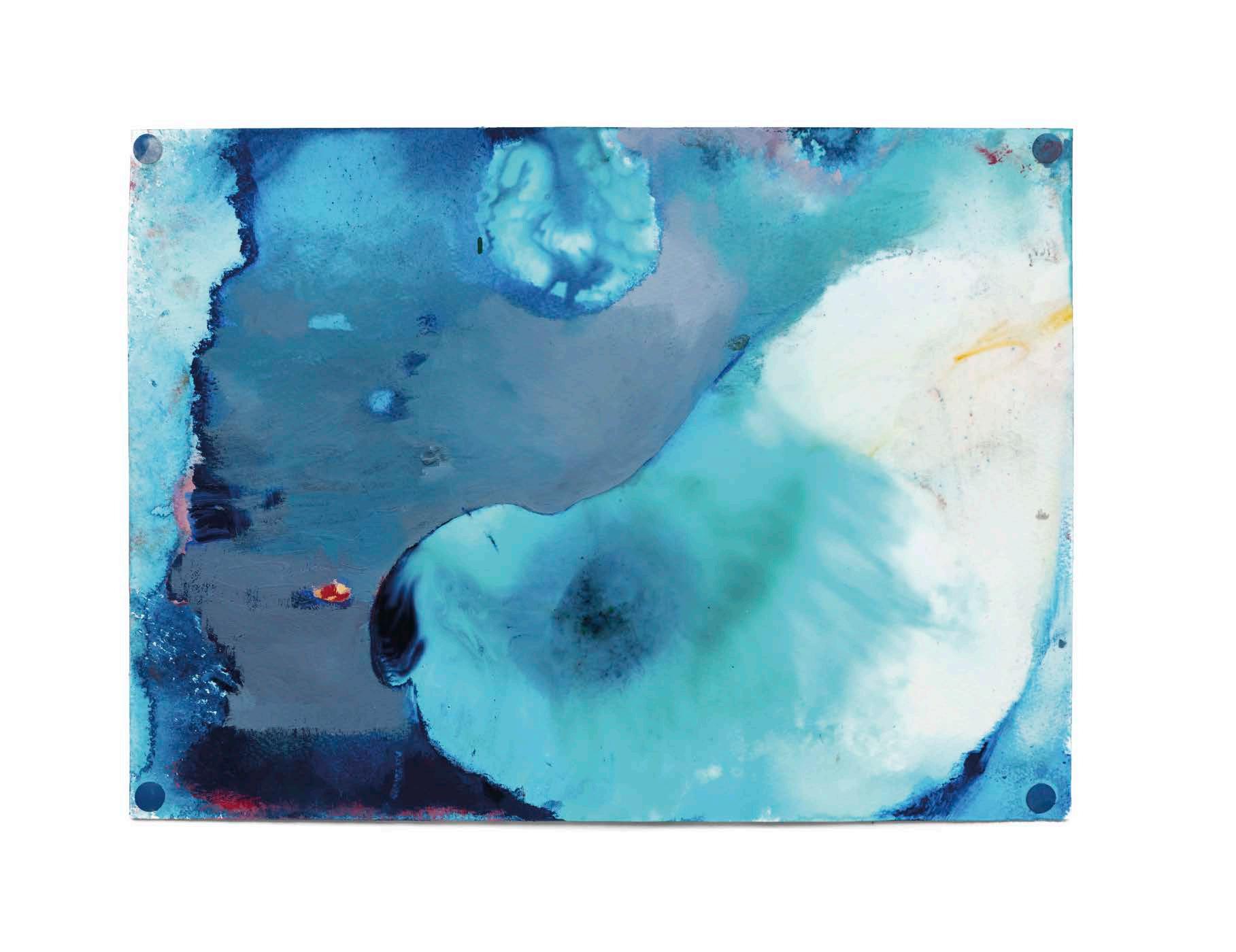
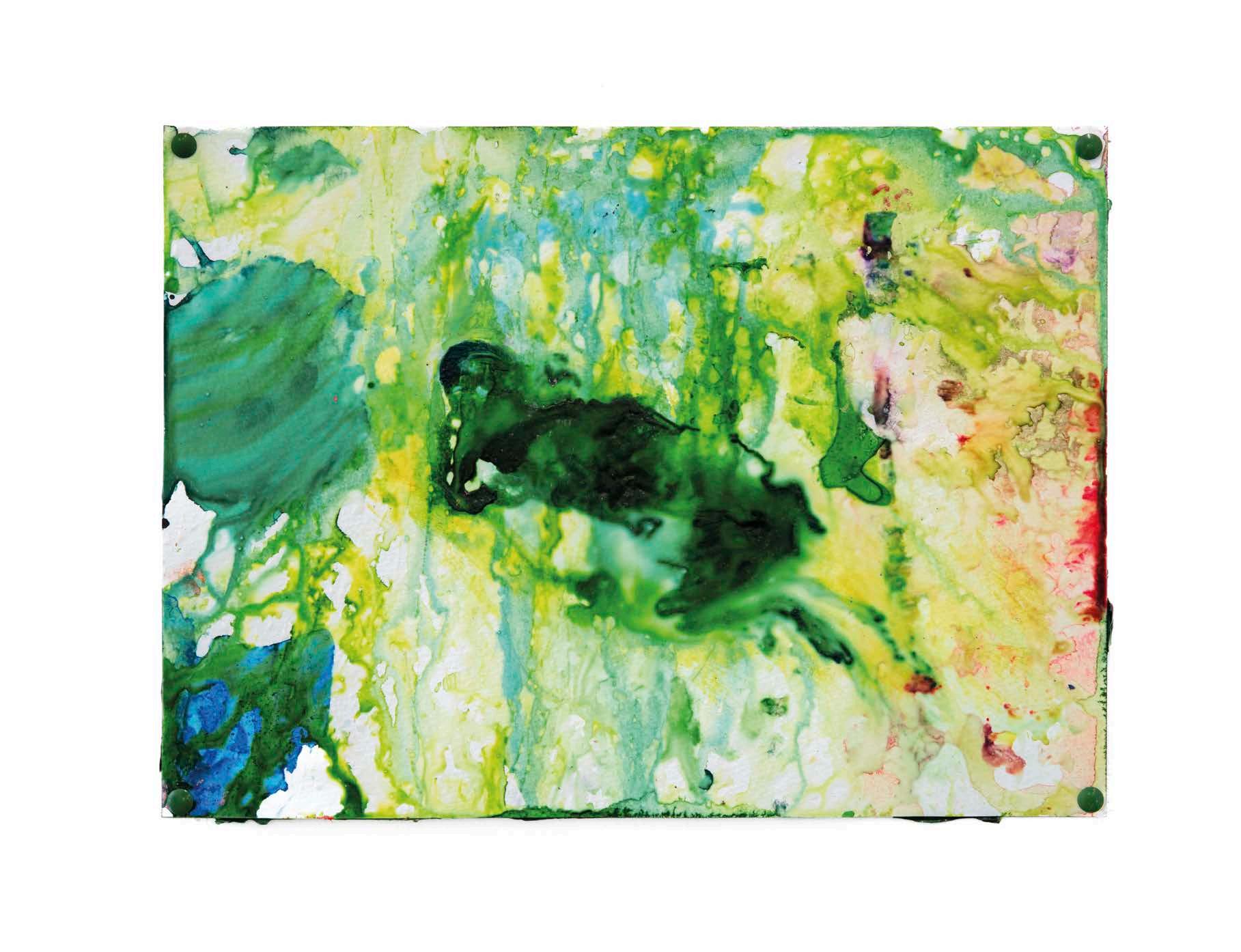
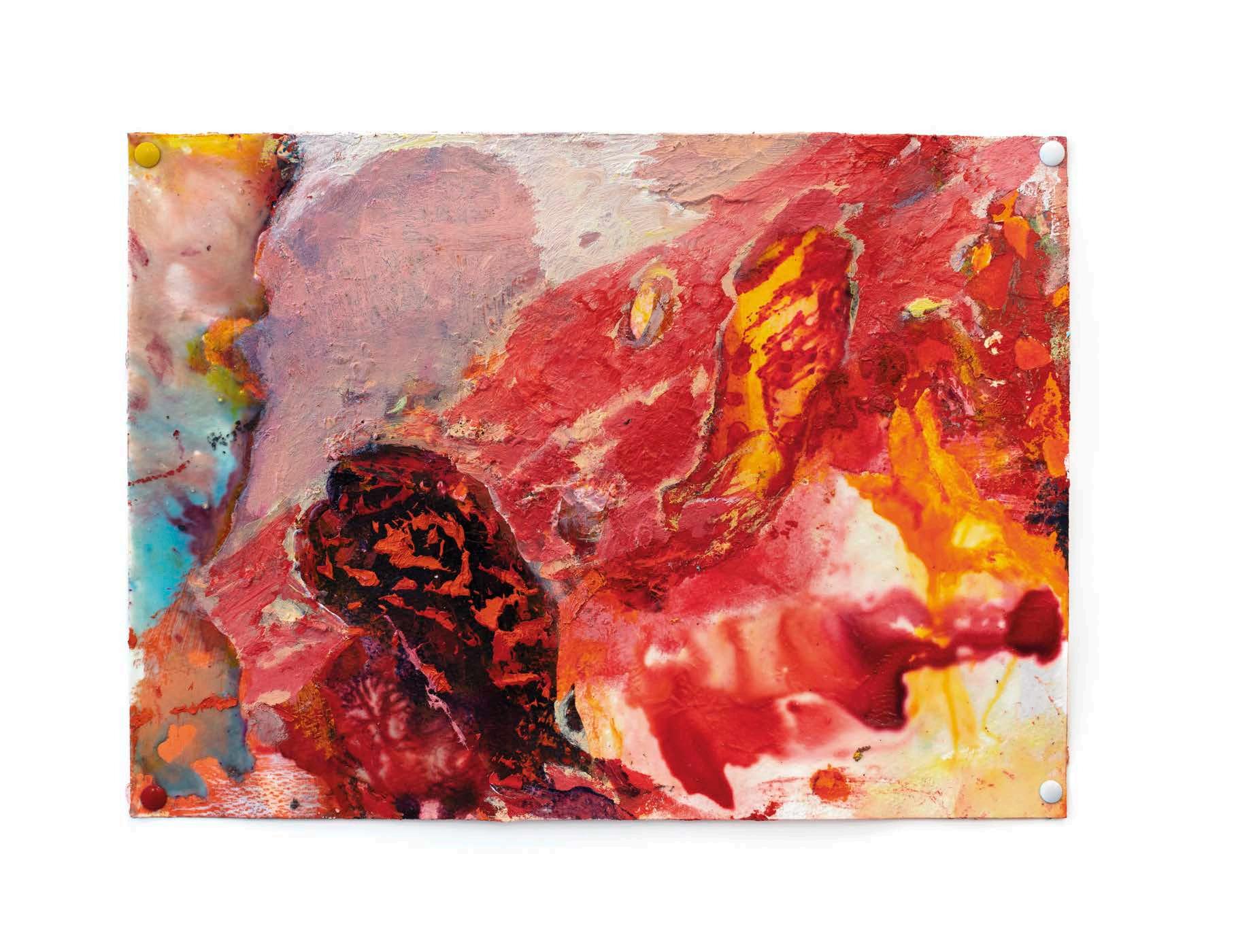
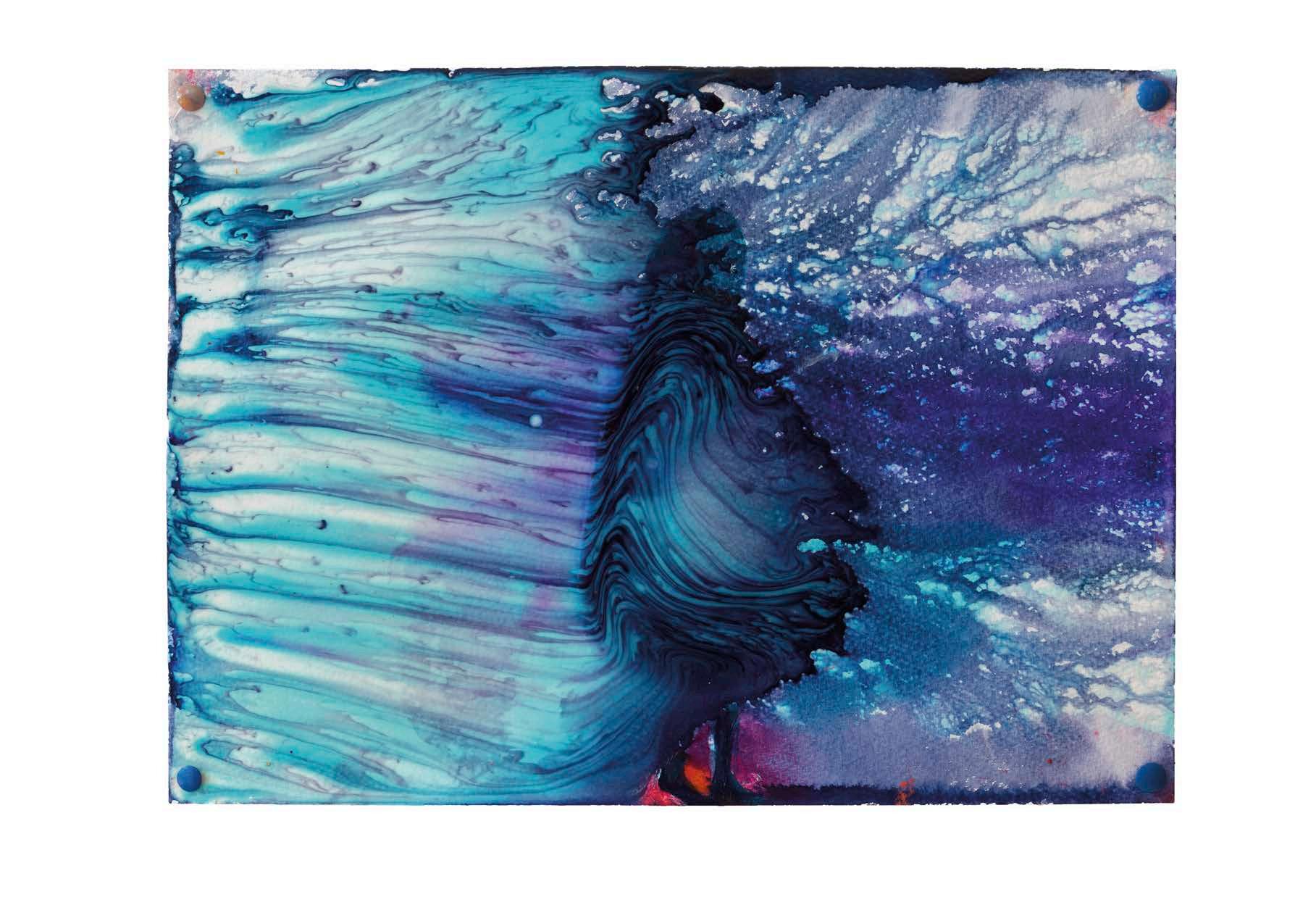
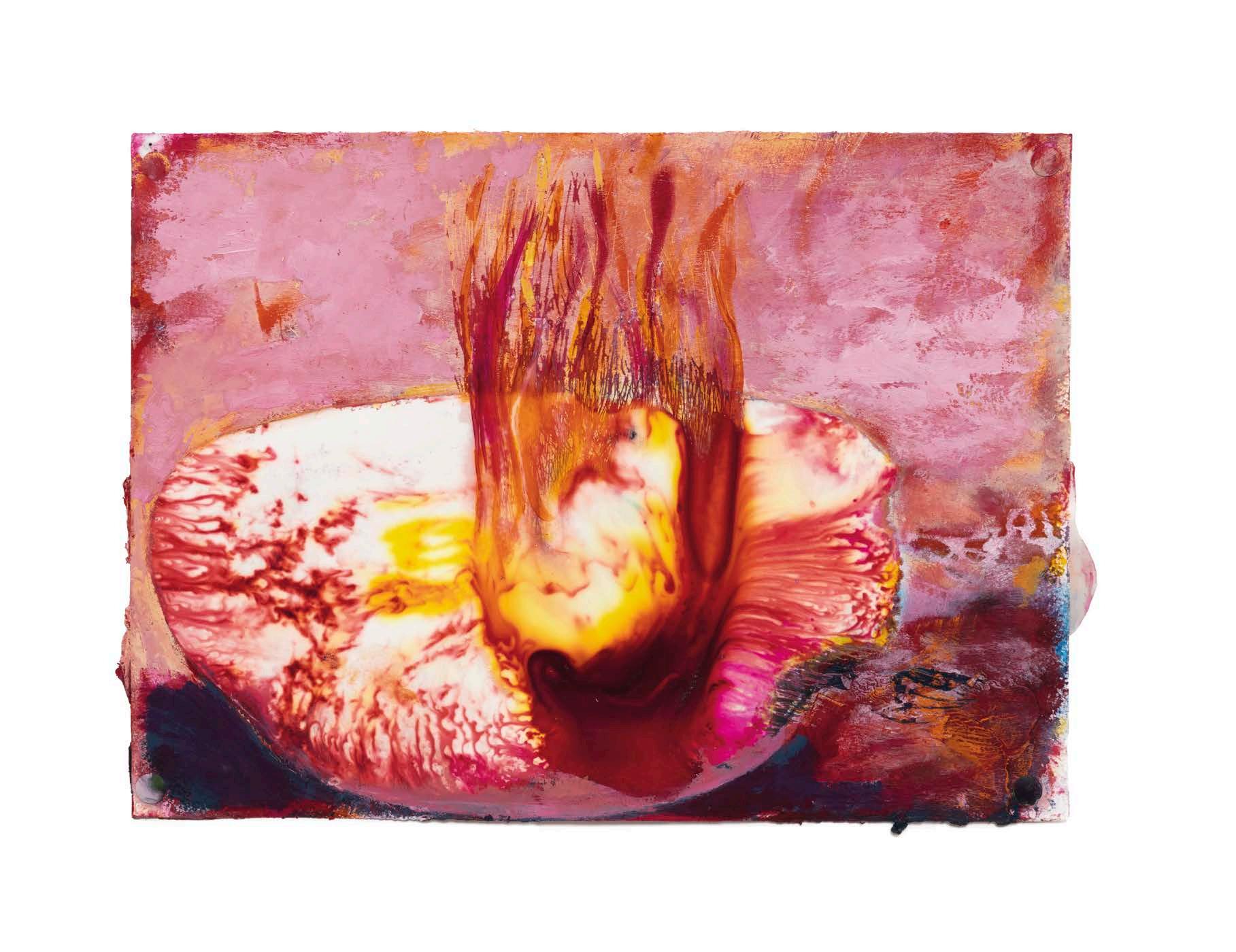
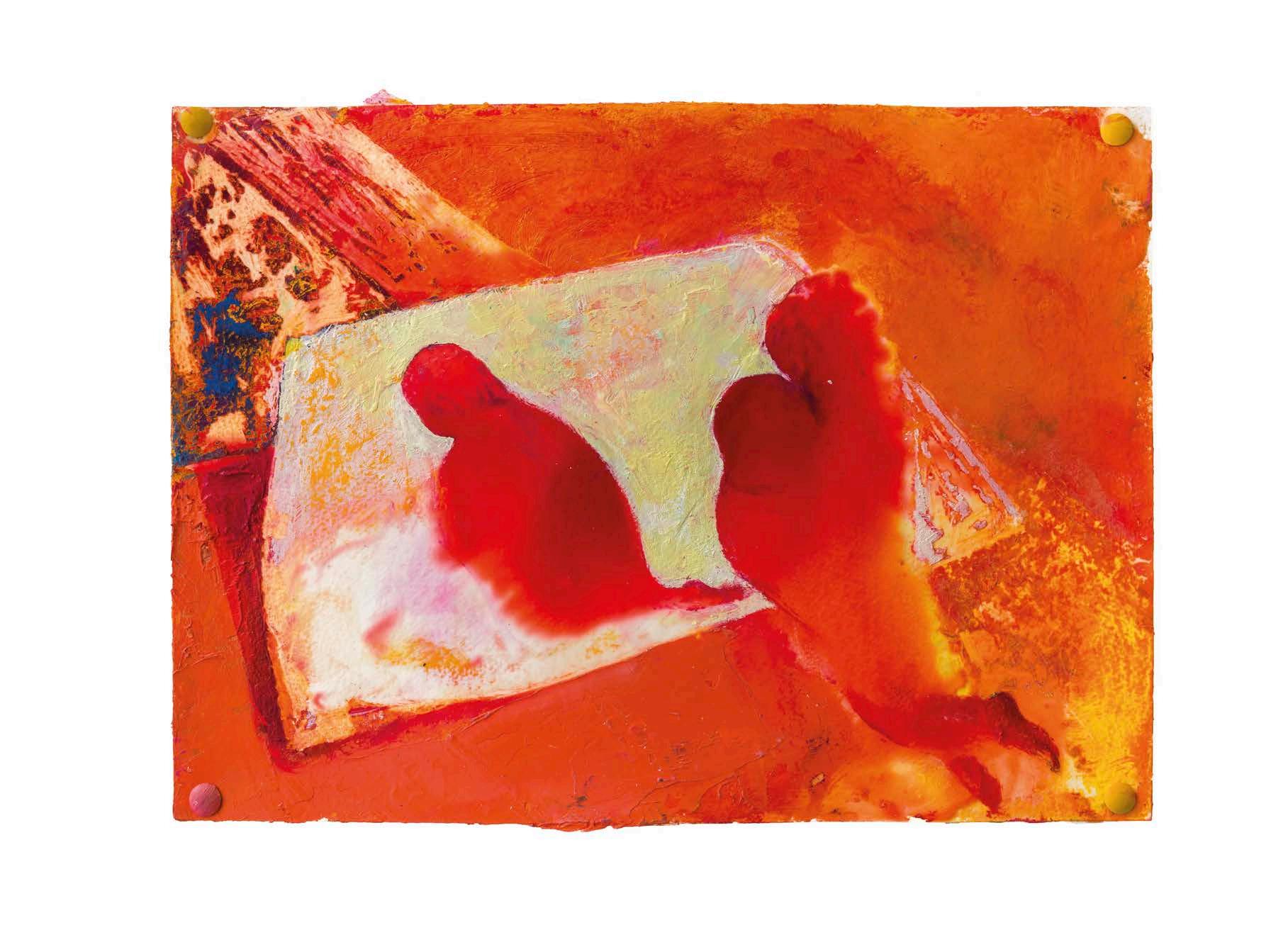
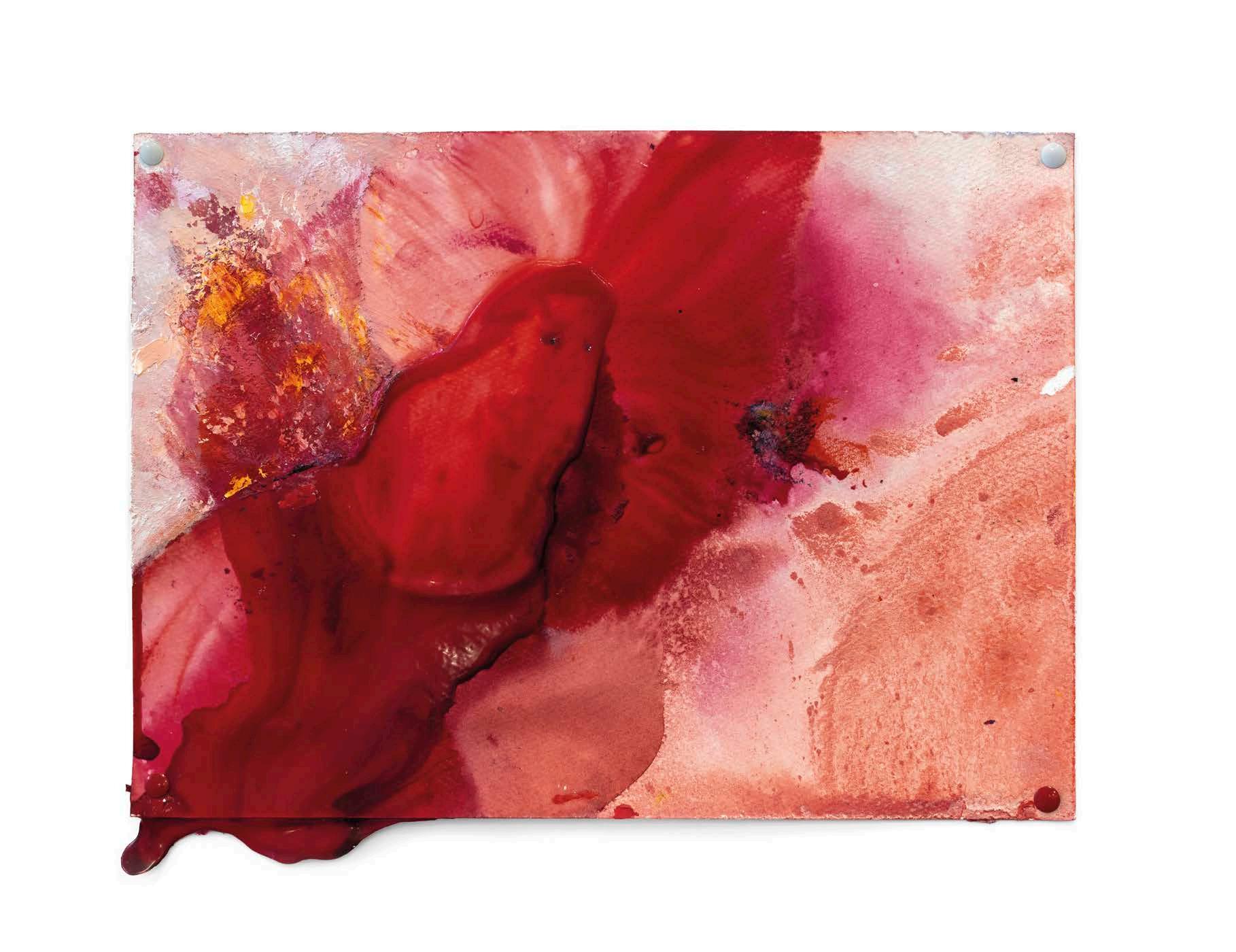
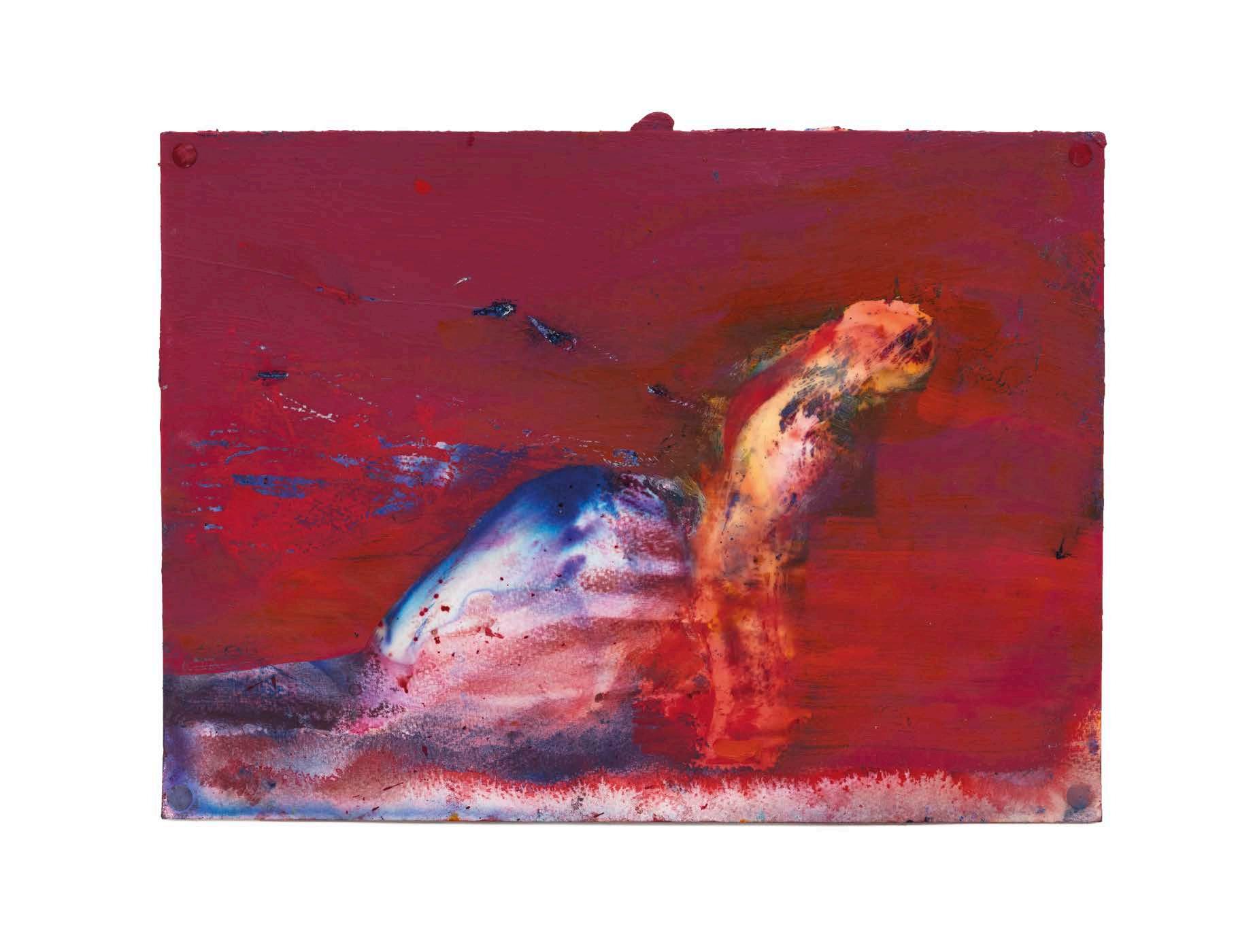
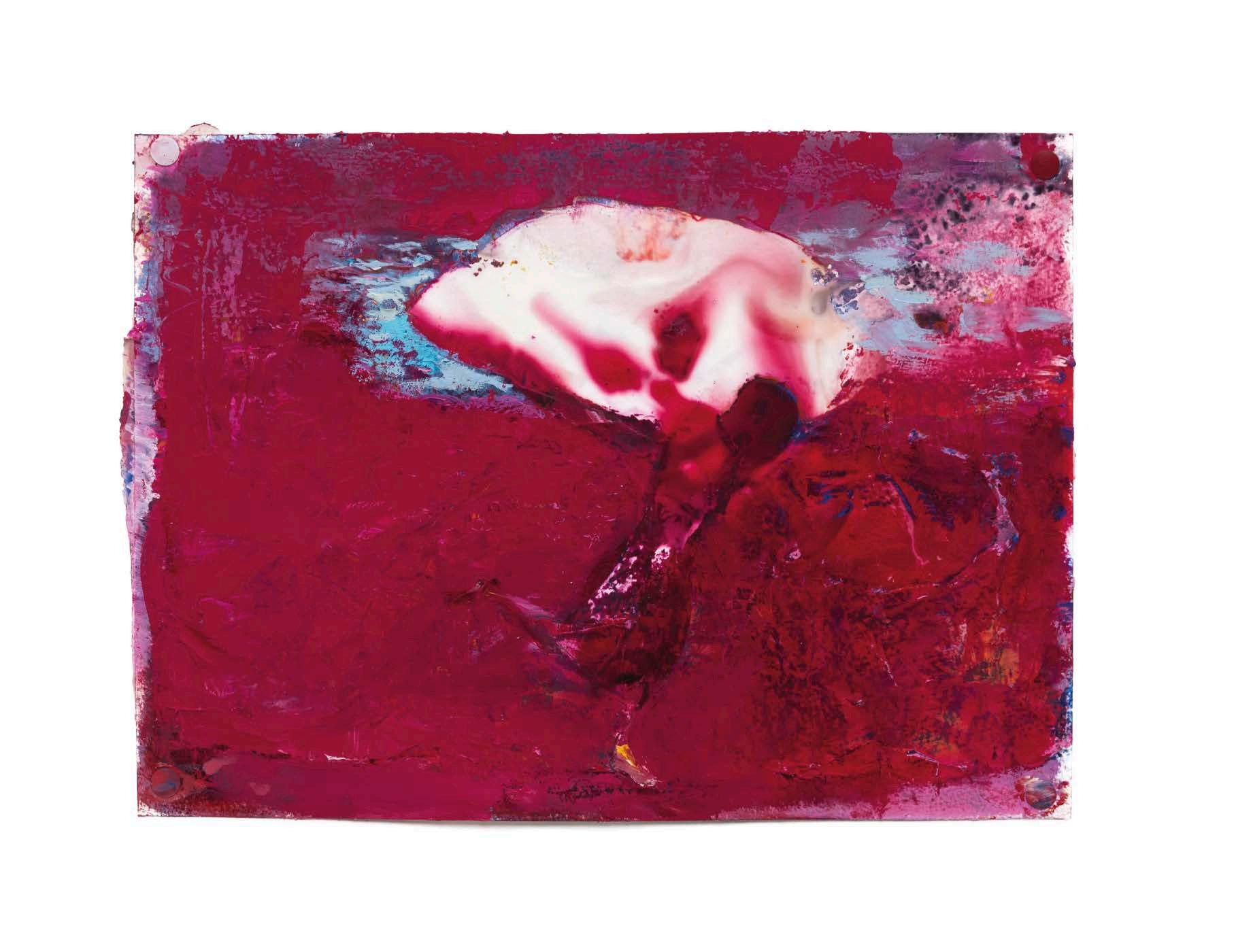
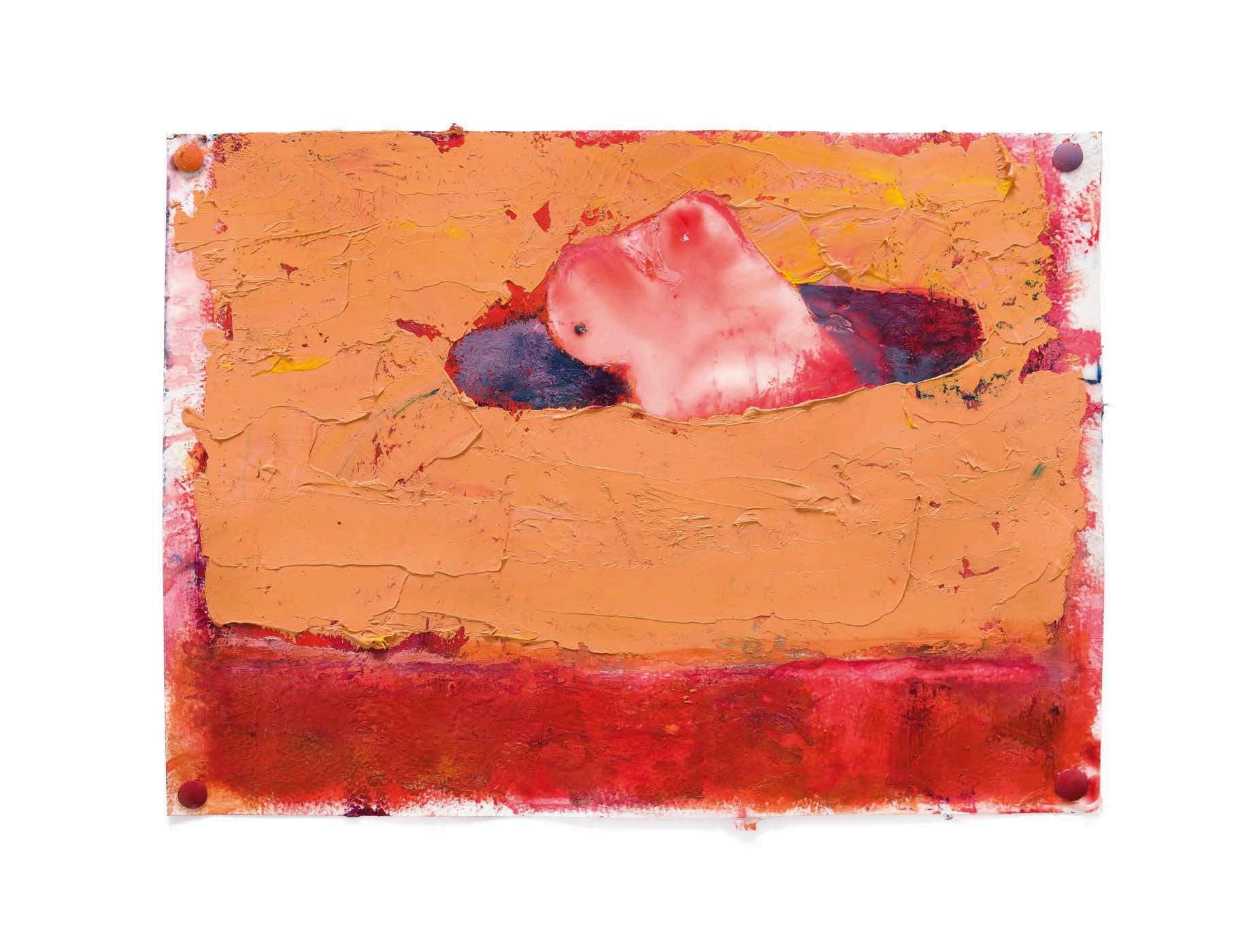
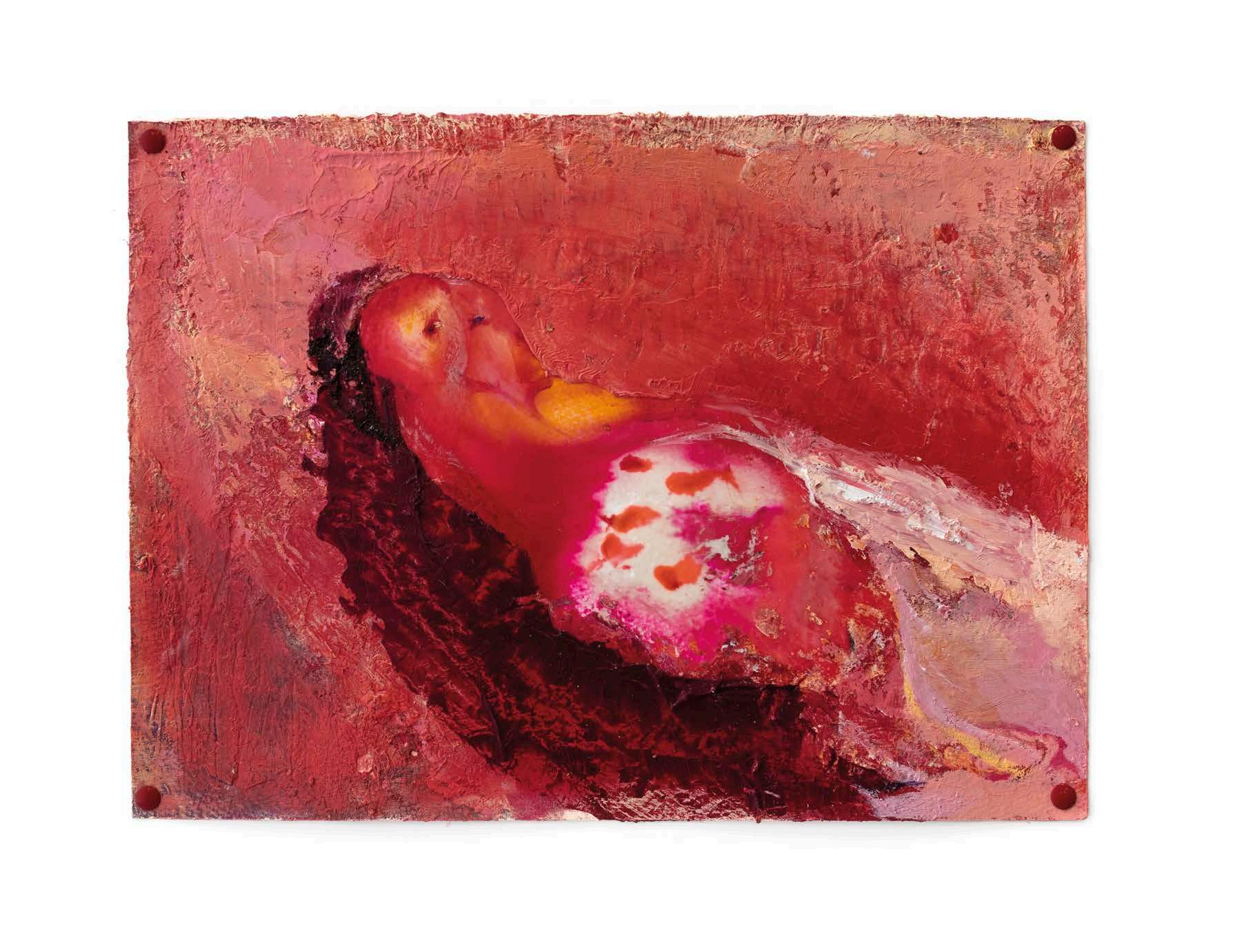
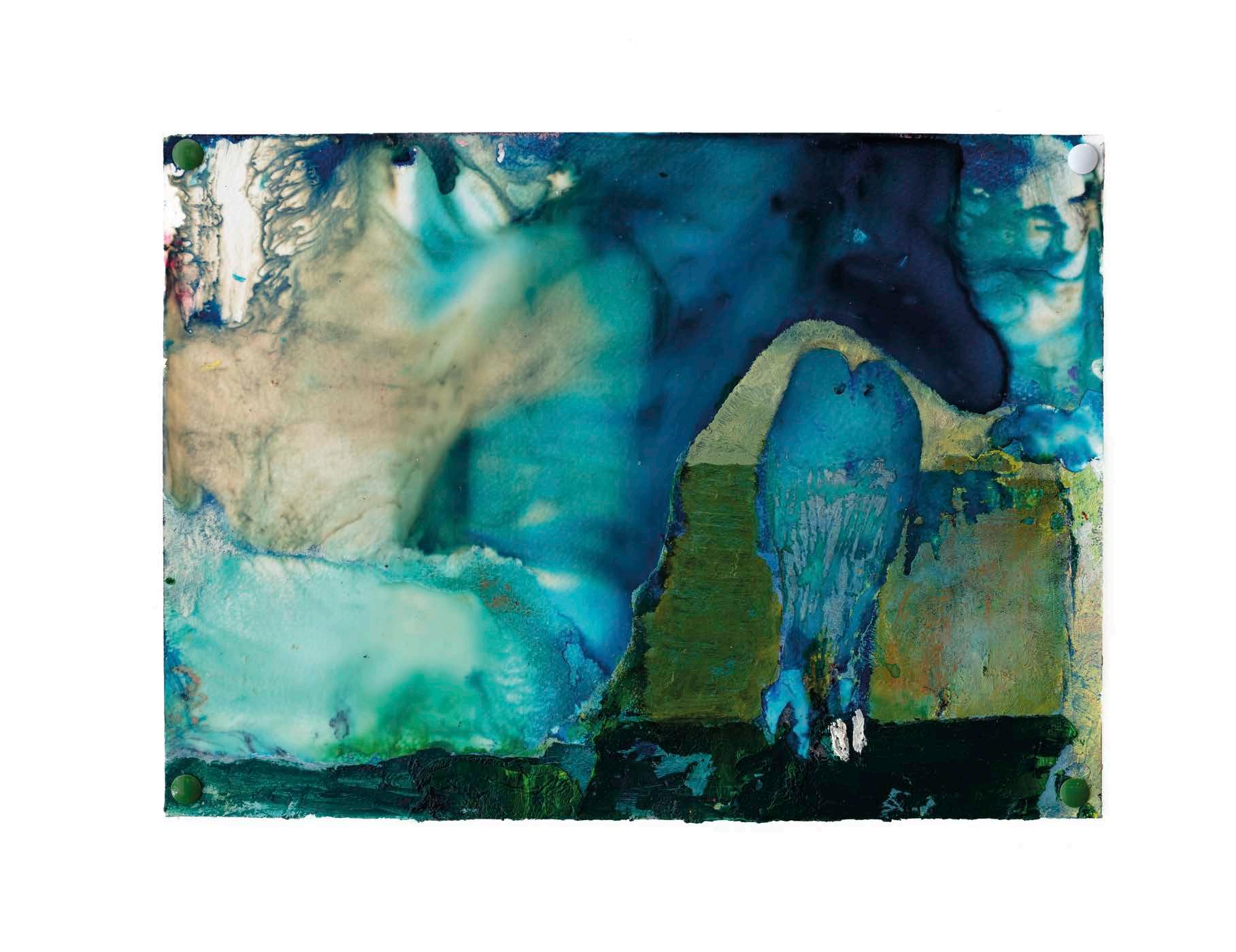
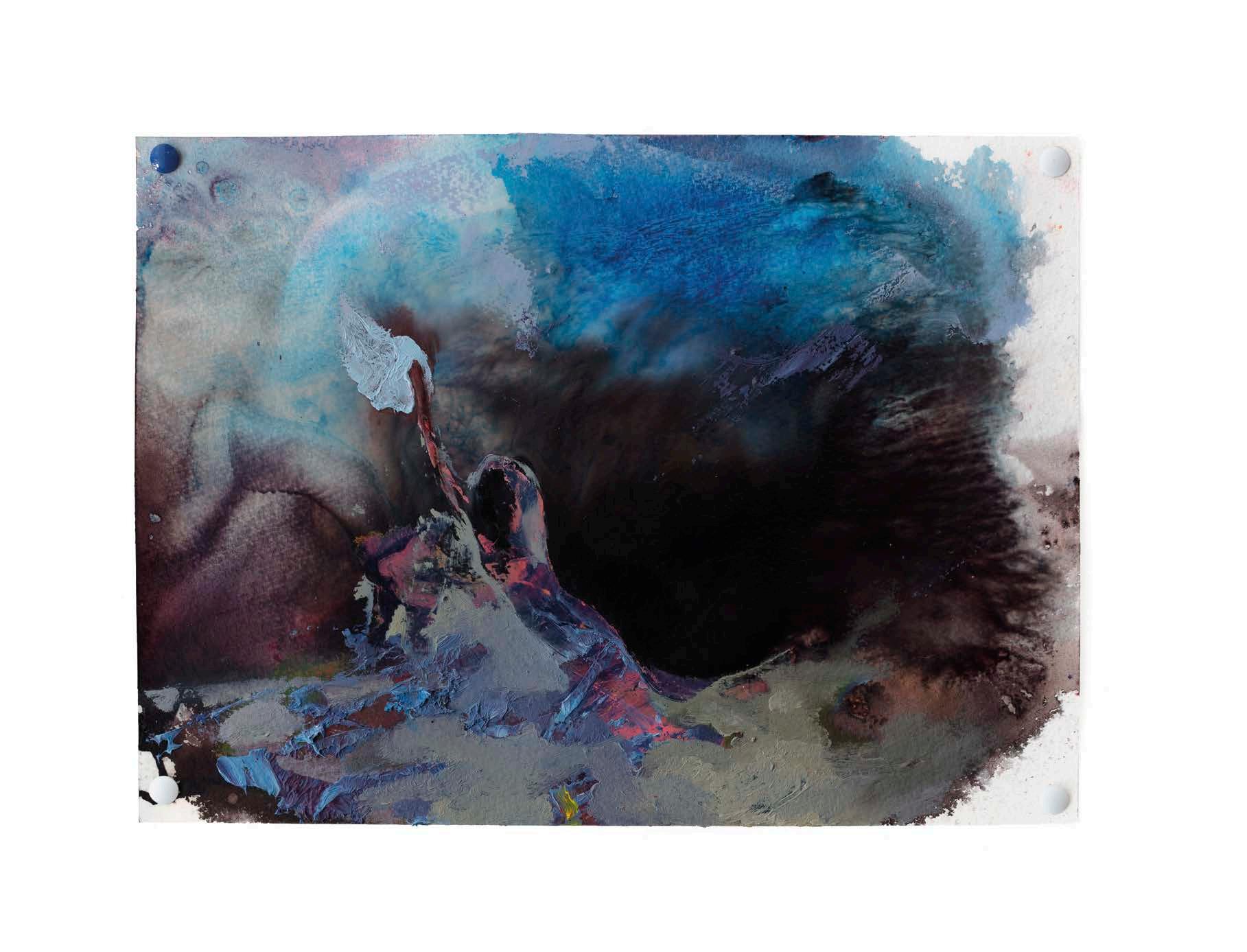
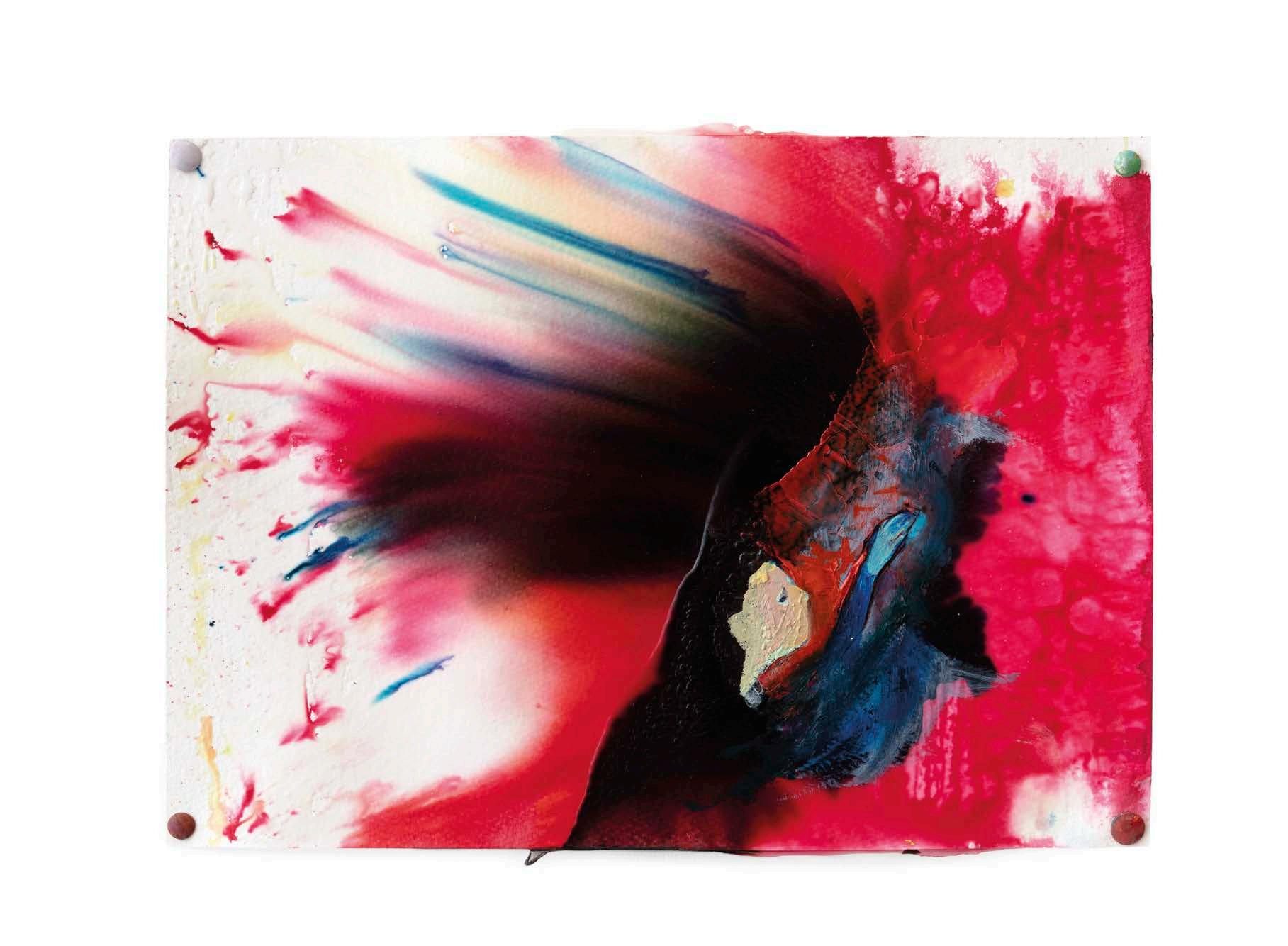
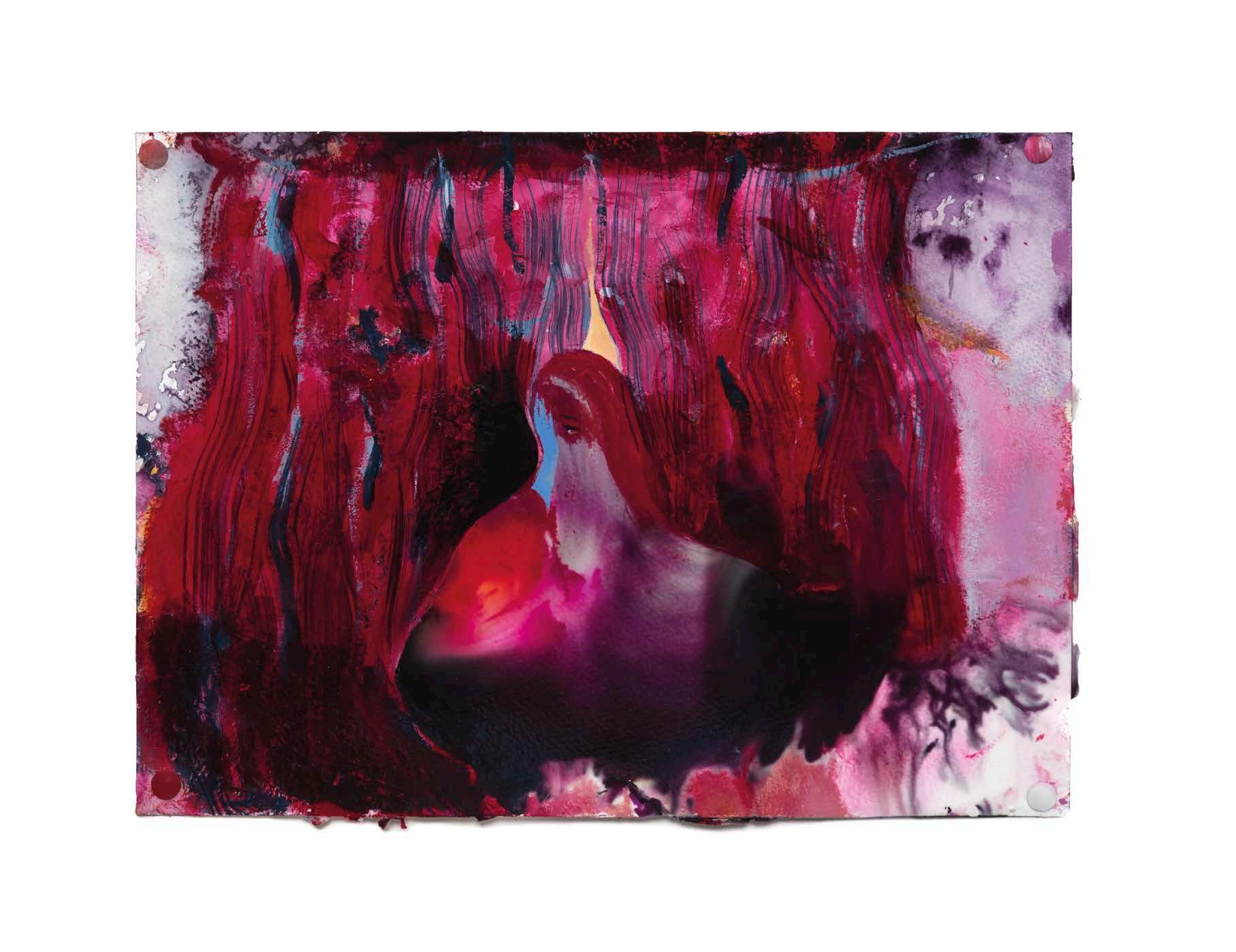
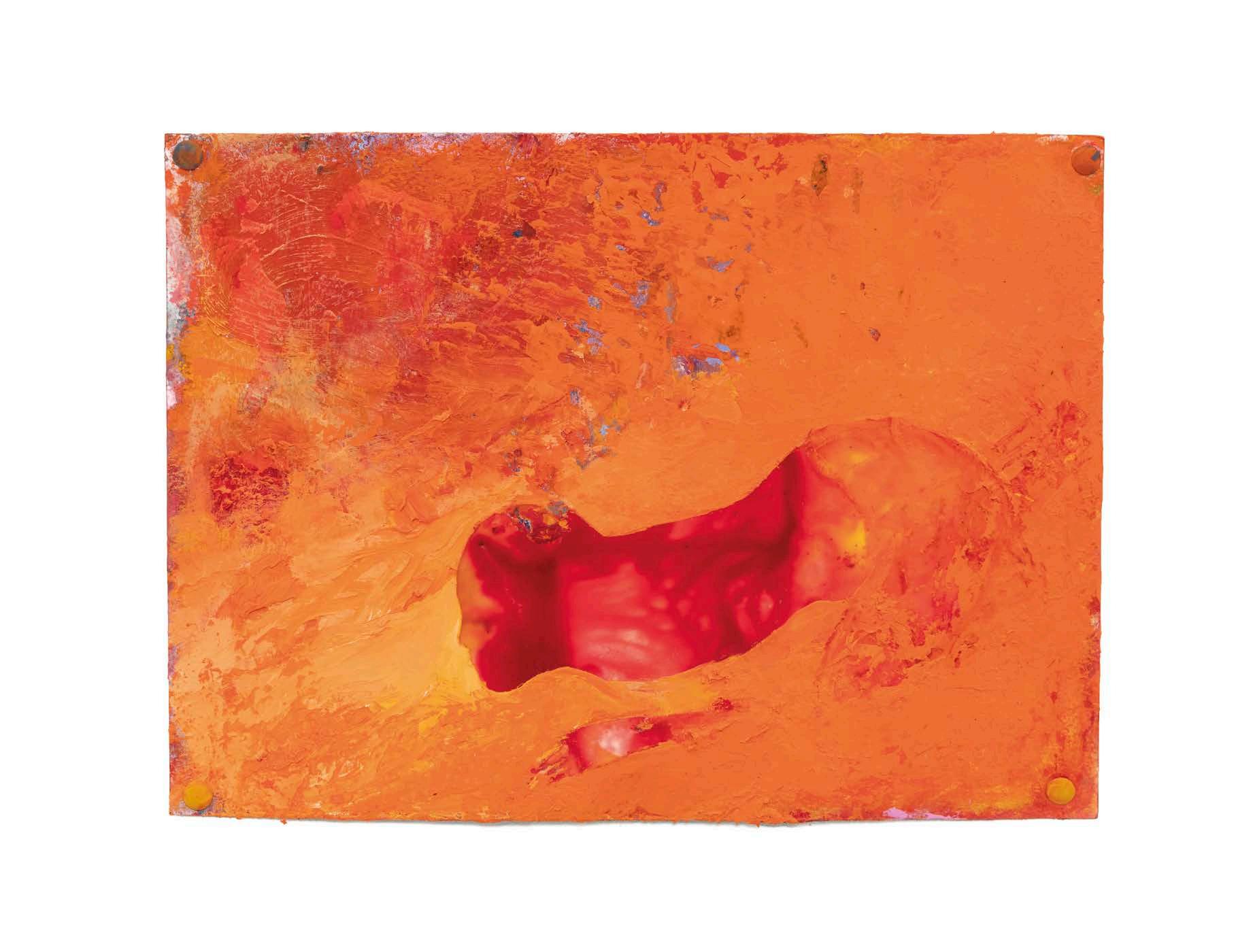
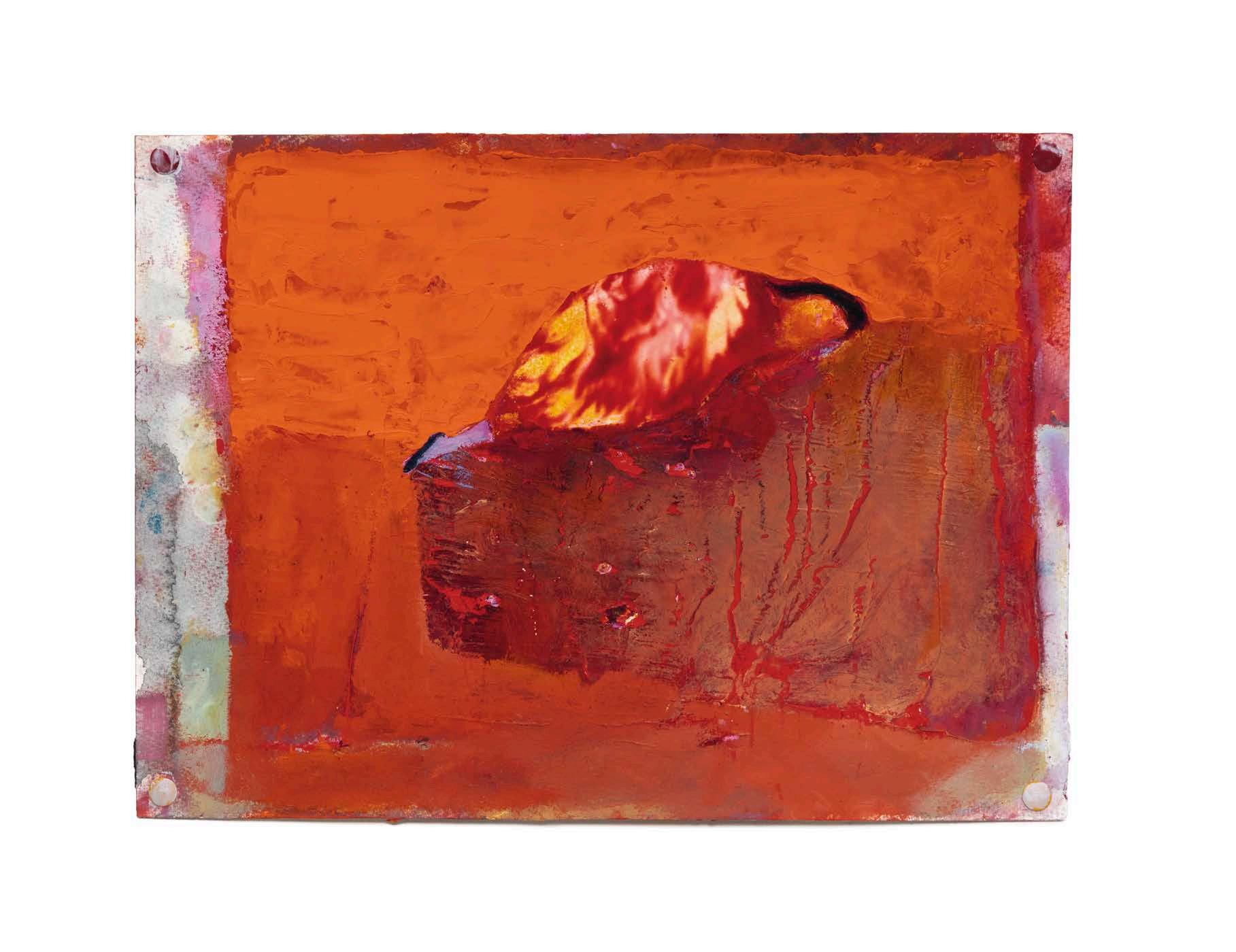
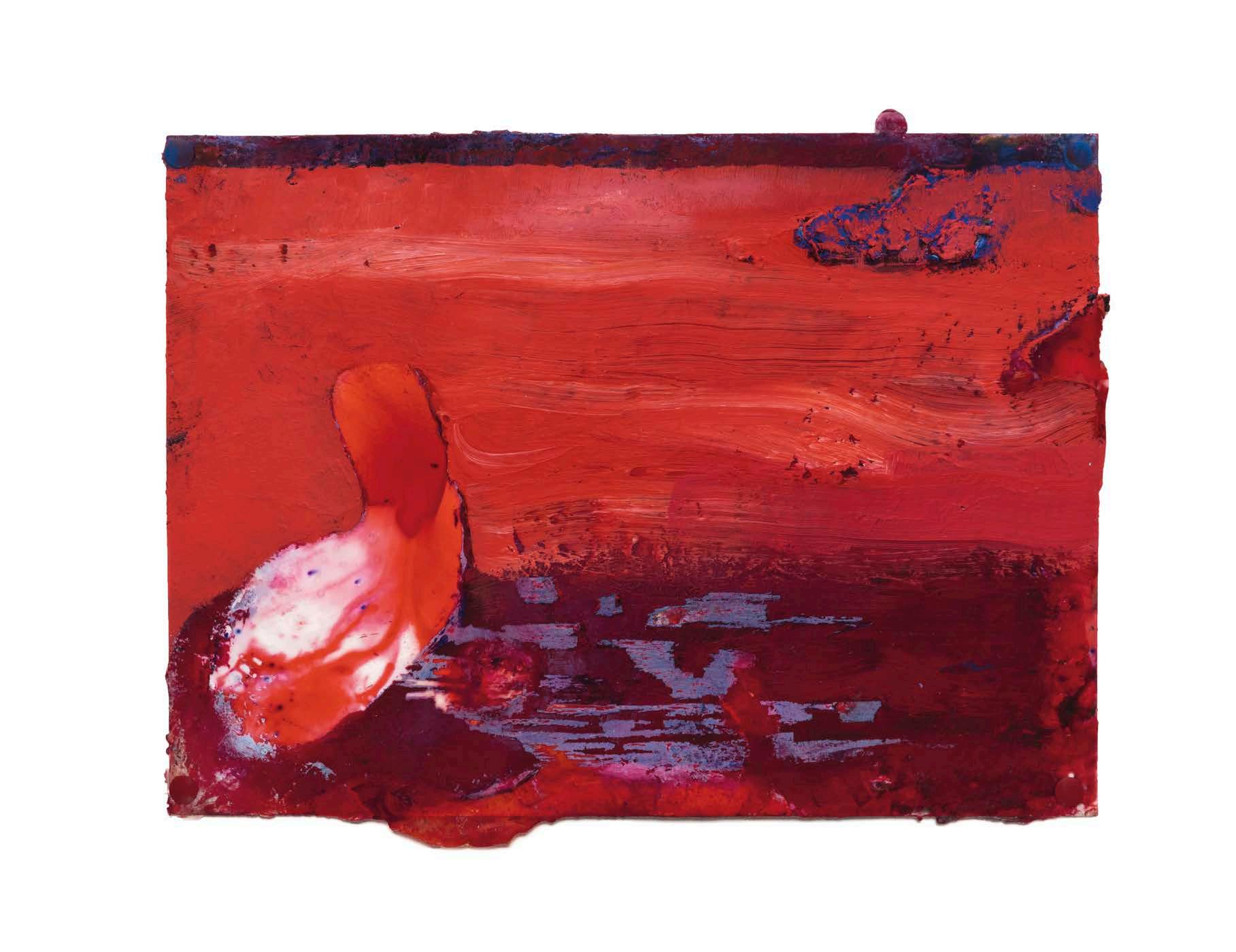
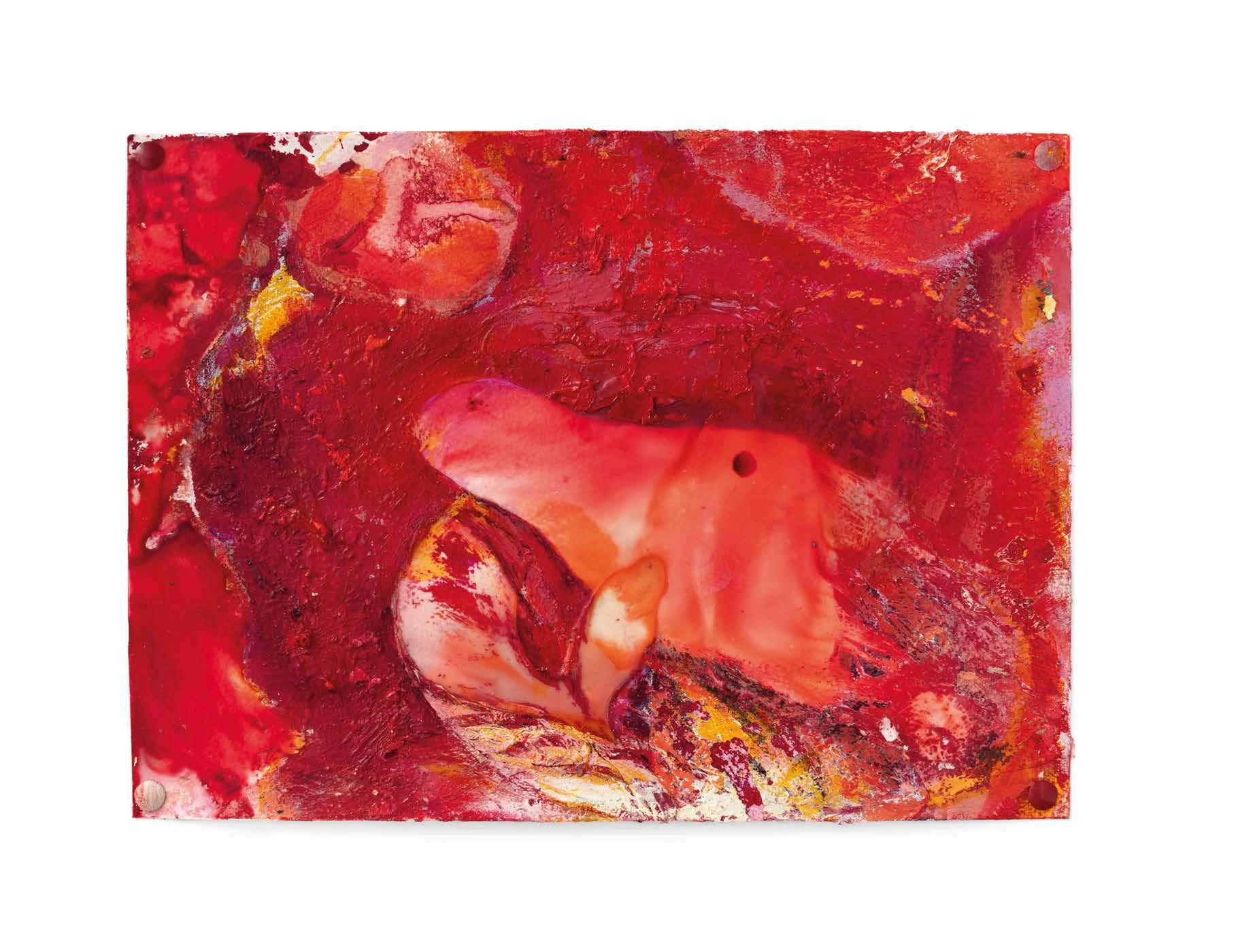
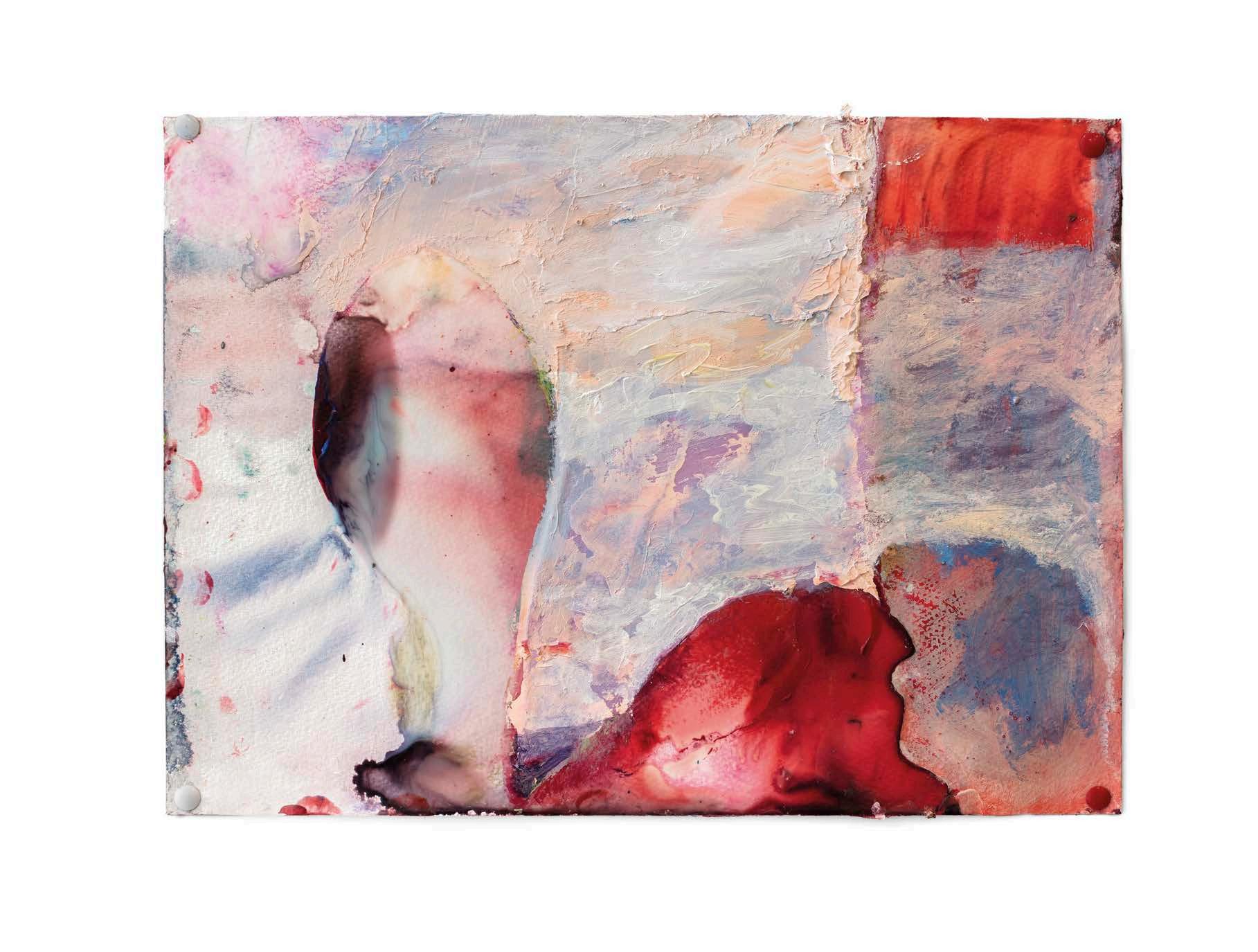
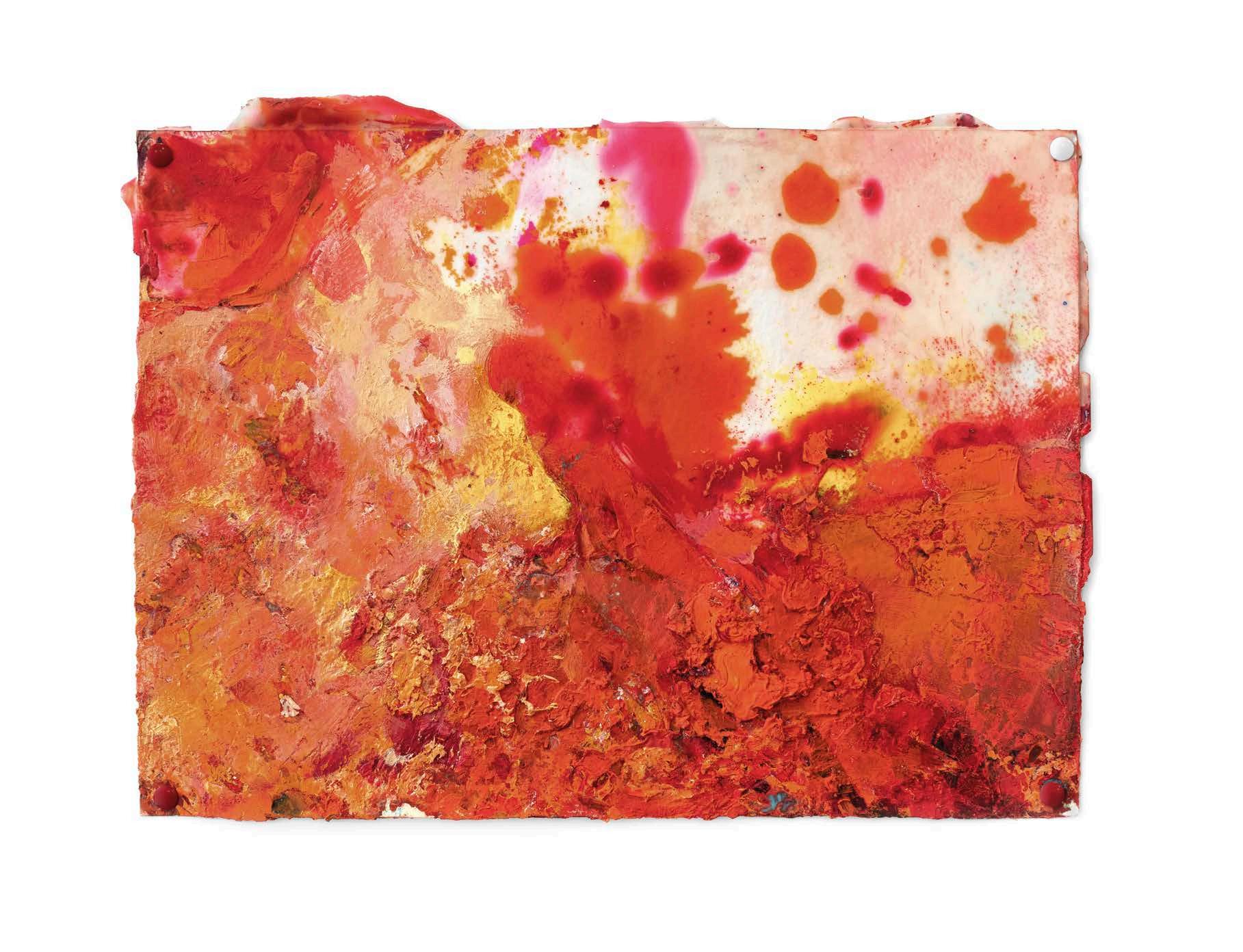
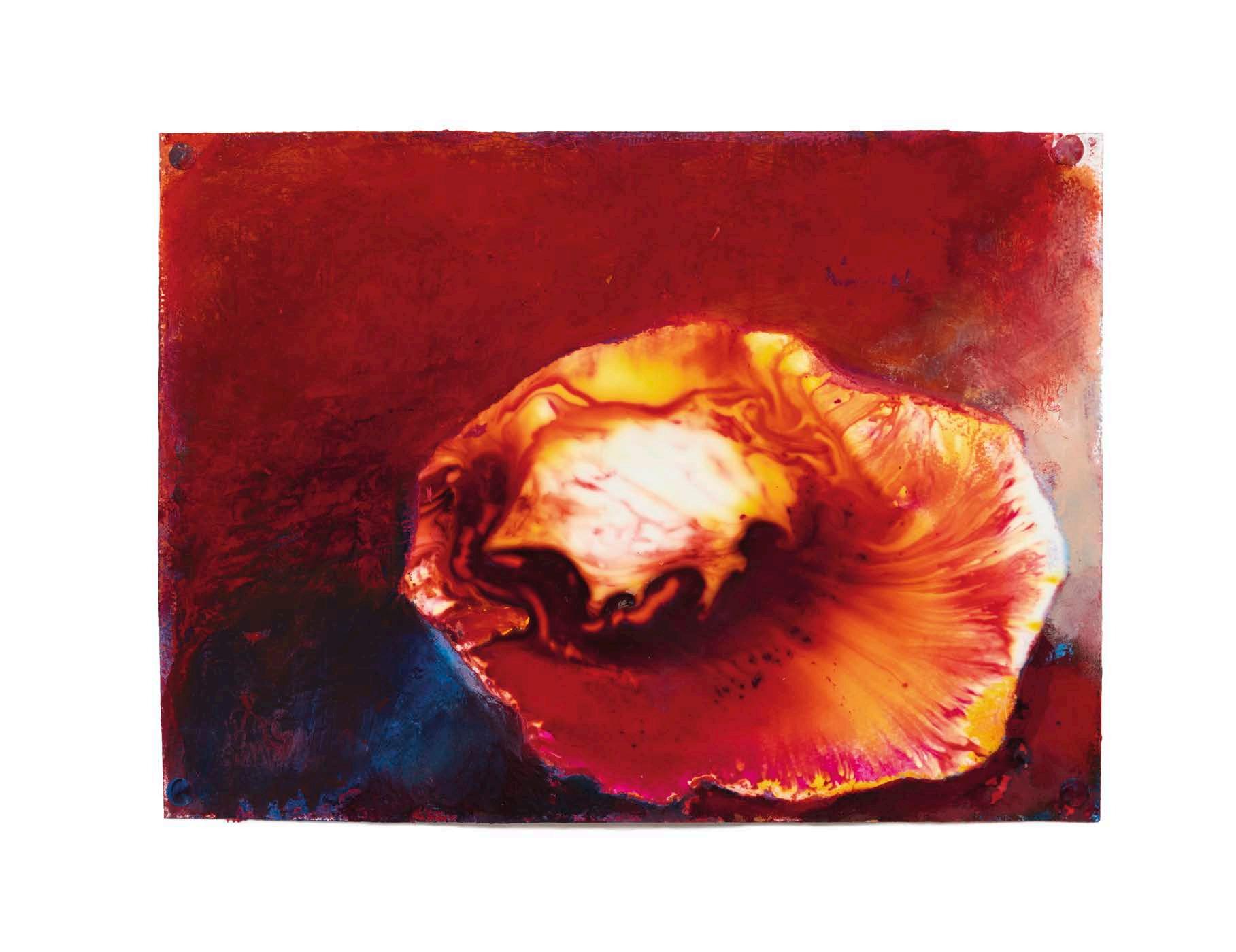
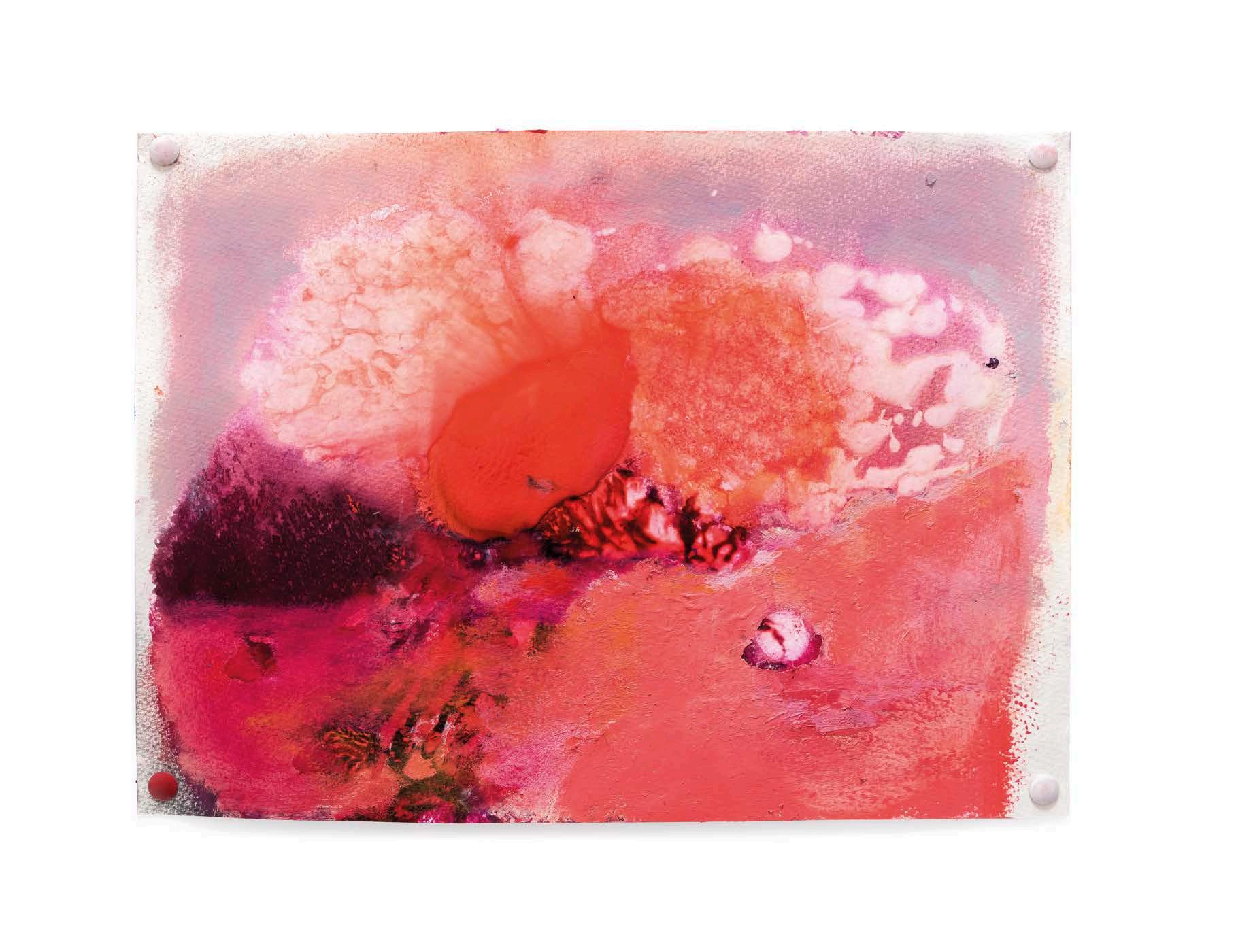
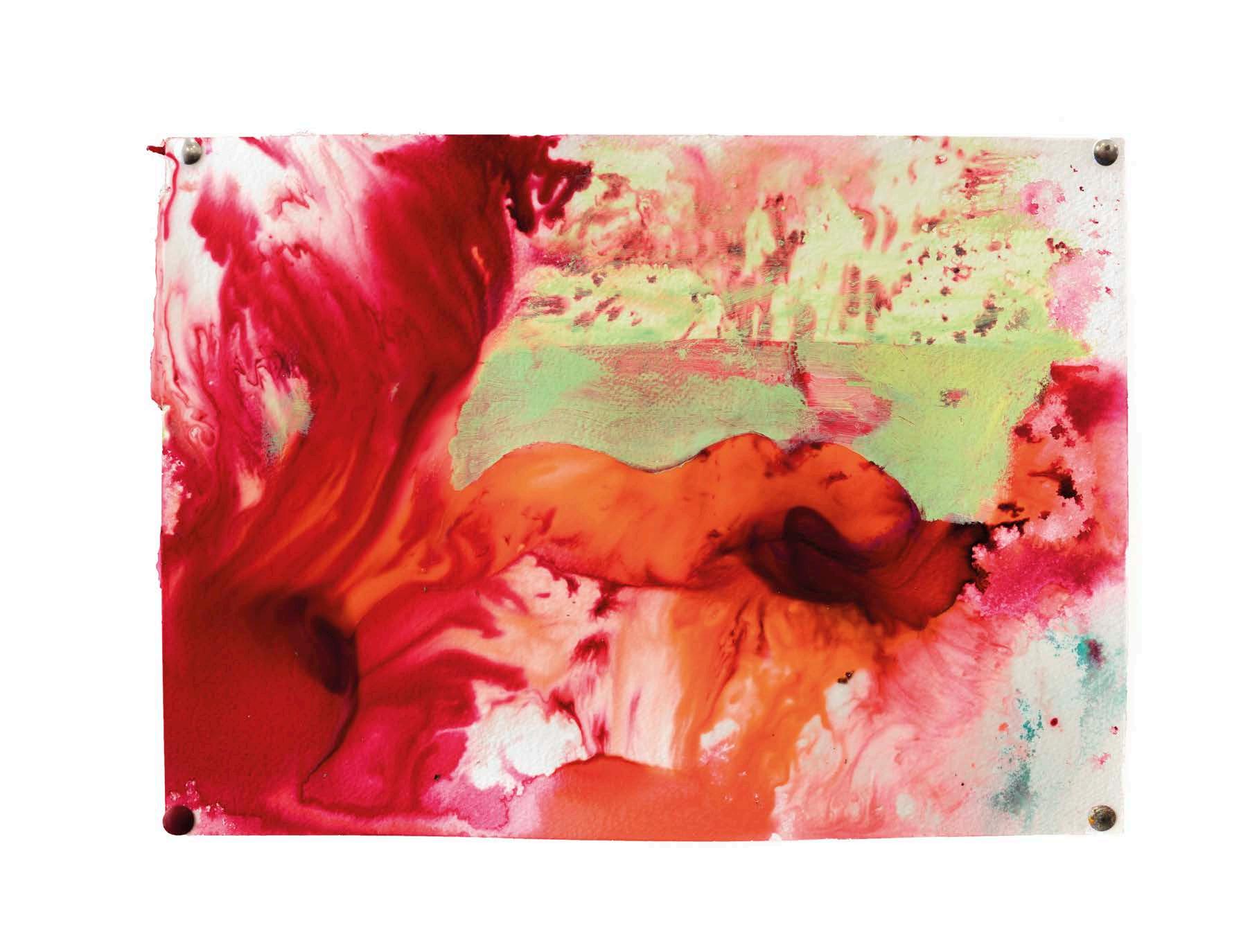
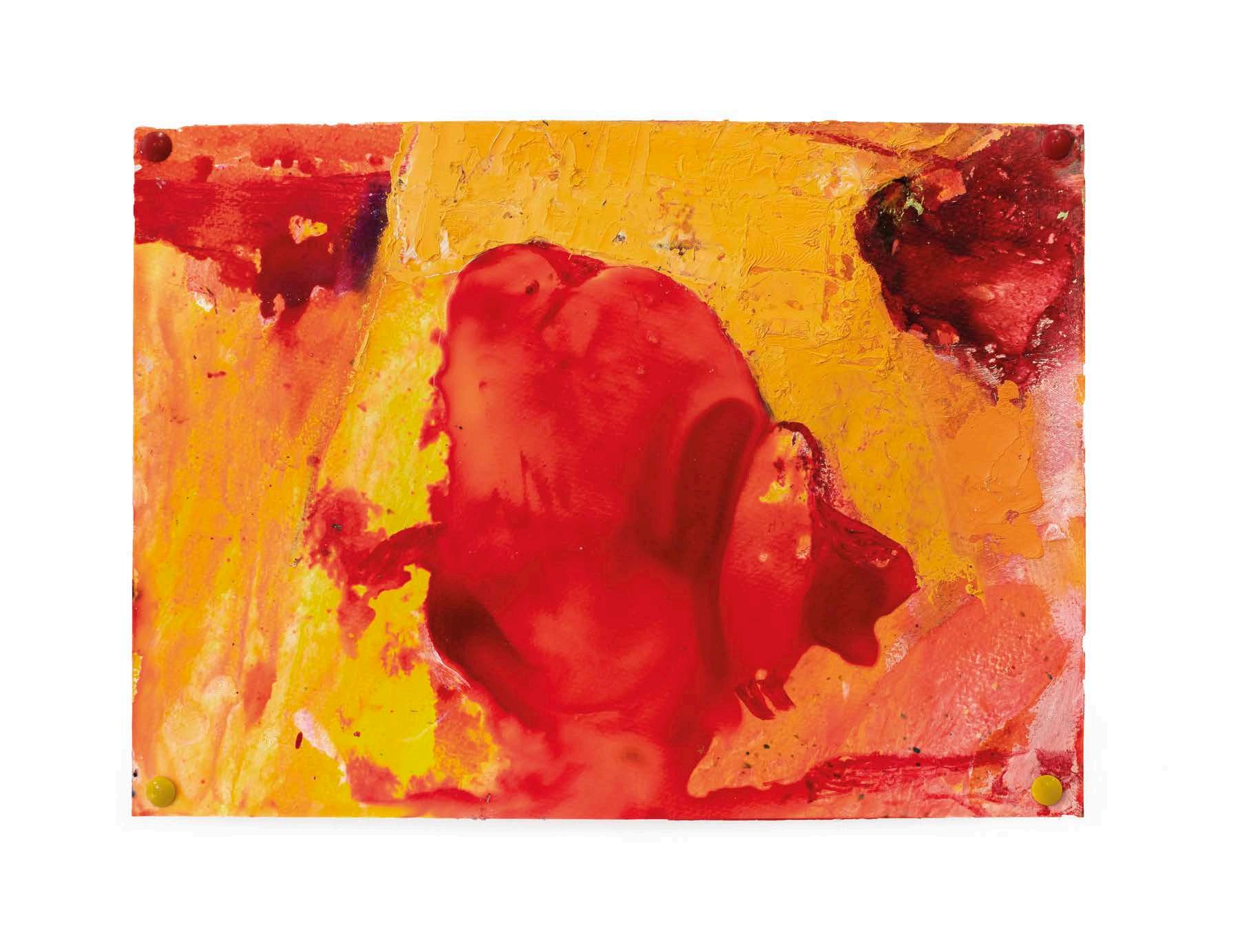
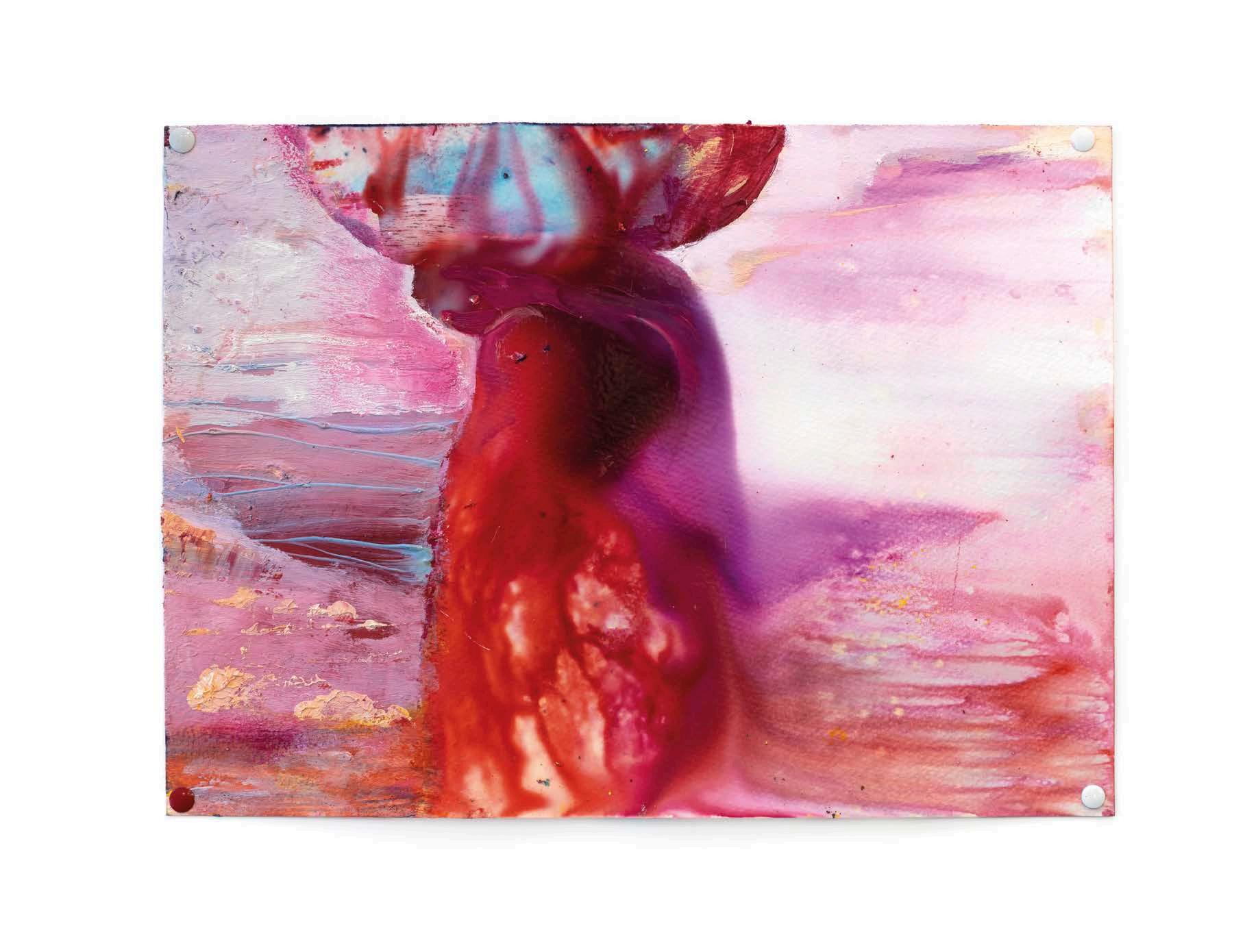
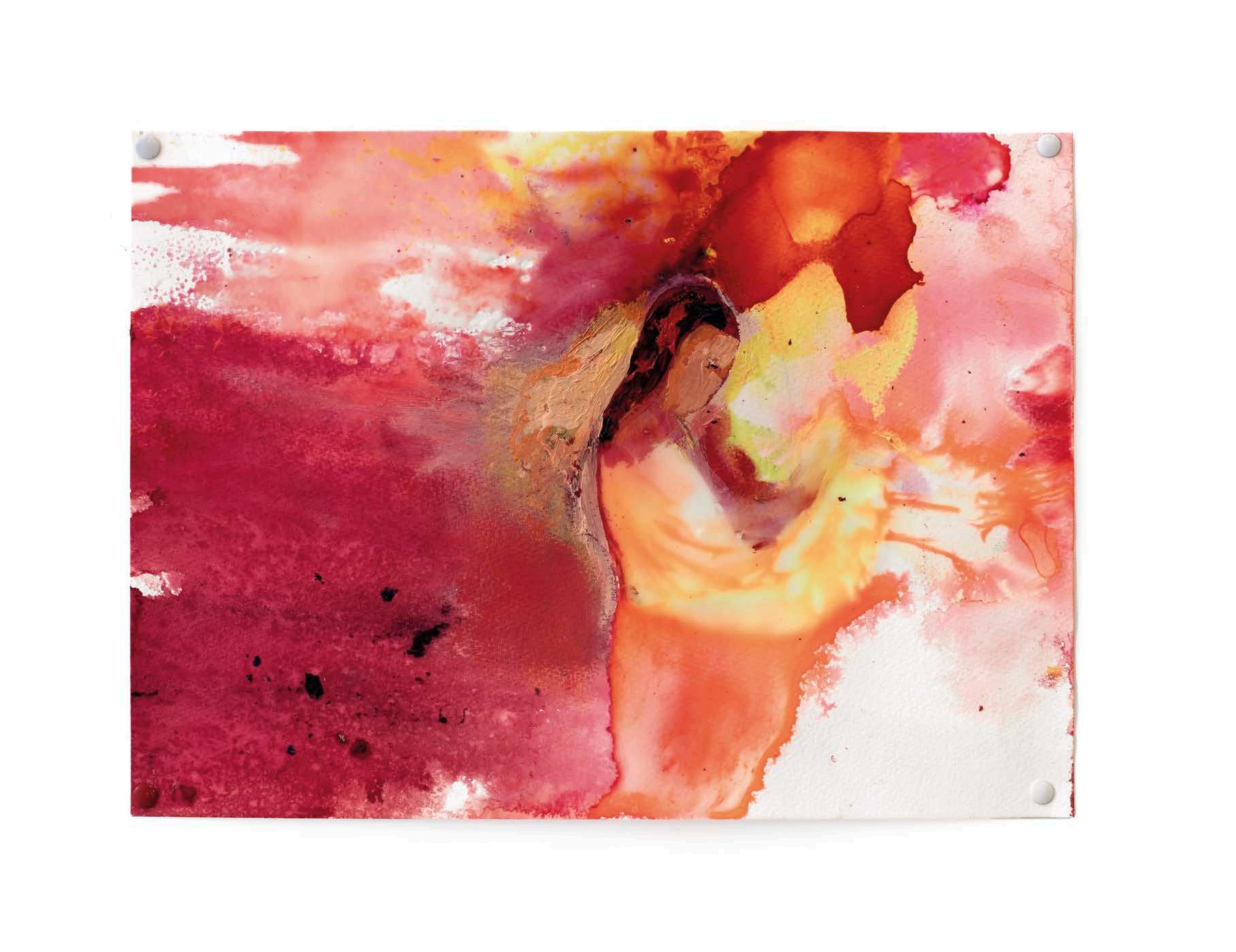
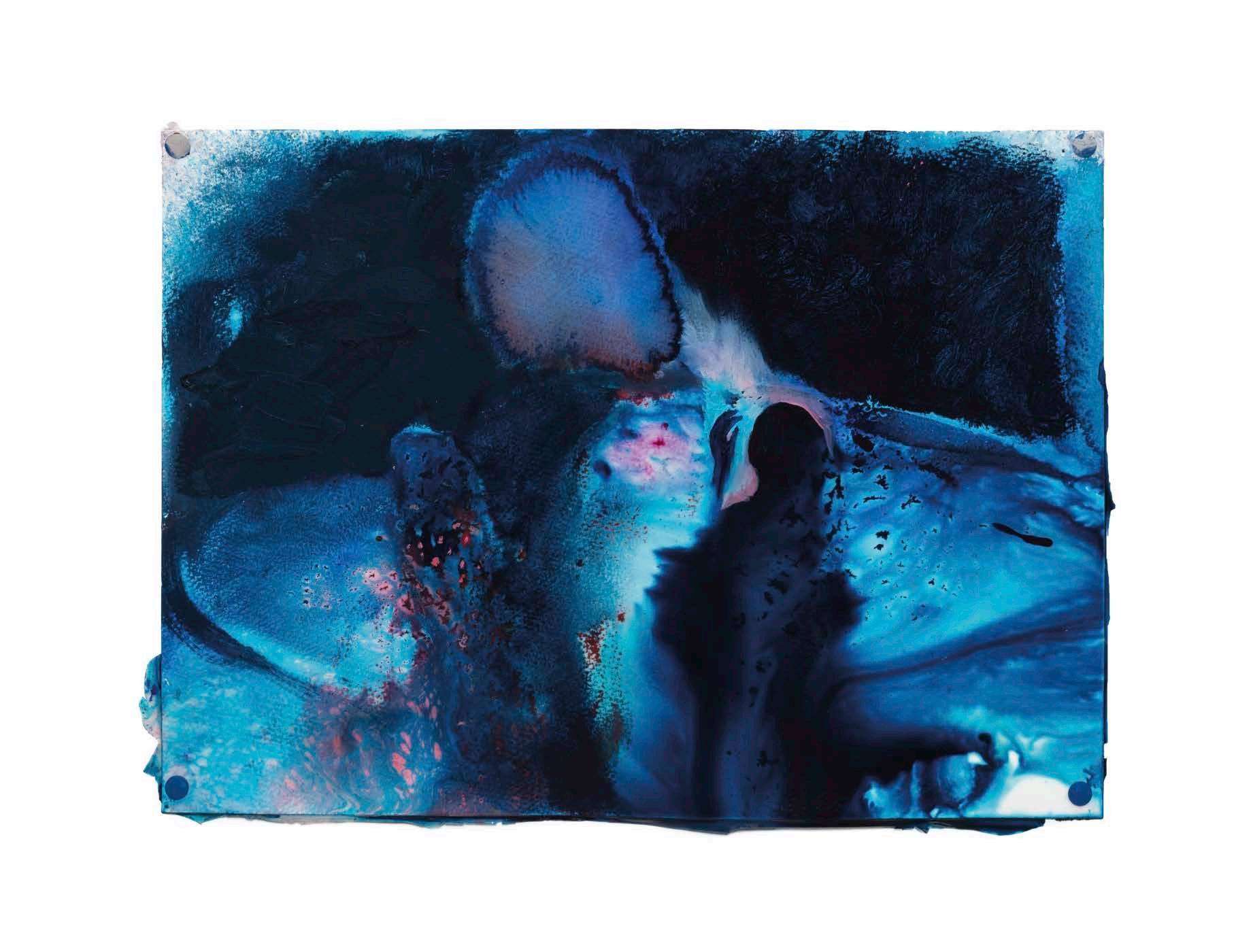
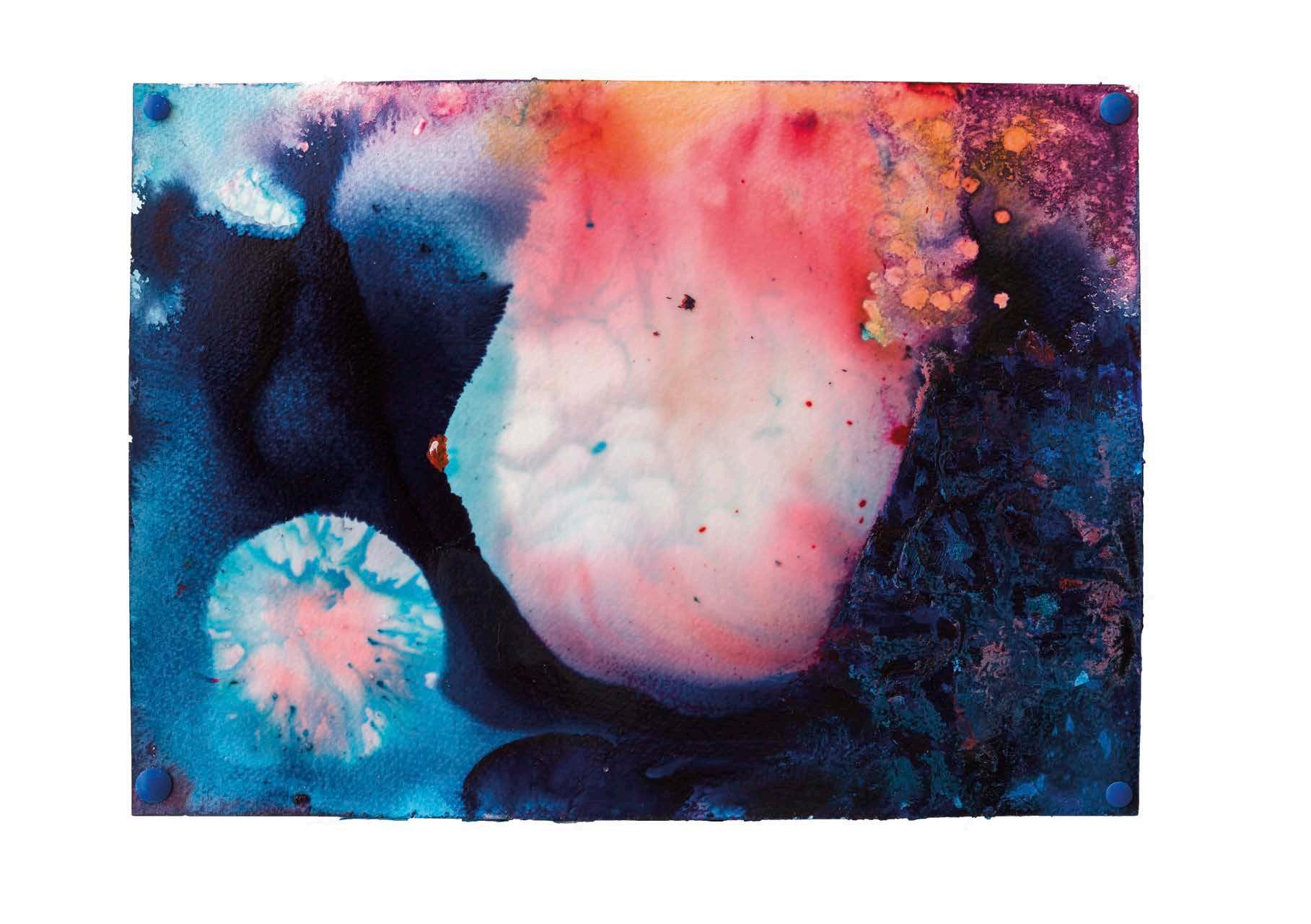
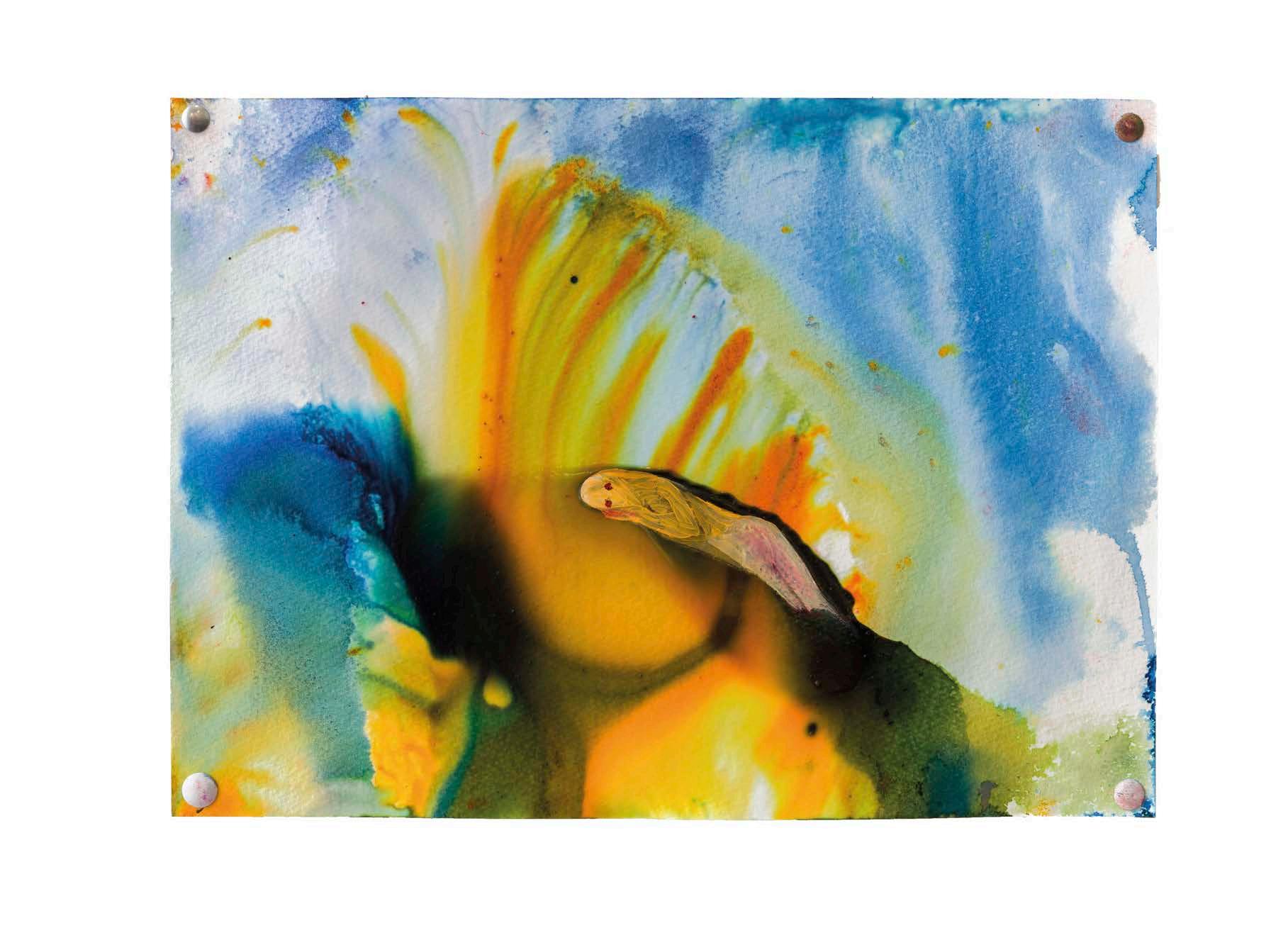
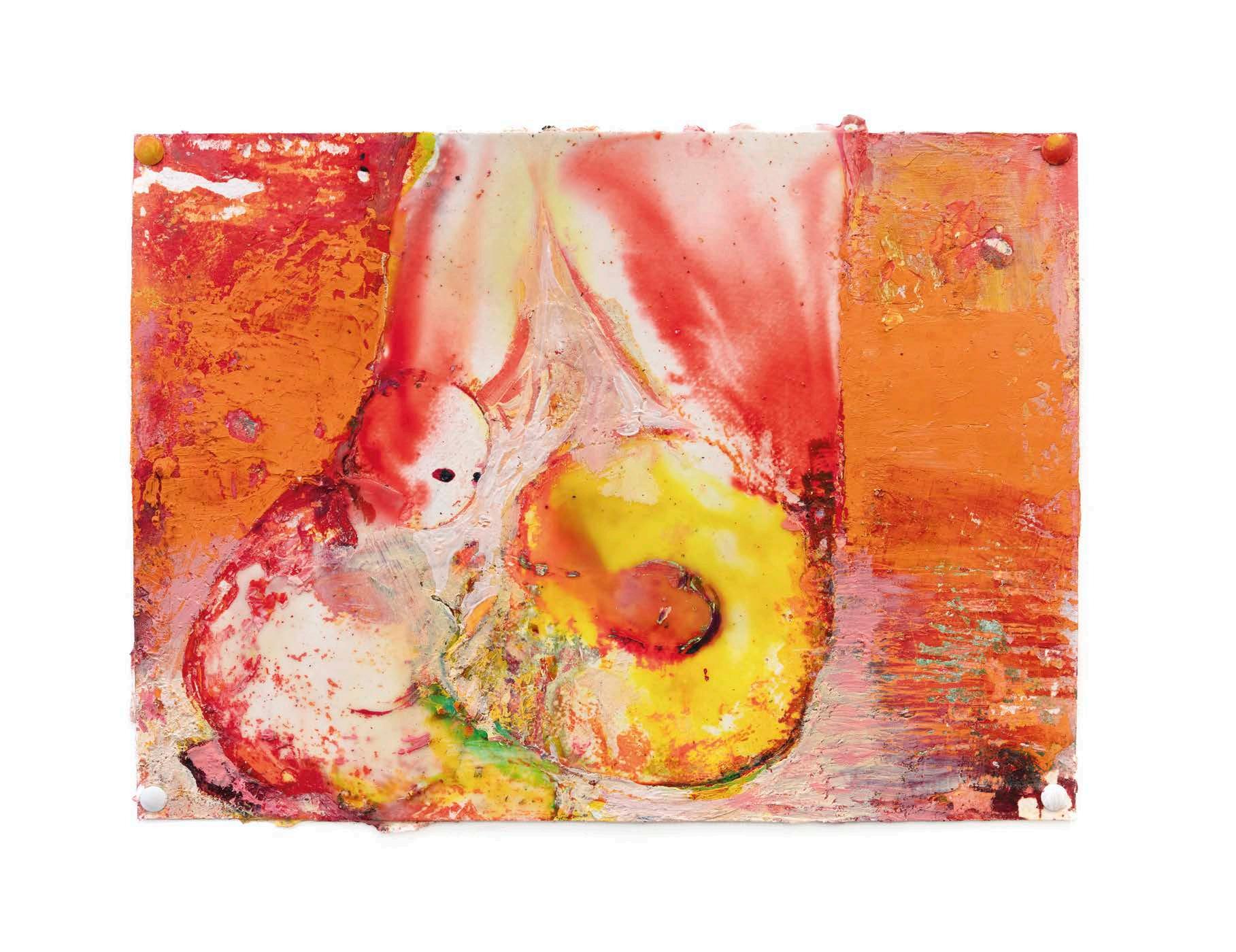
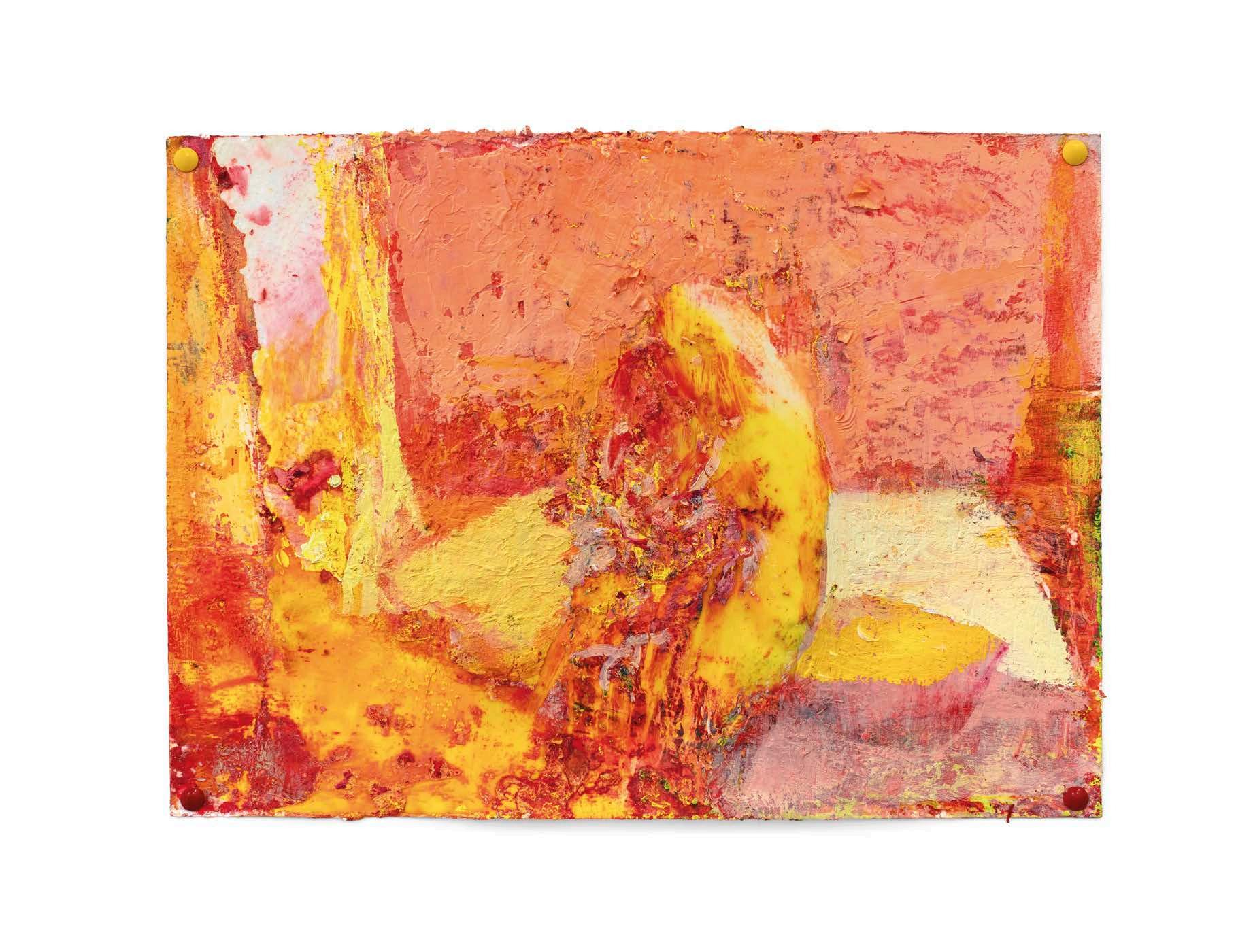
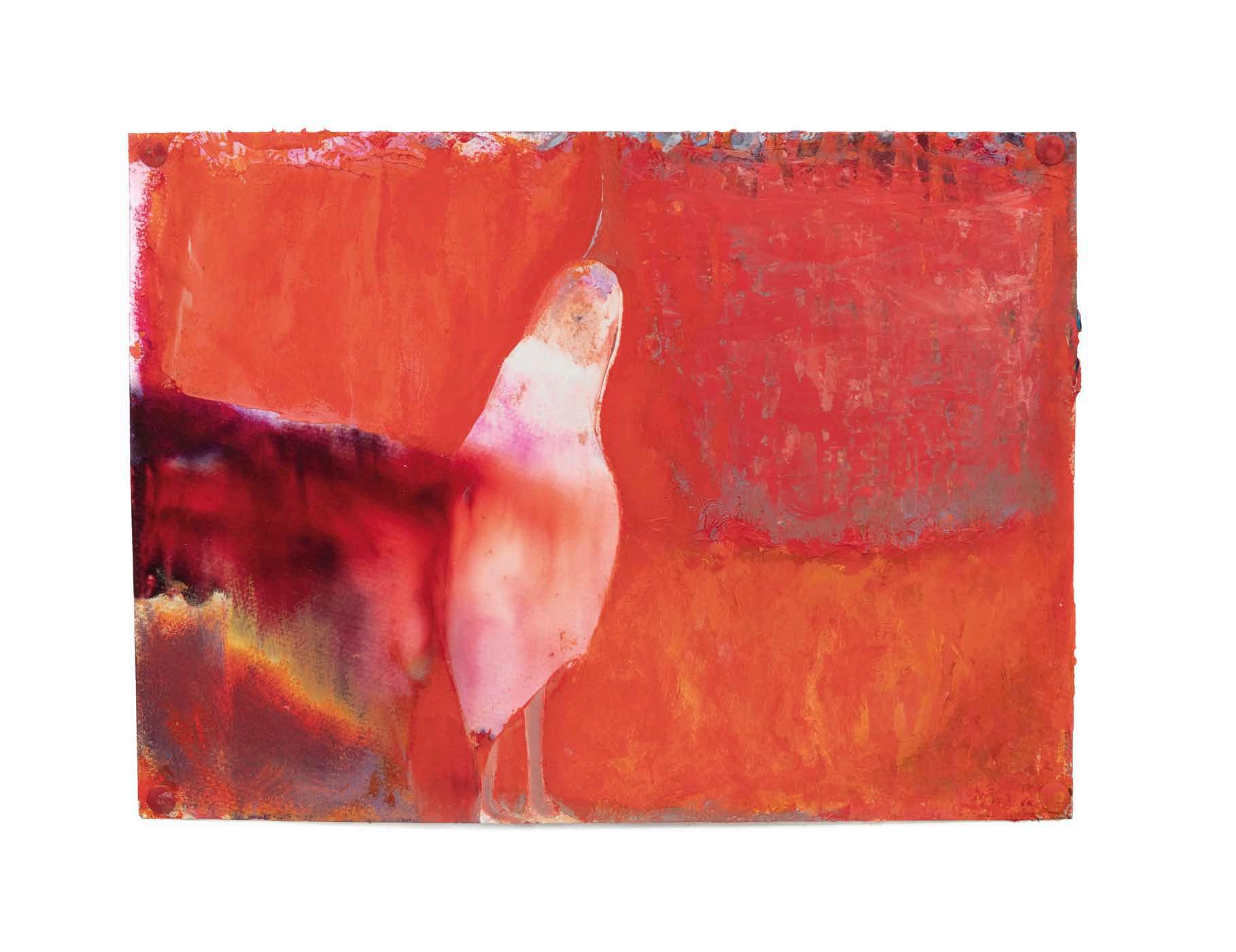
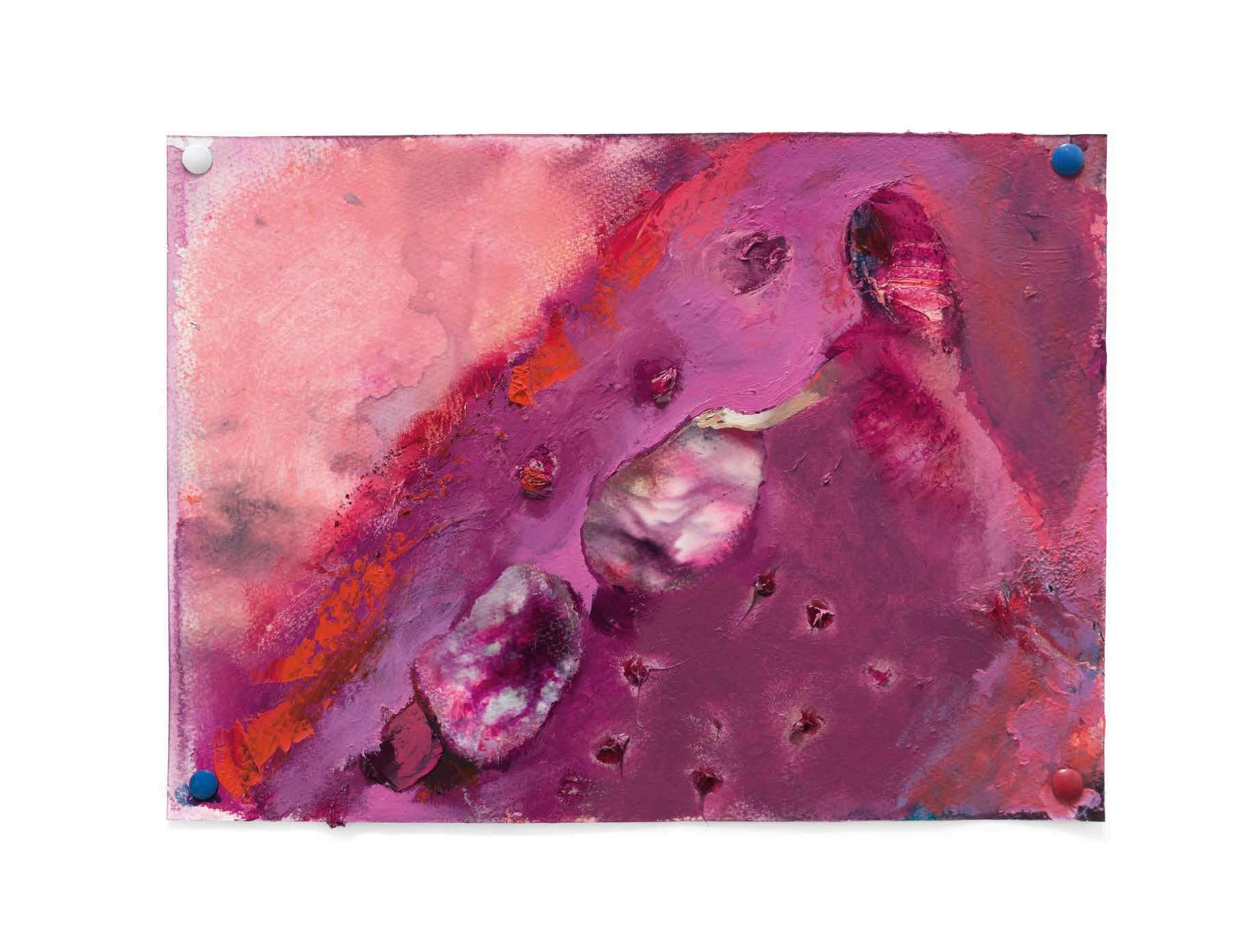
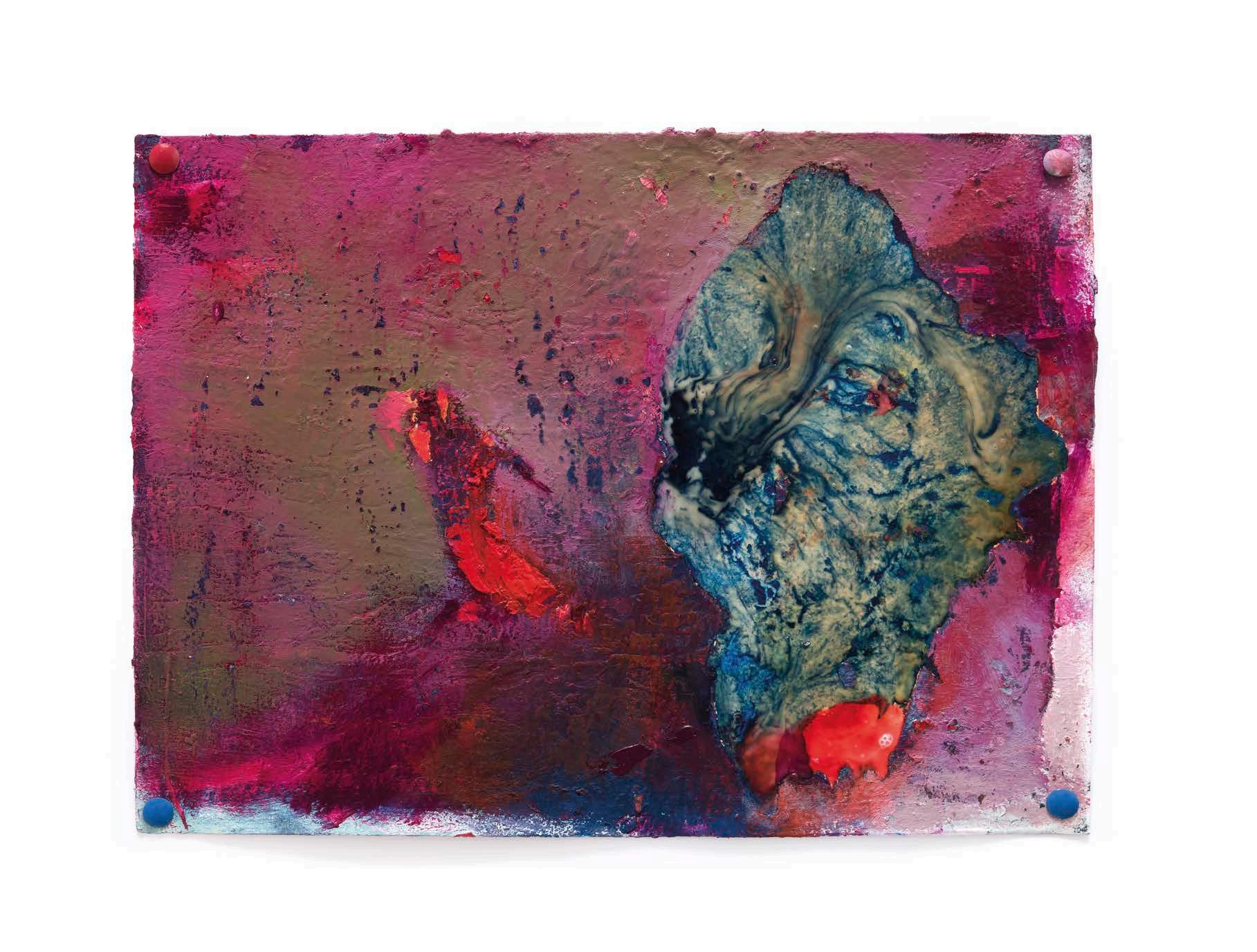
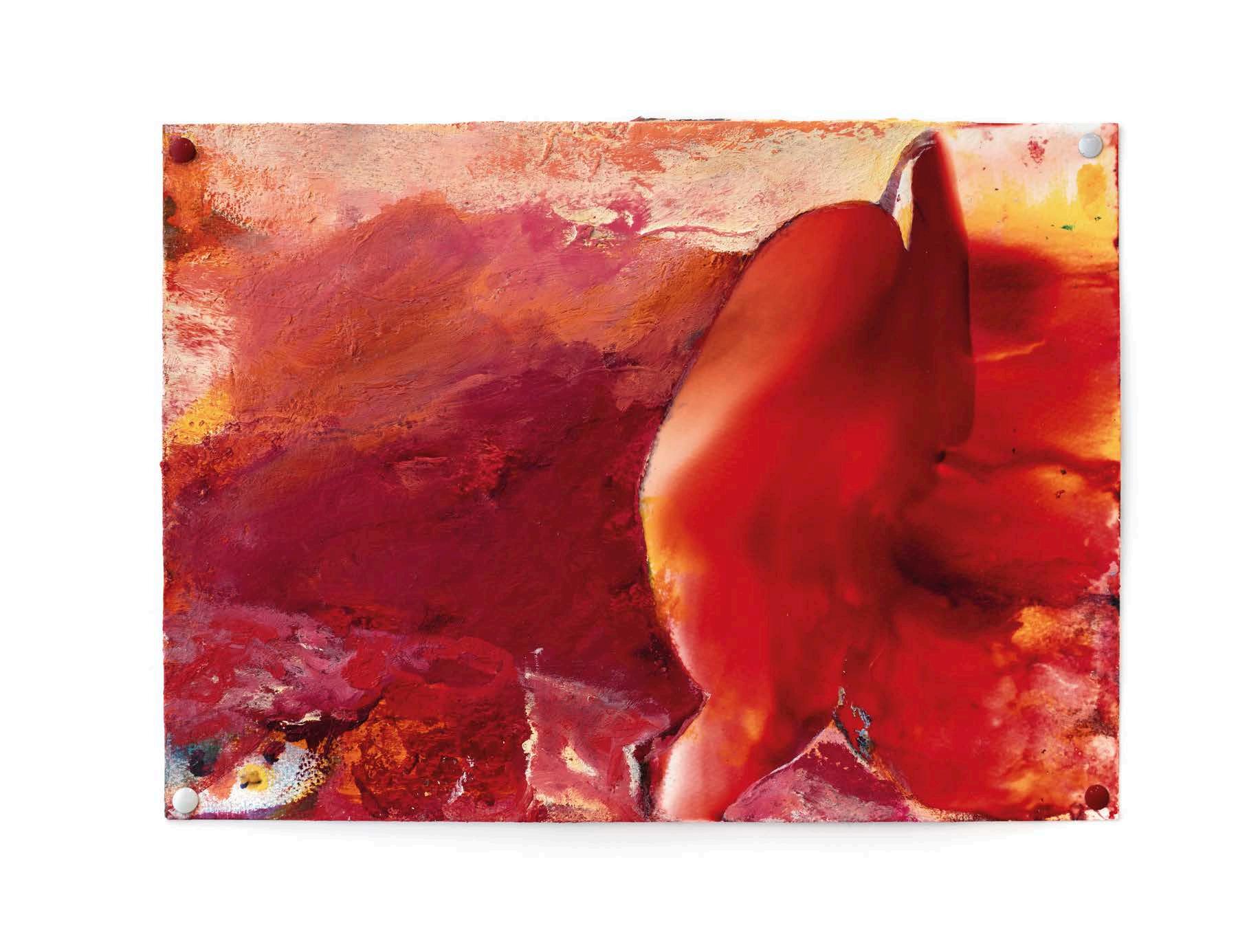
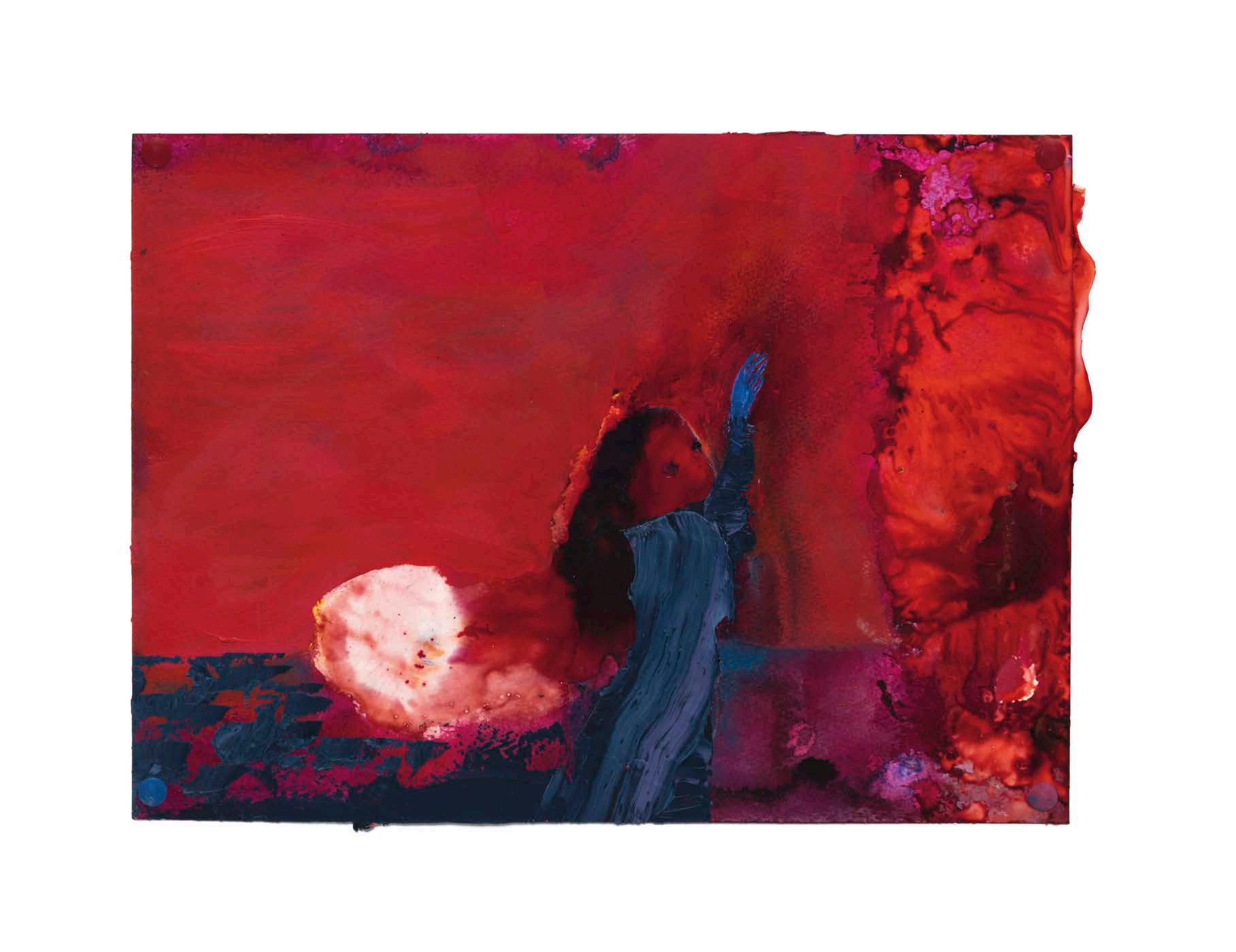
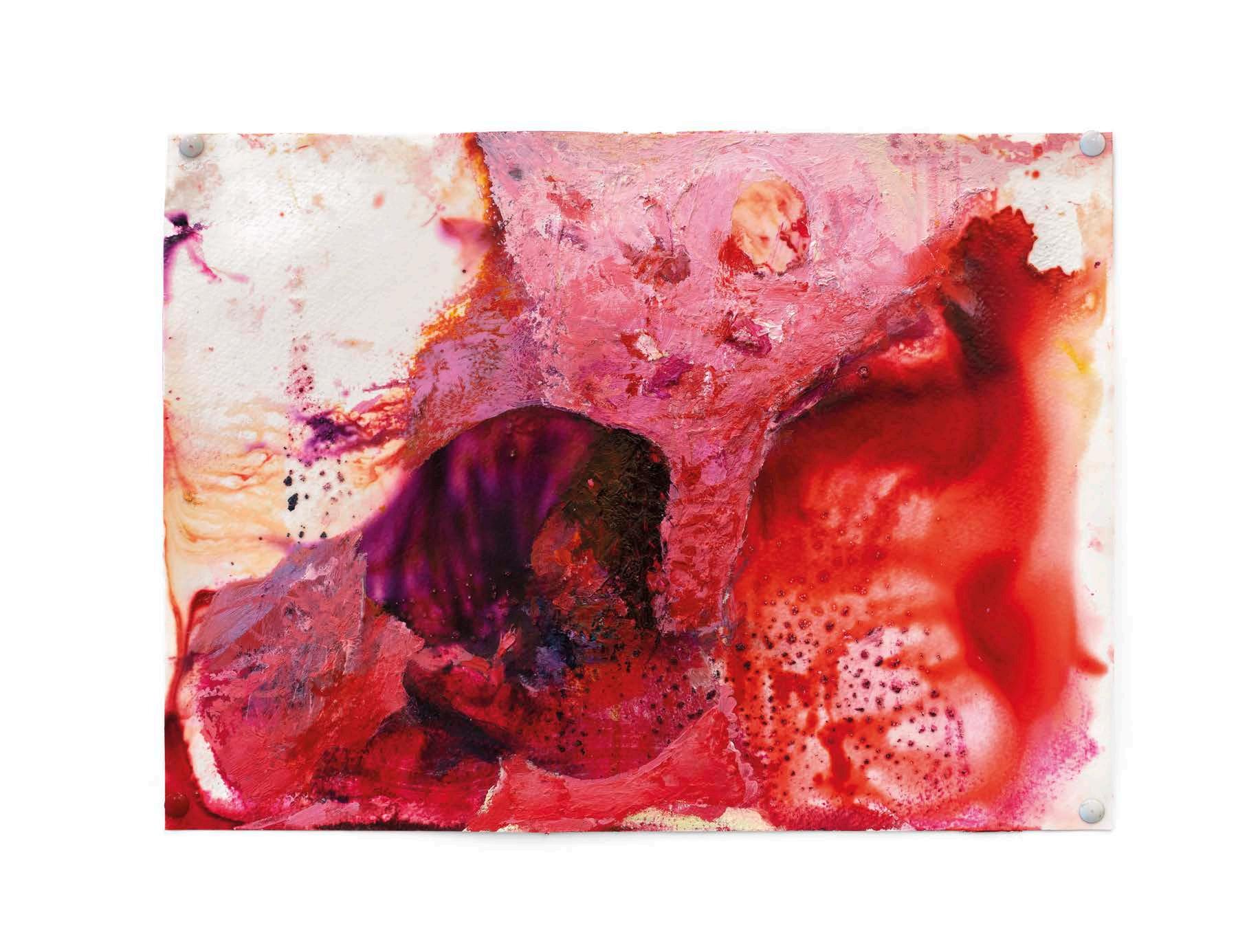
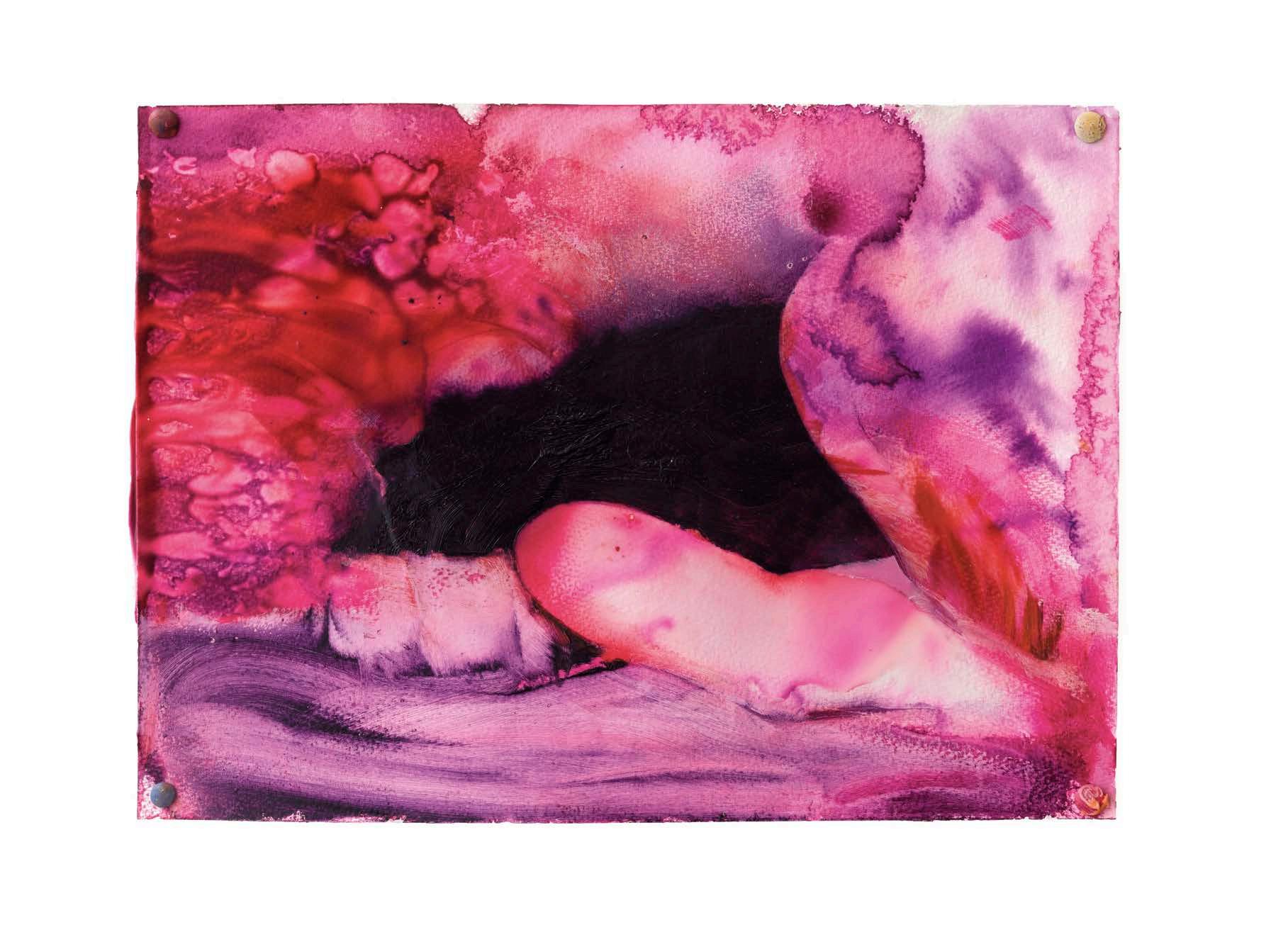
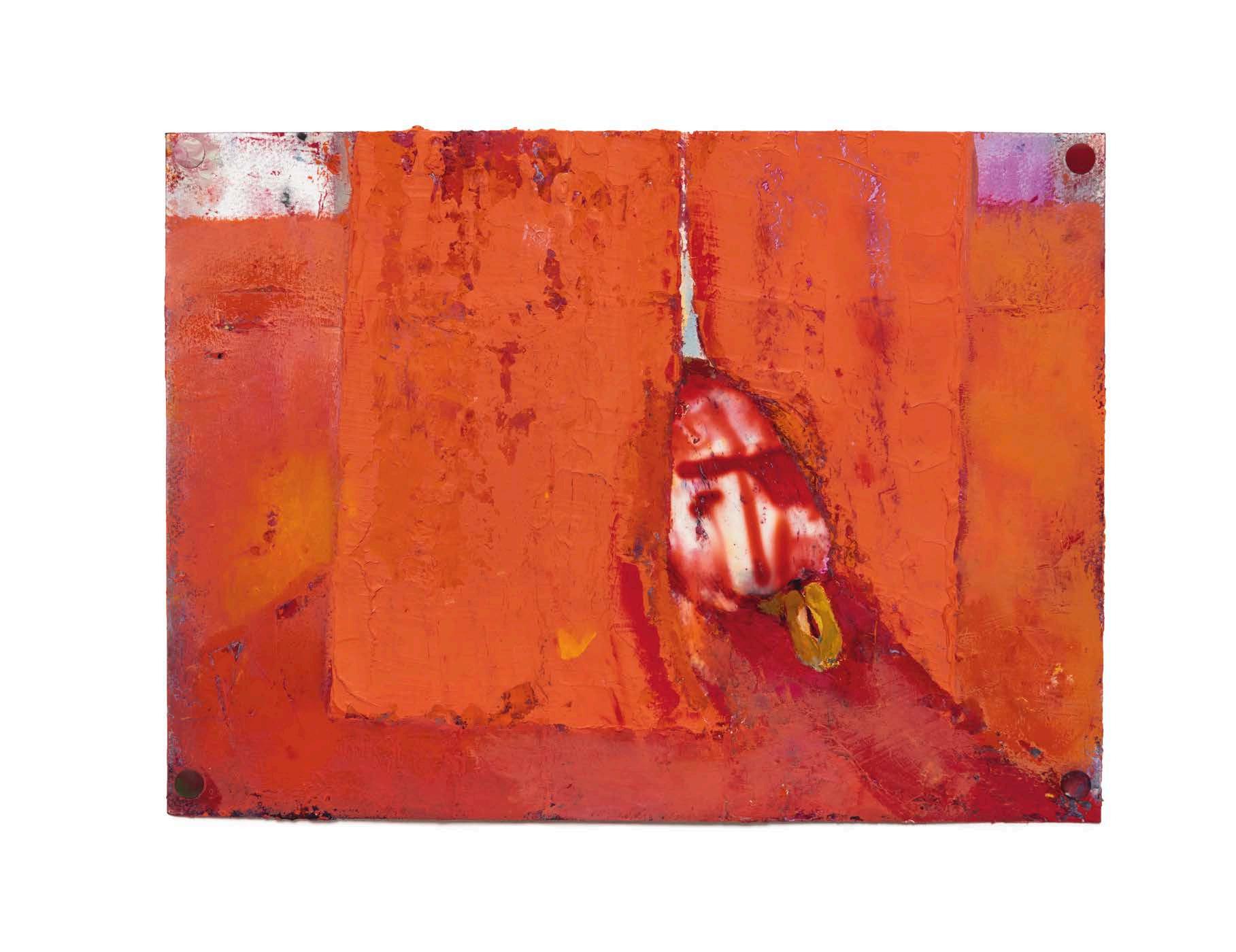
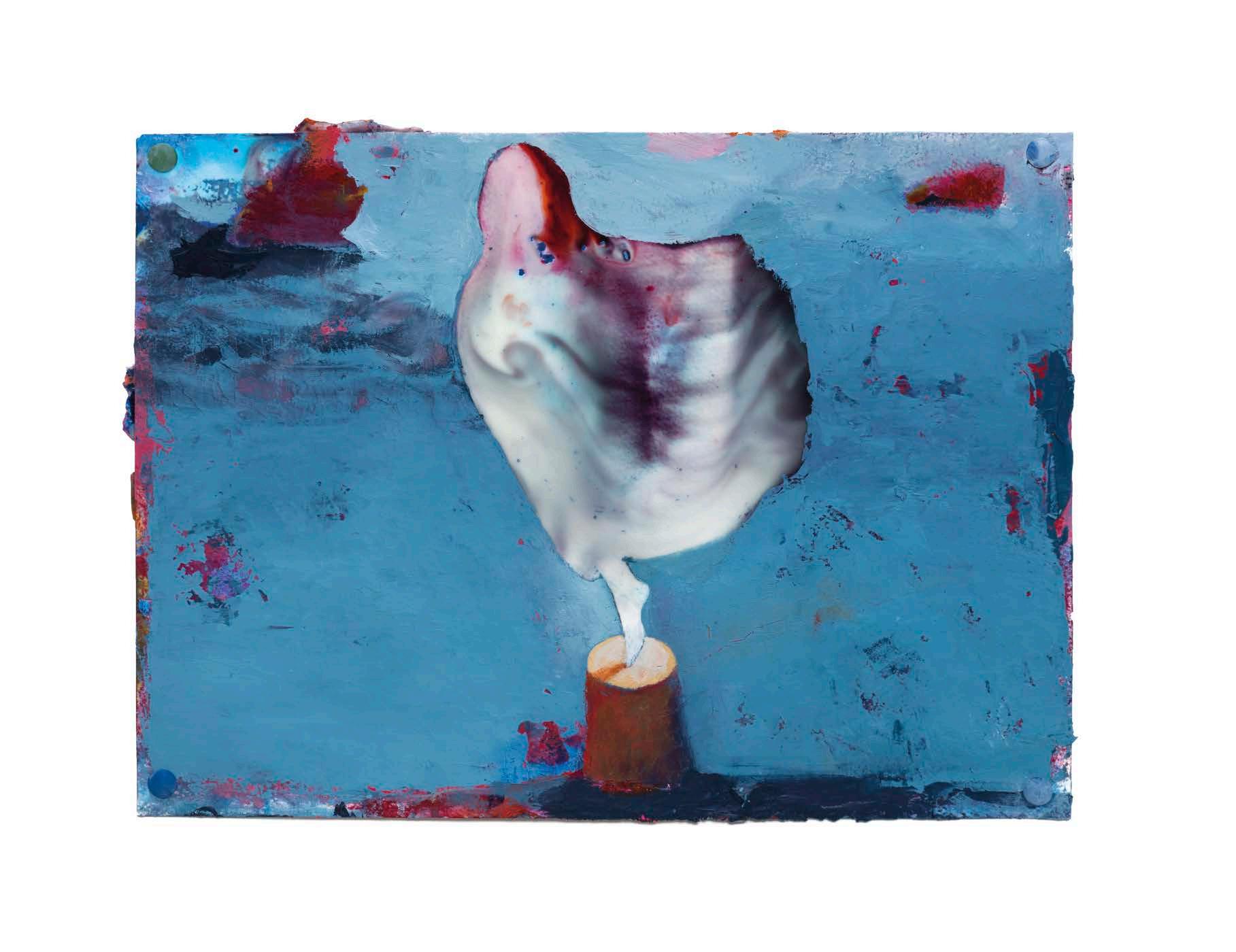
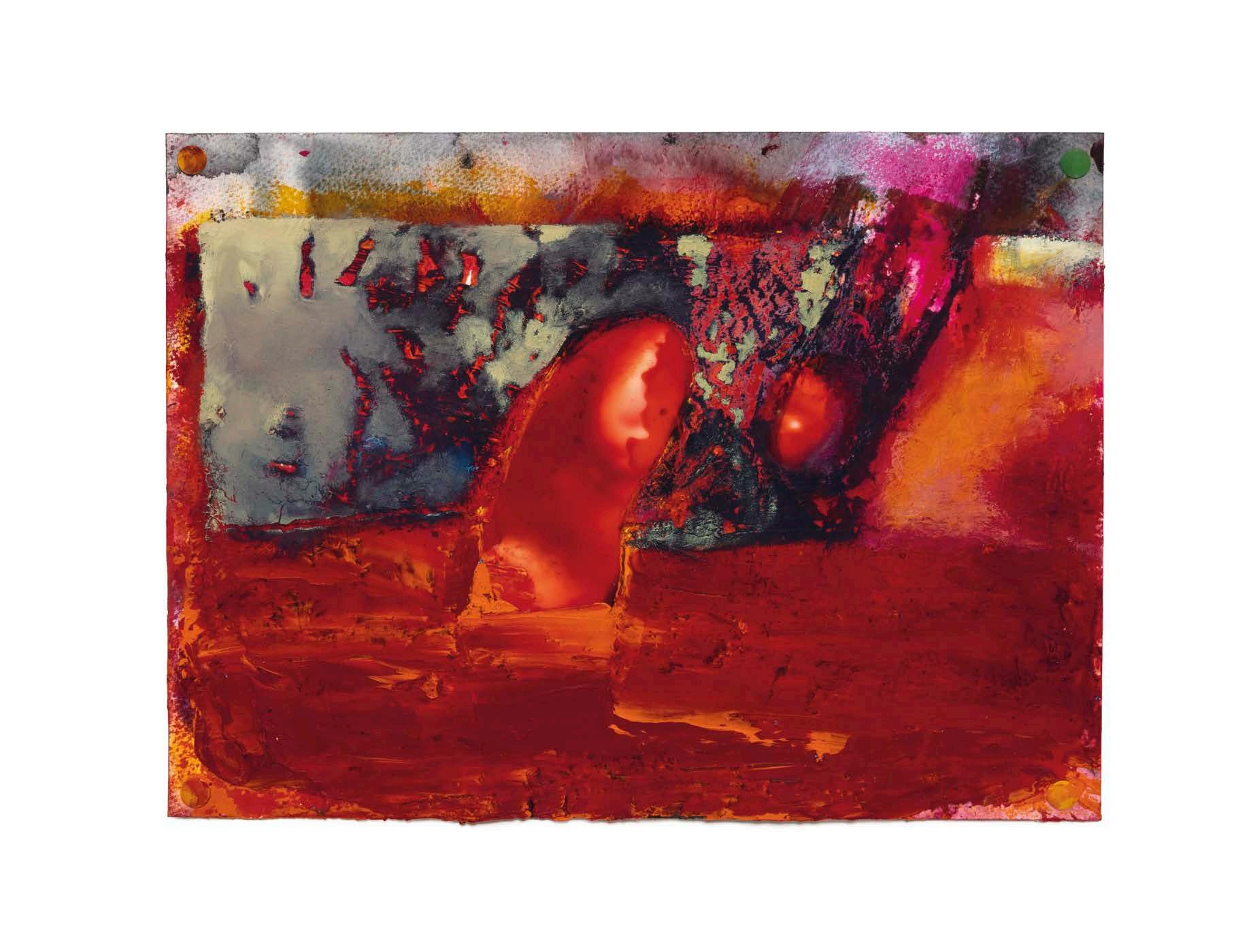
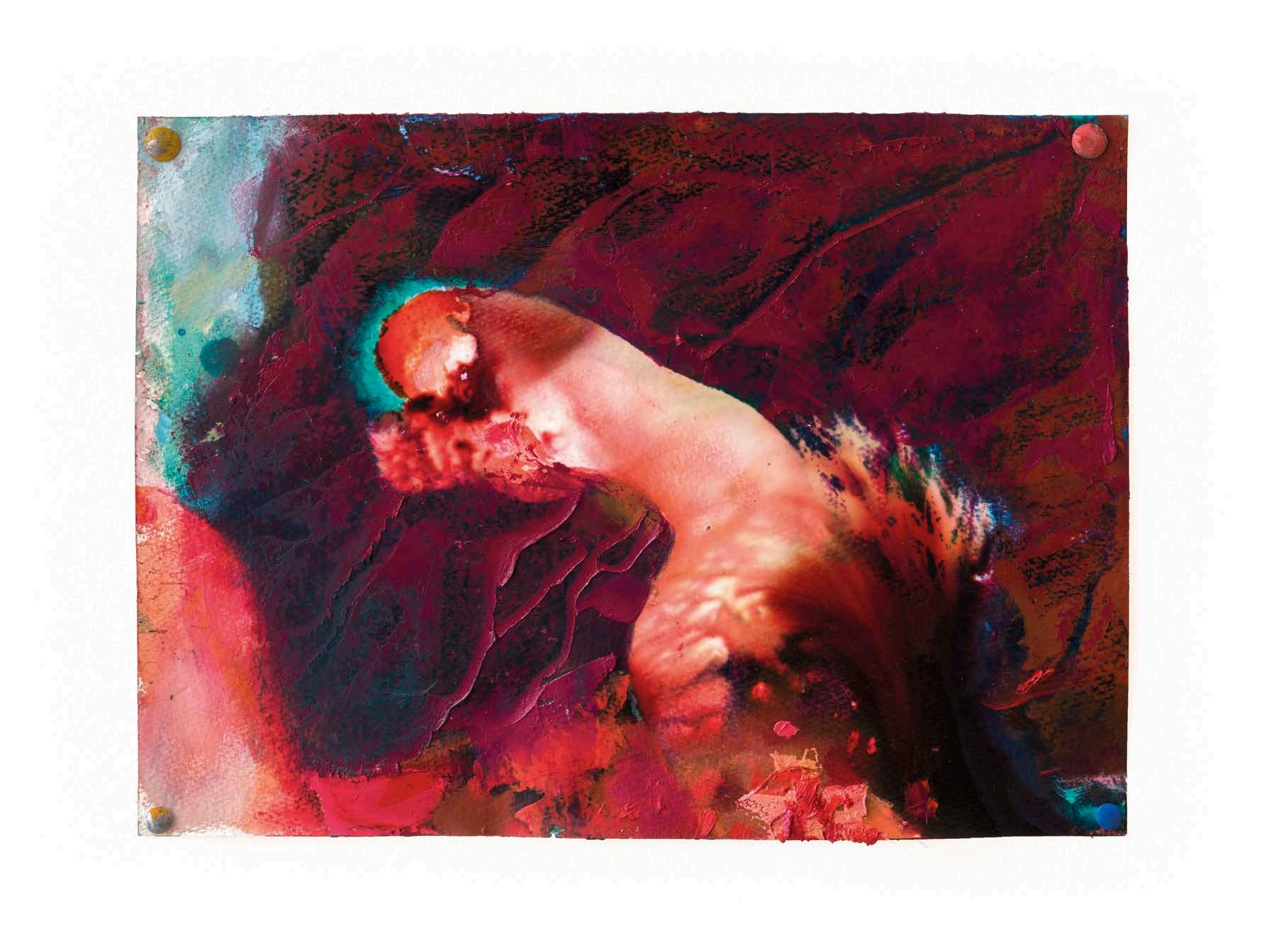
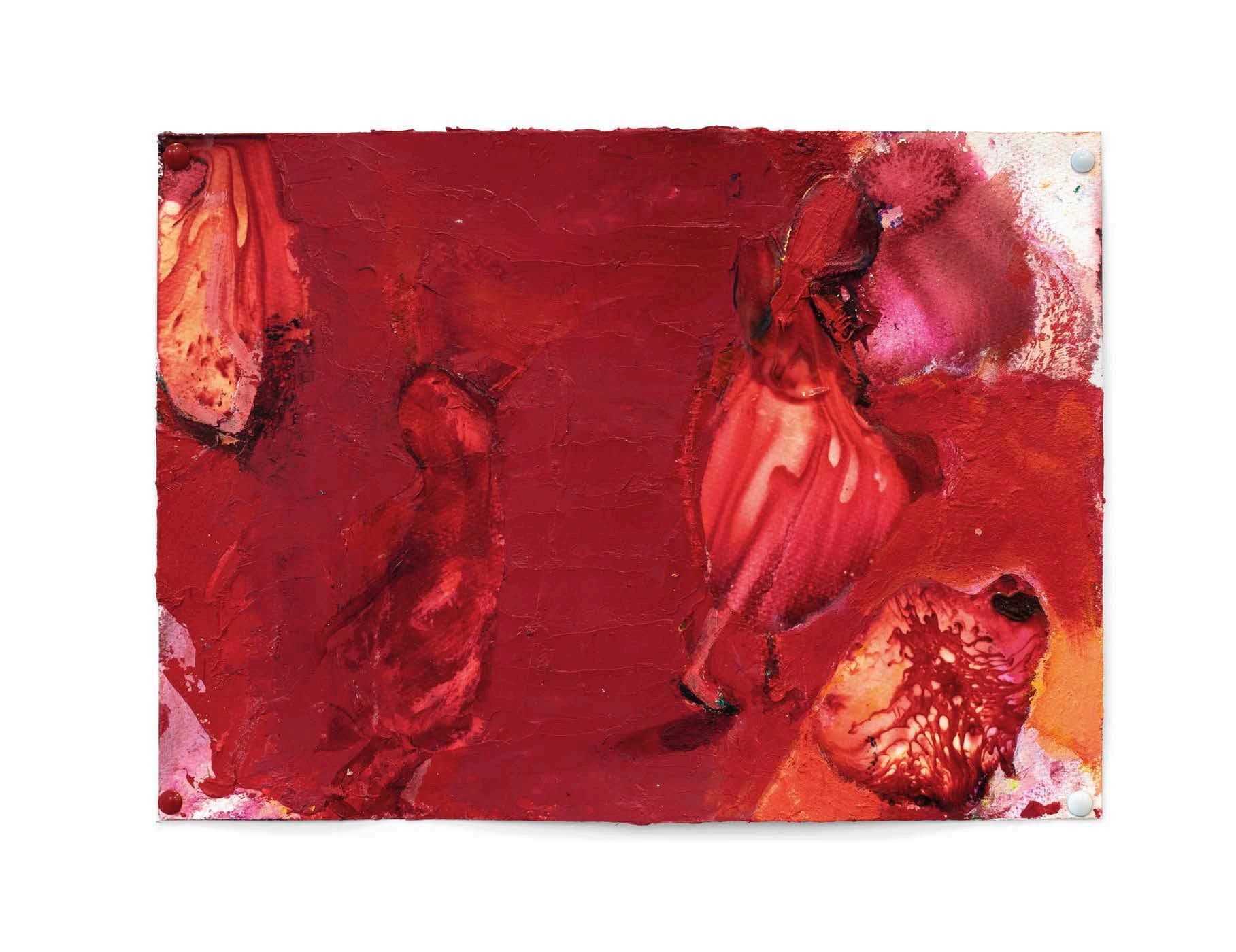
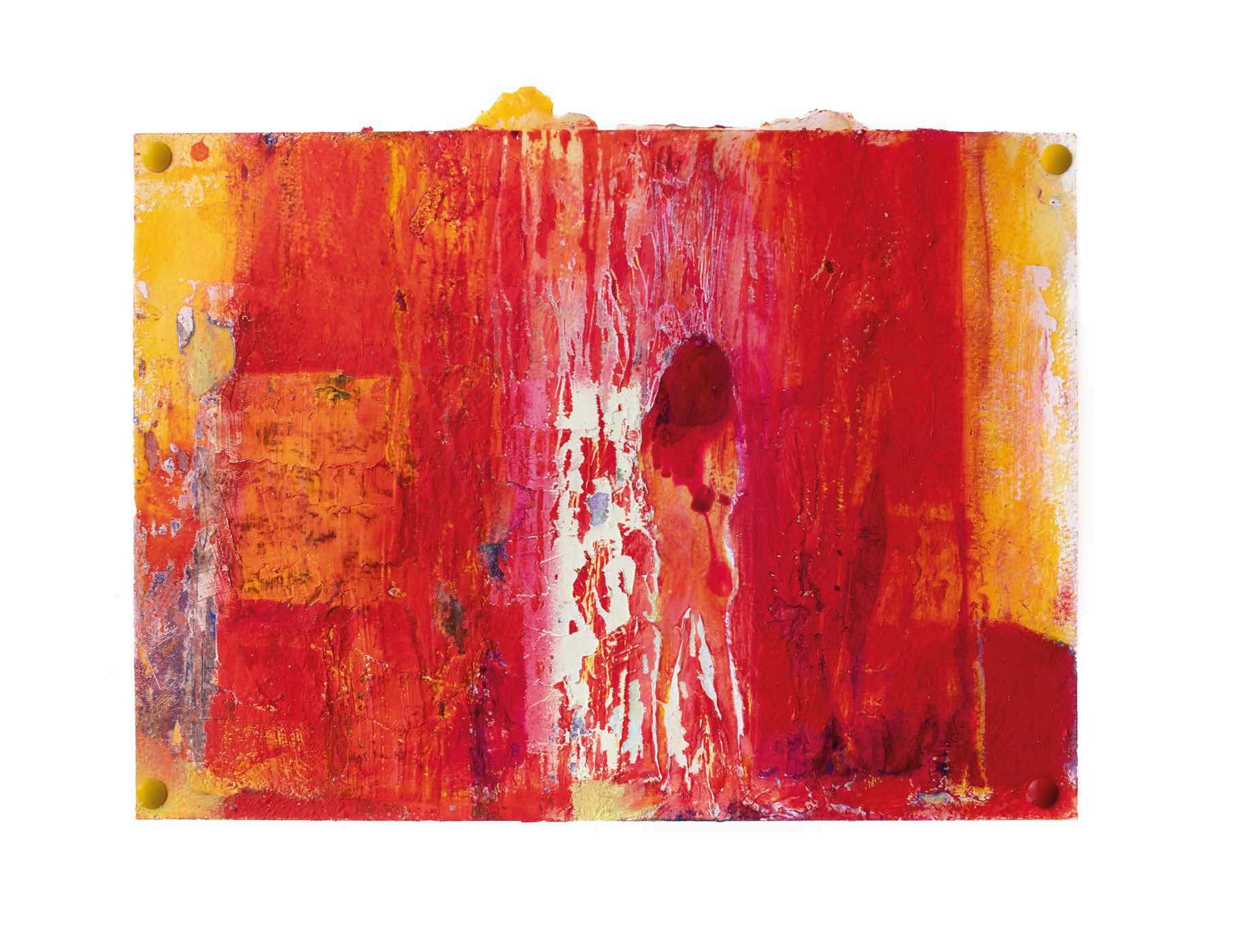
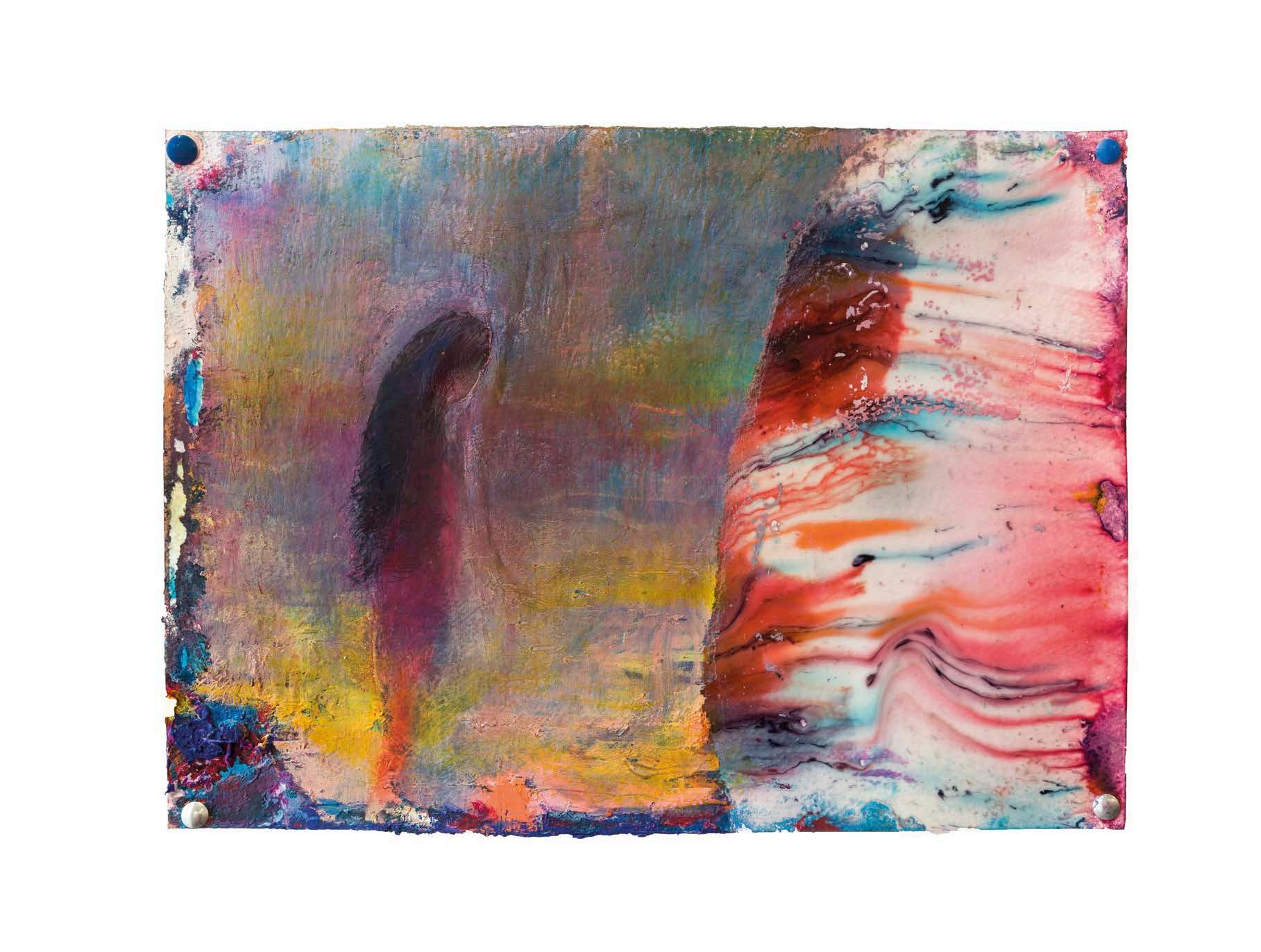
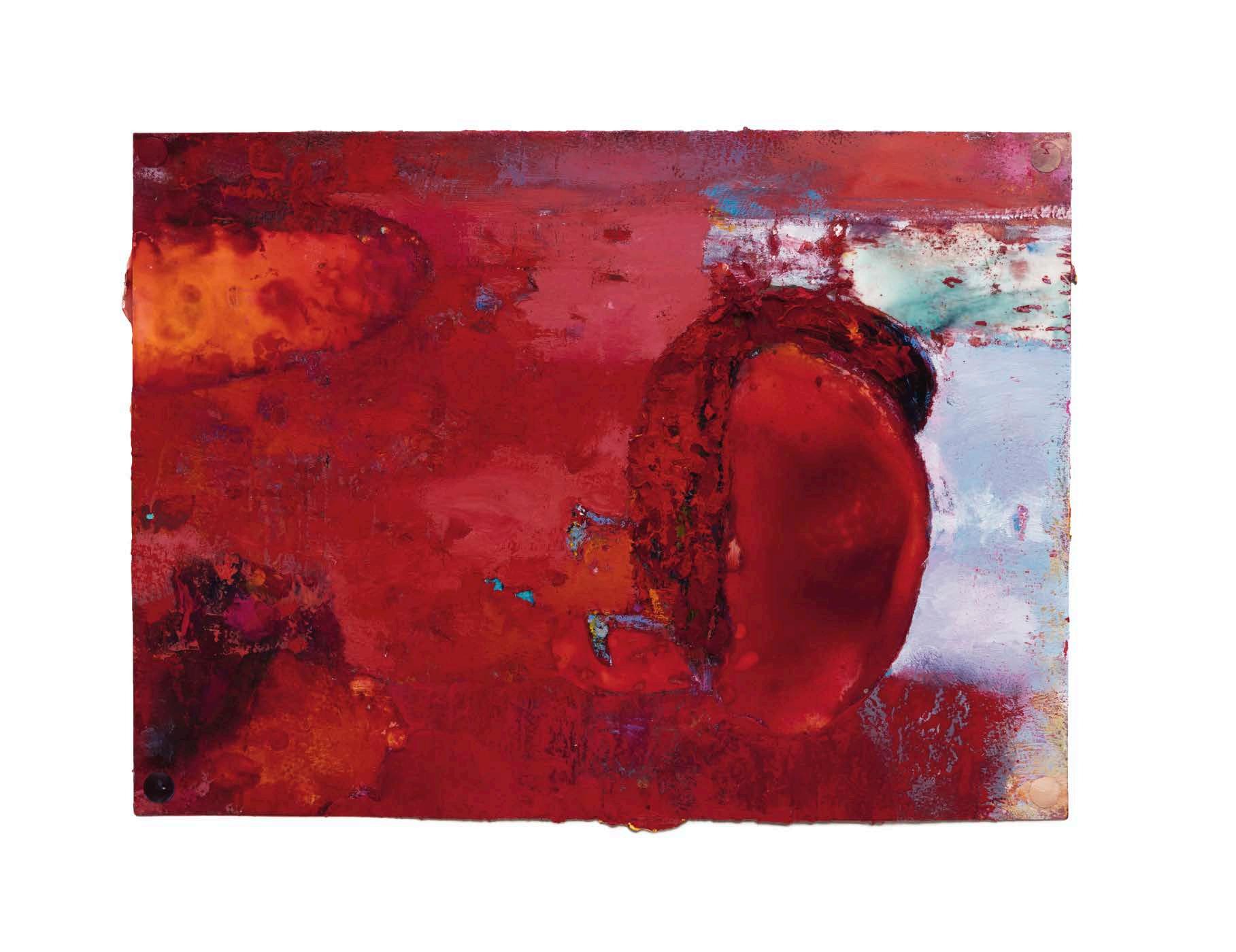
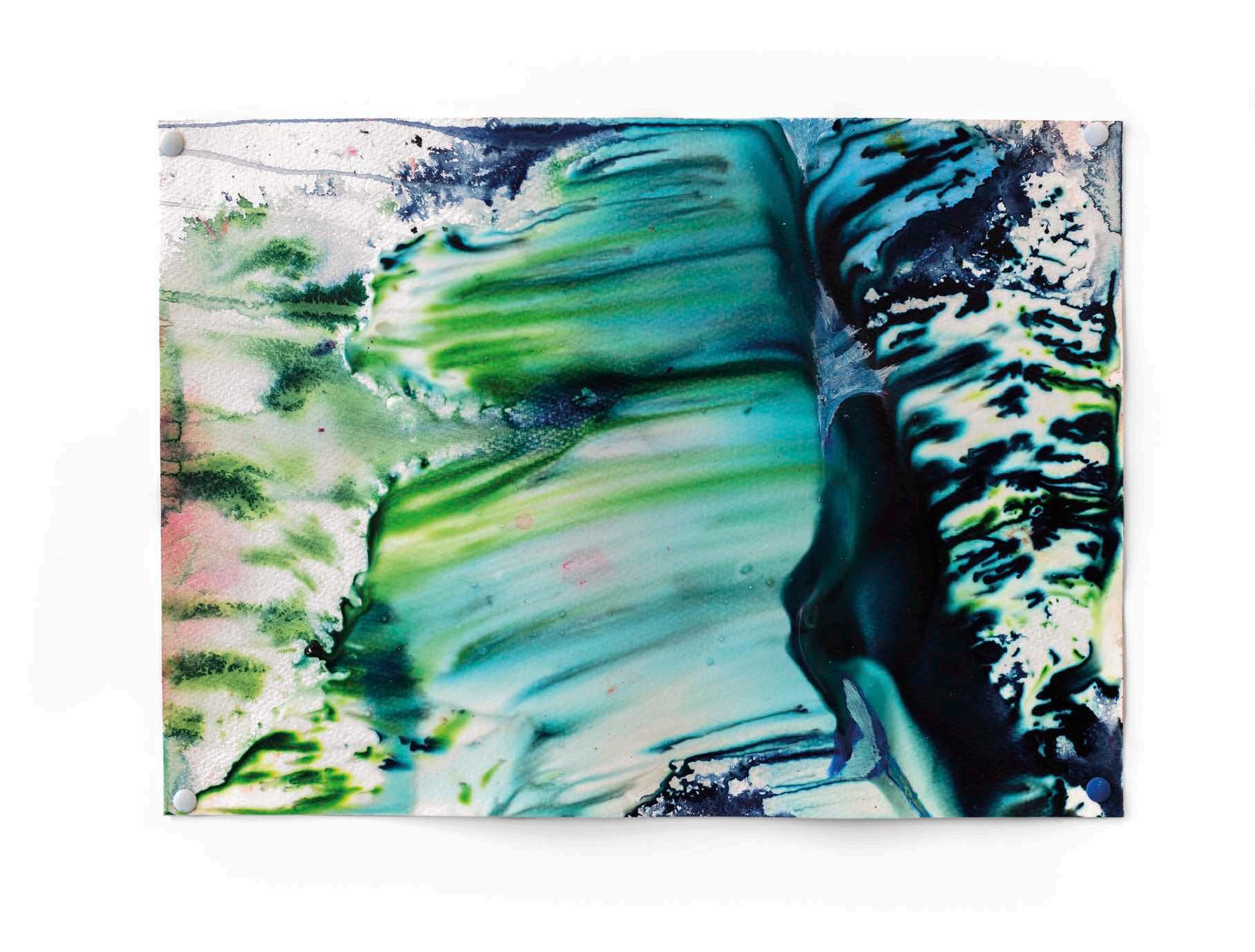
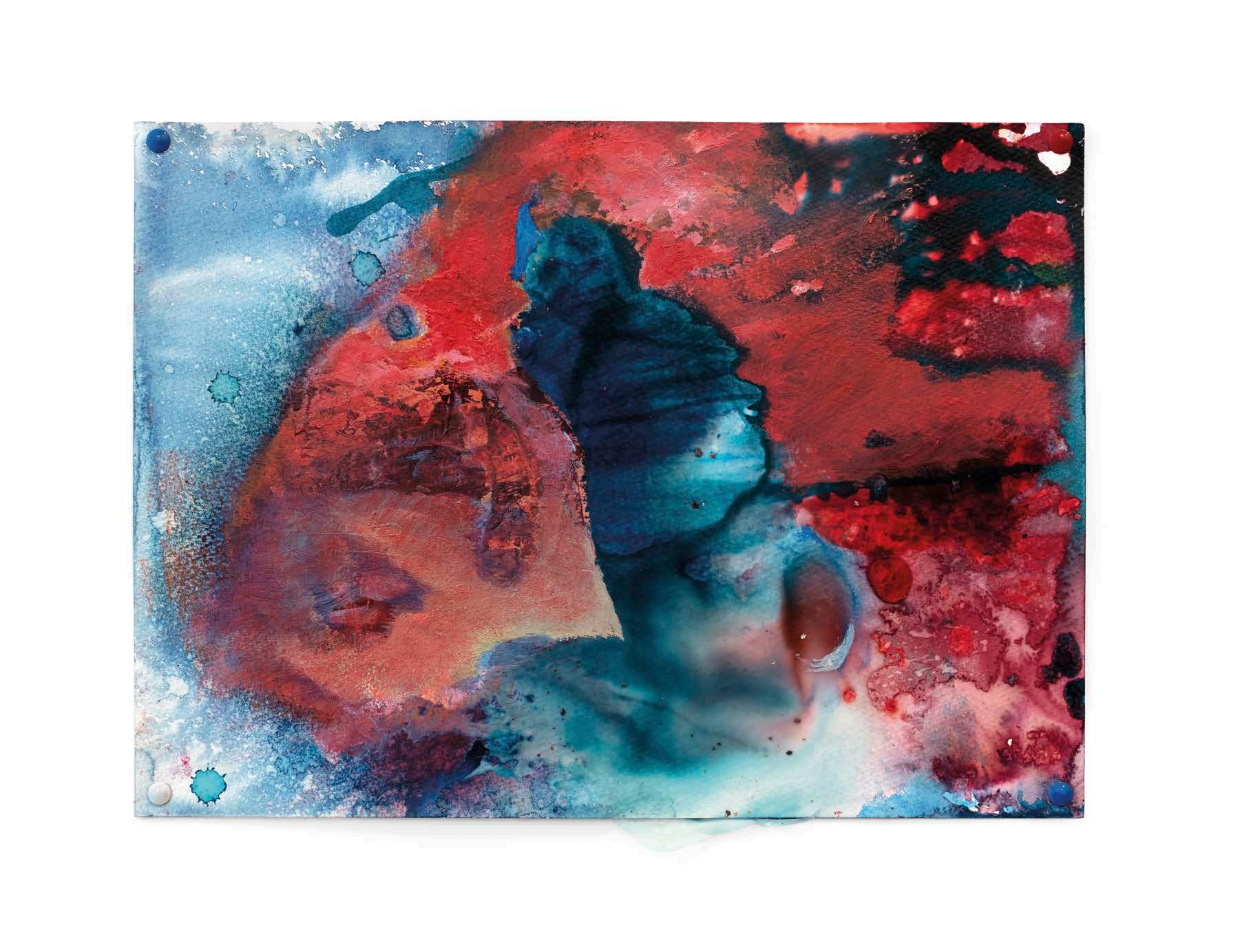
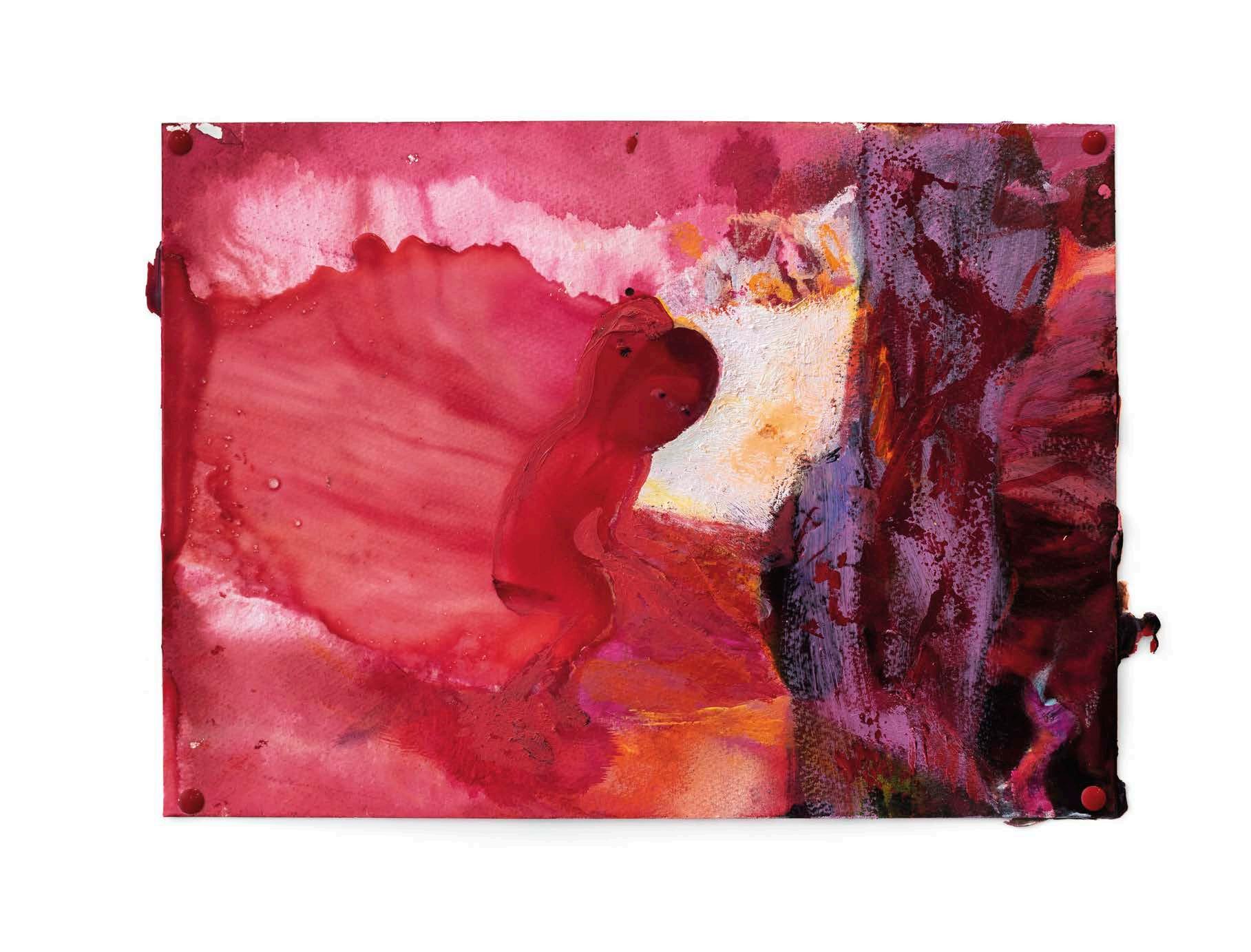
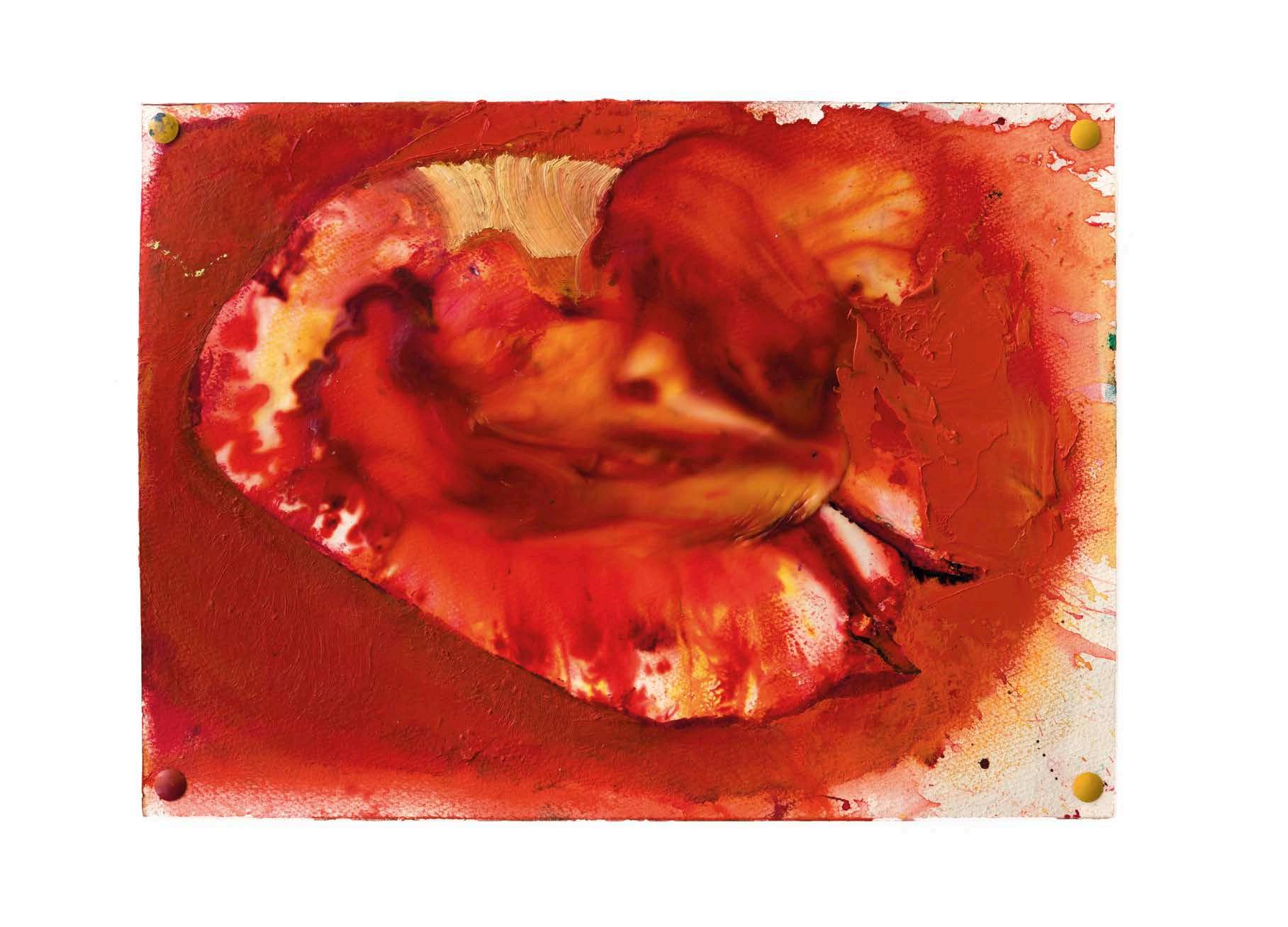
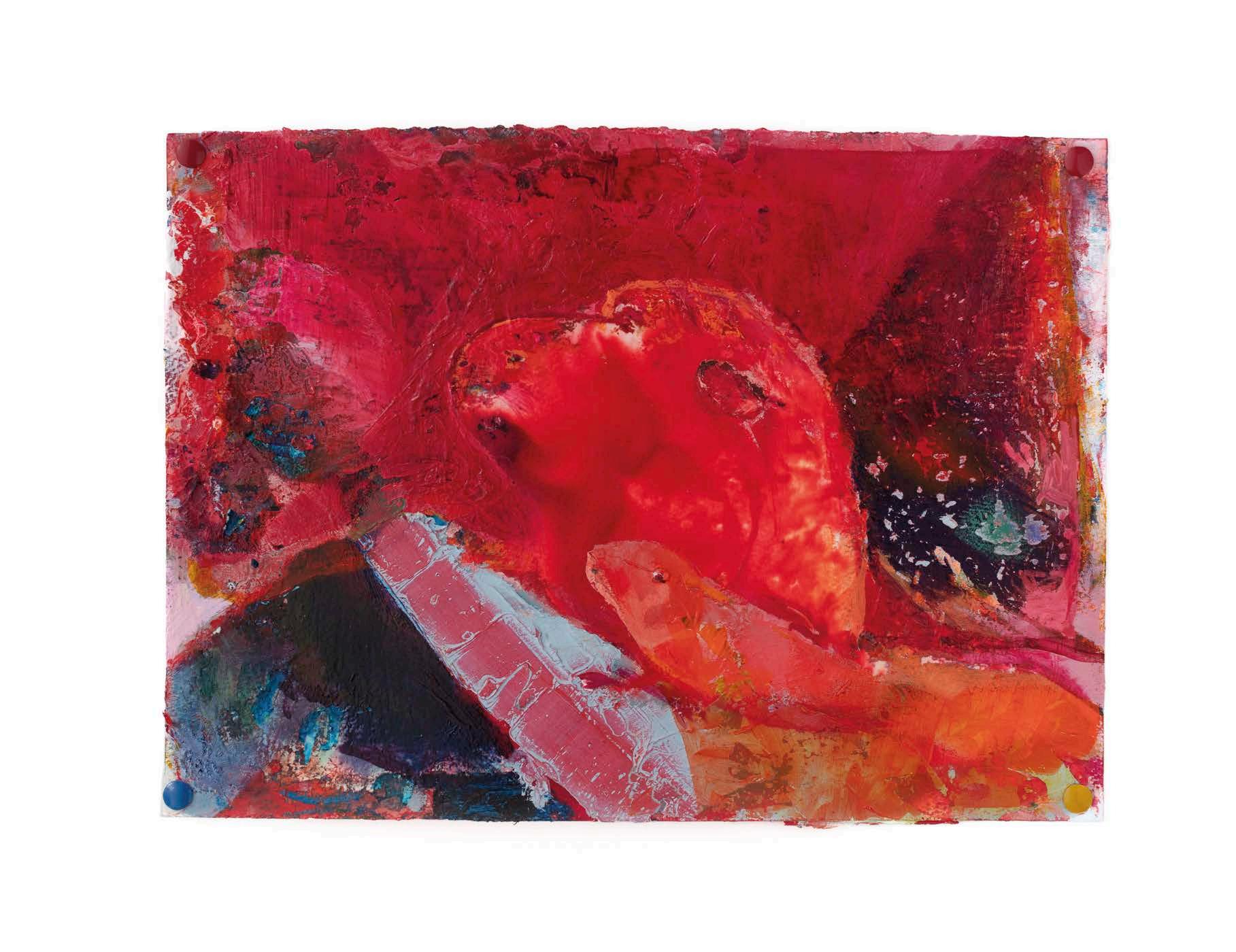
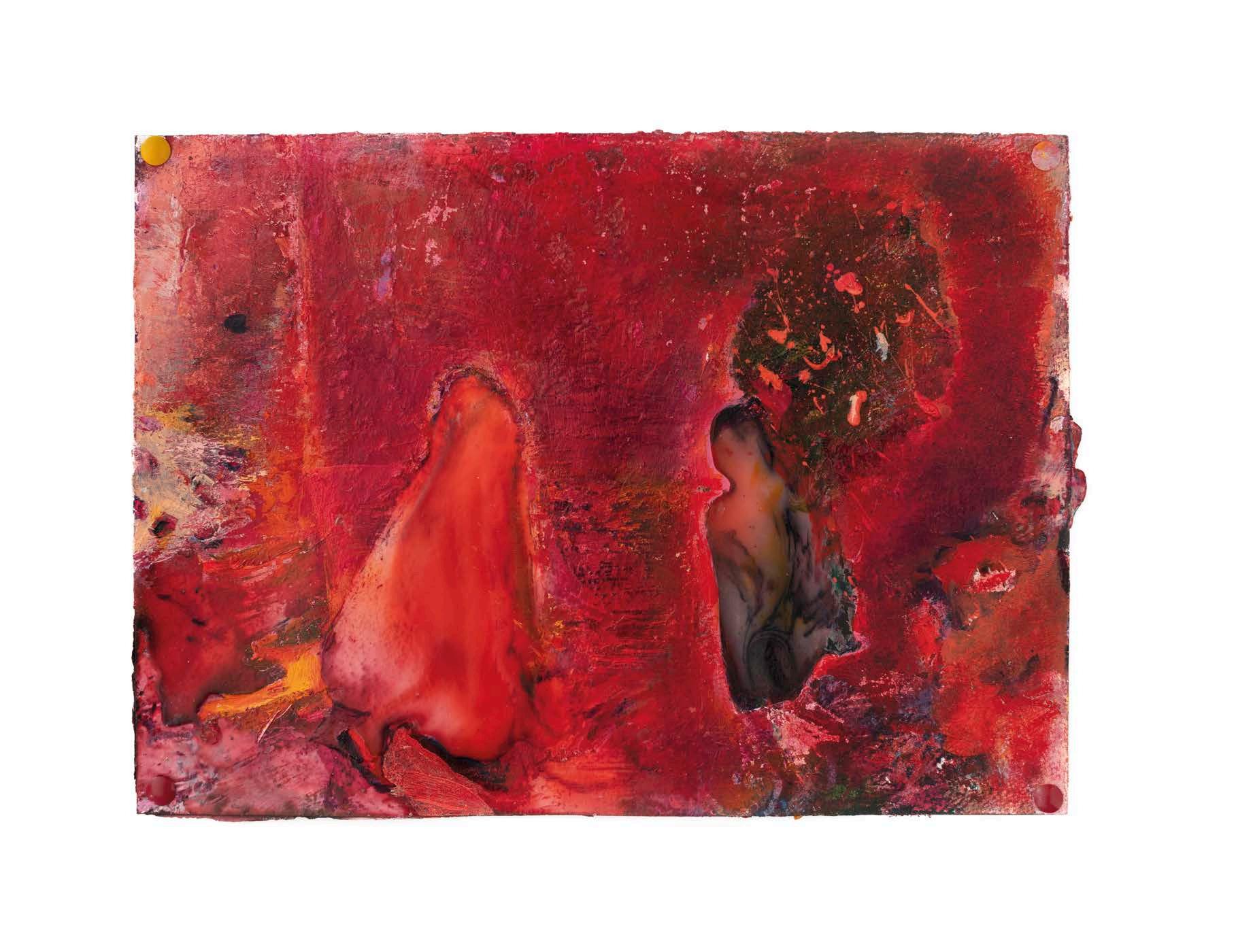
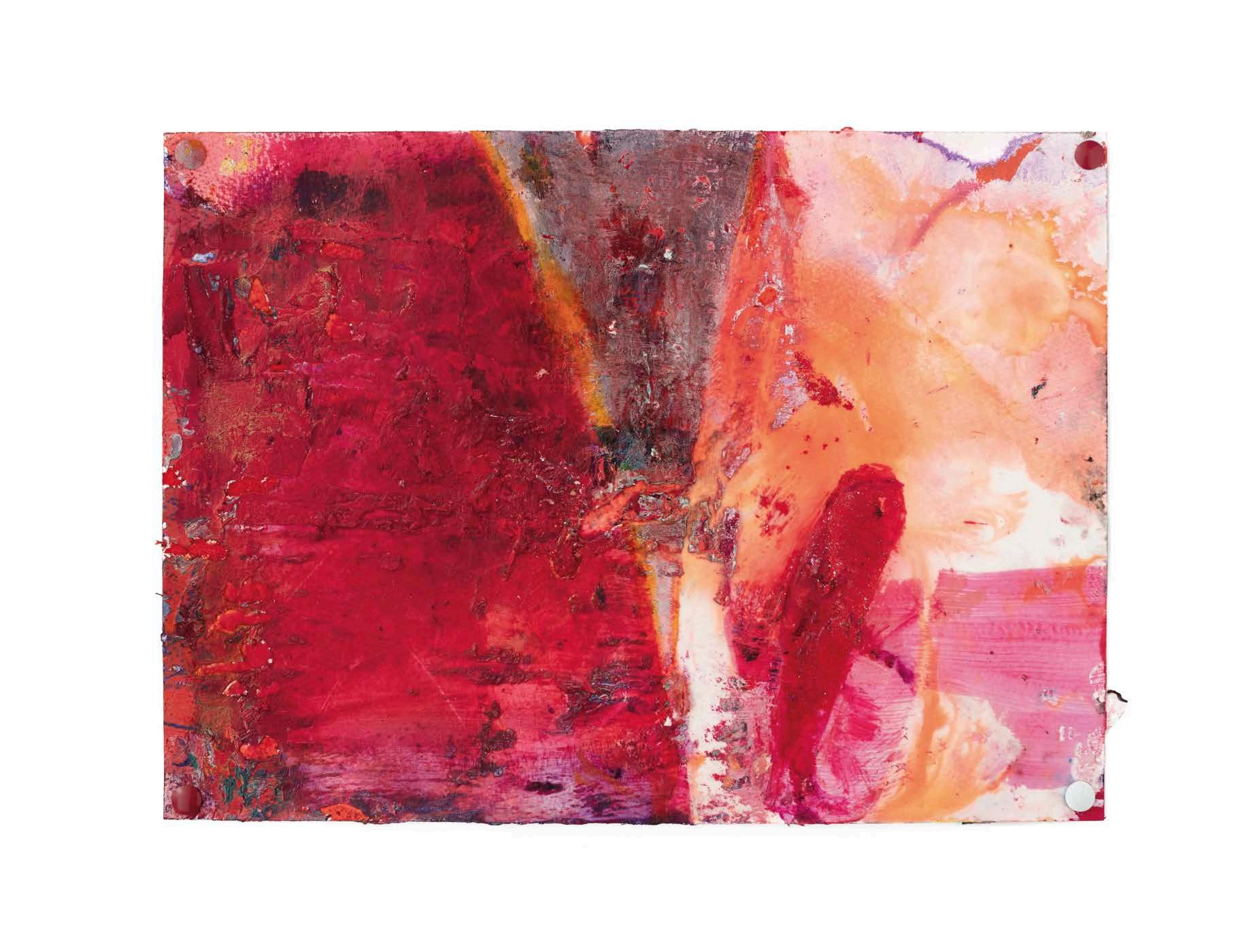
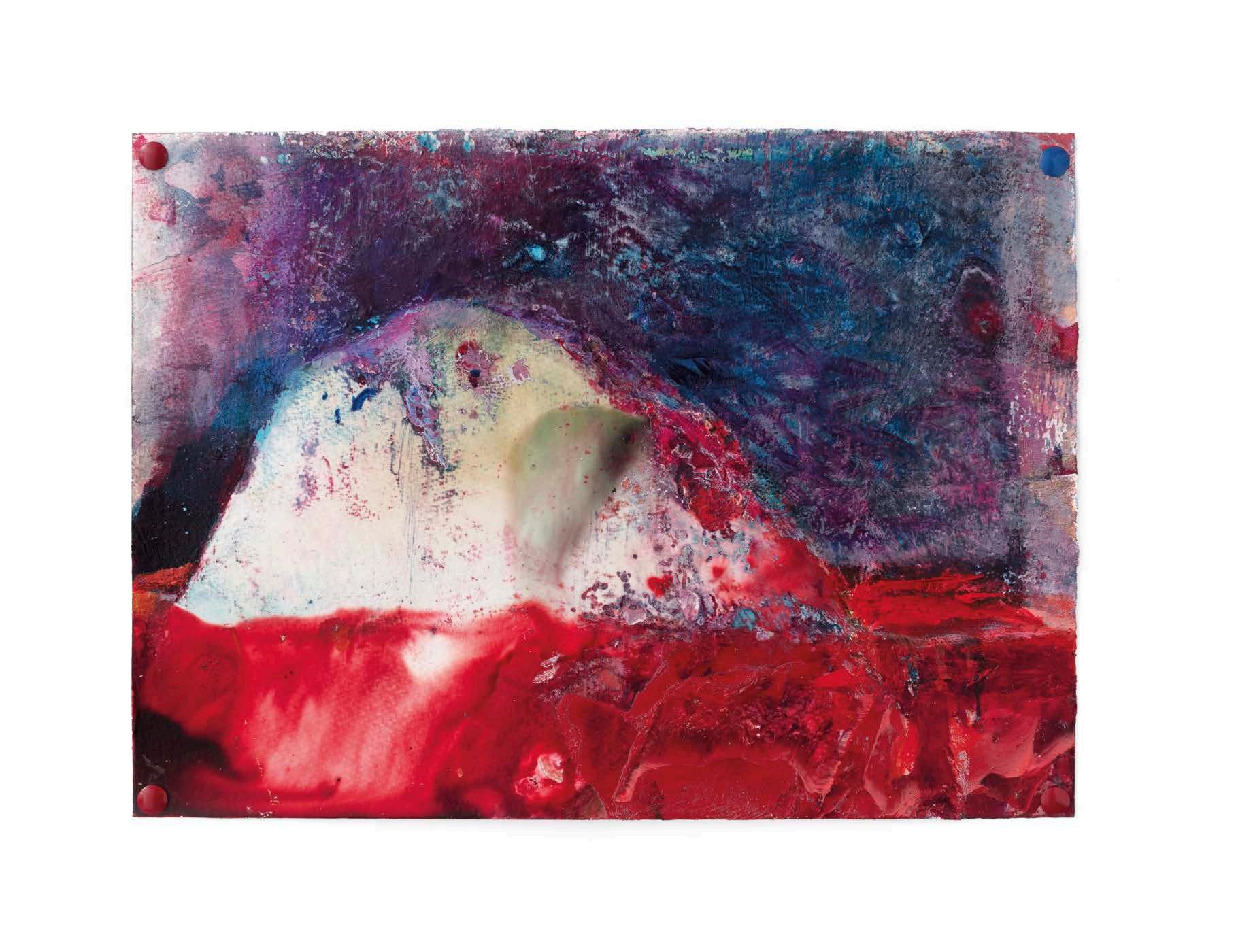
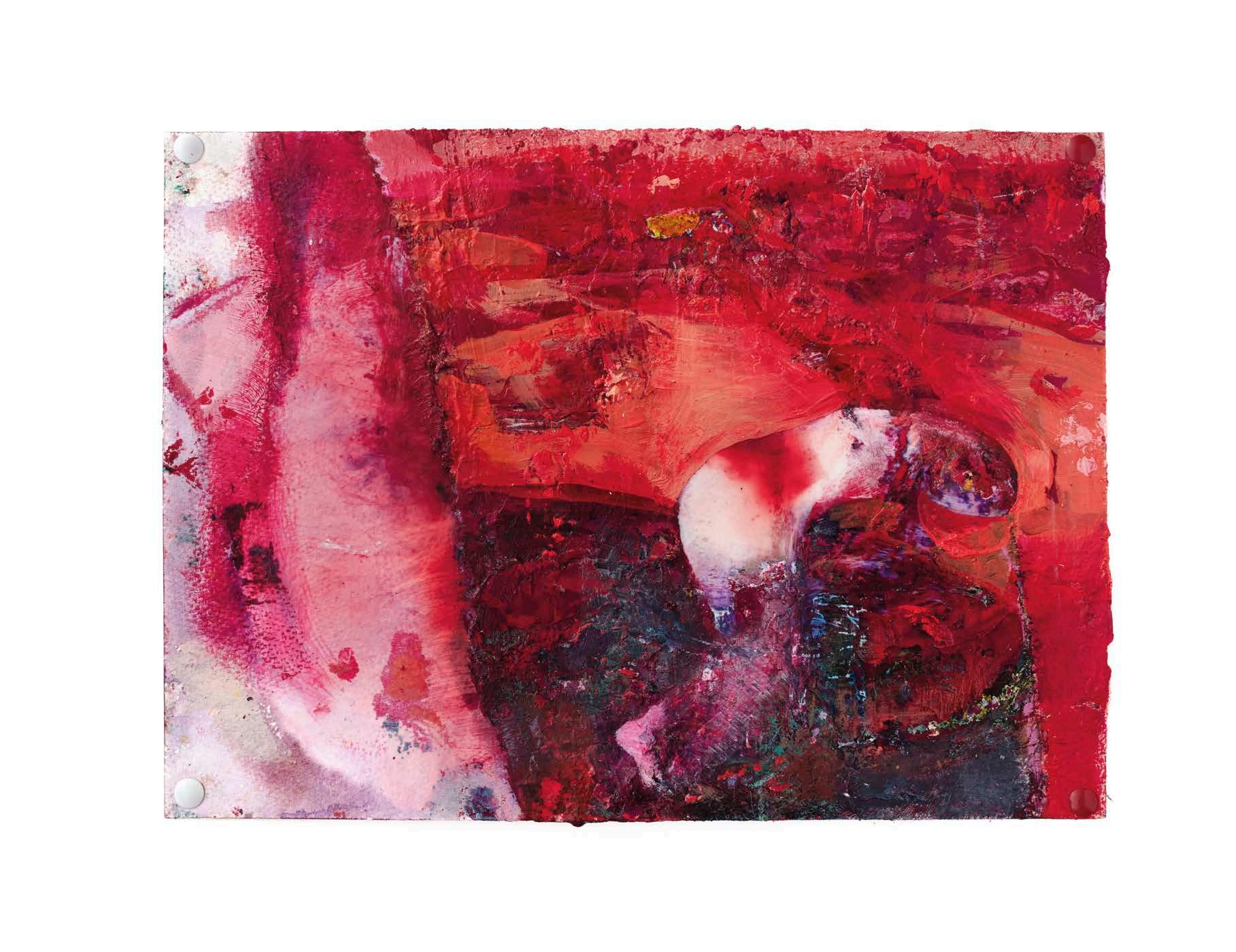
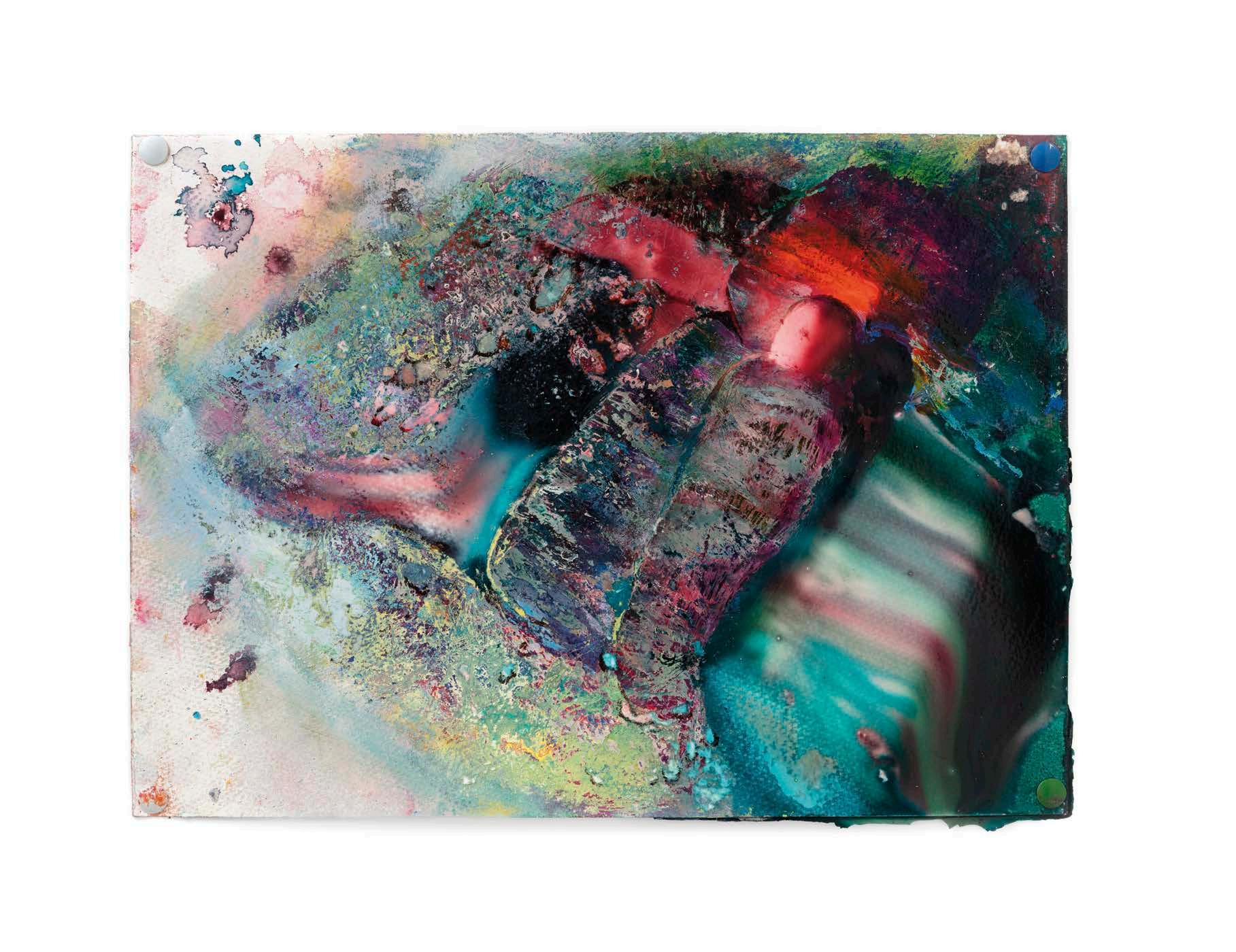
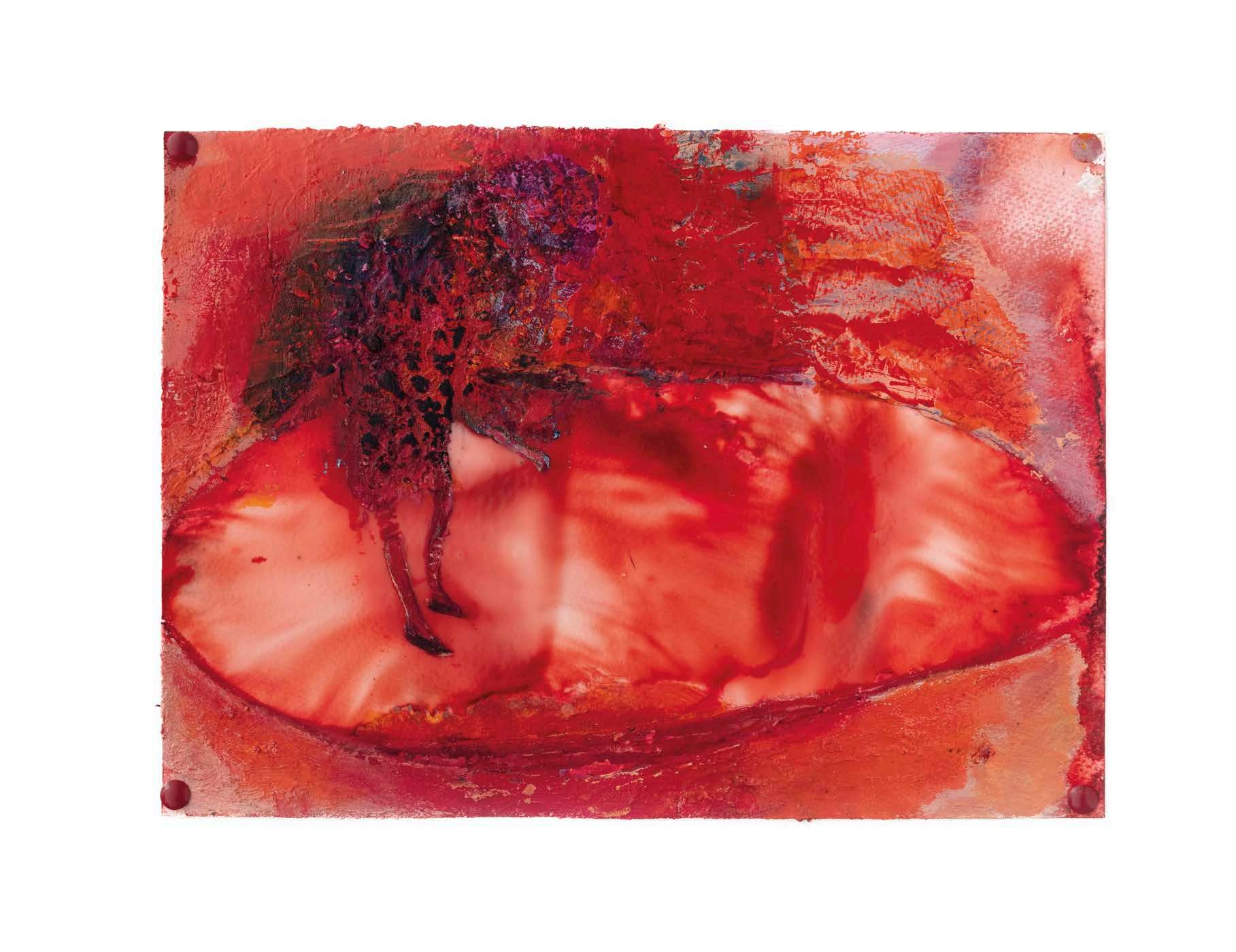
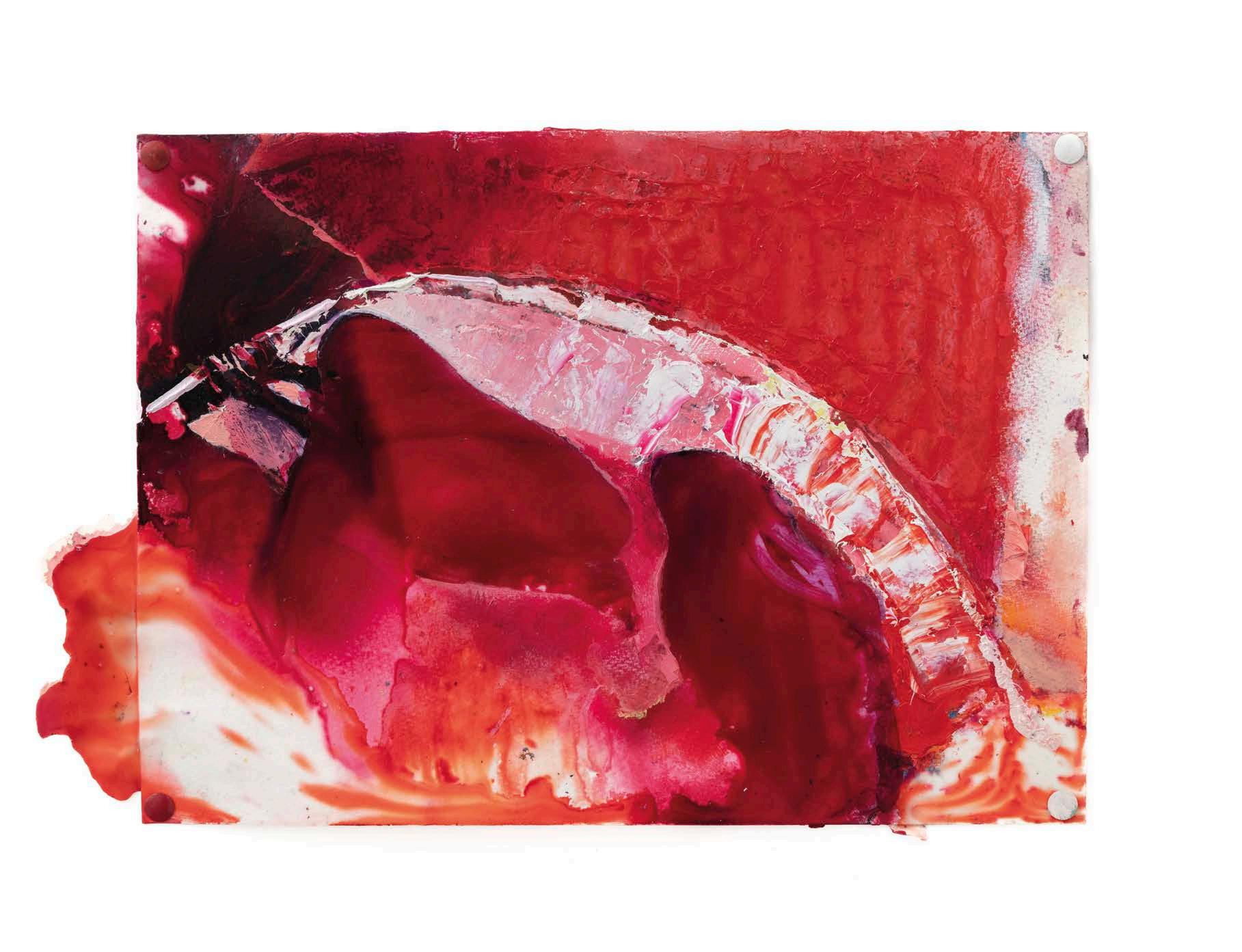
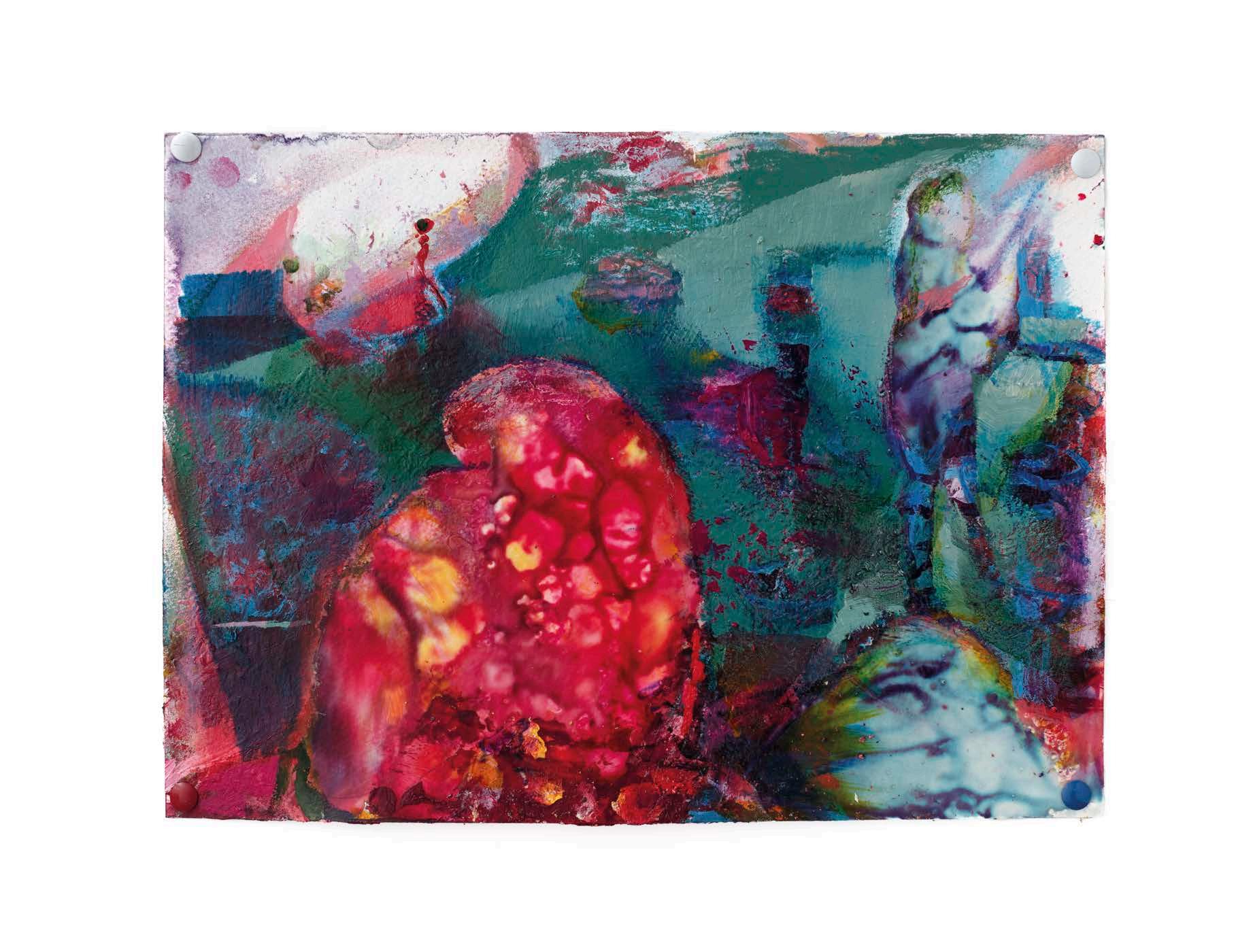
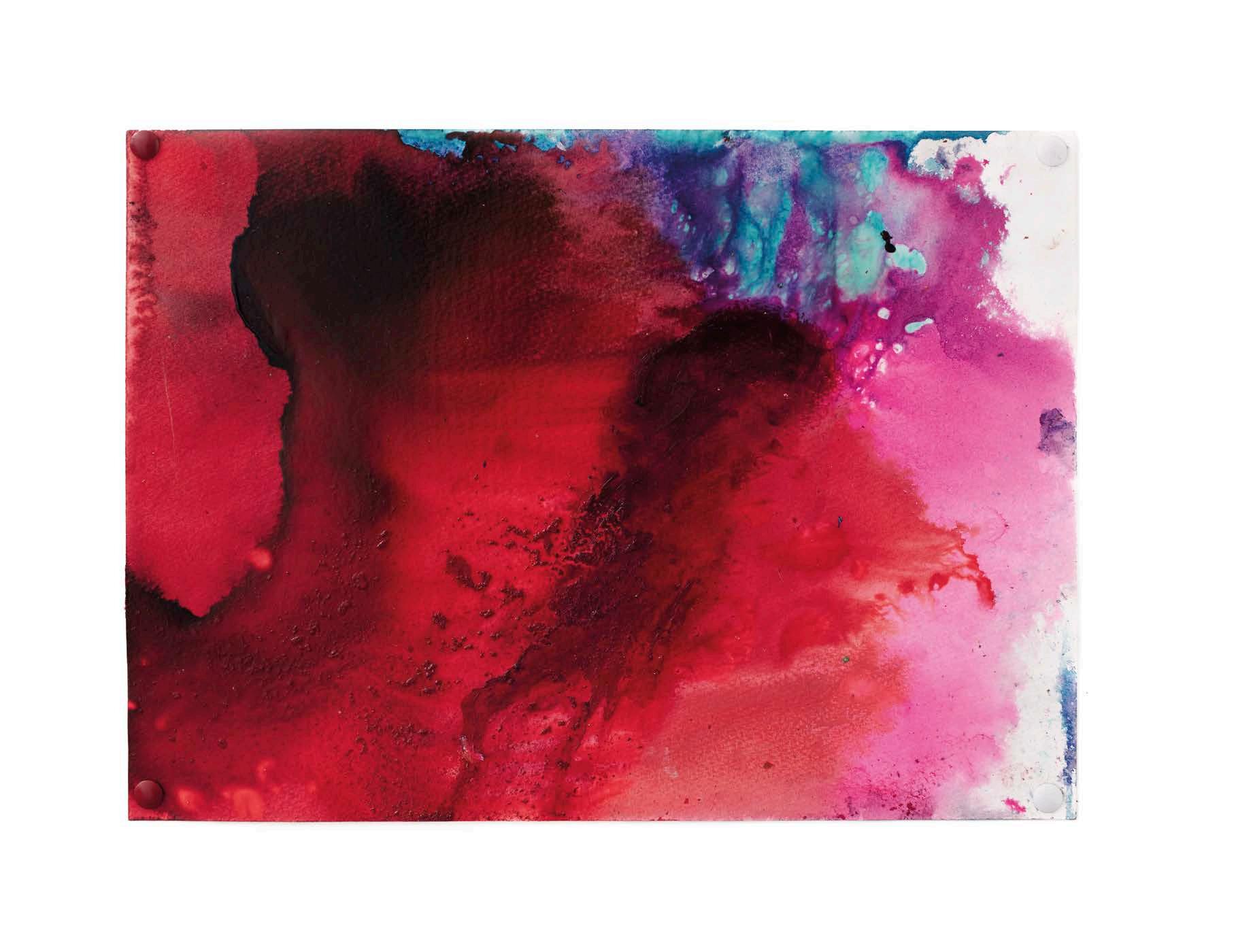
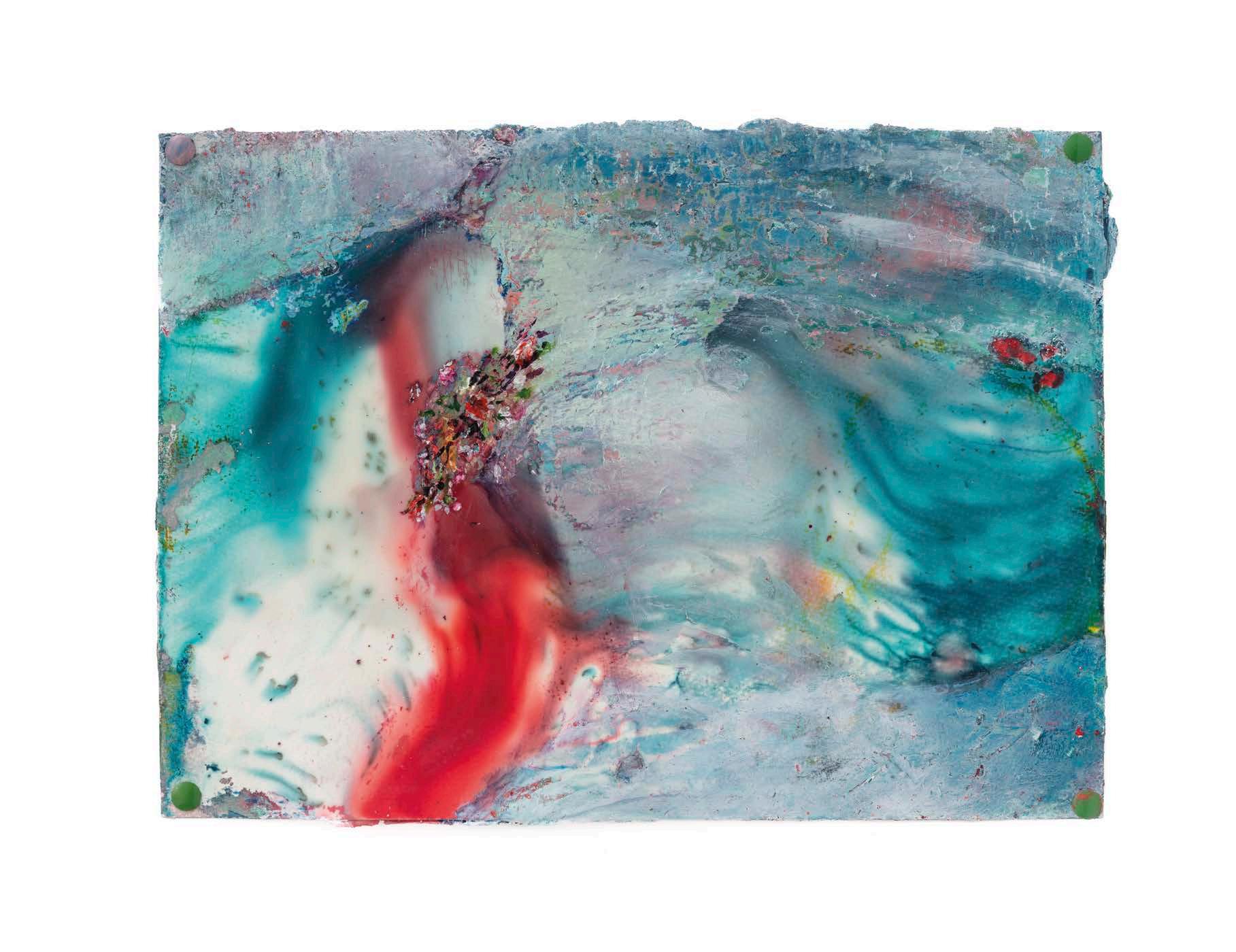
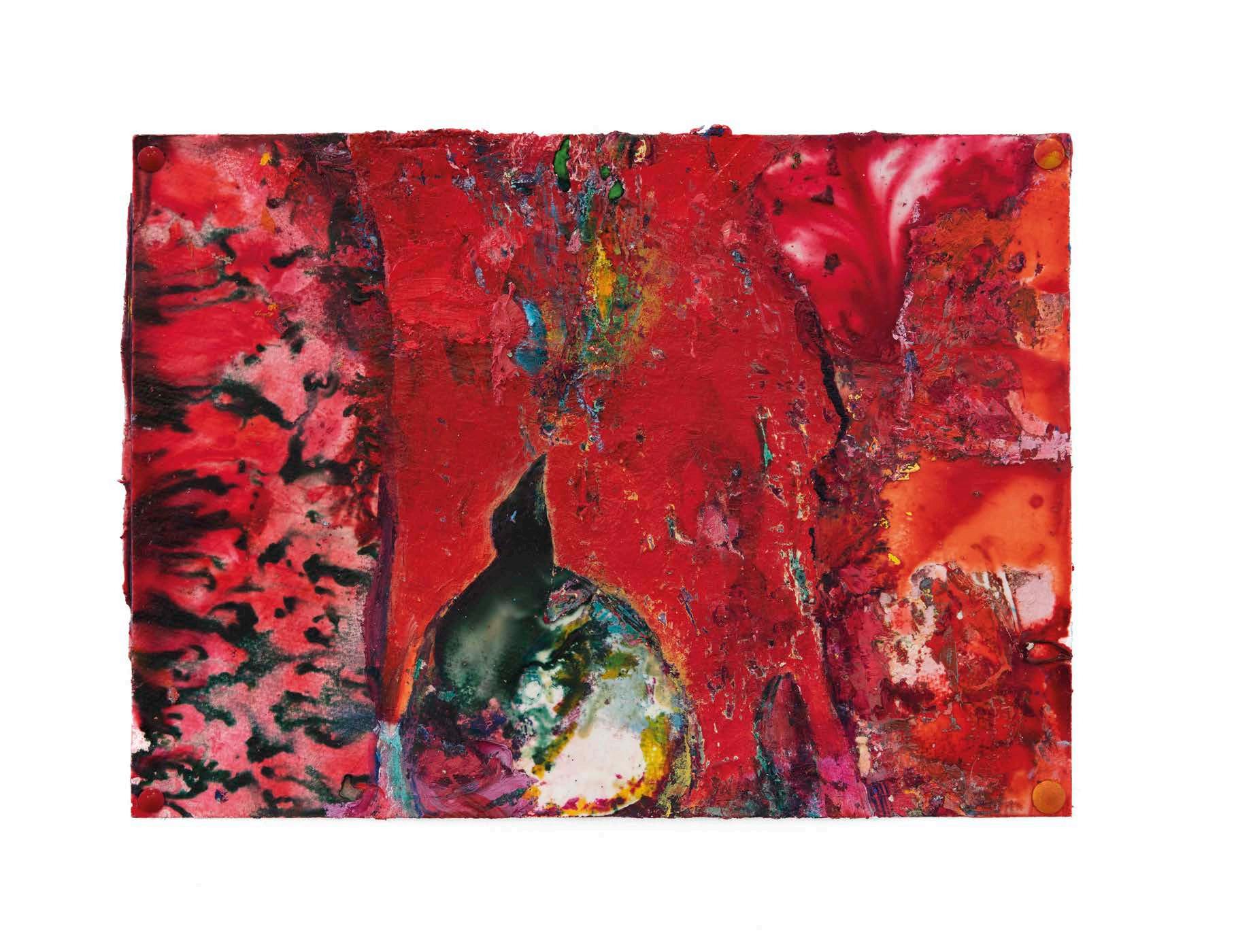
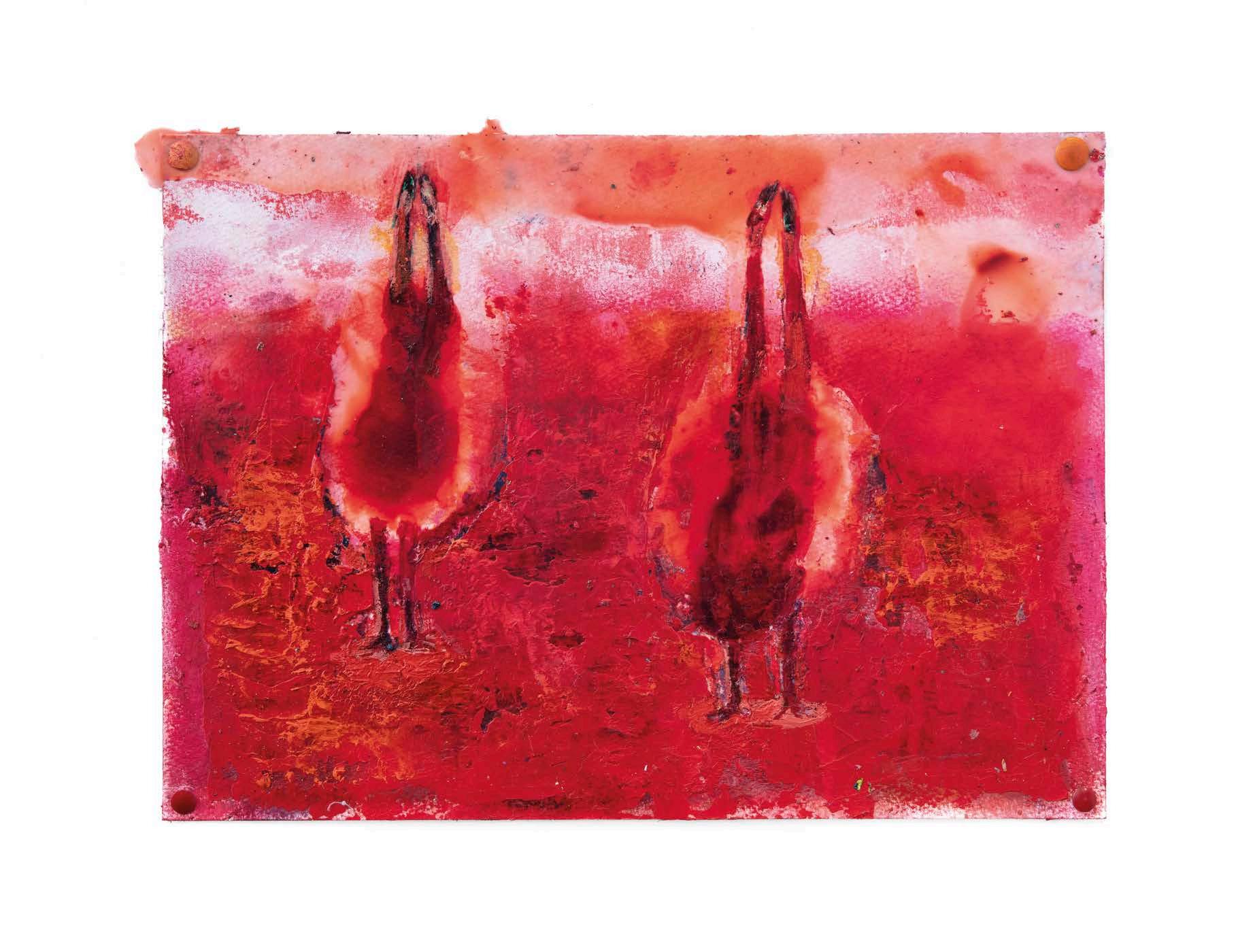
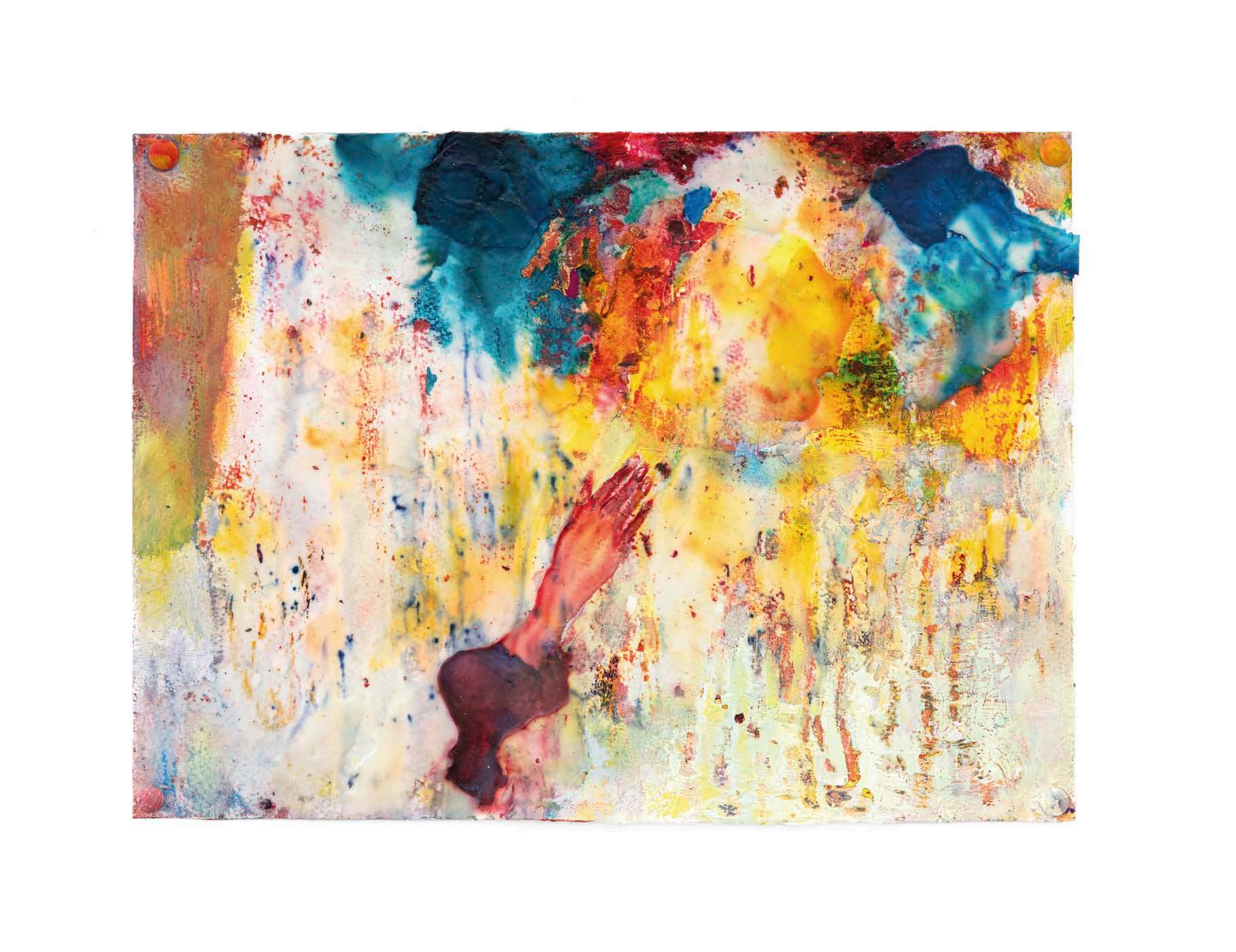
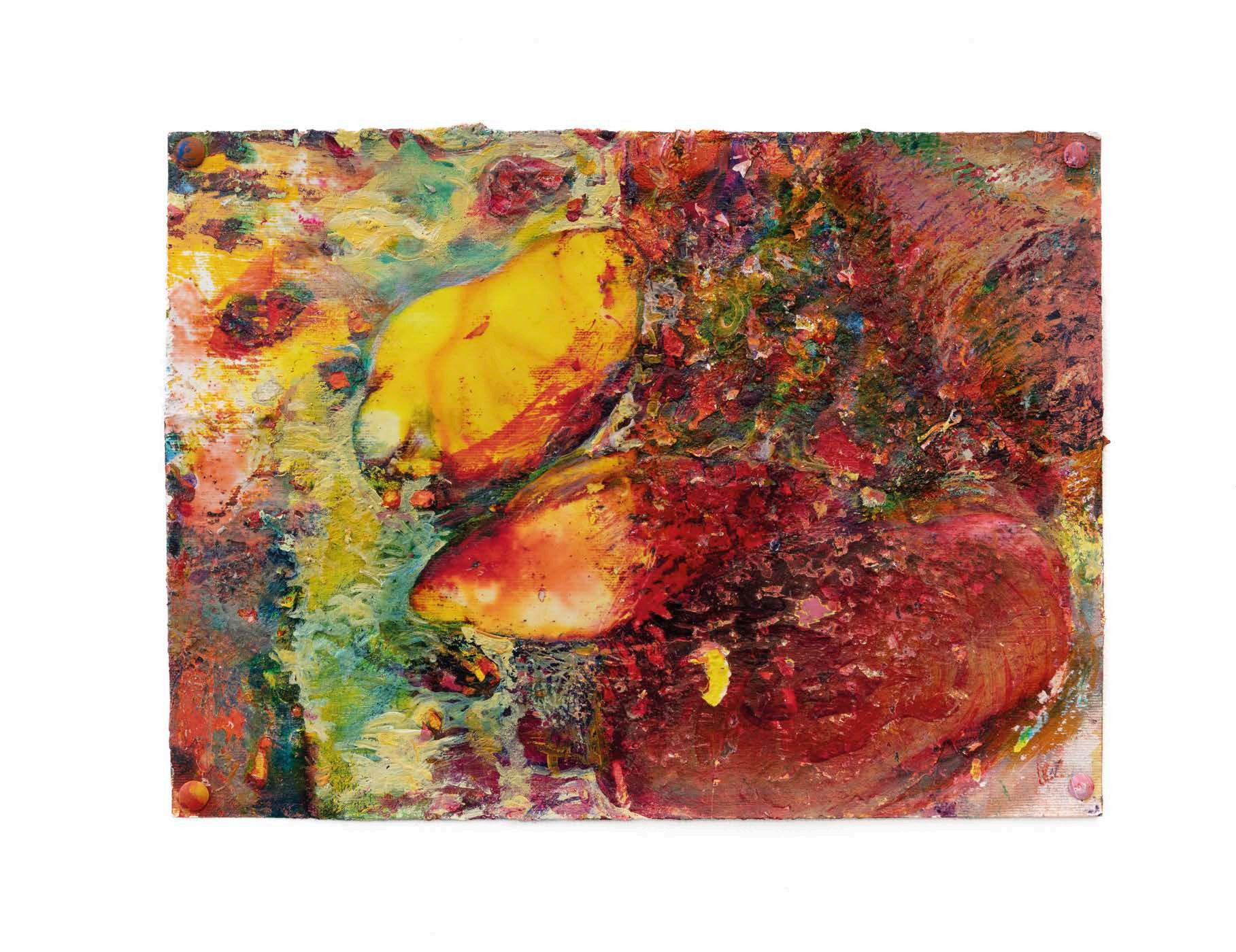
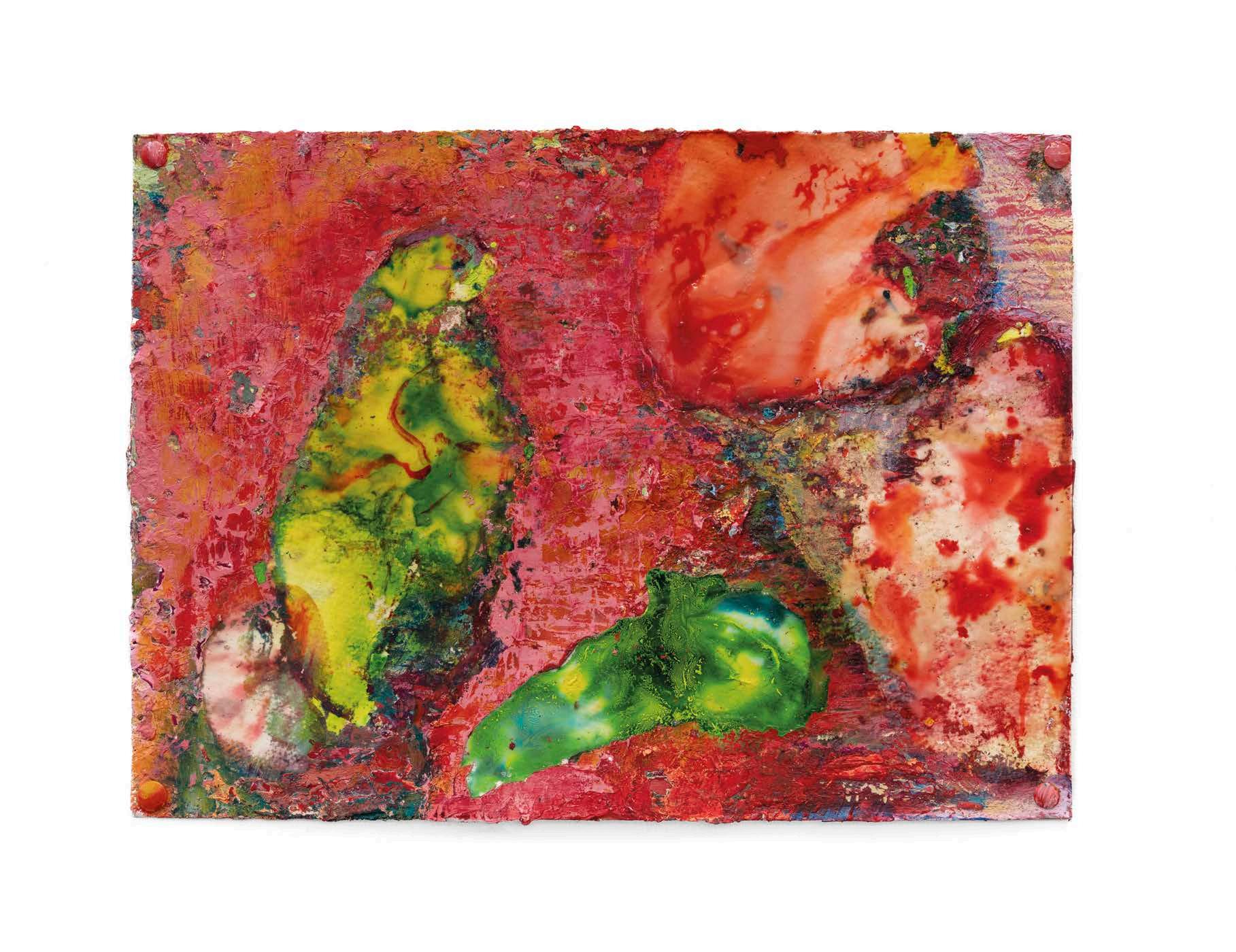
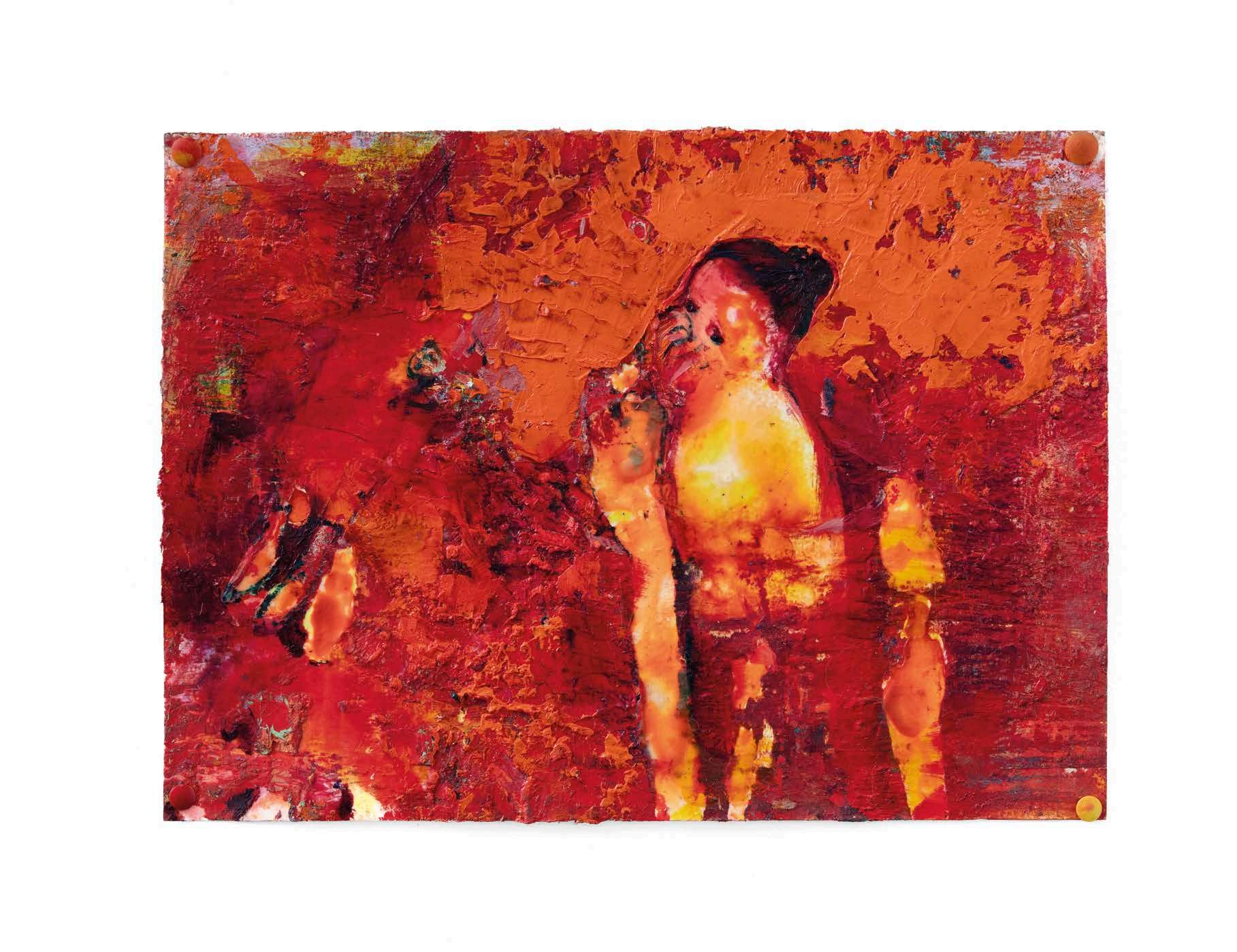
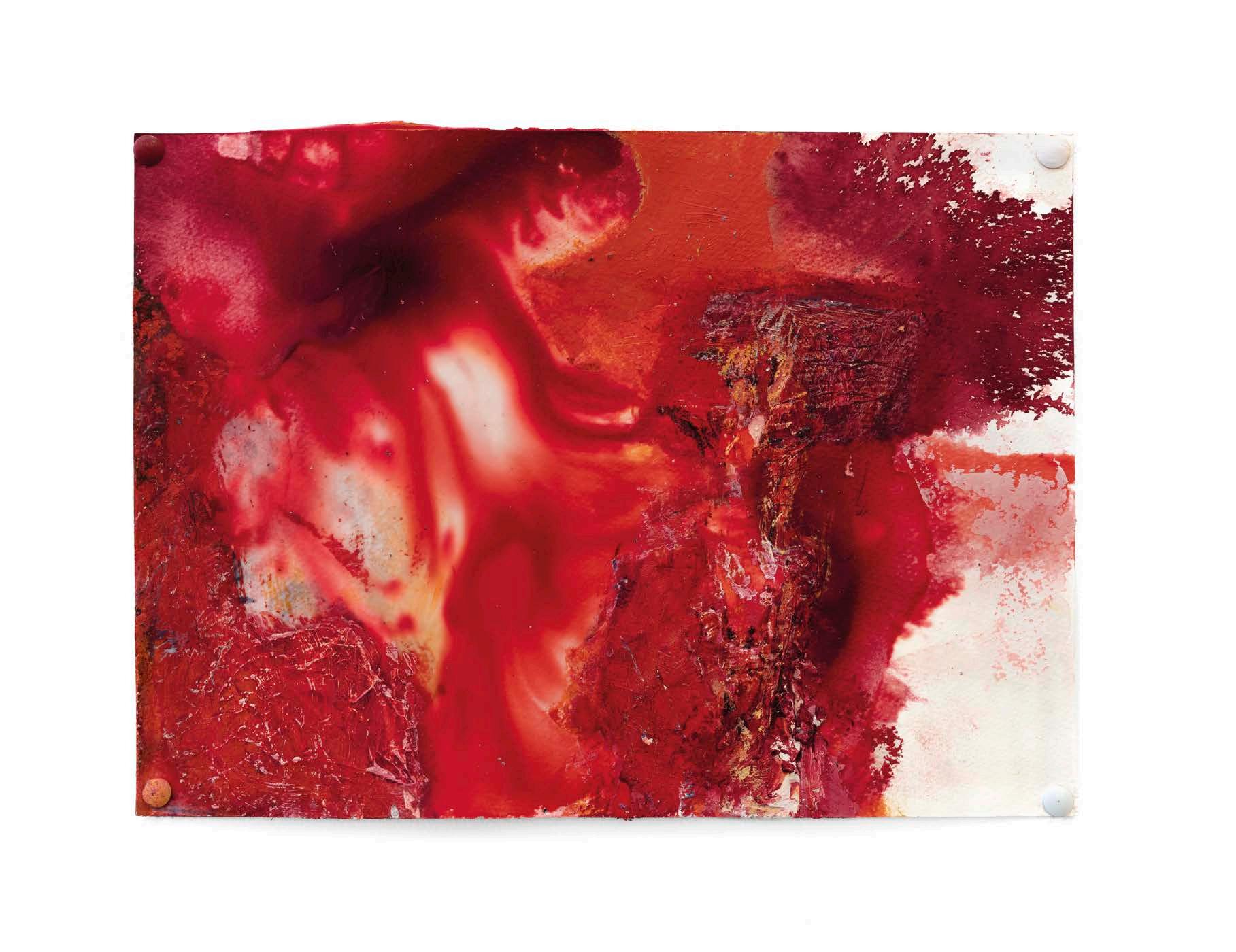
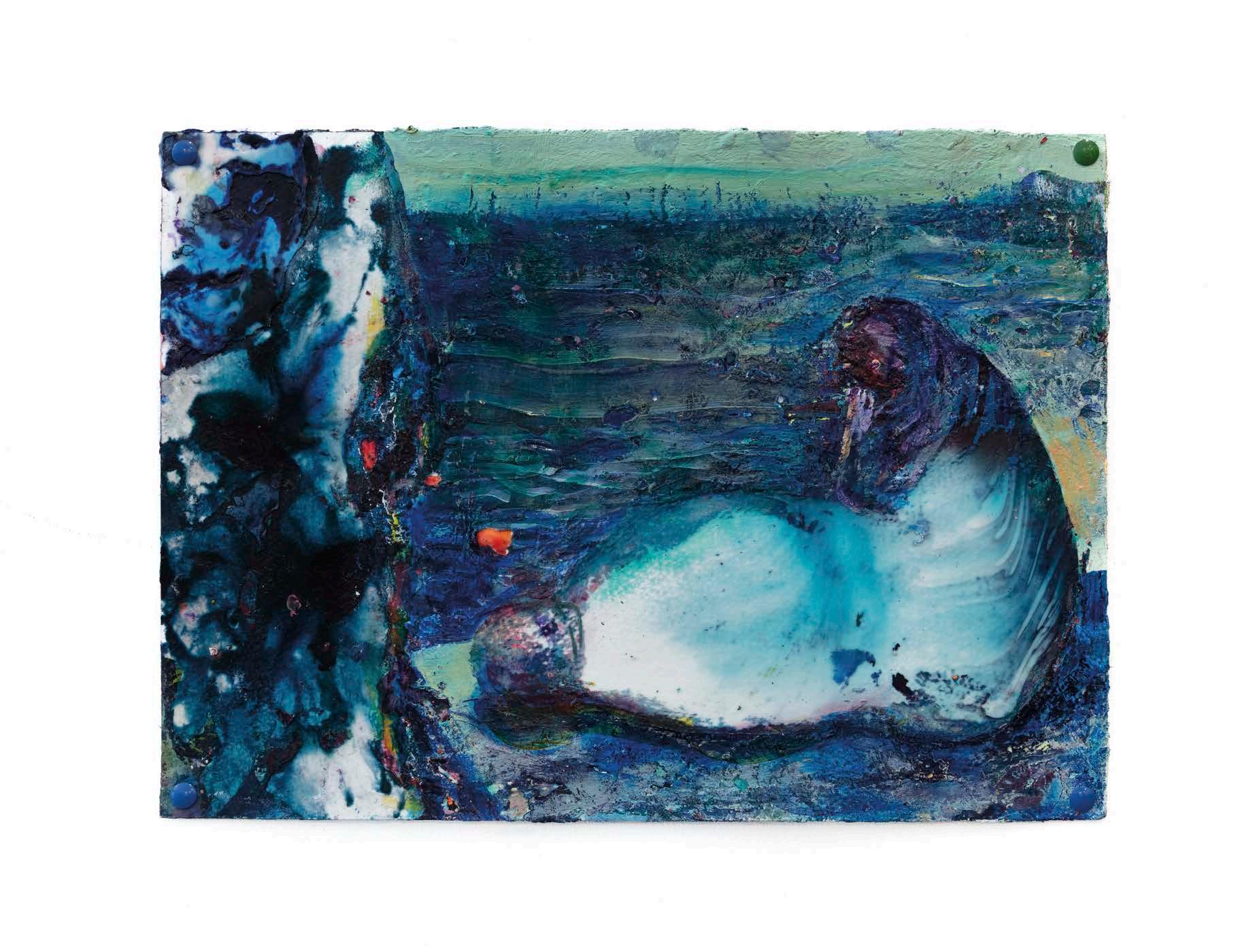
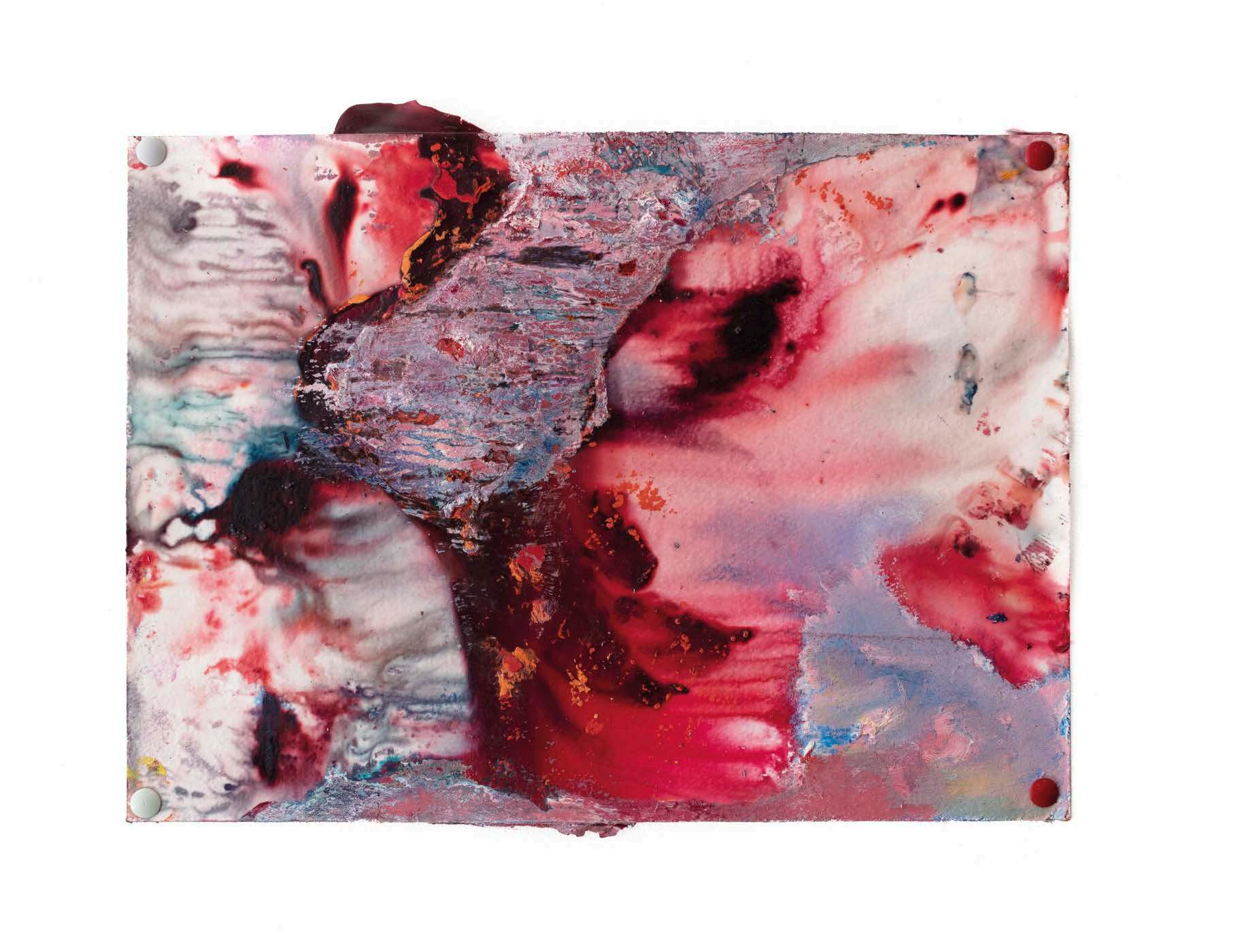
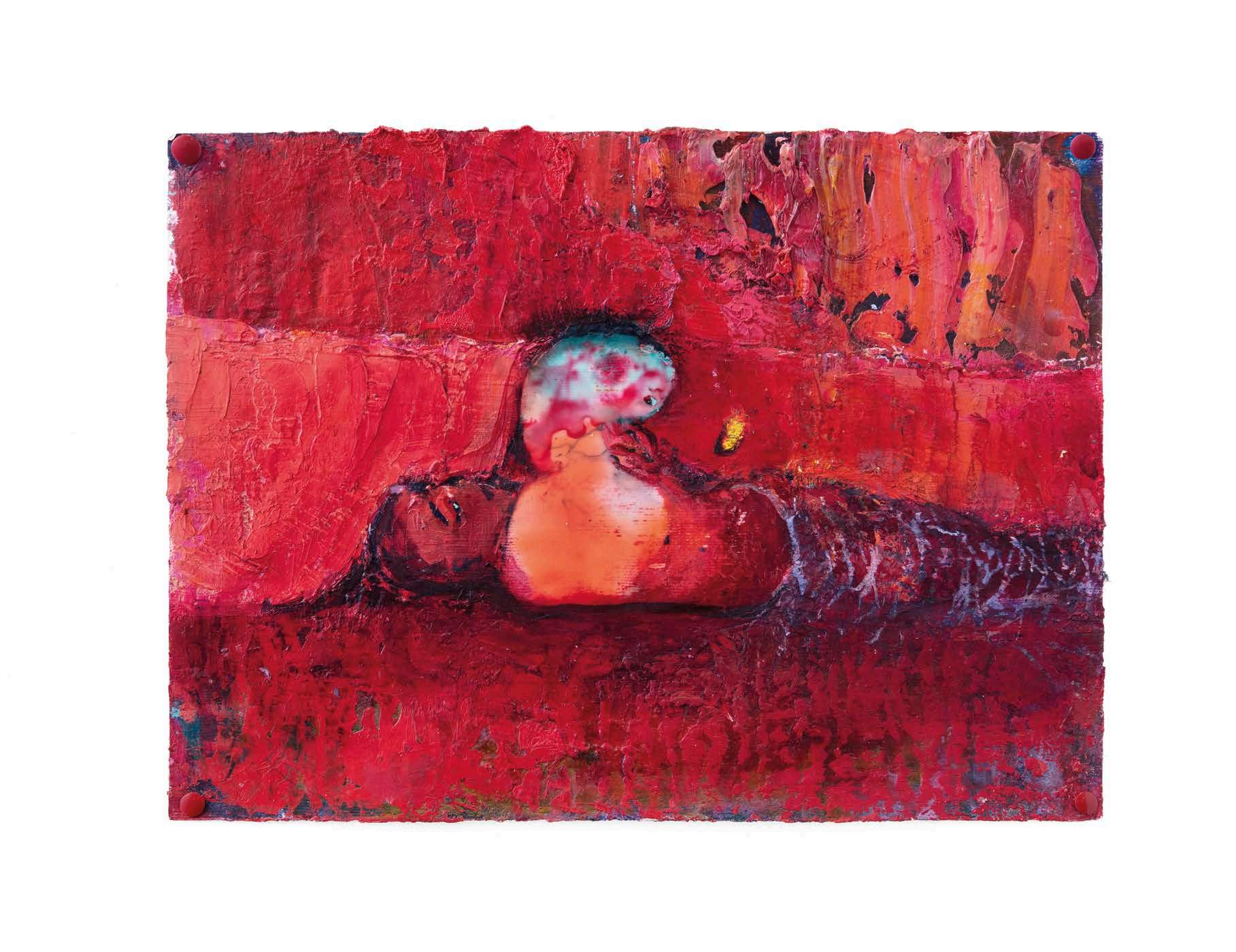
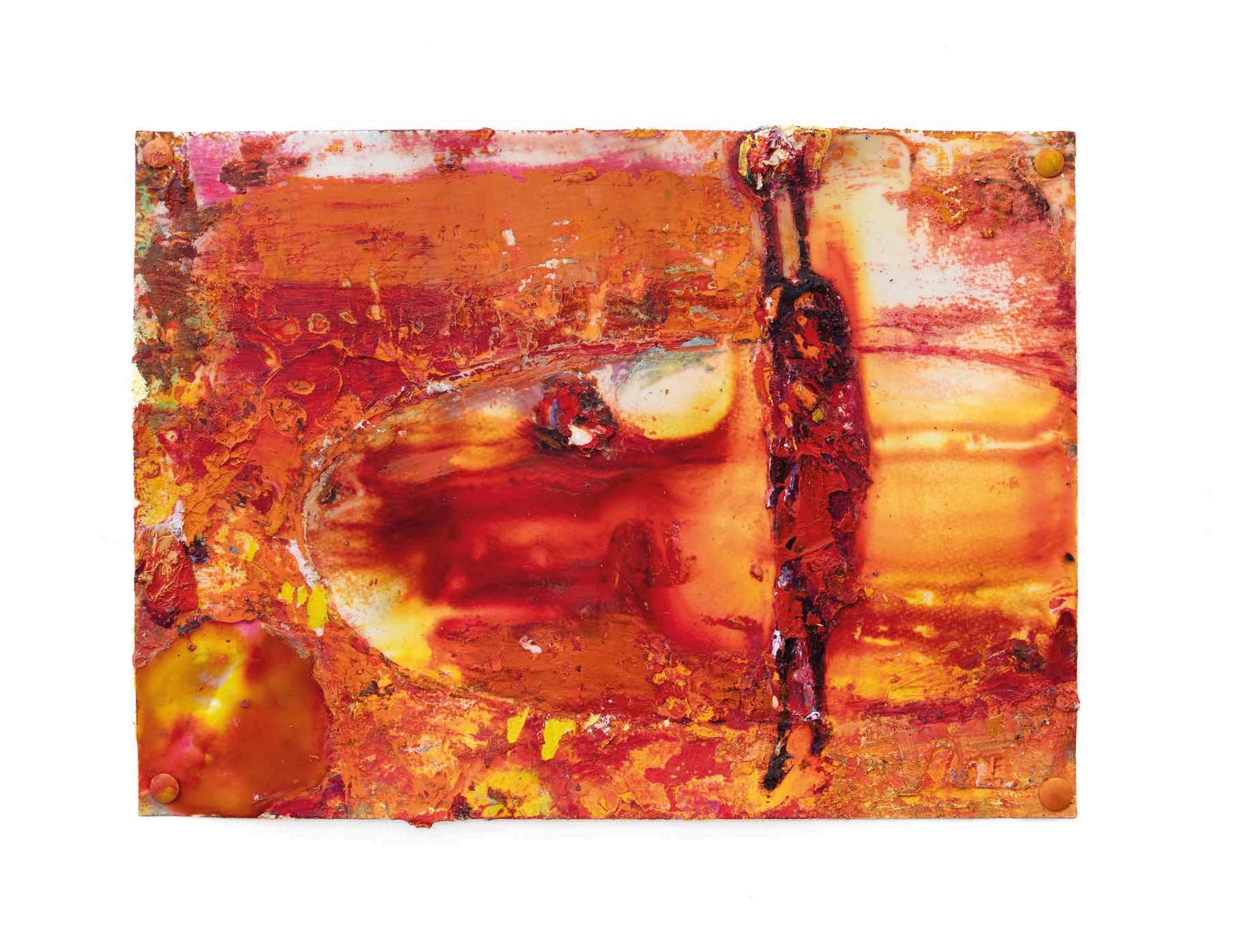
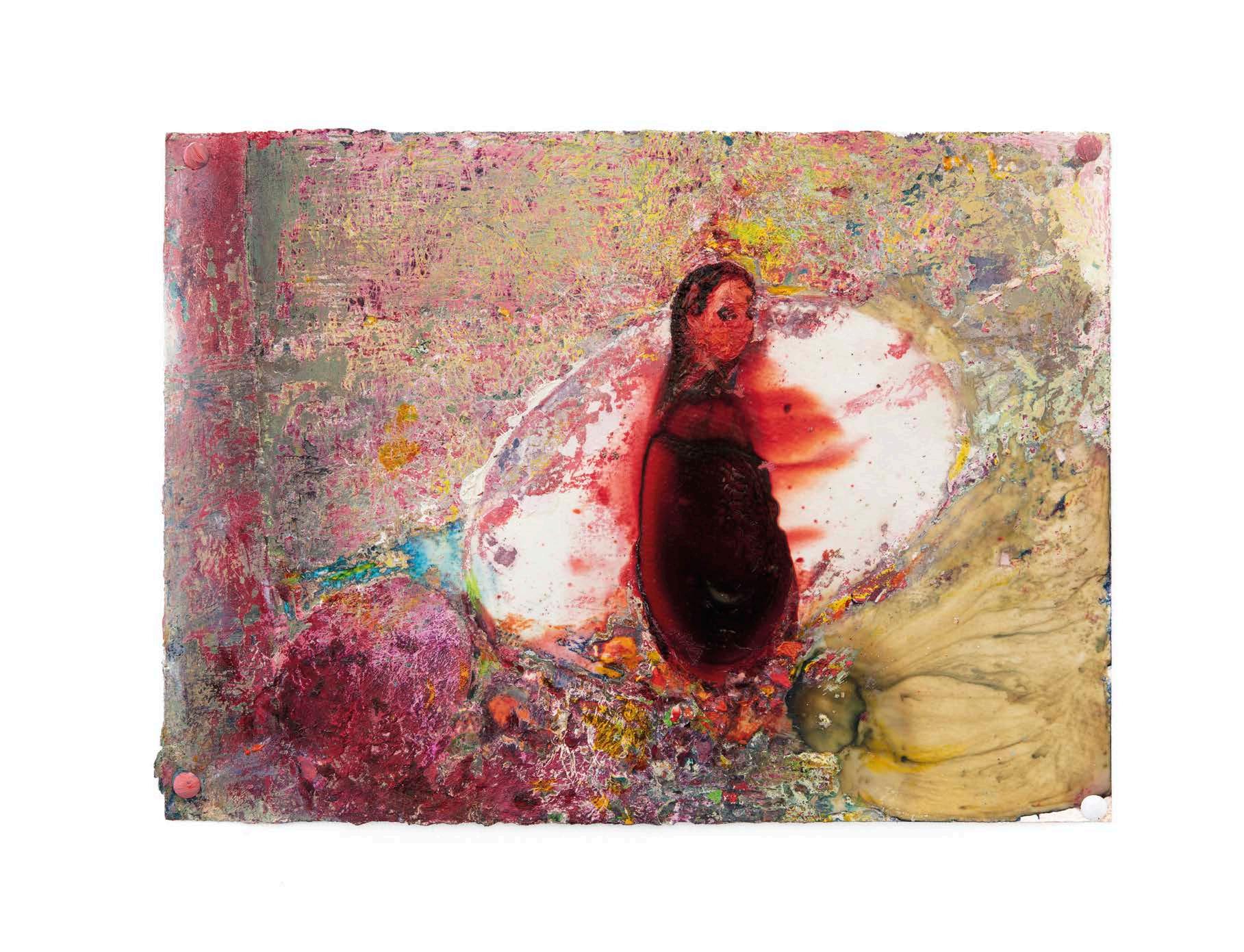
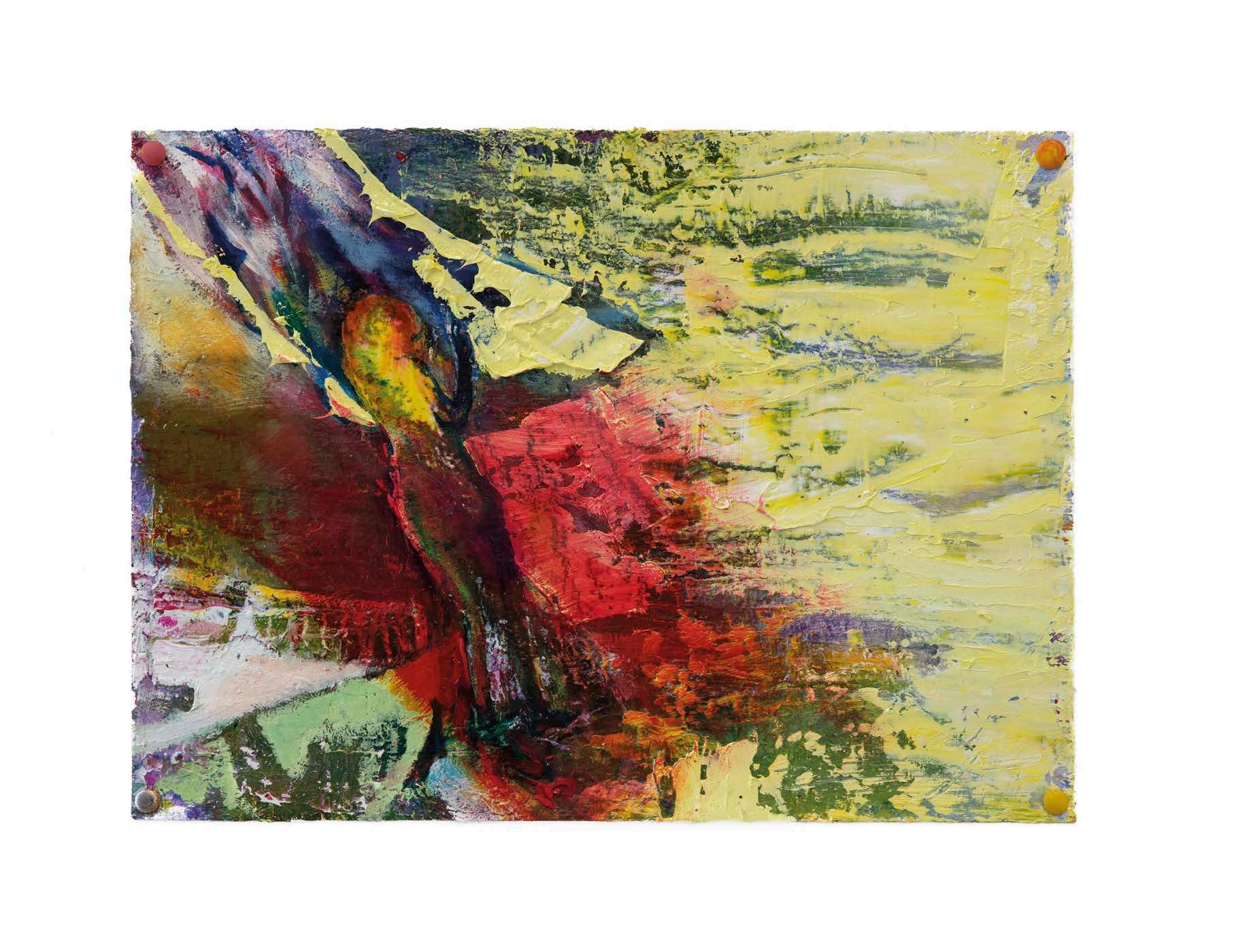
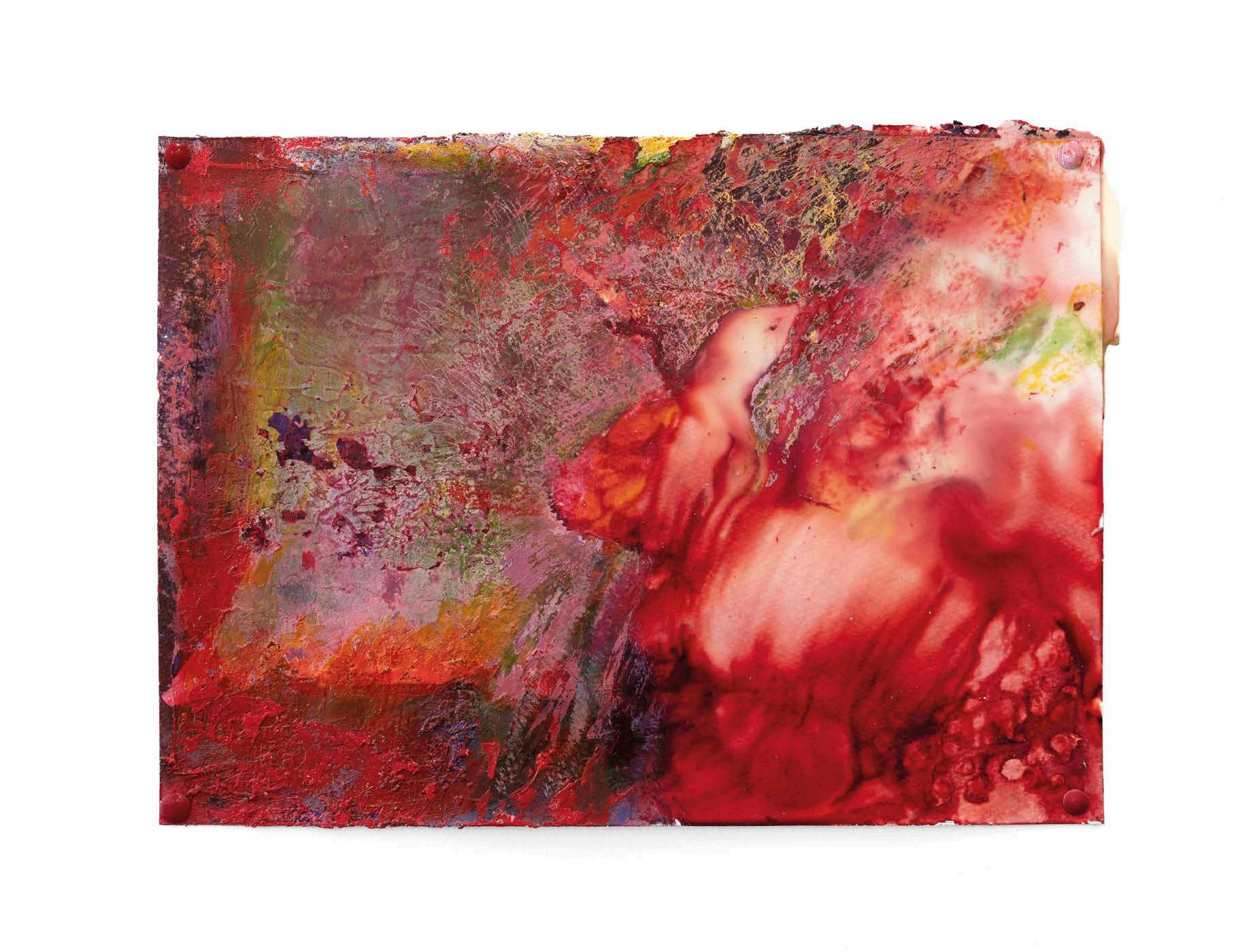
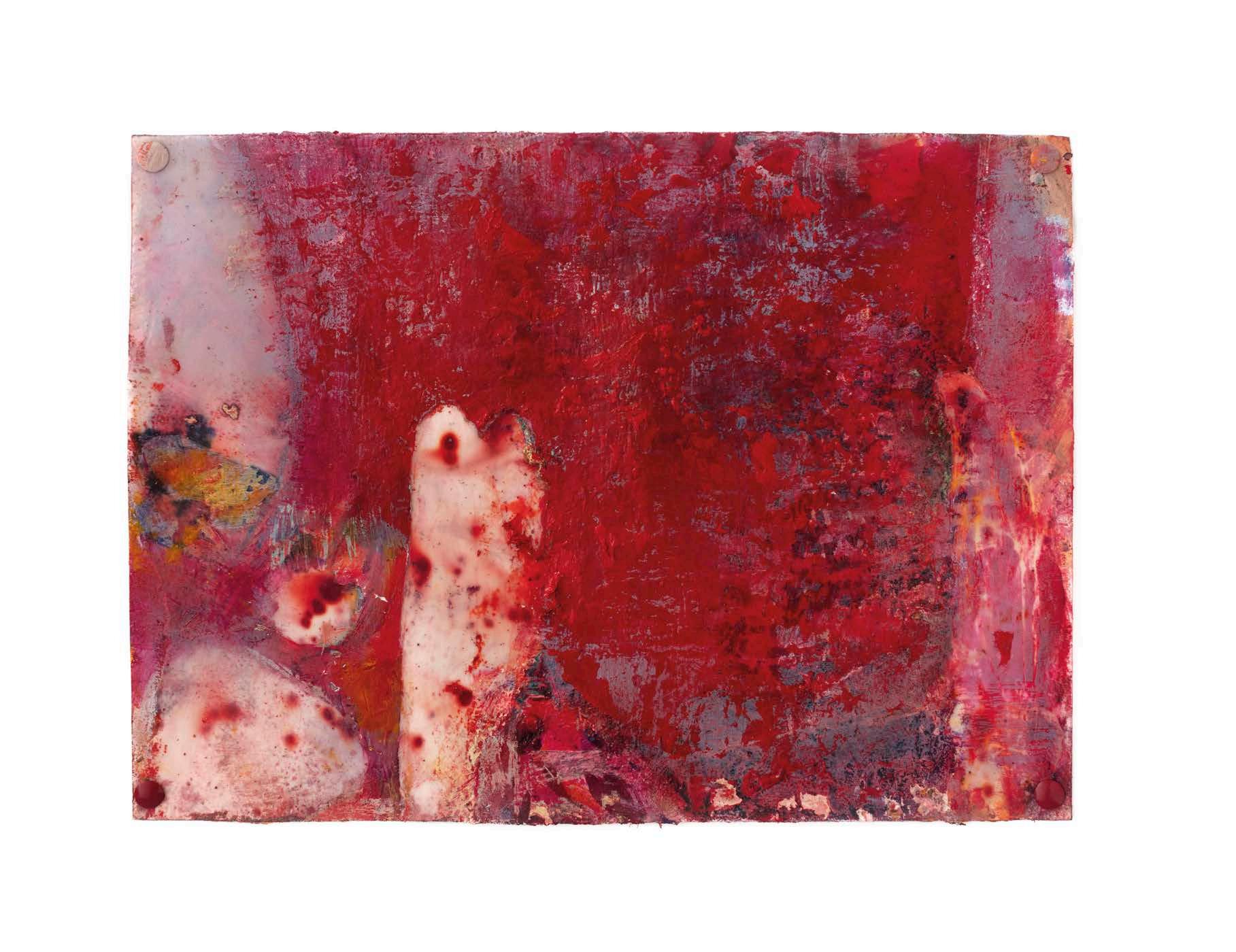
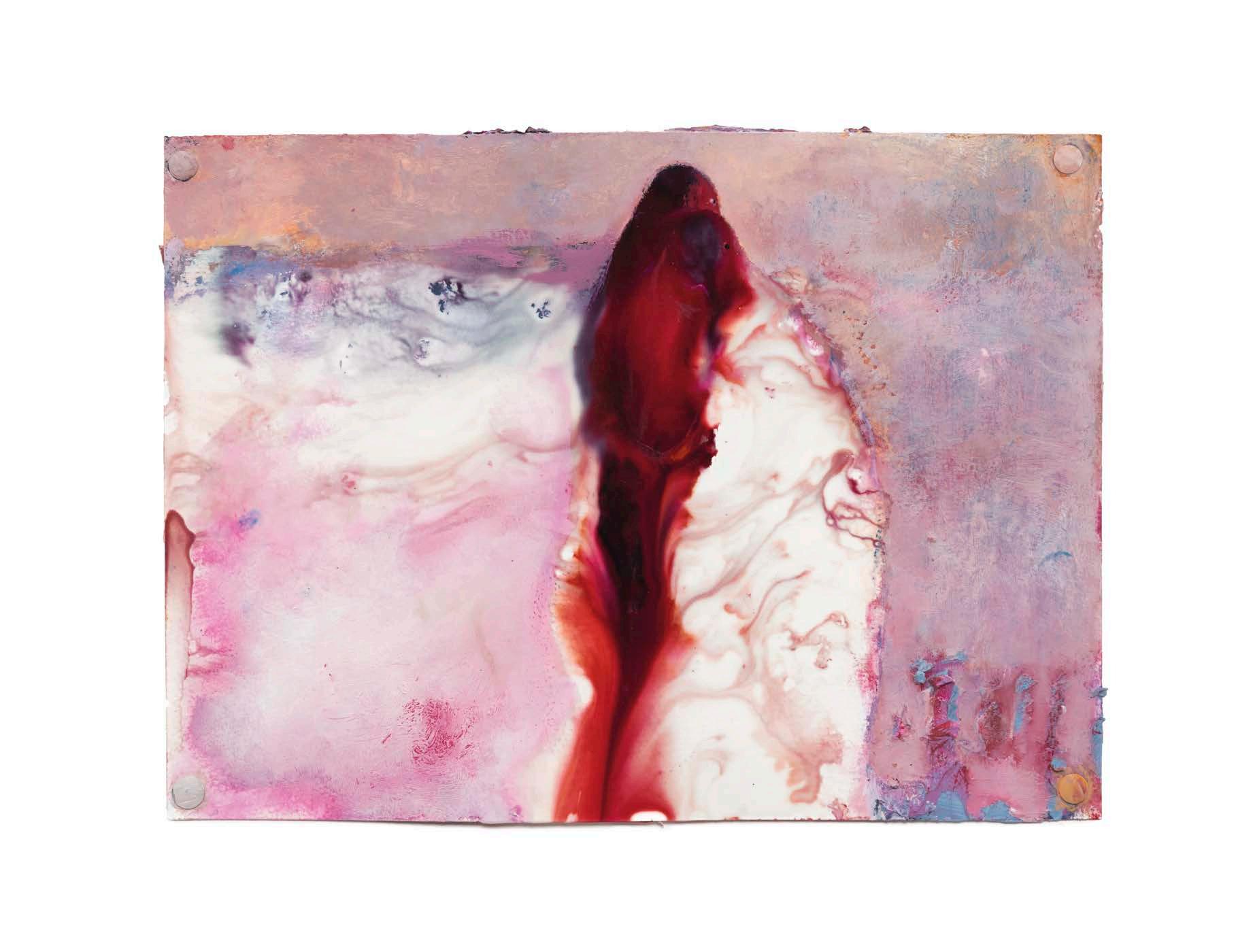
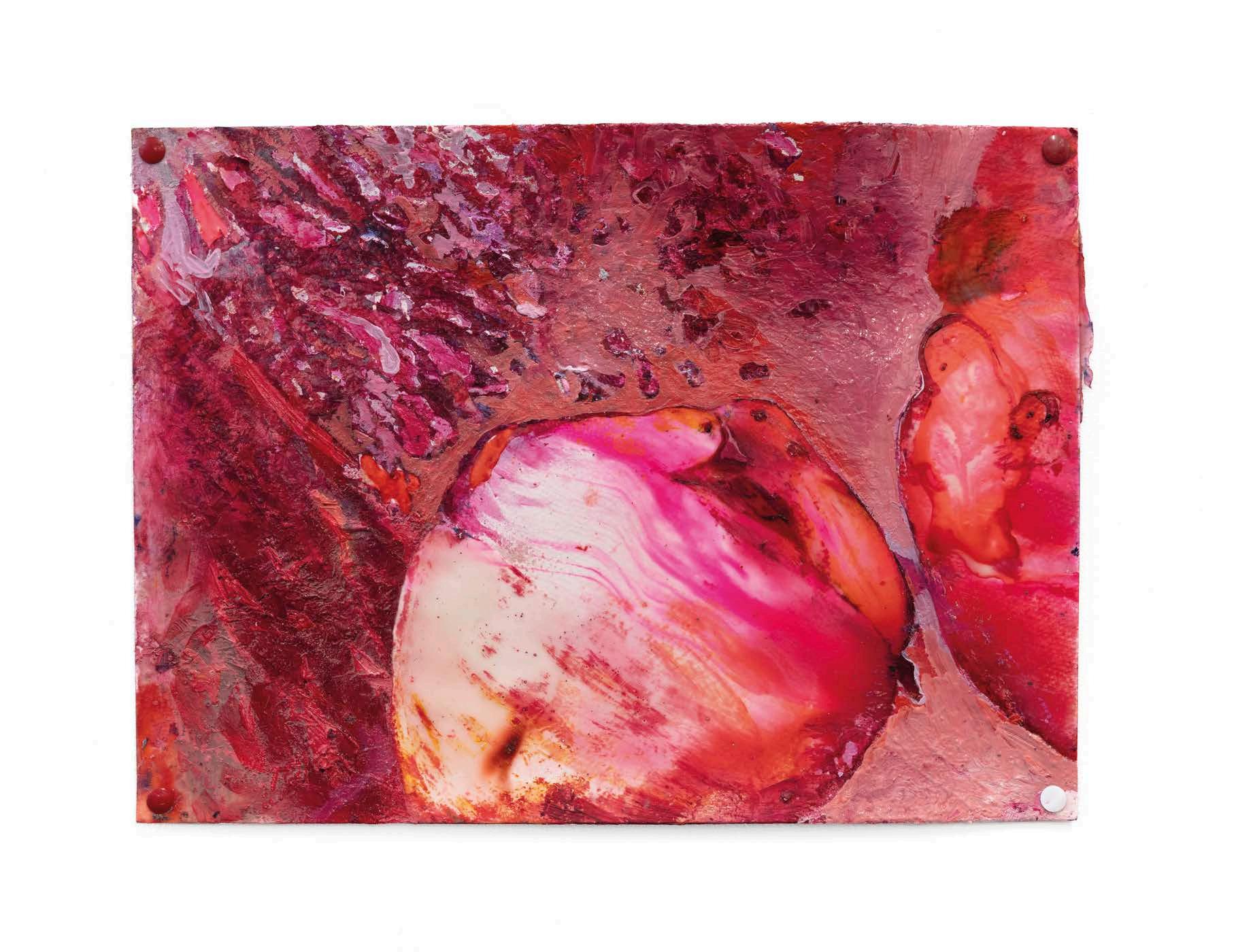
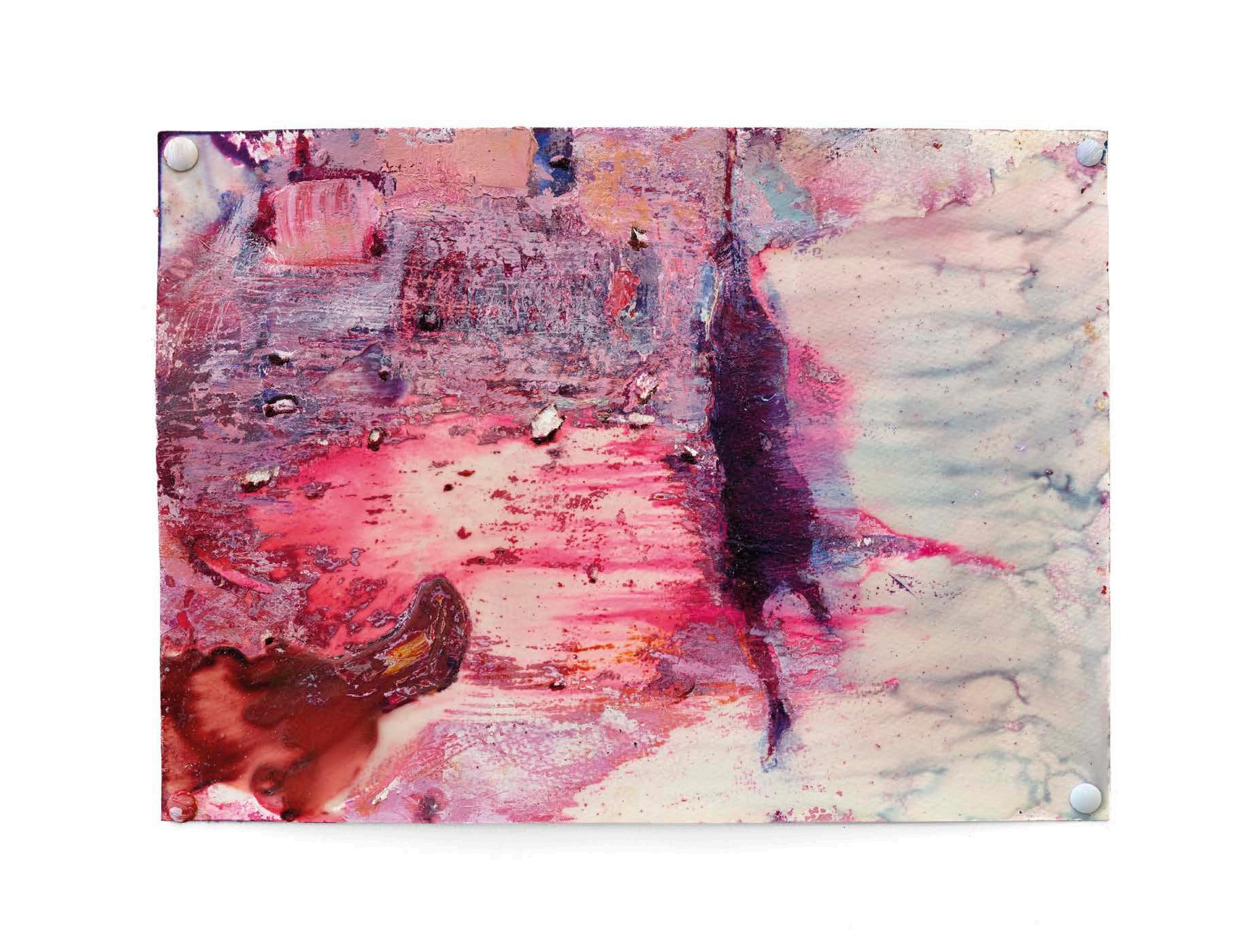
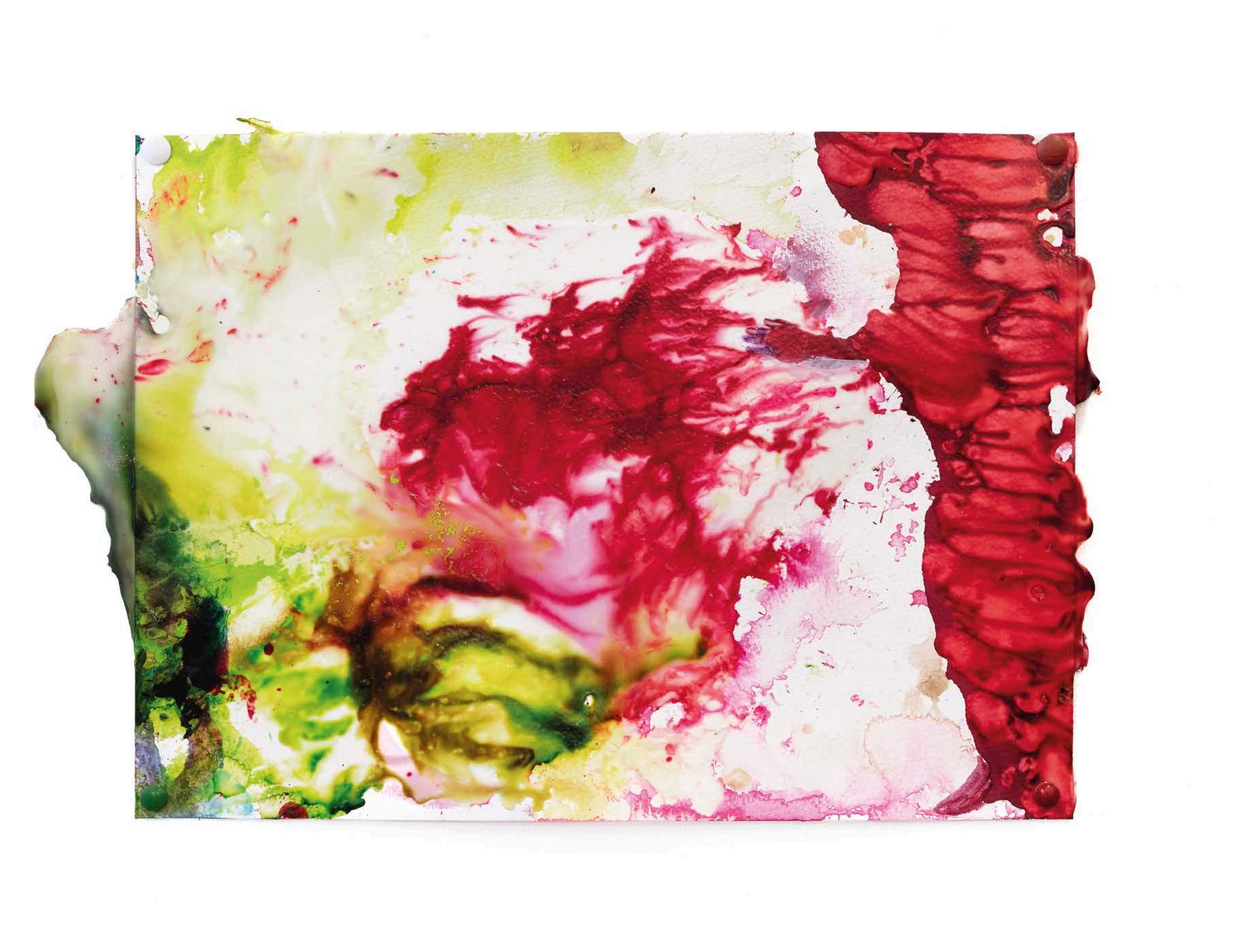
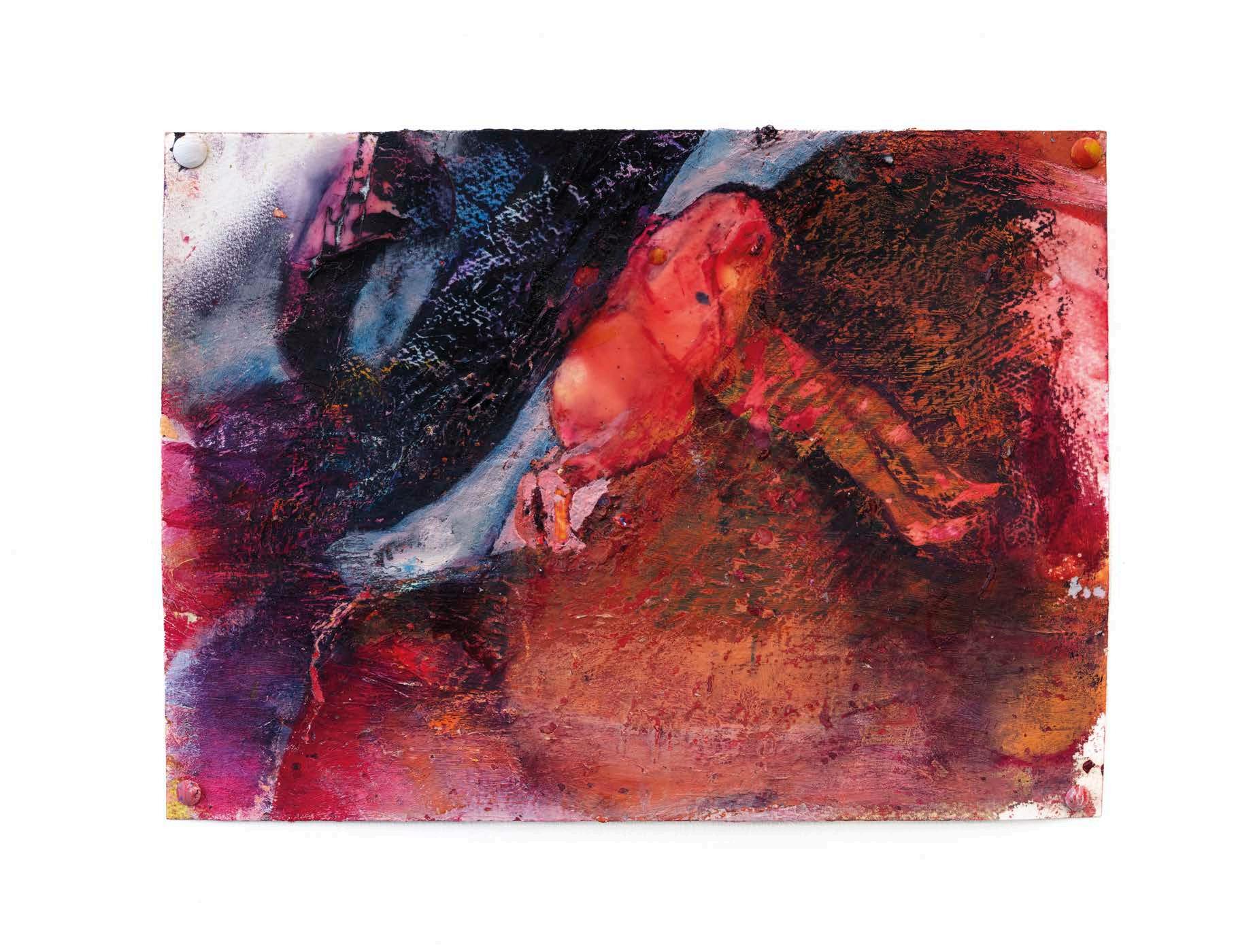
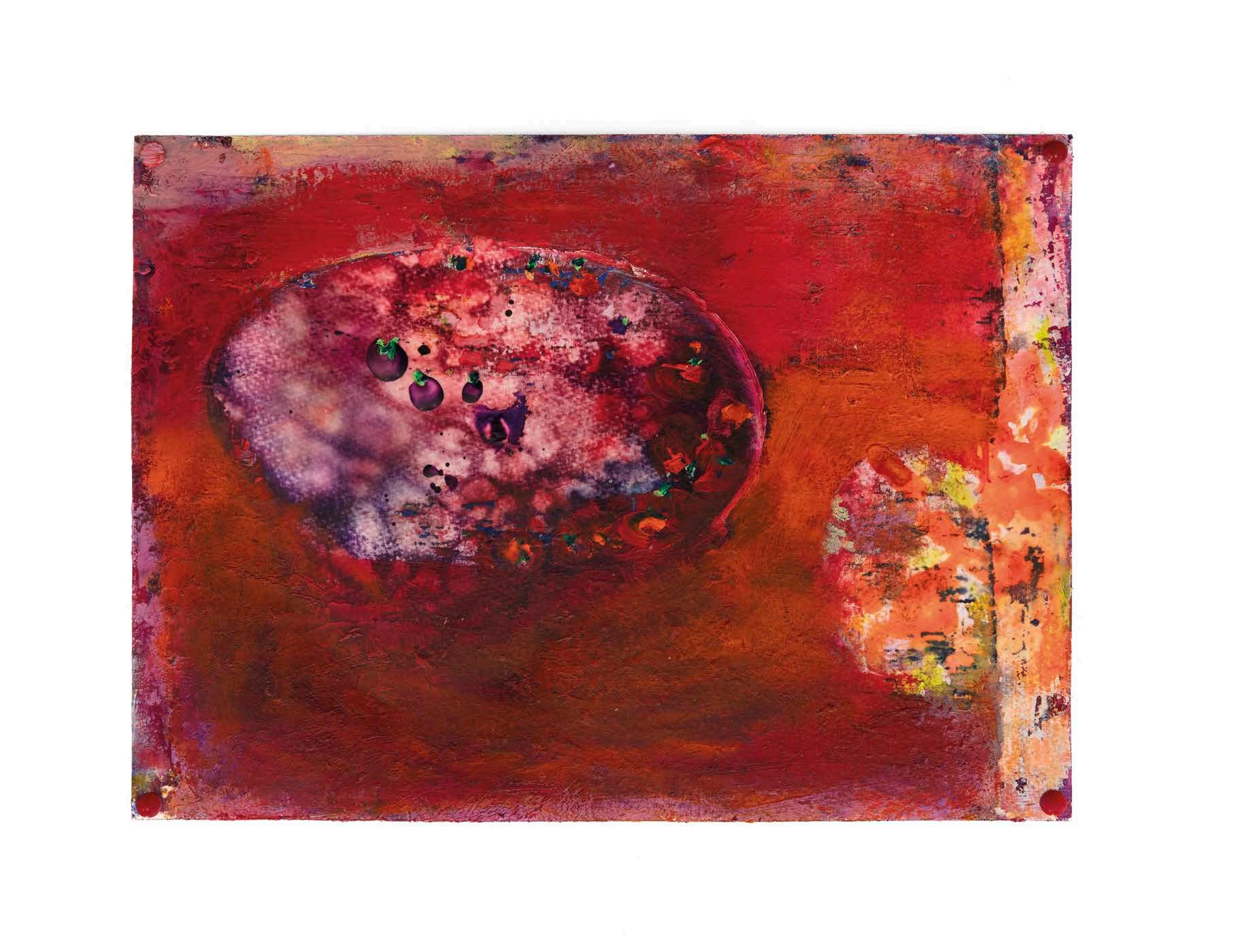
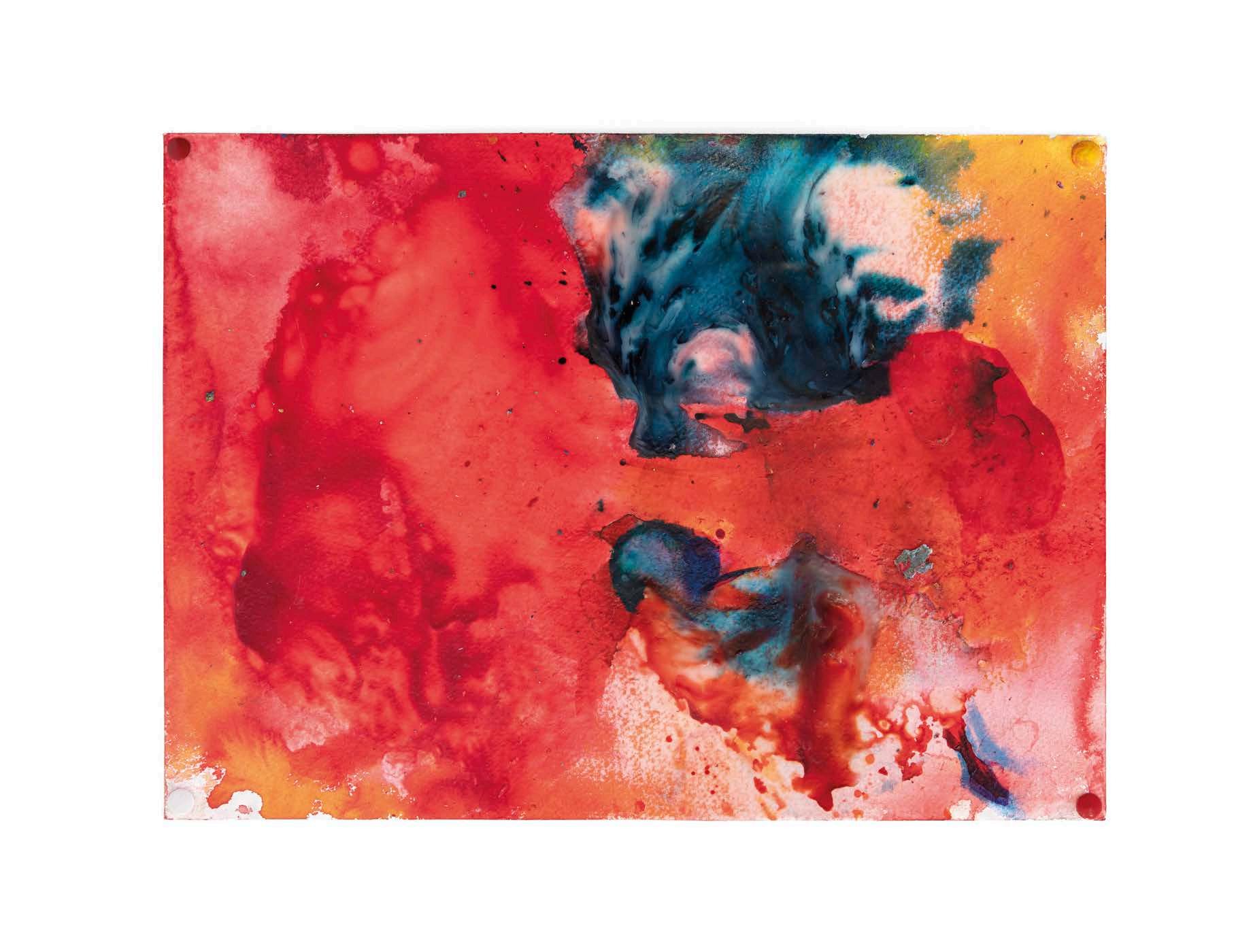
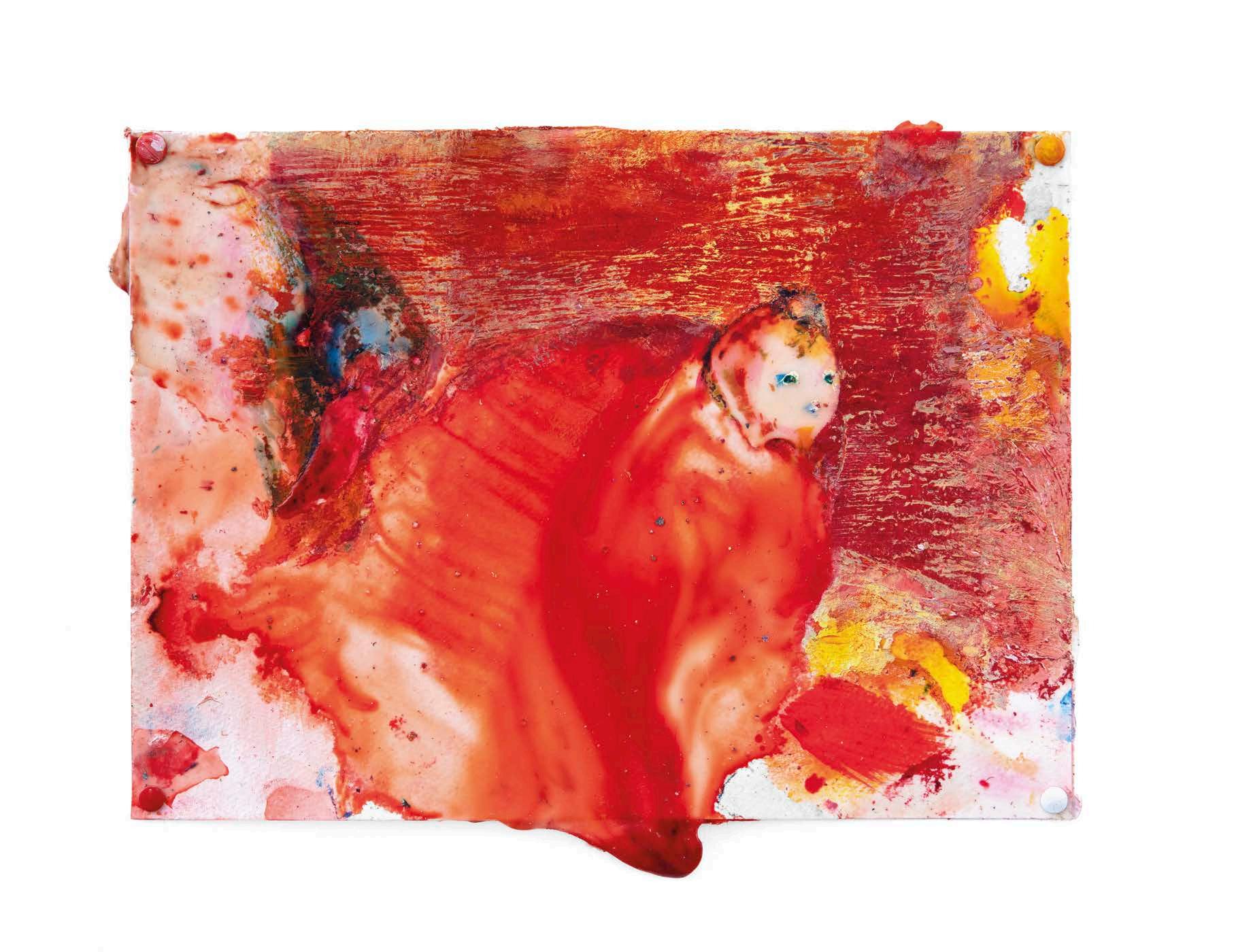
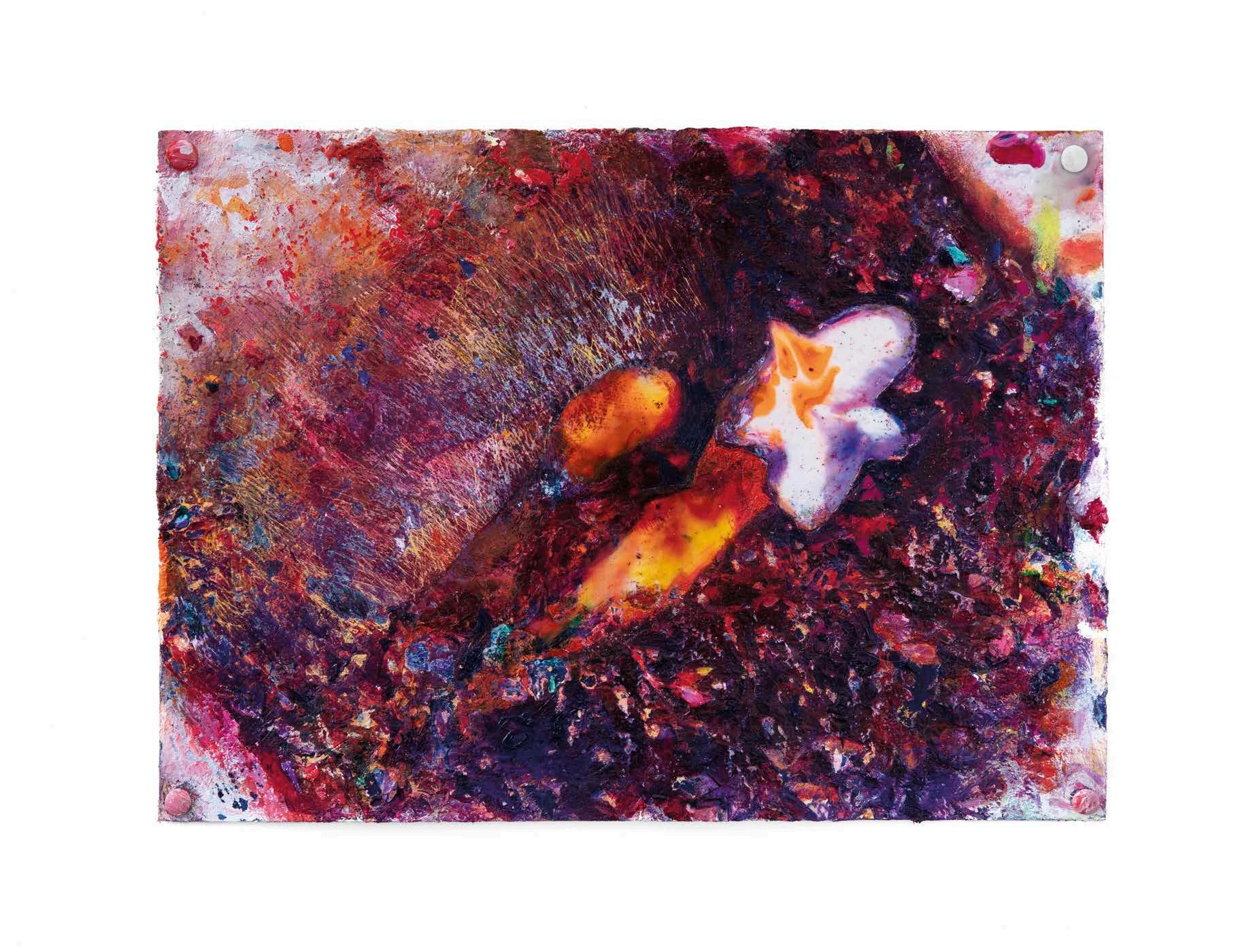
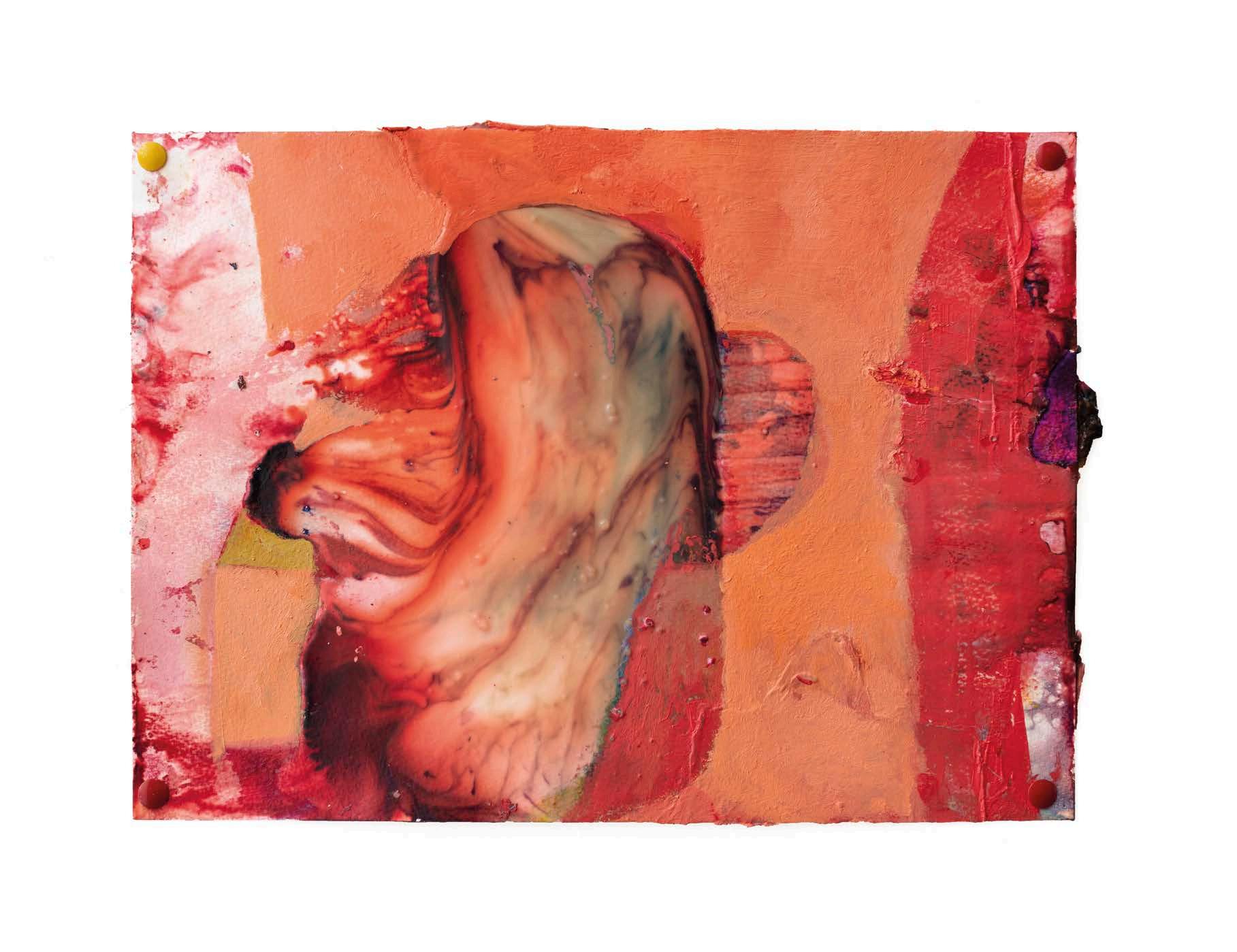
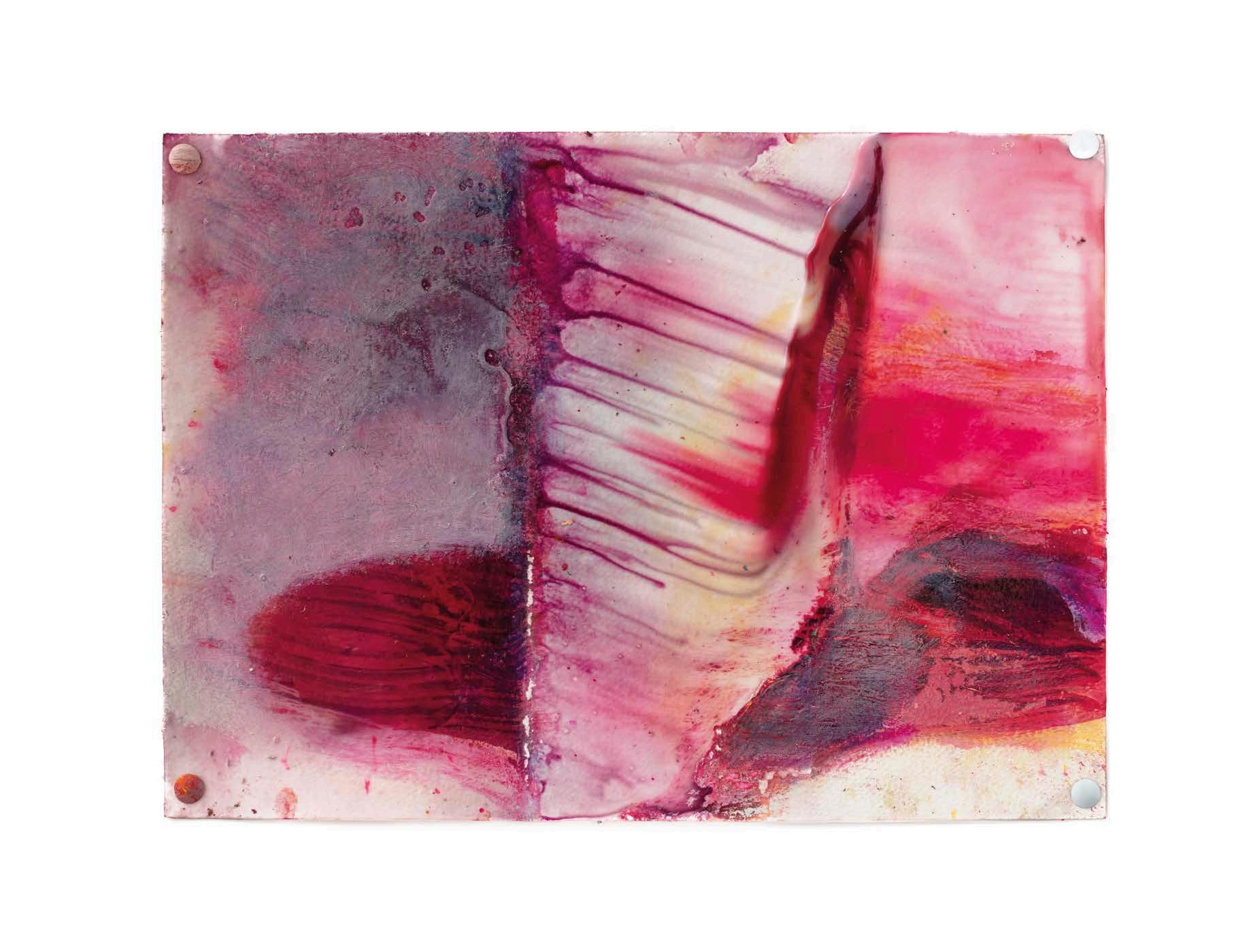
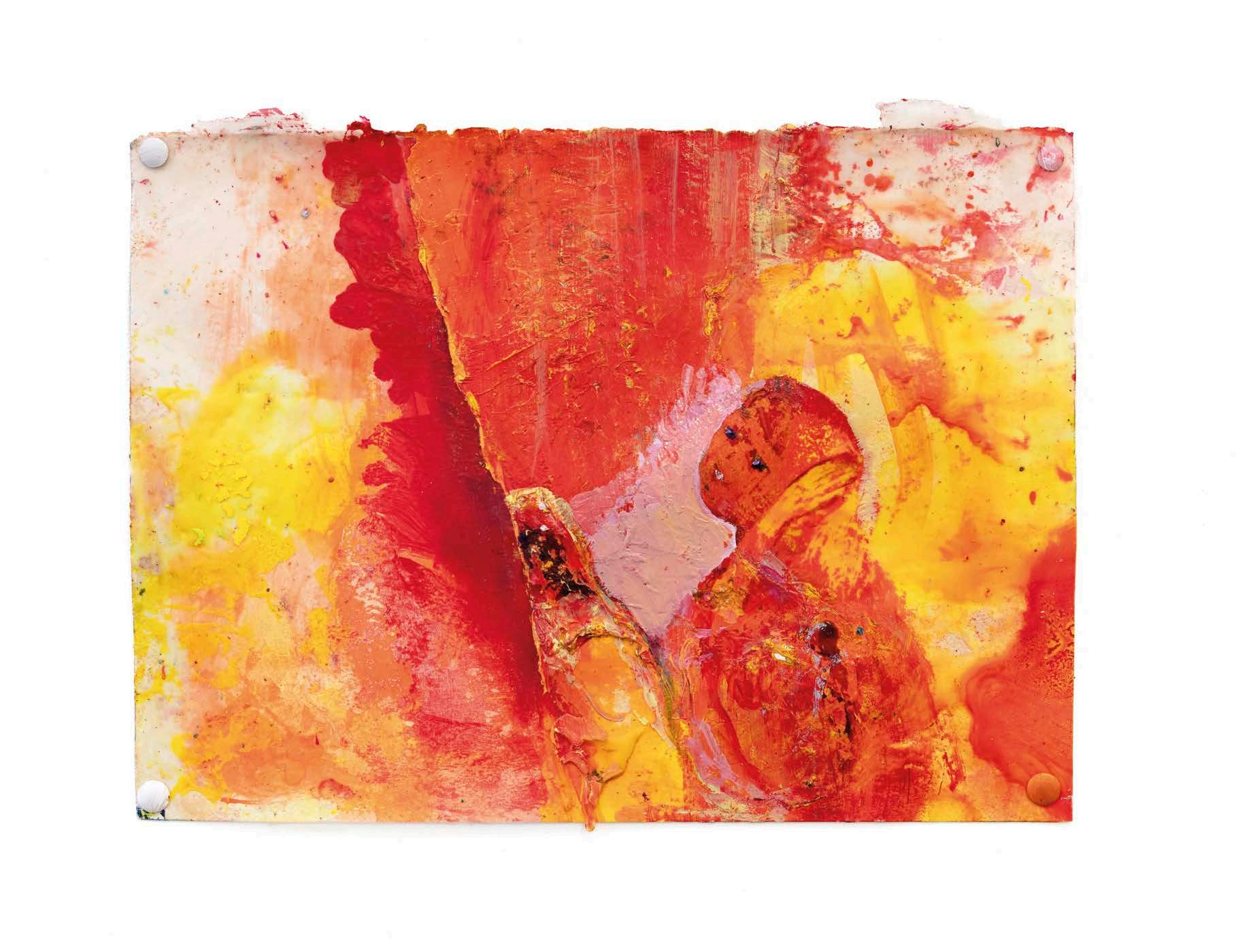
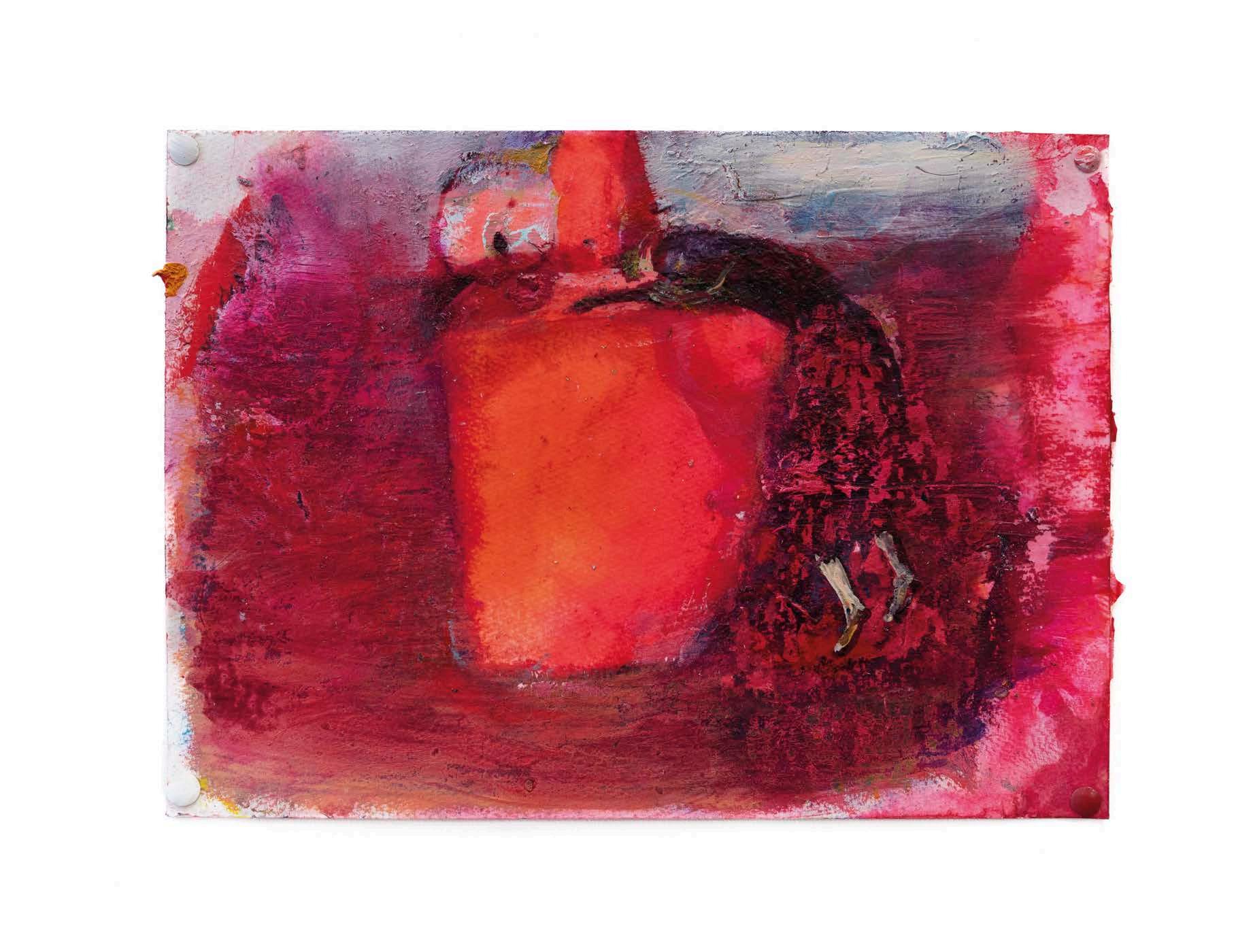
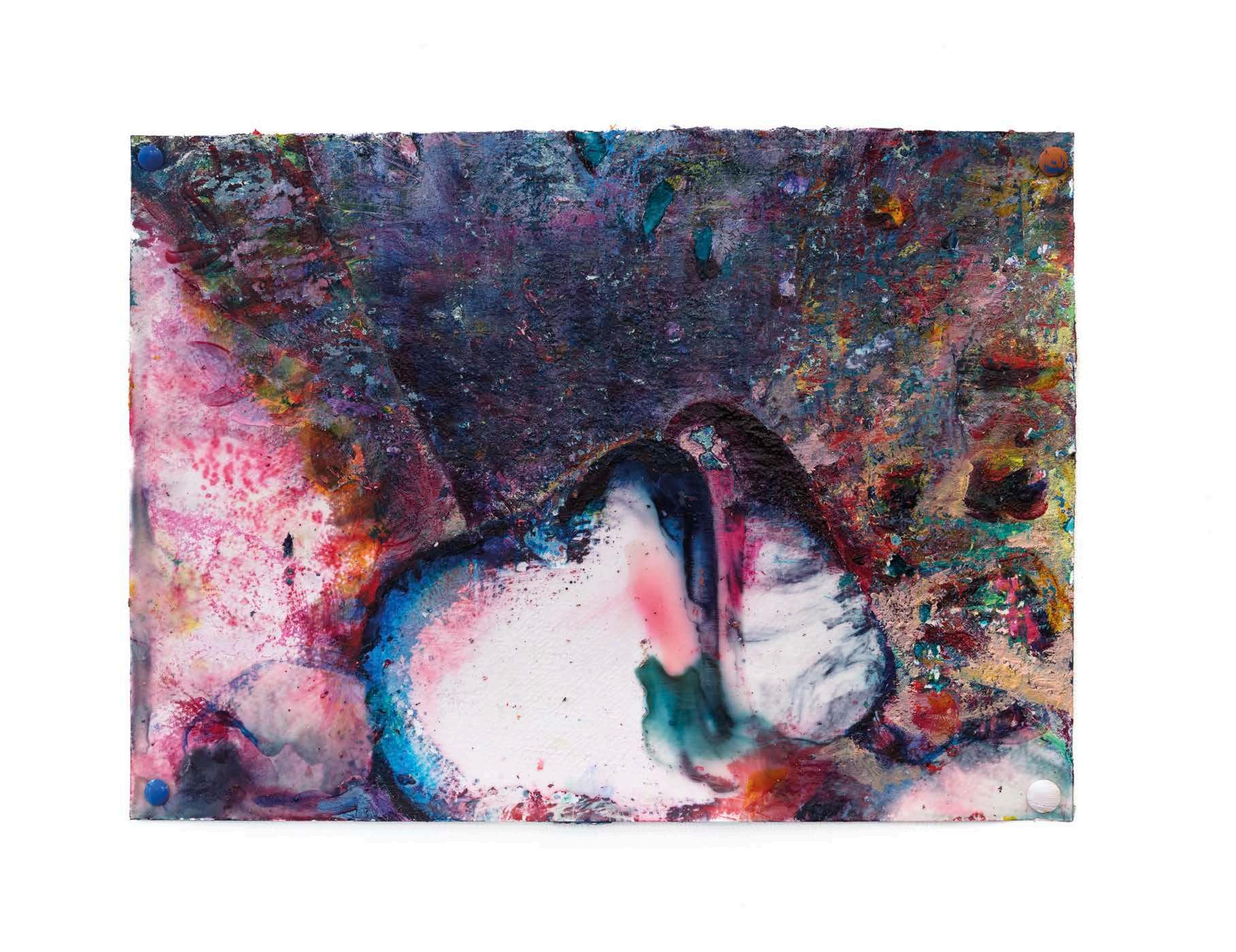
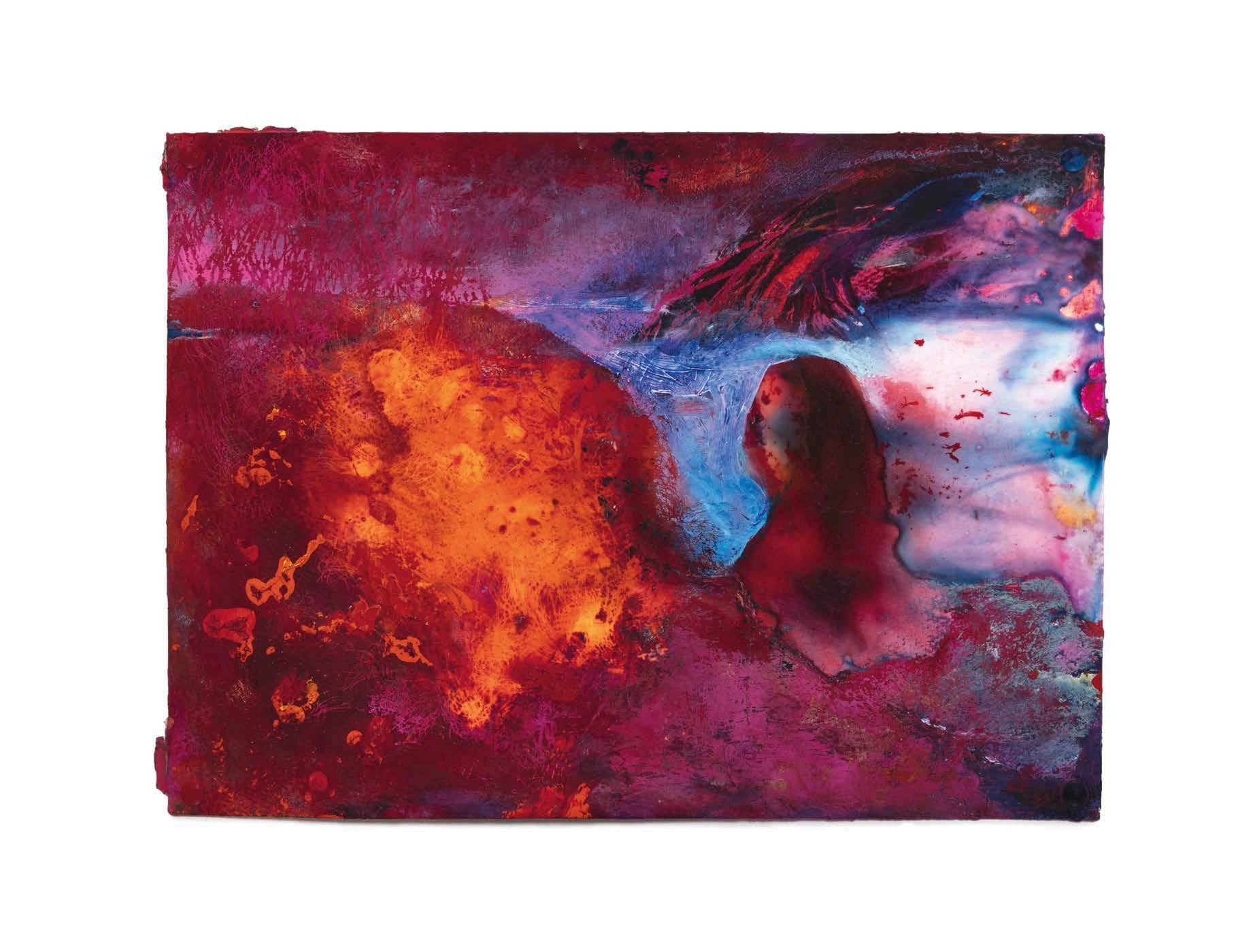
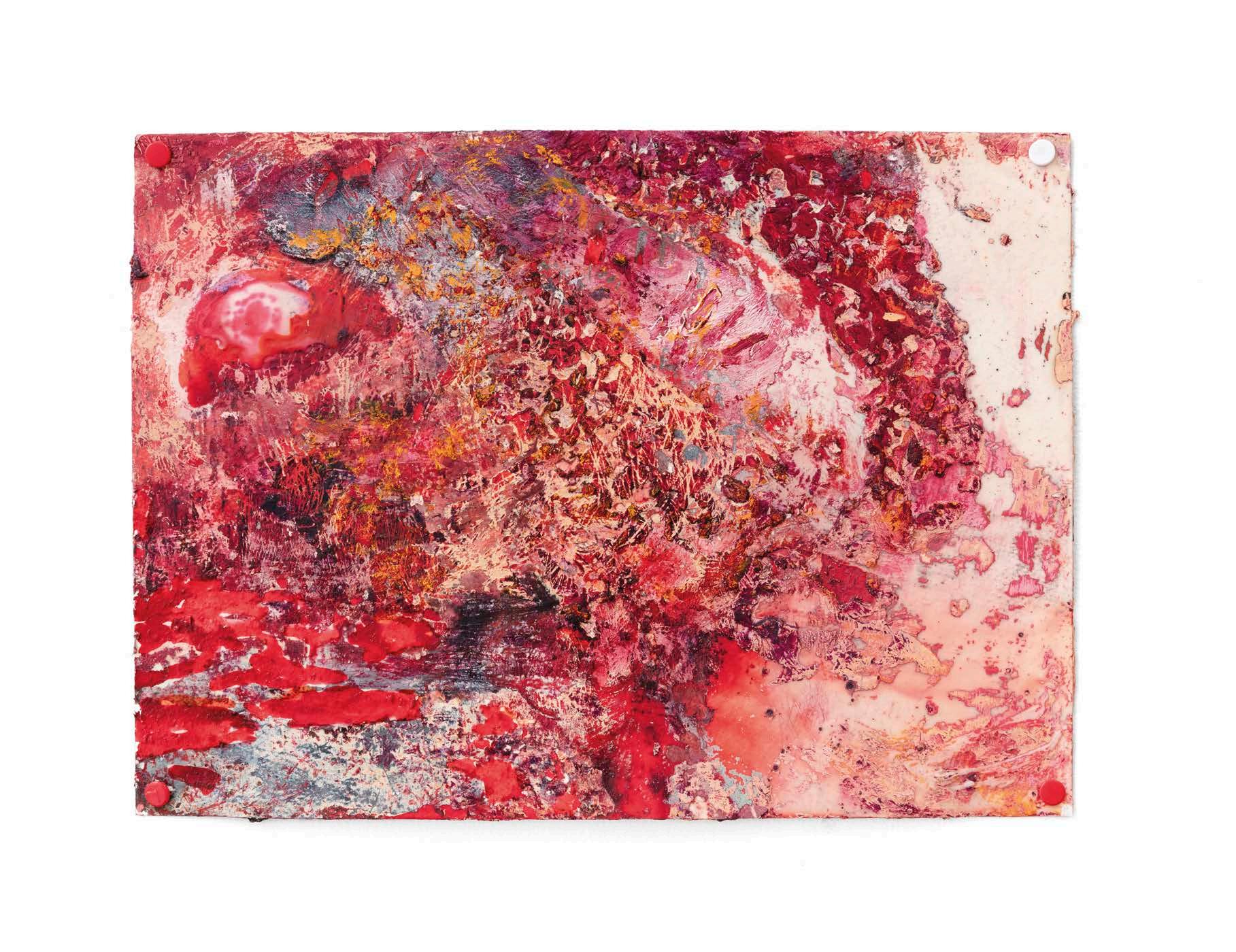
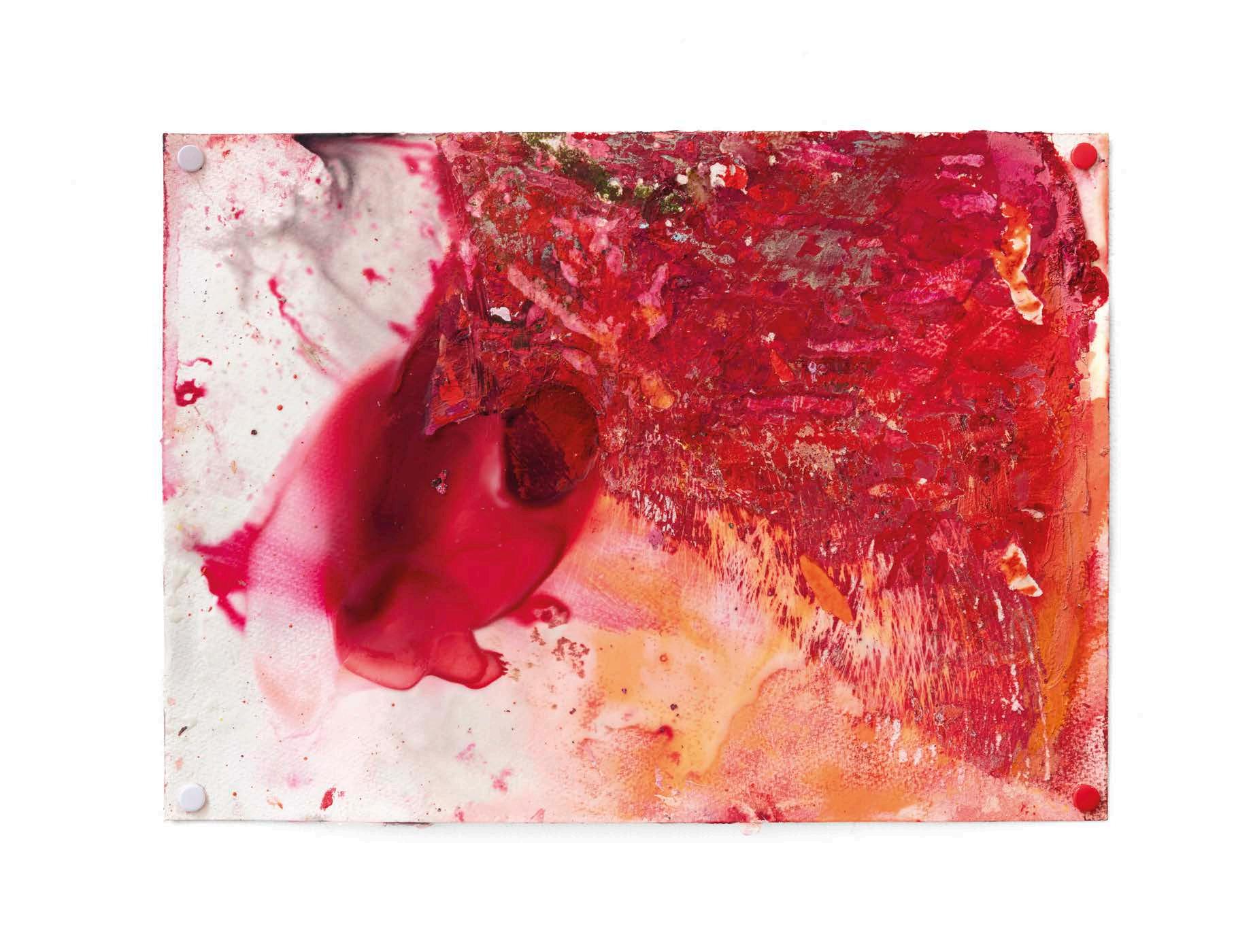
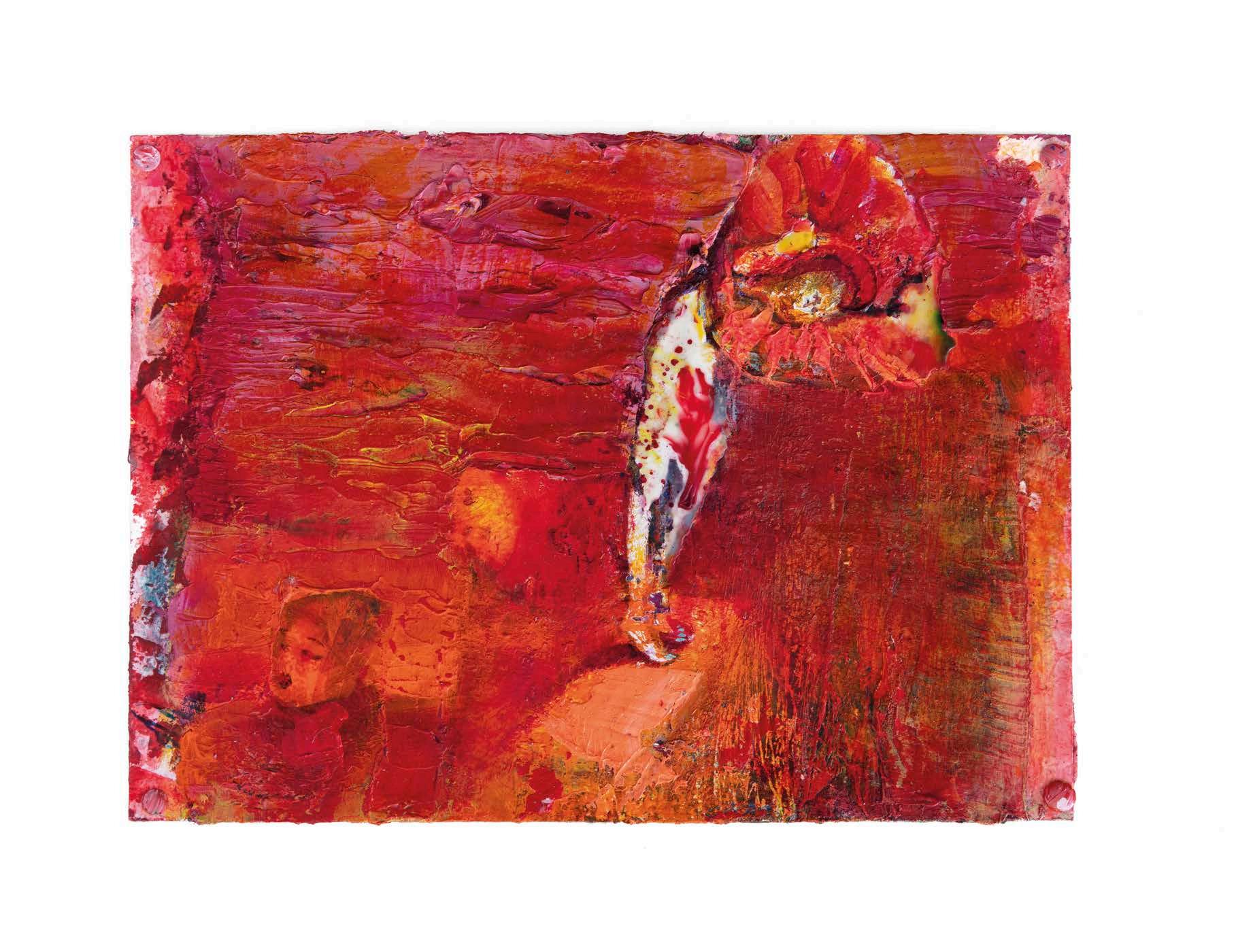
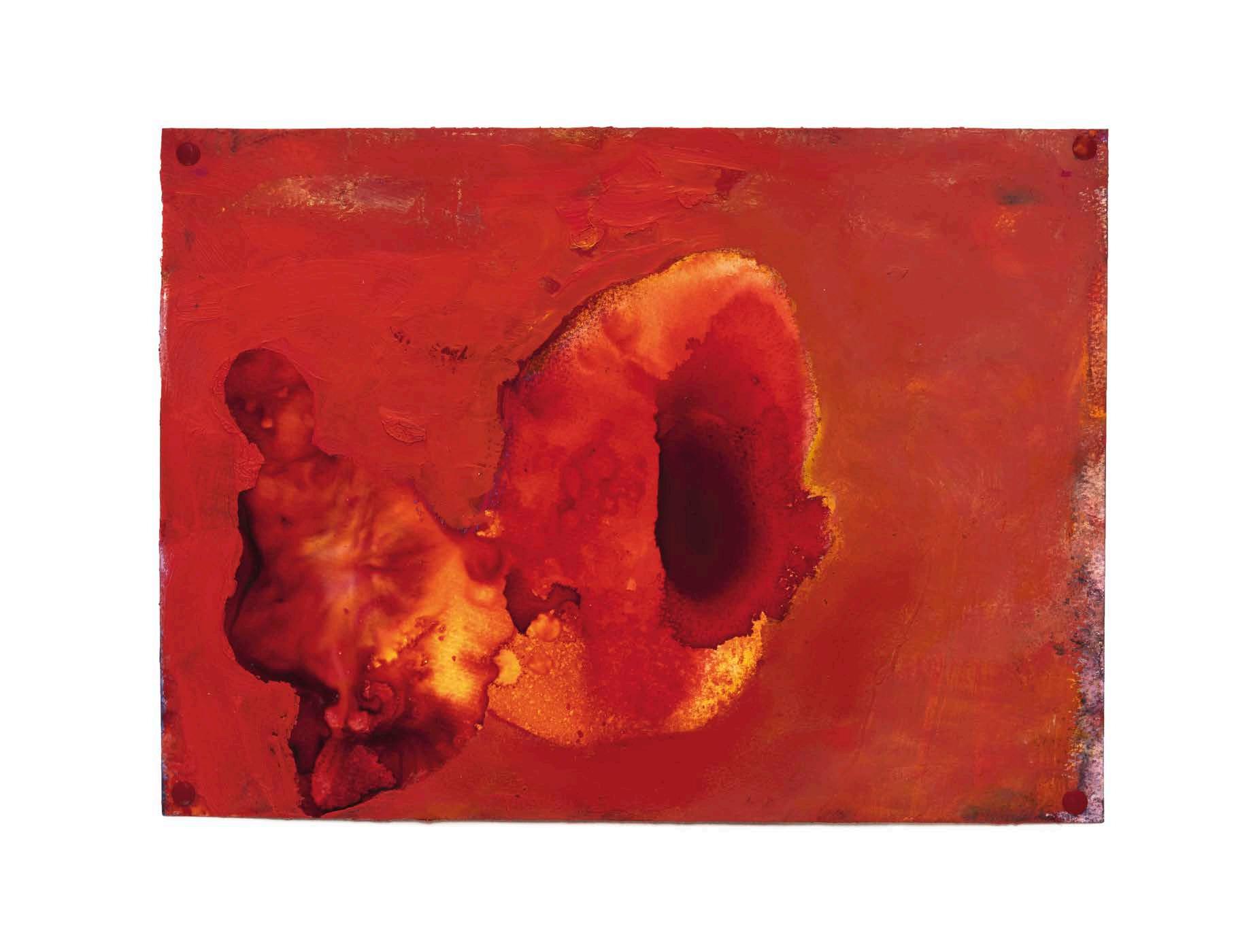
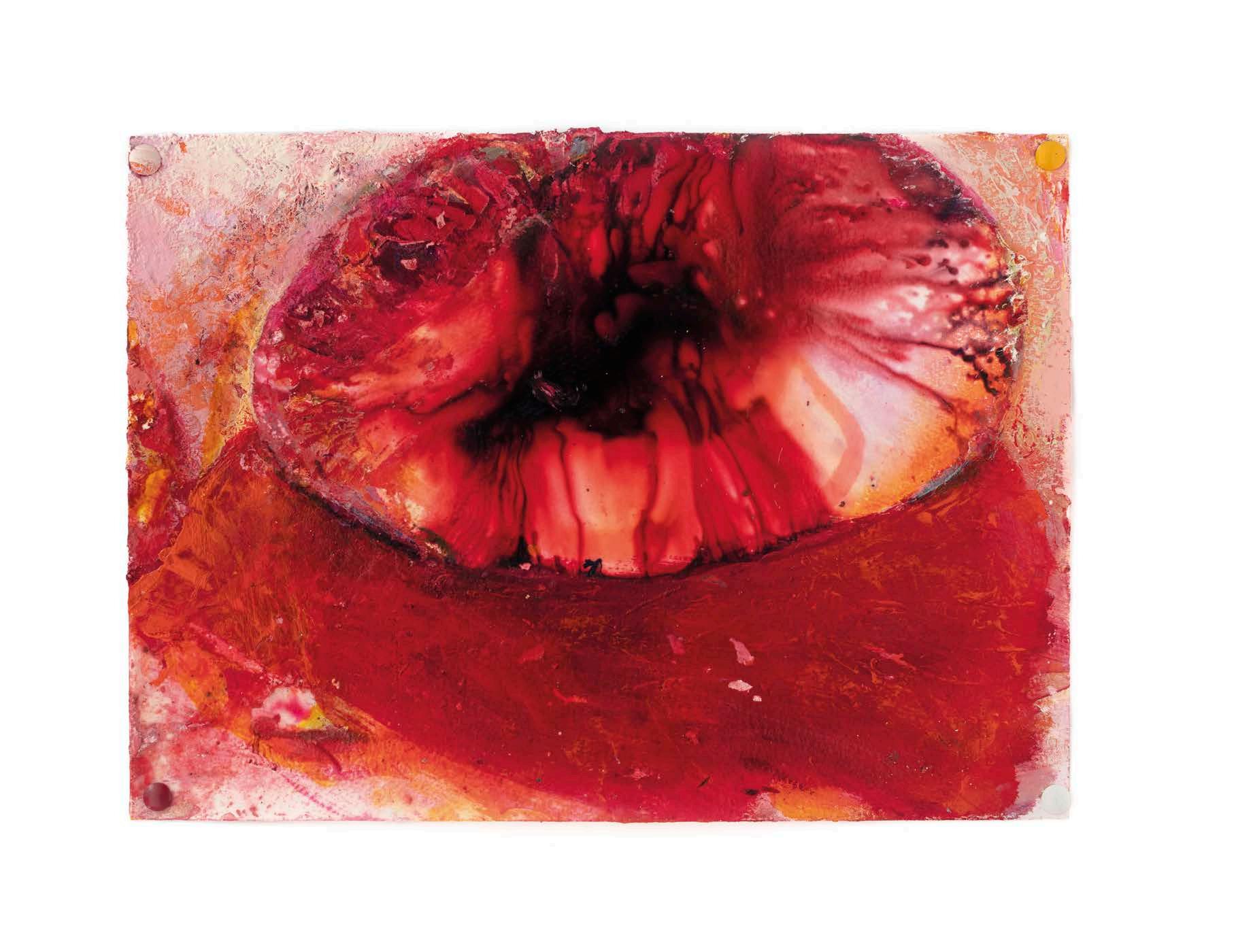
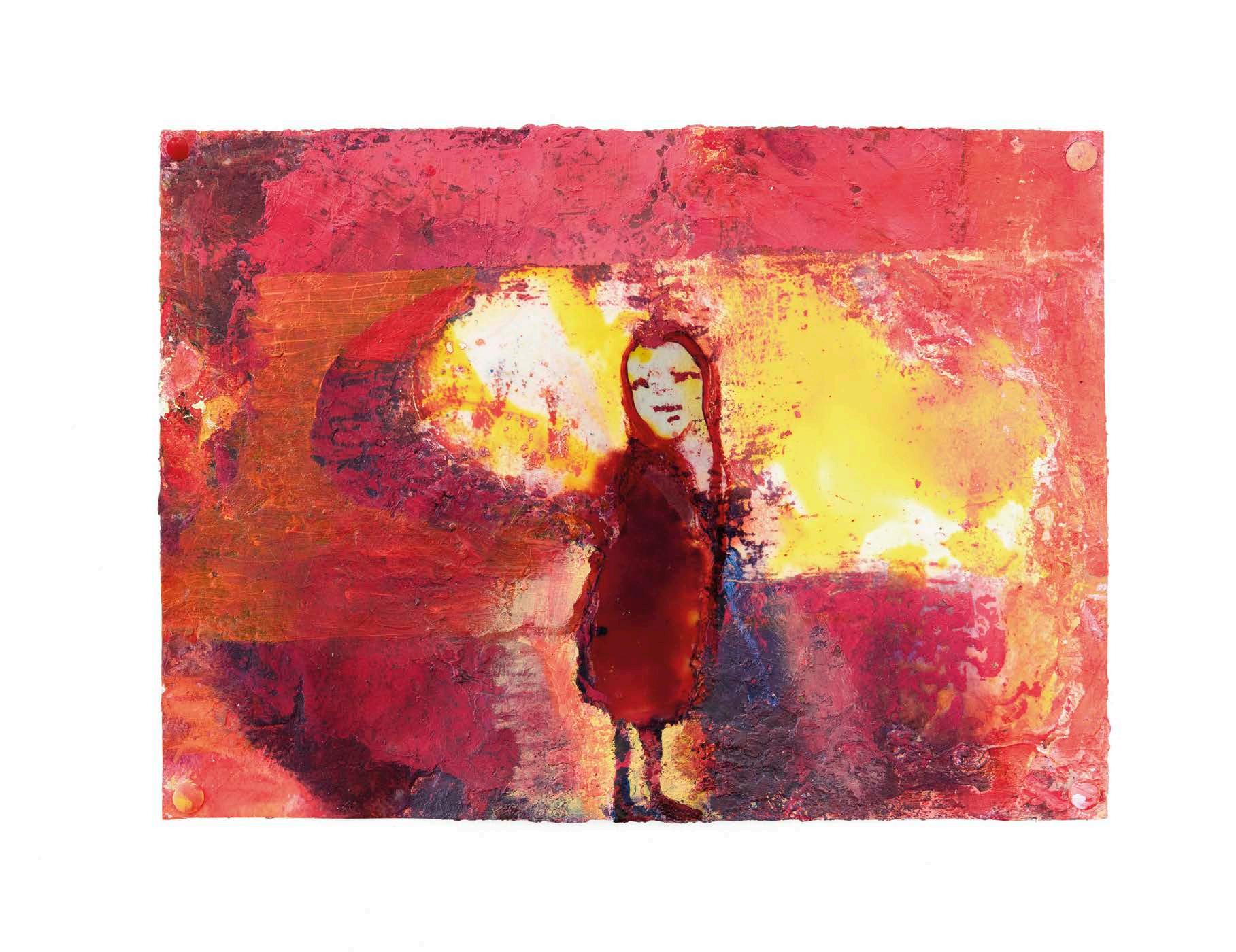
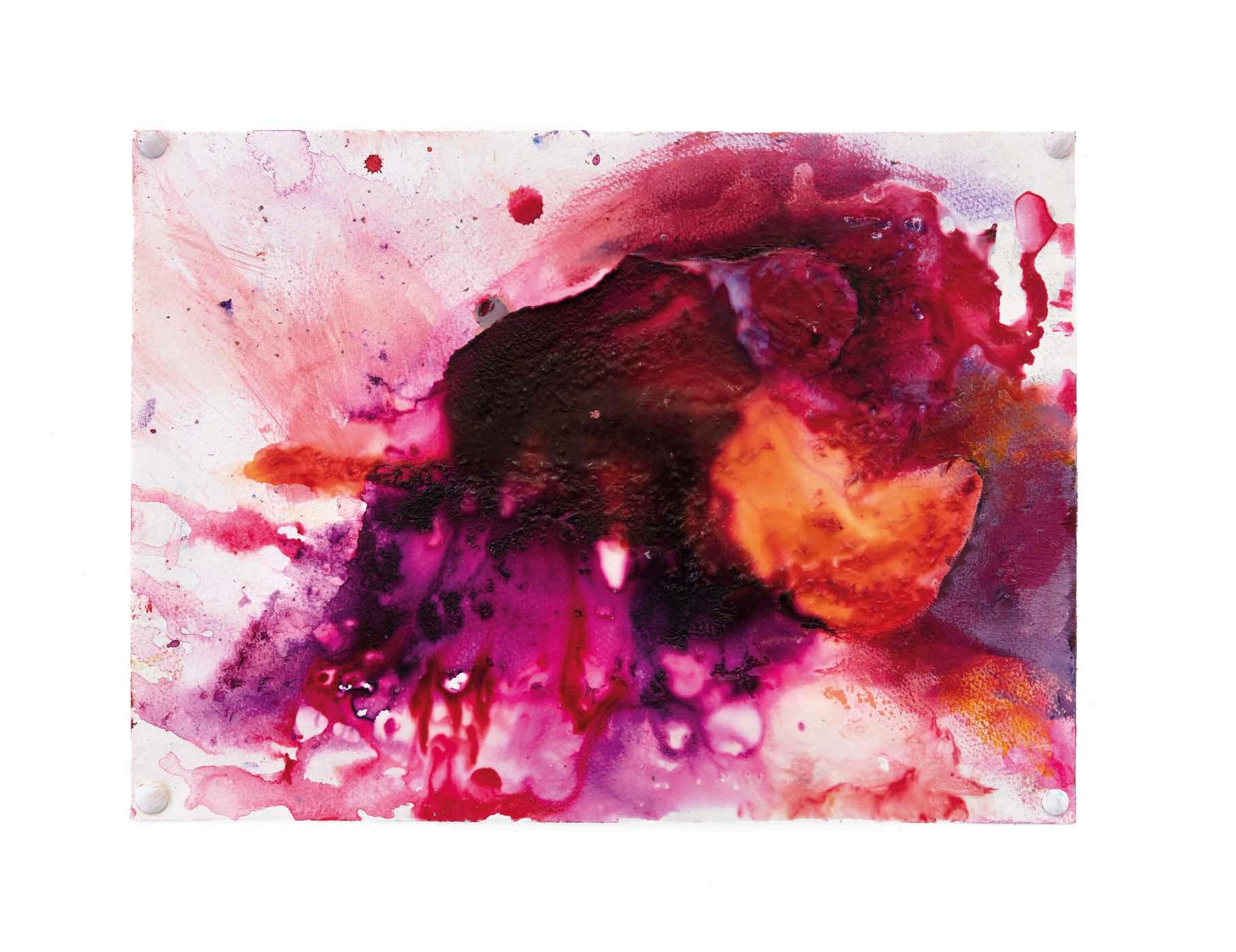
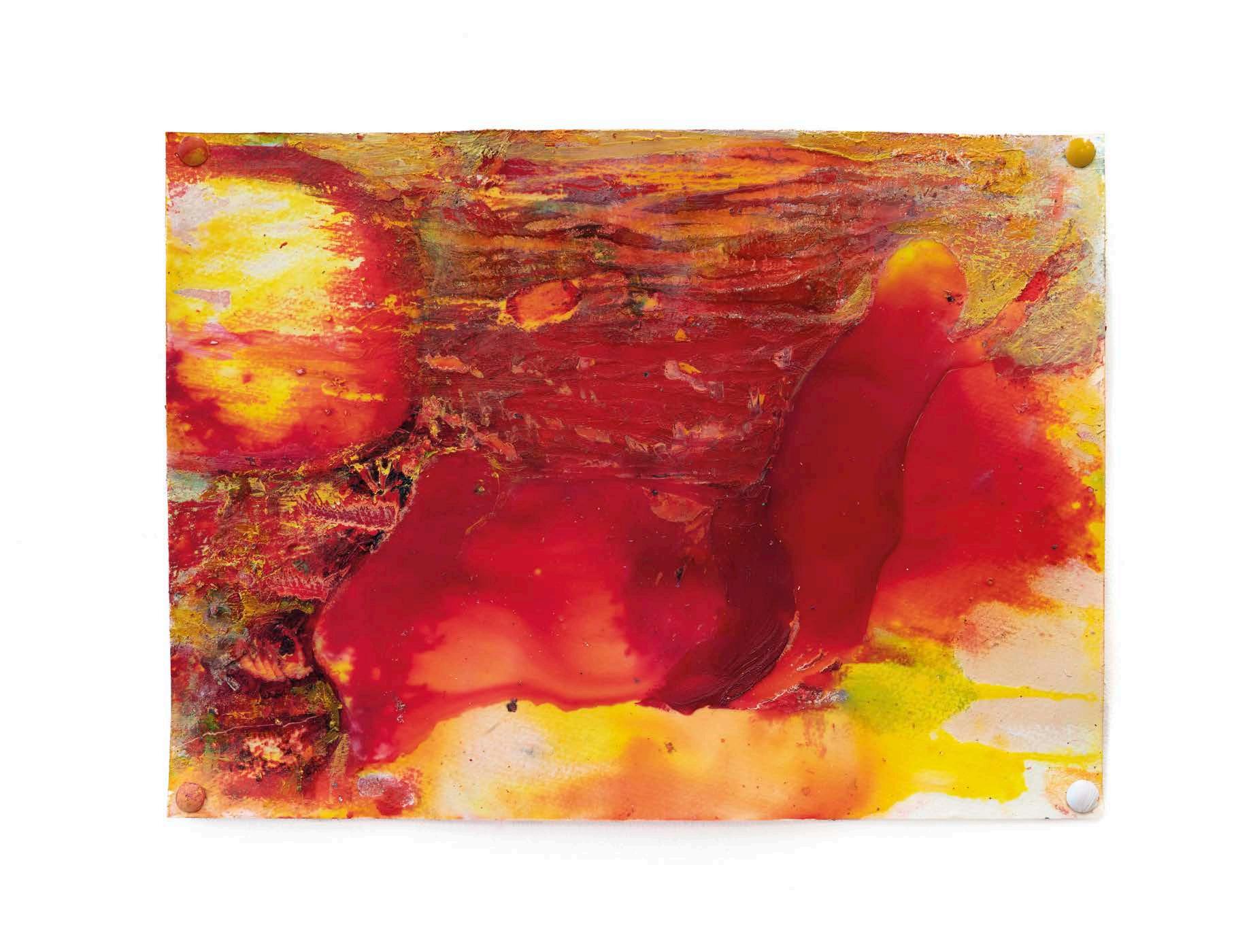
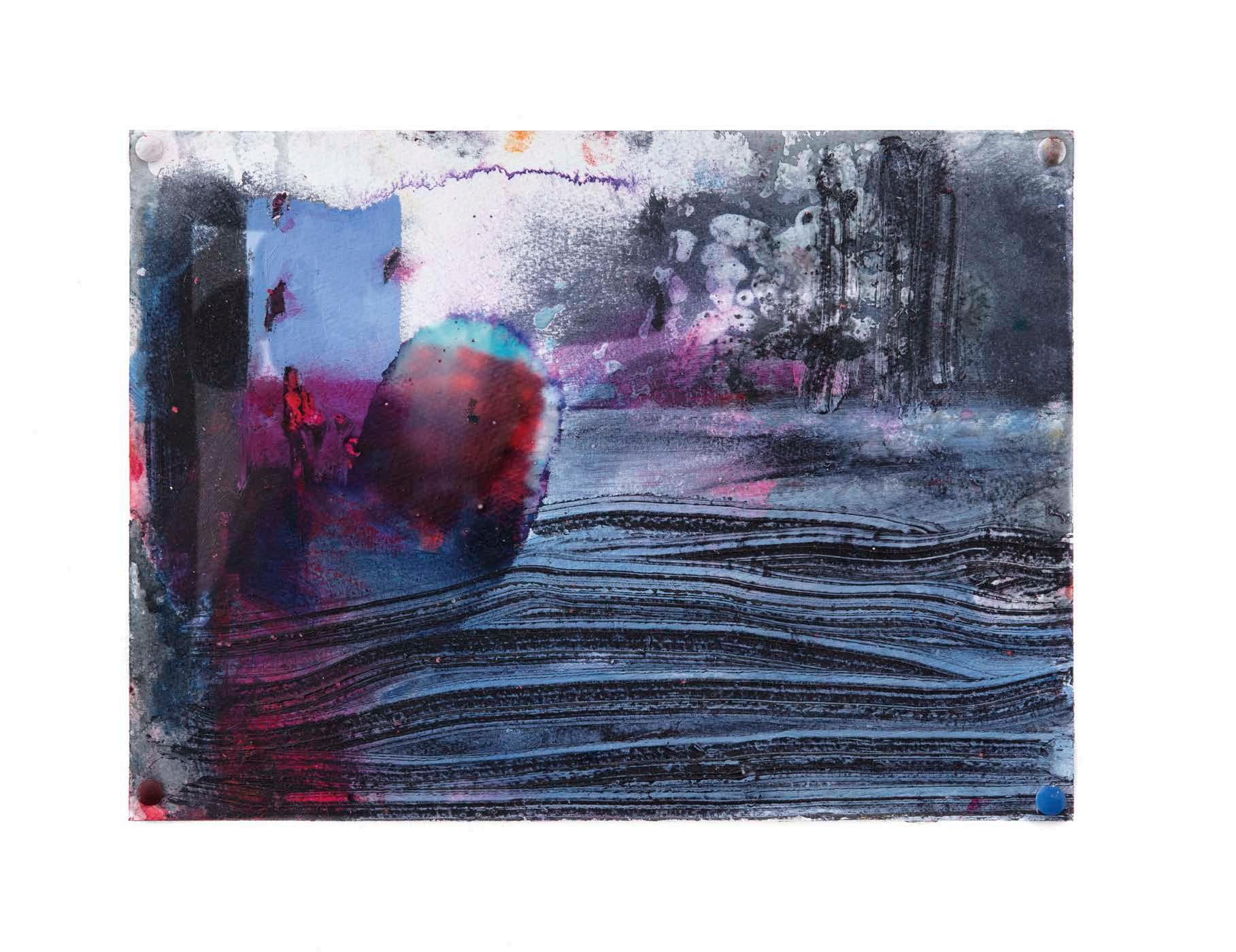
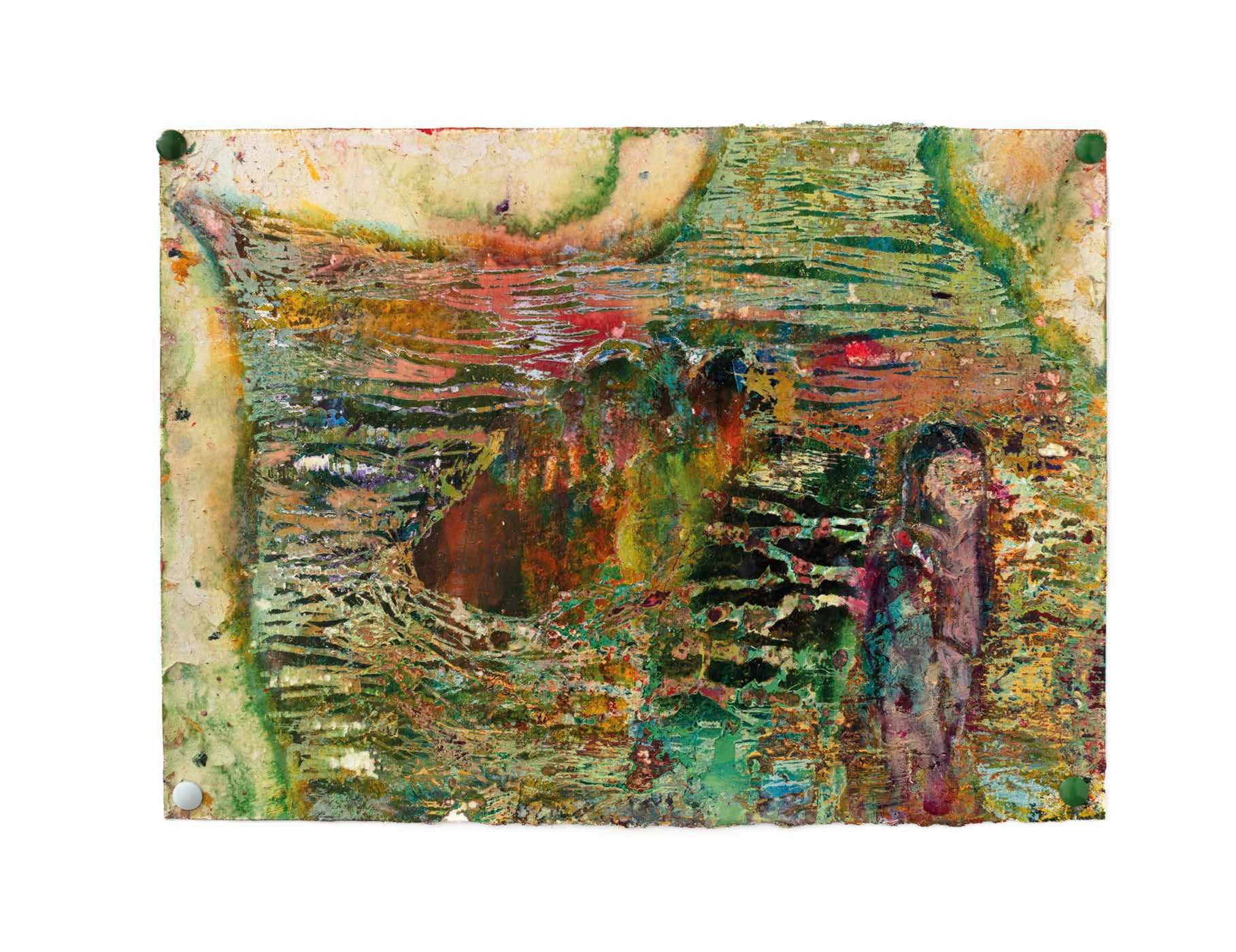
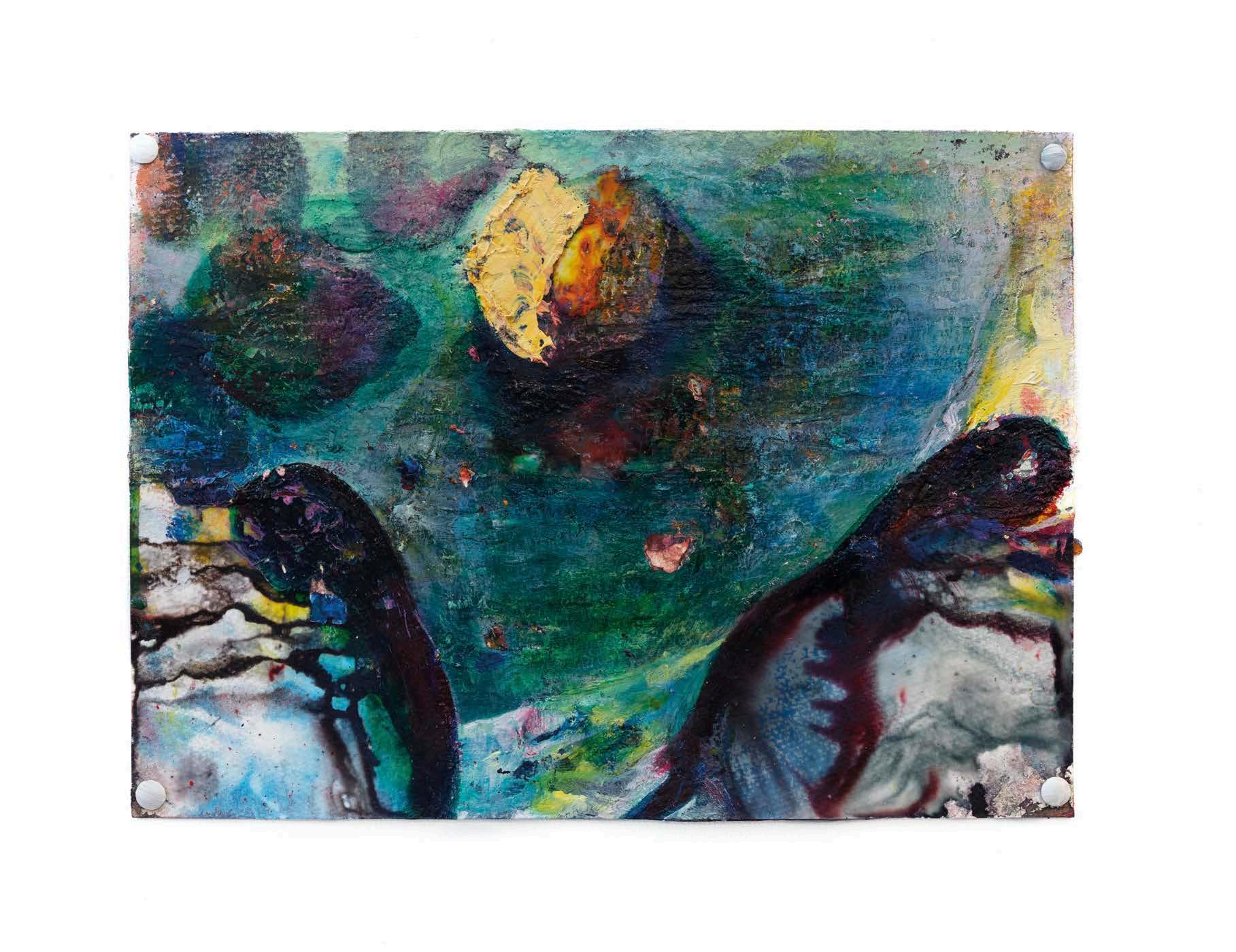
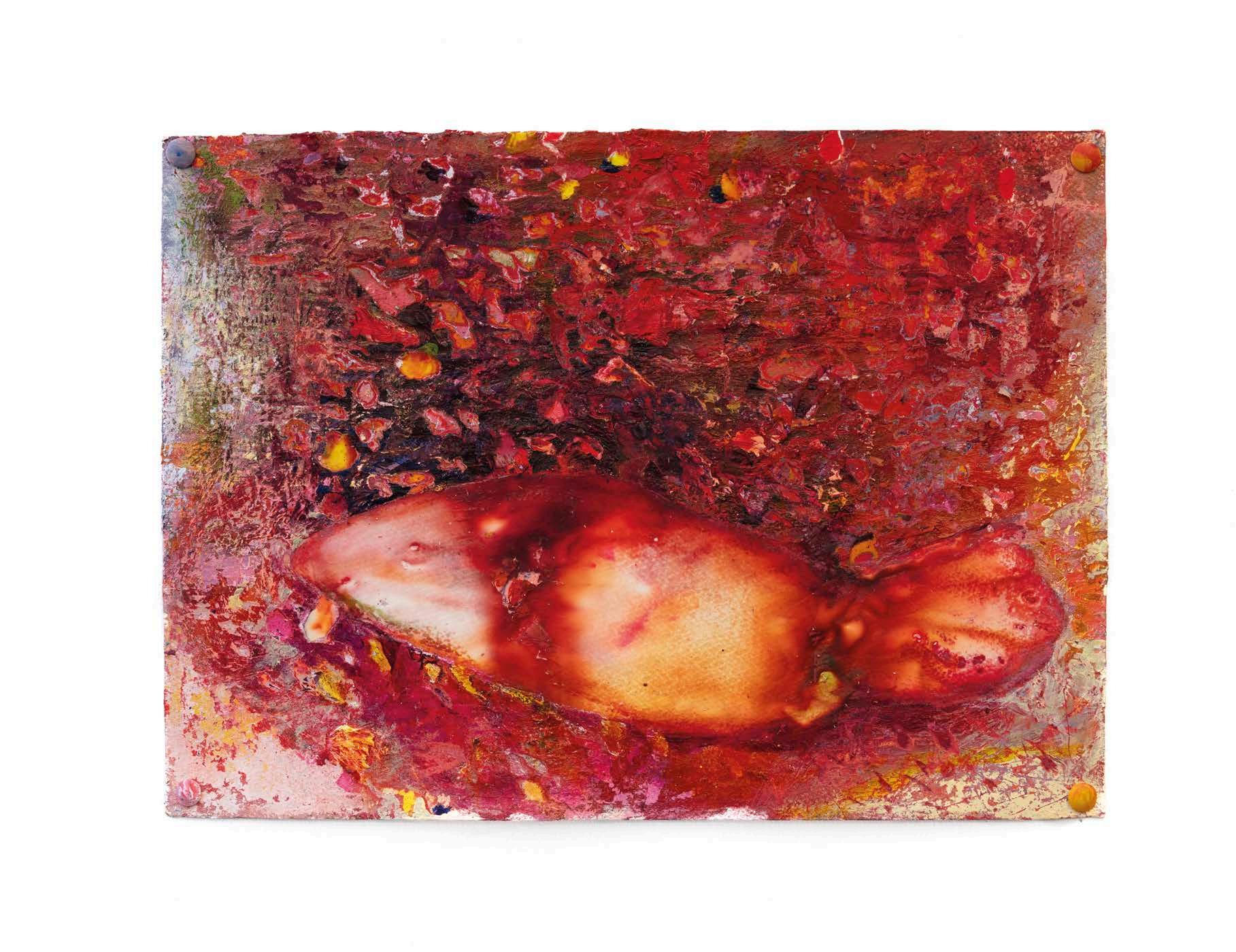
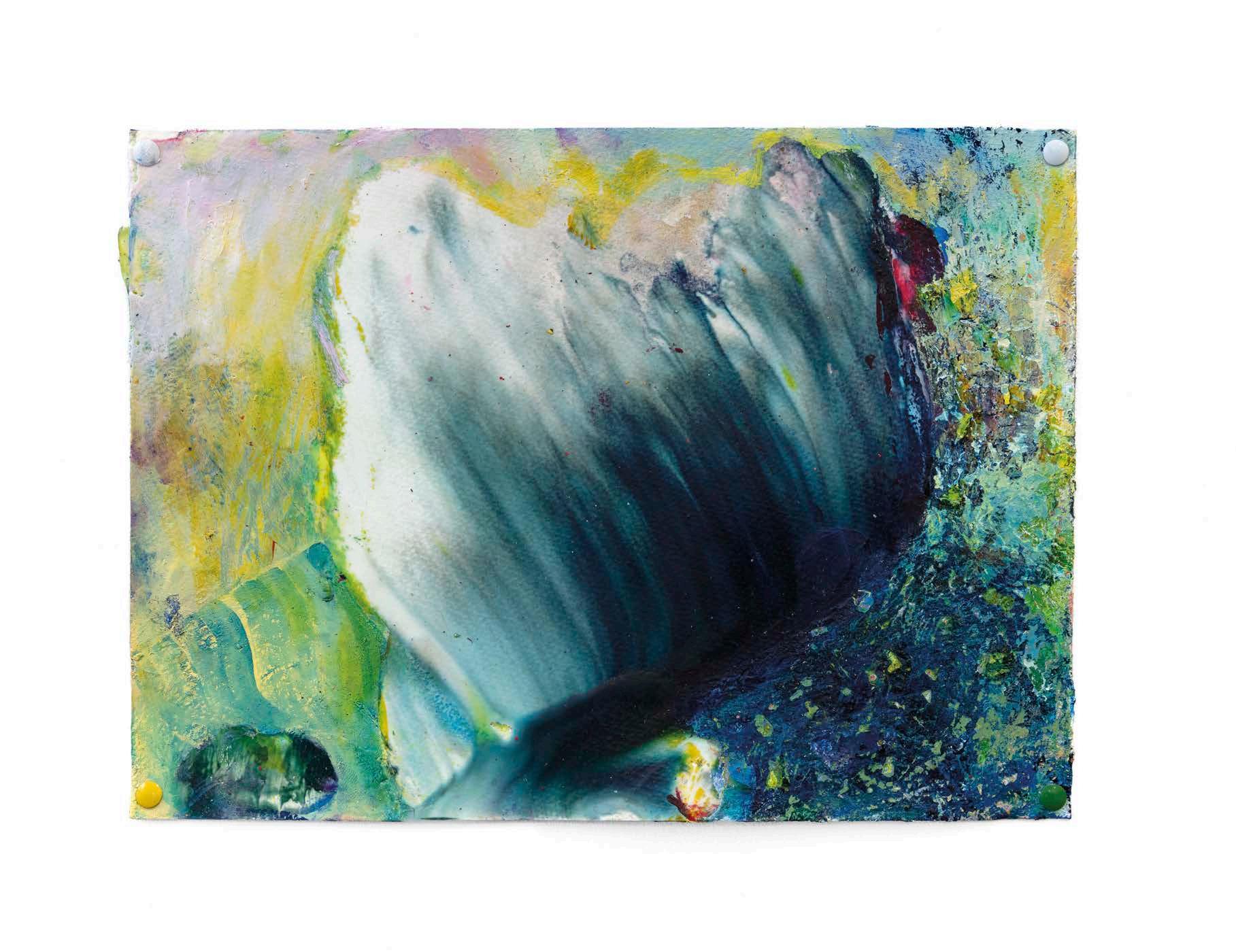
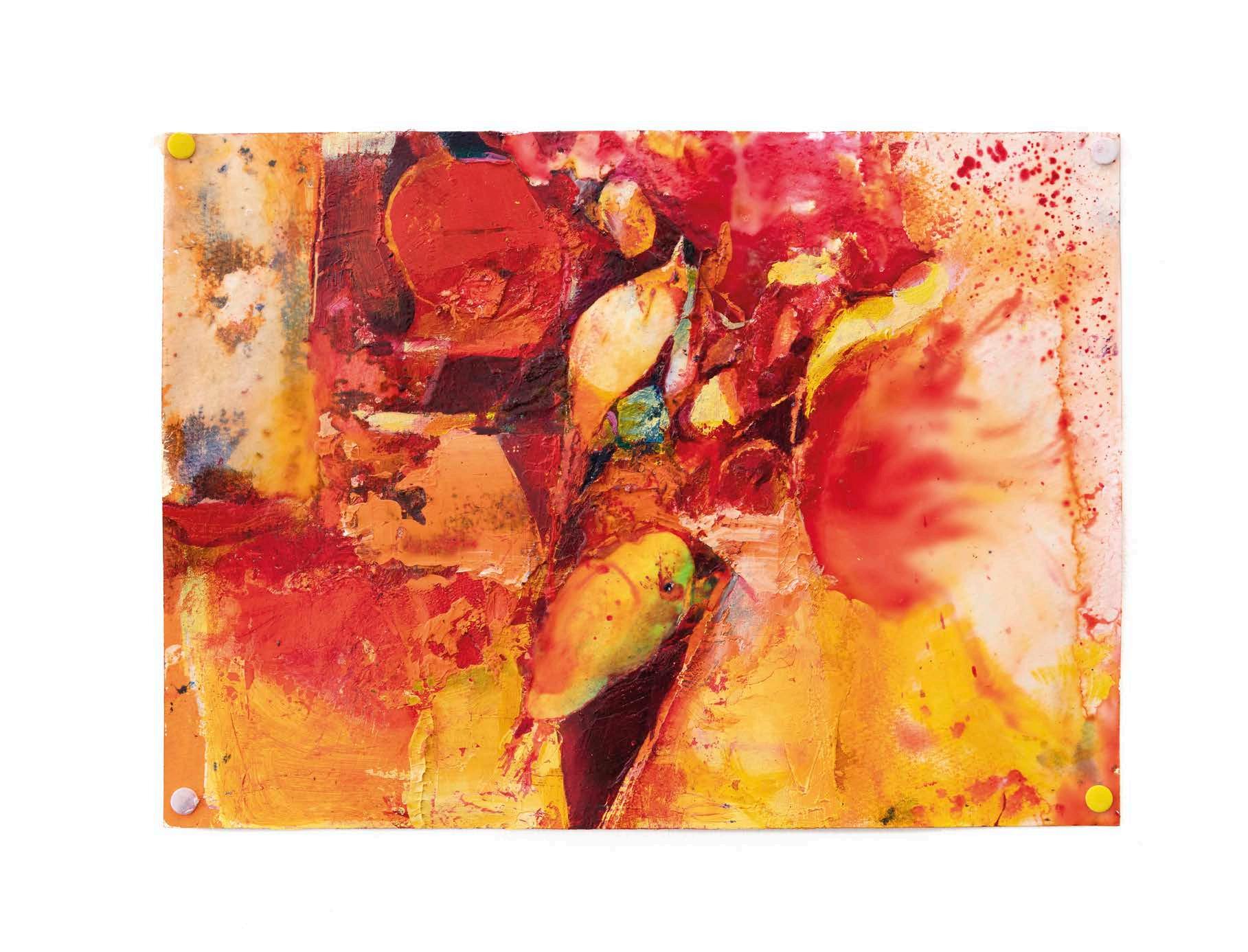
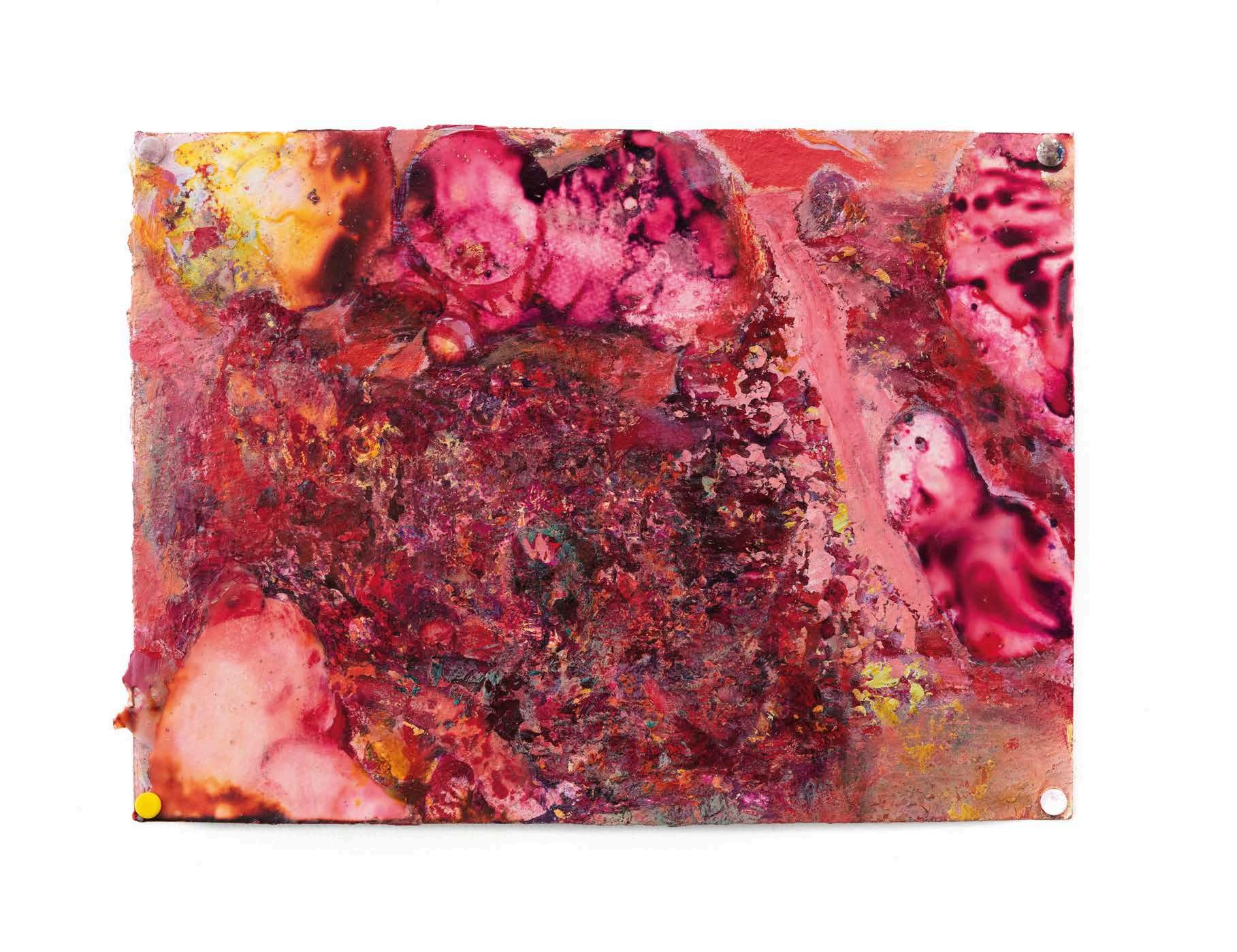
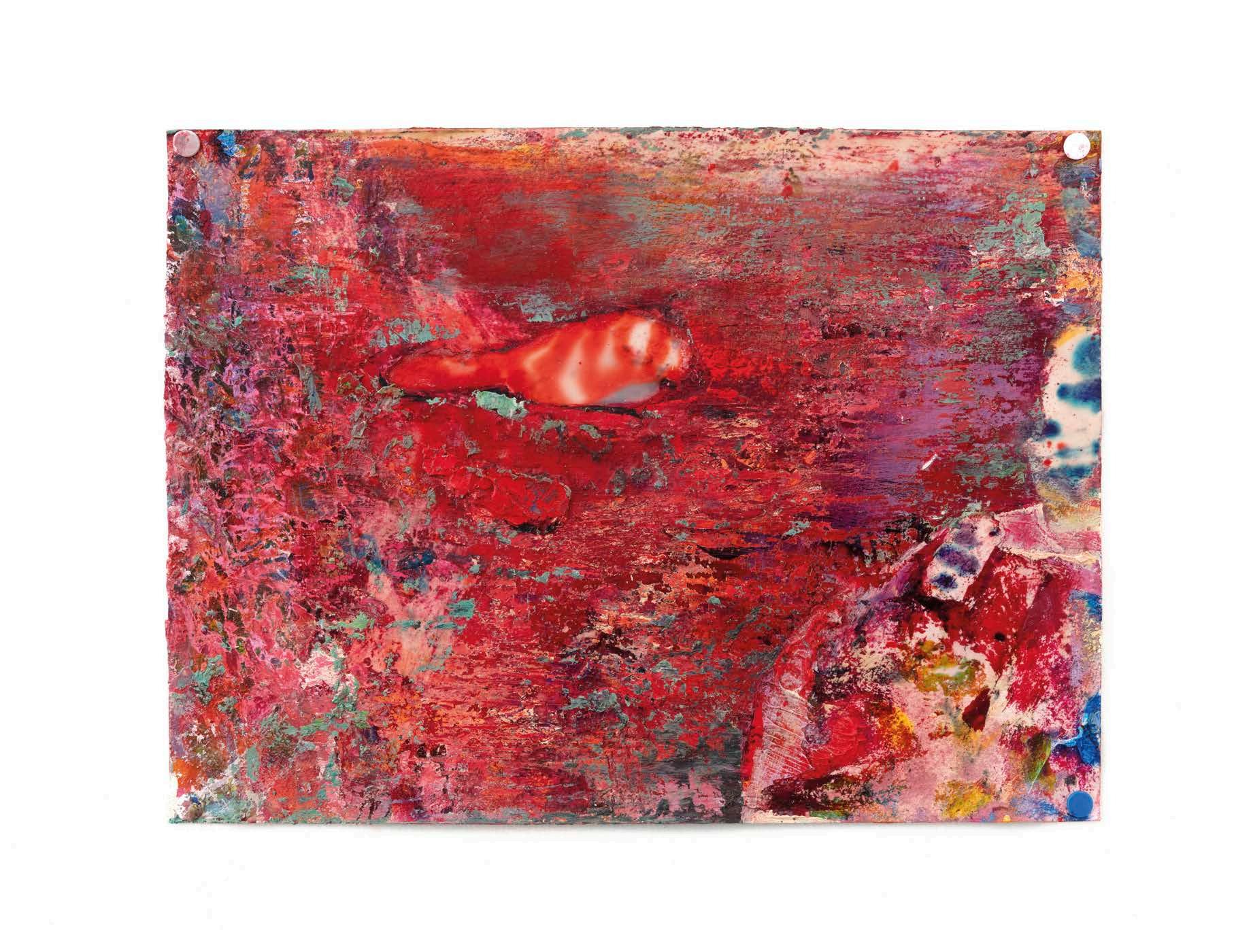
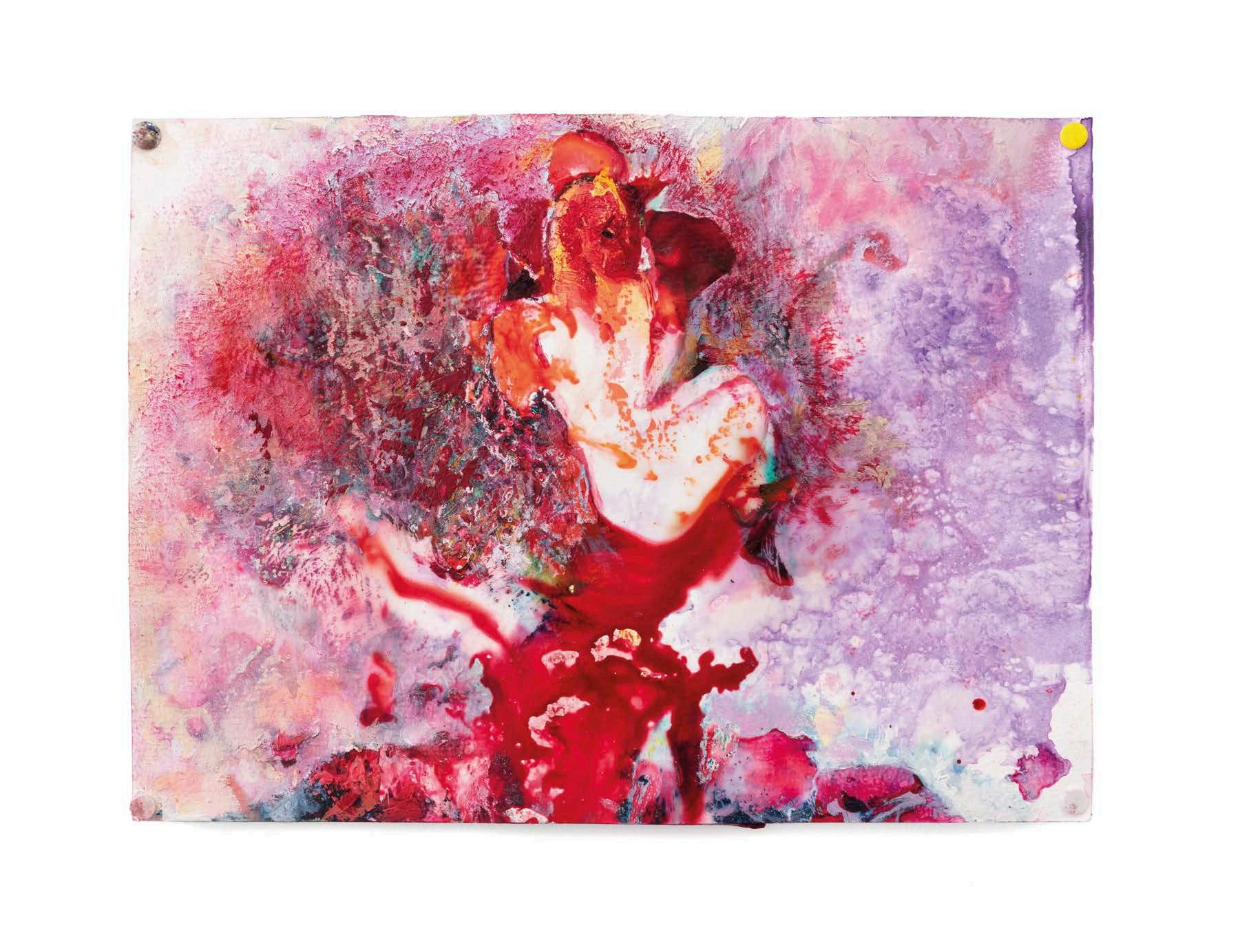
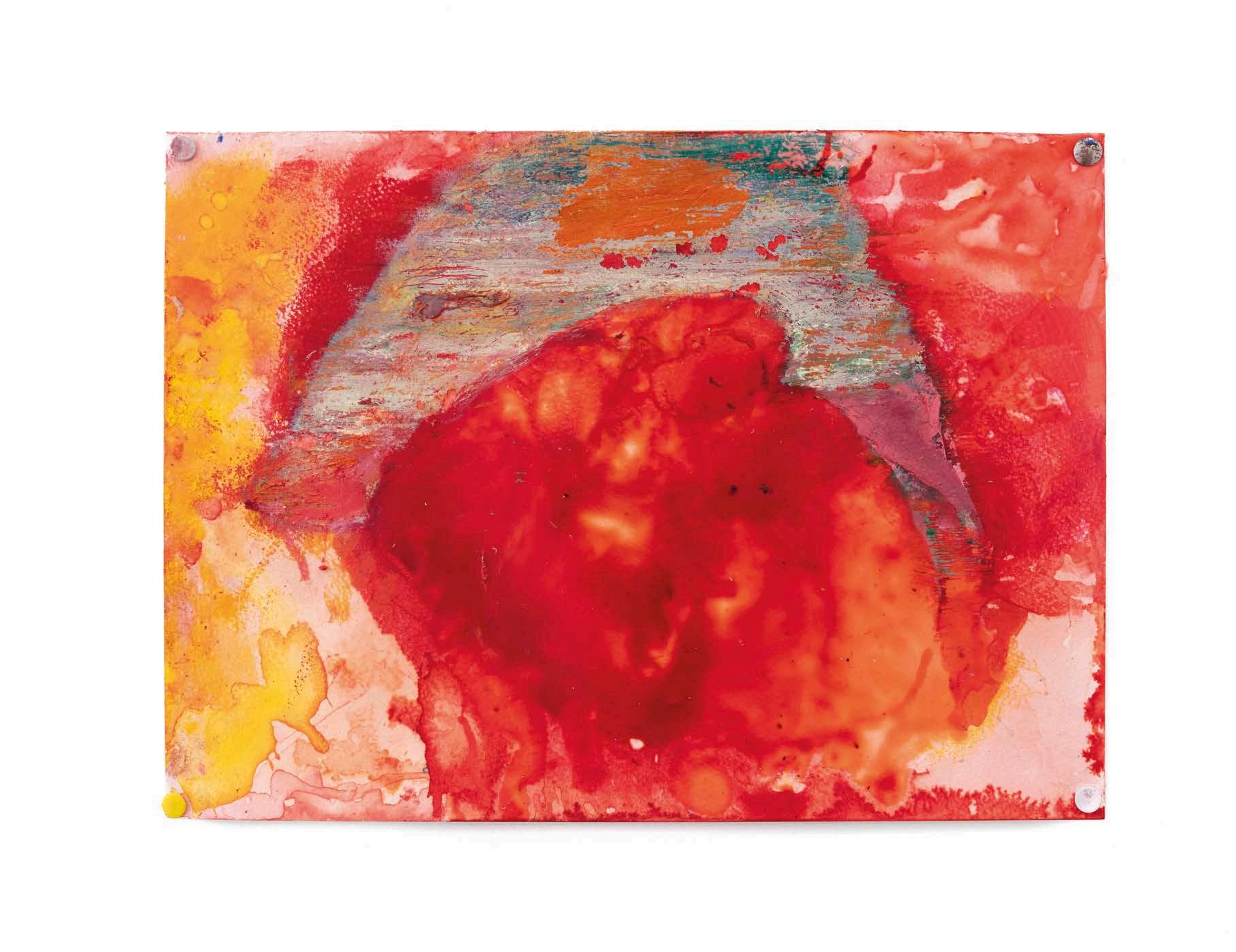
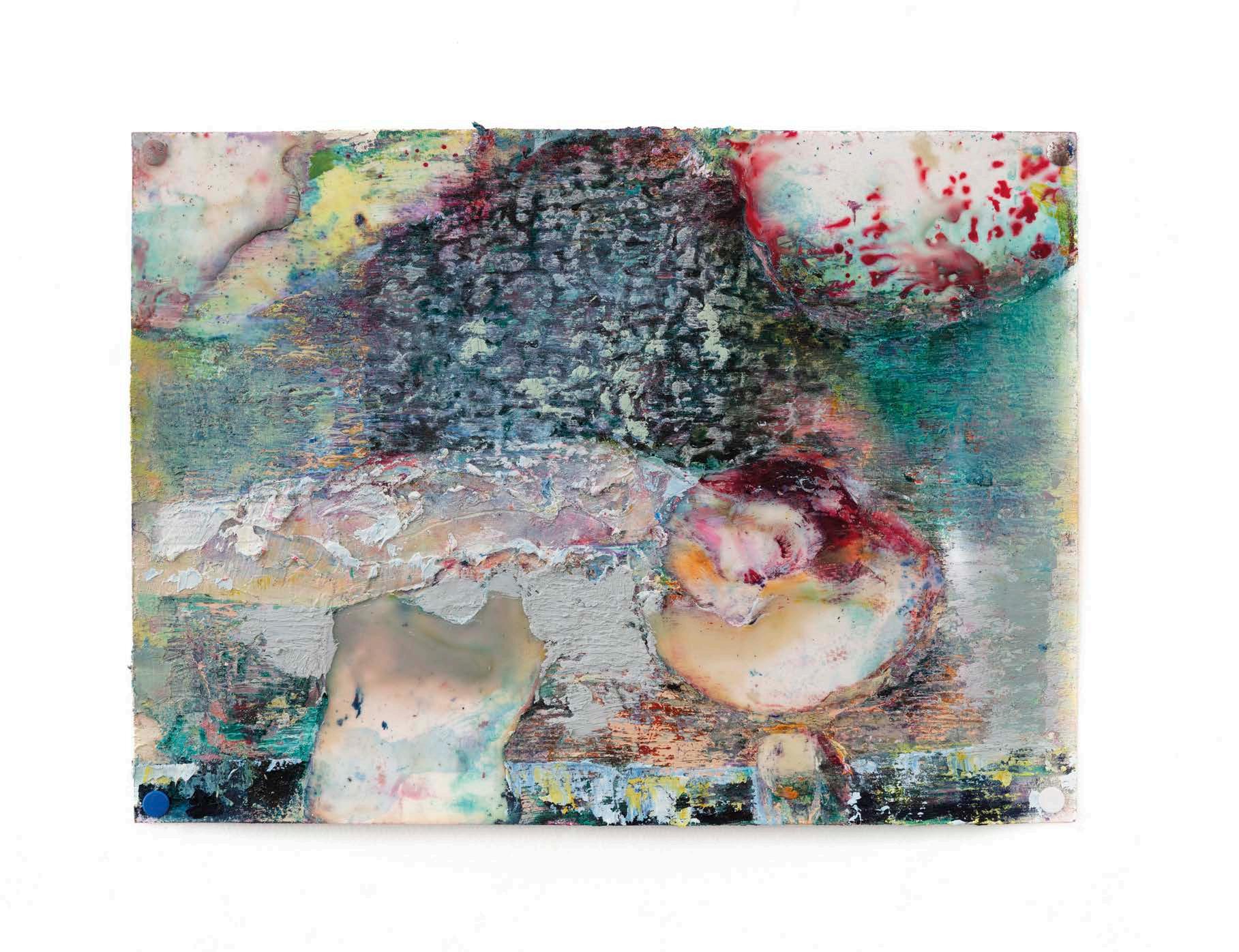
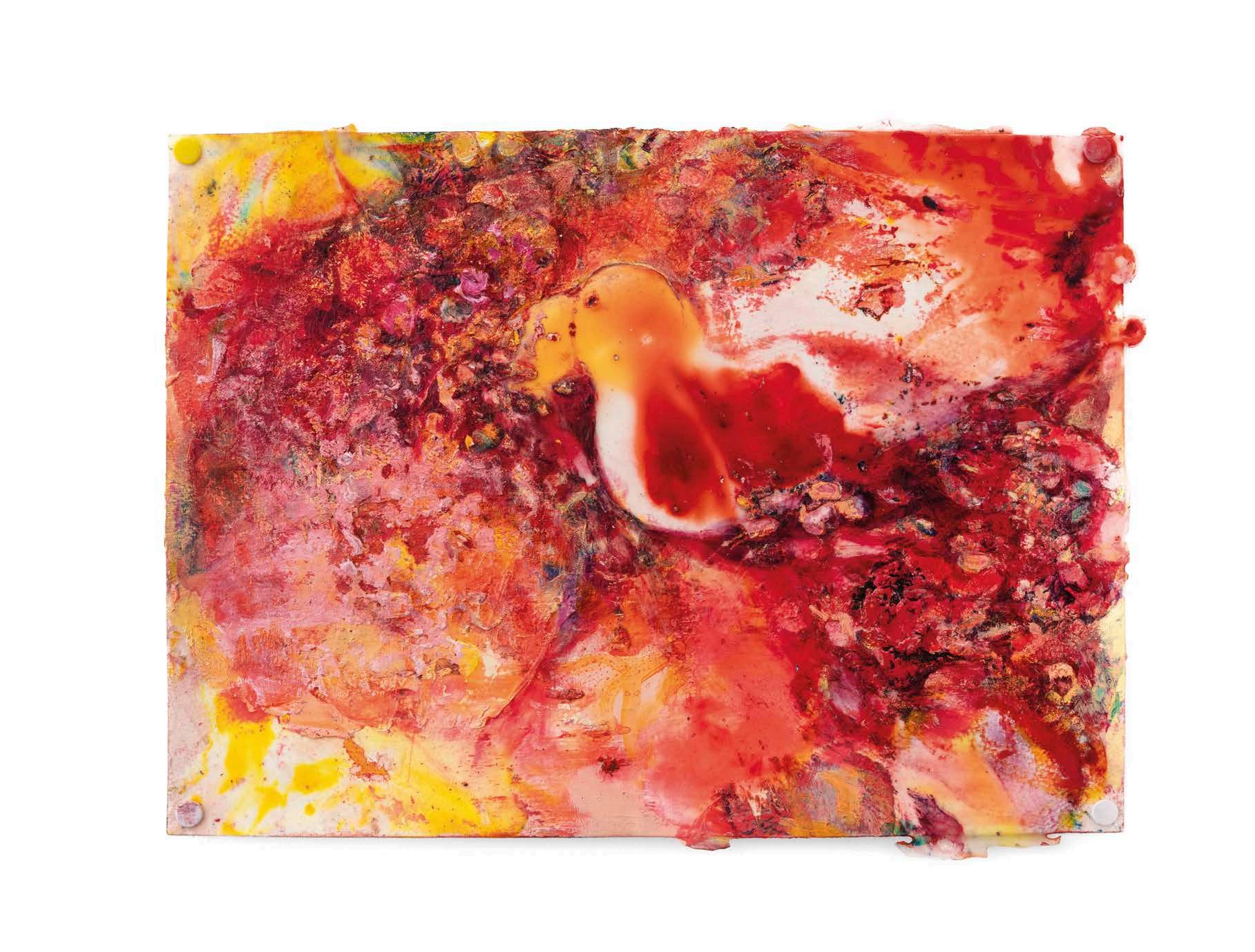
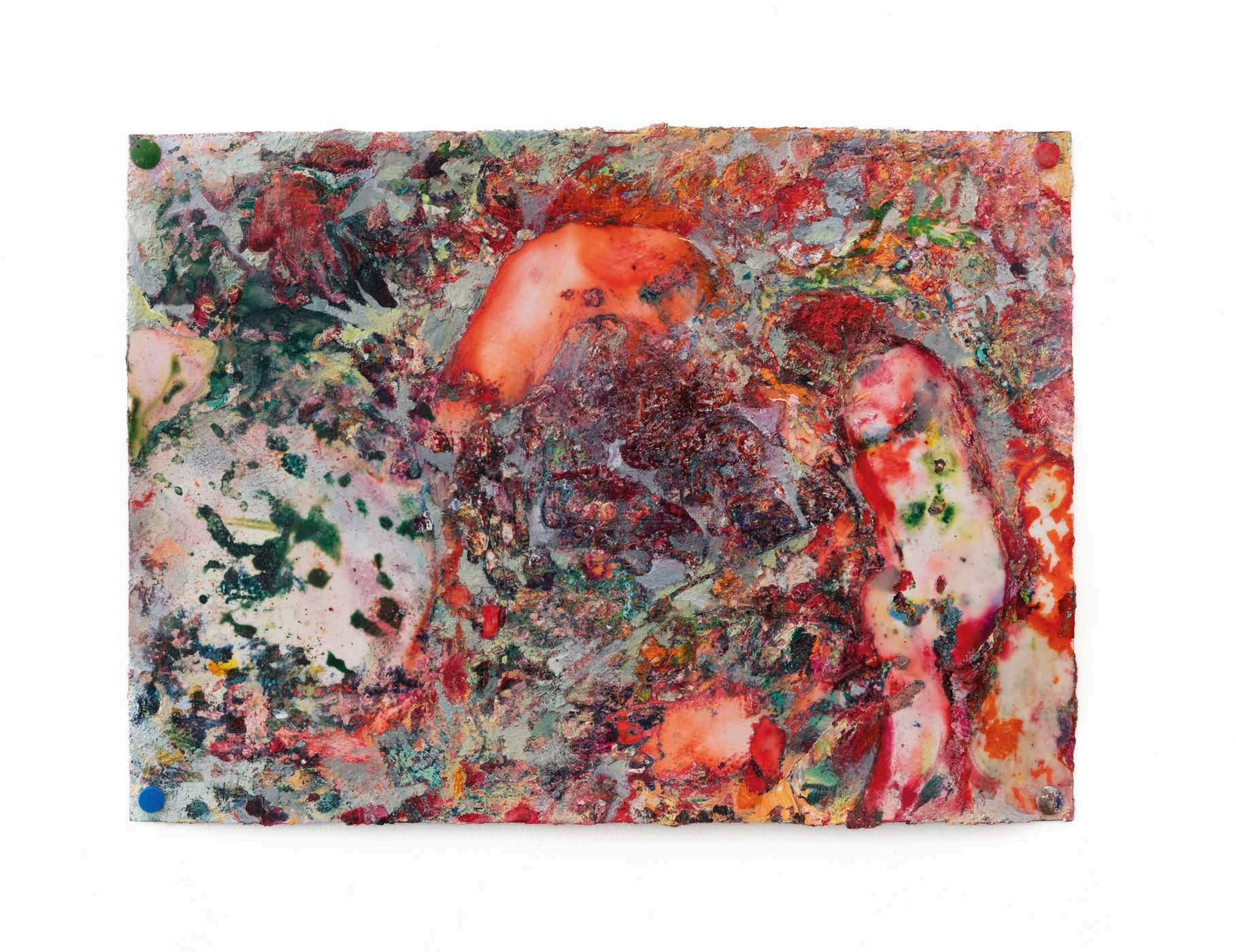
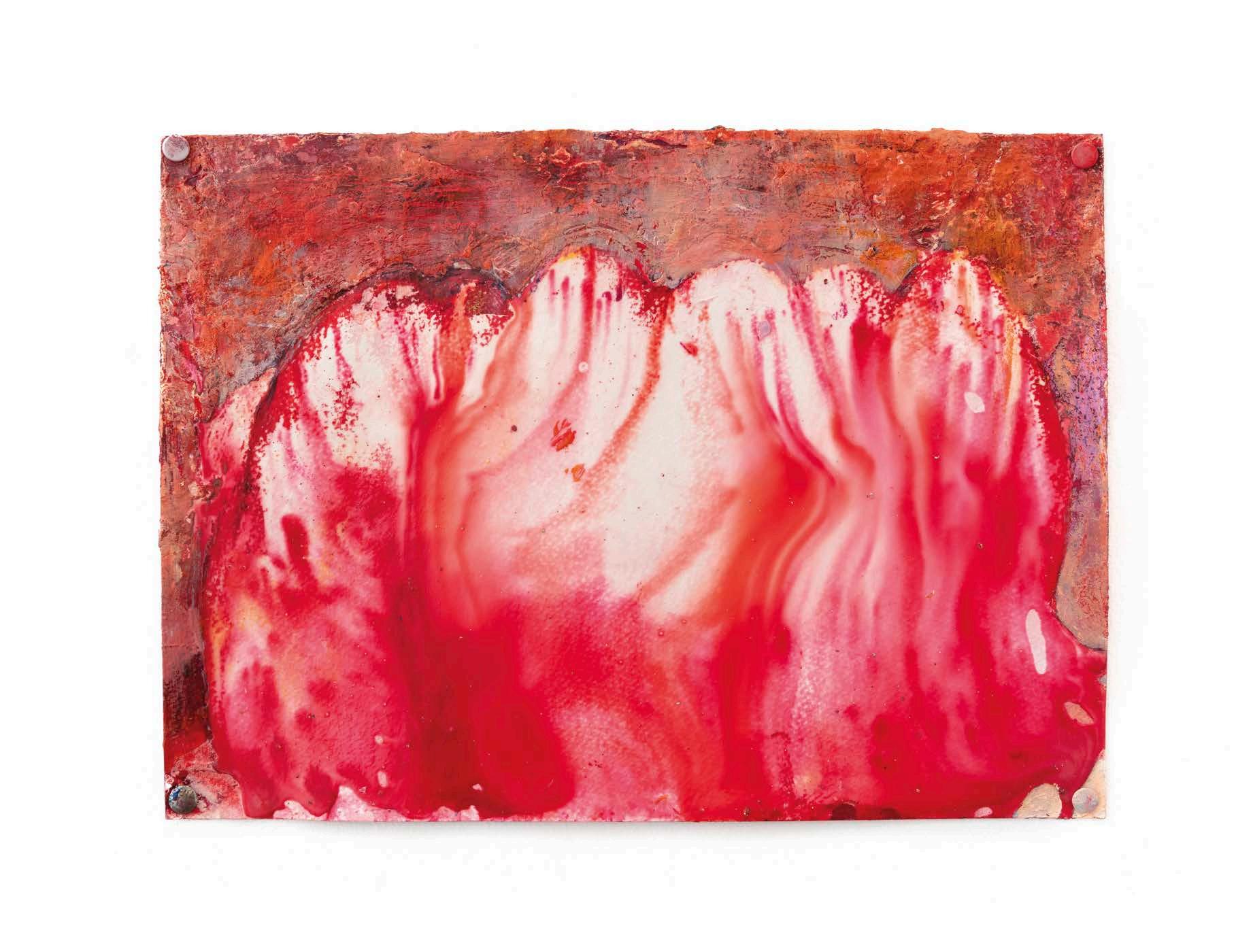
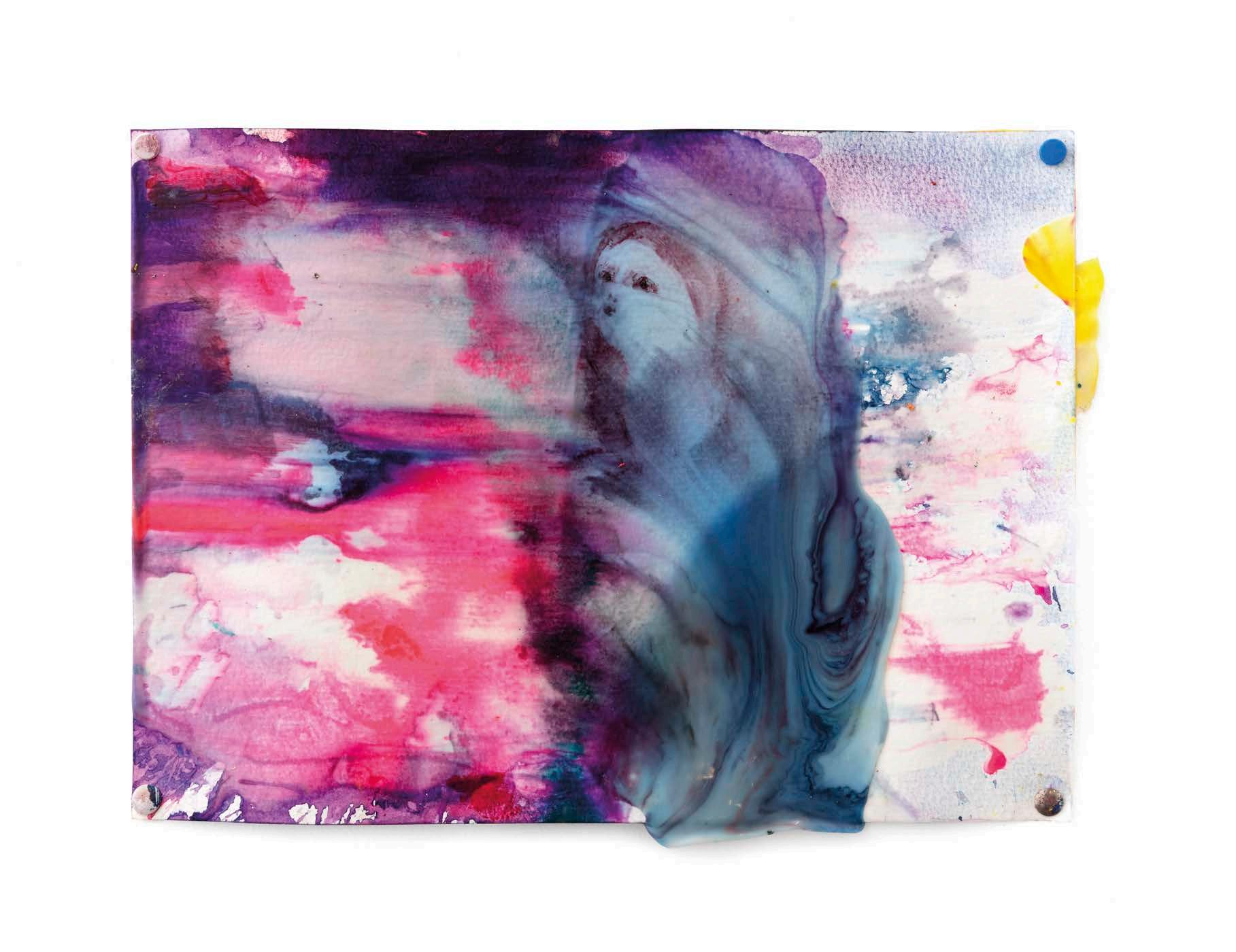
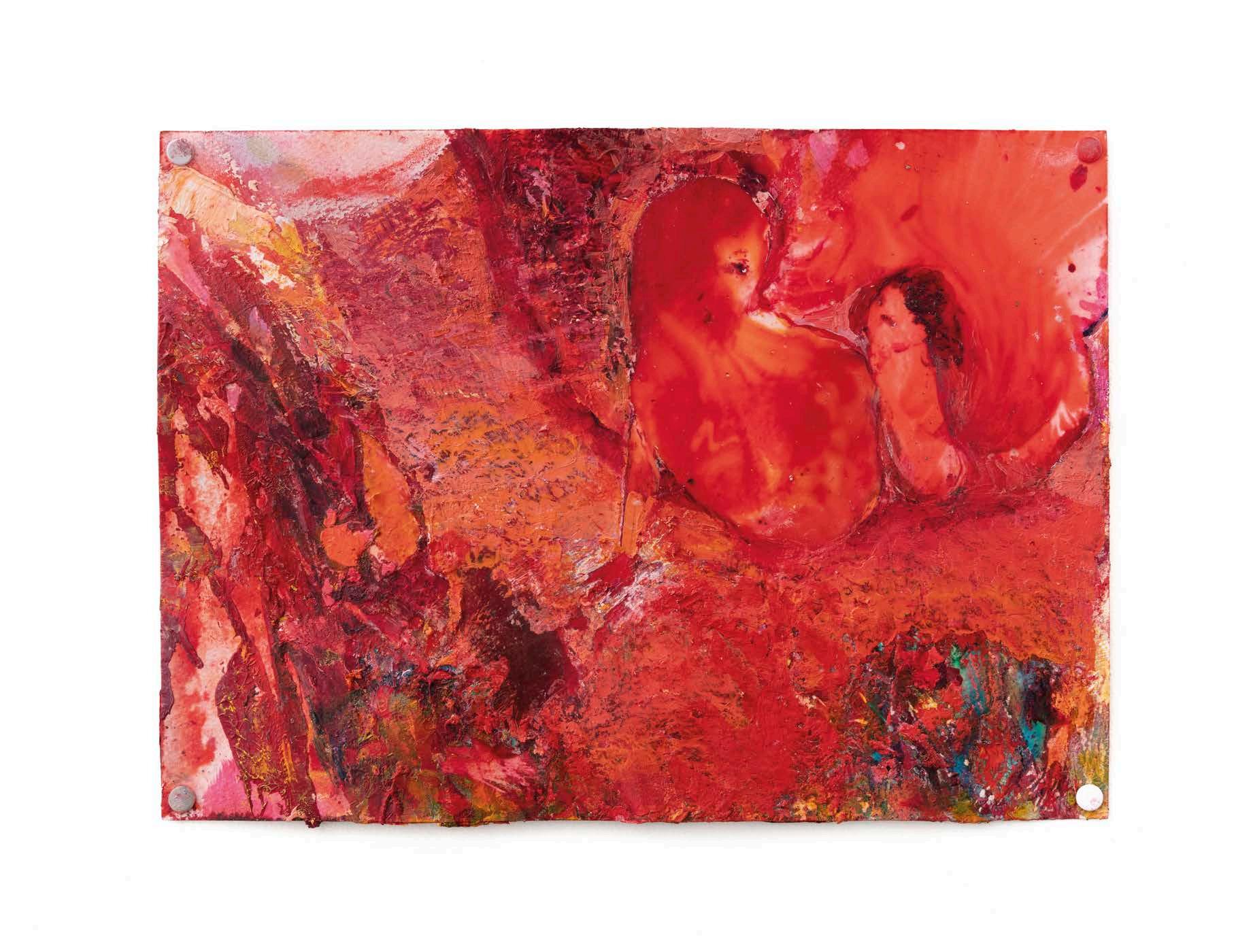
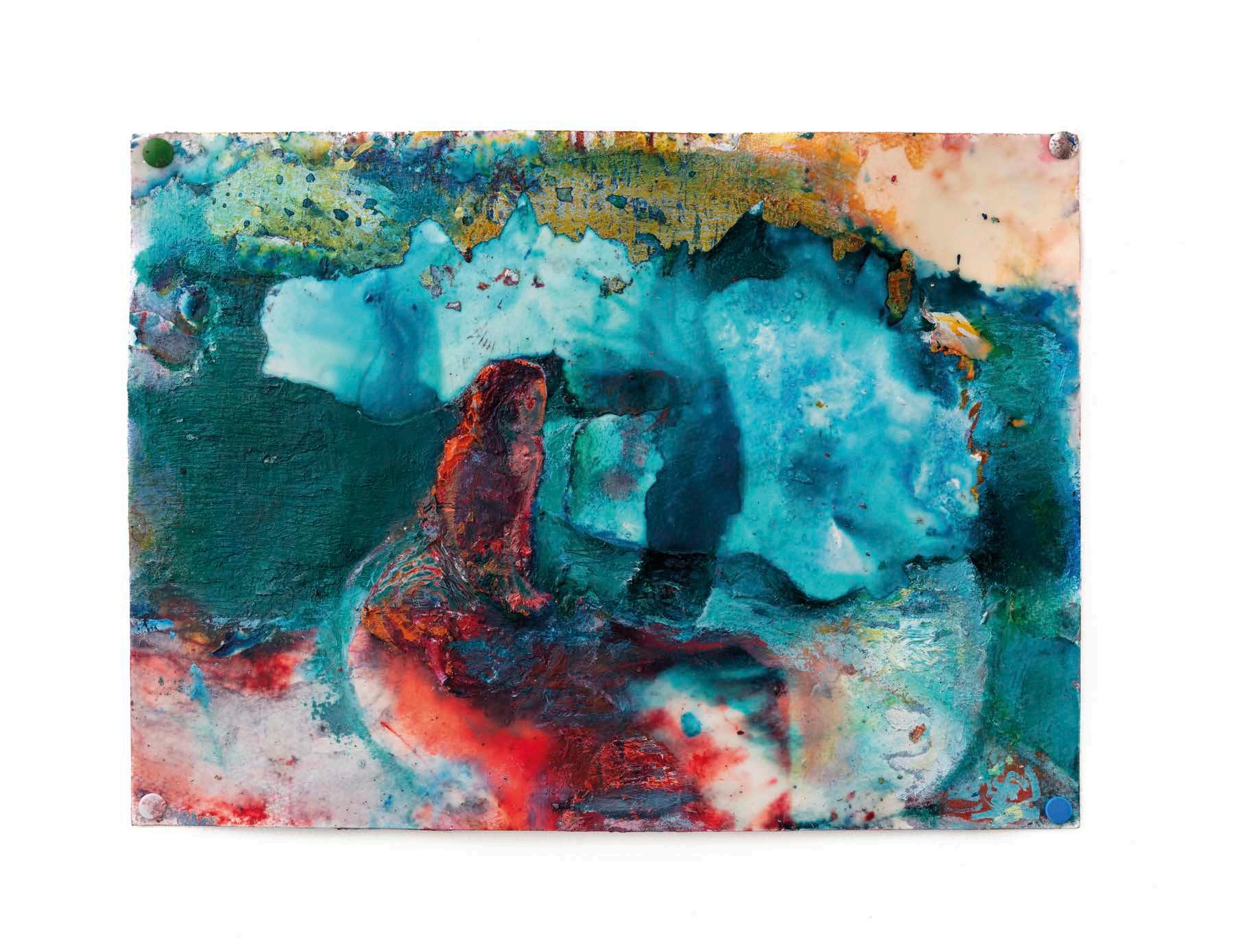
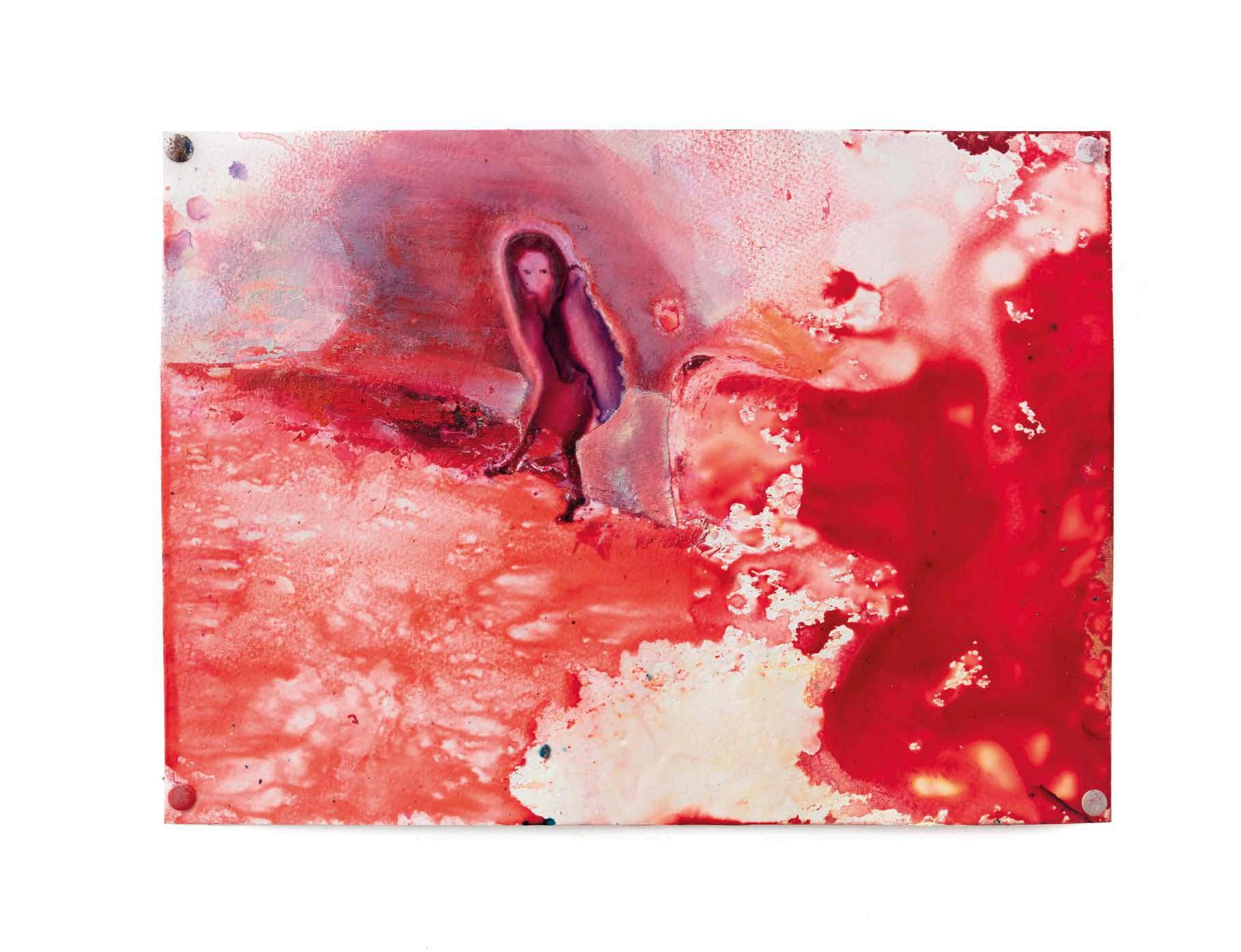
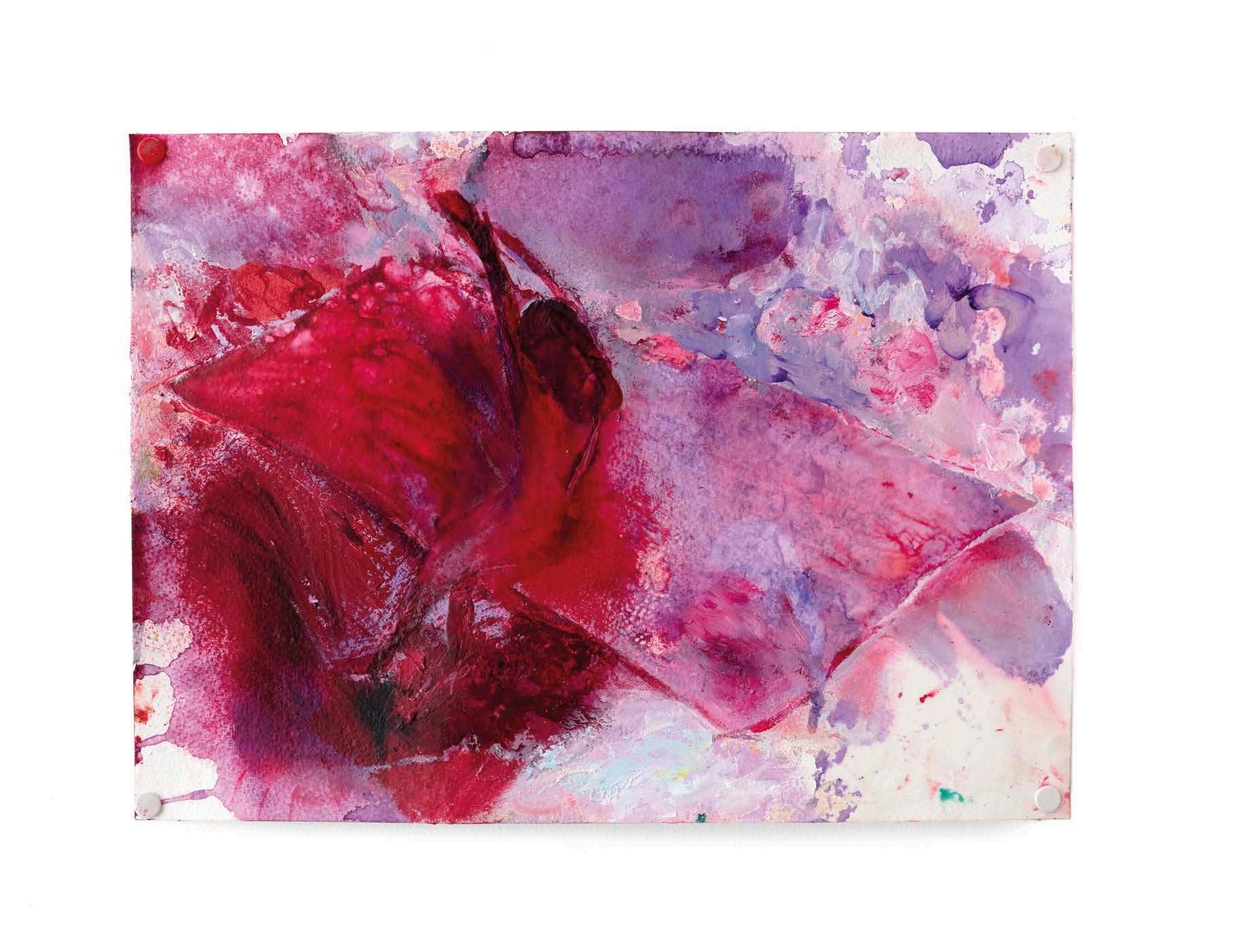
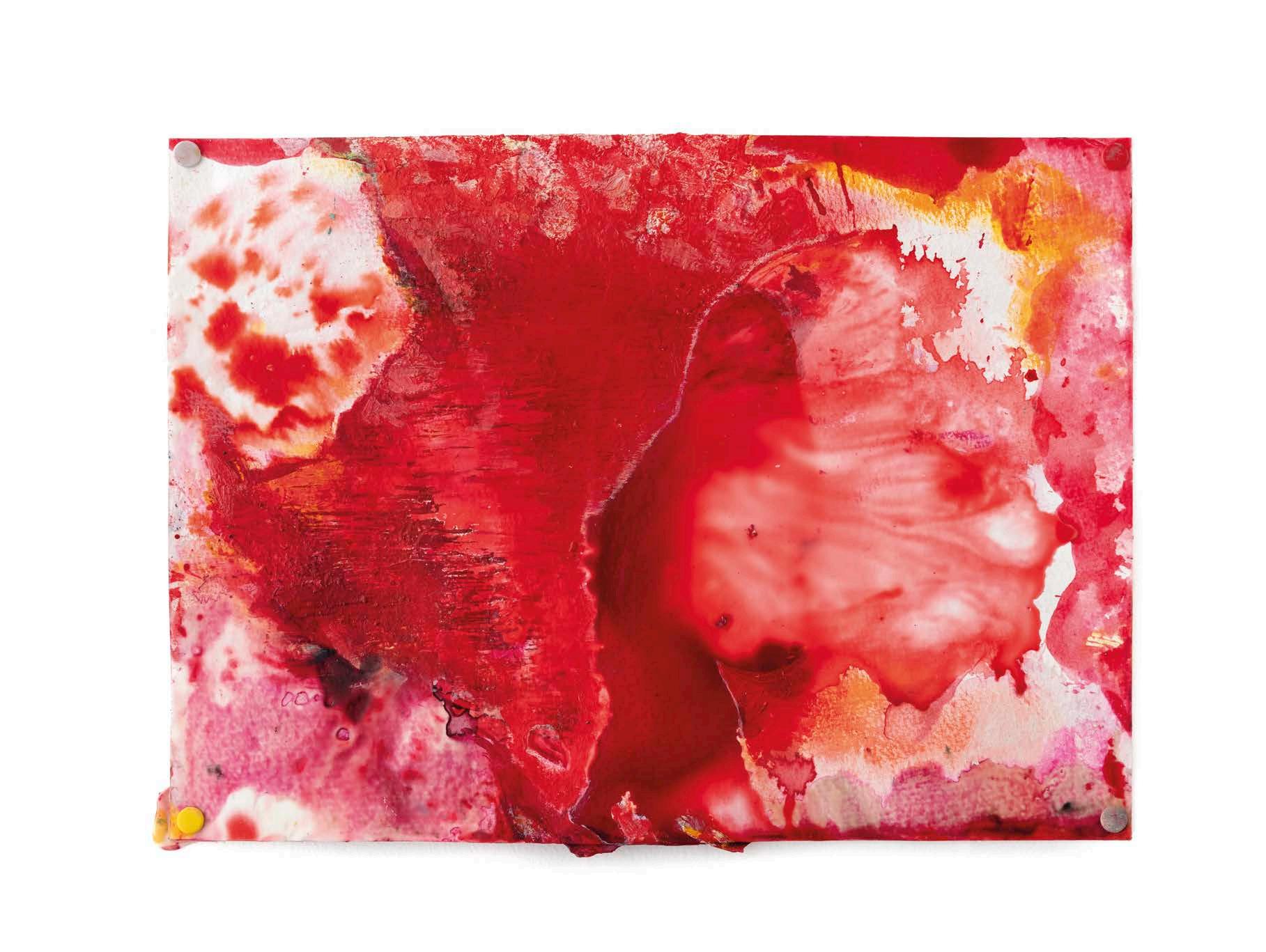
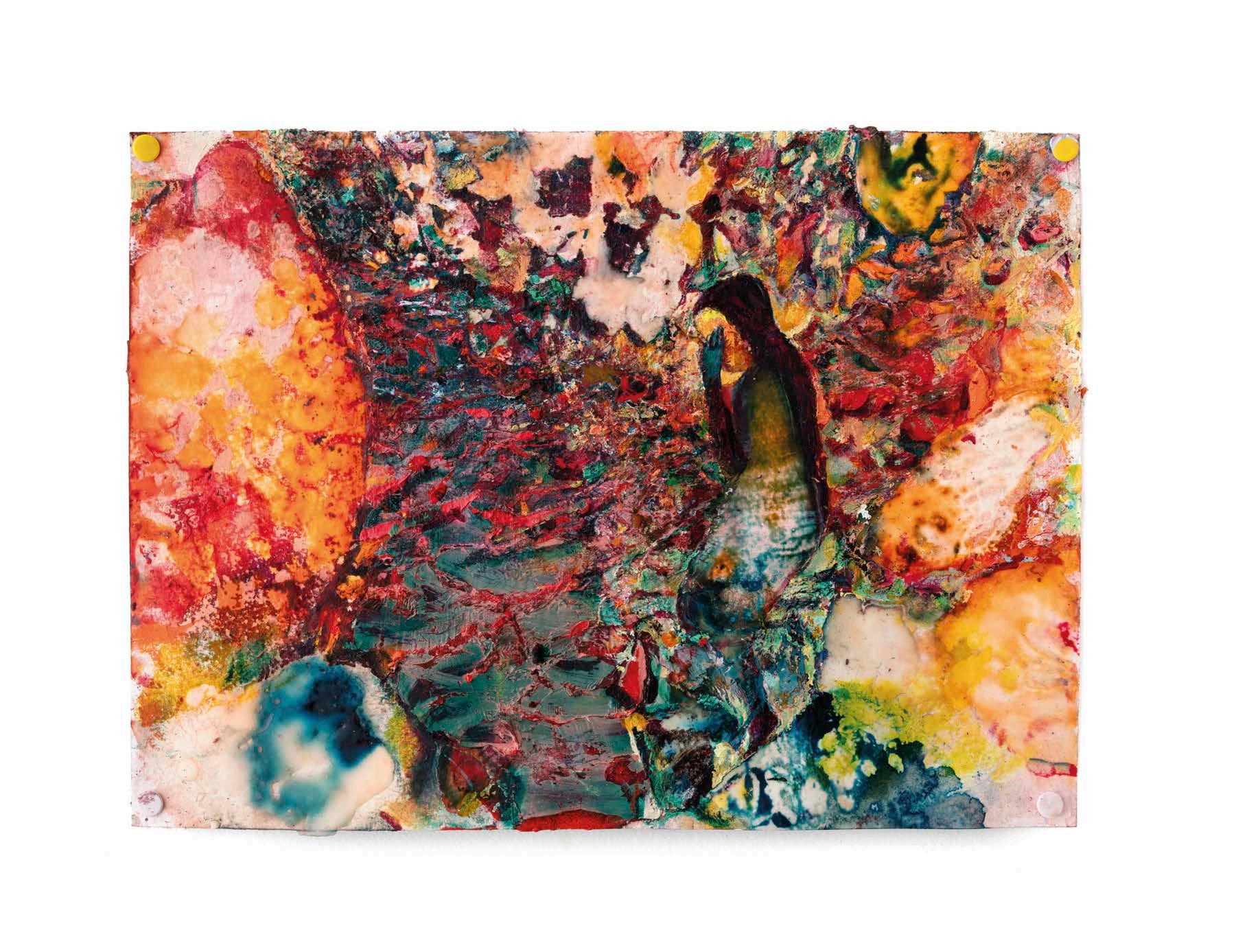
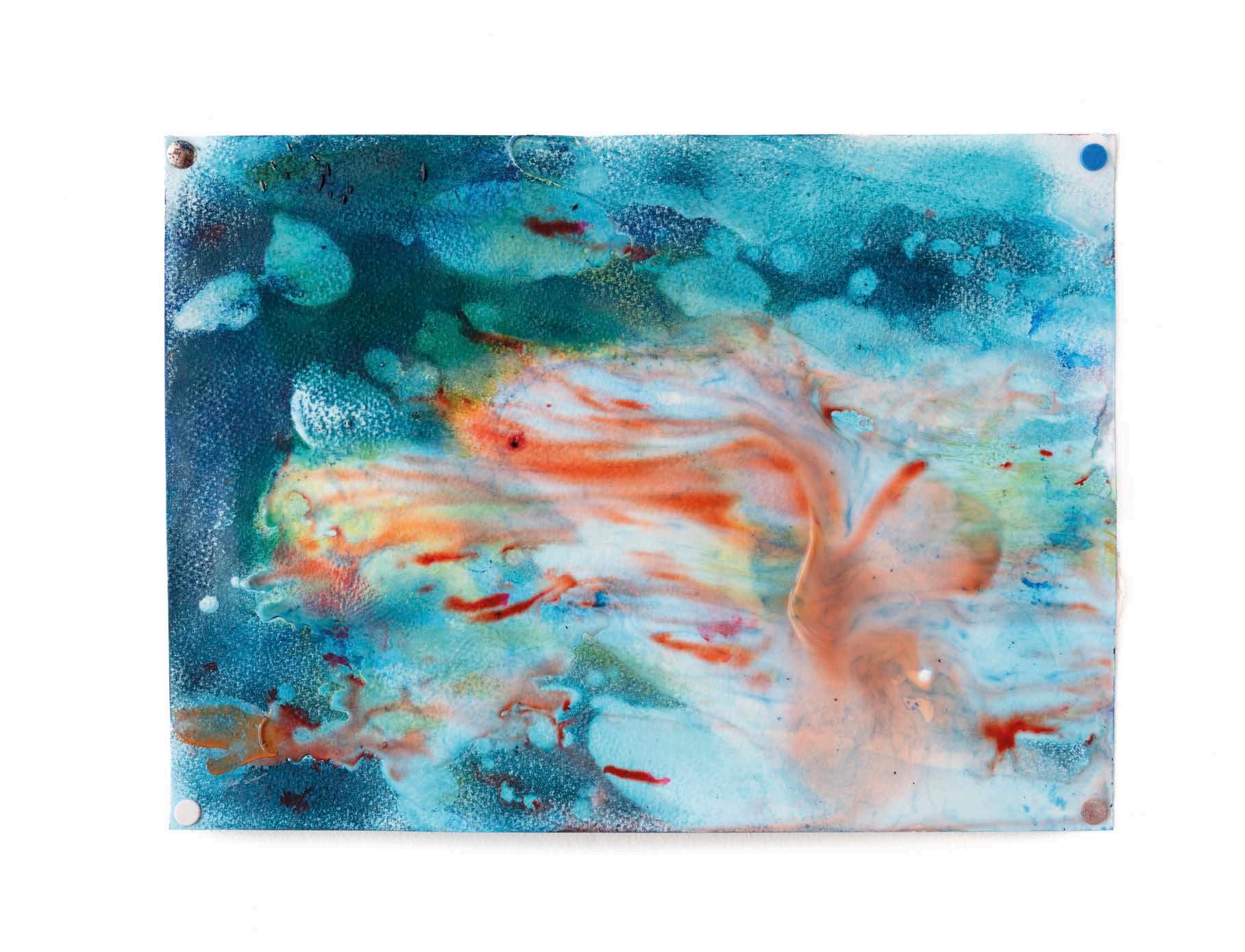
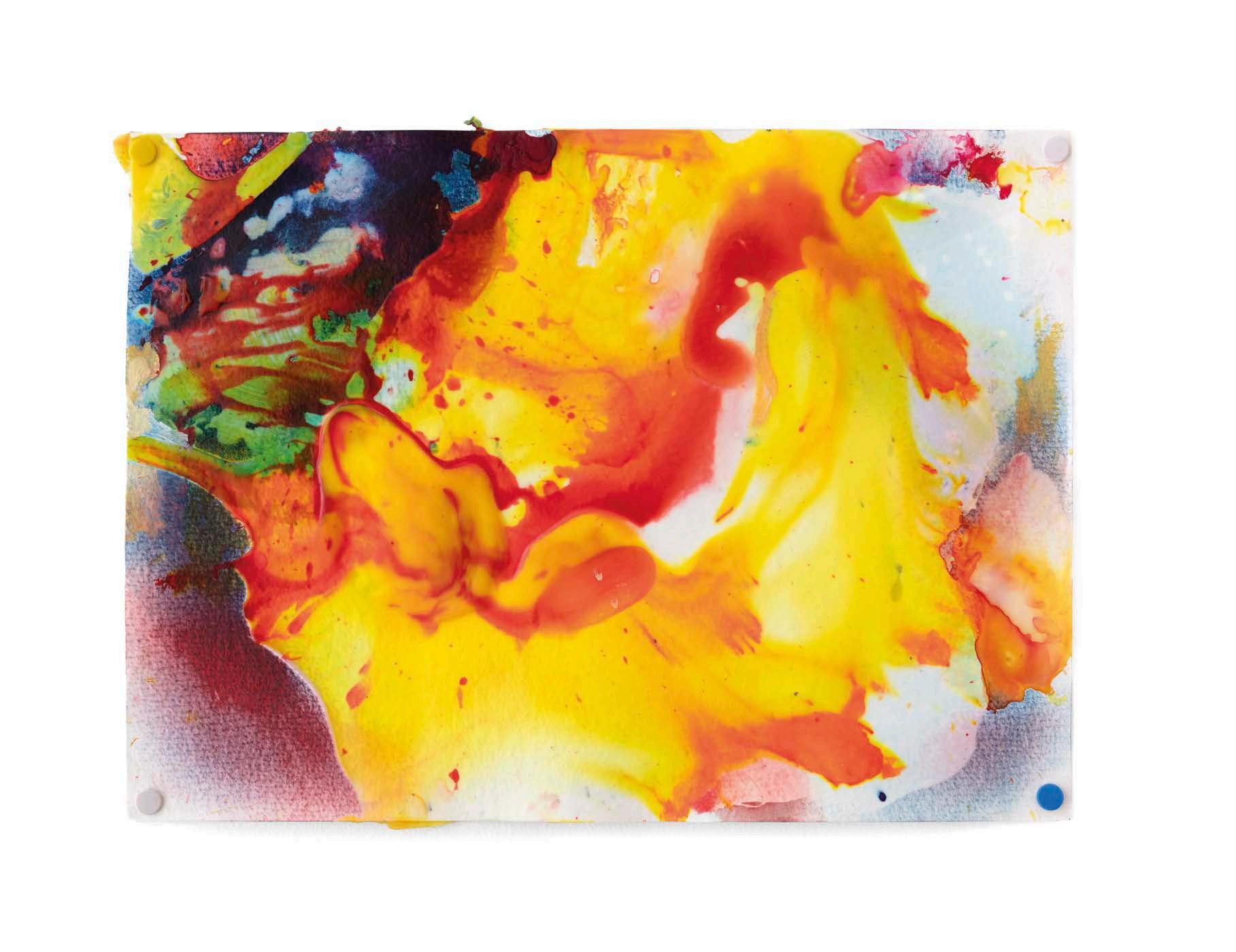
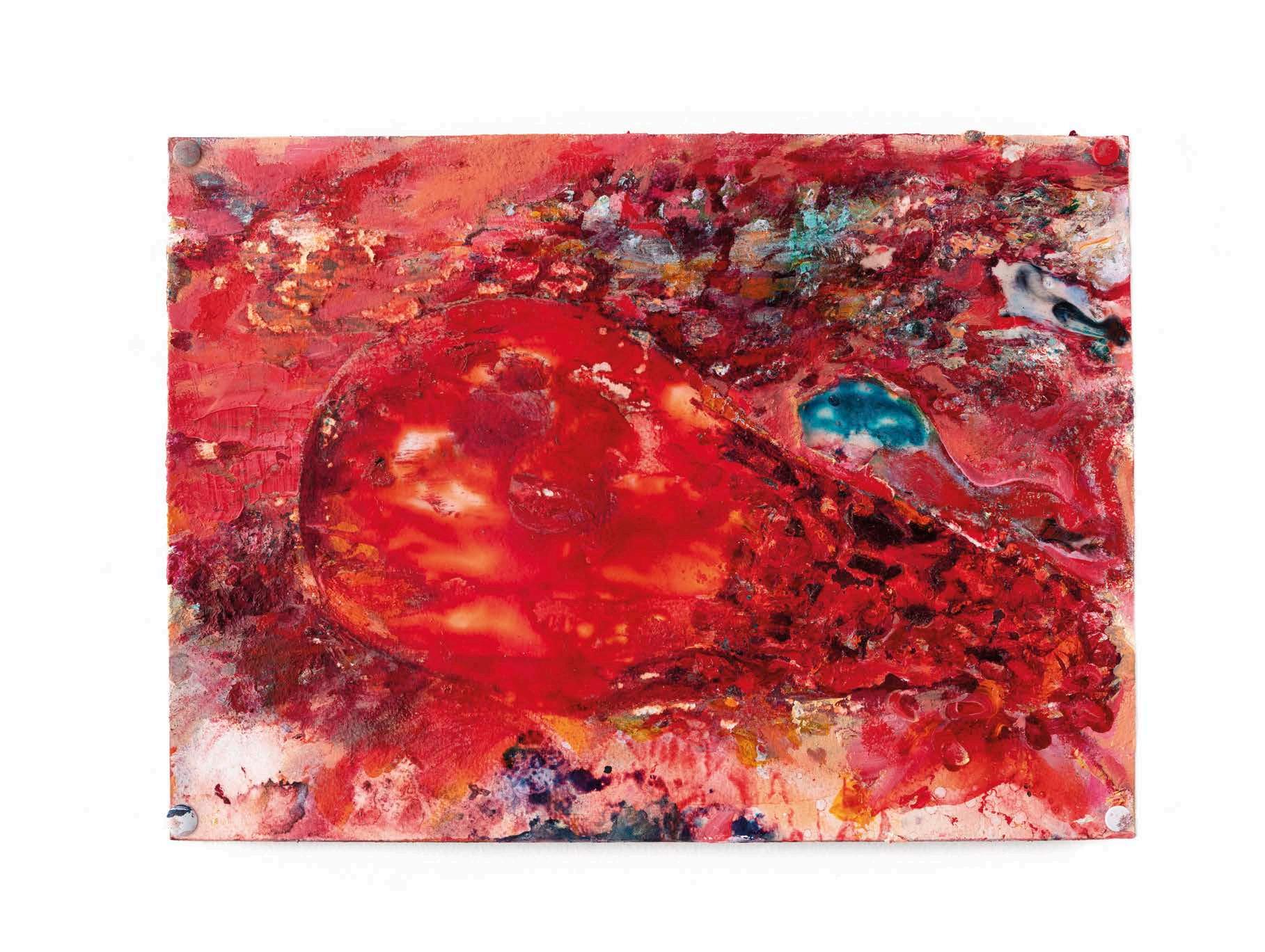
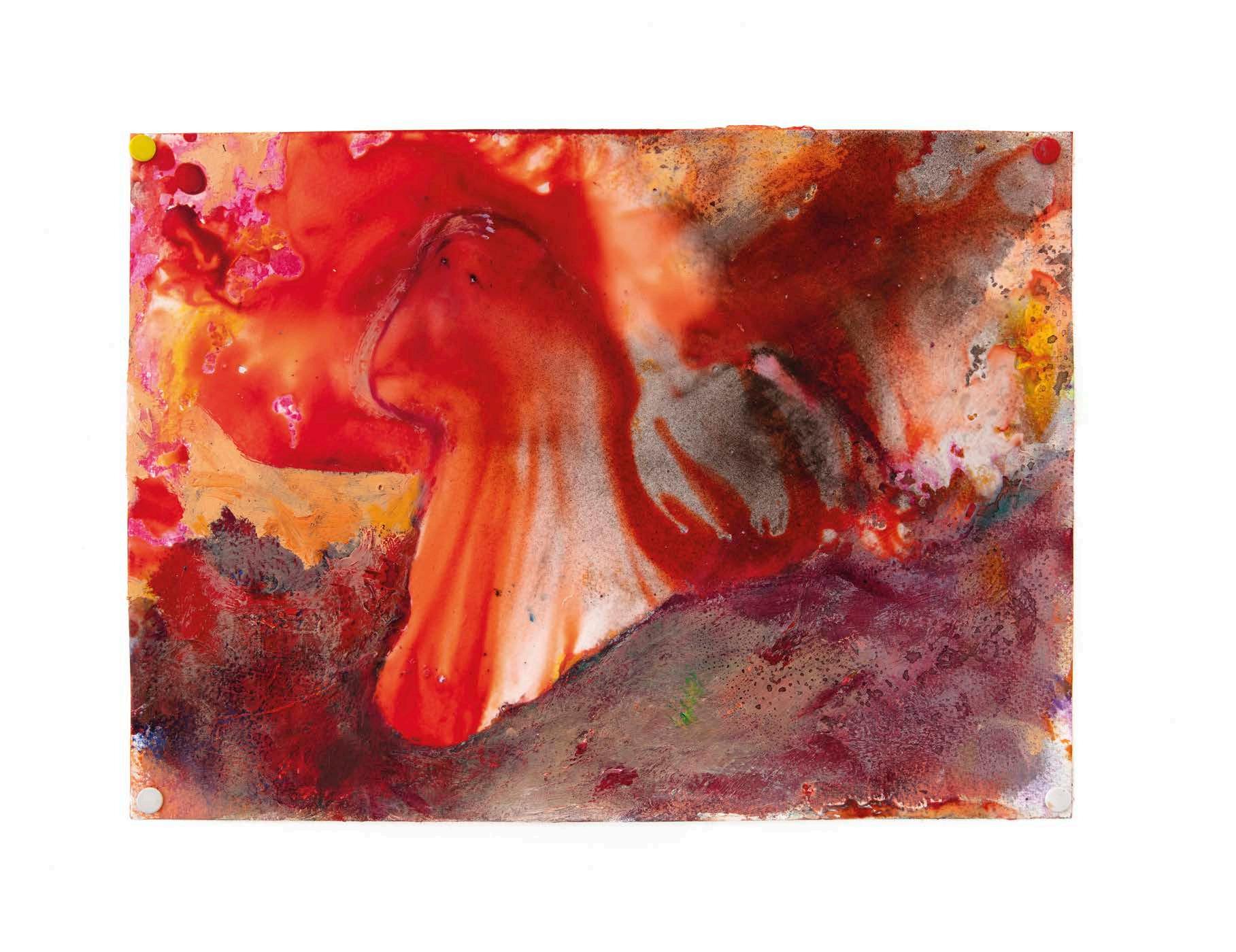
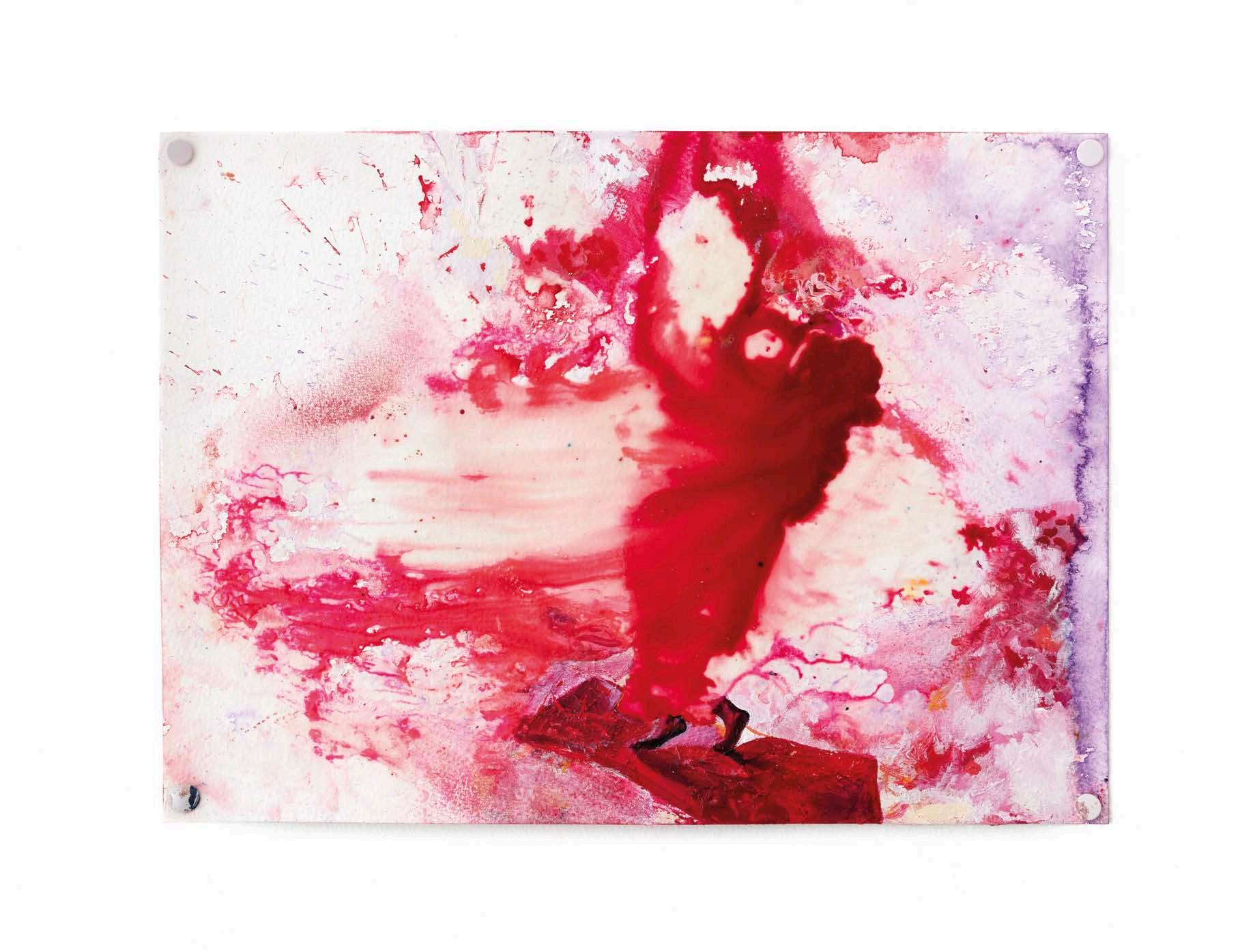
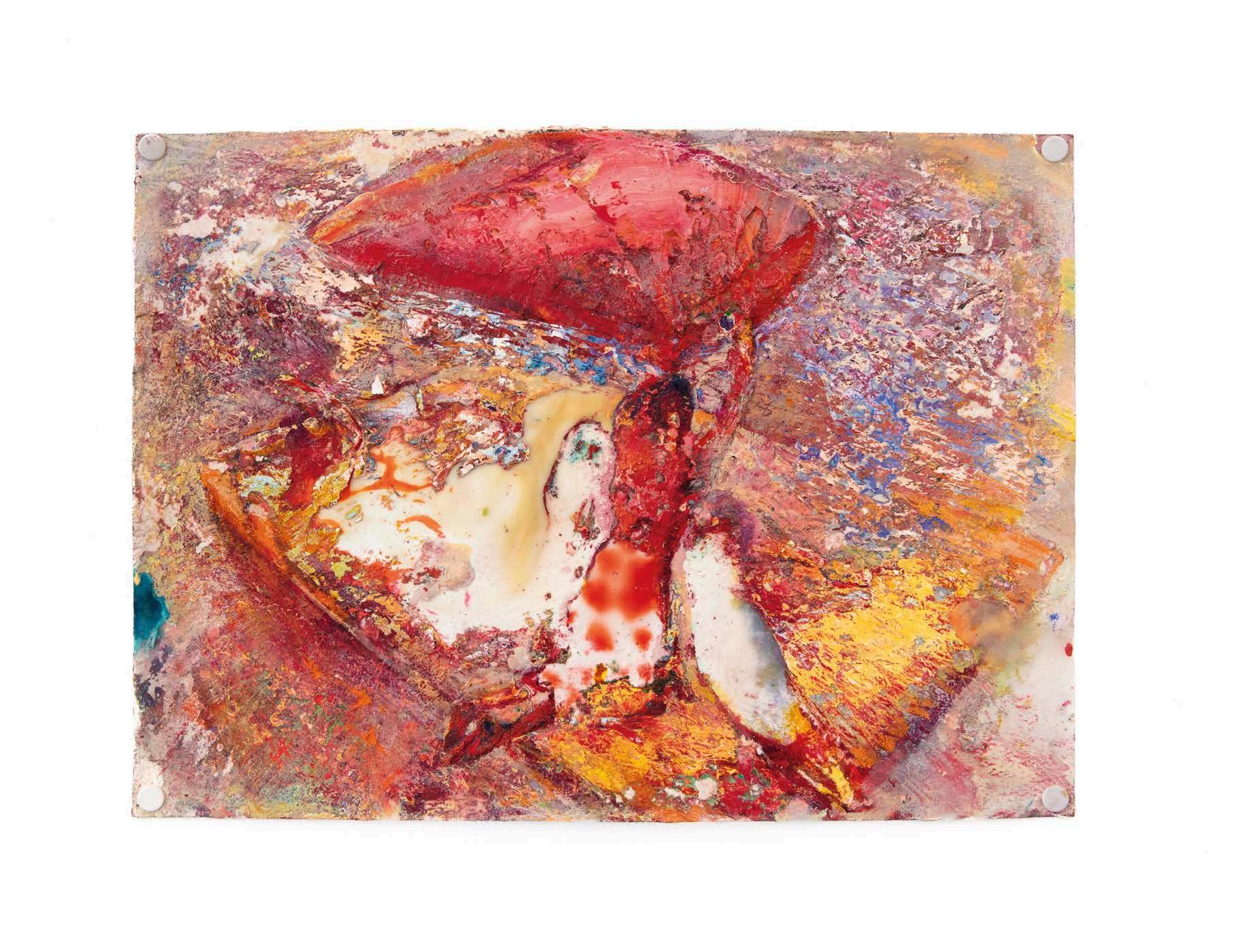
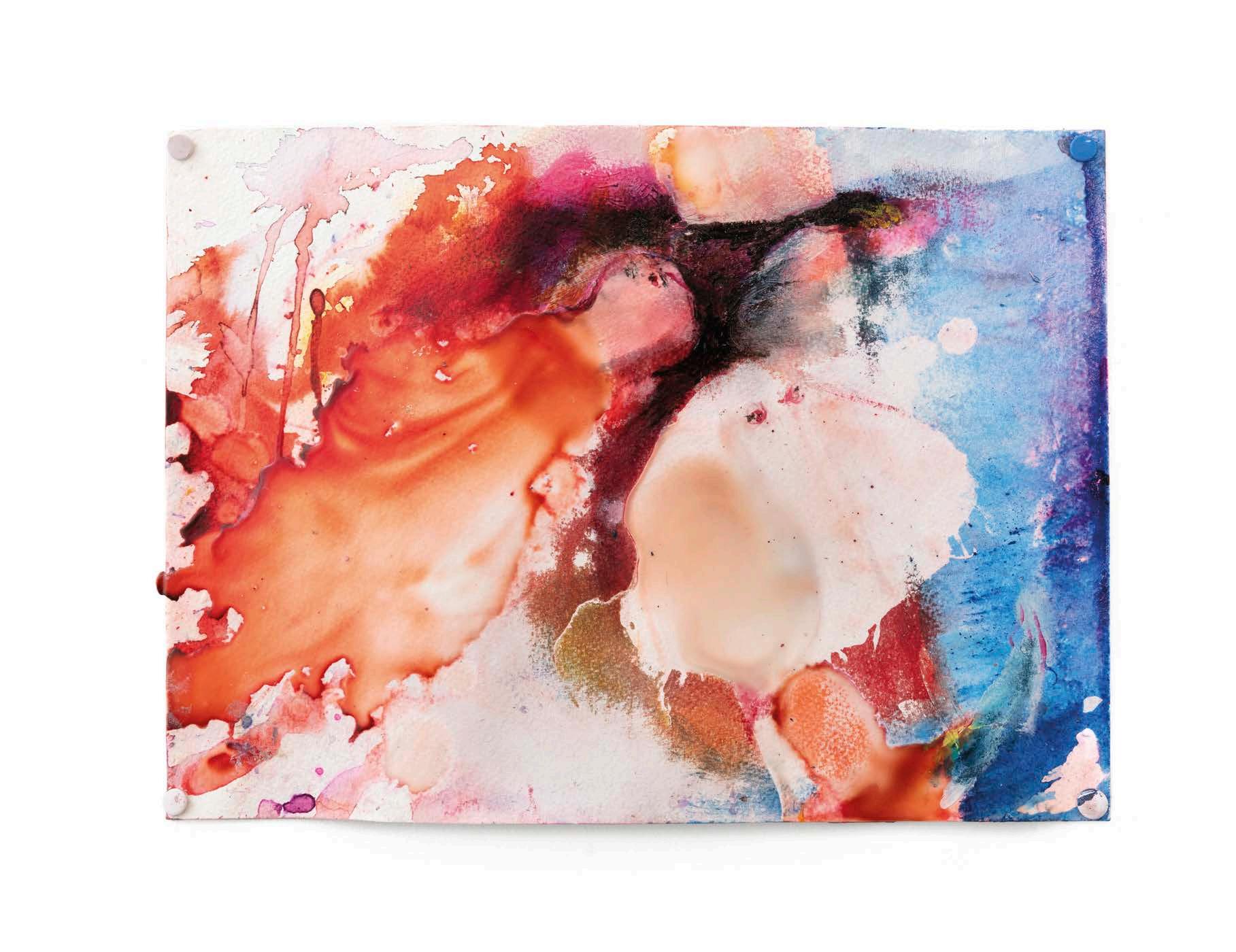
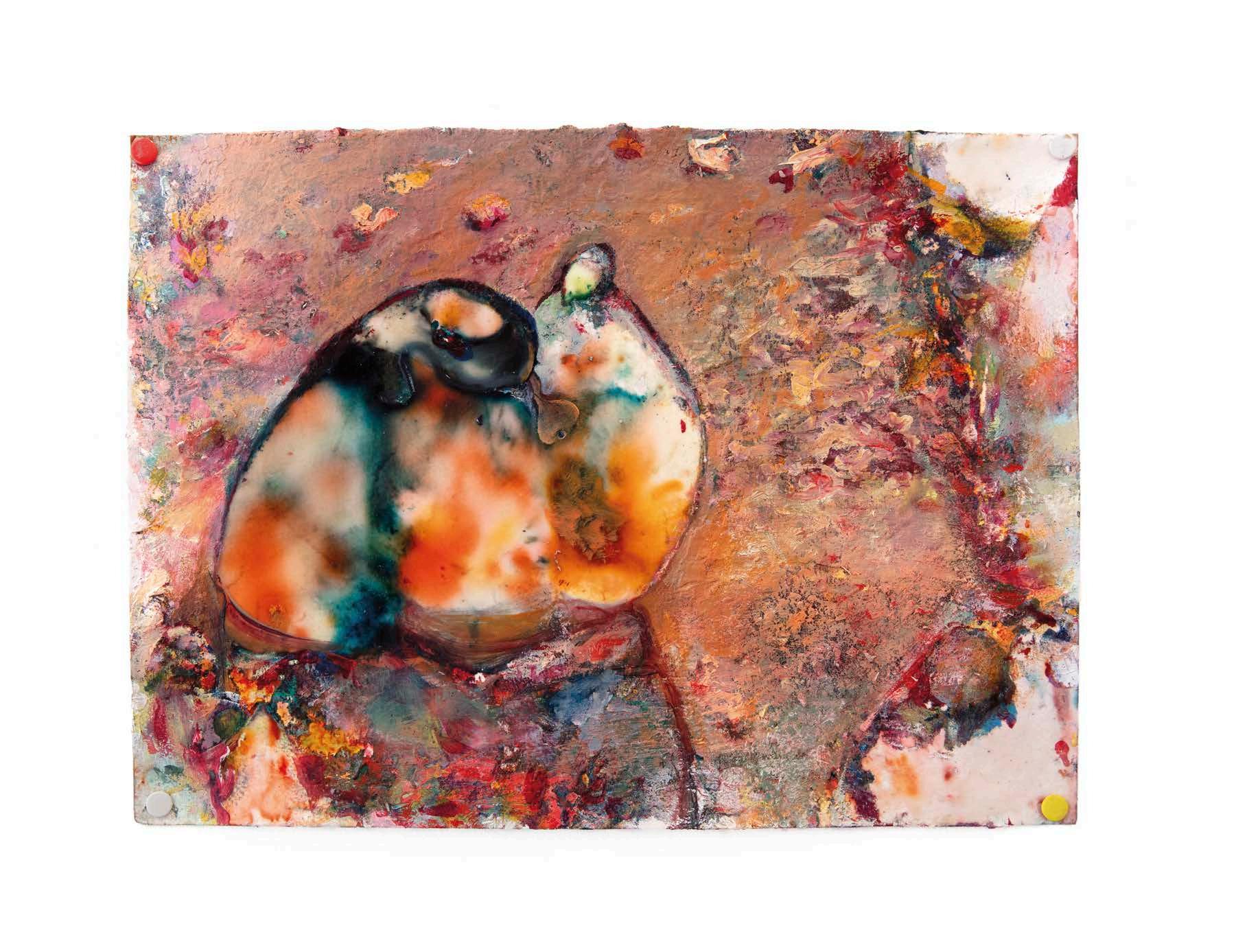
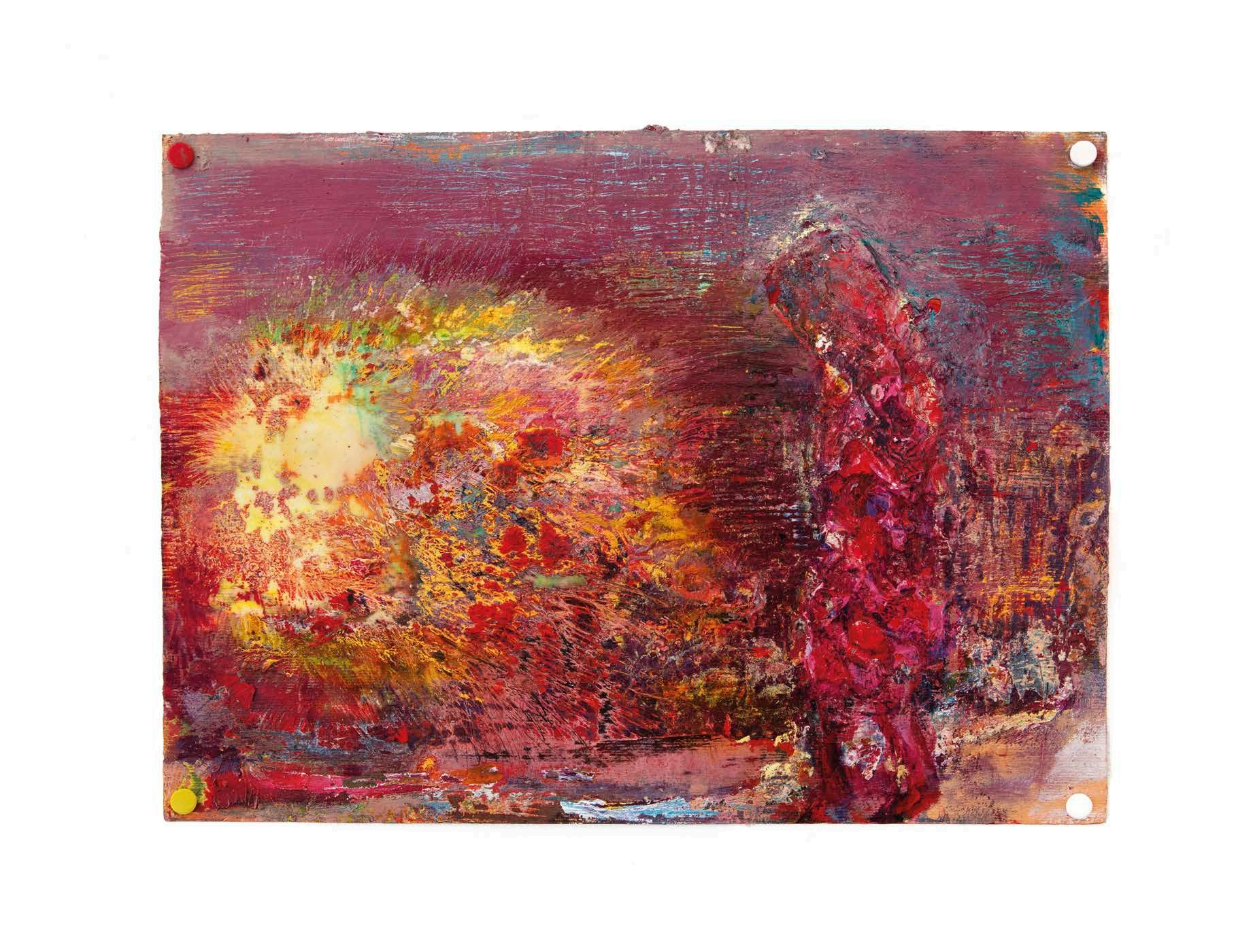
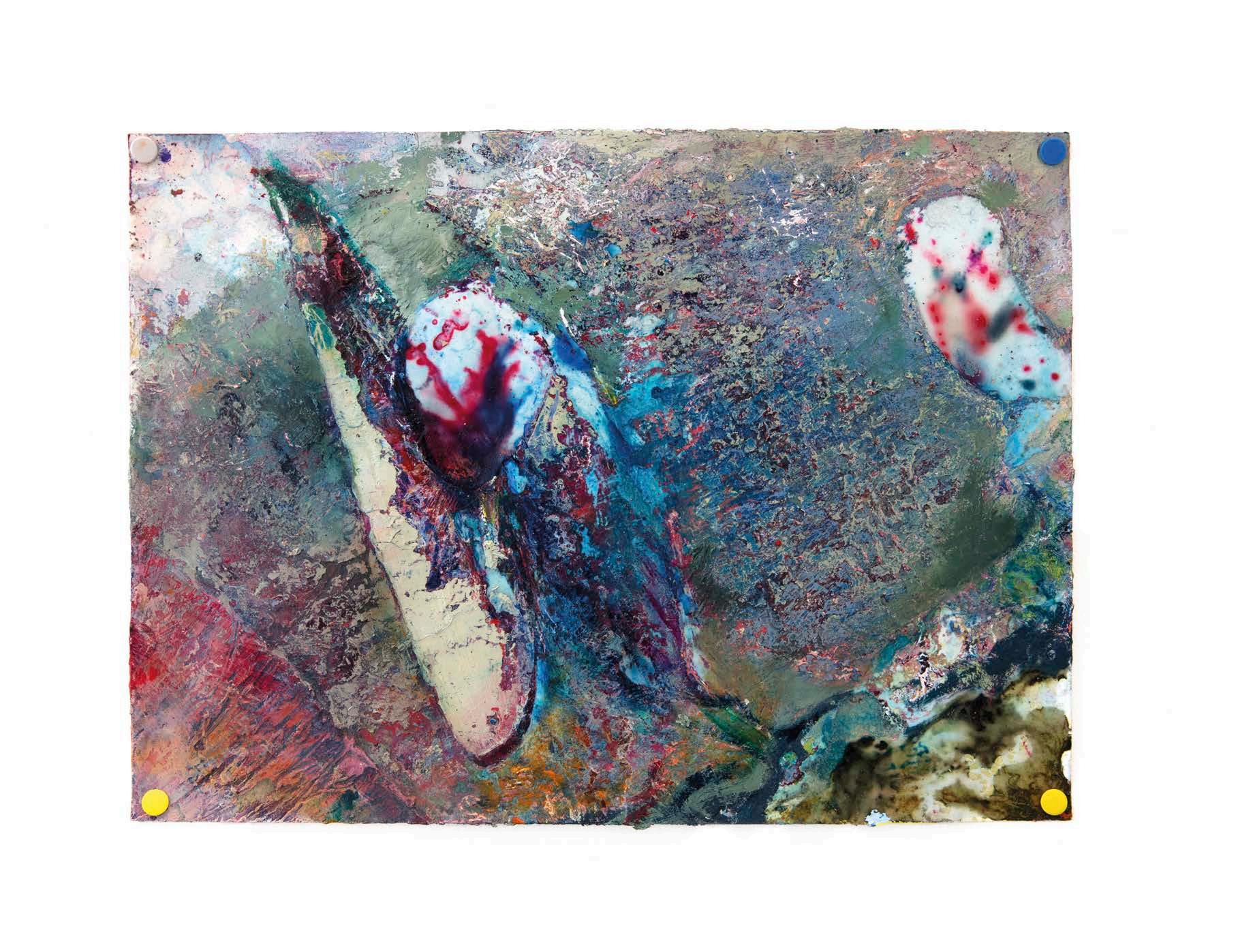
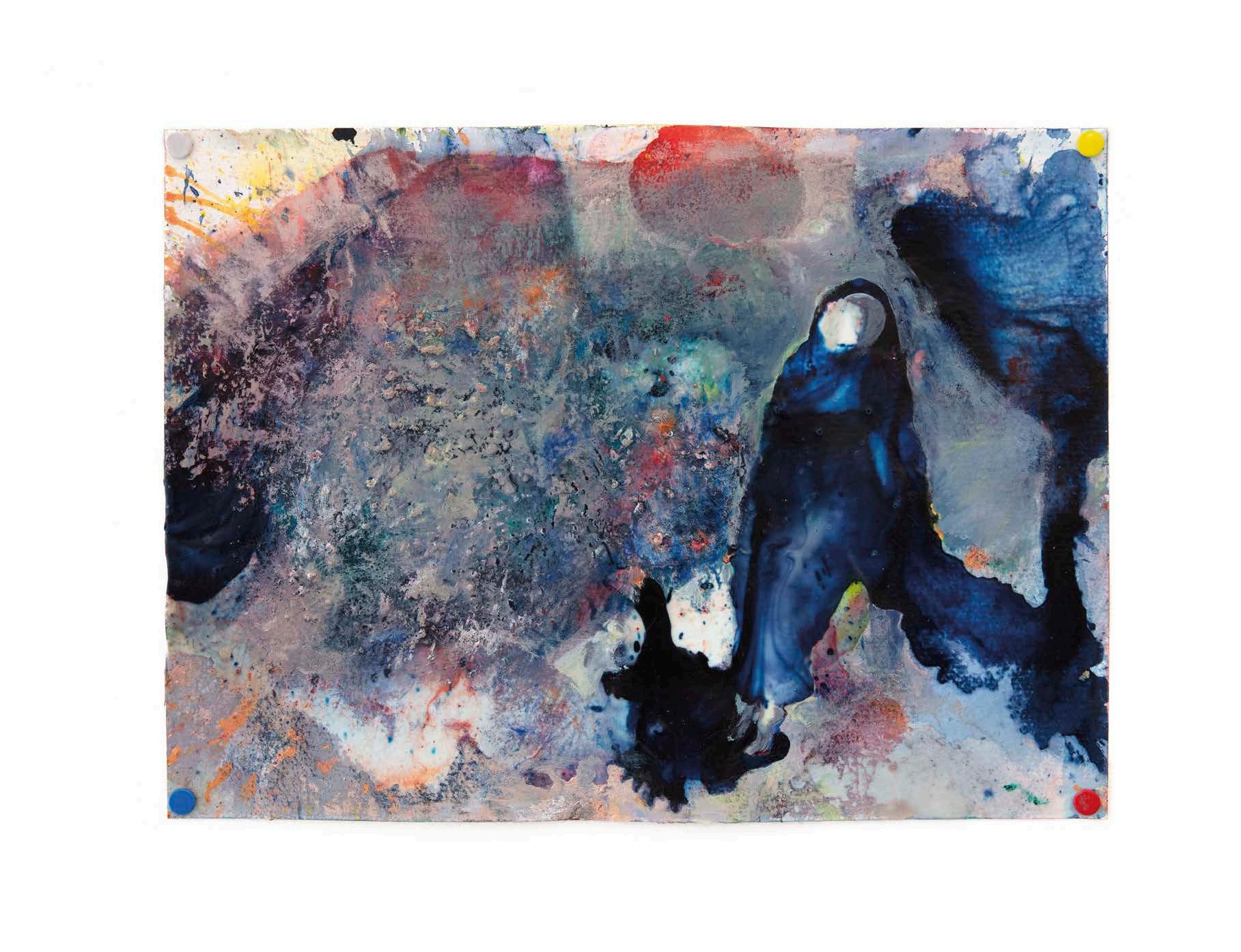
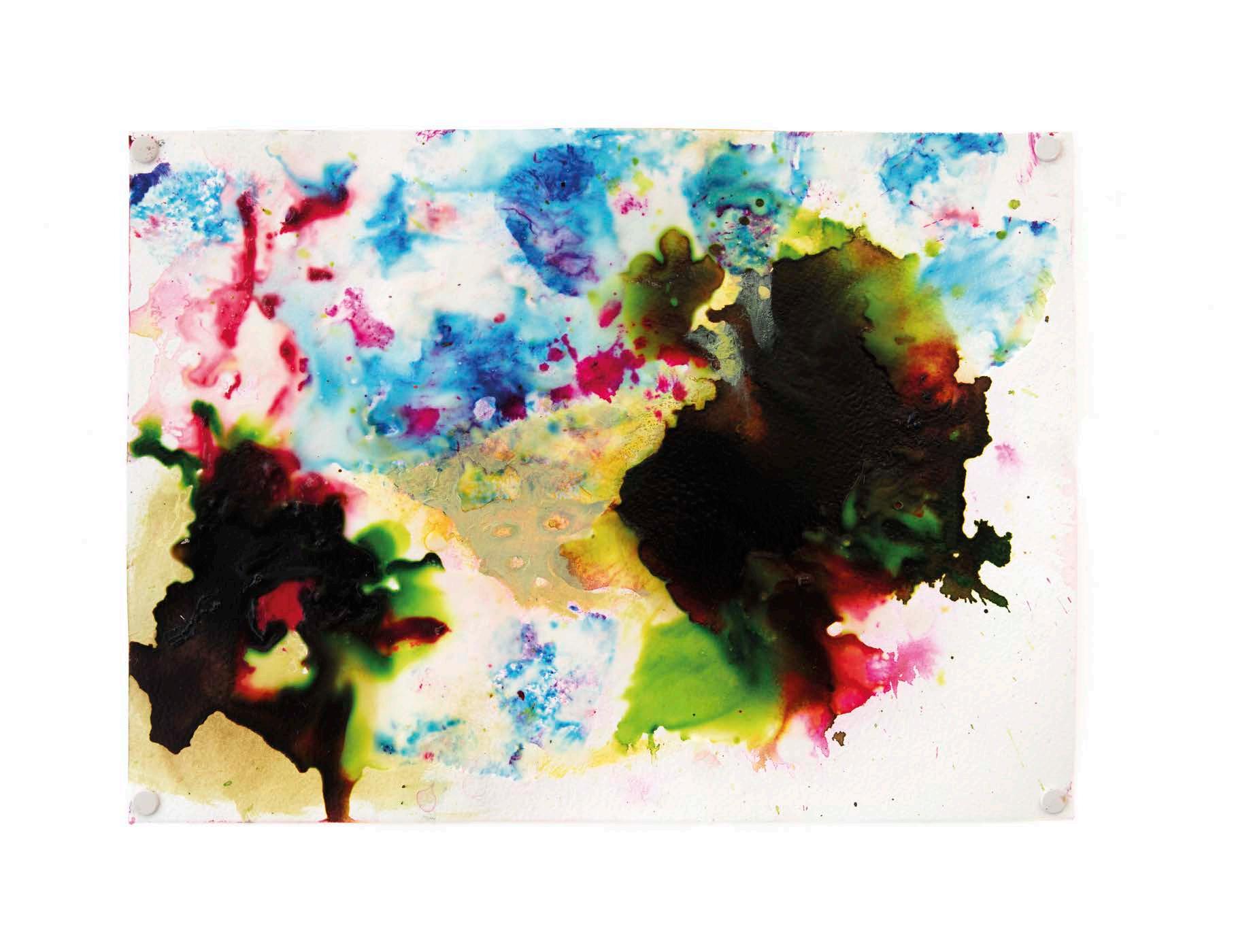
Penny Siopis
Atlas
2020–ongoing
Glue, ink and oil on paper
Approx 27.5 × 37.5cm each
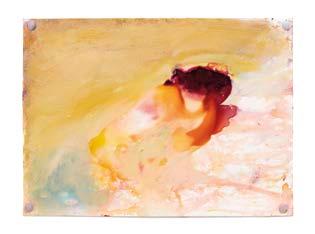
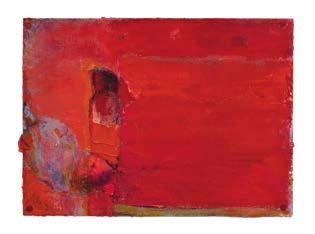
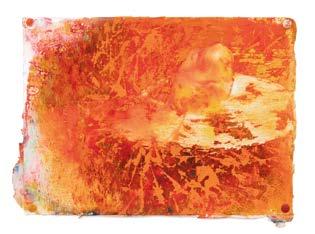
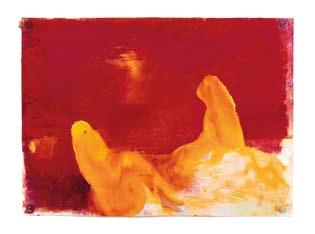
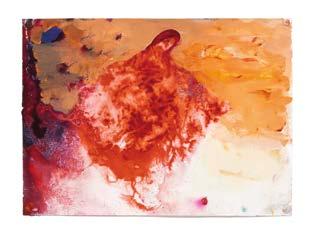
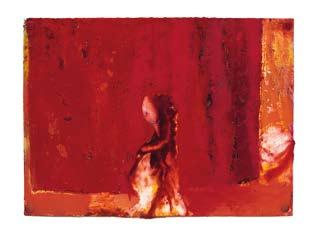
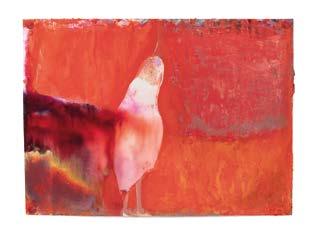
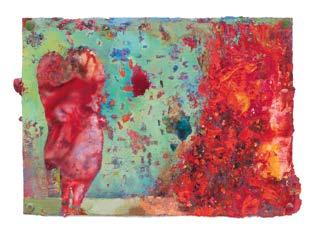
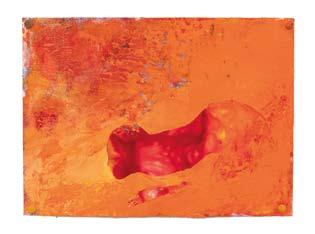
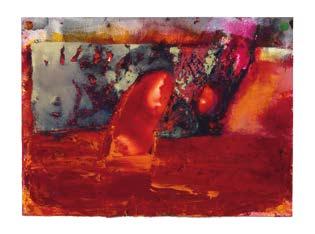
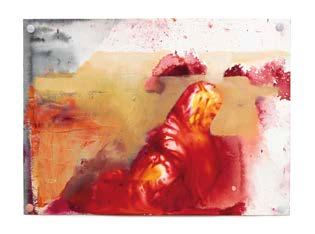
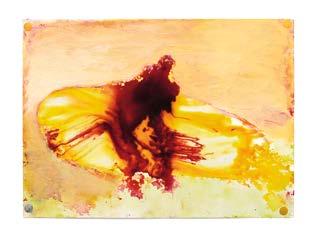
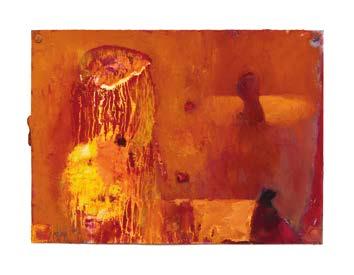
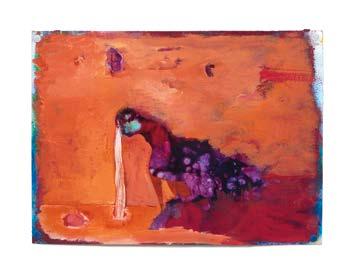
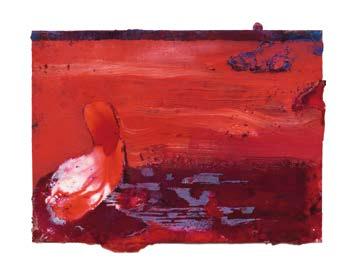
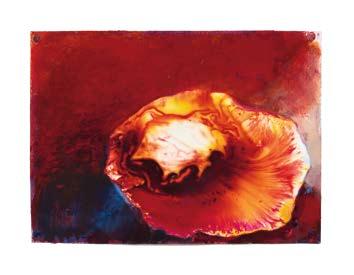
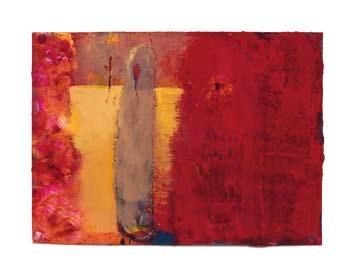
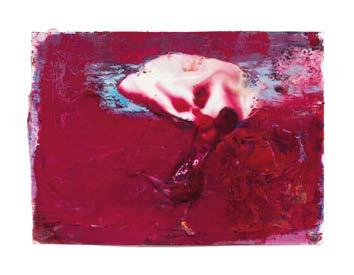
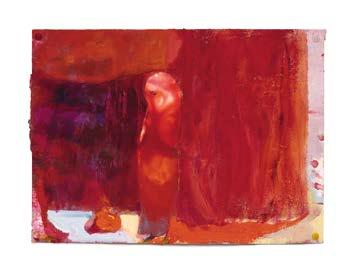
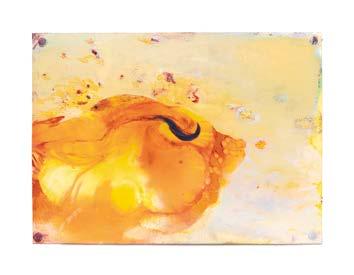
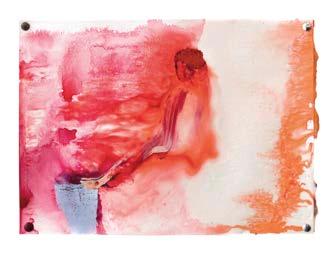
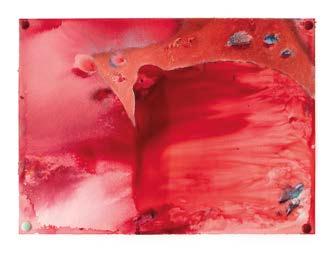
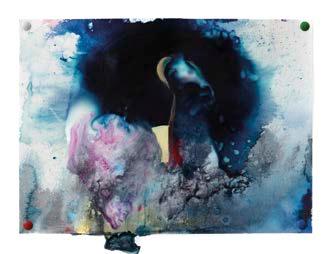
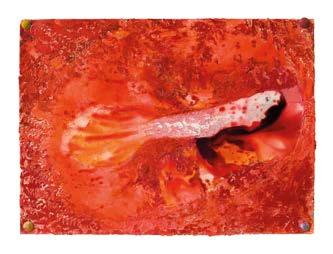
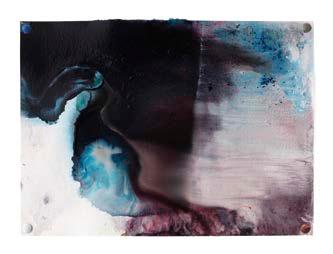
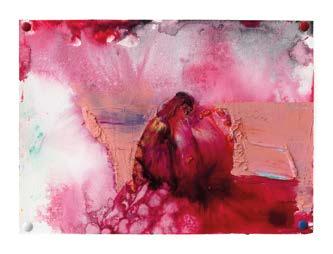
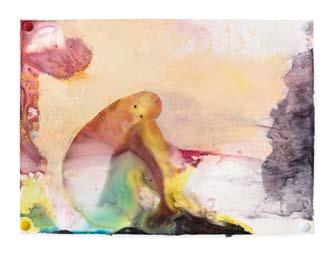
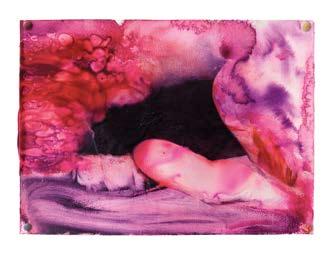
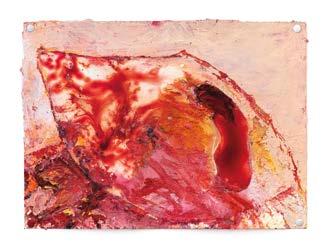
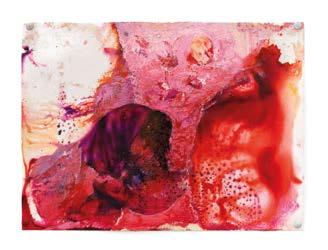
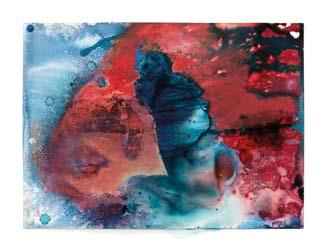
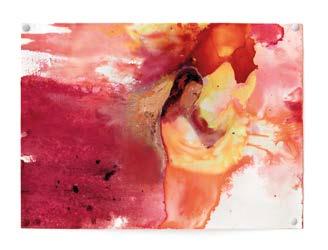
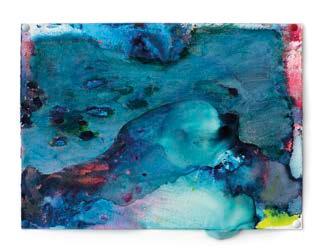
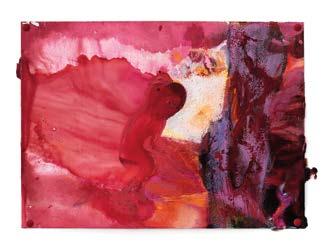
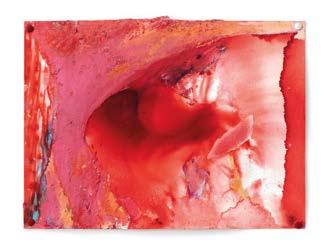
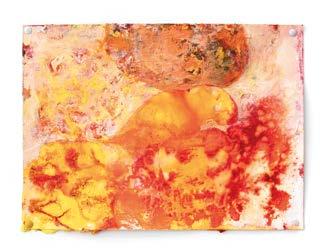
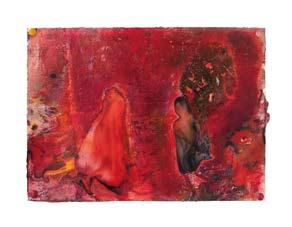
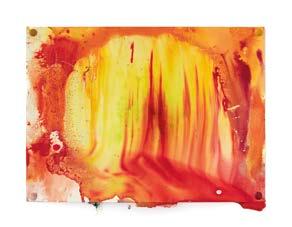
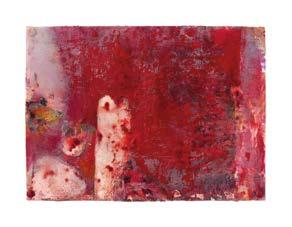
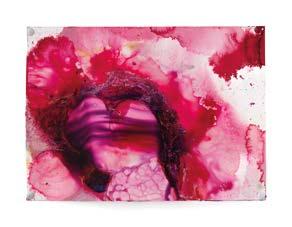
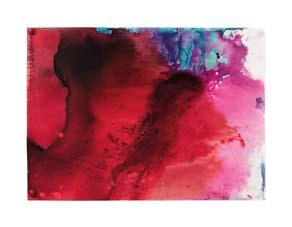
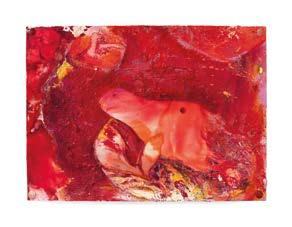
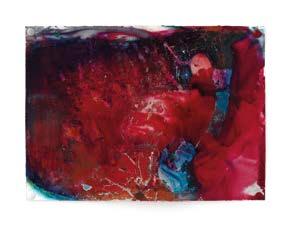
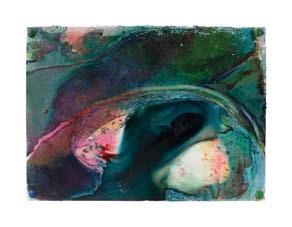
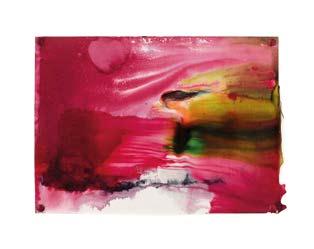
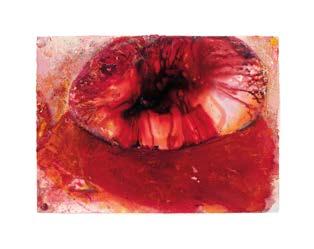
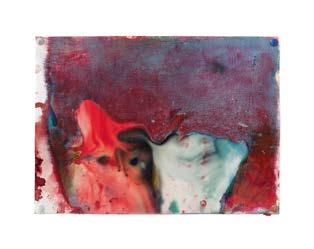
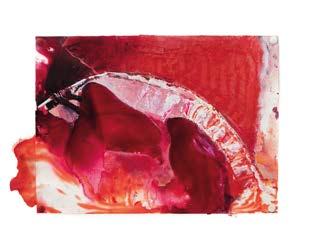
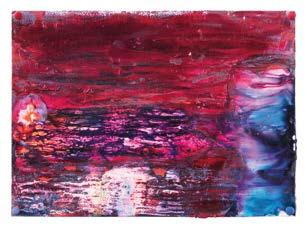
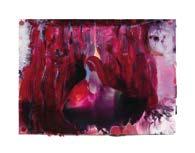
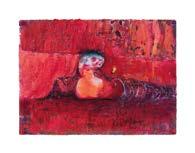
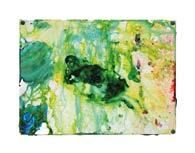
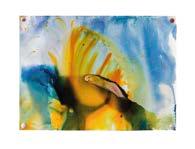
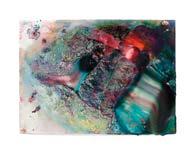
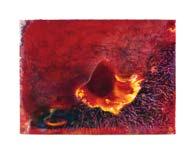
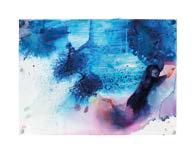
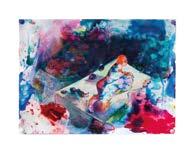
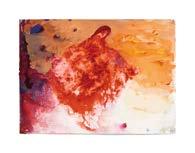
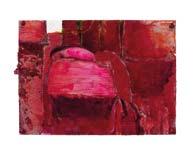
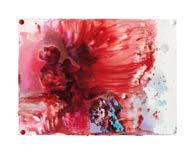
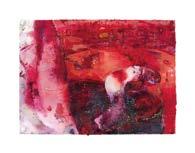
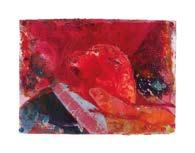
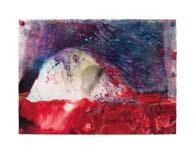
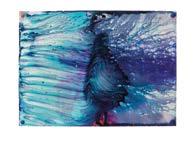
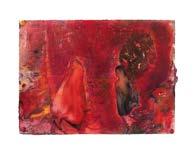
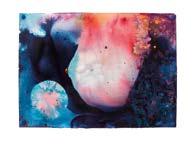
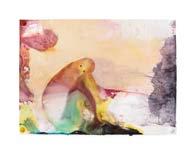
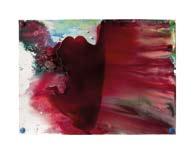
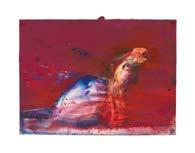
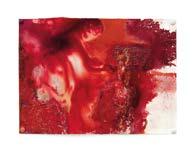
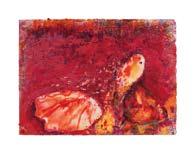
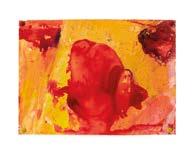
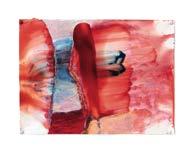
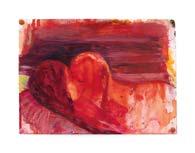
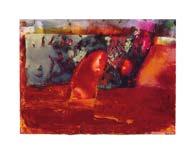
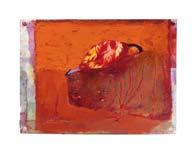
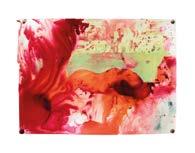
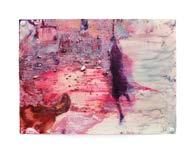
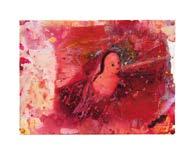
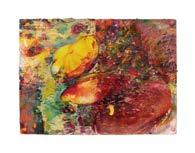
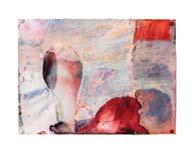
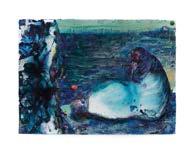
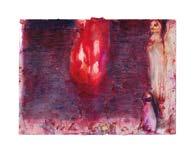
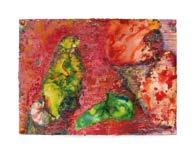
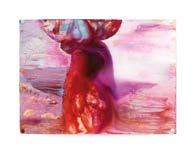
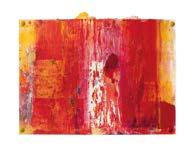
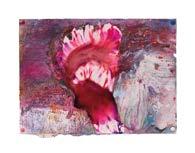
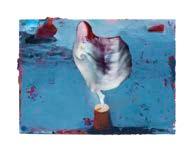
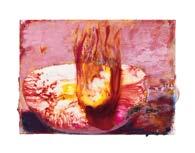
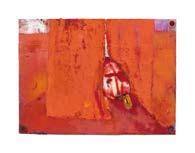
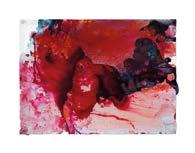
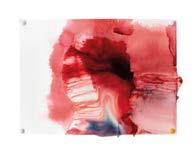
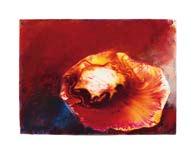
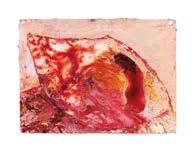
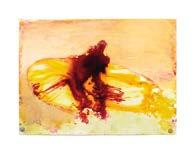
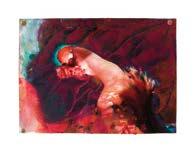
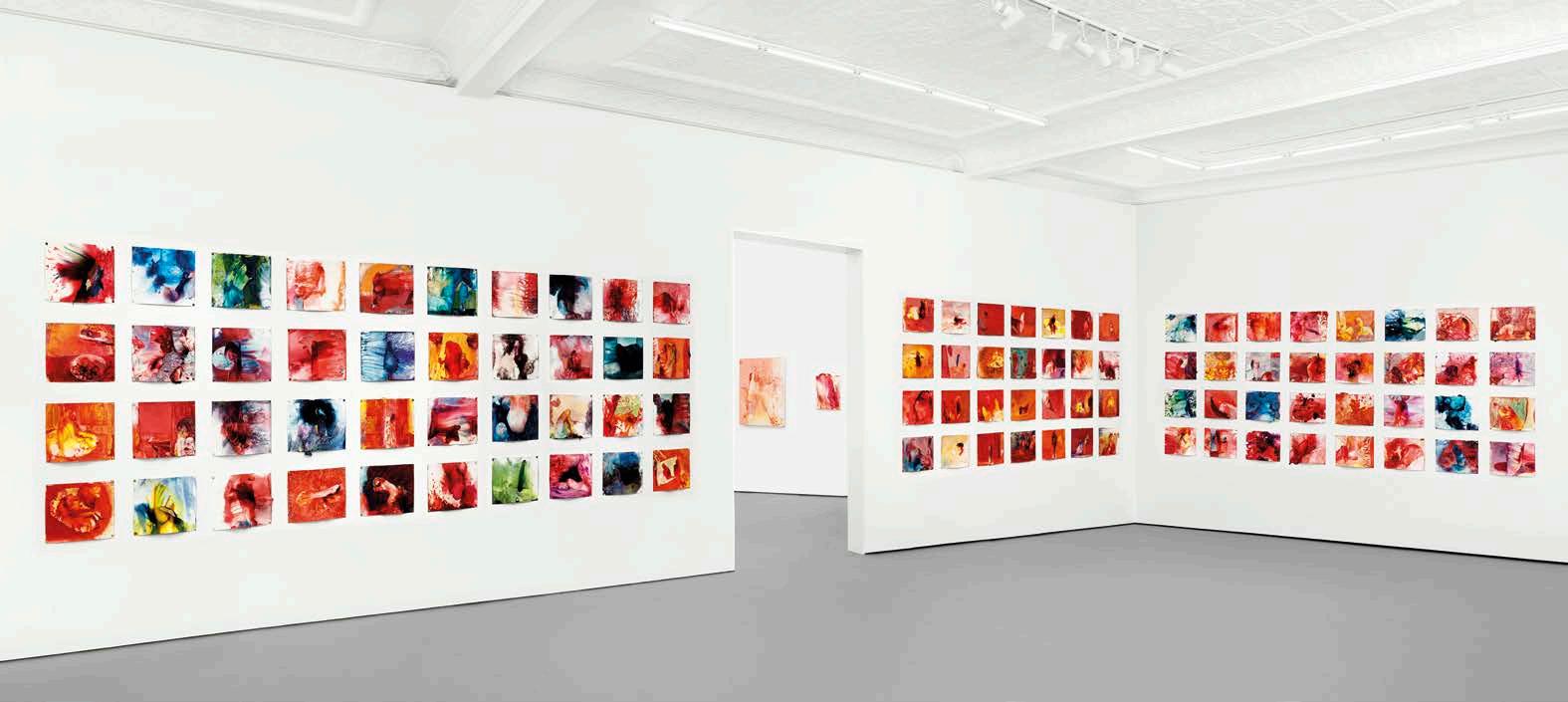
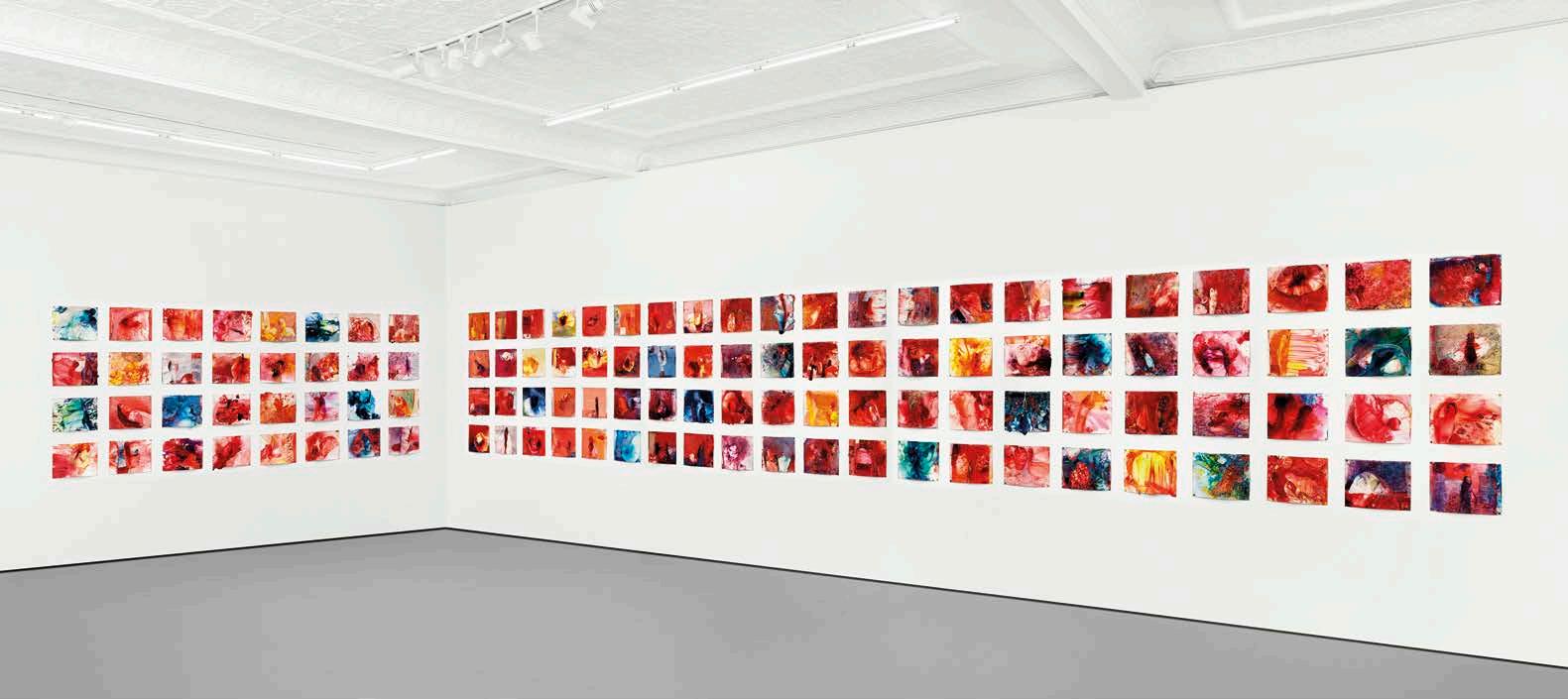
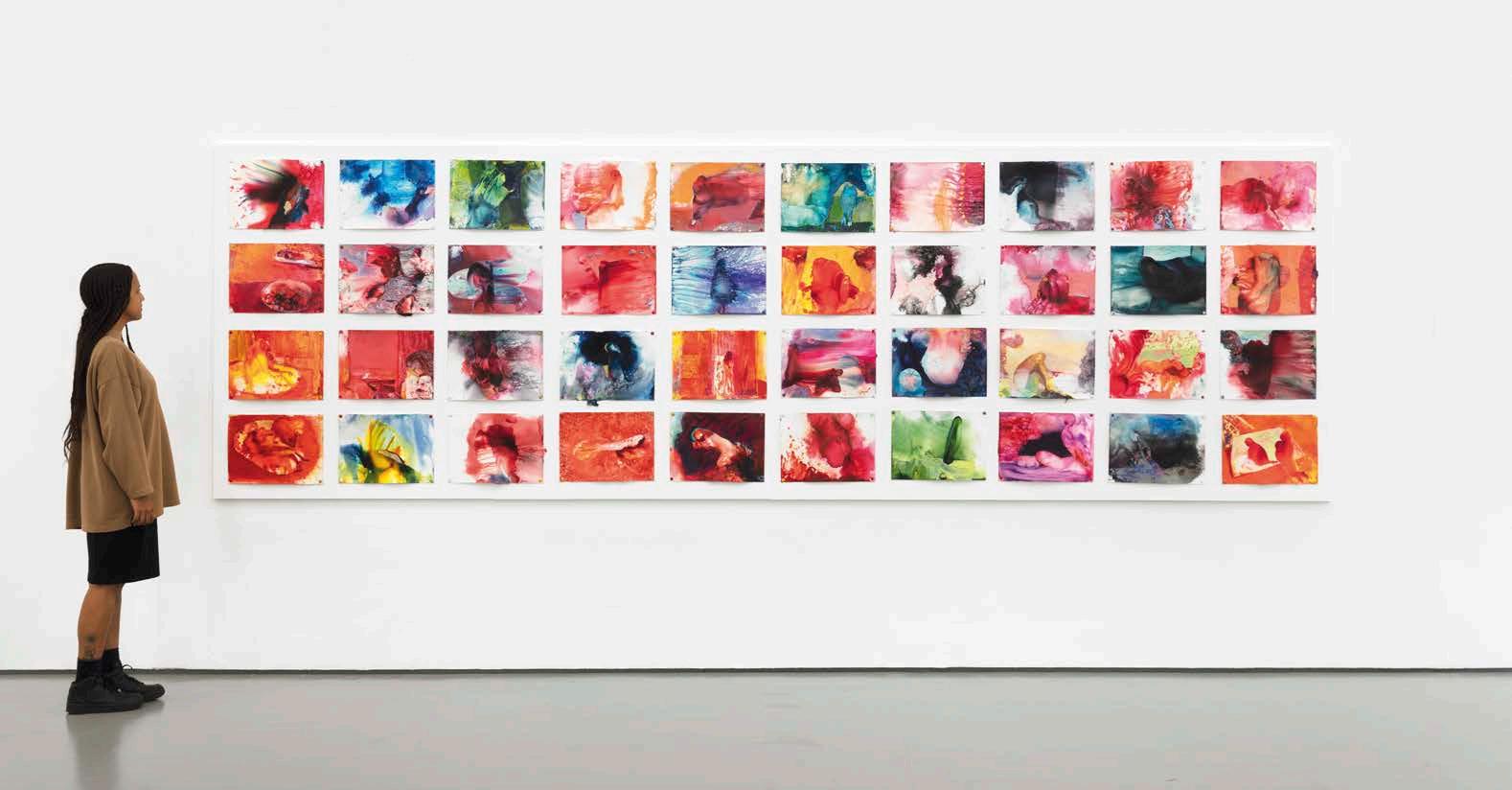
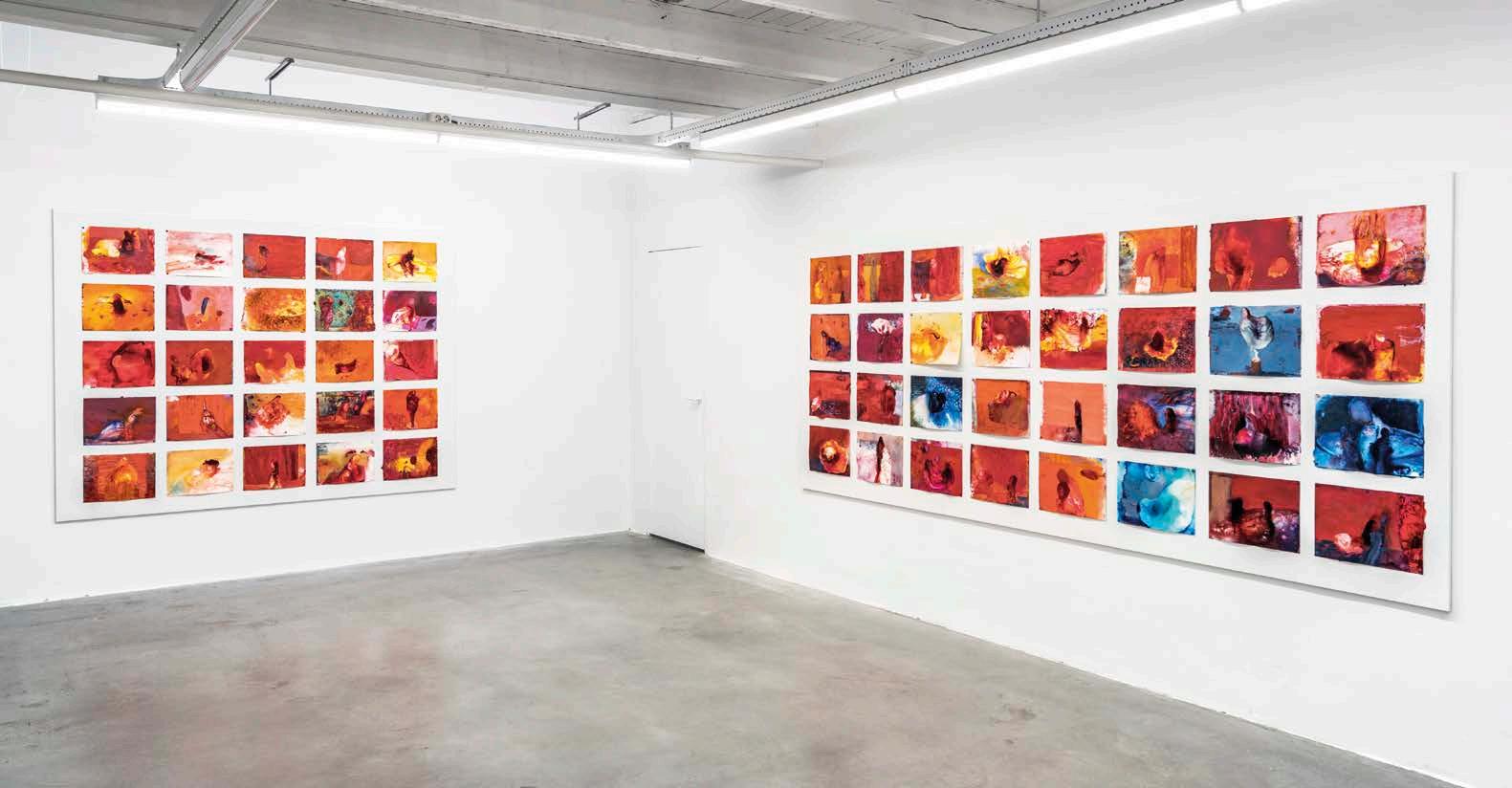
Atlas I
25 pieces (5 × 5)
Penny Siopis: In the Air (solo), Stevenson, Amsterdam, 2020
Atlas II
32 pieces (4 × 8)
Penny Siopis: In the Air (solo), Stevenson, Amsterdam, 2020
Atlas III
12 pieces (3 × 4)
Art Basel Miami Beach online, 2020
Atlas IV
40 pieces (4 × 10)
Works on Paper, Stevenson, Cape Town, 2021
Atlas V
15 pieces (3 × 5)
Penny Siopis: For Dear Life (solo), Tiwani Contemporary, London, 2022
Atlas VI
15 pieces (3 × 5)
Stevenson, Art Joburg, 2022
Atlas VII
48 pieces (4 × 12)
Penny Siopis: Feral Figurations (solo), Stevenson, Johannesburg, 2023
Shown with Atlas II plus extras as a grid of 4 × 21, alongside Atlas I, IV, V and VI
Atlas VIII
25 pieces (5 × 5)
Stevenson, Art Basel, 2023
Atlas
165 pieces (15 × 11)
Penny Siopis: For Dear Life. A Retrospective (solo), curated by Katerina Gregos, National Museum of Contemporary Art Athens (EMΣT), 2024-25
Atlas
128 pieces (8 × 16)
12th SITE SANTA FE International: Once Within a Time, curated by Cecilia Alemani, 2025-26
Atlas IX and Atlas X
15 pieces (3 × 5) each Richard Saltoun, Abu Dhabi Art, 2025
Atlas
96 pieces (6 × 16)
Penny Siopis: Love in a Turning World (solo), Stevenson, Cape Town, 2026
Penny Siopis is a multimedia artist, and an honorary professor at Michaelis School of Fine Art, Cape Town. Whatever the area of exploration, her approach to her work is characterised by a dynamic play between materiality and reference, chance and contingency, form and formlessness, and personal and collective histories. Process is concept, and the agency of her medium is foregrounded.
Institutional solo exhibitions include Penny Siopis: For Dear Life. A Retrospective, National Museum of Contemporary Art Athens (EMΣT) (2024-25); Moving Stories and Travelling Rhythms, National Gallery of Zimbabwe, Bulawayo (2019); ‘This is a True Story’: Six Films (1997-2017), Zeitz Museum of Contemporary Art Africa, Cape Town (2018); Time and Again: A Retrospective, South African National Gallery, Cape Town (2014), and Wits Art Museum, Johannesburg (2015); and Three Essays on Shame, Freud Museum, London (2005).
Siopis has participated in the biennales of Taipei, Venice, Sydney, Johannesburg, Gwangju, Havana, Prospect.4 New Orleans and SITE SANTA FE International. Her work is in the collections of Tate, London; Centre Pompidou, Paris; National Museum of Contemporary Art Athens (EMΣT); Moderna Museet, Stockholm; The Metropolitan Museum of Art, New York; Brooklyn Museum; Smithsonian National Museum of African Art, Washington, DC; Art Institute of Chicago; and Iziko South African National Gallery, Cape Town; among others.
Published
by Stevenson
© 2026 artworks and text: Penny Siopis
Front and back covers: Atlas, 2020-ongoing
Glue, ink and oil on paper
Approx 27.5 × 37.5cm each
Co-ordination: Sophie Perryer
Design and layout: Gabrielle Guy
Photography: Mario Todeschini, with installation views in Johannesburg by Nina Lieska, Amsterdam by Jonathan de Waart, Athens by Paris Tavitian courtesy of National Museum of Contemporary Art Athens (EMΣT), and Santa Fe by Brad Trone courtesy of SITE SANTA FE
All rights reserved. No part of this book may be reproduced, stored in a retrieval system, or transmitted in any form or by any means, electronic, mechanical, photocopying, recording or otherwise, without the written permission of the publisher.
ISBN 978-1-0492-5729-7
Printed by Tandym, Cape Town
Buchanan Building
160 Sir Lowry Road
7925 Cape Town
+27 21 462 1500
Prinsengracht 371B
1016HK Amsterdam
The Netherlands
+31 (0)62 532 1380
info@stevenson.info www.stevenson.info