

Valerie Lykins, Executive Director
Angela Marsh, Marketing and Events Manager
Mahogani Brevett, Administrative Specialist
René Flores Jr., Administrative Assistant PO Box 6838, Columbia, MD 21045 • www.caimdches.org
Office Line: 410-348-1534 • Membership Line: 410-505-8746 Office: contact@caimdches.org • Membership: membership@caimdches.org
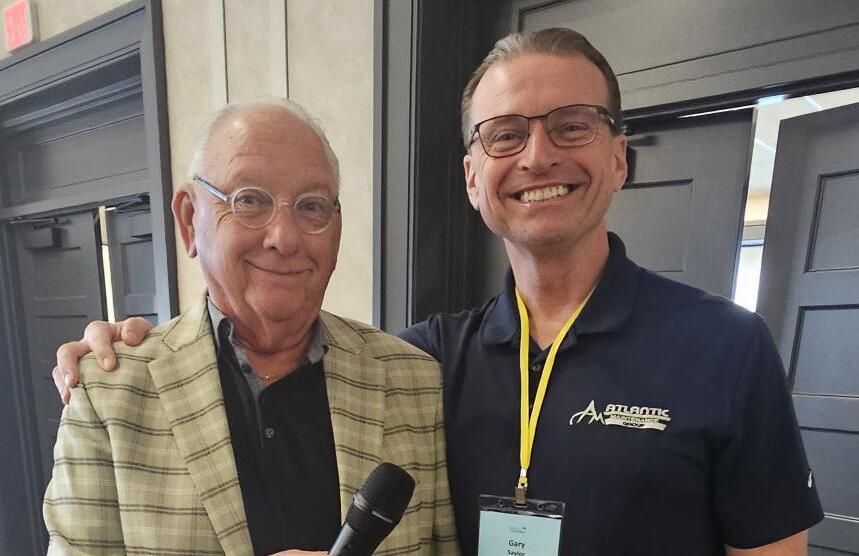
President Gary Saylor
Atlantic Maintenance Group
President-Elect Michelle Jones, CMCA, AMS, PCAM, LSM Lake Linganore Association
Vice-President B.K. Swartwood, CMCA, AMS, PCAM
Montego Bay Civic Association
Secretary Hillary Collins, Esq. Rees Broome, PC
Treasurer Ashley Zayas, CMCA, AMS
Tidewater Property Management
Beth Bencivenni, RestoreCore
Rebecca Clemson-Petrik, CMCA, AMS, PCAM, FirstService Residential
Cynthia McKoin, Potomac Ridge Condominium
Michele Nadeau, CMCA, AMS, PCAM, Legum & Norman, An Associa Company
Communications Mariana Teran, Chair
Rees Broome, PC
Allie Garza, Vice-Chair Duradek MidAtlantic
Delmarva
Lisa Meck, CMCA, AMS, PCAM, Chair
Carl M. Freeman Companies
Melissa Esham, CMCA, AMS, PCAM, Vice-Chair Deeley Insurance
Education Stephan Kaganzev, CMCA, AMS, PCAM, Chair FirstService Residential at Bishops Landing
Adena Mansback, Vice-Chair BankUnited
EXPO
Ellen Throop, Esq., Chair
Rees Broome, PC
Dani Bressler, CAS, EBP, Vice-Chair
Toepfer Construction Co., Inc.
Golf
Chase Hudson, CIRMS, CISR, EBP, Chair Sahouri Insurance
T.J. Socks, Vice-Chair
Becht Engineering BT
Legislative Karen Fooks, CMCA, AMS, PCAM, Chair Community Management Corporation/Associa
Renee Dubois, Vice-Chair Village of River Hill
Magazine Jedd Narsavage, LEED AP, Chair GreenSweep, LLC
Jennifer Melson, CMCA, AMS, Vice-Chair
Sullivan’s Landscaping & Maintenance
Membership Jennifer Melson, CMCA, AMS, Chair Engagement
Outreach
Sullivan’s Landscaping & Maintenance
Wendy Whittam, CMCA, AMS, Vice-Chair
Premier Community Association Management
Jeff Cheney, Chair CWR
Brittany Doster, CMCA, AMS, Vice-Chair
Lake Linganore Association
Social Eddie Ramos, Chair
Atlantic Maintenance Group
Mindy Shifflett, Vice-Chair
Duradek MidAtlantic
What an incredible stretch it has been for our Chapter—and I couldn’t be more energized to share just how strong the momentum continues to be.
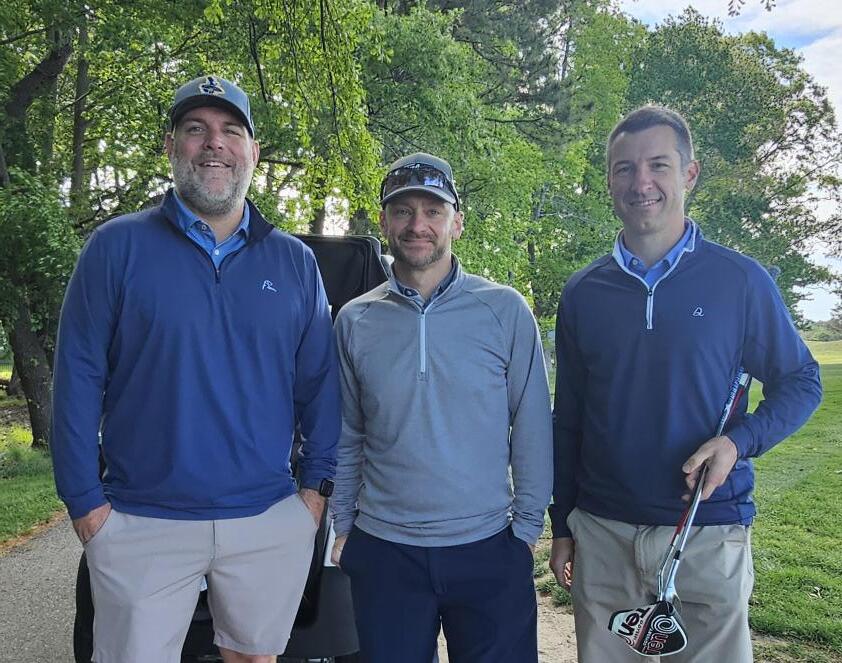
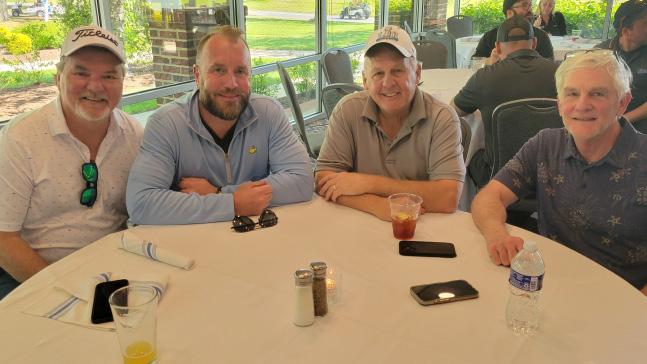
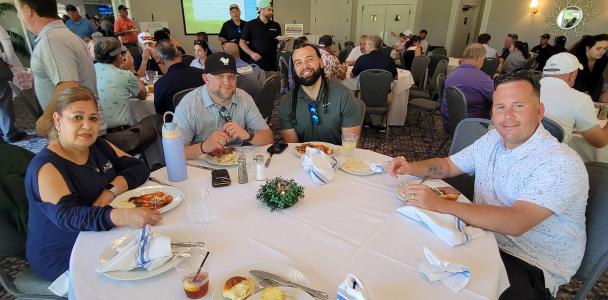
Our 5th Annual Delmarva Golf Outing at Bear Trap Dunes was nothing short of outstanding. The weather showed up, the course was in phenomenal shape, and most importantly—the people delivered. From our dedicated sponsors to every single player who came out to support the event, this day was a true reflection of what makes our Chapter so special. Events like this don’t just happen—they are built through commitment, partnership, and a shared belief in what we’re creating together. To everyone who contributed—thank you. We truly could not do it without you.
Just as impactful was our recent Educational Happy Hour focused on Customer Service. The energy in that room was real. You could feel the engagement, the willingness to learn, and the desire to elevate how we serve our communities every single day. It wasn’t just a presentation—it was a conversation, a collaboration, and a reminder that great service doesn’t happen by accident. It happens when professionals lean in, challenge themselves, and commit to getting better. And that’s exactly what we saw.
What continues to stand out most is how our Chapter keeps growing— not just in numbers, but in presence, pride, and purpose. We are being recognized for our commitment to our membership, for the quality of our programming, and for the culture we’re building together. That doesn’t happen everywhere—and it certainly doesn’t happen without all of you showing up, engaging, and taking ownership of what this Chapter represents.
As we move into the summer months, I encourage everyone to carry that same energy forward. Stay connected, stay involved, and continue to invest in the relationships that make this organization so strong.
We have an exciting lineup ahead— our upcoming Golf Outing at Turf Valley Resort, the always-anticipated Crab Feast, and a variety of outreach events that continue to expand our impact beyond the day-to-day. There is no shortage of opportunity to get involved, give back, and be part of something meaningful.
I’ll leave you with this—because it’s what continues to drive not only me, but the direction of this Chapter:
“Be the change. Be the standard. Show up with purpose, strive for unity, and never settle for anything less than the best version of yourself—for our Chapter, your communities and for each other.”
Let’s continue to lead.
Let’s continue to grow.
And as we push forward into the rest of this year—
Keep being the Bison!
Wishing you all a safe, successful, and fun-filled summer.
The best is yet to come.
Gary Saylor
Gary Saylor President, CAI Chesapeake Chapter President, Atlantic Maintenance Group
“Be the change. Be the standard. Show up with purpose, strive for unity, and never settle for anything less than the best version of yourself—for our Chapter, your communities and for each other.”

Ms. Paige Abbott
Residential Realty Group, Inc.
Dr. Charles Agius
Millville by the Sea Master Community Association
Curt Allen
Millville by the Sea Master Community Association
Michael Altman
Forsgate Condominium Assocation
Mr. Ethan Anna
Comsource Management, Inc.
Kimberly Barnes-johnson
Catherine Bennett
Carroll Vista Community Association
Colton Brady
Lake Linganore Association
Kristina Britt
Bill Brown
Coventry at Westminster
Ms. Casmira-Anne Brown
EJF Real Estate Services, Inc.
Adel Buettner
Waverly Woods West HOA
Phil Bulla
Millville by the Sea Master Community Association
Robert Burdon
Villages at Red Mill Pond
Sofia Cabrera
Lake Linganore Association
Ms. Janice Cadel
Millville by the Sea Master Community Association
Deb Cardenas
Millville by the Sea Master Community Association
Brian Cavin
Crofton Mews Condominium No. 1, Inc.
Rho Christensen
South River Landing
Bennett Commander
Lake Linganore Association
Mr. Kim Conner
Council of Unit Owners of Waters Edge
Condominiums
Douglas Conway
Crofton Mews Condominium No. 1, Inc.
Mark Davis
Millville by the Sea Master Community Association
Jeanine DeFreese
Canary Creek Homeowner Association
Maria Delaney
Aaron Delong
Forsgate Condominium Assocation
James Downing
Bray and Scarff
Cheryl Dukes
Leisure World of Maryland Corporation
Jayme Dunkelberger
Lake Linganore Association
Ms. Tammy Eaton
Tidewater Property Management
Joseph Ehchardt
Millville by the Sea Master Community Association
Mr. Eugene Feldman
Townhomes of Timberland, Inc.
David Fenno
Crofton Mews Condominium No. 1, Inc.
Jay Fleming
Villages at Red Mill Pond
Lisa Foscone
The Residence Park Place Condominium
Will Gallihugh
CNR Insurance, Inc.
David Godshall
Clipper Cay Condominium Council of Unit Owners, Inc.
Curtis Goldhagen
Villages at Red Mill Pond
David Goldner
Waverly Woods West HOA
Stacey Green
Covered Bridge Trails COA
Ms. Ann Gulston
Partridge Courts Condomium
Association
Mrs. Sarah Harbinson
Lake Linganore Association
Holly Hogarth
Legum & Norman
Tina Hohenstein
Bay Forest Community Association
Mr. Paul Horton
Mr. Wayne Hosking
Structura Enclosure Associates, LLC
Mr. Bryan Jackson
Partridge Courts Condomium Association
Olivia Jackson
Legum & Norman
Mrs. Michelle Jones Association Navigator
Ms. Lisa Jones
Partridge Courts Condomium Association
Odette Katz
Lake Linganore Association
Emily Kelly
MRA Property Management, Inc.
Theresa Keysar
Relay Fire & Safety
Charles Kortlang
Villages at Red Mill Pond
Ms. Jay Kumar
White Flint Station Condominium
Ashwini Kumar
Waverly Woods West HOA
Mrs. Cathy Kundratic
Montego Bay Civic Association
Mr. Jason Lacayo
HUB International
Mr. Calvin Langford
Council of Unit Owners of Waters Edge Condominiums
Jody Ledford
Coventry at Westminster
Jean Lee
Fairways at Turf Valley Neighborhood Association, Inc.
Ceara Linn
Lake Linganore Association
Mr. Harrison Long
JB Kline Landscaping
Ms. Shaniqua Lowman
Residential Realty Group, Inc.
Linda Lutz
Holland Mills Homeowners Association
Ms. Nance Mattison
Easton Club East Community Association
Mr. Gordon McCourt
Ravenwood at Turf Valley Community Association, Inc.
Mr. Tom Meringolo
Symphony Village Homeowners Association
Jennifer Meyers
Lake Linganore Association
Laura Morgan
Mrs. Kristy Morley
Tidewater Property Management
John Morrow
Waverly Woods West HOA
Jessie Moses
Millville by the Sea Master Community Association
Dr. Michael Musci Jr.
South River Landing
Ms. Amy Natoli
Thomas Park Management
Steven Neiderman
South River Landing
Ms. Wanda Nesbit
Meadows At Shawnee Homeowners Association, Inc.
Miss Erin O’Neill
Anthony Patrick
Independence HOA
Lillian Powell
Legum & Norman
Thomas Procopio
Millville by the Sea Master Community Association
John Pryor
Sparkle Squad of Bowie, Annapolis, Hyattsville
Lindsey Robbins
The Council of Unit Owners of Spring Meadows Condominium, Inc.
Kim Rothstein
Absolute Landscapes
Vance Roy
South River Landing
Grace Rozycki
South River Landing
Nicholas Rubini
RPS Pools
Barbara Scott
Forsgate Condominium Assocation
Barbara Seward
Tidewater Property Management
Scott Shaffer
Rolling Suds of Ellicott City
Mr. Kevin Shefcheck
Council of Unit Owners of Waters Edge Condominiums
Taylor Shunk
Meadows At Shawnee Homeowners Association, Inc.
Mr. Andrew Spencer
AnchorPoint Property Management LLC
Mr. Justin Spradling
Marsh Farm Estates
Brian Stapleton
Crofton Mews Condominium No. 1, Inc.
Bonnie Stauffer
Millville by the Sea Master Community Association
Ms. Sharilnn Steele
Partridge Courts Condomium Association
Rene Sterling
Forsgate Condominium Assocation
Mr. Brian Stevens
Villages at Red Mill Pond
Camilla Stone
Holly Stottlemyer
Lake Linganore Association
Karen Summers
Villages at Red Mill Pond
Ms. Bonnie Terek
Council of Unit Owners of Waters Edge Condominiums
Ms. Lisa Van Sant
Council of Unit Owners of Waters Edge Condominiums
Megan Wankel
MVB Bank
Ms. Kim Waters
FirstService Residential
Ethan Werner Tidewater Property Management







Mr. James Whalen
Partridge Courts Condomium Association
Mr. Speak Williams
Property Management People, Inc.
Ms. Tammi Williams
Pines Community Improvement Association
Suzy Wilson
South River Landing
Christina Woods
Baymont Farms Homeowners Association
Keith Wyatt
Forsgate Condominium Assocation
Mr. Matthew Yakshe
Legum & Norman
John Zurad
Waverly Woods West HOA
Mr. Stephen Zywusko
Montego Bay Civic Association



















We’re excited to share that our Chapter is growing— and so is our team!


Please join us in welcoming our new Administrative Assistant, René Flores Jr., to the team! We are thrilled to have him on board and look forward to the contributions he will bring.
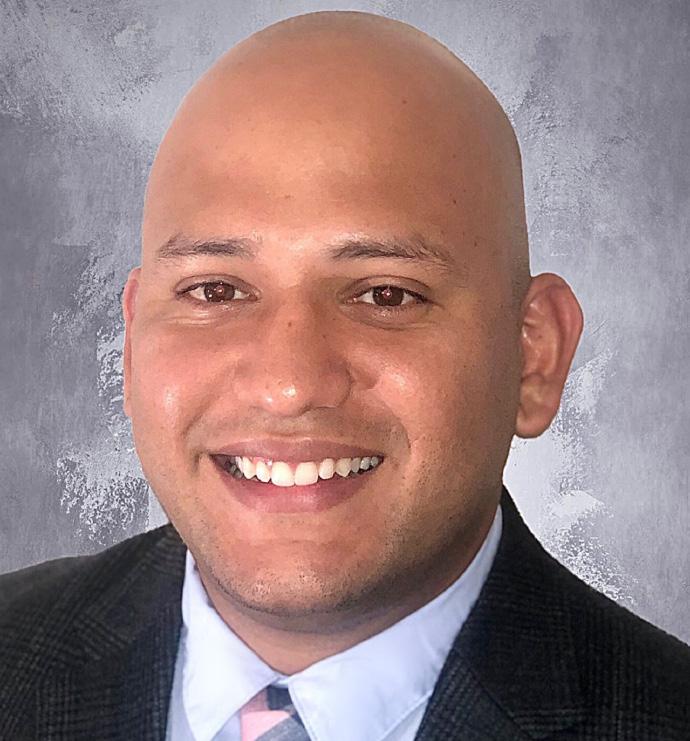
René comes to us with a wealth of experience, a positive energy, and a genuine enthusiasm for connecting with our members. He is eager to get involved and meet many of you in the near future.
Welcome to the team, Rene! `

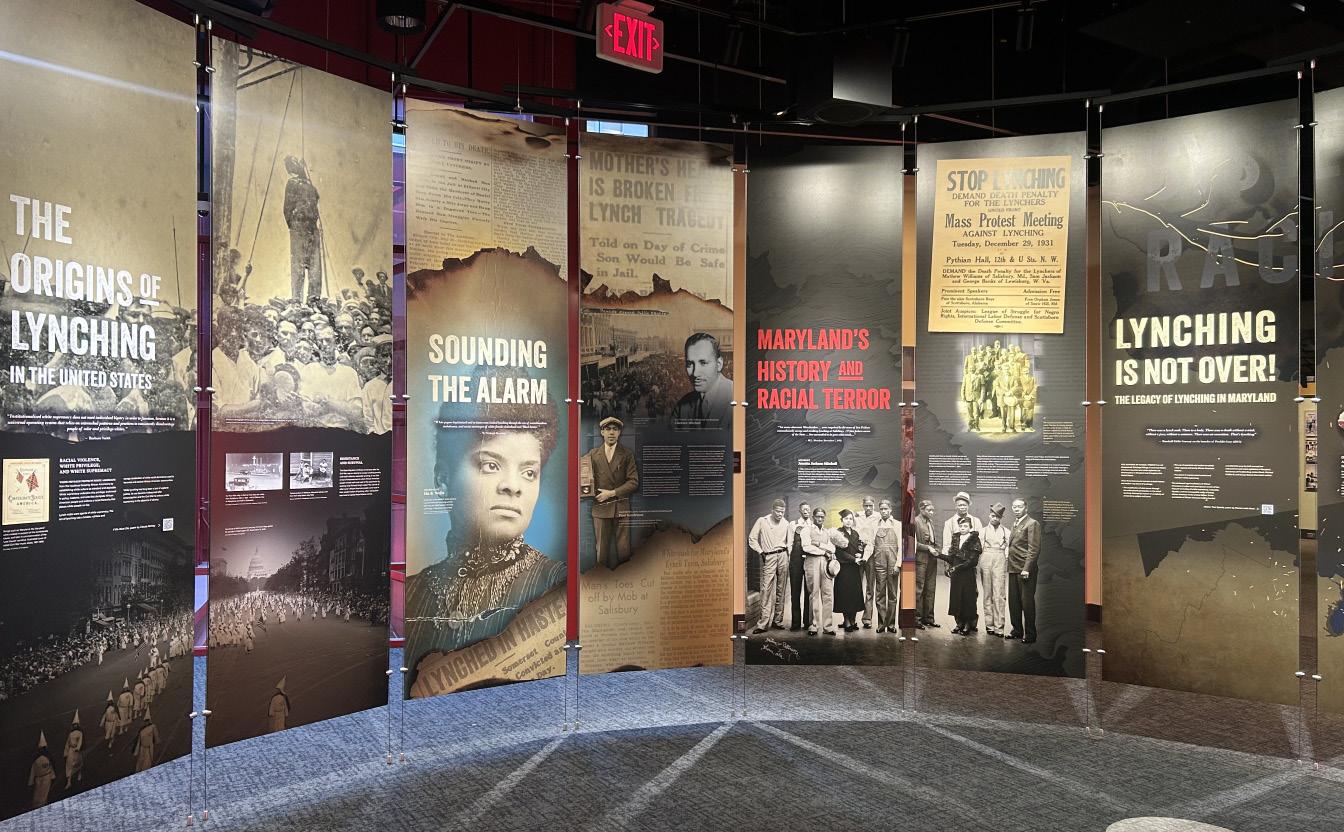

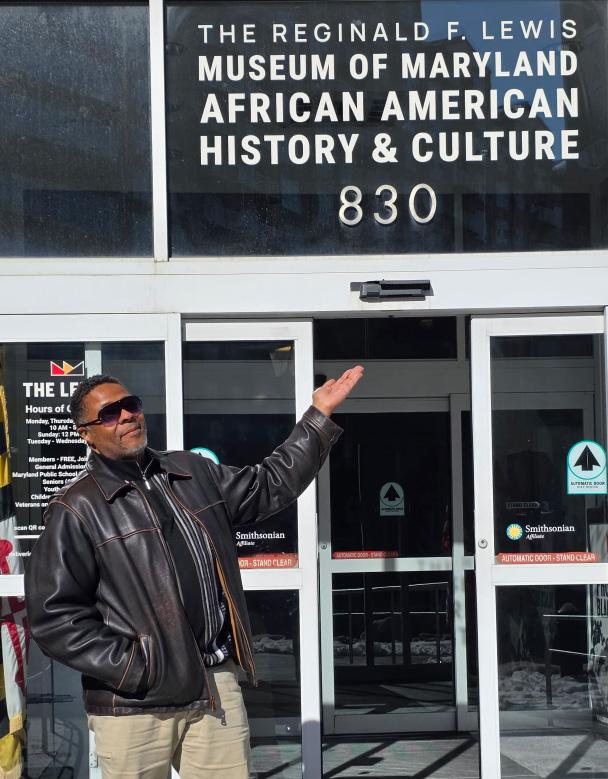
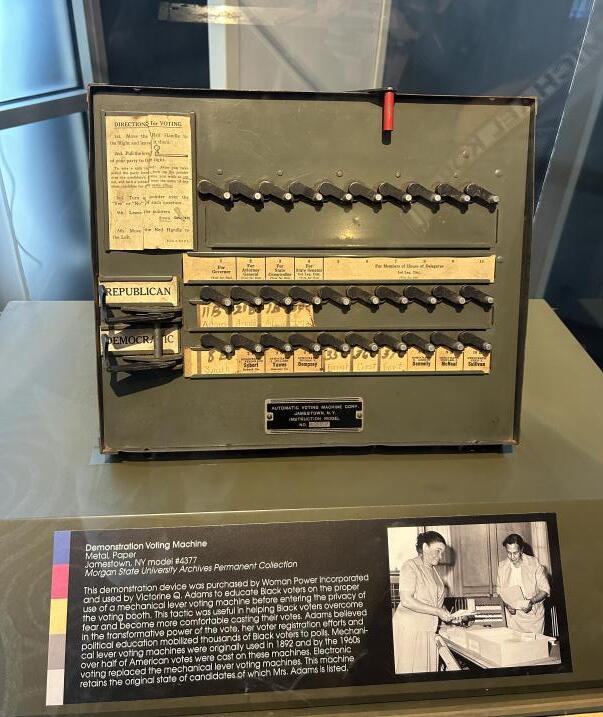
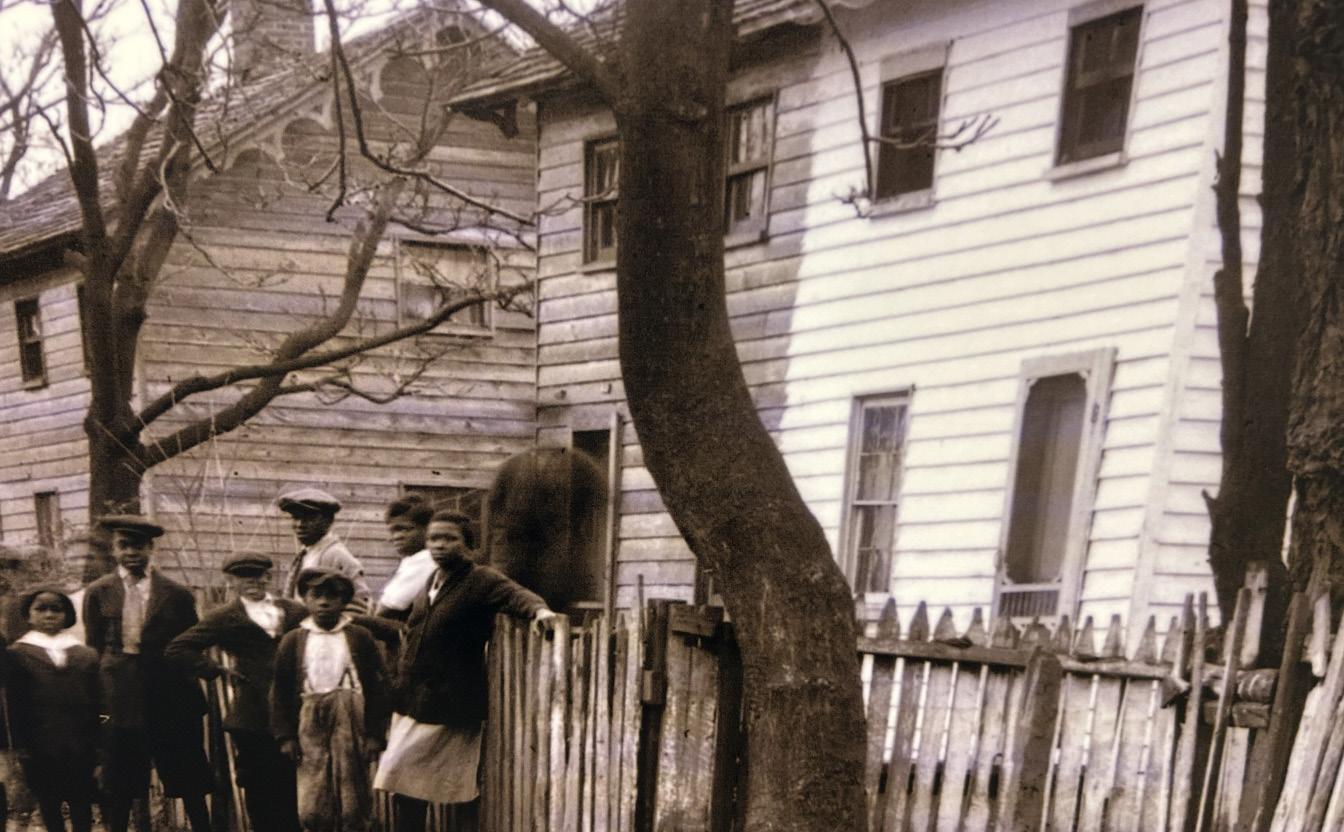
By: Orlando Dorsey (Connie Phillips Insurance)
The Reginald F. Lewis Museum of Maryland African American History & Culture isn’t just a local landmark; it’s a space for all Marylanders to connect with our shared history. My recent visit to this Baltimore gem was educational, deeply moving, and—quite frankly—fascinating.
While I enjoyed learning more about legendary icons like Thurgood Marshall, I found myself most captivated by the “unsung” heroes. Take Bea Gaddy, for example. Her tenacity in supporting the homeless led her to secure massive corporate partnerships in the 1980s. At her peak, she reportedly fed 20,000 people at a single Thanksgiving dinner hosted at a local middle school. The museum is filled with these powerful, human-centered stories.
On the second floor, you’ll find a sprawling exhibit dedicated to the museum’s namesake, Reginald F. Lewis. While I recognized his name, seeing the scale of his accomplishments firsthand was a revelation. From his “90:1 strategy” to spearheading billion-dollar mergers and acquisitions on Wall Street, his journey as a billionaire philanthropist is masterfully told. It even inspired me to pick up his autobiography to better understand the drive behind his legacy.
The museum is intimate and accessible. On a quiet weekday, you can fully explore the exhibits in under two hours. It is located on Pratt Street and is just a short walk from the Inner Harbor. I highly recommend pairing your visit with a trip to the Harbor, where you can enjoy the local food scene and the waterfront atmosphere.
By: Jennifer Melson (Partnership Executive, Sullivan’s Landscaping)
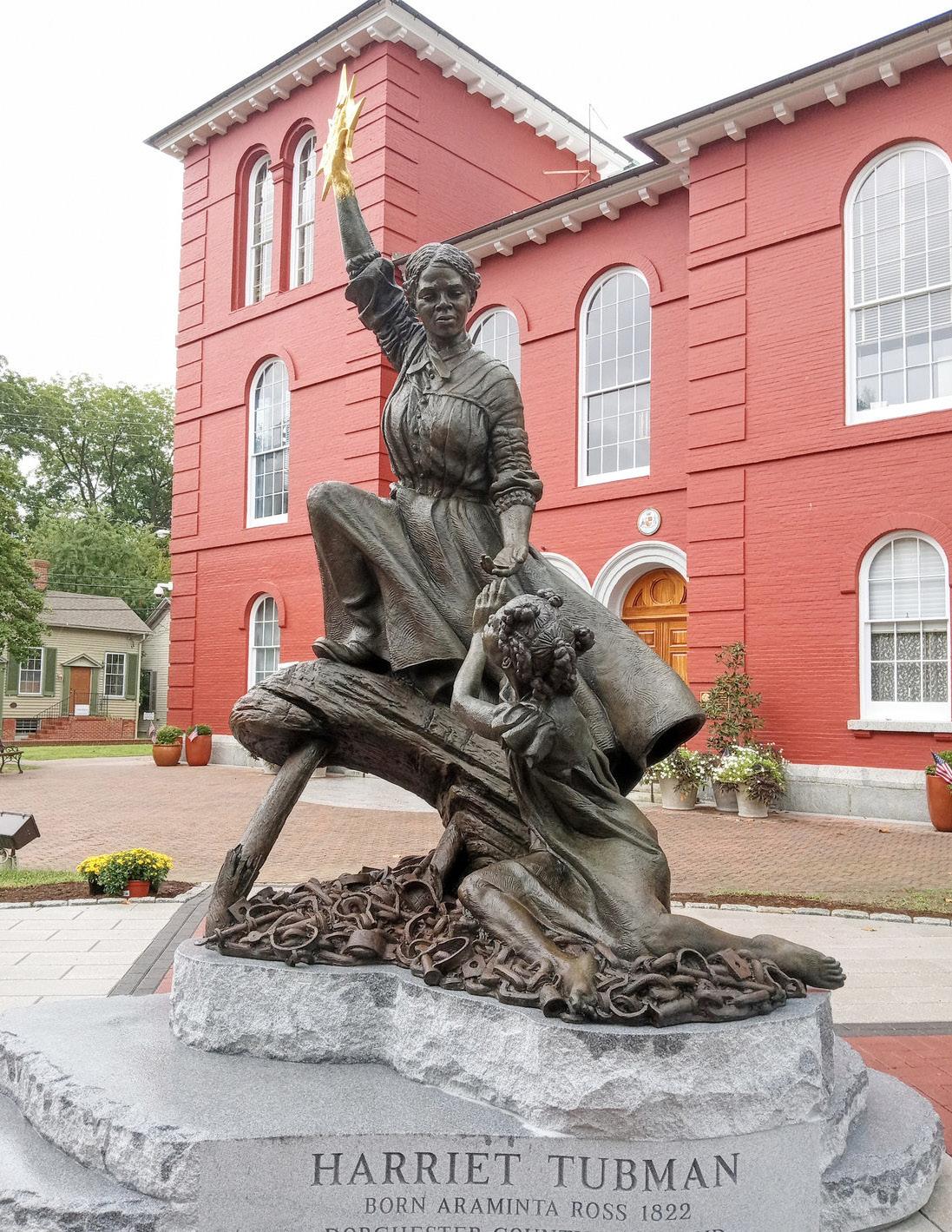
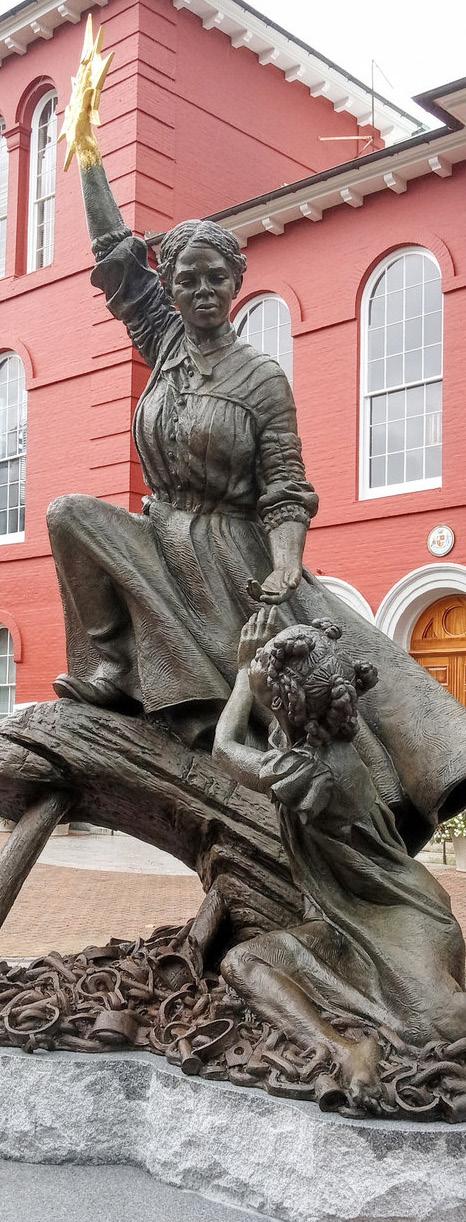
The Eastern Shore of Maryland is known for its quiet waterways, vast marshlands, and rich agricultural roots—but it is also the birthplace of one of the most courageous and influential figures in American history: Harriet Tubman. Her story is not only one of resilience and bravery, but also one deeply rooted in the landscapes and communities of the Eastern Shore.
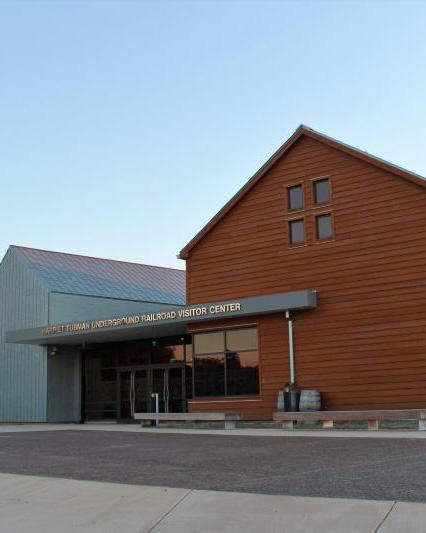
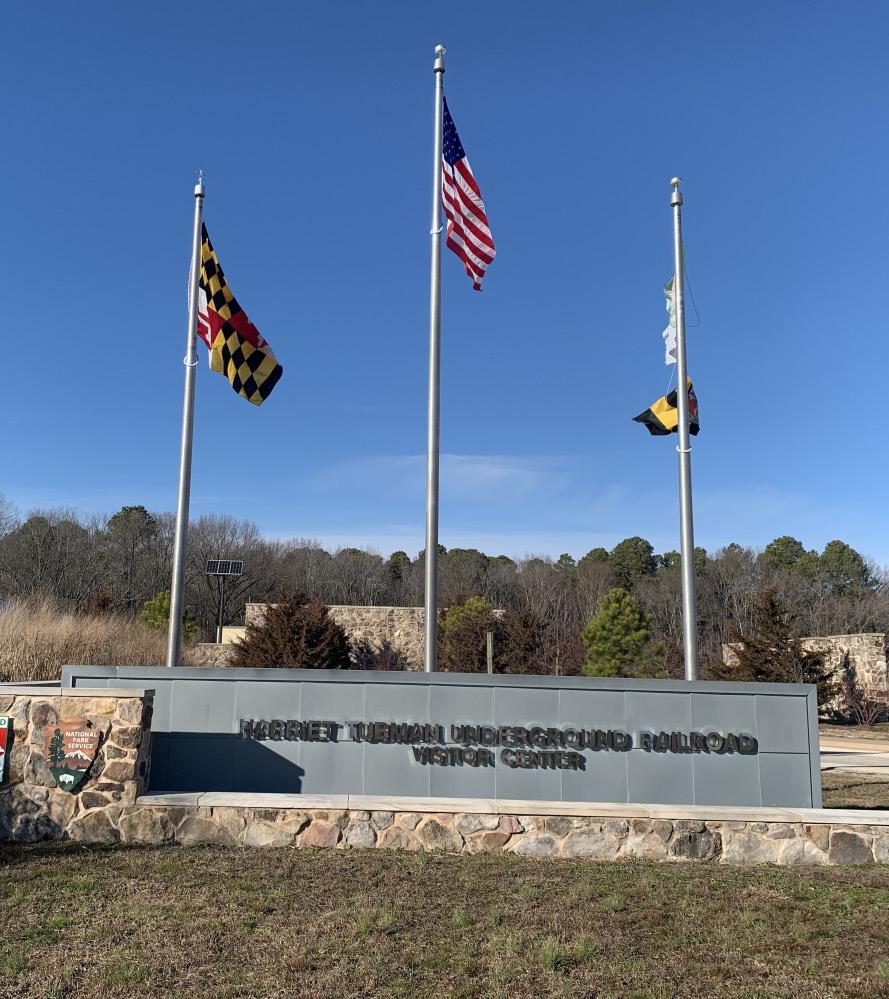
Today, visitors can explore Tubman’s legacy through several meaningful sites, including the Harriet Tubman Underground Railroad Visitor Center and the scenic Harriet Tubman Byway. These locations tell the story of her life while honoring the strength
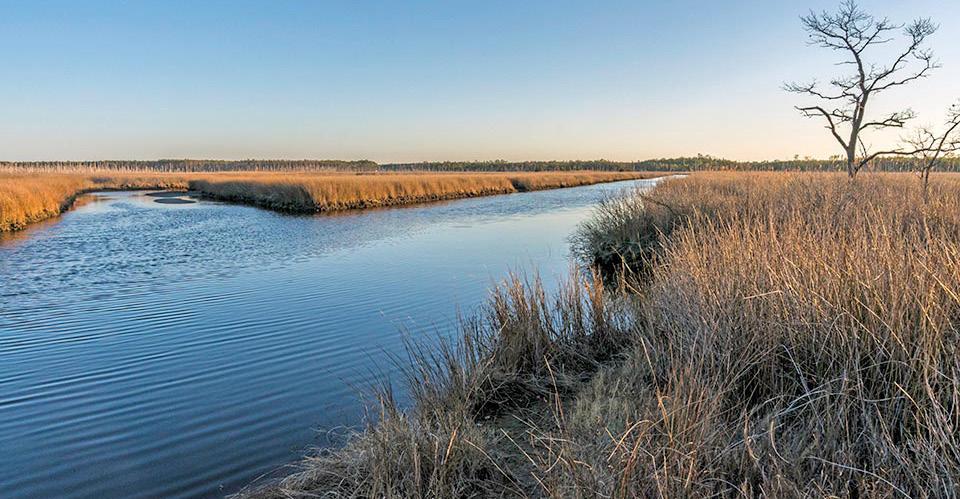
and determination of those who sought freedom. For residents and visitors alike, the Eastern Shore is more than just a beautiful destination—it is a place of profound historical significance.
Harriet Tubman was born into slavery around 1822 in Dorchester County, Maryland, an area defined by dense forests, winding rivers, and expansive wetlands. These natural features would later play a critical role in her work guiding others to freedom. Growing up under harsh conditions, Tubman endured physical hardship and injustice from a young age. Despite this, she developed an unbreakable spirit, deep faith, and a strong sense of purpose—qualities that would define her legacy.
After escaping slavery herself in 1849, Tubman made the extraordinary decision to return—again and again—to rescue others. She became one of the most famous “conductors” on the Underground Railroad, guiding family members, friends, and strangers to freedom. Her missions often began right here on the Eastern Shore, where she carefully planned routes through Maryland and beyond. Today, areas like Blackwater National Wildlife Refuge preserve the landscape much as it existed during Tubman’s time, offering a powerful connection to her journeys and the risks she took. Tubman’s courage was unmatched; she risked her life repeatedly, driven by a belief that freedom was worth any cost.
Harriet Tubman’s impact extended far beyond her work in Maryland. During the Civil War, she served as a nurse, scout, and spy for the Union Army. She later became an advocate for women’s suffrage and continued fighting for equality throughout her life. Yet, no matter where her journey took her, her roots remained firmly planted on the Eastern Shore.
Harriet Tubman’s story continues to inspire generations. Her leadership, courage, and unwavering commitment to doing what is right serve as a reminder that one person can make an extraordinary difference. Here on the Eastern Shore, her legacy lives on—not just in museums or monuments, but in the very land she once walked. Every marsh, river, and wooded path holds echoes of her journey.
The Eastern Shore didn’t just shape Harriet Tubman—it empowered her. And through her actions, she forever shaped the course of American history.
By: Cindy McKoin (Potomac Ridge Condominium Homeowner)
Traveling from the Eastern Shore and Baltimore to Western Maryland, visitors can enjoy western Maryland tourism while planning stops to honor African-American history.
The African American Cultural and Heritage Society (AACH Society) hosts walking tours in downtown Frederick, scheduled in the spring and fall. They also offer bus tours in a vintage 1966 double decker. The tours are hosted by professional guides who combine stories and sites of Frederick County black history. The AACH Society will soon open its African American Heritage Center located at W. Church and Carroll Streets.
(Contact: aarchsociety.org, aarchsociety@gmail.com)
(Bus tours: marylanddoubledeckers.com/events/)
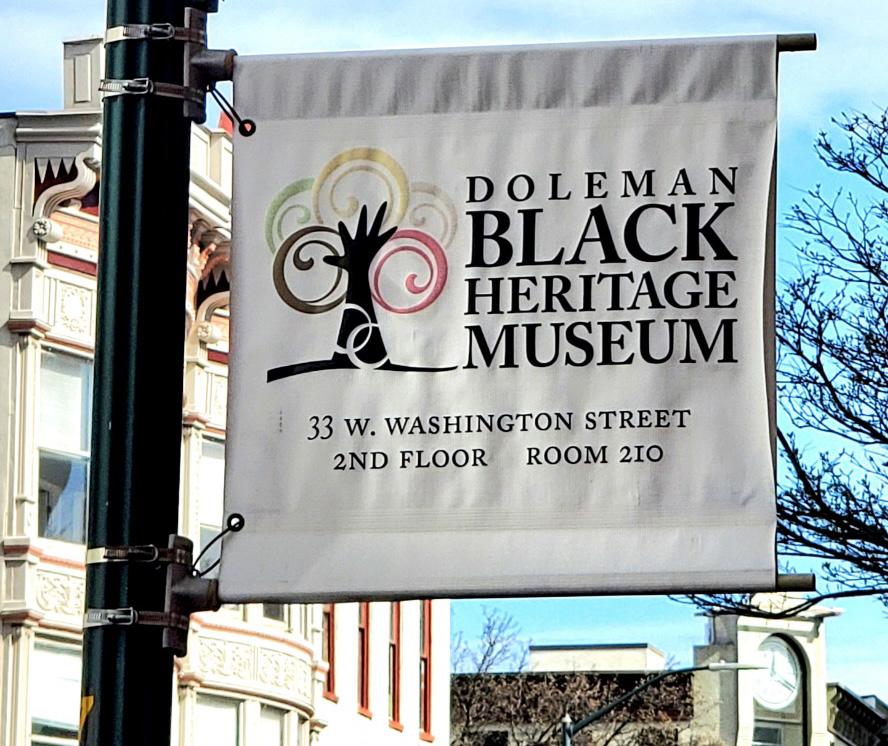
Hagerstown is home to the Doleman Black Heritage Museum at 33-354 West Washington St. Conceived in 1974 by Marguerite Doleman and established in 2008, the Doleman collection houses 4000 artifacts and cultural highlights of African American history. A featured event in 2026 is a 3-day celebration for Juneteenth. The Museum is open Monday through Friday, 12-4:30pm.
(Contact: dolemanblackheritagemuseum.org, 301 797-5019)
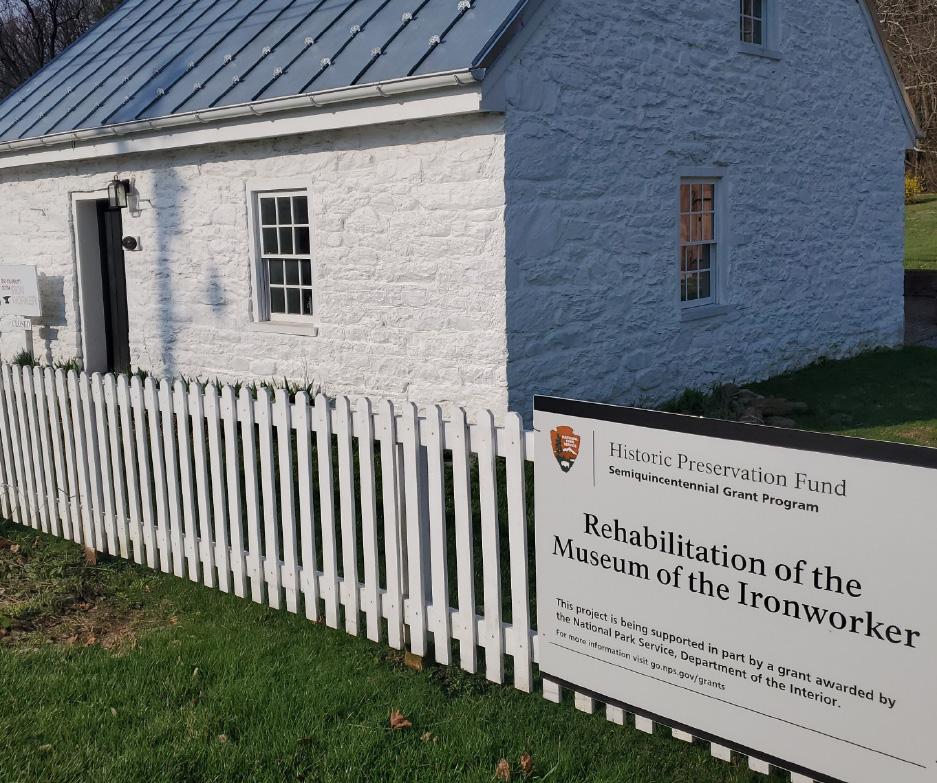
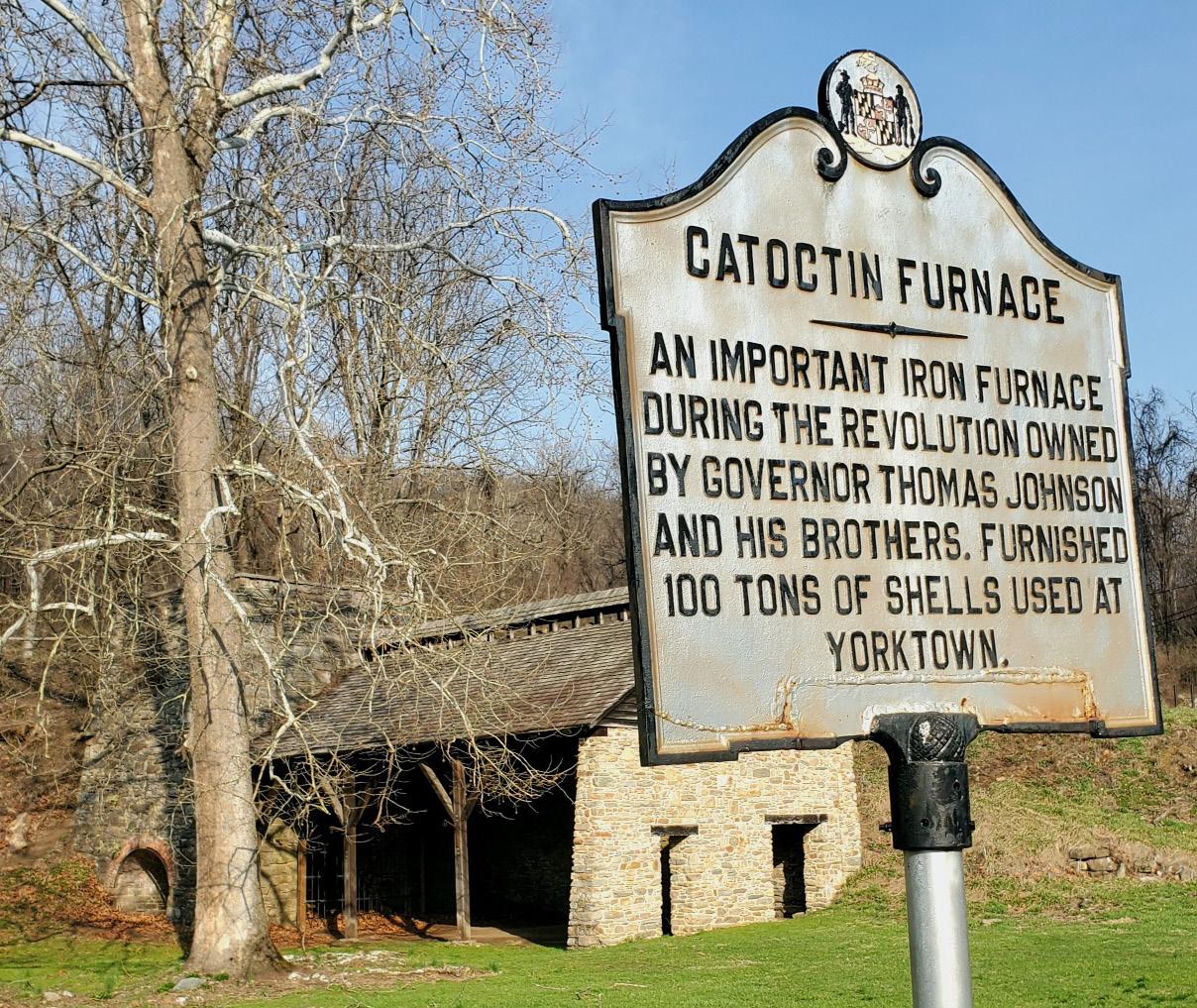
Head north on US 15 from Frederick to visit the historic Catoctin Furnace in Thurmont, part of Cunningham Falls State Park. The iron furnace was operational from 1776-1903. Until the end of the Civil War slave labor worked, lived and died in the village to produce pig iron, Revolutionary War ordnance, as well as household and industrial products. The Catoctin Furnace Historical Society and the State Park support the historical village, and host a year-round calendar of activities. The Park is actively working to restore the village. America’s 250th anniversary events include the 3rd Annual History Fair on April 26, May 14-17 outdoor theatre live performance of “Iron Will” on May 14-17, and the Descendant Reunion on May 15-17.
(Contact: Catoctinfurnace.org, 240-288-7396)
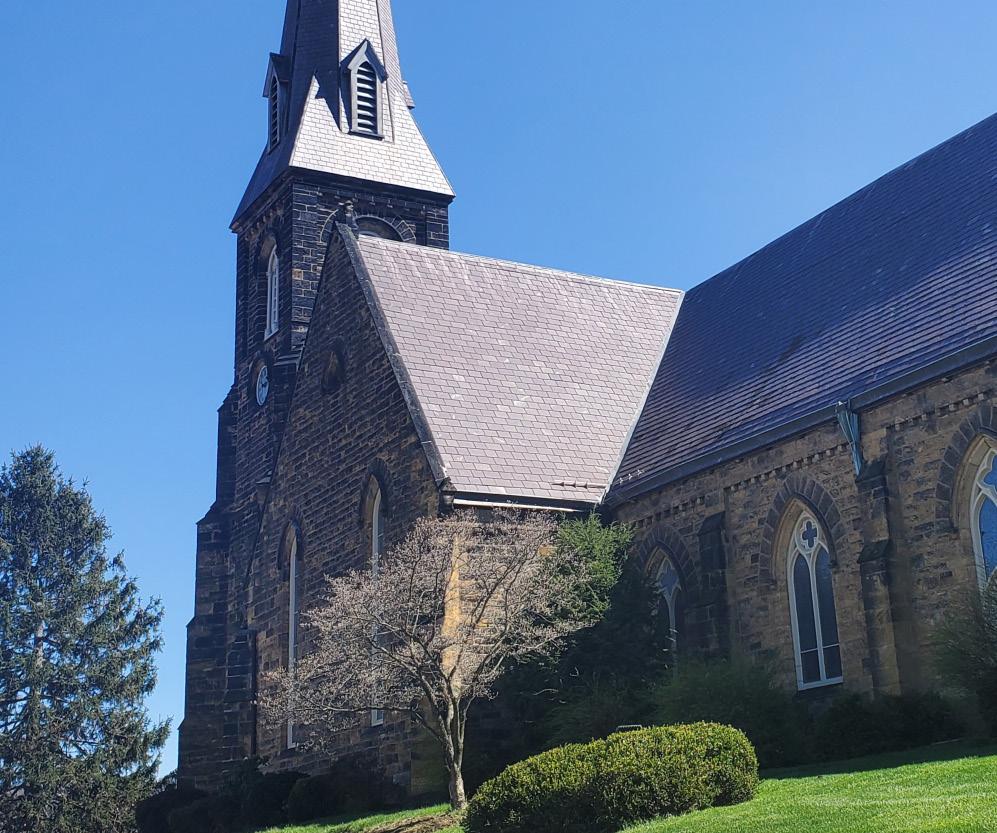
Historically, Cumberland was a transportation hub for the National Road, the Western Maryland Railroad, and the end terminus of the C&O Canal. There was a covert network of anti-slavery residents throughout the town. Today, visitors can tour the underground “safe passage” tunnels beneath Emmanuel Episcopal Church or hike the C&O Canal towpath. Along the towpath, escaping slaves reportedly blended with Canal workers enroute to the Mason-Dixon line into free Pennsylvania. Downtown Cumberland attracts visitors to the vibrant Canal Place and the Allegany Museum.
Contact the African American Historical Association of Western Maryland (aahawmd.org) or Allegany County Tourism—African American History Sites (tourism@alleganygov.org., 301 777-5132) for events and calendar.

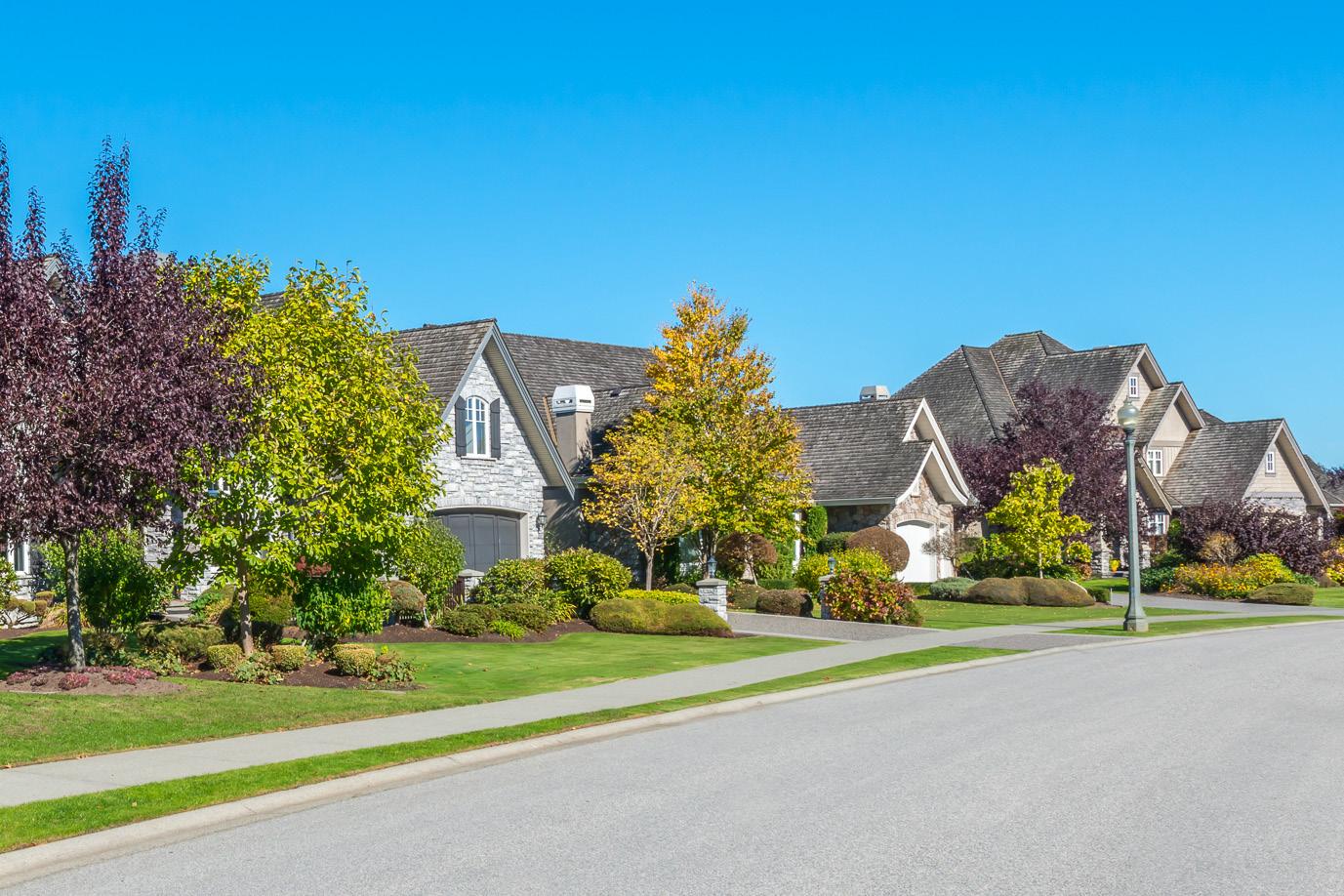


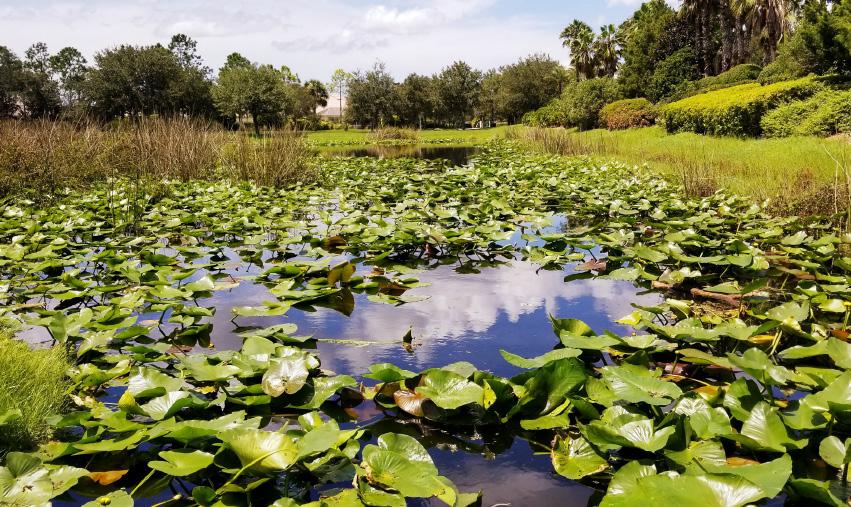
What are the requirements and how do we submit our application?
In applying for Community Association of the Year, your community must follow CAI’s Best Practices, Federal, State, and local laws and regulations, and adheres to the requirements outlined in the application.
1. Complete the application
2. Complete the essay
3. Select photos
Application found here
4. Please submit the completed application, essay, and photos as a single combined PDF to the Chapter Executive Director, Valerie Lykins, at Valerie.Lykins@caimdches.org. All materials must be received no later than July 15, 2026.
5. The winner will be announced at our Annual Expo and Symposium on Monday, October 5, 2026 at Maryland Live! Casino.
The winning community will have bragging rights for an entire year, a plaque to display, three tickets to the Annual Expo and Symposium, announcements on social media and in our quarterly Beacon Magazine. The winning community will also gain exposure to a broader network of industry volunteers, professionals, and business partners.


If you’re responsible for overseeing the management of a lake or stormwater pond, you know it’s a valuable asset that elevates the beauty and appeal of your community. However, you also know that residents who expect a well-maintained, picturesque environment will quickly voice their concerns at the first sign of unsightly weeds in the water.
Whether sprouting near the shoreline and shallow waters, floating on the surface, or growing under the water, lake and pond weeds can overwhelm ecosystems and contribute to more serious issues, including muck accumulation, clogged stormwater systems, and flooding. Furthermore, weeds may hinder recreation and pose safety risks by clogging boat motors and entangling fishing lines and swimmers.
Even the best-maintained waterbodies are not immune to occasional weed growth. Nuisance and invasive plants can be introduced through boats, recreational equipment, migrating birds, or extreme weather events. Early detection and swift action are crucial to prevent infestations from escalating into larger, more costly problems.
Identifying aquatic weeds is challenging, as many species closely resemble beneficial native plants and often go unnoticed until they reach disruptive levels. By understanding the four main categories of aquatic weeds, along with their characteristics and regional presence, you can take proactive measures to address potential issues, keep residents happy, and maintain the desirability of your community.
Discover the most common nuisance and invasive weeds in your local area in this comprehensive educational guide, developed by experienced Aquatic Biologists. To view the guide, visit www.solitudelakemanagement.com/pondweed-id or scan the QR code.
SOLitude Lake Management is the nation’s largest environmental firm specializing in the sustainable management of lakes, stormwater ponds, wetlands, and fisheries.



Atlantic Maintenance Group
CWR
Four Twelve Roofing
Hann & Hann Construction Services
MillerDodson Associates, Inc.
Minkoff Company
Nagle & Zaller, P.C.
North Arundel Contracting, Inc.
Park Heights Roofing
Pinnacle Financial Partners
Rees Broome, PC
Sahouri Insurance
The Falcon Group Engineers, Architects & Reserve Specialists
Tidewater Property Management, Inc., AAMC
WPM Real Estate Management
Community Association Underwriters of America
Duradek MidAtlantic
EJF Real Estate Services
Palmer Brothers Painting & General Contracting
Reserve Advisors
SI Restoration
Structural Restoration Services, Inc.
Western Alliance Bank
2026
Condominium Venture, Inc.
Construction Systems Group
FirstService Residential Kevin Davis Insurance Services / Amwins Company
McFall & Berry Landscape Management
SmartStreet Banc of California


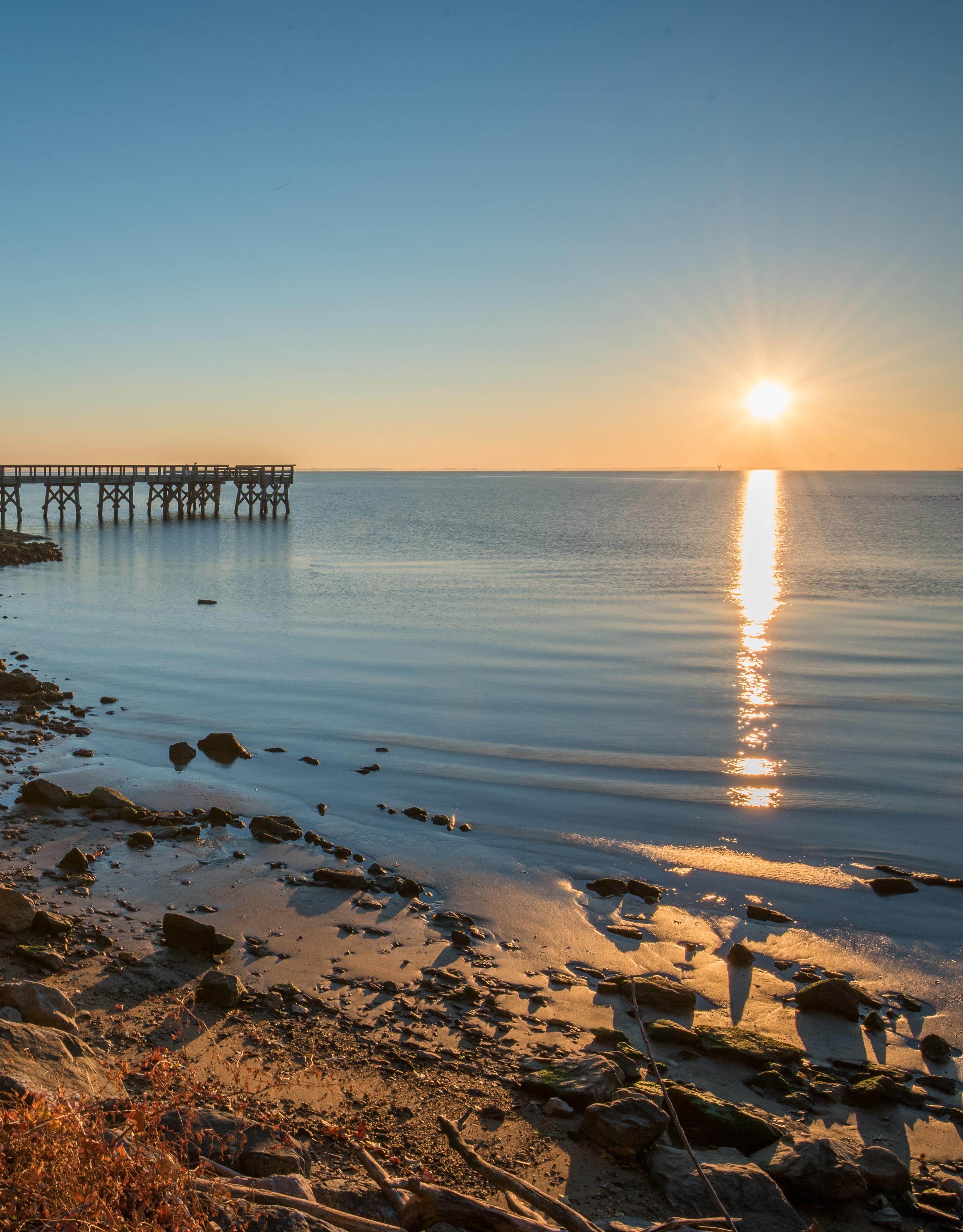
Thursday, July 23rd from 3:00 – 7:00 pm
Kurtz’s Beach
2070 Kurtz Ave, Pasadena, MD 21122
REGISTER TODAY
Early-Bird rates for homeowners and manager members ends on Friday, May 15th!
TICKETS INCLUDE:
• Unlimited Crabs
• BBQ, Sausage & Peppers, Chicken, Hot Dogs, Salads, Sides & More!
• Drinks including Draft Beer, Wine, Seltzers, Sodas, and Water
Registrations rates will increase after July 10th!
Register here today!




landscape plantings to give properties a fresh look for the warm days ahead. But, getting those plants in the ground is actually the easy part. The hard part comes next, as you work to ensure your new landscape provides benefits and curb appeal for years to come. Making the right decisions now will ensure your turf, plants, and trees thrive.
Here’s how to care for your newly-planted landscape in our region’s unique climate conditions.
New trees, shrubs, and sod need time and care to become fully established. Without proper watering and fertility in the first growing season, plants will struggle and may fail, leaving you at risk of voiding warranties.
• Water deeply but infrequently to encourage roots to grow down and out. Daily, shallow watering leads to weak root systems.
• Turf establishment requires consistent moisture. Newly seeded lawns should remain lightly moist until germination and early growth is complete.
• Sod should be watered multiple times daily at first, especially in hot or dry weather.
• Once sod cannot be pulled up by hand, reduce watering gradually to encourage deep root development.
Proper lawn care is key to maintaining health and appearance.
• Mow at a height of 3.5-4 inches to protect the roots, reduce weed pressure, and maintain moisture.
• Do not cut more than one-third of the blade in a single mowing session.
• Water deeply (1 inch/week) during dry periods, early in the morning is ideal.
• Avoid fertilizing newly laid sod. Once established, apply fertilizer during active growth periods (early spring or fall) and always follow application instructions carefully to avoid damaging turf or the environment.
• Maintain a depth of approximately 2 inches of mulch in beds and tree rings.
• Keep mulch away from the base of trees and shrubs to prevent rot and pest problems.
• Check for settling or pooling after heavy rains, new construction sites often experience shifting soil or drainage issues.
For all plants, consistent watering during the first growing season is essential. After that, plants typically require less frequent but deeper watering.
Many landscape contractors and builders provide warranties for plant material and sod, but they often require the homeowner to follow specific maintenance guidelines.
To protect your coverage:
• Follow care instructions provided at closing or by your landscape installer.
• Keep records of watering, fertilizing, and mowing.
• Report plant issues promptly. If a tree or shrub looks unhealthy, notify your provider within the warranty period.
• Avoid damage from equipment (string trimmers, mowers), improper pruning, or neglect, all of which can void a warranty.
Spring:
• Cut back ornamental grasses and perennials.
• Apply pre-emergent weed control.
• Refresh mulch and inspect drainage.
Summer:
• Monitor for heat stress and drought damage.
• Raise mower blades slightly in extreme heat.
• Water early in the day to reduce evaporation.
Fall:
• Aerate and overseed.
• Fertilize cool-season turf.
• Mulch leaves using a lawn mower and evenly distribute back into the turf
Winter:
• Prune dormant trees and shrubs.
• Protect plants from road salt and snow piles.
• Avoid walking on frozen grass.
• Winterize irrigation system and hoses.
A new landscape is a fresh canvas and a significant investment. With just a little knowledge and care, you can protect your plantings, preserve your warranties, and enjoy a beautiful yard year-round.
Written by: Corey Rill, Business Development Manager Level Green Landscaping

For more information and to visit the list of courses offered in 2026 visit here: https://www.caionline.org/ education-for-managers/ Or scan here


















As a homeowner, staying informed is one of the most powerful ways to protect and strengthen your community. The Chesapeake Chapter’s Communications Committee helps ensure members receive clear, timely updates about education programs, legislative news, events, and resources that impact community Associations across our region.
This committee meets on the fourth Tuesday of each month at 10:00 a.m. and welcomes homeowner perspectives. Your insight helps shape how information is shared and ensures communications truly resonate with the people who live in our communities.
Joining a committee is more than volunteering; it’s an opportunity to connect with other engaged homeowners, learn more about how Associations operate, and have a direct voice in how our Chapter communicates and grows. If you’ve ever wanted to be more involved, this is a great place to start!



WEDNESDAY, MARCH 11TH
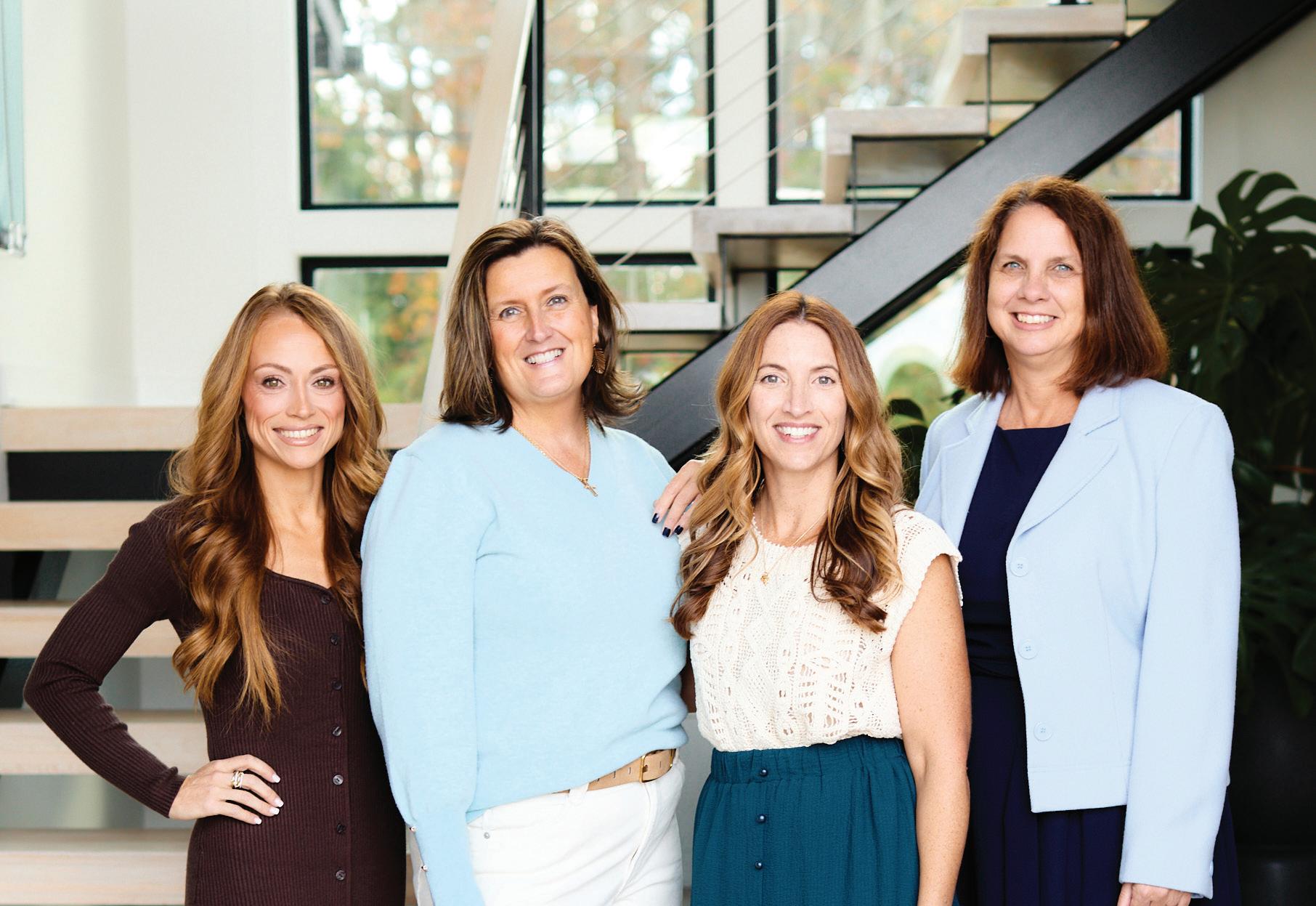
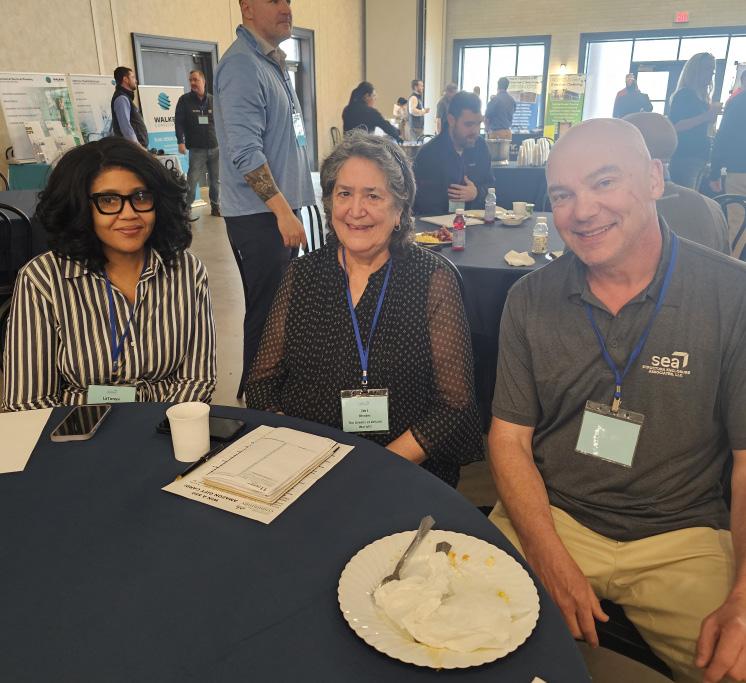
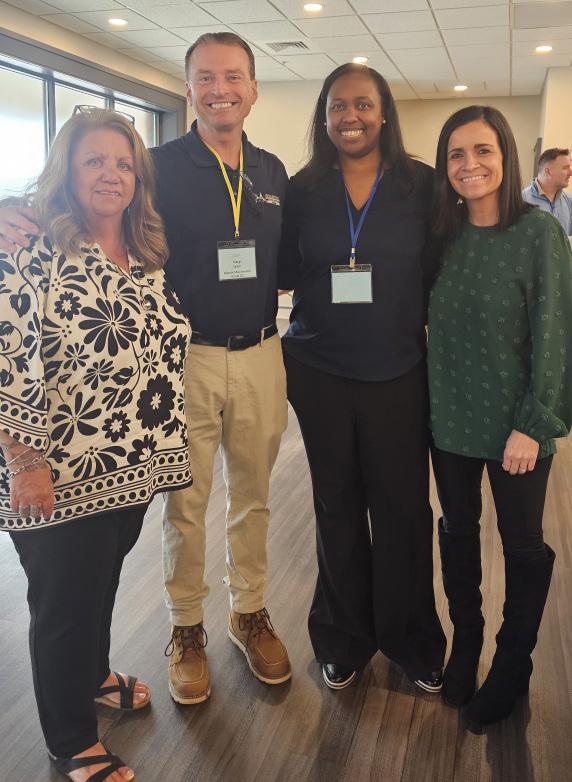
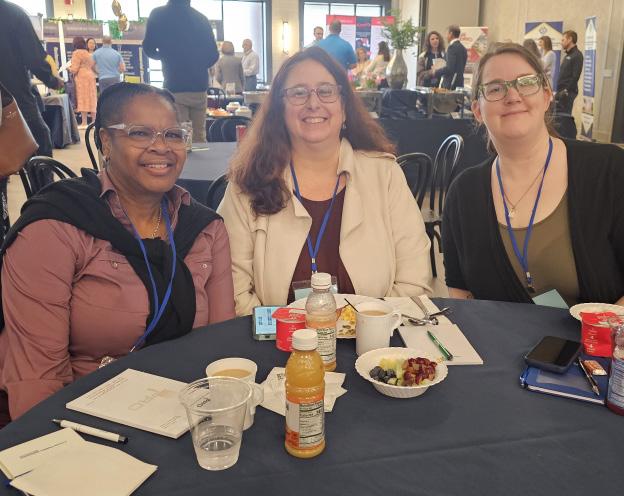
We had a great day at our first in-person Breakfast Seminar of the Year!
Many thanks to our Coordinator, Michelle Jones, CMCA, AMS, PCAM, LSM, with Lake Linganore Association and our Speakers, Hillary Collins with Rees Broome, PC, and Chris Petrik with FirstService Residential/Bulle Rock Community Association
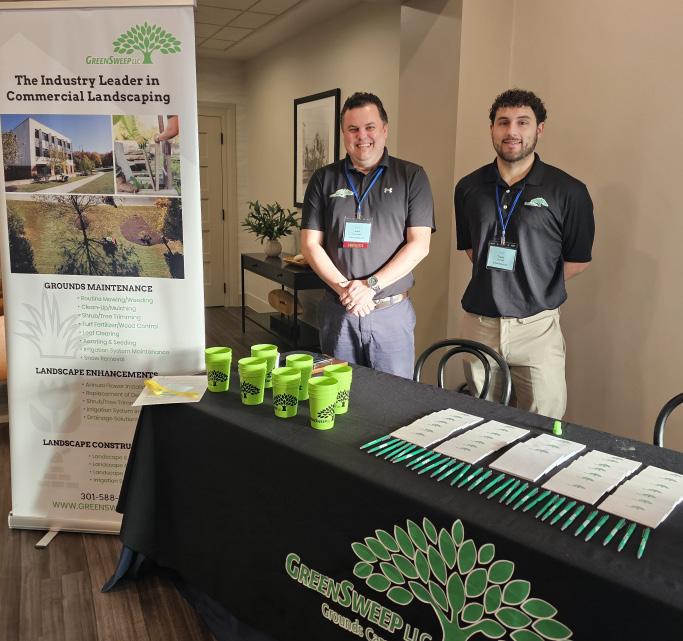
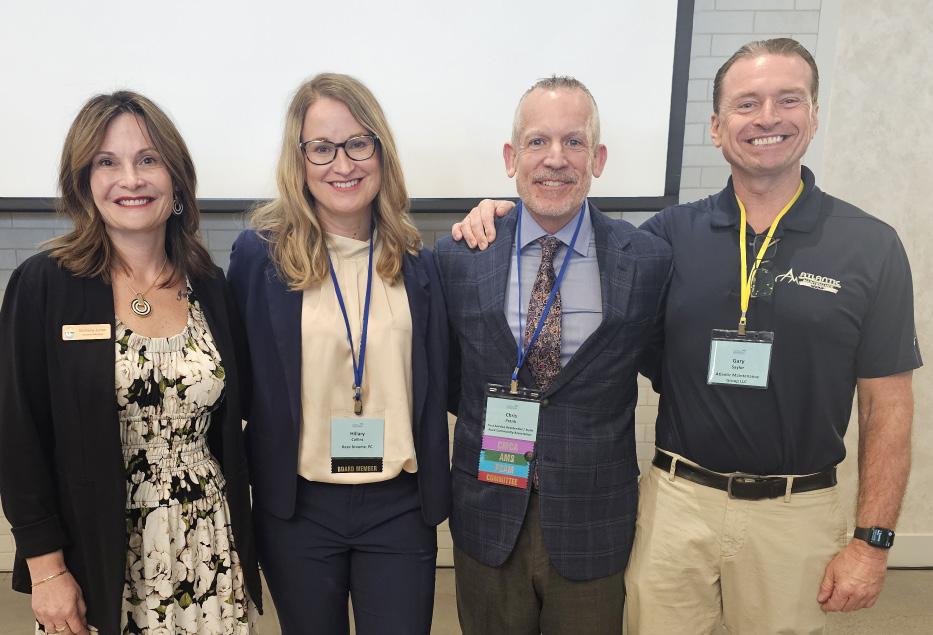

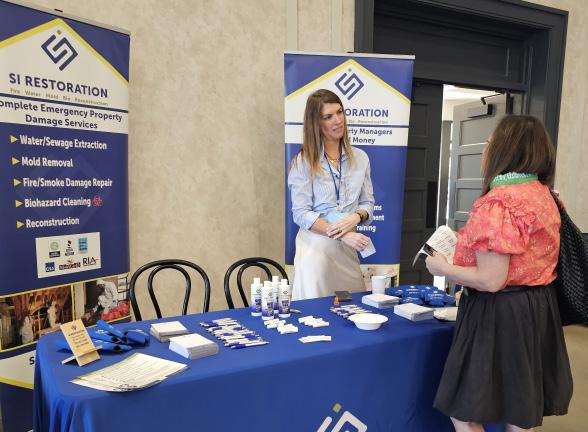
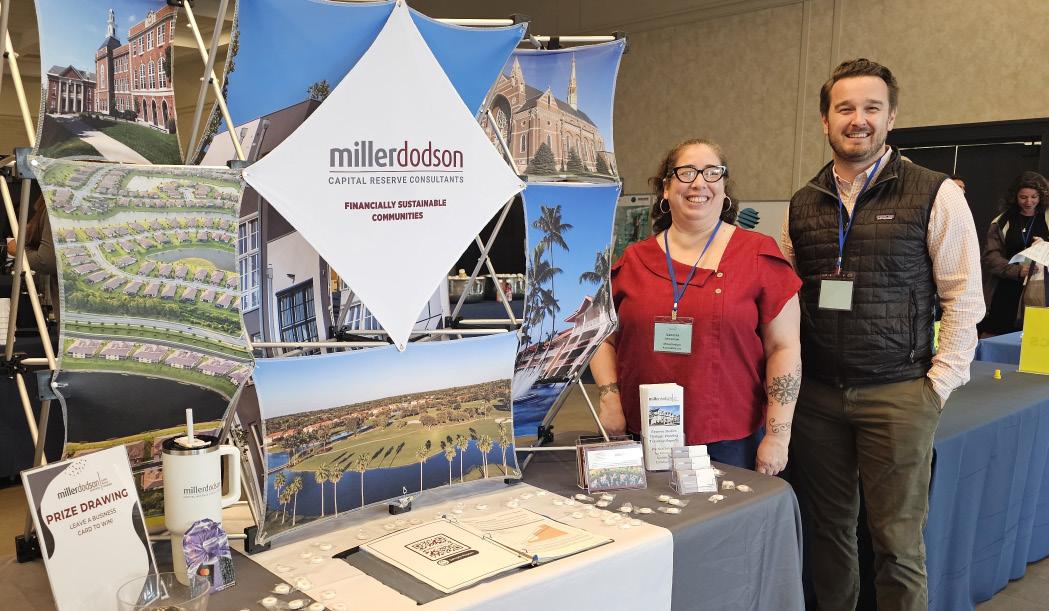
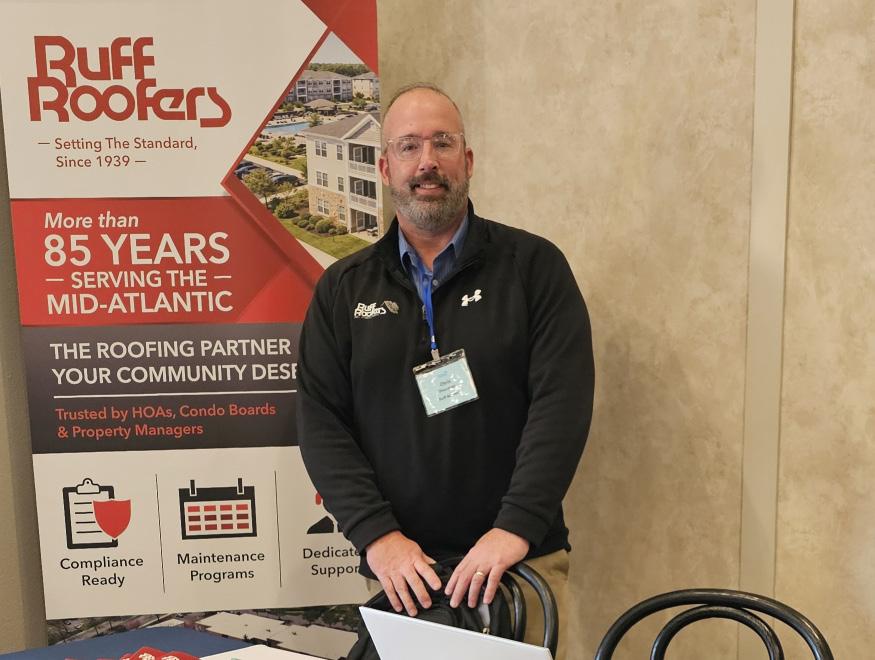
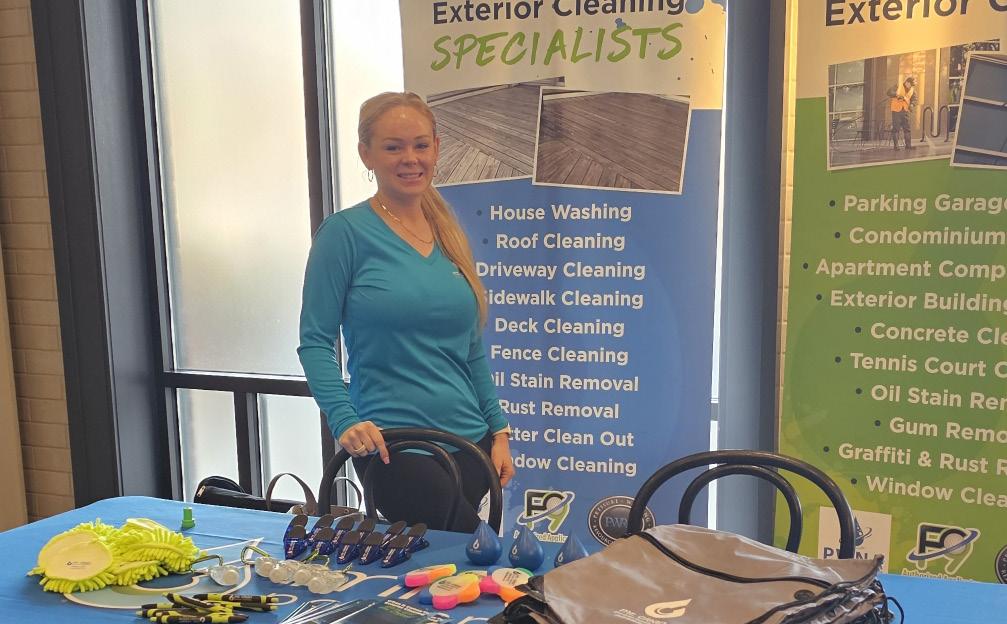
Attendees of the March 11th Breakfast Seminar were treated to an engaging and dynamic presentation led by Hillary Collins (Shareholder, Rees Broome, PC) and Chris Petrik (General Manager, Bulle Rock Community Association, FirstService Residential). Titled “The Legal Tightrope: Managing Compliance, Liability, and Resident Expectations in the Age of Instant Feedback,” the presentation deftly balanced the analysis of complex, real-world scenarios with audience participation and practical advice. Using case studies, Hillary and Chris covered topics such as dealing with owners that expect instant feedback, the dangers of selective reinforcement, and when and how to consult with your legal counsel (hint: probably more than you’d think!). In each case, they were able to break down these sensitive issues into their main points and outlining paths to resolution. For example, in a situation where a community had to deal with an aggrieved homeowner that alleged a Board election had been rigged, the audience learned that censorship can often do more harm than good, and that setting clear and stern guidelines for Board meetings can be an effective tool in curbing disruptions. By the end of the presentation, managers and association members left with not only a better understanding of their own roles, but of their counsel’s as well.
Written by: Gage Pepin, PE Consultant BECS
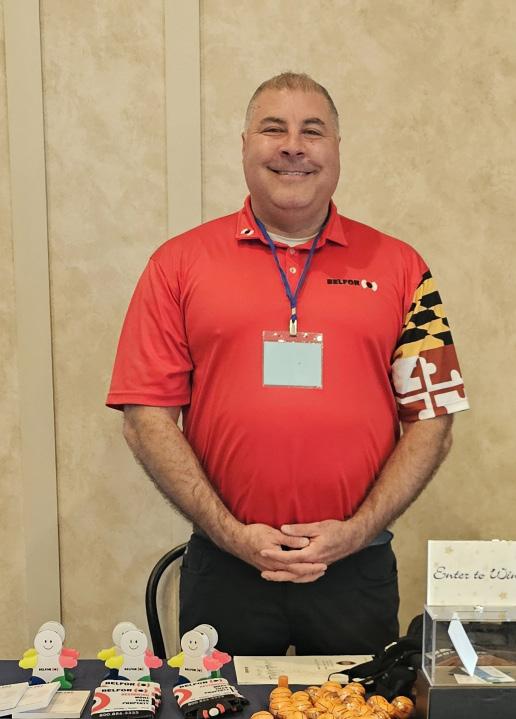
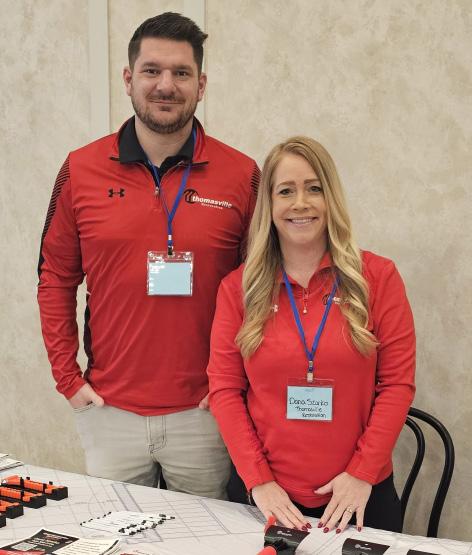
A special thank you to our Sponsors!
Belfor Property Restoration
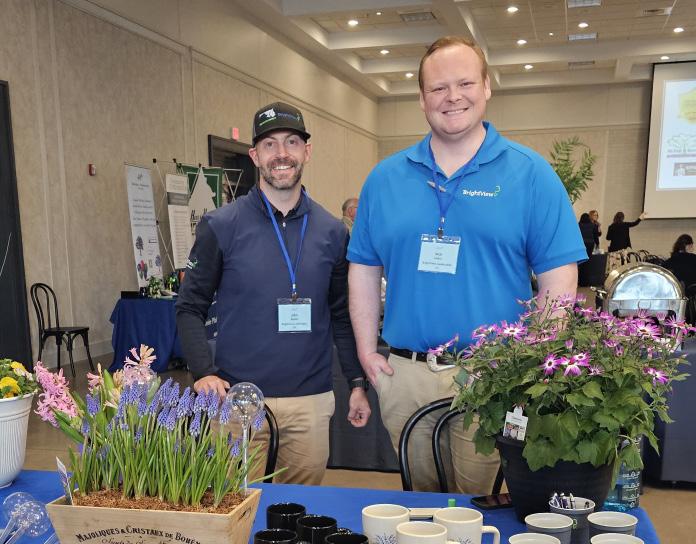
BrightView Landscapes
Building Envelope
Consultants and Scientists
Connie Phillips Insurance
CoreCom Commercial Painting
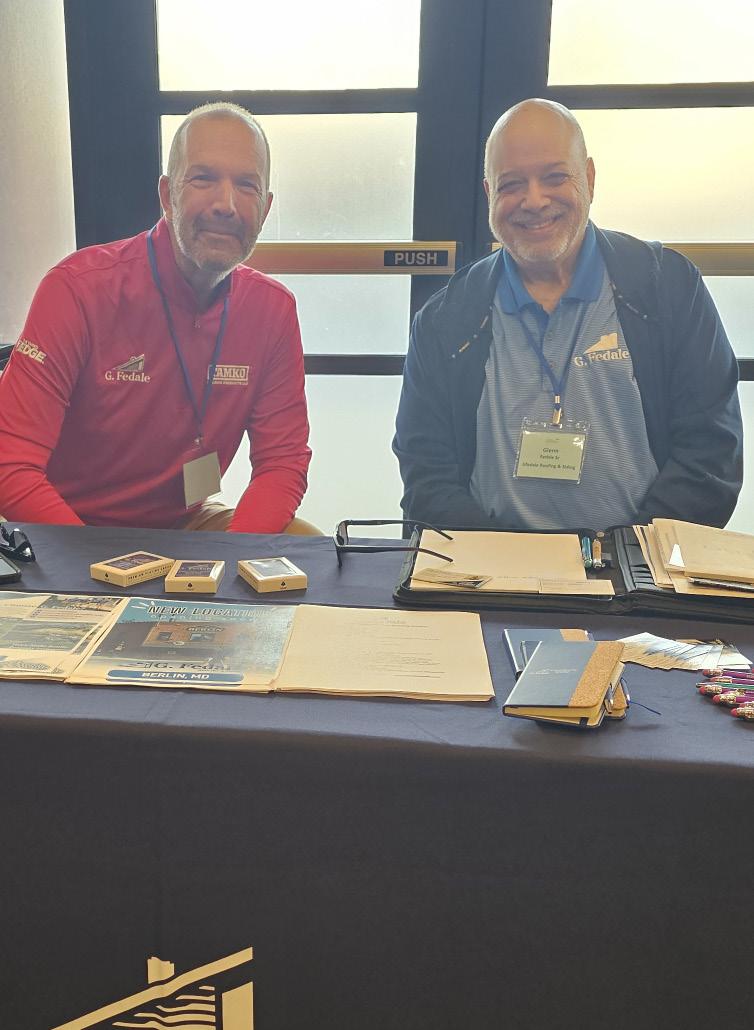
G. Fedale Roofing & Siding
GreenSweep, LLC
Hann & Hann Construction Services
Knott Mechanical
MillerDodson Associates
Mr. Clean Power Washing
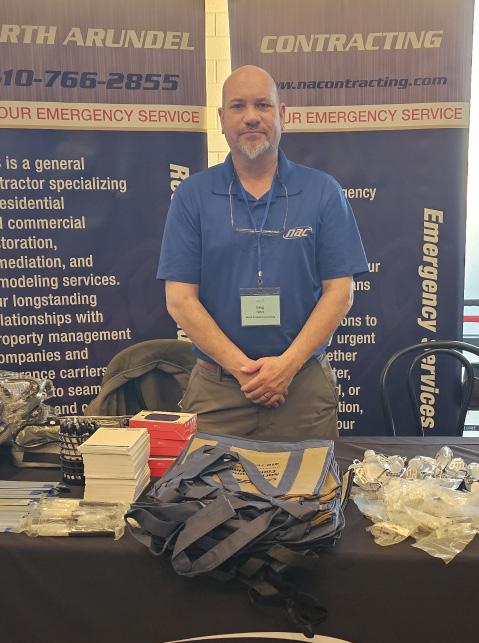
North Arundel Contracting
Precision Concrete Cutting of DE & MD, Inc.
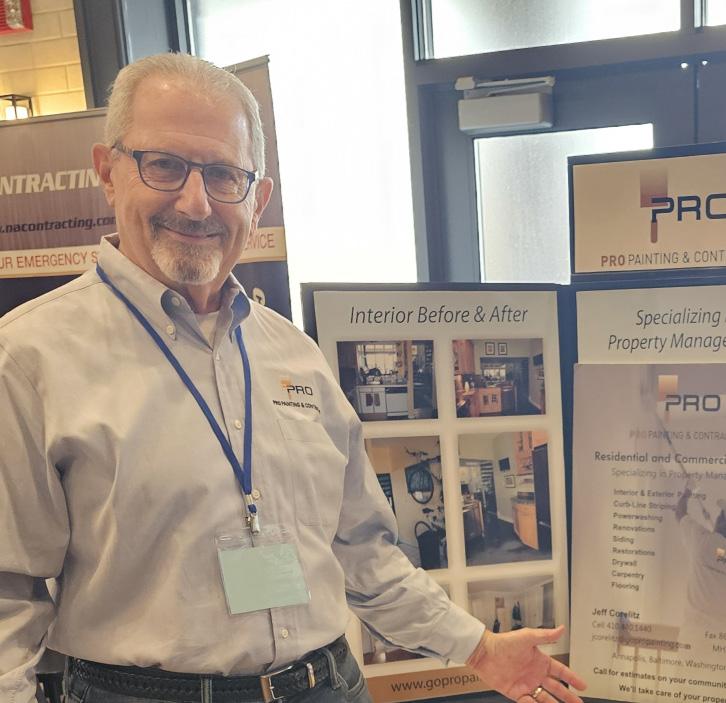
Pro Painting & Contracting
PTG Enterprises
RPS Pools/Rubini Pool Service, LLC
Ruff Roofers
SI Restoration
Structural Restoration Services
Thomasville Restoration
USI Insurance Services
Walker Consultants
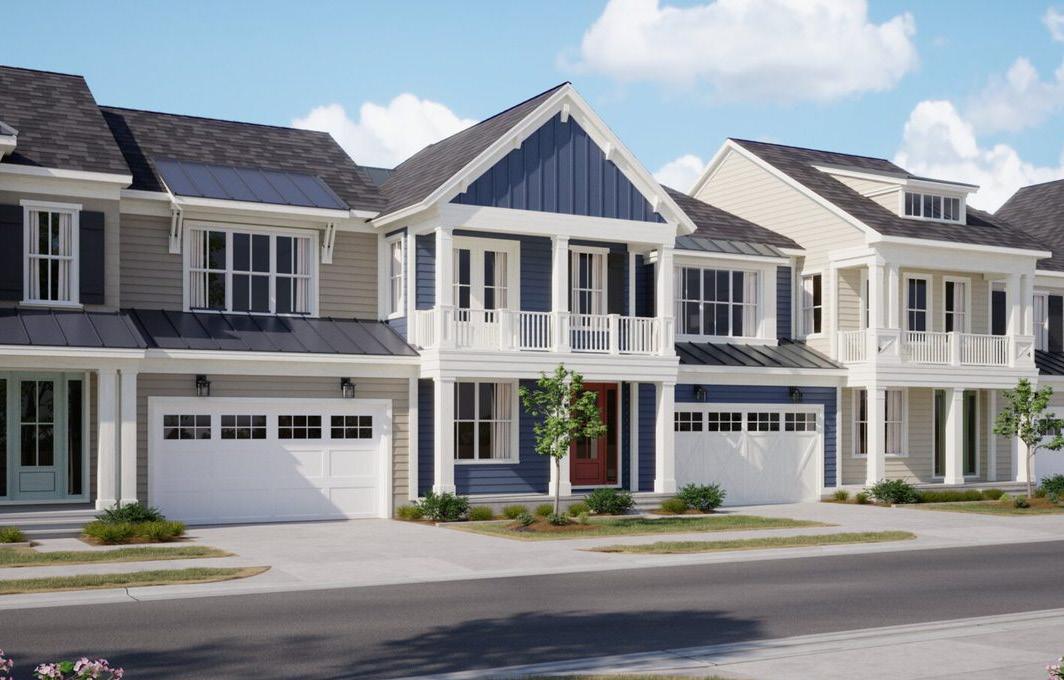
Homeowner Associations (HOAs) Condominium Boards Apartment Complexes
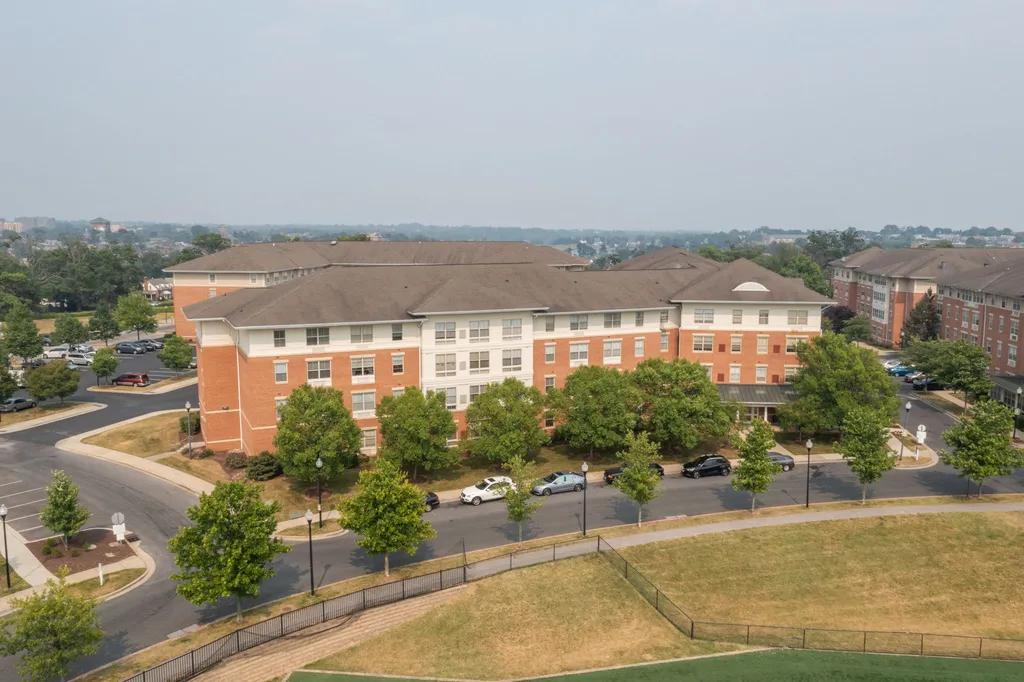
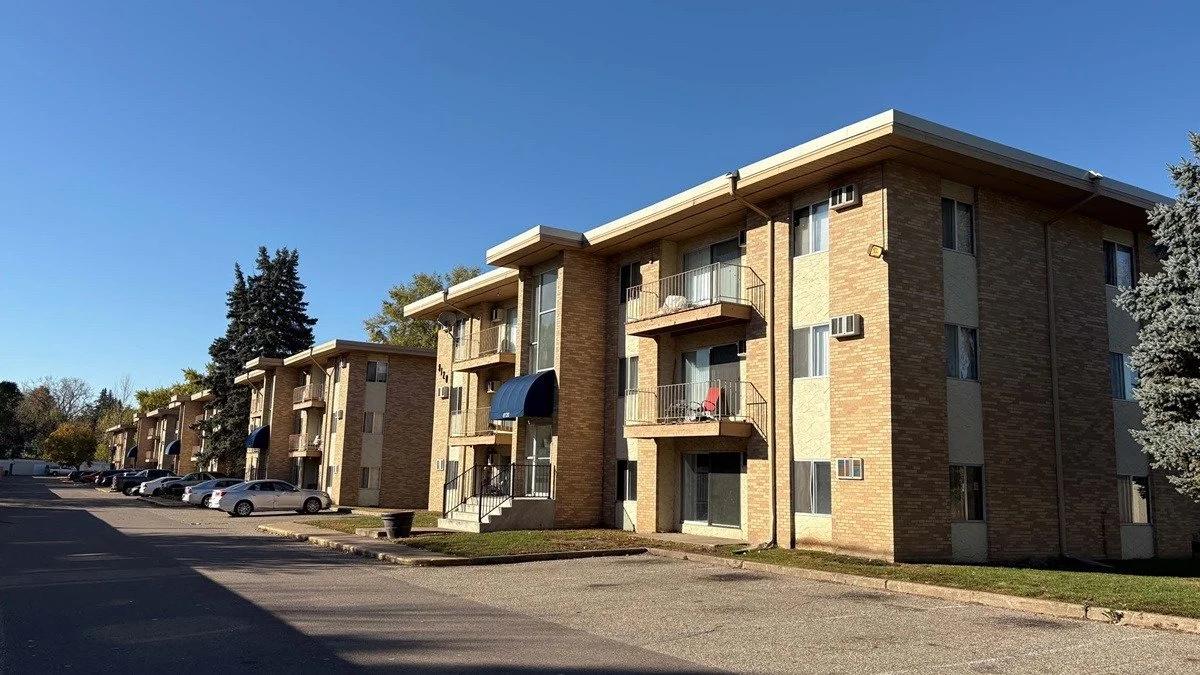

For over 85 years, Ruff Roofers has been a leader in the roofing industry, providing high-quality installation, repair, and maintenance for multi-unit residential communities. We understand the unique challenges and responsibilities faced by property managers, boards, and association leaders. Our aim is to provide the best experience in roofing.

Experienced Team: Certified, licensed, and insured professionals with decades of experience across all roof systems.

Comprehensive Services: From inspections and preventive maintenance to full replacements we tailor solutions for your property’s needs and budget.


OUR SERVICES INCLUDE:

Roof Inspections, Leak Detection, Replacement, Maintenance, Emergency Leak Response, Concrete Restoration, Waterproofing, Masonry, Parking Garage Rehabilitation.
At Ruff Roofers, we understand the complexity that comes with performing large scale construction projects on fully occupied properties. This is not just a building or a construction site, this is home. We pledge to place the safety of you, your residents, and your property at the forefront of every decision we make.
Safety & Compliance: Our team adheres to the highest safety standards and is fully compliant with state and local regulations.
Responsive Support: We prioritize communication, transparency, and reliability throughout every project.
Proud Member of the Community Associations Institute (CAI): As an active CAI Member, Ruff Roofers is committed to supporting community associations with industry best practices, education, and ethical service.

Serving the Mid-Atlantic through 6 regional offices and over 450 full-time employees. 410-242-2400 www.ruffroofers.com info@ruffroofers.com
Friday, April 10, 2026
Experts Share Critical Insights on Community Safety and Infrastructure at Delmarva Breakfast Seminar
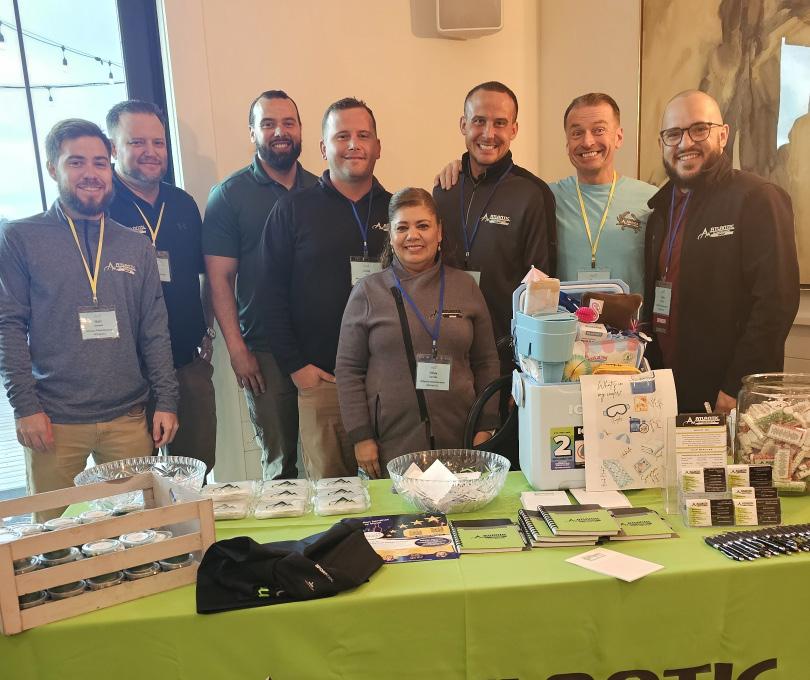
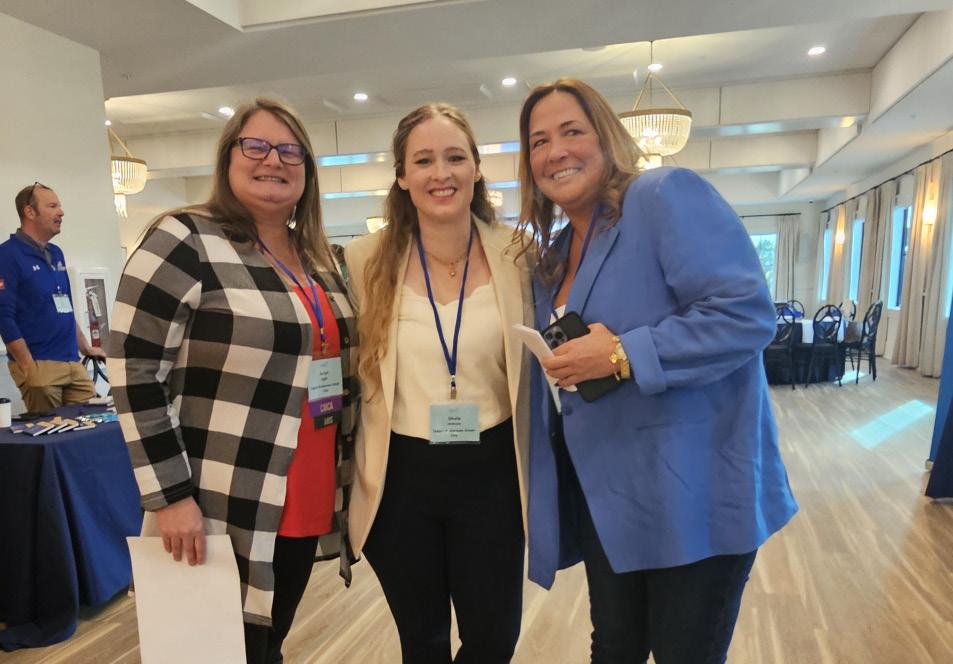
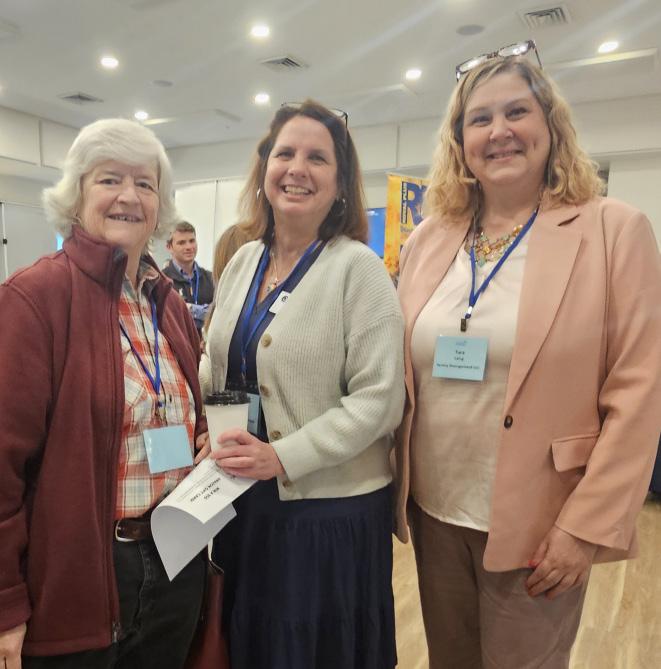
We had a great turnout at our 2026 Delmarva Breakfast Seminar!
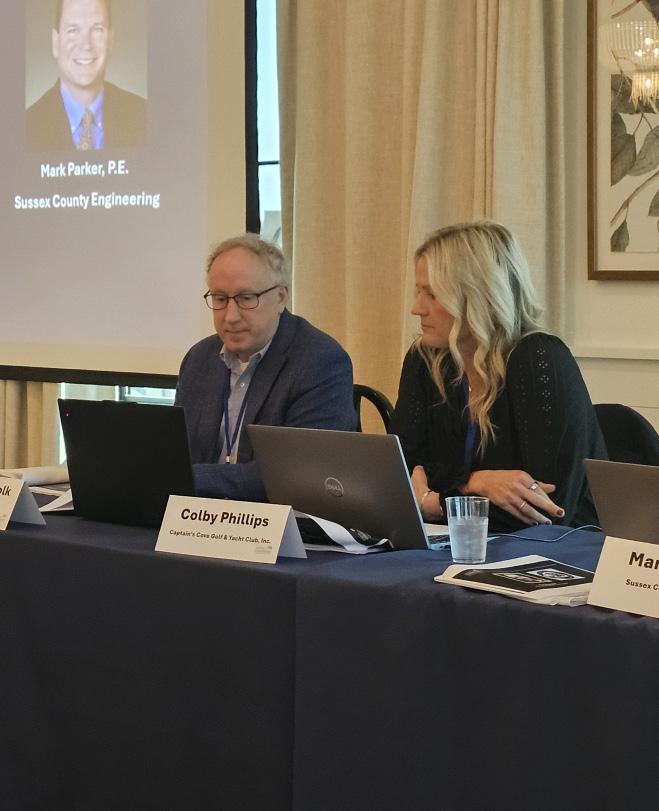
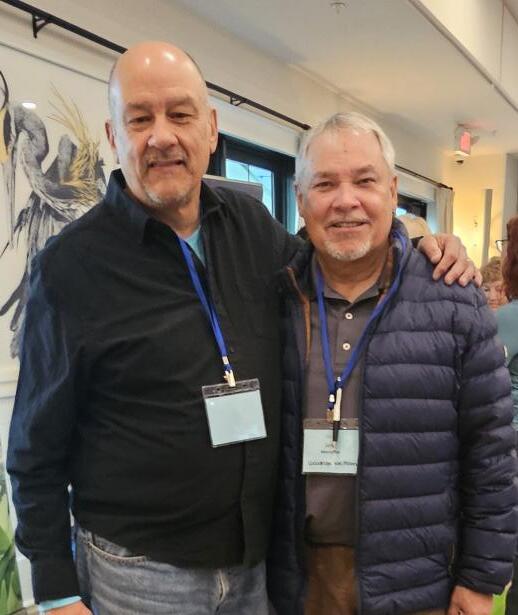
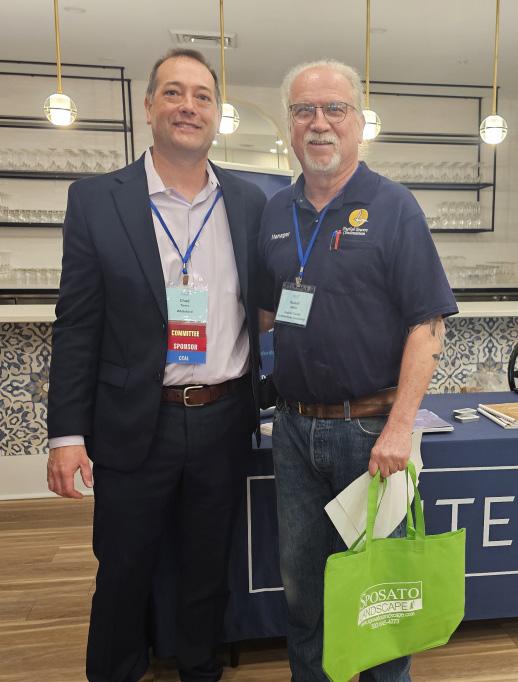
Many thanks to our Moderator, Tara Laing, CMCA, AMS, PCAM, with Sentry Management and our Speakers, Derek Cathell with the Delaware State Police, Mark Parker with Sussex County Engineering, Colby Phillips, CMAA, CMCA, AMS, PCAM, LSM, with Captain’s Cove Golf & Yacht Club, Inc., and Richard Polk, PE, with Vista Design.


Many Thanks to our Sponsors!
20/20 Cleaning Service Inc.
Action Elevator Company
Allsafe Elevator Inspections
Atlantic Maintenance Group
Community Financials
Deely Insurance Group
GAF Roofing Material Manufacturer
G. Fedale Roofing & Siding
Hann & Hann Construction Services
LakeSource
Pinnacle Financial Partners
Rees Broome, PC
Royal Plus Disaster Cleanup
Ruff Roofers
Sposato Landscape
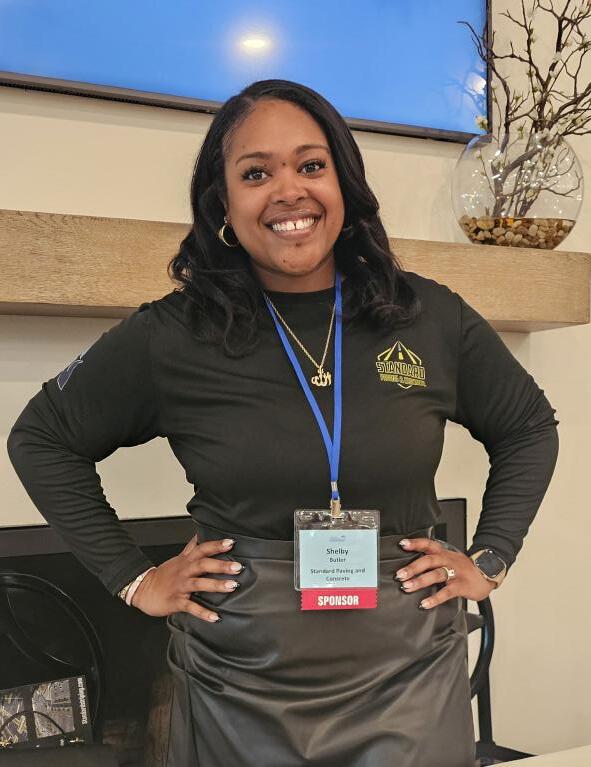
Standard Paving & Concrete
Sullivan,s Landscaping & Maintenance - Milford, DE
Tidewater Property Management
Whiteford
WPM Real Estate Management
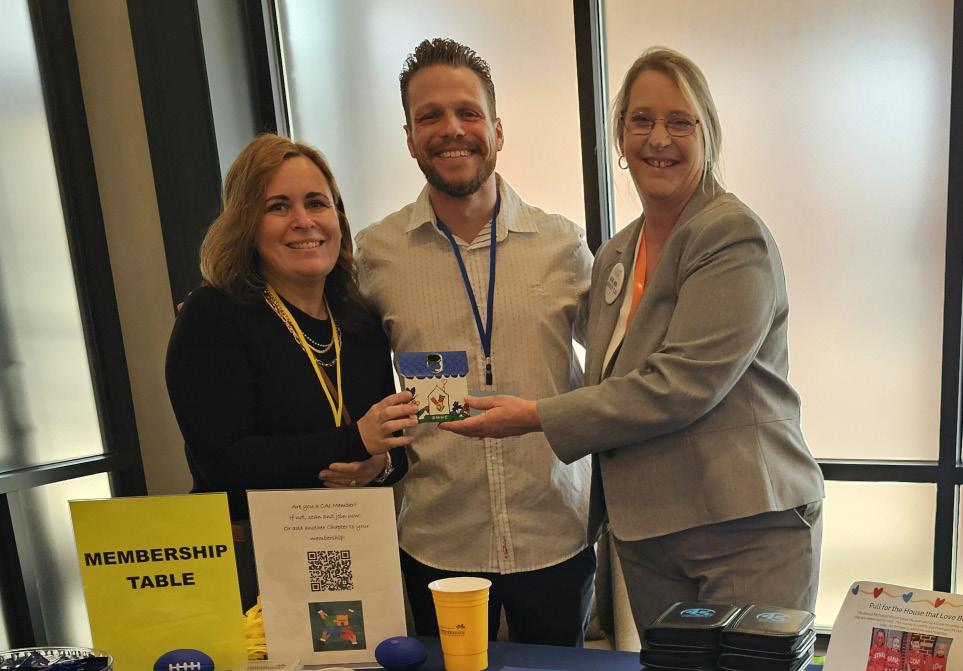
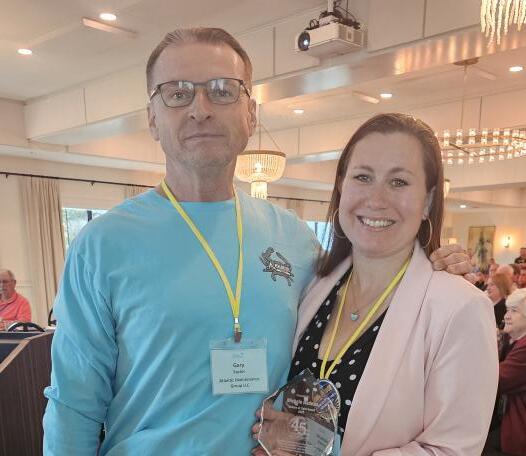
Congratulations to Deeley Insurance Group for winning our Pop Tab Fundraiser Challenge at our Delmarva Breakfast Seminar by collecting well over 30 lbs. of tabs in support of the Ronald McDonald House Charities (RMHC)!

Community association leaders and industry professionals gathered on April 10 for the Delmarva Breakfast Seminar, “Beyond the Pavement: Safety, Parking & Infrastructure Responsibilities in Community Associations.” The informative event brought together experts in law enforcement, engineering, infrastructure management, and community operations to explore the growing challenges associations face in maintaining safe and sustainable neighborhoods.
The seminar focused on the often unseen systems that support residential communities — roads, parking areas, drainage systems, sidewalks, and emergency access routes — and the responsibility associations have in preserving them. Speakers emphasized that infrastructure maintenance is no longer simply about appearance; it is directly connected to public safety, financial planning, and long-term community success.
One of the key presenters, Derek E. Cathell of the Delaware State Police, discussed how roadway conditions, traffic flow, and parking violations can impact emergency response and resident safety. His presentation highlighted the importance of cooperation between residents, boards, and local agencies in creating safer communities. Attendees gained a stronger understanding of how infrastructure decisions can affect everything from first responder access to pedestrian protection.
Mark Parker, PE, Assistant County Engineer with Sussex County Engineering, addressed the increasing infrastructure demands facing rapidly growing communities across Delmarva. He explained how county agencies evaluate roadways, drainage systems, and transportation concerns while working alongside community associations to address long-term maintenance needs. Parker emphasized the importance of proactive planning and communication between associations and local governments.
Adding a real-world management perspective, Colby Phillips, CMAA, CMCA, AMS, PCAM, LSM, Senior General Manager of Captain’s Cove Golf & Yacht Club, shared practical experiences from overseeing a large residential community. His discussion centered on balancing infrastructure responsibilities with budgeting, reserve planning, and resident expectations. Phillips noted that many communities struggle with deferred maintenance because repairs are often delayed until problems become visible or urgent.
Richard F. Polk, PE, Principal and Director of Engineering at Vista Design, Inc., provided one of the seminar’s most technical and eye-opening presentations. Polk discussed roadway assessments and how public roads are regularly inspected using advanced testing technology under guidance from State Highway Administrations and the Federal Highway Administration. He explained that while public infrastructure benefits from sophisticated evaluation programs, private and community-owned roads often lack affordable assessment methods and preventative maintenance programs.
One particularly interesting takeaway from Polk’s presentation was the growing need for cost-effective infrastructure evaluation tools designed specifically for private communities. Attendees learned that many associations may unknowingly overlook early signs of pavement deterioration, leading to significantly higher repair costs later. The discussion reinforced the importance of preventative maintenance and reserve funding as essential components of responsible community governance.
Another recurring theme throughout the seminar was the strong connection between infrastructure and liability. Poorly maintained roads, inadequate parking management, and neglected drainage systems can create serious safety hazards and expose associations to financial and legal risks. Speakers encouraged boards and managers to adopt long-term planning strategies rather than relying solely on reactive repairs.
The Delmarva Breakfast Seminar successfully brought together professionals from multiple disciplines to provide attendees with both technical knowledge and practical solutions. By combining perspectives from law enforcement, engineering, county government, and community management, the event offered a comprehensive look at the evolving responsibilities facing today’s community associations.
As infrastructure continues to age and communities grow, the seminar served as a timely reminder that maintaining roads, parking areas, and public safety systems requires collaboration, education, and forward-thinking leadership.
Written by: Nicole Thompson, CMCA, AMS Senior Property Manager, Aspen Property Management nthompson@aspenpropertymgmt.com


Much like business leaders, HOA boards manage financial resources and make strategic decisions that both preserve and enhance the community’s value. With personal budgets wearing thin, every decision is under greater scrutiny, from increases in dues to the timing of capital projects. While temporarily limiting assessment increases or delaying projects may seem like a low-risk way to support residents in the short term, the potential consequences can be far more significant. As a matter of fact, underfunding reserves or deferred maintenance often signals increased risk to insurance providers and mortgage lenders.
Following the Surfside tragedy, the reserve study landscape has rapidly evolved. From legislation to insurance and lending, the impact is far-reaching. The following states, for example, have passed legislation aimed at ensuring structural and resident safety.
1. Florida – Now requires reserve studies for buildings with three or more residential stories. These communities are also required to fund reserves at the level outlined in the reserve study, and older buildings must conduct periodic structural inspections.
2. Maryland – Signed into law in 2022, all condominiums, cooperatives, and certain homeowners associations are required to conduct periodic reserve studies. These associations are also required to fund reserves at the level outlined in the reserve study.
3. New Jersey – Signed into law in 2024, condominiums, cooperatives, and certain homeowners’ associations are
required to conduct periodic reserve studies. They are also required to fund reserves at the level outlined in the reserve study.
4. Tennessee – Signed into law in 2023, unit owners’ associations with $10,000 or more in common assets are required to conduct periodic reserve studies. The law intends to inform the board of how much should be set aside in reserves to avoid future assessments. There are currently no statutory funding requirements.
Underwriting standards have evolved over the past several years as insurance providers mitigate risks associated with aging infrastructure. What was once a simple verification process is now a thorough review of structural conditions, maintenance history, and financial preparedness. Communities that are unable to demonstrate proactive planning risk greater premium increases, reduced coverage, or difficulty securing a renewal.
Key insurance trends that communities experience include:
1. More Detailed Inspection Requirements – Rather than simply accepting that a reserve study exists, insurers regularly review recommended project timelines and whether structural projects have been completed. Any indication that a structural project is overdue, such as a roof replacement, inherently increases the carrier’s risk and likelihood of a future claim.
2. Condition-Based Premiums – Historically, premiums were primarily reflective of the age of a property,
building materials used, number of stories, and location. Today, maintenance history, known deferred projects, and the adequacy of reserve funds, which increase the carrier’s risk, are often reflected in premiums.
3. Stricter Underwriting Terms – Increased risk is often associated with the terms of renewal. Associations that deviate from reserve funding or have a recent history of deferred maintenance are at greater risk of lower coverage limits, higher deductibles, risk-based exclusions, and, in the worst cases, denial of coverage.
Shortly after the Surfside collapse, Fannie Mae and Freddie Mac released new guidelines for securing loans backed by government-sponsored enterprises. Meant to safeguard against safety and structural concerns, the new guidelines place greater emphasis on proper reserve funding, proactive maintenance, and periodic building inspections.
With roughly 70% of conventional loans backed by Fannie Mae or Freddie Mac, the market is highly dependent on traditional lending. When a loan is denied for a condo real estate transaction, the association is at risk of landing on a ‘do not lend’ list – meaning no buyers will qualify for a government-backed conventional loan until the association sufficiently addresses any issues at hand.
Key mortgage trends that communities experience include:
1. Stricter Reserve Requirements – Lenders often require a recent reserve study and evidence or confirmation of proper reserve funding, which is outlined in the reserve study.
2. Increased Documentation Requests – It is not uncommon to have to provide detailed maintenance and capital project records, and inspection reports as part of the loan approval process. Lenders often review reserve studies to assess the extent of structural deterioration and potential water infiltration. If project timelines deviate from the study, supporting documents that validate the board’s decision may be warranted to continue the loan review process.
3. Impact on Buyer Eligibility – As lenders are hesitant to approve mortgages for condominiums that are deemed high risk, the pool of potential buyers shrinks, impacting residents’ ability to close on the sale of their home and potentially impacting property values.
It is becoming increasingly common for boards to address insurance and mortgage lender concerns. While, for good
reason, the reality is that, oftentimes, management and the board can lean on their reserve study provider to clarify concerns about reserve funding and deferred maintenance.
In a recent case involving a Midwest-based condo association, the board was unable to complete a brick masonry repair project in 2025, the year in which their reserve study recommended it. Due to weather constraints, the project was scheduled for 2026 instead. A mortgage application was denied due to deferred maintenance. Upon validating the board’s decision and confirming that there were no safety or structural concerns, the lender resumed the mortgage approval process.
As industry expectations continue to rise, boards can position their communities for greater financial stability and resilience against external risks.
1. Prioritize Structural and Safety-Related Projects – Addressing high-risk projects, such as roofs, waterproofing systems, or structural concrete, demonstrates responsible stewardship and mitigates the risk of insurance and loan eligibility concerns.
2. Maintain Adequate Reserve Funding and Keep Your Reserve Study Current – Proper funding reduces the risk of future deferred maintenance and signals financial preparedness. Associations should update their reserve studies at least every 3 years, or sooner if funding levels change significantly or if major projects are deferred or completed.
3. Leverage Your Reserve Study Partner for Clarity and Documentation – When questions arise, oftentimes, your provider can discuss insurance and mortgagerelated concerns and provide documentation to assist with renewal and loan processing – keeping the community’s insurance renewals and real estate transactions on track.
Insurance and lending trends will continue to evolve, driving the industry toward a more resilient future. An increased focus on structural integrity and reserves supports a more proactive approach to addressing building deterioration when issues are minor, rather than waiting until they become more complex and more costly to address. Lastly, communities that take a disciplined approach to capital planning will be best positioned to maintain coverage at the most affordable rates, mitigate risks of loan eligibility, and support home values.
Written by: Michelle Baldry PE, PRA, RS Vice President of Sales, Reserve Advisors mbaldry@reserveadvisors.com
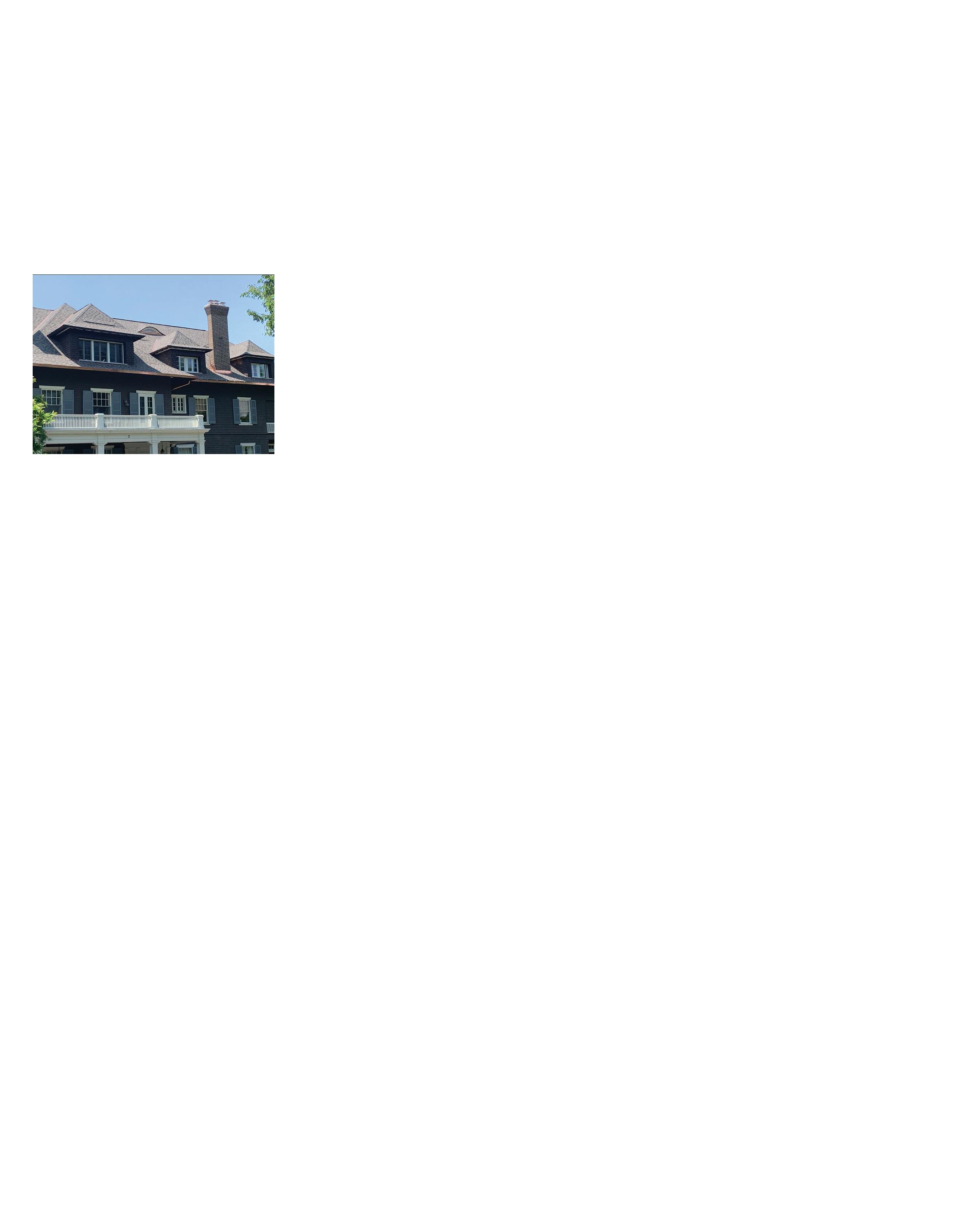
The Chesapeake Region Chapter of CAI is looking for a few good articles or article ideas for our SUMMER/FALL and FALL/WINTER issues of The Beacon!
If you have an idea for a potential article that is relevant, informative, and of general interest to our members, email contact@caimdches.org or call our office to discuss.
SUMMER/FALL due date: No later than July 3, 2026 (publish date September 2026)
FALL/WINTER due date: No later than October 2, 2026 (publish date early December 2026)




As electric vehicle (EV) adoption continues to accelerate across the Chesapeake region, Maryland community associations are seeing a surge in requests for charging station installations. Under Maryland law, boards are required to approve these requests provided they meet specific criteria. However, “Right to Charge” does not mean “Free to Charge.” Maryland law gives associations powerful tools to shift liability and costs onto the unit owner.
In Maryland, the “Right to Charge” is governed by specific statutes—MD Real Property Code § 11-111.4 (Condominiums) and § 11B-111.8 (HOAs). By 2026, these laws have been refined to ensure that boards cannot “unreasonably restrict” owners from installing chargers, while clearly defining the owner’s insurance and financial obligations.
In Maryland, an application for an EV charger must be processed in the same manner as an architectural modification.
• The Deadline: If the board does not deny an application in writing within 60 days, it is “deemed approved” by default.
• The Strategy: Managers must ensure EV applications
are timestamped and moved to the top of the Architectural Review Committee (ARC) agenda to avoid losing the board’s right to impose conditions.
While the Maryland statute says an owner “shall” provide a certificate naming the HOA as an additional insured, a major conflict has arisen because many HO-6 (condo) insurance carriers often refuse to add an association as an “additional insured” for a personal charger.
Maryland law is explicit about who carries the risk. A lot/ unit owner is required to do one of two things before installation begins:
• Option A: Certificate of Insurance (COI). Provide a COI naming the association as an additional insured. While some national carriers are resisting this, Maryland statute still lists this as a primary requirement to protect the association from fire or electrical damage claims.
• Option B: Premium Reimbursement. If the owner cannot or will not provide a COI, they must reimburse the association for any increase in the master policy premium specifically attributable to the EV station.
One of the most important provisions of the Maryland Real Property Code is that the responsibility for the charger is not personal—it follows the property.
• The current owner and each successive owner are responsible for the cost of maintenance, repair, and replacement.
• If a new buyer does not want the charger, they are still legally responsible for the cost of removing it and restoring the common element to its original condition.
Maryland law requires the owner to pay for all electricity used.
• Separate Metering: The installation must be separately metered or sub-metered.
• Licensed Only: Maryland recently aligned with NEC 2026 standards, which effectively prohibits DIY charger installations. All work must be performed by a Maryland Licensed Master Electrician.
While you cannot ban chargers, you can impose “reasonable” rules. In MD, a restriction is generally considered unreasonable if it significantly increases the cost of the station or significantly decreases its efficiency.
• Reasonable: Requiring conduit to be painted to match the building; requiring a specific color for the charging unit; requiring a retractable cord system.
• Unreasonable: Requiring an owner to pay for a $50,000 transformer upgrade for the whole building just to install one charger (unless the grid literally cannot support it).
In summary, Maryland’s “Right to Charge” legal landscape has matured into a strict framework that protects owner rights while maintaining association safety and financial stability. Under MD Real Property Code § 11-111.4 (Condos) and § 11B-111.8 (HOAs), as well as the newly expanded HB 405 (2026), boards are legally prohibited from banning EV chargers but are empowered to enforce specific insurance and procedural safeguards.
• Housing Cooperatives: As of 2024–2025, “Right to Charge” protections were extended to Cooperative Housing Corporations (SB 465), aligning them with HOAs and Condos.
• Electric Bicycles: Maryland’s definition of “EV equipment” now explicitly includes charging for e-bikes, preventing boards from banning e-bike chargers in common storage areas.
• Retroactive Power: New laws passed in 2026 apply retroactively, meaning associations cannot rely on old bylaws from the 1990s or 2000s to block modern charger requests.
Approval Timeline Strict 60-day window to avoid "Default Approval."
Insurance Limit Generally $1M (standard industry recommendation).
Install Method Must be a MD Licensed Master Electrician.
Must be separately metered or sub-metered at owner expense.
Written by: Orlando Dorsey (Connie Phillips Insurance)


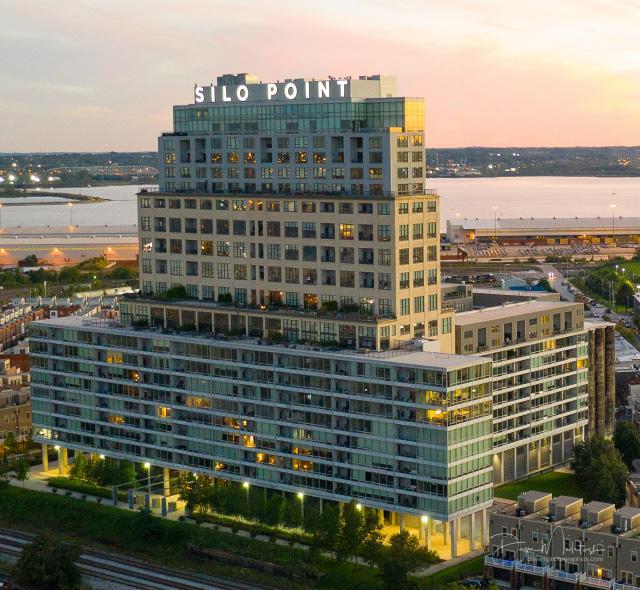
There are buildings you recognize, and then there are buildings you remember. In Baltimore, Silo Point is both.
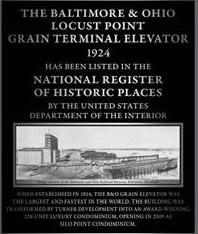
Located in Baltimore’s Locust Point neighborhood, Silo Point is a 24-story waterfront condominium community built within one of the city’s most recognizable historic structures. The community includes 228 residential condominiums within this converted landmark.
Rising above the Locust Point skyline, the building’s illuminated SILO POINT letters glow as a familiar marker for anyone who knows the waterfront. While the exterior makes a bold statement, it is the life inside the building that truly defines the community.
Silo Point is more than a high-rise condominium. It is a place where neighbors know one another, committees stay active, and participation is part of daily life. The building carries presence, but the people inside give it purpose.
Daily life at Silo Point reflects the rhythm of an engaged residential community. Shared spaces stay active, residents cross paths regularly, and involvement remains a defining part of the building’s culture.
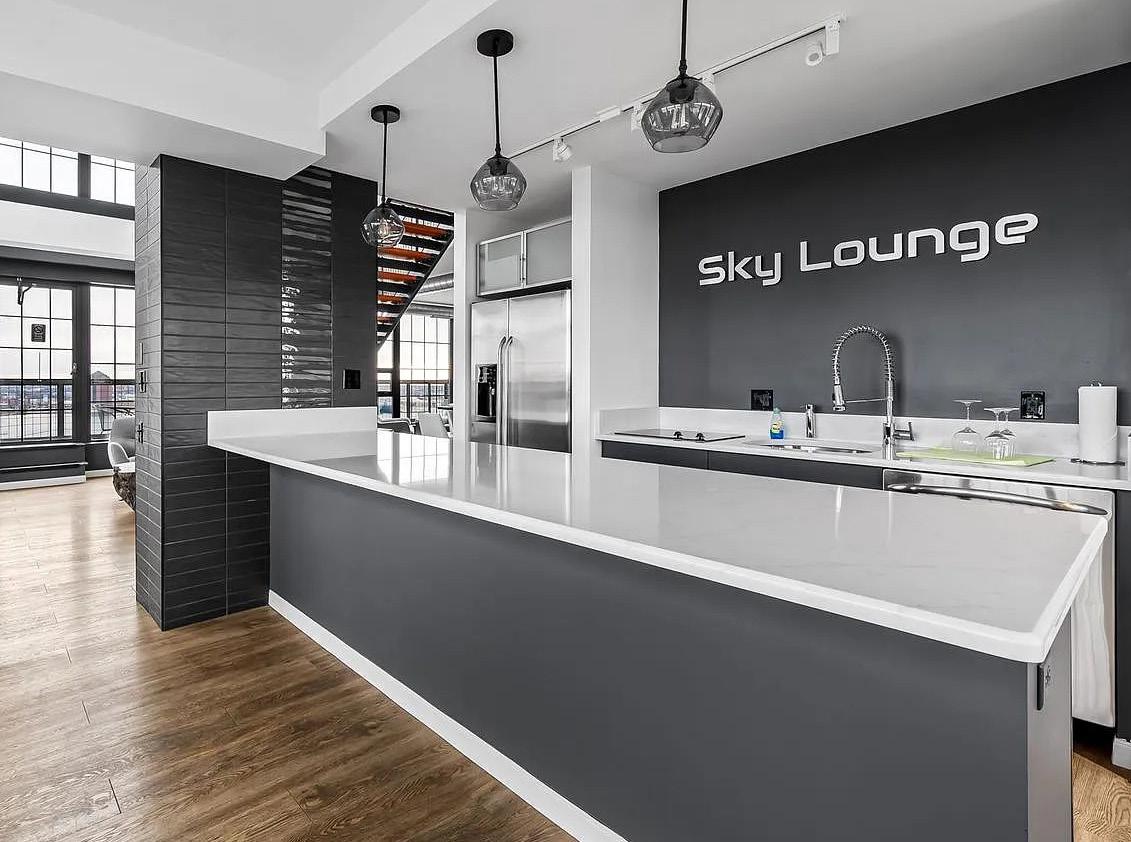
Amenities throughout the property support both connection and convenience. Residents gather in the twostory Sky Lounge, which overlooks the city and waterfront, while the fitness center supports daily routines. The game room and library offer relaxed gathering spaces, and treatment rooms and additional common areas provide residents with flexibility in using the building.
The Social Committee plays a major role in strengthening resident engagement. Revitalized in 2024, the committee introduced a consistent calendar of events designed to bring neighbors together. Thirsty Thursdays, Yappy Hour gatherings, wine tastings, speaker series, and seasonal celebrations have quickly become part of the community’s routine. The annual Holiday Soirée has also become a signature event - one of the building’s most anticipated traditions.
Communication plays an important role in community life as well. The Communications Committee produces The Silo Pointer, the community’s monthly newsletter. The publication provides updates on building operations, highlights upcoming events, shares neighborhood developments, and offers seasonal information relevant to both Silo Point and the surrounding Locust Point community. Residents often look forward to the newsletter as a central source of information about what is happening inside the building and throughout the neighborhood.
Outside the building, the Grounds Committee helps maintain and enhance the landscaped areas surrounding the property. Volunteers coordinate seasonal clean-up initiatives, planting projects, and other improvements that support the appearance of a highly visible waterfront community.
Behind the daily rhythm of the community is a governance and management structure designed to support operational stability and long-term planning.
Silo Point is professionally managed by FirstService Residential and operates with full onsite staffing. The onsite management and operations team oversees building systems, coordinates maintenance and capital projects, and supports residents through responsive service.
The community is governed by an active Board of Directors composed of resident volunteers with professional experience in finance, engineering, real estate, law, information technology, and executive leadership. This range of expertise supports thoughtful decision-making across infrastructure planning, modernization initiatives, and policy development. Standing committees and ad hoc committees allow residents to participate directly in shaping the continued evolution of the building.
As part of its long-term capital planning strategy, the community has undertaken significant infrastructure improvements in recent years, including phased HVAC system replacements completed through 2025 and into 2026. These projects reflect a proactive approach to reserve planning and long-term building performance.
Originally constructed in 1924 as a B&O Railroad grain elevator, the structure once served as an important component of Baltimore’s industrial waterfront. Following its conversion to residential use, Silo Point was designated a Baltimore City historic landmark in 2004.
In 2024, the community celebrated its centennial, marking 100 years of architectural presence along Baltimore’s harbor. Today, the building rises more than 300 feet above Locust Point and remains one of the most recognizable residential structures on Baltimore’s skyline.
Inside the building, original concrete silos and exposed structural elements remain visible throughout common areas and residential layouts, preserving the property’s distinctive industrial character. Few residential communities offer this kind of “adaptive reuse” experience - where the history is not just preserved but lived in every day.
The building operates with a 24-hour front desk, controlled access entry points, and secured elevator systems that

support resident safety and managed building access.
Commercial spaces on the surrounding grounds, including Reflex Gym and InVein Aesthetics Medispa, offer convenient services nearby while maintaining the property’s residential focus.
• Year Constructed: 1924
• Historic Landmark Designation: 2004
• Centennial Celebrated: 2024
• Residential Floors: 24
• Residential Units: 228
• Height: More than 300 feet
• Management: FirstService Residential
• Staffing: Fully onsite staffed
• Security: 24-hour front desk and controlled access entry systems
“A successful community depends on active volunteer involvement, with residents working together toward a shared goal of improving where they live.”
- Jimmy Lawrence, Board Vice President
As Silo Point enters its second century, the community continues to demonstrate how professional management, engaged governance, and active resident participation can support a strong and sustainable high-rise condominium community.
The building’s history remains an important part of its identity, but the future of Silo Point continues to be shaped by the people who call it home.
Written by: Erin O’Neill, CMCA General Manager, Silo Point Condominium
FirstService Residential
for an unforgettable evening of networking
THURSDAY, AUGUST 13, 2026
Time: 3:00 – 6:00 pm
Maryland Jockey Club, Inc.
198 Laurel Race Track Road, Laurel, MD 20725

Register here today!

TICKETS INCLUDE: Drinks • Food Friendly competition of Corn Hole, Jenga, Connect 4 and more! Music and Networking!
Sponsorships are available here!
There will be NO LIVE horse racing during the event; however, you’ll have the opportunity to learn about the sport, including how racing and betting work. Guests can also try their luck with simulcast betting while on-site.

In recent years, the landscape of Maryland’s residential neighborhoods has begun to shift from individual homeownership toward “corporate neighborhoods.” Large institutional investors—hedge funds, private equity firms, and Real Estate Investment Trusts (REITs)—are increasingly purchasing single-family homes in bulk to convert them into long-term rentals. This is creating new challenges for neighborhood governance and resident engagement. As investor-owned properties increase, communities are often seeing a decline in homeowner participation at board meetings, elections, and community events. Many rental properties experience higher turnover rates, which can make it more difficult to build long-term relationships among neighbors or foster a strong sense of community involvement.
In Maryland, where Homeowners Associations (HOAs) and Condominium Associations govern a significant portion of the housing stock, this trend is creating a quiet crisis in board governance. HOA boards face challenges when attempting to recruit volunteers and future leaders, as absentee owners are typically less involved in the day-today concerns of the neighborhood. In some communities, residents worry that the increase in corporate ownership may shift priorities away from community-building and toward financial return, potentially affecting everything from property maintenance expectations to overall neighborhood stability.
As this trend continues nationwide, associations are beginning to explore policies and strategies aimed at preserving community engagement while balancing the realities of an evolving housing market.
When an institutional investor purchases dozens of lots within a single subdivision, they aren’t just buying real estate; they are buying voting power.
Most Maryland HOAs operate on a “one-lot, one-vote” system. In a community of 100 homes, an investor who owns 20 properties effectively controls 20% of the vote. This concentration of power impacts governance in three primary ways:
• Quorum Control: Many HOAs struggle to reach a quorum (the minimum number of members required to hold a legal vote). An institutional investor can effectively “block” or “guarantee” a quorum, giving them a pocket veto over any community decision.
• Board Seat Dominance: With concentrated voting blocks, investors can elect their own employees or representatives to the Board of Directors. This shifts the board’s focus from “community well-being” to “Return on Investment (ROI).”
• Amendment Blocking: Most HOA governing documents require a supermajority (often 67% to 80%) to change the bylaws. An investor with a 2030% stake can permanently prevent a community from passing rental caps or other restrictions that might limit the investor’s profit.
In newer Maryland developments, where an investor might swoop in and buy 30% to 50% of the initial inventory, this can effectively paralyze a community before it even begins, by making it very difficult to form a Resident Board.
Even if a quorum is reached, the “pool” of eligible volunteers is drastically reduced.
• Limited Volunteers: In a 100-home community where 40 homes are corporate-owned rentals, the entire burden of governing (Board seats, Architectural Committee, etc.) falls on the remaining 60 families who are present and active in the community..
• Burnout: With fewer people to share the work, resident boards often suffer from rapid burnout, leading to a total collapse of governance where no one is willing to serve.
Governance of these communities is primarily dictated by the Maryland Homeowners Association Act and the Maryland Condominium Act.
Under Maryland law, board members are protected by the Business Judgment Rule. This means courts will generally not overturn a board’s decision unless it can be proven the board acted in bad faith or with gross negligence. When an investor-controlled board decides to defer maintenance on common areas to keep assessments low (and profits high), homeowners find it incredibly difficult to challenge these decisions legally.
• SB 665 / HB 793 (2024/2025): Recent Maryland legislation has attempted to make it easier for communities to govern themselves by lowering the threshold required to amend certain governing documents. For example, Maryland (HB1534/2025) allows a simple majority of 66.67% vote to approve certain changes, rather than the impossible 80% threshold that investors often use as a shield.
• Task Force on Common Ownership Communities (2025): The Maryland General Assembly recently established a new task force to study the “education and training needs” of board members. A key subfocus of this group is the impact of non-occupant owners on community stability and financial health.
Governments at all levels are beginning to realize that the “financialization” of housing may be a threat to the American Dream of homeownership.
Maryland has been more proactive than many states. The Office of the Attorney General’s Consumer Protection Division has jurisdiction over all common interest communities in the state and provides an ombudsman-like role for HOAs and condominiums. At the county level in Maryland, Montgomery County is currently the only county with an administrative process in place to review association matters. Prince George’s County is in the process of setting up a similar process. These offices are increasingly seeing complaints about “proxy “voting and investor-led boards.
At the federal level, the HOPE for Homeownership Act and the Stop Predatory Investing Act (introduced/ debated in the 2024-2026 cycle) aim to:
1. Remove Tax Breaks: Prohibit large investors (those owning 50+ homes) from deducting interest or depreciation on single-family rentals.
2. Incentivize Sales: Offer tax credits to institutional investors who sell their properties back to individual homeowners or community land trusts.
To prevent institutional capture, Maryland associations are increasingly adopting “defensive” bylaws:
• Rental Caps: Limiting the total percentage of rented units in the community (e.g., no more than 15%).
• Waiting Periods: Requiring a new owner to reside in the home for 12–24 months before they are eligible to rent it out. This effectively kills the “buy-to-rent” model for institutional flippers.
• Director Residency Requirements: Amending bylaws to require that all Board members must be “resident owners,” which prevents an out-of-state hedge fund manager from sitting on the local board.
Maryland has recently passed laws to help communities bypass this corporate-induced gridlock:
• HB 1534 / SB 758 (Effective Oct 2025): This new law requires HOA elections to be conducted by independent third parties (like electronic voting platforms). This helps circumvent “gatekeeping” by developers or large investors who might try to suppress turnout or hide the fact that a quorum wasn’t met.
• Maryland Real Property § 11B-113.6: This statute now explicitly allows for Virtual Meetings and Electronic Voting. By allowing homeowners to vote via a smartphone app rather than attending a Tuesday night meeting in person, Maryland communities are finding it much easier to reach quorums despite the presence of absentee corporate owners.
• The “Meeting to Elect” Rule: Under Maryland law, if an association fails to hold an election because of a lack of quorum, homeowners can petition the circuit court to appoint a receiver or, more commonly, use the “Reduced Quorum” provision. This allows a second meeting to be called where the quorum requirement is significantly lowered (sometimes to just those present), ensuring that business can proceed even if the corporate owners stay silent.
The Maryland government’s stance is currently a tug-of-war between property rights and consumer protection:
Action Impact on Institutional Investors
Promoting: ADU Legislation (2025)
Stopping: Transparency Requirements
Laws making it easier to build "Accessory Dwelling Units" (basement apartments/cottages) are attractive to investors looking to double rental income on a single lot.
New laws requiring more frequent Reserve Studies (HB 107) force investors to pay their fair share of long-term maintenance, making "buy-and-hold" strategies more expensive.
Stopping: The Maryland HOA Task Force
Currently investigating whether "Institutional Investor" should be a specific legal category with restricted voting rights in residential HOAs.
Written by: Connie Phillips Phillips Condominium Group cpi@insurance-financial.net
Nicole
Thompson,
CMCA, AMS Senior Property Manager,
Aspen Property
Management
nthompson@aspenpropertymgmt.com
Many Thanks to our Sponsors!
Atlantic Maintenance Group
Brightview Landscape
Carl M. Freeman Companies
CWR
FirstService Residential
Greenlink, Inc.
Hawkins Electric Service
LakeSource
Mediacom Communications
Complete Landscaping of Monarch
Landscape Companies
NFP, An Aon Company
Rip Tide Restoration
Royal Plus Disaster Cleanup
Ruff Roofers
Sposato Landscape Company, Inc.
Standard Paving & Concrete
Sullivan’s Landscaping & Maintenance
Taylor Bank
Tecta America East
United Restoration, Inc.
Western Alliance Bank
WHITEFORD
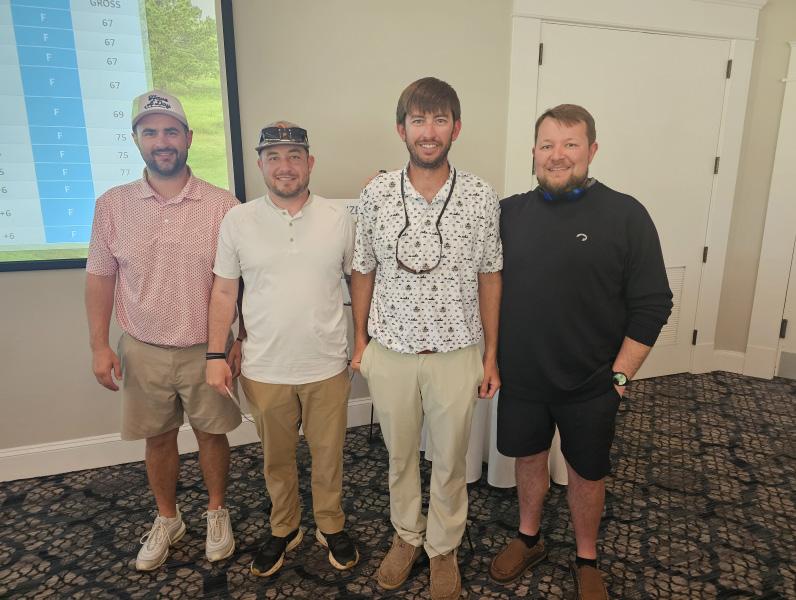
Congratulations to our Delmarva Golf Outing Winners!
First Place:
Standard Paving & Concrete - Jack Rogers, Matt Rogers, Joe Cox, John Butts
Second Place:
Atlantic Maintenance Group – Micheal Burgo, Jonathan Morgia, Joe Parent, Dave Gibbins
Third Place:
ETC, Inc. – Kirk Parsons, Luke Valentine, Eugene Jubber, Trevor Rickett
Men’s Longest Drive – Ray Griffith
Women’s Longest Drive – Ellen Throop
Men’s Closest to the Pin – Kevin Saylor
Women’s Closest to the Pin – Monica Cofiell
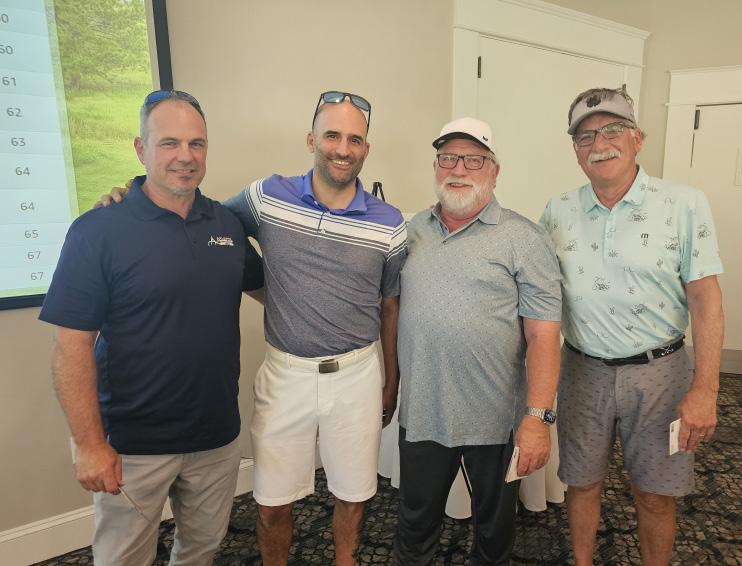
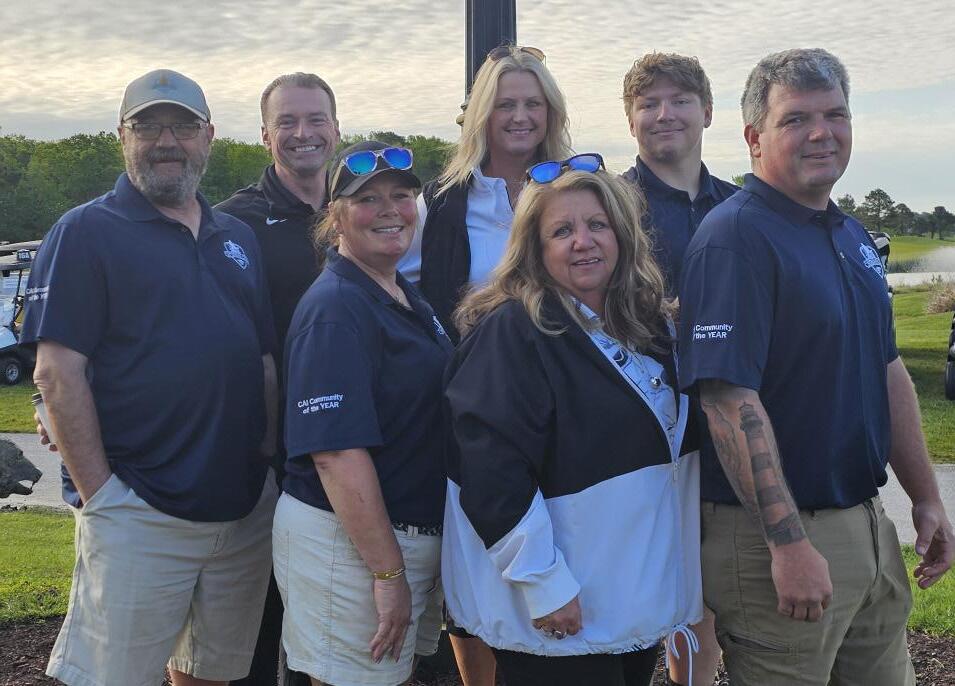
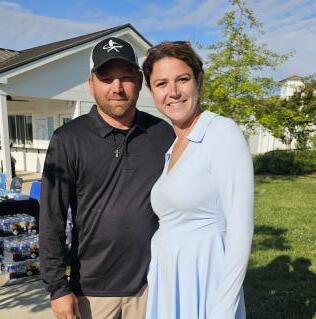
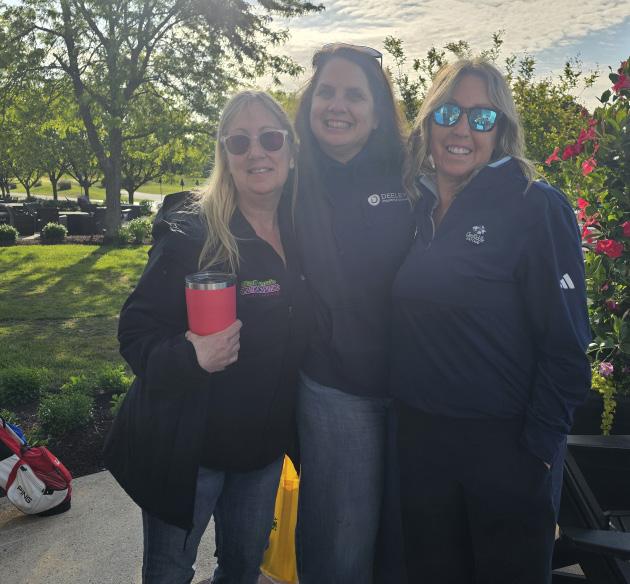
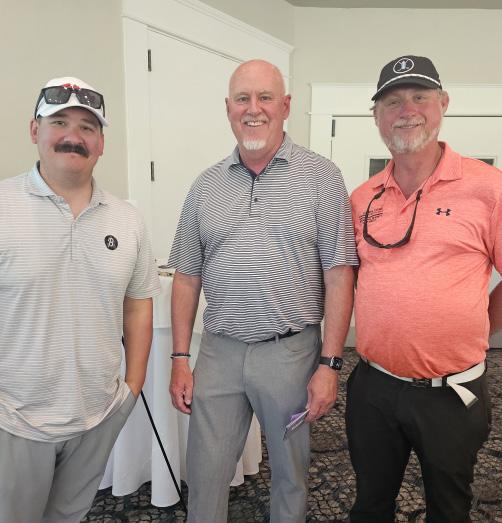
We had a great day at our 5th Annual Delmarva Golf Outing at Bear Trap
Golf Course on Monday, May 4th!
Many Thanks to our Delmarva Golf Outing Committee, Golfers, Volunteers and Sponsors who helped to make this such a great event!










The president of my company once told me, “You can’t be an introvert in this business.” And while that may sound a little black-and-white, there’s a hard truth to it. I’ve been a performer. I’ve been a professional athlete. I’m not afraid of a microphone, a spotlight, or a tough room. But that statement still stuck with me because I know that what comes naturally to me – being vocal, assertive, direct –doesn’t come easily to everyone. And yet, in community management, it’s essential.
Over the years, I’ve realized that one of my favorite parts of this role is helping others find their voice. I take pride in developing my team to speak confidently, especially in front of board members, residents who can be confrontational, or staff who need clarity and direction. I often tell my managers, “Even if you don’t have the answer, walk into that room like you belong there –because you do.”
Relationships in our field can turn on a dime. Confidence, clarity and calmness matter. Doubt is contagious. When we discuss effective communication, we can’t just focus on being polite or professional. We need to focus on communicating with confidence—because that’s what keeps people trusting you, even when things become difficult. There are a few key factors I like to use:
Boards don’t want to feel like they’re leading their manager. Staff members don’t want a boss who secondguesses every move. Residents want to feel like someone capable is in control. So, if you show up to a budget meeting looking nervous or hesitating with every sentence, people notice.
Confidence isn’t arrogance, it’s clarity and composure. It’s the ability to walk into a room, assess the situation, and speak with conviction while listening carefully. Whether you’re analyzing financials, responding to a complaint, or de-escalating a situation, your delivery sets the tone.
We can’t control how people respond to what we say but we can control how confidently we deliver our message and how steady we stay when things get tough. That’s what earns long-term respect.
Every audience is different. Boards seek data and options. Residents desire reassurance and fairness. Staff expect leadership and support. But no matter who you’re talking to, your confidence must stay strong.
• Boards: Stay firm. Don’t get rattled if they push back. Demonstrate that you’ve done your homework. Be prepared to defend your recommendations with facts, but also communicate with emotional intelligence.
• Residents: Speak plainly. Be honest and kind, but don’t be a pushover. Boundaries are healthy, and saying “no” with compassion is still saying “no.”
• Staff: Whether you panic or stand tall, your staff will follow suit. Be approachable but clear. Confidence in communication helps your team feel protected, informed, and motivated.
You don’t need to be perfect, but you do need to be prepared. That preparation fuels your confidence. It helps you clarify tough decisions without stumbling, or explain a delay without sounding defensive.
Practice helps, as does repetition. Role-play difficult conversations and think through key messages before entering board meetings. Anticipate questions, and have your answers ready—but also be willing to sometimes say, “I don’t have that answer right now, but I’ll get it and follow up promptly.” Confidence is also being secure enough to admit when you don’t know something.
Sometimes, people confuse confidence with dominating a conversation. But real confidence often shows up as pausing, listening, understanding, or asking a clarifying question instead of jumping to conclusions.
This is especially true in emotionally charged situations. A resident might be venting, and a board might be angry. Have the courage to let them finish, acknowledge their point of view, and then steer the conversation toward a solution.
Make it a point to take notes, if possible. This helps you keep important points and responses organized, which boosts your confidence in your answers.
Your listening skills say, “I’m not threatened by this. I’m here to help solve it.”
Community management is already challenging. If we communicate in ways that are too technical, lengthy, or unclear, we lose our audience. Confident communicators know how to simplify the complex. That means:
• Short, direct sentences
• Bullet points instead of paragraphs
• Clear recommendations, not just observations
Let’s consider an example. A resident is upset because a leak remains unfixed. A confident and concise response could be:
“Thank you for following up. We’ve been coordinating with the vendor to schedule the repair, which is now set for Wednesday at 9 AM. I understand this has been frustrating, and I appreciate your patience.”
It’s respectful, clear, calm, and it builds their confidence in you.
Some of the toughest conversations we face in this role are with boards that micromanage, residents who make threats, or staff who aren’t meeting expectations. Avoiding these talks only delays the inevitable. But approaching them with purpose and preparation often leads to a breakthrough.
The key is to balance firmness with empathy. Say what needs to be said, but say it in a way that keeps the door open. You might say to a board:
“I understand you want to play a more active role in decision-making. My concern is that we stick to the boundaries and responsibilities outlined in our management agreement. That’s what protects both the board and our team.”
Confidence lends weight to your words. People sense it.
In this industry, we face tight deadlines, legal standards, emotional stakeholders, and financial pressures. The trust we establish with boards, residents, and staff is what holds everything together. But trust isn’t just about producing good work. It’s about consistently showing up with clarity, calm, and confidence.
People trust leaders who communicate effectively. That means:
• Return calls and emails promptly.
• Explain things in ways people can understand.
• Don’t avoid the tough stuff.
• Deliver bad news with compassion and a plan.
That kind of communication is the foundation of real leadership, and makes people feel safe and heard.
Not everyone begins as a strong communicator. That’s okay. One of our most valuable roles as leaders is helping others discover their voice. I often coach my managers on tone, timing, and the delicate skill of speaking directly without sounding defensive. Confidence isn’t a personality trait, it’s a skill. Like any skill, it can be practiced, nurtured, and modeled.
CAI provides a deep bench of educational resources that go well beyond checking a credential box. Those “M Classes” are not one-and-done requirements; they are practical tools. Enroll in new courses to stay current, or revisit prior manuals with fresh eyes to reinforce best practices. Mastery of CAI standards naturally builds confidence, because knowledge removes hesitation and replaces it with clarity and credibility.
Equally important is understanding how we communicate internally. Partnering with Human Resources to learn appropriate ways to engage with employees ensures professionalism, consistency, and trust—key components of strong leadership presence.
Expanding your skill set through a public speaking course, whether online or at a local college, can further enhance poise, structure, and delivery in high-stakes conversations. Each of these steps strengthens your ability to lead calmly, speak with authority, and be heard with respect. The investment is modest, the risk is minimal, and the return—greater confidence, clearer communication, and stronger professional impact—is substantial.
In this business, communication isn’t just a soft skill. It’s a leadership skill. It acts as the glue that binds communities, the bridge linking residents and boards to your management team, and the mirror reflecting your leadership philosophy.
When you communicate with confidence—not ego or arrogance, but genuine confidence rooted in preparation and care—you lead more effectively, connect more deeply, and build something that endures.
Ultimately, that is the true task of community management.
Written by: Karen G. Fooks, AMS, PCAM Vice -President, Maryland Division, Community Management Corporation
We are excited to share an opportunity for your community to be considered as the subject association for a 2027 PCAM Case Study.
CAI National is planning to host four virtual PCAM Case Study sessions in 2027, and they are seeking communities that would be interested in participating. The virtual format allows communities of all sizes to be considered, regardless of chapter size or typical event capacity.
To be eligible, communities must meet specific requirements, as shown here: 2027 PCAM Case Study Information Packet. Participation will involve collaboration with instructors and providing key materials to support the case study.
Responsibilities include:
• Gathering and providing community documents
• Assisting with a recorded association tour
• Helping develop the session agenda
• Participating during the scheduled session times (typically 11:30 AM – 3:30 PM ET over two days)
After the session, the community will receive the top graded exam submissions for review.
If your community is interested in serving as the featured association for a Case Study program, please review the information below. Communities that meet the outlined requirements are invited to complete the Case Study Host Questionnaire - Virtual. The deadline for submissions is June 30, 2026.
It would be an honor to have one of our Chapter communities participate in this opportunity to receive valuable professional feedback while contributing to the education and development of community association managers.
If you have any questions or would like additional information, please don’t hesitate to reach out, you can email us at contact@caimdches.org
Thank you for your continued engagement and support.

Professionally installed for long lasting performance you can trust. Duradek® has set the standard for waterproof outdoor ooring in a wide range of climates. The Duradek® system provides attractive, low maintenance waterproof solutions for:
Sundecks + Balconies
Flat Roof Decks
Pool + Hot Tub
Surrounds

Stairs + Walkways
Porches + Patios
Any Exterior
Walking Surface
Durarail powder-coated aluminum is the easy choice for durable, attractive railing and fencing. The strength and non-corrosive qualities of aluminum withstand the e ects of the harshest climates. Durarail has all the railing solutions you need for maximizing views or protecting privacy.
A long-lasting, reliable guardrail system
Low maintenance durable powder coated finish
Excellent warranty for performance assurances
Fantastic selection of standard and custom options�



We had a great day at our May 13th Educational Seminar & Happy Hour on!
Many thanks to our Coordinator, Michelle Jones, CMCA, AMS, PCAM, LSM, with Lake Linganore Association and our Speakers, Christina Kristian, CMCA, AMS, PCAM, with Lifestyle Services at Hilton Head Plantation POA, Inc., Peter Kristian, CMCA, PCAM, LSM, with Hilton Head Plantation POA, Inc., and Colby Phillips, CMAA, CMCA, AMS, LSM, with Captain’s Cove Golf & Yacht Club, Inc.
Many thanks to our Sponsors!
Association Navigator
BmorePromo
Clean Advantage
Connie Phillips Insurance
DCF Contracting
Duradek MidAtlantic
Greenlight Networks
Hawkins Electric Service, Inc.
HUB International
Owl Pest Prevention
Palmer Brothers
Planned Companies
PTG Enterprises Inc.
RestoreCore
Roche Landscaping Services
Ruff Roofers
Sparkle Squad of Bowie-Annapolis-Hyattsville
Thomasville Restoration
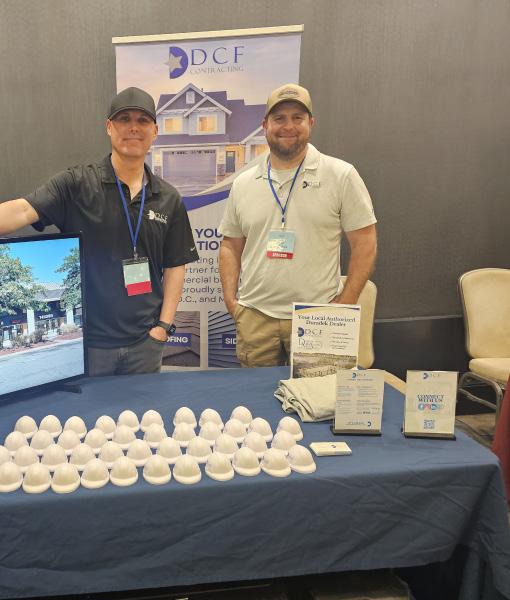
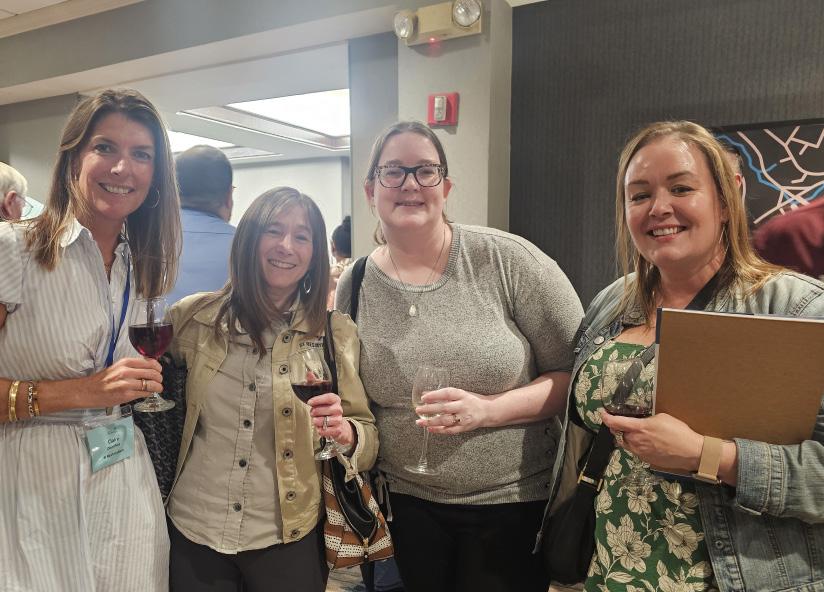

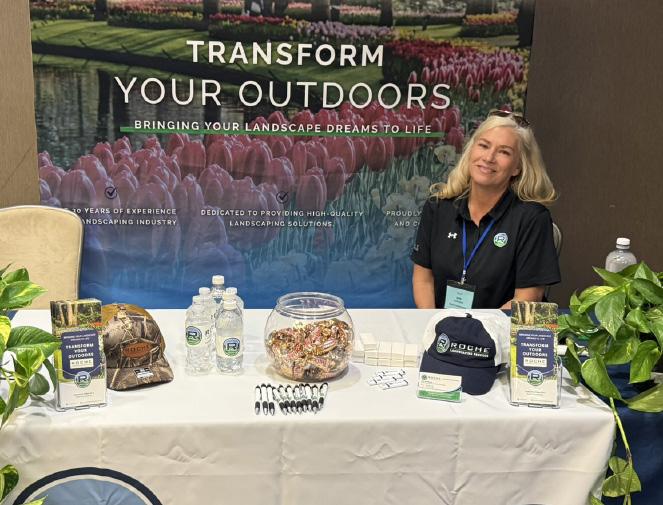
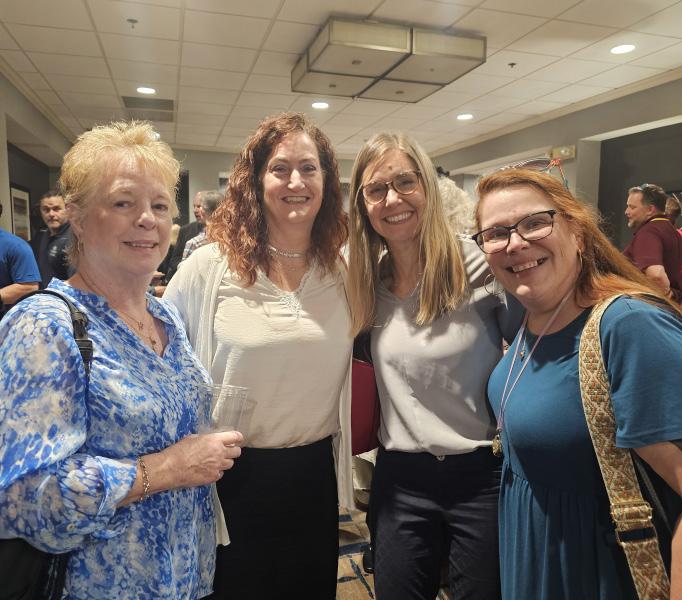
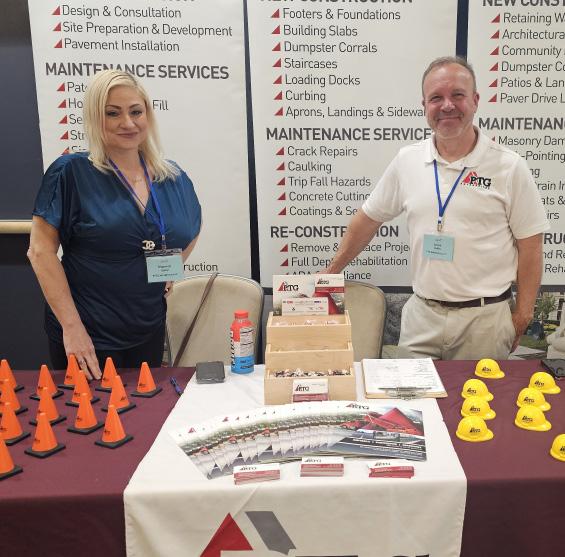
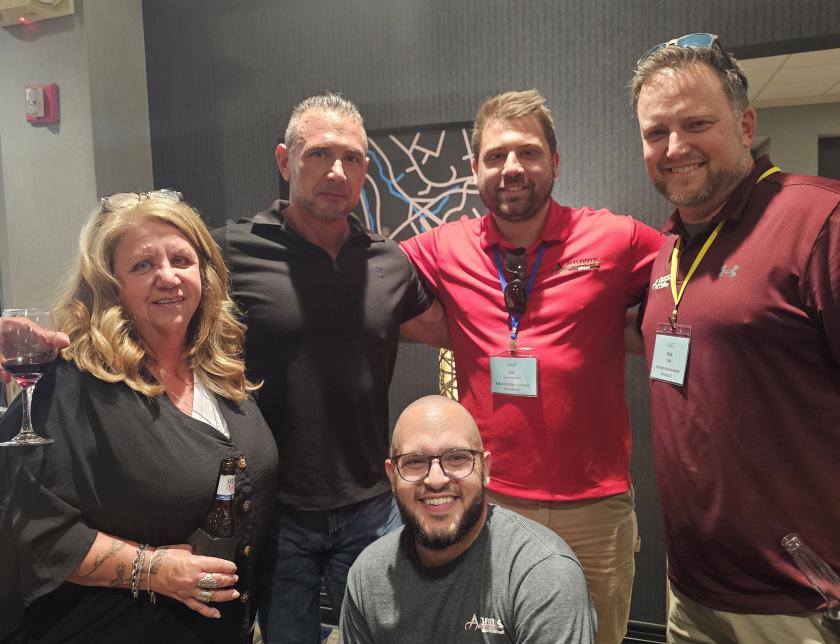
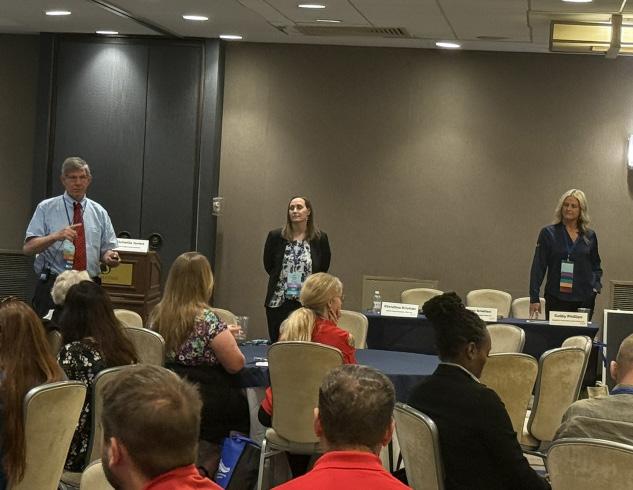
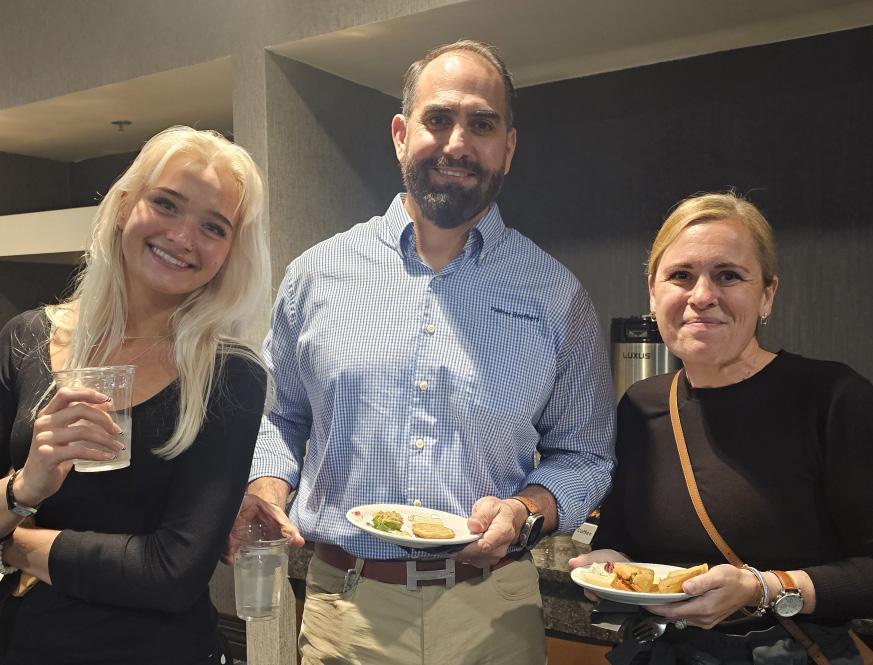
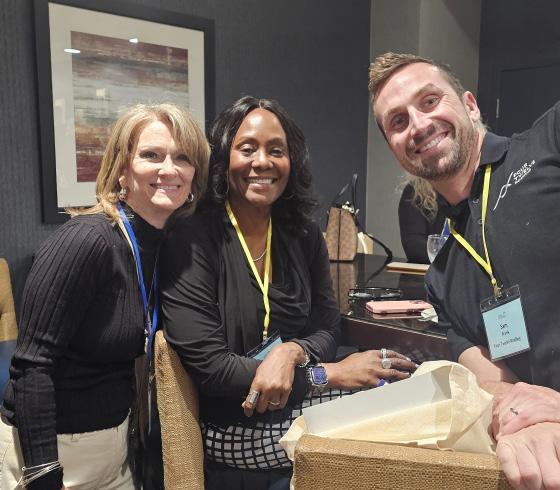
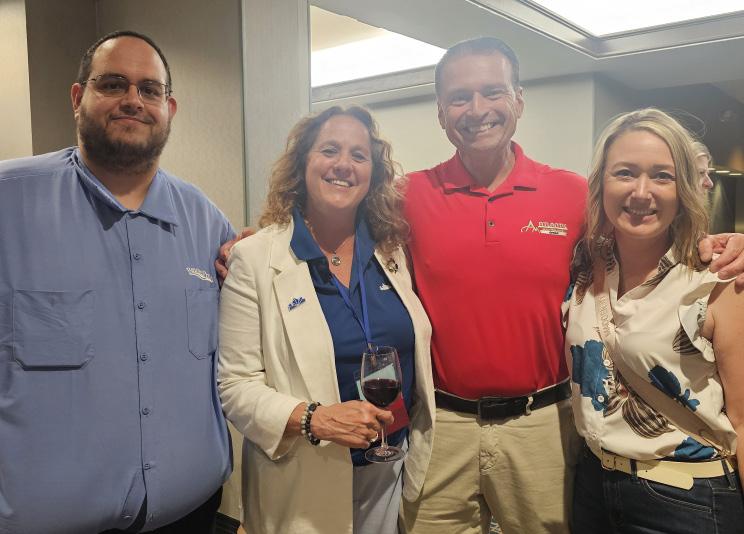
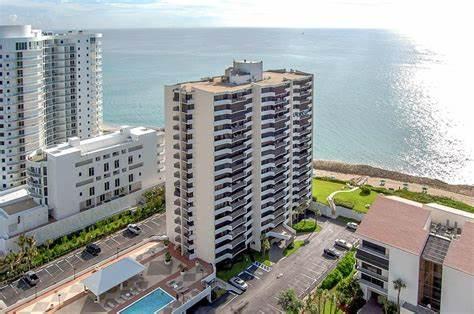


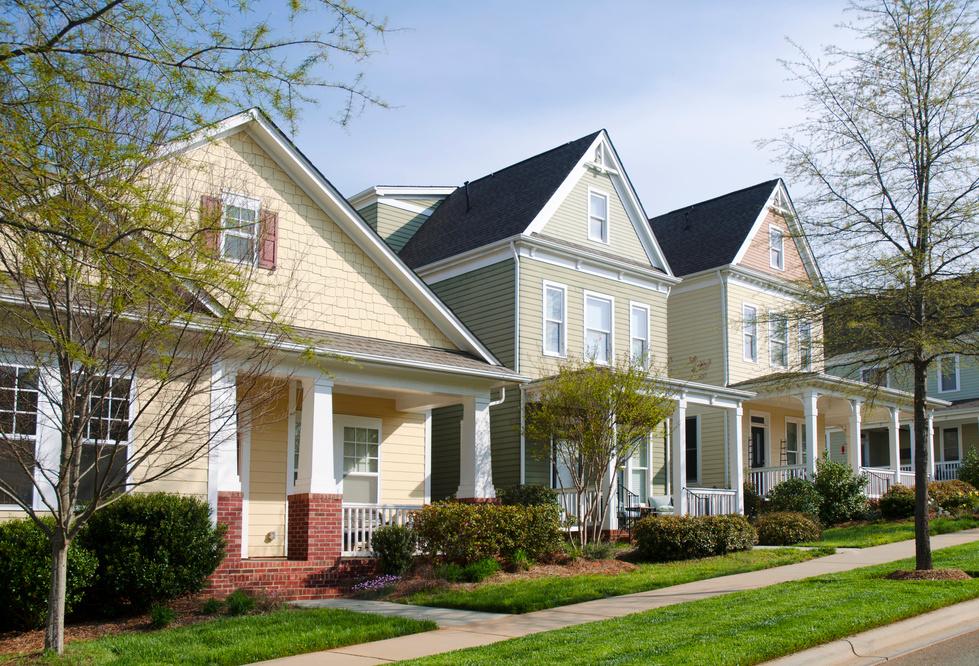
JANUARY
THURSDAY, JANUARY 15TH
CHARTING YOUR COURSE | 9:30 – 10:30 AM (VIRTUAL)
TUESDAY, JANUARY 27TH | 7:00 – 8:30 PM
HOMEOWNER HUDDLE WEBINAR
“Planning or Paying: What Maryland’s New Reserve Law Means for Your Community” (VIRTUAL)
FEBRUARY
WEDNESDAY, FEBRUARY 18TH
BREAKFAST WEBINAR | 9:30 – 11:30 AM
“What’s All that Racket?! How to Handle Nuisance in the Community Webinar” (VIRTUAL)
MARCH
WEDNESDAY, MARCH 11TH
BREAKFAST SEMINAR | 8:30 – 11:30 AM
“The Legal Tightrope: Managing Compliance, Liability, and Resident Expectations in the Age of Instant Feedback” TEN OAKS BALLROOM, CLARKSVILLE, MD
APRIL
FRIDAY, APRIL 10TH
DELMARVA BREAKFAST SEMINAR | 8:30 – 11:30 AM
“Beyond the Pavement: Safety, Parking & Infrastructure Responsibilities in Community Associations” BAYSIDE RESORT GOLF CLUB, SELBYVILLE, DE
MAY
MONDAY, MAY 4TH
DELMARVA GOLF OUTING | 9:00 AM BEAR TRAP DUNES, OCEANVIEW, DE
WEDNESDAY, MAY 13TH
EDUCATIONAL SEMINAR & HAPPY HOUR | 1:00 – 5:30 PM
“ Tools That Turn Good Service into Great Service”
DOUBLETREE BY HILTON HOTEL BALTIMORE - BWI AIRPORT
JUNE
TUESDAY, JUNE 16TH
GOLF OUTING | 9:00 AM
TURF VALLEY RESORT, ELLICOTT CITY, MD
Board of Directors
Communications Committee
Delmarva Committee
Education Committee
Expo Committee
Golf Committee
JULY
WEDNESDAY, JULY 8TH
MANAGER HUDDLE | 12:00 PM
“Maryland Benchmarking & BEPS Compliance: What Community Associations Need to Know” (VIRTUAL)
THURSDAY, JULY 23RD
CRAB FEAST | 3:00 – 7:00 PM
KURTZ’S BEACH, PASADENA, MD
AUGUST
THURSDAY, AUGUST 13TH
JOINT CHAPTER EVENT | 3:00 – 6:00 PM
THE MARYLAND JOCKEY CLUB, LAUREL, MD
MONDAY, OCTOBER 5TH
ANNUAL SYMPOSIUM & EXPO | 8:00 AM – 4:00 PM Topic – TBD
MARYLAND LIVE! CASINO & HOTEL, HANOVER, MD
WEDNESDAY, OCTOBER 14TH
HOMEOWNER HUDDLE WEBINAR | 7:00 – 8:30 PM
“Watershed Assistance Grant Program” (VIRTUAL)
THURSDAY, OCTOBER 30TH
BOARD LEADERSHIP DEVELOPMENT WORKSHOP
LOCATION AND TIME TBD
NOVEMBER
THURSDAY – FRIDAY, NOVEMBER 12TH & 13TH
DELMARVA HAPPY HOUR | 4:00 – 6:00 PM
SIROCCO FOOD & DRINK AT THE COAST
REHOBOTH BEACH HOTEL EXPO | 8:00 AM – 3:00 PM
REHOBOTH BEACH CONVENTION CENTER
THURSDAY, DECEMBER 3RD
ANNUAL SOCIAL | 3:00 – 7:00 PM
ROLLING ROAD GOLF CLUB, CATONSVILLE, MD
WEDNESDAY, DECEMBER 9TH
BREAKFAST SEMINAR & ANNUAL MEETING | 8:30 – 11:30 AM
“Living Structures - The Anatomy of Your Building”
TEN OAKS BALLROOM, CLARKSVILLE, MD
First Wednesday at 9:00 am
Fourth Tuesday at 10:00 am
Third Wednesday at 9:00 am
Second Thursday at 9:30 am
Third Tuesday at 9:30 am
Second Friday at 9:30 am
Legislative Committee
Magazine Committee
Second Thursday at 4:00 pm
First Thursday at 10:00 am
Membership Engagement Committee Third Tuesday at 3:00 pm
Outreach Committee
Social Committee
Second Tuesday at 10:30 am
Fourth Thursday at 11:00 am