Tea Shack News
Compiled by the Workforce for the Workforce
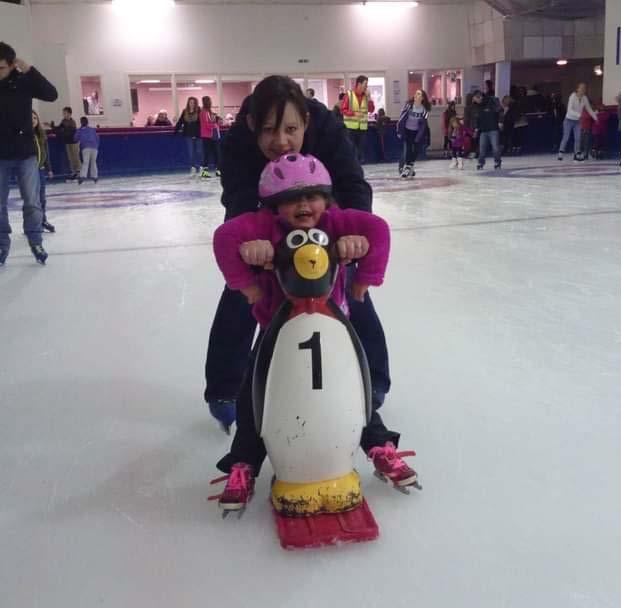
By Kevin Clark ESR Onboard the Serica Bruce Platform
We all make mistakes and that’s why it’s so important to continually look out for one another – at work and at home. Sounds easy right? But when you miss the opportunity to intervene and things go wrong, the consequences can be devastating and far reaching.
A moment that changed everything
Twelve years ago, my family was happy and active – life was great.
At work, I was always aware of hazards and risks. But at home, I got it wrong.
My daughter received a new pair of roller skates for her 4th birthday and, when considering what could go wrong, my risk assessment was narrow and directed solely on my daughter’s safety.
So, I went shopping and bought the gear that I thought would keep her safe. I didn’t consider the risks to my wife who was skating with her.
The consequence of one missed risk
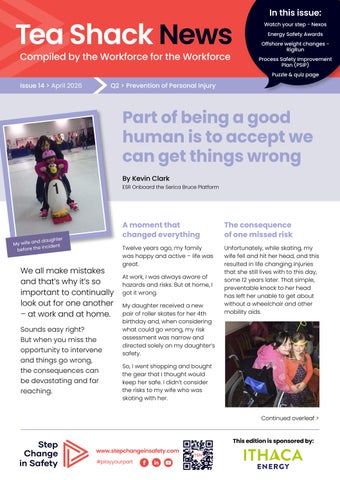
Unfortunately, while skating, my wife fell and hit her head, and this resulted in life changing injuries that she still lives with to this day, some 12 years later. That simple, preventable knock to her head has left her unable to get about without a wheelchair and other mobility aids.

Safety Rep Event
28 April, Union Kirk (see page 6)
Human Factors Forum Q2
19 May, Annan House
Lifting Forum
21 May, Annan House
Safety Leadership Development Course
3 & 4 June, Ardoe House Hotel Aberdeen
Continuous Improvement Leadership Development Course
8 & 9 June, Ardoe House Hotel Aberdeen
Safety in Decommissioning Network Conference
10 June, The Chester Hotel Aberdeen
Safety Reps Network Forum 16 June, online
Site Managers Network Forum 18 June, online
Over the past 18 months, Ithaca Energy’s HSE team has spent a lot of time strengthening how we engage with our contracting and supply chain partners. That work has led to a clear shift in mindset. Safety is not something we deliver to contractors. It is something we build together.
The reality offshore is that we are one team. Different companies, different badges, but all working on the same assets, facing the same risks, and looking out for one another.
story continued...
I should have considered my wife and provided her with the same level of protection. Instead, my daughter is now her young carer. We could have continued to travel abroad on active holidays without the added mental and financial stress that goes with accommodating her condition. And my wife may not have missed out on nurturing and partaking in our daughter’s adventurous spirit.
Whether at home or at work we should all be looking out for each other. Let’s face it, none of us are infallible. We need to have the confidence to challenge and intervene should things not look right and encourage our colleagues, friends, and family to do the same for us.
Interventions needn’t be taken negatively – they demonstrate people are looking out for you which can only be a good thing, right?
We all have a part to play in making sure we get home safe; but it is a team effort. So, remain vigilant, take your time, ask yourself, “what if?” and have the confidence to intervene should things not look right.
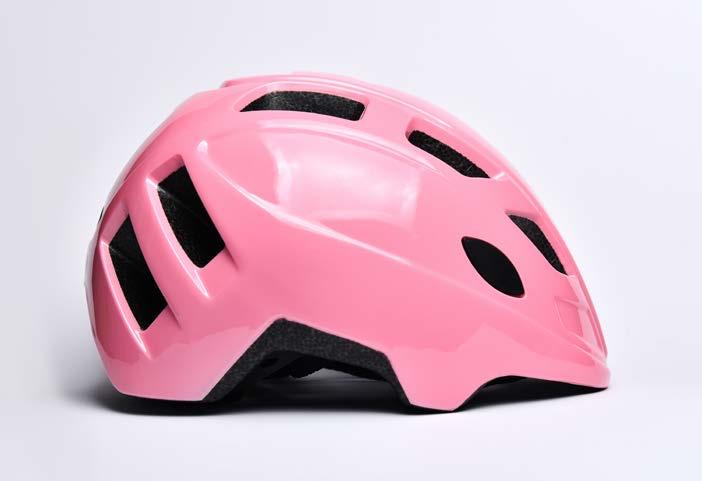
And please, if you’re out on your bike or skating, please protect yourselves and loved ones and wear a helmet.
If we really want to Make it Safer, we have to be aligned around the same goal and work collaboratively to get there.
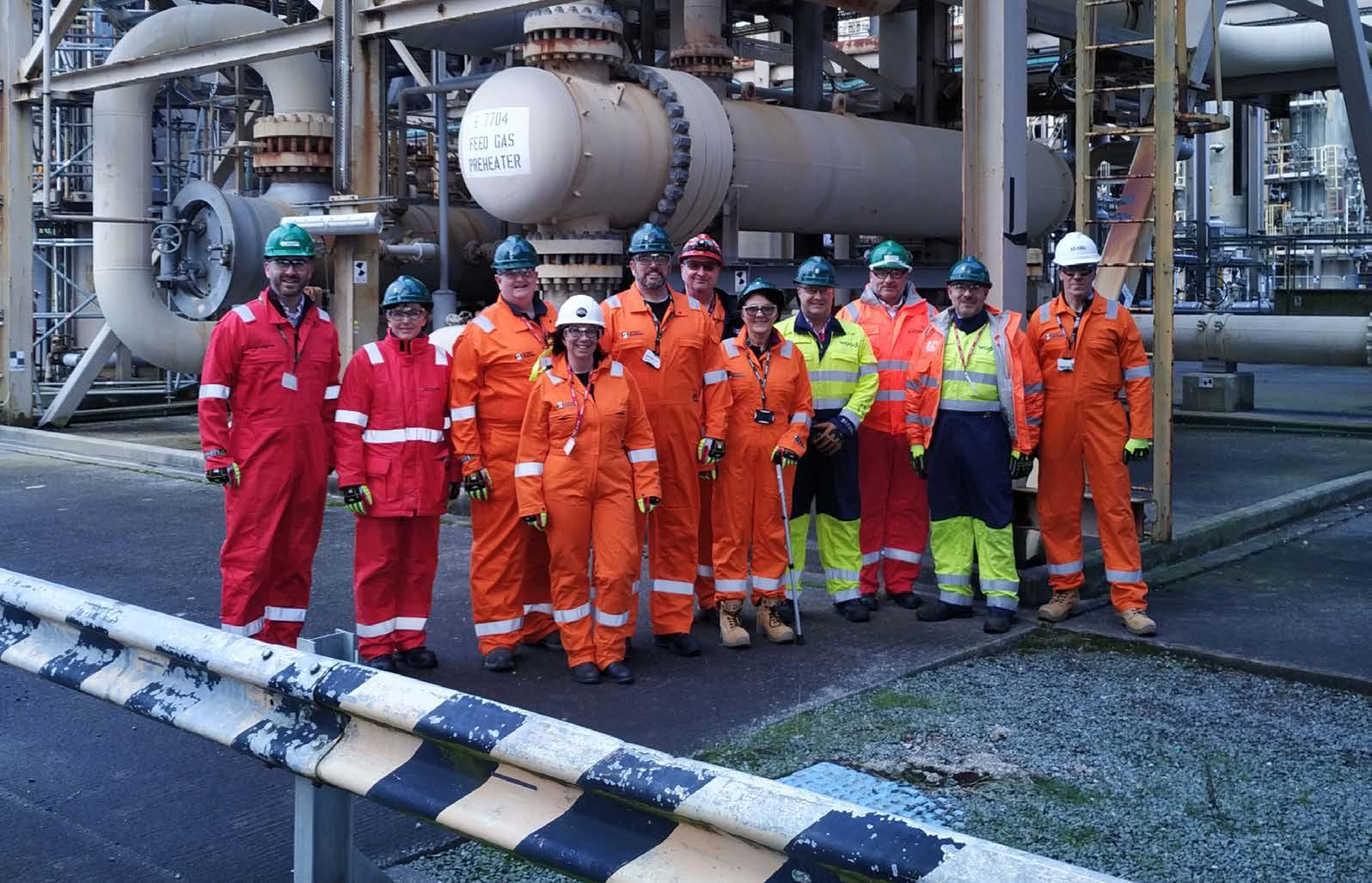
We have focused on practical, face to face engagement. That includes aligning annual HSE plans so expectations are clear from the start, holding quarterly townhalls to share learning and talk openly about what is working and what is not, arranging dedicated day visits offshore so partners can see the job and the challenges for themselves, even when bed space is tight. We have also invited our contracting partners to DNV’s Spadeadam Major Accident Hazard base to
show, in a hands-on way, how everyone has a role to play in process safety, from planning through to execution.
This approach is strengthening relationships, improving learning, and building shared ownership of safety. It helps protect everyone who works on our sites, onshore and offshore, and reinforces what we believe strongly: we are in it together.
Dougie Greig
Health and Safety Manager, Ithaca Energy
Slips, trips and falls are still the most common injury reported to the HSE - both offshore and at home. Most of us would assume it’s because of wet decks, bad weather or cluttered walkways, and sometimes that’s true. But very often the real cause is something else… Our mind simply isn’t on the job.
Think about the last time you nearly tripped. Were you:
• Thinking about the next job?
• Rushing to beat the radio call?
• Chatting while walking?
• Tired near the end of shift?
• Carrying gear and not watching where you’re going?
It only takes a split second of distraction to miss a step, catch a boot on a hose, or slip on a patch of oil.
Before moving around the worksite, take a moment for a quick Dynamic Risk Assessment (DRA).
Ask yourself:
• Is the route clear?
• Are the decks wet or oily?
• Can I actually see where I’m stepping?
• Am I rushing?
Five seconds of awareness can prevent weeks off work.
Your boots are your last line of defence.
• Are the soles still gripping properly?
• Are they worn smooth?
• Are they suitable for the job?
• If your footwear isn’t doing its job, neither will you.
If you spot something that could cause a trip or slip:
• Move it if safe to do so
• Report it
• Give others a heads-up
• Good housekeeping and awareness protect everyone onboard.
Slow down. Keep your head in the game. Watch your step.
20 August 2026
P&J Live, Aberdeen



Nominations are now open for the Energy Safety Awards 2026 (formerly the Offshore Safety Awards) — recognising individuals, teams, and organisations making a positive impact on safety, culture, wellbeing, and operational performance across the energy industry.
Nominate today and shine a spotlight on those leading the way!
Click or Scan the QR
Secure your place at the awardsFREE to attend
Click or Scan the QR
OEUK has recently issued a Safety Alert confirming that OEUK offshore medicals must be carried out in-person. Remote or online assessments do not meet the requirements of the current OEUK Offshore Medical Guidelines (version 8.1a, February 2026).
While remote assessments were temporarily used during the COVID-19 pandemic, this option is no longer valid. Despite this, some providers continue to offer remote assessments described as OEUK medicals - these are non-compliant and may result in invalid certification.
Each year, over 200,000 OEUK medicals are carried out worldwide by approved examiners.
To ensure your medical is valid:
• Check the examiner is on the official OEUK approved doctors list
• Ensure the assessment is carried out in person
• Be aware that not all delegated medicals are accepted globally
Companies and individuals can choose their medical provider, but where an OEUK offshore medical is required, the guidelines must be followed.
Scan or click the QR to download the full Safety Alert for more information >
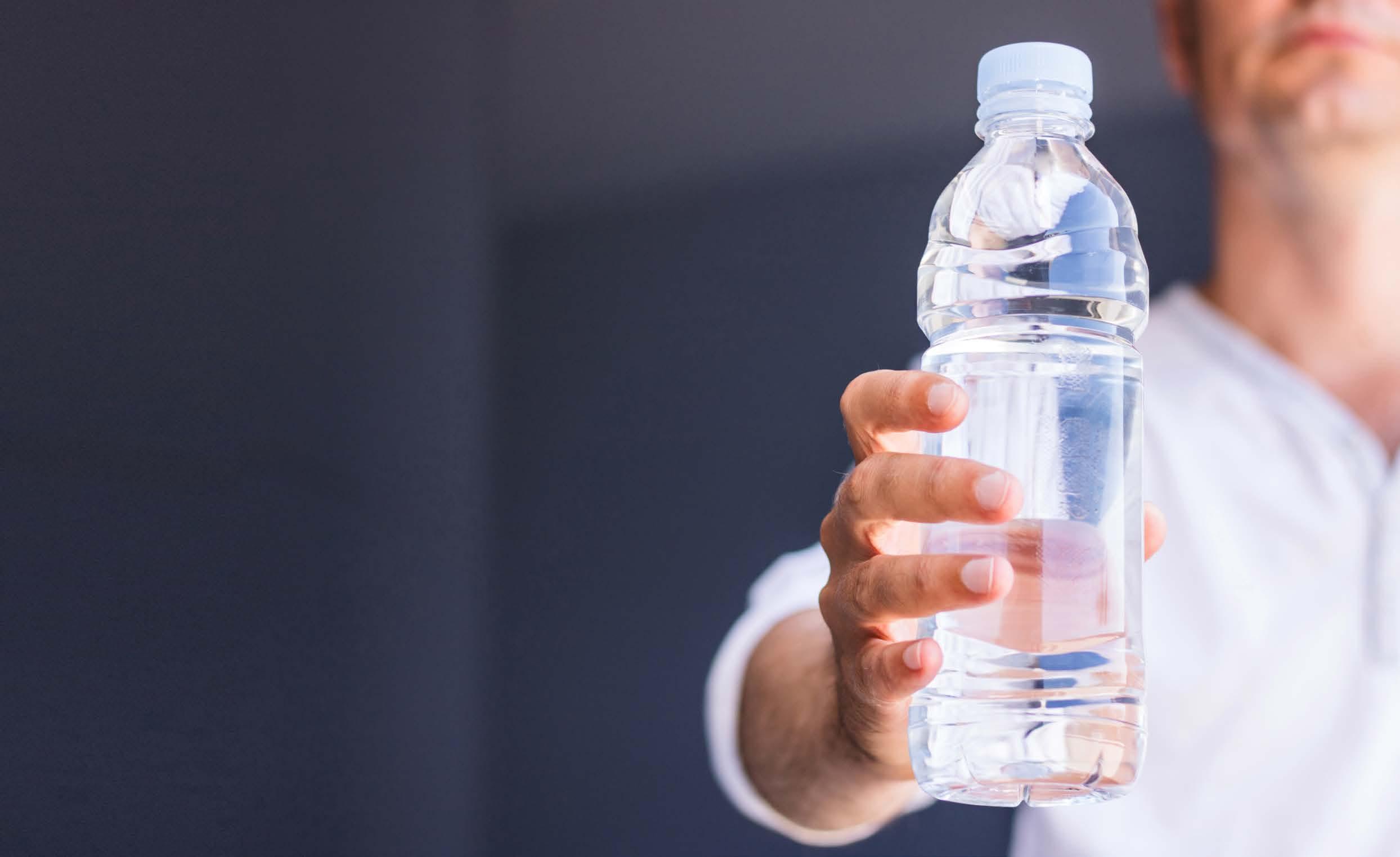
Anyone who’s spent a winter offshore knows healthy intentions can look very different once you’re out there. After hours in freezing North Sea wind and rain, the last thing most of us want at tab-nabs is a glass of cold water and an apple. A hot coffee and a bacon bap just hits differently…and that’s okay. The same goes for the Bond. After a long shift, cosying up in your cabin with a can of pop and a bar of Marabou while calling home can feel like a small bit of comfort in a tough environment.
A lot of offshore eating is shaped by factors such as cold weather, fatigue, and missing family and friends. Healthy living offshore isn’t about pretending those pressures don’t exist; it’s about working with them.
Some people notice weight loss offshore, but that might not be due to less body fat. HVAC systems, physical work, and lots of tea, coffee, or energy drinks can leave you dehydrated.
A few realistic ideas:
Hydrate alongside your coffee:
Add a glass of hot or cold water between brews.
Drinking water alongside your brews helps alertness and can help you feel fuller for longer, which naturally reduces grazing.
What you choose at mealtimes matters too.
Foods higher in protein –eggs, fish, chicken, yoghurt, beans or lentils help keep you fuller and your energy steadier through long shifts.
Keep the Bond realistic:
Switch to alternate days or make it a Friday or Saturday ritual, a treat to look forward to.
Move before you unwind:
Try a quick 5–15 minute stair climb or brisk treadmill walk before heading back to your cabin.
Offshore health isn’t about perfection. It’s about small habits that help you feel better in yourself and support you through your tour.
Craig Wiggins, CEO Step Change in Safety
As part of SCiS 3-Year Back to Basics Safety Improvement Plan, leadership and culture play a critical role in improving safety across our industry.
Recent Leadership Engagement Visits with Spirit Energy and the Nuclear Decommissioning Authority (Sellafield) demonstrate the value of bringing different parts of the energy industry together. Connecting operators, contractors, and the nuclear sector, creates a shared understanding of the challenges faced across high-hazard worksites.
These visits create opportunities for open, constructive discussions on major accident hazards, task planning, permit complexity, and day-to-day risk management. They also provide the space to listen - hearing directly from the workforce about what’s working well, where the challenges are, and what needs to change. This is where engagement and understanding deepens and shared learning takes place.
More visits are planned throughout 2026. If you would like to take part or invite us to your site, please get in touch at info@stepchangeinsafety.com
Join us on World Safety Day for a practical, engaging event bringing Safety Representatives together from across the energy industry.
Tuesday 28 April 2026
Union Kirk, Aberdeen 08:30 – 16:30
Post event drinks reception
Kindly sponsored by:
Insights from these visits have shaped our Leadership Engagement Visits Guidance, helping leaders carry out meaningful site visits and strengthen workforce engagement and safety culture.
Click or Scan the QR to download
Don’t miss out, book your place now... click or scan the QR >
Can’t attend in person?
Join our 1-hour livestream session focussing on learnings & insights. Click or scan the QR code >
Step Change in Safety has released new Process Safety Improvement Plan (PSIP) – 8 Step Guidance, developed by the Process Safety Leadership Work Group in response to the UK HSE’s Process Safety Leadership Programme (PSLP) Inspection Findings.
The HSE report highlighted recurring challenges across the UKCS, including cumulative risk, ineffective assurance, organisational change pressures, and the need for stronger Major Accident Hazard (MAH) leadership and competence.
In response, the new SCiS guidance provides a clear, practical framework to help frontline teams focus on what matters most in preventing major accidents. It breaks improvement planning into eight steps - from leadership accountability and workforce engagement to risk-based prioritisation, measurable outcomes, and continuous review.
For the workforce, this means greater visibility of how improvement priorities are set, and how actions link back to real issues identified by both the HSE and industry.
The guidance supports organisations in building realistic, resourced plans that strengthen barrier health, improve contractor engagement, and reduce MAH risks - turning learning into practical action on site.
The PSIP 8 Step Guidance is now available to download for free.

3 4 5 7 6
Stakeholder Engagement Gather inputs to PSIP –using a Risk-Based Approach

Across
4. A standard method to perform work safely (9)
6. Unplanned event that could cause harm (8)
8. Type of assessment to be completed before starting a task (4)
10. Designed to reduce strain and musculoskeletal injuries (9)
11. To check equipment before use (7)
14. Something with the potential to cause injury (6) Send
1. The most common cause of injuries (4)
2. Protective gear like helmets, gloves, or goggles (3)
1. Which Country has won the most men’s football World Cups?
2. Which element has the atomic number 26?
3. In which year did the Berlin Wall fall?
4. What is the capital city of New Zealand?
5. Who composed the Four Seasons?
6. Which desert is the largest hot desert in the world?
7. What is the currency of Japan?
8. Which organ in the human body produces insulin?
9. What is the name of the longest bone in the human body?
10. Which gas makes up the majority of Earth’s atmosphere?
3. reduces slips, trips, and falls through cleanliness (9)
5. Authorisation required before hazardous work (6)
7. area with limited entry and exit (8)
9. Isolation step in LOTO (4)
12. Label used in lockout procedures (3)
13. A device that prevents contact with moving parts (5)