
Why Vehicles Overheat During the Summer and How to Prevent It
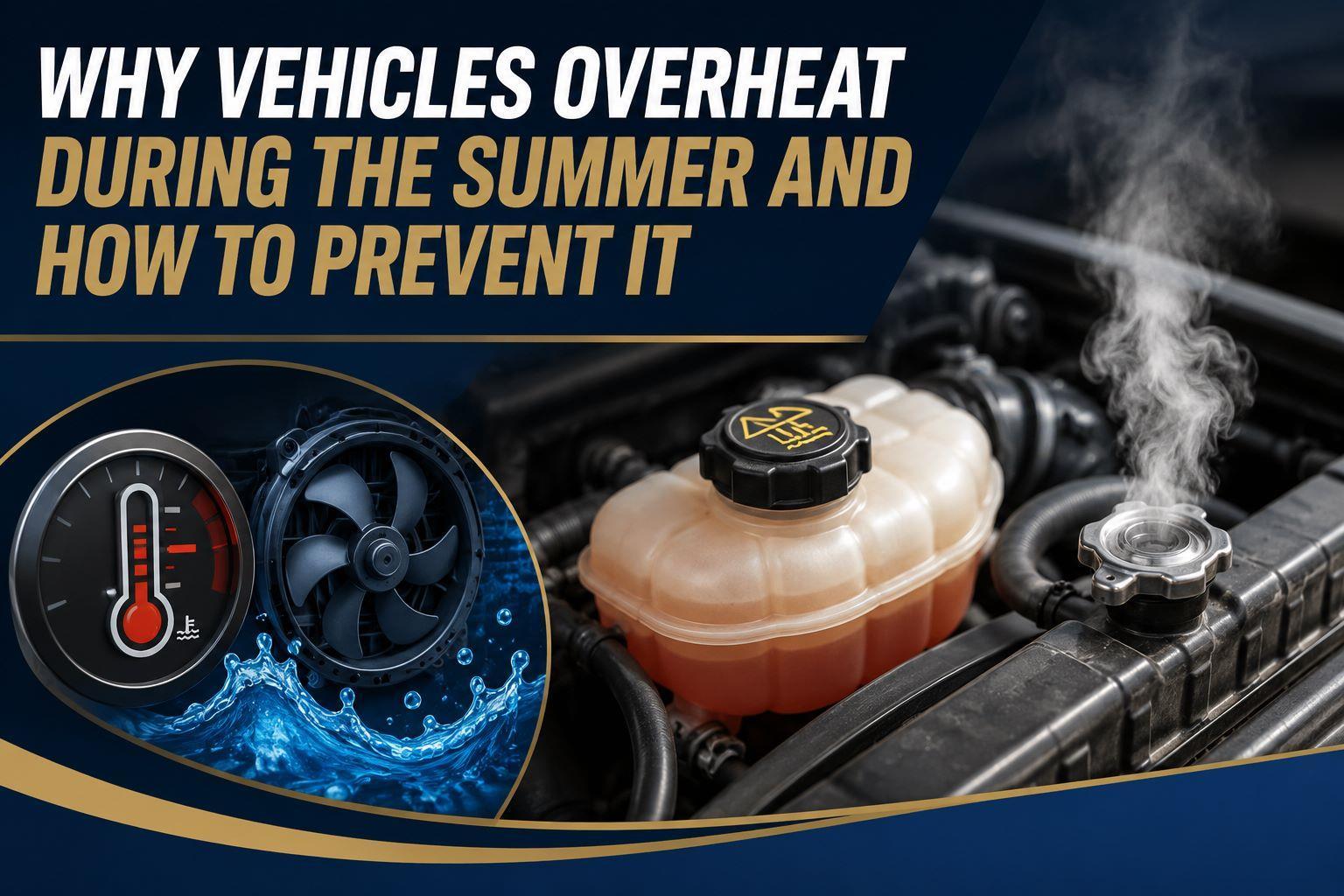
Summer in New York City brings sunshine, vacations, road trips, and unfortunately, a higher risk of vehicle overheating. While modern vehicles are designed to operate efficiently in a wide range of temperatures, extreme summer heat can expose weaknesses in a cooling system that may have gone unnoticed during cooler months. A vehicle that overheats can leave drivers stranded on the side of the road, facing costly repairs that could often have been prevented through routine maintenance.
At Steinway Auto Repair, we see many overheating-related issues every summer. Understanding the causes, warning signs, and preventative measures can help drivers avoid breakdowns and protect their engines from serious damage.
Why Overheating Is Such a Serious Problem
Your engine produces a tremendous amount of heat every time it runs.
Under normal conditions, the cooling system regulates engine temperature and keeps it within a safe operating range. When the cooling system fails to remove enough heat, engine temperatures begin to rise rapidly.
If an overheating condition is ignored, the consequences can be severe. Excessive heat can warp cylinder heads, damage head gaskets, crack engine components, and in extreme cases lead to complete engine failure. Repairs resulting from severe overheating can cost thousands of dollars, making prevention far less expensive than correction.
Low Coolant Levels
One of the most common reasons vehicles overheat during the summer is low coolant. Coolant, also known as antifreeze, circulates through the engine and radiator, carrying heat away from critical engine components. Over time, coolant levels may drop due to small leaks, evaporation, damaged hoses, radiator problems, or a failing reservoir cap. Even a minor coolant leak can become a major issue when outside temperatures climb into the 80s and 90s.
Symptoms of low coolant may include:
• Rising engine temperature gauge
• Dashboard temperature warning light
• Sweet smell coming from the engine compartment
• Visible coolant leaks under the vehicle
• Steam coming from under the hood
• Poor air conditioning performance
Drivers should periodically inspect their coolant reservoir and ensure coolant levels remain between the minimum and maximum markings. If coolant levels consistently drop, a professional inspection should be performed to locate the source of the leak.
Water Pump Failure
The water pump is the heart of the cooling system. Its job is to circulate coolant through the engine, radiator, heater core, and associated passages. Without proper coolant circulation, heat quickly builds up
within the engine.
Water pumps can fail due to worn bearings, damaged impellers, seal failures, or age-related wear. In many cases, the failure develops gradually before becoming severe enough to cause overheating.
Common symptoms of a failing water pump include:
• Coolant leaking near the front of the engine
• Grinding or whining noises from the engine area
• Engine overheating, especially during driving
• Steam from the radiator area
• Fluctuating engine temperatures
Many water pumps have a recommended replacement interval, often coinciding with timing belt replacement schedules. Following manufacturer maintenance recommendations can help prevent unexpected failures.
Thermostat Problems
The thermostat is a small but critical component that regulates coolant flow through the engine. When the engine is cold, the thermostat remains closed to help the engine warm up quickly. Once operating temperature is reached, it opens and allows coolant to circulate through the radiator.
When a thermostat becomes stuck closed, coolant circulation is restricted, causing engine temperatures to rise rapidly. Summer weather can make the effects of a failed thermostat even more noticeable.
Signs of thermostat failure include:
• Rapid overheating shortly after starting
• Temperature gauge moving quickly into the red zone
• Heater performance problems
• Inconsistent engine temperatures
• Coolant boiling inside the reservoir
Fortunately, thermostat replacement is usually a relatively straightforward
repair compared to the extensive damage that overheating can cause if the issue is ignored.
Radiator Issues
The radiator serves as the primary heat exchanger for the cooling system. As coolant flows through the radiator, heat is released into the surrounding air.
Over time, radiators can develop internal blockages, corrosion, leaks, or external debris accumulation. Leaves, dirt, road grime, and insects can restrict airflow through radiator fins, reducing cooling efficiency.
Symptoms of radiator problems may include:
• Frequent overheating
• Coolant leaks near the front of the vehicle
• Visible corrosion
• Temperature increases during stop-and-go traffic
• Coolant discoloration or contamination
Routine inspections and periodic coolant flushes can help keep the radiator functioning properly throughout the summer months.
Cooling Fan Failure
Many drivers do not realize how important cooling fans are, especially in city environments like New York. While highway driving provides natural airflow through the radiator, vehicles sitting in traffic rely heavily on electric cooling fans.
If a cooling fan motor, relay, fuse, temperature sensor, or control module fails, the radiator may not receive sufficient airflow while idling.
Common symptoms include:
• Overheating primarily during traffic or at stoplights
• Temperature returning to normal while driving at highway speeds
• Air conditioning performance decreasing while stopped
• Cooling fan failing to activate when the engine becomes hot
Since New York City traffic often involves prolonged periods of idling,
cooling fan issues frequently become apparent during the summer.
Damaged Hoses and Cooling System Leaks
Cooling system hoses transport coolant throughout the engine and radiator. Over time, rubber hoses can become brittle, cracked, swollen, or weakened.
Summer heat places additional stress on aging hoses. A small crack can quickly develop into a major coolant leak, resulting in sudden overheating.
Drivers should look for:
• Visible cracks or bulges in hoses
• Coolant puddles beneath the vehicle
• Coolant odor
• Steam under the hood
• Soft or deteriorated hose material
Replacing worn hoses before they fail can prevent inconvenient breakdowns and expensive repairs.
Faulty Radiator Cap
The radiator cap plays a larger role than many drivers realize. It maintains proper pressure within the cooling system, which raises the coolant's boiling point and improves cooling efficiency.
A faulty radiator cap may allow coolant to escape or prevent the system from maintaining proper pressure.
Symptoms can include:
• Coolant loss without visible leaks
• Overflowing coolant reservoir
• Frequent overheating
• Steam from the engine compartment
Because radiator caps are inexpensive, replacing an aging cap is often a cost-effective preventative measure.
Head Gasket Problems
Although less common than other cooling system issues, a failing head gasket can cause persistent overheating.
The head gasket seals the combustion chambers while separating engine oil and coolant passages. When it fails, combustion gases may enter the cooling system or coolant may leak into the engine.
Warning signs include:
• Repeated overheating
• White exhaust smoke
• Milky engine oil
• Coolant loss with no visible leaks
• Bubbles in the coolant reservoir
• Poor engine performance
Prompt diagnosis is critical because continued operation can cause extensive engine damage.
How Summer Driving Conditions Increase Overheating Risk
New York City presents unique challenges for vehicle cooling systems. Heavy traffic, extended idling, construction zones, and high ambient temperatures all increase engine heat.
Air conditioning systems also place additional demands on the engine. During hot weather, the cooling system must work harder to maintain proper operating temperatures while simultaneously supporting air conditioning performance.
Vehicles with marginal cooling system issues that seem fine during spring may suddenly begin overheating once summer temperatures arrive.
Preventative Maintenance Tips
The best way to avoid overheating is through proactive maintenance. Drivers should not wait until warning lights appear before having their cooling system inspected.
Preventative steps include:
• Check coolant levels regularly.
• Follow manufacturer coolant replacement intervals.
• Inspect hoses for signs of wear.
• Have cooling fans tested periodically.
• Replace aging thermostats when recommended.
• Flush contaminated coolant.
• Inspect the radiator for debris and damage.
• Monitor dashboard temperature gauges.
• Address coolant leaks immediately.
• Schedule regular cooling system inspections.
Routine maintenance can identify developing problems before they leave you stranded during the hottest days of the year.
What To Do If Your Vehicle Begins Overheating
If the temperature gauge begins climbing or an overheating warning appears, immediate action is important.
Turn off the air conditioner and turn the heater on full blast to help remove heat from the engine. If temperatures continue rising, safely pull over and shut off the engine.
Never remove the radiator cap while the engine is hot. Pressurized coolant can cause severe burns. Allow the engine to cool completely before attempting any inspection.
If the cause is not obvious, have the vehicle professionally evaluated before driving further. Continuing to drive an overheating vehicle can transform a minor repair into a major engine replacement.
Trust Steinway Auto Repair for Cooling System Service
When summer temperatures rise, your cooling system becomes one of the most important systems in your vehicle. Whether the issue involves a coolant leak, failing water pump, faulty thermostat, damaged radiator, or cooling fan problem, prompt diagnosis can prevent expensive engine
damage.
If your vehicle is showing signs of overheating, visit our experienced team. As a trusted car repair shop Astoria drivers rely on, we provide comprehensive cooling system inspections and repairs. Our technicians have extensive experience with cooling system diagnostics and can identify problems before they become major failures.
Drivers searching for reliable auto repair Astoria services can count on our team for honest recommendations and quality workmanship. We proudly serve customers throughout the area seeking dependable auto repair Queens solutions.
Whether you need routine maintenance or complex cooling system repairs, our experienced auto mechanic Astoria professionals are here to help. We are also a trusted choice for motorists looking for a knowledgeable auto mechanic Queens residents can depend on throughout the year.
A properly maintained cooling system can help your vehicle handle even the hottest New York City summer days with confidence, reliability, and peace of mind.
The above content does not constitute advice for your individual vehicle, but is presented for informational purposes only. If your vehicle is having any issues, then seek the help of a professional mechanic.