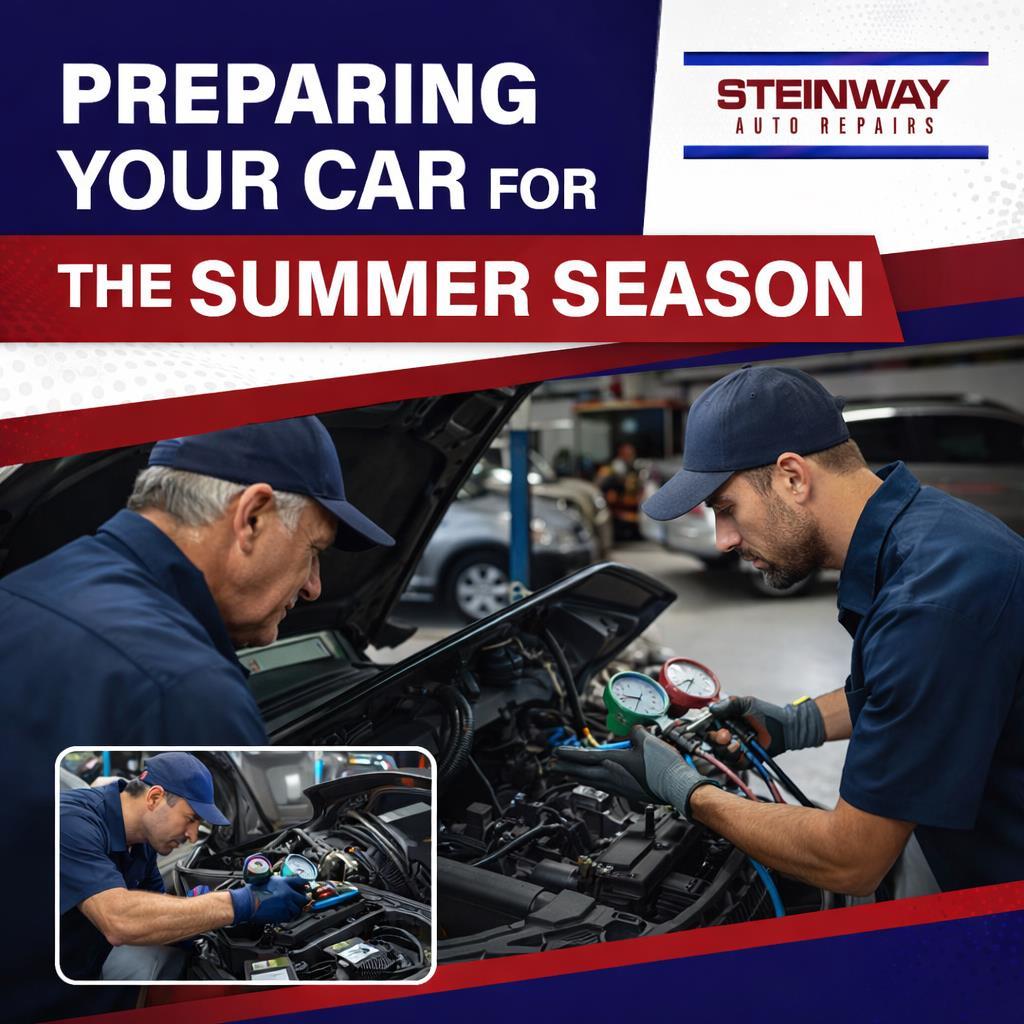
Preparing your car for the summer season isn’t just about comfort—it’s about preventing breakdowns, protecting your investment, and keeping your vehicle running efficiently under some of the harshest conditions it will face all year. After three decades working under the hood of everything from daily commuters to high-performance vehicles, I, the owner of Steinway Auto Repair, a leading auto mechanic in Queens NY can tell you this: summer heat exposes weaknesses. Parts that barely
made it through winter often fail when temperatures climb, and small issues quickly become expensive problems if ignored.
One of the first areas I always look at is the cooling system. Your engine generates a tremendous amount of heat, and in the summer, it has to work even harder to stay within safe operating temperatures. The radiator, water pump, thermostat, and coolant all play a role here. Over time, coolant breaks down and loses its ability to regulate temperature and prevent corrosion. If it hasn’t been flushed in a couple of years, it’s due. Hoses should be checked for cracks, swelling, or soft spots any of these are signs they could fail under pressure. A blown hose on a hot day doesn’t just inconvenience you; it can lead to severe engine damage in minutes.
Equally important is your air conditioning system. A lot of drivers don’t think about it until the first truly hot day, and by then, it’s too late. Weak airflow or air that isn’t as cold as it used to be can indicate low refrigerant, a failing compressor, or a clogged cabin air filter. The cabin filter is often overlooked, but it plays a major role in both air quality and system efficiency. A clogged filter forces your AC to work harder, which can shorten the life of expensive components. Getting ahead of these issues before peak heat hits can save you from uncomfortable—and costly situations.
Your battery is another component that takes a beating in the summer, even more so than in winter. Heat accelerates the chemical reactions inside the battery, which can lead to faster degradation. If your battery is already a few years old, summer can push it over the edge. I always recommend having it tested before the season really gets underway. Look for corrosion on the terminals and make sure connections are
tight. A weak battery might still start your car in mild conditions, but when combined with high temperatures and increased electrical demand from your AC, it may fail when you least expect it.
Tires are also critical, and summer heat can be particularly tough on them. As temperatures rise, the air inside your tires expands, increasing pressure. Overinflated tires wear unevenly and can reduce traction, while underinflated tires generate excessive heat and are more prone to blowouts. Checking tire pressure regularly—and adjusting it according to the manufacturer’s recommendations is essential. While you’re at it, inspect the tread depth and look for any signs of uneven wear or damage. If your tires are nearing the end of their life, summer road trips are not the time to push them further.
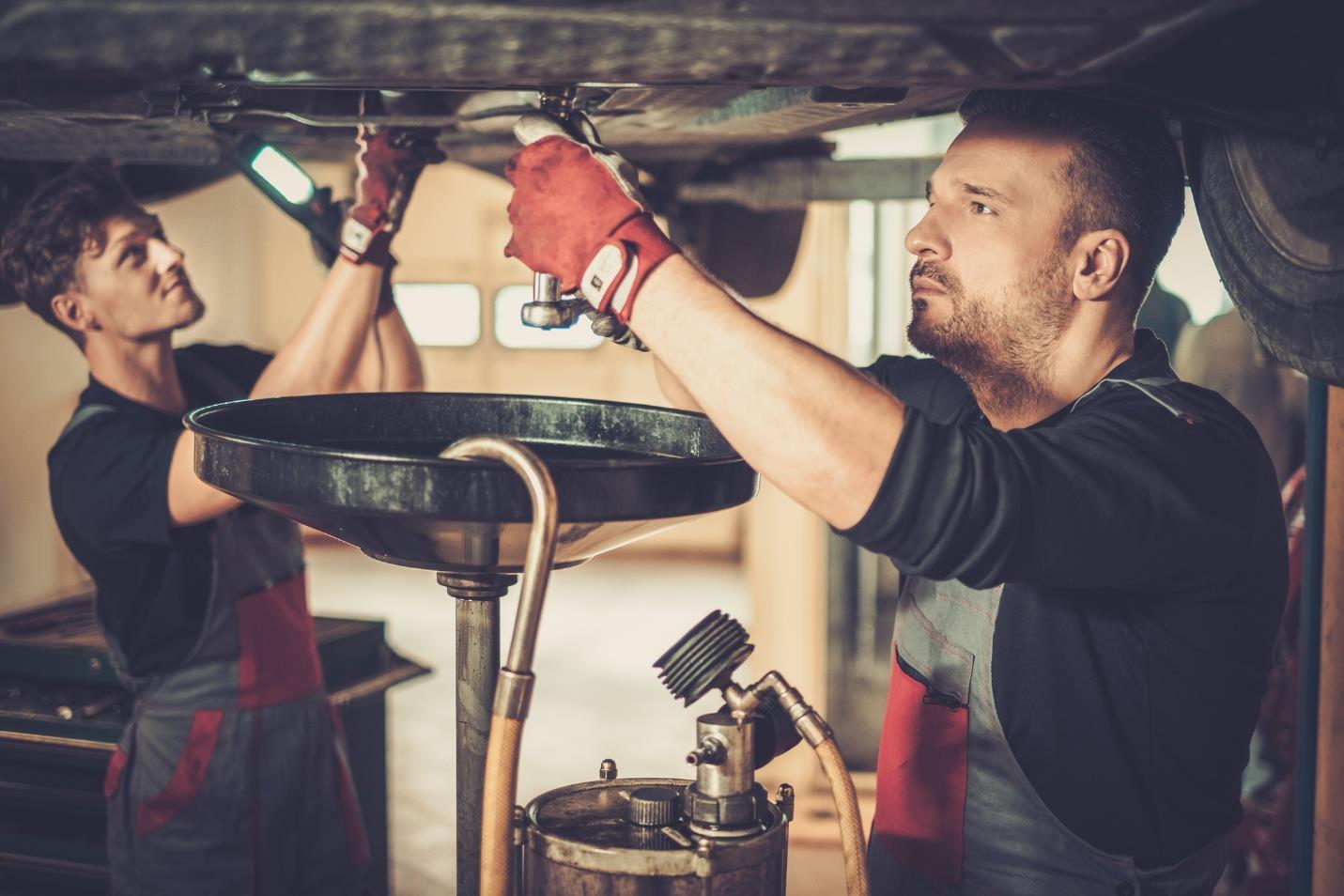
Fluids across the vehicle should be inspected and topped off or replaced as needed. Engine oil, transmission fluid, brake fluid, and power steering fluid all play vital roles in keeping your car running smoothly. Heat can cause fluids to thin out or break down, reducing their effectiveness. Fresh oil, for example, ensures proper lubrication and helps dissipate heat from engine components. Transmission fluid is especially important in warmer months, as higher temperatures can increase the strain on your transmission, particularly in stop-and-go traffic. At Steinway Auto Repair, a center for Auto Repair Queens, New York, checking and maintaining fluid levels are a very important part of service for our customers.
Your brakes deserve special attention as well. Summer often means more driving—road trips, weekend outings, and heavier traffic—which puts additional stress on your braking system. Worn brake pads, warped rotors, or old brake fluid can compromise your ability to stop safely. Brake fluid, in particular, absorbs moisture over time, which lowers its boiling point. Under heavy braking conditions, this can lead to reduced braking performance. A thorough inspection can identify issues before they become dangerous.
Another area that often gets overlooked is the condition of belts and pulleys. These components are essential for running key systems like the alternator, power steering pump, and air conditioning compressor. Heat can cause belts to dry out, crack, or lose tension. A failing belt might start with a squeal but can quickly lead to a breakdown if it snaps. Replacing worn belts before they fail is a simple and relatively inexpensive way to avoid being stranded.
Visibility is just as important in summer as it is in winter. Bright sunlight, dust, and sudden summer storms can all impact your ability to see clearly. Windshield wipers that were worn down over the winter should be replaced, and washer fluid should be topped off. It’s also a good idea to check your headlights and brake lights to ensure they’re functioning properly. Clear visibility isn’t just about convenience—it’s a key safety factor. At our car repair shop Astoria NY, we always check the windshield wiper blades, brake lights, washer fluid etc. for our customers on every service.
Don’t forget about your vehicle’s exterior and interior, either. Prolonged exposure to the sun can damage your paint and fade your interior surfaces. A good wash and wax can help protect your paint from UV rays, while using sunshades can keep your interior cooler and prevent cracking or fading of dashboards and seats. While this might seem more cosmetic than mechanical, maintaining your vehicle’s condition helps preserve its value over time.
If you’re planning long drives, it’s wise to take a closer look at your suspension and steering components. Potholes, rough roads, and general wear and tear can take a toll on shocks, struts, and alignment. A vehicle that doesn’t handle properly is not only less comfortable but also less safe, especially at highway speeds. Uneven tire wear or a steering wheel that pulls to one side are signs that something needs attention. Here in Astoria Queens, NYC the number of potholes and cracks in major roadways are significant, prompting a lot of our customers to come in for maintenance at our center for Auto Repair Astoria.
Finally, it’s always a good idea to keep an emergency kit in your vehicle. Even with the best preparation, unexpected issues can arise. Basic items like water, a flashlight, jumper cables, and a first aid kit can make a big difference if you find yourself in a tough situation. Summer heat can be unforgiving, and being prepared adds an extra layer of safety.
Preparing your car for summer isn’t about doing one big thing—it’s about addressing a series of smaller, critical systems that all work together. Over the years, I’ve seen countless drivers ignore these basics, only to end up dealing with breakdowns that could have been easily prevented. A little time and attention now can save you money, stress, and inconvenience later. When your car is properly prepared, you can focus on enjoying the season, whether that means daily commutes or long road trips, with the confidence that your vehicle is ready for whatever the summer throws at it.
If you are in the New York City area, then feel free to stop by Steinway Auto Repair, a leading auto mechanic Astoria Queens NY.
The above content does not constitute advice for your individual vehicle, but is presented for informational purposes only. If your vehicle is having any issues, then seek the help of a professional mechanic.