
6

6
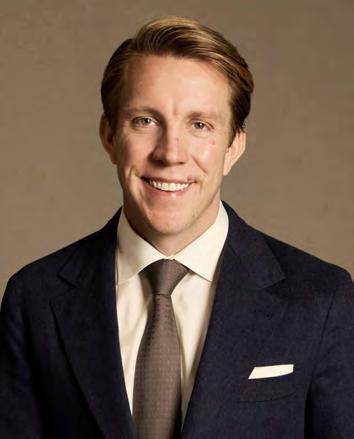
A. Bradley Nelson, chief marketing officer, Sotheby?s International Realty, introduces the 2026 Mid-Year Luxury Outlook report.
The Sotheby?s International Realty® brand?s newly released 2026 Mid-Year Luxury Outlook®Report provides insights into the trends and developments affecting the global luxury real estate market, which continues to maintain its strength and outperform the general housing market.1 Still, there are nuances in luxury real estate to explore.
At Sotheby?s International Realty, we are seeing the buyer pools for the high-end market continue to diversify. We see new homebuyers enter the market because of the rise of intergenerational wealth transfers, as well as homebuyers who continue to benefit from the extraordinary wealth creation generated by stock market investments and escalating real estate
THERE?SA PUSH AND PULL,WITH DIFFERENT SEASONSIN LIFE THAT DRAW PEOPLE TO OWN HOMES IN VARIOUSPLACES.
A.BRADLEY NELSON chief marketingofficer,Sotheby?sInternational Realty
valuations. At the same time, real estate markets are affected by older populations looking to age in place in a healthy environment with a lifestyle they enjoy. Expanding pools of luxury homebuyers are great news for the highend housing market. For sellers, this offers more opportunities. It means they need to curate their homes for doubleduty attractiveness, as a place where a young millennial family and older homeowners can envision themselves. Where people choose to buy is just as revealing as why they buy. ?Location, location, location?is perhaps the most iconic real estate mantra. This report delves into markets that remain eternally attractive for luxury homebuyers alongside markets experiencing a resurgence in attention. The world?s great cities?New York City, Miami, San Francisco, Los Angeles, London, Sydney, Singapore and Hong Kong?remain centers for wealth creation.
Once generational wealth has been achieved, the priorities of ultra-highnet-worth-individuals shift to wealth preservation. There?s a push and pull, with different seasons in life that draw people to own homes in various places. For example, while young entrepreneurs in tech and finance look to buy luxury properties in San Francisco and New York, a wave of ultrawealthy homebuyers continues to pour into Miami and Palm Beach, for the lifestyle, proximity to friends and wealth preservation.
To navigate these nuances, this report draws on perspectives from Philip A. White Jr., president and CEO, and Sotheby?s International Realty-affiliated real estate professionals specializing in properties priced at US$10 million and above, alongside leading voices from the National Association of REALTORS®, UBS and more to provide both ground-level market expertise and broader economic context.
In addition to reporting on global luxury housing markets, this report provides in-depth analysis into the wellness and lifestyle goals of the aging millionaire population and the global longevity market, projected to grow from US$5.3 trillion in 2023 to US$8 trillion by 2030,2 as well as the rise of young luxury buyers in this sector. Health, wellness and
lifestyle continue to be a priority across all age groups, including the desire for social connectivity.
This year, Sotheby?s International Realty turns 50. The brand was born from a simple observation: collectors who trusted Sotheby?s auction house with their most valued possessions needed homes that could hold them. That early understanding?that luxury real estate is as much about how people live as what they own?has shaped how we serve clients across more than 1,100 offices worldwide. Fifty years of that perspective is what informs this report.
That attention to what moves homebuyers and home sellers is reflected in our results: our brand frequently outperforms the general realestate market because of our close attention to themotivations that move homebuyersand sellers. In 2025,Sotheby?s InternationalRealty achieved9.3% sales volumegrowth in the U.S. over 2024, more thantriplethe performanceof the overall housingmarket. In addition, we reached US$182.4 billion in global sales volume, an increaseof 16% year-over-year. Withour LuxuryOutlook report, we dig beneaththe surface dataand provideareal-time perspectiveabout how our clientsare managingtheir real estate portfolios.It?s thislevel of commitment to deepeningour knowledge that allows us to outperform the housing market on a worldwidescale andprovide thehighquality advisory services our clients have cometo expect.
Luxury real estate?smost remarkabletrait may be itsindifferenceto global headlines
While headlines fixated on economic uncertainty, the world?s wealthiest buyers were quietly doing what they?ve always done?buying. The enduring power of luxury real estate, particularly properties priced at US$10 million and US$20 million and above, exceeded expectations in 20251and is poised to continue that trajectory into 2026, according to Philip A. White Jr., president and CEO, Sotheby?s International Realty.
?Even after tumultuous local elections and amid high interest rates, as well as proposed tax measures, we?re still seeing strong property markets in New York City, across the U.S. and around the world,?White says. ?Despite macroeconomic and geopolitical headlines, the affluent remain engaged and confident in the luxury housing market. They are deliberate but not deterred. Demand for best-in-class properties continues to demonstrate that prime real estate holds its position as a trusted asset and a powerful expression of lifestyle and legacy.?
Luxury real estate investments benefit from similar optimism about finances and macroeconomics. ?There?s a high correlation between stock market performance and the luxury housing market,?says Selma Hepp, chief economist at Cotality, a property data analytics company. The S&P 500 index, tracking the top companies on U.S. stock exchanges, rose approximately 80% from early 2023 through 2025, with many investors expecting further gains, according to a January 2026 analysis by The Wall Street Journal.2
?There?s been a lot of wealth creation because of the stock market,?Hepp says. ?The increase in aggregate wealth in the top 10% of Americans over the past five years is approximately US$40 trillion compared to just US$3 trillion for the bottom 50% of income brackets.? This is backed up by data released by the U.S. Federal Reserve in January 2026, which showed a steep rise in the net worth of the top 1% of wealthy Americans, totaling US$54 trillion by the third quarter of 2025.3 Hepp points out that, in addition to stock market performance, wealth
Stock Exchange Gains, 2023-25
Source: ?Five Wall Street Investors Explain How They?re Approaching the Coming Year,? The Wall Street Journal, January 1, 2026
Source: ?Net Worth Held by the Top 1% (99th to 100th
Percentiles),?Federal Reserve Bank of St. Louis, January 16, 2026
accumulation at all income levels stems from housing value appreciation.
While the general real estate market has been sluggish for the past three years, the upper end has continued to show signs of strength, according to Lawrence Yun, chief economist and senior vice president of research, National Association of REALTORS®(NAR).
?There?s a little more inventory that has helped keep that property market moving,?he says. ?The stock market has helped, plus the ability of upper-end homebuyers to pay with cash and not be concerned about mortgage rates.?
Most of the wealth in the stock market is held by the top 5% of households in the U.S., Yun says, so these past few years of equity gains have generated the ability to buy second, third and fourth homes at the top tier of the housing market. Luxury homeowners have also benefited from a rise in home values, so they can sell a property and pay cash for their next purchase, he continues.
But Yun believes mortgage rates still have a psychological impact on luxury homebuyers.
Following the Federal Reserve?s April 2026 meeting, when the central bank decided to hold interest rates at 3.5% to 3.75%, Yun expects that mortgage rates could come down from lower inflationary pressures once the financial market shock over oil prices dissipates.
Looking beyond the luxury real estate sector, in the overall real estate market, 2026 should be a year of gradual improvement in affordability according to Hepp, although there will be some variations by region and price range. ?Real estate markets where homeowners and homebuyers are in the upper income levels are doing better than those with lower incomes,?she says. ?Property investor activity is up and the tax benefits for upper income households are likely to help the luxury housing market as well as investors.?u
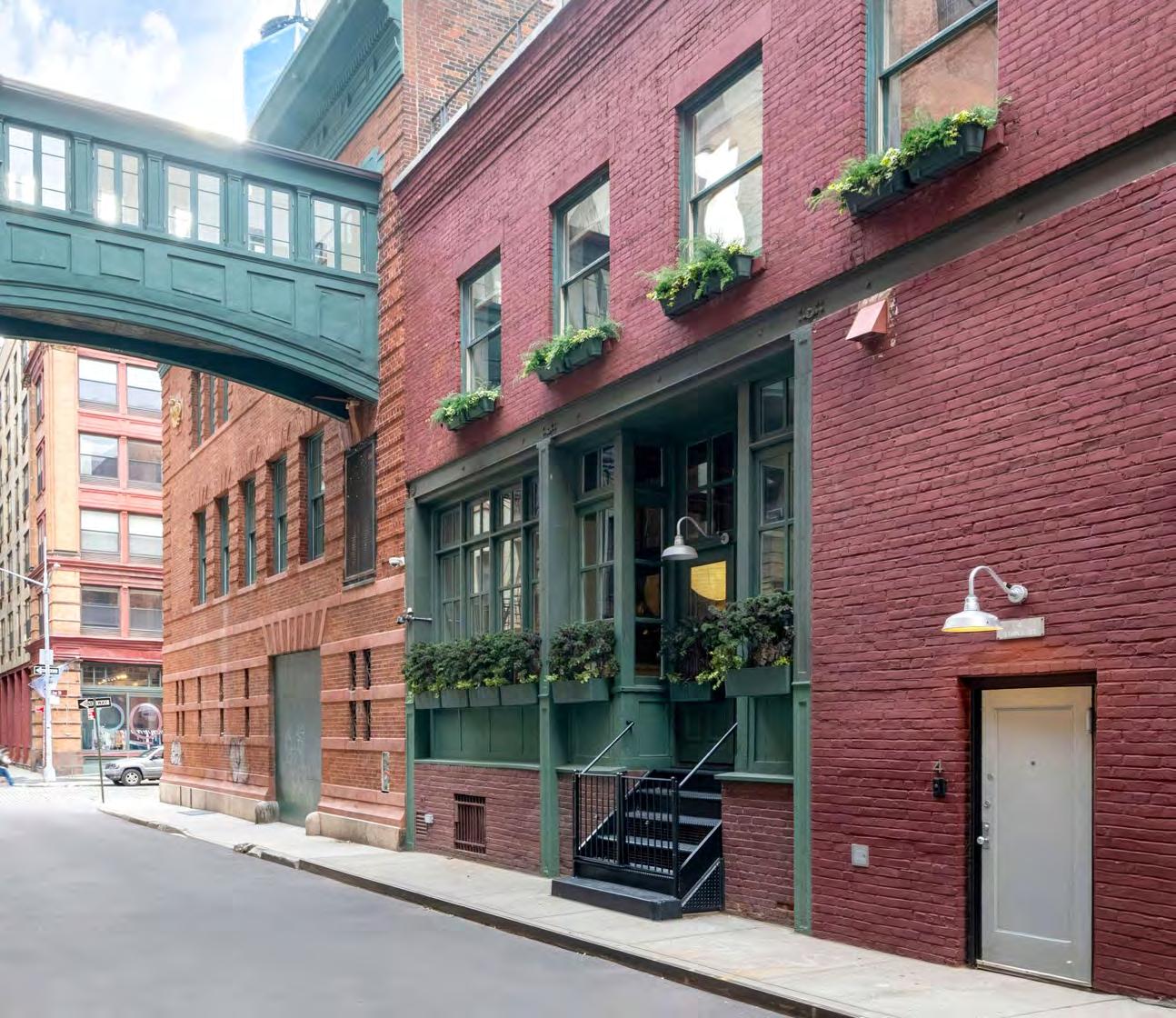
THE AFFLUENT REMAIN ENGAGED AND CONFIDENT IN THE LUXURY HOUSING MARKET. THEY ARE DELIBERATE BUT NOT DETERRED.
The expansion of state and local income tax (SALT) deductions from US$10,000 to US$40,000 in July 2025 due to the One Big Beautiful Bill Act4 will likely increase purchases of high-end residences in states with high property tax rates, such as New Jersey, Connecticut, Massachusetts and New York, according to Yun. However, the expanded deductions are phased out for taxpayers with an adjusted gross income of US$500,000 or higher, so it may not have a significant impact on ultra-luxury housing markets. ?As people filed their income tax returns in April, they found they could reduce their tax bill with SALT deductions,?Yun explains. ?They have extra money in their pockets and may be encouraged to buy a larger home when they realize they can deduct more of their property taxes.?
In addition, if legislation passes to increase the capital gains tax exemption for home sales, that could also help the upper end of the housing market, Yun says. Currently home sellers can exclude US$250,000 (US$500,000 for a married couple) of the proceeds from the sale of their home from capital gains taxes, according to IRS guidelines.5 ?More homeowners might consider selling if their tax burden is reduced, which could increase the number of high-end transactions,?he says.
Rising insurance costs, higher property taxes and inflation have much less of an impact on the ultra-luxury property market, Hepp says, but rising labor costs limit new construction and slow the pace of custom homebuilding. ?The unpredictability of tariffs and immigration issues have made it much more difficult to price custom homes,?she notes. ?It?s hard to know what materials will cost because tariffs have been up and down and vary by item. Plus, builders struggle to estimate labor costs because of concerns about immigration.?
More than half (55%) of Sotheby?s International Realty affiliated real estate professionals around the globe reported an increase in the number of luxury u
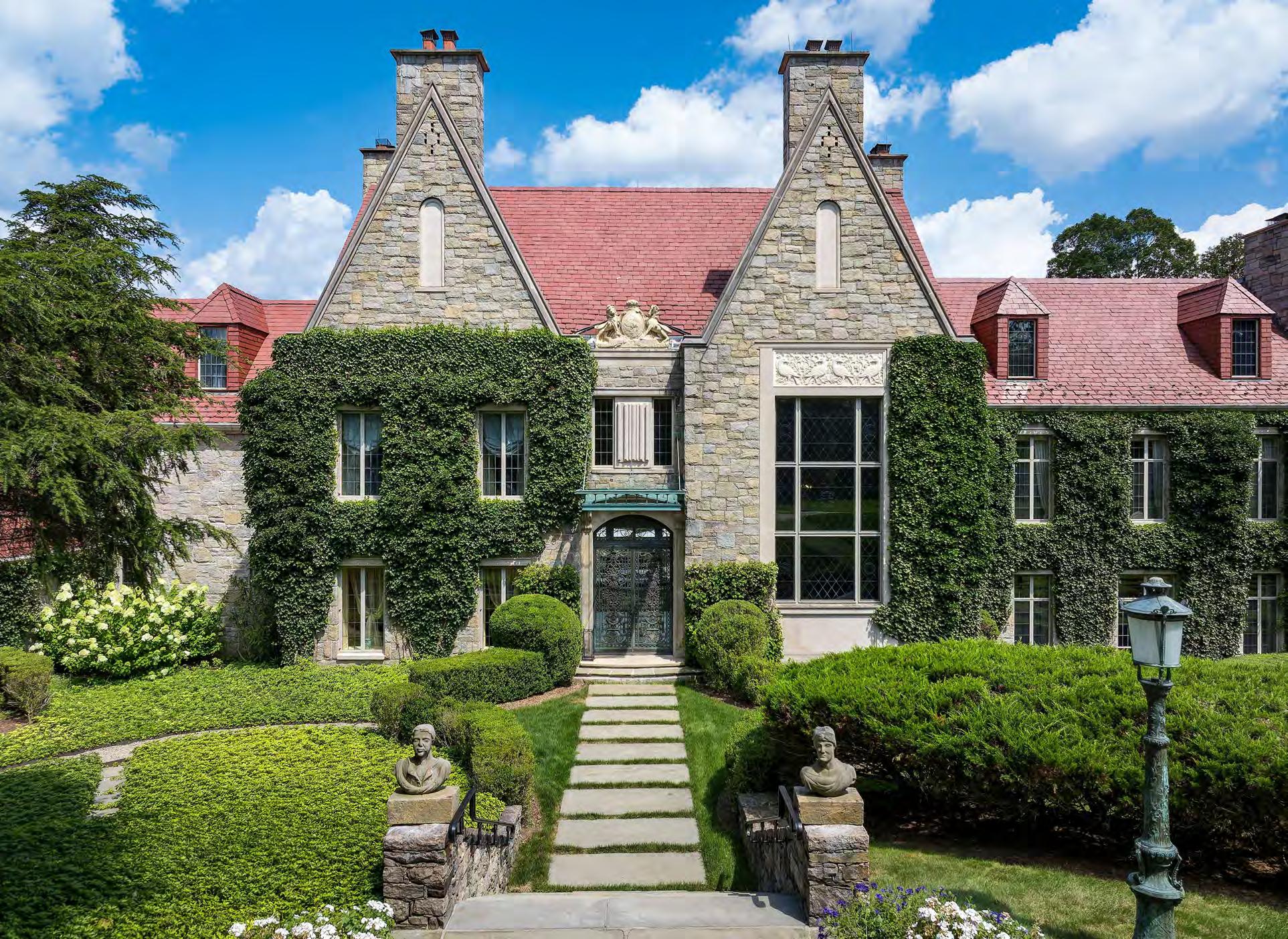
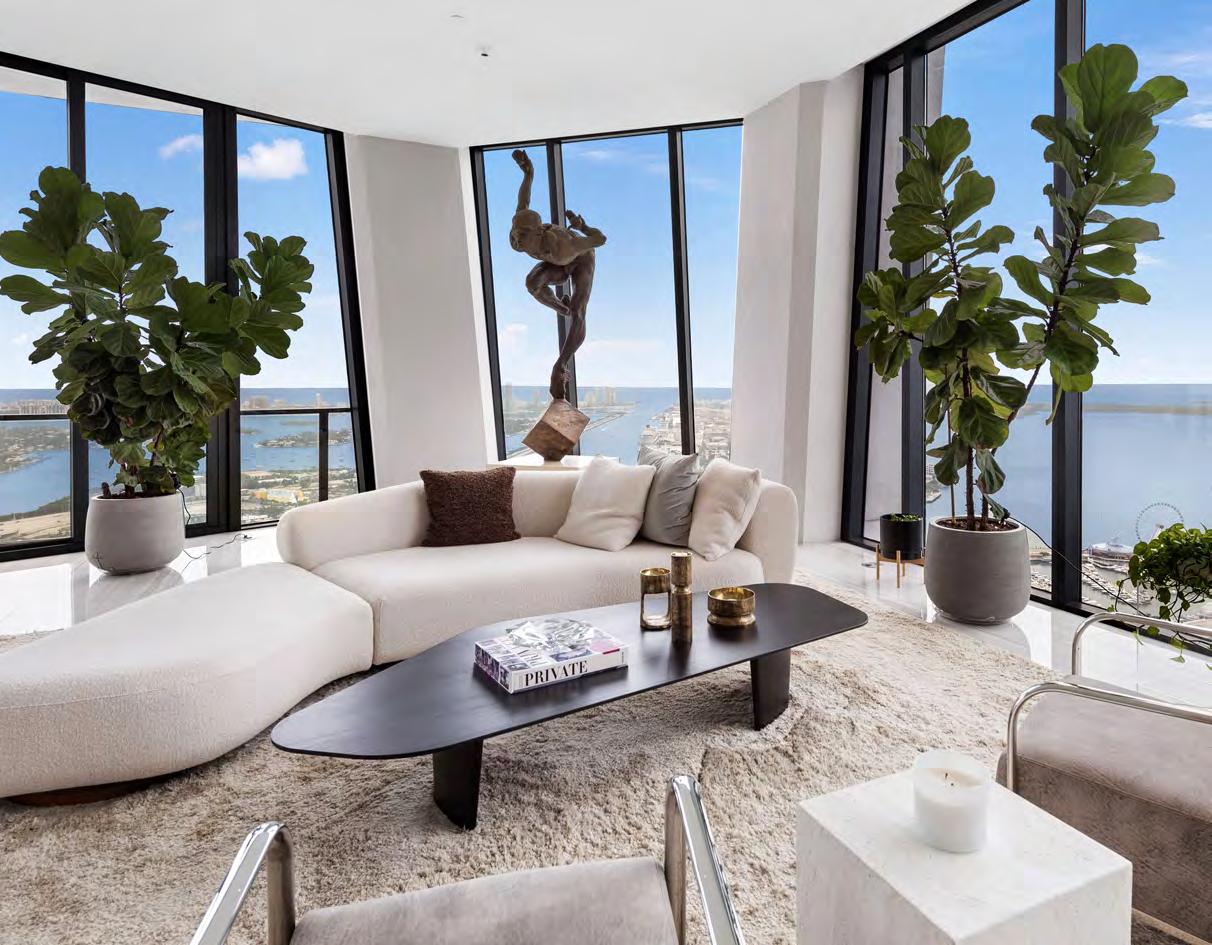
homebuyers in their local property markets over the past 12 months, according to the 2026 Mid-Year Sotheby?s International Realty agent survey. They anticipate a similarly strong turnout throughout 2026, and reported average price increases of 5%.
Particularly in this top tier of the real estate market, superior-quality homes that are priced well and marketed appropriately are selling quickly, according to White. ?In Connecticut, Leslie McElwreath, senior global real estate advisor, Sotheby?s International Realty - Greenwich Brokerage, doubled the number of US$10 million-plus deals in 2025 compared to 2019, even though there were fewer than 100 homes on the real estate market in that price range,?White says.
?On Sea Island, Georgia, Chase Mizell of Atlanta Fine Homes Sotheby?s International Realty and Susan Imhoff and Ann Harrell of DeLoach Sotheby?s International Realty set a state record by selling architect John Portman?s 13,000-square-foot home for US$30 million,?6 White adds. ?The house, Entelechy II, is strikingly contemporary, a departure from the traditional cottages on the island,
A Rise in Luxury Homebuyers Over thePast Year
Source: 2026 Mid-Year Sotheby?s International Realty agent survey
% of real estate professionals selling US$10M+ properties reported an increase in homebuyers
but it?s right on the water.?That record could soon be broken, however, by the former home of HGTV co-founder Ken Lowe and his wife Julia? a custom-built, 11,000-square-foot oceanfront estate?according to an April 2026 report by The Wall Street Journal.7 The mansion, called Lowe Tide, was recently listed at US$42 million with DeLoach Sotheby?s International Realty.
In the wider real estate market, Hepp notes a divergence between a slowing property market in the Southeast compared to a more stable one in the Midwest and the Northeast. ?The general Florida housing market has slowed because of the compound effect of natural disasters, higher insurance and immigration restrictions, but high-end homebuyers seem to be insulated from those issues,?she says.
The ultra-luxury property market in Miami, Florida, is on particularly solid ground, according to Yun. ?They had a little oversupply, but with their infrastructure development and new luxury condominium construction, it?s becoming an even bigger city,?he says. ?There are many, many million-dollar homes there, but the job gains in Florida have been growing faster than in the rest of the country.?
Yun also believes many retiring wealthy baby boomers (those born between 1946 and 1964) will choose to relocate to Florida in the years ahead, especially to benefit from the lack of state income taxes there. ?We?ve seen renewed luxury real estate demand in New York City and California?s Central Coast, but also booming luxury property markets in Montana and Wyoming, which are tax-friendly states,?Hepp says.
In Los Angeles, California, the ?mansion tax?on the sale of properties worth US$5 million and more has been in place since April 2023, yet the ultra-luxury property market there continues to thrive, Hepp says. ?Sales of homes priced from US$3 million to US$5 million [and so not subject to the additional tax] were up 11% in 2025, while sales of homes at US$5 million and higher were up 30%.?
While Washington, D.C. was the focus of attention in 2025 because of federal government layoffs, Yun says the city?s enduring appeal as an international capital has kept the ultra-luxury property market there thriving. He says people with a long-term perspective are eager to get into the Washington, D.C. housing market now
because of the perception of aslowdown there, which has kept sales activity onsolid ground.
Globally, sales transactionsfor the Sotheby?s International Realty brand wereup in 2025,White says. Cabo San Lucas, Mexico, wasamong the strongerperforming markets, part of what Whitedescribes as a genuine shift in homebuyer behavior. ?Americans are more open to different places thanin the past,?he says, a trend the brand is seeing acrossits globalportfolio.
Vietnam represents thebrand?s next movein that direction, a market where economicgrowth hascreated a new class of wealthy domesticbuyers, international interest is accelerating and luxury inventoryhasn?t caught up with demand.
The country will join the brand?sexisting presence in key global hotspots in the AsiaPacific region, suchas Australia, New Zealand, Hong Kong, Singapore,Taiwan, the Philippines and Japan. ?Tokyo had an exceptional year,and Osakaopens up an entirely different sideof what Japan has tooffer our clients,?White says.
Luxury homebuyers who rely on the brand?snetwork are a mix of pure property investorsand those looking for a lifestyle purchase, according to White.?Some homebuyers are just fascinated by real estateandwant to buy multiple properties with the potential to rent them for aseason or two. But in the long term, they focuson gettinga goodprice for anything they buy. They need to seethe valuein their purchases and want to know that if and whenthey decide to sell, they have the potential to get a goodreturn on their investment.?
Wealth continued to accumulate internationally in 2025, with an estimated 4.3 million high-net-worth individuals (HNWIs) around the world, each with households worth morethan US$1million, according to the World Ultra Wealth Report 2025 released in September 2025 by Altrata,a provider of global financial data.8 Within that group there are more than 500,000 ultra-high-net-worth individuals (UHNWIs), with morethan US$30 million in wealth. And whileUHNWIs make up just 1.1% of the world?s millionaires, an already rarefied demographic, they hold 32% of this group?s net worth, according to Altrata?s research. u
The top 10 countries with the largest percentage of UHNWIs include the U.S., China, Germany, the U.K., Japan, Hong Kong, Canada, France, Italy and India. Altrata?s researchers predict that while North America will remain the region with the most ultra-wealthy residents, by 2030 the strongest growth of UHNWIs will be seen in Asia, with an outsized boom in India.
According to the UBS Global Wealth Report 2025 released in June 2025, 35% of the world?s wealth is held in the U.S. and approximately 30% is in emerging economies, which UBS researchers expect to remain the same over the next few years.9 Nearly 40% of the world?s millionaires reside in the U.S., four times as many as in mainland China, according to UBS, and researchers anticipate another five million new millionaires will be minted by 2029.
?If the presidential administration?s high-end visa program really takes off, that could significantly boost luxury sales to foreign nationals in the U.S.,?Yun says. The website for this initiative went live in December 2025, offering a streamlined path to U.S. citizenship for a fee of US$1million for individuals and US$2 million for corporations, which can then provide immigration and residency rights to employees.10 The program also requires a US$15,000 processing fee. In late December 2025, the administration claimed that sales of Gold Cards had already reached US$1.3 billion, according to a December 2025 report by Scripps News.11
?Tightening of other immigration policies may slow some foreign property investment, but generally 2026 should be a strong year for international homebuyers in the U.S. after it was muted for so long because of the pandemic,?Yun says.
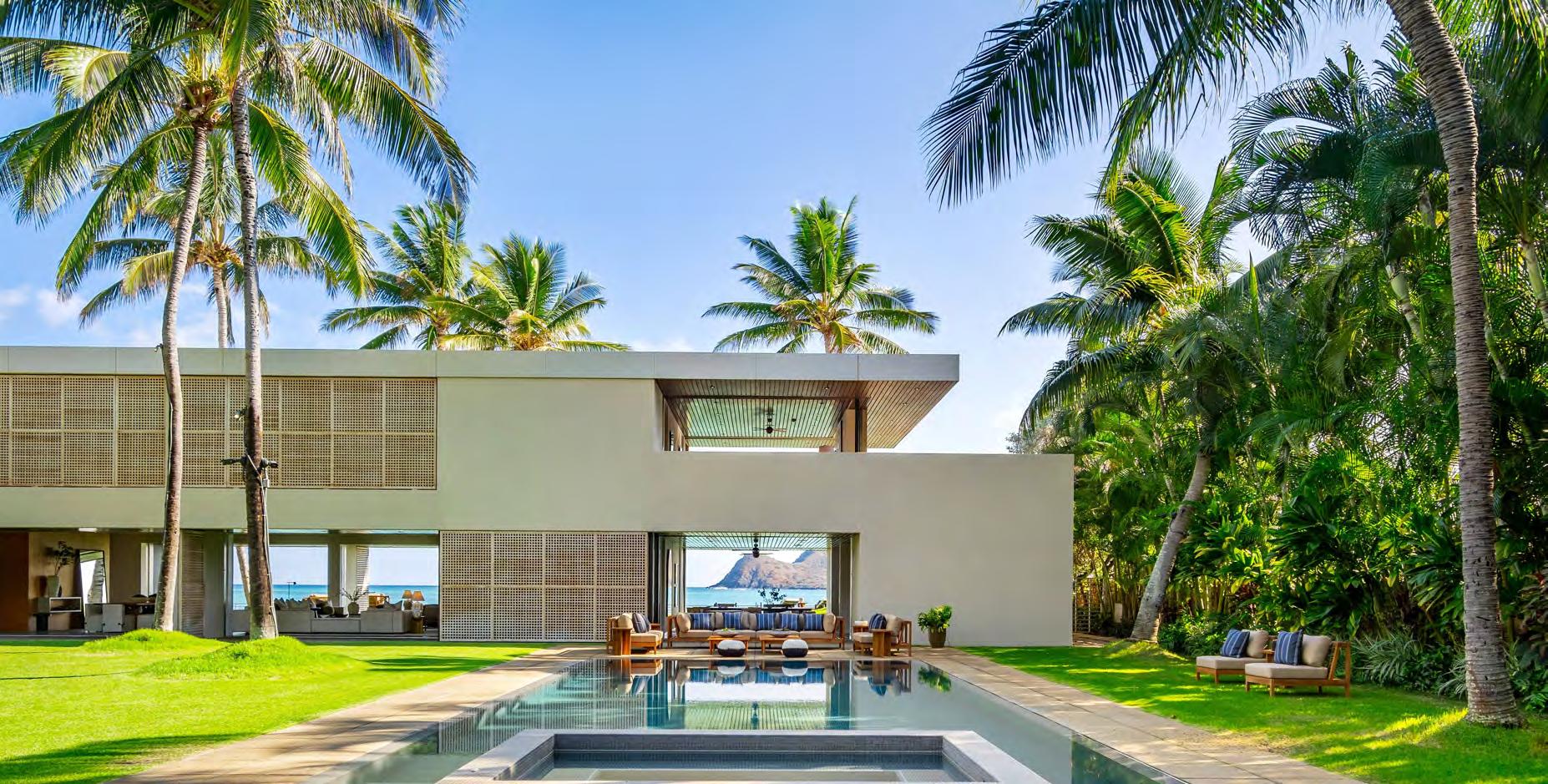
A combination of earned and inherited wealth has led to an increase in luxury home purchases by millennial homebuyers (those born between 1981and 1996), according to the 2026 Mid-Year Sotheby?s International Realty agent survey. A majority (66%) of respondents operating at all price levels said there are more Millennial homebuyers in their property markets; this trend was even more pronounced among real estate professionals working in the US$5 million-and-up price bracket, 73% of whom saw a rise in this demographic.
?The wealth transfer is happening now, and giving younger homebuyers more capital to make big
purchases,?Whitesays. ?At the federal level, there are no taxes onlifetime gifts of up to US$15million per individualor US$30 million for amarried couple, according to IRSguidelines updated in January 2026.12 Plus, parentssee that giving their kids US$2 million now as a gift is likeearning US$4 million, because it?stax-free.?
This wealthtransfer will result in changes to the housing market,since younger homebuyerstend to be more influencedby social media and makelifestyle purchases rather thanpure real estateinvestments, White says.
But lifestyleconsiderations arekey for allgenerations, with 62% of respondents to theagent survey saying it has become anincreasingly important factor for homebuyers. Taxes wereclose behindat 60%,followed by economic stability (53%) andpolitical stability(49%). u
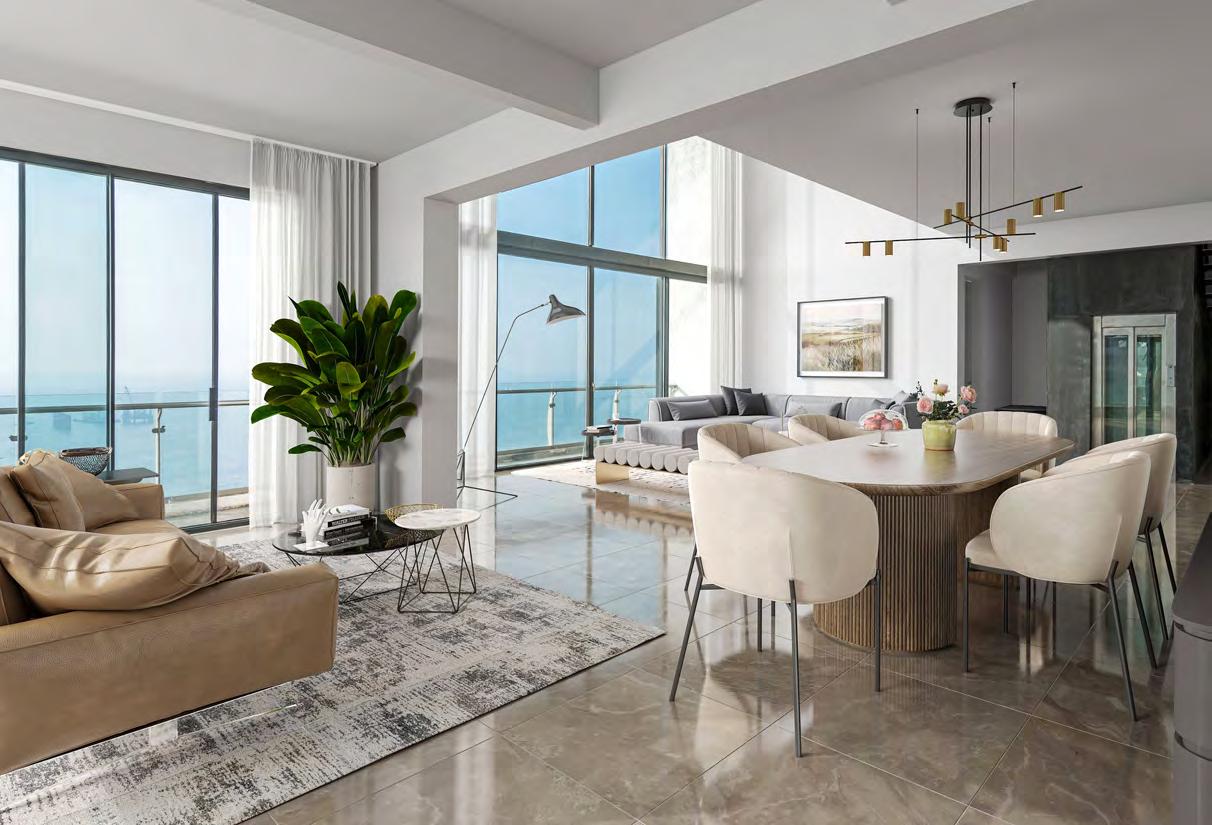
Luxury travel trends can also provide insights into the motivations and priorities of those looking into highend real estate purchases. ?Affluent travelers place a premium on experiences where they feel completely cared for,?White says. ?That?s one reason branded residences continue to be among the hottest trends in luxury real estate. People really gravitate to places like the St. Regis, Four Seasons and Waldorf Astoria residences because they like living in a place that provides the services of a luxury hotel. Asia-based branded residence operators such as Mandarin Oriental, The Peninsula, Banyan Tree, Six Senses and Rosewood are setting new standards of luxury.?
In addition, a willingness to spend lavishly on travel bodes well for continued investment in real estate, especially as people find new destinations where they may want a more permanent residence.
?Affluent travelers, made wealthier in recent years by stock-market rallies and real-estate gains, have splurged on their stays with abandon,?according to a November 2025 report by The Wall Street Journal.13 ?Having already accumulated a stash of fancy cars and
watches, wealthy Americans today are spending even more on experiences, including travel. Multigenerational trips are more popular than in the past, with grandparents paying for accommodations large enough to include their children and grandchildren.?
?We have a lot of momentum in our brokerages and our affiliate businesses,?White says. ?We anticipate the resilience of the luxury real estate market to continue throughout this year and beyond.?In addition, trends such as lifestyle-driven priorities and the influence of younger wealthy homebuyers are likely to affect global high-end property markets throughout the year.
The combination of wealth creation through real estate, equity investments and intergenerational transfers supports continued resilience in luxury and ultra-luxury housing markets. Ultra-high-net-worth homebuyers and sellers share an understanding that investing in real estate for lifestyle benefits and financial diversification could help generate their preferred outcomes. Still, they seek the advice of real estate experts with global networks and expertise to help them navigate the complexities of property purchases. -
International geopoliticsand macroeconomicsinfluenceconditionsin luxury housing markets,but regional and local trendsalso play a role.Thepagesahead examinetheevolving trendsacrosssomeof theSotheby?sInternational Realty brand?spremier housingmarkets.
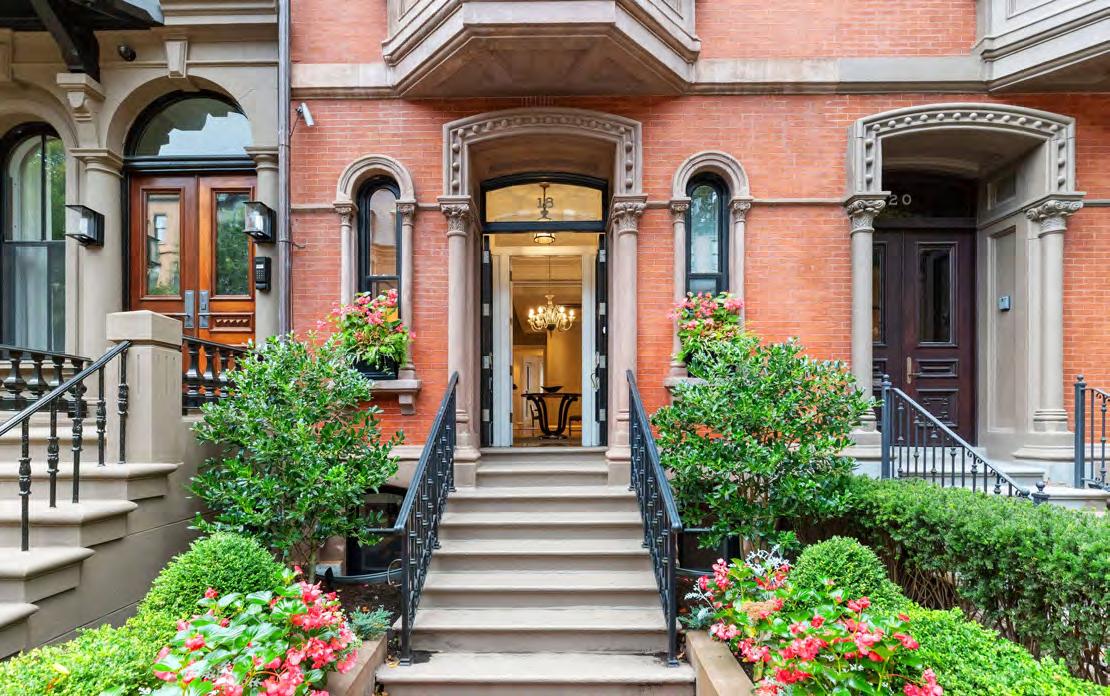
In Boston,luxury condominium buildings in prime locations with high-end amenities attract plenty of homebuyers,but the top range of the housing market in nearby Cambridge primarily consists of singlefamily homes priced at US$10 million and above,according to Lauren Holleran, senior global real estate advisor, Gibson Sotheby?s International Realty in Cambridge.
?The luxury condominium market in Boston attracts people who want to downsize from a larger house that needs work,?Holleran says.?In Cambridge, the upper end of the market is mostly renovated or remodeled single-family homes that don?t need work either.What sells here is a contemporary interior with colonial exterior or a colonial house with a well-designed contemporary addition.? The appetite for renovating a home has disappeared in the last year or two,Holleran explains,primarily because of the uncertainty of how much the work
willcost andhow much time might be needed to completeamajor project. ?Therewas a priceshift in our market, with most ultra-luxury homesvalued under US$10 millionrising to theUS$15 million to US$16 million range by 2025,?she says.?I think we?vereached thetop of the market of what homebuyersare willing to pay now,so prices arepulling backto the US$12 million to US$15million range.? Thereason, she believes,is the ?vibecession??theperception that the economyis in a slowdown even whenit?s not. u
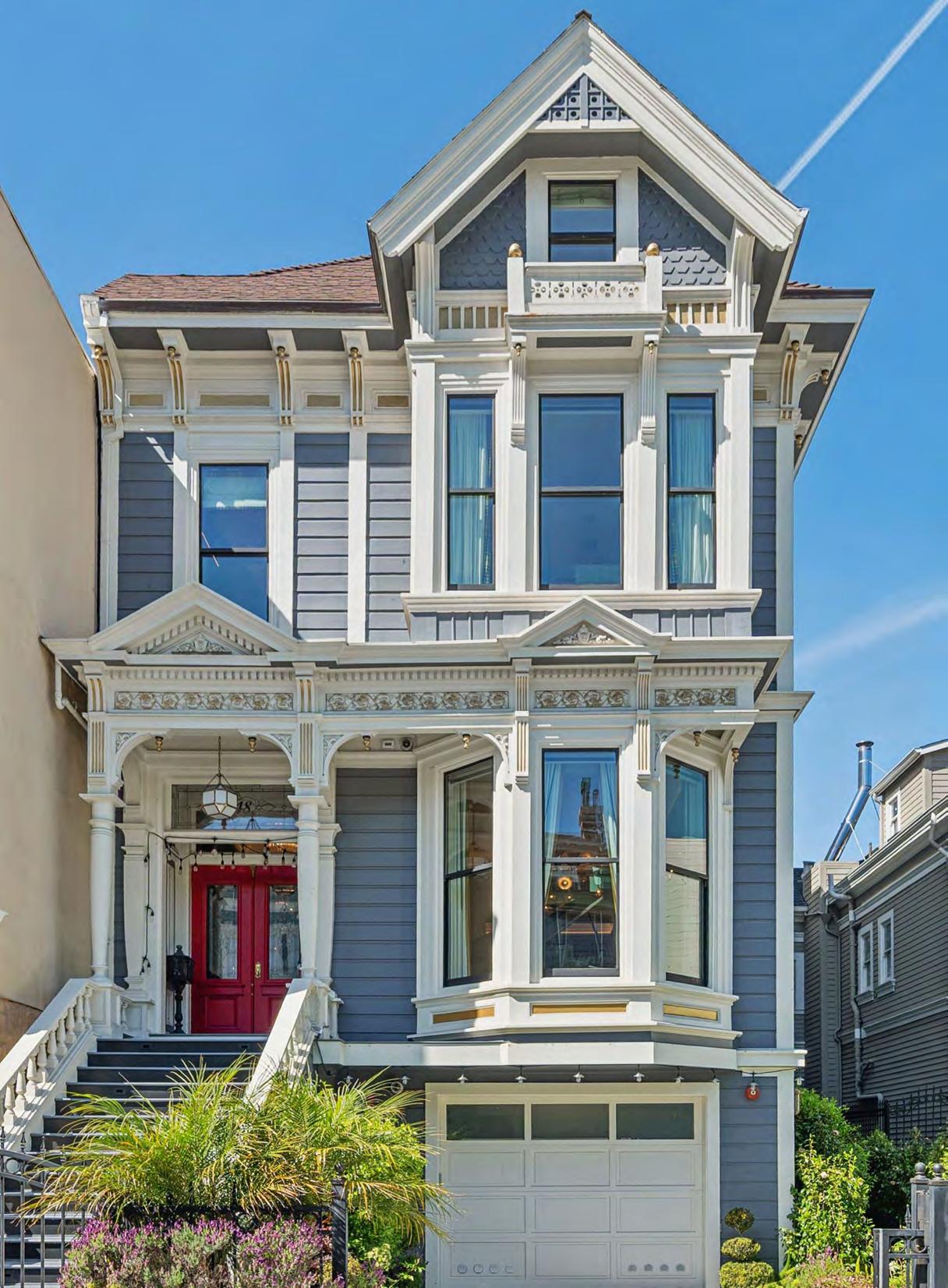
?It?s more of a confidence issue than a financial reality that?s holding back homebuyers a little on the upper end,?Holleran says.
Still,Boston and Cambridge consistently attract deep-pocketed homebuyers from the financial services sector and technology and life sciences fields,she adds.For those that prefer to live in Cambridge,the rarity of a fully renovated historic home keeps the market tight.
The city?s housing market has been stable,which bodes well for the rest of 2026,says Rachel Finkbohner,global real estate advisor,Briggs Freeman Sotheby?s International Realty.
?We do 70% of our business between January and June,and typically have 30-day closings,so things move fast,? Finkbohner says.?Our inventory in Dallas is really tight,particularly in neighborhoods with a range of educational resources, where homes are priced from US$2.5 million to US$6 million.?
The Dallas market is ?hyper-obsessed? with location,according to Finkbohner, with some homebuyers only wanting to live on one or two specific streets.
?Most of our homebuyers are locals, so they know where they want to be,?she says.?But more companies are moving to Dallas,too,so the number of out-of-market
homebuyers is starting to increase in the city compared to the rest of the state, with the top leadership of these companies buying homes in high-end neighborhoods.?
While in other U.S.markets people have tended to stay in their homes for longer in recent years,in Dallas people often look to upsize,upgrade for style or shift to a more desirable neighborhood after a few years in their home,according to Finkbohner.?In neighborhoods like University Park,some developers are building homes in the US$7 million to US$12 million range,?she explains.
?Otherwise,most of the new construction is custom homes built after an existing home is torn down.?
Finkbohner anticipates a strong market throughout 2026 but hopes for more inventory,particularly in the US$2.5 million to US$4 million range to increase transaction volume.
Artificial intelligence (AI) has triggered a renaissance for the Bay Area,according to Alex Hachiya,senior global real estate advisor,Sotheby?s International RealtySan Francisco Brokerage.
?San Francisco thrives on innovation and new technology,and now the AI boom is real,?Hachiya says.?Wealth flooded back into the city in 2025,and we saw
84% more salesof homespriced at US$7.5 million andup that year, compared to 2024.?
That sales trajectoryboosted confidence at every level in thecity going into 2026,assisted by newpolitical leadership restoring San Francisco and its reputation, hesays.
?It?sbeen aU-turn, with people moving backherefrom New York, New York, Austin, Texas,Washington,D.C. and elsewhere,?Hachiyacontinues.?San Francisco has always been a trophy city for international homebuyers, although we haven?t seen as manyforeign homebuyers in the past few years.?
Homebuyers in their 20sand 30s who work in tech,areentrepreneurs or havefamily wealthbuy inthe city at first and thenmove to nearby suburbs when they havechildren,Hachiya notes.
?When they?re a little older andtheir kids goto college,those homebuyers purchase a weekend place in thecity,?he says.?We also seedemand from emptynesters andolder people who want to buy a new place in a buildingwith anelevator as part of their retirement plan. We see somegrandparents buying places in the area so they can becloser to their kids and grandkids,too.?
All homebuyers,but especially younger ones,want turnkey properties without the need to renovate, plus aflexible floor plan, privateoutdoor space and a walkableneighborhood, Hachiyaadds. u
THE DEMOGRAPHIC ISSHIFTING YOUNGER,TO HOMEBUYERSIN THEIR 30SAND EARLY
?In 2026,we?re seeing a little more inventory come on the market from people who were waiting for the right moment to sell,?he says.?Now that the AI demand is here and people feel more confident about an improving city,we expect sustainable strength in the housing market.?
The momentum experienced in prime luxury property markets in India over the past year is likely to continue,particularly in iconic neighborhoods with limited inventory,according to Sudershan Sharma,executive director,India Sotheby?s International Realty.
?With record sales and exceptional performance in the ultra-luxury segment, 2025 was a defining year,?Sharma says. ?We saw strong growth in both transaction volume and prices,with overall values surging over 40% in the last three years. However,inventory remains tight; the scarcity of ?trophy?properties in prime zones like Lutyens?Delhi and South Mumbai has led to prices holding strong.? Luxury homebuyers in India traditionally come from legacy industrial families,but Sharma says that new demand is coming from younger homebuyers,including startup founders, next-generation entrepreneurs and C-suite executives monetizing their equity gains.
?Many homebuyers are upgrading their primary residences for lifestyle value, and demand for second homes in hilly and beach destinations is robust as an escape from urban intensity,?Sharma explains. ?Luxury real estate is viewed as a ?bluechip asset class?for capital appreciation and efficient reinvestment of capital gains under Indian tax laws.?
India?s strong economic momentum and rising wealth levels along with interestrate cuts and tax laws influence the luxury real estate market there.
?The most desirable homes are ?experience-led?gated villas or high-rise properties offering wellness,privacy and top-of-the-line amenities,?Sharma says. ?We?re also seeing exceptional demand for second homes in drivable destinations from Mumbai.Simultaneously,the core markets in the financial capital remain robust,particularly in iconic neighborhoods such as Nepean Sea Road,Malabar Hill and Worli,where the address itself carries an irreplaceable premium.?
Headlines predicted that wealthy homeowners would leave London after recent tax law changes,but in 2025 the market performed better than in 2024 in both sales volume and prices,according to Marcus O?Brien,head of the family
office,United Kingdom Sotheby?s International Realty.
?There was a degree of wealth movement,and we saw some clients relocate earlier in 2025,but this also released stock that hadn?t come to market in two decades or more?properties that are rarely traded and were met with strong demand,?O?Brien says.
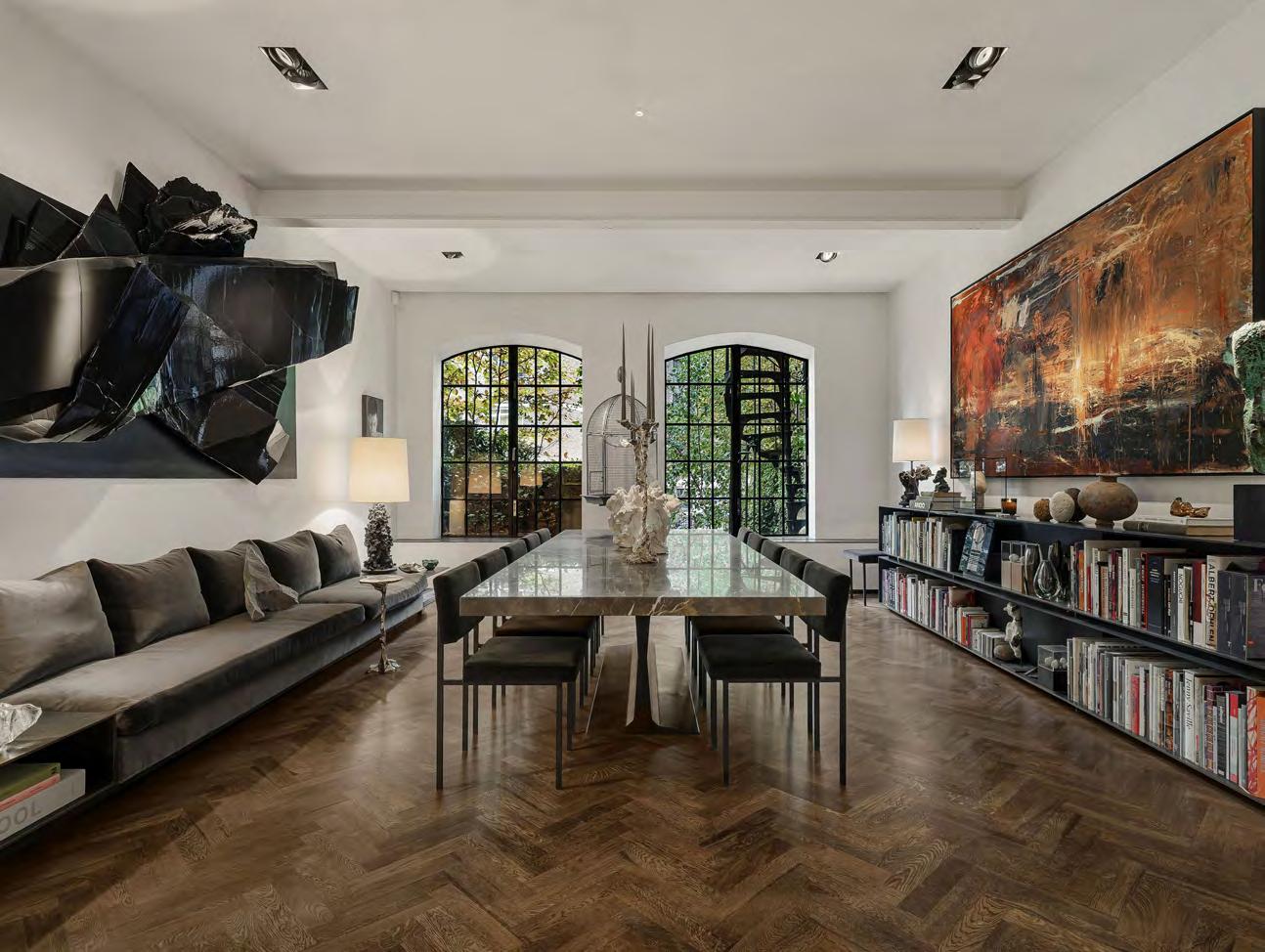
?Turnkey properties with highcaliber interior design continue to see the strongest demand,?O?Brien says.
?Buyers are prioritizing homes that are fully finished to a high aesthetic and technical standard.The demographic is also shifting younger,to homebuyers in their 30s and early 40s,often founders or second-generation wealth,in the prime and super-prime brackets.?
While most purchases are for primary residences,second home activity has grown as the hybrid lifestyle becomes more entrenched,he adds. ?The UK government?s 2025-26 budget has played a meaningful role influencing the luxury housing market,?O?Brien says.
?Clarity around property taxation and stamp duty thresholds has prompted some homebuyers who were previously on the sidelines to re-engage.Broader economic stabilization,interest-rate expectations and currency movements ?particularly sterling against the dollar? are also shaping buying decisions.?
For the rest of 2026,O?Brien expects more legacy properties to
become available and to trade.?If economic policy remains predictable and interest rates ease,confidence will continue to build,?he says.?Price growth is likely to be modest but positive,with continued competition for the highestquality homes.As always,quality will outperform quantity.?
Its position as a mecca for UHNWIs as well as its strong currency continue to
bolster Singapore?s reputation as a safehaven market,according to Nancy Tey, senior associate vice president,List Sotheby?s International Realty,Singapore.
?Prices for non-landed properties [condominiums and apartments] were resilient throughout 2025,and some prime trophy assets in Singapore achieved new benchmark prices,?Tey says.?Transaction volumes were higher in 2025 because of many condominium launches in the core central region.?
While properties with land are highly desirable,they?re also in short supply. The properties that sell the fastest are
non-landed residences inDistricts 9, 10 and11; ?GoodClass Bungalows,?which areexclusive properties in designated areas with large lots; detached residences with redevelopment potential; large-format units with three or fourbedrooms and privacy;and move-in ready homeswith high-qualityfinishes, Tey says. ?Most of our transactionsare local homebuyers who areSingaporean citizensor permanent residents intheir 40s to 60s, but we?vealso seen anoticeableincrease in younger homebuyers in tech and finance,along with second-generation familywealth.?u
TO KEEP RISING,BUT AT A MODERATE,STEADY PACE.
Foreign homebuyers are active on the ultra-prime level,but purchases are limited by the high Additional Buyer?s Stamp Duty charged to foreign and second-home buyers.Still,Tey says UHNWIs from China, Indonesia and India,and global business owners with family offices in Singapore, continue to buy residential property there.
?Our homebuyers prefer prime established locations over fringe luxury locations,?Tey adds.?They also prioritize privacy,long-term livability and layout efficiency.?Throughout 2026,Tey anticipates Singapore will maintain its position as a long-term wealth preservation market rather than a speculative one.
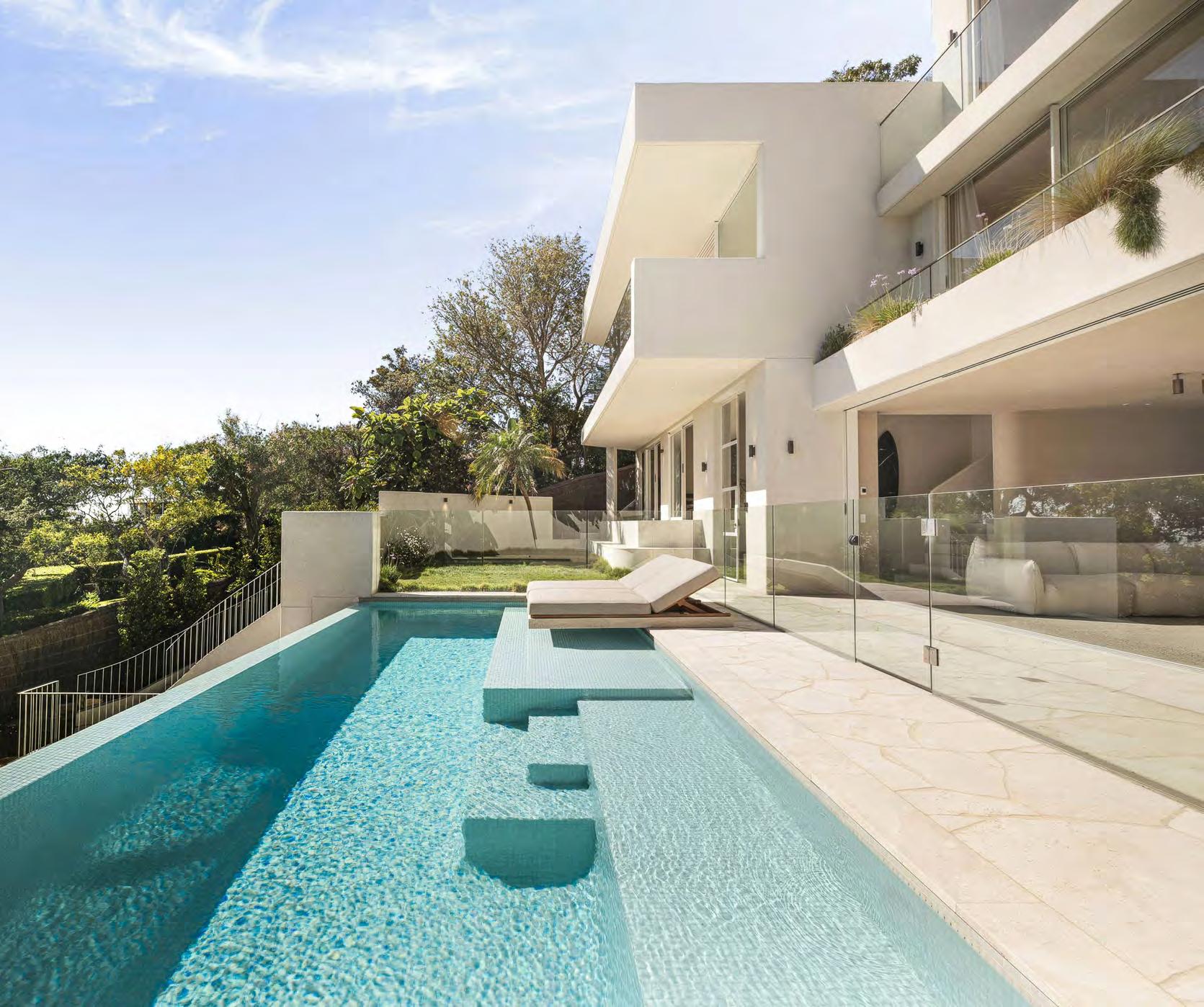
The luxury housing market in Sydney outperformed other international real estate markets in 2025,with higher prices, more transactions and relatively tight listings,according to Harriet France, senior global real estate advisor,Sydney Sotheby?s International Realty.And she predicts more of the same in 2026.
?I expect prices to keep rising,but at a moderate,steady pace rather than a boom,with demand remaining strong,? France says,attributing this trend to a strong base of local high-net-worth homebuyers,downsizers and returning expats,along with some selective international interest.?We have very limited stock in bluechip locations,
whichsupports prices andcompetition forquality homes.?
In Sydney,demand is strongest for waterfront mansions, harborside estates, high-end beachside houses,luxury premium apartmentsand prestigehouses locatedin the blue-chip suburbs in theeast andthe lower north shore, France notes. Beyond the local homebuyer baseor those movingbetween states, international and expat homebuyers generally comefrom the U.S.,the U.K.,New Zealand, HongKong, mainland Chinaand Singapore. ?Wehave astrong presence of established andmid-lifehomebuyers,?she explains, ?but younger wealthy homebuyers areincreasing, anddownsizers are alsosignificant.?
Thebiggest influenceon the luxury real estate market in Sydneythis year is interest rate stability,France says. In addition, thechronic supply scarcity in blue-chip locations,domestic economic resilienceand low unemployment drive up pricesand demand from local homebuyers. Whilethe reputation of Sydneyas a haven forcapital generates global wealth flow, temporary foreign buyer restrictions on established dwellings reduces some offshoredemand,she explains.
?Themarket is becoming more lifestyle-driven,design-focused and future-proofed,rather than purely about prestige,size or status,?France says. ?Homebuyersare focusedon location, low maintenanceand long-term livability as wellas lifestyle.?-
The wealthiest homebuyers in the world are getting older, and they?re building homes to match their lifestyles. As global populations live longer,the luxury real estate market is undergoing a fundamental transformation. ?Increasing life expectancy,coupled with affluent homebuyers?desire to ?age in place,?is reshaping everything from home design and location choice to how inventory circulates in prime real estate markets,?
says Tammy Fahmi,senior vice president,global servicing and strategy,Sotheby?s International Realty. This aging millionaire boom,increasingly rooted in longevity and wellness economics,is creating new opportunities as well as challenges for luxury real estate. Global life expectancy at birth has risen significantly within the last century,from roughly 46 years in 1950 to 73 years in 2023,according to a November 2025 report by Statista.1 By 2100,people around the world are expected to live to 82 years on average,with Europe and North America predicted to have even higher life expectancies of around 90 years.
?Many buyers in their late 50s,60s and 70s are not downsizing or moving into senior housing,? says Anna Sherrill,senior global real estate advisor, ONESotheby?s International Realty in Miami,Florida. ?Instead,they are purchasing or staying in homes that
allow them to live well for a very long time.These are clients who are highly focused on their health,longevity and quality of life.?
The growing emphasis on longevity is not merely a lifestyle trend?it?s a major economic force that continues to gain momentum.UBS Global Wealth Management projected in March 2025 that the worldwide longevity market,which encompasses health,wellness and agingrelated spending,will grow from US$5.3 trillion in 2023 to US$8 trillion by 2030,reflecting strong demographic and consumer shifts toward longer,healthier lives.2
This expansion reflects a broader macroeconomic shift: as populations age and life expectancy rises, demand increases for the services,products and properties that help maintain a higher quality of life well into later years.The world?s over-60 population is expected to double by 2050,surpassing two billion people,UBS reported.
Real estate sits squarely in the path of that spending. Within the broader longevity economy,property has emerged as a quickly expanding segment.?Wellness
Global Life Expectancy
Source: ?Global Life Expectancy at Birth From 1950 to 2023, With Projections Until 2100,?Statista, November 28, 2025
real estate has consistently been the fastest-growing sector in the wellness economy,significantly outpacing projections and economic growth trends,and it has more than doubled in size in just five years,?say the authors of a November 2025 report by the Global Wellness Institute, led by Katherine Johnston,senior research fellow.3 By 2029,the market for such real estate is estimated to be worth more than US$1.114 trillion,according to the report.
This growth underscores that wealthy homebuyers do not purchase homes for just aesthetic or investment reasons.Many are now seeking environments that proactively support their long-term health,resilience and overall well-being.One practical consequence of this is a reduction in housing turnover in high-end luxury real estate.
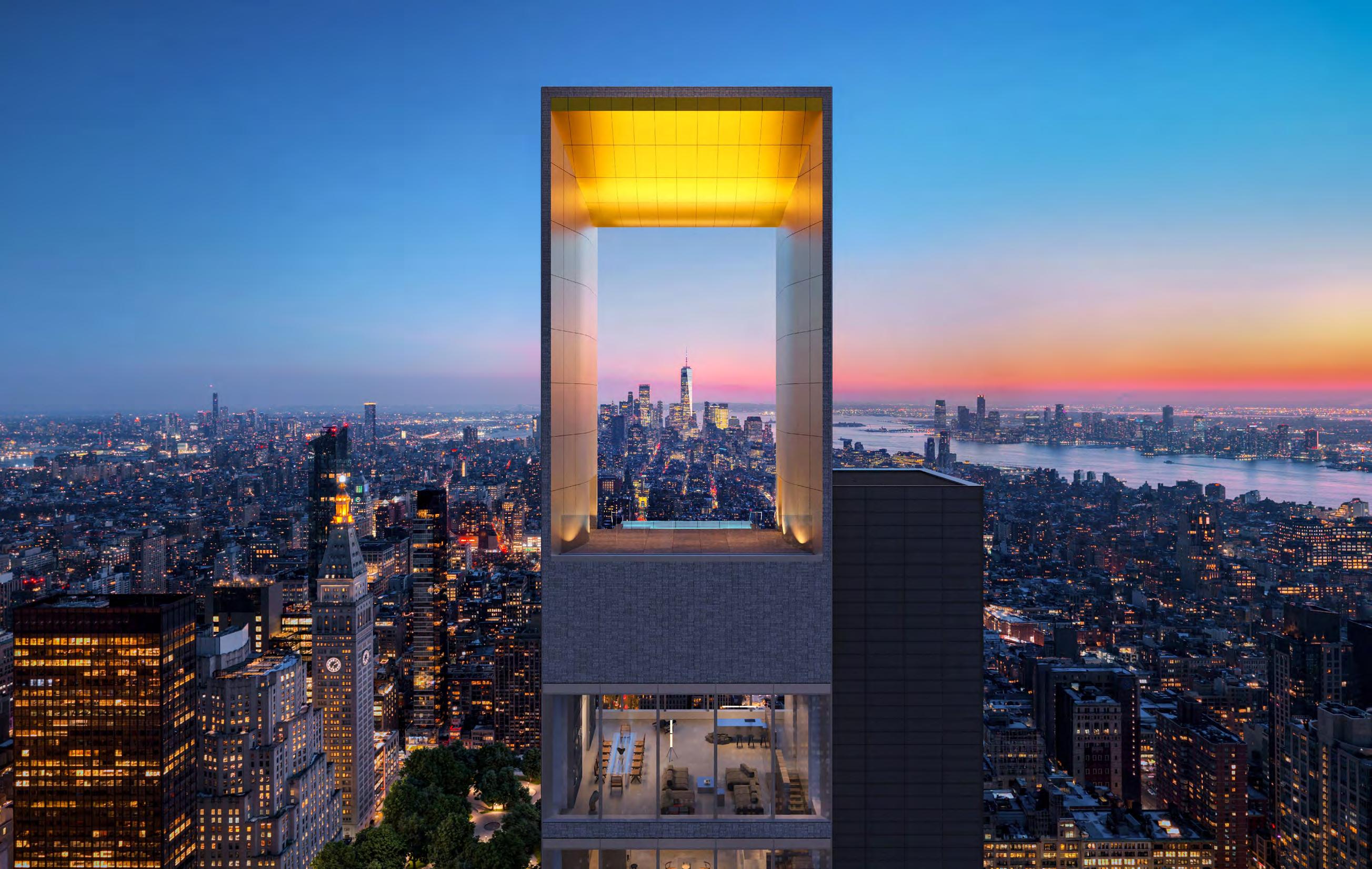
?Today?s ultra-high-net-worth buyer is thinking in decades,not moments,?says Nikki Field,senior global real estate advisor,Sotheby?s International Realty - East Side Manhattan Brokerage,who recently launched sales at 262 Fifth Avenue in New York City?a new development centered around wellness features like a fitness center and high-performance air filtration.?They?re investing in residences that protect their time,enhance their well-being and remain relevant across generations.?
The assumptionthat luxury property owners will eventually transitioninto luxury senior living or retirement communities is no longer certain.Fahmi points out that multigenerationalliving is on the riseamong affluent families as away toaccommodate aging relatives u
as well as build a legacy.And increasingly,many older homeowners prefer to upgrade or retrofit their current homes to accommodate their needs as they age, as opposed to relocating.
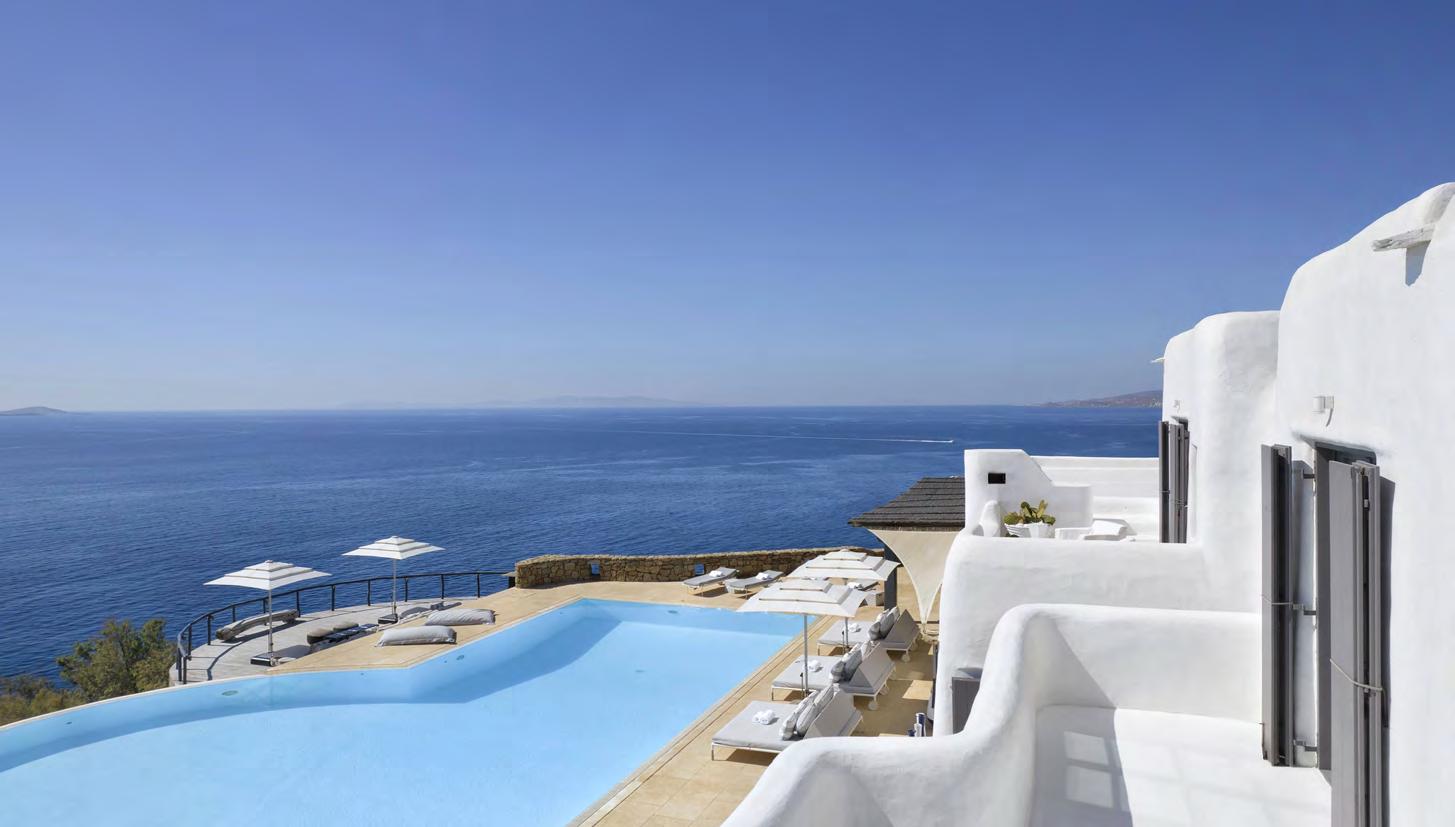
?Among our international clientele,we clearly see affluent homebuyers retaining residential properties for much longer than originally planned,?says Despina Laou, head of private office,Greece Sotheby?s International Realty.?Homes initially acquired as second residences are increasingly used as semi-permanent or permanent bases later in life.These individuals have the financial flexibility to live independently across multiple homes.What we observe instead in Greece is a deliberate choice to age well.?
Laou cites as an example a couple from Australia, in their 70s,who acquired a property in Greece valued at approximately US$11.6 million.?The home was chosen for long-term living,with multiple bedrooms to host children,grandchildren and permanent staff,? she explains.?They now spend the Australian winter [June to August] in Greece?effectively living a life aligned with extended summer seasons.?
For homebuyers planning to age in place,traditional luxury features such as grand views or oversized entertaining spaces are now complemented by wellness-centric design.
Homebuyers Look to Age in Place
Source: 2026 Mid-Year Sotheby?s International Realty agent survey
?Affluent owners living longer will prioritize residences that extend independent living?with fall?prevention layouts,circadian lighting,air/water quality systems and integrated telehealth,?says Fahmi.?Properties that embed age?friendly design with sophisticated wellness tech will command a premium over comparable trophy assets without it.Homes with main?floor suites,elevator stacks,slip?resistant surfaces,smart monitoring,staff quarters and wellness suites will be at a premium.?
Nearly 40% of real estate professionals cited in the 2026 Mid-Year Sotheby?s International Realty agent
survey say aging in place is a growing concern among homebuyers,and they are increasingly seeking built-in wellness features,such as:
- Universal design elements that ensure accessibility as mobility changes over time,including a preference for single-story residences and curbless bathrooms
- Direct contact with the outdoors, such as on-property hiking or walking trails,encouraging regular exercise and prioritizing privacy and quiet environments,particularly water views.
- Air- and water-quality optimization, including advanced filtration systems.
- Spa-likeamenities,including sauna,steam, cold plunges,red-light therapy, massage rooms and fully equipped gyms.
- Integrated tech and staff t o support health monitoring,mobility assistance and smart home devices.
- Healthy dining options,such as juice bars and access to private chefs,with an emphasis on organic products and plant-based options.
These features not only enhance quality of life but also support longevity goals?making a home not just a place to live but a place to thrive in peace.
?Developers are responding to homebuyer demands by blending age-friendly design with access to clinical services and urban mobility,?Fahmi explains.?Branded residences will become more in demand?collaborations in the hospitality,fashion and automotive sectors indicate the direction of the luxury real estate market toward service-rich living arrangements.Homes are becoming hubs for care,connection and continuity? where luxury is also defined by adaptability,wellness and community.?
Beyond individual homes,communities built around longevity are gaining traction, and they differ from traditional senior housing in many respects. Highend residential enclaves in Florida, Mexico and other coastal regions increasingly integrate on-site medical professionals, wellness programming and preventive
care facilities, mirroring hospitality models but designed for permanent residency.
?Many clients are looking for homes near the ocean or directly on the water, with an emphasis on natural light, walkability and an overall healthy lifestyle,?Sherrill says. ?I recently closed on a residence at the Estates at Acqualina in Sunny Isles Beach, Florida, where the amenities were akey reason for the purchase. Many newer luxury buildings now feel more like living ina resort. In addition, I have represented homebuyers at the St. Regis Residences in Miami, Florida, which offers more than 50,000 square feet of spa-like amenities, including cold plunges, saunas, a salt spa room and astate-of-the-art fitness center with private trainers, yoga, Pilates and spinning. This level of wellness is becoming standard in newer construction.?
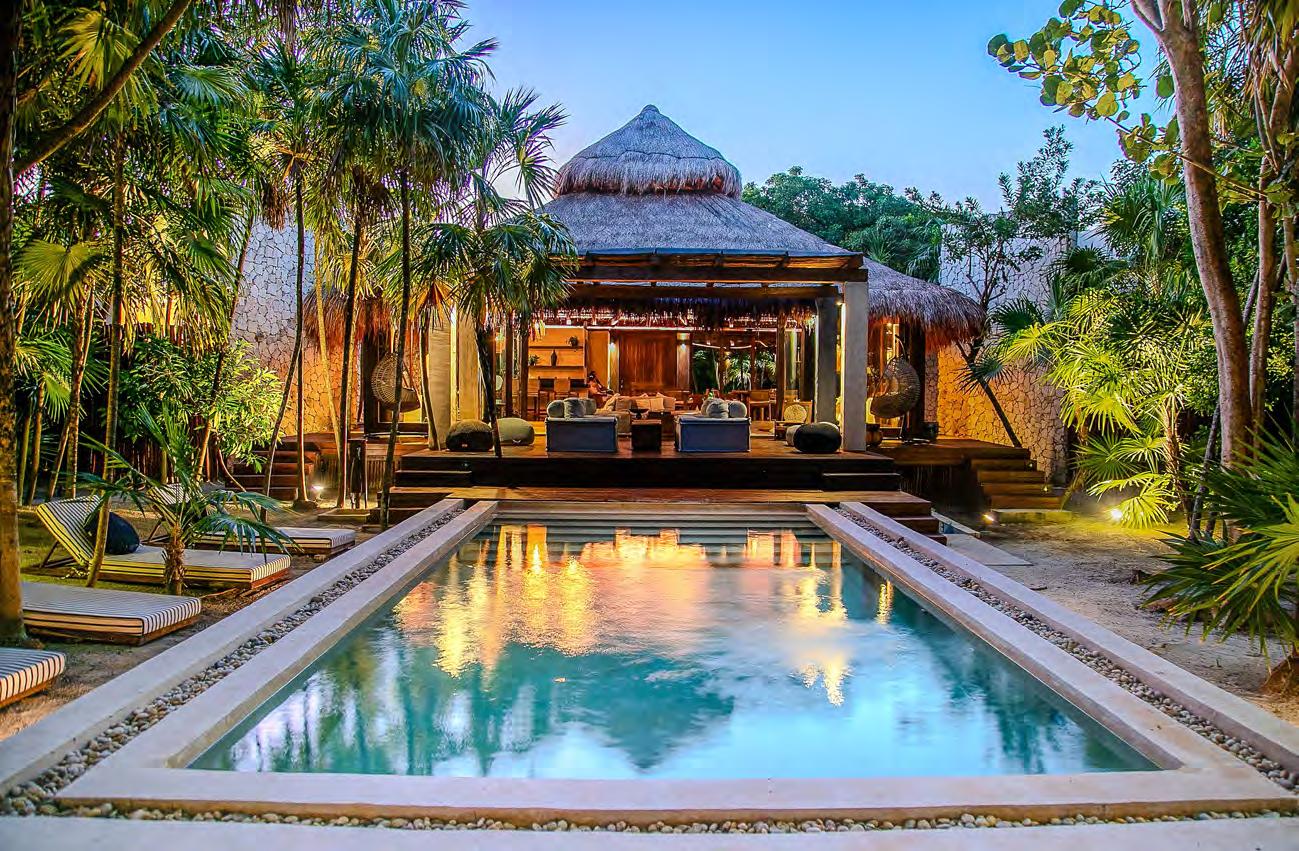
Such communities draw homebuyers seeking both a luxury lifestyle and longevity. According to Giovana Saldivar, senior global real estate advisor, Riviera Maya Sotheby?s International Realty in Mexico, these developments reflect a strategic recognition that wealthy homebuyers increasingly view their homes and communities as primary wellness assets. ?There is aconscious search for peace, silence and a connection with the environment, rather than an active social or urban life,?Saldivar explains. ?For this reason, villas located in the Sian Ka?an Biosphere Reserve in Quintana Roo, Mexico, generate avery strong interest in this homebuyer profile. This type of property offers them exactly what they are looking for: a protected natural setting, views, absolute privacy and a high level of security.?
Salvidar?s clients focus their purchasing decisions on two key factors: security and peace. ?In the context of the Riviera Maya, Mexico,thesevalues translate almost immediately andindisputably into Sian Ka?an? a destinationthat representswell-being, prestigeand a quality oflife designed for thelong term,?she says.
Researchinto regions wherelongevity is the norm, commonly referredto as ?BlueZones,?provides additional insights onthe topic.The term was first coined in 2005 by National Geographic explorerDan Buettner to describe regions withabove-average concentrationsof peoplewho live to be 100 years old andwho often report lower rates of chronic diseasethan elsewhere.4 As identified by the National Libraryof Medicinein 2016,theoriginal five Blue Zones are Ikaria,Greece;Okinawa, Japan;Sardinia, Italy; u
TAMMY FAHMI,senior vicepresident,global servicingand strategy,Sotheby?sInternational Realty
Loma Linda,California; and the Nicoya Peninsula, Costa Rica.5 These locations are consistently cited as examples of exceptional longevity and quality of life. These regions share a variety of characteristics increasingly reflected in luxury real estate preferences: an emphasis on walkability,social connectedness, access to nature,a nutritious local food system and community-oriented design.Wealthy homebuyers are paying attention.
?More and more clients approach us with clear longevity criteria?outdoor activity,social connection, year-round use and access to healthcare?positioning Greece as a country where people choose to live longer and better,?Laou says.?Anotable example is a Swiss couple in their early 60s who acquired a large estate in Porto Heli with the explicit intention of creating a longterm base focused on wellness and longevity.Similar motivations are increasingly seen in Paros and other quieter Cycladic islands.?
Real estate professionals in Costa Rica are navigating similar desires.?Within the Nicoya Peninsula, communities such as Nosara,Santa Teresa and Mal País have become natural magnets for longevity-minded homebuyers,?says Elena Araya Callís,country manager, Costa Rica Sotheby?s International Realty.?What attracts them is not spectacle but rhythm?a way of life that feels grounded,sustainable and deeply human.?
A compelling example of this approach is CalaSol, a new residential enclave located directly within the Blue Zone,she says.?Set in Playa Gringo,Guanacaste,CalaSol reflects a new generation of luxury development?one that values permanence over pace and stewardship over scale,?Callís says.?With just 32 dramatic ocean-view homesites and direct adjacency to protected coastline, the project prioritizes timelessness over volume and legacy over yield.For its residents,CalaSol is not viewed
as a speculative property investment.It is a multigenerational lifestyle decision.What is being acquired is not only land or architecture but continuity?the assurance that the landscape,the view and the experience of place will endure.?
Asite in Queenstown,New Zealand,has similar appeal to those seeking luxury and longevity,Fahmi says.?There is an exciting new development on the South Island,Te Taumata Lakeview,represented by New Zealand Sotheby?s International Realty,where culture,health,wellness and creativity converge,?she explains.?Due to its location among local rivers and streams,the development?s central amenity hub Te Huika is where the community can come together.It also has a world-class fitness center,spa,wellness center,boutique hotel,co-working space and a range of dining and retail options.The art gallery is a standout feature,showcasing work by acclaimed international and New Zealand artists and hosting exhibitions,workshops and cultural events. Projects like these focus on longevity.?
As longevity continues to move from niche trend to a defining economic and lifestyle force,luxury real estate stands at a compelling intersection of health and home.Ultimately,the aging millionaire boom is reshaping the real estate market: affluent homebuyers are not following old retirement playbooks but creating new ones?building and buying properties that support extended lifespans,deeper well-being and richer life experiences.?In this era of longevity,luxury real estate is no longer just about where you live but how well and how long you can live there,?Fahmi says.-
The longevity conversation in luxury real estate isn?t only happening among older homebuyers?it?s starting decades earlier than you might expect.Luxury real estate professionals across global prime markets are reporting a notable demographic shift among buyers?namely,an increase of buyers in their 30s and 40s.While ultraluxury ownership was once dominated by older,legacy-wealth buyers,today?s property market reflects the growing influence of younger high-net-worth individuals. According to the 2026 Mid-Year Sotheby?s International Realty agent survey,the biggest surge in homebuyers were millennials (those born between 1981and 1996),with 55% of respondents from around the world seeing an uptick of homebuyers from this generation in their real estate markets,particularly those dealing in properties worth US$5 million or more.?It?s incredible to see how many buyers in their 30s and 40s are purchasing properties in the US$7 million to US$25 million range,?says Anna Sherrill, senior global real estate advisor,ONE Sotheby?s International Realty in Miami, Florida.?Some have inherited wealth, while others are entrepreneurs in tech, finance,crypto or other businesses they built at a young age.?Others represent the next generation of family wealth, benefiting from intergenerational transfers that are occurring sooner and in larger amounts,she adds.
Unlike older buyerswho mayretrofit properties later in order to agein place, younger buyersincreasingly want homes that are?future-proofed?from thestart? that is,designed to support their well-being over decades.
?They expect high-level wellness amenities,strong design, privacy,and turnkey living from the beginning,?says Sherrill. ?Compared toolder buyers, they tend to bemore global,moredesign-driven and less willing to compromise.They are buying with along-term lifestylein mind, even if they do not planto live in thehome full-time right away.?-
?What is interesting is that many younger buyers are already very focused on health,longevity and anti-aging,? Sherrill continues.In a March 2025 report, UBS notes that demographic shifts,rising life expectancy and an accelerating transfer of wealth between generations are key drivers of changing homebuyer behavior.6 Affluent households are planning for longer,healthier lives and entering the luxury real estate market? not as late-career consolidators but as long-term lifestyle planners. ?While olderhomebuyers tend to prioritize continuity,comfort and healthcare access, younger homebuyers focus on flexibility and performance?both lifestyle-driven andinvestment-oriented. Yet the convergenceis unmistakable,? says ElenaArayaCallís, country manager, Costa Rica Sotheby?sInternational Realty.
Four urban destinationswhere
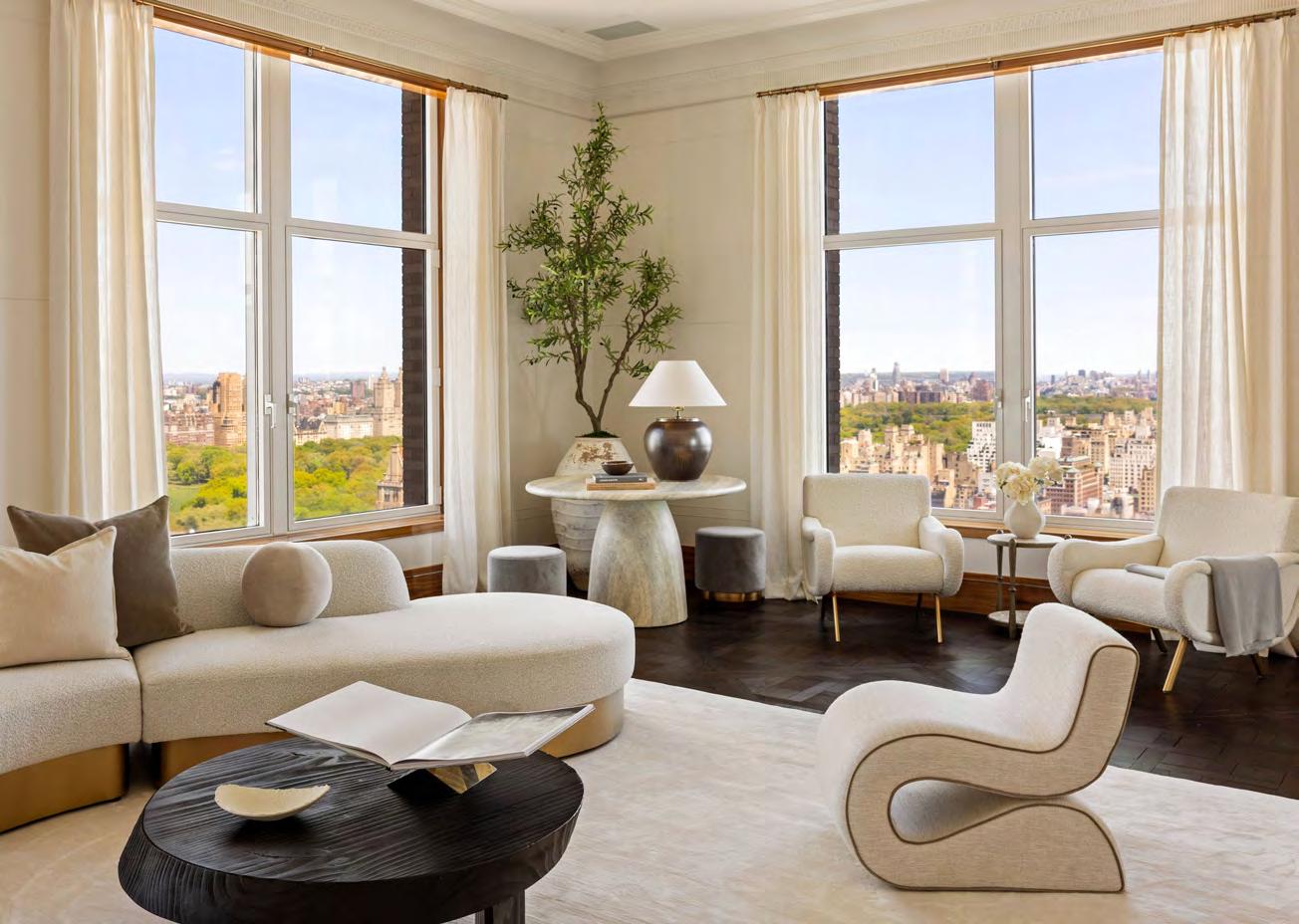
More than 4 billion people?45% of the world?s population?now live in cities,according to a report released by the United Nations in November 2025,and this number is expected to continue to rise into 2050.1 So is the wealth cities generate.Just 1,000 cities produce nearly 60% of global GDP,according to Oxford Economics? 2025 Global Cities Index,released in May 2025.2 For real estate buyers,that concentration of capital and talent is what makes urban property uniquely resilient. But not all cities are built the same.
The consultancy firm Kearney?s Global Cities Resilience Index,released in October 2025,pinpoints what separates the property markets that recover and appreciate from those that don?t: effective institutional governance,sustainable finance and business environments,technological innovation,social capital and integration into global networks.3 Here is what that resilience looks like across cities where homebuyers continue to return,what each of their real estate markets offers right now,and the elements that make these urban centers in particular display serious staying power,despite various hurdles.
The Power of Cities
Source: ?Global Cities Index 2025: Exploring the Strengths and Weaknesses of the World?s 1,000 Largest Urban Economies,? Oxford Economics,May 2025; ?World Urbanization Prospects 2025,?United Nations,November 18,2025
?Betting against New York City is never a good idea,?says Wendy Arriz,senior global real estate advisor,Sotheby?s International Realty - East Side Manhattan Brokerage. ?It has a one-of-a-kind spirit that can?t be beat.?
In the past 25 years,New York has survived a terrorist attack,a global financial crisis that began on Wall Street and a pandemic that led to a rise in remote and hybrid work,reshaping the commercial real estate landscape across the city,and sending many residents to less-dense locations with lower costs of living.Despite that not-so-distant history,New York is growing,with a 4% year-on-year increase in sales in the first quarter of 2026, generating US$6.2 billion in total sales,according to real estate market data published in April 2026 by Sotheby?s International Realty - New York City Brokerages.4 ?There is an endless supply of people who are New York enthusiasts,?says Arriz,who is based on the Upper East Side.?That?s where the energy comes from?really dynamic people live here,because of the business community and the unrivaled arts.For someone who appreciates that and wants that,there?s no other place that competes.?Housing sales activity has increased since 2019,according to Arriz.However,despite eye-popping deals for ultra-luxury residences,overall prices have been relatively stable over the past decade. ?New York is undervalued.Prices have been flat for a long time and the rest of the nation has had a lot of appreciation that we haven?t seen,?she explains.For example,the median price of a Manhattan residence in 2016 was $1.15 million,The New York Times reported in January 2016,5 while almost a decade later,in 2025,it was $1.28 million,according to Sotheby?s International Realty - New York City Brokerages data.6 ?At some point we?re likely going to see more appreciation,?Arriz continues,?so I think there?s a value play in investing in New York property right now.?
Buyersarelooking for ?move-in-ready or move-inready-ish?units,although they arewilling to do aslight ?nip and tuck?to ahome,such as swappingout the countertopsor renovating abathroom,Arriz adds. However,a value-drivenbuyer may choose to do the work after purchasing,sincethey mayreap ahealthy return on investment (ROI).
New York City?sproperty market, like manyothers, is also drivenby a lack of inventory.Last year,city officials paved the wayfor tens of thousands of new homes,many affordable,tobe built in Manhattan and Queens,which will take pressureoff other areas of thereal estate market. Recently,Arriznoticed a resurgenceof luxury buyers moving to Fifth or Park Avenueco-ops for perceivedaccess to schools,wider streets anda stronger sense of neighborhood.Other buyers willpay apremium for a brand-newdevelopment andare less sensitive to what neighborhoodthey live in,preferringto ?follow the product,?Arrizexplains.
That meansthe outeredges of Manhattan on First, Second or Third Avenues; Long Island City; Queensor the FinancialDistrict and Battery Park City,whichare not traditionallyresidential areas but saw a 20% jump in sales in 2025,accordingto Sotheby?s InternationalRealty data. ?They don?t seem to mind living thereas much as previous generations,?she says.The expansion of the city?s subway system to SecondAvenue on theUpper East Sidein 2017 no doubt eased the way forsome, Arrizadds.
Meanwhile,headlines regarding a proposedtax on second homesin New York City valued at $5 million or more7 havegiventhe luxury property market pause. ?Many are waitingto seehow this proposal unfolds,? Arriz says.?It is not the first time real estate professionals have had to navigatea significant shift in themarketplace.? She also seesno signsof the real estate market slowing down,especiallywith Wall Street performingso well. ?Barring someunforeseen situation,weexpect the rest of 2026 to bea strong year,?she says.u
THERE?SA SPIRIT IN LOSANGELESOF ULTIMATE FREEDOM THAT YOU DON?T WANT TO GIVE UP. THAT?SWHY THISCITY KEEPSREBOUNDING.
ERNIE CARSWELL,senior global real estateadvisor,Sotheby?sInternational Realty - Beverly HillsBrokerage
Natural beauty and warm weather are two of the biggest attractions of living in Los Angeles,according to Ernie Carswell,senior global real estate advisor,Sotheby?s International Realty - Beverly Hills Brokerage.
?We just have it so good out here,?he says.?We?re constantly saying how blessed we are with the weather or with the beauty of the backdrop,the mountains down to the ocean.It?s something that we love and we don?t want to let go of.?
Not everyone agrees,Carswell concedes,as there have been some departures of high-net-worth individuals from California for no-income-tax states like Texas and Florida.Still,home prices remain ?well above the levels in 2019,in spite of the cooling off we?ve had since 2024,?he says.
This has been due to two upheavals in the local property market,Carswell notes.The first involved the addition of the so-called mansion tax,or the United to House LA Act,which took effect in April 2023.It adds a 4% levy for properties priced at US$5.3 million and up and a 5.5% surcharge for properties conveyed at US$10.6 million or more,according to the city?s Office of Finance.8 ?It doubled the cost of selling a home if you own a luxury property,?he explains.
Then the city was devastated by major fires in January 2025.Around 17,000 homes in the Altadena and Pacific Palisades neighborhoods were destroyed, according to a January 2026 report by Columbia University?s Climate School.9 The recovery has been faster in the more affluent Pacific Palisades area,while Altadena is still reeling and recovery has been slow,Carswell says.
In addition,fires over the last decade have also increased insurance costs in the most susceptible areas.The owner of a four-bedroom home in Brentwood, which neighbors Pacific Palisades,could now pay US$120,000 a year in insurance,up from around US$20,000 a decade ago.Brentwood has also seen house prices jump more than 50% in the past year as many displaced families look to stay local,he notes.
But the city?s housing options are very diverse. ?Los Angeles is a patchwork quilt of values,styles, topography and even fire liabilities,?Carswell says.? There?s a lot to consider.?
Across the Los Angeles metro area,prices were up 0.4% in March 2026 compared to the same time the year before,according to data published by the California Association of Realtors in April 2026.10 Homes continue to appreciate,with property investors making money despite added taxes or fees.California also has one of the strongest economies in the world, ranking as the fourth-largest according to data released by the International Monetary Fund and the U.S.Bureau of Economic Analysis in April 2025.11
Something less concrete keeps Angelenos in place. ?There?s a spirit in Los Angeles of ultimate freedom. And once you have it,you don?t want to give it up,? Carswell says.?That?s why this city keeps rebounding.?
Long a business and industrial hub,as well as the financial and economic capital of Italy,Milan?s transition into a global city has accelerated in the past two decades. Starting in 2005,long-abandoned railyards in Porta u
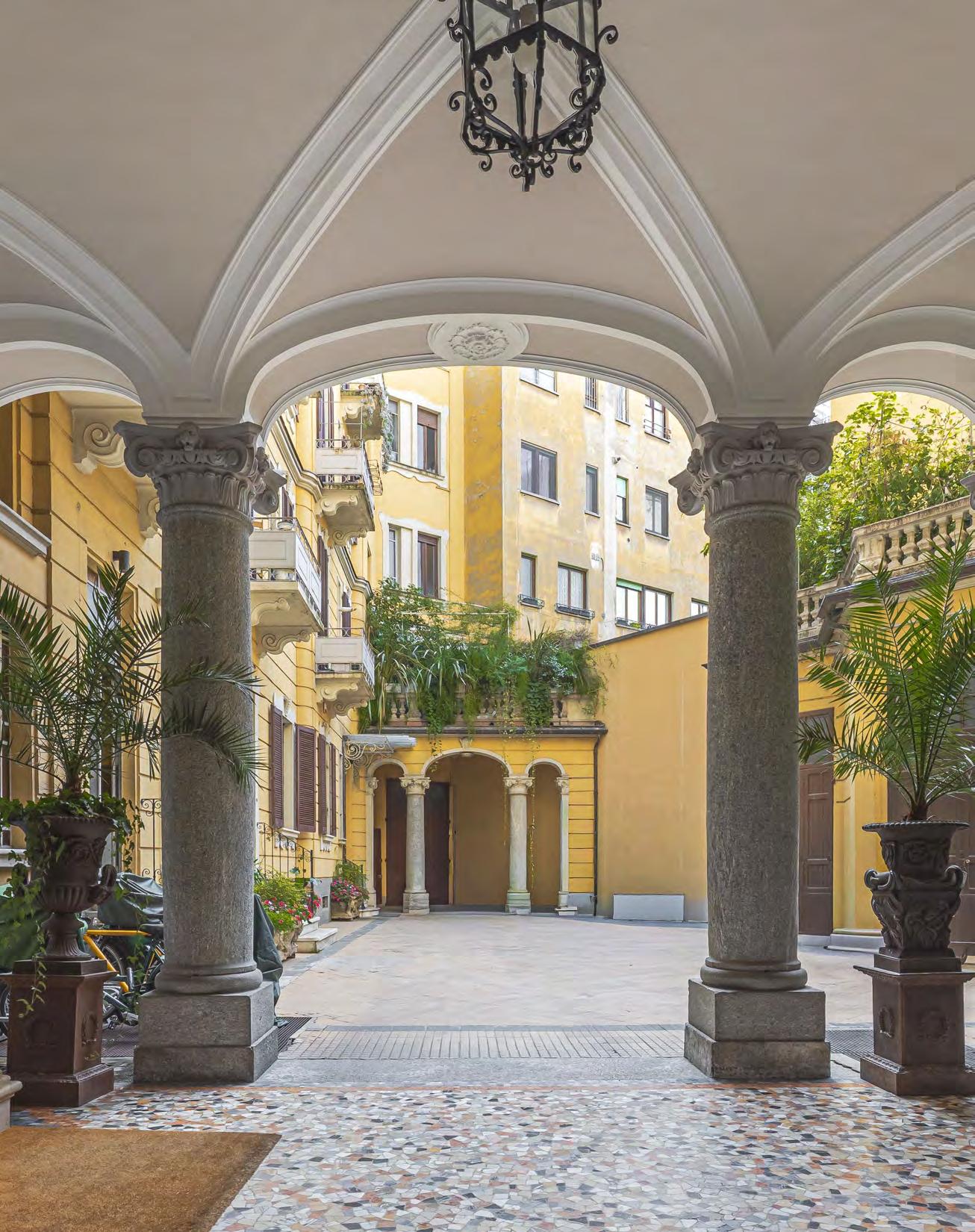
Nuova were redeveloped into a bustling business district focusing on finance,fashion and media.The city started to build international attention,first with the Expo 2015 world fair,and more recently as the host of the 2026 Winter Games,according to a February 2026 report by APNews.12 Many Italian and international companies, from Prada and Versace to banking and energy firms, are now headquartered there,attracting sophisticated global buyers.
Italy?s flat tax,which caps foreign income tax for homeowners at EU?300,000 (US$351,000) annually, has attracted a new set of property buyers to Milan, according to Diletta Giorgolo,global real estate advisor, Italy Sotheby?s International Realty.Others want to take advantage of Italy?s Residence by Investment Program, which starts at EU?250,000 (US$292,000) according to the country?s Ministry of Enterprises,and allows recipients to travel freely through Europe.13
?That has attracted a lot of ultra-high-net-worth individuals (UHNWIs),?says Giorgolo.?More people were coming to Italy for not only residency,but their fiscal regime.We were always used to international buyers,but they came for second homes.The big difference is that now many are buying primary homes.?
Milan took 11th place in a ranking of the cities with the most millionaires,according to an April 2025 report by global wealth advisors Henley & Partners.14 People are coming to the city from the U.K.,the U.S.,Canada and even France,where taxes are high,she explains.
The flat tax is particularly appealing for families living in the U.K.who previously benefited from that country?s non-domiciled tax regime,which exempted affluent foreign nationals from paying tax on their overseas investments.Since that program ended last year,Milan?s popularity has only increased,and it is now one of the most requested urban destinations in the country for foreign homebuyers,according to Giorgolo. Milan?s schools draw families to the city,while entrepreneurs are attracted by its business climate and location,she adds.Milan is ?in the center of Europe,? Giorgolo notes.?You can travel quickly to Austria,France, Switzerland,Germany,so there are many advantages.? Villas with gardens and penthouses are among the most coveted property types,according to Giorgolo. Many homebuyers are looking for residences with historic facades that have been gut-renovated to make way for ultra-modern interiors,she says.
Residential assets in Milan see consistent growth, with ?appreciation around 3% to 4%.Some have had a 7% increase,but it?s a continuous,steady growth,?she says. Still,Milan offers relative affordability.?In comparison to
other big capitals,Milan?even if there are some very high square-meter prices right now?is still affordable in respect to other cities,?Giorgolo notes,adding that the general cost of living in the city is also good.?Universities are less expensive,and so are restaurants.? Inventory in Milan,like so many other luxury residential destinations,is extremely limited.That?s especially true for move-in-ready homes,which are rare and sell very quickly,she adds.Plus,Italians are very house proud,with around 80% of residents owning their own home.Those residents do not move often,instead considering homes ?part of their family and heritage.?
But when families are ready to sell,trophy assets in Milan?and throughout Italy?go very quickly,according to Giorgolo.Prices for the most sought-after estates can climb as high as EU?30 million (US$35 million).
Milan continues to attract the elite buyers because of its economic engine,as well as the lifestyle it provides and the favorable tax environment.?It?s still a very human-sized capital,?Giorgolo says.?It?s also the closeness to so many other important places,the international schools,and that the prices are continuing to grow at a very good pace.?
After years of oversupply,Hong Kong is bouncing back,according to Teresa Chan,director of business development,List Sotheby?s International Realty,Hong Kong.?Total transactions reached about 62,000 units for 2025,up 17% from 2024,with primary [home] sales making up 33%,?she explains,noting that overall house prices were up 1.13% year-over-year in October 2025. ?Supply remains high,with 27,000 unsold units and 20,000 new completions expected in 2026.?
The pandemic was hard on Hong Kong,with restrictions and economic uncertainty slowing the city?s property market until only recently.Home prices in the city rose 3.3% in 2025,the first rise since 2021,Reuters reported,citing government data.15 ?On the sales side, activity has continued to improve since March 2026. ?Transaction volumes are recovering gradually,led by the primary market,supported by stabilizing interest rates and improved sentiment following Chinese New Year,?Chan says.?Homebuyers remain selective and price?conscious,but liquidity has clearly improved when pricing is realistic.?
In addition,global uncertainty has reinforced Hong Kong?s position as a relatively safe haven for some UHNWIs,Chan notes.?We are seeing growing interest from regional homebuyers and families reassessing
THE CITY?SADHERENCE TO AN INDEPENDENT COMMON LAW LEGAL SYSTEM PROVIDES A RELIABLE FOUNDATION FOR INVESTMENT, WHILE ITSSIMPLE AND COMPETITIVETAX REGIME ENHANCESWEALTH PRESERVATION.
geographic exposure,with Hong Kong viewed as a stable base for both capital preservation and long?term living.?
Mainland Chinese residents make up as much as 30% of homebuyers in Hong Kong,she adds,with UHNWIs from tech sectors and returning overseas property investors also showing interest.Brand-new luxury apartments and condominiums in areas such as The Peak and Mid-Levels are the hottest type of residence, with older buildings only selling at a premium if they?ve been renovated,Chan explains.
In the longer term,real estate investors can expect a healthy profit,according to Chan.?Prices are forecast to rise 3% to 5% in 2026,?she says,adding that luxury residences could see up to 5% appreciation.?ROI depends on the holding period.The long-term is positive due to recovery,but the short-term can be volatile.?
One plus: Hong Kong abolished all additional taxes for residential property buyers in early 2024,including the Buyer?s Stamp Duty and the Special Stamp Duty,she adds.
All buyers,whether permanent residents or not, are now subject to the same standard stamp duty, which has progressive rates based on property value. The maximum rate is 4.25% for properties valued at or above HK$21.74 million (US$2.8 million),Chan says.
She also notes that Hong Kong offers investmentlinked residency for those who make a HK$30 million (US$3.85 million) investment in the city,including property,via the New Capital Investment Entrant Scheme.16 This program was relaunched in March 2024 to help attract buyers,with the city expanding eligible
investments andpushing to establish familyoffices with tax concessions.?It?s alldesigned to boost the city?s luxuryproperty market andoverall financial hub status,?Chansays.
Institutional stability,astrategic economic location and a high qualityof lifearethe big drawsfor buyers, she adds.?The city?s adherence toan independent common law legal system provides areliable foundation for investment,while its simpleand competitive tax regime enhanceswealth preservation.?
With itslocation near mainland Chinaand the other municipalitiesof the Greater Bay Area?which includes Macau,Guangzhou andShenzhen?Hong Kong ?offersunparalleled access toregional economic growth,?Chan adds.?Thisis complemented by worldclass infrastructure,a densenetwork of amenities and a vibrant international culturethat collectively make it uniquely appealingfor both propertyinvestment and living.?
Cities are theglobal engines of the economy?and there are always homebuyerslining up who want apiece of the action.Urban areas maintain their appeal by offering access to thearts,culture andpeople,sophisticated housing optionsand strong infrastructure.For many, it?s the combination of energy andopportunity that keeps them within city limits.-



















In addition to internal market data from the Sotheby?s International Realty brand and its affiliates, this report cites the following data sources and articles:
Welcome
1. ?Outperforming?claim based on Sotheby?s International Realty?s 2025 performance versus Sotheby?s International Realty?s 2024 performance, which resulted in an 9.3% increase,more than triple the National Association of REALTORS®reported overall market growth of 2.6%
2. ?Three Reasons Now Is an Opportune Time To Invest in Longevity,?UBS Global Wealth Management,March 28,2025
Surprising Strength
1. ?Outperforming?claim based on Sotheby?s International Realty?s 2025 performance versus Sotheby?s International Realty?s 2024 performance,which resulted in an 9.3% increase,more than triple the National Association of REALTORS®reported overall market growth of 2.6%
2. ?Five Wall Street Investors Explain How They?re Approaching the Coming Year,?The Wall Street Journal, January 1,2026
3. ?Net Worth Held by the Top 1% (99th to 100th Wealth Percentiles),?Federal Reserve Bank of St.Louis, January 16,2026
4. ?An Act To Provide for Reconciliation Pursuant to Title II of H.Con.Res.14.,? U.S.Congress,July 4,2025
5. ?Topic No.701, Sale of Your Home,?IRS,4 December,2025
6. ?Architect John Portman?s Iconic Georgia Home Fetches a Record $30 Million,?Robb Report, December 10,2025
7. ?HGTVCo-Founder Lists Home on Georgia?s Sea Island for $42 Million,?The Wall Street Journal, April 15, 2026
8. ?World Ultra Wealth Report 2025,?Altrata,September 2025
9. ?Global Wealth Report 2025,? UBS, June 2025
10. ?The Trump Gold Card Is Here,?Trumpcard.gov
11. ?Trump Claims Over $1Billion in Immigration ?Gold Cards?Have Been Sold,?Scripps News, December 19,2025
12. ?What?s New?Estate and Gift Tax,?IRS,January 13, 2026
13. ?Wealthy Travelers Are Splurging on Luxury Hotels Like Never Before,?The Wall Street Journal,November 11,2025
Aging Millionaire Boom
1. ?Global Life Expectancy at Birth From 1950 to 2023, With Projections Until 2100,? Statista,November 28,2025
2. ?Three Reasons Now Is an Opportune Time To Invest in Longevity,?UBS Global Wealth Management, March 28, 2025
3. ?2025 Global Wellness Economy Monitor,?Global Wellness Institute, November 2025
4. ?The Secrets of Long Life,?National Geographic, November 2005
5. ?Blue Zones: Lessons From the World?s Longest Lived,? American Journal of Lifestyle Medicine, July 7,2016
6. ?Three Reasons Now Is an Opportune Time To Invest in Longevity,?UBS Global Wealth Management, March 28, 2025
Resilient Cities
1. ?World Urbanization Prospects 2025,?United Nations,November 18, 2025
2. ?Global Cities Index 2025: Exploring the Strengths and Weaknesses of the World?s 1,000 Largest Urban Economies,? Oxford Economics,May 2025
3. ?Global Cities Resilience Index: Measuring the Systemic Readiness of Urban Areas,? Kearney,October 2025
4. ?Market Report Manhattan: Q1 2026,?Sotheby?s International Realty,Downtown Manhattan Brokerage and East Side Manhattan Brokerage,April 2026
5. ?Manhattan Apartment Prices Reached $1.15 Million Mark in 2015, Reports Say,?The New York Times, January 5,2016
6. ?Market Report Manhattan: Q1 2026,?Sotheby?s International Realty,Downtown Manhattan Brokerage and East Side Manhattan Brokerage,April 2026
7. ?Governor Hochul Announces Pied-à-Terre Tax Proposal for Luxury Second Homes Valued at $5 Million or More,?Office of the Governor of New York State, April 16,2026
8. ?Real Property Transfer Tax and Measure ULA FAQ,?Los Angeles Office of Finance
9. ?It?s Been One Year Since Wildfires Devastated Los Angeles.What Have We Learned?,?Columbia Climate School,January 12,2026
10. ?March Home Sales and Price Report,?California Association of Realtors, April 21,2026
11. ?California Is Now the 4th Largest Economy in the World,?Governor Gavin Newsom,April 23, 2025
12. ?From Expo to the Olympics,Milan Bets on Big Events To Fuel Its Transformation to a Global City,? APNews, February 24, 2026
13. ?What Is Investor Visa for Italy??Ministry of Enterprises and Made in Italy,September 14,2018
14. ?The World?s Wealthiest Cities in 2025,?Henley & Partners, April 8,2025
15. ?Hong Kong Home Prices Post First Annual Gain Since 2021,?Reuters,January 28, 2026
16. ?Capital Investment Entrant Scheme,?Immigration Department of the Hong Kong Special Administrative Region, November 19,2025