

STDAVID’S

JOIN IN THE CONVERSATION
LETTERFROM THECEO
Hello,
I’m really pleased to introduce this next issue of our newsletter, which focuses on something that sits right at the heart of family life – food, health and the everyday reality of mealtimes. For many of the families we work with, food is about much more than nutrition It’s about routine, comfort, connection and sometimes challenge
Busy households, different needs, sensory sensitivities, budgets, time pressures – all of these shape how mealtimes feel. This issue is about keeping things simple, realistic and supportive, offering ideas that can genuinely make life a little easier.
Alongside this, we’ll be including a practical Q&A, focusing on everyday questions families often ask – from navigating picky eating and establishing routines, to finding affordable, balanced meal ideas that work in real life, not just on paper The aim is to provide grounded, accessible advice that parents and carers can actually use day to day.
We’re also excited to share that Dewi will be making an appearance in our new Little Legends section, bringing a playful, child-focused touch to the issue and helping us celebrate the voices, personalities and imaginations of the children we support.
As ever, this newsletter is shaped by the people we support and the realities they share with us If there are topics you’d like to see covered in future issues, or if you have ideas or experiences to contribute, we would genuinely love to hear from you.
Thank you, as always, for being part of St David’s. It’s your insight, openness and care that work and stre
Warmly, Jason
BJASON BAKE

MEETTHETEAM: SHAUNHOUCKE
Our new Marketing & Engagement Officer
Shaun is St David’s first ever Marketing & Engagement Officer, a role created to strengthen how the organisation connects with families, raises awareness of adoption and fostering, and shares the voices and experiences of the St David’s community.
He joined the organisation in 2023, bringing with him a unique combination of professional skills and personal insight. Shaun adopted through St David’s in 2020 with his husband, an experience that continues to shape his perspective and approach in everything he does.
“I joined St David’s in 2023; however, I have a personal connection with the services as I adopted through St David’s in 2020,” he explains “This experience has given me a unique perspective for families looking to adopt”
That lived experience is central to his role. Having navigated the adoption journey himself, Shaun understands the emotions that come with each stage from the first enquiry through to family life after placement. This insight allows him to approach engagement work with empathy, authenticity, and a strong focus on what families truly need to feel supported.

As Marketing & Engagement Officer, Shaun leads on storytelling, communications, and commu engagement. His work includes sharing real-li experiences from adopters and foster carers helping to break down barriers and misconceptions around adoption, and ensuri that St David’s messaging is clear, accessible welcoming
He is particularly focused on how families firs encounter St David’s whether through socia media, events, or information materials and that experience can feel more human, suppo and reassuring.
“I’m dedicated to making a positive impact o lives of those involved in the adoption proces Shaun says. “I strive to create a supportive an seamless experience for families.”
As St David’s first Marketing & Engagement O Shaun is often out and about at events and w the community You may have already met h a St David’s family event if not, there’s a goo chance you will soon. If you do see him, be su say hello.
He is also keen to hear from families and communities about how St David’s can do m locally. If you have suggestions for events, activities, or ways St David’s can be more act your area, you can drop him a line at shaun.houcke@stdavidscs.org.

For Shaun, this role is about more than communications—it’s about connection. He is passionate about making the adoption journey feel less daunting, more supported, and grounded in real understanding
Ultimately, his goal is to help more children find safe, loving, and stable homes, while ensuring every family who comes into contact with St David’s feels informed, welcomed, and valued.

TRAINING REVIEWS
“GOOD SHARING OF EXPERIENCES, UTILISING ASSESSMENTS, GOOD ADVICE ON TIPS/STRATEGIES FOR CHILD”. www.afkacymru.org.uk
“GOT MORE INFORMATION FROM THIS COURSE THAN WE DID THROUGH OVER 6 YEARS OF FOSTERING ”
“EXCELLENT TRAINER WITH SOME REAL EXAMPLES OF HER PRACTICE. VERY RELATABLE, AND SHE WAS ABLE TO MAKE IT RELEVANT FOR PEOPLE ON ALL LEVELS AND IN DIFFERENT ROLES IN ATTENDANCE”
PRIDE 2026
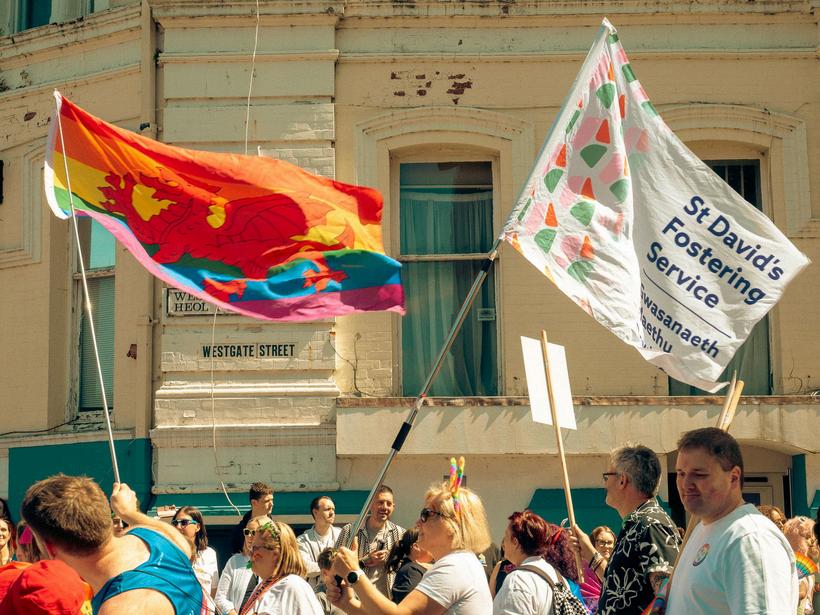
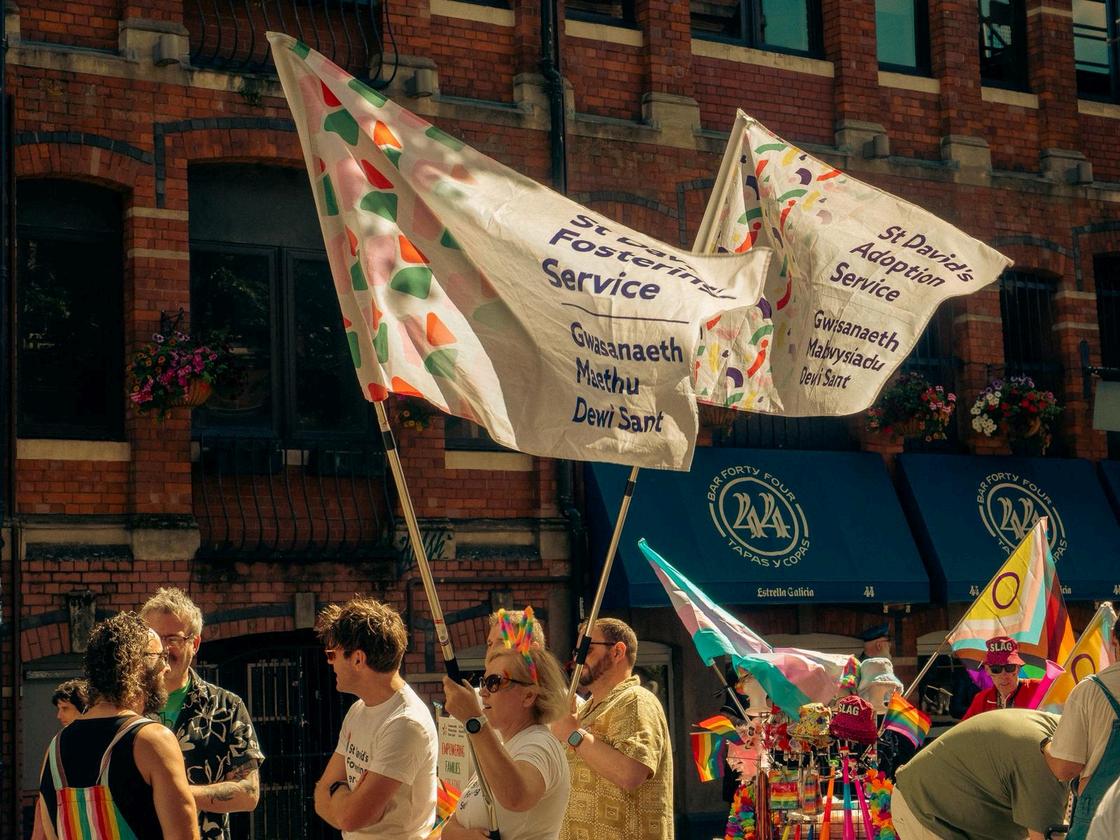
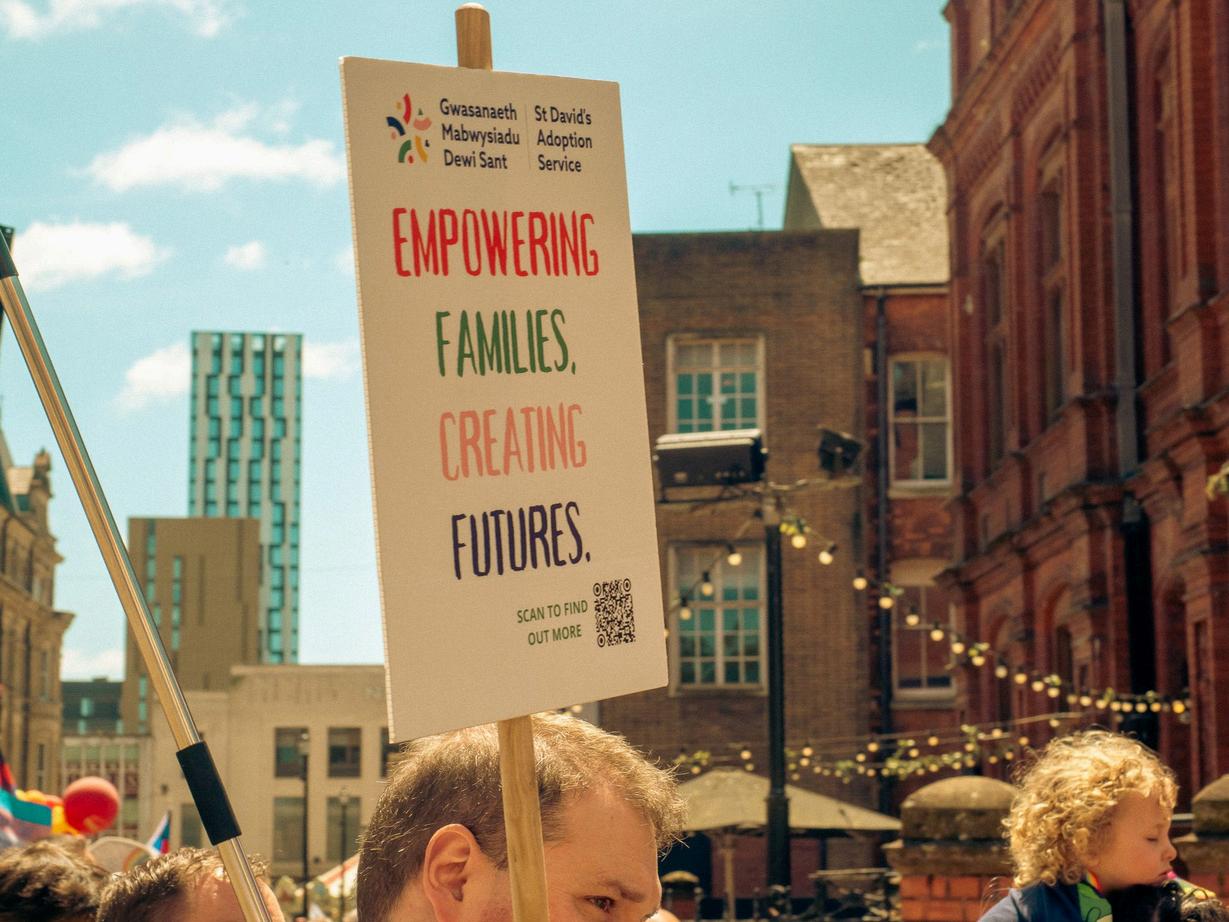
This year’s Pride Cymru was something really special for St David’s a day filled with connection, visibility, and celebration of the families and communities we are so proud to support.
We began, as we always do, with our annual St David’s Pre-Pride Breakfast, generously supported by Gaunt Francis Architects. In the heart of Cardiff, LGBTQ+ families, allies, carers, staff, and supporters gathered over bacon and egg muffins to start the day together. It was more than just a breakfast it was a moment of pause and reflection before the celebrations began.
From there, we joined the Pride Cymru march, walking side by side with over 1,000 people through the city The streets were alive with colour, music, and energy, but above all, with a deep sense of unity Seeing our children, families, and supporters marching together was a powerful reminder of what inclusion looks like in action and why it matters so much in the work we do every day at St David’s.
Throughout the day, there was an overwhelming sense of joy and pride. Our photographer captured so many beautiful moments of families coming together, celebrating freely and openly. These images reflect not just a day, but a message that every child deserves to grow up feeling safe, loved, and accepted for who they are.

We are incredibly grateful to everyone who joined us, supported us, and helped make the day what it was St David’s is proud to stand alongside our LGBTQ+ families and allies not just at Pride, but every day of the year


FOOD& FAMILYLIFE
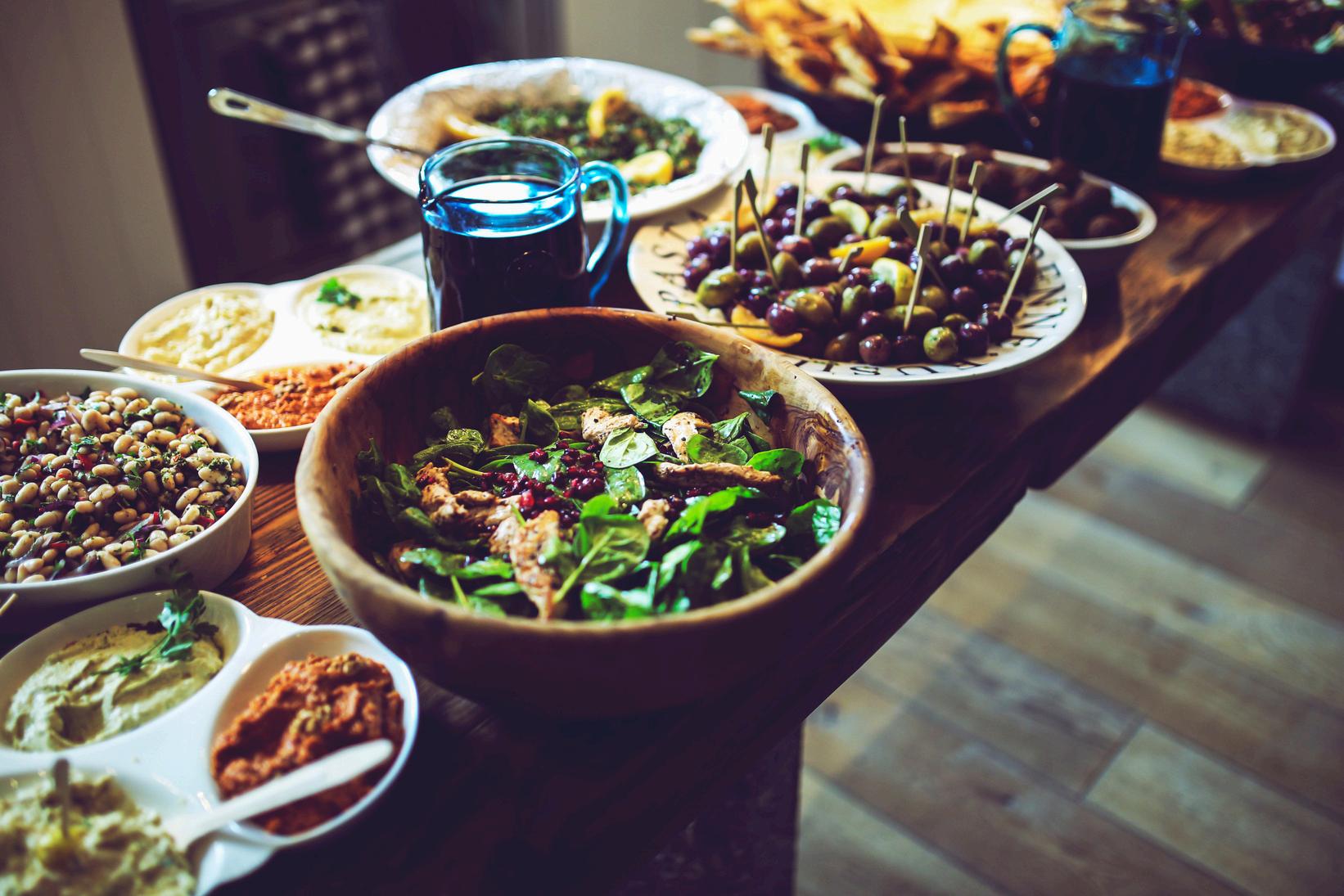
Food can be one of the most complex parts of family life for children who have been adopted While it might seem like a simple, everyday necessity, food often carries deep emotional meaning linked to a child’s early experiences. For some children, meals may not have been predictable, safe, or nurturing in their early lives. This can shape how they respond to eating, sharing food, or sitting at a table together. For adoptive children, food can become connected to control, safety, scarcity, or even anxiety. Some children may overeat because they are unsure when the next meal will come. Others may be highly selective, refusing new foods due to sensory sensitivities or because unfamiliar tastes feel unsafe. Mealtimes can therefore become a point of tension rather than connection, leaving parents feeling unsure how best to help
Despite these challenges, food is also one of the most powerful tools for healing and building trust. Shared meals create rhythm, predictability, and a sense of belonging. Sitting together at a table, with consistent routines and calm expectations, helps children feel secure. Over time, these repeated positive experiences can gently reshape a child’s relationship with food and with family life.
The key is to approach food with patience, curiosity, and empathy rather than pressure. Instead of focusing on what or how much a child eats, it can help to focus on the environment around eating. Regular meal and snack times, relaxed conversation, and a no-pressure attitude towards trying new foods all contribute to a safer emotional space
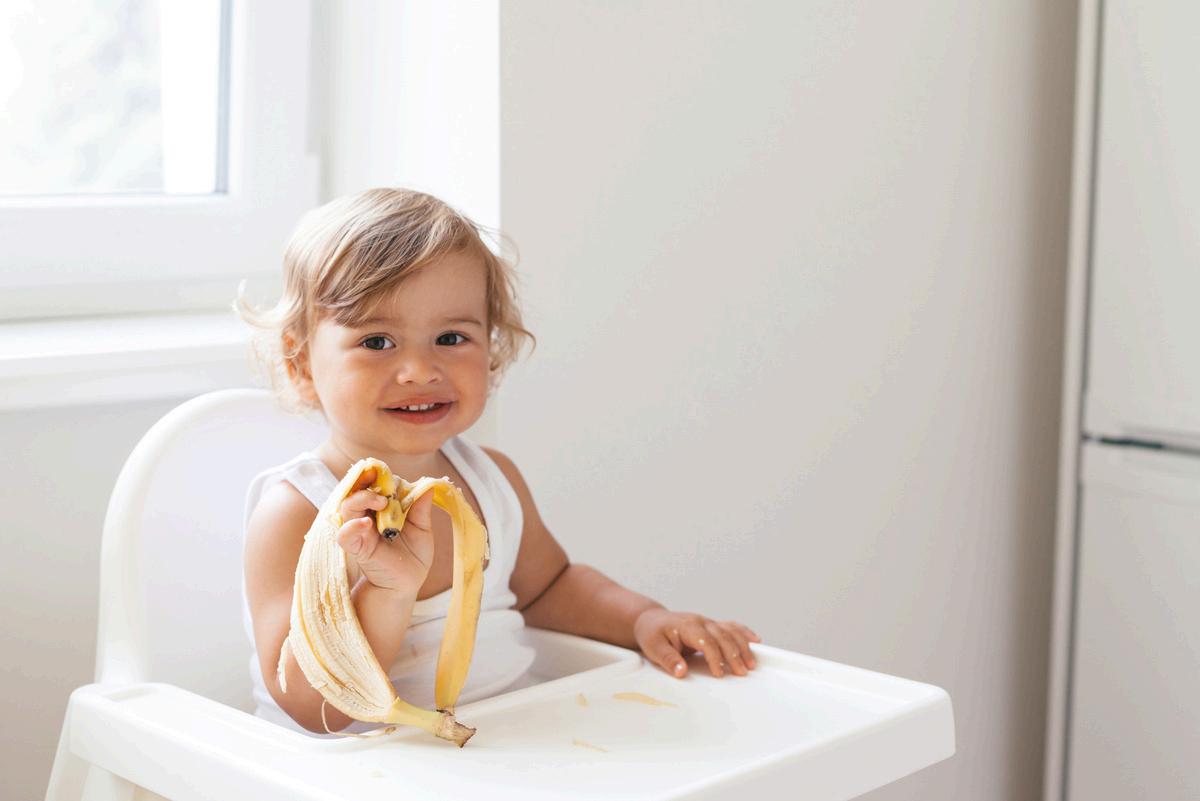
Offering choice within structure—such as letting a child choose between two safe options—can also help restore a sense of control
Talking about food should be gentle and indirect where possible. Instead of commenting on behaviour like “you haven’t eaten enough,” try focusing on feelings and comfort, such as “this is a time for us to sit together and feel calm.” For some children, involving them in food preparation can also reduce anxiety and build positive associations.
It is also important for caregivers to seek support when needed. Advice from adoption support services, therapists, or peer groups can help families understand the deeper reasons behind food-related behaviours and develop strategies that work for their specific child
Ultimately, food is not just about nutrition for adoptive children it is about safety, trust, and connection. With time, consistency, and compassion, mealtimes can move from being a challenge to becoming one of the most grounding and healing parts of family life.

THESUNDAY ROAST
More than a meal a weekly anchor for family life
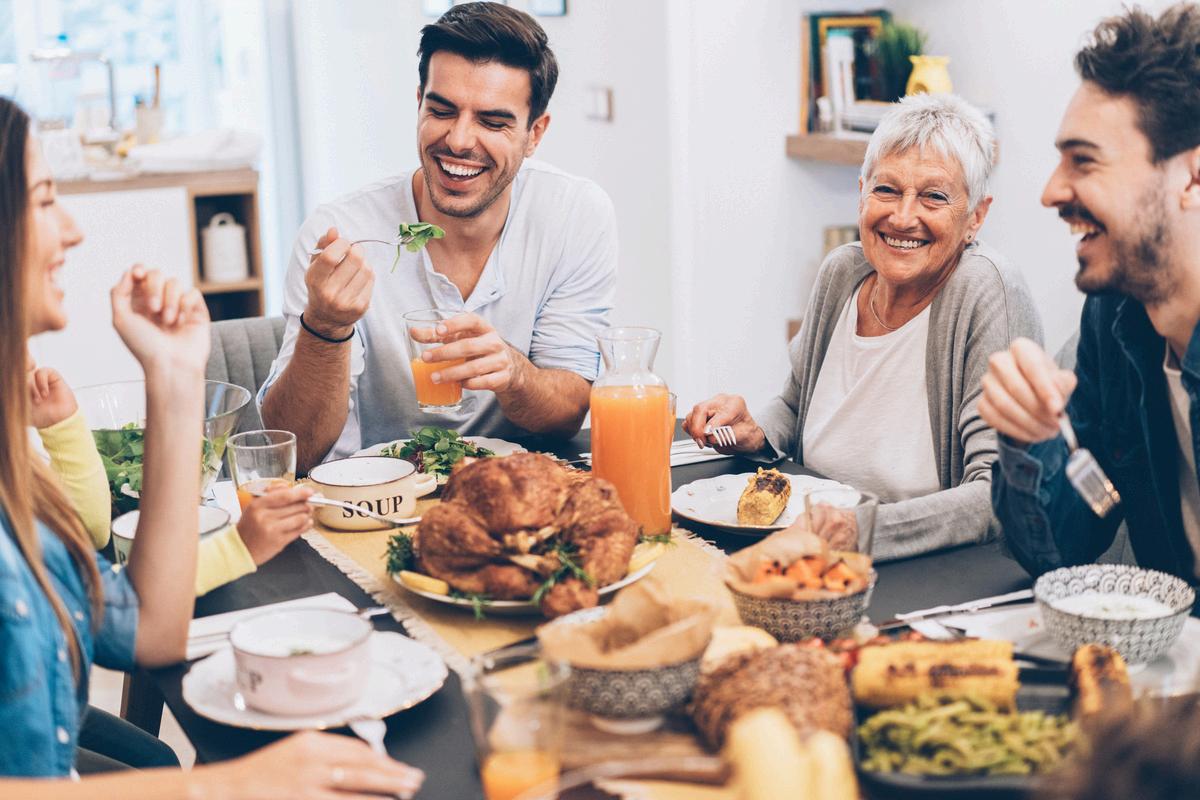
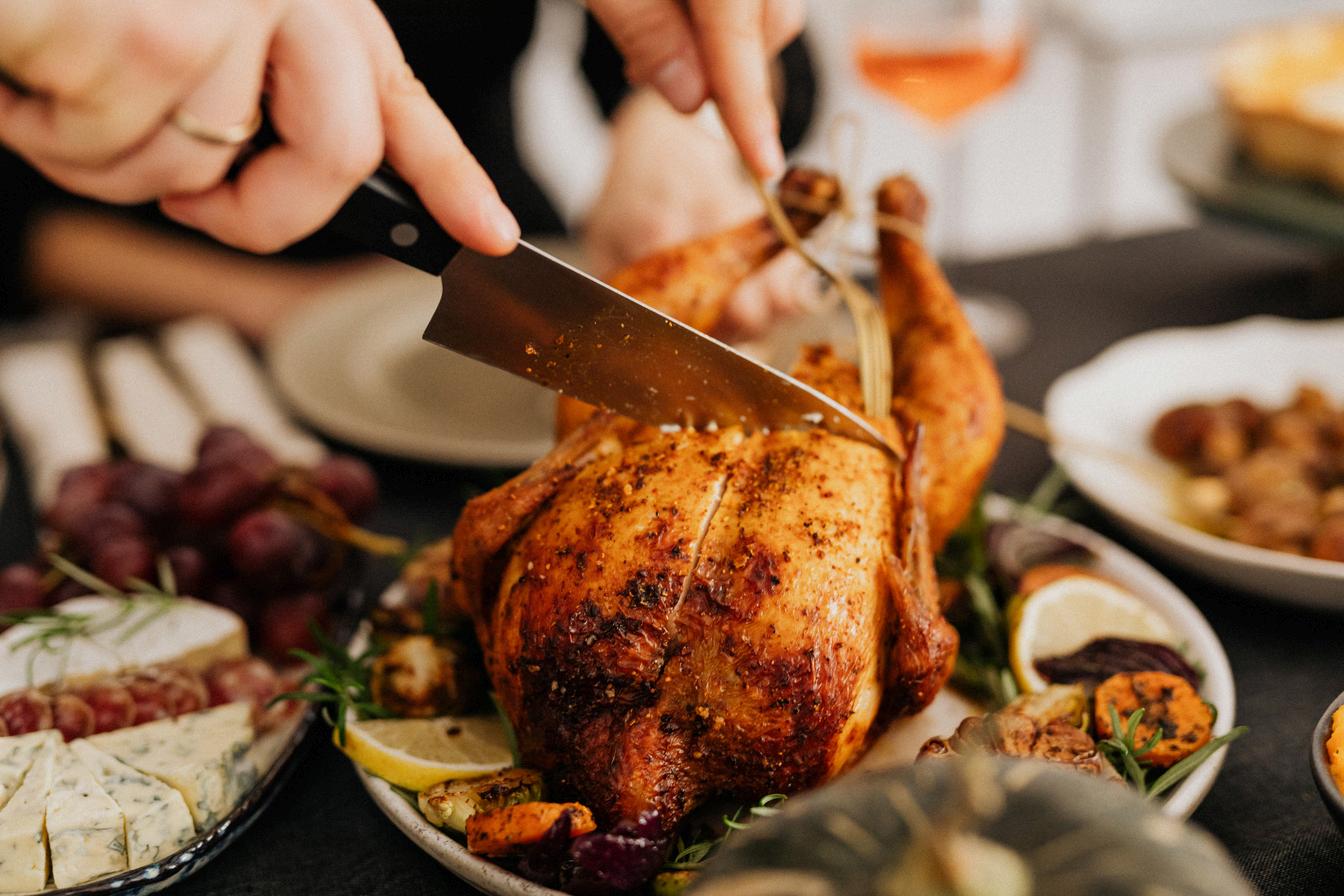
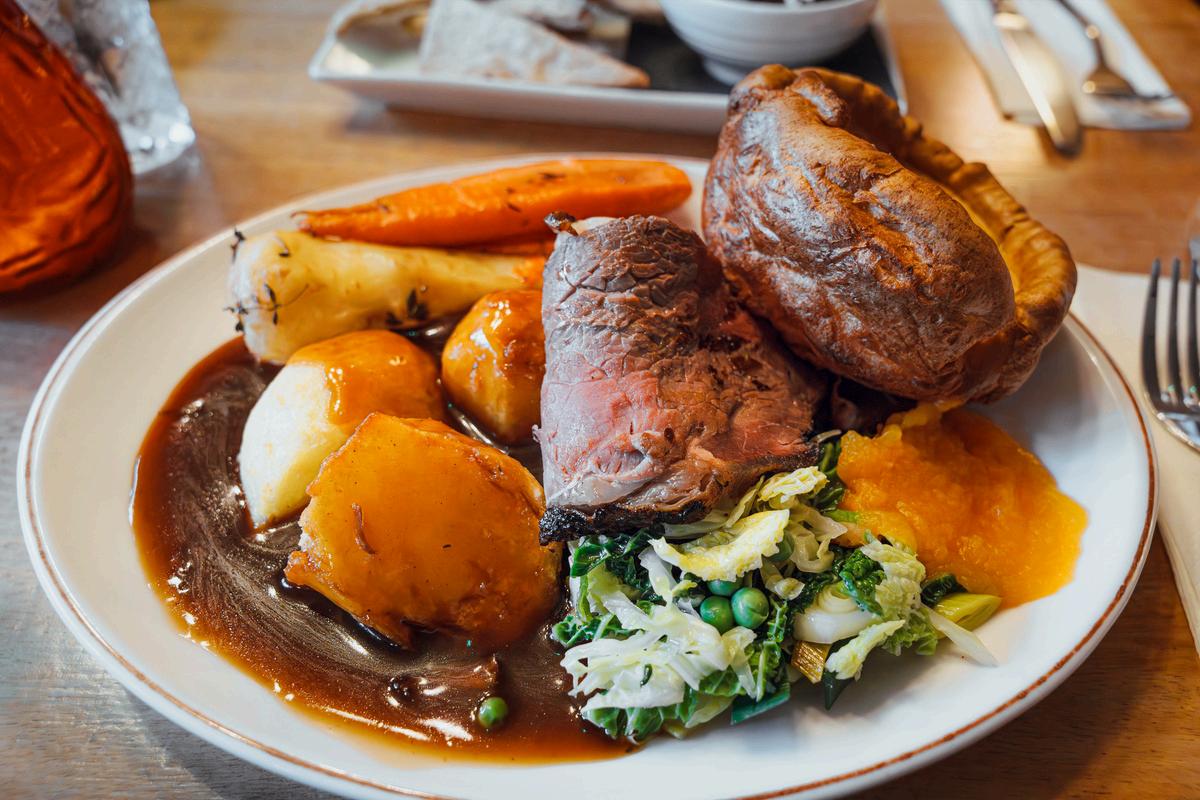
The Sunday roast is often seen as a tradition, but in many families it quietly plays a much deeper role than just a shared meal. For adoptive and fostering households in particular, it can become something steady and reassuring — a simple weekly ritual that helps build connection, predictability, and belonging At its heart, a roast dinner is familiar Meat or a vegetarian centrepiece, potatoes, vegetables, gravy it rarely changes dramatically That consistency can matter For children who may have experienced instability or uncertainty earlier in life, knowing what to expect can bring a sense of safety. “Sunday roast” becomes less about the food itself and more about the rhythm of the week.
A built-in moment to reconnect
Modern family life is busy, and weekdays can feel like a blur of school runs, work, and quick meals eaten at different times. Sunday offers something different. Even if the day is full, the roast tends to bring everyone back to the same table at the same time. That shared moment can create space for conversation without pressure talking about the week ahead, small wins, worries, or simply sitting together in comfortable quiet For some children, that predictability of presence can be just as important as the meal itself.
Food that feels safe, familiar — and affordable
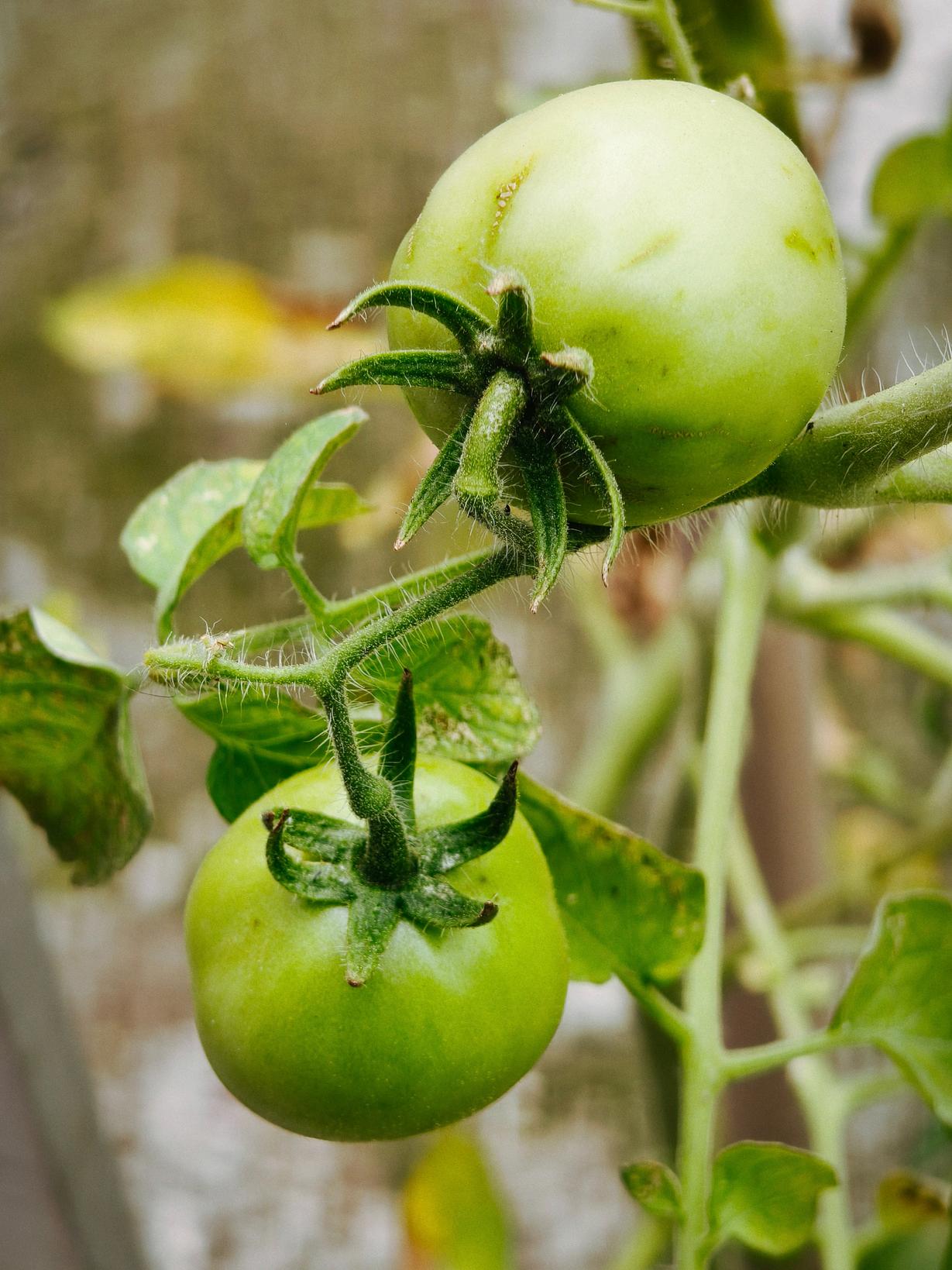
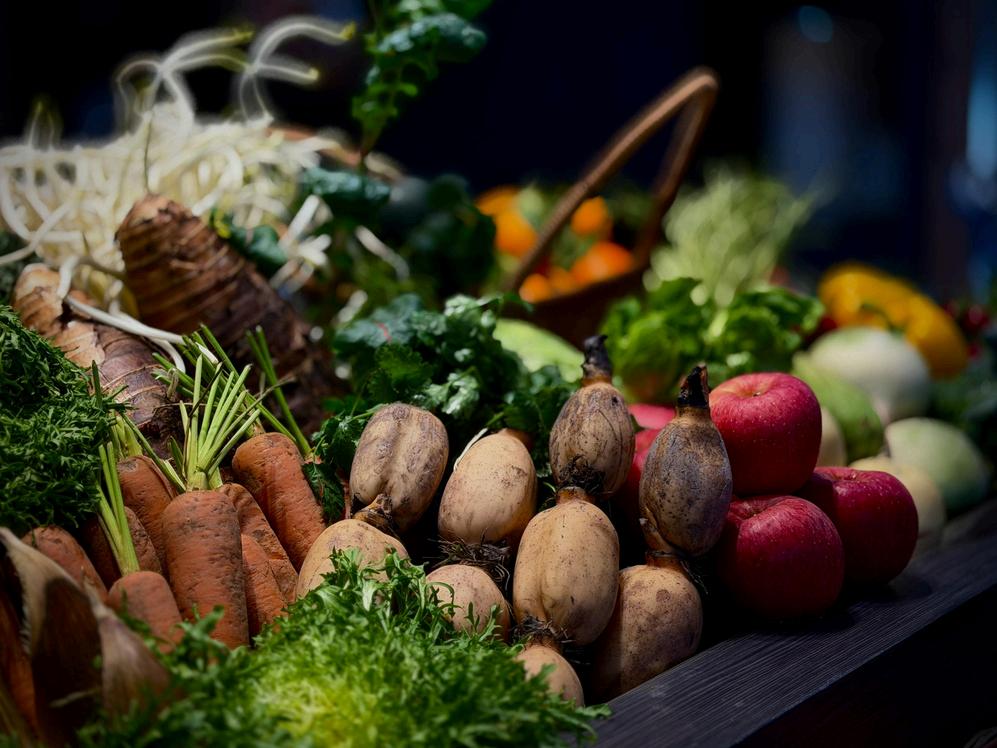
A roast dinner is also one of the most budget-friendly ways to feed a family well, especially when it comes to vegetables Seasonal and frozen veg can be incredibly cheap carrots, cabbage, peas, broccoli, parsnips, and potatoes can often stretch across several meals for just a few pounds Buying in bulk or choosing frozen options helps reduce waste and keeps costs predictable, without compromising on nutrition.
The beauty of a roast is that vegetables do most of the heavy lifting: they are filling, nutritious, and adaptable. A tray of roasted carrots and parsnips, a pan of peas, or a simple boiled cabbage can turn a basic meal into something hearty and balanced without adding much cost at all.
It’s also flexible. Leftover vegetables can become soups, bubble-and-squeak, or lunchbox fillers for the week ahead making Sunday’s meal part of a wider, budget-conscious rhythm
For children who are still exploring food trust, having separate elements on the plate or the option to try things at their own pace can also help reduce anxiety around eating.
More than tradition a quiet anchor
While the Sunday roast may carry cultural tradition, its real value in many families is emotional. It marks the end of one week and the beginning of another. It creates a pause. A shared anchor point in time. In adoptive and fostering families, where routines are often intentionally built rather than assumed, these anchors matter They help children feel secure enough to relax into family life, not just exist within it
The Sunday roast doesn’t need to be perfect or elaborate. Its strength lies in its familiarity and in how something so simple can also be so accessible, nourishing, and surprisingly affordable.
LITTLE LEGENDS
We’ve now hosted two of our new Little Legends preschool soft play sessions, and both events have gone amazingly well It’s been wonderful to see so many families come along, get involved, and help bring this new space to life right from the very beginning.
Dewi has become the perfect little ambassador for the sessions, helping show what these mornings are all about play, curiosity, and confidence. Designed especially for our youngest children, Little Legends gives little ones a safe and welcoming space to explore, move, and grow, while parents and carers have the chance to connect with others who truly understand their journey.
The environments are relaxed, inclusive, and ideal for pre-school children who learn and thrive through play and interaction The sessions are supported by our Children & Young Persons Officer, a role made possible thanks to funding from BBC Children in Need. This vital investment is helping us build early, consistent relationships with families at a key stage in their journey, ensuring no one feels alone in those early years of parenting.
More than anything, Little Legends is already proving to be a warm, supportive community for families not just a play session, but a place to belong, share experiences, and build confidence together. We’ve now had two fantastic events, both a huge success, and this is only the beginning. Keep an eye on your emails for details of the next sessions coming soon — we’d love to see you there!

DEWI’S KITCHEN
Dewi's Sticky 15s (Perfect for Little Legends aged 3+ with a grown-up helper!)
These sweet, sticky treats are one of my favourites because there's no baking involved!
You'll need
15 digestive biscuits
15 large marshmallows
200–300ml condensed milk
Desiccated coconut
A medium baking tray
Baking paper
Cling film
Grown-ups
Cut each marshmallow into quarters using kitchen scissors
Helpline the baking tray with cling film and baking paper
Little Legends and Grown-ups
1.Pop the digestive biscuits into a strong food bag and carefully bash them with a rolling pin until they're mostly crumbs (a few little crunchy bits make them even tastier!).
2.Tip the biscuit crumbs into a mixing bowl & add the marshmallows a handful at a time, mixing them through the biscuits.
3.Pour in around 200ml of condensed milk and stir, stir, stir! If the mixture still feels a little dry, add a splash more until it becomes lovely and sticky.
4.Sprinkle a layer of desiccated coconut over the baking paper.
5.Spoon the mixture into the tray and spread it out evenly & Sprinkle more coconut over the top.
6.Cover with another sheet of baking paper and wrap the tray with cling film to keep everything snug.
7.Pop it into the fridge for at least 2 hours. No peeking... it needs time to set!
Grown-ups:
Once chilled, carefully remove the tray from the fridge
Lift out the tray bake and cut it into bite-sized squares
The hardest part... choosing which piece to eat first! Your Sticky 15s can be stored in an airtight container in the fridge for up to 5 days... but in Dewi's house they never last that long!
OURFOSTER SERVICE
As we move into Summer, there’s a real sense of momentum across St David’s Foster Care Service.
We’re delighted to be welcoming lots of new families onto our latest foster training, and our Weekender campaign continues to go from strength to strength, reaching new people and sparking important conversations about fostering.
Every day, our foster carers provide safe, stable homes where children can begin to feel secure, build trust, and thrive. Using trauma-informed care, carers understand that behaviour is communication, responding with patience, consistency, and compassion. Often, it’s the everyday moments, sharing meals, creating routines, being there at bedtime, that help children feel they belong. As the summer holidays continue, the need for foster carers remains urgent. More carers are especially needed for babies and young children, who deserve the chance to grow up in a loving family home rather than residential care
Many of our carers tell us their journey started with a simple conversation, a social media post, or seeing a campaign like Weekender. If fostering has ever crossed your mind, or if you know someone who might be able to offer a safe and caring home, now could be the right time to take that first step.
You don’t need to have all the answers. With expert training, ongoing support, and a community around you, you could help change a child’s life, and your own.

Be part of the change. Become a foster carer with St David’s today

FAMILY FOODQ&A
Real Answers for Real Life
Q: My child only eats a handful of foods. Should I be worried?
A: Picky eating is incredibly common, particularly for children who have experienced early trauma, neglect, or inconsistent care. Food may represent safety, comfort, or control, so refusing new foods isn’t always about taste. Keep offering new foods without pressure, alongside foods you know they enjoy. It can take many attempts before a child feels ready to try something new Celebrate curiosity rather than empty plates
Q: How can I encourage my child to try new foods without creating battles at the dinner table?
A: Take the pressure off. Invite children to help choose recipes, wash vegetables, or stir ingredients. Even touching, smelling, or serving a new food is a positive step. Avoid rewards or punishments linked to eating, as these can increase anxiety. Mealtimes should be about connection first and nutrition second.
Q: We have busy evenings. How can we still eat well?
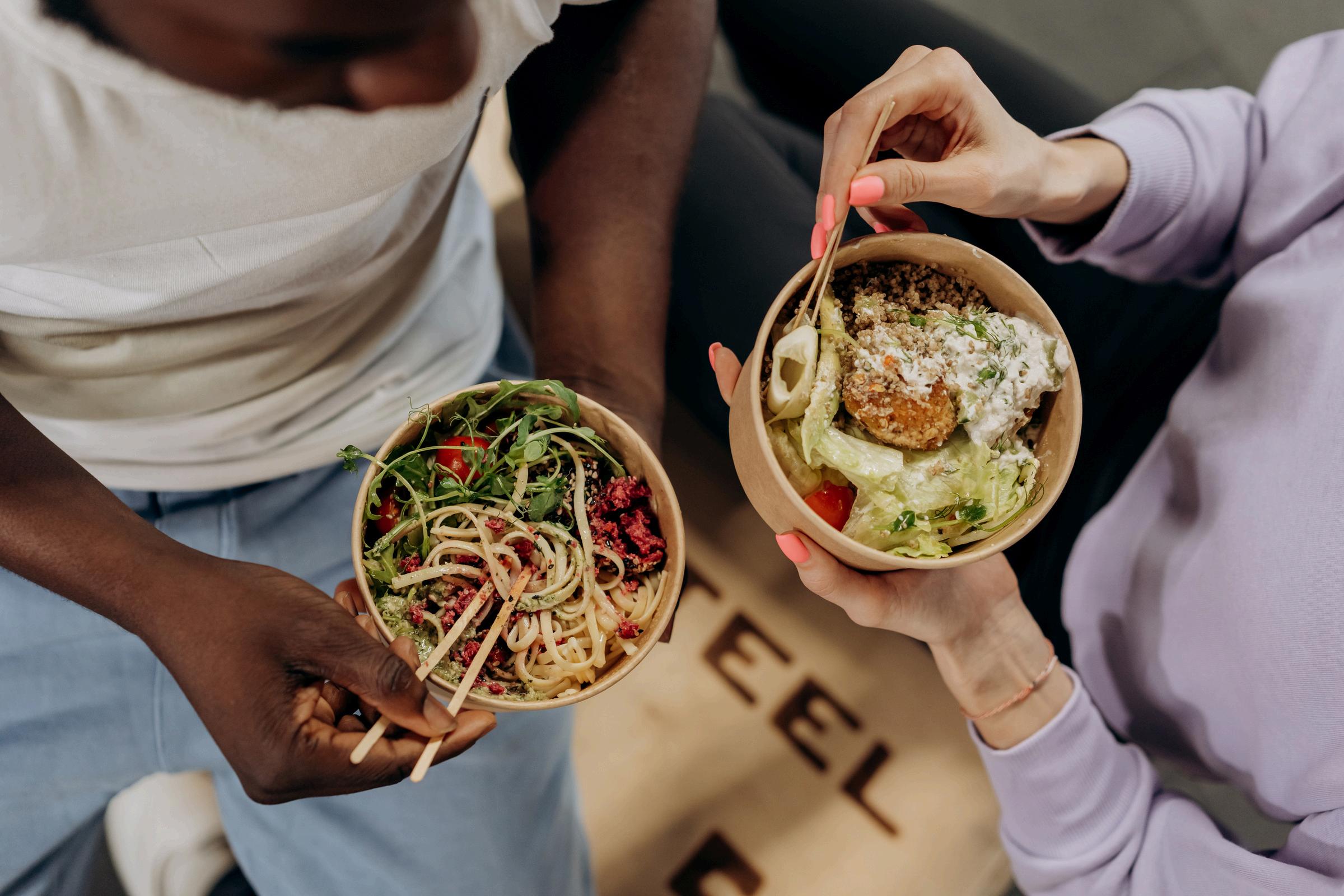
A: Keep things simple. A nutritious meal doesn’t have to be complicated. Batch cook favourites such as chilli, pasta sauce, or cottage pie at the weekend, and freeze portions for hectic days A jacket potato with beans and cheese, an omelette with vegetables, or homemade soup and bread are all quick, affordable options that provide a balanced meal.
Q: Healthy eating feels expensive. How can we make our food budget go further?
A: Healthy food doesn’t need to cost a fortune Frozen fruit and vegetables are just as nutritious as fresh and often cheaper Seasonal vegetables, lentils, beans, and oats are excellent value, while planning meals before shopping helps reduce waste. A traditional Sunday roast can also stretch across several meals – leftover chicken becomes sandwiches, pasta, curry or soup, while vegetables can be used in bubble and squeak or added to stews.
Q: My child snacks constantly. Is that normal?
A: For some children, especially those who have experienced food insecurity, worrying about when the next meal will come is very real. Predictable routines can help rebuild trust Try offering meals and snacks at regular times each day and reassure your child that there will always be enough food Over time, many children become less anxious once they believe food is consistently available
Q: We rarely manage to eat together as a family. Does it matter?
A: Eating together whenever possible can be a wonderful opportunity to connect, but don’t worry if it isn’t every day. Even sharing breakfast on weekends or sitting together for a simple evening meal can strengthen relationships. The conversation around the table is often just as valuable as the food itself.
Q: What’s one small change every family could make this week?
A: Pick one meal to cook and eat together without distractions Turn off the television, put phones away, and simply enjoy each other’s company. Children remember how mealtimes felt far more than exactly what was on the plate. Building positive food memories can have a lasting impact on confidence, well-being, and family relationships.
Remember: Every family is different. Progress isn’t measured by perfect meals or clean plates it’s about creating a safe, relaxed environment where children can build a healthy relationship with food, one meal at a time.
FAMILIESGROW AROUNDTHE TABLE
Curated by the St David’s Children Society team.
Gather around our Families Grow Around the Table playlist, a celebration of connection, comfort and togetherness. From slow mornings and busy weekdays to shared dinners and late night chats, this playlist soundtracks the everyday rhythms of family life
It blends gentle acoustic moments, uplifting melodies and nostalgic favourites that evoke warmth, belongin and the simple joy of being together. Perfect for breakfast tables, Sunday roasts, or quiet evenings at home, it creates a comforting backdrop for conversa and connection across generations We hope it beco a soundtrack to your shared moments, where stories told, laughter is heard, and families feel a little closer every time you press play. Turn it on, set the table, an music do the rest, filling your home with warmth, joy togetherness. From everyday meals to special occas it’s a reminder that families grow strongest when the gather around the table. Enjoy together.
Listen now: HERE

CONTACT
St David’s Adoption Service Lambourne House, Llanishen Business Park, Cardiff CF14 5GL
029 2066 7007 or info@stdavidscsorg
STAY IN THE LOOP
Follow us on Instagram, Facebook & YouTube
DONATE
As a registered Charity you may like to consider supporting the work of St David’s. Your contribution will help ensure that every child with an adoption plan in Wales is placed with a loving family and supported to reach their full potential. HERE

Registered Office: Lambourne House, Llanishen Business Park, Cardiff CF14 5GL
St David’s Children Society is registered as a charity with the Charity Commission for England and Wales (Registration No: 509163) and a company limited by Guarantee (Registered Cardiff 1546688) St David’s Adoption Service is the brand name of the St David’s Children Society’s adoption service
© St David’s Children Society 2026