Living and Learning for the Future
Durham 2025


Introduction by Dr Michael Eamon, Chair of CWI
Reflections from speakers and delegates
Student perspectives
Proceedings: Call for Chapter Proposals by 12 June 2026


From my earliest days as Master of Hatfield College in Durham, Collegiate Way International has been a source of inspiration and support, from virtual coffee gatherings, to publications, to conferences. My own understanding of the power and potential of the collegiate way, of the ways to harness this for the benefits of our college members, and the means to articulate the value of what those inside collegiate structures know only too well, have greatly benefited from the collegiality of our international family of collegiate practitioners.
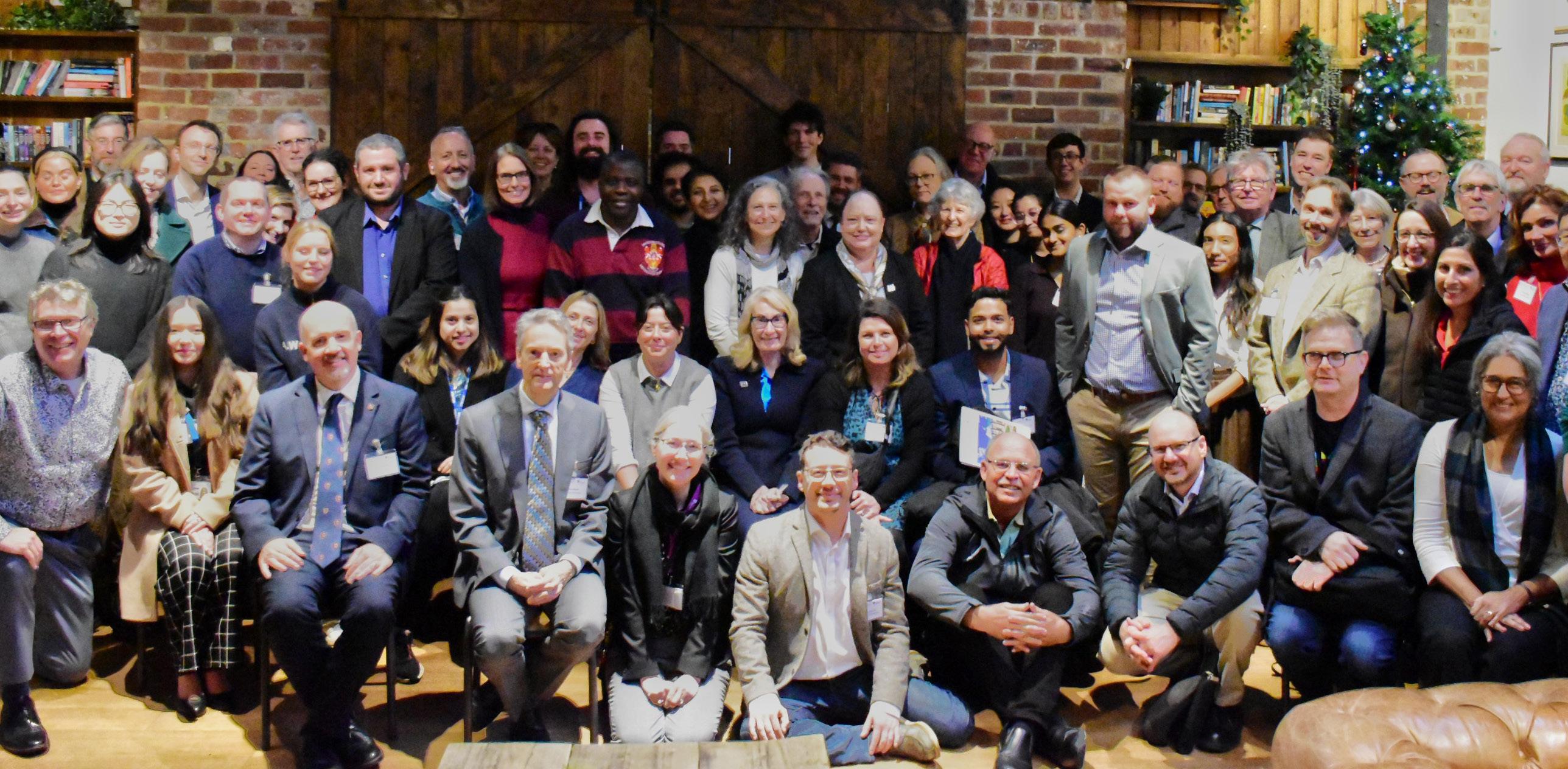
It was an enormous pleasure and privilege to welcome delegates from 5 continents, 9 countries and approximately 30 collegiate institutions worldwide to a bright but chilly December Durham for CWI 2025. Alongside the focus on delegate presentations on wide-ranging topics, we wanted to provide insight to the Durham collegiate system. So, we dispersed each day of the conference to a different college across the city middle hill, upper hill and Bailey and took delegates out to the Maiden Castle sports complex, to the Sir Thomas Allen Assembly Rooms Theatre, to Formals in five colleges and for our final dinner in the Great Hall in the Castle. Durham city may be small, but its winding streets and alleys, and hilly topology are challenging to newcomers. However, our delegates responded with enthusiasm and energy, and many a reflection and conversation was stimulated by different surroundings and experiences.

DRThe speaker presentations were highly engaging, informative and thought-provoking on so many aspects of collegiate life from student development, wellbeing and leadership, to wider community engagement and partnerships, to institutional and national contexts. The conference was topped and tailed by keynote speakers: Professor David Wilkinson, ex-Principal of St John’s College, Durham, set the scene from the historical origins, philosophical framework and continuity of purpose for collegiate communities; and Kirstie Looms, alumna of the College of St Hild and St Bede, Durham and co-founder of Investor in Students, spoke of the importance of her own collegiate experience for her
Professor Ann MacLarnon
Chair of the Durham Organising Committee for Collegiate Way International Conference 2025. She is also the Master of Hatfield College, Durham University.
personal formation, and the evidence from international student surveys of the value of creating a strong sense of belonging through familiar human encounters, community kindness and care.
“Conversation was stimulated by different surroundings and experiences”
Collegiate life is about community and participation, and we aimed to demonstrate this by delivering a conference in the collegiate way. The cast of Durham personnel included Heads of College and other College Officers, Student Enrichment, Support and Wellbeing staff, Event Durham conference support, college porters, caterers and operations staff, plus around 130 students – 30 presentation session facilitators, two student publications and communications interns, a student film crew, a dozen session presenters and speakers, over 30 student sports players and volunteer team members, and more than 50 musicians, actors and dancers.
“Highly engaging, informative, and thought-provoking”
Many colleagues played a part in making this happen, but our tireless, ever-cheery administrative lead, Anne Sayers, was the absolute central glue for the whole event. And our body of delegates, whether from near or far, whether jet-lagged or first experiencing a frosty climate were a great joy to welcome to our collegiate setting. May our many new connections and friendships flourish!
Ann MacLarnon Master of Hatfield College, Durham Chair of
the Durham Organising Committee,
CWI 2025
A Note from the Editors
2025 marked the delayed 10th anniversary of the Collegiate Way International and its global network of university colleges with a conference that returned to its birthplace of Durham, UK. The Dec. 3 Dec. 5 conference, hosted by Durham University, invited speakers and collegians from many universities across five continents to discuss the progression of collegiate structures and initiatives from their creation to the present day. Hopping across five of Durham University’s own colleges over three days, the panelists and speakers shared a variety of perspectives on the benefits, challenges, and questions all raised by the presence and utilisation of collegiate systems in the twenty-first century.
This publication is a collection of the attendees’ reflections on the conference, summaries of the speakers’ research, and a by-play of the conference itself in print, and hopes to serve as a physical reminder of the mark that colleges have left on university administrative systems, as well as the dialogues that have been fostered over ten years by the Collegiate Way International. It is also a touchstone for the future of colleges, and a metaphorical saving point to remind us of the progress that has been made in just ten years and, in some ways, a watchtower that looks to the future of the association. Special thanks to our contributors, including Eddy Phillips, graphic recorder, and Susan Welford and Anne Sayers, who generously provided their pictures.
Lauren Evans, CWI Publications Intern 2025, English Undergraduate, Durham University
Amrita Anand, CWI Publications Intern 2025, PhD Candidate, Durham University
Introduction
Dr Michael Eamon
Chair of Collegiate Way International, Trent University, Canada

Collegiate Way International: Being Part of Something Larger
In 2014, two college heads at Durham University quietly started a global movement. Their objective was simple: through the facilitation of an international conference, connect like-minded professionals, to explore best practice, and promote the collegiate way of higher education. Their nascent efforts lit a fire amongst educators. In the wake of the conference, an edited work of the proceedings was published and a continuing professional body, Collegiate Way International, was established.
Last December, the world returned to Durham, underscoring the enduring impact of the pioneering efforts of professors emeriti Tim Burt and Martyn Evans. This year’s Collegiate Way International conference marks the fifth gathering of the organization since its inception. After the initial conference in November 2014, subsequent proceedings were held at the Australian National University (2016), America’s Rice University (2019), and
Canada’s Trent University (2022). With each gathering came more members and new perspectives on how to reach, support, and celebrate our students.
As one delegate recently observed, it is most liberating to jump right into discussions of higher education without having to spend time explaining what a college is, or what our role is in the collegiate environment. That is because there is a shared and comforting shorthand of spaces, functions, and student support services that collegiate institutions offer. More importantly, there is also an overarching philosophy of education. That is to say, that a collegiate experience should be multidisciplinary and multigenerational. It should provide an organic way for diverse experiences to be shared, for friendships to be forged, and for the nurturing of an openness to different opinions and methods.

Furthermore, the Collegiate Way of Living — as Professors Burt and Evans argued — is one that fosters community, citizenship, and character.
Over the course of five full days, delegates to this year’s conference presented new ideas, listened intensely to their colleagues’ successes, and engaged in deep and prolonged discussions. In the evenings, there were college dinners, incredible performances of student music and dance, and the showcasing of other student activities that demonstrated another core collegiate aspect: joy and fun.
“We are all an important part of something larger”
The Collegiate Way celebrates life in all its aspects and encourages its members’ accomplishments and talents. The Collegiate Way also builds resilience and supports its members when life takes a
transformative power of education to make us better people and to use that knowledge to improve the lives of those around us.
A special thank you to the entire local organizing committee, and particularly to Professor Ann MacLarnon, Master of Hatfield College, for welcoming us in a most generous, engaging and enriching way. We look forward to continuing our conversations through online Collegiate Way International events and to seeing the world again in Macau in 2026.

Collegiate Way International: Day One
Kickstarting the 10th Anniversary Conference!

What makes a college? The foundations of Durham University’s earliest colleges go beyond brick and mortar to its religious communities, and similar stories wind into the roots of the collegiate histories of universities across the UK and beyond. A college, historically, has held plenty of connotations, and the most common image blends together residential halls and tutorial systems for its members. These aims
“What makes a college?”
— to house and to teach its student members
— have persisted to the twenty-first century, but the means through which they have been sustained have evolved into a more holistic approach that, as Professor David Wilkinson described it, highlight the unique “embodied communities” fostered within their walls.
The talks and discussions of Day 1 of the CWI 2025 each approached the subject of collegiate community from different perspectives — most significantly through the lens of local and global alignment. Hannah Shepherd, Dasha Murphy, and Katie Binks of Durham University discussed the importance of fostering the relationship between relatively transient student cohorts and a more stable (local) residential community, potentially even through the expansion of collegiate belonging beyond graduation.
Meanwhile, George Connolly (Oriel College, Oxford) emphasised the effectiveness of summer outreach programmes, which have a similar focus on enriching closer college perspectives with broader senses of the
Image Credit: Anne Sayers, Networking Buffet Dinner
world that may be brought inside, as well as giving back to the world in turn. Professor Tom Mole and Eleanor Keay (Van Mildert College, Durham) shared their perspective on creating and sustaining college outreach programmes into maturity and longevity, in order to achieve consistent and effective results.
“A valuable insight into the work that goes into breathing life into collegiate systems”
These perspectives provide a valuable insight into the work that goes into breathing life to collegiate systems. Their people-oriented approach ensures that the core goals of a college remain what they have always been: to support and educate members in a microcosmic variation of university-wide, departmentfocused tutelage and mentorship.
By Amrita Anand, CWI 2025 Publication Intern, PhD student, Durham University
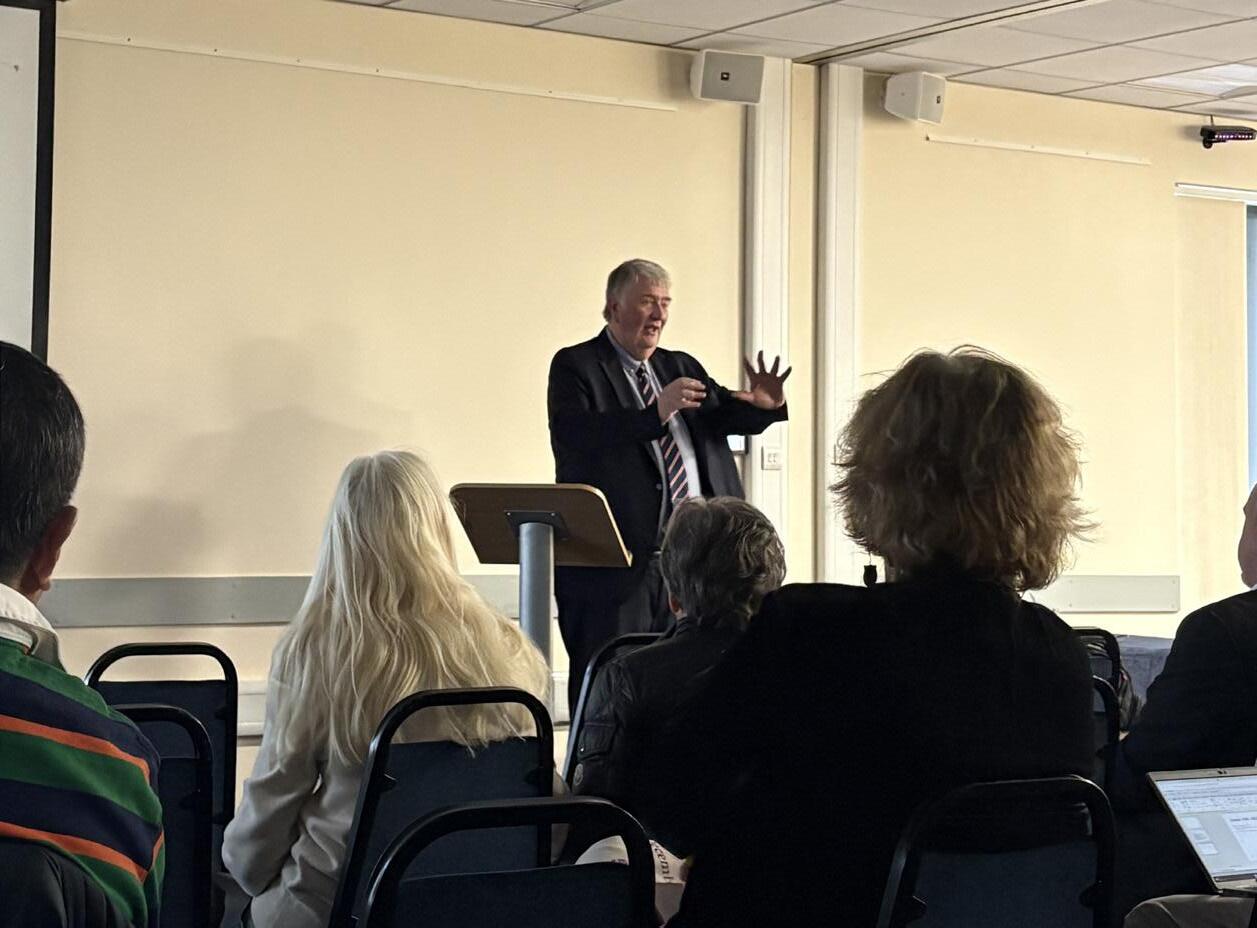
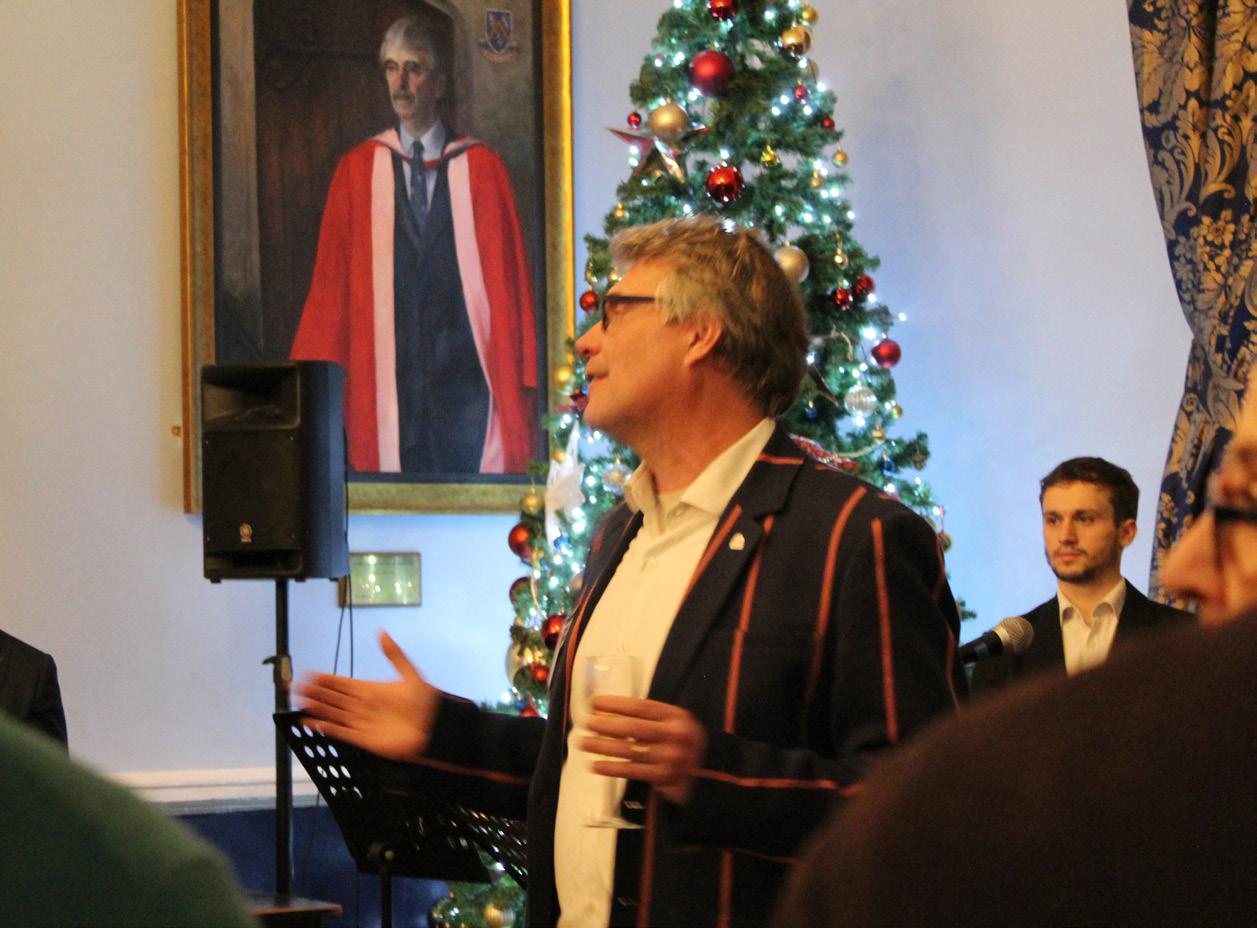

Image Credits: (From Top) Lauren Evans, Anne Sayers
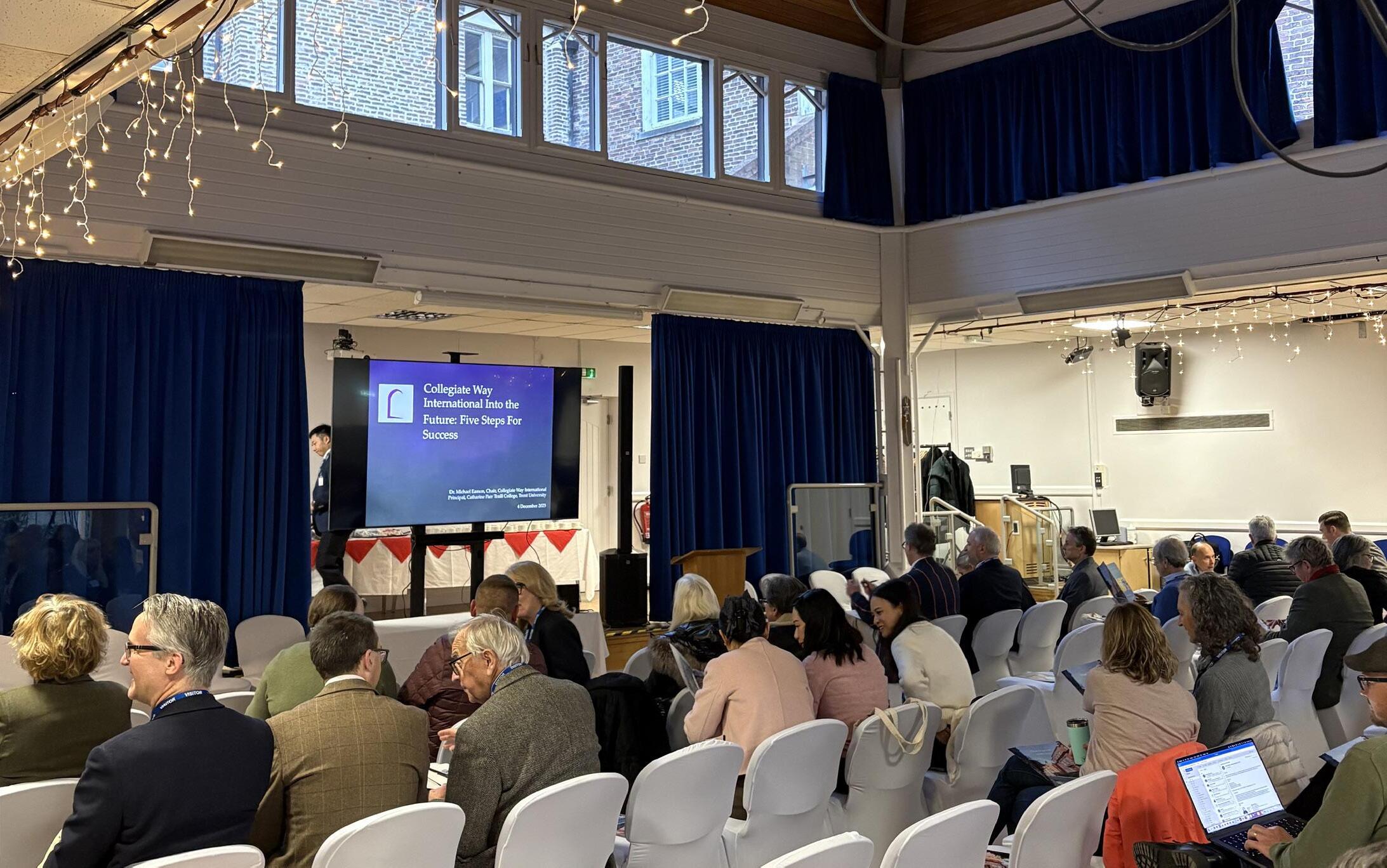
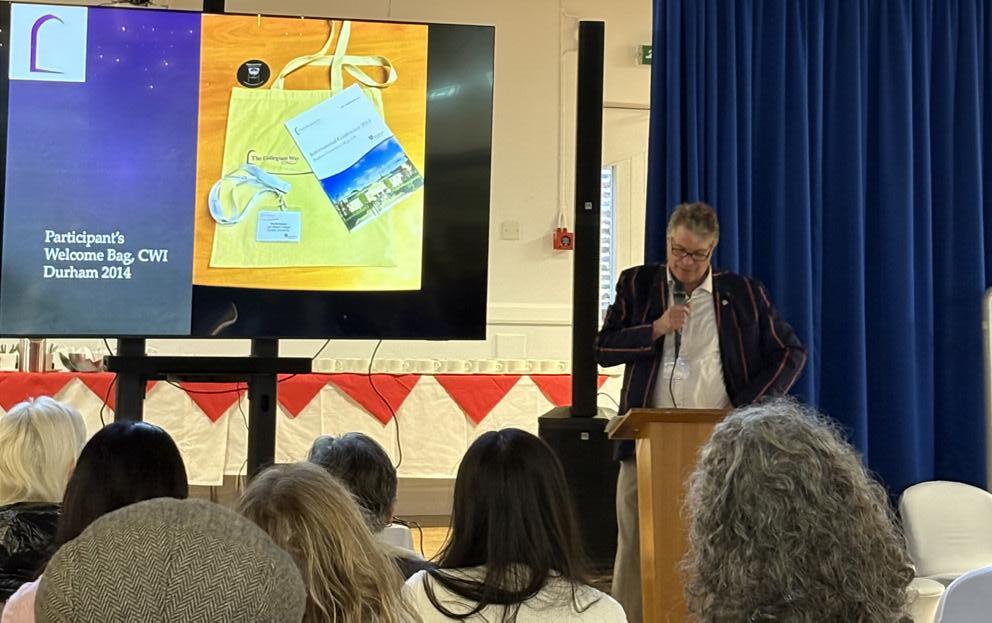
Description: Prof David Wilkinson’s Keynote Speech, Dr Michael Eamon’s Welcome Speech
Image Credit: Trevelyan College, CWI Formal Dining
Collegiate Accomodation
Melody Bishop discusses their presentation: Colleges’ Role in Supporting Students with Long-Term Physical Conditions/Disabilities
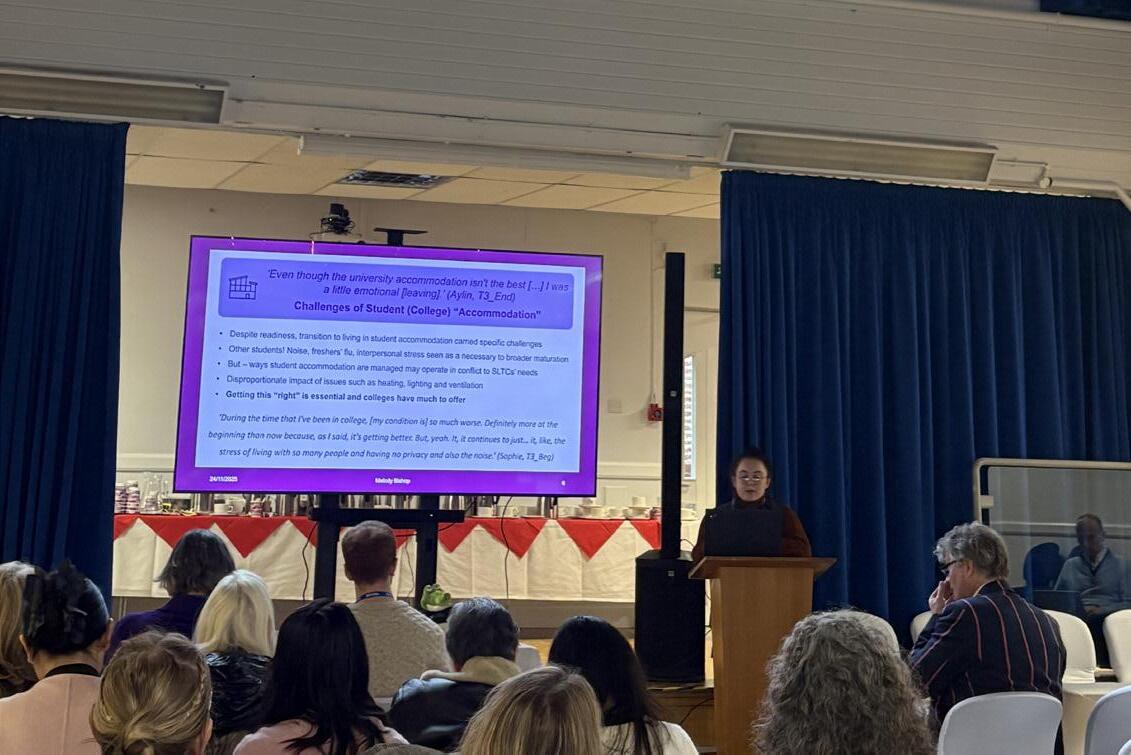
Iwas pleased to share my research around the role of colleges in supporting students with longterm physical conditions/disabilities (SLTCs) at CWI 2025. I have welcomed many productive conversations since, and encourage contact from anyone interested in student health. My presentation began by introducing the research context, including my positionality as a student researcher embedded within Durham’s colleges, before highlighting one of the key challenges/opportunities my first-year undergraduate participants faced: transition to living in college. Living alongside other students impacted participants through stress, sickness (freshers’ flu) and sleep disruption, whilst maintenance problems came into conflict with participants’ needs. Getting college accommodation “right” is an essential part of the support a collegiate system can offer.
“A strong sense of belonging and collegiality”
Many participants found a strong sense of belonging and collegiality, as each “mini campus” made it easier to socialise and get involved in extracurricular activities. But, whilst community is important, physical elements of the environment were essential considerations for students with physical health conditions. Geography (proximity to lectures, but also to nature, healthcare and other amenities) and design (room size, shared/single rooms, etc.) influenced the choices participants made pre-university and shaped
self-management once there. Participants described tradeoffs between catered (reliable mealtimes, but limited choice and social pressure) and selfcatered accommodation (control over what/when to eat, but added burdens of cooking/cleaning).
I asked delegates: how might we mitigate these physical challenges and reach a best-ofboth-worlds scenario?
“How might we make this deep end shallower?”
Where students disclosed their condition prior to arrival, this typically led to the best experiences. Unfortunately, this is not always possible due to chronological and sociocultural barriers, creating challenges for both students and staff.
Having an on-site team with the ability to signpost students and actively advocate for them, in the meantime, was invaluable. However, participants also described frustrations, such as a need for repetitive explanations of their conditions due to systemic changes such as staff turnover rates. As such, though the strengths of college support were evident, my research points to a disconnect between what students expect from their colleges and what colleges actually provide, plus potential challenges of how colleges fit into wider student support models.
Image Credit: Lauren Evans, Melody’s Presentation

Melody Bishop
Postgraduate Researcher in the Department of Sociology at Durham University (October 2022-present) and long standing member of Hatfield College. Their PhD explores the experiences of students with long-term physical health conditions throughout transition to an elite collegiate university.
Throughout my presentation, I expressed the value of colleges, whilst looking critically at areas of development. I argued that we need to encourage proactive contact with all students, inviting them not only to describe their needs but also to discuss them — moving from a “Tell Us” to a “Talk to Us” model. Every effort should be made to facilitate early disclosure, to connect students with all available support avenues.
“Colleges have emerged as valuable transitional stepping stones”
We must critically engage with the concept of accessibility — if a student is guaranteed an ensuite room, but half-an-hour’s walk from lectures, is that really accessible accommodation? Universities and colleges must keep engaging students, researchers and practitioners to refine best practice.
In summary: colleges have emerged as valuable transitional stepping stones which grant students independence, but not to an overwhelming degree. The allure of a collegiate system was jarred
by the complexities of individual colleges’ resources, abilities, and limitations, which in turn indicated that participants had limited agency over what transition to collegiate university looked like. One participant called transition to university “throwing yourself into the deep end”; which can thus lead us into a vital question setting the tone for the future of colleges: how might we make this deep end shallower?
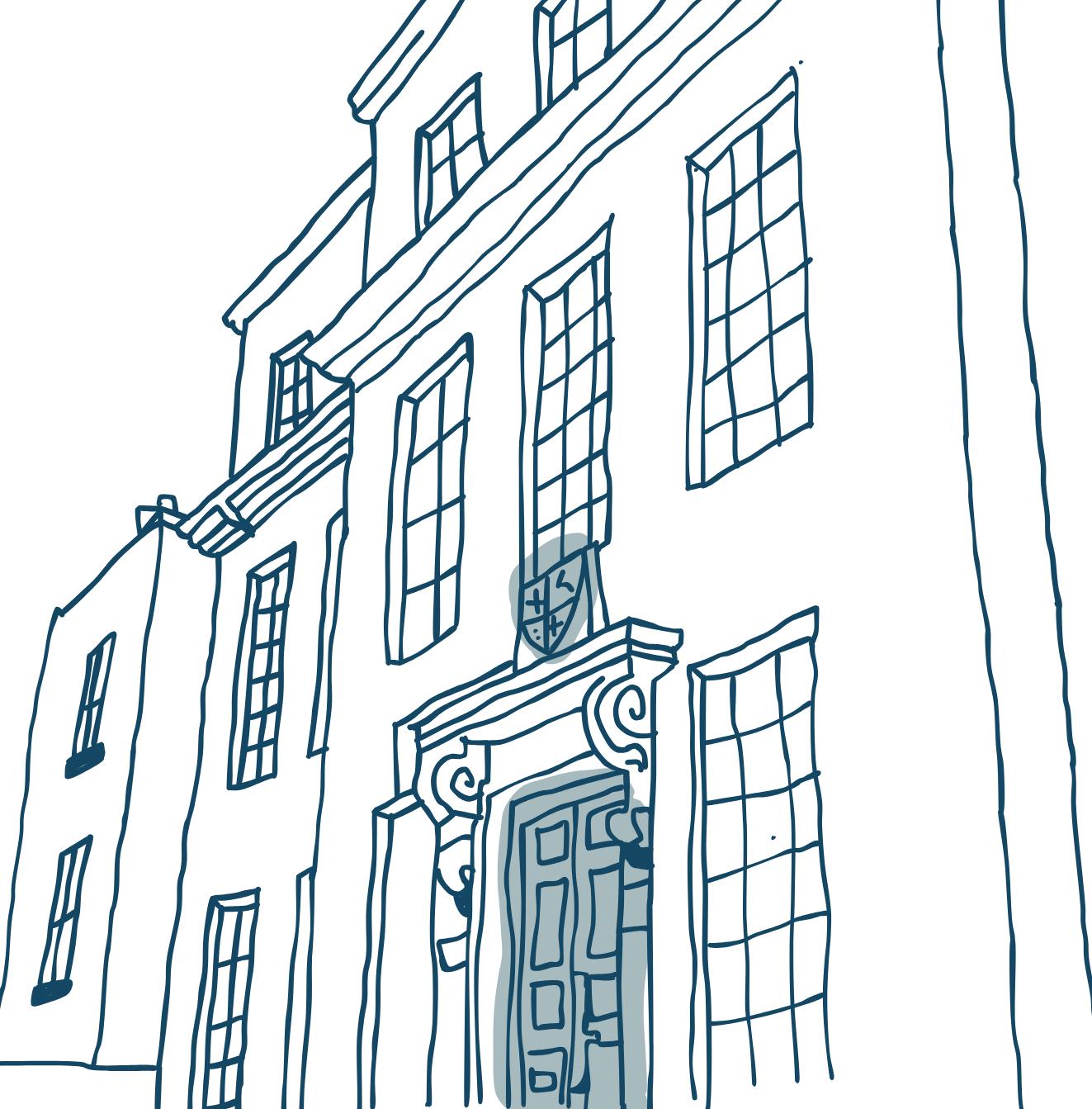
Illustration
Credit: Lauren Evans
Immersive Collegiate Life Through the Lens of Research and Lived Experience
PhD Candidate, Xiudi Liu, reflects upon the CWI Conference in light of her research into Higher Education in a Global Context
With transitional higher education experiences as my research interest, I have conducted in-depth interviews with Chinese students in the US and the UK. When asking about the difficulties of studying abroad, I had initially thought of language barriers and academic challenges. However, my interviewees found cultural differences and everyday uncertainties more intimidating. Loneliness and isolation were frequently mentioned in our
University. I was also repeatedly told “networking is everything”, which only heightened my nervousness about socialising in a foreign language. Fortunately, I was not completely at sea, thanks to Durham’s distinctive collegiate system. The welcome formal organised by my college proved transformative. People seated around me naturally initiated conversations, showed interest in my research, and shared information about upcoming college activities. Following their example, I gradually joined in. By bringing students and staff together in an inclusive setting, college formals provided a live and supportive environment where I could learn the norms of networking and social interaction within a UK higher education context.
“A perfect immersive experience of collegiate life”
Beyond social integration, the collegiate system also offers an important structural advantage in fostering interdisciplinary exchange. During my undergraduate studies in China, I lived in student accommodation with peers from the same major, which meant that most of my friendships remained within disciplinary boundaries. In contrast, living in college at Durham has allowed me to engage effortlessly with peers from diverse academic and cultural backgrounds, encouraging a more interdisciplinary perspective.
Participating in the 2025 Collegiate Way International Conference deepened my understanding of the thoughtful planning
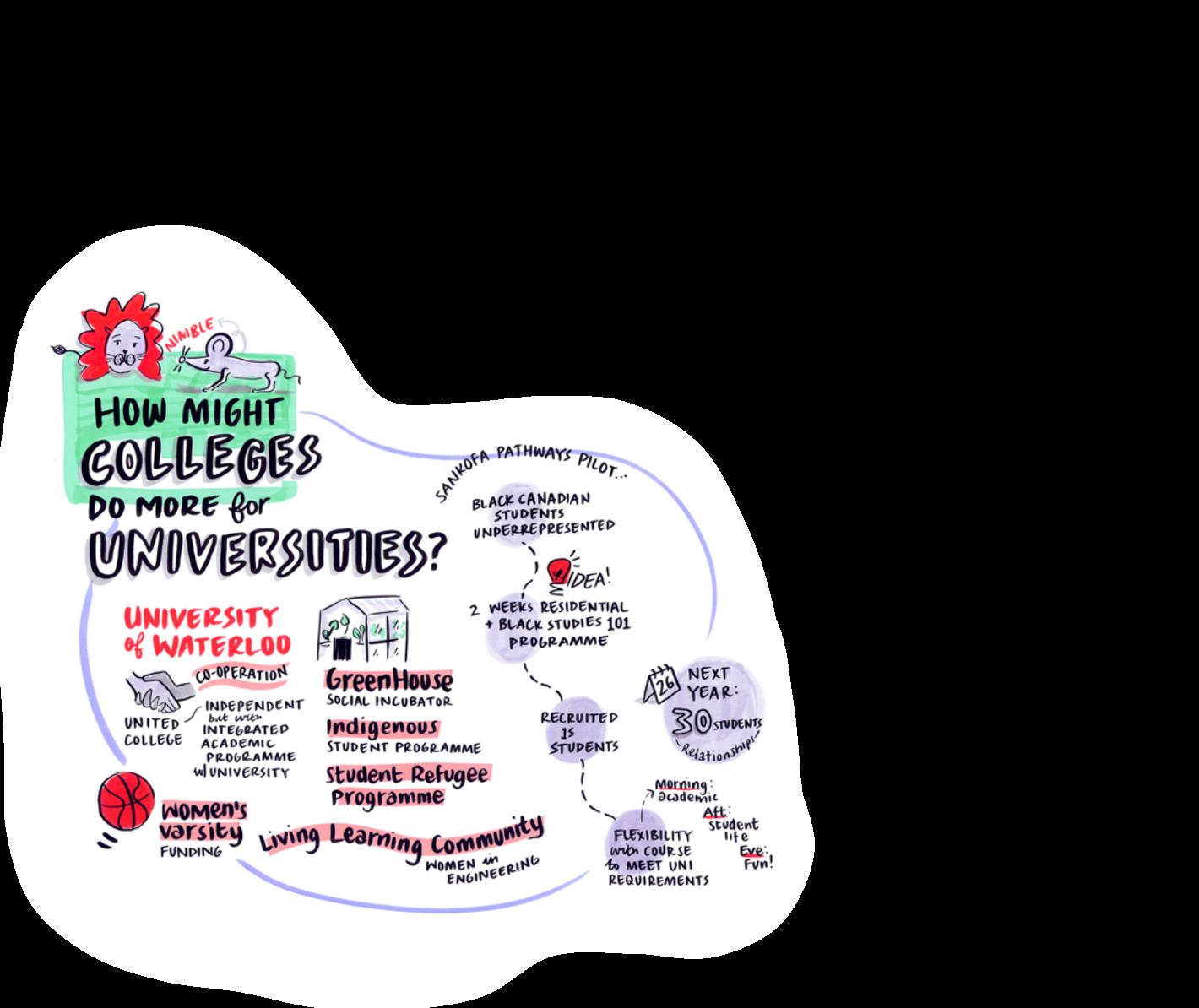
and sustained effort behind these experiences. I was particularly impressed by Dr Michelle Atkin’s practices in the college library, which enable students to gain first-hand archival research experience and simultaneously foster student support with limited resources. As a researcher interested in social mobility and equality, I was inspired by Dr Richard Myers and United College’s summer programmes for underrepresented Black teenagers, and Dr Victoria Brown and St Chad’s College’s initiatives to enhance engagement with young people in North East England where child poverty levels remain high. Colleges are particularly effective in fostering young people’s aspirations towards higher education by showing both the academic and nonacademic dimensions of student life.
The conference itself provided a perfect immersive experience of collegiate life. Moving from Hatfield College, to Collingwood, St John’s, St Chad’s, and Stephenson, and concluding with a formal dinner at the spectacular Castle, the conference organising committee delivered a diverse collegiate experience in
a short period of time. Particularly for those delegates interested in establishing such systems, this carefully designed journey was compelling and spoke more powerfully than words alone.
“Fostering young people’s aspirations towards higher education”
Finally, as an international student researcher, I have learned that while collegiate systems vary across the world, their shared strength lies in both systemic and individuals’ efforts to build spaces where students can easily access support, find opportunities for development, and feel included within a community. Living in colleges helps students from different cultural backgrounds navigate cultural nuances that are not taught in classrooms through immersion.
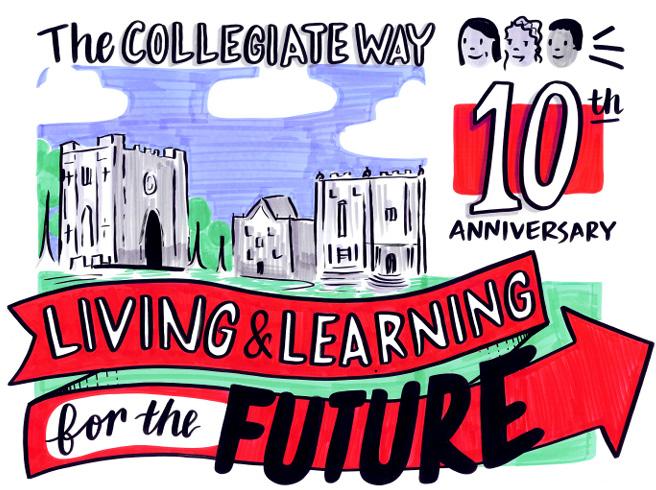
Image Credit: Durham University, EddyDraws.
CWI Conference: Day Two
The 10th Anniversary Conference is in full swing!
If the heart of a college is its student community, there arises a necessity to reinforce their centrality through various support programmes which both ease their way through life at university and retain their interest in a communal collegiate experience. This effort is, of course, not without its challenges, and Day 2 of the conference mapped out a number of initiatives and strategies which address this issue. Foremost of these methods is the very structure of a college, which inherently can be more effective sources of student support due to their smaller size and residential focus, as well as dedicated, decentralised resources and funding.
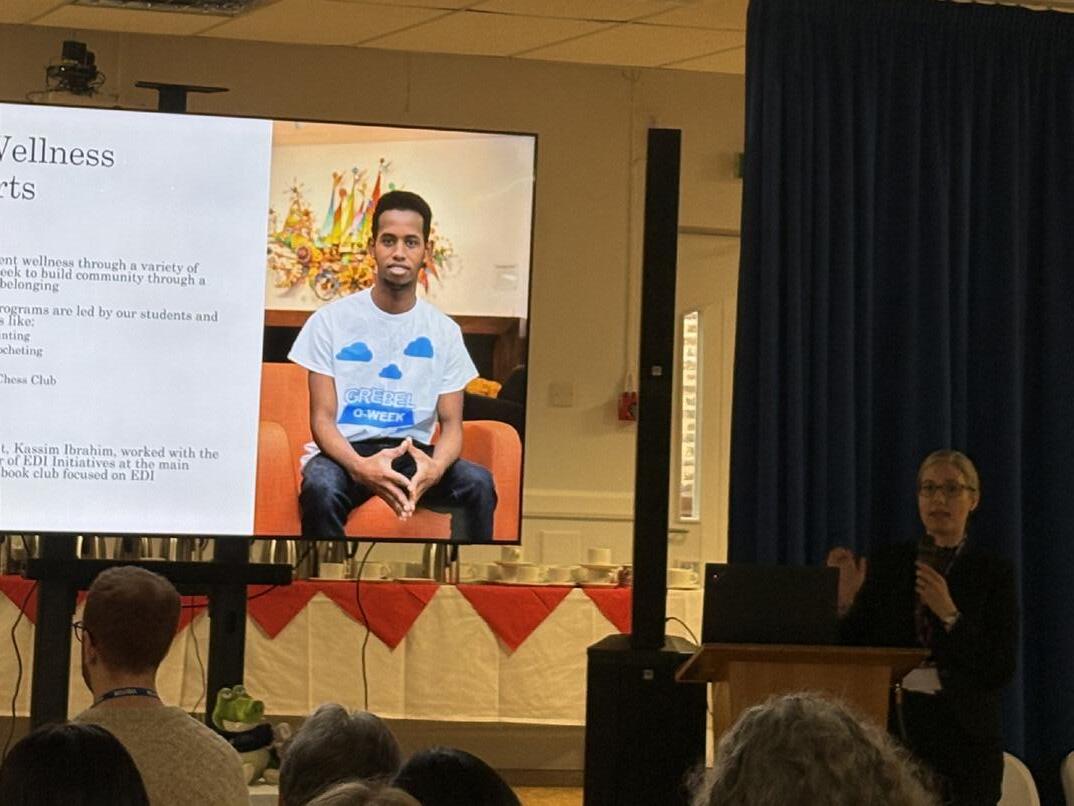
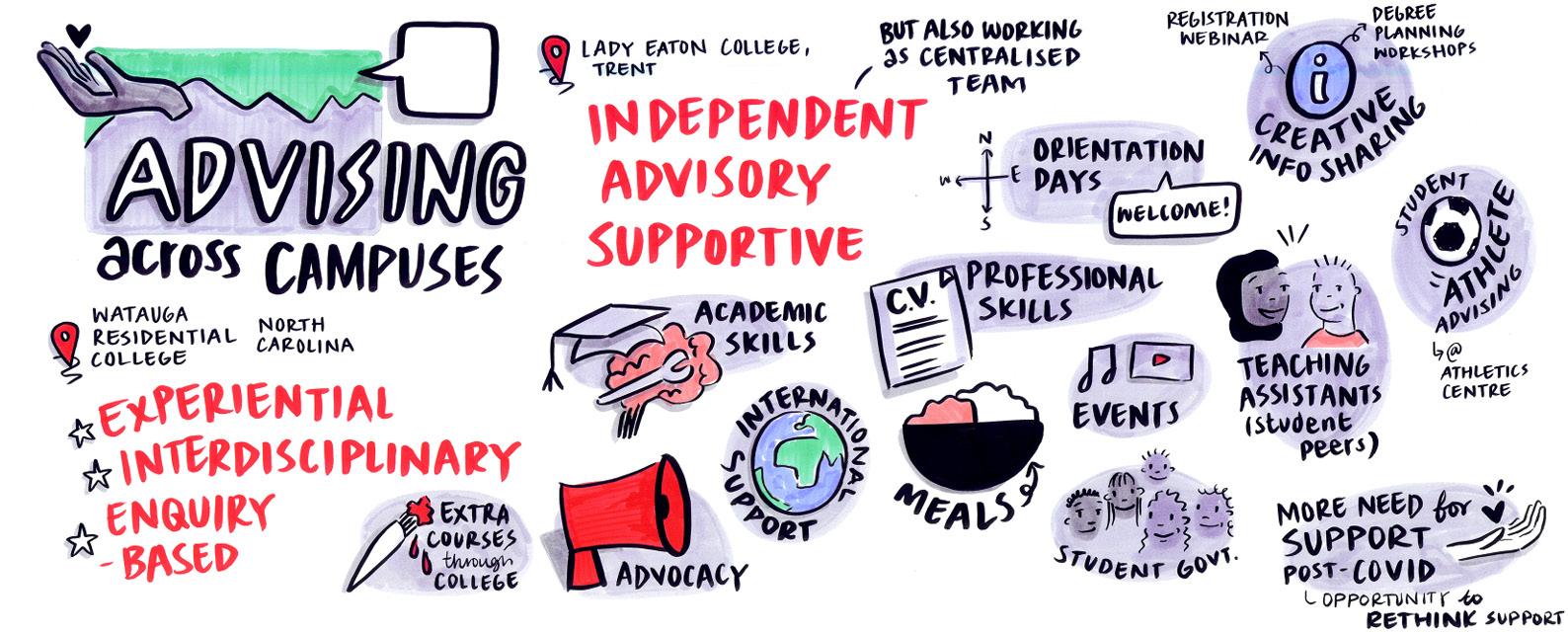
This prologue by Dr Richard Anthony (Jesus College, Cambridge) was proceeded by informal discussions of the collaborative efforts at the library of St Jerome’s University (University of Waterloo, Canada) and the encouragement of “informal learning” strategies and activities across the colleges of Durham University. Dr Michelle Atkin’s (Waterloo) presentation about St Jerome’s peer wellness teams also emphasised the impact of student-to-student interactions guided by a knowledge of mental health support, first aid, and similarly health/ wellness-conscious perspective. In this sense, colleges can also be valuable to people managing complex circumstances about their health including long-term physical conditions, chronic illnesses, and related disabilities.
“More effective sources of student support’
Melody Bishop, in the discussion of their research, highlighted the significance of selecting an appropriate college that meets personal housing accommodation needs, as well as the coordination of college support teams with academic departments to provide a well-rounded and accessible experience during a student’s years at Durham University.
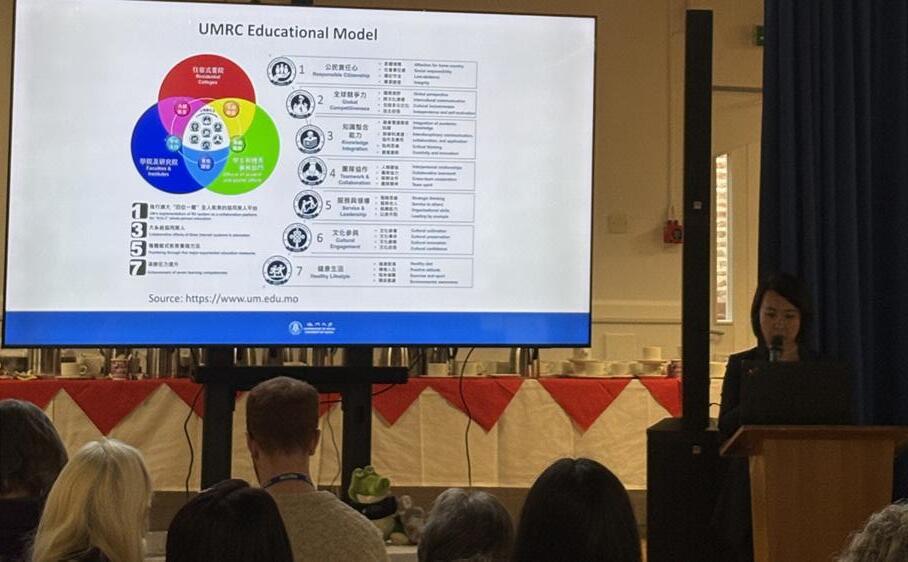
The centrality of residential accommodation is exemplified through the Residential College system developed by the University of Macau, which marries a number of the aforementioned initiatives and measures and even manages to tailor its ability to support students across a number of academic and holistic goals.
“To support students across a number of academic and holistic goals”
Programmes such as the “Skill-BeyondDiscipline” workshops, specialised tutorials, and discipline-specific English language instruction were all outlined in a panel by Professors Yaning Qi and Gary Ka Wai Fung, and Dr Elvo Sou. Furthermore, the
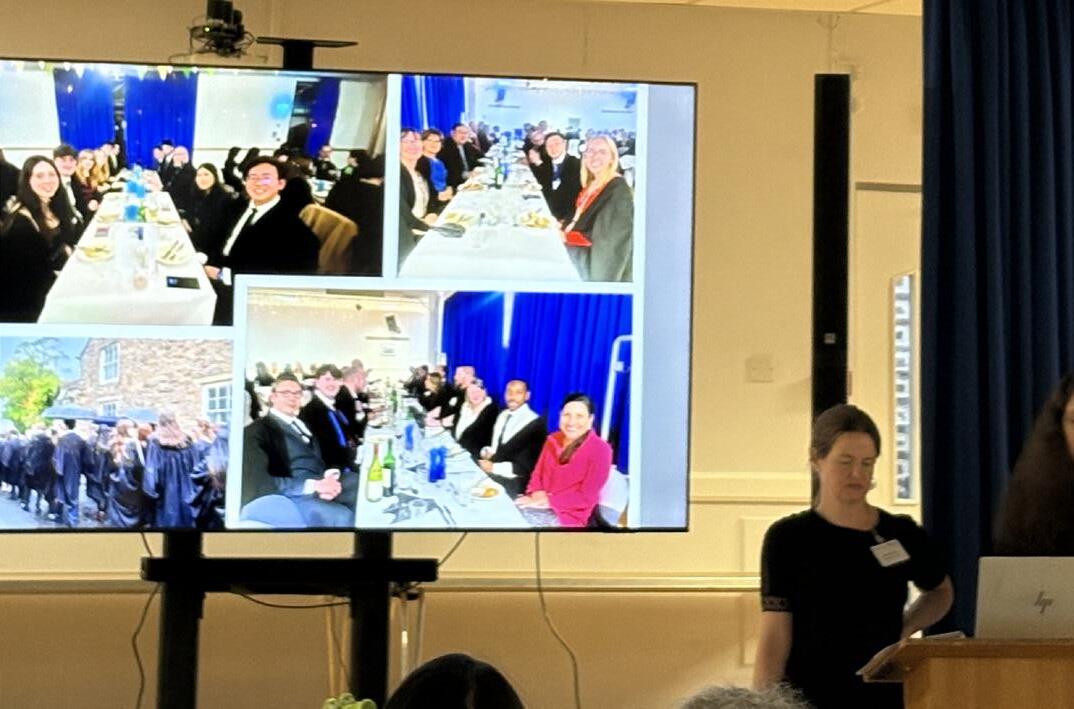
importance of community values beyond the university is reinforced through the use of “key competencies” which align with the United Nation’s 17 Sustainable Development Goals, which Professor Man Chung Wong expressed was simultaneously a multi-disciplinary and experiential effort reaping much appreciation.
By Amrita Anand, CWI 2025 Publication Intern, PhD student, Durham University
Image Credits: Lauren Evans

Embedding Library & Archives Research Skills into the Undergraduate Experience: Case Study in Student, Instructor,
and
Librarian Collaboration
Perception:
You need to be a graduate student if you want to engage in meaningful original research under the tutelage of an academic supervisor.
If you want to access rich archival collections/special collections, you need to go somewhere else!
Reality:
Many instructors (and students) are unaware of the depth of their home institution's archives and special collections.
In January of 2023, St. Jerome’s Library hired its inaugural Library & Archives Co-op Assistant, Melissa Gatti. Melissa was instrumental in helping the library develop student-focused workshops, emphasizing student success and wellness, and assisting with several archival projects. It was through her archival work that Melissa was introduced to one of the library’s unique collections – an uncatalogued treasure trove of religious relics Recognizing the uniqueness of this collection, the Librarian, Dr. Michelle Atkin, reached out to her colleagues in Medieval Studies, Dr. Steven Bednarski, to explore potential student research opportunities. These discussions resulted in a collaborative effort between the Library and the Medieval Studies Program from which the student was able to complete a successful undergraduate Independent Study (HIST 491).

Since our co-op students work so closely with our collections, there is a lot of opportunity for student, librarian and faculty collaboration

Co-op student, Melissa Gatti, completed her Independent Study working with the Associate Librarian, Michelle Atkin and Dr. Steven Bednarski, St. Jerome’s Department of History and Medieval Studies, to document the Relics in the SJU Archives.
Lessons Learned:


The St. Jerome’s Archives collection contains over 50 relics and their associated certificates, many of which were stored in cigar boxes. The relics came to the archives in 1995 as part of a donation but were never catalogued.
Building and maintaining ties between the library/archives and other academic departments is essential for the promotion of special collections
Creating engaging archival and special collections work for co-op students can broaden the awareness of the library’s holdings and lead to future opportunities for teaching and research
Thinking about how best to connect collections with the curriculum is important if we want to get the most out of our own unique library resources
Working as a collaborative team (student/faculty member/librarian) can lead to more meaningful experiential learning and independent study opportunities for individual students
Through exposure to special collections via cooperative education, Melissa was able to see the potential for further academic study. Atkin and Bednarski’s commitment to seeing her through her co-op and later, through her independent study course, demonstrates that the potential for librarian, faculty and student collaboration, even on a small scale, can have a big impact on our students.

As this case study notes, through co-operative placements, like the one Melissa participated in, undergraduate students can gain meaningful hands-on experience of the kind normally reserved for graduate students. Leveraging librarian knowledge of special collections, faculty subject expertise, and student interest, as this case study in student/faculty/librarian collaboration demonstrates, can transform the undergraduate student experience for the better through enhanced research opportunities and mentorship.

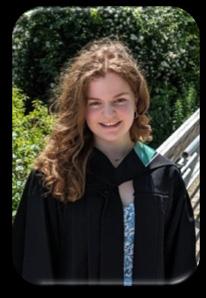

Melissa Gatti is currently a Master’s of Teaching candidate at the University of Toronto, with a focus on secondary school education in the subjects of History and Business. She is also a recent graduate from the University of Waterloo with an Honours BA in Arts and Business with a major in History. Her research interests include co-operative education and interdisciplinary studies.
Dr. Michelle Atkin is responsible for the overall management of the St. Jerome's Library and Archives. Her areas of specialization are reference, collections, and library instruction. In addition to her library work, Michelle teaches in the Arts First Program at St. Jerome's University. She is currently conducting research on the history of the students, faculty, and alumni of St. Jerome’s College during the First World War.
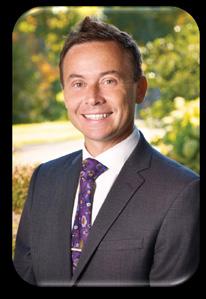

Dr. Steven Bednarski is a full professor in the Department of History and Medieval Studies at St. Jerome’s University who specializes in fourteenthcentury environment, crime, sex, gender, and microhistory. He is the Director of Environments of Change & DRAGEN Lab.
Professor Yaning Qi
Associate Master, Choi Kai Yau College, The University of Macau
Reflecting on the CWI Conference 2025

Early in December in the historic and inspiring setting of Durham, the CWI 2025 Conference provided a profound reminder of both the significance and the shared challenges of the collegiate model of university building. Stepping into the ancient castle and experiencing the palpable “town & gown” juxtaposition offered more than just a scenic backdrop; it was a living lesson in how history, place, and community intertwine to create a powerful educational identity. This environment framed a week of rich exchange, where representatives from universities across the globe gathered not just to celebrate our differences, but to collaboratively confront our common hurdles.
The conference was a vital platform for communication and collaboration. I was privileged to contribute by
“A vital platform for communication and collaboration”
development through sports, culture, and exchange; and second, on our initiatives for co-curricular academic support within residential colleges. These presentations led directly into deeper conversations about a core structural challenge we face: the “dual-track” model. In
many institutions, especially those without a long history of collegiate education settings, the separation of residential colleges from academic faculties can create silos, hindering the integration of resources and formalizing
faculty involvement. A critical question emerged: how do we move from relying on the goodwill of passionate, often young, faculty to creating sustainable,
Key challenges we must meet include designing systematic evaluations to measure the true academic impact of collegiate life, and identifying compelling non-mandatory incentives — perhaps teaching credit or formal recognition in promotion criteria — to encourage sustained faculty participation.
I was deeply impressed by the innovative solutions shared by colleagues from all over the world. Oxford’s insights on advancing collegiate renewal through internationalisation, Durham’s Van Mildert College’s model for effective local community outreach, and National University of Singapore’s framework for empowering students via experiential learning were particularly inspirational.
“Testament to the strength found in community”
These sessions underscored that while our contexts differ, our missions align. Furthermore, hearing from Dr Michael Eamon about the dedicated efforts of CWI over the past decade highlighted the importance of this very network in driving our collective progress. It was equally affirming, if sobering, to hear colleges from Canada, Australia, Europe, and Asia echo similar struggles: the difficulty of fully engaging Generation Z students, the pervasive challenges of cyberbullying and sexual misconduct, and the perpetual tension between decentralized college autonomy and centralized university management.
This shared vulnerability was perhaps the conference’s most unifying theme. Looking ahead, the prospect of Macao hosting the 2026 conference fills us with a sense of responsibility and excitement.
Our goal is to inject fresh energy into the dialogue. We envision structured and solution-focused discussion sessions that tackle these common issues head-on, moving from identifying problems to prototyping solutions. Furthermore, we hope to strengthen the conference’s scholarly foundation by encouraging the publication of more research and empirical studies on collegiate education, elevating our practical experiences into a robust body of knowledge.
The Durham conference was a powerful testament to the strength found in community. As we return to our respective colleges around the world, we carry not only the memories of castle halls and inspiring ideas, but also a reinforced commitment to the hard, necessary work of adapting the timeless collegiate ideal to meet the urgent needs of our present and future students. The journey continues, and I am confident our path forward is one we are building together.
Image Credits: Lauren Evans, Susan Welford
Day Three: Policy-Making and Advancing Safety Measures
The success of initiatives to enhance student community building such as mangrove explorations in the National University of Singapore or career-themed formals at Durham University can only go the distance they do if these sites of education and support can be considered safe. Faculty involvement can play a significant role in the broader construction of such college communities, but a number of presentations on the final day of the conference highlighted the cyclical impacts of inclusivity and safety on college communities, particularly regarding the eradication of sexual harassment and genderbased violence on college campuses.
“Highlighted the cyclical impacts of inclusivity”
Dane Hermann of Union College, University of Queensland; Dr Victoria Brown and Professor Graham Towl (Durham); and Rose Alwyn, and Lisa J Sutherland (University Colleges Australia) shared a number of perspectives on the measures taken across universities to increase student and faculty awareness of sexual misconduct, particularly through the encouragement of reporting incidents witnessed around campus. By implementing strategies that place a focus on the residents and scaffolding their ability to experience inclusive and safe environments,
the college space itself can be transformed into an accountable and responsible location upon which community values can be built.
“Fostering a sense of belonging”
Fostering a sense of belonging in the face of difficult conversations and times is vital to the very existence of collegiate systems, and the structures that fall into place to shape what prospective students and education authorities can expect from specific college communities. The role of policy-makers can be highlighted in these contexts, such as through Stephen Peake’s (Emmanuel College, University of Queensland) presentation on the cross-college communication and collaboration which enables policy alignments, integrates university-wide student support, and even facilitates the implementation of frameworks such as the National Higher Education Code to Prevent and Respond to Gender-Based Violence. What follows next is the conviction of students’ sense of belonging across residential college spaces and ritualistic activities that bring and root them together into the space that they share.
By Amrita Anand, CWI 2025 Publication Intern, PhD student, Durham University
Reflections of a Student Representative
Junior Common Room (JCR) President and Presidents’ Committee Chair, Thea Cave, reflects upon the CWI Conference through the lens of her presidential role
It was truly an honour to attend the Collegiate Way International Conference 2025. The experience was truly educational and enriching and I feel extremely fortunate to have learnt about the importance and intricacies of the Collegiate Way, at such an early stage in my career.
Although I was only able to attend one day of the conference — December 4 — I believe that I truly understood the diversity of collegiate life. During the second day of the conference I was enlightened on how collegiate life ranges from the familiarity of Durham University to the University of Macau, a whole 5,913 miles away! It was fascinating to hear presentations from the University of Cambridge, University of Waterloo (Canada), and the University of Macau, all in Leech Hall, St John’s College, which to me is “just a few doors down”. As
the university’s cross-college Presidents’ Committee Chair, I have spent the past five months understanding the unique dynamics within and between the colleges of Durham University. Even so, my perspective on collegiality was broadened to an entirely different dimension upon attending the Collegiate Way International Conference. In my ignorance, I had always assumed that collegiate universities only existed in the UK. My discovery of the international and diverse nature of collegiate life led me into a storm of comparisons and contrasts with what I know at Durham University.
I found it fascinating that all of the colleges in the University of Cambridge are independent. At Durham University, we have two independent colleges, and nine independent common rooms, alongside eight common rooms that are a part of their college. The discussion led me to question whether other colleges’ common rooms

with a student-led library, I was certainly inspired by the University of Waterloo’s approach to developing student leaders in a way that benefits the whole community. From welfare services, similar to the peer support offered at Durham University, to a particular focus on EDI and the celebration of culture through literature. Dr Atkin truly changed the way that

I viewed the function of student libraries, and I definitely hope to develop our own library at St Cuthbert’s Society, Durham, based on what she presented.
“I truly understood the diversity of collegiate life”
The University of Macau’s approach to collegiate life as “newcomers” to the collegiate way is truly outstanding. Although their colleges are branded as “Residential Colleges”, there is much more to their collegiate structures than accommodation alone. The way that the University of Macau combines academics, extra-curricular activities, career development, community outreach and enrichment is admirable. I was amazed at the amount of depth and development they have achieved in just over ten years; more than most collegiate universities that have existed for centuries.

Amongst all of the fantastic speakers on day two of the conference, the person that inspired me most was actually the Chair of Collegiate Way International, Dr Michael Eamon. Dr Eamon presented the Collegiate Way’s five steps to success, by which I was simply amazed. Whilst listening to his presentation, I began to reflect on how I, not only as the leader of my own common room, but
Thea Cave
St
Cuthbert’s Society JCR
President
and Presidents’ Committee Chair, Durham University
Reflecting on the CWI Conference 2025
as a representative of all common room leaders, could work with my colleagues towards such long-term goals in my one year sabbatical position. As Dr Eamon conveyed that “colleges need to be sticky”, I realised the importance of my role. To ensure that our colleges and common rooms remain “sticky” to its members both present and former, our common rooms must remain “sticky” with each other as well. Regardless of any differences or disagreements, we must always fall back to working together, to ensure that all of our colleges work in a way that leads our students to view college as home. If that is the case, it is my job to be the glue. Not only for the year that my colleagues and I will work together, but for future generations of common room presidents, so that they can continue to work together to make Durham University a better place for all students, not just their own.
“We must always fall back to working together”
Overall, the International Collegiate Way Conference was an outstanding experience. I am truly grateful to have had the opportunity not only to experience it, but to reflect on it in writing. But most importantly, I look forward to practicing what I have learned from it, and living it. I refer to the collegiate way as collegiate life throughout this article, because it is not just an experience in which you learn, but one that you live, to me — as both student and staff. I look forward to taking away what I have learned from this conference and making the most of it in my sabbatical year.
Illustration Credit: Lauren Evans

AProfessor Sadaf Ansari
Professor Sadaf Ansari is the Director of Studies at Ridge View Residential College (NUS), where she is an educator in urbanism, placemaking, and built heritage, employing experiential learning to connect theory with practice.
From Bailey to Hill: Personal Insights from Collegiate Way International 2025
chance invitation from a mentor and former colleague prompted me to submit an abstract for this conference, in the summer of 2025. Less than six months later, I found myself traversing 11,000 km and a 30-degree swing
rooted in traditions of fellowship, moral formation, and scholarly inquiry offered a clarifying frame for contemporary practice. I found his discussion about the college as a purposeful social and academic ecosystem especially compelling: not merely a residential
“Deliberately binds scholarship to community, place and personhood”
responsibility. I left with renewed appreciation for the micro-environments that subtly cultivate scholarly dispositions and communal virtues.
Equally salient was the emphasis on student-centric and student-led dimensions of collegiate learning. Several conference contributions articulated a principled shift from programming “for” students to structures that enable agency “with” and “by” students. Examples ranged from peer-led academic communities and student-run interdisciplinary forums to participatory governance and co-created wellbeing initiatives. These models affirmed my professional observations that collegiate education is most transformative when students exercise stewardship of traditions, spaces, and intellectual agendas, supported by staff who act as facilitators rather than directors. During my informal discussions over meals, I discussed some of the challenges that lie in balancing autonomy with accountability, ensuring that student leadership is scaffolded, inclusive, and sustainable across cohorts.
Beyond the formal programme, Durham’s hospitality was exemplary and pedagogically meaningful. The careful curation of venues spread across its historic halls, contemporary learning spaces, and distinctive collegiate settings
from the Bailey to the Hill allowed me to experience the material and cultural textures that give Durham’s collegiate model its resonance. Guided walks, informal meals, and site visits did not merely showcase Durham’s facilities; they enacted the conference’s themes by fostering conviviality, dialogue, and a sense of place-based identity. The warmth and attentiveness of our hosts (from Ann to Anne!) made the castle itself a participant in our collective learning, demonstrating how hospitality functions as an educational practice that models belonging, care, and intellectual welcome.
“A powerful paradigm for holistic higher education”
After more than a decade as an academic at a residential college in the National University of Singapore, the conference reinforced my conviction that the collegiate model remains a powerful paradigm for holistic higher education worldwide. I look forward to continuing this dialogue and forging new collaborations with conference attendees. Taken together, our shared explorations of the academic-residential nexus, the centering of student agency, and Durham’s lived example collectively illuminated a path forward: colleges as communities of practice where scholarship, citizenship, and care cohere while being rooted in tradition, responsive to contemporary needs, and energised by the people who inhabit them.


Speaker
Kirstie Looms
Hild Bede Alumna, Durham University, and Co-founder, Investor in Students
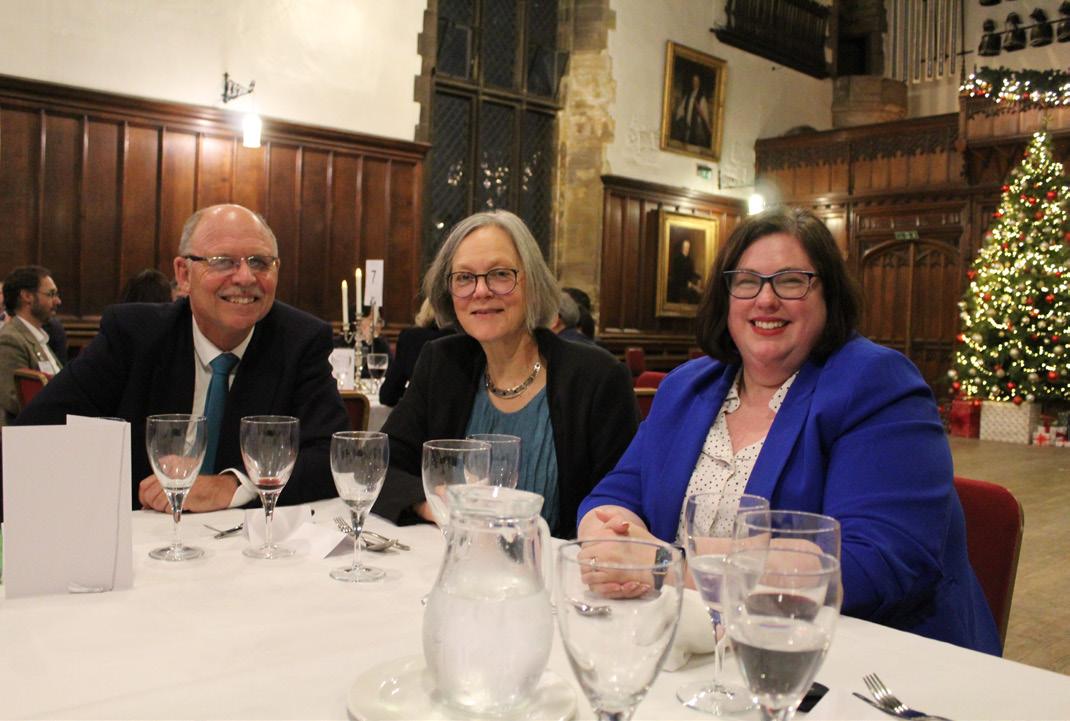
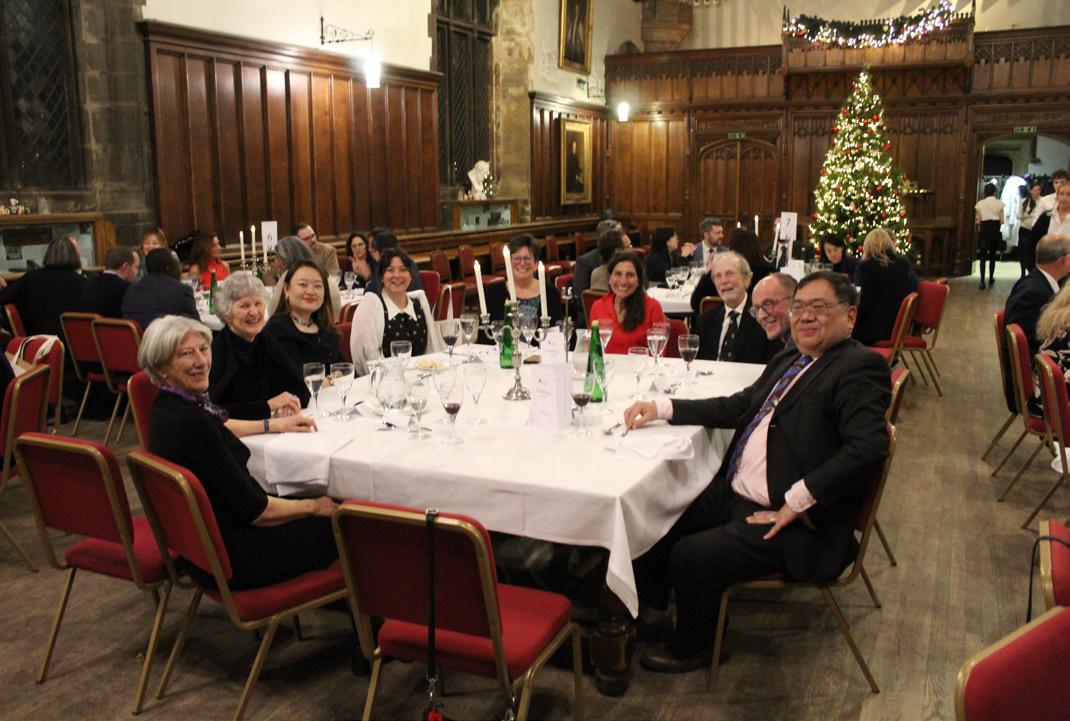
Speaking at the CWI Gala Dinner at University College
Looking at the programme for this week, and from the sessions I’ve attended today, it feels a bit like Durham has been hosting one big roaming college. Different countries, different systems, different job titles, but very similar worries and hopes. The accents may change, the terminology may change, but the stories underneath feel remarkably familiar.
We are all trying to answer the same question: how do we build environments where students don’t just live, they thrive. I can say with utter honesty: university changed how I think, but it was college that changed who I am.
The academic side of university was brilliant and life changing. It broadened me. It sharpened my thinking and taught me how to argue, question and explore. I loved all of that. But it didn’t shape me as a person, college did. And it did so because of the collegiate system itself: the structure, the
size, the intimacy of it. That feeling that you belong to a smaller world inside a much larger one. For me, the collegiate system gave me belonging in manageable portions.
Like many students, I arrived with a lot of noise and unpredictability from home, the kind you don’t even realise you’re carrying. I walked into Hild Bede and, for the first time in a long time, felt seen: familiar faces, warm lights, predictable rhythms. People who learn your name and remember it. And crucially, staff who look up, notice you, and quietly decide that you matter.
At school I’d been the big fish. Academically confident, naturally bright. Then I arrived at university and realised very quickly that the water was much deeper here. I struggled in a way I had never struggled before. The shift from feeling clever to feeling lost happened almost overnight.
Staff saw the panic before I said a word. Henry, our college President, asking the right question at the right time. Carol, Senior Tutor bringing me a cup of tea whilst I talked and cried through my academic and financial struggles with our Principal, Dr P. They listened when I admitted I wasn’t coping, and they made the next step feel possible rather than catastrophic. In a larger, less personal structure, I would have been an overwhelmed first-year disappearing between the cracks. But in a college, you’re held. You’re seen.
“College gave me confidence by celebrating my eccentricity”
College gave me confidence by celebrating my eccentricity. It was the first place I felt completely free to be wonderfully ridiculous. Fancy dress nights where I fully committed to being the Blue Power Ranger, and once, Oscar the Grouch with green body paint that did not wash off before my 9am lecture. Instead of thinking I was odd, people loved it. Encouraged it. The collegiate system creates space for people to try on versions of themselves until something fits, and staff are often the ones quietly giving permission for that to happen.
College taught me kindness too, through the small, ordinary things. A cup of tea left outside your door when you’ve gone quiet. Someone saving you a seat in the dining hall. Ian the night porter, quietly bringing you chocolate biscuits to the computer room at 2am. Irene the cleaner asking if you’re alright because your room wasn’t “normal messy” but a “sign of mental health struggles messy”. Friends knocking at exactly the right moment. It wasn’t performative, it was a culture of care. The collegiate system teaches kindness, not through lectures but through daily life, and it becomes a part of who you are.
And of course, it gave me
that became the foundations of my life. The people I met in those early weeks are still the ones I trust most today. We grew up together in the messy, hilarious, accidental way that only happens in dining hall debriefs, corridor chats, cheap pints in The Vern (our college bar), and the terrifying moment when your formal deposit cheque is cashed for misbehaving. Sharing the particular madness of trying to be adults long before we actually were.
And then, somewhere amongst all that, I wandered into the women’s rugby team. I had never played a day in my life, I joined on instinct. The sport was fun, but the real magic was the people. We played hard, somehow never lost a single game, and laughed our way through every moment. Those afternoons weren’t really about victory. They were about belonging.
So yes, university expanded my mind. But college expanded me — quietly, deeply, and lastingly. And now I spend my life proving, with data, that this stuff matters.
Fast forward nearly two decades and I’ve gone from being the student held by a college system to being the slightly annoying person who turns all of it into data and charts. Spending my days analysing, measuring, and improving the very thing that shaped me: the student experience.
“College taught me kindness”
I co-founded Investor in Students in the UK & Europe and the Residential Experience Standard in Australasia. Now in our 5th year,
we work with operators and providers of student accommodation around the world to understand what really drives a great student residential experience.
We measure the lived experience of over 216,000 students a year, who tell us how it feels to live where they live; what helps, what harms, and what actually moves the needle on belonging. We look at everything from community and wellbeing to value for money, staff impact, and academic success. Whilst there are nuances across different types of accommodation — college vs university vs private accommodation for instance — across different global territories, and a huge diversity of student needs and wants, there are unifying themes that we see consistently in what “good looks like” for a student experience.
Staff are the heartbeat.
When we run the numbers, the biggest drivers of a great experience aren’t gyms or gadgetry; they are people. Eight of the ten most powerful questions in our model are about staff: are they kind, are they helpful, do they go the extra mile, do they make you feel cared for and supported? When staff score well, everything else rises with them: community, wellbeing, even academic confidence. Students rarely write long comments about WiFi. They write about the person who stayed late to hear about their day, or the cleaner who checked in when they were having a bad week. Staff make the difference.
Belonging isn’t a luxury; it’s part of how students succeed.
Across different countries and systems, students who feel part of a community are far more likely to say that where they live has helped them do well at university. Feeling at home, feeling known, feeling like “one of us”,
those things sit right alongside questions about academic outcomes when we look at the correlations. It’s the backbone that allows students to do hard, stretching academic work.
Safety
is absolutely fundamental.
One of the reasons we built the Residential Experience Standard was to put personal safety right at the centre of the conversation. When students have witnessed or experienced hazing, sexism or harassment in their accommodation, their feelings of safety and their mental health scores unsurprisingly drop sharply. Where they have reported and felt believed, overall satisfaction is noticeably higher than for those who stayed silent. So things like clear, compassionate reporting routes and visible, trusted staff aren’t just policy. They are part of what allows students to feel that their hall or college is a genuinely safe place to call home.
Community isn’t automatic. It has to be designed.
Our work is full of comments from students in studios who love their room but feel cut off, January starters who say they missed all the welcome energy, postgraduates who feel like older extras in somebody else’s film. Left to chance, community is patchy and unequal. When it works, it’s because somebody has thought about it; in how the building works, in how events are timed and framed, and very often in the invisible work staff do around the edges to draw people in.
And then perhaps just one small word of warning.
The picture isn’t identical for everyone. Domestic and international students don’t always experience things in the same way, and we repeatedly see that neurodivergent students and LGBTQ+ students report lower
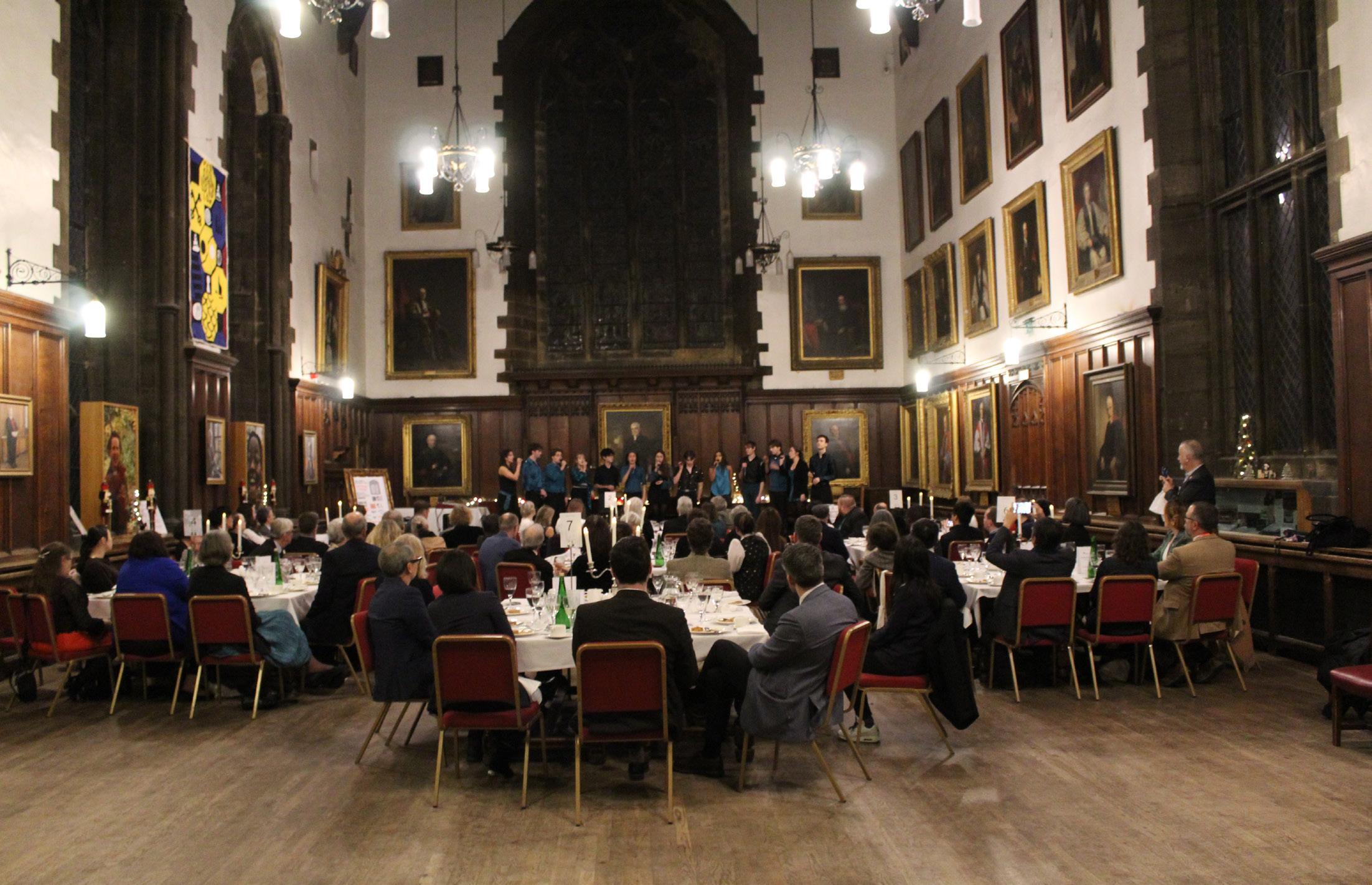
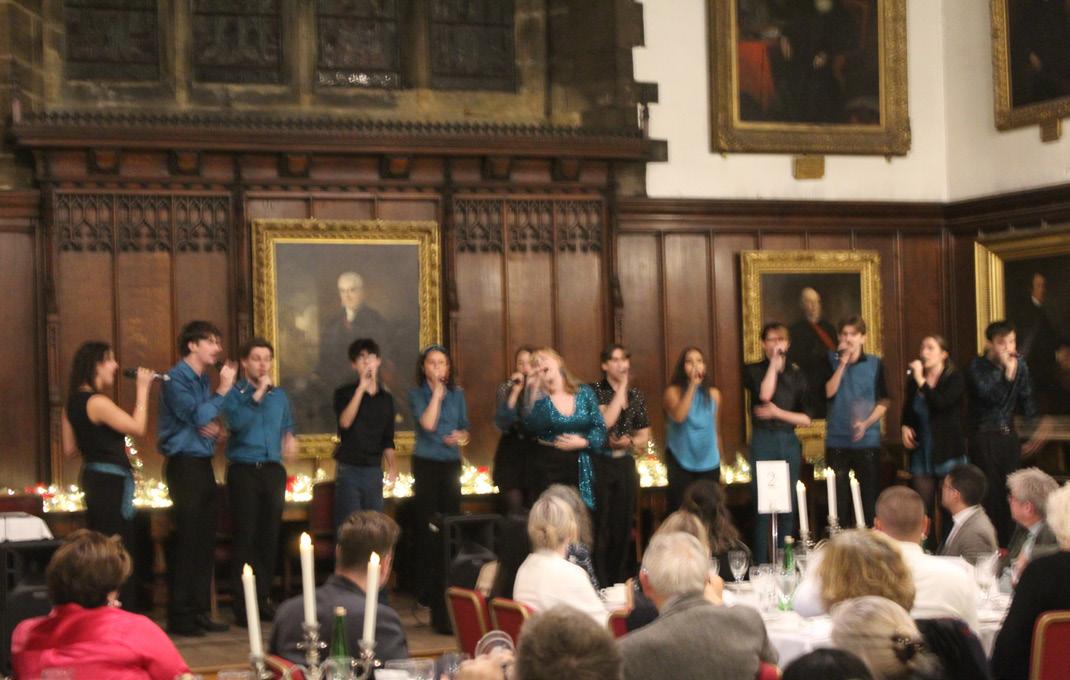
Image Title: Northern Lights accapella group performing at Gala Dinner
scores on sense of belonging and safety than their peers. That doesn’t undermine what colleges do so well; if anything, it underlines it. It reminds us that the things we’re most proud of have to be felt at the edges as well as in the centre.
So what do we do with all of that?
For me, the answer sits right at the heart of this conference theme: the collegiate way, living and learning for the future. Because when you bring the stories and the data together, you start to see that colleges, and collegiate-style communities, do something that is very hard to replicate anywhere else in the system.
In a world where so much of student life can feel like a series of transactions — pay your fees, get your credits, move through the system — colleges are the bit that stubbornly refuses to cash in. They turn a university from a set of processes into a set of relationships. They take huge, complex institutions and translate them into something human-sized and recognisable.
Colleges are the porter who knows when something’s wrong, the tutor who notices a silence, the support team who catch a problem early. They are where belonging stops being a word on a strategy slide and becomes a Thursday night in the JCR, or a table in the dining hall, or a group chat that somehow becomes a lifeline during exam season. They are where community shows up in the timetable, in the rituals, in the “you’re welcome here, come and join in” moments that don’t happen by accident.
And that matters now more than ever. We are educating students in a context of rising mental health need, financial pressure, social media comparison, polarisation, loneliness, and at the same time, asking them to be
resilient, global, future-ready citizens who can work across difference and handle complexity. You can’t do that with a timetable alone. You need environments that feel safe enough, that feel small enough and that feel kind enough for people to take risks, to fail, to grow, and to become themselves.
“It becomes a part of who you are”
That is what colleges add. They are not just where students sleep while the “real” university happens elsewhere. At their best, they are the place where learning, living, friendship, safety, identity and ambition get woven together. They are the bit of the system that quietly makes everything else possible. And I know this not because I’ve read it in a report, although I absolutely have the reports that I may or may not have written! I know it because I lived it as a student, and because now, year after year, thousands of students tell us the same thing in different words: it wasn’t the building. It was the people. It was the community. It was feeling like I belonged somewhere.
When I walked into Hild Bede as an 18-year-old, I didn’t know it would change the trajectory of my life. I didn’t know it would give me stability, confidence, belonging, and the friends who would later become like family. I didn’t know that one day I’d build a career trying to give that same experience to thousands of students I will never meet. But that’s the beauty, and the responsibility, of the collegiate system. You never know which quiet moment, or small kindness, or well-timed intervention will become someone’s turning point.
So to everyone here, thank you. Your work matters. The systems you design, the cultures you build, the dinners you host, the conversations you initiate, the care you give, it all echoes far beyond the years students spend with you.
Image Credits: Anne Sayers
A F T E R W
For its delayed tenth anniversary, it was fitting that the Collegiate Way should return to Durham, where it all began. Our conference programme was thematically and globally diverse, with nearly thirty institutions from at least nine countries represented. This breadth alone testified to the continued strength and prestige of the collegiate model of education and, unsurprisingly, led to many deep and enthusiastic exchanges. Over four days, delegates explored what one contributor described as the “ecology” that collegiate systems uniquely sustain, where academic, pastoral, and communal elements interweave into something far greater than the sum of their parts. From Professor David Wilkinson’s keynote address, “Embodied Learning in Community”, to closing reflections on safety, cultural development, and belonging, the conference ranged across vital themes of – to name a few – citizenship, wellbeing, sustainability, and global partnership. As one student commentator noted, the sessions offered “a valuable insight into the work that goes into breathing life into collegiate systems”. Across the contributions, a common conviction also seemed to be in evidence; namely, that collegiate communities remain among the most successful educational environments, cherished as places of formation for enquiring minds, confident learners and leaders, and compassionate citizens alike.
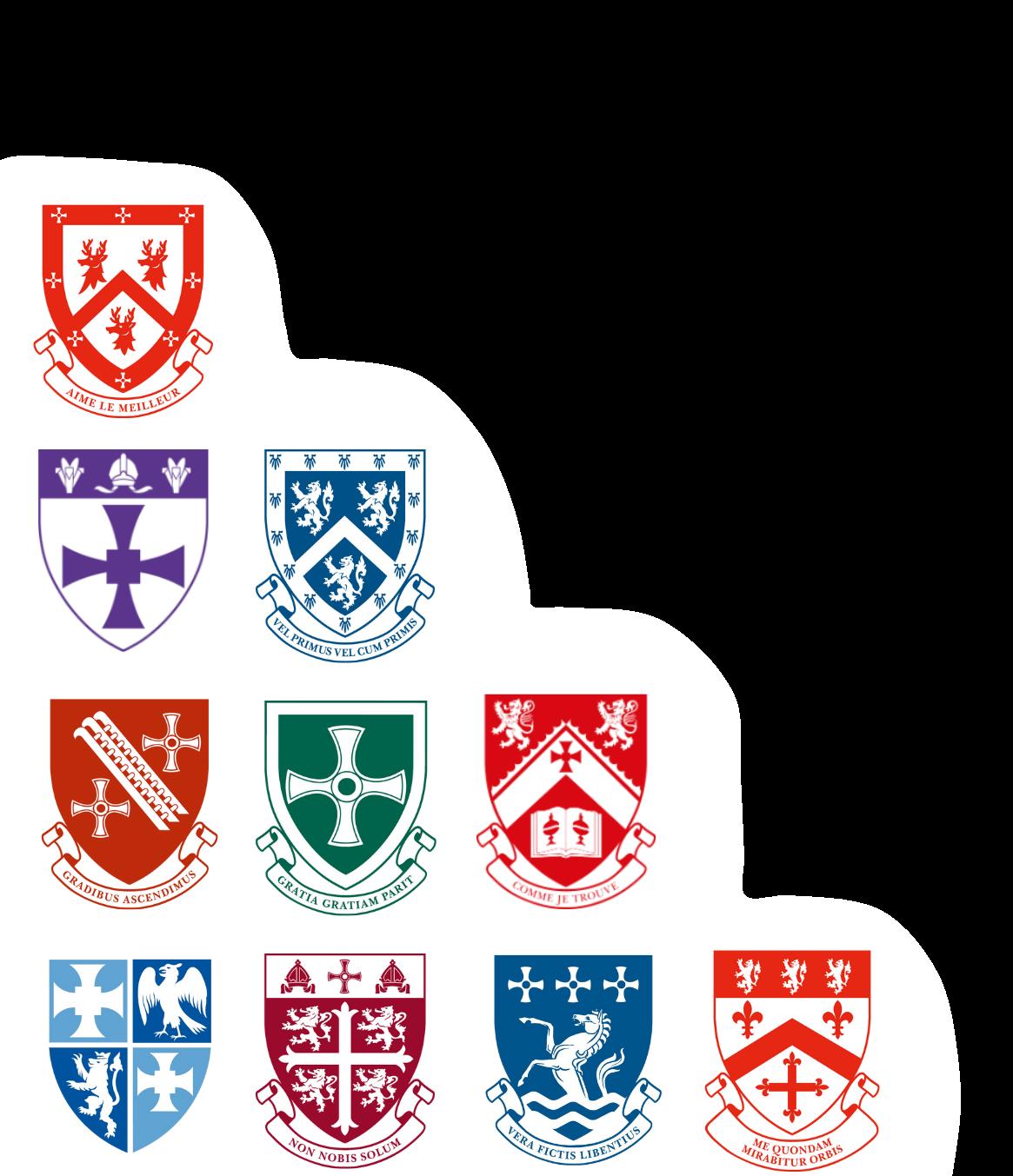
Today, I have the privilege of serving as Vice-Principal within one of Durham’s seventeen colleges. Yet, twenty years ago, I first encountered the transformative embrace of a collegiate community at Oxford as a young person from industrial rather than intellectual heritage. For students from backgrounds like mine, long underrepresented in elite places of learning, college life offers not only academic opportunities but also cultures of belonging and care that make it possible to grasp opportunities when they arise. I cherish my own collegiate associations not because colleges are infallible – I have known them to falter structurally and fall short of their ideals – but because I am aware of their incredible potential and confident in their capacity for constant, faithful, and future-oriented evolution. The Collegiate Way conference, with its demographic and global diversity, showcased these very qualities in abundance. Now, wearing an academic hat as a medieval historical theologian, I recognise the deep roots of the collegiate model: communities founded to widen access, protect students, and forge lifelong bonds. Also, as a theologian influenced by the work of the British philosopher and novelist, Iris Murdoch, for whom the idea of goodness held centre-stage, I value colleges as communities of accountability and friendship, places where character is formed and human life is enabled to

Dr Matthew Mills
Vice-Principal of St Cuthbert’s Society, Durham University. He is coordinating outputs from CWI 2025.
“Communities of accountability and friendship, places where character is formed”
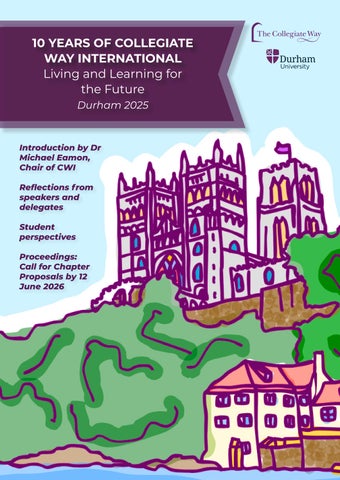
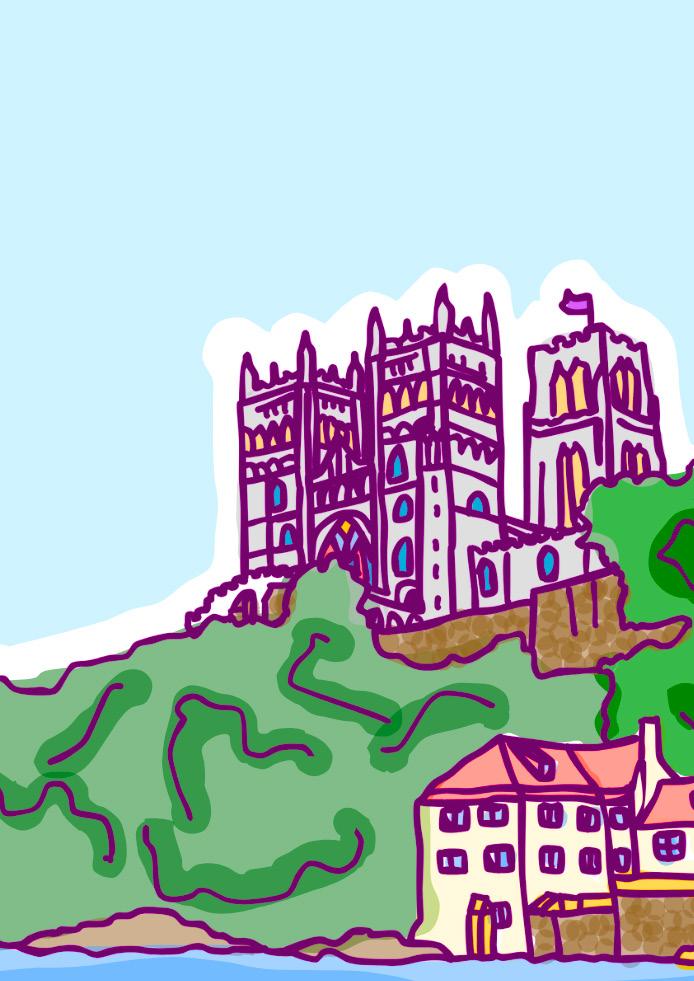
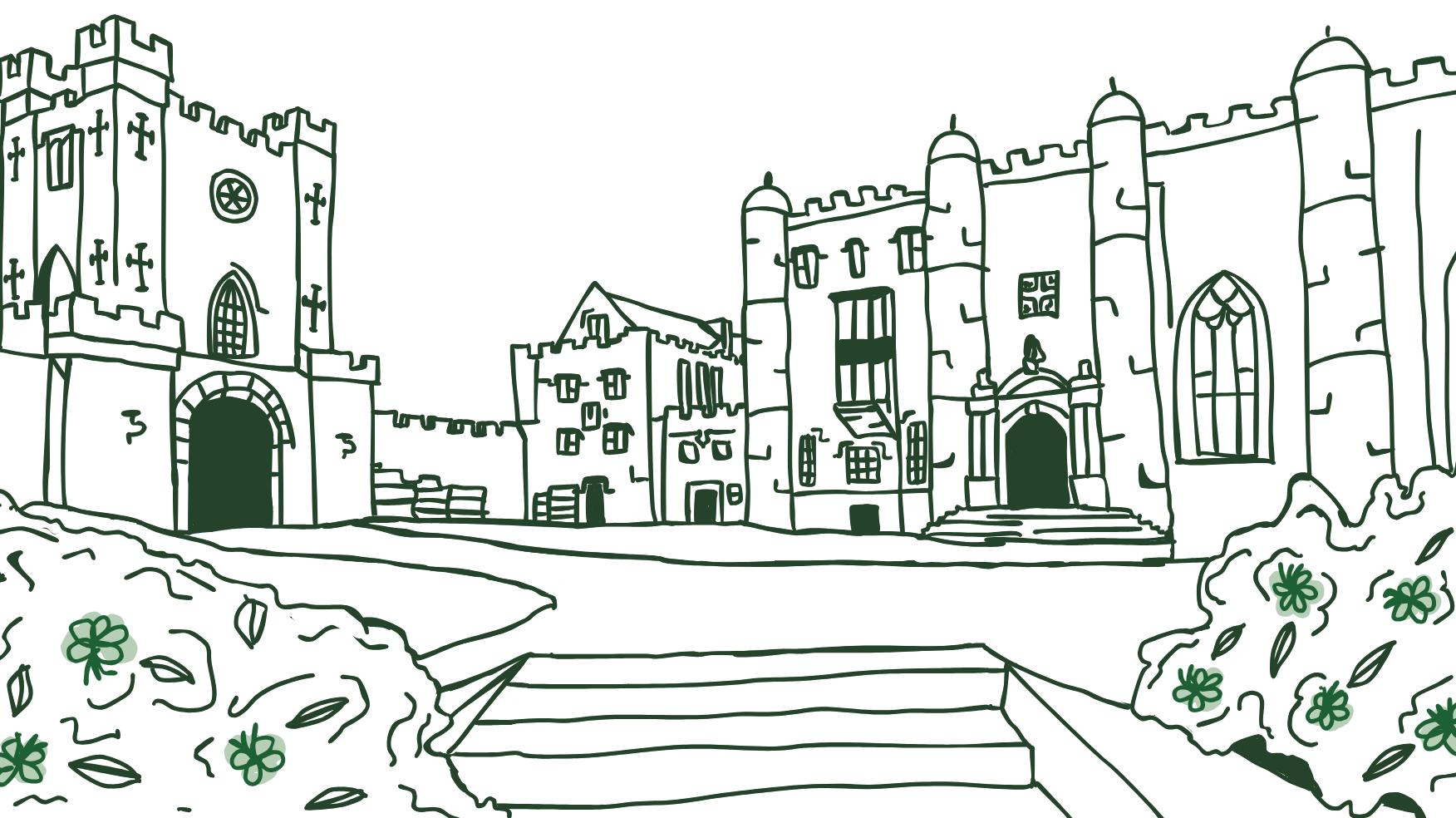
In closing this report, I would like to offer some words of thanks and then to introduce a call for chapter proposals for a forthcoming edited volume building upon the conference proceedings. First: in early conversations about capturing outputs from the Collegiate Way conference, Professor Ann MacLarnon and I shared a desire to showcase the talents of some of our students, and to include and amplify their voices. It is entirely to their credit that this report has been conceived, composed, illustrated, and edited by two exceptional student interns from Durham University: Amrita Anand (PhD candidate, University College) and Lauren Evans (English undergraduate, St Cuthbert’s Society). Together, they attended and reported on sessions, gathered contributions, designed layouts, and shaped the editorial voice of the publication; Lauren has also given the report its distinctive visual identity, with her outline drawings of Durham’s college buildings lending such vitality and charm to these pages. Professor MacLarnon and I could not be more grateful for their work.
Dr Matthew Mills Vice-Principal, St Cuthbert’s Society, Durham University
Call for Chapter Proposals
Our conference generated a wealth of ideas, insights, and provocations for the future of collegiate education. As part of the legacy of this tenth-anniversary gathering, we are delighted to invite chapter proposals for a new volume, The Collegiate Way: Living and Learning for the Future. This collection will build upon and develop the influential volume edited a decade ago by Martin Evans and Tim Burt, The Collegiate Way: University Education in a Collegiate Context. Our aim is to articulate a cohesive, forward-looking account of the collegiate way in the twenty-first century, drawing especially upon the international perspectives showcased at our 2025 conference.
The volume will explore how collegiate communities are responding to contemporary challenges. We particularly welcome proposals addressing the evolving concept of collegiality; comparative and international models of collegiate life; innovation in sustainability, ecodesign, and the future of residential learning; equity, inclusion, access, and wellbeing; and leadership, governance, and the stewardship of identity, heritage, and place. Contributors are encouraged to situate local practice within wider global conversations and to engage with the volume’s shared conceptual direction rather than reproduce standalone conference papers. Our prospective publisher has emphasised the importance of a coherent, intentionally structured collection in which chapters speak to one another and contribute to a shared argument about the future of collegiate education.
Proposals of approximately 500 words should outline the chapter’s central argument, indicative structure, and include a short biography. The deadline for submissions is Friday 12 June 2026, 11:59pm (GMT). Proposals should be submitted to Prof MacLarnon and Dr Mills at matthew.mills@durham.ac.uk. Completed chapters of up to 7,000 words will be due by the end of 2026.
We warmly encourage colleagues across the Collegiate Way network to contribute. The strength of this movement lies in its diversity, with different histories, cultures, and educational systems enriching our collective understanding of collegiate life. As we look forward to gathering in Macau, we do so with renewed confidence and conviction that the collegiate way remains vibrant and important, not least in forming people of ideas, humanity, and civic purpose in times of global volatility and uncertainty.

Illustration Credits: Lauren Evans