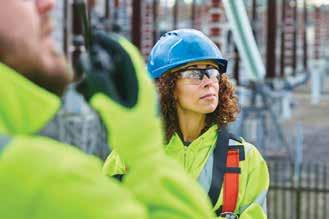
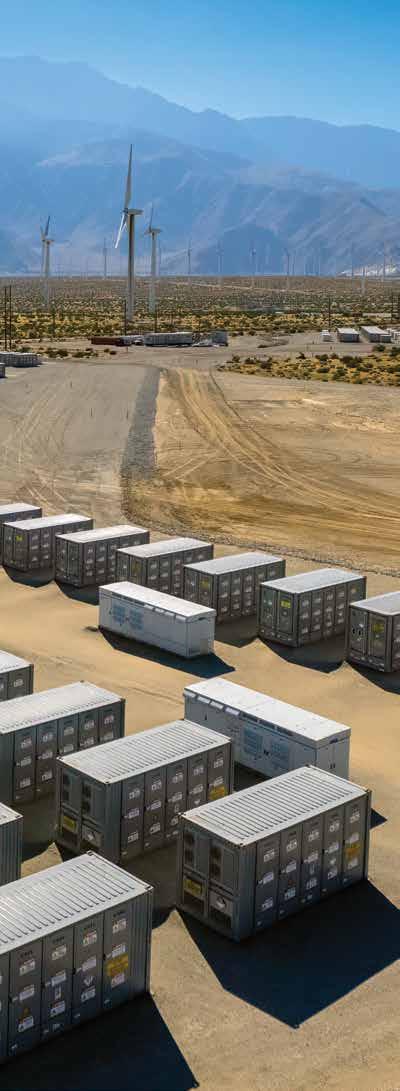
Learn about non-fossil energy sources — and the many careers helping power tomorrow’s electricity system.
REVIEW COPY
INSIDE:
Solar, wind, nuclear, geothermal, and more
Why electricity careers are growing
Jobs for builders, problem-solvers, designers, and planners
College, technical, and career pathways
Steps students can take now
Dear Student,
Electricity is one of the most important parts of modern life. It powers our homes, schools, hospitals, businesses, transportation systems, and the digital tools people use every day. And right now, the world needs more of it.
As demand for electricity grows, so does the need for people who can help produce it, store it, move it, and manage it. That means exciting opportunities for students with many different interests and strengths. Some of those students may enjoy working outdoors with tools and equipment. Others may be more interested in science, technology, design, environmental protection, or solving large, complex problems — even power in space!
We created this guide to help you explore that world.
We chose to focus on non-fossil sources because they are expected to play a growing role in meeting future electricity needs while reducing pollution and greenhouse gas emissions. Fossil fuels still supply much of today’s energy, but this guide looks ahead at the technologies and careers helping build a cleaner, more diverse electricity system.
Inside, you will learn about major non-fossil electricity sources such as solar, wind, nuclear, hydropower, and geothermal. You will also learn about the electric grid, battery storage, and the many careers connected to the future of electricity. Some of those careers require college degrees. Others begin with technical training, apprenticeships, certifications, or community college. All of them matter.
Whether you like working with tools, designing systems, protecting the environment, using data, or leading projects, there probably is a place for you in this field.
REVIEW COPY
The future of electricity is not just about power plants or technology. It is about people — people who build, design, test, improve, protect, and manage the systems communities depend on every day. We hope this guide helps you see where your own interests and strengths might fit in this fast-changing industry.
Special thanks to energy policy expert William “Bill” Hederman for his helpful guidance on this publication.
Sincerely,
Bob Black Publisher & CEO Start Engineering
WHY ELECTRICITY
DEMAND IS RISING AGAIN
After about 15 years of little growth, U.S. electricity use began rising again in the early 2020s.
New highs are expected. Federal forecasts say demand will reach new highs in 2026 and beyond.
By 2050:
U.S. electricity generation is expected to grow 25% to 50%.
WHAT’S DRIVING THE INCREASE IN DEMAND?
AI and data centers
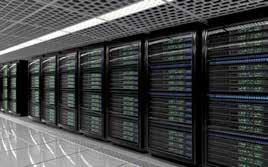
Big data centers use huge amounts of electricity to run cloud computing, streaming, and AI. The U.S. already has 3,000+ operating data centers, with 1,500+ more in development.
Electric vehicles
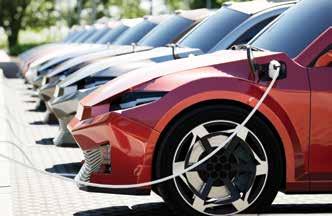
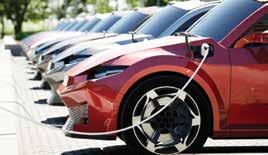
As more cars, trucks, buses, and other vehicles plug in instead of filling up, electricity demand grows.
Cooling and heating buildings
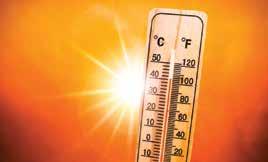
Hotter weather means more air conditioning. More buildings are also using electric heat pumps, which add to demand during colder months.
NOTE: Facts and projections in this guide use the most recent federal and industry data available at the time of publication.
Growth in manufacturing and infrastructure
New factories, chip plants, and major industrial projects need large amounts of electricity to operate.
ELECTRICITY IS HOT
power, a stronger grid, and more people to build, run, and protect the system.
NEW POWER IS COMING ONLINE
Developers plan to add a record 86 gigawatts of new utility-scale generating capacity in 2026. To put that in context, the U.S. had about 1,300 gigawatts of utility-scale capacity at the start of 2025 — so this would be a major one-year addition. Most of it — 93% — is expected to come from solar, batteries, or wind.
REVIEW COPY
MORE DEMAND = MORE WORK TO DO
Build new power sources - Add more ways to generate electricity.
Upgrade the grid - Strengthen power lines, substations, and control systems.
Store extra electricity - Save power for when it is needed later.
Keep power reliable - Prevent outages and restore service after problems.
Protect the system - Keep workers, communities, and the grid safe.
NOTE: This guide focuses on non-fossil sources because they are expected to play a growing role in meeting future electricity needs while reducing pollution and greenhouse gas emissions. Fossil fuels still supply much of today’s energy, but here we look ahead.
THAT MEANS JOBS!
As the power system grows and changes, companies need workers to build, repair, design, and manage the system.
Clean energy added nearly 100,000 net new jobs in 2024.
About 10,700 lineworker openings are projected each year from 2024–2034.
About 17,500 electrical and electronics engineer openings are projected each year.
40% of the utility workforce will be retirement-eligible by 2030.
No single energy source can do it alone. Turn the page to see why the future depends on a mix.
INTRODUCTION
REVIEW COPY
NO ONE ENERGY SOURCE
The future of electricity will likely depend on a mix of energy sources,
WHY NOT JUST ONE?
If electricity demand is rising, why not just build more of one energy source and call it a day? Because every source has strengths and tradeoffs. Nuclear power can run around the clock, while solar, wind, hydropower, and geothermal all depend on natural conditions, or locations. Some sources are also easier to build in certain places than others. That is why many experts believe the future will depend on an energy mix rather than one single answer.
THE GRID HAS TO GROW, TOO
Meeting future demand is not just about generating more electricity. The country will also need a bigger, stronger grid to move power where it is needed. That means more power lines, substations, batteries, and other energy systems. To keep up with growing demand, the country could need 50% to 90% more power-producing capacity over the next two decades.
SOURCE CAN DO IT ALL REVIEW COPY
sources, plus batteries, transmission, and a smarter grid.
WHY ENERGY DIVERSITY MATTERS
It can be risky to depend too much on one source of energy. A diverse energy system is more:
RELIABLE: Different energy sources can help keep electricity flowing at different times and in different conditions.
FLEXIBLE: What works best in one place may not work best in another.
RESILIENT: It is less dependent on any one fuel, technology, or weather pattern.
SECURE: Reduces the risks of supply disruptions, wars, cyber threats, and other shocks.
Turn the page to start learning more about energy sources, starting with solar.
SOLAR POWER
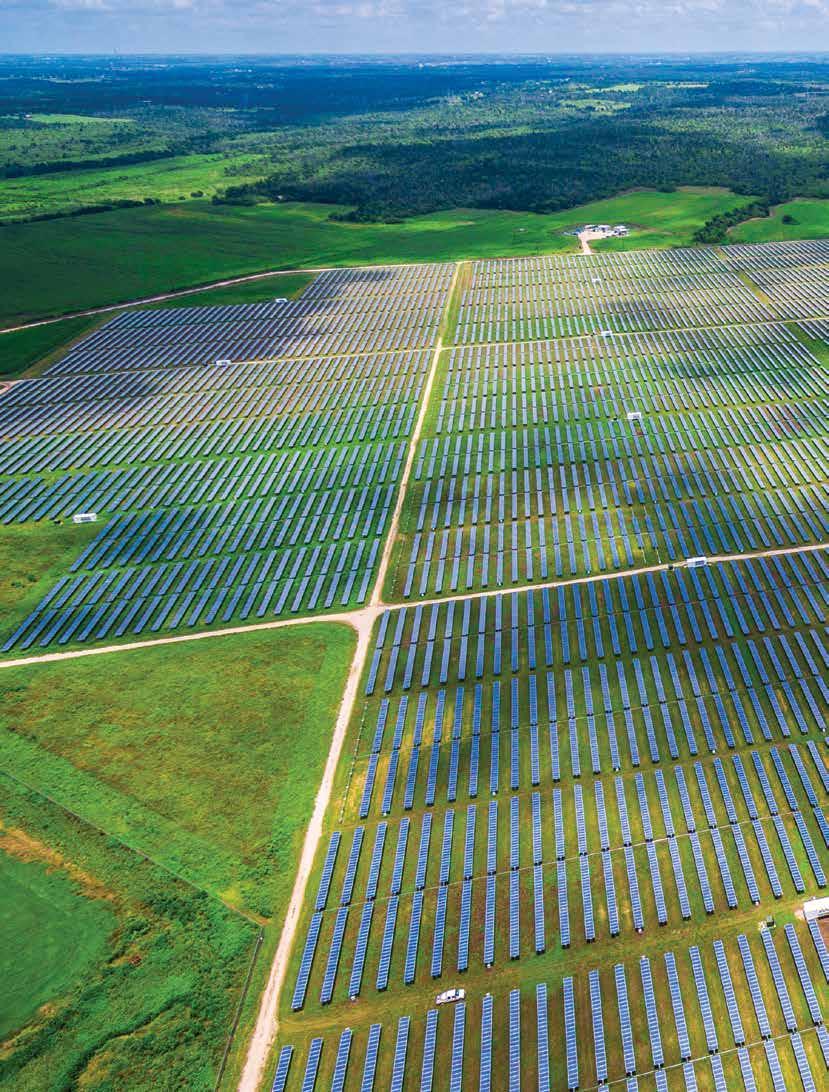
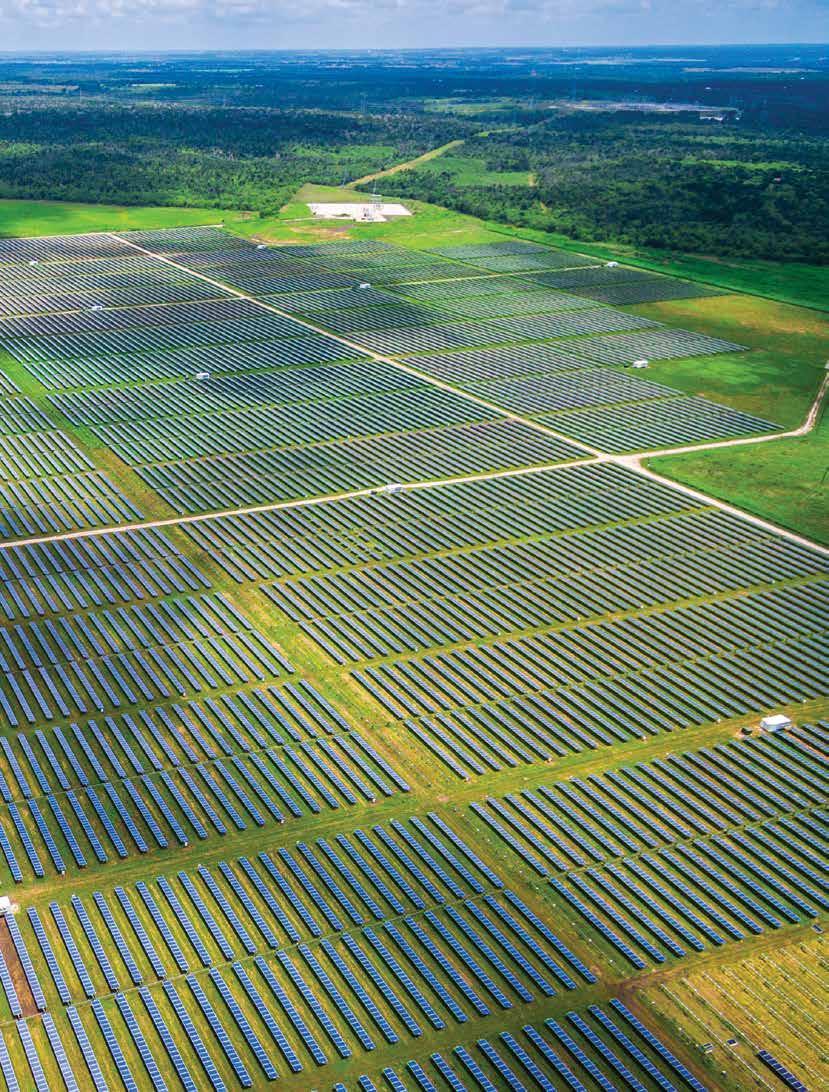
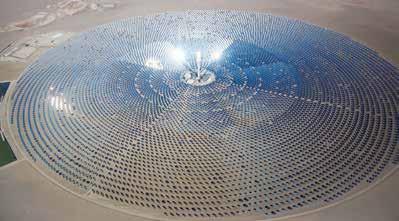
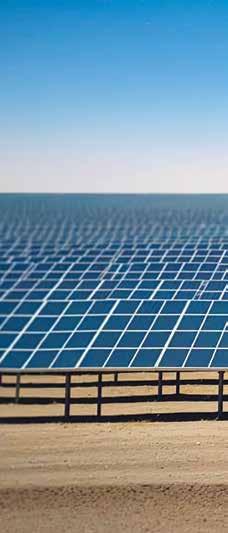
Solar power is turning sunlight into electricity in more and more places. From rooftops to large solar farms like this one, solar can work on many scales and is creating new opportunities for technicians, engineers, scientists, and other workers.
How it works
When sunlight hits a solar cell, the cell’s semiconductor material helps create an electric current. That electricity can be used right away, sent to the grid, or stored in batteries. Solar systems also use equipment called inverters to change the panel’s direct current into the alternating current used by the grid and most buildings.
Central Texas solar energy farm outside Austin.
Turning sunlight into electricity
REVIEW COPY
Why it’s great
Solar energy is abundant and versatile. The Department of Energy notes that in just about an hour and a half, enough sunlight reaches Earth’s surface to meet the world’s energy needs for an entire year.
The challenges
Solar panels generate the most power when the sun is shining, so output changes with time of day, weather, and season. That means solar often works best with batteries, backup power, or other energy sources.
SOLAR ENERGY TODAY
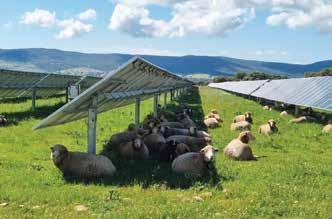
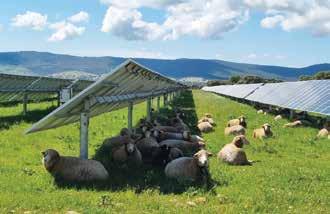
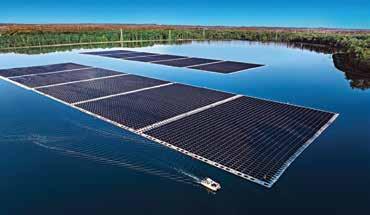
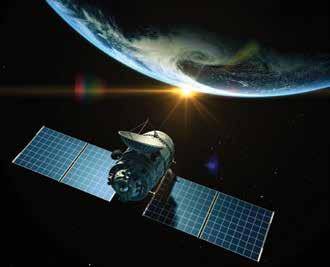
Solar is now one of the fastest-growing parts of the U.S. energy system. You can find solar panels in deserts, on warehouse rooftops, over parking lots, shading crops or farm animals, and in some places, even floating on water — with the added benefit of reducing evaporation. California and Texas are the biggest solar states, but solar is important far beyond those two states — from fast-growing markets such as Florida, Arizona, North Carolina, Georgia, Virginia, and Ohio to solar leaders such as Hawaii. China, however is still far ahead of the U.S. in both building solar projects and making solar panels. And solar’s reach extends even farther: long before panels appeared on rooftops, they helped power satellites — and some researchers still imagine solar power stations in orbit someday.
Solar made up
Combined, solar and storage made up
In 2025, utility-scale solar generation in the U.S. rose
By 2050, solar could provide about of new U.S. power capacity added in 2025. of new capacity in 2025. from 2024. of U.S. electricity generation. 54% 79% 34% 20%
Solar across the landscape
WHAT’S NEXT FOR SOLAR
New ideas are making solar more powerful, flexible, and useful in more places.
REVIEW COPY
TANDEM SOLAR CELLS
One exciting advance in solar is the development of tandem solar cells. These cells stack different materials so they can capture more of the sun’s energy than standard solar cells. The National Laboratory of the Rockies (formerly the National Renewable Energy Laboratory) says tandem solar modules can generate more electricity than conventional single-junction solar cells. This technology is beginning to move from research labs into real-world use.
The challenge: Making tandem cells durable, affordable, and easy to manufacture on a large scale so they can compete with today’s solar panels.
NEW SURFACES AND BOLD IDEAS
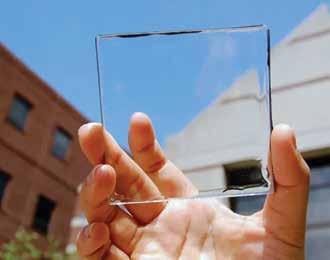
Solar power may also show up in new places. Researchers are developing solar windows that use transparent or semi-transparent solar materials to generate electricity while still letting light into buildings. Farther in the future, scientists at places such as Caltech are exploring space-based solar power — systems that would collect steady sunlight in orbit and send energy wirelessly back to Earth. Both ideas are promising, but they still need to become more efficient, affordable, safe, and practical. The challenge: Turning promising ideas into systems that are efficient, affordable, safe, and reliable at large scale.
Making Tandem PV’s tandem solar cells
A Tandem PV solar cell, designed to capture more sunlight
Transparent solar window research at Michigan State
Space-based solar power concept
WIND POWER
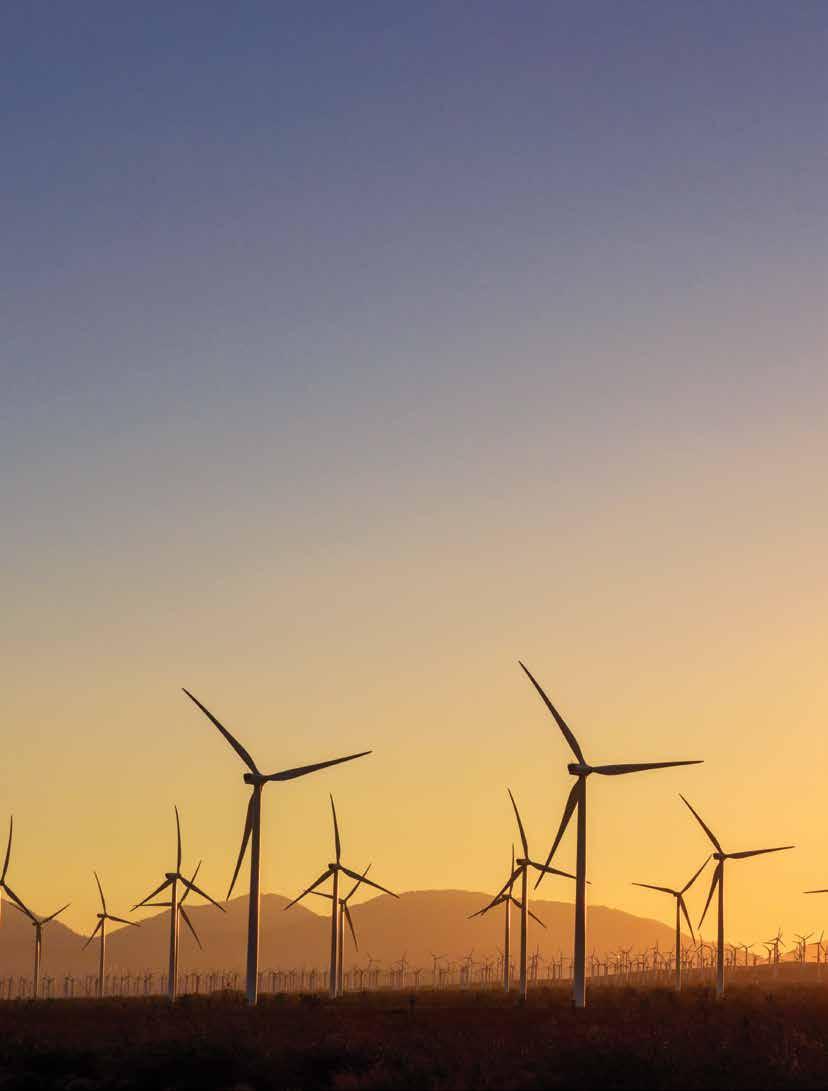
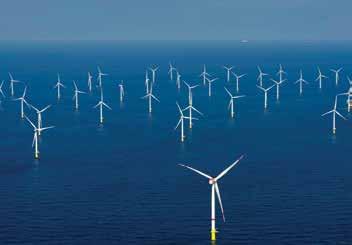
Wind energy uses moving air to generate electricity. Turbines on land and offshore can produce large amounts of power and help supply homes, schools, businesses, and communities.
How it works
As wind turns the blades, they spin a shaft connected to a generator, which produces electricity. That electricity can be used right away, sent to the grid, or stored in batteries.
Thousands of wind turbines, in Tehachapi Pass, California.
Capturing the power of moving air
REVIEW COPY
Why it’s great
Wind energy can generate large amounts of electricity without burning fuel. Once turbines are built, the wind itself is free, but workers are still needed to operate the system, inspect equipment, and keep the turbines running safely.
The challenges
Wind turbines generate electricity only when the wind is blowing within the right speed range, so output can change with weather conditions. Some projects also raise questions about land use, transmission lines, and radar systems.
WIND ENERGY TODAY
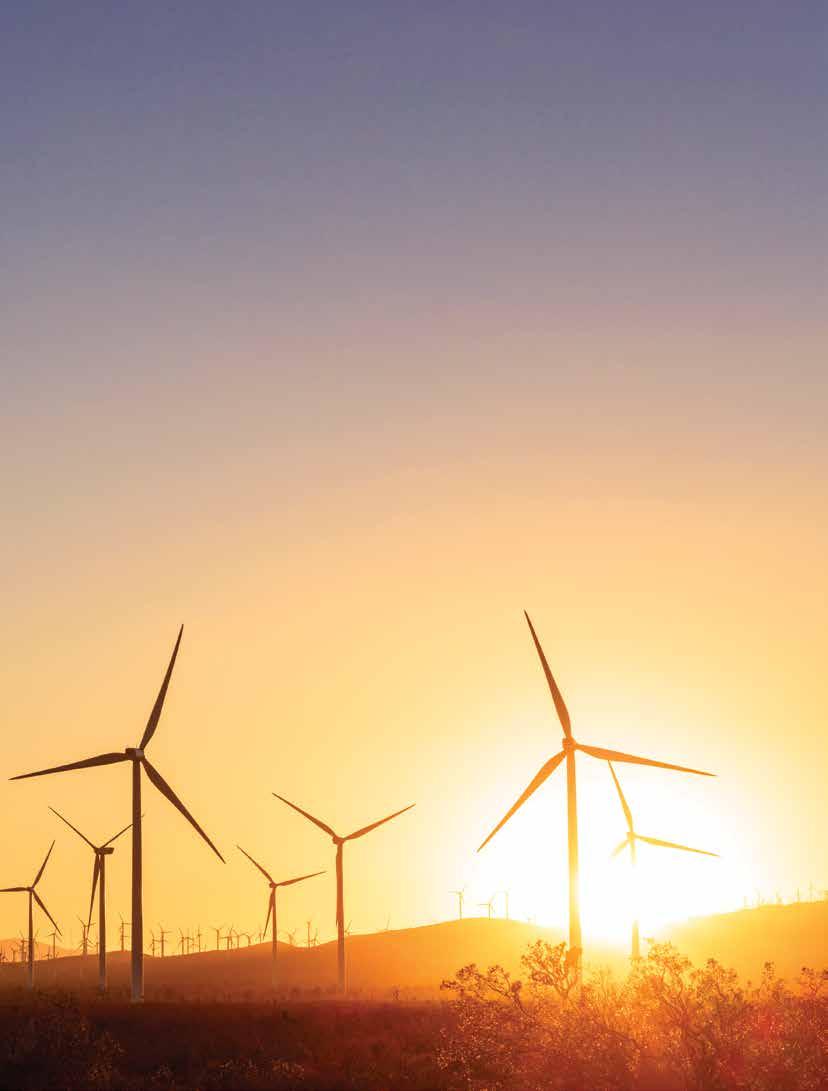
Wind is already a major part of the U.S. energy system. Turbines operate across the Great Plains, on farmland and ranchland, and in some offshore waters. Texas leads the country in wind power, with Iowa, Oklahoma, Kansas, and Illinois also among the top wind-producing states. Wind’s growth has been strong in recent years, although China remains far ahead of the U.S. in building wind turbines and using wind power as part of its electricity system.
Texas, Iowa, Oklahoma, Kansas, & Illinois produced Wind provided about By 2050, wind could provide about Turbines can reach speeds of of all U.S. wind electricity in 2024. of utility-scale electricity in the U.S. in 2025. of U.S. electricity generation. at which point they stop turning for safety.
59%
10% 35% 55 mph,
WHAT’S NEXT FOR WIND
From bigger turbines to innovative new designs, wind energy is becoming more powerful and adaptable.
REVIEW COPY
BIGGER AND MORE POWERFUL TURBINES
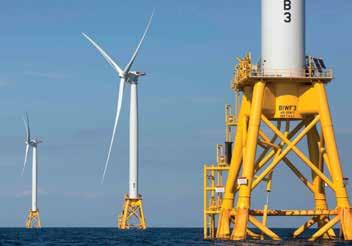
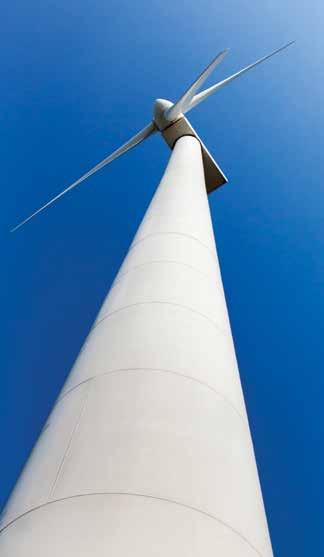
One major trend in wind energy is the development of larger, more powerful turbines. Longer blades can sweep a bigger area and capture more energy from the wind, helping each turbine generate more electricity. Taller towers can also reach stronger, steadier winds. These advances are especially important for offshore wind, where very large turbines can produce huge amounts of power. The challenge: Building turbines that are strong, reliable, and practical to transport, install, and maintain at such large sizes.
INNOVATIVE WIND DESIGNS
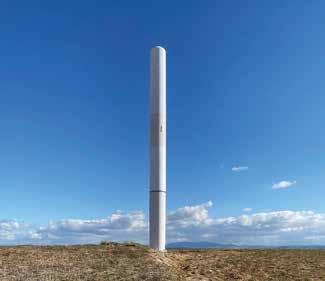
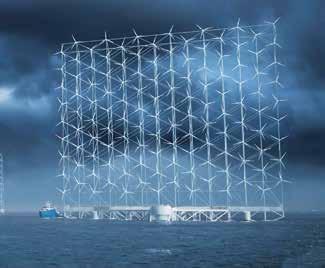
Engineers are experimenting with very different ways to capture wind energy — from bladeless systems that vibrate in the wind to floating offshore platforms packed with many smaller turbines. The goal is to find designs that can work in more places, survive harsh weather, reduce maintenance, or capture more power. Other ideas include lighter, stronger blades, two-bladed turbines, or turbines made to catch wind from many directions in cities. The challenge: Creating designs that are durable, efficient, and affordable enough to compete with standard turbines.
Bladeless system from Vortex
Wind Catching Systems floating offshore wind concept
NUCLEAR POWER
Nuclear power provides a significant share of U.S. electricity and can produce steady, reliable power for homes, schools, businesses, and entire communities. Unlike solar and wind, nuclear plants do not depend on the weather to generate electricity.
How it works
Nuclear power plants generate electricity using heat released from atoms in a process called fission. That heat makes steam, which spins turbines connected to generators. Nuclear plants also use cooling systems, controls, and safety features to operate safely.
A powerful source of low-carbon electricity
REVIEW COPY
Why it’s great
Nuclear power can generate large amounts of electricity day and night. It provides steady, reliable power and remains an important part of the energy system in many places.
The challenges
Nuclear power plants are expensive to build and require strict safety systems and careful regulation. They also produce radioactive waste that must be managed safely for a long time.
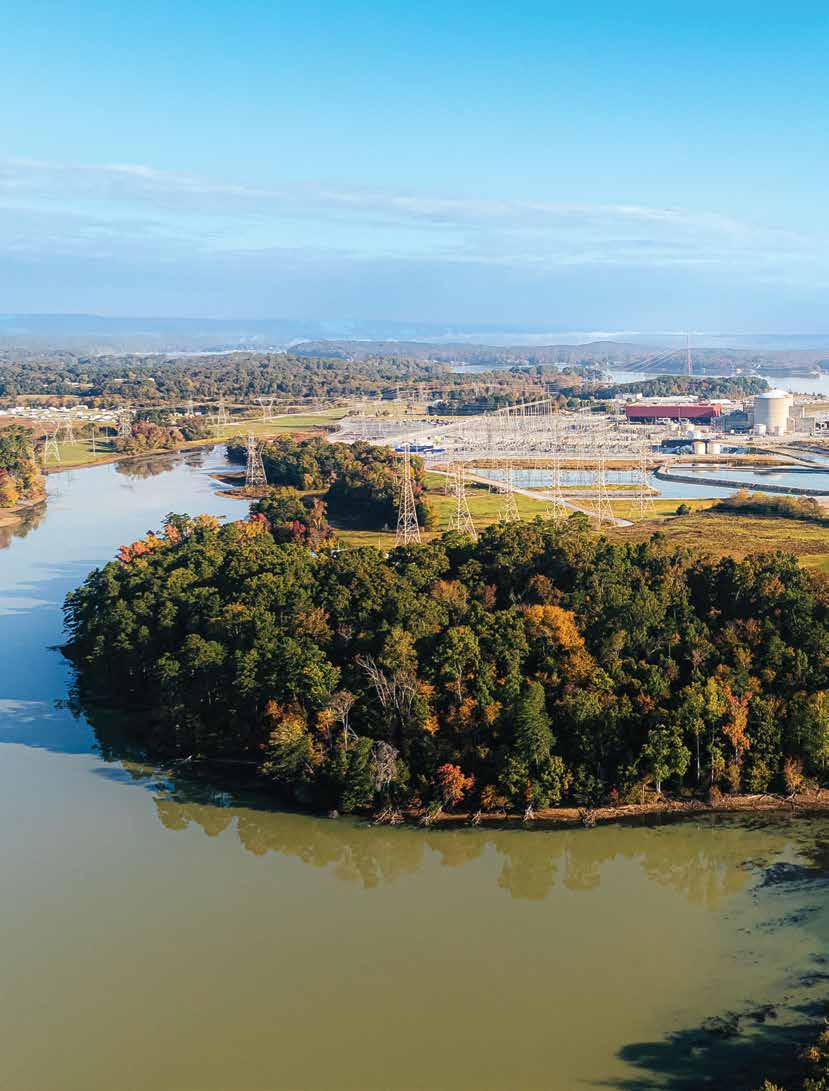
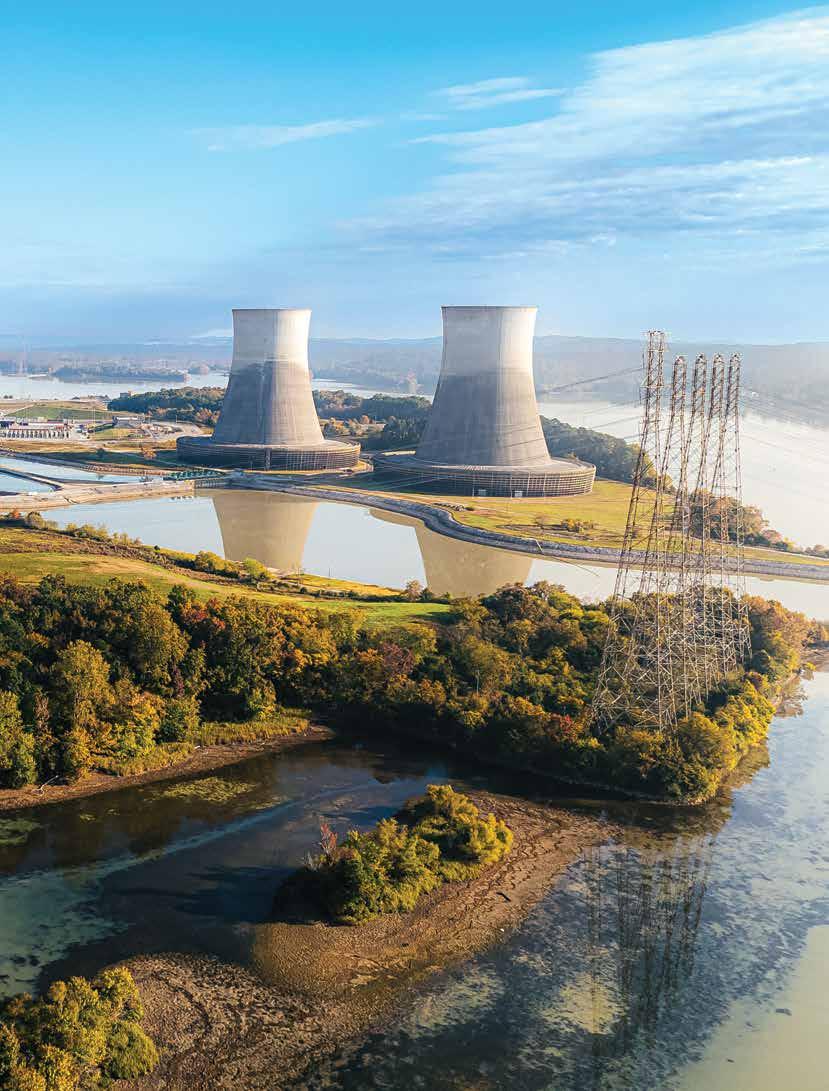
Nuclear power facility in Tennessee, one of three in the state.
NUCLEAR ENERGY TODAY
Nuclear power has been part of the U.S. electricity system for decades, and remains one of its biggest sources of steady, low-carbon electricity. But for many years, few new plants were built because projects were expensive, took a long time to complete, and were shaped by public concerns after accidents such as Three Mile Island, Chernobyl, and Fukushima. That is beginning to change. As electricity demand grows, nuclear is getting new attention again. Smaller reactor designs and added safety features are changing how people think about nuclear power, but new projects still raise important questions about cost, oversight, safety, fuel, and waste.
Nuclear provided about
Nuclear plants usually run
24/7/365
which is roughly twice as reliable as coal or natural gas and 3 times more than wind or solar. of U.S. electricity in 2024. 19%
The U.S. has nuclear reactors in operation. 96
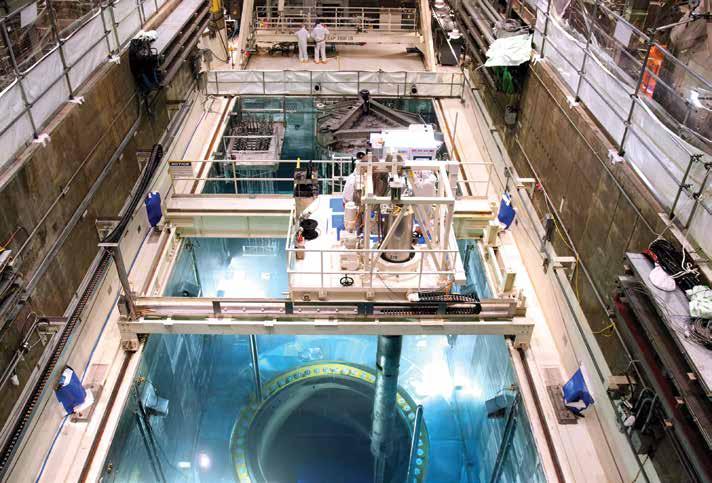
Inside Arizona’s Palo Verde Nuclear Generating Station, the largest nuclear power plant in the U.S.
WHAT’S NEXT FOR NUCLEAR
Engineers and scientists are working on new reactor designs that could change how nuclear energy is used in the future.
REVIEW COPY
SMALL REACTORS
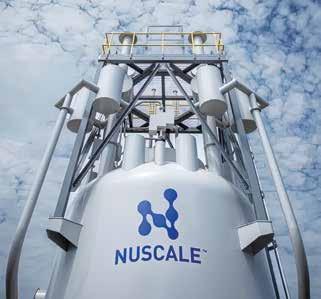
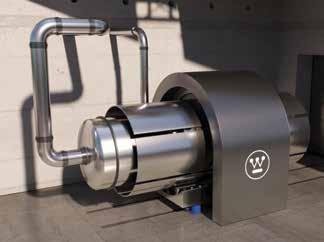
One of the biggest trends in nuclear energy is the development of smaller reactors. Compared with traditional nuclear plants, these systems may be easier to build in stages and suitable for a wider range of locations. Some are called small modular reactors (SMRs), while very small versions are known as microreactors. In the future, they could provide not only electricity, but also industrial heat or power in remote areas. The challenge: Proving that smaller reactors can be built safely, affordably, and on schedule.
BUILDING ADVANCED REACTORS
Several advanced nuclear projects are moving from design toward construction. In Wyoming, TerraPower has begun work on Natrium, a next-generation reactor that would pair nuclear power with energy storage. In Tennessee, the Tennessee Valley Authority is seeking approval to build a GE Hitachi BWRX-300 small modular reactor, and the U.S. Department of Energy is helping fund new and restarted nuclear projects. Other companies are planning reactor designs that could one day power industrial sites, data centers, remote communities, or military bases.
Westinghouse small reactor
NuScale Power reactor
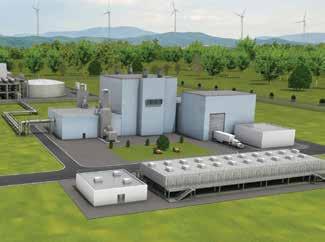
TerraPower Natrium reactor concept
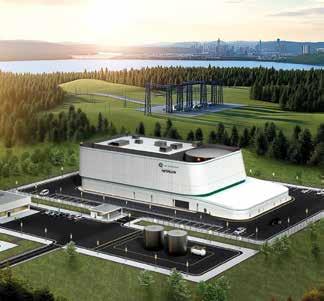
GE Hitachi BWRX-300 small modular reactor concept
HYDROPOWER
Power from flowing water
Hydropower is one of the oldest ways people have used energy from nature. In places with rivers, dams, or other flowing water resources, it can generate steady, reliable electricity.
How it works
It uses moving water to spin turbines connected to generators. The electricity can be used right away, sent to the grid, or in some systems stored for later use.
Why it’s great
Hydropower can generate large amounts of electricity and respond quickly when more power is needed.
The challenges Drought and changing river conditions can affect how much electricity it produces. Dams and other structures can also affect fish, wildlife, and river ecosystems.
REVIEW COPY
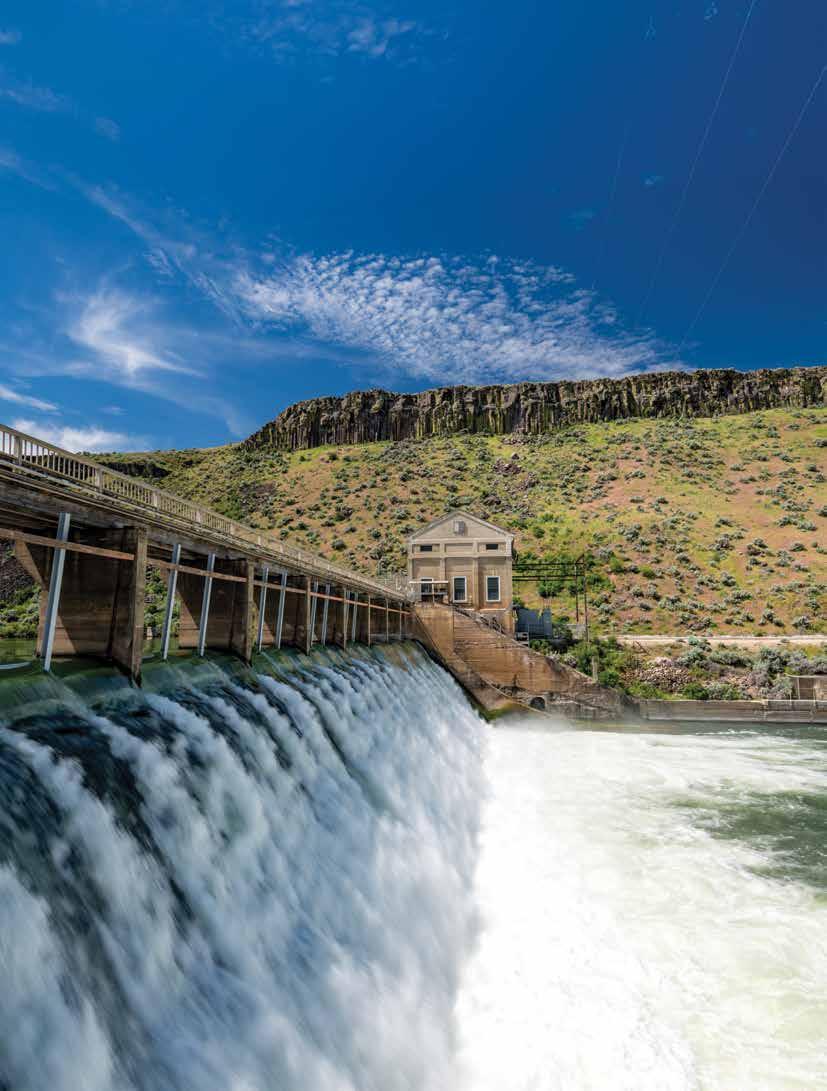
The Boise River Diversion Dam near Boise, Idaho, was completed in 1909.
HYDROPOWER ENERGY TODAY
Hydropower has been part of the U.S. electricity system for well over a century, and it is still one of the country’s most important renewable power sources. But unlike solar and wind, hydropower cannot expand everywhere. It depends on rivers, dams, reservoirs, and water conditions, and many of the best sites were developed long ago. That means hydropower’s future is less about building many brand-new dams and more about improving older plants, adding storage, and making projects work better for fish and river ecosystems.
REVIEW COPY
While upfront construction costs are high, hydropower plants have very low maintenance costs and lifespans of 65-85 years.
WHAT’S NEXT FOR HYDROPOWER
Hydropower still plays an important role in the U.S. energy system, producing about 6% of utility-scale electricity in 2025. It is also one of the country’s most important renewable power sources. Researchers are now looking at ways to improve older plants, make hydropower safer for fish and rivers, and use water systems more flexibly as solar and wind grow.
Upgrading existing plants
New turbines, sensors, and controls can help older facilities work more efficiently and respond more quickly to changes in electricity demand.
Pumped storage hydropower
Pumped storage works like a giant water battery. When extra electricity is available, water is pumped uphill to a reservoir. When the grid needs more power, it flows back downhill through turbines to generate electricity. The technology has been used for decades, and some facilities are huge. That is why pumped storage still provides about 88% of all U.S. utility-scale energy storage, even as battery storage grows.
Fish-friendly and river-friendly technologies
Researchers are developing safer turbines, fish ladders, eelways, and cooling systems to help protect fish and river ecosystems.
The challenge: Hydropower cannot expand everywhere. It depends on suitable rivers, dams, reservoirs, and water conditions, and many of the best sites were developed long ago.
Share of U.S. electricity generated by hydropower in 2025: 6%
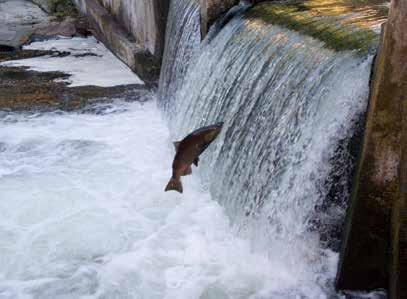
Many fish migrate through rivers, so hydropower projects must consider how to help them move safely.
GEOTHERMAL HEAT
Power from heat inside Earth
Geothermal energy uses heat from inside Earth. In the U.S., geothermal electricity is mostly produced in western states and Hawaii. But geothermal heat pumps can work in many parts of the country, using steady underground temperatures to help heat and cool buildings.
How it works
To make electricity, geothermal plants bring heat from underground to the surface. In many systems, hot water or steam spins turbines connected to generators.
Why it’s great
Geothermal energy can provide steady, reliable electricity day and night. It does not depend on sunshine or wind, and it produces very low emissions.
The challenges
It is not available everywhere. Drilling deep wells can be expensive, and projects must be carefully managed to protect water resources and avoid problems such as ground movement or small earthquakes.
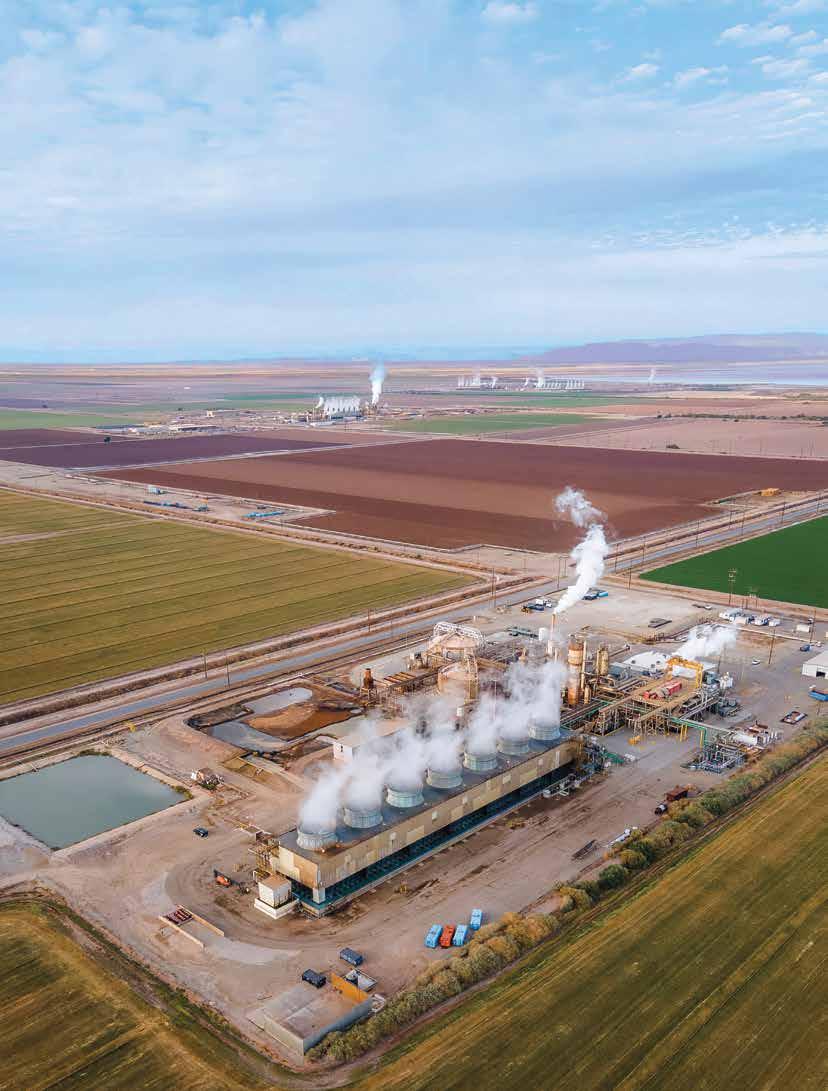
Salton Sea Geothermal Field in Southern California
GEOTHERMAL ENERGY TODAY
Geothermal is still a small part of the U.S. electricity system, but it has some important strengths. It can provide steady electricity day and night, regardless of the weather, which makes it different from solar and wind. Geothermal plants also take up relatively little land compared with many other power sources, because most of the energy comes from heat below the surface. Today, most U.S. geothermal power comes from western states and Hawaii, where underground heat is easier to reach. That limits where geothermal is used today, but its steady power can still make it a useful part of a balanced energy mix.
REVIEW COPY
In 2023, geothermal produced about
Geothermal energy could meet up to of utility-scale generation in the U.S. of global electricity demand growth by 2050 if technology improves and costs fall. .4% 15%
WHAT’S NEXT FOR GEOTHERMAL
Geothermal energy is getting new attention. The U.S. Department of Energy is funding next-generation geothermal projects that use advanced drilling, underground mapping, and enhanced geothermal systems to reach hot rock in more places. If these technologies succeed, geothermal power could become a larger source of steady, 24/7 electricity.
Enhanced geothermal systems (EGS)
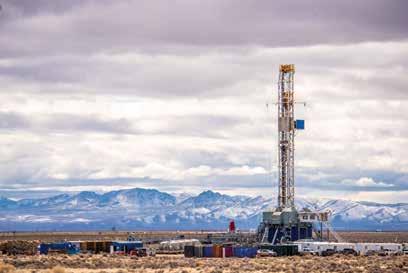
These systems are designed to create or improve underground pathways so water can move through hot rock and bring heat back to the surface. At Utah FORGE, a U.S. Department of Energy research site built to test EGS, scientists and engineers are studying ways to make this process more reliable. And companies such as Fervo Energy are now trying to bring EGS to a larger scale.
Better drilling
Engineers are also working on faster, cheaper, and more accurate ways to find and drill into underground heat. Some companies are using tools from the oil and gas industry, including horizontal drilling and advanced sensors, to reach hot rock that older geothermal systems could not use.
More uses for geothermal heat
Geothermal’s future may not be limited to power plants. Underground heat could help grow food in greenhouses, raise fish in aquaculture systems, heat buildings, dry crops, melt snow from streets and sidewalks, and support industries that need steady heat. Some geothermal fluids may even contain valuable minerals such as lithium, which is used in batteries.
Fervo
HOW THESE ENERGY SOURCES WORK TOGETHER
Because no single energy source can do everything.
The electric grid connects power plants, batteries, and communities, helping different energy sources work together.
REVIEW COPY
So far, you have explored the major non-fossil-fuel energy sources — solar, wind, nuclear, hydropower, and geothermal. But producing electricity is only part of the story. The next challenge is getting that electricity where it needs to go, when it is needed.
That is where the electric grid comes in.
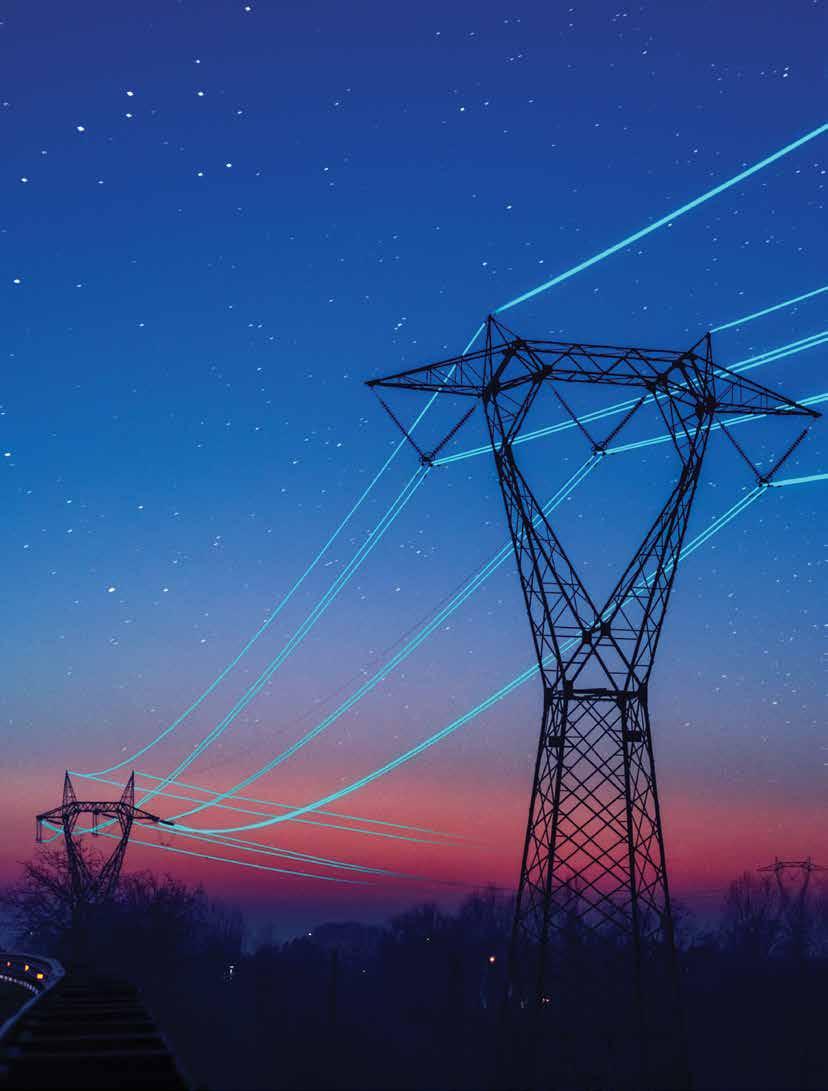
The grid is the network of power lines, substations, transformers, sensors, and control systems that moves electricity from where it is generated to where it is used. But the grid does more than deliver power. It has to balance supply and demand every second so that homes, schools, hospitals, factories, and data centers get the electricity they need when they need it.
As more electricity comes from renewable sources, the grid will need to become
stronger and smarter — and also more reliable and resilient. New transmission lines can carry power from sunny, windy, or remote places to the communities that need it. Sensors, software, and control centers can help operators spot problems, prevent outages, and shift electricity where it is needed most. Batteries can store extra power on a sunny or windy day and send it back to the grid later.
But the grid of the future will not just move electricity from big power plants to customers. It will also need to manage power coming from many smaller sources and devices. Rooftop solar panels, electric vehicles, smart thermostats, and local battery systems can all become part of the larger energy system. That makes the grid more flexible and responsive — but also more complex to plan, operate, and protect.
THE BIG IDEA: The future of electricity needs cleaner power and a smarter grid to manage power reliably
THE IMPORTANCE OF BATTERIES
Storing electricity for when it is needed most
REVIEW COPY
As more electricity comes from solar and wind, batteries are becoming more important. They store electricity and release it later — when the sun goes down, the wind slows, or demand suddenly rises.
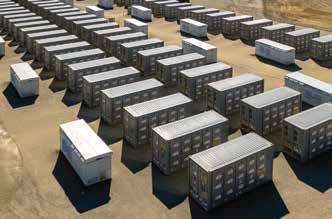
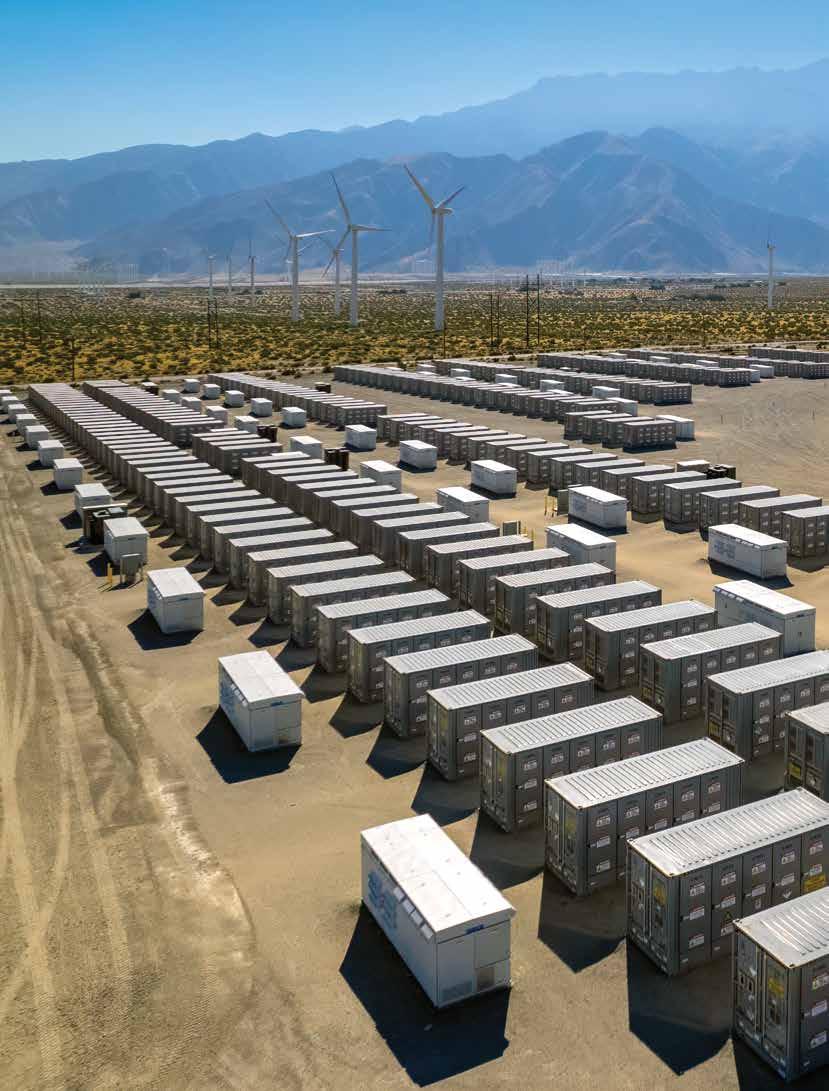
Some batteries are small enough to power a phone, car, or home. Others are grid-scale systems, made from rows of large battery units that can store electricity for thousands of homes or businesses. These large systems can save extra solar power during the day and send it back to the grid in the evening, helping make the grid more flexible and reliable. That steady flow of power is especially valuable for places such as data centers, hospitals, and other facilities that need dependable electricity.
Batteries still have challenges. Large systems can be expensive, they do not last forever, and making them requires mined materials such as lithium. Most grid batteries today are also best at storing power for a few hours, not for days or weeks. Recycling old batteries is another challenge. Lithium-ion batteries also need careful safety planning because they can overheat or catch fire if they are damaged, poorly installed, or not carefully monitored. (Large battery projects reduce these risks with sensors, cooling systems, fire-resistant designs, spacing between battery units, and emergency plans.)
Even so, battery technology is improving quickly. Engineers and scientists are working on batteries that are safer, cheaper, longer-lasting, and easier to recycle. They are also exploring long-duration storage technologies that could help store electricity for longer periods.
CAREERS THAT POWER THE FUTURE
Energy careers can be found across the electricity system. People work for utilities and power companies that generate and deliver electricity; manufacturers that produce turbines, solar panels, batteries, and other equipment; and universities, national laboratories, and research centers developing new technologies. Opportunities also exist in construction, manufacturing, environmental protection, plant operations, public policy, and government relations, where professionals help shape the laws and incentives that support new energy projects.
To make these careers easier to understand, this section groups them into five broad categories based on the kind of work people do — not just the energy source they work with.
REVIEW COPY
THE FIVE CATEGORIES
DIFFERENT PATHS IN
1. Building, Installing, and Maintaining Putting energy systems in place and keeping them running.
2. Designing and Improving Systems
Creating better equipment, systems, and power plants.
3. Studying, Testing, and Discovering Improving technology, understanding materials, and solving scientific problems.
4. Protecting People and the Environment
Supporting safety, environmental protection, and responsible operation.
5. Planning and Managing Projects
Organizing, coordinating, and guiding large energy projects.
These categories connect to different education paths. Some careers begin with technical training, certifications, apprenticeships, or community college. Others require four-year degrees in engineering, science, technology, or a related field. Many research roles and highly specialized positions require graduate study. The future of electricity will need many kinds of workers — and students with many different interests and strengths.
THE GOOD NEWS
This is a field with a lot of work to do. Rising electricity demand, new energy projects, grid upgrades, and the retirement of experienced workers are creating opportunities in utilities, construction, manufacturing, research, government, and environmental work.
Building, Installing, and Maintaining
Energy systems do not build or fix themselves. Many of the most important jobs in the future of electricity are handson. These workers help build energy systems, install equipment, inspect parts, fix problems, and keep everything running safely. Without them, solar panels would not be connected, wind turbines would not stay in service, and power plants and battery systems would not operate reliably.
These careers can be a good fit for students who like tools, teamwork, troubleshooting, and seeing the results of their work.
CAREER
Solar Technician
Some workers install solar panels, climb wind turbines, or maintain battery systems. Others operate power plants, inspect equipment, or repair electrical and mechanical systems. Some work outdoors in all kinds of weather. Others work inside plants, control rooms, shops, or maintenance facilities.
They also work closely with engineers who design systems, solve reliability problems, and help connect new energy projects to the grid.
Many of these careers begin with technical training, certifications, apprenticeships, or community college. Salaries can range from solid
One fast-growing role is solar photovoltaic (PV) installer, a worker who sets up and maintains solar systems.
entry-level wages to higher pay for experienced workers, specialized technicians, and supervisors.
Solar Technician
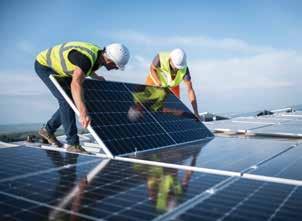
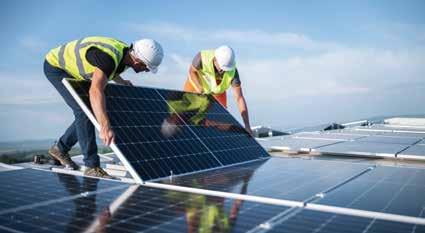
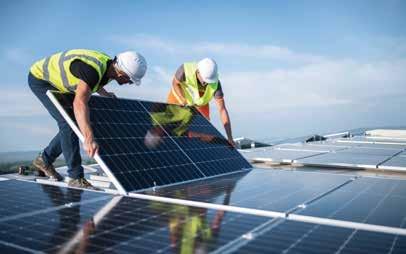
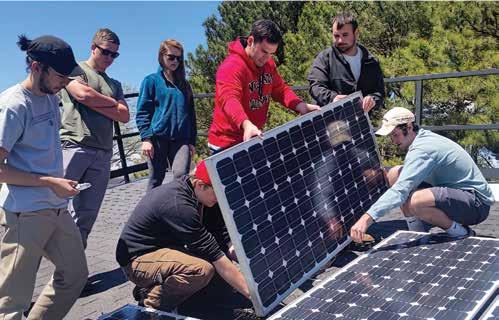
Solar technicians and installers help set up and maintain solar energy systems. They may mount panels, connect wiring, inspect equipment, and troubleshoot problems. This work can take place on rooftops, at schools and warehouses, or on large solar farms.
Wind Turbine Technician
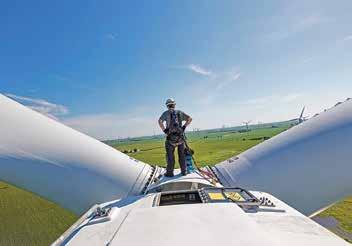
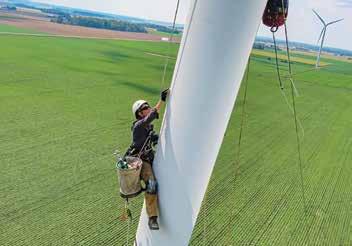
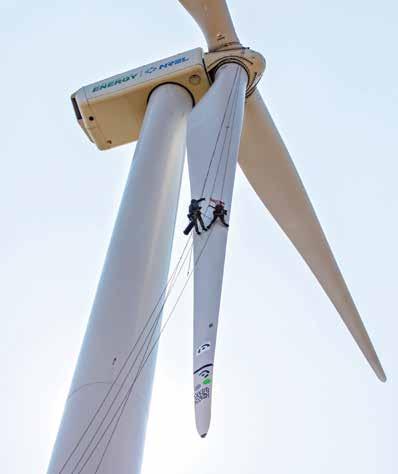
Wind turbine technicians inspect, maintain, and repair wind turbines. They often climb towers, use safety gear, and work outdoors in changing weather conditions.
REVIEW COPY
What they do: Assemble, set up, and maintain systems that convert sunlight into energy.
Education: High school diploma or equivalent for entry-level positions. Vocational/ technical school programs also offer training.
What it’s like: The rooftop solar crew unloads panels and safety gear, mounts rails, lifts panels into place, and connects wiring so the system can deliver electricity safely. It is hands-on work that combines tools, teamwork, planning, and attention to safety.
Job growth from 2024 to 2034: 42%
Median annual wage: $51,860
SNAPSHOT
Solar technicians work in teams to mount panels, connect equipment, and prepare systems to deliver electricity.
Maintaining
Plant Operator
Plant operators help keep power plants running smoothly. They monitor control panels, check equipment, record readings, and respond when systems need attention. Nuclear and many hydropower plants often require highly specialized, on-site operations teams, while solar and wind facilities may rely more on remote monitoring and field technicians who respond as needed.
Electrician or Field Service Technician
CAREER SNAPSHOT
REVIEW COPY
These professionals help install, test, repair, and maintain power-related equipment. They may work on wiring, controls, battery systems, or connections to the electric grid. These jobs often combine technical skill, safety awareness, and problem-solving.
Maintenance Technician
Maintenance technicians help keep electrical and mechanical systems working properly. Depending on the setting, they may repair equipment, replace worn parts, inspect systems, and work with engineers or operators to solve problems.
Drone Inspection Specialist
Some utilities now use drones to inspect power lines, substations, and other equipment. Workers in these roles may fly drones, collect images and other data, and help crews spot problems more safely and quickly.
Wind Turbine Technician
What they do: Inspect, maintain, and repair wind turbines. They may troubleshoot mechanical, electrical, or hydraulic problems and replace worn parts.
Education: Usually training after high school, such as a certificate or technical program, plus on-the-job training.
What it’s like: A wind turbine technician may climb towers, use safety gear, inspect equipment, and work with a team to solve problems in the field. It is a good fit for students who like tools, outdoor work, teamwork, and practical problem-solving.
Job growth from 2024 to 2034: 50%
Median annual wage: $62,580
Wind turbine technicians need to be comfortable with heights as they inspect, maintain, and repair turbines.
Designing and Improving Systems
Before a solar farm, wind turbine, battery system, power plant, or grid upgrade can be built, someone has to design how it will work. These professionals create and improve the systems that generate, store, move, and control electricity. Their work may involve engineering, design software, testing, and teamwork. Some design new equipment, while others improve existing systems so they work better, last longer, or connect more smoothly to the grid. Some work in offices or labs, while others visit power plants, construction sites, or test facilities.
These careers are often a good fit for students who like math, technology, design, and figuring out how complicated systems work. Most require a four-year engineering degree. Graduate study may be needed for some advanced roles in research, design, or power systems.
Electrical Engineer
Electrical engineers help design and improve the systems that move and control electricity. They may work on solar arrays, battery systems, substations, grid connections, plant controls, or transmission equipment.
Mechanical Engineer
These engineers help design and improve mechanical equipment and systems. They may work on wind turbines, pumps, pipes, control systems, battery systems, cooling equipment, or other machinery used to generate or store power.
REVIEW
Civil Engineer
Civil engineers help prepare energy project sites so equipment can be installed safely and reliably. They study land, soil, slopes, drainage, roads, and access needs. They help decide how earth should be moved, how water should flow through the site, and how to
CAREER SNAPSHOT
Electrical Engineer
Electrical engineers play a key role in making energy systems work safely and reliably. In this field, they may decide how equipment should be arranged, how electricity will flow through a project, and how a solar farm, battery system, substation, or power plant will connect to the larger grid.
What they do: Design, build, and test electrical equipment, components, and systems used in energy production, storage, and delivery.
Education: Bachelor’s degree in electrical engineering or a related engineering field.
What it’s like: An electrical engineer might use software to design a system, review how it connects to the grid, solve technical problems,
and work with project managers, contractors, or plant teams.
Job growth from 2024 to 2034: 7%
Median annual wage: $111,900
Systems
prevent erosion. They also help protect wetlands, wildlife habitat, cultural resources, and nearby communities.
Nuclear Engineer
Nuclear engineers help design and improve systems used in nuclear power plants, including reactors, cooling systems, safety systems, and other equipment that helps plants operate reliably.
Geothermal Engineer
REVIEW
Geothermal engineers help design systems that use heat from inside Earth. They may work on wells, pumps, pipes, turbines, and heating or cooling systems.
CAD Designer or GIS Technician
These workers help create the drawings, maps, and digital plans used to build energy projects. CAD, or computer-aided design, is used to make technical drawings. GIS, or geographic information systems, is used to map and analyze places. In energy, these professionals may help plan equipment layouts, roads, drainage, property lines, or transmission routes.
Power System Engineer
Power system engineers help make sure power plants, renewable energy projects, battery systems, substations, transmission lines, and protection systems work together safely and connect smoothly with the larger electric grid.
Mechanical engineers help design and improve wind turbine systems, from blades and towers to the machinery inside.
Mechanical Engineer
Mechanical engineers help design and improve machines and systems used in energy production and storage. In wind energy, that might mean working on blades, gearboxes, towers, and other turbine components. In solar energy, they may help design tracking systems that move panels to follow the sun. In other fields, mechanical engineers may help improve pumps, pipes, cooling systems, battery equipment, or machinery used in power plants and energy facilities.
What they do: Design, build, and test mechanical and thermal devices used in energy systems.
Education: Bachelor’s degree in mechanical engineering or a related engineering field.
What it’s like: A mechanical engineer might use software to study system performance, review designs, solve technical problems, and work with construction, operations, or maintenance teams. This field is a good fit for students who like math, design, and figuring out how systems work.
Job growth from 2024 to 2034: 9%
Median annual wage: $102,300
CAREER SNAPSHOT
Studying, Testing, and Discovering
Every energy technology starts with questions. How can solar panels become more efficient? How can batteries last longer? How can transmission lines carry more electricity? How can wind turbines work better? How can energy systems become safer, more reliable, and more affordable? Scientists, technicians, and analysts help find the answers.
Some of this work happens in laboratories, where scientists and technicians test new materials or study how equipment performs.
CAREER SNAPSHOT
Some happens outdoors or at project sites, where workers collect samples, monitor conditions, or study underground systems and equipment performance. Other work happens on computers, where people analyze data, build models, and compare results.
These careers can be a good fit for students who enjoy science, research, data, careful testing, and asking how things work. Some begin with technical training or community college, but many require a four-year degree in science, engineering, or a related field.
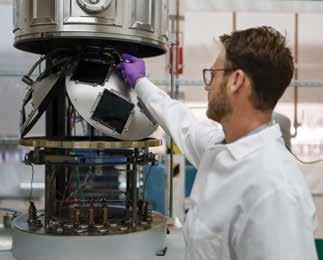
Materials Scientist
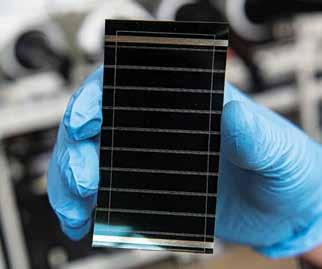
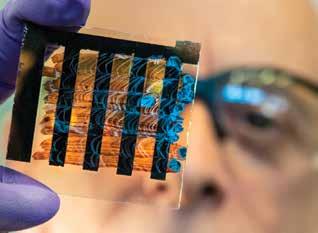
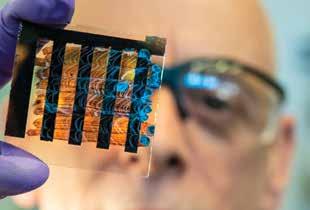
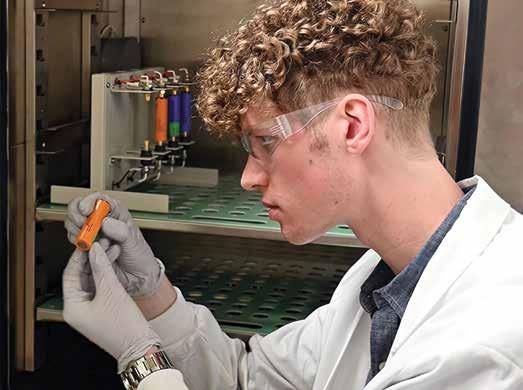
Materials scientists study the substances used to make energy technologies. They help improve materials used in solar panels, batteries, and other systems — including flexible solar cells like the one shown here — so they can be more efficient, durable, or affordable.
What they do: Study the structure and properties of materials and investigate how they can be improved for real-world uses. Some research positions may also require advanced degrees.
Education: Bachelor’s degree in chemistry, materials science, or a related field. Some research jobs may require a master’s degree or Ph.D.
What it’s like: A materials scientist might work in a laboratory testing new materials, measuring how they perform, comparing results, and look-
More advanced research roles may require graduate study.
Materials Scientist
Materials scientists study the substances used to make energy technologies and look for ways to improve them. Their work can help make solar panels, batteries, and other systems more efficient, durable, or affordable.
Energy Research Technician
Energy research technicians help scientists and engineers conduct experiments, operate testing equipment, record results, and
ing for ways to improve them. The work often involves research, data analysis, careful testing, and collaboration with engineers and other scientists.
Job growth from 2024 to 2034: 5%
Median annual wage: $104,160
Discovering
evaluate new materials or technologies. They may work in laboratories, research centers, manufacturing facilities, or at energy project sites.
REVIEW COPY
Nuclear Technician
Nuclear technicians help monitor radiation, collect data, test samples, and support research and operations in nuclear settings. Their careful work helps nuclear facilities operate safely and reliably.
Geologist or Geoscientist
These pros study rocks, underground heat, water, and natural systems below Earth’s surface. In geothermal energy and site development, they help identify promising locations and understand how water and heat move through rock.
Energy Data Analyst
Energy data analysts study information from power plants, solar farms, wind farms, batteries, buildings, and the electric grid. They look for patterns that can help improve performance, reduce costs, predict demand, or spot problems before they become serious.
Energy Systems Analyst
Energy systems analysts look at the bigger picture. They compare energy technologies, costs, reliability, emissions, and future needs to help utilities, companies, or government agencies make better energy decisions. This work often combines data, engineering, economics, and policy.
Energy Data Analyst
Energy systems generate enormous amounts of information. Energy data analysts study that information to find patterns, improve performance, predict electricity demand, reduce costs, and identify potential problems.
What they do: Analyze data from power plants, renewable energy projects, batteries, buildings, and the electric grid. They may track energy production and use, build forecasting models, compare performance, or help utilities decide when and where electricity will be needed.
Education: Bachelor’s degree in data science, statistics, mathematics, computer science, engineering, economics, or a related field.
What it’s like: An energy data analyst may spend much of the day working with databases, spreadsheets, computer models, and data visualizations. They also explain their findings to engineers, managers, grid planners, and other decision-makers. This work is a good fit for students who enjoy numbers, computers, problem-solving, and looking for patterns.
Job growth from 2024 to 2034: 34%
Median annual wage: $112,590
CAREER SNAPSHOT
Energy data analysts track performance and identify patterns in energy systems.
Protecting People and the Environment
Energy projects have to do more than produce power. They also have to protect workers, communities, water, land, and wildlife. These workers help make sure energy systems are built and operated safely, responsibly, and with attention to the world around them. Their work is important across many parts of the electricity system, from wind farms and solar projects to hydropower plants, nuclear facilities, battery sites, manufacturing facilities, and the electric grid.
CAREER SNAPSHOT
Some of this work happens in the field, where people inspect sites, collect samples, monitor conditions, or check that rules are being followed. Other work happens in labs, control rooms, or offices, where workers study data, review safety procedures, and help solve problems before they become larger risks.
These careers can be a good fit for students who care about public safety, environmental stewardship, and careful problem-solving. Education paths range from
Cybersecurity Specialist
Energy companies rely on digital systems to operate power plants, substations, equipment, and the electric grid. Cybersecurity specialists protect those systems from hackers, ransomware, and other threats that could disrupt electricity service.
What they do: Monitor networks, investigate suspicious activity, strengthen security, and respond to cyberattacks. They may protect utility systems, control rooms, customer data, and connected equipment.
Education: Bachelor’s degree in cybersecurity, computer science, information technology, engineering, or a related field. Certifications and technical experience may also help.
What it’s like: Cybersecurity specialists study alerts, test systems for weaknesses, investigate incidents, and work with engineers and operators
technical training and community college to four-year degrees in environmental science, health, engineering, or related fields. Pay can be strong, especially in specialized scientific and safety roles.
Environmental Compliance Specialist
Environmental compliance specialists help make sure energy projects follow environmental rules and operate responsibly. They may review site conditions, track permits, monitor impacts, and help reduce harm to land, water, and wildlife.
to reduce risks. This work suits students who enjoy computers, problem-solving, and careful investigation.
Job growth from 2024 to 2034: 29%
Median annual wage: $124,900
Cybersecurity specialists protect energy systems from digital threats.
Environment
Water Quality Specialist
Water quality specialists test water, collect samples, study pollution, and help protect rivers, lakes, groundwater, and drinking water systems. Their work can be especially important around hydropower, geothermal, and industrial sites.
Environmental Scientist
Environmental scientists study how energy projects affect land, water, air, plants, wildlife, and nearby ecosystems. They collect data, test ideas, and help answer scientific questions that can improve energy projects.
Cybersecurity Specialist
REVIEW COPY
Cybersecurity specialists help protect the digital systems that energy companies use to monitor and control equipment, manage data, and keep electricity flowing. They may help defend utilities, power plants, substations, and control rooms from hackers, ransomware, and other cyber threats.
Radiation Protection Technician
These workers monitor radiation levels, inspect work areas, test samples, and help protect workers and the public at nuclear facilities.
Safety Specialist
Safety specialists help protect workers by studying hazards, checking equipment and procedures, and helping job sites and facilities operate more safely.
Environmental Scientist
Energy projects can affect land, water, air, plants, wildlife, and nearby ecosystems. Environmental scientists study those effects and help balance power production with environmental protection.
What they do: Study environmental problems and develop solutions. In energy work, that may include examining land use, habitat impacts, water quality, and how projects affect wildlife or nearby ecosystems. As more energy projects are built, environmental scientists will play an important role in helping projects protect land, water, wildlife, and nearby communities.
Education: Bachelor’s degree in environmental science, natural resources, chemistry, geology, or a related field.
What it’s like: An environmental scientist might review data, visit project sites, collect samples, and help teams plan projects more carefully. This work is a good fit for students who enjoy science, data, fieldwork, and protecting the environment.
Job growth from 2024 to 2034: 4%
Median annual wage: $80,000.
CAREER SNAPSHOT
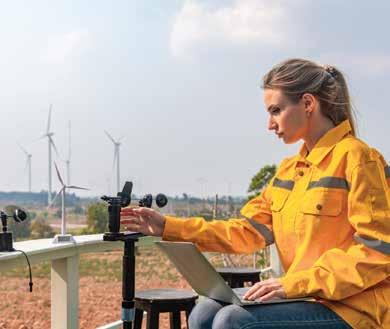
Environmental scientists collect field data, such as wind measurements, to help evaluate energy sites.
Planning and Managing Projects
Amajor energy project can involve engineers, construction crews, permits, budgets, safety plans, equipment deliveries, community questions, and tight deadlines. Planning and management workers help keep all those pieces moving. These are the people who help move an idea from the drawing board to a real solar farm, wind project, battery site, power plant upgrade,
CAREER SNAPSHOT
or grid improvement. Their work helps teams stay on schedule, on budget, and working toward the same goal.
Some of this work happens before construction even begins. People in these roles may help choose sites, organize permits, review costs, coordinate with engineers and environmental experts, and create timelines. Other work happens during construction or
Construction Manager
A construction manager helps oversee energy projects as they are built. Construction managers may work on solar farms, wind projects, battery storage sites, power plant upgrades, substations, or transmission projects, helping make sure the work stays on schedule, on budget, and moving safely.
What they do: Plan, coordinate, budget, and supervise construction projects from start to finish. In energy work, that can include managing schedules, materials, crews, subcontractors, and progress in the field.
Education: Typically a bachelor’s degree in construction, engineering, or a related field, plus on-the-job training. Experience in construction can also be important.
What it’s like: A construction manager may spend time in both an office and a field office at a job site, reviewing plans, solving problems, coordinating teams, and checking progress. On large solar and wind projects, construction managers
operation, when teams need to solve problems, communicate clearly, and keep projects moving safely and efficiently.
These careers are often a good fit for students who like planning, teamwork, communication, and seeing how many parts of a project fit together. Some begin with technical or business training, while others require a four-year degree in engineering, construc-
REVIEW COPY
may live near the project site for weeks or months at a time, often in remote areas. This can mean travel, long stretches away from home, and strong pay or per diem benefits. This work is a good fit for students who like planning, teamwork, leadership, and seeing large projects come together.
Job growth from 2024 to 2034: 9%
Median annual wage: $106,980
Construction managers help coordinate crews, schedules, materials, and safety on energy projects.
Projects
tion, business, environmental policy, or a related field.
Project Manager
REVIEW COPY
Project managers help organize energy projects from beginning to end. They may work on schedules, logistics, budgets, teams, materials, and communication to help make sure the work stays on track.
Construction Manager
Construction managers help oversee building projects in the field. In energy work, that might include helping supervise crews, materials, safety, and timelines for a solar site, wind farm, battery facility, or plant upgrade.
Grid Planner
Grid planners help think ahead about where electricity demand is growing, where new power sources will connect, and how the grid can be expanded or improved.
Regulatory or Policy Specialist
Some workers focus on permits, rules, and public policy. They help projects meet legal requirements and work through the approvals needed to move forward.
Control Room Operator
Control room operators help monitor and manage the flow of electricity. Like traffic controllers for the power system, they watch screens, respond to alarms, and help keep electricity moving safely and reliably.
CAREER SNAPSHOT
Grid Planner
A grid planner helps plan how electricity will move from where it is generated to where it is needed. Grid planners think about growing demand, new power sources, battery storage, transmission lines, substations, and how the electric grid can stay reliable as the system changes.
What they do: Help study, design, and improve parts of the electric system that generate, move, control, and distribute electricity. In grid planning, that may include looking at future demand, transmission needs, substations, where new energy projects can connect, and how homes, businesses, batteries, solar panels, and electric vehicles can help balance the grid.
Education: Bachelor’s degree in electrical engineering or a related engineering field.
What it’s like: A grid planner might review maps, demand forecasts, and technical data, use software to study power flow, and work with utilities, engineers, and planners to decide how the grid should grow. This work is a good fit for students who like math, systems thinking, planning, and solving largescale problems.
Job growth from 2024 to 2034: 7%
Median annual wage: $111,910
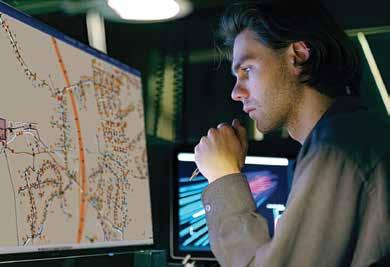
Grid planners help figure out where new power lines, substations, and grid upgrades may be needed.
ELECTRIC UTILITIES
Rising demand, a changing grid, and many upcoming retirements are creating
The five career groups mentioned in the previous pages do not exist in separate worlds. In many cases, they come together in one place: electric utilities and other major power companies. Utilities are one of the best examples of how many different skills are needed to keep the power system running.
When you flip on a light, charge a phone, or plug in a laptop, an electric utility helps make that possible. Utilities help move electricity from where it is generated to where it is needed, keeping homes, schools, hospitals, businesses, and entire communities running every day. Their work has to happen around the clock, in ordinary moments and during emergencies.
People who work here may include lineworkers, plant operators, electrical engineers, grid planners, field service technicians, safety specialists, environmental specialists, cybersecurity workers, data analysts, customer service representatives, project managers, and others. Some jobs
are hands-on and outdoors. Others involve design, computers, planning, environmental protection, safety, or communication with the public.
Utilities can be organized in different ways. Some are large power companies, such as Dominion Energy, Southern Com-
REVIEW COPY
pany, Exelon, Xcel Energy, and American Electric Power. Others, such as TVA, are publicly owned power providers. Some utilities are owned by cities or communities, while electric cooperatives are member-owned and often serve rural areas. No matter how they are organized, they all need workers who can
Xcel Energy
NextEra Energy
DelMarva, a subsidiary of Excelon
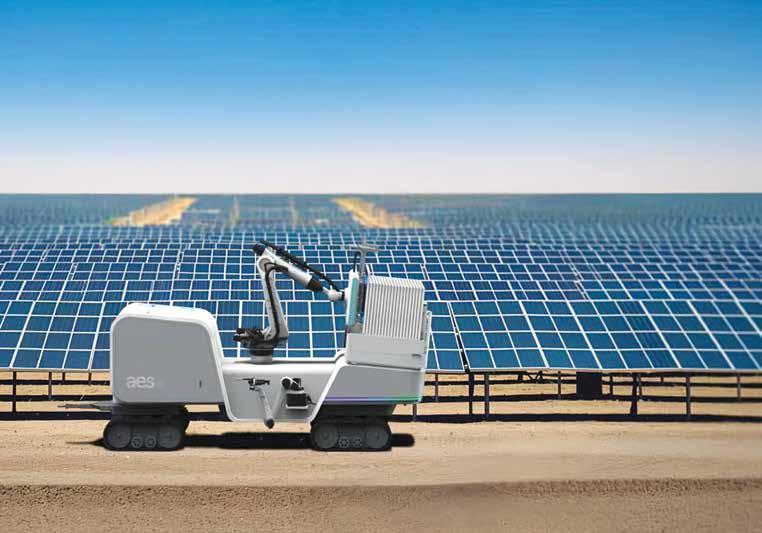
AES Corporation’s Maximo robot which can install hundreds of solar panels, often weighing 60 pounds or more, in a single day.
creating new opportunities in this part of the energy world.
REVIEW COPY
help deliver reliable electricity.
This is also a time of major change in the utility workforce. Older workers are retiring, electricity demand is growing, and utilities are modernizing the grid. Companies need a new generation of employees who can work with tools,
technology, data, equipment, customers, and communities
The Bureau of Labor Statistics projects about 10,700 openings each year for electrical power-line installers and repairers from 2024 to 2034, along with about 17,500 openings each year for electrical and electronics engineers. Many of those
openings are expected to come from the need to replace workers who retire or leave the field.
Utilities bring together power generation, reliability, safety, technology, and public service — but they are only one place to work in energy. Turn the page to explore more possibilities.
PLACES YOU CAN WORK
MANUFACTURING FIRMS
These companies make transformers, substations, grid equipment, turbines, batteries, and other parts of the power system. Workers in this sector may help design products, operate machinery, test equipment, improve manufacturing processes, or check quality and safety. This work matters because the future of electricity depends not only on power plants and the grid, but also on the equipment that makes those systems possible. Examples include Siemens Energy, Samsung, GE Vernova, and Hitachi Energy for grid and power equipment; First Solar for solar panels; Vestas for wind turbines; and Fluence for battery storage systems.
First Solar
Siemans Energy
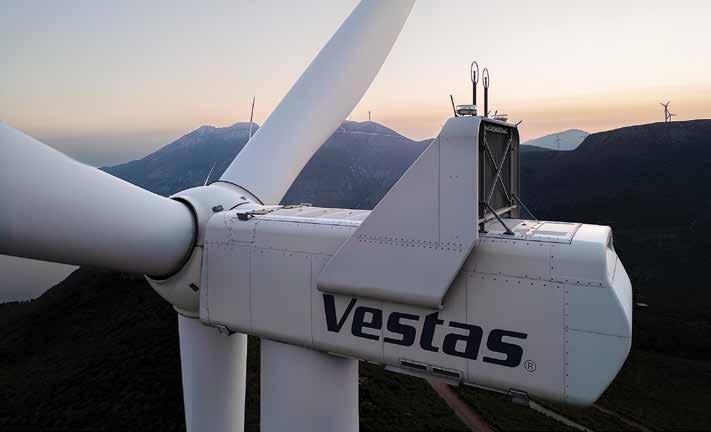
Vestas
ENGINEERING & CONSTRUCTION FIRMS
These companies help design and build the infrastructure behind the power system, including substations, transmission lines, battery storage sites, solar and wind projects, and upgrades to existing power plants. They may also help utilities rebuild after storms by repairing or replacing poles, wires, transformers, and other distribution equipment that brings electricity to homes and businesses. People in this sector may work in design, engineering, project management, field supervision, safety, or construction. Their work matters because rising electricity demand will require not just more power, but more places and systems to generate, move, and store it. Examples include Burns & McDonnell, AECOM, Kiewit, Danovo Energy Solutions, and Bechtel.
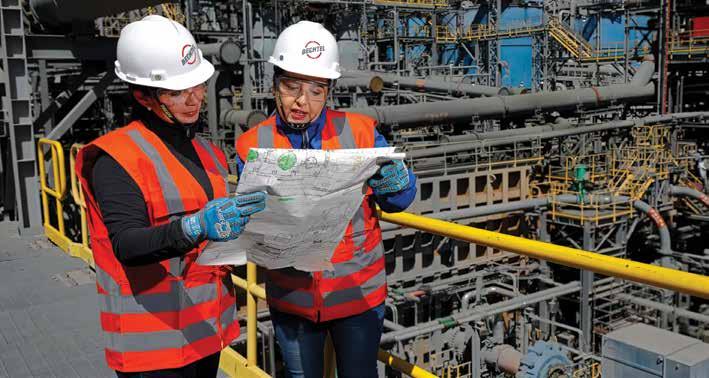
Bechtel
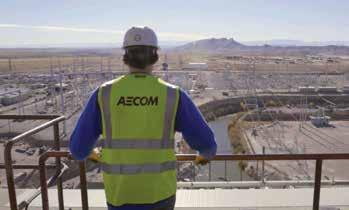
AECOM
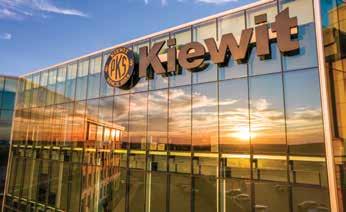
Kiewit
GOVERNMENT, PUBLIC AGENCIES, UNIVERSITIES, & RESEARCH LABS
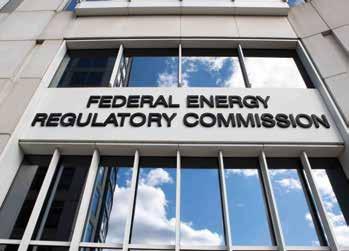
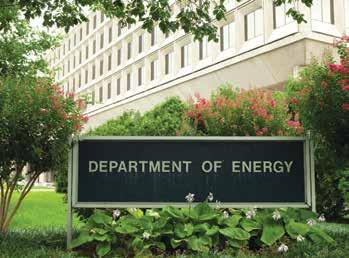
Some energy careers focus on research, public service, and long-term planning. Government agencies, public organizations, regional grid operators, universities, and research labs may study new technologies, set safety and environmental rules, fund research, collect data, support workforce training, or help communities plan energy projects. People in these jobs might work at the U.S. Department of Energy, the Federal Energy Regulatory Commission, the Western Area Power Administration, a regional grid operator such as the California ISO, PJM, or New York ISO, the National Laboratory of the Rockies, a state energy office, a public utility commission, a community college, or a university research center. These workplaces can be a good fit for people who like science, policy, public service, education, research, or planning for the future.
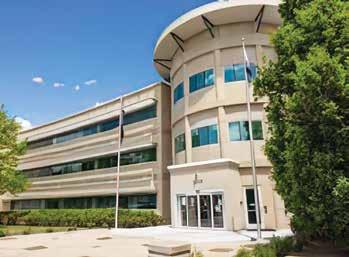
Western Area Power Administration headquarters in Lakewood, CO
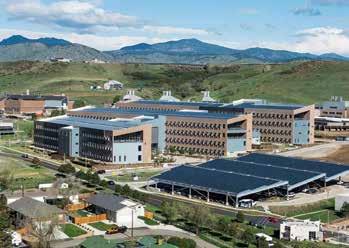
National Laboratory of the Rockies
STARTUPS & ENERGY ENTREPRENEURS
One final place to imagine an energy career is at a startup — or even by building a new energy business yourself. Energy entrepreneurs identify problems, test ideas, and build companies around promising solutions.
Many startups focus on three major trends: decarbonization, or reducing pollution; decentralization, or producing and managing power closer to where it is used; and digitalization, or using software and data to make energy systems smarter. They may develop better solar products, advanced wind technology, new batteries, recycling systems, smart-grid software, virtual power plants, home energy systems, geothermal technology, or grid-monitoring tools. Examples include Redwood Materials, Renew Home, Base Power, XGS Energy, and Heimdall Power. New companies often begin with prototypes or pilot projects. If an idea works, they may partner with
utilities or manufacturers, expand production, hire more workers, and bring the technology to new markets.
Startups need many kinds of talent. Engineers design and test products. Data scientists build software. Technicians install, test, or repair equipment. Business, marketing, finance, and policy workers help raise money, find customers, understand regulations, and bring new technologies into the real world.
Working at a young company can be exciting because teams are small and people may take on many roles. It can also be uncertain because not every idea succeeds. For students who like creativity, problem-solving, and building something new, energy entrepreneurship can offer another path into the future of electricity.
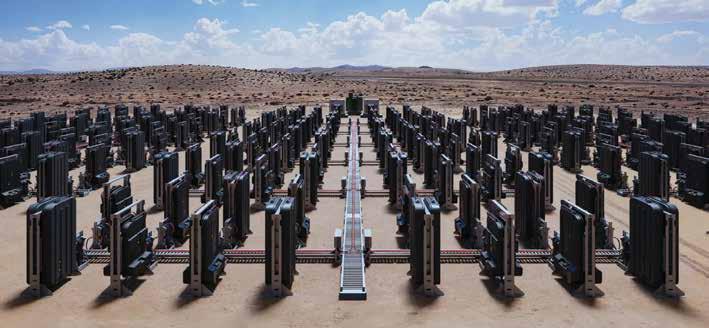
Redwood Materials builds large energy storage systems using new and reused batteries.
EDUCATION
FOUR DIFFERENT PATHS —
There are many ways to prepare for a career in the future of electricity, from
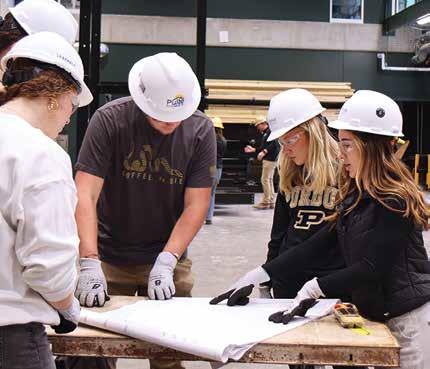
Students interested in the future of electricity can follow several educational paths, including engineering, science, four-year engineering technology programs, and two-year engineering technology programs, often offered by community colleges. The right choice may depend on whether a student prefers theory, research, design, or hands-on technical work. Each path can lead to a strong career, but they prepare students for different kinds of work. Take a look.
ENGINEERING
Engineering programs usually focus on math, science, theory, and design. Students often take advanced courses in calculus, physics, and engineering analysis. They learn how systems work, how to solve complex technical problems, and how to design new equipment or improve existing systems. Most bachelor’s degree programs in engineering take four years to complete.
THE WORK: Engineers may work on solar arrays, wind turbines, substations, batteries, power plants, or the electric grid.
A GOOD FIT FOR: Students who enjoy math, problemsolving, and understanding how complicated systems work.
Arizona State
Georgia Tech
PHOTOS COURTESY
WHICH ONE FITS YOU?
engineering and science to technical training and community college.
SCIENCE
REVIEW COPY
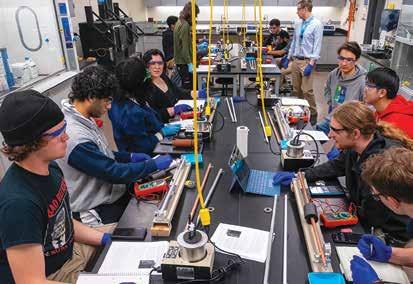
Science programs usually focus on observation, experimentation, testing, and analysis. Students may study physics, chemistry, geology, environmental science, materials science, or related subjects. Most of these careers begin with a four-year degree. Some students also start with a two-year science-related program in areas such as environmental science, chemistry, geology, or laboratory technology. These programs can lead to technical jobs or transfer into a four-year science degree
THE WORK: In the energy field, scientists may study battery materials, environmental impacts, underground heat, water quality, radiation, or new ways to improve energy technologies.
A
GOOD
FIT FOR:
Students who enjoy research, lab work, data, statistics, and asking questions about how things work.
University of Maryland
UNC, Greensboro
FOUR DIFFERENT PATHS (CONTINUED)
4-YEAR ENGINEERING TECHNOLOGY
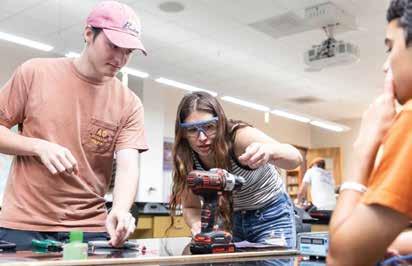
Four-year engineering technology programs are usually more applied and hands-on than engineering programs. Students still study math, science, and technical subjects, but the focus is often more on using existing technology, operating systems, troubleshooting equipment, and applying engineering ideas in real-world settings.
THE WORK: Graduates may work in testing, field service, operations, manufacturing, quality control, project support, or technical management. In the energy field, they may help install, operate, maintain, or improve equipment and systems.
A GOOD FIT FOR: Students who like technical work, labs, hands-on learning, and practical problem-solving.
Purdue Tennessee Tech
PHOTOS COURTESY
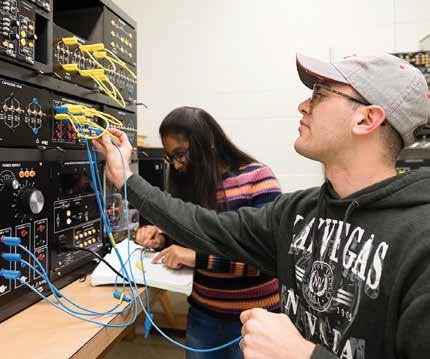
Two-year engineering technology programs, often offered at community colleges, are usually the most direct and hands-on of the four paths. Students may study electrical systems, industrial technology, electronics, instrumentation, renewable energy technology, or related subjects.
REVIEW COPY
THE WORK: These programs often prepare students for technical jobs that involve installing, maintaining, repairing, testing, or operating equipment.
A GOOD FIT FOR: Students who want practical training and a faster route into the workforce. Some students also begin here and later transfer into a four-year program.
WHICH PATH IS BEST?
There is no single best path. It depends on the kind of work a student wants to do. Those interested in designing systems or doing advanced analysis may prefer engineering. Students who want to study materials, the environment, geology, or energy technologies more deeply may prefer science. A more applied, hands-on fouryear degree may make engineering technology a good fit. Students who want technical training
and a faster start in the workforce may find a two-year engineering technology program especially appealing.
The big idea
All four paths can lead to important work in the future of electricity. The best choice depends on your interests, strengths, goals, and the kind of learning environment that fits you best.
Portland Community College, OR
Austin Community College, TX
WHERE YOUR PATH CAN BEGIN
From universities to community colleges, students can prepare for these careers in many different places.
Now that you’ve seen some of the different paths into the energy world, the next question is where you can study for them. Students can prepare in many different places, depending on the kind of work they want to do. Some choose large universities with engineering or science programs. Others look for schools with specialized energy programs or start closer to home at a community college.
Study
engineering or science
Many energy careers begin with a bachelor’s degree in subjects such as mechanical engineering, electrical engineering, civil engineering, chemical engineering, environmental science, geology, materials science, or physics. Some students also choose four-year engineering technology programs, which often take a more applied and hands-on approach. These majors are offered at colleges and universities across the country and can lead into many parts
of the energy world. However, not every engineering school offers a nuclear engineering degree. See the box on page 53 for examples of schools that do, along with a few community colleges with related programs.
Specialized programs
Some colleges offer more focused undergraduate programs in renewable energy or energy systems. These programs can give students a more direct path into the field while still building strong technical and scientific skills. Examples include Oregon Institute of Technology’s B.S. in Renewable Energy Engineering, North Carolina State’s Electrical Engineering degree with a Renewable Electric Energy Systems concentration, and Illinois State University’s B.S. in Sustainable and Renewable Energy. See the light purple box on page 53 for more examples.
Community colleges
Many community colleges offer two-year engineering technol-
REVIEW COPY
Penn State
NC State
Johns Hopkins
University of Wisconsin
Villanova
UT-Austin
WHERE YOUR PATH CAN BEGIN (CONTINUED)
ogy and technical programs related to solar technology, wind technology, electrical systems, industrial maintenance, utility work, environmental technology, and advanced manufacturing. For students interested in hands-on technical work, this can be a practical and affordable place to start.
Apprenticeships and more
Some students also enter the field through apprenticeships, employer training, or certification programs, especially in careers such as linework, electrical work, plant operations, maintenance, and field service. Even students at four-year colleges may build their path through internships, co-ops, research opportunities, ROTC programs, minors, certificates, and concentrations related to energy.
Build your energy experience
Wherever you study, look for ways to connect your education to energy. Take an energy-related elective, choose an energy topic for a paper or project, join a student group, or look for an internship, co-op, lab position, or design project related to renewable energy, nuclear power, or the grid.
QUESTIONS TO ASK ABOUT A DEGREE PROGRAM
➤ Does the program connect to the kind of energy work you want to explore — engineering, environmental science, operations, data, construction, or policy?
➤ Will you get hands-on experience through labs, fieldwork, design projects, internships, co-ops, or undergraduate research?
➤ Are there energy-related minors, certificates, concentrations, or student organizations?
➤ Do graduates go on to energy companies, utilities, government agencies, research labs, or graduate school?
➤ If you plan to transfer, will your credits count toward the next degree?
REVIEW COPY
Iowa State
REVIEW COPY
Oregon Institute of Technology
EXAMPLES OF COLLEGES WITH ENERGY-FOCUSED UNDERGRADUATE PROGRAMS
• Massachusetts Institute of Technology (MIT)
• Stanford University
• University of California, Berkeley
• Penn State University
• North Carolina State University
• Appalachian State University
• University of Michigan, Flint
• University of Texas at Austin
• Arizona State University
• University of California, San Diego
• Oregon Institute of Technology
• Illinois State University
• Texas Tech University
NUCLEAR ENGINEERING
Not every engineering school has a nuclear engineering department. Examples of colleges with undergraduate nuclear engineering degrees include:
• University of Michigan
• Massachusetts Institute of Technology (MIT)
• U.S. Naval Academy
• University of Wisconsin, Madison
• University of Illinois
• Texas A&M
• North Carolina State
• University of California, Berkeley
• Georgia Institute of Technology
• Purdue University Community colleges with associate-degree programs that can help prepare students for entry-level nuclear technician or plant-support roles.
• Three Rivers Community College (Norwich, CT)
• Monroe County Community College (Monroe, MI)
• Alexandria Technical and Community College (Alexandria, MN)
• Cape Fear Community College (Wilmington, NC)
• City Colleges of Chicago, Wright College (IL)
STEPS YOU CAN TAKE NOW
You do not need to know exactly what job you want right now to begin building
Did something in this guide catch your eye? Maybe you were intrigued by geothermal energy. Maybe you liked learning about the grid and battery storage — and how they work together. You may have been drawn to environmental protection, cybersecurity, or the planning and policy that help energy projects move forward. You do not have to know your exact job right now to start preparing. A good place to begin is by noticing what kind of work sounds interesting to you.
WHICH PATH SOUNDS LIKE
YOU?
I like tools and equipment. Look into technician, lineworker, plant operator, or field service careers.
I like science and the environment. Explore environmental science, materials science, water quality, wildlife, or energy research.
I like computers and data. Check out grid planning, cybersecurity, data analysis, automation, or control systems.
I like designing and solving problems. Learn about engineering, project design, construction, and energy systems.
I like organizing people and projects. Explore project management, safety, operations, communication, or community outreach.
Once you have a few interests in mind, the following steps can
help you build skills and experiences to explore them.
1. Build strong school skills. Math and science matter in many energy careers. Classes such as algebra, geometry, physics, chemistry, earth science, environmental science, and computer science can all help. Career and technical education, shop, robotics, and technology classes are useful too.
GET HELP PAYING FOR SCHOOL
building skills for this fast-changing field.
REVIEW COPY
2. Try hands-on experiences. Look for chances to build, test, repair, or explore how things work. Try robotics, science clubs, STEM camps, scout merit badges, maker projects, technical classes, job shadowing, or volunteer activities.
3. Ask about real workplaces. Contact a local electric utility, solar installer, manufacturing company, community college,
or university. Ask about tours, camps, workshops, job shadowing, or student outreach programs.
4. Build workplace habits. Employers want people who can work on a team, communicate clearly, follow safety rules, solve problems, show up on time, and keep learning. A parttime job, club, sport, volunteer role, or school project can help you practice those habits.
5. Look for help paying for training. Scholarships can help pay for college, technical school, and other programs. See the purple box for ways to get started. Start looking in your sophomore or junior year, and ask schools, community colleges, workforce offices, and energy-related organizations what support is available.
6. Pay attention to what is changing. Solar, wind, batteries, nuclear energy, geothermal power, and the grid are all changing quickly. Students who stay curious and look for ways to explore what interests them will be better prepared for new opportunities.
Scholarships can help pay for college, technical training, apprenticeships, and other education programs. Here are some places to start.
Start with the schools you are interested in attending School-based scholarships are often the most generous.
Check energy-related scholarship directories.
The Get Into Energy scholarship directory includes utility, nuclear, lineworker, and company-sponsored awards.
Explore DOE STEM Opportunities
This searchable U.S. Department of Energy site includes scholarships, internships, fellowships, apprenticeships, and other STEM opportunities connected to energy.
More examples worth exploring:
IEEE PES Scholarship Plus Initiative
APPA / DEED Lineworker and Technical Education Scholarships
DOE University Nuclear Leadership Program
American Nuclear Society (ANS) Scholarships
AABE Scholarship Program
FOSSI
ROTC
SWE Scholarships
Scholarship details can change, so always check the official website.
Help Students Explore a Future in Energy
Powering the Future is designed for use in classrooms, counseling offices, libraries, after-school programs, summer camps, community events, and workforce-development programs. Energy companies and utilities, colleges, nonprofits, and other organizations can use the guide during school visits, career fairs, STEM events, open houses, and community outreach events.
Students can read the guide on their own or explore it with a teacher, counselor, family member, mentor, or industry professional. Its clear explanations, real-world examples, and career information help students understand how electricity is generated, stored, moved, and managed, as well as the careers and skills that support the energy system.
Find more ideas for using the guide (and a downloadable PDF) at start-engineering.com/how-to.
Extend the Learning with the Free Student Workbook
The Powering the Future Student Workbook is available as a downloadable PDF and helps students connect what they have learned with their own interests, strengths, and possible career paths.
Use one activity during a classroom visit or career event, combine several for a longer lesson, or work through the complete workbook as part of a class, camp, club, or career-exploration program.
Students will:
➤ Review key concepts about energy and the electricity system
➤ Reflect on the energy topics and careers that interest them
➤ Explore their skills and work preferences
➤ Compare education and training pathways
➤ Research careers and employers
➤ Identify practical next steps
Download the free workbook at: start-engineering.com/powering-the-future
Explore More STEM Careers
Discover additional career guides (with free workbooks) from Start Engineering at start-engineering.com