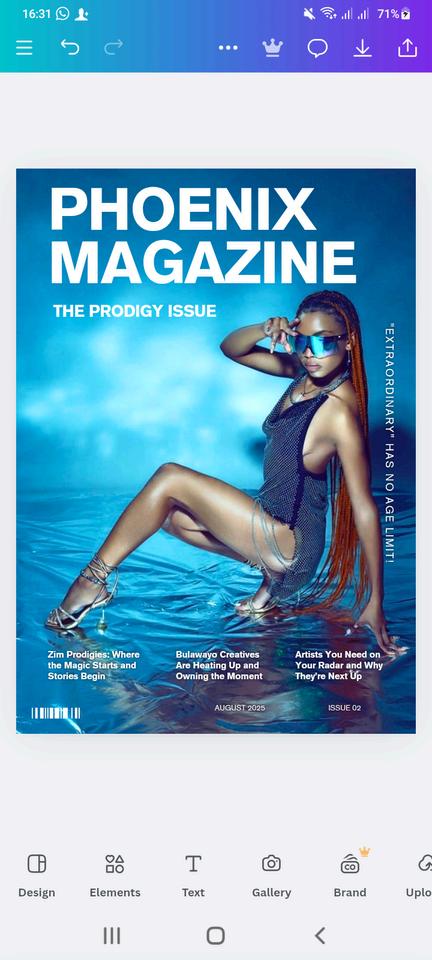




If REBIRTH was our heartbeat, PRODIGY is the echo. It’s proof that our generation doesn’t just dream, we execute. We’ve seen the labels they’ve put on us: “underground,” “up-and-coming,” “aspiring ” But this issue? It’s a reminder that we ’ re already here. Loud. Bold. Unstoppable.
Being a prodigy isn’t about being perfect from day one, it’s about moving different. It’s the hunger to experiment, the courage to take risks and the discipline to stay up at 3AM polishing your craft when nobody’s clapping yet It’s in the sneakers that turn into culture statements, in the verses that hit harder than headlines, in the designs that carry a whole city’s heartbeat stitched inside
This issue of PHOENIX Magazine is about spotlighting the youth rewriting Zimbabwe’s creative blueprint, the prodigies who make us question what’s possible You’ll meet voices that refuse to be boxed in, stories that demand your attention and ideas that push you to level up
So flip the page, dive deep and remember: you don’t have to wait to be called a prodigy Sometimes, the only permission you need is your own
Stay legendary!
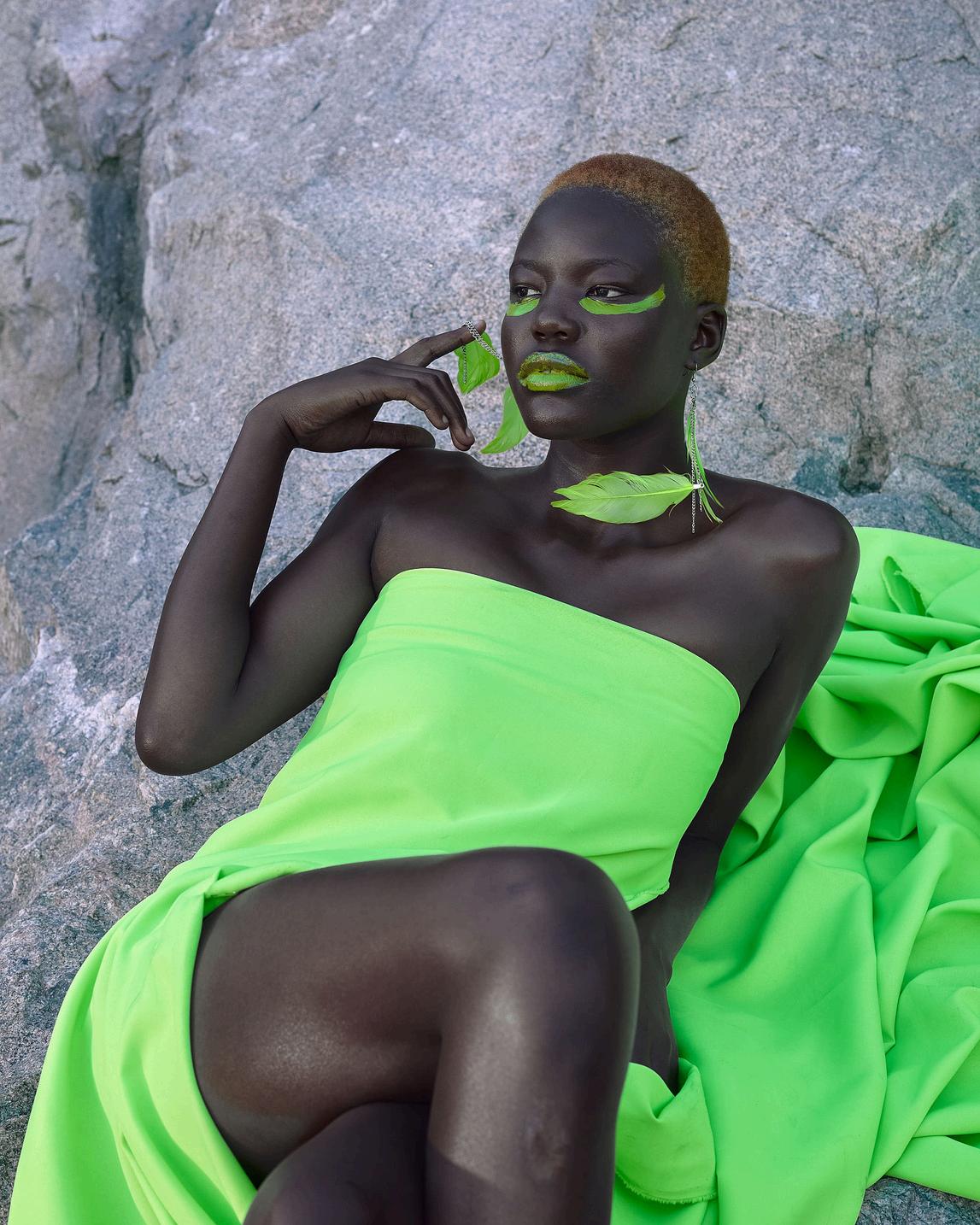

You can’t teach hunger. But you can teach contracts, cash flow and consistency. For Zimbabwe’s under-30 creatives, talent isn’t the problem, it’s access Genius is everywhere; the runway to recognition isn’t
Walk through Harare or Bulawayo and you’ll see it: cracked-phone portfolios, backyard samples, verses on scrap paper Skill is there Infrastructure isn’t, mentors, fair pay, industry networks, platforms that actually cut checks
Talent sparks, but traction needs scaffolding: managers, mix engineers, editors, brands that invest Without them, brilliance fades into the algorithm
Networks matter more than followers. Build collectives, trade skills, move with a crew. Mentors save time; even 30 minutes with someone who’s been there can unlock years of trial and error
Tools matter too, press kits, budgeting, metadata, distribution, unsexy but powerful. Diversify your value with merch, licensing, collabs or teaching. Don’t wait for the “big break ”
The creative economy here is still informal But grassroots moves like co-ops, shared studios, micro-grants and mentorship labs could flip the script. Being a prodigy is both a gift and a warning: skill alone won’t sustain you Systems that match brilliance do So prodigies don’t just inspire, they get paid
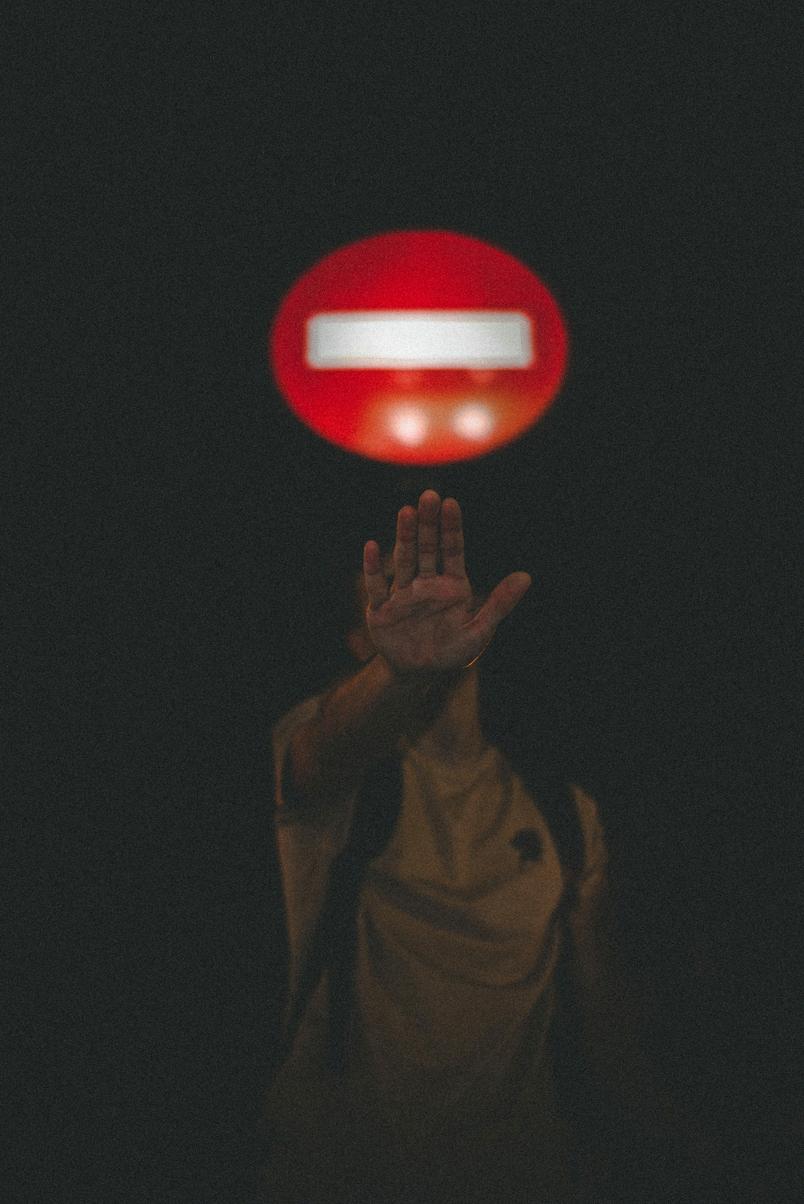

Talent is the product Money is the means Making the two meet is the art of the modern creative Most Zimbabwean youth creatives start trading bars, sketches and concepts for exposure Exposure doesn’t pay rent Turning craft into income isn’t glamorous, but it’s not impossible and it’s not a betrayal of your art.
Direct sales and merch work when you test small stock via Instagram, use WhatsApp catalogues or partner with local retailers Paid gigs and live shows pay when you negotiate fees, request deposits and have simple agreements in place Teaching and workshops are underrated: a 2-hour beatmaking or sketching session can turn into steady income through community centers or university groups
Commissions and freelance work scale when you standardize pricing and request upfront deposits Digital distribution and streaming matter, but only when combined with volume and multiple revenue streams Licensing and sync pay well over time and collaborations or brand deals work if you show consistent reach, engagement and audience value.
Money habits are just as important: invoice everything, price transparently, save and reinvest a portion and keep basic records for taxes The lesson is clear, don’t bank on one big break Treat your creativity like both a craft and a business: intentional, repeatable and protected Monetization isn’t a betrayal It’s the oxygen that lets you keep creating
PAGE 06
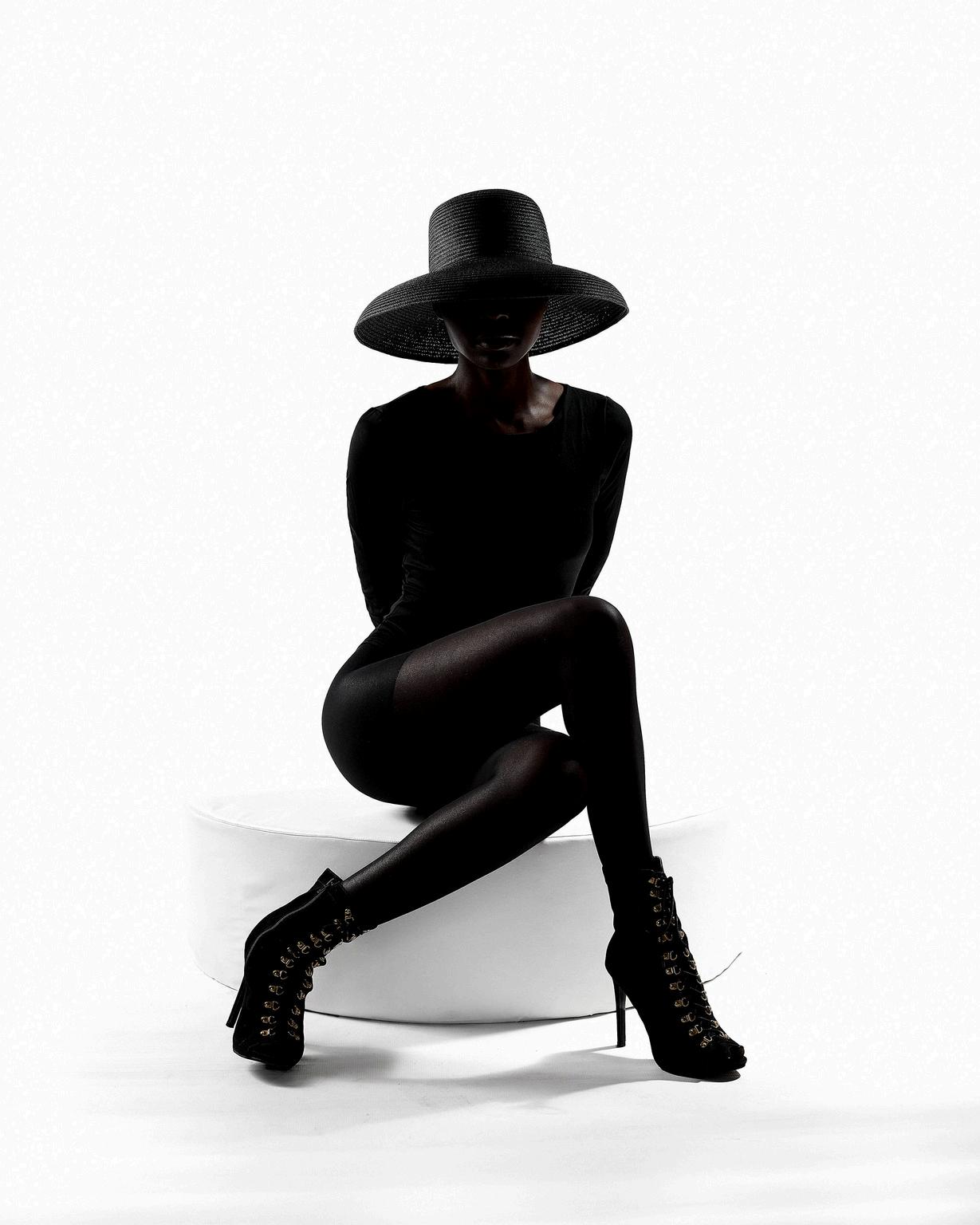
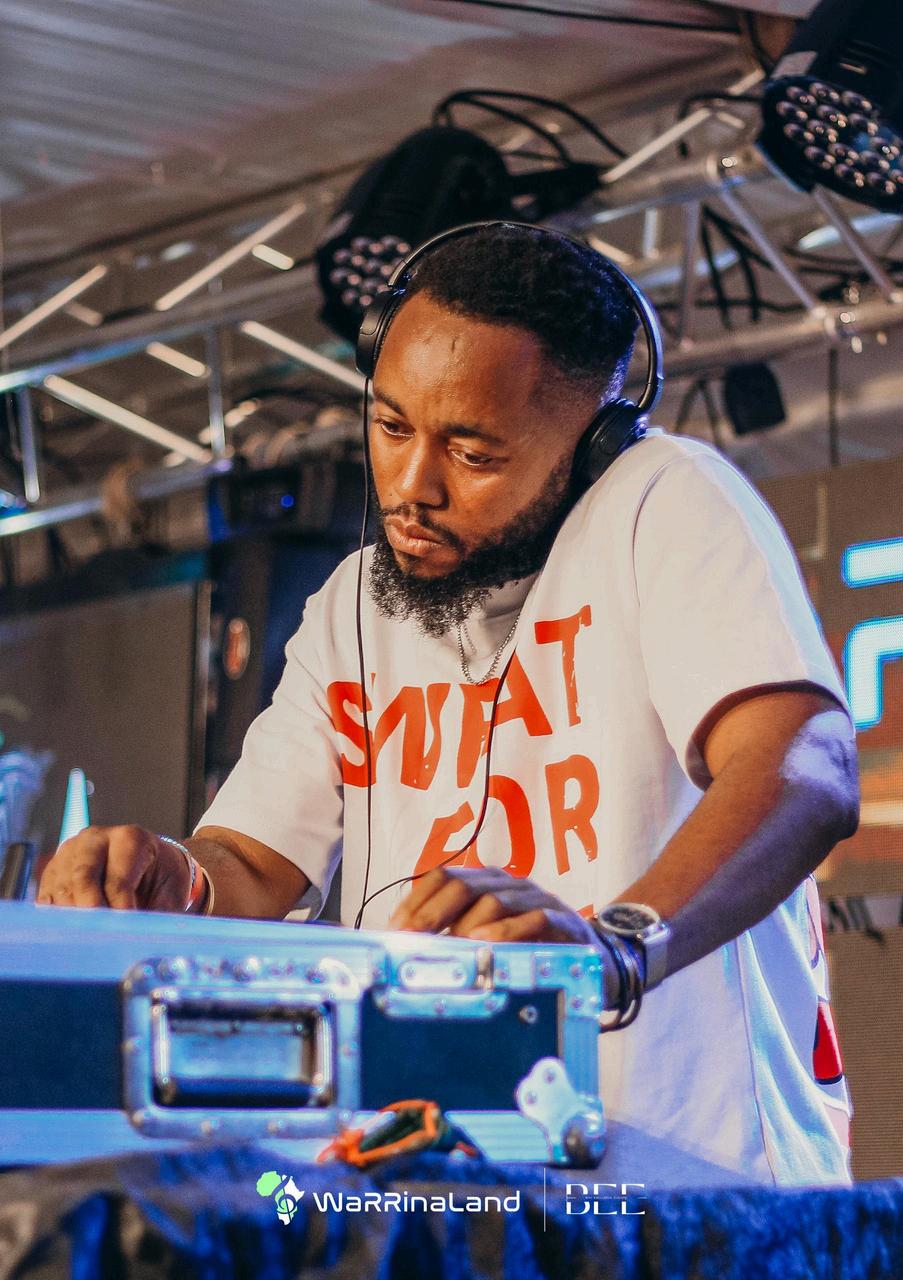
In Bulawayo’s creative scene, the name "Juluka" carries more than just apparel. It started with sneaker care, a simple entry point into street culture but quickly became a multidisciplinary brand Today, Juluka isn’t boxed in They’re expanding into apparel, art, music and even events At their core, though, the message stays the same: "sweat for it".
For Juluka, being a “prodigy” isn’t about perfection or overnight genius It’s about the grind “A prodigy is someone who outstands, achieves and excels in a different way from others That goes hand in hand with our slogan. You have to do your best as a mix of great thinking and great action.”
That mentality fuels how they build and create. Juluka isn’t a solo act, it’s a team, a collective of different tastes and energies, all pushing toward the same vision This blend is what makes their work unpredictable You never really know what Juluka will drop next, but you know it’ll hit.
Still, staying original in a trend-driven world isn’t easy Juluka tackles it head-on: “Trend isn’t the problem The problem is when you don’t show your originality For us, it’s how you wear and do things that should tell us about your background ”
The journey hasn’t been smooth either. Starting out, they had to take risks, ignoring doubts, putting ideas into reality regardless of what people thought That choice shaped everything Along the way, the hardest lesson came with pressure: “Endurance, resilience, consistency, perseverance. It unlocked a premium feature we never knew we had There were times we thought of quitting because things got overwhelming ”
Looking ahead, Juluka doesn’t claim to own the future of fashion, but

For Musa Zulu, prodigy isn’t about age, it’s about audacity Since picking up a camera in 2016, Musa has been turning the overlooked into art, finding beauty in washing lines, backyards and a small bedroom studio that somehow birthed internationally published work.
That ability to make the ordinary extraordinary is his secret weapon “Most of my published work, even those featured in GEZNO Magazine in France, were shot in my bedroom,” he reflects It’s proof that creativity doesn’t need permission, just vision. Each frame Musa captures tells a story, not just of the subject, but of his own journey, a journey defined by grit, imagination and an unshakable belief in his lens
But Musa’s journey hasn’t been all soft lighting and perfect angles Reaching out to big names in photography often got him silence, sometimes even rejection Instead of folding, he doubled down He started trusting his eye more, discovering new models, one of whom ended up in Maxi Boudoir Magazine in the UK. Risks like these taught him that originality thrives not by following trends but by flowing with what feels divine
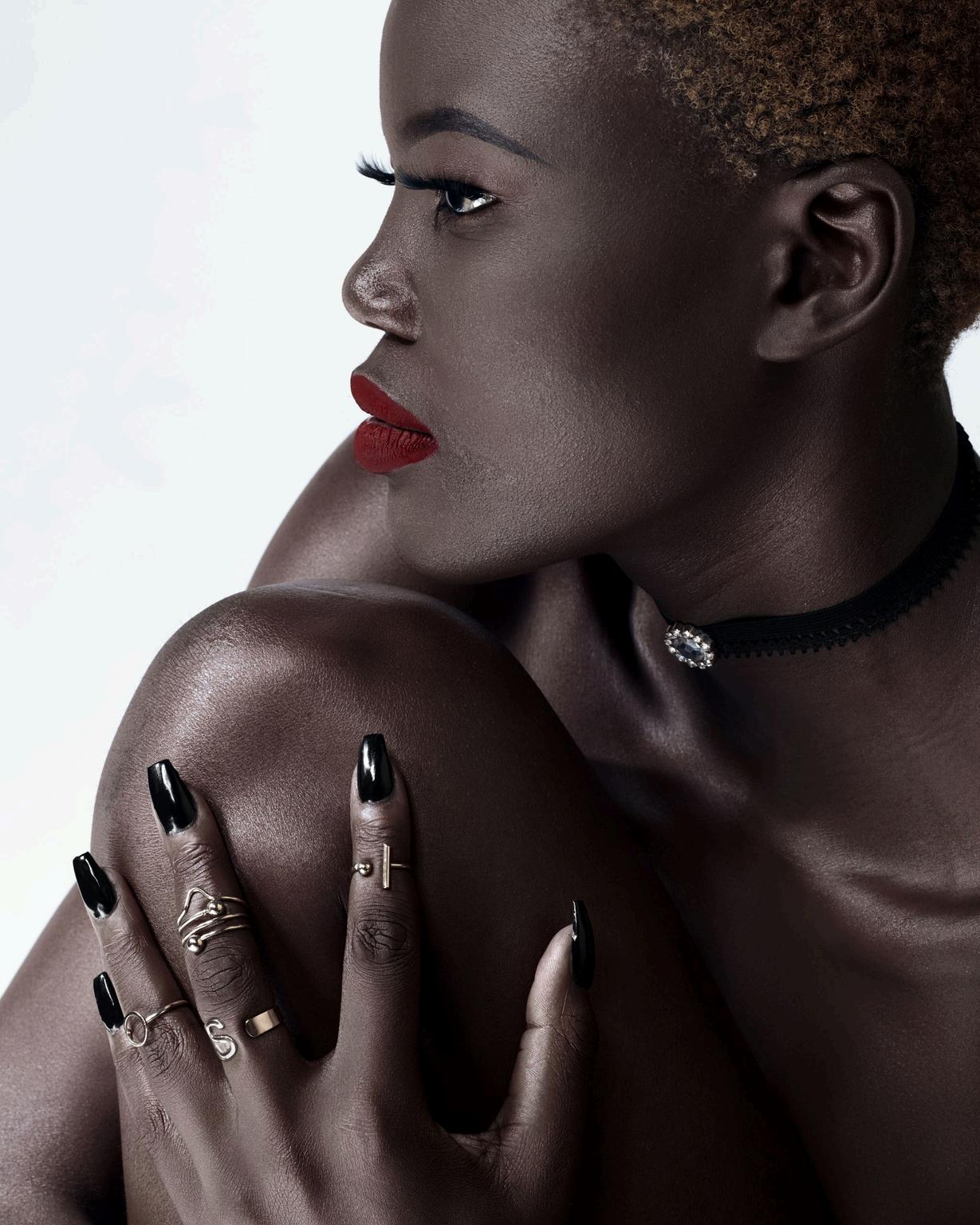
Perhaps Musa’s boldest leap has been exploring artistic nude photography Not for shock value, but as an act of trust and vulnerability
between artist and subject “Having models trust me with their bodies and stories is deeply inspiring,” he says, redefining what it means to capture humanity. Every shoot, every frame, becomes a dialogue, a collaboration where both artist and subject reveal something raw, intimate and unforgettable
Beyond the lens, Musa is building a blueprint for Zimbabwean youth creatives. Launching his creative agency is more than a career move; it’s a mission. He wants emerging artists to understand that perfection isn’t the entry ticket, persistence is He
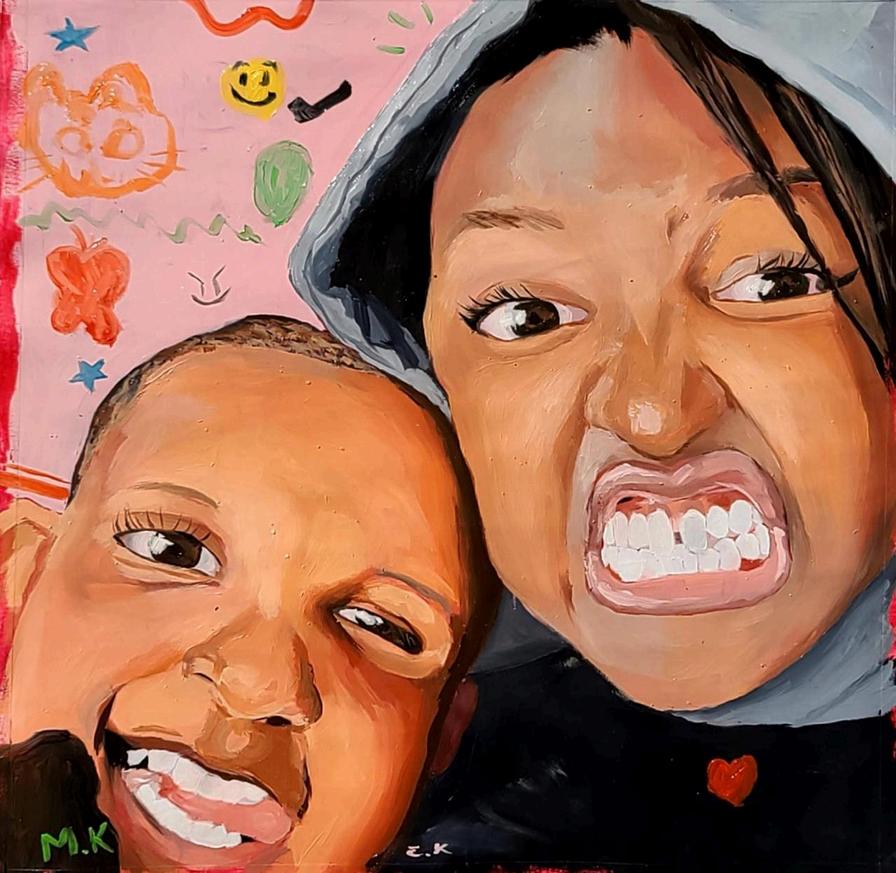
For Elaine Kayhe (born Elaine Kavumbura), art is more than a practice, it’s a memory bank, a confessional and a mirror for feelings too fragile to put into words A proud aesthete and self-taught painter, Elaine documents her world in color: cherished moments with friends, fleeting instances of joy, even the kinds of sadness that don’t always have space in conversation
“If my art could speak for me, it would reveal how deeply emotional and at times sentimental, I have been since I was a child,” she says. “For a while I struggled to express emotions honestly without feeling judged my art became the place where I could ”
“My art is a diary of everything I have ever thought noteworthy.”
Her work, often painted in oils but grounded in years of experimenting with pencils, acrylics and multimedia, is both tender and brave. Learning to paint in oils, she admits, was terrifying The slowdrying, stubborn medium tested her patience but it also became a teacher Oils forced her to slow down, to breathe, to live inside the process rather than rush to the finish. “It’s taught me to enjoy the journey more than the result,” Elaine reflects.
What sets Elaine apart is her refusal to treat art as performance In an era where numbers define
value, she insists on a different rhythm “What helps me is not focusing on the numbers, but making and sharing art that I am proud of,” she explains For her, art doesn’t need viral approval to be valid Each painting exists as its own world, holding meaning first for her and then for those who resonate with it
Her artistic journey also reveals a philosophy: to lead with the heart, not the head. Elaine admits she often makes decisions based on feeling, not logic and while it can be risky, it also allows her to create with empathy This
emotional honesty saturates her canvases, each one a time capsule, preserving not just faces and places, but moods, textures and the atmosphere of a moment
Through her lens of nostalgia and sentiment, Elaine Kayhe isn’t just painting pictures, she’s preserving the intangible She paints to remember, to process and to share pieces of herself that words might never carry. And in doing so, she reminds us that art doesn’t always have to shout to matter Sometimes, the quietest works carry the loudest truths
13
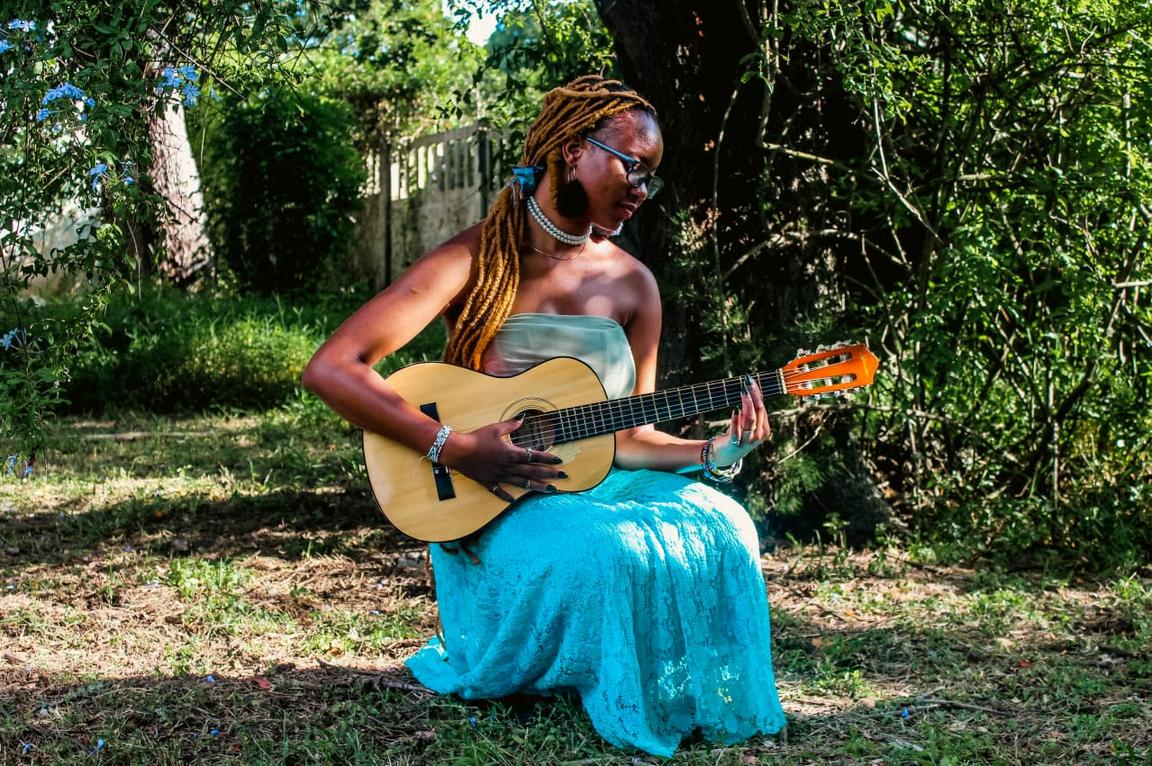
“I stopped hiding behind my fears and started speaking directly from my wounds.” That’s how PiwaRudo explains the turning point in her journey, a choice to transform vulnerability into strength For her, every lyric is both confession and cure Her story begins during lockdown, when karaoke nights with her mother planted the seed. Later, a casual sleepover at a friend’s house would change everything. As her friend’s brother played unfinished beats in the lounge, PiwaRudo jumped in with curiosity Out of that playful experiment came her first song, "Running" From that moment, she knew music wasn’t just something she loved, it was how she needed to exist.
But PiwaRudo’s art was never about chasing applause. It came from a much deeper place. Bullied and outcast for being different throughout school, she once tried to bend herself into someone else’s mold Letting go of that pressure is what finally unlocked her true voice “My creativity allows me to exist as someone resilient, motivated and full of love,” she says. “Through my art, I give and expect nothing in return.”
That honesty shaped her breakout track "No More Voices", an anthem for the misunderstood It’s for the ones who carry silent pain until it nearly breaks them In her music, they find a hand to hold, a reminder they’re not alone.
Still, PiwaRudo isn’t afraid to embrace joy Her upcoming projects explore lighter tones, groovy, soulful tracks about love, like "Pengesa" with Ace Willx. She’s diversifying her sound while keeping her core: authenticity and empathy
At the heart of her work lies resilience “My art would say: she’s not okay and she knows it, but she’s doing her best to be better. No matter how many times she falls, she gets up. ” That sentiment fuels her music, giving listeners not just melodies, but internal hugs
Along the way, she’s also faced hard truths “I learnt that not everyone is for you People enter your life for a season, a reason, or to reveal a
demon,” she reflects Losing friendships hurt, but it also taught her to stand stronger. Pain became a teacher rather than an enemy.
If given a superpower, she’d choose the ability to heal internal wounds Not by erasing pain, but by helping people open up to themselves, to find peace in their experiences That’s what her songs already do, turning scars into soundtracks and brokenness into beauty.
For PiwaRudo, music is no longer just survival, it’s service And every time her voice reaches someone who thought they were alone, she knows the mission is working
PAGE 15
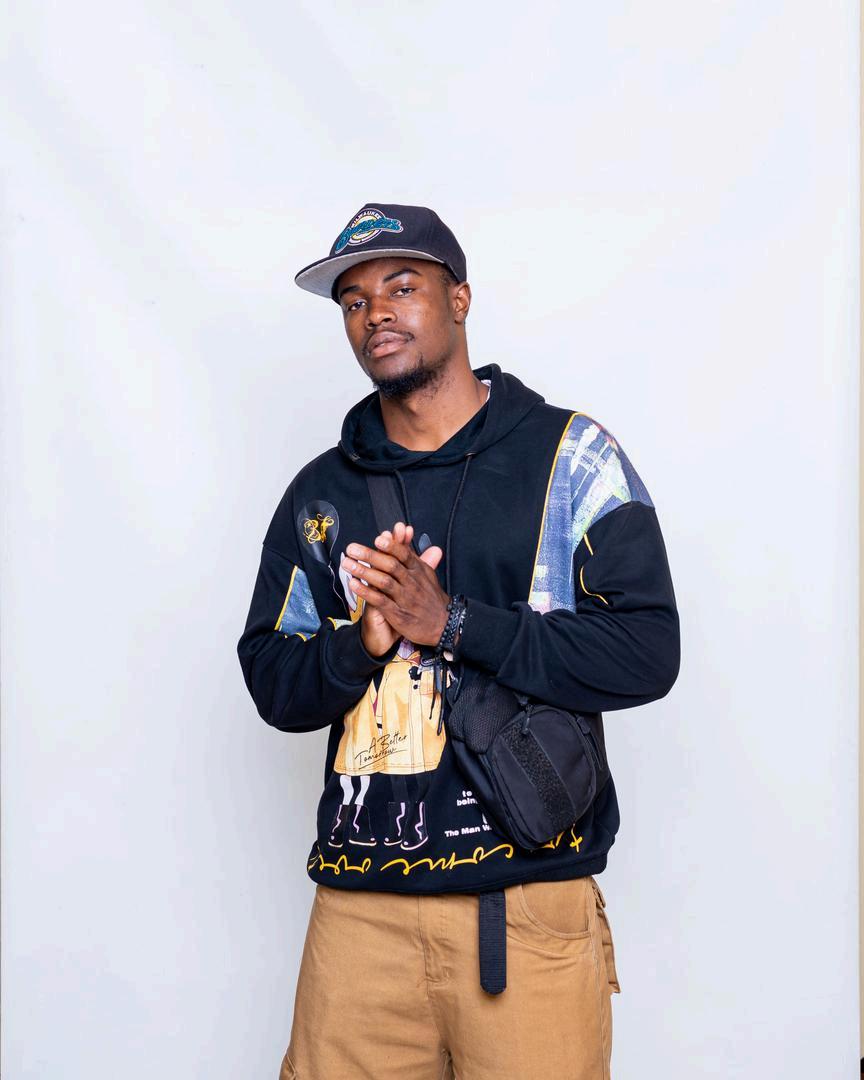
The first time the beat dropped in a Form 3 classroom, it wasn’t just noise, it was revelation. A freestyle to a group of beatboxers became the spark that lit a journey From that moment, hiphop wasn’t just entertainment; it became survival, self-expression and a way of building bridges
Slim D, born Dion Mazivisa, grew up in Bulawayo, a city where hip-hop once lived on the edges. Now, he’s part of the generation pushing it forward, blending raw lyricism with experimental flows His style is a tightrope walk between complexity and connection: bars that can carry triple meanings while still crafting hooks anyone can vibe to. In the studio, he’s constantly experimenting. Projects
spill across Afrodance, lofi and trap, proving hiphop doesn’t need a single lane. Collaborations, flow experiments and beat dissection are part of the process, all feeding into tracks that remain authentic and relatable “Being picture perfect doesn’t mean the picture is perfect my art speaks of the struggles and reallife scenarios I go through,” he says
Growth, for Slim D, comes through patience, resilience and embracing failure. Language is another tool, mixing Shona, Ndebele and English so local audiences feel it first, before the international reach Hip-hop, for him, is about more than fame, it’s impact, connection and cultural storytelling.
Every verse carries weight, every bar carries intention and every hook reflects experience. “One line might sound simple, but decoded, it could be a triple entendre.” That’s where artistry meets empathy, proving that underground rap in Zimbabwe isn’t just sound, it’s survival
From Bulawayo’s edges to studios and stages, Slim D is showing the world that resilience has a rhythm and hip-hop is its loudest heartbeat.
His music isn’t just personal, it’s communal Every bar he spits, every experiment he tries, invites listeners into his world while reflecting their own struggles and triumphs It’s this connection that gives his tracks life beyond the
studio Beyond the beats and lyrics, Slim D sees hip-hop as a tool for unity. “I imagine my creativity with LOVE superpowers, ” he says, dreaming of music that sparks conversations, fosters empathy and brings people together across divides In his hands, the mic becomes more than an instrument, it becomes a bridge
And while he continues to push boundaries and experiment with sound, one thing remains constant: authenticity. No filters, no compromises, just raw expression that’s equal parts grit, heart and vision It’s this unwavering commitment to realness that makes Slim D not just a rising artist, but a symbol of Zimbabwean hip-hop’s future.
PAGE 17
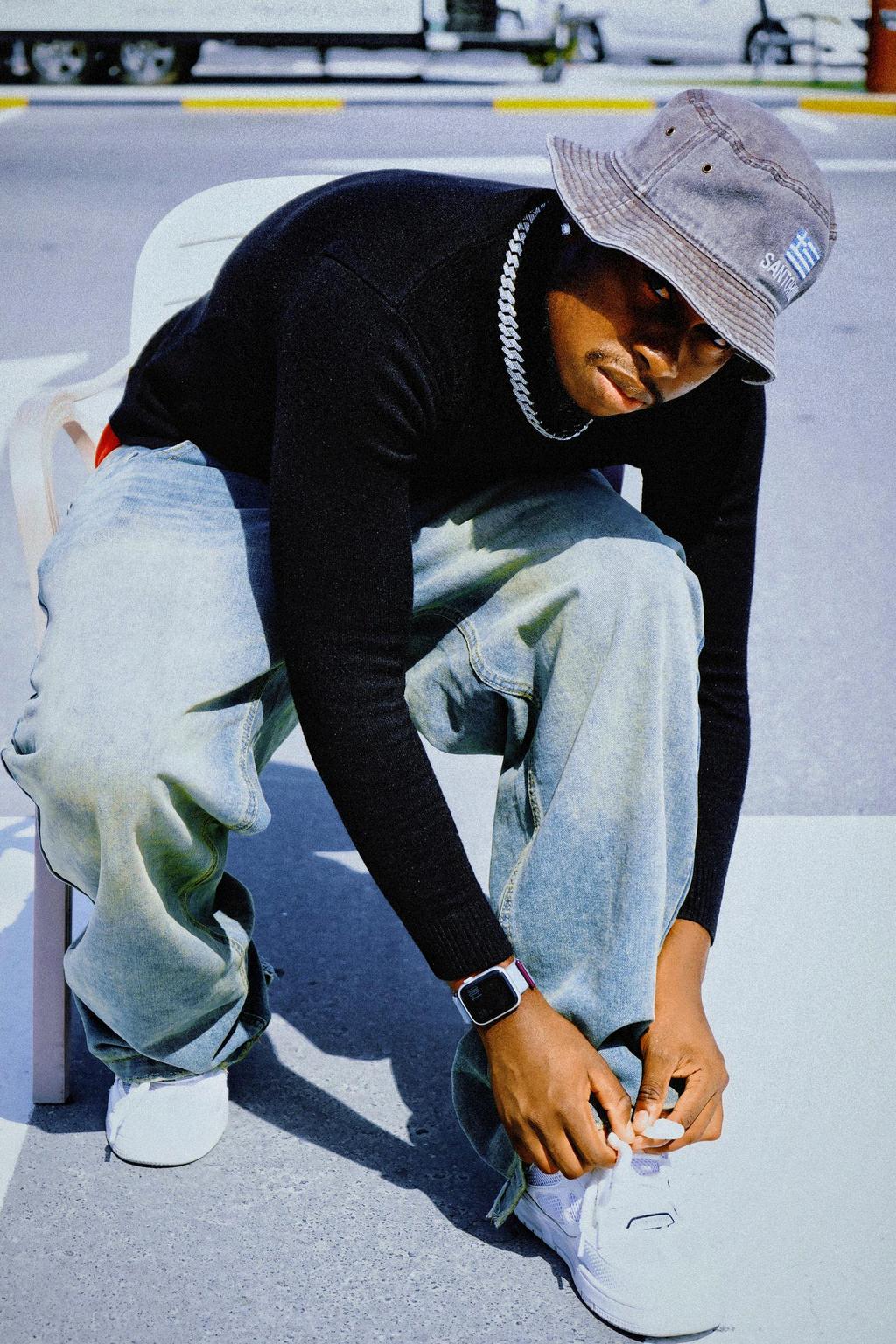
“The first time the crowd started yelling my name in high school, that’s when I knew I could make people feel energy through music.” That moment lit the spark for Parka, a rapper, video director and sound engineer whose creativity doesn’t just produce tracks, it creates movement, emotion and connection Parka doesn’t just rap, he crafts full experiences. Every beat, every mix, every video is carefully directed to deliver the vibe he imagines Highenergy singles like "Problem$" and "Howfar?" are engineered to make people dance, laugh and feel alive, yet beneath the surface is a confessional layer “My art would probably reveal the parts of me I’ve always tried to hide, the pain, the doubts, the fears and the battles
I’ve faced in silence,” he admits Each track is both celebration and testimony, proving that energy and vulnerability can coexist The biggest leap for him came when he stopped chasing approval “I realized real connection comes from authenticity, not perfection. That risk taught me that the right audience will always find you when you stop watering yourself down ” His originality comes from staying true to his purpose, drawing inspiration from life, conversations and raw emotion, not trends Language, style, or beats may shift, but the core of his music remains a oneof-one reflection of him.
Growth hasn’t been easy. Every project has tested his patience, discipline, and resilience “Talent
isn’t enough. Discipline, patience and consistency matter just as much But most importantly, I’ve learned to trust myself, even when the path feels uncertain ” That trust shows in his work, tracks that balance chaos with clarity, beats that invite joy while narrating struggle and visuals that mirror the soul behind the sound.
If creativity were a superpower, Parka says it would be transformation: the ability to turn pain into power, chaos into clarity and dreams into reality He uses it to inspire, connect and awaken audiences. Through every verse, hook and video, Parka isn’t just making music, he’s creating energy that sticks, experiences that linger and proof that
even in struggle, there’s rhythm, joy and movement Parka’s upcoming releases, like "On Gang" and "Highway", bring together diverse voices and styles, keeping each track fresh, high-energy and immersive
Behind the scenes, he’s hands-on with every element, mixing, mastering, editing and directing his own visuals, ensuring his vision translates perfectly from beat to screen
Even in the hype and energy, his music carries authenticity and heart, connecting with listeners on both a physical and emotional level. Every track proves that music can move bodies, tell stories and inspire all at once PAGE 19
s yourself as the product pays off big
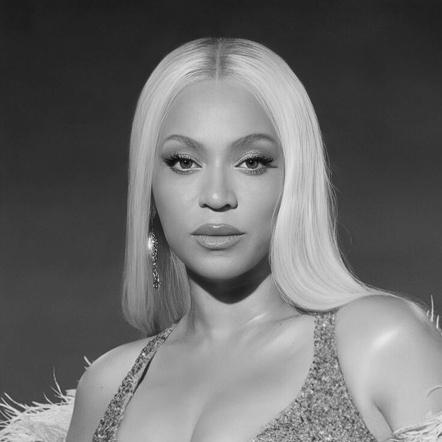
Beyoncé is proof that discipline and smart business moves create longevity. From surprise album drops to Parkwood Entertainment, she’s mastered creative control and audience trust. PAGE 24