Auto Electrical Diagnostics: The Complete Guide for Accurate Fault Detection

Page 1


Auto Electrical Diagnostics: The Complete Guide for Accurate Fault Detection
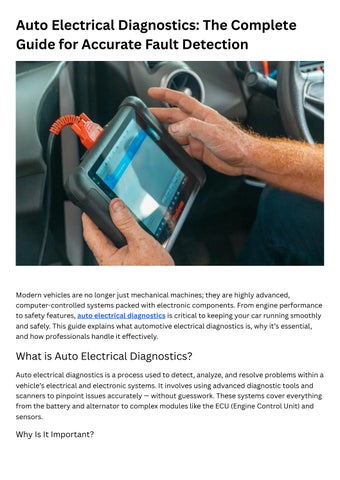
Modern vehicles are no longer just mechanical machines; they are highly advanced, computer-controlled systems packed with electronic components. From engine performance to safety features, auto electrical diagnostics is critical to keeping your car running smoothly and safely. This guide explains what automotive electrical diagnostics is, why it’s essential, and how professionals handle it eectively.

What is Auto Electrical Diagnostics?

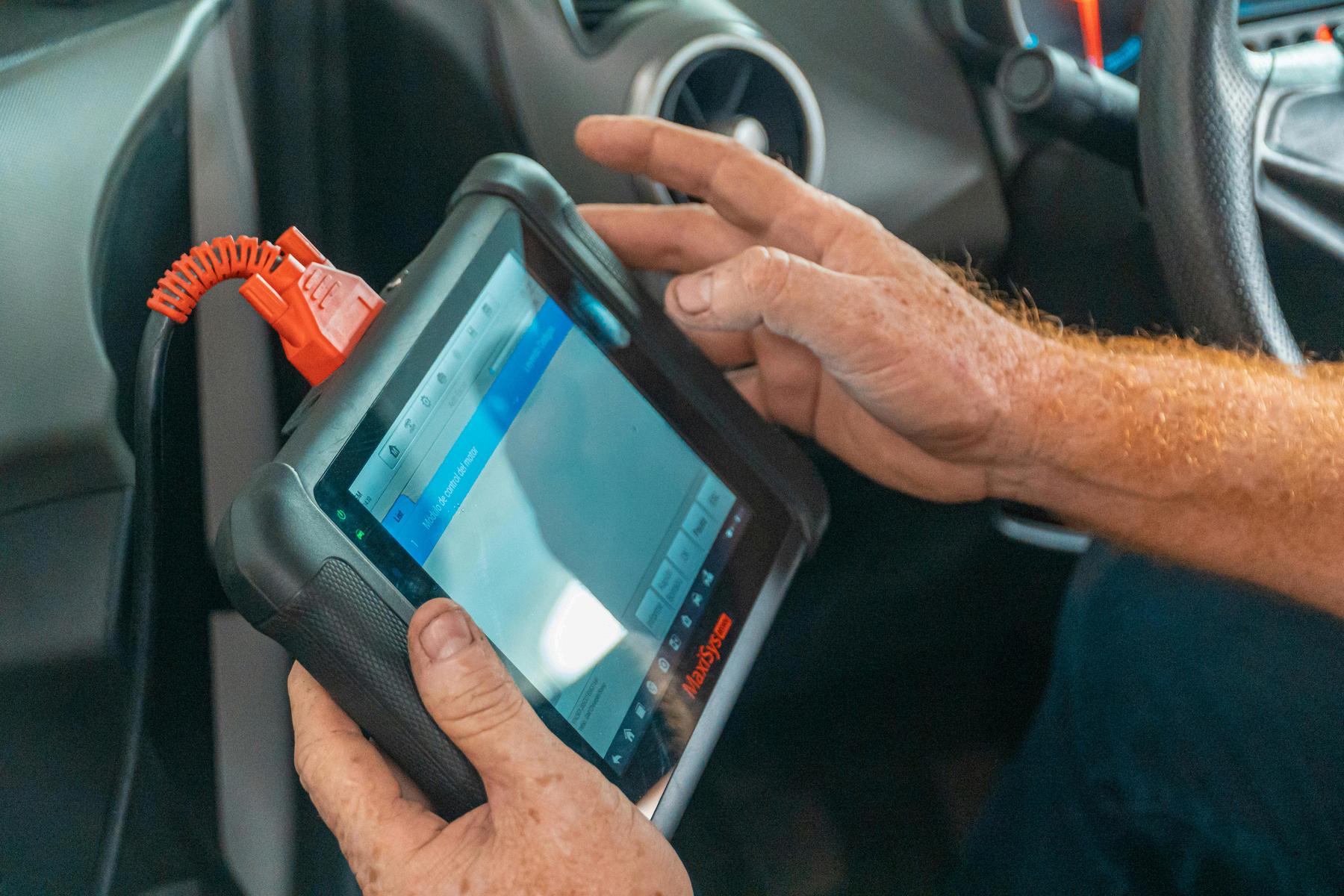
Auto electrical diagnostics is a process used to detect, analyze, and resolve problems within a vehicle’s electrical and electronic systems. It involves using advanced diagnostic tools and scanners to pinpoint issues accurately — without guesswork. These systems cover everything from the battery and alternator to complex modules like the ECU (Engine Control Unit) and sensors

Why Is It Important?

Accuracy: Modern cars use dozens of sensors and computers. Guessing faults is expensive and time-consuming.

Safety: Electrical faults can disable safety features such as airbags, ABS brakes, or traction control

Performance: Even minor electrical issues can impact fuel eciency and engine performance

Cost-Saving: Early detection prevents expensive repairs and breakdowns.

Key Components Covered in Automotive Electrical Diagnostics

1. Battery & Charging System Check

Voltage testing

Alternator output inspection

Load testing to check for hidden battery weaknesses

2. Alternator & Starter Motor Diagnostics

Ensures your car starts reliably

Prevents unexpected breakdowns

3. ECU (Engine Control Unit) Scan

Reads error codes for engine performance

Helps detect issues in sensors, fuel injection, and ignition timing

4. ABS & Airbag System Diagnostics

Identifies faults in critical safety systems

Keeps your vehicle compliant with safety regulations

5. Wiring & Circuit Testing

Locates shorts, open circuits, or faulty relays

Essential for resolving intermittent electrical issues

6. Lighting & Fuse Box Checks

Detects blown fuses, poor connections, or faulty bulbs

Improves road safety and reliability

Benefits of Professional Auto Electrical Diagnostics

No Guesswork: Accurate fault detection without replacing parts unnecessarily

Time Eciency: Quick identification reduces repair time

Comprehensive Coverage: Works for all makes and models, including hybrids and European cars

Advanced Tools: Uses manufacturer-specific scanning equipment for precise results

How Do Professionals Diagnose Electrical Issues?

Step 1: Initial Inspection

Technicians begin with a visual and physical inspection of wiring, battery terminals, and fuses

Step 2: Computerized

Scanning

Advanced OBD-II (On-Board Diagnostics) scanners read error codes from the ECU, pinpointing issues like misfires, faulty sensors, or airbag malfunctions.

Step 3: Circuit Testing

Multimeters and oscilloscopes measure voltages and continuity to detect wiring issues.

Step 4: Final Reporting

A detailed report is provided, explaining the faults and recommended repair solutions.

Common Issues Detected During Auto Electrical Diagnostics

Battery drainage or failure

Malfunctioning alternator

Sensor failures (O2 sensor, MAF sensor, TPS)

ABS module faults

Wiring shorts or corroded connections

Faulty ignition system components

How Often Should You Get Electrical Diagnostics?

Warning Lights: If your dashboard lights up unexpectedly.

Intermittent Issues: Problems like stalling, flickering lights, or weak starting.

Routine Maintenance: Every 12 months for preventive checks, especially for older vehicles.

DIY vs. Professional Diagnostics: Which Is Better?

While basic battery checks can be done at home, professional diagnostics use specialized equipment capable of reading manufacturer-specific codes. DIY tools may only provide generic error codes, which can lead to incorrect repairs and higher costs in the long run.

Frequently Asked Questions (FAQs)

1. How long does auto electrical diagnostics take?

Most professional diagnostic checks take 30-60 minutes depending on the complexity of the fault.

2. Is diagnostic testing expensive?

No. Most workshops oer aordable pricing, and accurate diagnosis can save money by preventing unnecessary repairs

3. Can diagnostics fix my car automatically?

Diagnostics detect faults; repairs are a separate step, but accurate diagnosis speeds up repair time

Conclusion

Auto electrical diagnostics is a vital step in maintaining modern vehicles. From battery testing and ECU scanning to wiring and sensor checks, these services ensure your vehicle runs safely and eciently. Whether it’s a flashing dashboard light or an intermittent electrical issue, don’t ignore the signs.

Looking for professional auto electrical diagnostics? Visit your trusted workshop today and prevent costly future repairs.

Turn static files into dynamic content formats.

Create a flipbook
Issuu converts static files into: digital portfolios, online yearbooks, online catalogs, digital photo albums and more. Sign up and create your flipbook.