MEDTECH OPINION LEADER










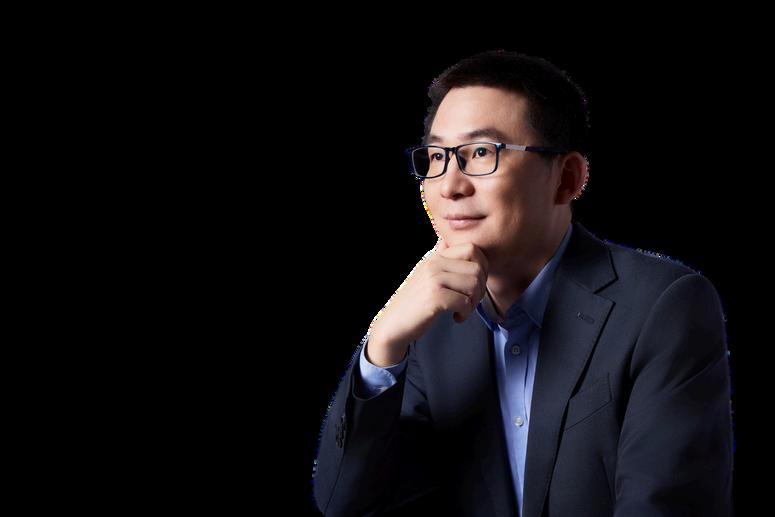







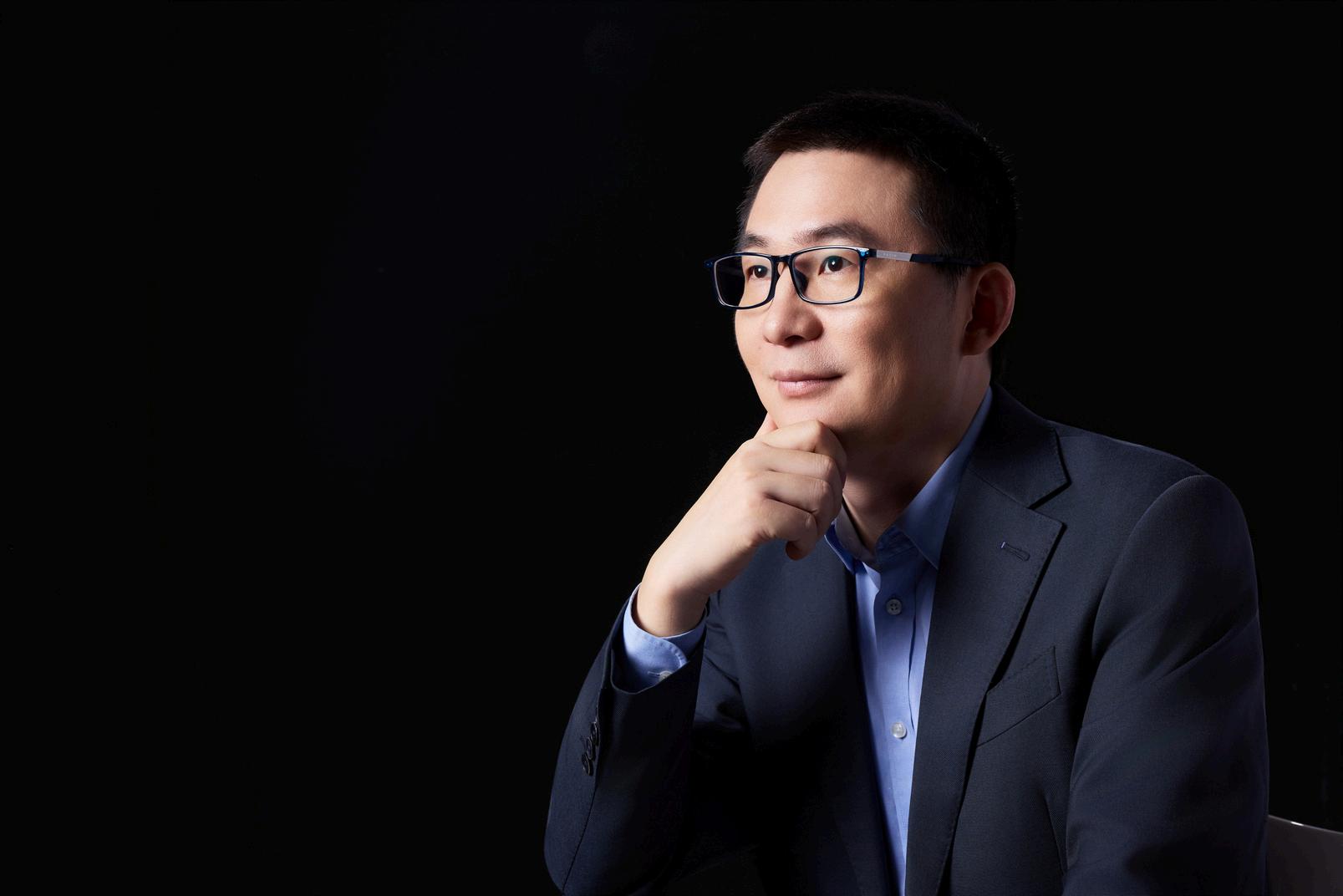




05 Dr. Alex He talks about his journey building MedBot and advancing surgical robotics to make high-quality, accessible, and even remote surgery available worldwide through innovation, user-focused design, and global collaboration.
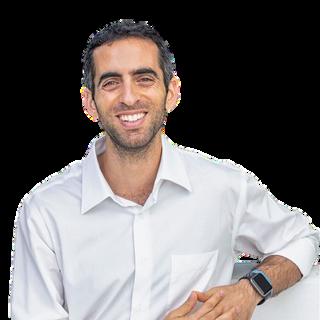
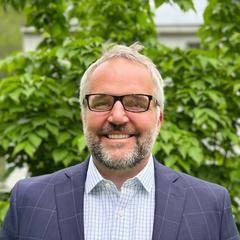
Joe Mullings talks about how surgical robotics growth depends on smart market segmentation, strong leadership and talent, user-centered design, and ultimately a shift where AI-driven software and data not the robot itself become the most valuable part of the ecosystem.
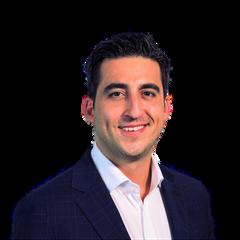
Andrew Savarese talks about how digital surgery combines robotics, AI, imaging, and data to create an intelligent, data-driven surgical ecosystem that enhances decision-making, reduces variability, and ultimately improves patient outcomes through real-time insights, trust, and global collaboration.
David Fischel talks about how Stereotaxis’ magnetic robotic technology improves precision and safety in minimally invasive procedures, and how combining robotics with AI and connectivity will transform interventional medicine into a more precise, data-driven, and widely accessible form of care.
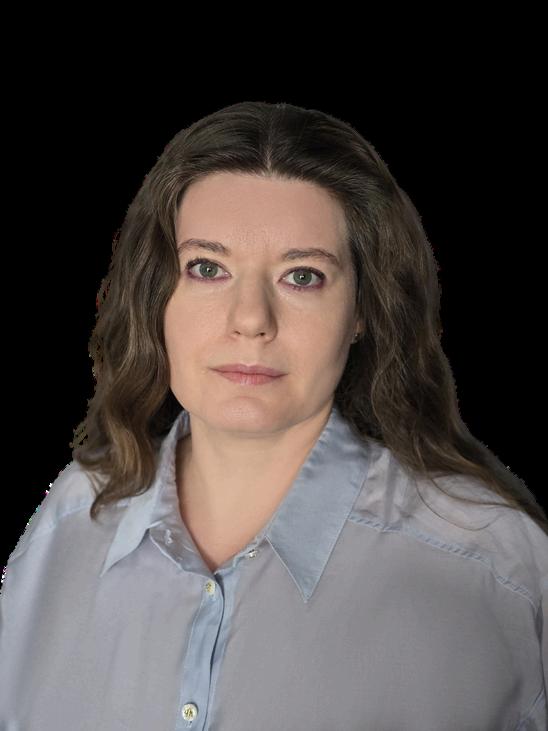
28 Paul Roberts talks about how robotic dentistry powered by precise imaging, AI, and automated execution can deliver more consistent, high-quality treatments, starting with procedures like veneers and eventually expanding to make advanced dental care more efficient, affordable, and widely accessible
Dennis Moses talks about how surgical robotics should be built by deeply understanding real clinical workflows, translating them into precise engineering requirements through observation, modeling, and iteration, and ultimately creating assistive systems that balance precision, safety, and usability while keeping surgeons central to decision-making.

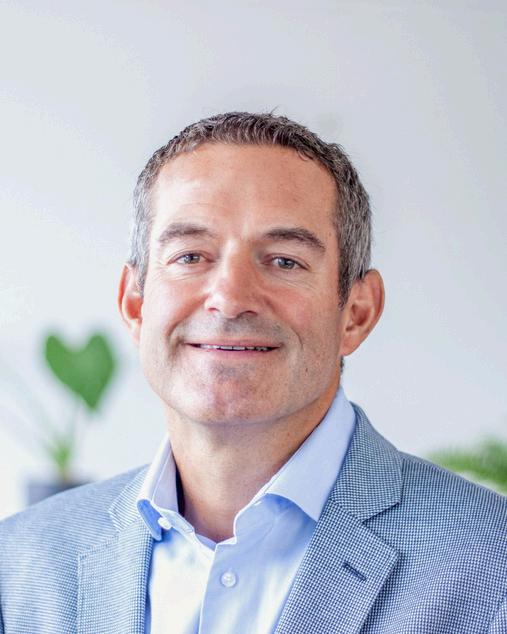



38 Sertac Gusel talks about demands in the age of robotics & ai and highlights visionary, ethical, culturally & cross-disciplinary fluent, risk-on leadership.
Jeroen M.M. van Heesewijk talks about how surgical robotics has been shaped by key clinical and economic breakthroughs, how China’s innovation, scale, and policy support are accelerating global competition.
49 Olivier Delporte talks about how robotic surgery still lacks real-time microscopic tissue insight, and how complementary imaging technologies like the Histolog Scanner can fill this gap by providing rapid, intraoperative, high-resolution tissue assessment to improve surgical precision, outcomes, and efficiency.
54 Dr. Dylan Attard talks about building MedTech World into a global ecosystem that connects investors, innovators, and healthcare leaders focusing on turning conversations into real partnerships, scaling opportunities, and practical execution in markets like the Middle East and the U.S.
60 Steve Bell talks about how surgical robotics will evolve through deeper segmentation, AI and advanced imaging integration, and broader global adoption—while emphasizing that real growth depends on better training, realistic economics, and scaling access (especially in emerging markets) rather than just lowering prices.
63 Christopher Simmonds talks about how successful adoption of robotic surgery depends on positioning it as a full clinical and business “program” (not just a device), demonstrating real-world value to hospitals and surgeons, and driving growth through evidence, training, and expanding access with smarter, more efficient systems.
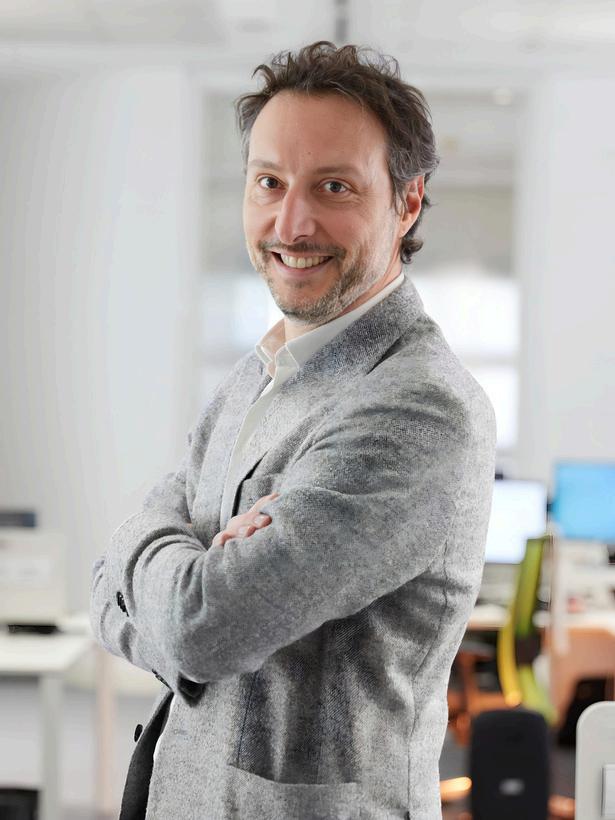

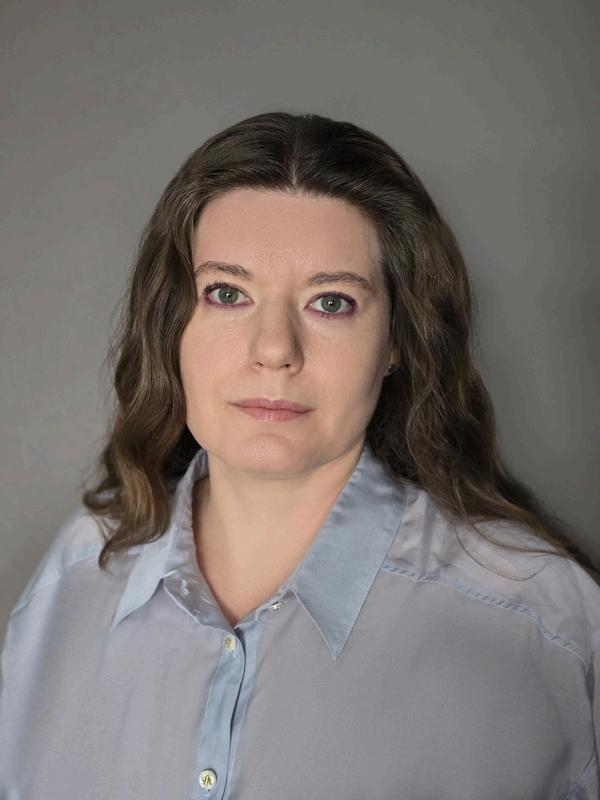
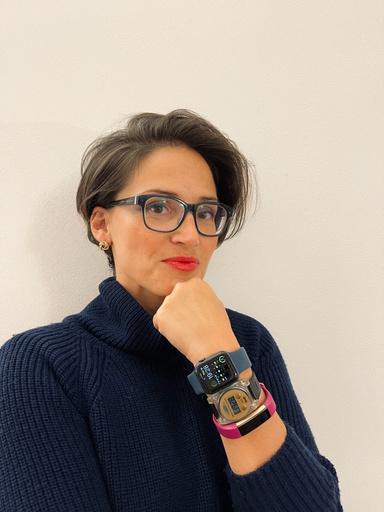

Stefano Pomati talks about how the future of robotic surgery is shifting from mechanical precision to AIdriven intelligence using data and real-time decision support to augment surgeons, improve outcomes, and create integrated, workflow-friendly surgical ecosystems rather than fully autonomous systems.
Kash and Silke talk about celebrating and demystifying the medtech industry through their podcast Our MedTech Lives, sharing real career stories, new technologies, and inspiring more people to join and connect within the field
Olga Krivchenko talks about how advanced software especially XR (AR/VR/MR), AI, and immersive visualization can enhance robotic surgery by improving training, planning, real-time decision-making, and usability, while emphasizing the importance of secure, compliant, and user-centered development to turn innovative ideas into practical healthcare solutions.
Hannah Teichmann talks about creating a successful robotics start-up, what successful MedTech teams do differently, the ideal start-up environment, and the future of MedTech

Stan Kalinin explores how flexibility, data-driven hiring, and global talent strategies are redefining the MedTech workforce, enabling companies to stay agile and innovative in a shifting market
John Hart talks about making robotic surgery faster and safer through Endospool, a smart suturemanagement tool that streamlines workflow, reduces risk, and boosts efficiency for surgeons and patients alike
I would like to welcome you to our issue MedTech Opinion Leader.
At MedTech Opinion Leader, we are dedicated to bringing you the latest insights from industry trailblazers, comprehensive analyses, and forward-thinking perspectives. Our mission is to empower you with the knowledge and insights needed to shape your own vision in the ever-evolving medical technology landscape Through expert commentary and in-depth coverage, we strive to be your go-to source for staying ahead of the curve in this dynamic field.
Editor in Chief Stan Kalinin

Stan: Dr. He, your name has become synonymous with China’s remarkable rise in surgical robotics. Could you share a little about your journey from your early days in Sichuan to leading one of the world’s fastestgrowing surgical robotics companies?
Dr. Alex He: Thank you for the opportunity. I grew up in Sichuan famous for its fiery cuisine and resourceful people and my path to surgical technology crossed both cultural and geographic borders. My engineering foundation was built at Tianjin University, where I completed a Ph.D. in Mechanical & Electronic Engineering Even there, I was one of the first in China to participate in research and early development of laparoscopic surgical robots, and was fortunate to be a key member of China’s first national-level surgical robot R&D project The turning point came when I joined a joint Ph.D. program and research at Johns Hopkins University in the US. At Hopkins, I immersed myself in state-of-the-art surgical robotics and developed the Galen ENT microsurgical robot. This dual exposure to Chinese ingenuity and American academic rigor formed my view of what medical engineering could achieve on a global scale
Stan: What inspired you to create MedBot, and what gaps in the market did you wish to address?
Dr. Alex He: Back in 2014, China’s healthcare market was ready for greater technological independence and innovation While working at both Johns Hopkins and the China Academy of Space Technology, I saw the high impact of robotics in both surgery and space research The success of the American surgical robotic system available at the time proved the potential, but adaptation was limited by cost, access, and localization needs I felt strongly that Chinese engineers by working closer to the clinical users and addressing their feedback could
build a next-generation surgical robot. So, with MicroPort’s support, MedBot was born Our founding mission was to design and industrialize robotic platforms that are highly innovative, reliable, and accessible for surgeons and patients worldwide
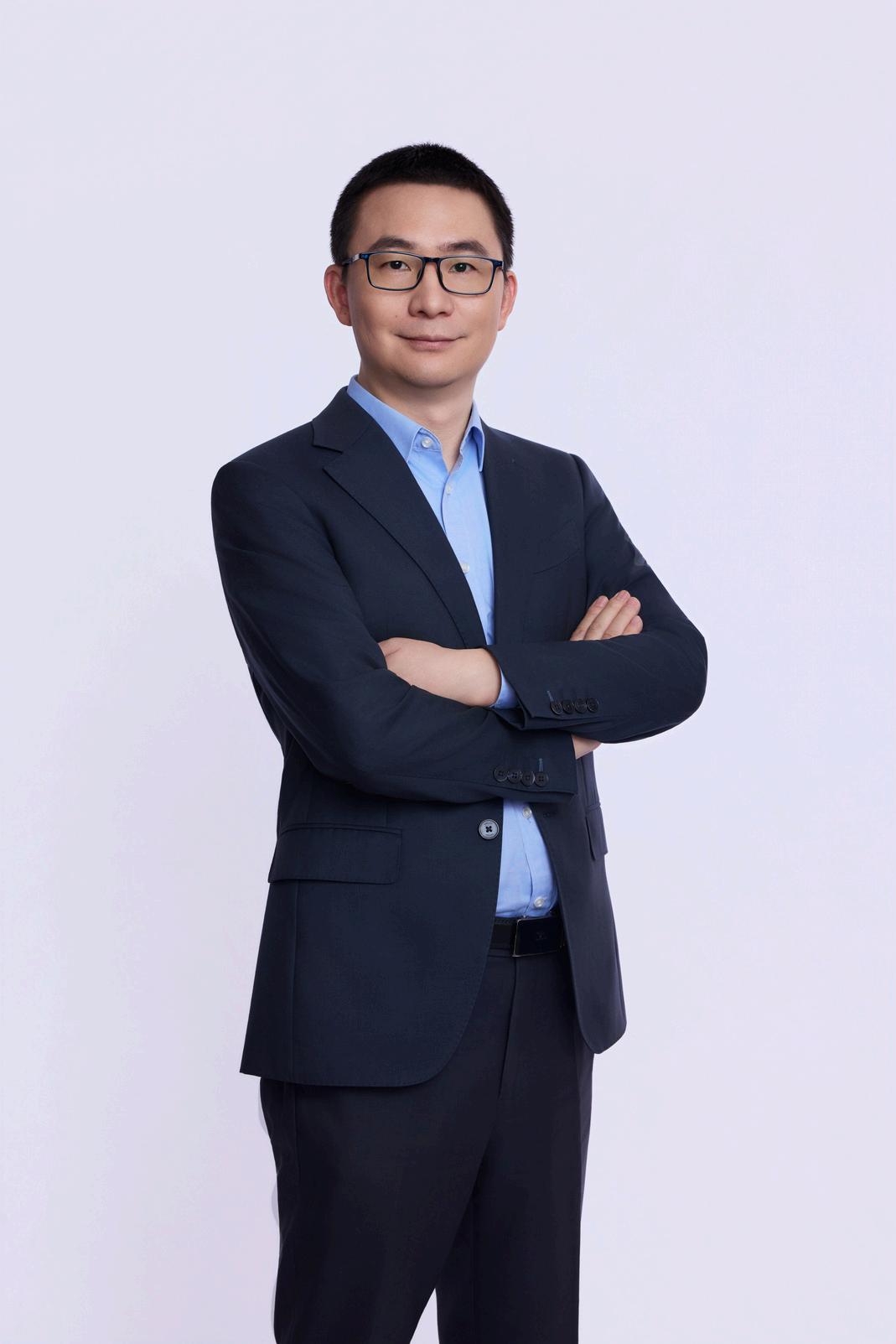
Stan: You are known for both your technical mastery and your insistence on user-focused design. How has this shaped MedBot’s product development?
Dr. Alex He: Surgical robotics demands a deep understanding of engineering *and* the realities of the operating room. From day one, we started by listening not just to clinicians in Shanghai, but to surgeons around the world
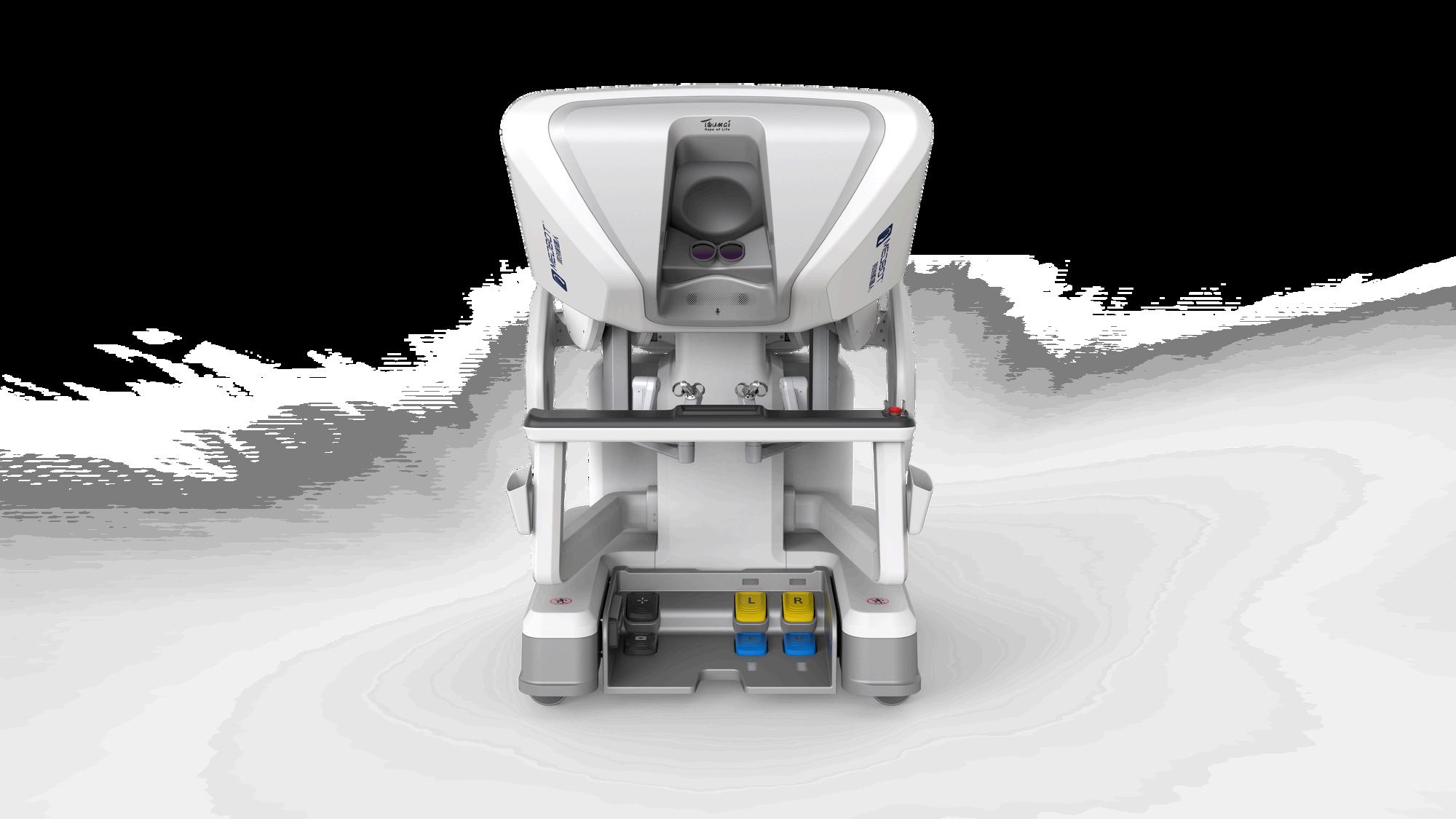
My philosophy: never settle for the status quo. Each prototype, from the earliest Toumai robots to our latest products, benefited directly from real user feedback The result is a system that covers the needs of high-volume surgeons, first-time users, and tertiary care centers alike. My engagement does not end at the release of a new finished product I am part of the complaints review & feedback process post-launch, ensuring our teams respond to these feedback in a timely manner and with the right approach
More importantly, this process creates a culture of continuous improvement, where every engineer and product manager learns to walk in the surgeon’s shoes
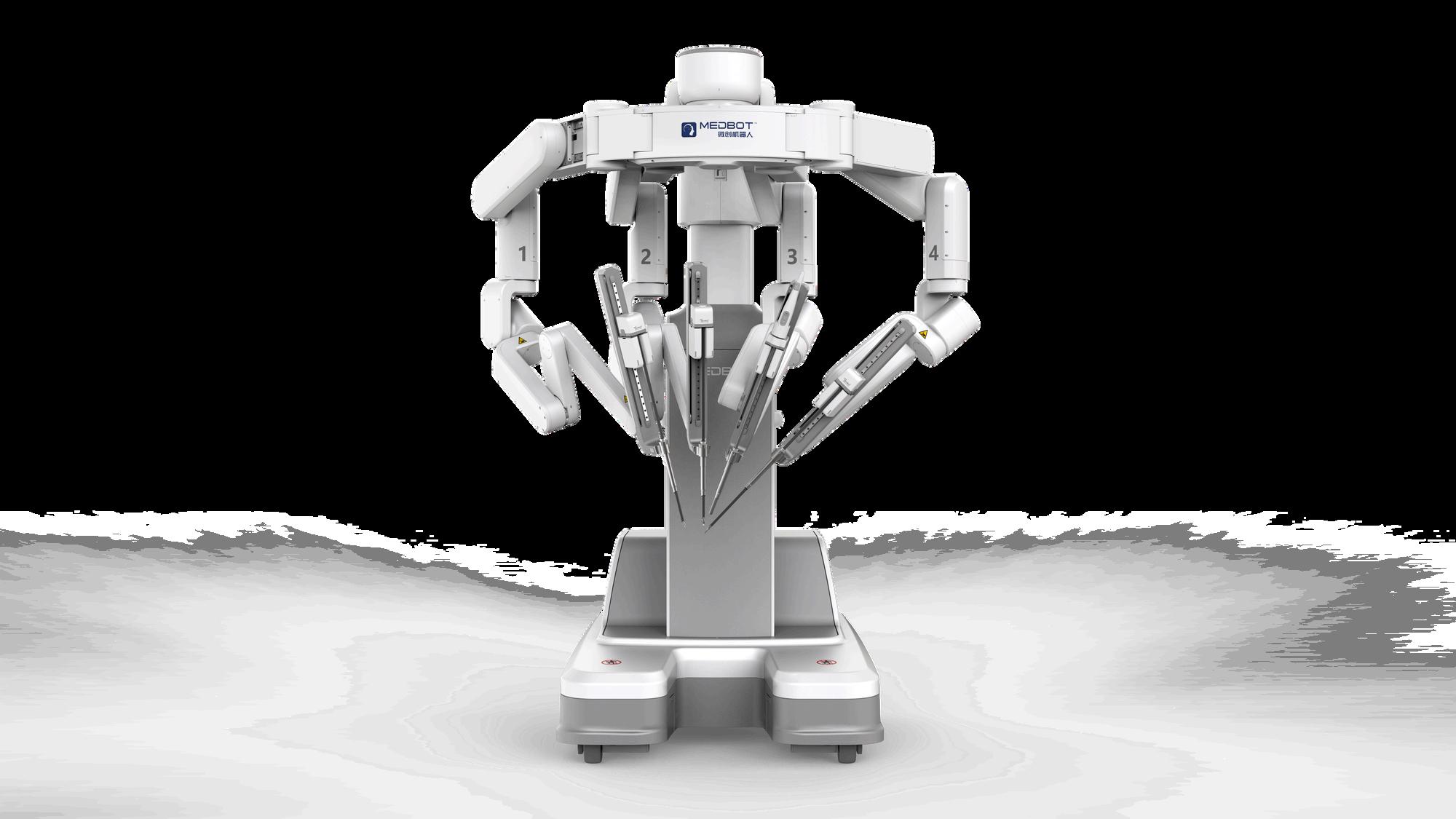
Stan: The proliferation of the Toumai robot is making headlines. How did MedBot bring a made-in-China surgical robot into over 100 installations globally in just one year?
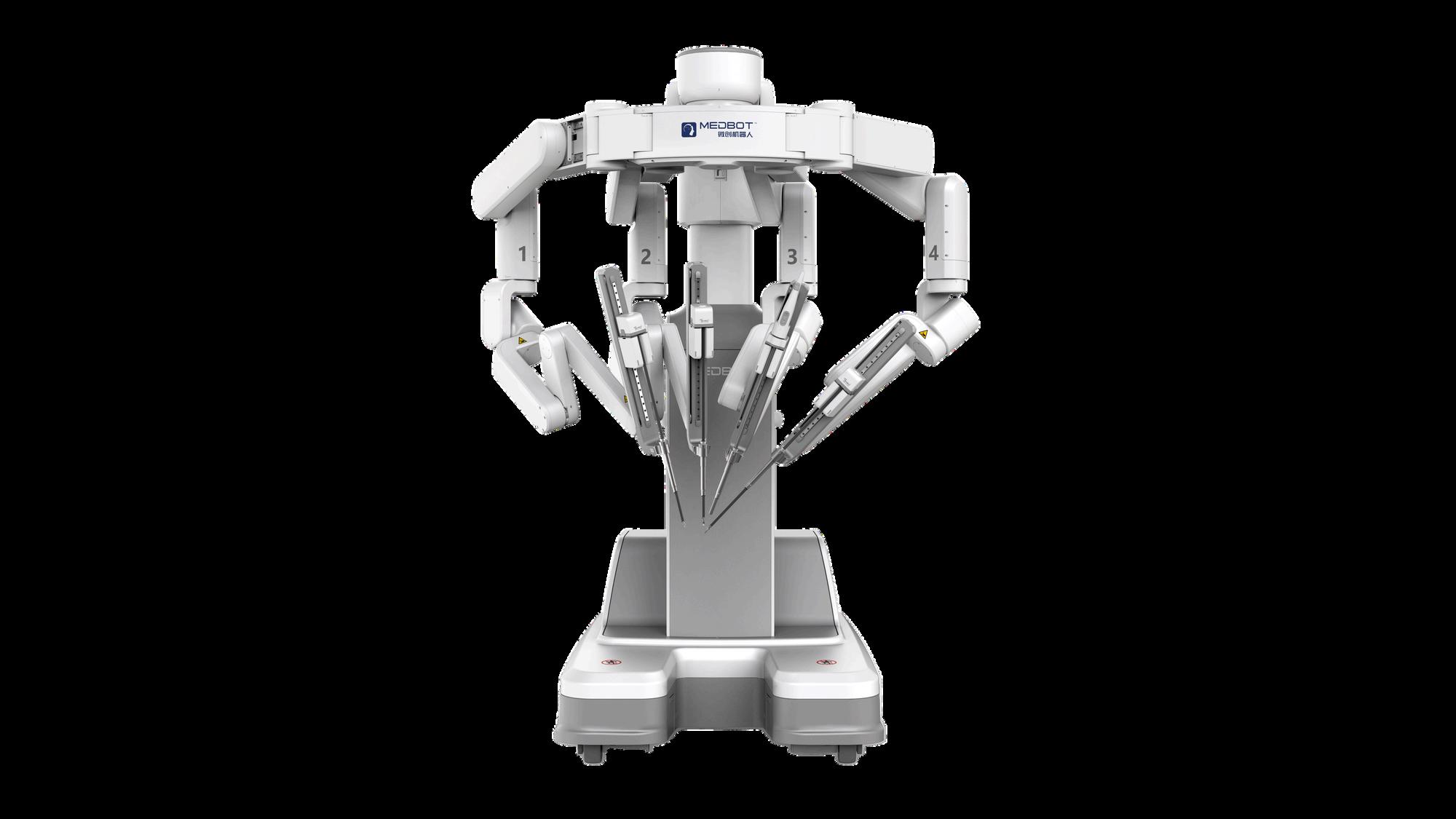
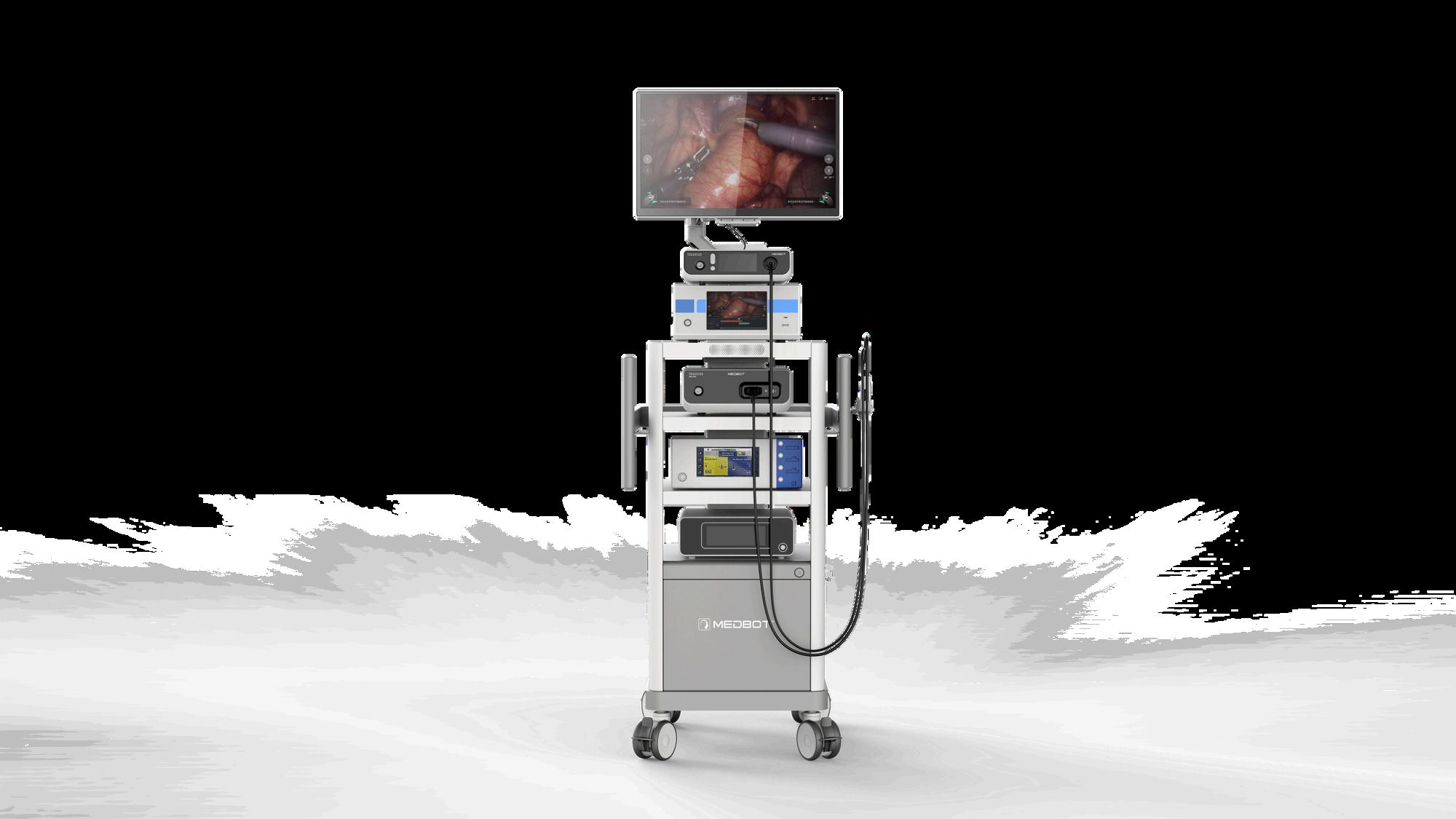
Dr. Alex He: The journey has exceeded even my own hopes By 2025, Toumai achieved over 100 cumulative commercial orders worldwide outside of China, the total number of surgeries has surpassed 15,000 cases, with a rapid growth momentum Our robots are now working in over 60 countries and regions, from Angola to Belgium, Morocco to Kuwait, Philippines to India, Spain to Latin America
This is the broadest international deployment by any non-US surgical robot company. What’s driving it? A purpose-designed system, robust clinical performance, and a belief that advanced healthcare should not be reserved for a privileged few. Our hybrid strategy partnering with local hospitals, deploying regional teams offering dedicated clinical support, service and training, and maintaining agile support lets us succeed in both developing and demanding markets

Stan: MedBot’s reach is not limited to large academic centers. Could you speak to the deployments in diverse regions, especially where surgical robotics is new?
Dr. Alex He: One of my proudest moments was seeing the first Toumai robots successfully deployed in Angola and Morocco landmarks for surgical innovation on the African continent. We’ve extended our advanced technology across Latin America and the Middle East, notably in Kuwait and UAE, where leading hospitals are actively training surgeons, broadening skills and access. In Asia, countries like the Philippines and India are embracing Toumai’s capabilities, enabling important milestones such as the first roboticassisted surgeries that mark a leap forward in local healthcare standards
Meanwhile, in Europe where expectations are high surgeons in Spain, Belgium, Italy, Poland, and Serbia have
integrated Toumai into their regular workflows, effectively easing patient backlogs and expanding minimally invasive surgical reach Egypt also represents a vital part of our footprint in Africa, symbolizing the blend of emerging demand and cutting-edge technology we aim to serve Across these varied regions, we tailor our approach to local needs and provide hands-on support, ensuring that both surgeons and patients benefit from the transformative potential of surgical robotics
Stan: Tele-surgery is a frontier many find inspiring but daunting. Why is it so central to your vision?
Dr. Alex He: Remote surgery is not just a technological extension of existing procedures it is a paradigm shift This matters deeply to me because it removes geography as a barrier to quality care. The goal is simple but profound: no child, mother, or elder should be denied safe
surgery because of where they live. We are building a connected ecosystem, not just a product Remote features allow surgeons to train, collaborate, and even operate across continents.
Stan: MedBot is widely praised for its pace of innovation. How do you instill a creative, ‘never-settle’ mindset within your teams?
Dr. Alex He: It starts with personal commitment and the right team culture All our engineers, trainers, quality leads and product managers are encouraged to spend time in hospitals, observe procedures, and try simulation systems We celebrate ideas from every level of the company, and structured peer review ensures no critical user feedback is missed.
I tell my teams: “Innovation is not just invention; it’s iterative improvement and attentive listening.” We lean into difficult feedback especially from our most experienced users, whether they’re in Shanghai or Madrid and use it as fuel for our next round of development. Speed is in our DNA, but so is thoughtfulness.
Stan: What sets MedBot apart in terms of design and product philosophy from Western competitors?
Dr. Alex He: Our background is unique: We combine Chinese agility and scale with worldclass research credentials.
While in the United States, I learned that the most enduring technologies emerge from close interdisciplinary collaboration computer science, medicine, engineering, even space research
At MedBot, we apply this lesson by crosspollinating ideas and pushing for seamless, instinctive interfaces that truly “disappear” during clinical use
In features, we focus on making robots adaptable, scalable for remote operation, and accessible to new surgical teams Toumai is engineered for reliability, low cost per case, and rapid onboarding critical for emerging markets.
Interviewer: Where do you see MedBot, and the field of surgical robotics, heading in the next five years?
Dr Alex He: The journey is only beginning MedBot’s priority is to deepen our product range: expanded AI guidance, more specialties beyond laparoscopy, deeper integration with training and simulation, and a universal remote surgery framework. Our ambition is not just global market leadership but universal patient access. We aim to scale our impact to thousands of installations and bring robotic support to every surgeon on earth By leading from the most innovative, fastest-moving country China we can reset the boundaries of what health technology can achieve My vision: a world where the best surgical care is available to all, no matter where or who they are.
Stan: When your peers think of Alex He and MedBot, what impression do you hope they take away?
Dr. Alex He: I hope they see a company and a leader driven by humility, curiosity, and purpose The true value of innovation is in its impact: the safer operation, the faster recovery, the life saved in a remote community I am proud of what MedBot has achieved, but even prouder of the hundreds of engineers, clinicians, and partners who share our journey. Every day is a new opportunity to listen, learn, and improve That is what will fuel the next generation of surgical robotics and bring meaningful change to the world.

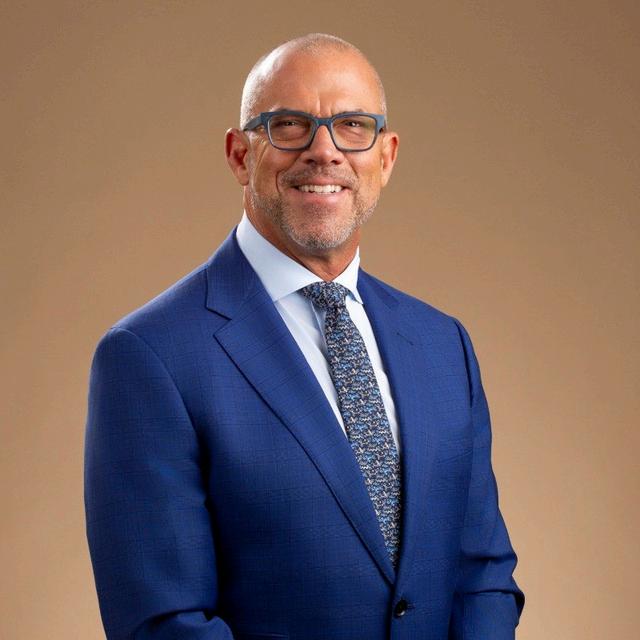
Stan: From your perspective, what makes robotic surgery one of the most important growth areas in medtech right now?
Joe: For this category, the statement “important growth areas” can appear as a single dimension and have one think too narrowly, especially in surgical robotics.
Those who are successful will have segmented / stratified the market they are planning on competing in, understanding and executing on different buyers, different talent needs, different timelines
Clinical specialties like cardiac, neuro, spine, orthopedics, soft tissue, GI all have different technical challenges to solve, procedural complexity, reimbursement dynamics, and competitive landscapes.
Care settings are different Currently, hospitals and ASCs have different economics, regulatory pathways, and go-to-market strategies entirely.
Technology domains are varied and require different problems to be solved as well as differentiated talent. Navigation, visualization, autonomous tissue handling, AI-assisted decision support, teleoperation, the list goes on
Value chain positions determined by the platform manufacturers, specialized instruments, disposables, software / AI layers, service and training, data analytics create different business models, margins, and entrenchment.
Procedural complexity tiers which end up being determined as the site of care, simple highvolume procedures robotics can democratize versus complex low-volume cases requiring specialized expertise This also drives business models and pricing strategies
Stan: When advising CEOs in surgical robotics, what are the most common leadership challenges you see as companies try to scale?
Joe: It depends on the phase of development that the company is in as well as the complexity of the problem they are planning on solving Is it a hard tissue robot, soft tissue robot, endoluminal robot, or some other “robot”?
The technical challenges are one thing, the workflow and site of care engagement is another, the pricing model and go to market plan and launch are other major challenges all to be solved on a massive scale by the CEO
Most surgical robotic platforms require large data sets to prove that the clinical and economic benefits are present, training and development programs to be in place, and install and utilization teams stood up. Selling the first 10 robots is different than selling the next 50 systems, and the commercial team construct that got the first (10) systems in will look quite a bit different than scaling to the first (100) installs.
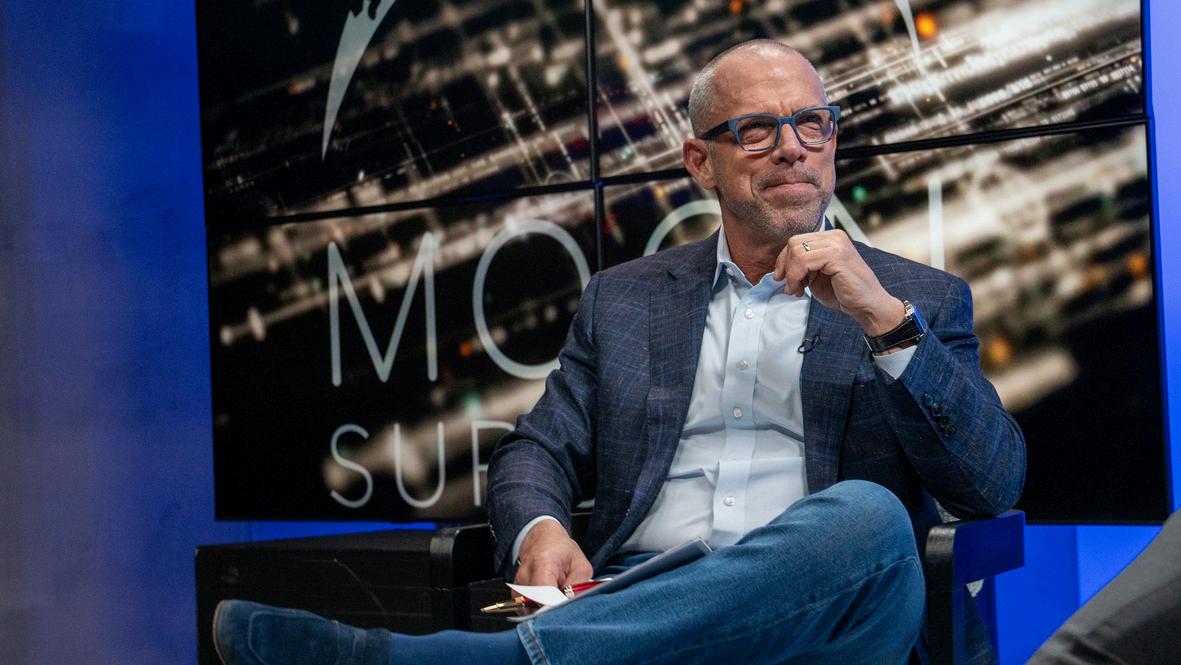
Stan: What separates robotic surgery companies that successfully reach market leadership from those that struggle to gain adoption?
Joe: Was the system developed from Day One with the surgeon, care team, and patient in mind or did it come out of a university lab as a very cool technical project and is looking for a problem to solve? This leads to feature creep which is a problem in several platforms


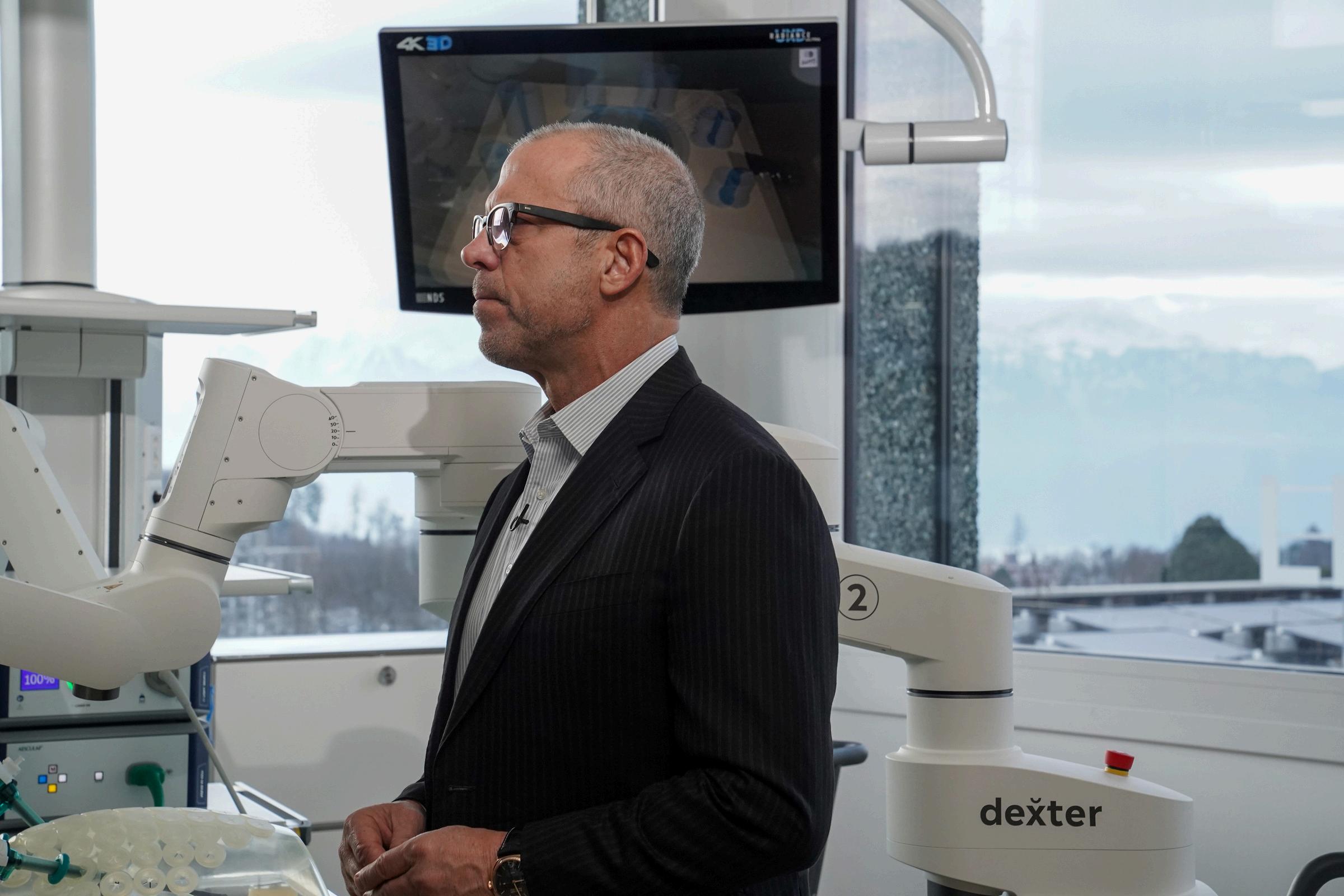
If it is not easy to use with very limited workflow disruption and in most cases a robot must reduce it, it will be dead on arrival Also, most companies don’t have a price issue, they have a pay plan issue and getting that correct for the surgeon and site of care is existentially important
Stan: In surgical robotics, how important is building the right clinical, commercial, and engineering talent, and where do companies most often fall short?
Joe: Most surgical robotics companies fall short in a few places The first is not hiring the absolute best A+ talent in a specific category whether it is navigation, imaging, controls, hardware, mechanism & kinematics, etc It is always a better strategy to budget compensation to bring on the absolute best, keep the head count lower and the compensation structure higher
The second issue is staying in the echo-chamber of end users / surgeons and not breaking out of the Golden KOL club and including a wider sampling of surgeons / users that represent a larger part of the eventual user base.
Stan: For robotics companies entering the U.S., what are the biggest barriers to U.S. market entry?
Joe: A few items stand out First, being able to understand the cultural differences that will exist between the OUS company and the US organization. Time zones, massive compensation differences, communication alignment, organizational structure changes that must occur, changes to the system that will need to be made to compete in the US system that are typically met with resistance from the founding team that is OUS These all create tremendous friction between the US and OUS teams in a system that is already difficult to bring a platform to market The second is financing Having enough financial backing to develop and commercialize
a surgical robotic platform requires the company to be “the bank” in financing systems in the field These surgical robotic platforms are now “placed” in a leasing arrangement and roll up into the OPEX budget and not “sold” rolling up into the CAPEX budget This dynamic change that has occurred over the past few years was not baked into the economics of venture funding by most surgical robotics companies.
Stan: Looking ahead, what major trend in robotic surgery AI integration, automation, new procedure areas, or hospital economics do you think will shape the next decade?
Joe: In the next decade, the robot will become a commoditized node in the digital intelligence system The robot will be a facilitator based on the decisions of the digital ecosystem Still an amazing work of engineering, but no longer the top of the mountain as it is coveted today
Robots will become subordinate nodes in comprehensive surgical decision systems. Moving upstream and of higher value to ownership is the full digital layer which is preoperative planning using patient-specific imaging and AI-predicted outcomes, intraoperative guidance adjusting in real time to tissue conditions and complications, postoperative analytics feeding back into the system to improve outcomes.
The robot evolves to the physical actuator of decisions made upstream by software that knows more than any individual surgeon. This flips the current business model Currently, the value is predominantly at the hardware level through capital equipment sales and disposable instruments. In the future, it shifts upstream to the software, data, and intelligence layer Whoever controls the digital advisement system that tells surgeons what to do and robots how to execute becomes the operating system for surgery itself The robot likely becomes commoditized infrastructure, like server hardware beneath the cloud software of today.
MOST SURGICAL ROBOTICS COMPANIES FALL SHORT IN A FEW PLACES. THE FIRST IS NOT HIRING THE ABSOLUTE BEST A+ TALENT IN A SPECIFIC CATEGORY WHETHER IT IS NAVIGATION, IMAGING, CONTROLS, HARDWARE, MECHANISM & KINEMATICS, ETC. IT IS ALWAYS A BETTER STRATEGY TO BUDGET COMPENSATION TO BRING ON THE ABSOLUTE BEST, KEEP THE HEAD COUNT LOWER AND THE COMPENSATION STRUCTURE HIGHER.
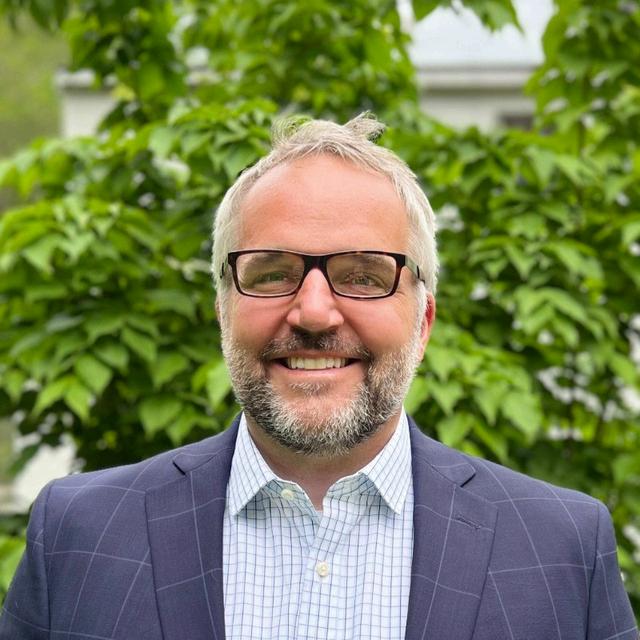
Stan: How do you define “digital surgery,” and why is it becoming such an important focus area in healthcare today?
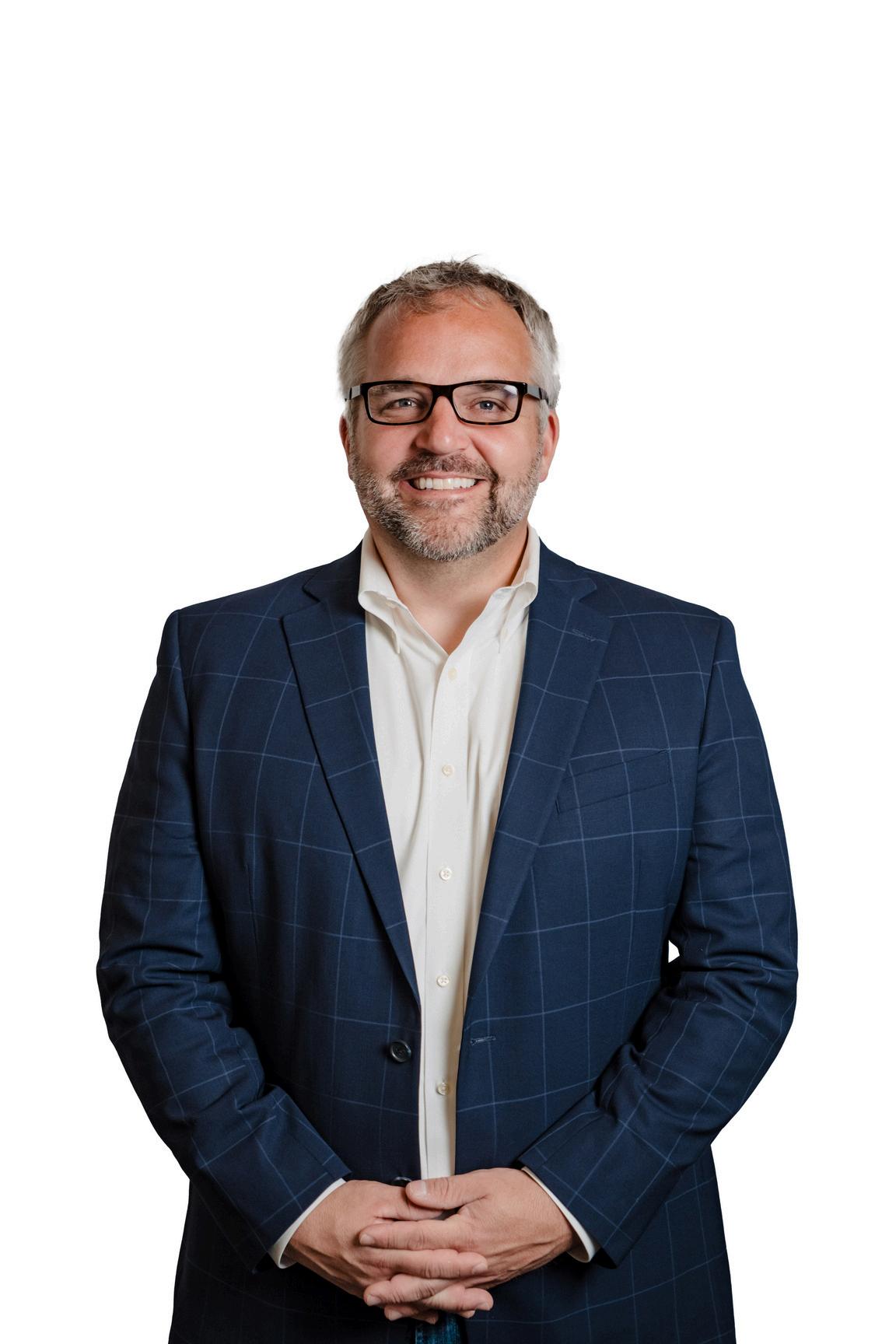
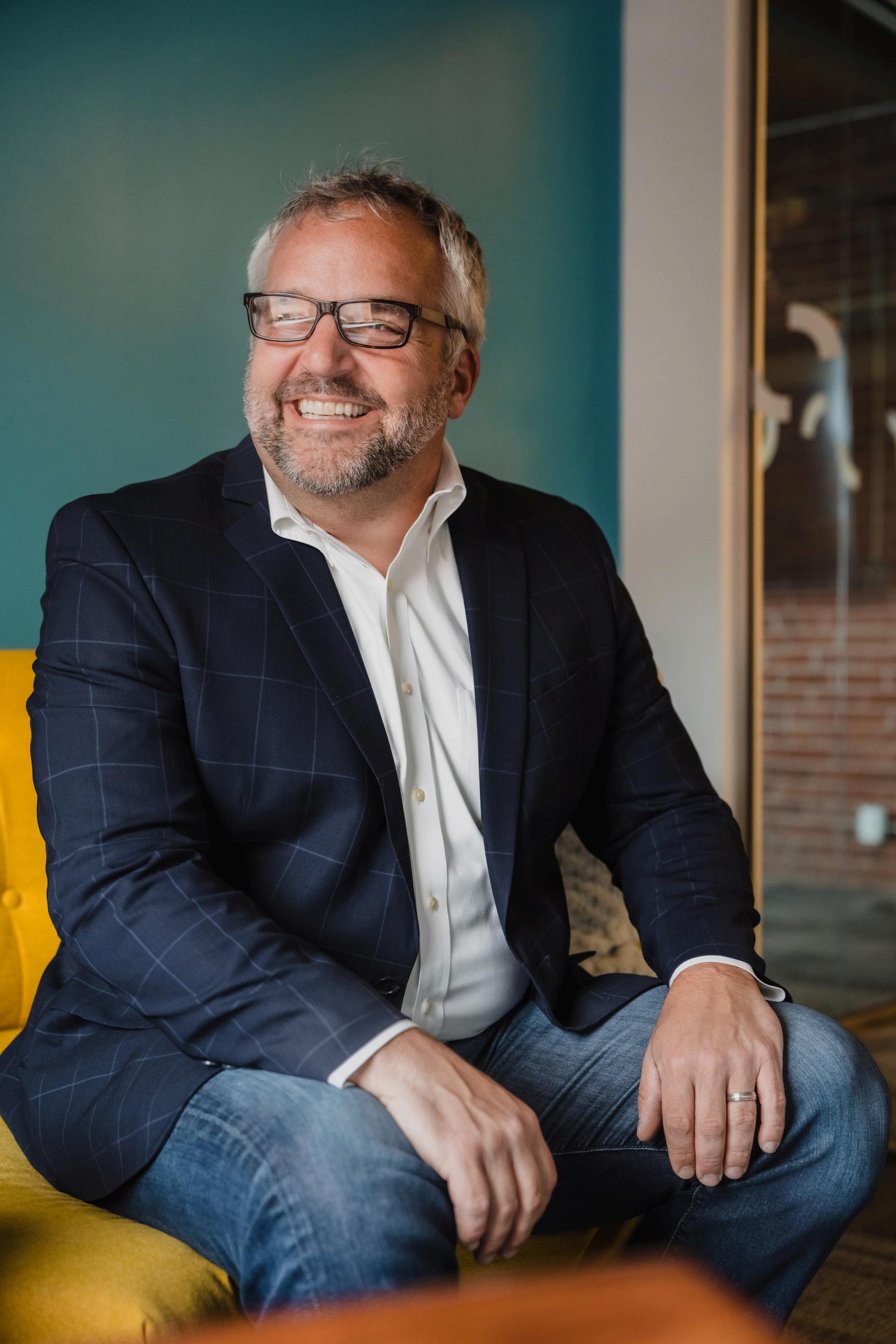
Andrew: To me, digital surgery is the surgical experience of receiving real time data-driven insights from a diverse set of digital devices to improve efficiency, enhance decision support, and lower cognitive burden for surgeons and their staff It involves the convergence of different technologies like robotics, advanced imaging devices, and data science to produce an intelligent ecosystem in the OR by which teams can leverage not just their personal experience when operating, but the collective practice of surgeons globally for the same procedure.
The concept of digital surgery, even if not coined that until fairly recently, has been something in the making for decades. When I was at Intuitive and we first launched the DaVinci robot in the early 2000s, most practitioners, hospital executives, and other device companies saw it merely as another tool, but they lacked the foresight to see that it was so much more than that At the core, robotics, advanced optics, navigation systems, and sensorized tools are a means to digitize all human movement in the operating room while simultaneously registering the tissue response of the patient Fast forward to today, and this technology is reaching a level of maturity that is enabling practitioners to move beyond the limits of their own hands. What’s further, this technology is driving a psychological readiness that these platforms are not meant to replace but rather augment their training and decision making in the surgical theater.
All of this had to occur in a gradual stepwise fashion. Thirty years ago, most people would have never stepped into a self-driving car. First, you needed to build trust that the navigation system could get you efficiently from Point A to Point B. Then you needed to learn that lane departure, blind spot warning sensors, and automatic braking were going to make you a better driver and, in some cases, prevent an accident. And finally, it was about putting all this
together with someone still in the driver’s seat to be there just in case Technological readiness has driven adoption, but psychological acceptance is driving growth. Digital surgery is finally at a point where we are ready to drive with someone in the seat – with the proper guardrails in place to ensure we brake even when we aren’t ready to.


Stan: From your work at PA Consulting, what are the biggest technologies currently reshaping the operating room?
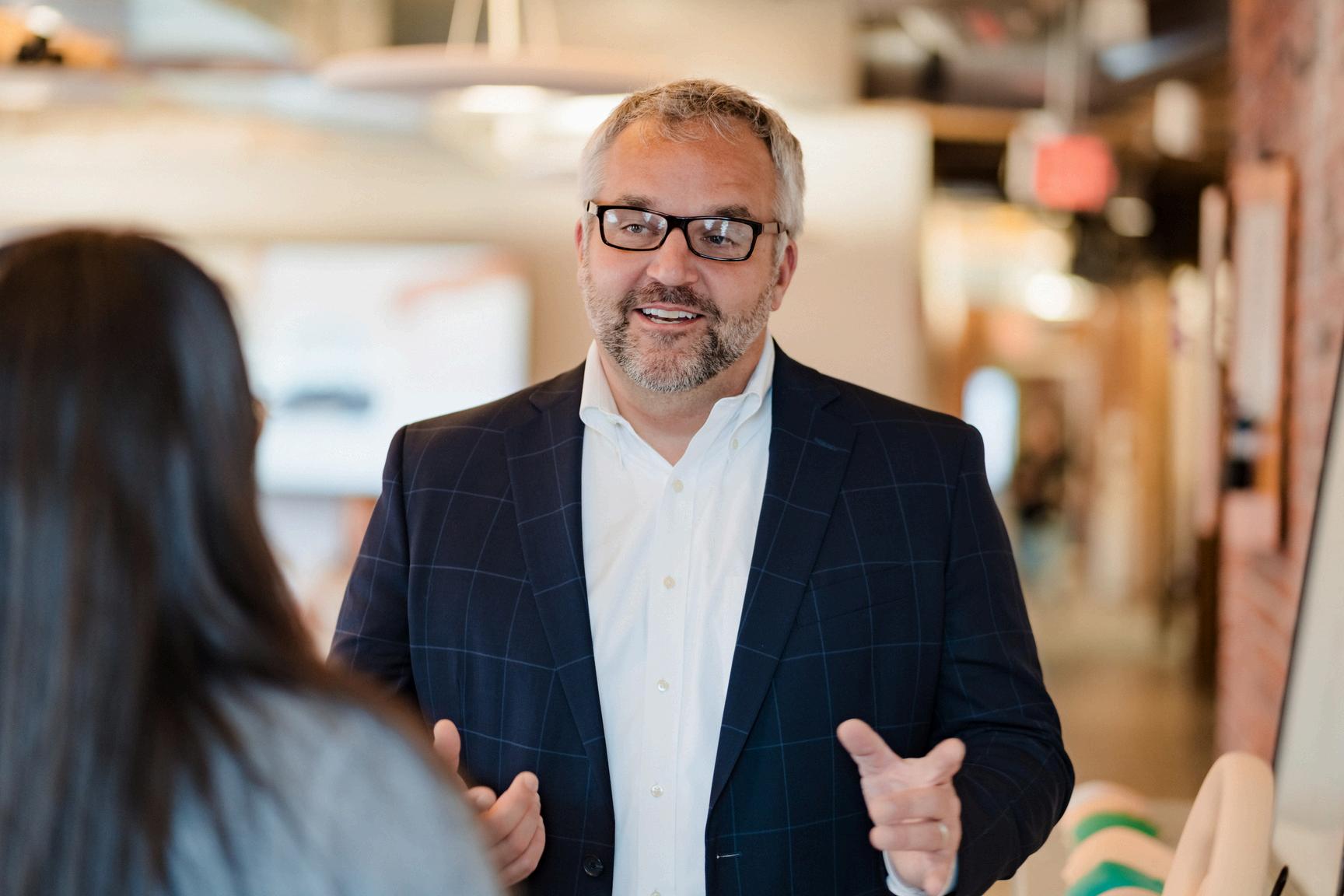
Andrew: At PA Consulting, we are fortunate to be at the leading edge of our clients’ biggest aspirations From large strategics continually looking to carve out portfolio enhancements to start-ups looking for the next breakthrough, we are entrusted by our clients to make them all a reality and in doing so get a chance to peek behind the curtain at what is five years ahead.
This is going to sound odd coming from someone who has lived and breathed robotics for 21 years, but the clinical opportunity being unlocked through advanced optics and AI-driven platforms is revolutionizing what surgeons can see and how they formulate decisions For over 25 years, robotics has been driving precision, accuracy, and reproducibility of surgeon
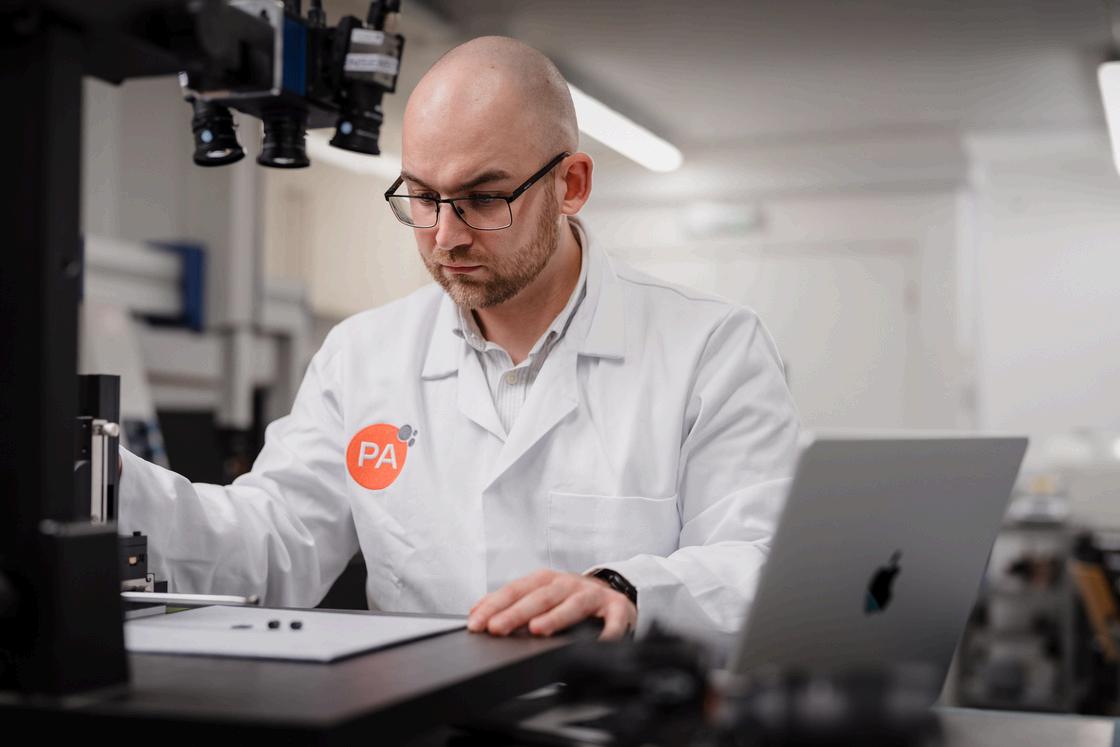
movement The addition of new optical systems that have moved beyond white light and are using hyperspectral imaging, Raman spectroscopy, and AI enhanced imaging to overcome the limitations of the human eye and allow practitioners to see what was previously thought impossible. These technologies can light up vasculature, nerve bundles, and identify what is healthy versus
cancerous tissue, allowing the healthcare industry to take a giant leap forward and drive certainty to inform a better level of surgical care
In that same vein, AI-driven platforms in the diagnostics imaging space are helping practitioners get down to the pixel level to see what any human eye would have previously missed. AI is finding lesions years before they would have previously been caught, allowing for earlier interventions and better prognoses for patients. It is calling attention to areas of interest in procedures that might have been overlooked, either due to anatomic abnormalities or large scan volumes Again, augmenting the surgeonnot replacing them - to arrive at better care for the patients undergoing these exams or procedures
The future of these platforms will be to employ Edge AI and real-time decision making intraoperatively This will allow for procedure learnings in real-time, and call out opportunities for practitioners to enhance the clinical outcome of the intervention.
Stan: How do you see AI improving surgical decision-making before, during, and after procedures?
Andrew: Before a surgeon even steps into the operating room for a procedure, the outcome is starting to be determined. What city we live in, what hospital and specialist we go to, who executed the diagnostics tests and imaging that will inform the surgical plan, all come down to who is involved in this cascade of data, where they trained, what their experience is, and frankly how they are feeling on that day
What if we could remove that variability and minimize the what ifs to have platforms aggregating data not just across a health system or a region, but across borders and continents around the world? That opportunity is in our near future Algorithms generating insights based on global data sets could inform
BEFORE A SURGEON EVEN STEPS INTO THE OPERATING ROOM FOR A PROCEDURE, THE OUTCOME IS STARTING TO BE DETERMINED.
what practitioners decide to do before and during a procedure and certainly how they care for their patients during the recovery period
When I was at Mazor, spine surgeons who immersed themselves in the planning software for the first time often remarked that their old way of one-size-fits-all for certain vertebrae based on sex, BMI, and age was wrong. They determined that the software was showing them a customized approach for each patient at every level they were operating on. When AI was introduced into the software in future generations, the next epiphany for these surgeons was reached as they started to look at how small tweaks to their existing decisions could mean monumental improvements for their patients post-operatively
This is just one procedure completed by two specialties, so think what is possible as these platforms roll out globally across all specialties and procedures Regardless of city or hospital, the power of global insights can fuel a better preop, intra-op, and post-op course of action.
Stan: What role will robotics play in the next phase of digital surgery, and how close are we to more automated surgical systems?
Andrew: I have seen first-hand in procedures the unbelievable power that robotics provides, enabling surgeons and interventionalists to do what they previously could not without these platforms As these devices get smaller and smarter, the path towards a new standard of surgical care is accelerated.
But humans are still fallible and mistakes can happen. The power of the robot is what happens when the intelligence built into them places and enforces guardrails with the sole purpose of enhancing patient outcomes These changes will be small at first; the “lane departure warnings and automatic braking” like we currently see in orthopedics; but as trust in the technology grows, as does access to the significant data pulled from each procedure, the surgical landscape gets that much closer to automation.
In some specialties, automation could be enabled today With bony anatomy that isn’t moving intra-operatively, surgeons can set entry and exit points and put depth stops on cutting to unlock precision for whatever implant is desired. After all, manufacturing has been doing this with CNC machines since the 1960s But are patients ready for this level of automation, or do they still want the comfort of knowing that their surgeon is calling all the shots? Interestingly, a study published in the JAMA Network in February of 2025 showed 64% of patients would trust a diagnosis made by AI over that of a human doctor (Patients’ Trust in Health Systems to Use Artificial Intelligence | Shared Decision Making and Communication | JAMA Network Open | JAMA Network), which is an excitingly positive statistic of how far we have come in embracing these technologies Now the work lies in whether that same level of confidence extends to the operating room.
So, how can automation be implemented in ways that are effective but maintain patient confidence? Firstly, invest in the simplification of routine steps – ones where the outcome does not affect the intended purpose of the procedure – that can be safely automated to free up any cognitive overload on the practitioner. Don’t start with automation of vessel clamping and tumor extraction in a partial nephrectomy, as that is the difference between saving a kidney or leaving cancer in the body. Rather, begin with peritoneal exposure or post defect closure scanning As the algorithms that drive automation improve, and the systems learn the surgeon’s technique, there will be a natural psychological shift for practitioners to embrace adoption
Stan: What are the biggest challenges hospitals face when adopting digital surgery solutions cost, training, integration, or trust?
Andrew: Adopting digital surgery effectively starts with trust Do I, as the CEO of this hospital, trust this is the right technology to improve care for our patients?
Do I, as a surgeon, trust that this technology is augmenting my ability to provide a better procedure? If trust in these platforms is not there, then no amount of ROI modelling for these purchases will ever make sense.
Keep in mind that trust is built well before launch; before any FDA or CE marks. Its foundations are laid from the time a device moves from research into development, and the intense rigor that we help our clients carry into every development gets put in place. Built right, engineered for reliability, and designed with the user in mind is the first path towards trusting that these devices will produce what they claim to do for patients
Next is cost. Margins on procedures get thinner every year, and hospital executives do not want a 4% improvement in clinical benefits with a 25% increase in costs. They want the 25% improvement at only a 4% cost premium. Creative financing models and philanthropy have helped hospital systems bring in these large capital purchases, but the future of growth is finding the intelligence in the data these platforms create to hit that goal improvement mark If my margin on a procedure is $1500 but my instruments cost an additional $2500, where is the economics of this acquisition?
Perception is another major challenge, which pulls in strategic planning, training, and integration. Viewing these solutions as merely tools, especially without a visionary clinical leader driving it forward, will result in failure Instead, hospitals should view these platforms as service line extensions and manage them as key programs These will be the hospitals that go on to drive efficiencies, improve decision making, and ultimately improve care. Finding industry partners who are experts in training and integration will be key for successful adoption, and hospitals should avoid partnering with organizations that will drop these platforms on their doorstep and go.
Stan: How important is data in digital surgery, and what needs to happen to make surgical data more useful and actionable?
Andrew: Data is the product in digital surgery. Without it, there are no real-time insights or identifying what healthcare practitioners cannot If we cannot understand why decisions were made or how those decisions were turned into actions, we cannot hope to reduce errors globally The cognitive burden of surgeons and healthcare workers is increasing each year; they are being asked to do more with less time and assistance to get it done Data helps to alleviate this pressure and allows for a helping hand This is exceptionally important for surgery where lives are continuously on the line. So, what will make data more accessible and actionable?
First, it comes down to data access. I cannot learn from what I do not have. When data access from a hospital and/or health system is opened up, we begin the path to better patient care. With access to data repositories, it is essential to standardize how the data is cleaned, organized, and made sense of Only then can data be used in a format that drives insight not endless development iterations. The data will only be made useful and actionable when the focus is on the problems that need solving, the human user is at the center, and the systems are designed in a way that produces the right insights at the right time without causing analysis paralysis or fatigue
Stan: Looking ahead, what major breakthrough do you think could redefine surgery in the next 10 years?
Andrew: As an innovation and transformation consultancy, PA Consulting has the unique experience of working with our clients on world first breakthroughs to build a positive human future. We work in everything from quantum sensing to miniaturization and novel compute. So, there are technologies that have not seen the light of day yet, but they will provide a major step change in how we treat our patients globally.
But despite all that is coming with technology, the biggest breakthrough needed to realize this future rests in one word: collaboration It is our biggest barrier and our biggest opportunity all at once. The ecosystem that is required between providers, device companies, suppliers/innovators like PA, and payers must deepen so that we can partner to drive this change together. We should all be working towards one goal: medtech companies who in many senses are still competitors, now embrace this and find ways to be better together (e.g. Stryker’s recent partnership with Siemens or the collaborative agreement between Abbott and Medtronic)the improvement of every life that needs a surgical procedure. By learning to lean in and trust new technology, make the most of robust data, and leverage the collective knowhow of the surgical ecosystem, enhanced patient care will be more of a reality than a far-off concept.
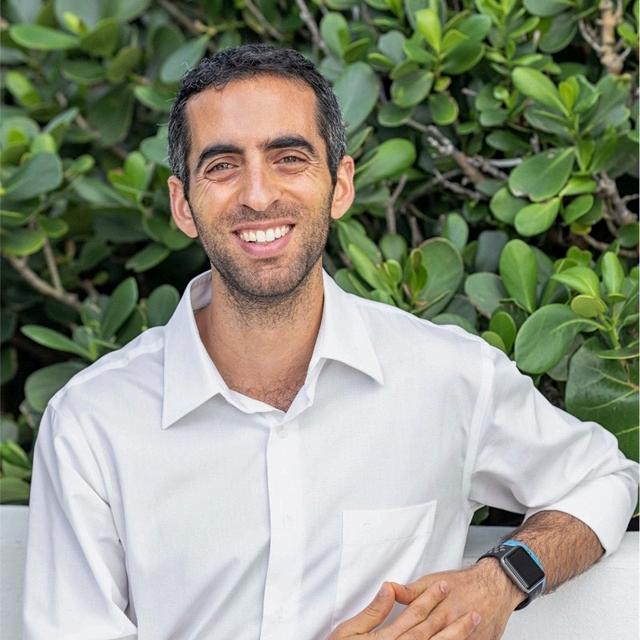
Stan: How would you describe the core technological advantage of Stereotaxis’ robotic platform, and what differentiates it from other approaches in interventional robotics?
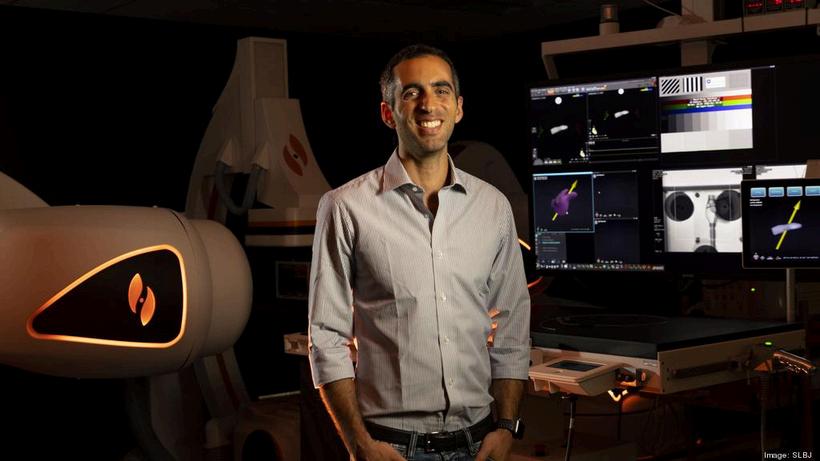
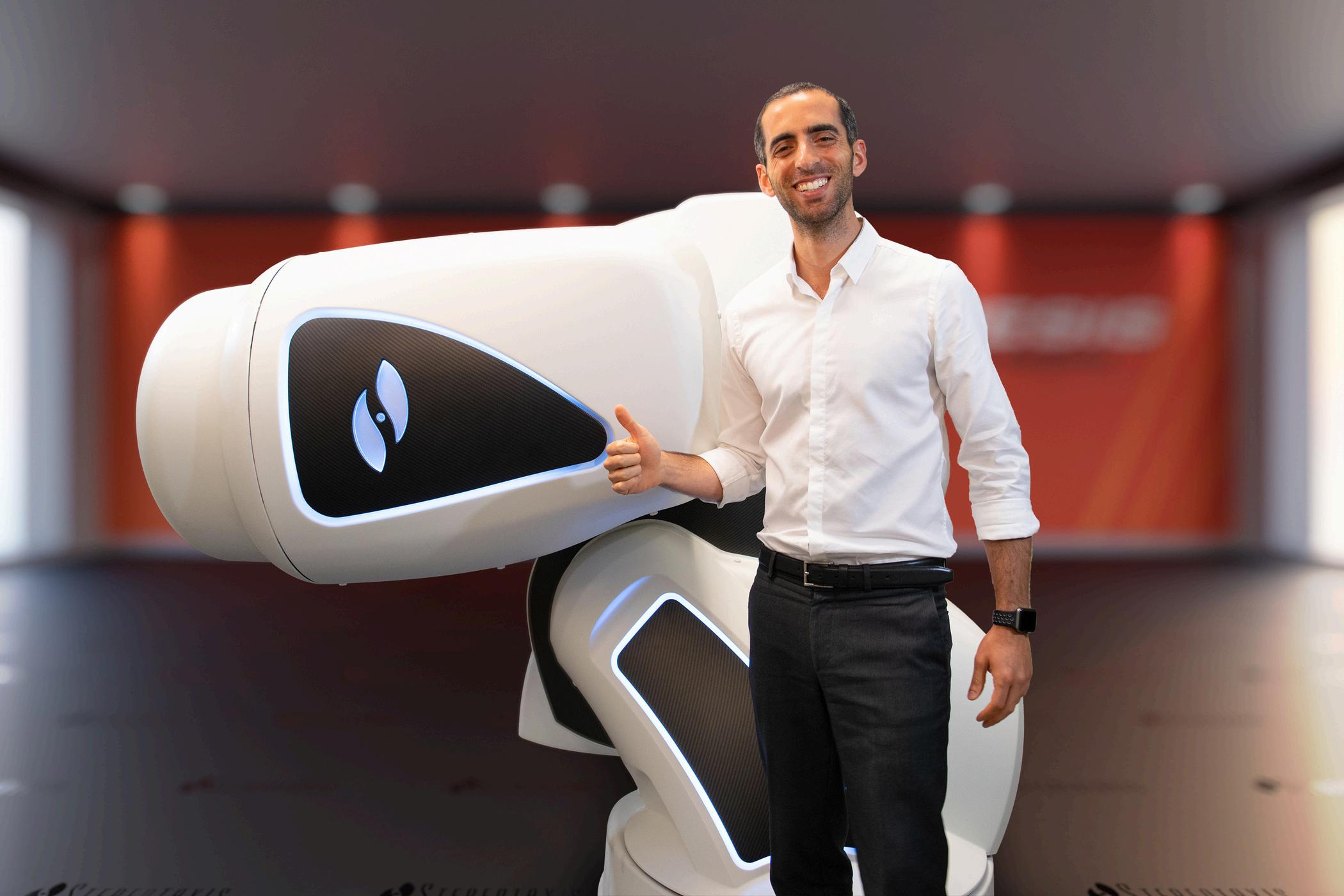
David: Stereotaxis’ technology allows for an unprecedented level of robotic precision and safety during minimally invasive interventional procedures.
Our robotic systems use precise computercontrolled magnetic fields to provide physicians with direct control of the tip of flexible catheters, addresses a core mechanistic challenge of tradition interventional catheters In a typical endovascular procedure, small catheters are inserted into a patient’s blood vessels and then navigated through the challenging delicate tortuous anatomy A physician only has control of the handle of the flexible catheter, but the procedure takes place a meter away at the other end, with all sorts of translational errors along that distance that limit catheter navigability, precision and stability
Stereotaxis’ Robotic Magnetic Navigation technology bypasses these limitations with direct robotic control of the catheter tip You can imagine the magnetic fields as a type of invisible finger allowing a physician to direct the tip specifically with millimeter precision. The magnetic catheter can also be designed with particularly atraumatic soft materials to help reduce adverse events.
The ability to navigate interventional catheters beyond their typical limitations can not only improve care, but can enable treatment possibilities for patients with complex arrhythmia who might not otherwise be candidates for minimally invasive therapy Robotics is designed to make difficult, high-risk procedures safer and more effective, while expanding access to minimally invasive therapy for patients who previously had limited options


Stan: Stereotaxis has built a strong reputation in cardiac ablation and catheterbased procedures. How do you see robotic systems transforming the future of electrophysiology and broader interventional cardiology?
David: Over the last decade, robotic surgery systems have dramatically transformed fields like laparoscopic and orthopedic surgery. We have just started scratching the surface of what robotics can do in the cardiac ablation and broader interventional cardiology and neurointerventional fields.
Our existing experience in cardiac ablation has been limited to over a hundred hospitals treating over 150,000 patients. As we look forward, we see several of our recent innovations – a much more accessible robot and a broader portfolio of robotically-steered devices for electrophysiology and interventional cardiology – allowing us to scale adoption of robotics in the field We believe robotics will play a significant role in addressing the remaining unmet medical needs
in this field, and in overall streamlining and modernizing the interventional operating rooms. Looking ahead, AI integration will take robotic systems from being precise tools for a physician to intelligent partners of a physician, enhancing surgical awareness and supporting decisionmaking in real time At Stereotaxis, our AI efforts are geared toward augmenting, rather than replacing, the surgeon’s capabilities. We’re combining mechanical precision with cognitive support, so our platform can identify risks, guide navigation, and help deliver better patient outcomes. In doing so, we’re not just improving procedures, we’re redefining what’s possible in the catheterization lab
Stan: Looking ahead, what emerging capabilities or applications of robotic navigation excite you most, and where do you see the greatest untapped potential for your technology?
David: Looking ahead, what excites me most is our efforts to make the technology more powerful clinically, more accessible to hospitals and patients, and more applicable for a broader range of diseases We are expanding our portfolio of devices across a broader range of procedures and integrating AI and advanced connectivity to fundamentally reshape how care is delivered. As these capabilities evolve, physicians can increasingly move from hands-on operators to strategic overseers, focusing more on decisionmaking, problem-solving, and personalized treatment design In terms of untapped potential, one of the greatest opportunities lies in endovascular interventions, where navigating highly tortuous vasculatures is a significant challenge
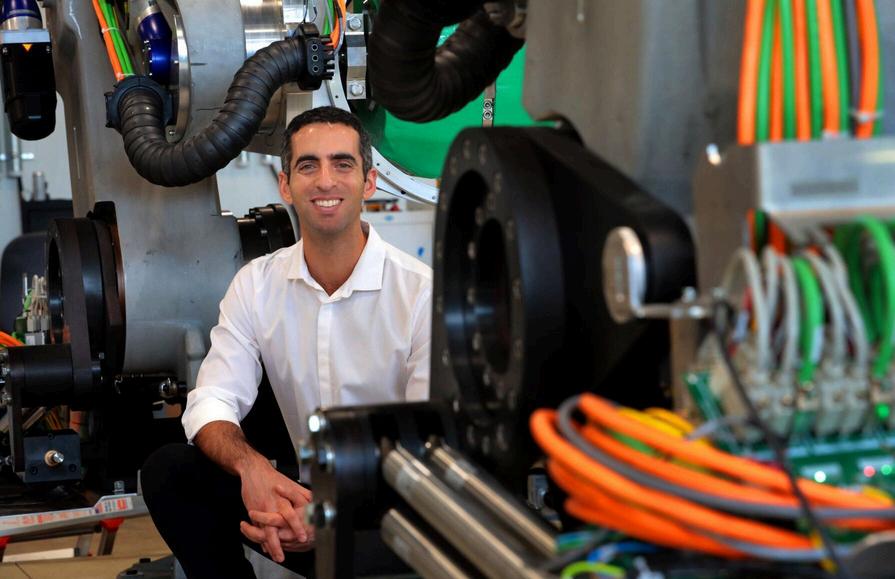
Our technology is uniquely suited to address this, with its ability to control the tip of a device rather than relying on force transmission along its length Combined with the system’s potential for remote connectivity, this opens the door to a more scalable, connected model of care. Ultimately, the greatest potential lies at the intersection of precision robotics, intelligent software, and global connectivity to transform both how procedures are performed and who can benefit from them.
Stan: In what ways does robotic-assisted intervention improve patient outcomes and safety, and how is Stereotaxis ensuring that innovation remains aligned with patient needs?
David: Robotic-assisted intervention brings a high level of precision, stability, and control to complex procedures What we’ve seen from robust clinical experience is that this translates into reliable, reproducible results that show high success rates, low complication rates, and reduced radiation exposure for both patients and care teams. With more than 500 publications and multiple head-to-head studies comparing robotic and manual approaches, the evidence continues to reinforce that robotics can help standardize care and deliver safe, consistent outcomes
At the same time, when you’re building systems that patients quite literally trust with their lives, there’s no margin for error At Stereotaxis, that means safety and security are embedded from day one. All our systems go through rigorous testing, resilient system architecture, and continuous monitoring for vulnerabilities Ultimately, everything we do is grounded in patient needs, and using clinical evidence, physician feedback, and ongoing innovation we ensure we’re delivering technology that is not only advanced but truly makes care safe and effective.
Stan: Cath labs are evolving rapidly with increasing digitalisation and automation. How does your platform contribute to the modernisation of the cath lab environment and workflow efficiency?
David: Robots have predominantly been adopted for their mechanistic benefits: precision, stability, and safety As we look towards the coming years, robots will increasingly serve as a central platform within the operating room to provide cognitive benefits to a physician performing a procedure
Our general approach towards the topic of Digital Surgery is to identify opportunities that enhance, rather than replace, the physician during a procedure We’re putting significant effort into combining the mechanical precision of our system with emerging AI-driven insights to give physicians better visibility into complex anatomy, help identify potential risks earlier, and support more confident navigation during procedures.
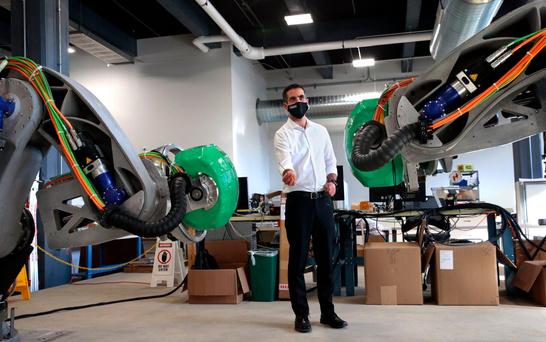
A key component is creating a more connected and streamlined environment in the lab Our recently began commercial launch of the Synchrony digital operating room technology, which consolidates and streamlines all information systems into a central cockpit for the operating room. This helps streamline the operating room environment and workflow, reducing cognitive load and simplifying decisionmaking On top of that, we developed a connectivity app that enables remote monitoring, training, and collaboration, so physicians can leverage the Synchrony system to access remote support and expertise Synchrony is also serving as the backbone for our AI efforts to introduce automate decision-support throughout the procedure to provide an early warning towards risks or guide physicians on potential best practices. Together, these capabilities are helping move the cath lab toward a more integrated, data-driven ecosystem that improves efficiency and expands what’s possible in procedural care.
Stan: What are the key barriers to broader adoption of robotic systems in interventional medicine, and how is Stereotaxis addressing them?
David: Adoption of robotic systems in interventional medicine comes with a few real and understandable challenges Healthcare tends to move more slowly than other industries for good reason human biology is complex, and patient safety is critical Physicians and hospitals naturally take a cautious, evidencebased approach when trying new technologies. While that cautious pace is important, it can also slow the broader benefits these innovations can bring At Stereotaxis, we focus on building strong clinical evidence and working closely with physicians so they can see firsthand how our systems improve precision, safety, and outcomes, helping to bridge that gap
Another key consideration is making sure robotics technology is as accessible and affordable as possible for healthcare providers
The impact of even the most beneficial technologies are muted if they can only be accessed by a small percentage of hospitals. Much of our recent innovation efforts have been focused on developing our core robotic technology into a form factor that can easily be deployed at any hospital, without complex construction and leveraging infrastructure already available This, combined with more flexible financial models that allow hospitals to access a robot without having to make long-term purchase commitments, should allow the benefits of our robotic technology to scale broadly throughout the field.
Stan: As CEO, what is your long-term vision for Stereotaxis and the role of robotics in shaping the future of minimally invasive medicine?
David: With all of the exciting innovation taking place across medicine, there remains significant unmet medical need in the world. Stereotaxis’ mission is to improve outcomes of and enhance access to minimally-invasive endovascular surgery by pioneering advanced robotic technology.
We are confident that over the coming decade endovascular surgery will be transformed be robotics in a similar fashion to how soft-tissue laparoscopic surgery has been transformed over the last decade. There are now over 10,000 laparoscopic robots treating patients around the world We expect a similar trajectory for robotics becoming standard of care in endovascular surgery. Pioneering that effort is an exciting mission for us and we recognize the importance of our efforts for physicians, patients, and medical progress
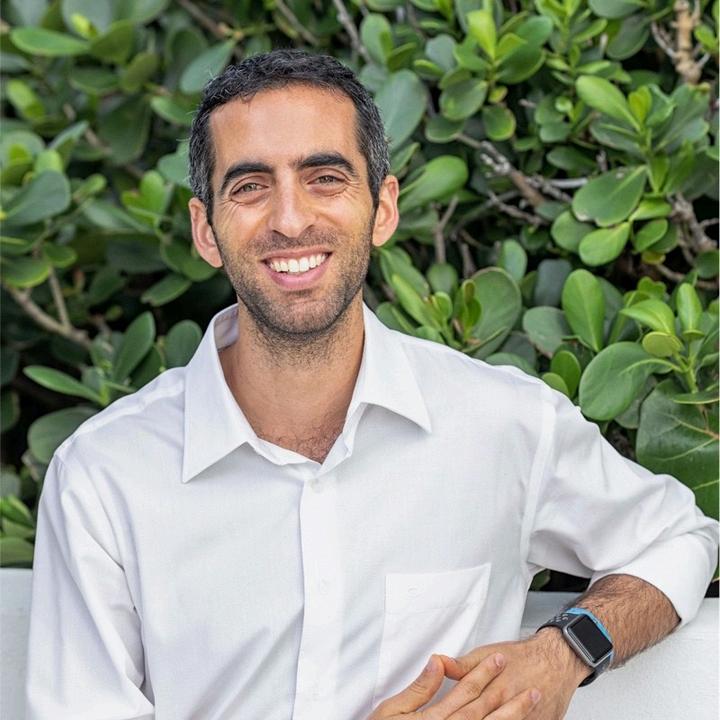

Stan: How is Lupin Dental preparing for the future of robotic-assisted dentistry, and what excites you most about this space?
Paul: Robotics has arrived in healthcare, and is making its way into dentistry Robotics offers repeatability and precision, and that repeatability and precision has a direct benefit in dentistry. Dentistry, perhaps more so than other areas of healthcare, has very good imaging technology
The human dentition can very accurately measured using hand-held intra-oral scanners, the full bone structure can be measured using CBCT (a form of CT scan)
Dental materials are now of very high quality, and are very well matched, both aesthetically and functionally to existing human tooth structure
Dentistry is now wide open to robots: robots are excellent at accurately following a treatment plan. The key input to a treatment plan is high quality measurement (scans), which dentistry already has, and therefore robotics slots neatly into the missing step in dentistry which is the ability to execute a predetermined treatment plan
robotic arm (the name Versius is a play on the word versatile) What we learnt over the years is that the safety and precision benefits come from
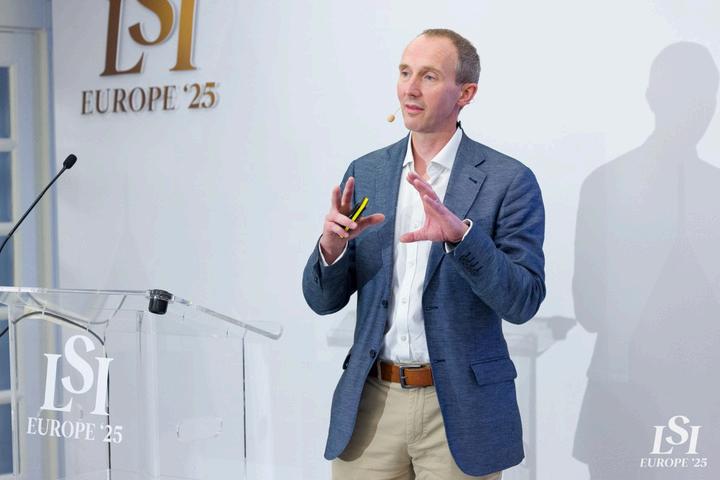
This is good news for patients: higher quality, consistent treatments. This is good news for dentists: high rate of success with patients, and allow dentists to devote themselves to caring for their patients (not the role of a robot!).
So what excites me? Applying technology to transform and enhance patient care
Stan: What lessons from robotic surgery in hospitals do you think can be applied to improve precision and safety in dental procedures?
Paul: At CMR surgical, my co-founders and I created a surgical robotic platform which was based on mimicking the design and dexterity of the human arm – that was our concept when we envisioned Versius The safety and precision of Versius came from giving surgeons 5mm articulating robotic instrument positioned exactly where the surgeon needed it by our versatile
having a robotic system which is widely used by a large number of surgeons and across a wide number of surgical procedures, because how the human surgeon uses the robotic technology matters, and in surgery experience is an important positive driver of patient outcomes As an aside, it was this high level of competence, combined with the 5mm instruments which makes Versius so beloved in paediatric surgery.
With the Lupin robotic system there are some parallels and some differences. The parallels is that, like any complex system, there is a ‘how to use the device’ learning curve – we found that is took around 10 cases for dentists to be fully confident how to use the system. The difference with the Lupin robot as compared to masterslave robotic systems (like Versius) is that the primary clinical outcome is less dependent on the dentist skill, because of the automated treatment execution plan which the Lupin robotic system enables The dentist skill / experience with the Lupin robot can affect the procedure time, but does not effect the quality of the tooth preparation and dental restoration.


believe Lupin Dental could help transform first through robotics implants, root canals, or surgical extractions?
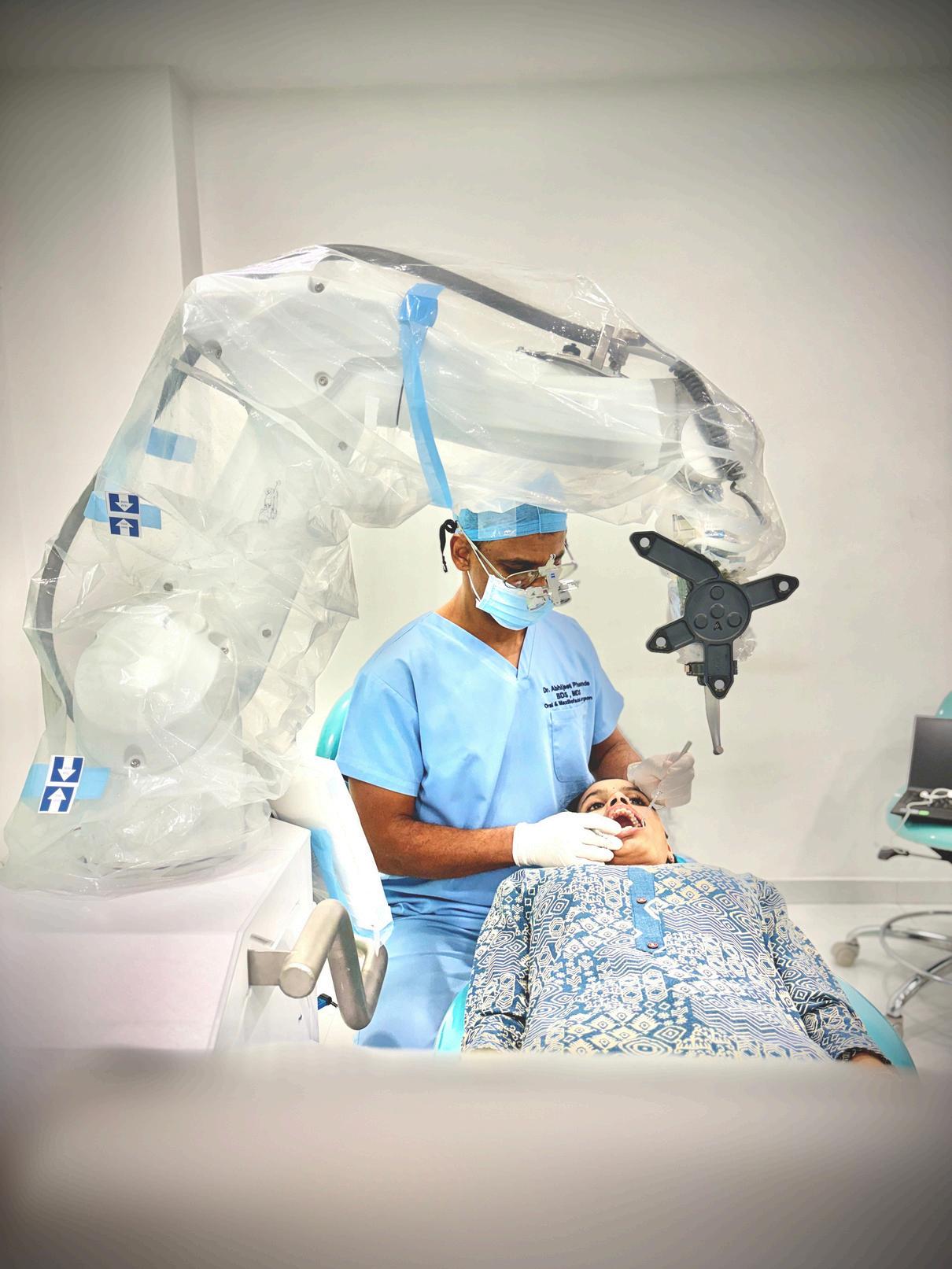
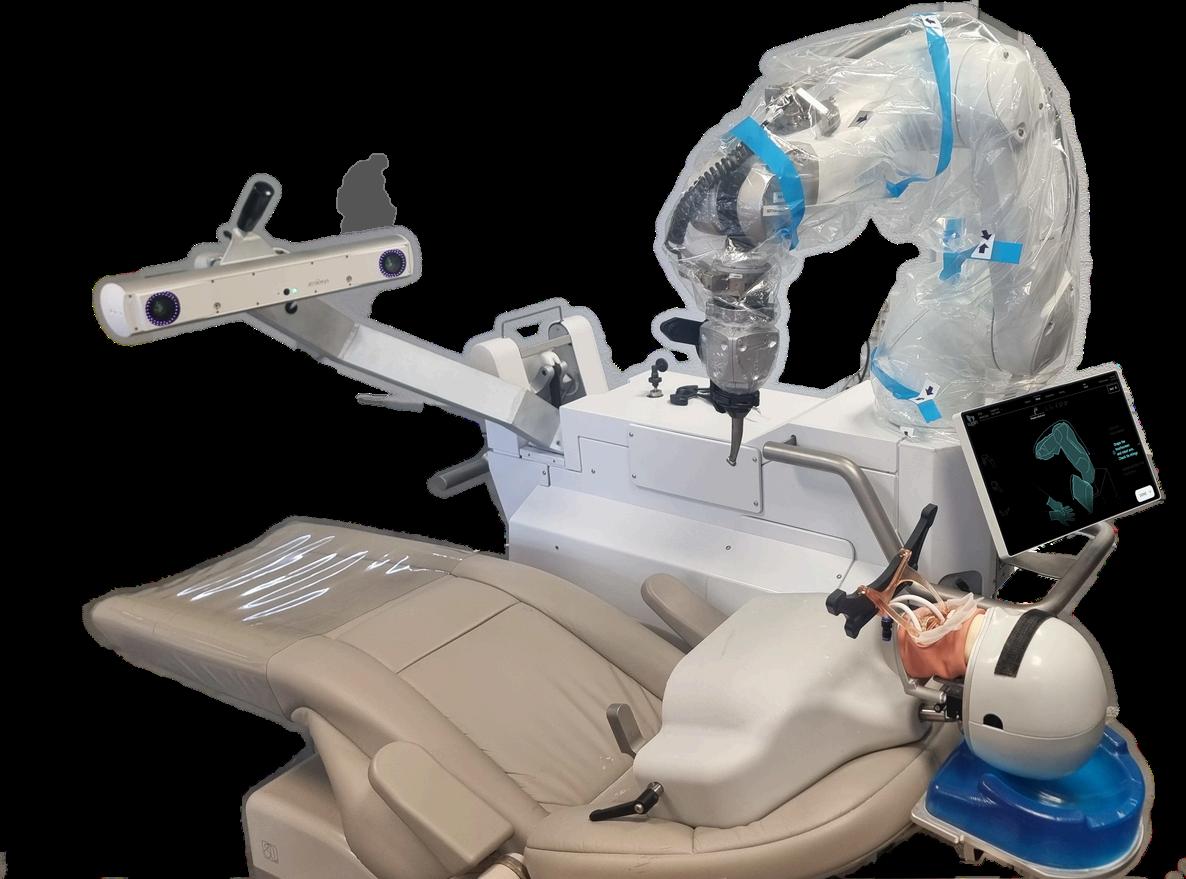
Paul: Currently, Lupin dental’s robots and software suite is performing upper arch (top teeth) smile restorations. Our design (CAD) software supports the dentist to design the dental restorations in discussion with the patient, then our robotic workstation executes the treatment plan automatically under supervision from the dentist.
Today, the dentist does the final step “bonding” the ceramic dental restoration onto the patient’s teeth. However, in the future we see this step also being performed with robotic assistance
cover all teeth in the mouth (currently we can only work on the upper arch), and to be compatible with patients who have existing dental treatments which need to be re-done. Then we intend to integrate dental implant placement – which is the solution for patients who have lost teeth.
Currently we can’t perform root-canals and treatments for defects such as caries because these treatments require live feedback from tooth being treated, however we see the possibility to integrate visualisation technologies to enable these treatments in the future
Stan: How close do you think we are to making robotic precision a normal standard in dental surgery, not just a premium option?
Paul: We’re very close to making robotic precision standard of care for certain dental procedures – to cover the whole space will take a little longer. There are certain premium dental services available today. Lupin’s go-to-market application is to provide a end-to-end service for partial bonded dental restorations, using glassceramic as the prosthesis – more commonly known as porcelain laminate dental veneers. These restoration apply a thin layer of dental ceramic to restore the tooth’s aesthetic and function, whilst preserving the maximum amount of the original tooth as possible. Don’t confuse porcelain laminate veneers with, veneers made from dental composite which are purely aesthetic and serve little or no restorative function. When the tooth is prepared correctly, porcelain laminate veneers have excellent long term outcomes and strengthen the original tooth
However, if the tooth is not prepared using the best-practice minimally invasive techniques, the long term outcomes are not so good – the patient might experience chipping or debonding of the restoration.
Today, our customers charge a small premium for a robotic treatment, relative to the market price. However once the technology is established, competition between dentists will reduce the customer cost and we actually expect the end-patient price will reduce below the current non-robotic pricing.
The reason for this is because the current pricing of porcelain laminate veneer restorations is set because of the complexity of the procedure, and the number of return appointments that are required to complete the treatment – the price is a direct reflection of the time and effort that the dentist must spend to get a good patient outcome The precision which results from robotic technology significantly reduces the time and effort required by the dentist, and this costsaving will end up being passed on to patients.
We are currently writing up a study where we directly compared the ability of human dentists to follow minimally invasive preparation techniques as compared to the robot, you’ll need to wait for the paper to see the outcome, but suffice to say that we continue to be impressed by the power of robotics!
So to return to the question, we are very close to making robotic precision normal standard in dental treatments for porcelain laminate veneers The other dental procedures will take a little longer, but it will come.
Stan: What are the biggest challenges Lupin Dental faces in bringing advanced dental robotics and medtech innovations to the market?
Paul: Although it has improved a little, the regulatory burden to bring a complex medical device to market is a significant challenge. Europe historically had an effective regulatory framework, but with the implementation of the MDR many companies chose to abandon Europe and start in the US. This is bad for European patients, bad for European economies, and medtech companies the world over.
To overcome this challenge, at Lupin we have looked to emerging markets to first launch our technology. India has a robust, but pragmatic, regulatory framework for medical devices and we have chosen to launch our product in India We have been delighted by the dentists we’re working with who have enthusiastically adopted the technology, and we have been delighted with the market acceptance – we know have European customers flying out to India to see our product in action.
Stan: How do you see AI and digital imaging working together with robotics to improve dental treatment planning and surgical outcomes?
Paul: We currently use ML (a form of AI) in one of our non-medical software products to support the identification of a single tooth, and its
location in the dentition from a dental scan. In the (near) future it’s clear that AI will greatly speed up, and increase the accuracy of the treatment planning.
We can expect to see these AI tools in use in dental labs / dental offices within the coming years (note years not decades). The notion of a fully AI driven robotic dentist is someway off, and I personally doubt we will ever replace the role of the dentist as a doctor – as a healthcare professional whose role is to care for the patient in front of them.
Stan: Looking ahead, what is Lupin Dental’s long-term vision for making robotic dentistry more affordable and accessible worldwide?
Paul: The diffusion of technology always proceeds through stages, and it’s the customers who are innovators and early adopters who fund
the earlier stages of technology adoption. At Lupin we are hugely thankful to the trust and confidence of our first customers, without you we couldn’t bring this technology to the world.
Our vision is to bring our technology first to those patients and market sub-segments who can afford premium treatments, like porcelain laminate veneers. With that ‘beach head’ secured, we will continue to invest in R&D to target higher volume, lower cost procedures where the key to commercial success is to drive high utilisation of the robotic system, meaning high patient throughput
Stan: When a surgeon describes a clinical challenge, how do you translate that need into concrete engineering specifications for a robotic system?
Dennis: First and foremost the clinical application has to be truly understood Not just the way the surgeon describes the challenge but how the surgical tasks are performed. By making the surgeon describe it, we bias and limit ourselves because we are relying on the surgeons ability to imagine the device Getting designers to accompany surgeons and observe, question and have open discussions with the surgeons allows for a more complete understanding of why the clinical challenge even exists.
Once the problem and the conditions are well understood, the idea is to break it up into tangible primitives. For example, the surgeon may try to perform a precise drill while preserving a sensitive structure like a nerve This easily transfers to an accuracy requirement, a trajectory requirement and a protective boundary requirement. Add to this the environmental understanding of anatomical positioning and other objects around the surgical site and now you have a kinematic definition. A process like this makes the engineering specific requirements agnostic of the clinical language and more aligned with engineering vocabulary
Stan: What process do you use to convert qualitative feedback from physicians into measurable mechanical and performance requirements?
Dennis: This is the fun part Tailgating off of the previous question once we get to describing the problem in engineering terms, I believe heavily in modeling and iteration. If things are measurable, modern tools can create pretty amazingly accurate simulation models When measurement or modeling confidence is low, it’s a neat challenge to come up with simple, cheap and quick experiments to quantify the parameters I find it much easier to keep these experiments targeted to just one parameter at a time that we are trying to define.
All this said there is no substitute for prototyping and iteration. The goal for each prototype needs to be well defined The first couple of prototypes are really aimed at validating that the derived parameters actually address the issue we are trying to solve. I believe in going into these early prototypes with a reasonable assumption that a lot of the parameters might be wrong The goals of these early stages are less about refining the product and more about validating the performance requirements
Through every iteration the customer feedback is paramount. Ultimately the goal is not really to make the device, the goal is to help the surgeon accomplish the task better and provide better care.
Stan: How do you balance precision, safety, tactile feedback, and ease of use when designing surgical robotics platforms?
Dennis: Really comes down to defining the priorities of the product, the project and finally the organization. There are some absolutes: those are the easiest decisions to make. By absolutes, I mean elements like safety and regulatory compliance Most, if not all, manufacturers would agree that safety is nonnegotiable. Then come the other absolutes like math and physics As much as I would like to create a magical robot that is completely massless yet infinitely dexterous and strong, this is just not possible today.
Once we see past the absolutes and the scope narrows down to compromises, that’s when the real hard work begins. Now we have to prioritize precision vs cost, tactile feel vs time to market, competition vs reliability, technical capability vs features and many many more. To me, if the priorities of the product, project and organization are well defined they serve as the overarching guidance when such questions inevitably arise
Stan: What are the most common trade-offs between mechanical design, control systems, and software when responding to surgeons’ needs?
This is always a fun debate within engineering and system design. In my experience, this is a function of the development stage and resource availability In general most needs can be classified as to how well defined they are.
If the need is well understood and relatively consistent especially early in the development, it's often best solved in the electromechanical design. Electromechanical systems specifically designed for a specific task tend to do that really really well But it’s also the least flexible and most time consuming. This is however the foundation. Unless the hardware allows for it, the higher levels can do very little The later we are in the development cycle the harder it is to make changes here. So my tendency is to scrutinize our early understanding of the need as much as possible and when in doubt accept the compromise and push the solution to the higher levels.
The next level up is in the controls and software
This is where we leverage the increased level of flexibility that can be achieved with software. The challenge is to rein it in to provide the right stimulus at the right time
And finally at the application UX level. At this stage you are relying on the user action. This is the least reliable from a design perspective If our design requires the user to do something we are really pushing the burden upstream to the user. I would really challenge the team to avail of this sparingly
Stan: How do you incorporate anatomical variability and real-world surgical conditions into the mechanical architecture of your robotic systems?
Dennis: The doctrine that I subscribe to tries to play to the strengths of everyone involved Humans are incredible at adapting to variations and uncertainty while robots and machines are great at doing tasks, tirelessly and repeatably. The systems in the market that excel have been the ones that could seamlessly provide the feedback and tools to the human to work through the variability while effectively using the mechatronics to execute on the plan
Think of the Mako robot or the Intiuitve system or the latest Neocis YomiS platform, all of these present the anatomical information in the best way possible to the surgeon and provides an efficient means to act on that information.
Stan: What does effective collaboration between engineers and clinicians look like during product development?
Dennis: Engineers are problem solvers To me the best way for such a collaboration is to immerse yourself in the problem and seek constant feedback through the product development
In our latest venture designing the YomiS platform for dental, every single engineer involved in the design spent time in the surgical suite, every feature and prototype was a collaboration between the surgeons, the surgical staff and engineering. We are very proud of the final outcome that is proving to be a delight to the surgeons
The proudest moments, to me, are the ones where the user doesn’t even realize the engineering that goes behind a feature and it just works the way they needed it to.
No surgeon walks in wanting to use a robot Their primary objective is to provide patient care So any designer really has to challenge themselves on providing the functionality with the minimal disruption
Stan: As medical robotics becomes more autonomous, how do you ensure that technological innovation continues to align with surgeons’ practical needs and clinical judgment?
Dennis: It took a few million years of evolution to get to the knowledge and dexterity that the surgeons possess. While technology is moving at breathtaking speed, there is still a lot of catching up to be done
Providing a more and more capable tool to a surgeon really should allow the surgeon to focus on better ways to provide care
As mentioned earlier humans are incredible at adapting to variables and situations. Providing tools with more capability should aim to amplify the creativity and the application of medical know how.
We look towards regulatory bodies to provide the guardrails, but frankly I think the technology is moving faster than we are able to react. That said most successful ventures in this field are really the ones that focus on learning from and making the surgical professionals part of the solution rather than claiming to be able to eliminate the need for the human element.
Robotic autonomy is inevitable, but in the current state of technology and regulations, I believe that an assistive robotic solution is still a good blend that leverages surgical knowledge and judgment with robotic precision
Stan: With over 20 years of experience in MedTech, what have been your guiding principles throughout your career?
Sertac: Gratitude as the mindset, Integrity as the compass and Perseverance as the fuel
Gratitude fuels my optimism and sense of accountability. Reflecting on memories, wins, family, and friends I’m truly grateful My role reminds the meaningful impact we can have restoring health and supporting my teams. It keeps me grounded and motivated I don’t believe in entitlement and remind myself the responsibility that comes with my position. Like a professional athlete – need to stay fit, competitive and keep being a value to my team, customers, patients, my family and community
Integrity is my anchor. It means delivering on promises, being authentic & direct, and walking the talk even when it’s challenging This is the most sustainable and the only way for me and I am happy with consequences of doing so. I believe honest, thoughtful communication builds trust and sustainability Many confuse being “direct” with rudeness; I see it as kindness being open and honest to foster understanding The other tension is between “diplomacy” and “authenticity” It is not a trade-off per se and can be overcome by building trust, understanding the context of situation and developing stronger communication skills
Science shows we are all unique when it comes to how we ingest information and the way we view and react to outside world It is possible to adjust style, while remaining authentic We can’t ignore this dynamic... For those who are interested, I recommend taking a DISC assessment and checking “Surrounded by ” series by Thomas Erikson
Besides these two, any major success I had in life is rooted in perseverance. It is the fuel that keeps me going It’s about full commitment, embracing risks, and finding joy in punching above weight. I see “falling forward” as a stepping stone and believe that continuous growth requires resilience and a willingness to take shots at the goal. We are all “Work In Progress,” and should celebrate the effort and embrace adversity as if it is the gratification itself
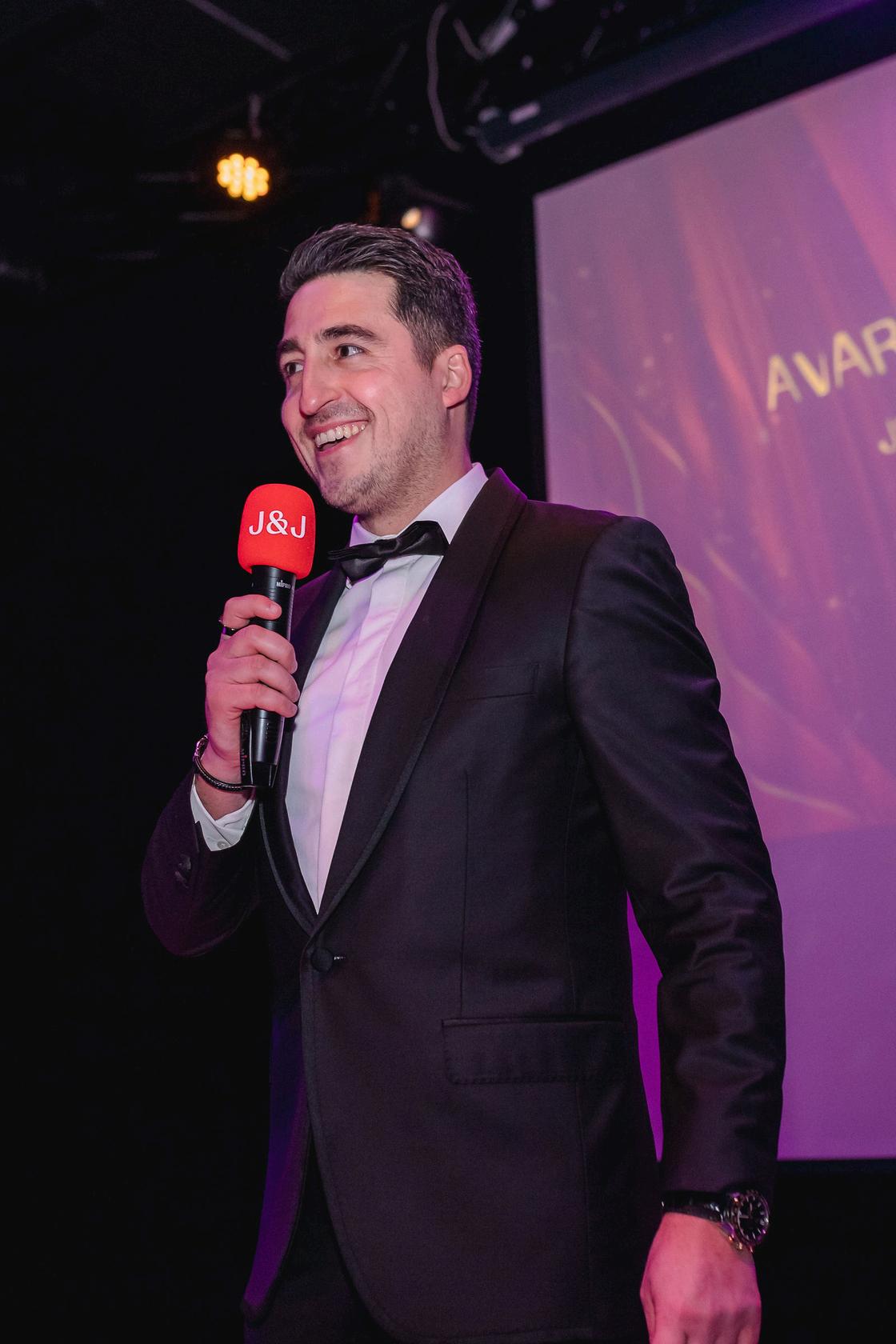
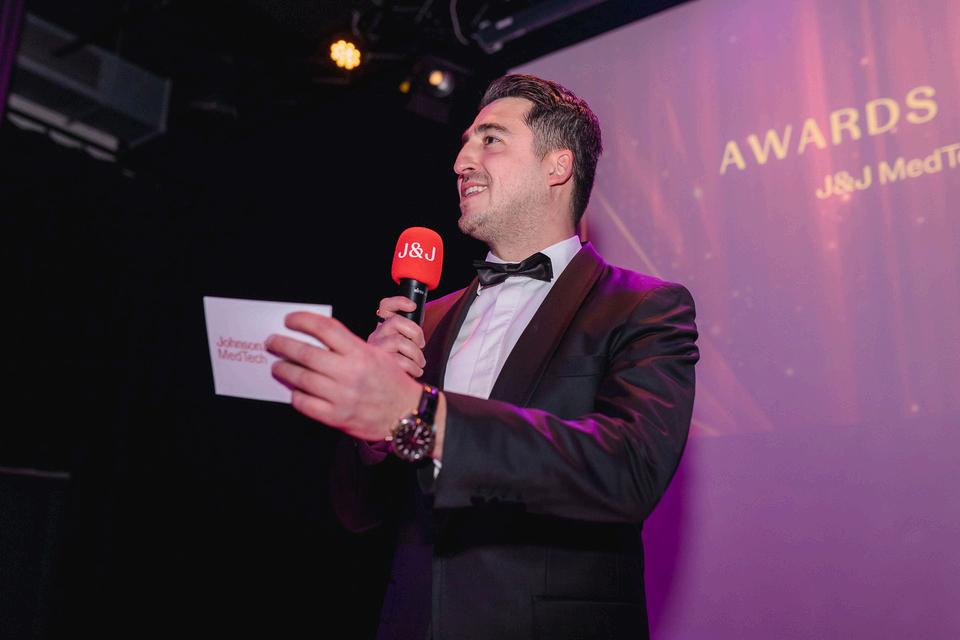
Stan: You’ve held leadership roles in different geographies like U.S, Europe and Middle East working in global, regional and country operations. How has this global exposure shaped your leadership approach?
Sertac: It had massive impact First, I need to give credit to JNJ – a true school that genuinely focuses on development and to the remarkable leaders I was fortunate to work with who supported my development
Having wanted always to experience the world, I am grateful that we got plenty of opportunities to do this as a family and expand our horizons Nesting in different homes from Hamburg to New Jersey, Silicon Valley to Amsterdam, building unique social circles and immersing in those cultures Let aside professionally, it first and foremost changes who you are as a person, how you view the world and the foundations of your family and friendships
In parallel, you are also changed as a leader; in addition to developing a stronger global and systems thinking; you become more in tune with emotions, the social and working dynamics of those cultures and different personalities overall.
Each culture taught me different lessons: the US emphasized speed and productivity; the Netherlands valued consensus and balance; Japan highlighted respect for hierarchy and detail These experiences made me agile able to adapt my style based on context, people, and situation.
It all boils down to desire to truly understand, support and add value though... Having the right intent, respect and commitment to achieve gets you to 50%; the remaining 50% is about how you apply your best self to that unique situation
The reasons for expat failures are mainly due to that 2nd 50% part - lack of understanding of
nuances in different cultures and not being able to devise the right approach for that setting
Thunderbird Global Mindset Institute program on “cross-cultural fluency” divides cultural elements into three groups: “relating”, “regulating” and “reasoning”, highlighting dominant characters of different cultures.
Before my international roles, my default settings were being highly relationship based, preferring strong group affiliation vs being individualistic, and tending to think in a circular fashion leading to complex thinking where facts were a part of the story but not the full story I was more egalitarian in a culture of high-power distance.
Over my time in US in my global role and the Netherlands, I had the chance to develop the opposing muscles When it matters and actually more often - I can now operate better in a taskoriented environment, effectively communicate in a headline communication style, take higher levels of risk, drive tight timelines and execute simple, fact based, linear reasoning
The key part is “when it matters”. Reading the cues, understanding the operating norms that is shaped by the culture, people, company and the demands of situation should define at which point on the spectrum you want to operate.
Naturally, we are not computers and will always carry our original inclinations, but being aware and developing an ability to regulate remains key. It is also perfectly normal and at times required to influence change in others when it comes to these dimensions, but while being mindful of the delta and resistance levels
Stan: Quite interesting to hear about the xcultural fluency concept. Also curious to hear –what is your typical approach when you start a new role in a new geography or organization?
Sertac: When I step into a new role, I focus 80% on people and culture It’s essential to understand what motivates the team, their values, what systemic barriers exist, and where opportunities lie.
My approach begins with empathic listening and observation diagnosing, bonding, and imagining. I see this as the foundation for a bold vision and a shared game plan Recognizing and respecting the legacy achievements builds trust and pride, even and especially in turnaround situations.
Any future success will be built upon that “pride” element, even if it maybe a turnaround situation I value the type of leadership that does not categorically blame the legacy and their
predecessors; but are confident and fair enough to be able to compliment what was done well in balance with stating the necessary changes.
Change can be uncomfortable, but aligning the team’s aspirations with a shared vision for success creates excitement and ownership, People search meaning, crave impact... A leader’s role is to bring the pieces together and form a unified team with one mission where everyone completes and supports each other and know exactly how their work specifically translates to an impact on patients, customers and our business
I believe in quick wins to build momentum and credibility showing that leadership listens, acts thoughtfully, and drives healthy debate In most cases, inaction is a bigger risk than action and a leader should show they have bias for action.
Stan: What has been your most transformative professional experience to date?
Sertac: Joining Verb Surgical was a defining moment in my career, leading to JNJ acquisition, and contributing to OTTAVA™ No doubt! Creating something unique, bold and highly desirable; and while doing all of that, working with brilliant people - the best of their fields in the world
A year after my move from Turkiye to New Jersey to work in our Global Strategic Marketing organization; I was asked to join Robotics team, which was under stealth mode It was a very small (~5 people) team at the time collaborating with Stanford Research Institute. This was my first true experience in Upstream Marketing and I loved it, as an engineer by training I am thankful to Laura Angelini, Frederic Rupprecht and Nicolas Ploquin who gave me this opportunity.
Bill Gawkins was my first manager who was also the founder of our Robotics program. He was and still is a legend - being an incredible human being and a leader who had tremendous impact on my development as a person and a professional
Following years of work defining the plan, and developing the original concept and prototype, we spun off the project to create Verb Surgical as a JV between JNJ and Google.
With my leadership’s support, I left JNJ and joined Verb Surgical to lead the New Product Development and Commercial Marketing teams for the platform, working closely with partners from JNJ and Google Had the privilege to work with amazing leaders like David Herrmann, Pablo Garcia Kilroy and Scott Huennekens, with world-class engineers and world’s pioneering surgeons, hospital systems to build a truly disruptive Digital Surgery & Robotics platform in the heart of Silicon Valley.
As our CEO at the time Scott Huennekens says: “It is easier to go after a bigger goal” Big opportunity, big mission attracts the best people, technologies, capital and attention.
We were struggling to keep up with the demand shown by talent, surgeons, hospital leaders, tech companies who just wanted to be part of this project, in any shape or form...
This period taught me the power of bold vision and innovative collaboration I am proud to see what has come out of it – the work product itself, the way it is redefining competition and the lasting influences it has on me as a person and professional
Stan: How do you approach to commercialization of disruptive technologies?
Sertac: Successful commercialization starts with a clear understanding of the value you create and how to capture your fair share of the total value created. The problem you are solving hence the value creation will vary for different segments of the market. Also, the way you capture the value needs to be flexible to meet the demands of those different segments
The key part is nailing down a value proposition that is deeply rooted in key customer insights and tailoring your execution based on that Once you figure this out, the rest becomes easier You can’t make up a value proposition, it is not only messaging and words on paper. The technology, customer experience and outcomes should all live up to the promise – be tangible, simple and believable.
With disruptive tech, selling process gets more sophisticated with the new, more senior and diverse set of stakeholders involved, longer cycles and a need for more programmatic approach. It is essential to understand how decisions on these technologies are made, care-abouts of different stakeholders and how to cater to hospital’s strategic goals with a winning proposition.
A customer journey that promises efficiency and high conversion rate requires intentional targeting, strong diligence on account needs and a stellar team who could cover all grounds needed from clinical advocacy to c-level value articulation, and compliant & compatible implementation (Biomedical, Operational Workflow, Reimbursement, Accounting, IT, Privacy, Cybersecurity, etc )
Stan: How do you see the future of MedTech Leadership and what advice would you give to emerging leaders in the sector?
Sertac: MedTech is undergoing a seismic shift driven by of AI, Robotics, genomics and growing adoption of digital platforms
These advancements do not only promise unprecedented impact amid the healthcare crisis we are facing due to increasing disease burden and declining resources; but they also catalyze drastic changes to the company structures, talent requirements and leadership capabilities
Industry is moving away from selling devices to selling integrated solutions and outcomes; GenZ share in workforce rises, and now hospital human resources are even tighter than their margins.
Given these trends, leaders of the future should focus on developing in following areas:
1) Ethical Leadership: Has been always important but expect its importance to rise Two key catalysts are: 1) emergence of GenZ in workforce putting more emphasis on transparency, authenticity and ethics 2) continued healthy skepticism around Data & AI It is critical that leaders and companies put customer first, establish trust with transparency and avoid double-speak. Otherwise they risk followership both inside and outside
2) Platform Leadership: Envisioning and executing at a platform level, with x-disciplinary fluency (HW, SW, AI, Service) vs device only This way they can devise innovation and commercial strategies and lead diverse capabilities, considering the full value chain of an integrated solution
3) Partnership Hunters: with ability to -
a. ID & partner with companies offering complementary solutions to enrich value prop (not only at global, but also local level)
b. Collaborate to define common standards and to drive interoperability
c. Formulate WIN-WIN’s with clinicians, hospitals, providers and payers through more collaborative models and taking an integral partner role (at development stage) vs a transactional vendor.
4) Risk-On Approach: as velocity of change uptakes, and the bar for success heightens, leaders will need to feel more comfortable with taking risk These risks can come in the form of M&A, new forms of partnerships, getting into unchartered territories... or innovative Go-ToMarket approaches, relying more on AI, overhauling inefficient legacy business processes and re-engineering customer touch points and experience.
As a highly regulated space (rightfully so), MedTech has historically fostered conservative leadership styles; but while maintaining unwavering commitment to safety, quality and compliance, leaders of the future need to challenge themselves and their organizations to be more comfortable taking calculated risks.
For their personal growth, they will need to upskill themselves in capital, digital and service, take lateral or downward assignments if necessary to get the right experience. They will also need to be bolder in innovating, continuously seeking better ways to strengthen the value of their solutions and companies to patients, providers and their organizations. Eliminating what gets in the way of transformative organic innovation is as critical as figuring out how to effectively bring external innovation into your own ecosystem...
Culture and systems should support falling forward (learning and growing from mistakes) in balance with end-to-end accountability. This increased risk appetite will strengthen resilience and growth, both for individuals and the company with ultimately being in a better position to provide stronger impact for patients.

Stan: Having been closely involved in surgical robotics for many years, what key breakthroughs or inflection points do you believe fundamentally changed the global direction of this field?
Jeroen: There are early clinical and economic inflection points:
1. Clinical:
Motion scaled, and wristed instruments put surgeons in the position to perform a precise surgery and put surgeons in the position to dissect cancer much more precisely without affecting substructures like nerve bundles and blood vessels This turned out to be feasible for complex procedures deep in the pelvic space [Notably radical prostatectomy without the negative side effects and blood loss so with the preservation of continence and potency ]
2. Economic:
Although the RAS device was significantly more expensive versus conventional surgical treatment methods, the integral view of RAS cost drivers versus conventional surgical treatment solutions less operating time, less blood transfusion, shorter ICU stay, shorter hospitalization, and returning quicker back to employment culminated in a lower or equal cost of RAS.
That realization became an economic inflection point for RAS
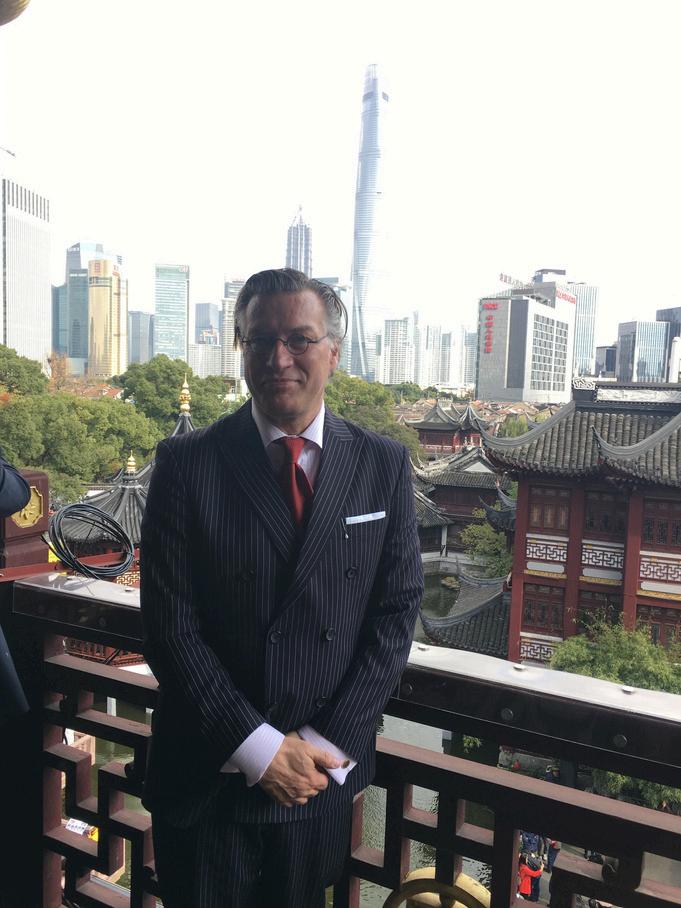
Stan: China has rapidly emerged as a significant player in surgical robotics—what factors have enabled Chinese companies to accelerate so quickly, and how are they reshaping the competitive landscape?
Jeroen: 1. Strong R&D capabilities in China. Analyse IP applications in China!
A useful indicator of this innovation momentum is the volume of intellectual property filings. China now leads the world in patent applications across multiple technology sectors, including robotics, AI, and medical devices. The scale of patent activity reflects both the breadth of technological exploration and the intensity of competition among domestic innovators As these patents translate into commercial products and clinical solutions, they are accelerating the development of new robotic surgical platforms and components
2. Highest level [governmental] prioritization of RAS development. Specifically called out in next 5 year plan
Another key factor is the strong strategic support provided by the Chinese government. Advanced medical technology particularly robotics and AI has been identified as a priority area within China’s national innovation strategy Surgical robotics is specifically referenced in major policy frameworks such as the country’s Five-Year Plans, which outline long-term priorities for technological development and healthcare modernization.
3. Partial expiration of da Vinci IP. The competitive landscape has also shifted because some of the early intellectual property protections surrounding the first-generation robotic surgical systems most notably those associated with the da Vinci platform have partially expired For many years, these patents created a significant barrier to entry for new competitors.
4. Economy of scale due to huge internal market will bring about unrivaled cost levels. China’s healthcare system represents one of the largest potential markets for robotic surgery in the world The country performs millions of surgical procedures annually, and demand for minimally invasive and advanced surgical technologies continues to grow rapidly.
5. The general notion that quality can very well be achieved in Chinese production sides
Finally, perceptions of Chinese manufacturing have evolved considerably While earlier discussions often focused primarily on cost advantages, it is now widely recognized that high-quality, high-precision manufacturing are competently achieved within Chinese production environments.
Stan: As robotic surgery adoption increases worldwide, how critical is high-quality, standardized training in ensuring safety, scalability, and long-term success across both mature and emerging markets?
Jeroen: Between now and 5 years there is an abundance of approved robotic surgical solutions on offering The limiting factor in the adoption of Robotic Surgical technology is the

availability [or lack thereof] of training sites and slots.
If every company wants to train 100 surgical teams in 12 months, this cannot be accommodated with the current training infrastructure. The huge risk is that company will "cut corners" and push surgeons in a robotic operating theater NOT proficient
The risk of adverse events is significantly tarnishing brands as well as the technology at large
Stan: Robotics is expanding beyond general surgery into areas such as dentistry, orthopedics, microsurgery, and other specialties where do you see the greatest global growth opportunities?
Jeroen: I see growth potential in all domains
That said: as there are so many initiatives in soft tissue robotics, orthopedic as well as micro surgery, dental robotics might have the biggest financial upside There is at present limited innovation in the dental space
Dental robotics may represent one of the most attractive opportunities from a financial and market perspective Dentistry is characterized by extremely high procedural volumes worldwide, yet the level of technological innovation in this space has been comparatively limited. Robotic solutions could bring substantial benefits in terms of precision, standardization, and workflow efficiency, particularly for procedures such as implant placement or complex dental reconstructions
Because the dental sector has not yet experienced the same wave of technological disruption seen in other surgical fields, it may offer a unique opportunity for companies to introduce new robotic solutions that redefine clinical workflows.
Stan: How can Chinese robotics companies add distinctive value in these emerging specialties, and where do you believe they can differentiate most effectively?
Jeroen: In terms of innovation and differentiation China has IP 1,8 mio applications pending
versus the US has "only" 500.000 patents pending, invariably this will have an impact on the value this will generate in emerging specialties
Stan: Despite rapid innovation, what major clinical, technological, or economic gaps still exist in today’s robotic platforms across the global market?
Jeroen: Difficult for me to answer I believe the company that is able to blend clinical efficacy [with AI surgical aid], cost, and ease of use., will win ultimately!
Stan: In your work with Ronovo Medical, which unmet needs are you most focused on addressing to support both domestic expansion in China and international growth?
efficacy with lower cost to cater for large [growing] procedural markets.
Stan: Looking ahead 10–15 years, how do you envision the relationship between surgeons, robotic platforms, and training ecosystems evolving and what role will Chinese companies play in defining the next chapter of surgical robotics?
Jeroen: My view: Due to the mapping of the human genes we anticipate susceptibility of disease patterns, this will culminate in early detection and very early intervention Automated identification of cancerous tissue even in its infancy through artificial intelligence will provide surgeons guidance during surgical interventions

Jeroen: Can we provide equal or better clinical
Stan: How is robotic surgery currently integrated into your surgical pathways, and where do you see limitations in intraoperative visualization or real-time tissue assessment?
Olivier: Robotic surgery is standard in many leading centers, particularly in urology. In several hospitals today, the Histolog® Scanner is already used alongside robotic platforms to provide rapid, high-resolution imaging for realtime intraoperative tissue assessment. After robotic resection, tissue specimens are imaged in or near the OR using massively parallel confocal microscopy, generating histology-like images in about one minute per surface.
Robotics provide extraordinary macroscopic precision, but what it does not provide is subcellular-level confirmation in real time. Traditionally, surgeons rely on frozen section analysis, which can take up to an hour, or final pathology, which can take days to weeks
The Histolog Scanner bridges that gap in centers where the technology has been adopted
Stan: What clinical gaps remain during robotic-assisted procedures that could benefit from complementary optical imaging technologies such as SamanTree?
Olivier: The critical gap is fast, reliable intraoperative confirmation at the subcellular level that the surgeon has removed what they need to remove. In robotic-assisted radical prostatectomy, intraoperative tissue assessment is central to balancing complete tissue removal with nerve preservation, which is linked to preserving continence and erectile function. However, current IOMA techniques require substantial resources and can take up to an hour, which limits routine use
The Histolog Scanner enables full-surface scanning of the prostate in minutes, enabling surgeons or pathologists assess areas adjacent
to critical nerve bundles without delaying the procedure As such, Histolog adds a digital microscopic layer to robotic precision
Stan: How do you currently address intraoperative tissue assessment or tissue differentiation during minimally invasive robotic surgeries?
Olivier: Today, practices still vary Some centers do no assessment and some continue to use frozen section analysis. Others now use the Histolog Scanner intraoperatively to gain rapid microstructural imaging in minutes The Histolog Scanner is CE marked and FDA 510(k) cleared, and it has been used in over 6,500 patients across multiple tissue types. Because the preparation for Histolog imaging does not damage the specimen and integrates easily into the OR, it complements minimally invasive robotic workflows without disruption.
Stan: What evidence (clinical, economic, workflow efficiency) would be required to justify integrating complementary medtech solutions alongside robotic platforms?
Olivier: Hospitals look for clear clinical validation, operational efficiency and economic impact
The evidence for Histolog is strong. In prostate procedures, published research shows diagnostic performance comparable to frozensection analysis while reducing assessment time from 43-92 minutes to approximately 3-10 minutes once established. Use of the Histolog Scanner has also demonstrated 91% sensitivity and 100% specificity when compared to conventional pathology.1 Additionally, studies show that intraoperative assessment allows surgeons to opt for more nerve-sparing surgeries, reducing erectile dysfunction, which is a common side effect of a radical prostatectomy.
ROBOTIC SURGERY IS STANDARD IN MANY LEADING CENTERS, PARTICULARLY IN UROLOGY. IN SEVERAL HOSPITALS TODAY, THE HISTOLOG® SCANNER IS ALREADY USED ALONGSIDE ROBOTIC PLATFORMS TO PROVIDE RAPID, HIGH-RESOLUTION IMAGING FOR REALTIME INTRAOPERATIVE TISSUE ASSESSMENT.

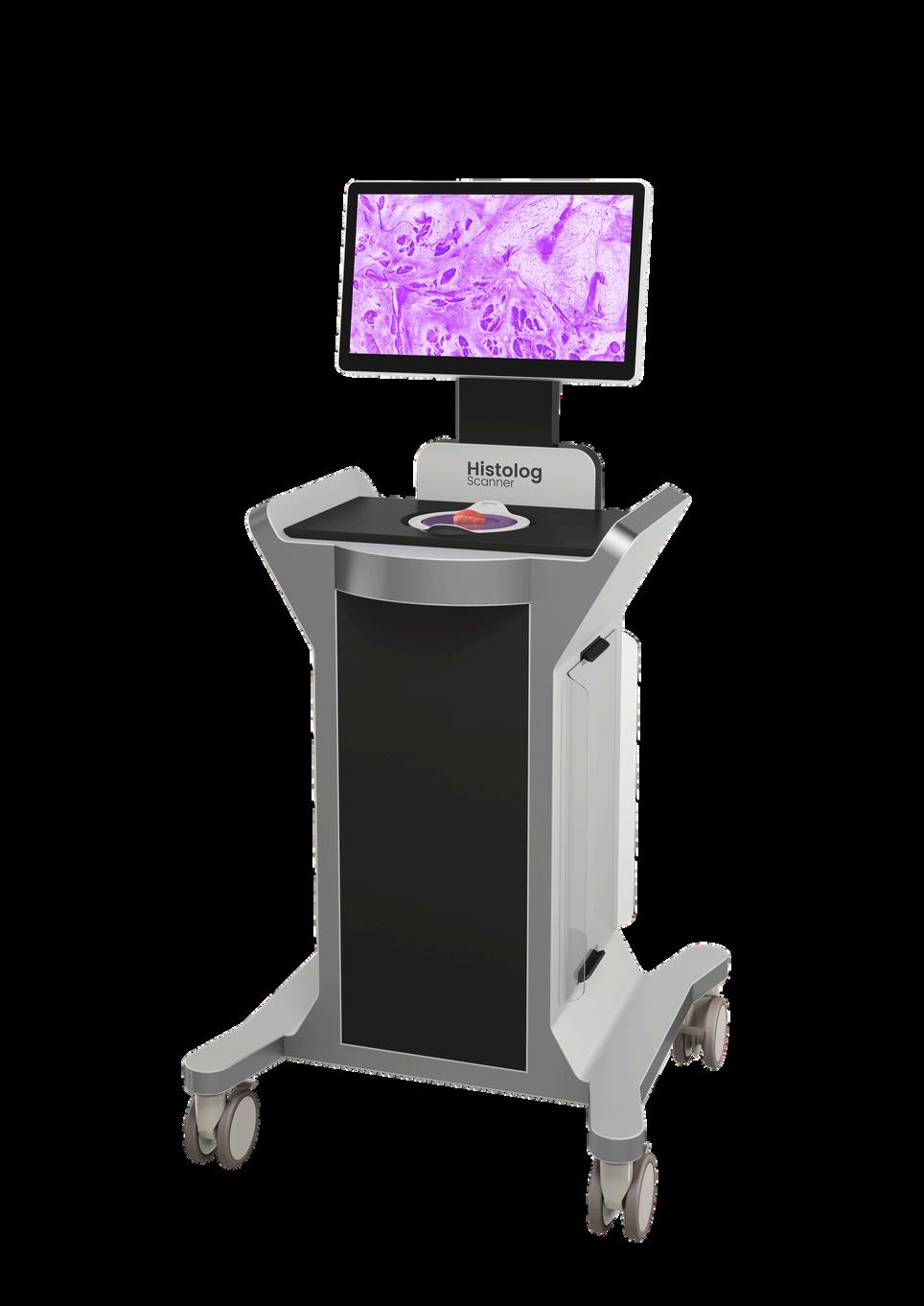
In breast conserving surgery, the published SHIELD study demonstrated a 67% reduction in reoperations (from 30% - 10%) when Histolog was used intraoperatively. Additional peerreviewed studies have shown strong concordance with final pathology and consistent diagnostic accuracy in routine clinical practice Additionally, a recent study evaluating the economic value of Histolog compared with NeuroSAFE and no IOMA found that IOMA is cost-effective When Histolog was available 100% of the time for radical prostatectomies and NeuroSAFE for 50% of the time, Histolog was associated with lower costs and improved health outcomes
Stan: How do you evaluate interoperability between robotic systems and adjunct technologies to ensure seamless surgical workflow?
Olivier: The key principle is workflow neutrality The Histolog Scanner can be placed in the OR or the pathology lab and allows immediate digital viewing and sharing of images. It is designed as a complementary digital imaging that utilizes massively parallel confocal microscopy, generating histology-like images in about one minute per surface.
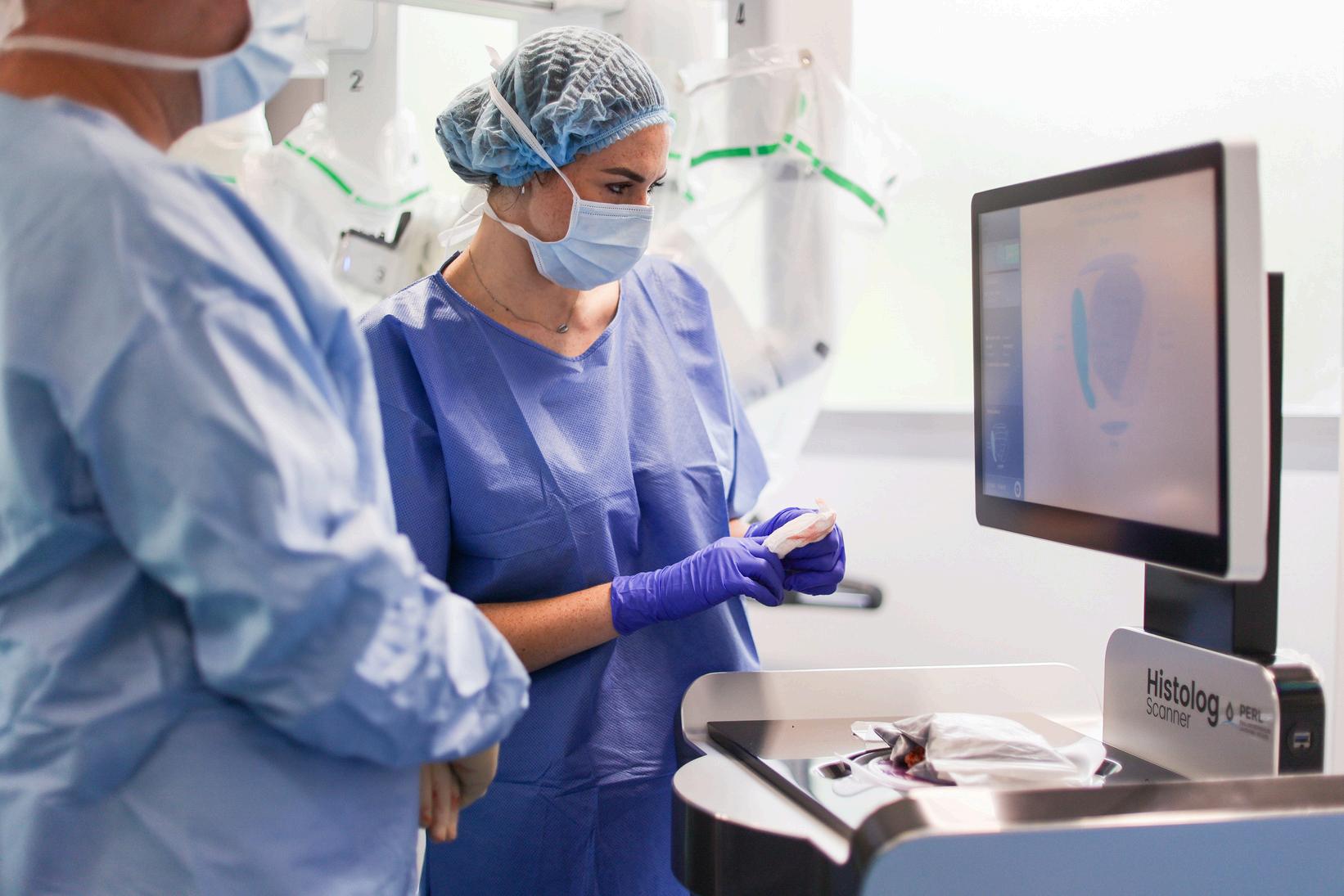
Stan: Are there specific specialties apart from oncology and cancer detection where enhanced optical imaging could significantly improve outcomes in robotic procedures?
Olivier: Yes While prostate and breast applications are well established, the technology has also been used in skin, bladder, brain, neck and other procedures. In Urology procedures such as TURBT, for example, identifying muscle layers intraoperatively is critical for procedural completeness. Rapid microstructural imaging supports that decision-making. As robotic surgery expands into more specialties, the need for real-time optical confirmation will grow alongside it.
Stan: From a procurement standpoint, how do you assess ROI when introducing complementary technologies that enhance robotic surgery.
Olivier: The Histolog Scanner images help physicians to reduce reoperations, improve OR efficiency and support more confident intraoperative decisions It follows a capital-plus consumables model and can support multiple operating rooms and pathologists within an institution. Enabling surgeons to obtain highresolution images in minutes during the procedure can also spare patients the emotional burden and uncertainty of waiting days or weeks for pathology results.
When complementary technology improves outcomes without extending procedure time, and in many cases, shortening it, the ROI becomes both clinical and economic
Stan: Looking back at the February Dubai event, what were the most defining moments or outcomes for MedTech World this year?
Dylan: For me, the defining moment was seeing real cross-border capital and regulatory conversations happening in the same room We had investors from Europe and North America sitting alongside GCC family offices, regulators, and founders and the tone shifted from “exploration” to “execution ” Dubai wasn’t just a conference it became a bridge between ecosystems.
Stan: What measurable impact did the event have in terms of partnerships, investments, or strategic collaborations?
Dylan: We saw multiple structured follow-up meetings between startups and regional investors, several pilot discussions with UAEbased hospital groups, and meaningful dialogue between international companies and regional regulators. More importantly, we saw repeat engagement investors requesting curated introductions post-event When capital continues the conversation after the stage lights go off, that’s impact.
Stan: Which themes or discussions generated the strongest engagement?
Dylan: Three stood out: - AI in clinical decision-making and trust frameworks - Women’s health innovation - Health system venture arms and strategic capital
There was also strong engagement around regulatory navigation in the GCC founders are clearly looking at the region not just as a market, but as a scaling platform
Stan: How did Dubai as a host city contribute to advancing MedTech World’s mission in the Middle East region?
Dylan: Dubai represents ambition at scale. The alignment with regional stakeholders and the
presence of decision-makers not just delegates accelerated the quality of conversations The Middle East is no longer an “emerging” ecosystem. It’s becoming a capital and innovation hub, and Dubai positioned MedTech World firmly within that narrative
Stan: Were there any unexpected insights or trends that emerged during the event?
Dylan: Yes the speed of maturity of family offices in MedTech The sophistication of conversations around venture structures, coinvestment, and strategic alignment was noticeably higher than even two years ago. We also saw increasing pharma–MedTech convergence discussions, highlighting how traditional silos are dissolving.
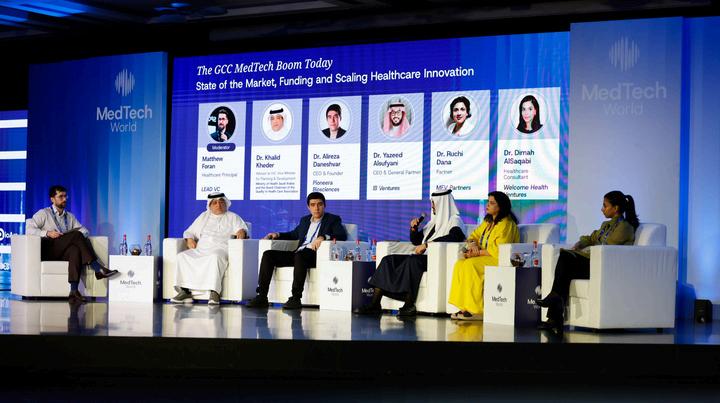


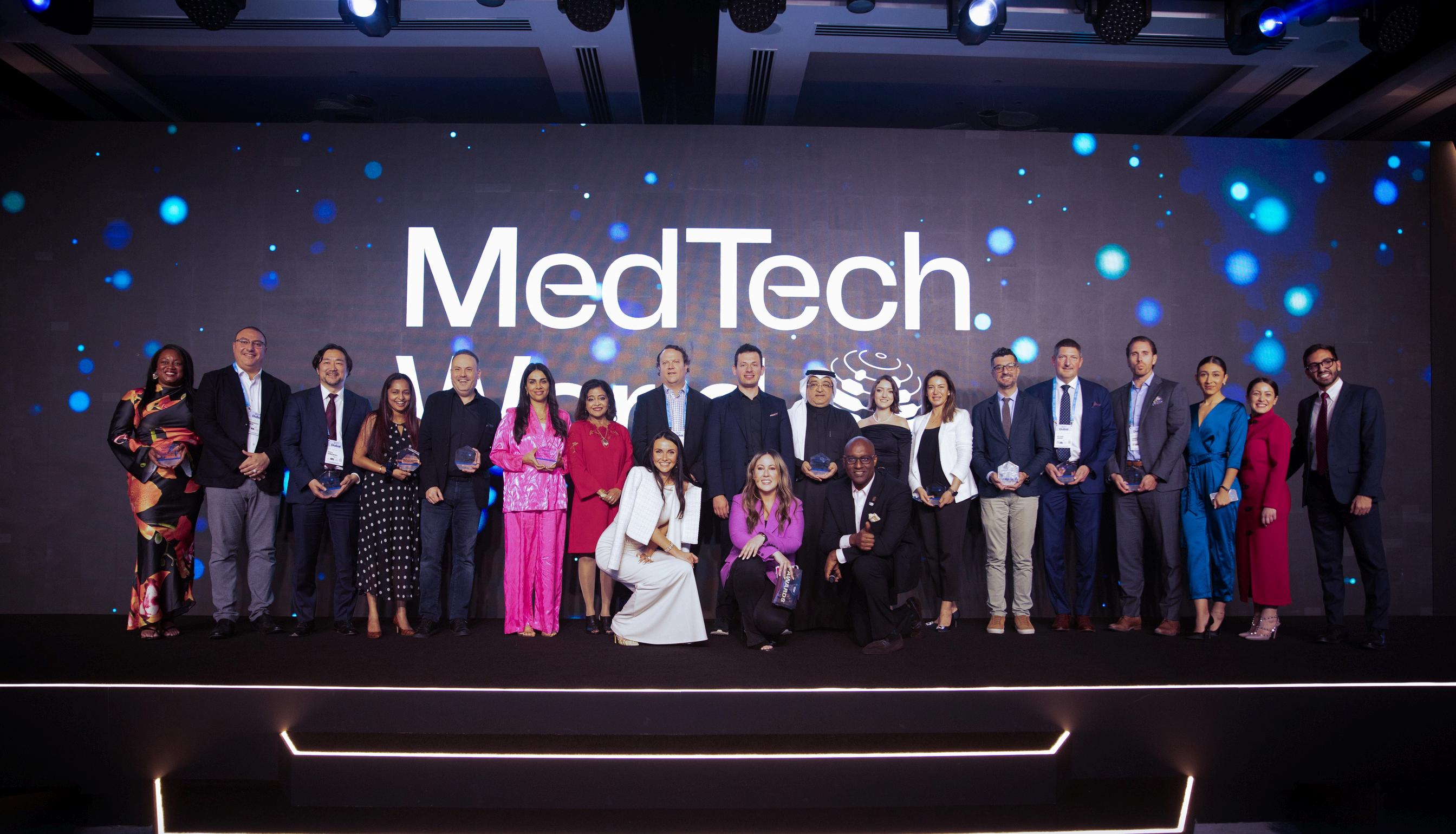
Stan: What feedback did you receive from attendees, and how will it shape future MedTech World events?
Dylan: The most consistent feedback was about curation People appreciated that the room felt intentional not transactional chaos We will continue doubling down on smaller executive formats, stronger investor-founder matching, and fewer but more focused panels Quality over scale
Stan: Following the success of this year’s Dubai edition, what are the next strategic priorities for MedTech World globally?
Dylan: Three priorities:
1 Strengthening our North American footprint
2 Building deeper bridges between pharma, MedTech, capital and innovation.
3. Expanding our awards and editorial platforms to reinforce thought leadership
We are not just building events — we are building an ecosystem platform.
Stan: What are your main objectives for the upcoming Florida event in May?
Dylan: Florida is about commercialization reality. This edition is focused on selling into U.S. health systems, capital efficiency in 2026, and strategic partnerships over vanity growth If Dubai was about cross-border connectivity, Florida is about execution in the largest healthcare market in the world.
Stan: How will the Florida edition differentiate itself from previous MedTech World events?
Dylan: Florida will be sharper and more tactical We are bringing more U.S. health system executives, more venture arms and strategics, and more direct conversations about

FLORIDA IS ABOUT COMMERCIALIZATION REALITY. THIS EDITION IS FOCUSED ON SELLING INTO U.S. HEALTH SYSTEMS, CAPITAL EFFICIENCY IN 2026, AND STRATEGIC PARTNERSHIPS OVER VANITY GROWTH.


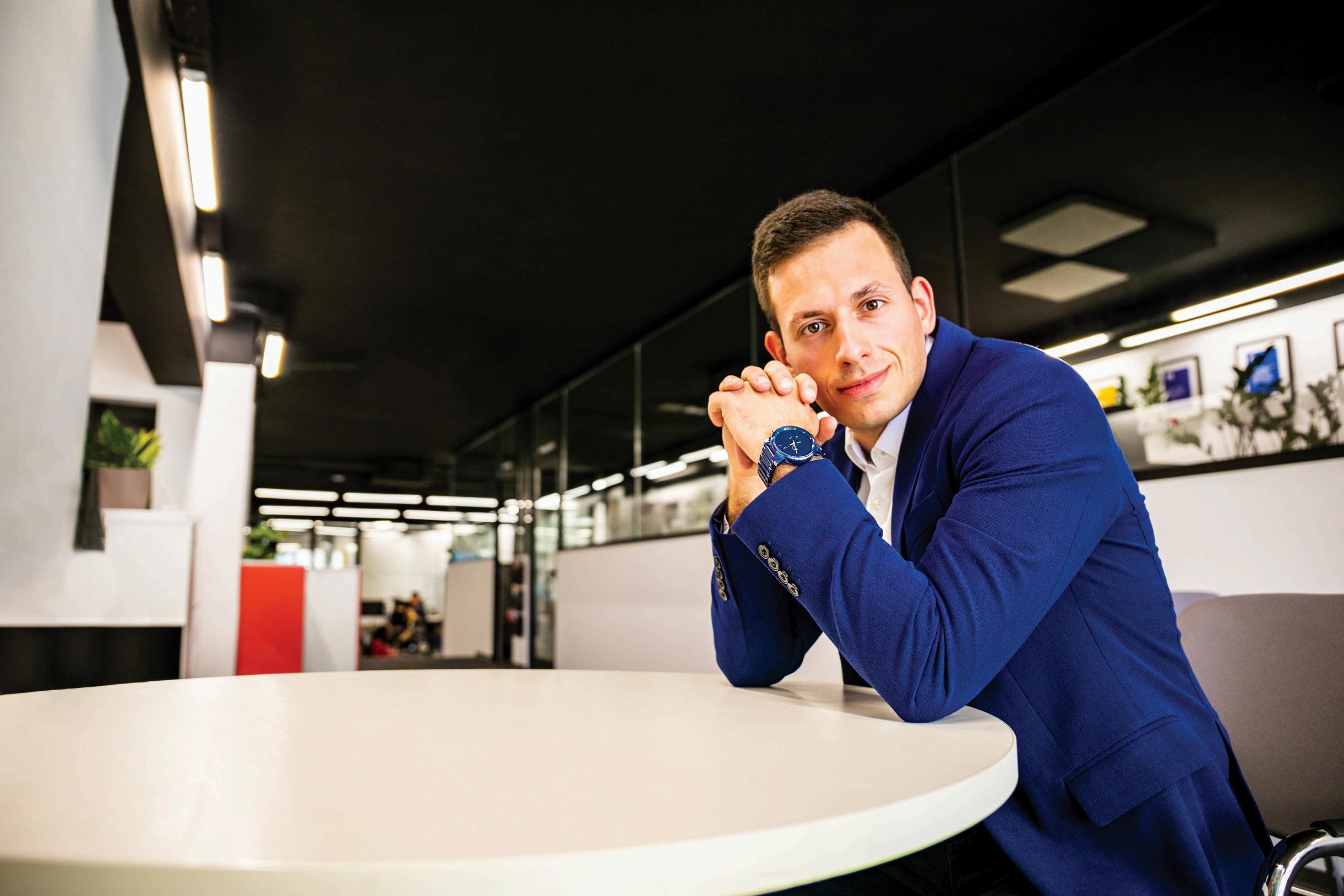
reimbursement, procurement, and scaling. It is less “vision,” more “how do you actually win in America?”
Stan: What key themes or industry challenges will take center stage in Florida this year?
Dylan: - Health system procurement realities
- Corporate venture funds
- Neuro innovation
- Women’s health
- U.S. regulatory pitfalls
- Founder war stories
We are leaning into honesty and practical insight.
Stan: How are you engaging the U.S. investor and healthcare ecosystem ahead of the event?
Dylan: Through direct outreach to health system innovation leaders, corporate venture arms, Florida-based investors and family offices, and hospital executives across the Southeast We are building curated conversations before the event even begins.
Stan: What opportunities will the Florida event create specifically for startups seeking scale in the U.S. market?
Dylan: Florida creates access to health system buyers, exposure to corporate venture capital, investor introductions beyond coastal hubs, and
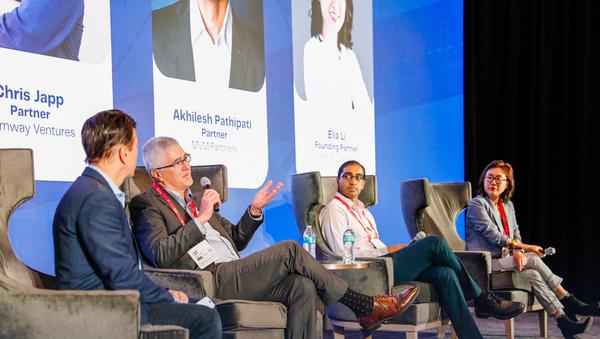
a structured pitch competition with real follow-up. For international startups, it is a landing platform into the U S market
Stan: Are there any new formats, partnerships, or initiatives being introduced at the May event?
Dylan: Yes. A refined Investor & Executive PreForum, more curated roundtables, stronger integration of our Awards platform, and enhanced investor-founder matchmaking. We are evolving from conference to controlled ecosystem
Stan: What would define success for you personally once the Florida event concludes?
Dylan: Success is when founders tell me: “The right person was in the room.” Not the biggest crowd Not the loudest stage But the right people, aligned, moving the industry forward That is what MedTech World is about.
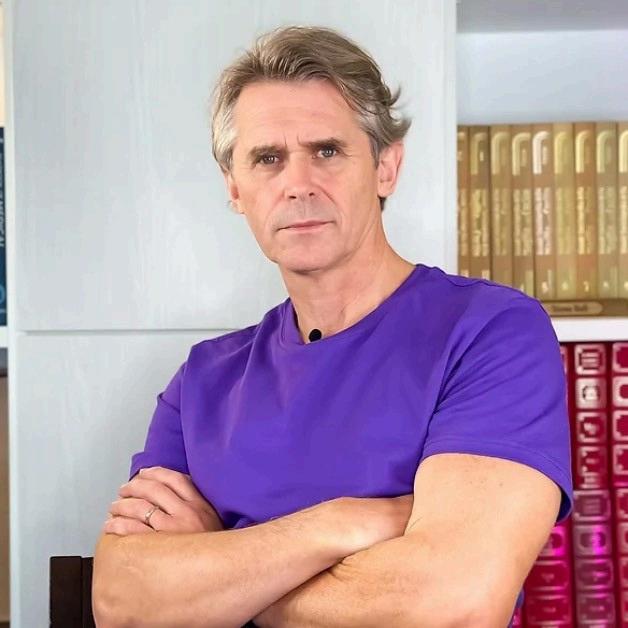
Stan: How do you see the global robotic surgery market evolving over the next 5–10 years, and what key inflection points do you anticipate?
Steve: Firstly there will be a better understanding of surgical robotics Today most people see it as “da Vinci” class of robots. We need to define it better as there are soft tissue robots, hard tissue robots, neuro robots, endoluminal robots and more All doing forms of surgery. So the first thing is that we start naming it properly.
We will then see deeper segmentation in each of these areas of surgical robotics with open soft tissue, lap soft tissue, and endoluminal as one example We will then see form factor segmentation from main frames with booms and modular systems, single ports, advanced lap, hybrid systems etc.
All of this segmentation will start to shift the focus from “Intuitive” to robotics
We will see some of the more than 100 surgical robots just fade away, some get bought by strategics and some just limp along A few will find their place
In soft tissue lap robotics Intuitive will continue to dominate and they will start to go after different segments with follow ons to ION and SP
We will see big strategics try to take their share of the robotics market to stem the loss of their conventional business
And of course we will see AI and advanced imaging take centre stage as it feeds the massive data engines in a virtuous loop.
Stan: Which technological advancements such as AI integration, enhanced imaging, or new surgical modalities—will most significantly shape the next generation of robotic platforms?
Steve: Data, AI and advanced imaging will all shape the current robots these are not exclusive to next gen. Expect DV5 to just keep upgrading and gain better AI output and insight data, AI image recognition and AI start to move to autonomous
steps and help. things like force control, boundary setting, auto suturing help etc Imaging will all be about new fluorophores, cancer bound at detection, hyper and multi spectral imaging with everything being absolutely seeing more than the human eye to give more insights and assistance in decision making.
One big area will be endoluminal robotics which within a decade will absolutely start to impact what cases make it through to surgery
Stan: As competition increases and new players enter the market, how do you expect innovation, pricing, and accessibility to be impacted?
Steve: No change Innovation is happening at speed and most systems coming in are me too copies of da Vinci with little innovation. But a few are pushing some boundaries in cardiac etc - but I don’t see this as just being pushed by competition I see it being driven by Intuitive as they keep looking for growth. Pricing drops is a myth. We may see some slight change in distributor markets - but all companies claiming “we will crash the price” will have a rude awakening on how expensive it is to do robotics well. Any company can make a loss at the startbut not for long Watch
Accessibility will help just by there being more options - more local variants - Intuitive alone cannot supply all the demand on the planet So yes it will help with access as more hospitals can simply get a system. Access to care will be helped in many countries by telesurgery. That is what will change access
Stan: What are the biggest barriers to broader clinical adoption, and how important are structured surgeon training programs and medical affairs support in scaling robotic surgery safely?
Steve: Proctors are one of the biggest barriers Cost, time, availability are all premium for proctors. So teleproctoring will help and being able to teleprecept is essential to allow uptake at a pace that will be requested AI assistance will
help with safe intro as better training that is personalised gets deployed Bette simulationproficiency based systems
Stan: How should robotic surgery demonstrate long-term clinical, operational, and economic value to healthcare systems facing cost pressures?
Steve: Local data in local systems - not big comparative lap vs robotic studies by the lap experts. If we continue to do golden hands studies we will see no impact. A fantastic surgeon doing their ten thousandth lap procedure comparing themselves to their three hundredth robotic procedure is nonsense. We need system based analysis of what happens to complications - time - patient episode costs (not OR costs) - and patient and surgeon satisfaction The genie is out of the bottle - hospitals need to work out HOW do they shift budget to the OR not “should we pay for a robot?”
In western countries - get a robot - work out the costs or never have another consultant surgeon post filled again in the next ten years simple No young surgeon is killing their career because
a hospital doesn’t have a robot - especially because they haven’t done the maths
Advanced anaesthesia is way more expensive than chloroform. No one is suggesting we go back to chlorofom
How about stop wasting money on admin and managers and put it back into clinical care. Now there’s an idea. Stop insurance companies gouging Hmm?
Stan: What opportunities do you see for robotic surgery in emerging markets, and what adjustments in training, infrastructure, or commercial models are necessary to accelerate adoption?
Steve: Robotics is already in emerging marketsnearly every one As one example Africa is seeing more and more deployments of robots. Angola, Nigeria, several North African countries and more to come Training needs to be set up locally It makes no sense to fly Nigerians to Europe for training.
We have enough knowledge now to know how to train people in robotics Deploy that locally Use teleproctoring and telesurgery to get the programs going them teach the local teams how to train

Commercial models over the world need to move to cost per case. No one wants to deploy over a million in cash up front The key is working out local reimbursement or private pay and making the system work on volumes not reserving it for a few elite cases. Cost per case drops when you hit 250 cases or more per year
The more we reinforce that robotics is an elite sport the more we reinforce a narrative that keeps it an elite sport
Many emerging economies have skipped over land line telephone infrastructure to go to 5G. Skip lap to go robotic.
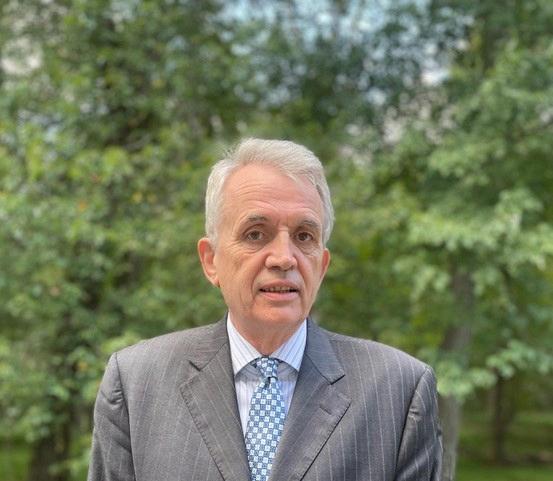
MEDTECH OPINION LEADER: CHRISTOPHER SIMMONDS TALKS ABOUT HOW SUCCESSFUL ADOPTION OF ROBOTIC SURGERY DEPENDS ON POSITIONING IT AS A FULL CLINICAL AND BUSINESS “PROGRAM” (NOT JUST A DEVICE), DEMONSTRATING REAL-WORLD VALUE TO HOSPITALS AND SURGEONS, AND DRIVING GROWTH THROUGH EVIDENCE, TRAINING, AND EXPANDING ACCESS WITH SMARTER, MORE EFFICIENT SYSTEMS.
Stan: What first attracted you to working in marketing for robotic medical devices?
Christopher: It was something that very much happened by chance. Essentially a headhunter got in touch as Intuitive were looking for an eMarketing specialist That said I had started my career in the IT world selling PCs into the city of London. I eventually ended up in a communication role and eMarketing role with a major Medtech company involved in the stent wars among other things When I left this role, I decided I wanted to work in a space that involved both IT and Healthcare so when Intuitive called it was a no brainer Like most people when you do a test drive of the system you understand quickly how in the right hands it Improve can really improve patient outcomes. I was smitten so moved my family from France to California
Stan: From your experience, what are the key factors hospitals consider when deciding to invest in a robotic surgical system?
Christopher: Initially Hospitals who are successful when they invest in robotic surgical systems realize it is not a piece of hardware but is a program. A good robotics program has multiple winners.
Firstly, it is a win for the patients as they are getting better more reproducible outcomes than they are previously. For surgeons they have happier patients which tends to attract newer patients and often allows them to extend their careers due to improved ergonomics. For Hospitals a good robotics program can have a halo effect and attracts more patients to that service line as well as the hospital in general
Lastly if done well the up-front costs in the OR will be covered by lower downstream costs in terms of shorter length of stays, less medication, fewer complications and quicker return to work. If they advertise it will attract patients with better insurance who probably be cheaper to serve In short understanding they are buying a program not just a piece of hardware.
Nowadays as new systems emerge the logic still holds for greenfield sites for existing robotic users it is can I adopt this new technology in a way that is additive to my current program
Stan: What are the biggest challenges when introducing a new robotic platform into a hospital environment?
Christopher: Surgery by its nature is a team sport so there must buy in at all levels of the organization The C suite needs to believe in the long-term value. The surgeons believe it is improving outcomes for their patients. The OR staff and support staff need to come on board Clearly at one level it involves training of a lot of staff. The most successful programs are those that have a robotics steering committee that has representatives from all stakeholders that overseas activities and ensure it is achieving clinical and business outcomes.
Equally importantly the system must be used on a regular basis When it is a single specialty program that is more difficult but the more surgeons, across multiple specialties, who can commit to using the system the better it will be
Stan: How important are clinical evidence and real-world results when promoting robotic systems to healthcare providers?
Christopher: Clinical evidence in peer reviewed journals was critical in the early days of robotic adoption Some of the early publications created a lot of push back and noise
Most successful programs today track their robotic service line and compare to the other service lines in the hospital (Open, Lap) Hospitals would not be running multiple systems at the same institution or at within large IDN’s if they did not have access to real data in their institution showing the value of the program This is probably now more important than peer reviewed data.
Stan: In your experience, how do surgeons and hospitals typically learn about new robotic technologies?
Christopher: They will be exposed to new technologies the same way as anything else, the internet and the media, clinical meetings, discussions with peers or direct contact from the organizations.
Stan: Looking ahead, what do you think will drive the next wave of adoption in surgical robotics?
Christopher: We have only just started to scratch the surface of moving the benefits of less invasive surgery to as wide a population as possible. We are currently seeing in less developed markets access to lower cost systems is opening new horizons In the more advanced economies, it is the acceleration of the digital ecosystem and what this can offer in terms of improved outcomes and increased efficiency that Is fueling growth In the years to come we will systems that are smaller, cheaper, easier to use with inbuilt intelligence that will continue to expand the field
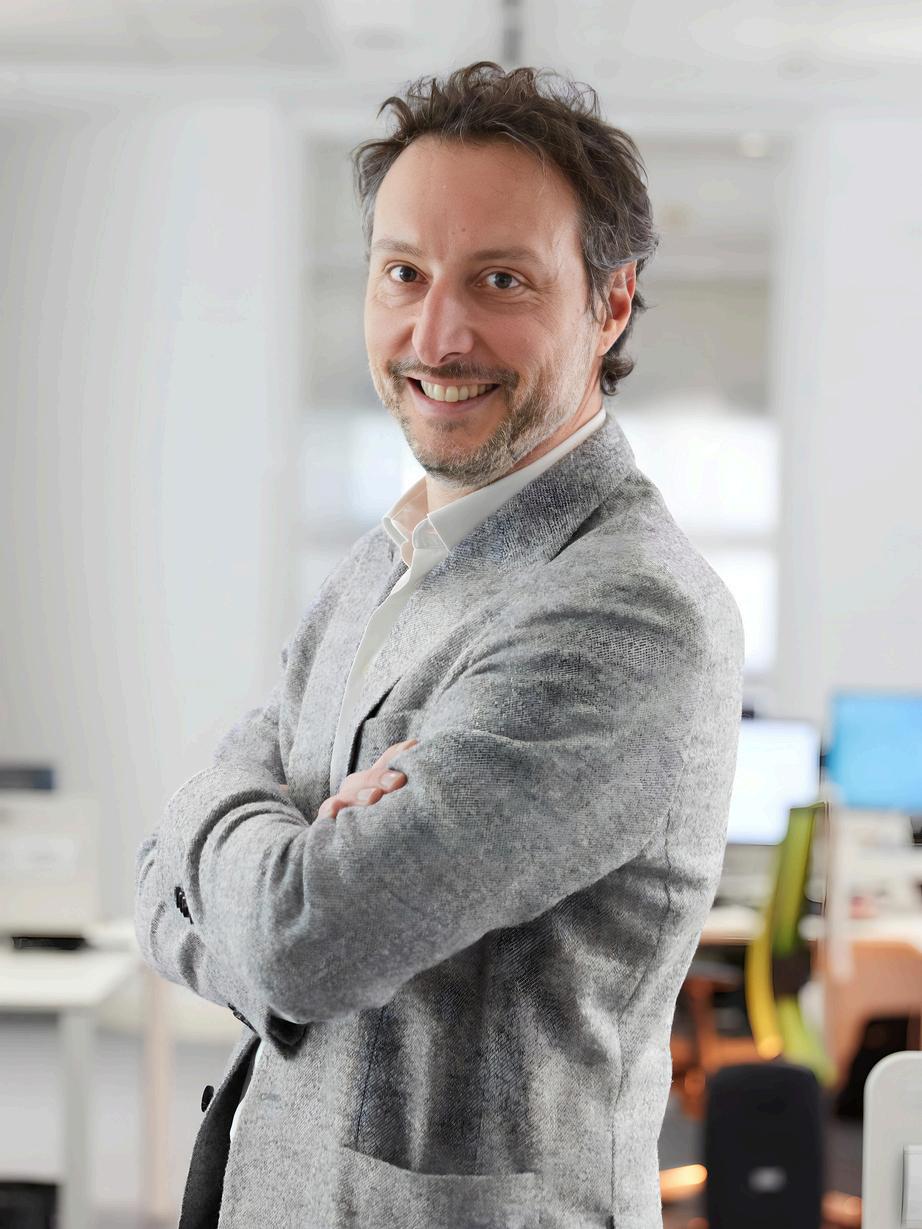
Stan: How is the integration of AI reshaping the future of robotic surgery beyond mechanical precision?
Stefano: For many years, robotic surgery has been primarily about mechanical precision to improve both dexterity and stability However, now that most major platforms are reaching similar levels of technical accuracy, precision by itself isn’t enough to set systems apart. What’s changing is the role of intelligence AI is enabling surgical systems to interpret context: understanding anatomy, workflow, and potential risks in real time. Instead of robots that simply follow instructions, we’re beginning to see systems that can support the surgeon’s judgment and help with real-time decision making.
Of course, this shift isn’t limited to robotics alone The same types of AI driven insights could help in manual minimally invasive surgery as well. Whether robotic or manual, the future of surgery will be defined by how effectively systems can leverage data and intelligence to improve decision-making. In other words, the real frontier is moving from better mechanics to better understanding
Stan: In what ways can intra-operative data be leveraged to enhance real-time surgical decision-making and patient outcomes?
Stefano: Every surgical procedure generates a large amount of data, such as video, instrument interactions, anatomical context, and surgeon behavior. However, most of it is currently underutilized. The real opportunity is in turning it into something that can actually help while the surgery is still happening AI can analyze patterns across thousands of procedures to identify critical structures, highlight potential risks, or provide context-aware guidance during surgery It’s like having the collective experience of many surgeons and institutions at your fingertips, instead of relying only on what one person has seen in their own career Ultimately, the real value isn’t just in the hardware.
It’s in the ability to capture intra operative data, interpret it quickly, and use it to support better decisions I believe that’s what will move surgery toward a more data driven discipline, where every procedure benefits from the knowledge gained in all the ones before it.
Stan: How do you see decision-support systems evolving within robotic platforms over the next decade?
Stefano: I believe decision support is going to become the real engine of value in robotic surgery over the next decade. People often jump straight to autonomy, but in reality, that’s still a long way off for a lot of technical, clinical, regulatory, and even ethical reasons. The bigger and more immediate opportunity is in augmentation, helping surgeons see more, reduce cognitive load, and make better decisions in the moment.
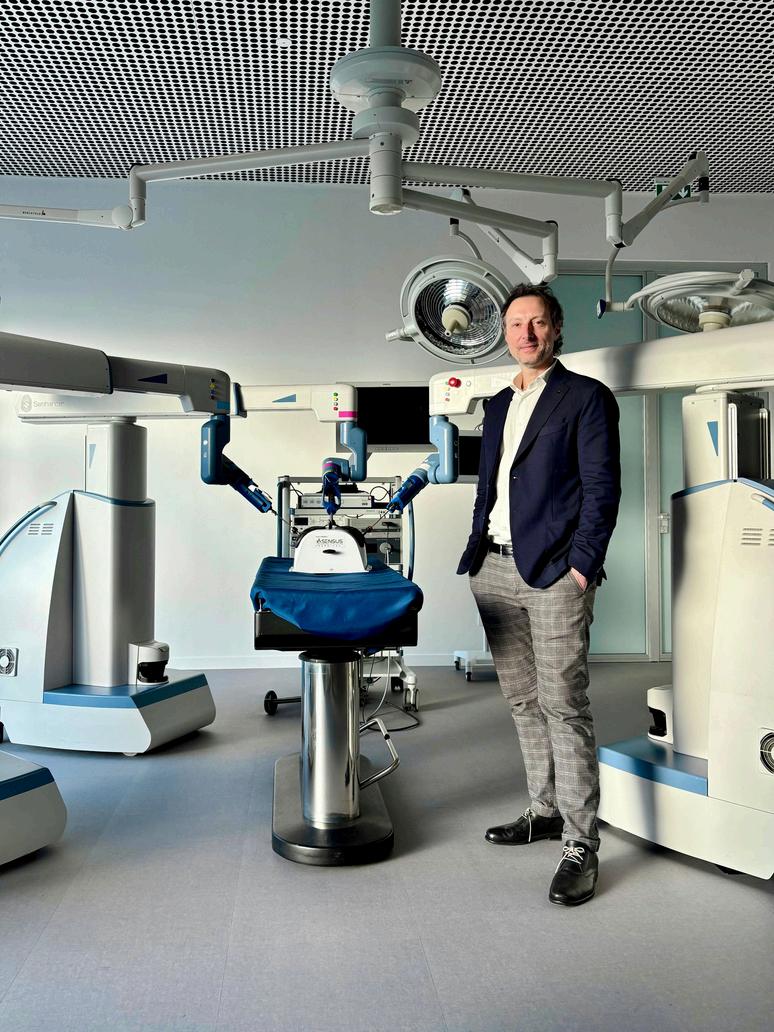


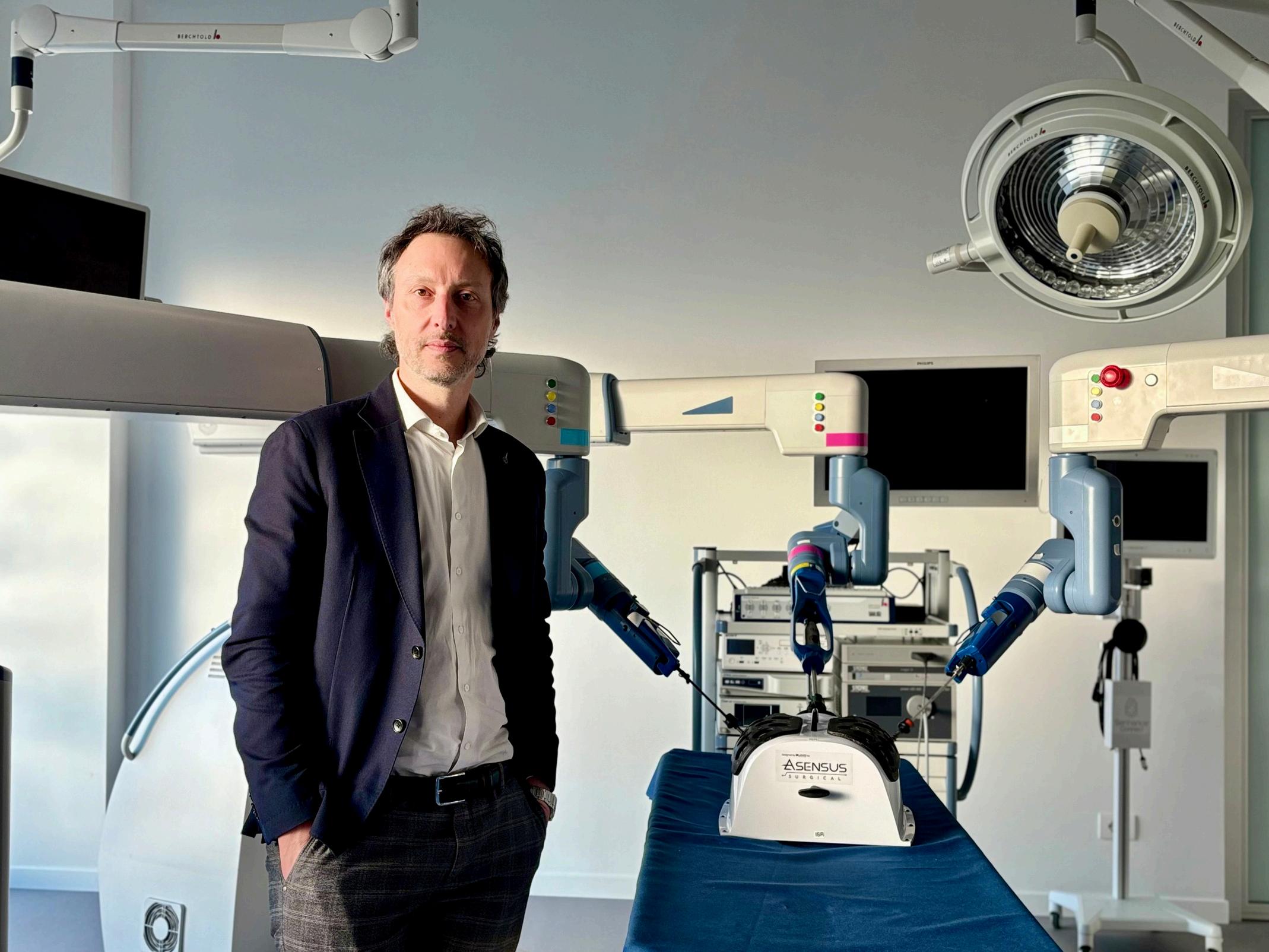
Today, many systems are mostly descriptive, showing anatomy or providing simple alerts. Over time, we’ll naturally move toward predictive insights and eventually toward prescriptive guidance, where the system can suggest actions based on what it’s seeing. However, adoption will depend on trust: systems must be transparent, clinically validated, and seamlessly integrated into the workflow. This aligns closely with the broader idea of Performance Guided Surgery The goal isn’t to replace surgeons It’s to help them operate at their best by bringing data into the loop in a meaningful way. Instead of chasing full automation, the focus shifts to delivering measurable improvements in outcomes through smarter, more supportive decision making tools.
Stan: What steps are necessary to ensure that technological innovation in robotic surgery translates into meaningful real-world adoption?
Stefano: One of the main reasons why innovation fails to scale is that it focuses on technology rather than impact. For adoption to happen, three elements need to align First, there has to be meaningful clinical value, such as better outcomes, fewer complications, or more consistent performance across different users Without clear, measurable benefits, it’s hard to justify change
Second, the technology has to fit smoothly into the way teams already work. If a solution adds steps, slows things down, or complicates the workflow, even great ideas can fail to take hold Surgeons and OR staff need tools that feel intuitive and actually make their day easier, not harder
And finally, there must be economic sustainability. Whether that’s shorter case times, reduced variability, or fewer adverse events, hospitals need to understand the return on investment
It’s also important to remember that no single device creates value on its own. Imaging, visualization, robotics, and data platforms all need to connect seamlessly When these elements work together as part of a unified ecosystem, the overall impact is much greater
than what any individual component can deliver on its own.
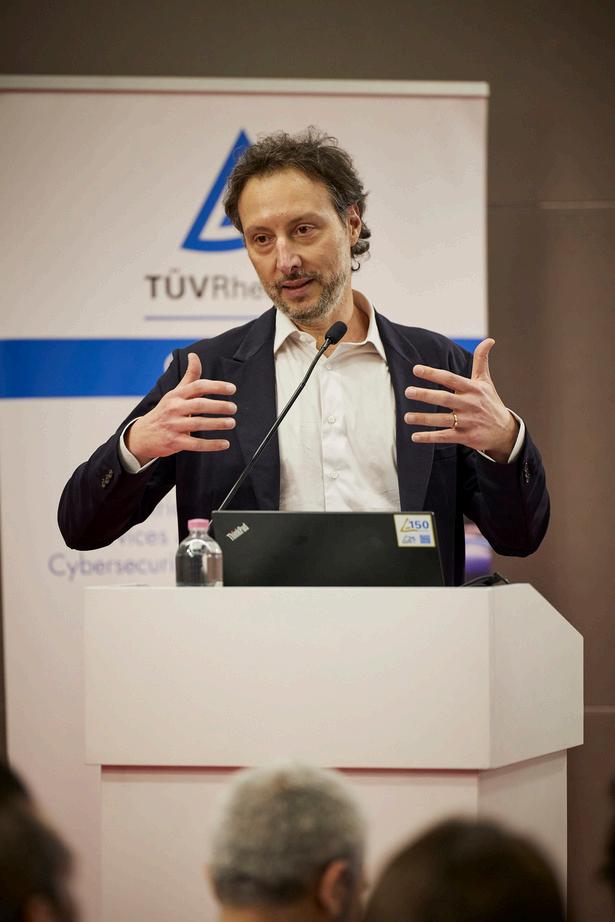
Stan: How can clinical workflows be redesigned to fully harness AI-driven insights during surgery?
Stefano: Most surgical workflows weren’t built with real-time intelligence in mind, so simply layering AI onto the existing process usually doesn’t lead to meaningful use. To unlock value, workflows need to be rethought around decision support This starts with how information is delivered, how the surgical team interacts with the system, and how insights are translated into action For example, integrating visual guidance directly into the surgical field, providing contextaware alerts, or enabling better team communication can make AI outputs more
actionable The key is to embed intelligence into the natural flow of surgery, both in robotic and manual procedures, rather than treating it as an external layer The goal is to make AI guidance easy to understand and easy to act on, without interrupting the flow of the case.
Stan: What role should medical affairs and clinical evidence generation play in accelerating the adoption of AI-enabled robotic systems?
Stefano: Medical affairs is going to play a critical role in helping AI enabled robotic systems move from promising technology to everyday clinical practice These systems bring new questions around validation, reproducibility, and trust, so strong clinical evidence becomes even more important It’s not enough to show that the technology is safe and effective We also need to understand how it impacts outcomes, reduces variability, and improves performance across different users and settings
At the same time, I believe the way we generate evidence has to evolve. Traditional study designs weren’t built for technologies that learn and adapt over time We’ll need more flexible models that incorporate real world data, ongoing performance monitoring, and continuous assessment rather than one-time validation. Ultimately, the goal isn’t just to prove the system works; it’s to demonstrate that it consistently elevates surgical performance in real clinical environments. Medical affairs will be key in shaping that evidence, helping clinicians feel confident adopting these new capabilities
Stan: Looking ahead, how do you envision the balance between surgeon autonomy and AI-guided decision support in the operating room?
Stefano: Surgery is a highly complex, contextdependent activity, where full automation is unlikely to be the primary value driver in the foreseeable future. Instead, I believe the real opportunity over the next decade is augmentation: giving surgeons tools that expand their situational awareness, highlight risks, and help them make more informed decisions in real
This represents a shift from purely manual execution to meaningful cognitive support Similar to other high-stakes industries, the combination of expert human judgment and data driven insights tends to produce the best outcomes The most impactful systems won’t be the ones trying to take control away from the surgeon, but the ones that help the entire surgical team perform at their highest level consistently, with better patient outcomes

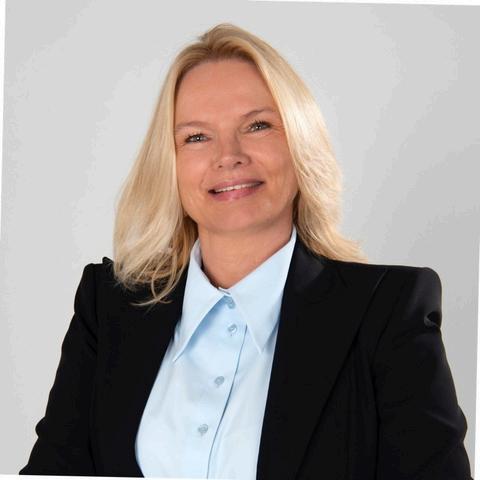
Stan: You both have extensive backgrounds in the medical devices industry. What originally drew you to this space, and what keeps you motivated today?
Silke: As with most of the people we interviewed, I, too, answer this question „by pure coincidence" I saw an advert for a sales representative position in the internet and clicked on the 'Send us an email' button. The response was overwhelming I was invited to spend a day at the company, during which I had three interviews. By the end of the day, I wanted the job, and I got it!
Kash: I studied Biology at University and at school I really enjoyed design and technology. Although I started in pharmaceutical sales, I found my natural home when I moved into Medical Tech , Initially I joined an orthopaedics company where I sold Joint replacements, trauma implants, power tools, and arthroscopic cameras When I was younger there wasn’t a lot of career advice regarding the industry, so you sort of discovered it yourself. Since joining I have worked on supplying artificial heart valves, Coronary Stents & Balloons, Cardiac Monitors, Laparoscopic Instruments, tissue staplers Radiation therapy patient positions devices and today surgical robotic. No matter which of these specialist areas you work in you are helping patients overcome challenges like heart disease, arthritis and cancer and improving the delivery of healthcare. This is a huge motivating and driving force for me
Stan: What inspired you to create OurMedTech Lives, and how does it reflect your professional journey so far?
Kash: Our Podcast evolved out of an annual presentation we would give to the MBA classes of St Gallen University in Switzerland We always had a packed room of interested students who were eager to learn about our industry. Most had never really heard of or thought of the Medical Device industry as a career option The students spent a day of learning from industry veterans about the
diversity of specialities in MedTech and learn what a great and rewarding area it is to work in. The podcast enables us to expand the audience
Silke: We see „Our MedTech Lives“ as a way to give back to the medical device industry, my cohost Kash Ikram and I interview veterans of the Medical Device industry and learn about their career journeys, what they are proud of achieving or being involved in and what were the challenges they had to overcome
We aim to help people develop their careers in the industry and attract talent to the industry. This podcast developed from an annual Industry Day we produced for the University of St Gallen MBA program. For me, it's a learning experience in every episode, as well as a great networking opportunity Networking is something we highly recommend if you're aiming for a successful career in our industry.
Stan: The medtech industry has evolved rapidly over the last decade. From your perspective, what have been the most significant shifts?
Silke:The medtech industry has indeed undergone significant transformation over the past decade, driven by new technologies, advances in existing technology and changes in healthcare delivery This includes digital health, AI, robotics but also a trend towards personalised care and prevention, longevity is a new big trend
Kash: I totally agree with Silke, and I would say that the transformation is accelerating with the emergence of AI, intelligent devices, and robotics Medical devices in the form of smart implants, wearables, robots and monitors are getting interactive and smarter and are all helping to enable us to live better and longer lives
Stan: As seasoned professionals, what gaps did you see in conversations about medtech that you wanted this podcast to address?
Silke: As we mostly interview seasoned professionals, I wouldn't call them 'gaps'. I think we consider all the different areas and the numerous opportunities that our industry offers, and try to inspire people.
Kash: There is so much to explore and discuss in Medtech It’s a challenge to cover all 17 specialities in depth. In addition, new technology is sunsetting the older technologies at a faster rate Not all new technology and devices will survive so it’s fascinating to learn and observe this at the moment. In addition, the MedTech ecosystem in complex and there are more topics I would like us to explore such as reimbursement and insurance, regulatory approval, cyber security and ethics.
Stan: You’ve both worked across different functions and geographies. How has that shaped the perspectives you bring into the podcast?
Silke: Working with people from different regions has never been a real challenge for me, as I enjoy meeting new people and learning from different perspectives
Interviewing people from different departments can broaden your perspective, as you're not pursuing a professional goal in your discussion; it's purely about listening, exchanging expertise, and learning. While we all assume that our colleagues contribute to the company's success, we may have different definitions of what success means in different departments For example, I tried to avoid talking to the legal department early in my career. Later, I started to appreciate their support and involved them much earlier, encouraging constant communication I found it really interesting to interview a lawyer. I could ask them anything, as we didn't work for the same company, and I could learn how they view salespeople
Kash: As well as working with the healthcare professionals this industry is full of super smart and caring people People who are solving complex problems in innovative ways, bringing
new products to market, developing new go to market models, ensuring our products can reach a patient anywhere in the world in the shortest time and coming up with value financial solutions to support new and old tech. I find the motivation of people is the same, to help people who need healthcare It’s interesting to see how people solve these issues based on local culture and healthcare set up. For example, in Korea I have seen screens in family waiting rooms where people can see at what stage their loved one is during their operation It’s interesting to see how the Swiss Insurance system gives patients options. In Japan robots are emerging that keep the increasingly elderly population company and monitor them And in Africa countries are leapfrogging from open surgery to robotic surgery and skipping laparoscopic surgery.
Stan: What kind of guests or stories are you most excited to highlight, and what do you hope listeners will take away from them?
Silke: I think the most important thing is to approach every conversation with an open mind. This is especially important in areas where you have no expertise, because you don't know what you don't know I get very excited about new technology, diagnostics and treatment options, especially for diseases that we currently consider incurable
I would be happy if listeners discovered opportunities they had not considered before, or found their area of passion I would also be happy if we could contribute to the formation of a fruitful new network or took something to the next level.
Kash: I echo this, I also love to hear people’s personal challenges that hey had to overcome and how they over came this. We had someone who caught aids and had to change careers One person worked on cancer treatment and one day learned they had cancer. Also work challenges, almost going bust or solving a technical challenge that no one had figured our before We can all learn for these stories no wonder which industry we work in.
Stan: Looking ahead, what’s your vision for OurMedTech Lives — and how do you see it contributing to the broader dialogue in the medtech community?
Silke: If we can help people find their way into our industry so that they can pursue their passion there in the long term, and if we can create opportunities for networking, then we will have taken our first step. We want to further expand our channels for knowledge transfer and exchange and promote dialogue within our community.
Kash: Silke is spot on, Our Medtech Lives is a labour of love for us, it’s a passion project Because we are so passionate about our industry we want more people to be aware of it. For people in the industry, we want to discuss new trends, lessons learned and ow we can help more people better. We want to learn from each other. We also don’t want to shy away from controversy, ethical issues and financial issues, we want openness and to become a town square for important discussions about our amazing business. So if you have something to share or discuss, get in touch!
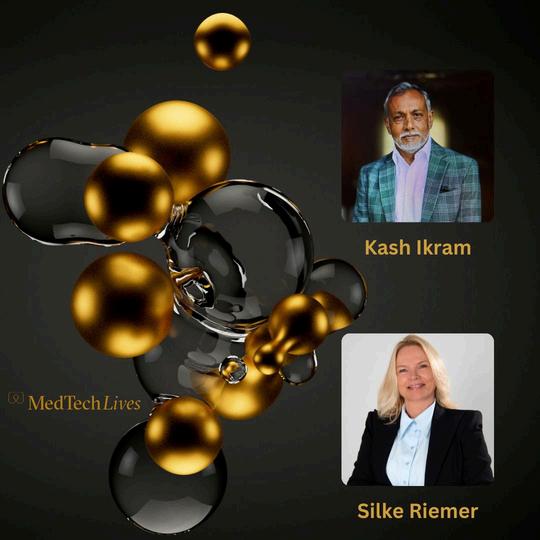
Stan: How is Qualium Systems helping MedTech companies build software for robotic surgery and advanced surgical systems?
Olga: Our key expertise in surgical technology is focused on immersive visualization, simulation, training and human-machine interface backed with Artificial Intelligence (AI), medical devices and custom software solutions. We help companies in surgical tech and robotics implement 3D and immersive visualization using Extended Reality for onboarding, training, surgical planning, intraoperative navigation, and postoperative analytics Extended Reality (XR) enables immersive visualization through a range of technologies, including Augmented Reality (AR), Virtual Reality (VR), and Mixed Reality (MR), which can be used individually or combined depending on the specific use case.
Our key MedTech use cases include Diagnostics (medical imaging), Surgical Technology (surgical platforms), Medical Education and Training, Remote Collaboration, Digital Twins and XR simulations, Avatars, Robotic Surgery, and AIpowered robotics The custom solutions and technology consulting we deliver go beyond product or feature development and include legacy modernization, digital transformation, rapid prototyping, proof-of-concept services and more digitalization solutions. We are ISO 9001and ISO 27001-certified and HIPAA-compliant, ensuring high quality standards and strong data governance within the healthcare technology field. Our flagship projects include Surgical Intelligence platform eXtra Vision, VR training platform for healthcare professionals V-Med Pro, and our MVP Spatial Space for medical education.
Stan: What role can XR (AR/VR/MR) play in training surgeons and improving robotic surgery skills?
Olga: Extended Reality is the cornerstone of immersive visualization and training technologies that continue to expand across Healthcare and MedTech. Immersive solutions for medical
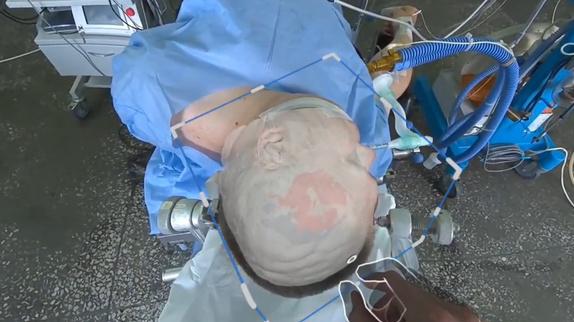


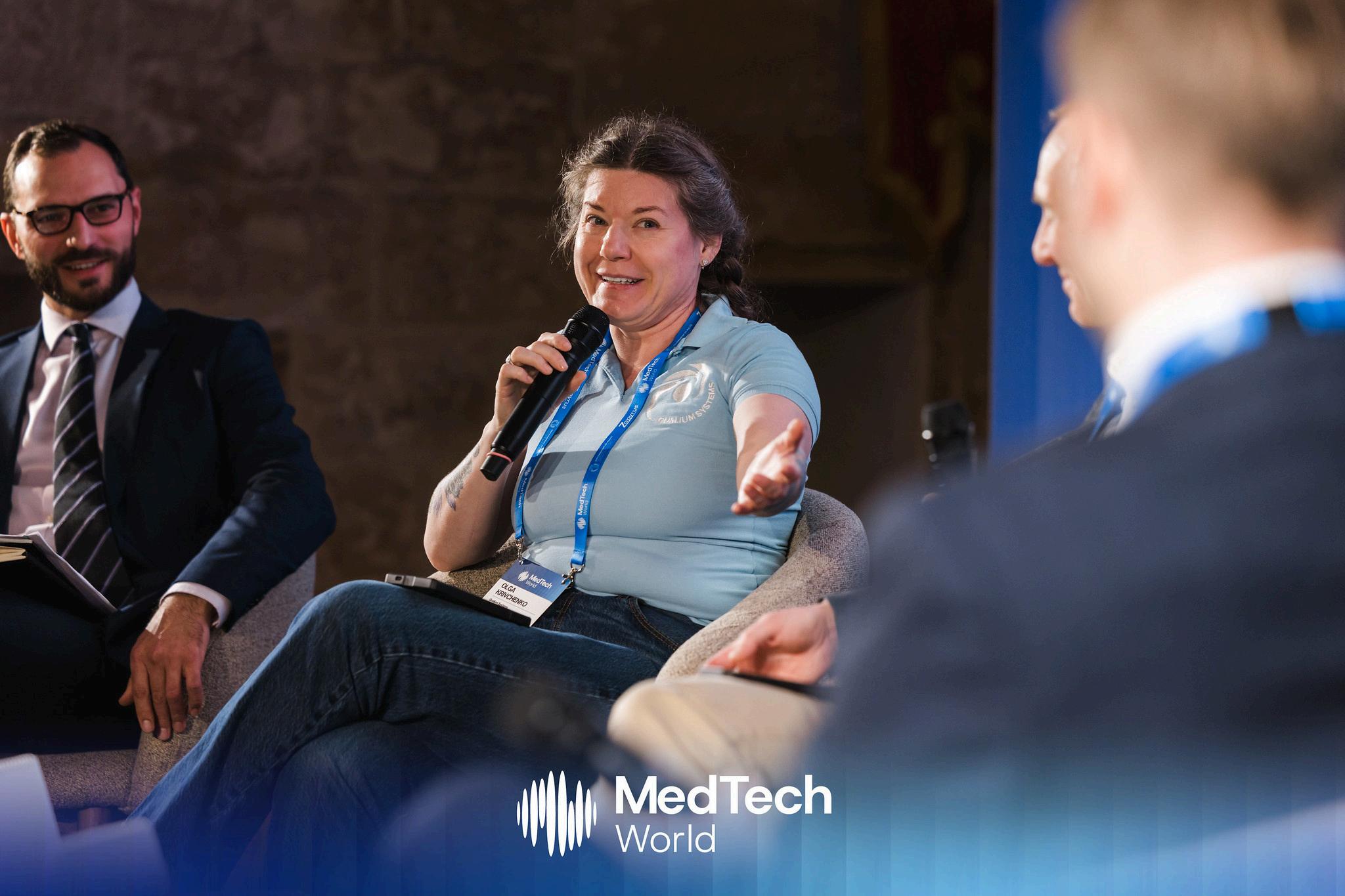
By using AI analysis, the system can highlight inefficient motions or risky angles almost like a coach reviewing game footage As humanmachine interface (HMI) advances, XR has the potential to reshape intraoperative decisionmaking and workflow efficiency, ultimately supporting safer procedures, faster learning curves and more adaptive surgical ecosystems
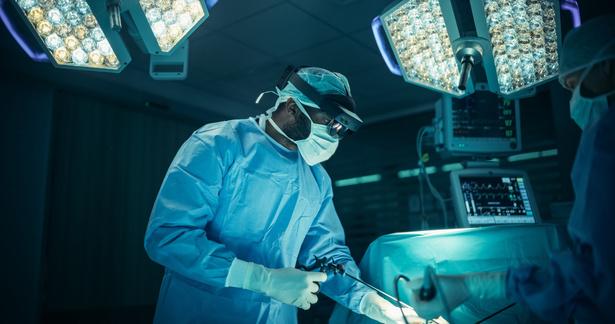
Stan: How can software make robotic surgery systems more accurate, safe, and easier to control?
Olga: At the present moment, precision in robotic surgery systems is driven by advanced control algorithms, data processing and AIassisted guidance
By integrating computer vision, sensor fusion, and motion scaling techniques, software refines instrument positioning and filters unintended tremors
Digital twin simulations allow teams to validate control logic and edge-case scenarios before clinical deployment VR training programs for onboarding and maintenance lead to measurable gains in procedural accuracy and repeatability
Safety and usability improve through rigorous software validation, cybersecurity hardening, and human-centered interface design Intuitive surgeon interfaces supported by haptic feedback and adaptive visualization reduce cognitive load and support confident decision-making.
Immersive technologies (AR/VR/MR) and computer vision strengthen robotic surgery by merging spatial awareness, contextual data, and intuitive control Da Vinci Surgical System already integrated mature 3D visualization with high-definition endoscopic imaging allowing surgeons to operate within rich digital field
Computer vision algorithms perform real-time tissue recognition, instrument tracking, and anatomical segmentation, reducing positioning errors and supporting safer dissection margins
Augmented reality overlays derived from preoperative CT or MRI scans align virtual models with live anatomy, improving orientation during complex procedures Combined with AI segmentation, haptic feedback and motion scaling, immersive interfaces lower cognitive load, improve hand–eye coordination, and deliver greater procedural consistency The precision tools we are currently developing for our partner’s surgical intelligence platform, eXtra Vision, support neurosurgeons in taking exact measurements, adding annotations, and planning incisions directly within a 3D environment for cranial interventions.
Stan: What are the biggest challenges when developing software for robotic surgery, especially in terms of security and regulations?
Olga: An experienced outsourcing partner implements compliant development processes aligned with medical standards, embedding traceability, risk management and automated testing across the lifecycle. Local regulation frameworks including IEC, ISO, FDA are essential for robotic surgery platforms Each requirement must map to test cases and documented validation evidence. Managing design changes without breaking certification boundaries demands disciplined configuration control, reproducible builds, and comprehensive regression testing. Cybersecurity introduces parallel complexity in processing sensitive clinical data and connecting with hospital networks, imaging systems and remote diagnostics services. That is why compliance with HIPAA and GDPR is essential.
Certification under ISO 9001 and ISO/IEC 27001 forms the operational foundation for an outsourcing software partner to establish a structured quality framework that supports regulatory approval processes and strict data protection compliance. Software partner should bring documentation management to highest standards, as well as integrate secure coding standards, continuous penetration testing and real-time anomaly detection into development pipelines
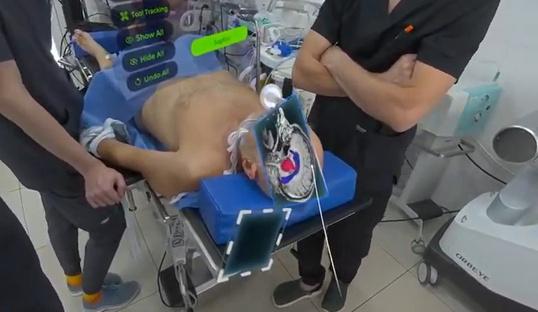
Stan: How do you ensure that robotic surgery applications are easy to use for surgeons while still being highly advanced?
Olga: At the user experience level, surgeoncentric UX is key. An intuitive, surgeon-first interface combined with structured, balanced training programs allows most users to master clinical workflows within a predictable and reasonable timeframe. By designing and implementing advanced features such as tailored surgical workspaces, precision tool software, DICOM-compatible workflows or PACS integration, technology partnership can elevate the surgeon experience
Tailored workspaces for specific surgical specialties present only the tools and visuals relevant to the surgical field, while precision tools allow surgeons to take exact measurements, add annotations and plan incisions directly within a 3D environment. These capabilities are currently being developed for our partner’s surgical intelligence platform, eXtra Vision, strengthening its clinical precision and usability for neurosurgeons.
Onboarding programs delivered through Virtual or Augmented Reality can significantly improve the training process for surgical teams Clear, detailed instructions practiced in immersive environments accelerate skill acquisition and streamline onboarding workflows significantly. Remote collaboration within shared Virtual and Augmented Reality spaces allows surgical teams to work together, review cases, and plan procedures from any location.
Stan: How does Qualium Systems work with startups and hospitals to turn robotic surgery ideas into real working products?
Olga: We believe in the power of collaboration to drive innovation and accelerate the incremental growth that currently defines HealthTech At Qualium Systems we offer MedTech investors an excellent opportunity to accelerate the growth of their portfolio companies and maximize ROI in highly-evolving and evidence-oriented environment of HealthTech innovation We offer expert tech guidance and help ventures with strategic advice to become leaders on competitive Healthcare market With our scalable development resources investor’s portfolio companies can immediately gain access to a large pool of skilled developers and secure future-proof solutions - we prefer a forward-thinking approach to ensure your investments stay ahead and capture more market share. We understand that evidence-oriented development costs are often the biggest expense for early-stage startups. This way, we maximize investments by reducing costs without sacrificing quality or speed And one of the key stand points in healthcare - risk reduction and regulation challenges. We offer our Healthcare domain expertise in project management and product development to mitigate many typical risks for the industry, ensuring a smoother path to success for investments. Domain expertise in medical software development reduces exposure to common regulatory and integration challenges, supporting more predictable product advancement from concept to clinical and commercial deployment.
Stan: What is your long-term vision for Qualium Systems in the future of robotic surgery and digital healthcare?
Olga: Going beyond Extended Reality and visualization solutions, we believe in the bright future of healthcare technology - developing applications and software for healthcare professionals from the ground up or customizing out-of-the-box solutions, with a clear focus on improving patient outcomes The Qualium Systems portfolio features medical training platforms, surgical intelligence solution, MVP for medical education, as well as telemedicine platform, mobile healthcare (mHealth) software, fitness app and healthcare IT consulting. Our expertise is deeply integrated into complex medical management and telehealth systems, with surgical robotics serving as a strong example of this capability. We are inspired by the transformative value that Health and Medical Technology bring to the industry - moving beyond incremental changes toward ground-up innovation, prioritizing better outcomes for patients.
Our deep domain expertise, portfolio and valuedriven healthcare mission form a solid foundation for Qualium Systems to evolve into a deeptechdriven, AI-powered and regulatory-compliant software development partner shaping the future of healthcare. A key driver of our growth is sharing our knowledge and experience across the industry and we are excited to collaborate with prominent, evidence-based media like MedTech Opinion Leader. The future of healthcare is dynamic and technology-driven, creating meaningful benefits for both healthcare professionals and patients
Stan: You founded a successful MedTech robotics company - what inspired you to take that leap, and what were the hardest-earned lessons in building in such a regulated, hardware-heavy space?
Hannah: I was driven by a deep belief that robotics could fundamentally facilitate surgeons in very challenging, delicate reconstructive procedures and improve patient outcomes, through higher precision and consistency Starting from microsurgery, my visions was to enable high precision open surgery through robotics. The hardest-earned lesson is probably around balancing MVP features and speed to market Building in MedTech means your true MVP isn’t just a prototype, it’s a clinically validated, regulatory-ready, manufacturable system We placed a lot of value on getting to market swiftly, and then iterated with platform, instrument and software improvements. This was a very successful strategy in my opinion, that went hand-in-hand with a clinical evidence generation strategy around a multispecialty platform for a surgical method, rather than a procedure.
Working in active implantable medical devices as well as robotics since then, I realize that this was strategic, but also a unique opportunity we could implement in this class of device
Stan: How do you see surgical robotics evolving - beyond the big players - in terms of accessibility, miniaturization, or intelligent automation?
Hannah: We're starting to see the second generation of surgical robotics move from monolithic platforms to more modular, procedure-specific systems. Miniaturization and soft robotics are enabling less invasive applications in ENT, ophthalmology, and interventional radiology. The real frontier is in intelligent automation, not fully autonomous surgery, but context-aware assistance: needle path prediction, force feedback, real-time image fusion. The goal isn't to replace the surgeon, but to make precision scalable, even in lowerresource settings and to unlock less impactful procedures for patients
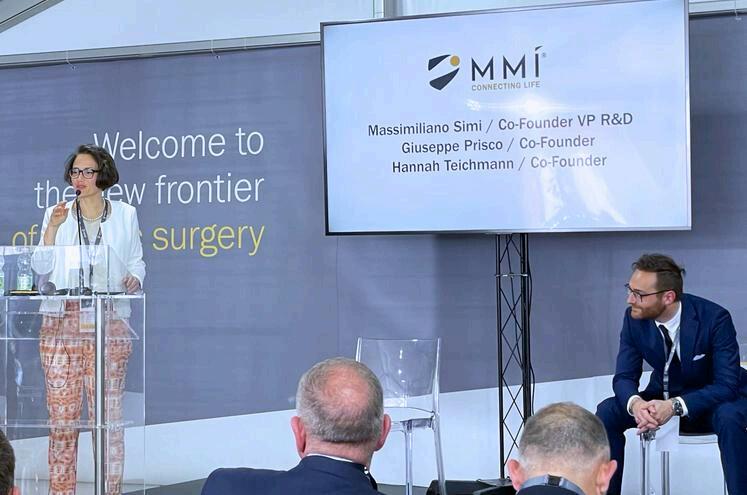


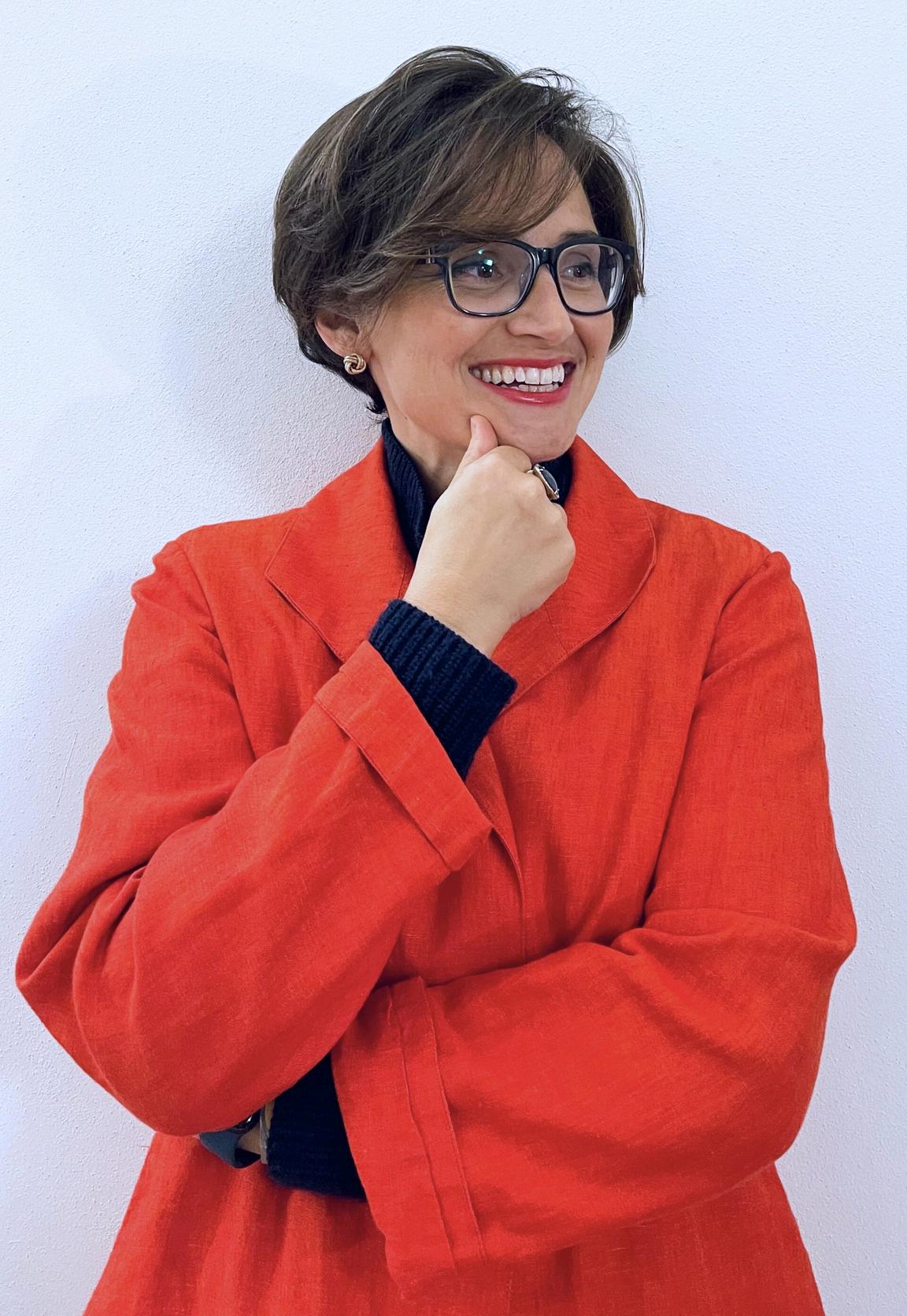
Stan: You're now advising several earlystage MedTech startups across Europe. What are the most common pitfalls you see, and how do the best teams set themselves apart?
Hannah: I would say the most common pitfall is missing product-market fit, which is typically a result of not having users intimately involved in product development from an early stage and from not understanding how the product fits into the patient journey
The best teams do three things differently: they speak to and co-design with clinicians from day one, they build a multi-disciplinary advisory board early and they prototype with discipline, testing the riskiest assumptions first, not just the easiest to build features It's not about building fast, it's about de-risking intelligently.
Stan: How does the European MedTech innovation environment compare to the U.S., particularly when it comes to funding, speed to market, and regulatory navigation?
Hannah: Europe has deep clinical expertise and strong engineering talent, but the fragmentation across countries, particularly in reimbursement policies, can slow things down. So while MDR and regulatory policy is relatively unified, market access as such is not The cost for strong talent is low here compared to the US, which actually makes Europe an amazing breeding ground for early stage development. There has been a flourishing of specialized preseed, seed and A stage funds in Europe over the last decade, what is still missing at the moment in my perception is deep VC pockets that can back the growth and commercial stages There may be a shift in landscape at the moment as the appetite for more mature companies increases, hopefully there will be stronger allocation across all stages of a comany's lifecycle
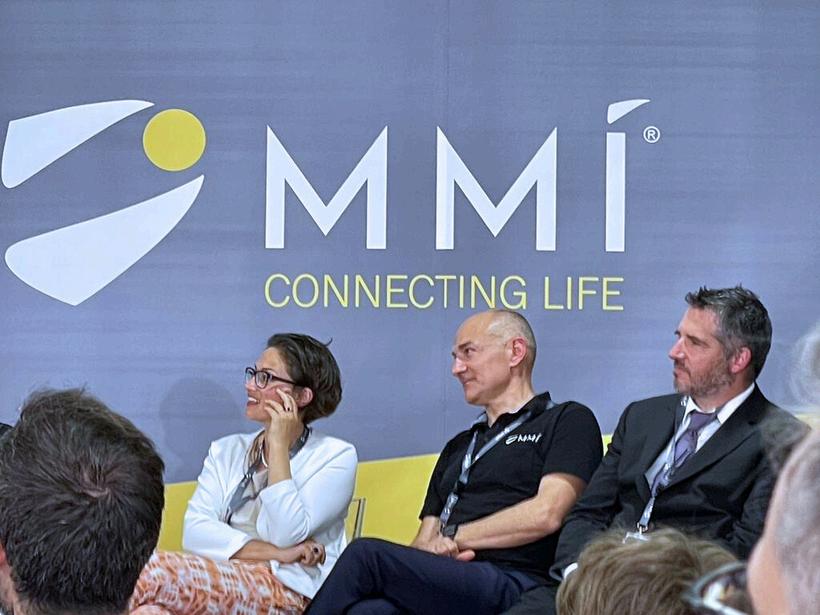
Stan: Many startups over-index on product features before truly understanding clinical workflows. How can founders better integrate clinical input from day one?
Hannah: Start by shadowing, not selling. Spend time in the OR or clinic with a notebook, not a pitch deck It’s not just about the procedure, it’s about the setup, the handoffs, the cleanup, the reimbursement codes. The best founders ask dumb questions early and often, and they build around the clinician, not just for them A clinician advisory board is table stakes; what's more impactful is embedding a nurse, tech, specialist or surgeon into your product team, even parttime
Stan: How do you create a perfect MedTech start up environment? Where do you start?
Hannah: One of the most important components in a MedTech startup, or in any startup for that matter, is that the team is mission-driven There are so many unknowns in building a business from scratch, that the ability of the founders to garner energy in the team around the clinical need is what is going to make a difference Every time the team makes an advancement on getting closer to addressing that need, it’s important for everyone on board to have visibility of it I also think it’s important for the team to see that leadership holds belief in the mission and for leadership to live by example, i.e. live an example of work-life balance. This is one of the things I strived for, but I am not sure I always achieved, as a founder and as an exec Show your team attention to detail and ownership of your work, of your product and of your company. Show them that there are sacrifices we make at times, but that we also need to keep our work in perspective: put in the big rocks first. There are things like your own health, your family or other things that aren’t deferrable The team and the passion the team members have for their work will only be sustainable over the years if you leave them the space to integrate all the pieces of their life and applaud them for finding that balance
Stan: Looking ahead 5–10 years, what emerging technologies or needs do you believe will define the next wave of MedTech innovation?
Hannah: We're at the beginning of a shift toward personalized, precision-guided interventions That means combining robotics, imaging, and AI for real-time decision support- think of it as the “co-pilot” model. On the other end, there’s a big need for decentralized and remote care toolsminiaturized diagnostics, smart therapeutics, and digital biomarkers that reduce the need for hospital infrastructure. Finally, women’s health is long overdue for its innovation wave We’ll see more neurotechnology, bioelectronic medicine, and hormone-independent therapies come to the forefront, and it won’t just be a niche. I am really looking forward to seeing these domains come to fruition and being part of building the next generation of robotic and neurotech devices to improve patient care.
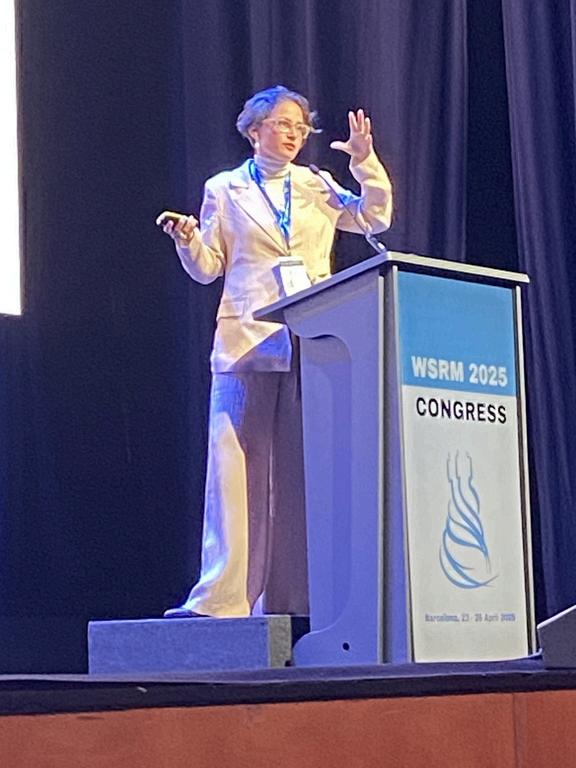


Q: You’ve been recruiting in the MedTech sector for over seven years. What are the biggest challenges you see today when it comes to attracting and retaining talent in this highly specialized industry?
A: Markets are getting more and more competitive Larger corporations are pivoting at the moment, defining which devices and segments are performing well and bringing the required revenue to address their long-term growth objectives
Smaller and mid-sized players are fighting for market share while trying to bypass regulatory hurdles that directly affect their daily operations and cash flow. Startups, on the other hand, are challenged by limited funding, new market entry barriers, and an increasingly stringent regulatory environment The main challenge for all remains the same staying focused and aligned with their size, capabilities, and strategic objectives.
We’re also witnessing growing appetite from private equity firms to step into the medical devices space, while venture capital investors are becoming far more selective with their investment choices The European market, in particular, is still in what I would call a “winter mode” the lingering effects of the MDR transition, supply chain disruptions, and strained healthcare budgets continue to weigh heavily on the sector.
All these factors combine to make talent acquisition extremely challenging The best professionals are not only in high demand but are also more cautious about career moves. MedTech companies must now sell more than just a job they must communicate purpose, flexibility, and stability. In many cases, this means rethinking traditional hiring approaches and embracing flexible workforce strategies that allow them to remain agile and competitive despite ongoing uncertainty.
Q: How can contingent workforce solutions and flexible payrolling models help MedTech companies overcome their current hiring challenges?
A: First of all, in such a fast-paced environment, companies are looking for faster decisionmaking processes Contingent Workforce (CW) teams are expanding, and we can clearly see growing interest from larger corporations in identifying and engaging talent differently Flexibility and the ability to adapt quickly to market conditions will only continue to increase the demand for these models.
However, it’s not only large corporations that benefit. Smaller and mid-sized MedTech companies can also take advantage of flexible hiring and payrolling solutions especially when hiring outside of their core markets in regions such as the EU, APAC, or the Middle East. These solutions simplify compliance, minimize risk, and accelerate time-to-hire, which is crucial for companies operating across multiple regulatory jurisdictions.
Another important factor is cost efficiency and scalability Through a flexible payrolling model, organizations can onboard specialists for critical projects whether in regulatory affairs, clinical operations, or product development without committing to permanent headcount until the market or funding environment stabilizes. This gives them the agility to innovate and expand without overextending resources
Finally, flexible workforce solutions empower MedTech companies to access a global pool of highly specialized professionals, including niche experts who might not be available locally In an industry where innovation cycles are short and compliance requirements are complex, having the ability to engage the right expertise at the right time can make the difference between getting a product to market or missing the window of opportunity.



Q: In your experience as Country Manager at InfoTree Global Solutions, how does adopting a global and data-driven hiring approach give MedTech companies a competitive edge?
A: First of all, by adopting a global and datadriven hiring approach, MedTech companies benefit from a much wider and more diverse pool of talent. This is particularly important in an industry where specialized expertise whether in R&D, regulatory affairs, or product engineering is often concentrated in specific regions. A global strategy allows organizations to identify, engage, and onboard the right experts regardless of geographical boundaries, ensuring access to the best talent available rather than the best talent locally available.
Secondly, companies become far more adaptive and precise in their hiring strategies. Leveraging data and global insights enables them to anticipate market needs, identify skill gaps early, and make informed workforce decisions This level of intelligence supports not only short-term project execution but also long-term workforce planning, something that’s essential in MedTech, where product lifecycles and compliance requirements can shift rapidly.
Thirdly, a data-driven global model gives companies greater control over their cashflow and headcount expenditure. By working with a trusted global partner like InfoTree Global Solutions, organizations can deploy contingent or contract talent quickly and compliantly, while maintaining full visibility into costs, performance, and workforce distribution. Our global infrastructure and local expertise help clients navigate complex employment regulations, tax laws, and payrolling requirements allowing them to stay focused on innovation rather than administration
Ultimately, this approach turns hiring from a reactive process into a strategic advantage. MedTech companies that embrace flexibility, backed by data and global reach, can scale operations efficiently, enter new markets faster, and remain competitive in an increasingly demanding and regulated industry
Q: There’s often a perception that flexible work arrangements can dilute company culture or commitment. How do you see MedTech organizations balancing flexibility with long-term engagement and innovation?
A: We already learned during COVID-19 that many companies successfully transitioned from traditional, office-based setups to more flexible, hybrid, or fully remote models. For many professionals, this has now become the new norm not just an emergency measure, but an expectation of how modern work should function.
Secondly, advancements in telecommunications and video conferencing tools have fundamentally changed the way we collaborate. Today, teams can work seamlessly across borders and time zones while still maintaining high levels of communication and connectivity Technology has eliminated much of the friction that once made remote work feel isolating or inefficient.
Third, the vast majority of teams in MedTech particularly in global organizations are already distributed in some form. What has shifted most is culture We’ve moved away from a purely corporate, centralized culture toward something much more personalized, inclusive, and trustbased. The focus now is on outcomes rather than presence, and on empowerment rather than control
The key is to keep the right balance. Organizations must ensure that their teams understand the foundation of the company’s mission, values, and objectives, regardless of where they sit physically. This can be done through intentional communication, regular engagement initiatives, and leadership that models transparency and accountability.
In MedTech, where innovation thrives on collaboration and precision, culture becomes the glue that holds a dispersed workforce together. I’ve seen companies successfully maintain strong engagement by combining flexibility with purpose giving employees autonomy, but also connecting them to a shared goal: improving patient outcomes and advancing medical technology
Ultimately, flexibility doesn’t dilute culture it reshapes it. It allows organizations to attract and retain top talent from anywhere in the world, while fostering a sense of trust and mutual respect. The companies that will thrive are those that build a culture of connection, not location.
Q: As both a recruiter and publisher of MedTech Opinion Leader, what trends or innovations do you foresee shaping the future of MedTech talent acquisition and workforce strategy?
A: I believe we are at a pivotal moment in time when many of the frameworks that defined the MedTech industry over the past decade are being questioned. The traditional models of hiring, working, and even leading teams are evolving rapidly This brings a certain level of market uncertainty, but at the same time, it opens exciting new opportunities especially for talent.
We’re entering an era where professionals have far more autonomy over their careers. Whether you’re part of a global corporation or a small start-up, the ability to shape your own professional journey has never been greater The democratization of information, access to global networks, and the rise of digital collaboration tools mean that geography and hierarchy are no longer the defining factors of success. Everyone truly has the potential to create their own fortune.
Modern tools from AI-driven talent analytics to virtual collaboration ecosystems are changing how organizations identify, engage, and retain talent But beyond technology, the real differentiator will be creativity and adaptability
Those who think outside the box, who can connect science, technology, and human insight, will lead the next generation of MedTech innovation
As a publisher of MedTech Opinion Leader, I see this shift reflected in the conversations we host every day The lines between clinical expertise, digital innovation, and commercial
strategy are blurring Talent strategies must reflect that by embracing multidisciplinary thinking, promoting lifelong learning, and encouraging collaboration across borders and functions.
The future of MedTech talent acquisition will not be about filling roles; it will be about building ecosystems of expertise. Organizations that recognize this early and align their workforce strategies with purpose, flexibility, and creativity will be the ones driving the industry forward


Stan: Many people may not realize that suture management is one of the most substantial problems in robotic-assisted surgery. Could you explain what this issue is and why it’s so critical?
John: For a myriad of robotic-assisted cases, suturing is by far the longest portion of the surgeon’s console time. It can be fraught with many pitfalls that lead to: long operative times, increased costs to hospital/healthcare systems, patient safety risks, and surgeon frustration
Most surgeons don’t have the skill or patience required to use a single long suture to complete the suturing task Therefore, most surgeons are currently coordinating and managing multiple, short suture lengths and needles to complete the case With this approach: sutures snag, twist, or drift out of the field; needles can be dropped, lost or forgotten; frequent instrument exchanges and needle passes increase the case time and expose the patients’ viscera to potential injury
This cumbersome practice adds to surgeon cognitive frustration, disrupts case flow, increases total case cost of suture material, and increases time under anesthesia for the patient If robotic-assisted suturing time can be reproducibly and reliably made more efficient, incremental daily case volume increases can be realized for hospital systems
Stan: How does this problem impact surgeons, patients, and overall surgical outcomes?
John: • Surgeons & teams: Interruptions, multiple instrument exchanges, re-grasping, unintentional knotting, accidental suture cuts, and clutter in the operative field of view slows throughput and fatigues the team and surgeon. It also extends procedure duration, turnover and increases variability across surgeons and staff
• Patients: Longer operative and anesthesia time can correlate with higher complication and infection risk Introduction of multiple needles into the patient increases the chances for
incidental visceral injury or accidental retained foreign bodies. All of these risks increase cost of care for systems but can ultimately cost a patient much more
• Outcomes & economics: Variability is the enemy of quality Reliable, standardized suture workflow supports reproducible technique and efficiency. Current techniques put healthcare systems at risk for increased cost of care via: increased OR case times, increased anesthesia cost, increased patient infection risk; and increased risk of retained foreign objects. Even small case inefficiencies in high-volume service lines like hernia and colorectal lead to decreased realized daily case volume for healthcare systems.
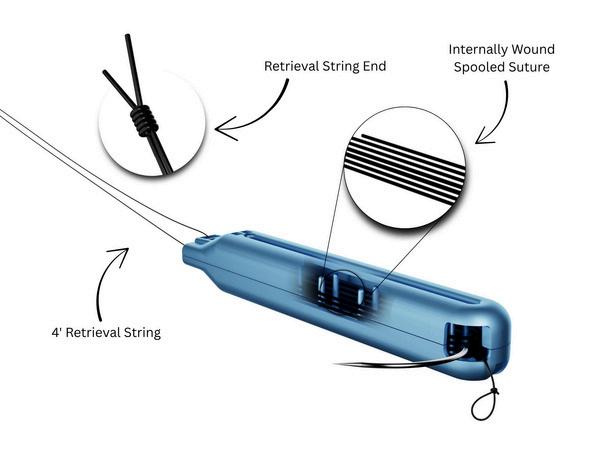
Stan: Your team has been focusing on technology that directly addresses this challenge. Can you walk us through how it works?
John: Swope Surgical’s Endospool™ is a sterile, single-use suture-management tool designed specifically for minimally invasive and robotic-assisted procedures It:
1. Organizes and dispenses suture so the surgeon receives exactly what’s needed when suturing It provides manageable access to over 30 cm of suture no tangles, no knots, no
accidental suture cutting or “birds nest effect” in the field. Surgeons can now efficiently affix an entire mesh to the patient’s abdominal wall with a single strand of suture
2. Controls tension on the suture to prevent inadvertent tightening or slack loops that obscure anatomy
3. Streamlines exchanges between bedside assistant and console surgeon by giving the team a predictable “feed-and-retrieve” workflow for up to 30 cm of suture per device.
4. Keeps the field clean by reducing free suture tails and instrument clashes that crowd the camera view.
5. Fosters patient safety by allowing surgeons to efficiently practice “one needle in, one needle out” during their robotic-assisted cases.
We are in design-for-manufacturing and testing with FDA clearance anticipated in Q1 2026
Stan: What sets your solution apart from existing approaches in the robotic surgery space?
John:
• Purpose-built for robotic/MIS suturing: Not a sterile pin cushion that promotes current poor practices Endospool is engineered to enable all surgeons to be more efficient by enhancing robotic field ergonomics, instrument choreography, and port constraints
• No capital equipment: A low-friction, disposable tool that plugs into current workflows easy to trial, easy to scale
• Standardizes across skill levels: Reduces the learning curve for new robotic surgeon suturers by controlling the exposed length of suture while also speeding experts by removing barriers and inefficiencies that are in current best practices.
• Platform-agnostic: Designed to support the major robotic ecosystems, emerging intraluminal approaches, and conventional laparoscopy, broadening relevance across service lines. Anywhere surgeons need suture in a minimal invasive case, Endospool can be utilized
• Suture and needle-agnostic: The current design will easily hold 45 cm of any suture a surgeon prefers The needle can be ANY size the surgeon prefers for the task
• It fits: Endospool is designed to fit down a standard 8mm robotic trocar (or larger) It does not have to be shoved through the patient’s abdominal wall.
Stan: What kind of feedback have you received from surgeons and clinical partners so far?
John: Early voice-of-customer sessions have uniformly wondered why this device doesn’t already exist in the market. Specific highlighted recurring themes:
1. Flow: Fewer camera-view obstructions and faster, more predictable stitch sequences. Less interruption of suture to complete a case.
2. Team confidence: Scrub staff report less “suture wrangling,” which helps turnover and reduces stress on high-acuity days.
3. Adoption potential: Clinical thought leaders see value in standardizing suturing steps for all surgeons regardless of level of training, especially in suture intensive procedures They voice extreme value added for surgeons in their learning curve on a new robotic-assisted system. Many envision Endospool being as ubiquitous as the suture it carries in the next 5 years
We’re incorporating that feedback into our DFM work and pilot plans.
Stan: From a commercial and adoption standpoint, what do you see as the biggest opportunity for scaling this technology globally?
John: • High-volume procedures first: Robotic hernia repair, pelvic floor reconstruction, partial nephrectomy and prostatectomy, colorectal, and foregut settings with lots of suturing and measurable time pressure.
• Simple economic story: No capital; case-based pricing tied to efficiency and consistency. Hospitals can pilot without bureaucracy, then expand by service line
• Channel leverage: Partnerships with leading robotic sales organizations create immediate awareness where the need is felt most
• Manufacturing readiness: We’re building for scalable, cost-efficient production from day one to support IDNs, GPOs, and international distributors
• Global Patents: Multiple patented designs in key worldwide surgical markets to protect company and investors from future infringement
Stan: Looking to the future, how do you envision this innovation shaping the next phase of robotic surgery?
John: We see suturing becoming faster, cleaner, and more teachable a standardized “lane” rather than a rate-limiting step Over time, that opens doors to:
• Data-enabled workflow: Usage metrics (e g , suture feed, tension, stitch counts) that inform training and quality programs.
• Smart integration: Compatibility with robotic platforms and instruments to further automate routine steps.
• Expanded indications: As suturing gets easier and more reliable, case types that currently avoid robotics due to time/complexity can come into scope.
Bottom line: Robotics has transformed exposure and precision. Endospool aims to do the same for suturing providing efficiency to enable surgeons to operate at their maximum potential, case after case.
Surgerii Robotics raises $100M to fund global expansion
The China-based surgical robot manufacturer is gearing up for growth after receiving Europe’s CE mark last year for its single port endoscopic system.
XCath Secures $30 Million Series C to Improve Global Outcomes in Neurovascular Care
XCath, a medical device company pioneering neuro-endovascular surgical robotics, announced today that it has secured $30 million in Series C funding, bringing the total raised since the company’s inception to $92 million The round was co-led by Crescent Enterprises and by Dr Fred Moll, Chairman of the XCath Board of Directors
Distalmotion SA recently secured a strategic investment from Johnson & Johnson for its robotic-assisted surgical system Dexter, amid an increase in demand from ambulatory surgery centers for such platforms The deal follows Distalmotion’s $150 million in a series G financing, and coincides with J&J’s recent submission of its own robotic surgical system, Ottava, to the U.S. FDA., for clearance.
Vitestro Raises $70 Million in Oversubscribed Series B Financing to Advance Autonomous Robotic Phlebotomy and Commercial Readiness
Vitestro, the pioneer in medical robotics advancing automated diagnostic blood collection, today announced the close of a $70 million oversubscribed Series B financing.
Surgical robot tech developer LivsMed completes Korean IPO worth $94M
Seoul-based LivsMed said its offering drew “significant interest” from major domestic pension funds and institutions and large global financial institutions headquartered in New York and Boston.
SS Innovations Advances Robotic Surgery with $18.6M in New Funding
SS Innovations, a developer of surgical robotic technologies aimed at making robotic surgery affordable and accessible to a global population, completed a private placement of its common stock, which generated about $18 6 million in gross proceeds, before deducting expenses
Ultrasonic robotic surgery tech developer Nami Surgical names new CEO, brings in $2.6M
Nami develops miniaturized ultrasonic medical devices for surgical applications It also supports medical device companies in ultrasonic surgery. The company’s high-performance, miniaturized ultrasonic scalpel aims to overcome barriers in robotic-assisted surgery. Ultrasonic scalpels from Nami have been engineered for integration into articulated, wristed surgical robotic instruments.
Palfrey takes over as CEO with knowledge of Nami, having served as a non-executive director since 2023. She has more than 25 years of leadership experience in medtech, including leading companies like Summit Medical and BOWA Medical UK.

• Ǫuantum Surgical and NeuWave Medical, Inc. Join Forces to Lead the Future of Interventional Radiology and Focus on Innovation and Remote Procedures
• Kurt Azarbarzin joins as CEO leading both businesses
Miami, Florida, and Montpellier, France, February 24, 2026 – Quantum Surgical, a company specializing in minimally invasive robotic-assisted cancer treatment, today announced the acquisition of NeuWave Medical, Inc , a medical device company whose products are used by physicians in over 70% of the top cancer centers in the United States This acquisition supports Quantum Surgical’s strategy to democratize robotic- assisted tumor ablation treatments to reduce cancer mortality
Quantum Surgical and NeuWave Medical, Inc –both of which share an extensive focus on innovation to improve cancer patients’ outcomes –will operate as subsidiaries of Precision IO Group Inc , the newly created parent company led by medtech veteran Kurt Azarbarzin, who was recently appointed CEO.
The group’s ambition is to become a leader in the interventional radiology industry, with a strong focus on precision and remote procedures.
Quantum Surgical specializes in robotics and AI and has developed the Epione® robotic platform for treating early-stage tumors. Epione assists physicians in performing percutaneous tumor ablations, where one or more needles are inserted through the skin to treat the tumor.
“At Quantum Surgical, we are committed to democratizing procedural know-how through robotics, and expanding high-quality cancer care for patients. Acquiring NeuWave Medical, Inc. is a natural and strategic step in that mission” said Bertin Nahum, President and co-founder of Quantum Surgical. “Innovation is our north star and we are thrilled to join forces with a passionate team of experts to drive innovation even further and shape the future of interventional oncology ” NeuWave offers market-leading, clinically proven microwave ablation technology that provides a physician-friendly workflow during percutaneous ablations and is used in 70% of the top cancer centers in the USA
“We’re proud to join the Quantum Surgical team and continue supporting physicians in their mission to treat cancer patients,” said Leah Kissling, President of NeuWave Medical, Inc “We look forward to combining our capabilities with Quantum Surgical to drive innovation and help transform the future of cancer care ”
The two companies rely on purpose-driven, highly experienced teams committed to transforming cancer treatment through consistent, globally recognized innovation. Bringing the two entities together was a natural step toward creating a new innovation dynamic and an expanded market presence.
Precision IO Group Inc. is already working to break down geographical barriers by enabling remote interventions.
The new remote interventions project aims to expand access to robotic-assisted percutaneous procedures by leveraging world-renowned experts for remote trajectory planning and results assessment, using Epione tools.
Enabling remote interventions benefits all stakeholders: more patients can access top- tier physicians and minimally invasive care without traveling long distances Physicians will be able to extend their expertise with greater geographic reach, collaborate in real time with specialists worldwide, and perform highly precise procedures with enhanced visualization and control
Medtech Leader Joins as New Group CEO
Seasoned Medtech leader Kurt Azarbarzin has been appointed to lead the new entity, Precision IO Group Inc He is the former Founder and CEO of SurgiQuest, Inc , a medical device company focused on advancing minimally invasive surgery, and also served as CEO of EndoQuest Robotics and Verb Surgical, a robotic joint venture between Johnson C Johnson and Google Most recently, Mr. Azarbarzin became a Partner at Frazier Healthcare Partners, where he advises and supports high-growth healthcare companies at critical stages of development and commercialization.
“I am excited and honored to join Precision IO Group Inc. as CEO,” said Kurt Azarbarzin.
“Quantum Surgical and NeuWave Medical, Inc. are highly complementary and share an incredible vision for the future. I have met both teams and am impressed by the pride and passion they bring to their work to improve patient care. I believe that their technologies, both independently and combined, have the potential to position us as leaders of the industry, and to transform cancer care on a global scale
Drawing on my 40 years of experience in minimally invasive surgery, I am convinced that AI, robotics and enabling remote interventions are gamechangers for cancer care and interventional radiology.”
“Quantum Surgical is expanding fast and will grow even faster with the acquisition of NeuWave Medical, Inc.. We are excited to count on Kurt’s experience and leadership to take us to the next phase for our company,” says Bertin Nahum, President and co- founder of Quantum Surgical
Guaranteed Business Continuity
While their activities complement each other and robust, cross-organizational enhancements are being developed, both companies will continue to operate independently to ensure a smooth and uninterrupted experience for their users:
● The Epione robotic solution remains an openarchitecture platform compatible with common CT imaging and tumor ablation modalities, allowing physicians the flexibility to treat distinct tumor morphologies.
● The market-leading, clinically proven microwave ablation technology developed by NeuWave Medical, Inc. is minimally invasive and can be used independently or combined with other therapies to improve patient outcomes and will remain available to physicians and patients. Physicians’ workflow and practice, therefore, remain unchanged.
The Epione device is CE marked for abdominal, chest, and musculoskeletal structures indications, and FDA cleared for the abdominal ablation indication. To date, more than 1,400 patients have already been treated in Europe and the United States
The acquisition and combined growth is fueled by Investment from Ally Bridge Group, the largest investor in Precision IO Group. In connection with the transaction, Stifel acted as exclusive financial advisor to Quantum Surgical. McDermott Will C Schulte LLP served as Quantum Surgical’s legal advisor.
About Quantum Surgical
Quantum Surgical is a company specializing in medical robotics and artificial intelligence cofounded in 2017 by Bertin Nahum, President With a dynamic team of
over 140 employees, the company is headquartered in Miami, Florida, and has offices in Montpellier, France
Its Epione® platform is dedicated to the curative and early treatment of cancers Quantum Surgical thus offers a new approach to cancer treatment by standardizing access to care More patients can benefit from innovative, better targeted and less invasive treatments.
Quantum Surgical was awarded the prestigious Galien USA Award in 2022, the equivalent of the Nobel Prize for biopharmaceutical research, and in 2023 joined the governmental French Tech 2030 program that supports top emerging actors in disruptive innovation.
More information: www.quantumsurgical.com
Media contact Quantum Surgical Stéphanie Moy
s.moy@quantumsurgical.com
Tel. : +33 (0)6 32 55 85 48